
1/11
The 10 Best Hacks To Control Gross Smells In Your Home
Bad odors in a home can stem from various sources, ranging from temporary issues like spoiled food to persistent musty smells. While room sprays offer a temporary fix by masking scents, true odor elimination requires neutralizing the odor-causing particles. This approach ensures that freshness lasts longer than simply lighting a candle. Many effective deodorization methods leverage the chemical reactions of common household ingredients like acids (e.g., lemon, vinegar) and bases (e.g., baking soda), demonstrating that powerful, harsh-scented cleaning products are not always necessary.
One of the simplest yet most effective methods is to air out rooms by opening windows. This allows musty, stale cooking, or trapped bathroom odors to dissipate, replacing them with fresh air. However, for lasting results, identifying and addressing the source of the odor is crucial, often requiring a thorough cleaning in conjunction with ventilation.
Lemons, rich in citric acid, are excellent natural cleaners and deodorizers. They neutralize foul smells and leave a pleasant aroma. A common hack involves cutting a lemon in half and leaving it out to absorb odors. Lemon juice can also be used for cleaning, though care should be taken to avoid sensitive surfaces like natural stone or hardwood. For those who prefer a non-citrus scent, vanilla extract offers an alternative for neutralizing refrigerator odors. After cleaning the fridge, cotton balls soaked in vanilla extract can be placed in an open bowl to absorb and replace unpleasant smells, a technique also used in real estate to make homes more inviting.
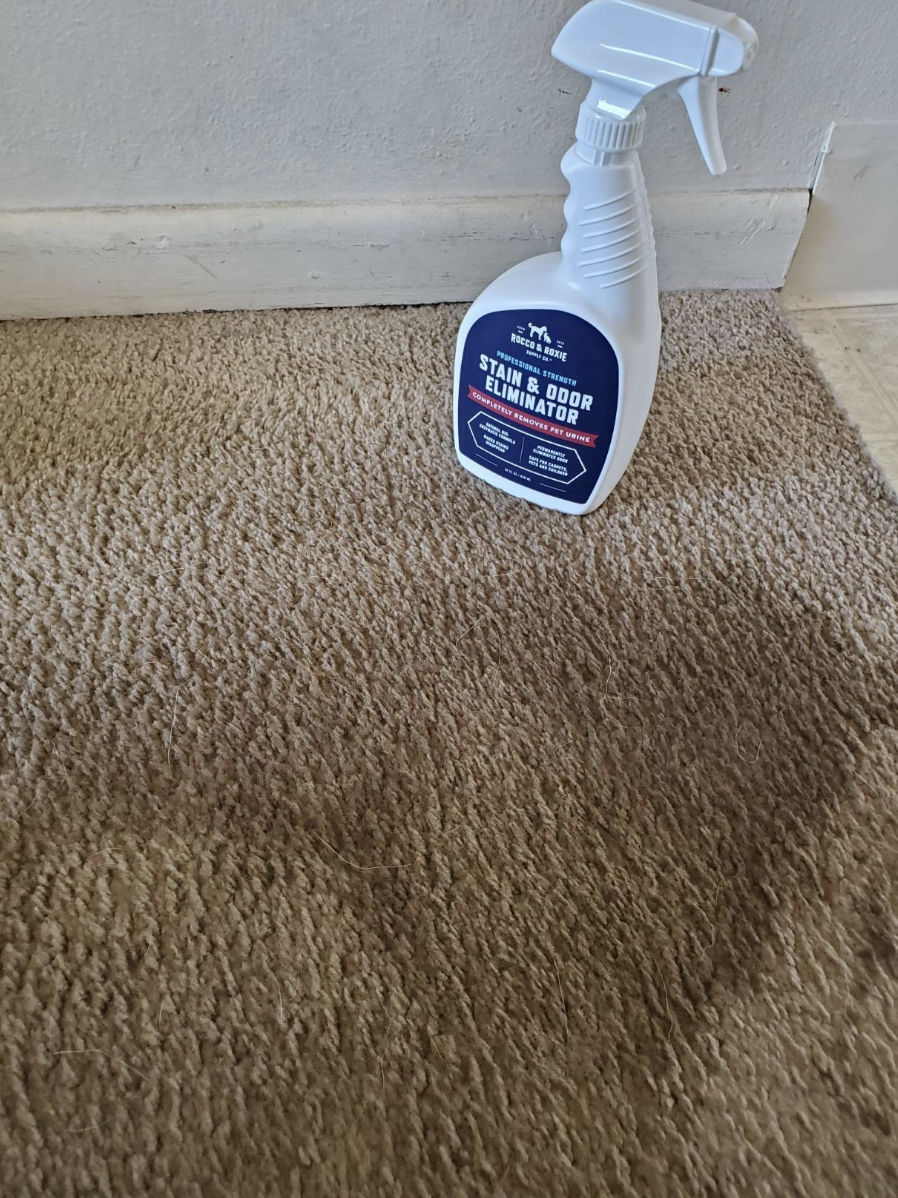
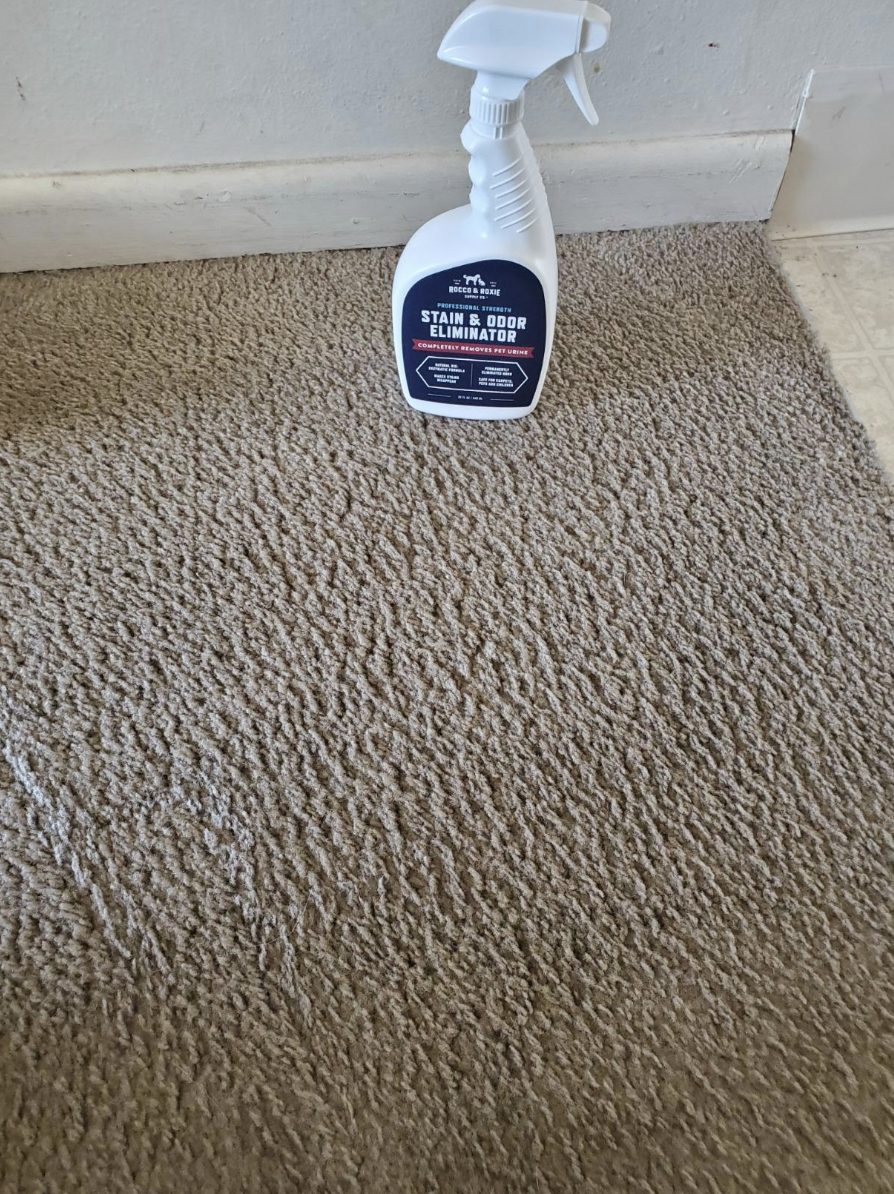
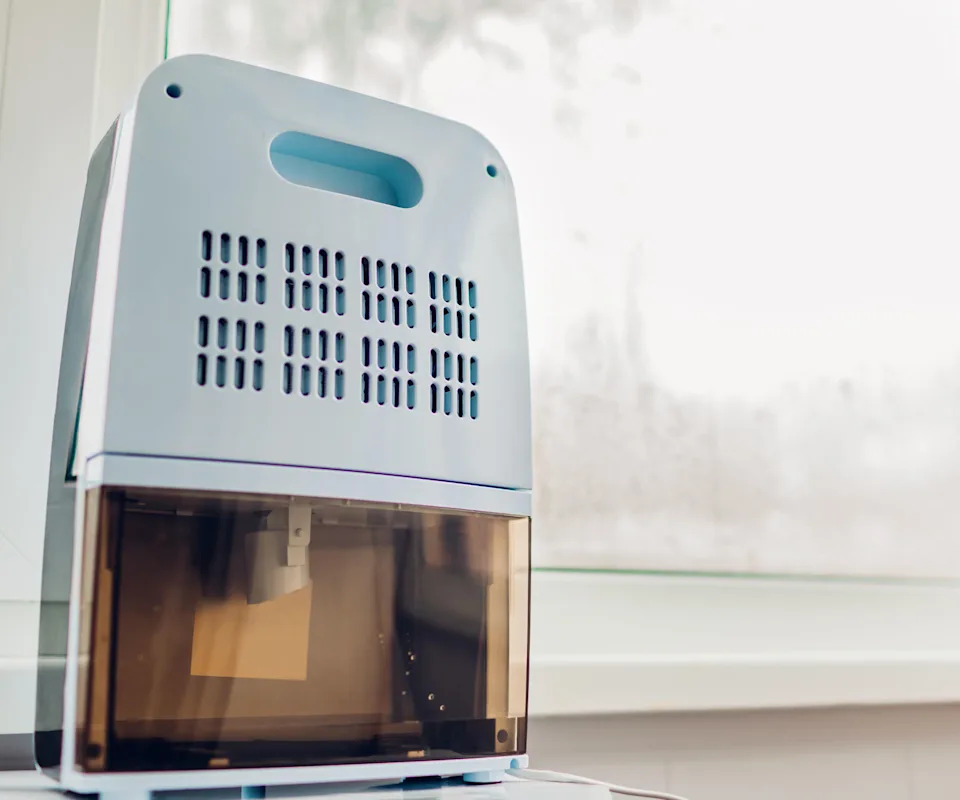
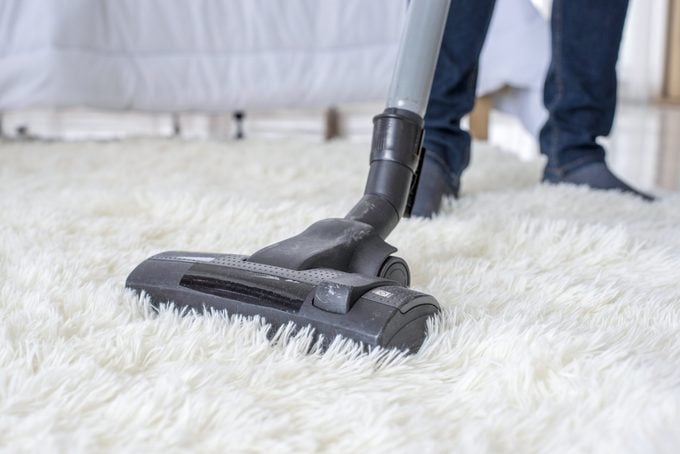
Excess moisture is a frequent cause of bad odors, fostering mold and mildew growth. A dehumidifier can prevent these smells by absorbing airborne water molecules that carry odors. Products like DampRid serve a similar purpose in smaller, enclosed spaces such as closets. Baking soda is another versatile and inexpensive deodorizer. Sprinkling it on carpets and letting it sit before vacuuming can neutralize odors trapped in fibers, making it particularly useful for pet odors. It can also refresh mattresses or absorb general room odors when left in an open bowl.
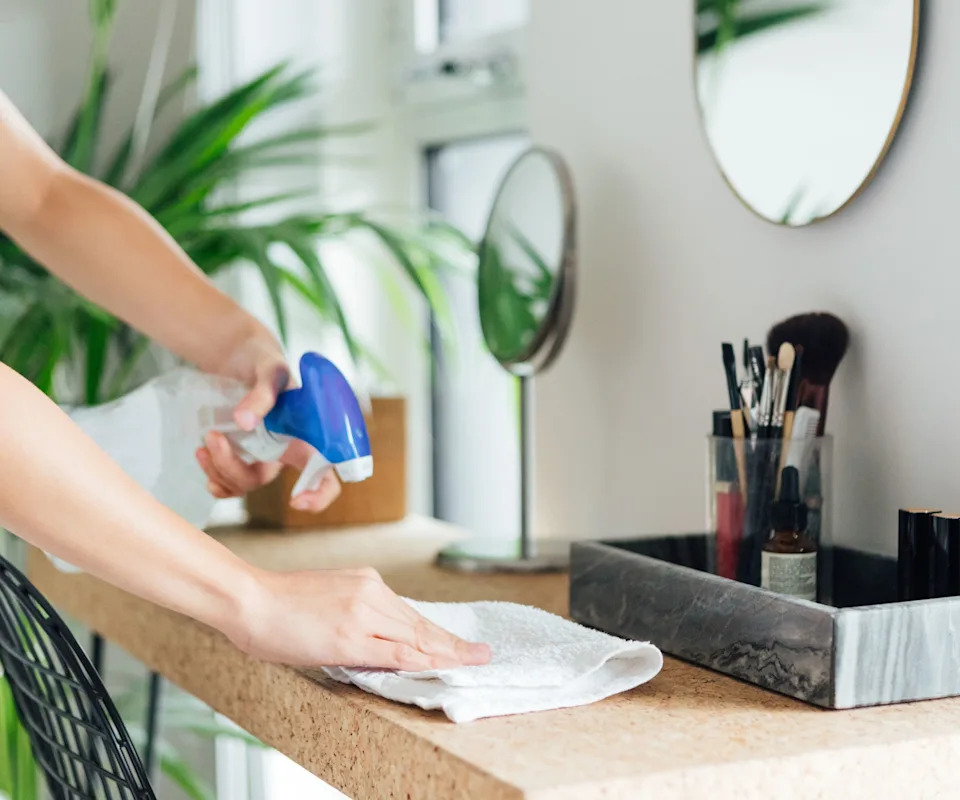
Vinegar, a powerful cleaning agent, can also trap odors. An uncovered bowl of white vinegar left overnight will allow the vinegar to dissipate into the air, neutralizing strong smells like urine, smoke, and mold. Regularly cleaning trash cans, even when lined, is important to prevent odor buildup. A thorough cleaning with vinegar, followed by scrubbing with baking soda, can neutralize smells and eliminate organic matter. Garbage disposals, notorious for harboring smells, can be refreshed using a combination of baking soda and vinegar. Pouring baking soda, followed by vinegar, creates a chemical reaction that lifts food particles and neutralizes odors, which are then flushed away with water.
Air filters can also trap odors, circulating stale, musty, or smoky smells throughout the home. Regular replacement of air filters is essential for maintaining fresh air circulation. Finally, silica gel packets, commonly found in packaged goods to absorb moisture, can be repurposed to combat musty odors in drawers and cabinets. By absorbing excess moisture, these packets prevent mold growth and eliminate odors trapped in water vapor, effectively freshening enclosed spaces when placed in a mesh bag.
#HomeCleaning #OdorControl #NaturalDeodorizers #CleaningHacks #BakingSodaUses #VinegarCleaning #MoistureControl #AirQuality #HouseholdTips #HomeCleaning #OdorControl #NaturalDeodorizers #CleaningHacks #BakingSodaUses #VinegarCleaning #MoistureControl #AirQuality #HouseholdTips
0 تعليق إجمالاً
 لا توجد تعليقات بعد
قد تعجبك أيضًا
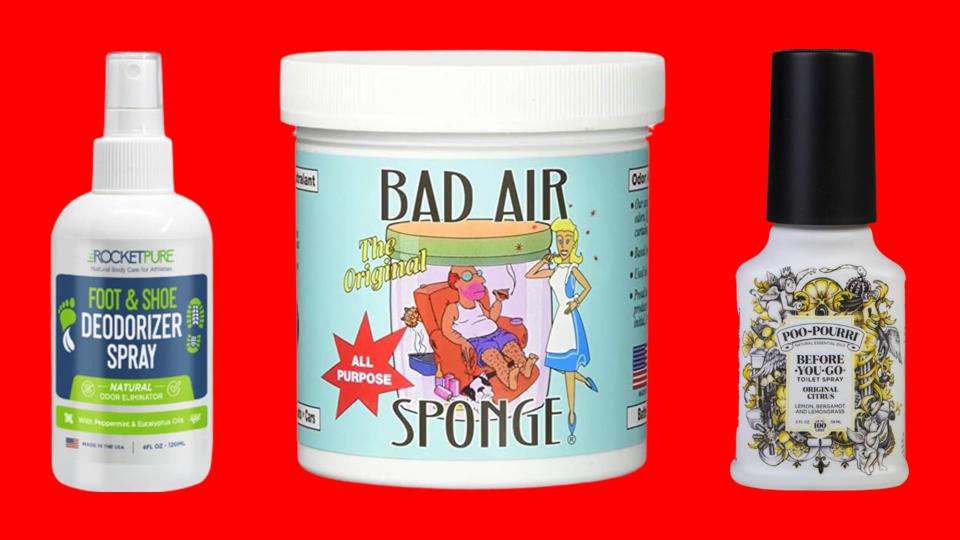
10 Best Odor Eliminators For Tackling Tough Smells In Every Room


Do You Have a Musty-Smelling House? 6 Worrying Causes — And What You Should Do to Get Rid of Them


How to Get Rid of Dog Smell from Everywhere in Your House

If Your House Smells Weird, It Might Be Due to One of These Common Problem Areas

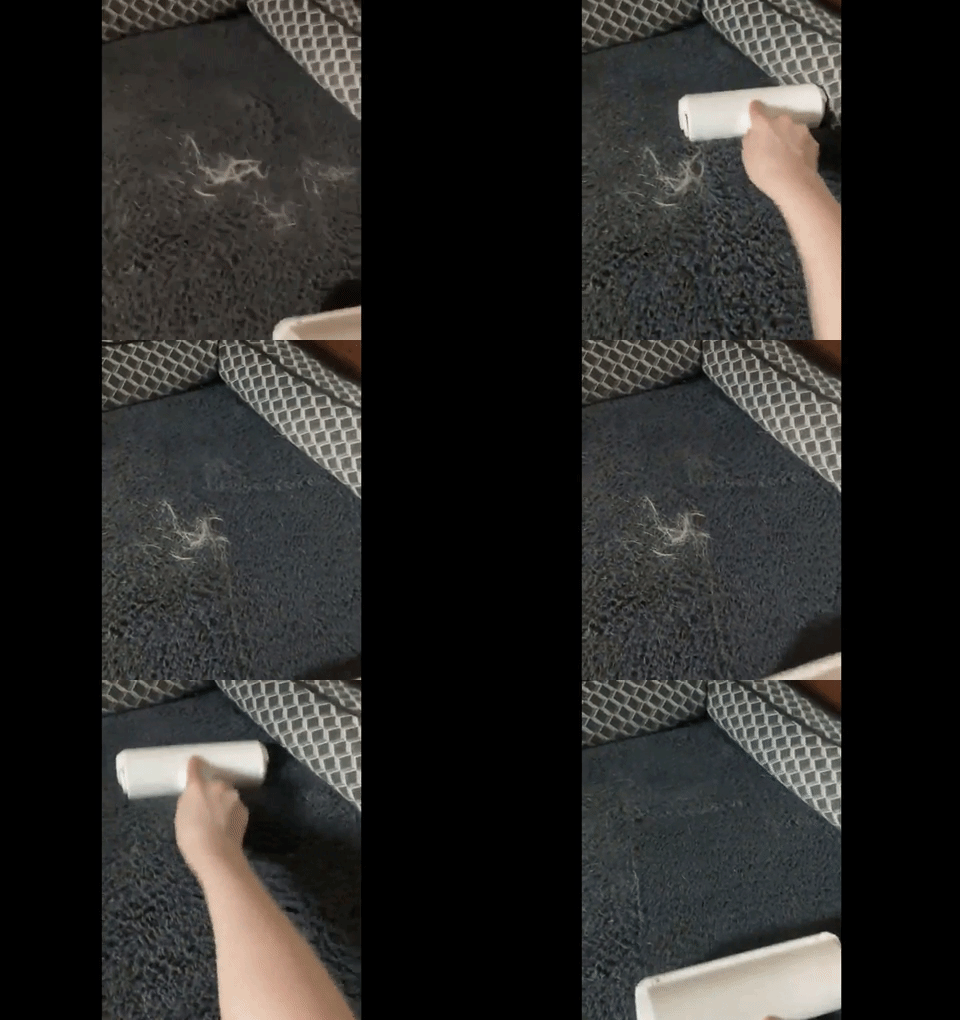
23 Things To Help You Keep Your Home Free From Pet Odors

How to make your home smell nice when you’re sensitive to fragrance


7 tips to keep your house smelling good without air fresheners

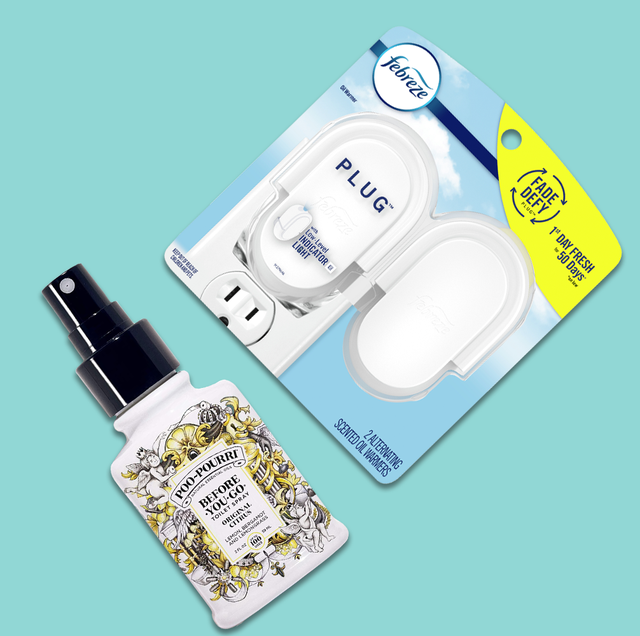
We Tested Dozens of Air Fresheners to Find the Best Ones for Your Home

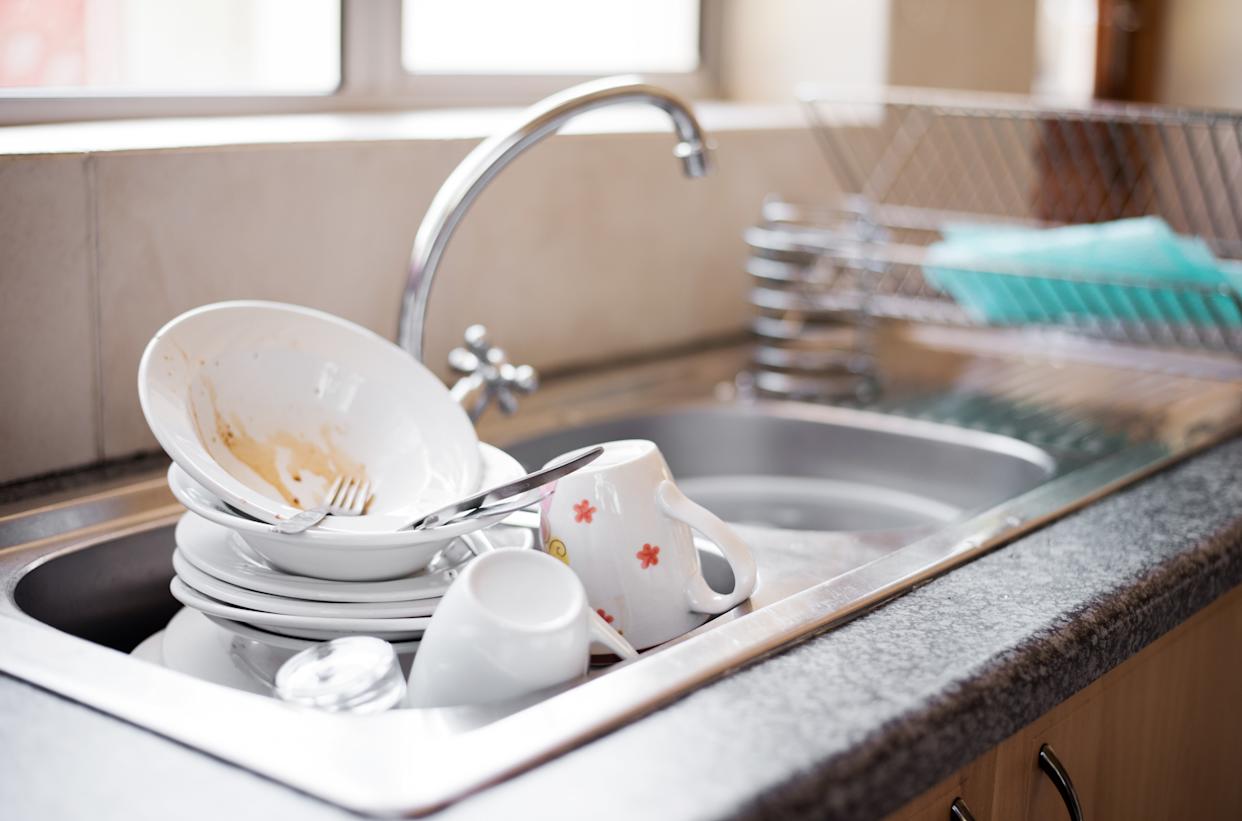
Your home stinks. Here's how to fix it, according to experts
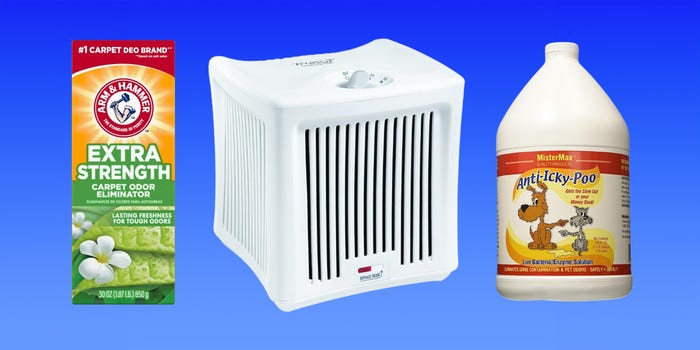
The 6 best odor eliminators to rid your home of bad smells for good
Designers Share 6 Ways to Rid Your Home of Hidden Toxins
11 Best Odor Eliminators to Deodorize Any Space
10 Habits That Are Making Your House Smelly, According To Experts
20 Cleaning Products That’ll Help Prevent That Dreaded Pet Smell

What to Do When a Dirty, Smelly Dude Sleeps on Your Couch

Experts say these 6 products will get rid of dog odor in your house
How to get rid of musty basement smells – 6 ways to combat odors and their causes


How to stop your shed smelling musty – 9 expert-approved methods to banish bad odors

'If you can smell it, there's a problem in progress' – 5 expert-approved ways to get rid of musty smells in an attic

9 Odor Eliminators For Your Home That Reddit Users Swear By