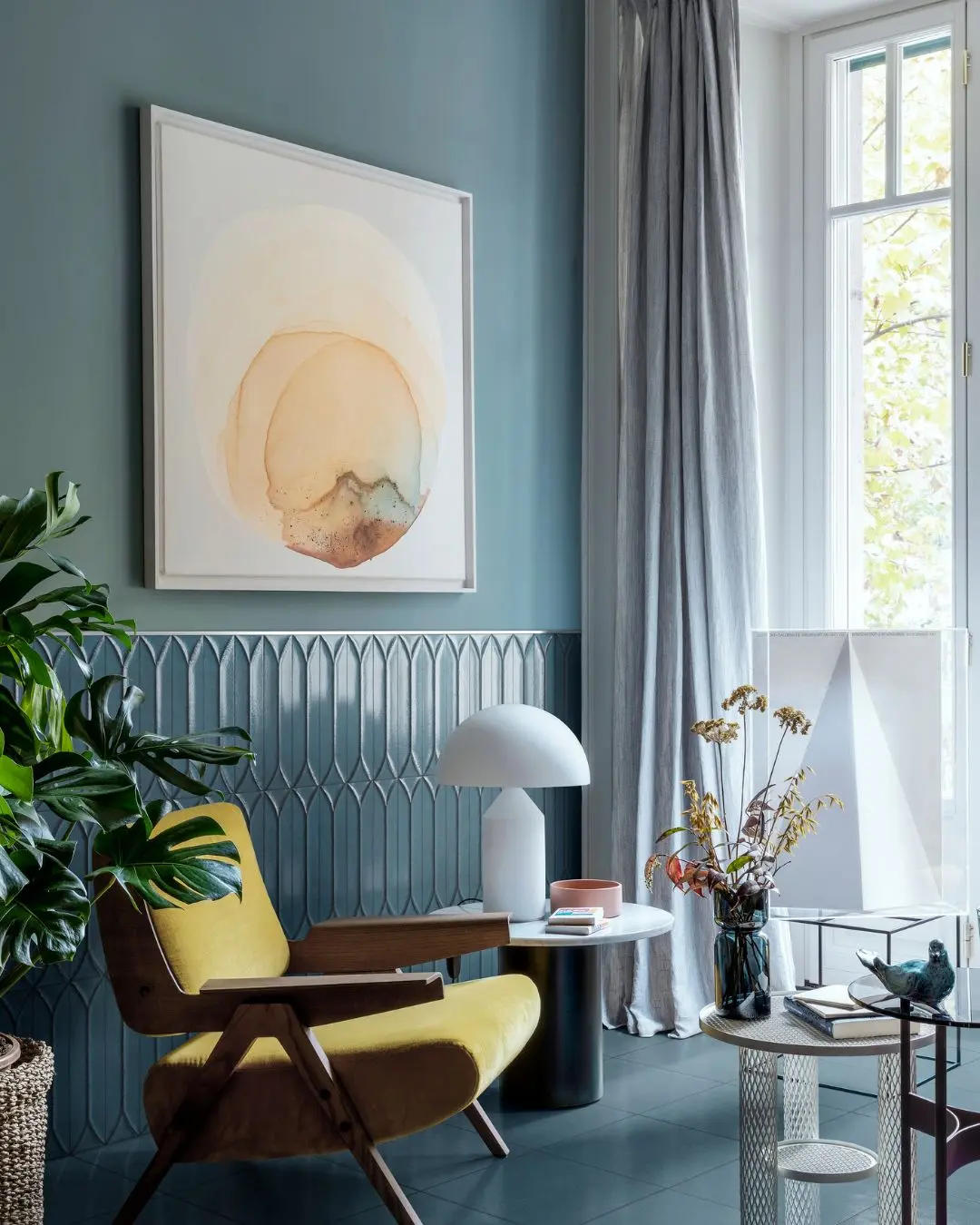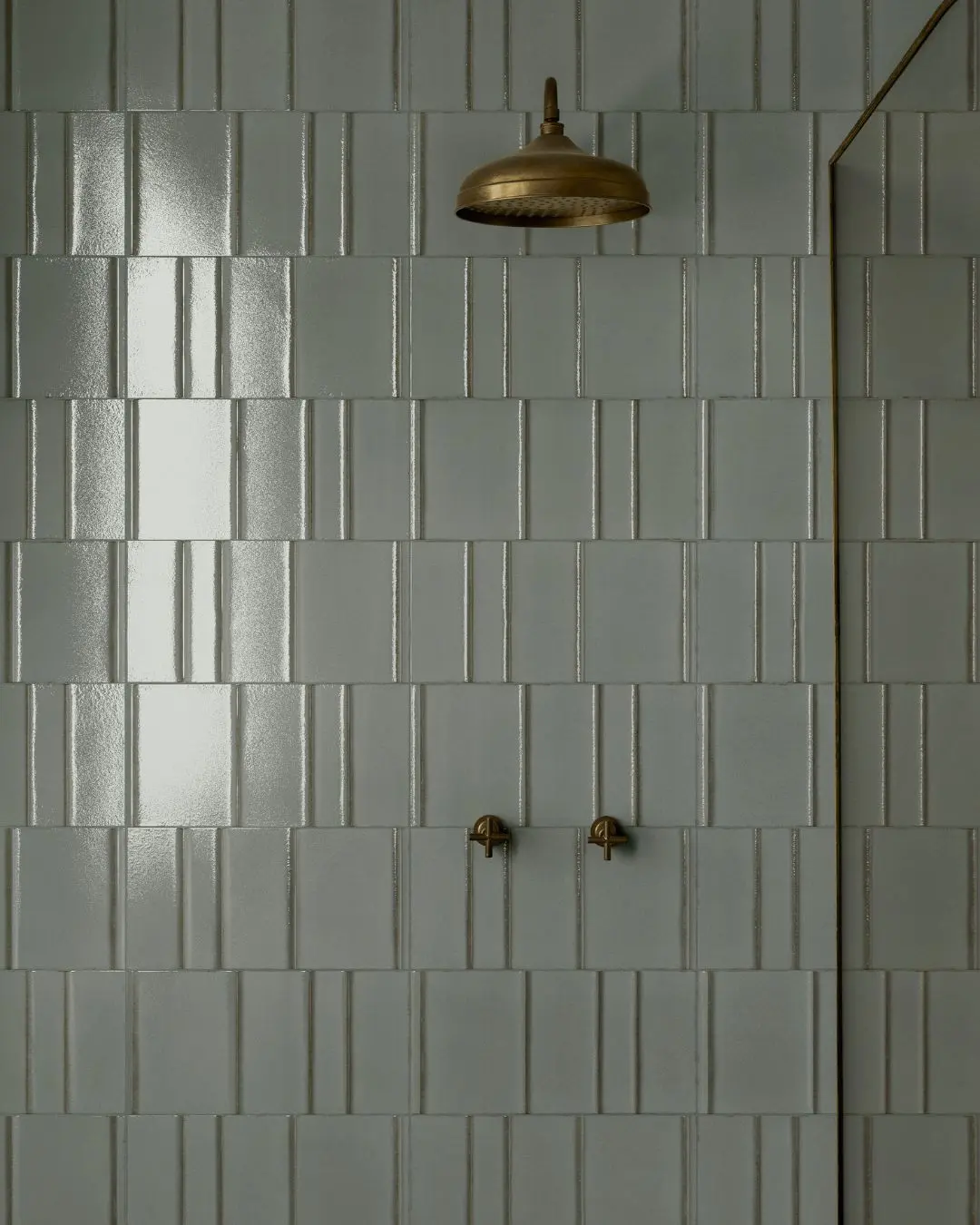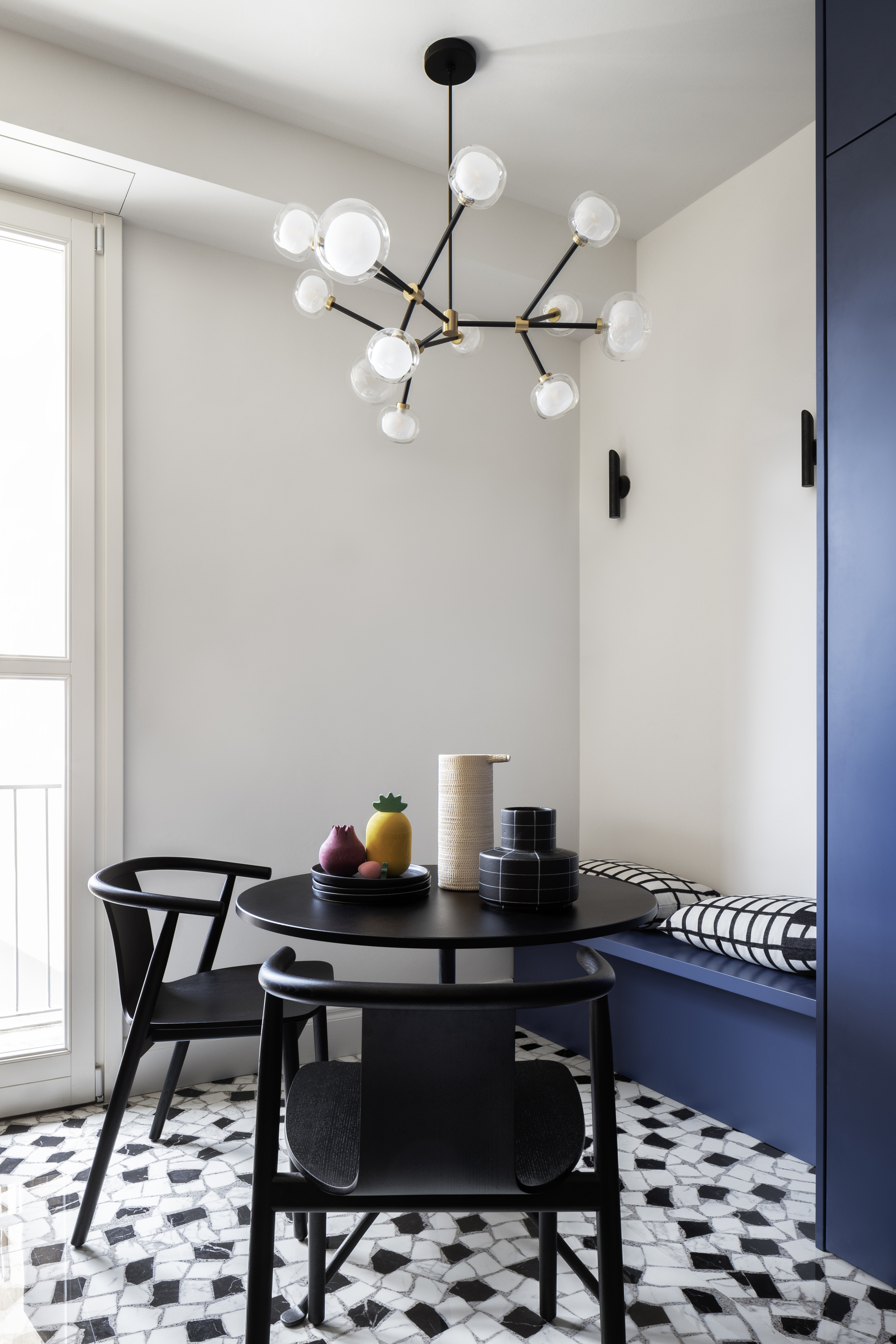
Terrazzo enjoying a resurgence
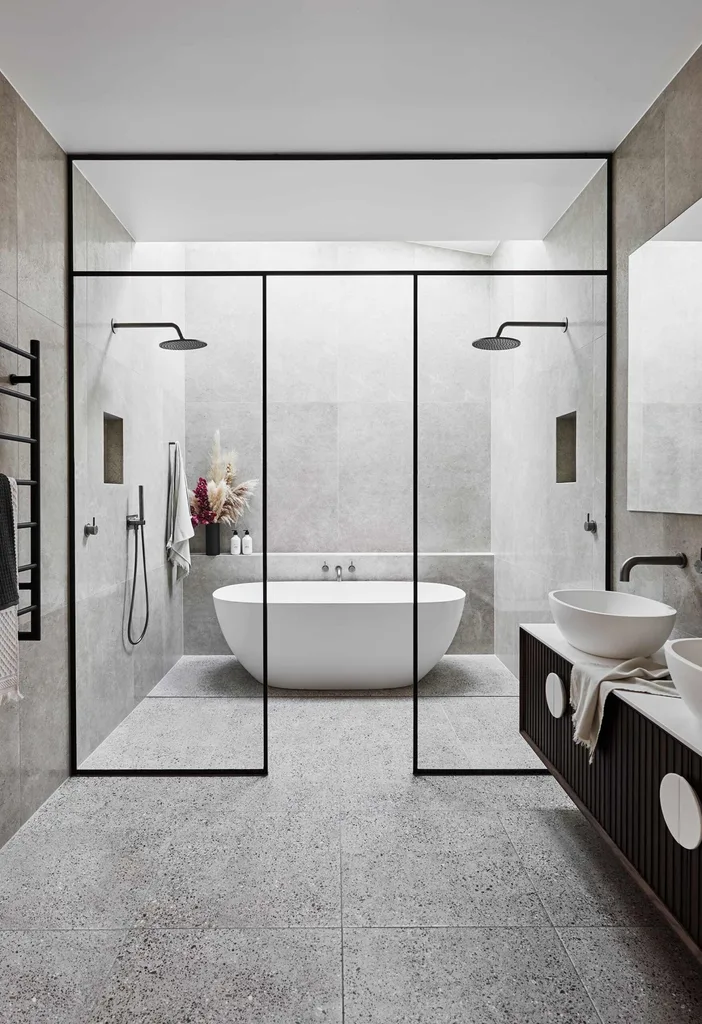
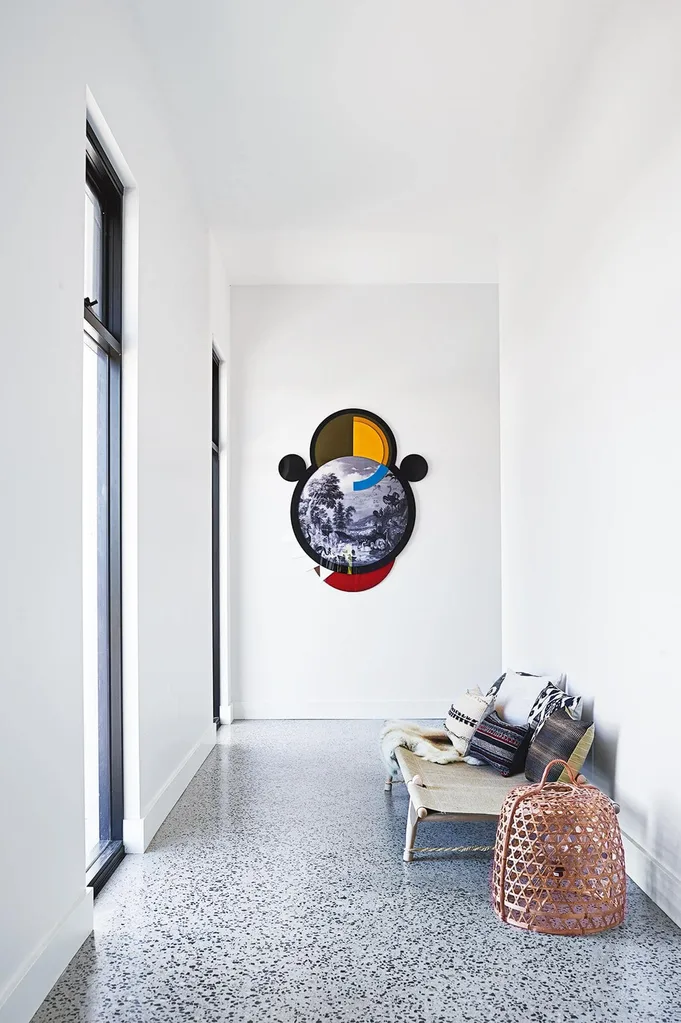
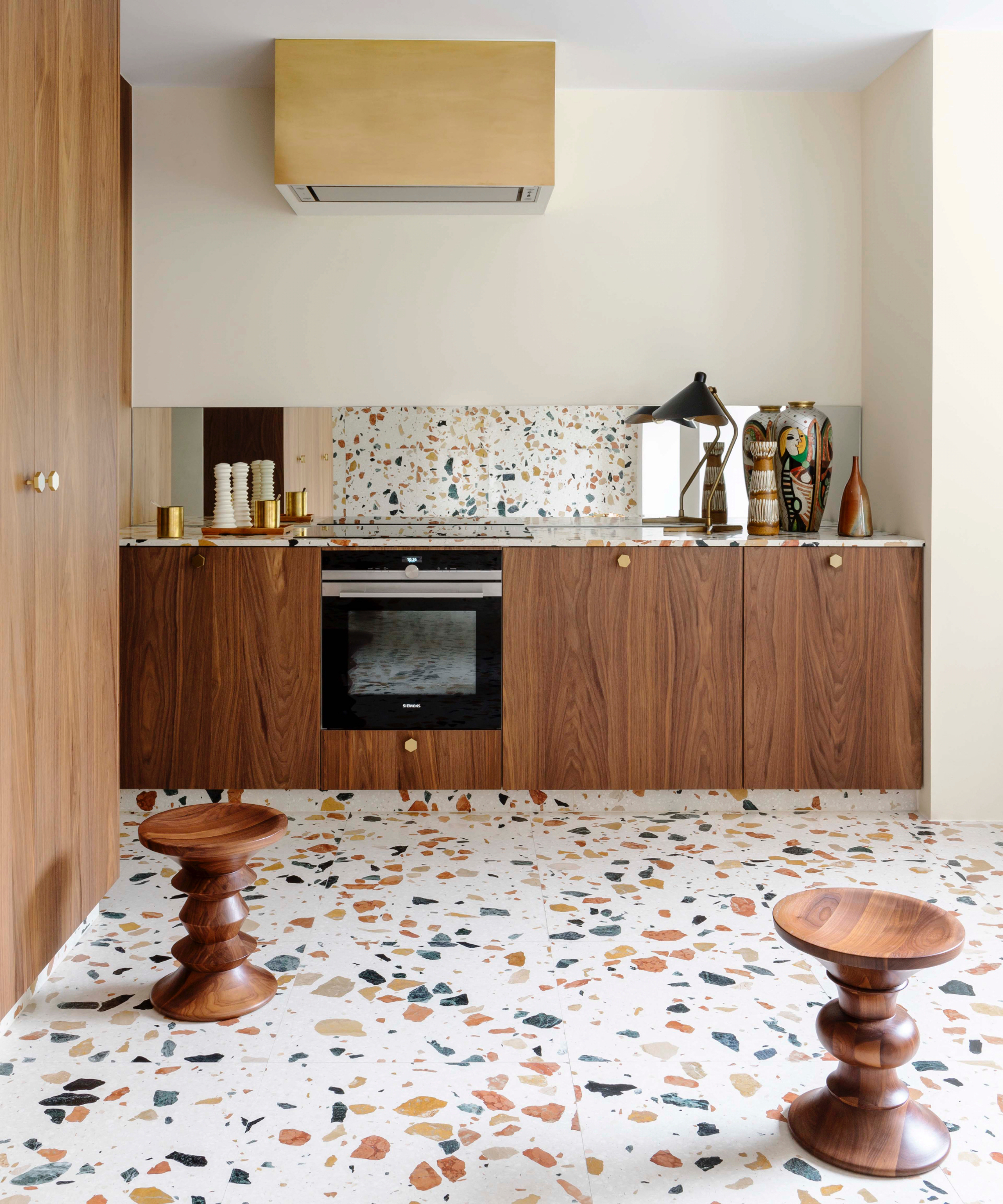
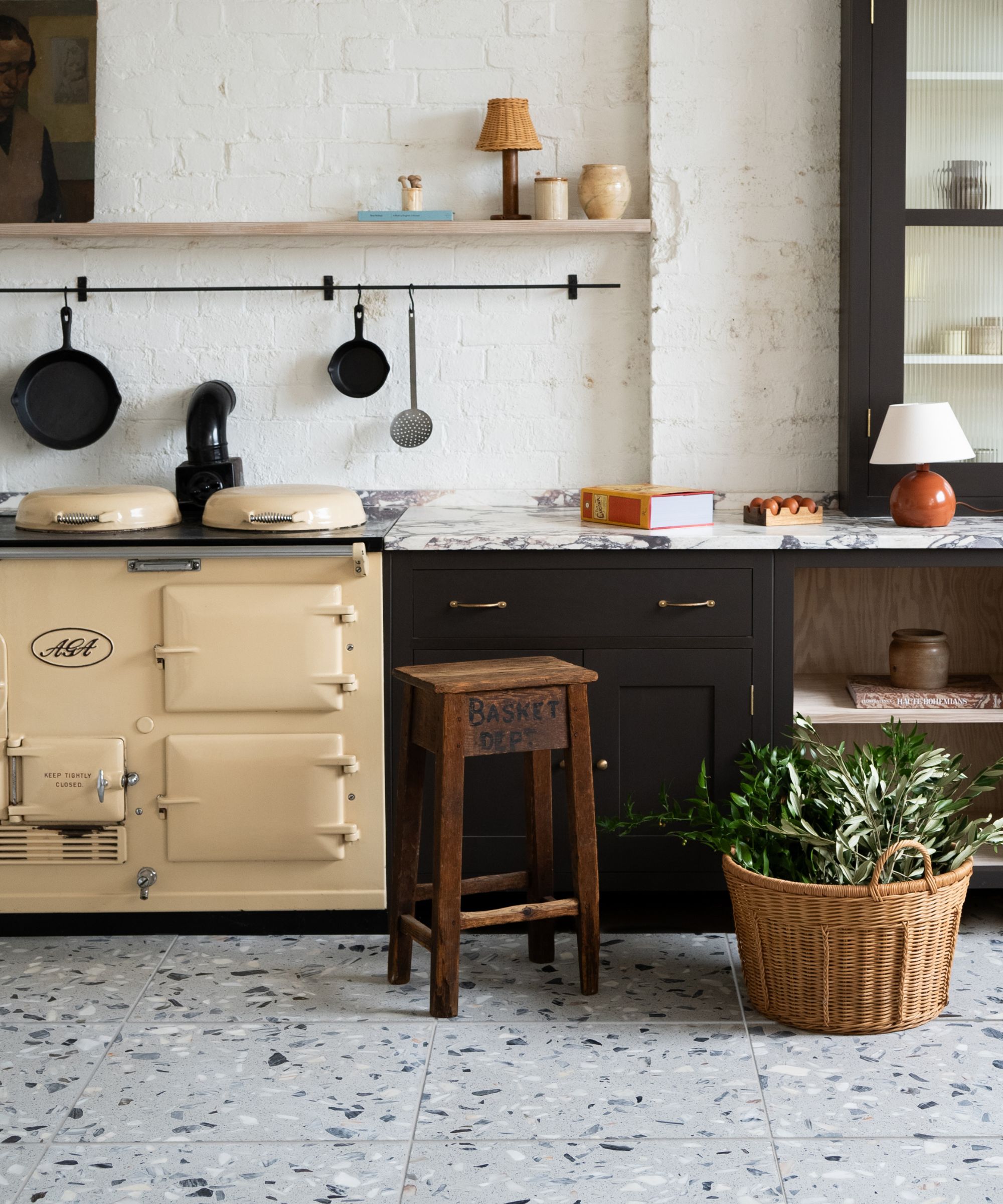
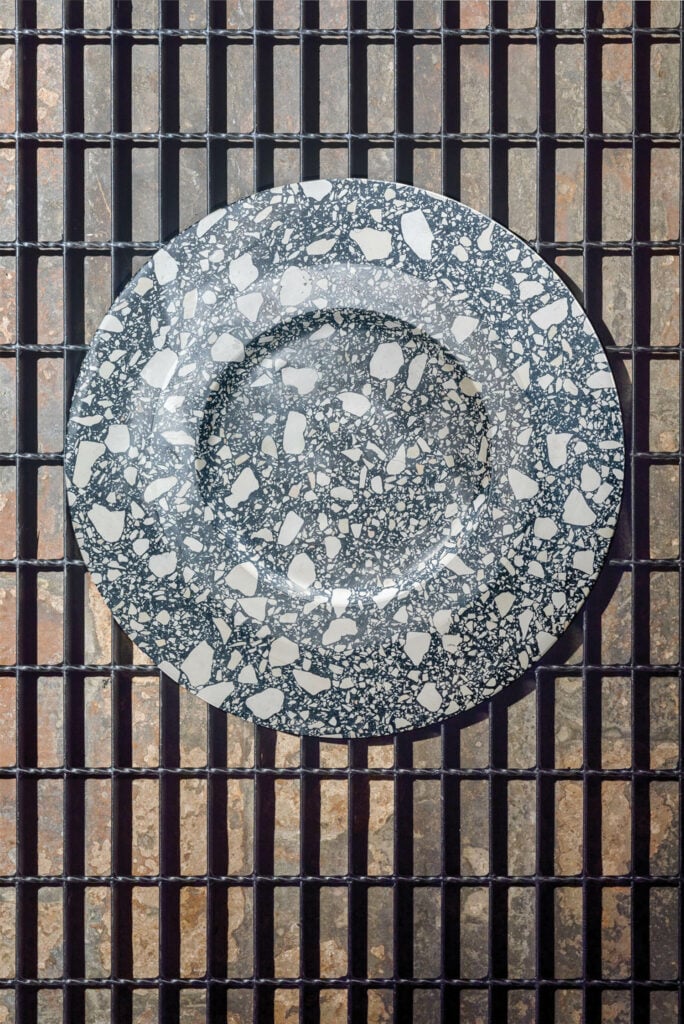
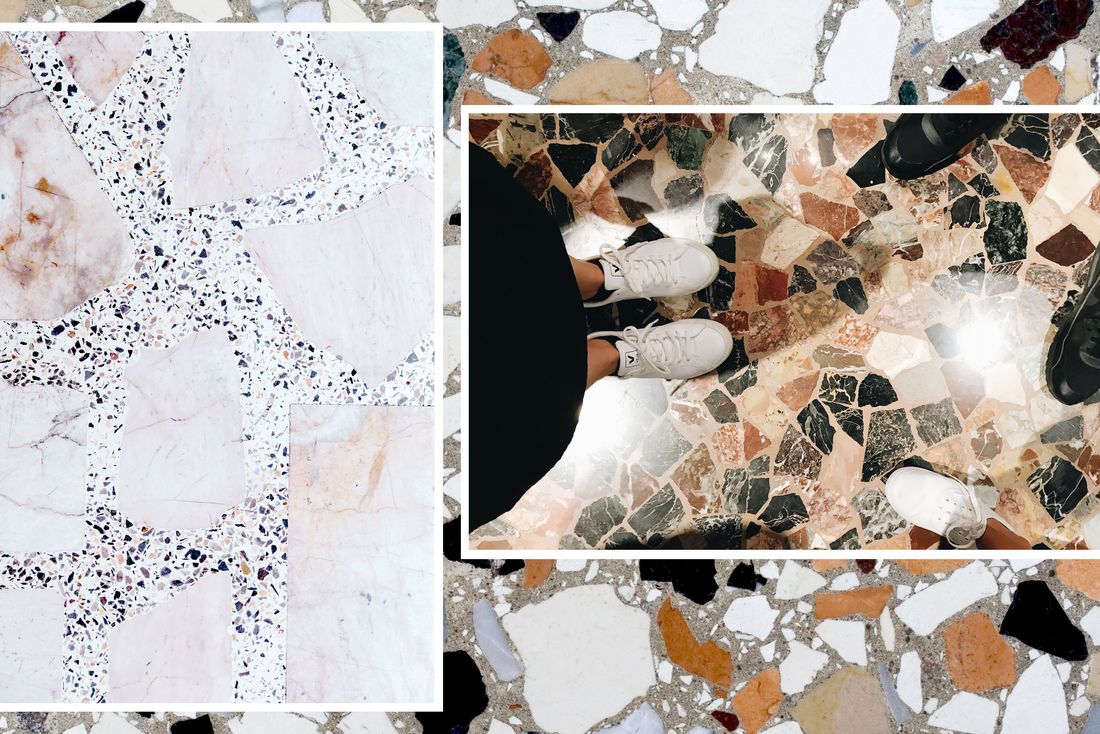
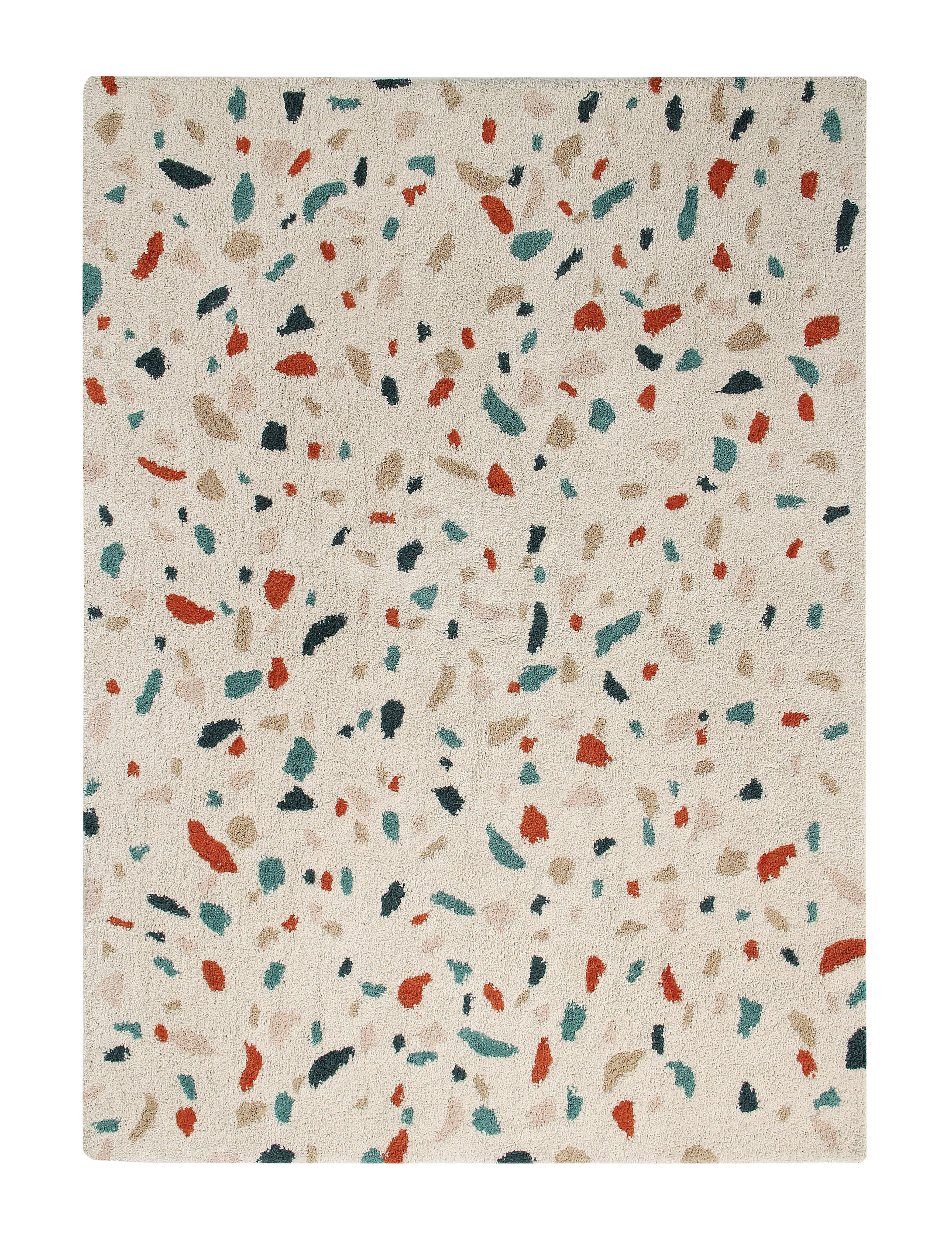
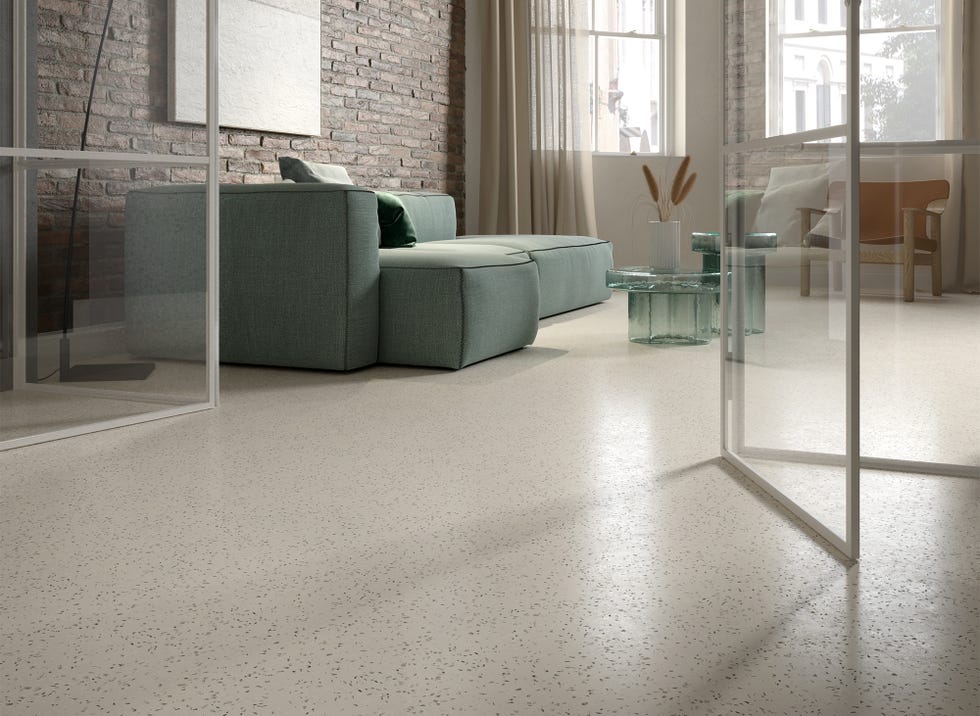
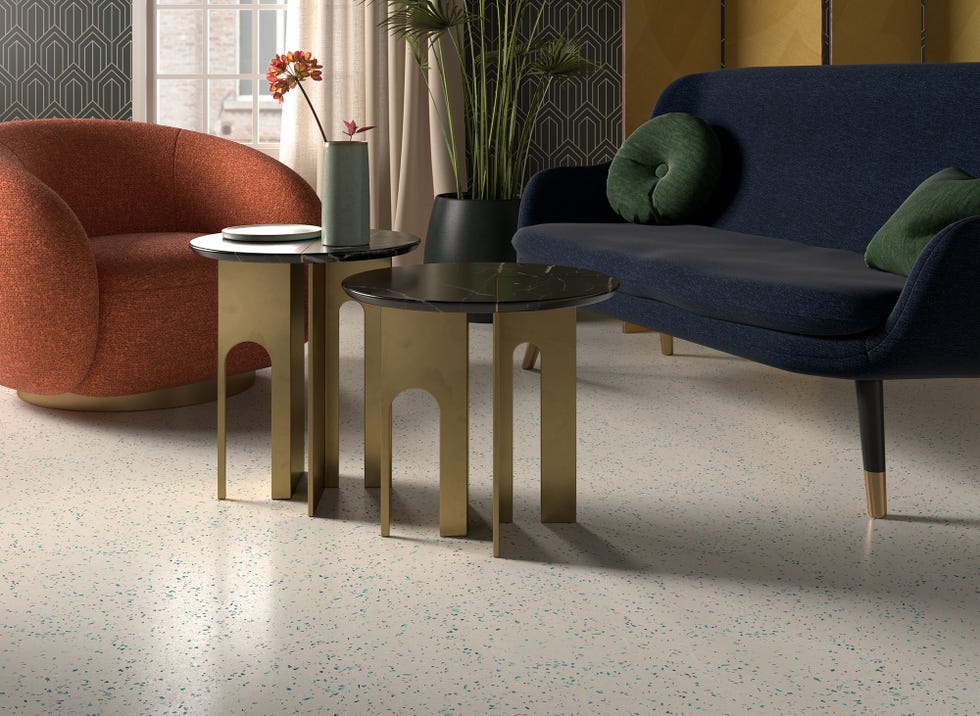
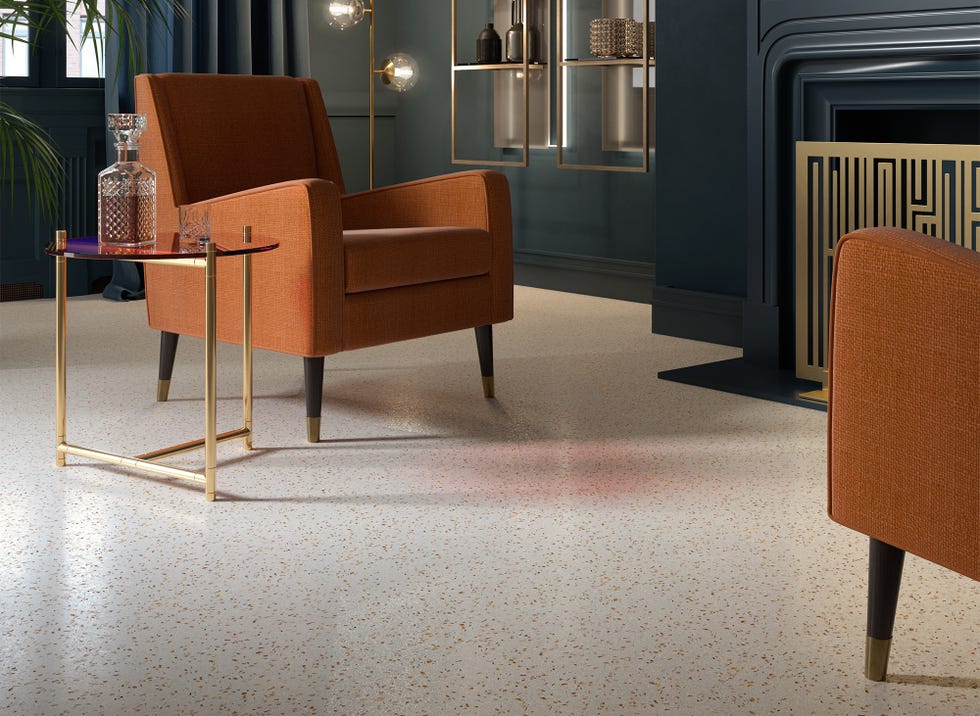
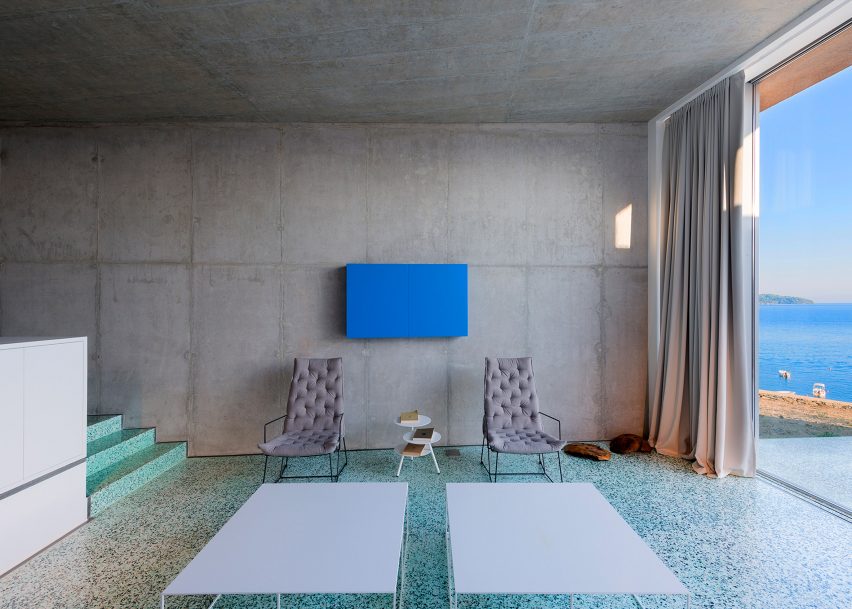
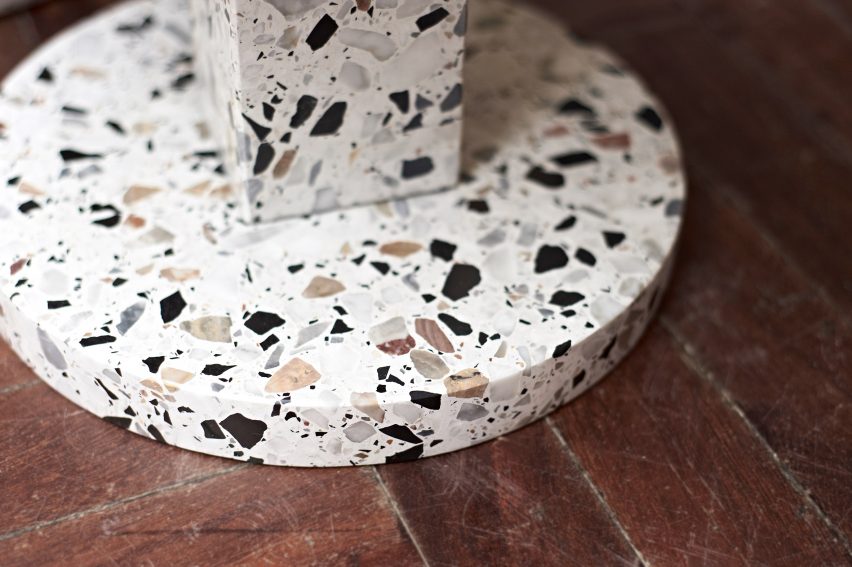
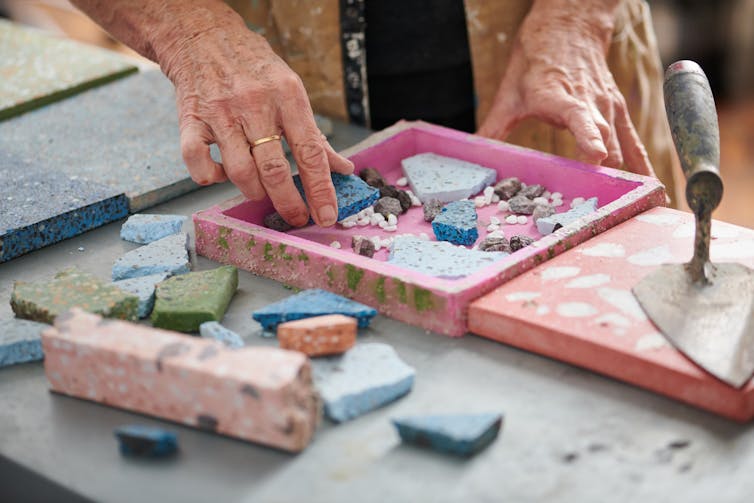
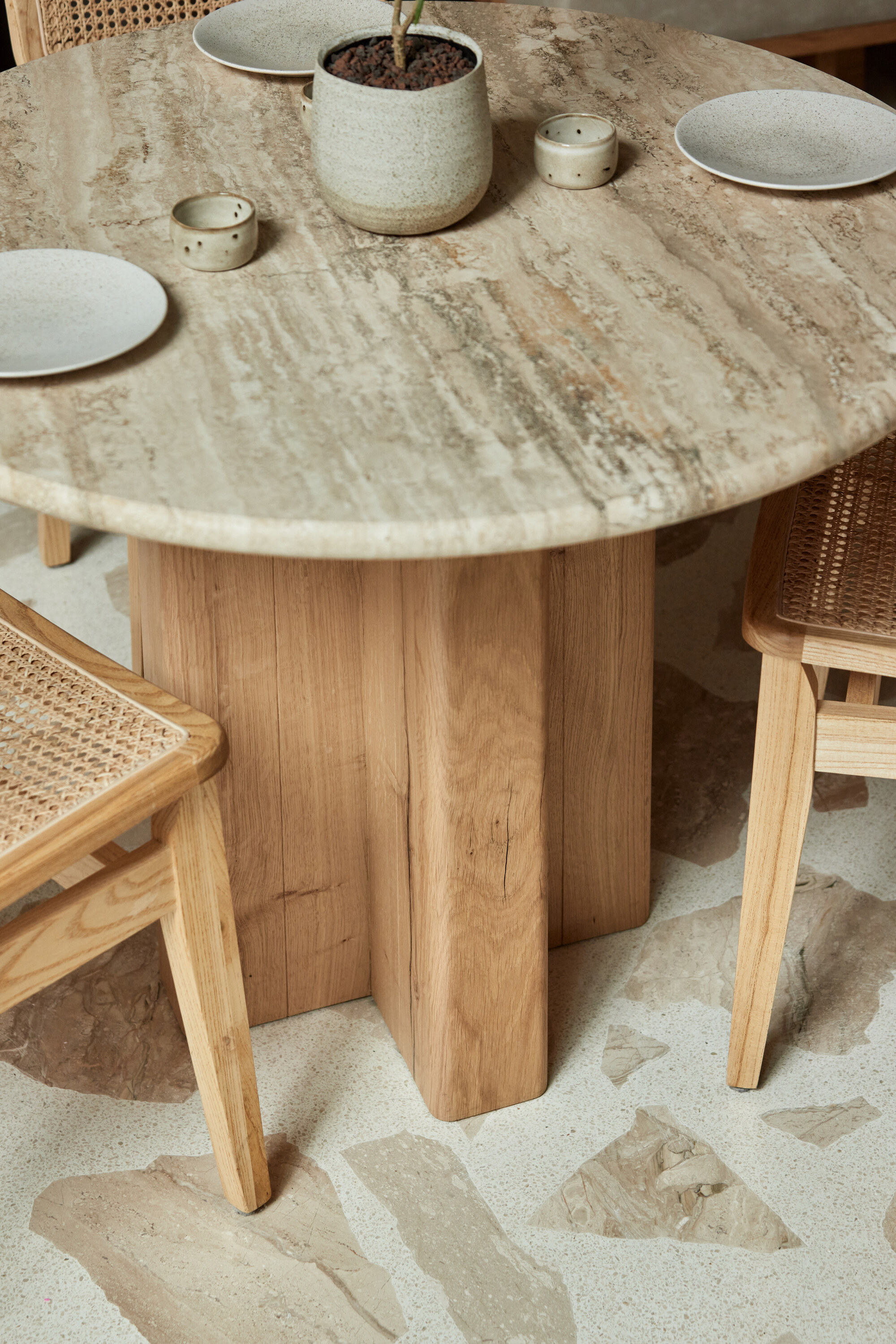
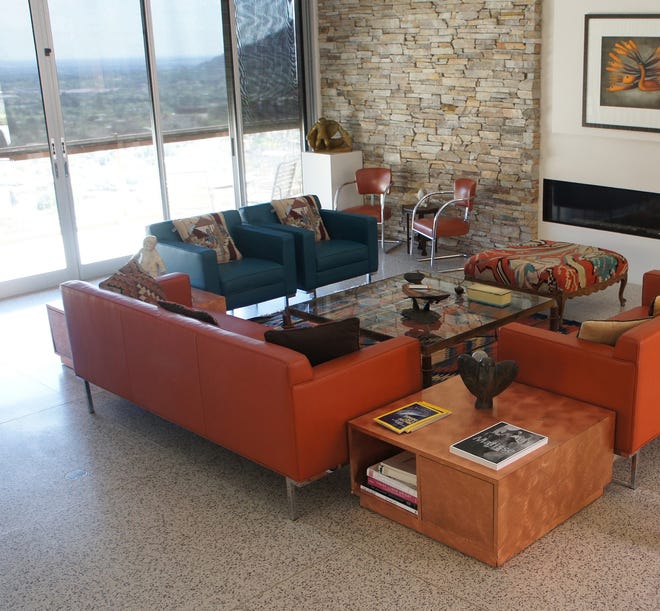
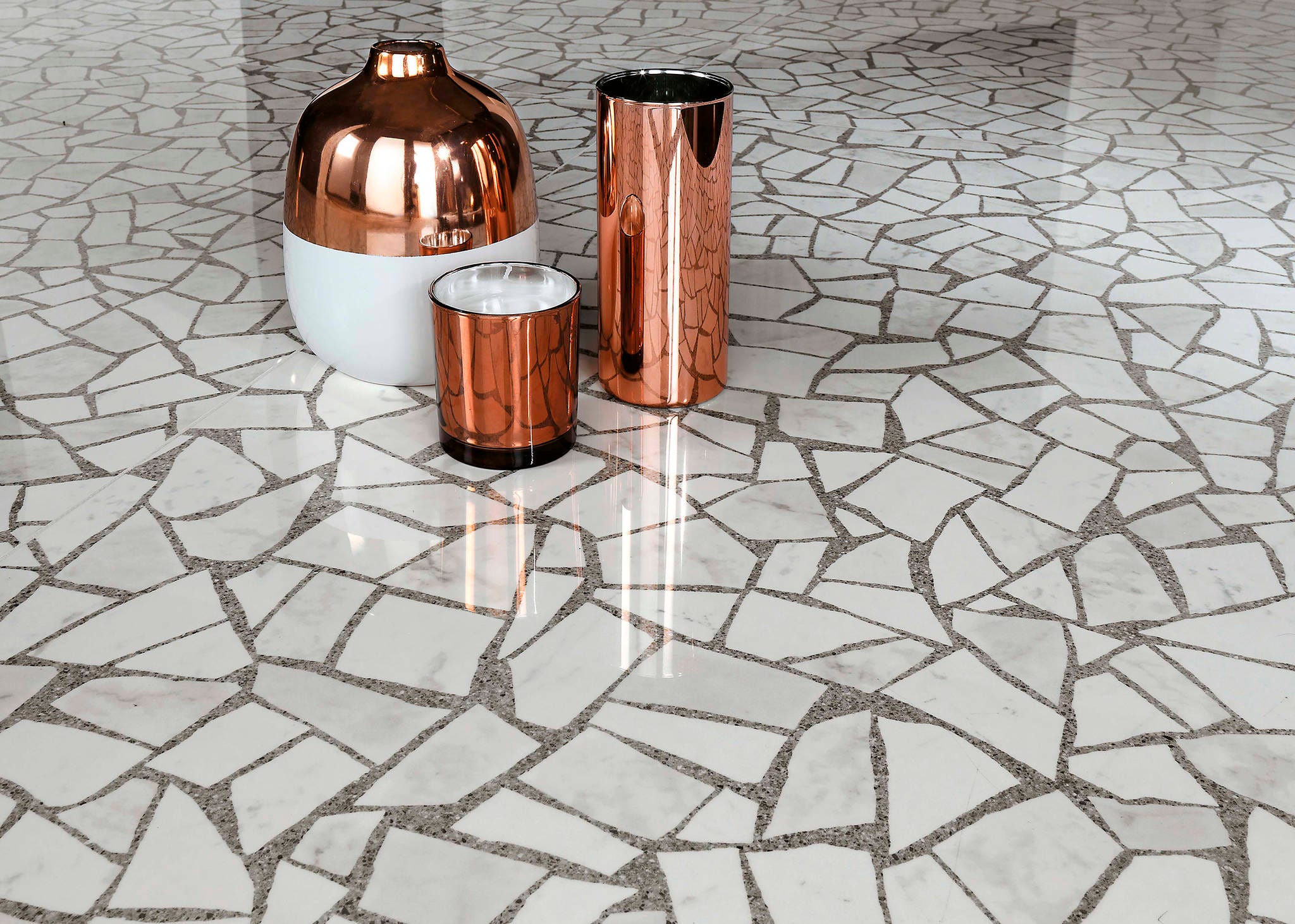
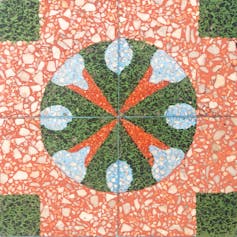
Terrazzo, a durable composite material, is experiencing a renewed interest in contemporary home design after its peak popularity in mid-20th century American homes. Originally developed six centuries ago by Venetian mosaic workers, terrazzo was created by pressing marble scraps into clay and polishing the surface smooth to form a resilient flooring for their living quarters' terraces. This material is primarily composed of marble chips or other aggregates suspended in either a concrete or resin binder, which is then polished to reveal the aggregate and achieve a smooth finish.
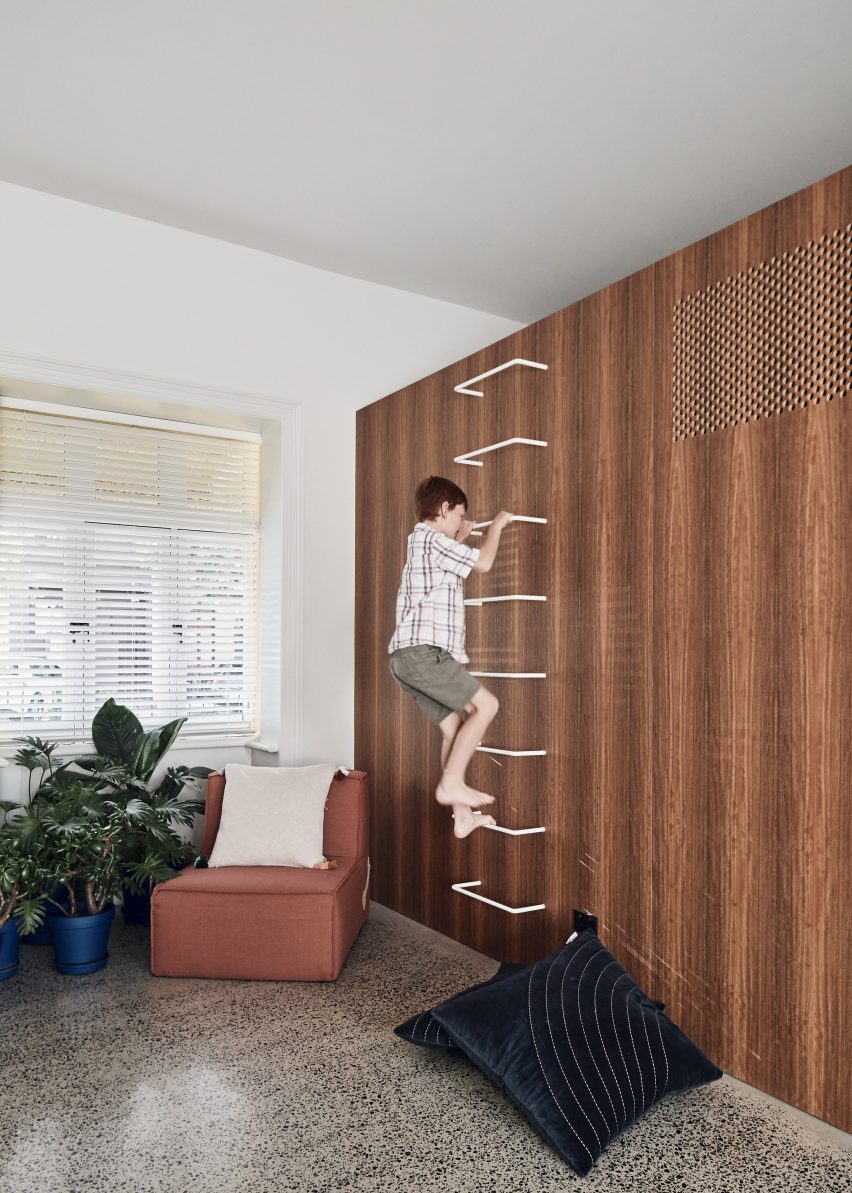
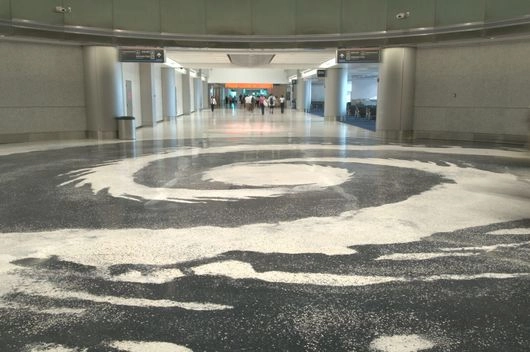
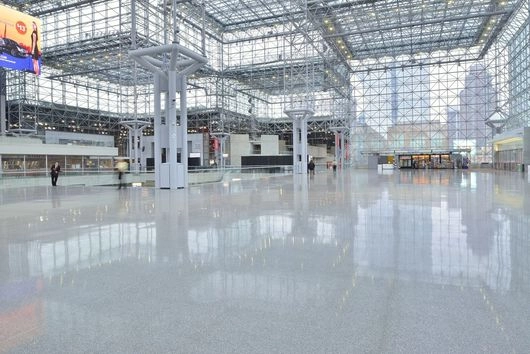
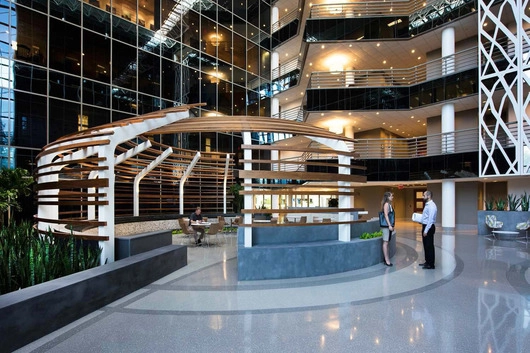
Mark Fowler, executive director of the National Terrazzo and Mosaic Association (NTMA), notes a significant increase in residential sales of terrazzo. He suggests that this resurgence is driven by a desire to re-imagine the midcentury modern aesthetic for the 21st century. While terrazzo is widely used in commercial settings like airports, schools, and hospitals due to its beauty and durability, advancements in technology now make it easier to incorporate intricate designs into residential applications using sophisticated wet saws and precast terrazzo made with durable resins.
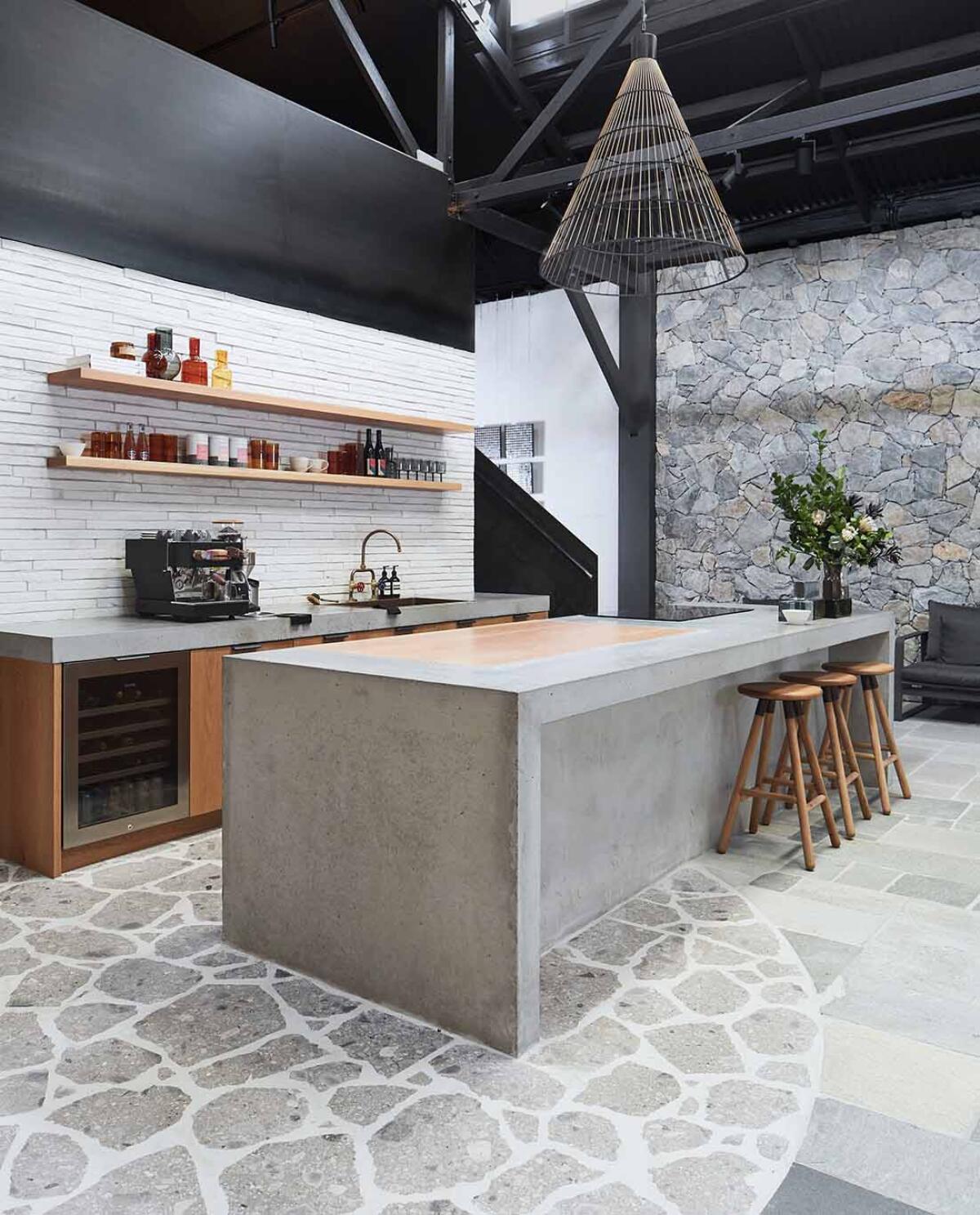
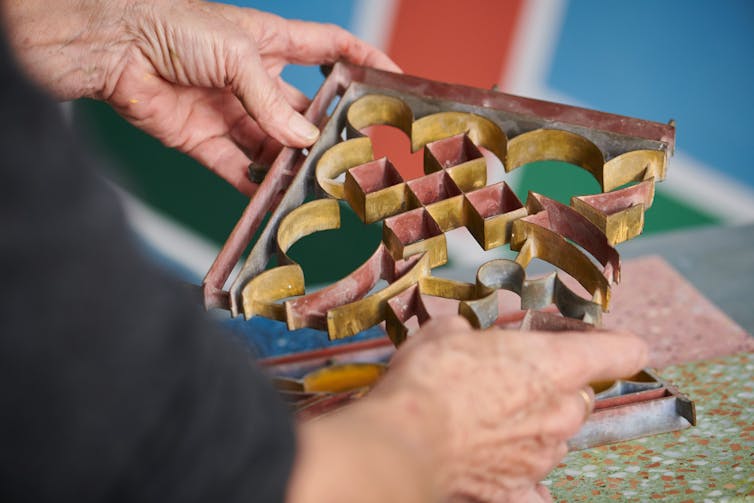
Historically, cementitious-based terrazzo involved a 3.5-inch thick system where stone or metal aggregates were dispersed in wet concrete. After drying, heavy grinders with progressively finer grit discs polished the floor to a sleek finish. This method, known as poured-in-place terrazzo, often utilized metal strips to create joints or delineate color changes. While cementitious-based terrazzo remains the preferred choice for outdoor installations, indoor applications increasingly favor resin-based terrazzo due to its enhanced versatility.
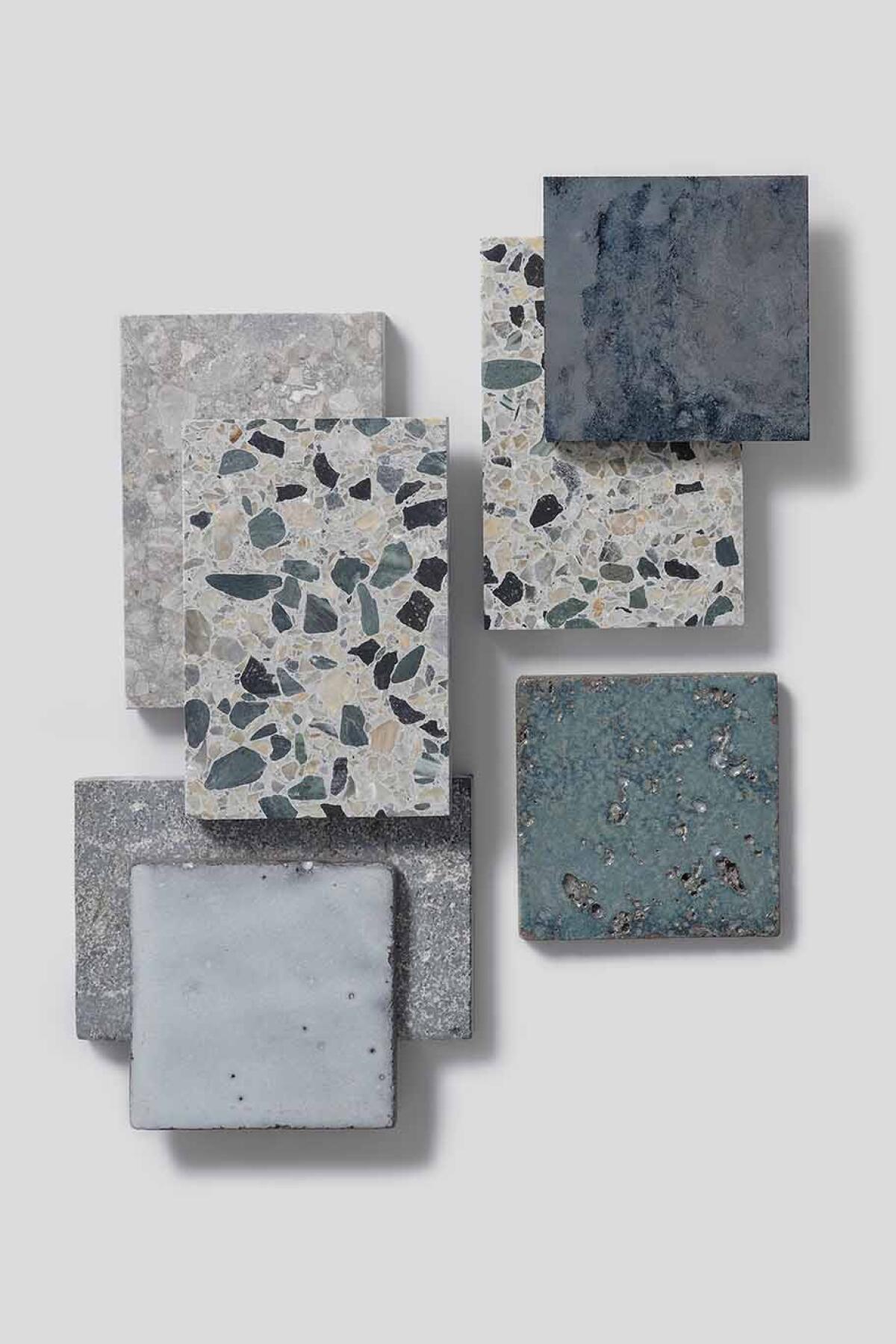
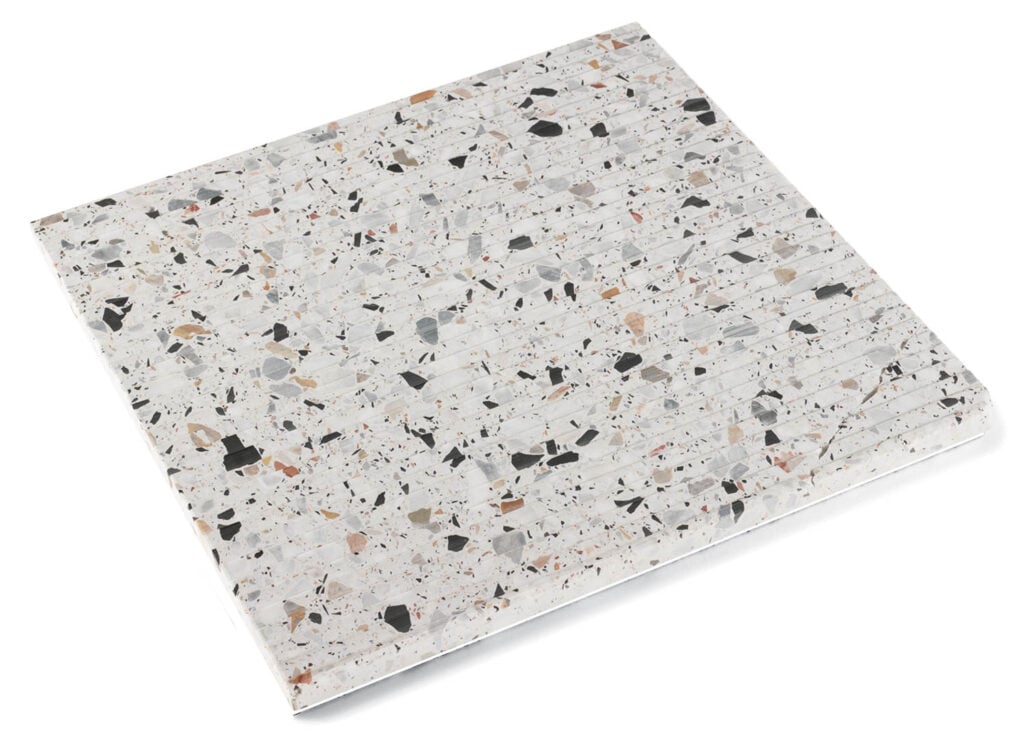
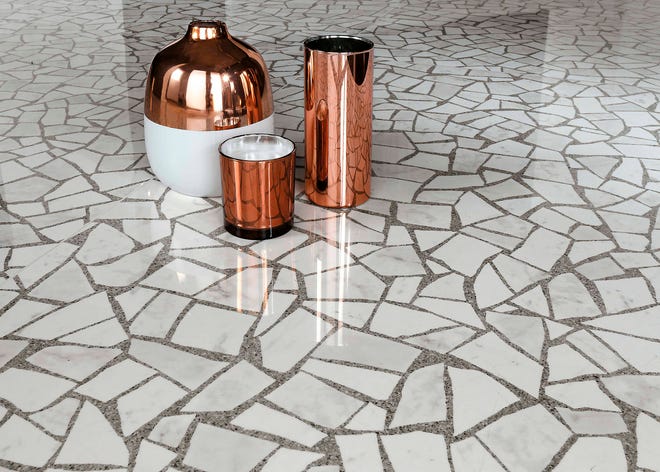
Eric Wilhite, owner of Terrazzio, highlights several advantages of resin over cementitious terrazzo. These benefits include a broader spectrum of available colors, superior tensile strength, a thinner installation profile of 1/4-inch to 3/8-inch, and reduced susceptibility to cracking. His company specializes in manufacturing precast terrazzo tiles under controlled conditions, offering an alternative to on-site poured installations. Customization is a key feature of precast terrazzo, allowing for bespoke aggregates, resin colors, and various shapes and sizes, including 4-by-8-foot panels that can be cut to form intricate mosaics.
Despite its perceived impermeability, both cementitious and resin-based terrazzo require regular sealing with a high-quality sealant. Fowler clarifies that it is the porous aggregates, such as marble, stone chips, and concrete, that necessitate sealing, not the resin itself. Although terrazzo is considered a long-lasting flooring option, manufacturers' guidelines typically recommend resealing it at least once every decade in a home. Proper preparation of the floor substrate, including ensuring no bounce and potentially using cement backer-board as an underlayment, is crucial to prevent cracking.
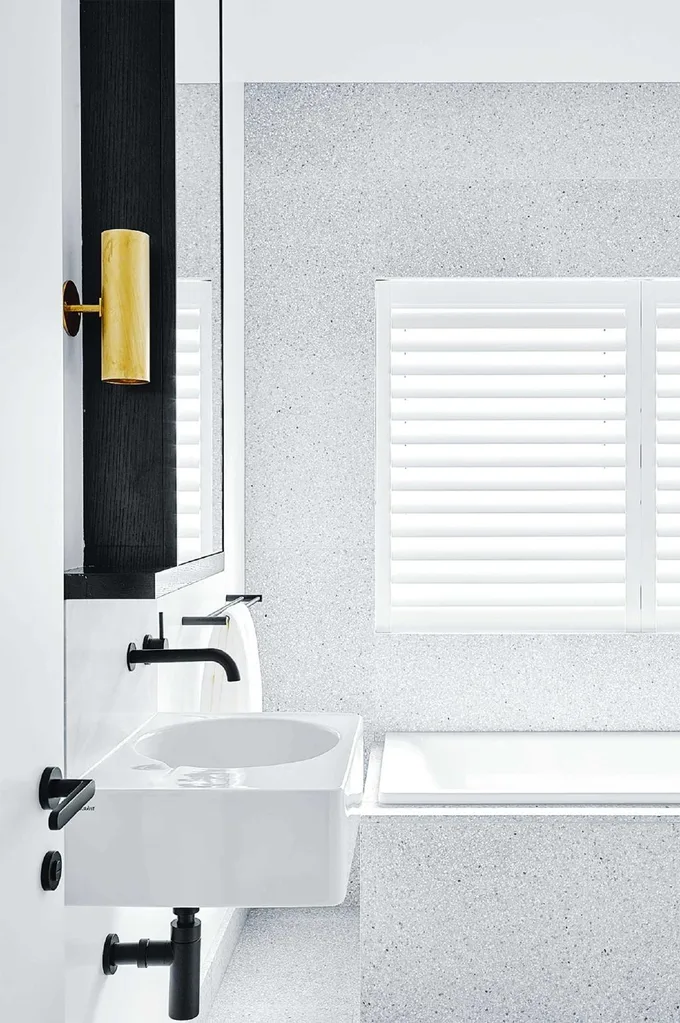
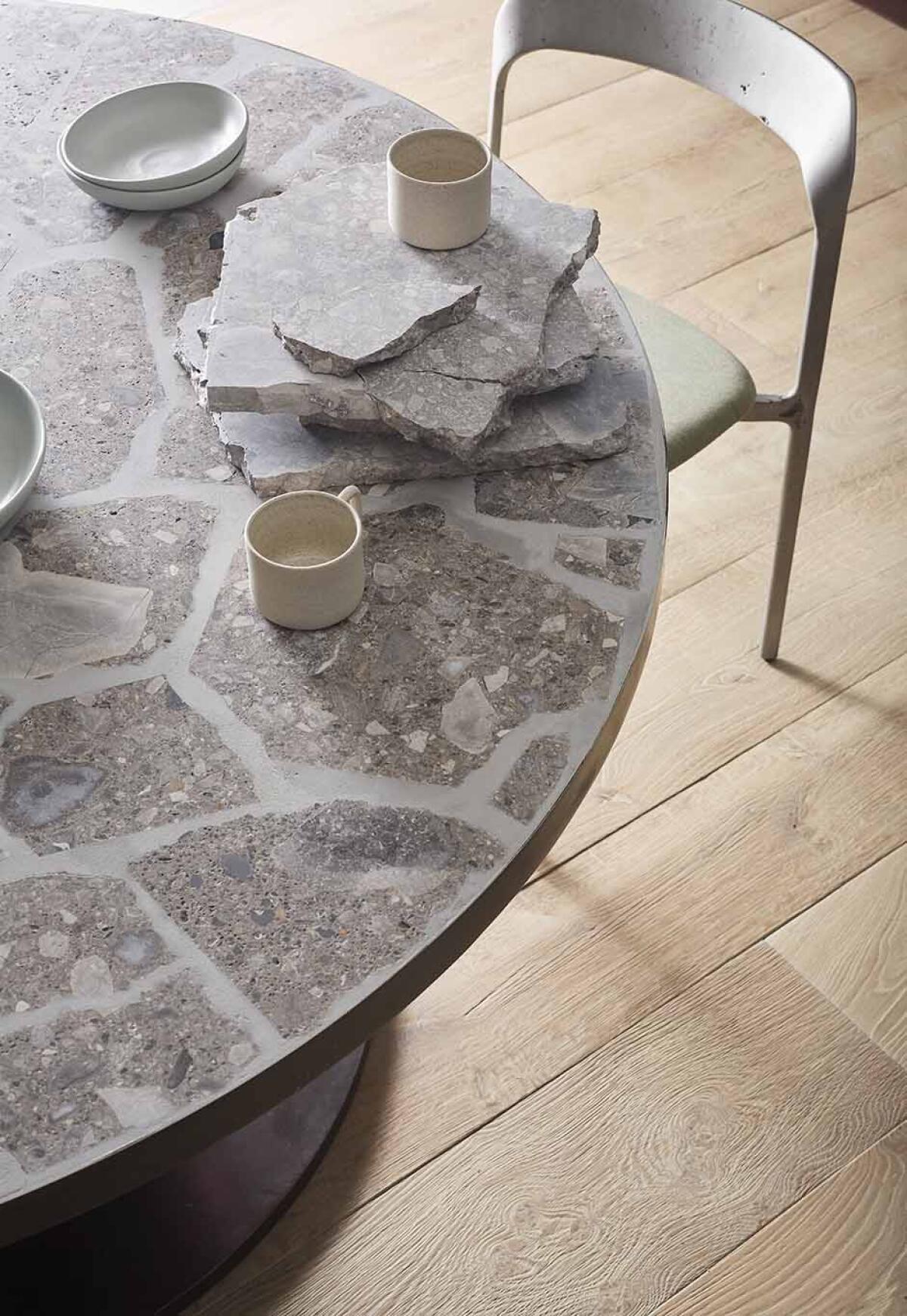
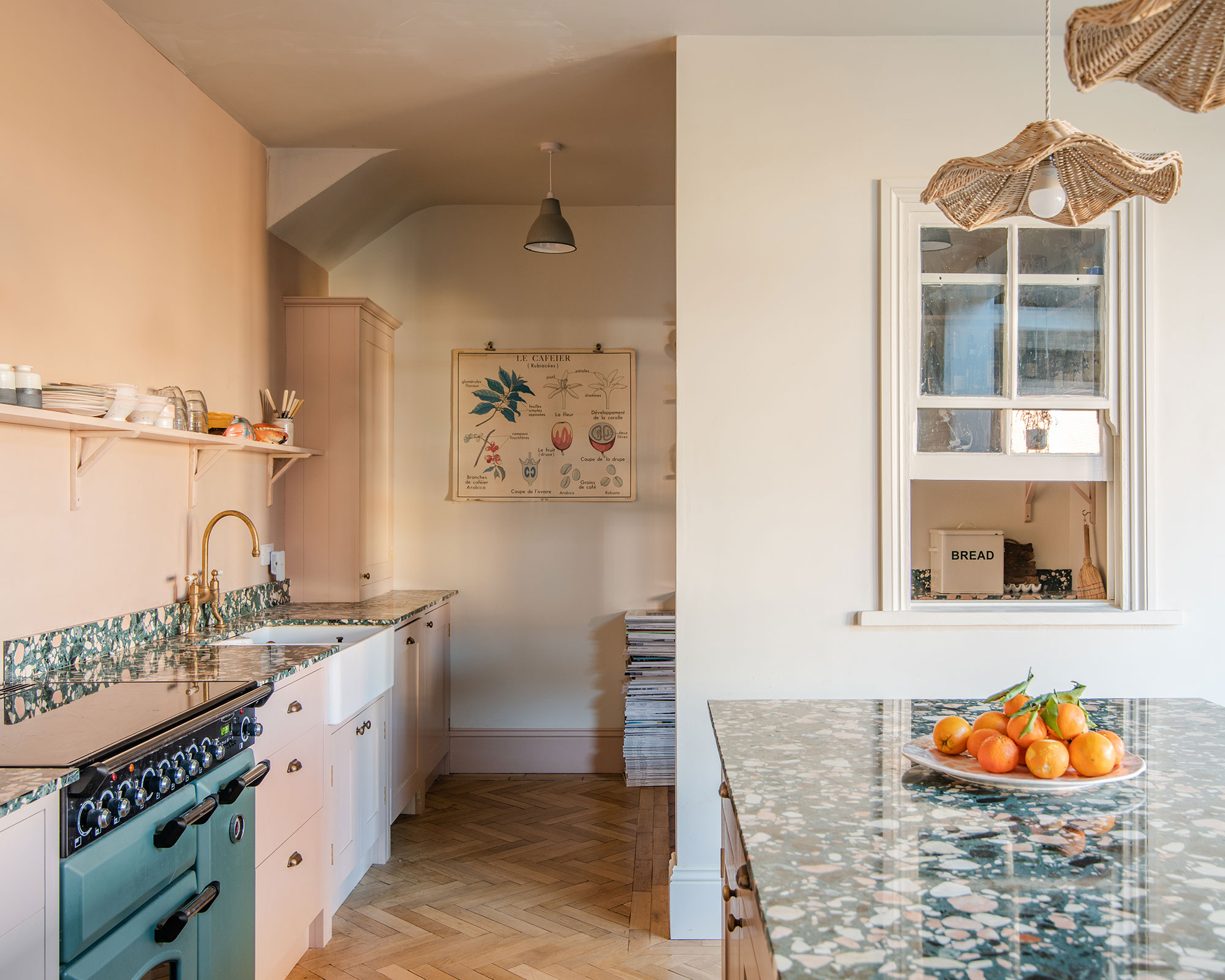
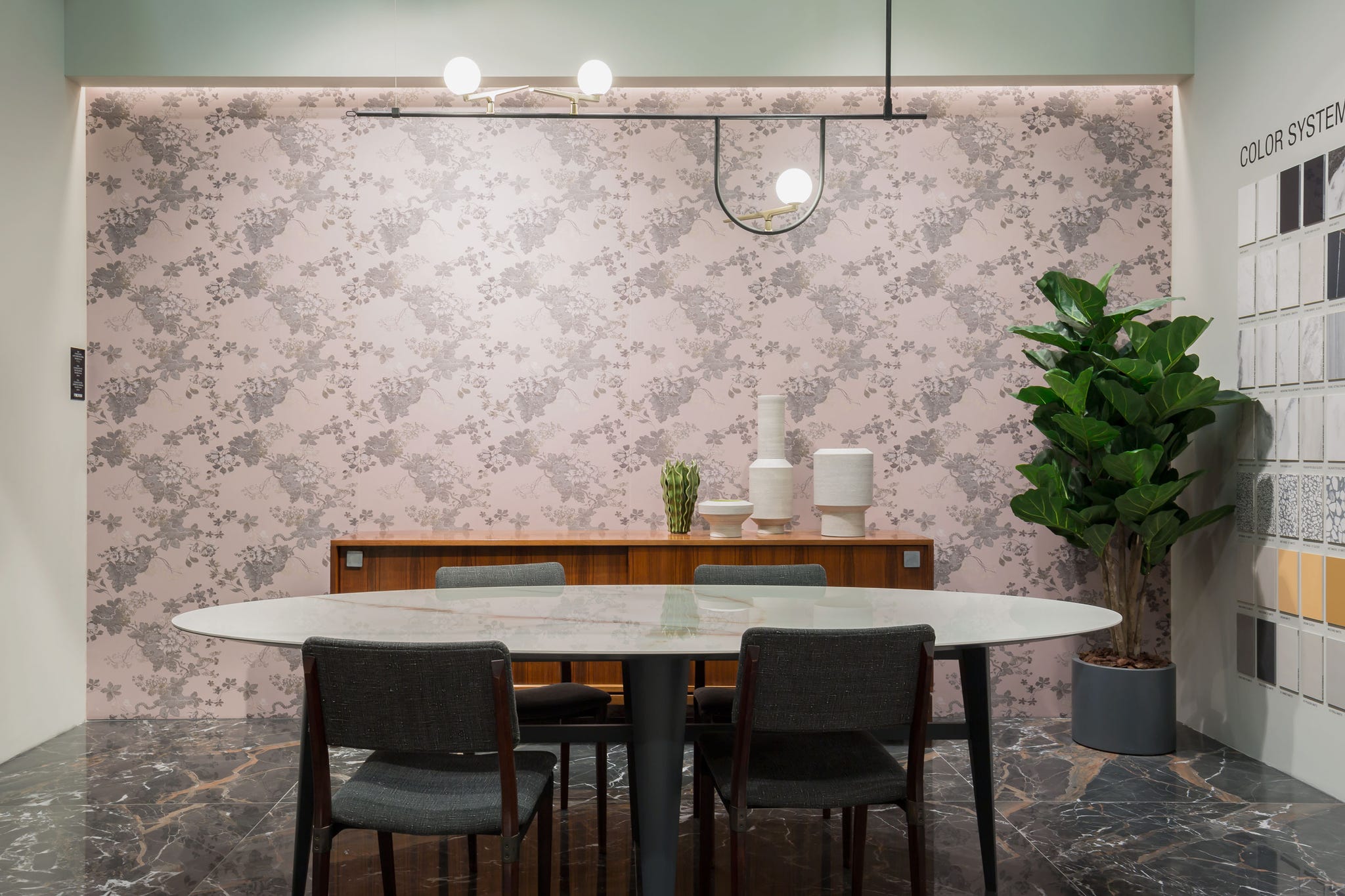
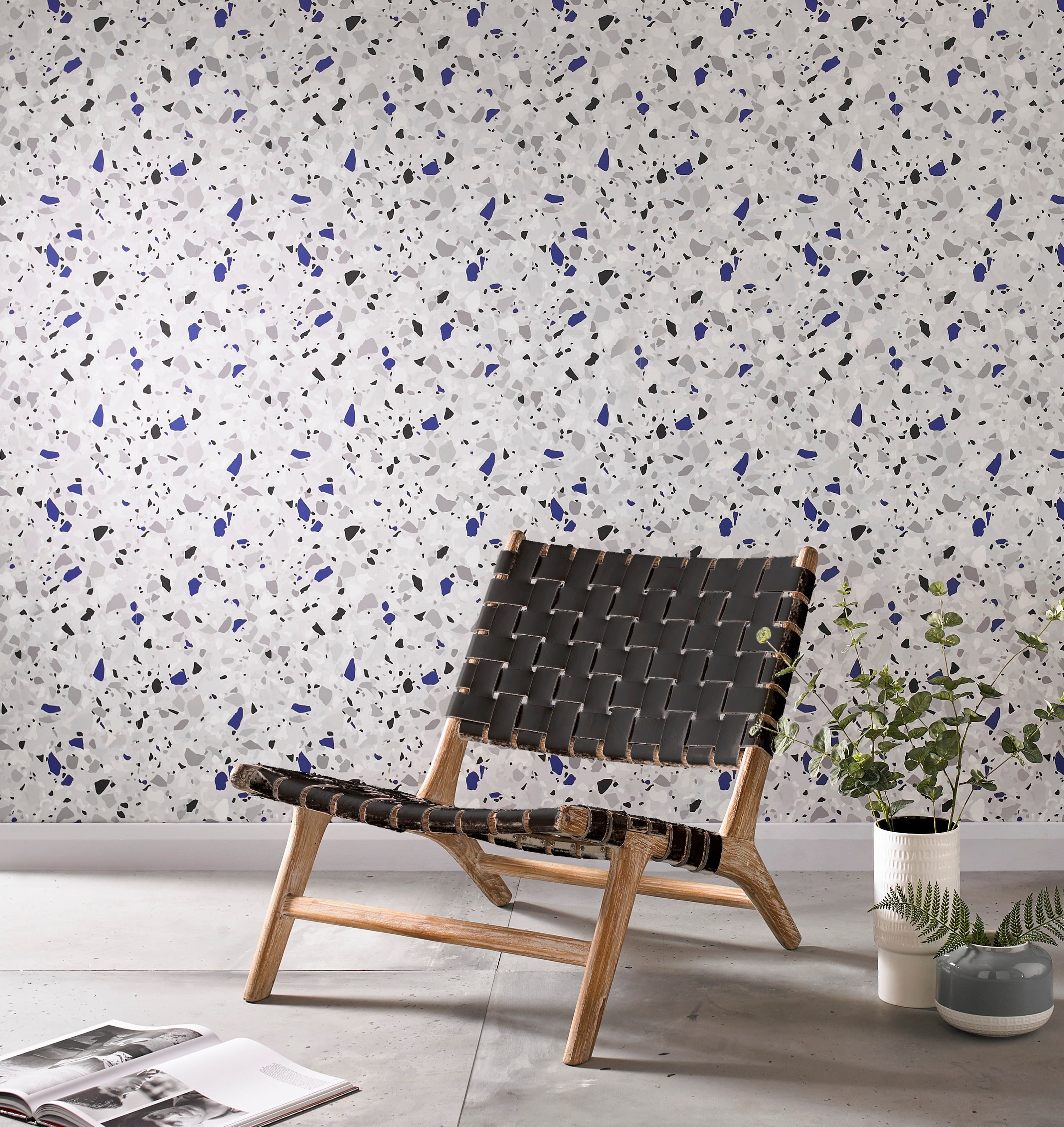
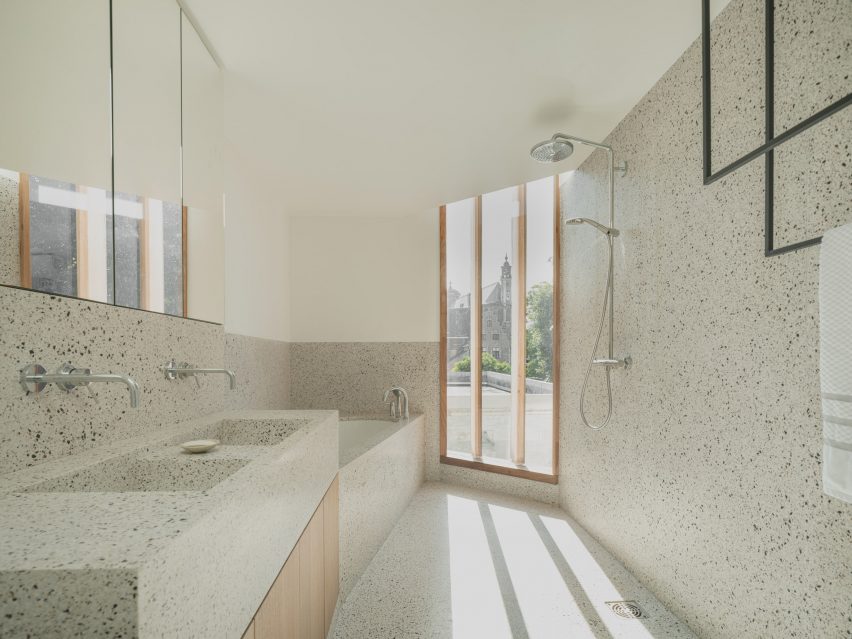
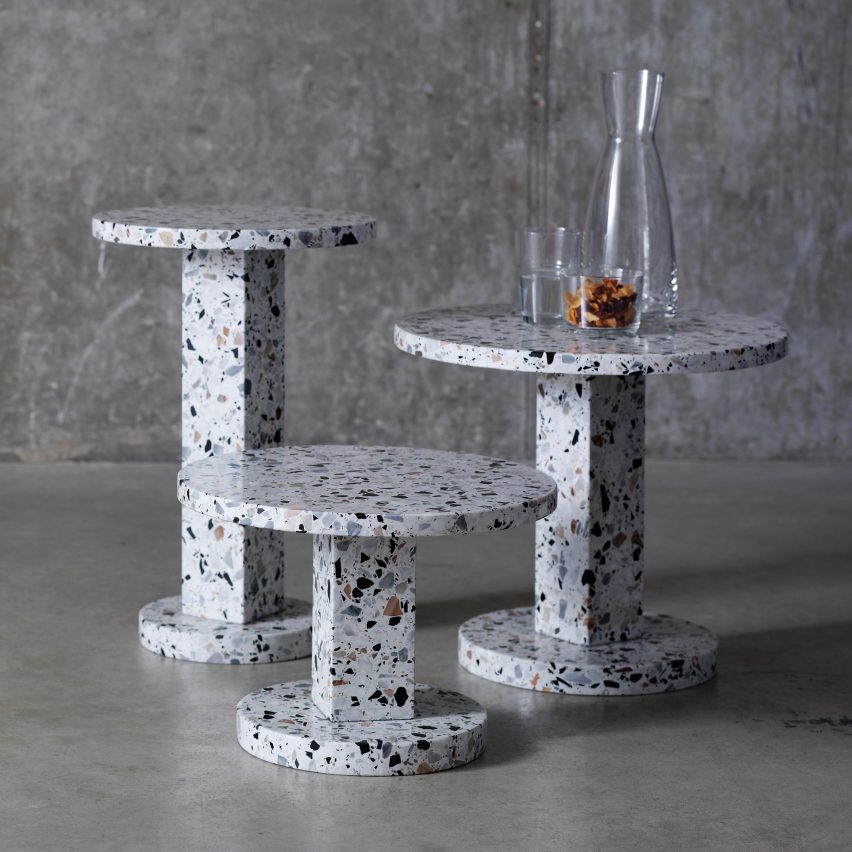
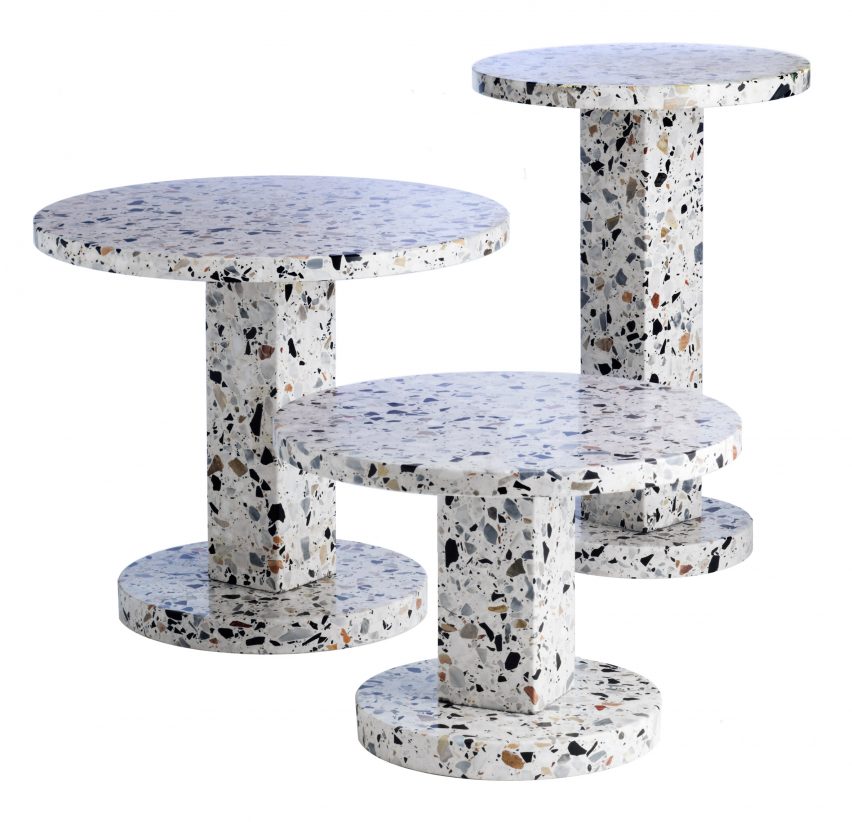
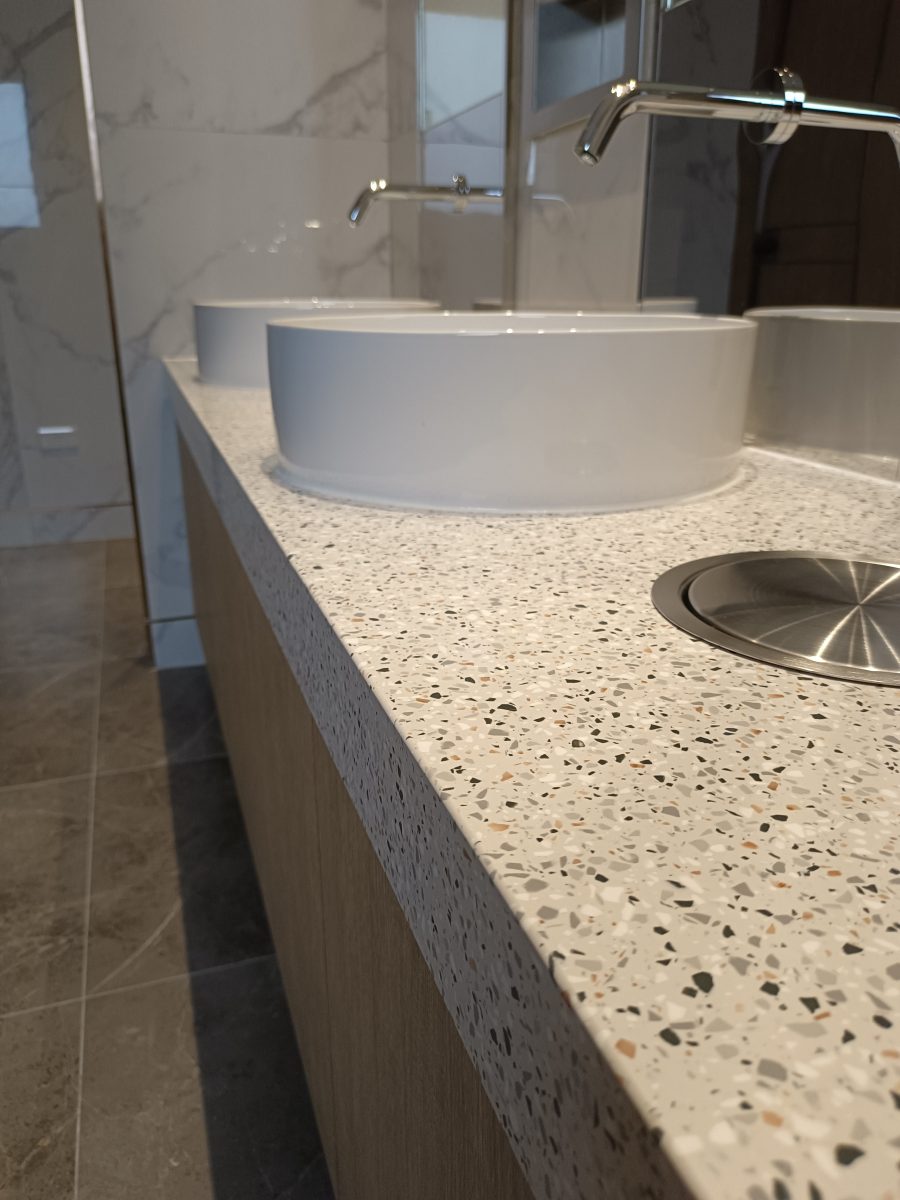
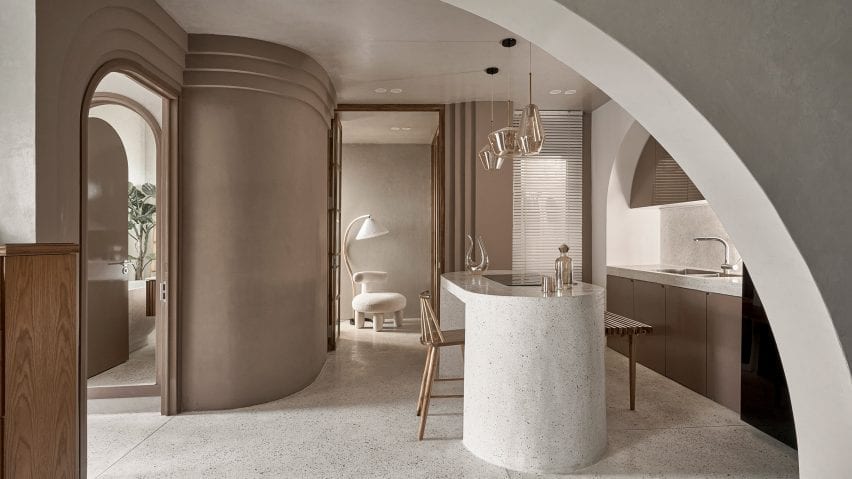
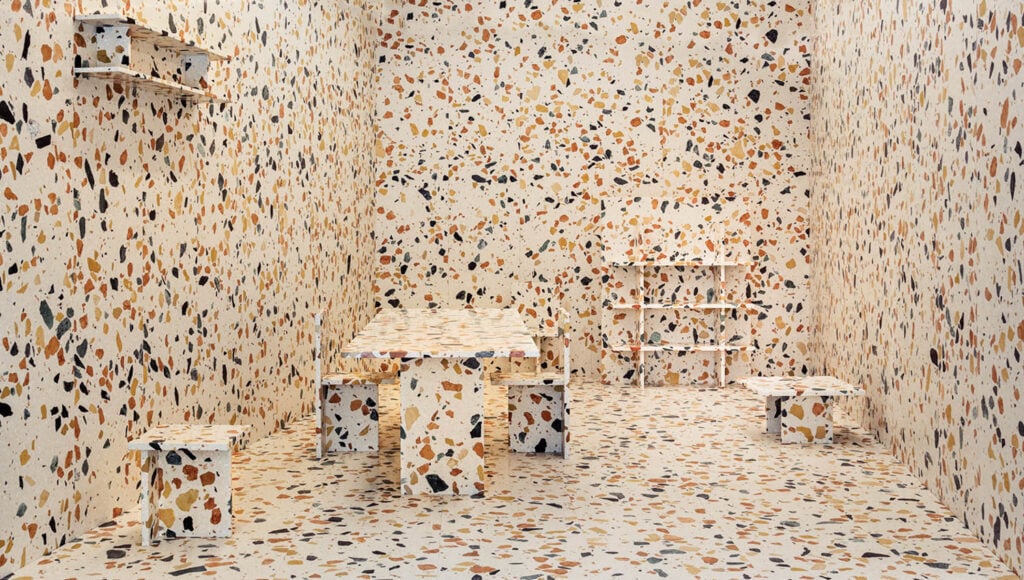
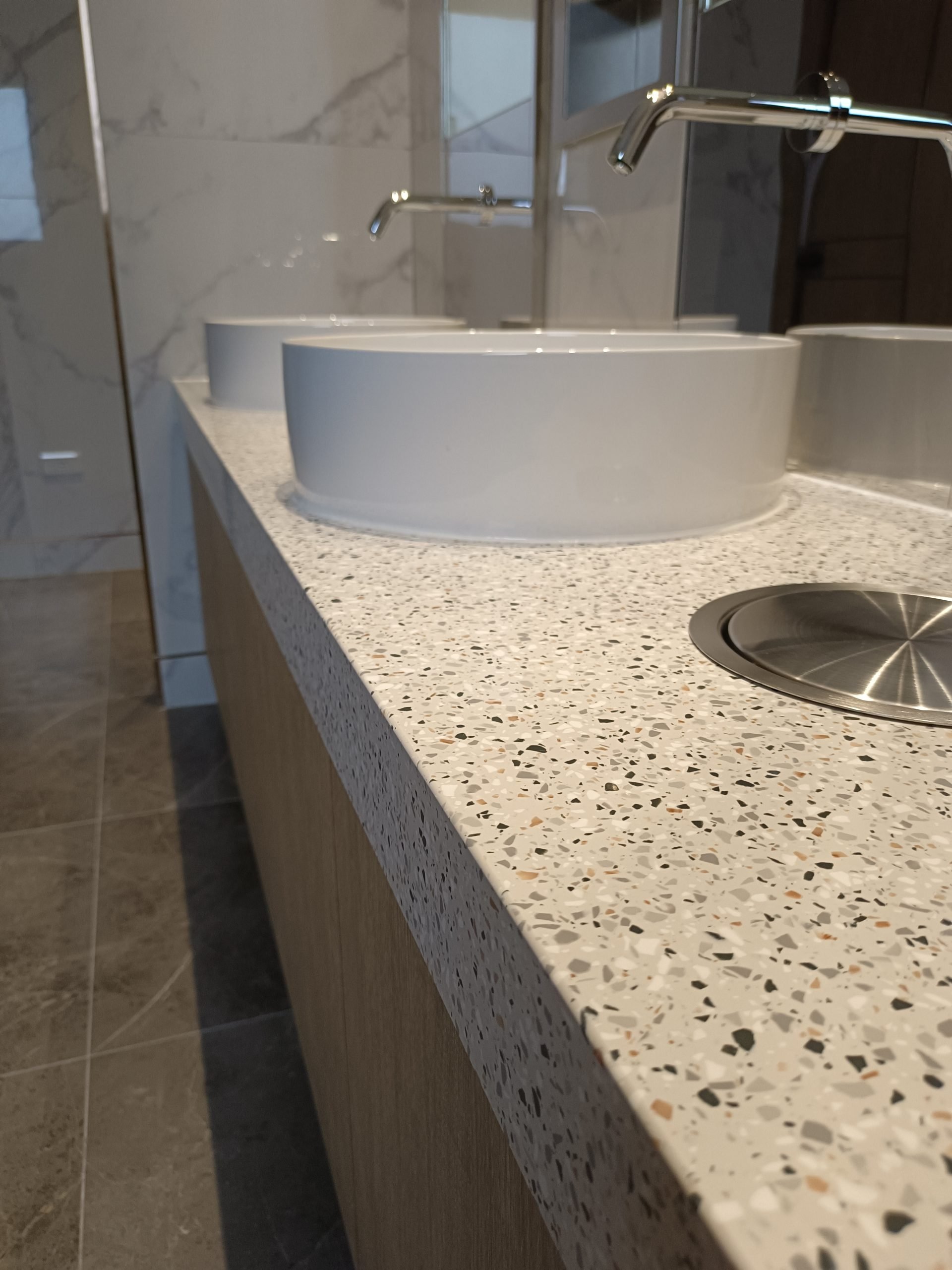
Beyond flooring, terrazzo is now being used for architectural accents on walls, countertops, and seating, adding visual interest to modern monochromatic spaces through subtly colored or sparkling aggregates. For any terrazzo project, it is essential to hire an expert installer. The cost for basic terrazzo installation typically ranges from $10 to $35 per square foot, with more complex patterns incurring higher fabrication and installation costs. The enduring quality of terrazzo is evident in its ability to be restored to its original condition, even decades later.
#Terrazzo #HomeDesign #InteriorDesign #FlooringTrends #ResinTerrazzo #MidcenturyModern #ArchitecturalAccents #SustainableMaterials #Terrazzo #HomeDesign #InteriorDesign #FlooringTrends #ResinTerrazzo #MidcenturyModern #ArchitecturalAccents #SustainableMaterials
0 تعليق إجمالاً
 لا توجد تعليقات بعد
قد تعجبك أيضًا
Why terrazzo is on trend for tiles and flooring

Terracotta tiles are back – Mediterranean charm meets modern design
Ten home interiors with distinctive terrazzo floors
Terrazzo _ the stuff of old hallway flooring _ goes upscale
Terrazzo Flooring Guide: How to Master the Art of Sustainable, Circular Design

Decorative Tiles Are Back, Bigger and Better Than Ever
Terrazzo - the stuff of old hallway flooring - goes upscale
Terramater: the new sustainable porcelain stoneware by Marazzi

Interior designers say this dated tile trend is making a reappearance in 2024 – is terrazzo back on trend again?

How Terrazzo Made a Comeback
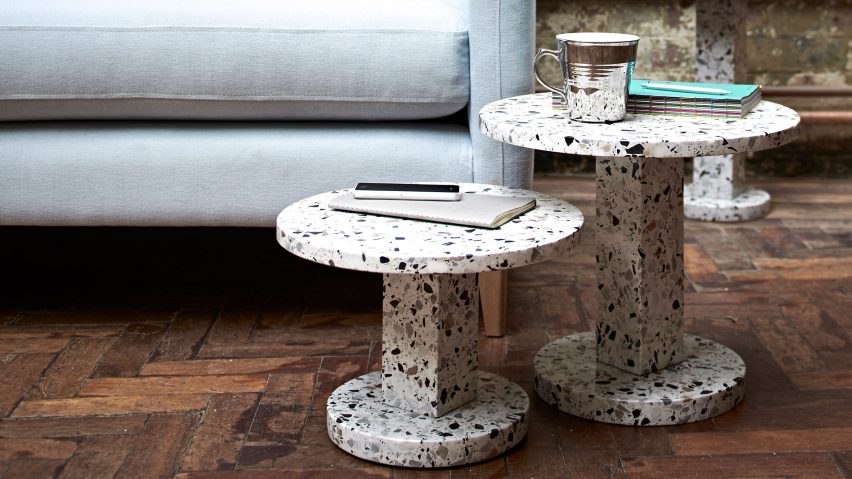
Another Brand exploits "endless potential" of terrazzo for table collection
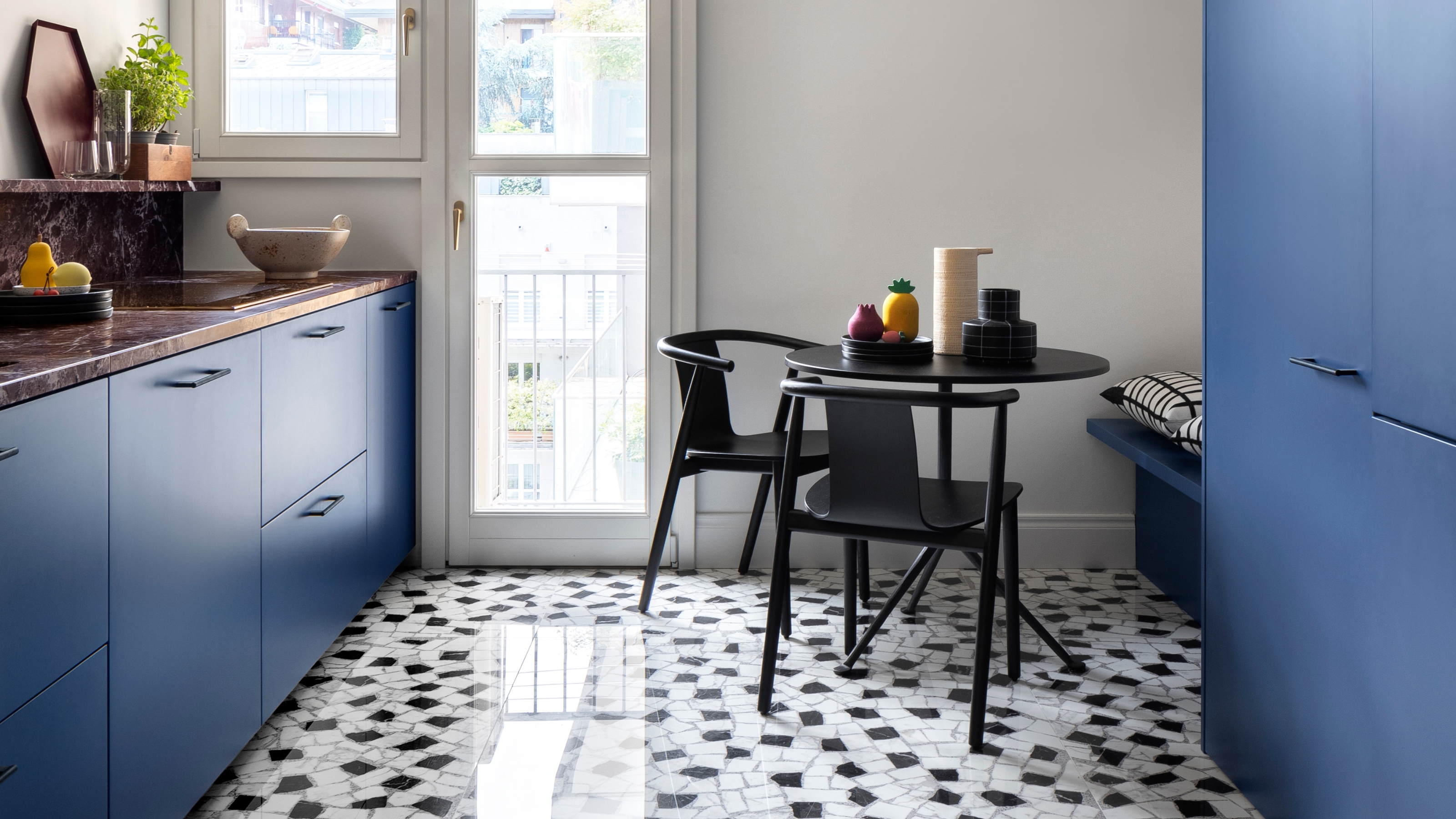
Palladiana Terrazzo straddles Italian Grandeur and Modern Cool

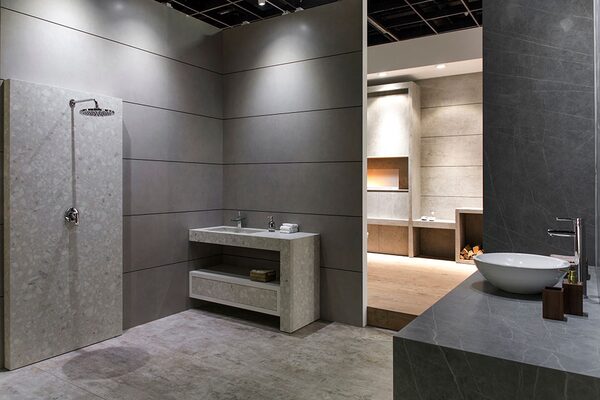
Terrazzo is the new terrific
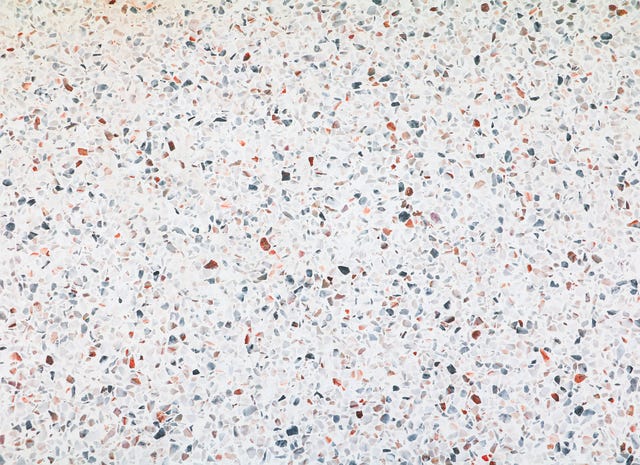
There's a new interiors trend you'll be obsessed with this year
Tile Is BACK—and More Creative and Fun Than Ever, According to Experts

Terrazzo Flooring - Terroxy Resin Systems from Terrazzo & Marble

Old-World Style Meets Modern Sentiments in These Flecked Surfaces

Venetian Terrazzo reinterpreted in a modern key takes to residential and contract spaces
Layer upon layer: uncovering the terrazzo treasures of the west and celebrating legacy floors

Terrazzo-Inspired Solid Surface