1/6
Surprising ways interior designers are using tiles
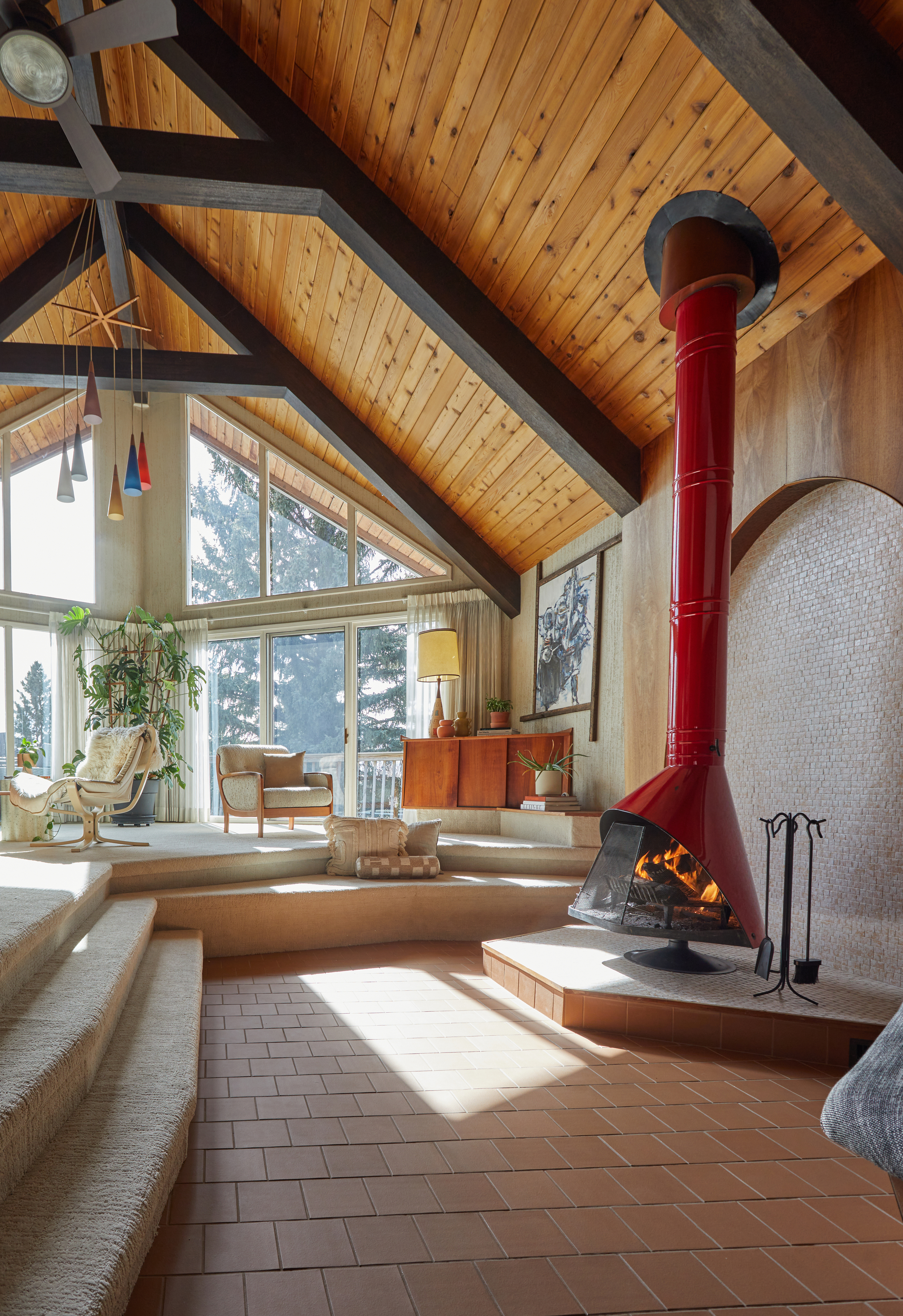
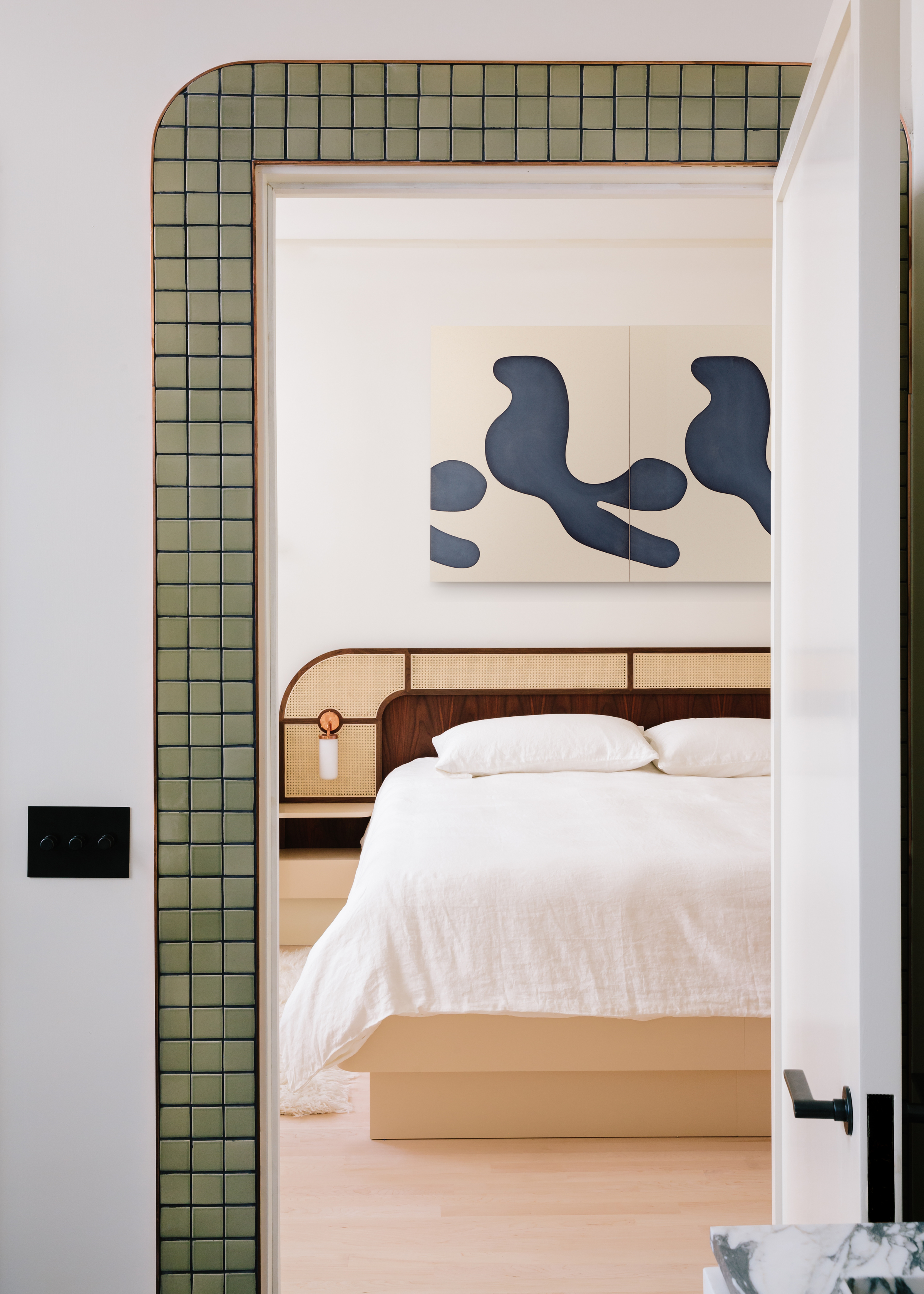
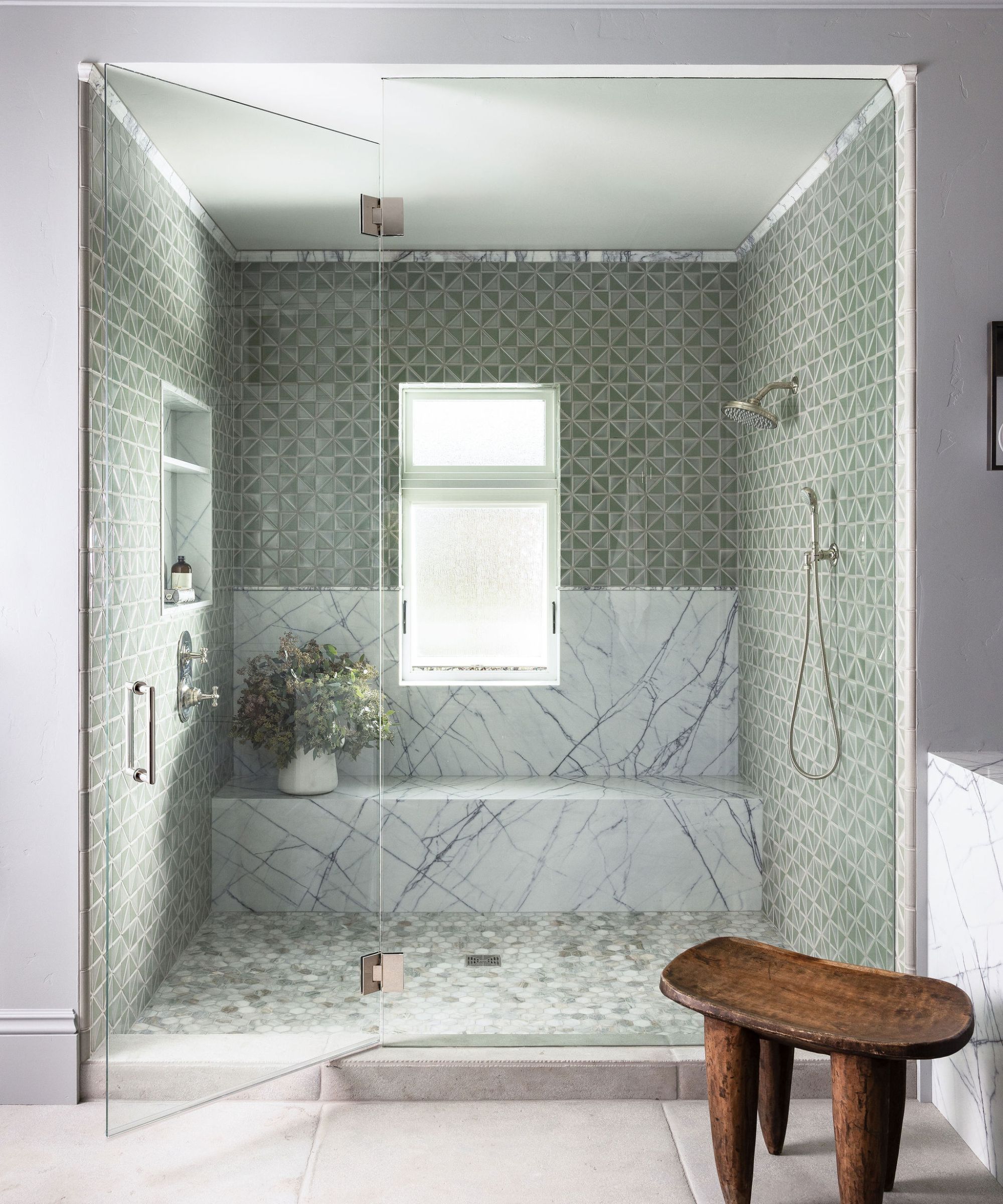
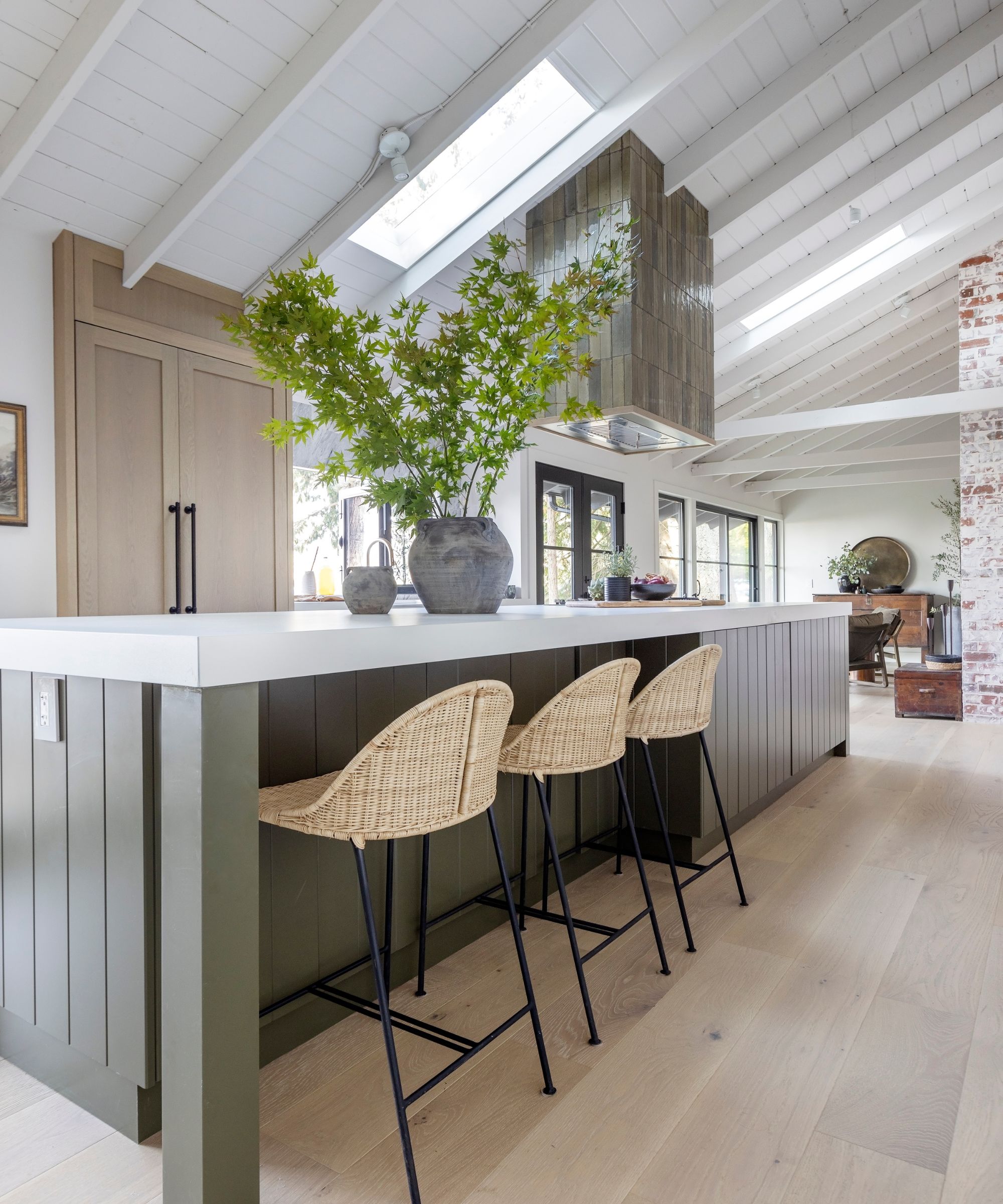
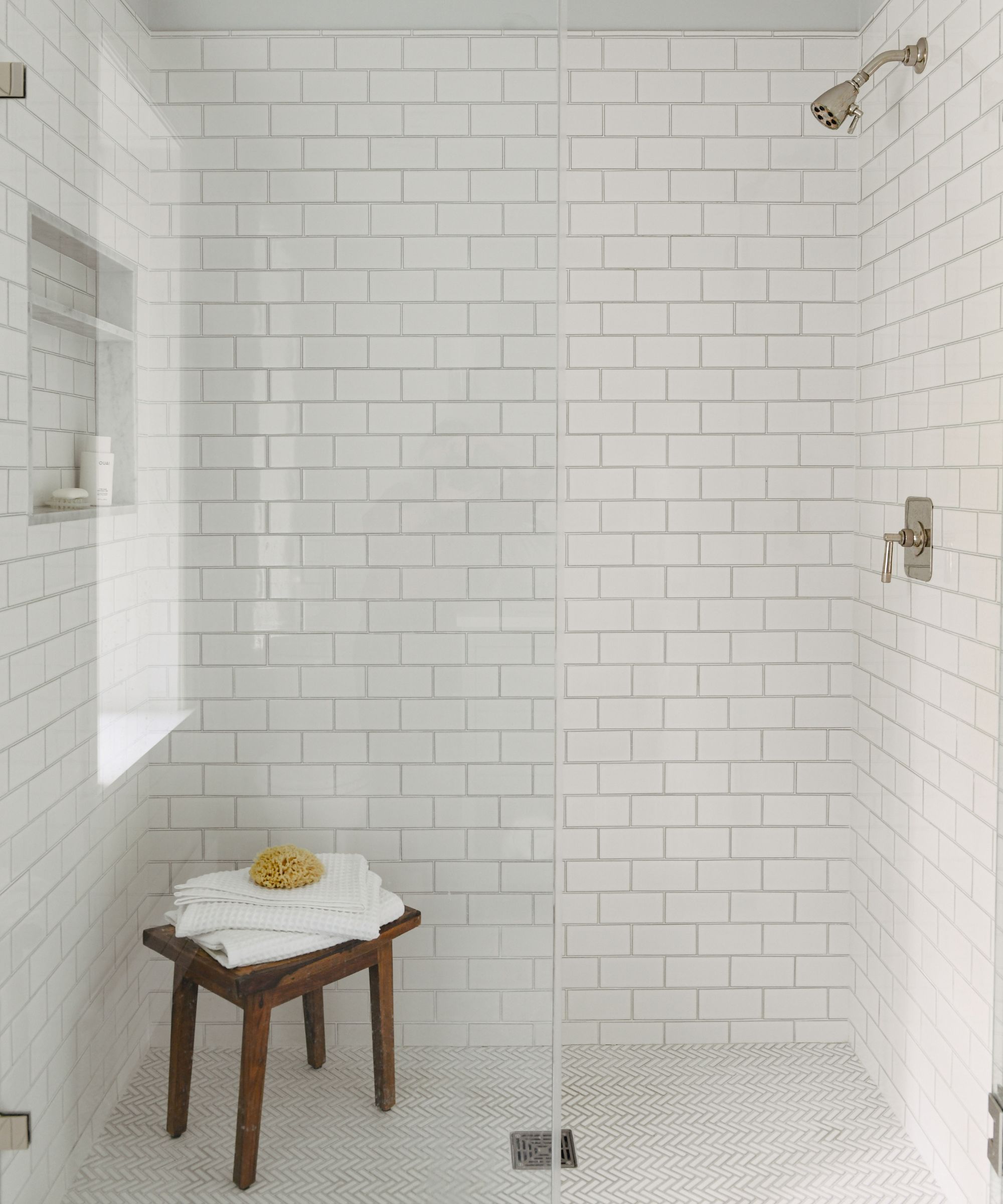
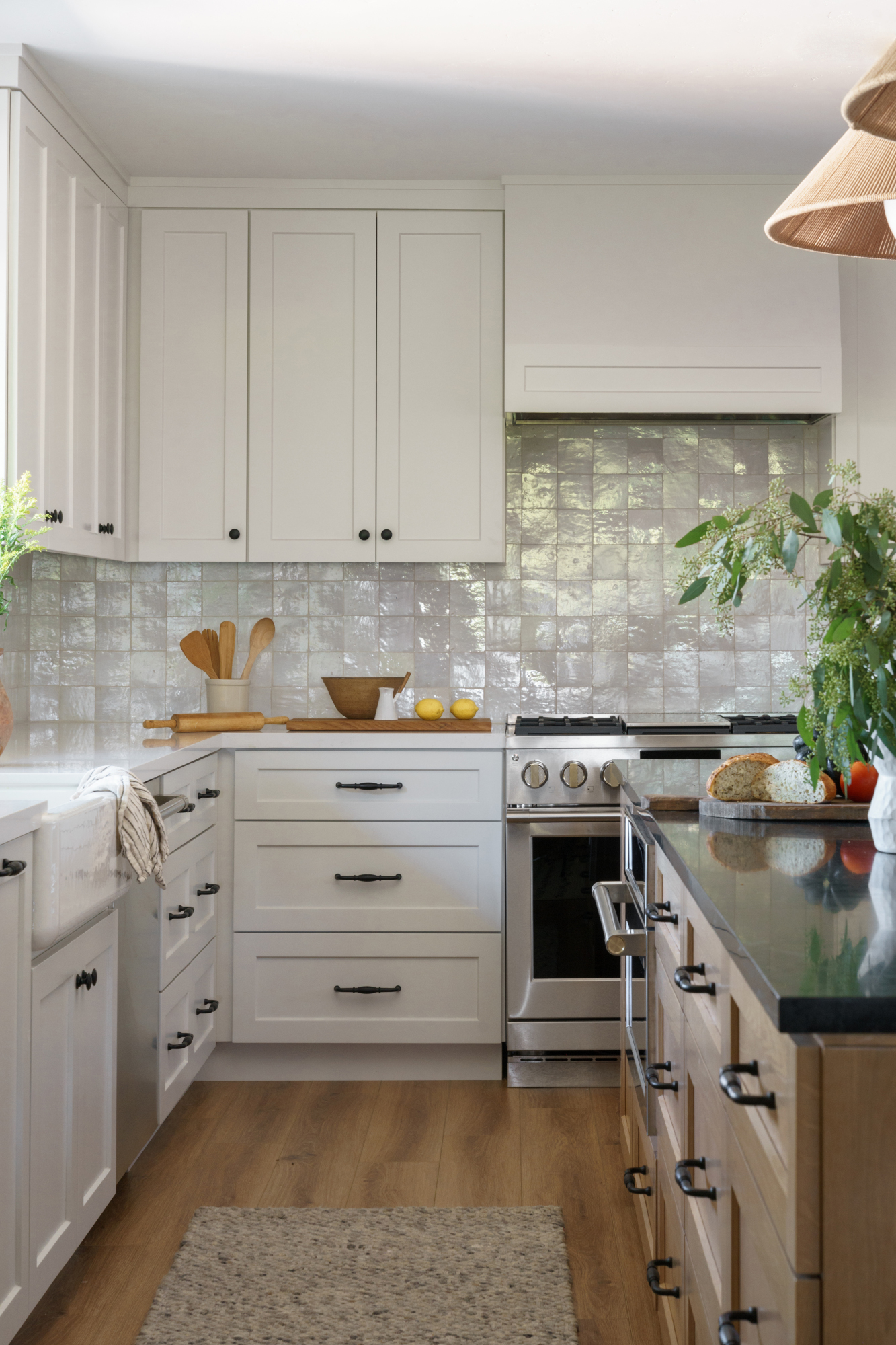
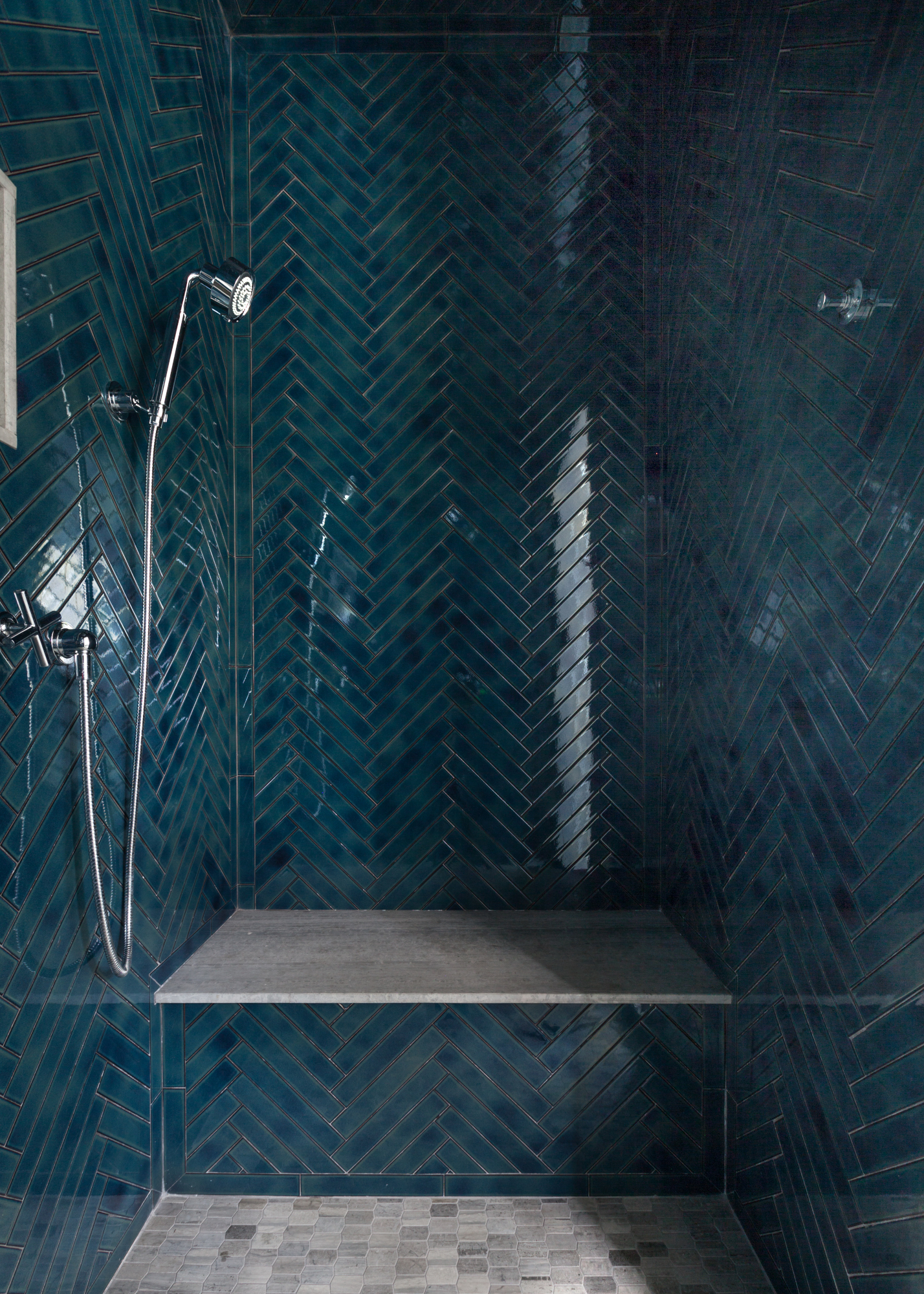
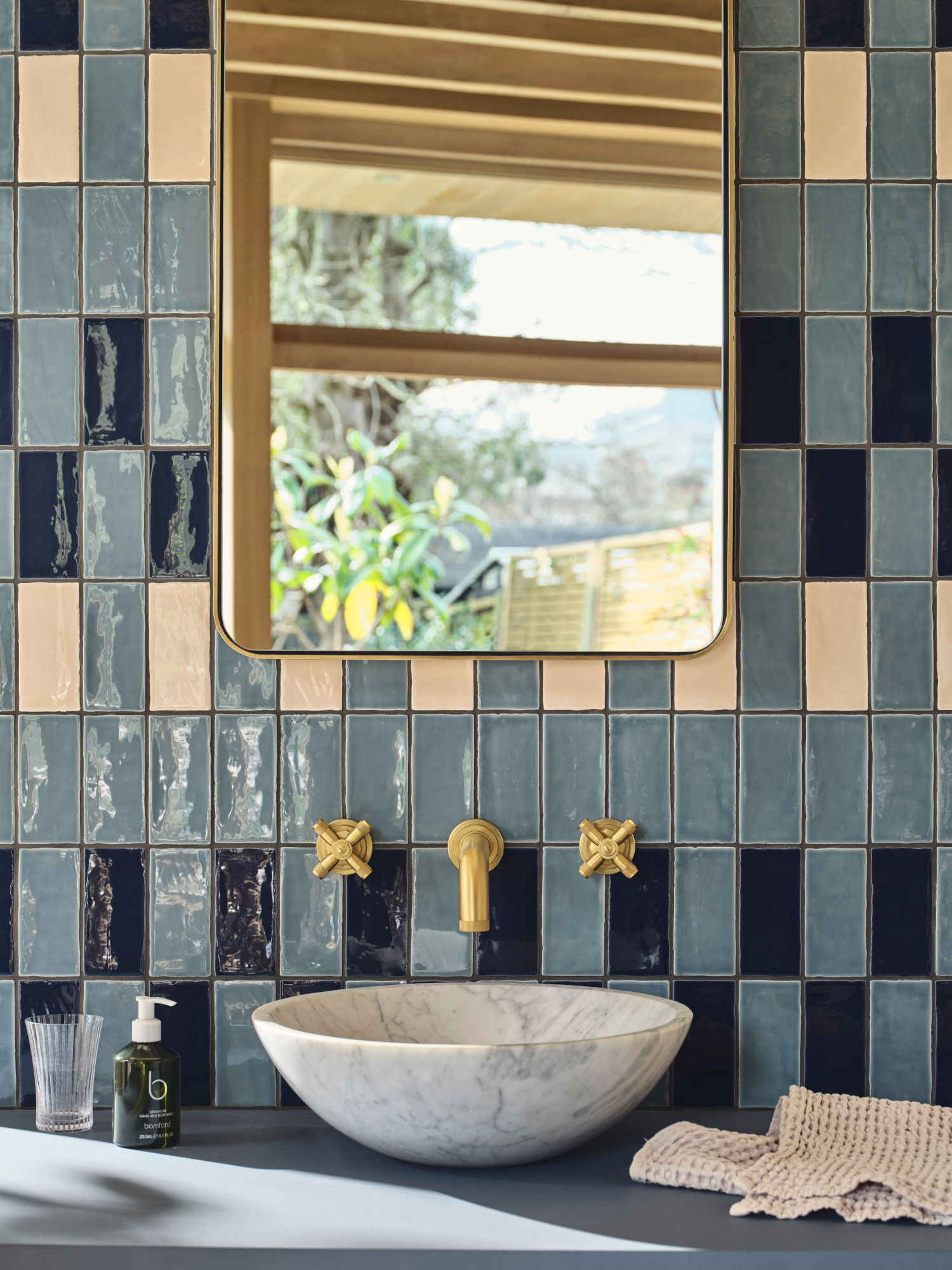
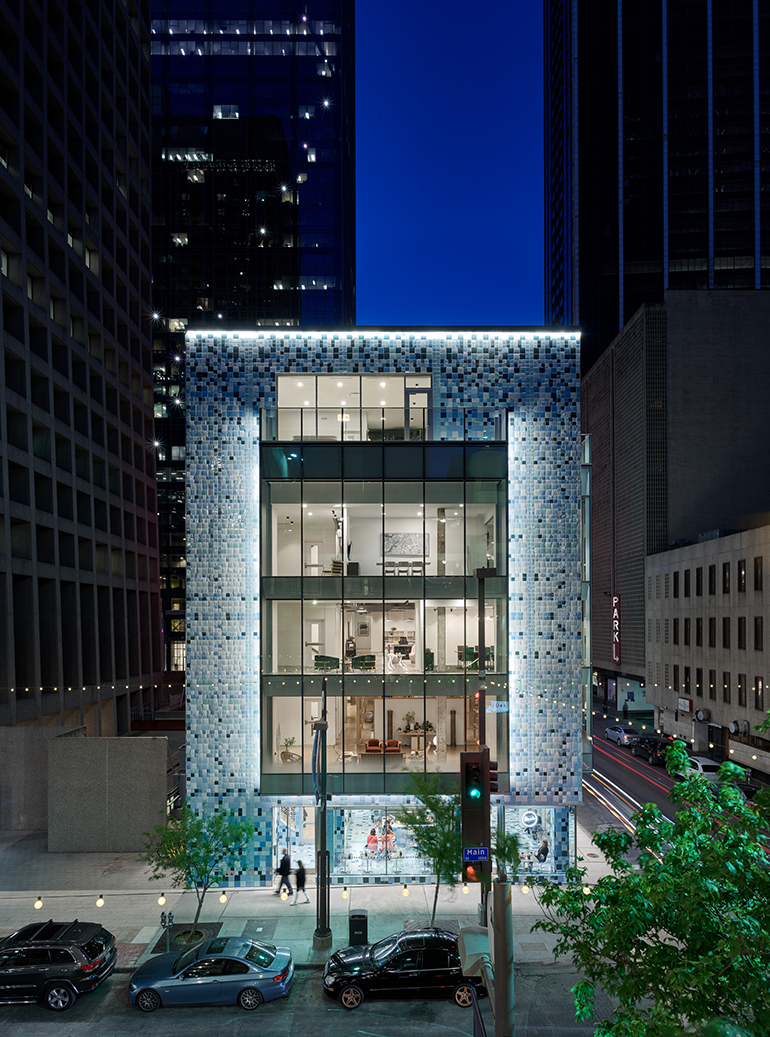
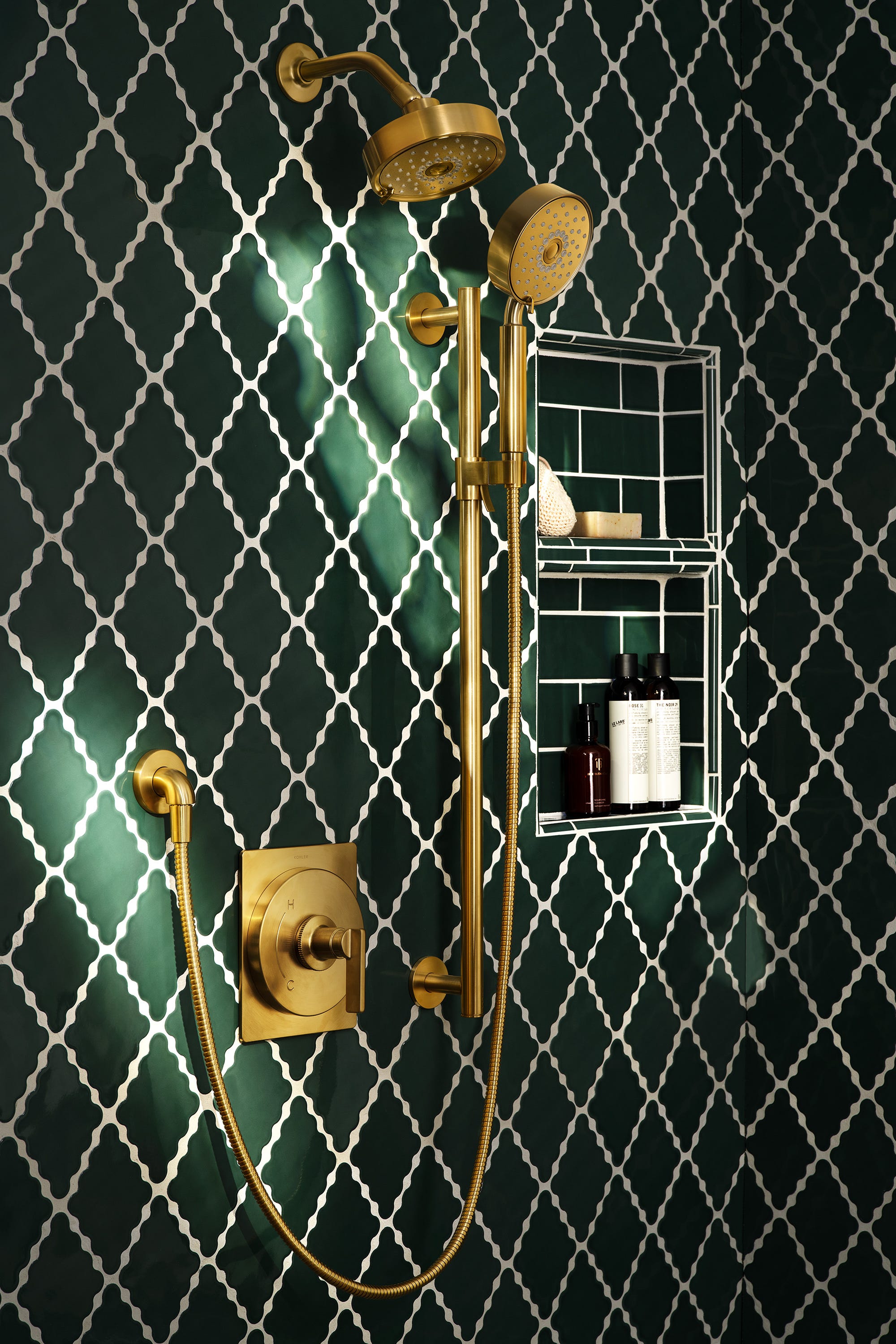
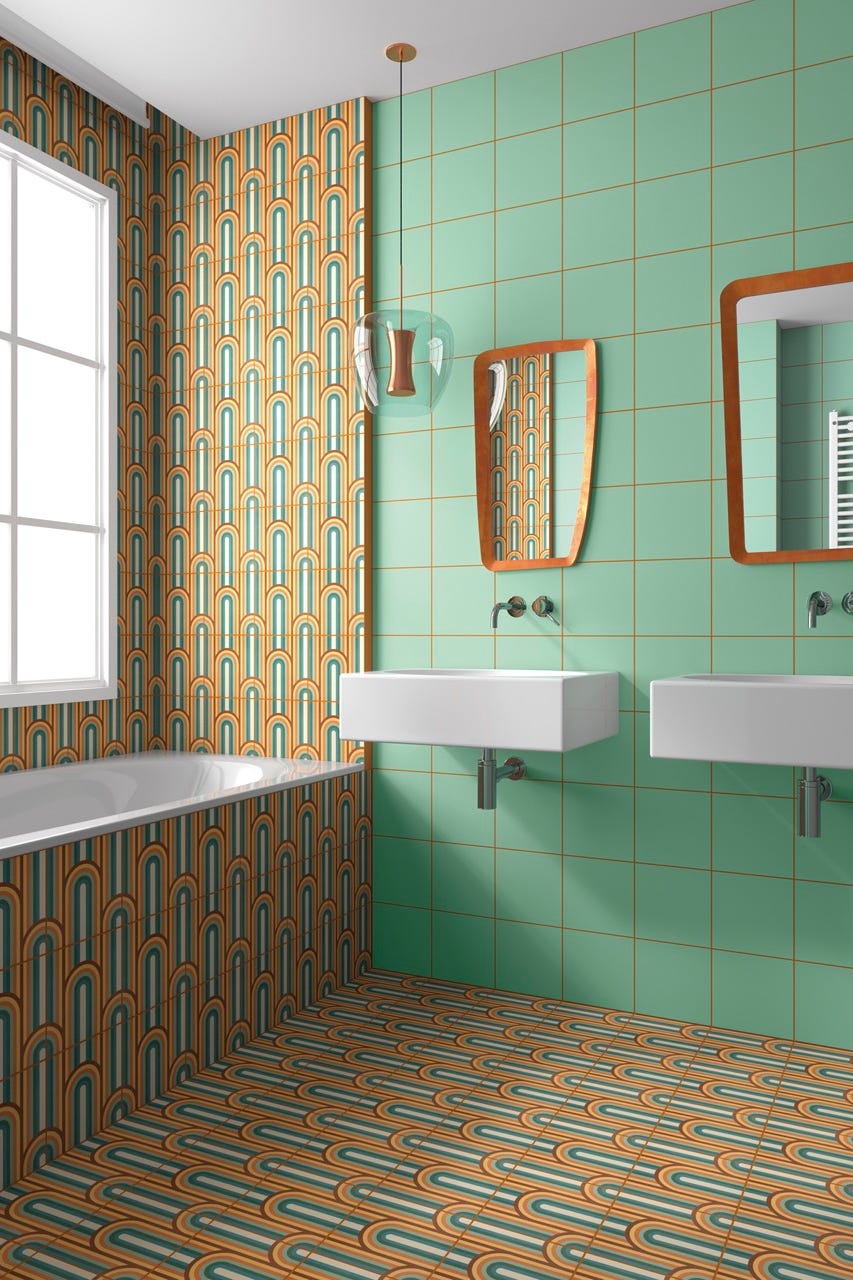
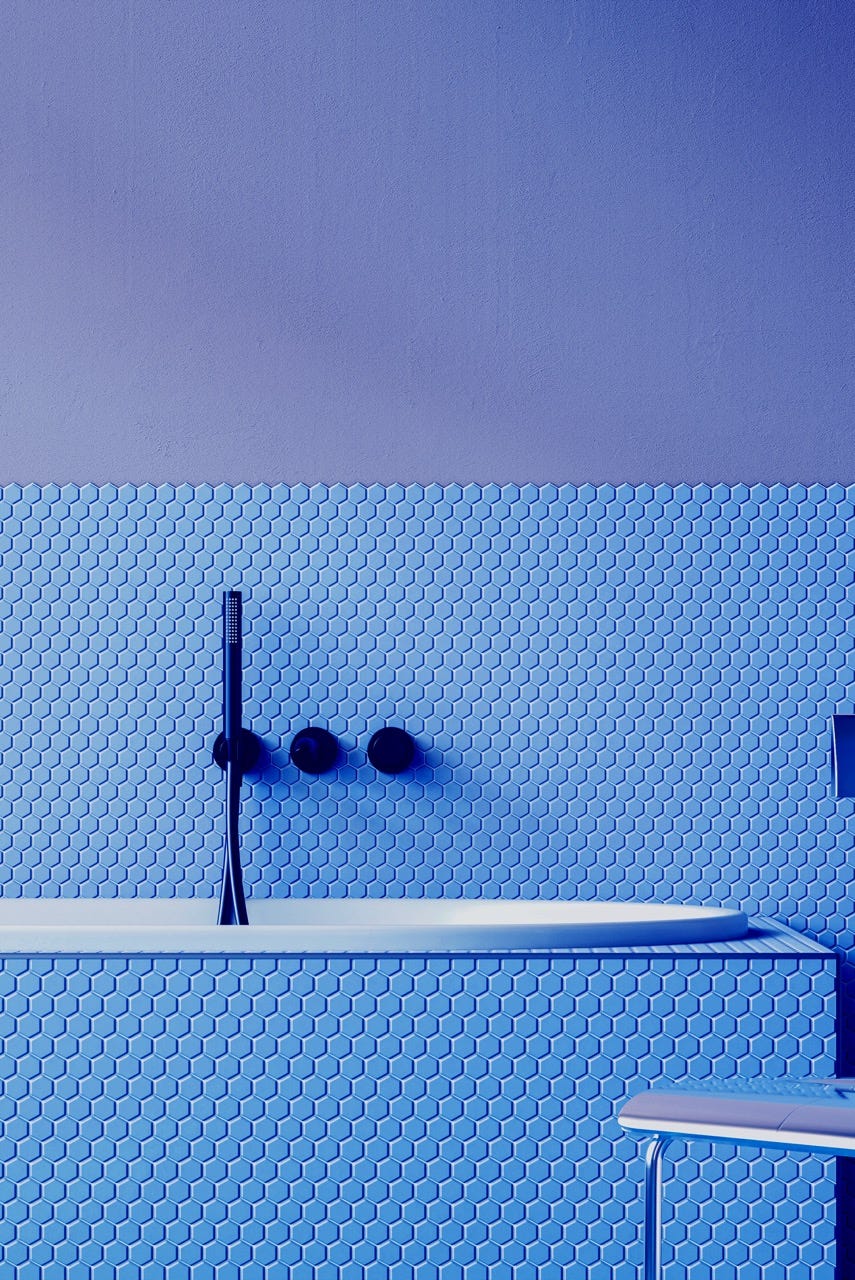
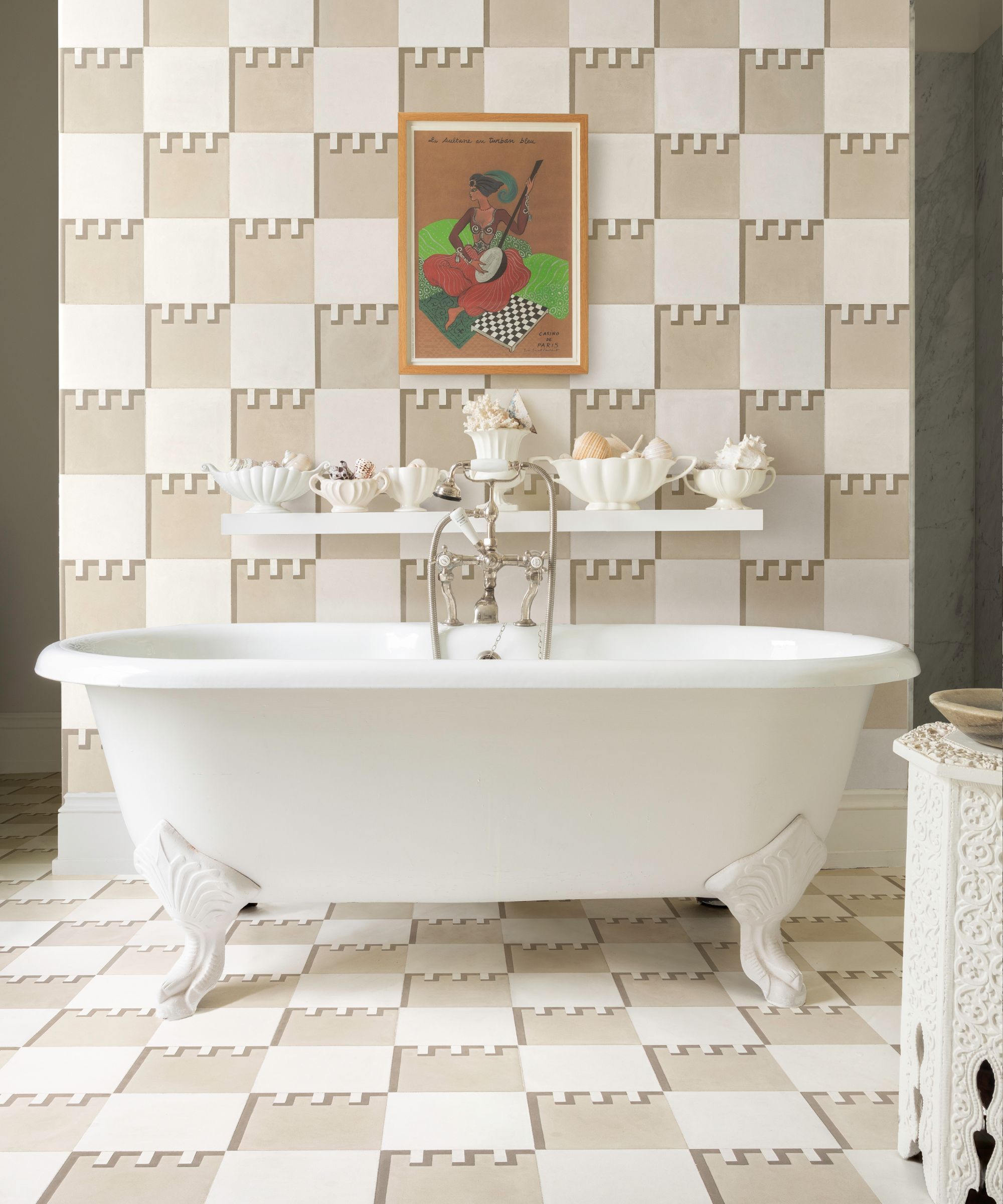
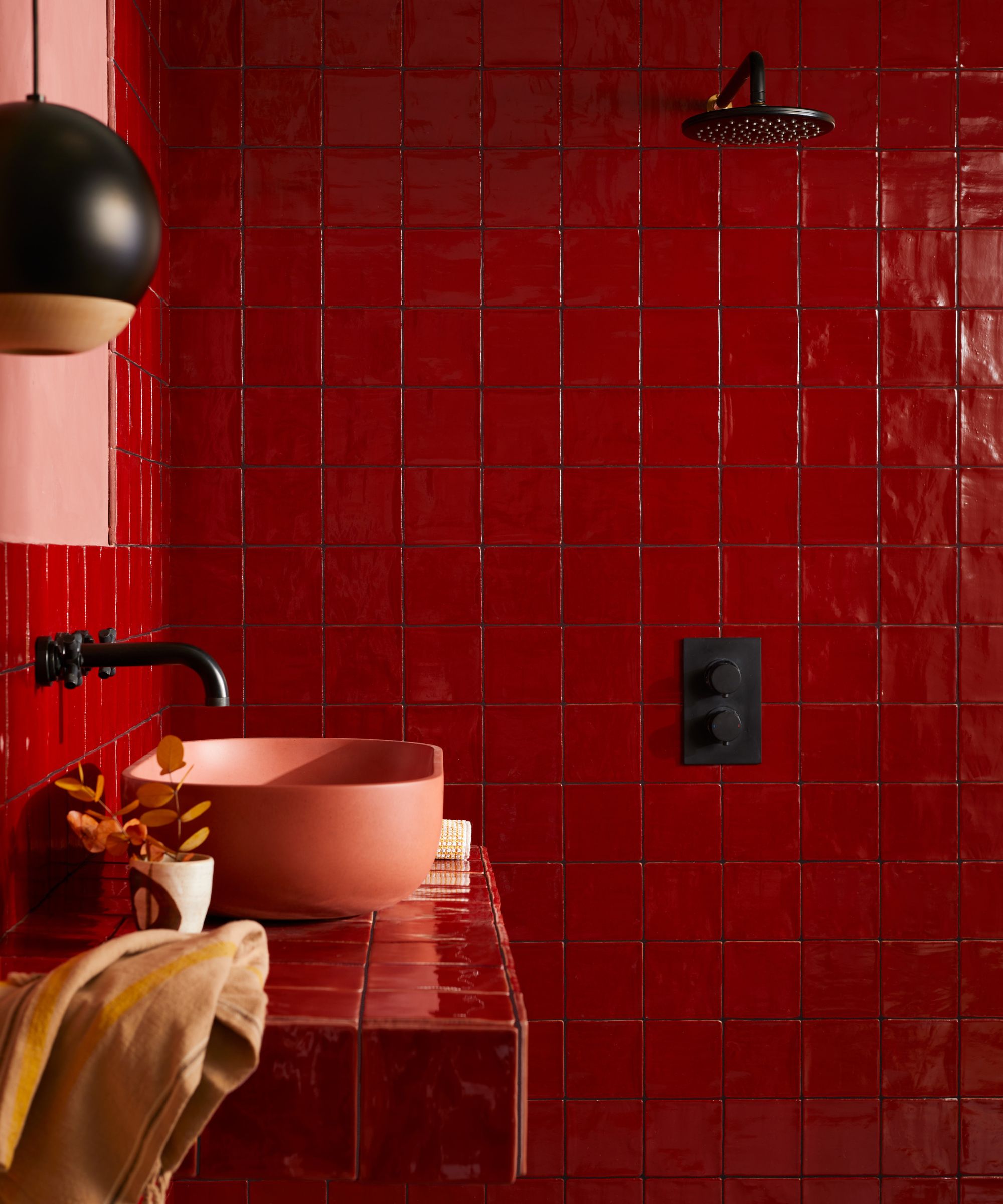
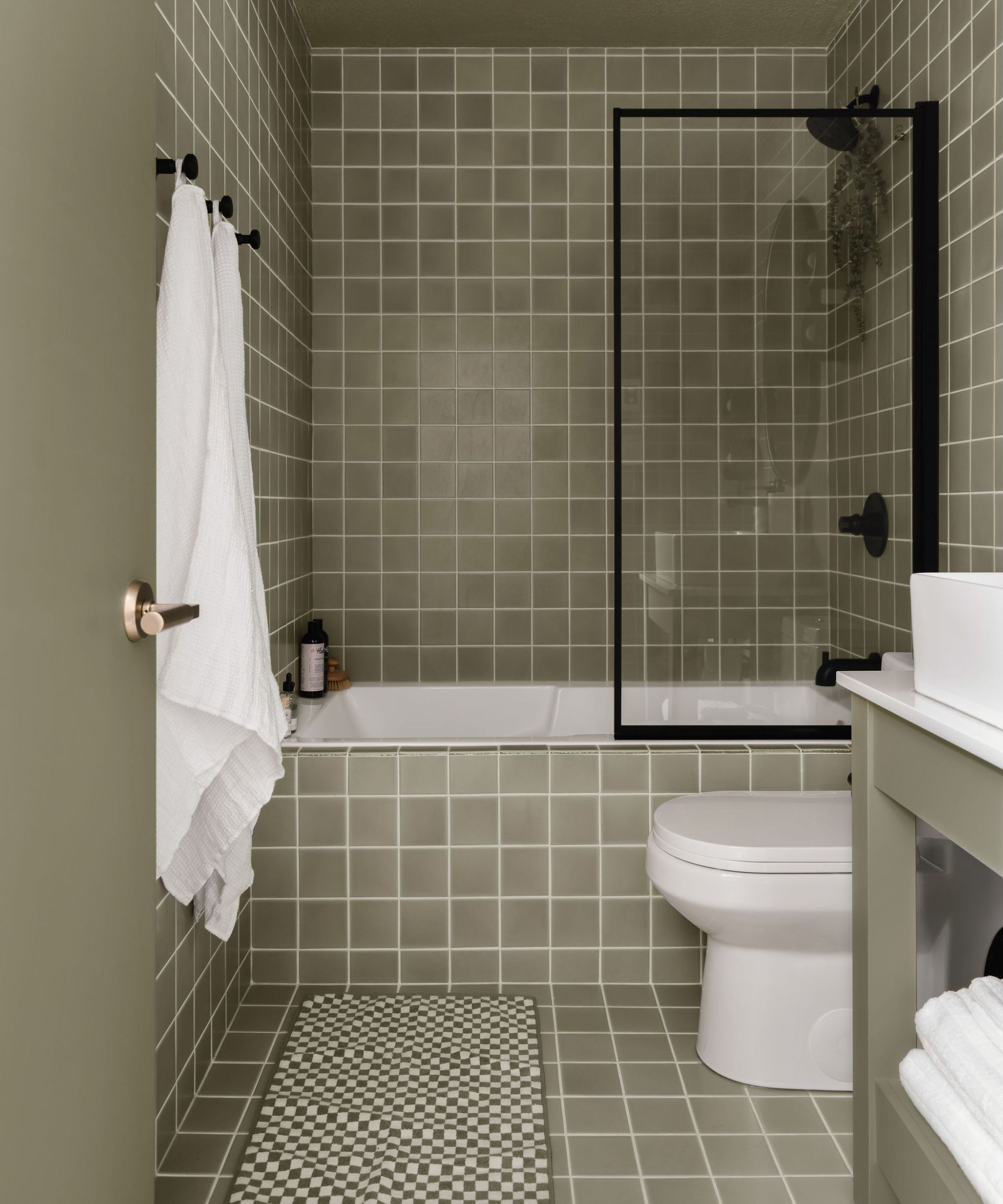
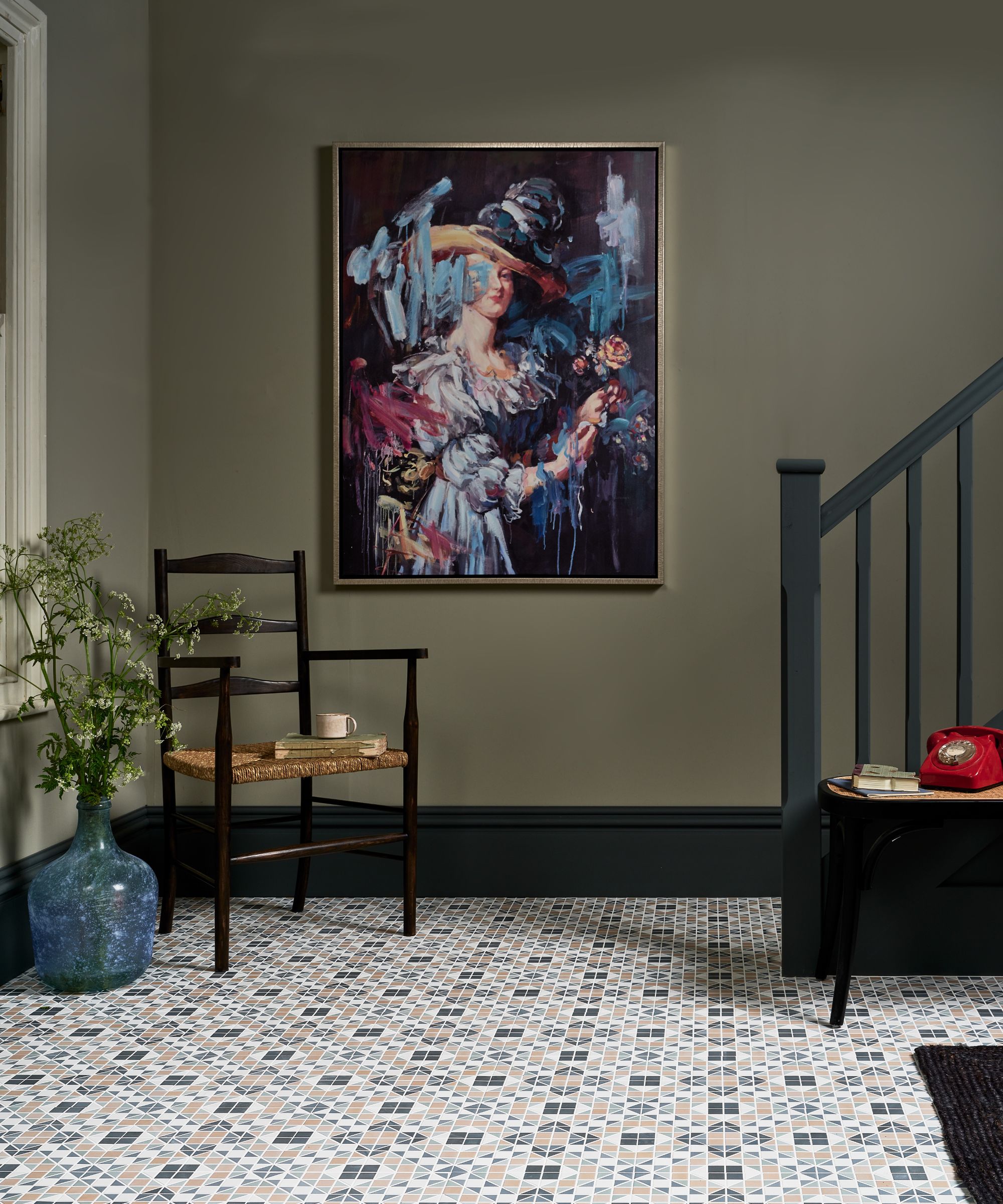
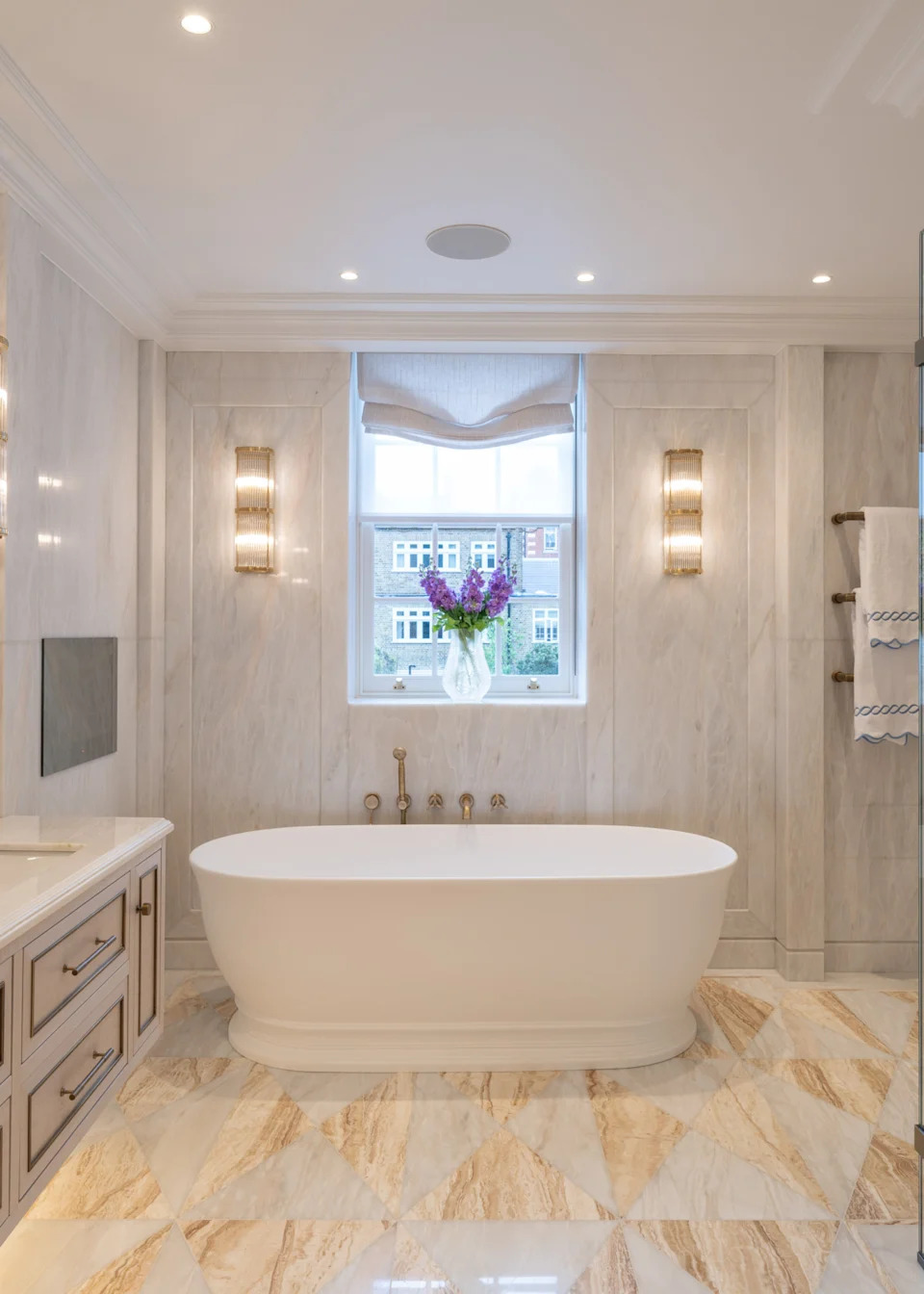
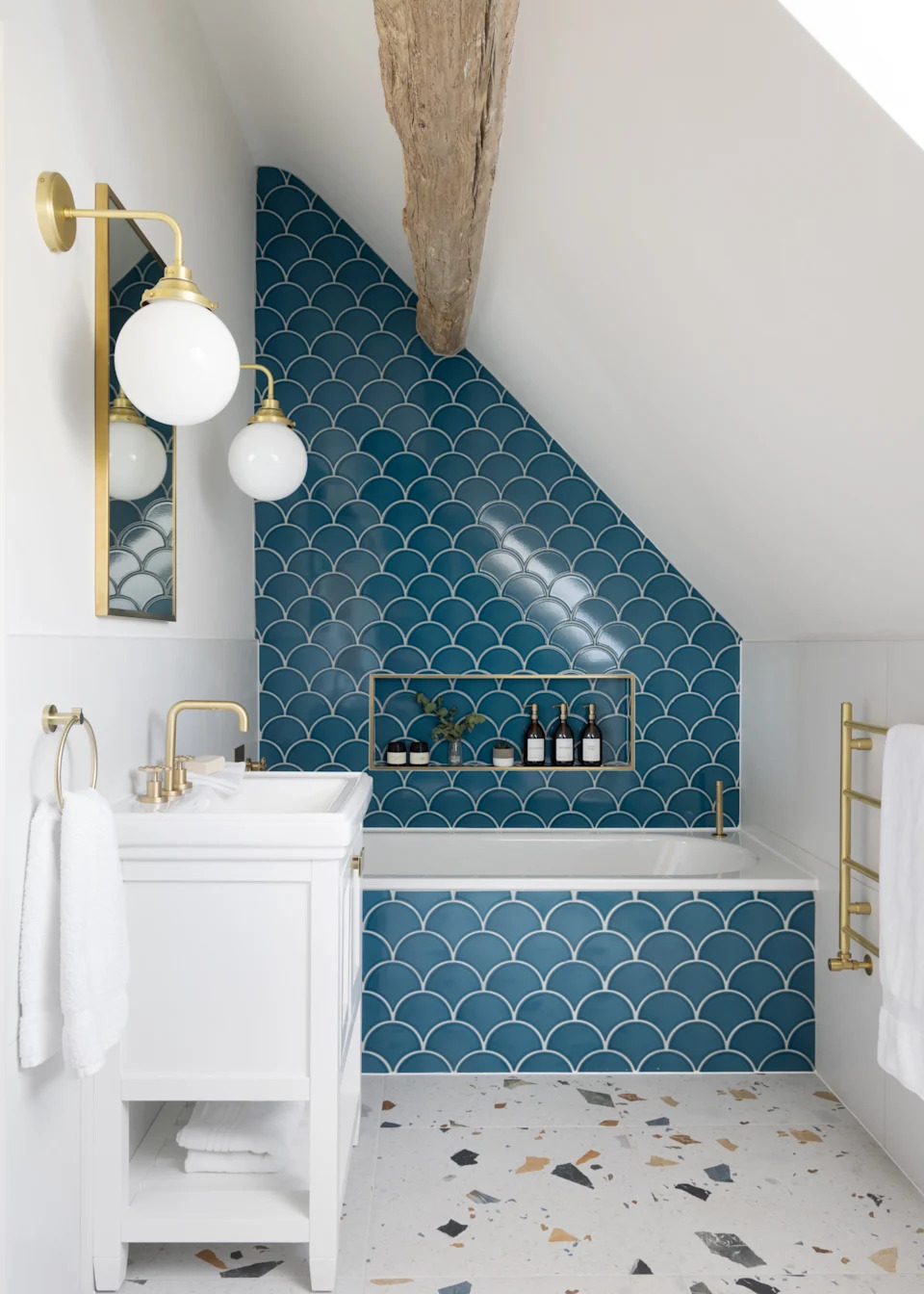
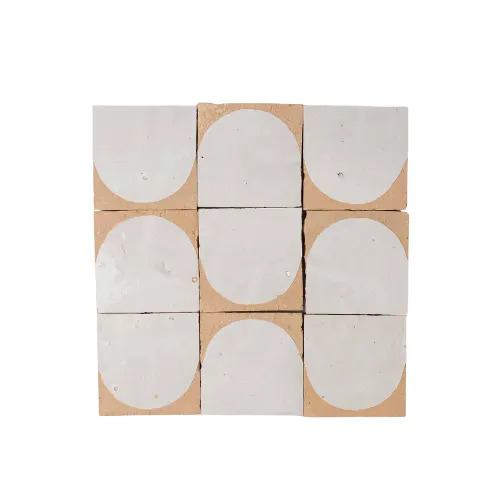
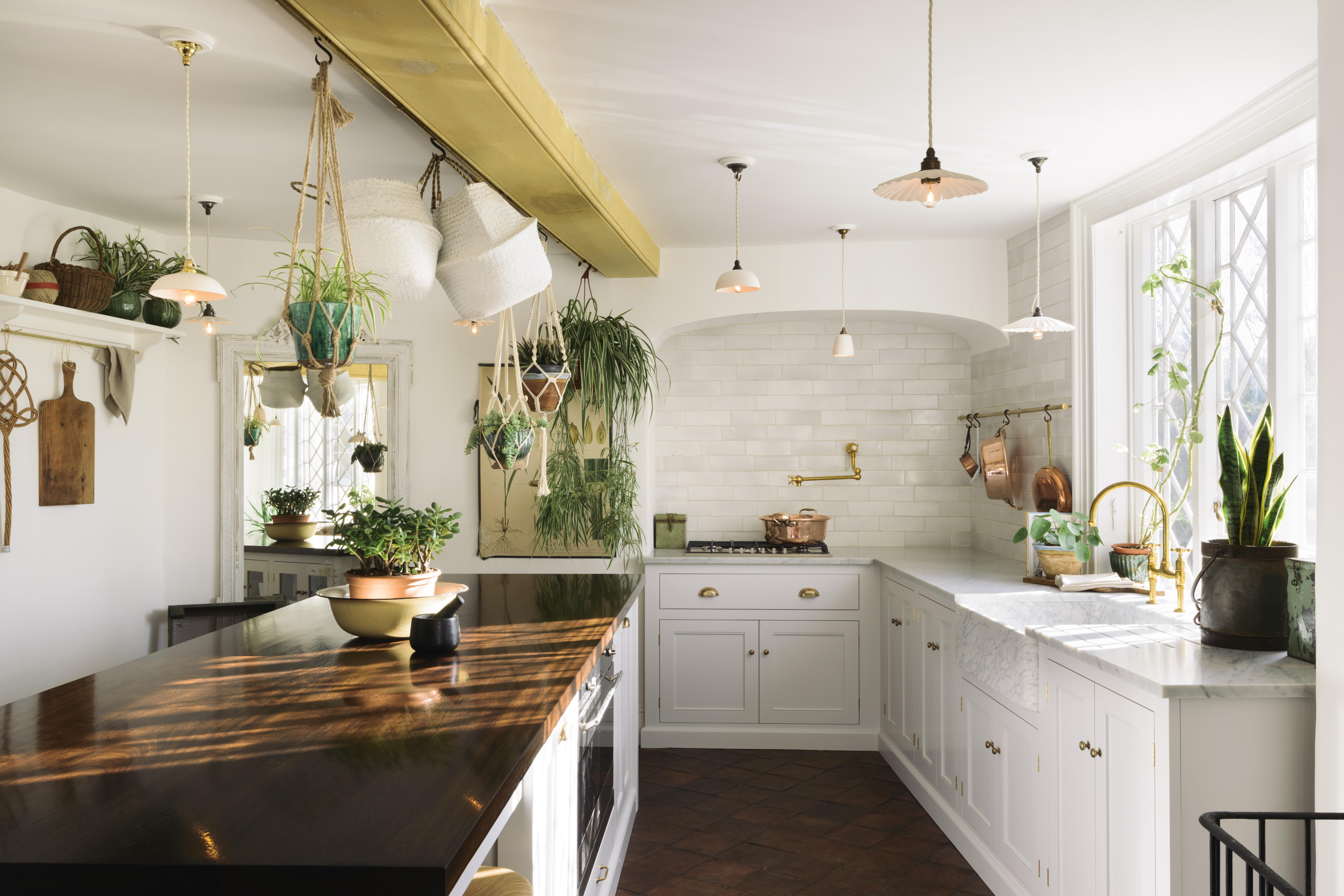
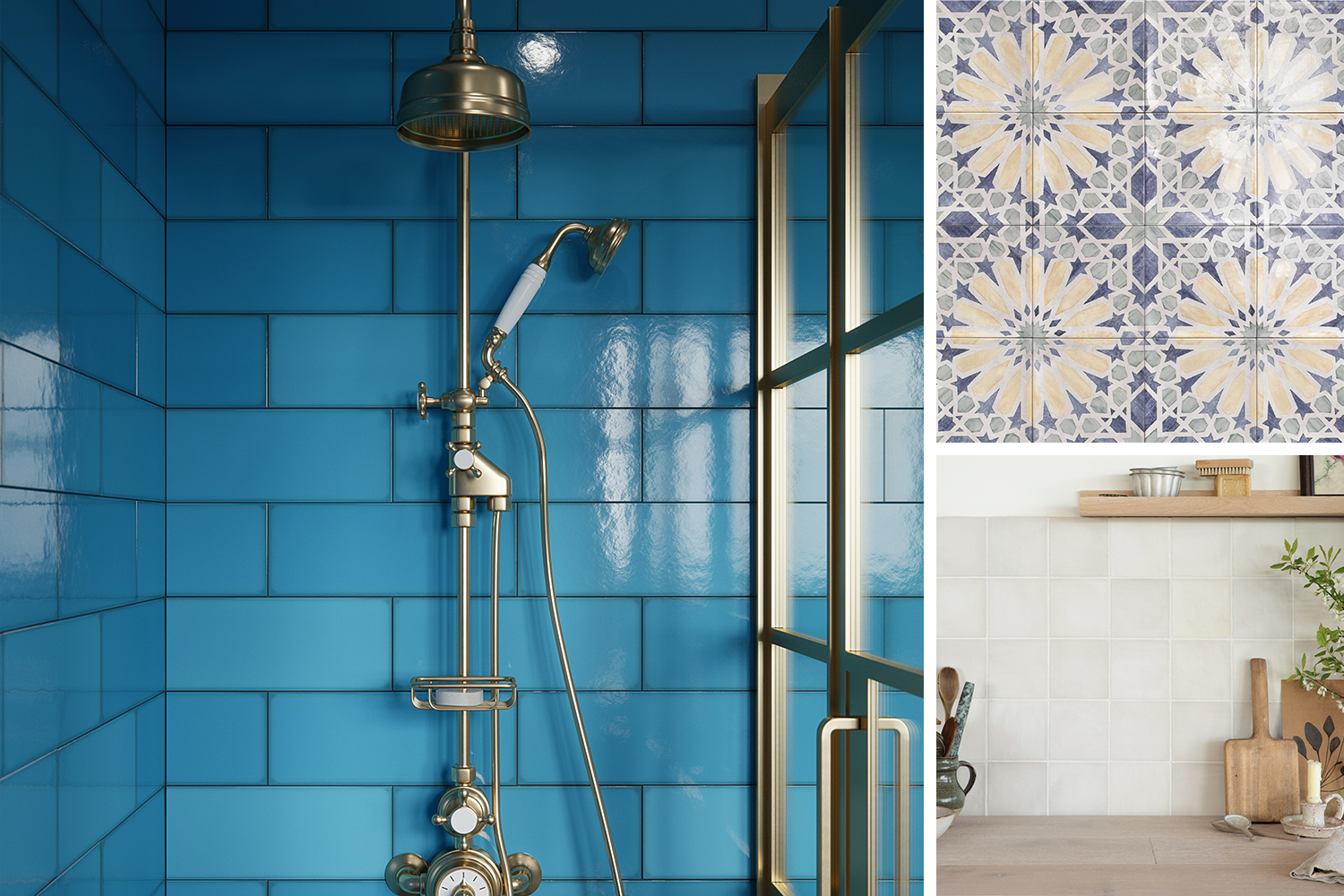
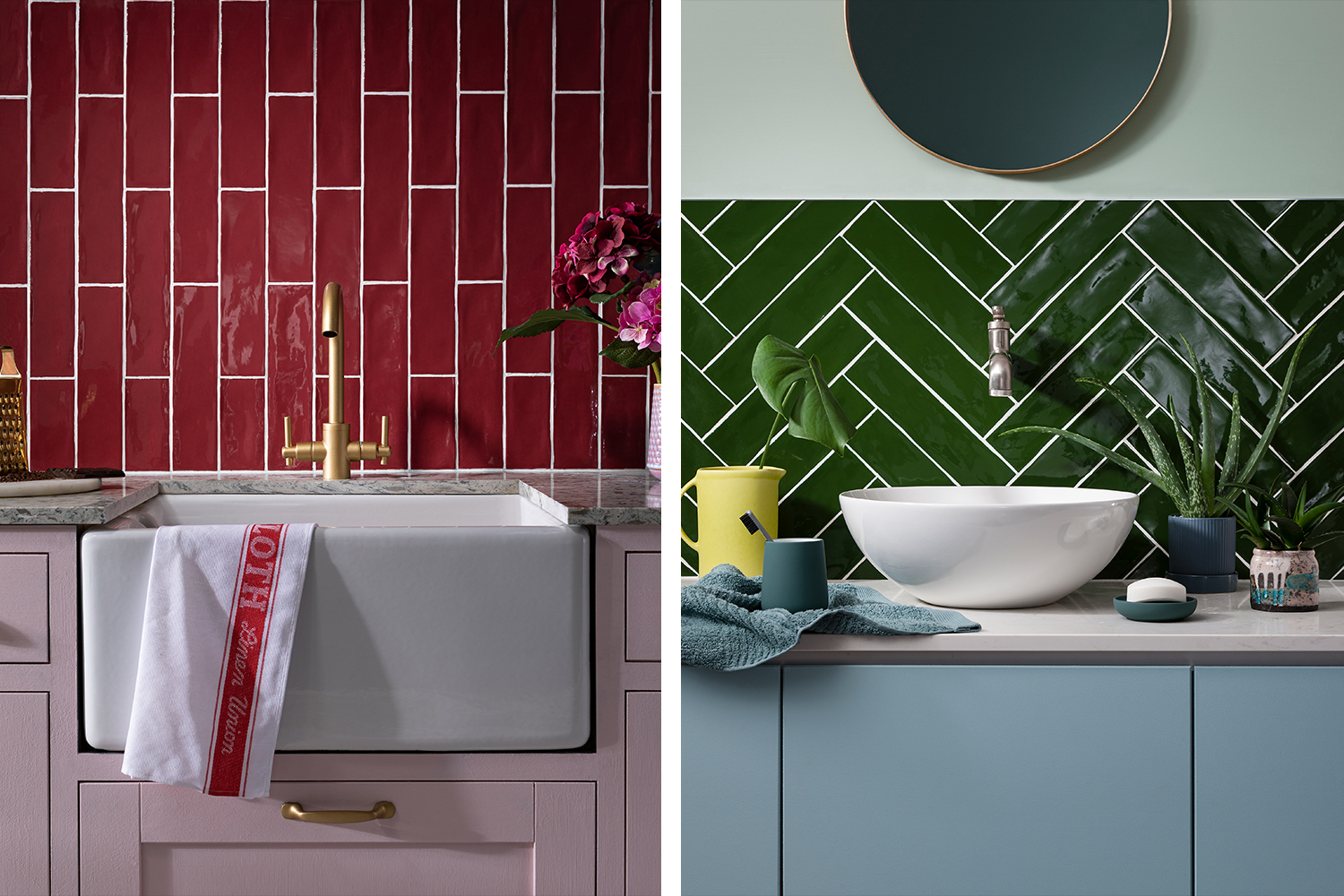
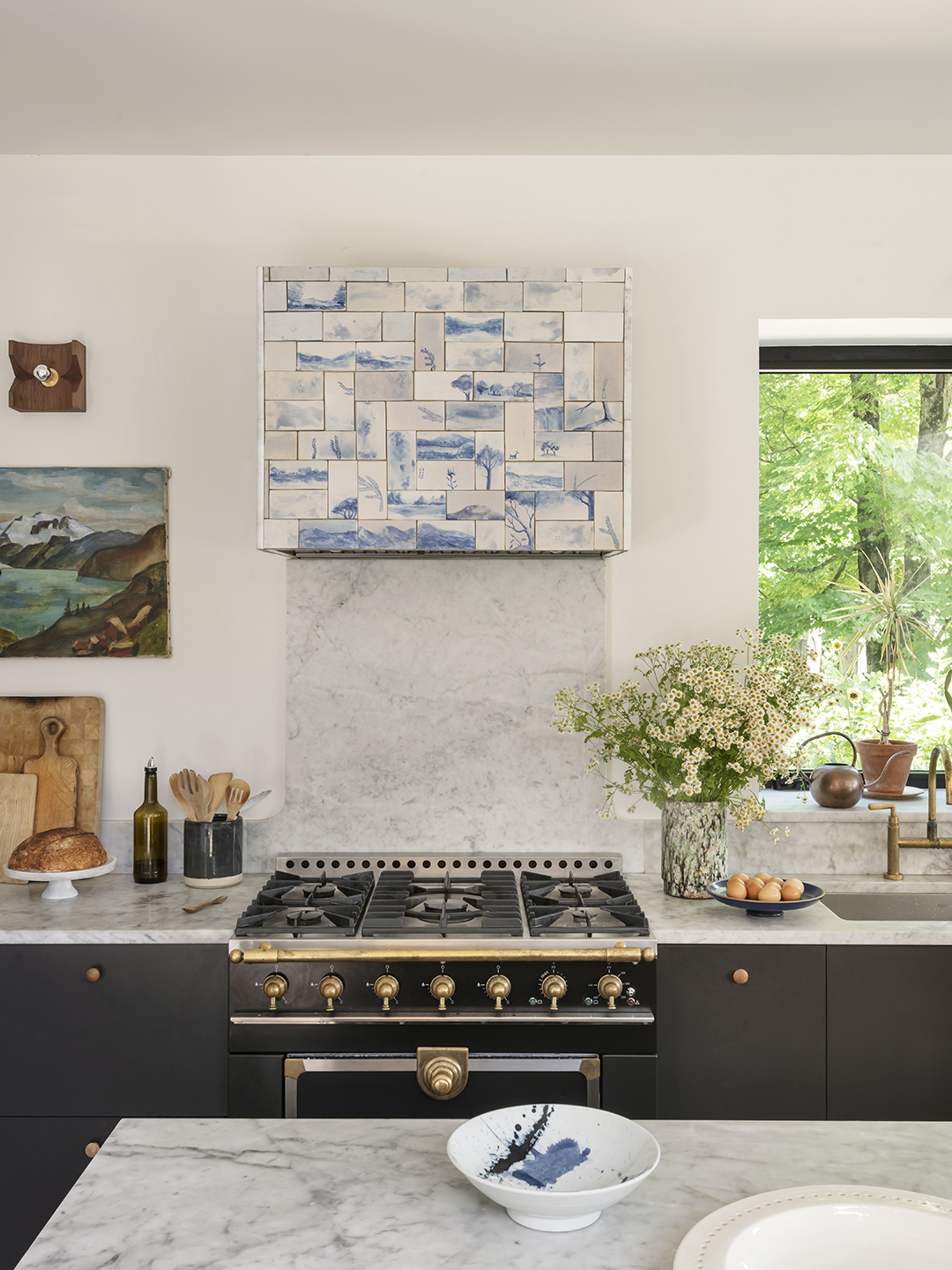
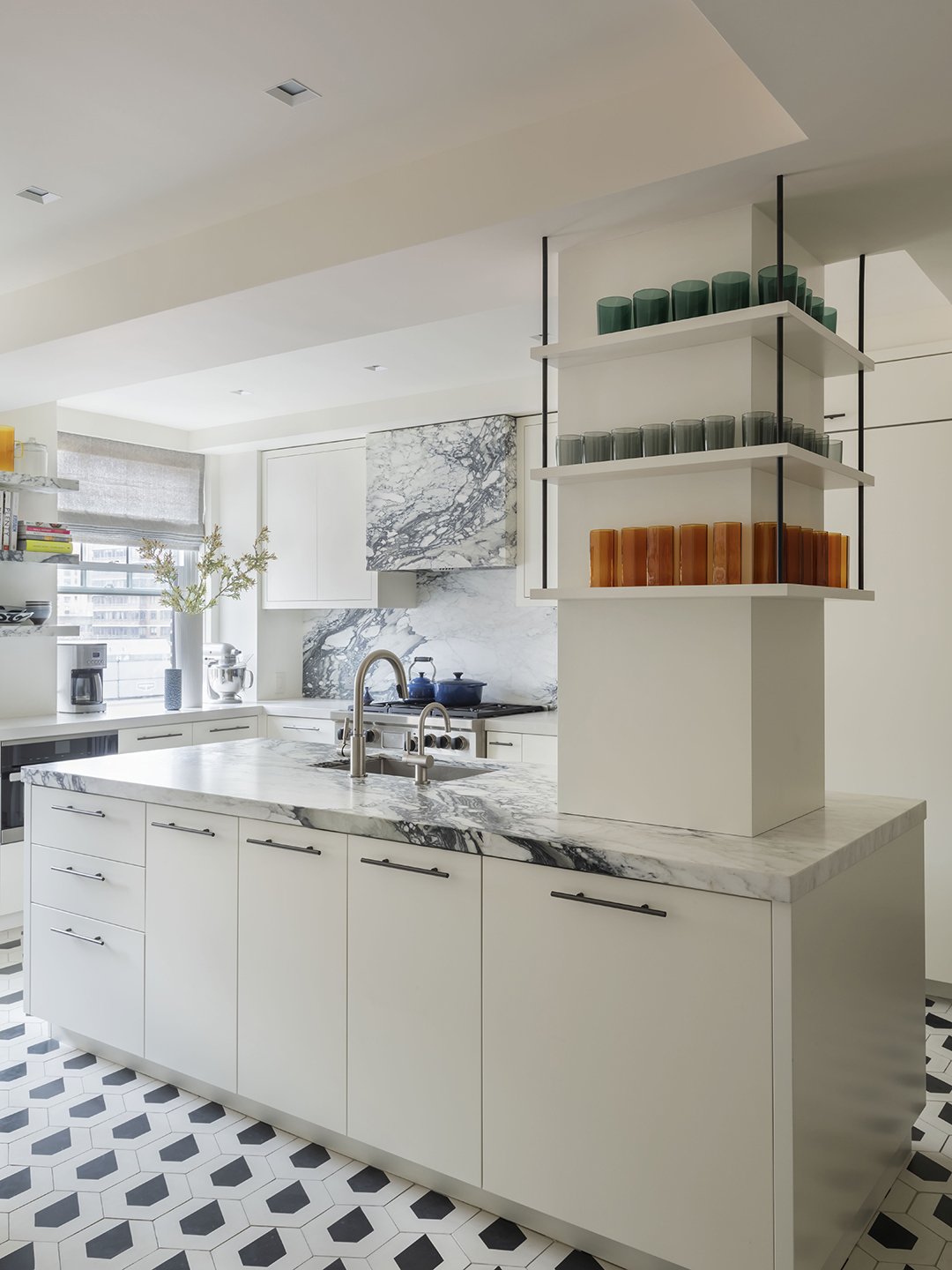
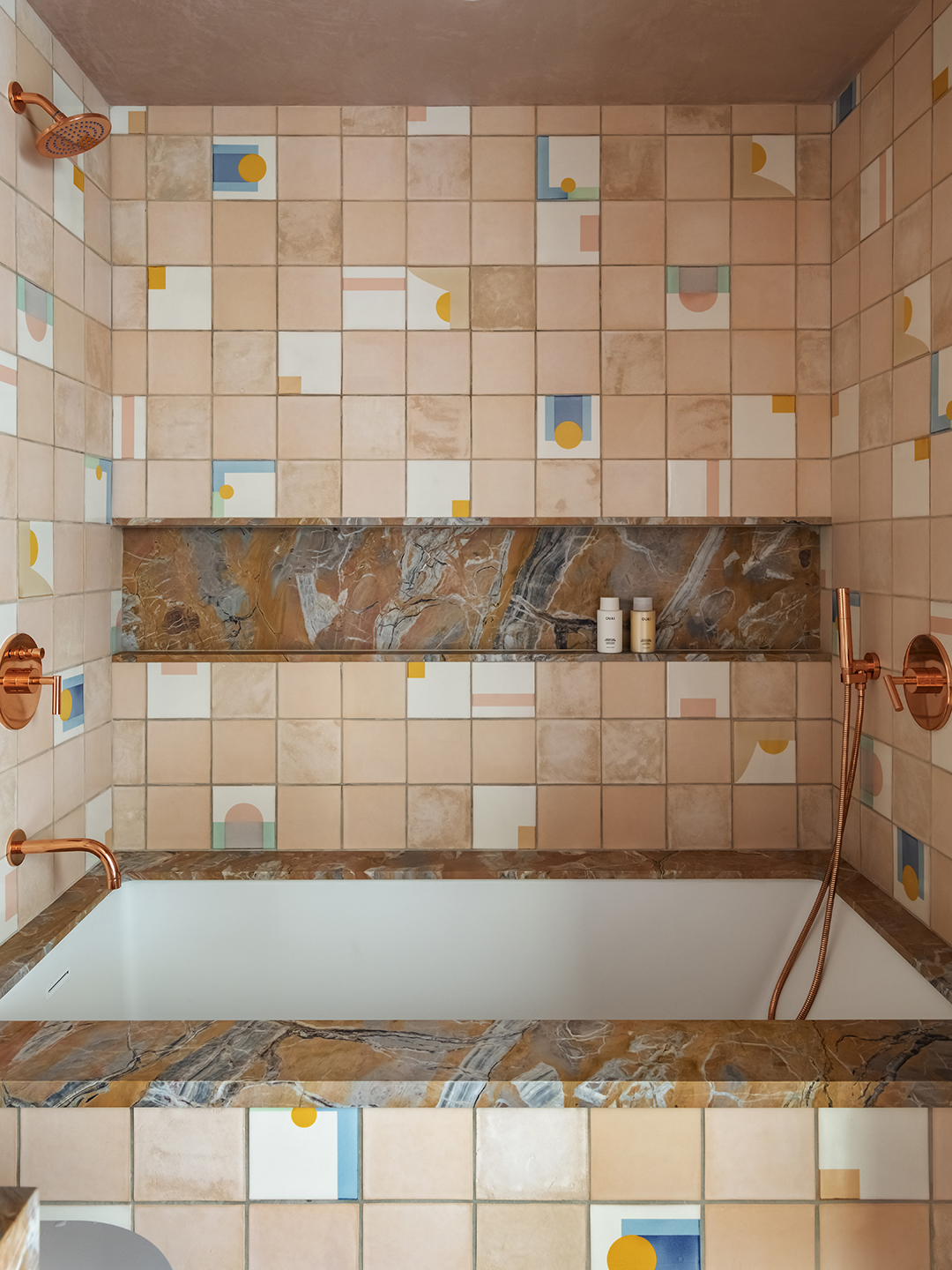
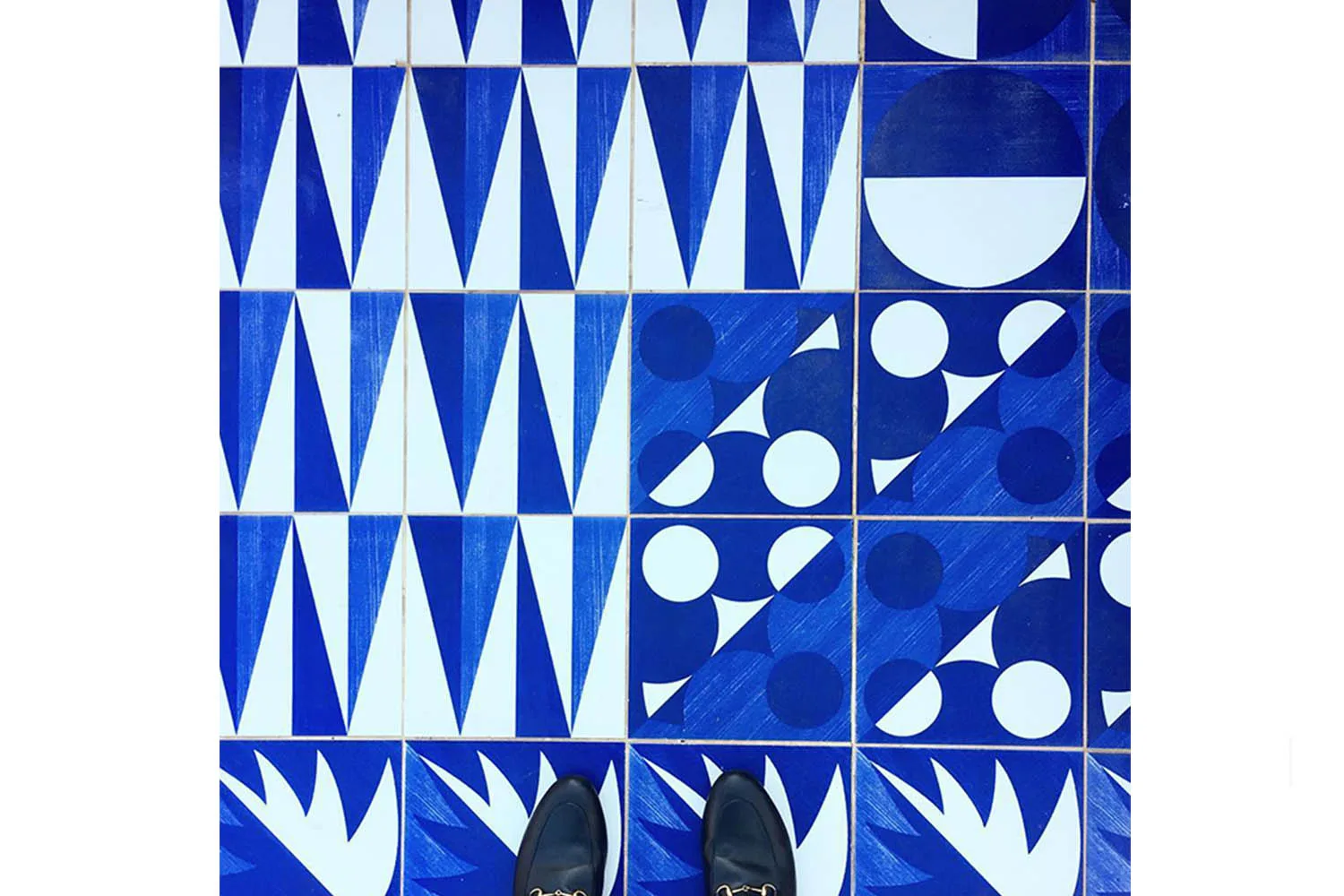
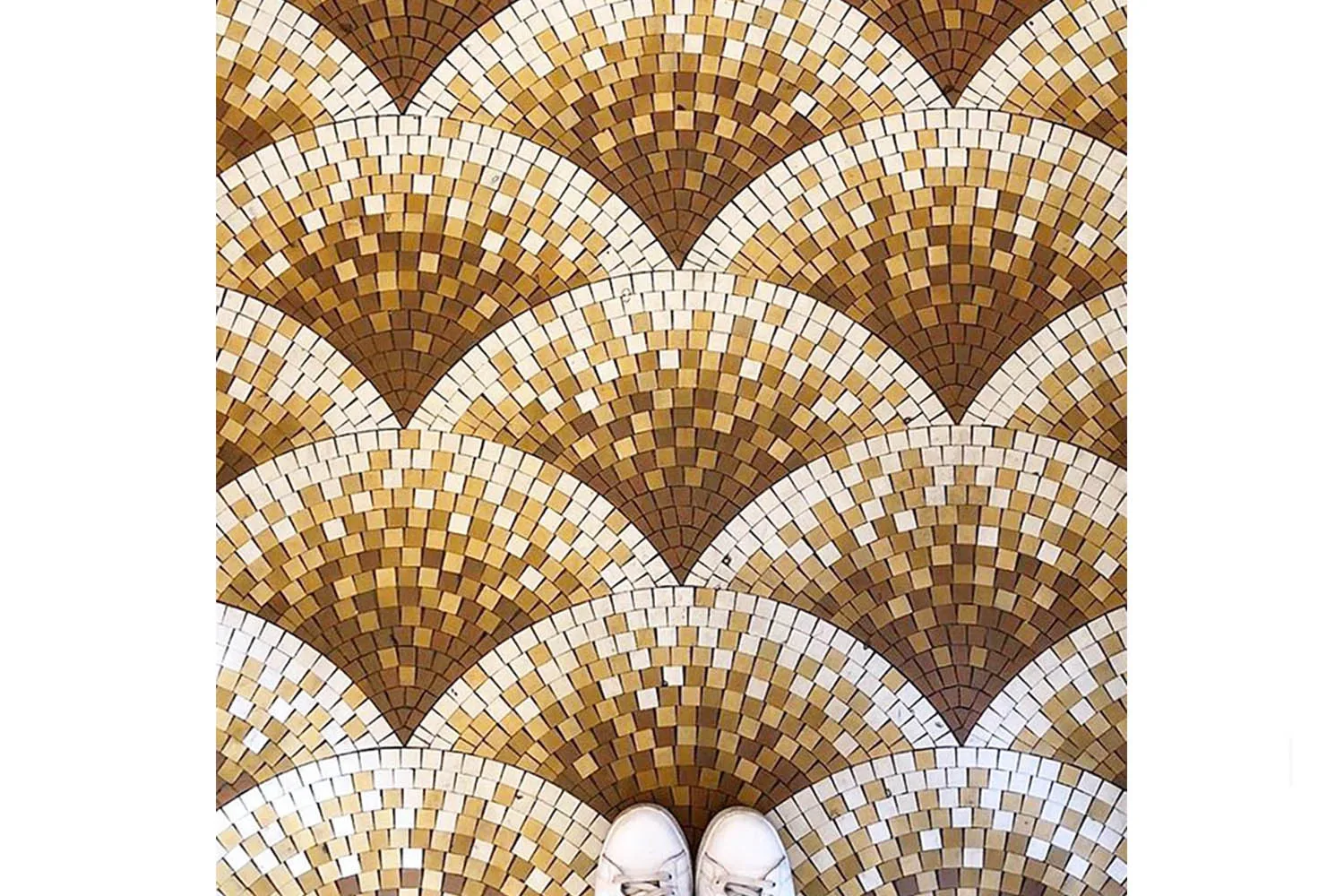
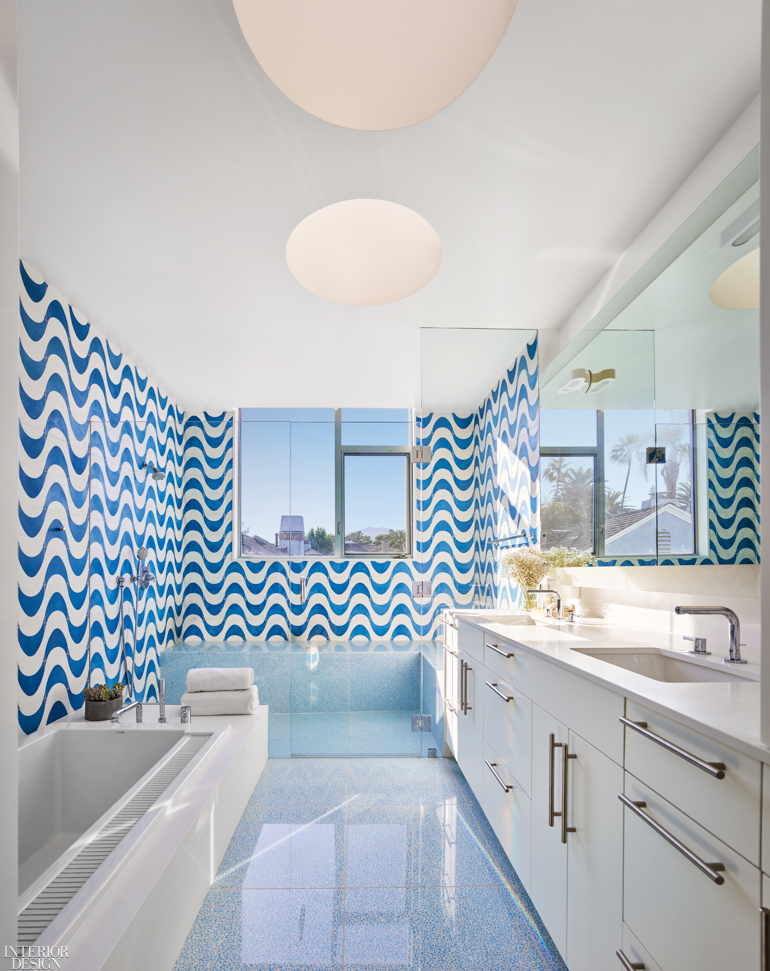
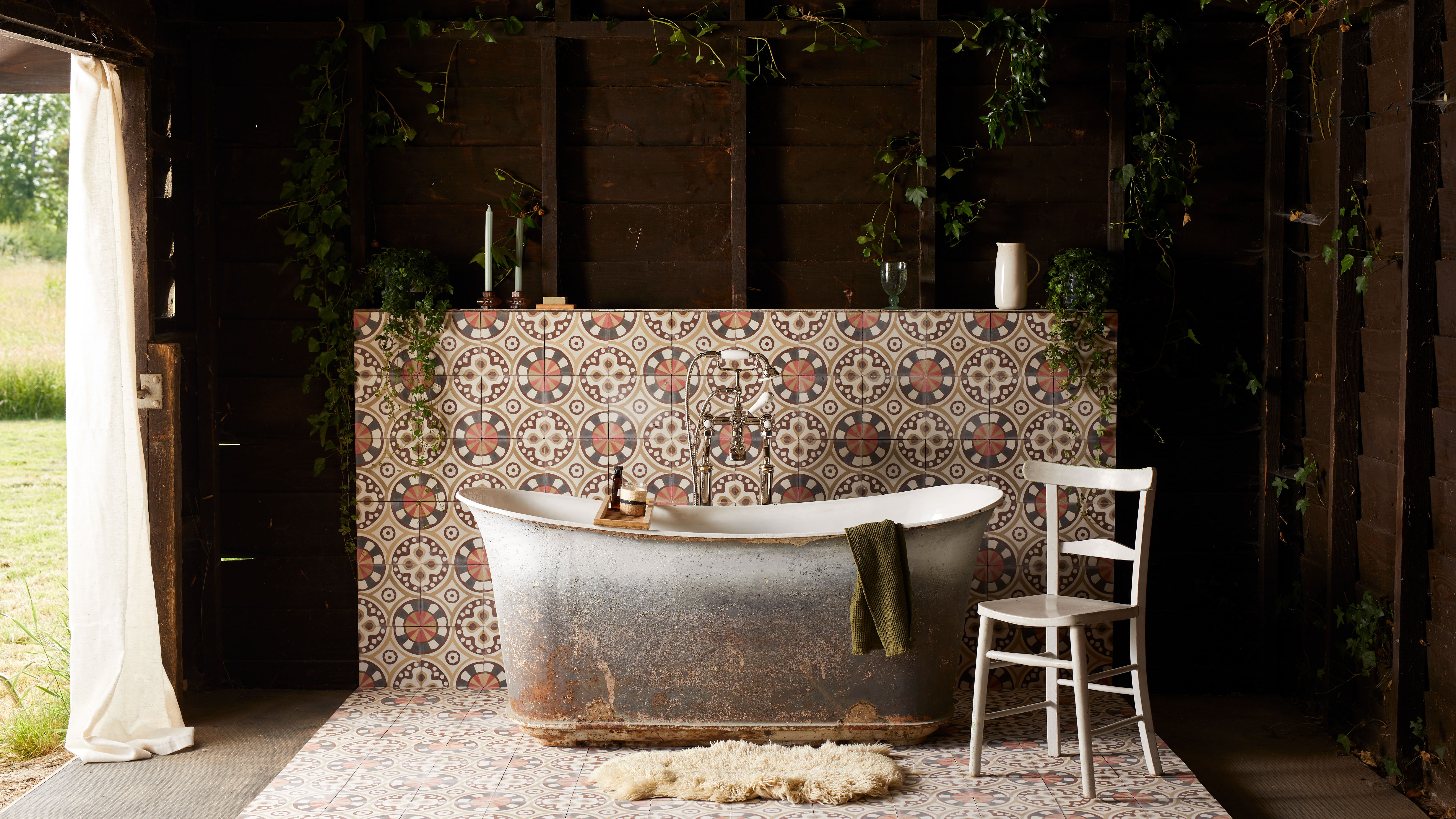
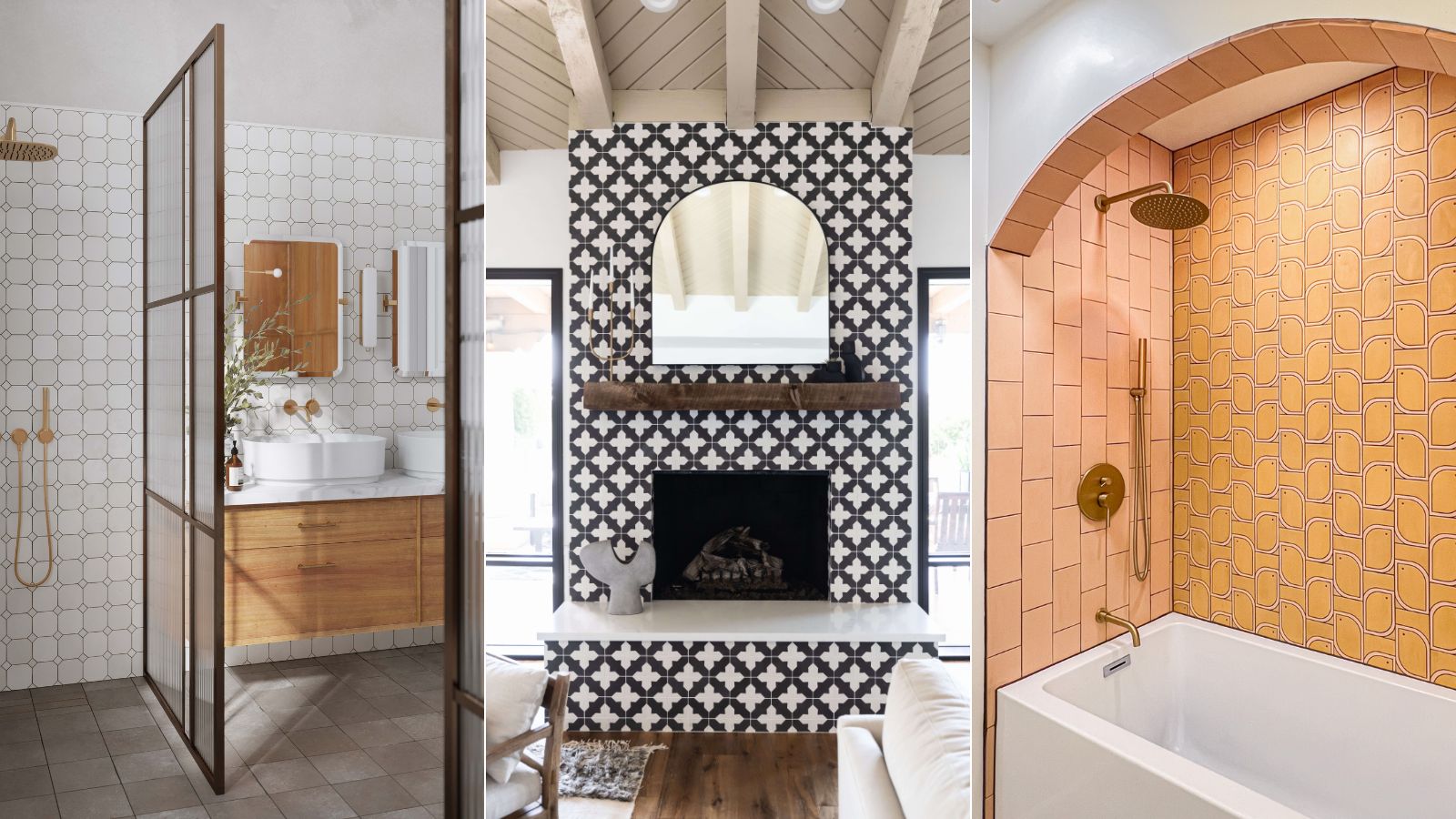
Tiles are traditionally associated with bathrooms and kitchens, but interior designers are increasingly incorporating them into unexpected areas of the home and public spaces. This article explores innovative applications of tiles, moving beyond their conventional use to add rhythm, color, pattern, and scale to various interiors.
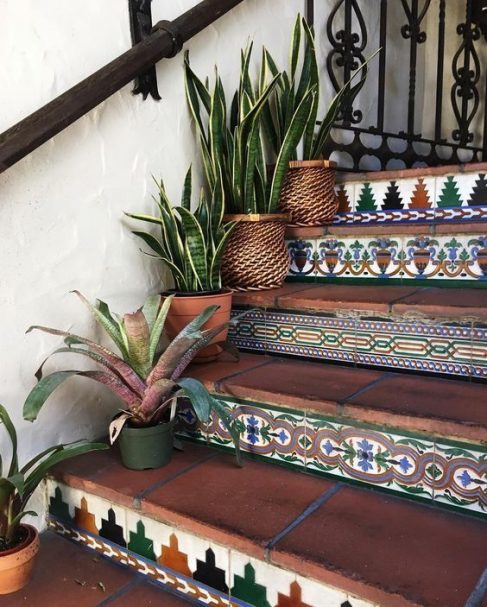
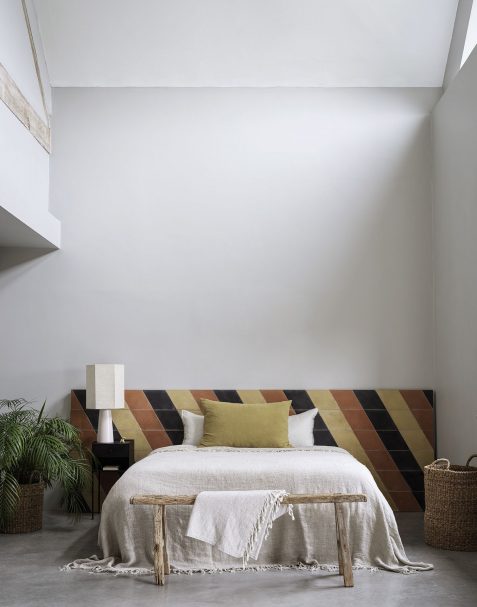
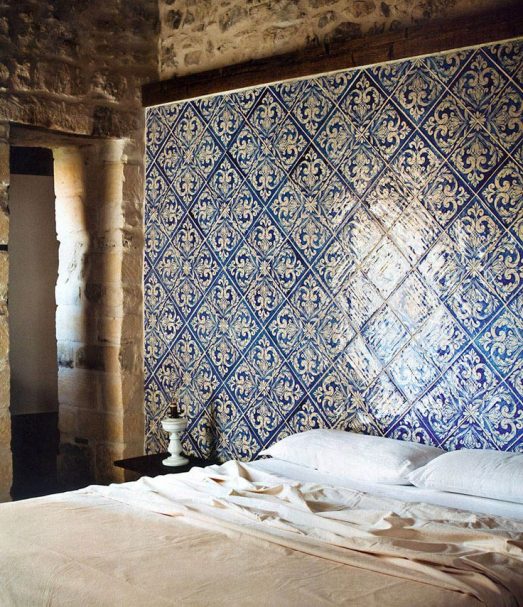
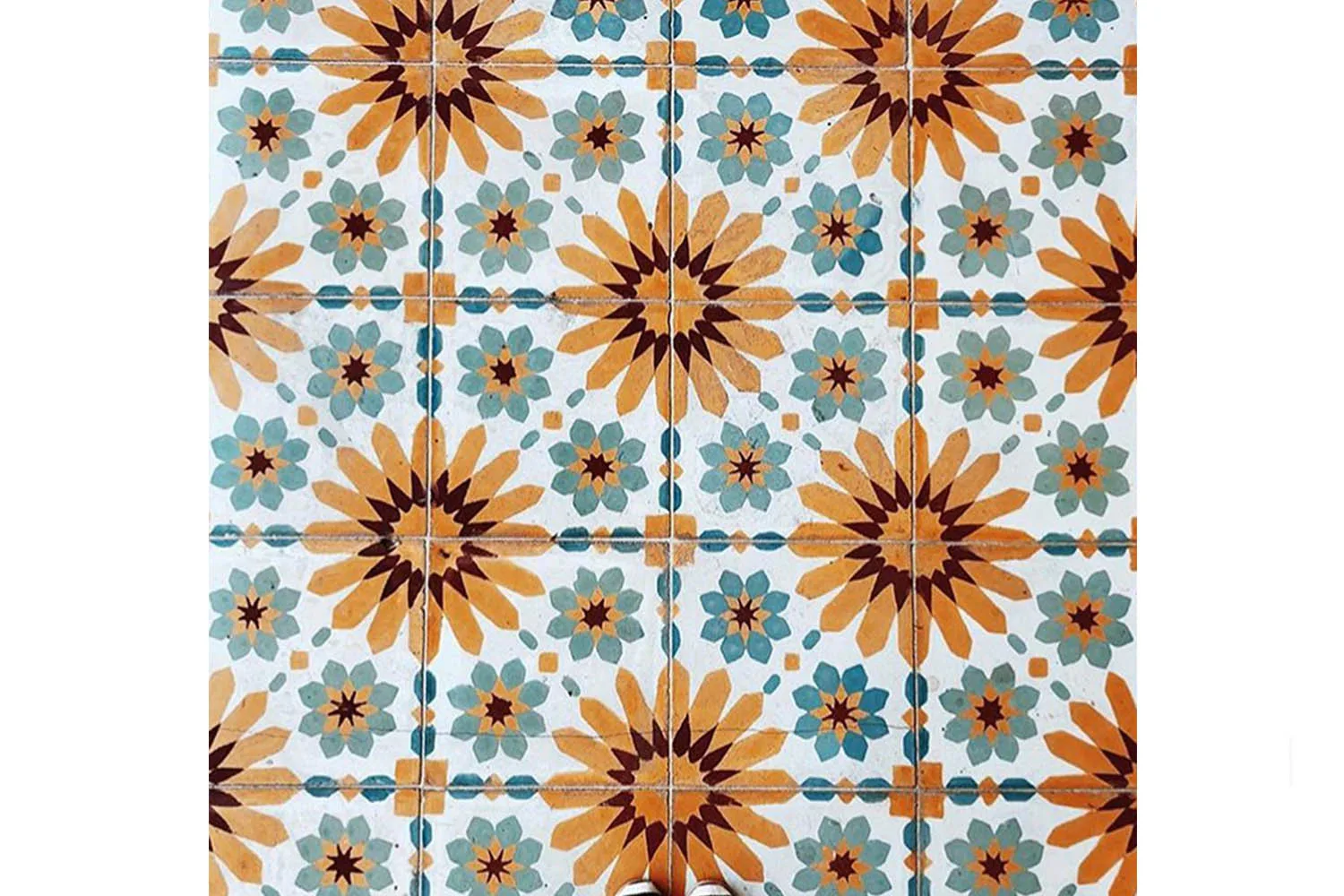
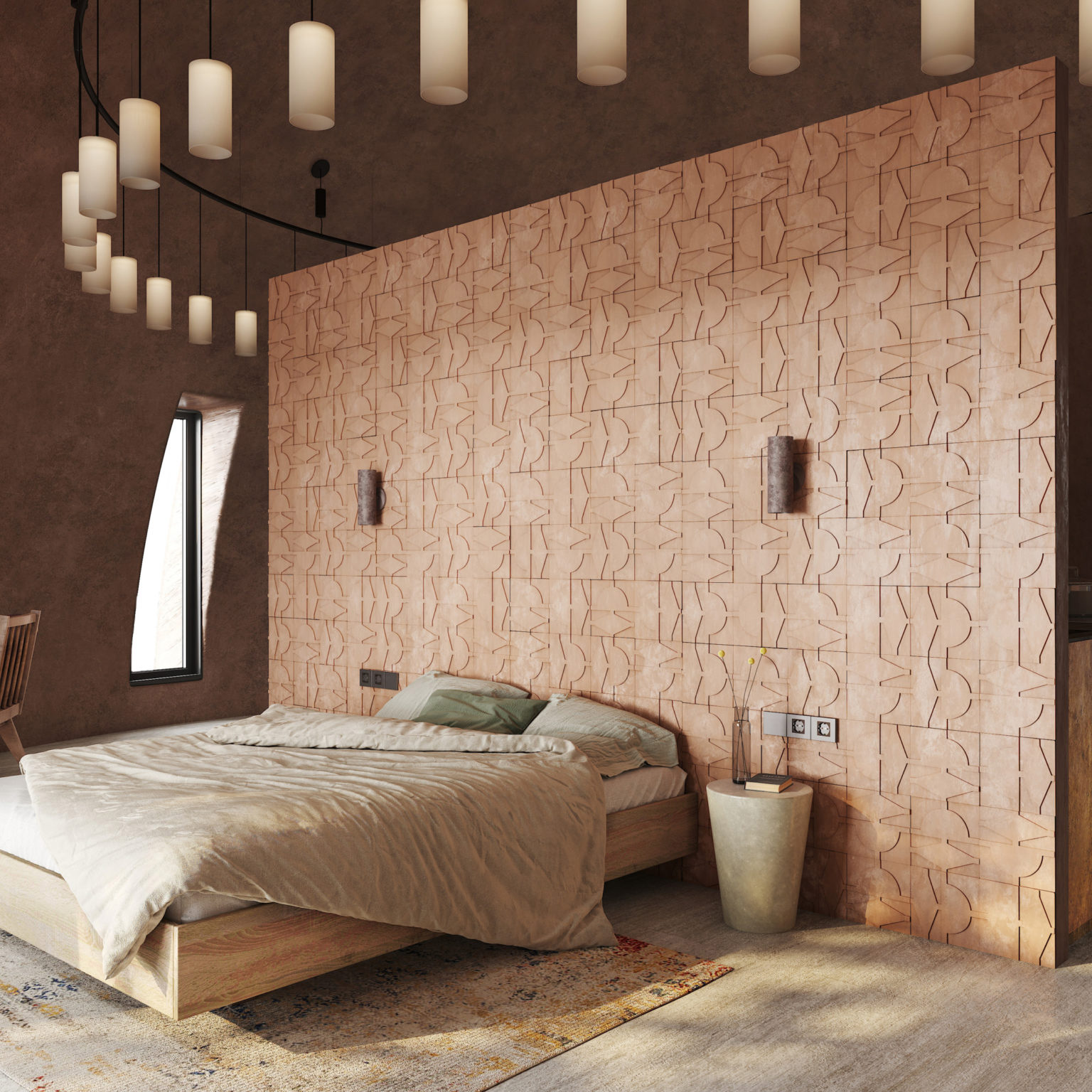
In bedrooms, tiles, particularly those with warm hues like terracotta, are being used to introduce tactility and color. For example, Arles hotel L’Arlatan features handmade mosaic tiling throughout its bedrooms, creating a kaleidoscopic effect with 6,000 square meters of different colored and shaped tiles. While tiled flooring is practical in hot climates, in colder regions, tiles are being creatively applied to other surfaces. Fiandre Architectural Surfaces' Roc Ancien line demonstrates this by forming a patterned, wall-sized headboard. Casa Ceramica further exemplifies maximalist design by combining large, patterned floor tiles with textured wall paneling.
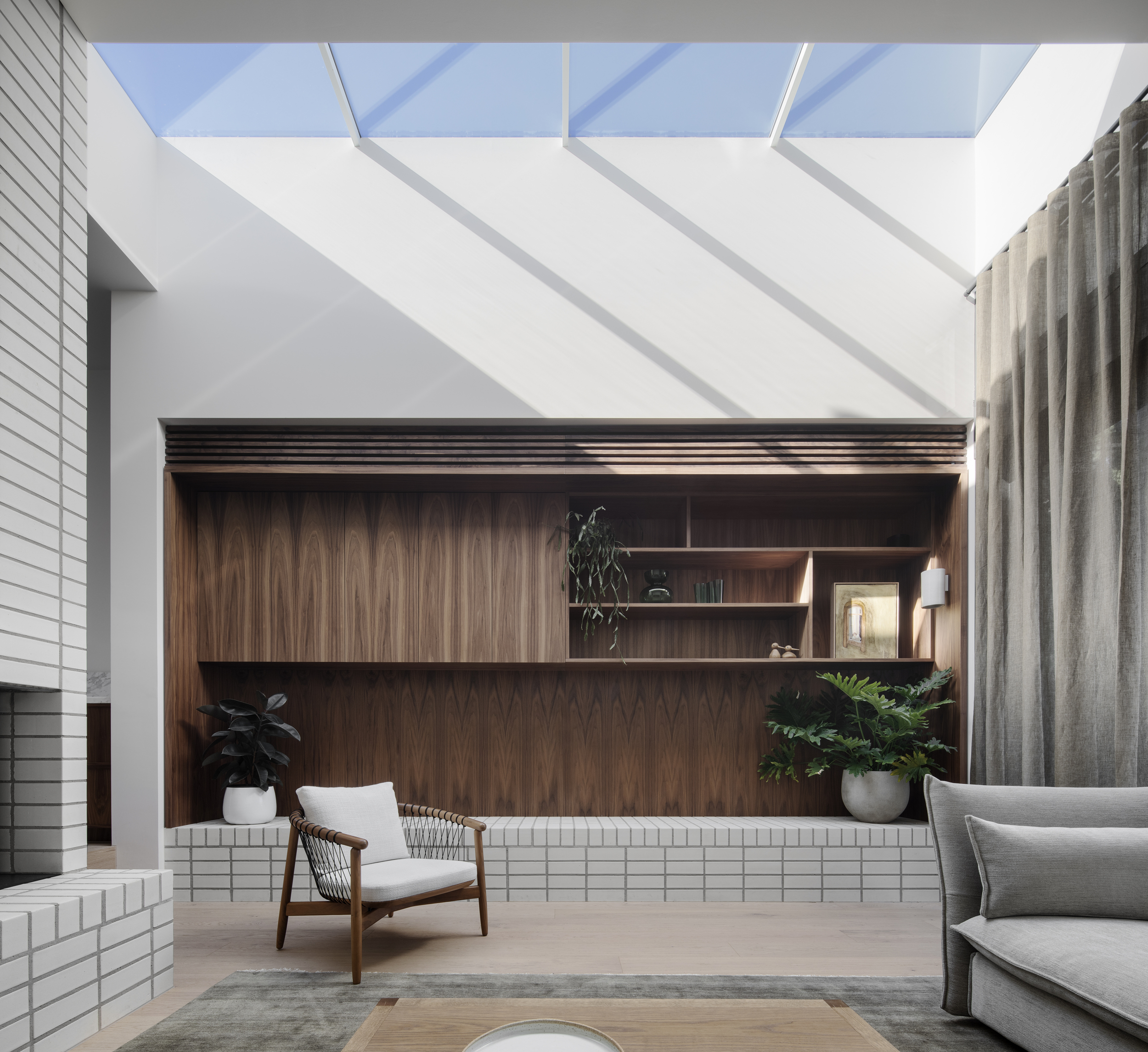
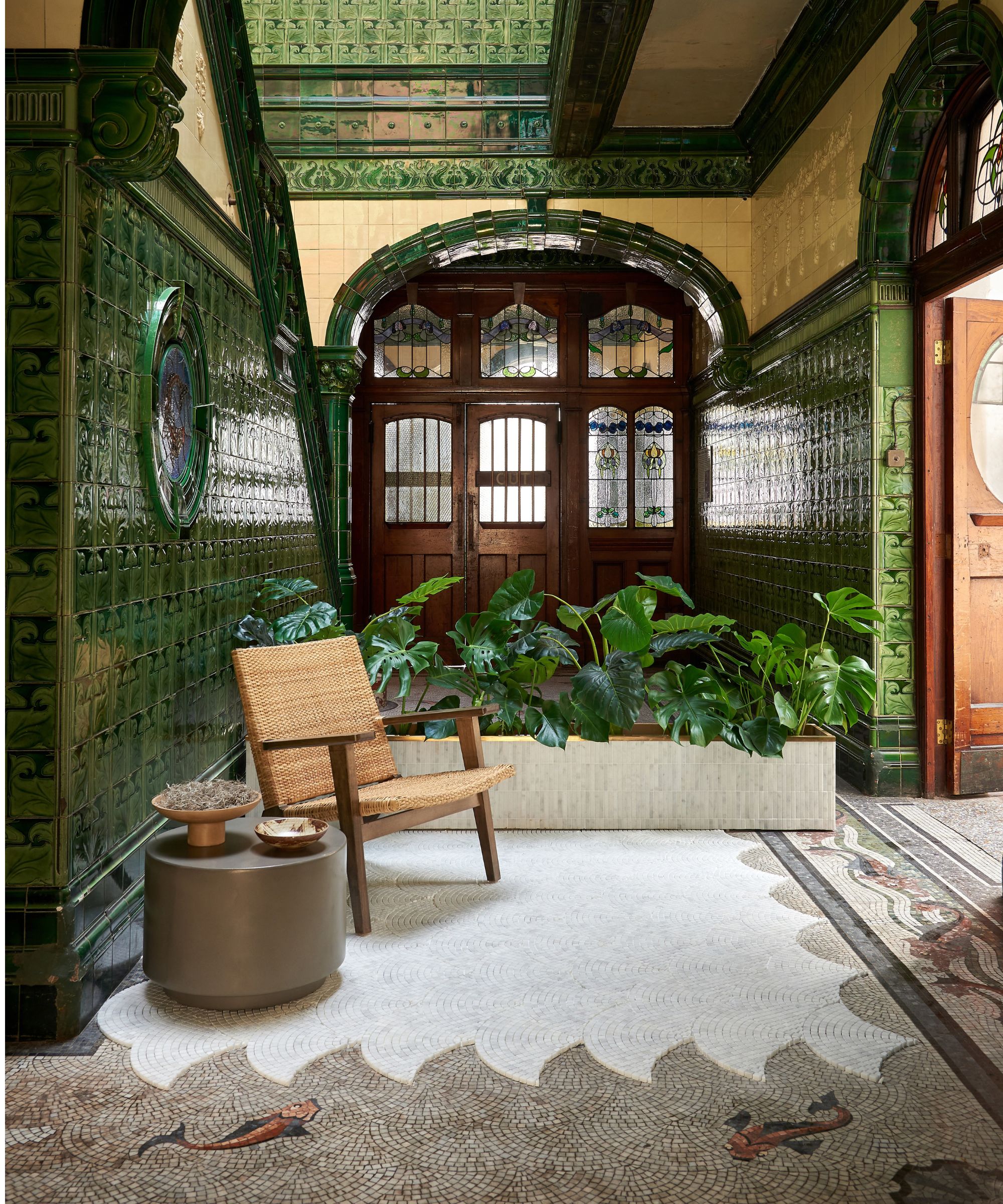
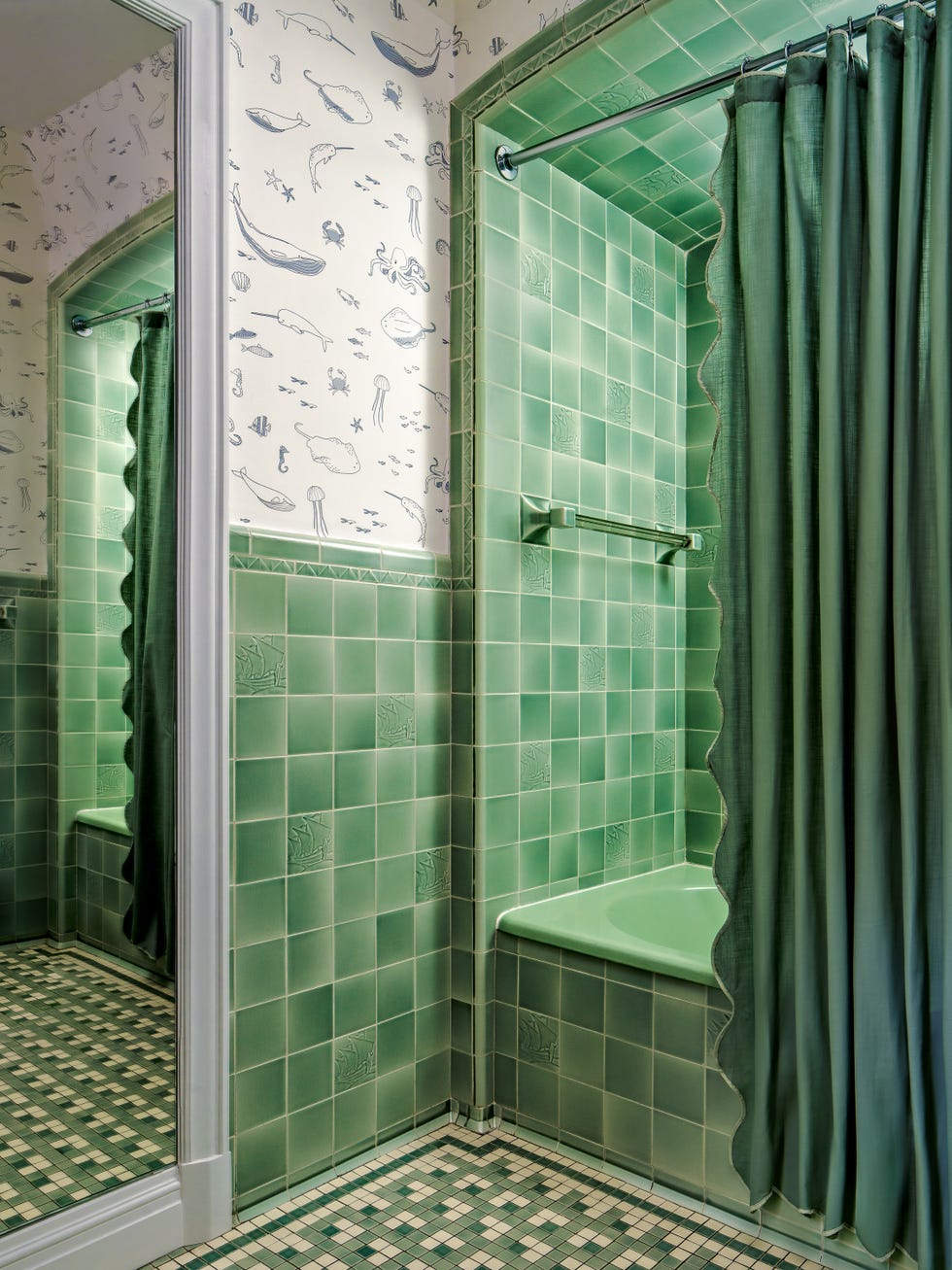
Living rooms, typically characterized by softer elements, are also benefiting from the versatility of tiles. Italian brand Ceramiche Refin’s Affrescati range offers porcelain tiles that mimic painted surfaces, suitable for both floors and walls. In a Puglia villa, a neutral color palette is complemented by a stone mosaic floor that seamlessly connects the living space to the rest of the property. Another example is a converted London pie and mash shop, where original Victorian green-and-white wall tiles and clay-colored floor tiles wrap the ground floor, softened for domestic use with built-in cabinetry and glossy ceilings that evoke a lattice framework.
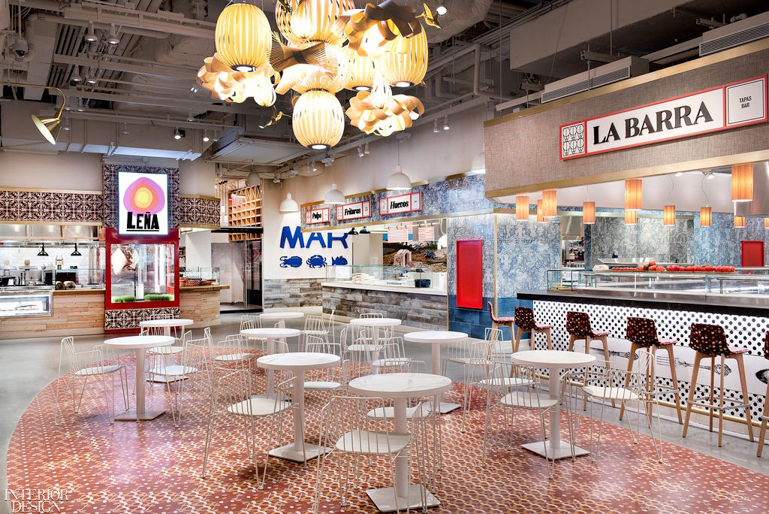
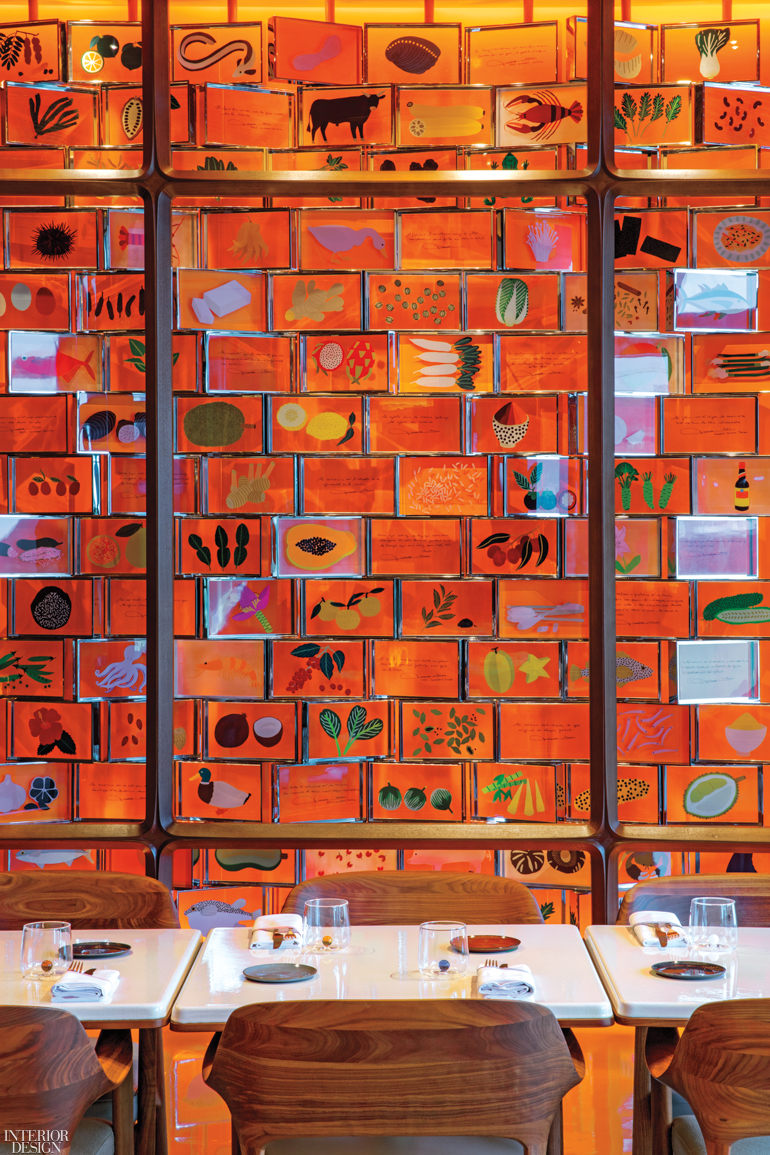
Dining rooms and restaurant interiors showcase particularly bold uses of tiles. Bing Ting Cafe in Hull, a former butcher’s shop, integrates new tile expanses that echo its heritage-listed ornate wall and floor tiles, paired with brightly colored furniture and neon lighting. Oversized tiles at Palma hotel Concepció by Nobis create a striking contrast with stone arches. In Chandigarh, India, Renesā Architecture’s Tin Tin restaurant features a 'mosaic matrix' of hand-laid stone and terrazzo that covers counters, dining nooks, and floors, forming an intricate collage of grids. Madrid pastry store Cara Mela uses tiles to delineate spaces, with crisp white tiles in the counter area transitioning into a sea-green tiled dining space, illustrating a 'zonal' styling approach applicable to domestic settings.
Beyond fixed surfaces, tiles are also being integrated into furniture. Designer Max Lamb’s Working Tile series, in collaboration with Japanese brand TAJIMI, features tiled seating. The Masquespacio-designed restaurant in Valencia extends its maximalist tiled walls to cover furniture, such as tables with a checkerboard pattern. Other furniture items like plinths, side tables, armchairs, and alcoves are also candidates for ceramic coverings. These examples highlight the growing trend of using tiles in diverse and imaginative ways to enhance interior aesthetics and functionality.
#InteriorDesign #TileTrends #CeramicTiles #PorcelainTiles #HomeDecoration #ArchitecturalSurfaces #MaximalistDesign #FurnitureDesign #InteriorDesign #TileTrends #CeramicTiles #PorcelainTiles #HomeDecoration #ArchitecturalSurfaces #MaximalistDesign #FurnitureDesign
0 تعليق إجمالاً
 لا توجد تعليقات بعد
قد تعجبك أيضًا
5 new ways to use tiles as decor rather than flooring

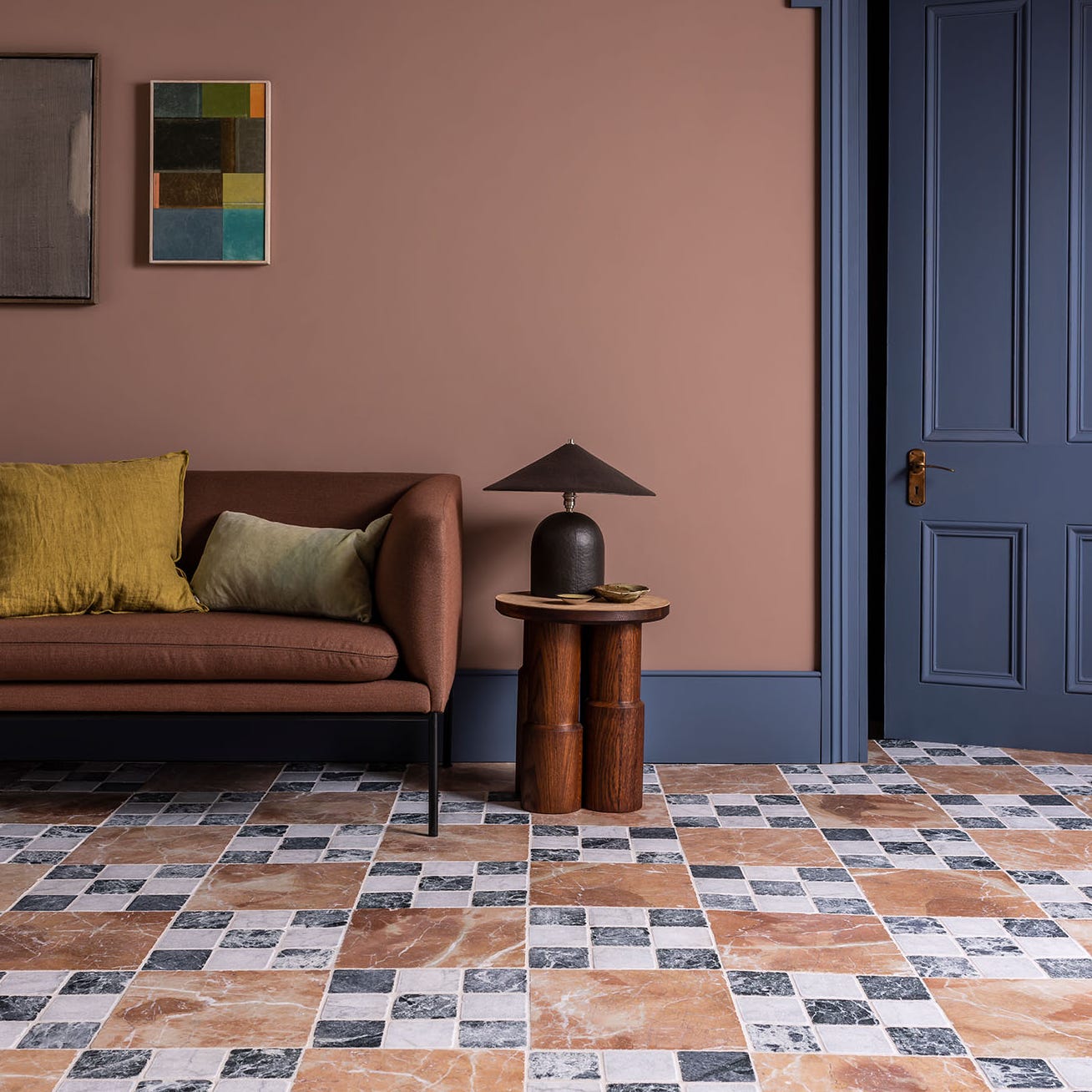
New ways with tiles: 15 creative ideas for using tiles at home

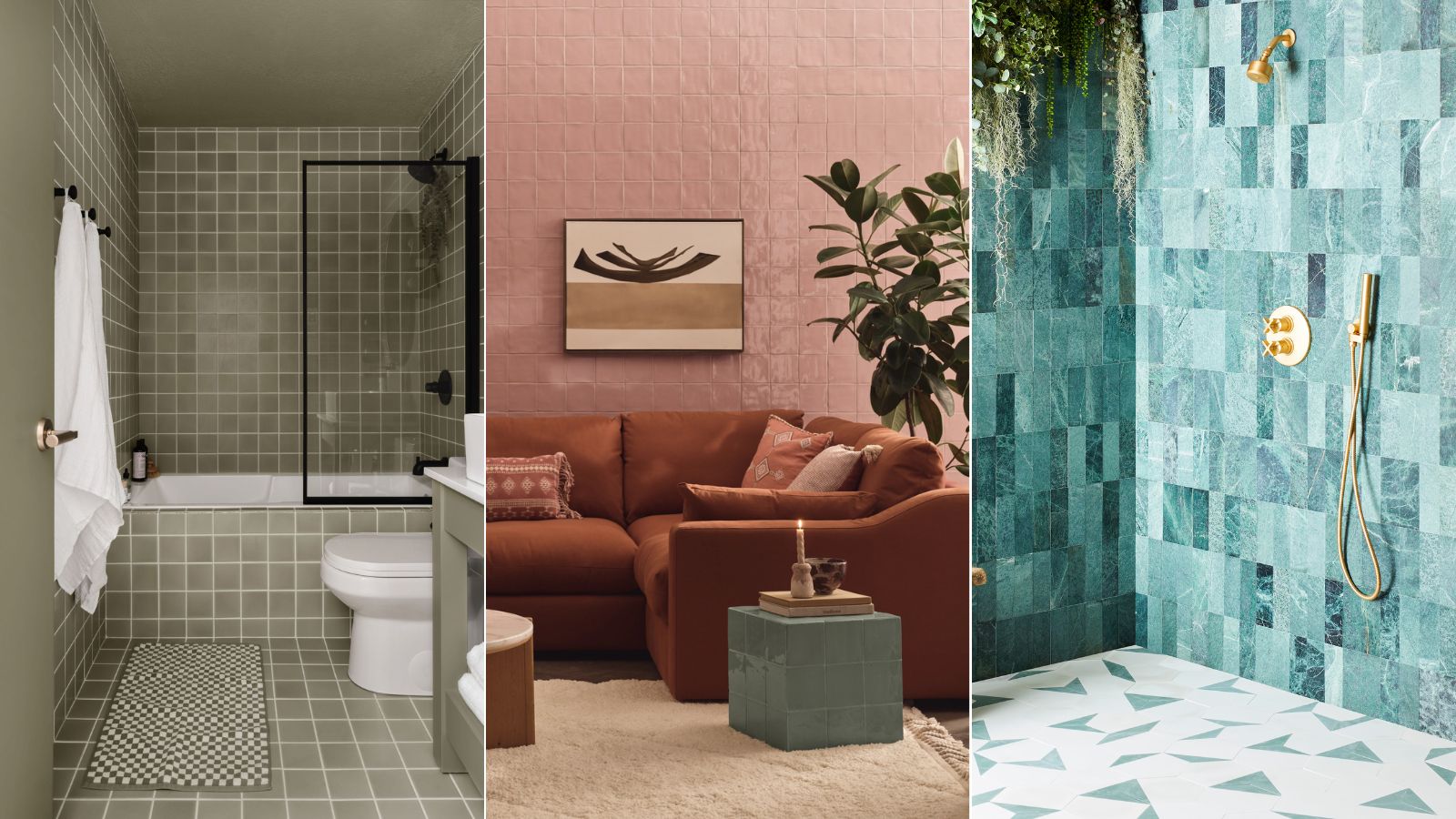
Tile drenching is the unexpected way to add a sense of luxury to your home – here's how to nail the trend

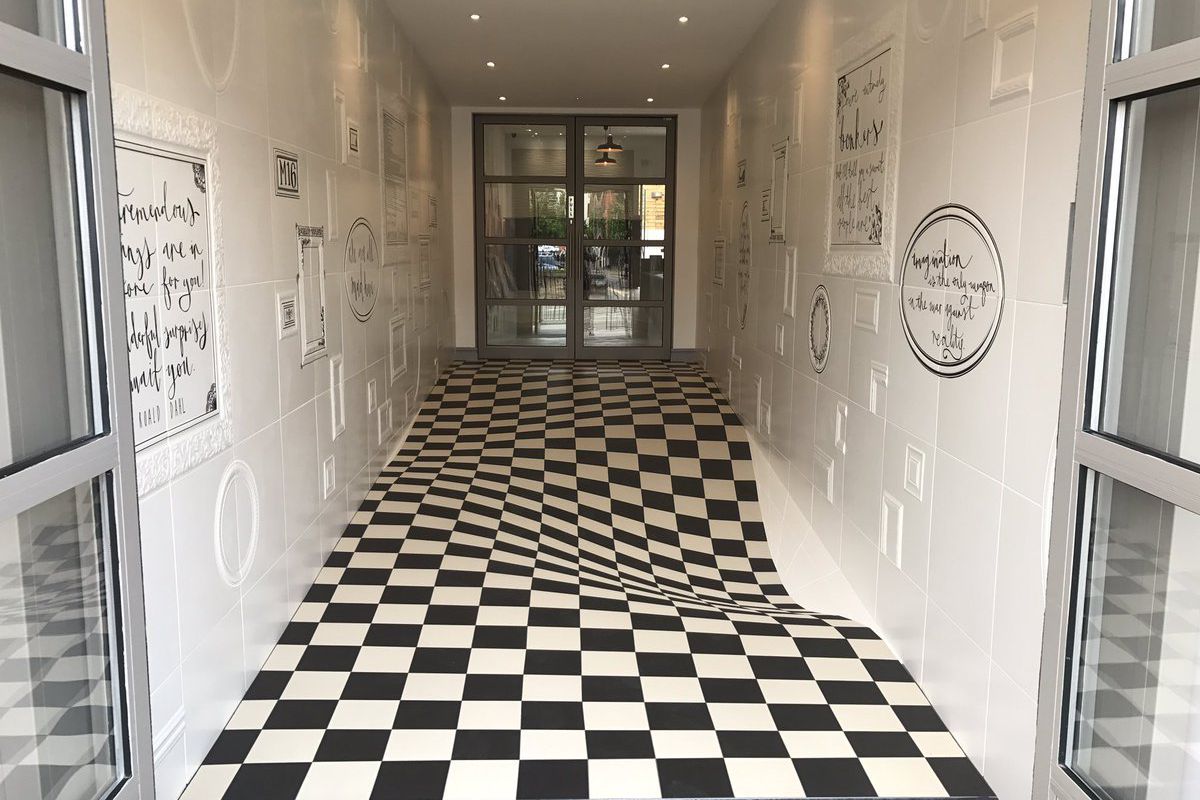
Tile design uses optical illusion to slow people down
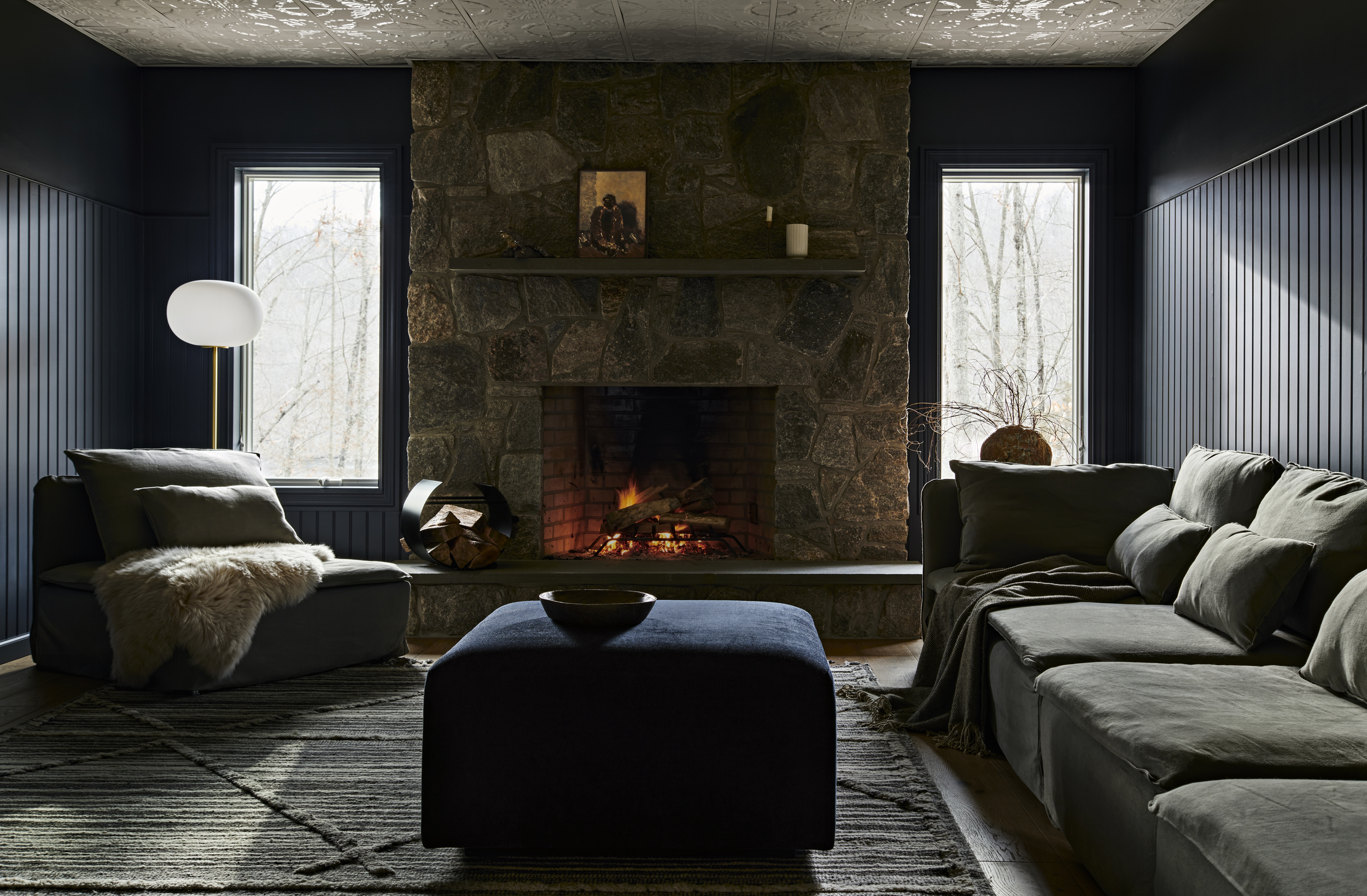
9 of the Most Creative Ways to Decorate Your Home With Tiles — Ideas That Will Change How You Think About Tiling

10 Spaces Designed With Colorful Tiles

14 Timeless Tile Layout Patterns To Consider For Your Next Renovation
The 12 best tiles to buy now
Decorator's Address Book: 12 interior designers on the best places to shop for tiles
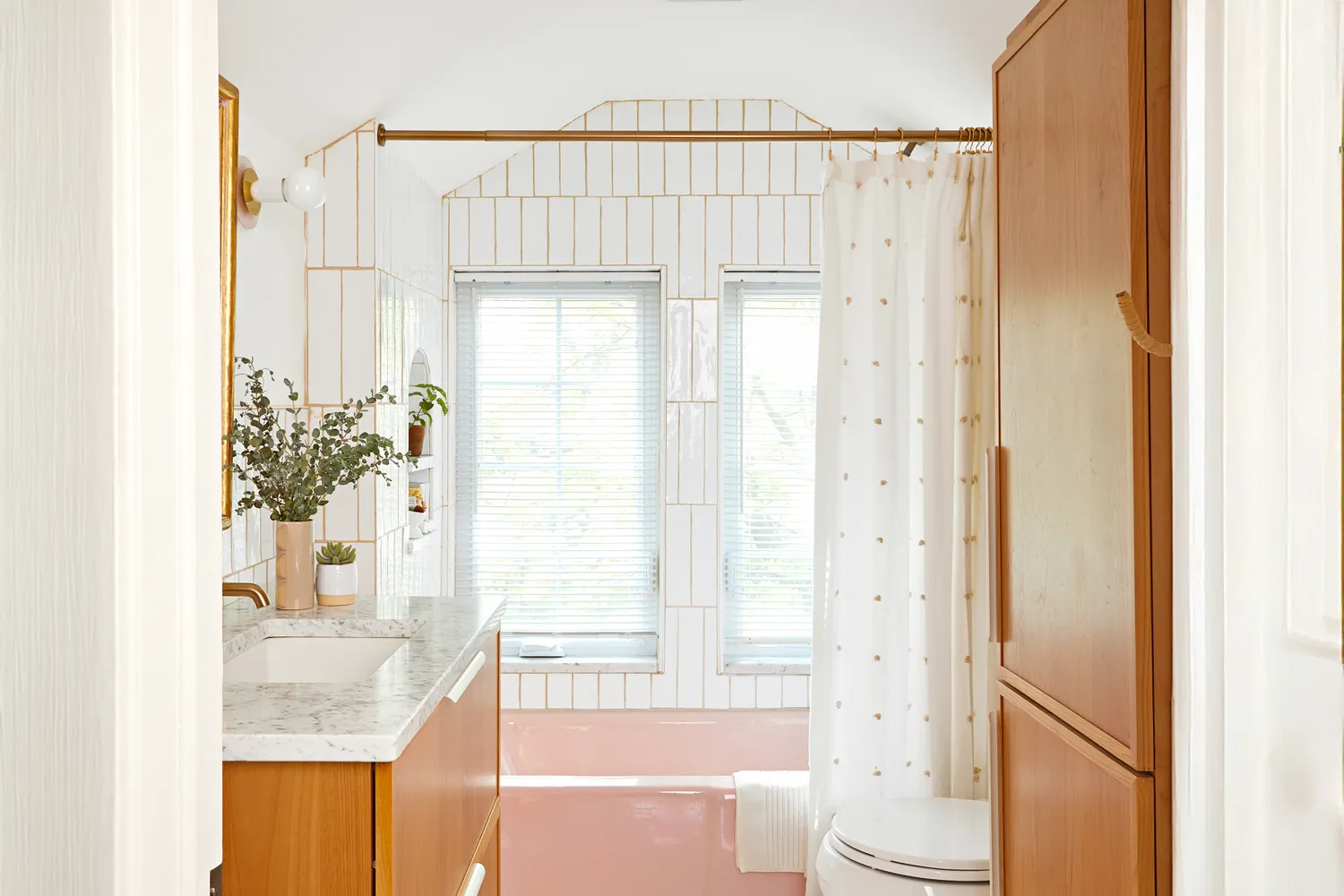
We Asked Designers Which Design Choice Homeowners Regret Most—And It’s Surprisingly Common

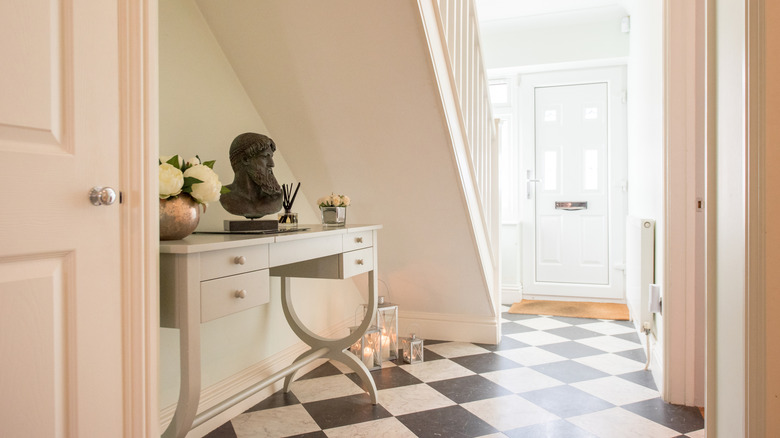
Tile Trends That Will Be Dominating In 2025
We Asked a Top NYC Design Duo to Break Down 5 of Their Best Tile Moments


Tiles take inspiration from fashion
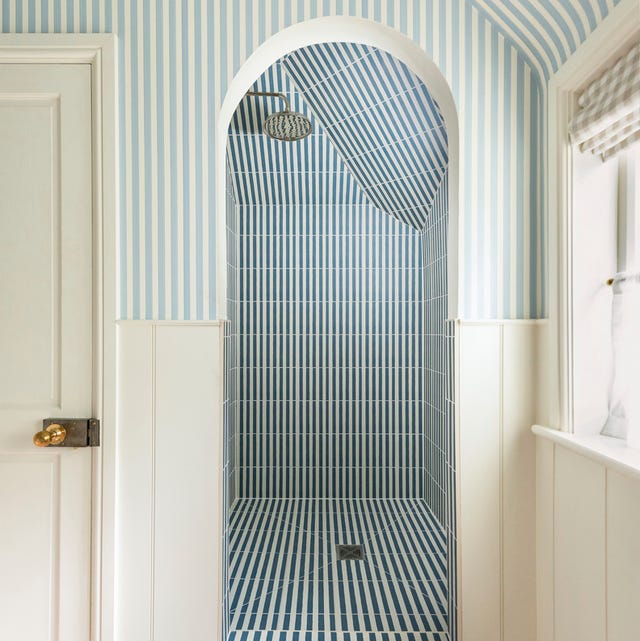
Tile Is BACK—and More Creative and Fun Than Ever, According to Experts

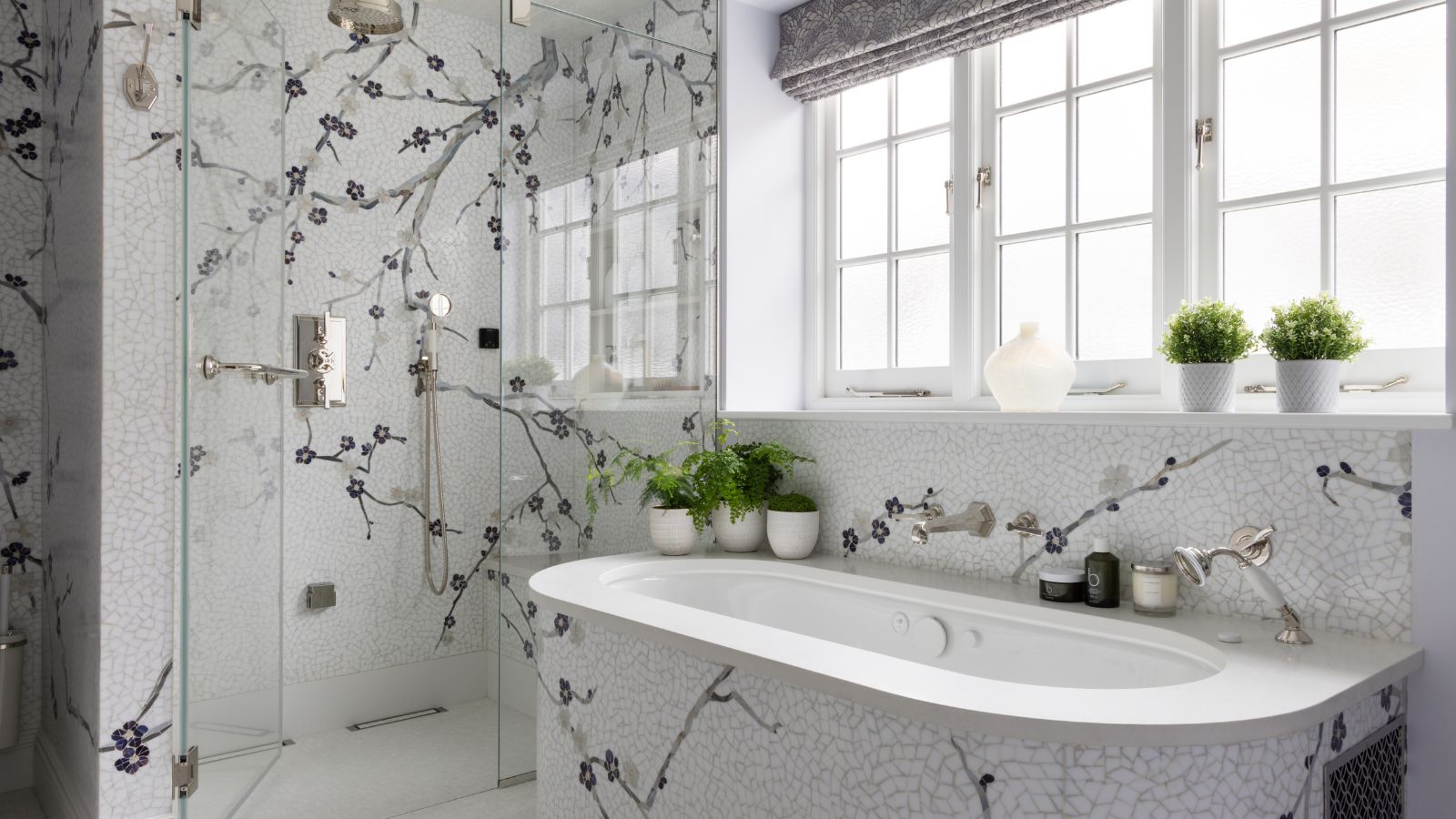
Are mosaic tiles making a comeback? Here's how designers are making this once-dated look work in 2025
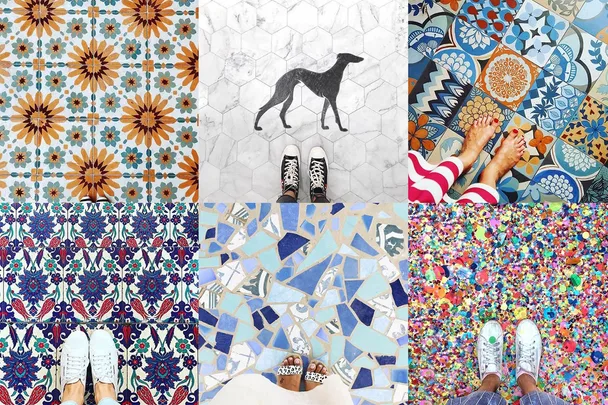
15 of the most beautiful tiled flooring ideas from around the world

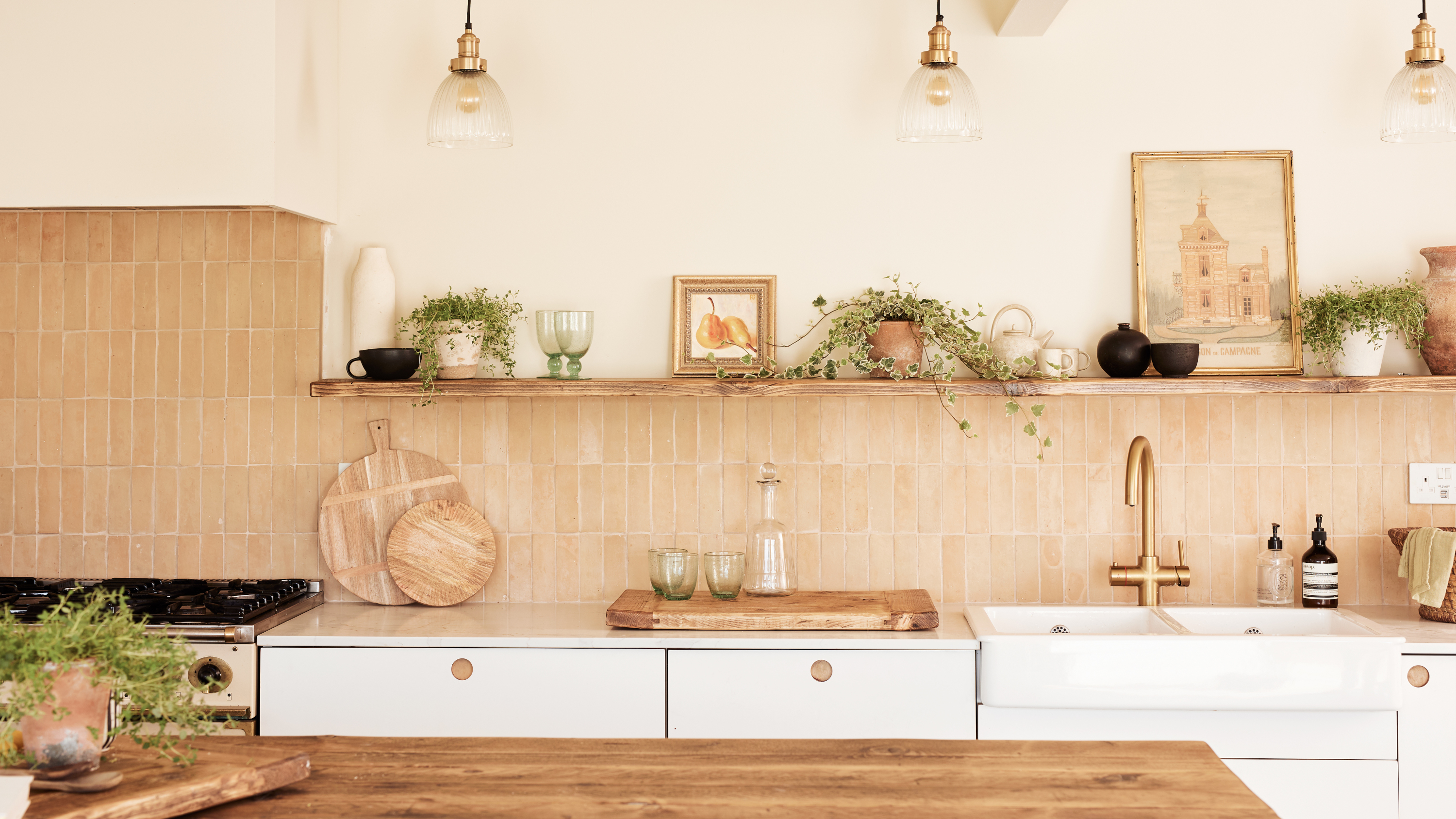
6 Outdated Tile Choices That Interior Designers Aren't Using Anymore — And What They Say to Try Instead
Homestyle: Terrific tiles
5 Outdated Tile Trends Designers Are Still Noticing in 2025 That Can Make Your Space Look Old-Fashioned
Designers Reveal the Bold Design Trend That's Taking Over Homes