1/5
I'm Calling It, Porcelain Is the Most Underrated Material for Countertops — These Are the Pros and Cons to Know
Porcelain, a material with ancient origins in China, has found numerous applications throughout history, from pottery to modern household items. Its use in kitchen countertops has gained significant traction in recent years, prompting a detailed examination of its advantages and disadvantages as a primary surface in home design. Choosing the right kitchen worktop is a crucial decision, as it impacts both the aesthetics and functionality of the kitchen space.
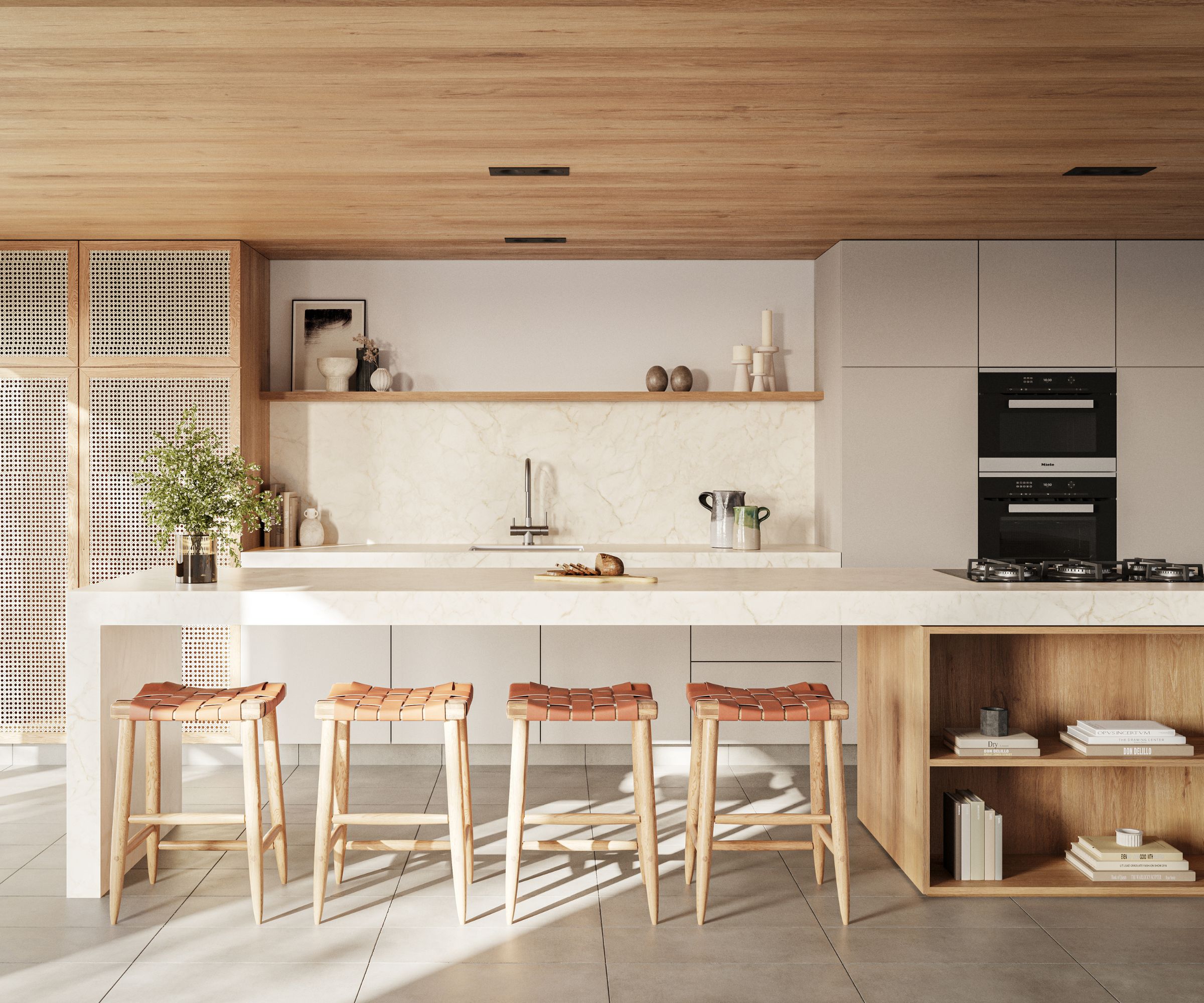
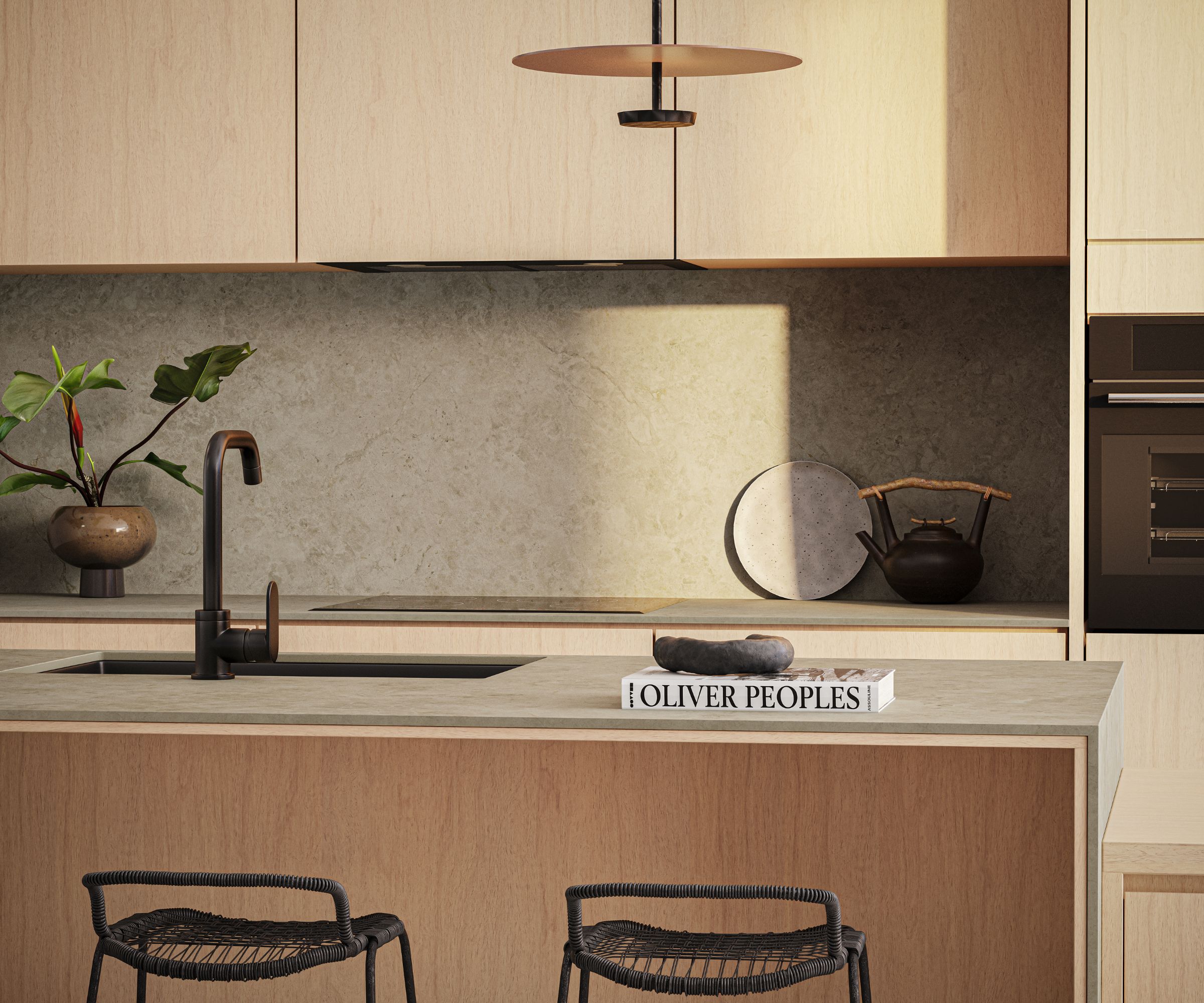
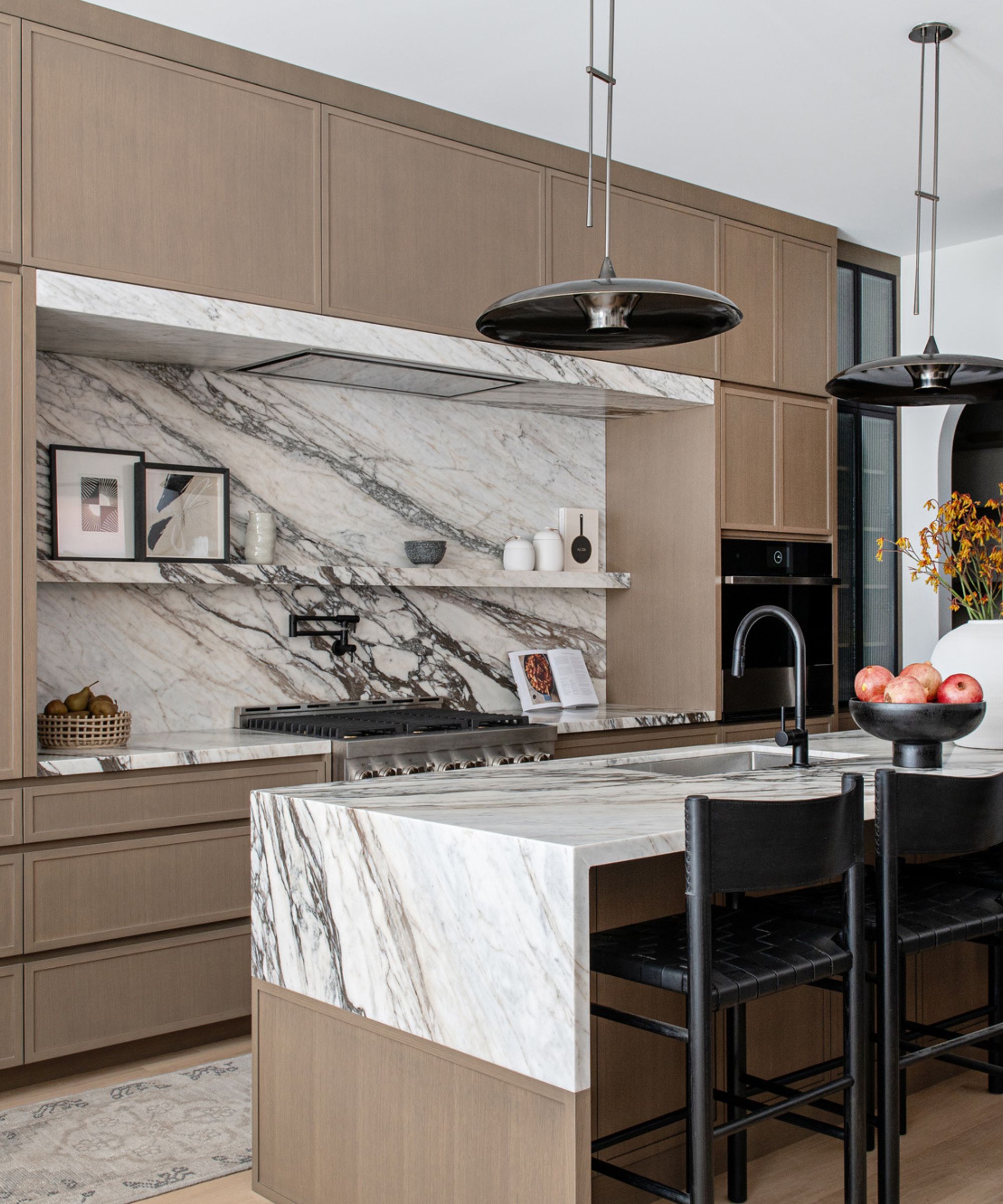
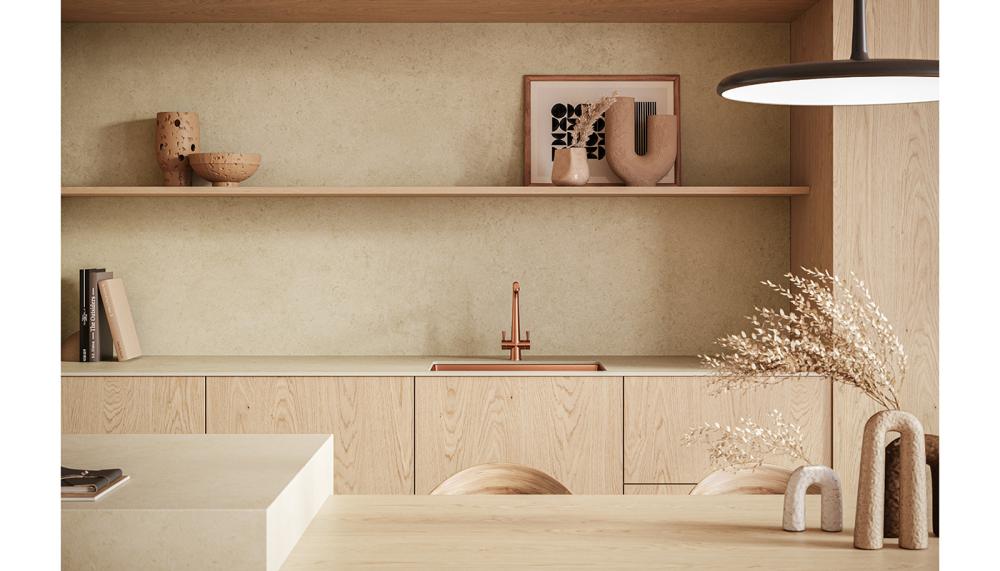
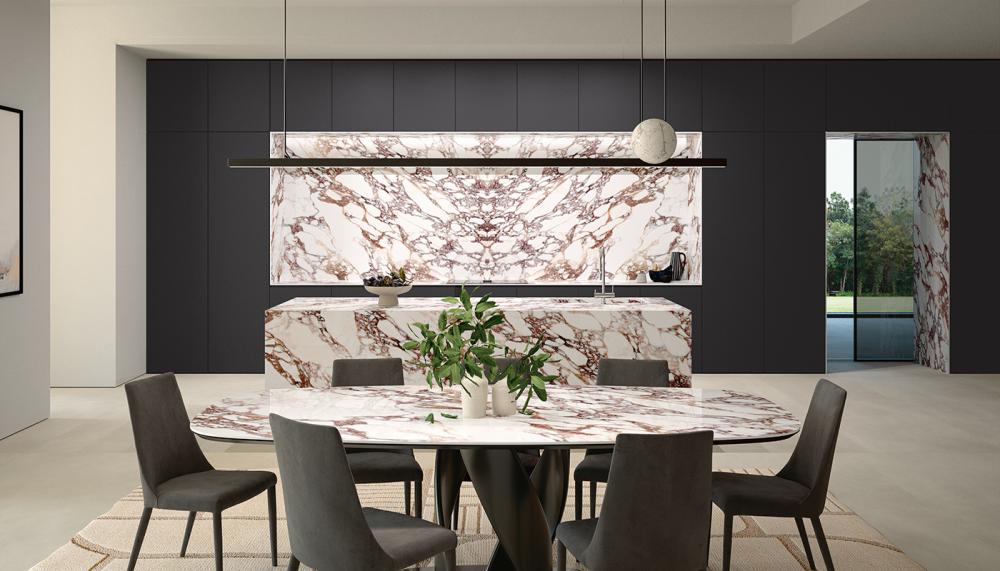
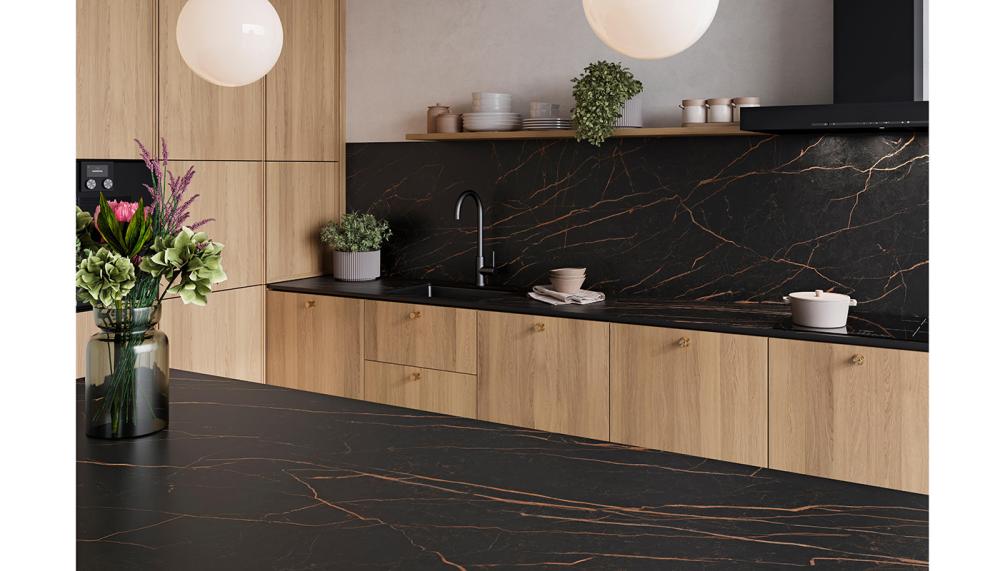
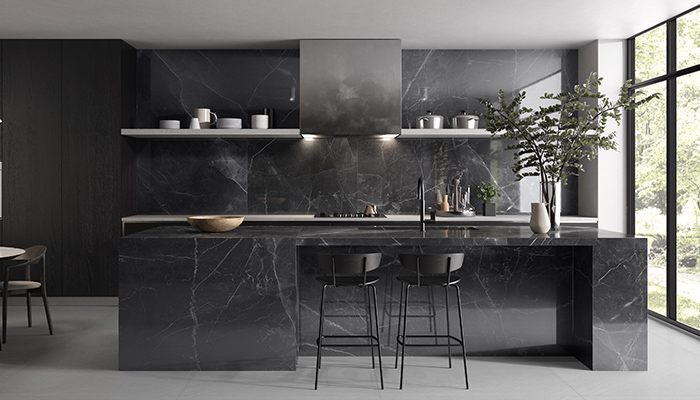
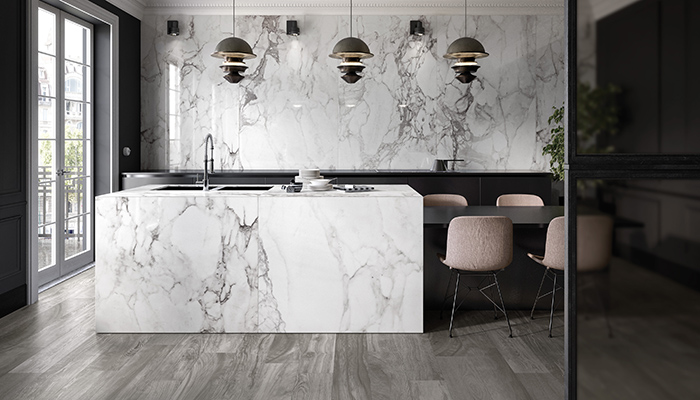
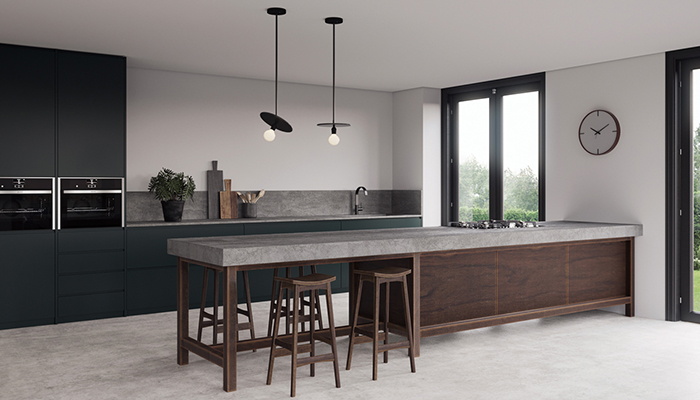
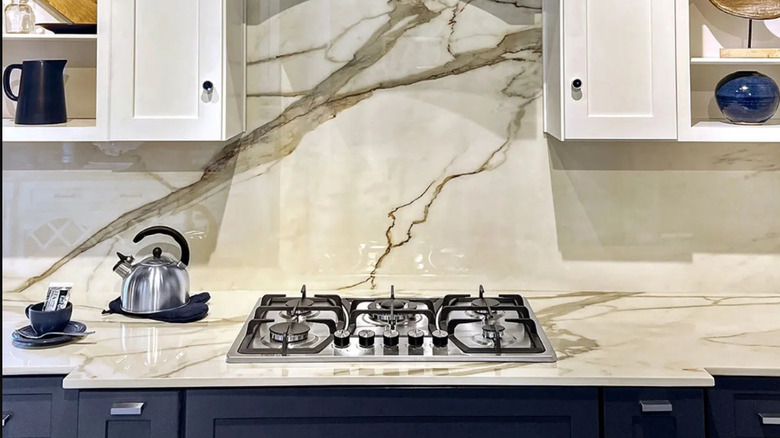
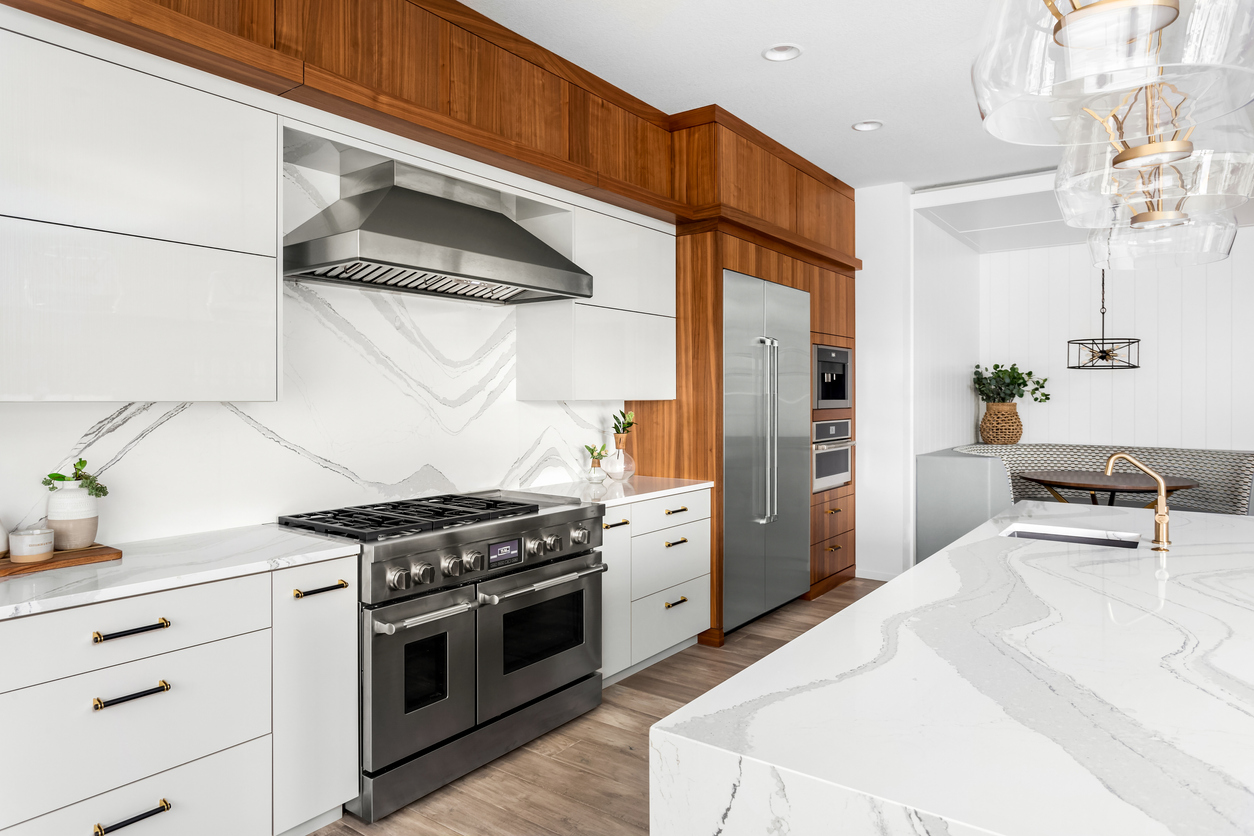
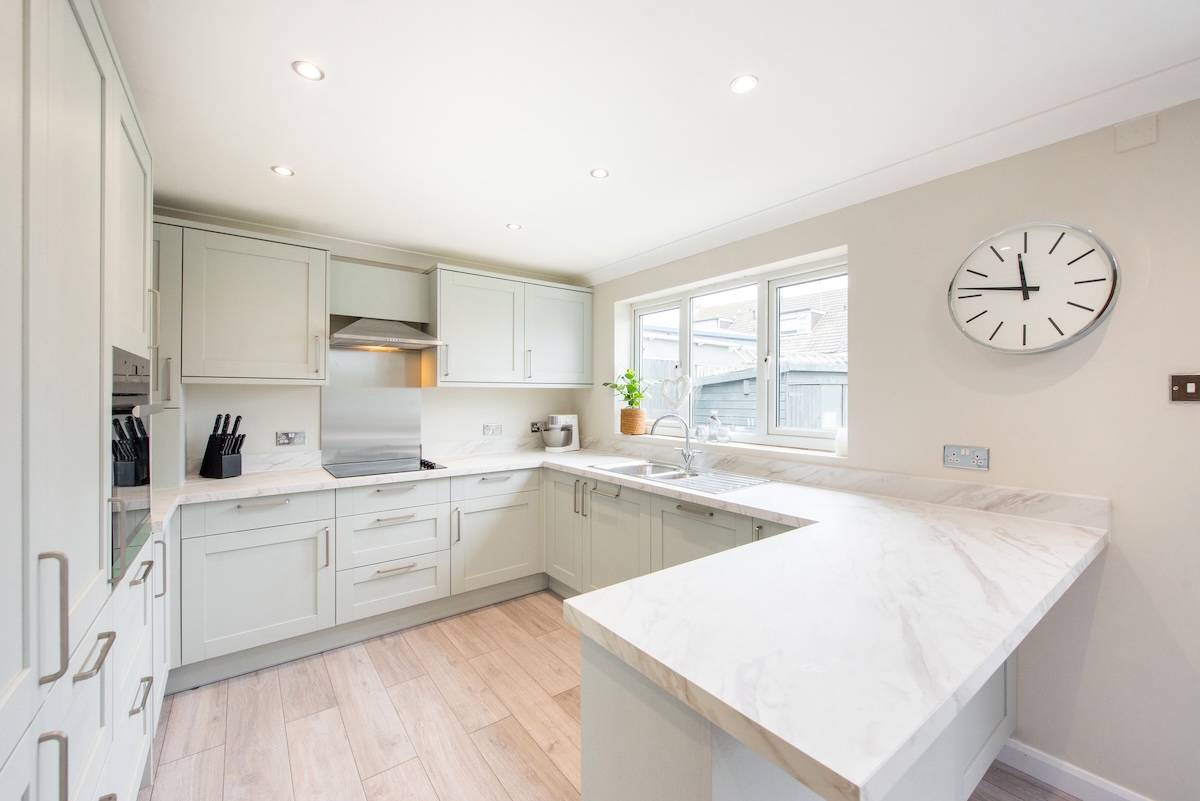
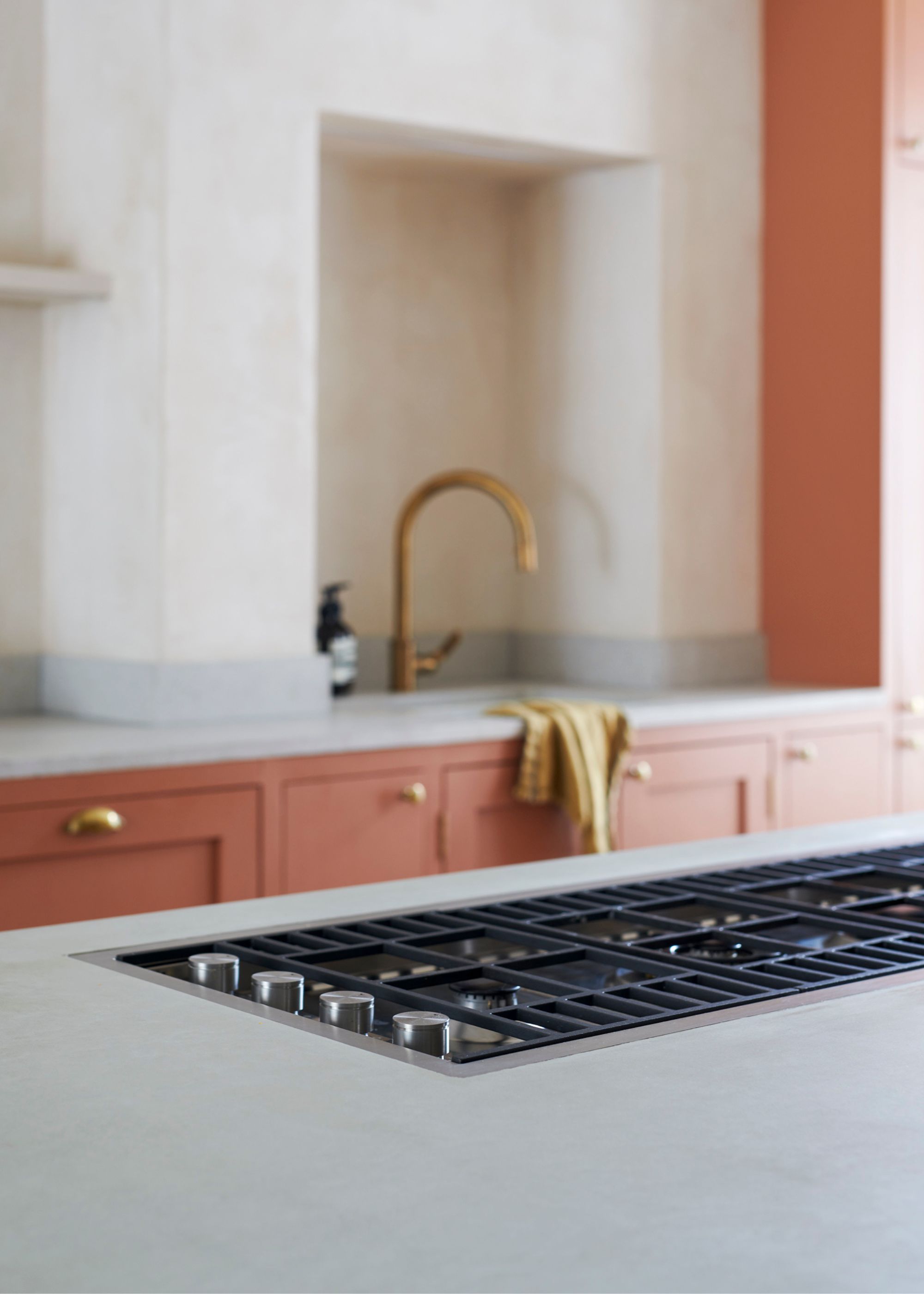
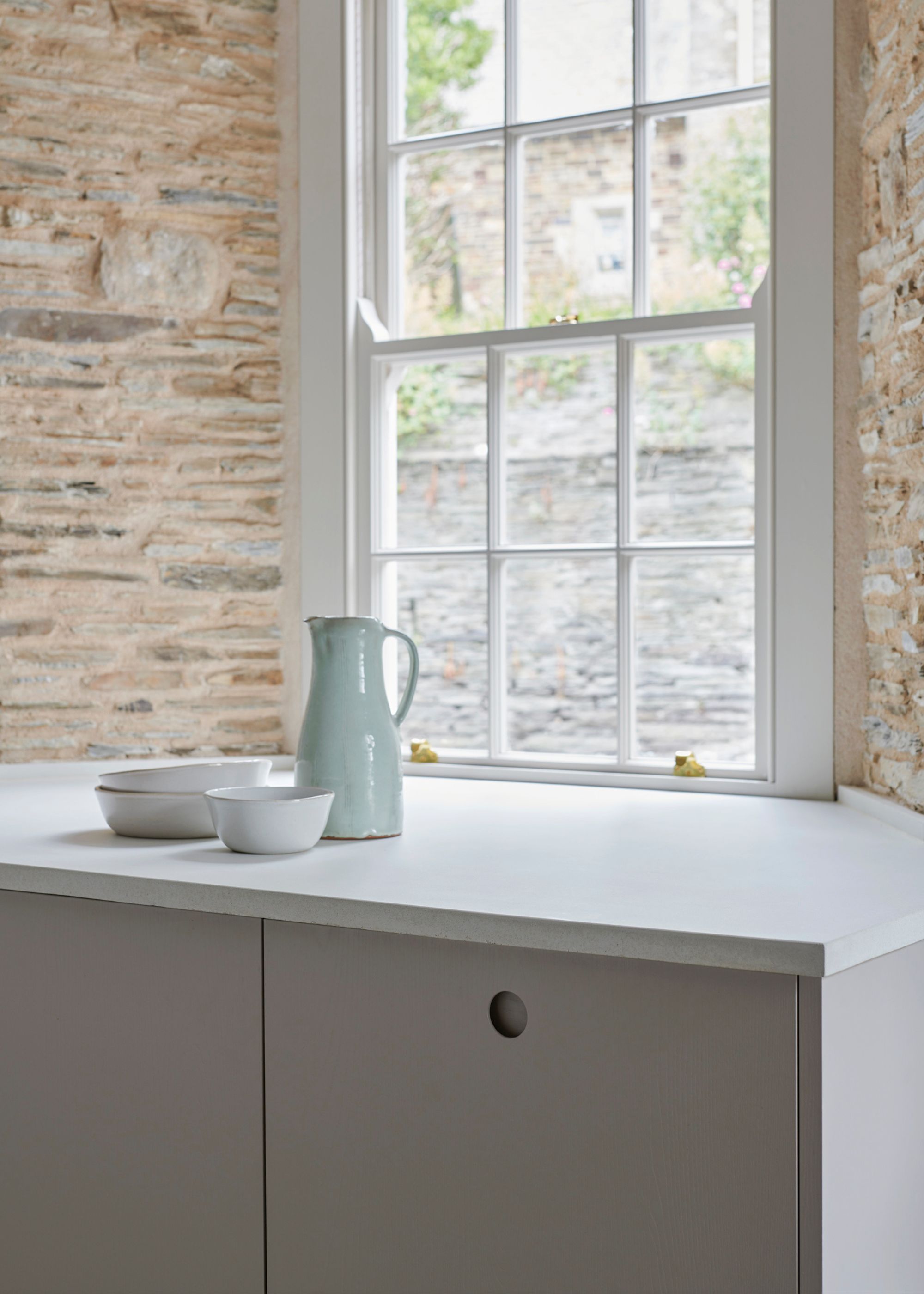
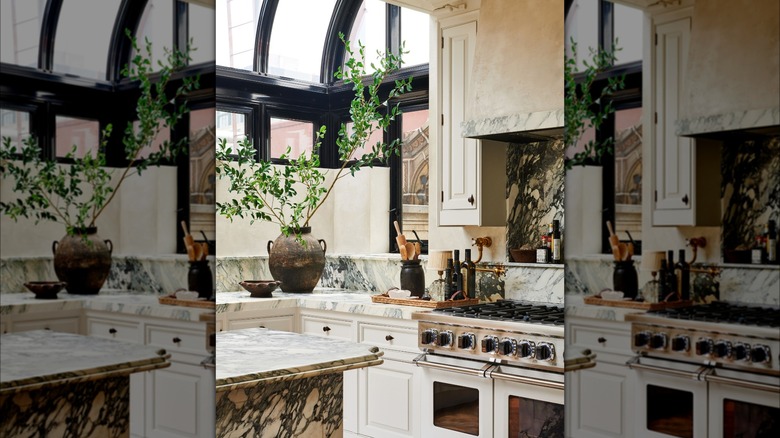
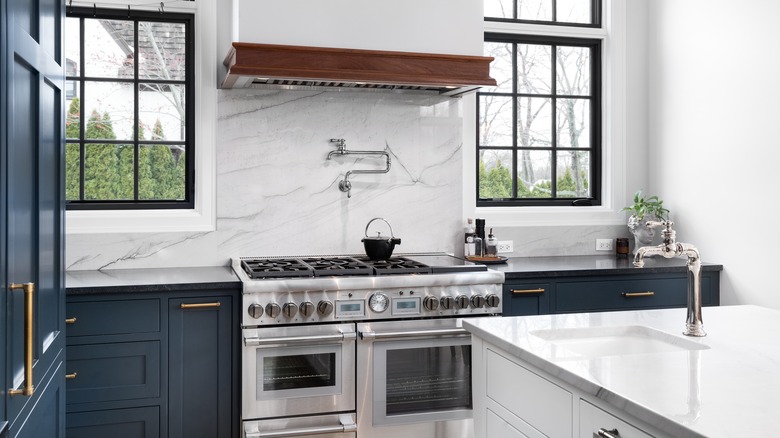
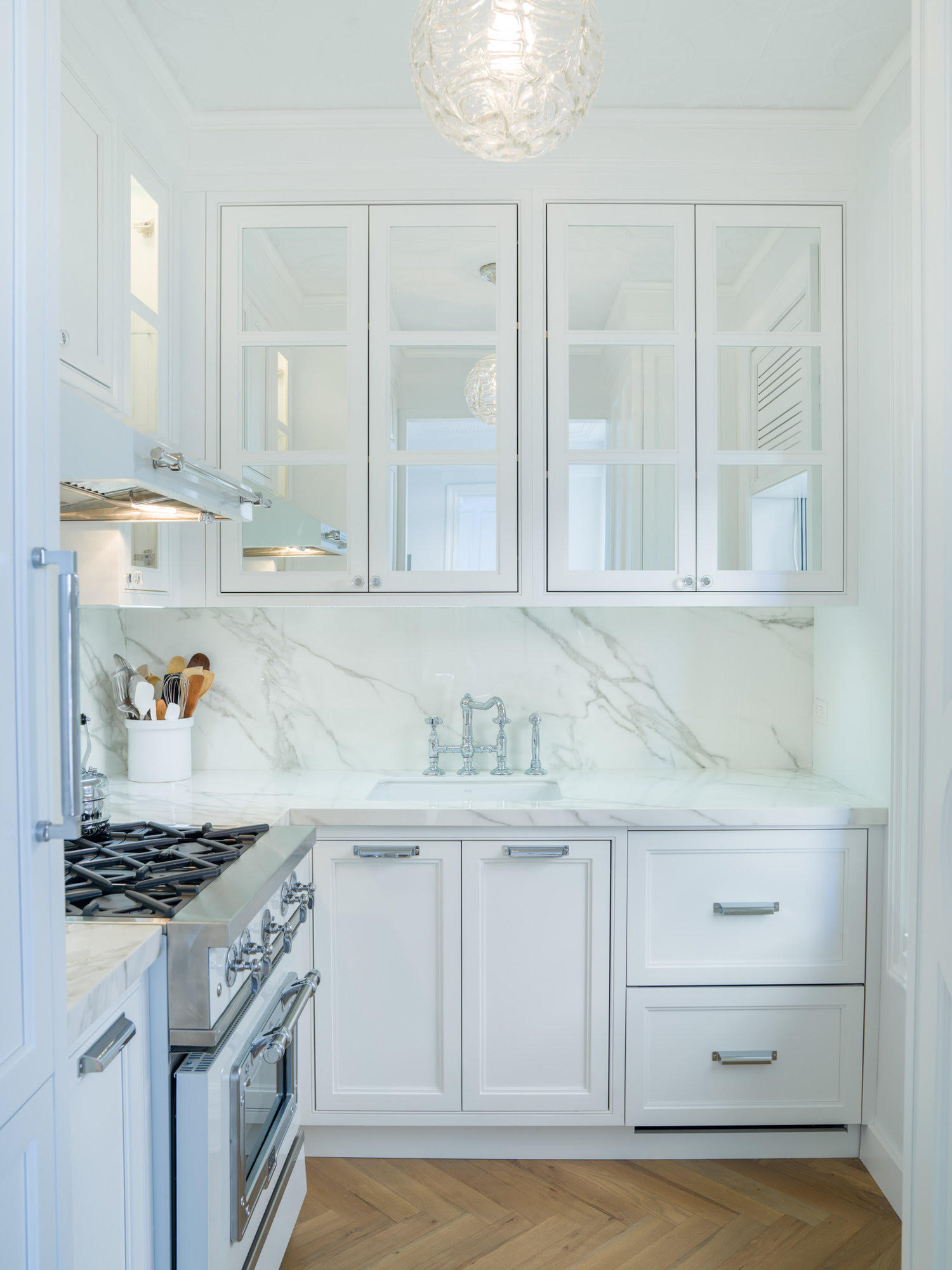
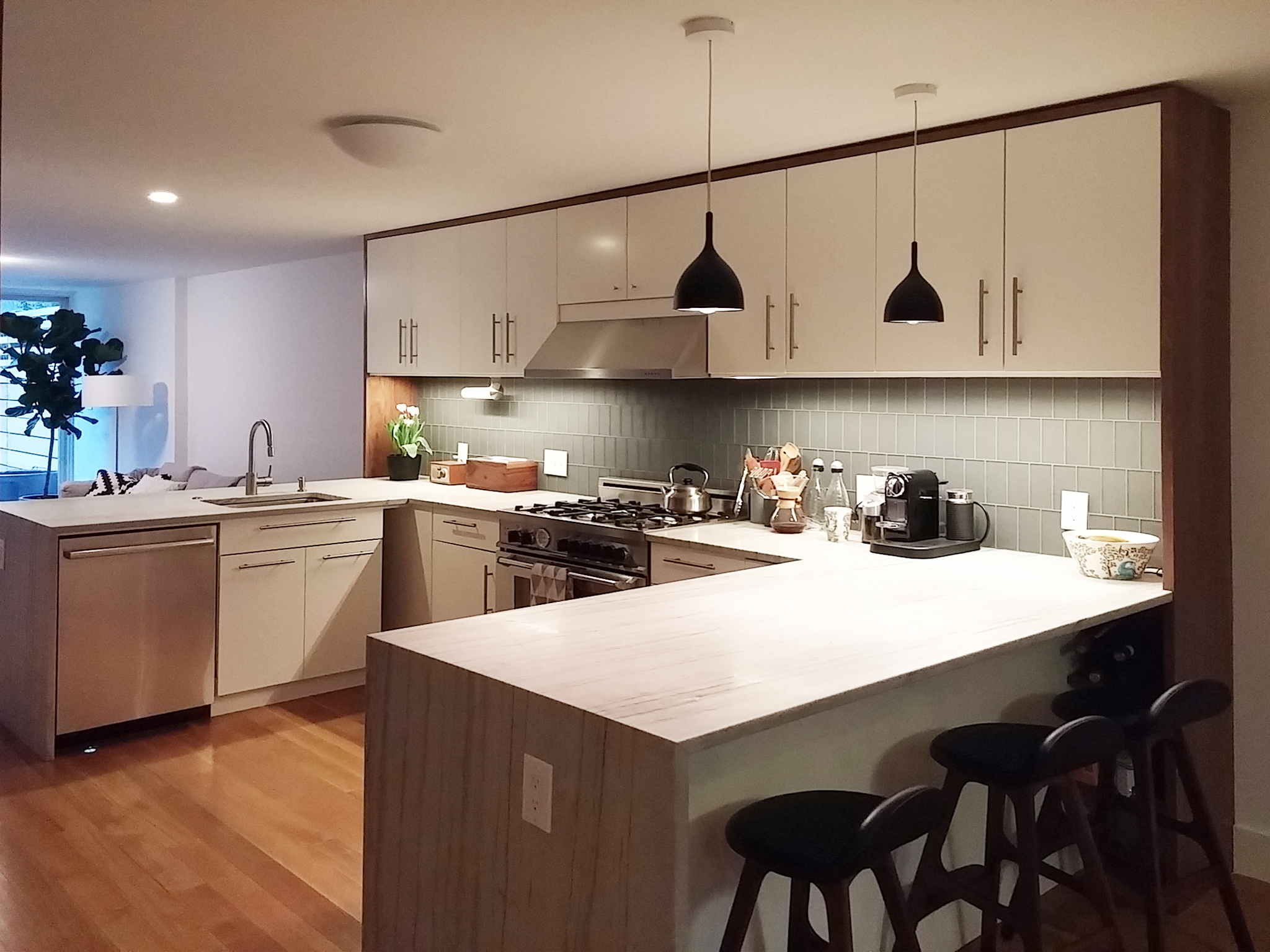
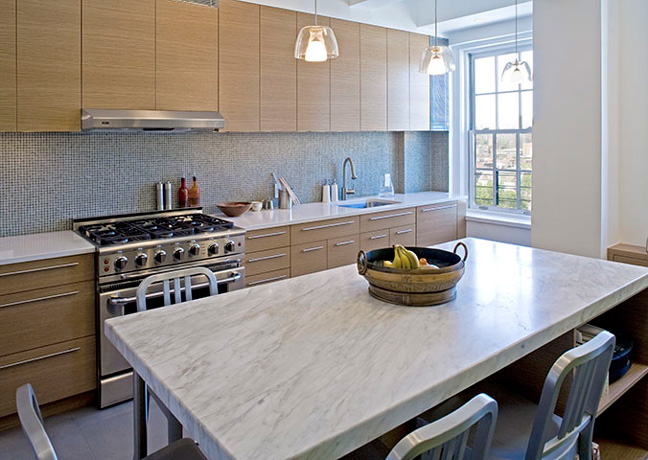
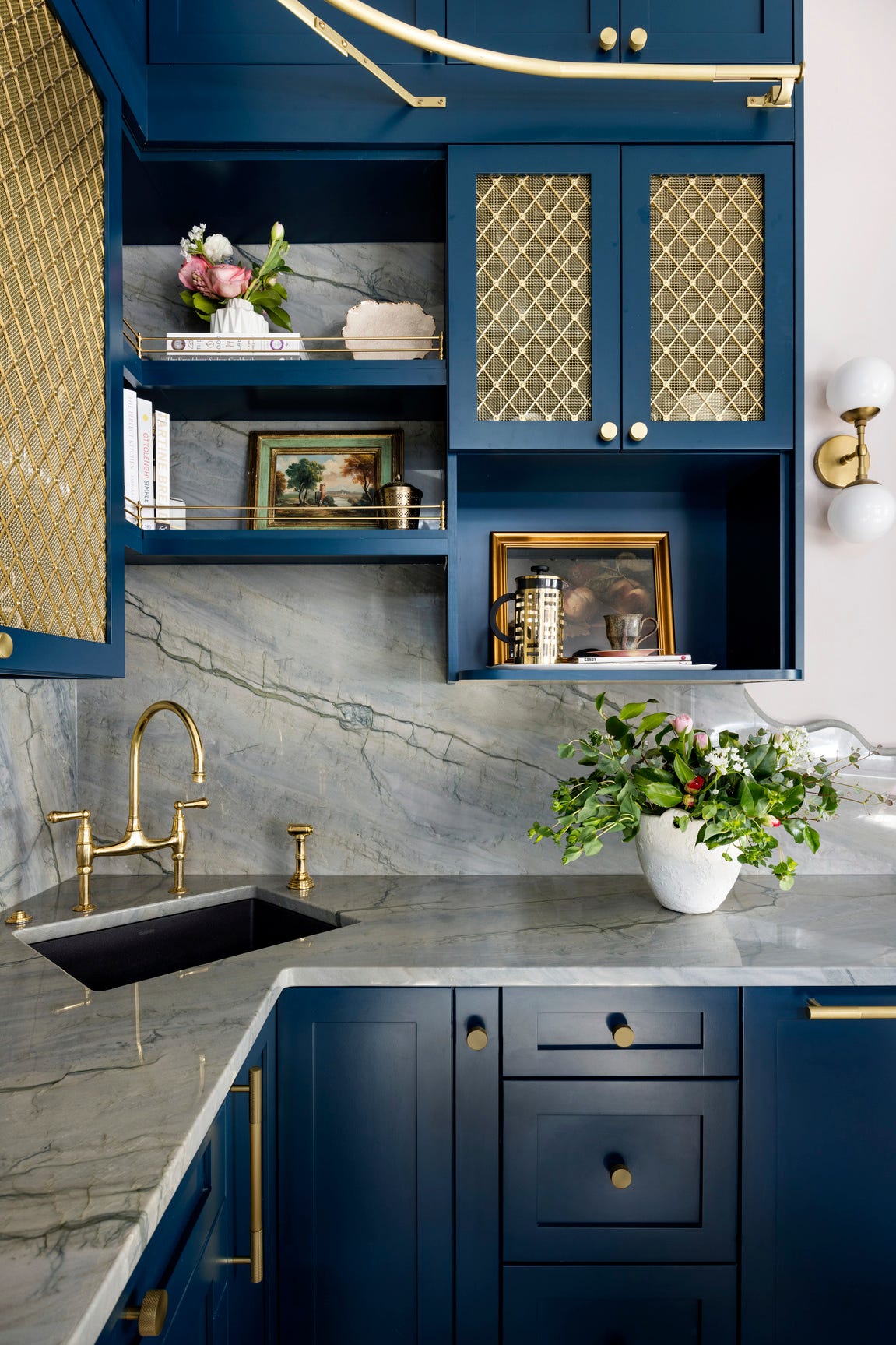
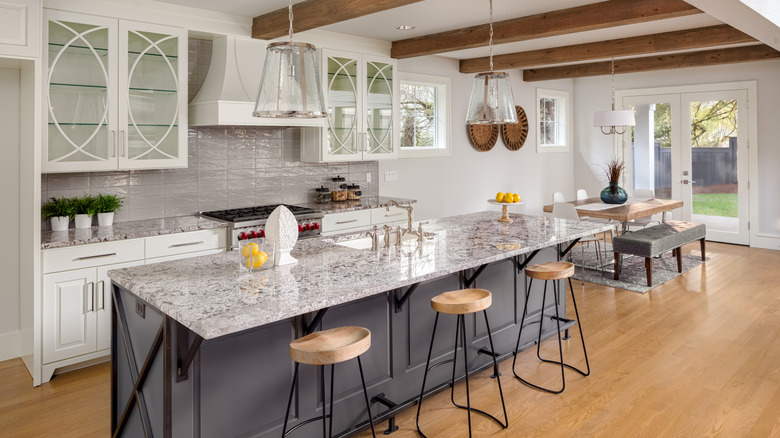
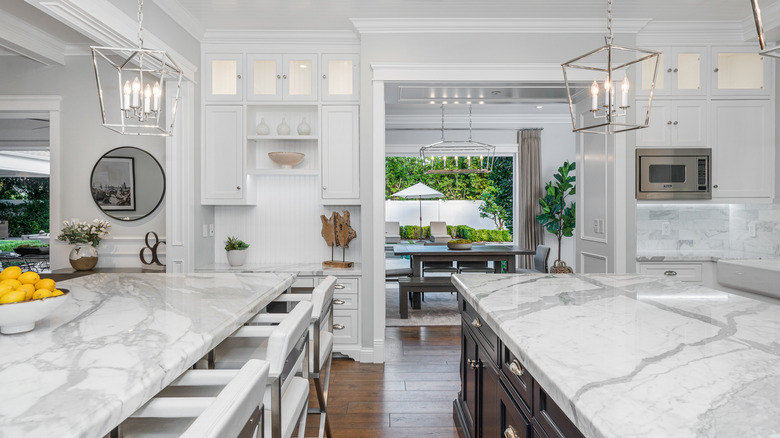
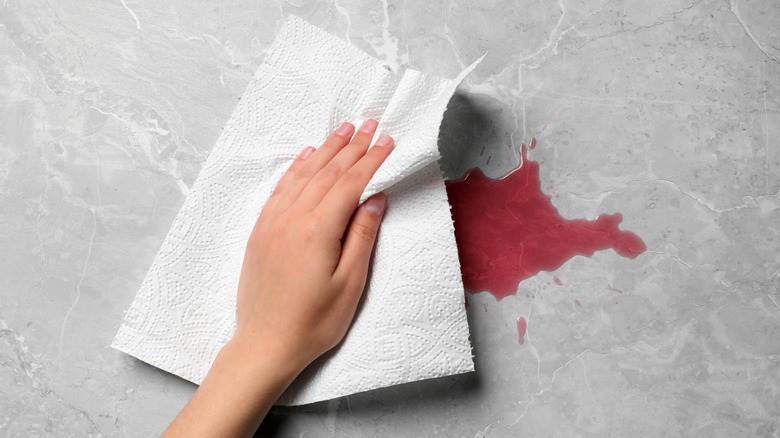
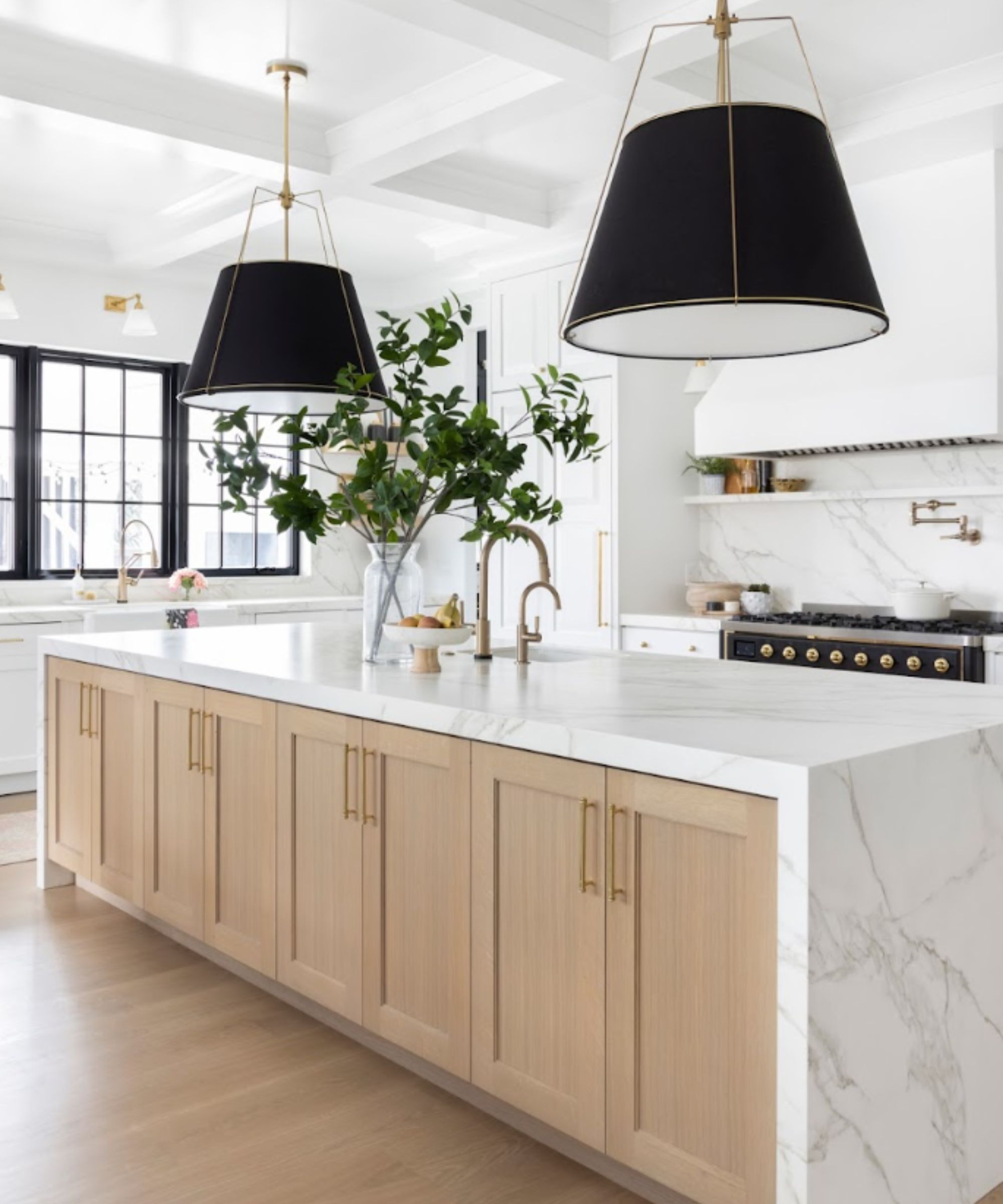
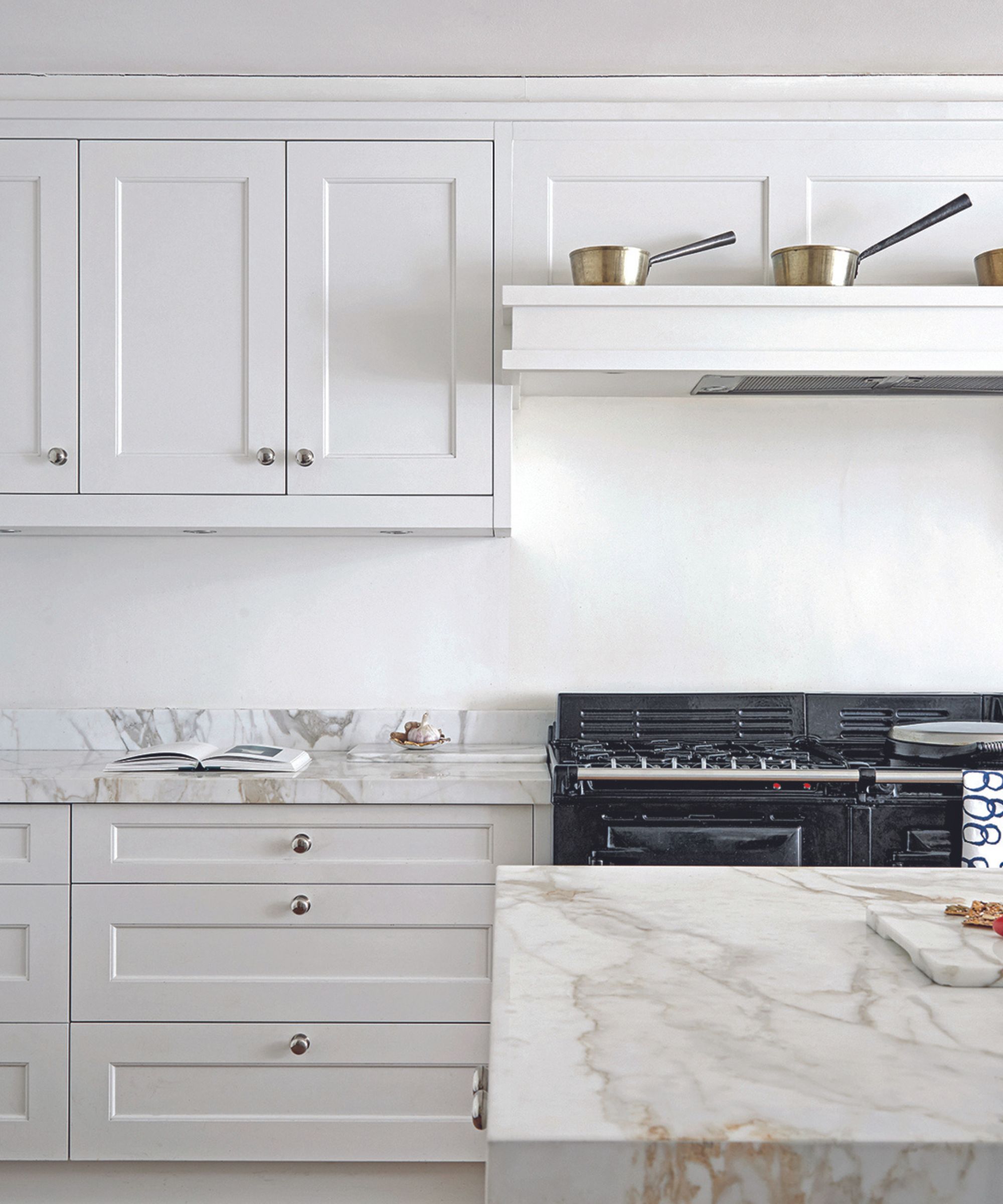
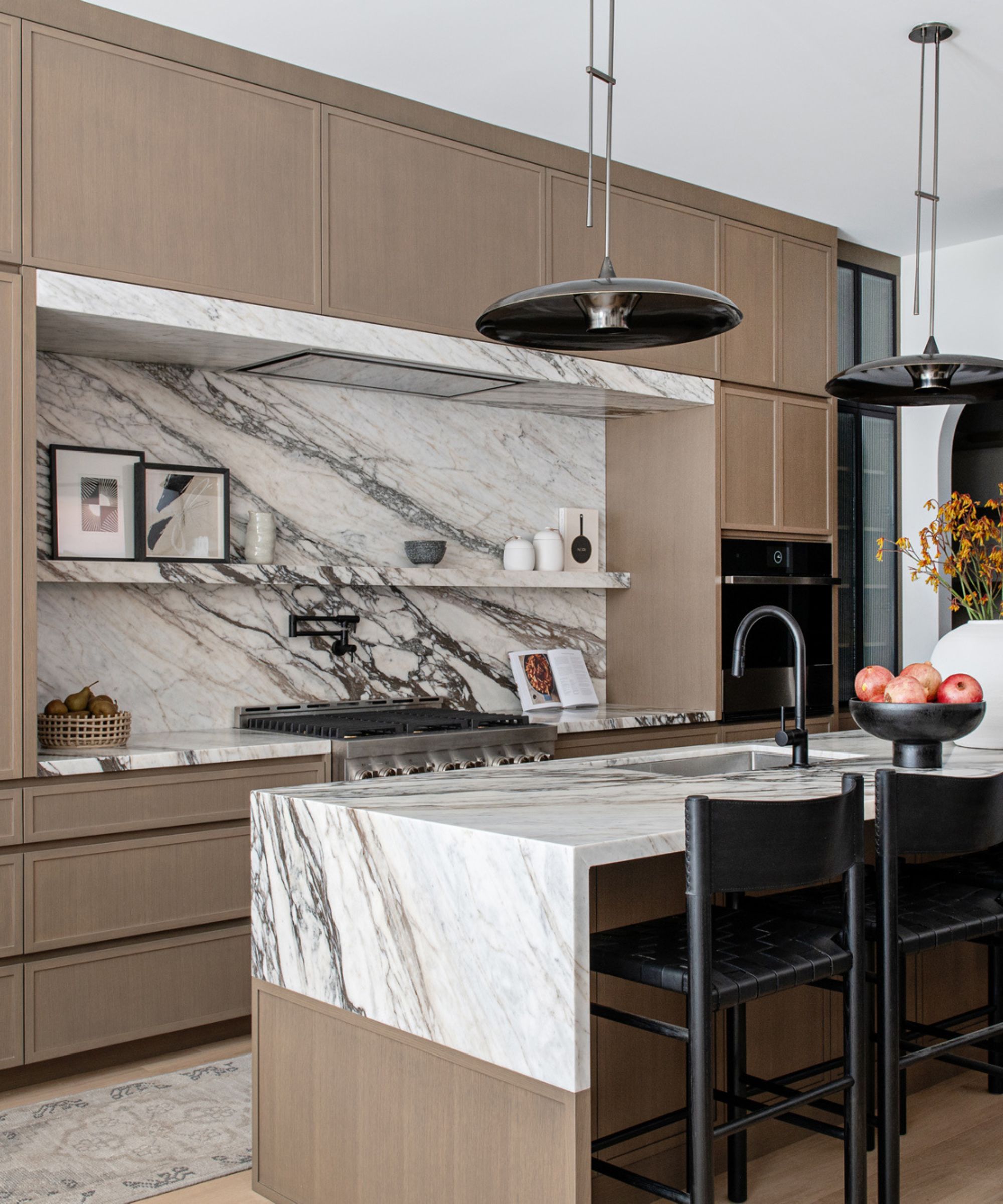
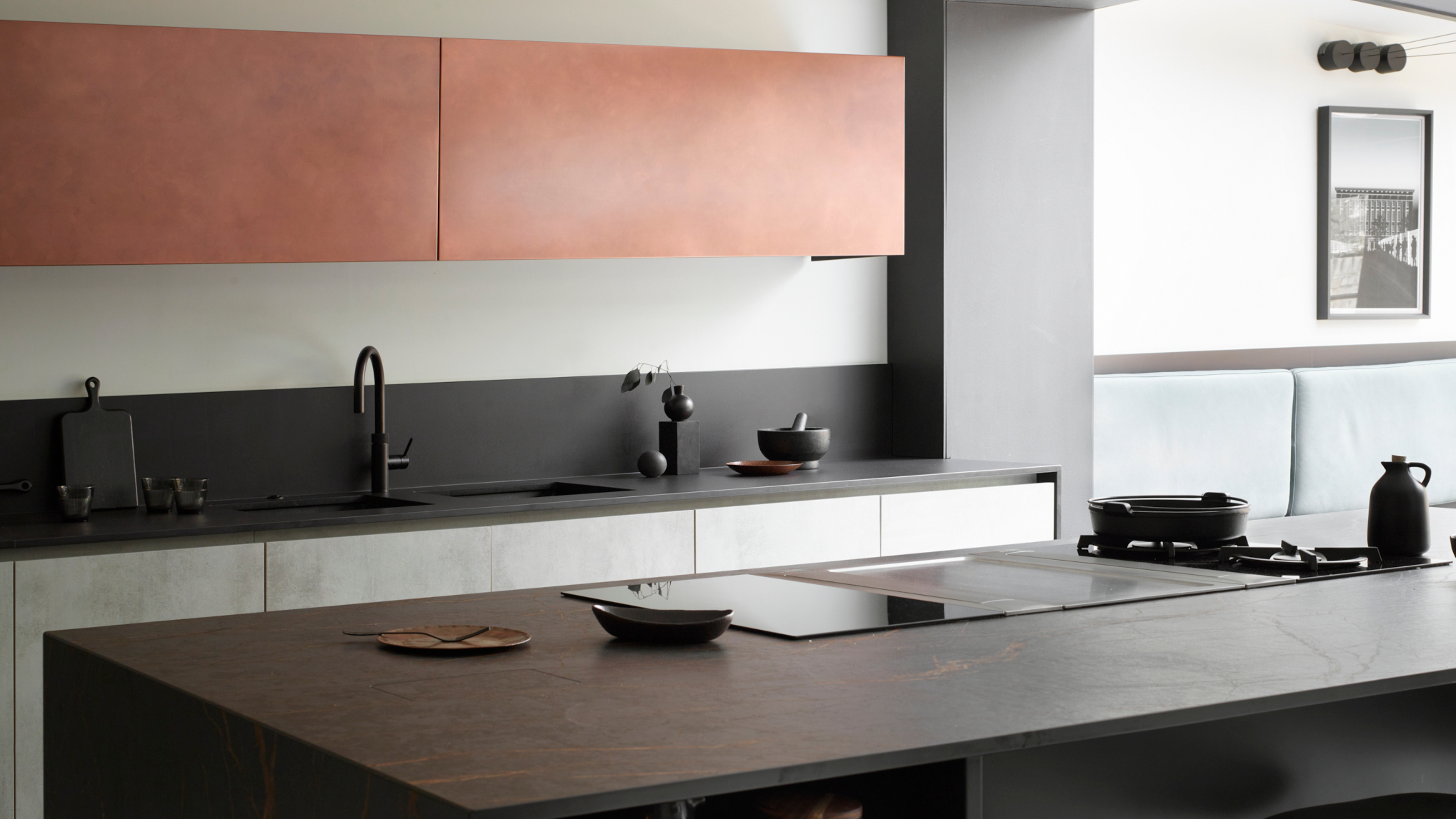
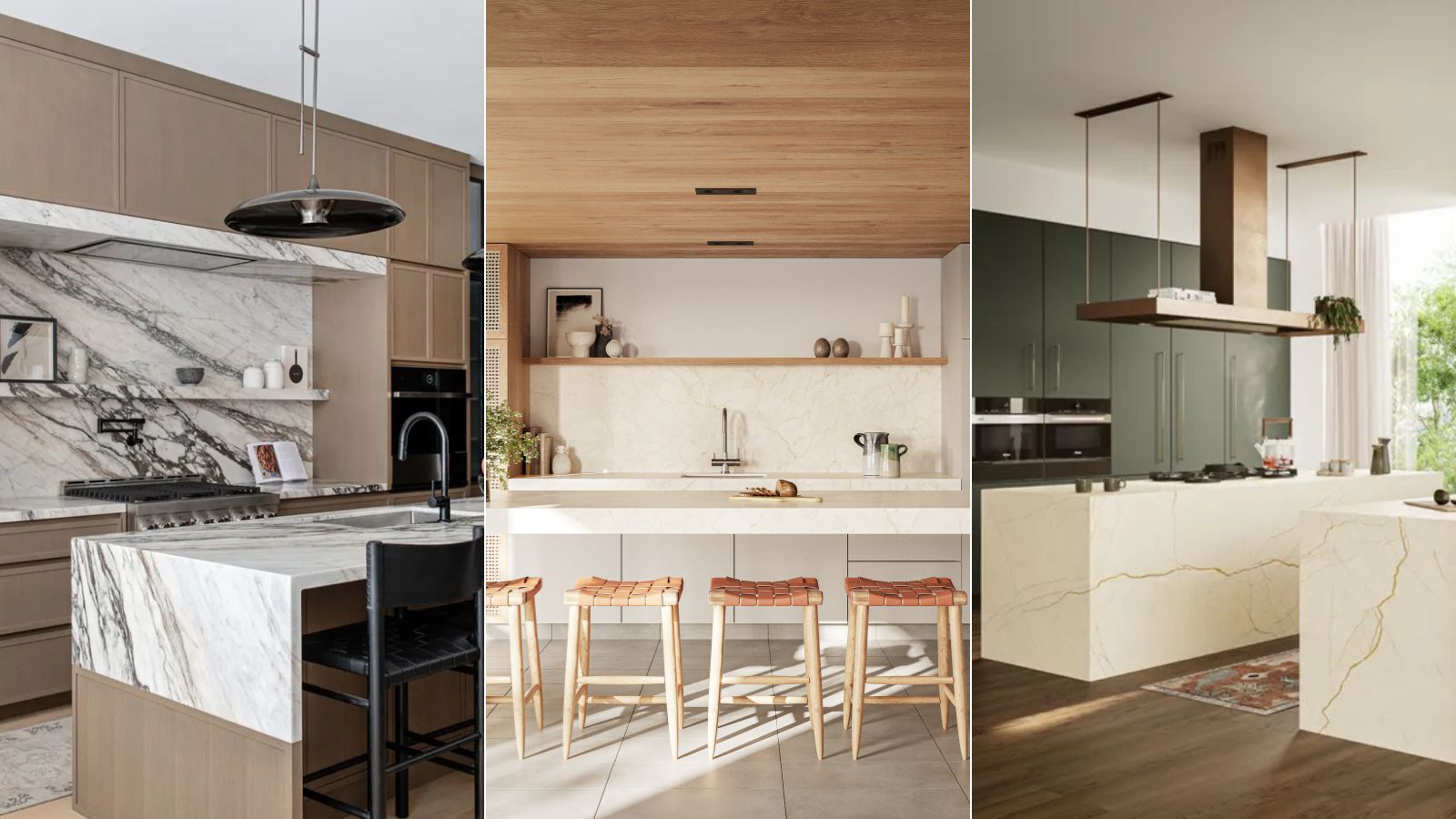
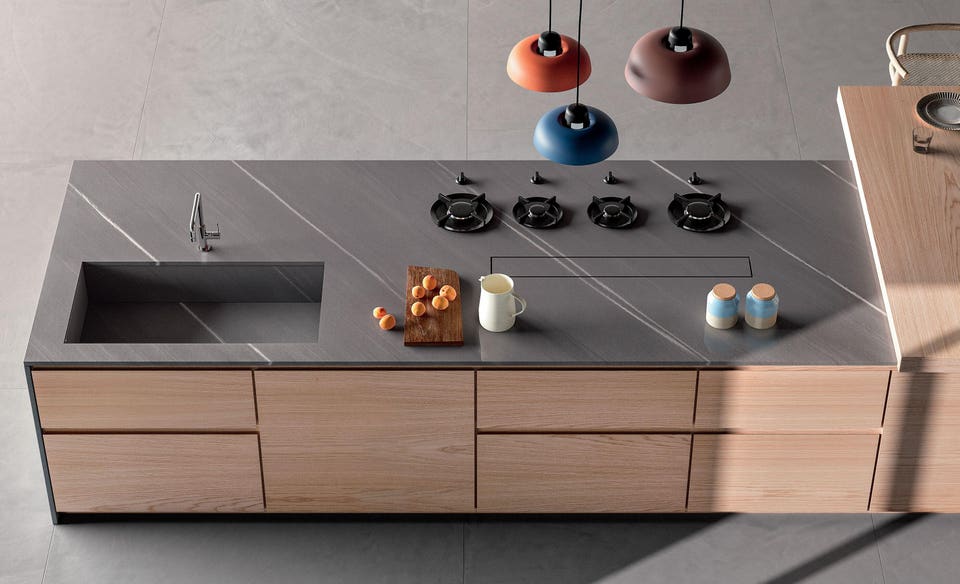
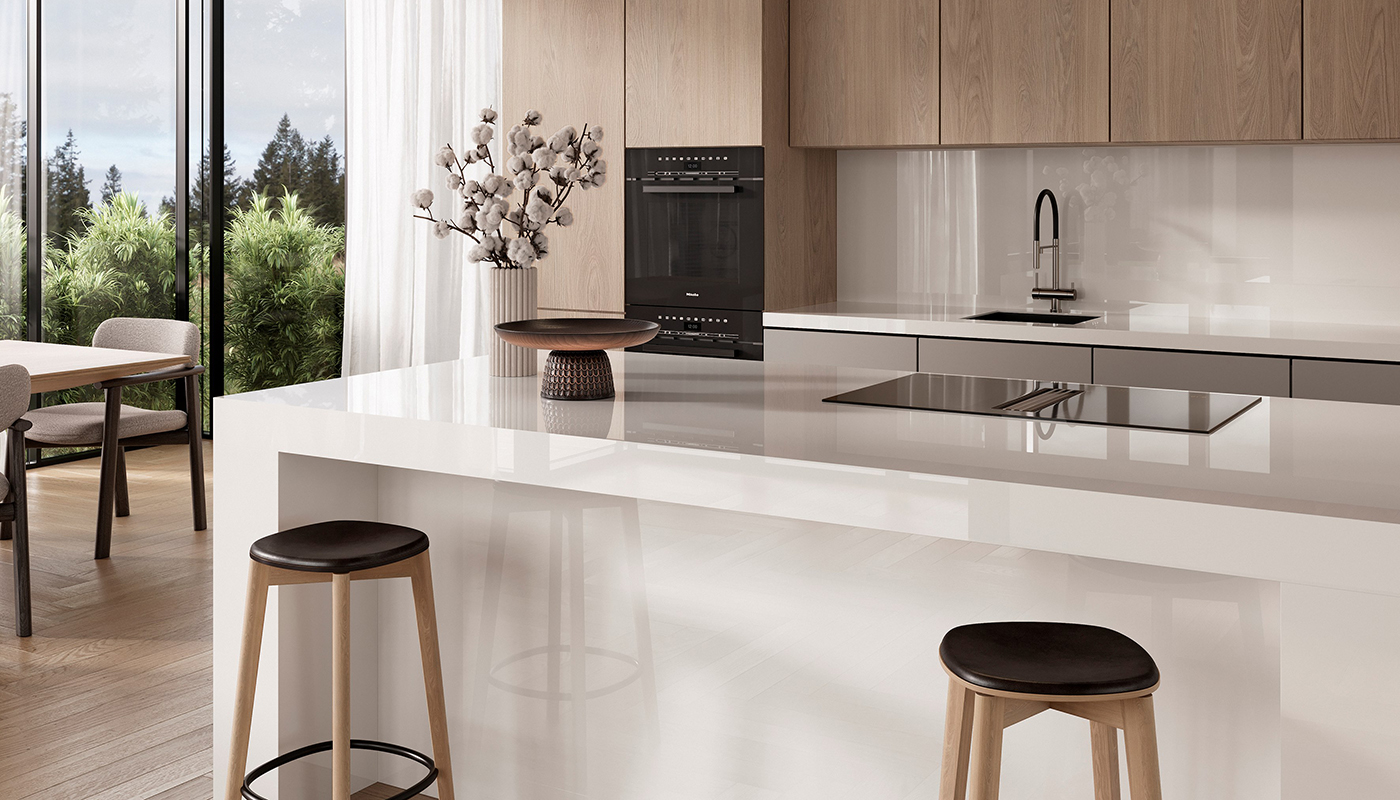
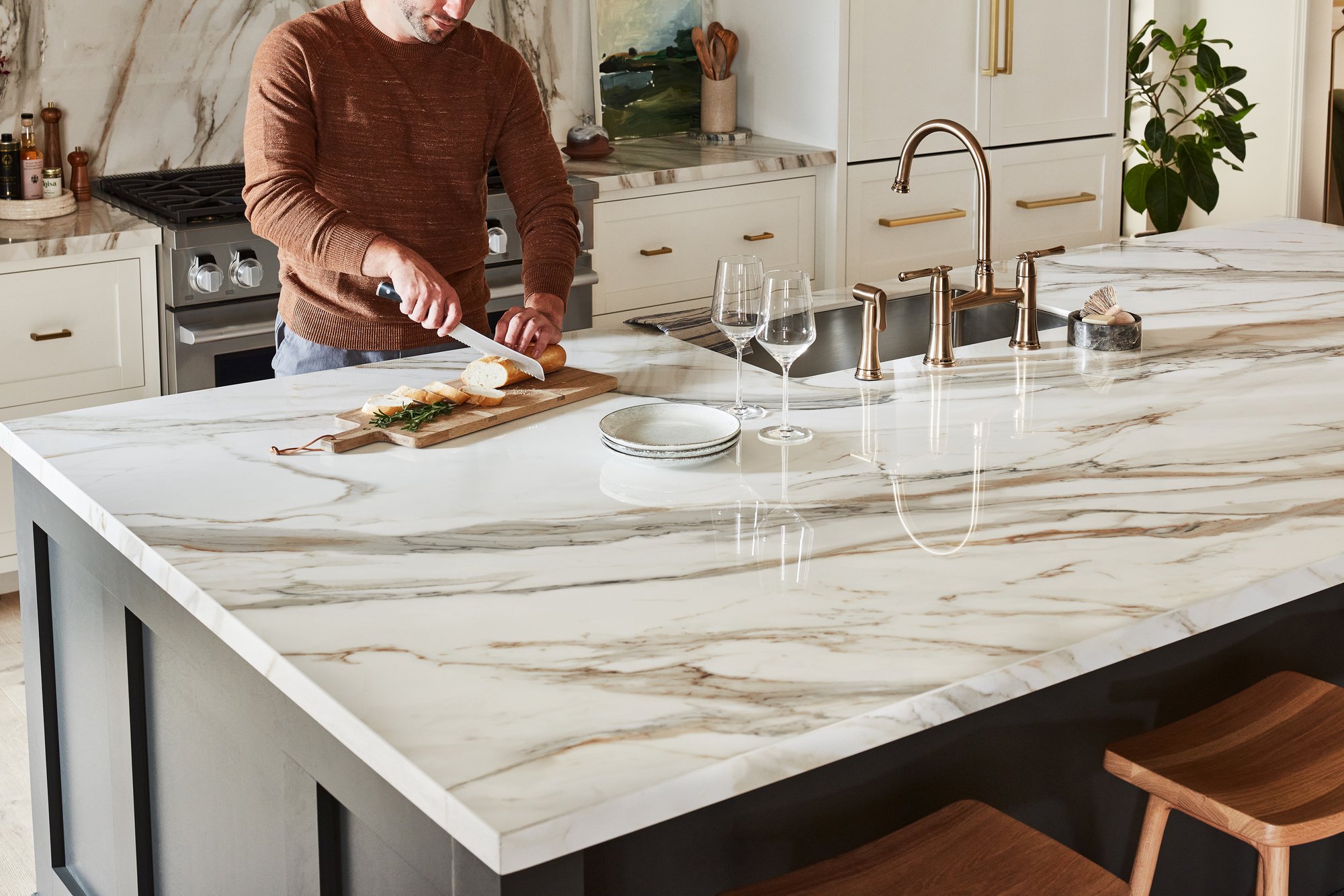
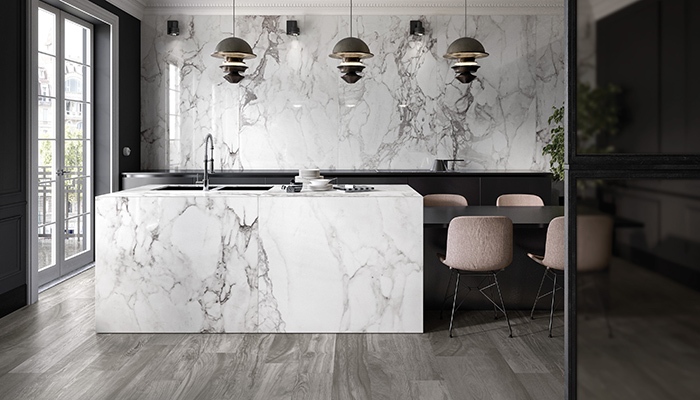
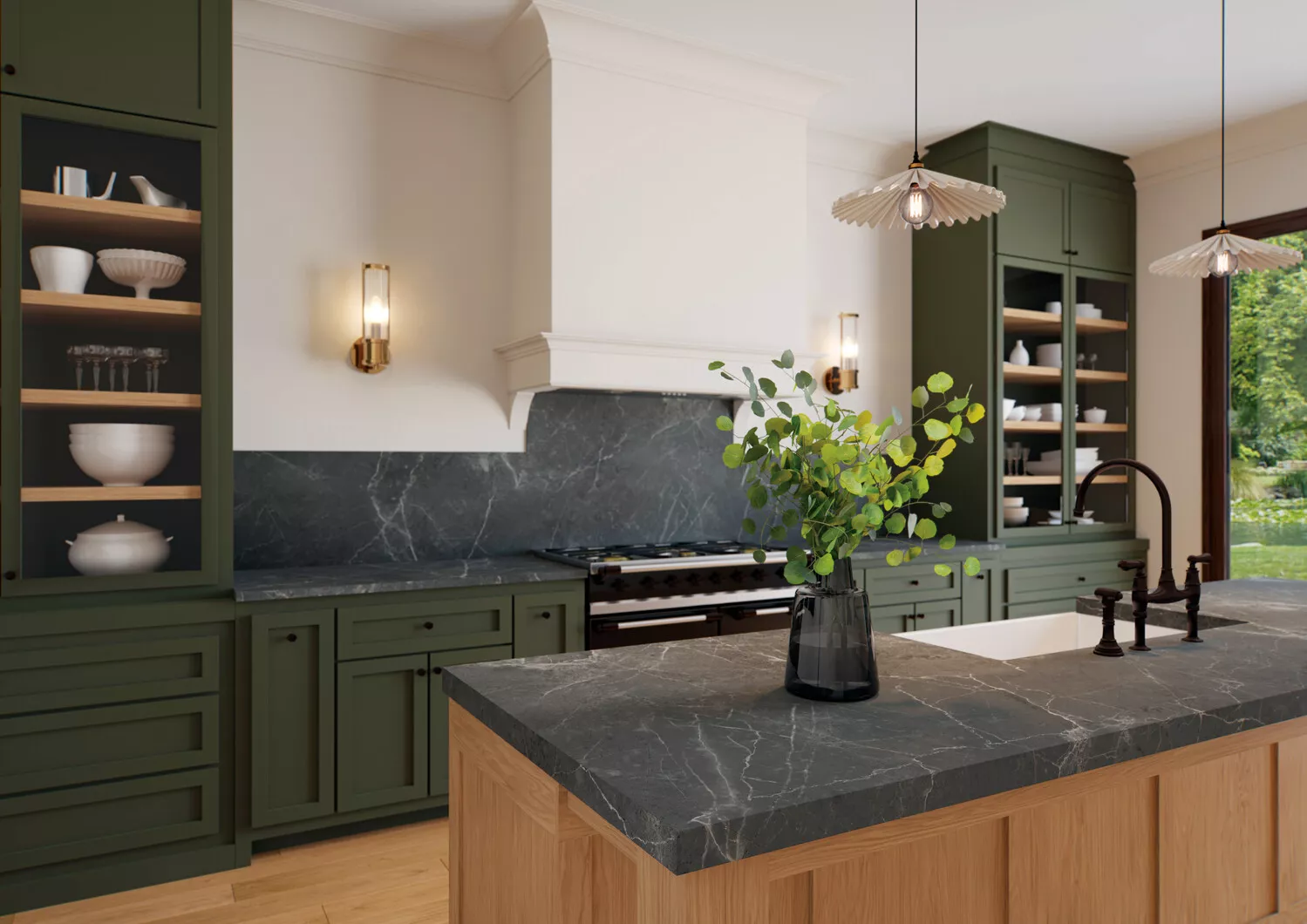
One of the most compelling benefits of porcelain countertops is their exceptional durability. Experts highlight its hardwearing nature, resistance to scratches, stains, and high heat, and its ability to withstand sunlight without fading. These characteristics make porcelain suitable for both indoor and outdoor kitchen installations. Its low-maintenance qualities are particularly appealing, as its non-porous surface eliminates the need for sealing, contributing to its hygienic properties. This makes porcelain an ideal choice for busy, design-conscious households and family-friendly kitchens, where spills and heavy use are common occurrences. Furthermore, porcelain offers significant design versatility, capable of mimicking the appearance of natural materials such as marble, concrete, or stone. The availability of large-format slabs allows for a seamless and contemporary aesthetic, enabling homeowners to achieve luxurious looks, like that of a marble kitchen, without the intensive care requirements associated with natural stone.
Despite its numerous advantages, porcelain countertops also present certain drawbacks. The material can be brittle, especially at the edges, and prone to chipping. If not addressed promptly, these chips can develop into larger cracks. This brittleness necessitates precise handling during fabrication and installation by specialists, which can increase costs. To mitigate the risk of chipping, experts recommend opting for rounded or bullnose decorative counter edges and ensuring the slab is properly polished and sealed prior to installation.
Another potential issue lies in the realism of its finishes. While advancements in technology have improved porcelain's ability to replicate natural stone, it can sometimes lack the unique depth and organic patterns inherent in genuine materials like marble or quartzite. This can result in a manufactured appearance that may not appeal to those seeking an authentic, natural aesthetic. The article emphasizes that successful replication of natural looks requires high-quality manufacturing to avoid an obviously artificial finish.
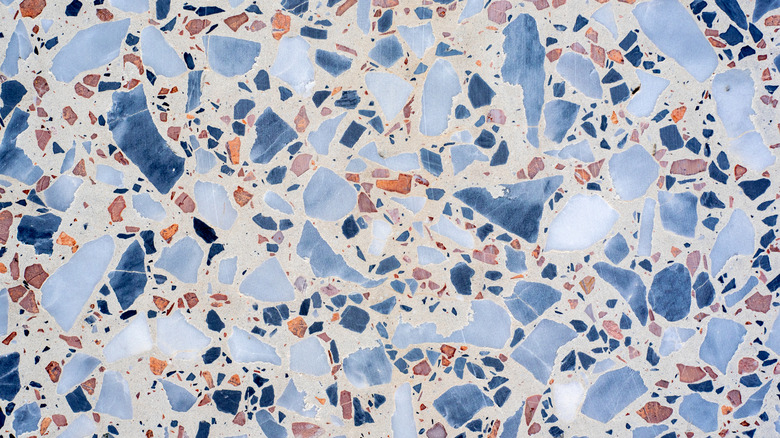
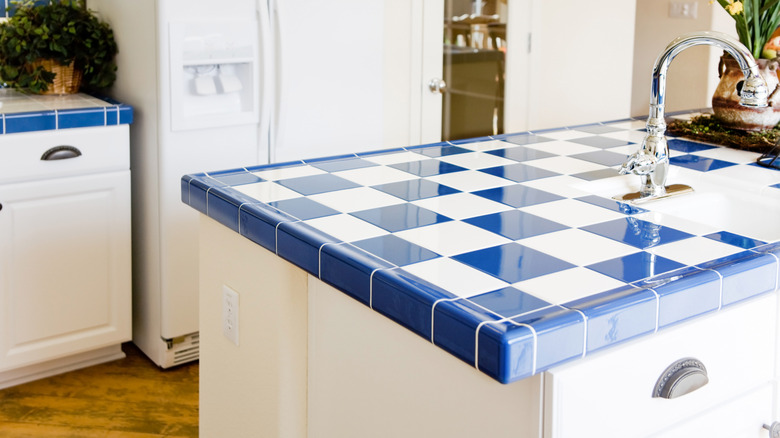
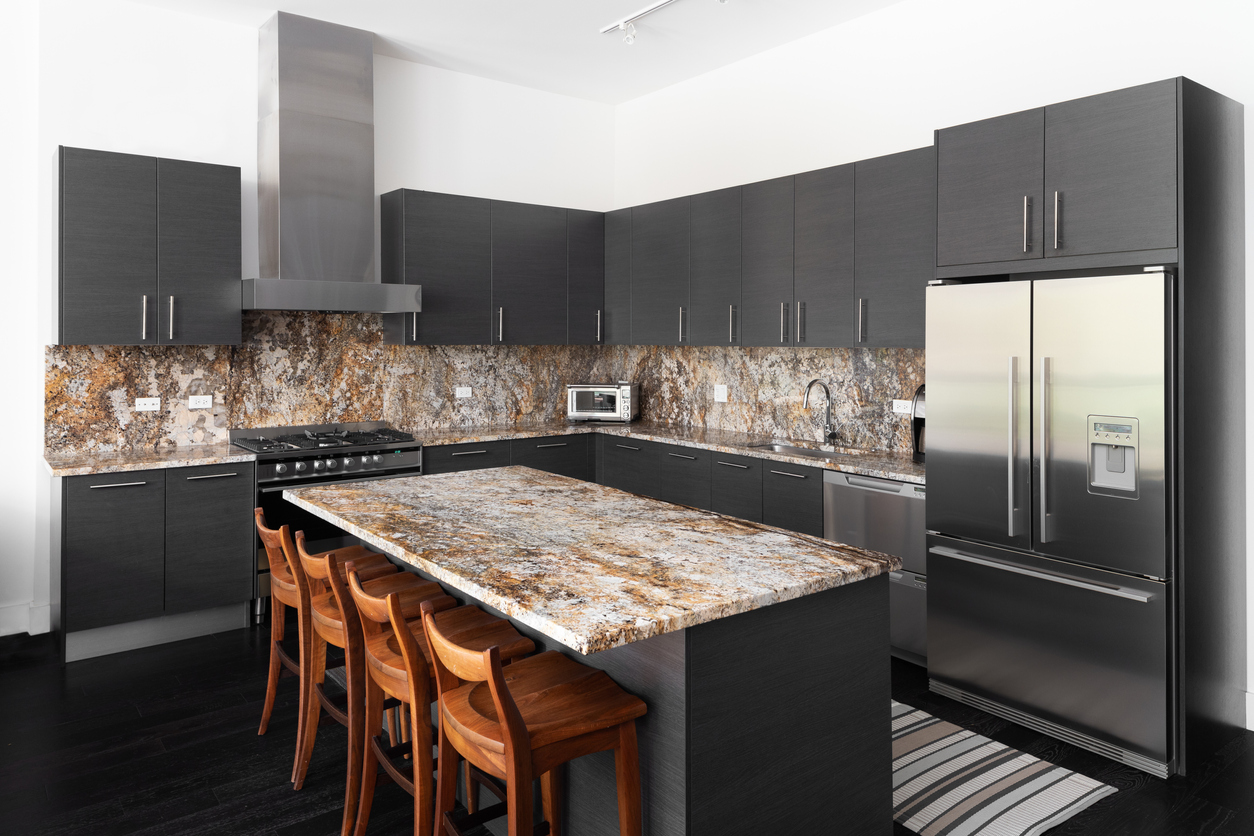
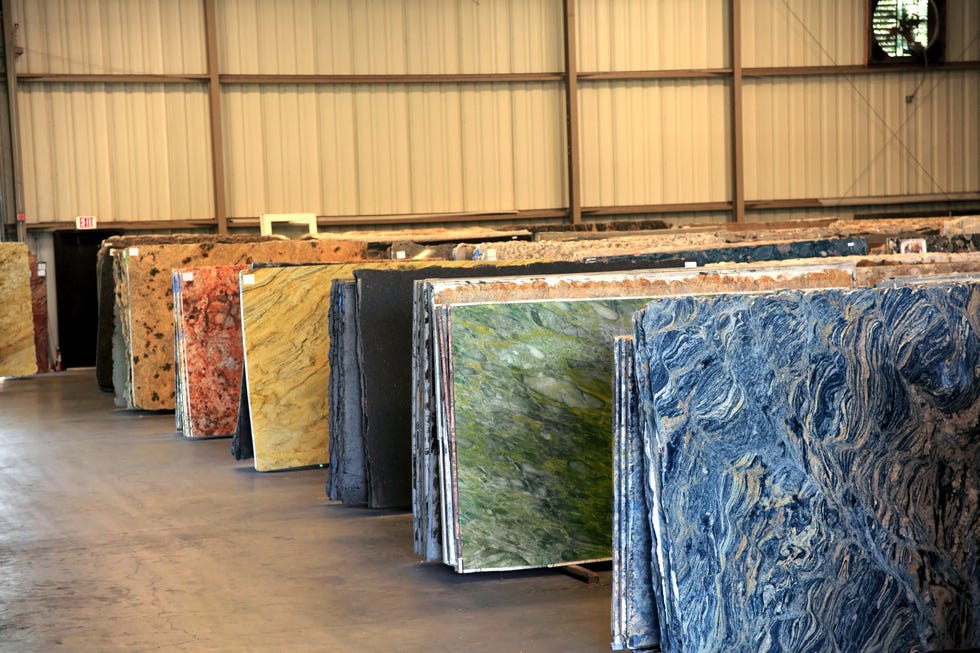
Ultimately, the decision to choose porcelain for kitchen countertops depends on individual priorities and lifestyle. For those who prioritize a durable, low-maintenance, and long-lasting surface that can withstand daily wear and tear, porcelain is a strong contender. It is particularly recommended for modern kitchens where performance and style are equally valued. However, alternative materials like quartz, granite, ceramic, and sintered stone offer different benefits, including varying depths of color and tactile experiences. For homeowners who prefer the organic textures and unique patterns of natural stone, quartzite and marble remain viable options, albeit with their own set of care and maintenance requirements. The choice of countertop material significantly influences how a kitchen is used and perceived, making it essential to align the selection with one's personal lifestyle and aesthetic preferences, while also considering current design trends.
#PorcelainCountertops #KitchenDesign #HomeRenovation #MaterialProsAndCons #InteriorDesign #KitchenWorktops #Durability #DesignVersatility #LowMaintenance #PorcelainCountertops #KitchenDesign #HomeRenovation #MaterialProsAndCons #InteriorDesign #KitchenWorktops #Durability #DesignVersatility #LowMaintenance
0 تعليق إجمالاً
 لا توجد تعليقات بعد
قد تعجبك أيضًا
Is porcelain the most practical countertop material? Interior designers weigh in on its appeal

The Best Countertop Materials for Every Type of Kitchen

Ryno releases porcelain paving designed to combine style and durability
Why You Might Want Porcelain Slab Countertops

Why top designers are turning to porcelain for contemporary surface solutions
This Underutilized Countertop Looks Great, but "It's Not the Material for Everyone" — The Pros and Cons of Concrete, Explained by a Specialist

Porcelain Surfaces

How To Pick The Perfect Countertop Material For Your Kitchen

How the latest porcelain surfaces offer both form and functionality
Are Porcelain Countertops Worth It? Here's What to Know Before Your Next Kitchen Reno
Gorgeous Countertop Materials Your Favorite HGTV Stars Swear By
What's replacing granite countertops? These are the materials interior designers want to see more of
Pros and Cons of Porcelain Countertops to Consider Before Your Next Reno, According to Experts

What Designers Call the "Little Black Dress" of Bathroom Countertops

6 great alternatives to marble and granite for your NYC kitchen renovation: quartz, quartzite, porcelain, soapstone & more
From Natural Stone to Plastic Laminate, We're Helping You Choose the Best Countertop Material for Your Kitchen
Countertop Trends That Will Be Huge In 2025 (And Ones We'd Recommend Avoiding)
5 Bathroom Vanity Countertops Experts Avoid
10 Kitchen Countertop Trends You'll See Everywhere This Year, According to Experts
Why You Really Don't Want Marble Countertops In Your Kitchen