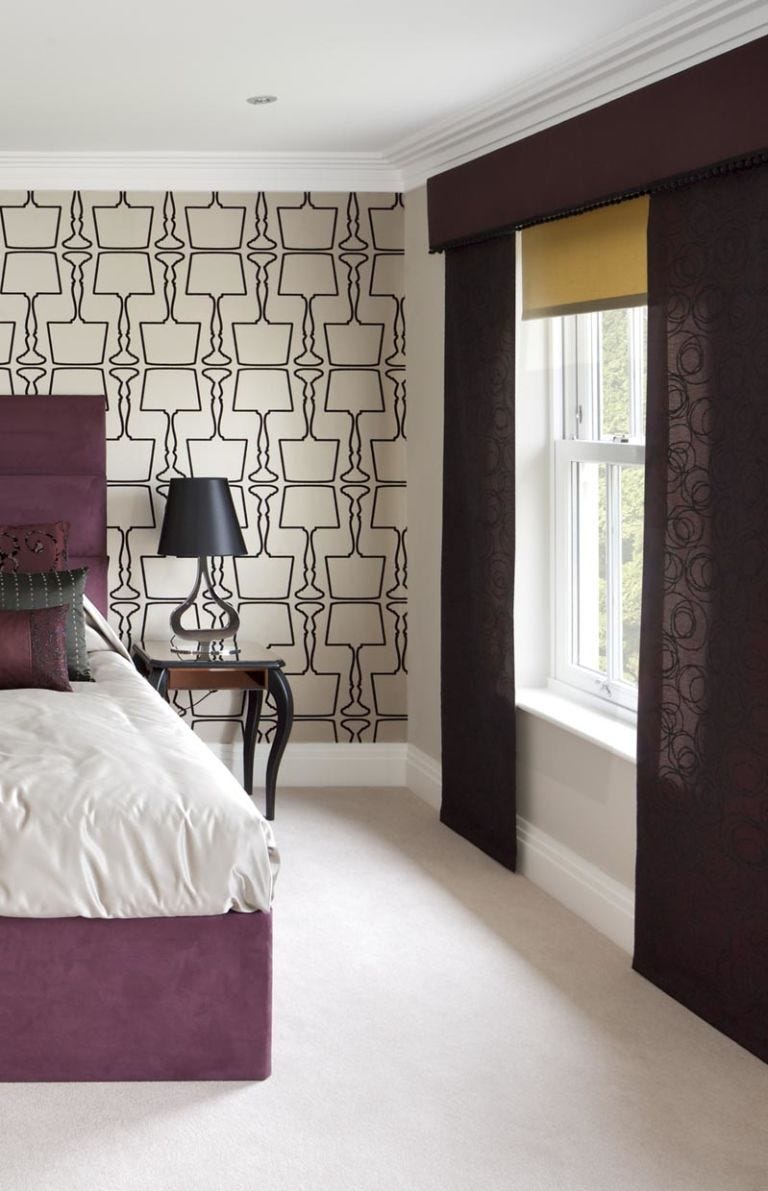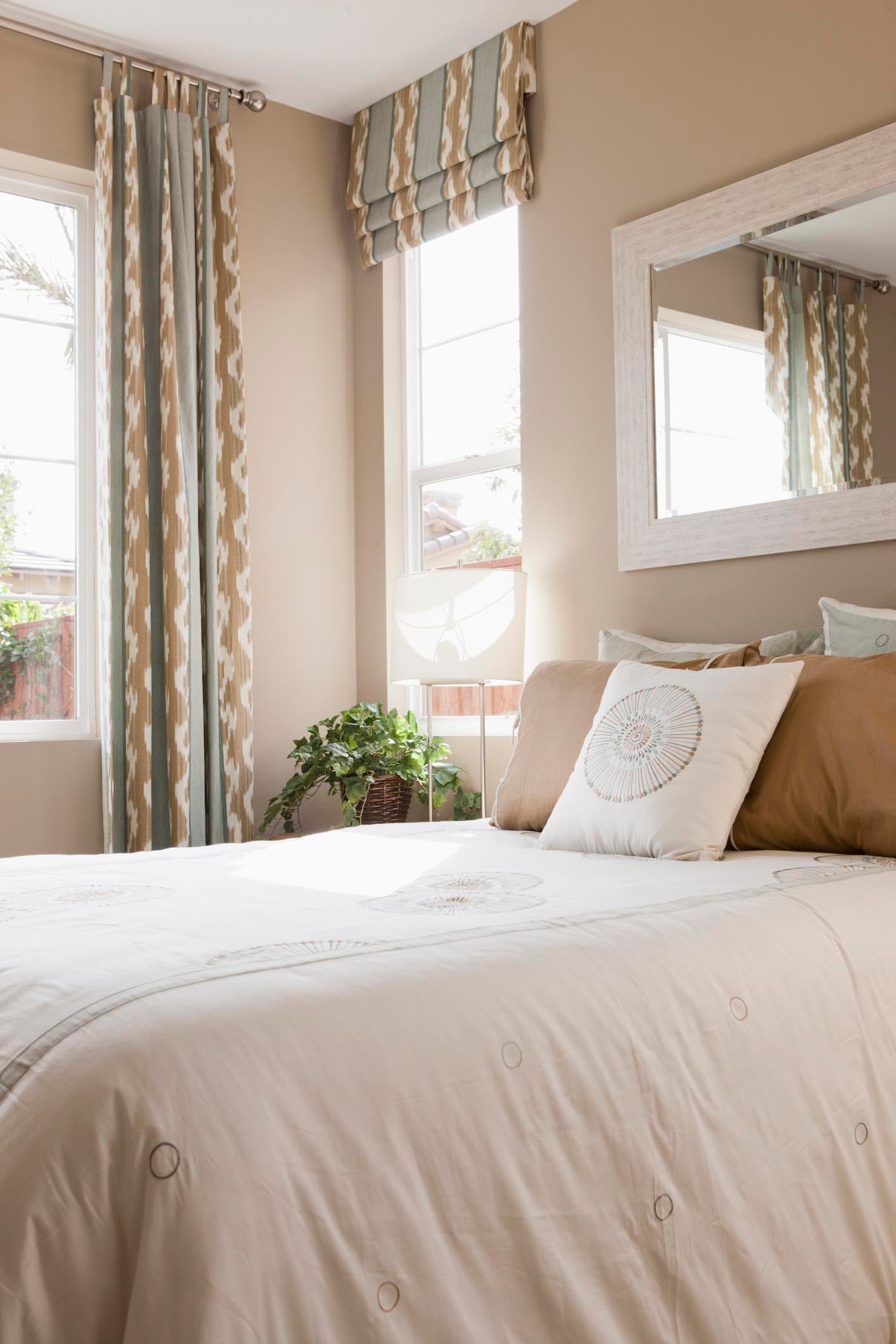
1/4
How to reverse roll a roller blind - a neat interior design trick to instantly make your home tidier and better
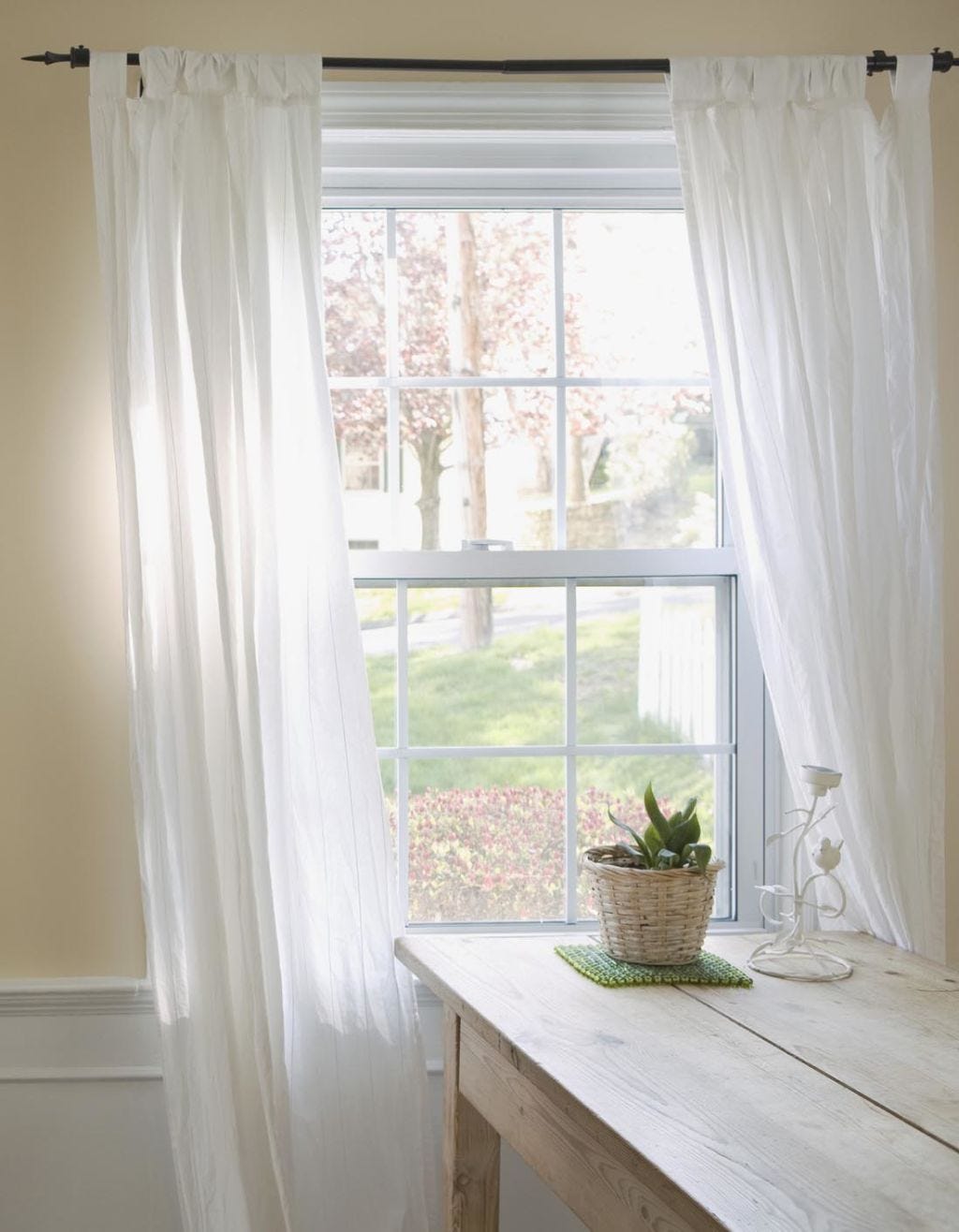
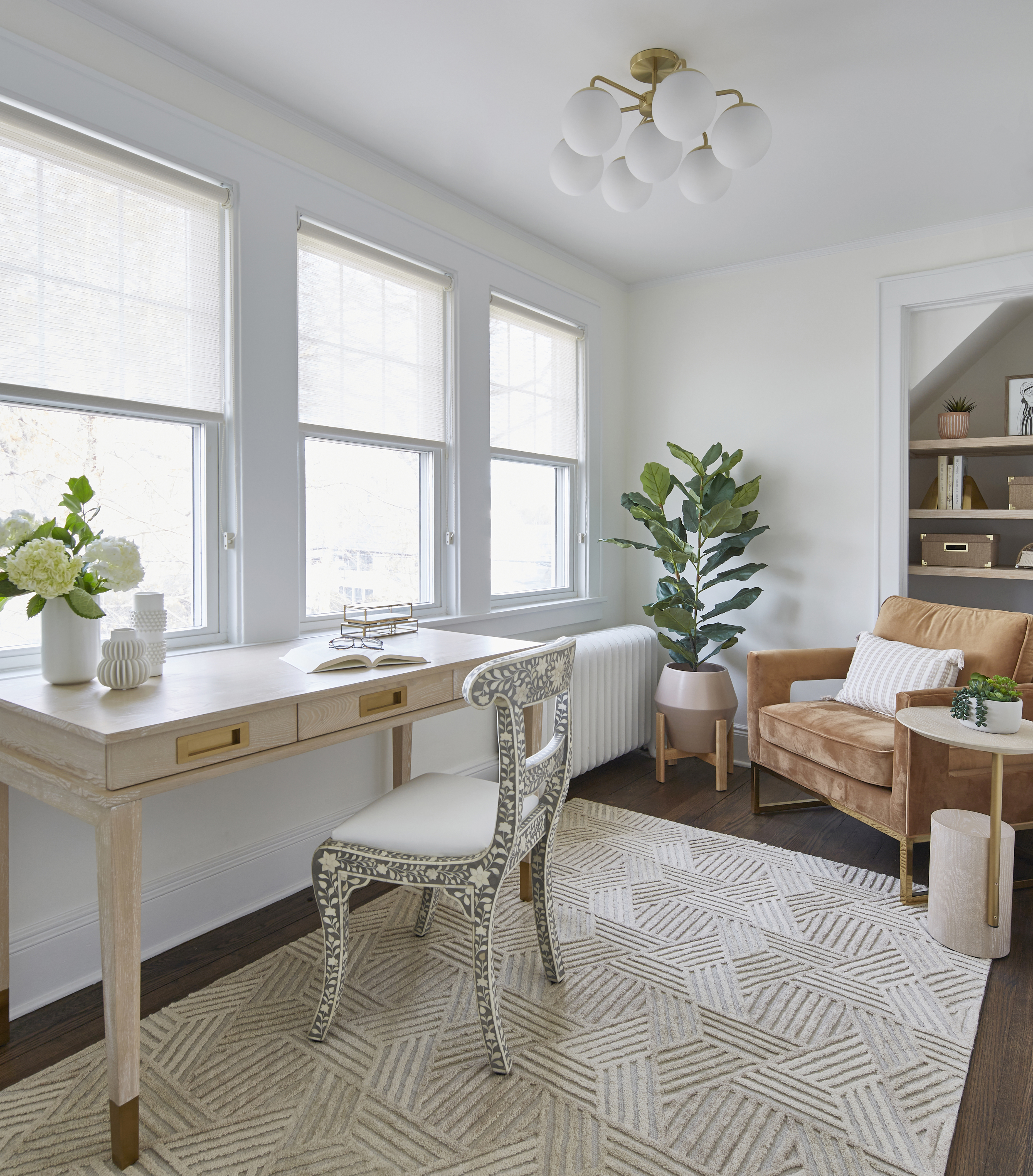
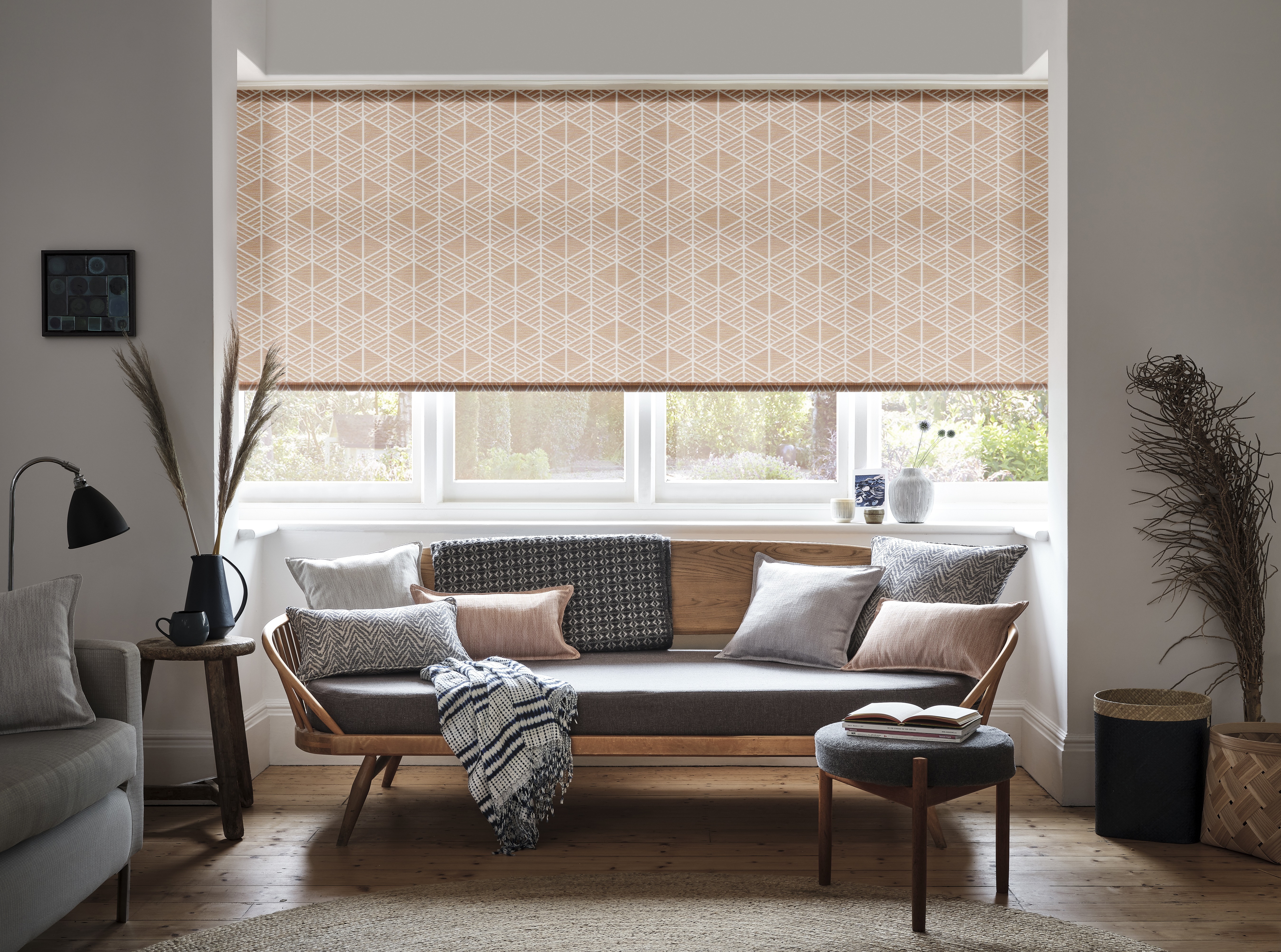
Roller blinds are lauded for their convenience, adjustability, and compact design, making them a popular choice for window treatments. They also offer a versatile canvas for incorporating patterns into home decor due to their flat surface. However, a common aesthetic concern arises from the standard installation method, where the roller mechanism is positioned to face inward, ensuring the fabric sits close to the window to minimize light leakage. This conventional setup can sometimes appear unsightly or out of place.
The article highlights an interior design solution: reverse rolling a roller blind. This technique involves altering the blind's orientation so that the fabric unfurls over the top of the roller mechanism instead of behind it. Yvonne Keal, a senior product manager at Hillarys, a blind company, explains that reverse rolled blinds extend further from the window pane. This distance proves beneficial for functionality, preventing the blind from interfering with windowsill objects or window handles, and thus enhancing the usability of the space. From an aesthetic perspective, reverse rolling conceals the mechanical components, allowing the blind material to drape seamlessly from top to bottom. This creates a cleaner, more minimalist appearance, contributing to a tidier and better-designed room.
The primary method for reverse rolling involves simply removing the roller blind from its brackets and horizontally flipping the entire mechanism. This reorients the fabric to fall over the roll. While this modification significantly improves the visual appeal by hiding the roller, it introduces a potential trade-off: an increased gap between the window and the blind material. This larger gap can allow more light to penetrate, which might be a consideration for those prioritizing maximum light blockage. For situations where a tighter fit is desired, especially with inside-mounted blinds, an alternative approach is to adjust the bracket placement. This involves unscrewing the brackets and repositioning them slightly closer to the window, by approximately an inch, to reduce the gap. However, it's crucial to consider the width of the blind and the depth of the windowsill, as repositioning the brackets might cause the blind to interfere with decorative items displayed on a wider windowsill.
In conclusion, reverse rolling a roller blind is presented as a straightforward and effective interior design hack to enhance the aesthetic of window treatments. This technique offers a clean and elegant look by hiding the roller mechanism. While it may slightly increase the light gap, potential solutions like repositioning brackets exist. This modern window treatment is an accessible way to elevate a home's design, suitable for various rooms from kitchens to bedrooms, requiring minimal effort for a significant visual impact.
#RollerBlinds #WindowTreatments #InteriorDesign #HomeDecor #DesignHacks #Hillarys #AestheticUpgrade #ModernDesign #RollerBlinds #WindowTreatments #InteriorDesign #HomeDecor #DesignHacks #Hillarys #AestheticUpgrade #ModernDesign
0 تعليق إجمالاً
 لا توجد تعليقات بعد
قد تعجبك أيضًا
9 Outdated Things People Over 40 Should NEVER Have in Their Homes


Designers Say This One Trick Will Make Your Living Room Look More Luxe
How to elevate your teen's former bedroom into a beautiful home office

Nine quick-fix home makeover ideas
This 1 Quick Decor Swap Can Instantly Usher Fall Into Your Home

This Designer's Clever Trick Will Transform Any Open-Concept Living Space
5 Things That Always Make Your Home Feel Cramped, According to Designers

A furniture flipper reveals her simple tips for how to source and upcycle furniture to sell on
This growing Instagram DIY trend is a genius solution for hiding away clutter in a small home
12 things to get rid of in your home, from an interior designer
10 easy decor hacks to rethink your interiors on a budget
These 7 Best Furniture Sliders Will Protect Your Floors From Damage When Moving Furniture


Naomi Cleaver talks to GH about Interior Design

13 Professional Tricks to Make Your Windows Look Bigger
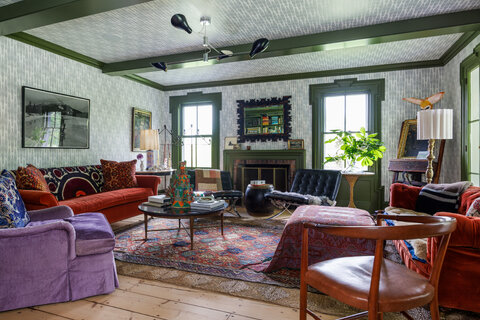
How to Layer Rugs (Published 2023)
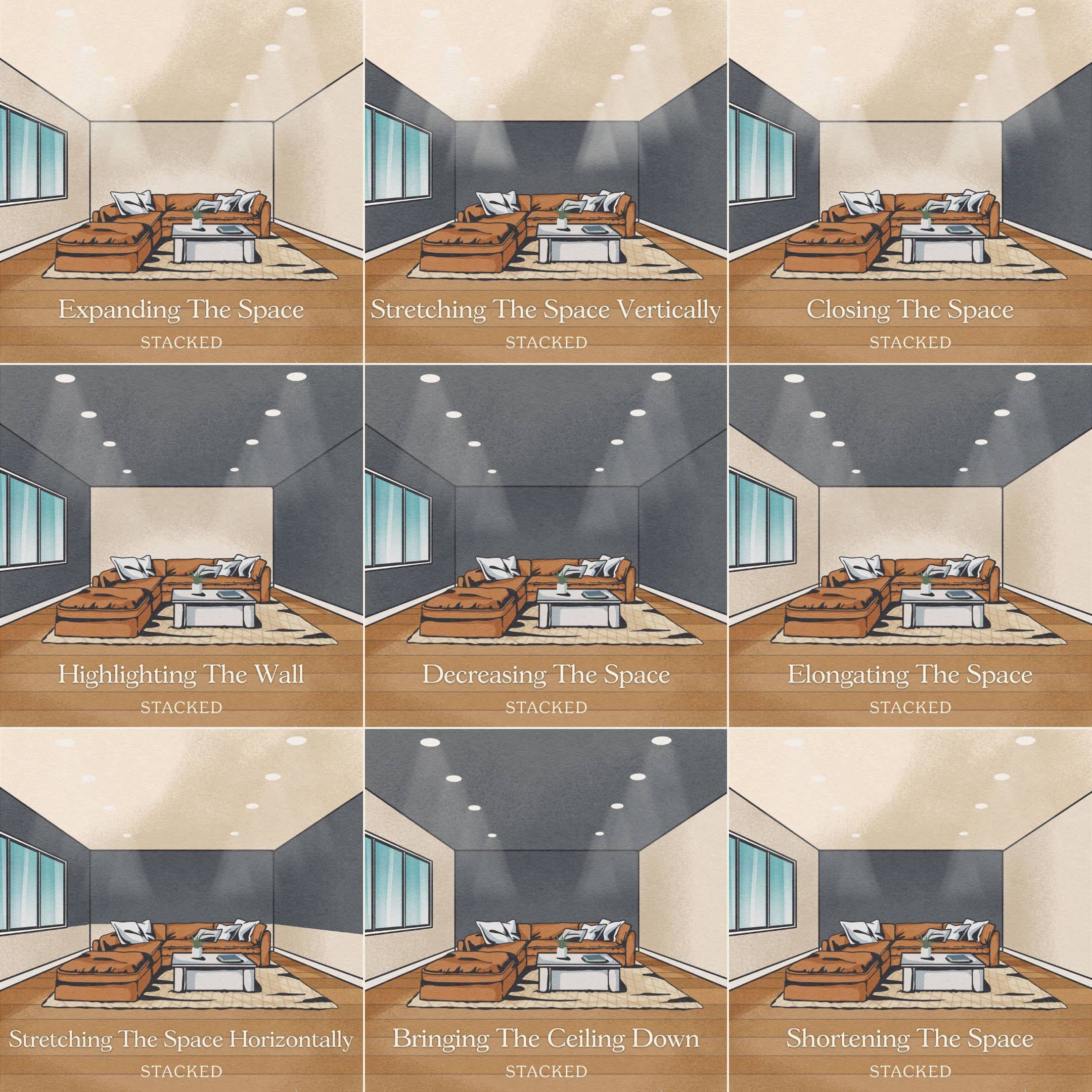
9 Amazing Illusion Tricks To Make A Small Space Look Bigger
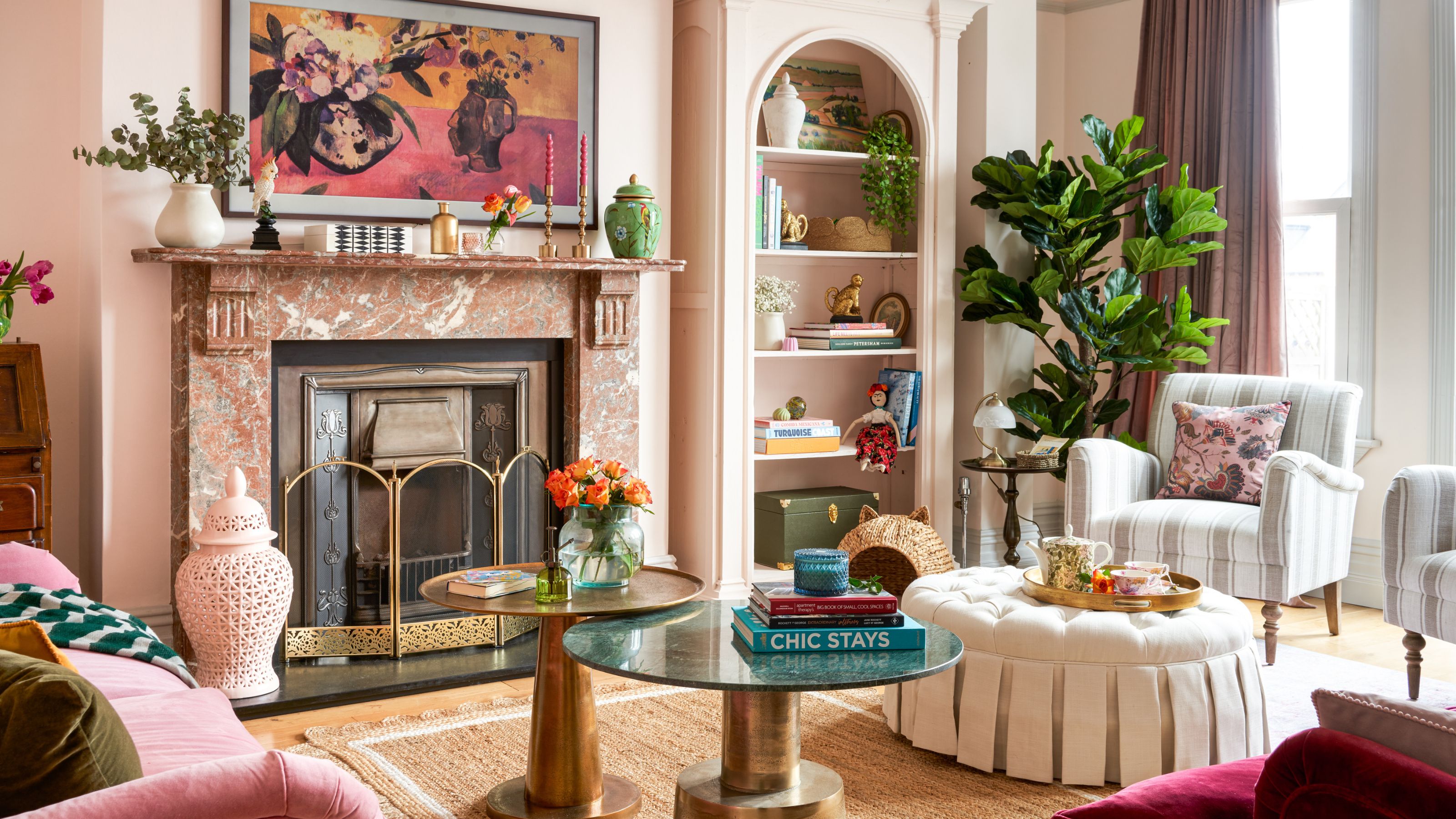
How to refresh a small living room — 5 easy tips designers swear by

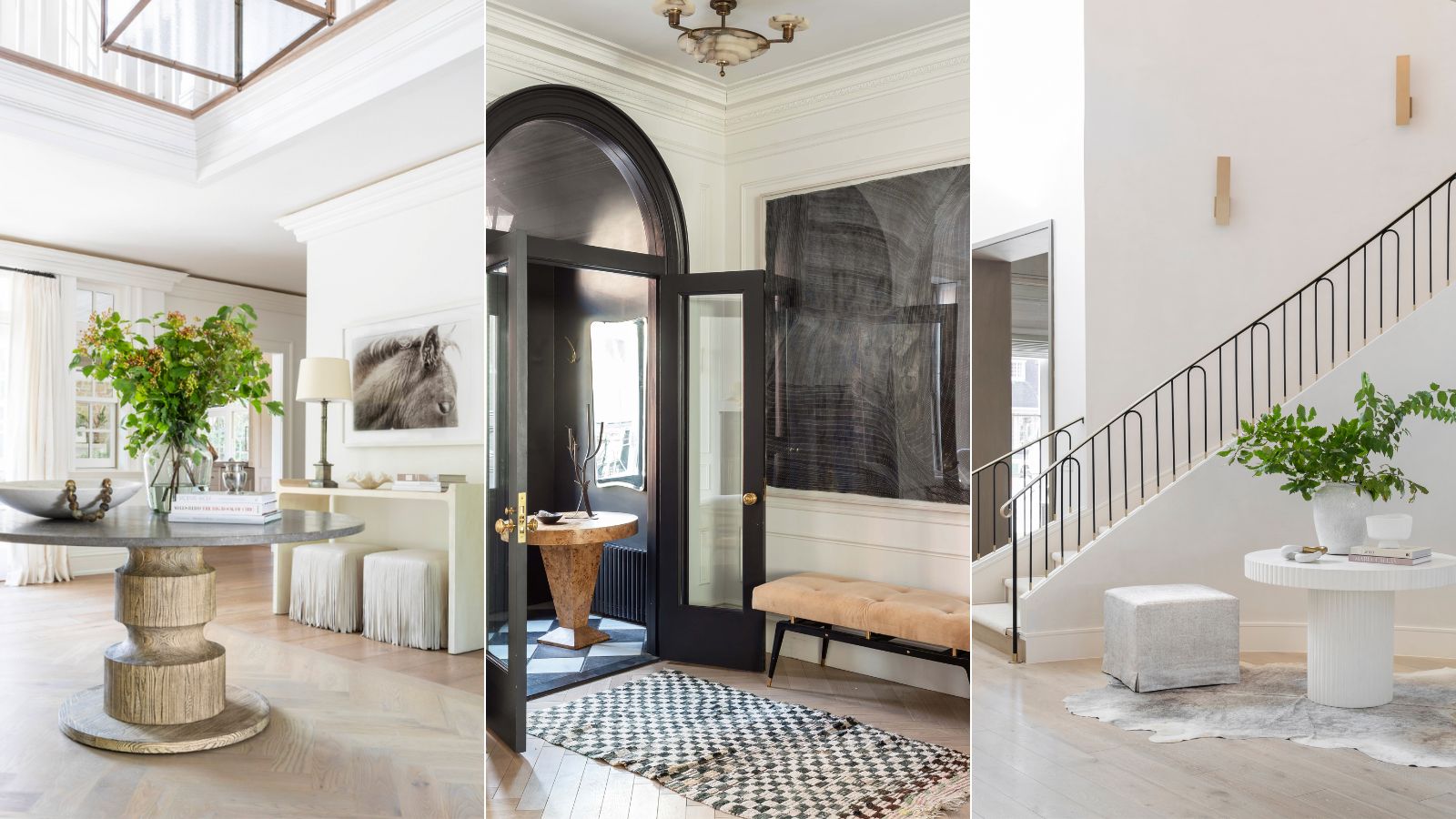
5 things minimalists never have in an entryway – items to ban for clutter-free style

#Houseporn is unrealistic: Tips to style a home you actually live in

7 Outdated Home Decor Items To Toss In 2025, According To Southern Designers