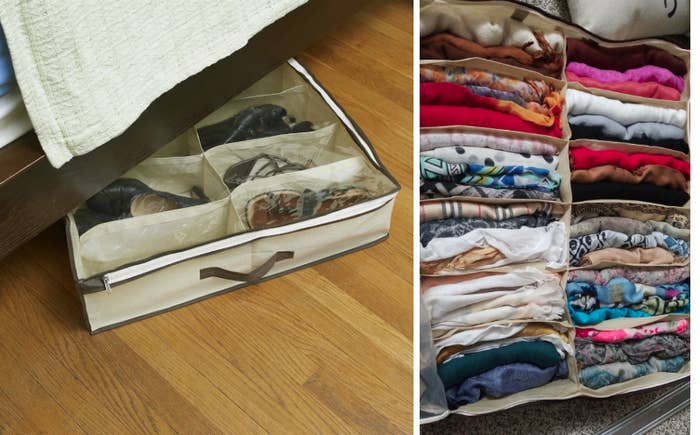
How to Organize Your Closet in 6 Easy Steps
An organized closet can significantly reduce stress, save time, and prevent unnecessary spending on duplicate items. This comprehensive guide outlines a six-step process to achieve a streamlined and functional closet space, drawing on expertise from professional organizers Ashley Murphy of NEAT Method, Lisa Adams of LA Closet Design, and Shantae Duckworth of Shantae-ize Your Space. The first crucial step involves completely emptying the closet. This initial removal of all items provides a clear visual of the space and allows for a thorough inventory. While seemingly counterintuitive, this step is essential for an effective organizing process.
Once the closet is empty, the next step is to sort all items into three categories: 'Keep,' 'Donate,' and 'Toss.' Items that haven't been worn in the past year, are damaged, or no longer fit should be considered for donation or repurposing, emphasizing sustainability. For items that are borderline, the 'five outfit rule' suggests keeping an item if it can be incorporated into at least five different outfits. Seeking an impartial friend's opinion can be helpful during this decluttering phase.
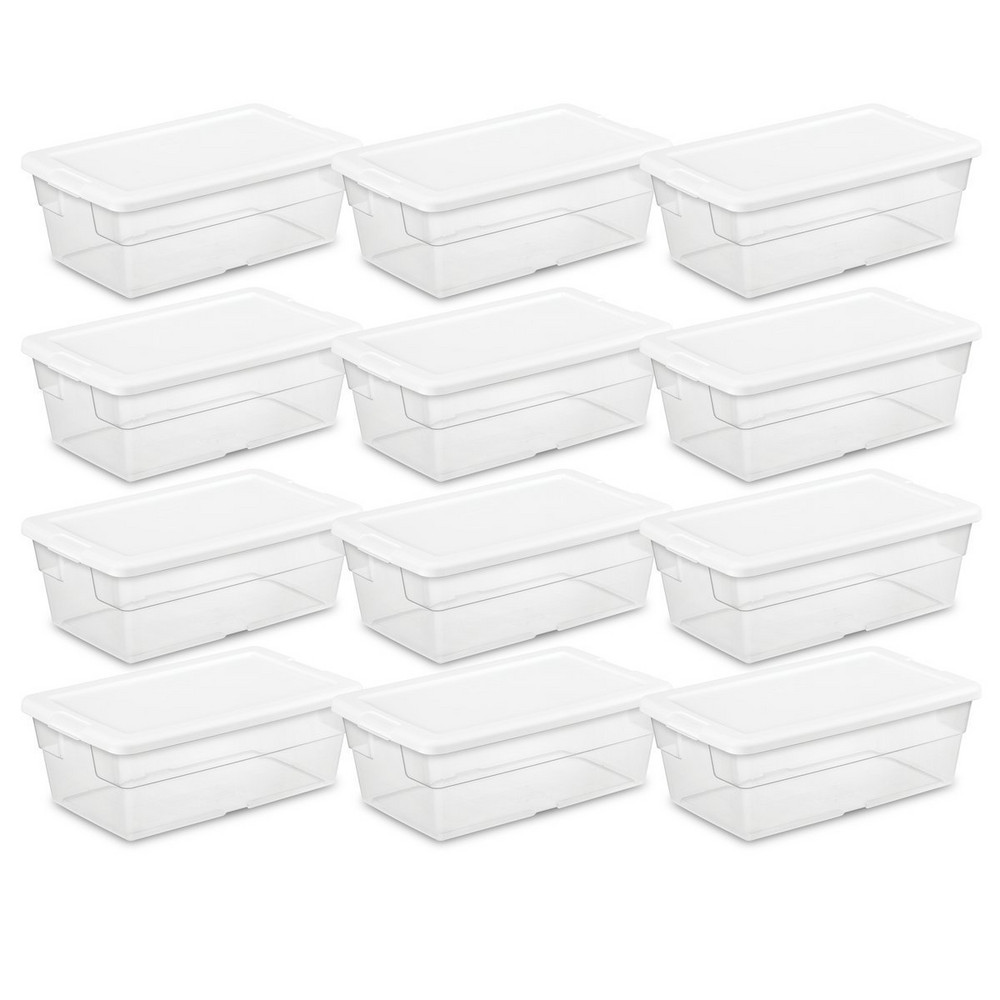
The third step is to categorize the remaining 'Keep' items based on type, such as shoes, undergarments, swimwear, or workout gear. This systematic sorting helps in understanding the volume of items within each category and aids in planning their placement back into the closet. A separate category for sentimental items that are no longer worn can be created, suggesting storage in clear bins on shelves to keep them visible yet out of the main functional space.
Following categorization, the fourth step requires taking a detailed inventory by counting and measuring everything, including shoe heights and hat widths. Simultaneously, measure the available hanging, drawer, and shelf space within the empty closet. This precise measurement ensures that any future storage solutions will fit properly and maximizes space utilization.
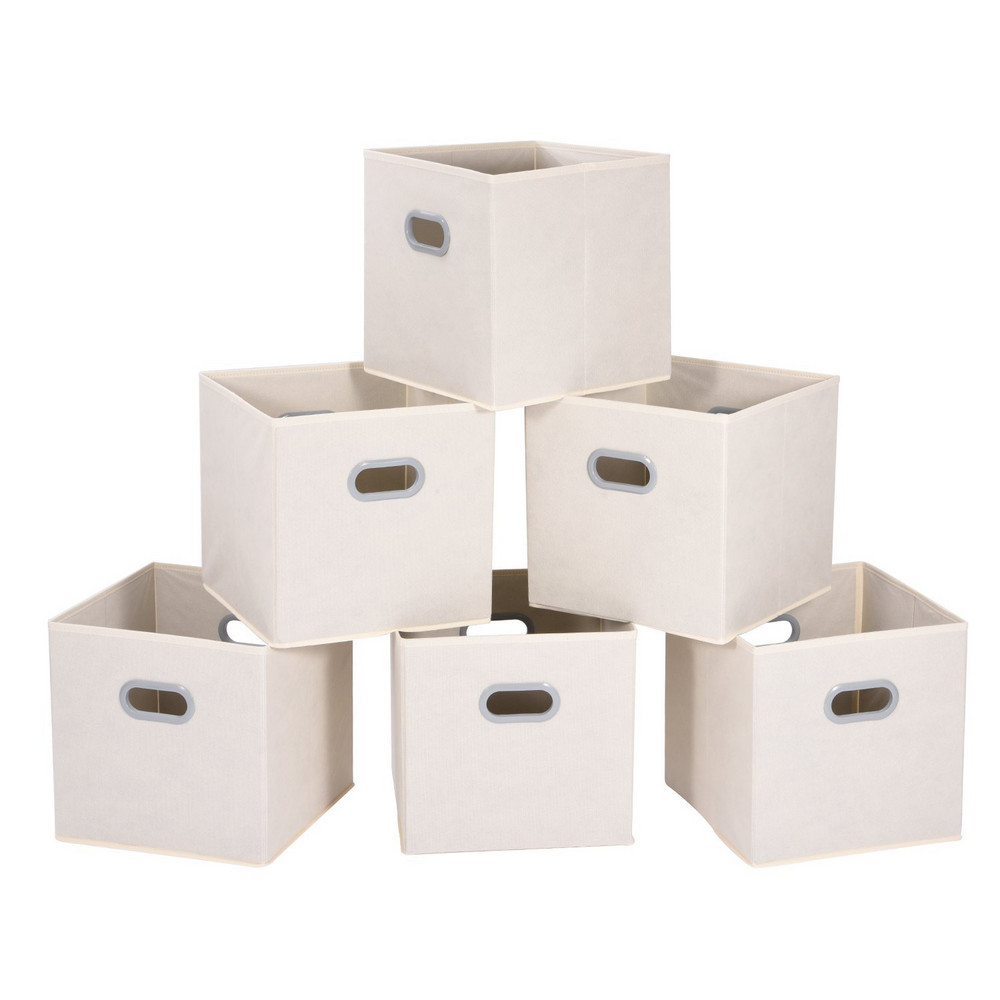
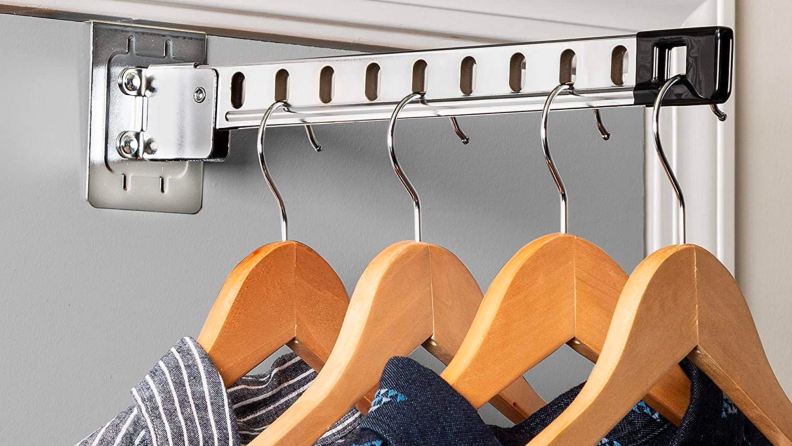
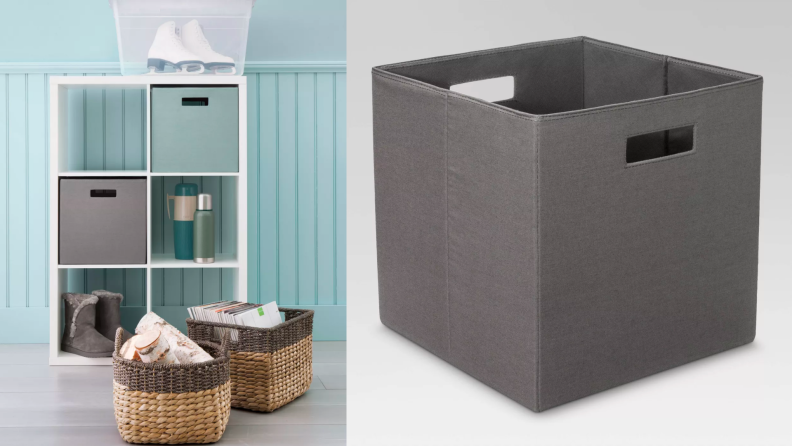
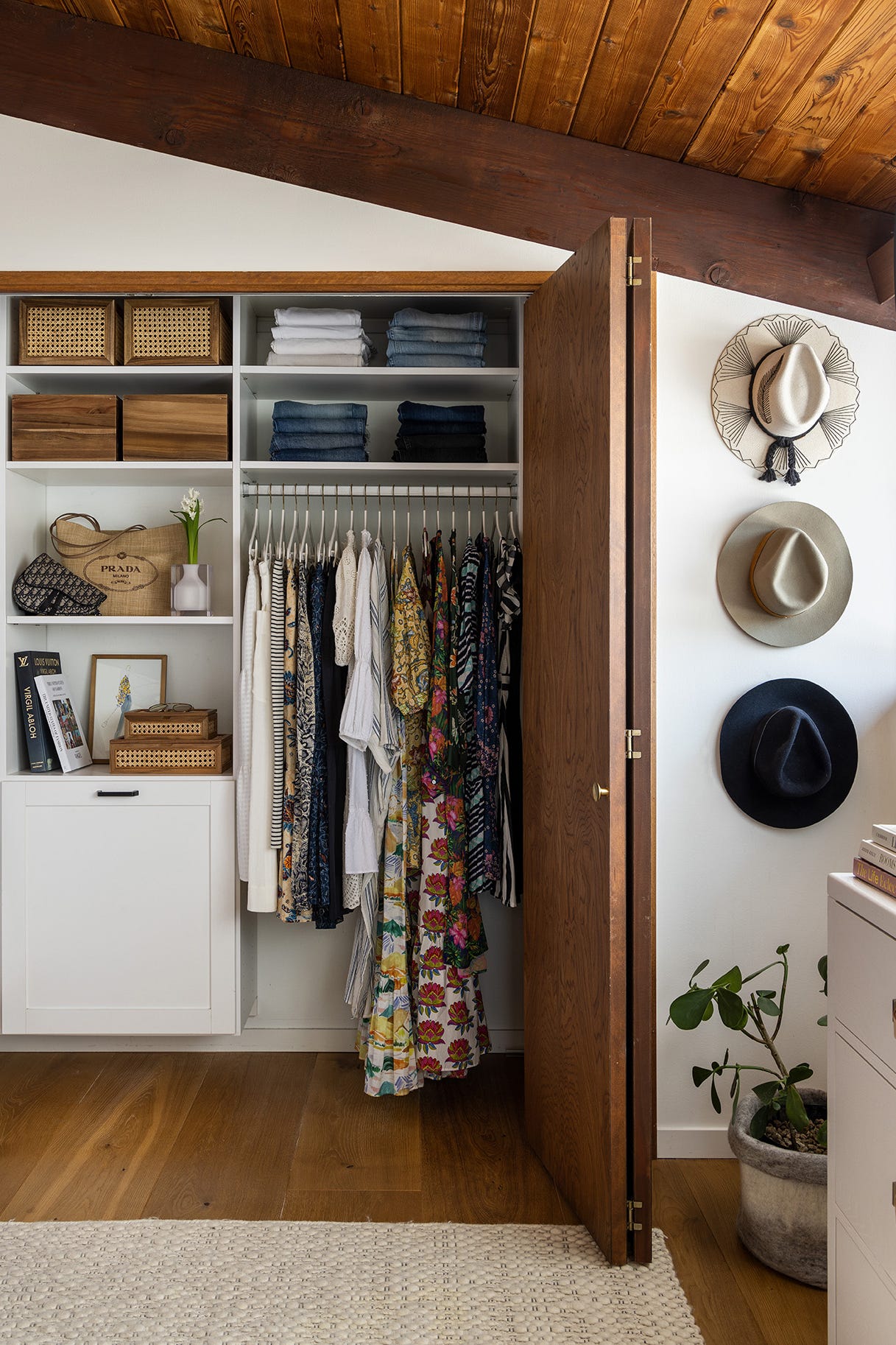
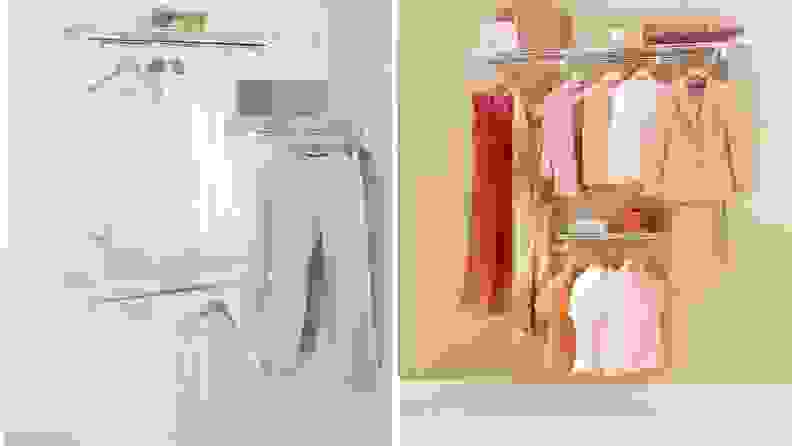
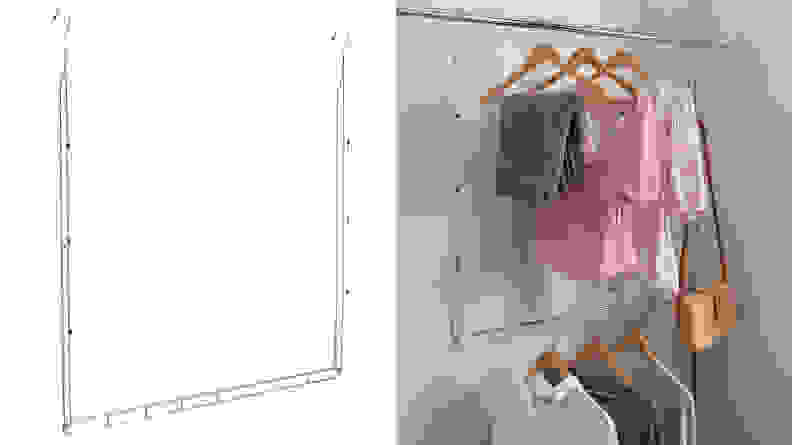
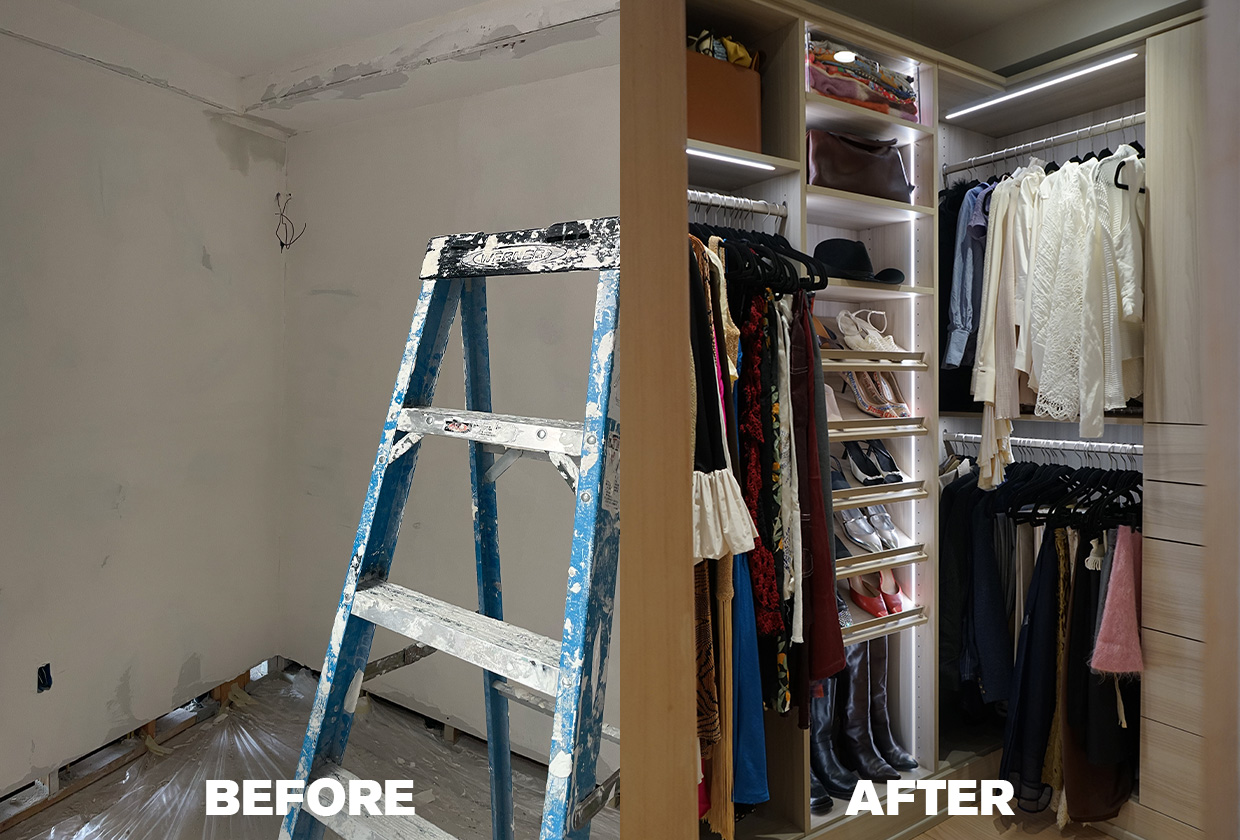
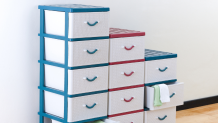
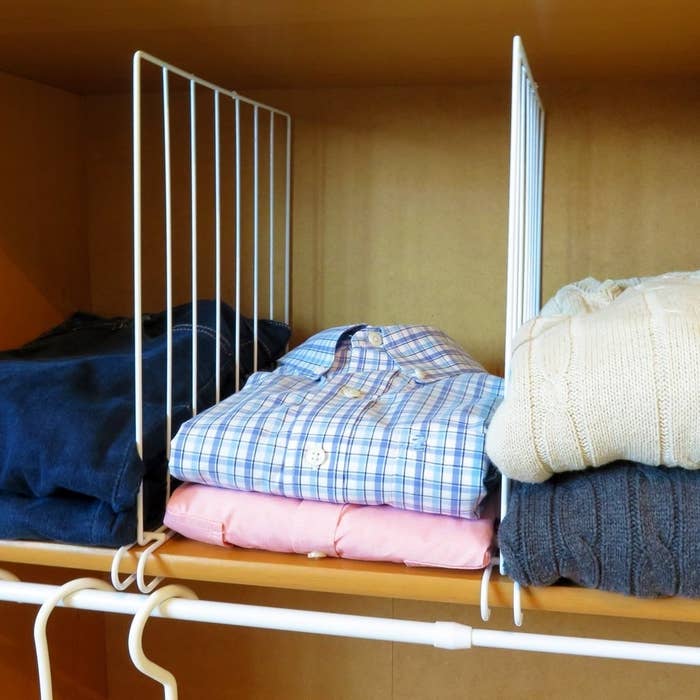
Step five focuses on setting up the closet's physical structure. This includes adjusting the height of hanging rods and shelves if they are adjustable, and placing any newly purchased storage solutions like bins, baskets, dressers, or trays. Pre-measuring in the previous step ensures these items integrate seamlessly into the closet design.
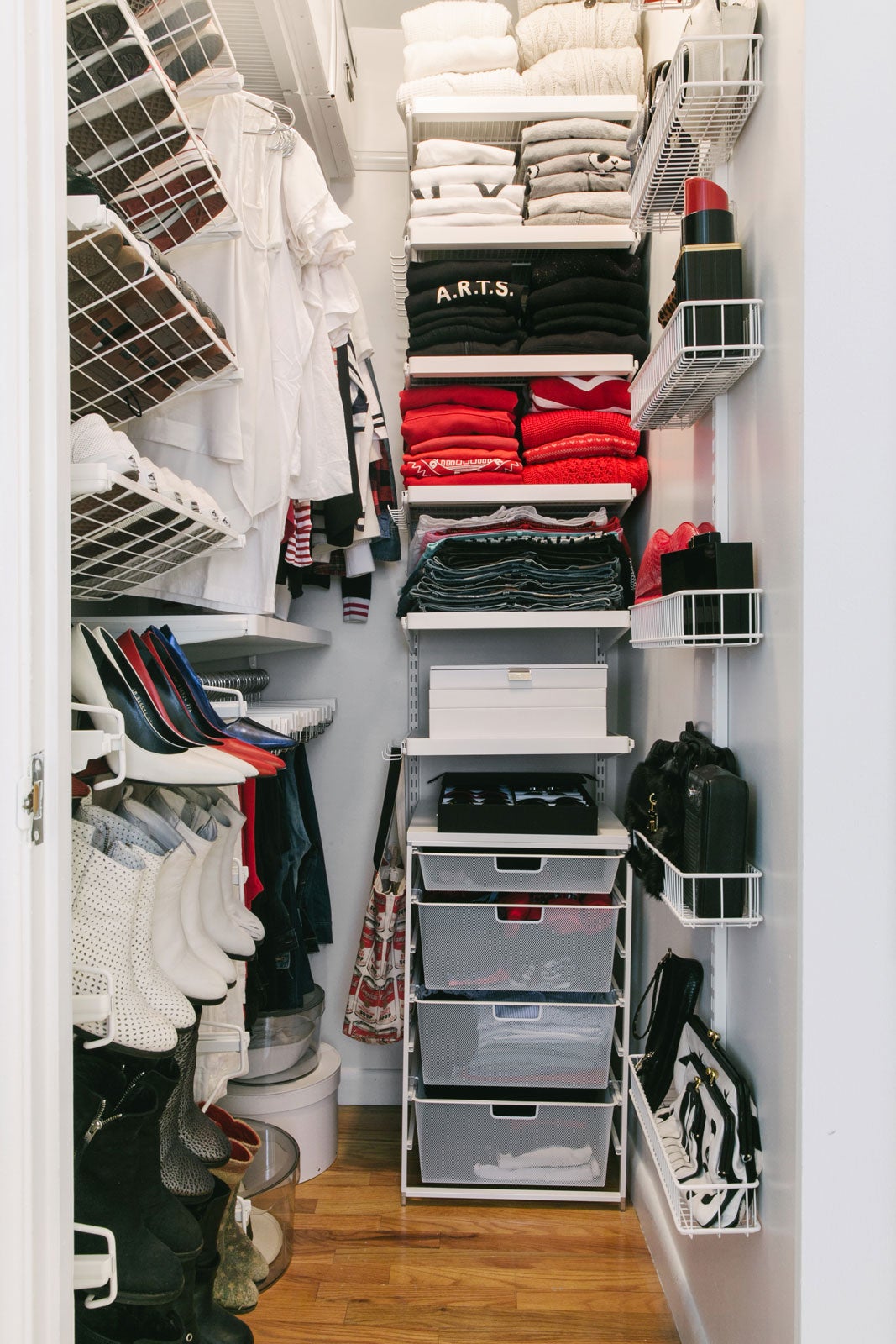
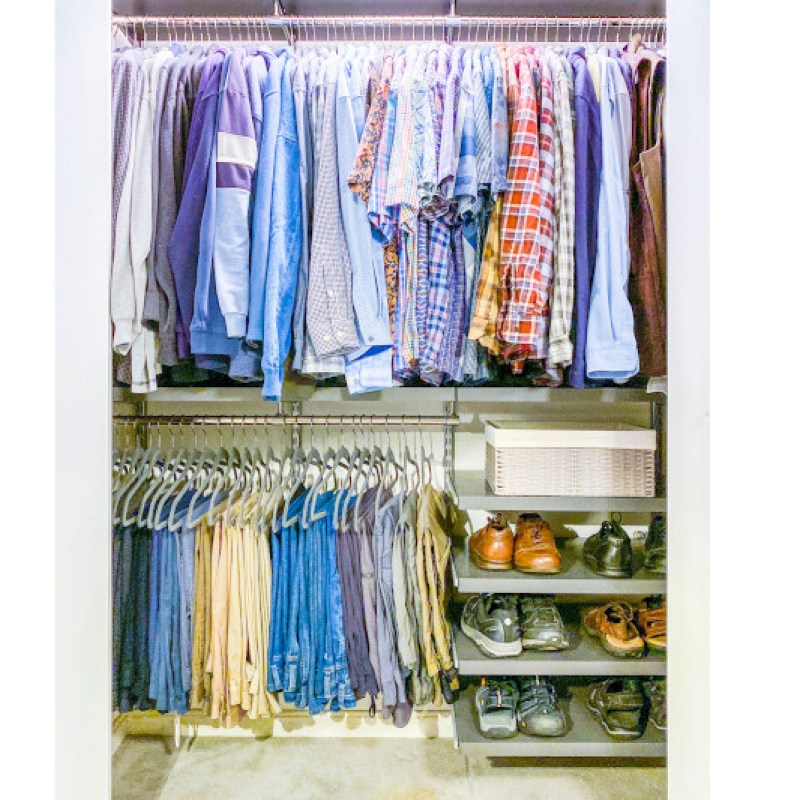
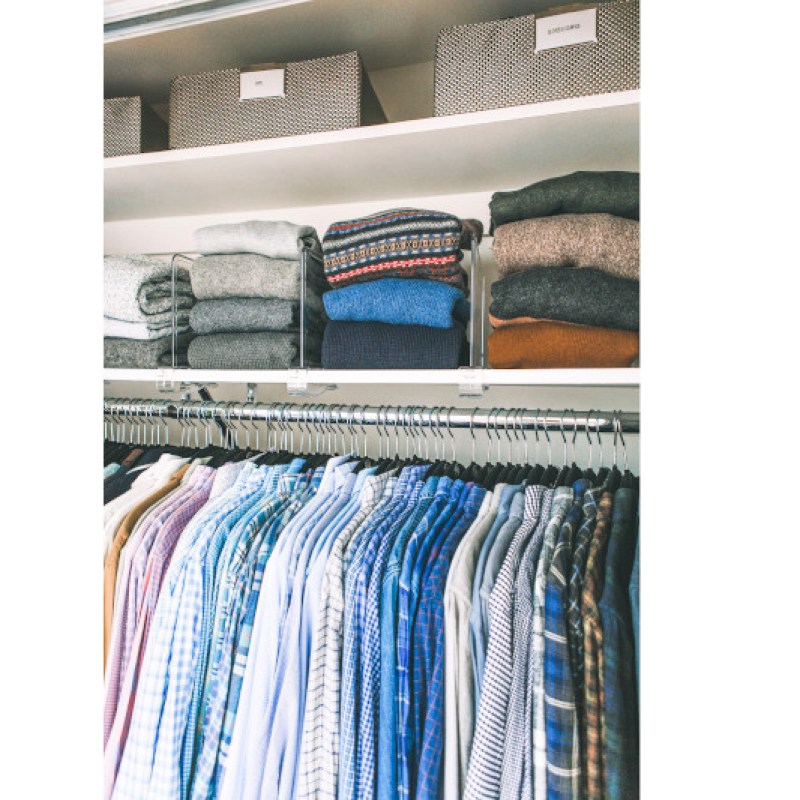
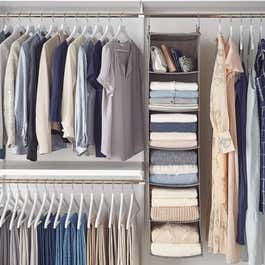
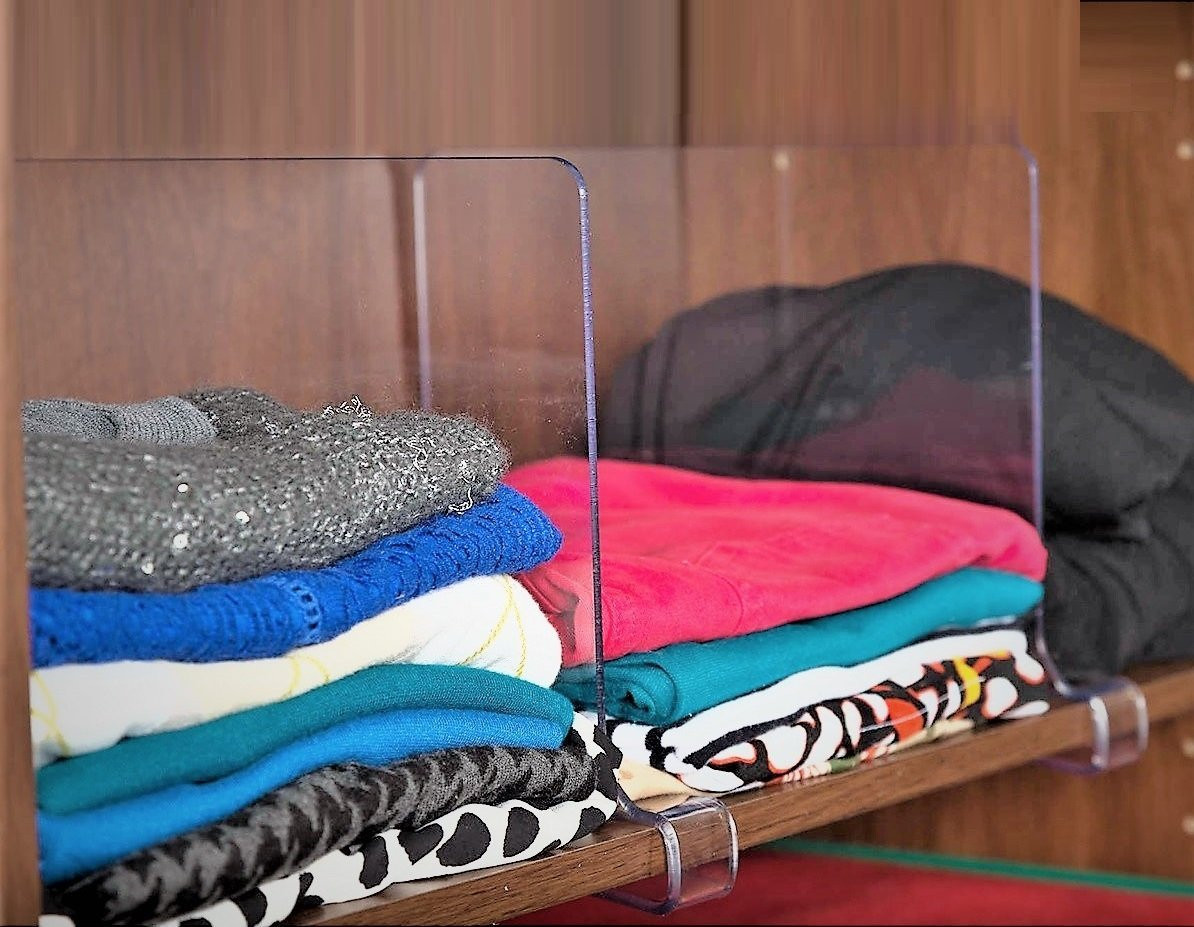
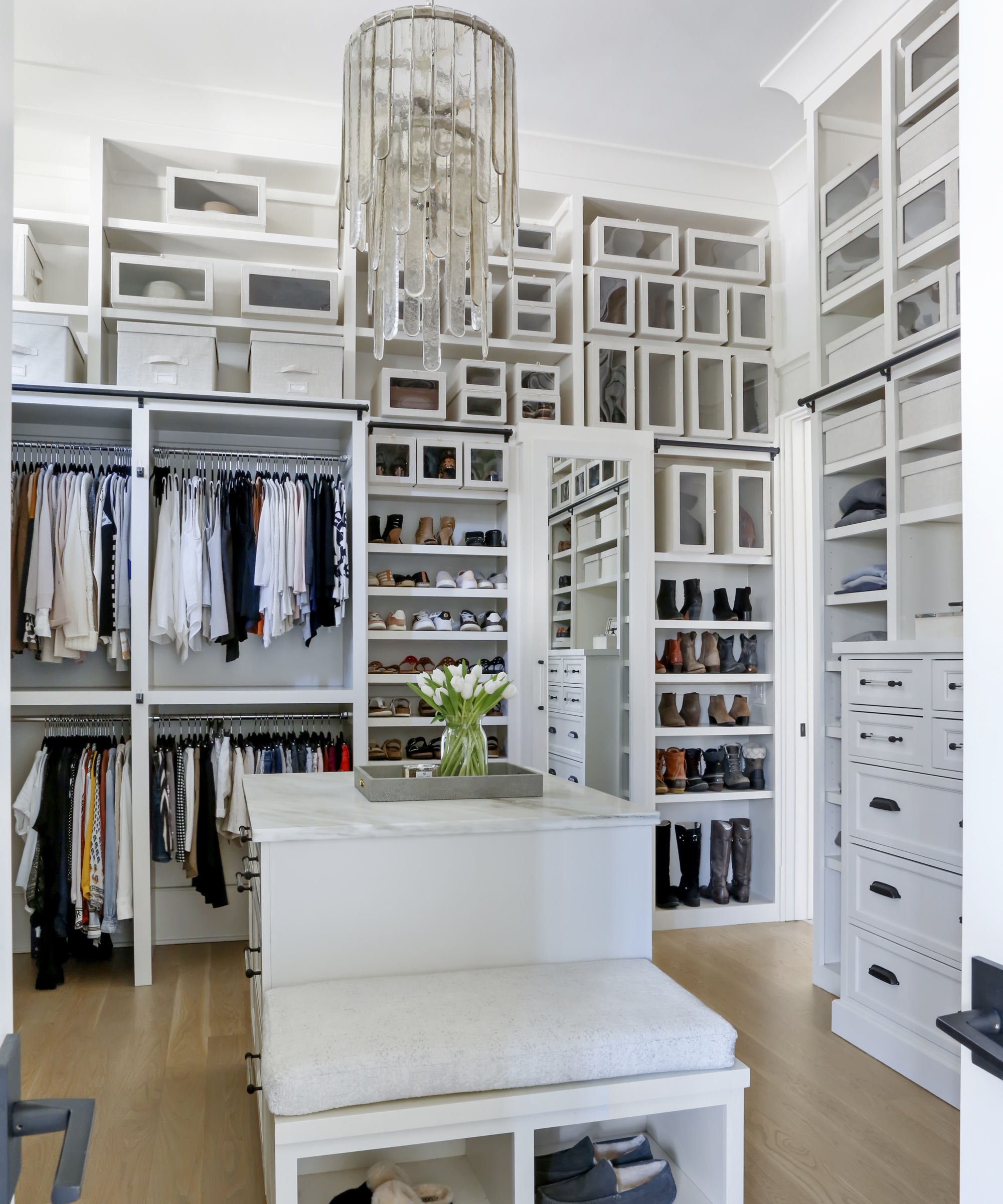
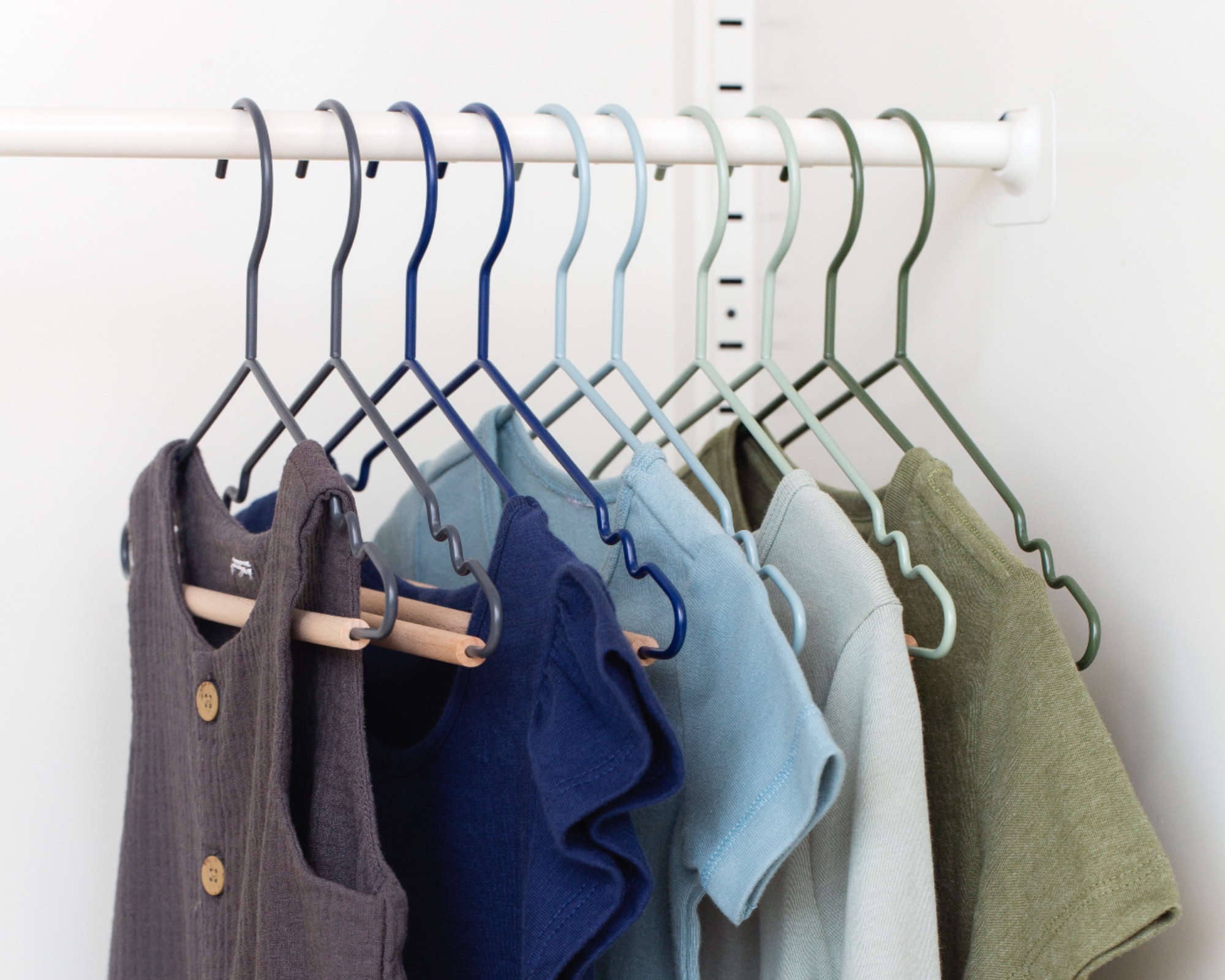
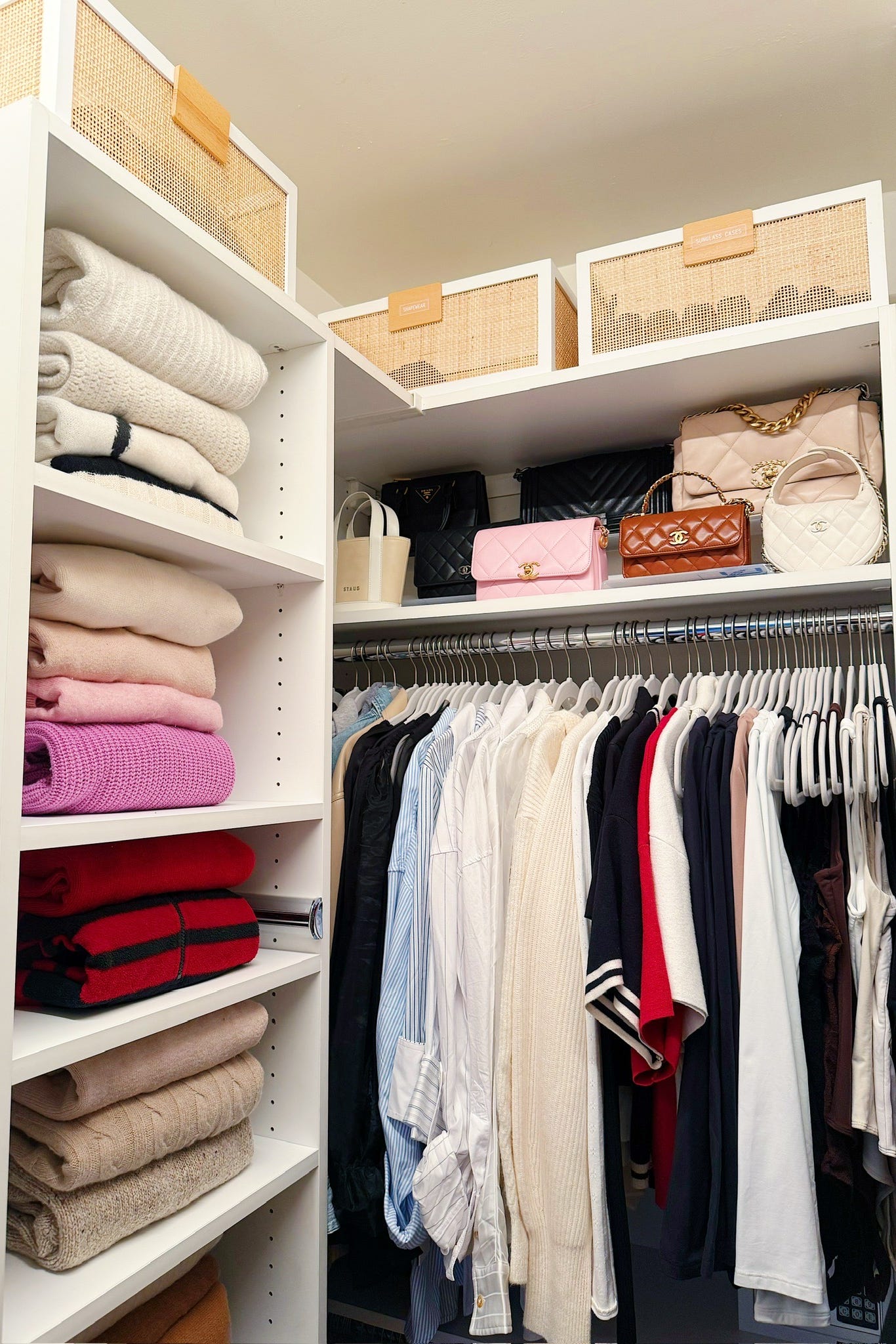
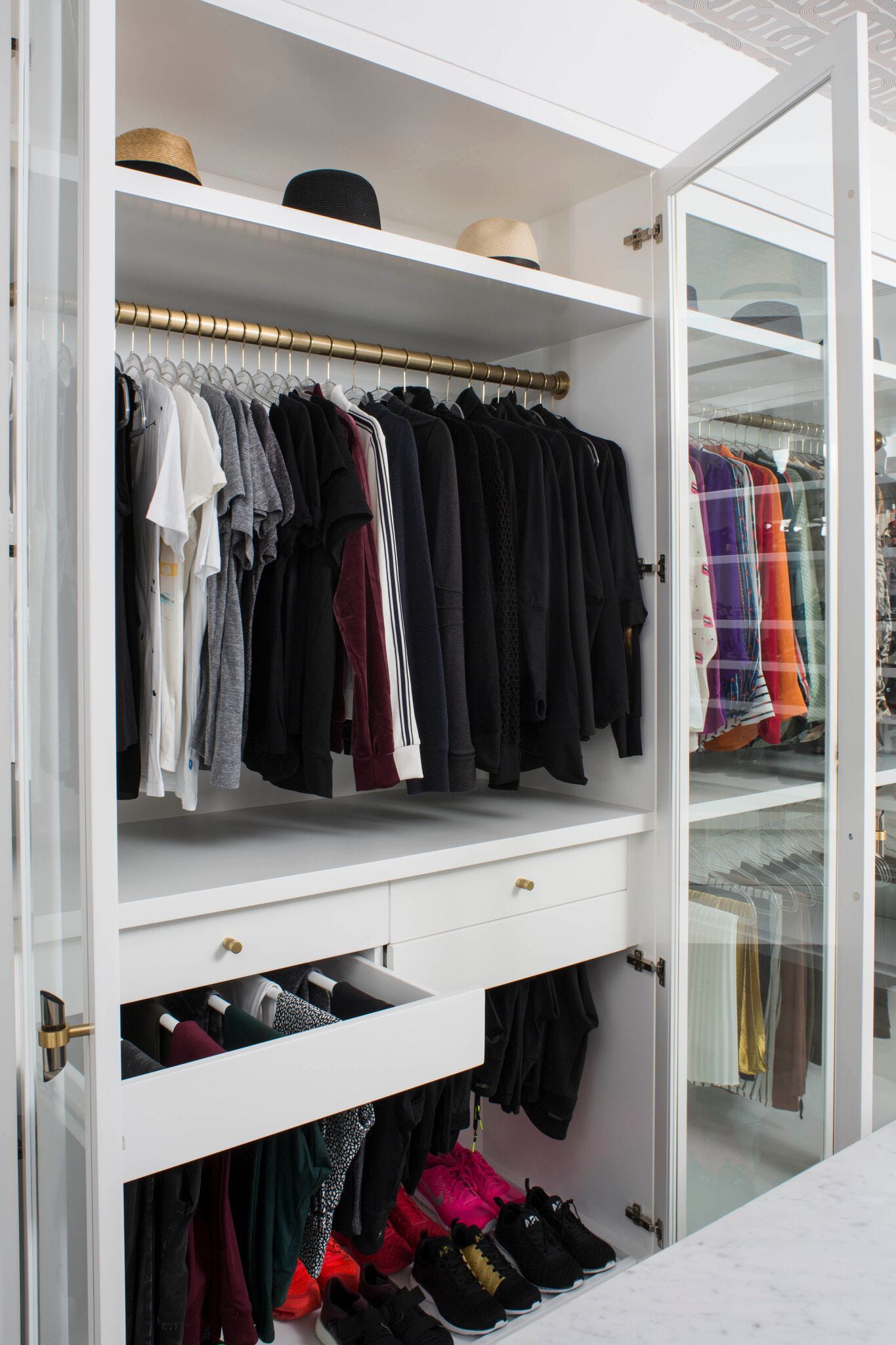
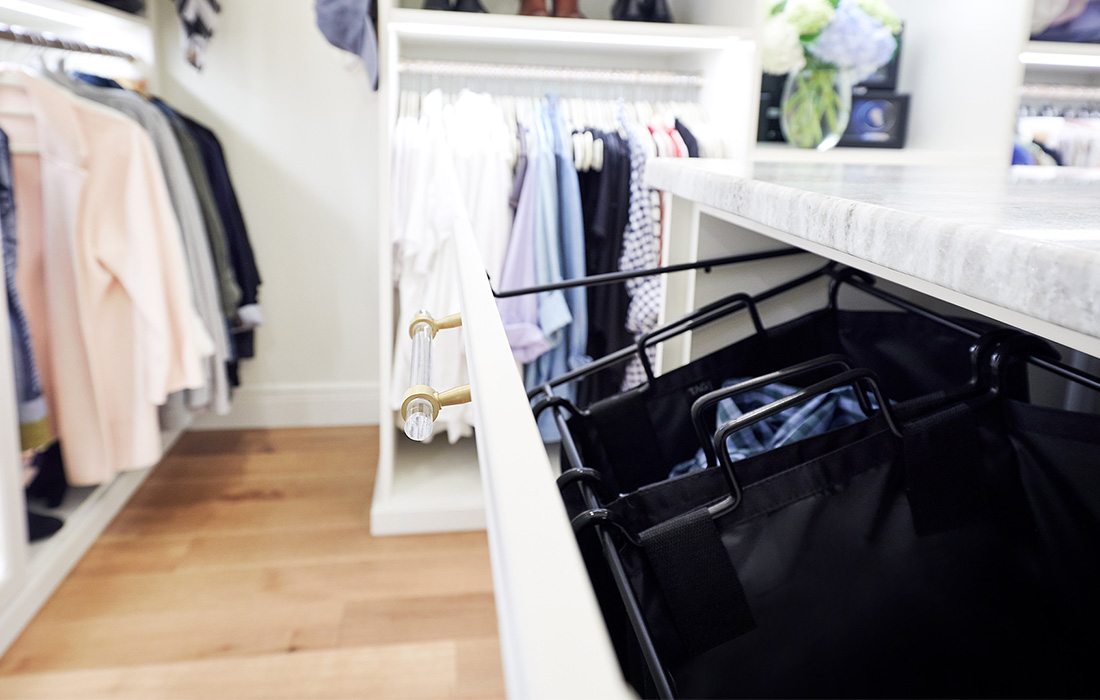
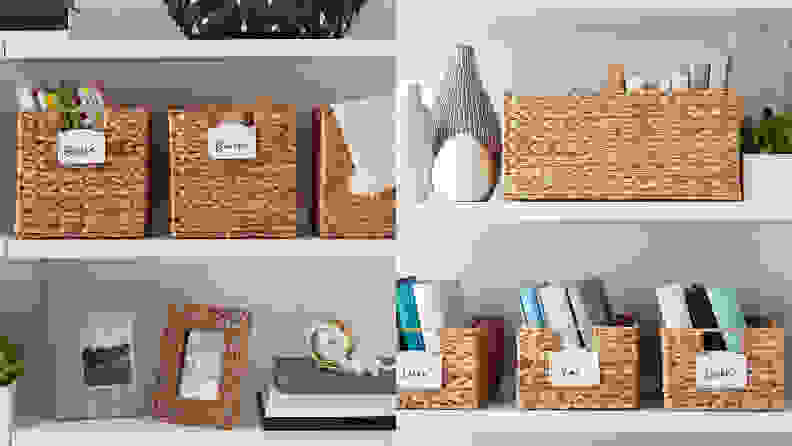
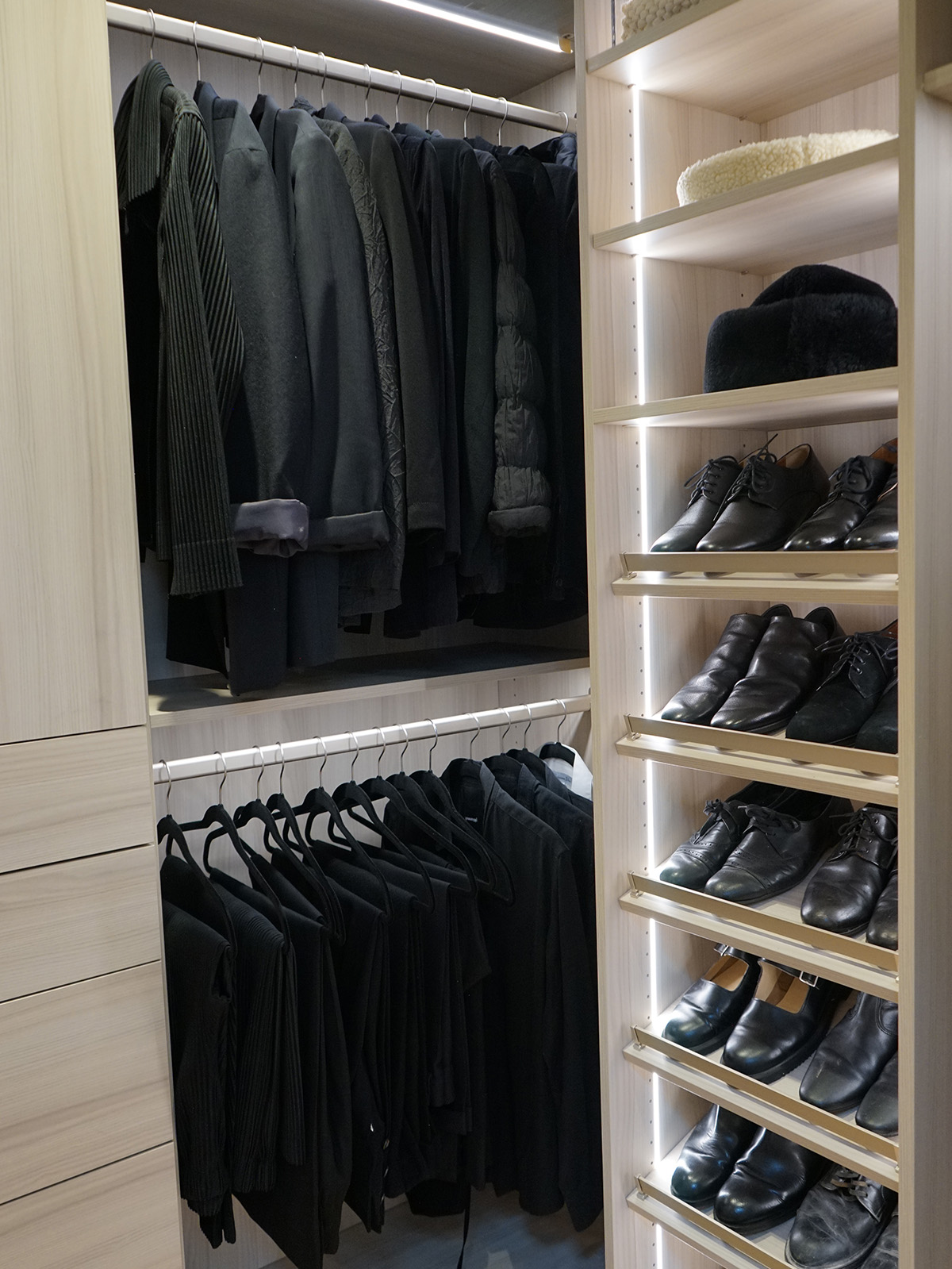
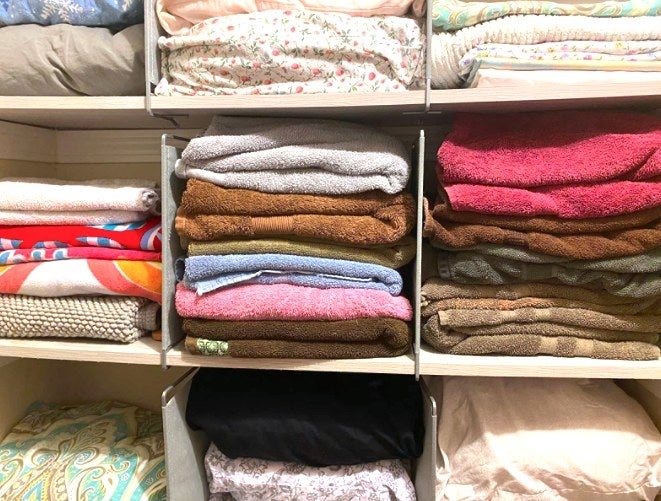
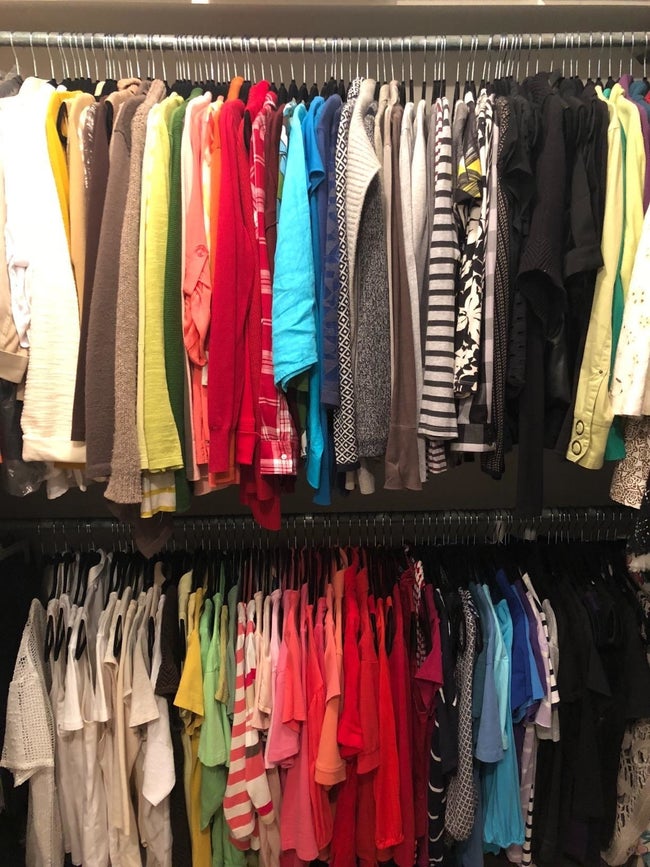
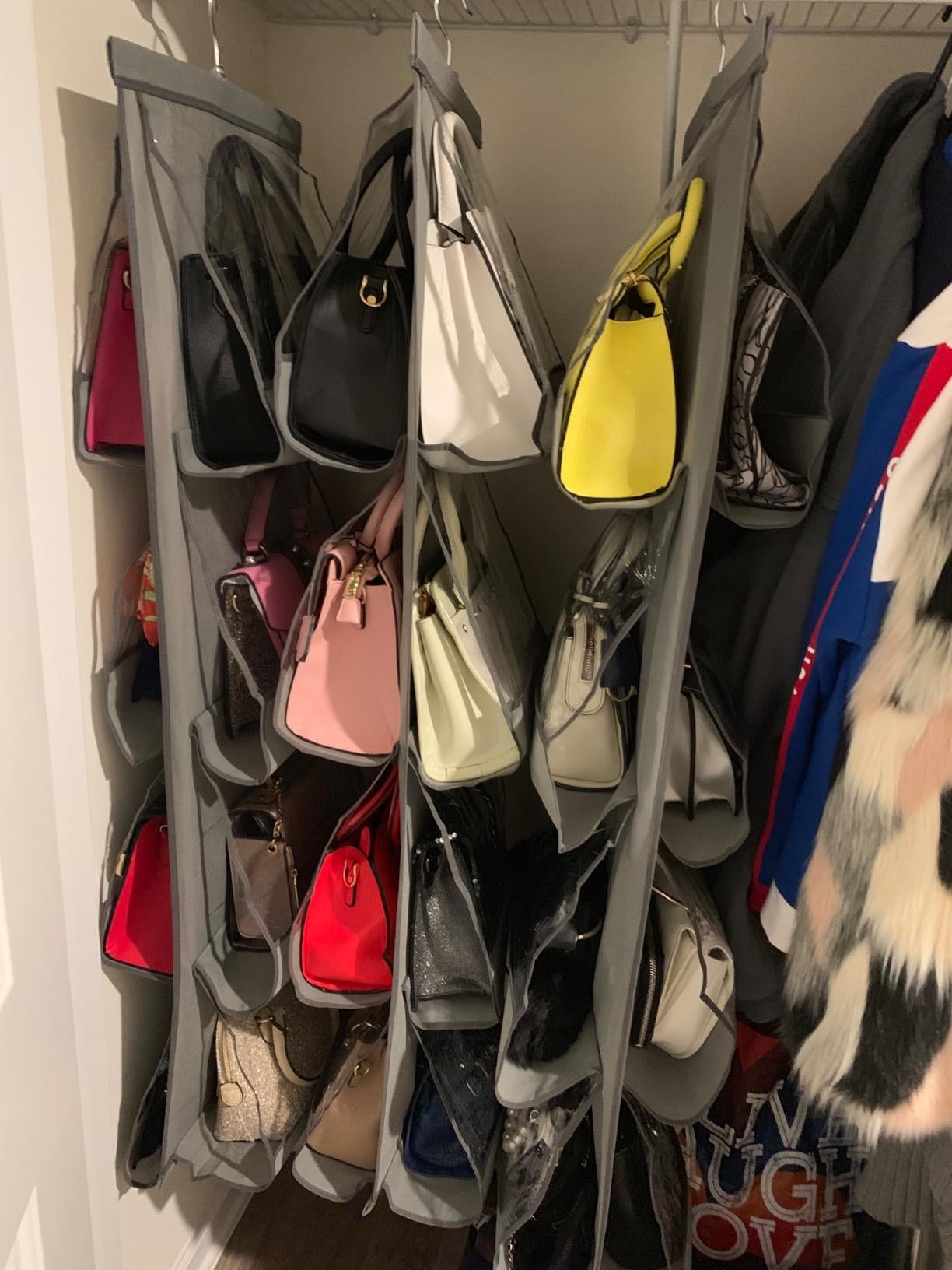
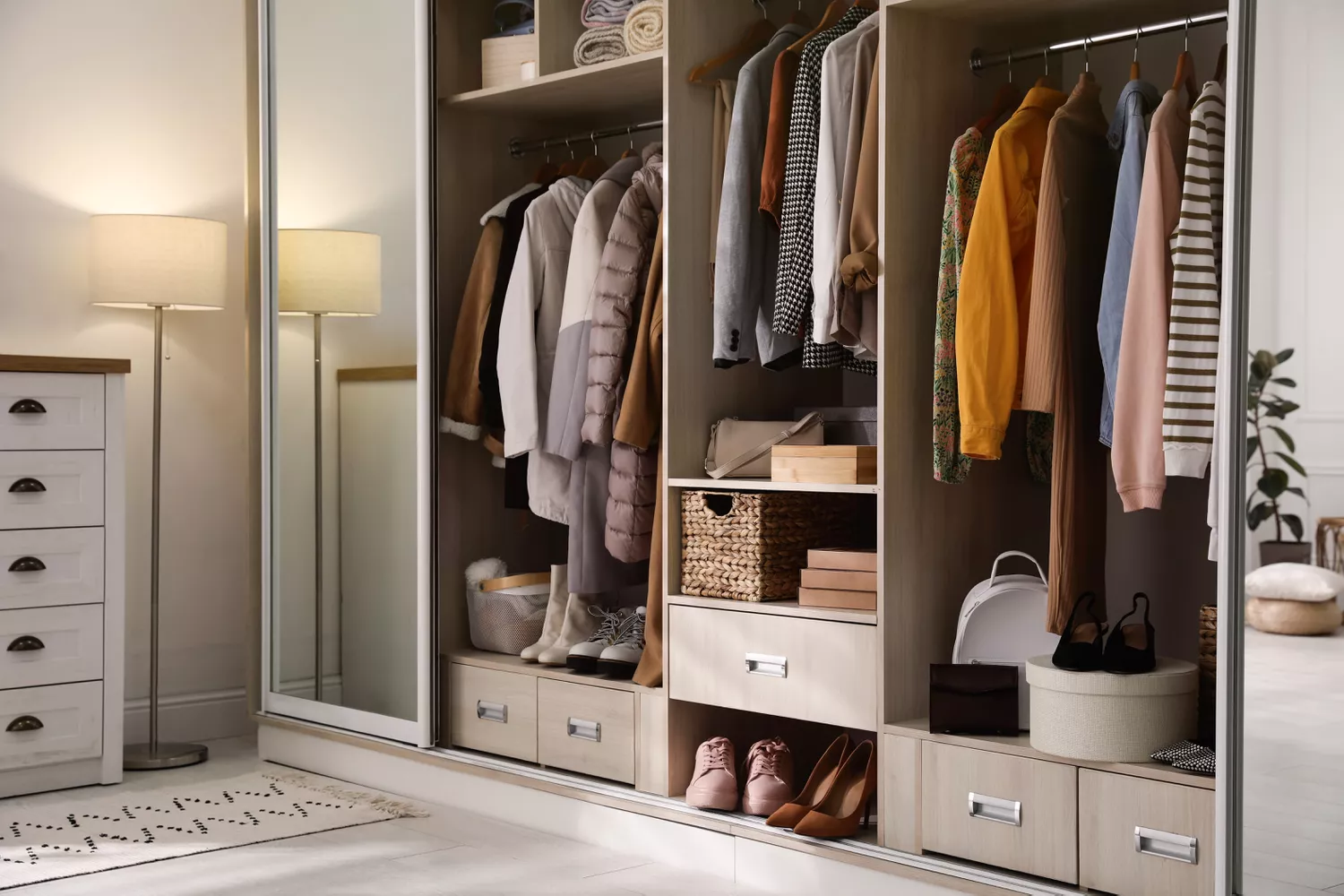
The final step is to systematically put everything back into the organized closet. Prioritize accessibility for frequently worn items, placing them in easy-to-reach locations. Less frequently used items can be stored in harder-to-reach spots, such as top shelves or back corners. Items can be organized by type, color, formality, or designer, depending on what system works best for the individual. The article also provides strategies for maximizing closet space, such as using matching slimline hangers to create more room, utilizing baskets and clear bins for compartmentalization, and placing a dresser inside the closet beneath hanging clothes to save bedroom space. Small organizational trays are recommended for accessories to prevent disarray. To maintain an organized closet long-term, it is advised to ensure the system is flexible and works for the individual, label items for easy retrieval and return, routinely tidy the space weekly, and address misplaced or ill-fitting items immediately. Additionally, a designated 'still clean' basket can temporarily hold clothes that were tried on but not worn, preventing them from cluttering the main closet.
#ClosetOrganization #HomeStorage #Decluttering #SpaceSavingTips #HomeImprovement #OrganizationalMethods #WardrobeManagement #HomeDecor #Lifestyle #ClosetOrganization #HomeStorage #Decluttering #SpaceSavingTips #HomeImprovement #OrganizationalMethods #WardrobeManagement #HomeDecor #Lifestyle
0 تعليق إجمالاً
 لا توجد تعليقات بعد
قد تعجبك أيضًا
How To Organize Your Messy, Crowded Closet

Expert tips for organizing a closet and maximizing storage space

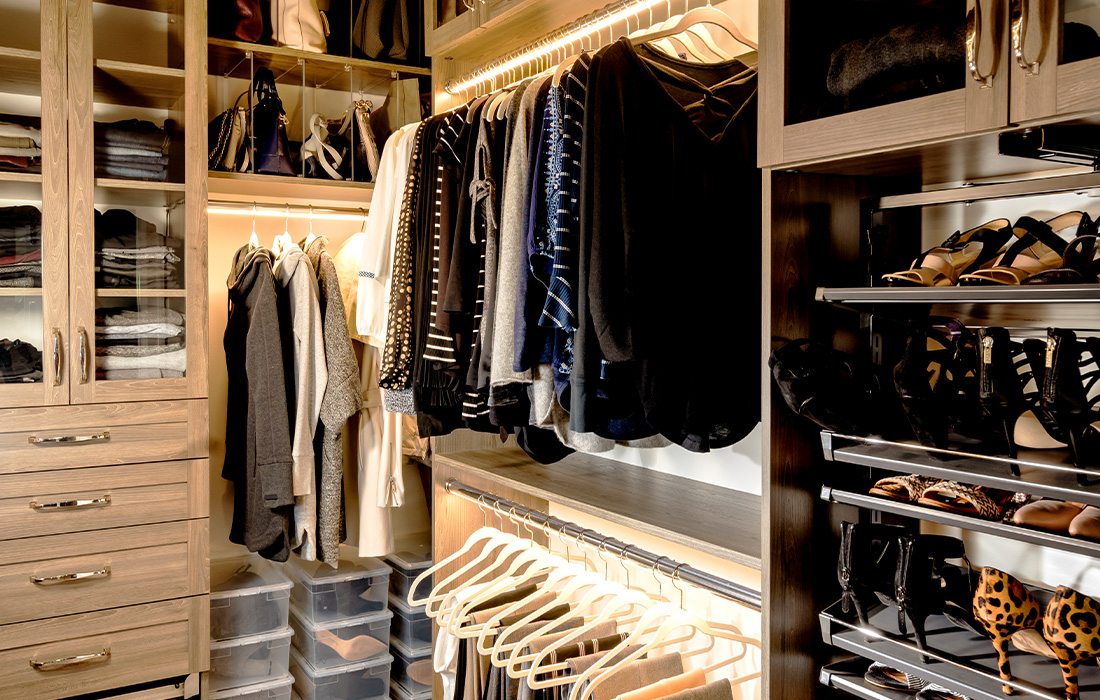
How to Make the Most of Your Closet Space
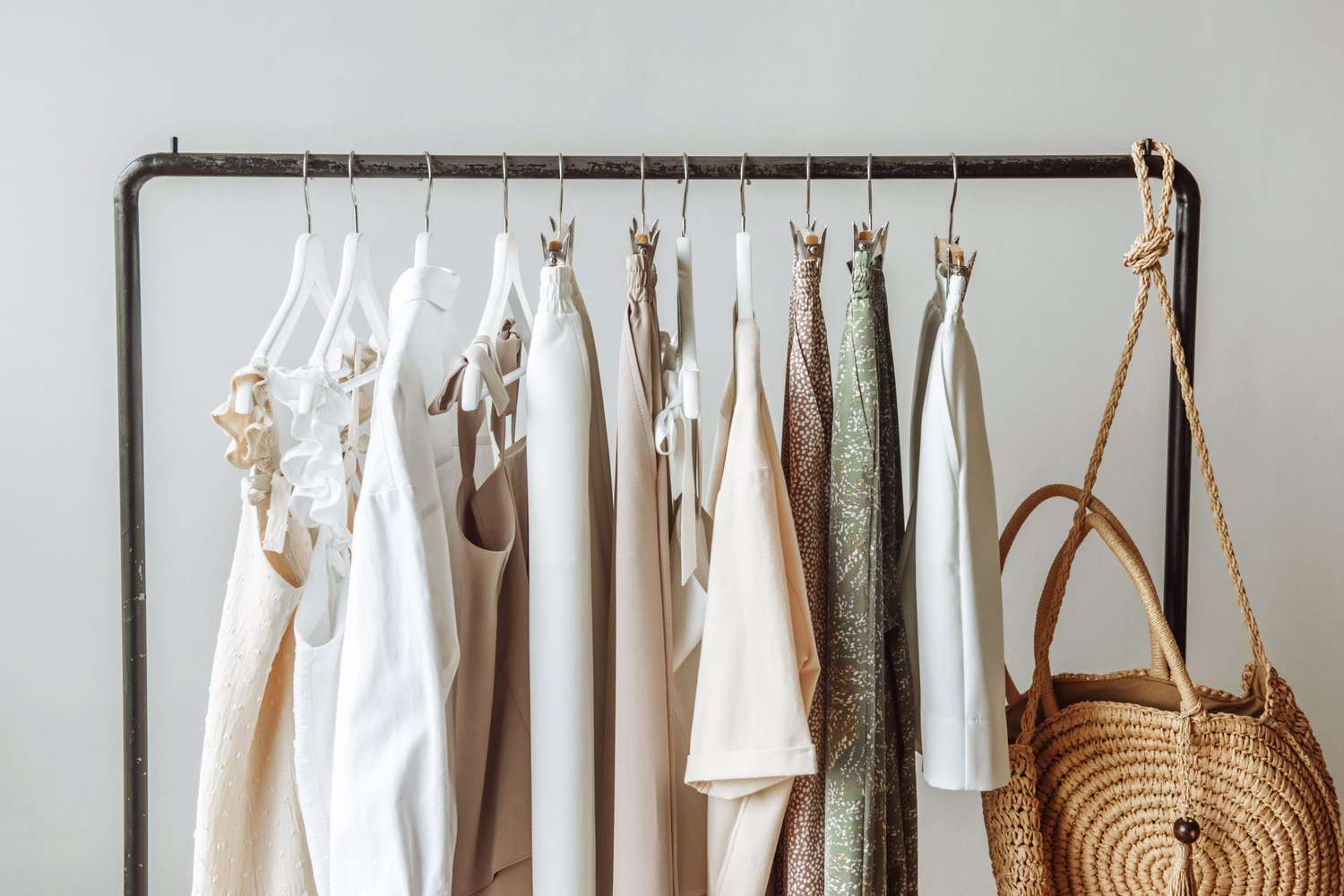
12 Items You Should Toss From Your Closet Right Now, According to Pro Organizers

Spring cleaning time: How to organize (in 6 easy steps) and clean your closet like a pro
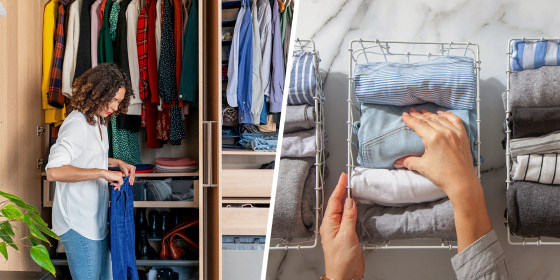
The best ways to organize your closet, according to a pro

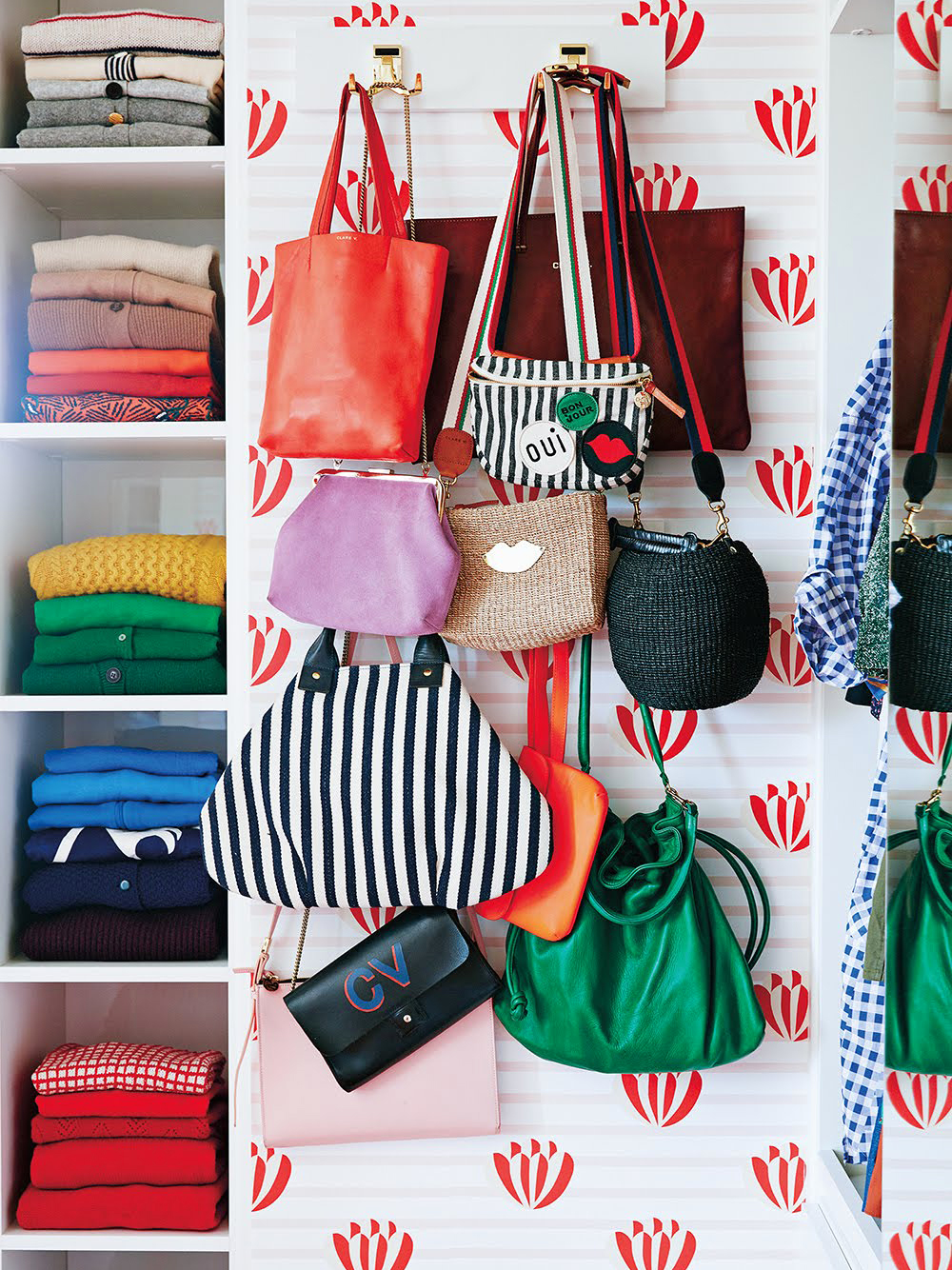
6 Fashion Designers Spill Their Secrets to a Clutter-Free Closet
Organizing Your Closet? DIY Hacks to Maximize Space in a Small Closet

The Best Solutions for Organizing a Closet of Any Size
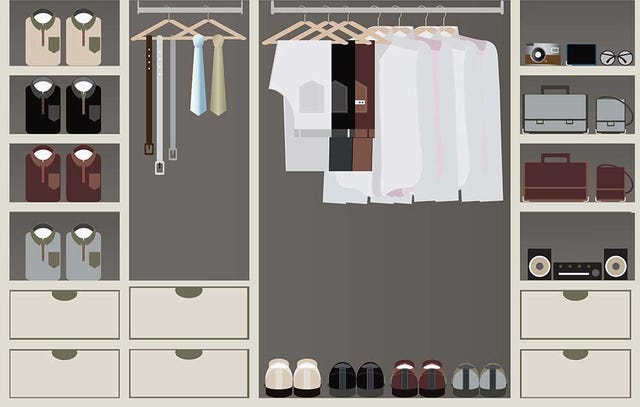
The Smartest Way to Organize Your Closet
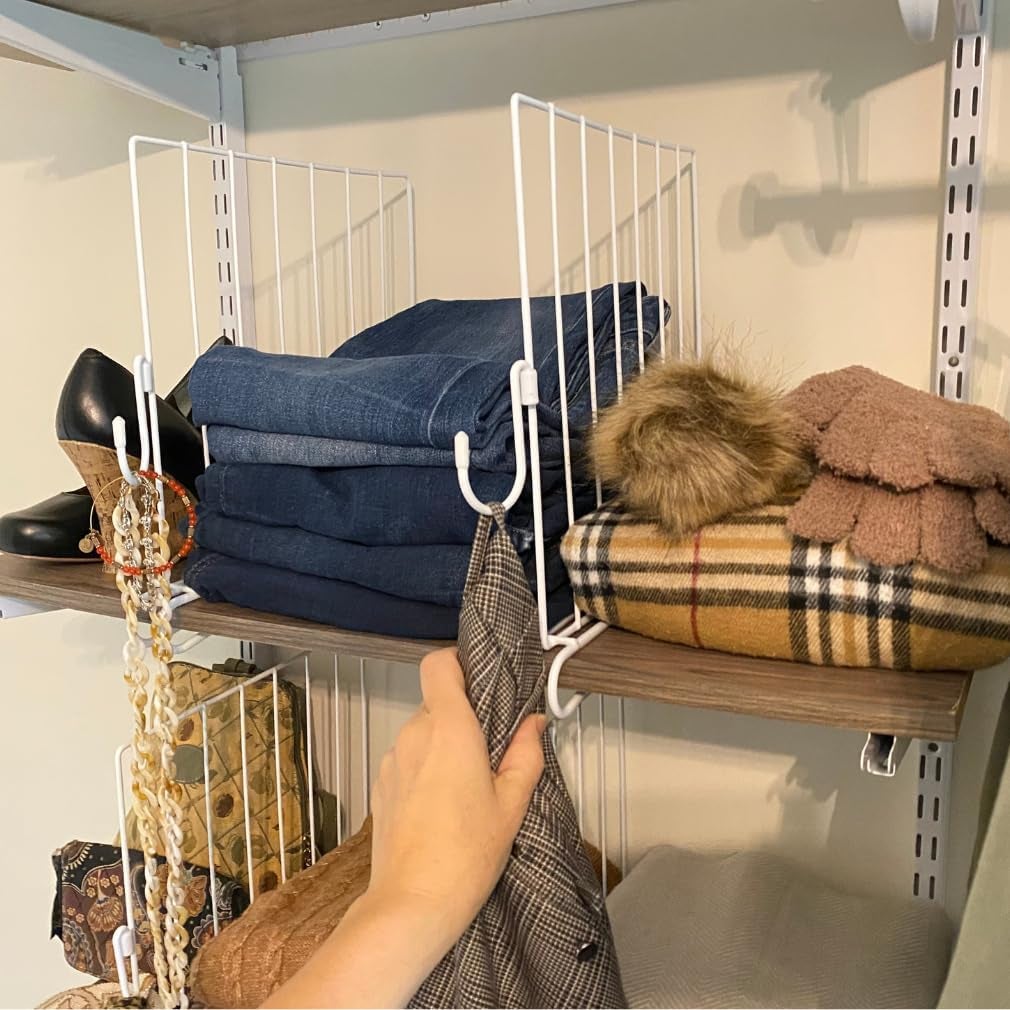
If Your Closet Is A Total Horror Show, These 30 Things Will Turn It Into An Organized Dream Come True

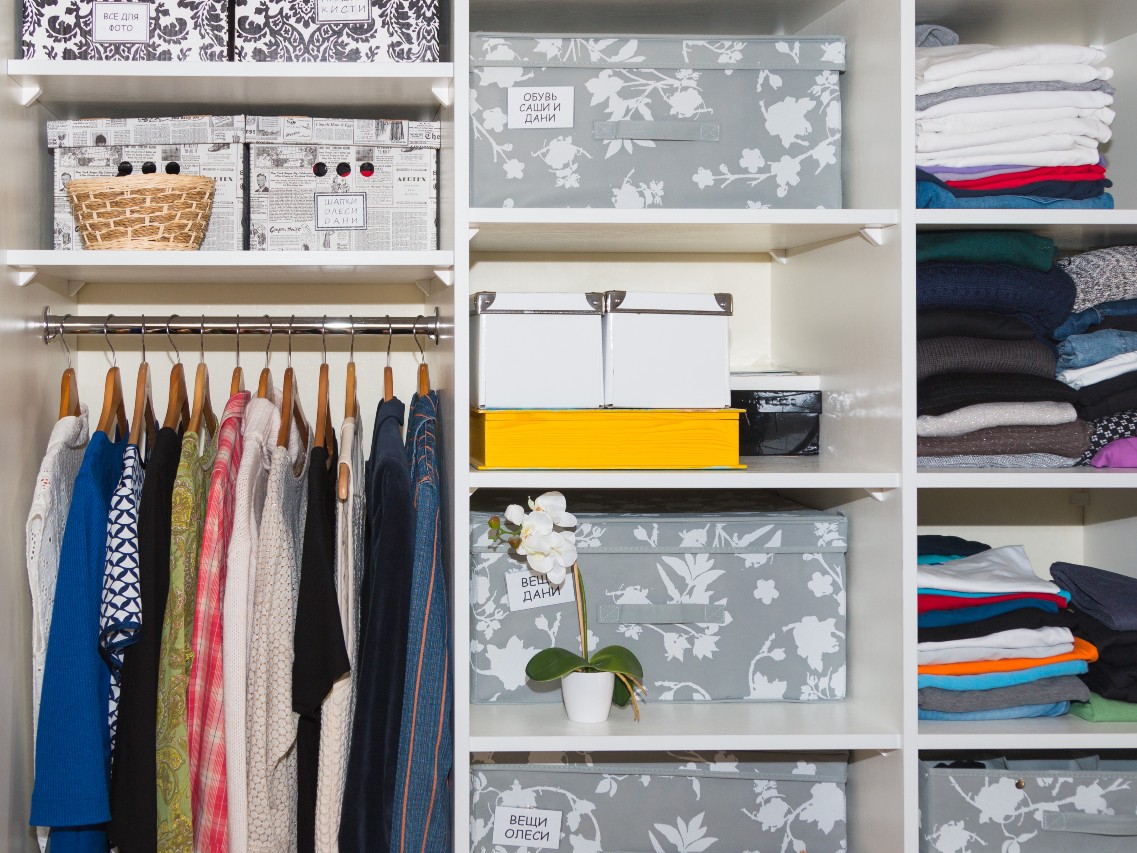
Banish Closet Chaos with These Storage Organizers

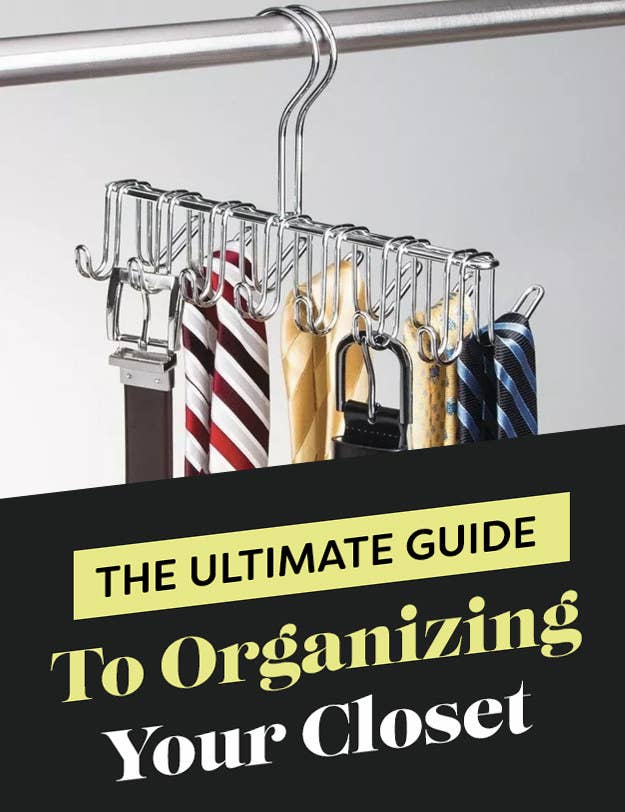
35 Tips That'll Finally Organize Your Closet Once And For All
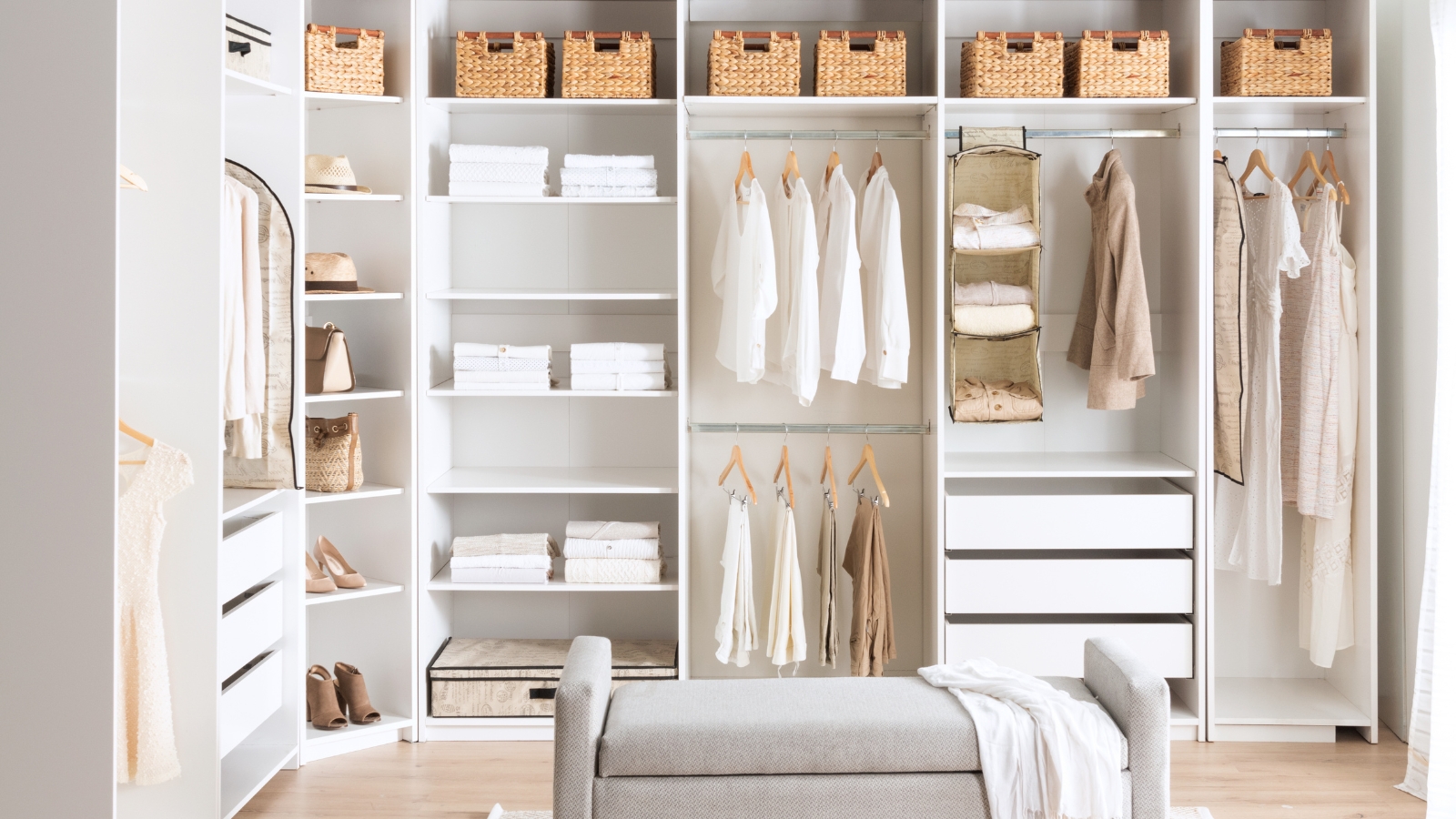
7 things the most organized people have in their closets – and what they always do first

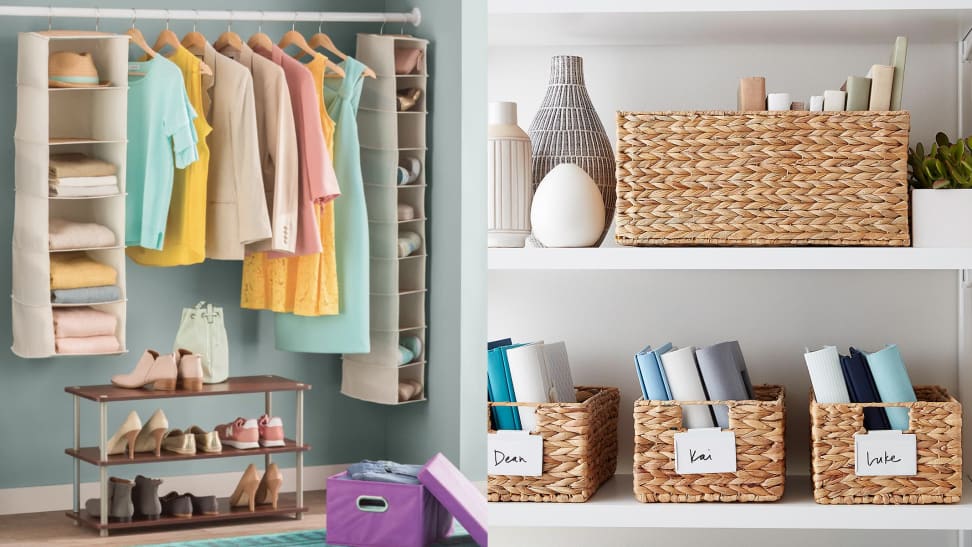
14 genius things you need to organize your closet
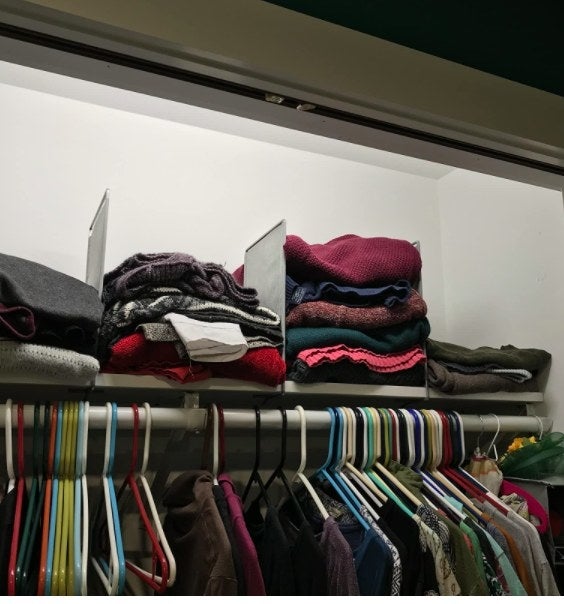
37 Closet Products That Keep All Your Clothes & Accessories Easily Visible
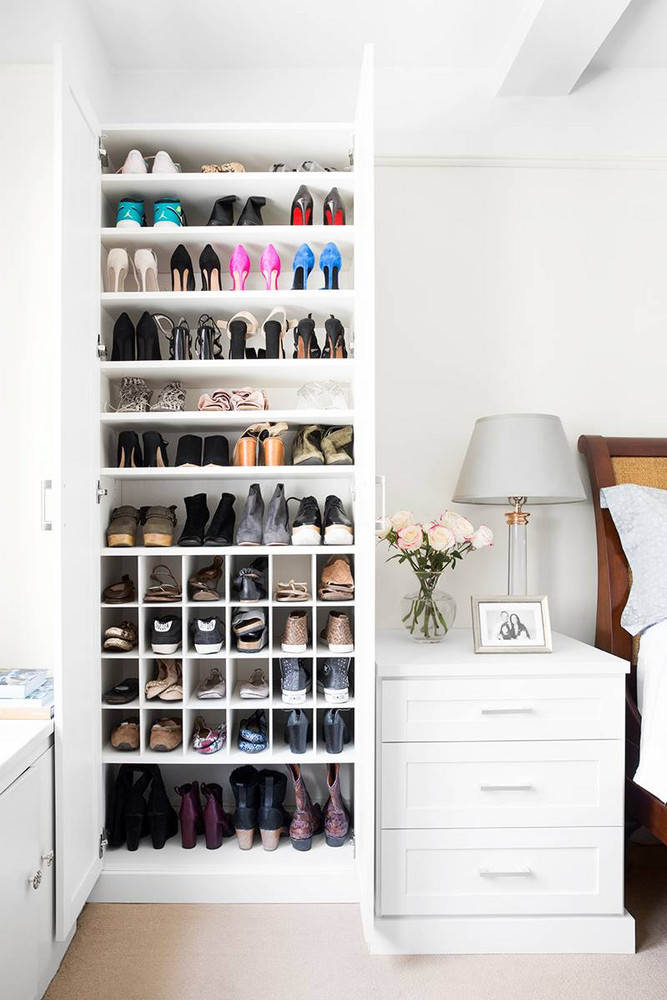
10 Must-Haves For an Organized Closet
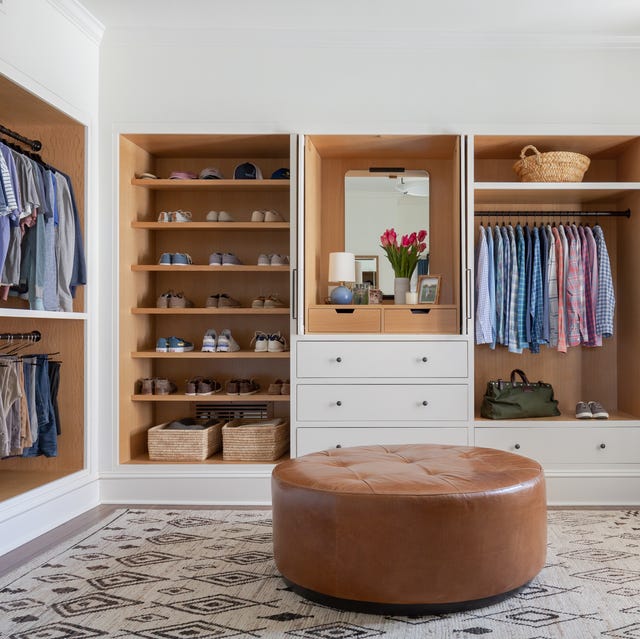
These Genius Closet Hacks Will Transform Your Morning Routine Forever

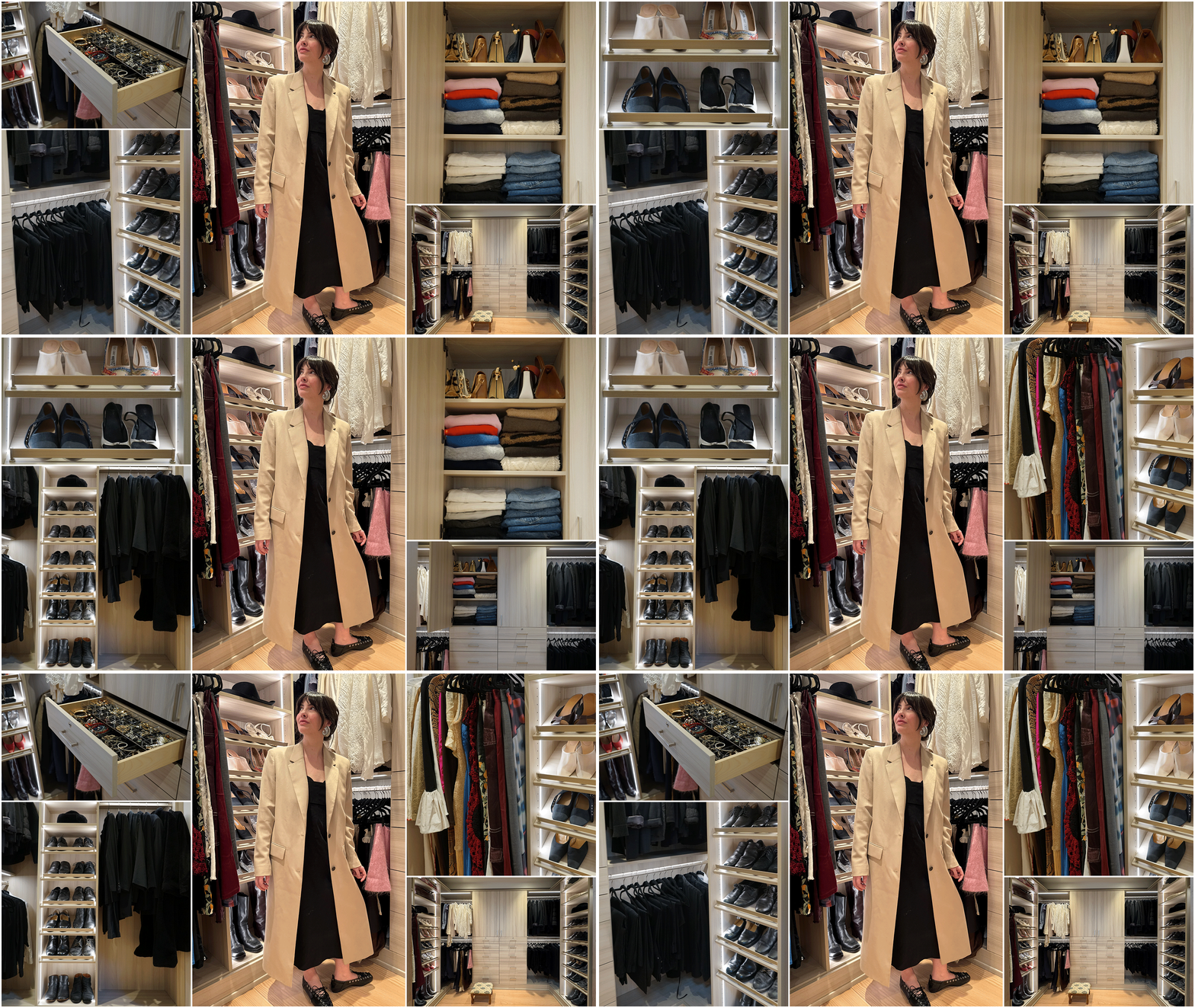
I Spent a Year Designing My Closet—Here Are My Top 8 Organizing Tips

25 Things To Help You Finally Organize Your Overflowing Closet