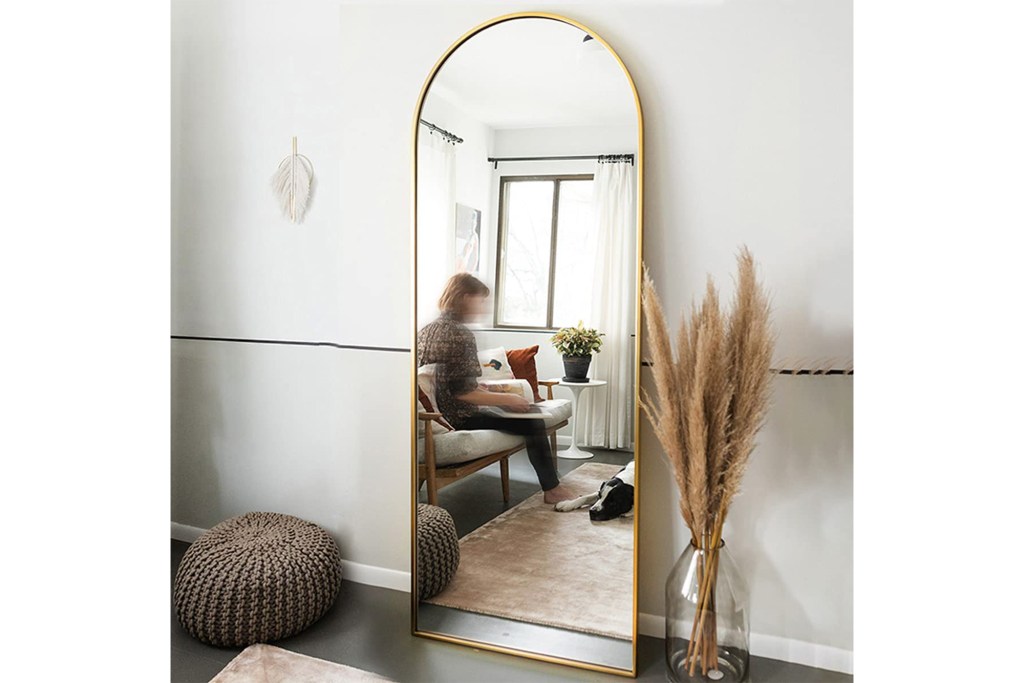
1/5
How to Buy an (Actually) Honest Mirror
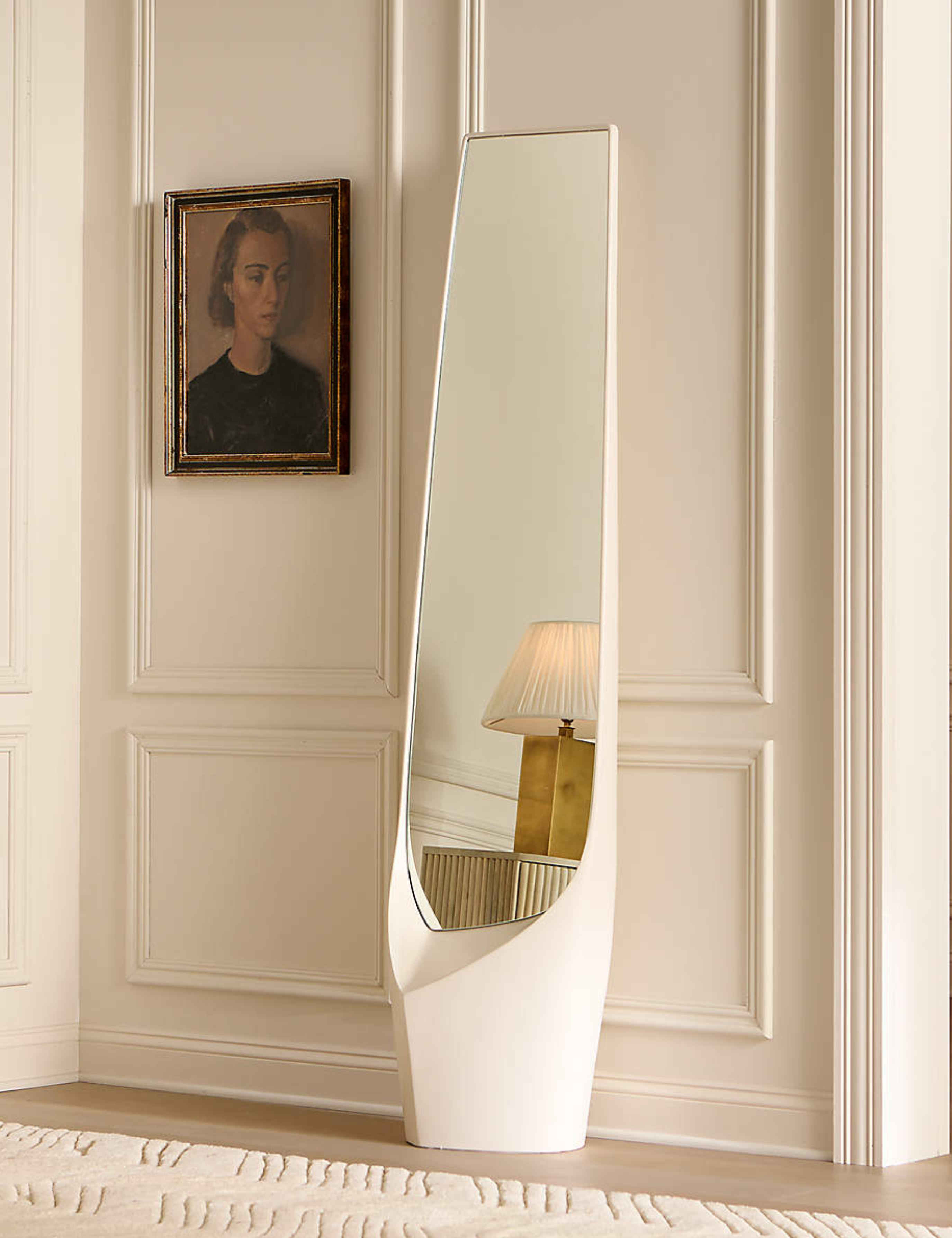
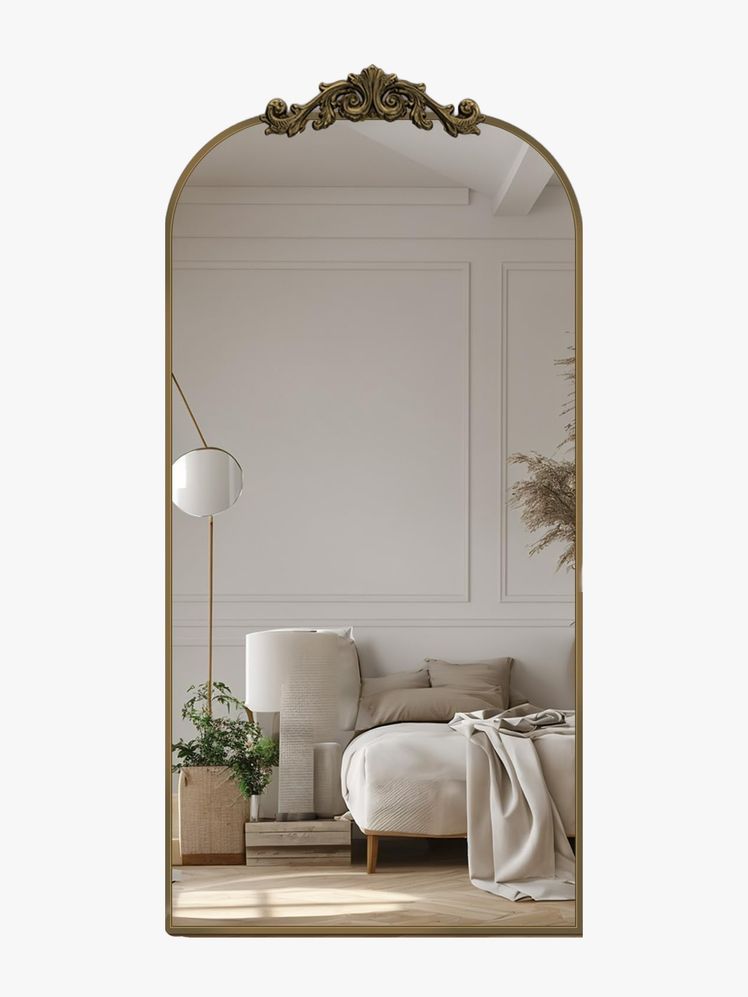
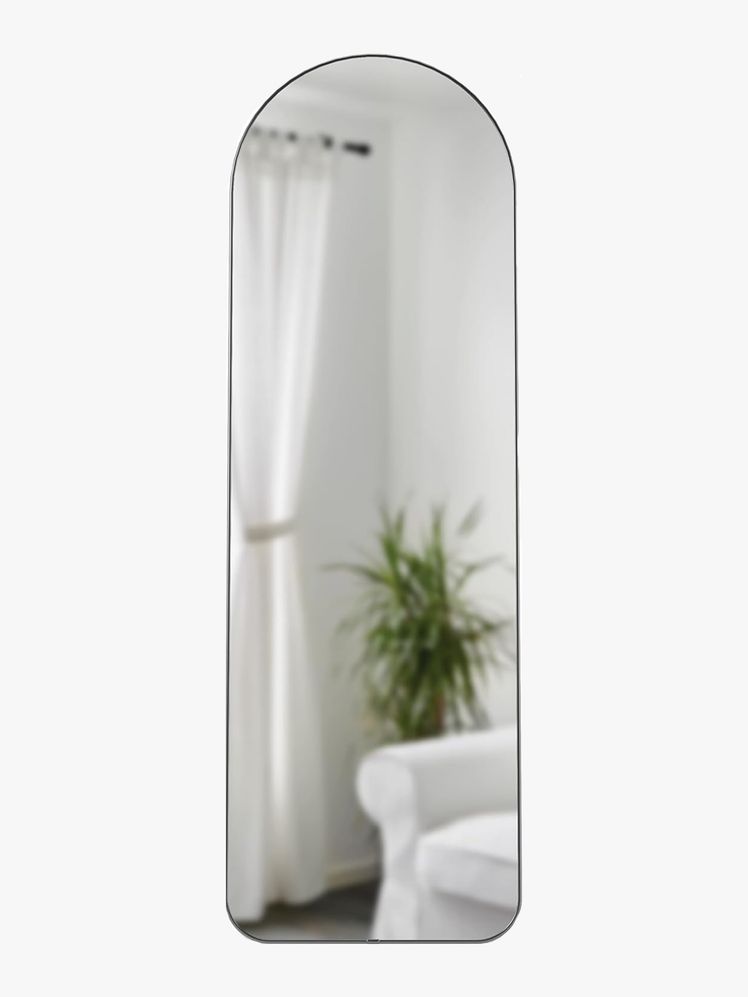
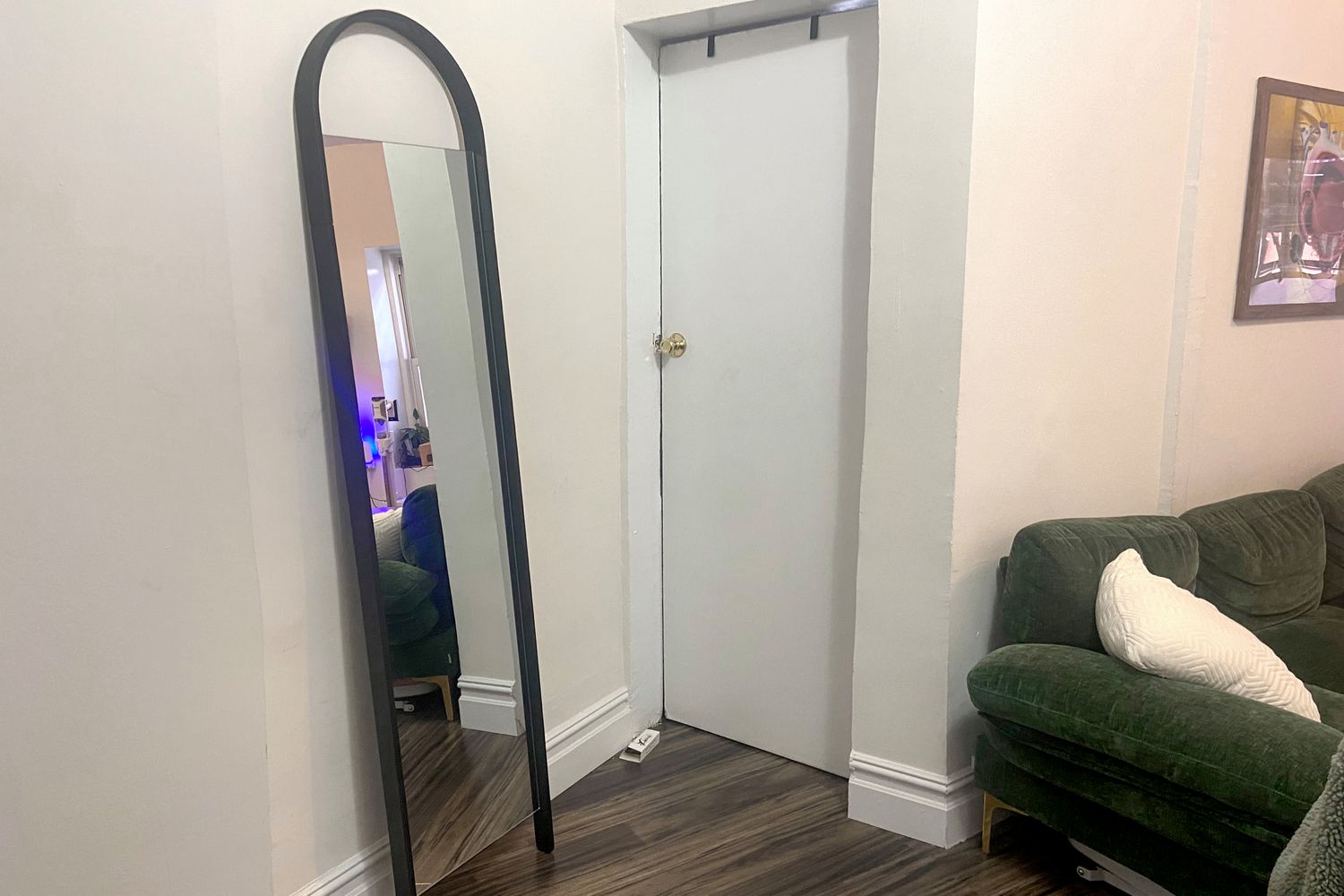
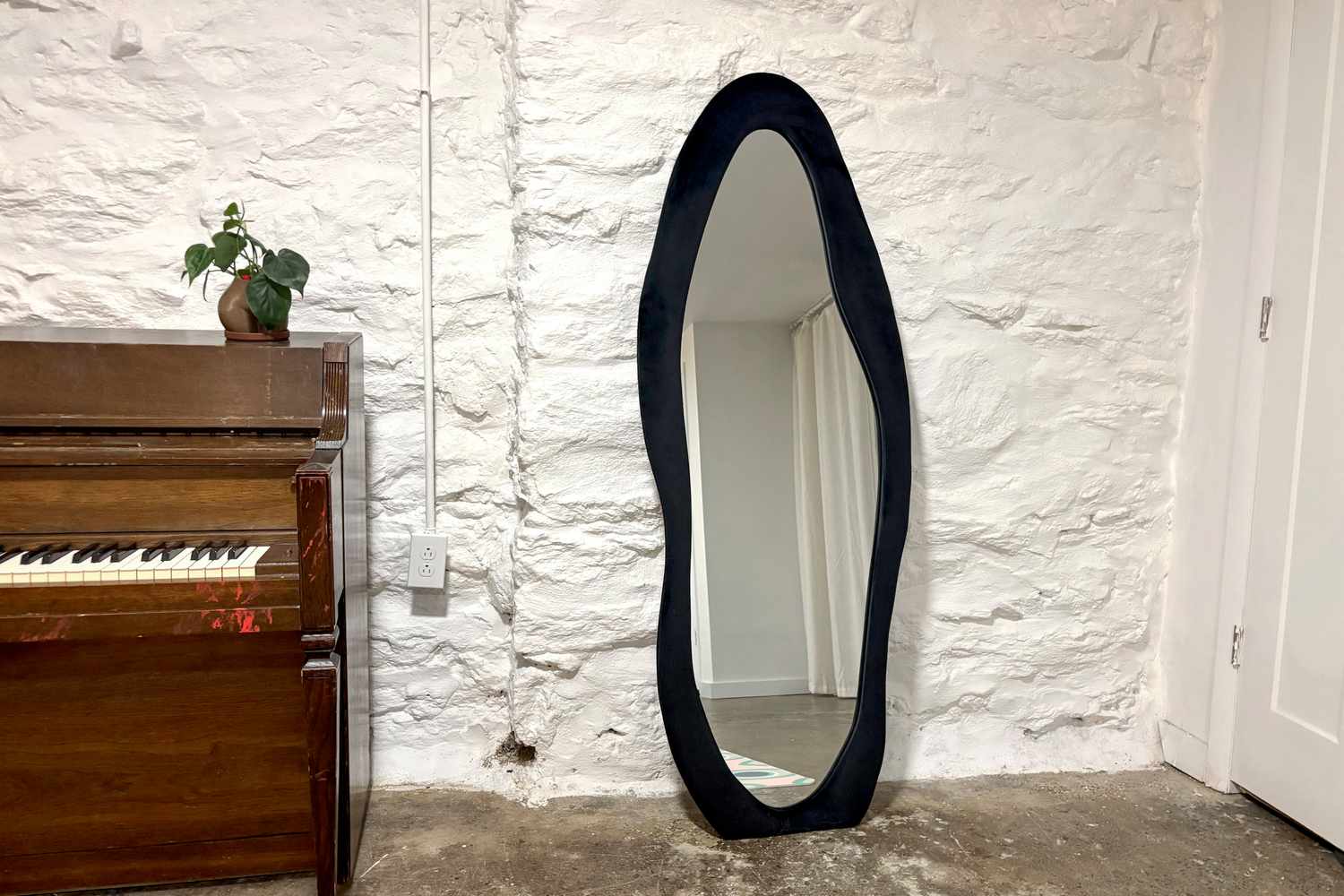
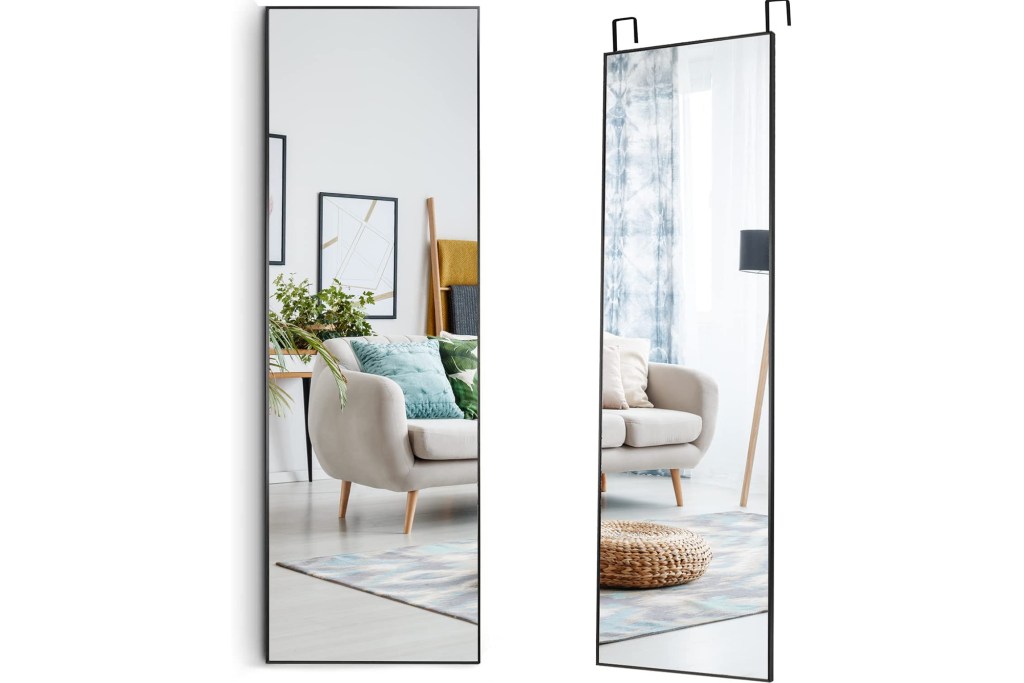
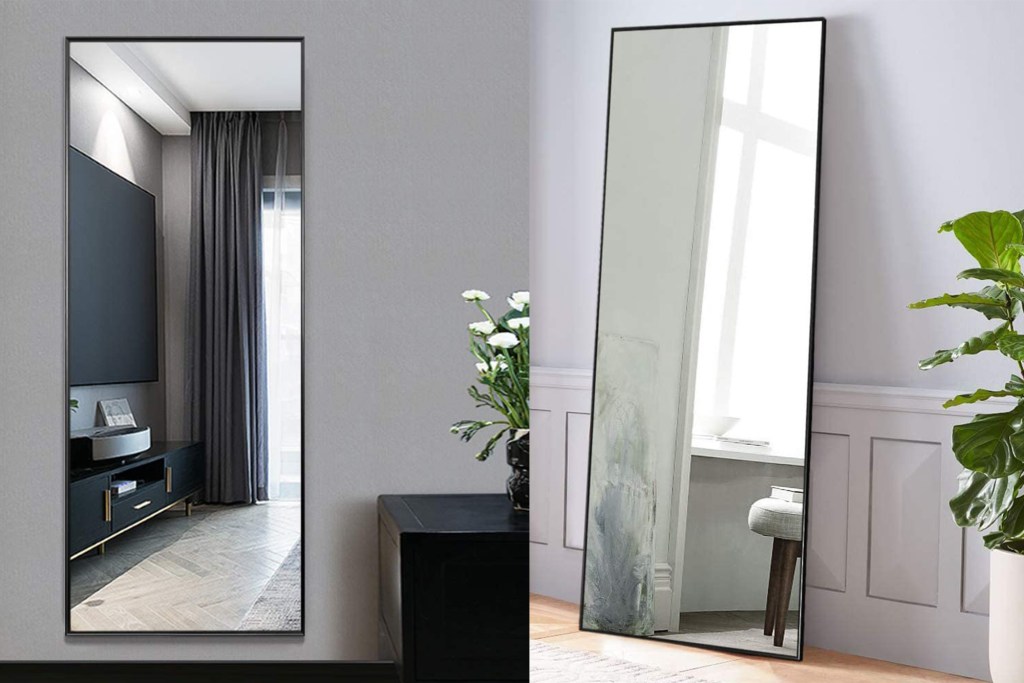
Finding a mirror that accurately reflects reality can be a challenge, as many readily available options distort one's appearance. This issue is particularly noticeable in full-length mirrors, which often create a 'fun-house' effect due to manufacturing shortcuts. To avoid this common pitfall, several key factors should be considered when purchasing a mirror, including the thickness of the glass, the quality of its backing, and various inspection techniques.
First and foremost, the thickness of the mirror's glass is critical. A mirror is essentially a layer of silver applied to the back of a glass sheet. When the glass is too thin, it becomes susceptible to warping, leading to distorted reflections. Experts recommend seeking mirrors with glass at least three-eighths of an inch thick. This increased thickness ensures the glass remains perfectly flat, preventing any optical anomalies. For example, a quarter-inch thick glass is often used in high-quality mirrors to guarantee a distortion-free reflection from all angles. A simple visual test involves examining the mirror from the side; if the back of the glass is easily visible, it may indicate insufficient thickness and a propensity for warping.
Secondly, the quality of the mirror's backing and frame significantly impacts its longevity and reflection accuracy. Mirrors, especially larger ones, are heavy, and an inadequate frame or backing can cause the glass to bend over time, leading to distortion. High-quality mirrors are typically mounted on sturdy materials like wood or plywood, which provide the necessary rigidity and support. This robust backing prevents the mirror from flexing under its own weight, ensuring a consistently honest reflection. Conversely, mirrors with flimsy backings, such as brown paper, are prone to bending and should be avoided for larger applications.
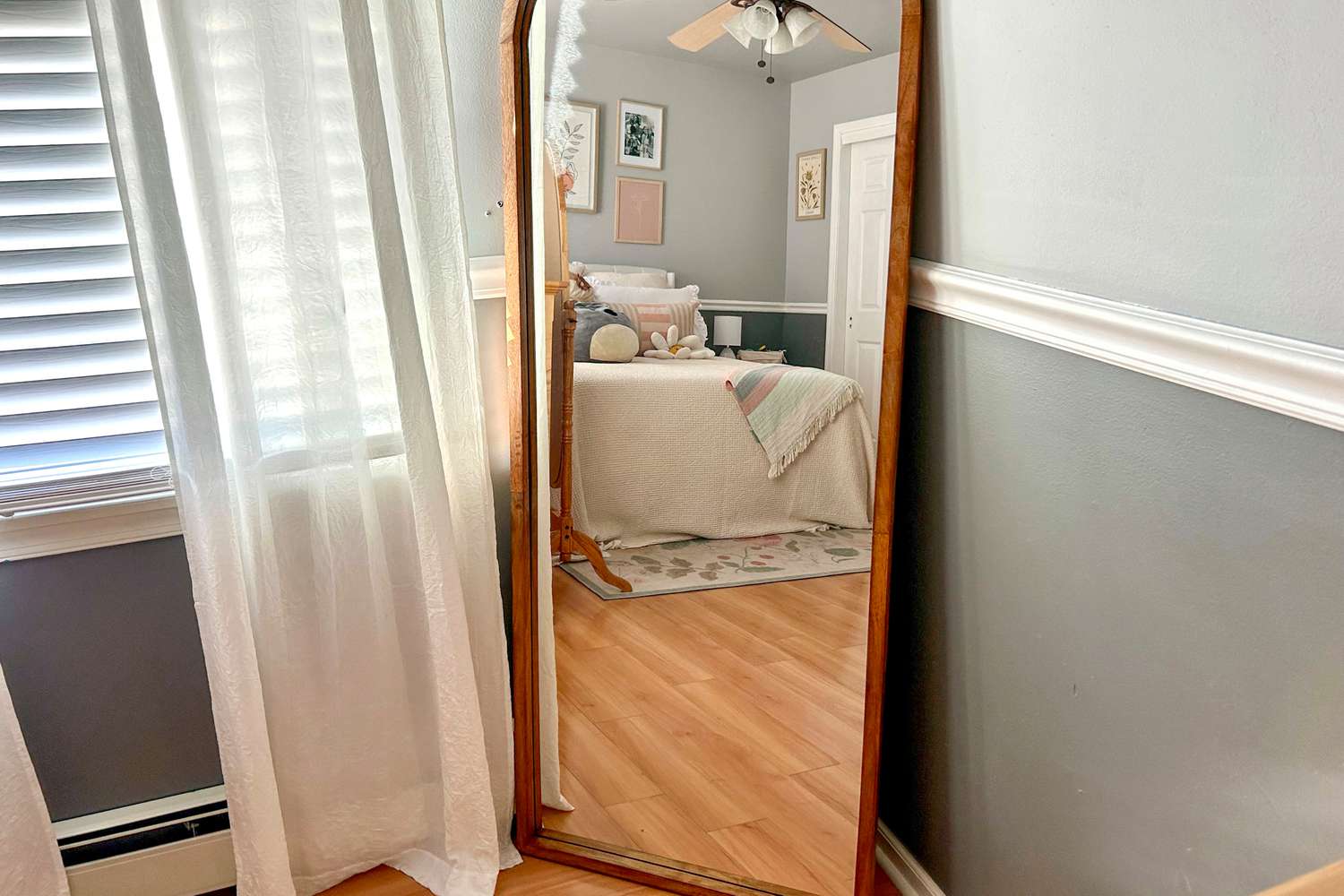
Several practical tests can be employed to assess a mirror's honesty. The 'ruler test' involves placing a long metal ruler perpendicularly against the mirror's surface to check for any curvature or unevenness in the backing. If a ruler is unavailable, observing the reflection of straight lines, such as door frames, can reveal subtle warping. If the reflected lines appear crooked or wavy, the mirror is likely dishonest. Another effective method is the '360 check,' where one stands in the center of the mirror and slowly moves in a circle. Cheaper mirrors often maintain a decent frontal view but reveal distortions or 'off' imagery when viewed from different angles.
While high-quality mirrors that meet these criteria may come with a higher price tag, they are considered a worthwhile investment, especially for full-length mirrors. Opting for cheaper alternatives often results in a product that warps and distorts over time, diminishing the overall aesthetic and feel of a home. If budgetary constraints prevent the purchase of a premium mirror, certain tricks can help improve the perception of a cheaper one. Ensuring the mounting surface is perfectly straight can mitigate some distortions. Additionally, proper lighting plays a crucial role. Overhead lighting can create shadows that obscure details, leading to an unflattering reflection. Instead, positioning lights to illuminate the face from the front, similar to dressing room setups, minimizes shadows and provides a more accurate view. Utilizing natural light by placing the mirror near a window can also enhance the quality of the reflection. By prioritizing glass thickness, sturdy backing, and employing these assessment techniques, consumers can find a mirror that offers a truly honest reflection.
#HomeDecor #MirrorBuyingGuide #InteriorDesign #HomeImprovement #QualityProducts #DistortionFreeMirror #GlassThickness #MirrorBacking #HomeFurnishings #HomeDecor #MirrorBuyingGuide #InteriorDesign #HomeImprovement #QualityProducts #DistortionFreeMirror #GlassThickness #MirrorBacking #HomeFurnishings
0 تعليق إجمالاً
 لا توجد تعليقات بعد
قد تعجبك أيضًا
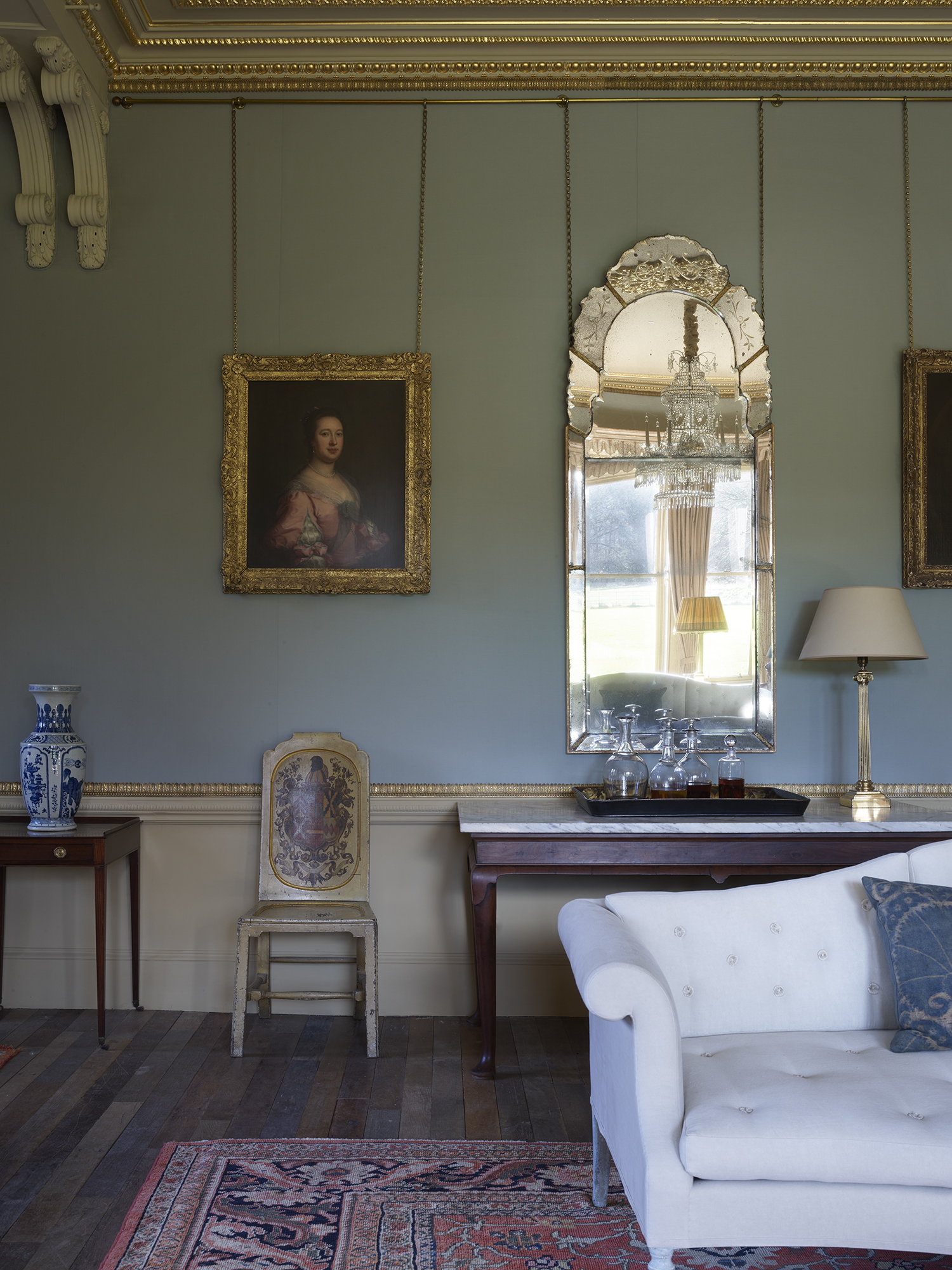
Upon reflection: How to buy an antique mirror
Vintage Mirror Shopping Guide: What to Know and Where to Buy

Looking For a New Mirror? Here Are 21 Chic Options That Won't Break the Bank
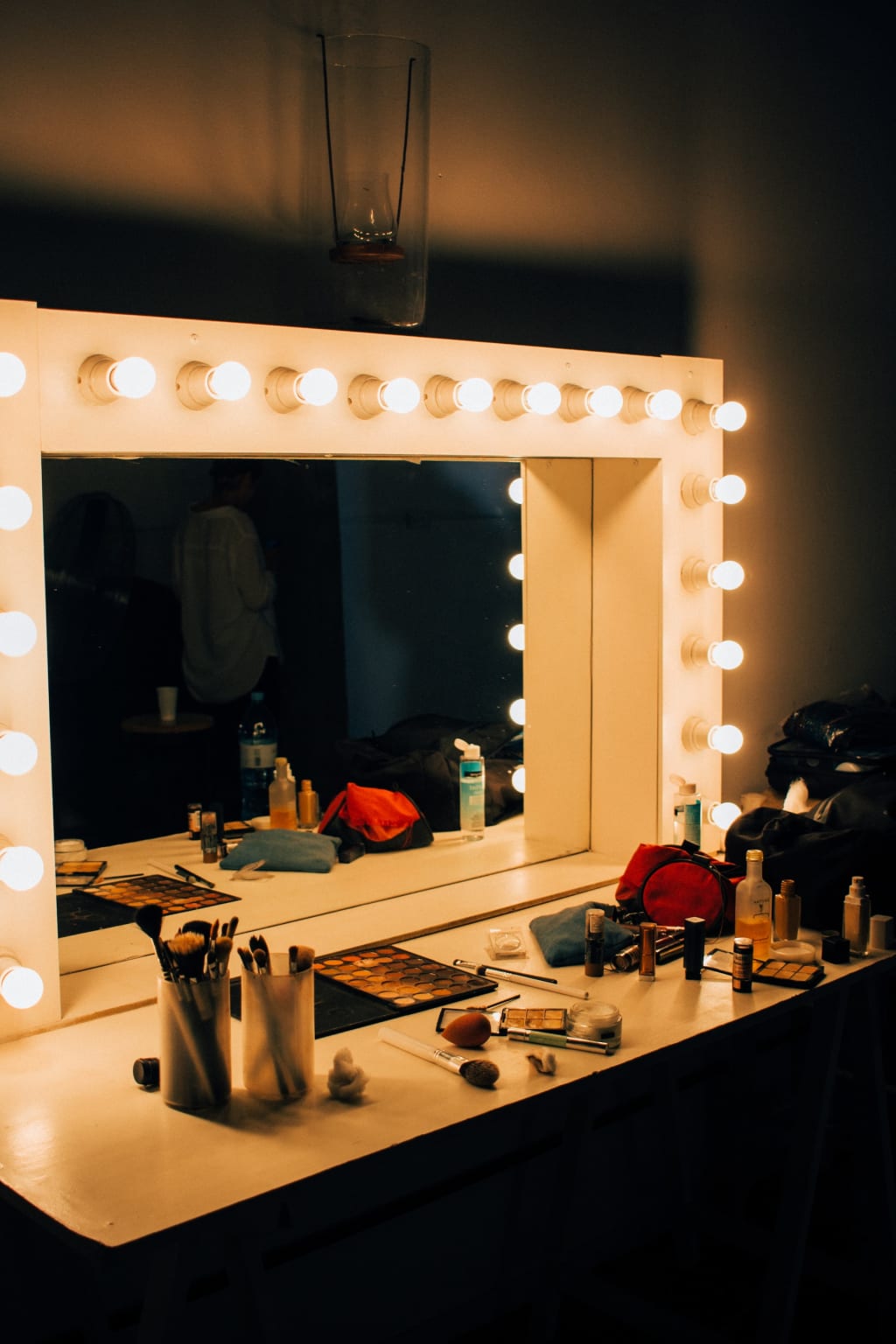
6 Best Makeup Mirrors to Step Up Your Beauty Routine

Sourced by Homes & Gardens: 20 best places to buy mirrors that feel timeless, tailored, and transformative

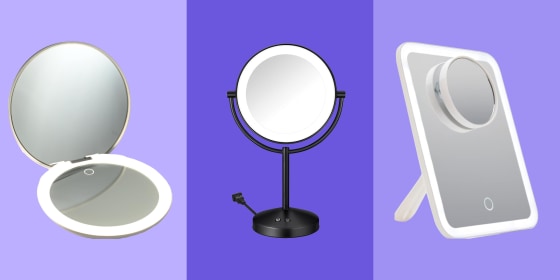
A lighted mirror is a getting ready essential — here’s how to choose the best one

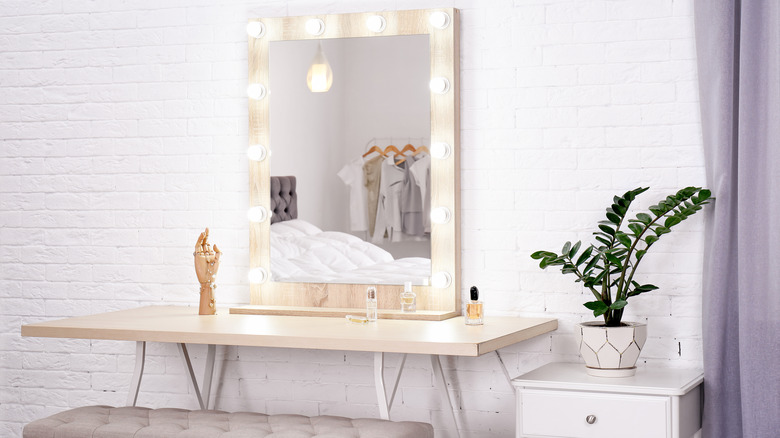
DIY A Showstopping, Affordable Vanity Mirror With TikTok's Easy IKEA Hack
Best places to buy mirrors in 2025, according to an Style Editor
The Best Places To Shop for Mirrors Online

This Bestselling Amazon Vanity Makeup Mirror Is on Sale for Its Lowest Price Ever

13 Full-Length Mirrors on Amazon That Reflect Your Good Taste
These Full-Length Mirrors Will Elevate Your Selfie Photos


The Secret To A Flawless Complexion Is In One Of These Makeup Mirrors

These 9 vanity mirrors are ideal for perfectionists — some are renter-friendly

The best makeup mirrors for precision plucking and blending, from just £7

21 best mirrors for your home, from full-length to decorative
The Fairest Full-Length Mirrors of Them All
I Found the Best Reviewed Mirrors You Can Buy on Amazon

Mirror, Mirror On The Wall...The New Age Of Smart-Mirrors

9 Amazon Makeup Mirrors for the Most Flawless Glam Starting at $9