1/4
Upon reflection: How to buy an antique mirror
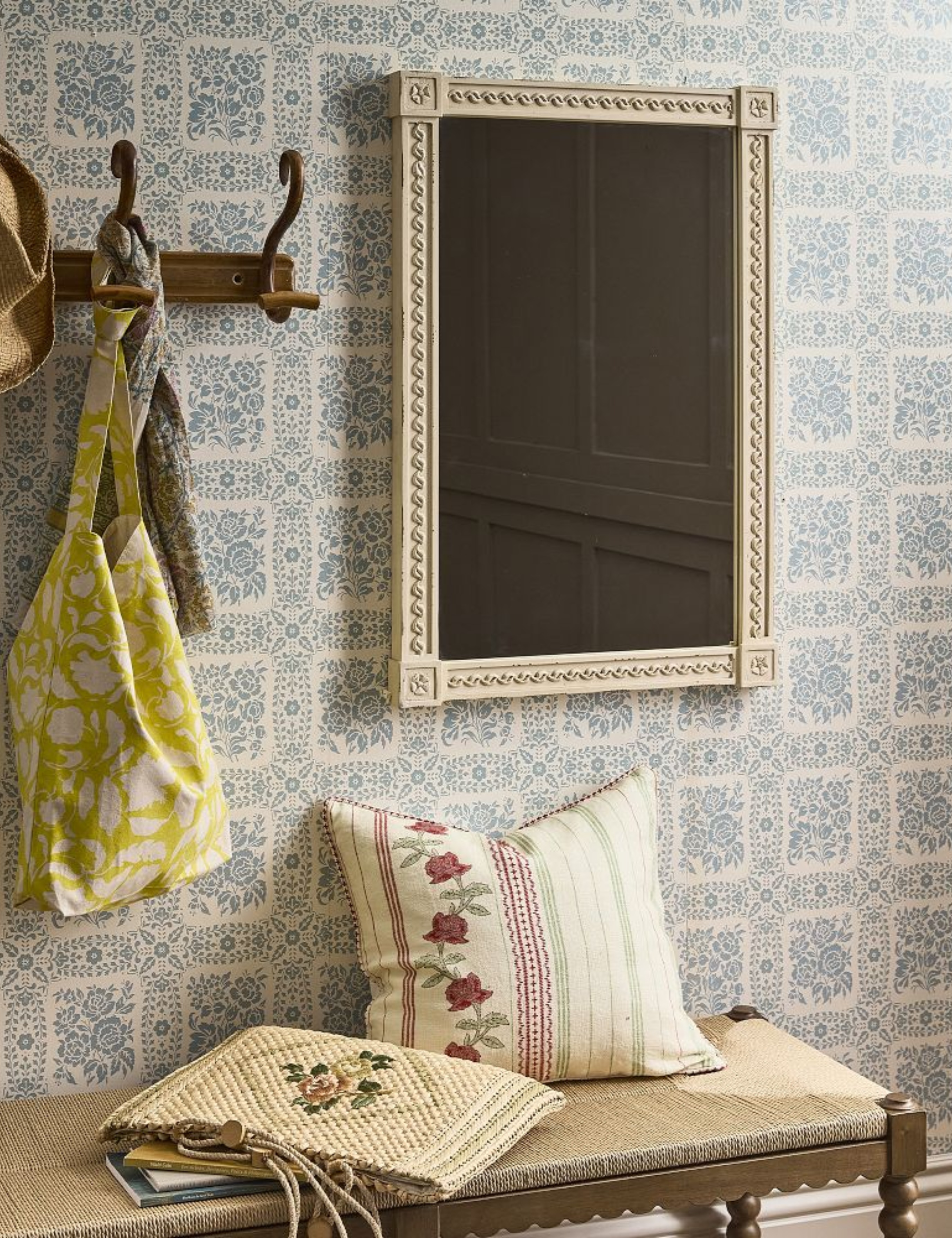
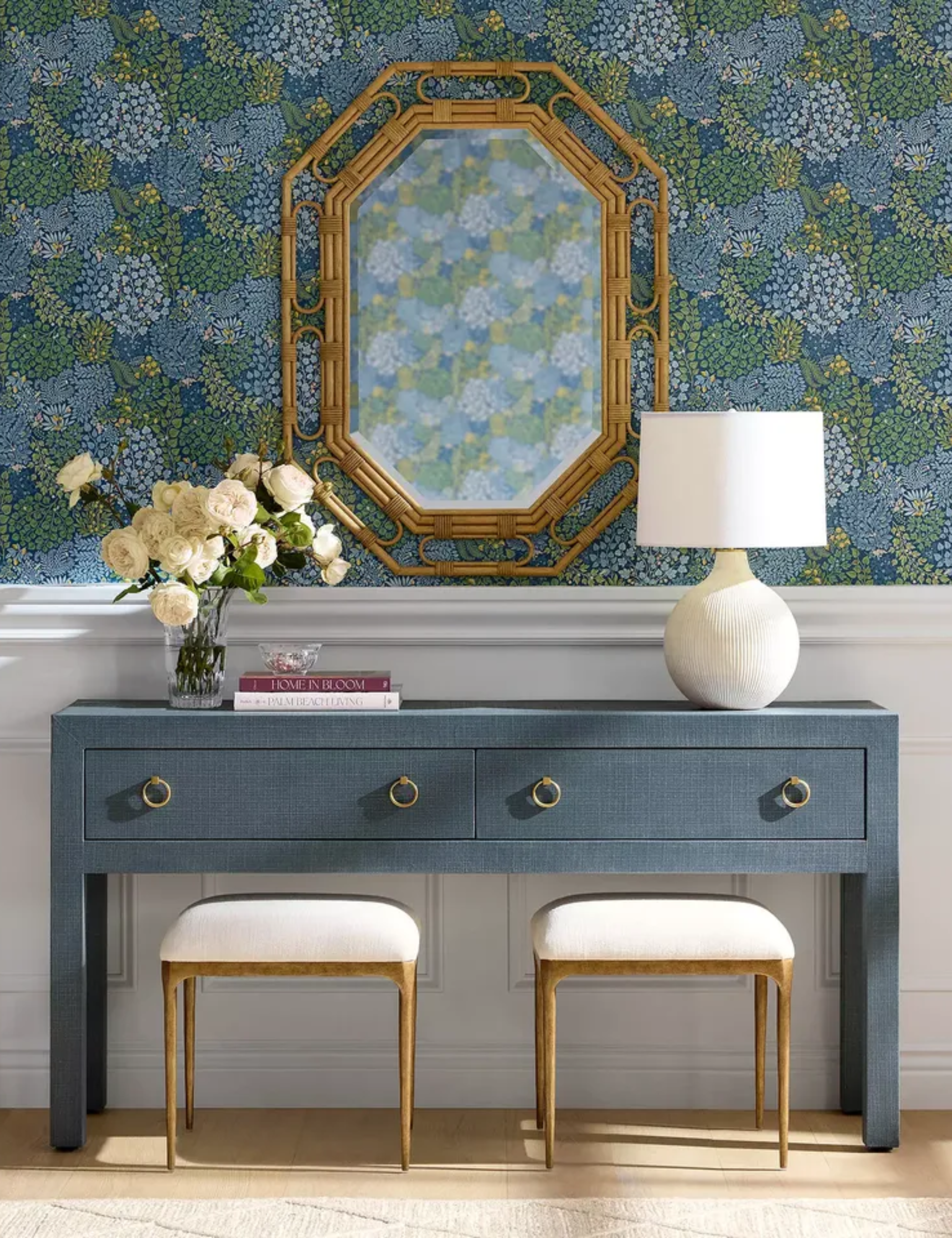
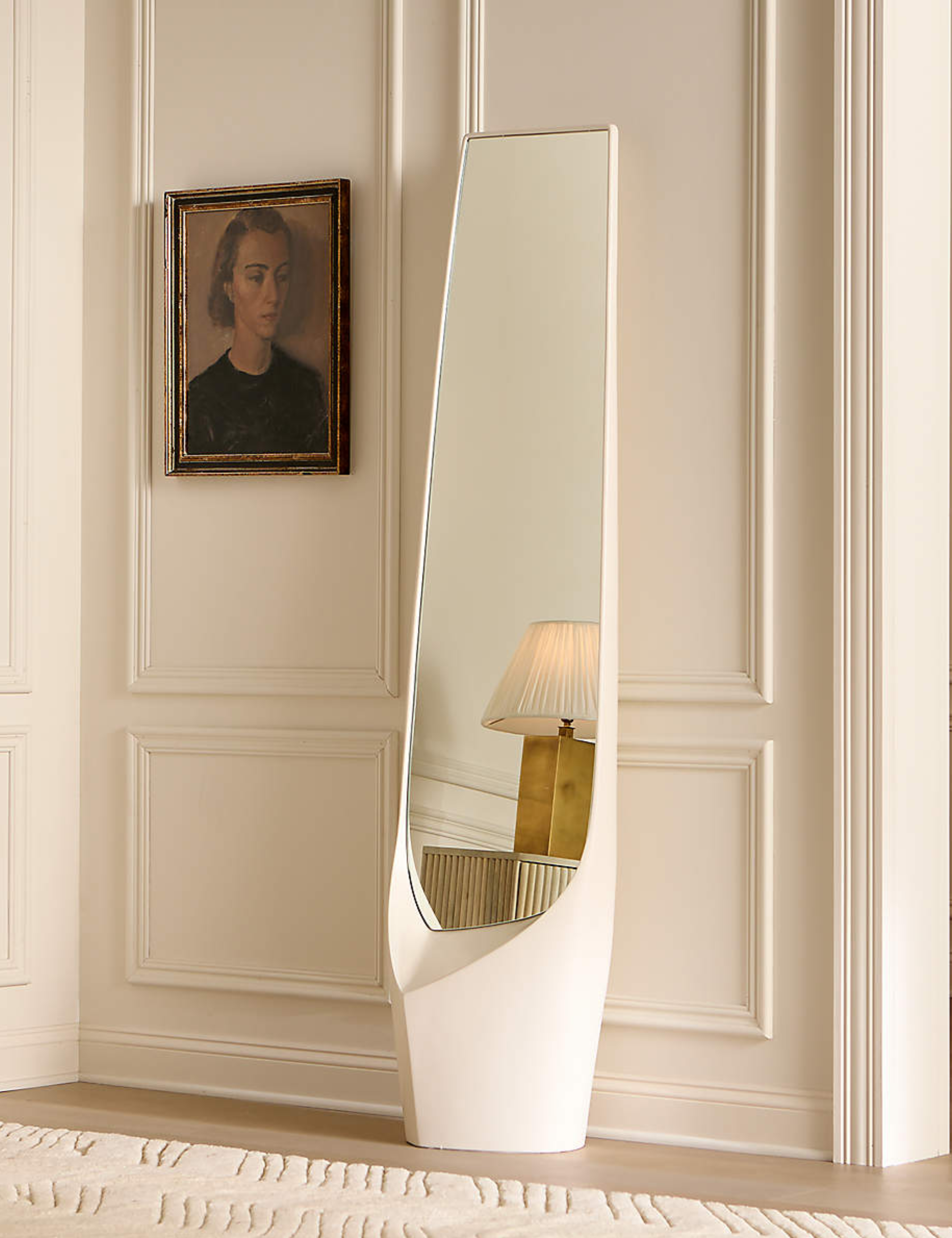
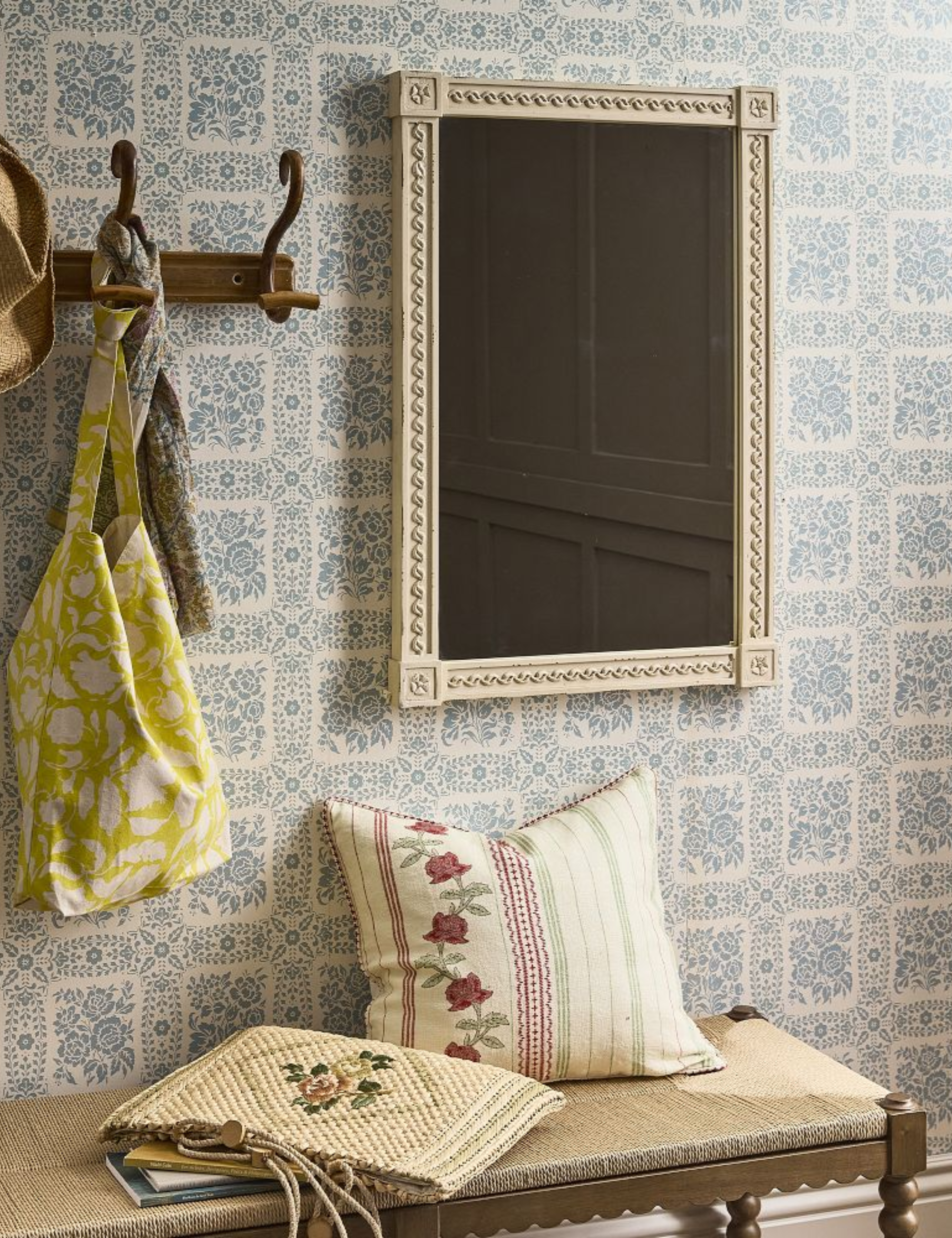
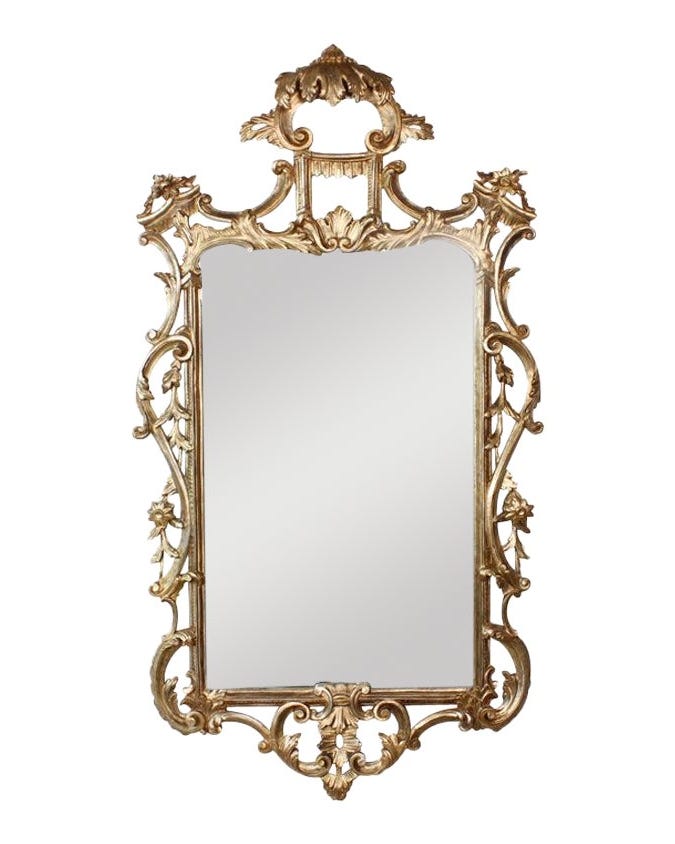
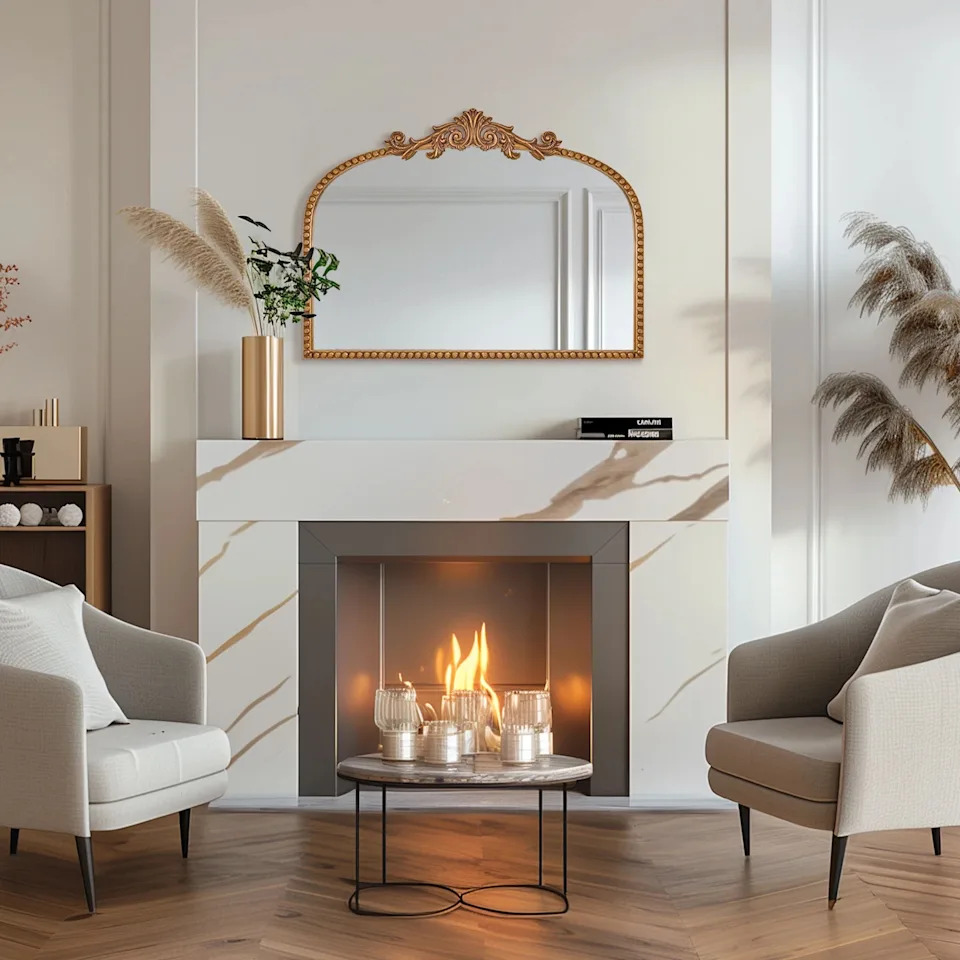
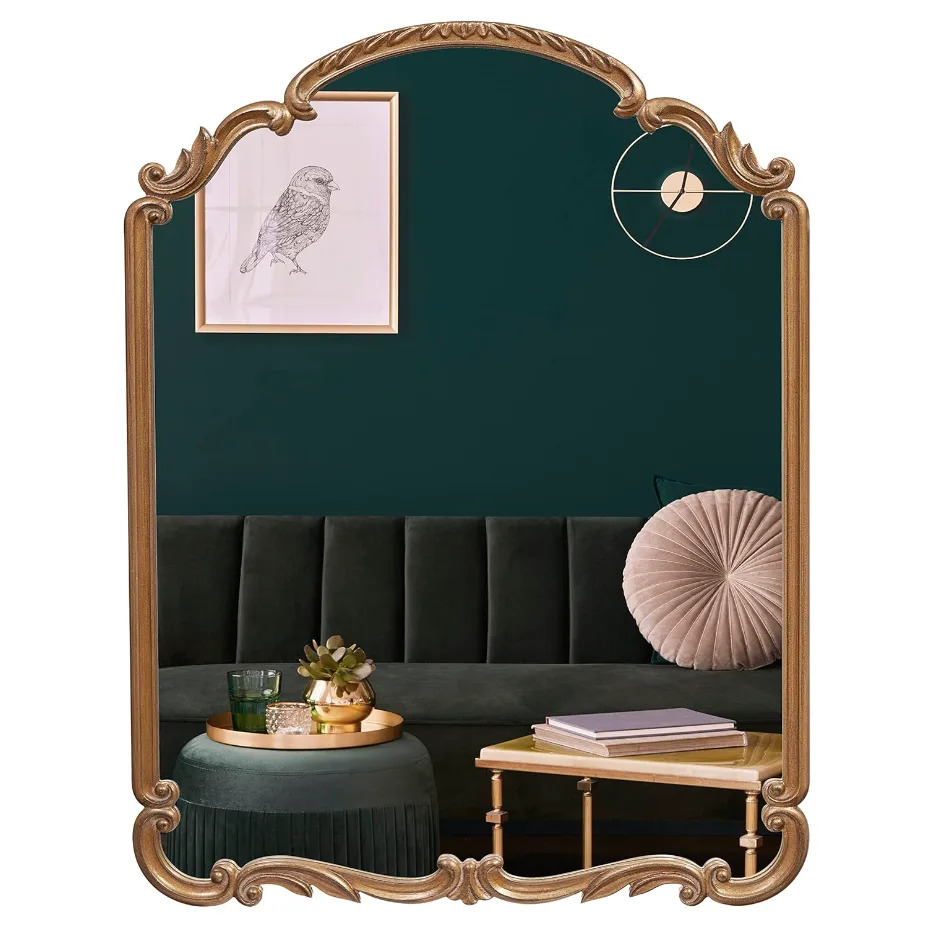
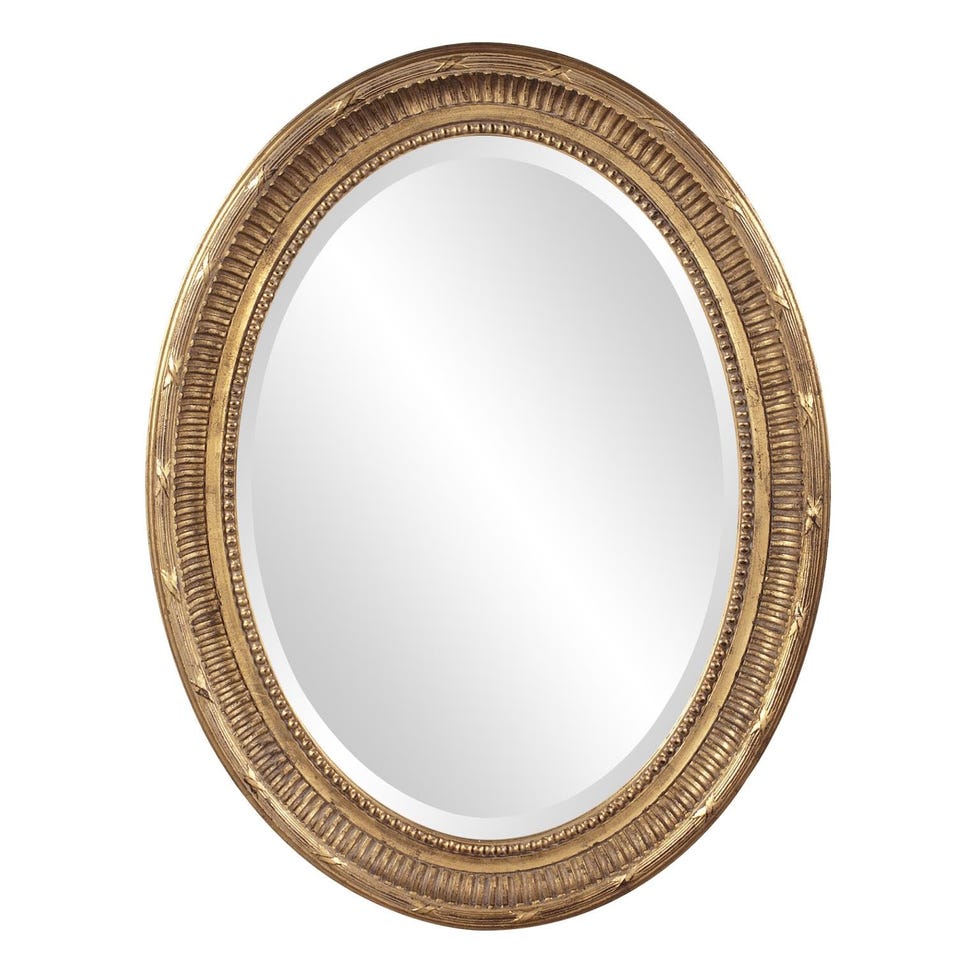
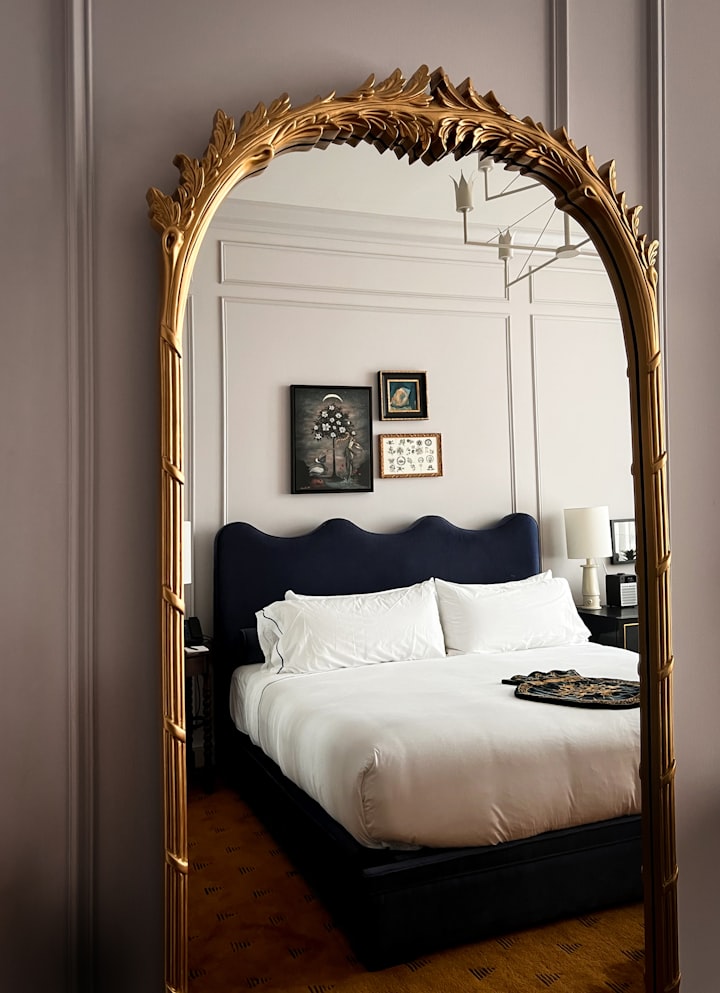
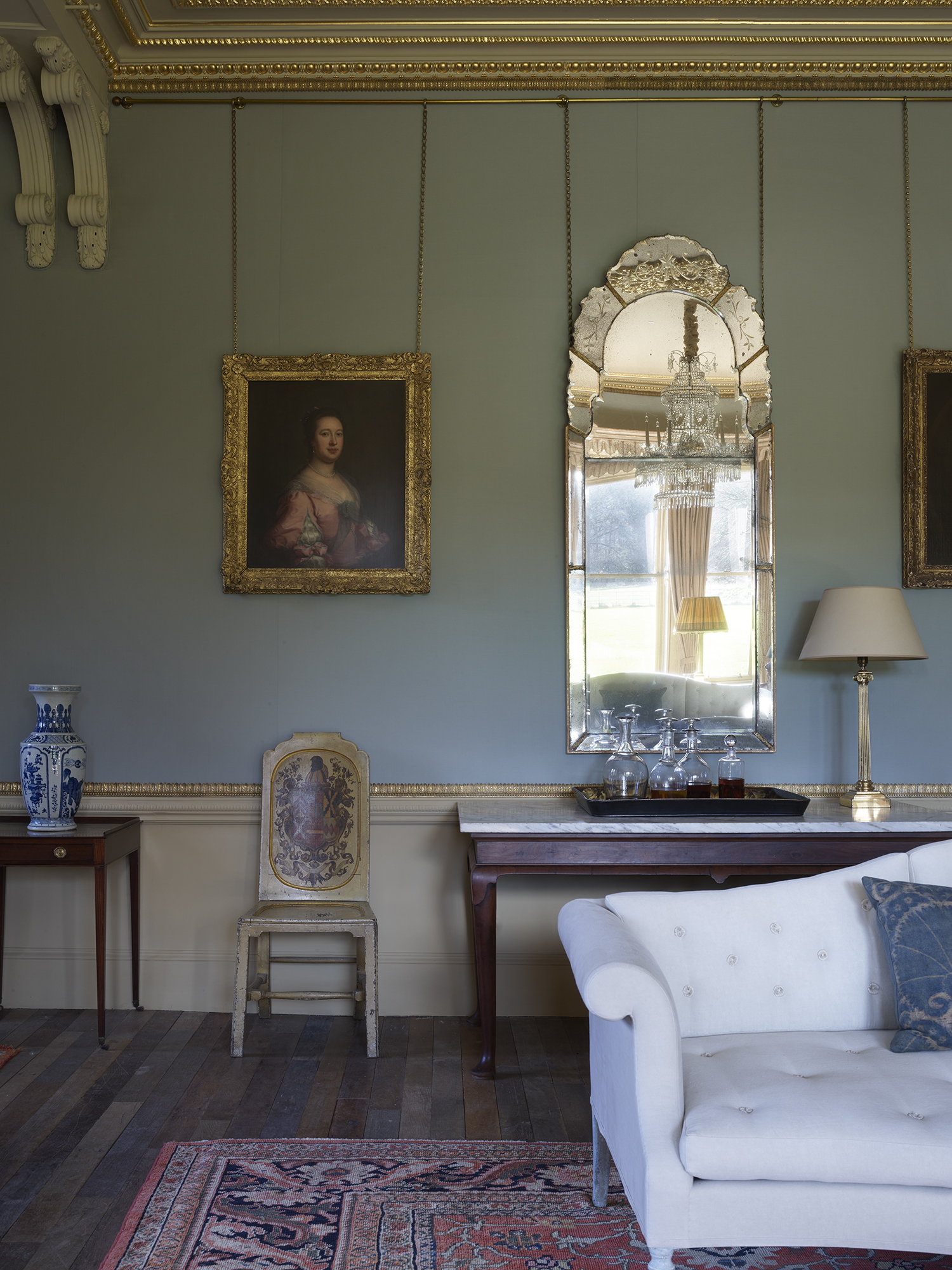
Antique mirrors offer a unique way to enhance a room, providing reflective light, decorative flair, and a focal point without overpowering the space like some artworks might. Laura Dadswell, director of Westland London, highlights the magical quality of an 18th-century mercury plate mirror's shimmering surface as a key appeal. The widespread popularity of mirrors as symbols of wealth and prestige began in the 18th century, influenced by the design patterns of influential figures like Thomas Chippendale, Thomas Sheraton, and John Linnell. Their designs were subsequently adopted by numerous cabinetmakers, leading to a greater availability of antique mirrors from this period onwards, although their quality and condition can vary significantly.
Identifying the age of an antique mirror often involves examining the glass itself. Imperfections are a common indicator. For instance, 18th-century mercury plate mirrors typically show a concentration of sparkle towards the bottom, while 19th-century silvered plate mirrors tend to have darker, deteriorating areas. The construction of the mirror's back also provides clues. Earlier 18th-century mirrors often had roughly finished backs, contrasting with their ornate fronts, whereas 19th-century mirrors exhibited more refined construction, including panelled backs. Occasionally, a maker's label, stamp, or stencil can be found, offering further insight into its origin.
Restoration of antique mirrors is possible, though broken glass is rarely invisibly repairable. An alternative involves replacing damaged sections with antique glass or glass that has been specially treated to mimic an aged appearance. Rupert Bevan, who operates one of the UK's few remaining glass-silvering workshops, specializes in creating antiqued mirror glass using traditional hand techniques. These methods involve applying alkaline solutions to the silver surface through spraying, sponging, or painting in a controlled environment.
Bevan explains that acquiring original antique mirror glass can be costly and risky due to the potential for breakage when cutting it to fit a frame. Having started his career in furniture restoration, Bevan developed a process to age new glass, addressing the need for better antique mirror repair. This led to a growing demand from clients who appreciated the aesthetic of antiqued glass, prompting its use in various creative applications, such as panelling entire rooms or incorporating it into contemporary frames. Bevan notes that modern mirrors can appear too harsh, while antiqued mirrors contribute to a softer, more comfortable room ambiance.
#AntiqueMirrors #HomeDecor #InteriorDesign #CollectingAntiques #GlassRestoration #DecorativeArts #HomeImprovement #VintageDecor #AntiqueMirrors #HomeDecor #InteriorDesign #CollectingAntiques #GlassRestoration #DecorativeArts #HomeImprovement #VintageDecor
0 comment in total
 No comments yet
You may also like

How to Buy an (Actually) Honest Mirror
The Best Places To Shop for Mirrors Online

21 best mirrors for your home, from full-length to decorative
Refurbish an antique mirror with Ginger Coffer Designs

Vintage Mirror Shopping Guide: What to Know and Where to Buy

Looking For a New Mirror? Here Are 21 Chic Options That Won't Break the Bank
This BHG Mirror Is the Ultimate Anthropologie Dupe—and It’s On Sale Now
These 12 Stylish Amazon Mirrors Will Instantly Elevate Your Space, According to Designers

Sourced by Homes & Gardens: 20 best places to buy mirrors that feel timeless, tailored, and transformative

8 Anthropologie mirror alternatives that look as beautiful as the real thing but cost way less
19 Gorgeous Mirrors For Every Room of Your Home
Where's the best place to buy bathroom mirrors? 7 stores with stylish pieces to suit all styles
How to mimic that antique-mirror look
Mirror, Mirror On The Wall...The New Age Of Smart-Mirrors

These 9 vanity mirrors are ideal for perfectionists — some are renter-friendly


Top Mirror Trends of 2025: From Vanity to Full-Length Styles

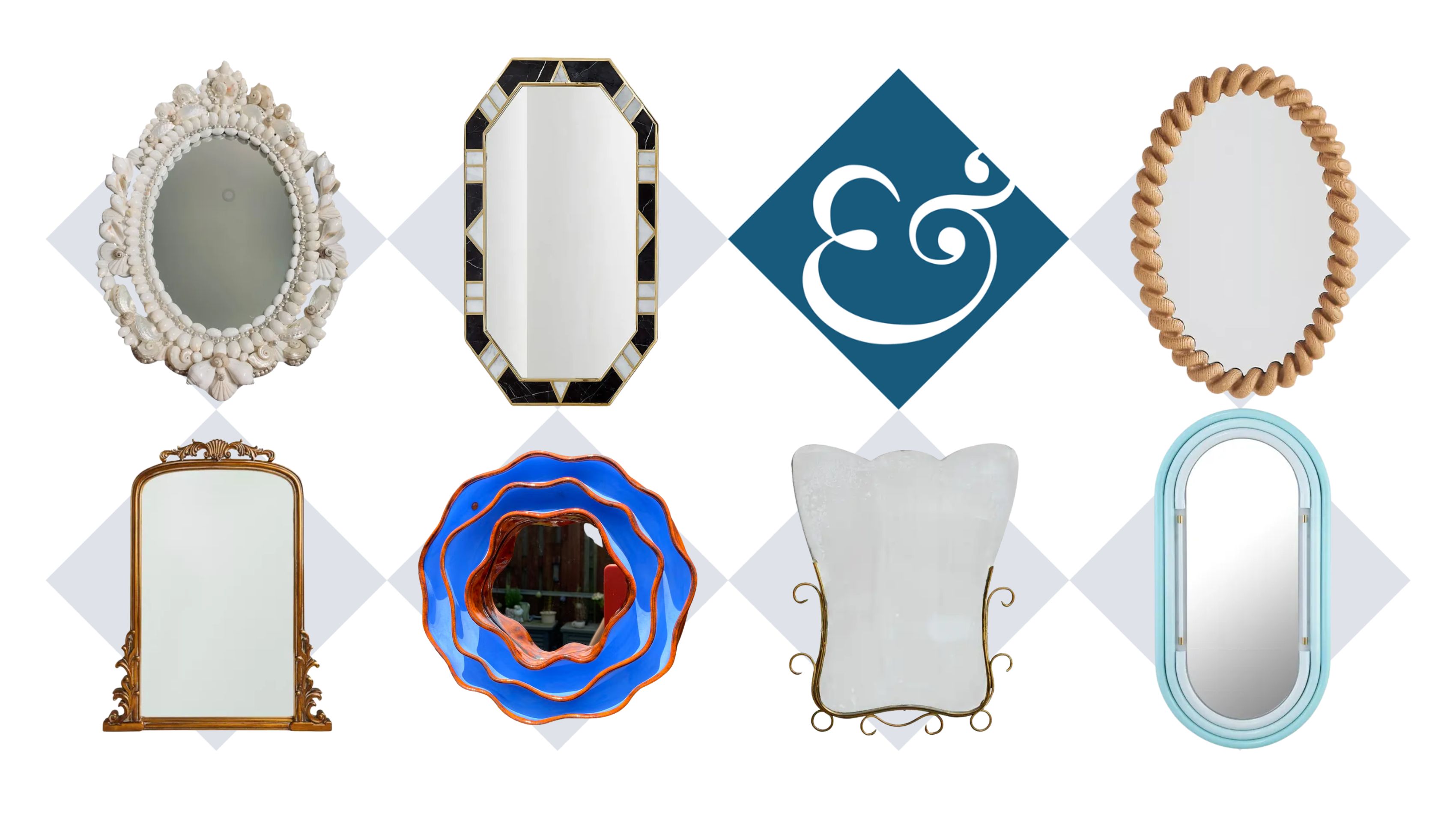
Best places to buy mirrors in 2025, according to an Style Editor
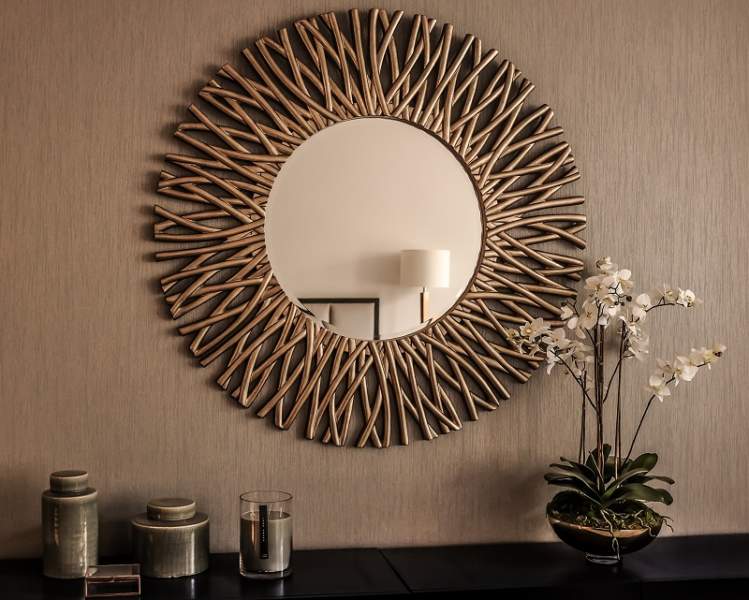
25 Latest Mirror Designs For Home With Pictures In 2023

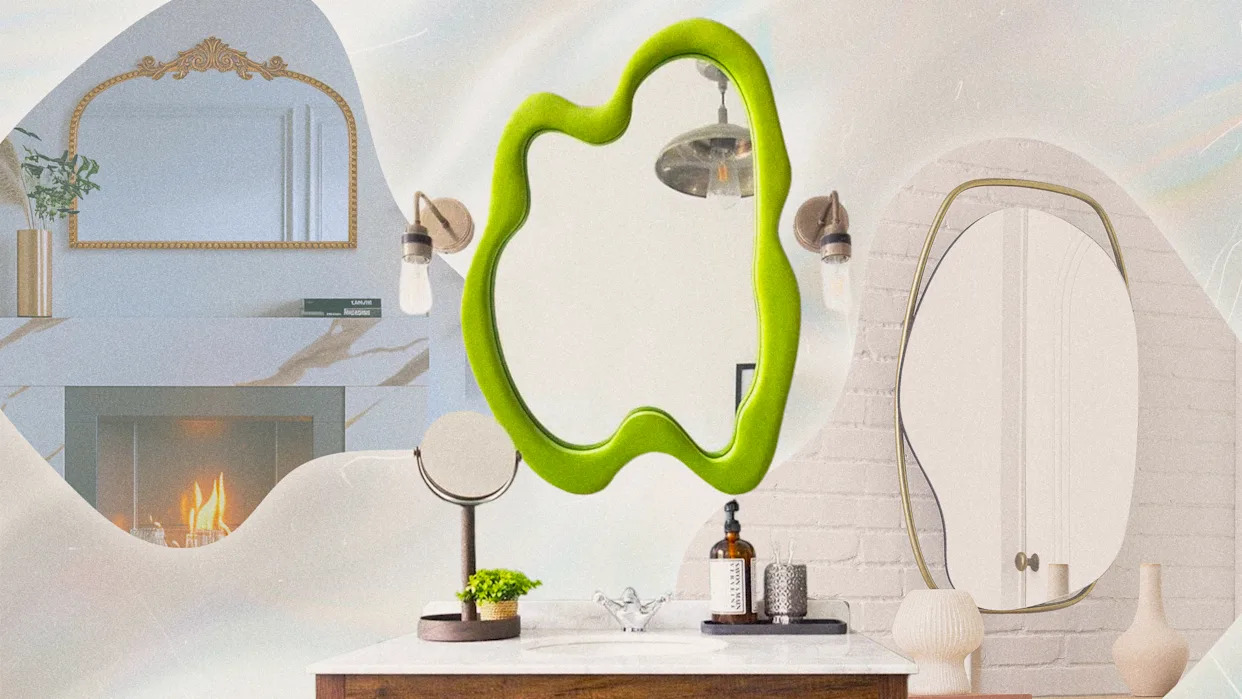
These 2025 Mirror Trends Will Make Even the Barest Walls Look Luxe

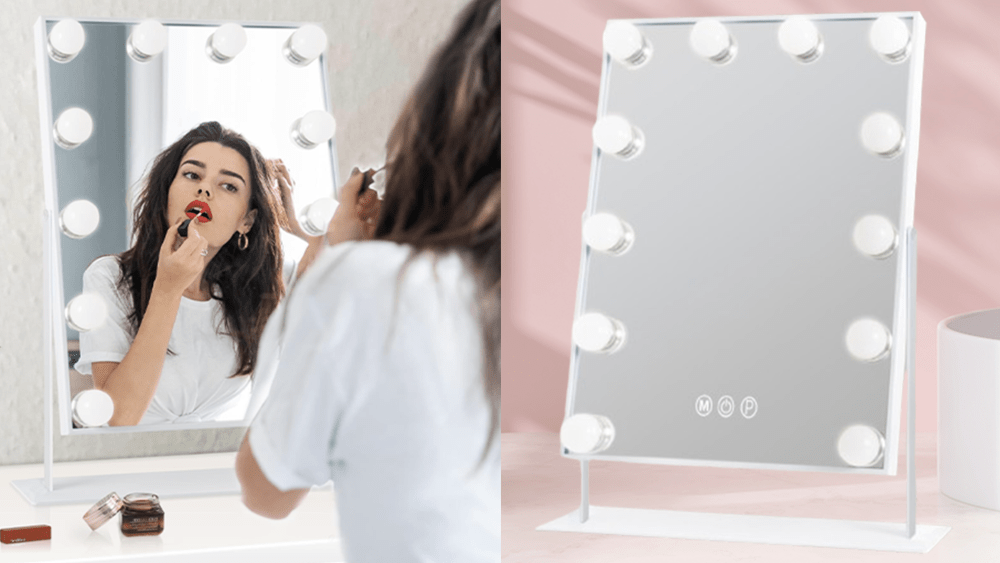
This Bestselling Amazon Vanity Makeup Mirror Is on Sale for Its Lowest Price Ever