1/3
Here's What Transitional Design Actually Means
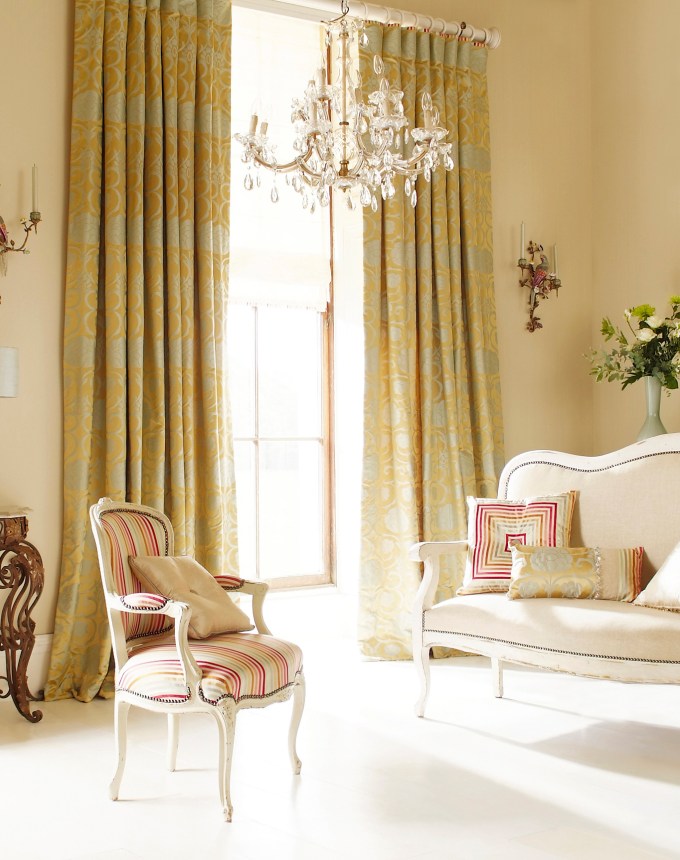
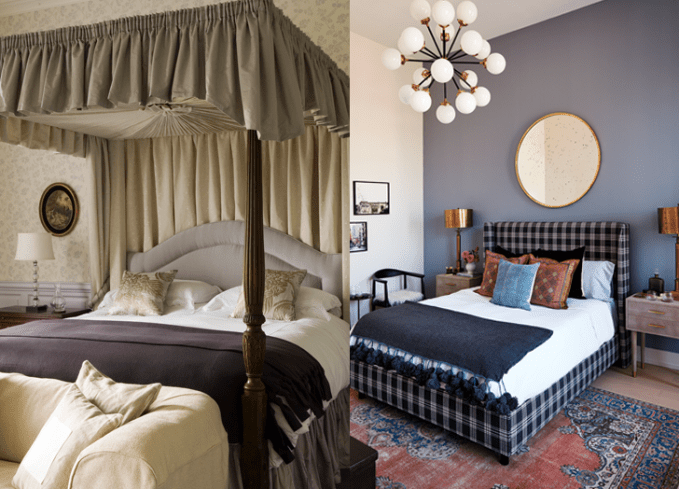
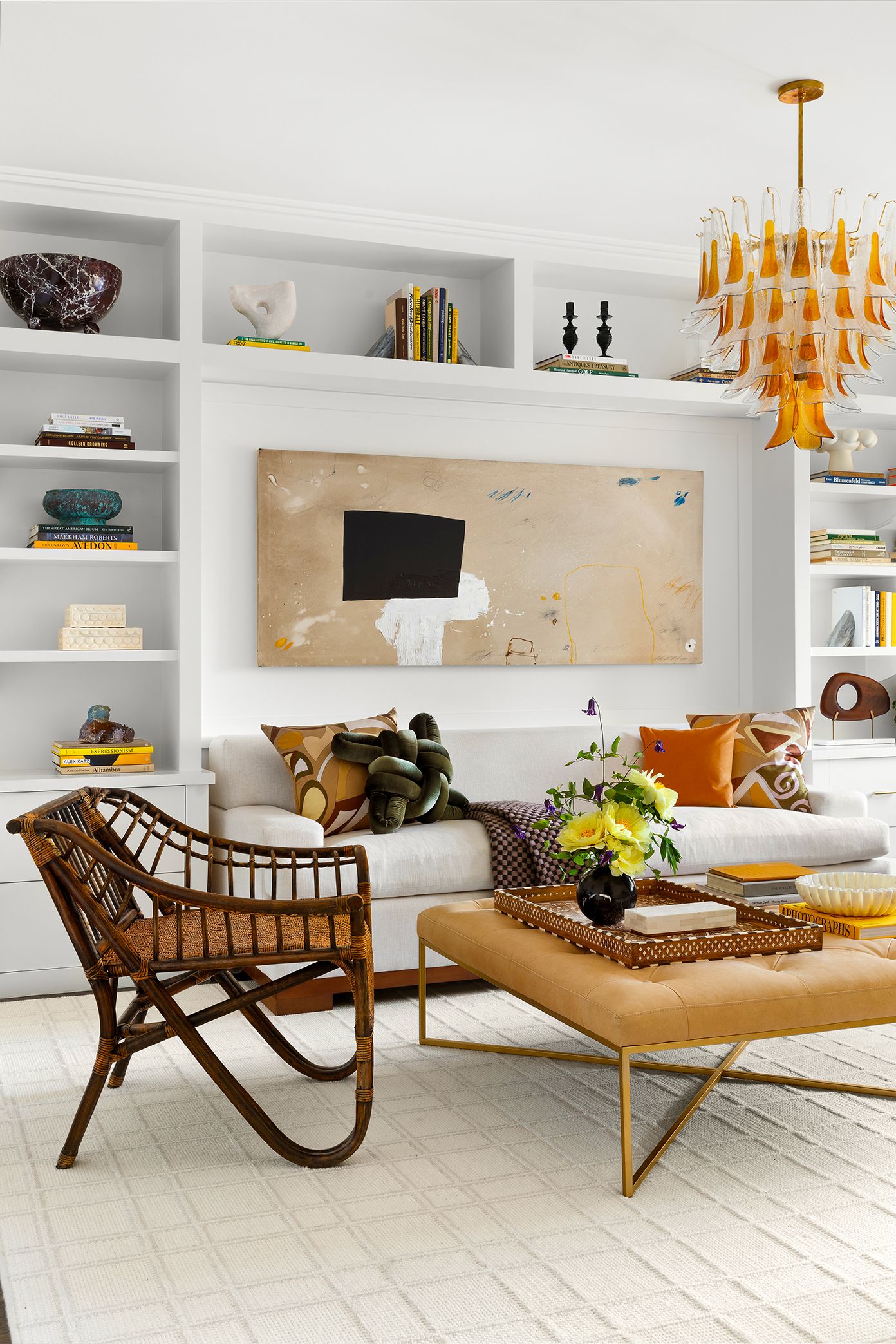
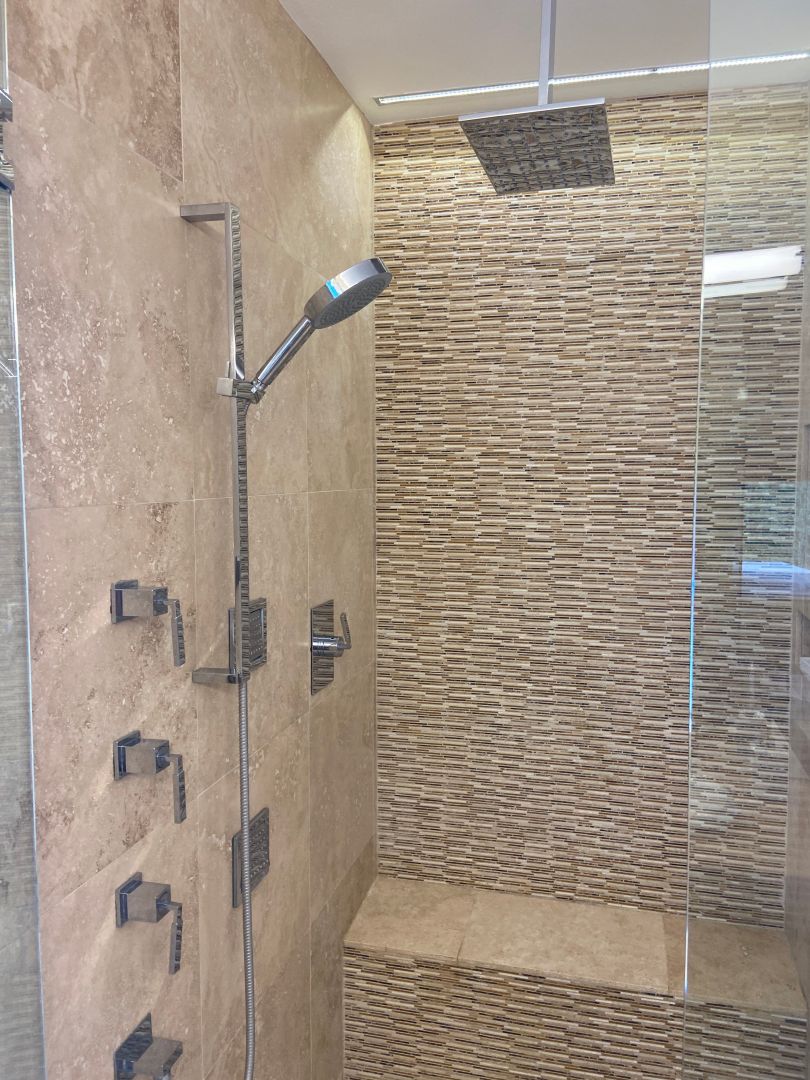
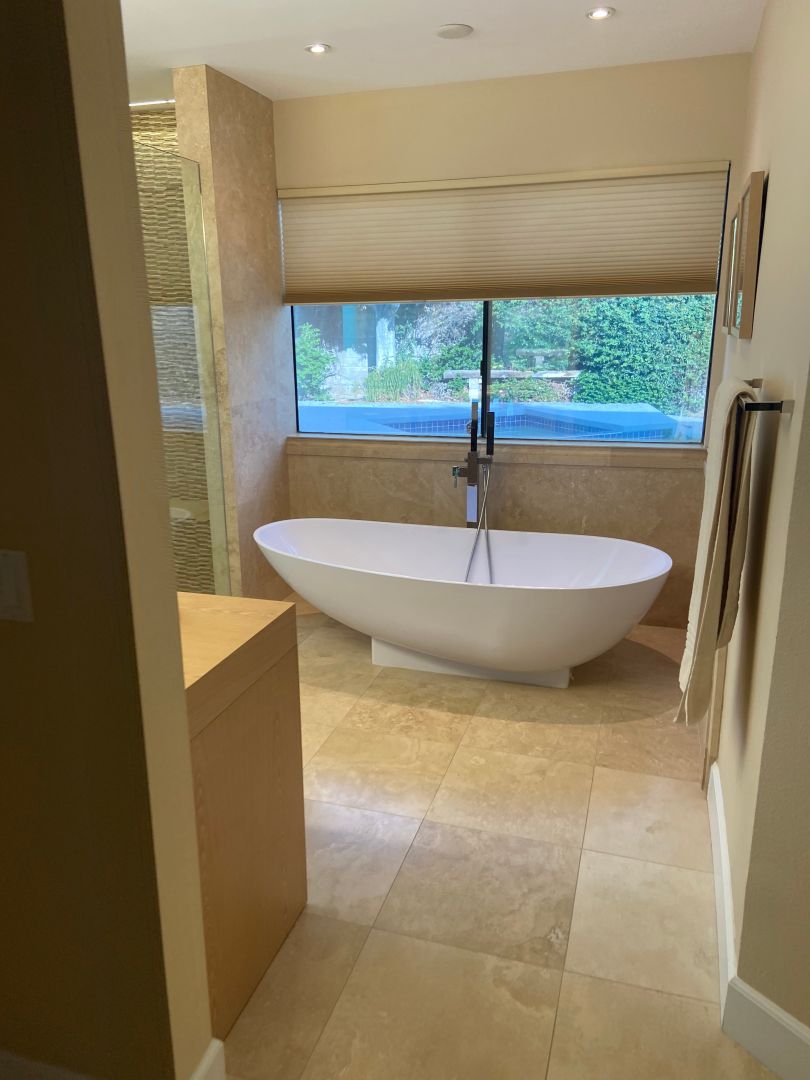
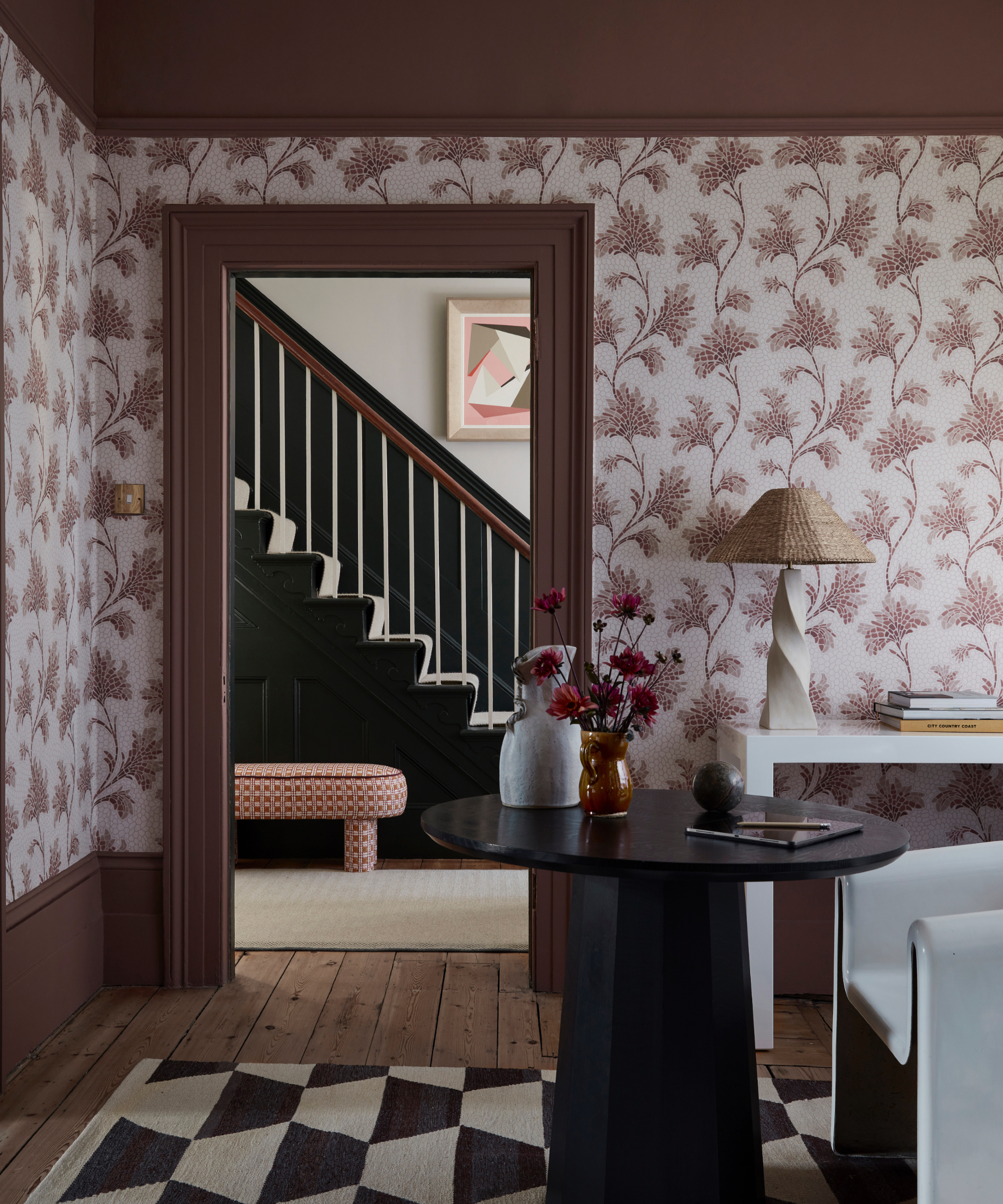
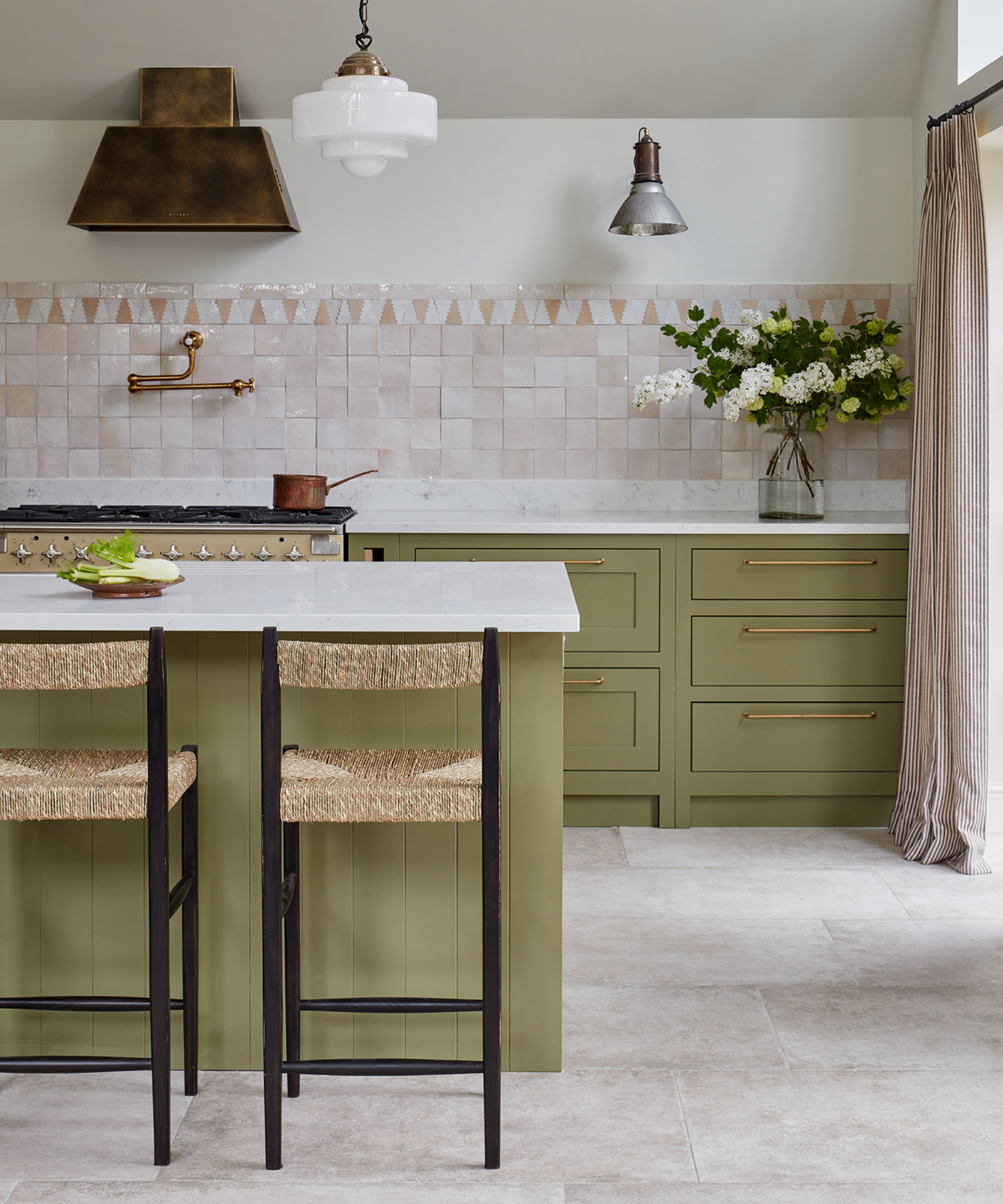
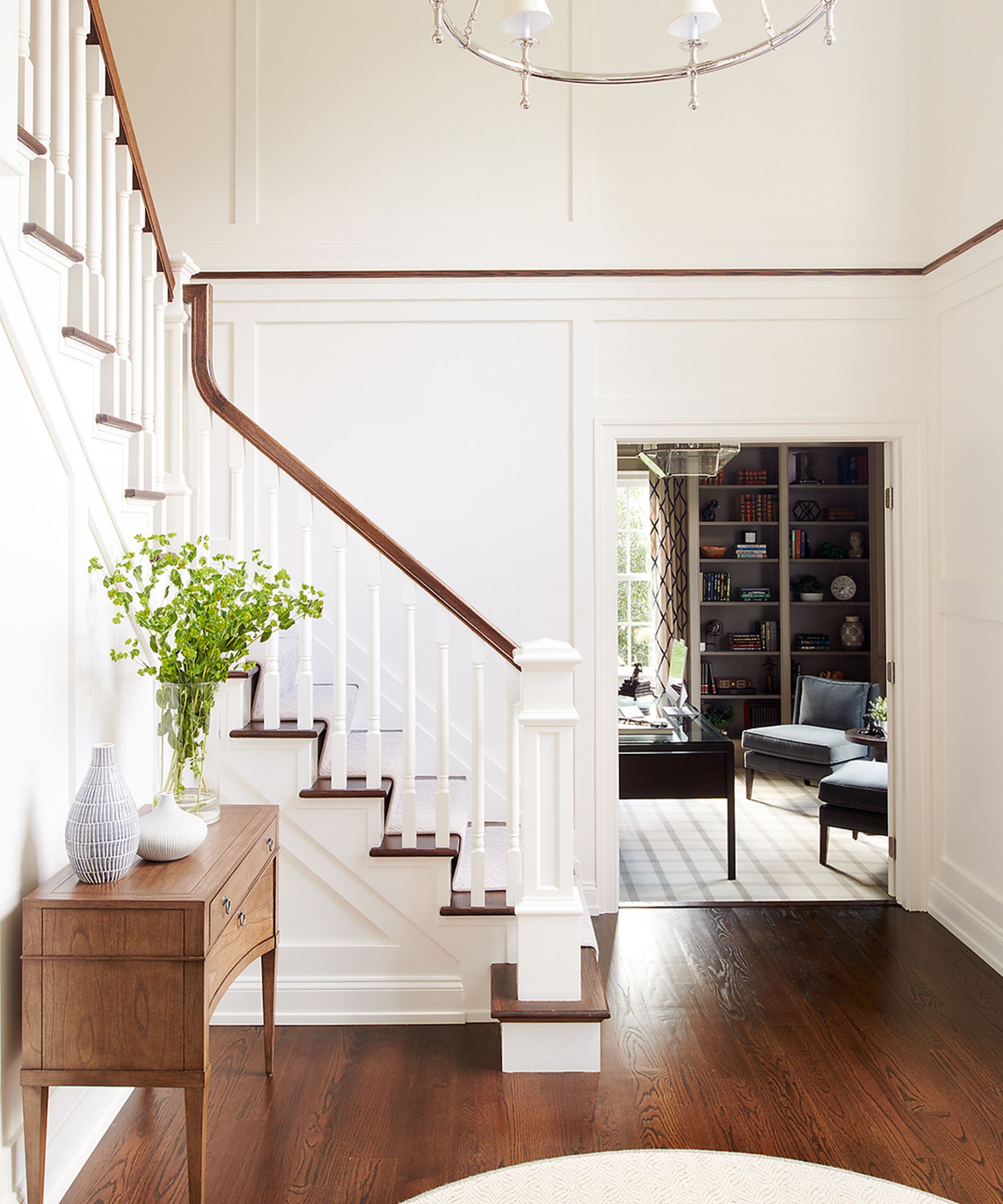
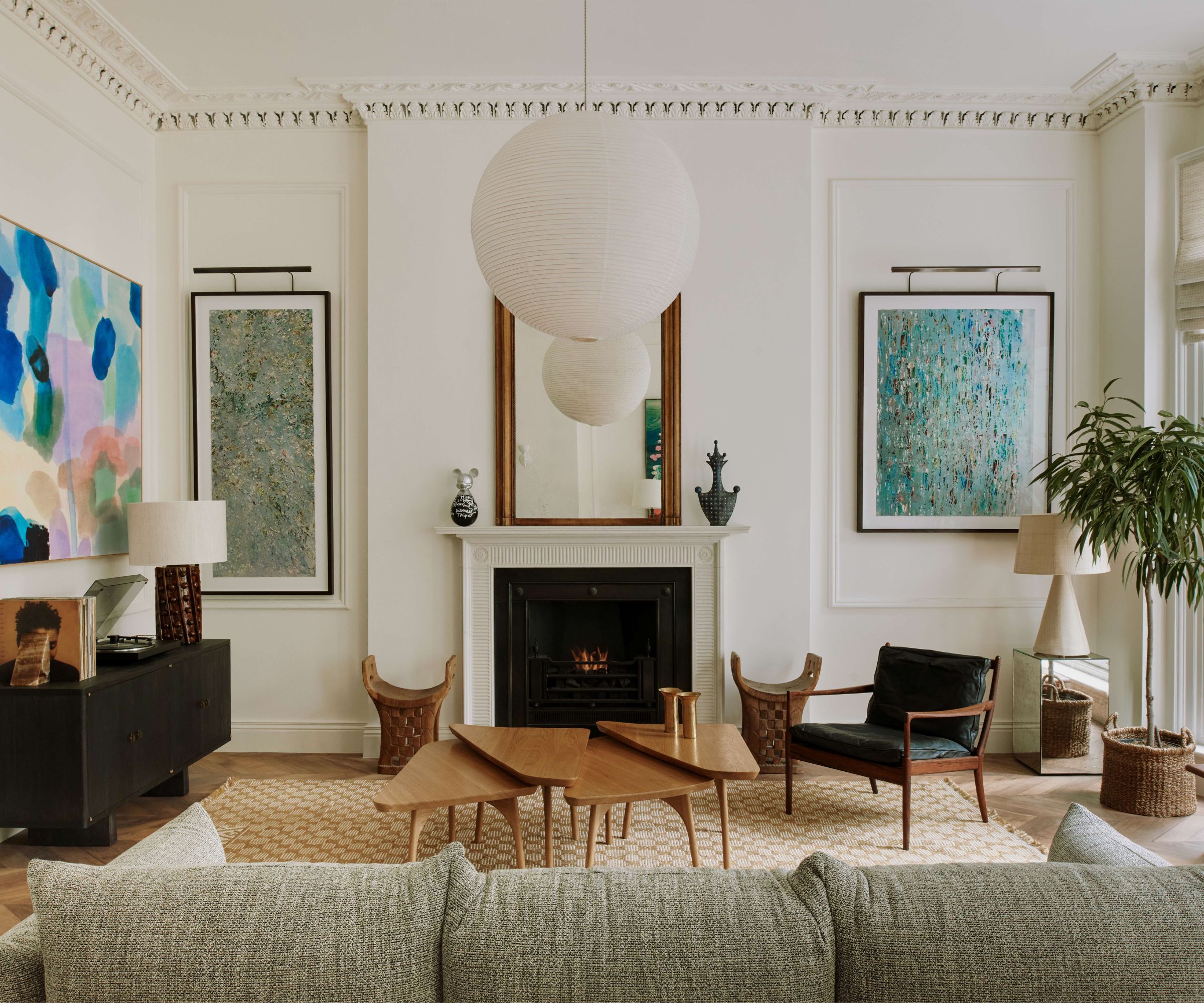
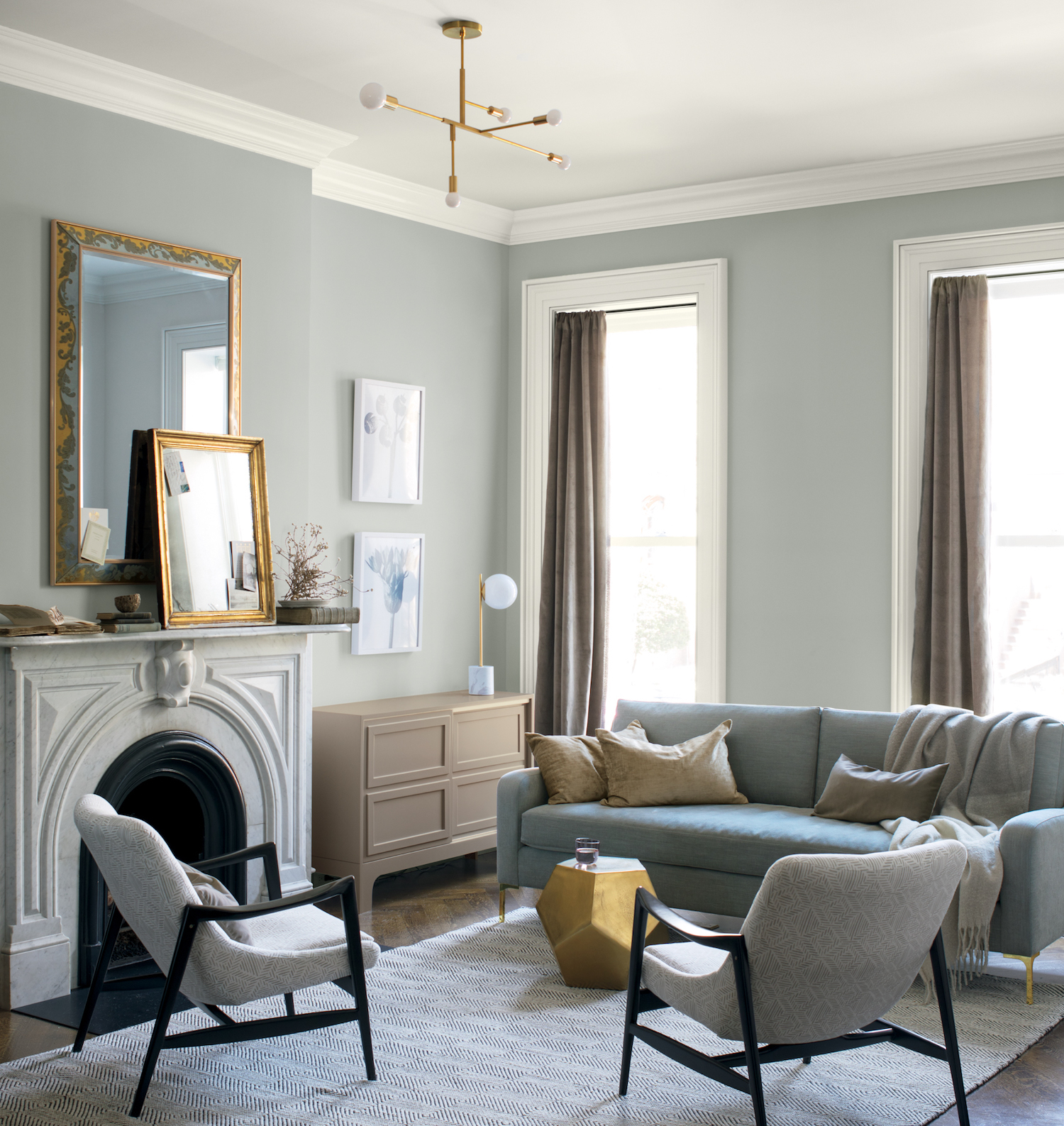
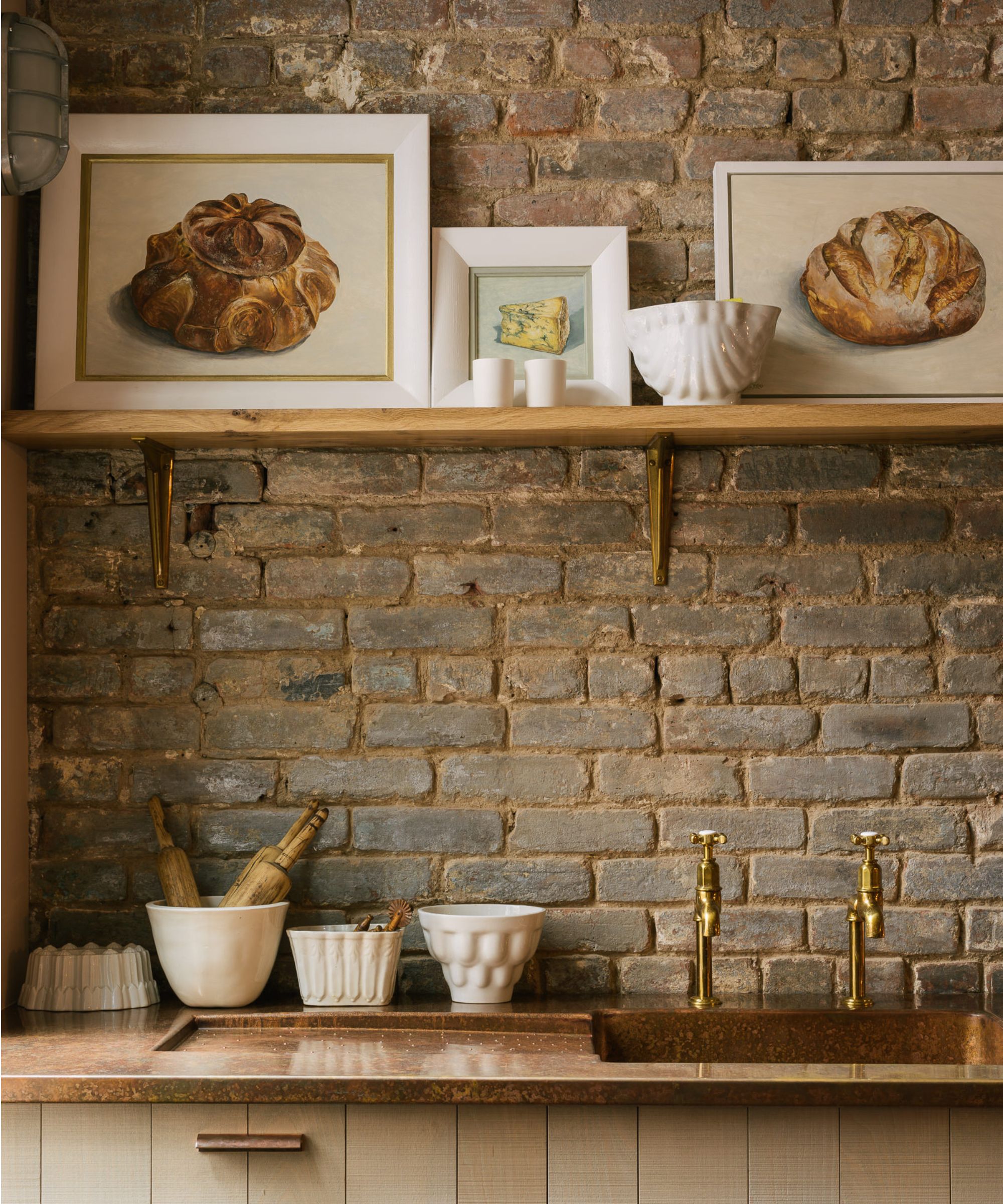
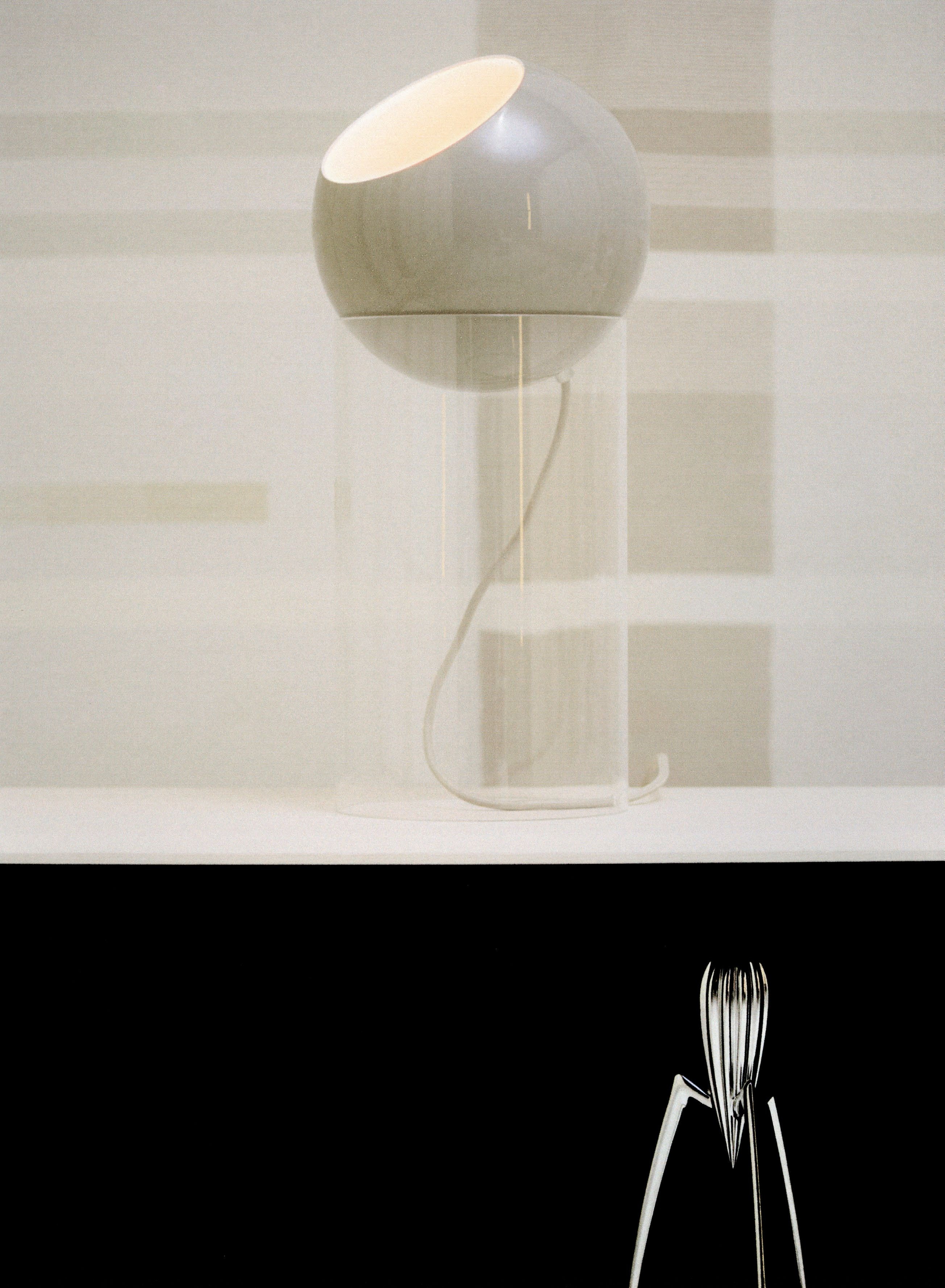
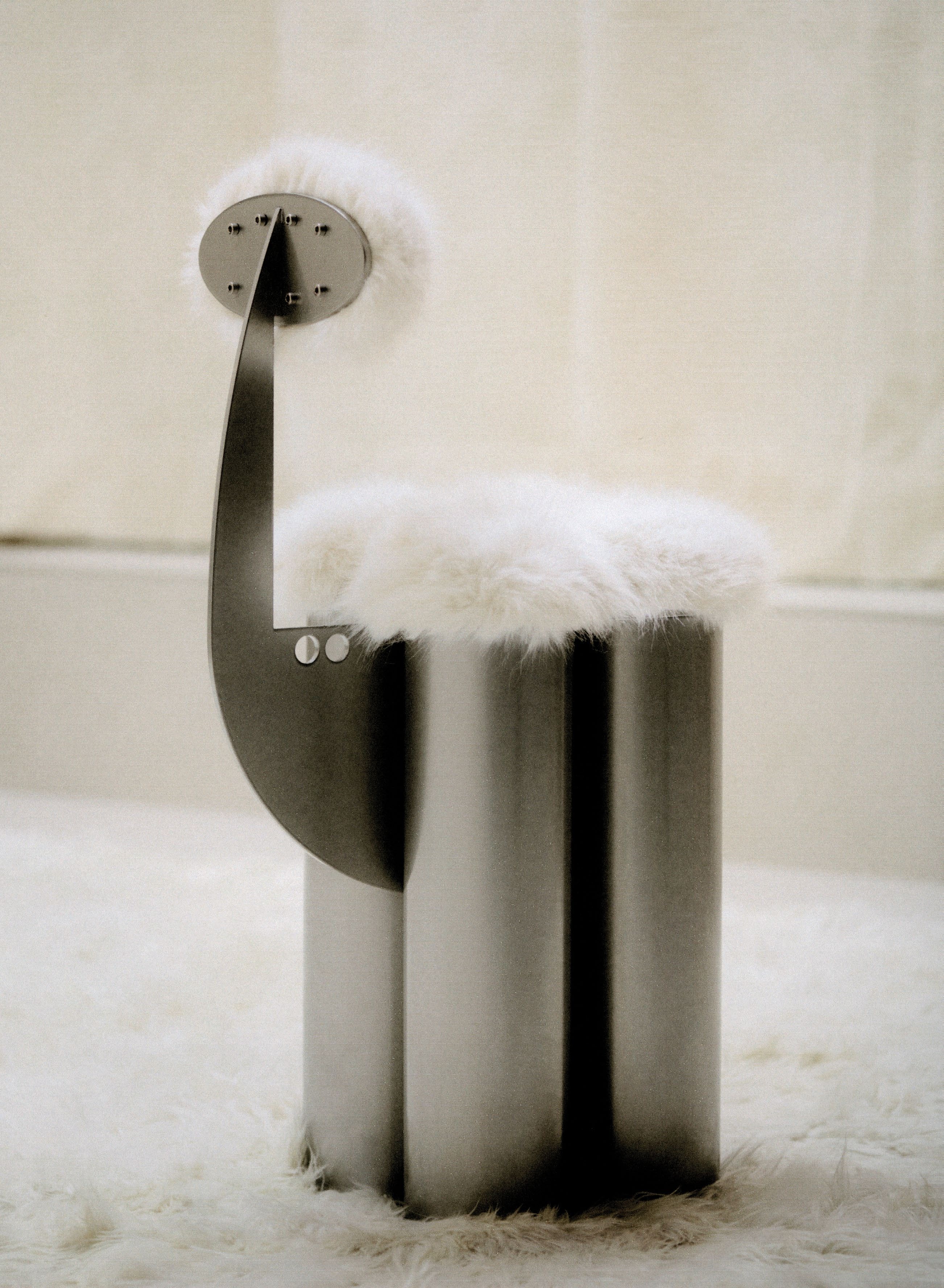
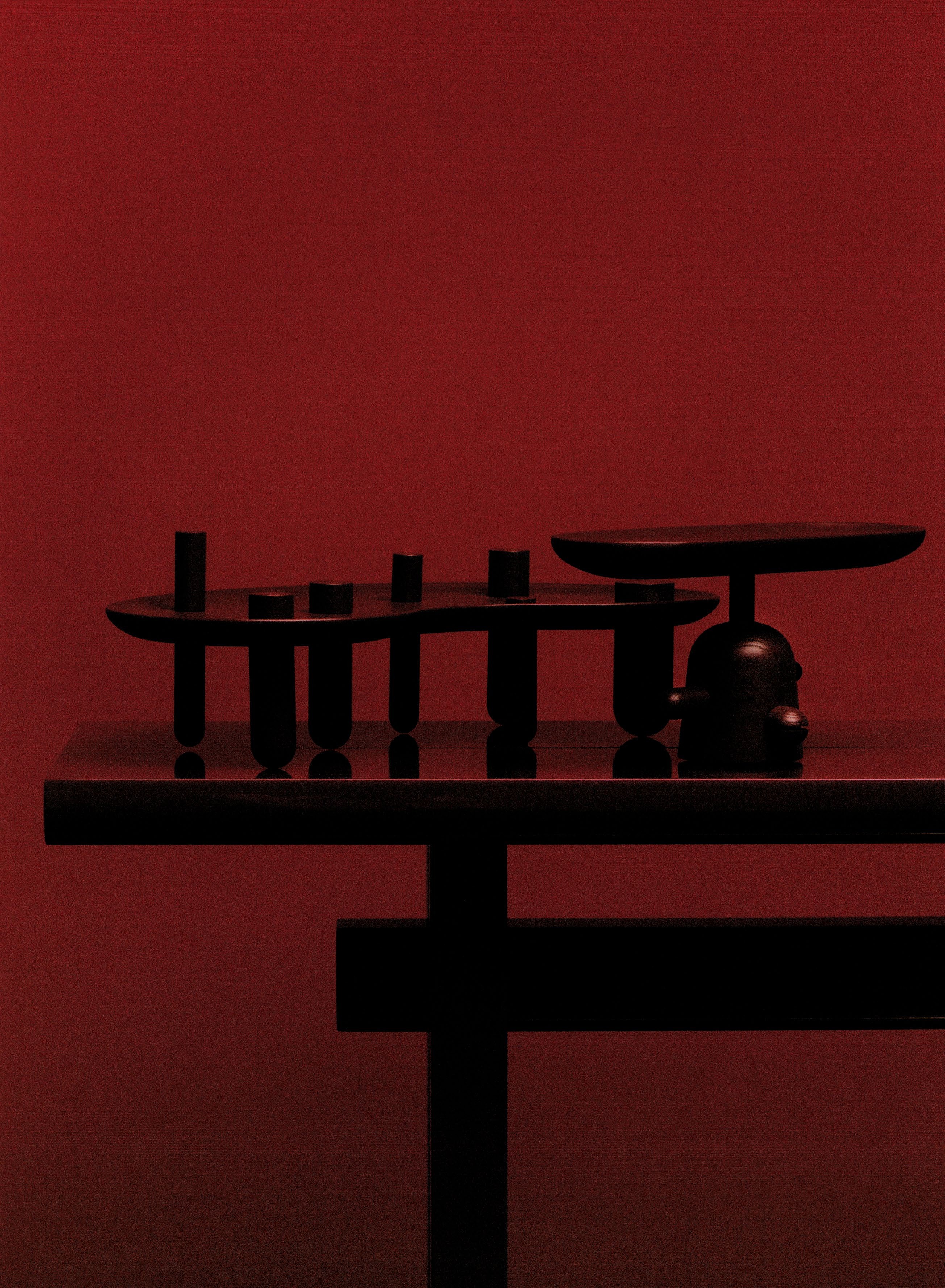
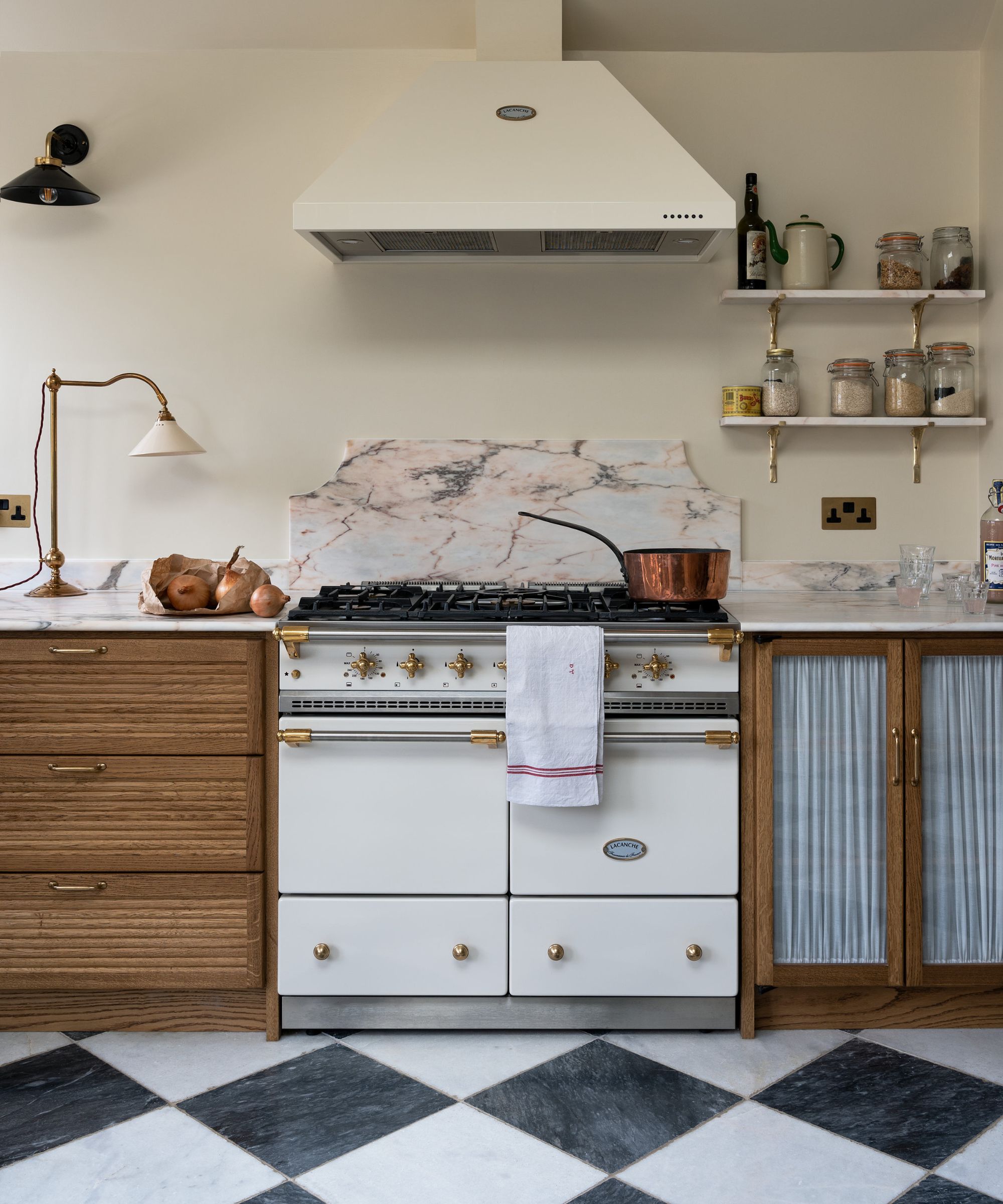
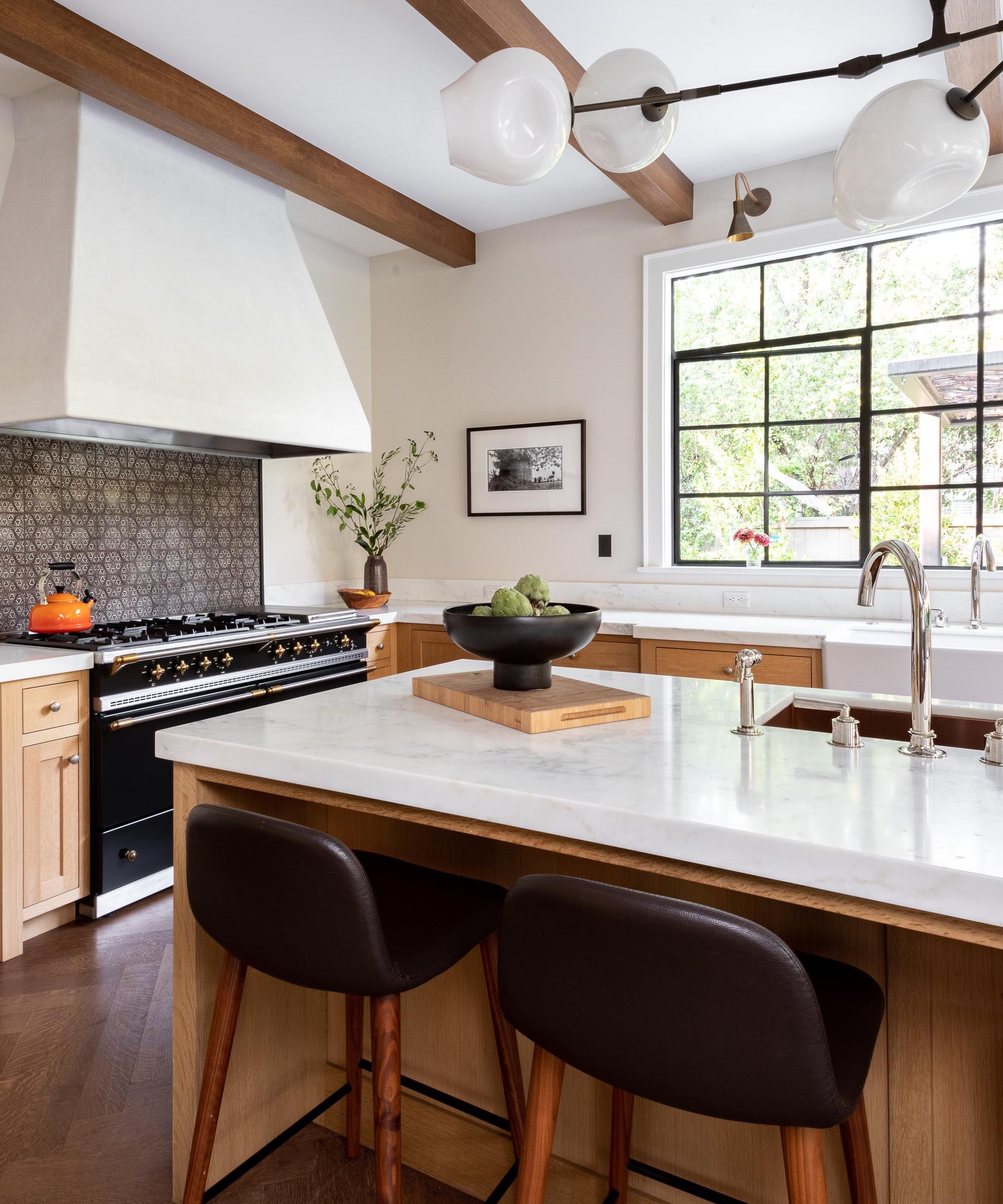
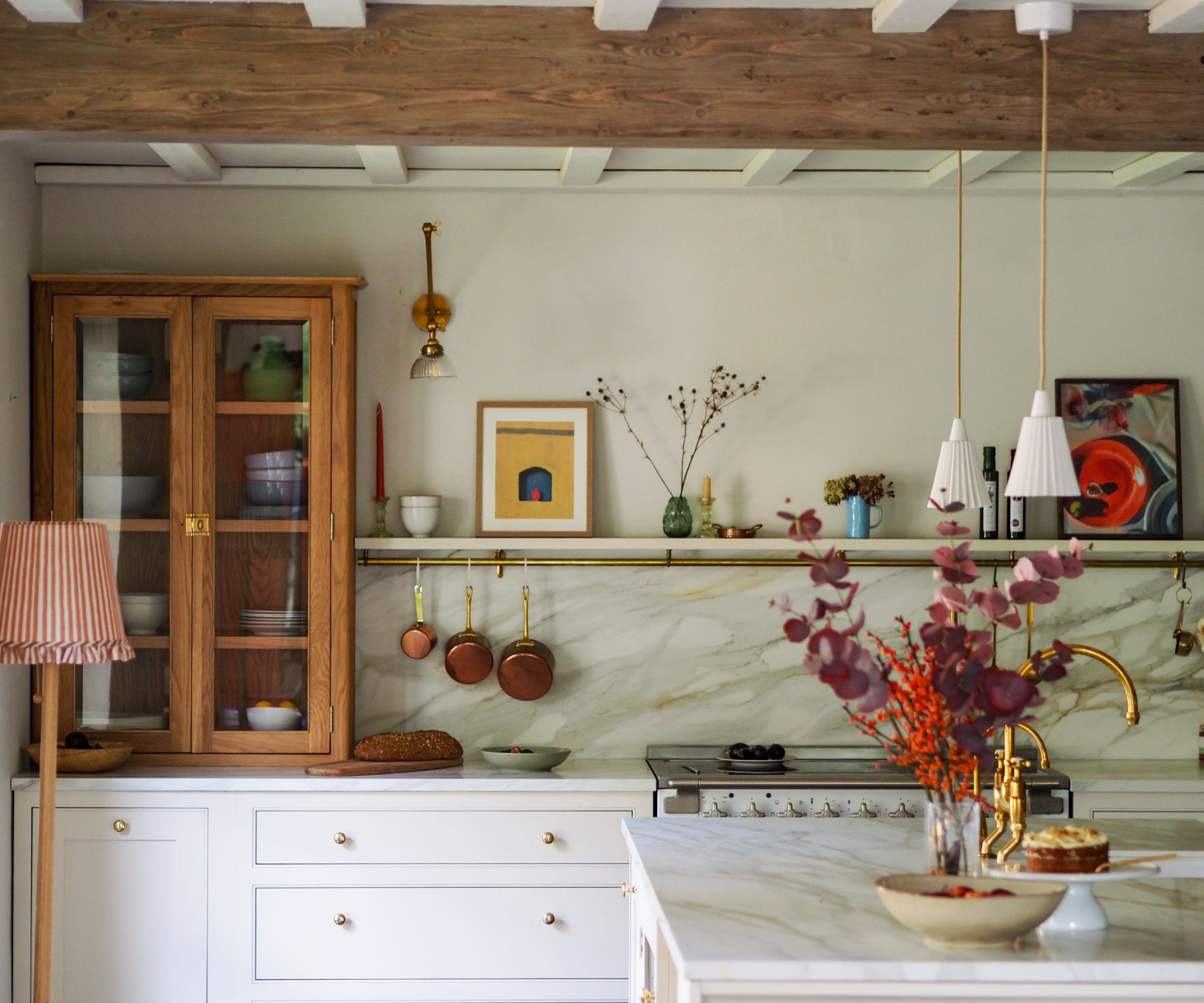
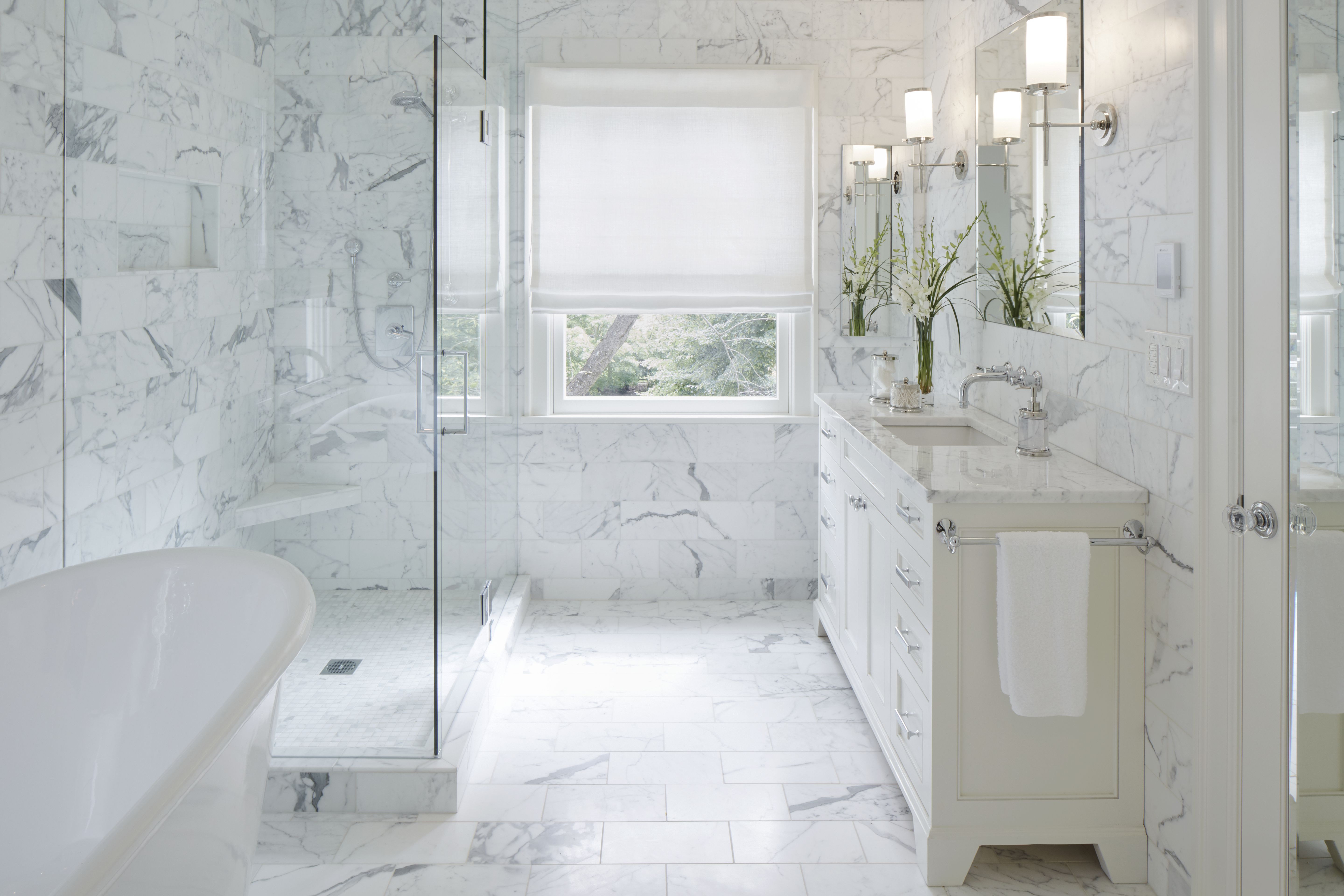
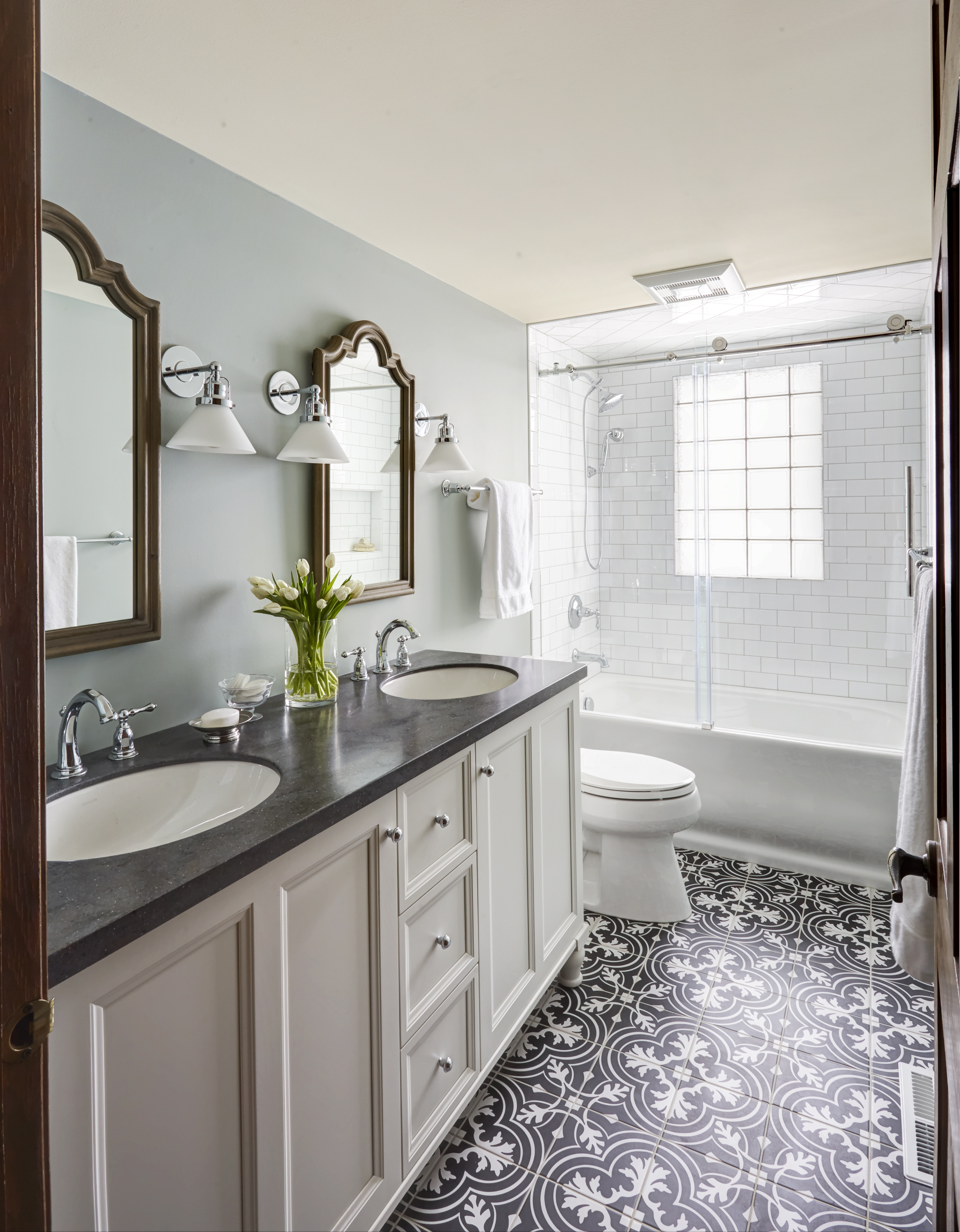
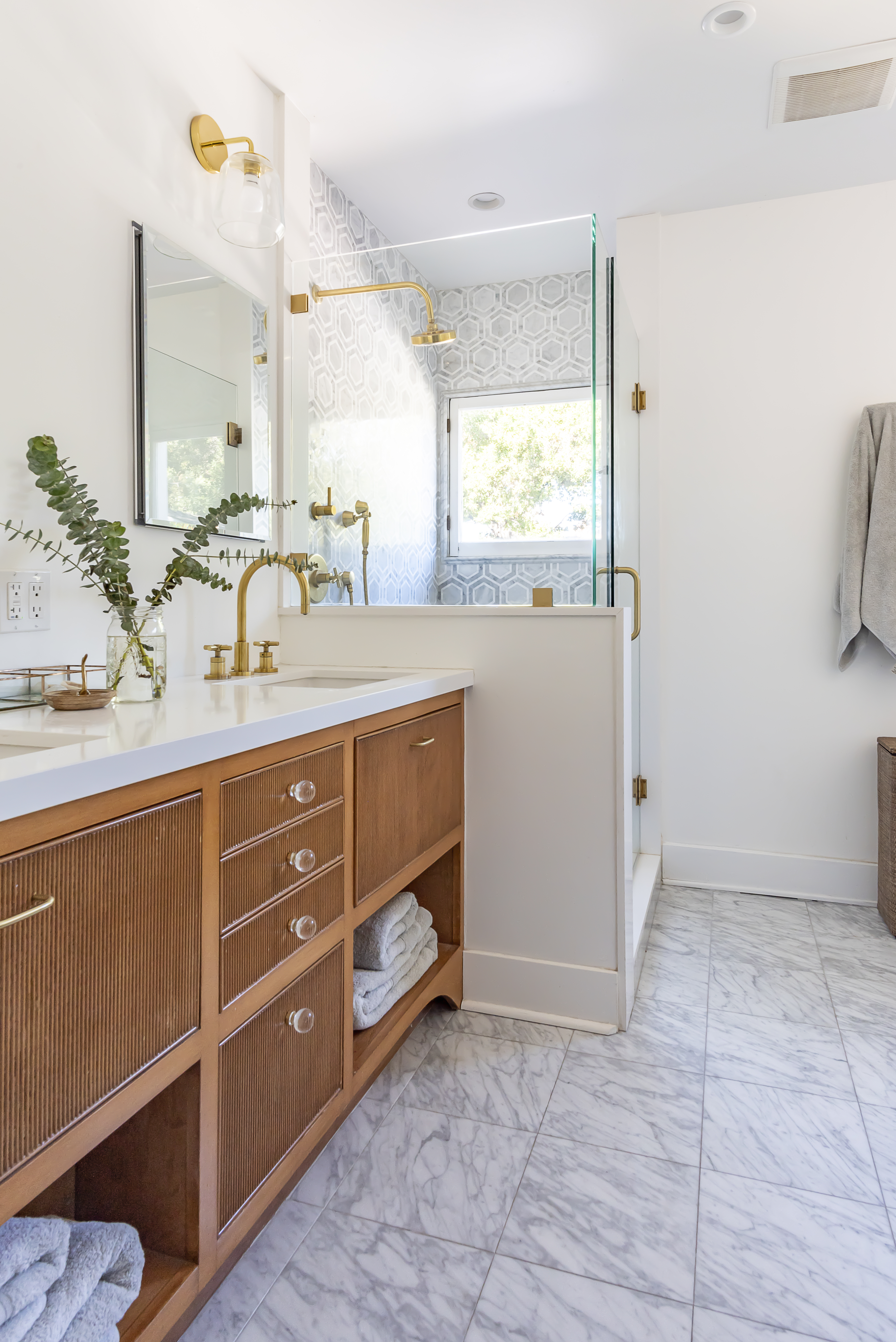
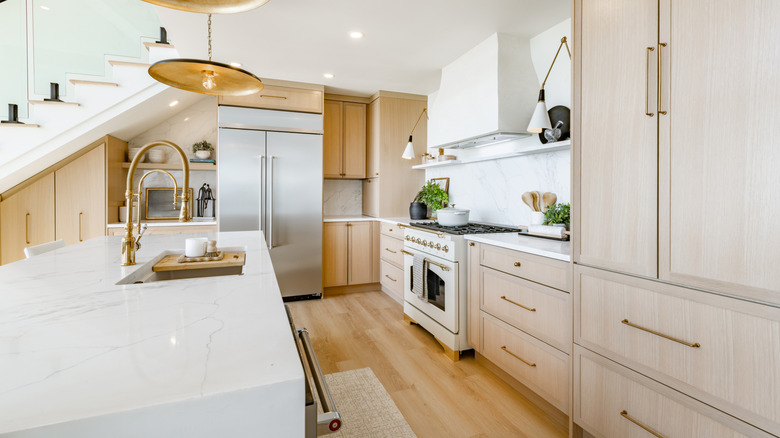
Transitional design is a popular interior design style that expertly blends elements from both traditional and contemporary aesthetics, offering a harmonious and comfortable environment. This style caters to individuals who find traditional designs too ornate or formal, and modern designs too stark or cold. Interior designer Barbara Schmidt emphasizes that transitional style features cleaner lines and sleek profiles, incorporating modern touches without entirely abandoning traditional details. It is a testament to achieving a balance where the best of both worlds can coexist.
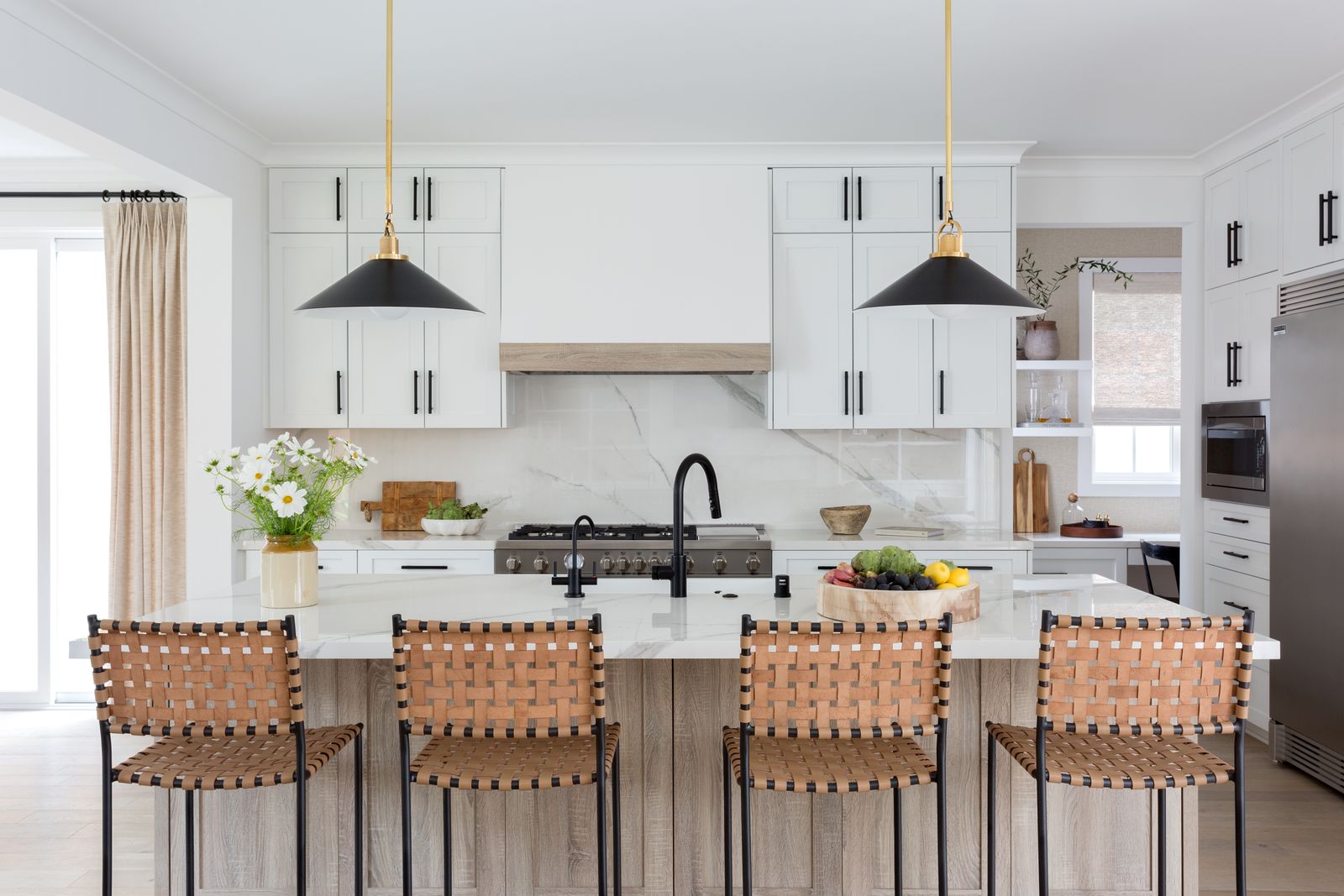
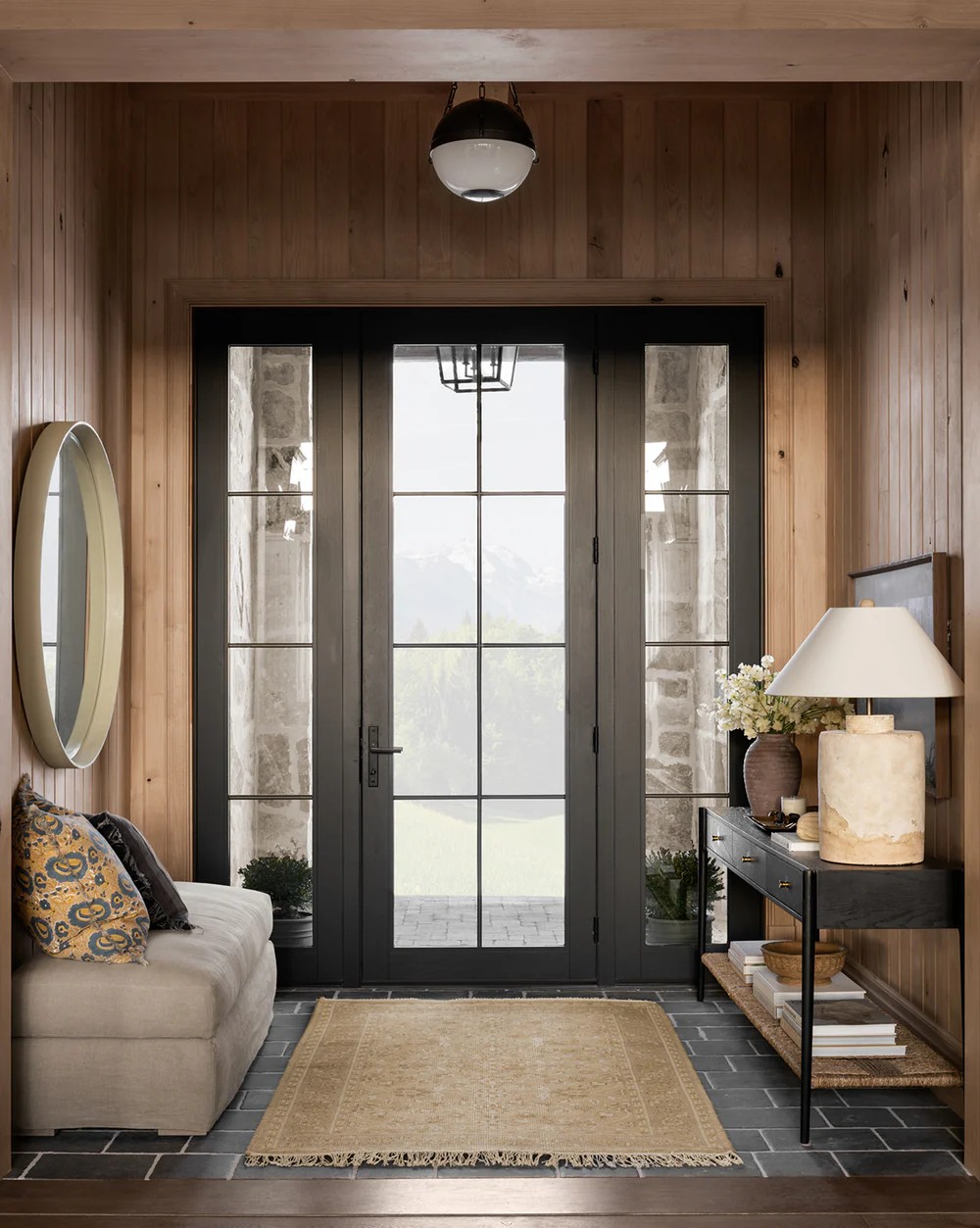
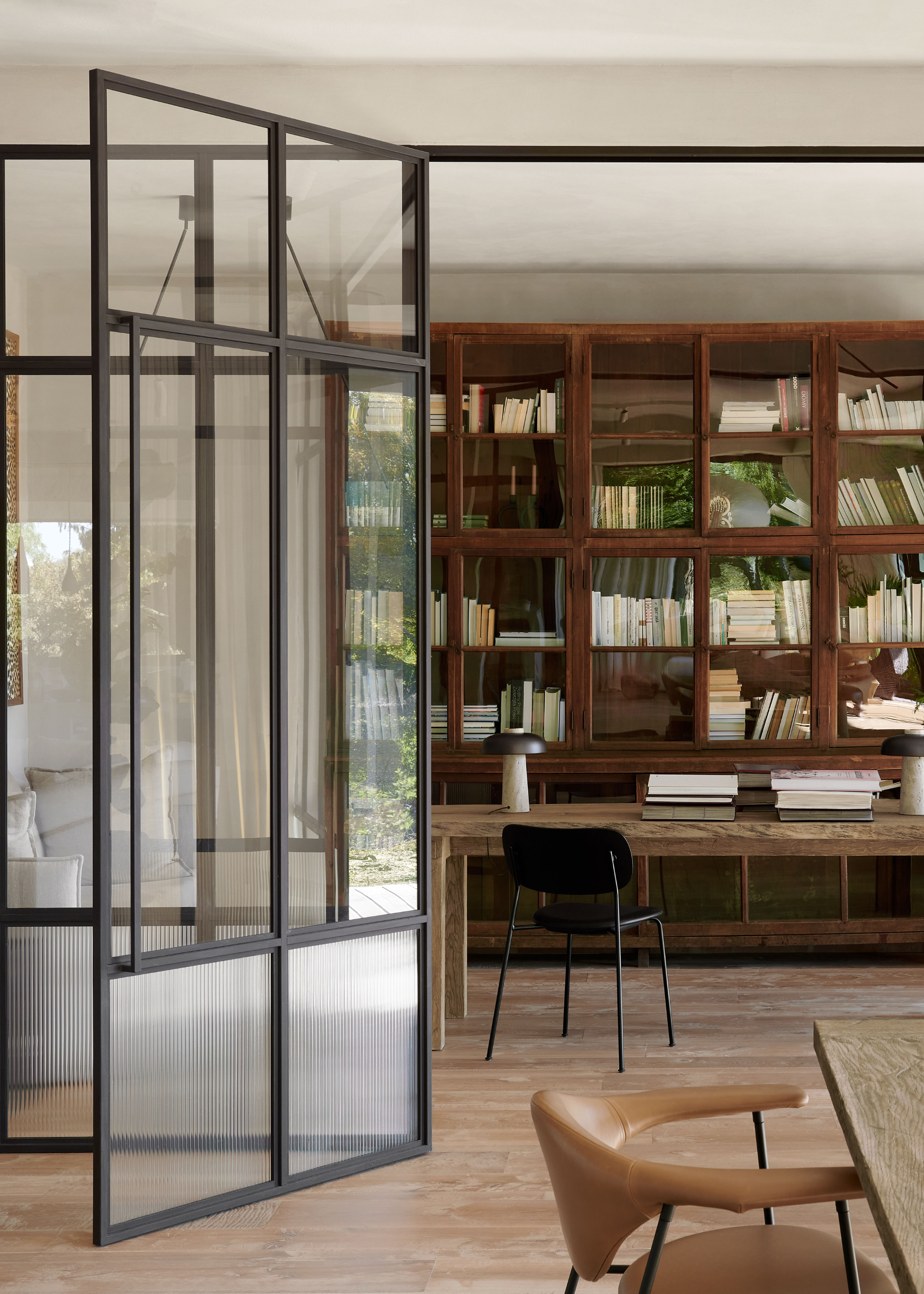
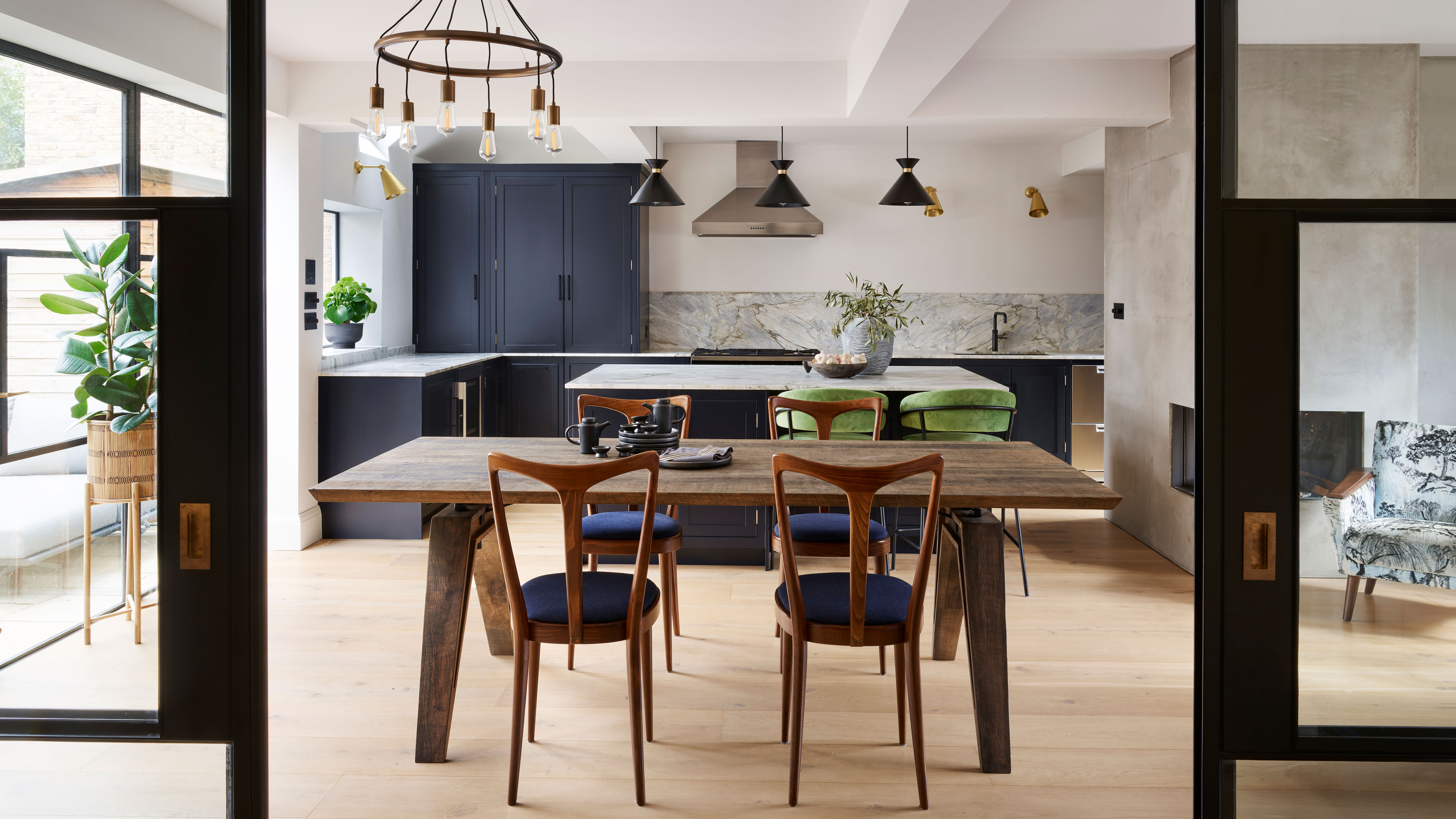
While combining different design elements, transitional design avoids being overtly eclectic or flashy. Instead, it maintains a mellow and cohesive appearance through simple, clean lines, symmetry, and a minimalist approach. Core characteristics often include painted molding, open floor plans, shaker cabinet doors, and elevated ceiling heights. Many farmhouse styles, for instance, naturally lean towards transitional design due to their blend of classic and modern characteristics. This design philosophy focuses on creating spaces that are both refined and approachable.
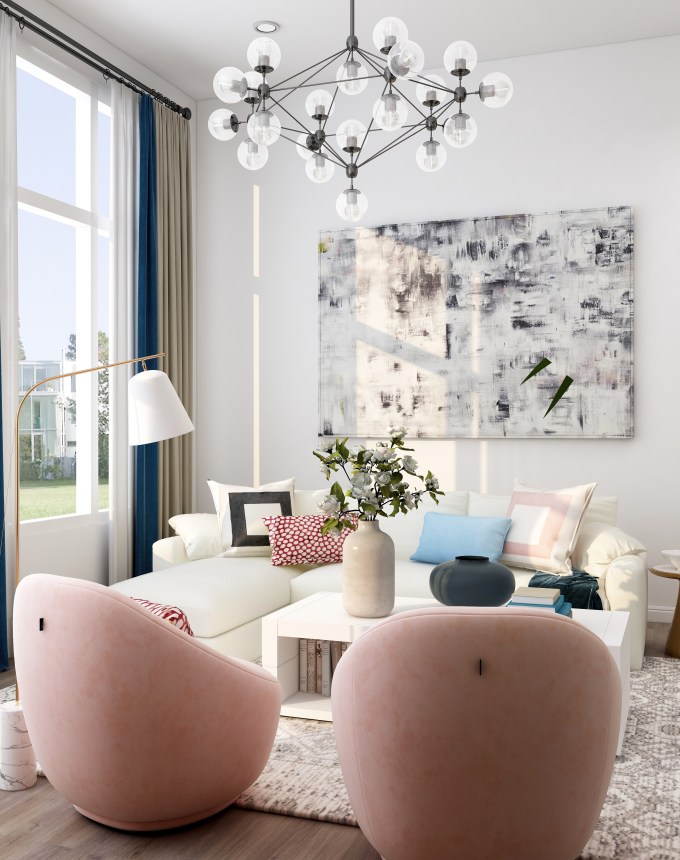
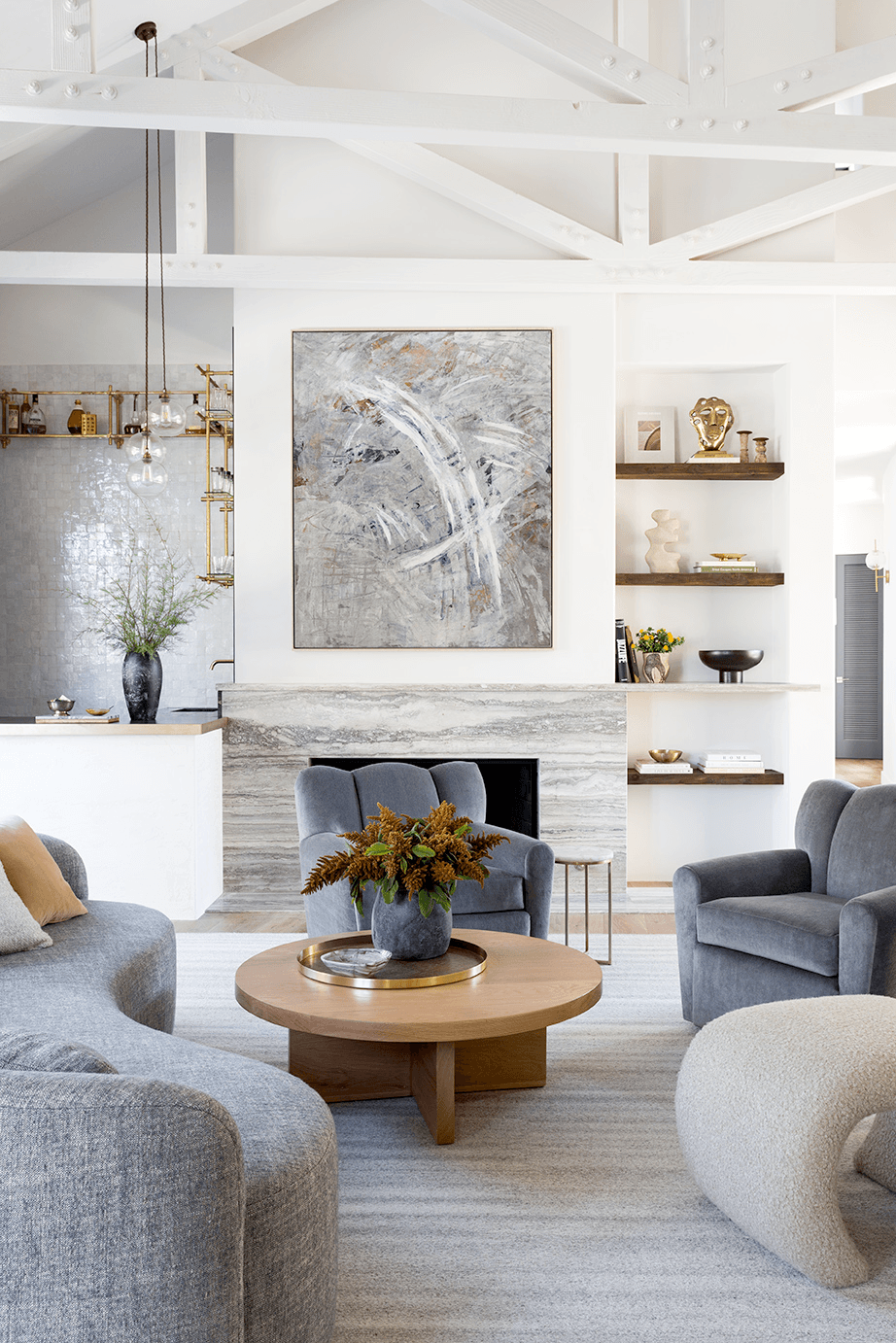
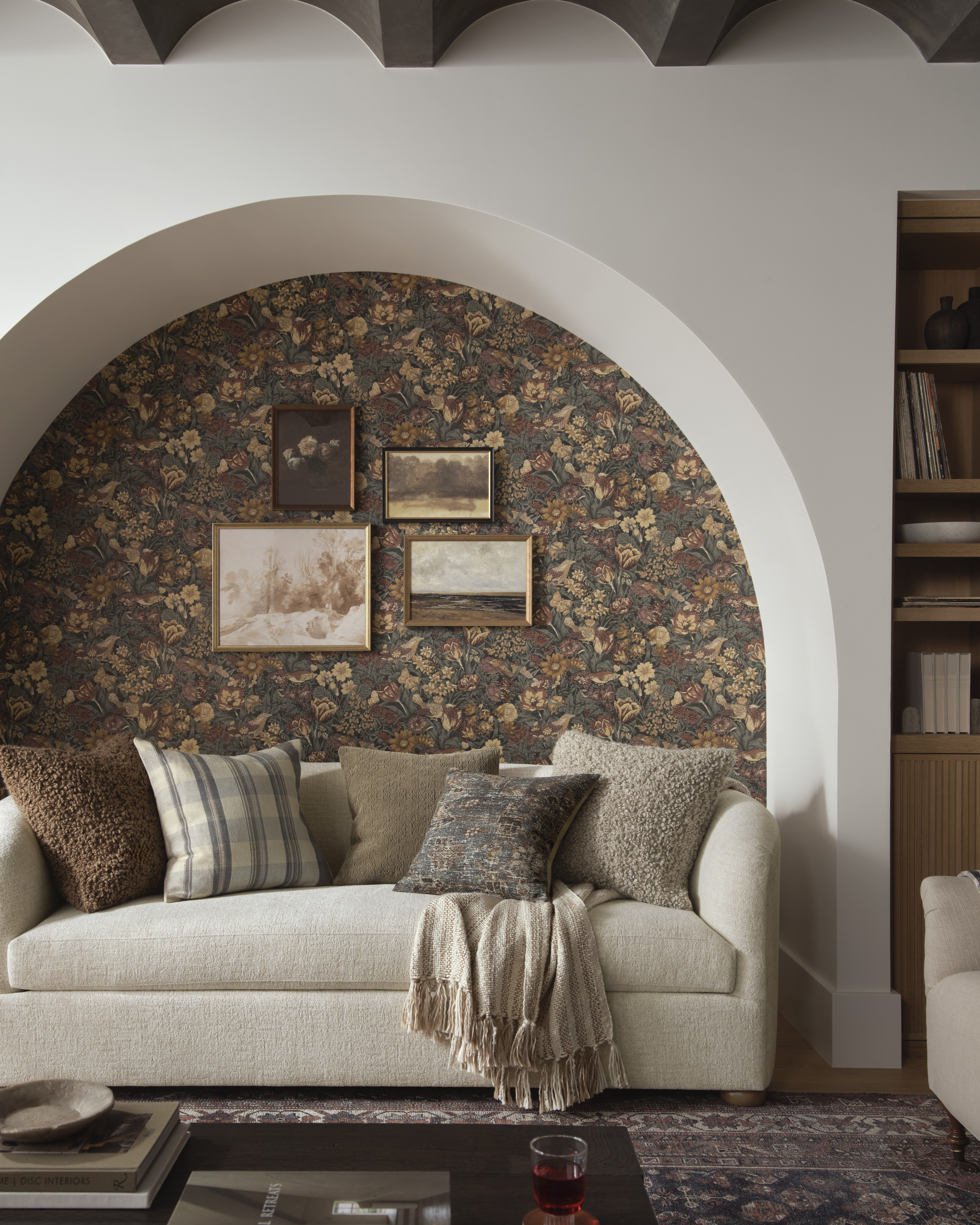
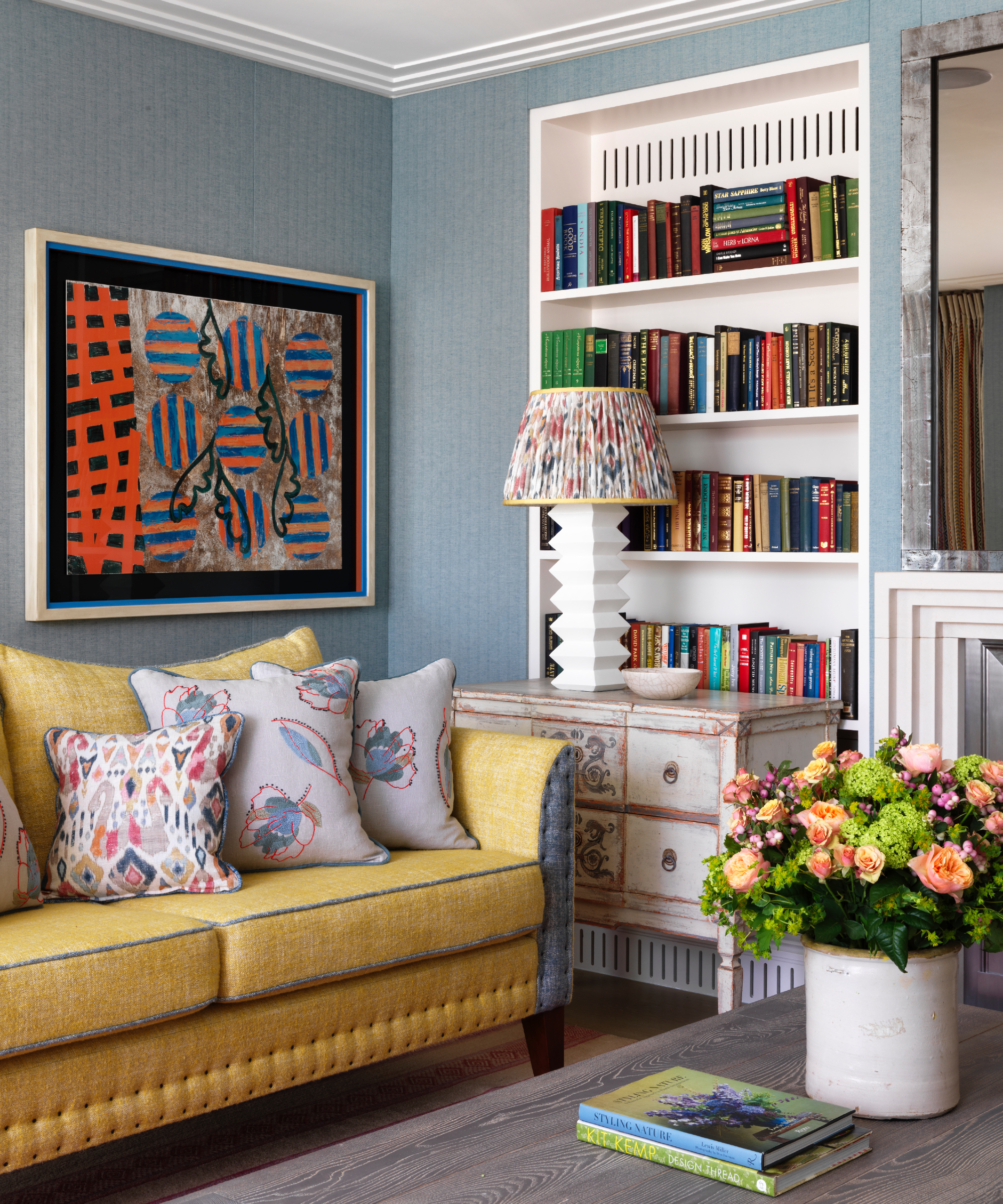
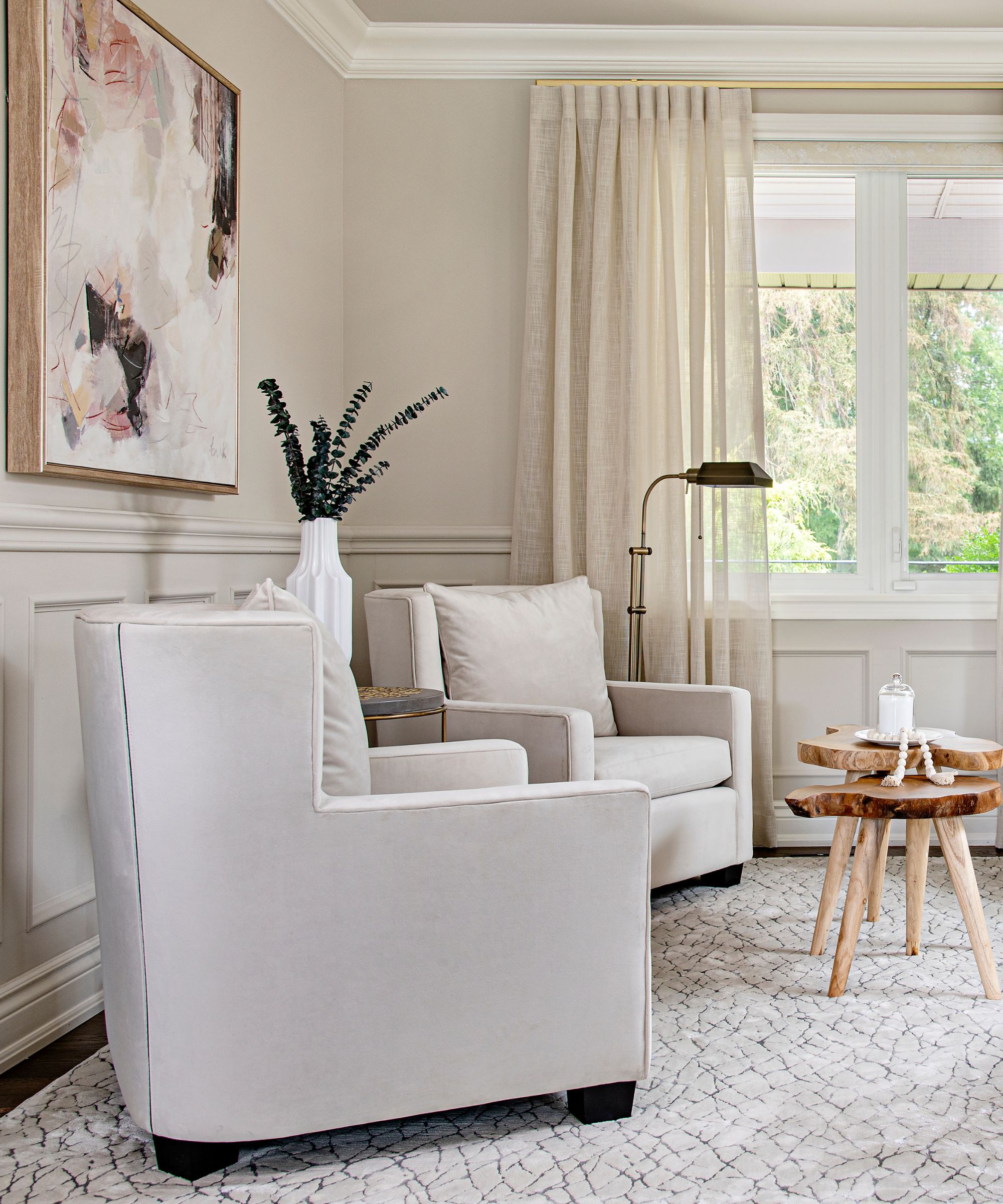
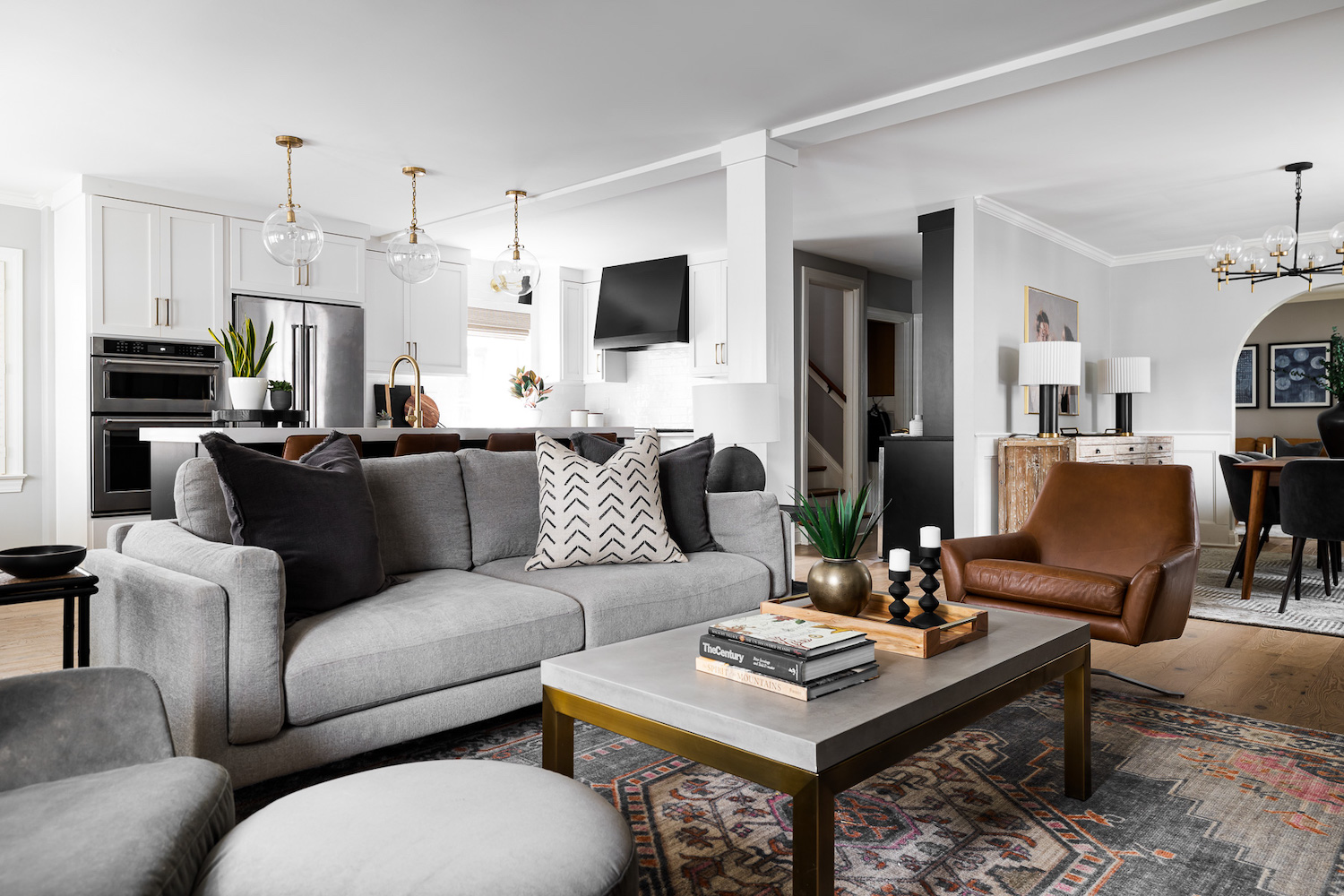
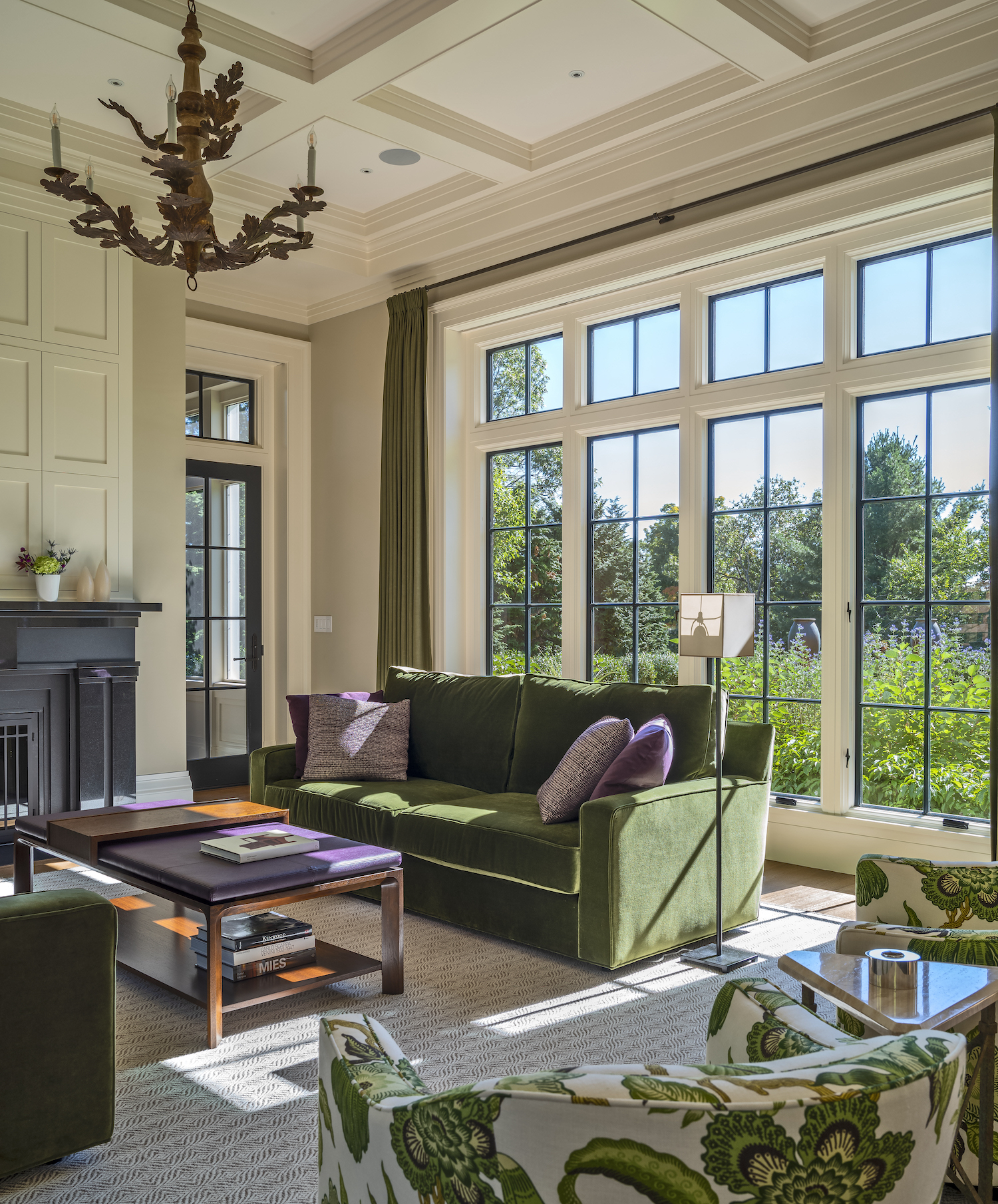
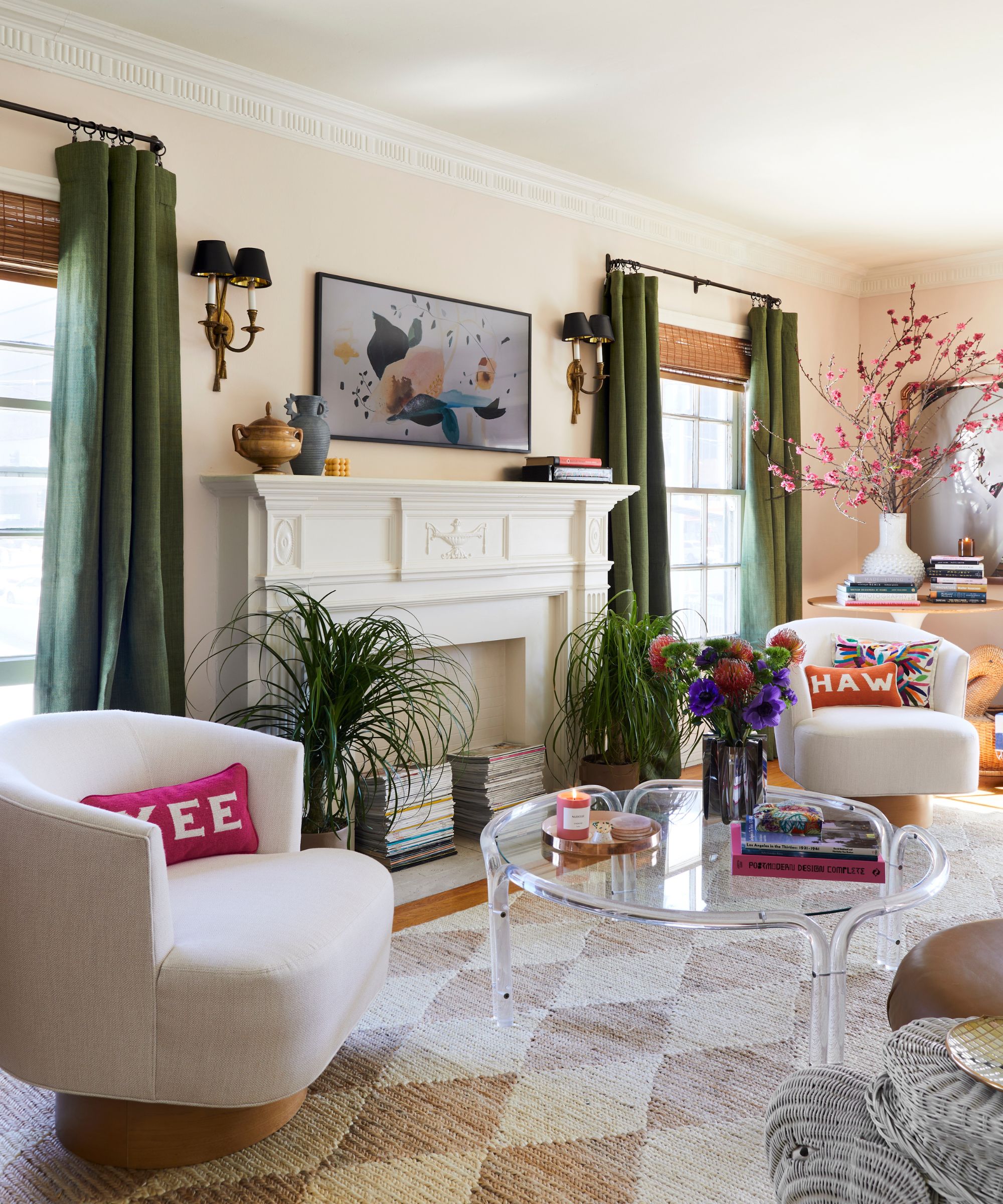
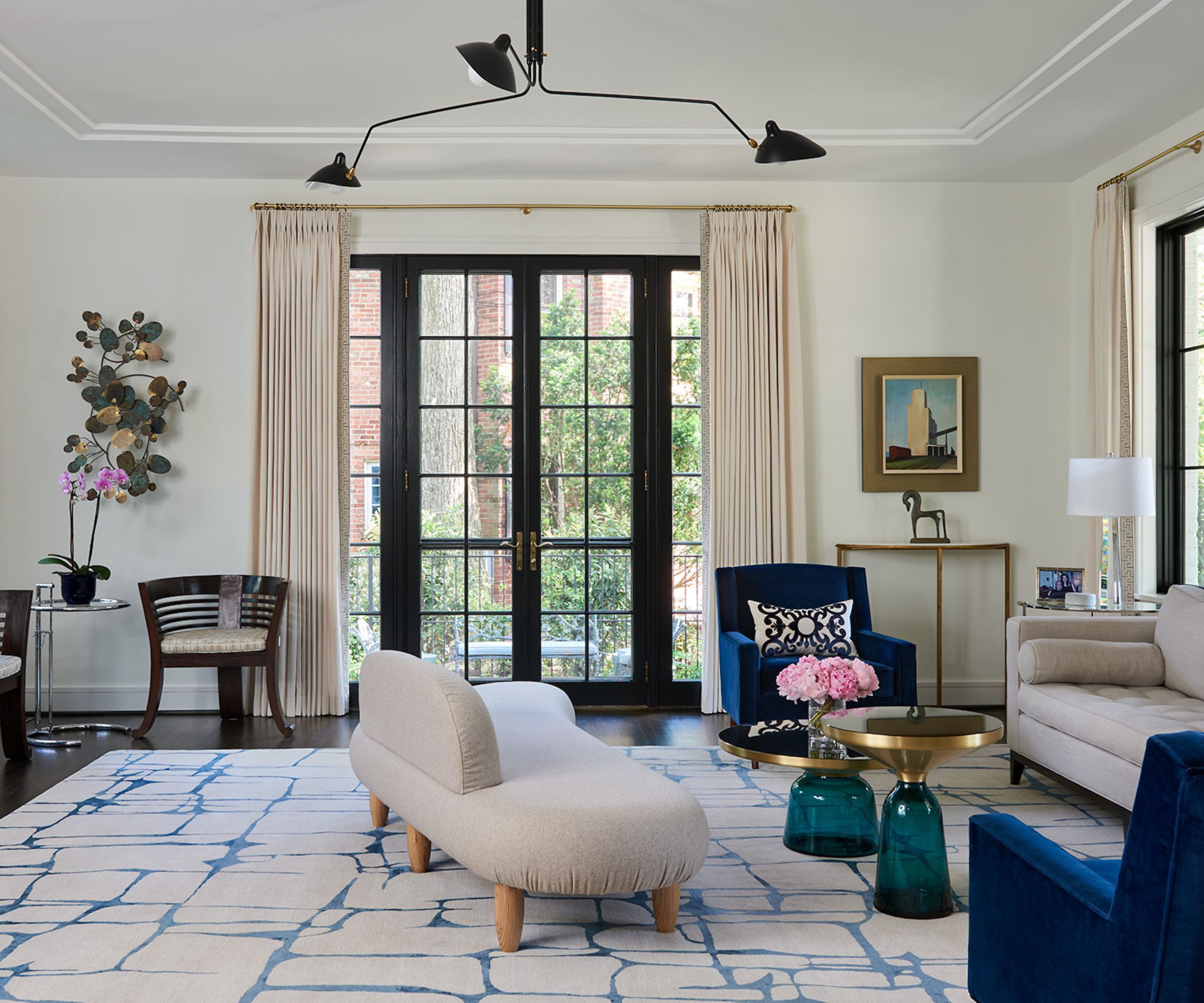
The color palette in transitional design is predominantly neutral, featuring calming shades such as grays, tans, and warm whites. This intentional lack of vibrant color contributes to a clean and soothing atmosphere. Darker hues like browns, blues, and soft greens are strategically introduced to provide depth and accentuation without overwhelming the serene base. The emphasis on neutrality ensures a timeless and elegant backdrop for the space.
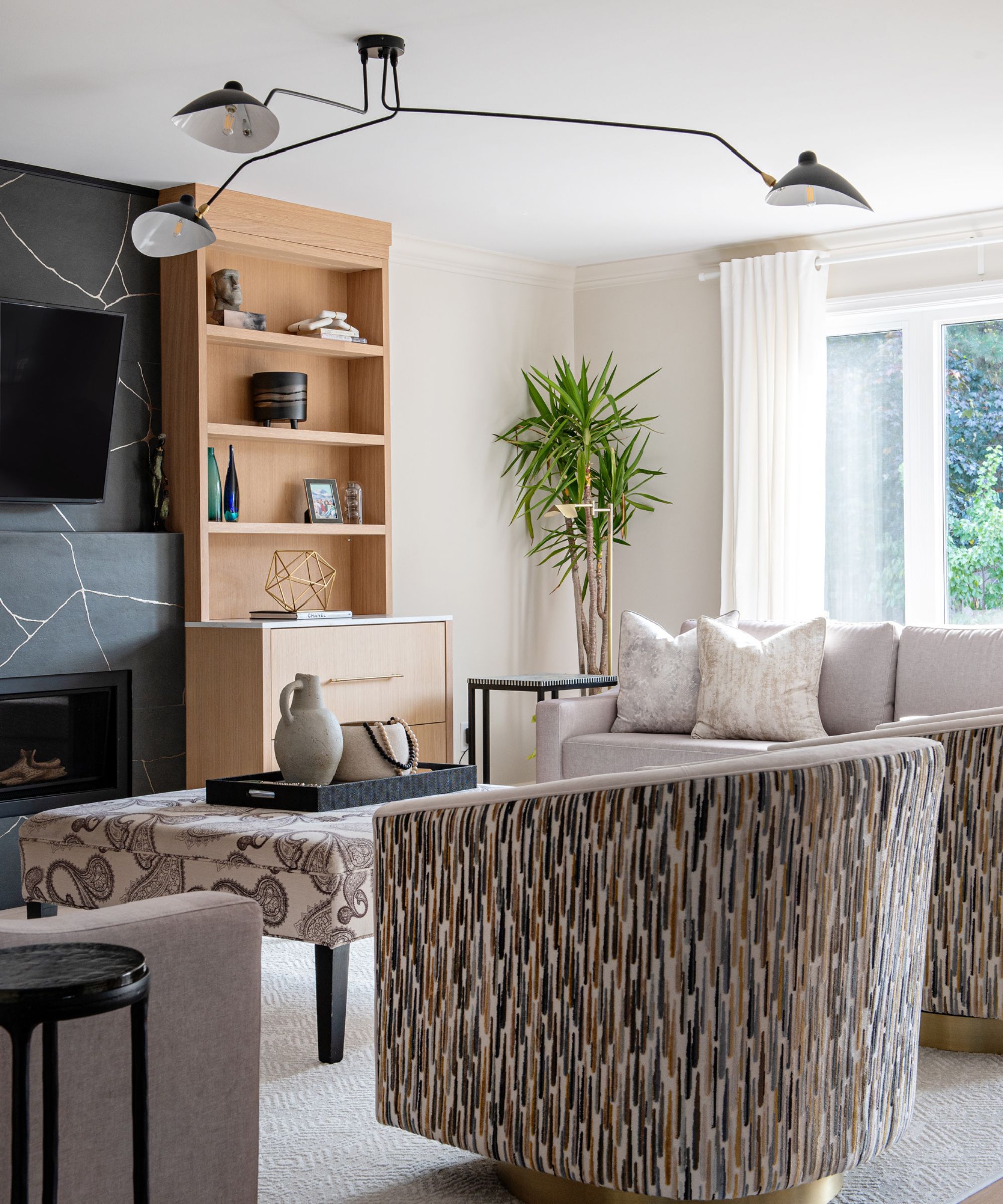
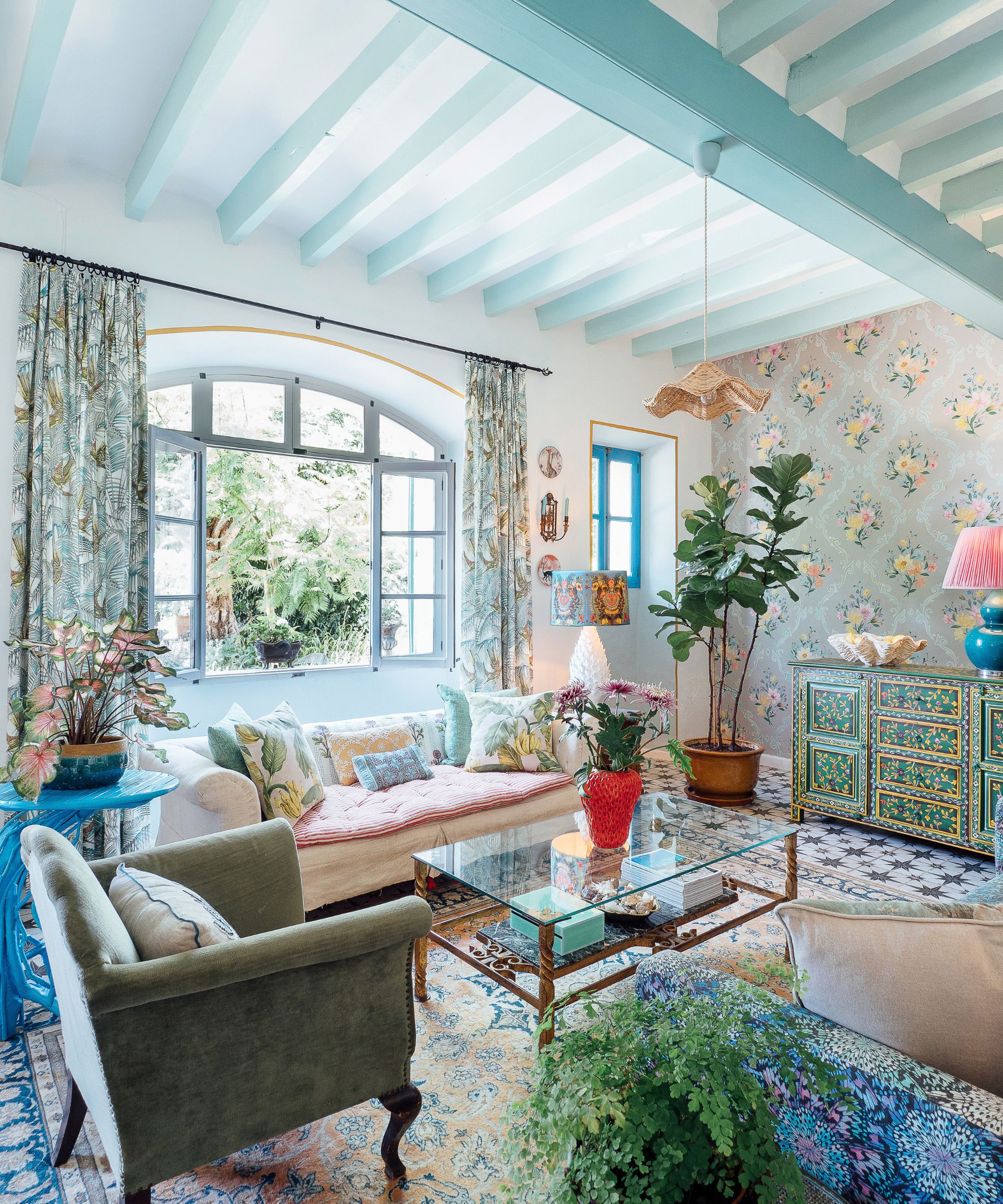
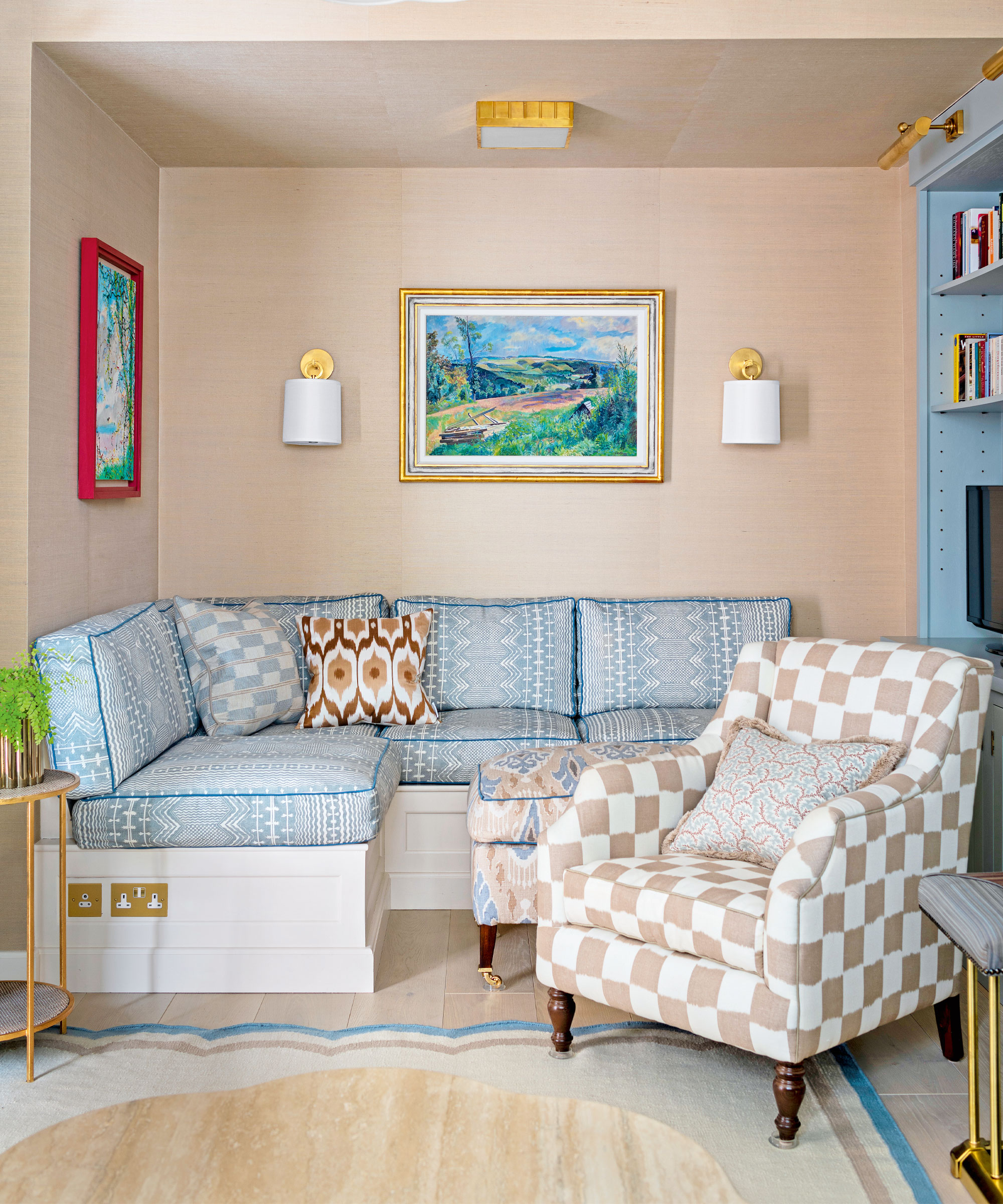
Fabric selection plays a crucial role in adding comfort and texture, especially since the color scheme is minimal. Transitional design incorporates a variety of textiles such as corduroy, cotton, chenille, and suede. These diverse fabrics contribute to a cozy and inviting feel, enhancing the overall sensory experience of the room without relying on bold colors. The tactile richness of these materials brings warmth and personality to the otherwise neutral palette.
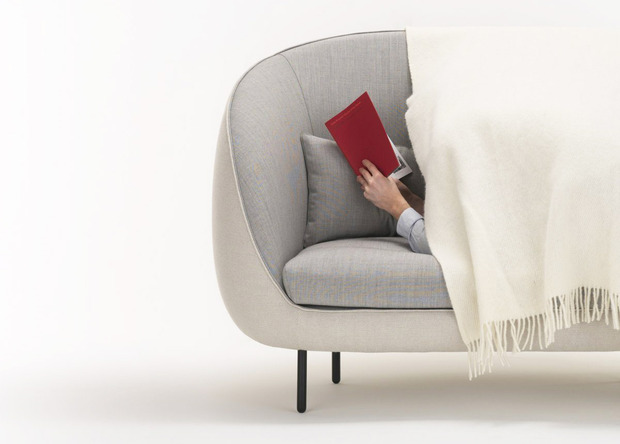
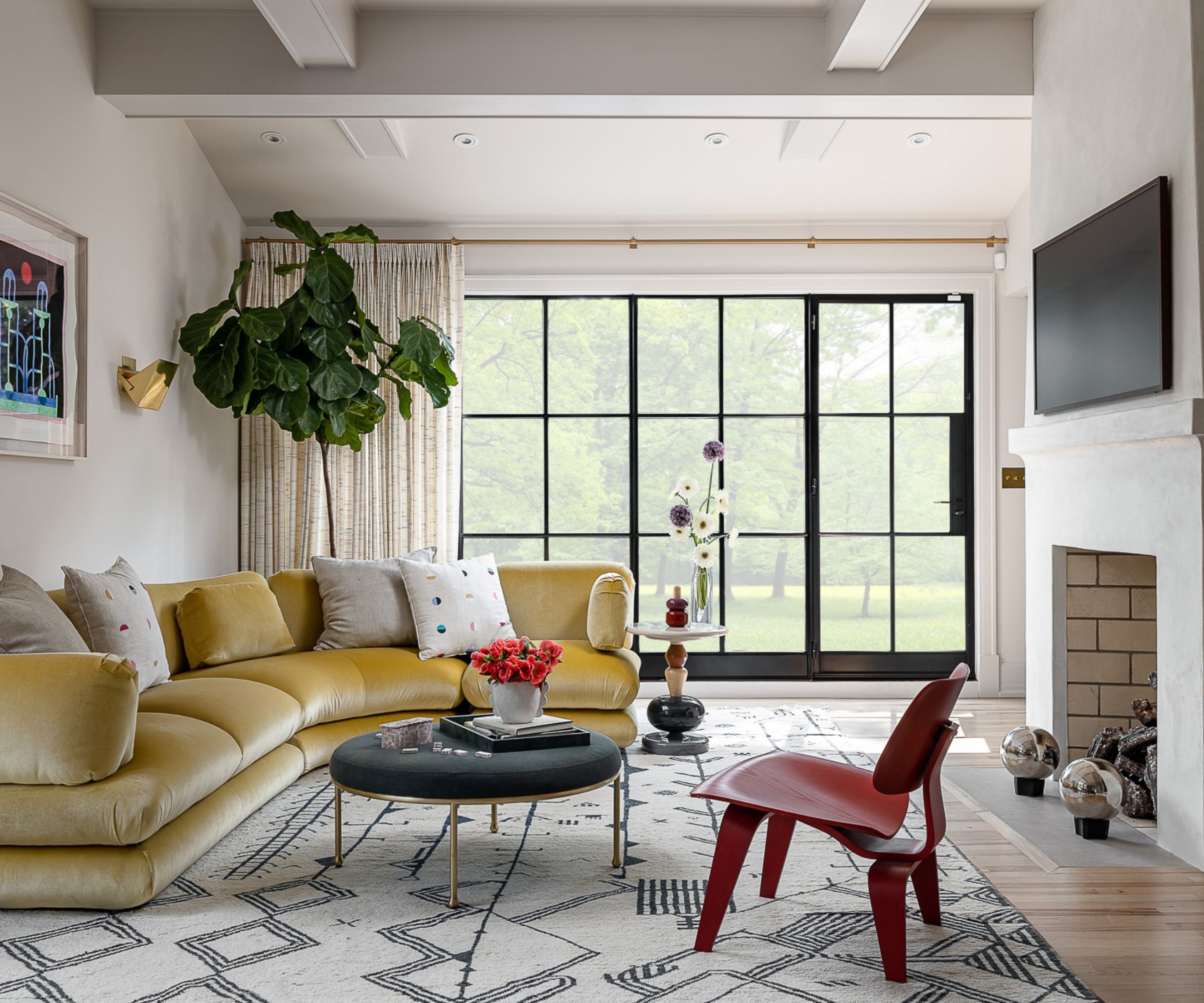
Furniture in transitional spaces prioritizes comfort while adhering to clean lines. Couches and chairs are typically large and plush, designed for relaxation. Arrangement often involves grouping furniture to anchor the room, while also ensuring sufficient negative space to maintain a streamlined and uncluttered appearance. This careful balance highlights the furniture as focal points, contributing to an organized and aesthetically pleasing layout.
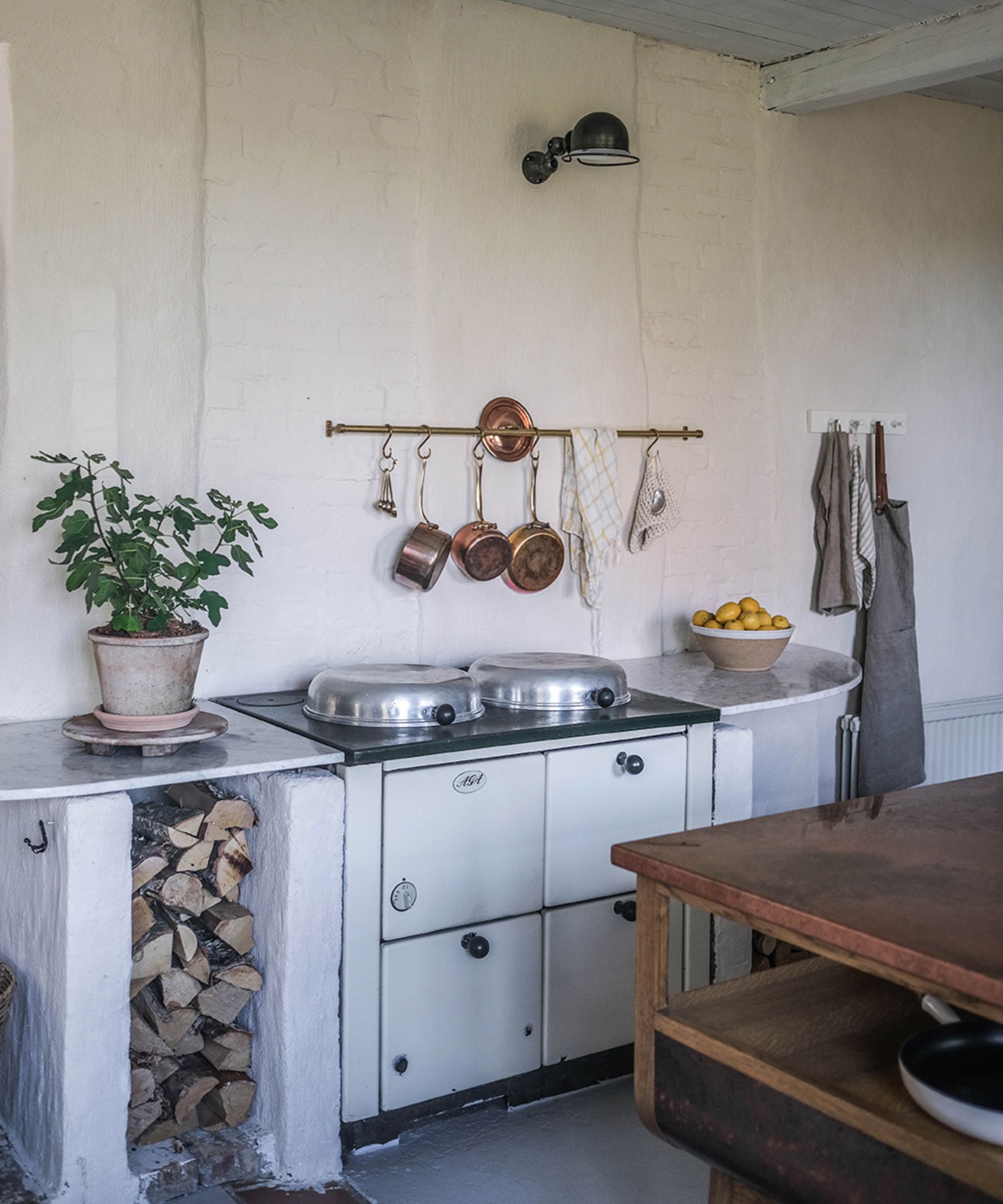
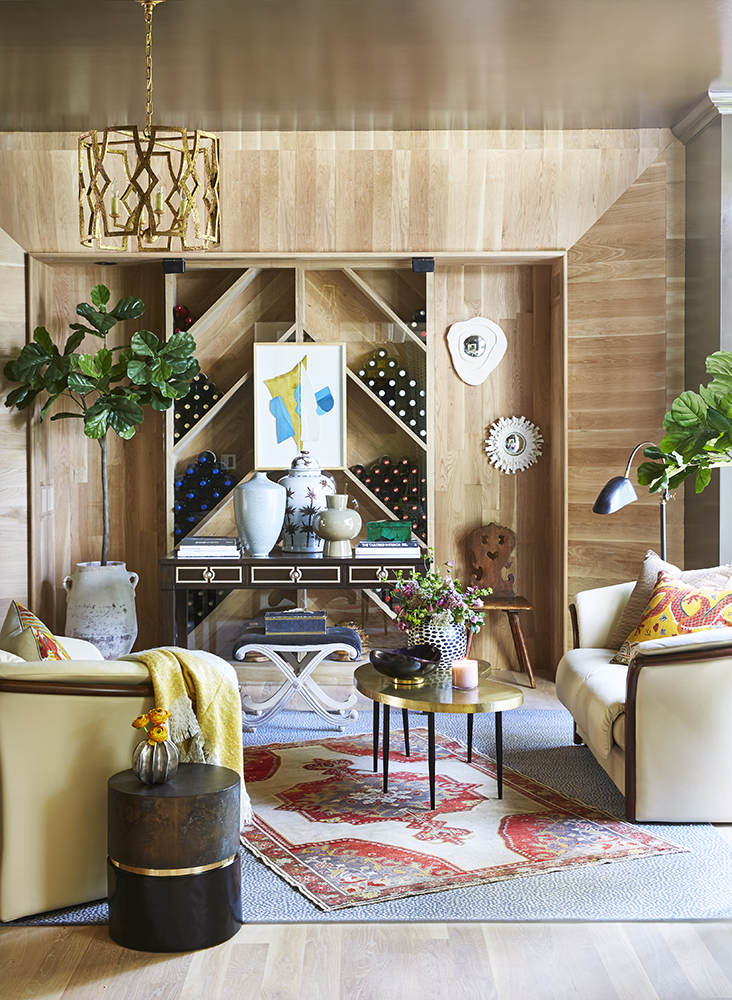
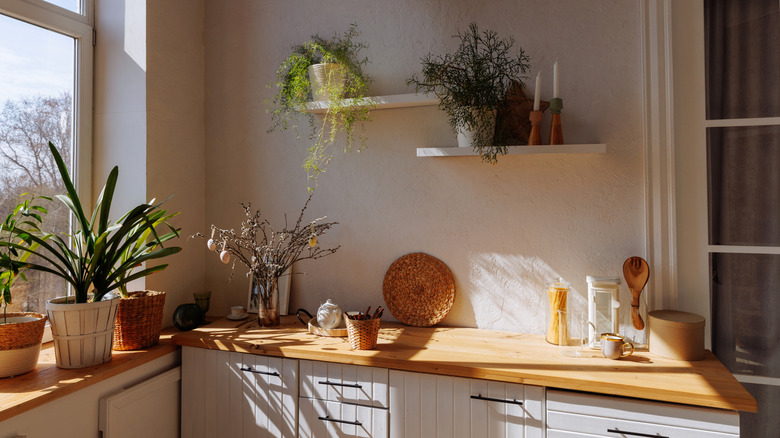
Accessories are used sparingly to complement the design rather than dominate it. The goal is to create visual interest without overwhelming the space or causing visual distraction. Common accessories include area rugs, throw pillows, and blankets, which enhance the cozy ambiance, along with potted plants and wooden trays that add natural elements and functional elegance. This mindful selection of decor ensures that every item serves a purpose and contributes to the overall serene and balanced aesthetic of transitional design.
#TransitionalDesign #InteriorDesign #HomeDecor #DesignStyles #NeutralColorPalette #ModernTraditionalBlend #ComfortableLiving #TransitionalDesign #InteriorDesign #HomeDecor #DesignStyles #NeutralColorPalette #ModernTraditionalBlend #ComfortableLiving
0 تعليق إجمالاً
 لا توجد تعليقات بعد
قد تعجبك أيضًا
Here’s What Transitional Style *Actually* Means (and 6 Tips to Nail the Look)

Meet Krysti Lyn | Whole Home Designer
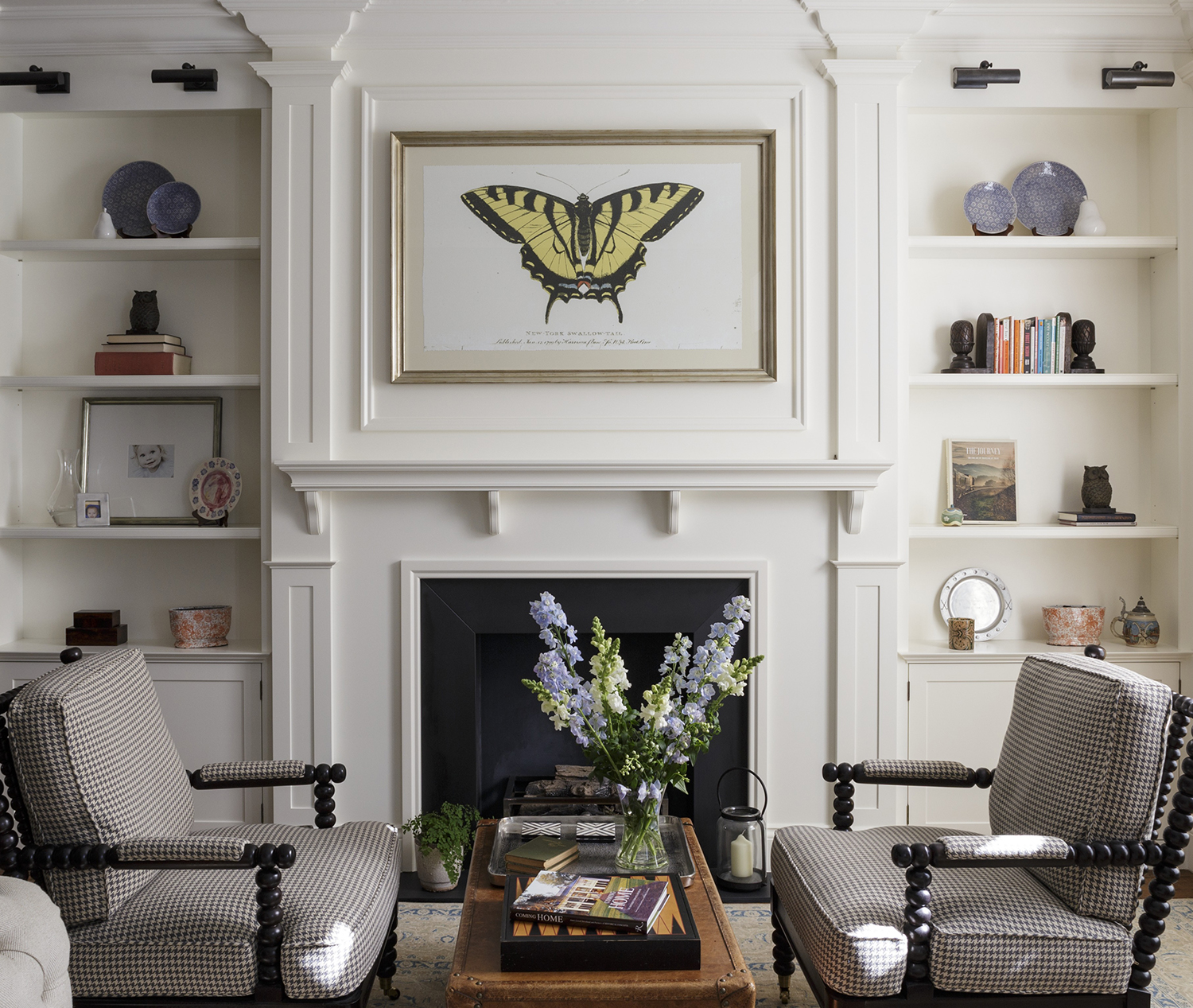
9 perfect color palettes for transitional- style living rooms - the design trend of the moment

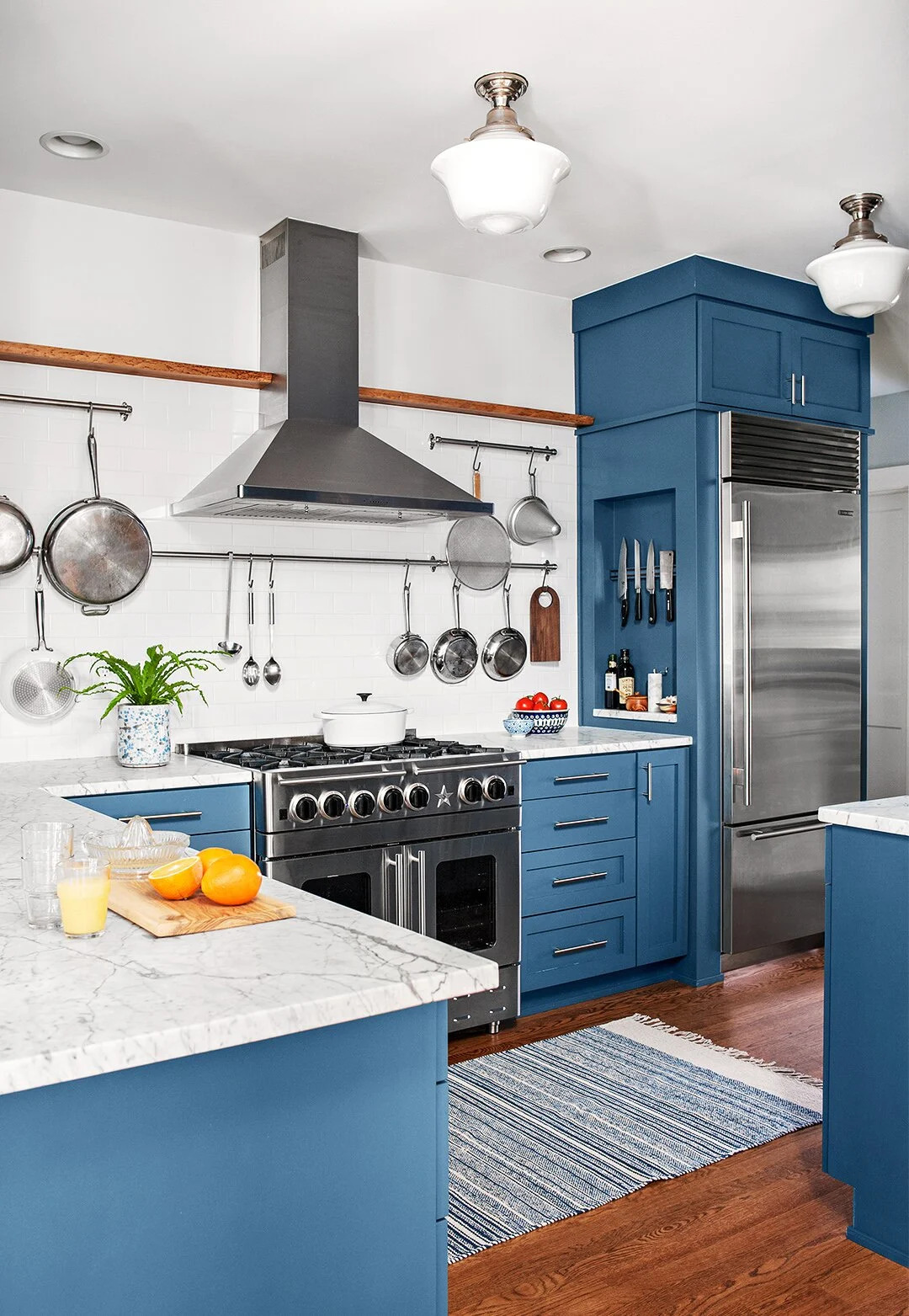
Transitional Style Kitchens Are Most Popular—Here's How to Ace the Look

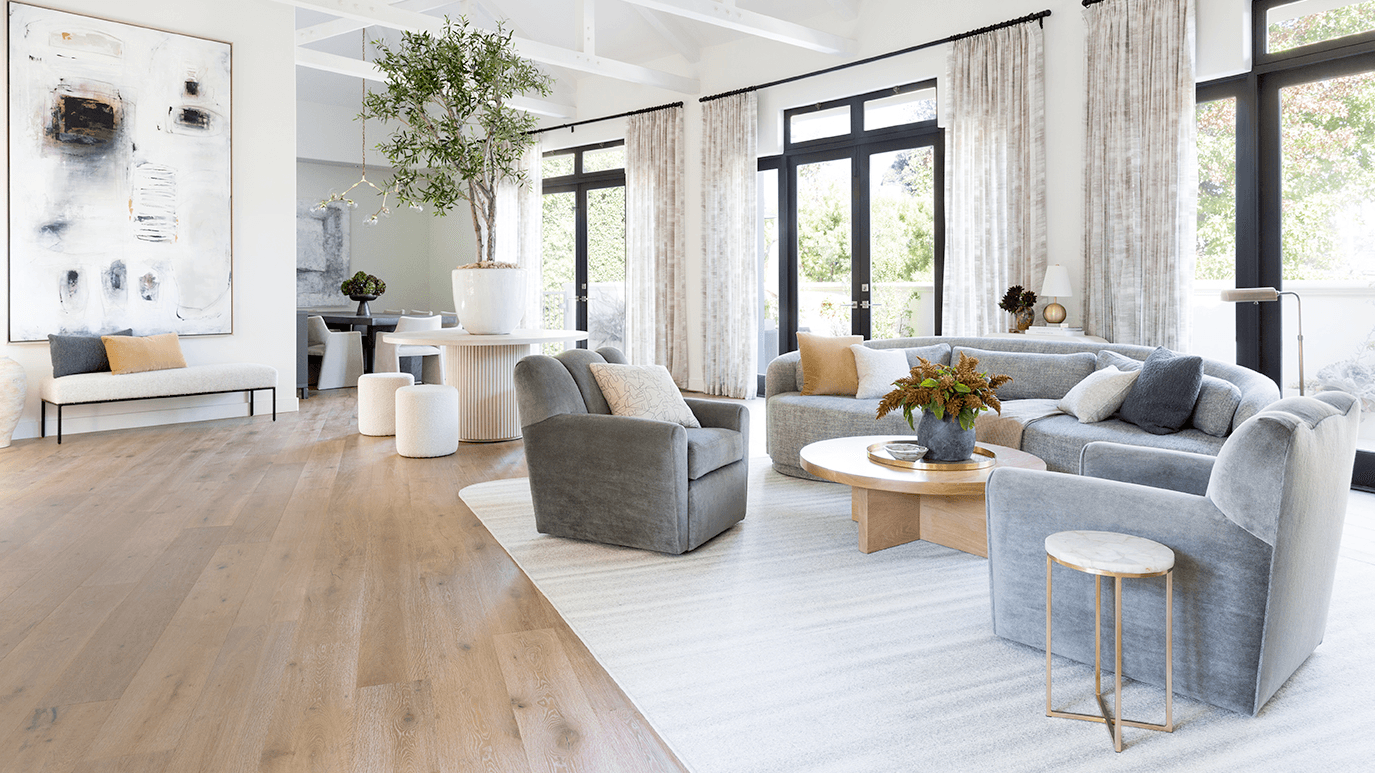
Transitional Design: Everything You Need to Know About This Traditional and Modern Style

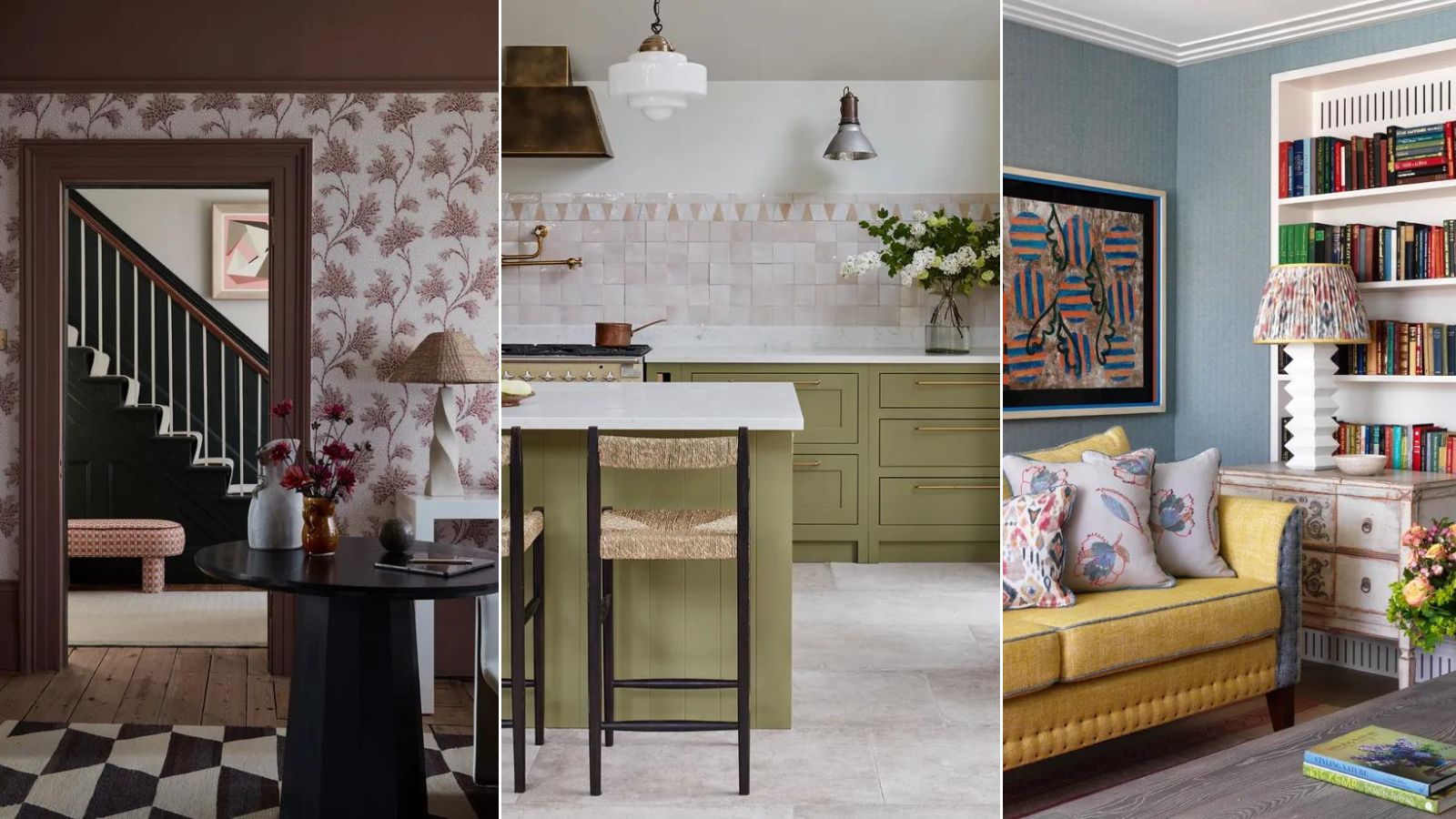
10 beautiful transitional color schemes for every room in the house


Design Evolution

Should you follow interior design trends? Do they create a stylish home or one that will date fast?
“Design Feeling” and Neo-Transitional Objects - COOL HUNTING®
What Is Transitional Style? Designers Share Why They Love It and How to Get the Look

Beyond Aesthetics: How Tech is Redefining Interior Design
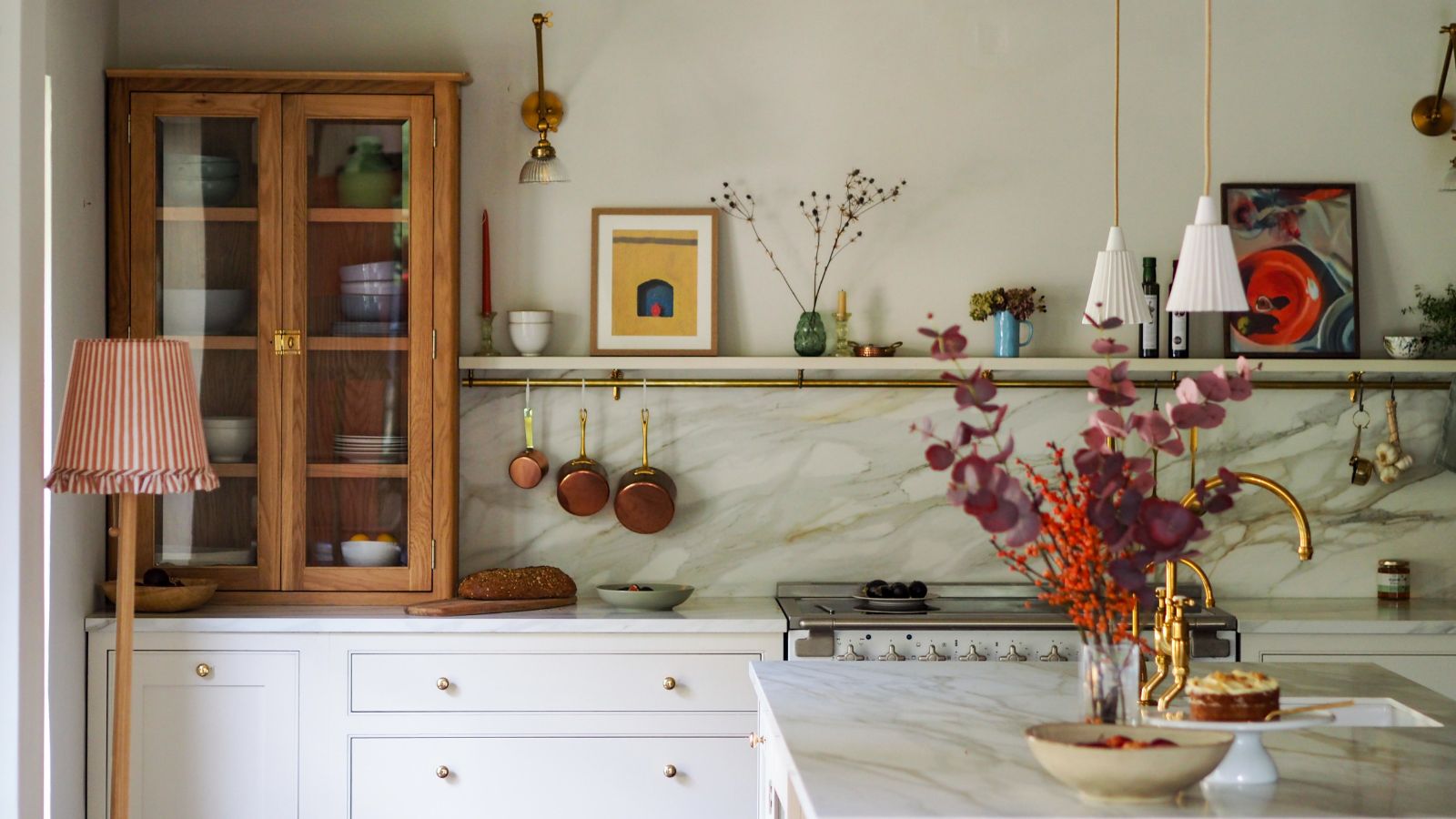
13 transitional kitchen ideas that effortlessly blend old and new
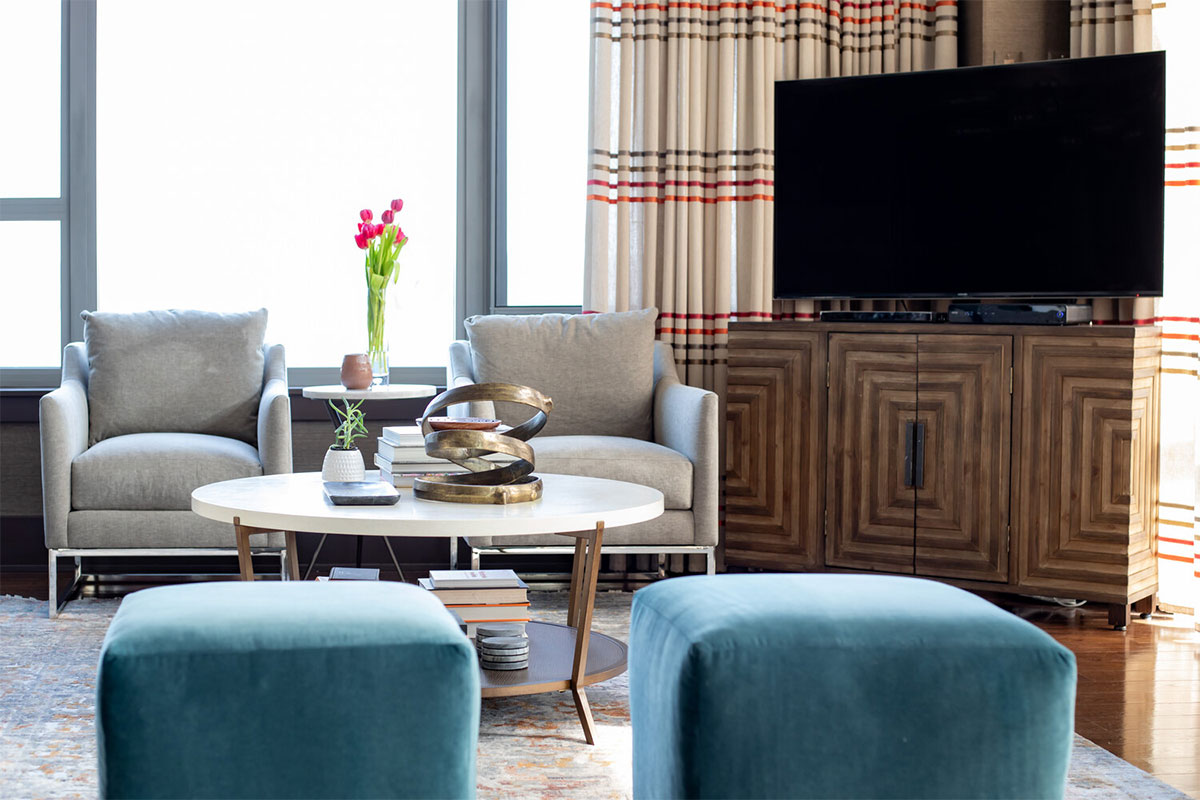
What is transitional design? Get the scoop on the trend from a local expert
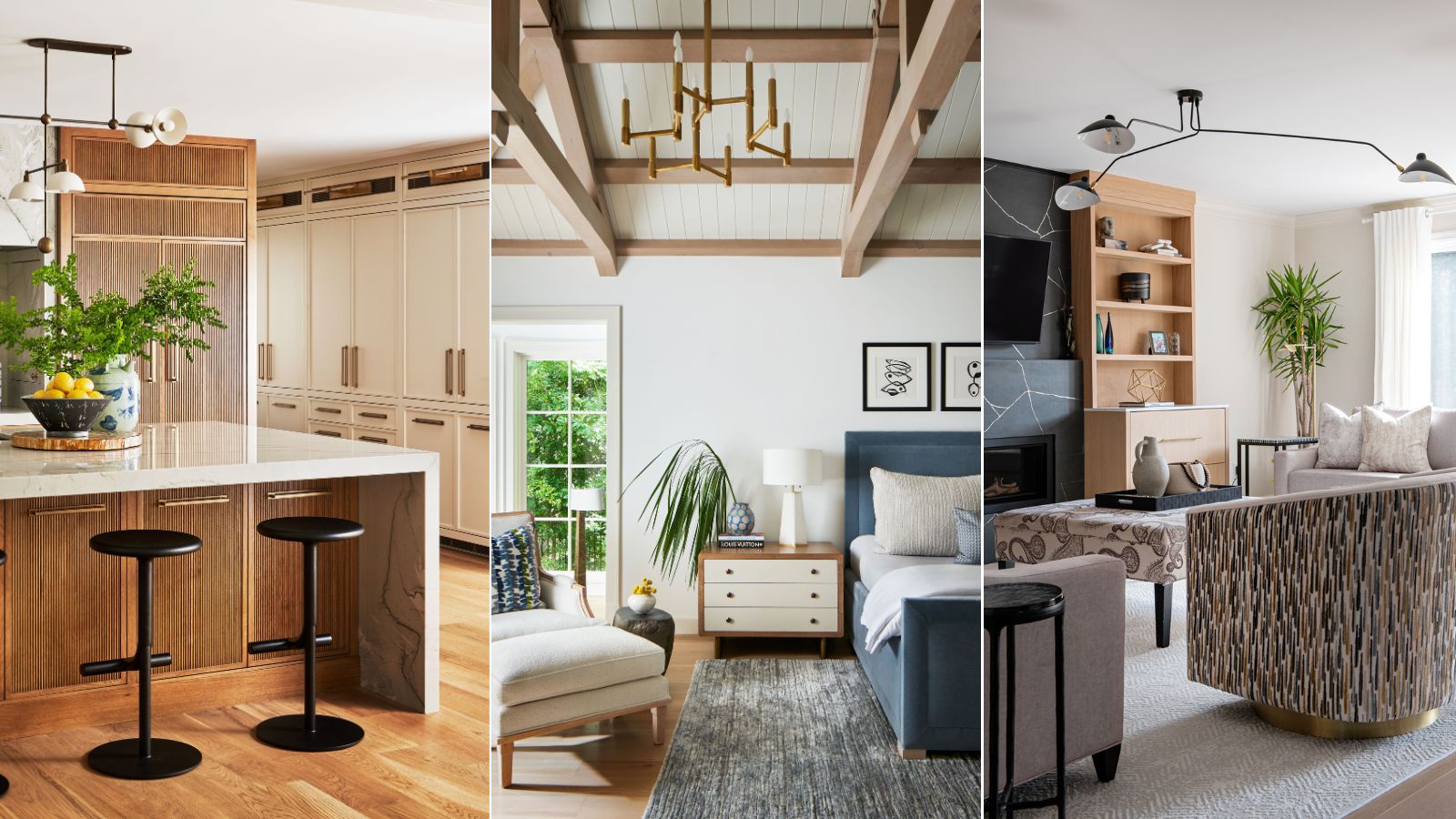
9 transitional style decorating rules – the ultimate checklist to channel the perfect old-meets-new look
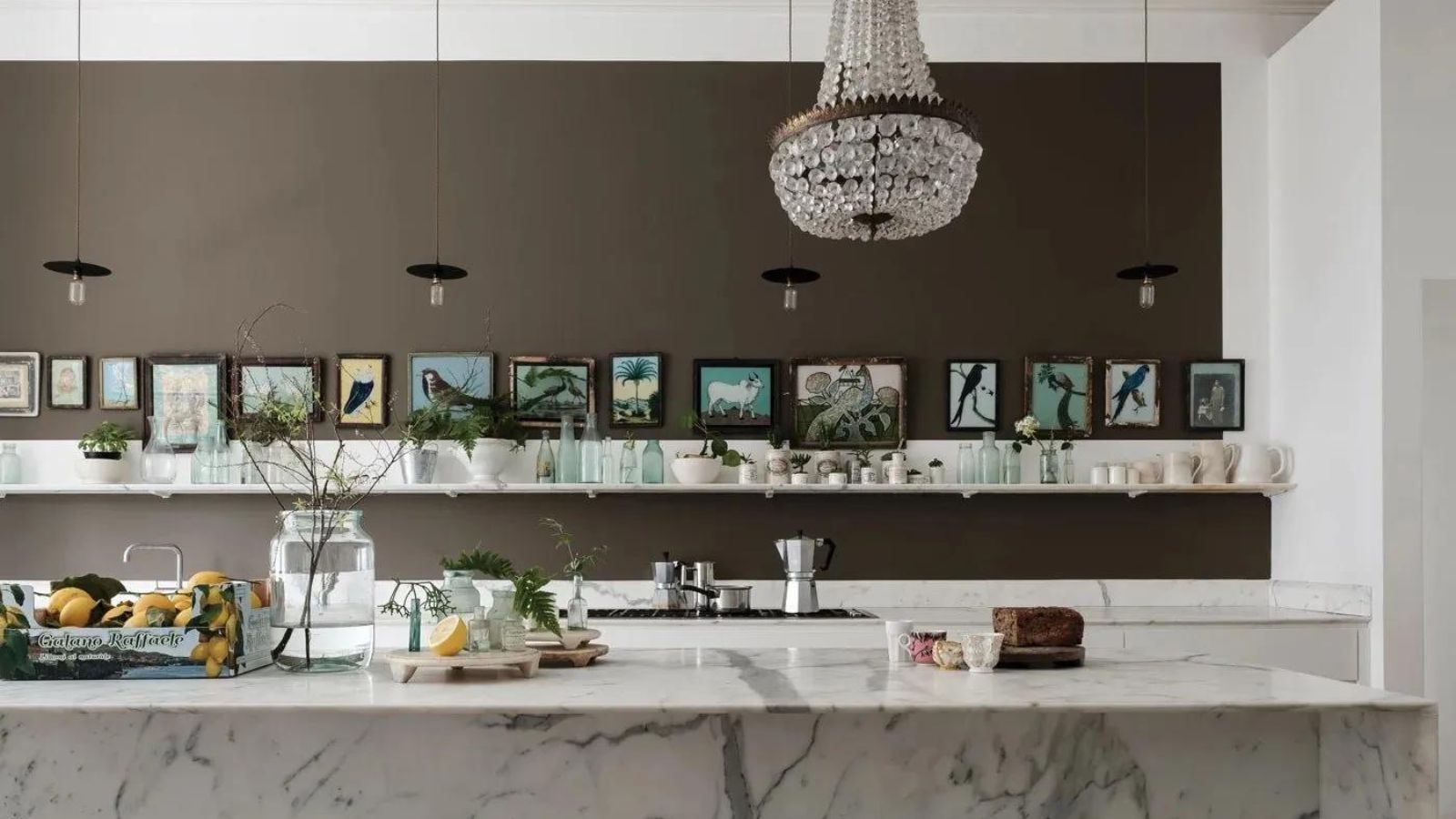
7 mistakes you are making with transitional style – and expert strategies for avoiding them
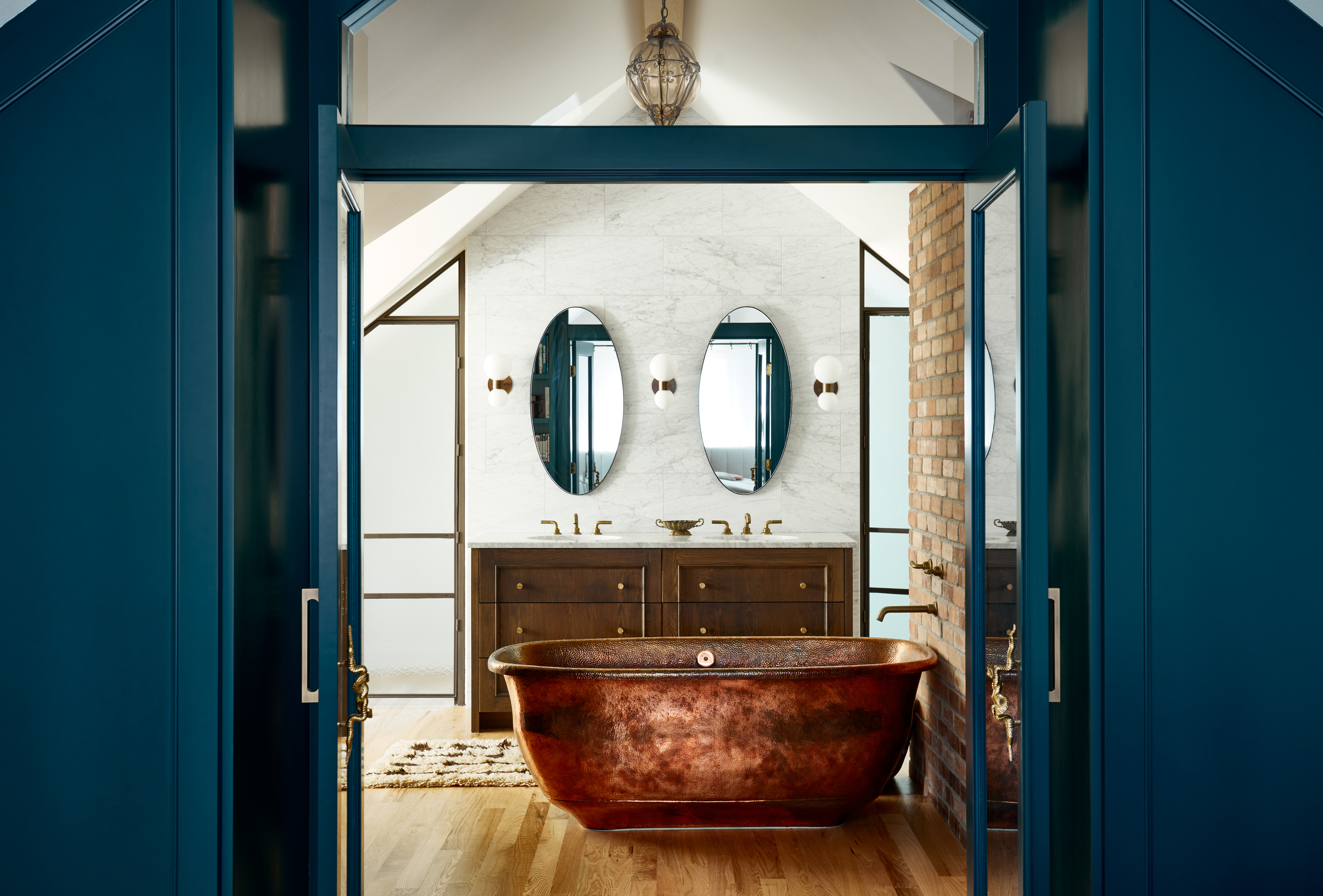
'Transitional' bathrooms combine the best parts of traditional and modern style – here's how the experts get the mix right
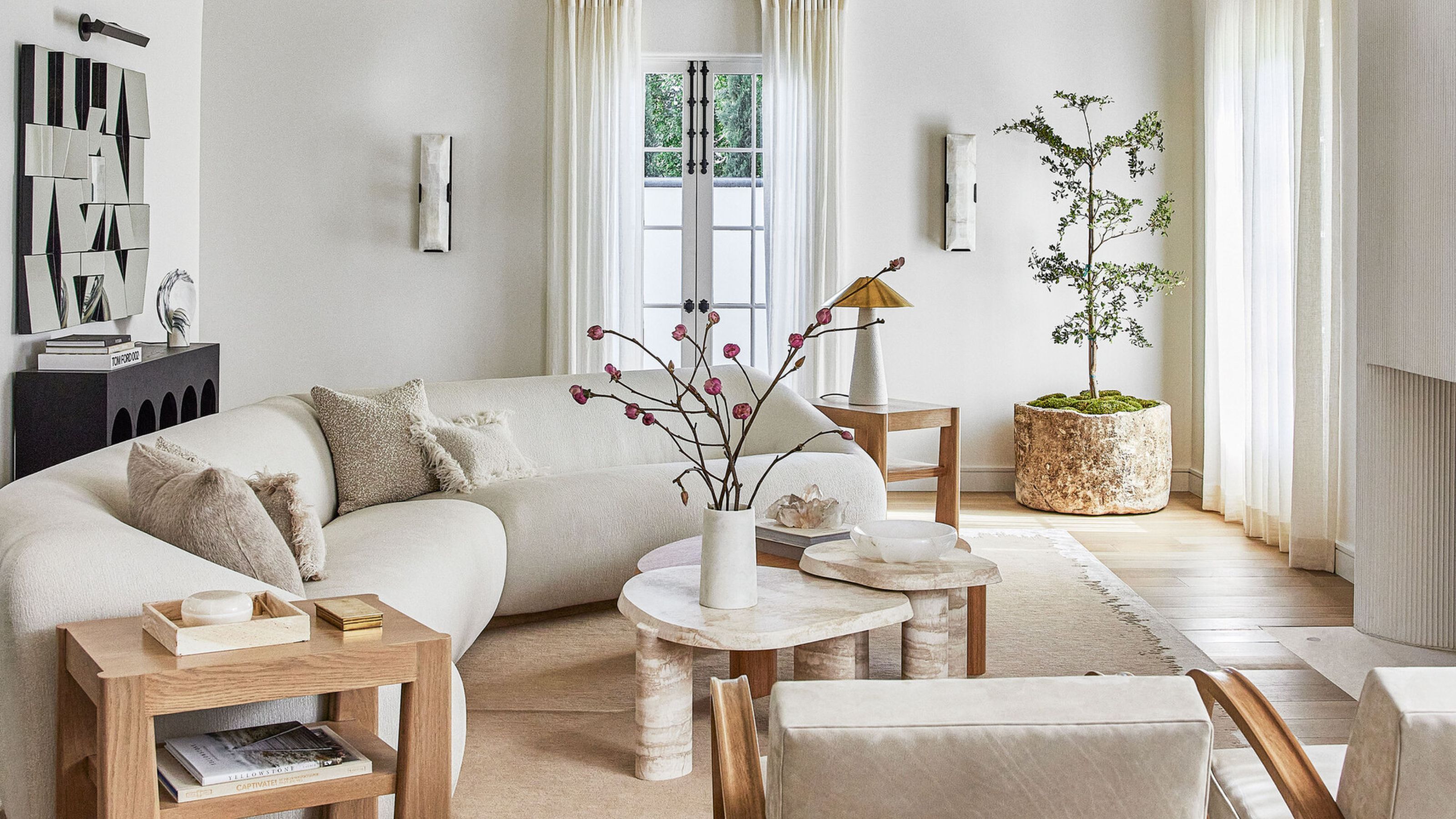
How to Achieve Transitional Style — 14 Designer Tips to Capture the Trend Taking Over Interiors
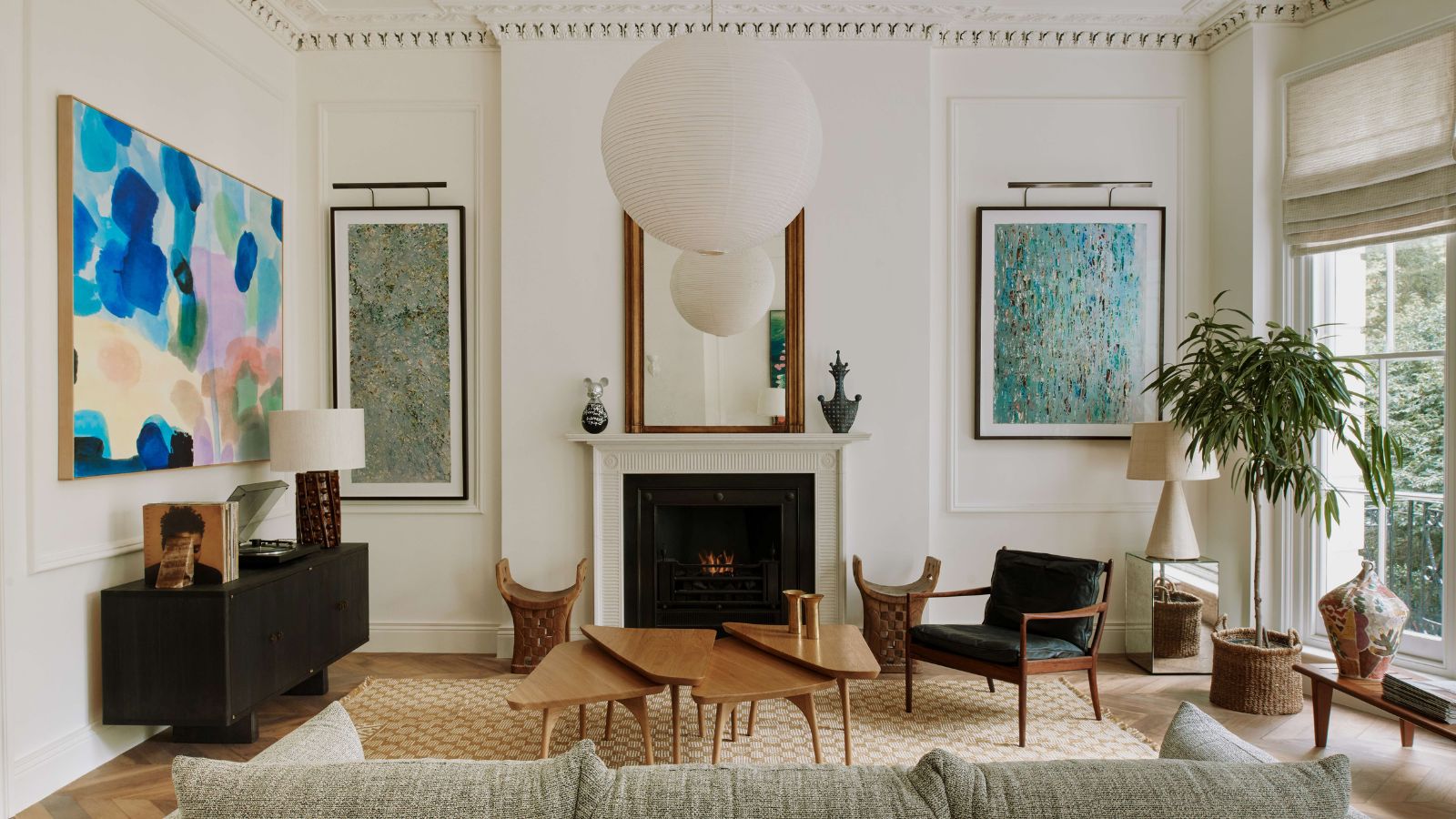
9 transitional living room ideas that nail this old-meets-new style
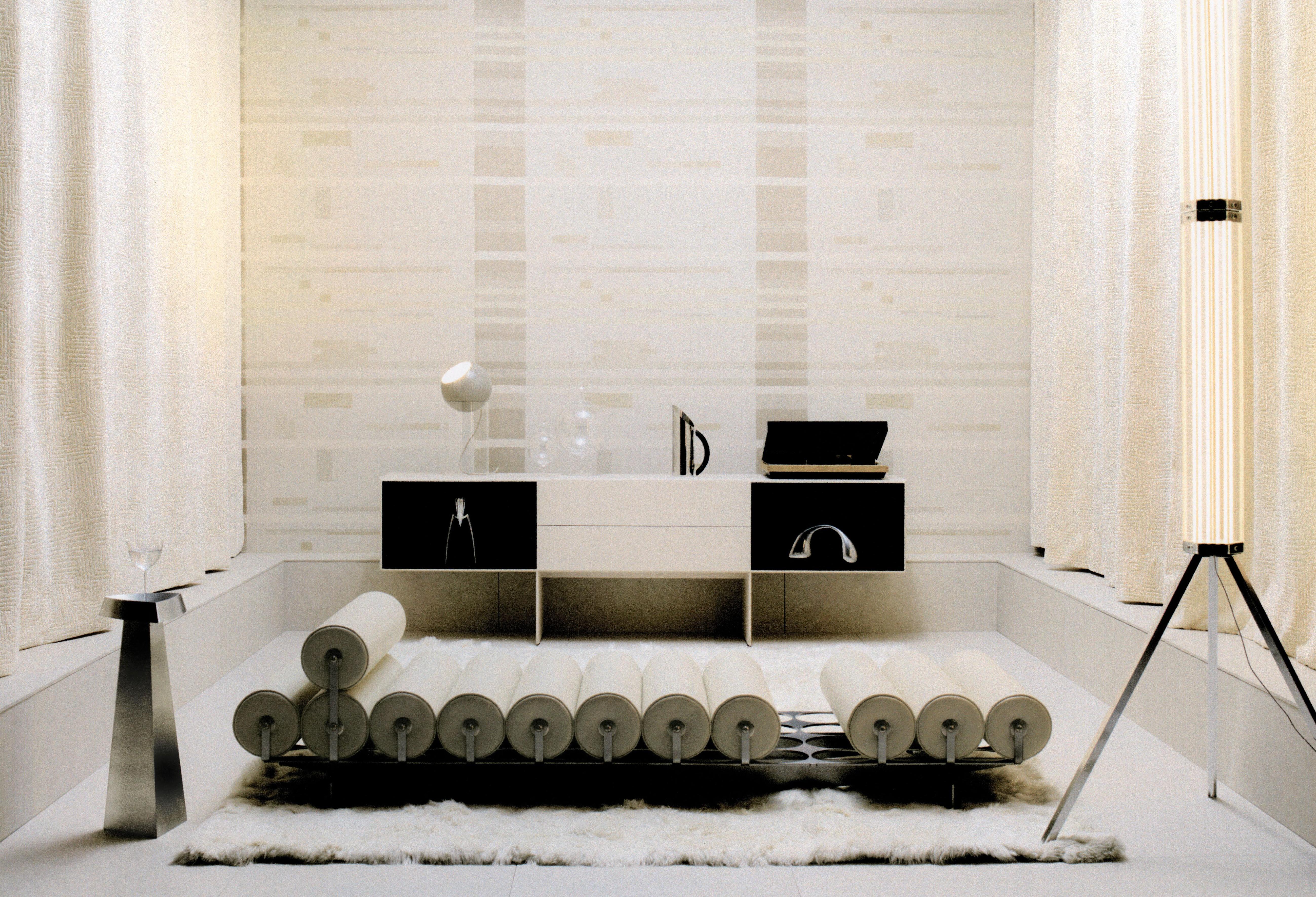
Explore our visual compendium of timeless design, from classic to contemporary furniture, objects and lighting

The Popular Kitchen Style You'll See Everywhere In 2026