1/21
Greenhouse ideas – 19 glasshouse design tips for gardens of all sizes
This article explores a comprehensive guide to greenhouse design, offering 19 tips for creating an optimal growing space for gardens of varying sizes. A greenhouse allows gardeners to cultivate young plants, sow seeds earlier in the year, protect tender plants during winter, and grow exotic varieties that might not survive outdoors. The article emphasizes the importance of selecting the right design from the outset to ensure both practical functionality and aesthetic appeal, complementing existing garden layouts.
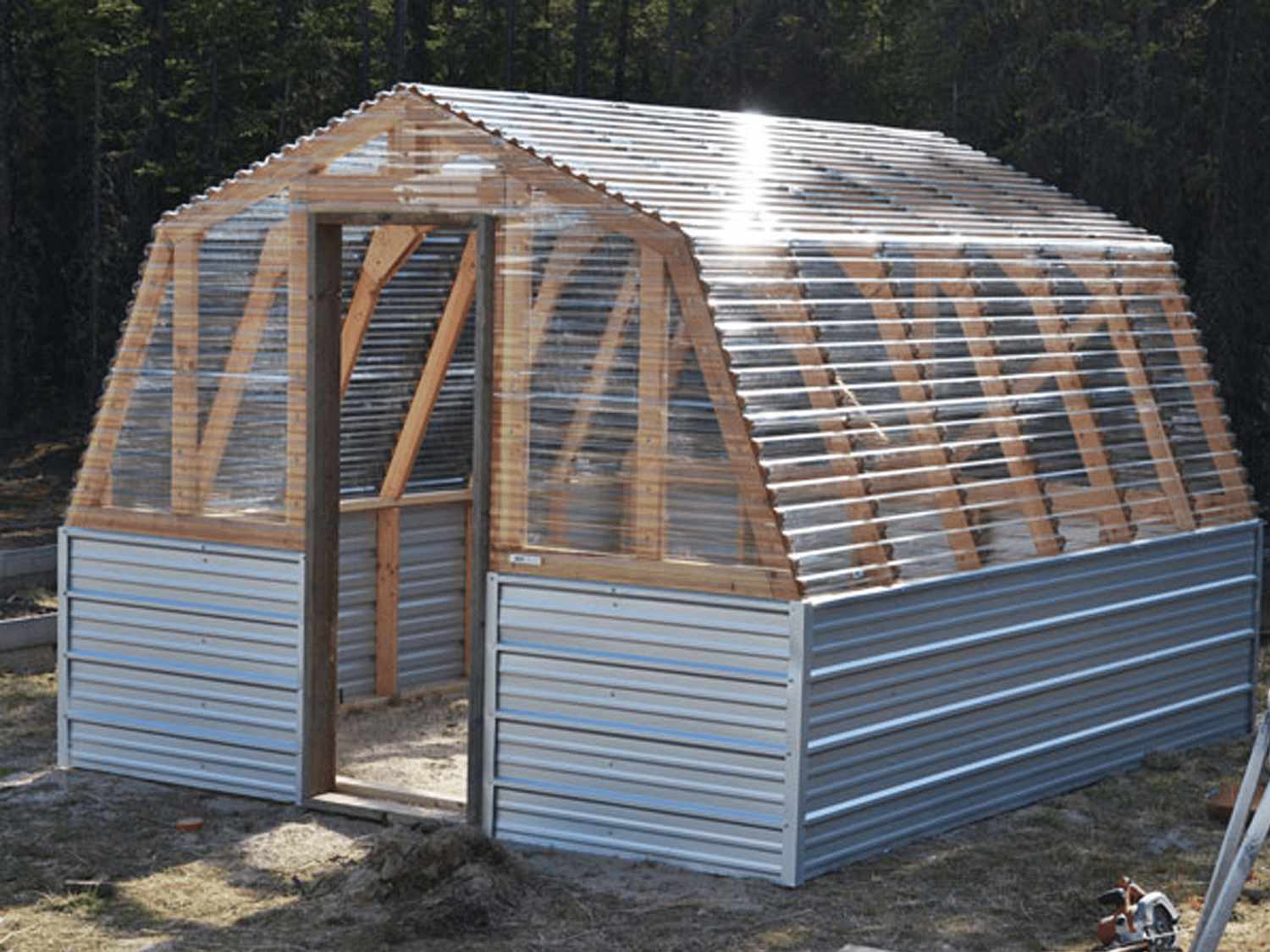
The initial considerations for greenhouse design include the available space, whether the structure will be freestanding or lean against a wall, and the architectural style that best integrates with the garden. Access to a power source for heating and lighting is also highlighted as ideal, particularly for winterizing a greenhouse. For those with budget constraints, the article suggests exploring DIY greenhouse options. The guide aims to help readers select a glasshouse design that meets their specific requirements and enhances their vegetable garden.
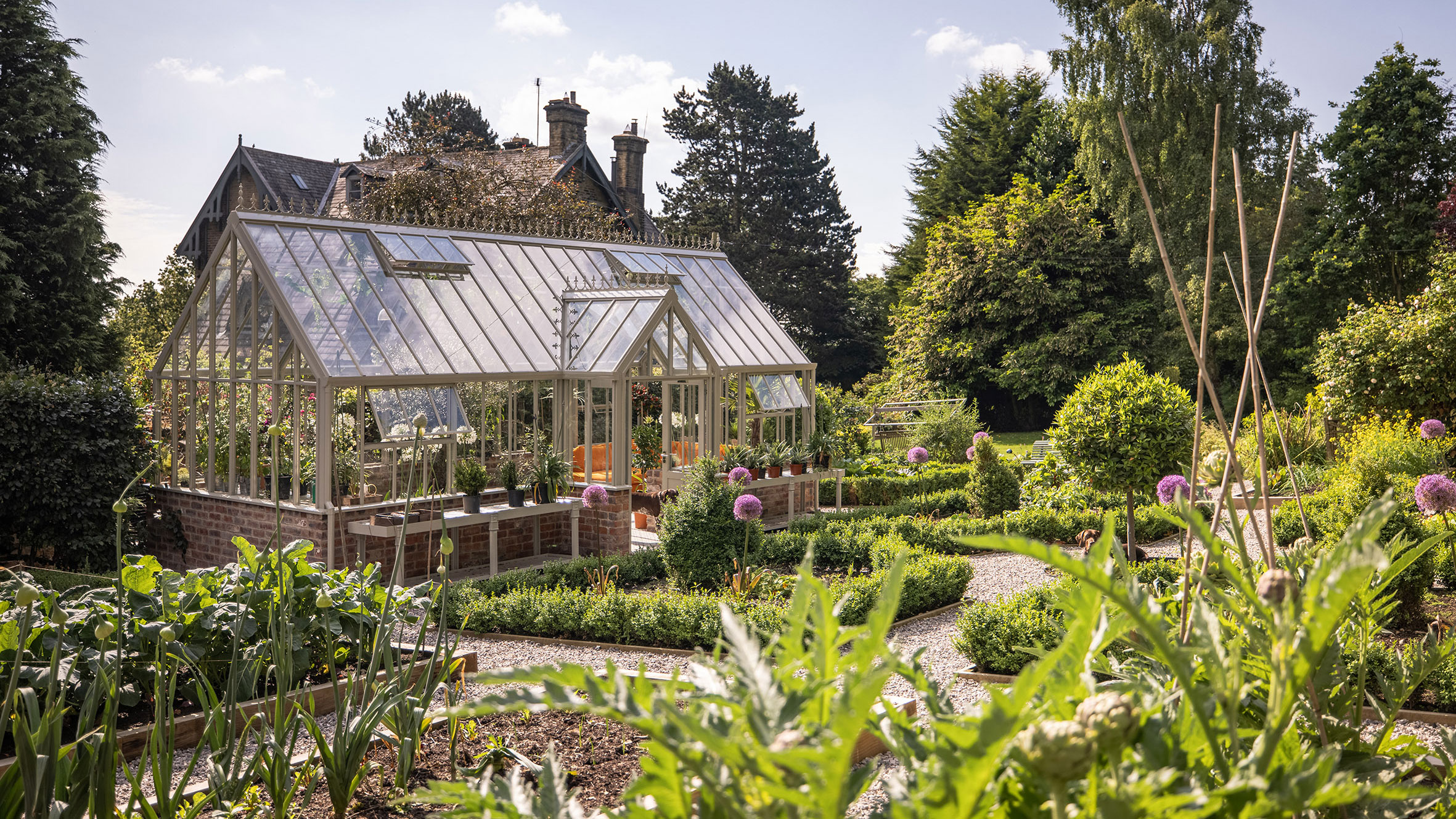
One key tip is to make the greenhouse a focal point. A well-designed greenhouse can serve as a significant visual element in a garden. The choice of design should align with the home's architecture and its surroundings. Proper siting is crucial; ideally, the greenhouse should receive sunlight early in the morning and late in the evening. A compromise may be necessary, but prioritizing morning sun is generally more beneficial for plant growth.
The article advises opting for the largest possible greenhouse size, suggesting a minimum width of 6 feet to accommodate both plants and easy movement within the structure. Sufficient perimeter space, at least 1.5 meters, is also recommended for cleaning and accessing water butts. For limited outdoor spaces, octagonal or hexagonal designs are presented as efficient options, as their shelving arrangements maximize space utilization and they benefit from sunlight exposure from all angles throughout the day. Regular cleaning is also mentioned as important to ensure maximum sunlight penetration.
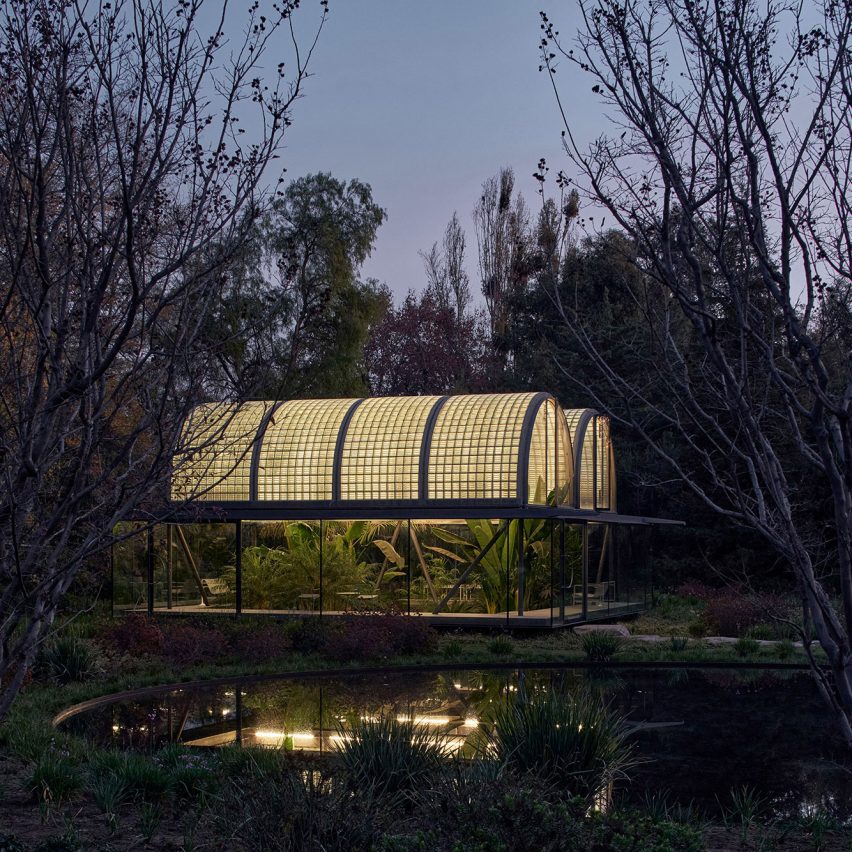
For growing tall plants like mimosa trees, yuccas, palms, or exotic ferns, a greenhouse with a higher-than-usual pitch is recommended. This design also benefits climbing plants or fast-growing flowering vines and can double as a stylish garden room for sitting or dining. Positioning the greenhouse close to the house is suggested for convenience, as demanding plants often require frequent attention. A pleasant path connecting the house to the greenhouse encourages consistent use.
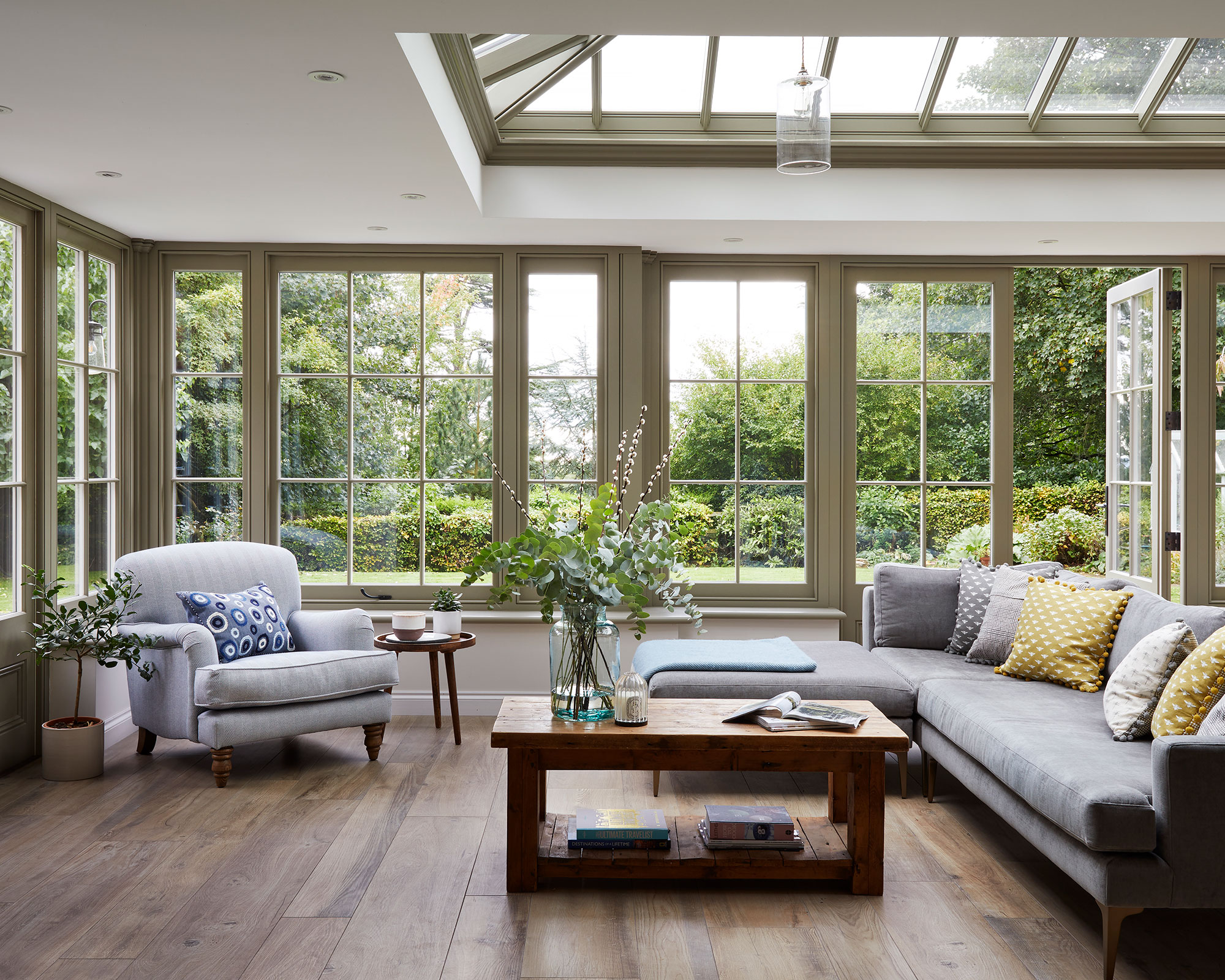
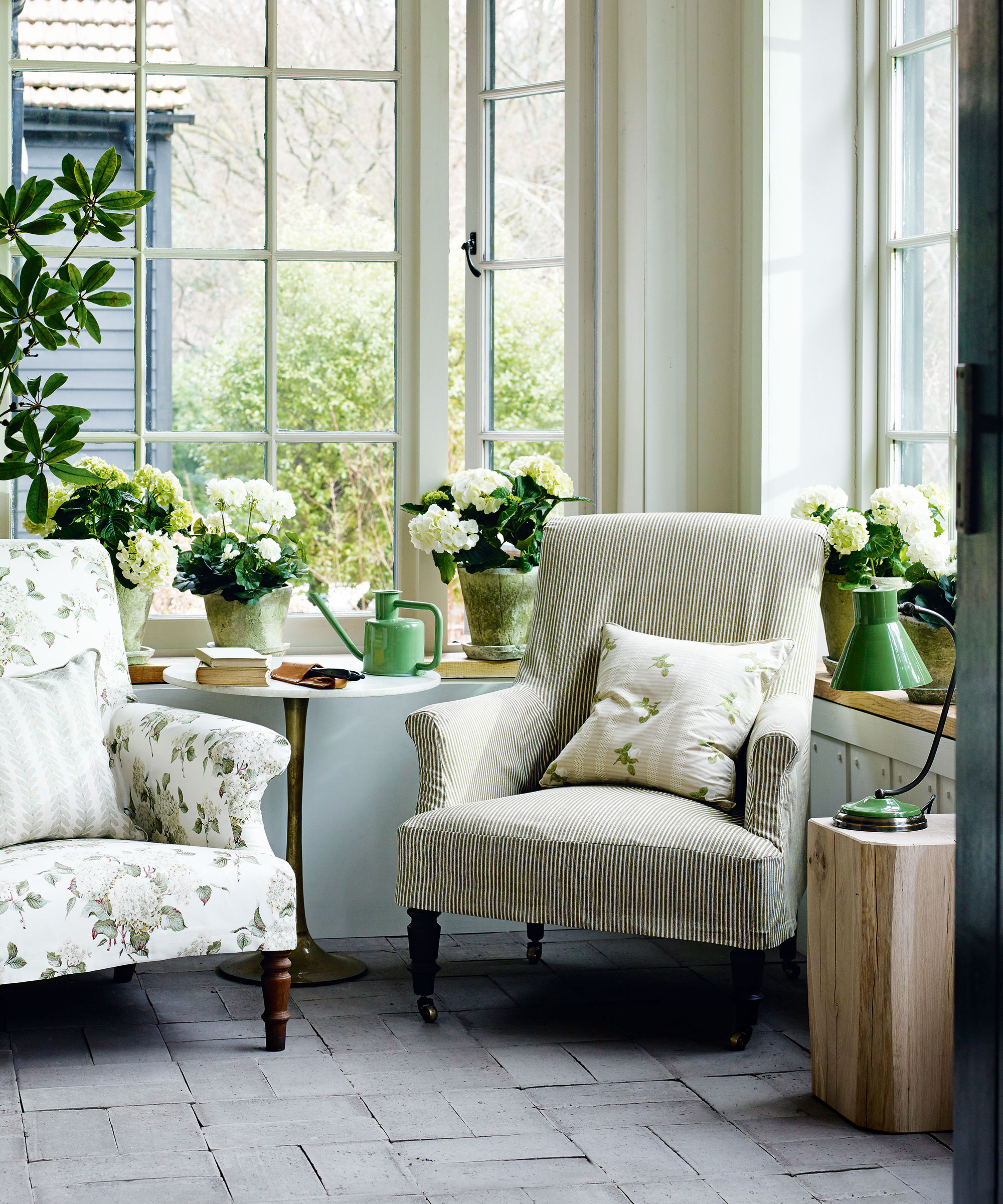
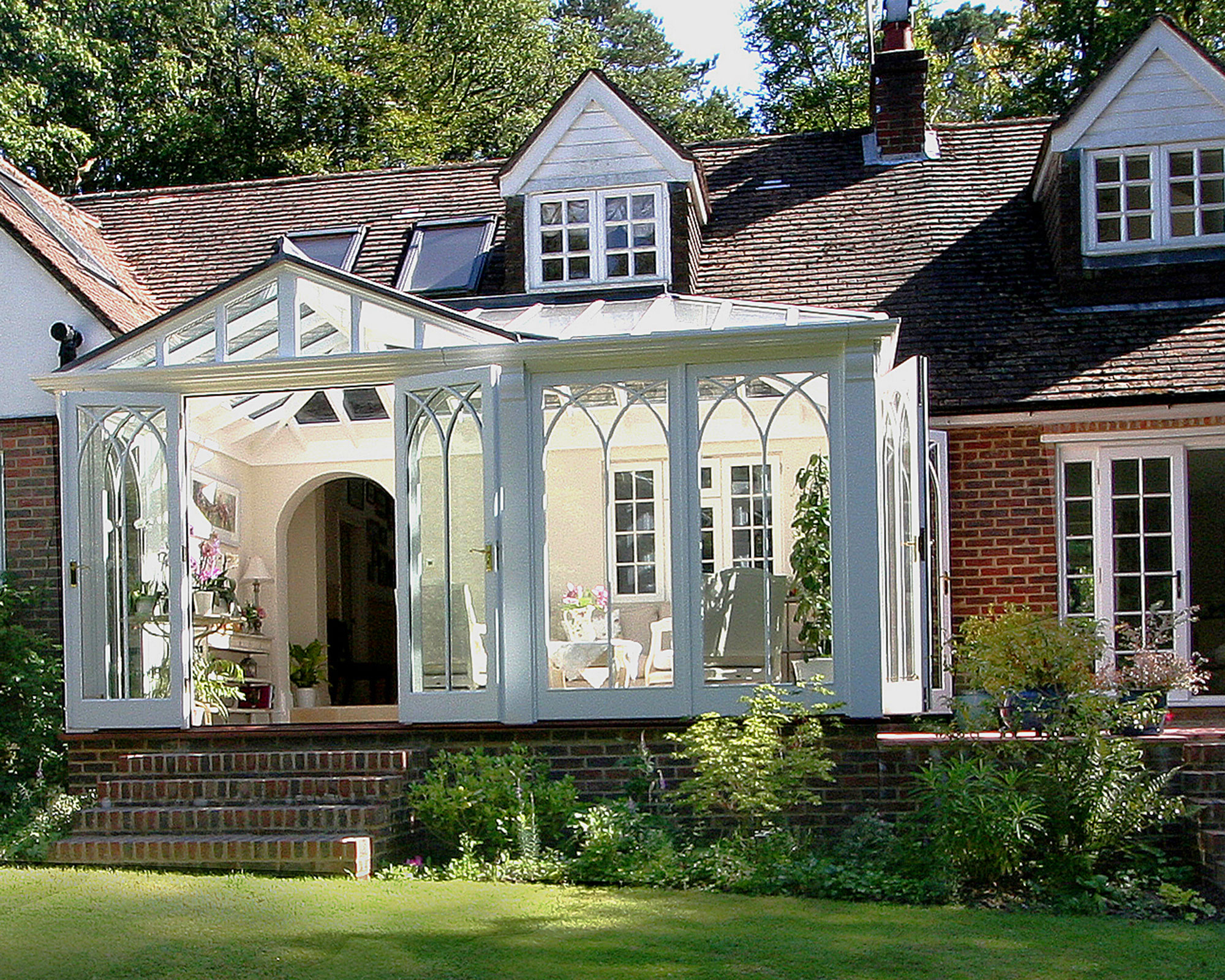
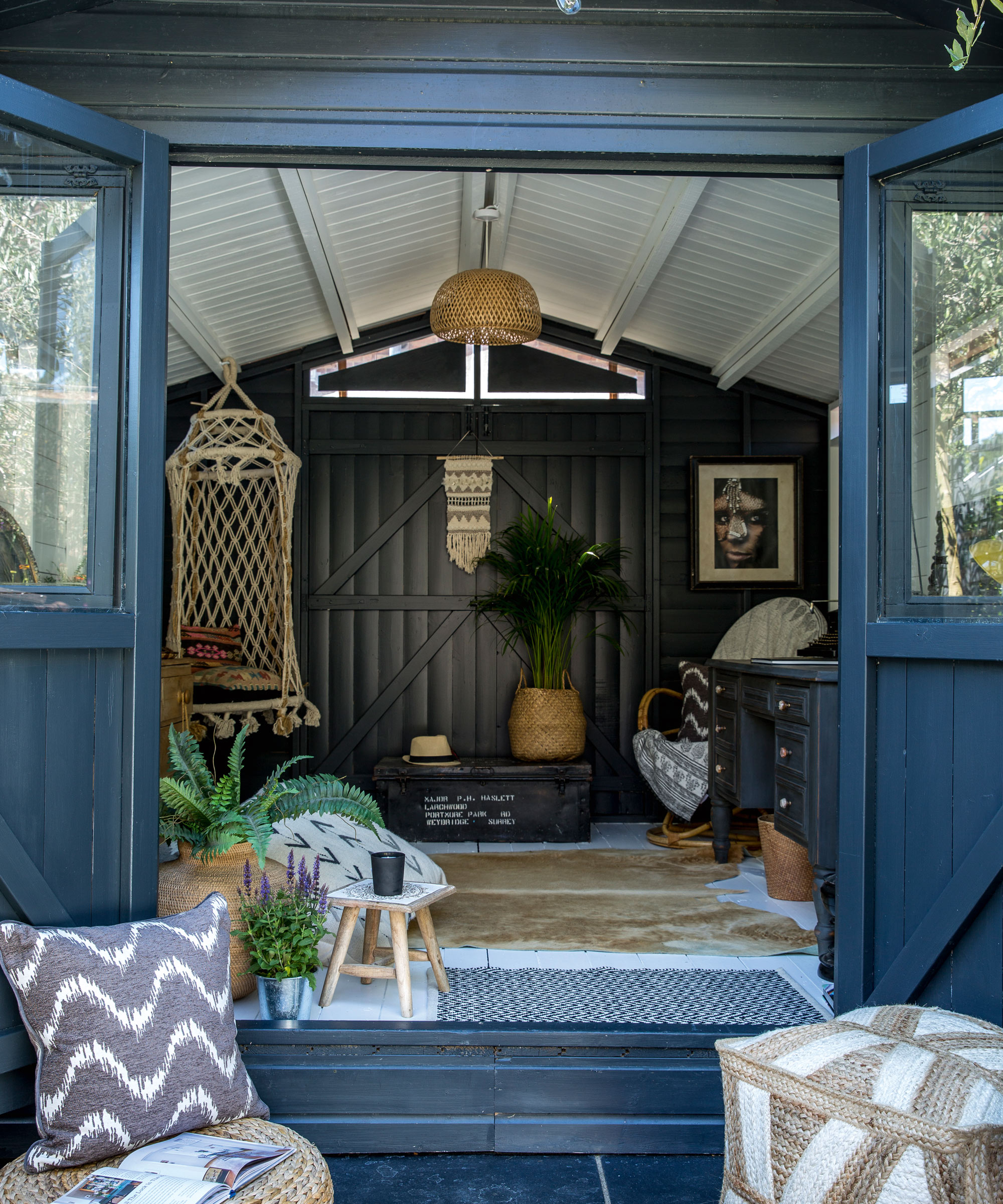
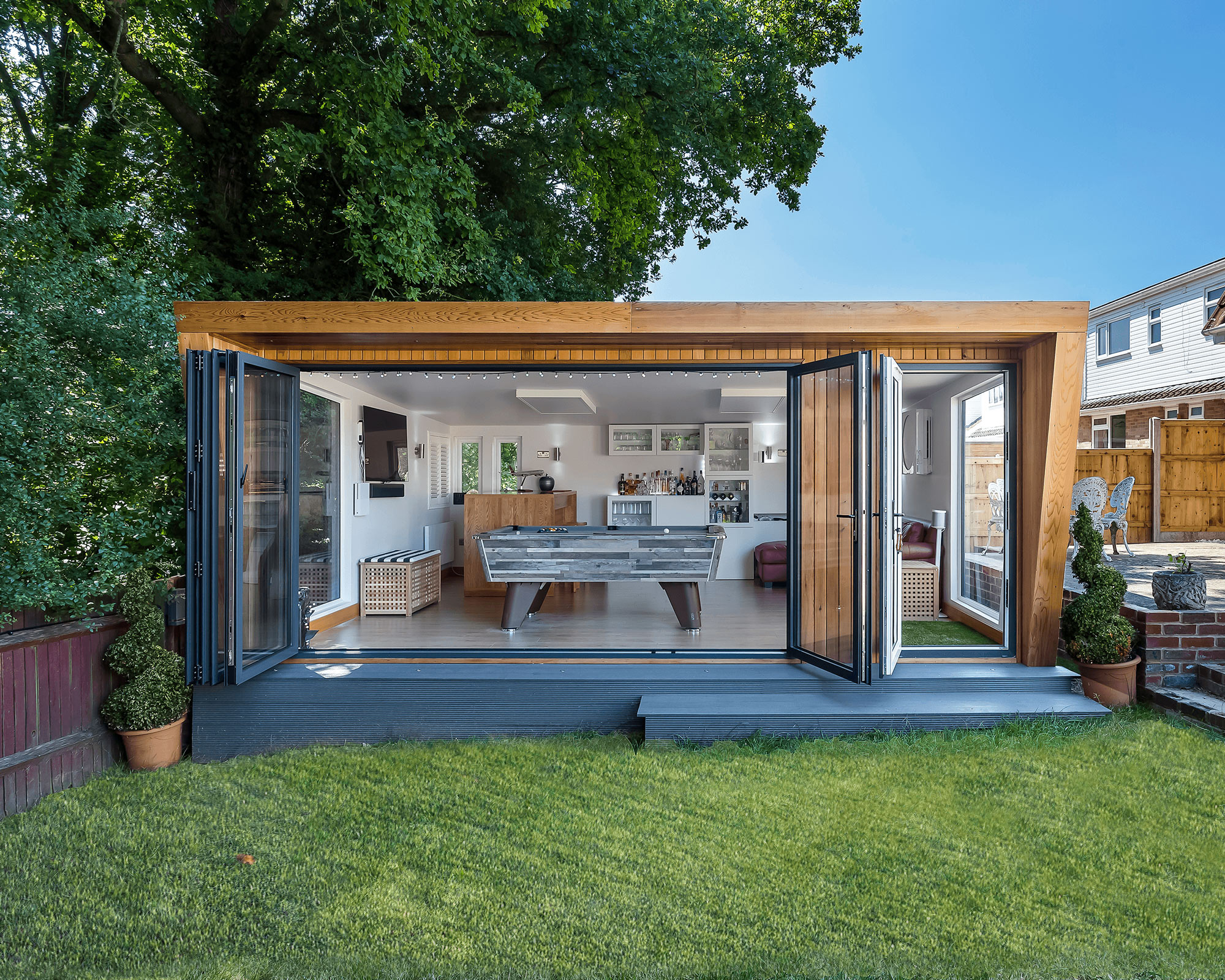
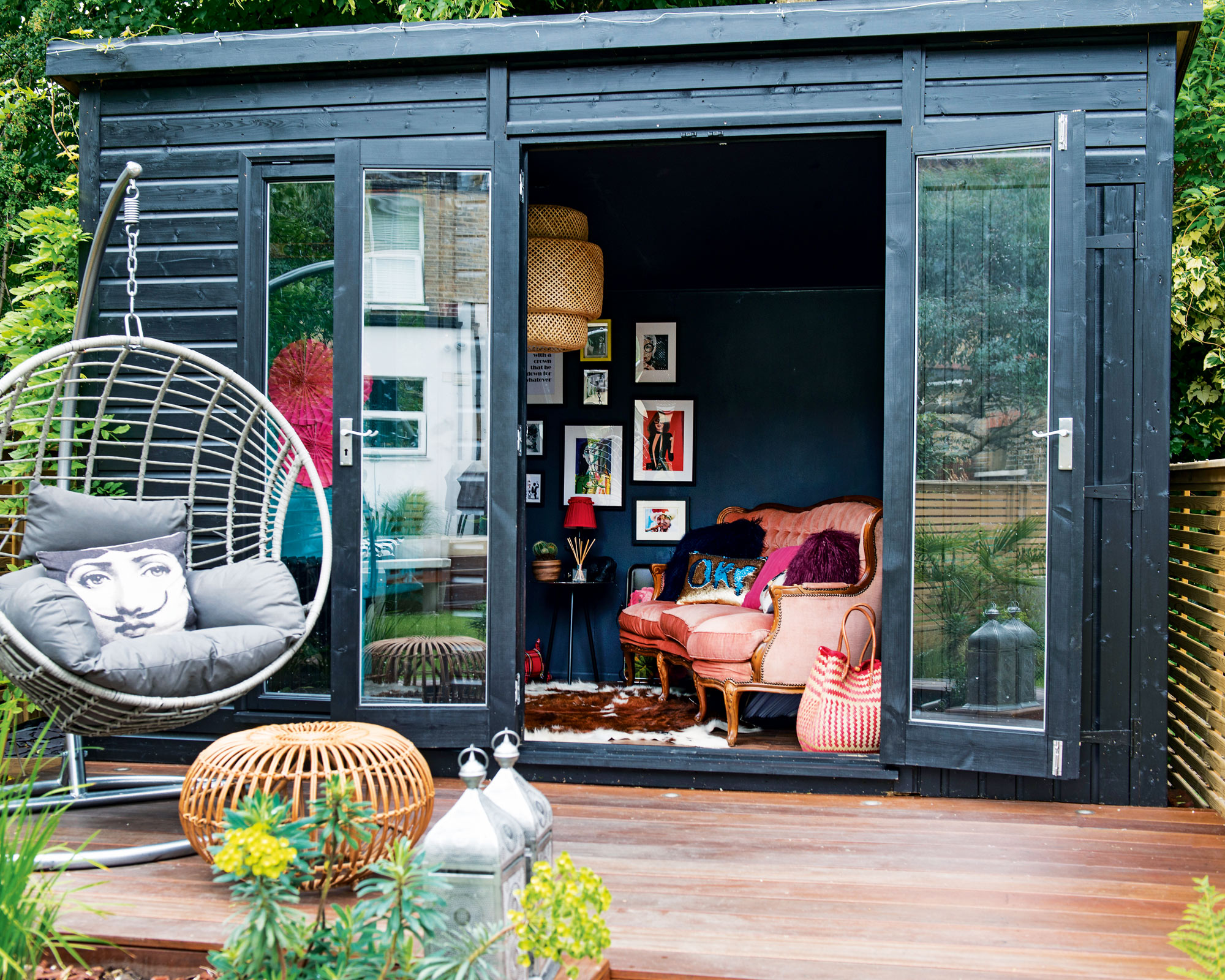
Beyond plant cultivation, modern greenhouse designs are increasingly being used for dining and entertaining, resembling conservatories. Painting the glasshouse in muted tones and furnishing it with rustic pieces can create a calm and relaxing atmosphere. Building a dwarf wall at the base of the greenhouse offers protection from damage, conceals gardening clutter, and allows for creative use of materials that can harmonize with existing brickwork. For serious gardeners, multiple greenhouses with varying heating options can create diverse microclimates for different plants.
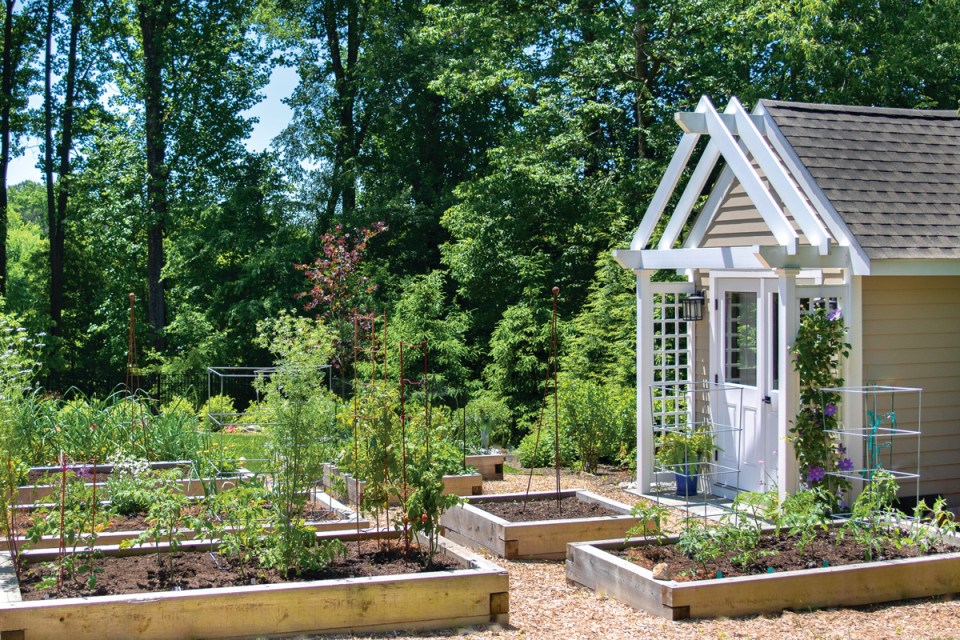
Integrating the greenhouse into a kitchen garden can boost the variety and quantity of crops, especially warmth-loving vegetables and fruits like tomatoes, basil, and chilies. Painting the greenhouse a stylish color can transform an otherwise utilitarian aluminum structure into an attractive focal point, with black-framed designs offering a modern, Crittall-glazing aesthetic. Combining a greenhouse with a shed provides a practical grow-and-store solution, showcasing plants while keeping tools and compost out of sight.
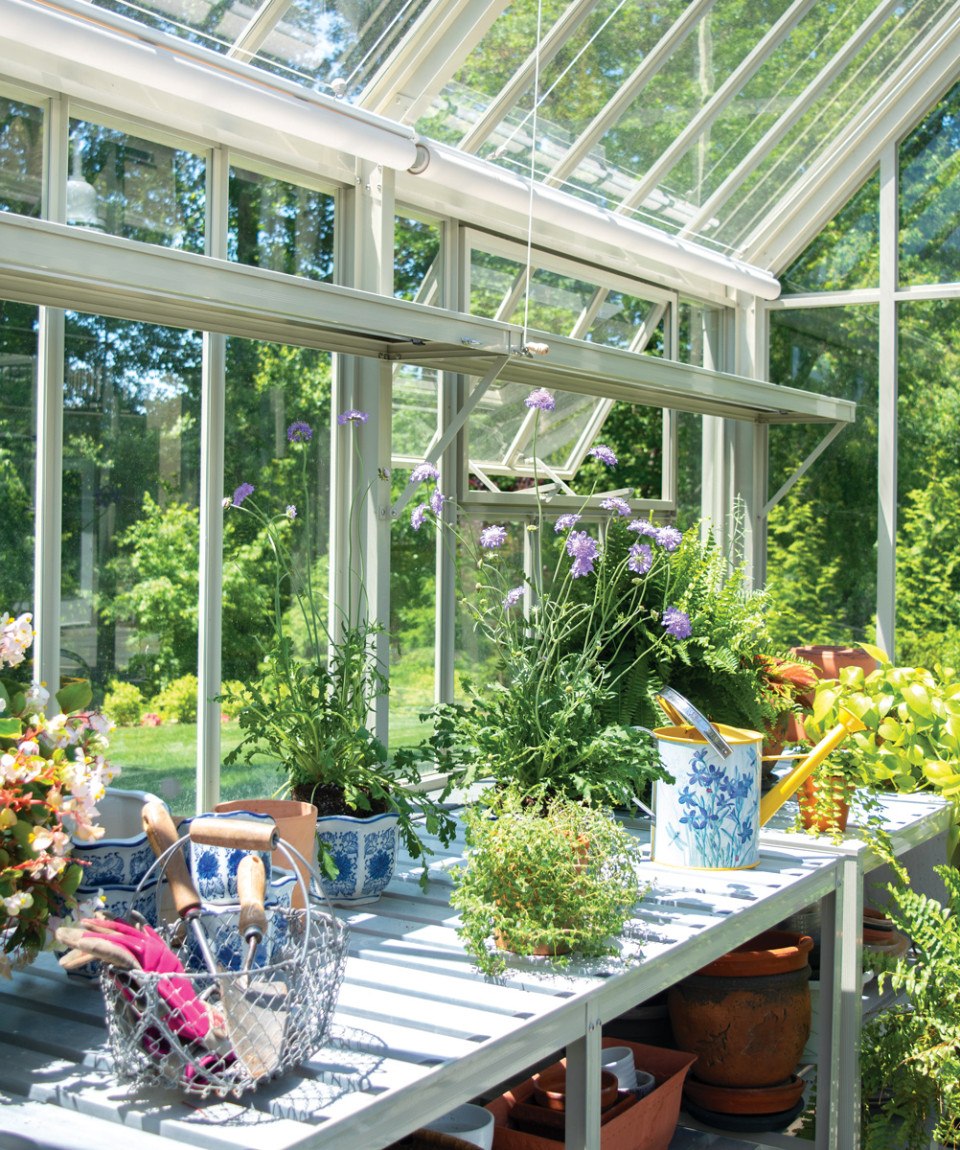
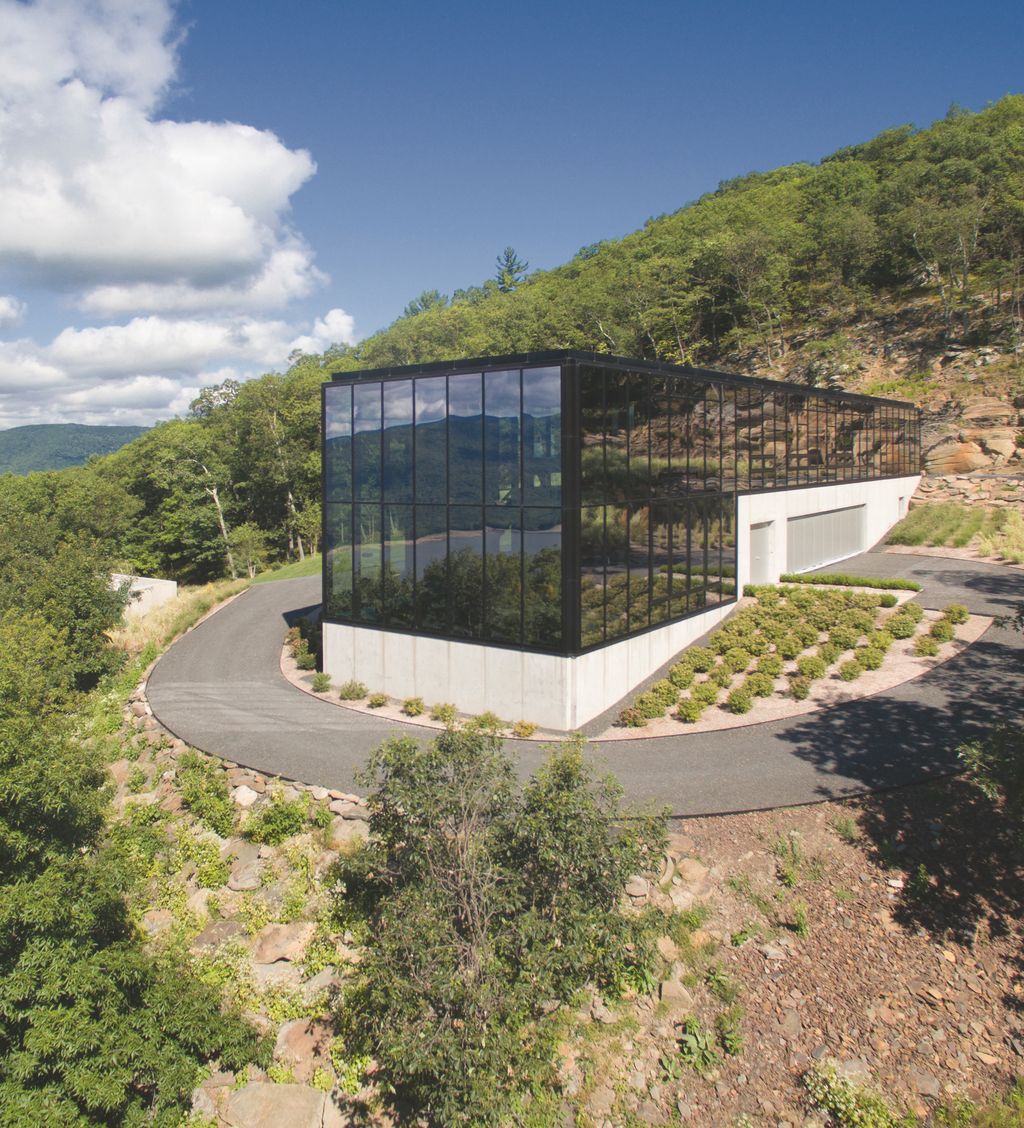
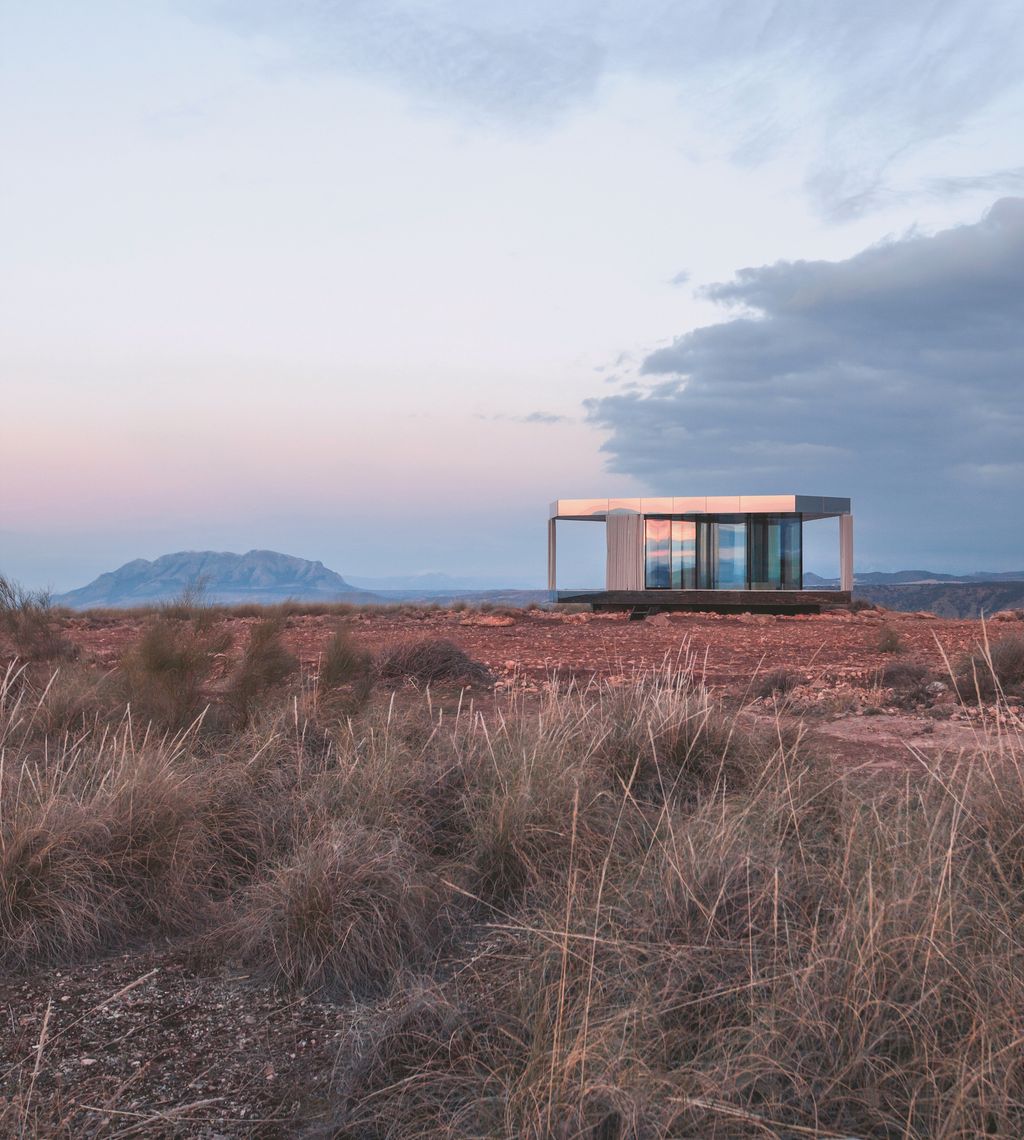
A pitched roof, particularly a traditional Victorian 45-degree pitch, offers extra height for tall plants and improved airflow for temperature regulation. Glazed structures can also bridge gaps between different buildings, creating a green oasis. Small greenhouses are practical for limited spaces and can be easily sited in south-facing locations or small gardens. Frameless glass structures maximize light and offer clear views, while wood-framed greenhouses provide a natural look, with Canadian western red cedar being a durable, pest-deterring option. Lightweight aluminum greenhouses replicate timber aesthetics with minimal maintenance and allow maximum light penetration. Finally, lean-to greenhouses are space-saving, benefit from retained heat from an adjoining wall, and allow for easier access to electricity and water, enabling the cultivation of exotic fruits.
#GreenhouseDesign #GardenPlanning #PlantCultivation #GardenStructures #HorticultureTips #OutdoorLiving #SustainableGardening #GardenAesthetics #GlasshouseIdeas #GreenhouseDesign #GardenPlanning #PlantCultivation #GardenStructures #HorticultureTips #OutdoorLiving #SustainableGardening #GardenAesthetics #GlasshouseIdeas
0 تعليق إجمالاً
 لا توجد تعليقات بعد
قد تعجبك أيضًا
19 simple garden ideas for every style, size and budget
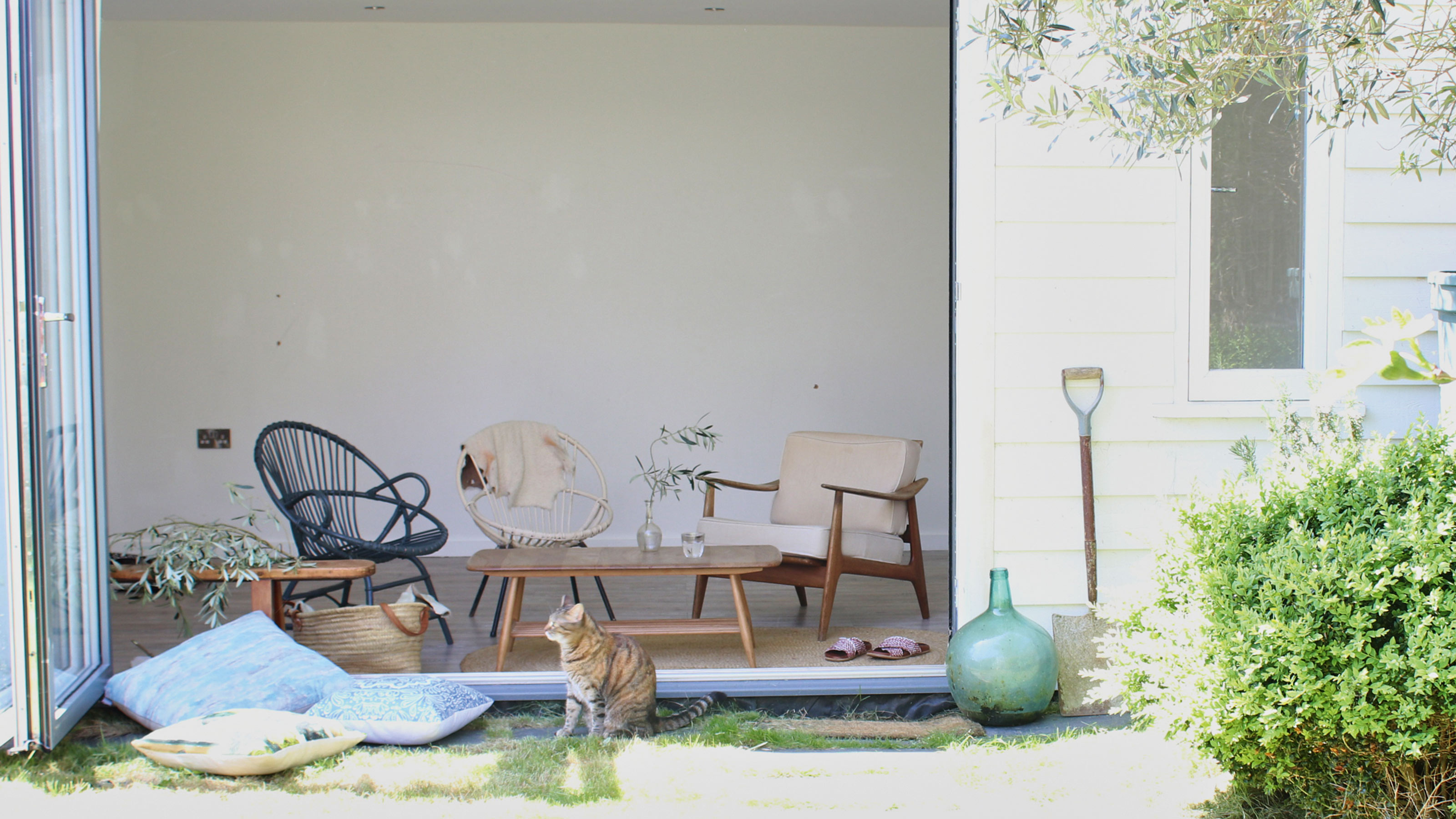
Garden room ideas: 23 modern designs for all garden sizes, and budgets

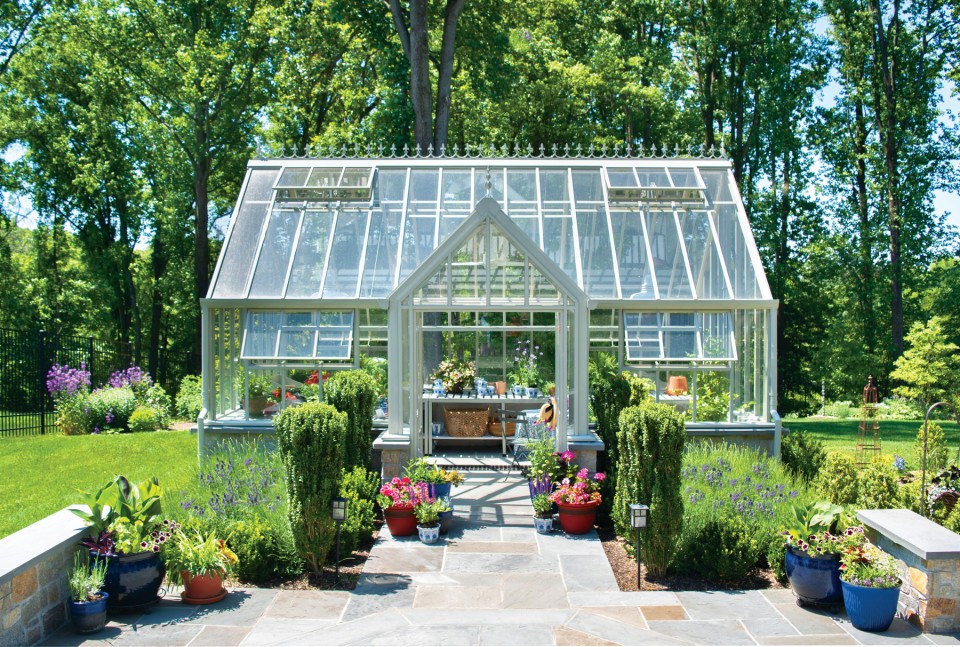
This Cheery Delco Greenhouse and Garden Beckons You Outdoors
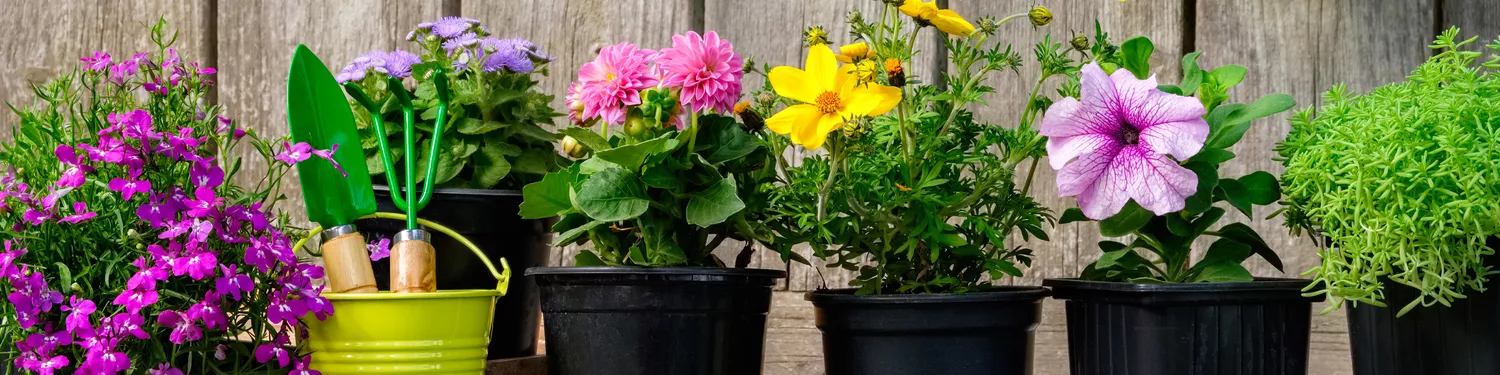
Container Garden Ideas

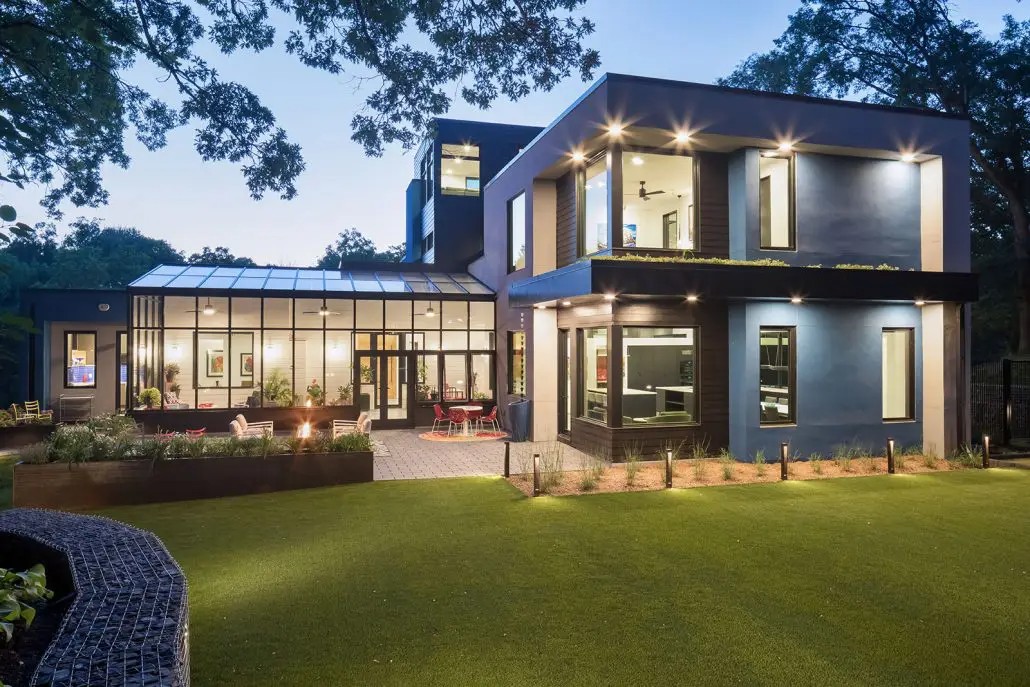
Conservatory ideas – 15 wonderful ways to boost light and space
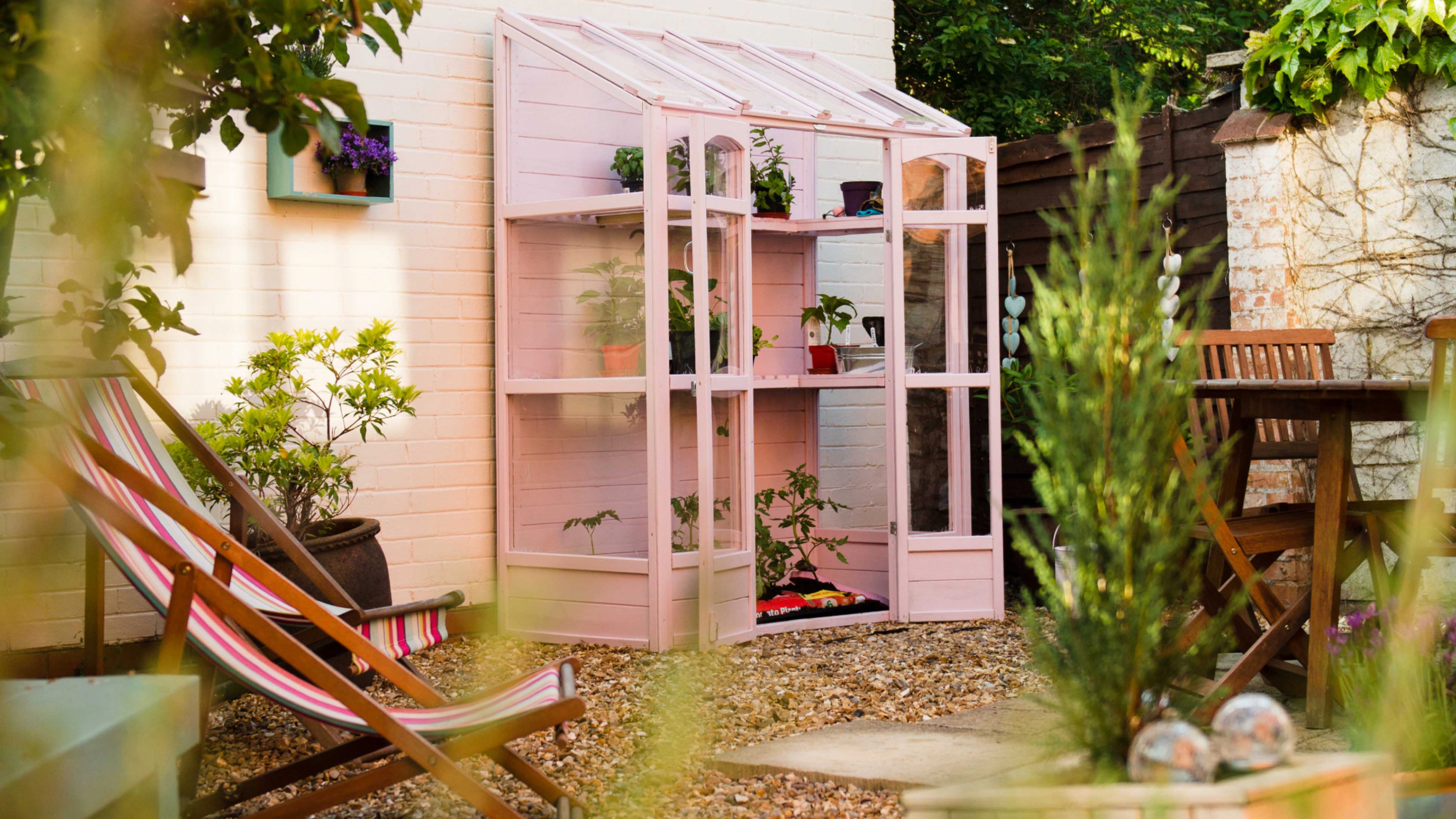
28 Garden storage ideas – innovative solutions from mini-greenhouses to vintage boxes
19 Ways to Design with Houseplants

How to make a small garden look bigger –25 ideas that are simple but effective

21 garden room ideas for year-round fun, entertainment and practicality
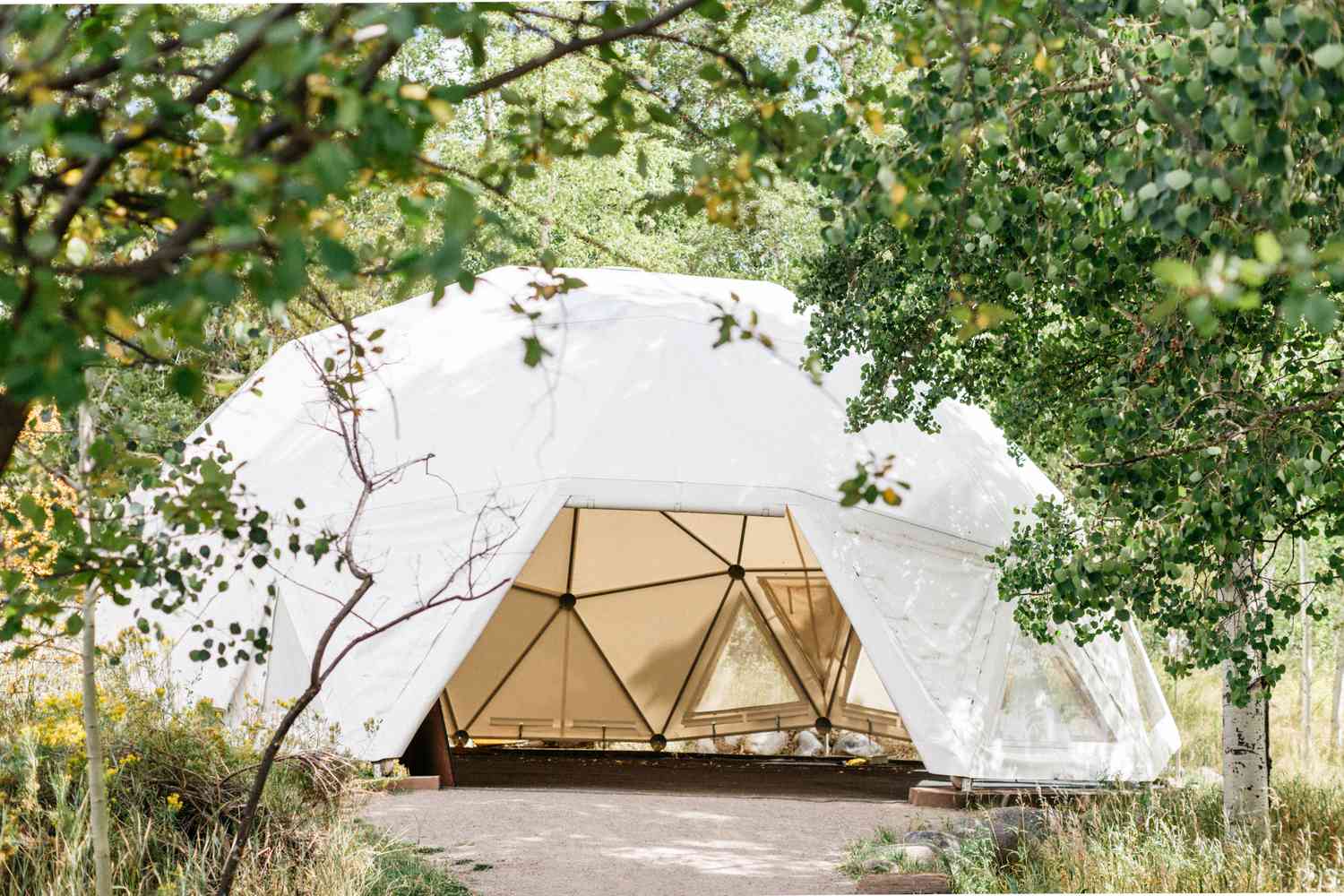
12 DIY Greenhouse Plans You Should Download Today

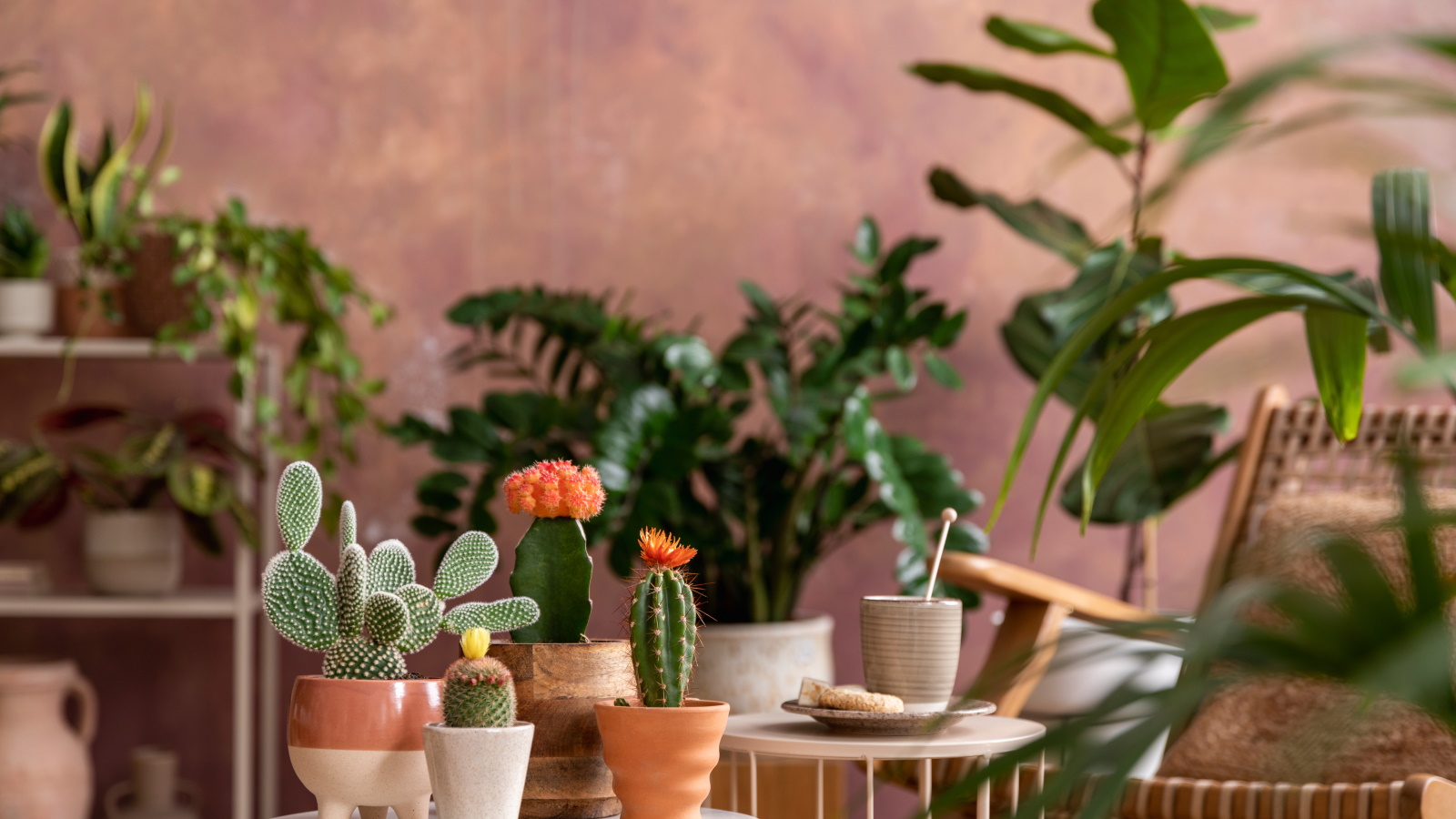
Indoor garden ideas: 9 ways to create a plant-filled haven
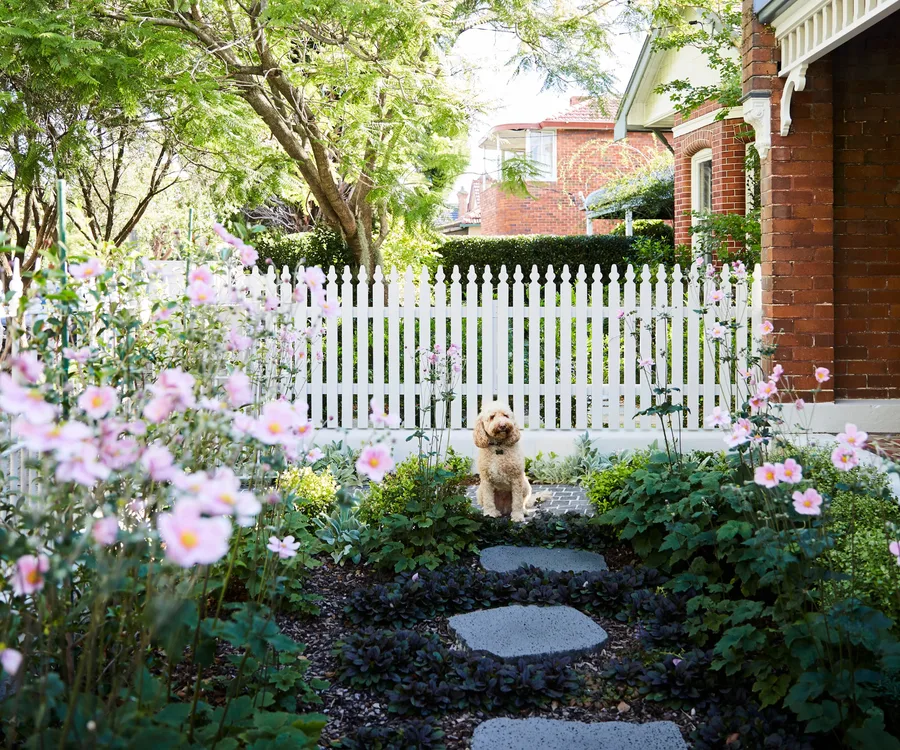
13 small garden design ideas that maximise space and greenery

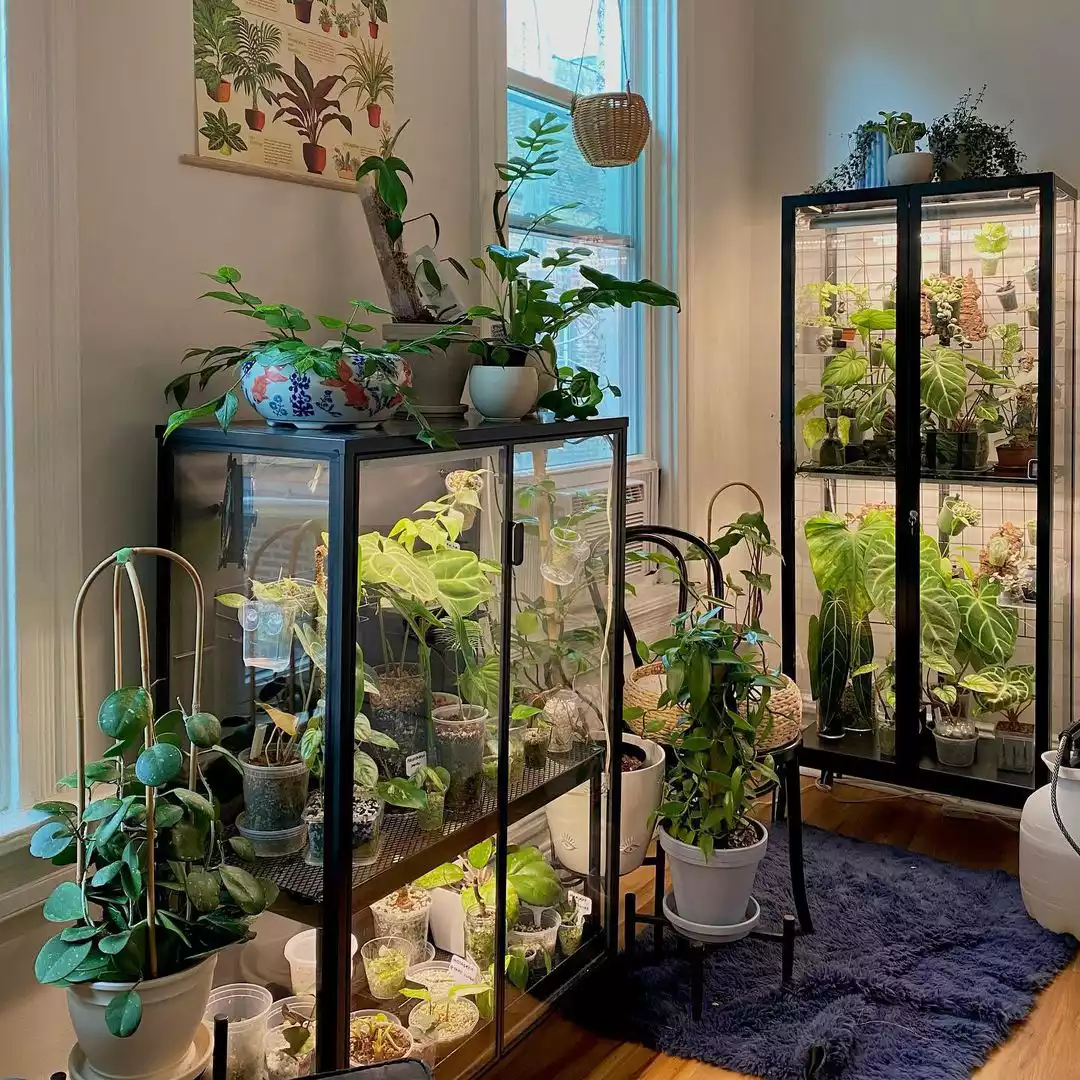
20 DIY Indoor Greenhouse Ideas to Create Your Own Plant Oasis
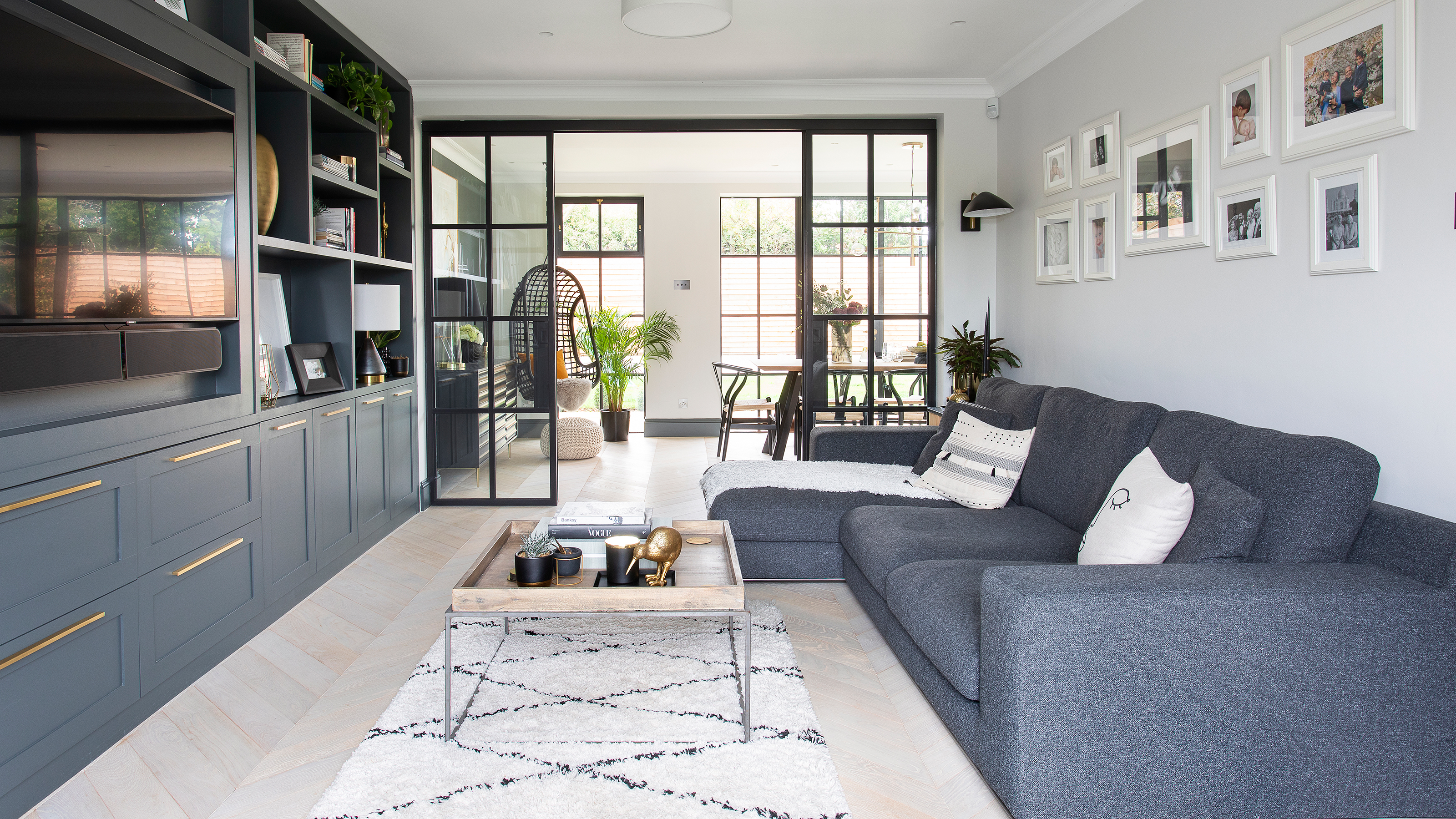
Glass wall design ideas - all you need to know about glass partition walls
15 most beautiful glass houses around the world

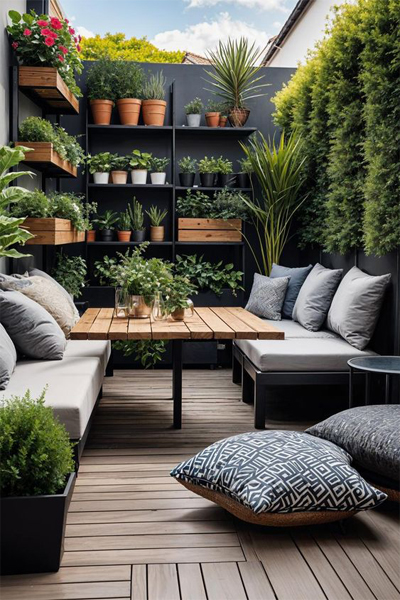
20 Beautiful Garden Design Ideas for Home In 2024
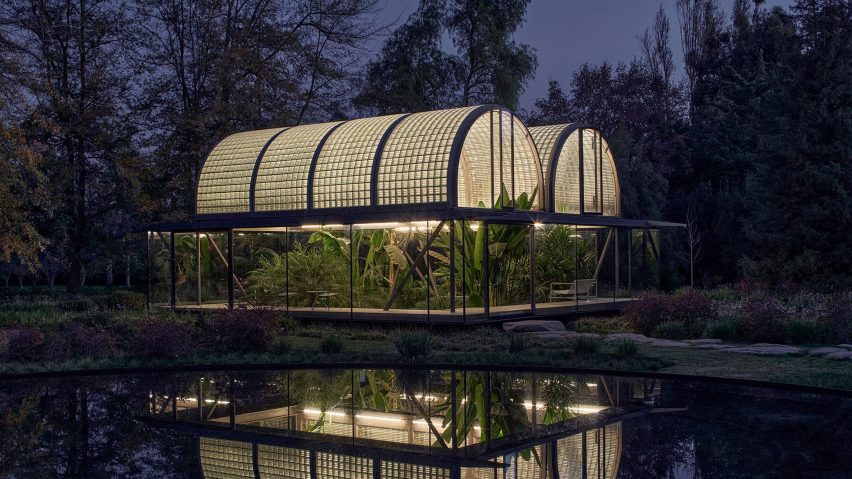
Eight buildings bejewelled with glass bricks and blocks
Indoor plant shelf ideas – expert tips for styling your houseplants
12 Garden Room Ideas That Will Elevate Your Outdoor Space and Bring You Extra Room to Unwind


The IKEA Cabinet You Haven't Tried To Make A Greenhouse Out Of (And Why It's The Best Yet)