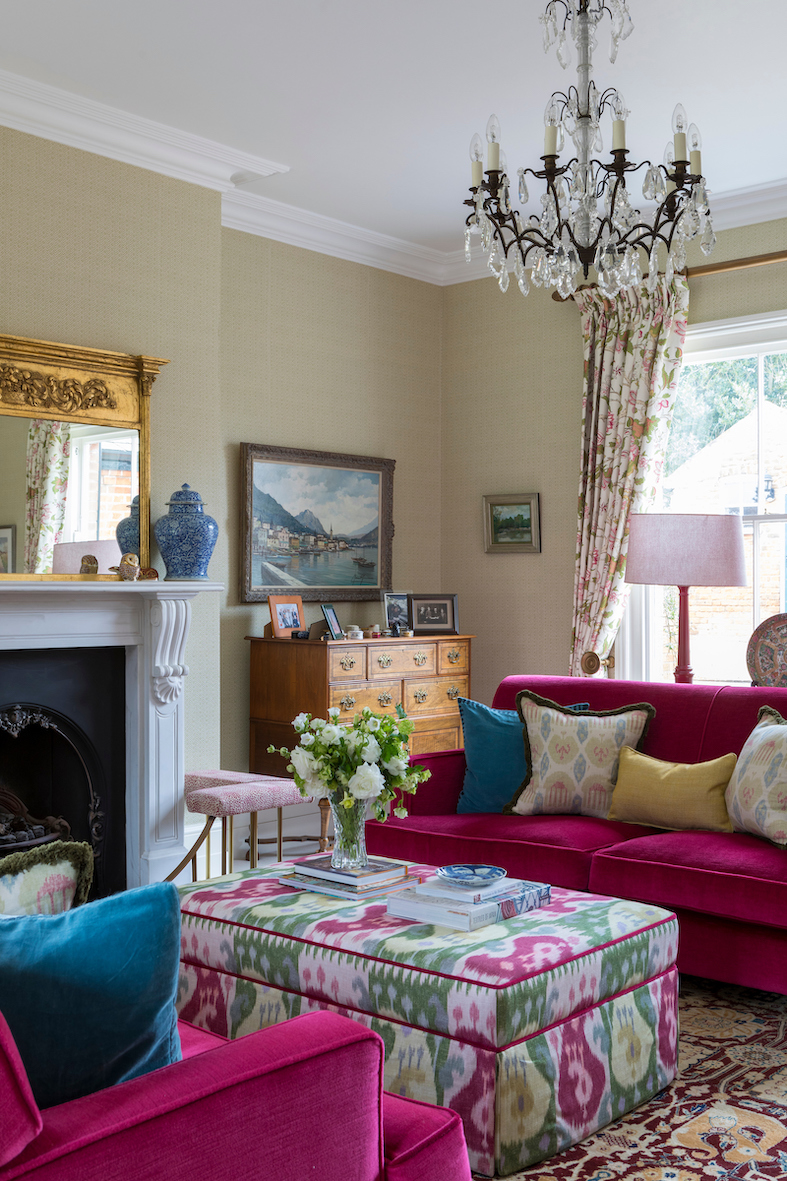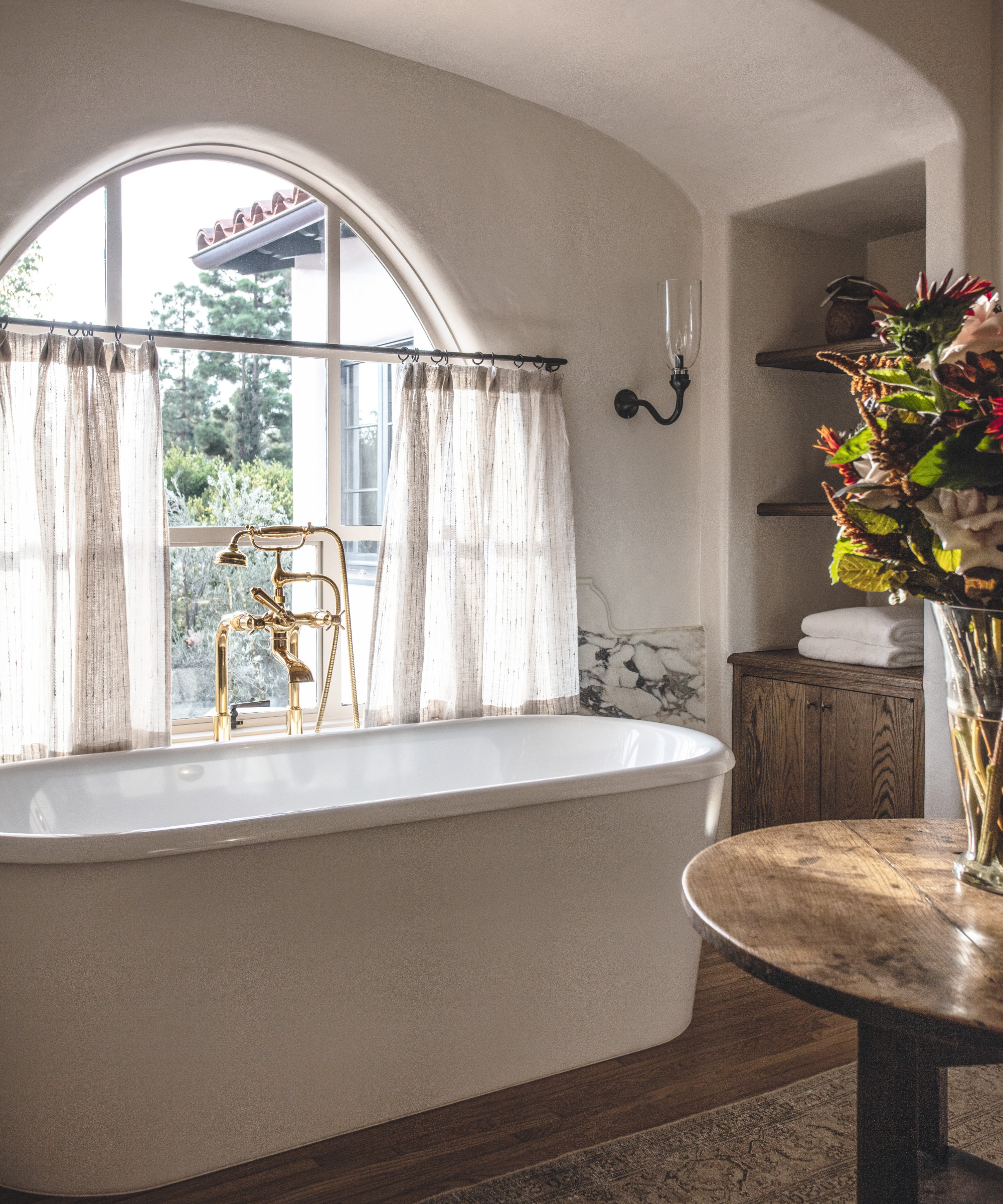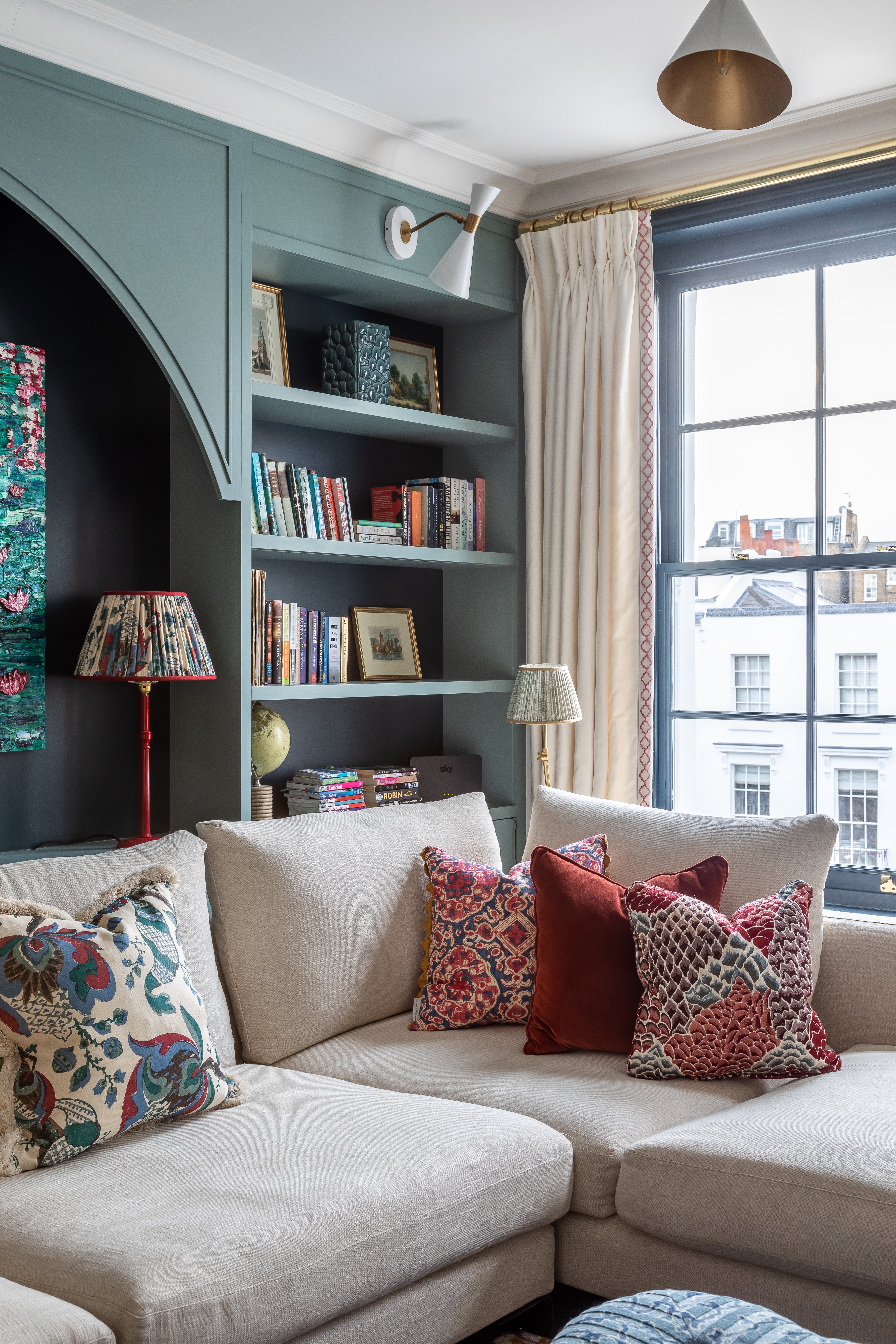
1/3
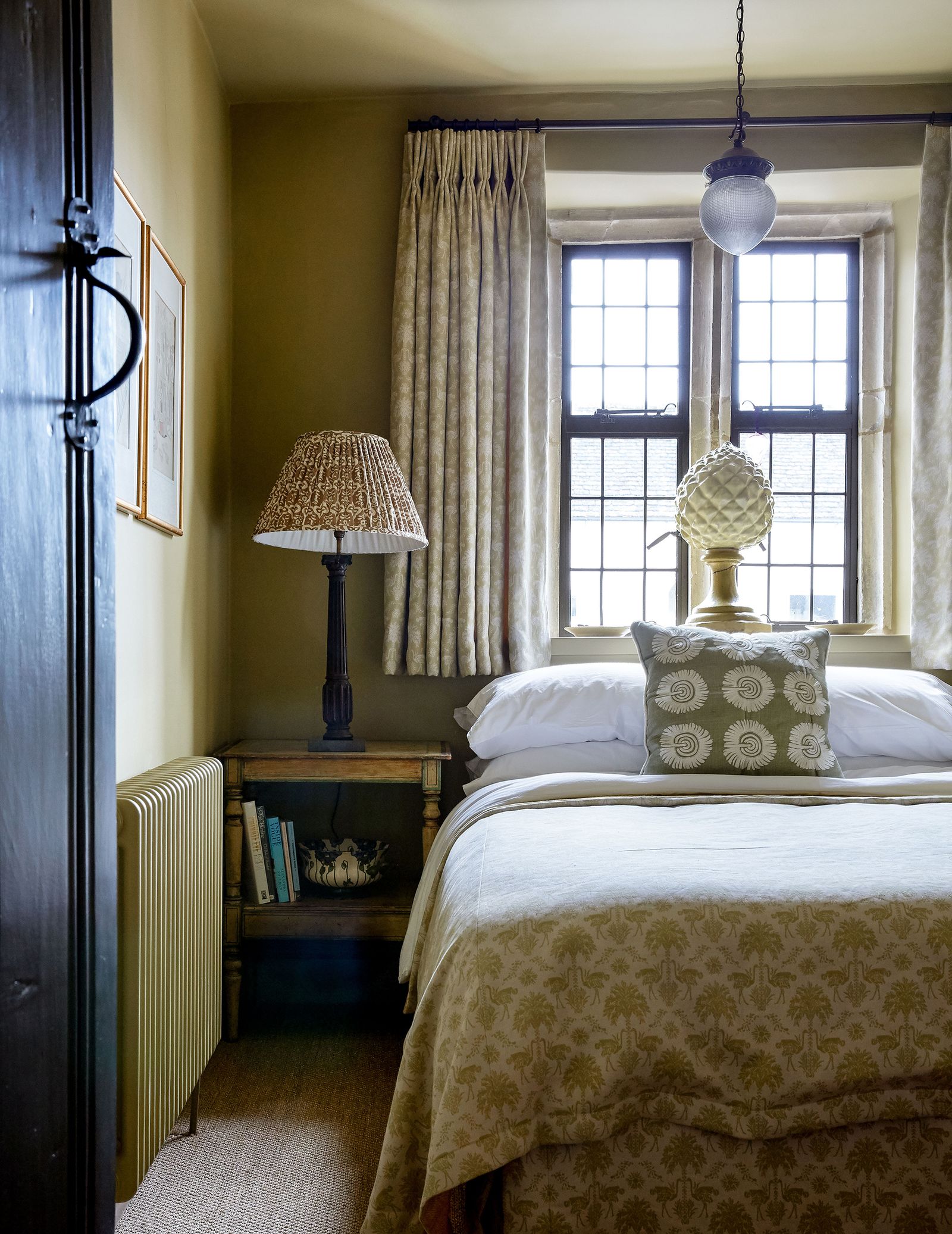
Dear Fiona: is there anything wrong with short curtains?
This article addresses the query of whether short curtains are an acceptable and practical choice for home decoration, especially in Victorian terraces with large windows, considering factors like cost, aesthetic appeal, and functionality. The author, Fiona McKenzie Johnston, a decorating columnist and agony aunt for House & Garden, provides a comprehensive response that delves into the historical context and contemporary relevance of curtain choices.
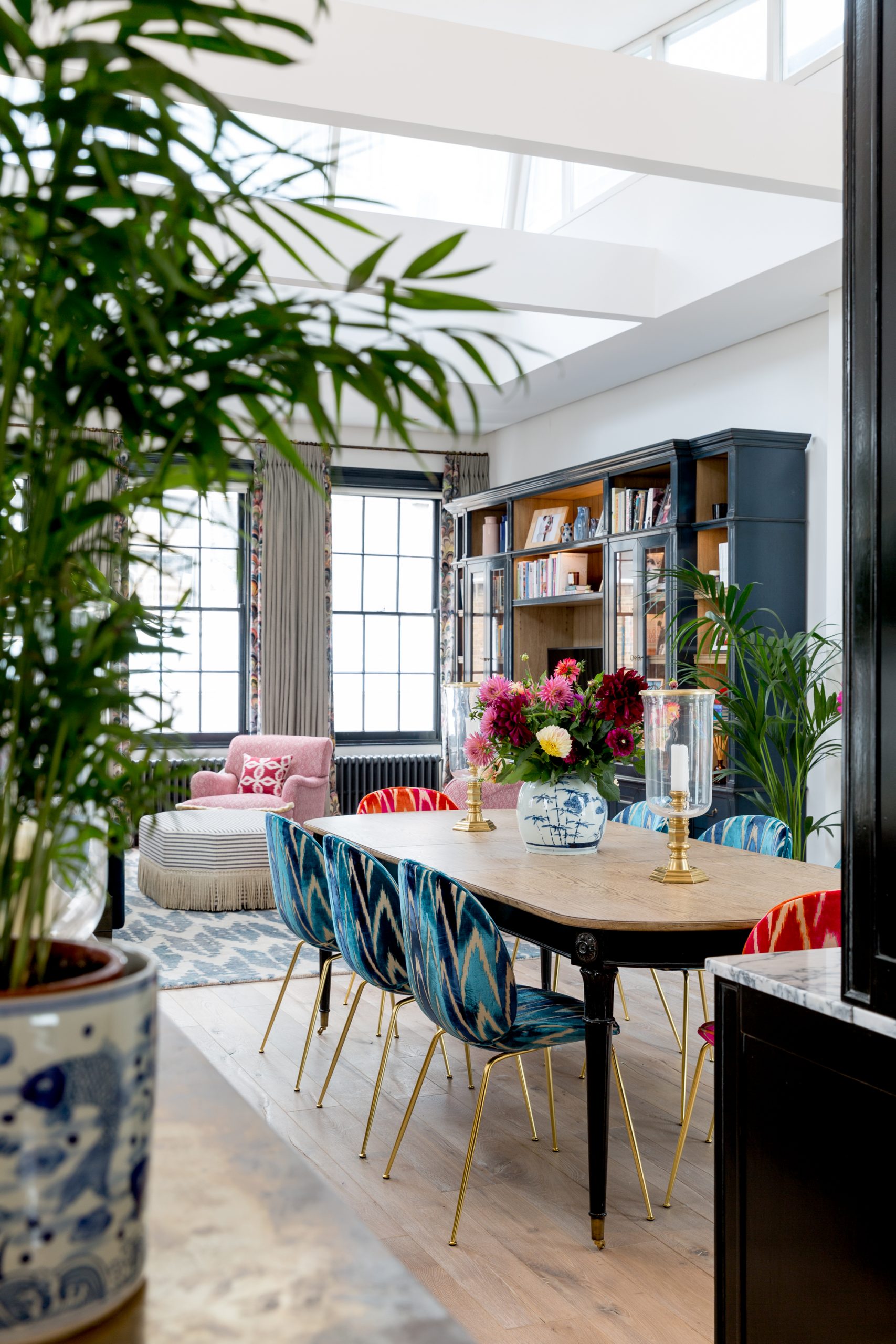
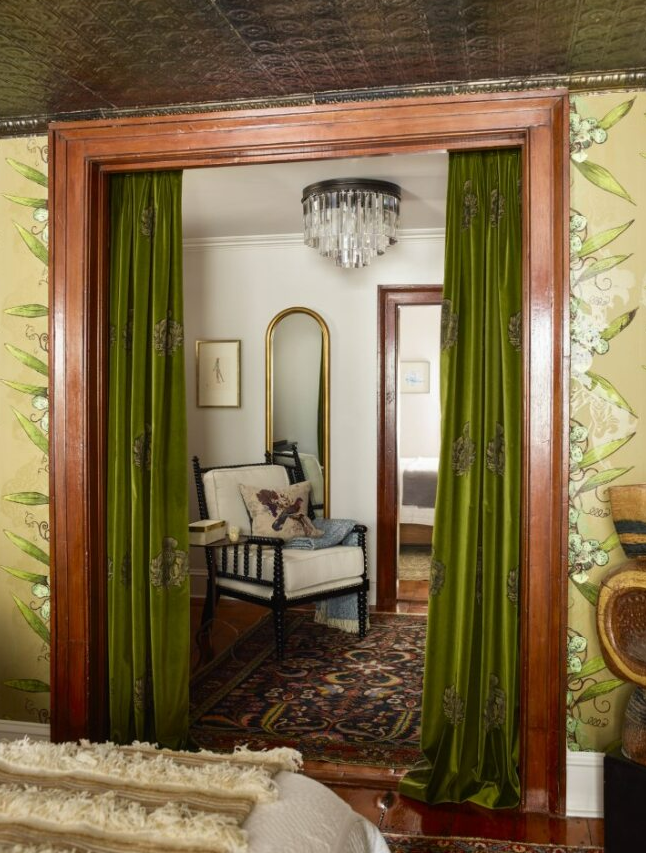
The article begins by acknowledging the cost-saving potential of short curtains, particularly for those with expensive taste in fabrics, as they require less material and labor. It also notes that short curtains can effectively block light and drafts, especially when radiators are located beneath windows. However, it quickly moves to challenge the notion that these are the primary purposes of curtains. Drawing on the insights of design figures like Dorothy Draper, who famously stated that "windows are the eyes of our house" and "nothing looks so forlorn as inadequate curtains," the article emphasizes the decorative and architectural role of window treatments.
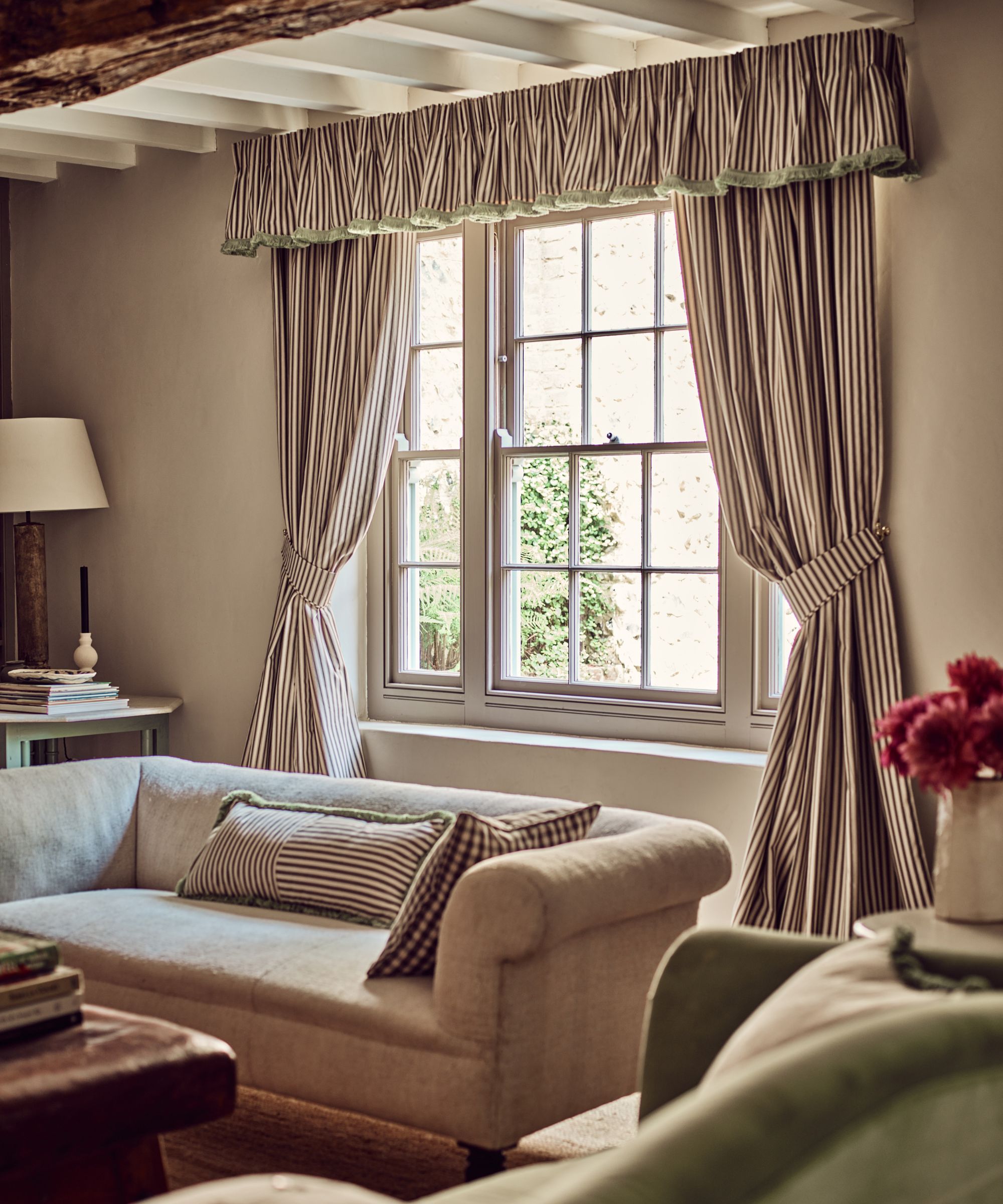
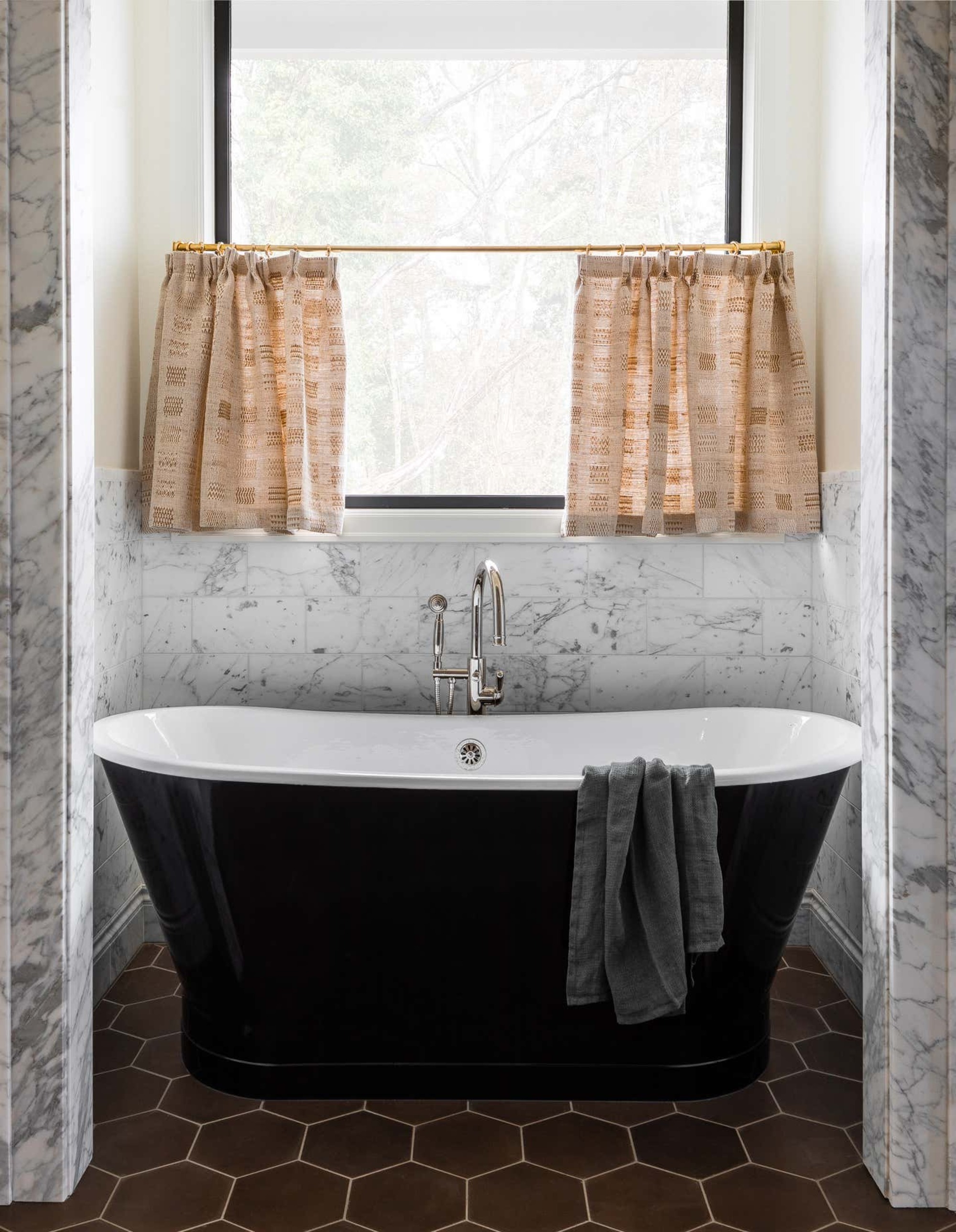
A historical overview reveals that curtains, when first introduced in Tudor times, served primarily as status symbols, showcasing wealth through luxurious fabrics. Over centuries, their design evolved to include intricate trimmings, pelmets, and layering. The Georgian era saw the introduction of internal shutters for heat retention, blinds to protect furnishings from light, and what were then called 'snob screens' (now café curtains). The Victorians embraced a maximalist approach, incorporating multiple layers and elaborate detailing.
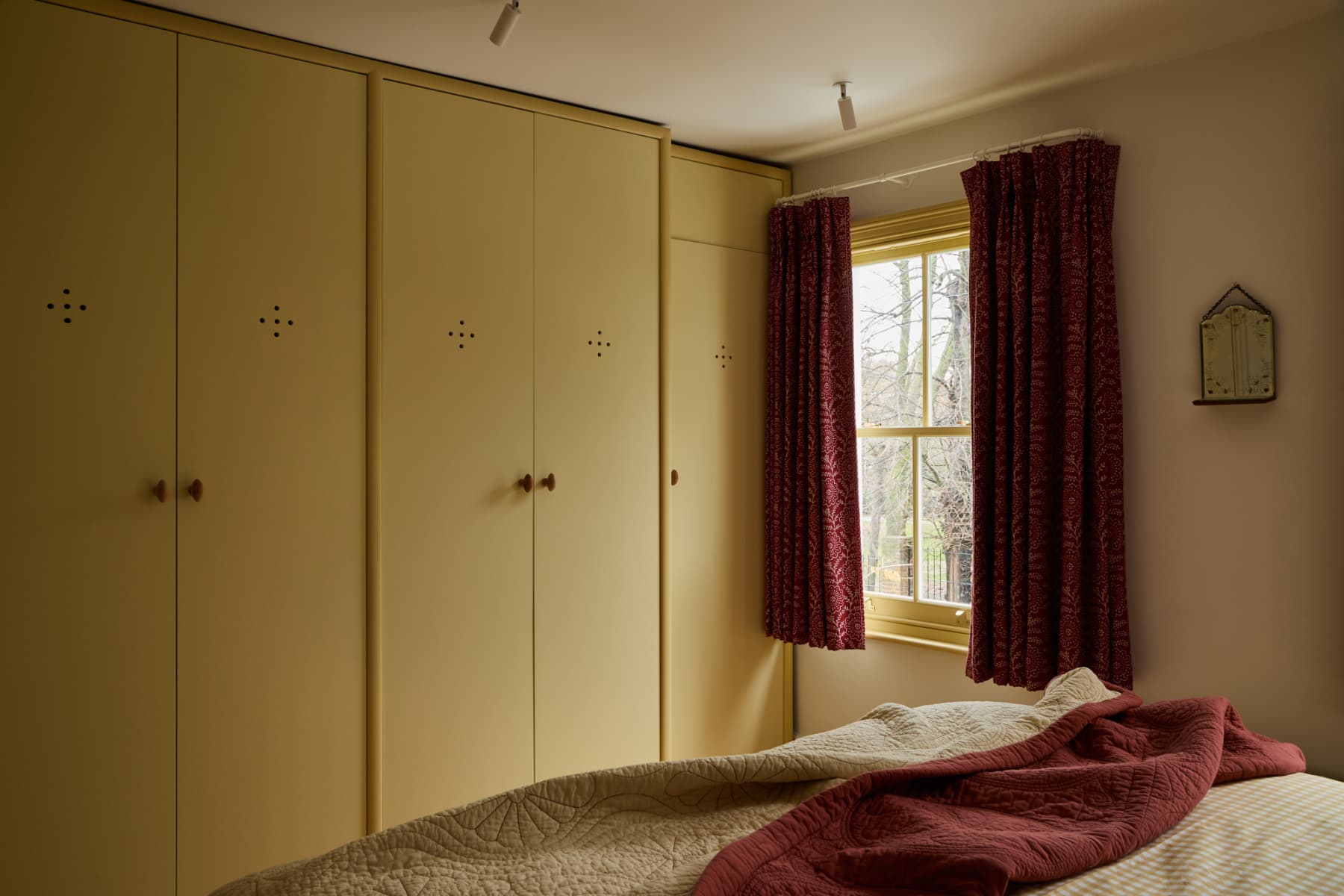
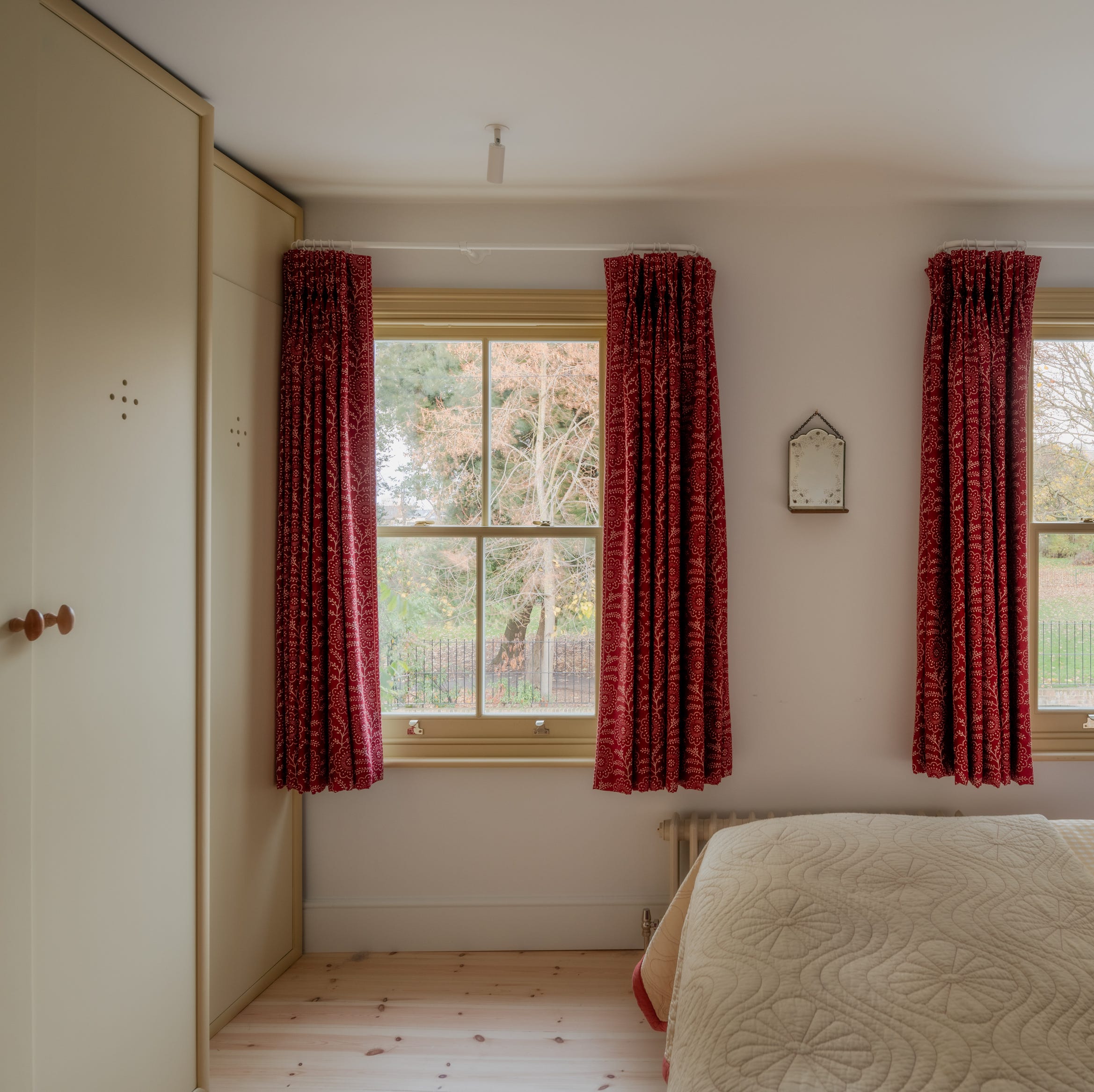
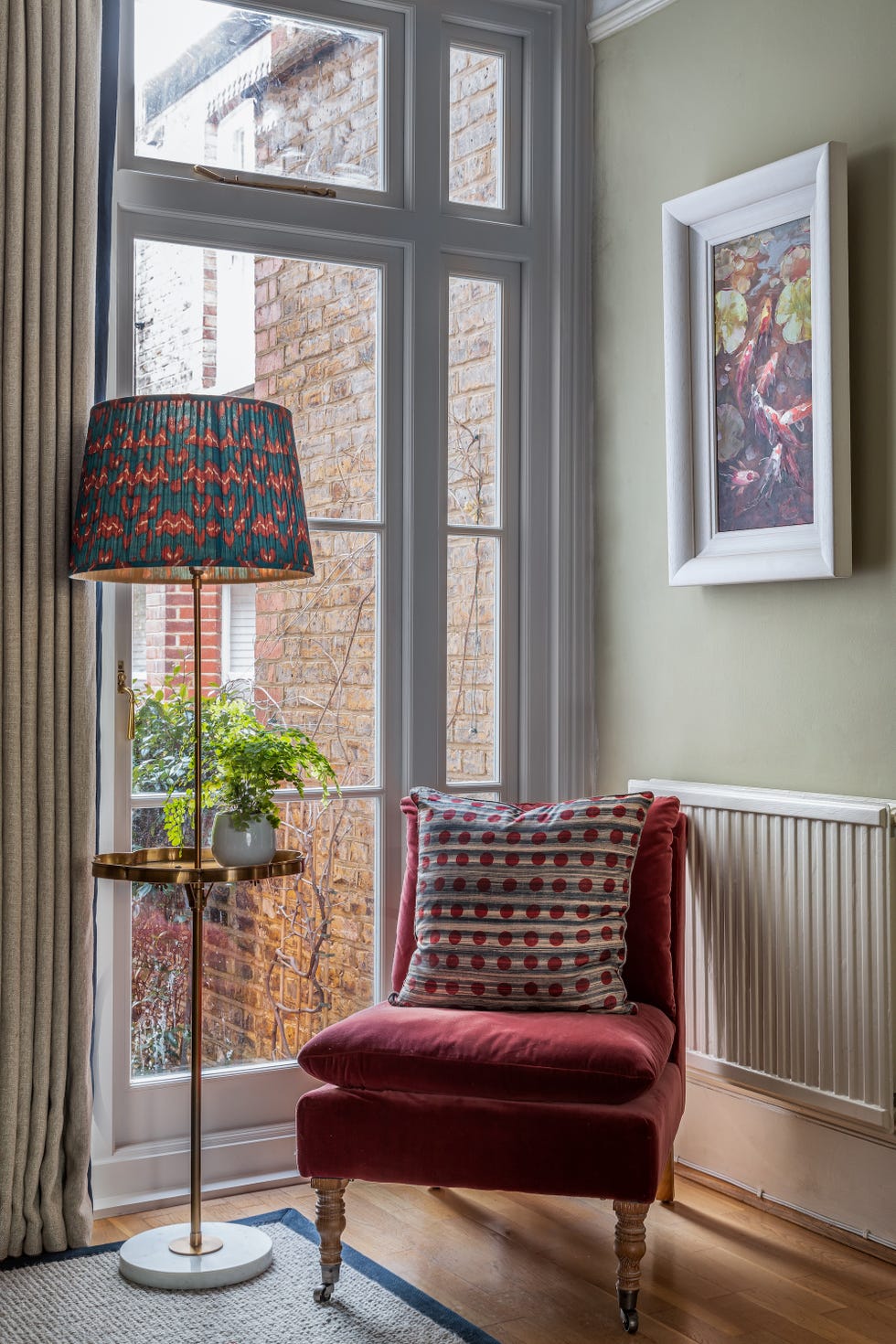
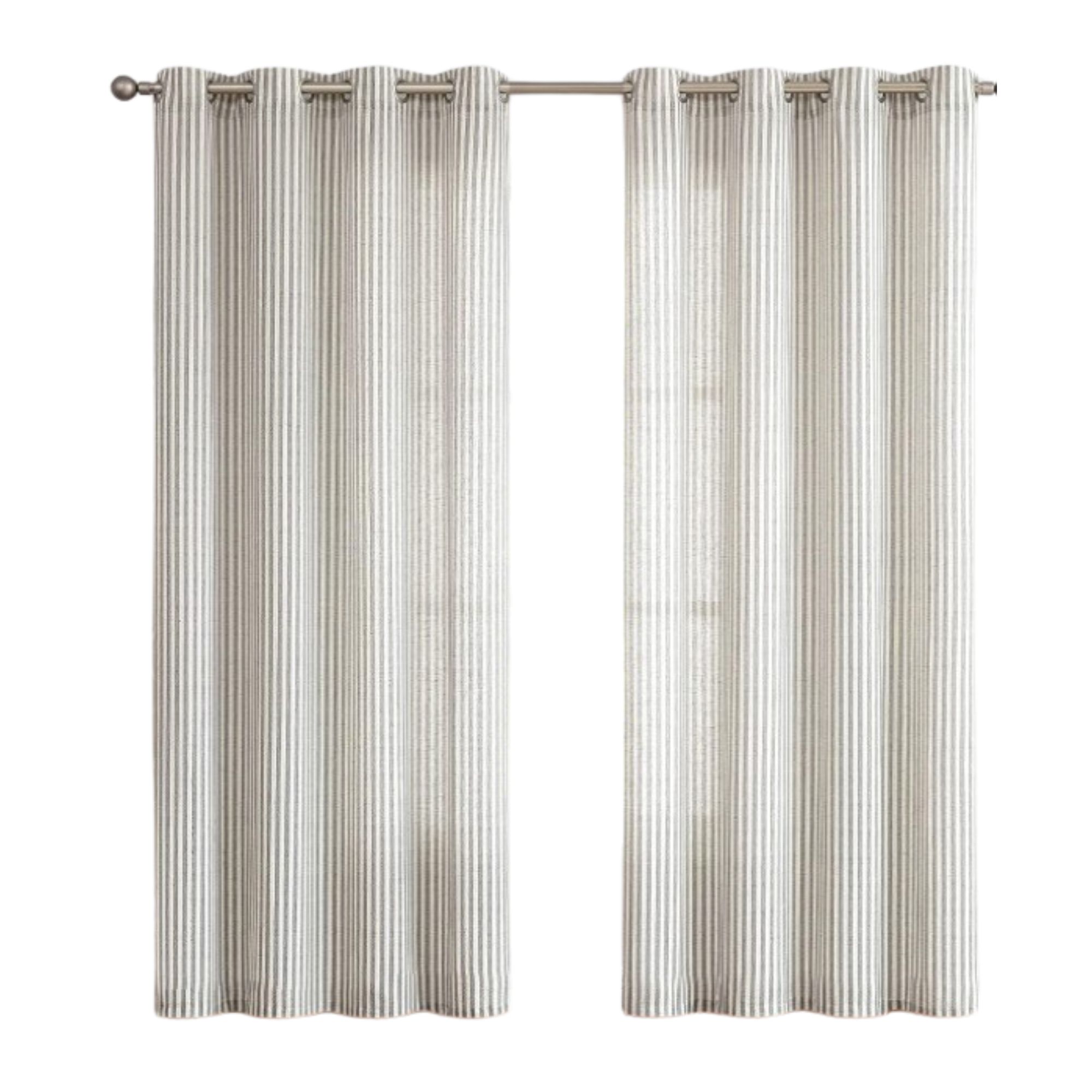
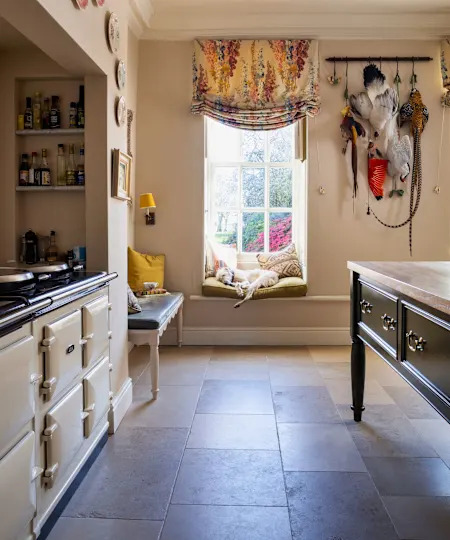
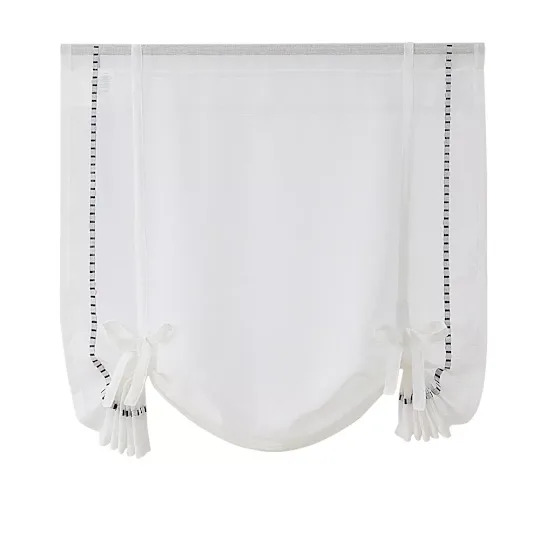
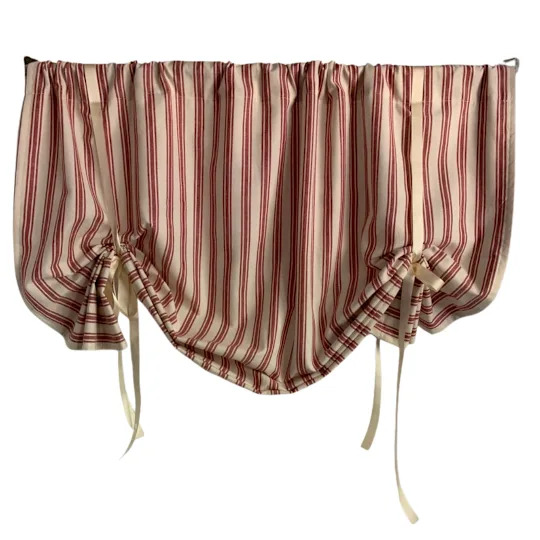
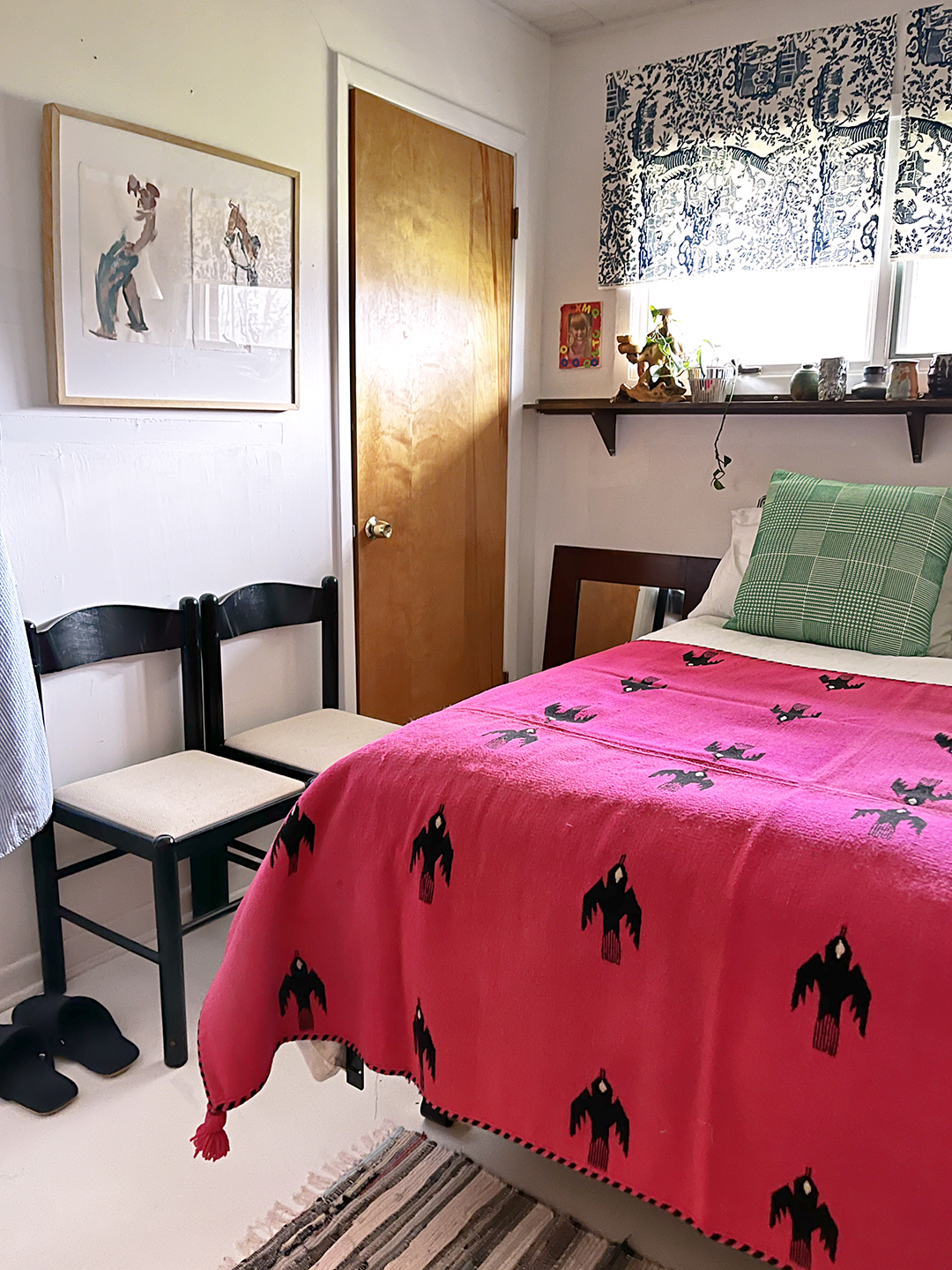
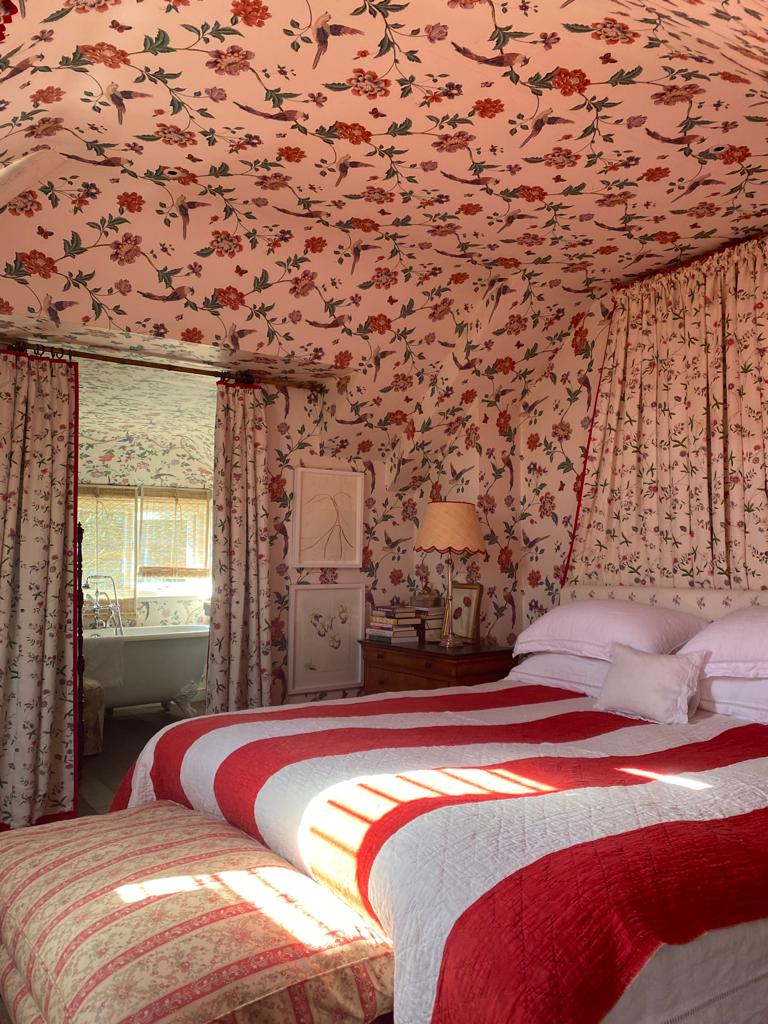
Short curtains gained popularity with the romanticization of cottage living, aligning with aesthetics like 'cottagecore.' They are deemed suitable for low-ceilinged cottages or log cabins and are a practical choice in kitchens where long curtains might interfere with sinks or units. Other appropriate locations include attic dormers with window seats and children's bedrooms, where they contribute to a cozy and casual atmosphere. Historically, short curtains also reflected a 'make-do-and-mend' attitude, particularly during times of fabric rationing.
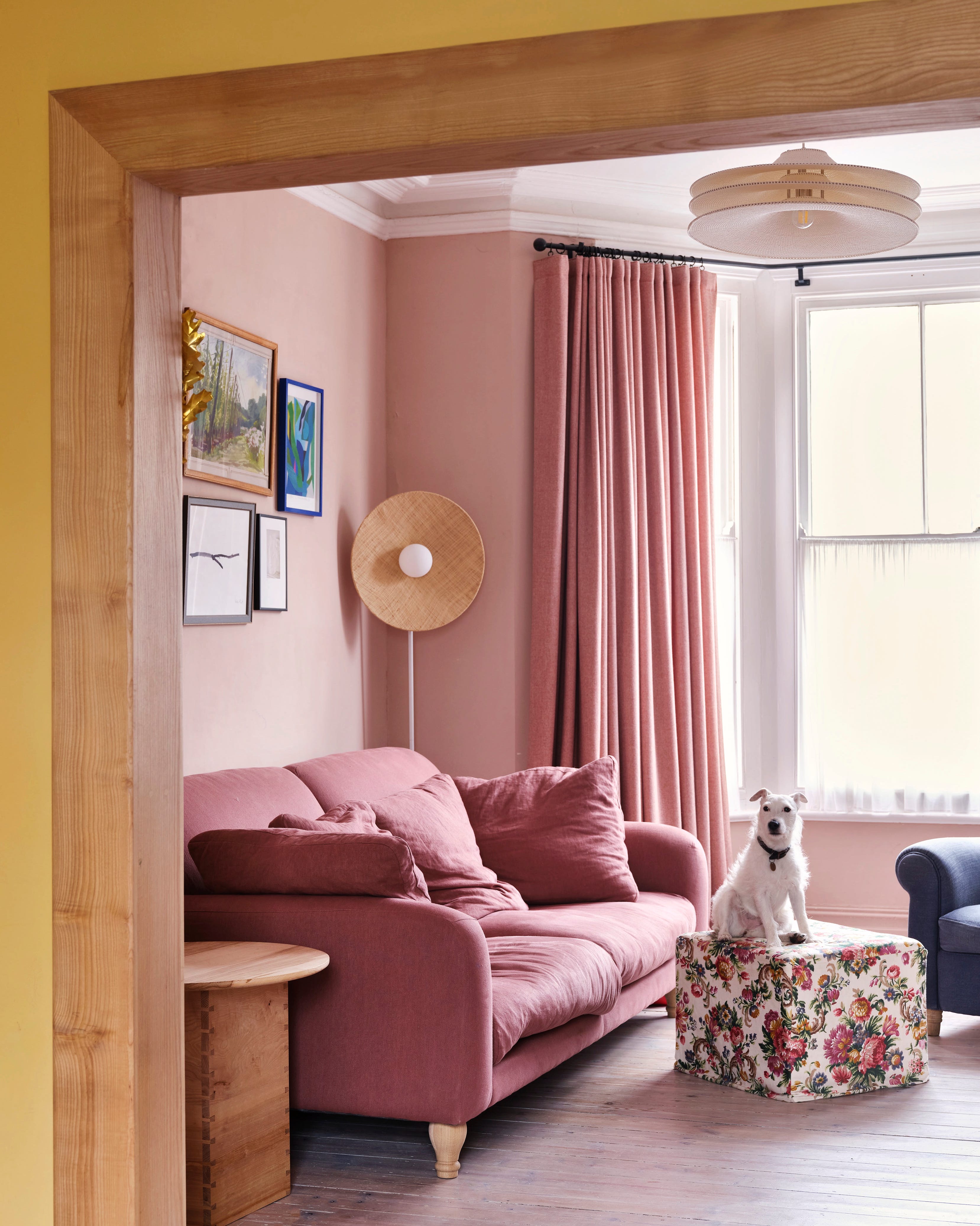

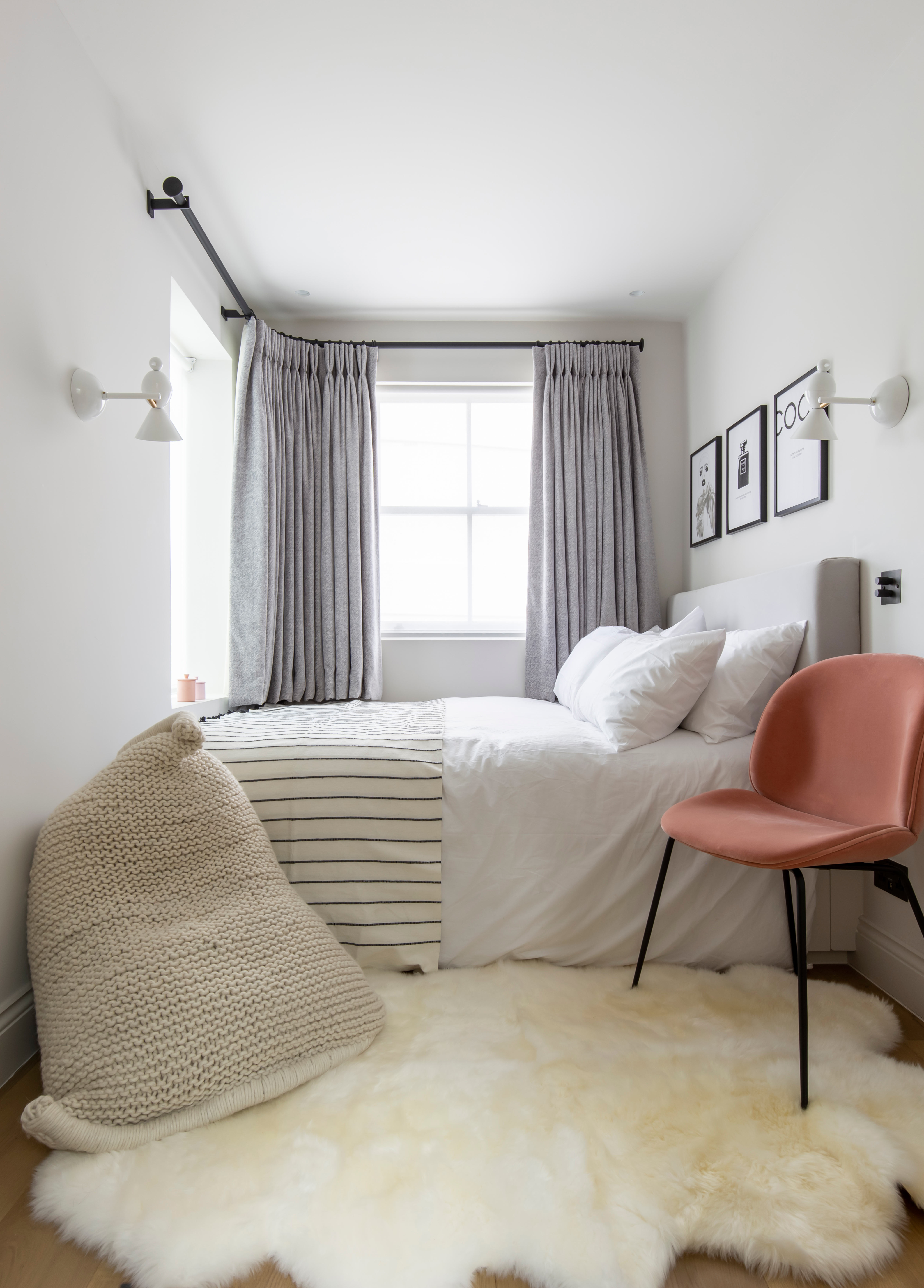
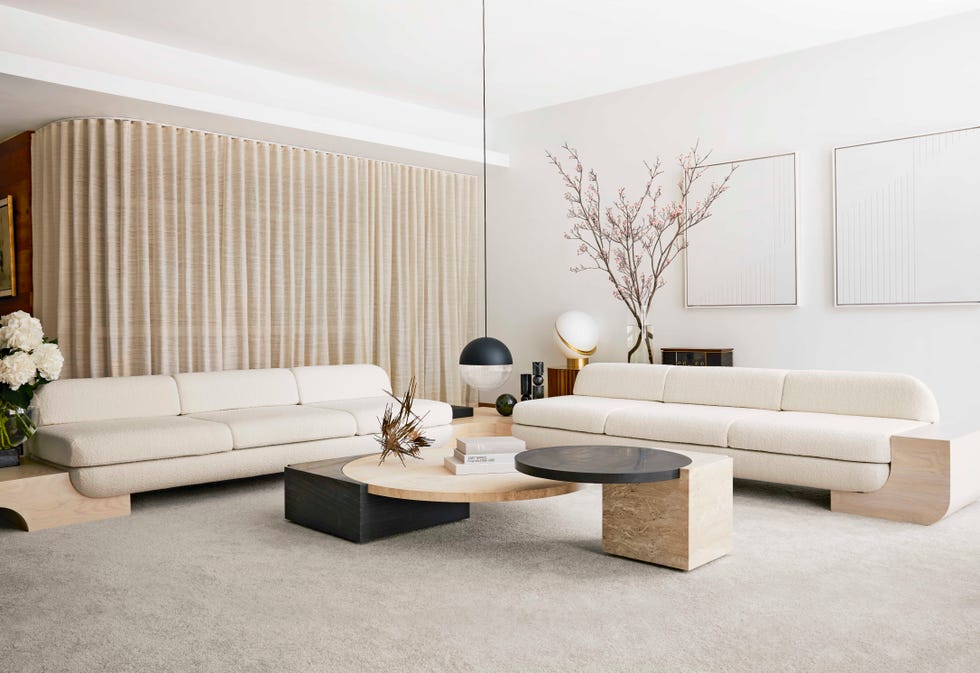
However, for homes beyond these specific styles or functional needs, the article highlights the drawbacks of short curtains. They can diminish the "beauty of the drape" and visually reduce the height of a room, negatively impacting its proportions. Long curtains, on the other hand, can cleverly disguise architectural imperfections and enhance a room's symmetry and balance. The author, drawing from personal experience with a Victorian terrace, notes that Victorian builders often relied on elaborate window dressings to compensate for architectural irregularities.
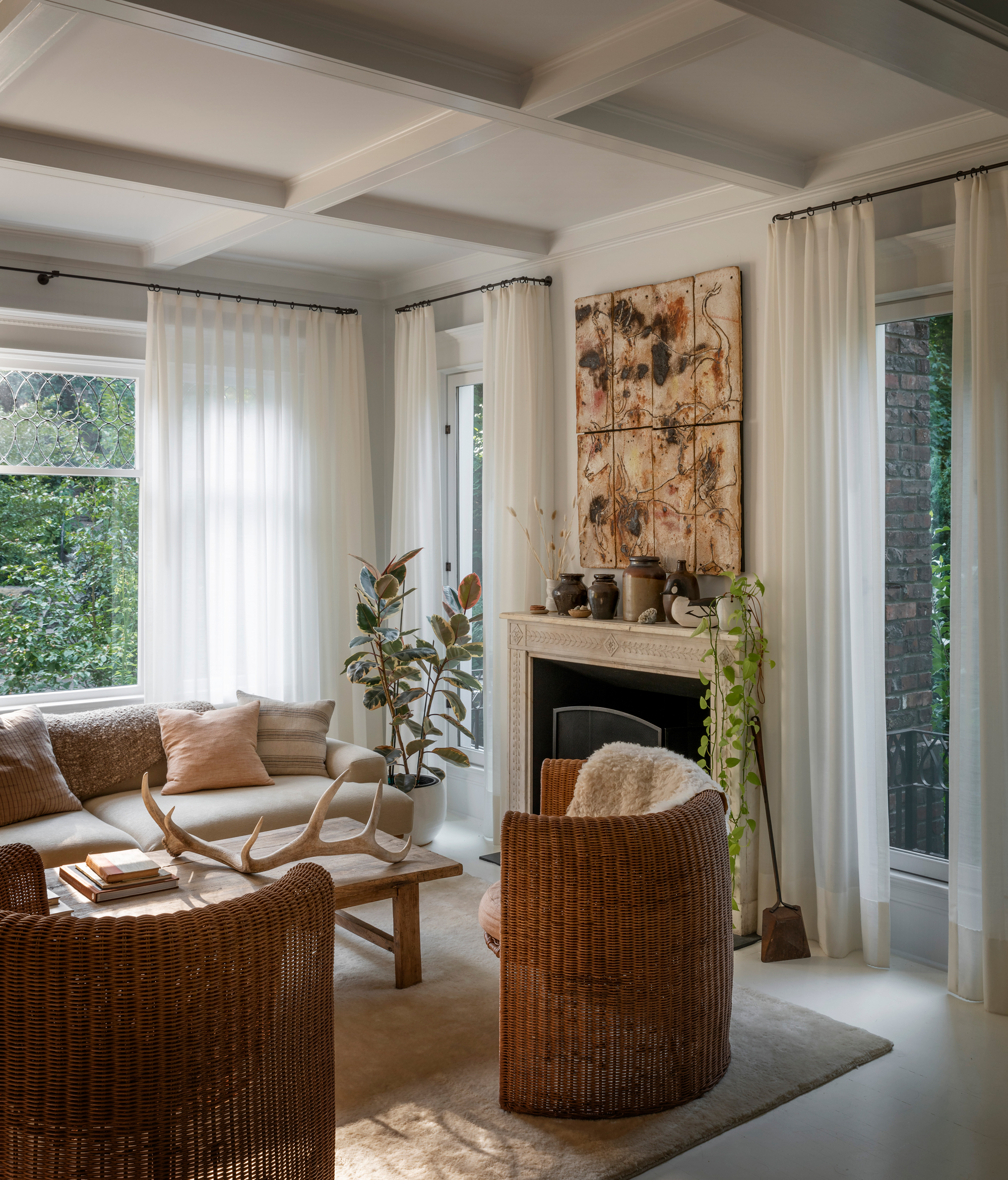
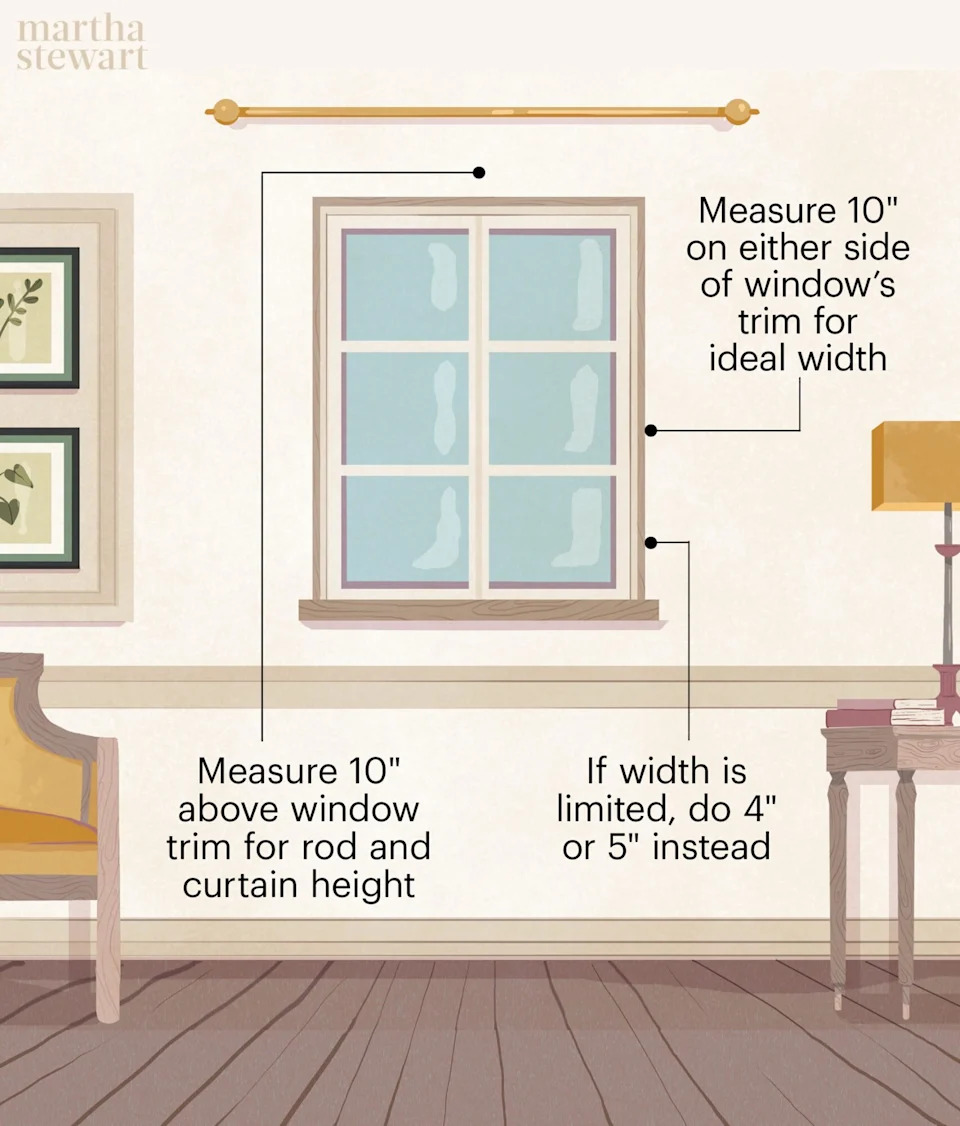
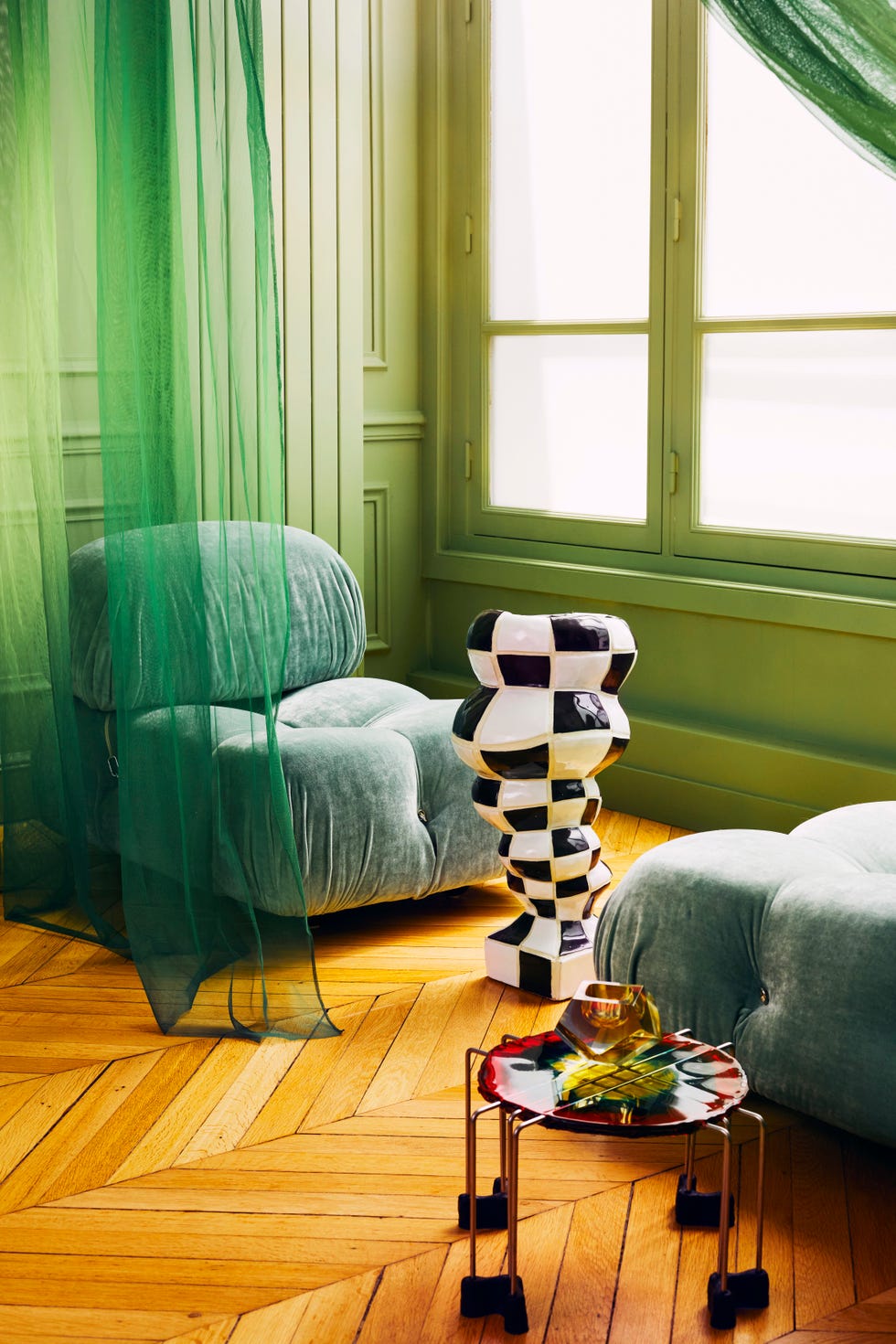
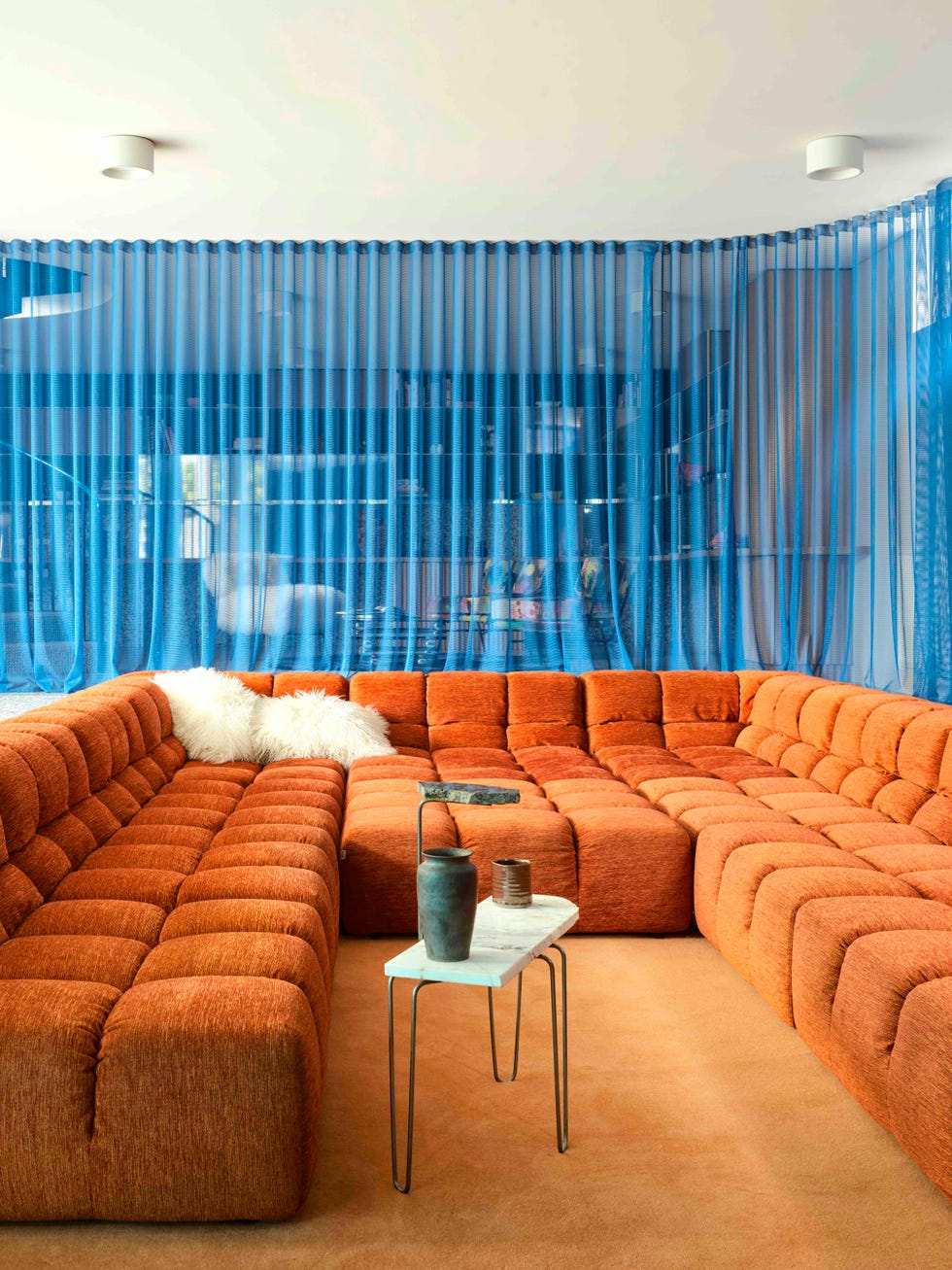
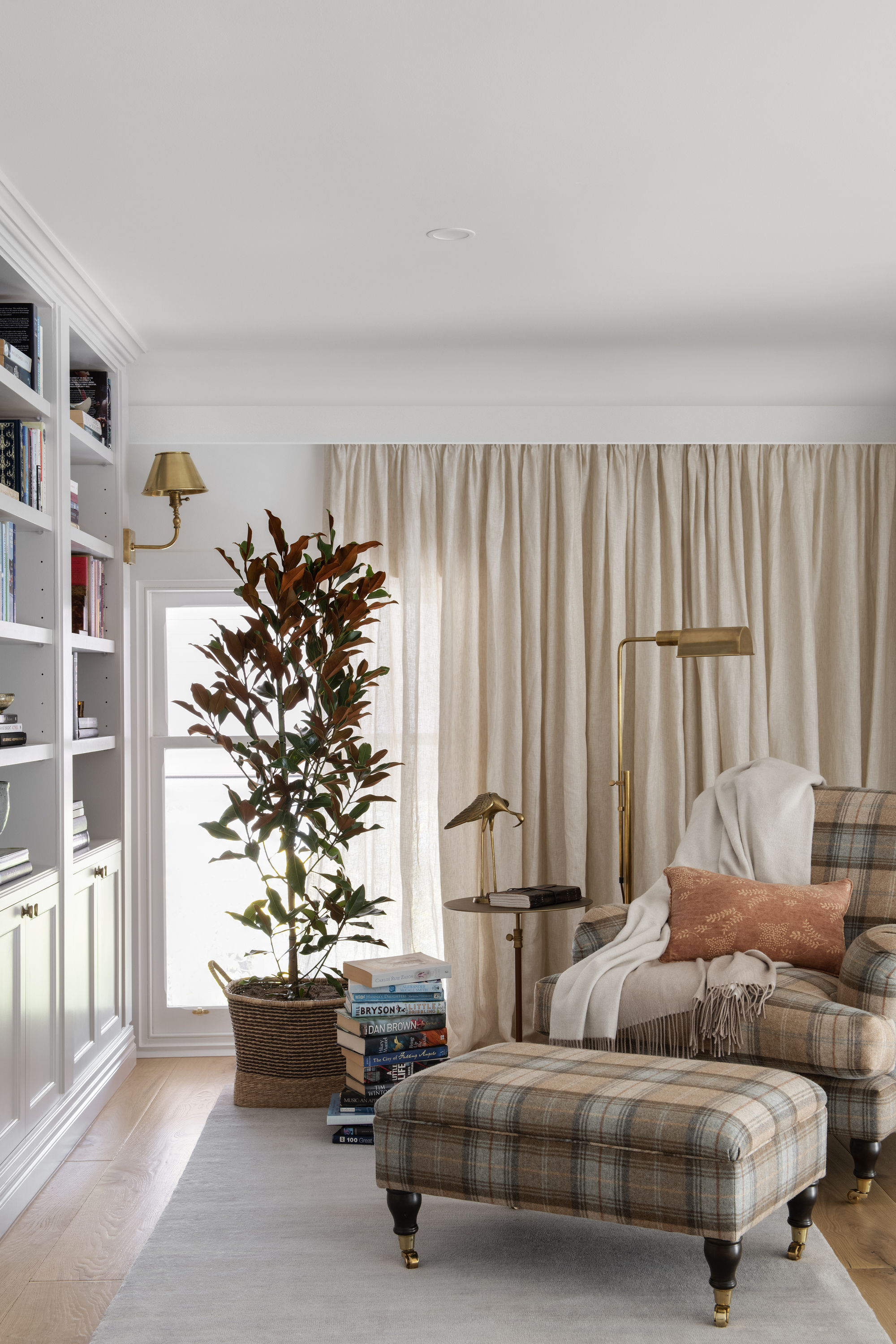
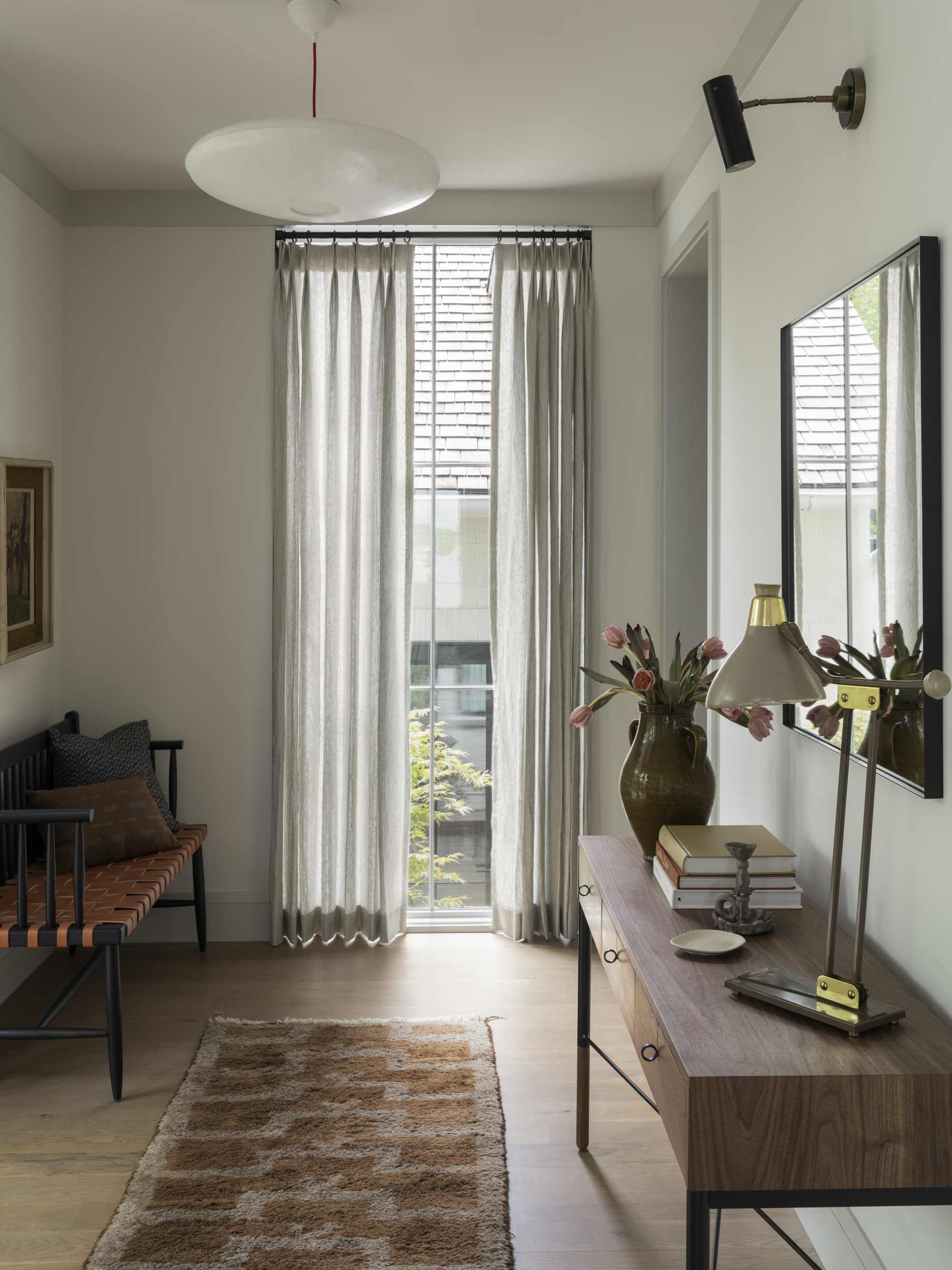
Practical advice is offered for integrating long curtains, even in challenging spaces. This includes extending curtain poles to ensure curtains stack against the wall when open, using pelmets to adjust window height, and treating different-sized windows identically to create visual harmony. The article also suggests incorporating sub-curtains or voiles for sun protection and blinds to manage light and drafts while allowing radiators to heat a room effectively. The layering approach, reminiscent of Georgian design, is presented as an ideal solution for both aesthetics and functionality.
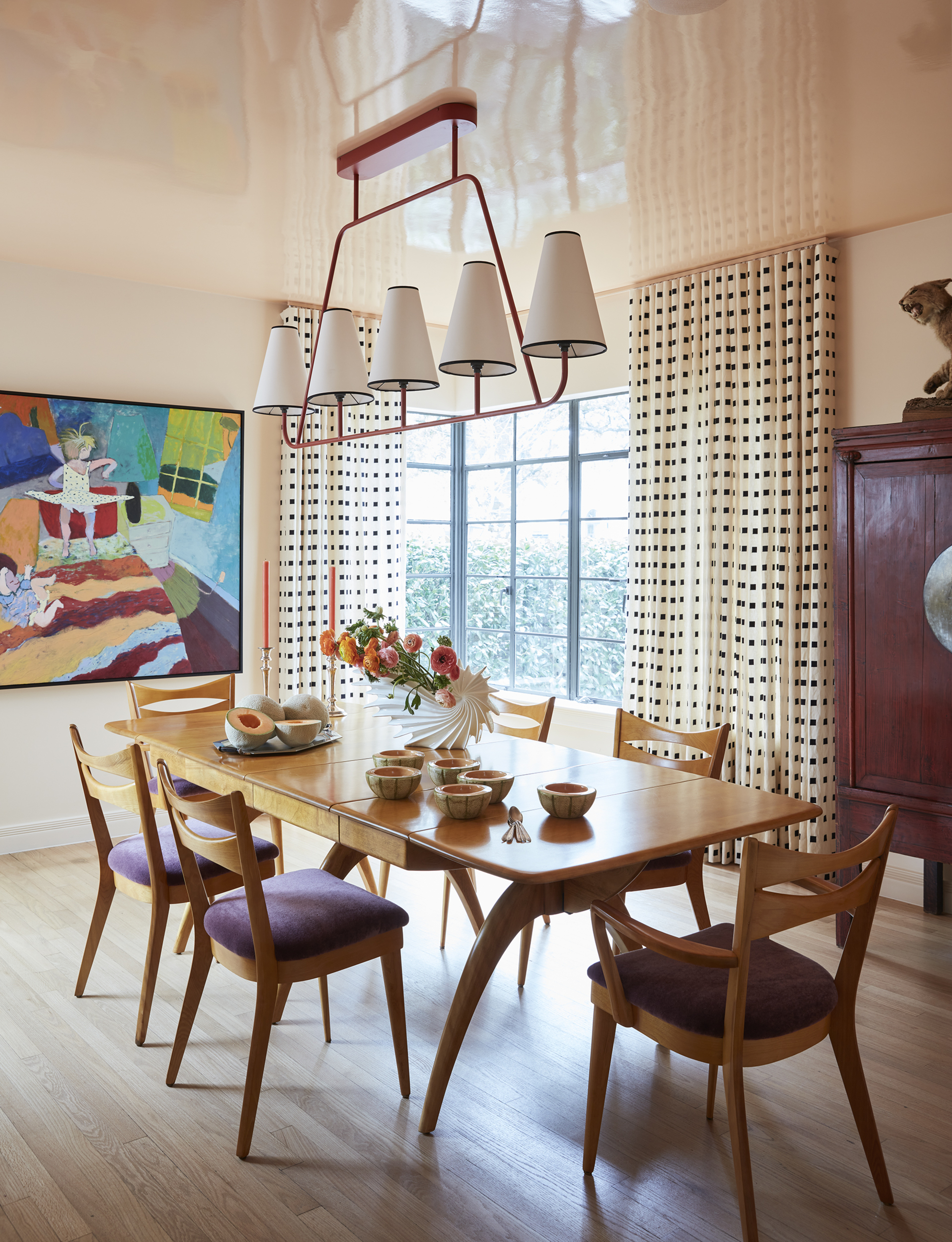
Recognizing the financial implications of long curtains, the article provides several cost-saving strategies. It recommends reconsidering expensive fabrics, advocating for the use of more affordable materials in generous quantities, as championed by Dorothy Draper and Rita Konig. Incorporating trims or using expensive fabric only for the leading edge are presented as alternatives. Sourcing fabric from mill shops or finding discounted remnants is also suggested. Additionally, the article encourages a patient approach, allowing time for saving and for personal style to evolve. It advises starting with temporary solutions like self-made voiles and exploring second-hand options, which can be altered to fit. Ultimately, while acknowledging the appeal of short curtains for specific aesthetics or budgetary reasons, the article generally advocates for the timeless elegance and practical benefits of full-length window treatments, emphasizing their historical significance and enduring decorative power.
#CurtainDesign #HomeDecoration #InteriorDesign #VictorianArchitecture #Cottagecore #FabricSelection #WindowTreatments #BudgetDecorating #HistoricalInteriors #CurtainDesign #HomeDecoration #InteriorDesign #VictorianArchitecture #Cottagecore #FabricSelection #WindowTreatments #BudgetDecorating #HistoricalInteriors
0 تعليق إجمالاً
 لا توجد تعليقات بعد
قد تعجبك أيضًا
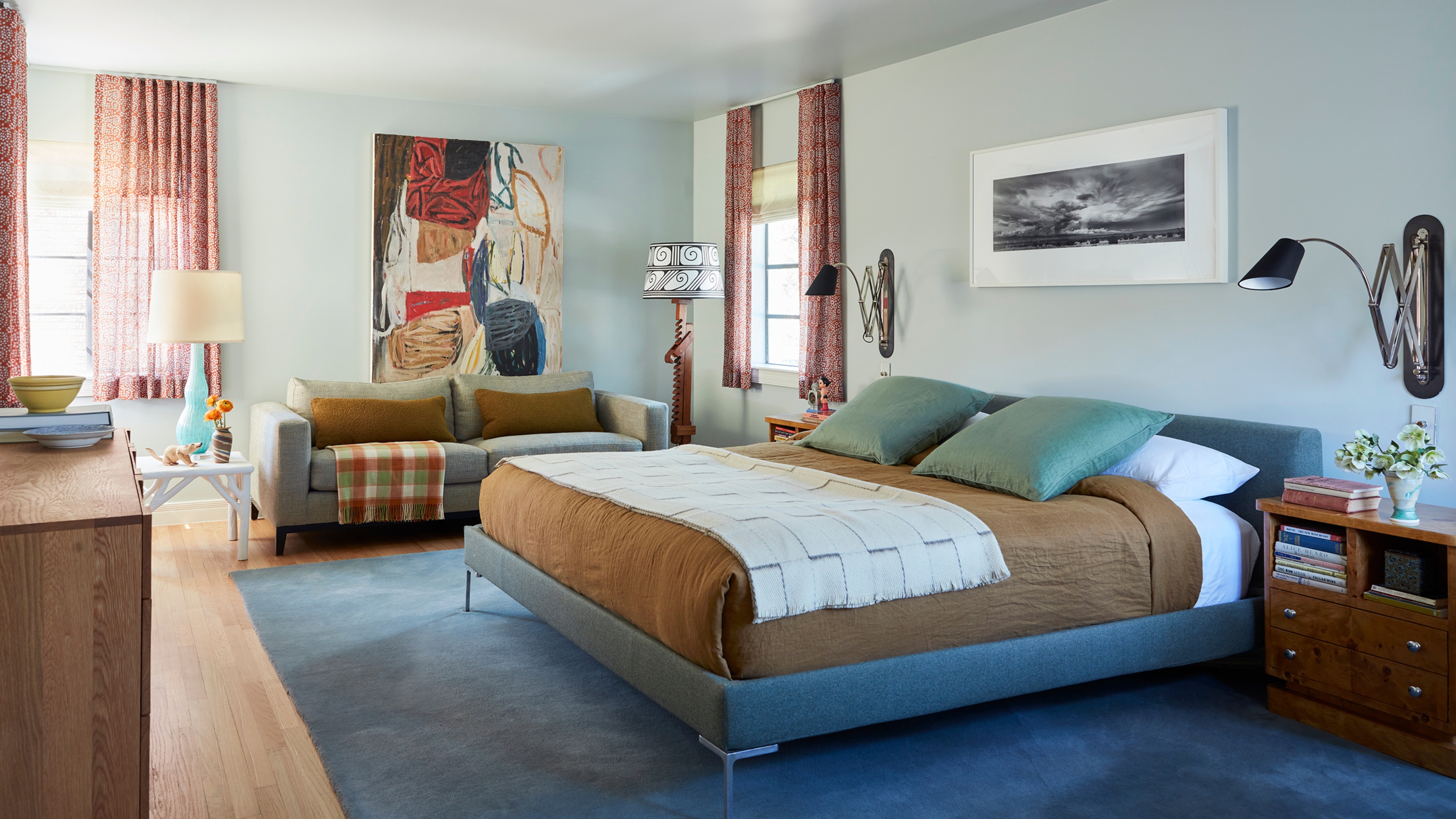
Suddenly, Short Curtains Have Got My Attention in the 'Long vs Short Curtain' Debate

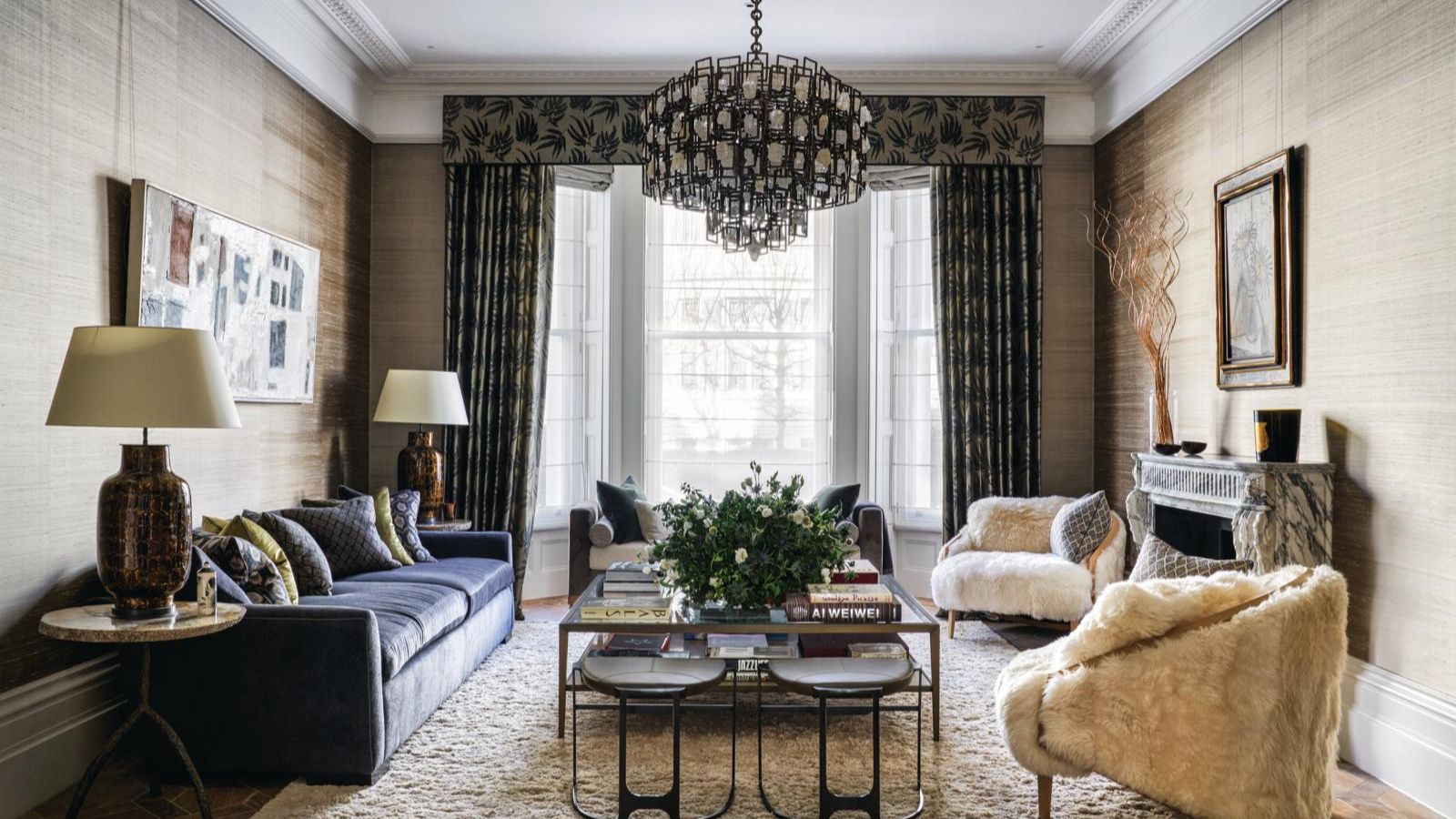
How high should I hang my curtains? The rules designers follow

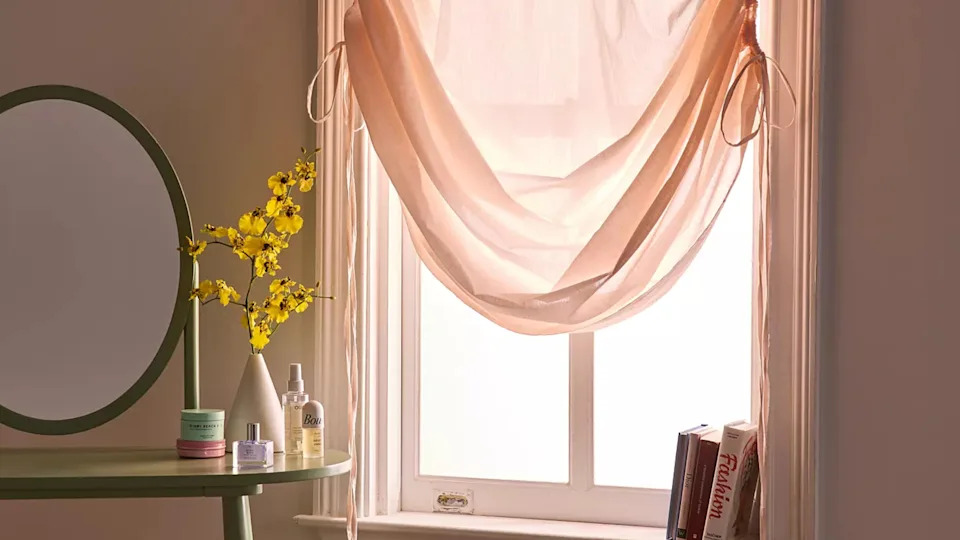
This once-dated curtain style has made a big comeback this summer – here's why I am hanging tie-up balloon shades in every room
4 Easy Tips For Measuring Curtain Length Like A Pro
Style Debate: Could Short Curtains Be The Next Big Interior Design Trend?

An easy add-on to your curtains makes rooms look expensive - designers explain

How to Choose the Right Curtain Length for Your Specific Windows
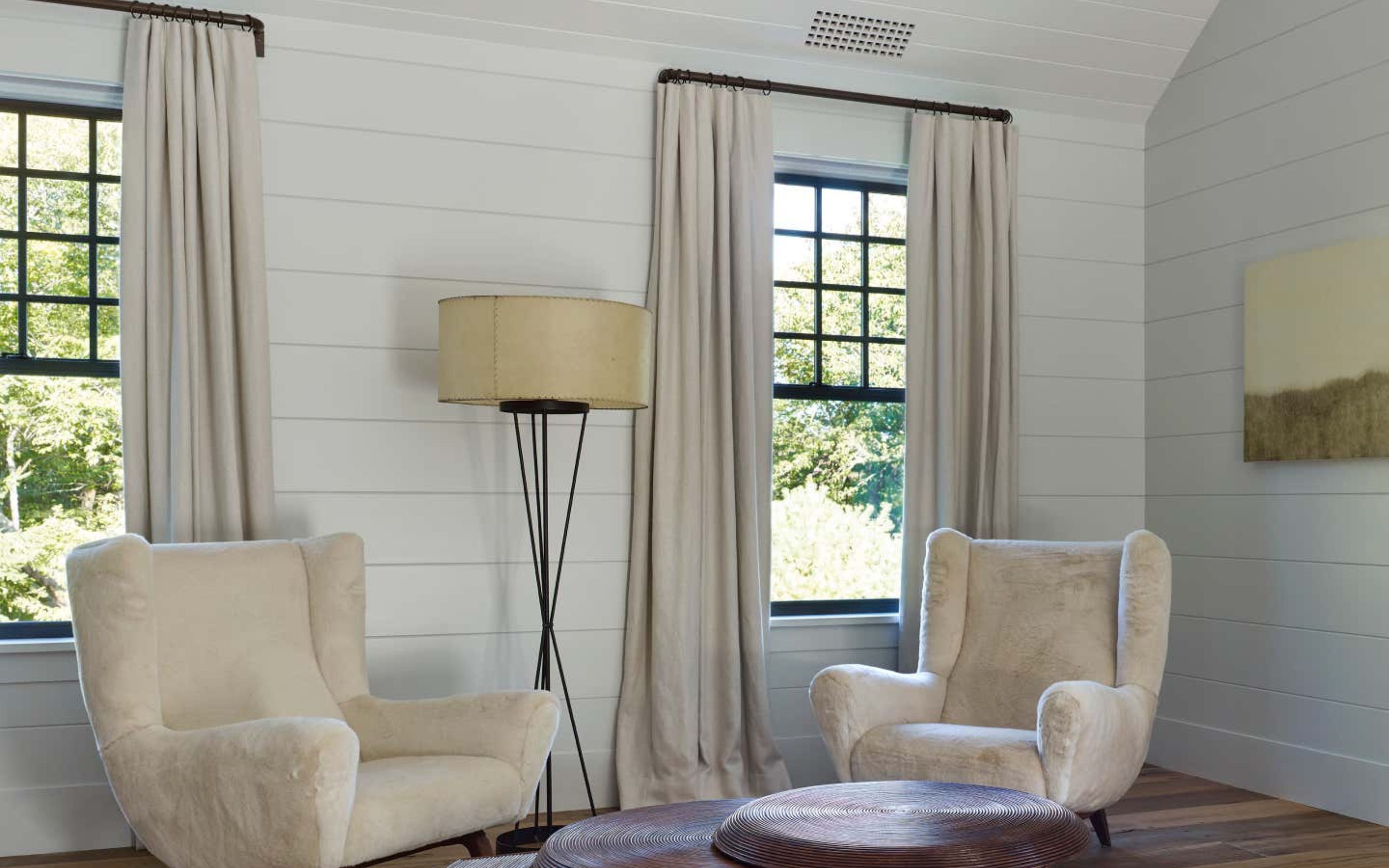
5 finishing touches that will elevate your curtains and make them look a hundred times better
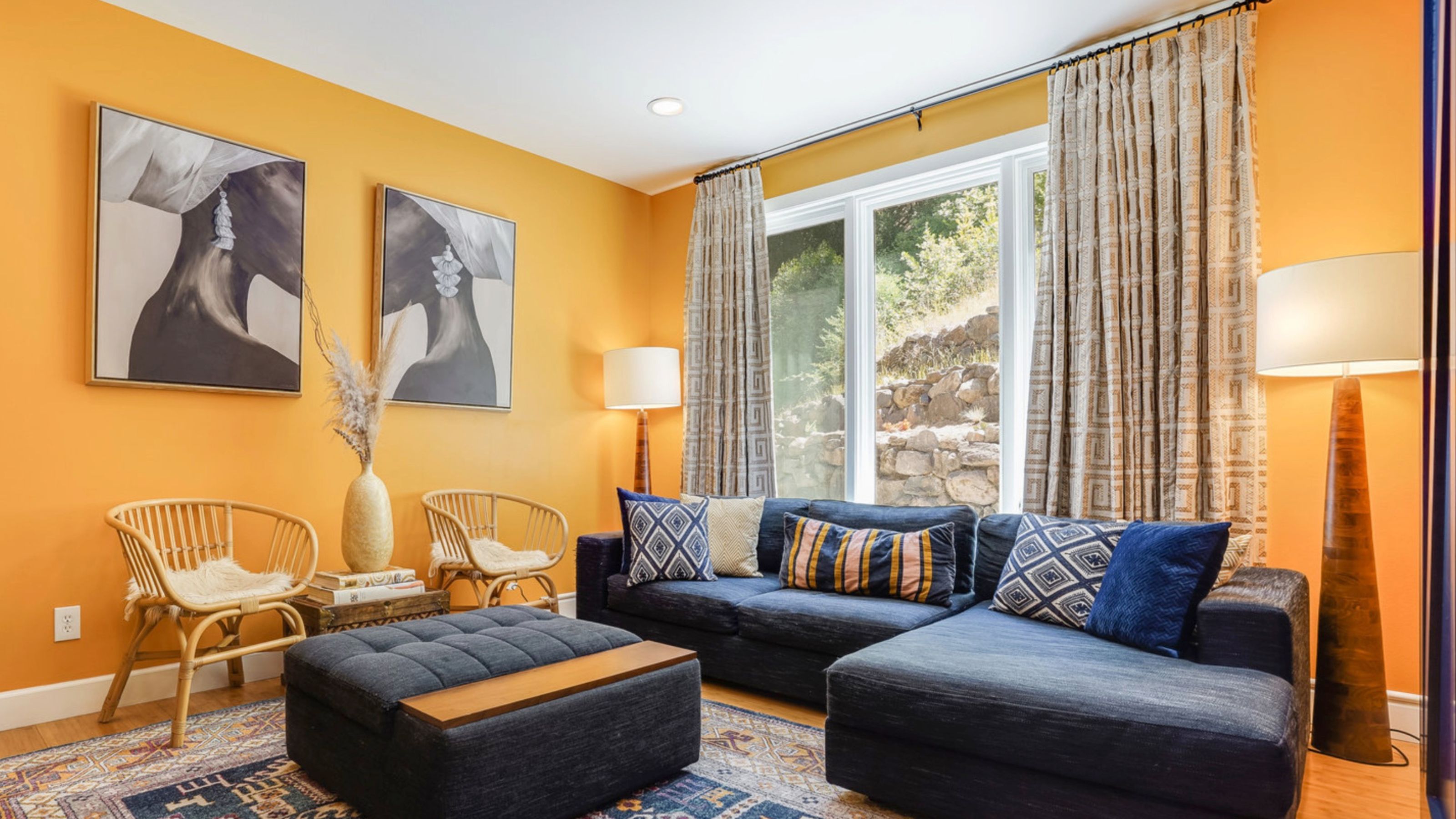
Small living room curtain ideas — 5 designer-approved ways to add flair

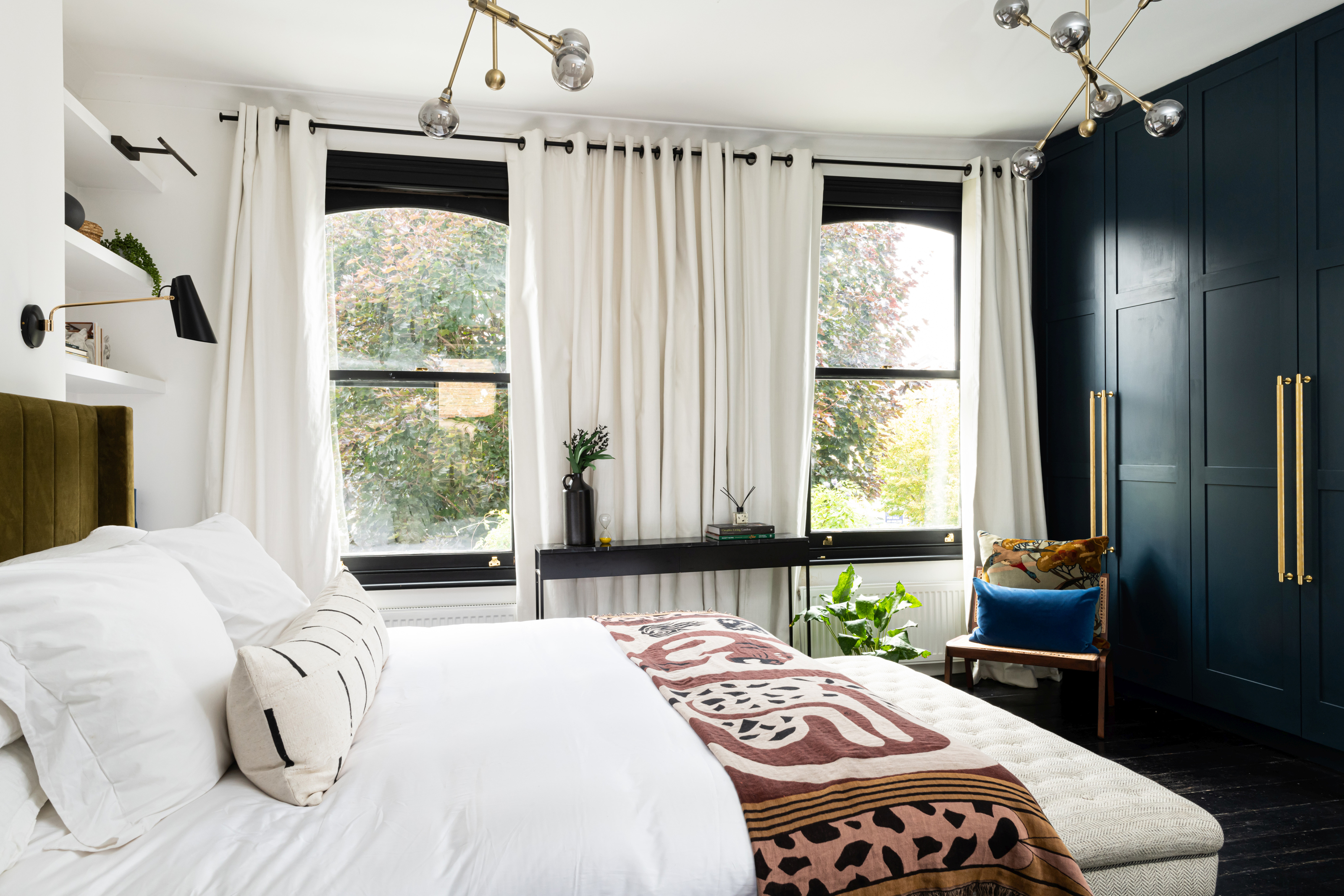
How high to hang a curtain rod – experts explain how to make your room feel bigger with this simple trick
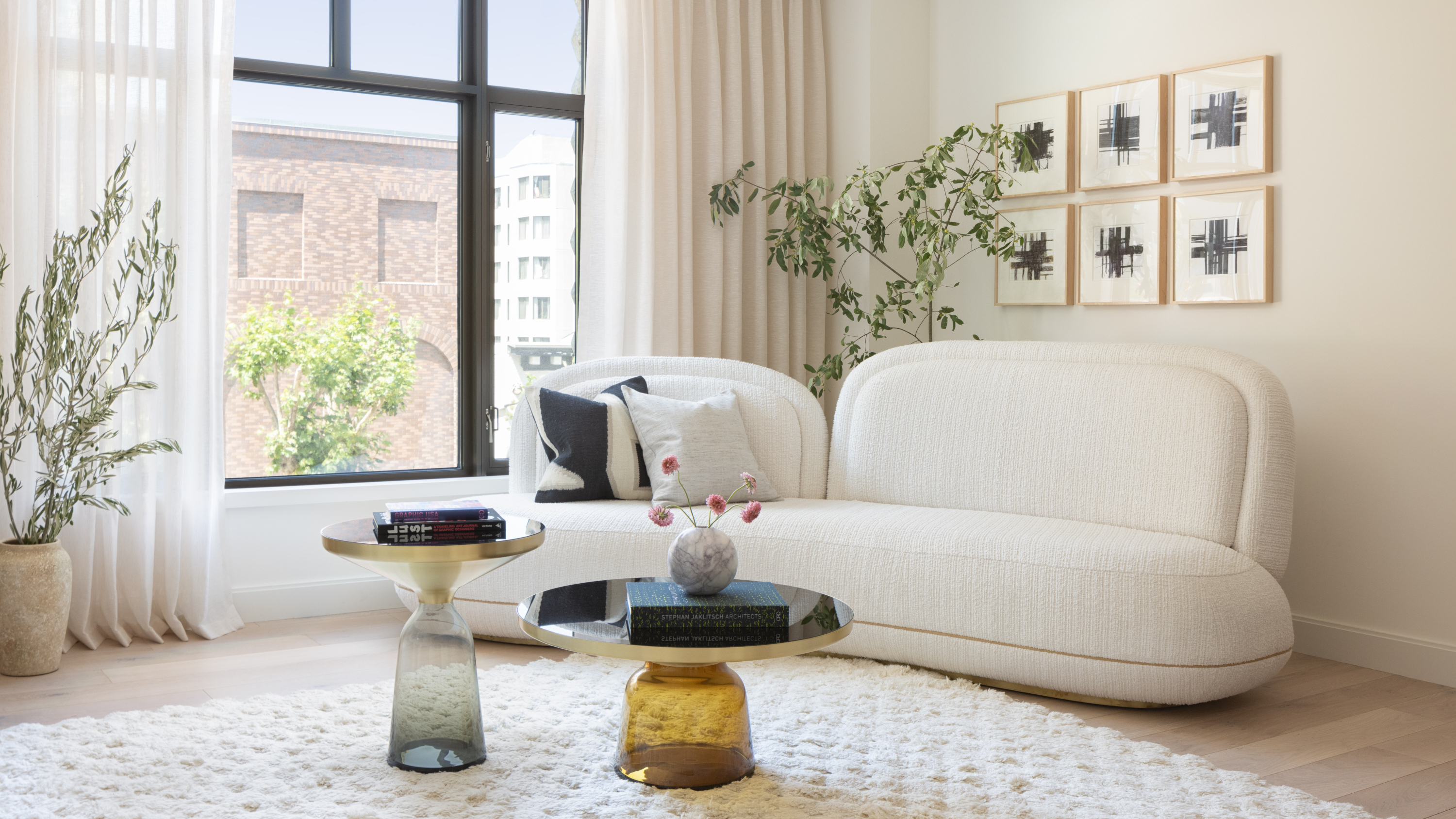
This hack for your curtains will instantly make them look more expensive – and it evens work on ones from IKEA
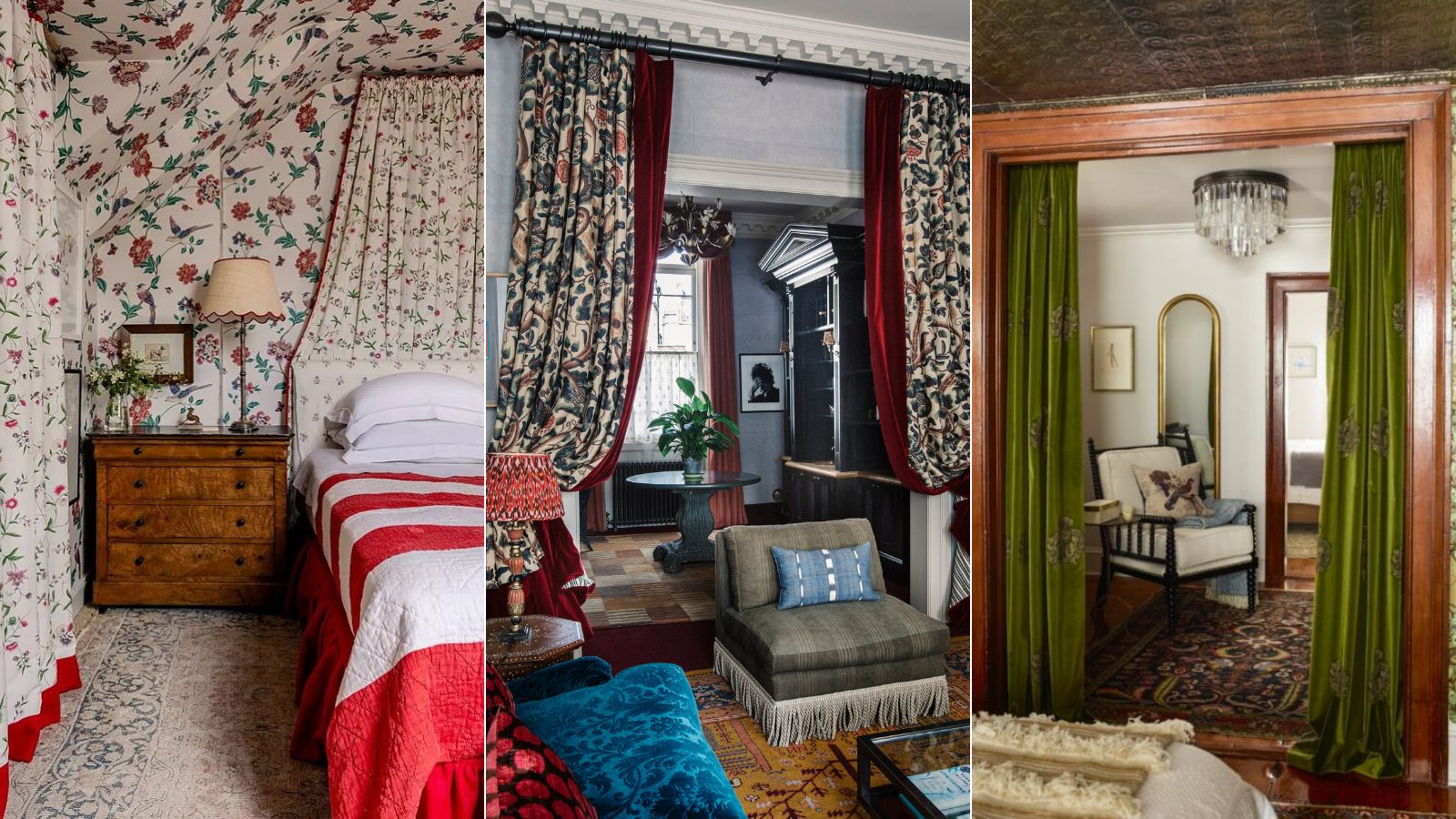
Should you ever replace doors with curtains? I say yes, and asked designers when to make the switch
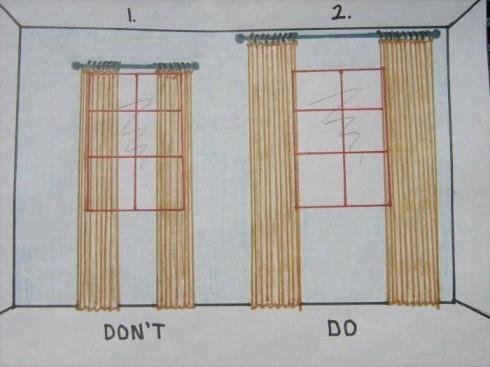
Hanging curtains: You’re probably doing it wrong

We Tried The Cheapest Room-Darkening Curtains At HomeGoods. Here's How It Went
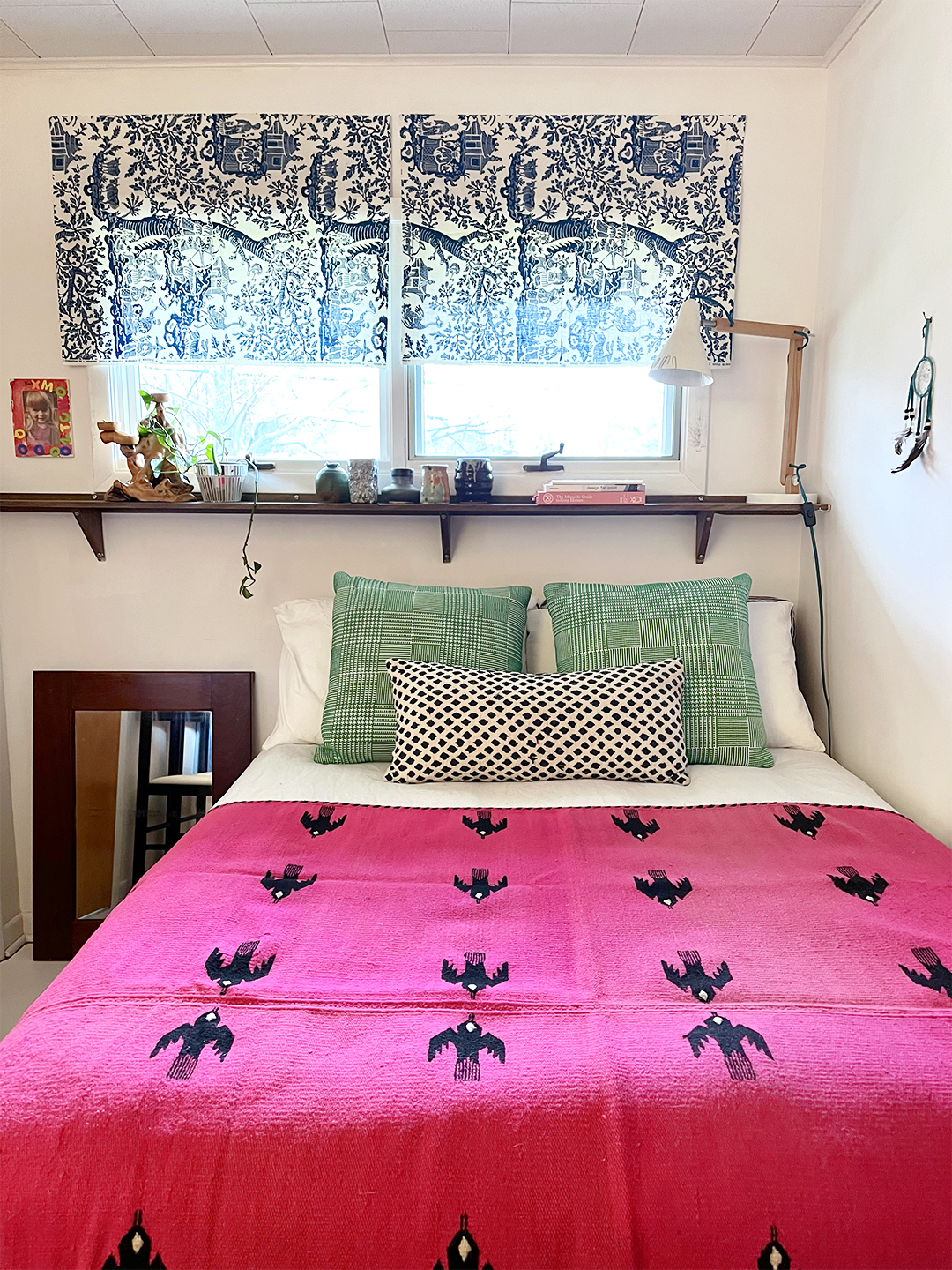
Psst: The Country-Chic Curtains in My Speedy Bedroom Makeover Aren't Curtains at All | domino

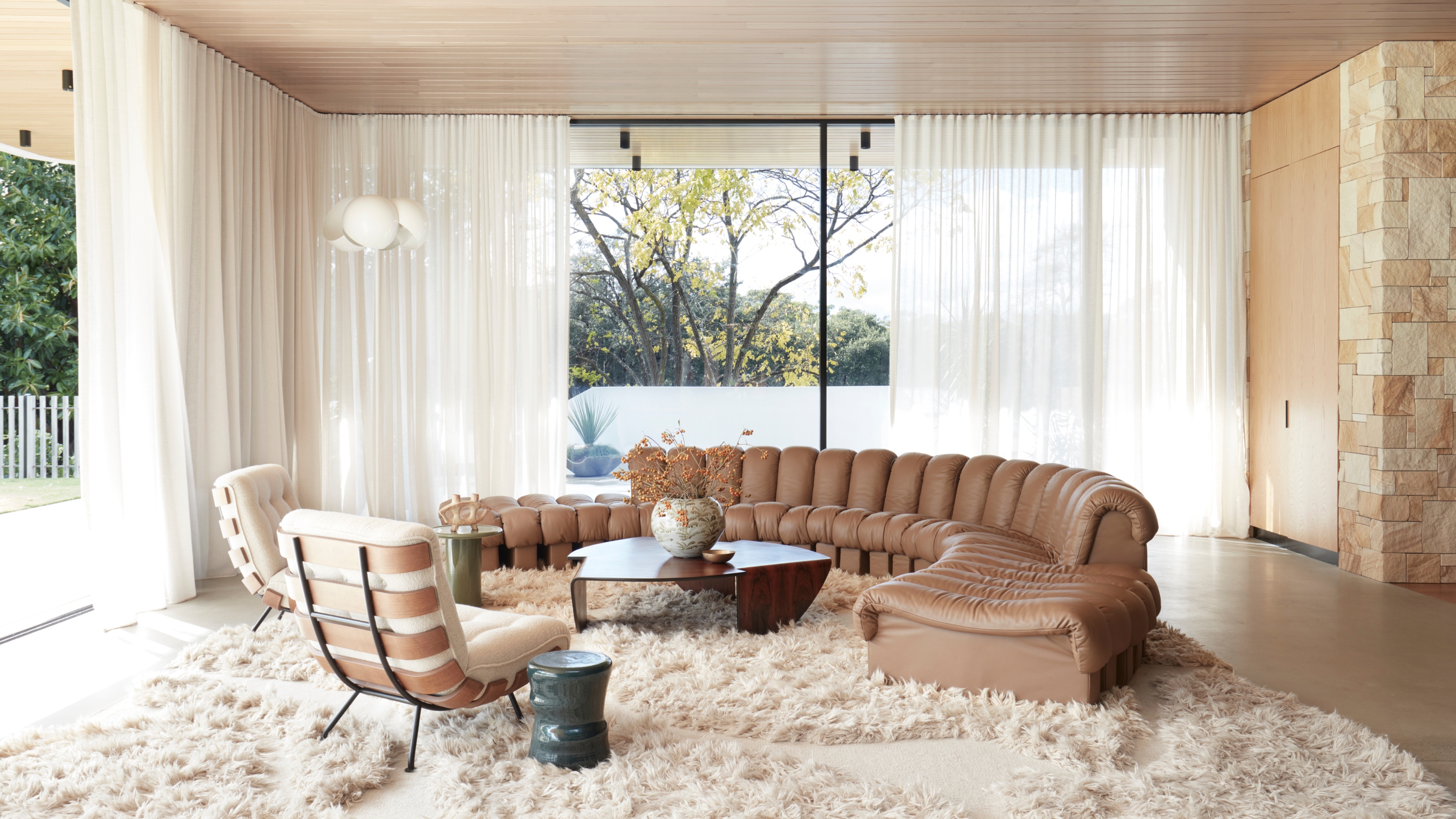
Are Curtains Out of Style? Of Course Not, but Some Designs Will Date Your Space Faster — Here's What to Know

On My Mind: Running Mittens and Floating Bookshelves | The Strategist
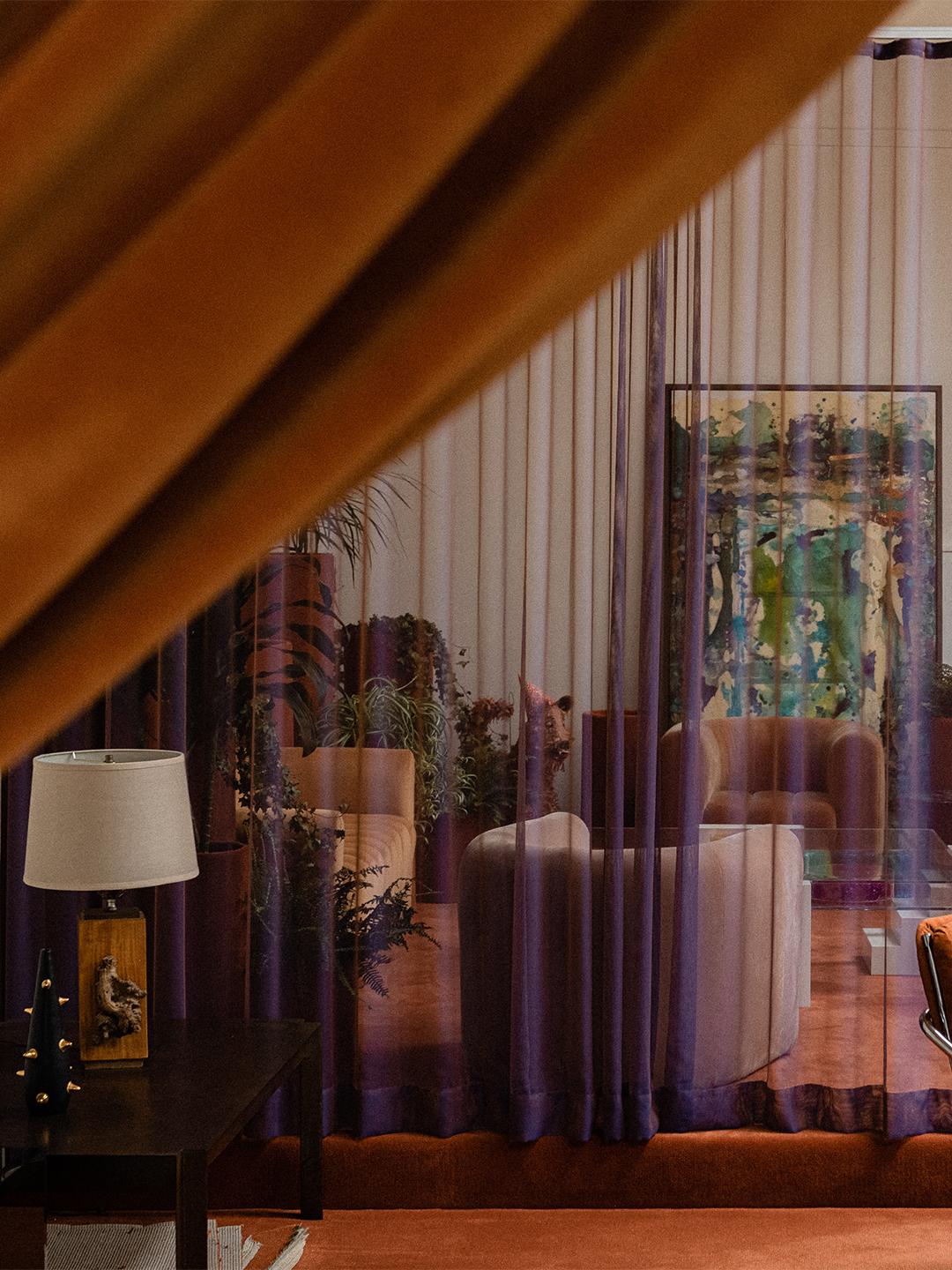
Why You Should Be Extending Your Drapes Beyond the Window Frame
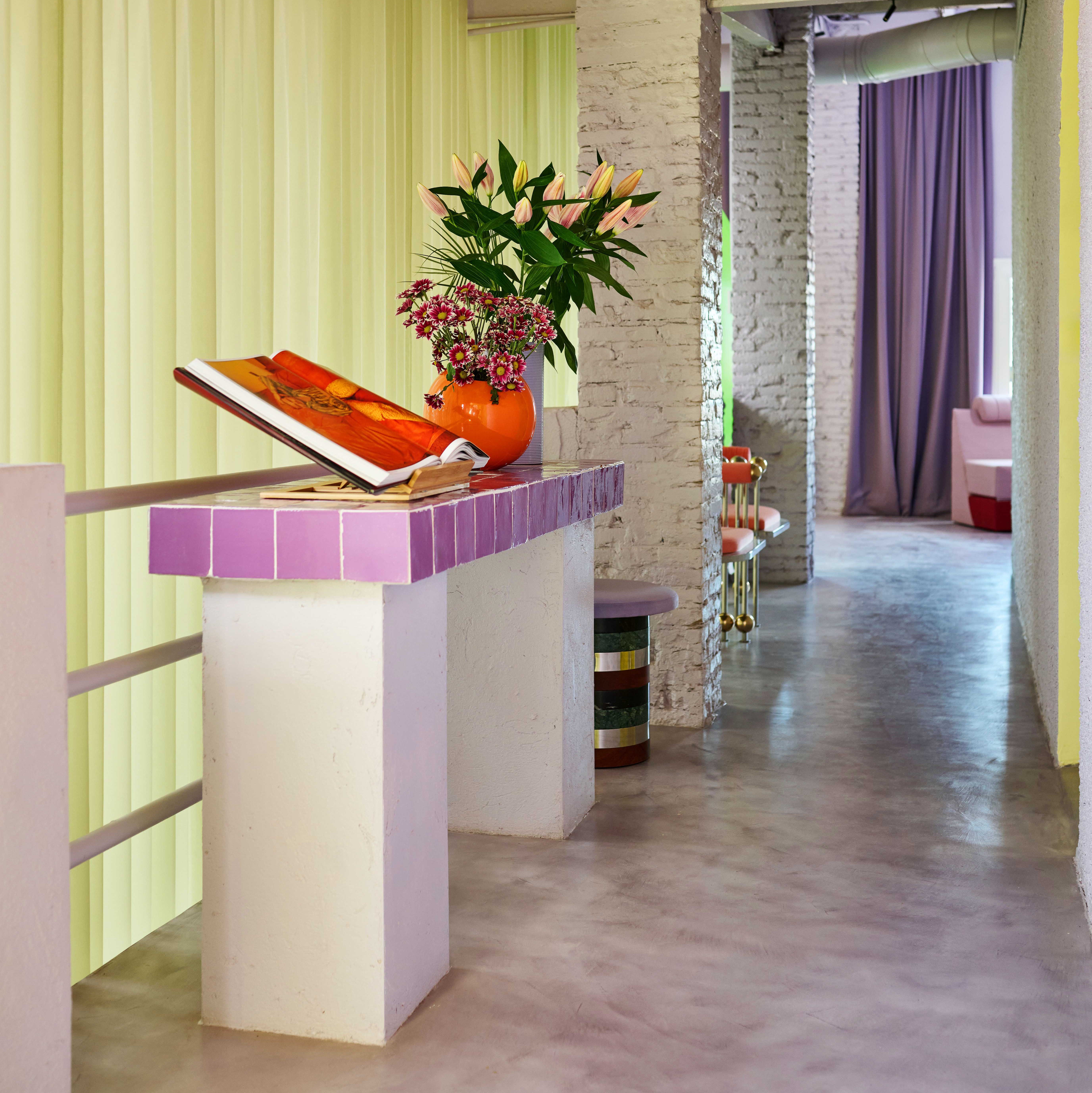
Steal ideas from these homes that use curtains for more than just window dressing

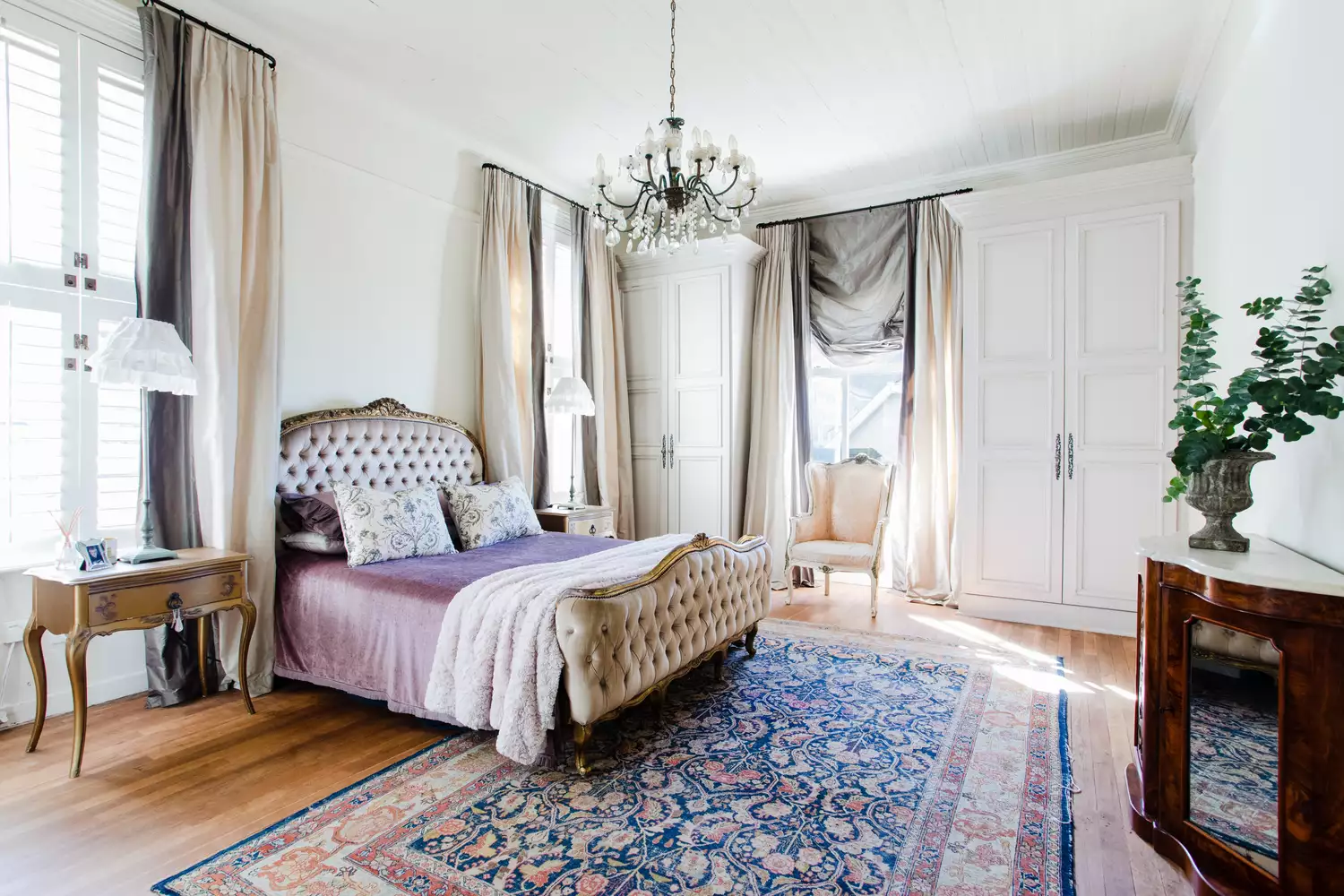
6 Window Treatments That Instantly Make a Room Look "Tacky," Designers Say