Can You Clean Your Drains with Mouthwash? Experts Say Yes
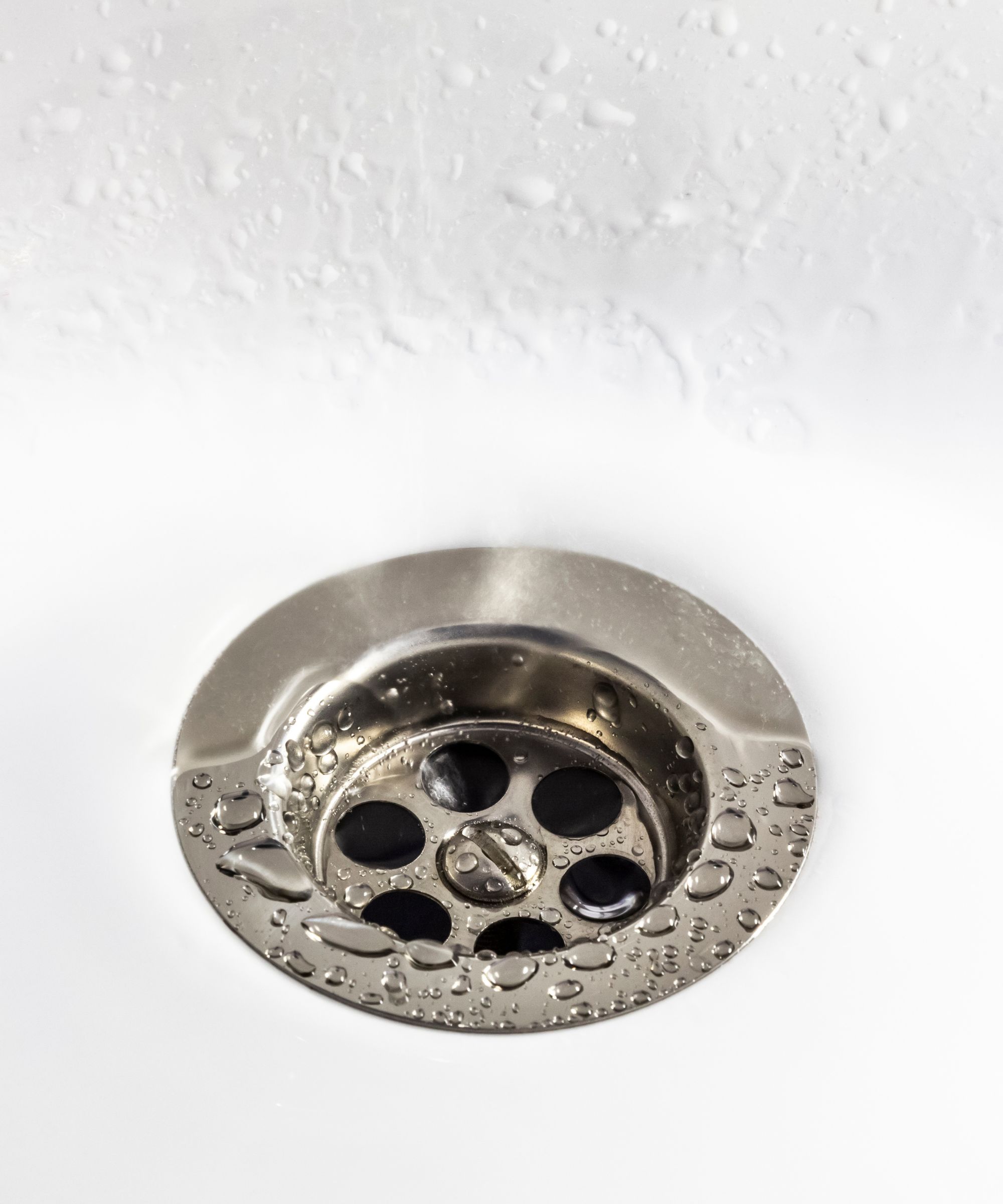
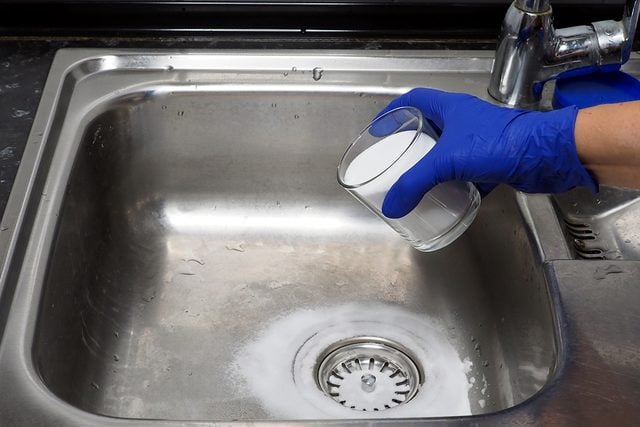
Mouthwash, a common medicine cabinet staple, offers an unexpected but effective temporary solution for unpleasant drain odors. While primarily known for its germ-fighting properties in oral hygiene, mouthwash can also neutralize odors emanating from household drains. Joseph Wade, Vice President of Operations at Benjamin Franklin Plumbing, confirms the efficacy of this hack, albeit with important caveats regarding its temporary nature and the specific type of mouthwash required.
The effectiveness of mouthwash in drains stems from its ability to combat bacteria, similar to how it addresses bad breath caused by oral bacteria and food particles. However, this is not a universal solution. For mouthwash to be useful as a drain deodorizer, it must be an antibacterial, antimicrobial, or antiseptic variety. Other types of mouthwash will not be effective in eliminating the odor-causing bacteria. Wade emphasizes that while antibacterial mouthwash can provide a quick fix for the smell, it does not resolve the underlying cause of the odor. Relying solely on mouthwash without addressing the root problem will lead to recurring issues, necessitating proper drain maintenance throughout the year.
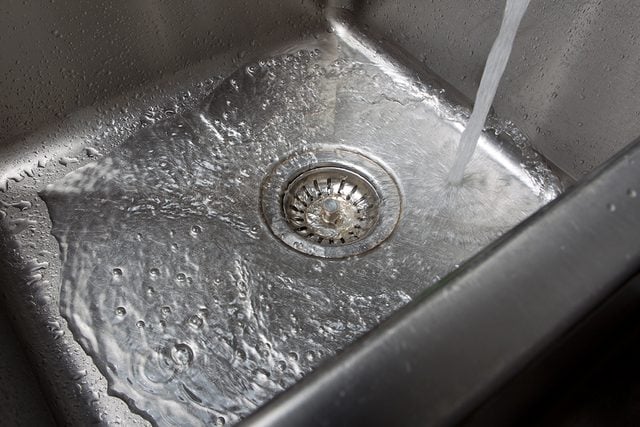
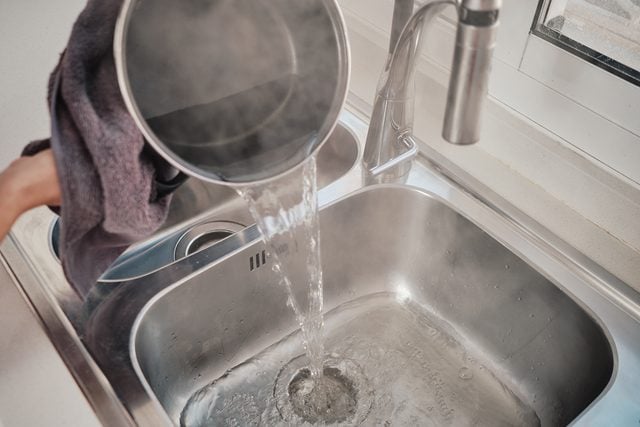
Several factors contribute to smelly drains, and understanding these causes is crucial for a lasting solution. One of the most common reasons for a foul odor is a dry water trap. The U-shaped bend in a drain pipe, known as the P-trap, is designed to hold water, creating a barrier that prevents sewer gases from entering the home. If a drain is not used for an extended period, the water in this trap can evaporate, allowing unpleasant smells to escape. The simple solution in this scenario is to run water down the drain for several seconds to refill the trap. For floor drains, slowly pouring a bucket of water can achieve the same effect.
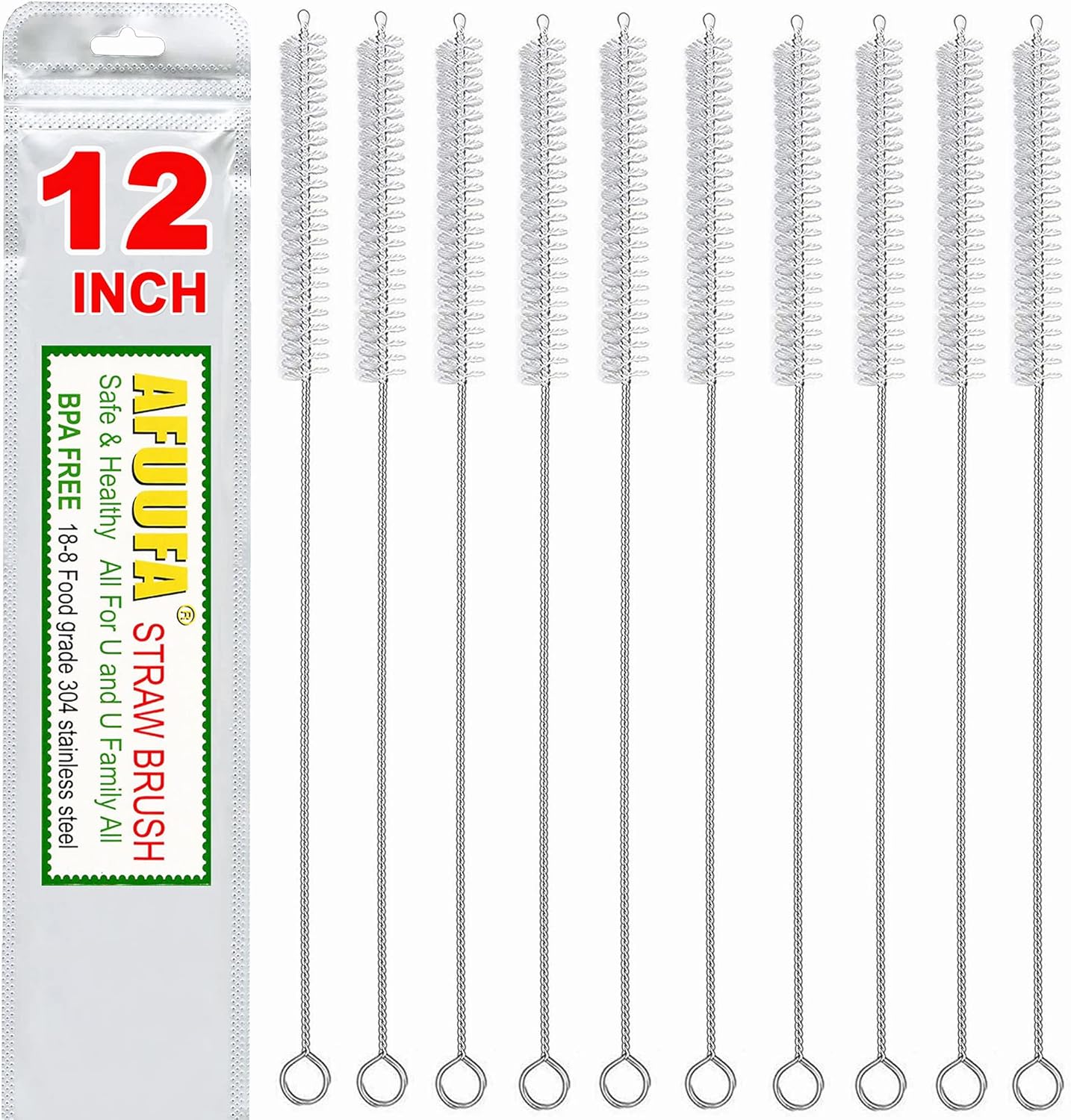
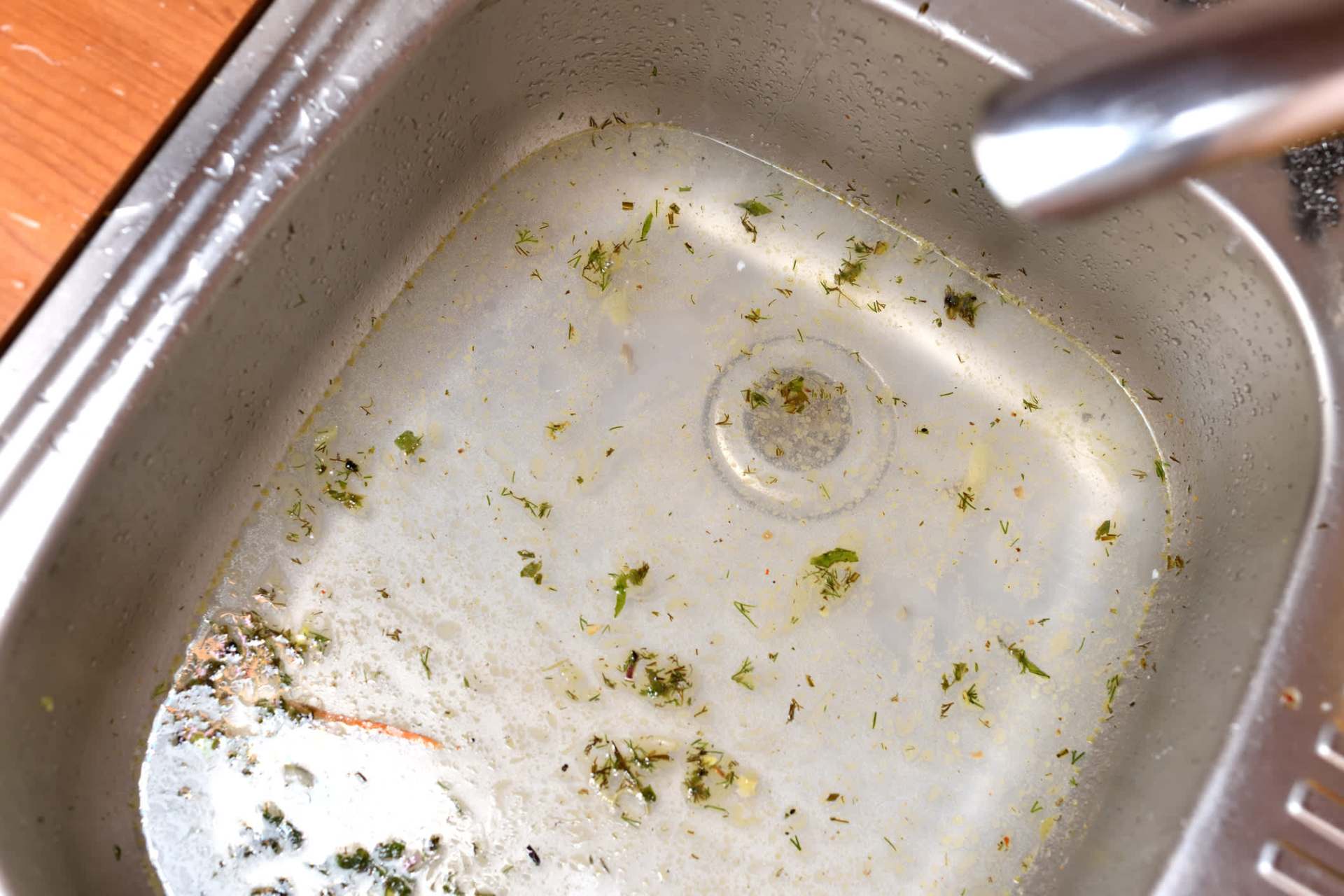
If refilling the water trap does not resolve the odor, the problem might be a buildup of biofilm within the drainpipe. This is particularly prevalent in kitchen sinks or drains that regularly handle food waste and other biological materials. To tackle this, the drain cover needs to be removed, and the interior of the pipe should be scrubbed with a flexible pipe brush and a solution of equal parts chlorine bleach and water. This method physically removes the biofilm, addressing the source of the persistent smell.
When mouthwash, refilling water traps, and cleaning biofilm fail to eliminate the odor, it indicates a more significant problem that requires professional attention. If multiple drains in the home emit a similar odor, it could suggest an issue with the local sewer system or a problem deeper within the home’s plumbing. In such cases, it is advisable to contact the utility provider to investigate possible sewer line problems. If the issue is determined to be within the homeowner's plumbing, a professional plumber is necessary to diagnose and rectify the underlying cause, ensuring a long-term solution to the persistent drain odor.
#HomeCleaning #DrainMaintenance #MouthwashHacks #HouseholdTips #PlumbingIssues #OdorRemoval #DIYCleaning #AntibacterialSolutions #HomeCleaning #DrainMaintenance #MouthwashHacks #HouseholdTips #PlumbingIssues #OdorRemoval #DIYCleaning #AntibacterialSolutions
0 تعليق إجمالاً
 لا توجد تعليقات بعد
قد تعجبك أيضًا
This Drain Cleaner Is the Best At Tackling Stubborn Clogs, Say Our Experts

The Best Drain Cleaners for Hair and Grime

Dealing With a Slow Drain? Here are 7 Drain Cleaners to Safely Unclog Pipes

How To Get Rid of Small Flies In Your Bathroom


Say goodbye to clogged drains with these simple household cleaning hacks

Best drain unblockers 2025, tested in a real home
Homeowner shares plumber-approved hack to easily fix clogged drains: 'Interesting idea'

How To Clean a Drain With Baking Soda and Vinegar
This $7 Product Can Clear Even the Most Stubborn Drain Clog

Should You Be Using Washing Soda? What to Know About This Powerful Cleaner

How to clean a bathroom sink – expert tips for a well-scrubbed sink


I Cleared My Blocked Bathroom Drain in Minutes With This 'Spot On' Fix
We Asked a Plumber What Really Works to Unclog Drains—Here’s What They Swear By

7 reasons your sink won't drain – plus expert tips to unclog a sink like a pro
The Best Drain Snakes for Clogged Showers, Bathtubs, and Sinks
The $5 laundry staple a plumber swears by for unblocking drains

How to use a drain snake, according to experts


8 Things You Should Never Wash Down The Sink

How to Clear a Clogged Sink Drain—Without Needing to Call a Plumber

5 DIY Drain Cleaner Recipes That Use Natural Ingredients to Prevent Clogs