1/6
Best kitchen sink materials for hard water areas - 5 options that will make cleaning easier
Hard water, prevalent in approximately 60% of UK homes, presents a significant challenge for kitchen sinks due to its high levels of calcium and magnesium. These minerals, picked up as rainwater filters through rocks like limestone and chalk, lead to unsightly limescale build-up. Over time, limescale becomes increasingly difficult to remove, often requiring specialized cleaning products and considerable effort to restore a sink's appearance. To prevent this, regularly drying the sink after use is crucial, as it stops water droplets from evaporating and leaving mineral deposits. However, a more effective long-term solution involves selecting kitchen sink materials that are inherently more resistant to the effects of hard water.
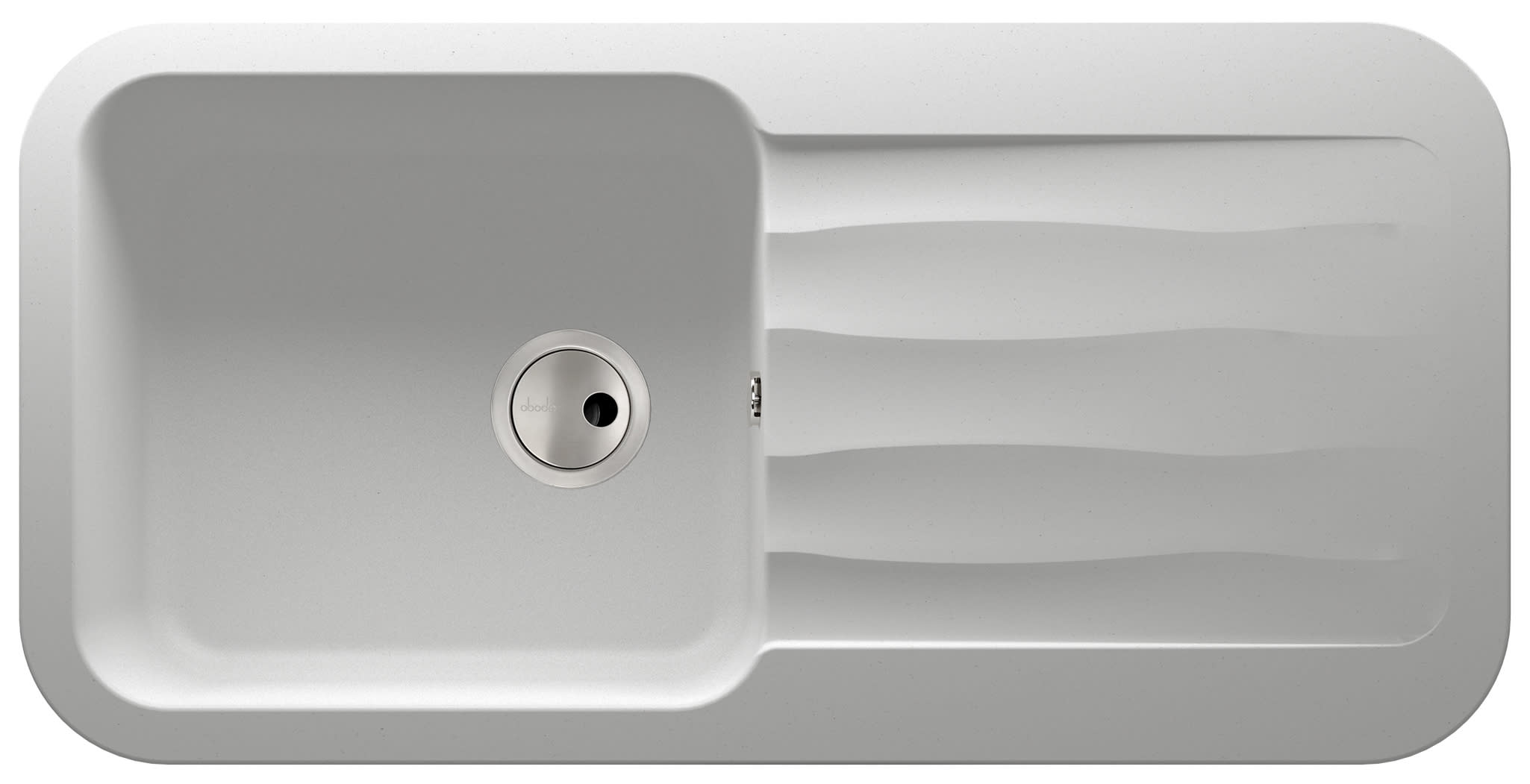
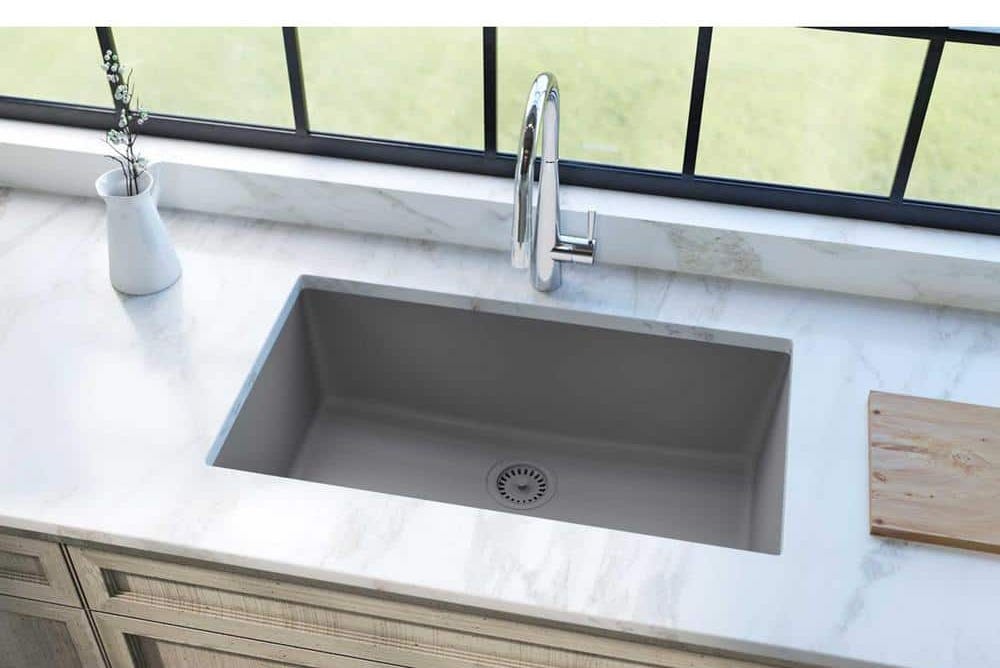
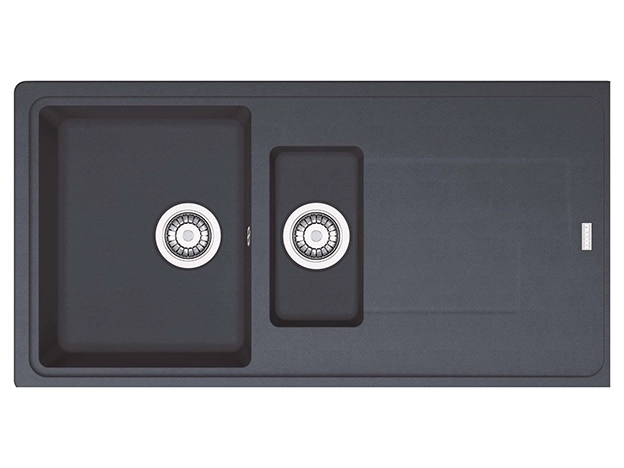
Several materials offer varying degrees of resistance and ease of maintenance in hard water areas. Granite composite sinks, made from crushed granite and resin, are durable and resistant to chipping, scratching, and staining. While they are not entirely immune to limescale, lighter colors such as white, cream, or beige can effectively camouflage deposits, which are more noticeable on darker sinks. Regular cleaning with diluted vinegar or specialized cleaners is recommended for maintenance.
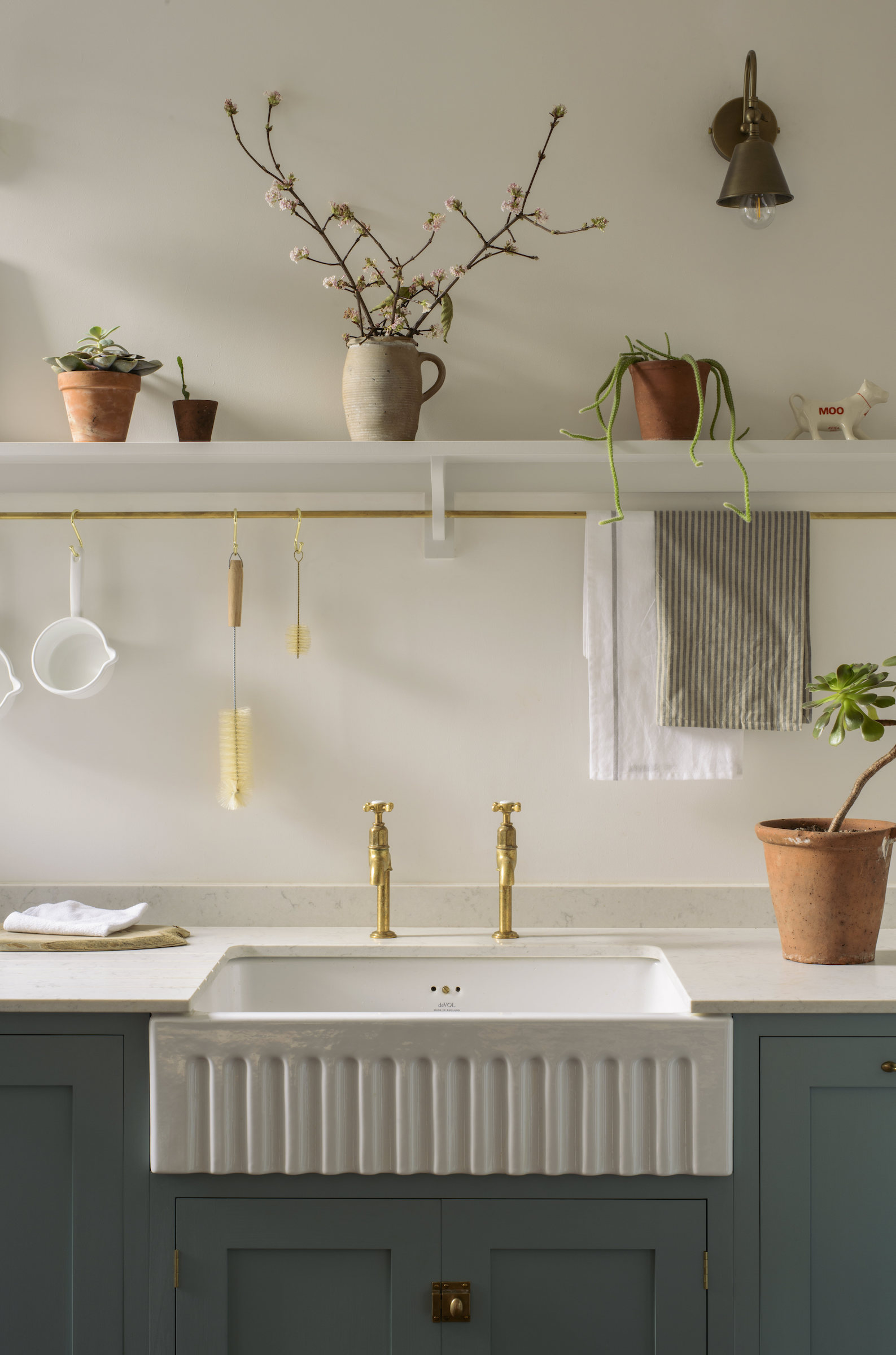
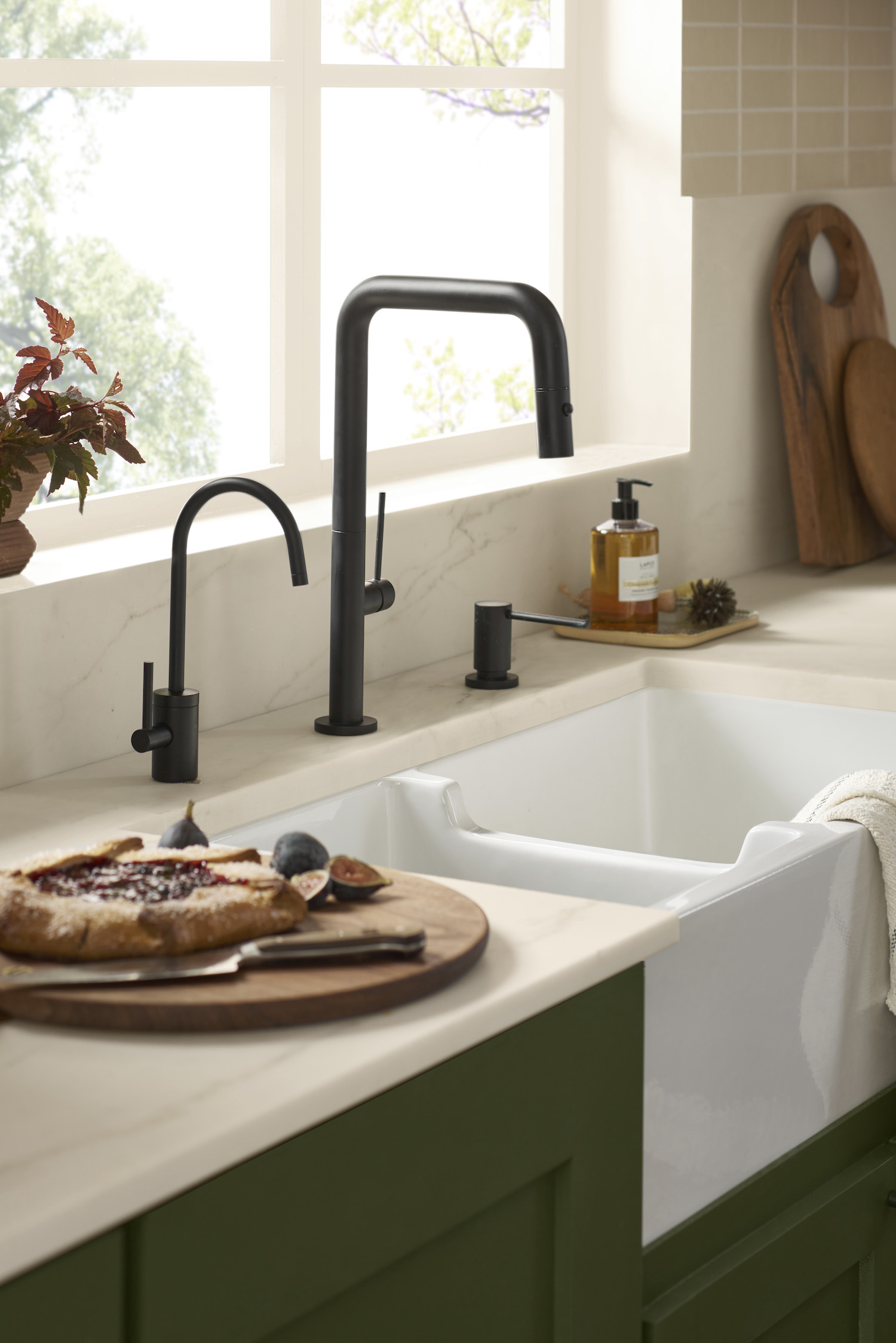
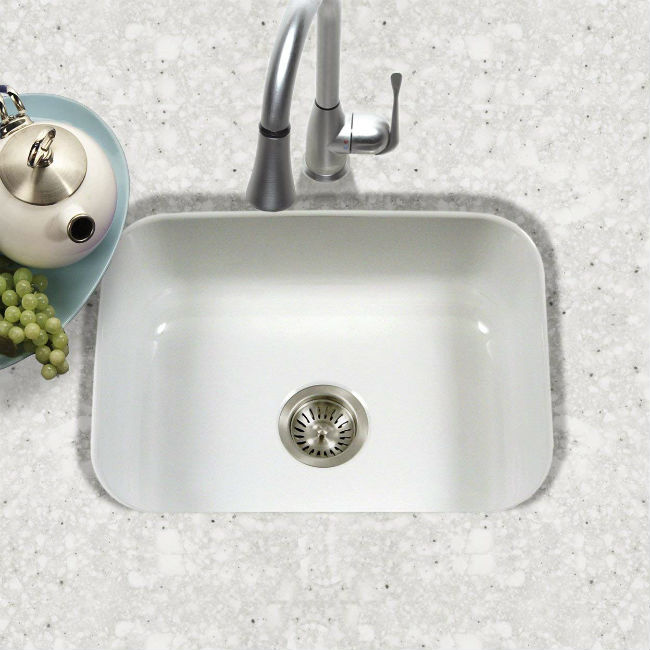
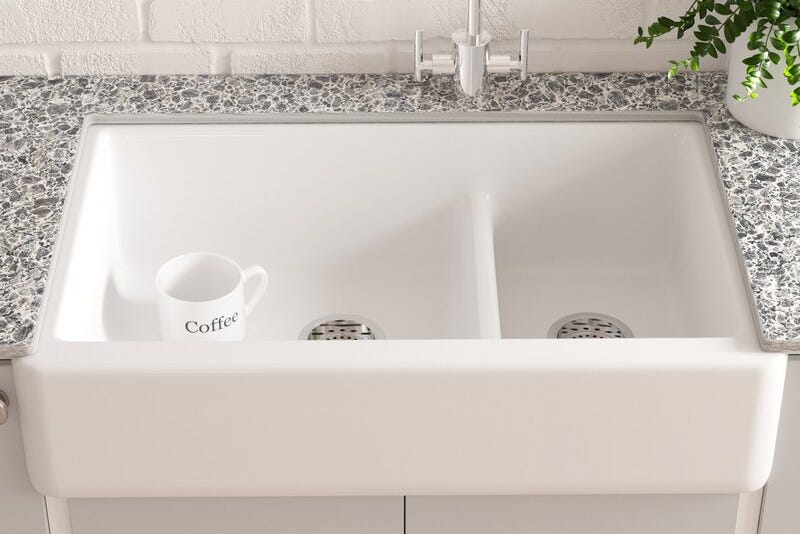
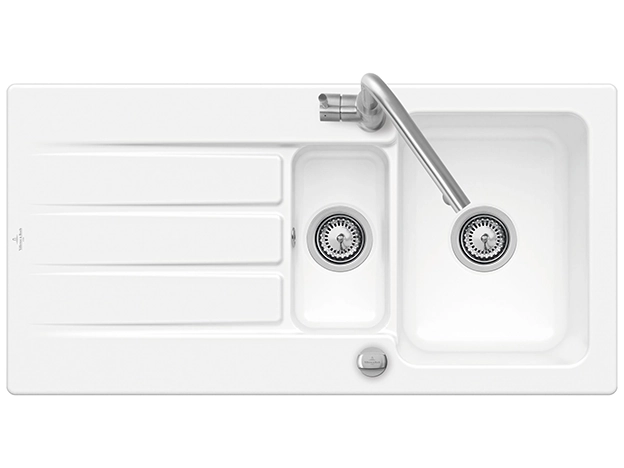
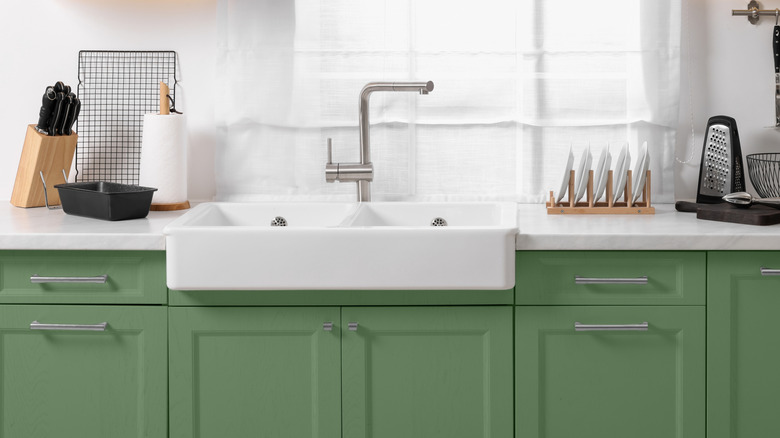
Fireclay and ceramic sinks, known for their classic white finish, feature a smooth, non-porous glazed surface that makes limescale relatively easy to manage. Products like Bar Keepers Friend are effective for cleaning, but abrasive or acidic cleaners should be avoided as they can damage the glaze. These sinks are heavier and potentially more expensive, and while their glaze helps, deposits can still accumulate, particularly around the drain.
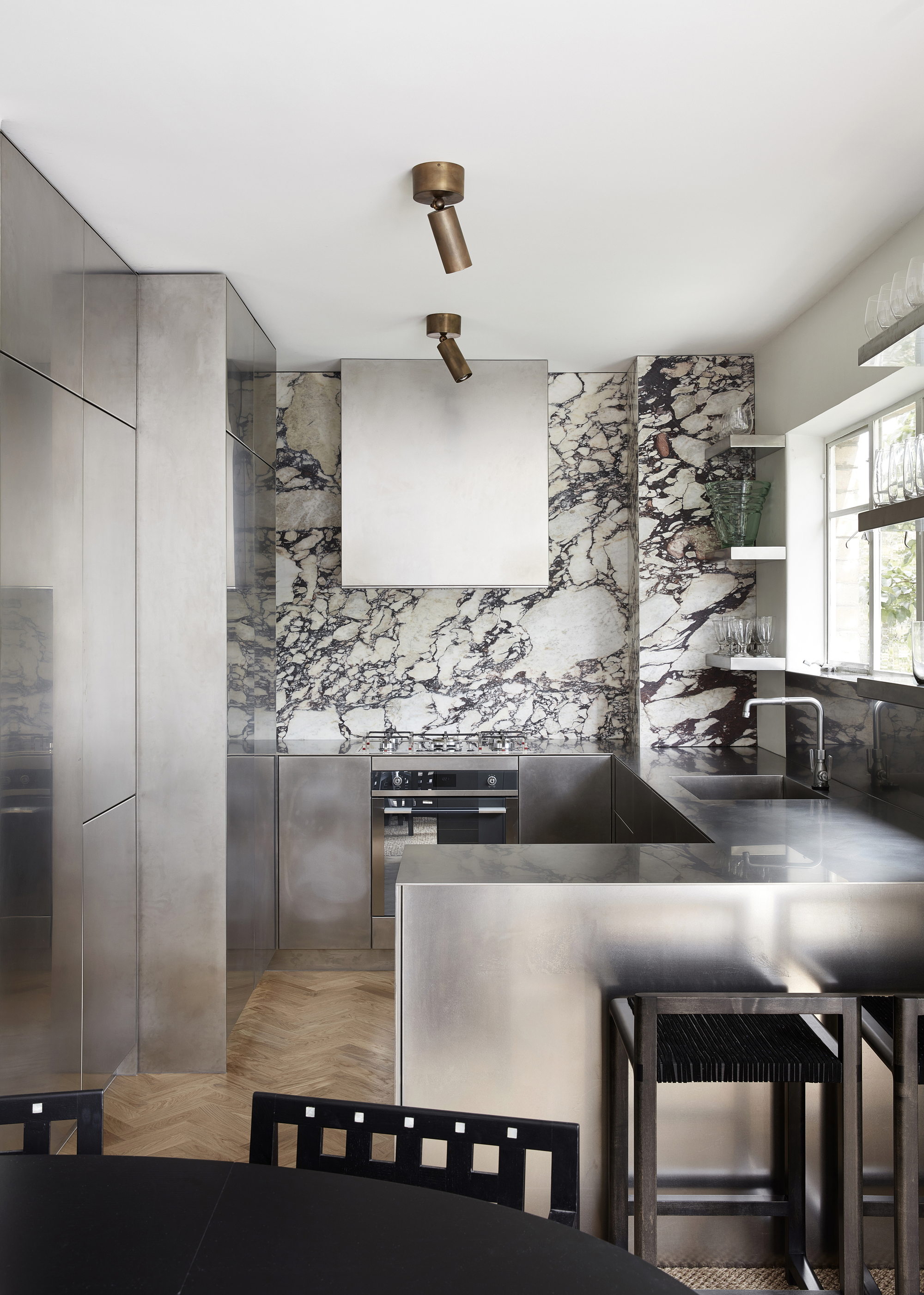
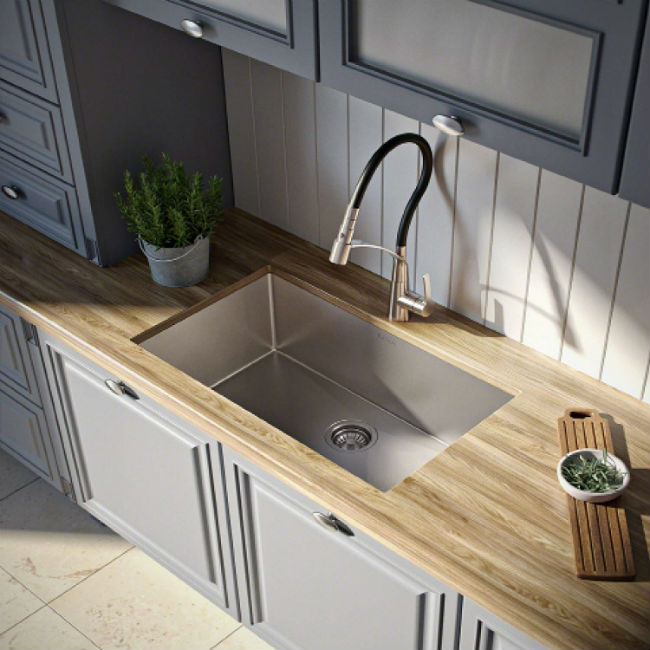
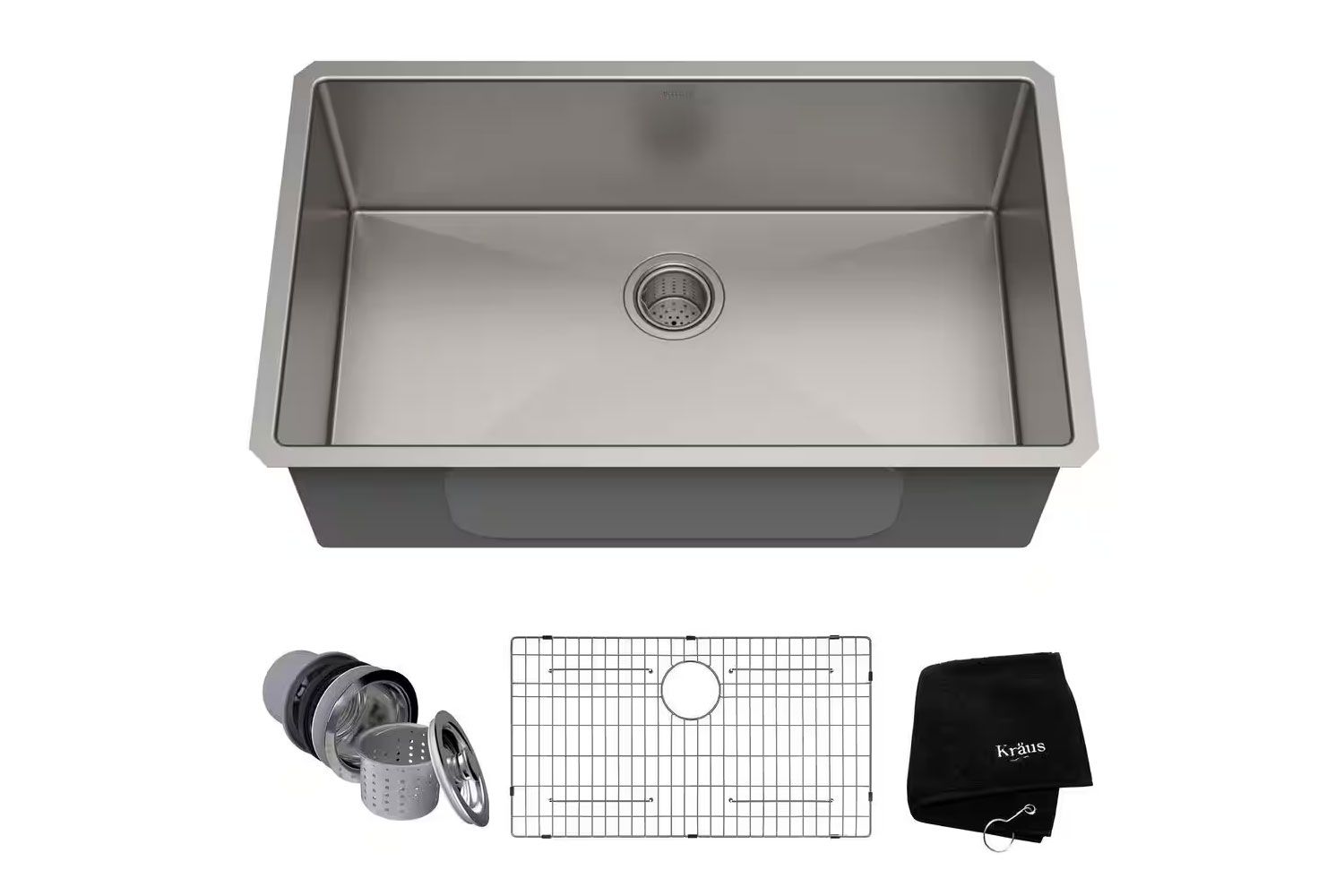
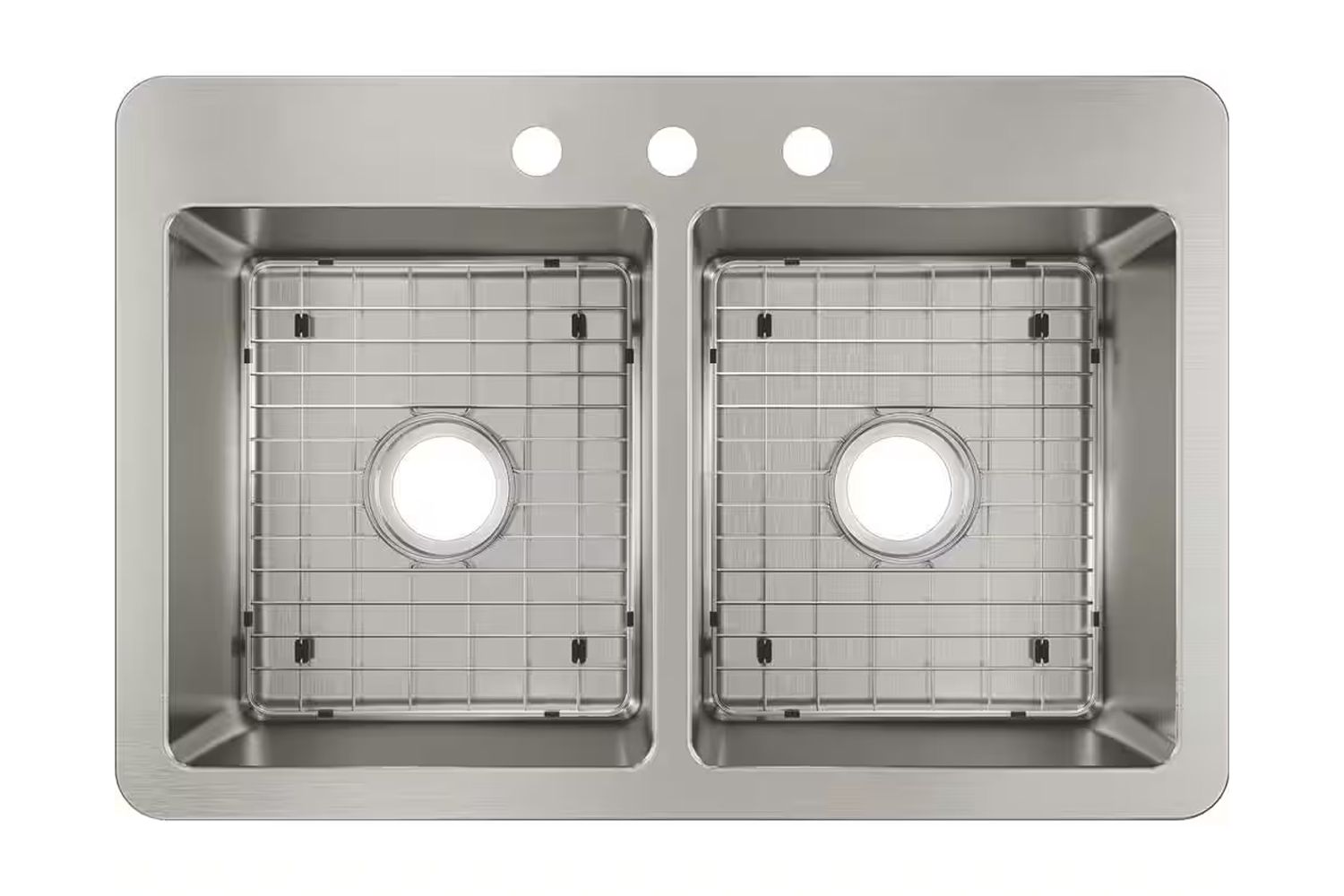
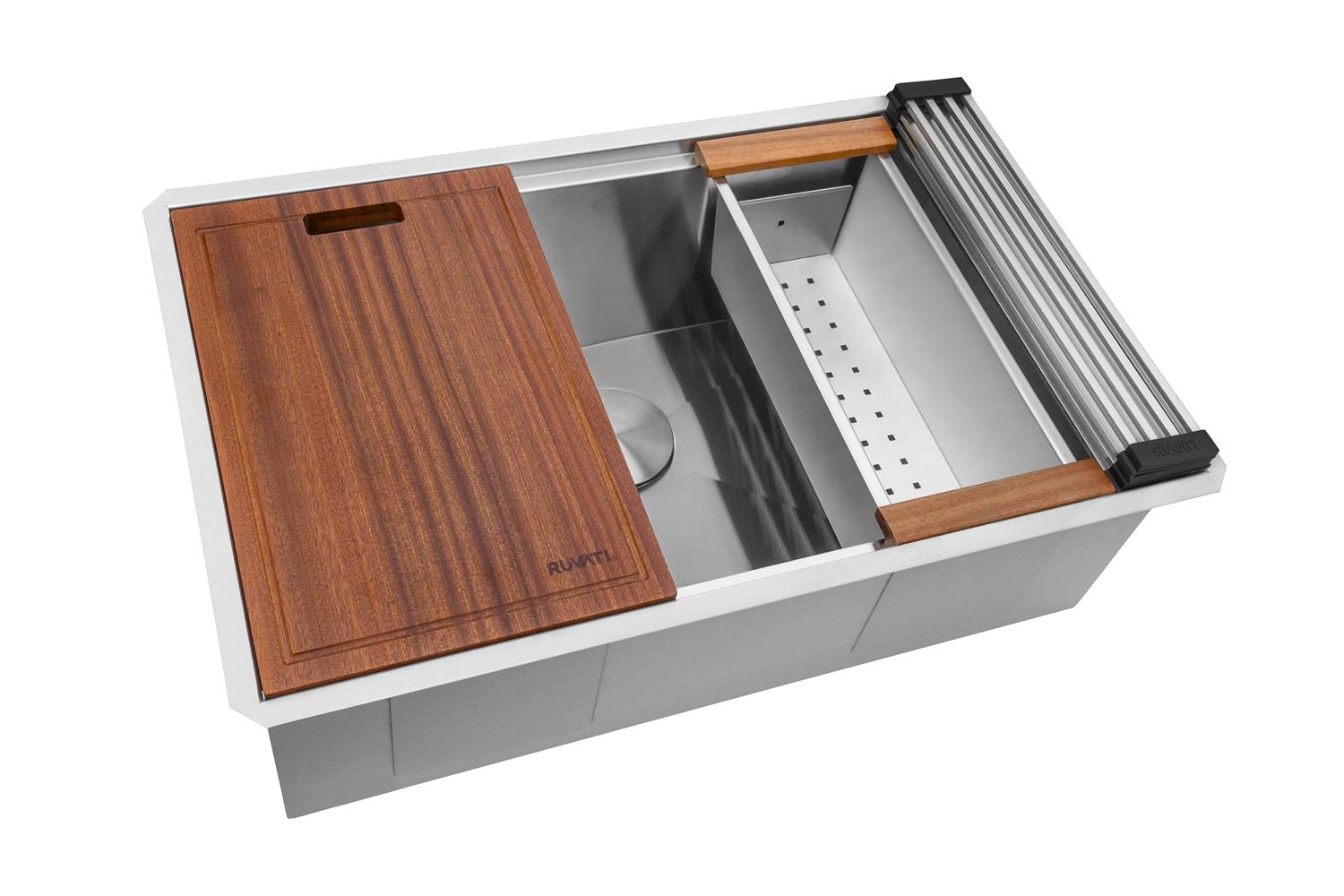
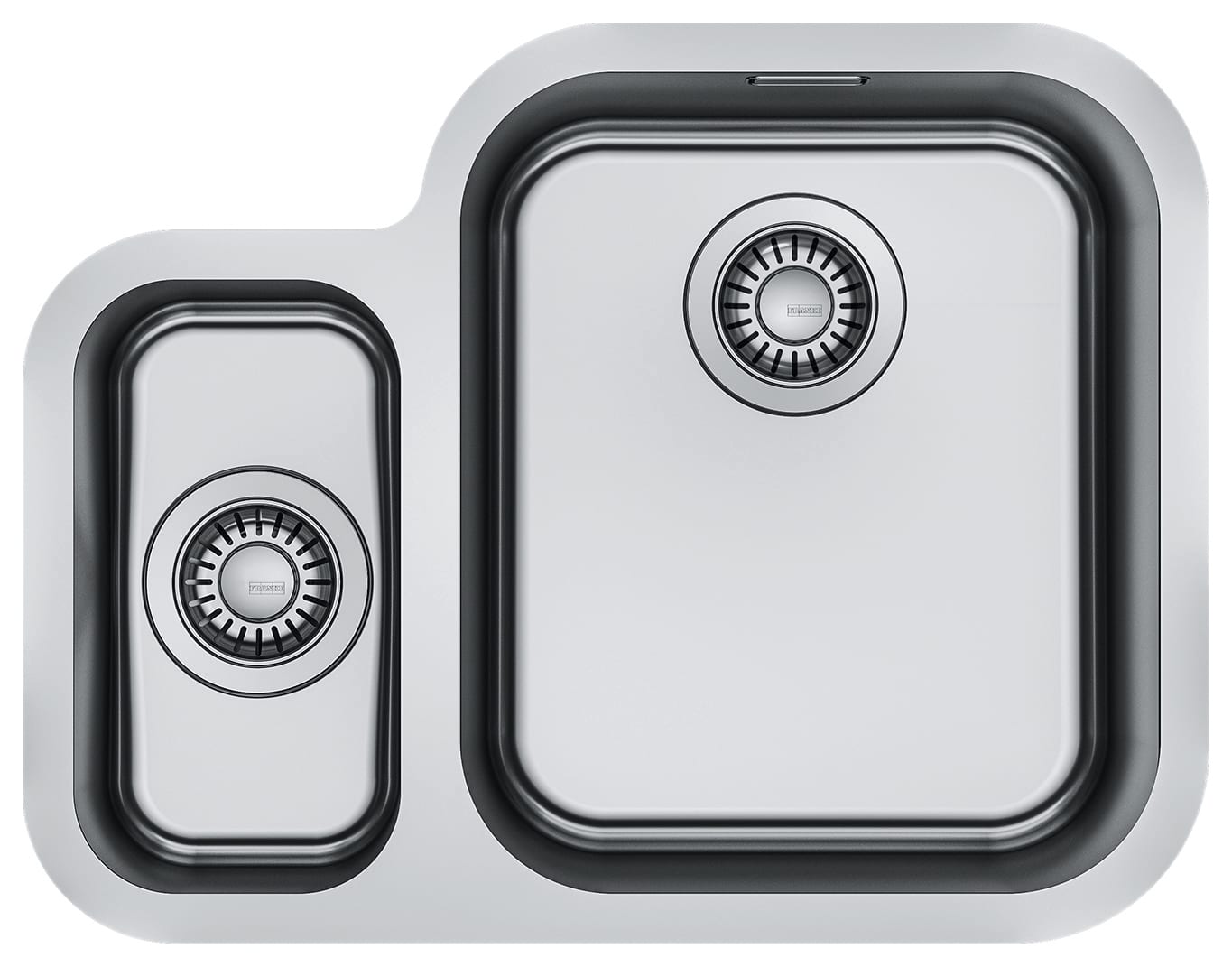
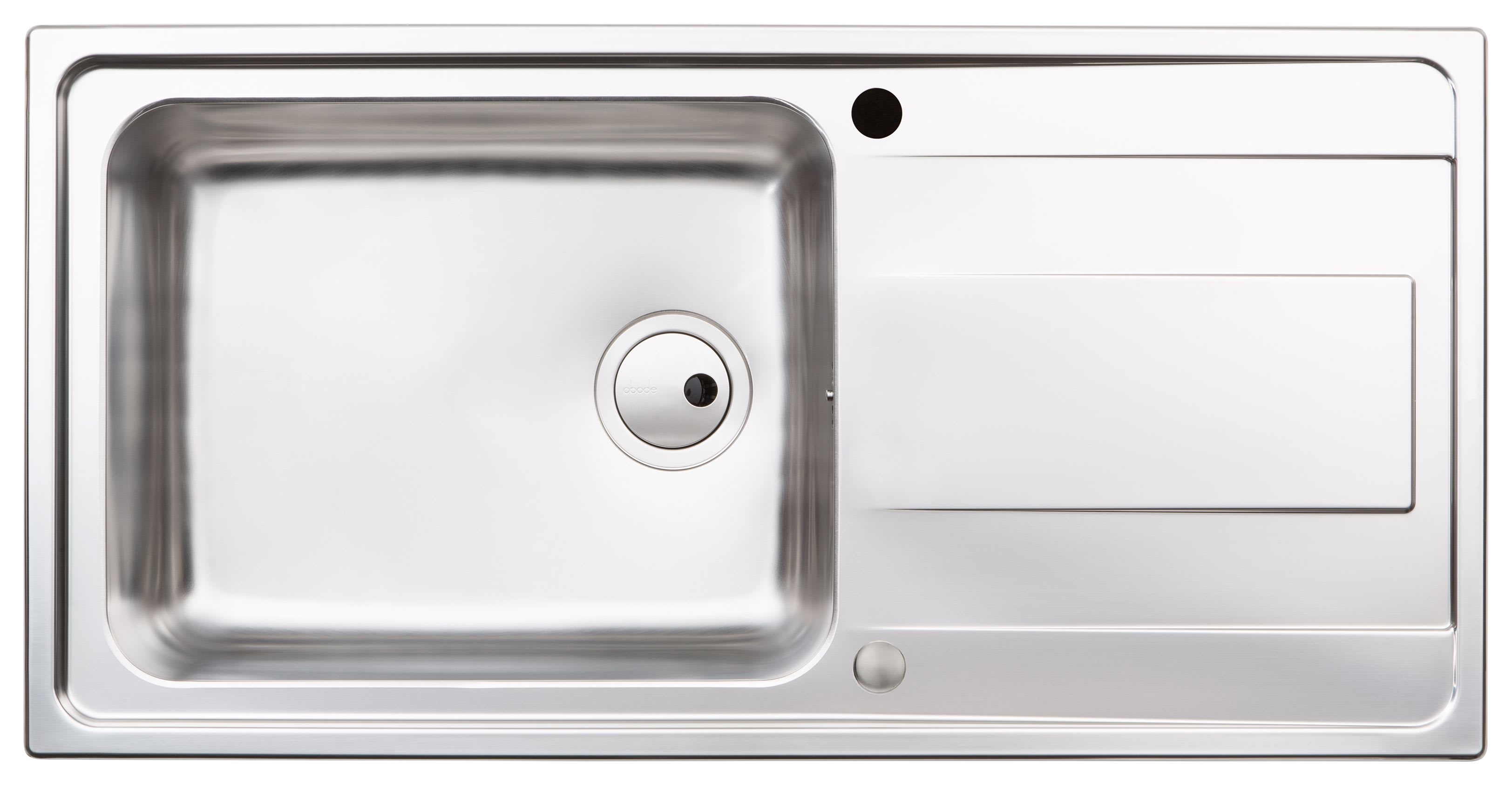
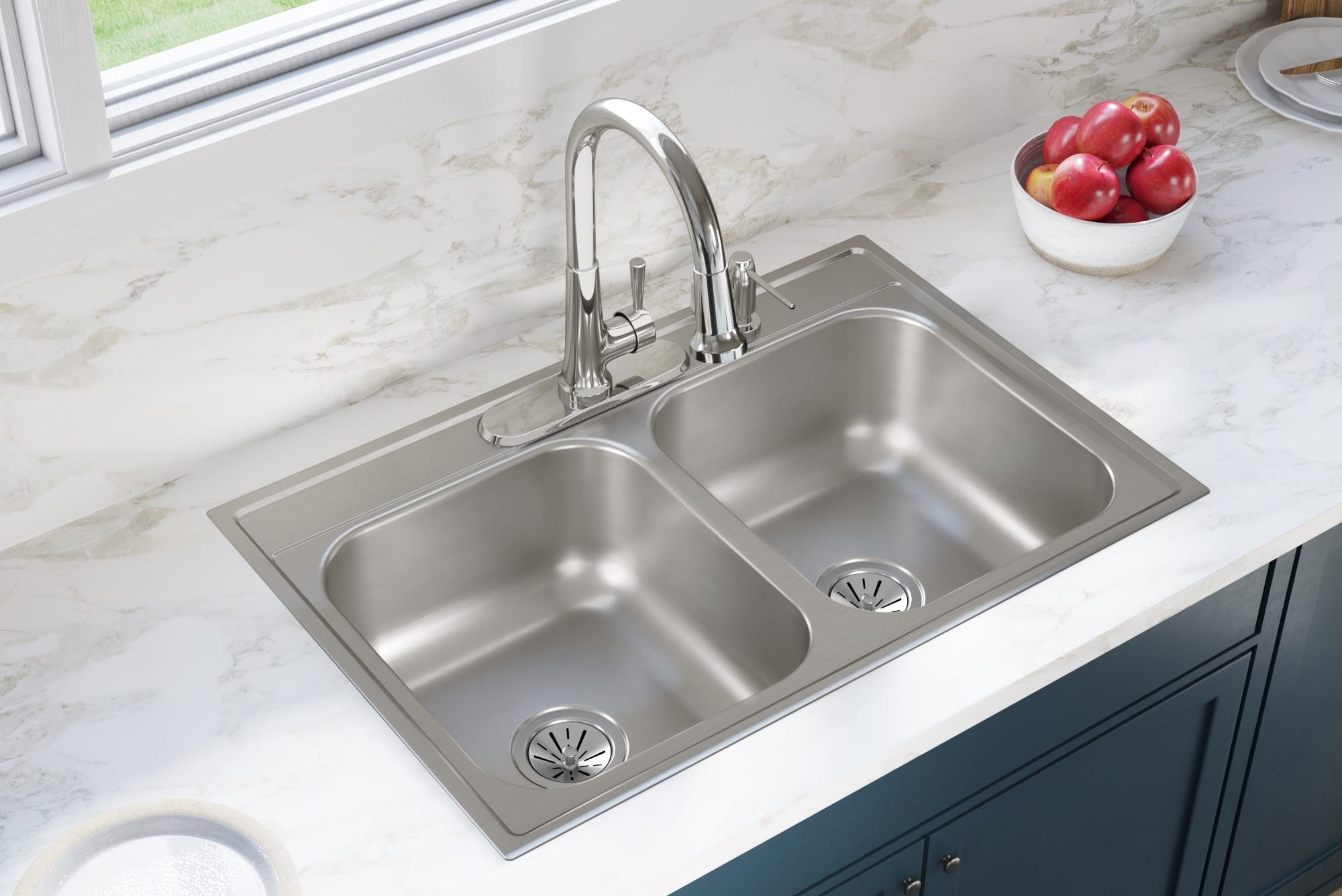
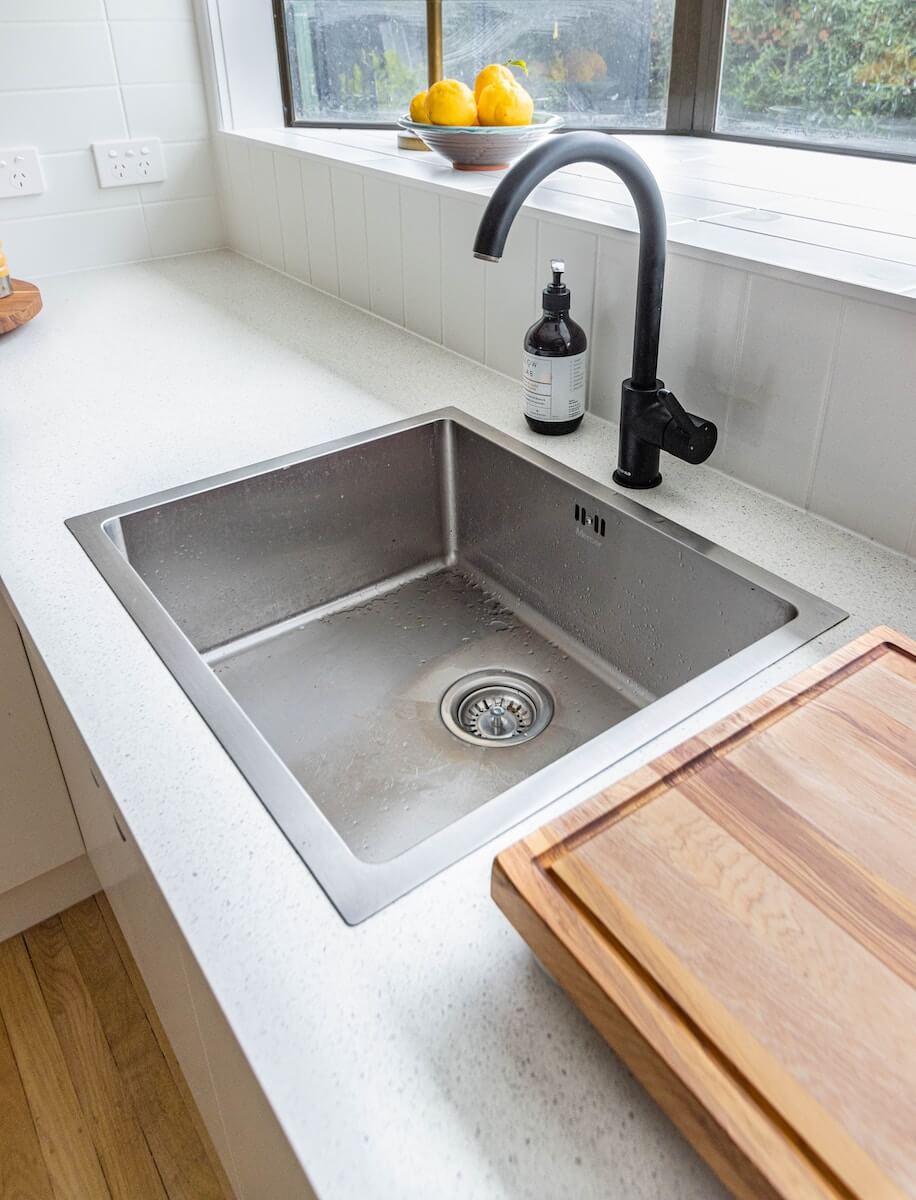
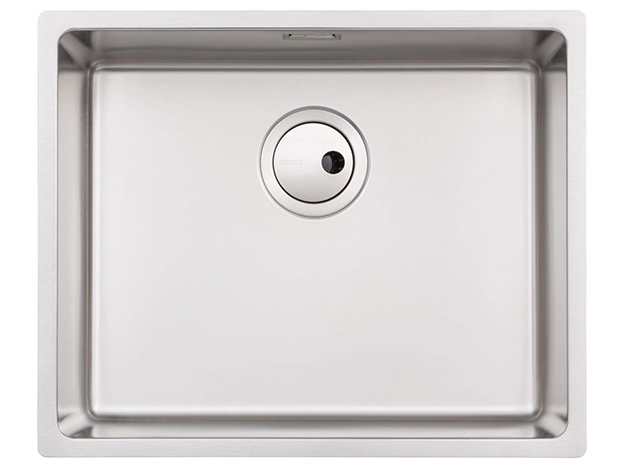
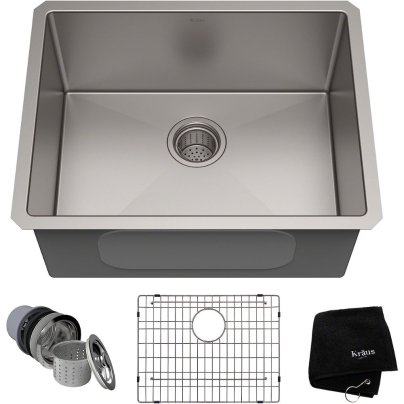
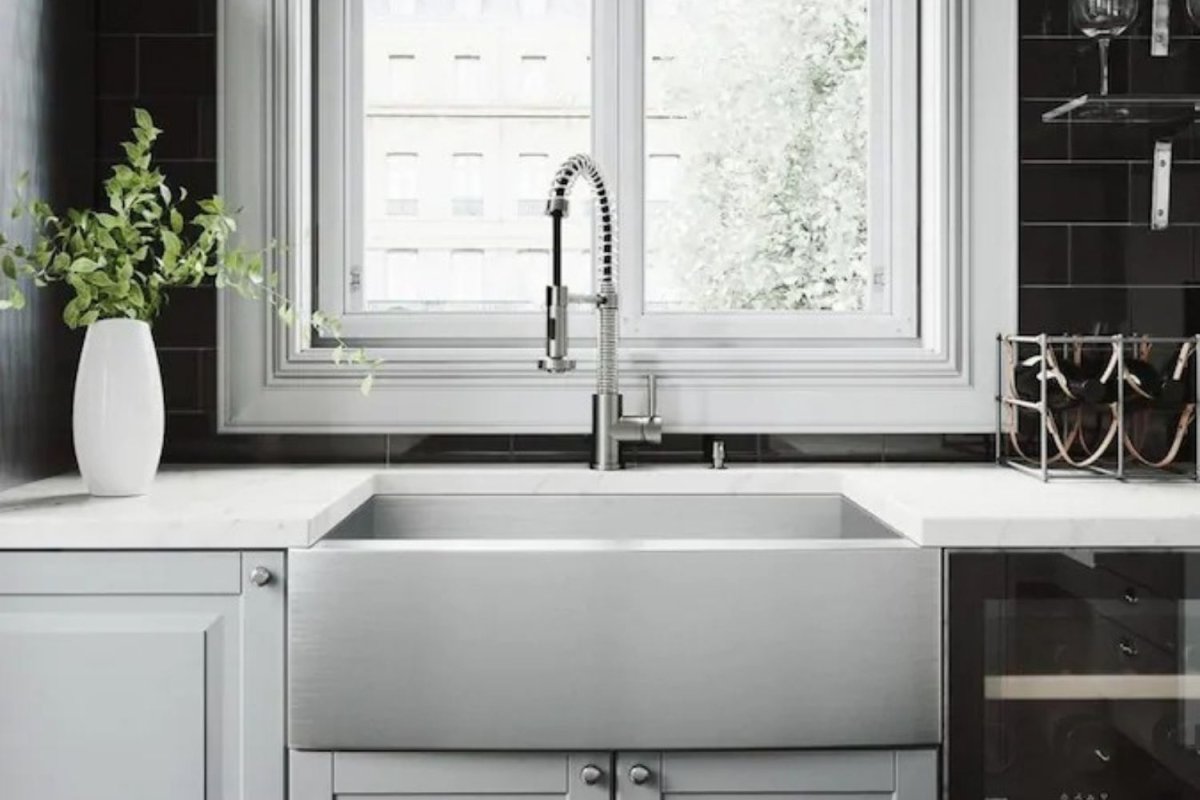
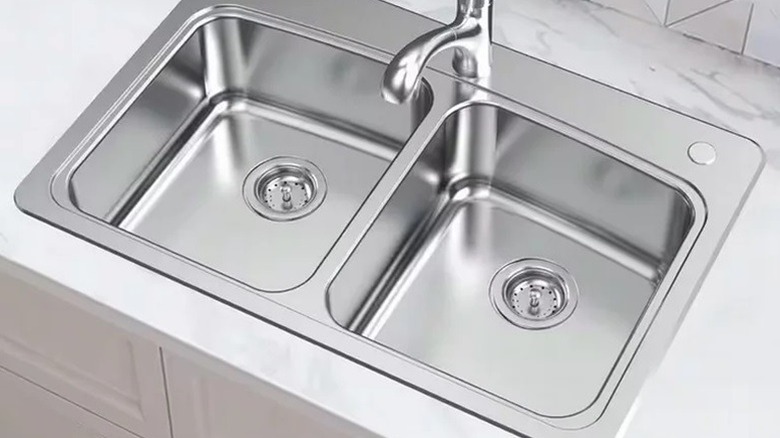
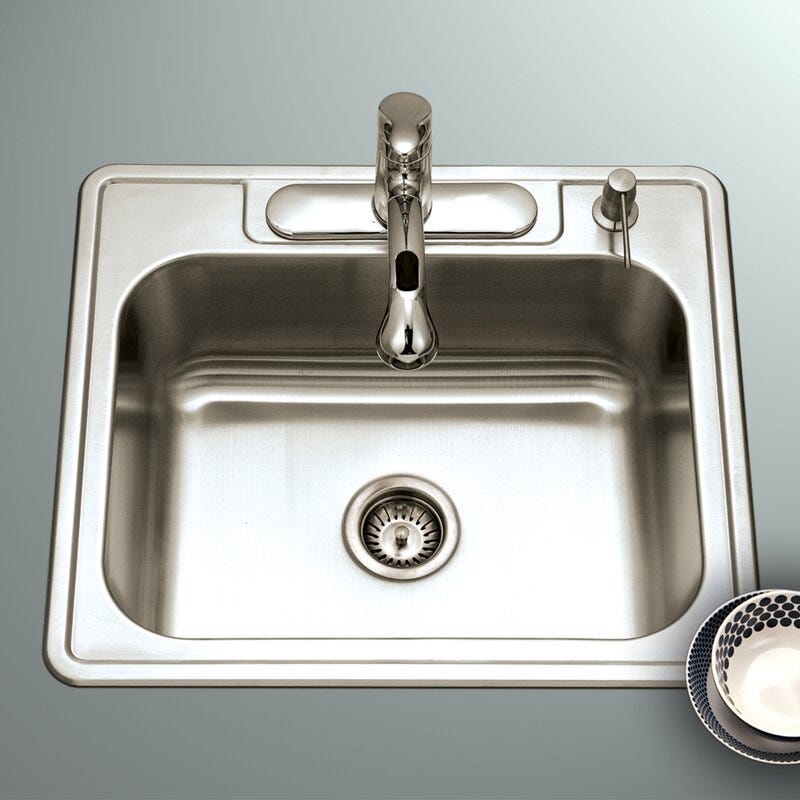
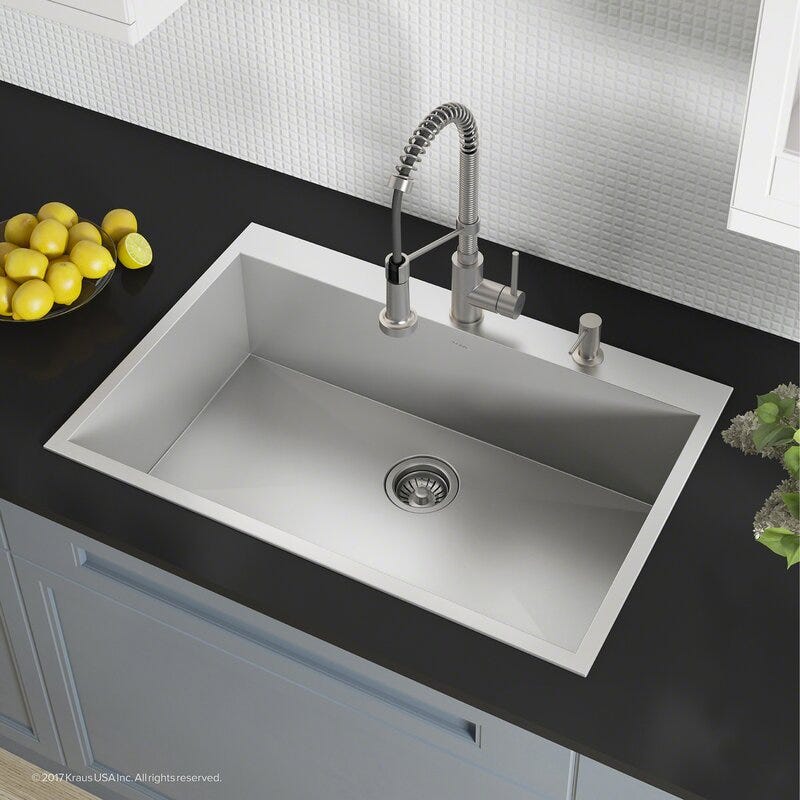
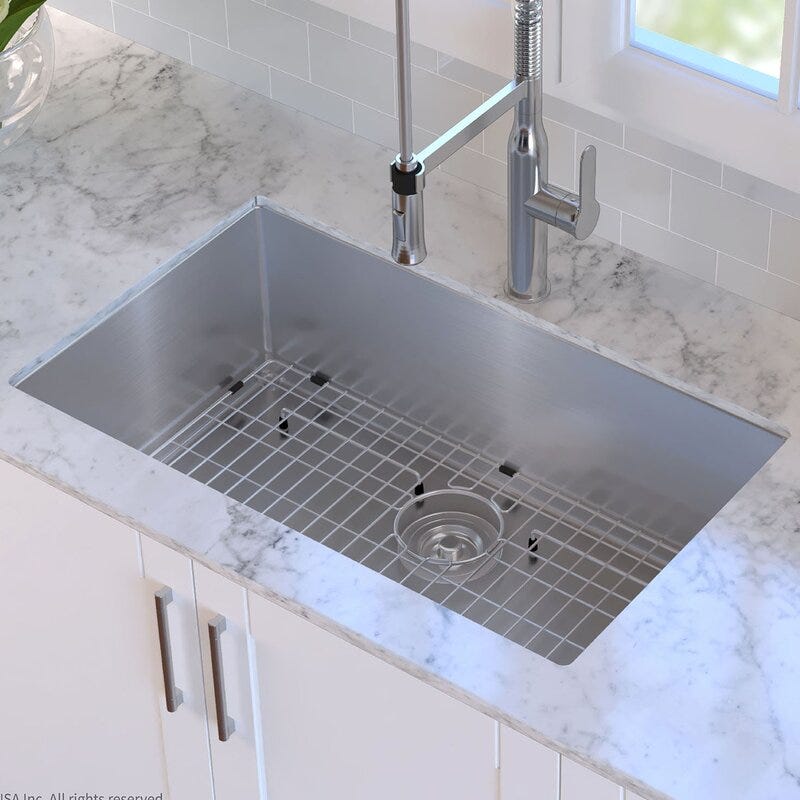
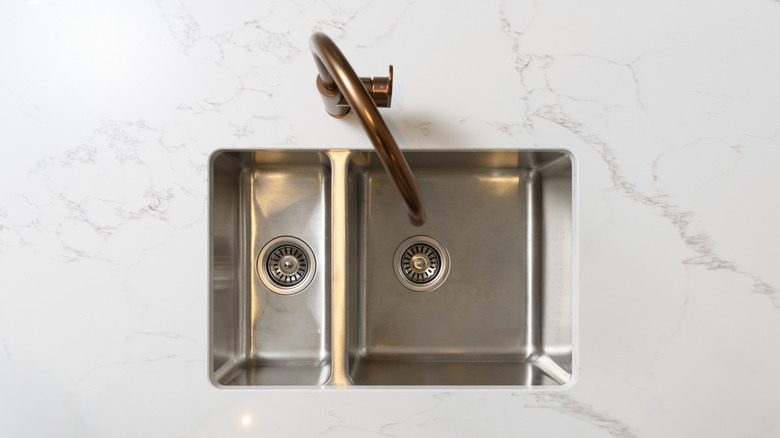
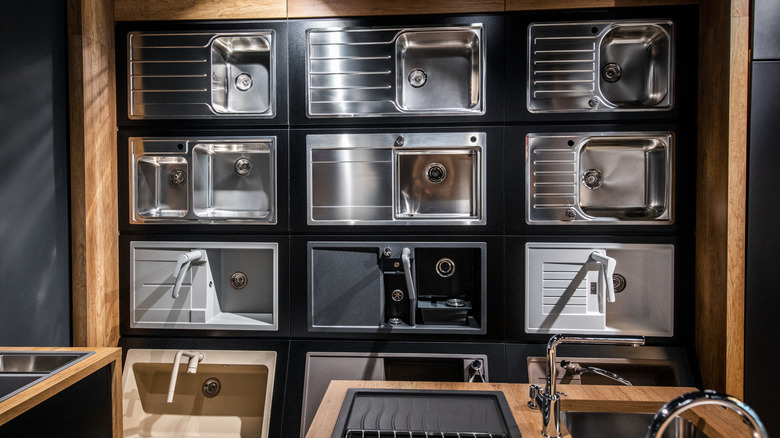
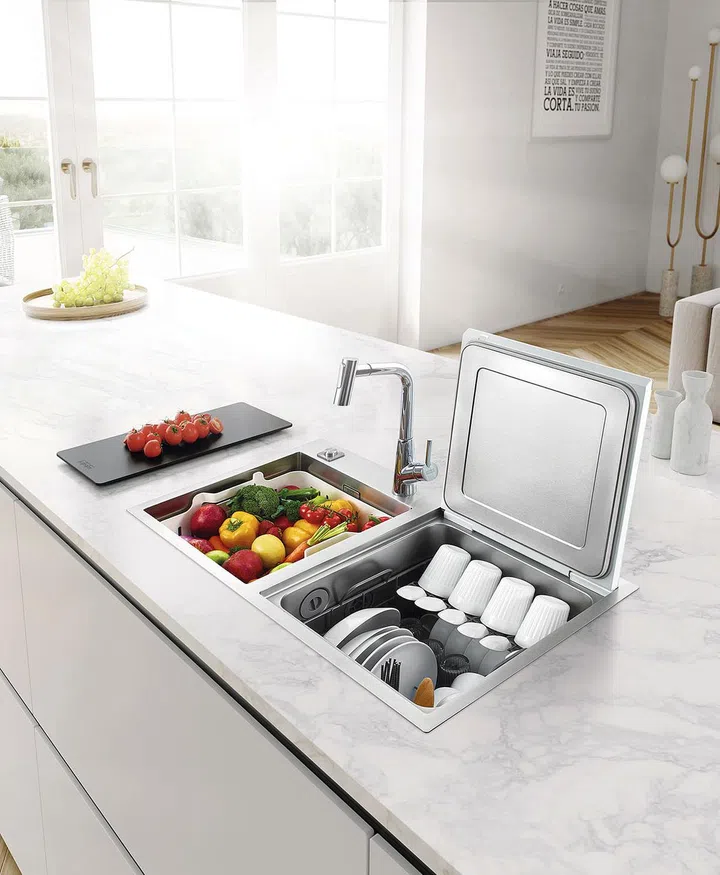
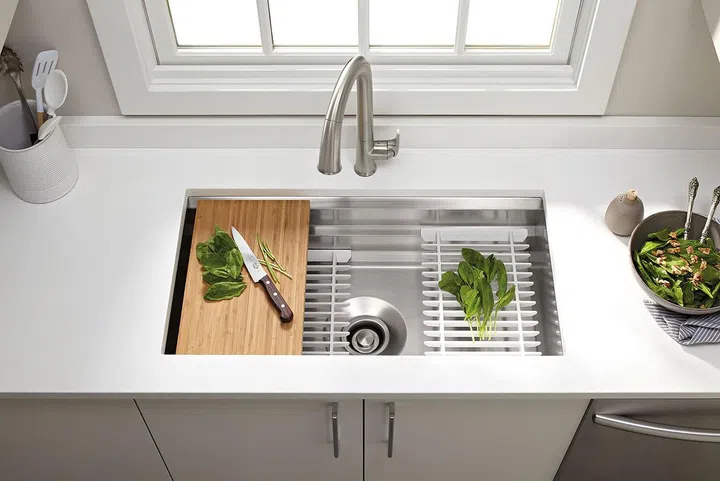
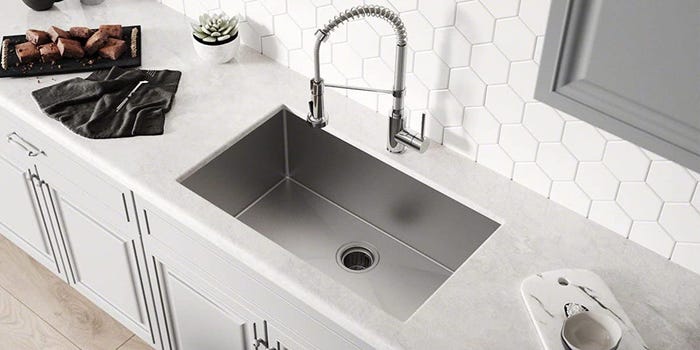
Stainless steel remains a popular choice due to its durability, corrosion resistance, and budget-friendly nature. Although not entirely immune to limescale, its smooth surface is easy to clean. Opting for a satin or brushed finish is advisable, as polished steel tends to highlight water marks more significantly. Regular use of a dedicated stainless steel sink cleaner can create a water-repellent coating, enhancing cleanliness and shine.
Cast iron sinks, with their enamelled interior, are strong, long-lasting, and easy to wipe clean. The enamel provides a glossy, smooth surface, and the cast iron core helps retain water heat. However, there is a risk of chipping the enamel, which can expose the cast iron to rust. Scratches can also dull the surface, making it more prone to hard water stains. Abrasive or acidic cleaners are unsuitable for cast iron.
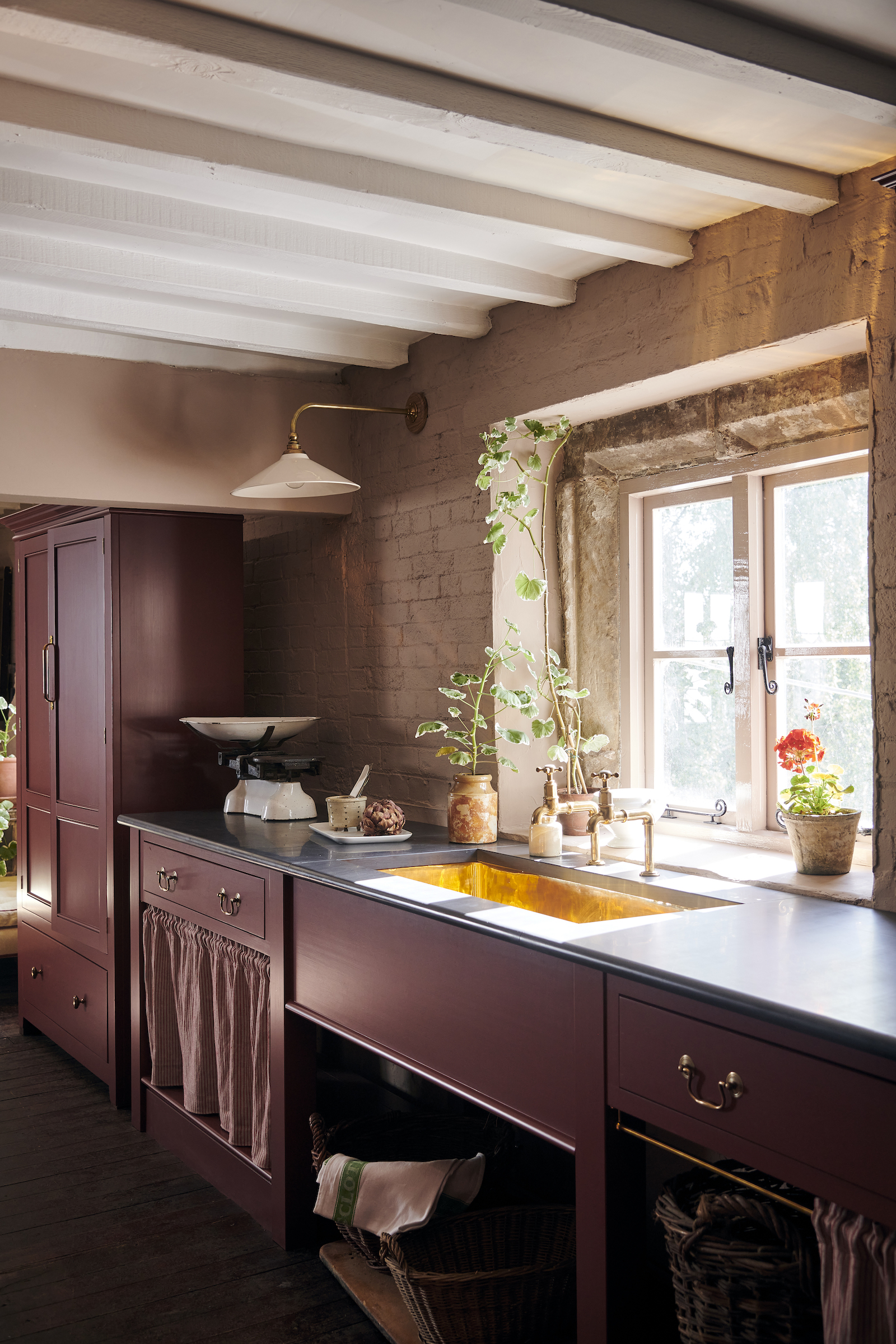
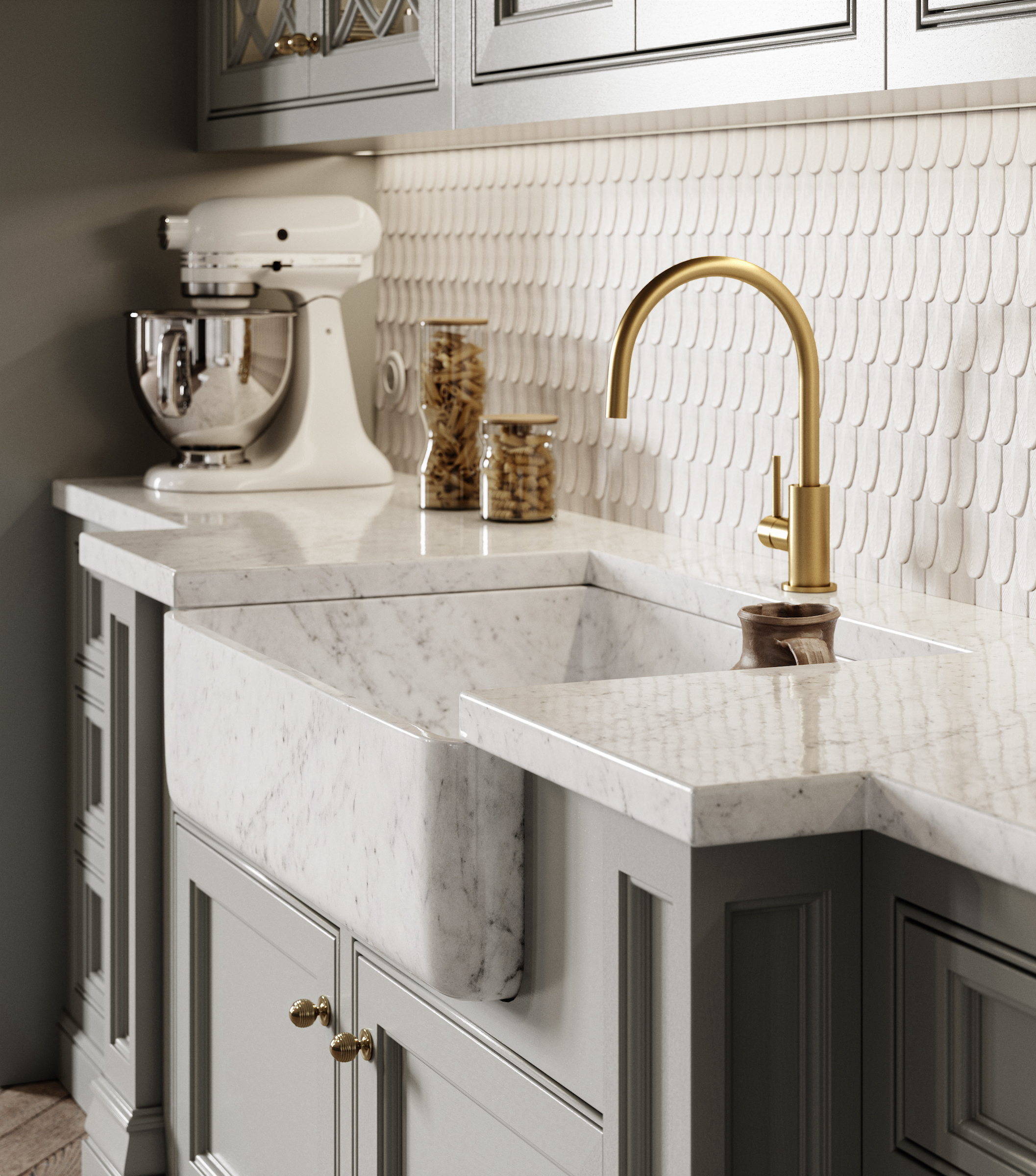
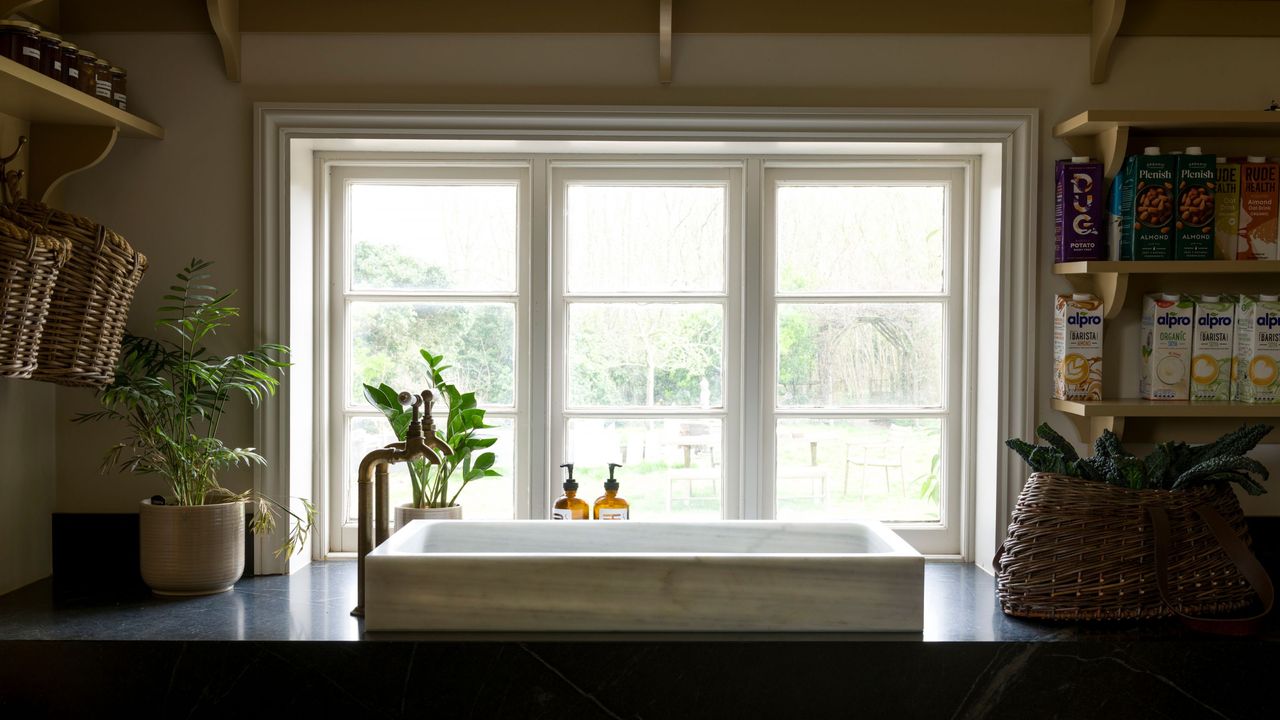
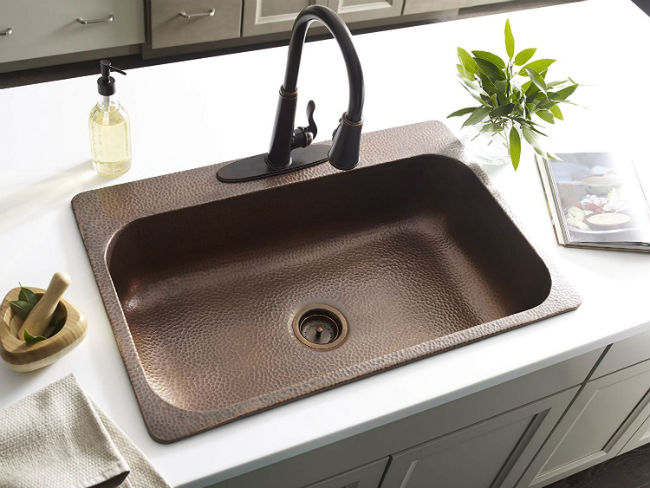
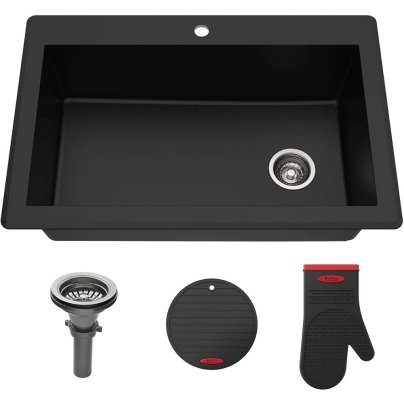
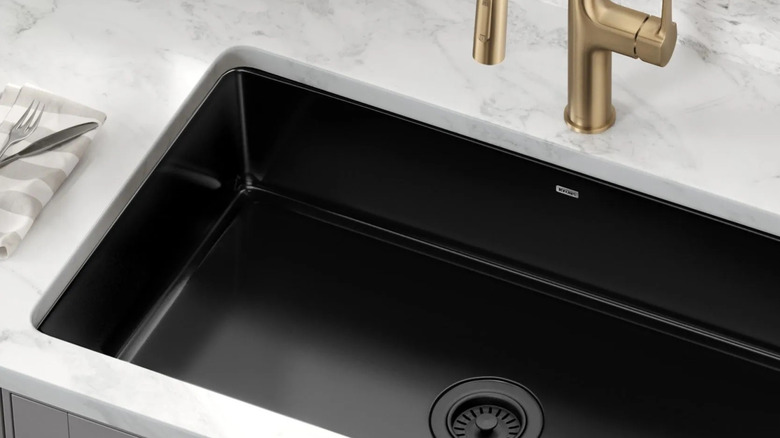
Quartz composite sinks, similar to granite composite but with a higher quartz content, are resistant to scratching, chipping, and staining. Lighter colors are preferable to hide minor hard water stains. Gentle limescale removers or vinegar solutions are recommended for their upkeep. For ultimate protection, hydrophobic coatings, often termed 'nano-coating' or 'water-repellent,' applied during manufacturing, can make sinks highly resistant to watermarks and reduce maintenance needs. Brands like Franke offer such technologies, such as their F-Inox Technology, which causes water to bead and roll off the surface. Conversely, natural stone sinks like marble and limestone, and unlacquered natural copper sinks, are generally considered the worst options for hard water areas due to their susceptibility to staining, etching, and visible limescale build-up.
#KitchenSinkMaterials #HardWaterSolutions #LimescalePrevention #HomeMaintenance #KitchenDesign #GraniteComposite #FireclaySinks #StainlessSteelSinks #QuartzComposite #KitchenSinkMaterials #HardWaterSolutions #LimescalePrevention #HomeMaintenance #KitchenDesign #GraniteComposite #FireclaySinks #StainlessSteelSinks #QuartzComposite
0 تعليق إجمالاً
 لا توجد تعليقات بعد
قد تعجبك أيضًا
The best 5 kitchen sink materials – and how to choose the best type and design for your home

How to clean a bathroom sink – expert tips for a well-scrubbed sink
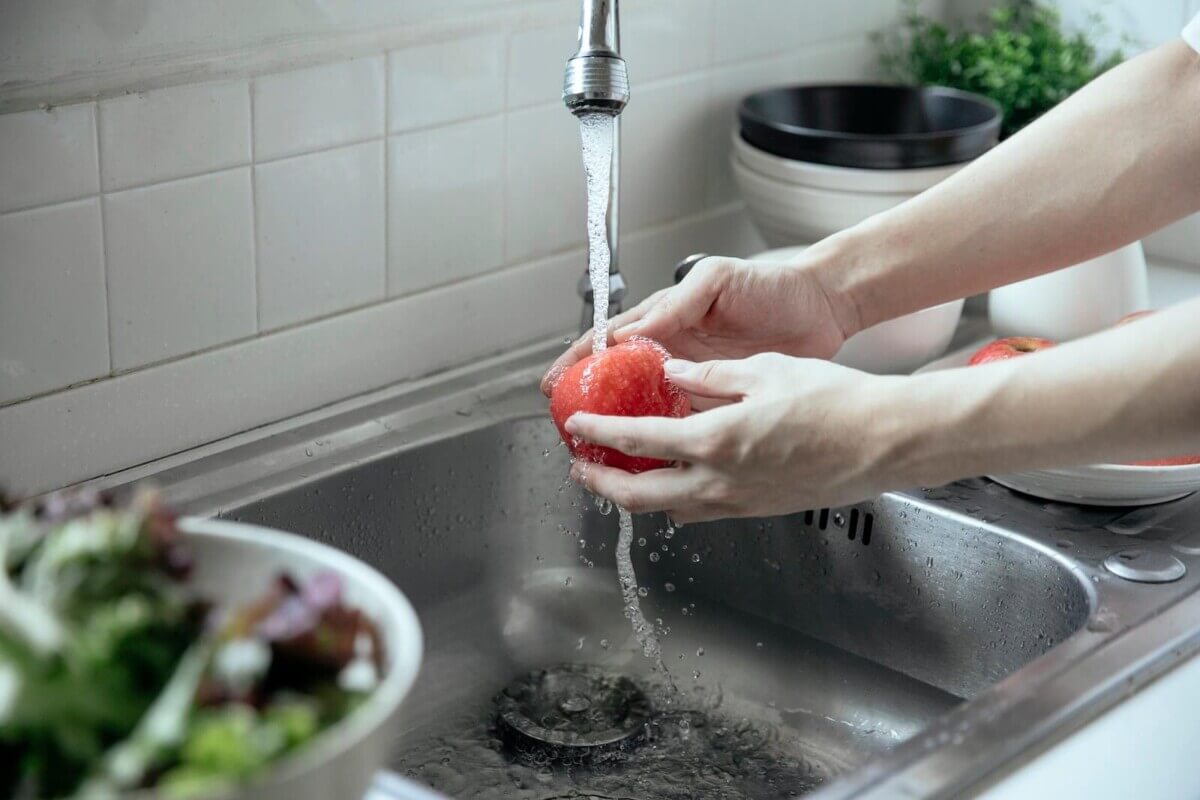
Best Kitchen Sinks: Top 5 Models Most Recommended By Design Experts


How to Clean Every Type of Kitchen Countertop

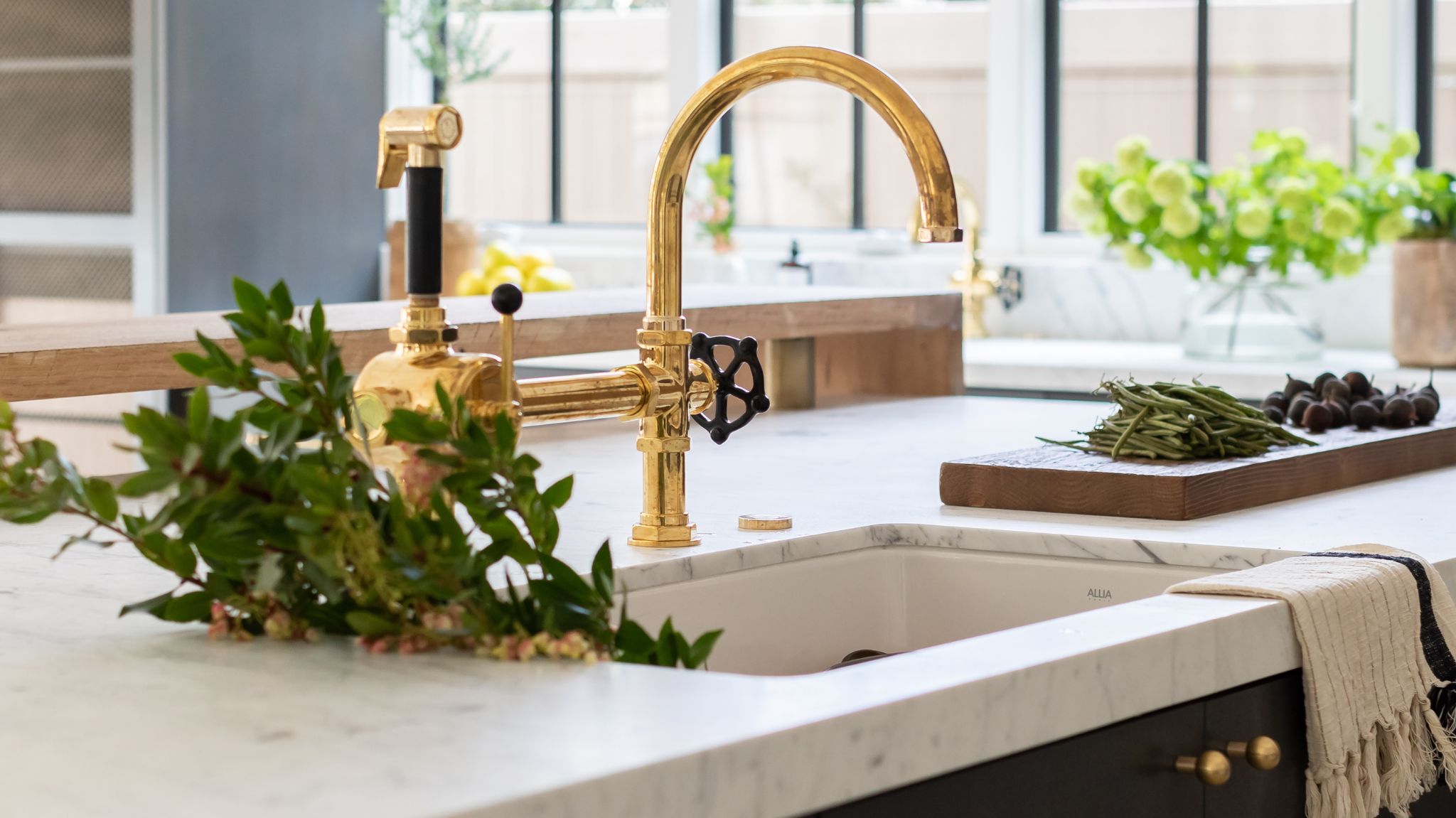
What is the best kitchen sink material for durability? These 4 expert-approved options are built to last

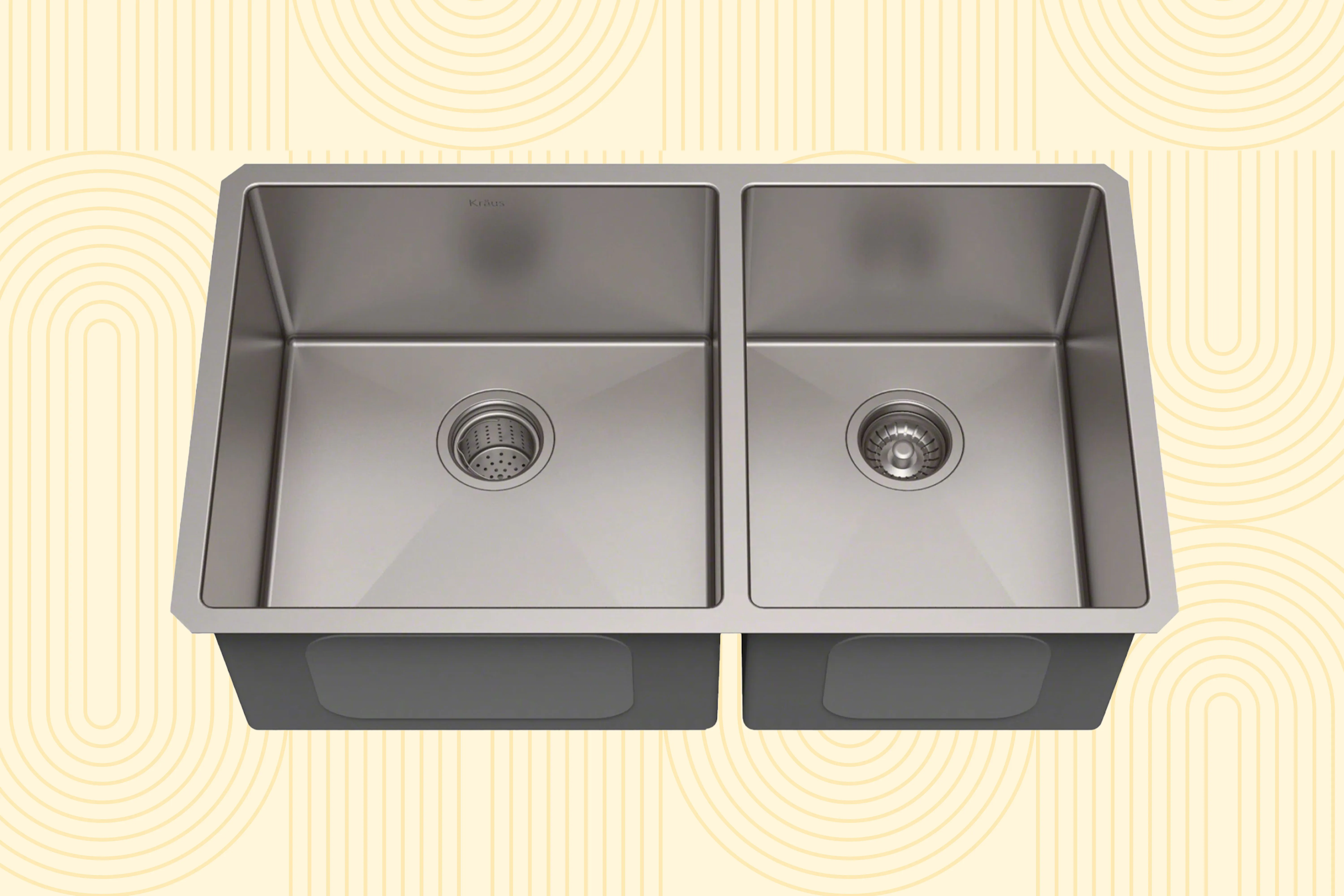
The Best Kitchen Sinks for Your Home, Based on Sink Style

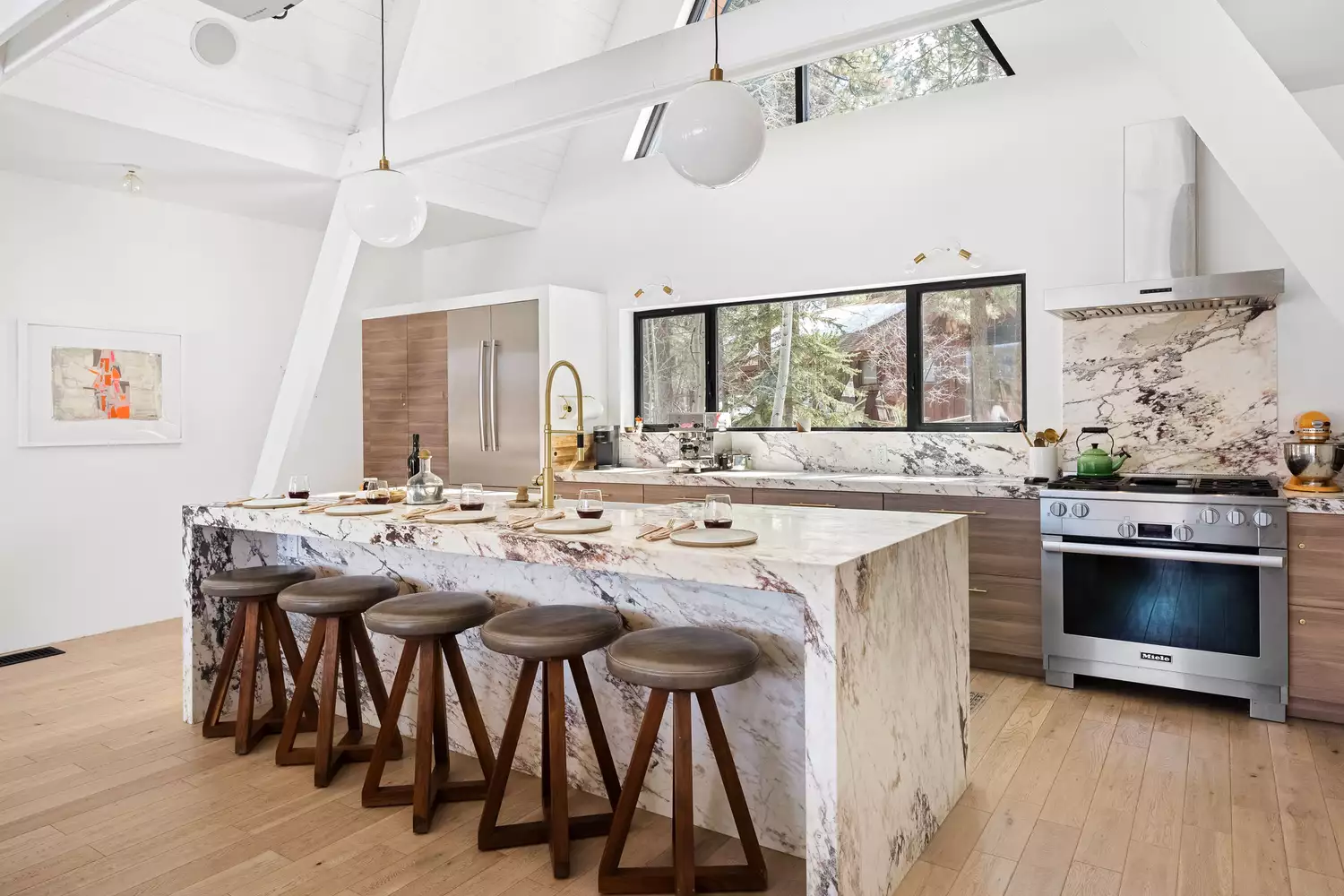
5 Countertop Colors That Instantly Hide Messes—And Look Great in Your Kitchen


The Most Popular Kitchen Sink Styles to Transform Your Space

The Best Bathroom Sinks Go Beyond Porcelain to Concrete and Even Quartz

At Home Living: Find the kitchen sink you will never throw out
Kitchen Sinks

The Ultimate Guide To Choosing A Sink For Your Kitchen

The 5 Best Kitchen Sinks

All Kitchen Sinks
Our Favorite Kitchen Sinks Are As Functional As They Are Beautiful

10 Best Kitchen Sinks in Singapore: Hansgrohe, IKEA, Franke, Zuhne
Stylish, Stain-Resistant, or Both: Which Type of Kitchen Sink Is Right for You?
These Top-Rated Sinks Will Instantly Upgrade Your Kitchen

Kitchen Sink Brands To Steer Clear Of (And Alternatives To Consider)
Our Favorite Kitchen Sinks Keep Your Workspace Efficient Without Sacrificing Style