


Dining Room Decor Ideas: Complete Guide to Stylish & Functional Design
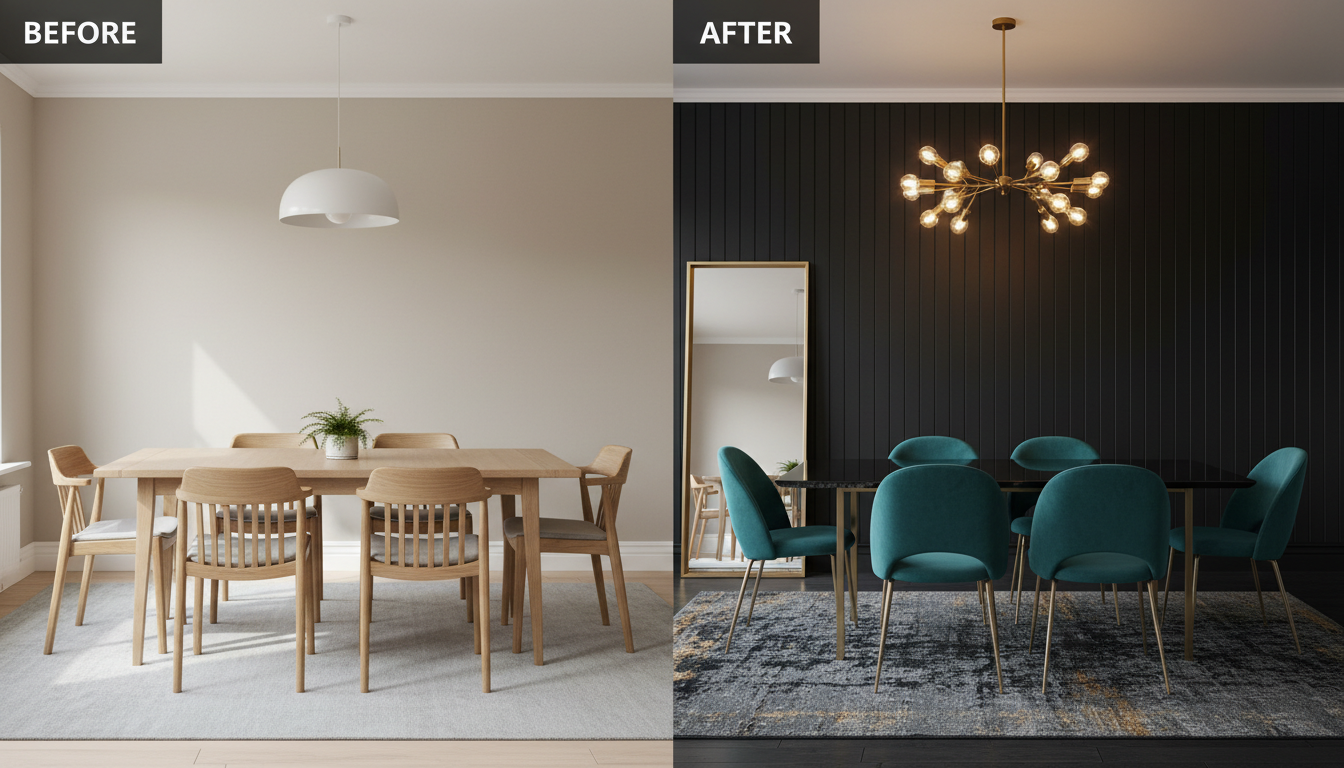
The dining room is more than just a place to eat; it’s the heart of countless memories, from lively family dinners to quiet morning coffees. Yet, transforming it into a space that is both beautiful and functional can feel daunting. Scrolling through endless inspiration photos is one thing, but how will those ideas actually look in your room, with your furniture and your light? This is where modern tools can bridge the gap between imagination and reality. Before you pick up a paintbrush or buy a single chair, imagine being able to see your vision come to life instantly. With AI-powered tools like those from Ideal House , you can upload a photo of your dining space and experiment with everything from seasonal decor to a complete style overhaul, ensuring every choice you make is the right one.
The Foundation: Furniture and Layout
The furniture you choose sets the stage for your entire dining room. It dictates flow, function, and feel.
Finding the Perfect Table and Chairs
The dining table is the anchor of the room. A large rectangular table is perfect for formal gatherings, while a round pedestal table can create better flow and intimacy in a smaller space or a breakfast nook. But the chairs are where you can truly inject personality.
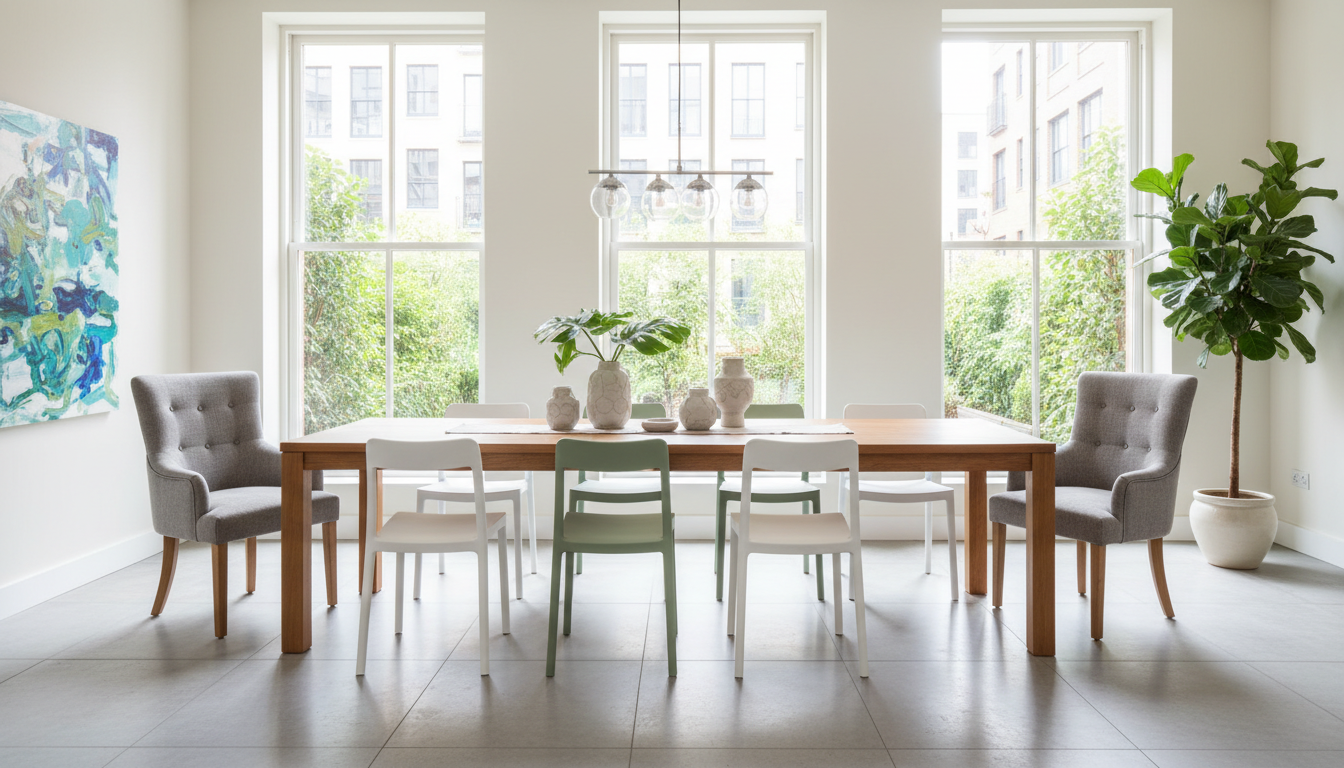
The mix and match dining room chairs trend is more than just a passing fad; it’s a way to create a collected, eclectic look. Here are a few ways to master it:
- Statement End Chairs: Use upholstered or armed "captain's chairs" at the ends of a rectangular table and simpler side chairs along the length.
- Common Color, Different Styles: Unify a set of mismatched vintage chairs by painting them all the same color.
- Common Style, Different Colors: Use the same chair model (like a classic Wishbone or Eames shell chair) but in a variety of complementary colors for a playful, modern vibe.
Smart Seating for Small Spaces
A small dining room doesn't mean you have to sacrifice style. Creative layouts can make even the most compact area feel inviting.
- Banquette Seating: A built-in or freestanding bench against a wall is a classic space-saver. It maximizes seating and can even offer hidden storage underneath.
- Bistro Tables: For a tiny apartment dining area, a small bistro table tucked into a corner creates a charming and functional nook.
- Embrace the Bench: A simple bench can be tucked completely under the table, which is ideal for high-traffic areas and creating a visually cleaner space.
The Ever-Useful Sideboard and Buffet
A sideboard or buffet is a dining room powerhouse, offering both storage and a surface for styling. Use it to store linens and dinnerware, or set it up as a serving station or bar cart during parties.
How to style a sideboard:
- Anchor with Art or a Mirror: Hang a large piece of art or a mirror about two-thirds the width of the sideboard above it.
- Play with Height: Create a visually interesting display by grouping objects of varying heights. A tall lamp at one end, a stack of books in the middle, and a lower bowl or tray at the other end create balance.
- Group in Threes: For a curated look, arrange smaller items like candles or vases in odd-numbered groups.
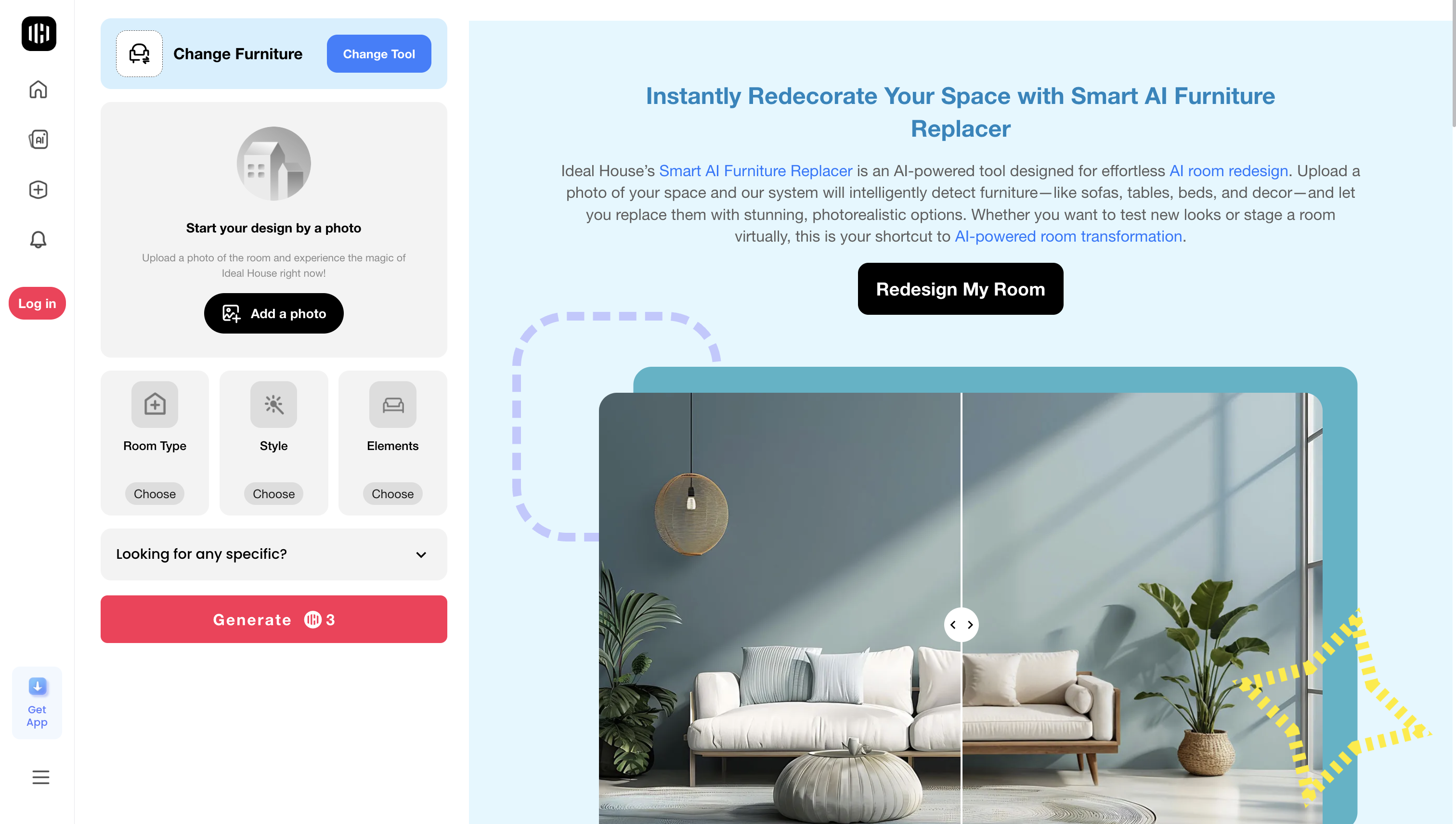
Feeling unsure how that new dining set or sideboard will fit? Tools like Ideal House’s AI Furniture Replacer let you upload a photo of your room and instantly swap out your current furniture with new styles, taking the guesswork out of sizing and aesthetics.
Setting the Mood: Walls, Color, and Texture
Your walls are the canvas for your dining room's personality. Whether you opt for a bold paint color, intricate wallpaper, or classic architectural details, the right wall treatment can completely transform the space.
Choosing the Right Paint Color
Paint is one of the easiest ways to make a big impact on a budget. The mood you want to create should guide your color choice.
- Moody and Dramatic: Deep blues, charcoal grays, or rich greens like Sherwin-Williams's Evergreen Fog can make a dining room feel intimate and sophisticated, perfect for evening entertaining. A dark gray accent wall dining room can add depth without overwhelming the space.
- Light and Airy: Soft neutrals like creamy whites, beiges, or a greige wainscoting create a calm, versatile backdrop that works with any decor style, from modern farmhouse to coastal.
- Bold and Energetic: If your dining room is a place for lively gatherings, don't shy away from color. A warm terracotta, mustard yellow, or even a muted blush pink can make the space feel joyful and inviting.
Wall Treatments That Wow
Beyond paint, consider adding texture and pattern to your walls for a truly custom feel.
- Wainscoting: This classic architectural feature adds instant elegance. Wainscoting dining room ideas range from traditional beadboard to more modern board and batten or picture frame molding. Pairing gray walls with white wainscoting is a timeless look that feels both fresh and sophisticated.
- Wallpaper and Murals: A bold wallpaper can serve as a stunning focal point. Whether it's a large-scale floral, a subtle grasscloth, or a whimsical Chinoiserie pattern, wallpaper adds a layer of texture and personality that paint alone cannot achieve.
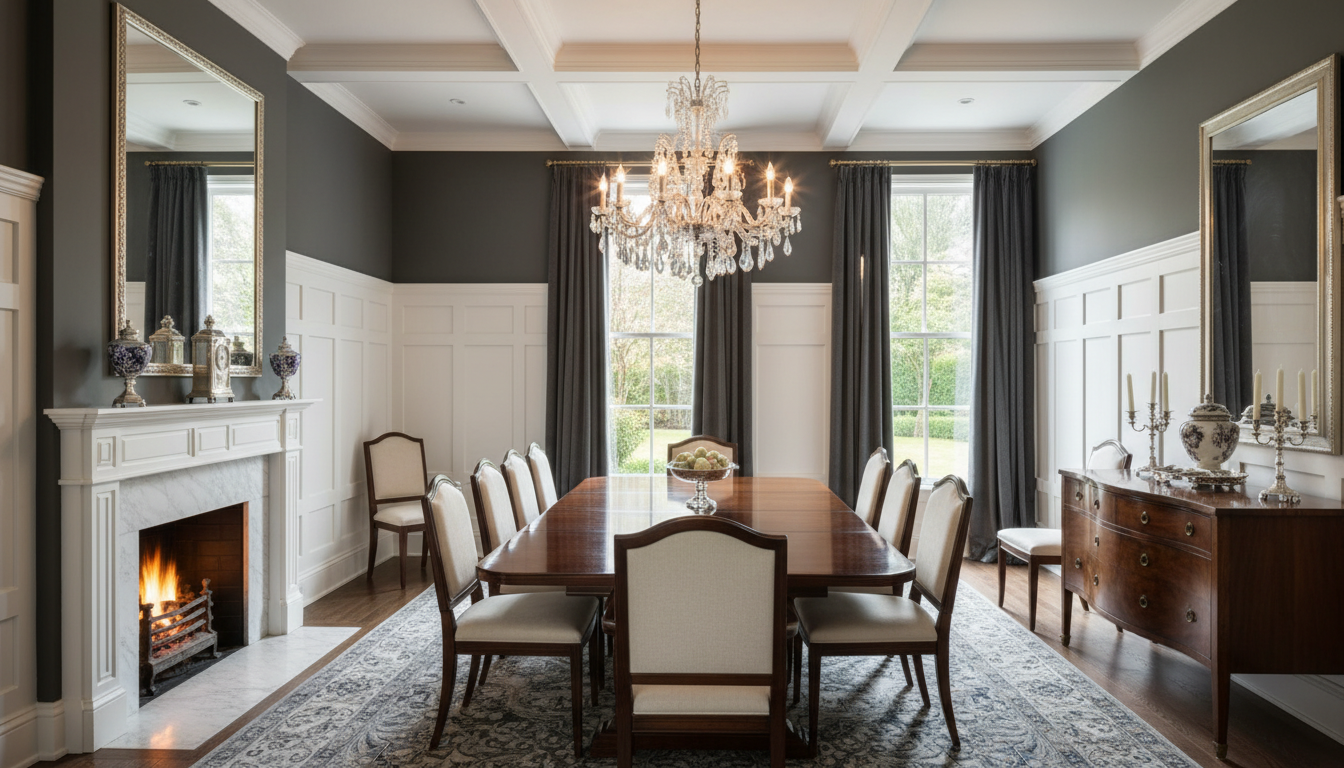
Visualize these changes before you commit. With a tool like Ideal House's Room Visualizer, you can test hundreds of paint colors or even upload a wallpaper pattern to see exactly how it will look on your walls.
The Art of the Tablescape
A beautifully set table turns any meal into an occasion. Layering dishes, linens, and a thoughtful centerpiece makes the space feel complete and welcoming.
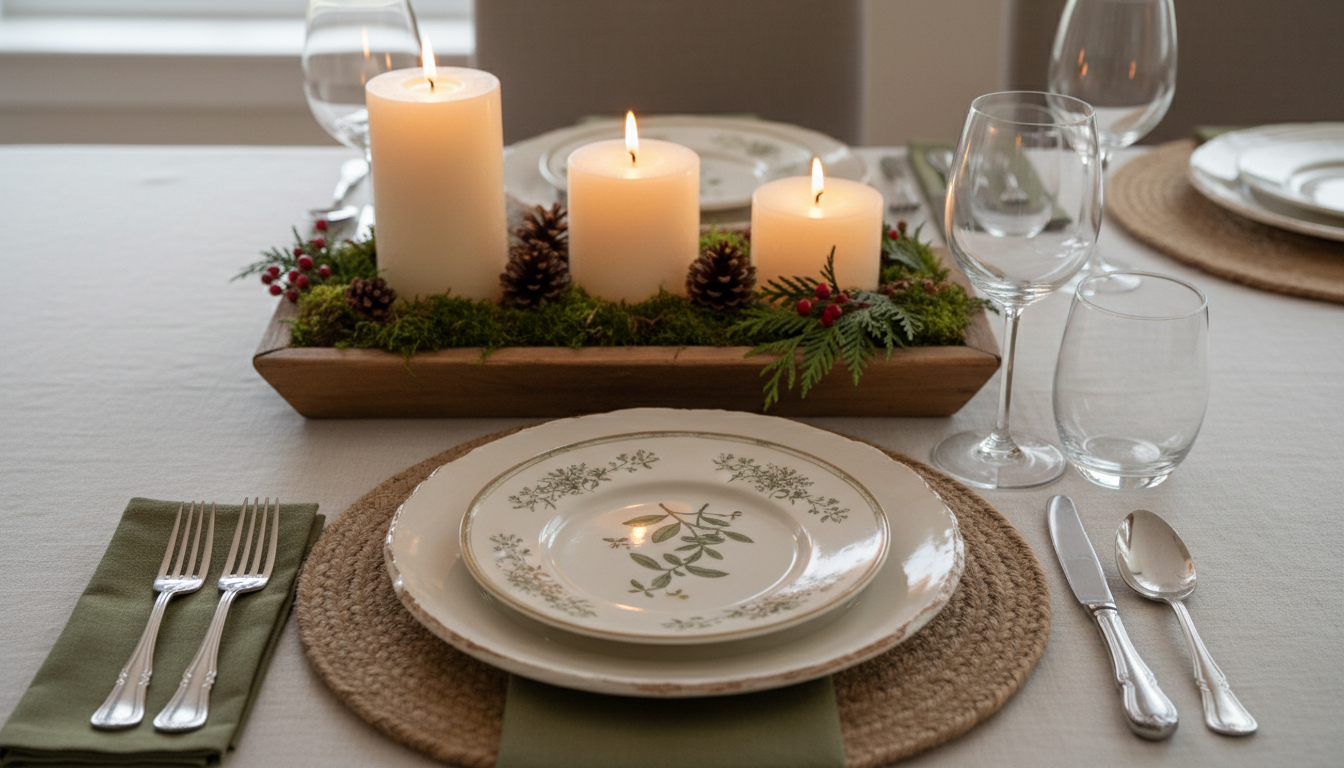
Centerpiece Ideas for Every Occasion
A centerpiece shouldn't obstruct conversation, so a good rule of thumb is to keep it low.
- Simple & Functional: A beautiful wooden dough bowl filled with seasonal fruit like apples or pomegranates is both stylish and practical.
- Natural and Rustic: For a rustic candle centerpiece with natural elements, arrange a few pillar candles of varying heights on a wooden tray and surround them with moss, pinecones, or fresh sprigs of rosemary.
- Elegant Floral Arrangements: A long, low arrangement of flowers is perfect for a rectangular table. For a more dramatic large floral centerpiece on dining table look, consider a single, lush arrangement for a round table.
- Seasonal Magic: Create an easy Christmas ornament centerpiece with candle by filling a large glass hurricane or vase with ornaments and placing a pillar candle in the middle. For fall, think ceramic pumpkins and warm-toned faux florals.
Layering Plates, Chargers, and Linens
Creating a beautiful "stack" at each place setting is the secret to a professional-looking table.
- Start with a Charger or Placemat: This anchors the setting. A woven rattan charger adds texture, while a metallic one brings a touch of glam.
- Layer the Plates: A dinner plate, followed by a salad plate, is a classic combination. Don't be afraid to mix and match dinnerware. A solid dinner plate paired with a patterned salad plate (or vice-versa) adds visual interest. A set of plain white dinnerware is a versatile base for any seasonal or patterned accent plates you collect.
- Add Linens: A cloth napkin, folded simply and placed under the top plate or cinched with a napkin ring, adds softness and color. You can also layer linens by using a table runner over a tablecloth.
To get instant inspiration for seasonal decor, try the Home Decor Ideas tool. Just upload a photo of your dining room, select a theme like 'Fall Decor' or 'Christmas Decor,' and let the AI show you how to dress up your space without changing your furniture.
Let There Be Light: Dining Room Lighting
Lighting is crucial for setting the right ambiance. A single overhead fixture is often not enough; a layered approach works best.
- Chandeliers and Pendants: The main light source over the table should be a statement piece. For a long table, consider a linear suspension fixture or a pair of chandeliers. The bottom of the fixture should hang about 30-36 inches above the tabletop.
- Wall Sconces: Sconces flanking a sideboard or a large piece of art provide soft, ambient light and add a touch of elegance.
- Dimmers are Non-Negotiable: Installing dimmer switches on all your dining room lights gives you complete control over the mood, from bright and functional for homework to low and intimate for dinner parties.
Want to see how a new chandelier in the dining room would look? Use an AI tool like Smart Replacer to select your current fixture and instantly replace it with a new style.
Finishing Touches: Rugs, Art, and More
Accessories are what make a dining room feel uniquely yours. A well-chosen rug, compelling artwork, and personal touches tie the whole space together.
Ground the Space with a Rug
A dining room rug defines the dining area, adds warmth, and dampens sound.
- Sizing is Key: The rug should be large enough that all chair legs remain on it, even when the chairs are pulled out. A good rule is to add at least 24 inches to each side of your table's dimensions.
- Shape Matters: Match the rug shape to your table shape—a rectangular rug for a rectangular table, and a round or square rug for a round table.
- Material and Pattern: Choose a low-pile or flatweave rug in a durable material like wool or polypropylene, which are easier to clean. A busy pattern or a darker color can be very forgiving of spills.
You can preview how different rugs or even curtain fabrics will look using the AI Texture Replacer, which lets you apply any material to any surface in your photo.
Wall Decor and Accessories
An empty wall is a blank canvas.
- Gallery Walls: A gallery walls dining room is a great way to display a collection of art, family photos, or even vintage plates.
- Large-Scale Art: A single, oversized piece of art can create a dramatic focal point.
- Mirrors: A large mirror can make a small dining room feel bigger and brighter by reflecting light. Place it on the wall opposite a window for maximum effect.
Open-Concept Solutions: Living-Dining Combos
In many modern homes, the living and dining areas share one large space. Creating a cohesive yet distinct zone for dining is key.
- Define with a Rug: Placing a rug under the dining table is the easiest way to create a visual boundary.
- Strategic Furniture Placement: Position a console table or a credenza behind the sofa to act as a subtle divider between the living and dining zones.
- Use Lighting to Delineate: Hang a chandelier or pendant light over the dining table to anchor the space and visually separate it from the living area's lighting scheme.
- Create Cohesion with Color: Use a consistent color palette across both zones, but perhaps use color in different ways. For example, the accent color from the living room pillows could be the main color for your dining chair upholstery.
Planning an open-concept layout can be challenging. Use a tool like Interior Remodel to experiment with different furniture arrangements and styles, helping you design a harmonious flow between your living and dining spaces.
Ready to stop guessing and start designing? Chat with HouseGPT for personalized ideas, or upload a photo to one of Ideal House’s powerful AI tools and see your dream dining room come to life.