1/2
Why Do So Many Parents Think Kids Need Their Own Bedroom?
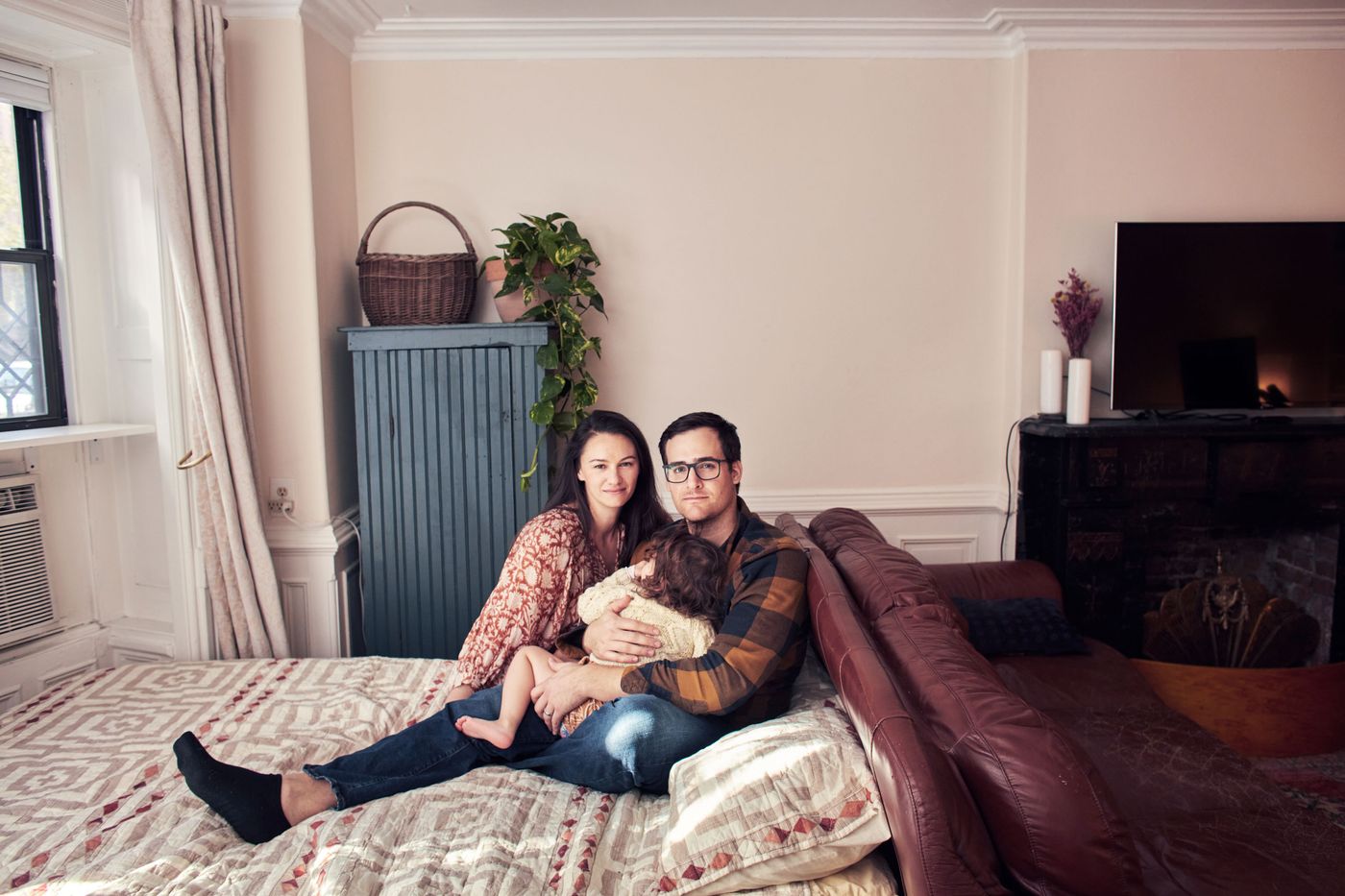
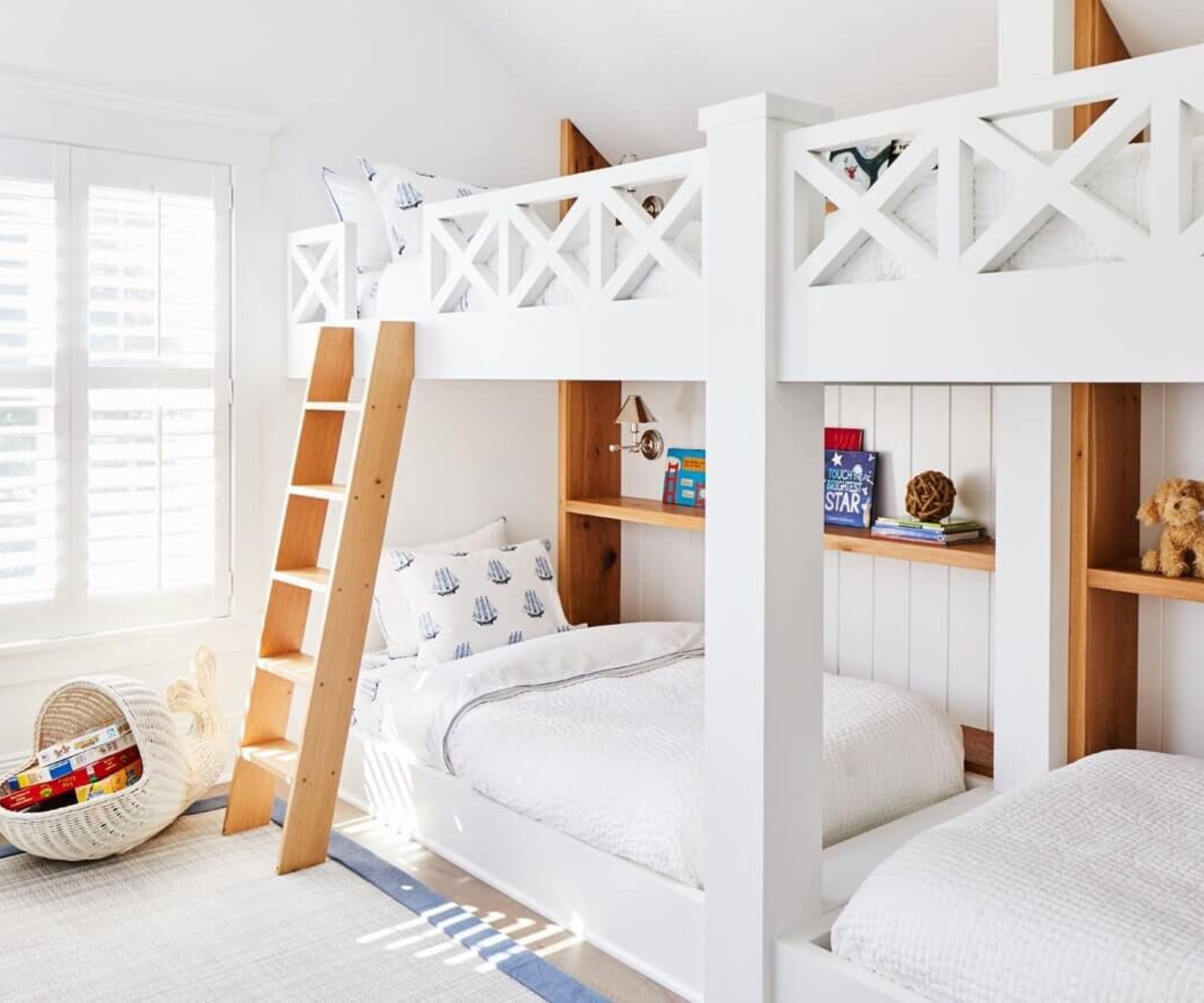
The aspiration for children to have their own bedrooms has become a pervasive 'normative ideal' in the U.S. over the past half-century. This trend is linked to larger homes and smaller family sizes, with data from 1960 to 2000 showing a rise in bedrooms per child from 0.7 to 1.1. A 2022 survey by the Sleep Foundation indicated that over 70% of parents whose children share rooms wish they could provide individual spaces. The author, reflecting on personal housing concerns in Seattle, highlights the financial strain many parents in high-cost metro areas face to meet this ideal, sometimes delaying family expansion or stretching budgets for larger homes.
Despite the strong preference for solo bedrooms, research on their actual impact on children's development is scarce. Experts suggest this emphasis is more rooted in the broader American culture of individualism and independence, values that adults often seek for themselves and extend to their children. While individual rooms offer benefits such as privacy, space for personal expression, and potentially better sleep, these advantages are not absolute. They can also limit opportunities for intimacy, compromise, and exploration, which are crucial aspects of growing up.
Historically, the concept of individual bedrooms for children is relatively new. Before the 19th century, entire families, including extended relatives, often shared living and sleeping spaces. The shift began in the late 19th century when American parenting literature started advocating for separate rooms, promoting the idea that it fostered independence and character development, preparing children for adulthood. This notion has persisted, despite a lack of concrete evidence supporting the character-building claim.
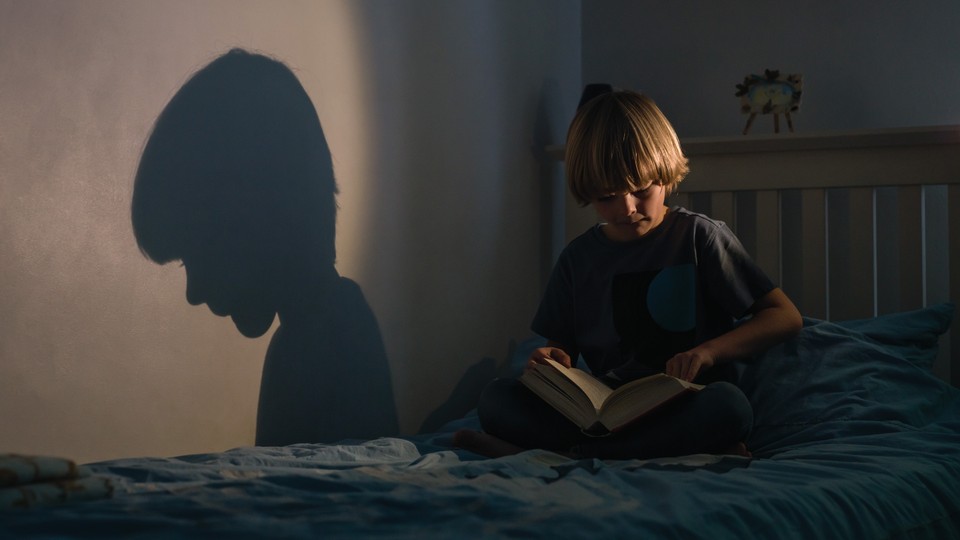
While solo rooms can reduce sibling conflict, and provide a quiet space for activities like reading or journaling that may improve mental well-being, the autonomy they offer is constrained. Children still depend on parental approval for decor and cannot host others without their parents' knowledge. Furthermore, in an era where children have less unsupervised time outdoors due to safety concerns and parental judgment, a solo bedroom can become the only private space for a child, potentially leading to increased social isolation and reliance on social media. This raises concerns about children missing out on real-world social development and experiences.
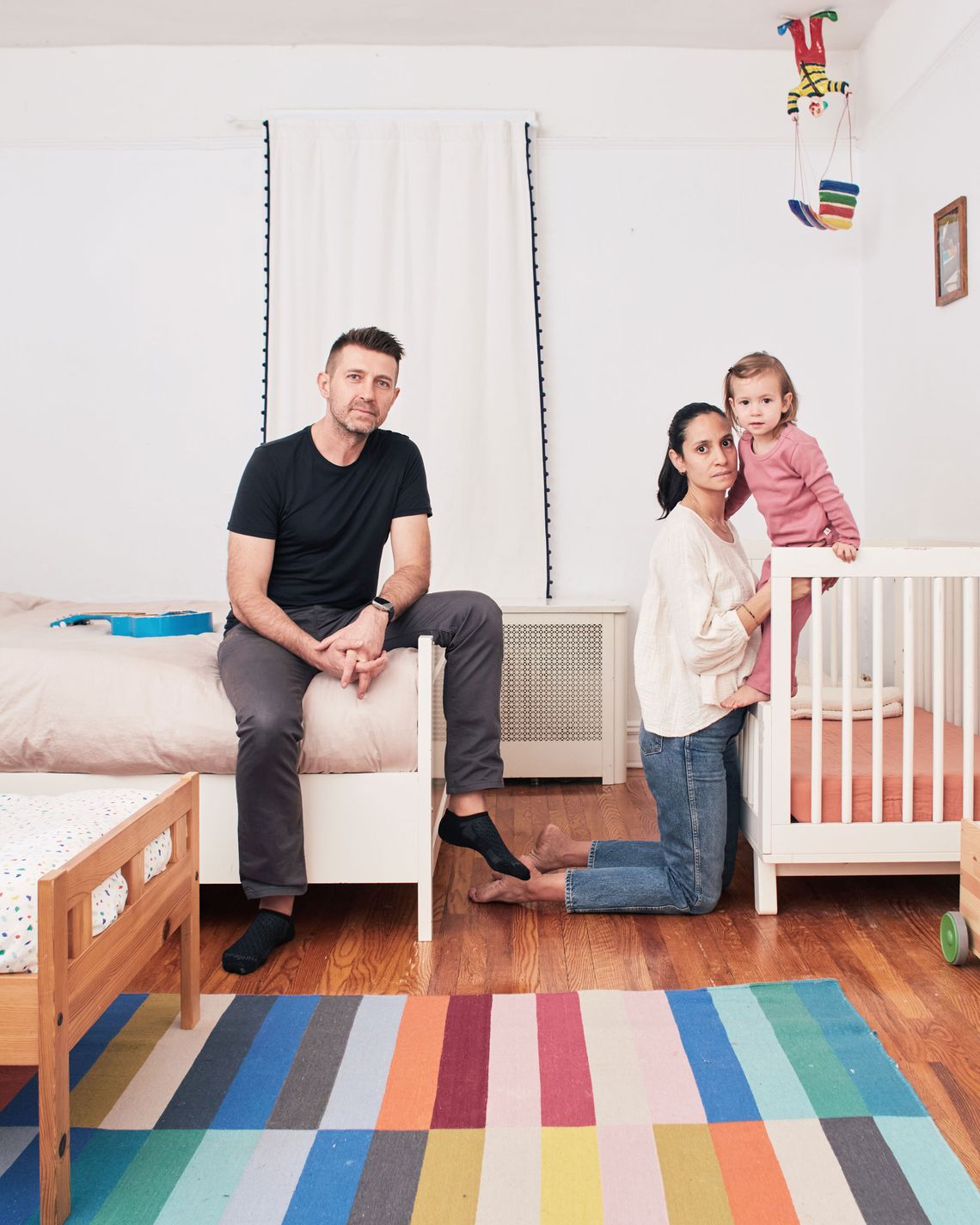
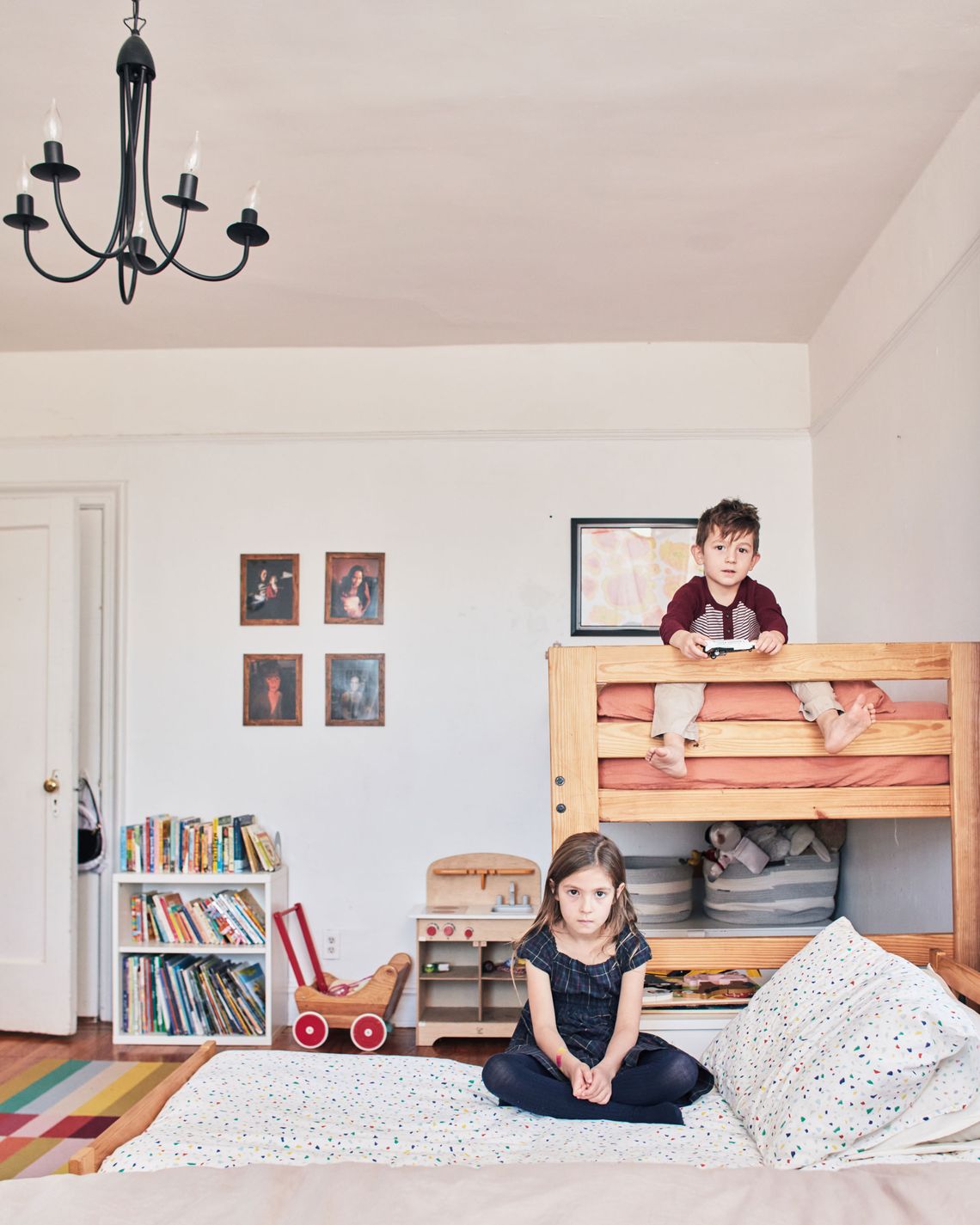
Globally, and historically, sibling or family co-sleeping is more common. Such arrangements are seen by some cultures as beneficial for teaching compromise and improving sibling relationships, preparing children for shared living situations later in life, such as college dorms or with partners. The transition to college, for instance, can be challenging for students unaccustomed to sharing a room. While solo bedrooms are not inherently harmful, their prevalence in American childhood, coupled with broader trends of increased privacy, material comfort, reduced outdoor freedom, and potential social isolation, prompts important questions about their overall role in child development and well-being. Ultimately, the article suggests that while solo bedrooms offer certain comforts, many crucial developmental experiences occur outside the confines of a private room.
#Parenting #ChildDevelopment #FamilyLife #HousingTrends #AmericanCulture #Individualism #Childhood #BedroomSharing #Socialization #Parenting #ChildDevelopment #FamilyLife #HousingTrends #AmericanCulture #Individualism #Childhood #BedroomSharing #Socialization
共0条评论
 暂无评论
暂无评论你可能还喜欢
Living in a One-Bedroom With Kids — by Choice
Parents whose kids share box room show clever ways they give them their own area

How to Design an Age-Appropriate Bedroom for Your Child

How to Let Your 4-Year-Old Design Her Own Bedroom (and Like the Results)

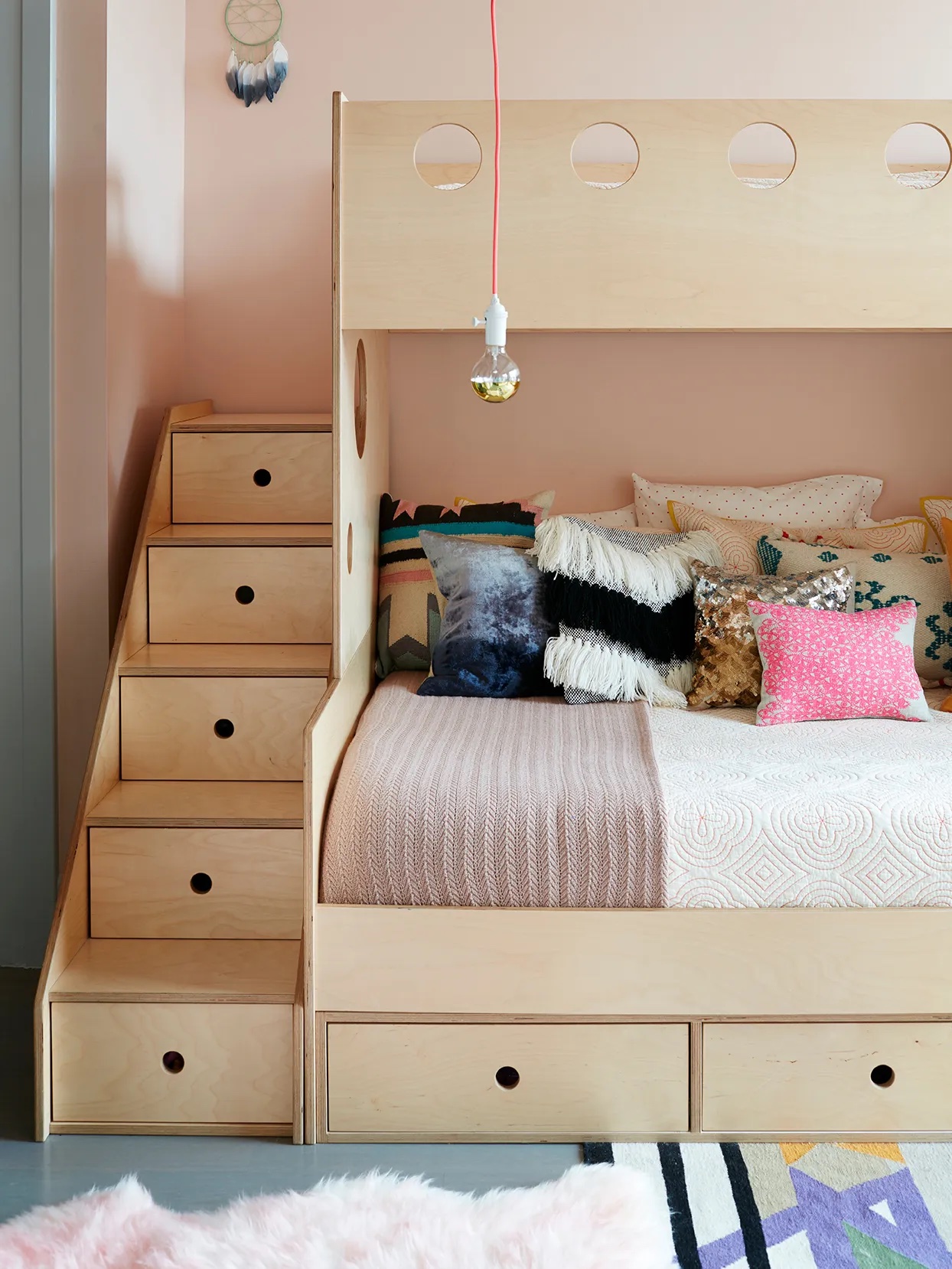
These 6 Built-In Kids’ Beds Are a Step Above the Rest
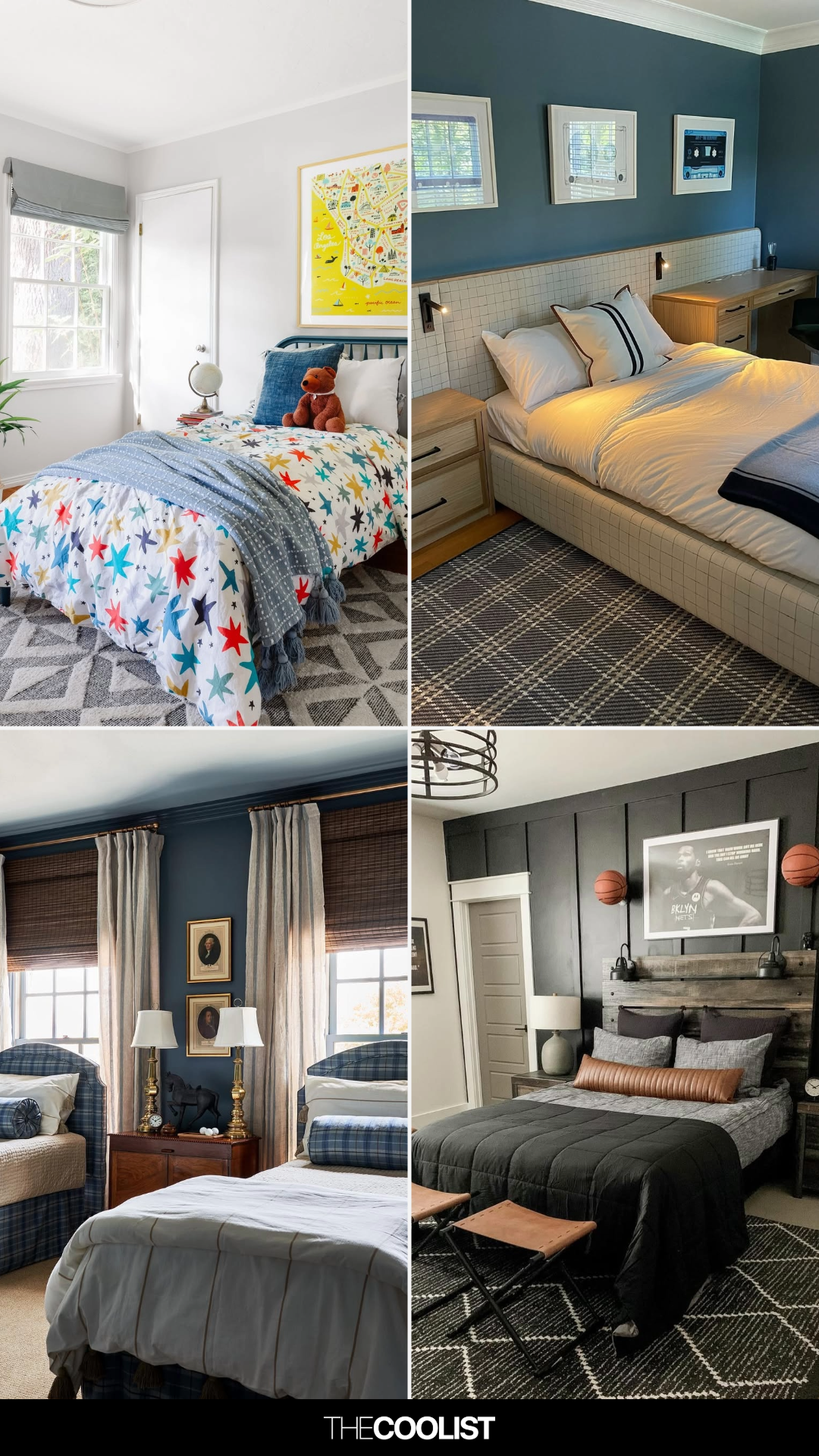
26 Smart Boys Bedroom Ideas That Prioritize Storage, Sleep, and Personality (In That Order)
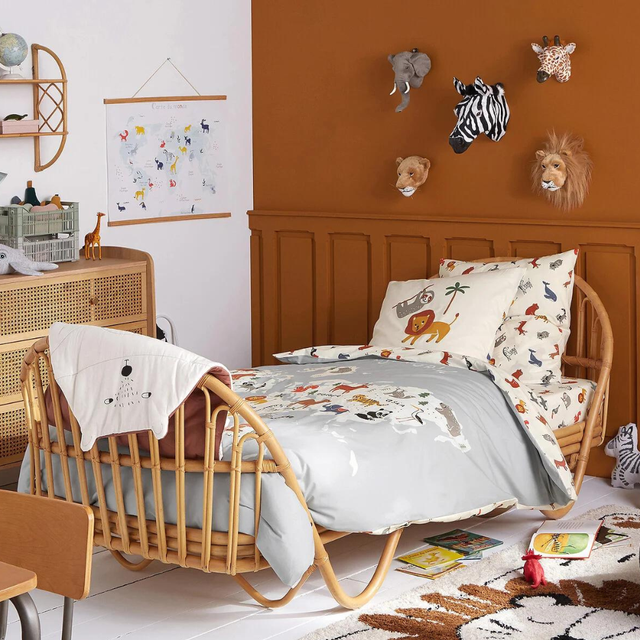
The best children's beds for sweet dreams

Bedroom or living room parent? Mom sparks debate over where parents hang out in the house.

How to Design a Kids Room You Won’t Have to Totally Revamp Next Year
"Living Room Families" Is The Newest Influencer Coinage & No Thank You
Must-have kids bedroom ideas for little ones, ‘tweens, and teens

28 Kid Shared Bedroom Ideas Parents Are Using to Win the Room Wars
Done with the Crib? Toddler Beds for Your (Little) Big Kid
Here are all the most common mistakes to avoid when decorating a kids' bedroom according to interior designers