1/4
What is the warmest kitchen flooring? 3 options that will keep your house toasty and feel cozy underfoot
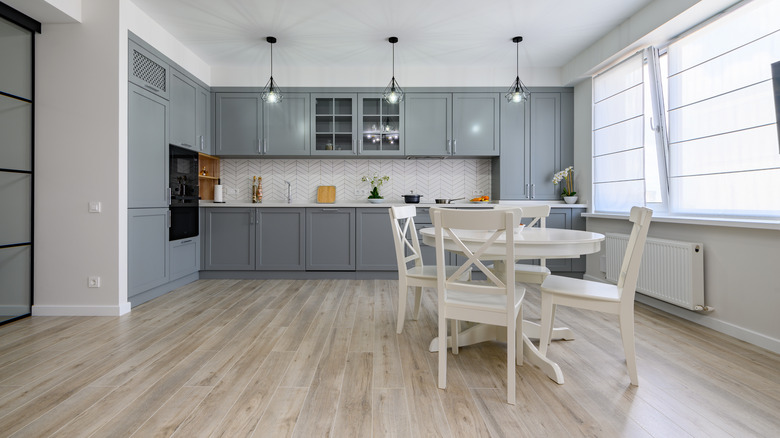
Choosing the right kitchen flooring is crucial for creating a warm and inviting space, especially during colder months, and this article highlights three top flooring materials that offer natural warmth without relying on underfloor heating: cork, luxury vinyl tiles (LVT), and wood. Each of these options provides distinct benefits for insulation and comfort underfoot.
Cork flooring is presented as a sustainable and stylish option, recognized for its natural insulating properties. James Scully, founder of Recork, explains that cork's honeycomb structure, filled with air cells, makes it an exceptional thermal insulator, helping to retain heat and reduce heat loss through the floor by approximately 10-20%. This unique composition allows cork to maintain an optimal temperature year-round, feeling warm to the touch and also providing acoustic insulation by absorbing sound. This makes it a practical choice for both warmth and sound dampening in a kitchen environment.
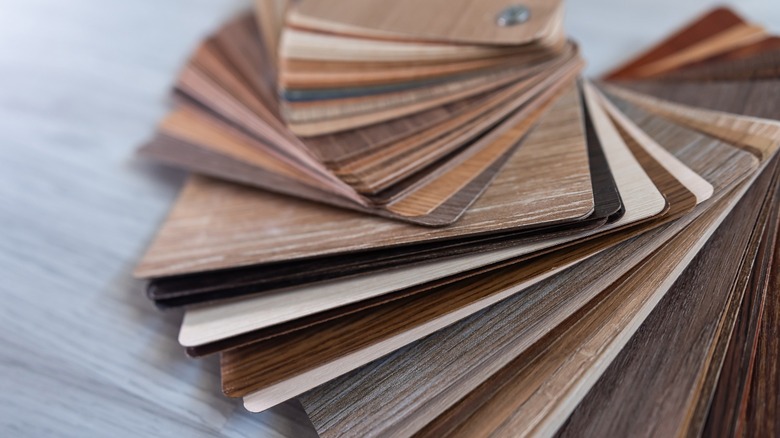
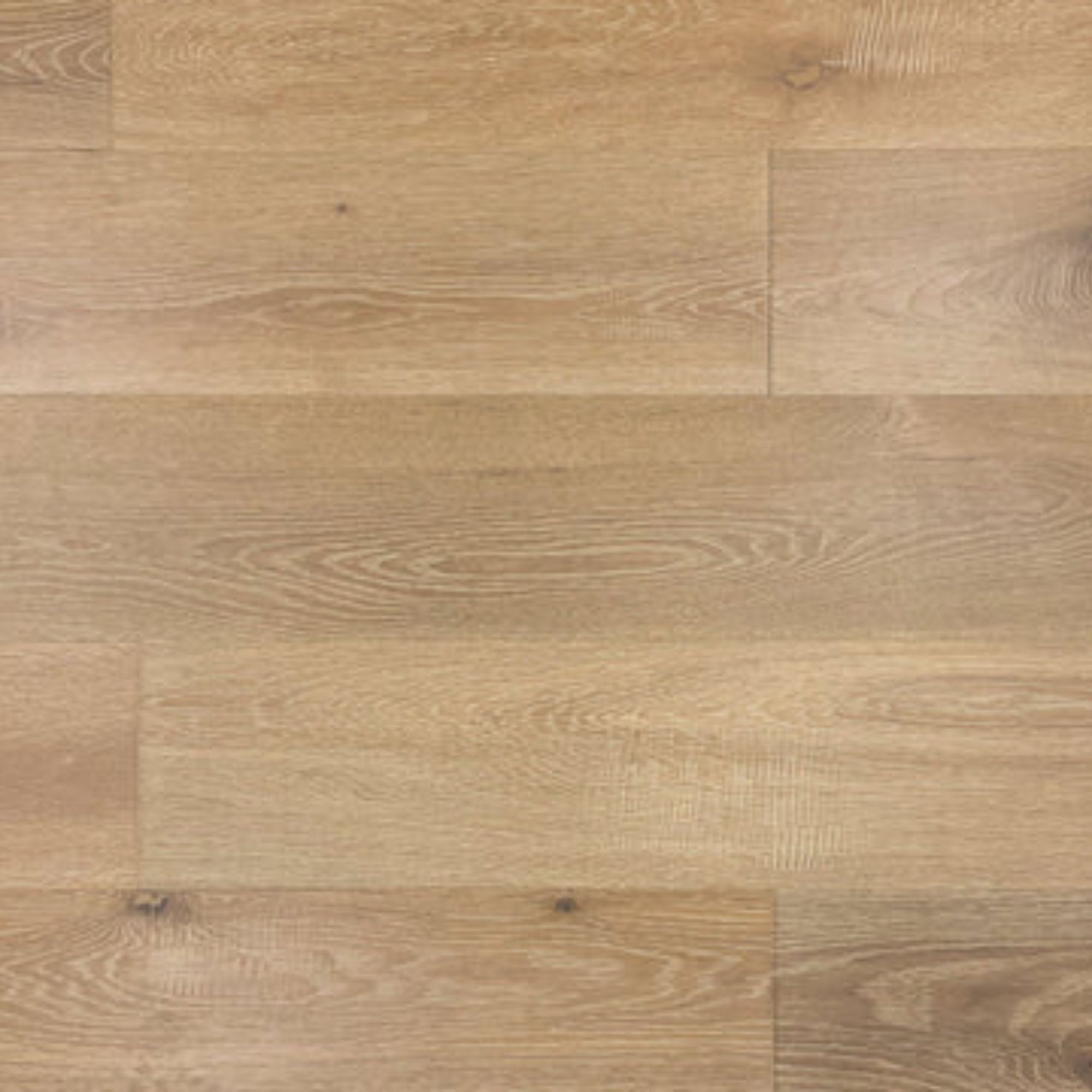
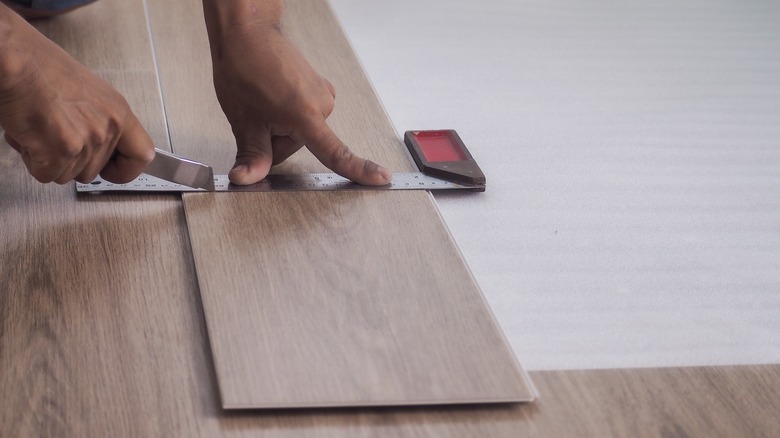
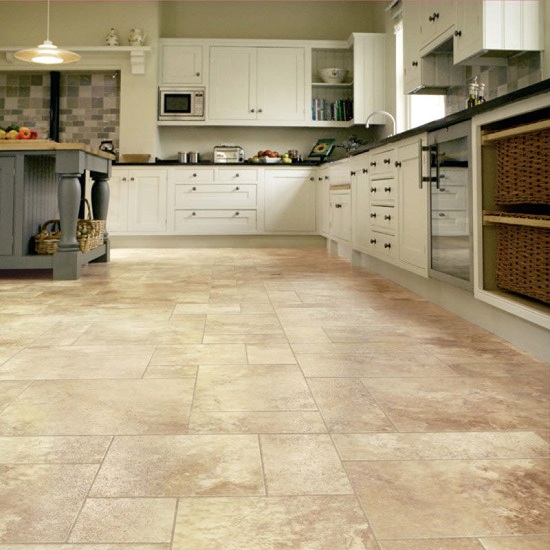
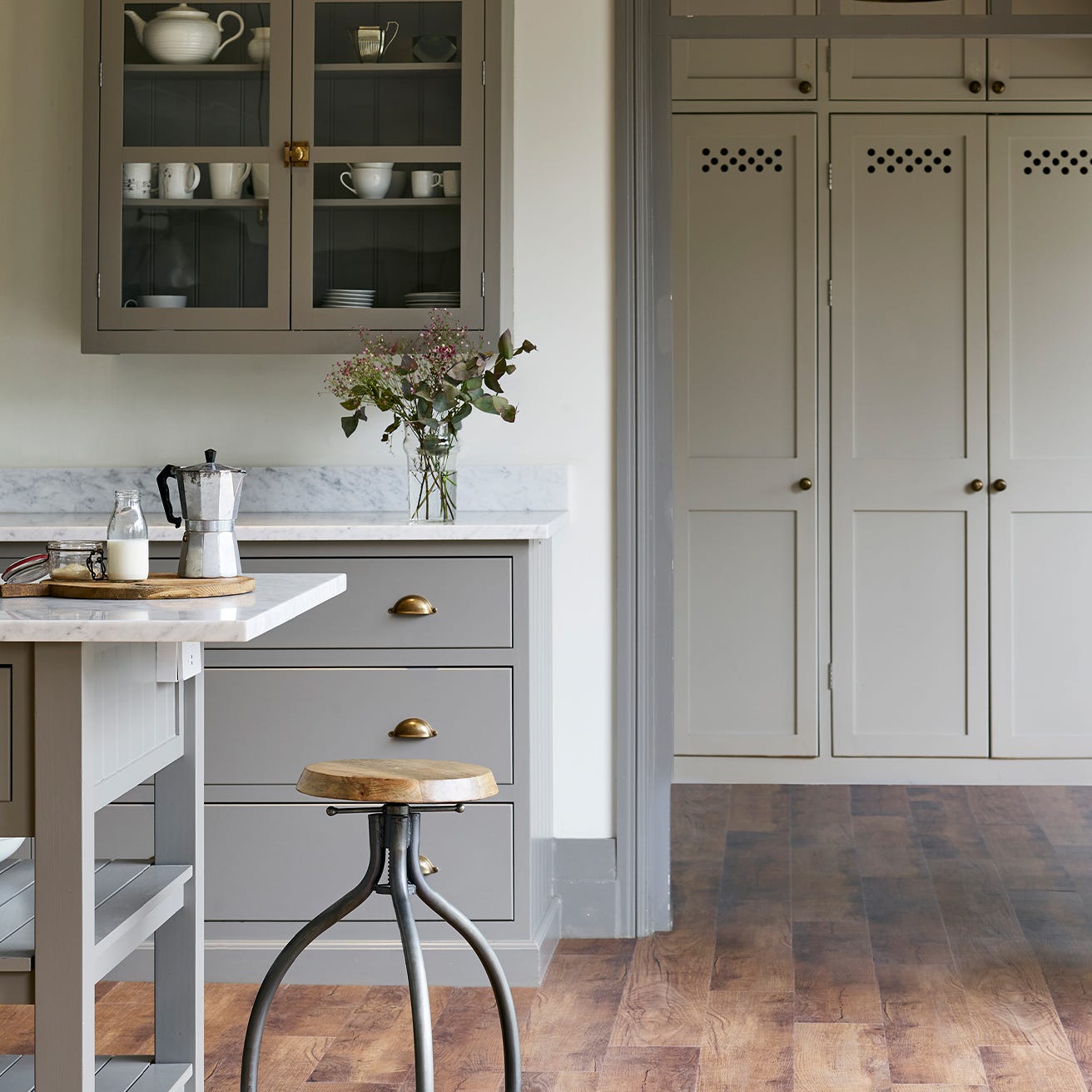
Luxury Vinyl Tiles (LVT) are another recommended option, gaining popularity for their warmth and durability. Seth Ballard, AIA and principal of Ballard + Mensua Architecture, notes that LVT, particularly wood-veneered versions, are waterproof, robust against spills and pets, and compatible with underfloor heating. Lorna Williams, Head of Product Design at Amtico, elaborates that LVT consists of multiple layers of high-quality materials like PVC vinyl and resin, compressed under heat and pressure. This construction results in a durable, flexible, and notably warm flooring product. The compatibility with underfloor heating provides an additional layer of comfort, as LVT avoids the warping or cracking issues that can affect some natural materials when heated.
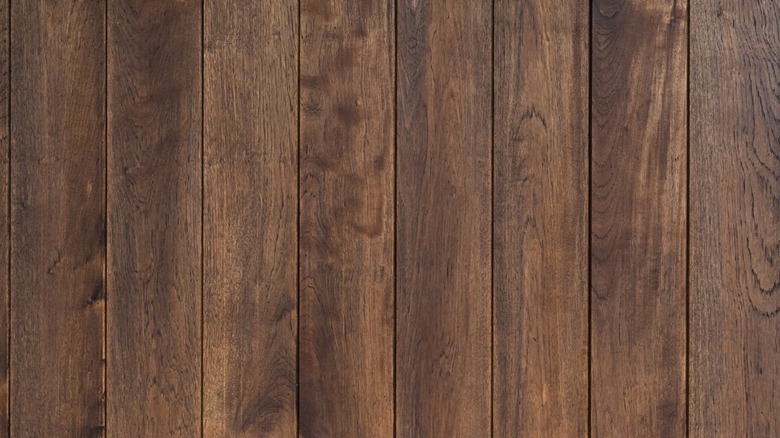
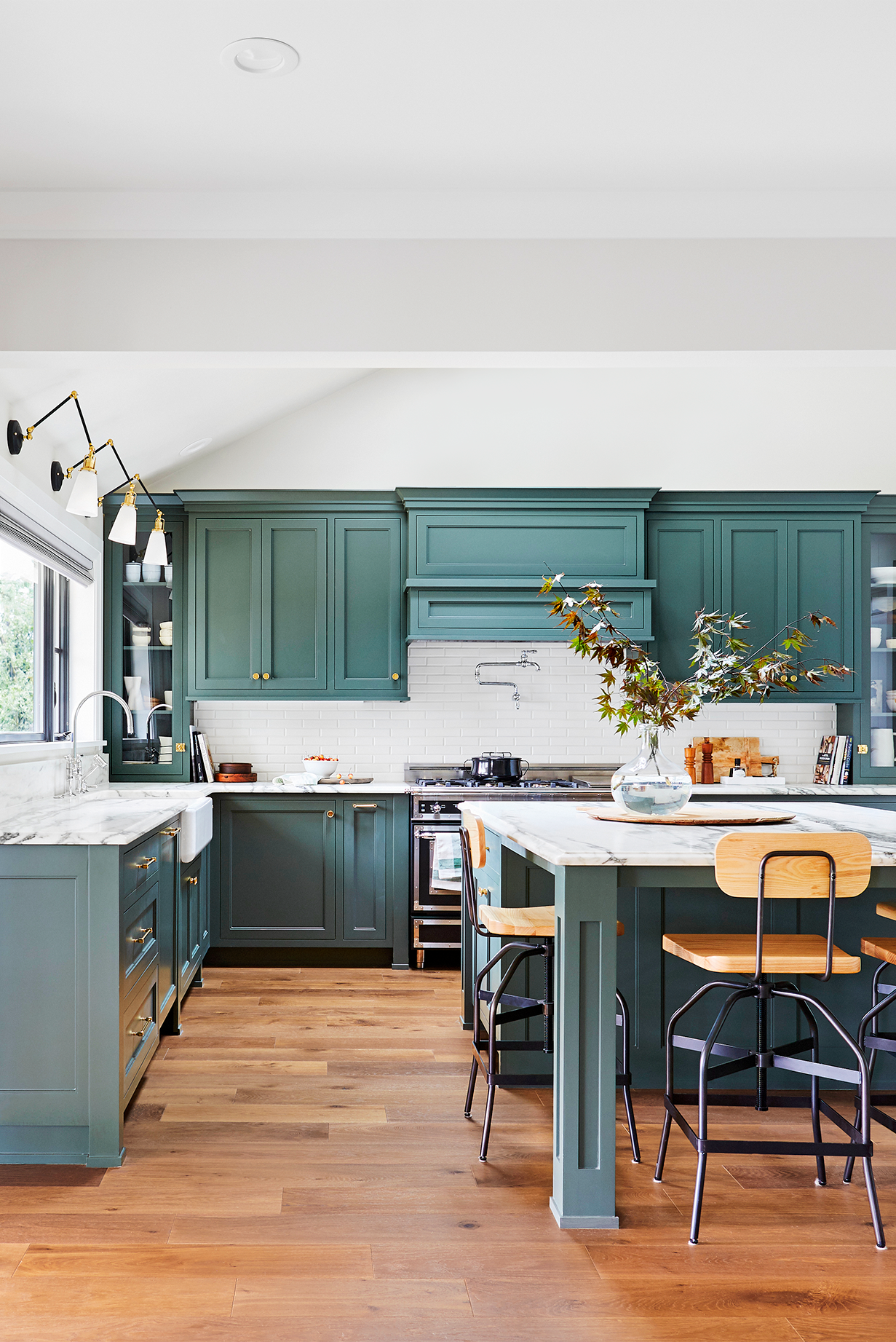
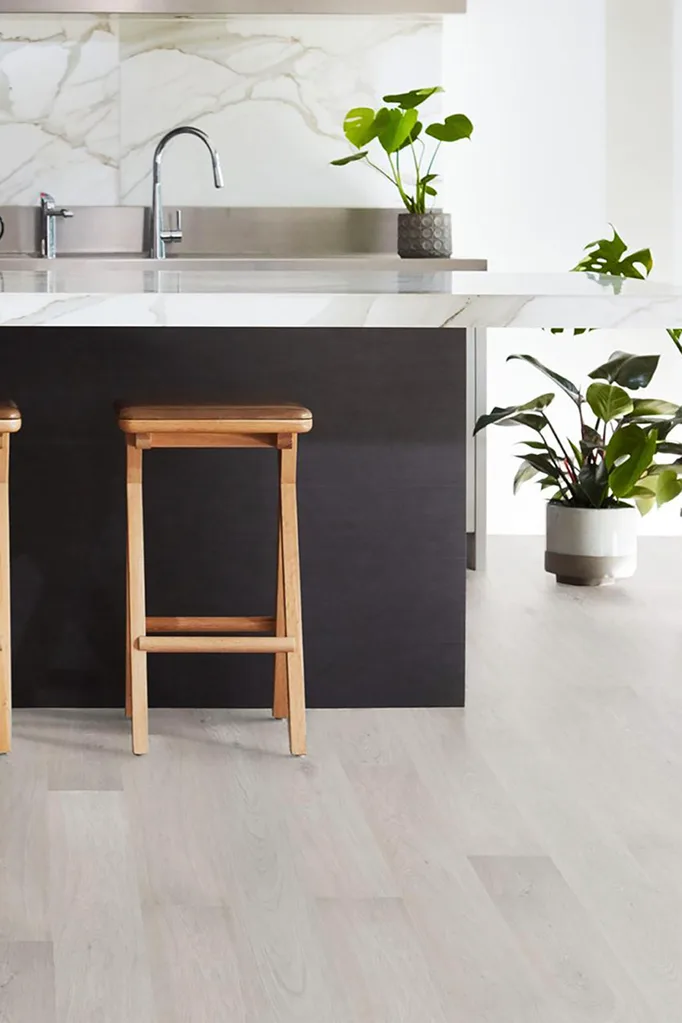
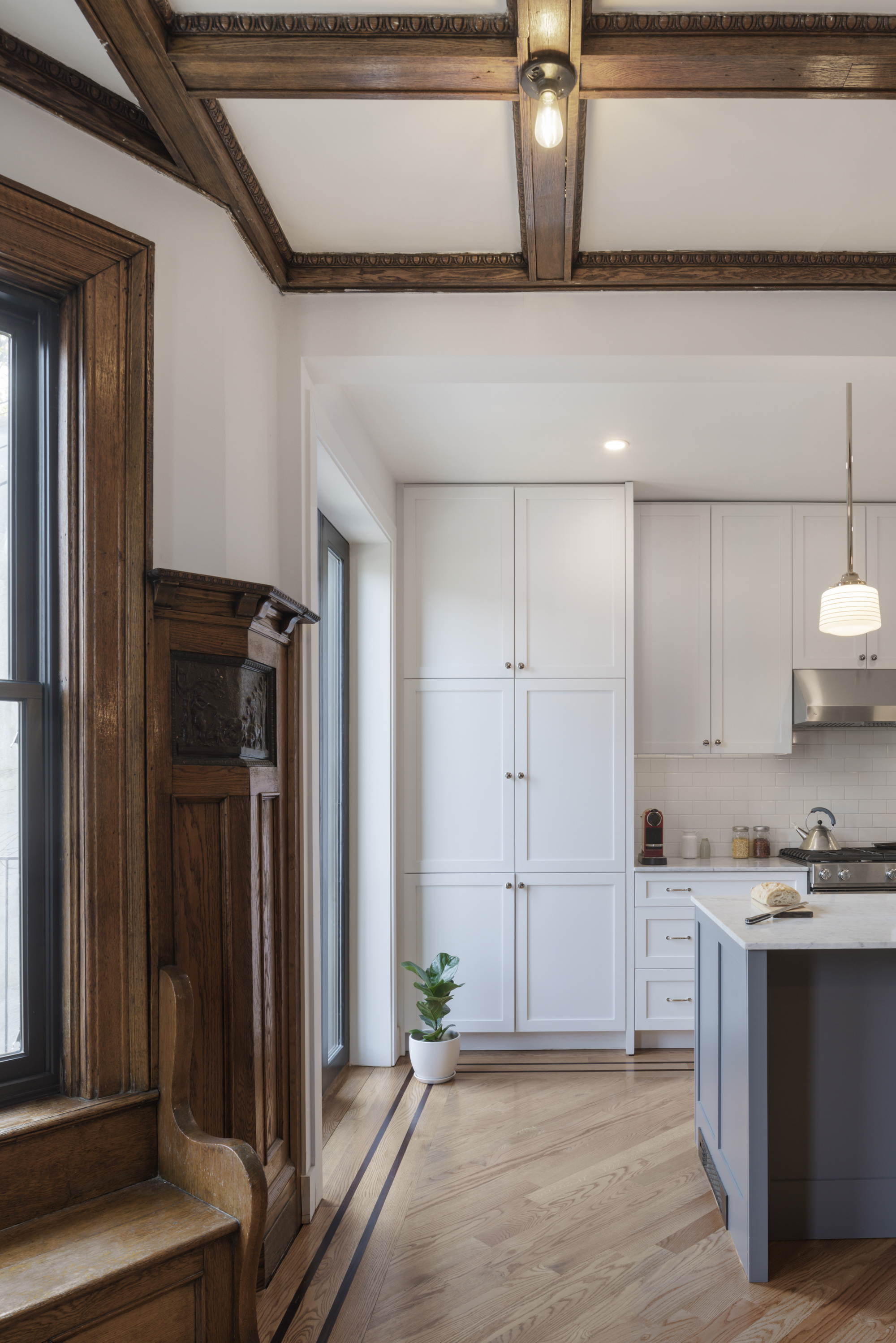
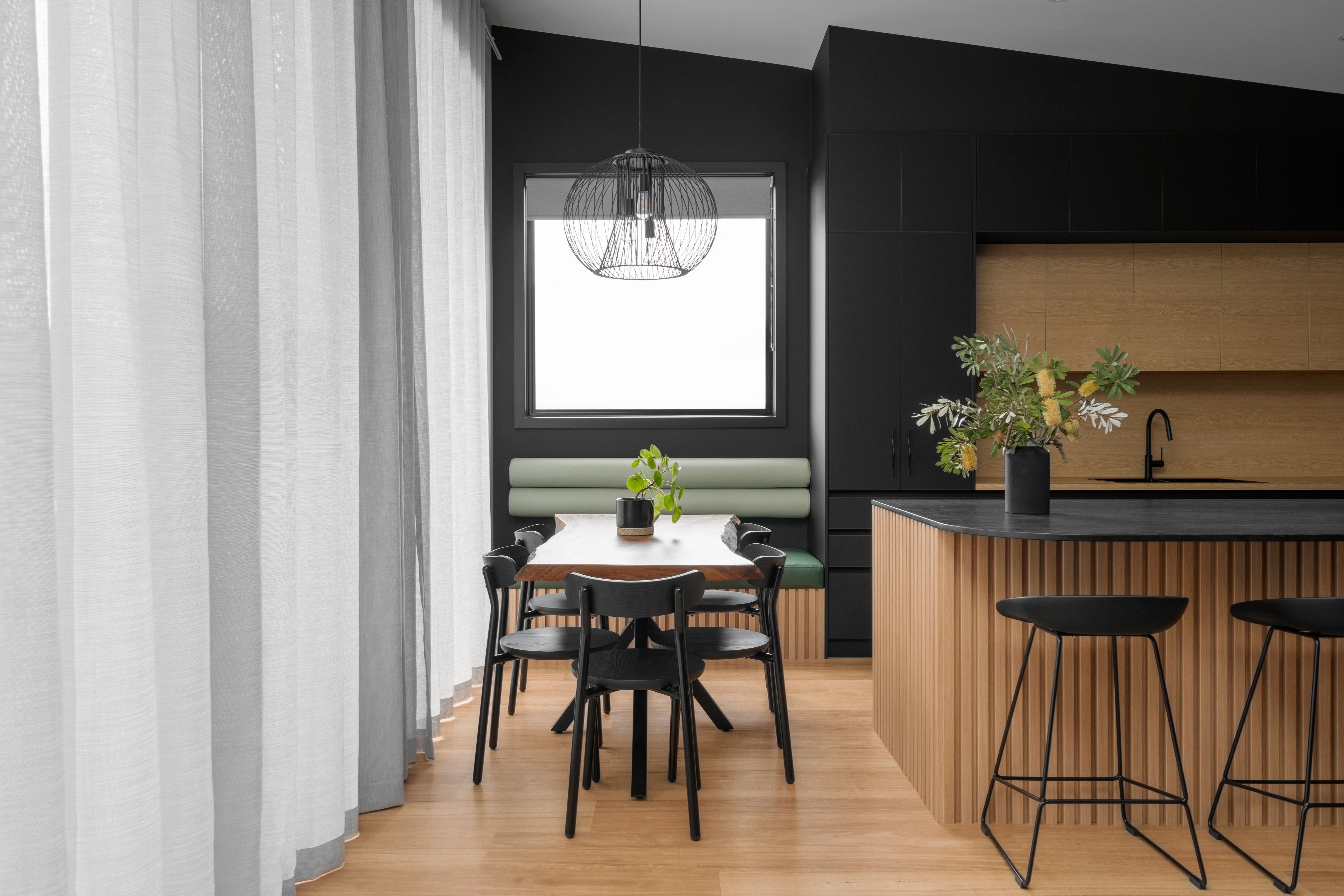
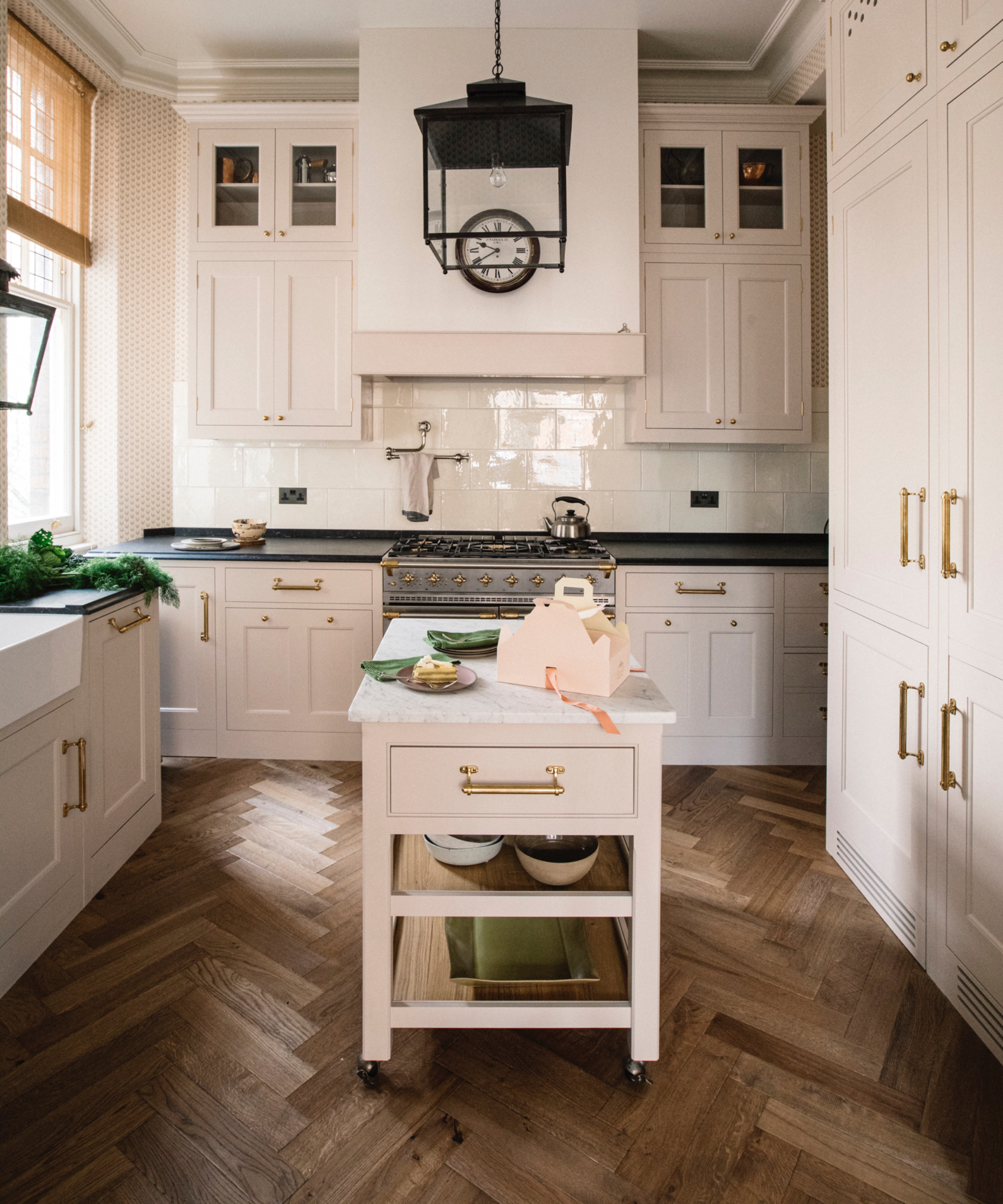
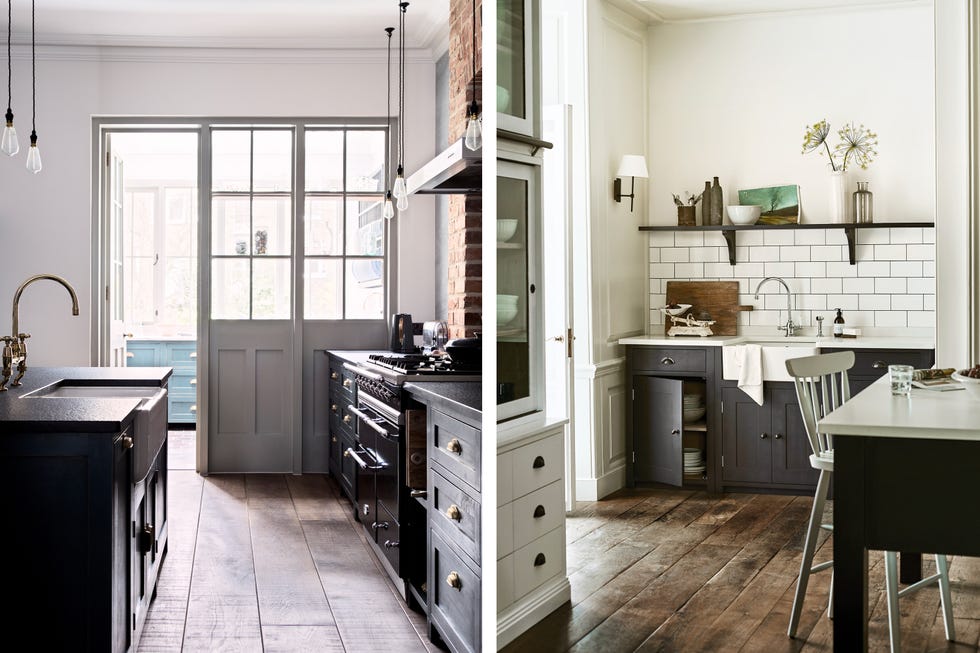
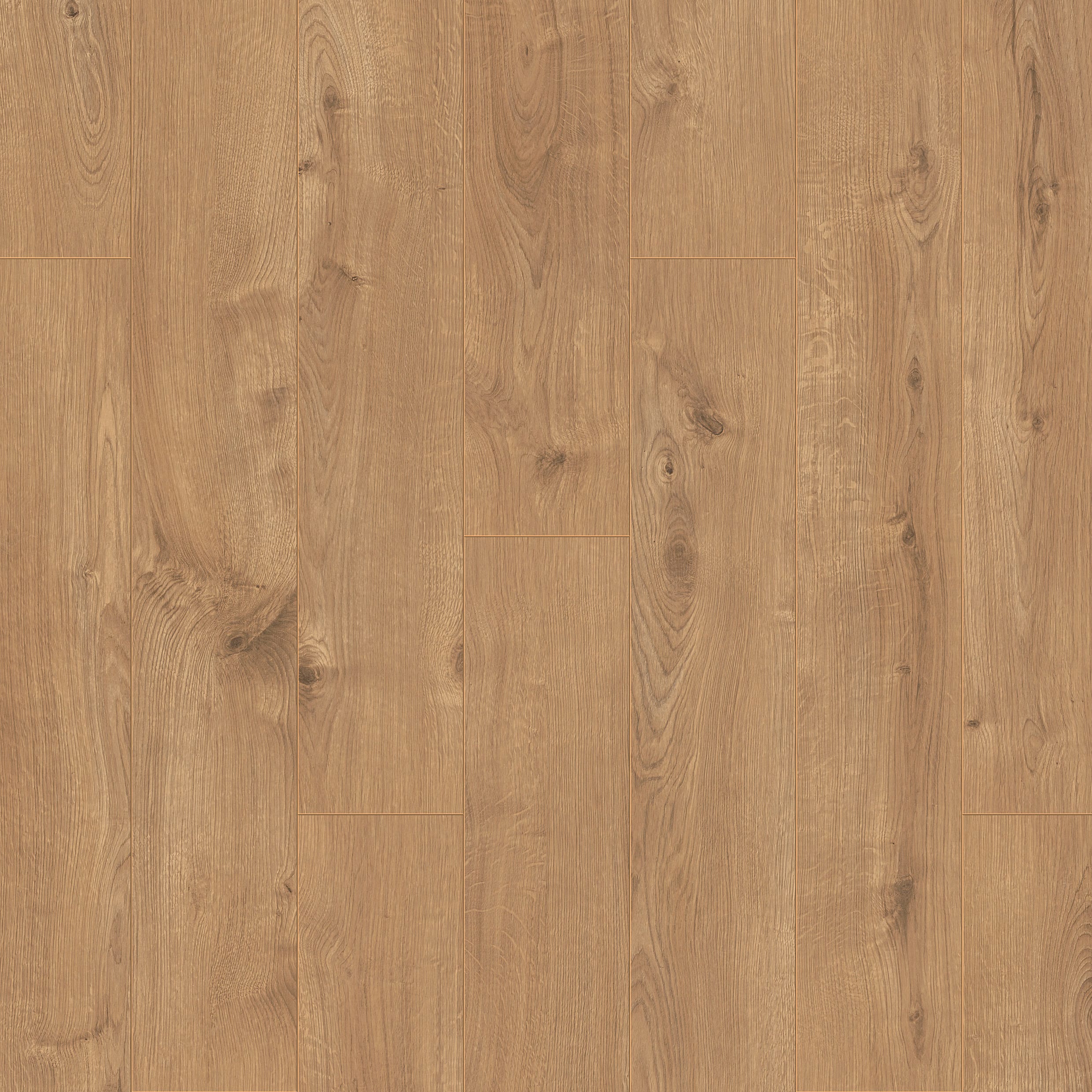
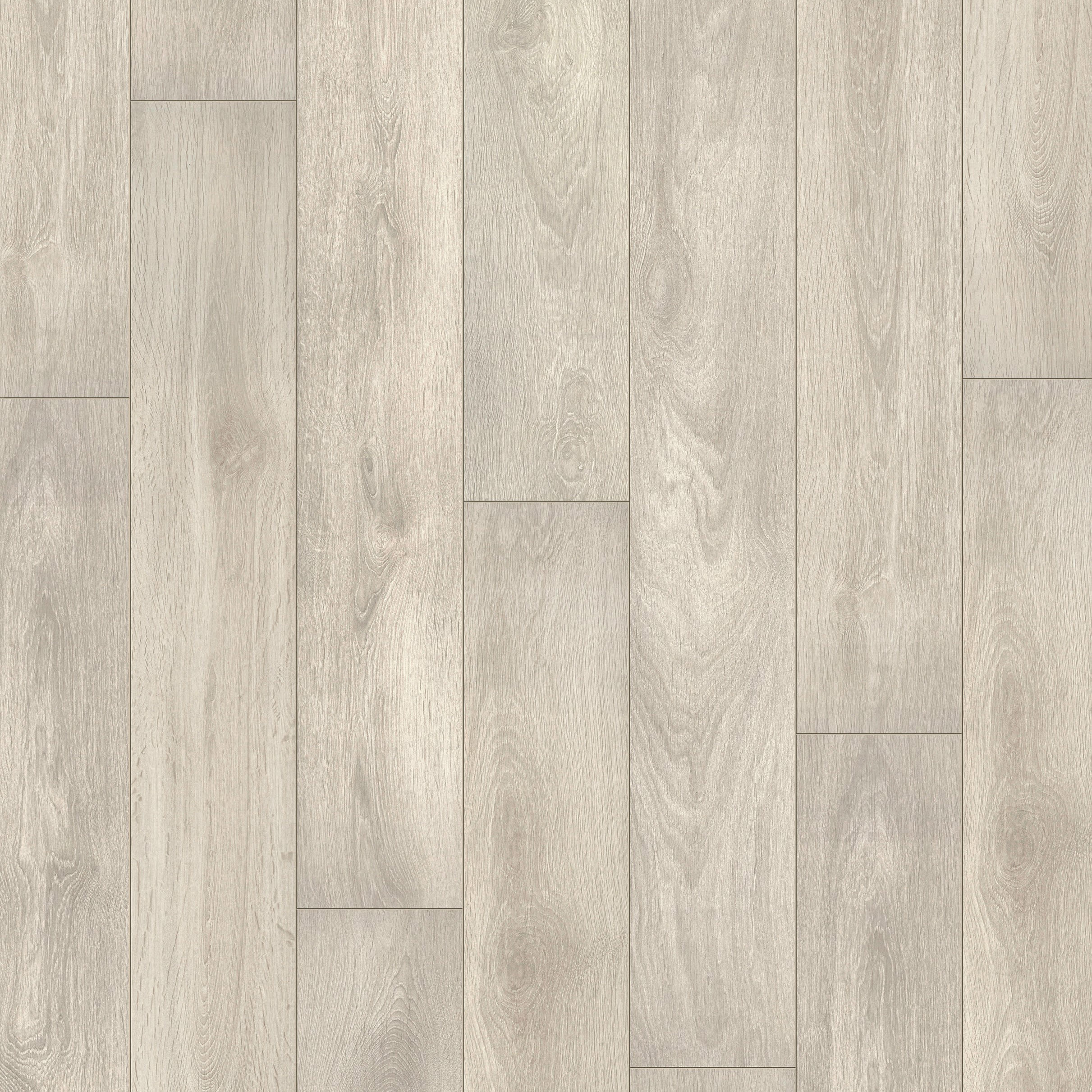
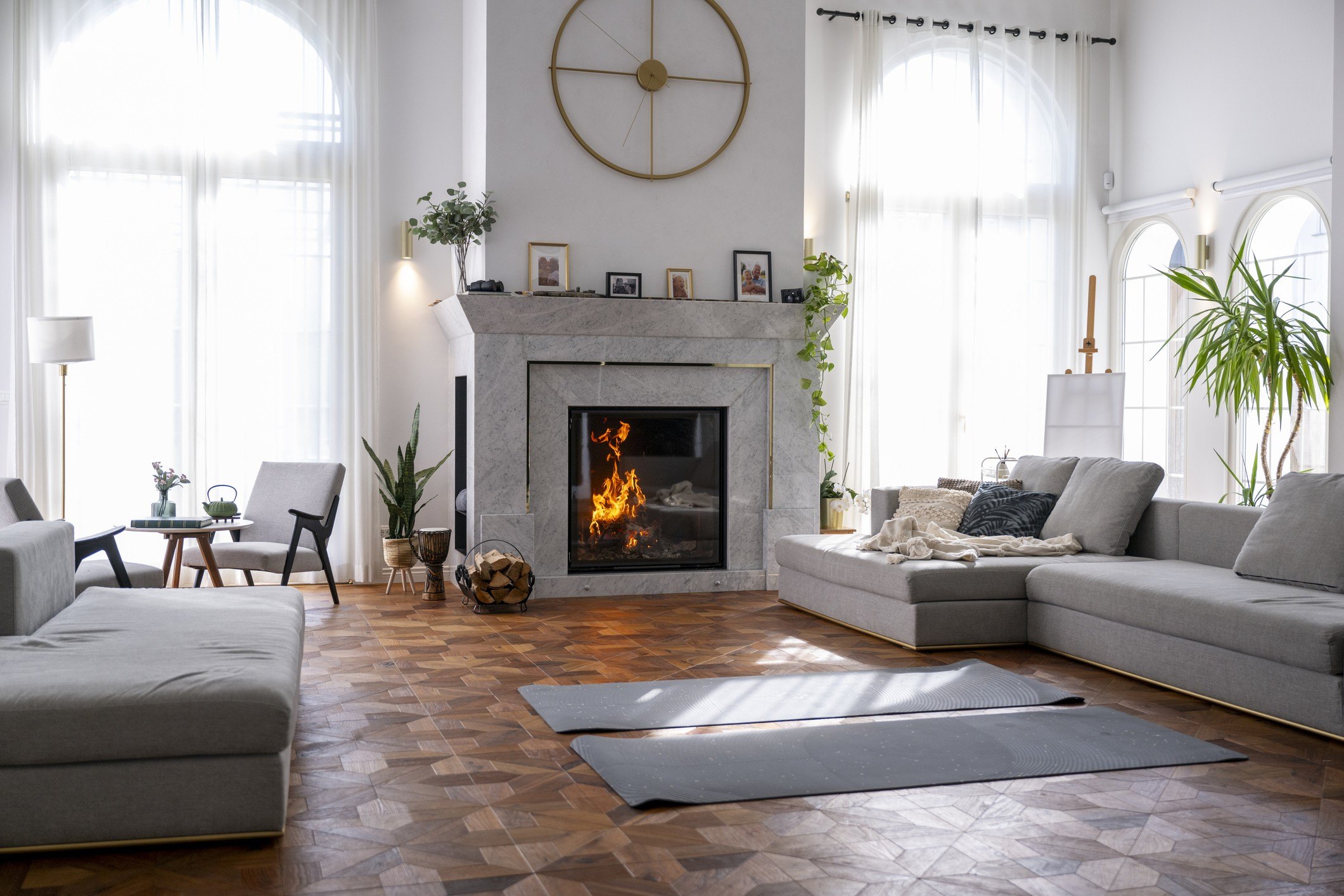
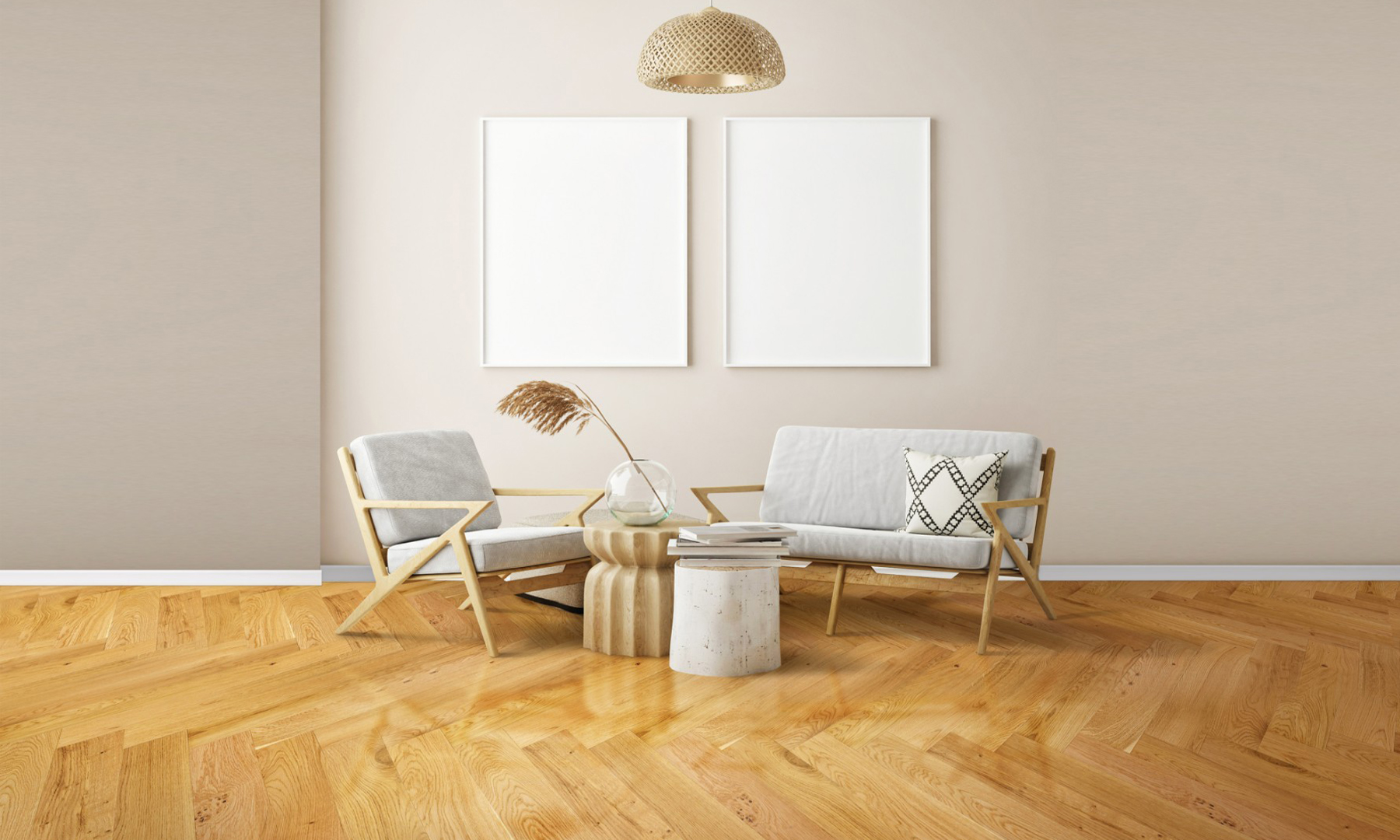
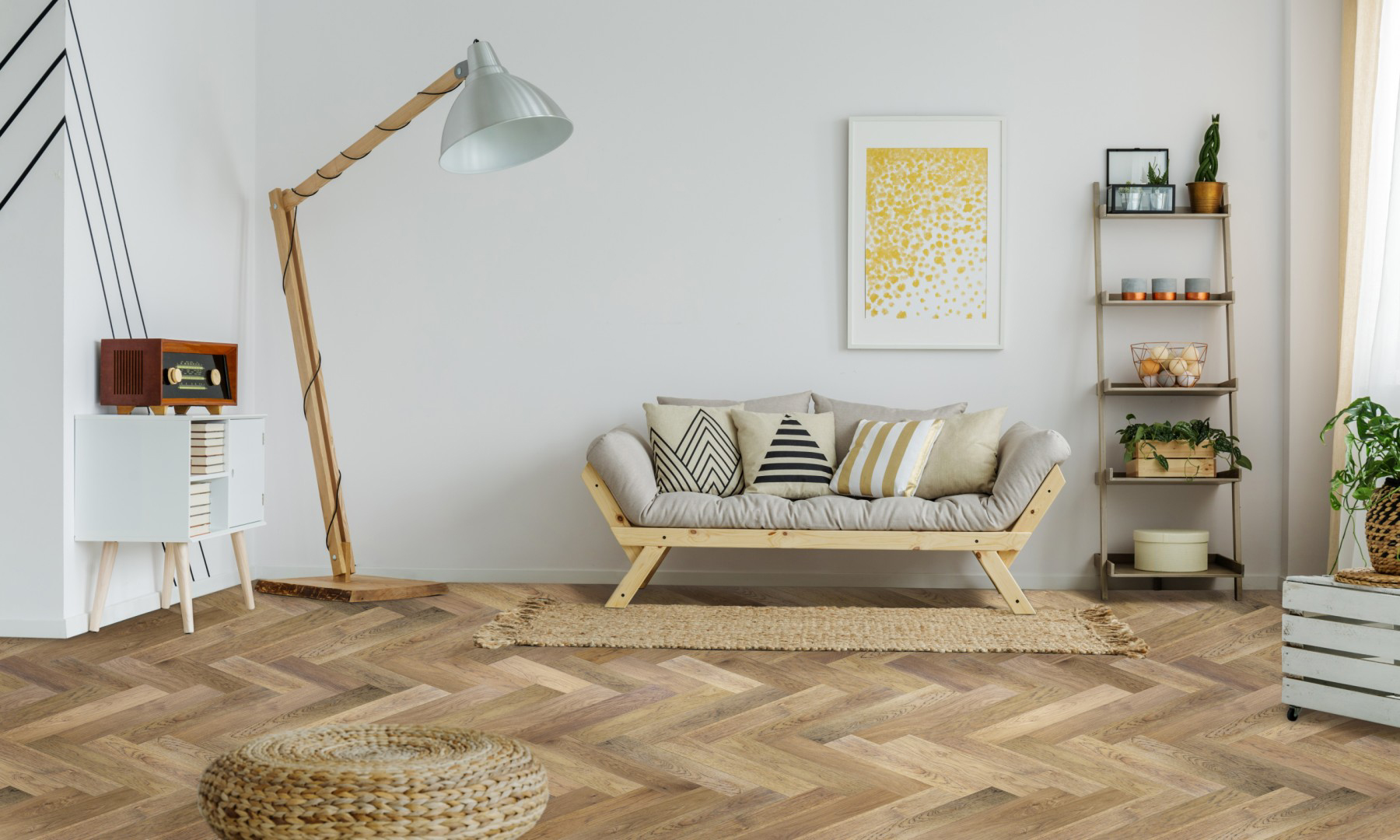
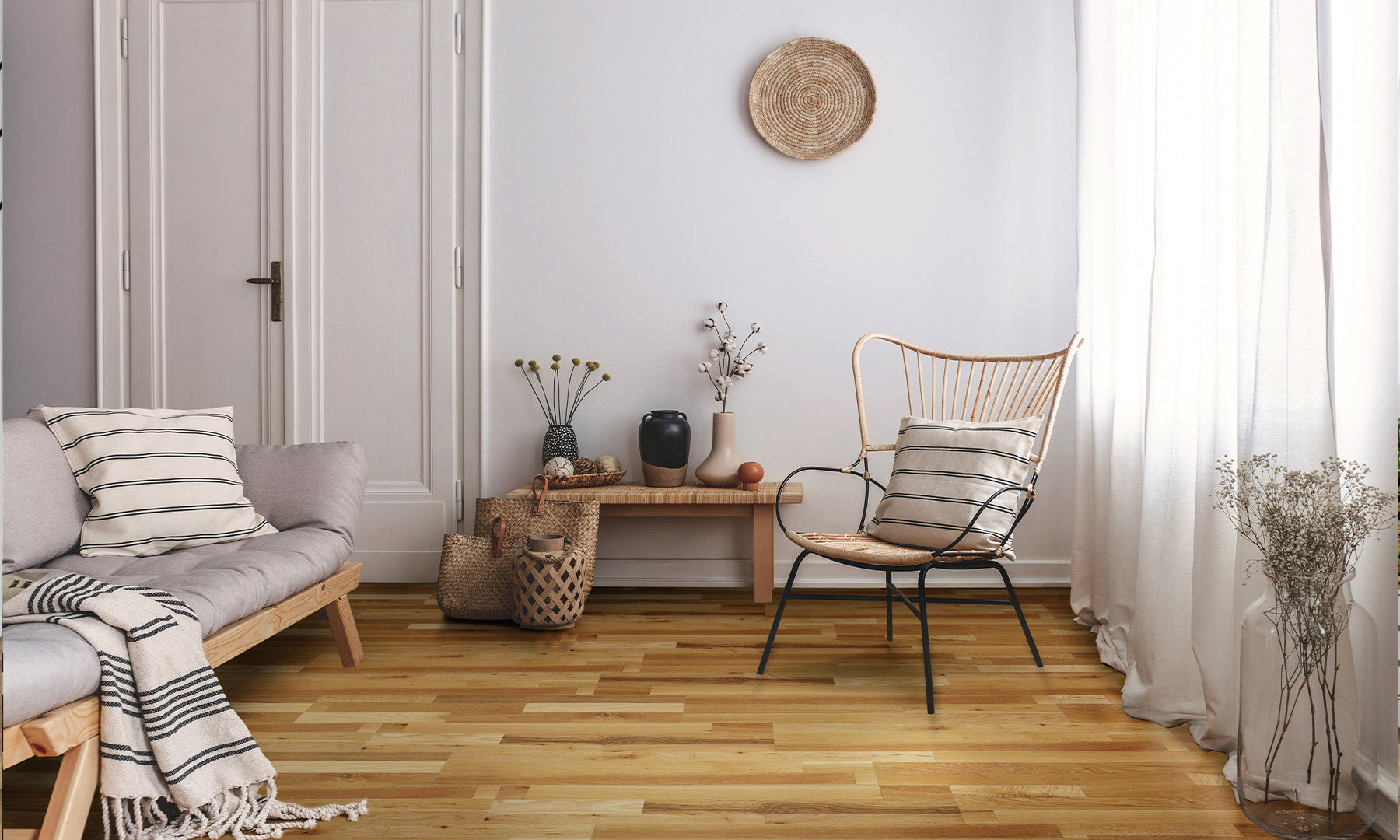
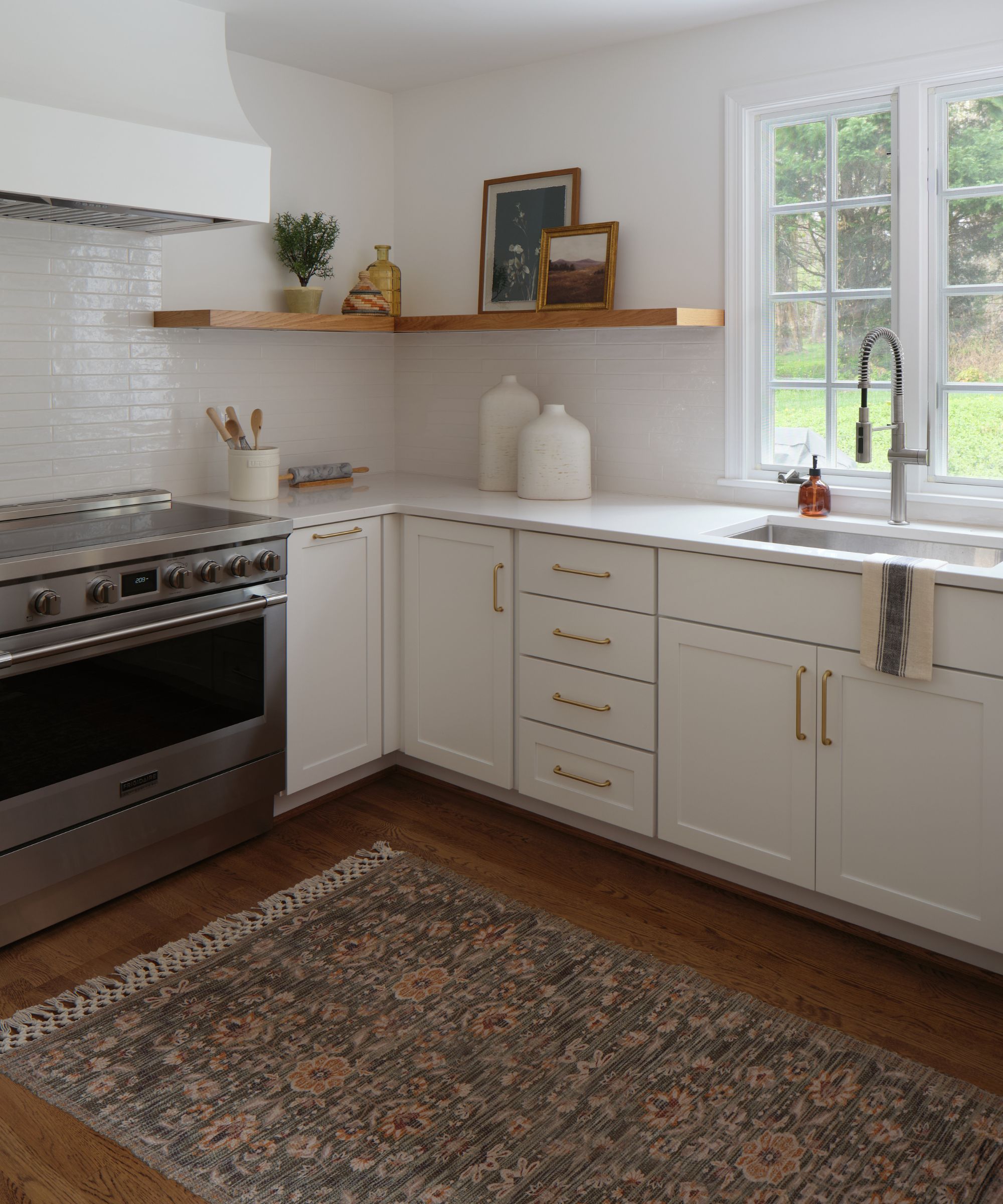
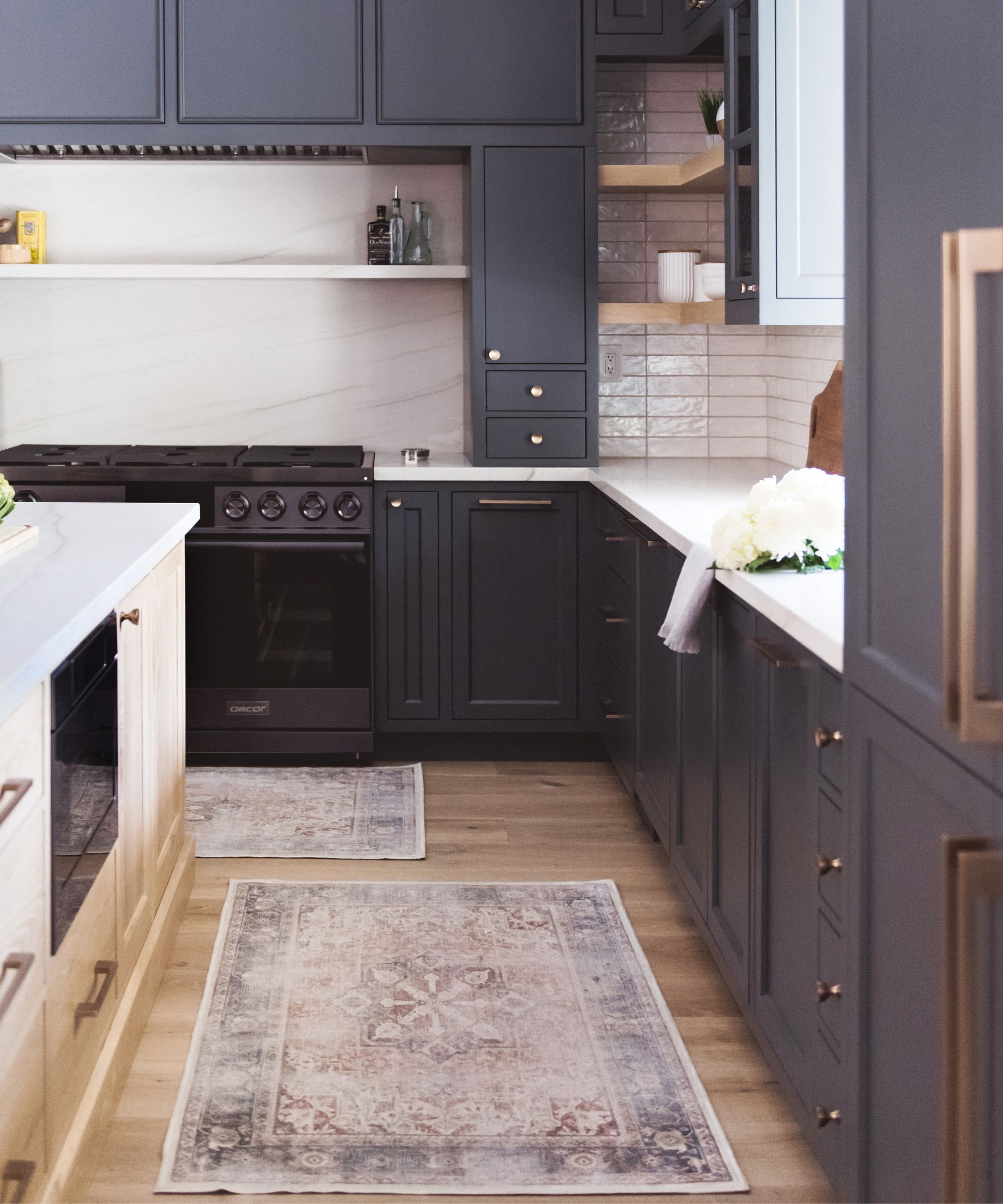
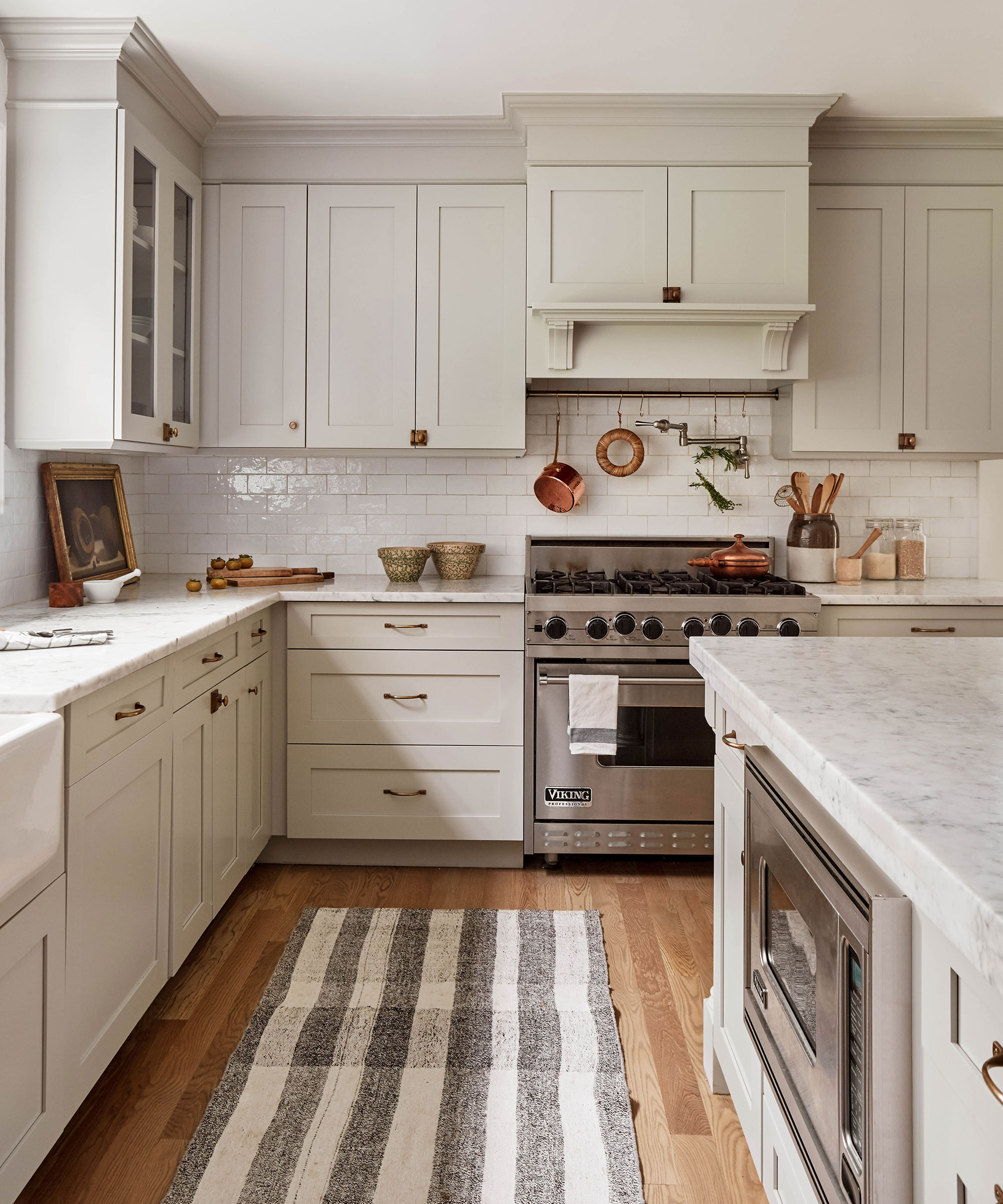
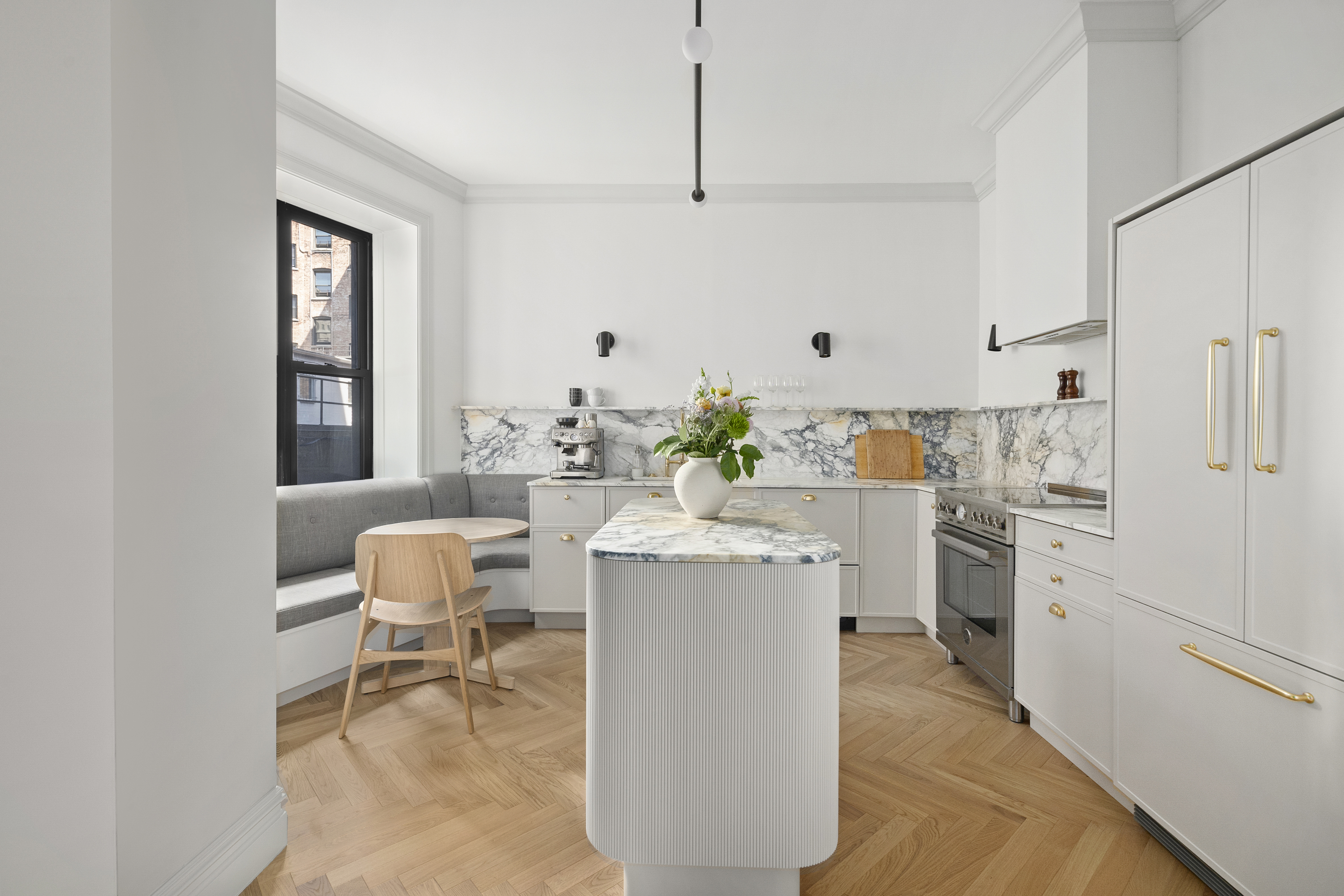
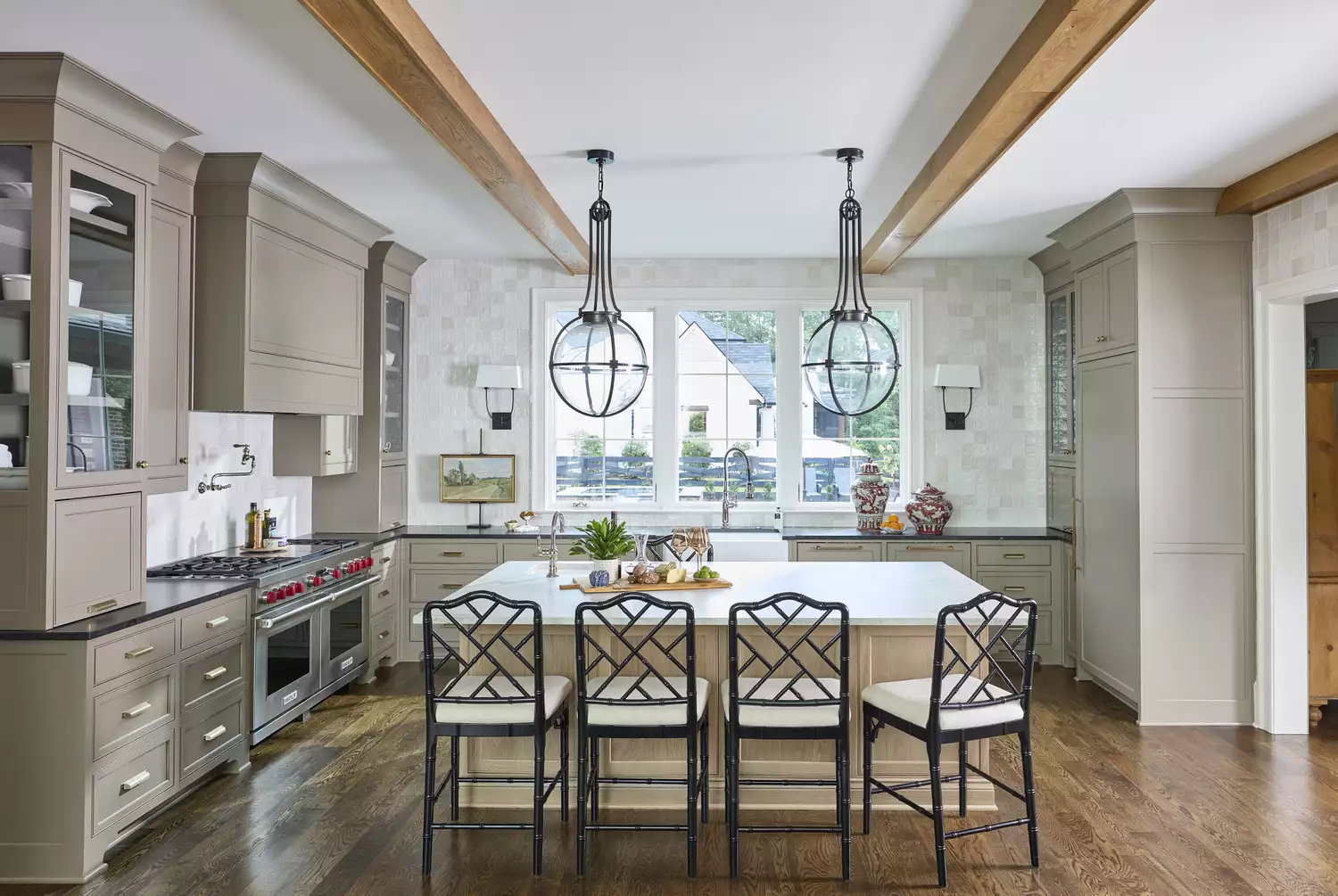
Wood flooring, a timeless classic, is also identified as an effective natural insulator. Both engineered wood and solid wood varieties contribute to heat retention. Anthony Scott, Global Product & Innovation Director at Havwoods, emphasizes that wood naturally insulates, preventing residual heat loss. Stuart Pumpelly, Team Leader at Four Brothers Design + Build, discusses client preferences, noting that while solid hardwood is often chosen for its compatibility with existing flooring, engineered wood is increasingly considered, especially for new builds and wider planks (exceeding 5 inches) due to its greater stability and reduced likelihood of gapping in dry or cold seasons. While wood is warmer to the touch than tile or stone, it's also noted that underfloor heating systems are generally easier and less costly to install with tile or stone.
The importance of underfloor insulation is also addressed, regardless of the flooring material chosen. Stuart Pumpelly stresses that insulation is critical for heat retention. He recommends fully conditioning crawl spaces beneath high-traffic areas, which involves encapsulating the space with spray foam, installing a heavy plastic vapor barrier, and integrating a ducted HVAC system. If full crawl space conditioning is not feasible, a full cavity of closed-cell spray foam is suggested. Anthony Scott adds that properly scribed baseboards and essential expansion gaps in flooring installations can prevent air movement from underneath, further contributing to heat retention in the kitchen.
#KitchenFlooring #HomeHeating #InteriorDesign #CorkFlooring #LuxuryVinylTiles #WoodFlooring #UnderfloorInsulation #CozyKitchen #HomeRenovation #KitchenFlooring #HomeHeating #InteriorDesign #CorkFlooring #LuxuryVinylTiles #WoodFlooring #UnderfloorInsulation #CozyKitchen #HomeRenovation
共0条评论
 暂无评论
暂无评论你可能还喜欢
6 Kitchen Flooring Options That Are Durable And Stylish

9 Durable Kitchen Flooring Finishes That Interior Designers Swear Will Look Good for Longer
Our Real Estate Expert Names The Kitchen Flooring Choice That Can Hurt Your Resale Value
Are Heated Floors Worth It? 2 Real Estate Pros Weigh In
The Most Popular Kitchen Flooring Ideas for Every Style

I found the best kitchen rug ideas to add warmth and colour to a cooking space
15 Kitchen Flooring Ideas For A Practical And Stylish Space
6 Wooden Floor Styles to Add Warmth to Your Living Room In 2023
These Designer-Approved Flooring Ideas Look Great in ANY Kitchen
Strength Coach: These Are the 3 Best Home Gym Flooring Options

15 Modern Kitchen Flooring Ideas

15 Modern Kitchen Floor Tiles Designs With Pictures In 2023
12 Kitchen Flooring Ideas to Try, From Traditional Tiles to Sustainable Cork
5 dated kitchen flooring trends to avoid in 2025 – and what experts say you should choose instead

10 kitchen flooring ideas for a refreshed look
12 kitchen rug ideas to add warmth, style, and cozy appeal to your scheme
How to choose kitchen flooring that makes sense with your lifestyle

The Best Kitchen Rug Ideas to Energize Your Floors

Kitchen Flooring | Kitchen Vinyl & Laminate Flooring


The Durable Flooring HGTV's Mike Holmes Recommends For Kitchens (It's Not Hardwood)