1/12
What is retro style? Why 2025’s most interesting rooms are looking back and how yours can, too
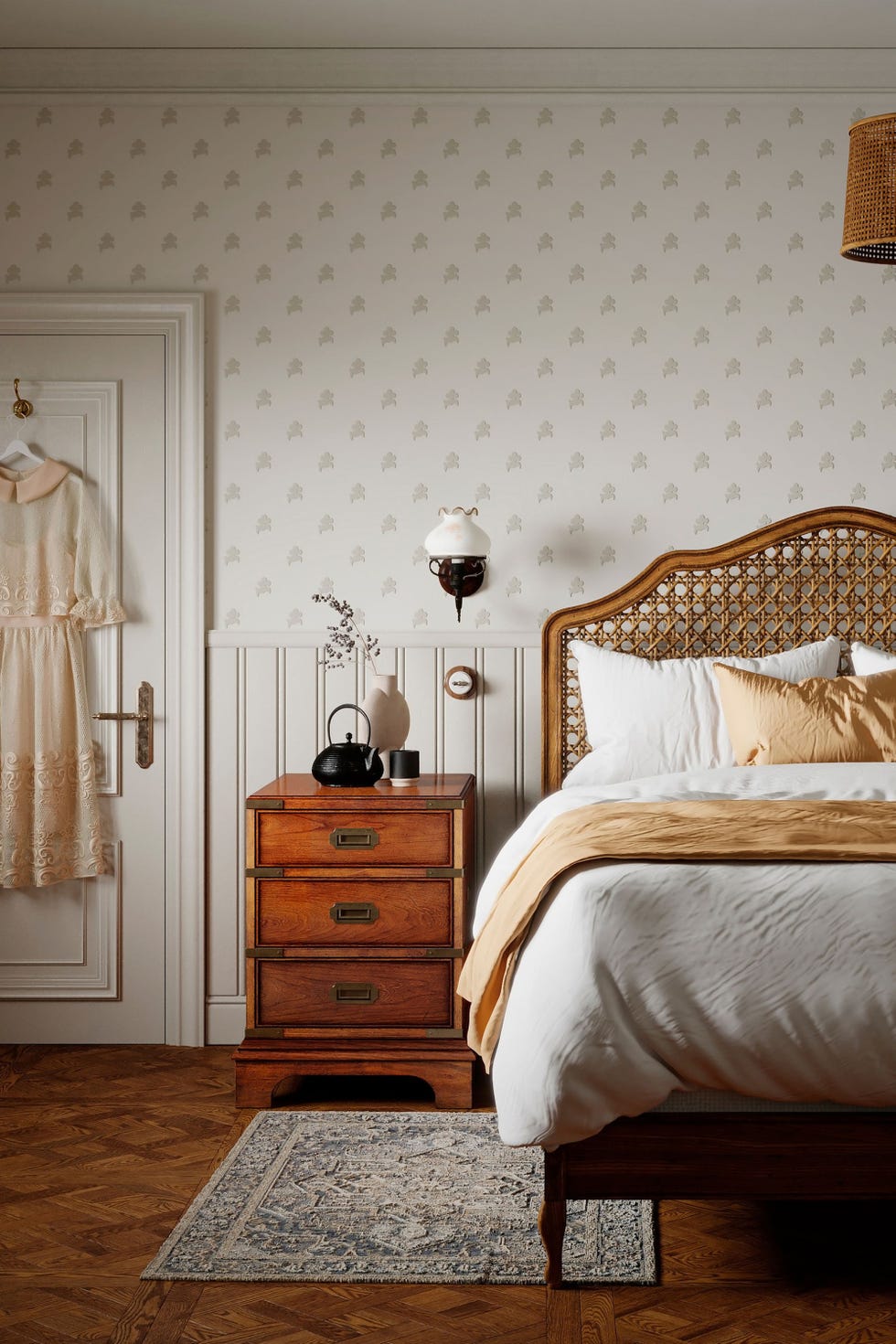
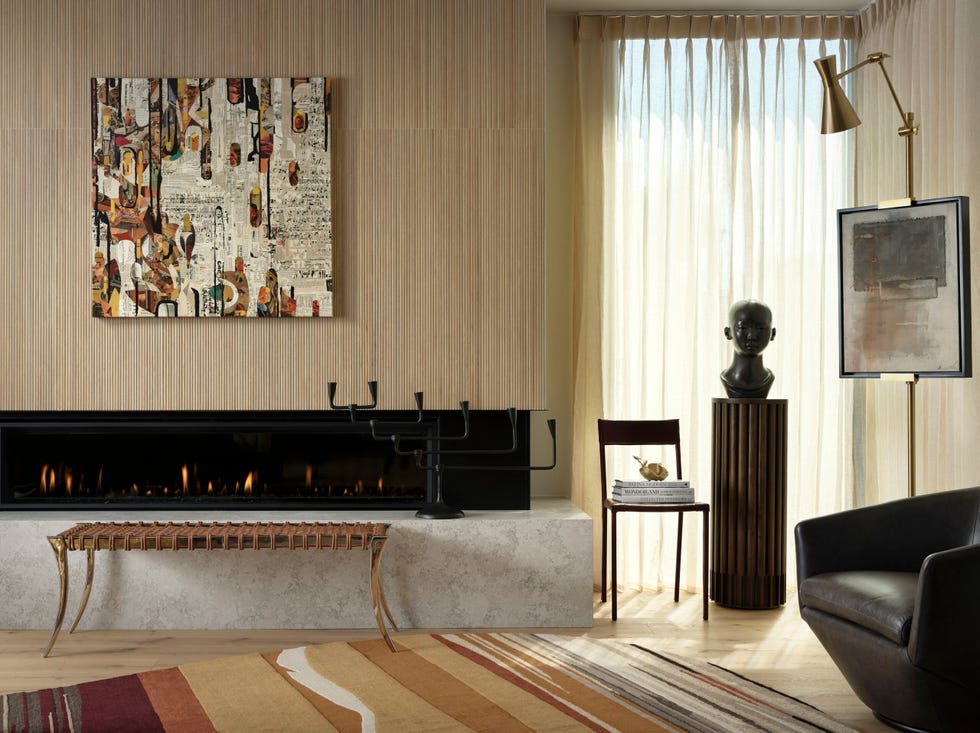
The article delves into the concept of retro style in interior design, clarifying misconceptions and providing guidance on how to incorporate it effectively without making a space appear dated. Retro design is presented not as a strict replication of past eras like mid-century or postmodern, but rather as a reinterpretation that blends historical elements with contemporary sensibilities. It focuses on selecting and curating elements from roughly the 1940s through the 1970s, emphasizing familiarity, nostalgia, and bold character to create a unique and current aesthetic.
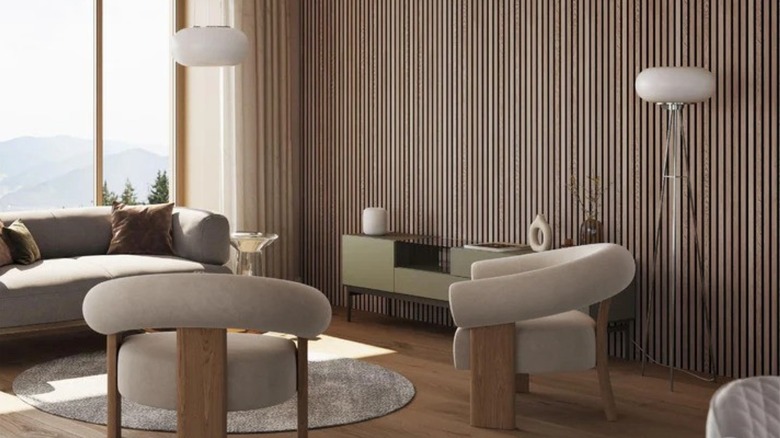
Key characteristics of retro style are outlined, starting with the importance of prioritizing "tone over theme." This means integrating evocative materials and shapes—such as low-slung modular sofas, polished burl wood accents, or unexpected pops of color like ochre or sage—rather than attempting a full, kitschy replication of a past decade. The goal is to suggest retro energy without rigidly confining the space to a specific period. The article highlights that designers are observing a significant resurgence of the retro look due to its ability to make homes feel like a true extension of individual personality, moving away from generic interiors towards more expressive and characterful spaces.
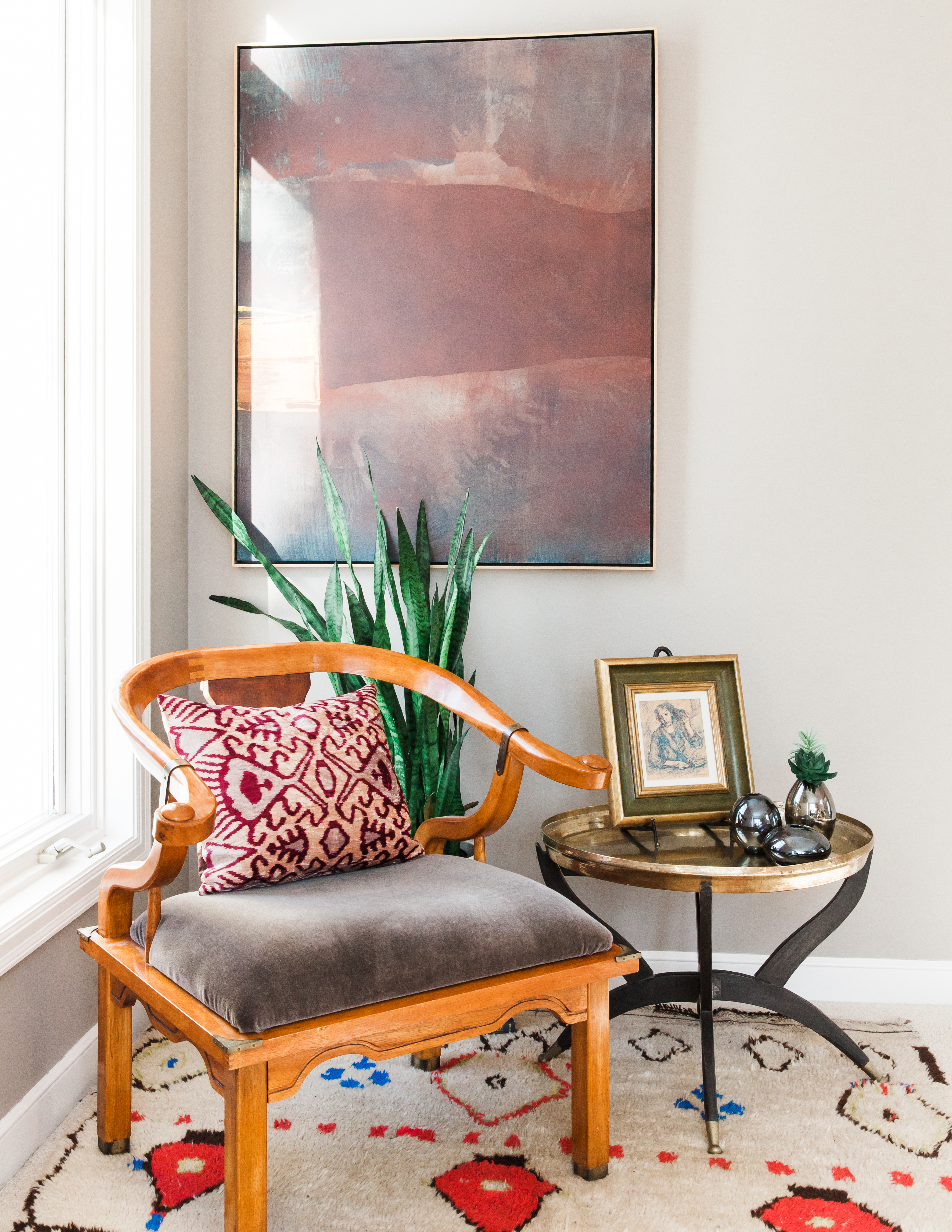
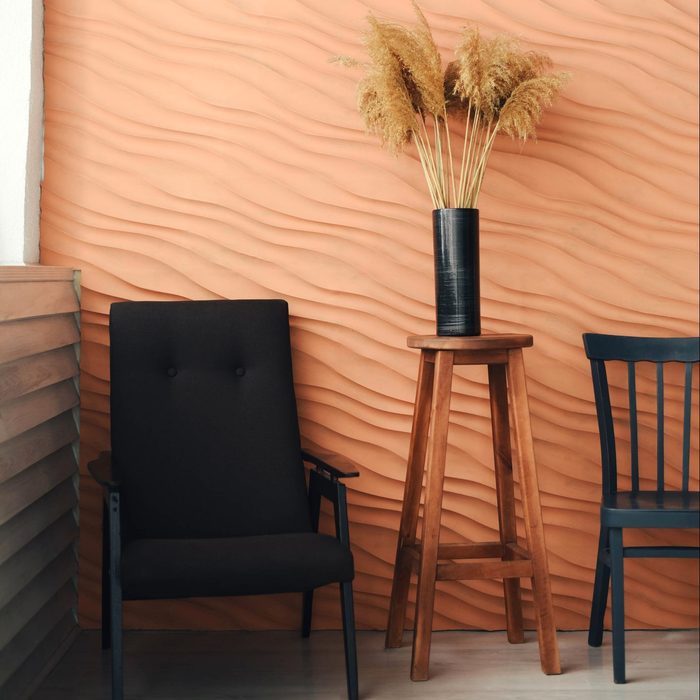
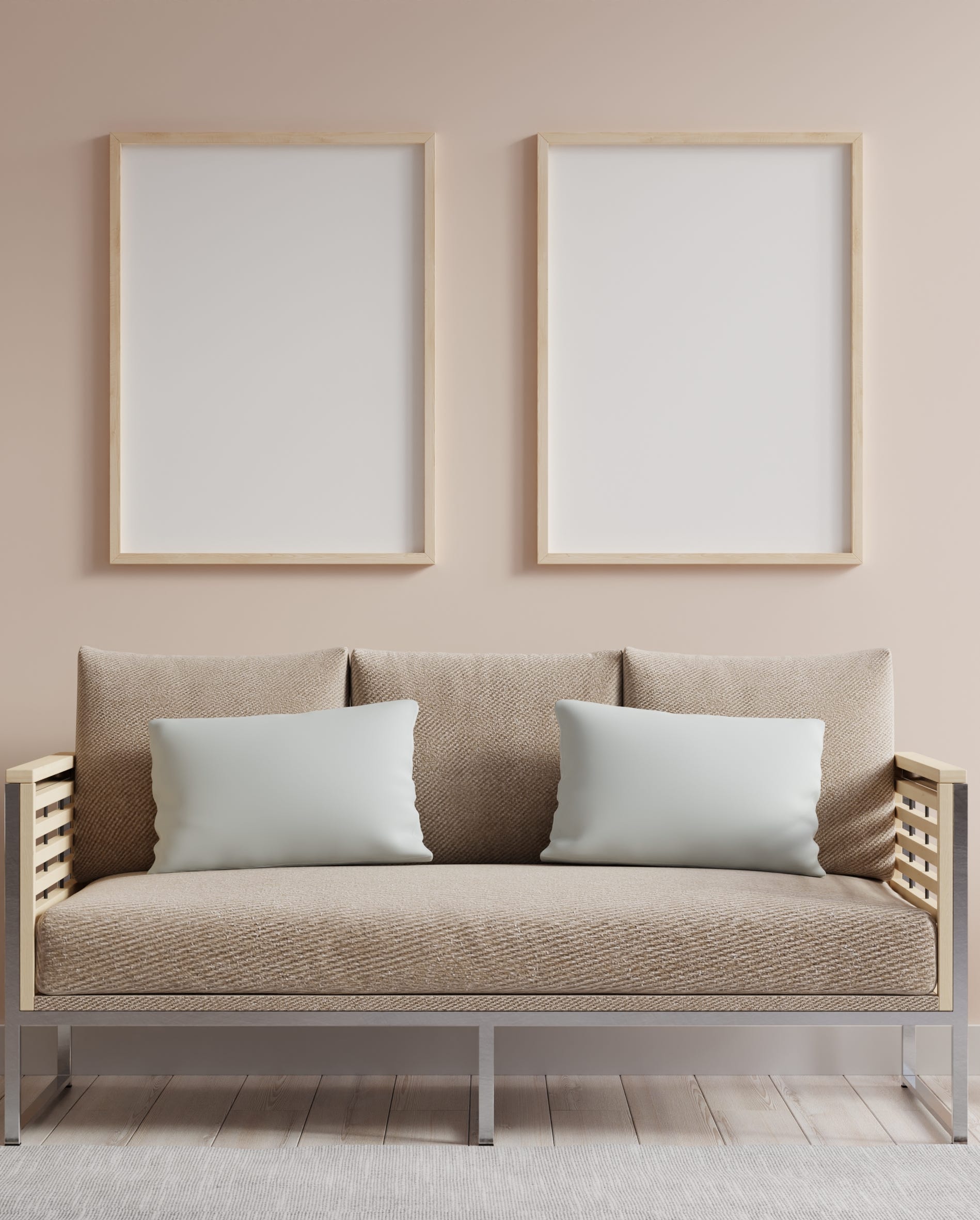
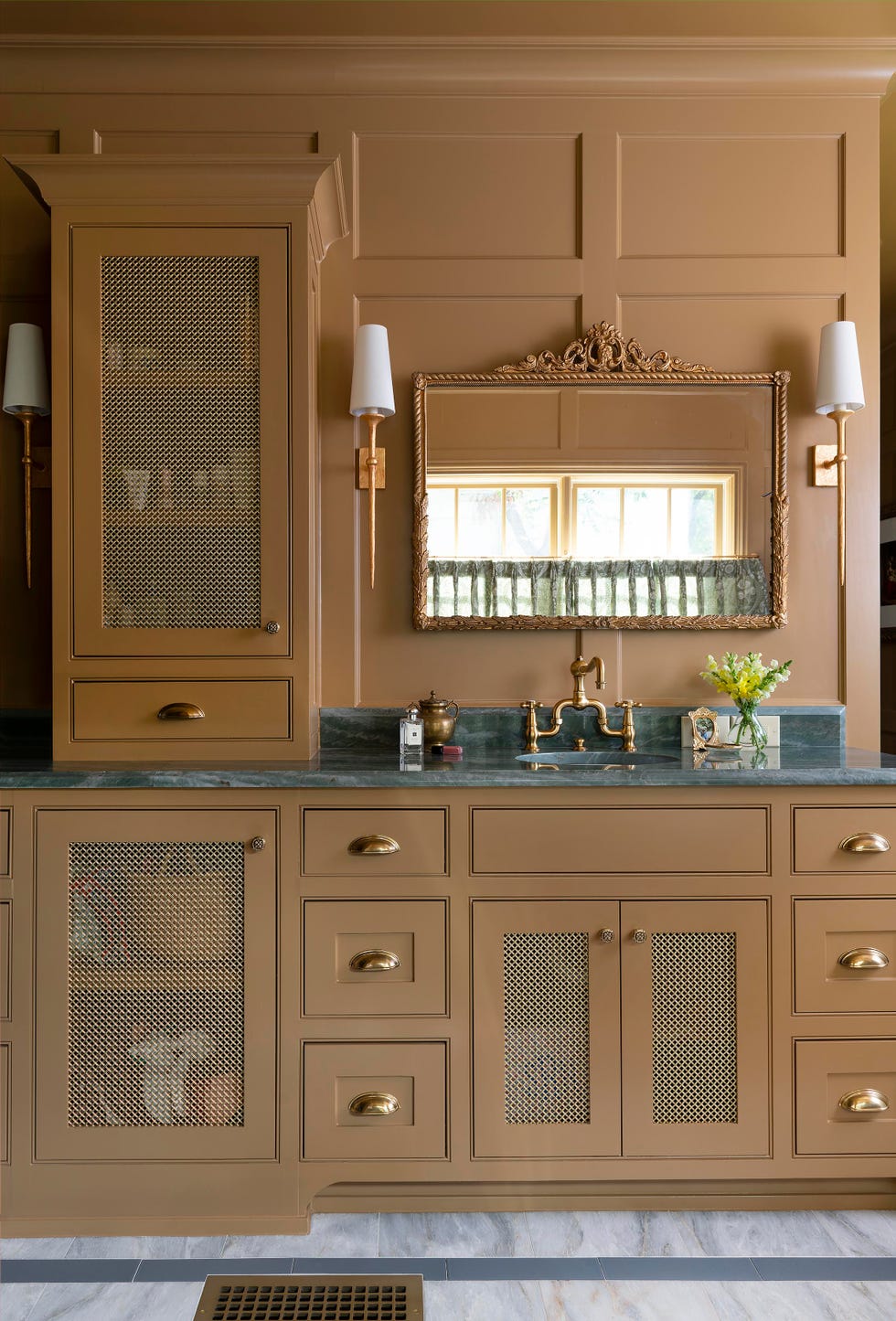
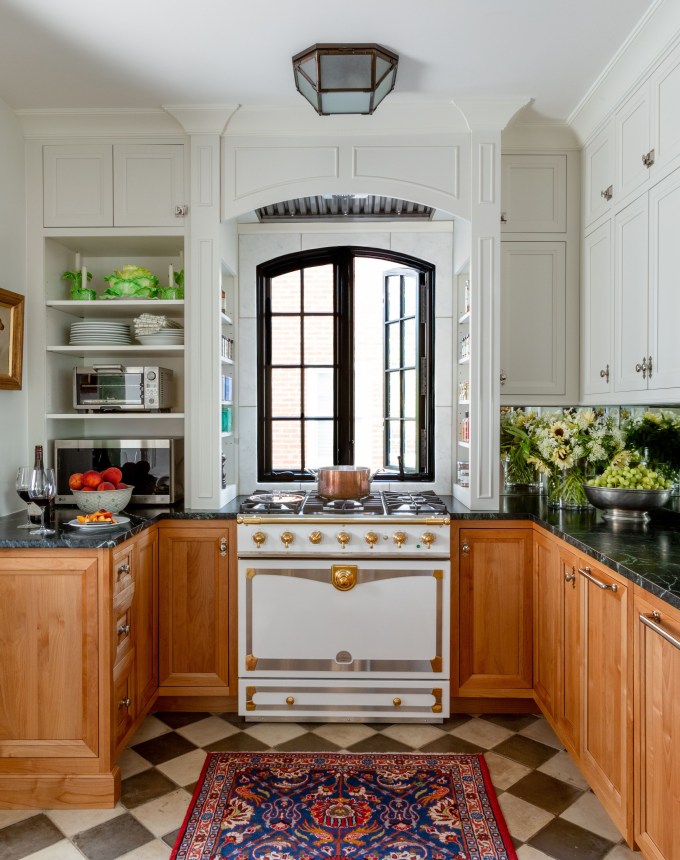
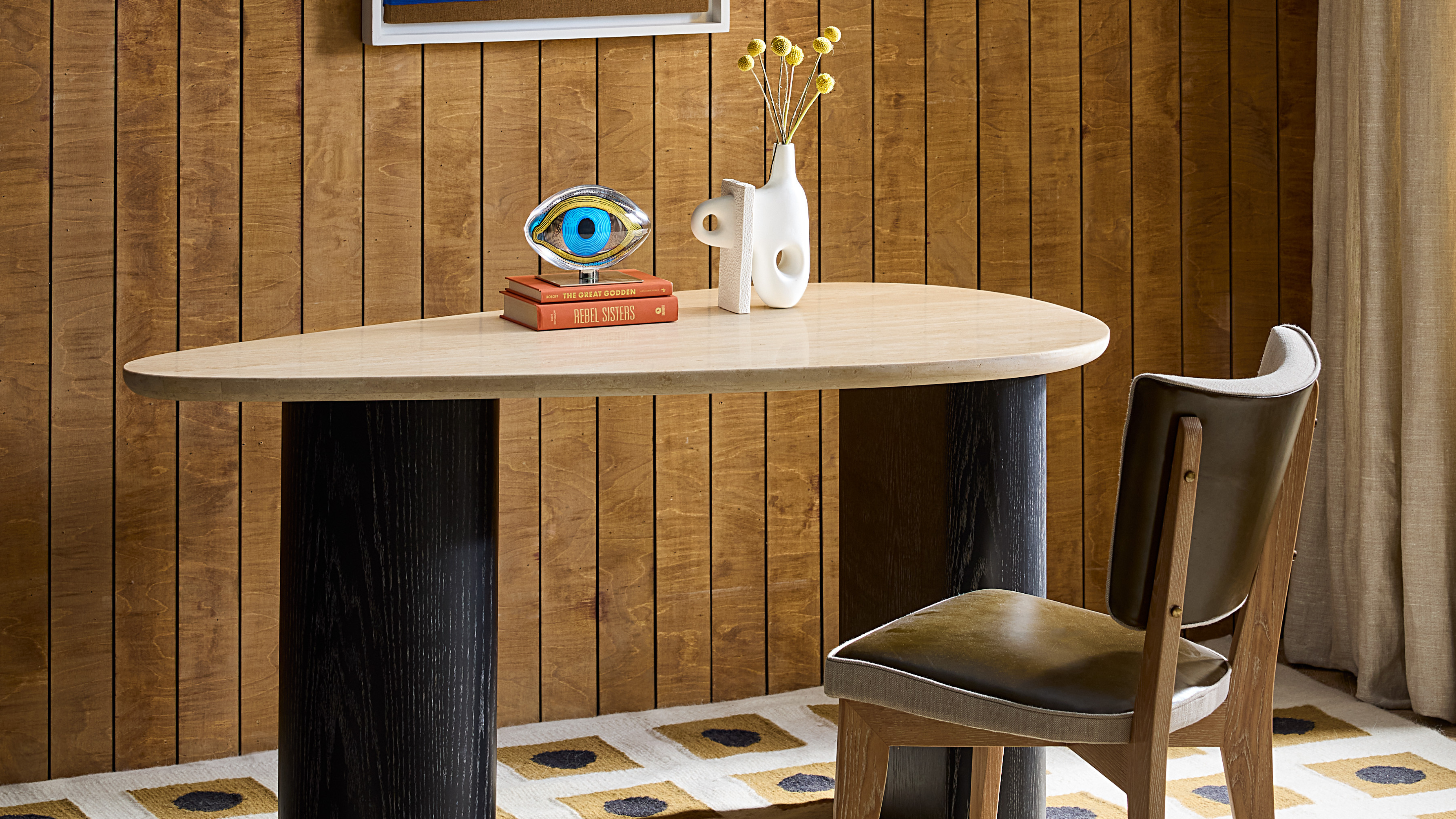
Color palettes play a starring role in retro design, with a focus on earthy colors such as mustards, olives, rust, and chocolate browns. These colors bring warmth and a nostalgic quality that remains current, especially when updated with matte finishes. These palettes can be applied to various elements, from wall colors and upholstered furniture to small tabletop objects.
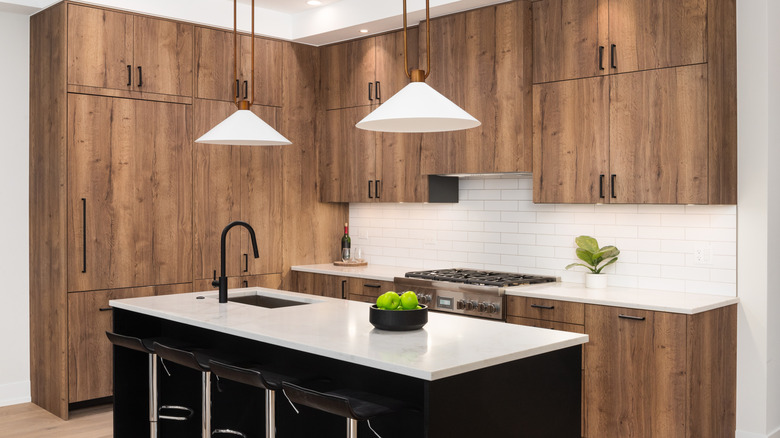
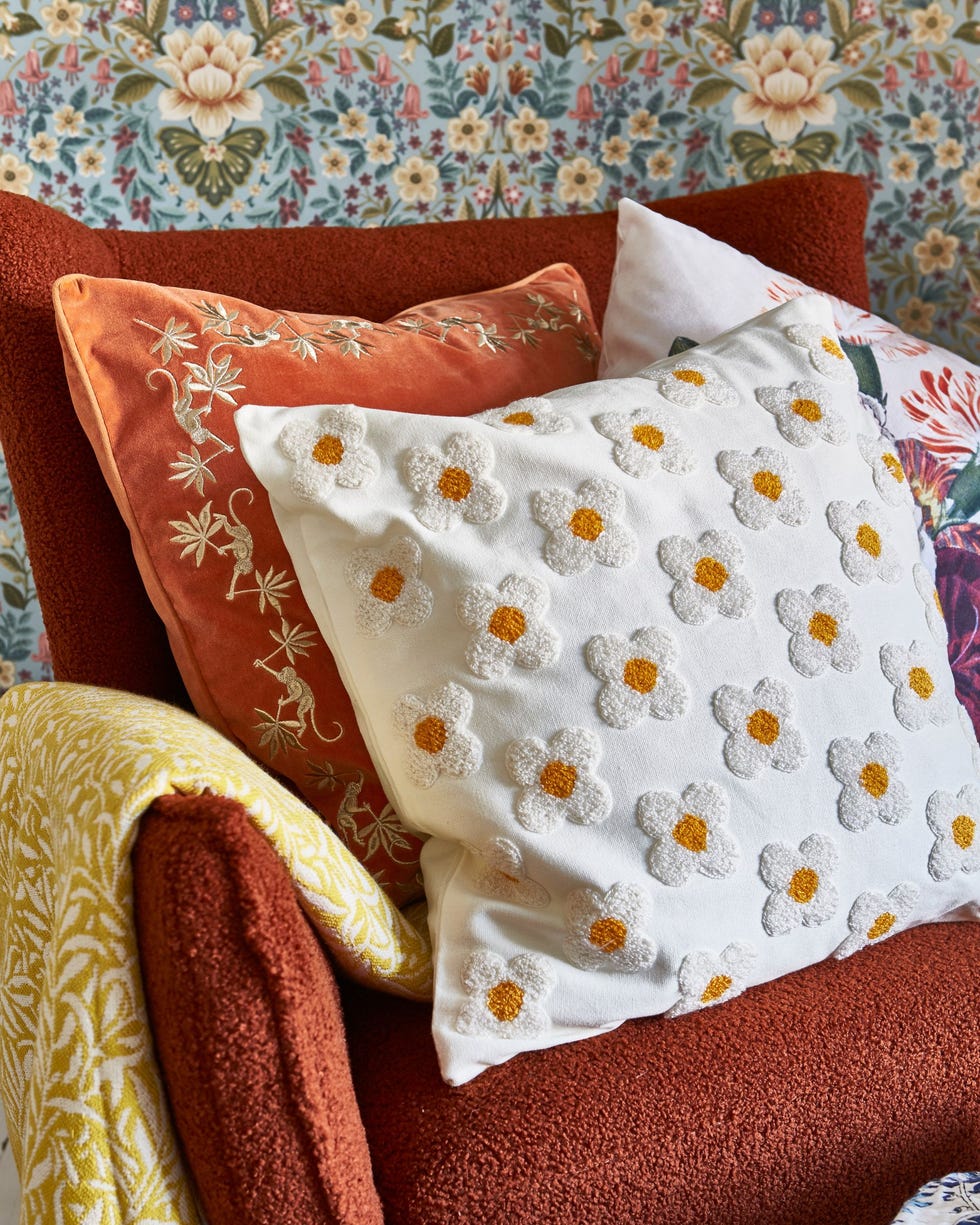
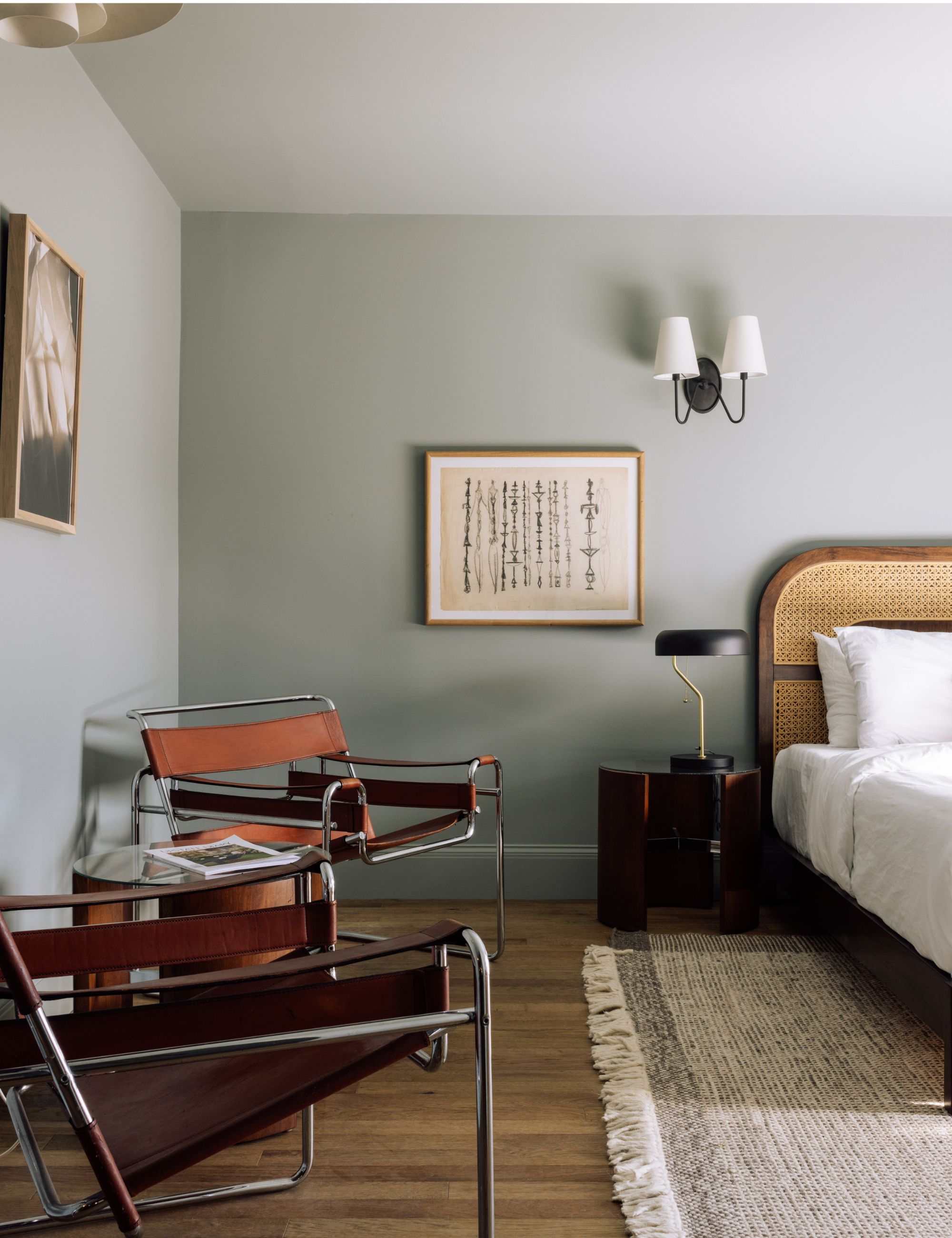
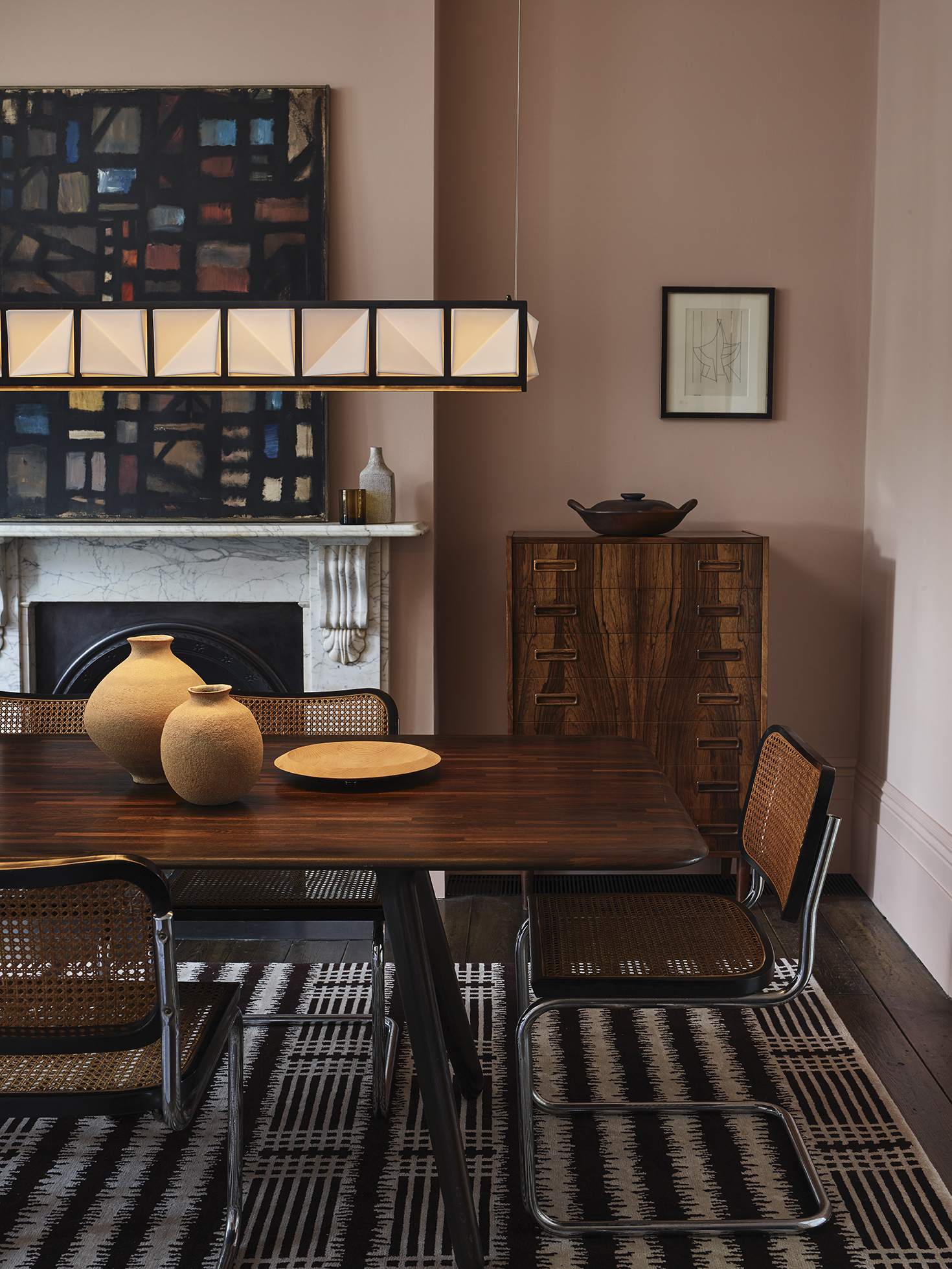
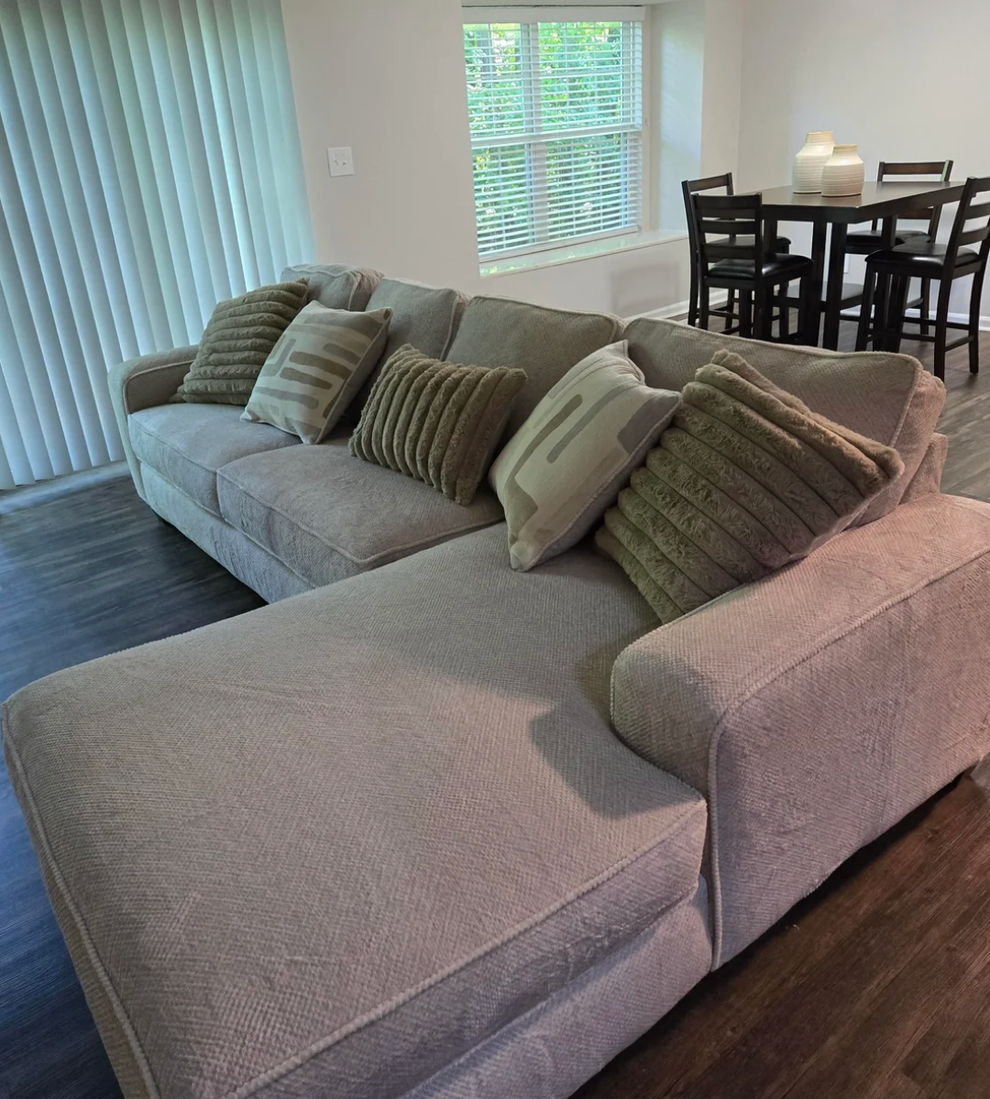
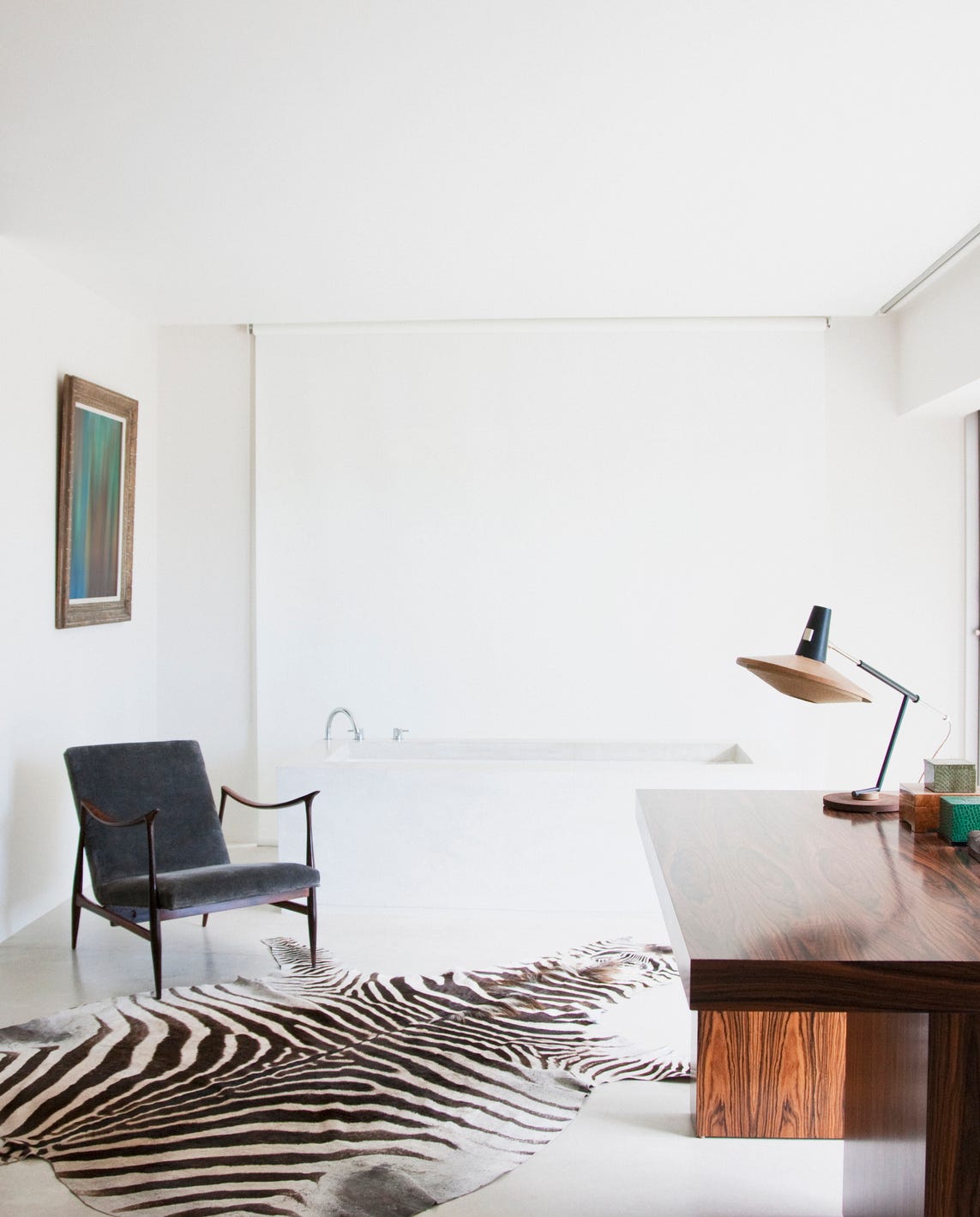
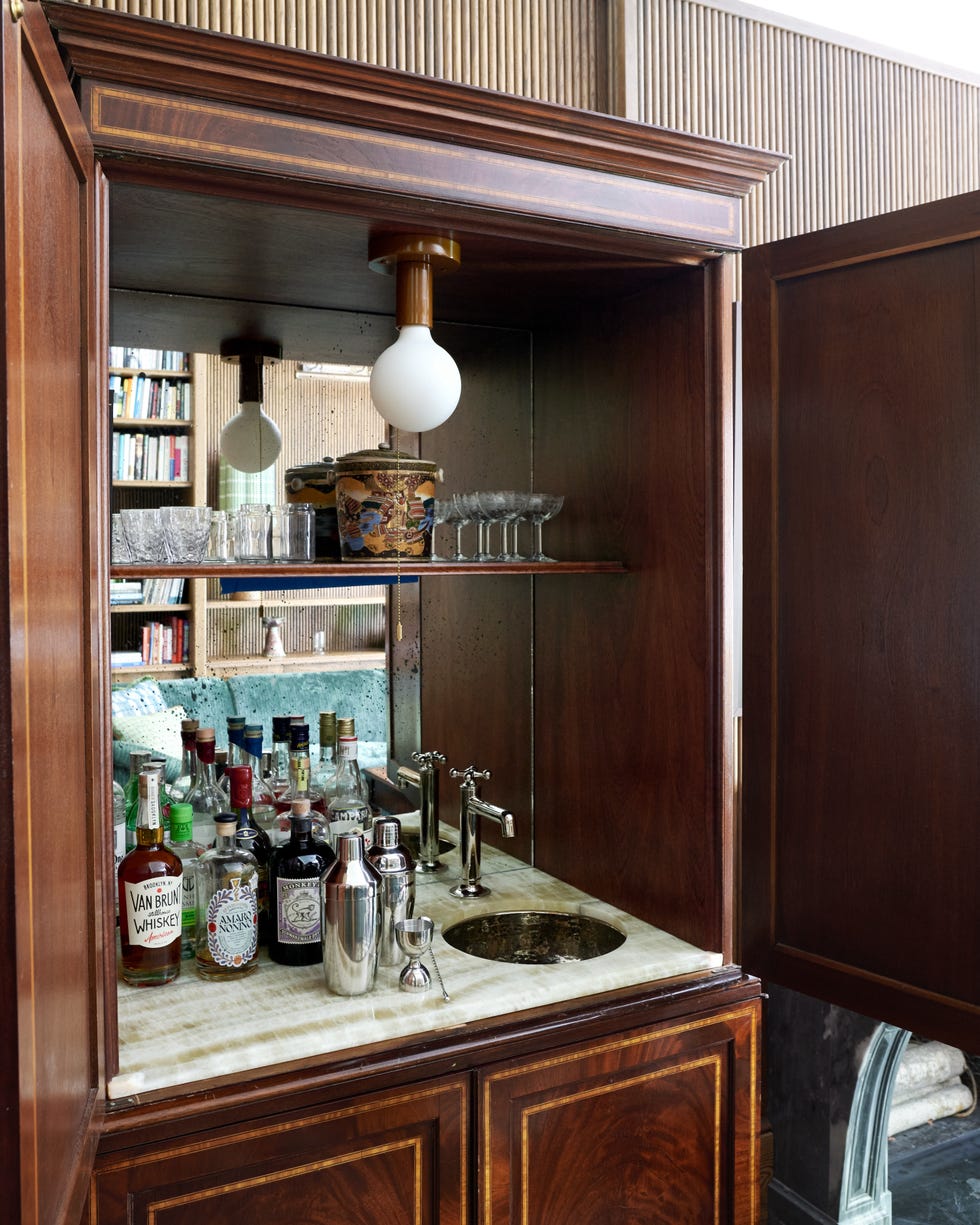
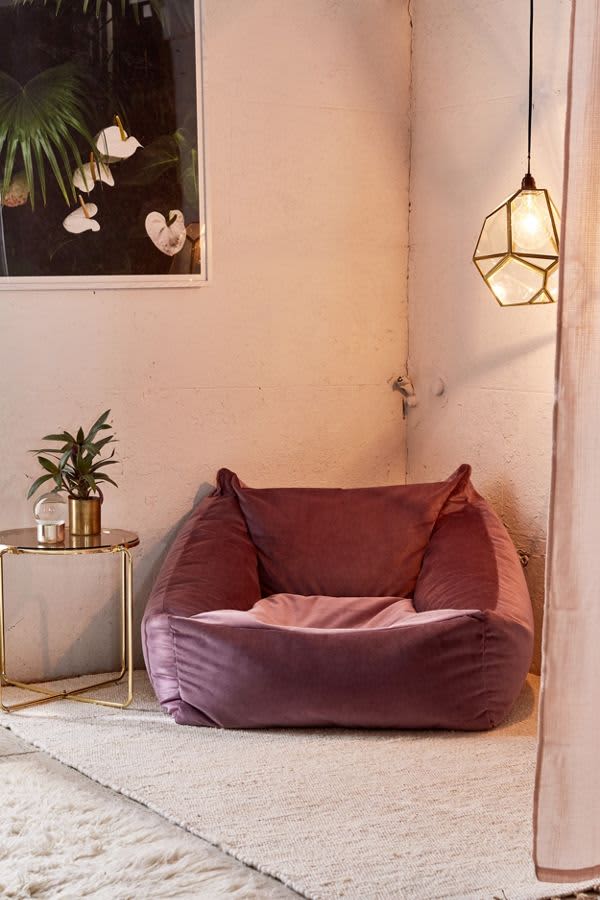
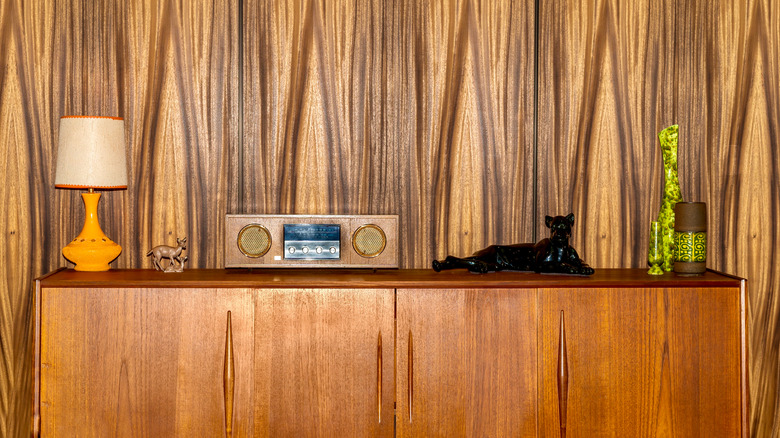
Tactile textures and materials are also central to the retro aesthetic, with a nod to the cozy nature of the 1940s through the 1970s. Fabrics like bouclé, chenille, and velvet are recommended for their ability to evoke a retro feel through their nubby, tactile quality. Velvet is particularly noted for its "70s vibe," offering richness, glamour, and depth. For hard materials, dark, rich woods like teak, rosewood, and burlwood are favored for grounding bolder features and adding a sense of history and movement.
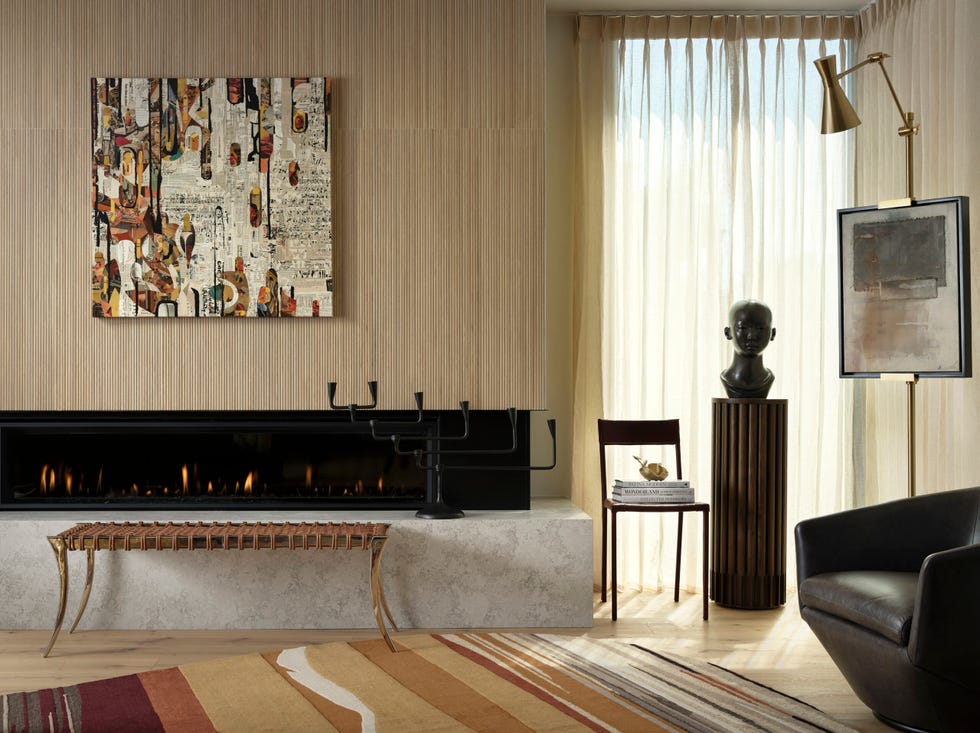
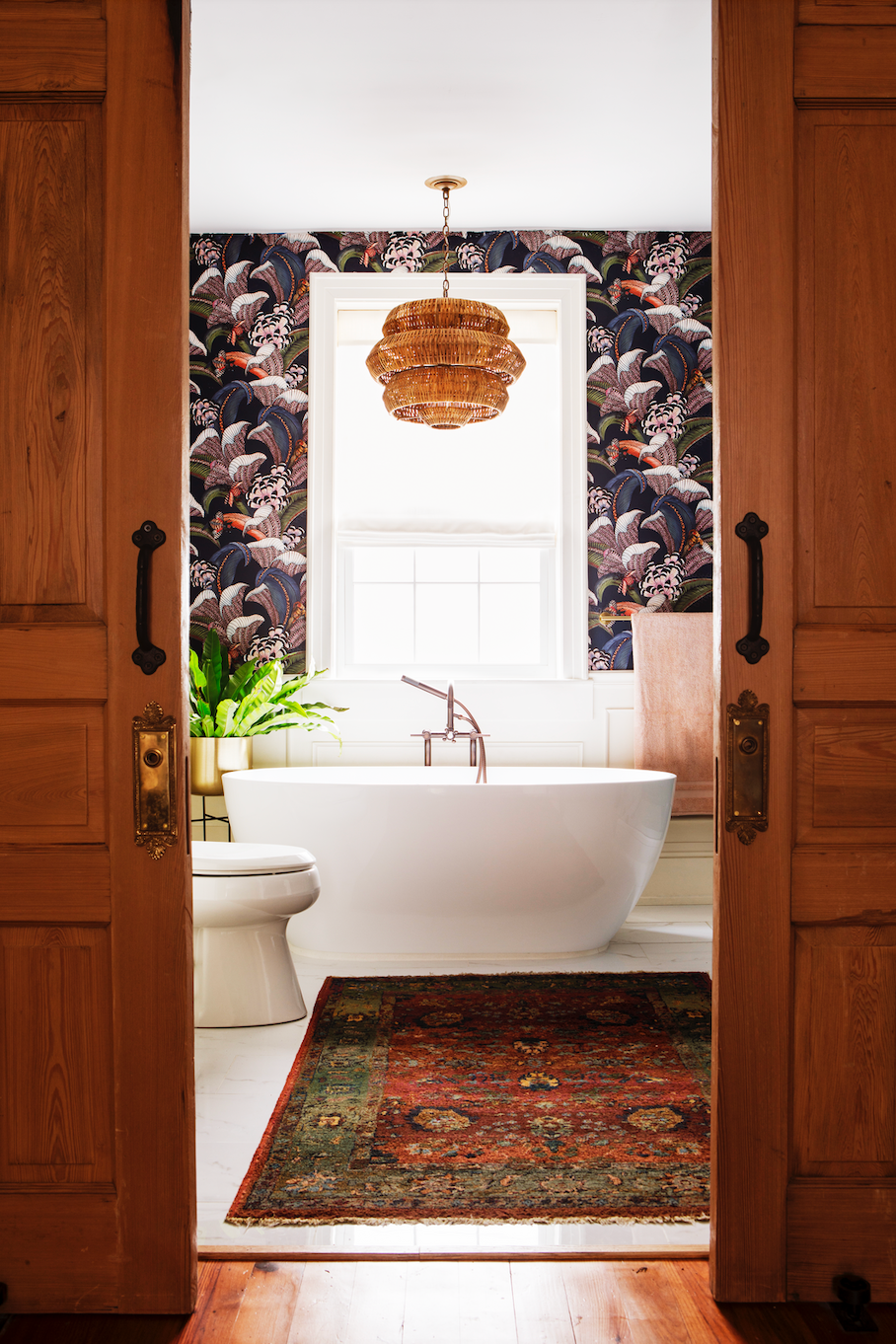
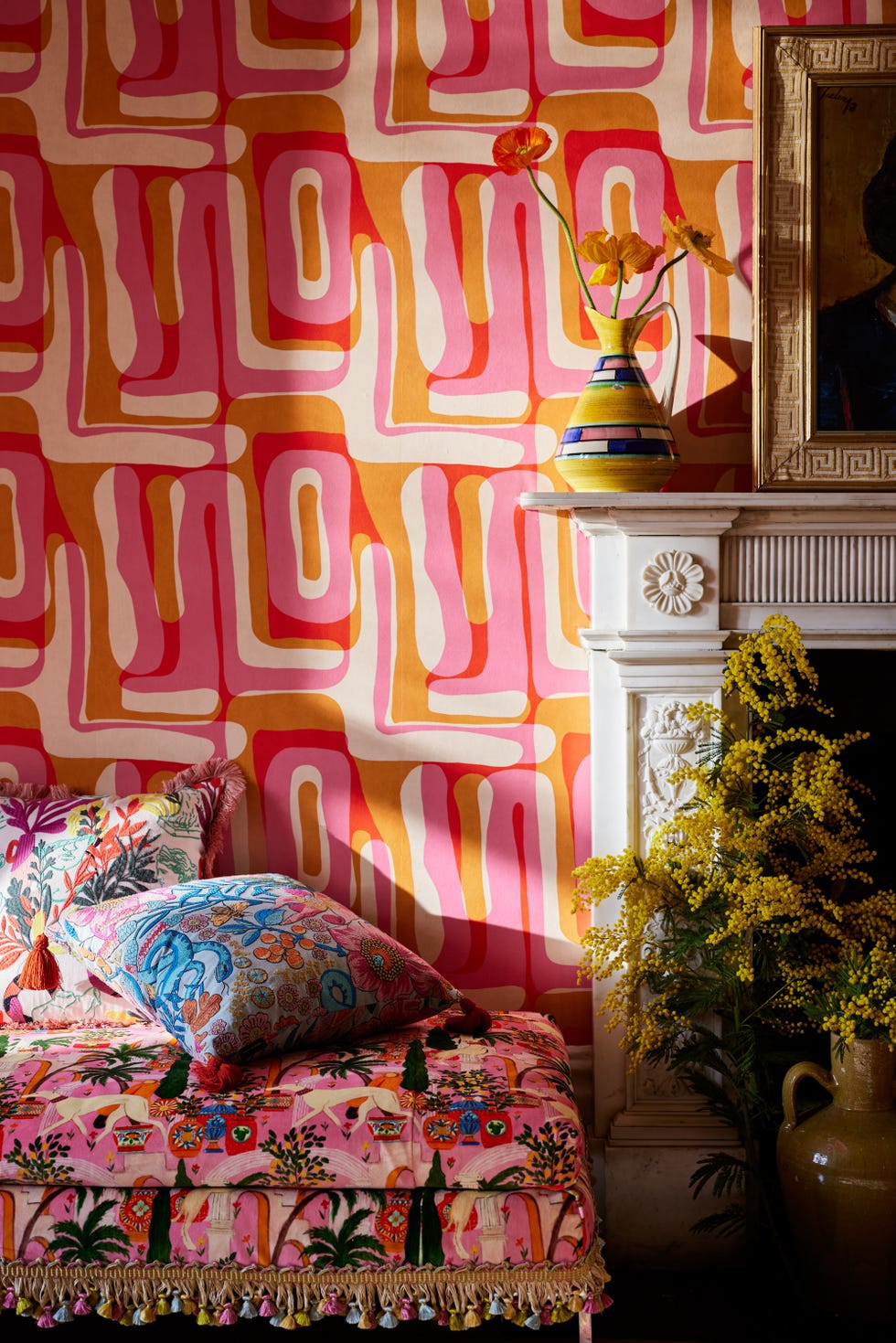
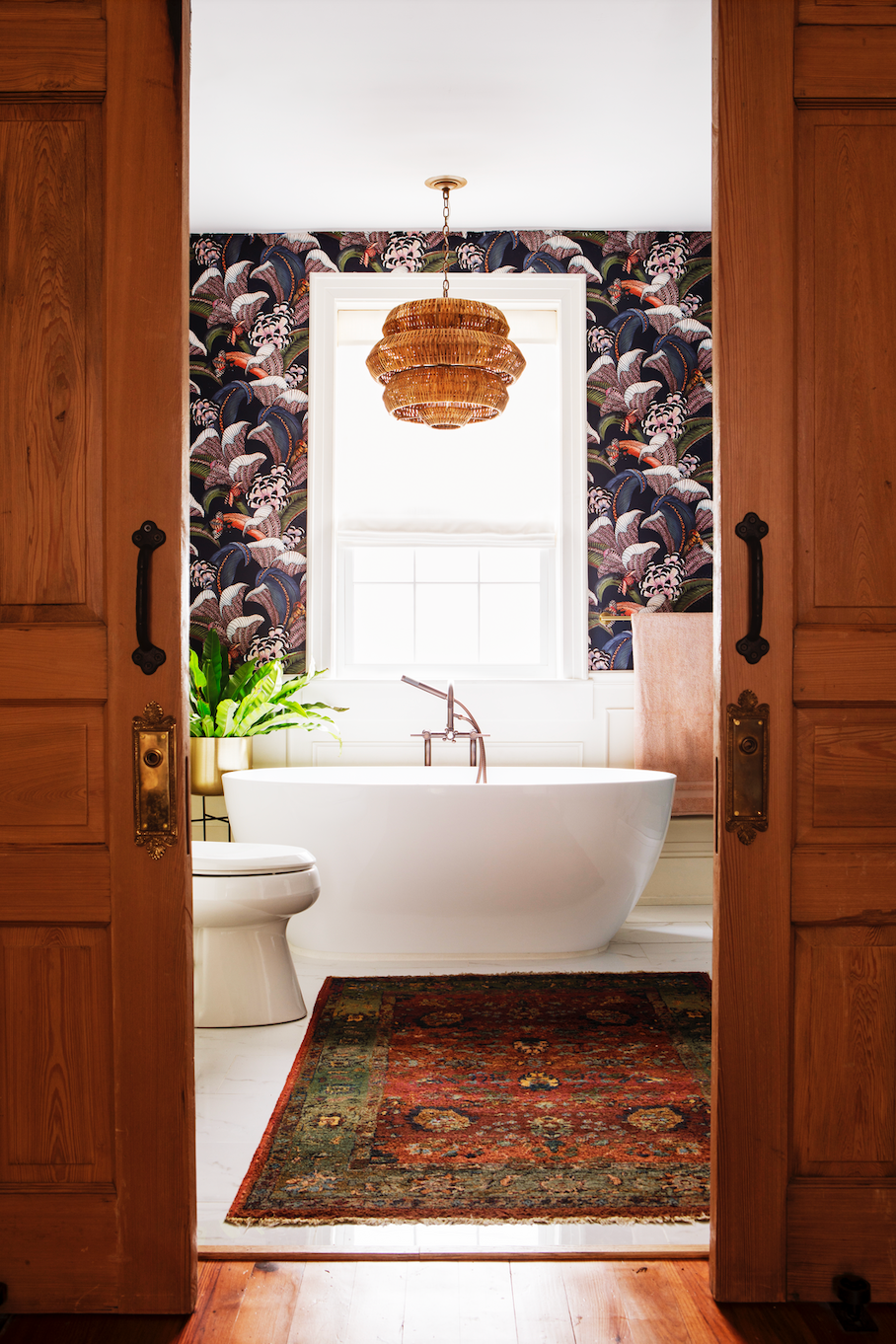
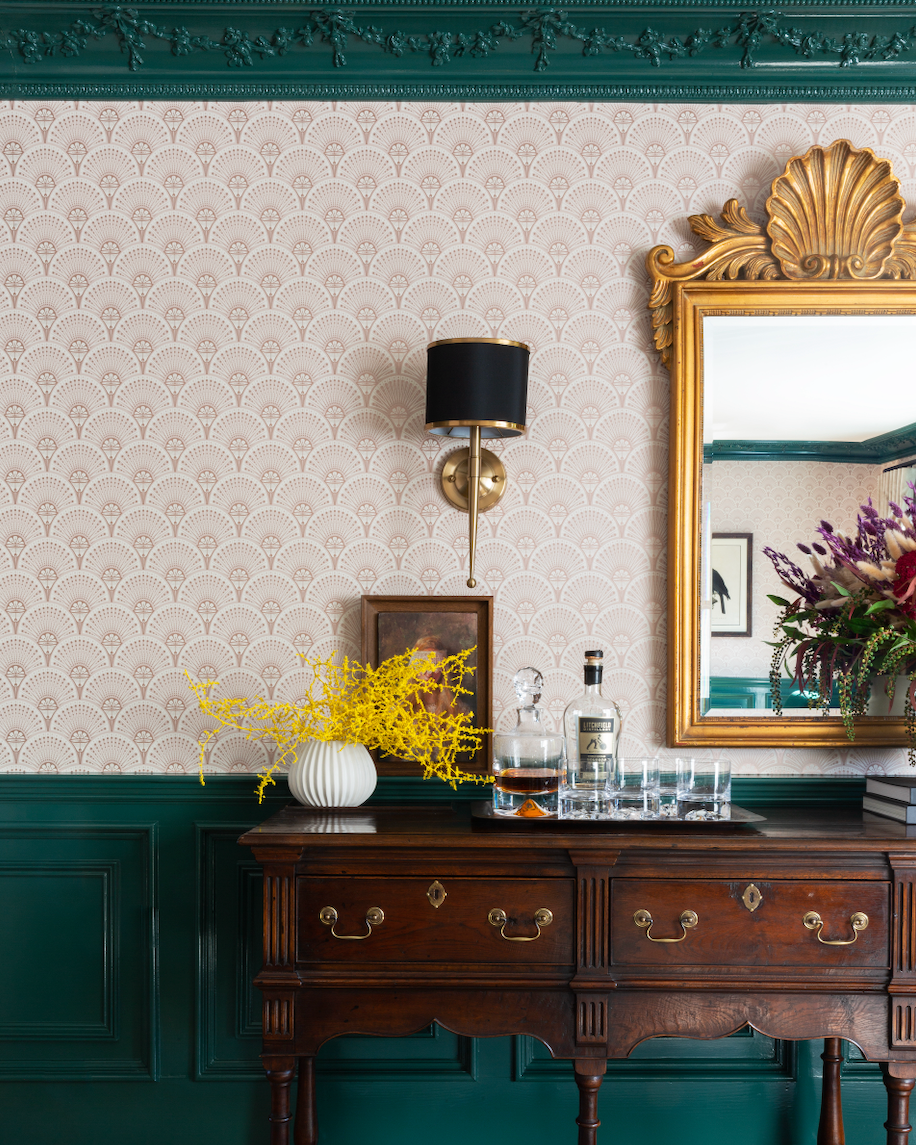
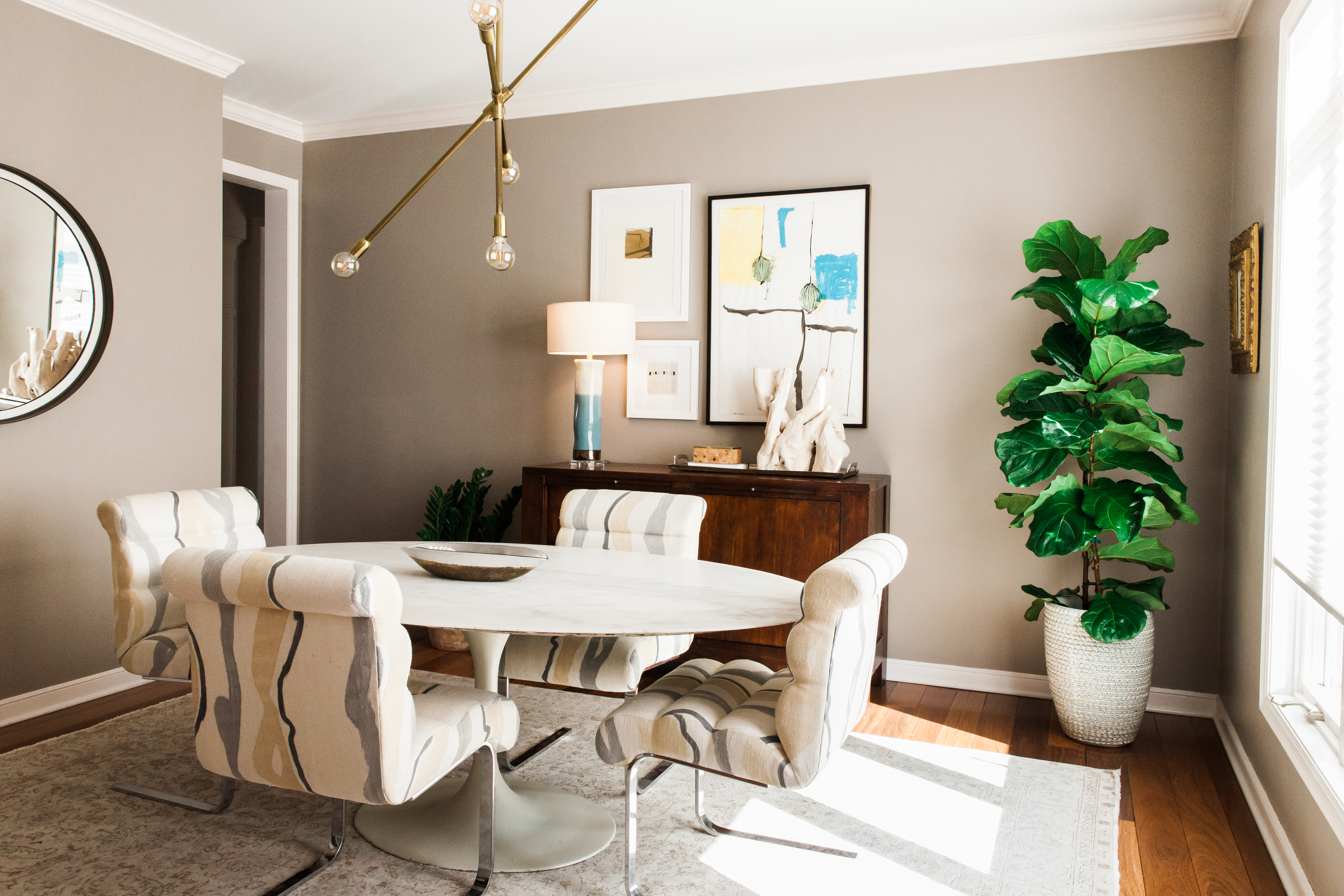
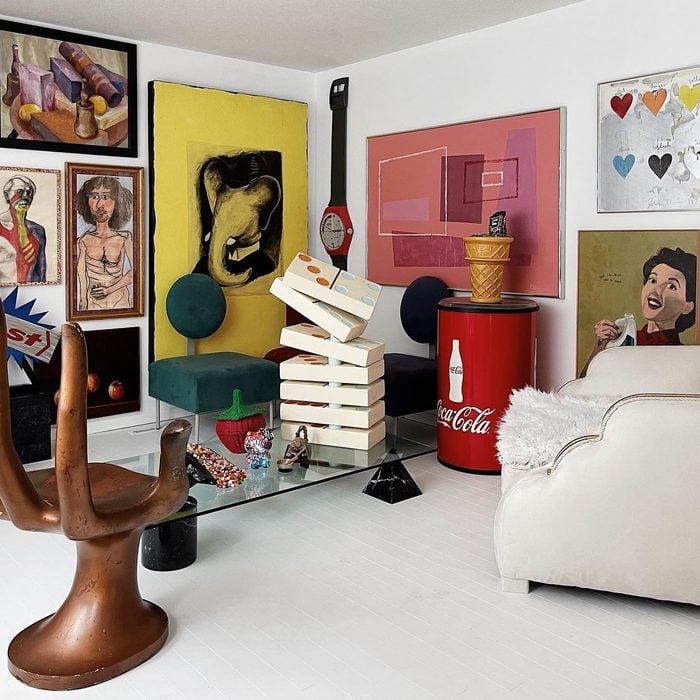
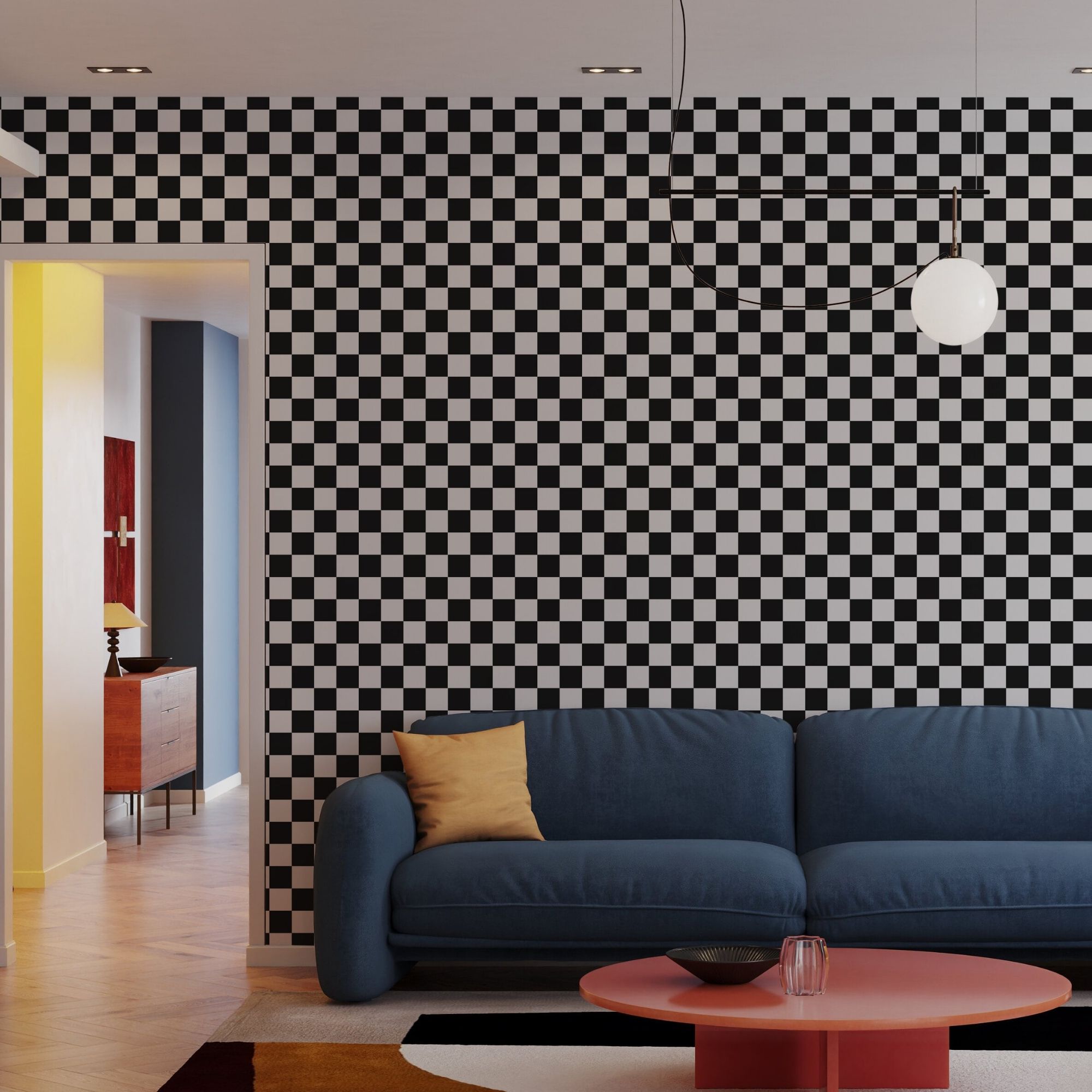
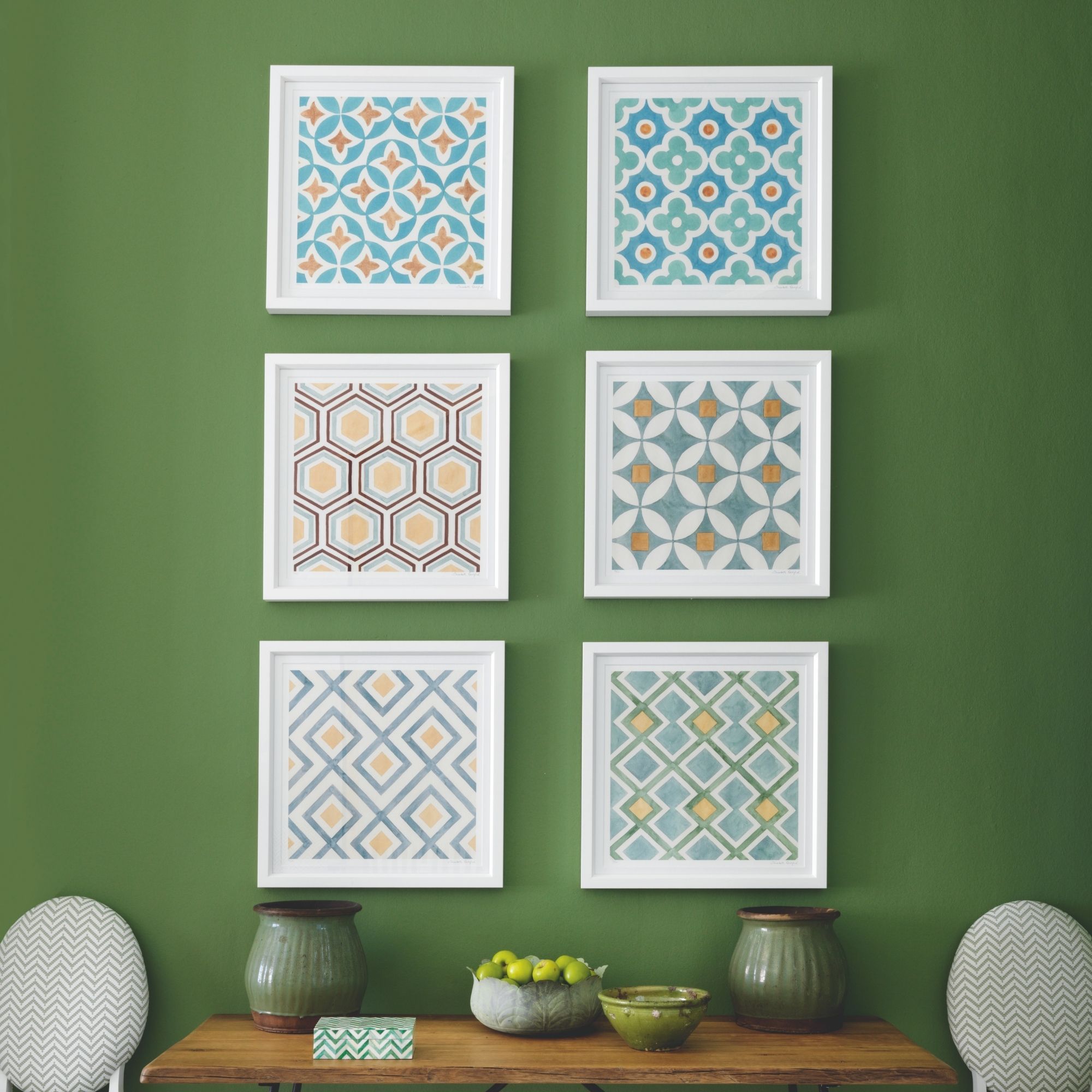
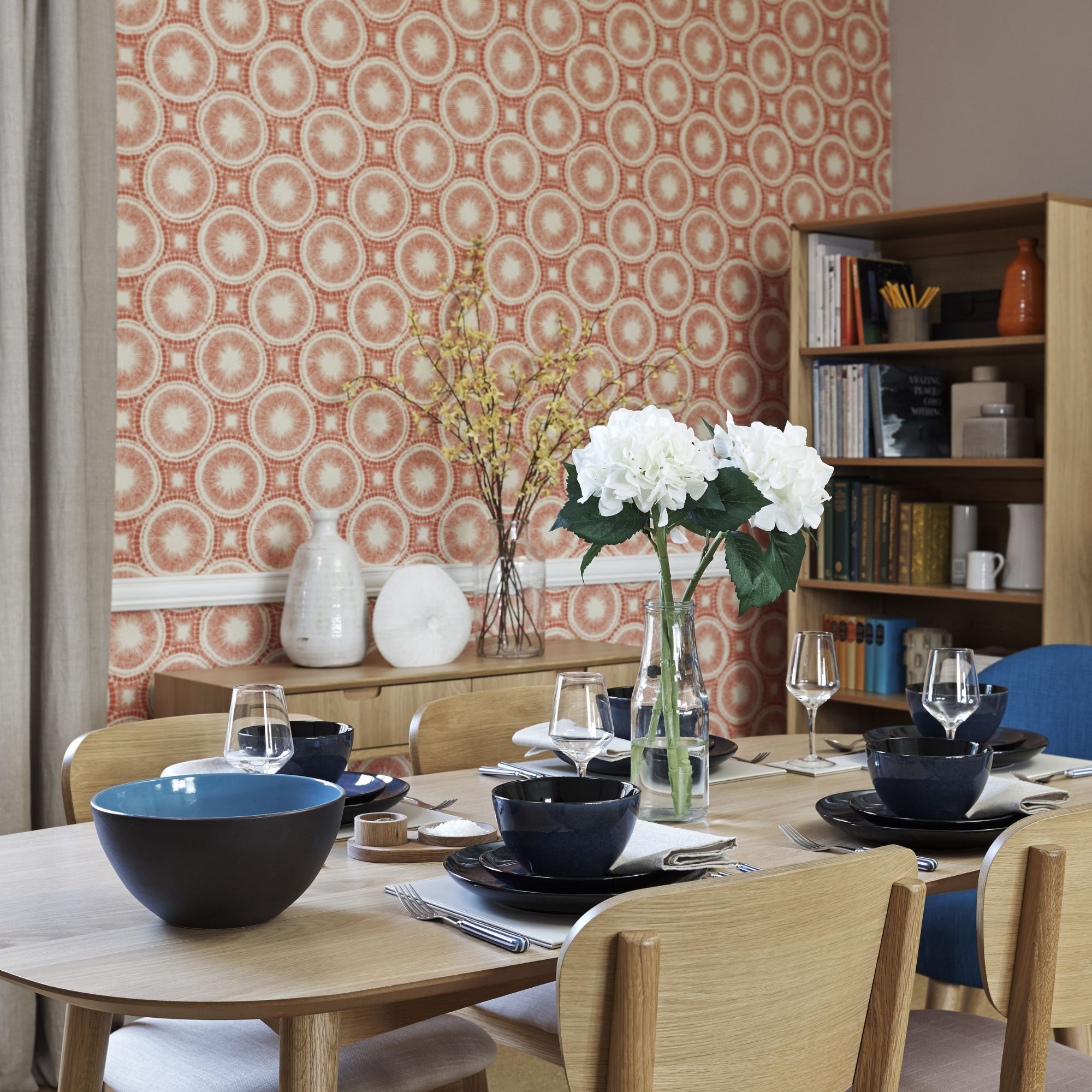
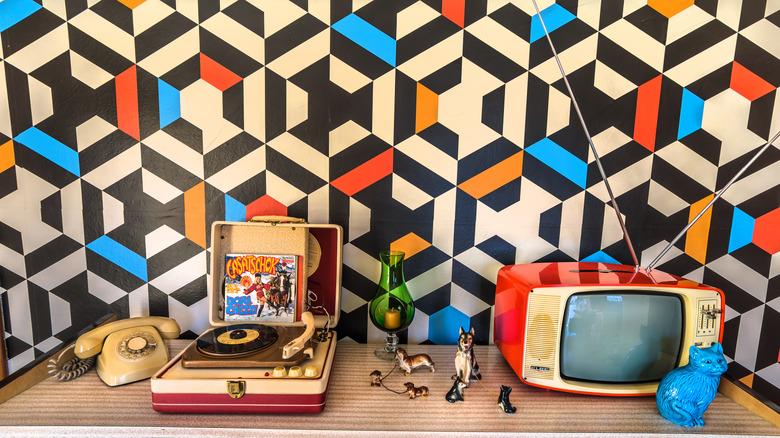
Vibrant prints and patterns are encouraged, as retro style, despite its earthy palettes, was highly experimental and bold. Geometric patterns, vivid hues, and statement furniture pieces such as mid-century modern sofas or tufted armchairs are highlighted. The article suggests incorporating statement florals, stripes, and even animal prints, especially when balanced with softer colors and finishes. Juxtaposition is crucial, with contrasting shapes, styles, and eras creating a dynamic and engaging space. Geometric forms from Art Deco, for instance, can provide a distinct retro charge when layered with circular and rectangular forms in warm, earthy tones.
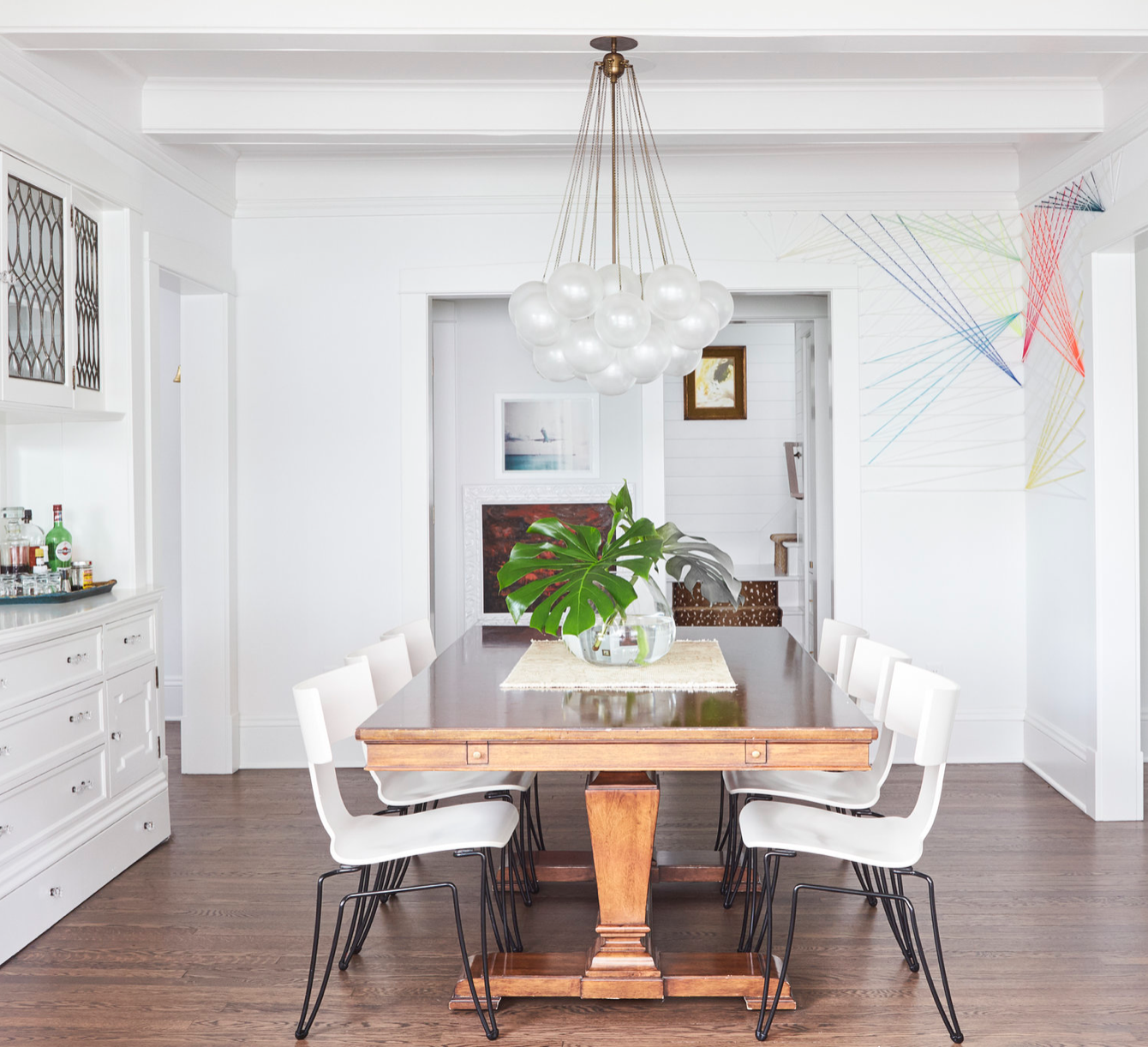
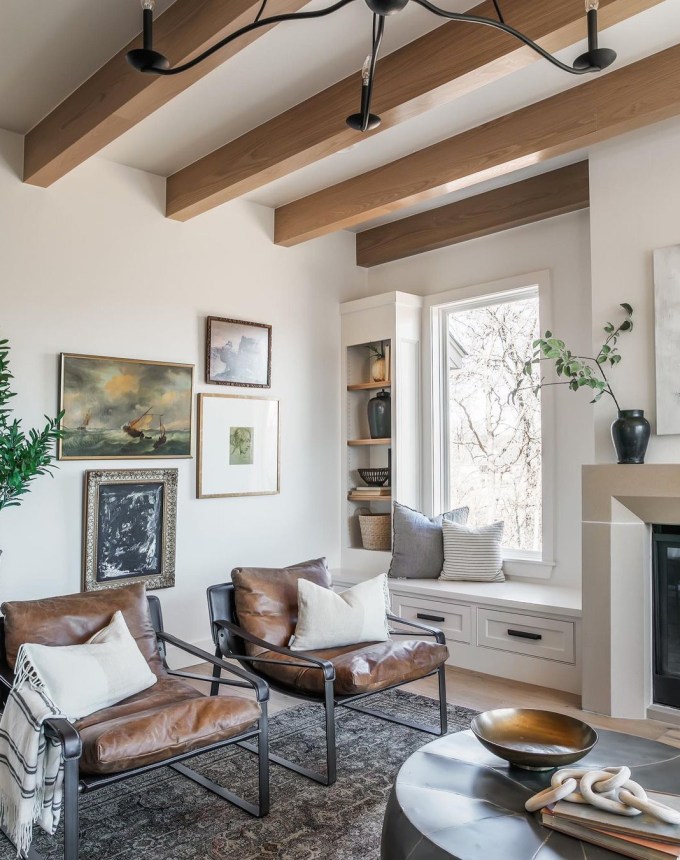
Furniture choices lean towards low-slung pieces like asymmetric sofas, vintage accent chairs, and floor-hugging coffee tables, creating a collected rather than overly coordinated feel. This approach, alongside sculptural lighting, helps balance vintage flair with modern grounding elements. Statement floor lamps or pendants are described as essential for creating visual interest and a signature warm glow, while smaller fixtures like 1970s pendants or smoked glass lamps pair well with sharp architectural lines. Bright pops of color, used sparingly and deliberately through wall decor, lighting, or accessories with iconic silhouettes, provide the finishing touch. Examples include mustard yellow, green apple, burnt orange, and pale pink, often integrated through art or specific design items like Kartell lamps.
Ultimately, the article advises that a little retro goes a long way, recommending the strategic placement of a few impactful items to achieve the desired feel without overwhelming the space. It emphasizes mixing colors, textures, and tones across different areas of the home to create continuity and personal expression, cautioning against overusing bold retro florals, which can lead to sensory overload.
#RetroStyle #InteriorDesign #HomeDecor #EarthyColorPalettes #TactileTextures #VibrantPrints #SculpturalLighting #LowSlungFurniture #VintageFlair #RetroStyle #InteriorDesign #HomeDecor #EarthyColorPalettes #TactileTextures #VibrantPrints #SculpturalLighting #LowSlungFurniture #VintageFlair
共0条评论
 暂无评论
暂无评论你可能还喜欢
Retro Design Trends That Are Making A Comeback In 2025
8 retro home decor ideas to bring back this funky trend in a classic way
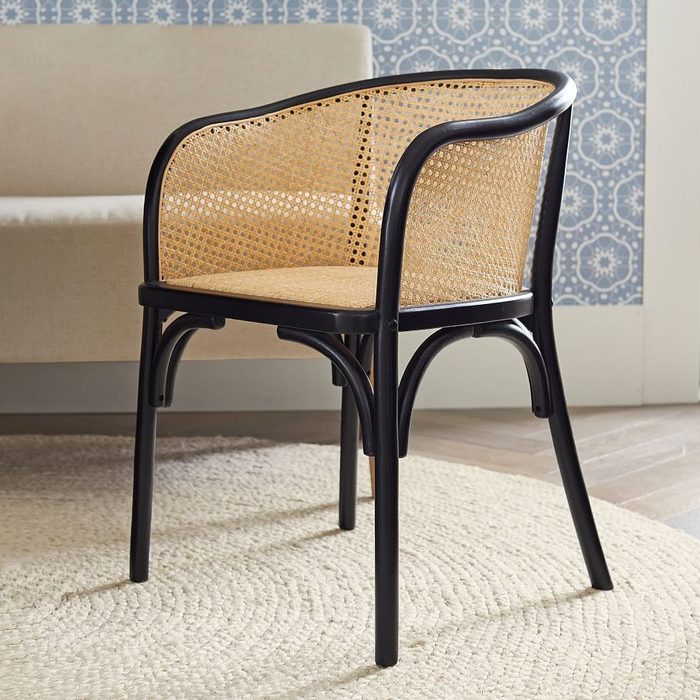
11 Vintage Home Trends That Are Making a Comeback

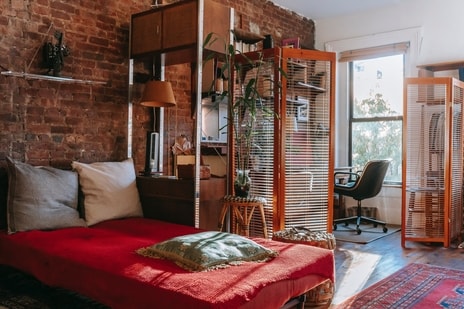
Interior design tips on vintage vibes incorporating retro charm into modern home | Hindustan Times

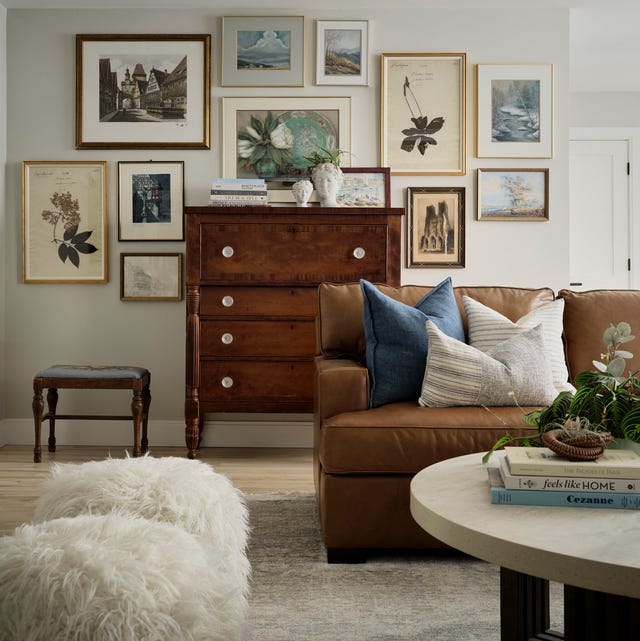
The #1 Retro Design Trend Designers Say is Making a Comeback

21 "Outdated" Home Design Trends That Are Sooo Much Better Than Modern-Day Trends

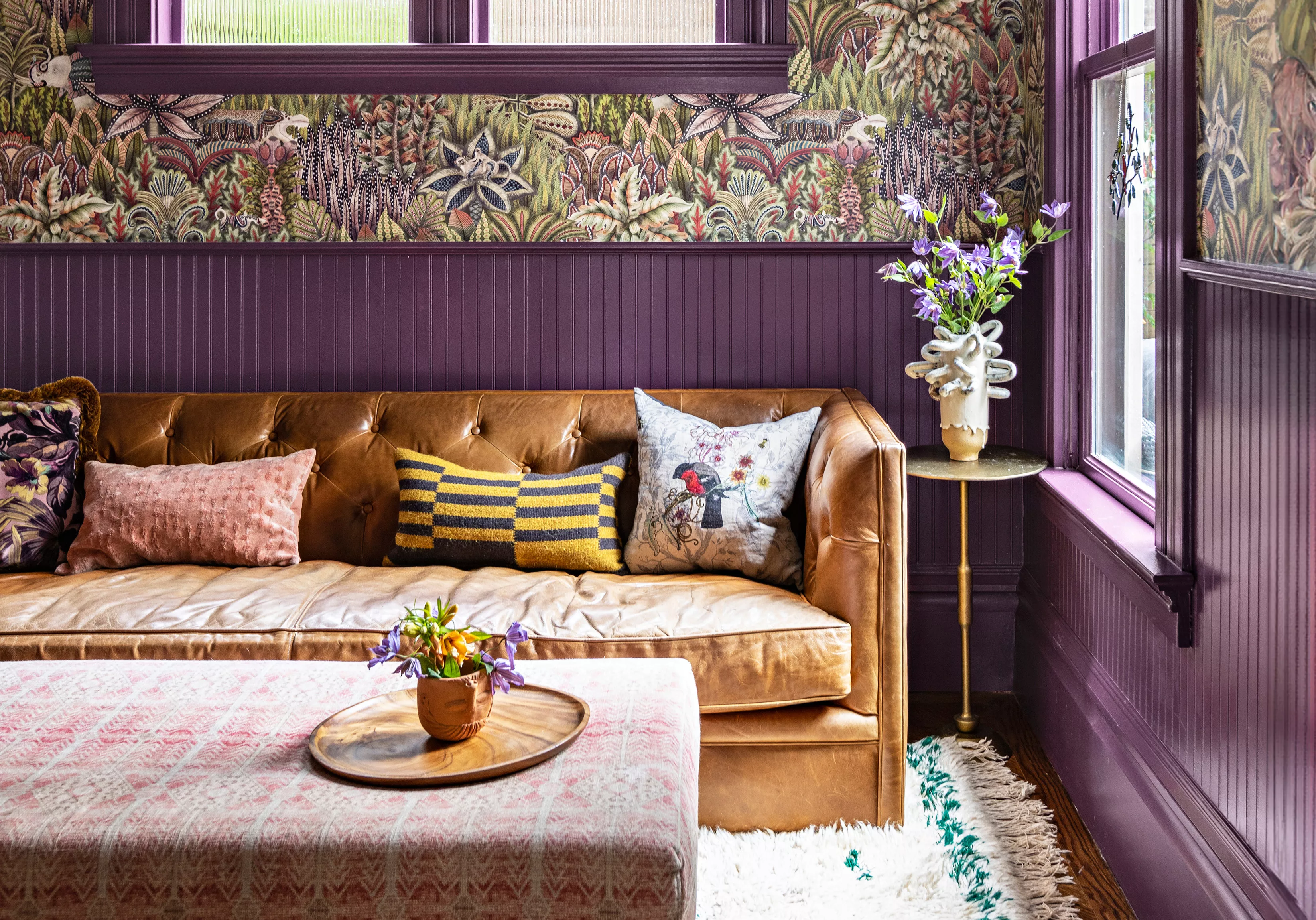
7 Vintage Decor Trends Designers Are Loving in 2025

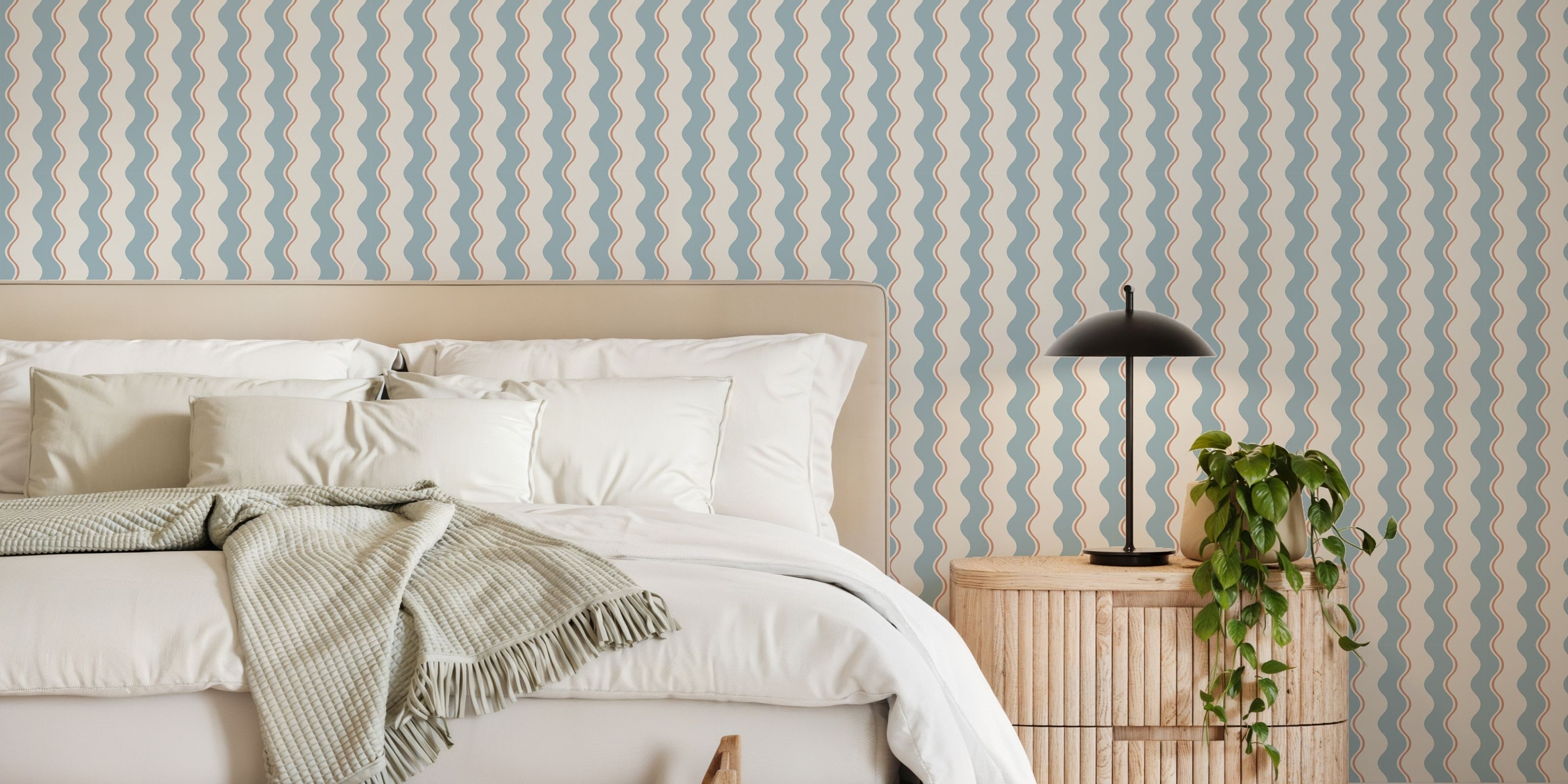
It’s official, retro wallpaper is cool again – here’s how to make it work in your home for 2026, according to the experts

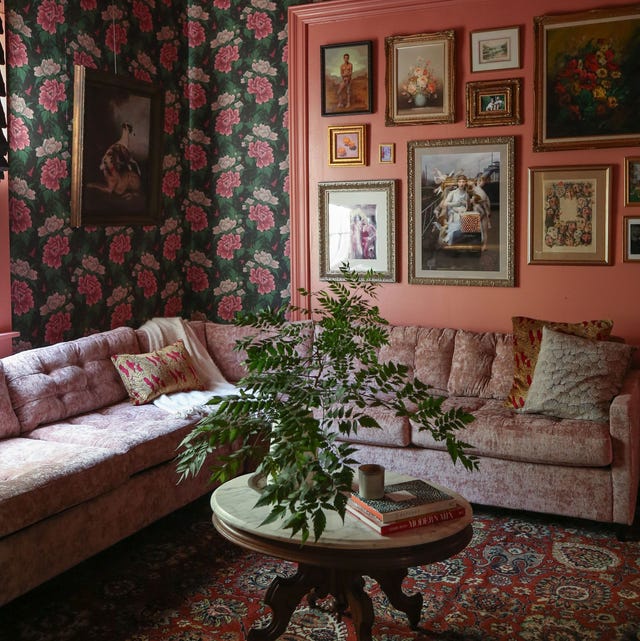
The enduring comfort of nostalgiacore – and why it's loved by designers
Design Trends: The Retro Workspace

40 Outdated Home Trends We Hope Never to See Again

Mark Our Words, This Will Be The #1 Home Trend Of 2022
6 Retro Decor Trends That Are Making a Groovy Comeback in 2025
Design Trends: Retro Revival

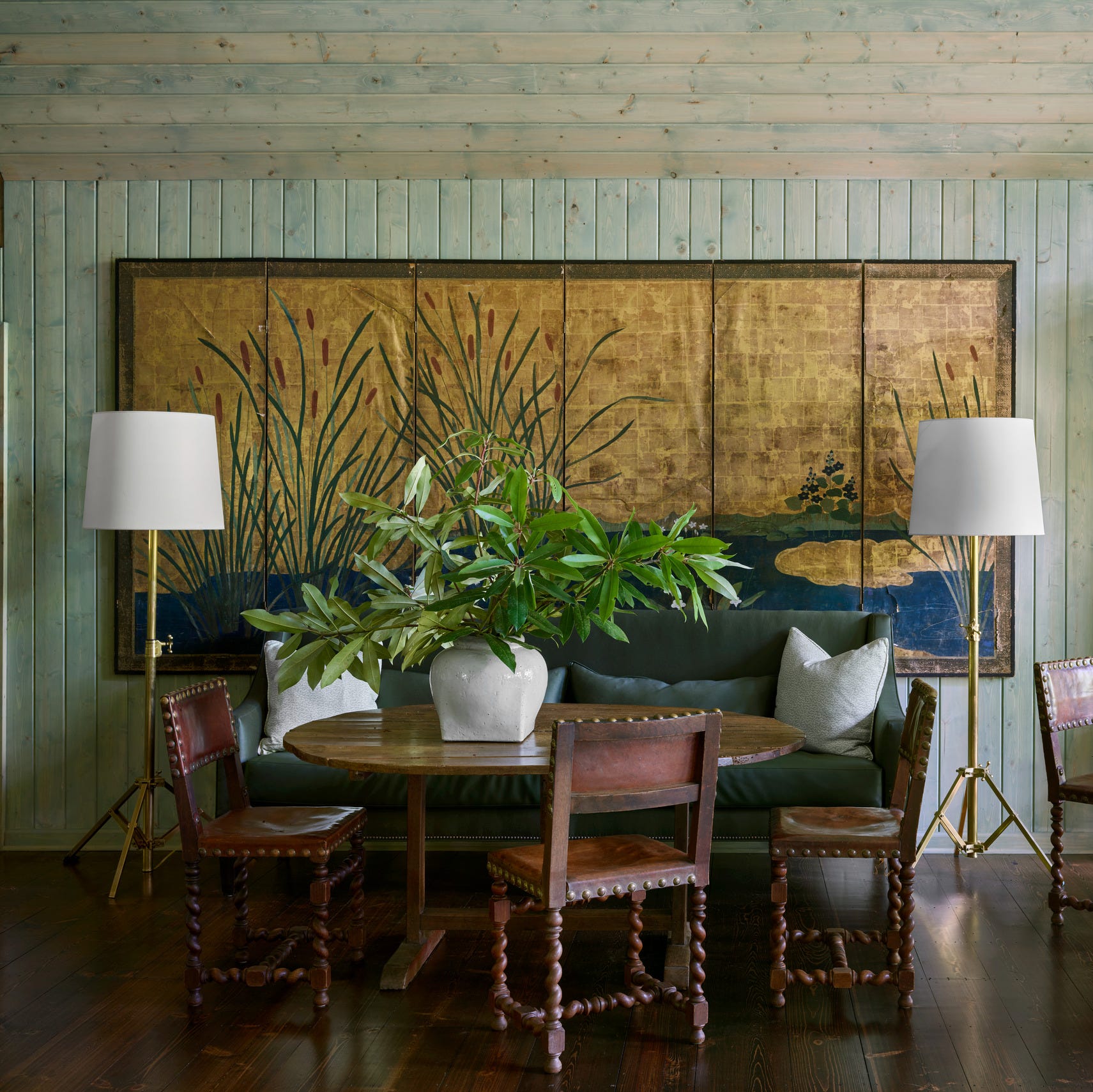
7 Vintage Home Decor Features That Designers Want to See EVERYWHERE in 2026
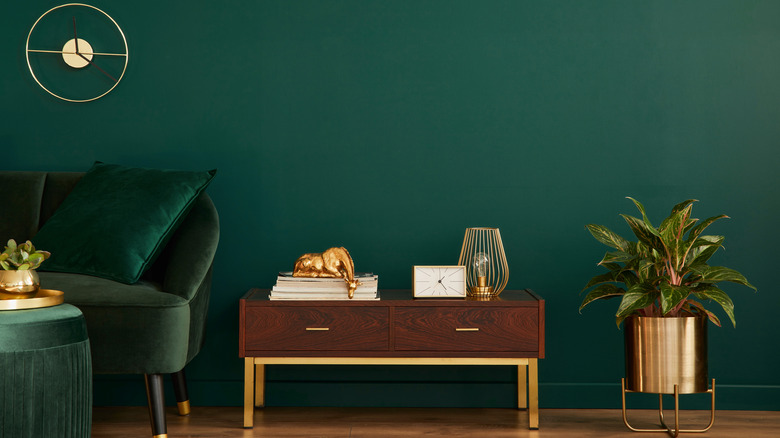
Vintage Home Design Trends That Are Making Huge Comebacks

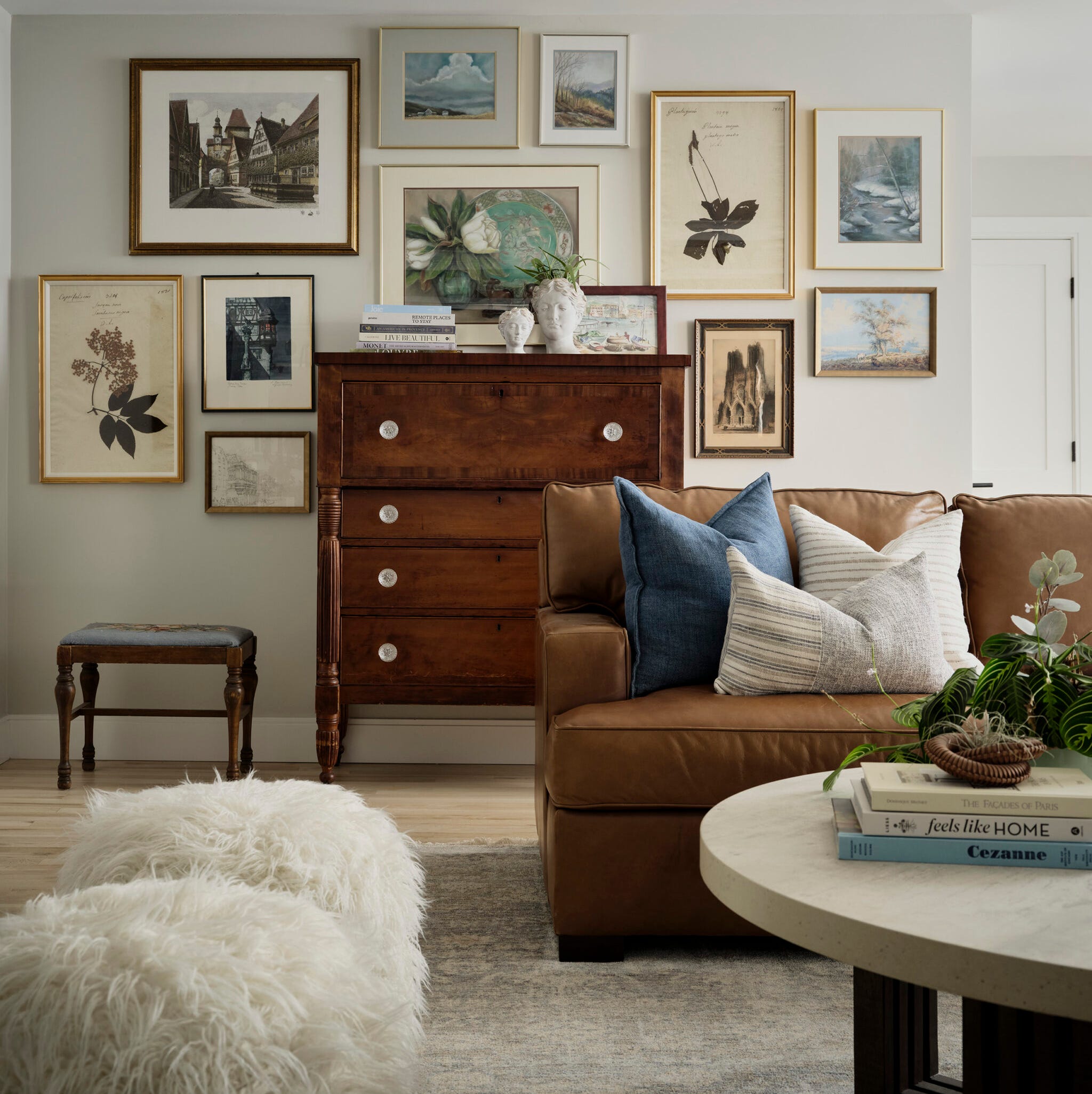
7 Retro Design Trends Making a Comeback, According to Interior Designers

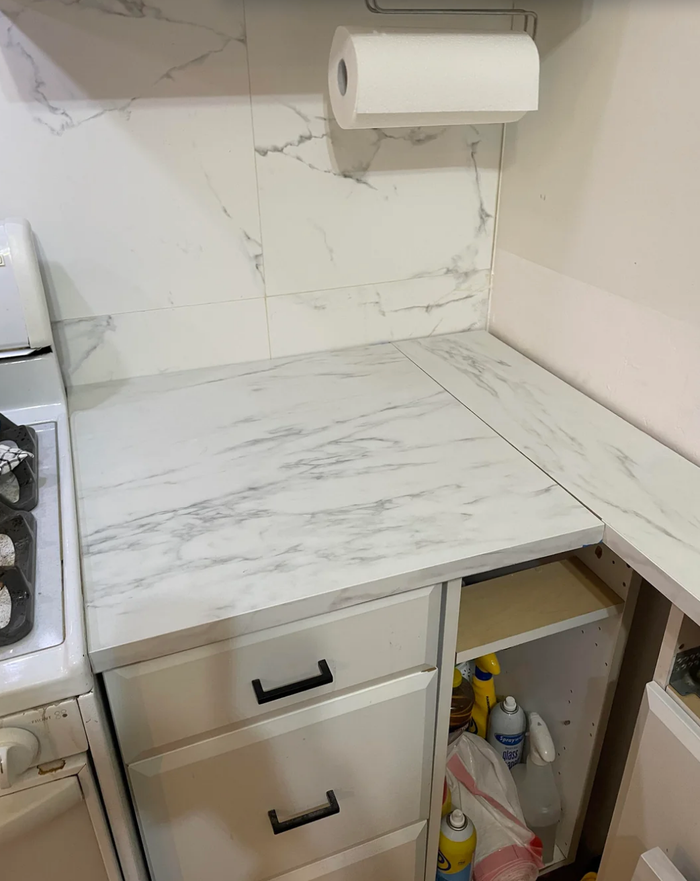
16 "Outdated" Home Design Trends That Are Wildly Better Than Modern-Day Trends
8 Bedroom Decor Icons From the ’90s That Are Cool Again
Your Parents' Decor Is Making a Comeback: 2025 Design Trends Are all About Nostalgia