1/3
The Versatility of Corian, from Countertops to Railings
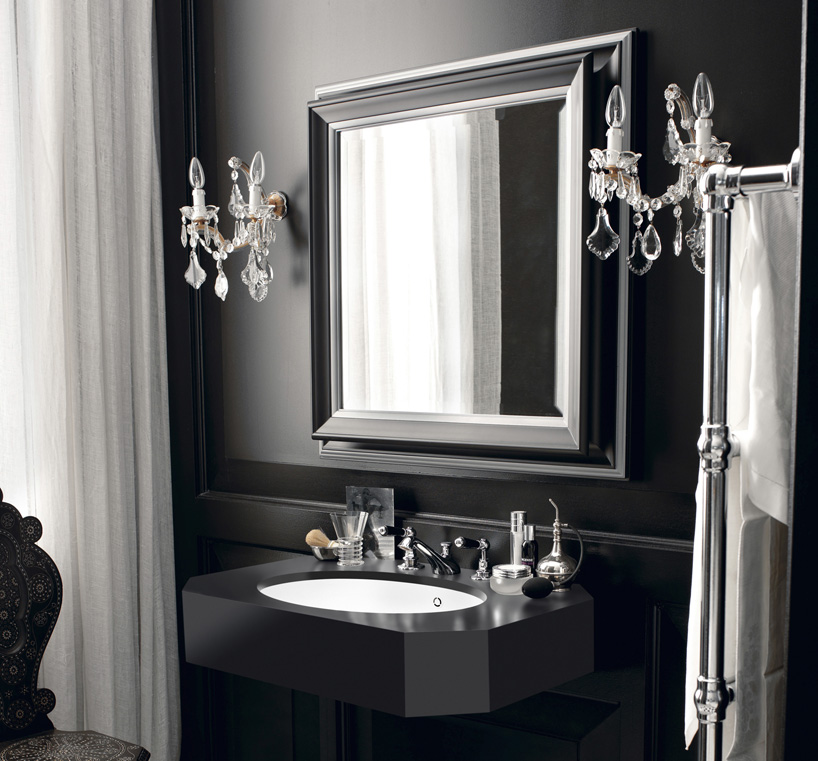
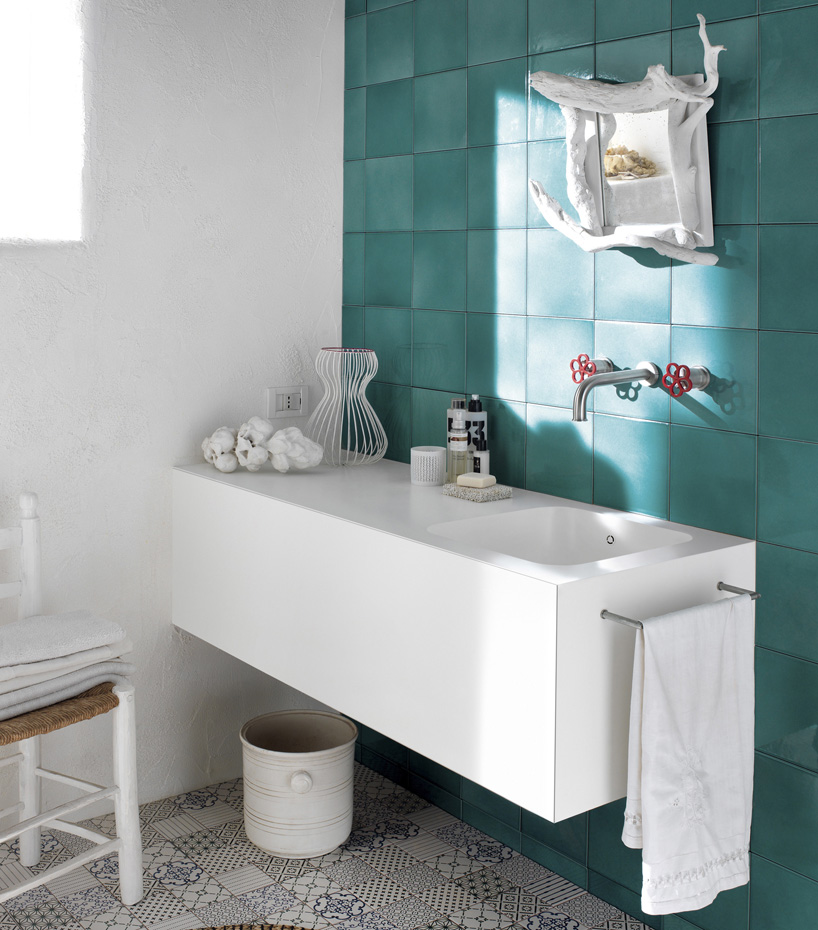
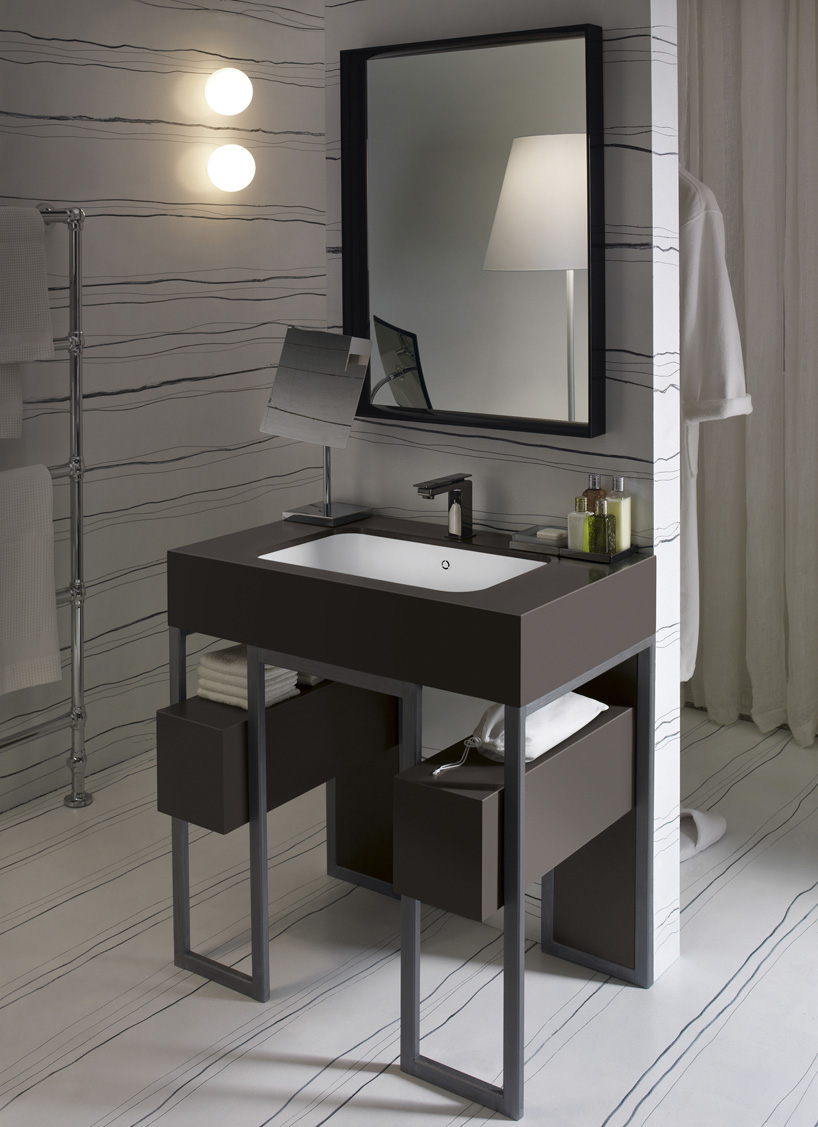
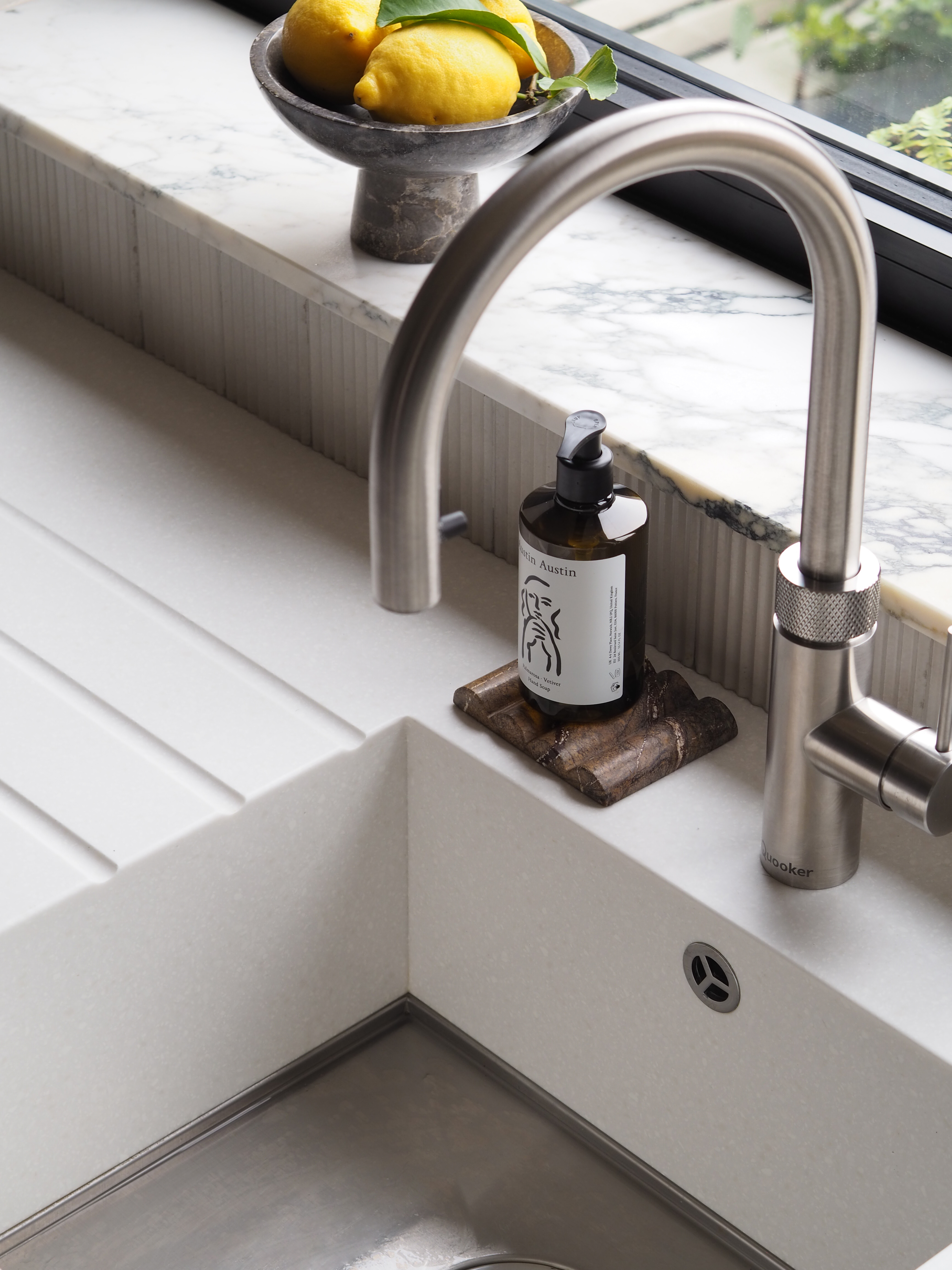
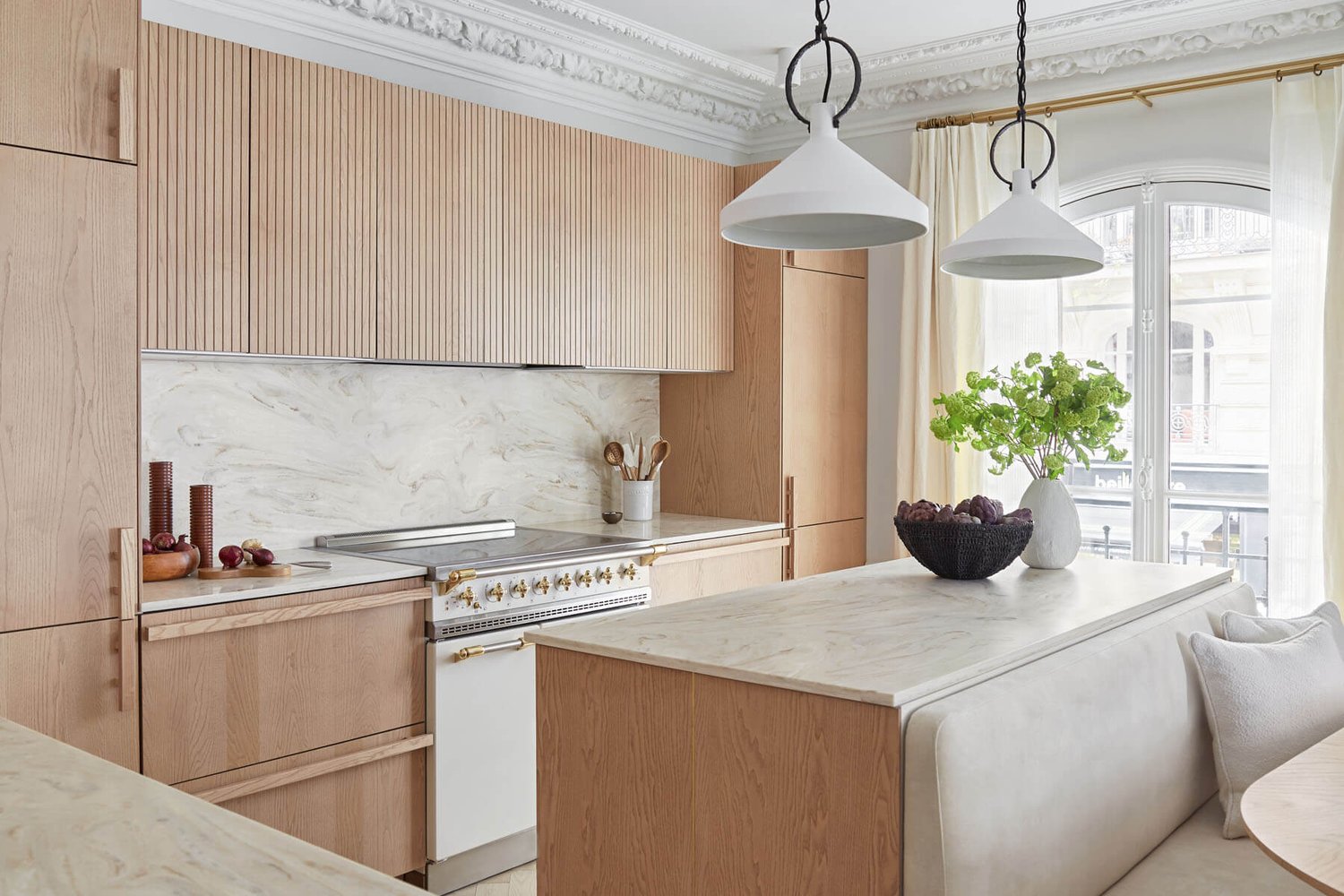
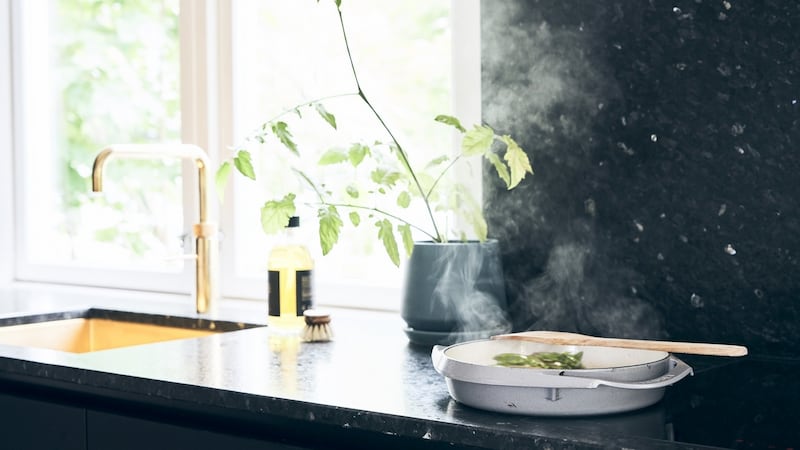
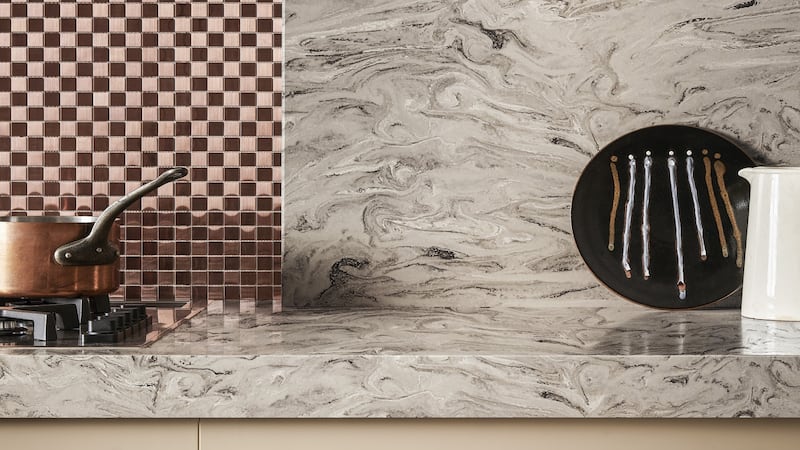
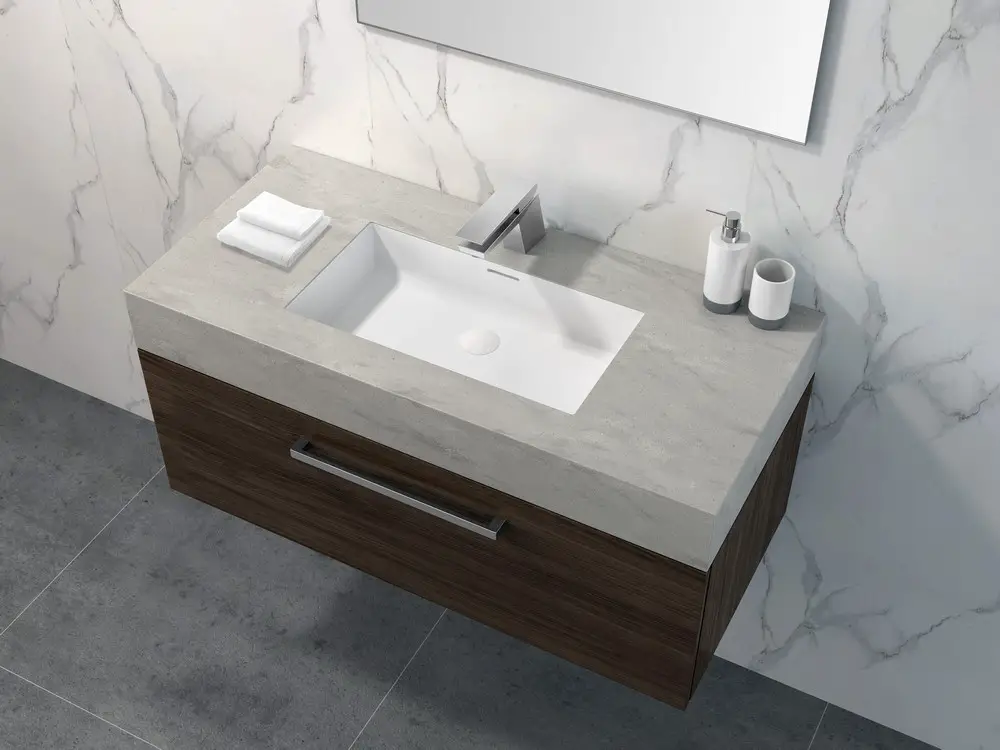
The 1960s marked a period of significant innovation, including the development of Corian, a polymer surface composed of acrylic resin and natural minerals. Invented by DuPont chemist Donald Slocum in 1967, Corian offered a material solution that was easy to clean, scratch-resistant, seamless, and hygienic, addressing the demands of modern living. Initially introduced commercially in 1971 as an alternative to stone and laminate for countertops, its applications quickly expanded beyond kitchen and bathroom surfaces.
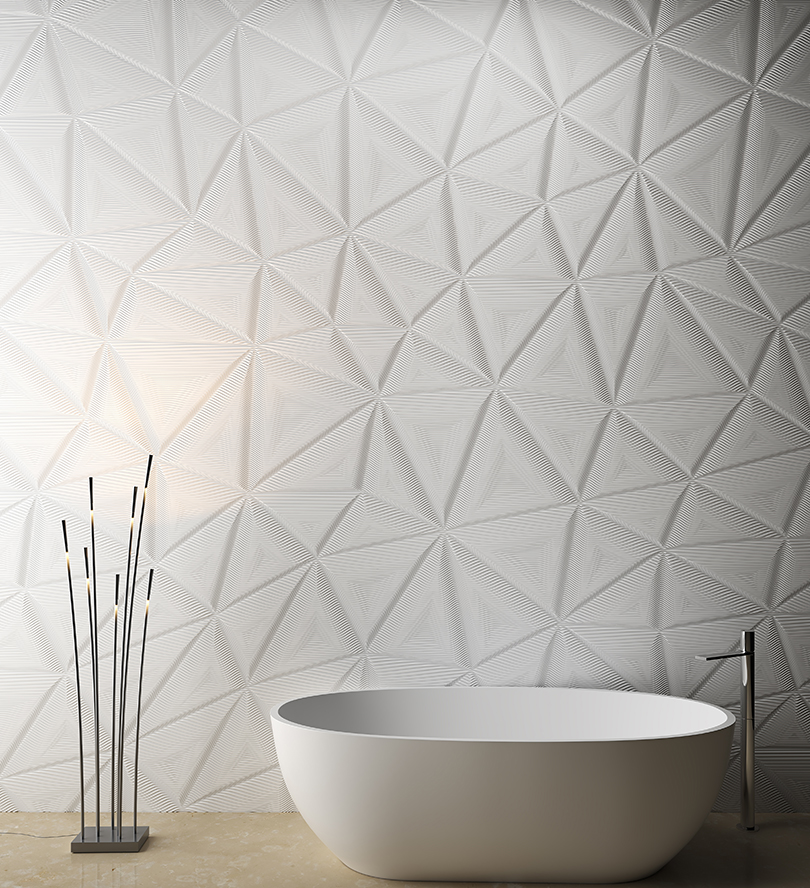
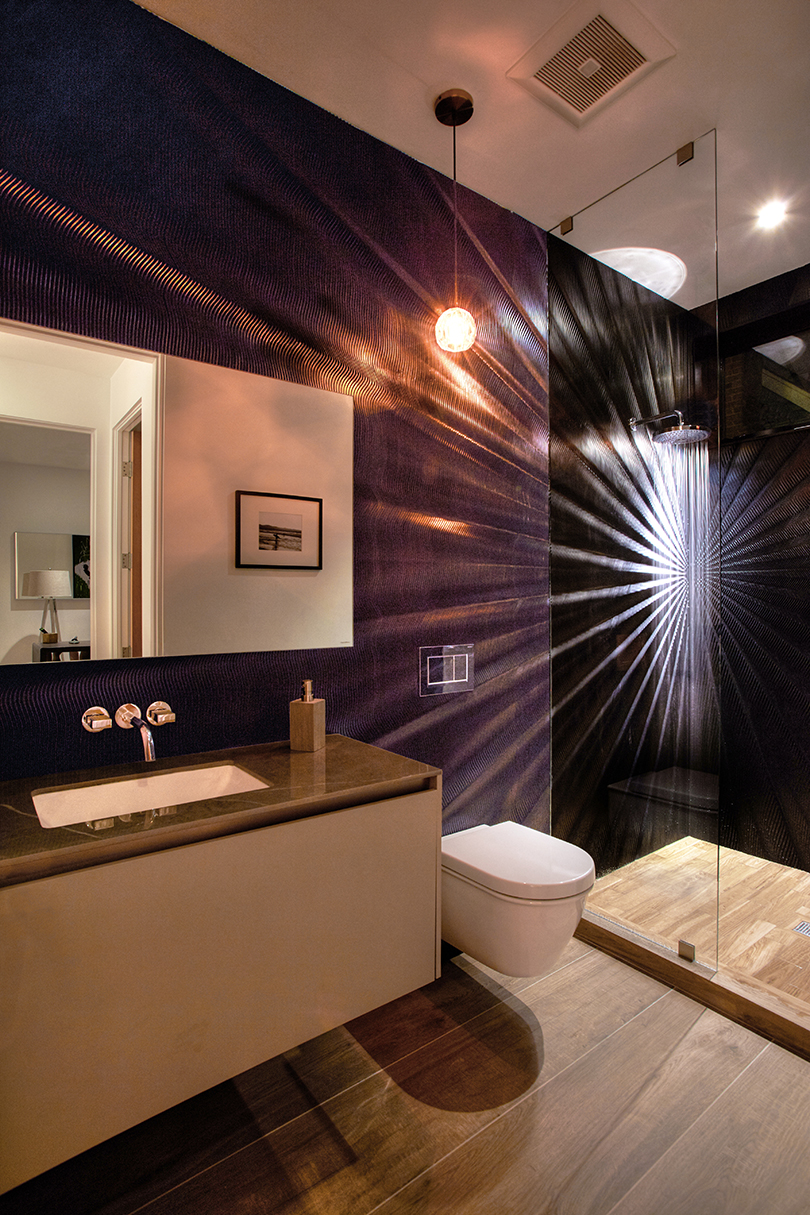
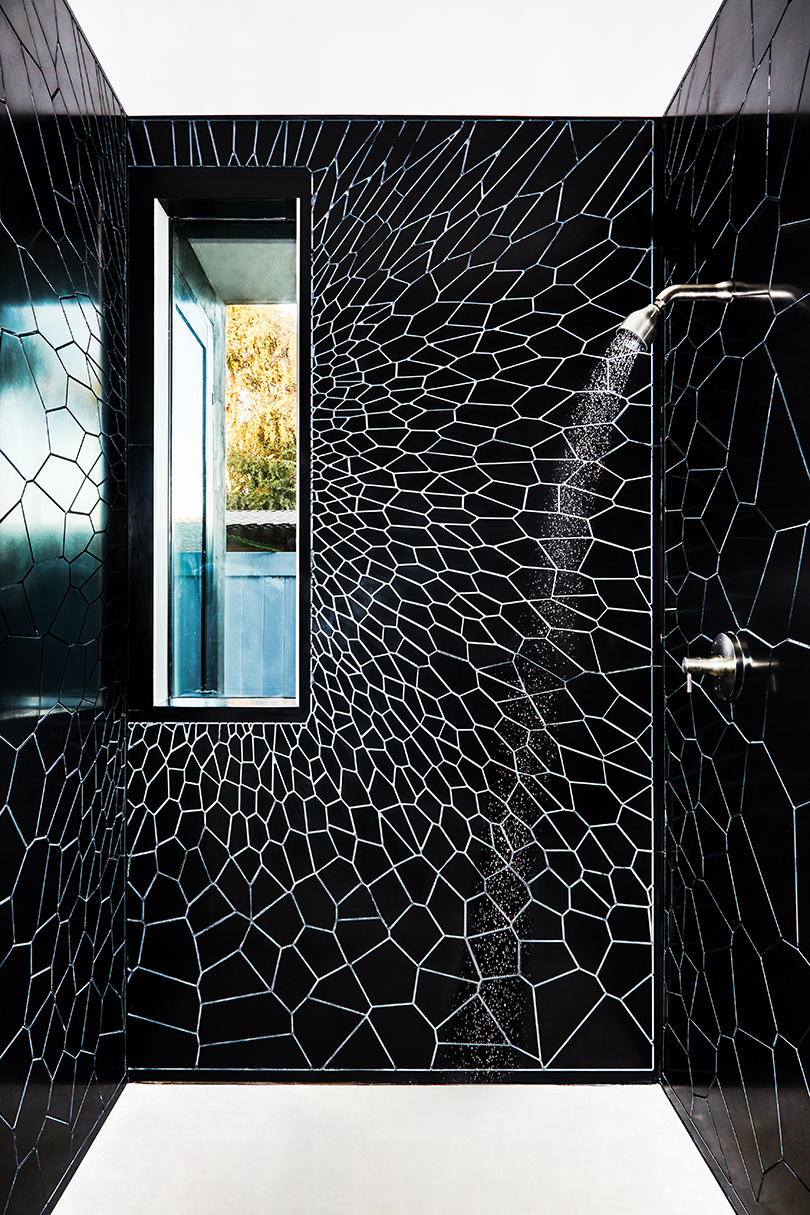
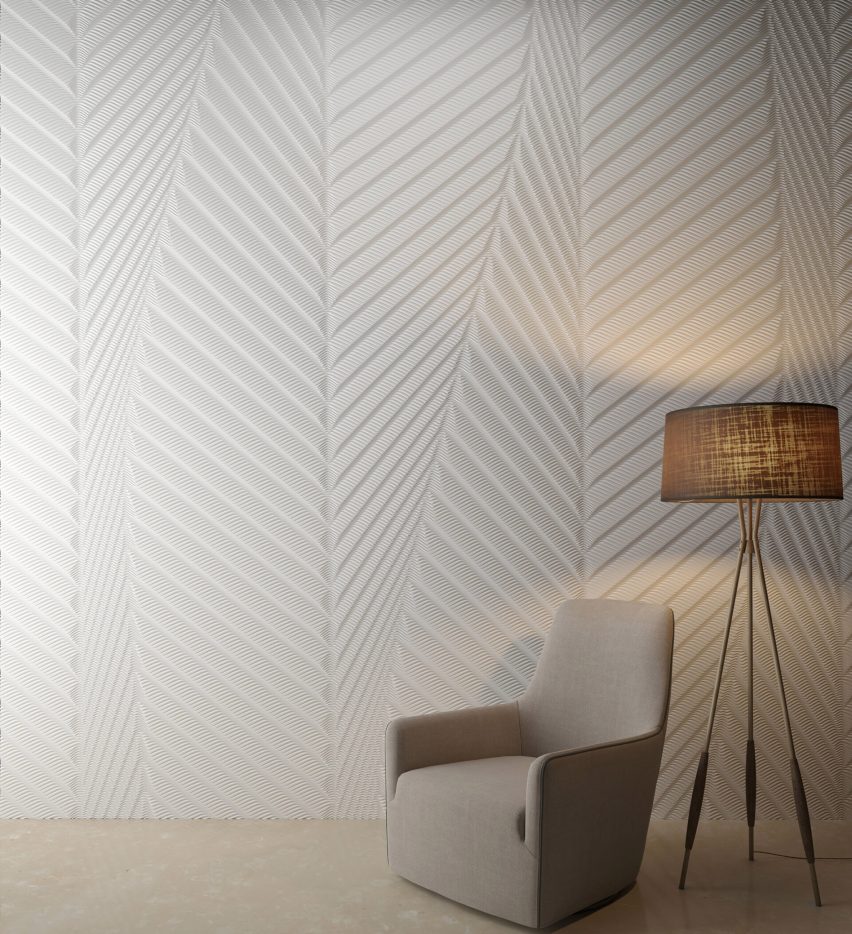
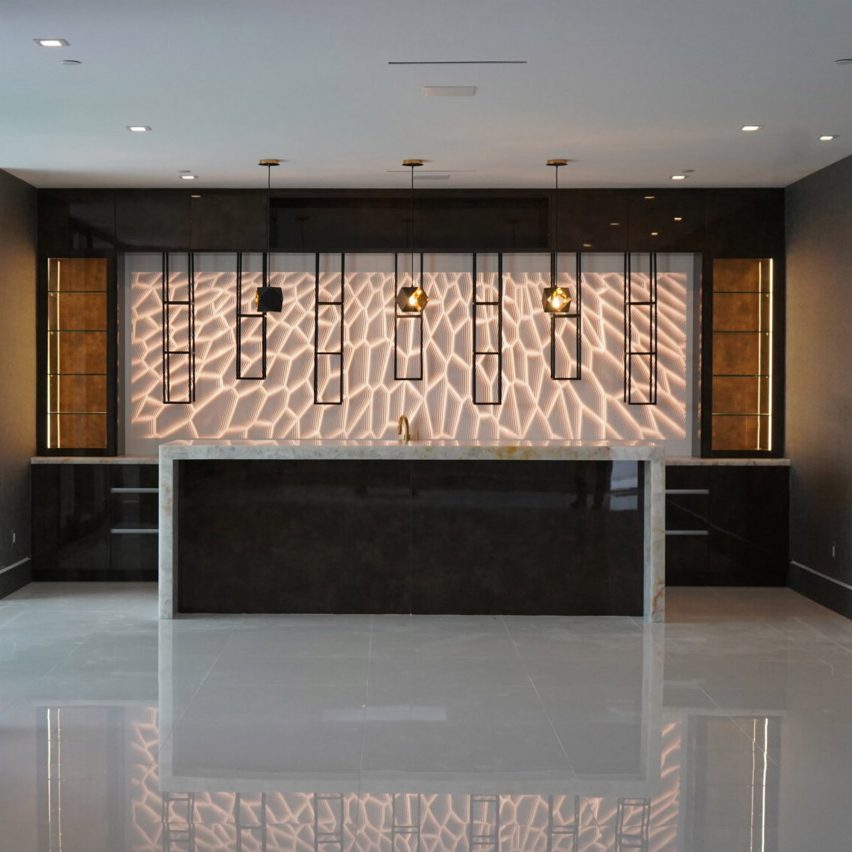
Over time, Corian has been utilized in diverse architectural and design contexts, ranging from staircases and furniture to flooring and even jewelry. Its durability and ease of maintenance have made it a preferred material for exterior facades, as exemplified by projects such as the Rue des Poissonniers Housing by MAAST and Atelier King Kong's Seeko'o Hotel. The material's malleability allows it to be shaped into nearly any form, offering superior strength compared to many woods and plastics, while also being non-porous. Initially available only in white, Corian's color palette has grown to include over a hundred options, including metallic finishes and stone-like patterns.
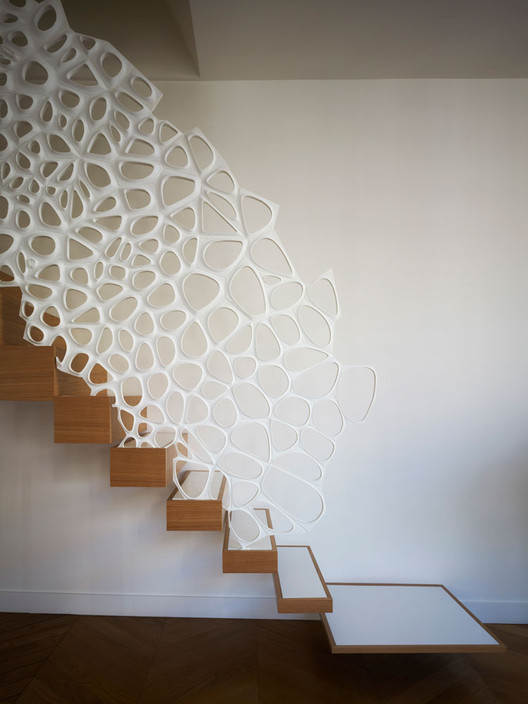
One notable application is in the Dickens Apartment, where designer Ammar Eloueini of AEDS collaborated with Marc Fornes / THEVERYMANY™ to create a biomorphic Corian screen that functions as a railing. Marc Fornes described working with Corian as "straightforward" due to its solid composition, which allowed for robotic milling from both sides to achieve precise angles. He also noted its "forgiving" nature, as flaws or joints can be easily sanded out. A key challenge in this project was managing the material's inherent "heft" while aiming for a design that appeared light and airy, aligning with the apartment's overall aesthetic.
To achieve stability and visual lightness, the screen is anchored to the wall at the top of the staircase. As it descends and becomes two-sided, variations in the thickness, number, and size of its cellular geometry transform the screen from a solid, thick form to a more porous and delicate one. These intricate details demonstrate both the material's strength and the possibilities enabled by computer-aided milling technologies. The screen's surface is left unfinished, as Corian is naturally soft and tactile, enhancing its sensory appeal. This project highlights Corian's adaptability in sophisticated architectural designs, demonstrating its evolution from a functional surface to an integral design element that blends aesthetics with performance.
#Corian #MaterialVersatility #ArchitecturalDesign #InteriorDesign #SurfaceMaterial #ContemporaryArchitecture #ResidentialDesign #ComputerAidedDesign #DuPont #Corian #MaterialVersatility #ArchitecturalDesign #InteriorDesign #SurfaceMaterial #ContemporaryArchitecture #ResidentialDesign #ComputerAidedDesign #DuPont
共0条评论
 暂无评论
暂无评论你可能还喜欢
DuPont™ Corian® renews and expands collection of ready-made basins + sinks
Best in class: Kitchen countertops
Must-See Tile and Stone Designs From Coverings 2023

Porcelain Surfaces

5 things you need to know about Corian countertops (from someone who has them in their own kitchen)

Corian Primo basins & troughs, home bathrooms
Coronado Stone Products: The Stunning Look of Stone with the Ease Of Installation Of Veneer
Design Industry ceramic tiles by Refin
MR Walls 3D Carved Wall Panels x Corian
atlas concorde harmonizes in & outdoors with sedimentary stone-inspired tiles
The most important tool in the kitchen is the countertop says Caesarstone CEO
9 Durable Kitchen Flooring Finishes That Interior Designers Swear Will Look Good for Longer
corian® solid surface shapes, curves and backlights hotels from spas to sculptural walls
All the shapes (and sizes) of ceramics made in Italy
Why top designers are turning to porcelain for contemporary surface solutions
4 Unexpected Materials That Look Like Ceramic Tiles
M|R Walls by Mario Romano for CDUK

Acme Brick, Tile and Stone – Florence
Ornament is no longer a crime. And the new trims on the coatings confirm it
Love the idea of concrete countertops? Check out these lookalike versions, made in quartz!