1/2
Millennials Are Obsessed With Gray Homes, And The Psychology Behind It Is Fascinating
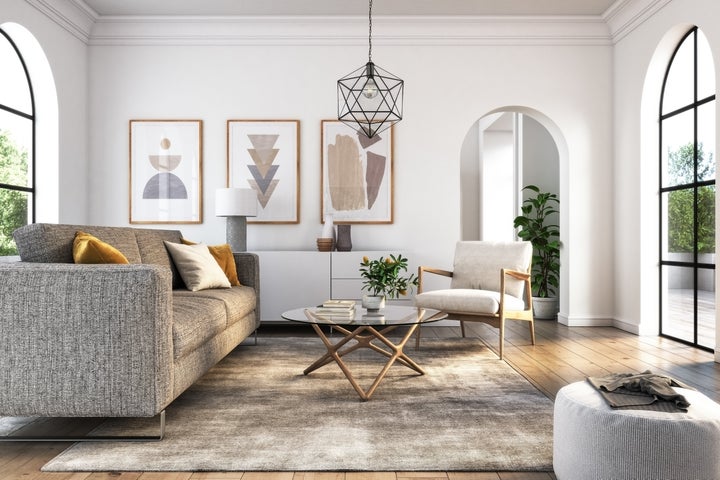
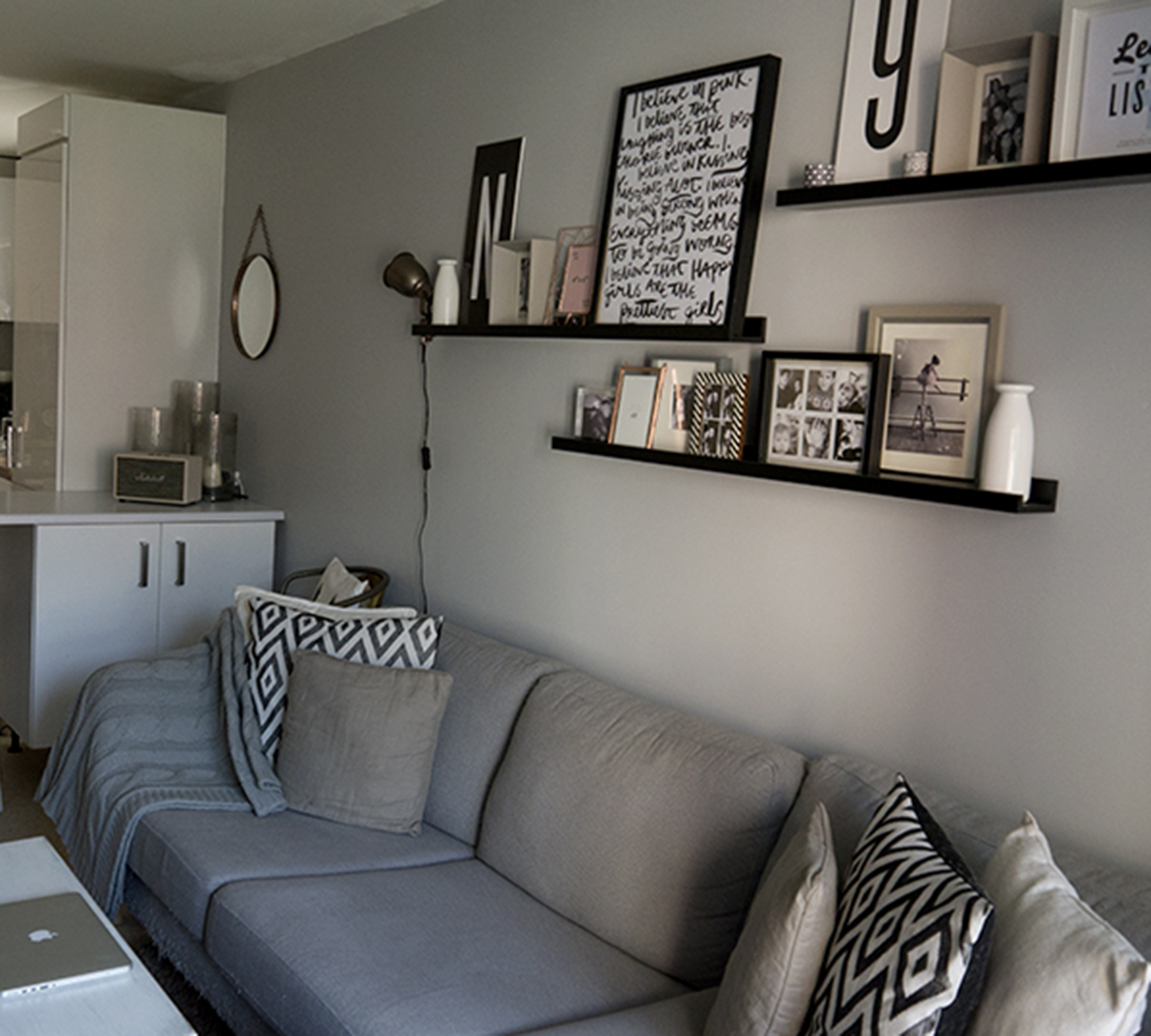
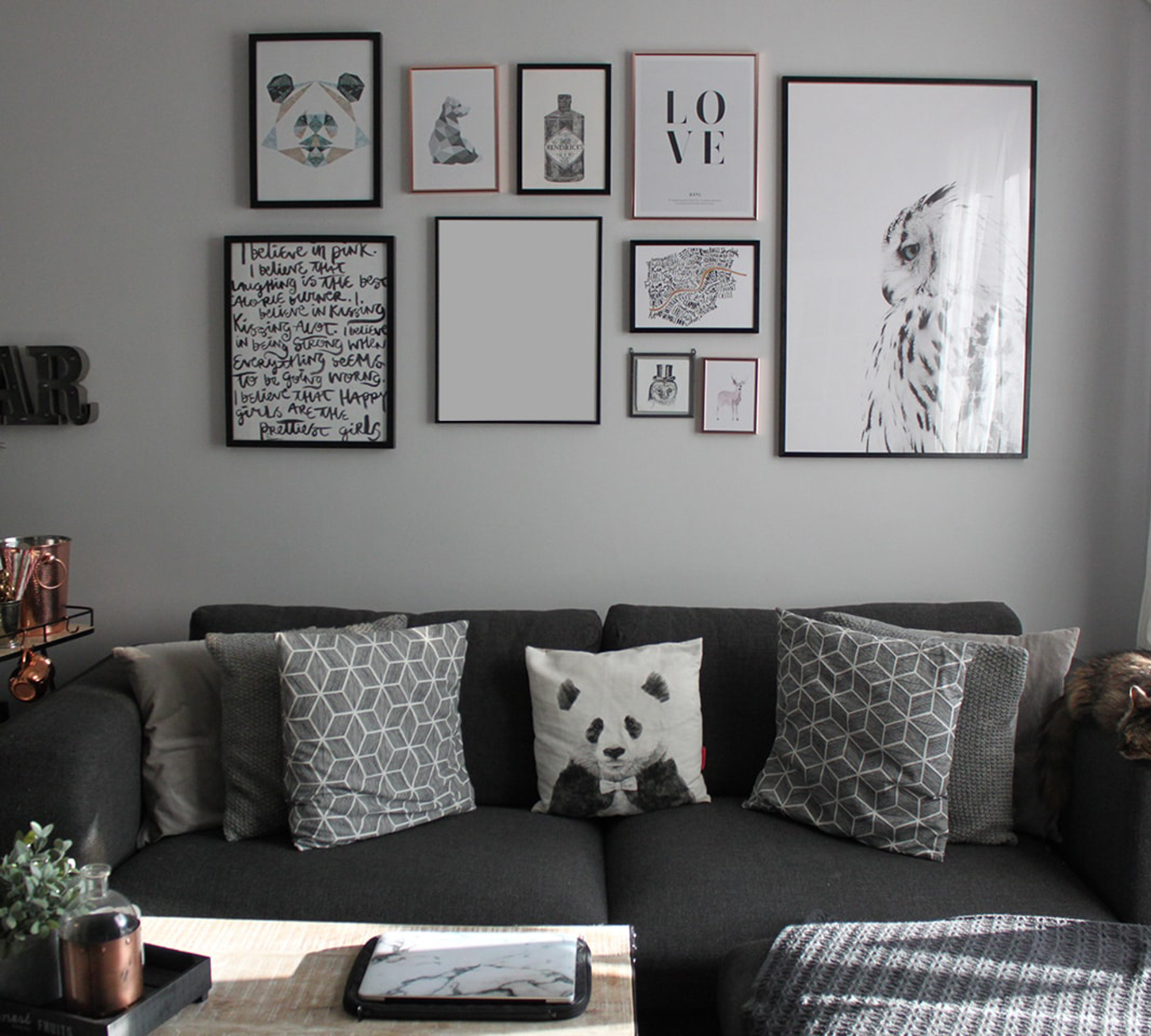
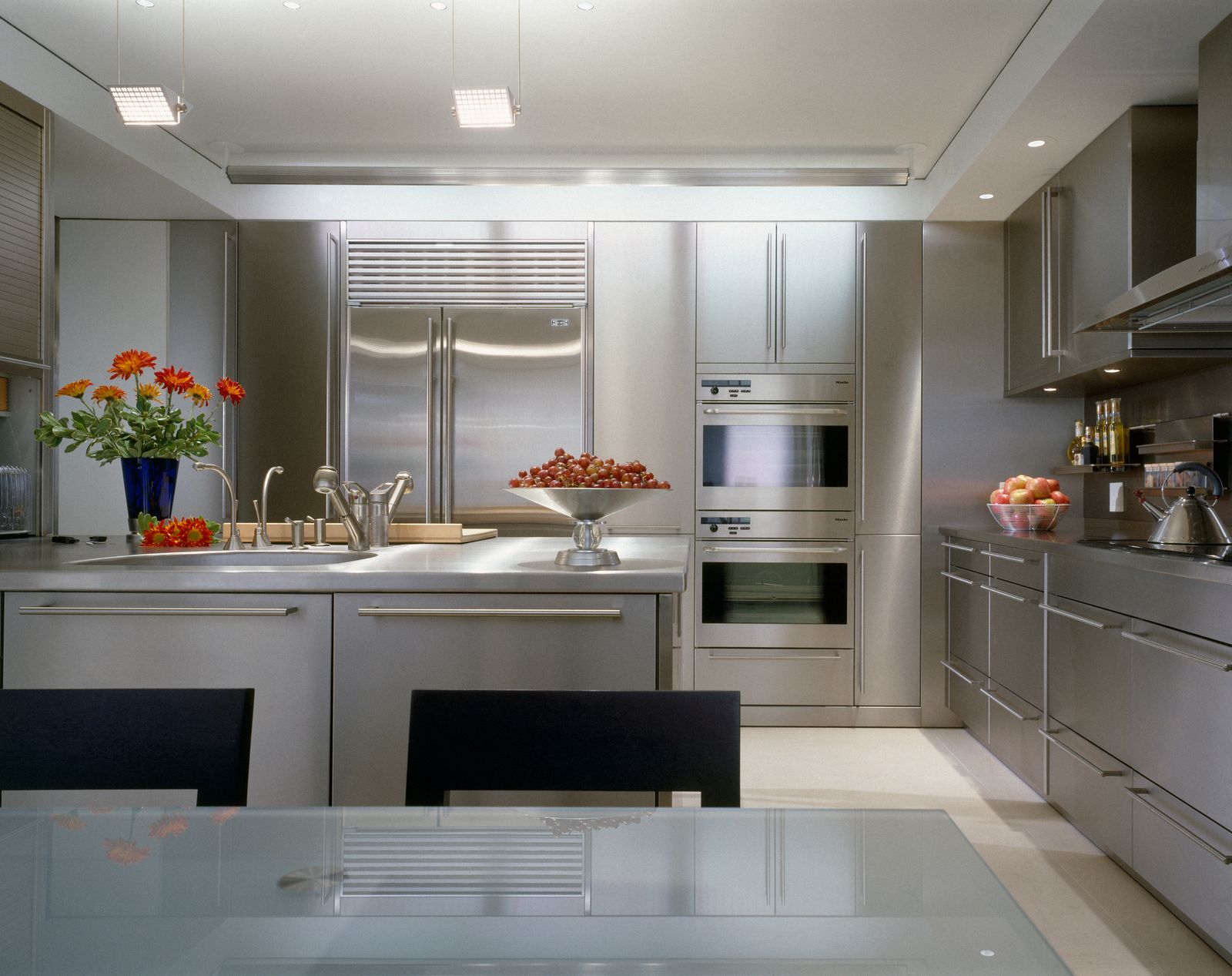
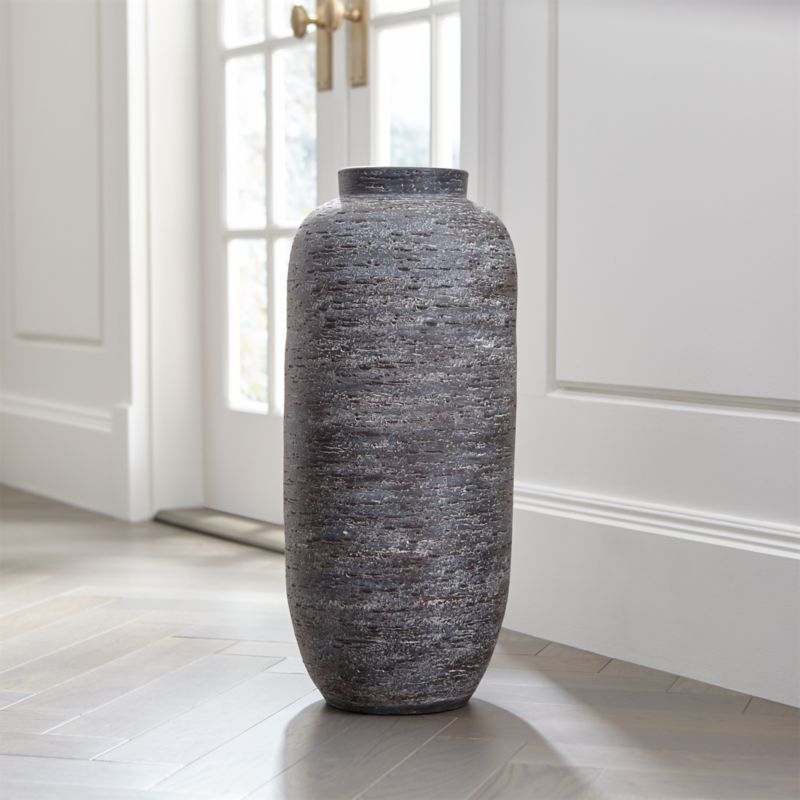
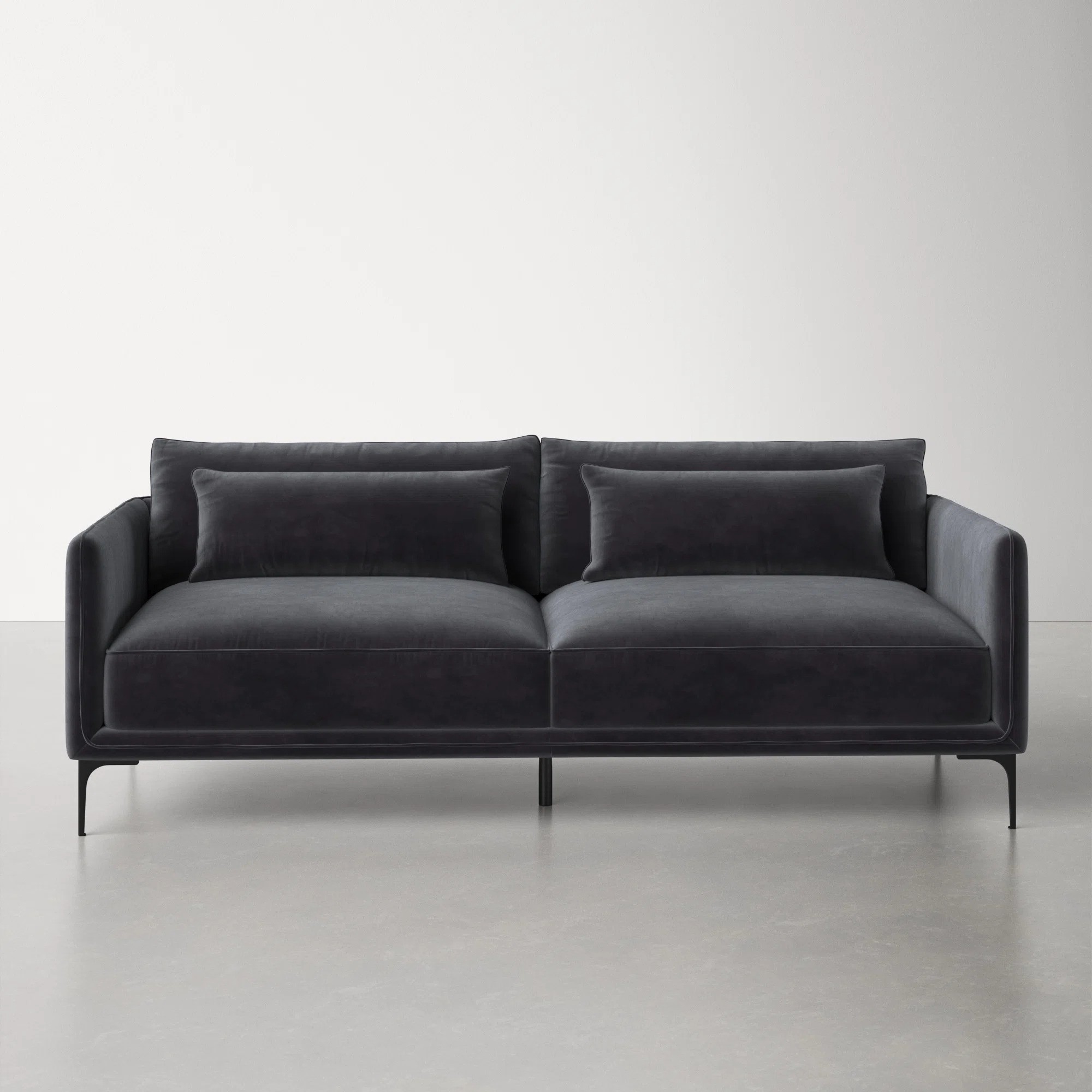
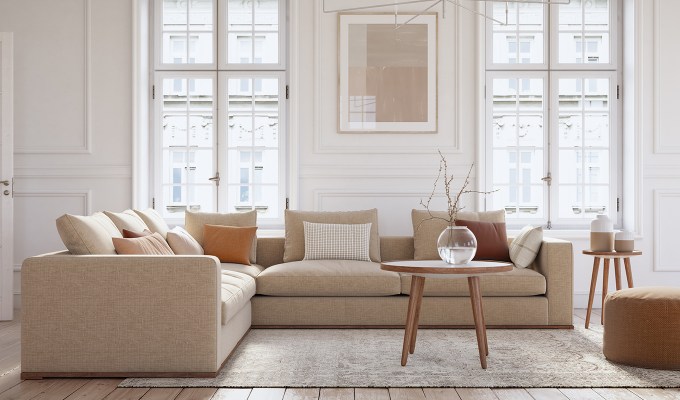
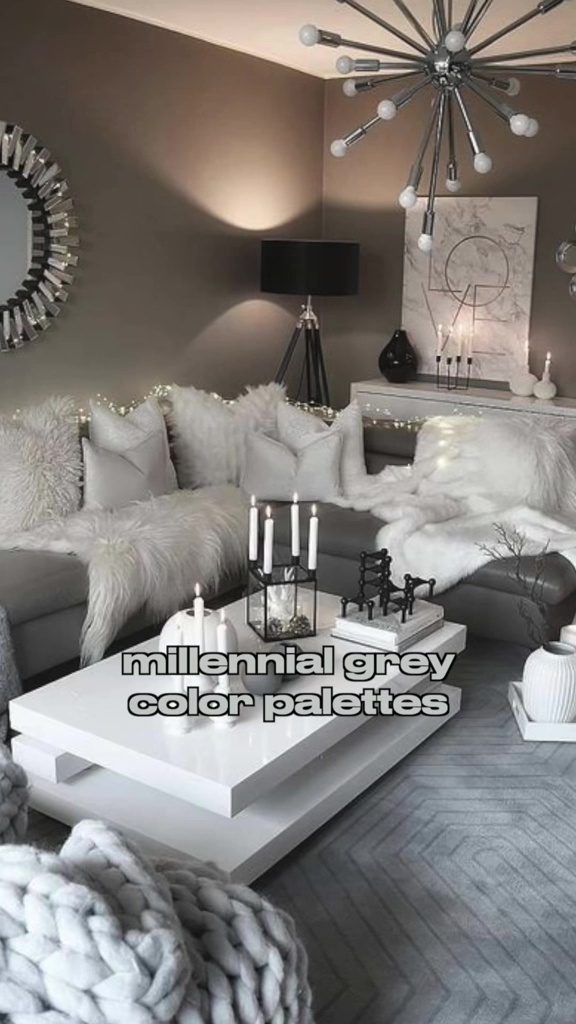
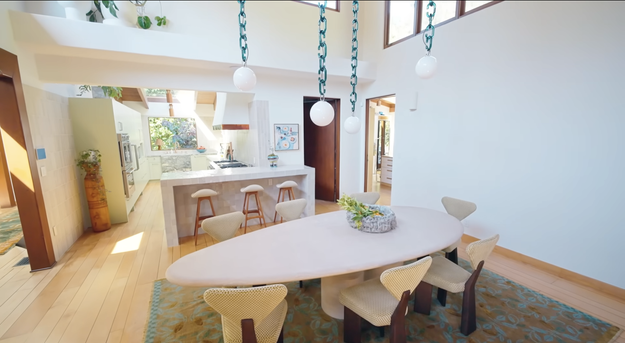
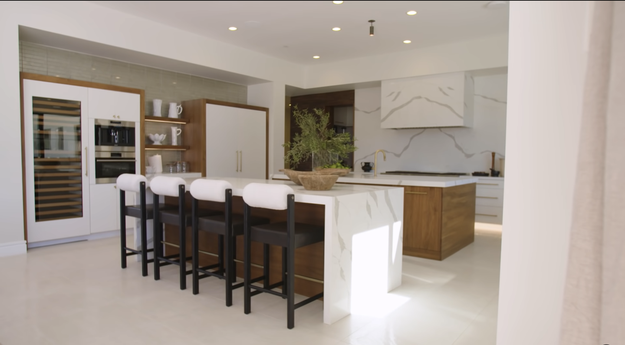
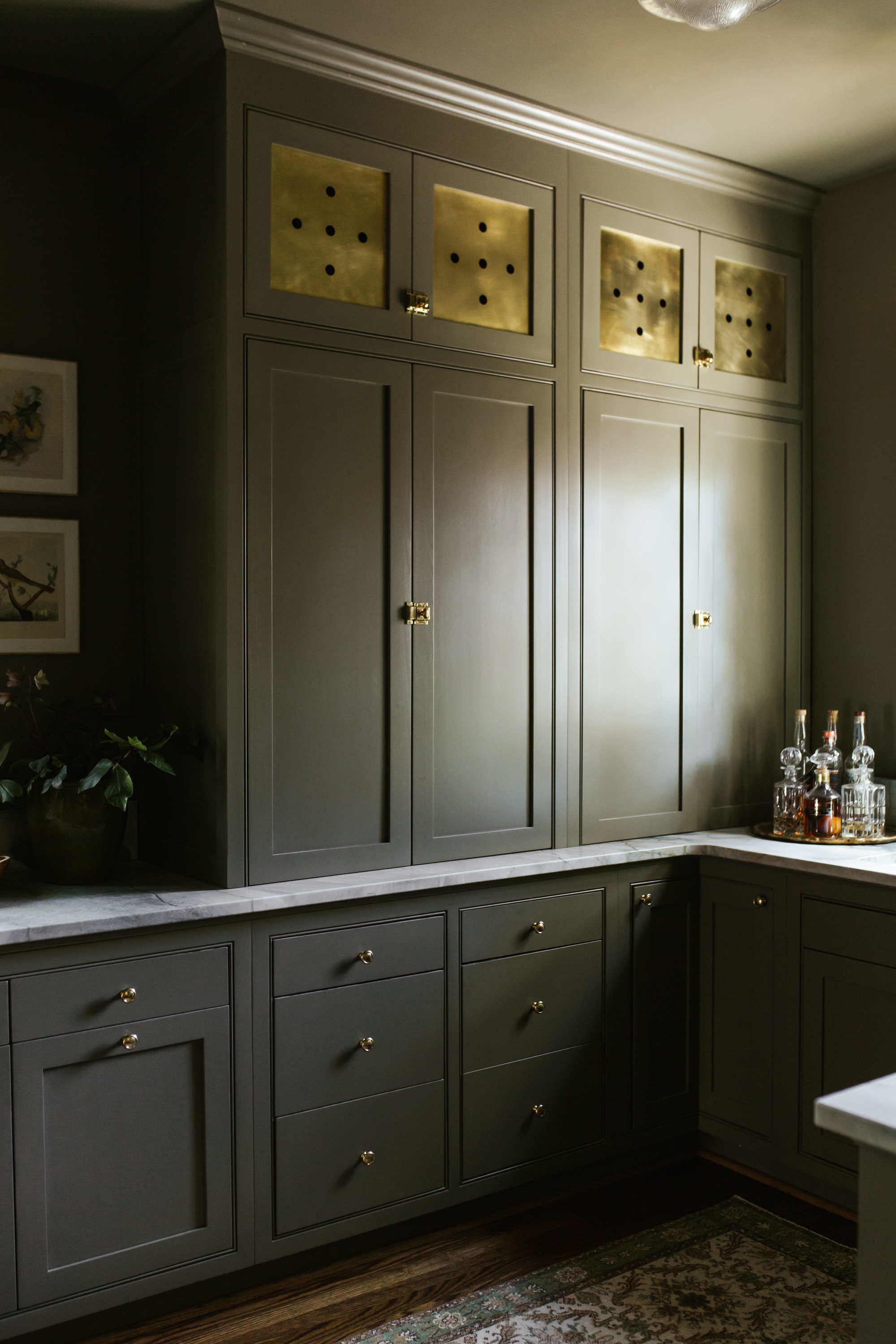
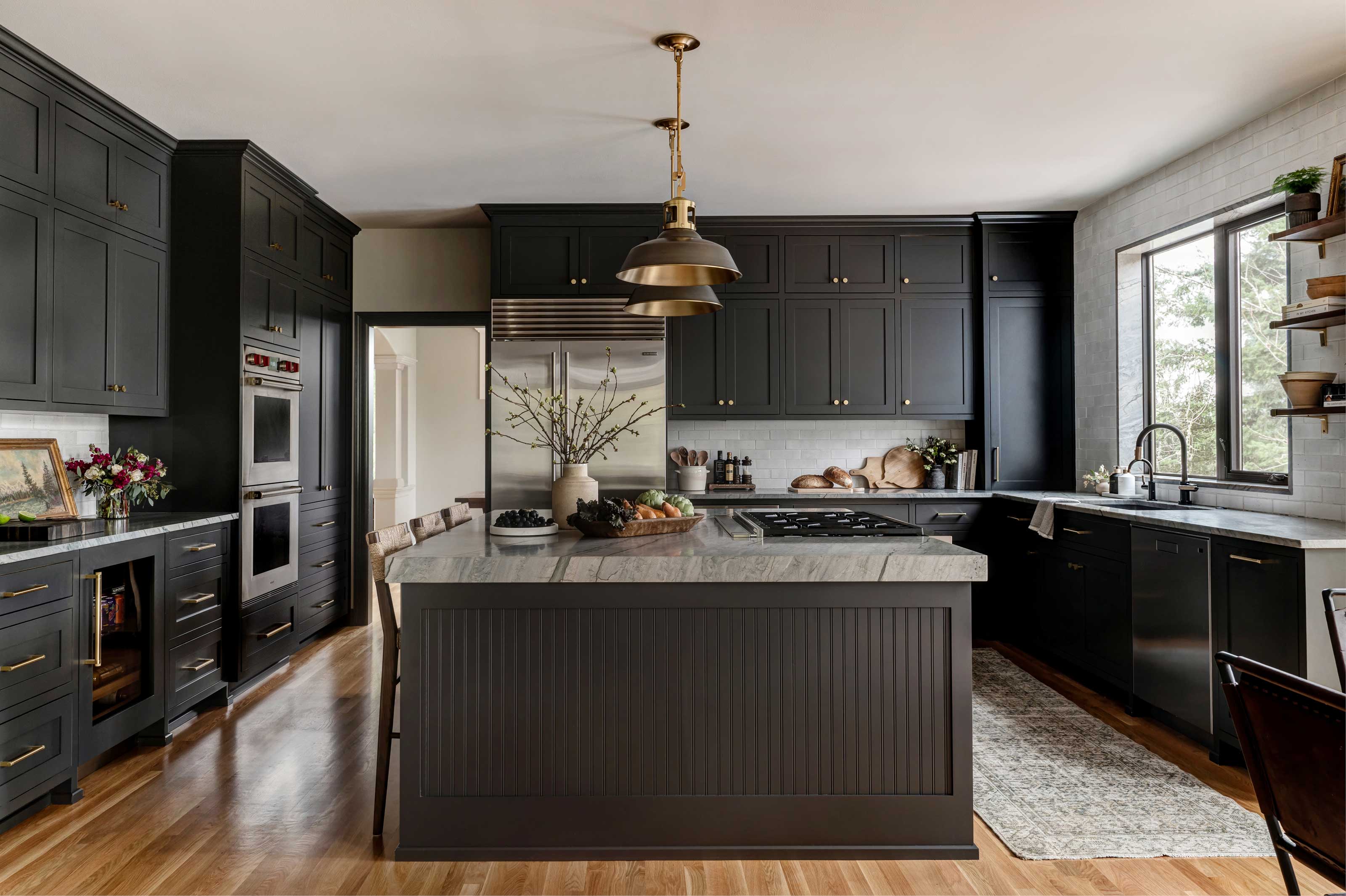
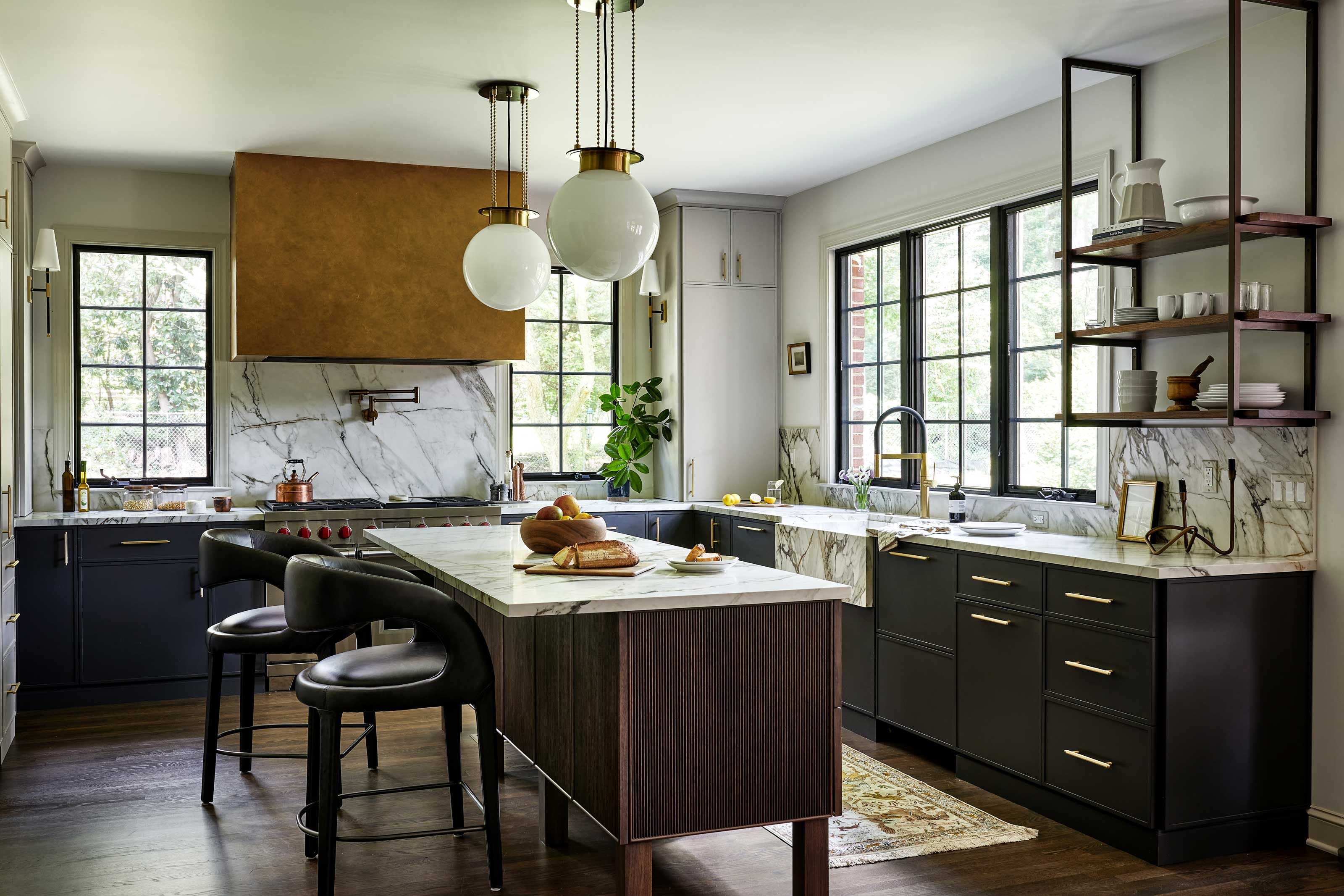
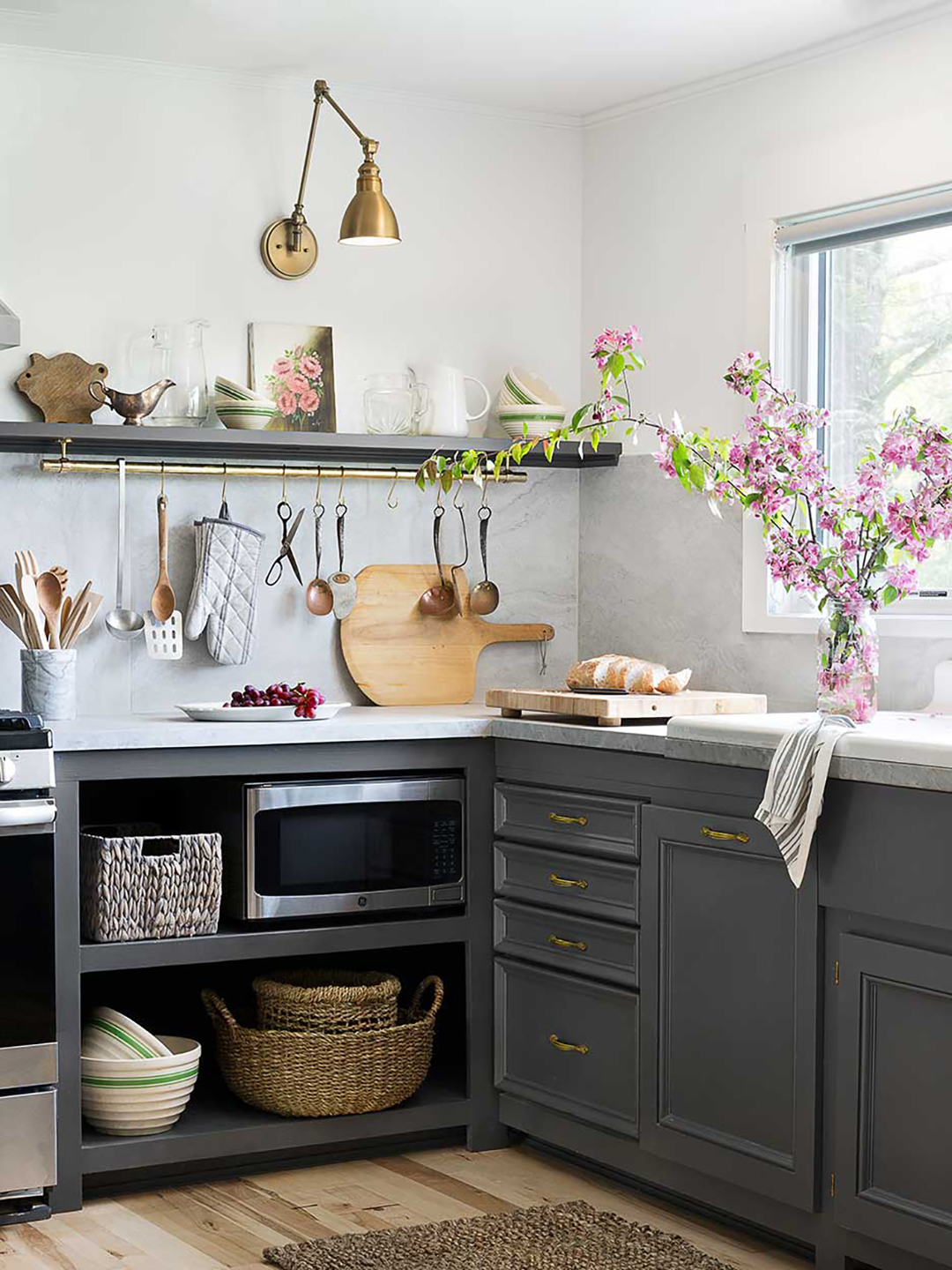
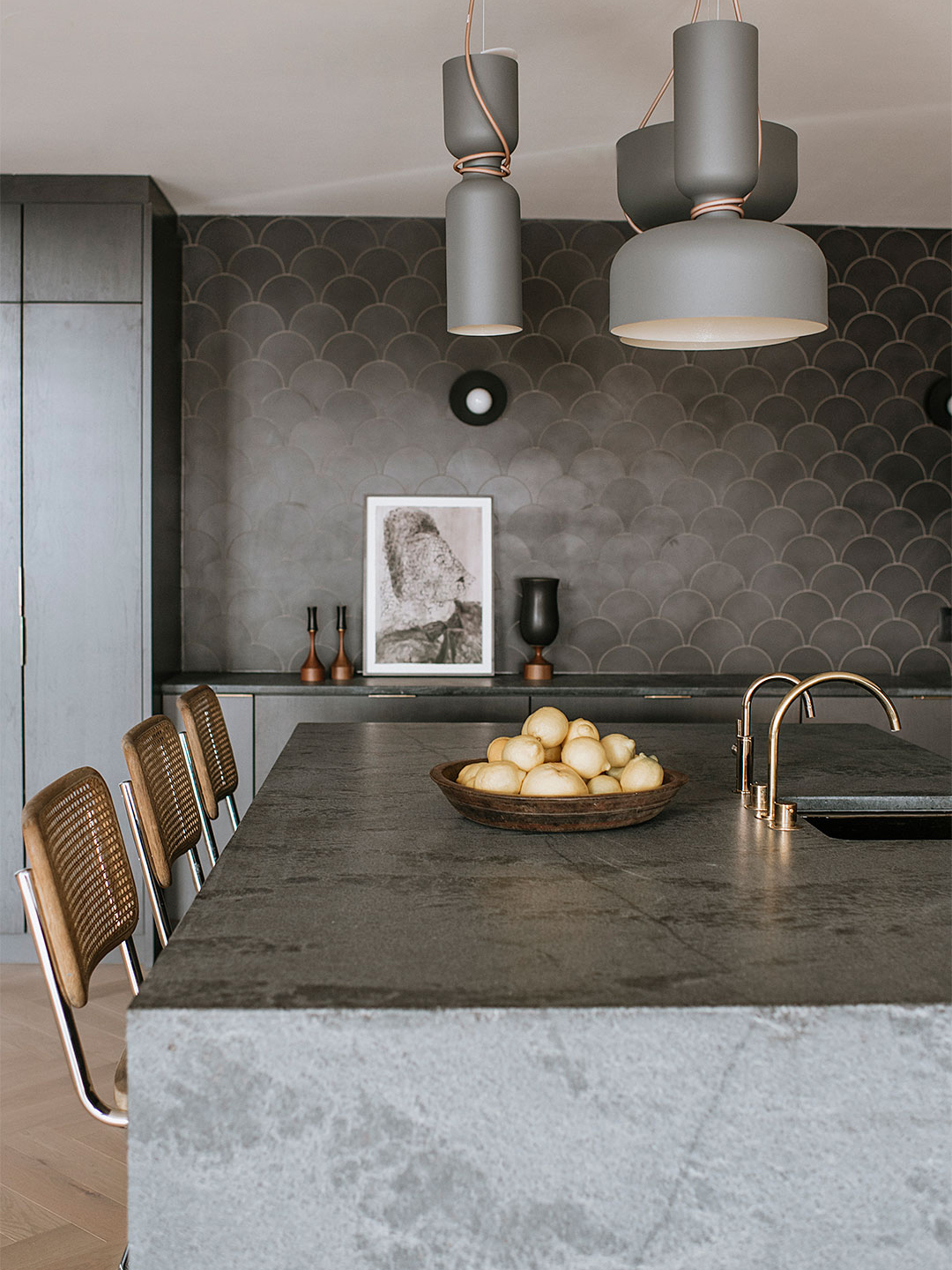
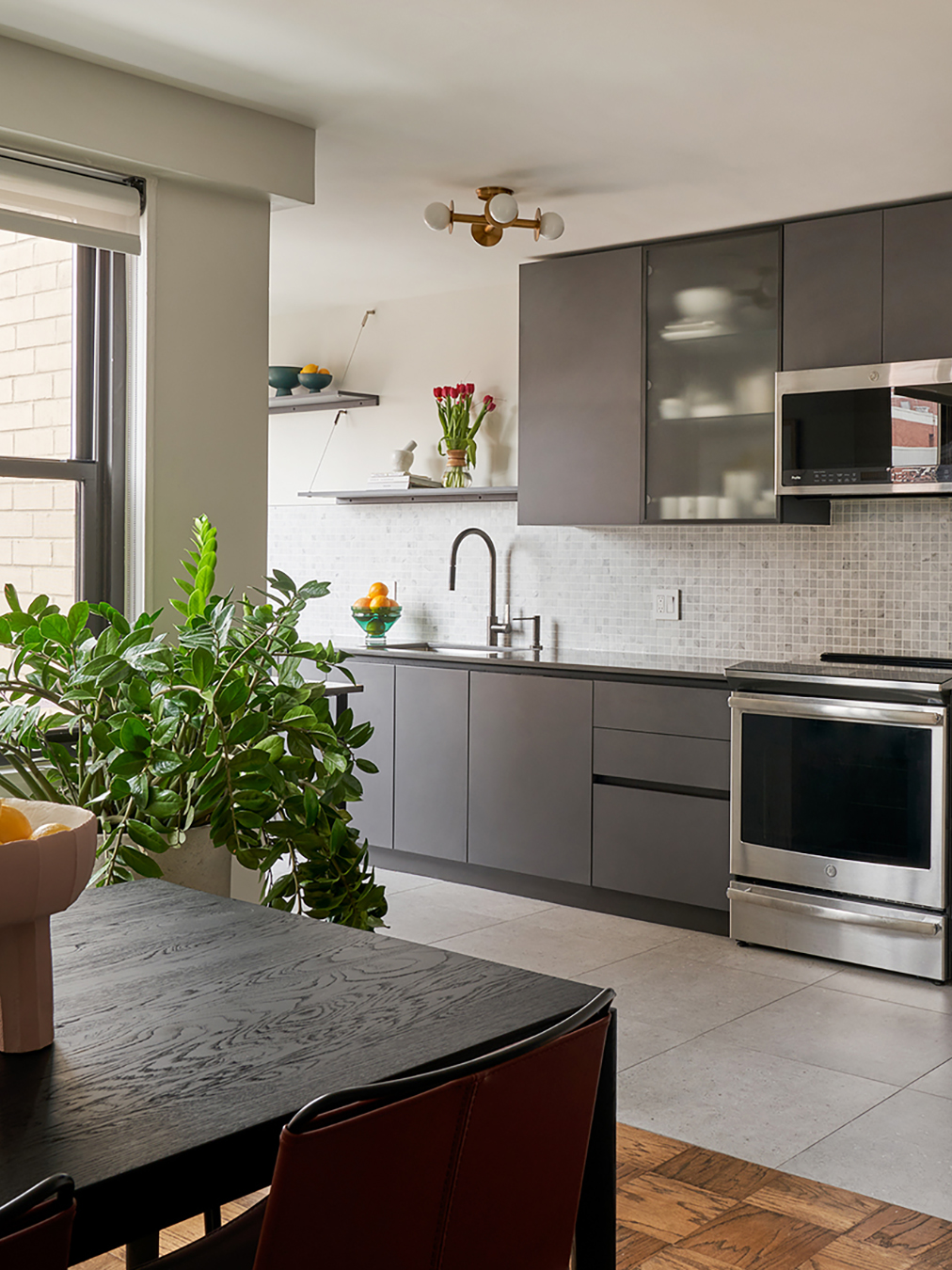
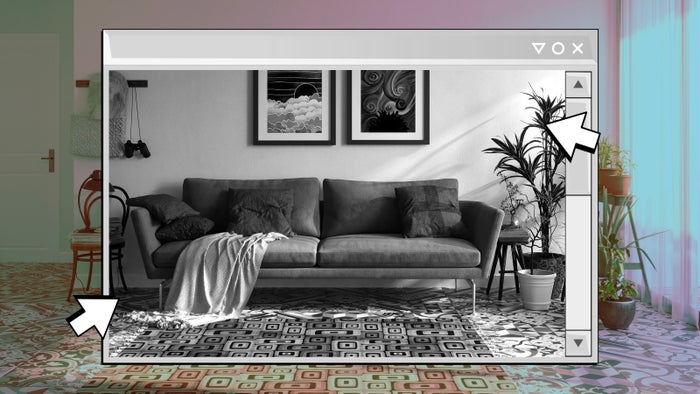
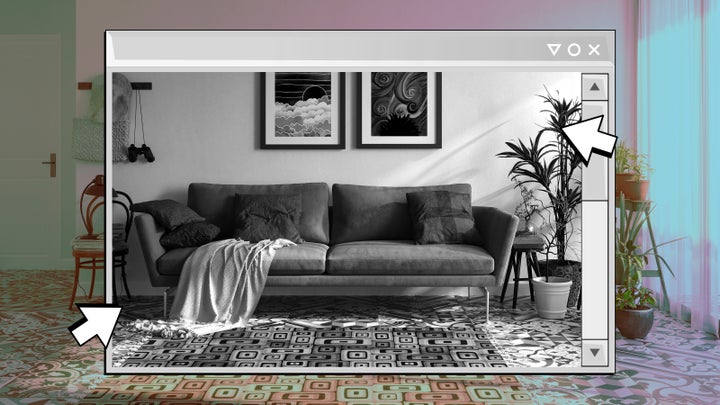
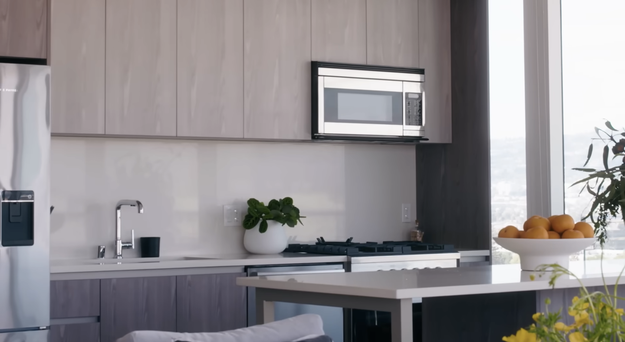
Millennials frequently opt for gray as a primary color in their home interiors and exteriors, a trend that has garnered both widespread adoption and critical commentary. This aesthetic, often termed “millennial gray,” is evident in various aspects of their living spaces, from bathroom tiles and flooring to furniture and exterior siding of modern farmhouses. The prevalence of this neutral palette has prompted discussions regarding its psychological underpinnings and societal implications.
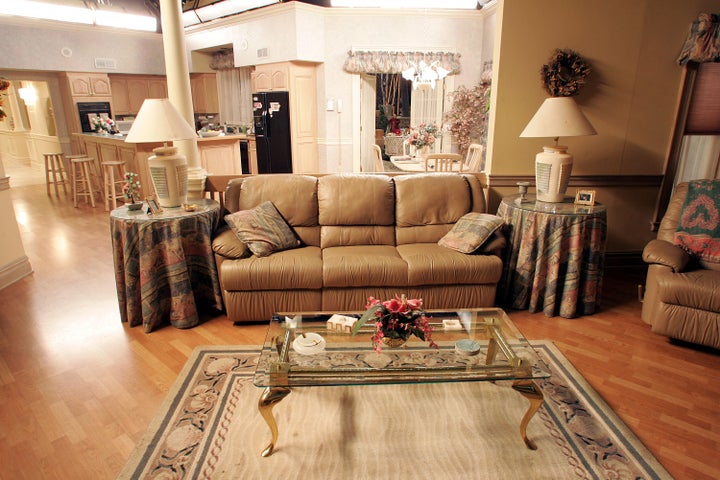
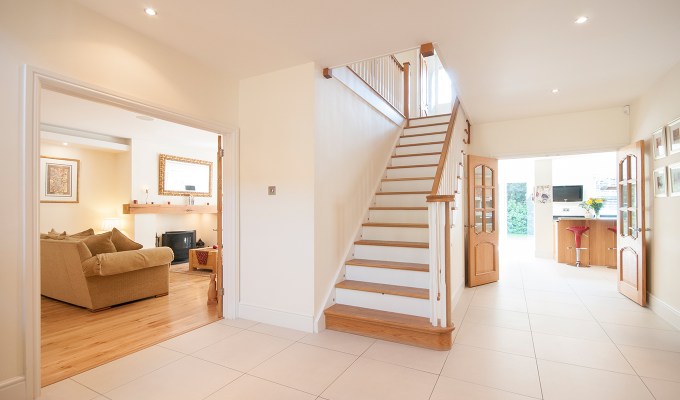
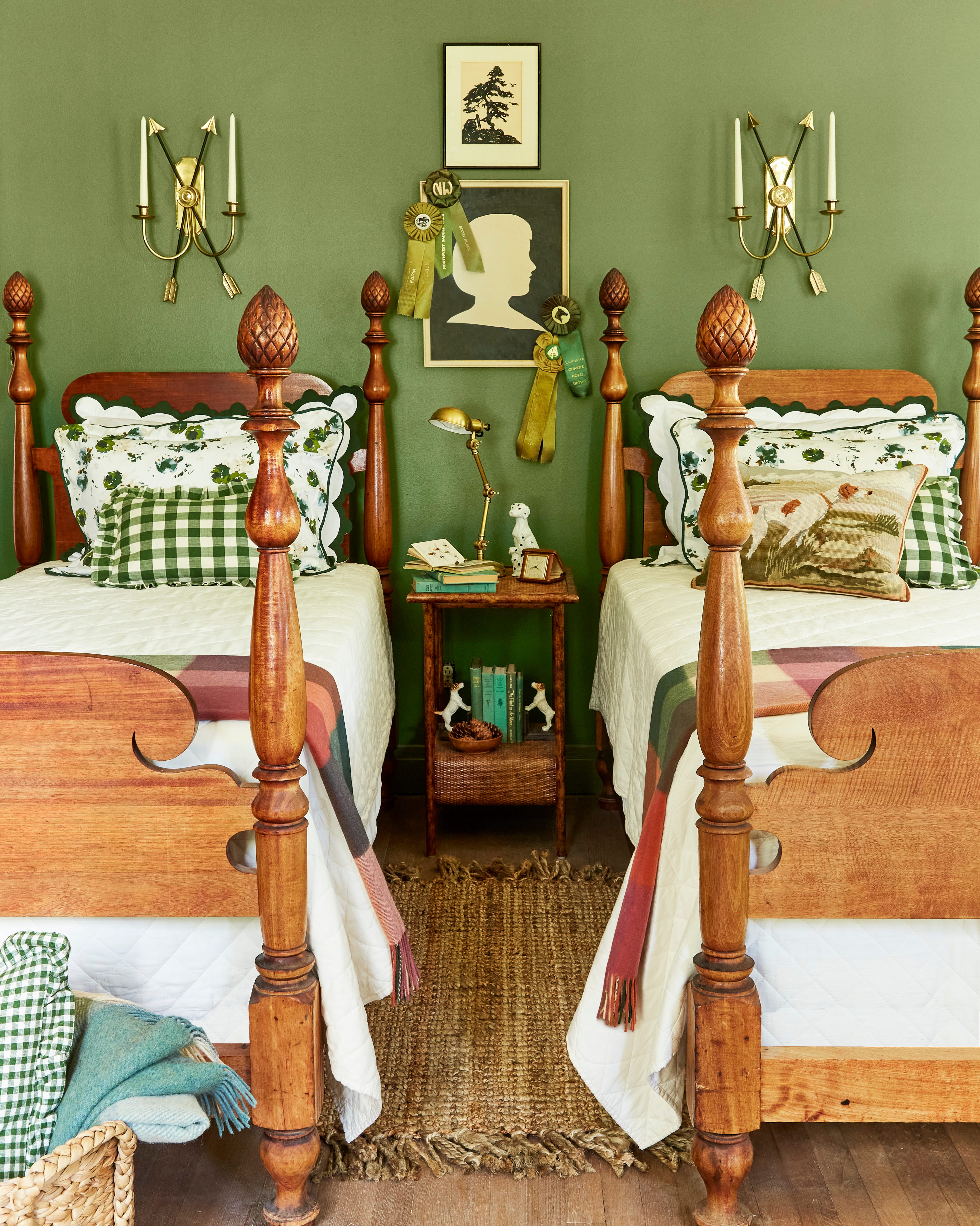
One significant factor contributing to the millennial preference for gray is a deliberate rejection of the maximalist, often cluttered, and warm-toned aesthetics favored by previous generations, particularly their parents. The 1990s saw popular design trends such as shabby chic, Tuscan-villa style, and Southwestern aesthetics, which frequently incorporated a dominant beige color palette, alongside lace, gingham, vibrant patterns, and rich, earthy tones. Following this period of visual overstimulation, millennials seek simplicity and serenity in their personal environments. Gray emerges as a neutral alternative to the ubiquitous “builder beige,” serving as a clear departure from the design norms of their upbringing. The rise of brands like Restoration Hardware, known for its gray-centric offerings, further solidified this aesthetic in the market.
Psychological insights suggest that millennials' gravitation towards neutral and muted tones is also a coping mechanism for heightened anxiety levels. This generation has navigated multiple economic downturns, student loan debt, housing crises, and climate anxiety, leading to elevated stress rates. In response, they seek to create calm, stable, and uncluttered home environments. A streamlined, neutral-toned living space offers a sense of control and order amidst external uncertainties, functioning as a mental respite and reducing cognitive load. This preference aligns with a broader emphasis on minimalism and mindfulness in their lifestyles.
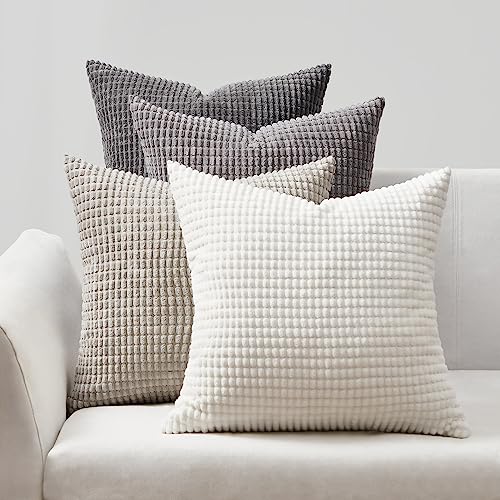
Furthermore, the millennial embrace of gray is linked to their values concerning environmental sustainability and practical consumption. A substantial portion of millennials are willing to invest more in sustainable products and services. Neutral color schemes, such as gray, offer longevity and versatility, as they can complement various design trends without requiring frequent updates or replacements. This reduces the need for new purchases and minimizes environmental impact. Additionally, dark gray is a practical choice for durable items like couches, as it is more resistant to stains and wear, particularly in households with children.
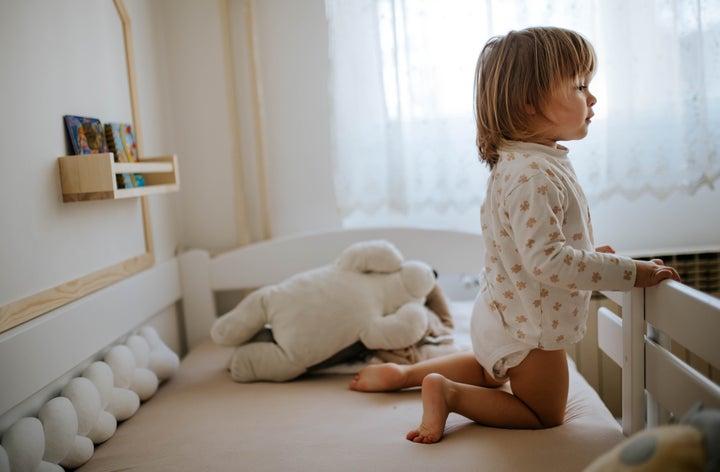
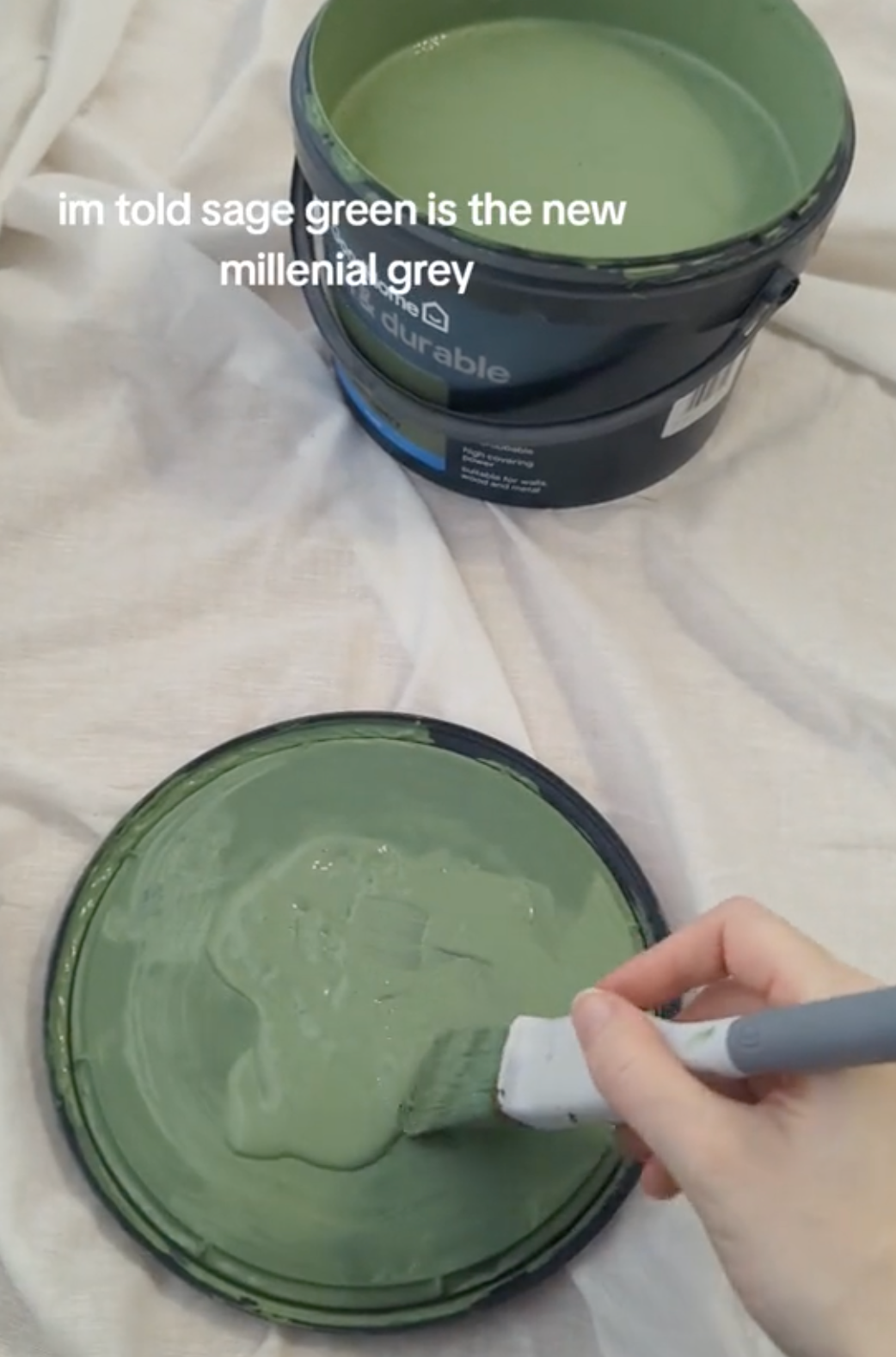
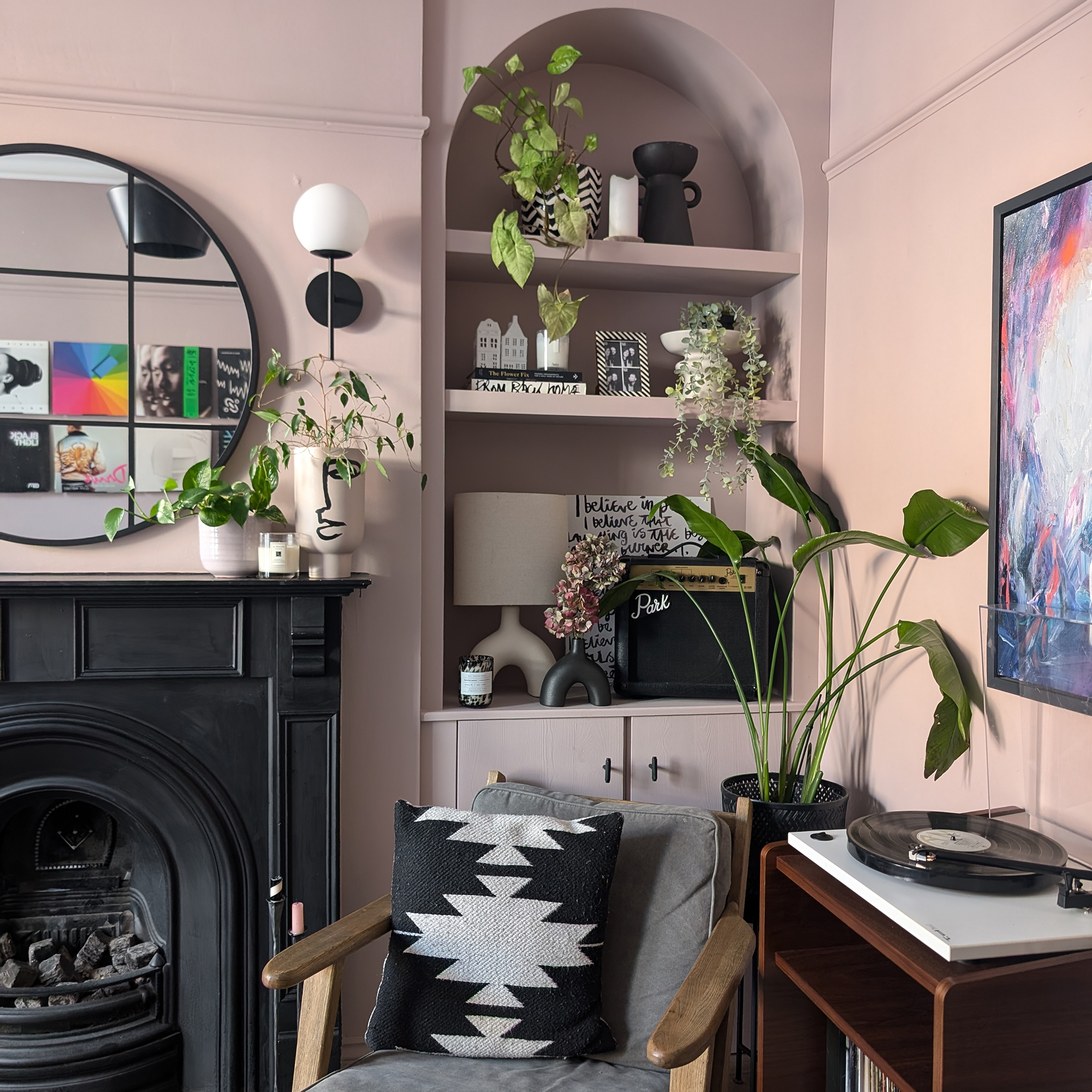
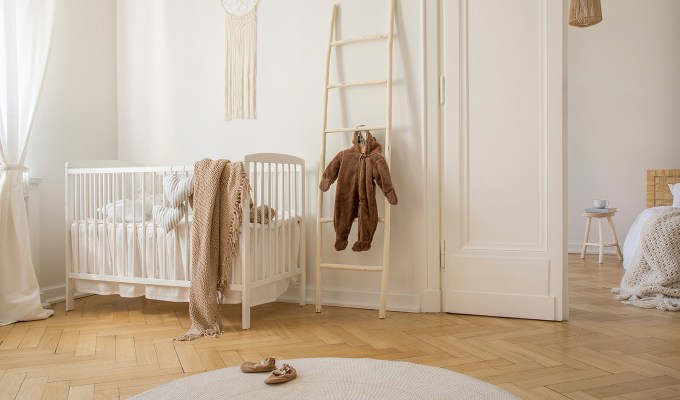
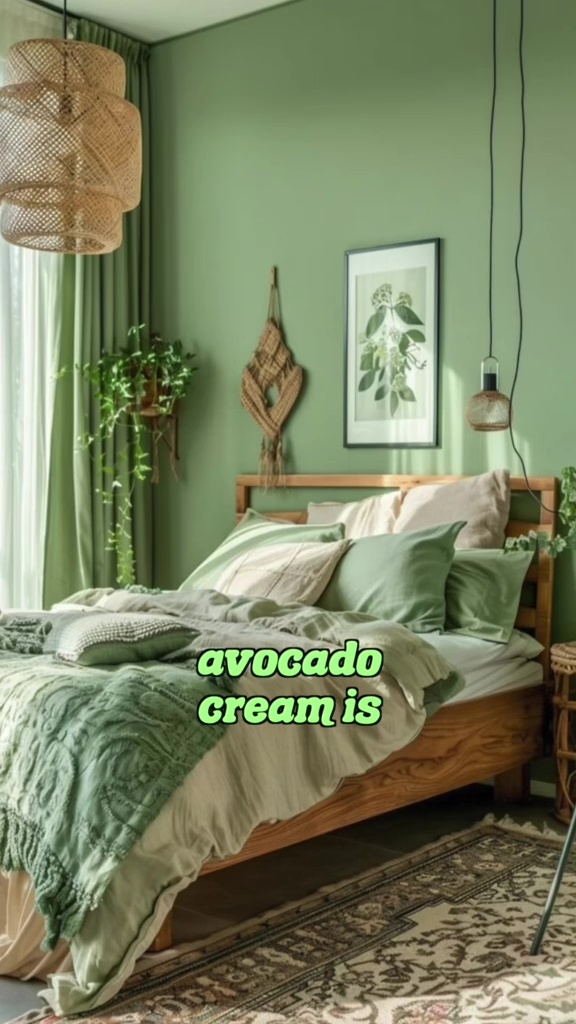
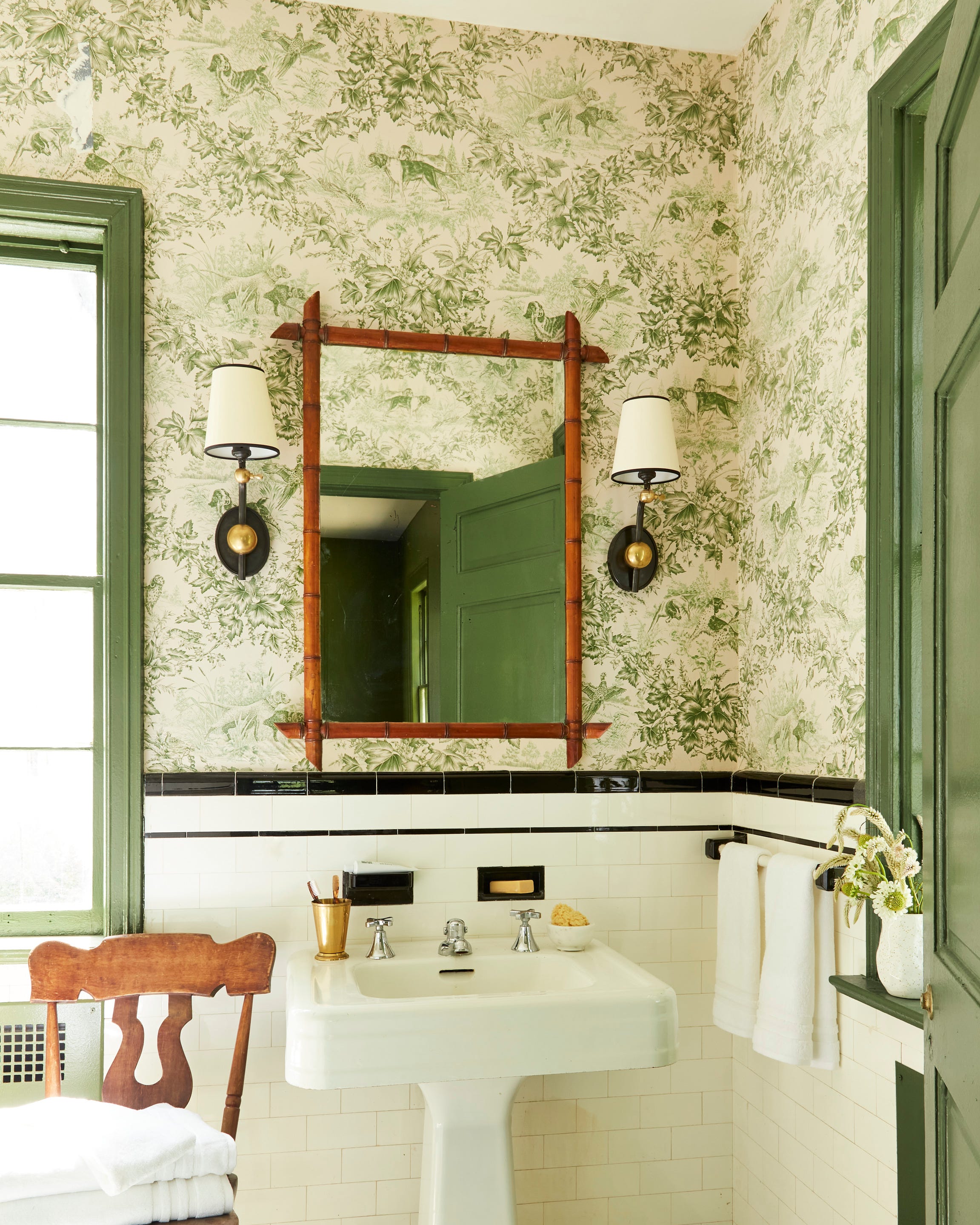
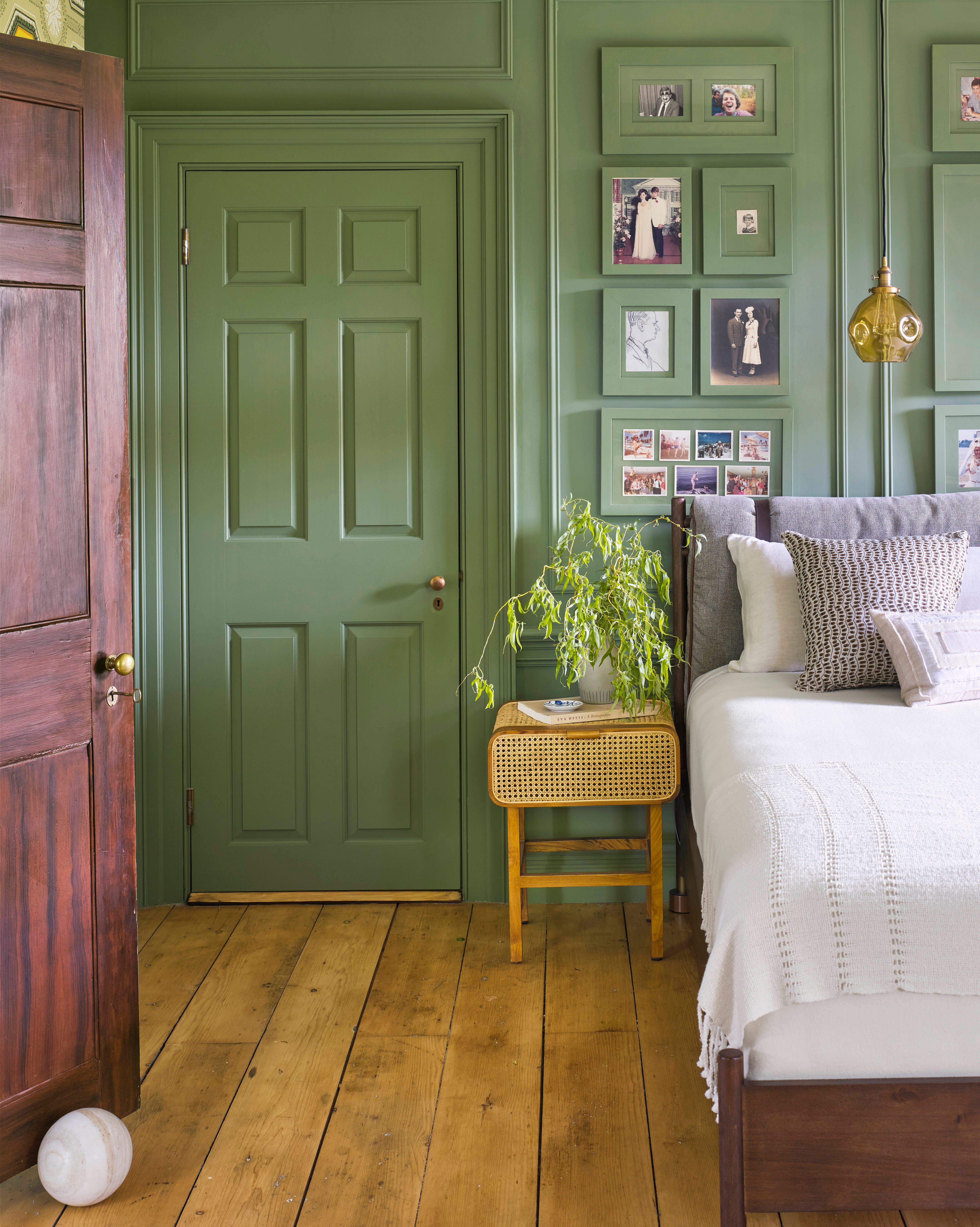
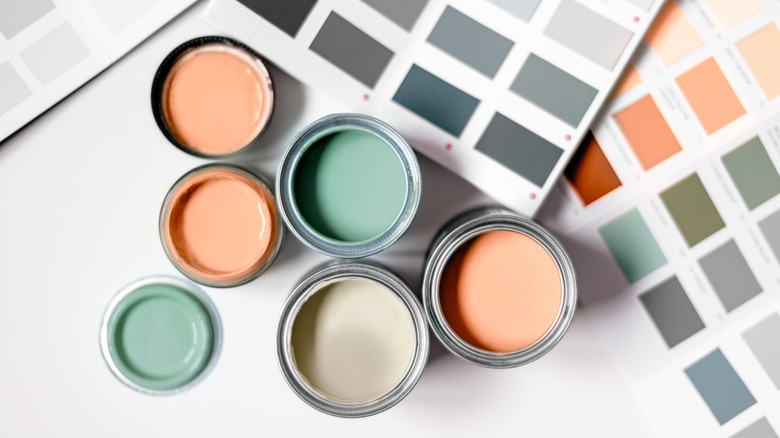
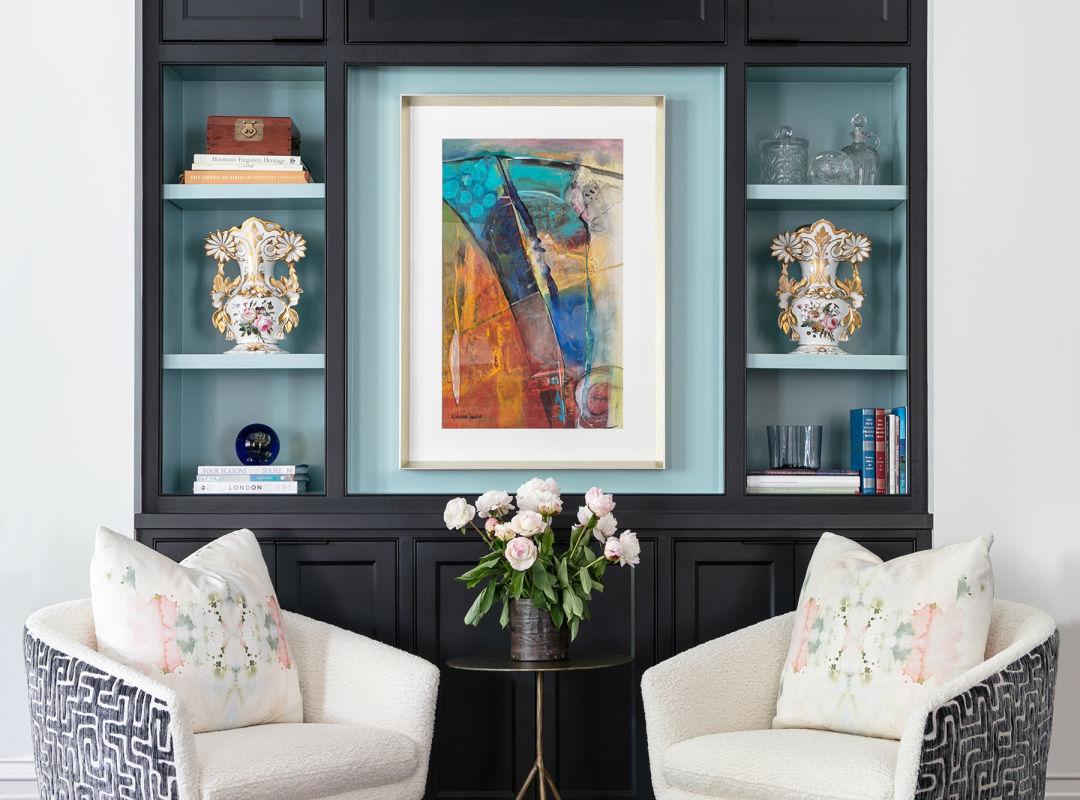
The gender neutrality of gray also appeals to millennials, especially couples aiming for equitable home design and parents adopting a “sad beige parenting” approach for their children. This monochrome aesthetic avoids traditional gender stereotypes associated with more vibrant colors, promoting inclusive and non-binary values. Gray and beige are viewed as blank canvases that allow a child’s personality to develop independently of predefined color associations. This choice reflects a desire to foster an environment free from restrictive norms. While some experts predict a shift away from millennial gray towards more maximalist or “grandma-core” styles, the color remains popular in new construction and real estate in certain regions. For those looking to update predominantly gray homes, designers suggest subtle additions of color through elements like soft sage hues, living greenery, unique furniture, and artwork, transforming the gray space into a personalized canvas.
#MillennialHomeDesign #GrayInteriors #HomeAesthetics #PsychologyOfColor #NeutralDecor #MinimalistLiving #SustainableDesign #GenderNeutralDesign #MillennialHomeDesign #GrayInteriors #HomeAesthetics #PsychologyOfColor #NeutralDecor #MinimalistLiving #SustainableDesign #GenderNeutralDesign
共0条评论
 暂无评论
暂无评论你可能还喜欢
Are They OK? The Psychology Behind ‘Millennial Gray’ Homes
From Gen Z To Boomers, Here Are The 16 Home Decor Choices That Perfectly Summarize Each Generation
20 Millennial Home Trends That We'll All Be Cringing At In 20 Years
War on beige: Why are all of today’s houses cream-colored?

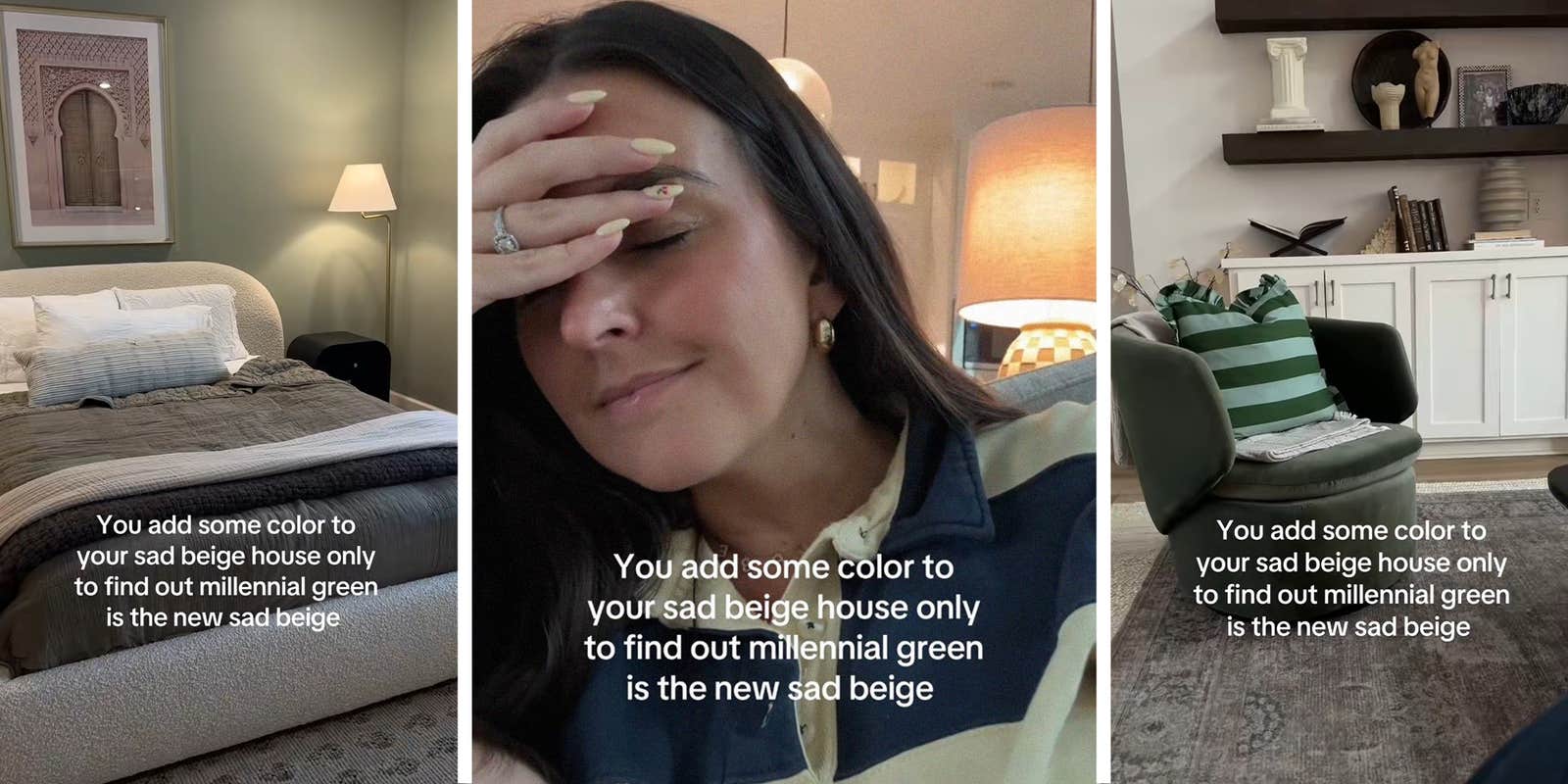
Is millennial green the new ‘sad beige’?
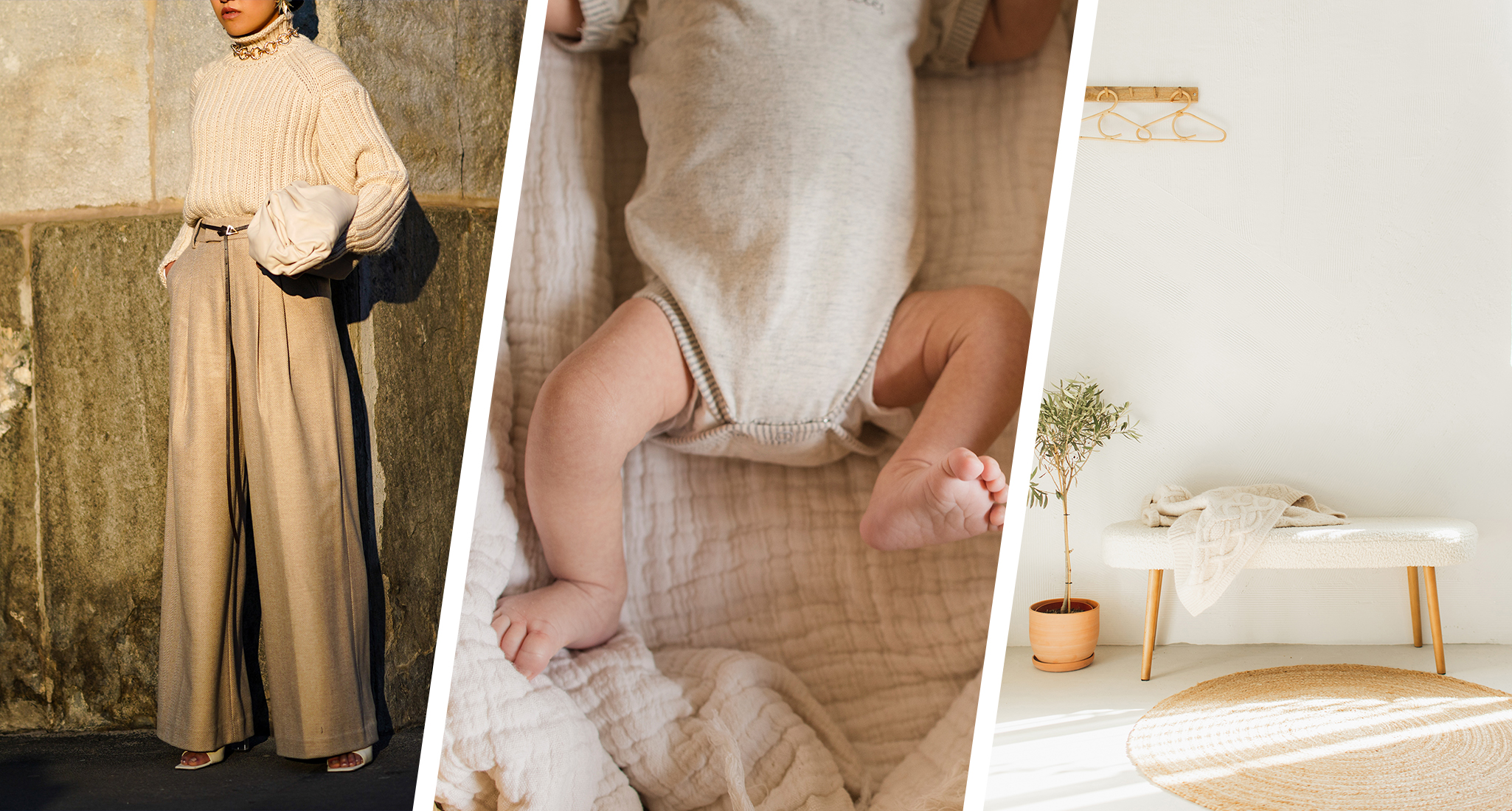
From Quiet Luxury to the Sad Beige Baby, When Will ‘Beigification’ End?

The Exterior Paint Color That Looks Severely Outdated Going Into 2025
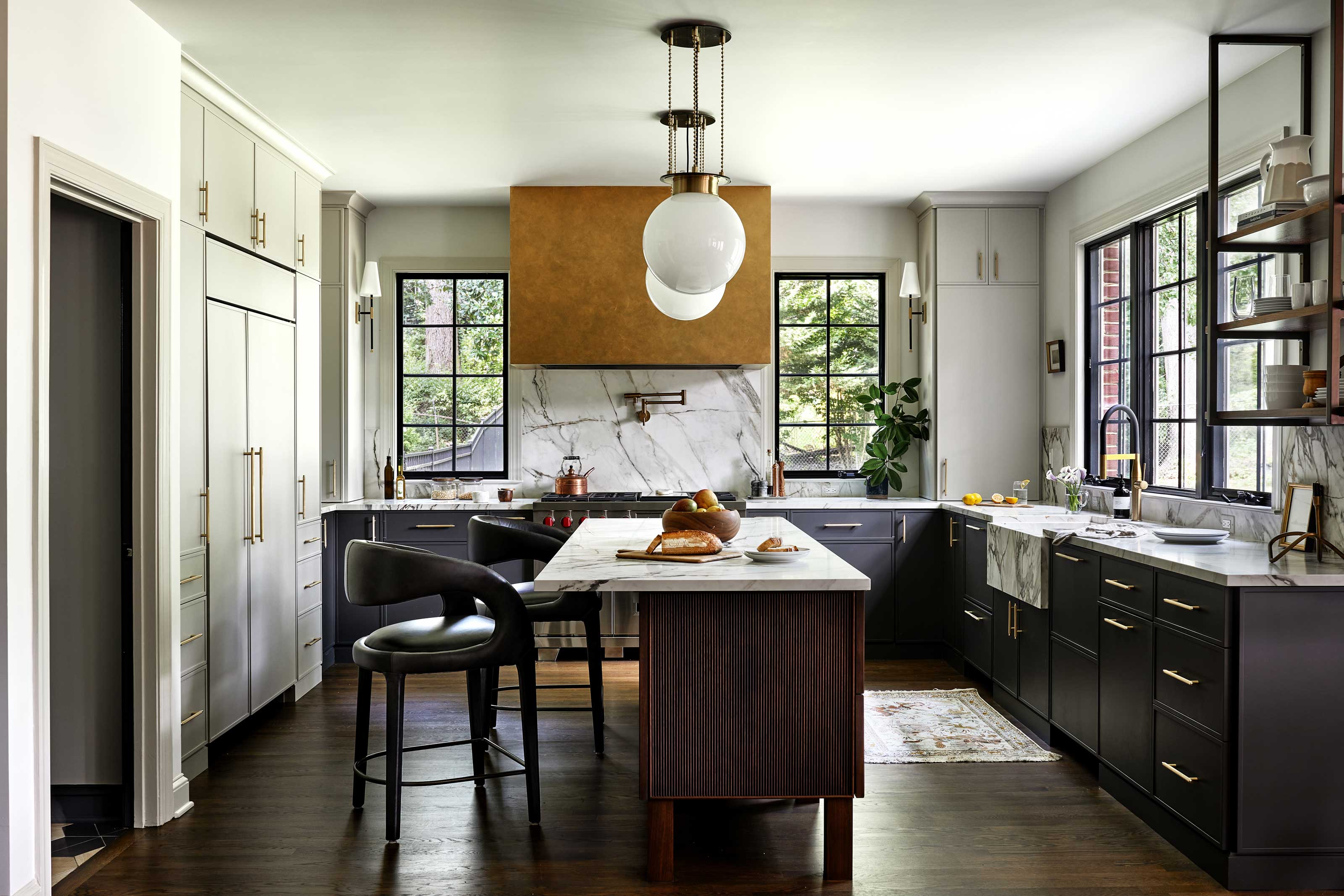
This "trend-defying" kitchen color could make your home sell for thousands of dollars more, say experts

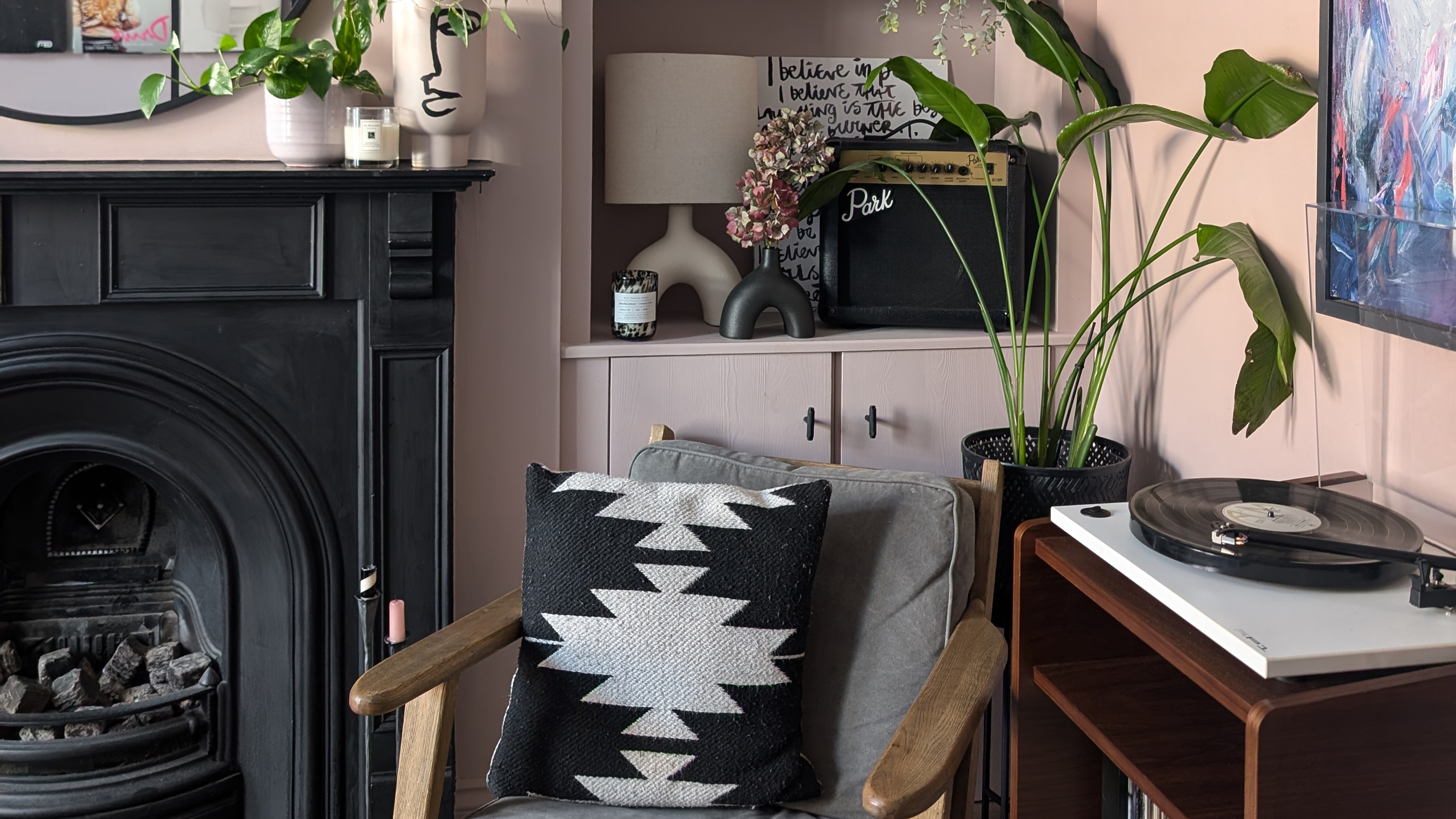
Why I'm finally leaving millennial grey behind, and what I've learnt about how to be bolder with colour
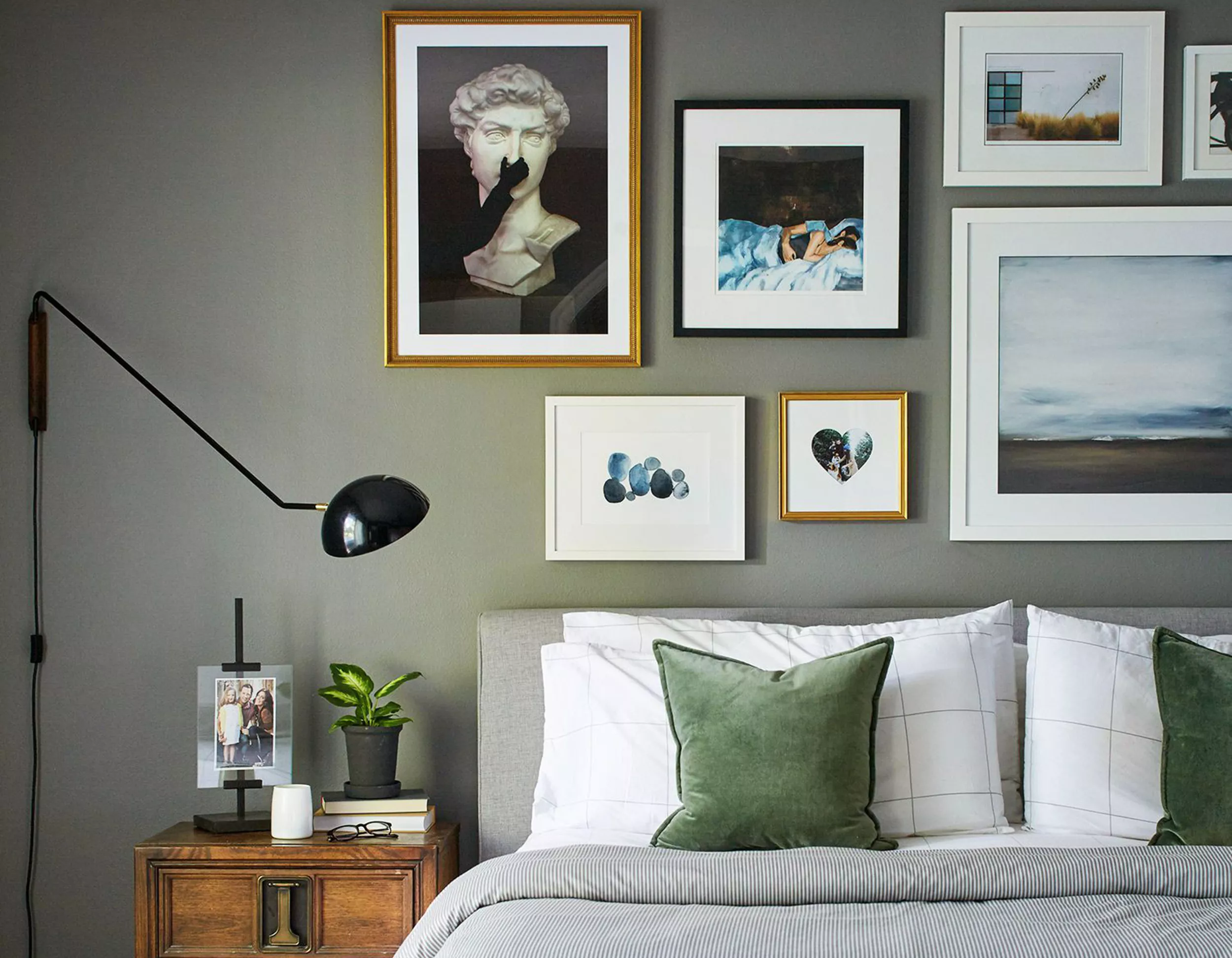
Is Millennial Gray Out? Here's What Color Experts Suggest Replacing It With

Black (Yes, Black) Is the Hot New Home Design Trend

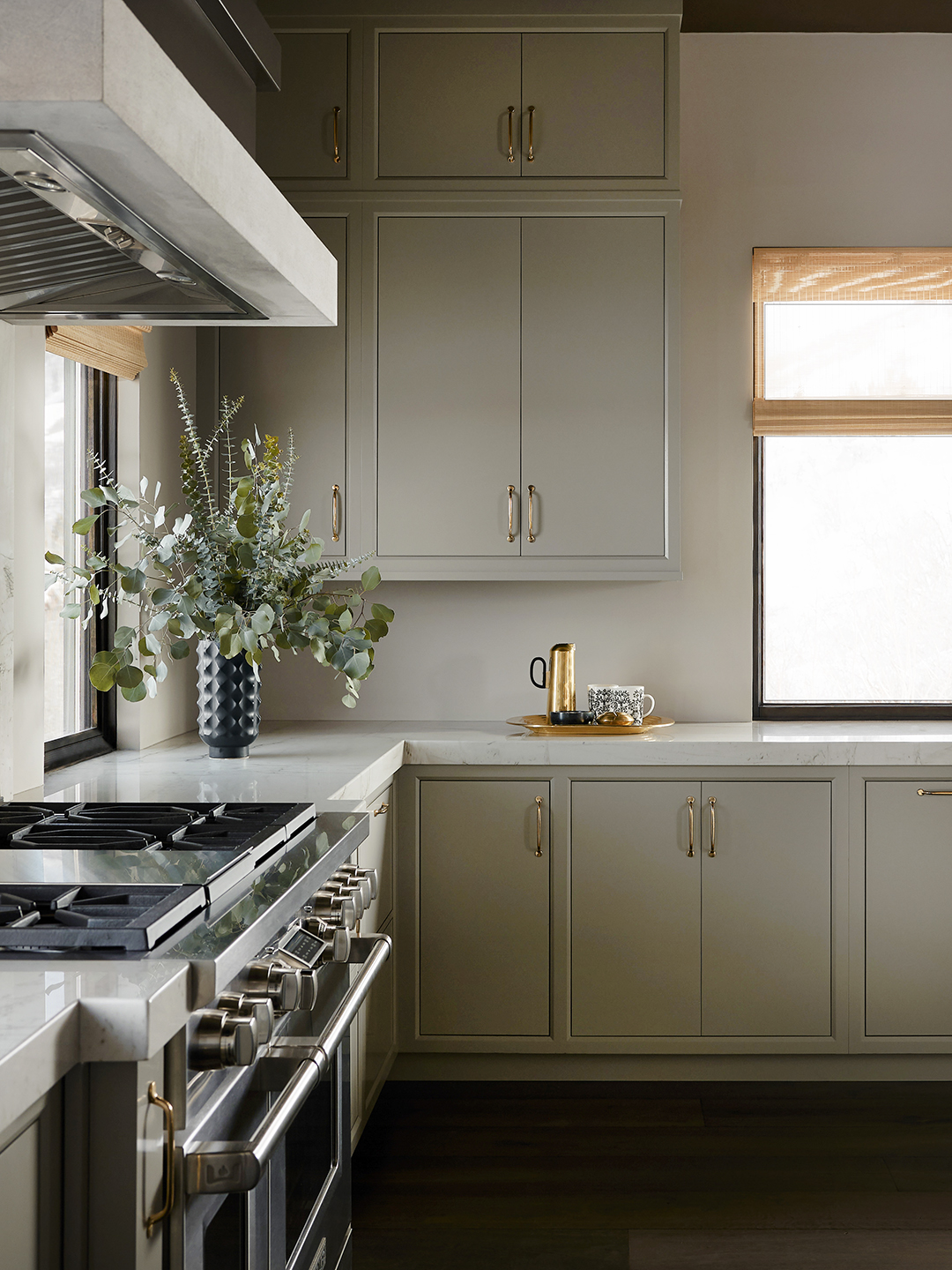
This Popular Kitchen Color Can Actually Hurt a Home’s Sale Price

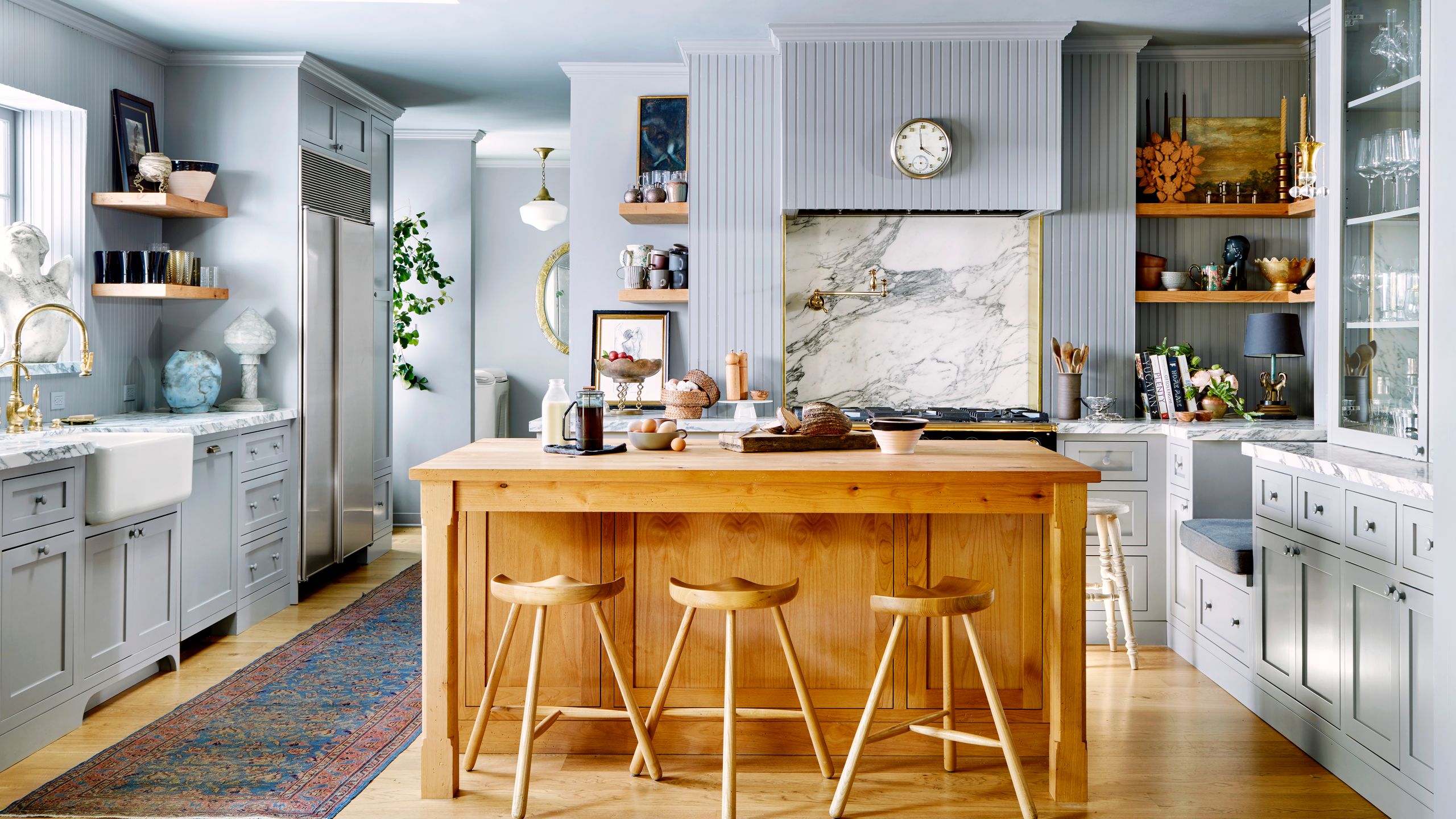
Is the Color Gray Taking Over the World?

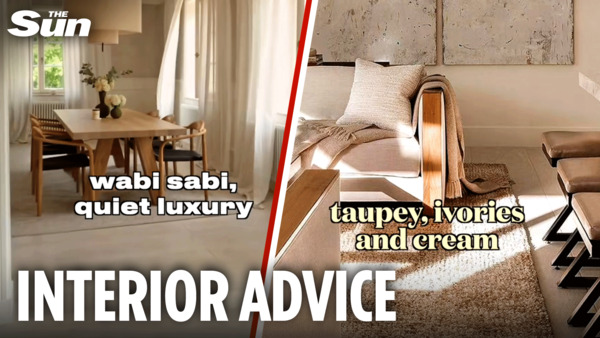
Four interior designer ins & outs for 2026 - including the 'new millennial grey'


This Expert Is Breaking Down The "Gen Z Versions" Of Millennial Design Trends, And People's Heads Are Spinning

Gorgeous Gorgeous Girls Love Nursery Chic

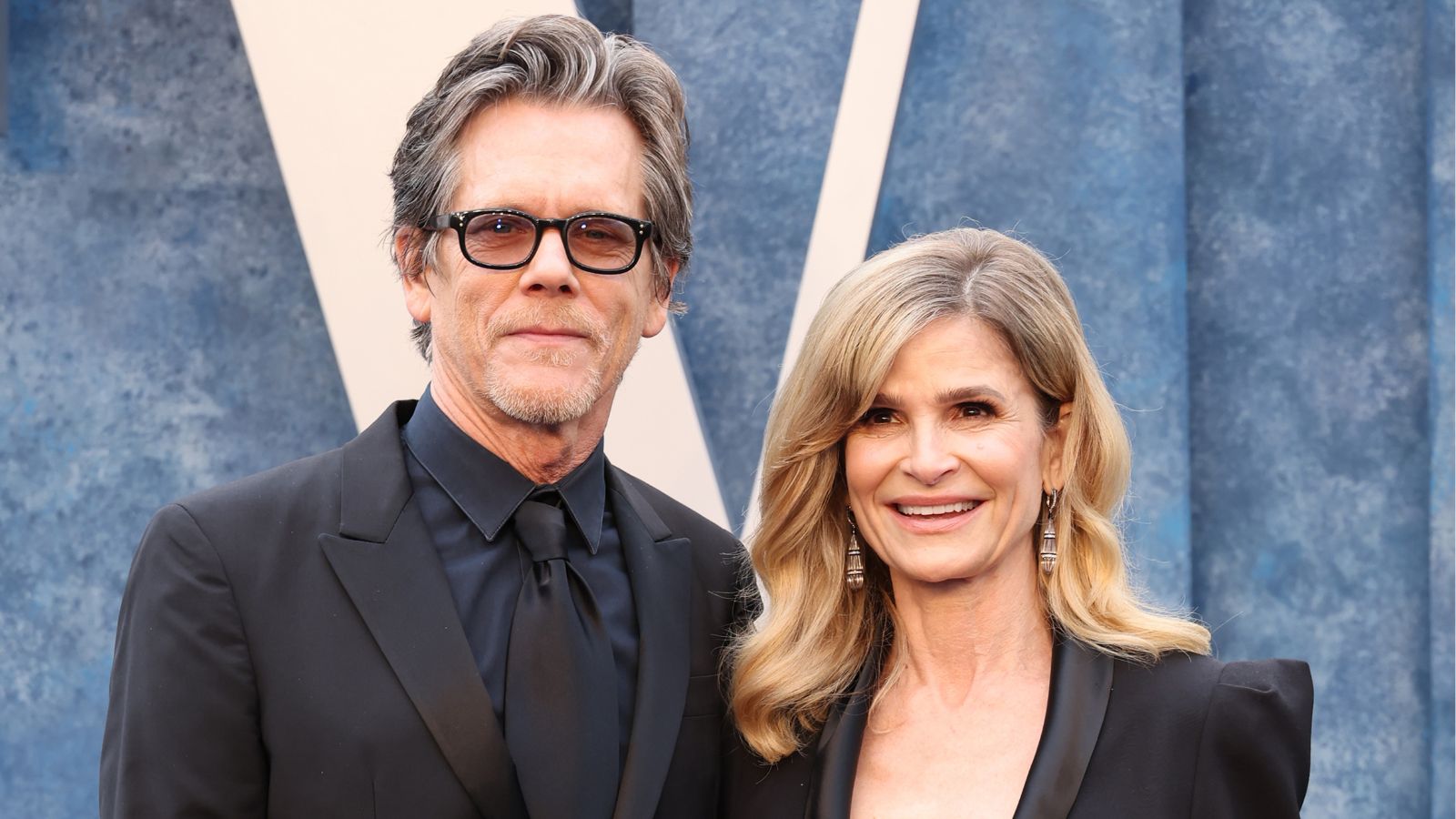
I was on the fence about this 'dated' sofa color, but Kevin Bacon and Kyra Sedgwick's living room has convinced me of its timelessness
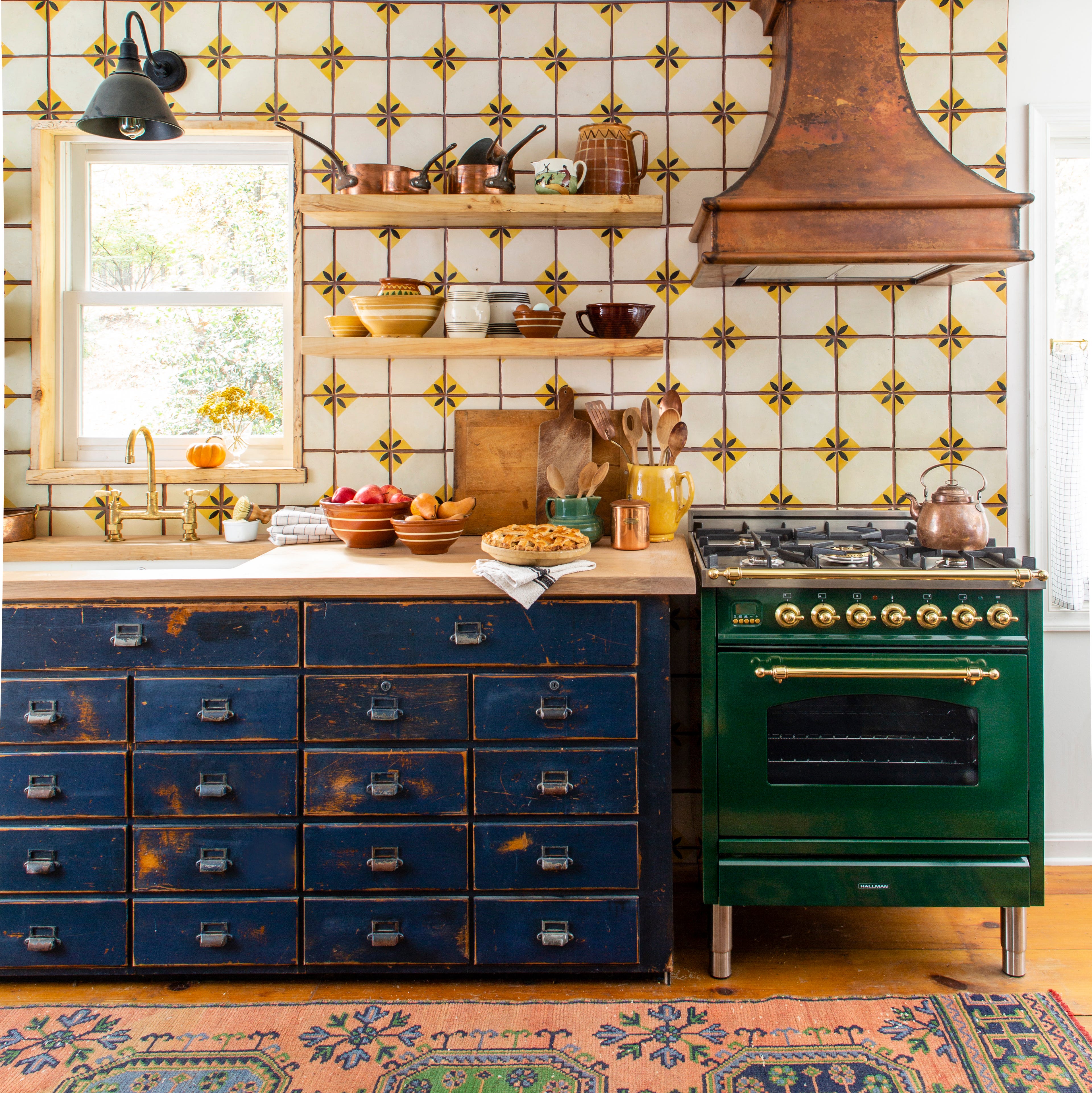
Gen Z Just Declared This “Boring“ Color the New Millennial Gray and I Am So Upset
Interior Color and Psychological Functioning in a University Residence Hall
Do You Decorate Like a Boomer or Gen Z? Designers Define All the Generational Styles