1/2
lighting design Archives
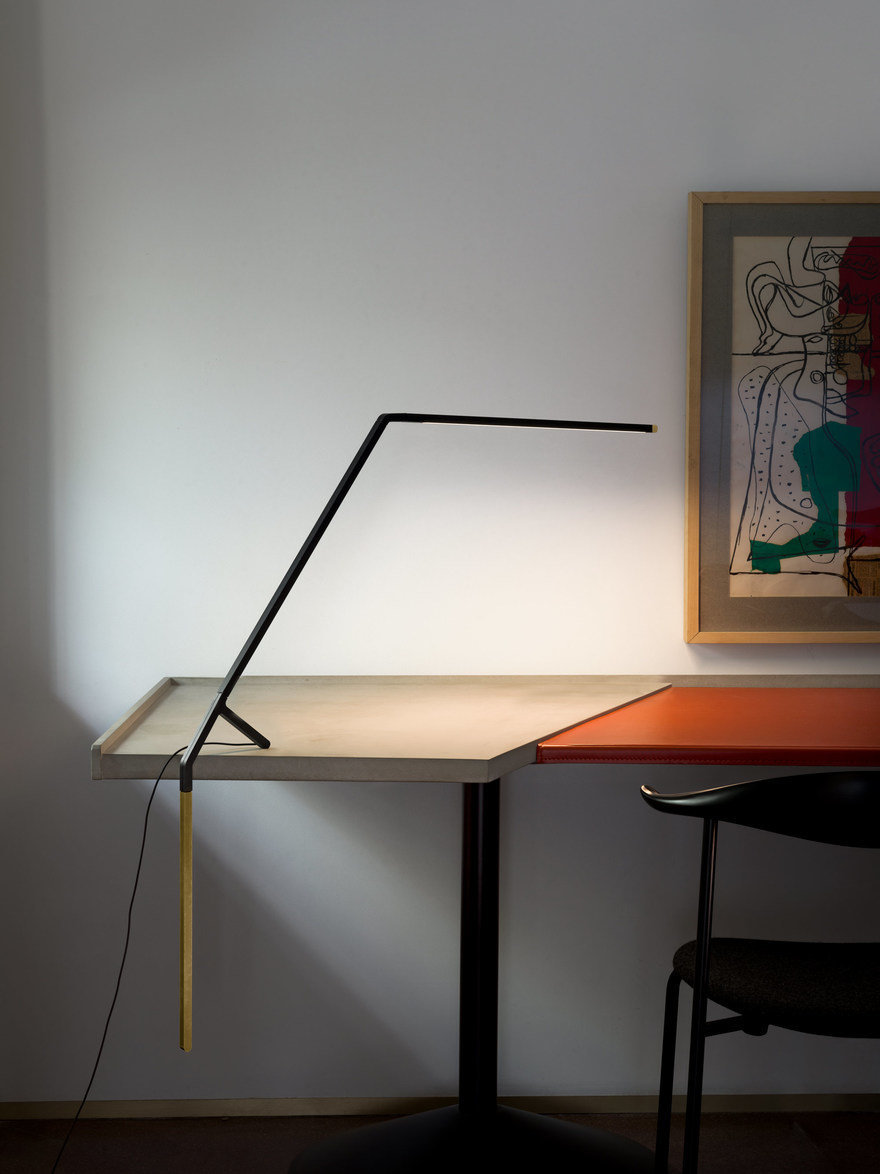
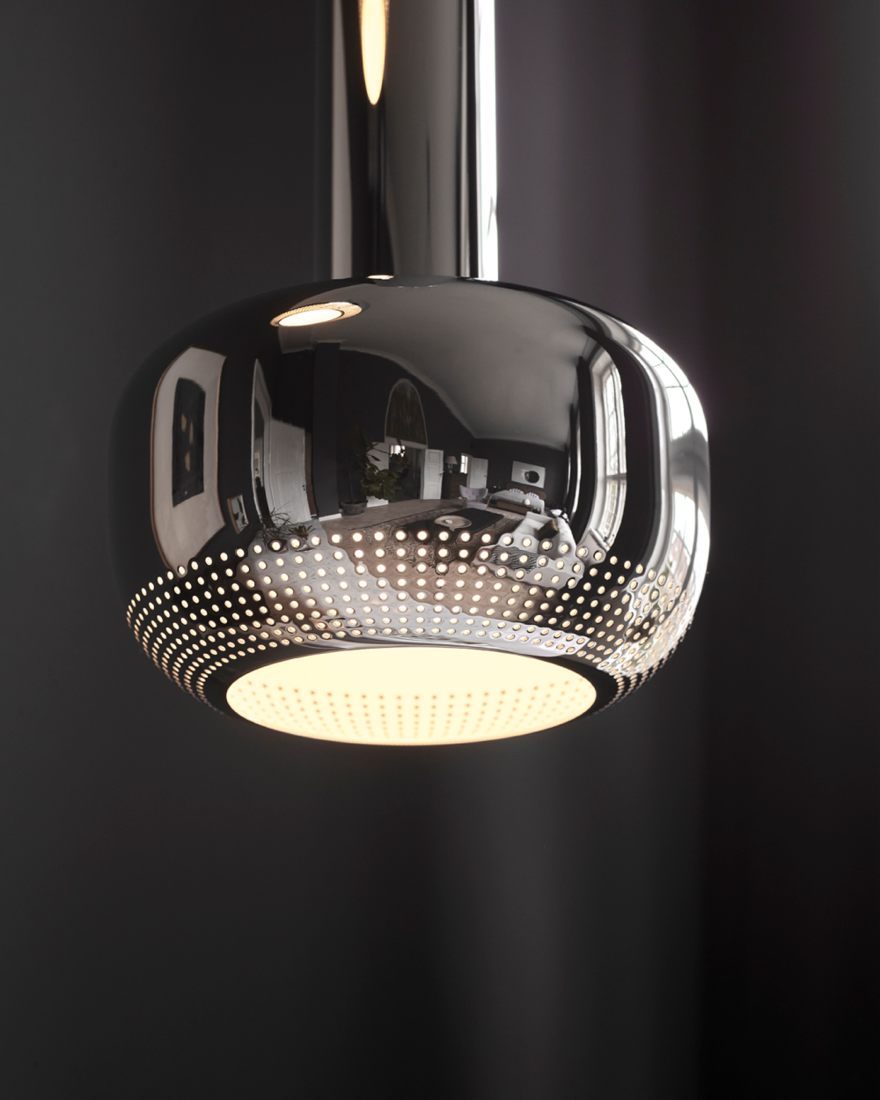
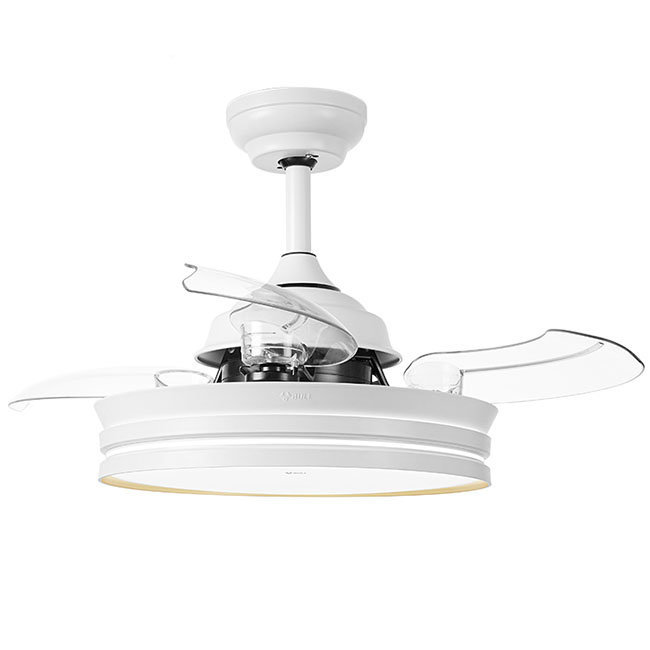
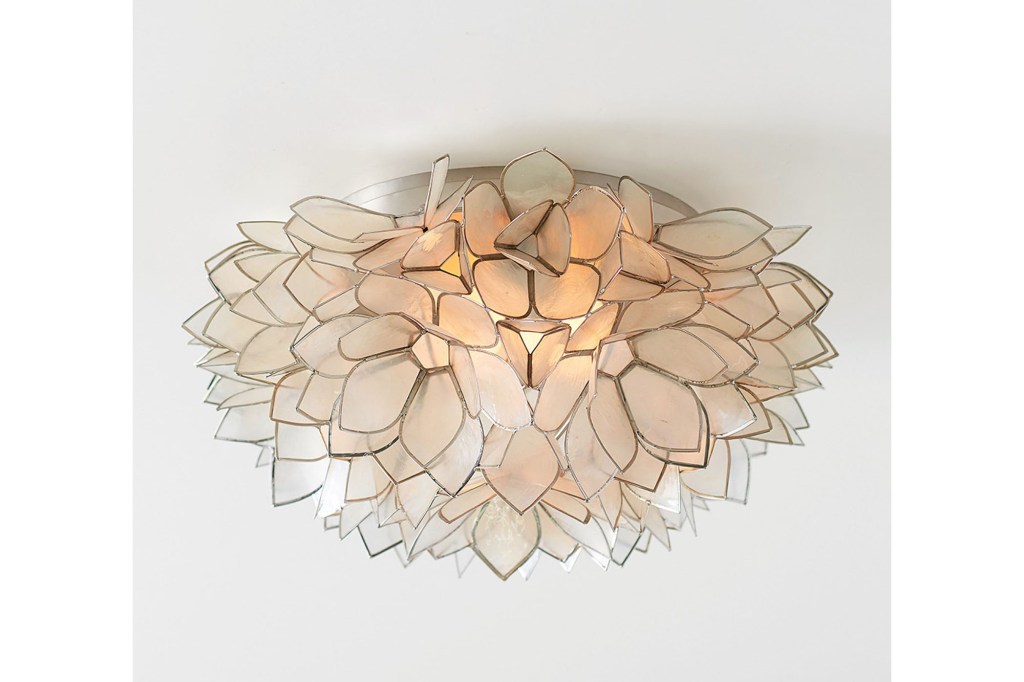
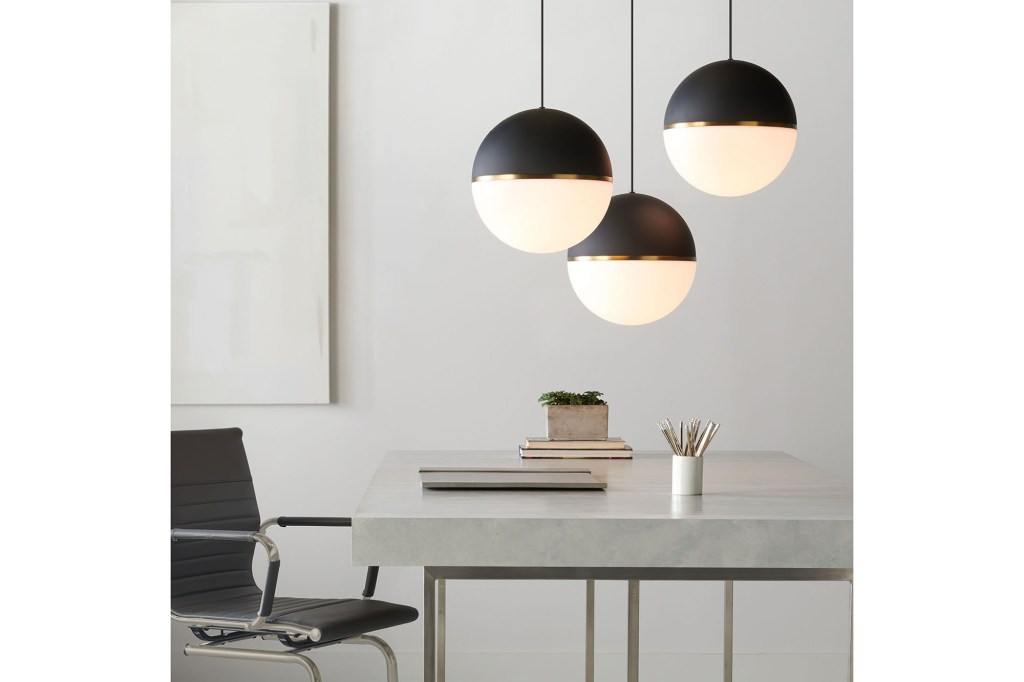
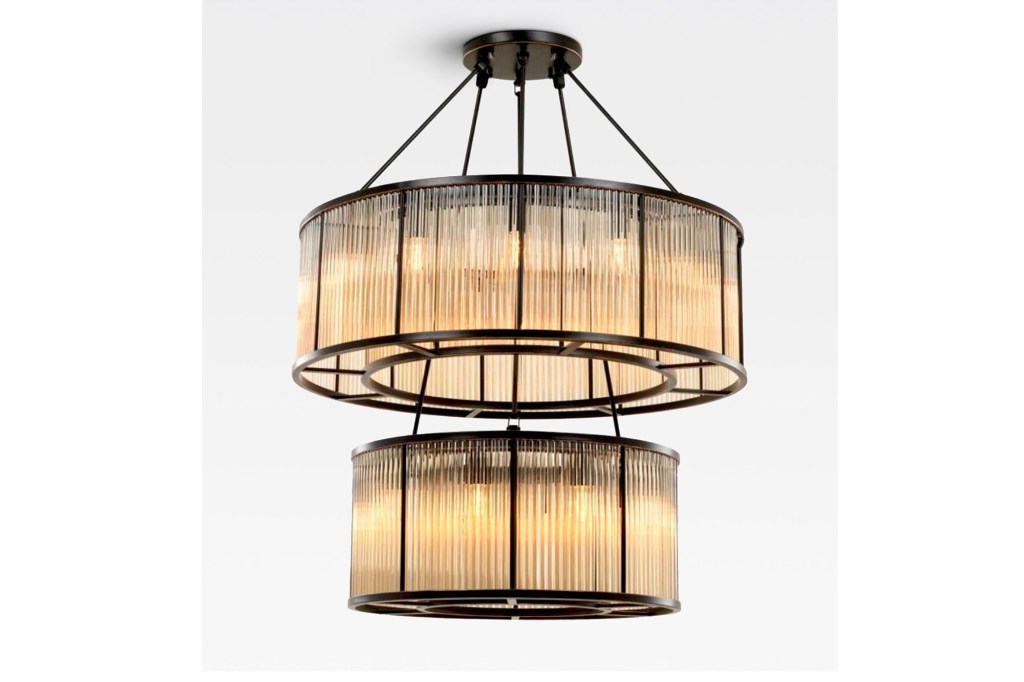
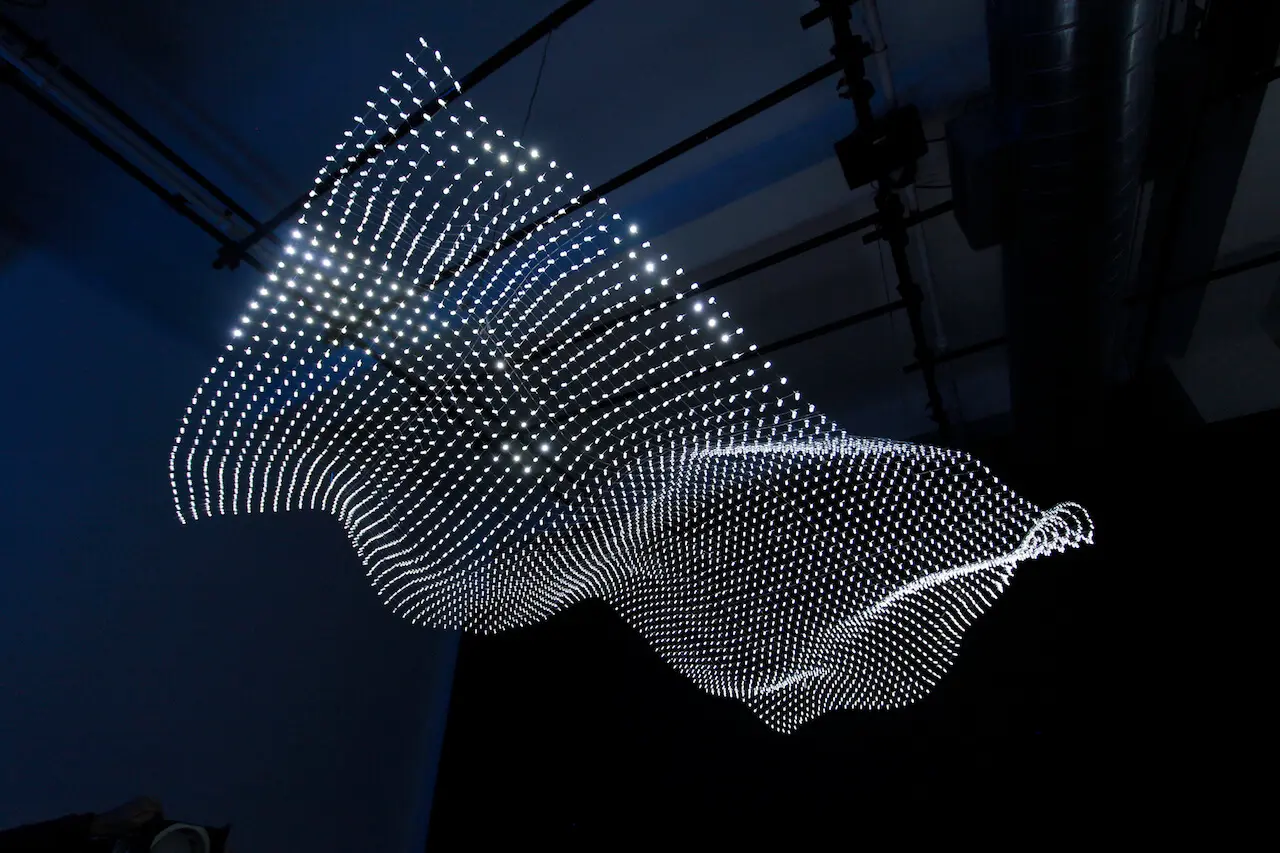
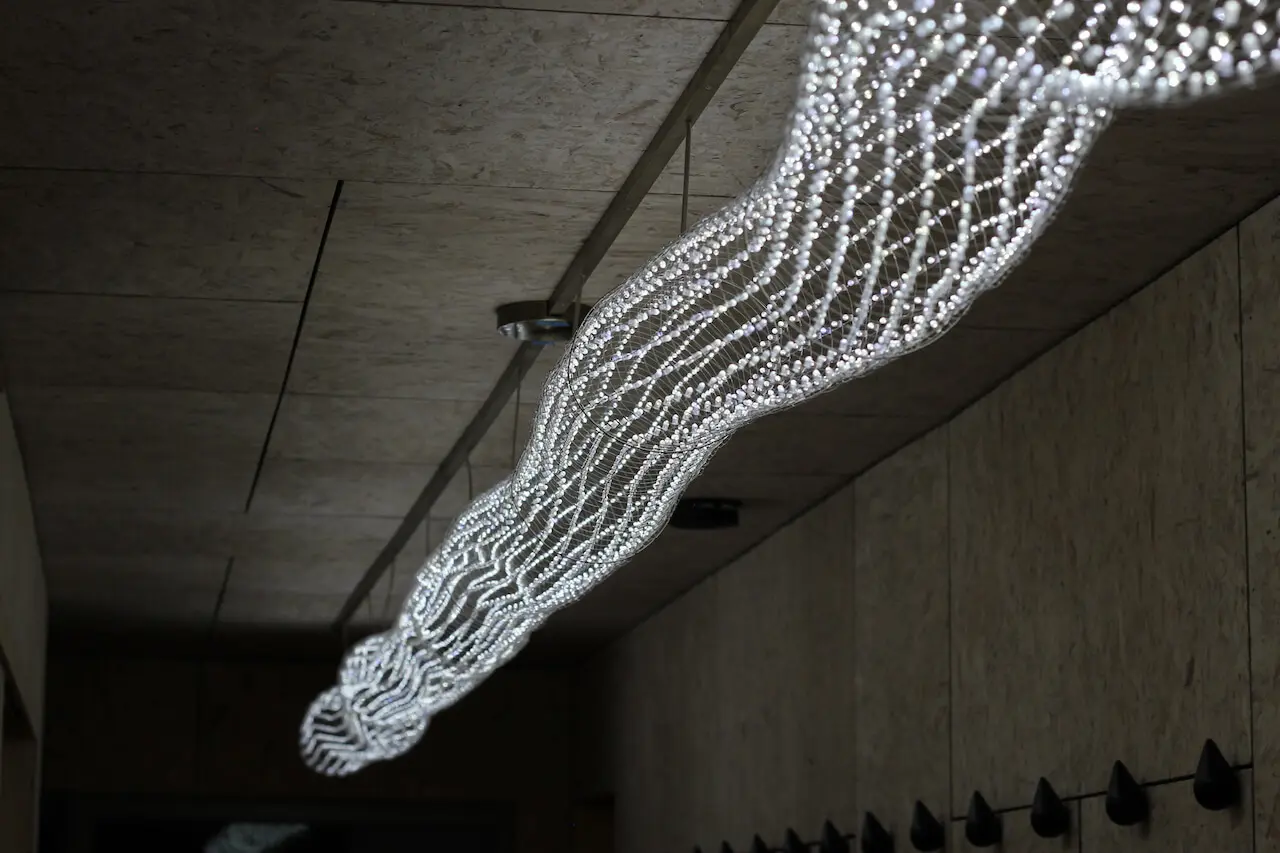
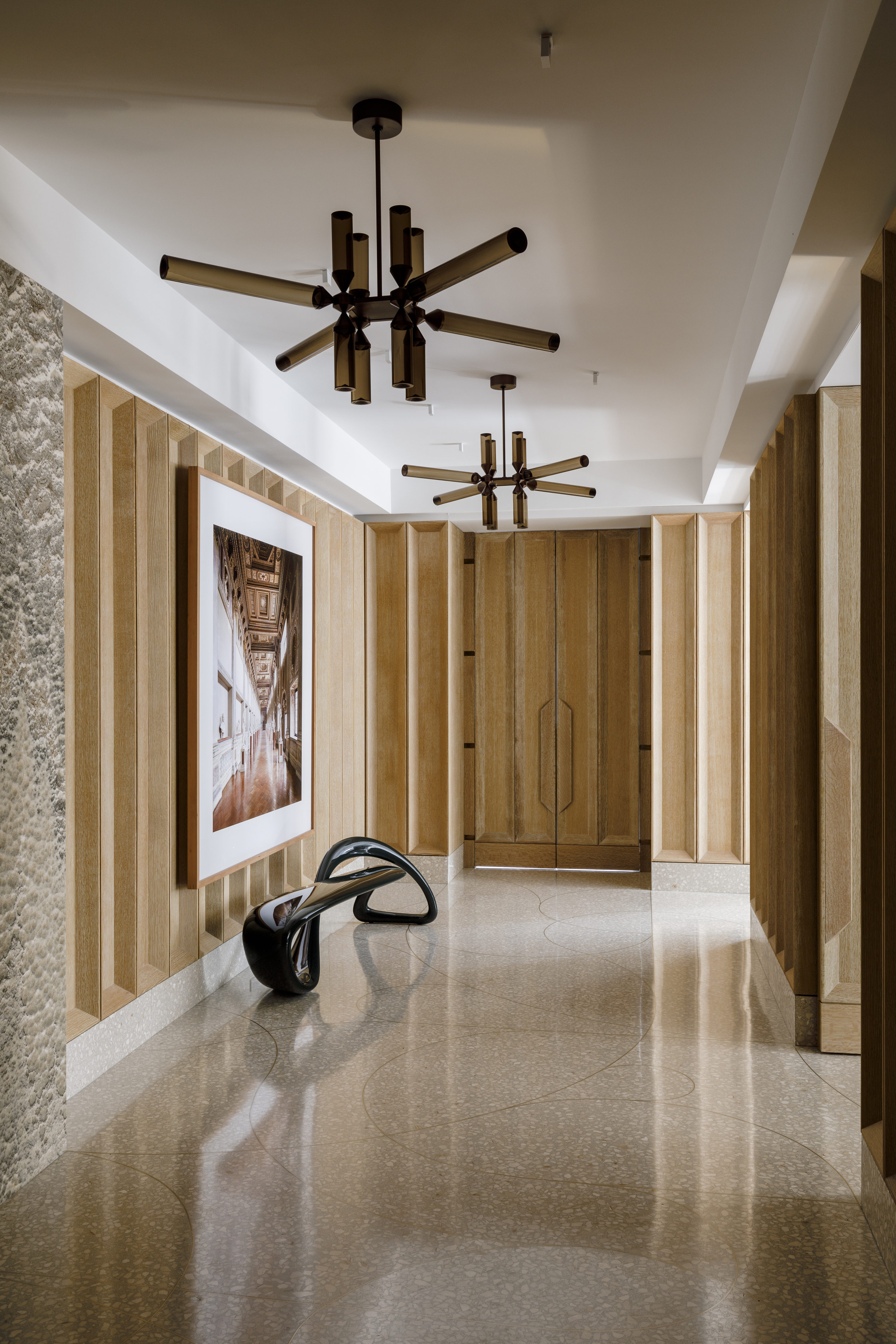
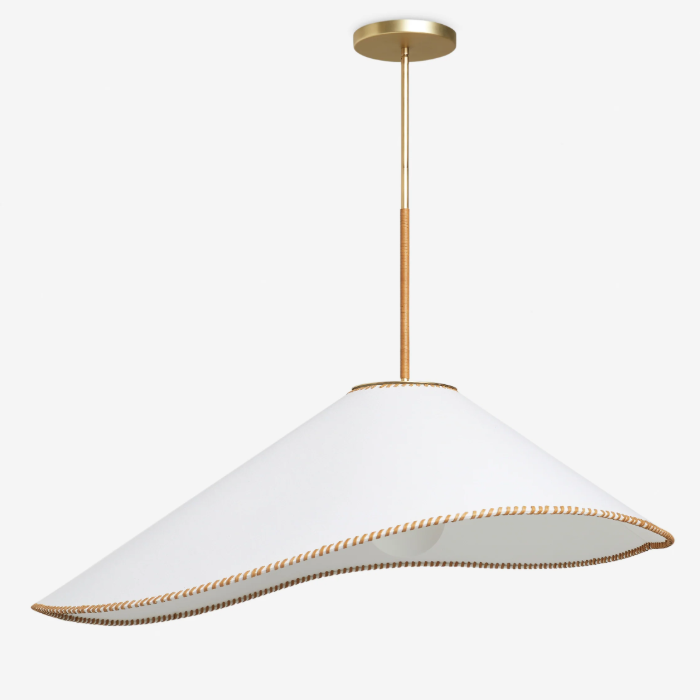
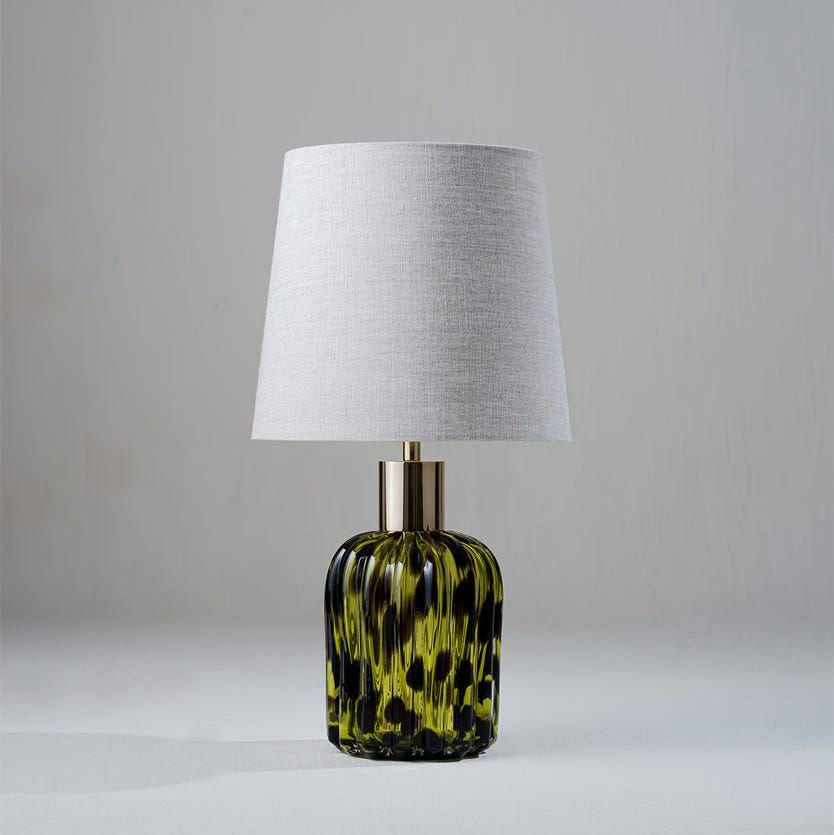
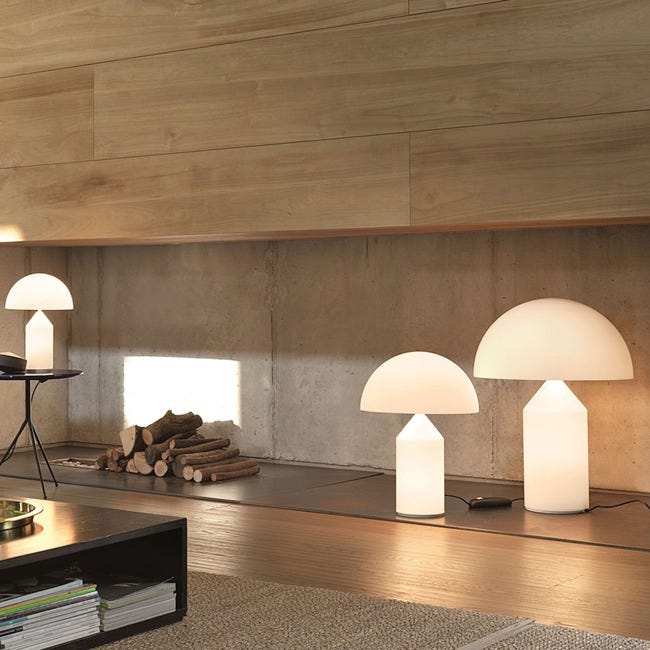
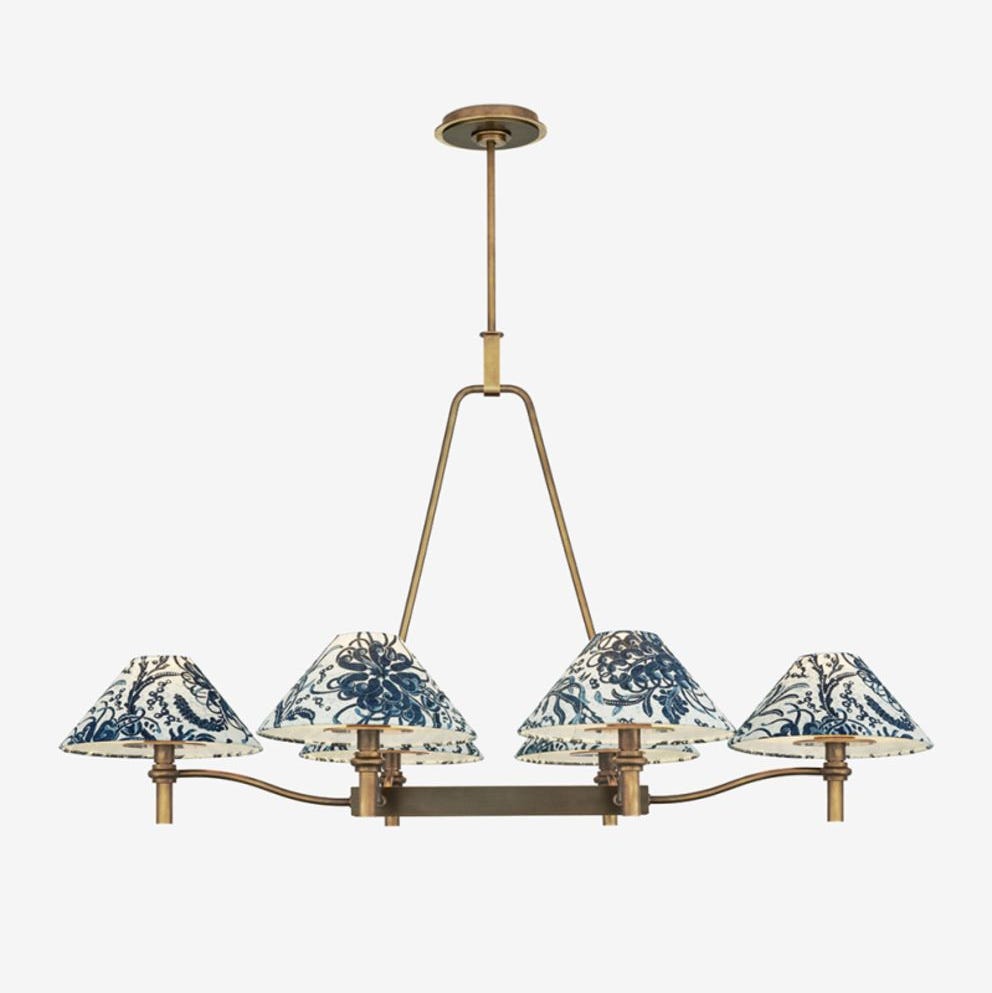
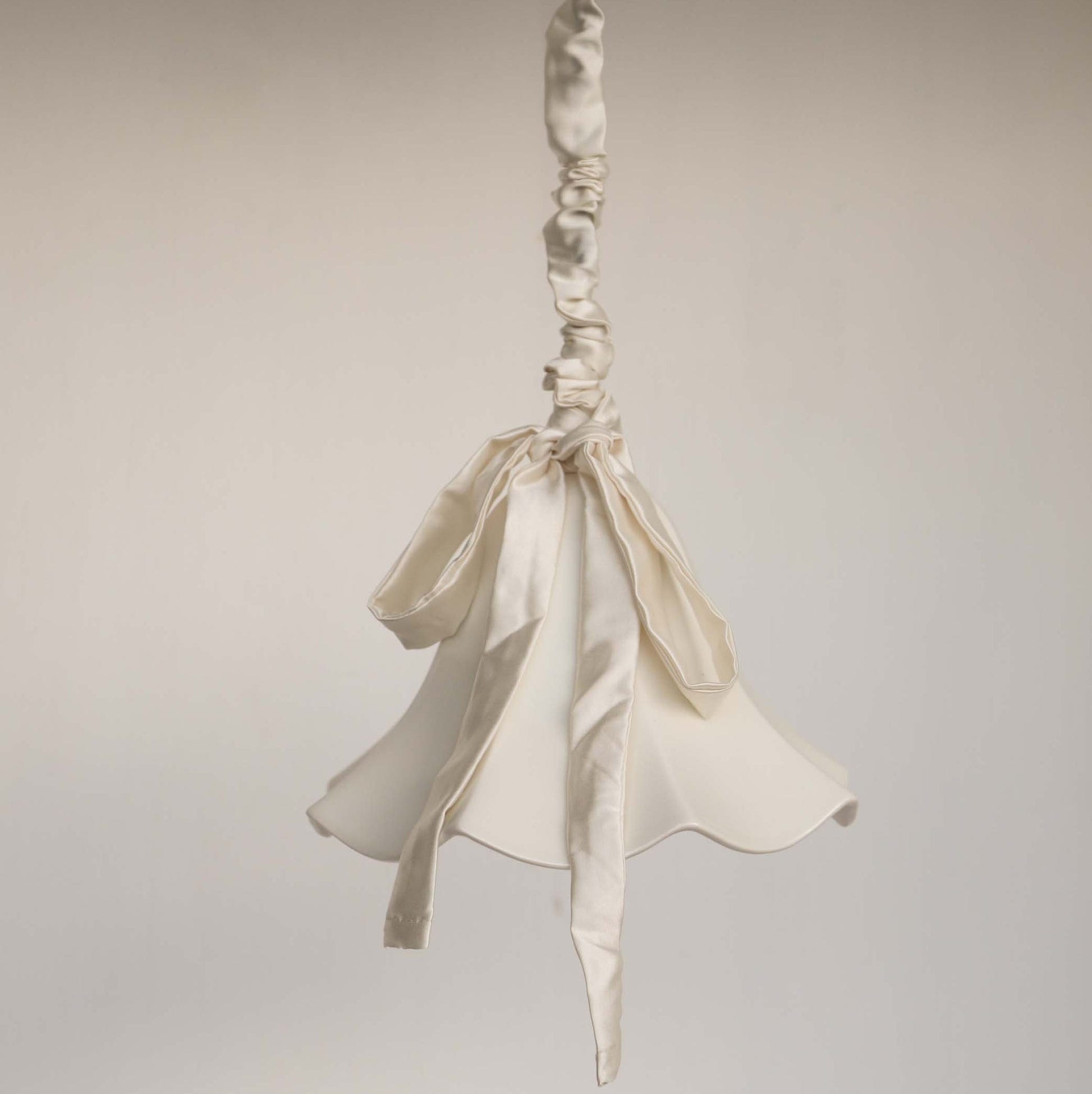
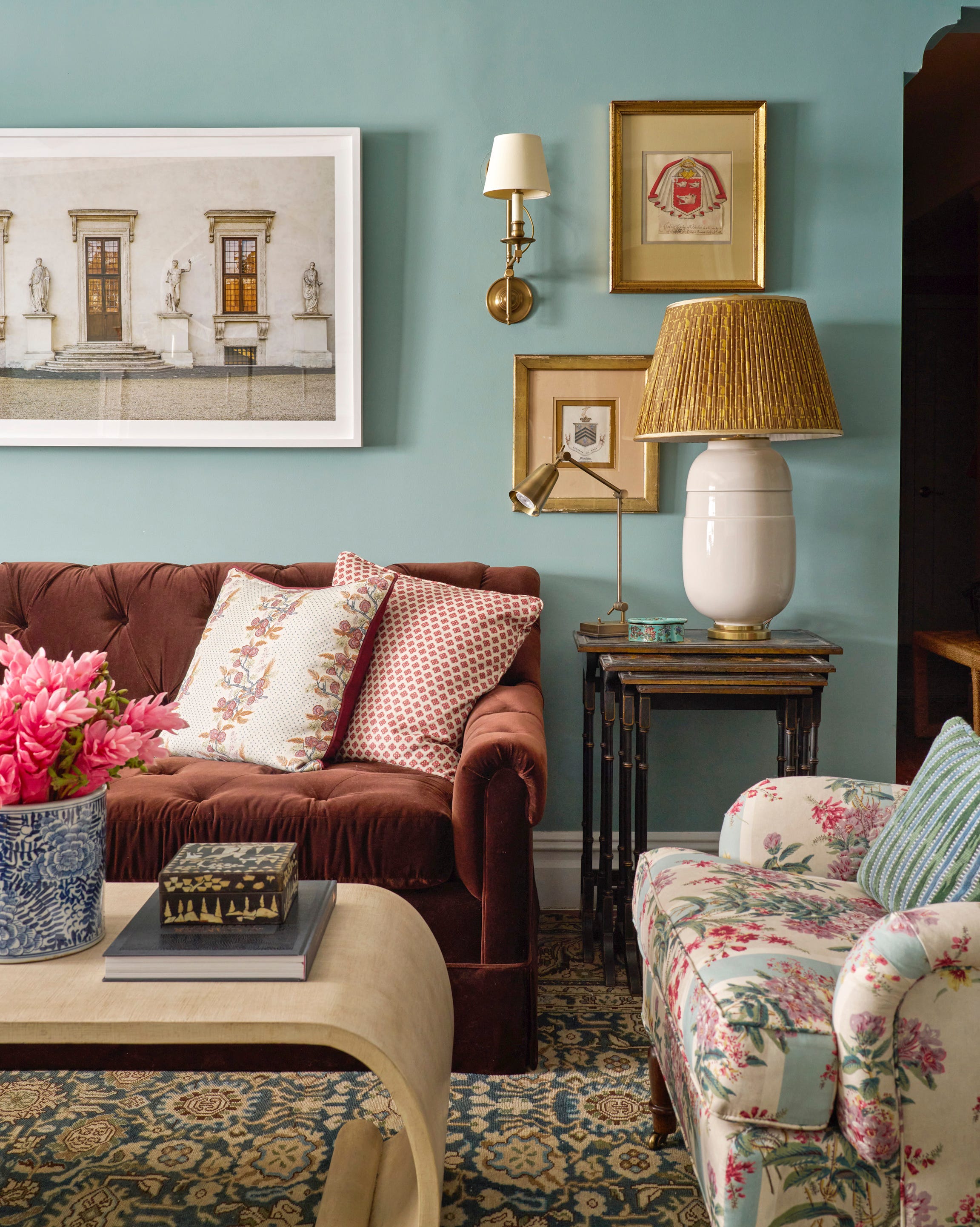
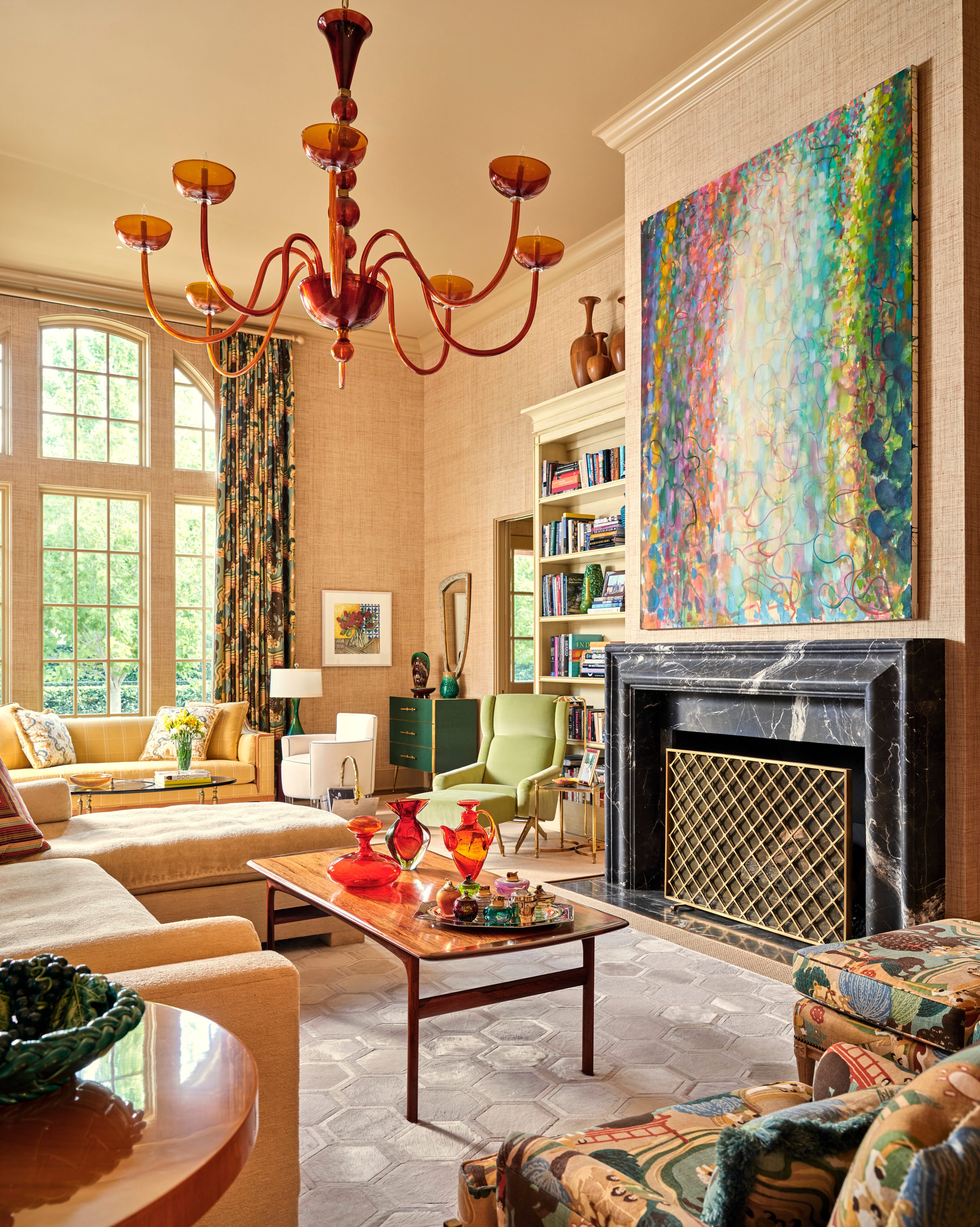
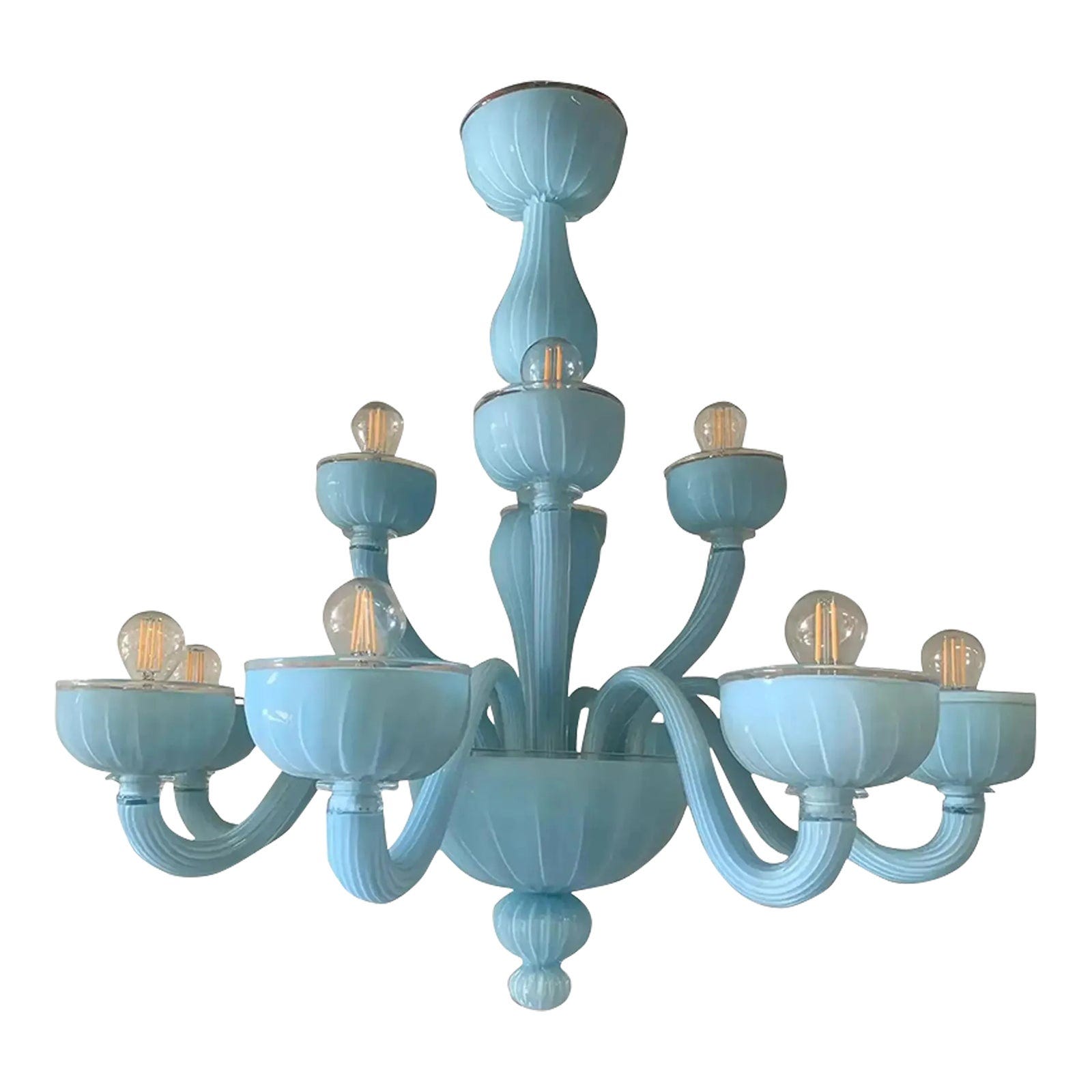
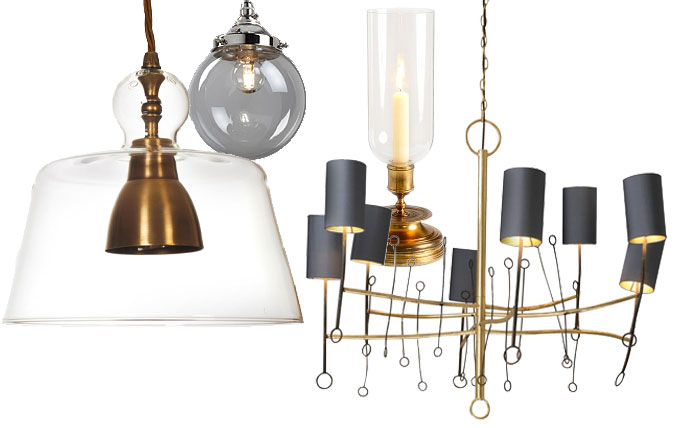
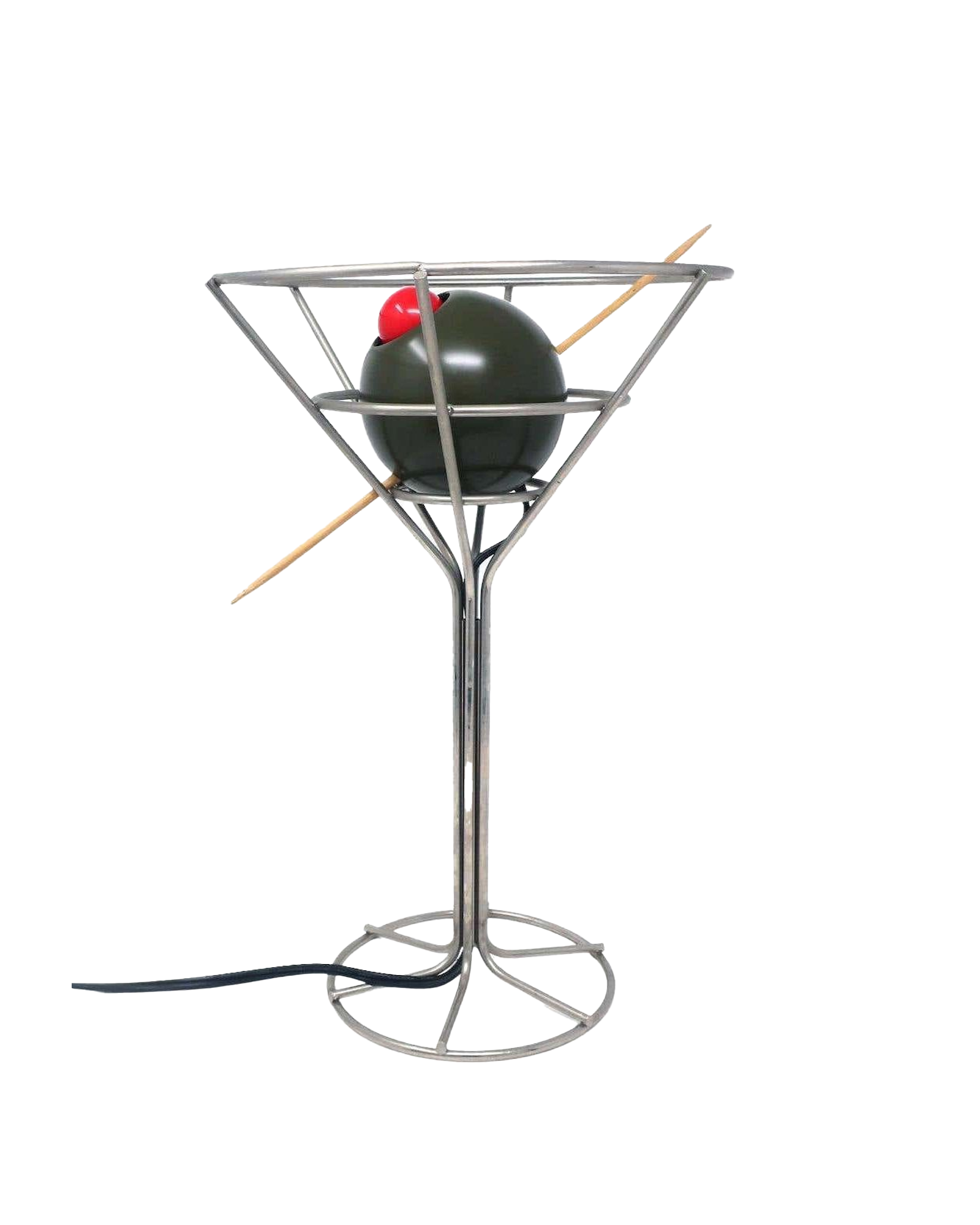
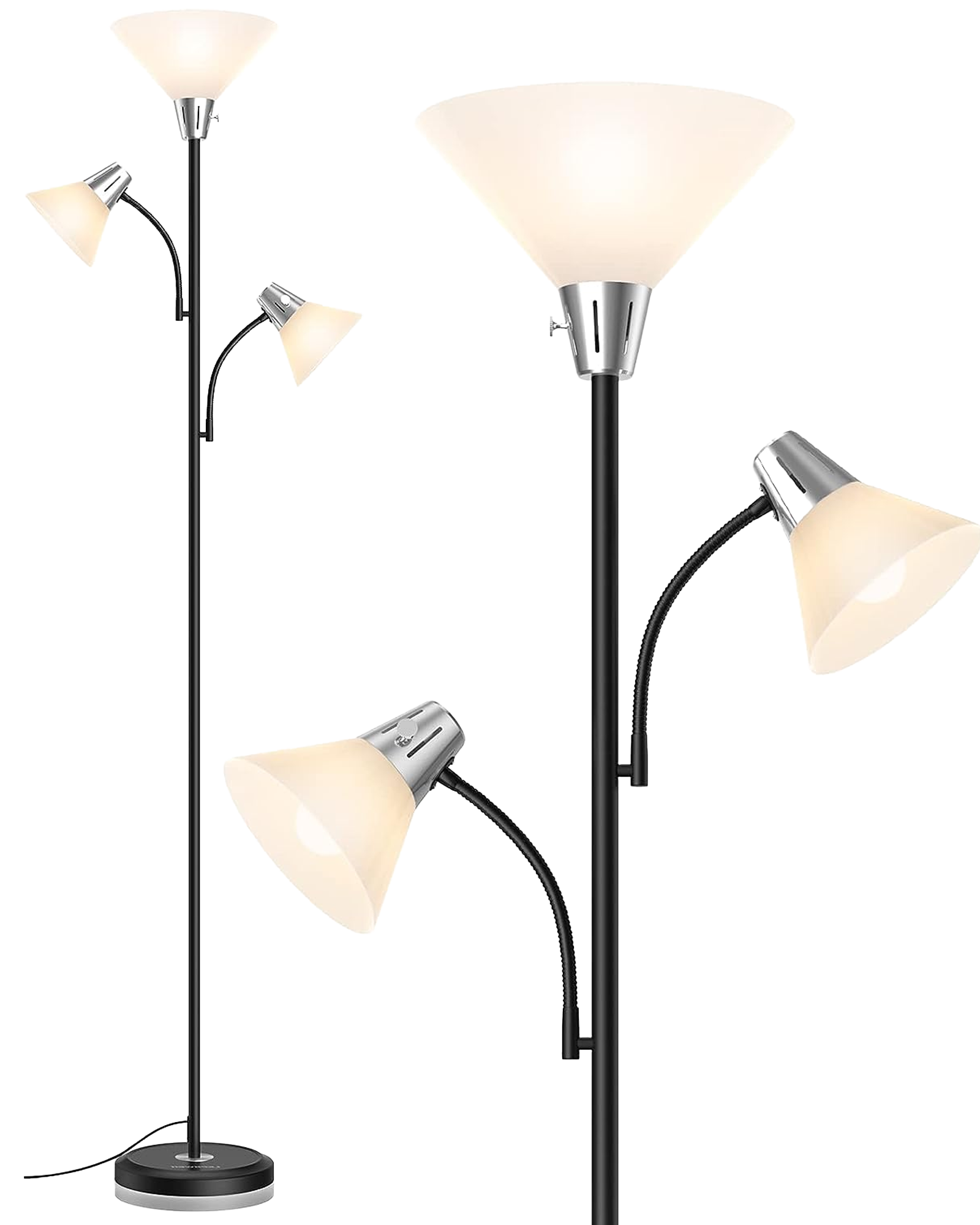
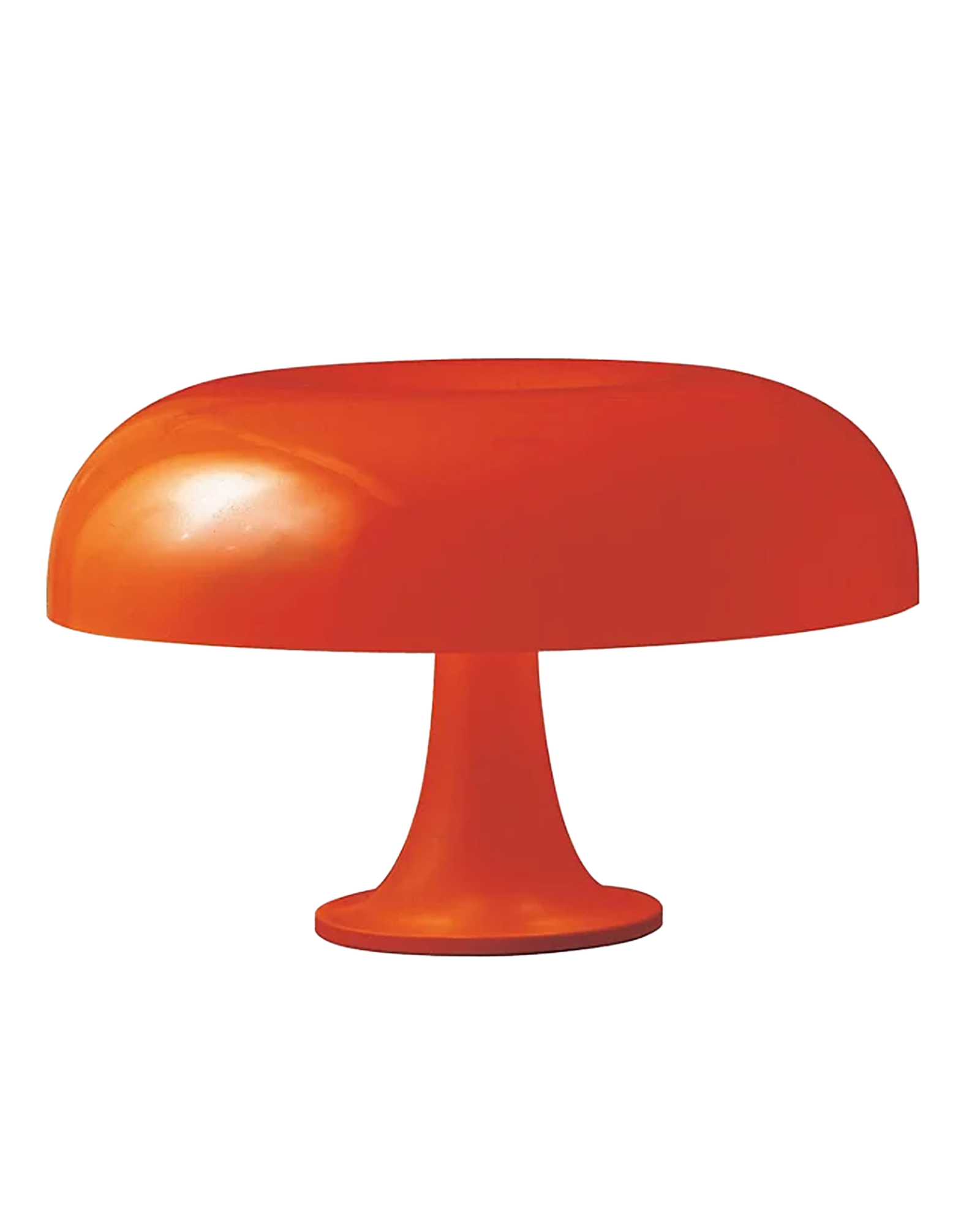
Lighting design encompasses the strategic use of illumination to achieve both practical functionality and aesthetic appeal in various environments. This field involves the selection and arrangement of both artificial light sources, such as lamps and light fixtures, and enhanced performance lighting systems. The ultimate goal is to improve the visual impact and overall ambiance of a designated area.
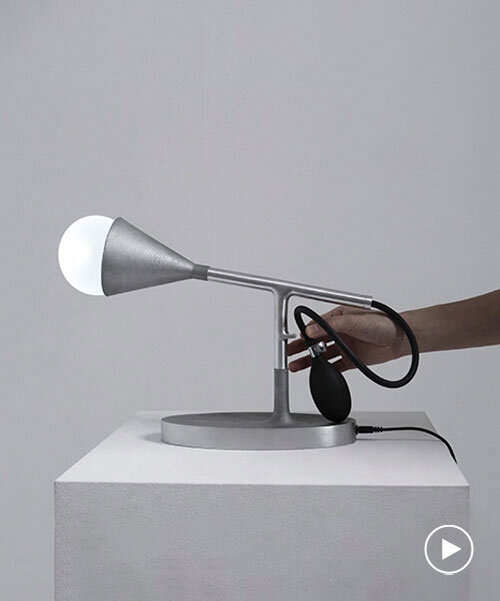
The scope of lighting design extends to diverse applications, including interactive lighting series that utilize air pressure to activate inflating lamp structures, showcasing innovative approaches to dynamic illumination. Other creative examples include upcycled lighting collections that blend vintage object parts with natural wax, offering a sustainable and artistic dimension to lighting. Designers are also reimagining traditional forms, such as Philippe Tabet's transformation of industrial bulkhead lamps into face-like fixtures, and Yusuke Kawai's modular 'Kawara' lighting crafted from Japanese roof tiles, demonstrating a fusion of heritage and contemporary design.
Further advancements in the field involve the use of novel materials and technologies. Bacterial cellulose is being transformed into translucent, ruffled lighting sculptures, while 3D-printed ceramics by Jolie Ngo introduce vibrant and sculptural elements into lighting. Exhibitions like 'Nuts + Bolts' highlight the potential of everyday hardware store supplies to be repurposed into DIY lighting solutions, emphasizing accessibility and resourcefulness. Artists like Carmen D'Apollonio create glass and ceramic characters that illuminate spaces, blurring the lines between art and functional lighting. The 'WA' upcycled table lamp, made from retired Tokyo train parts, exemplifies innovative reuse in design.
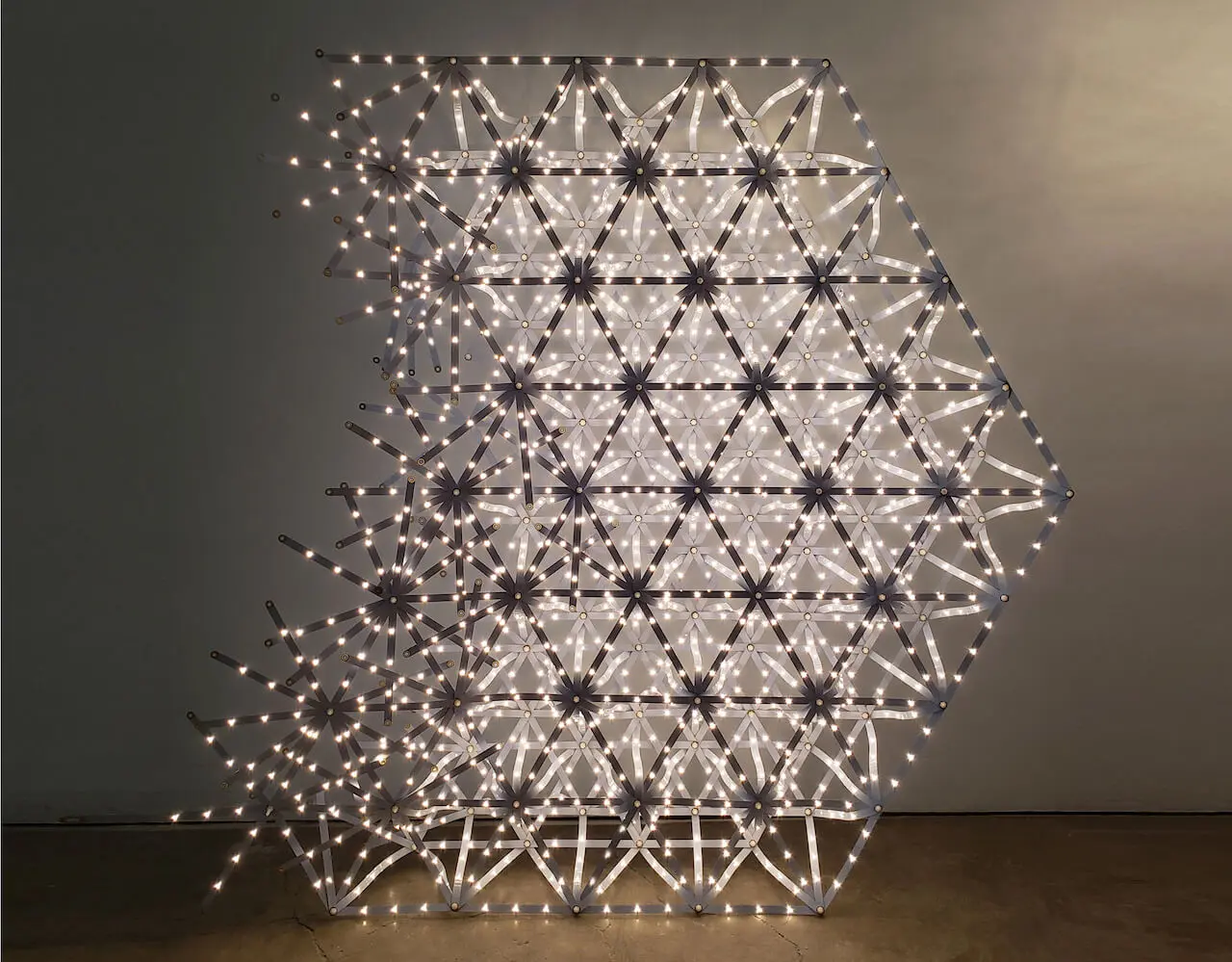
Technological innovations also play a crucial role, as seen in WINT design lab's collaborative effort to create a lamp that adjusts brightness through a stretchable textile interface. Custom-made LED walls, such as those found in Huit Sushi Restaurant in Montreux, demonstrate how lighting can dramatically shape commercial spaces. Installations like 'Blind Lucid Umbrella' by Tony Tao Li explore the symbolic and experiential qualities of blue light through LED modules. Designers like Karim+Elias use desert sand to create luminous wall lamps and sculptural vases, showcasing the artistic possibilities of natural materials.
The field also explores historical and cultural influences, with Formafantasma reflecting on American domestic furniture archetypes through lighting design. Kurahito Craft's flexible and see-through lampshade covers, crafted from slabs of wood, illustrate a sophisticated approach to material manipulation. The continuous evolution of lighting design is further demonstrated by annual events such as Milan Design Week, where designers like Michael Anastassiades present modular lighting installations in historic settings, and Lachlan Turczan's interactive halo light sculptures are featured at Google's exhibitions. Studio Lugo's 'Anachron' furniture series, combining horsehair with steel, and A-POC ABLE ISSEY MIYAKE and atelier oï's innovative use of cloth and wire to illuminate spaces, collectively showcase the boundless creativity and interdisciplinary nature of contemporary lighting design.
#LightingDesign #HomeDecoration #InteriorLighting #SustainableDesign #InteractiveLighting #InnovativeMaterials #ProductDesign #ArtisticLighting #SmartLighting #LightingDesign #HomeDecoration #InteriorLighting #SustainableDesign #InteractiveLighting #InnovativeMaterials #ProductDesign #ArtisticLighting #SmartLighting
共0条评论
 暂无评论
暂无评论你可能还喜欢
Best Lighting Designs Spotted in 2023

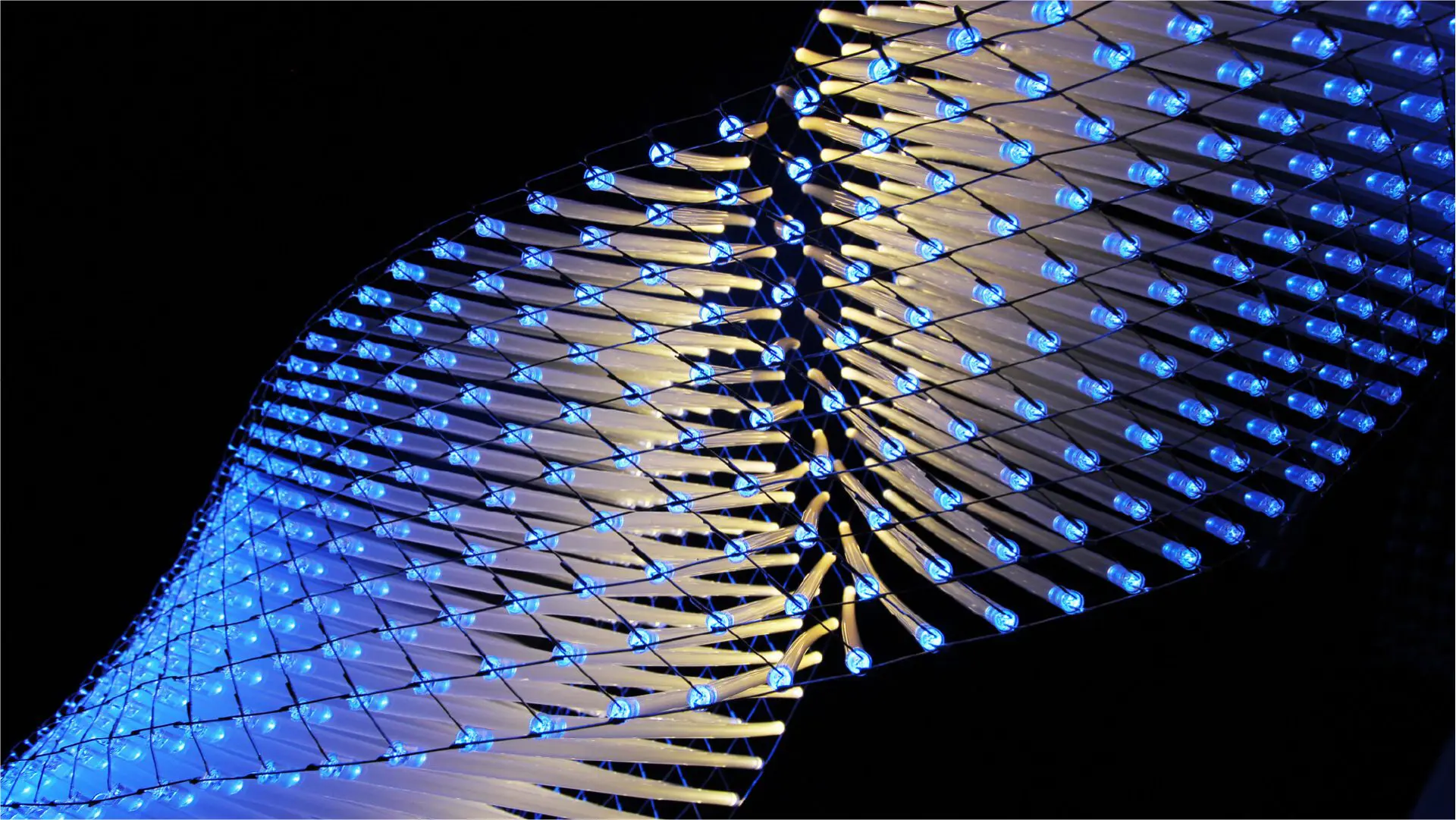
How artist Jason Krugman turns power into striking light sculptures

Lodes and the light as a design material
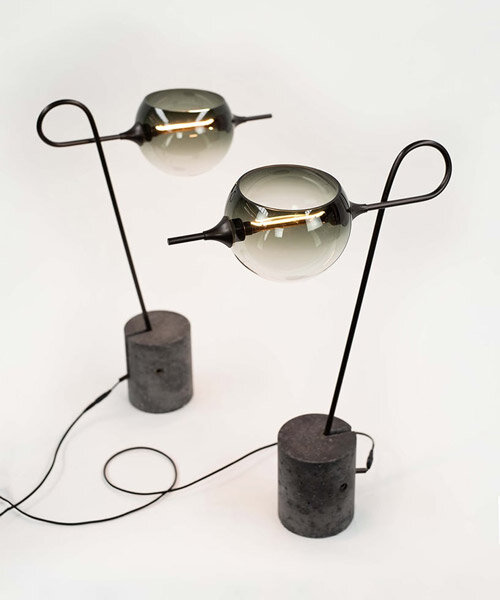
minimal, sculptural, and industrial, david weeks unveils limited edition lighting fixtures
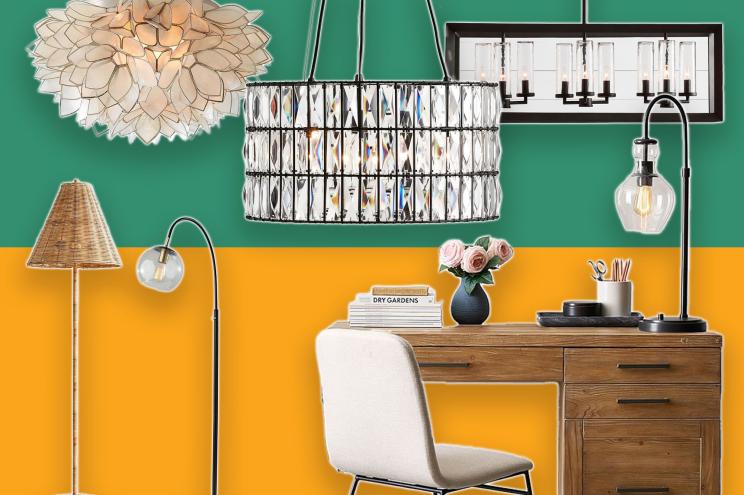
The 18 best places to buy light fixtures, with expert recommendations
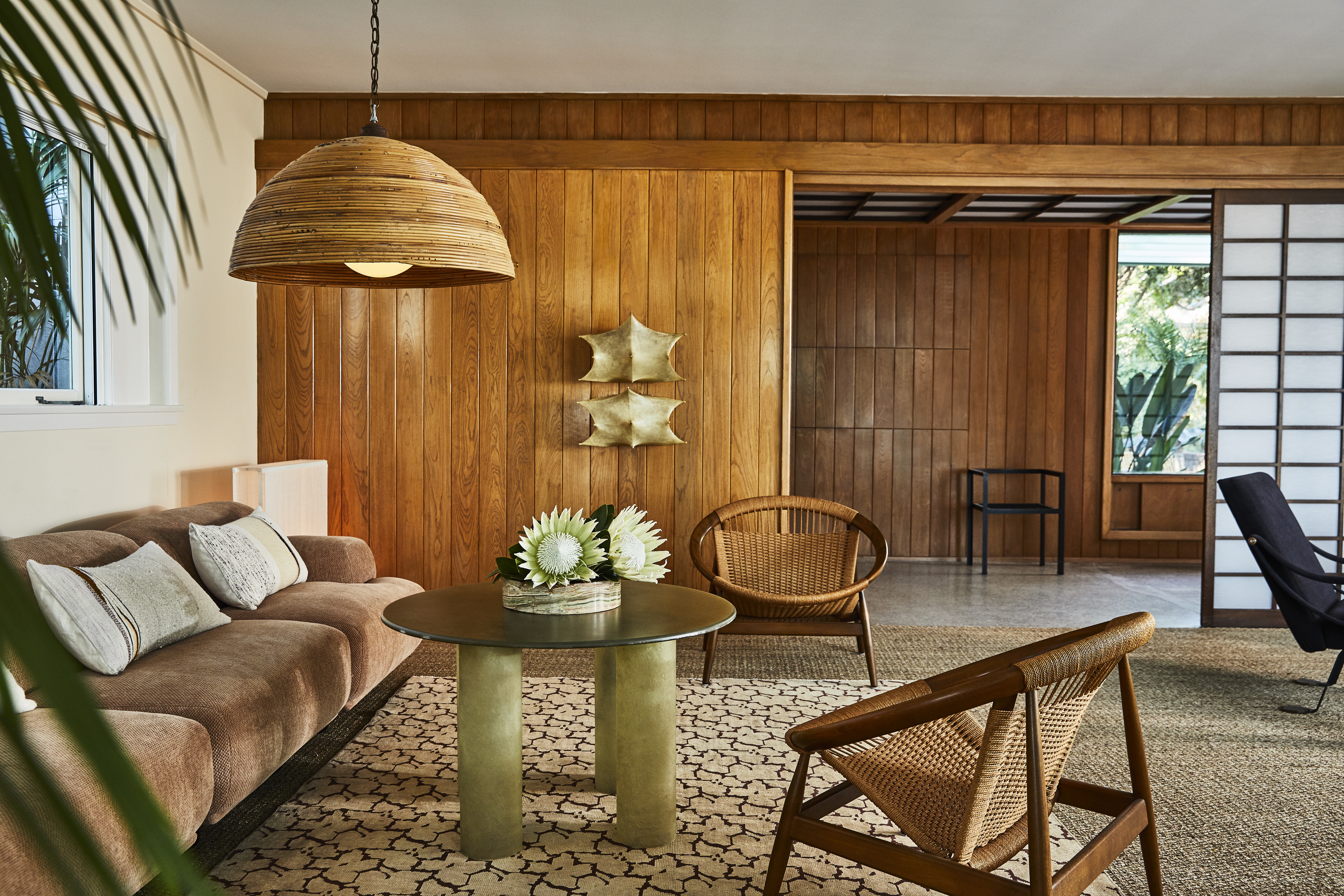
Should light fixtures match throughout a house? The answer is more nuanced than you'd expect

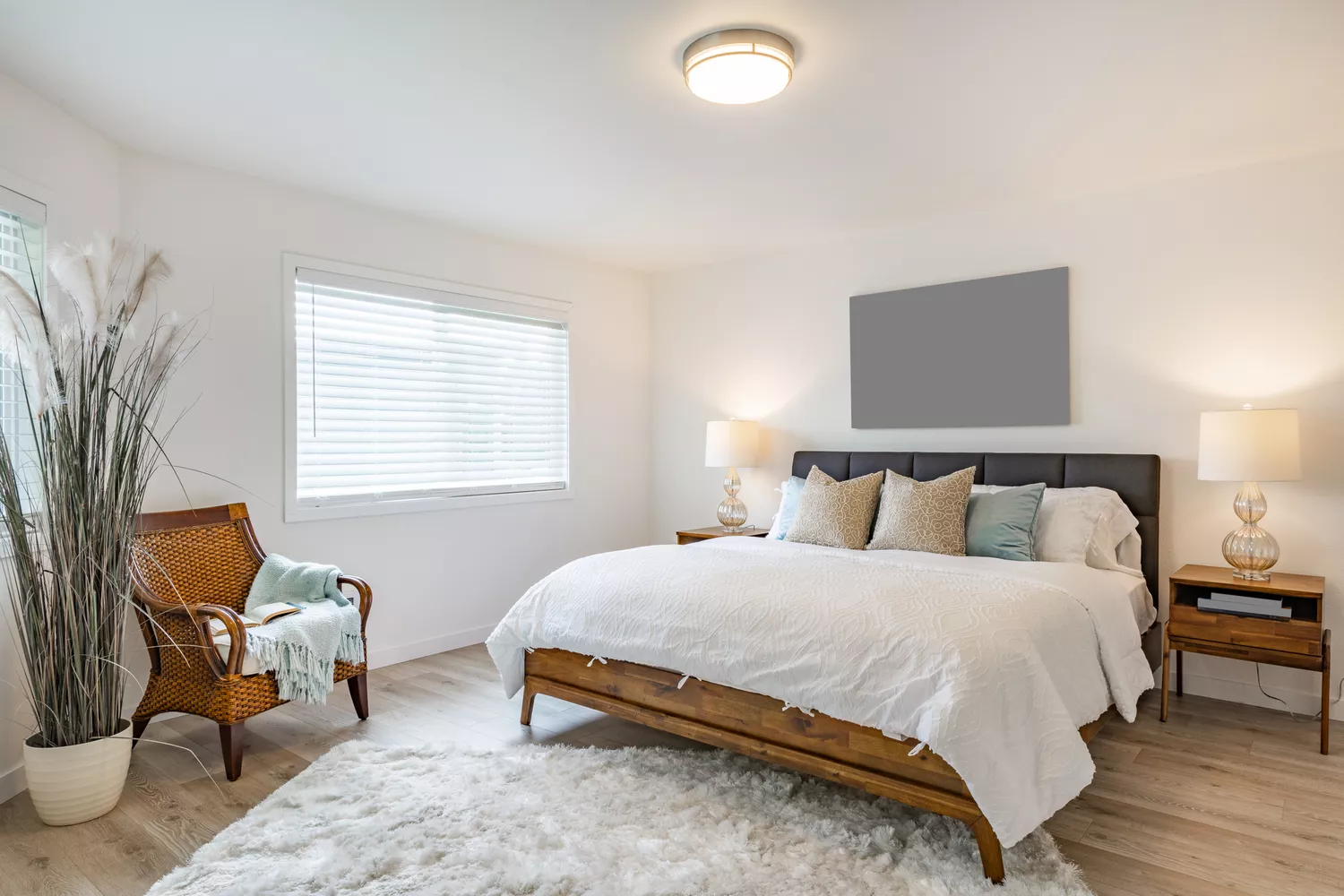
5 Lighting Trends That Are So Outdated, According to Designers

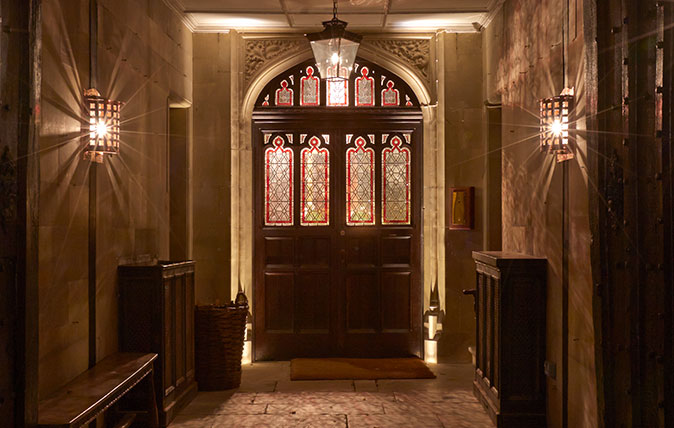
Get your home's lighting just right: Seven questions answered
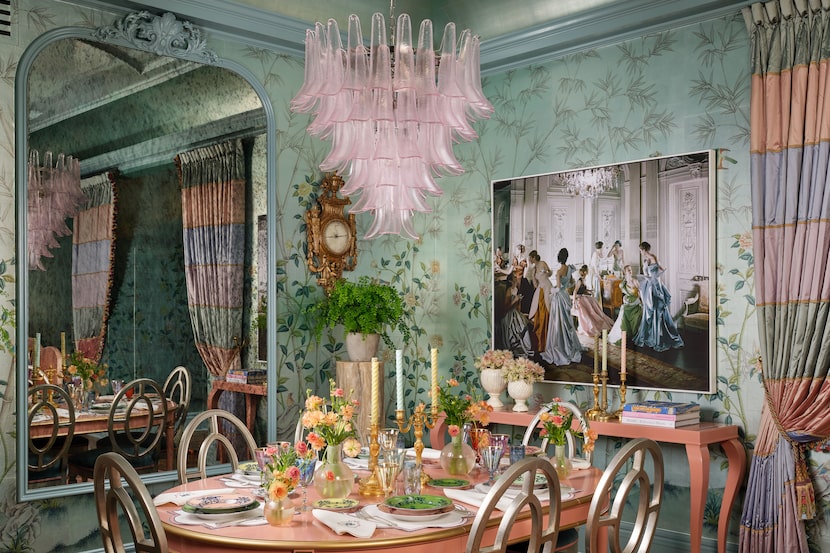
Simple or sculptural, the right light fixture can make any room shine

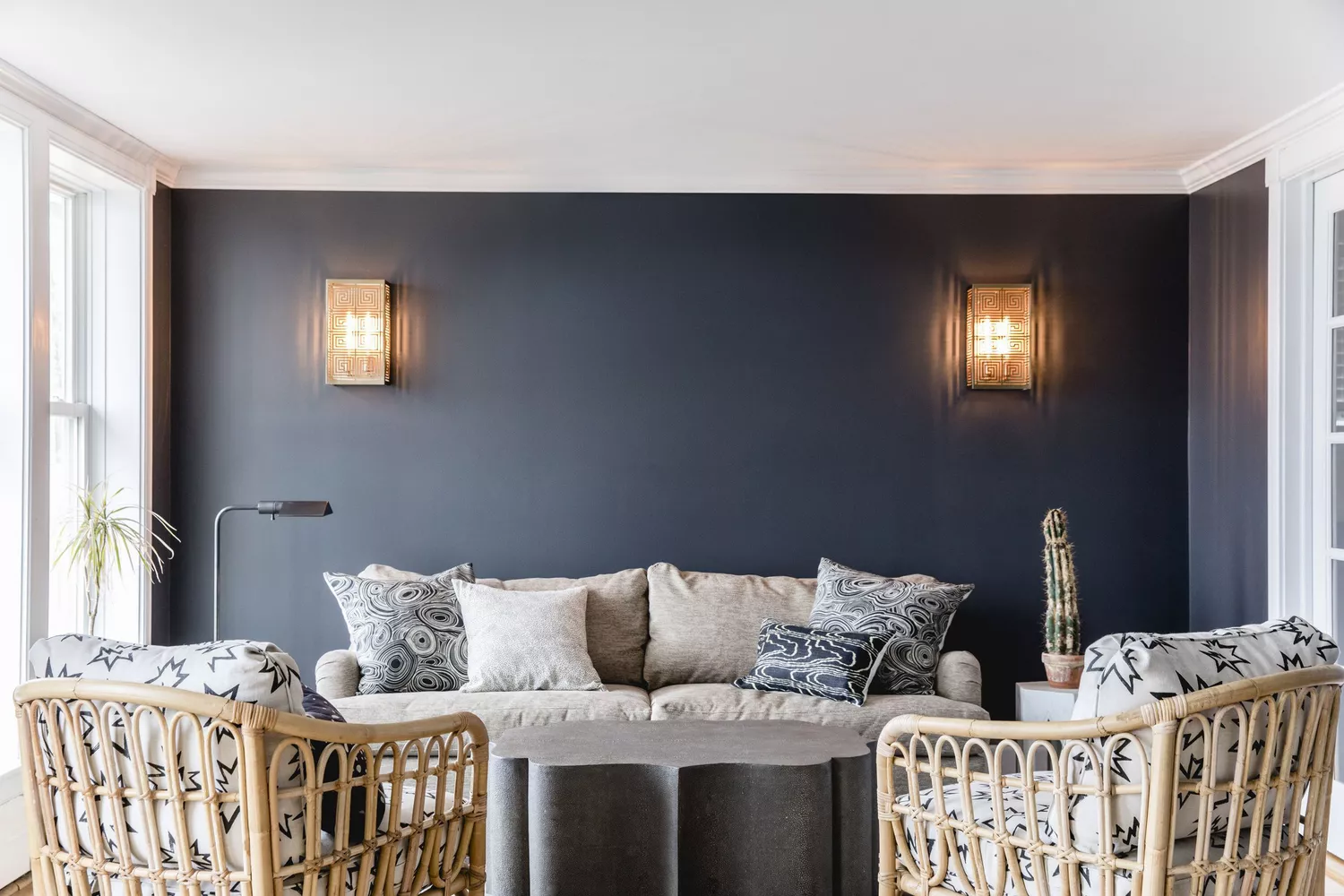
14 Tips for Lighting Your Home Like a Designer Before Daylight Savings Ends
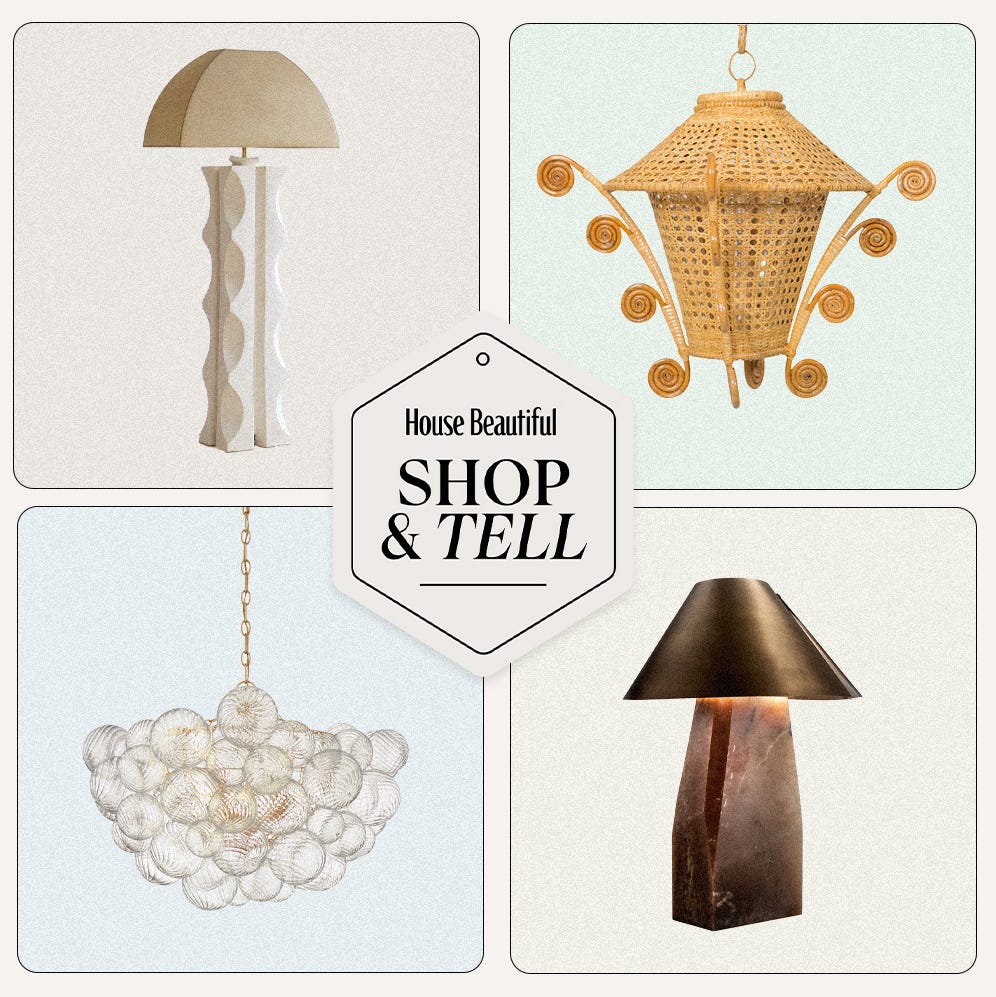
I'm a Design Editor and These Are My Favorite Light Fixtures Right Now

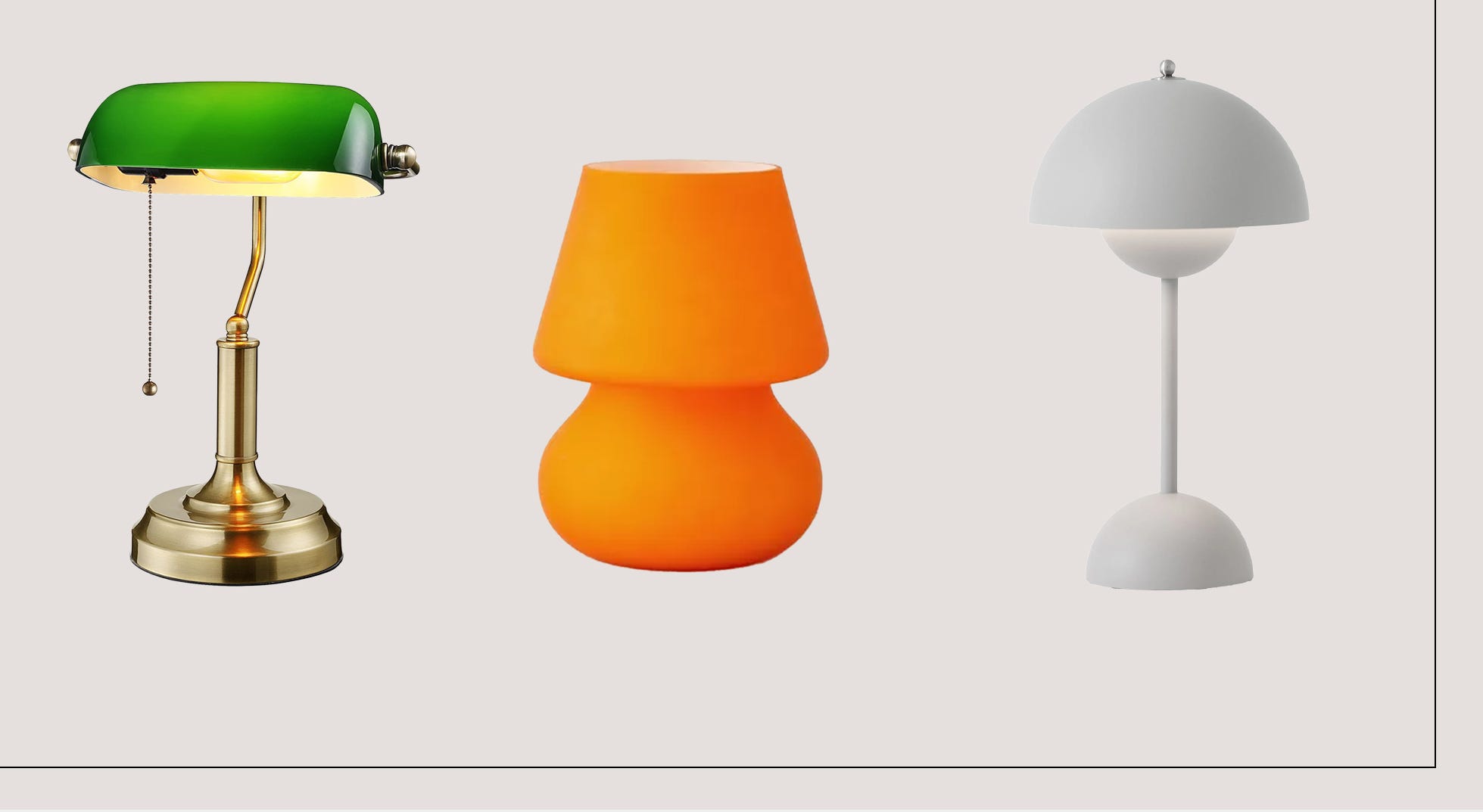
What Your Lamp Choice Says About Your Design Style
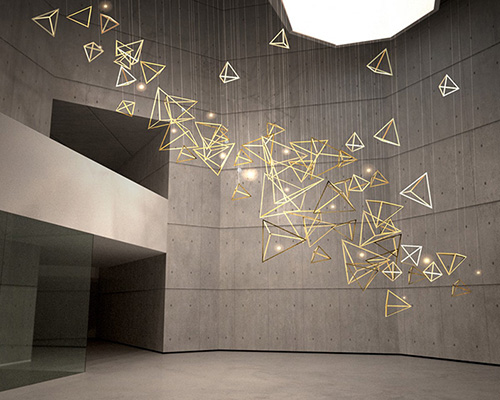
heathfield co produces range of bespoke lighting installations
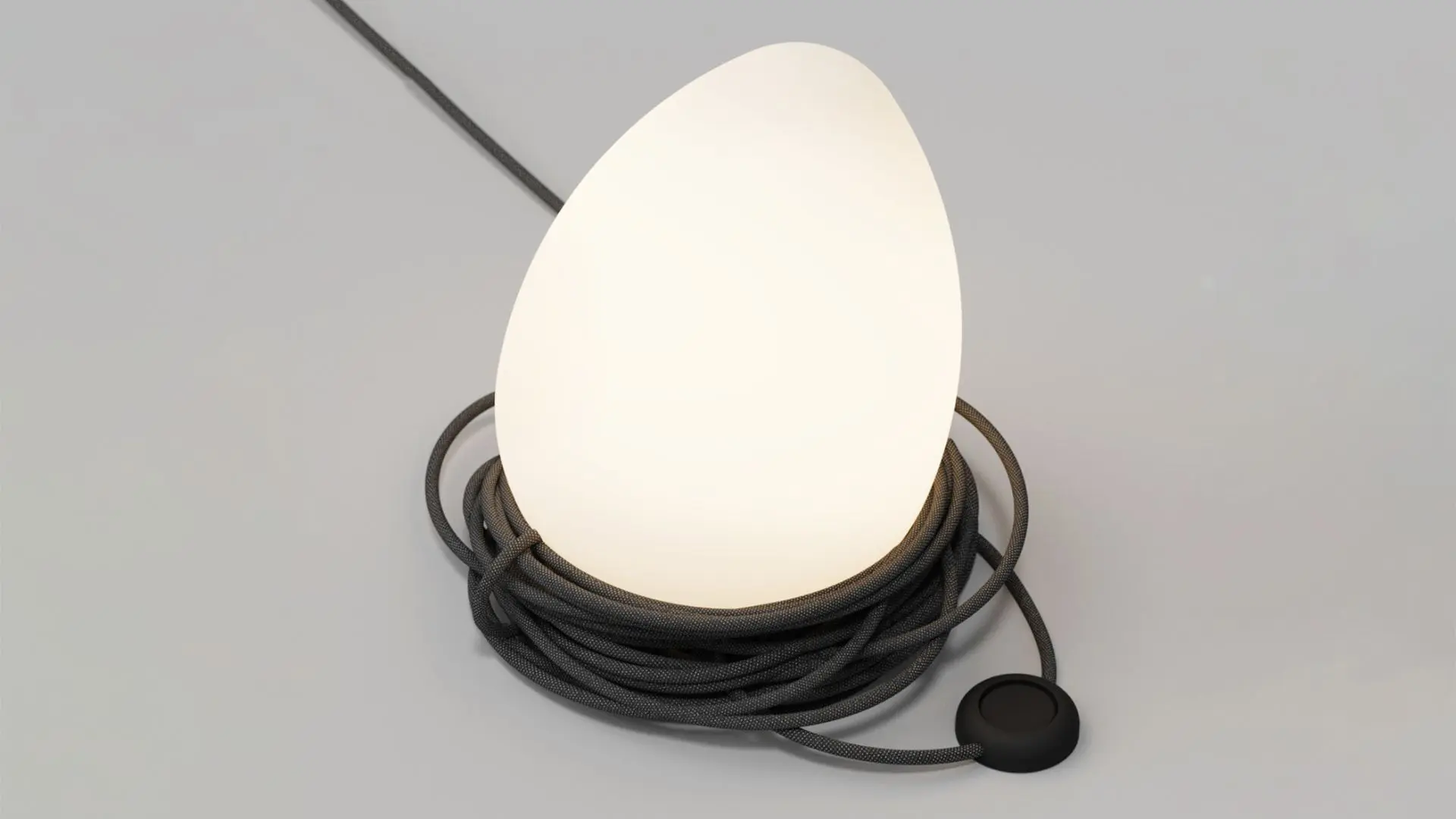
Transforming a messy pile of cables into an illuminating everyday product
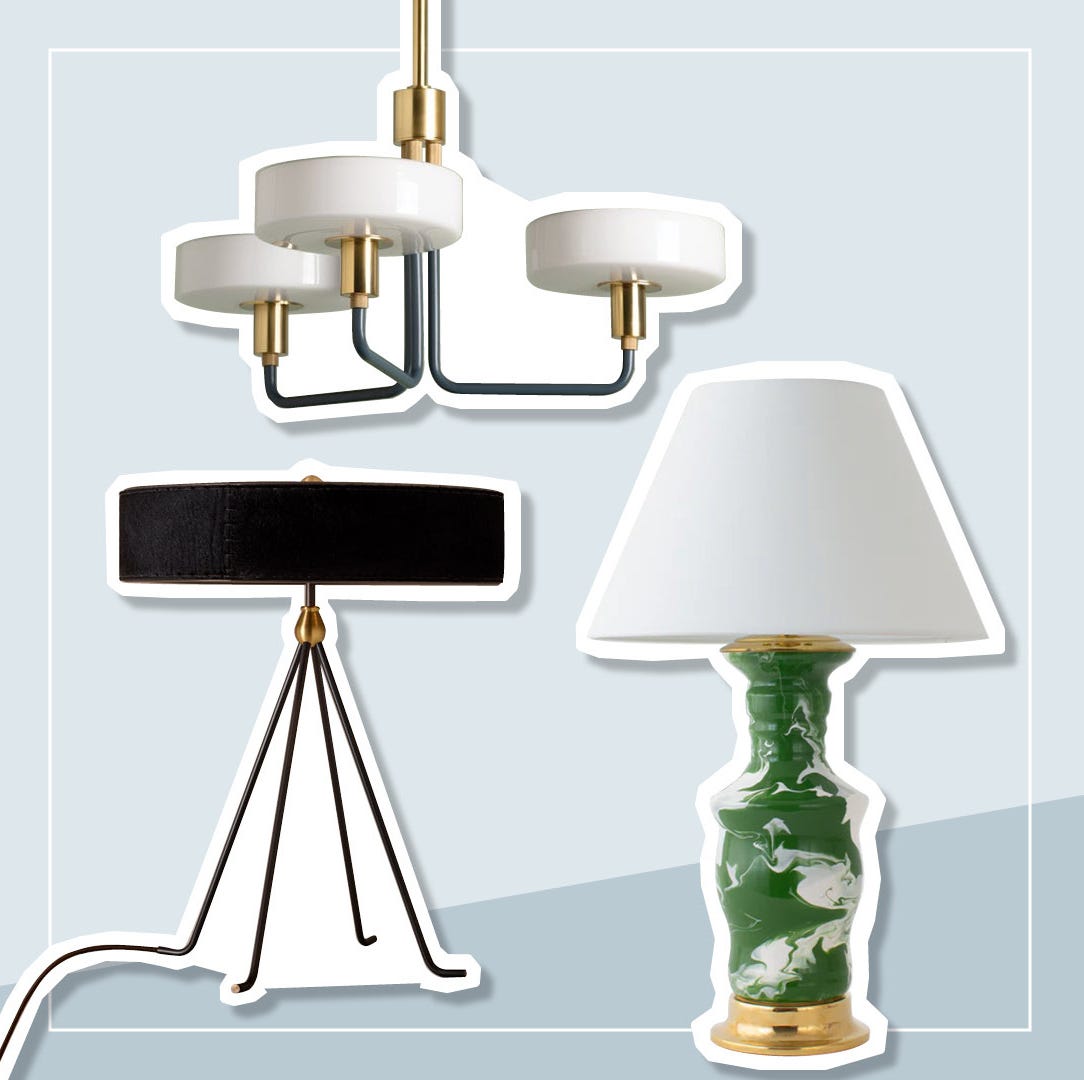
Interior Designers Reveal Their 26 Favorite Online Lighting Stores

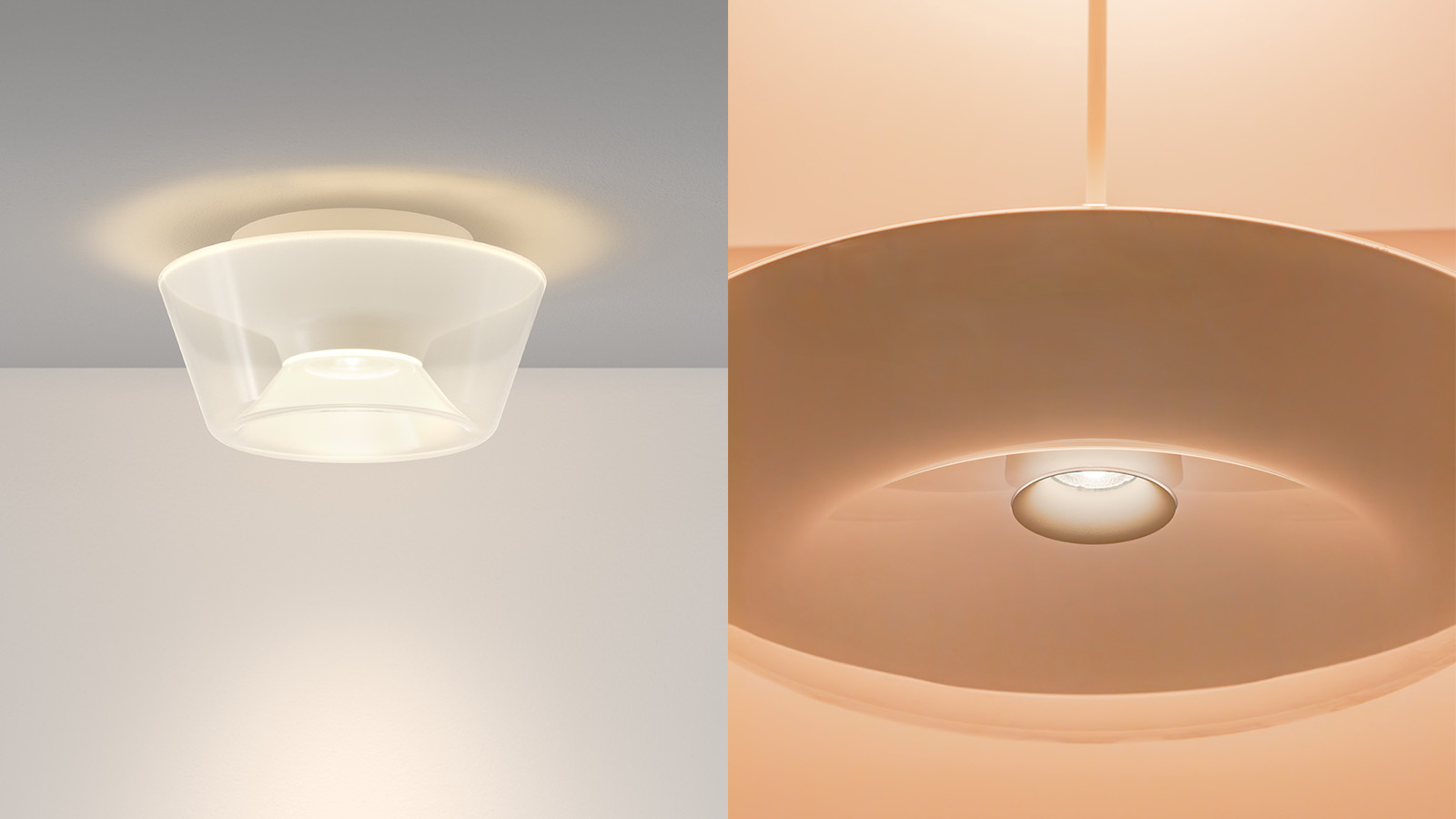
Lucifer Lighting's fixtures are designed to ‘define and disappear’

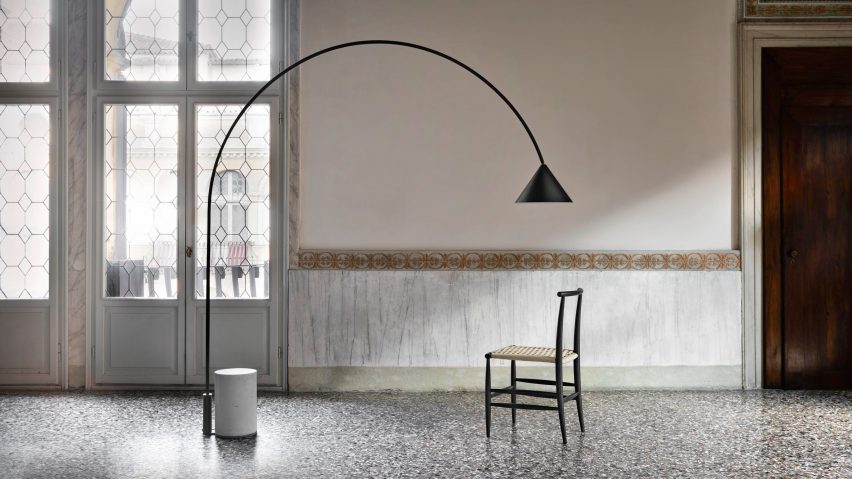
Ten of the latest lighting designs on Dezeen Showroom
Designers showcase creative lighting solutions at recent exhibit

These Lighting Trends Will Be Everywhere in 2026, According to Designers
6 Lighting Trends That Will Transform Your Space In 2026