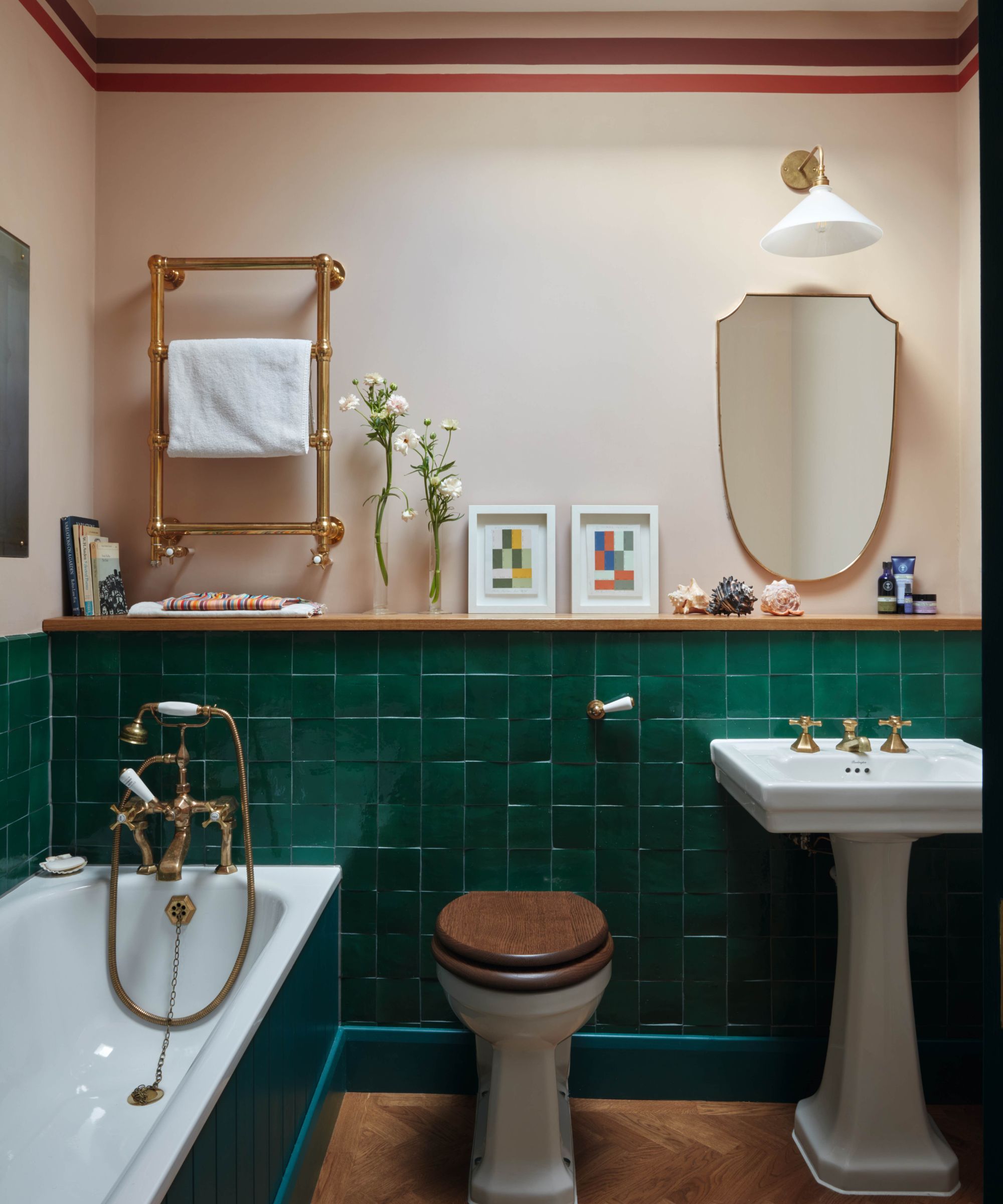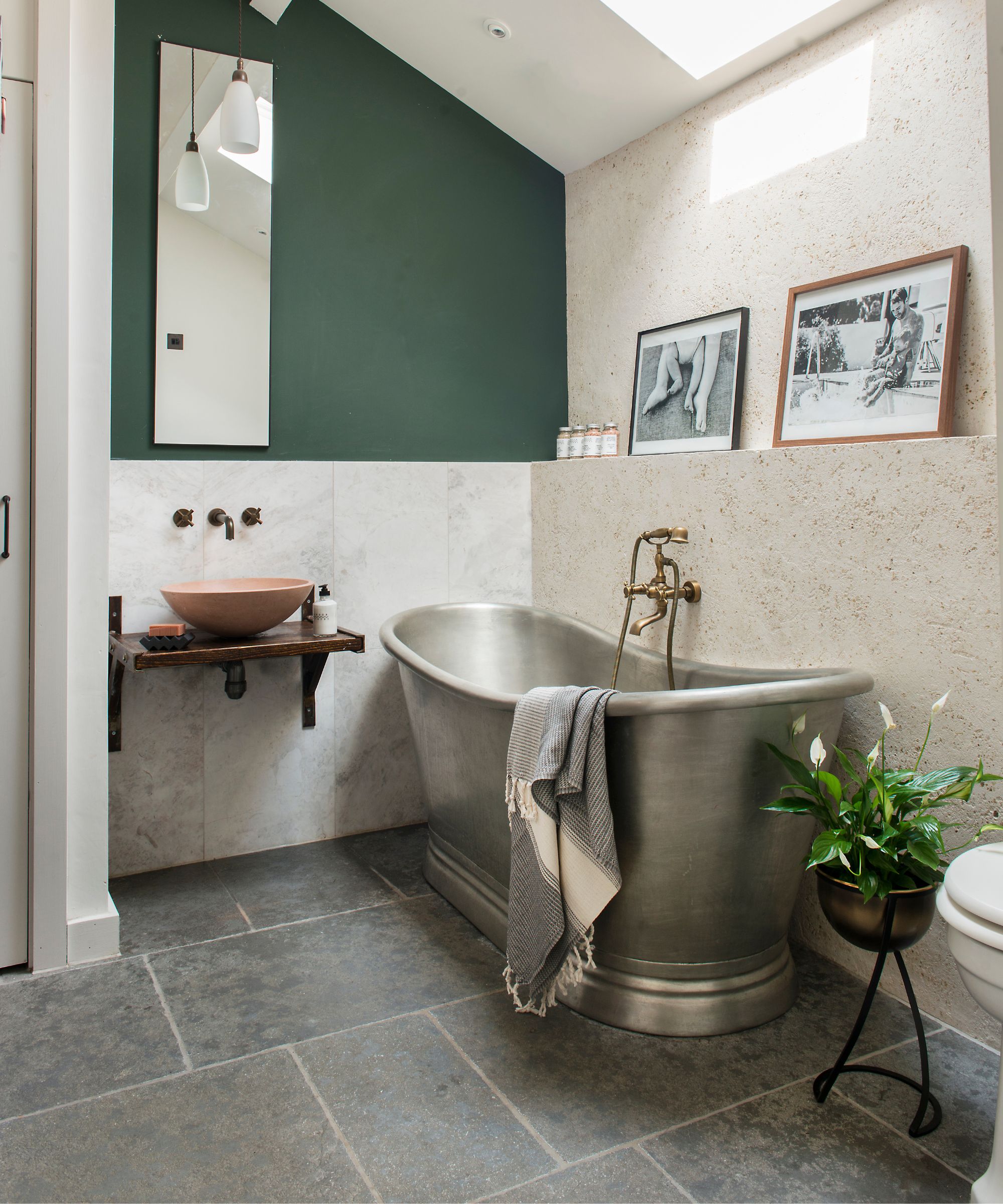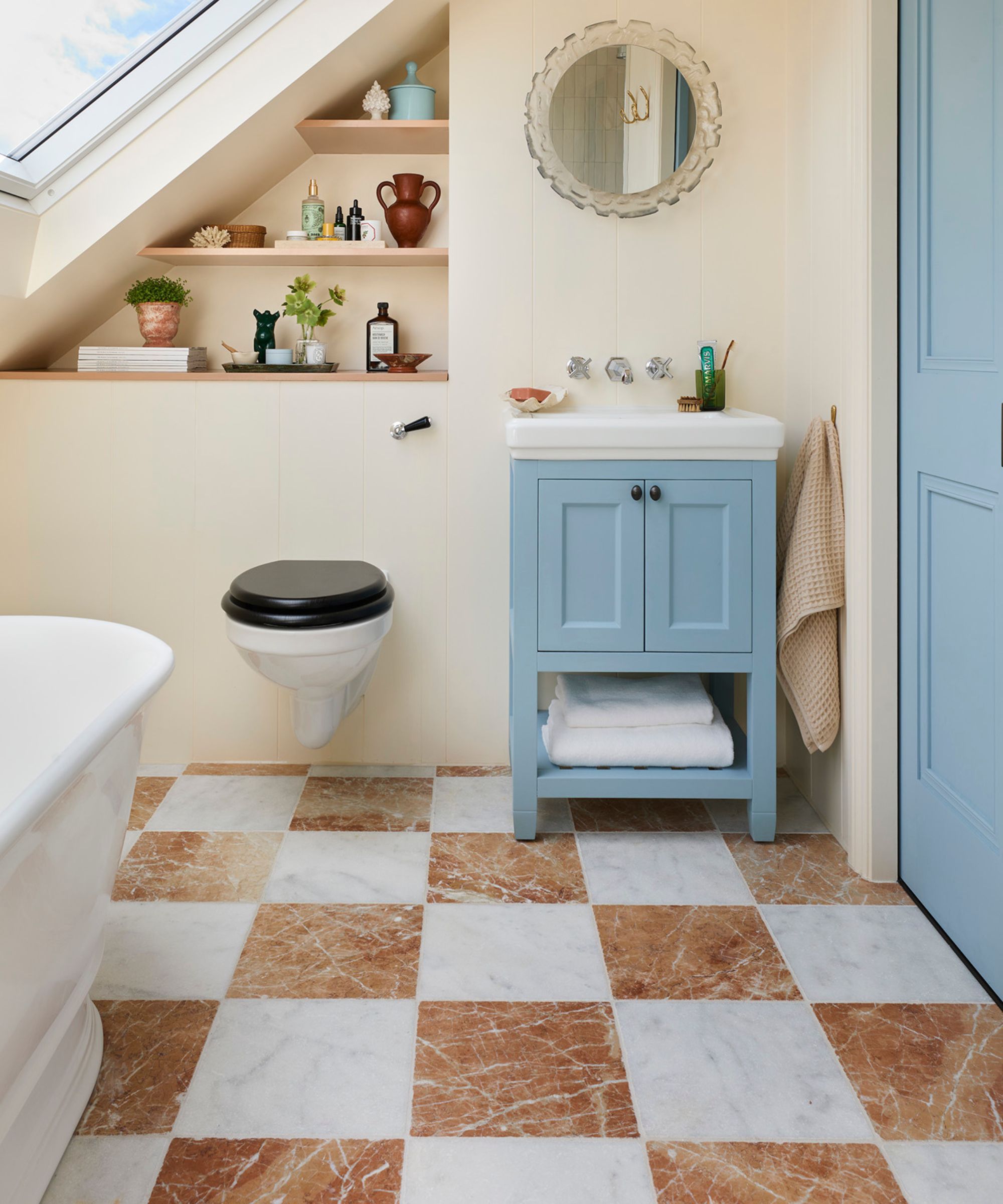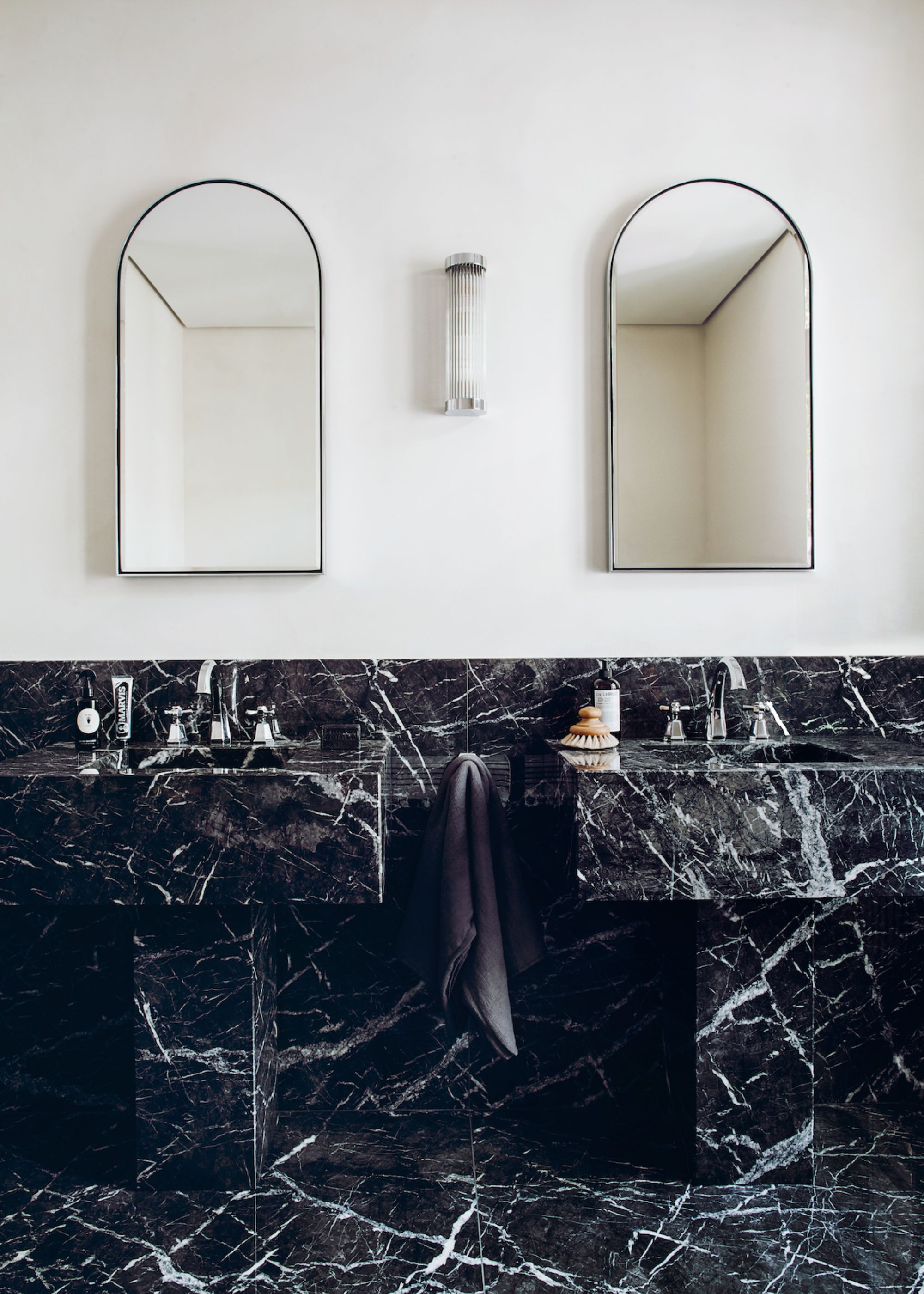
1/10
I've ripped out and redesigned 14 bathrooms – these are the 15 lessons I've learned
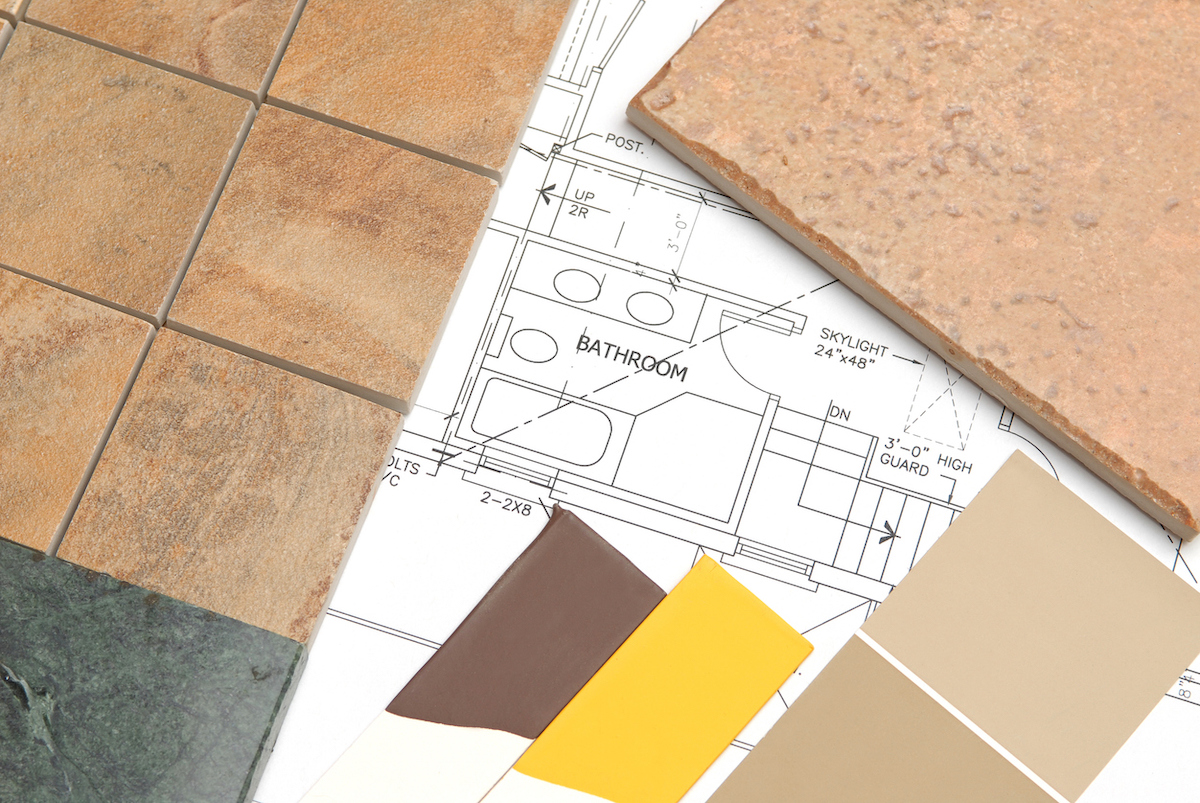
This article offers a comprehensive guide to successful bathroom renovation, drawing from the author's extensive experience of redesigning 14 bathrooms. The primary message emphasizes the importance of meticulous planning, quality investment, and a balance between aesthetics and practicality to avoid common pitfalls and ensure long-lasting results. The author, having navigated renovations from rentals to a five-bedroom Victorian home, shares lessons learned from both self-executed projects and those managed with professionals.
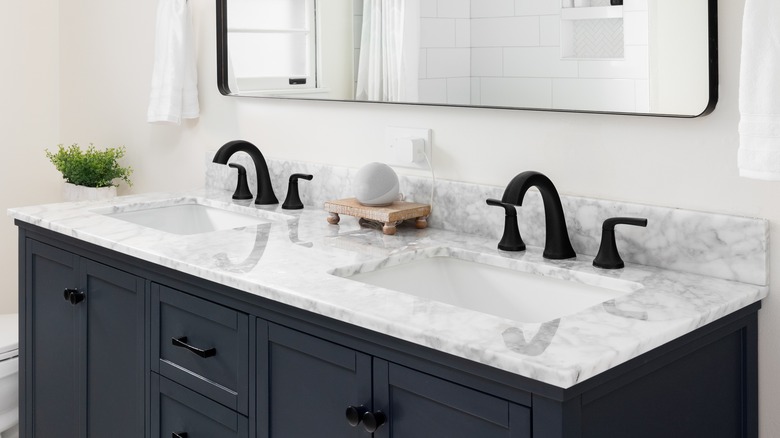
One crucial lesson is to prioritize quality over cost, especially for foundational elements like hardware and fixtures. Cheap plastic baths are prone to scratching and discoloration, and inexpensive faucets often lead to early wear and costly repairs. Investing in well-made pieces initially, even if it means reallocating budget from other areas, is advocated to prevent future frustration and expenses. Another significant piece of advice is to recognize one's limitations when it comes to DIY. While some tasks like painting can be handled by homeowners, more intricate jobs such as tiling or plumbing are best left to experienced professionals to ensure a high-quality finish and prevent amateurish results. Saving up for professional help on complex tasks is presented as a worthwhile investment.
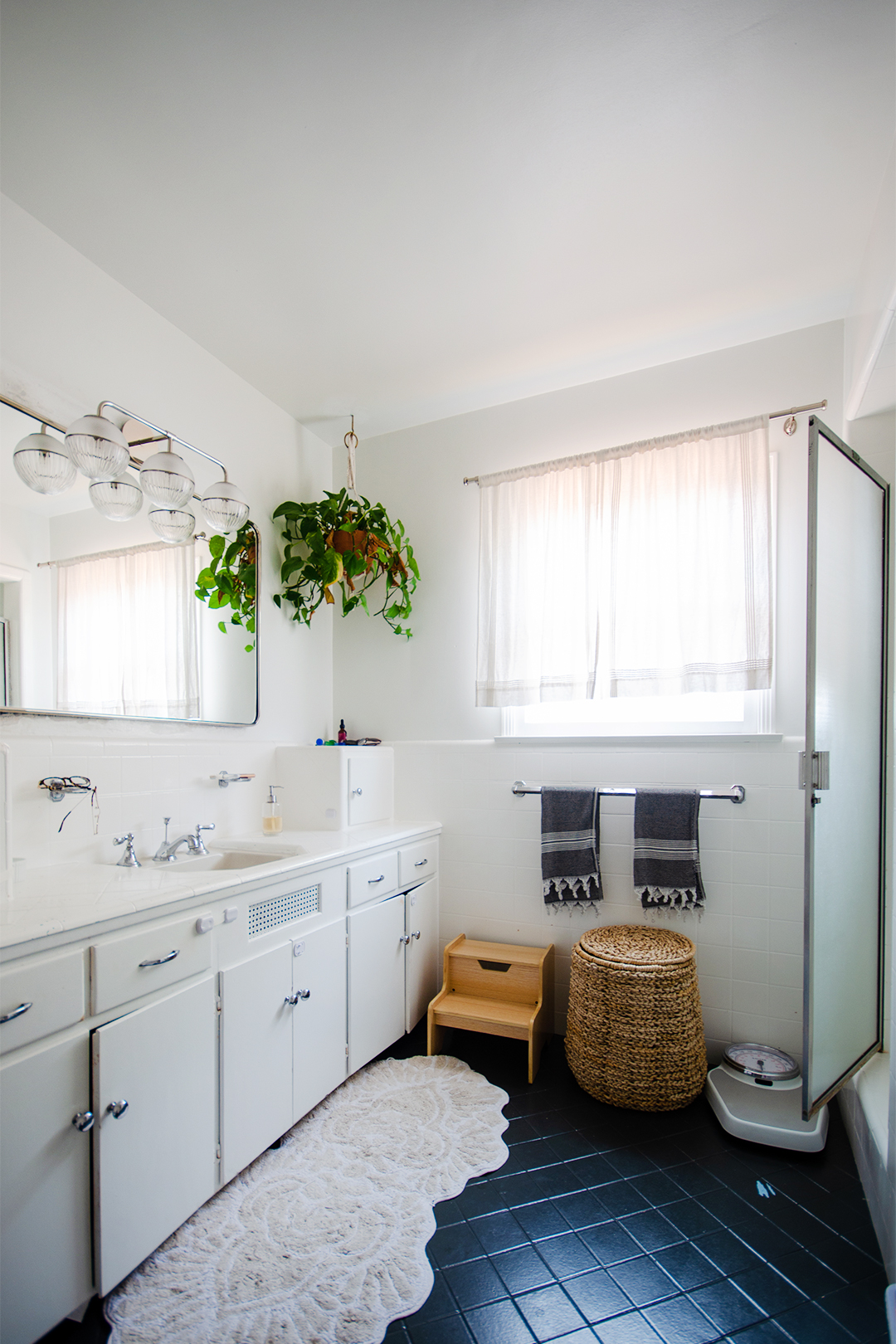
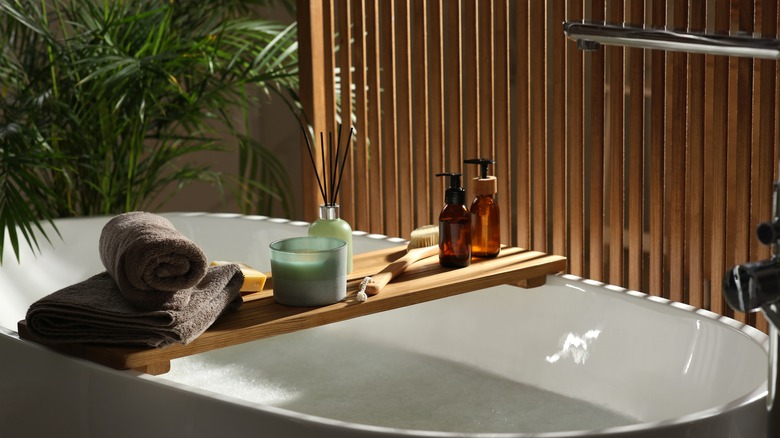
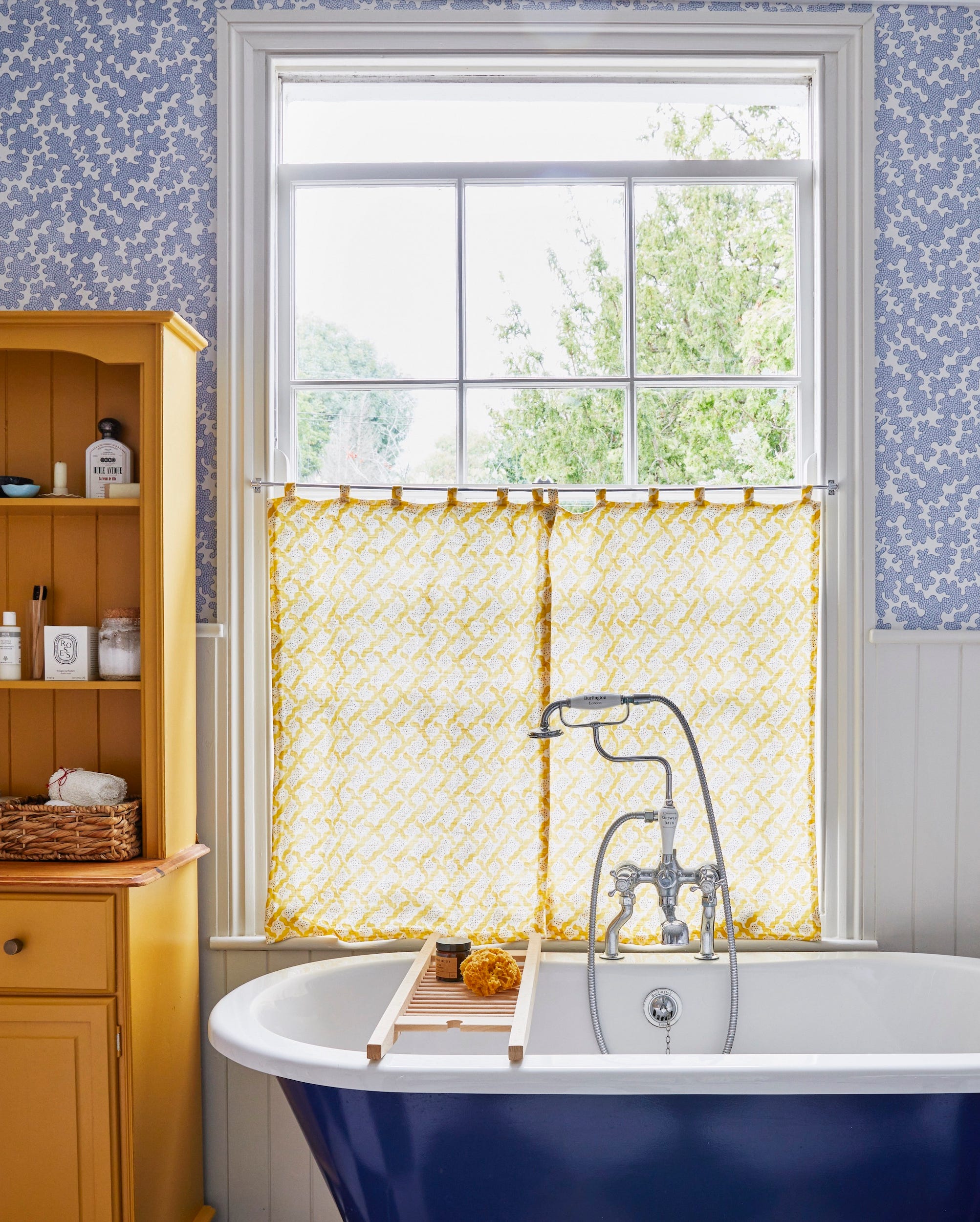
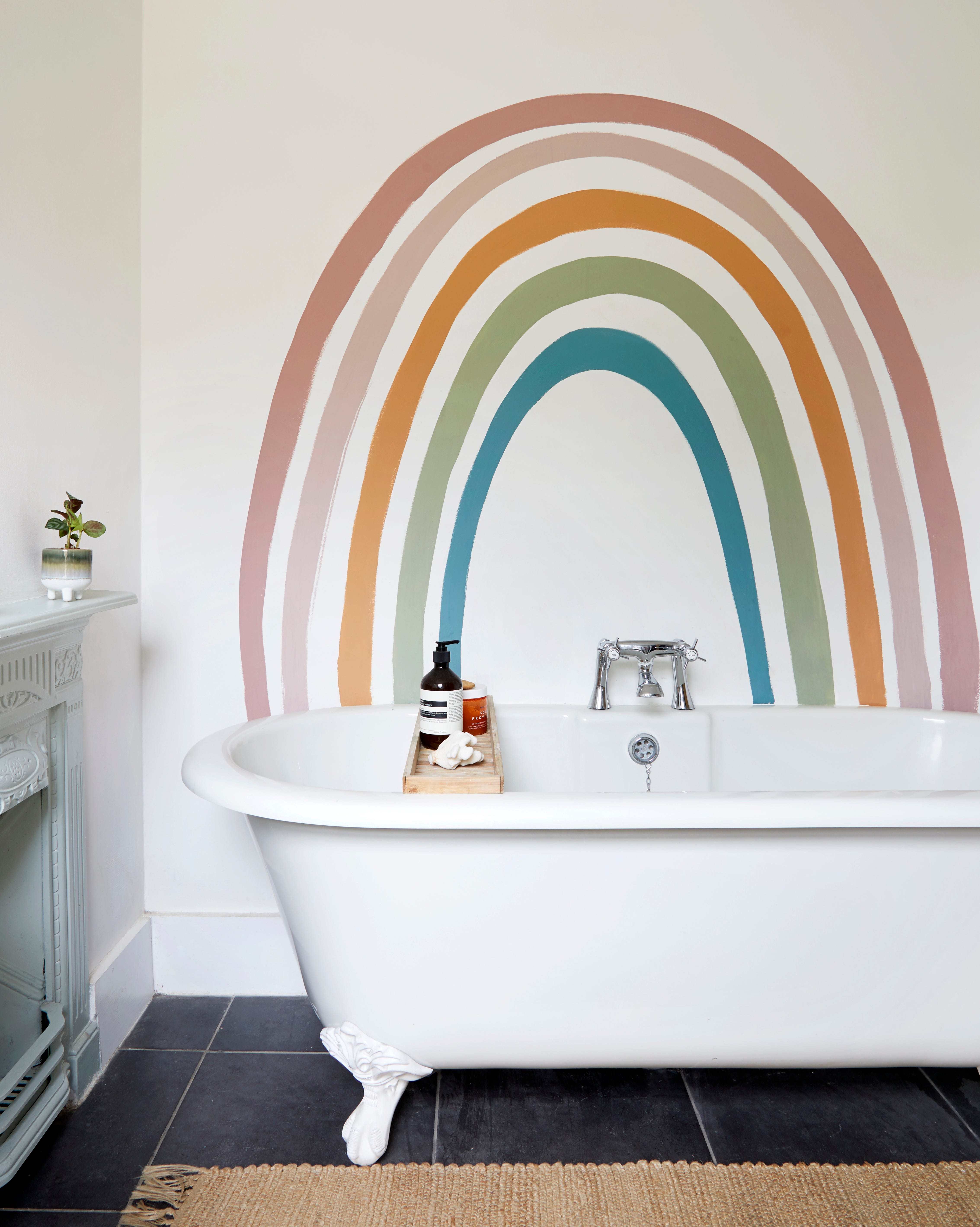
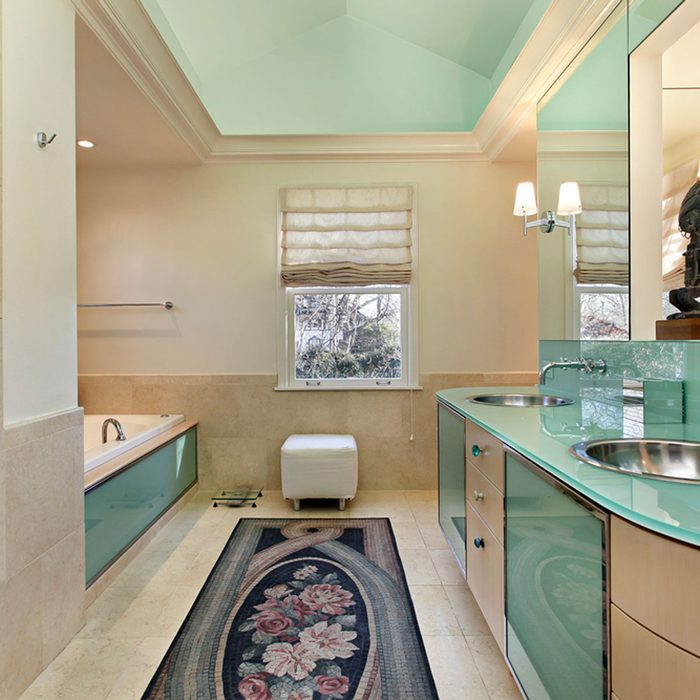
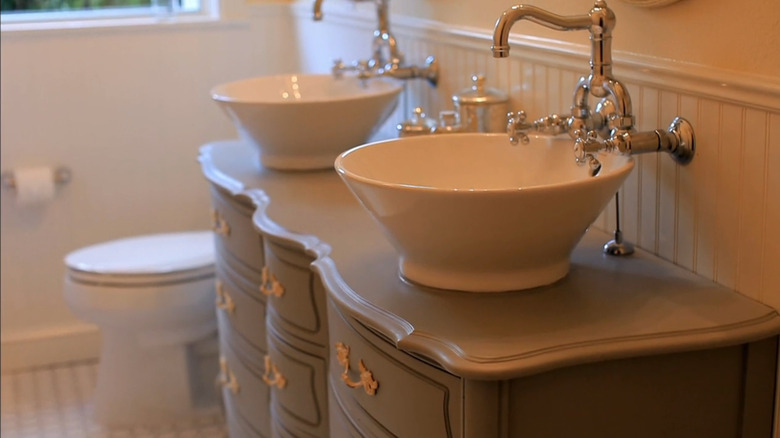
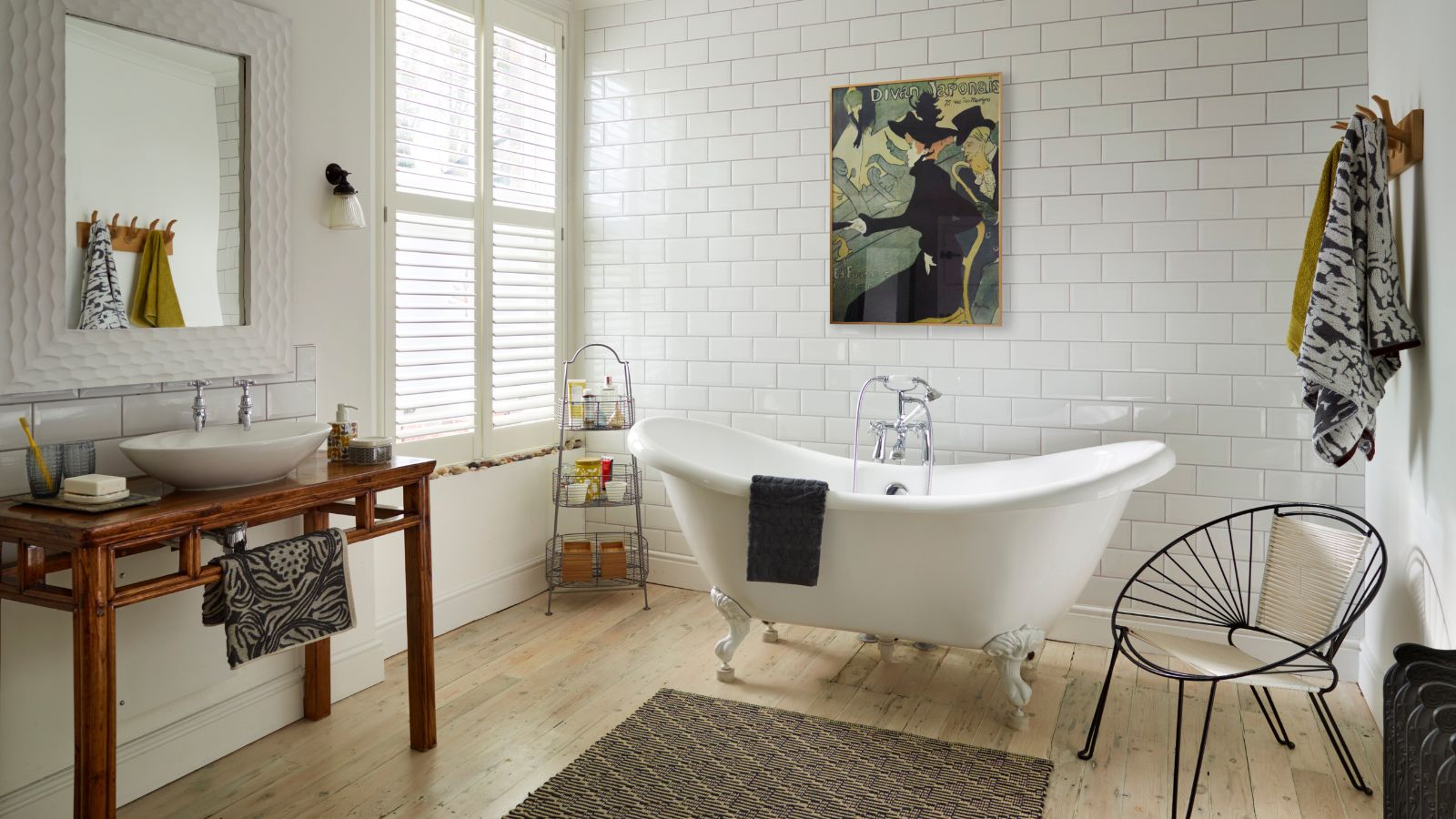
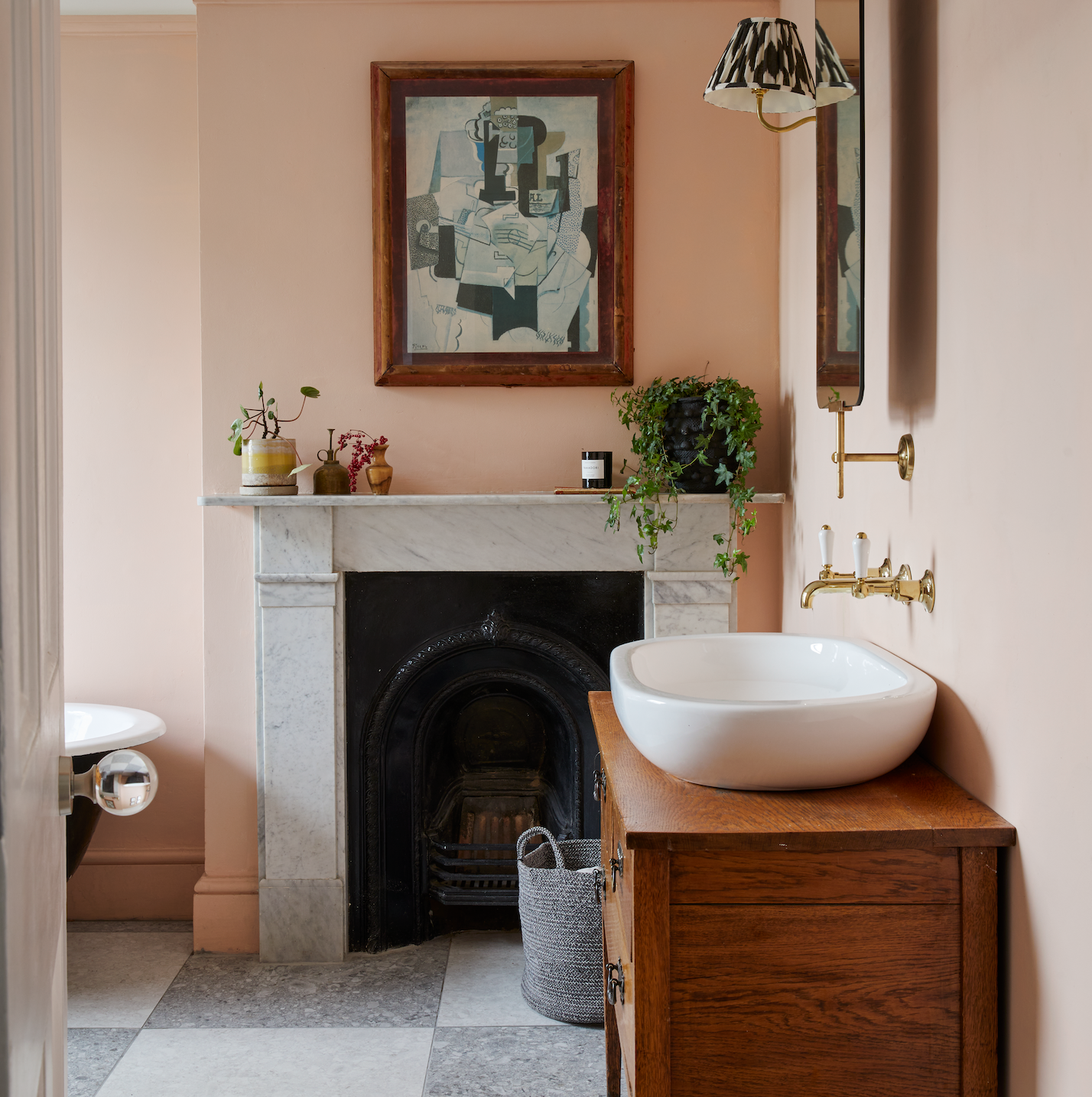
Practicality should always complement beauty in bathroom design. The author encourages creating a beautiful and soft aesthetic, transforming the bathroom into a relaxing retreat. However, these aesthetic choices must be practical to avoid issues. For instance, using an outdoor rug as a bathroom rug to withstand splashes or thoroughly varnishing antique vanity tables are examples of blending style with functionality. The article stresses the critical role of a skilled plumber, advising against hiring cheap, inexperienced individuals. A good plumber ensures proper pipework installation, checks for leaks, and angles floors correctly for wet rooms. They also provide valuable insights into pipework locations for future maintenance and can offer informed opinions on design ideas. Building a strong relationship with a reputable plumber is suggested, even if it means a longer wait time.
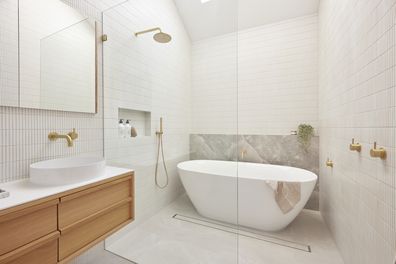
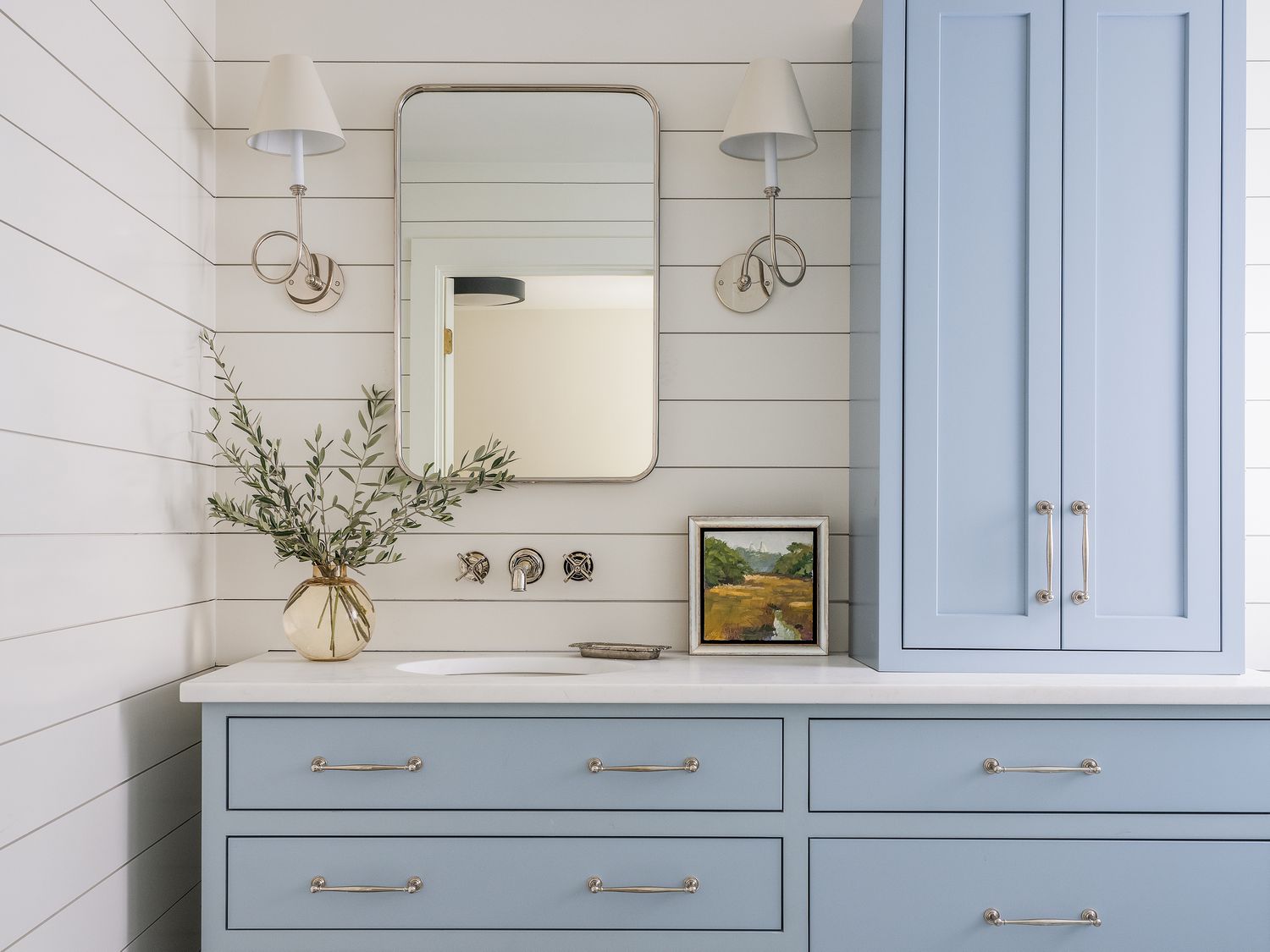
When designing a bathroom, it should not be treated in isolation from the rest of the home's style. The chosen bath, vanity, and faucets should harmonize with the overall aesthetic of the house, whether it's a Victorian-style home or a contemporary apartment. Another practical tip involves physically testing baths before purchase to ensure comfort, especially considering individual height differences. The article touches on the contentious topic of en-suite bathrooms, expressing a personal preference for a separation (like a hallway or dressing room) between the bedroom and bathroom, citing concerns about noise and lack of relaxation.
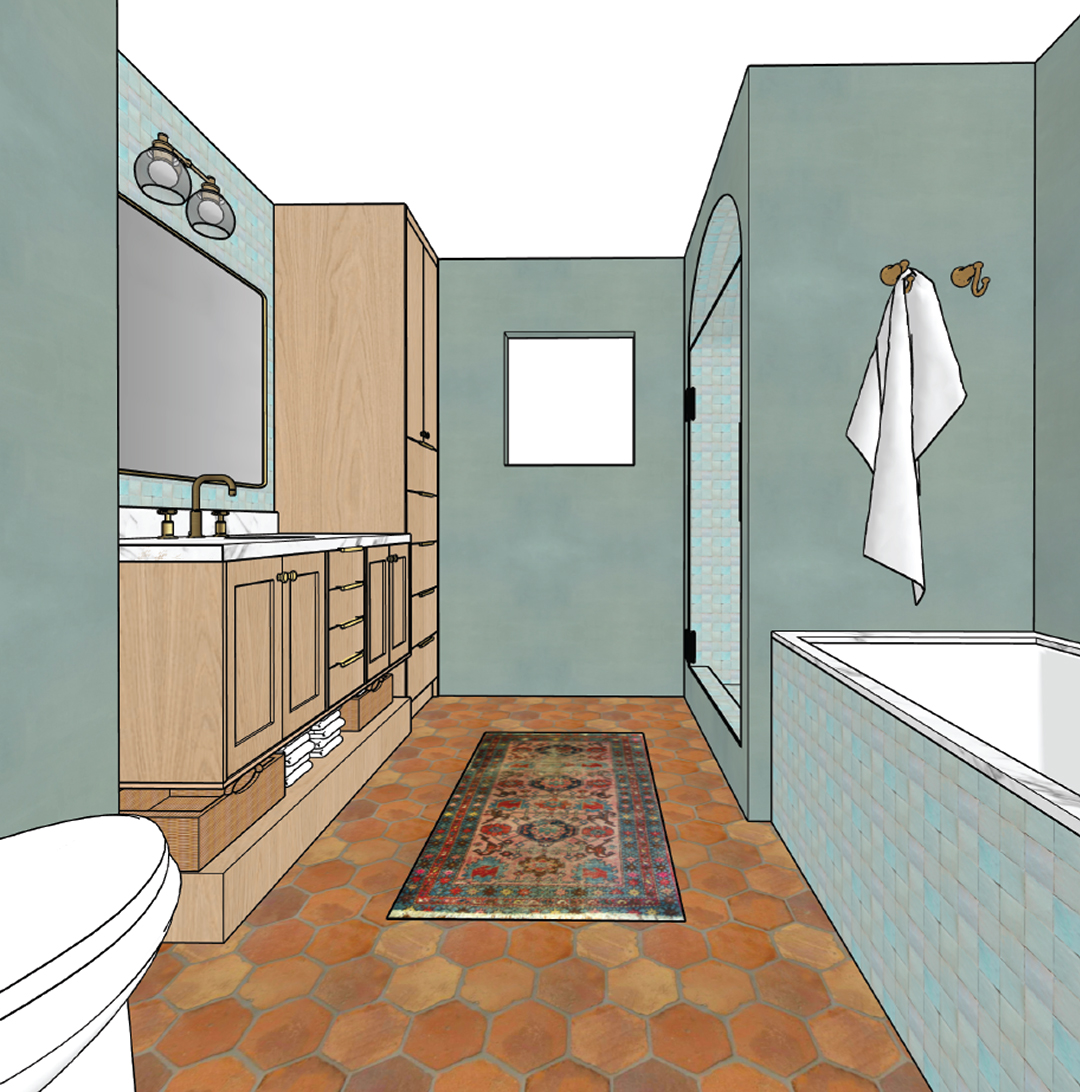
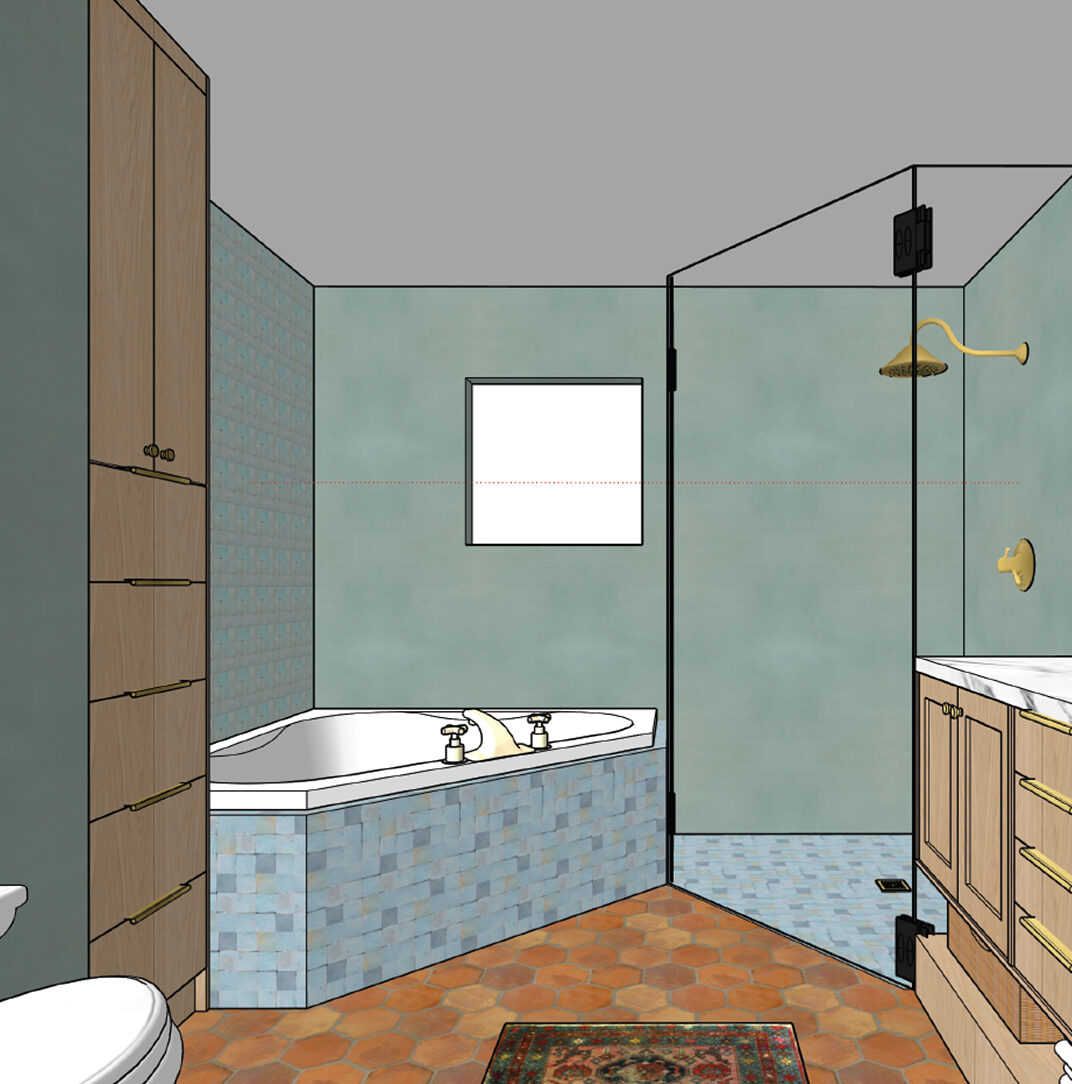
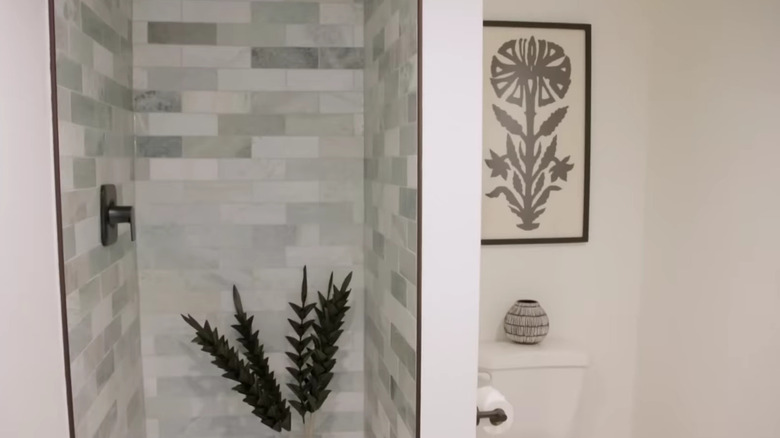
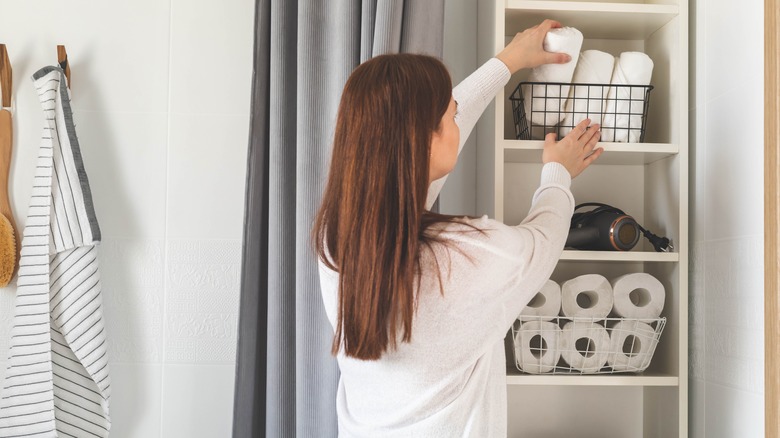
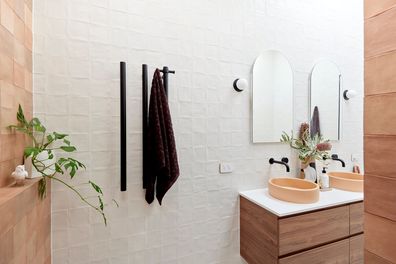
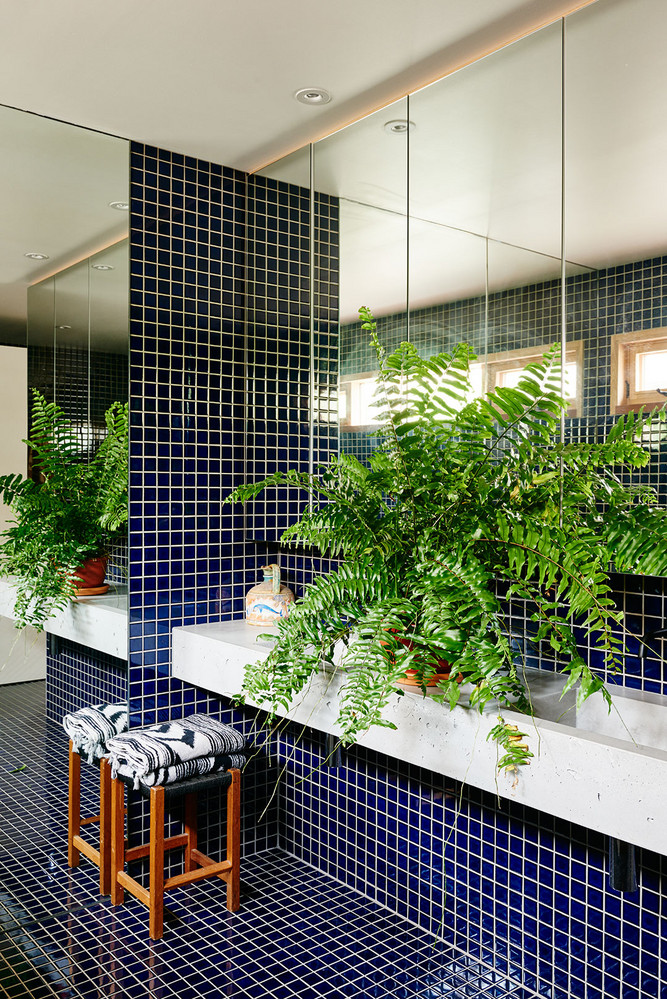
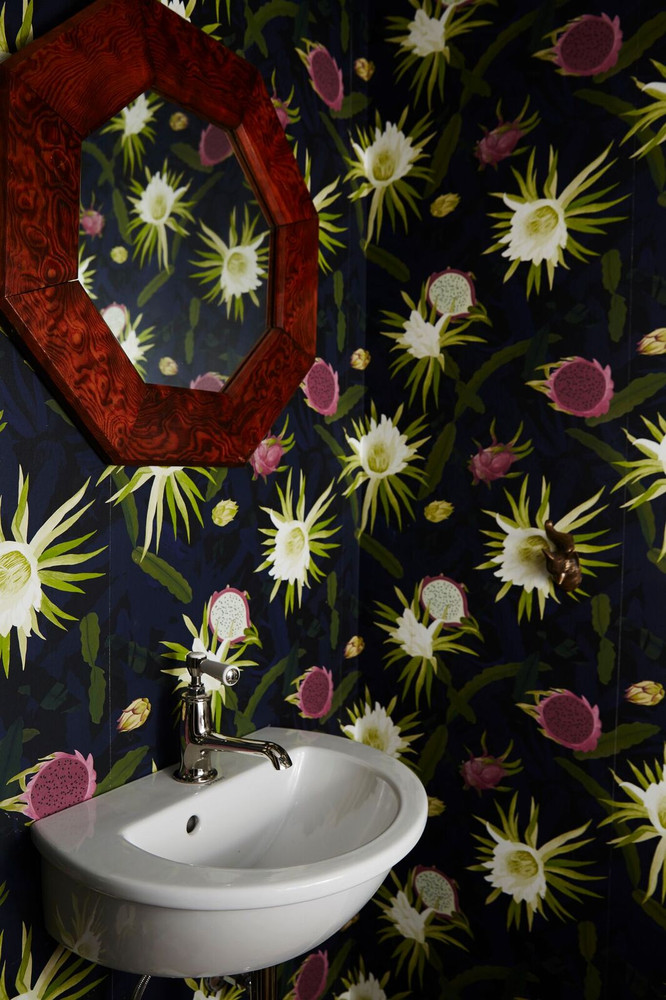
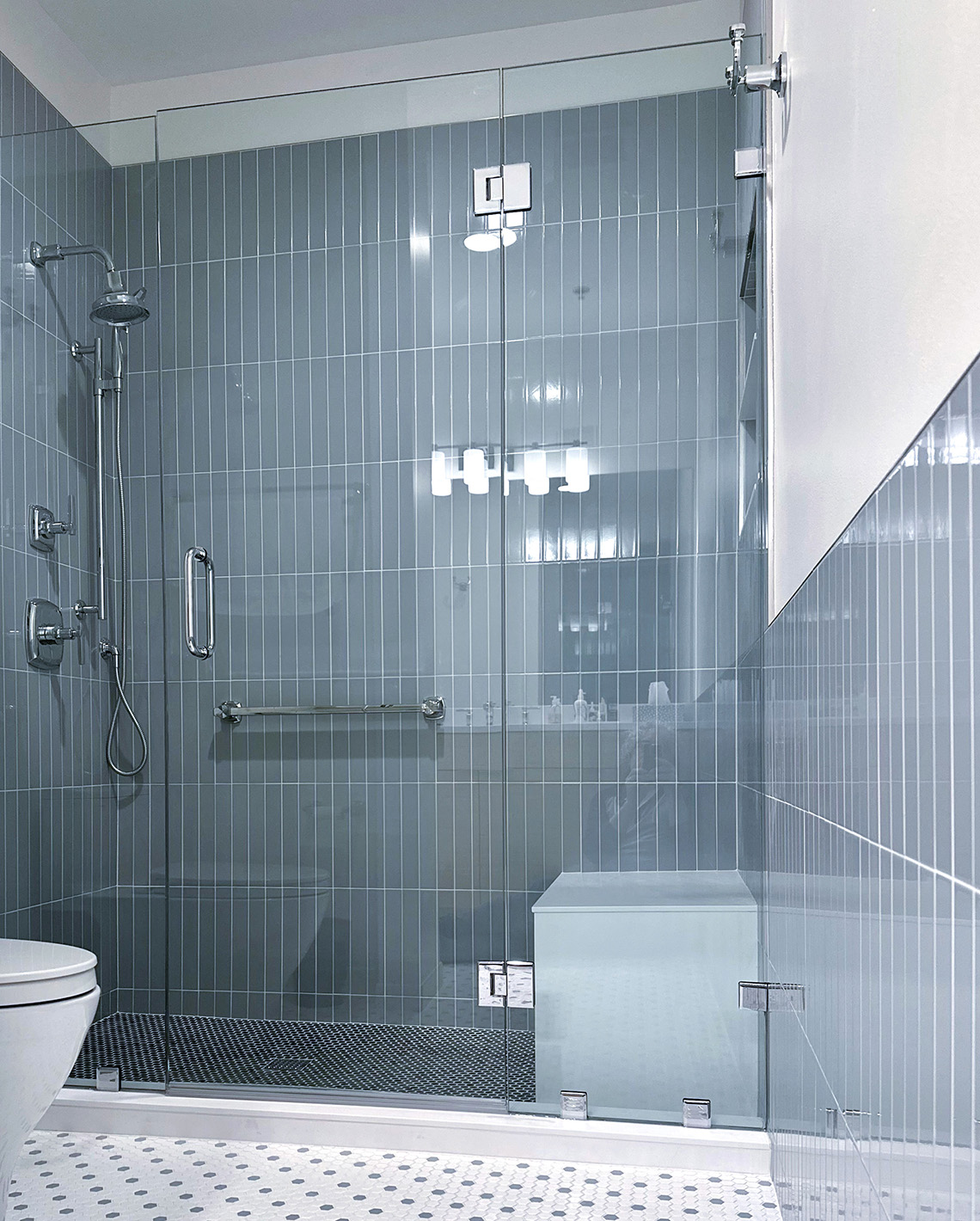
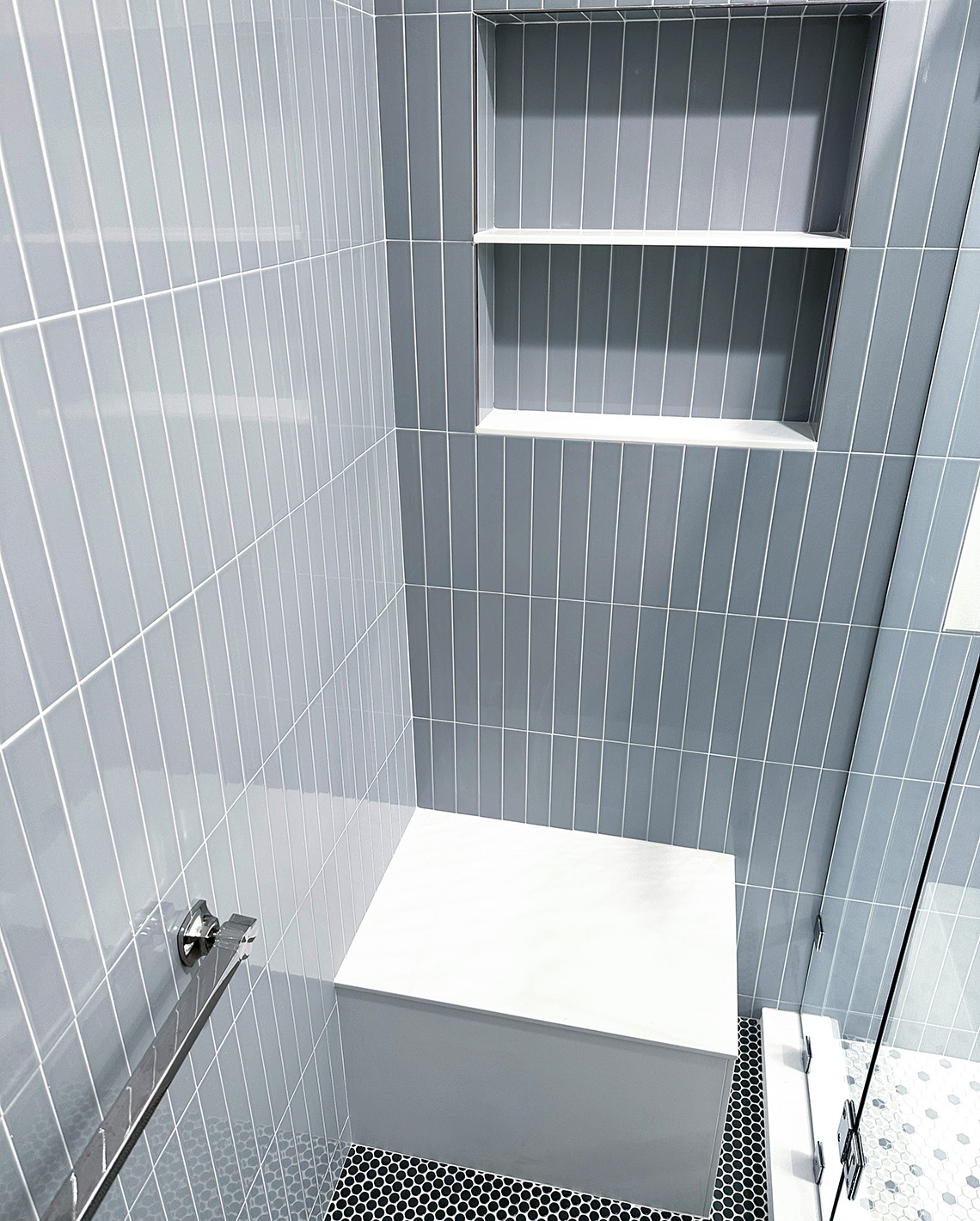
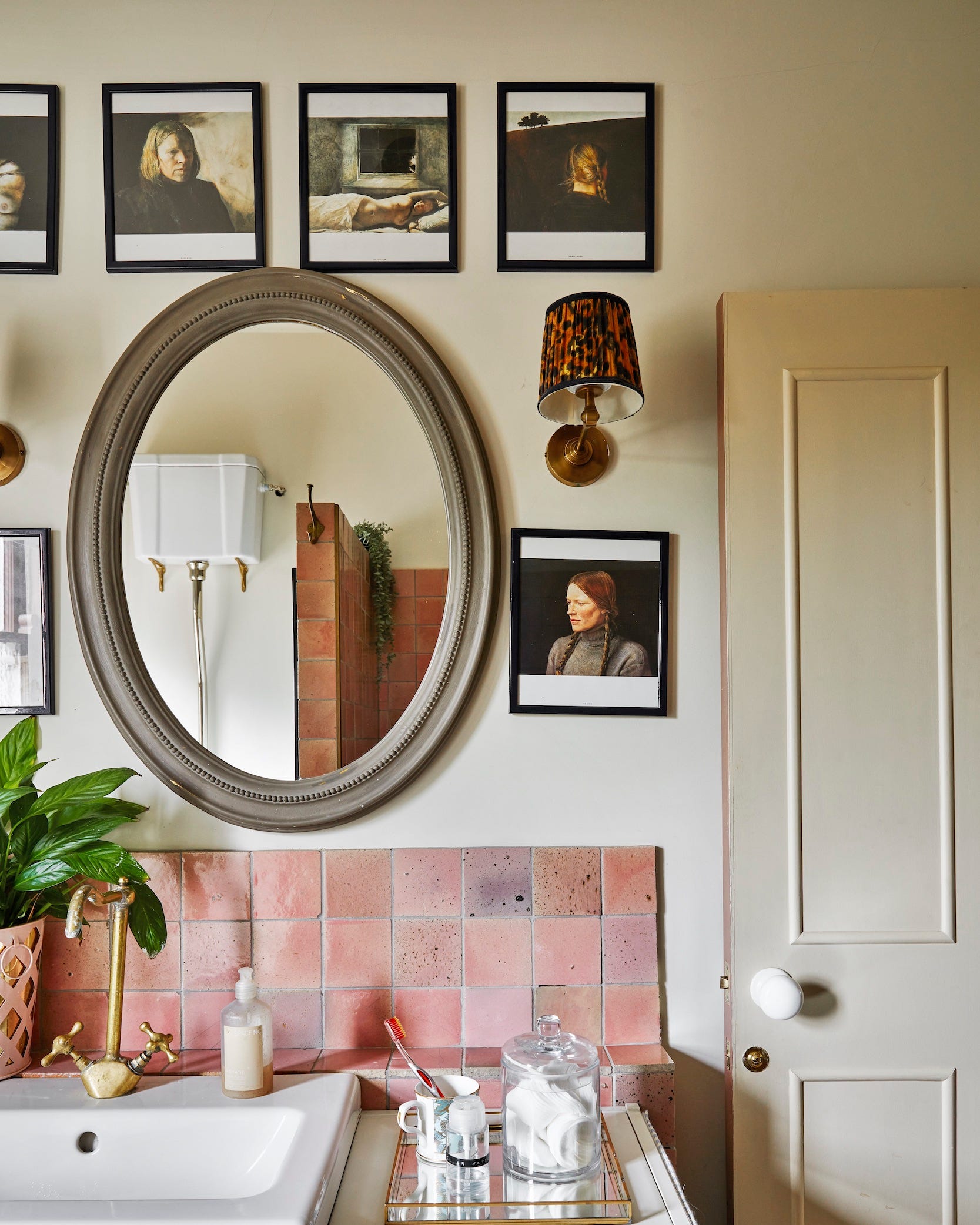
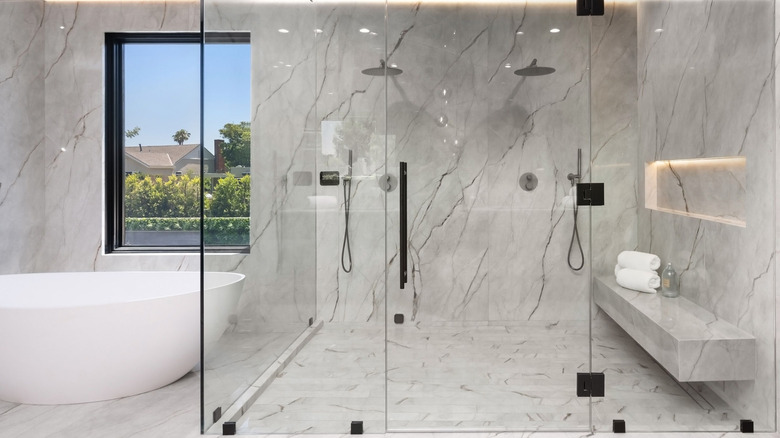
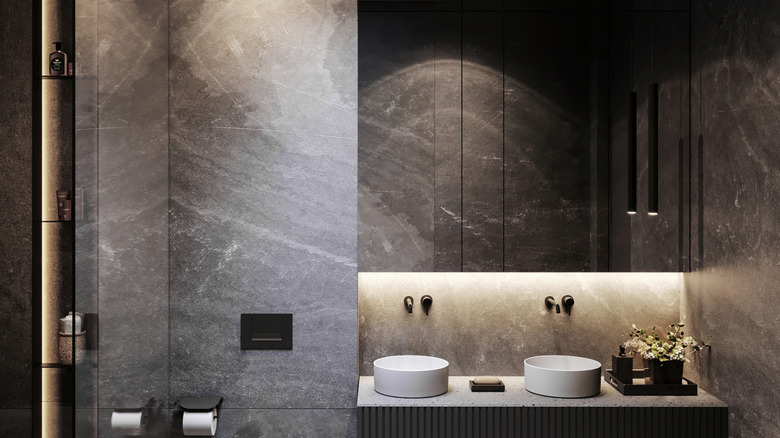
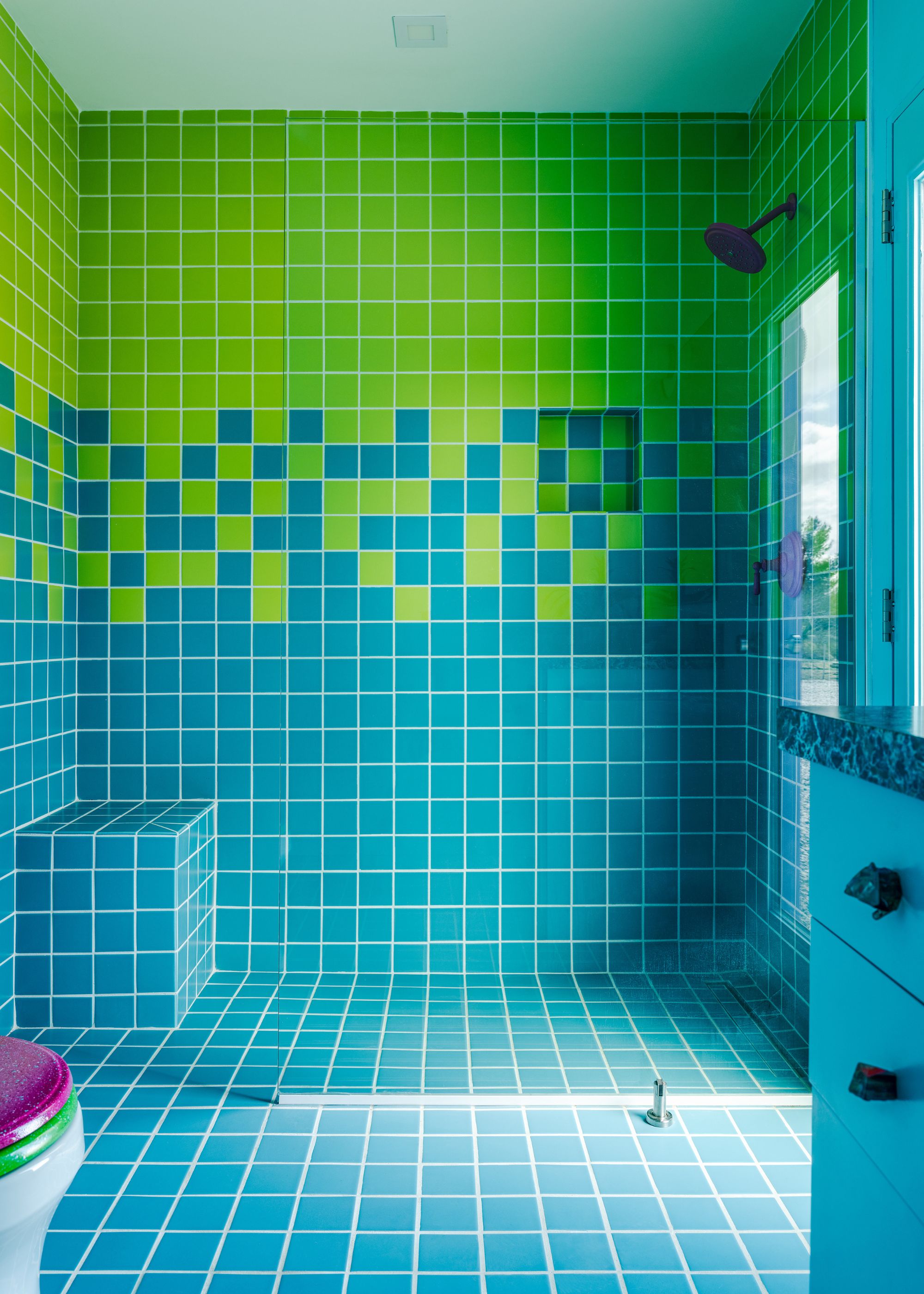
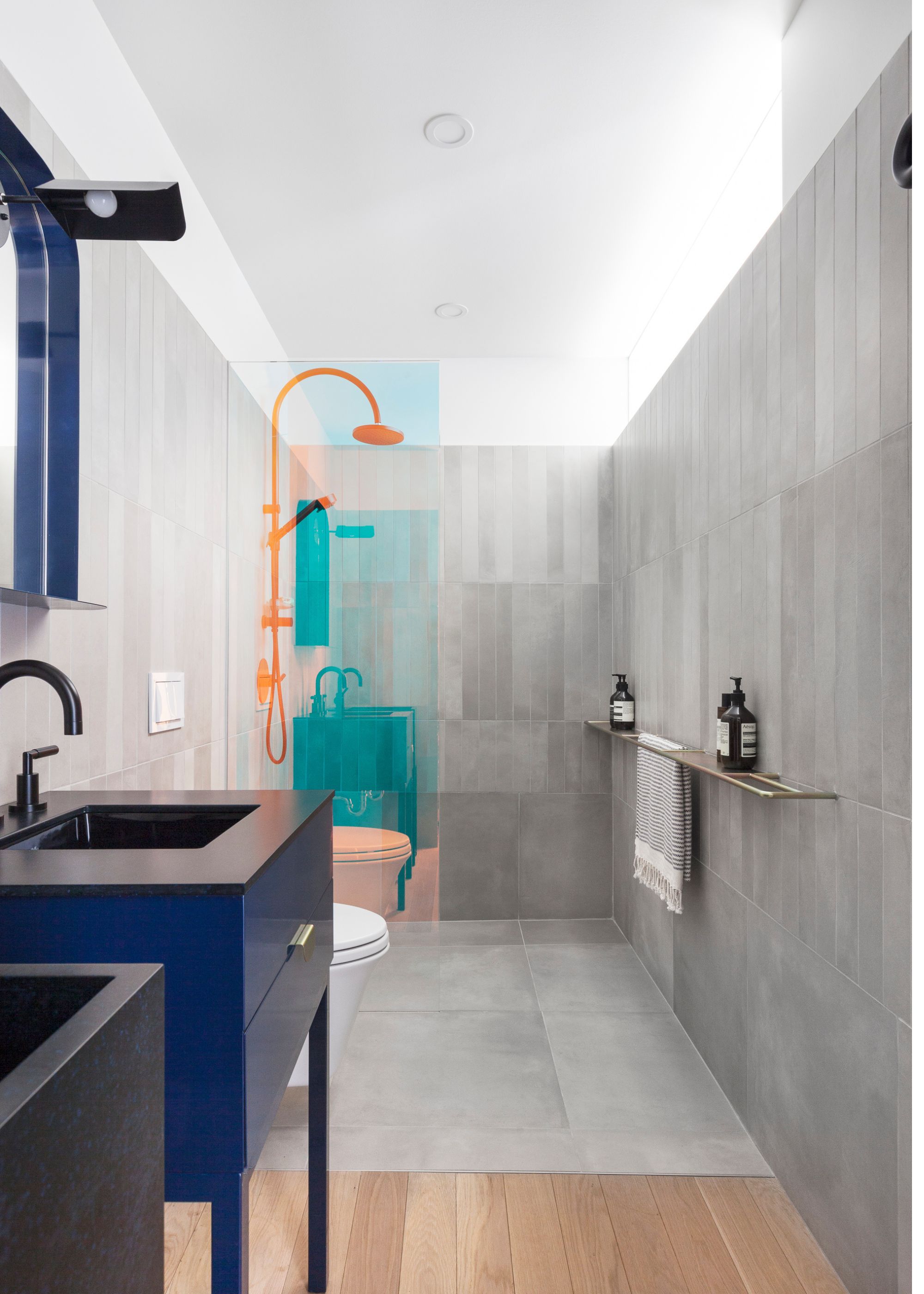
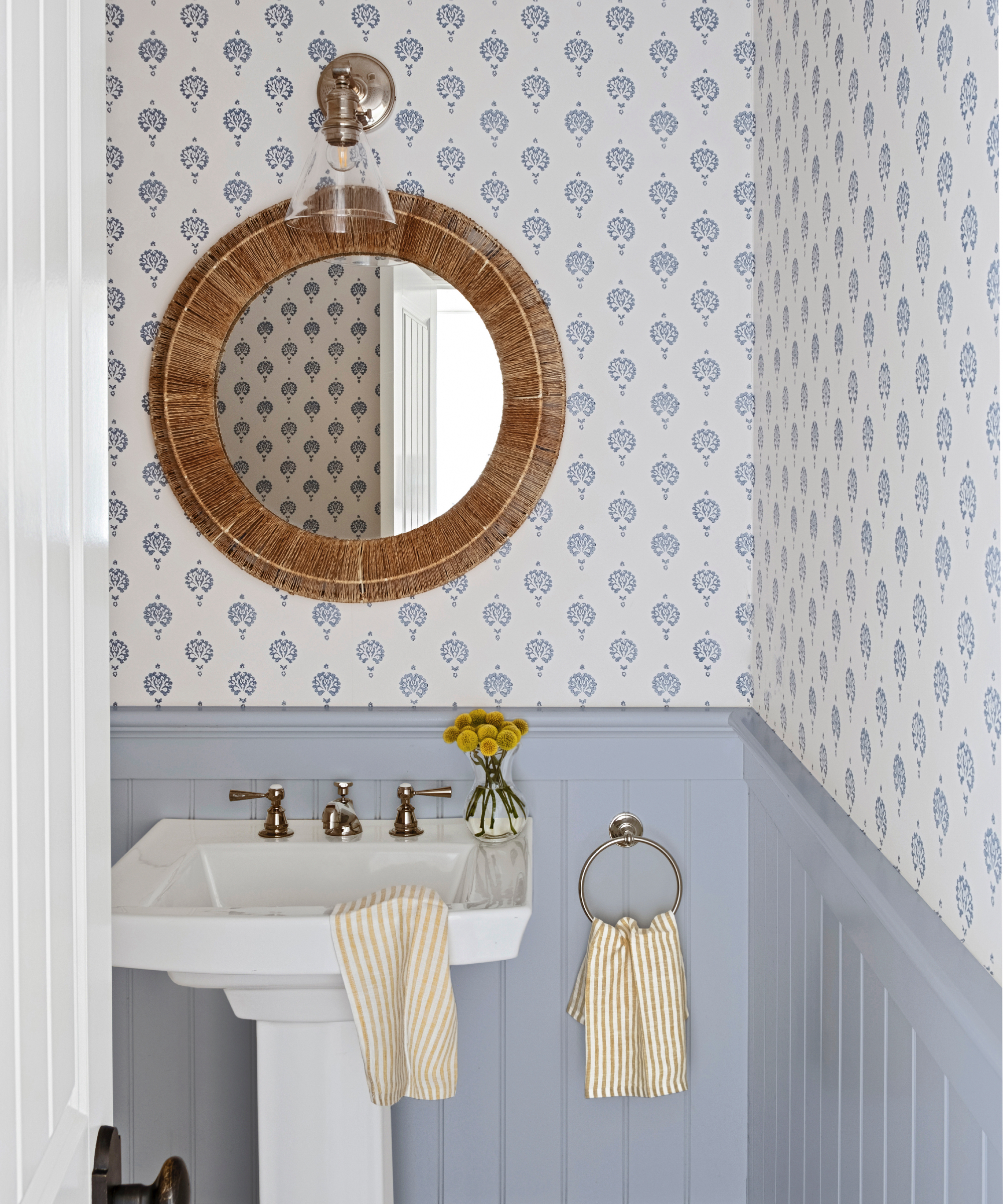
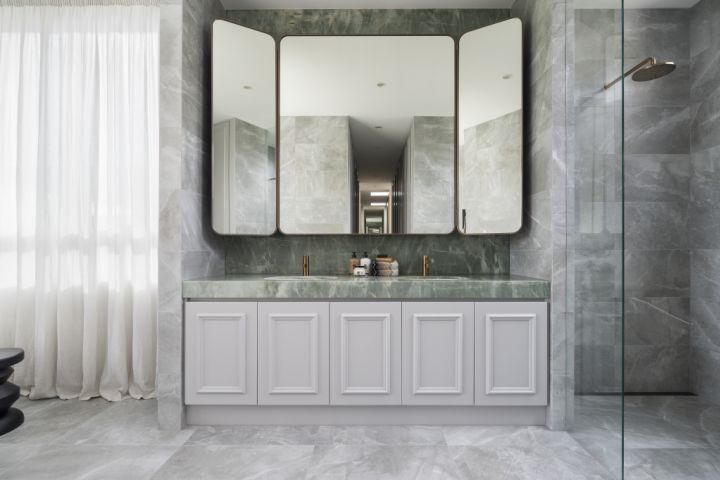
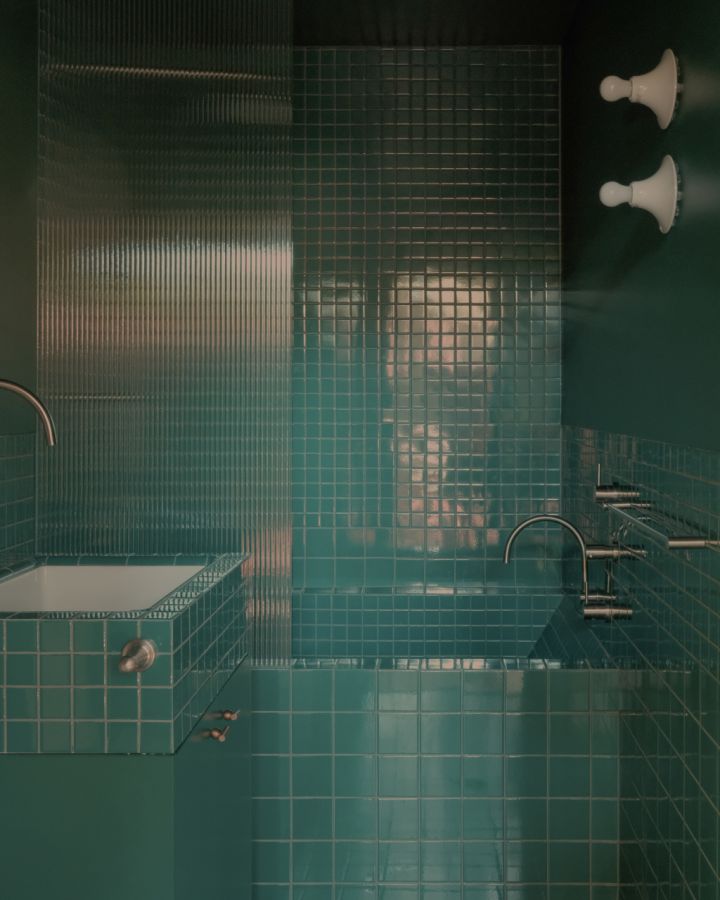
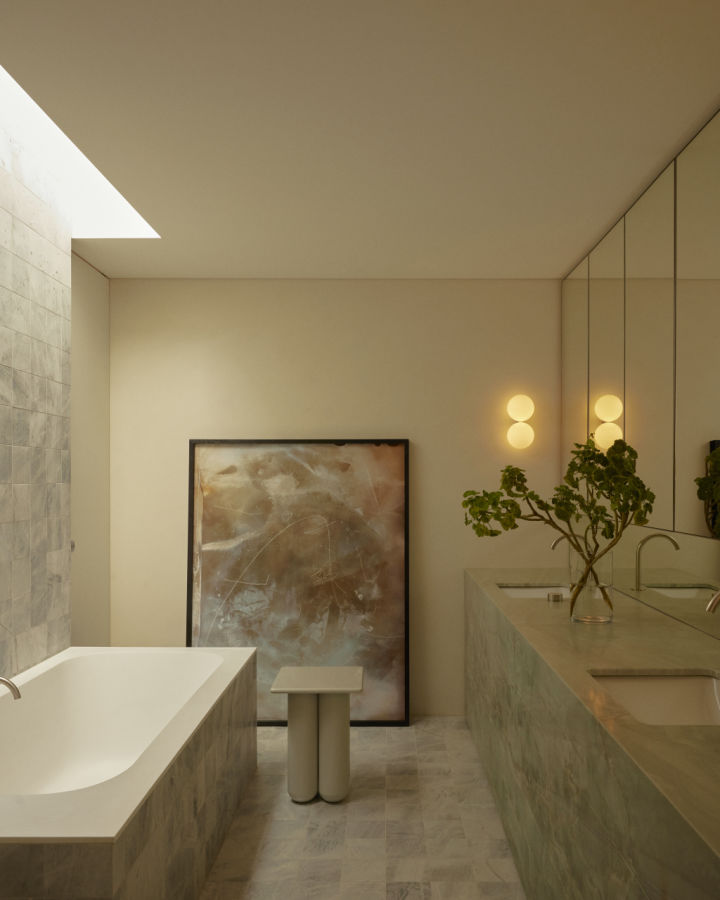
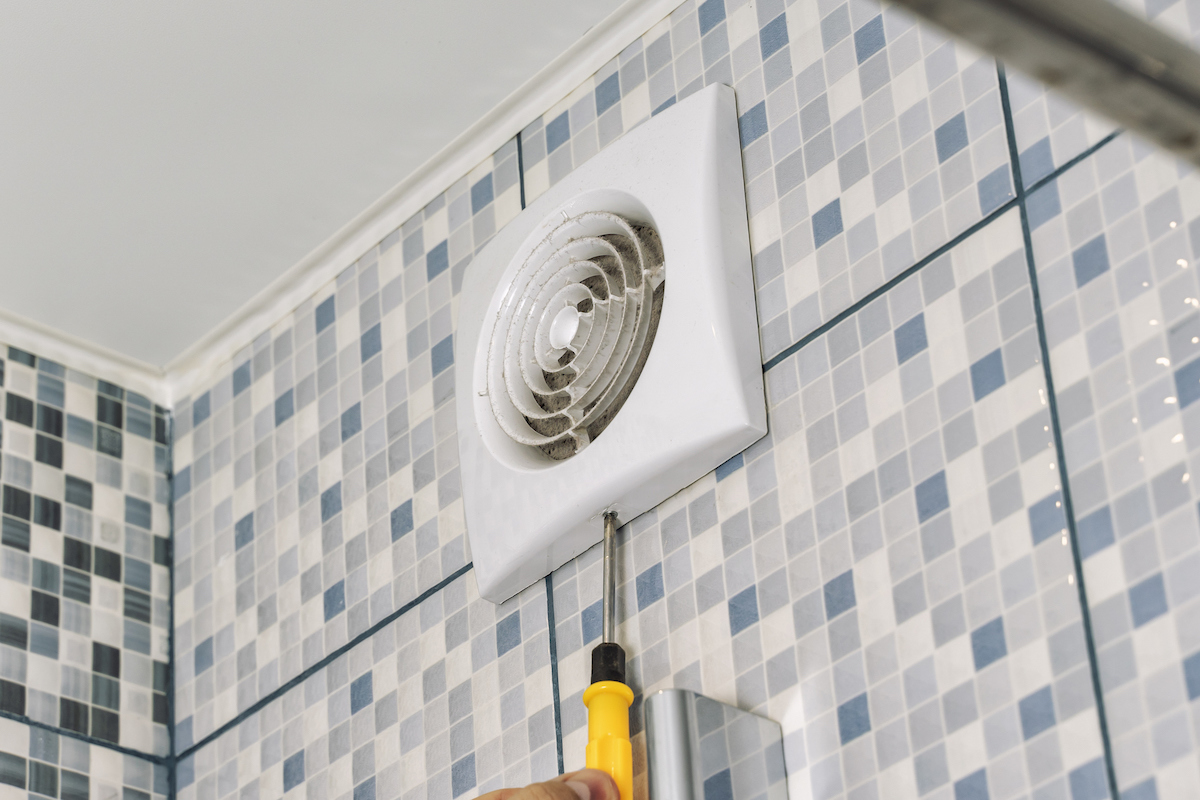
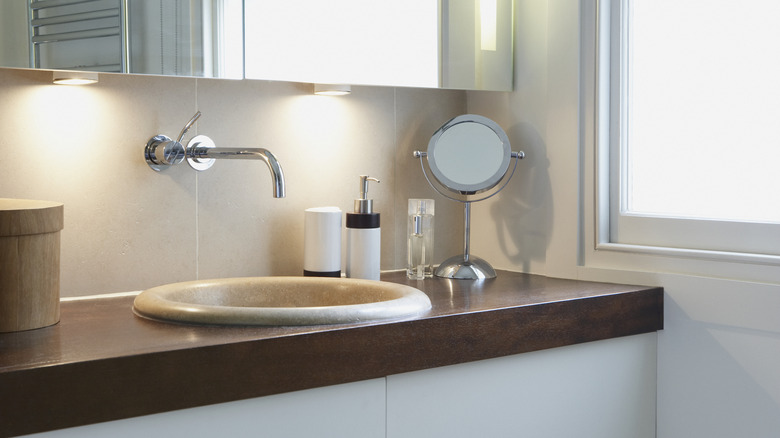
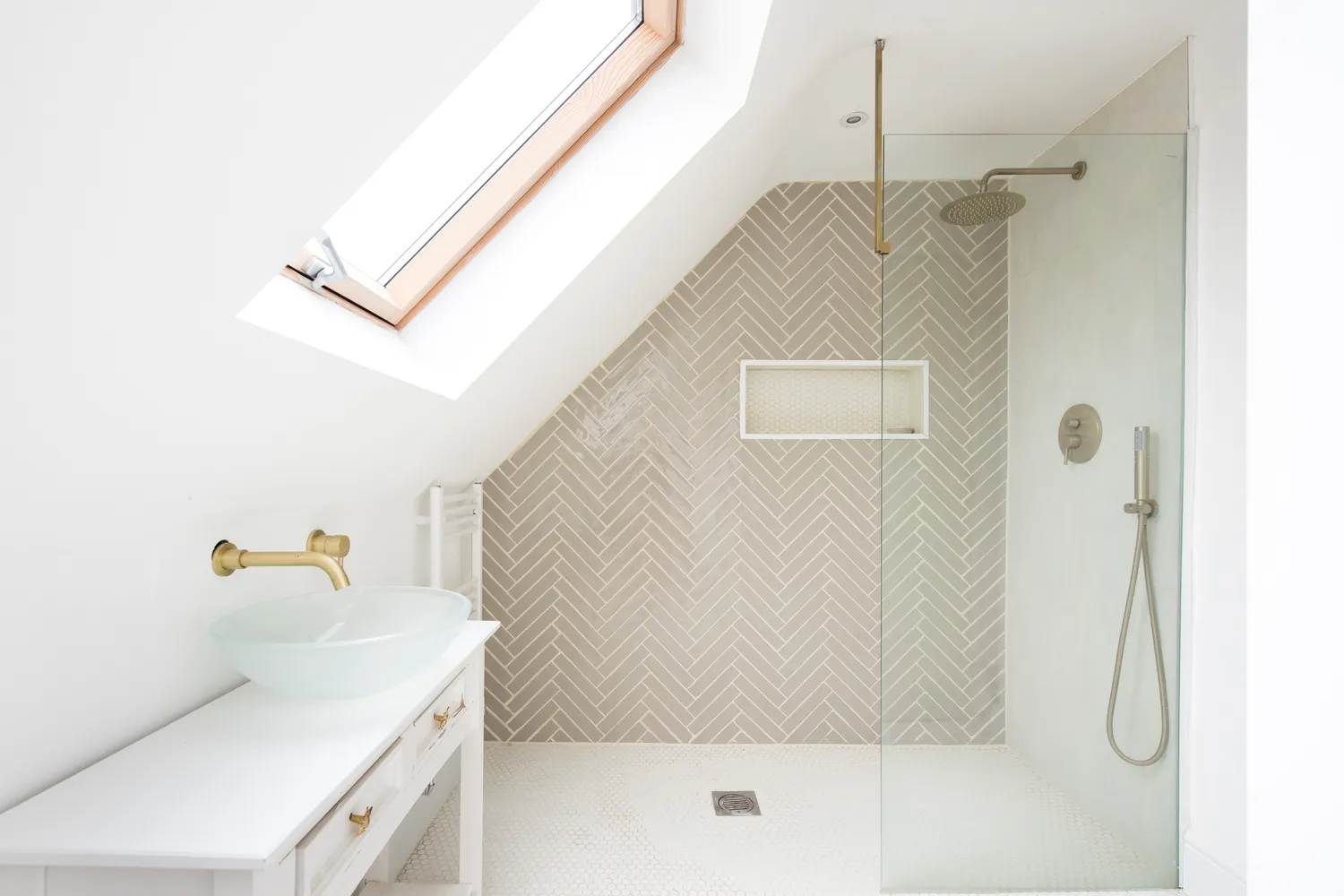
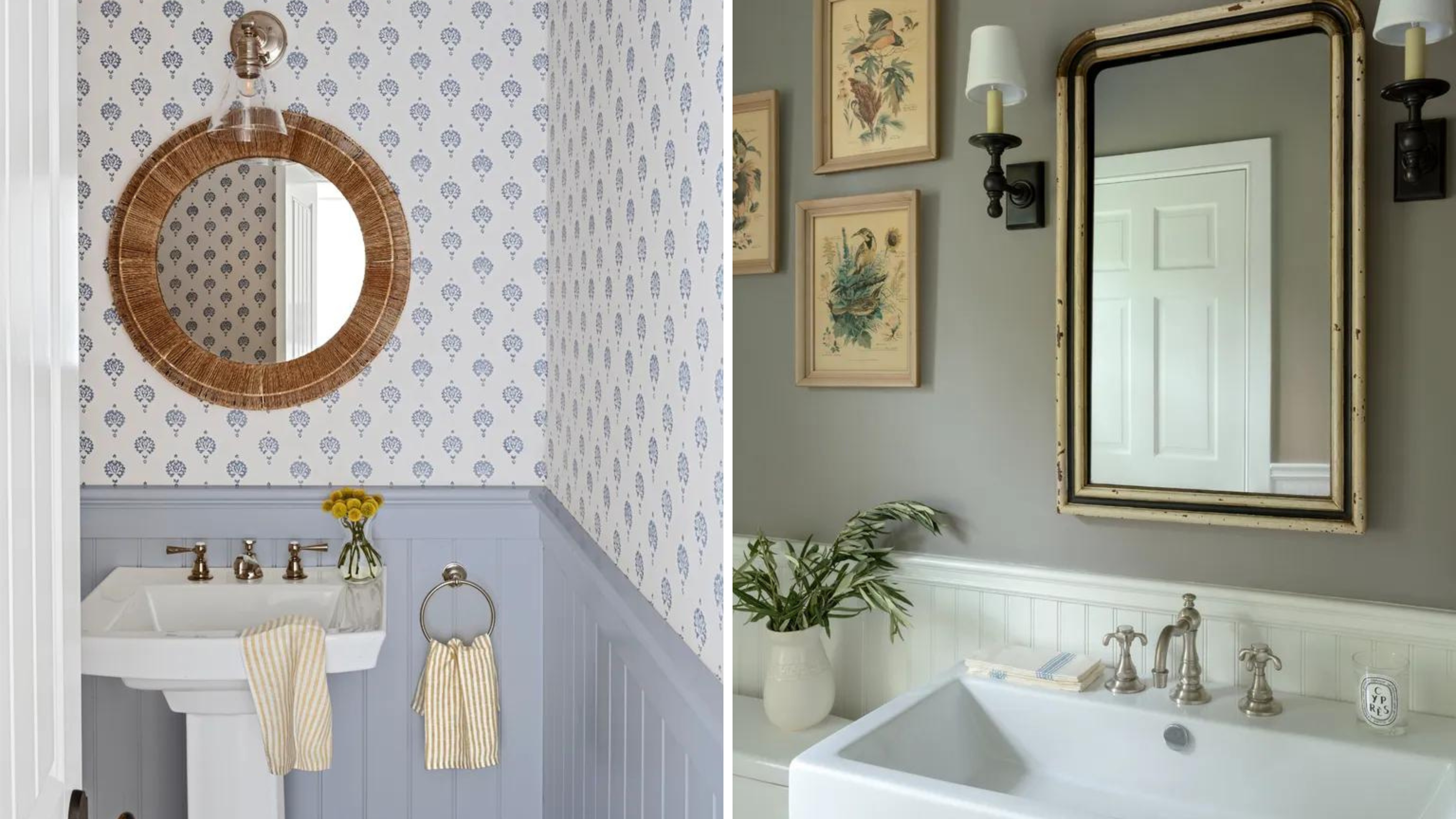
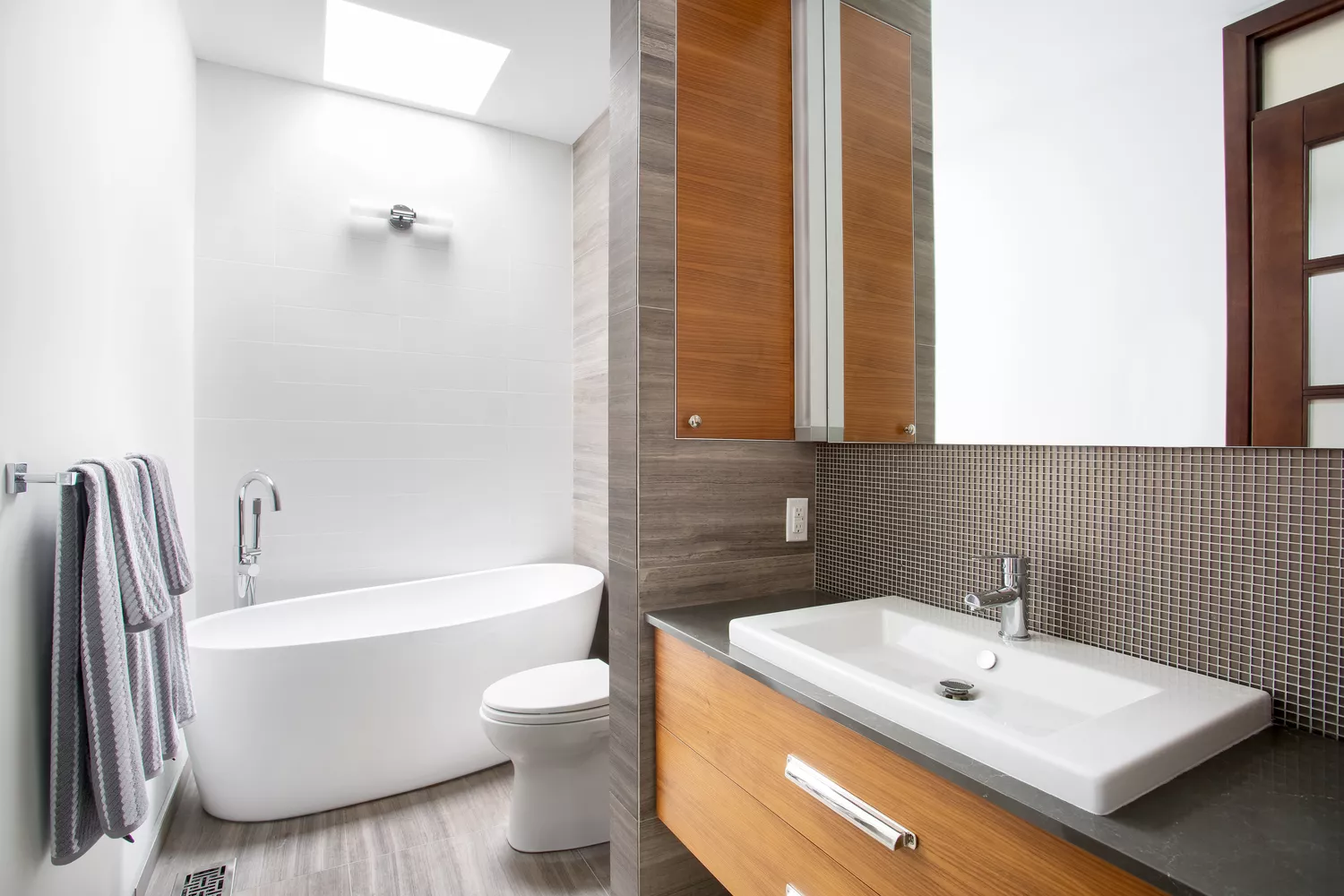
Creating a focal point with the bathtub or vanity, strategically placed opposite the door, can achieve a balanced and pleasing aesthetic, enhancing the room's perceived value. Bathroom lighting is another often-overlooked aspect, with the author advocating for a combination of lighting types with separate controls, similar to other rooms, to create a welcoming atmosphere. Warm-toned LEDs are recommended over cool white ones. For families, planning for ample and versatile storage is essential, with space-saving tricks like wall-hung or leg-standing sanitaryware to make the room appear larger. Underfloor heating is highly recommended for tiled floors to ensure warmth and comfort. Lastly, avoiding wall-to-wall tiling is advised, as it can make a space feel smaller and resemble a prison cell; instead, a minimal use of tile combined with paint or wallpaper is preferred to create a softer, more integrated look. Choosing warm-toned colors that don't negatively impact reflections in mirrors is also highlighted, and proper ventilation through extractor fans and windows is crucial for freshness and mold prevention. The article concludes by emphasizing the ongoing necessity of maintenance to preserve the bathroom's longevity and prevent costly damage, noting that a well-installed and maintained bathroom should last around 10 years.
#BathroomRenovation #HomeImprovement #InteriorDesign #PlumbingTips #QualityFixtures #PracticalDesign #StorageSolutions #BathroomLighting #UnderfloorHeating #DIYMistakes #BathroomRenovation #HomeImprovement #InteriorDesign #PlumbingTips #QualityFixtures #PracticalDesign #StorageSolutions #BathroomLighting #UnderfloorHeating #DIYMistakes
共0条评论
 暂无评论
暂无评论你可能还喜欢
This Designer Went Through 15 Bathroom Layouts Before Landing on the One

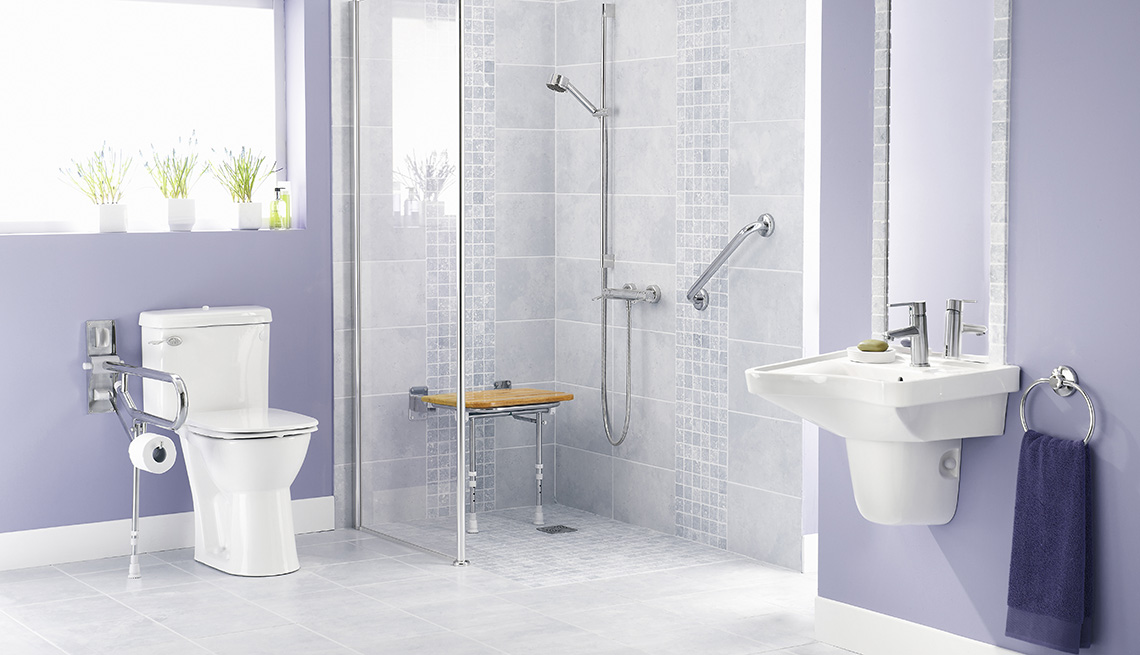
14 Bathroom Updates for Now and Later as You Age in Place
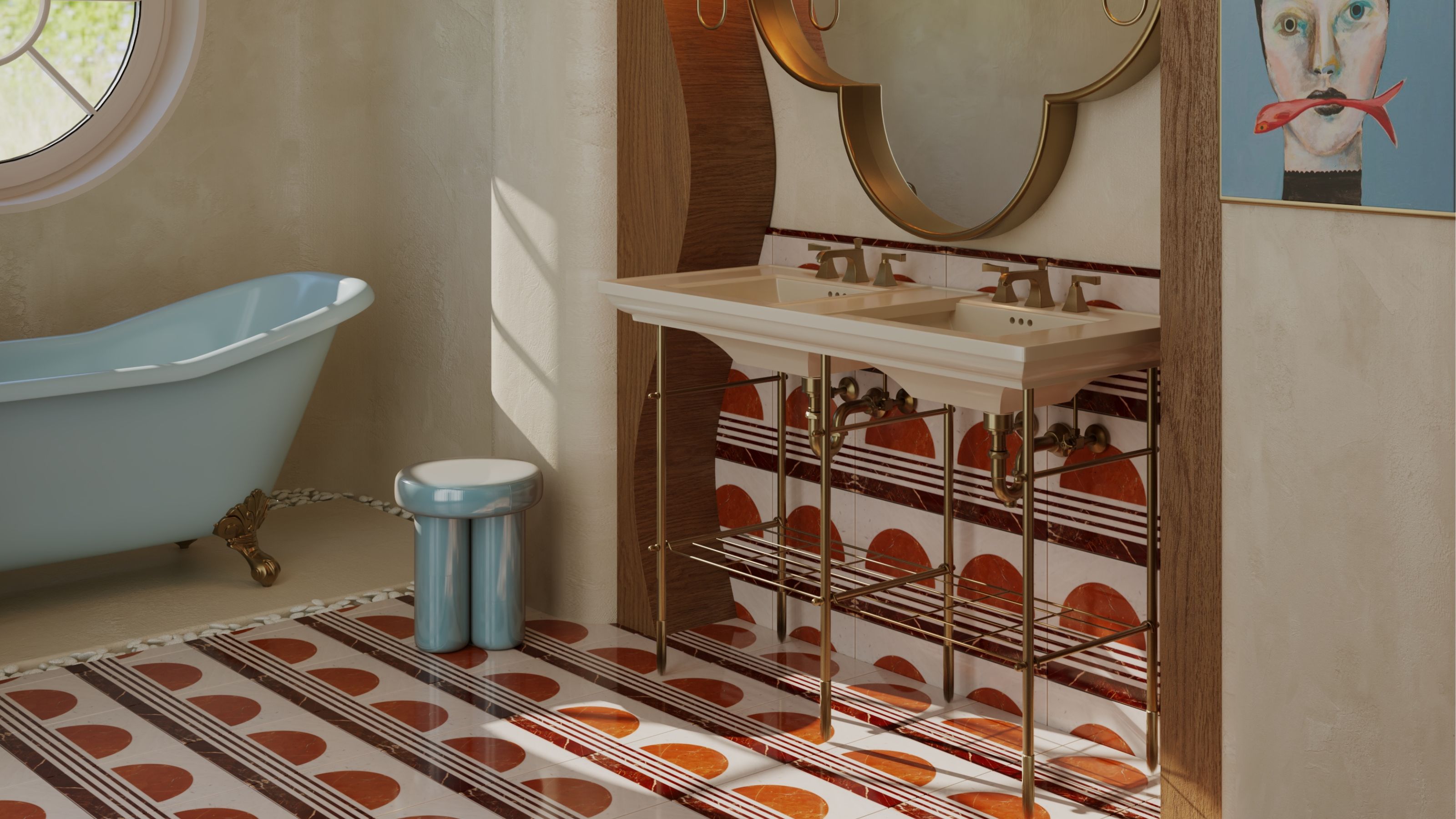
15 of the Most Important Bathroom Flooring Ideas You Need to Know When You're Planning a Makeover This Year

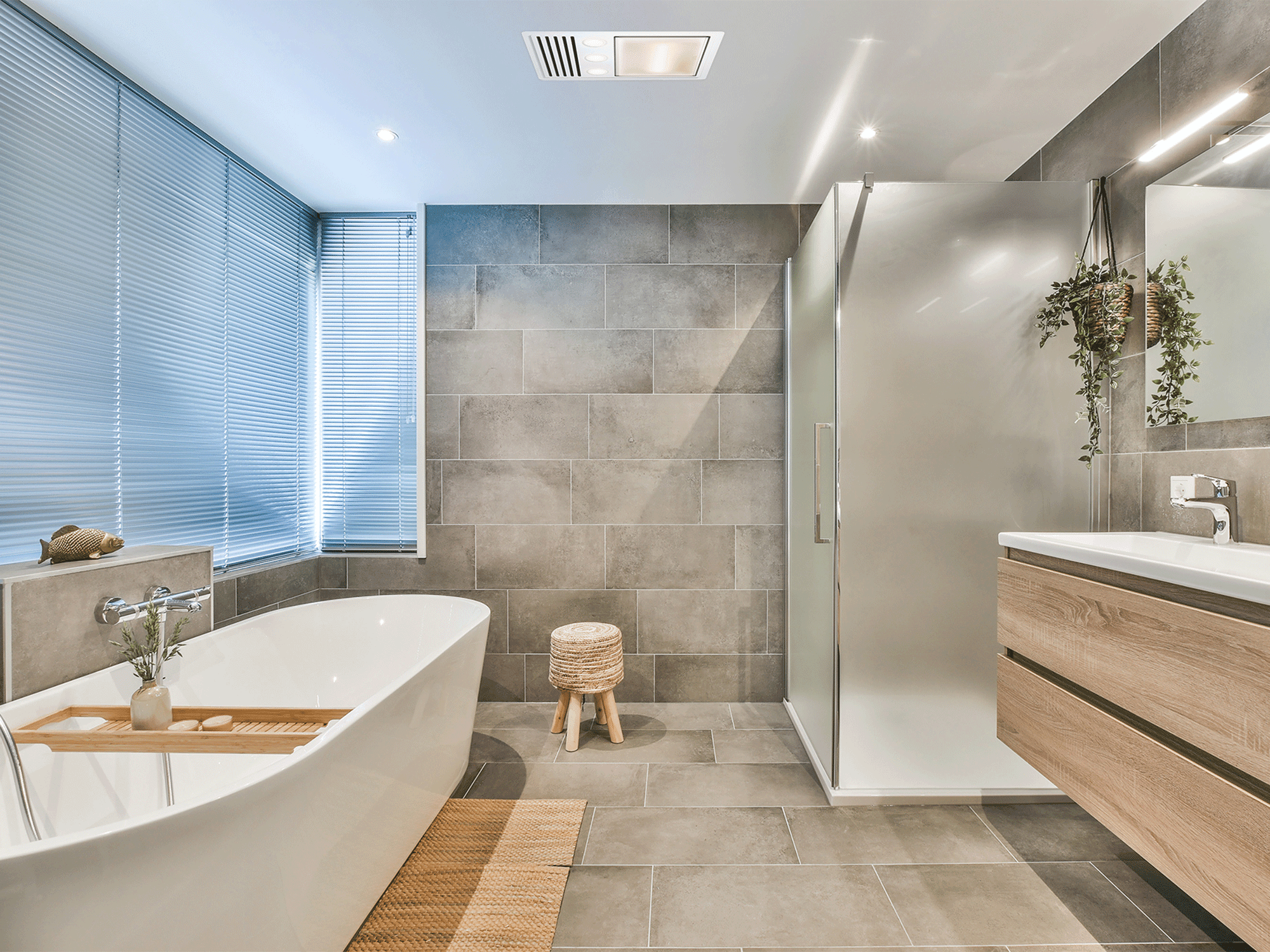
4 Things to Remember When Renovating Your Bathroom
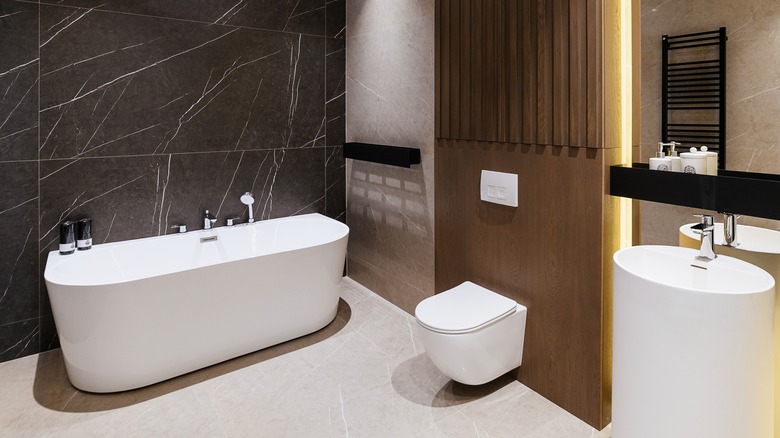
The 14 Best Bathroom Renovation Tips We've Picked Up From Unsellable Houses

55 bathroom ideas to inspire your next redesign

8 Things in Your Bathroom That Instantly Give Designers the Ick

17 modern bathroom ideas to inspire your next renovation
Design pros share their best tips for renovating and styling your bathroom

These 7 Bathroom Trends May Look Beautiful Now—But Designers Say You'll Regret Them Later
15 half-bathroom ideas that will create an impact

7 Mistakes to Avoid When Remodeling Your Bathroom

7 Things Designers Wish You Knew Before Starting A Bathroom Remodel

14 Bathroom Design Mistakes To Avoid At All Costs, According To The Property Brothers
I’ve renovated four kitchens and these are the eight key lessons I've learnt along the way

Joanna Gaines' 9 Best Bathroom Renovation Design Tips
15 of the Best Bathrooms We Saw All Year
15 bathroom flooring ideas designers always return to
Home Designers Reveal 10 Details That Make a Bathroom Beautiful

Get Inspired by These 11 Amazing Before and After Bathroom Remodels