How To Clean And Care For Antiques, According To An Expert
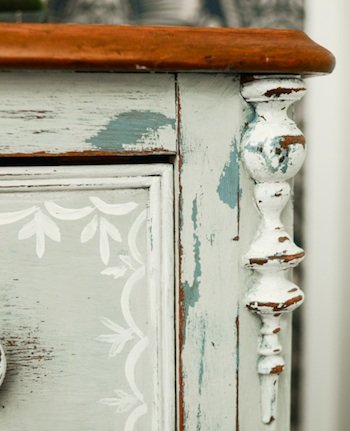
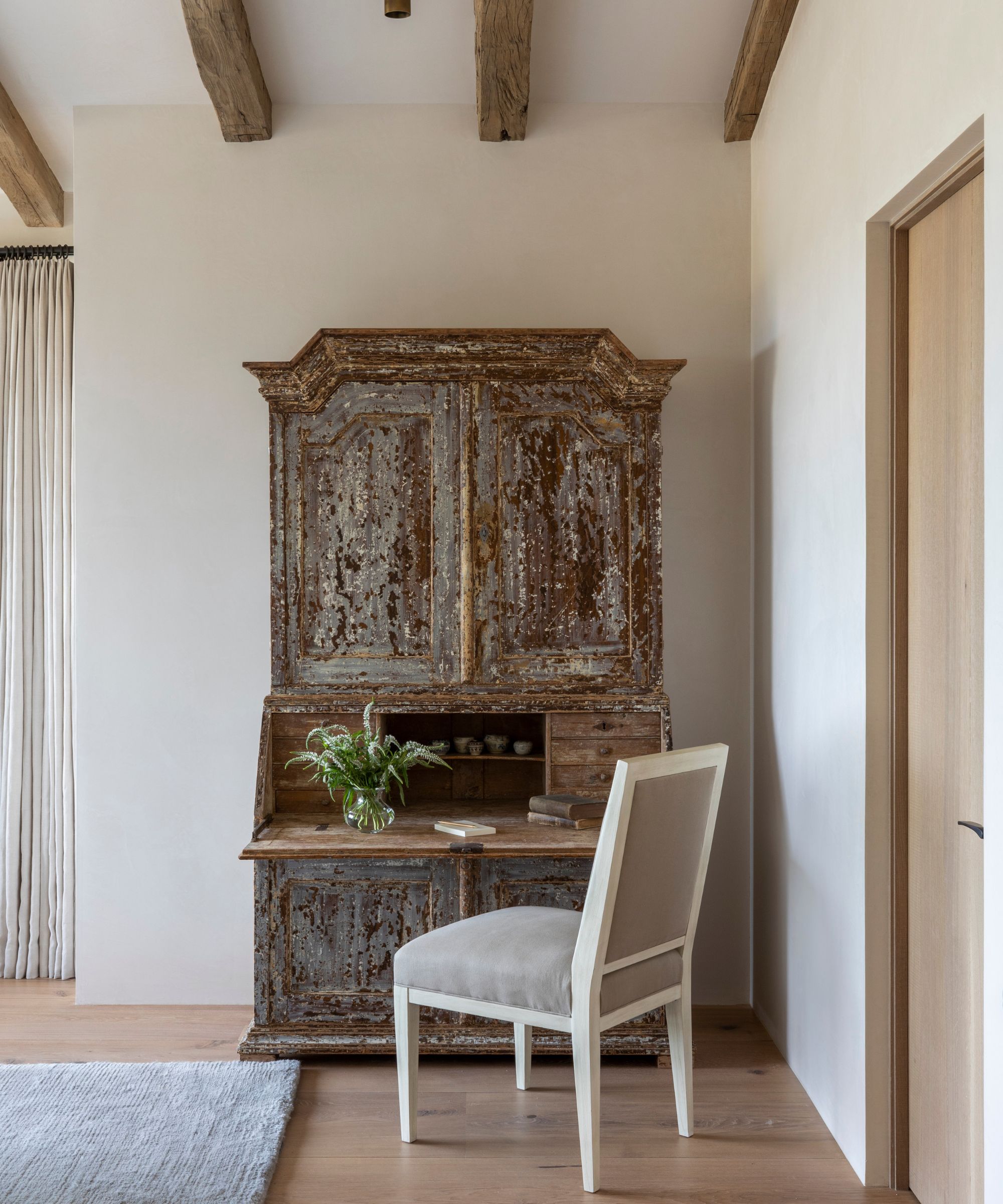
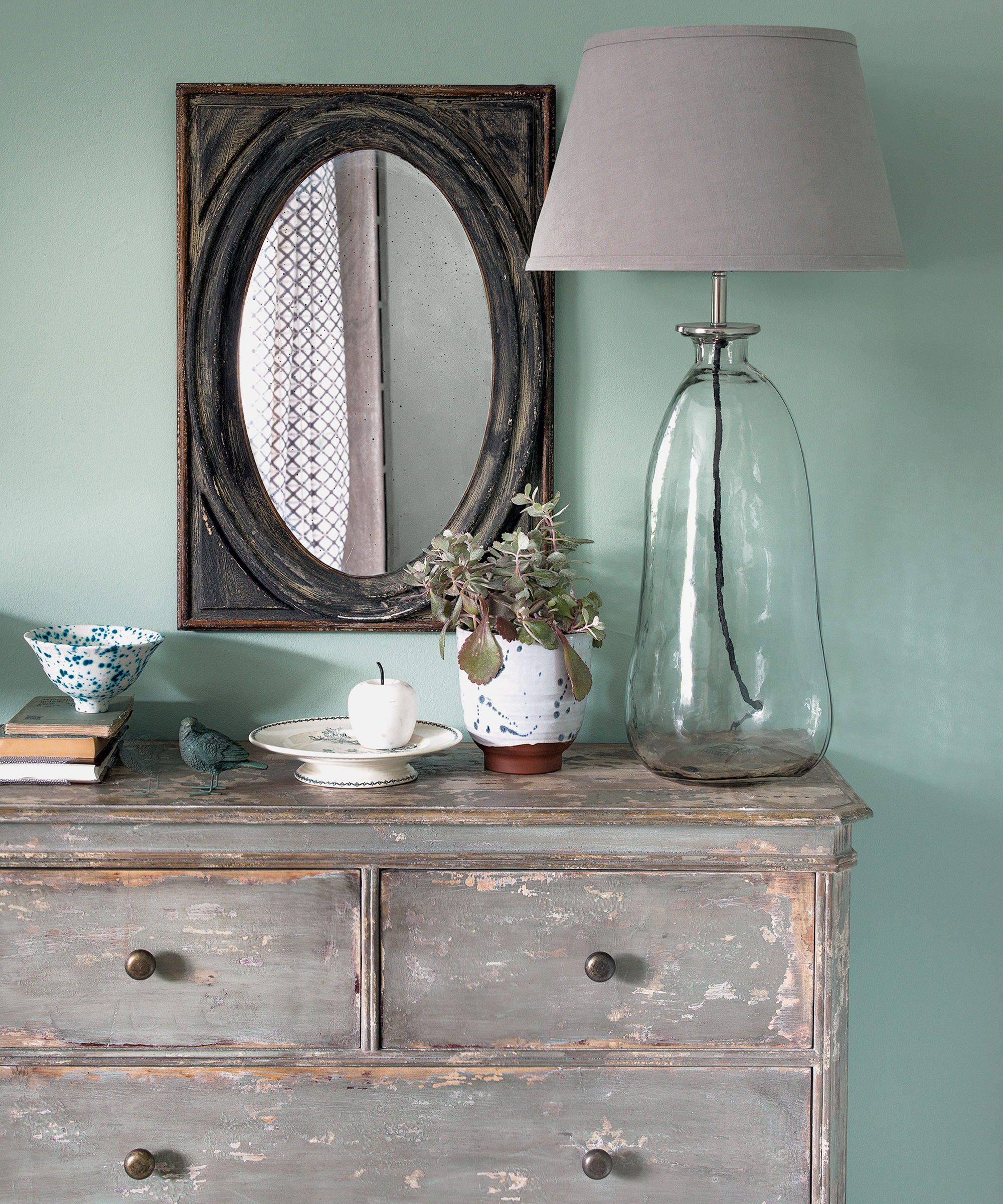
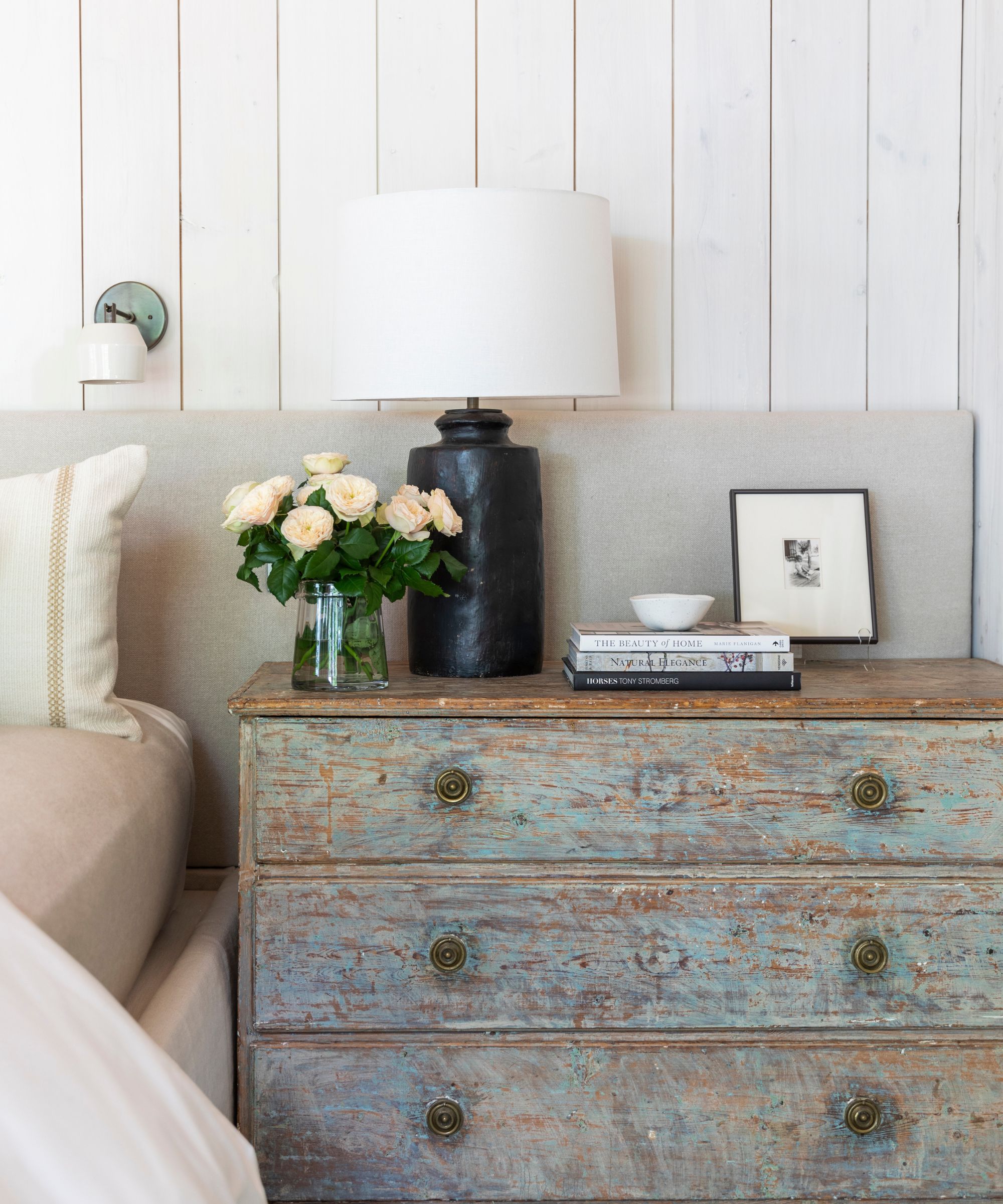
Antiques, defined as items at least 100 years old, require specific cleaning approaches to preserve their inherent value and character, which includes their natural patina. Improper cleaning can diminish an antique's value or cause irreversible damage. The first critical step in antique care is to accurately identify the material and its finish. For instance, while some antiques benefit from their natural patina, others simply need a thorough cleaning. Differentiating between these states is crucial for preventing devaluing or damaging the item.
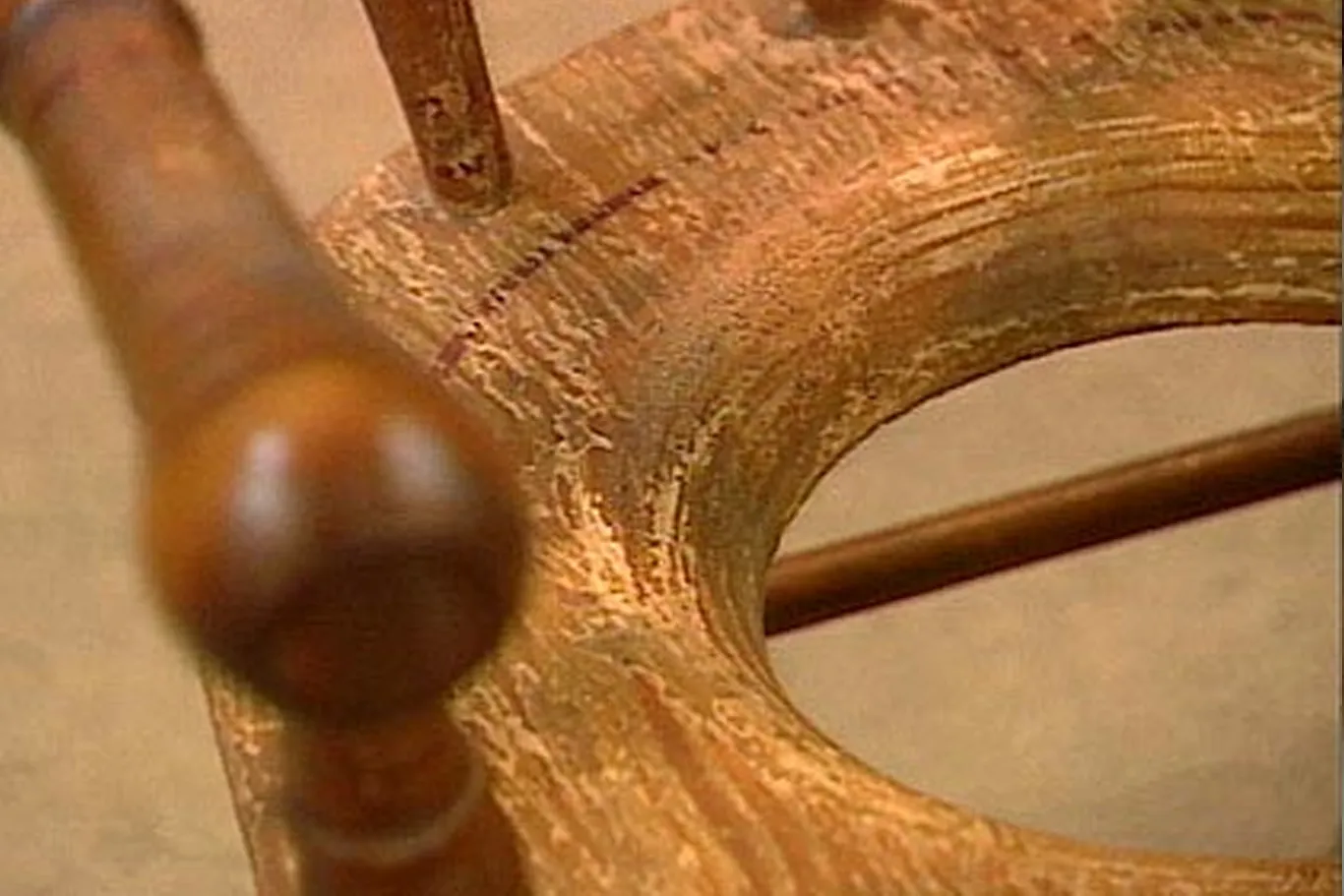
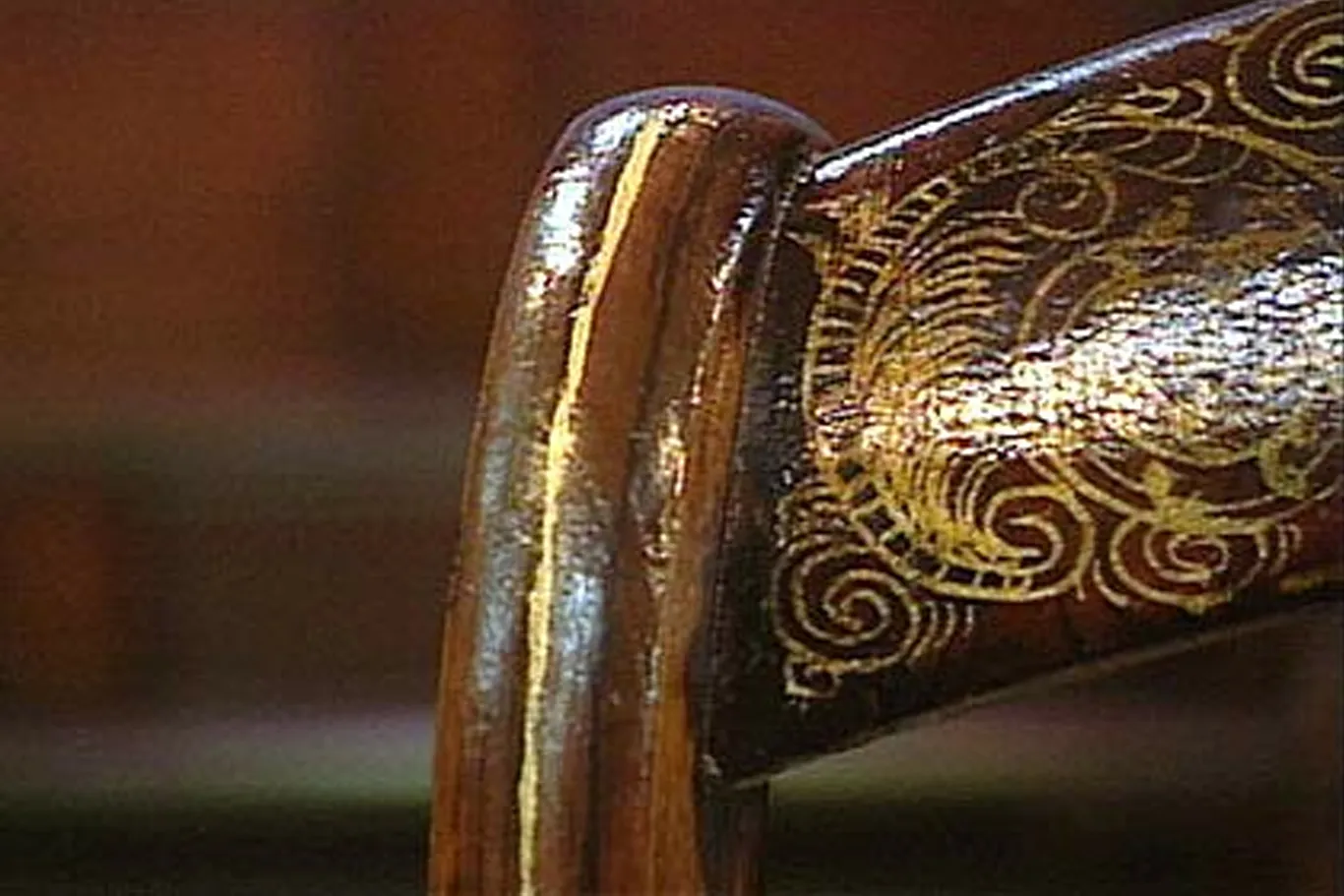
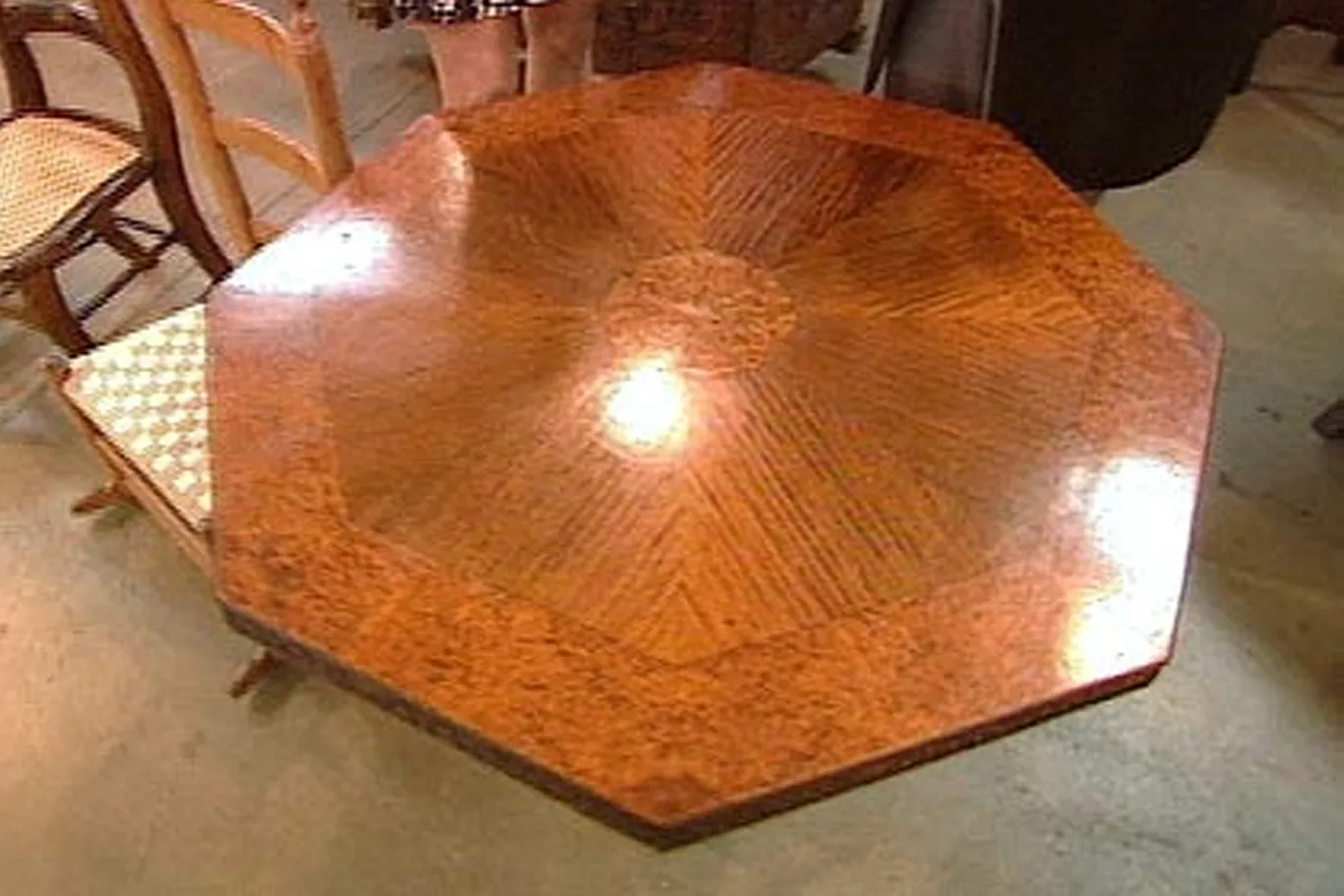
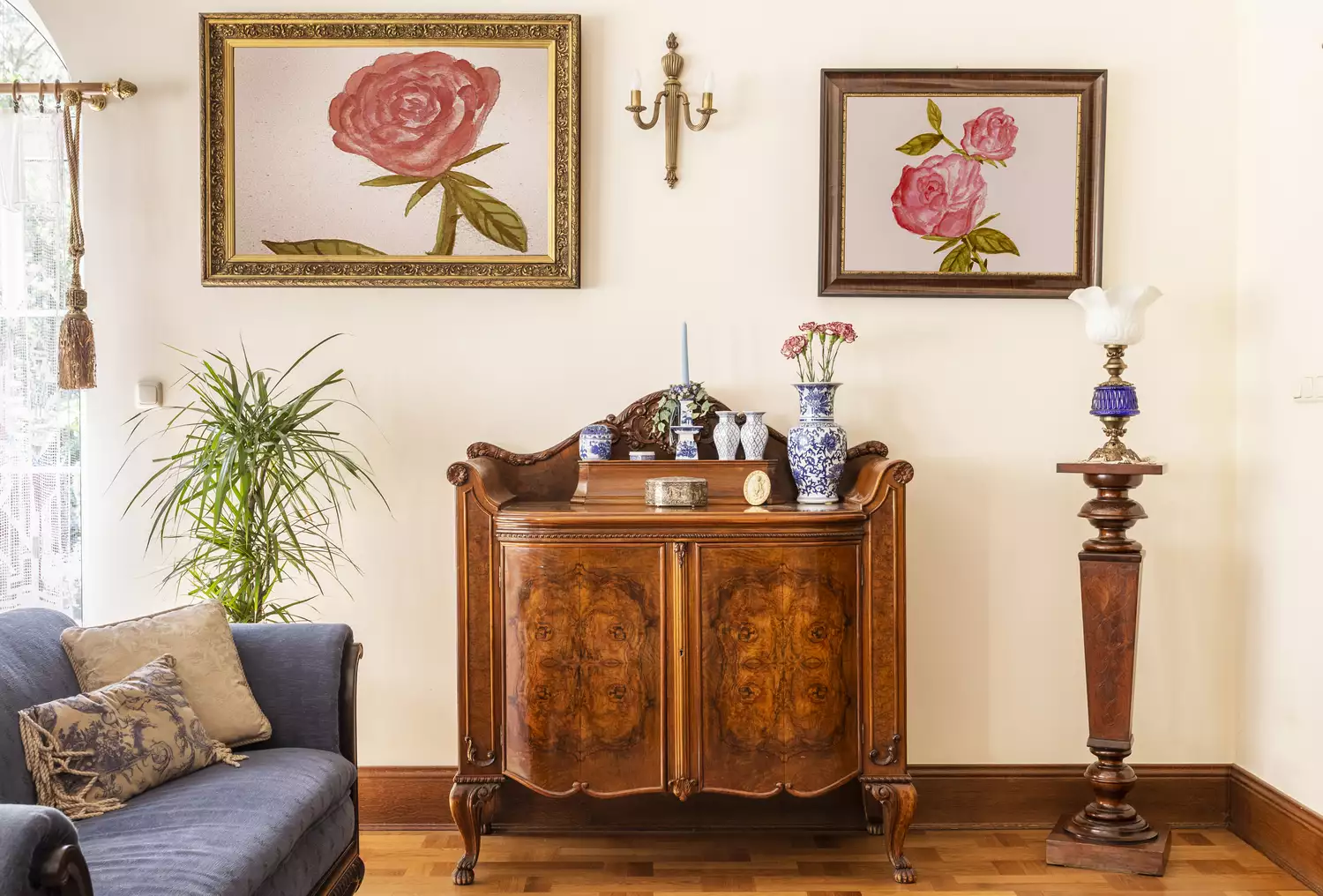
When cleaning wood antiques, the type of finish dictates the appropriate method. A simple test using denatured alcohol can determine if the wood has a shellac or wax finish; if the alcohol causes smudging, stickiness, or dissolution, it indicates one of these finishes. Otherwise, the wood likely has a lacquer, oil, polyurethane, or varnish finish, all of which can be treated similarly. Similarly, brass antiques come in two forms: lacquered brass, which resists tarnishing, and unlacquered brass, which will tarnish over time. Understanding these distinctions is fundamental to proper care.
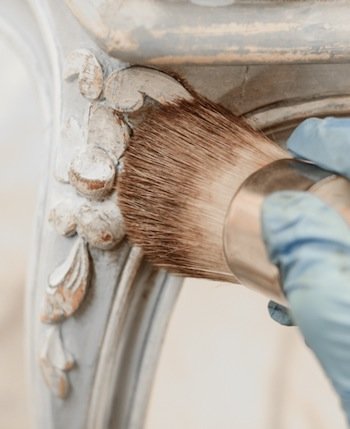
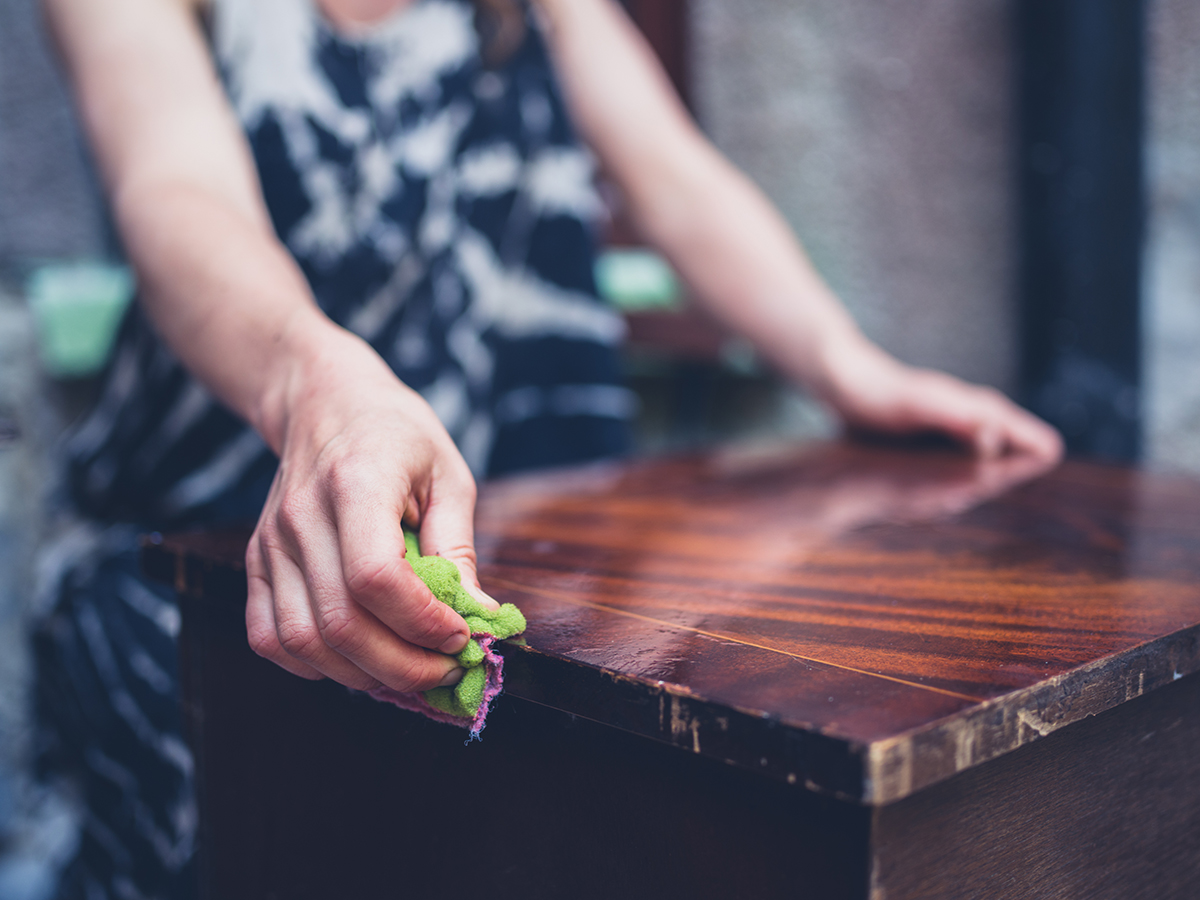
Prior to any cleaning, meticulous handling is essential. Washing hands thoroughly and even wearing gloves can prevent the transfer of skin oils, which can degrade antique surfaces. For initial dust removal, a clean, dry microfiber cloth is recommended to avoid scratching, unlike abrasive materials such as paper towels. When selecting cleaning agents, it is paramount to avoid toxic products or harsh chemicals, as these can strip away delicate surfaces. For wood with lacquer, oil, polyurethane, or varnish finishes, a diluted mixture of Sal Suds Biodegradable Cleaner and water is suggested, followed by Murphy Oil Soap Wood Cleaner for stubborn areas. Both solutions should be mild, with a ratio of one tablespoon of cleaner to one quart of water, and applied by wiping with the grain to effectively lift dirt.
For metal components, a similar Sal Suds dilution can be used, followed by Nevr-Dull Magic Wadding Polish to restore brilliance to silver and brass. Cloudy antique mirrors can be brightened with a gentle spray of ¼ cup white vinegar mixed with one cup of water, then wiped clean with a lint-free cloth. For silver items, regular use and hand washing with hot water and a mild dish soap like Dawn Ultra can prevent oxidation and tarnishing, while airtight boxes or anti-tarnish bags offer protection when not in use. Lacquered brass and copper can be cleaned using the same routine as silver, while unlacquered brass can be effectively cleaned with Bar Keeper’s Friend.
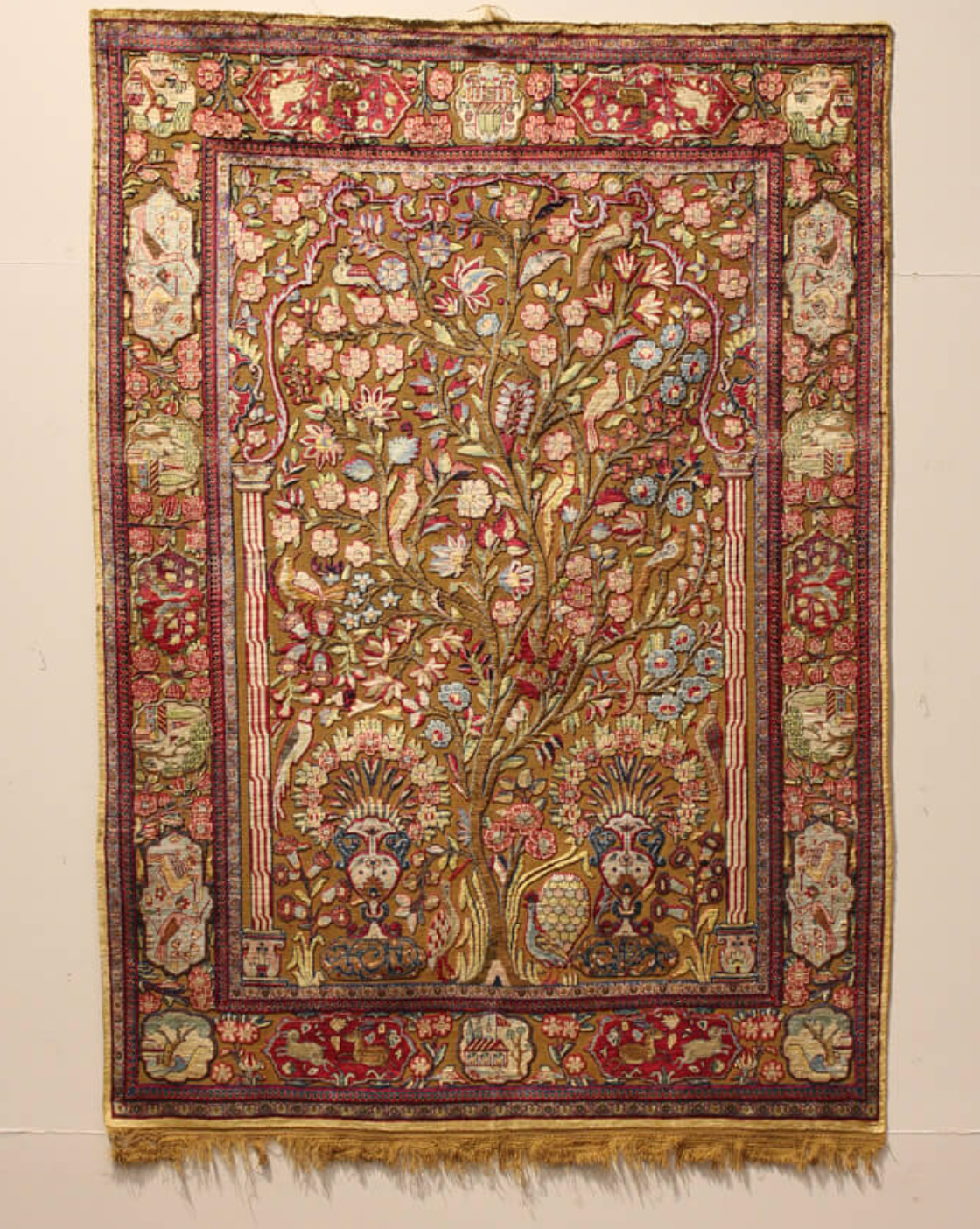
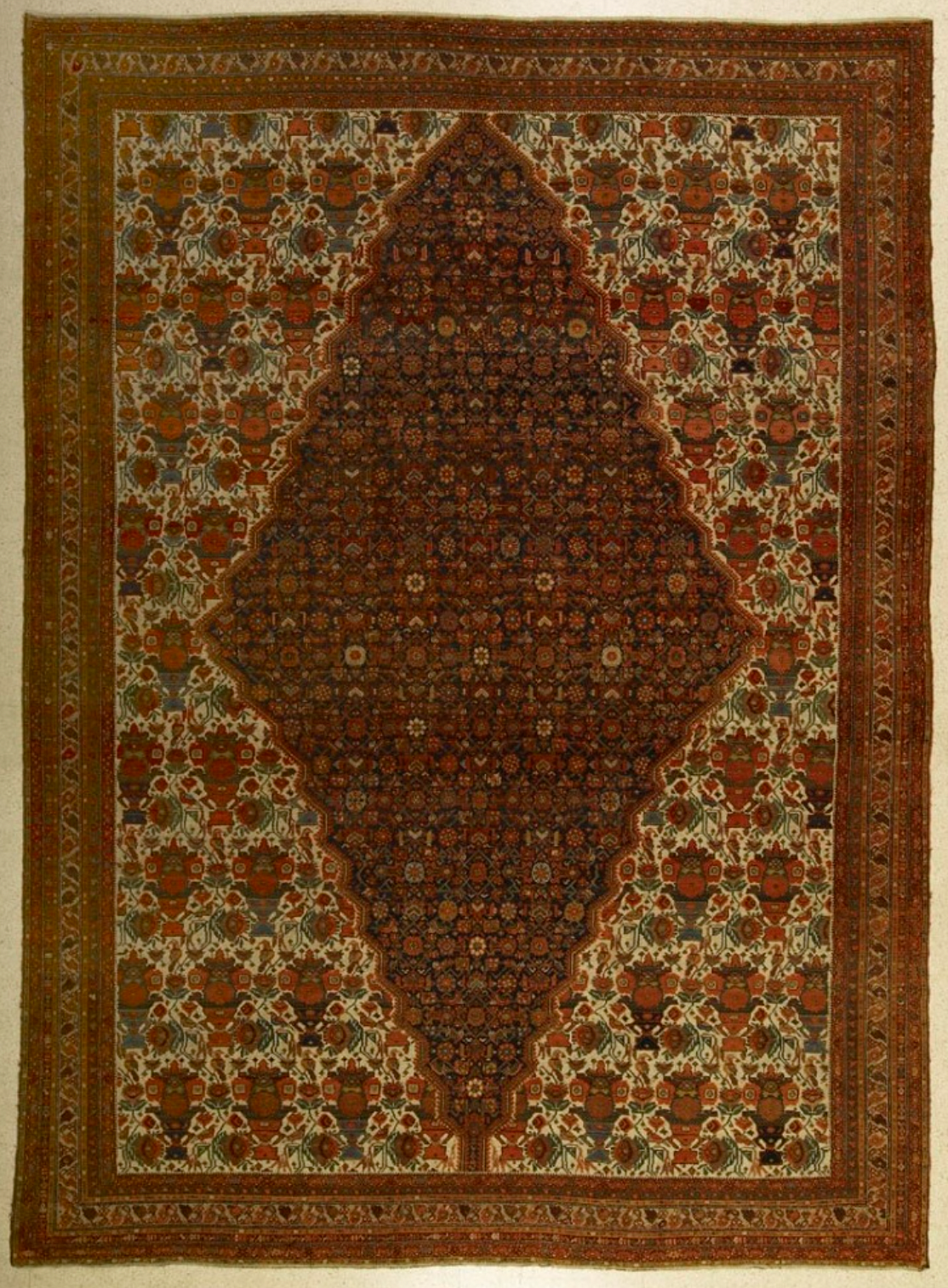
Certain antique items, particularly wood with shellac or wax finishes, or antique rugs, often require professional intervention. These materials may need refinishing, which involves abrasive techniques best handled by professional antique refinishers or woodworkers. The decision to involve professionals should weigh the item's financial or emotional value against the cost of specialized services, acknowledging that minor imperfections can contribute to an antique's charm. Similarly, antique rugs are susceptible to damage to their fibers and dyes if not cleaned by experts, making professional care the safer option.
#AntiqueCare #HomeDecor #CleaningTips #WoodFurniture #MetalAntiques #Preservation #ExpertAdvice #HomeMaintenance #VintageItems #AntiqueCare #HomeDecor #CleaningTips #WoodFurniture #MetalAntiques #Preservation #ExpertAdvice #HomeMaintenance #VintageItems
共0条评论
 暂无评论
暂无评论你可能还喜欢
Tip: Leave the Finish Alone
Best Cleaning Advice & Tips

Where to Fix Your Best Stuff in the Twin Cities
How to Clean Water and Surface Stains on Antique Furniture

How to Clean Secondhand Furniture, According to Professional Upcyclers
How To Take Care of Vintage Rugs, a Nine-Point Plan
How To Clean Lacquer Furniture Without Stripping It, According To An Expert
10 Best Furniture Polishes, Tested by Cleaning Experts

Antiquing vs. Distressing: 8 Tips on Creating the Look and Patina of a Genuine Antique


How to Clean Christmas Decorations: Make Your Ornaments, Wreaths, and Garlands Look Like New

What Pet Owners Need to Clean and Protect Their Furniture, According to Experts

These designers source and restore vintage furniture every single day – here are their top tips for shopping and reviving

R5 Westchester County Experts Explain How to Clean Expensive Home Furnishings
How to achieve an antique finish with paint– 4 crafting tips to fake a well-loved piece
5 Rules for Identifying Antique and Vintage Ceramics—Plus the Types That Are Most Valuable

How to clean garden furniture to keep your pieces looking brand-spanking new
The splendour of gilded furniture, and the experts who look after it for generations to come
A designer’s guide to decorating with antiques

5 Rules for Identifying Antique and Vintage Ceramics—Plus the Types That Are Most Valuable

6 Expert Tips On How To Haggle On Antiques (Plus, When You Shouldn't!)