1/18
'Good design holds up' – 16 mid-century modern ideas that prove this design style will always be trending
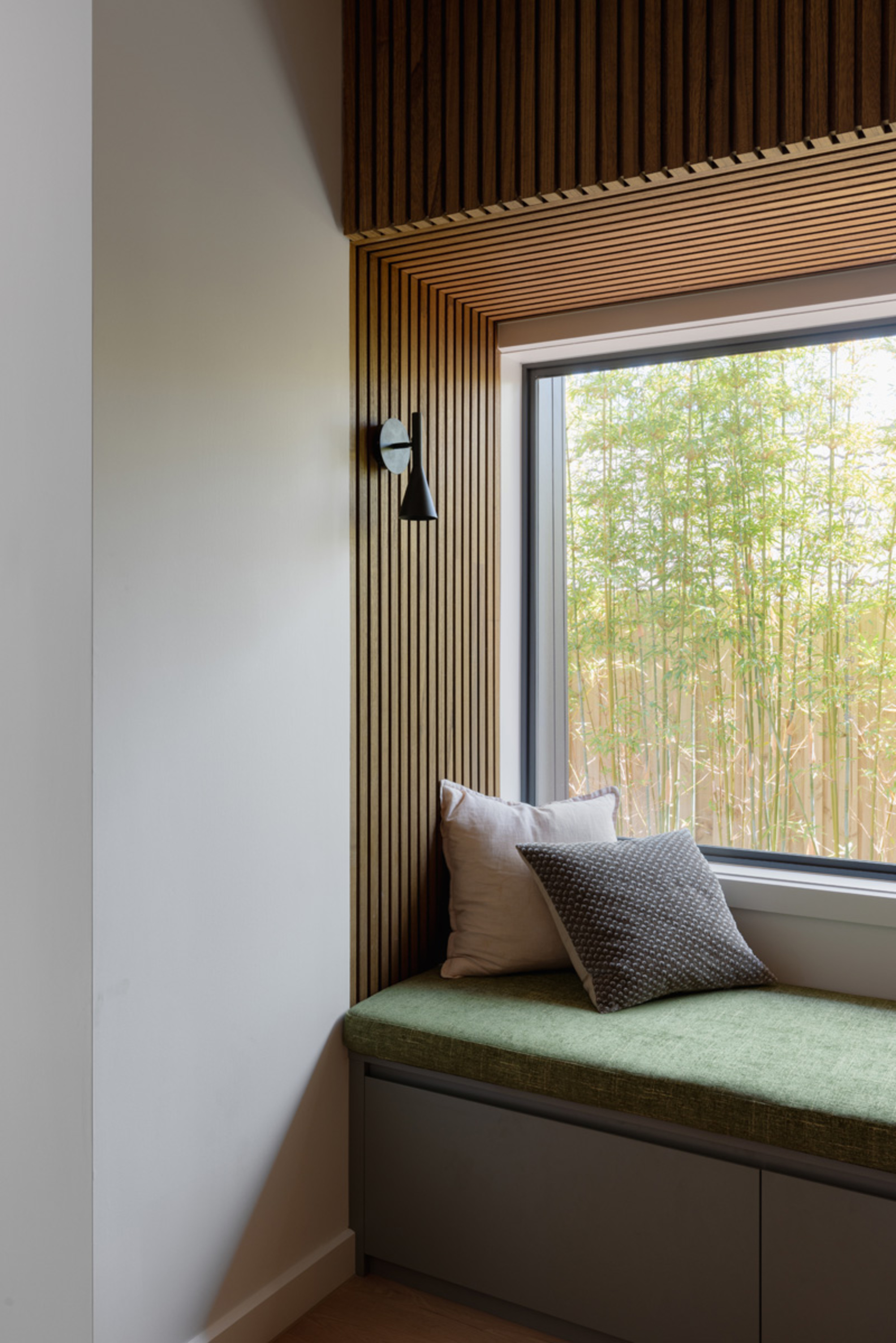
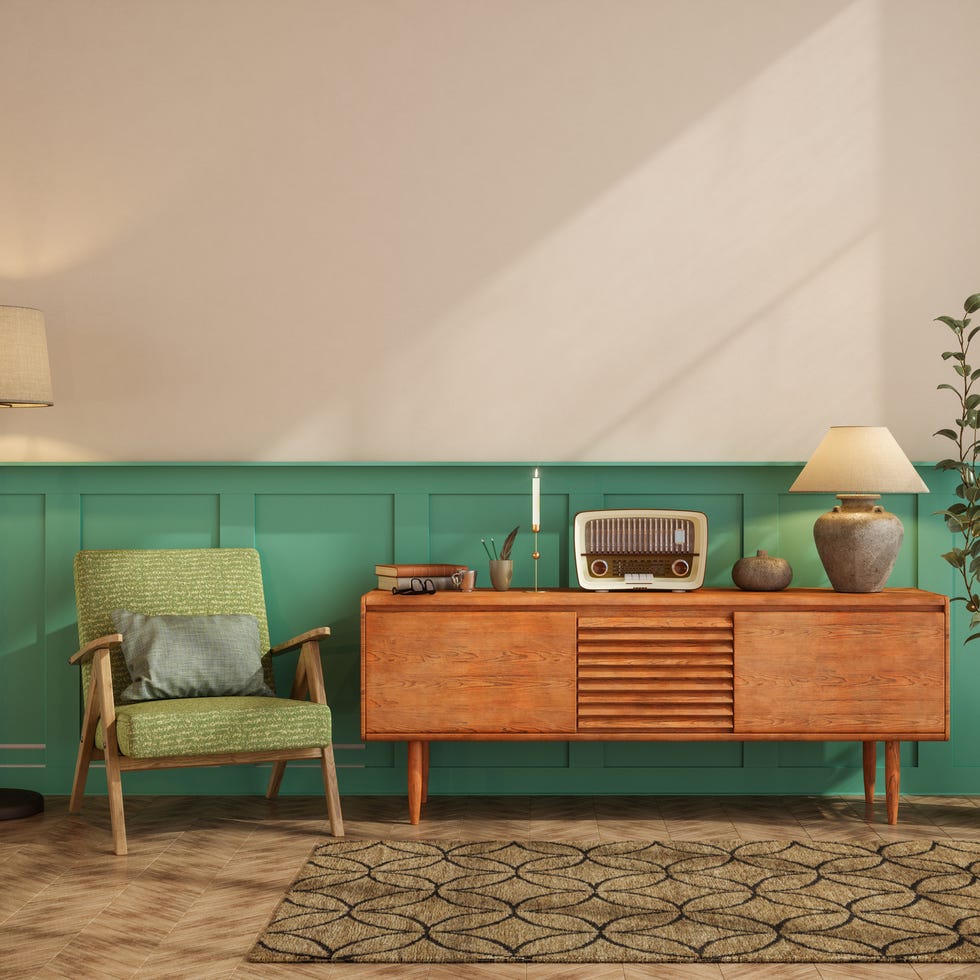
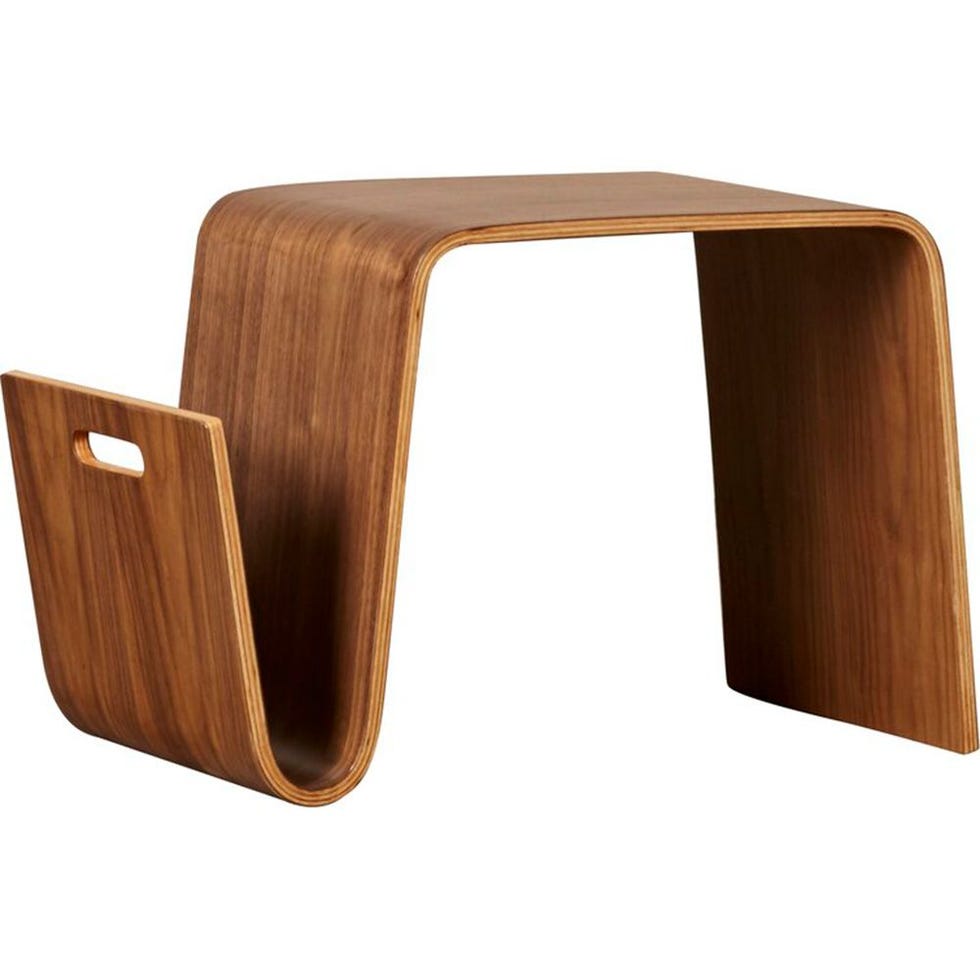
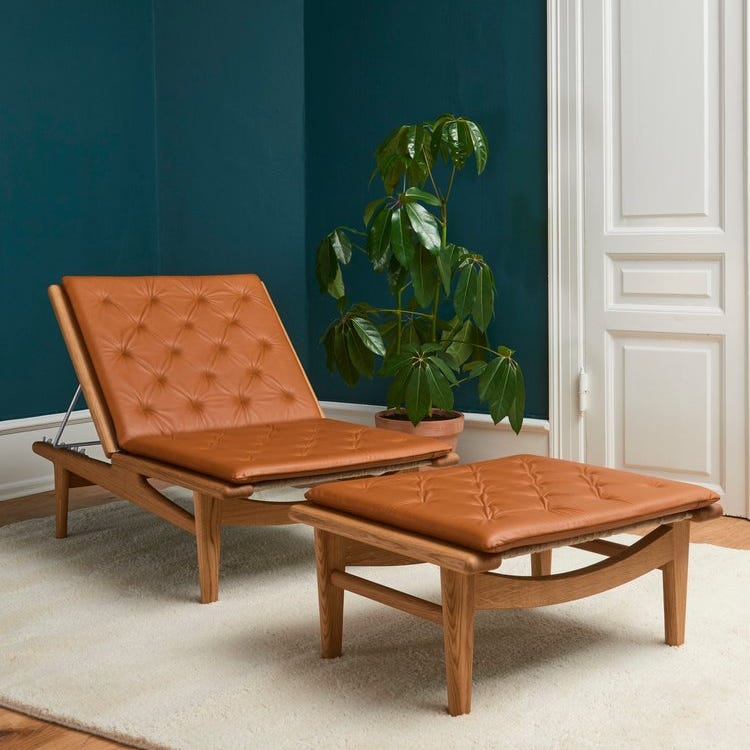
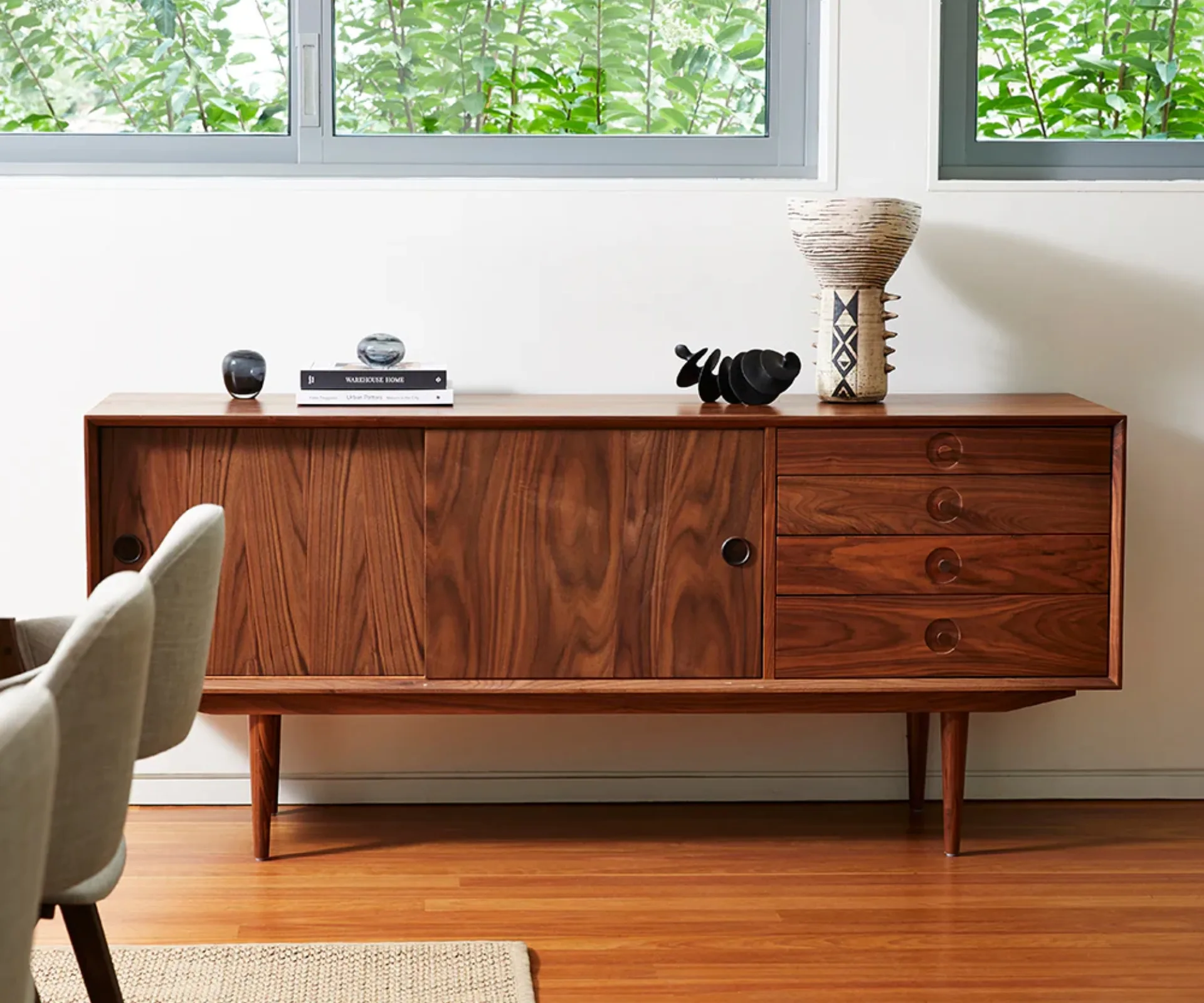
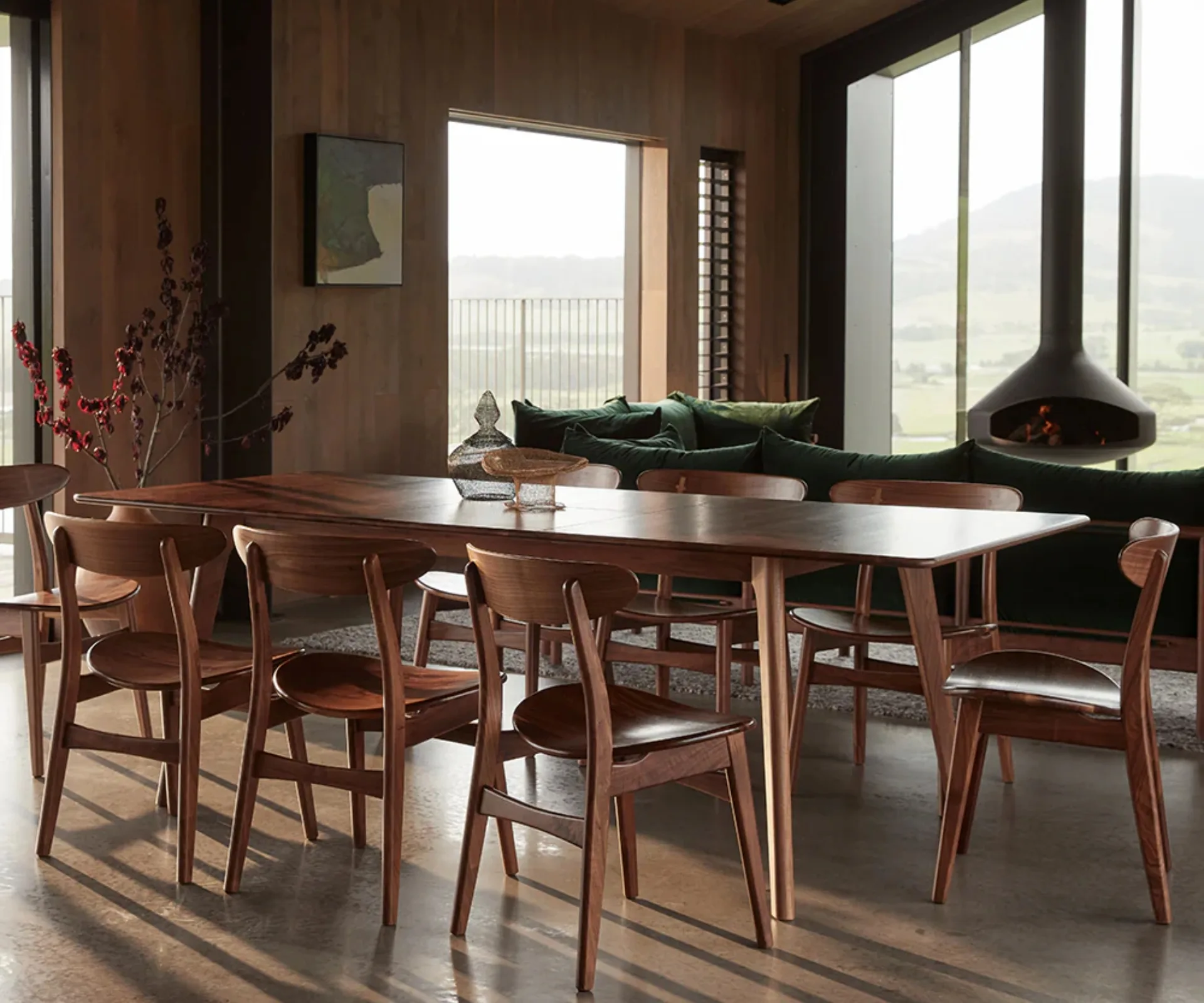
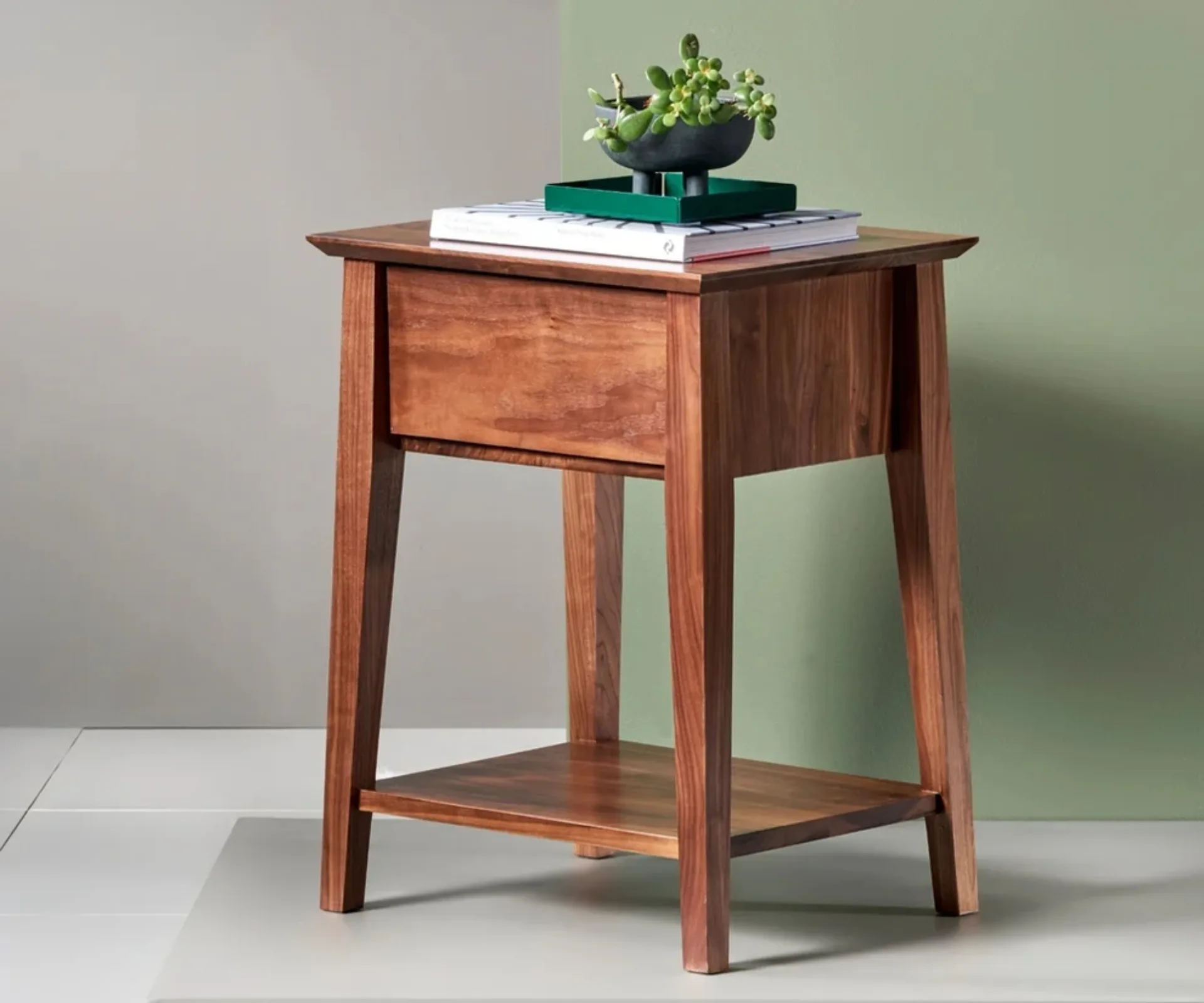
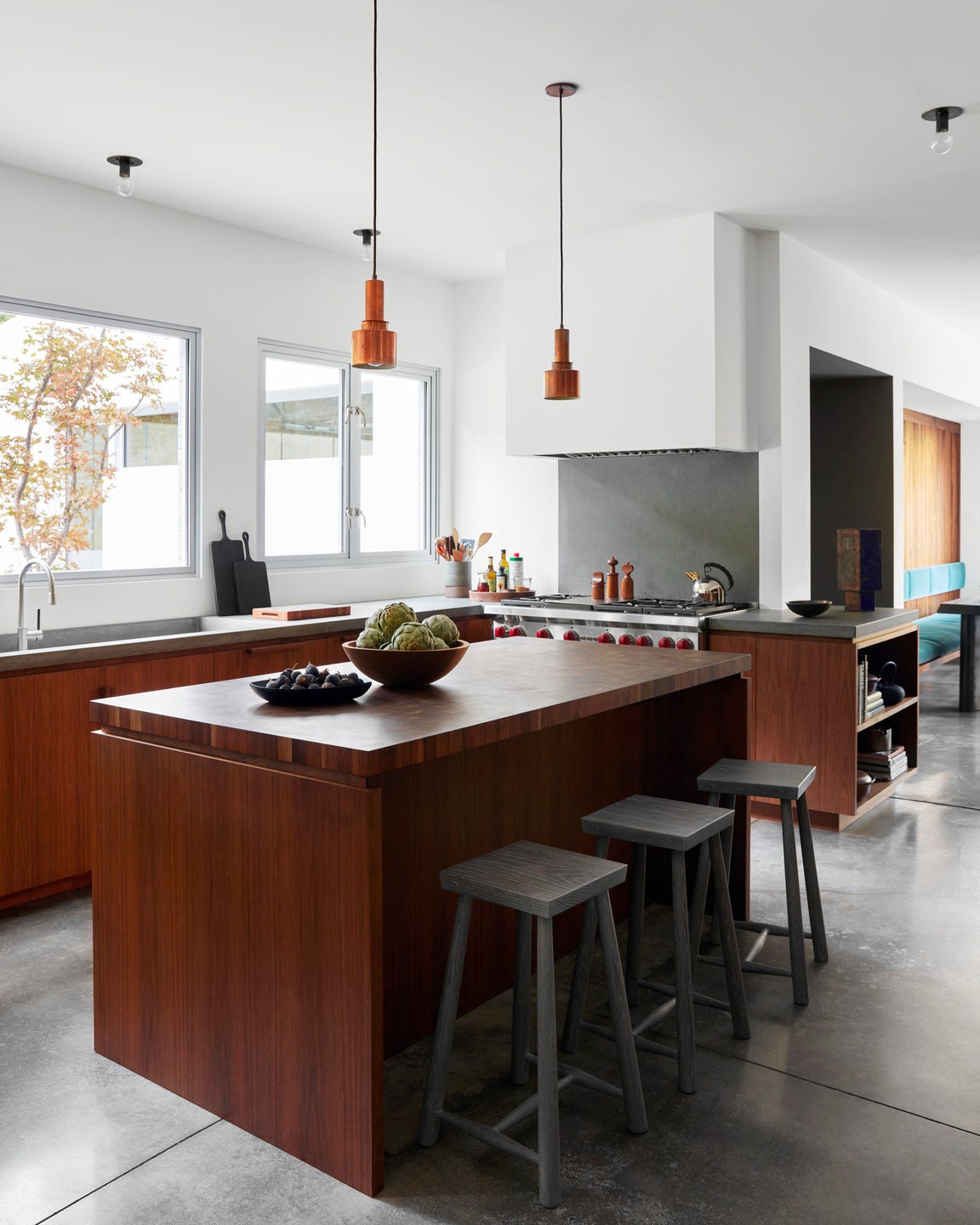
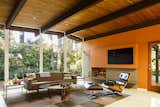
Mid-century modern design, emerging post-World War II, emphasizes simplicity, functionality, clean lines, and natural materials, proving its timeless appeal even today. This style, contrary to grander predecessors like Art Deco or Victorian, is characterized by its uncomplicated nature and focus on practical living. Interior designer Amelia Hesketh notes that mid-century modern design prioritizes the environment and family needs, creating spaces that feel considered without being overthought. Key elements include wood paneling, low-slung furniture, organic forms, and an integration with nature.
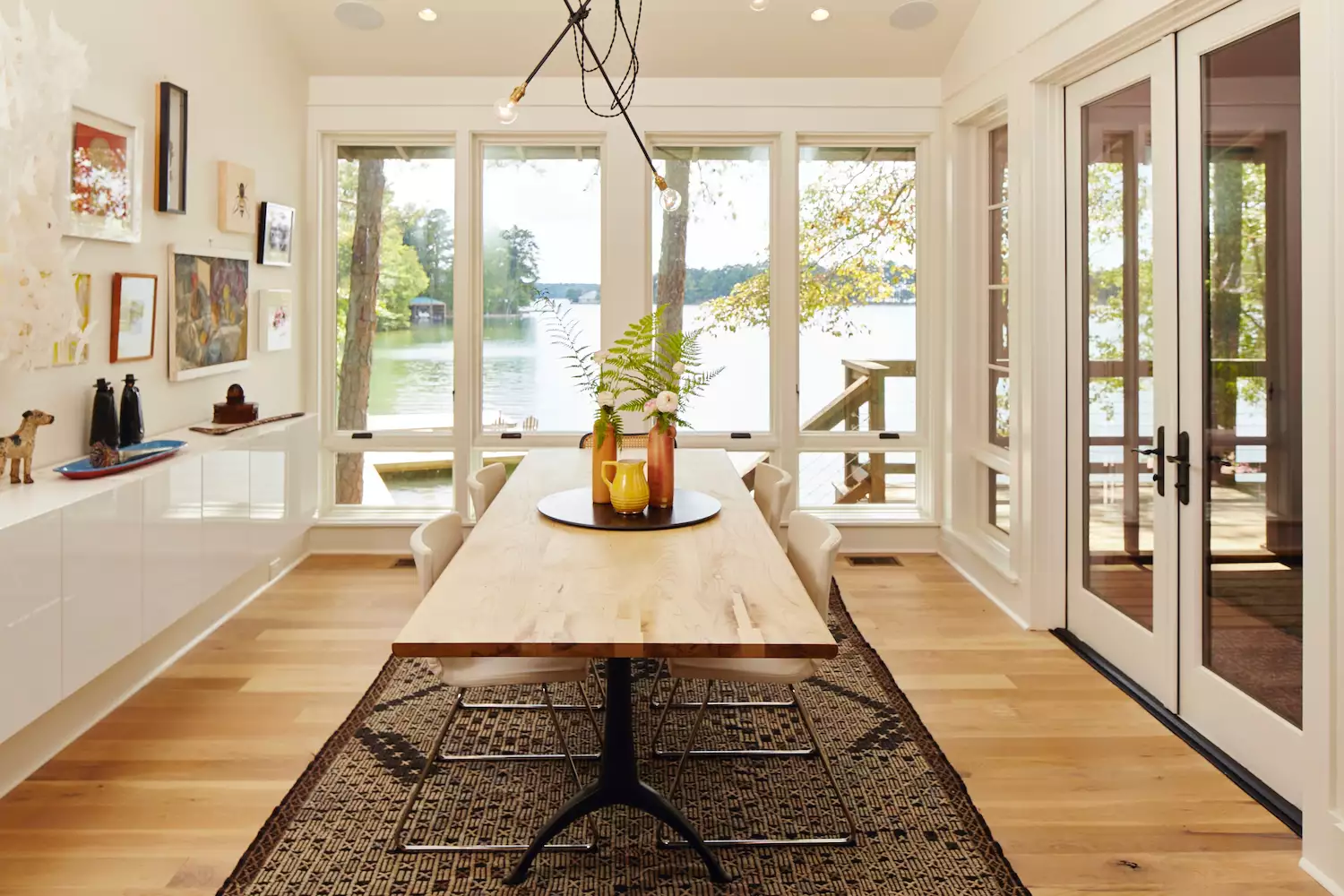
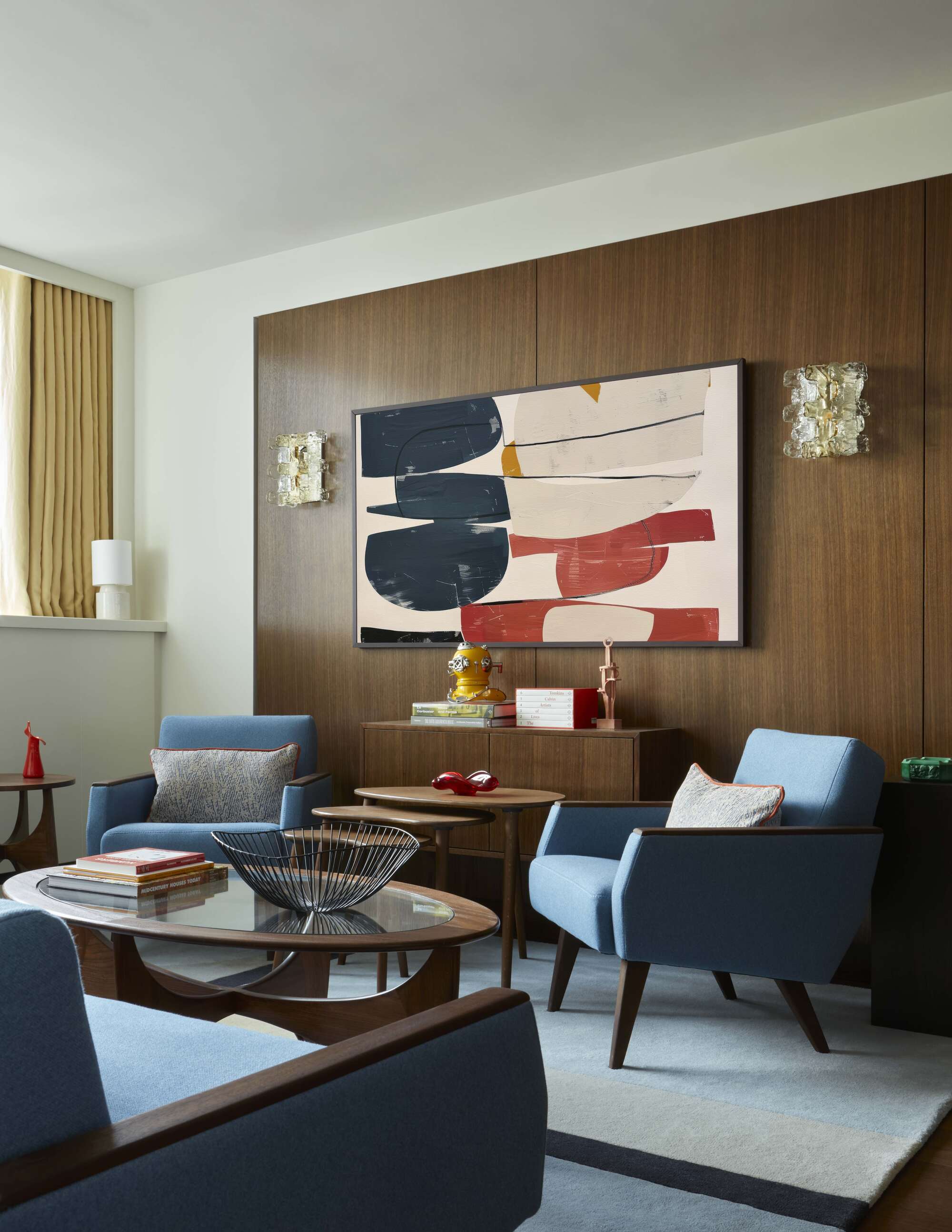

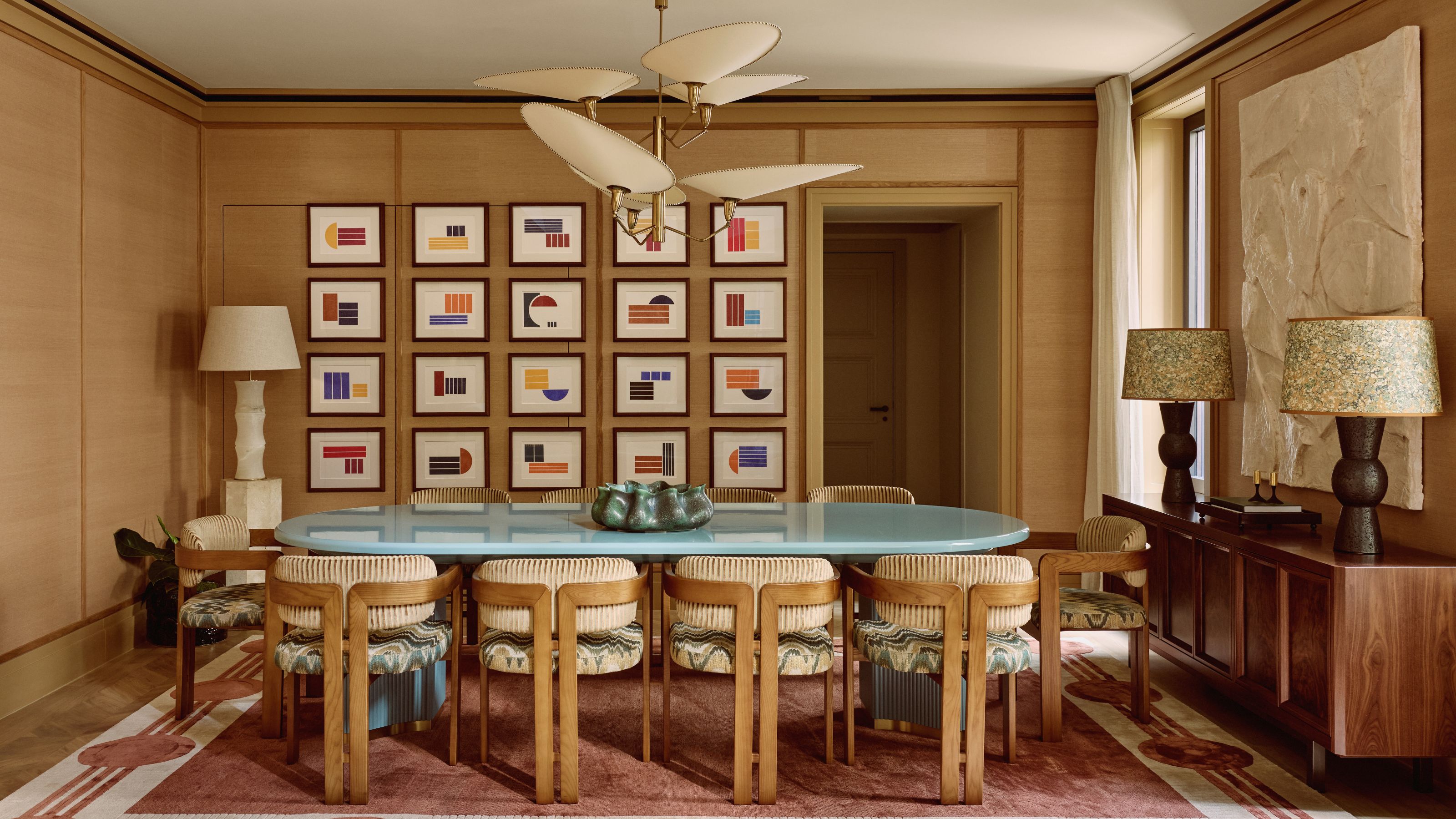
The article highlights 16 mid-century modern ideas to incorporate into a home. The first idea advocates for a statement-making yet simple approach, using clean lines and honest materials. Anthony Barzilay Freund of 1stDibs explains that the style rejected 19th-century fussiness, promoting lighter, cleaner pieces for a happier life. This balance is exemplified by a dining room featuring a wooden table, black leather chairs, and bold geometric lighting and colored glass accents. The second idea focuses on using materials like wood, brick, and stone, which are integral to the mid-century modern aesthetic due to their natural appeal and durability. A design by Maggie Glendenning showcases how these materials, combined with terrazzo floors, create a fresh yet lived-in feel.
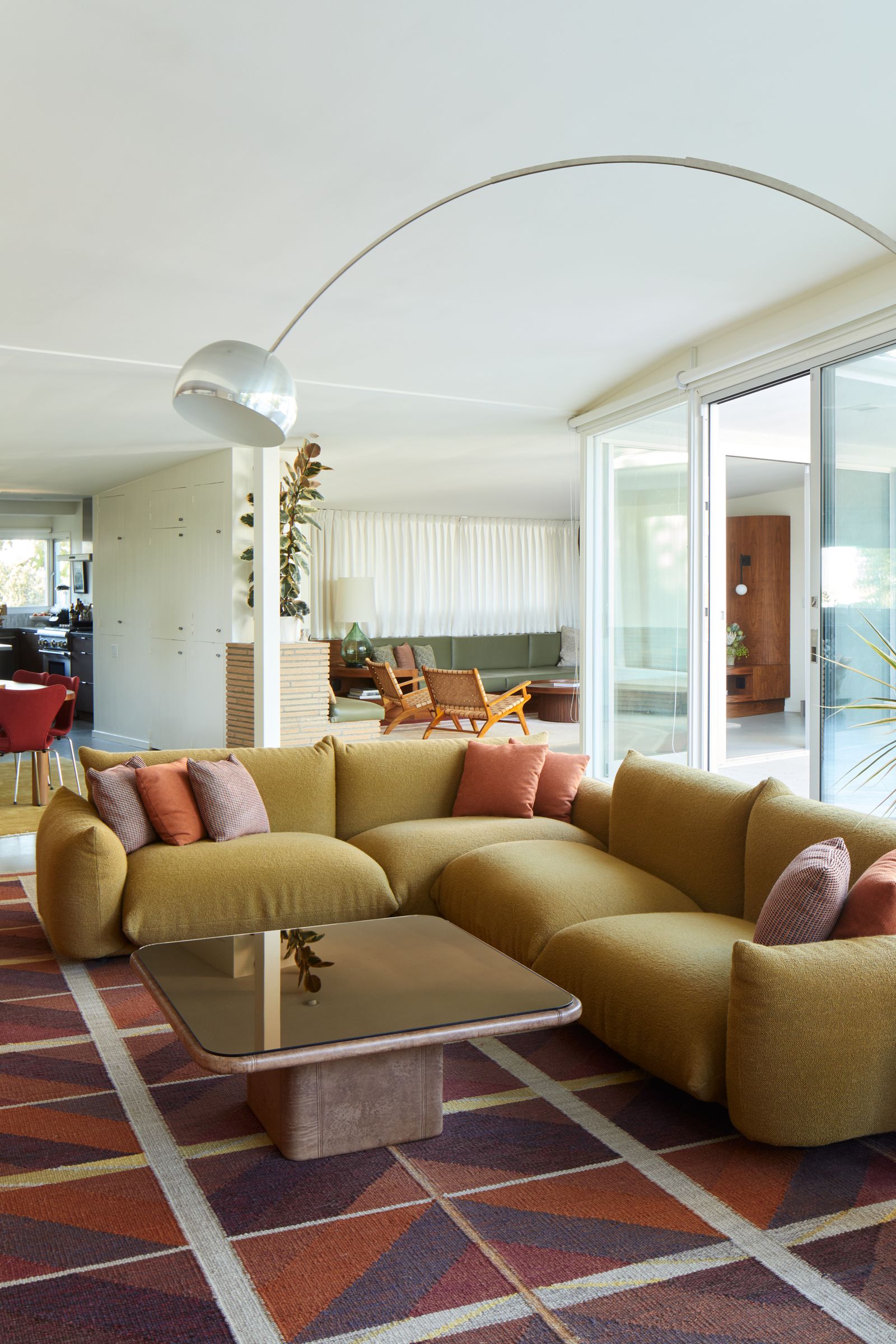
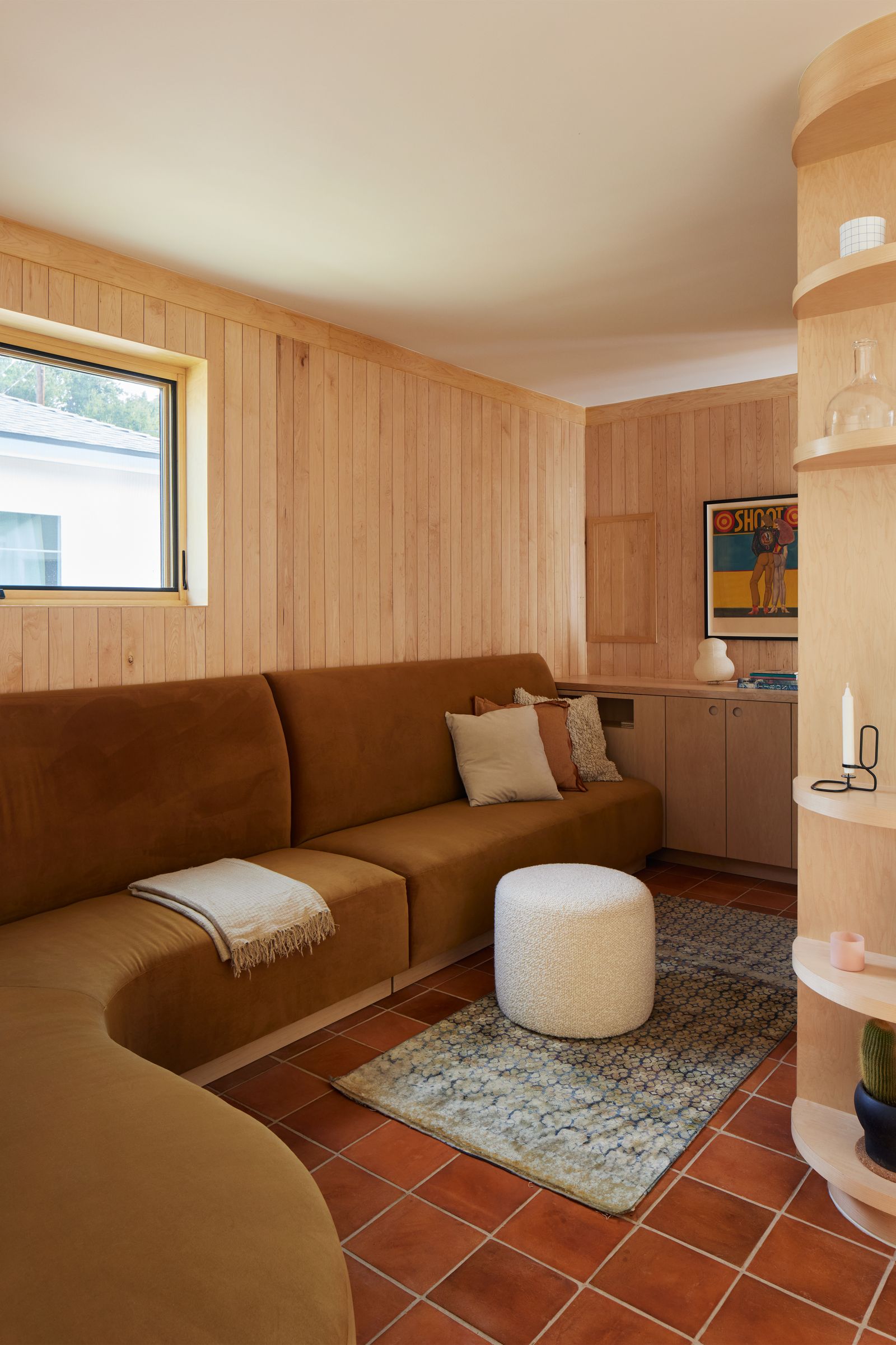

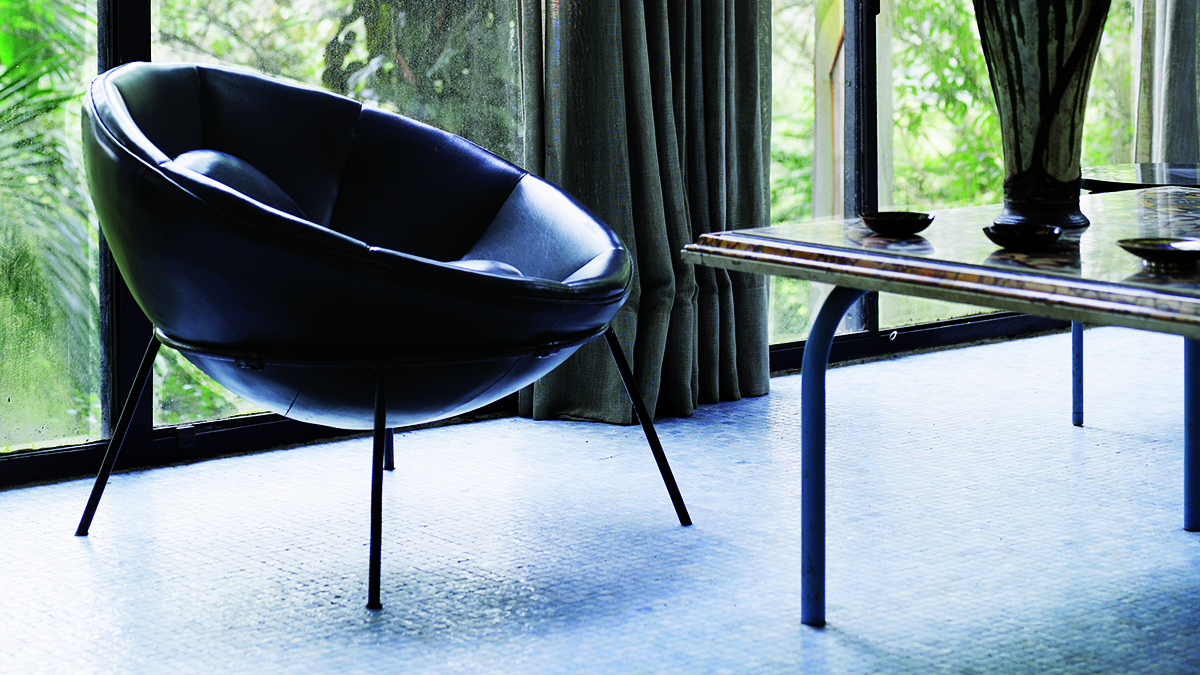
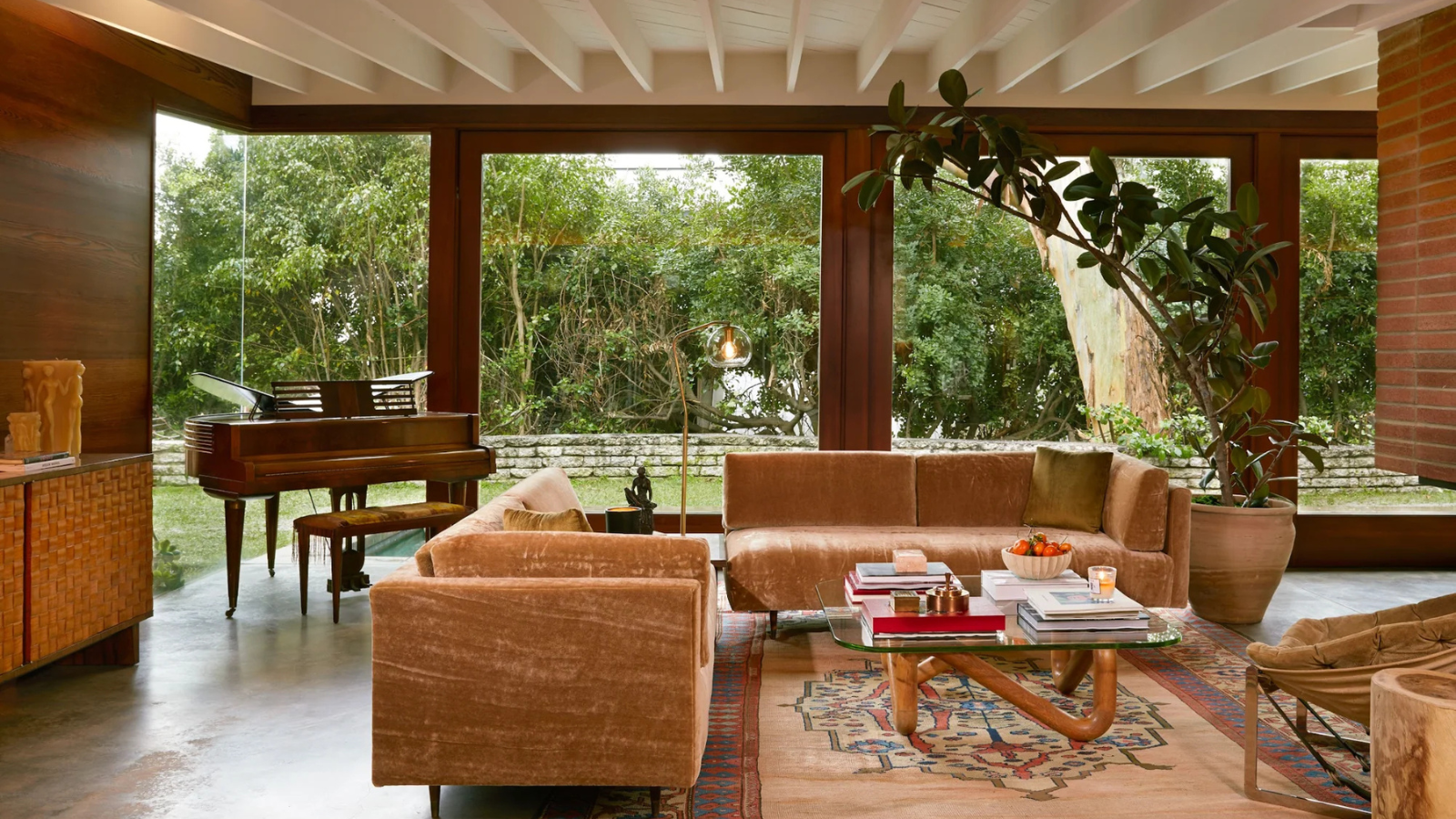
Blending rigidity with softness is the third suggestion, countering the potentially stiff impression of the functional, clean-lined style. Pierce & Ward achieved this by reupholstering a couch in soft mohair against red wood walls and a white ceiling. The fourth idea involves incorporating classic mid-century furnishings such as the Eames Lounge Chair, Saarinen Tulip Table, or Arco Floor Lamp, along with unique elements like a hang-down fireplace. The fifth point emphasizes the style's adaptability, allowing it to blend seamlessly with traditional or contemporary designs by layering in mid-century elements, focusing on timeless living rather than fleeting trends.

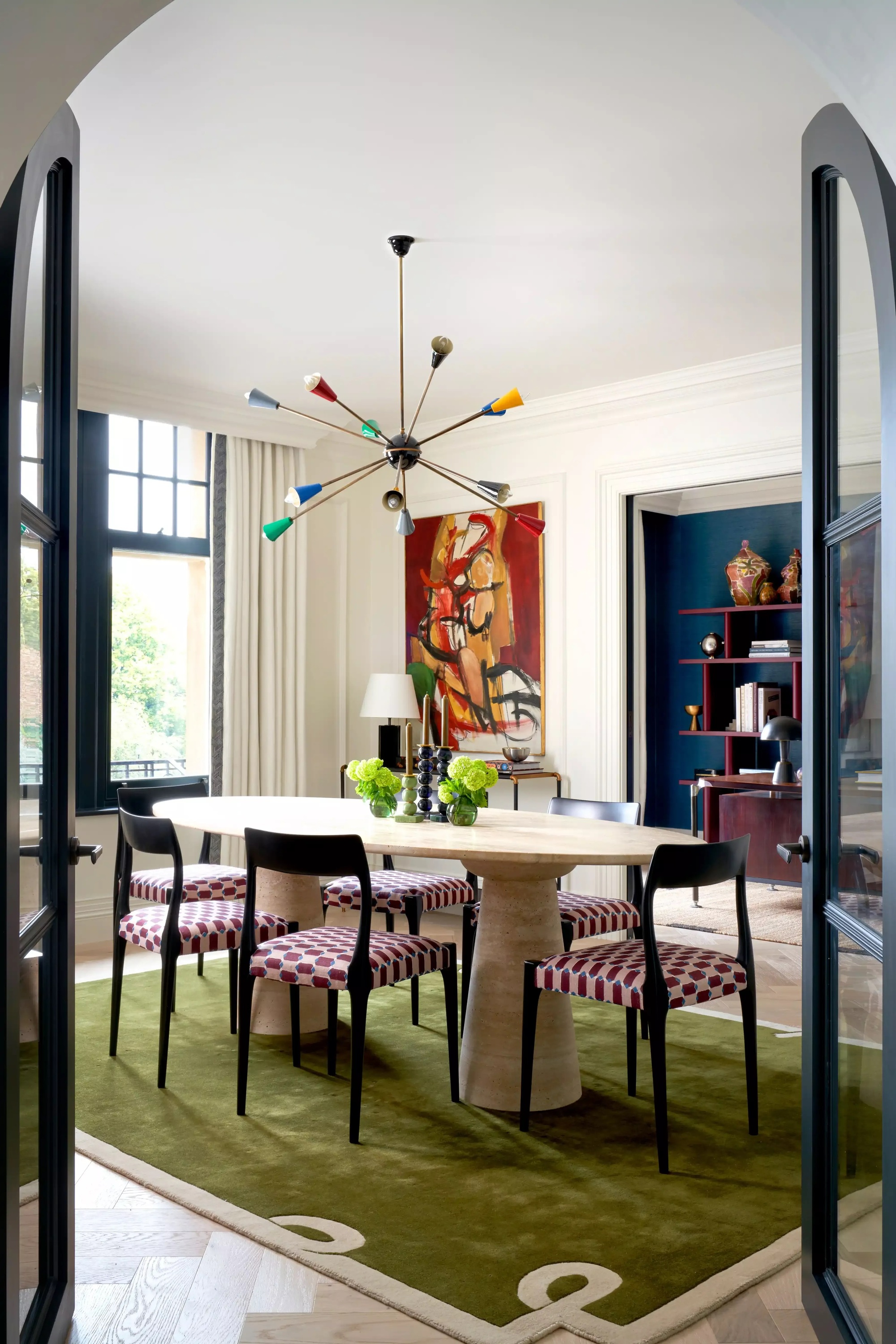
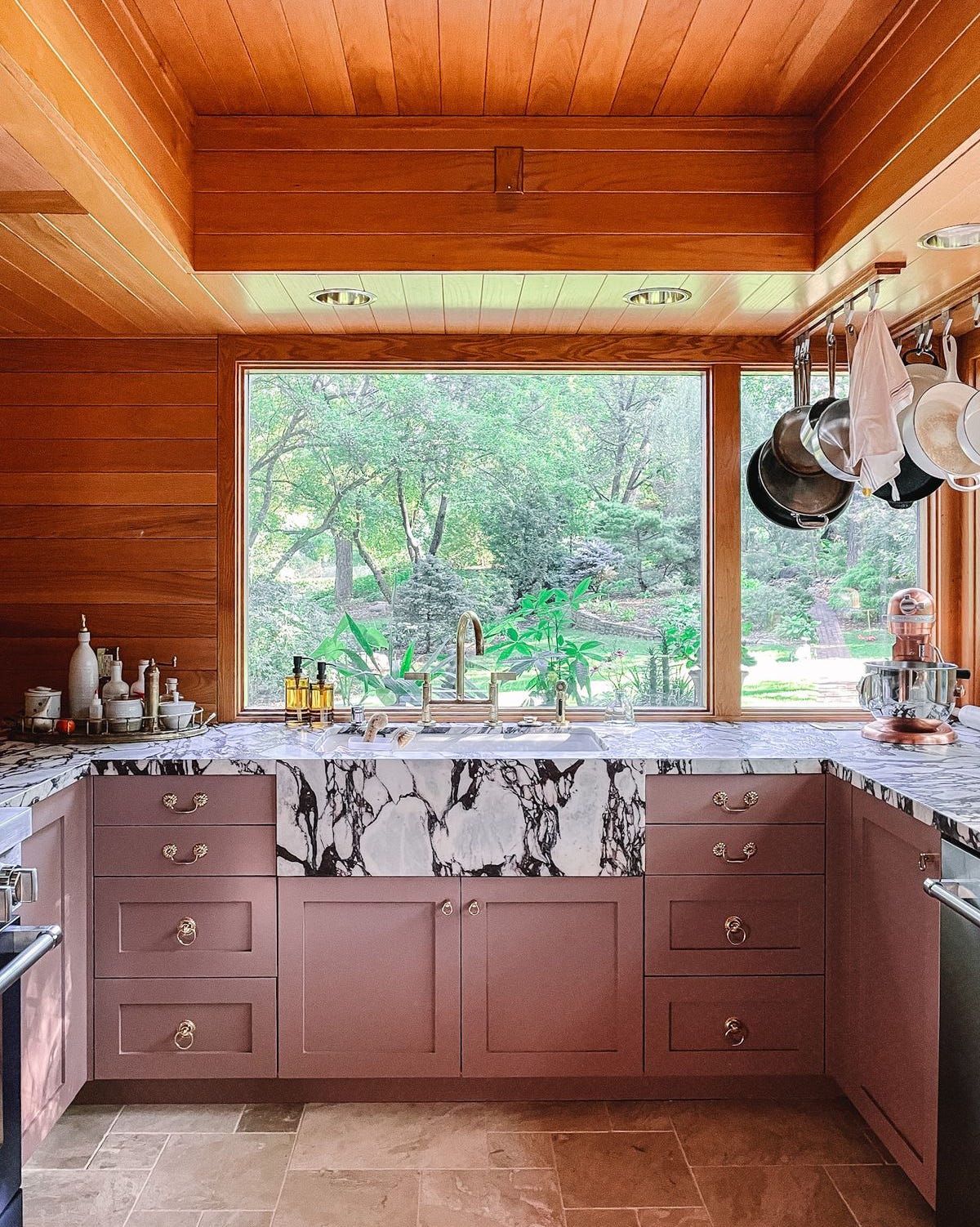
The sixth idea explores the characteristic warm color palette, featuring browns, oranges, and yellows, often complemented by pops of color. Whitney Romanoff's design demonstrates how nude cabinetry, redwood paneling, and rosy quartzite create an inviting atmosphere, further enhanced by floor-to-ceiling windows. The seventh idea suggests letting the architectural bones of a mid-century home stand out, using furnishings that don't detract from these inherent features. The eighth idea highlights the unique and often elaborate lighting fixtures, which serve as focal points and can introduce a mid-century touch to other styles. The ninth point advises cautious accessorizing, favoring curated and purposeful decor with organic, curved shapes.
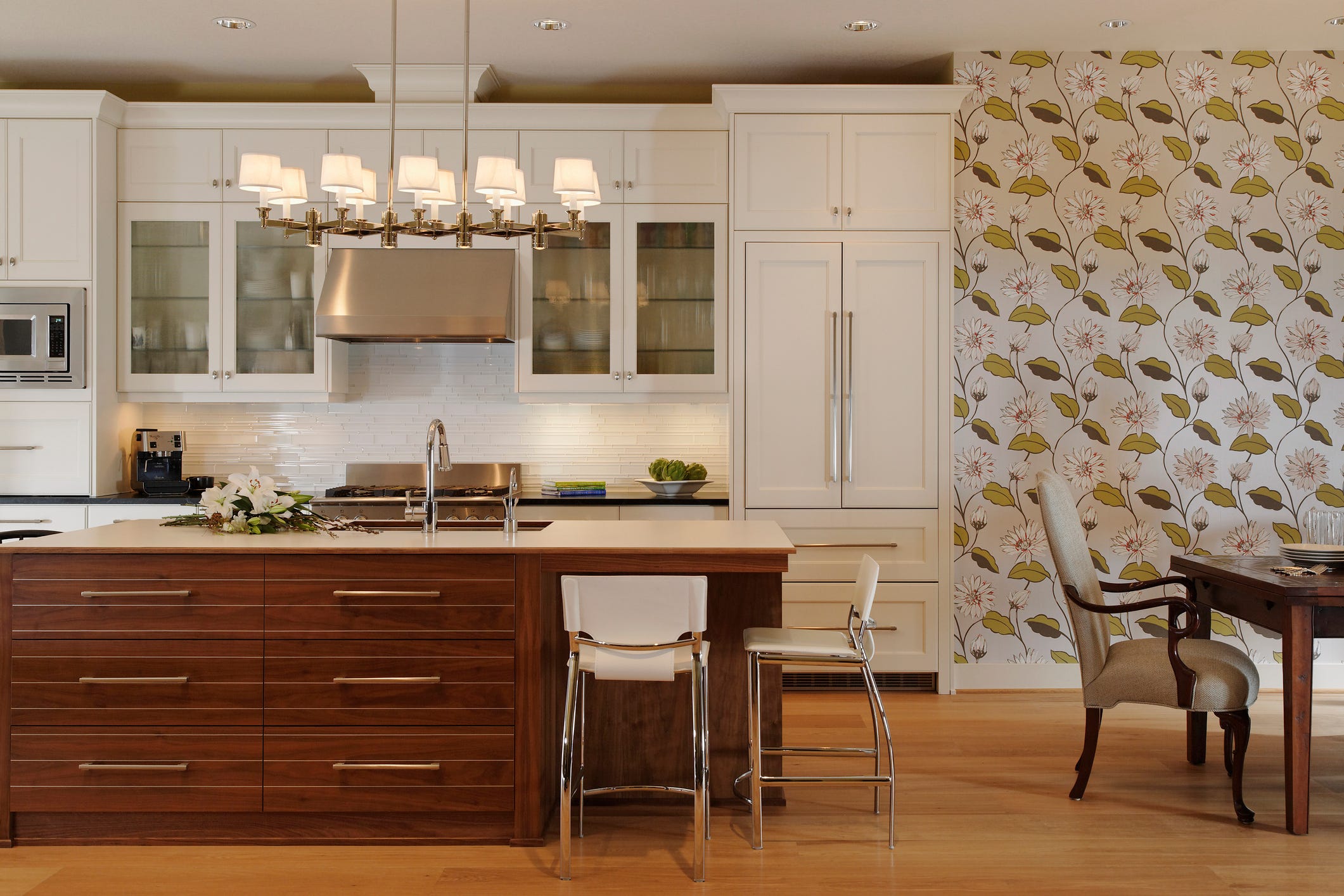
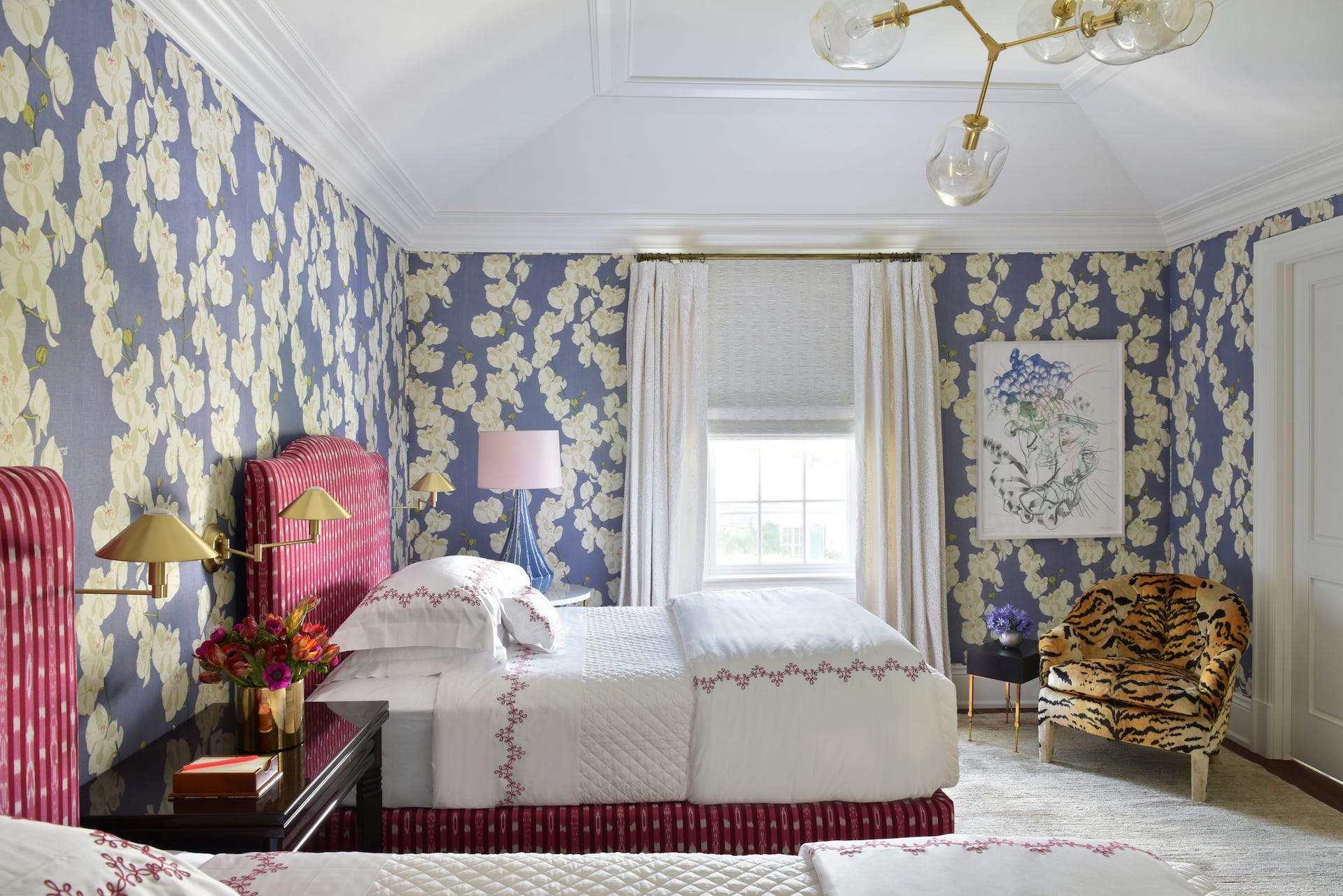

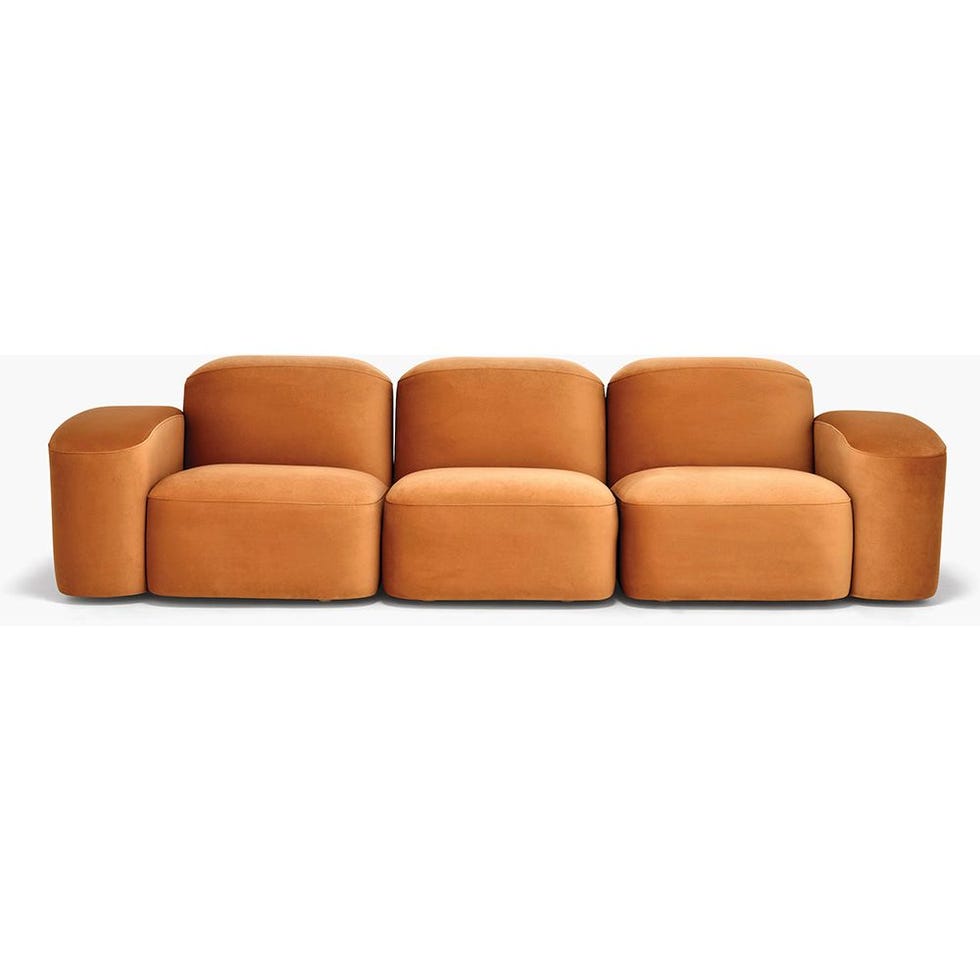
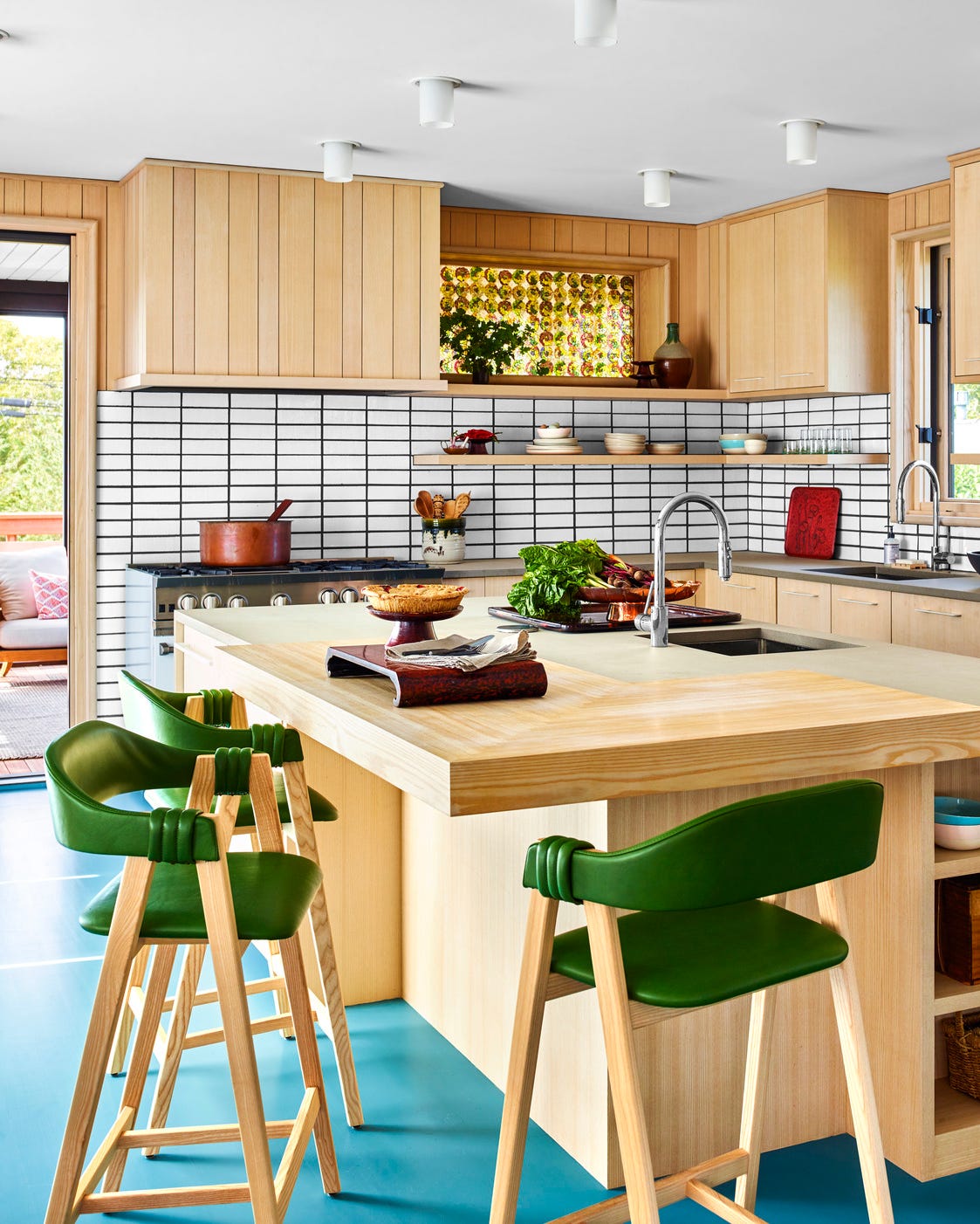
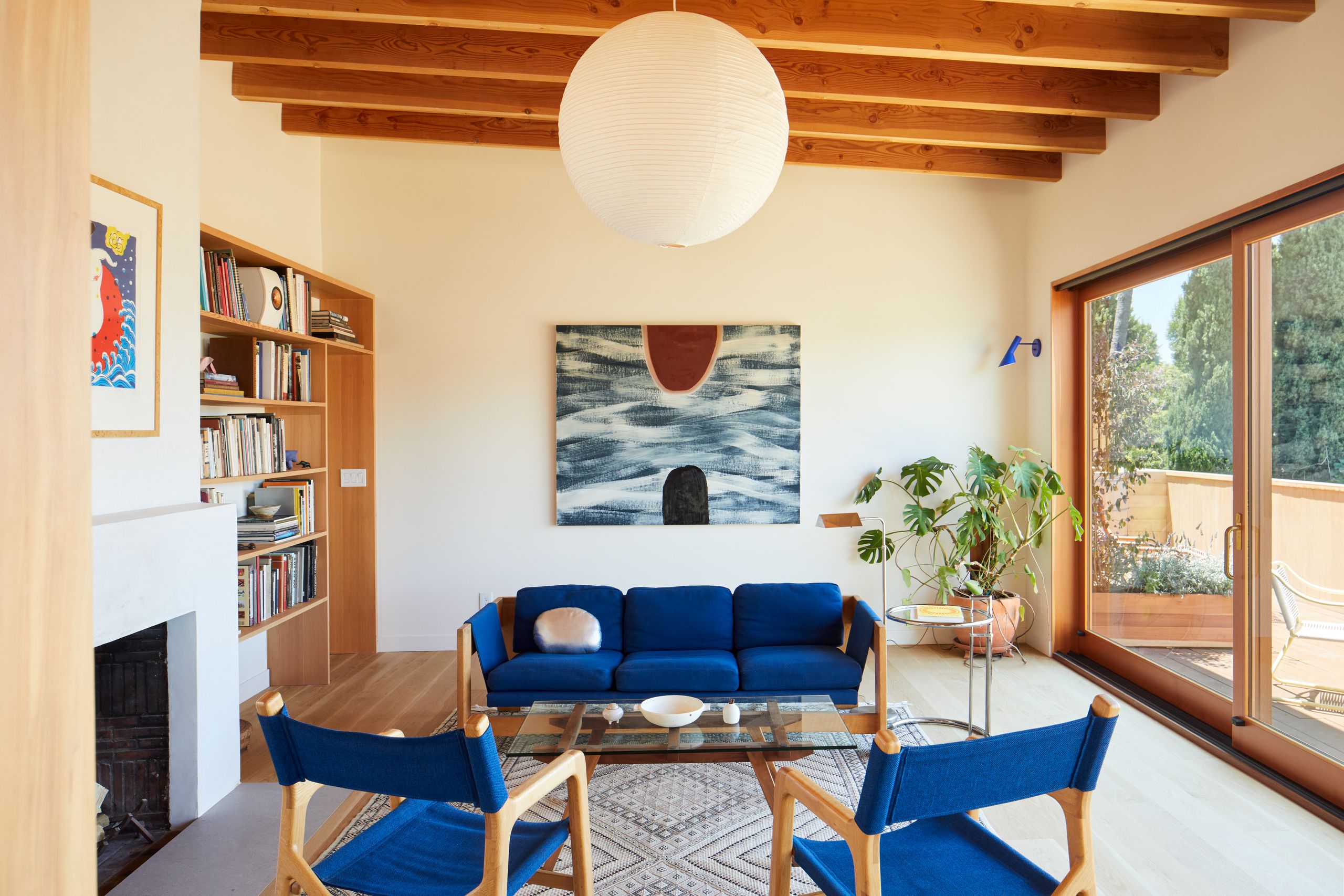
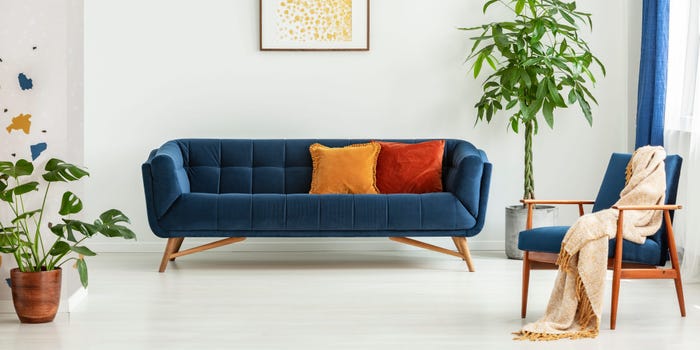
Keeping the backdrop simple to let the furniture be the focus is the tenth idea, as exemplified by Tala Fustok's design with low-slung velvet sofas against warm white walls. The eleventh idea encourages using a stronger, more vivid color palette, reminiscent of original mid-century looks, while balancing it with warm wood accents. The twelfth point suggests embracing mid-century style while using color and pattern to create a unique aesthetic, as seen in Andrew Suvalsky's design that infuses 1950s California style with vibrant blues and ambers. The thirteenth idea involves combining unexpected materials like fiberglass, vinyl, and metals with natural elements to add texture and interest. The fourteenth idea promotes abstract shapes and patterns, incorporating curves and sculptural forms to soften rigidity, often through flamboyant geometric prints or subtle touches like leopard print. The fifteenth idea champions the resurgence of terrazzo, a material that became prominent in the later mid-century era. Finally, the sixteenth idea recommends decorating with retro wallpaper to add bold, playful colors and patterns, such as a 1970s-inspired kitchen design.
The enduring popularity of mid-century modern design stems from a desire for calm, grounded spaces and a rejection of disposable furniture. Its warmth, natural material focus, and integration with the outdoors contribute to its timeless appeal, creating homes that feel inviting and captivating.
#MidCenturyModern #InteriorDesign #HomeDecor #DesignTrends #TimelessDesign #HomeInteriors #ArchitecturalStyle #FurnitureDesign #MidCenturyModern #InteriorDesign #HomeDecor #DesignTrends #TimelessDesign #HomeInteriors #ArchitecturalStyle #FurnitureDesign
共0条评论
 暂无评论
暂无评论你可能还喜欢
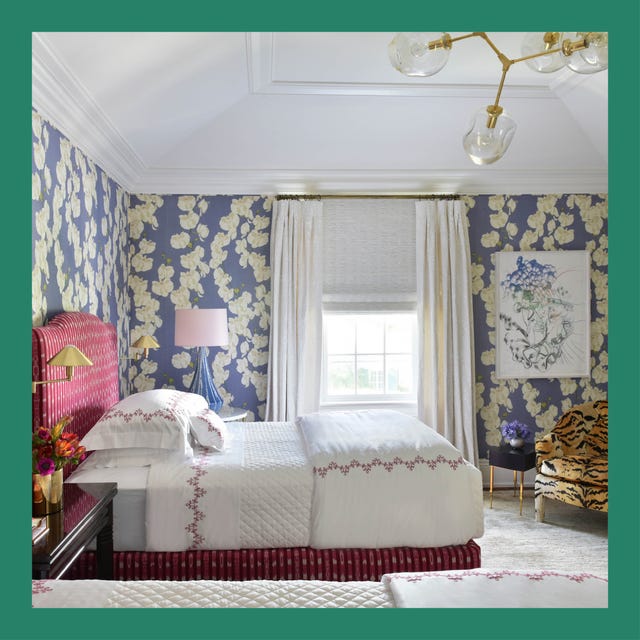
These Are The Top Design Trends Worth Trying

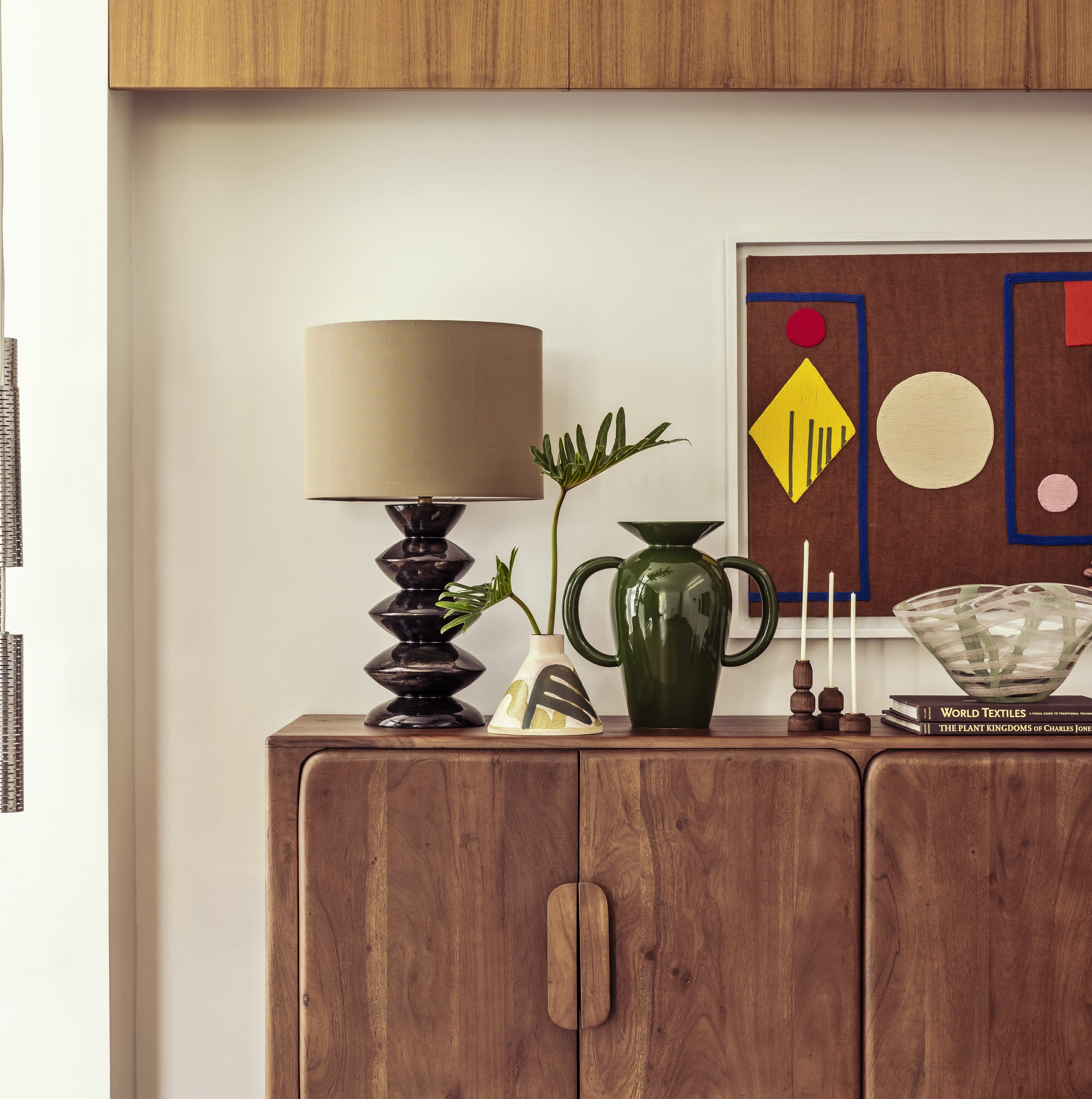
9 Decorating Tips To Master The Mid-Century Modern Look
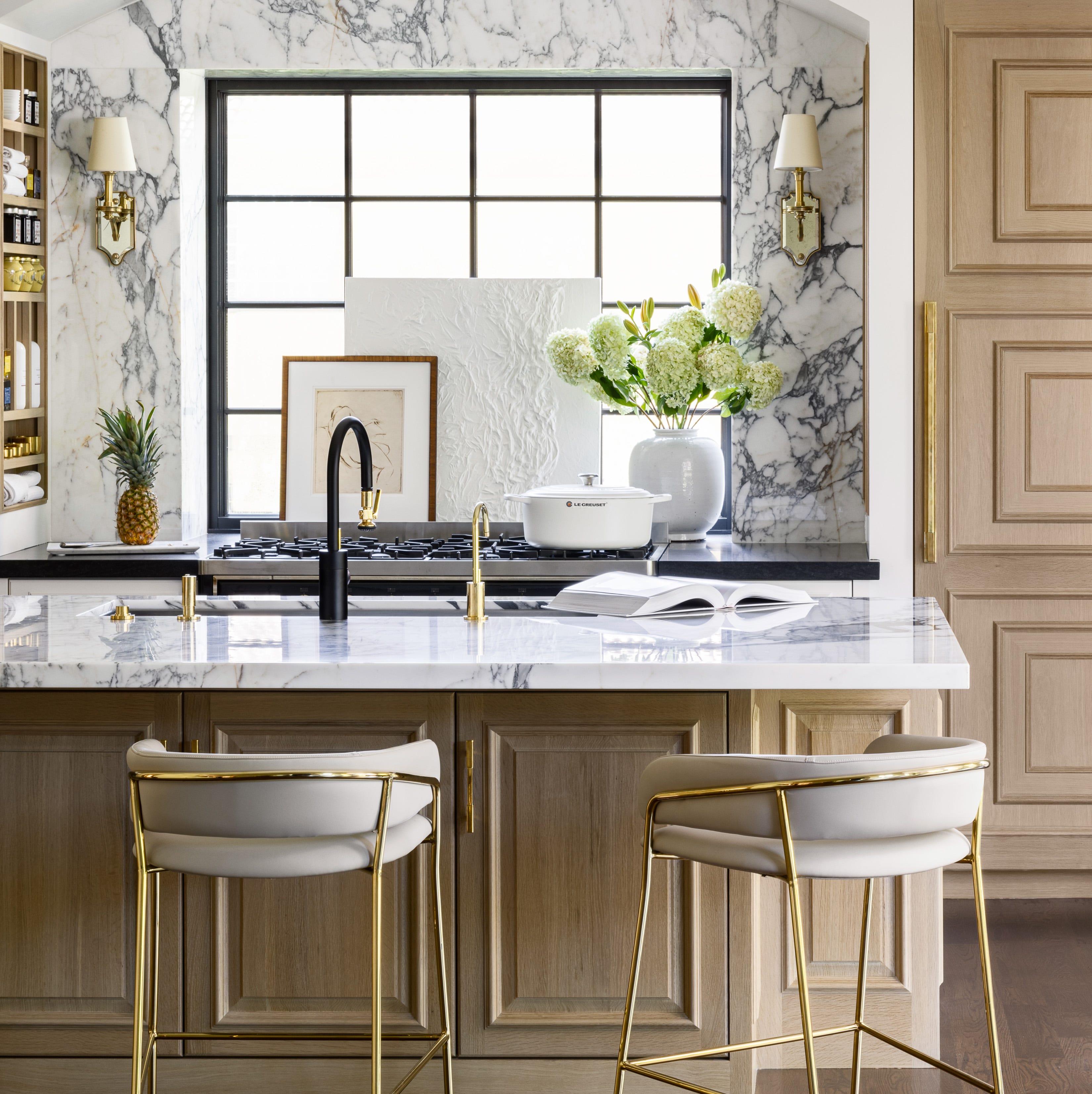
The Top 10 Kitchen Trends of 2024, According to Experts

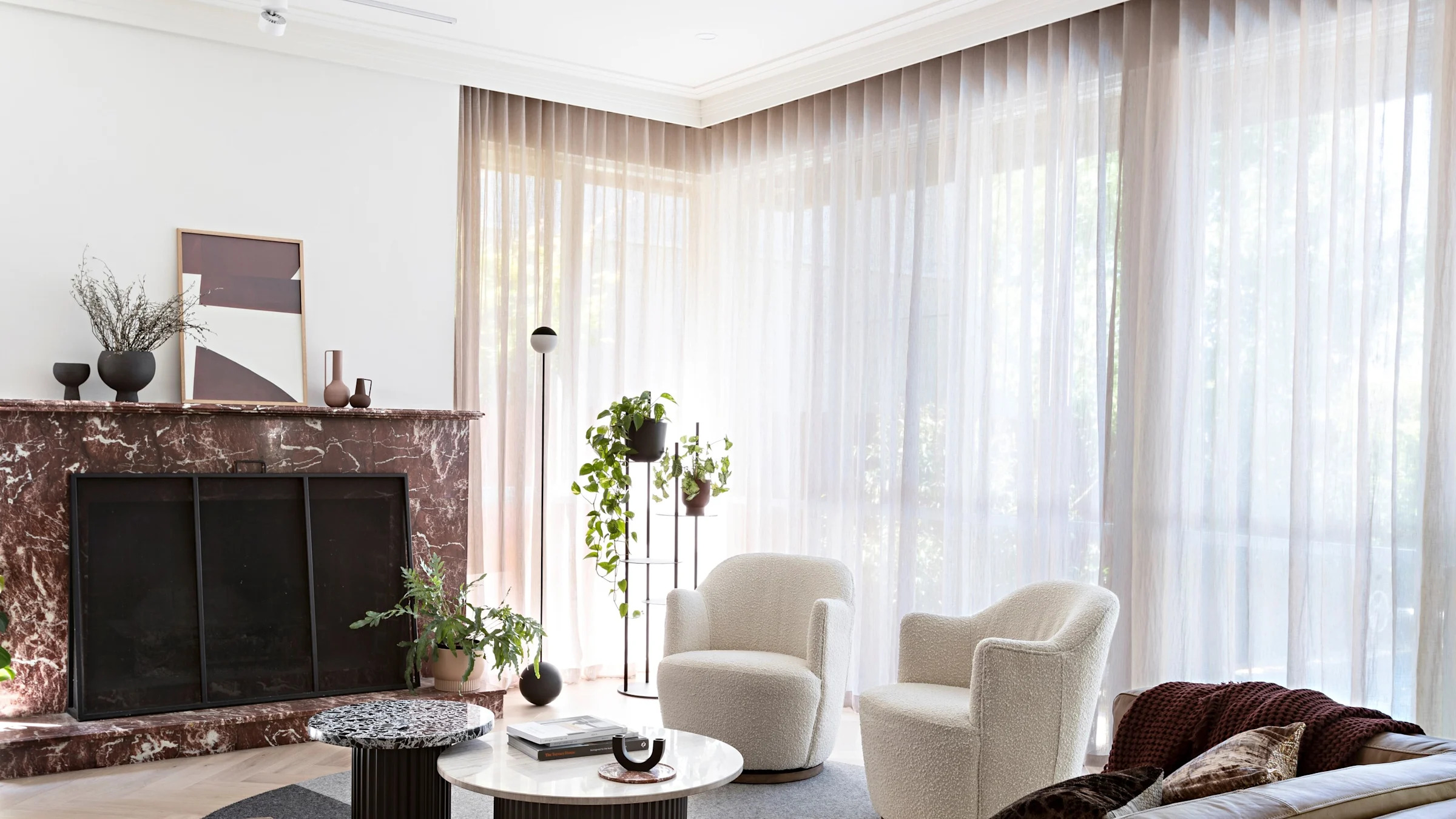
16 Modern Pelmet Ideas That Prove This Traditional Design Element Is Definitely Still on Trend Today

Why Mid-Century Modern Interior Design Continues to Reign Supreme
16 "Outdated" Home Design Trends That Are Wildly Better Than Modern-Day Trends

The enduring appeal of Mid-century Modern

These 12 Kitchens Prove How Timeless Midcentury Design Is
16 Modern Pelmet Ideas That Prove This Traditional Design Element Is Definitely Still on Trend Today

The 6 commandments of mid-century modern design
8 "Tacky" Home Trends That Are Tragically Dead to Designers in 2026
6 antiques that will always work in modern interiors – and how designers style them
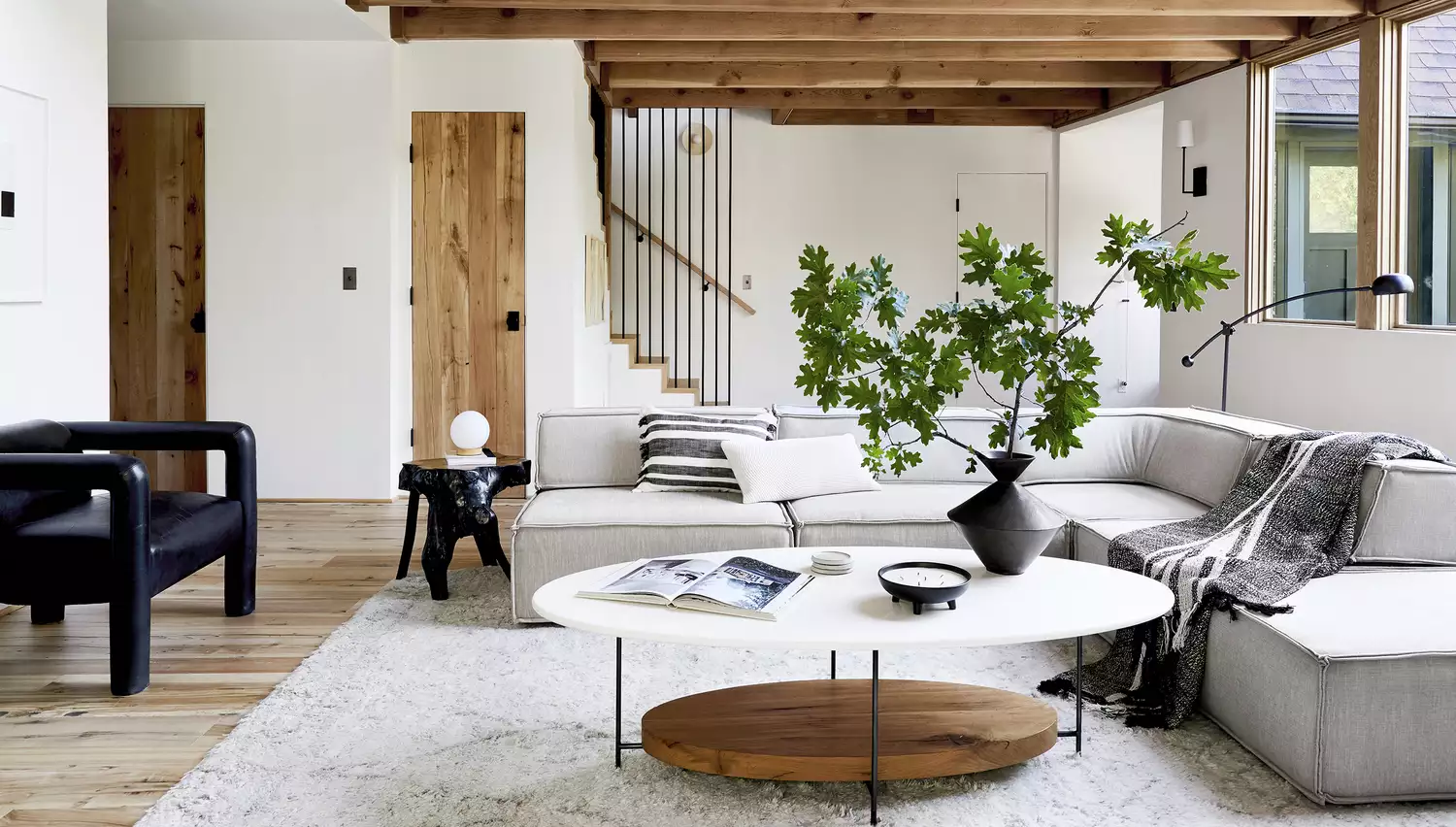
17 Design Ideas We Love That Prove Modern Style Can Still Feel Warm and Inviting

41 Home Products To Consider If You Love The Mid-Century Modern Look
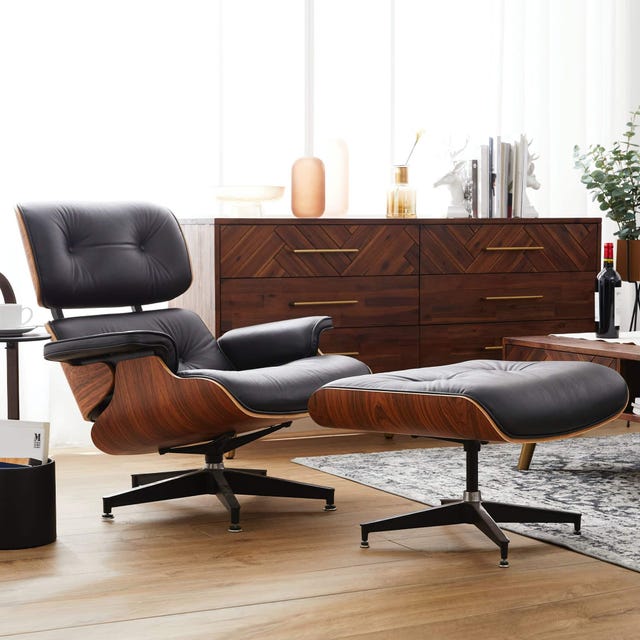
25 Midcentury Modern Furniture Pieces That Will Always Be in Style

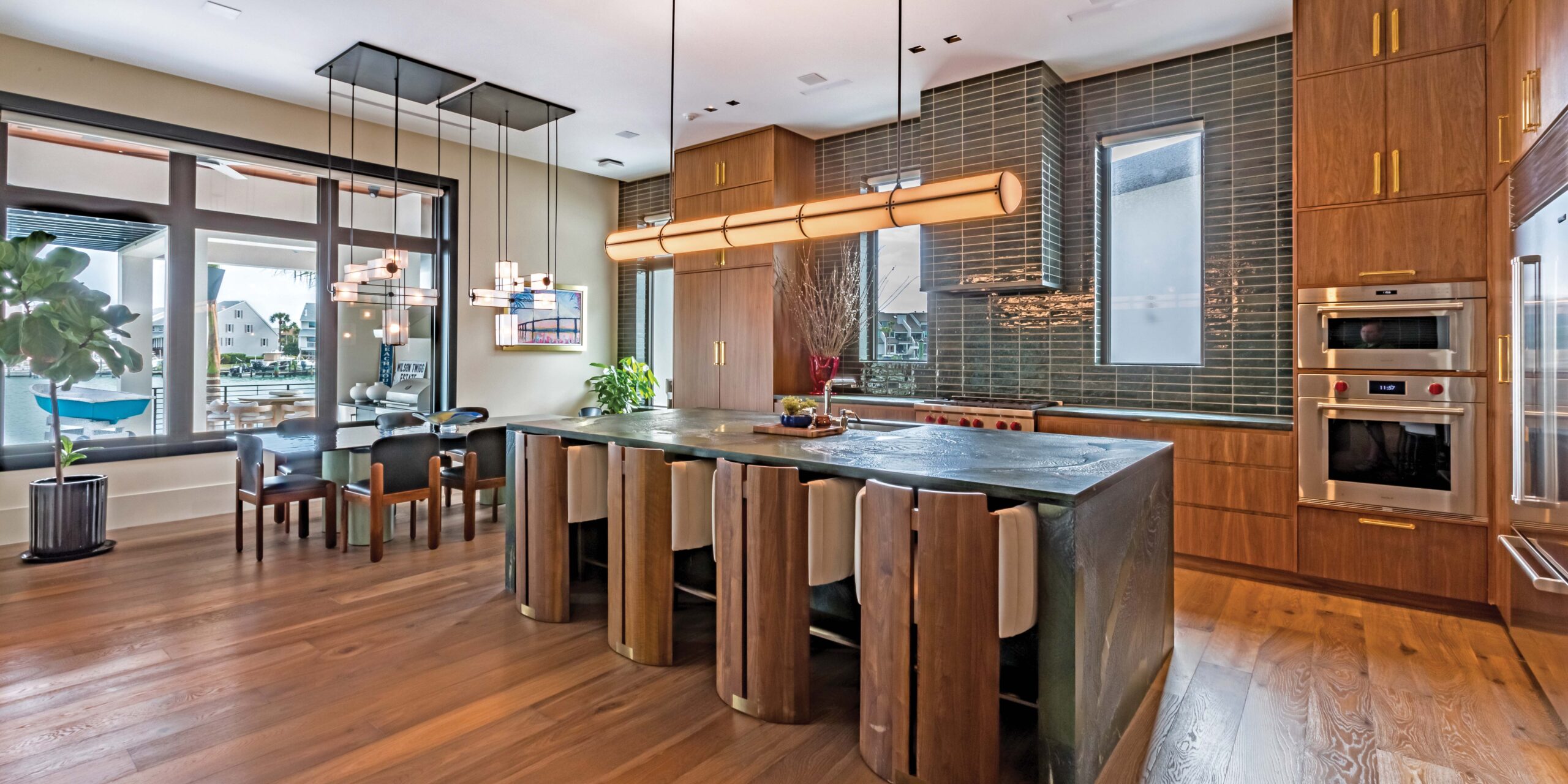
Home Design: Reinvented Midcentury Modern

10 Classic Midcentury Pieces That Will Never Go Out of Style

10 Mid-Century Modern Lighting Ideas That Bring Design History to Your Room, But Still Feel Right for Today
How to do mid-century modern style in 5 easy steps

Designers Swear These 6 Decor Trends Will Age Well—Without Feeling Dated