1/16
Conservatory ideas – 15 wonderful ways to boost light and space
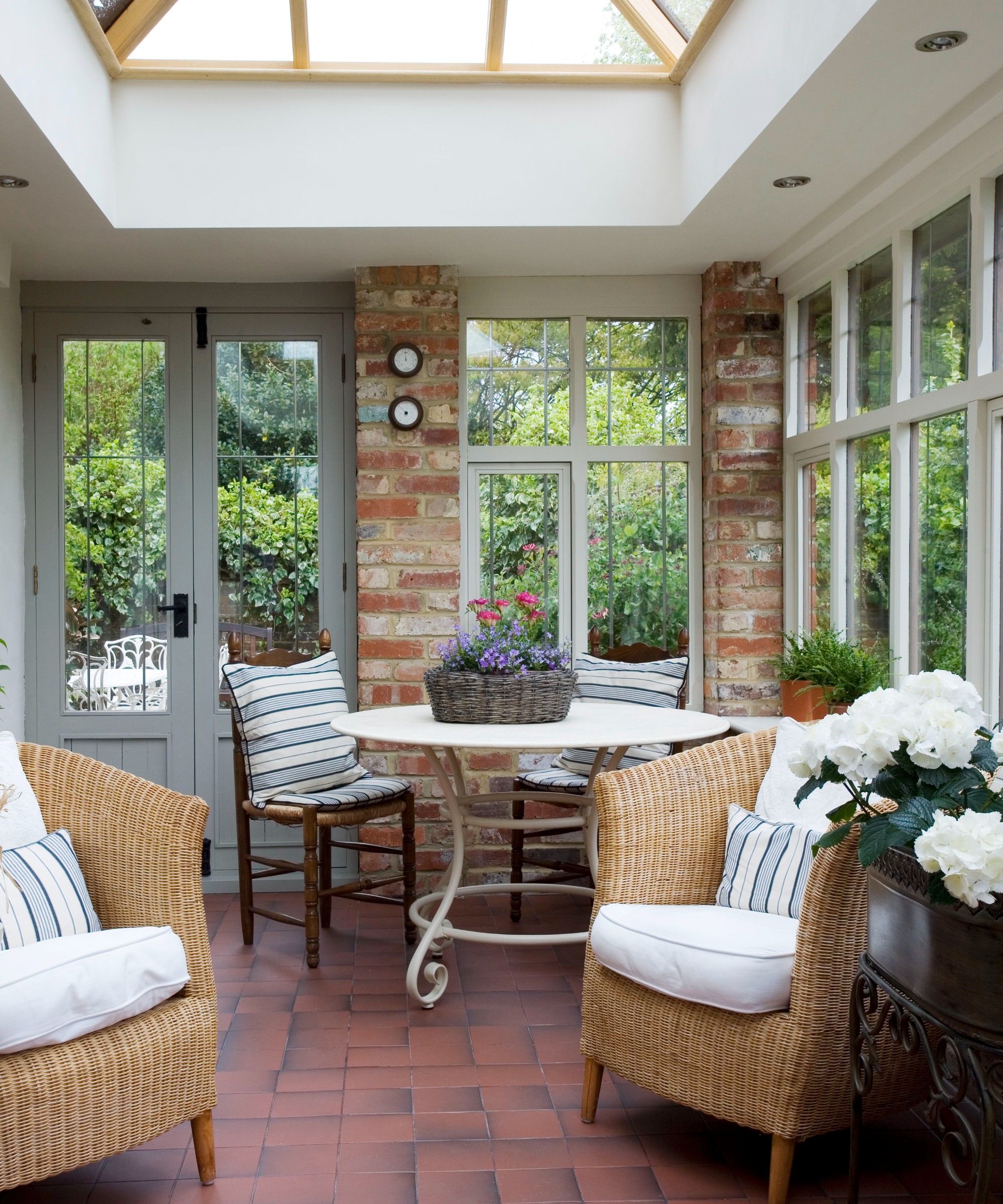
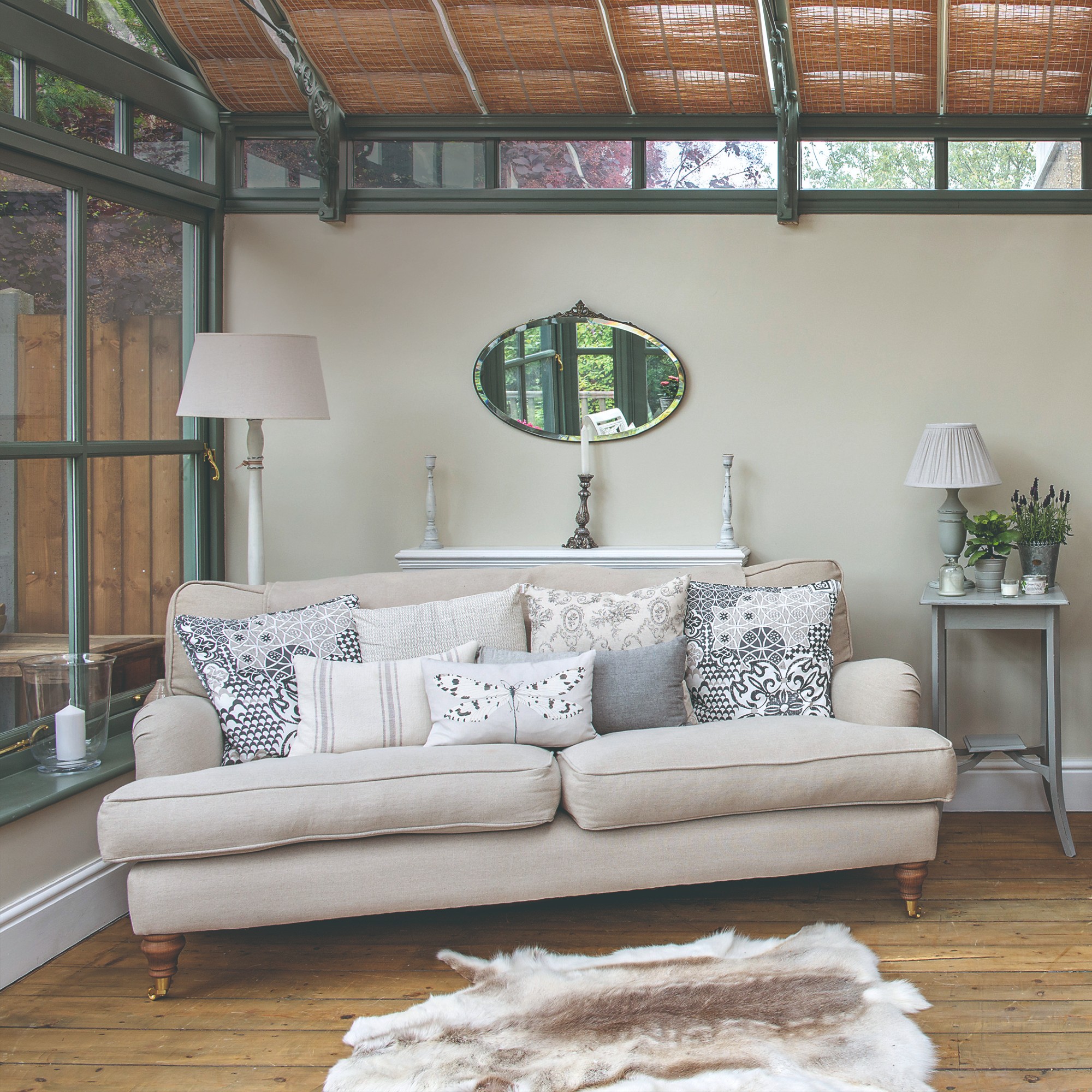
Conservatories, once popularized by Victorian botanists, have evolved into highly versatile and comfortable additions to modern homes, suitable for various uses year-round. Advancements in heating, air conditioning, heat-control glass, and insulated window treatments have mitigated past issues of temperature extremes, making them functional spaces for offices, playrooms, dining areas, or relaxed living rooms. The design approach for conservatories ranges from traditional to ultra-contemporary, with a focus on maximizing natural light and integrating with the existing architecture and surrounding garden.
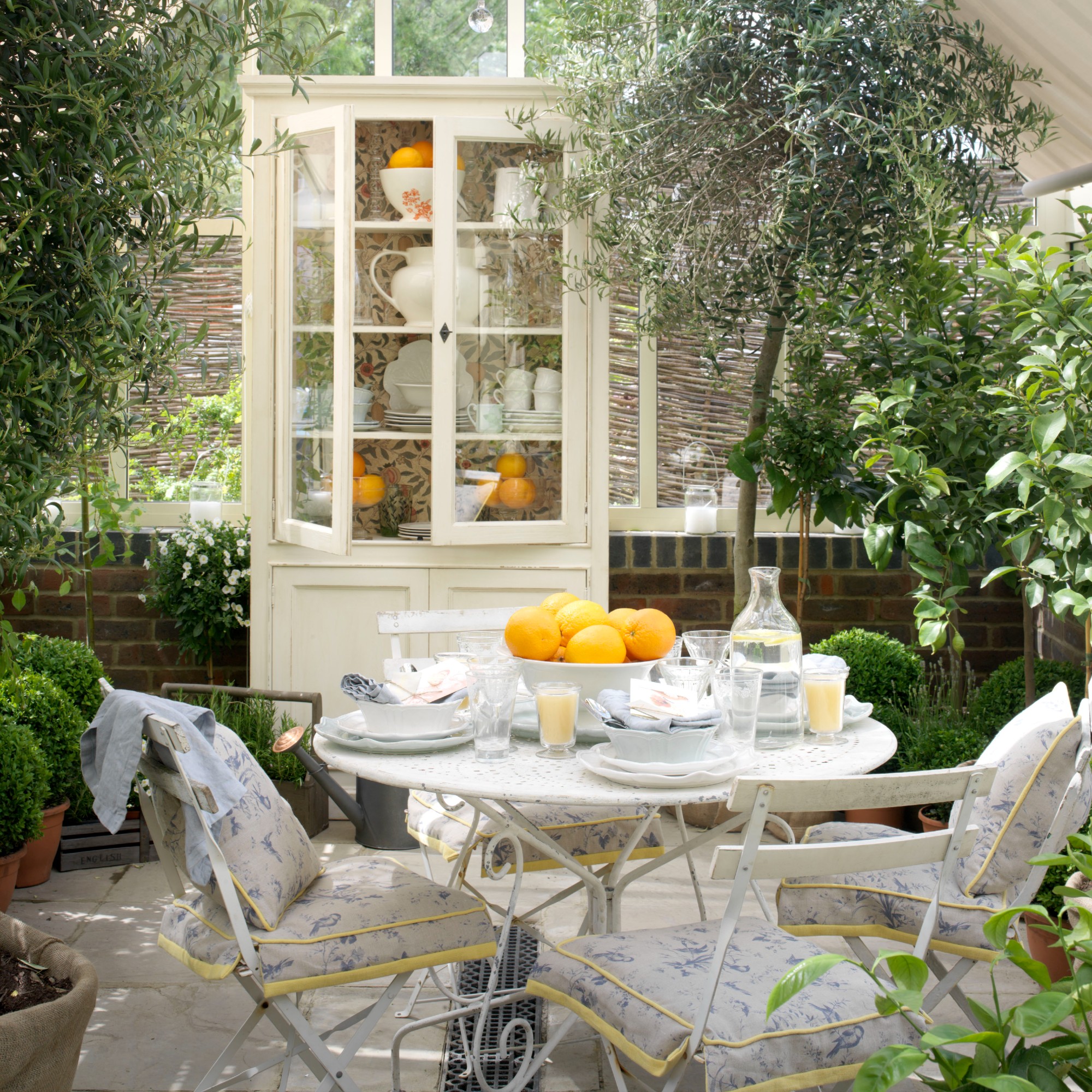
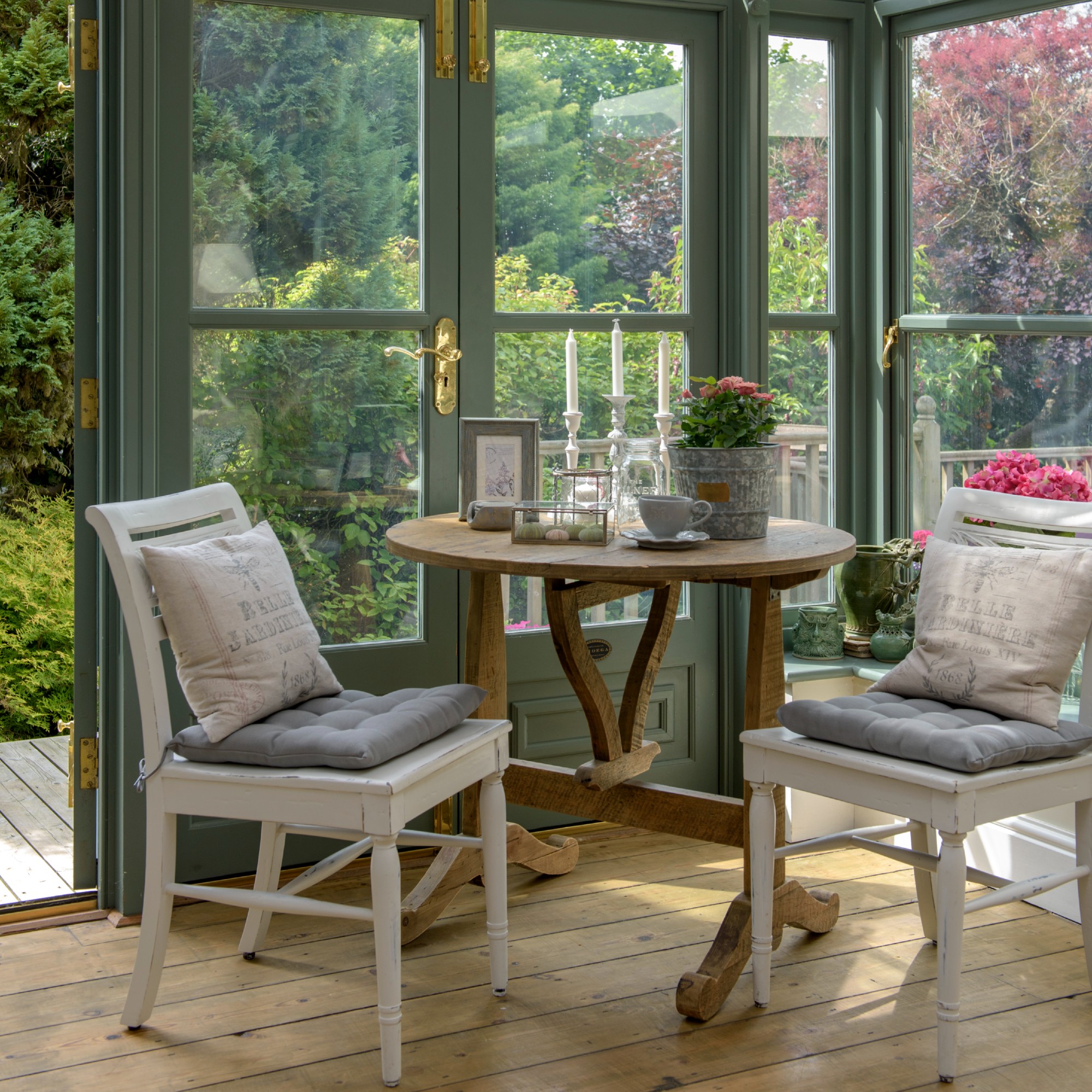
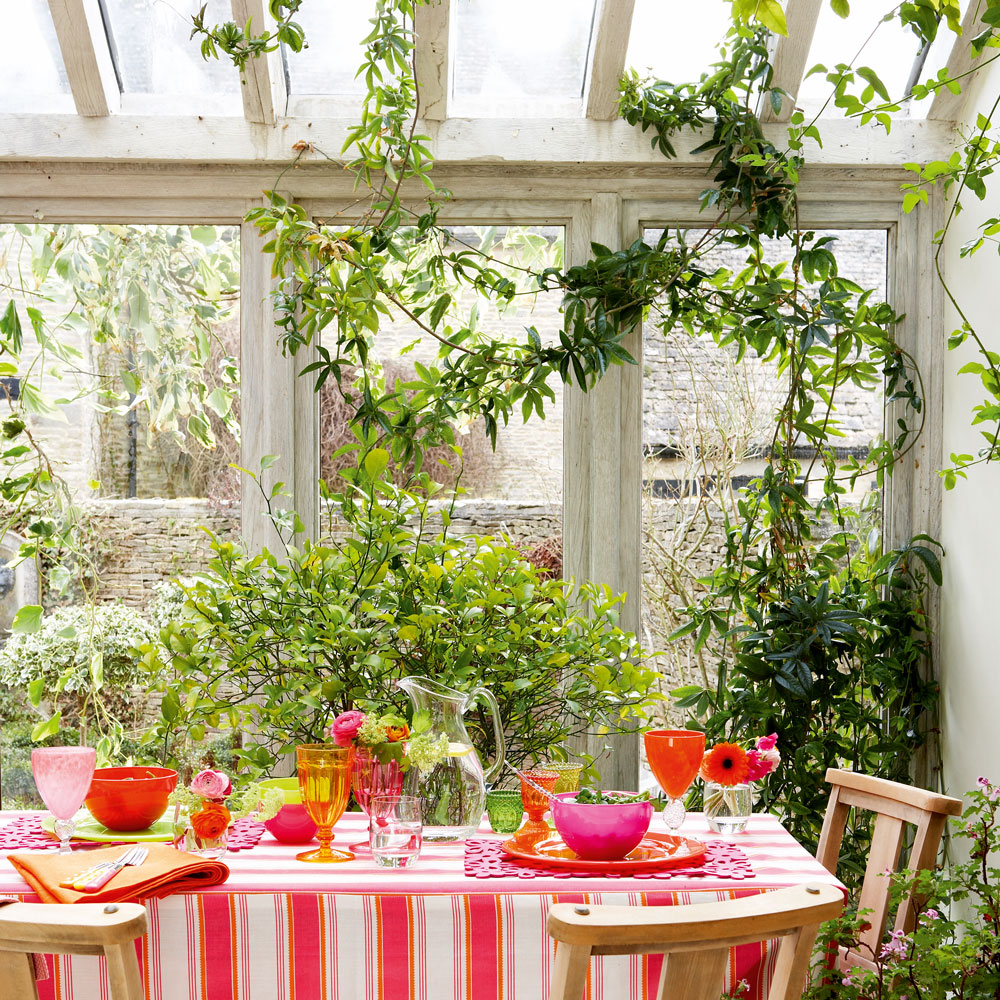
One approach to conservatory design involves drawing inspiration from nature. This can be achieved through careful styling and color choices that create a restful retreat, offering harmonious indoor/outdoor living with large doors opening directly to the garden. For those unable to build a full conservatory, adapting existing structures like sheds or greenhouses into garden rooms offers a more integrated connection with nature, allowing for living, relaxation, and dining areas directly within the garden.
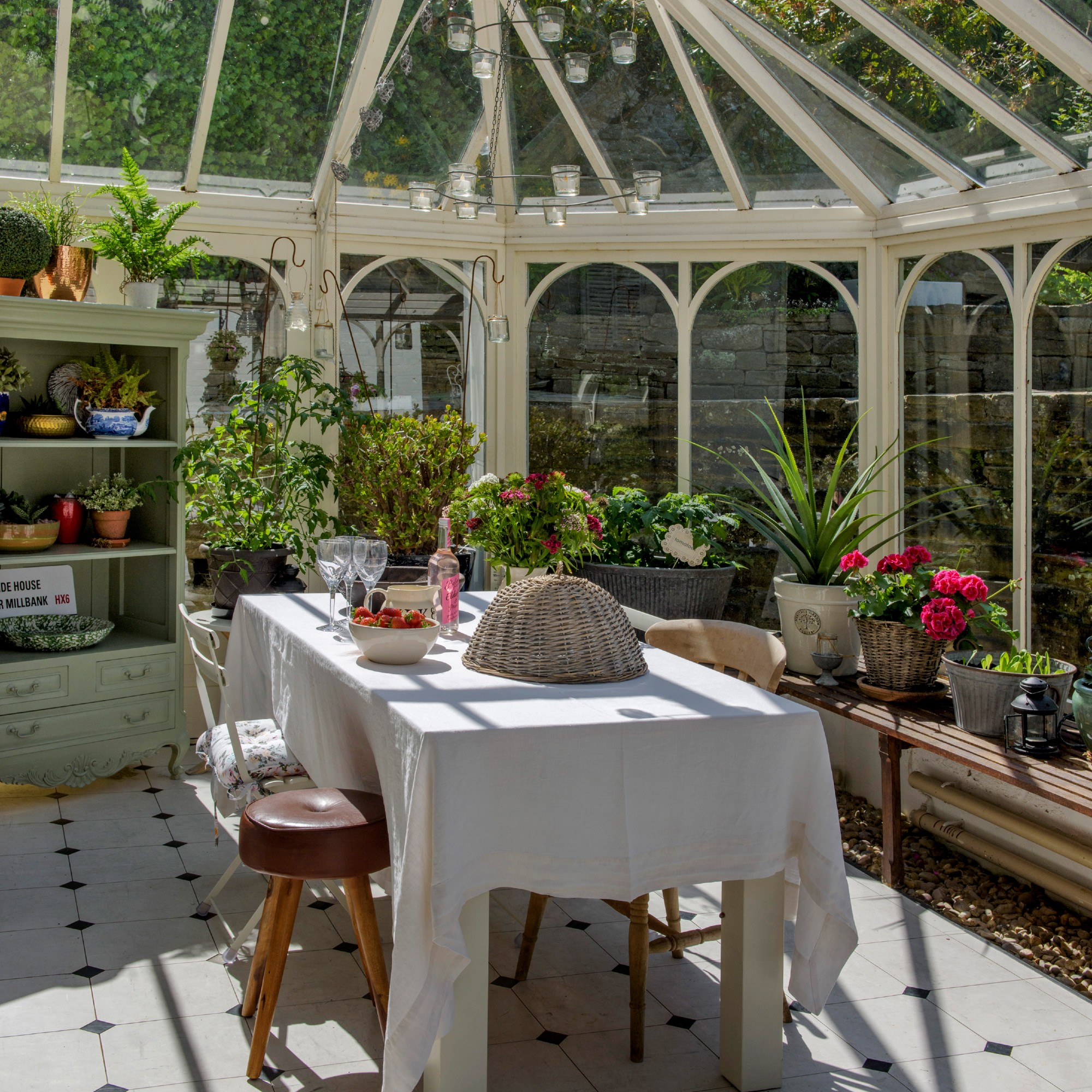
Traditional conservatories, often featuring classic white frames, bounce light effectively and remain a popular choice, particularly with painted wood becoming a strong alternative to uPVC. Sustainable hardwoods are recommended for their beauty, strength, and durability, adding value to a property. Decorative frames, such as gothic arches, can further enhance traditional designs. Conversely, contemporary conservatory ideas often involve maintaining the architecture of the main home for a seamless flow, with options ranging from modern glass boxes to minimalist structures that can integrate into various architectural styles.
Innovative designs also include doubling up on conservatories, creating distinct spaces for different functions, such as an elegant orangery for a living room and a more solid structure with a roof lantern for formal dining. Wooden structures, particularly oak conservatories, are favored for their natural beauty, strength, and sustainability, maturing gracefully over time and offering a timeless appeal. These require minimal maintenance, typically an annual oil-based waterproof coating.
Capitalizing on a scenic view is a primary function of a conservatory, making it an excellent choice for home additions in panoramic settings. These spaces can serve as dining areas or winter shelters for plants, echoing their historical use. When adding a conservatory to a historic home, it is crucial to be sympathetic to the main building's appearance, ensuring the new structure is visually subservient and blends harmoniously, often by matching roof tiles and utilizing traditional construction methods like oak framing.
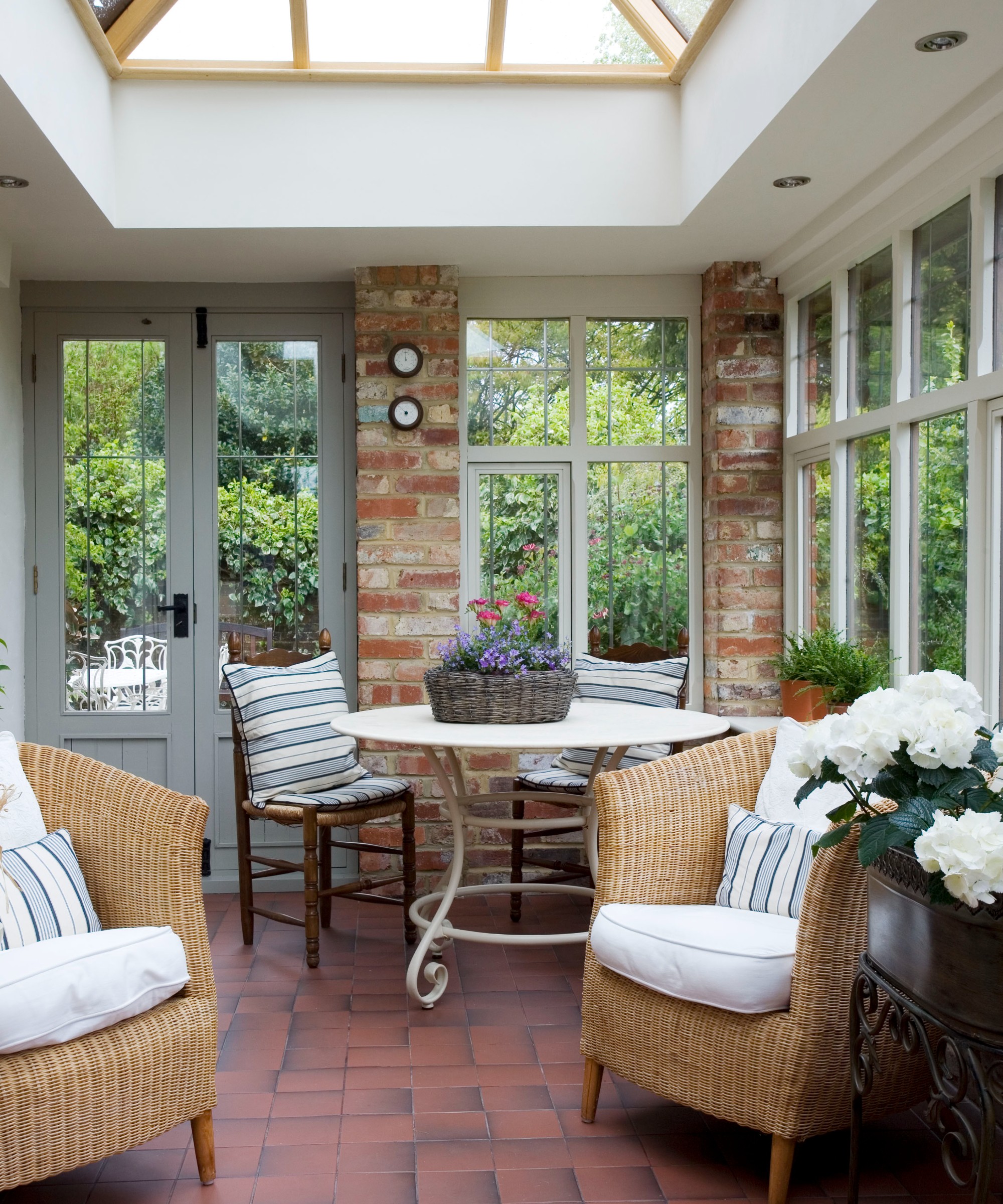
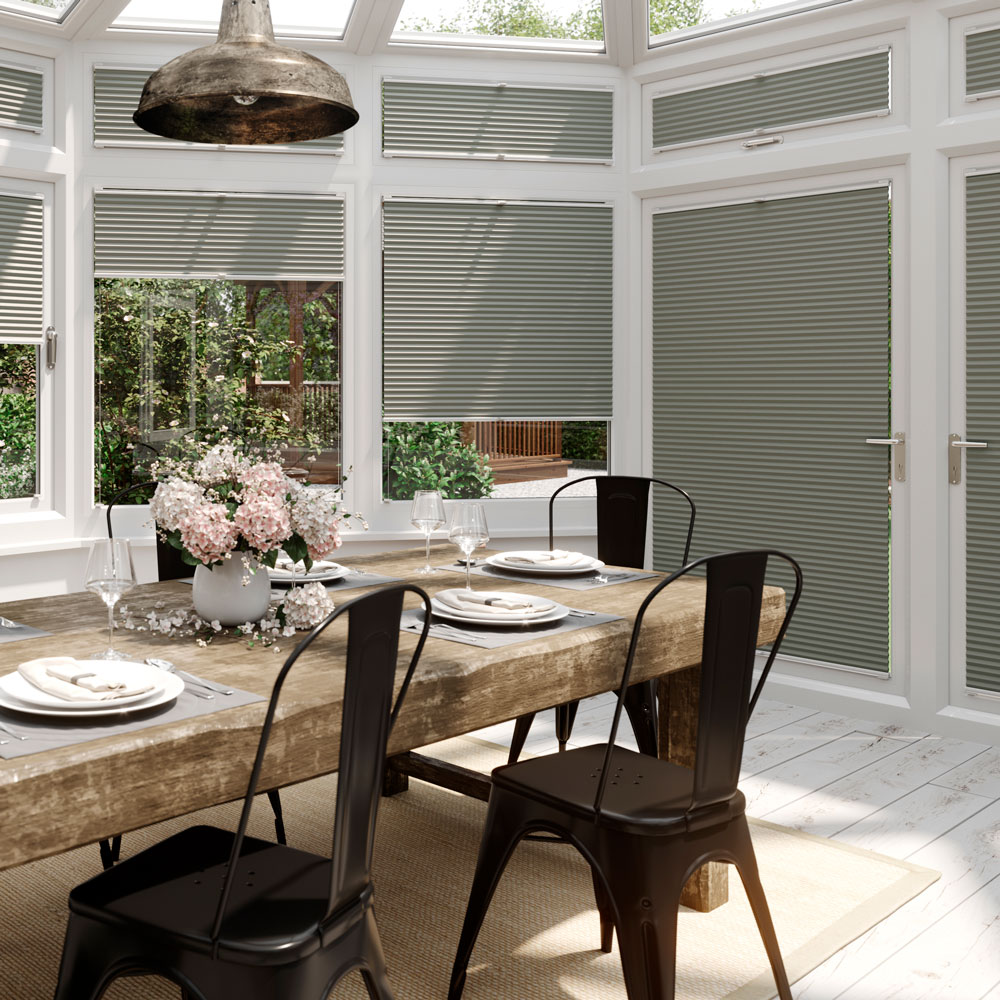
Boosting light is a key reason for building a conservatory, with options like roof lanterns or skylights providing controlled light, ideal for kitchens or dining tables. For areas requiring maximum light, fully glazed roofs are suitable, particularly for plant cultivation. Dressing conservatory windows with blinds is essential for functionality, offering light control, privacy, and insulation against temperature fluctuations, ensuring comfort throughout the year.
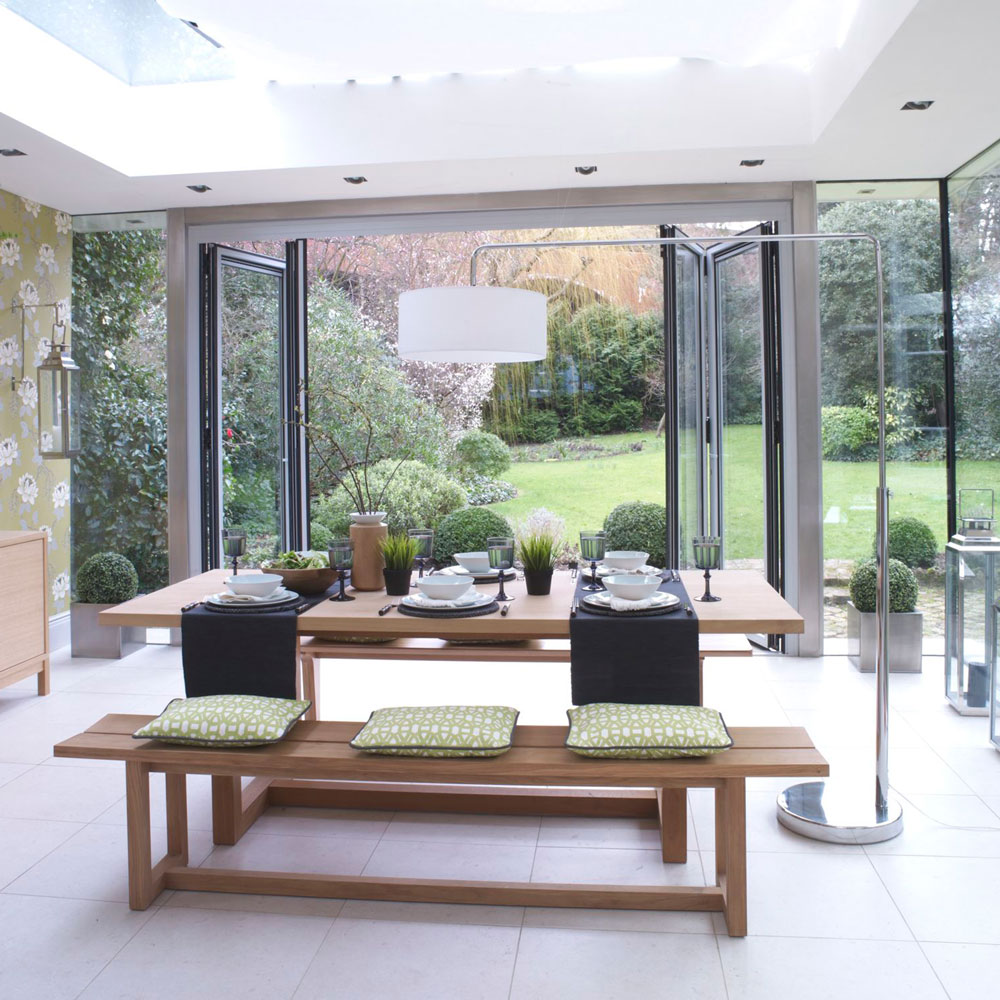
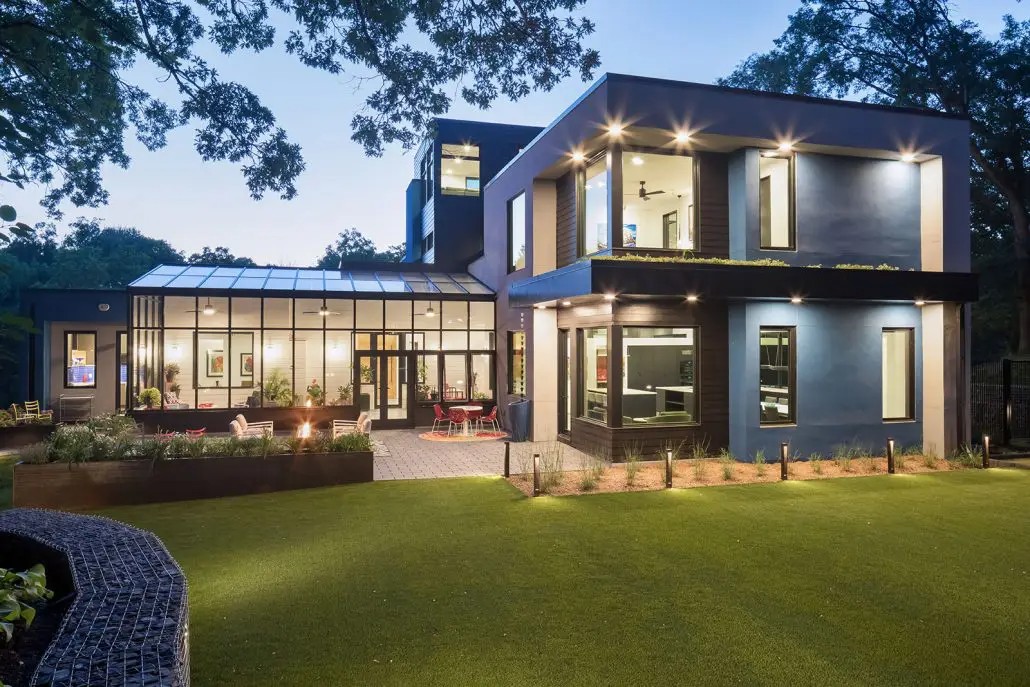
Modern glass boxes with high-performance glass offer energy efficiency and solar glare control, connecting indoors and outdoors seamlessly. The type of glass chosen depends on the orientation of the conservatory. Sunroom additions can also be freestanding structures in the garden, doubling as potting sheds or greenhouses. The design often aims to create a dedicated space for rest and relaxation, with modern conservatories being fully integrated into the home with connected services and improved thermal ratings for year-round use.
Conservatories can optimize indoor and outdoor spaces, dramatically improving lifestyle and home value. Wall-to-wall glazing and continuous flooring help blend the interior with the garden. They can also simply provide more living room, serving as sunny relaxation areas. When choosing a conservatory, proportion is key to ensure it complements the existing property. Considerations also include privacy, location to maximize garden views, and storage needs, which might favor an orangery style with more wall space. From Victorian and Edwardian styles to orangeries, lean-tos, gable-fronted, P-shaped, T-shaped, and lantern designs, there is a wide range of types to suit various house styles and preferences, often reflecting architectural features of the main house. Building permits and planning permission are typically required, varying by local regulations in the U.S. and U.K., with specific criteria for size and appearance influencing approval. A well-designed conservatory can add significant value, often between five to ten percent of the property's worth, provided the scale and quality align with the existing home.
#ConservatoryDesign #HomeAdditions #GlassStructures #IndoorOutdoorLiving #NaturalLight #ArchitecturalStyles #GardenRooms #HomeImprovement #SustainableDesign #ConservatoryDesign #HomeAdditions #GlassStructures #IndoorOutdoorLiving #NaturalLight #ArchitecturalStyles #GardenRooms #HomeImprovement #SustainableDesign
共0条评论
 暂无评论
暂无评论你可能还喜欢
Lighting Is the Easiest Way to Transform A Room—15 Ideas to Inspire

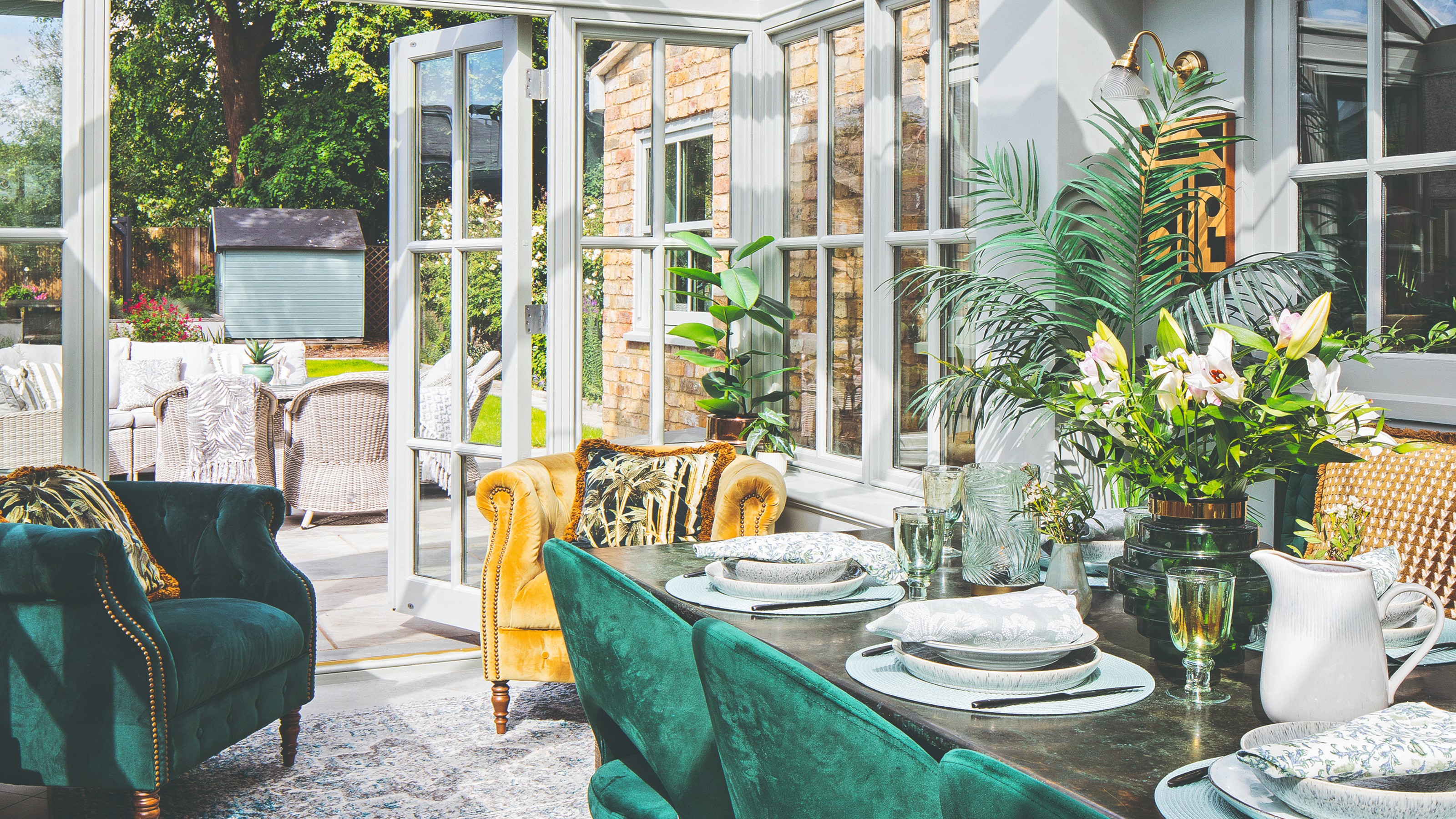
Small conservatory ideas – 22 ways to make the most of the sun-filled but compact extension of your home
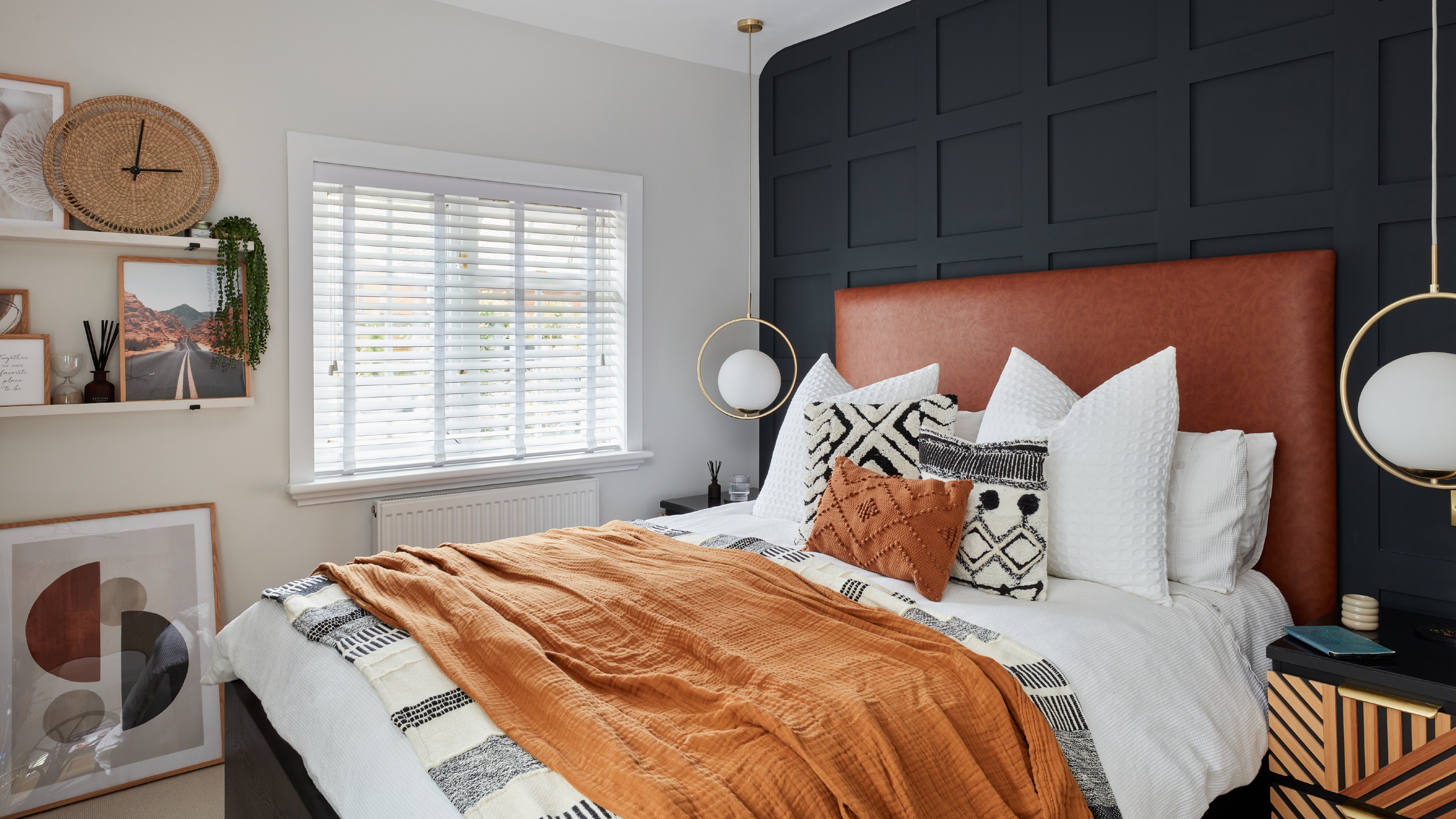
15 small bedroom lighting ideas to make your tiny space look bigger and brighter
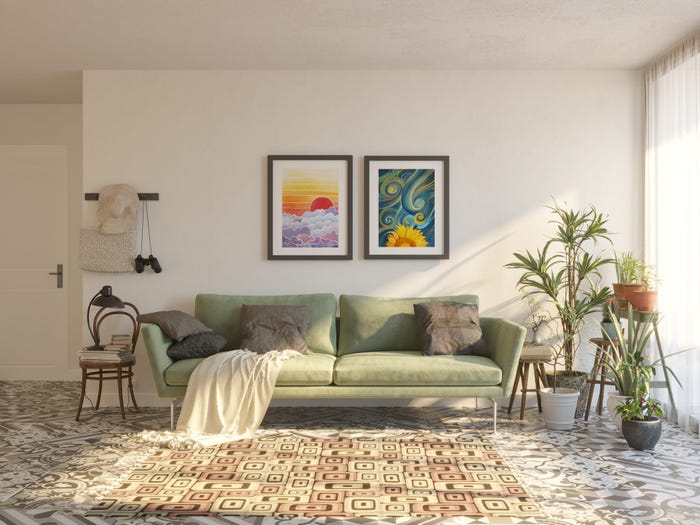
From no natural light to low ceilings, interior designers share 15 clever fixes to common design problems
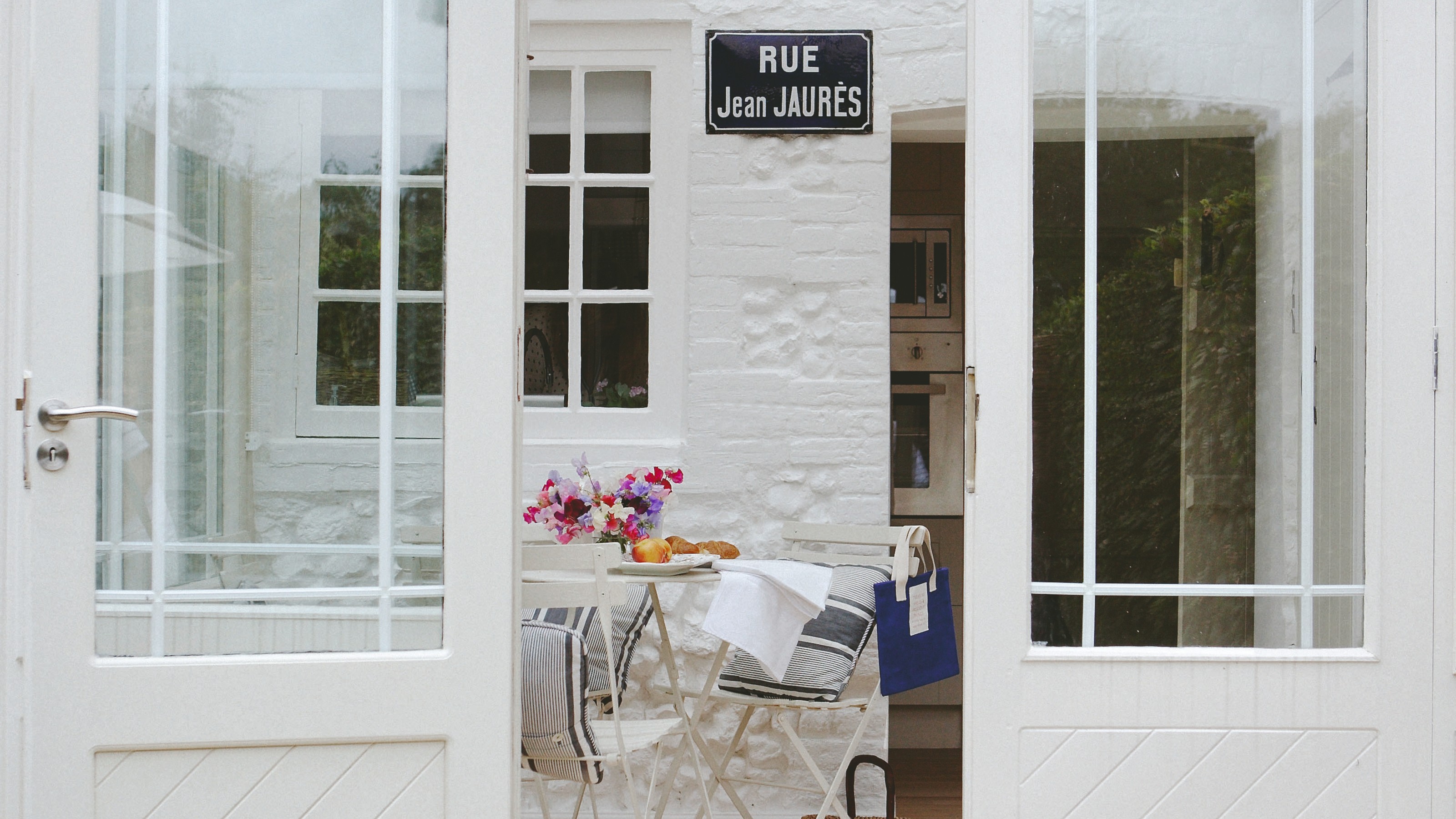
Conservatory furniture ideas to make the most of the space
15 Genius Space-Saving Room Ideas
15 Closet Lighting Ideas to Create a Brighter Wardrobe

6 Ingenious Ways to Brighten Up a Room That Gets Very Little Natural Light


Best new lighting designs to brighten up your space


15 Unique Light Fixtures and Lamps to Brighten Up Your Space

41 Pieces Of Furniture And Decor That Will Make Your House A Home
18 Utility room lighting ideas to achieve a light and bright space
15 Cozy Lighting Ideas to Make Any Room More Inviting, According to Interior Designers
15 Interiors that Illustrate the Effectiveness of Indirect Lighting

Bedroom ceiling light ideas – 15 ways to brighten up your sleep space
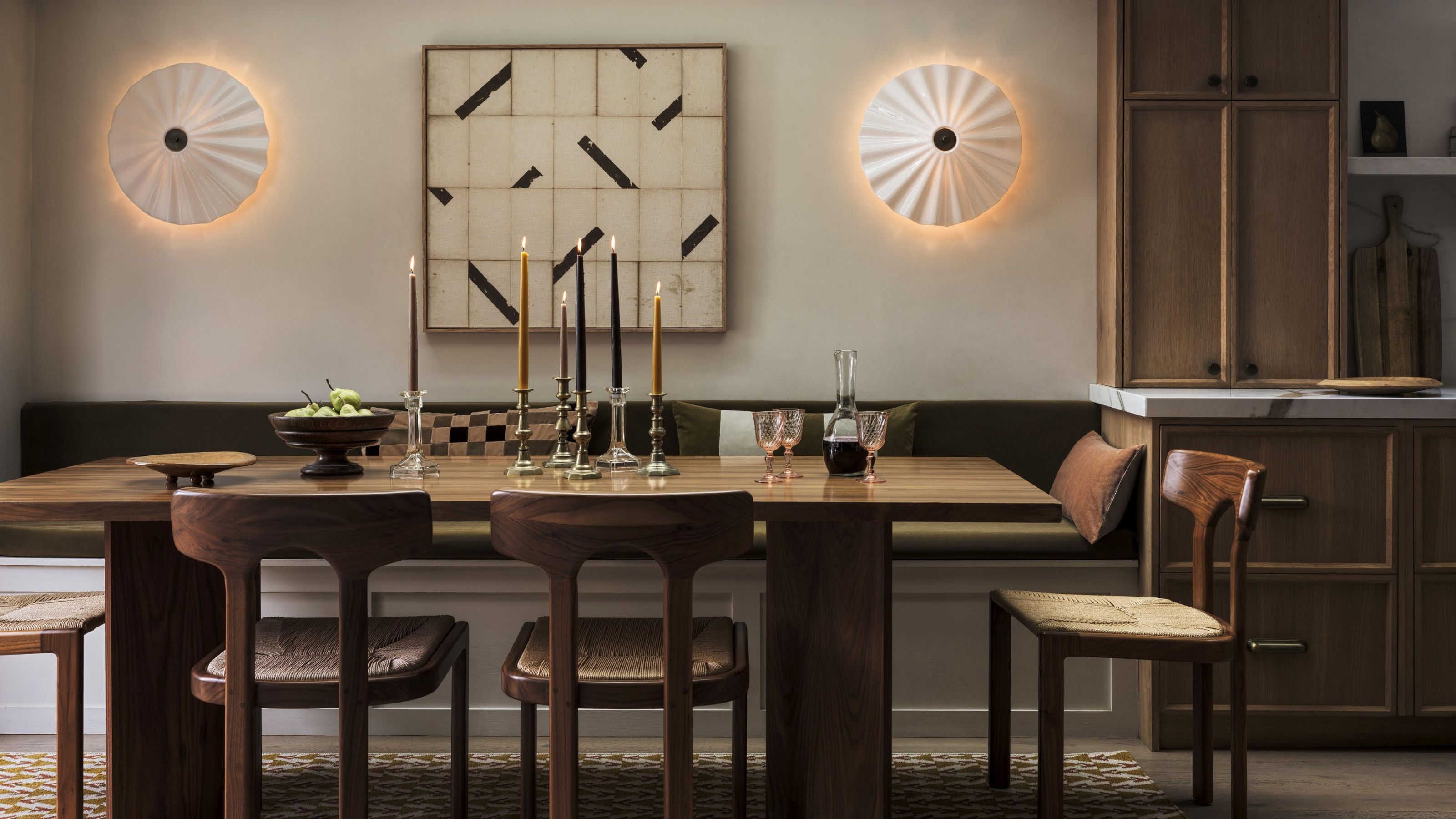
Let There Be Light — 10 Lighting Tricks That Will Transform Any Dark Room Into A Warm and Inviting Space

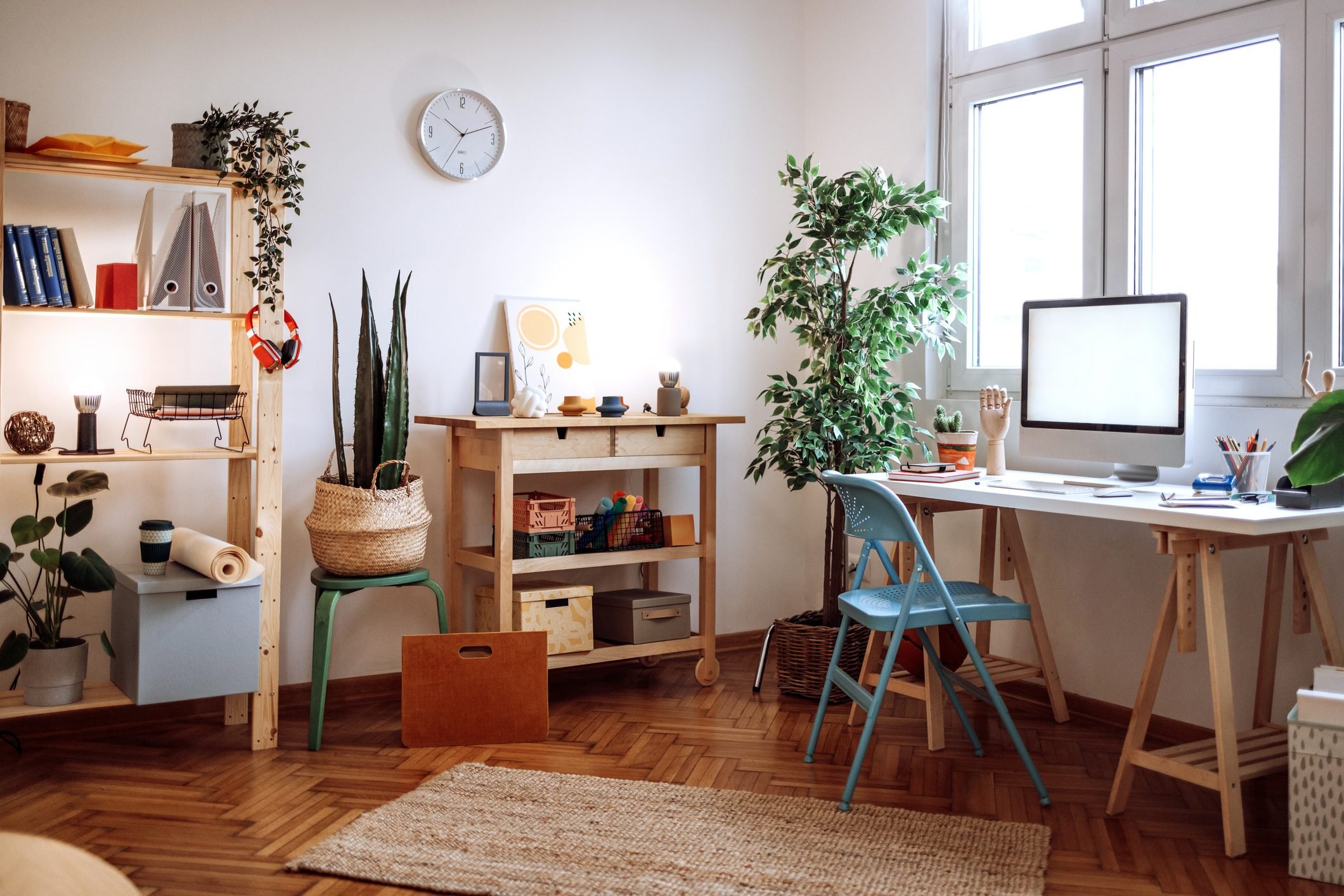
Maximize Your Space: 19 Tips to Make a Small Room Feel Bigger

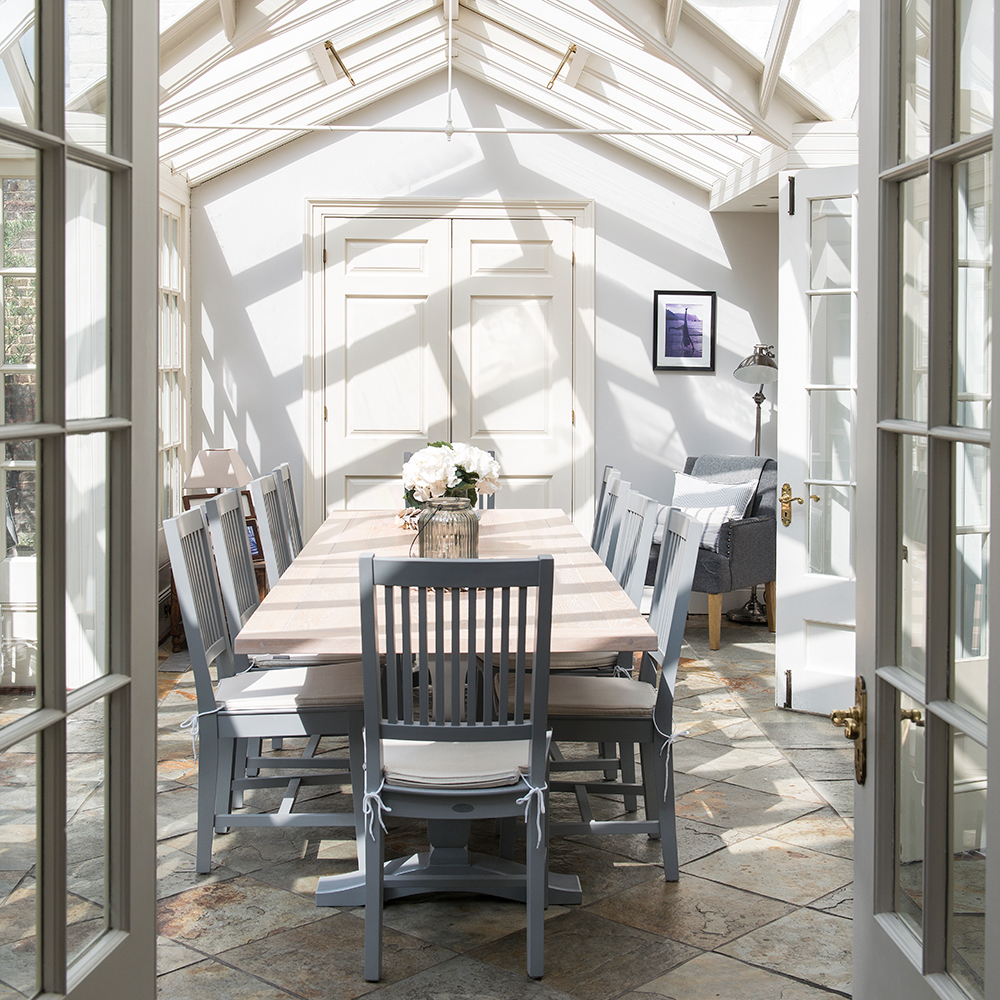
Conservatory dining room ideas – 11 decorating looks to dine in style
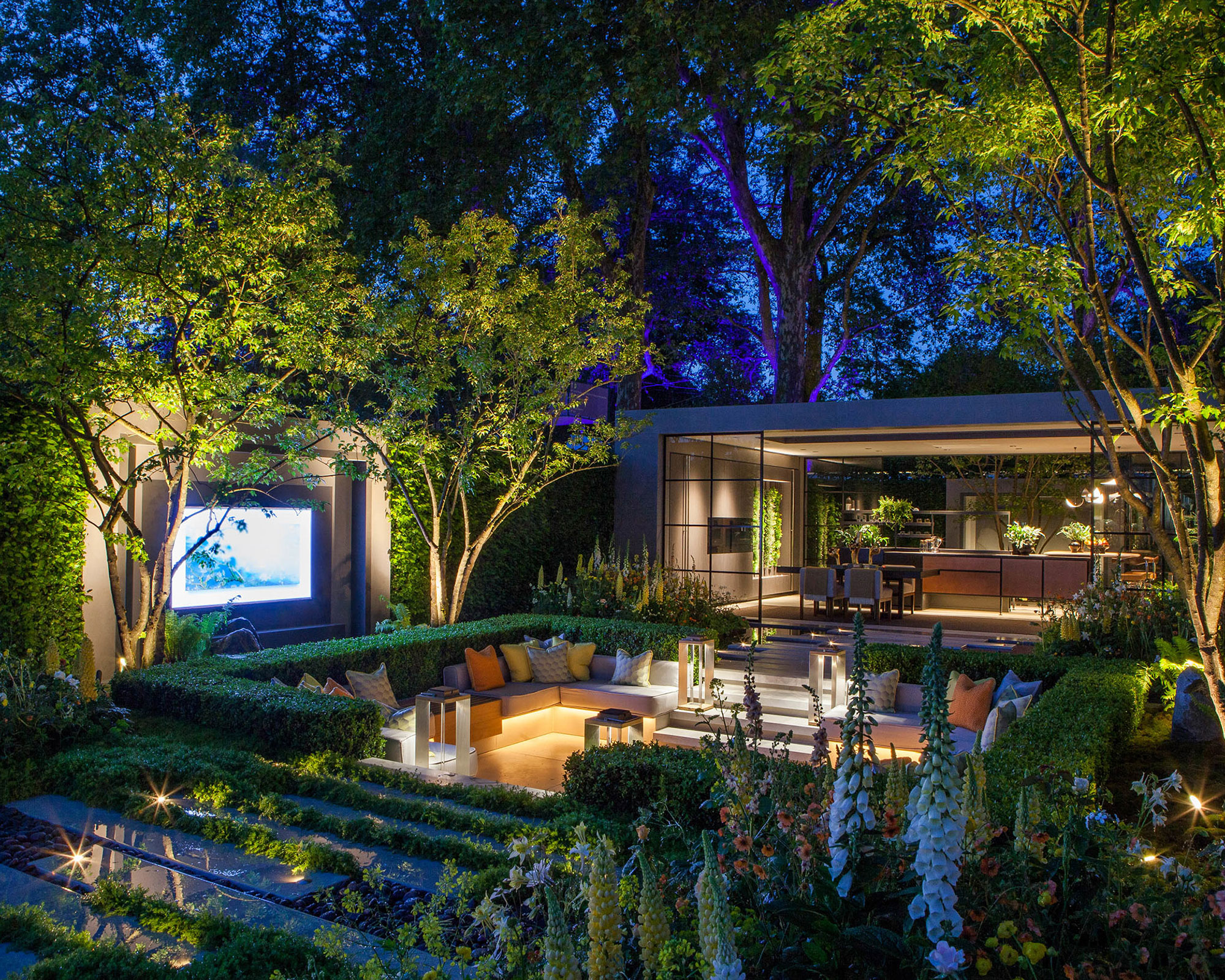
Backyard lighting ideas – 15 ways to illuminate your space beautifully
We Asked Designers How to Brighten a Dark Room and We’re Using These All Winter