Are Your Accent Walls Outdated? What Designers Want You to Use Instead
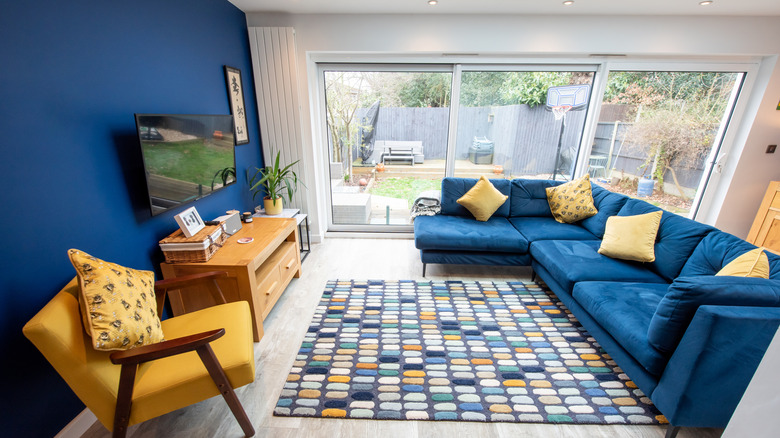
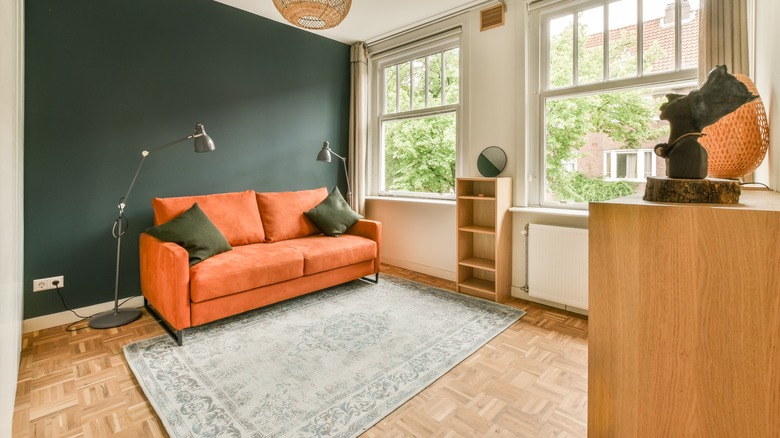
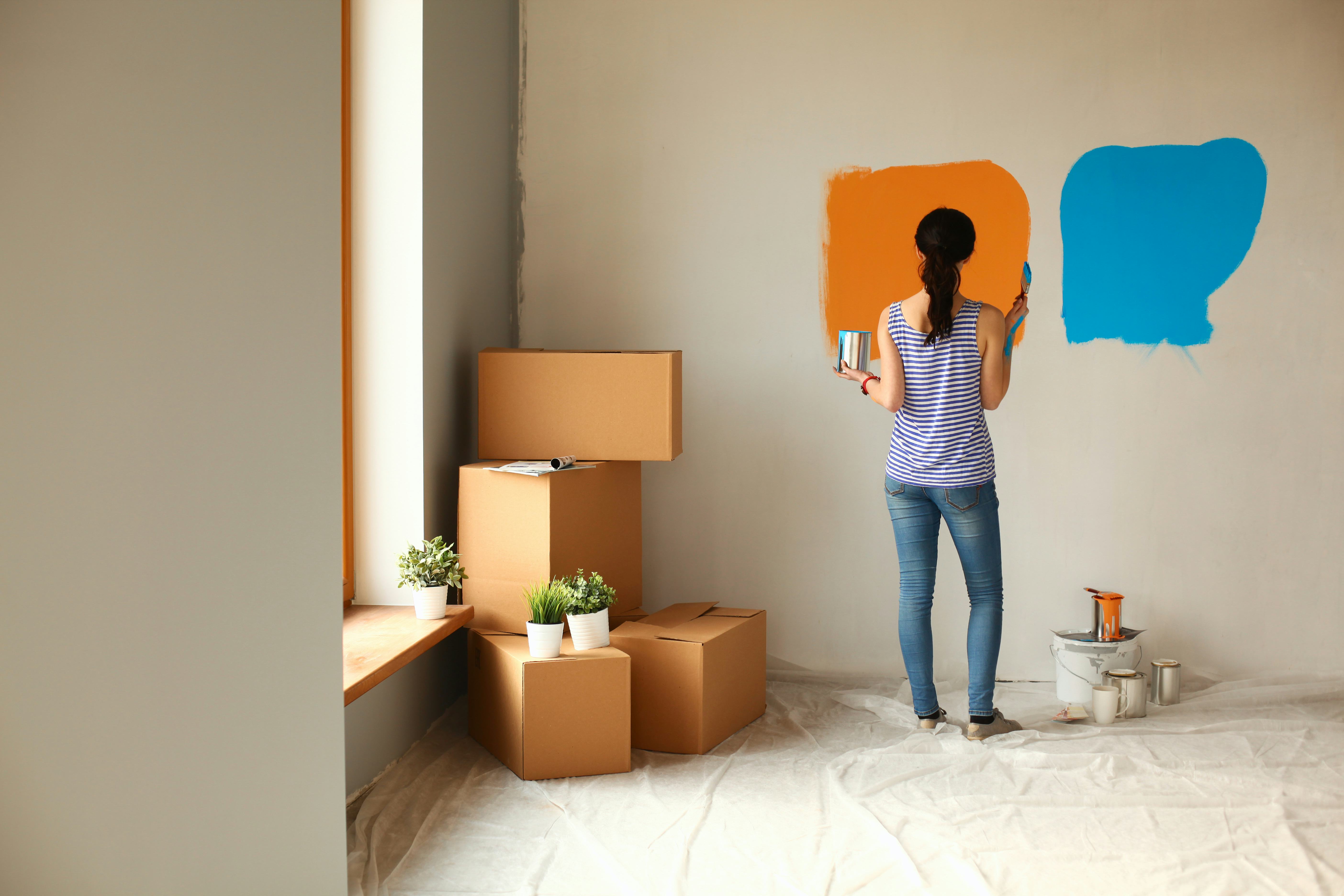
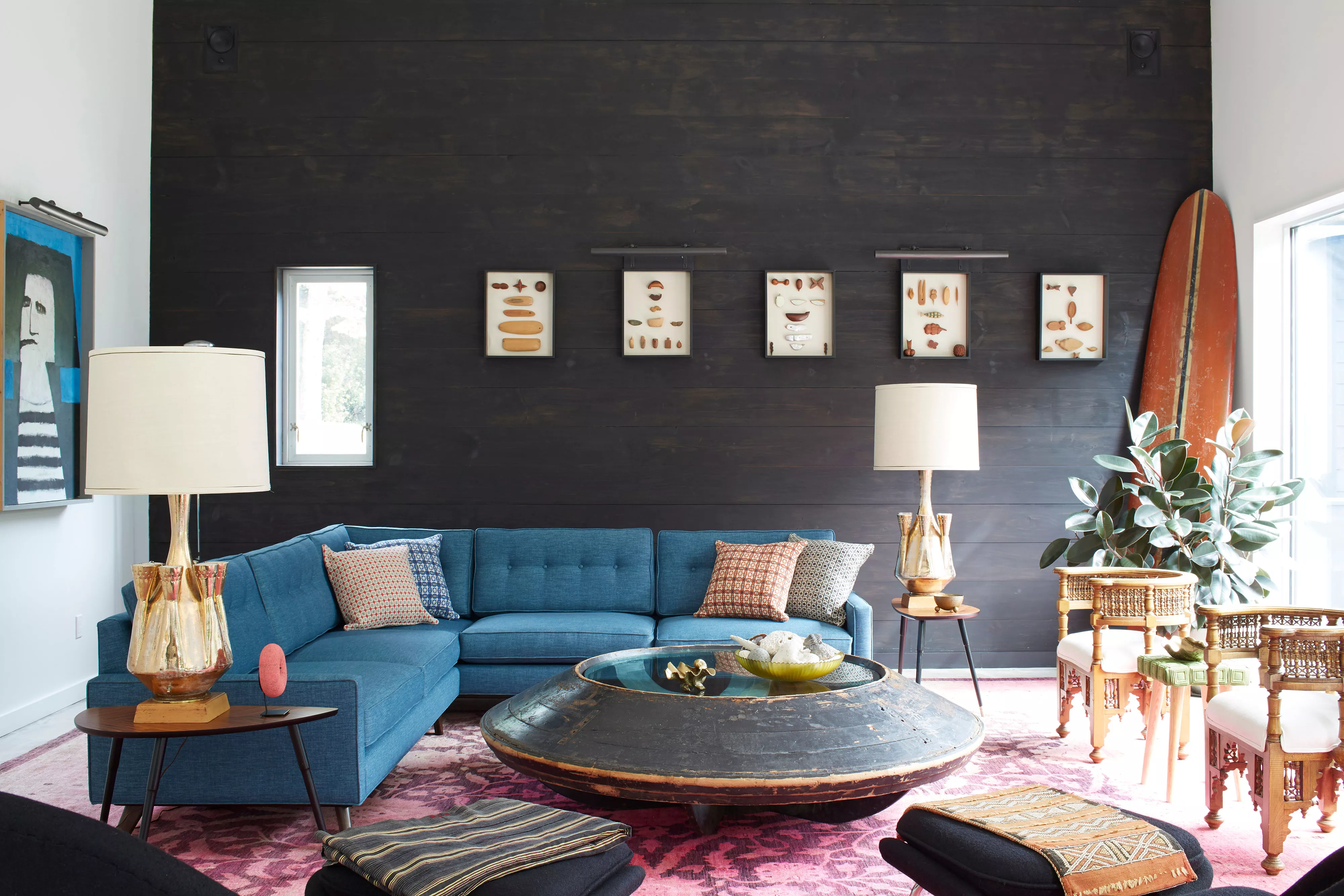
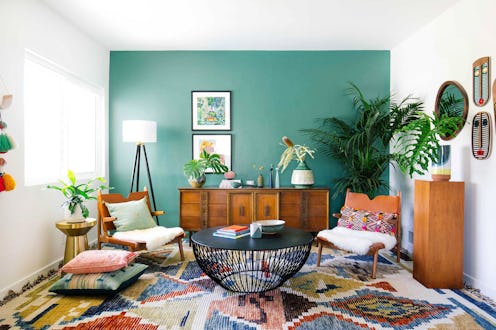
Accent walls, a popular design trend from the late 1990s and early 2000s, have been a simple way to add drama, personality, and a quick refresh to a space. However, their continued relevance in modern interior design is being questioned by experts. While easy to implement, a poorly executed accent wall can disrupt the overall aesthetic of a room.
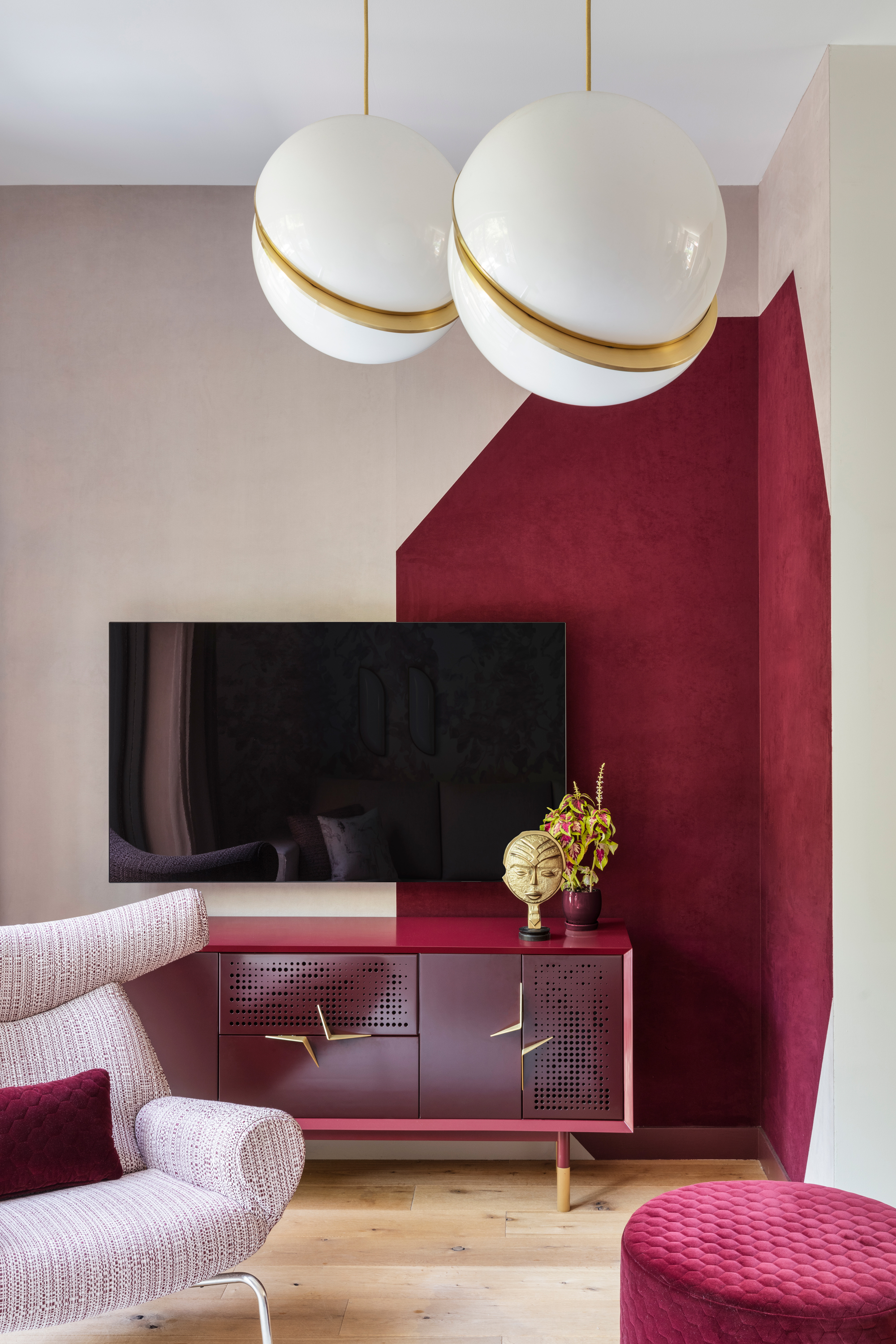
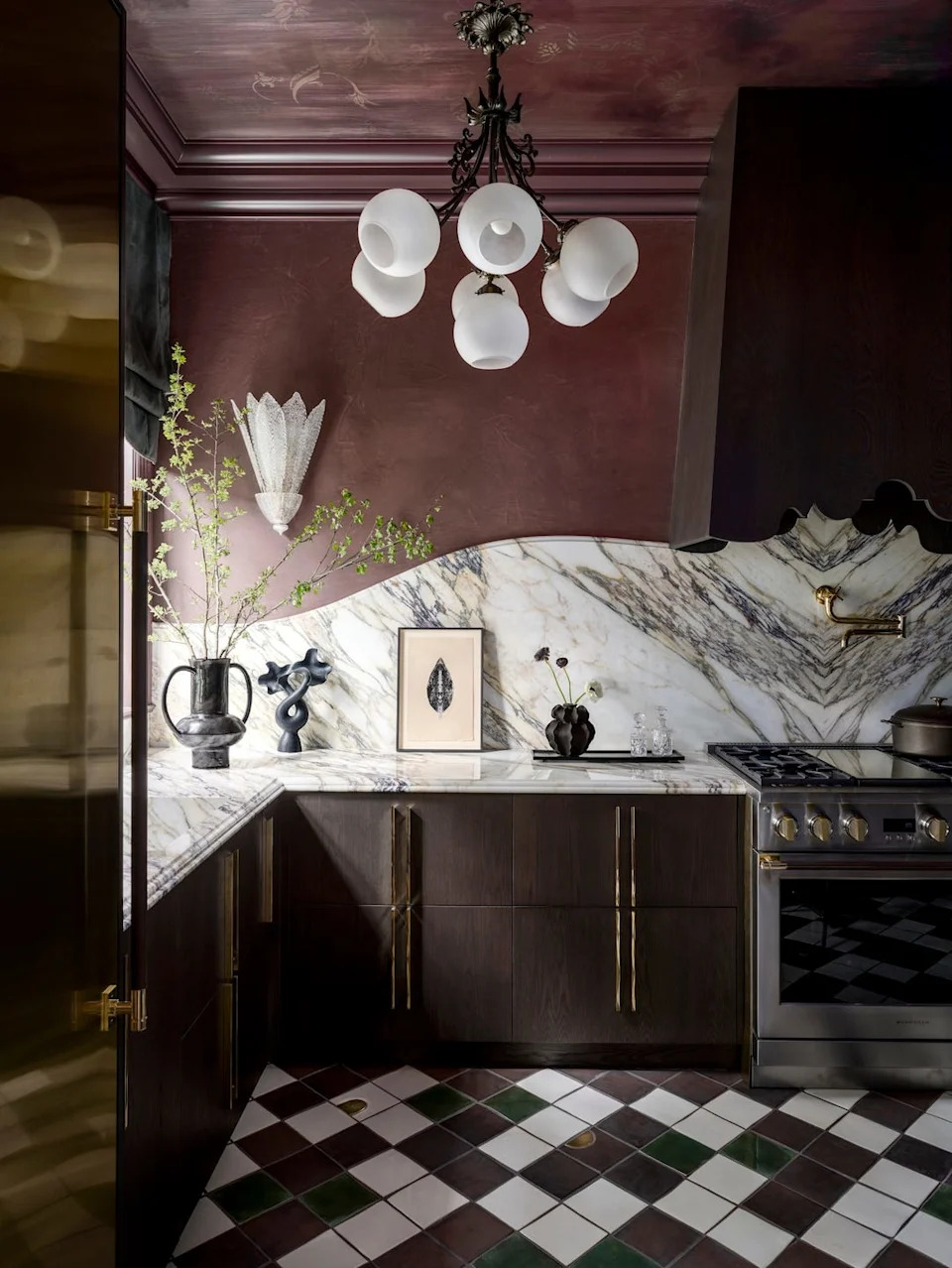
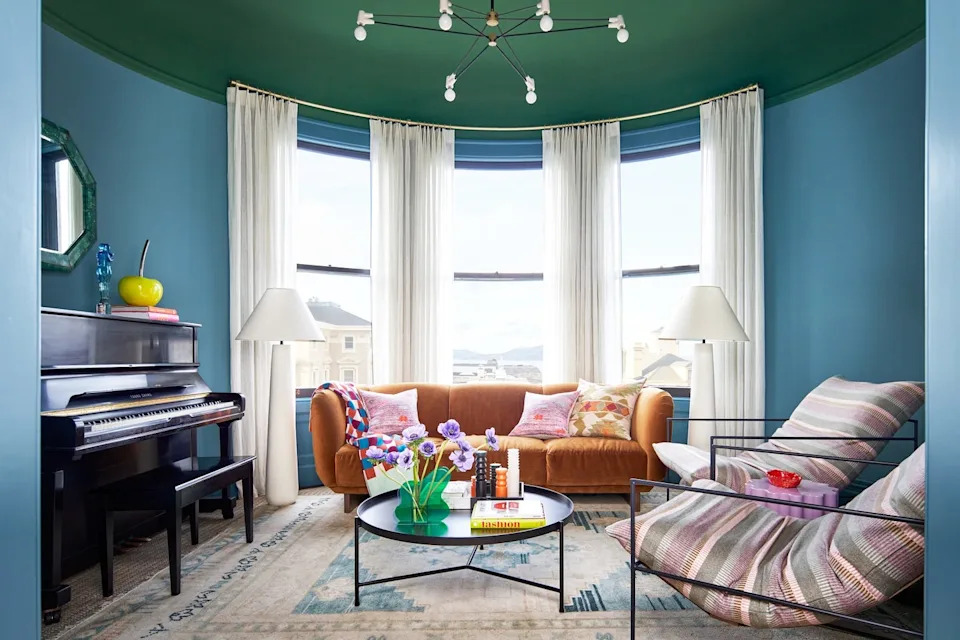
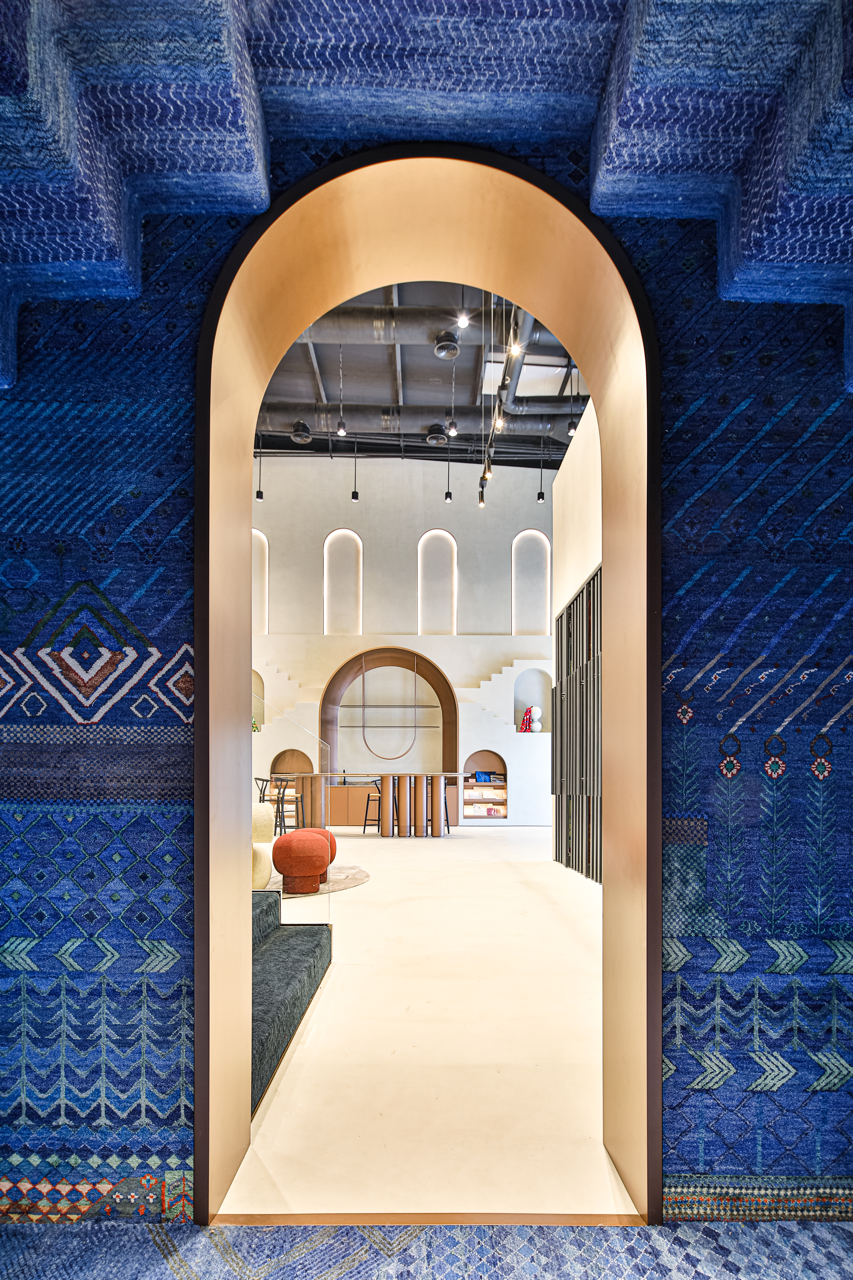
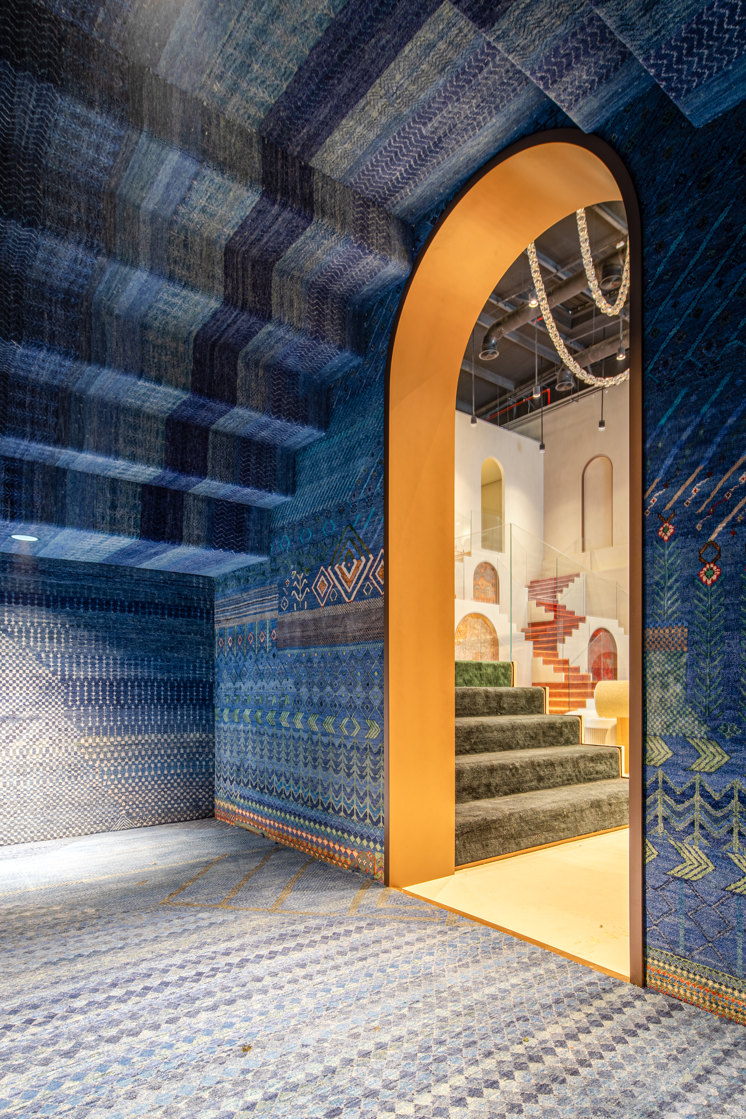
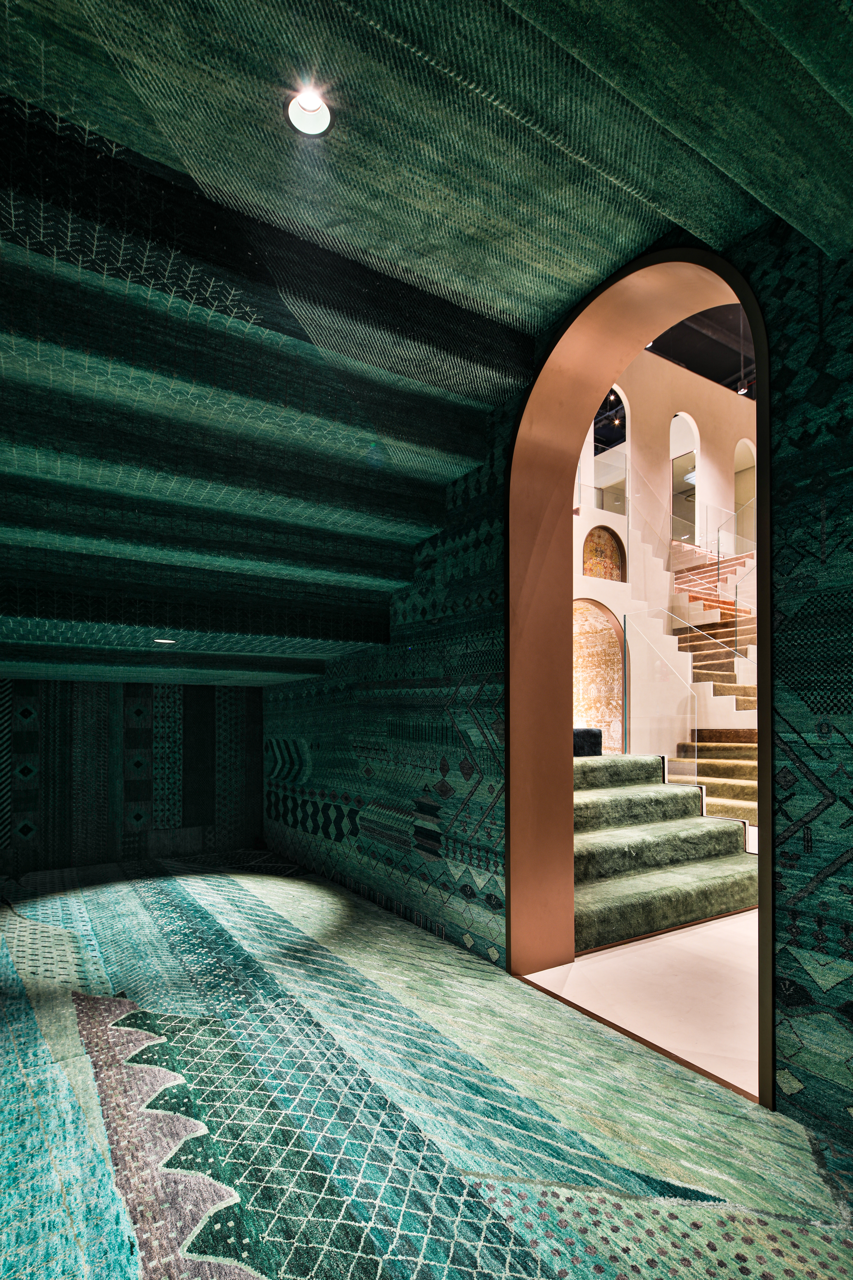
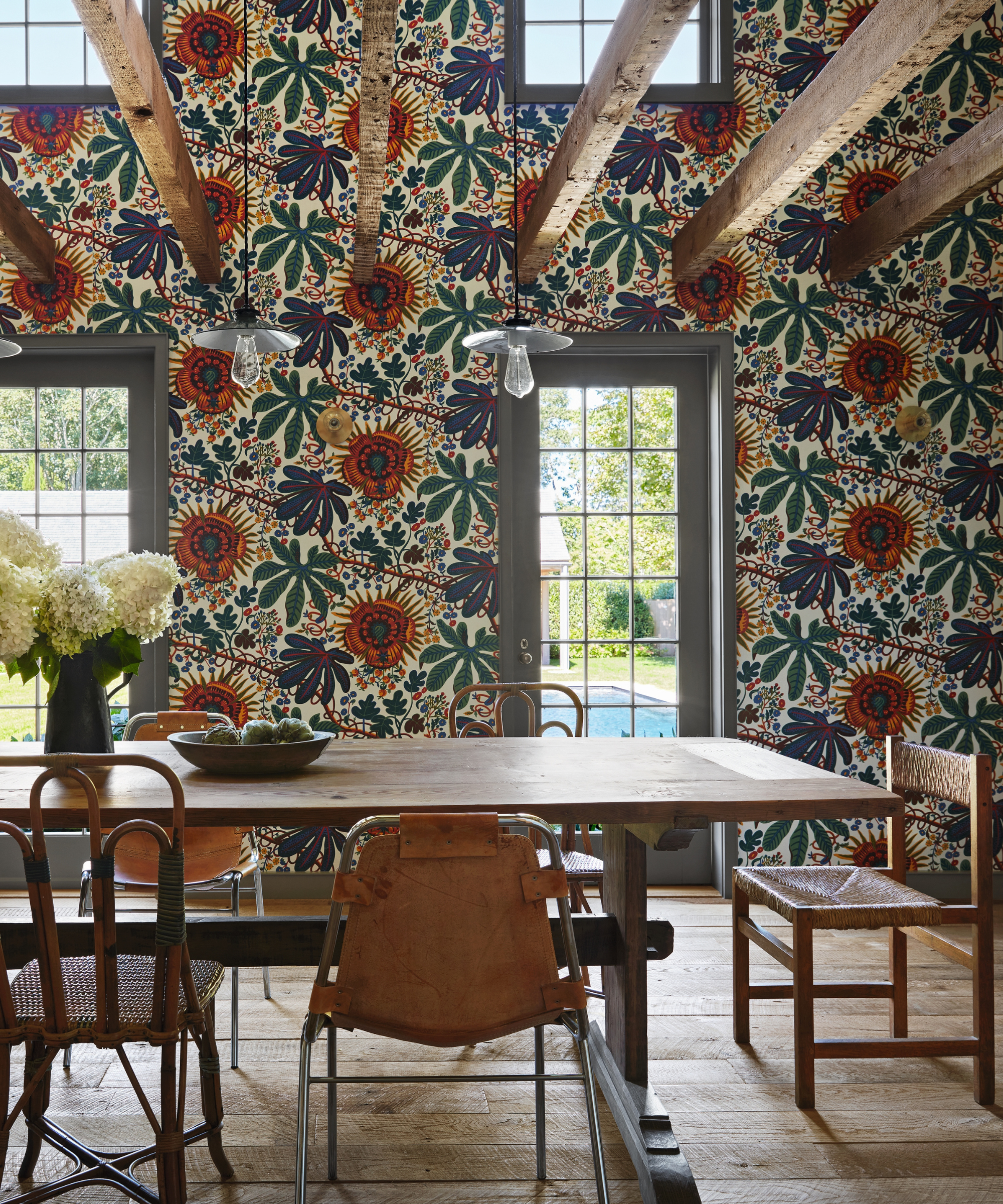
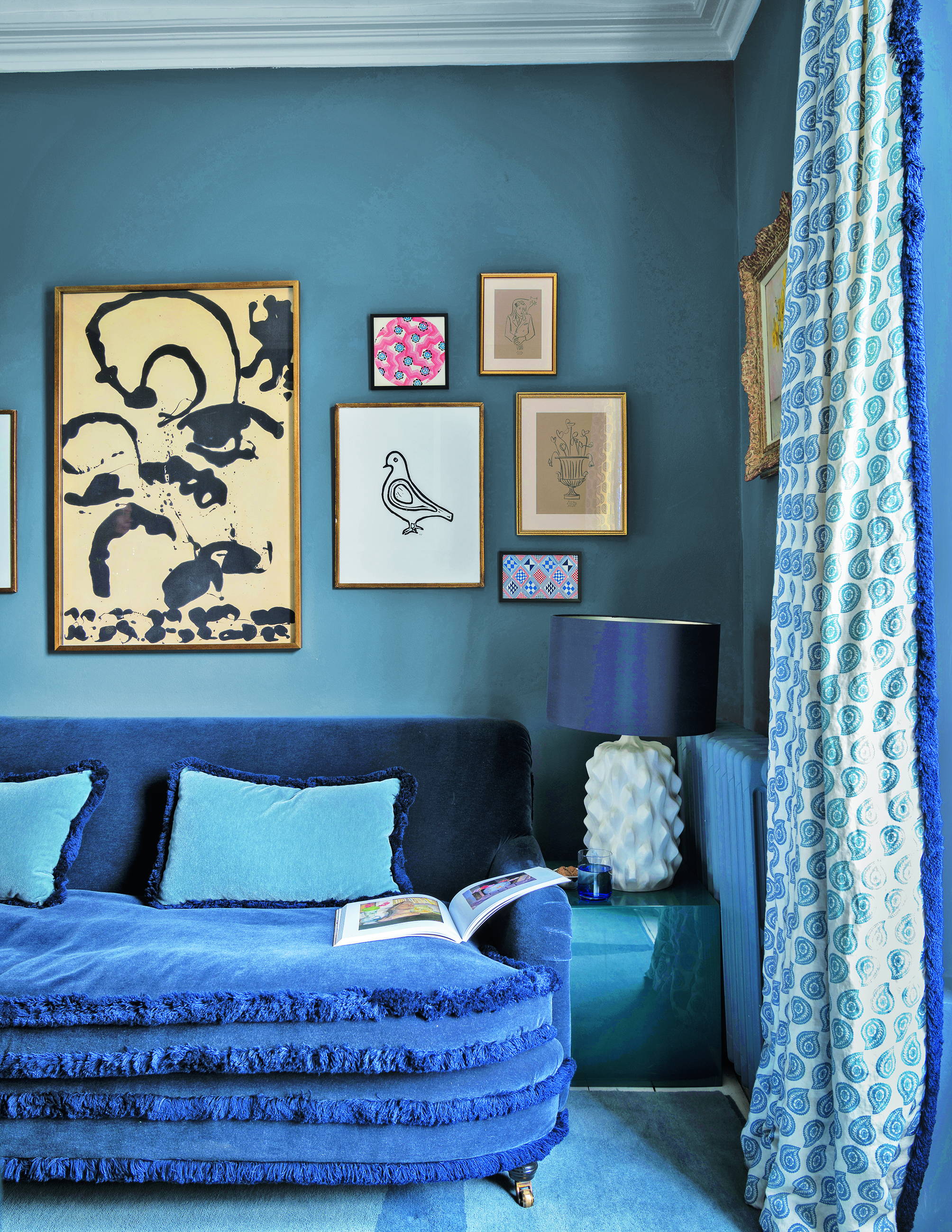
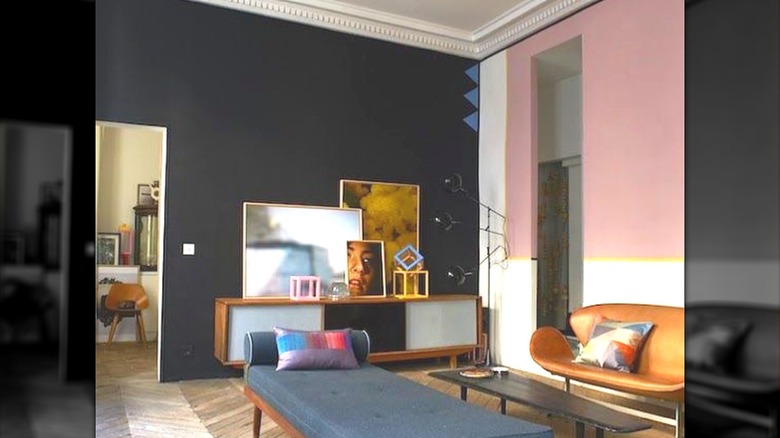
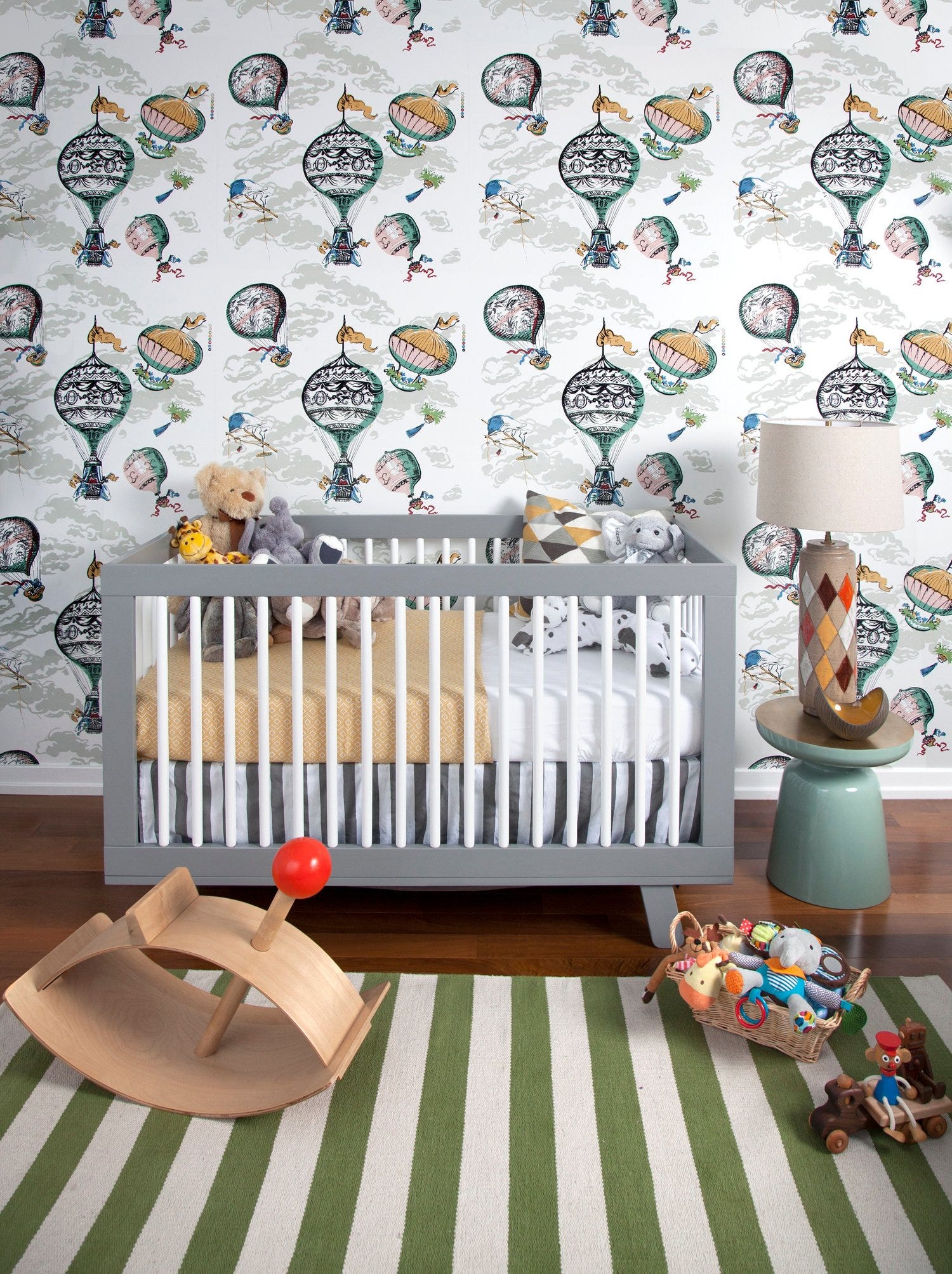
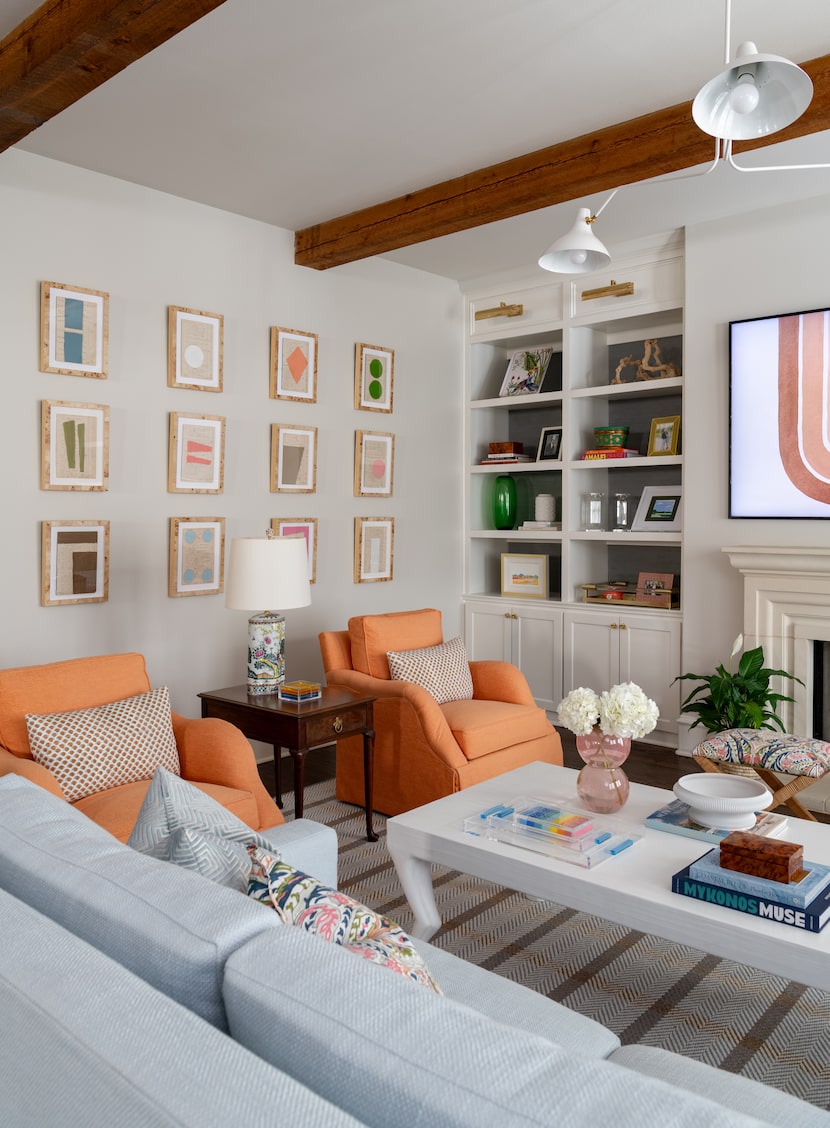
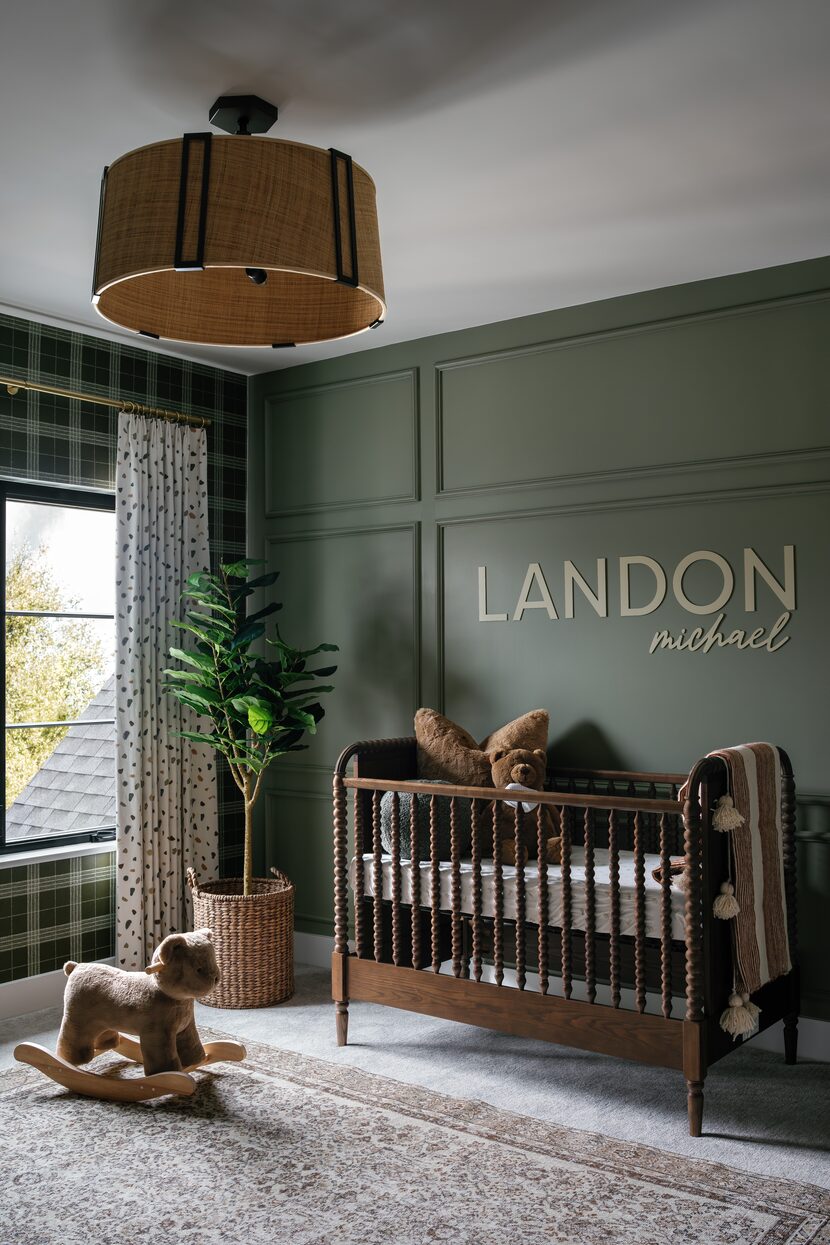
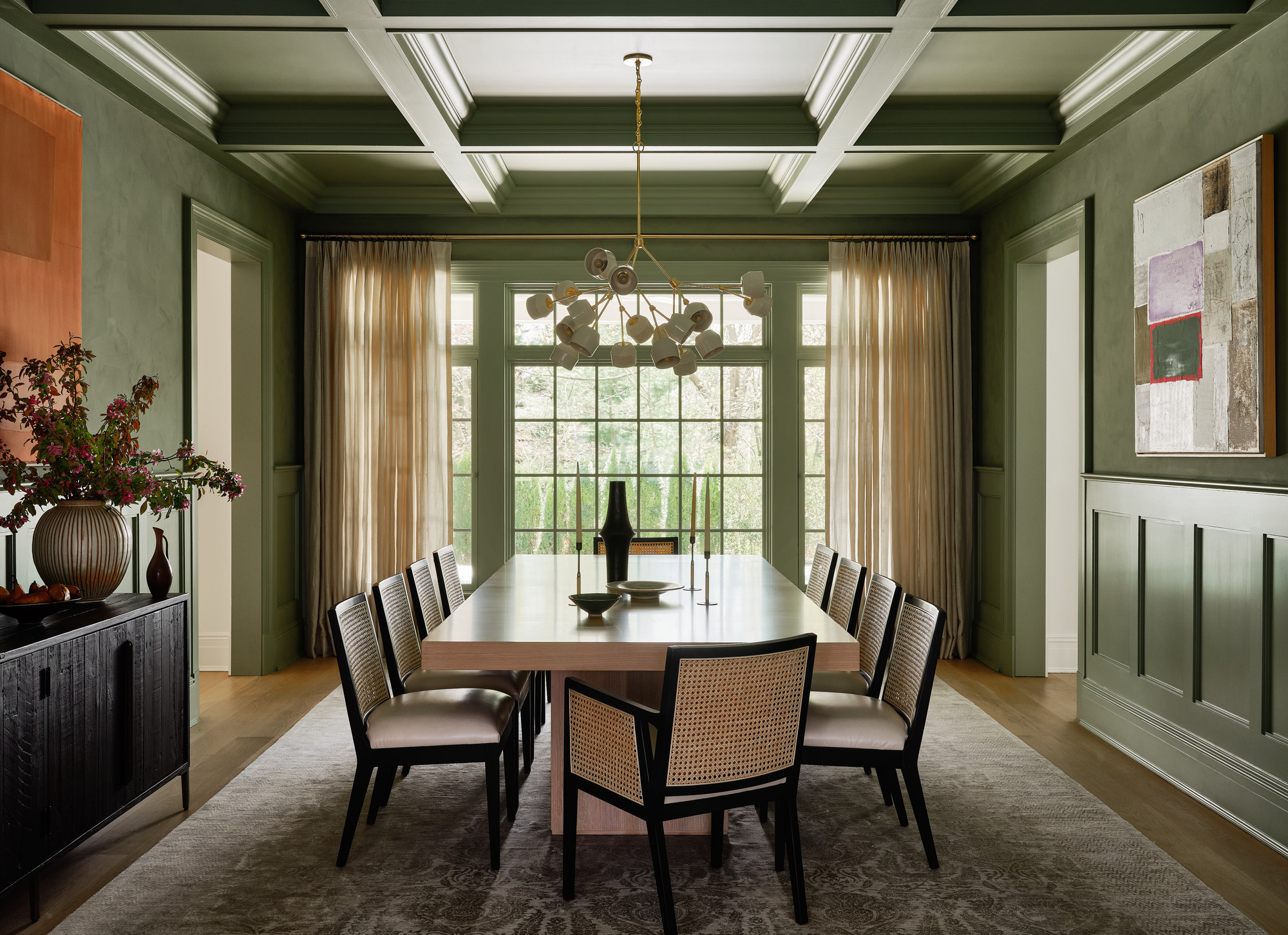
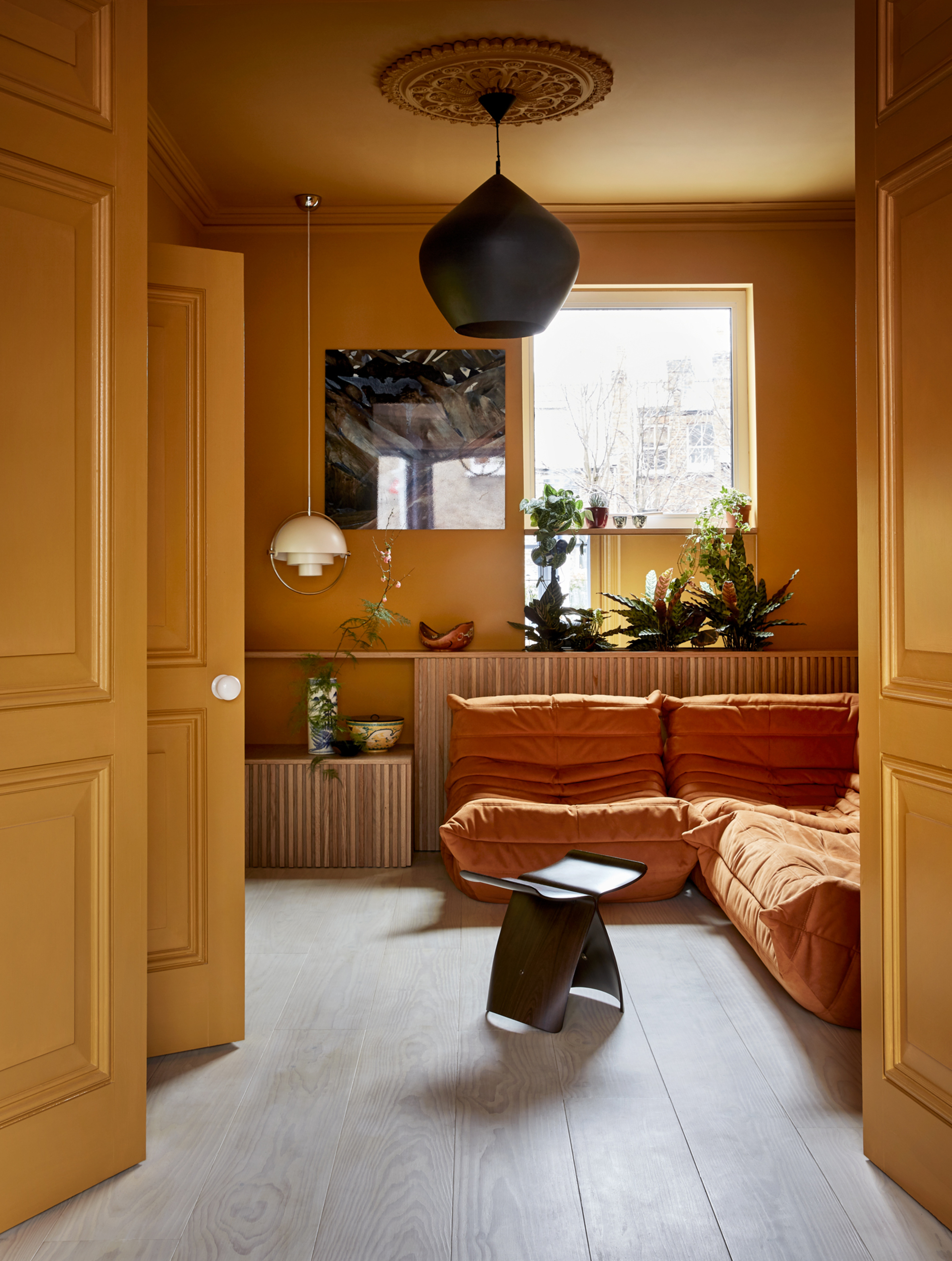
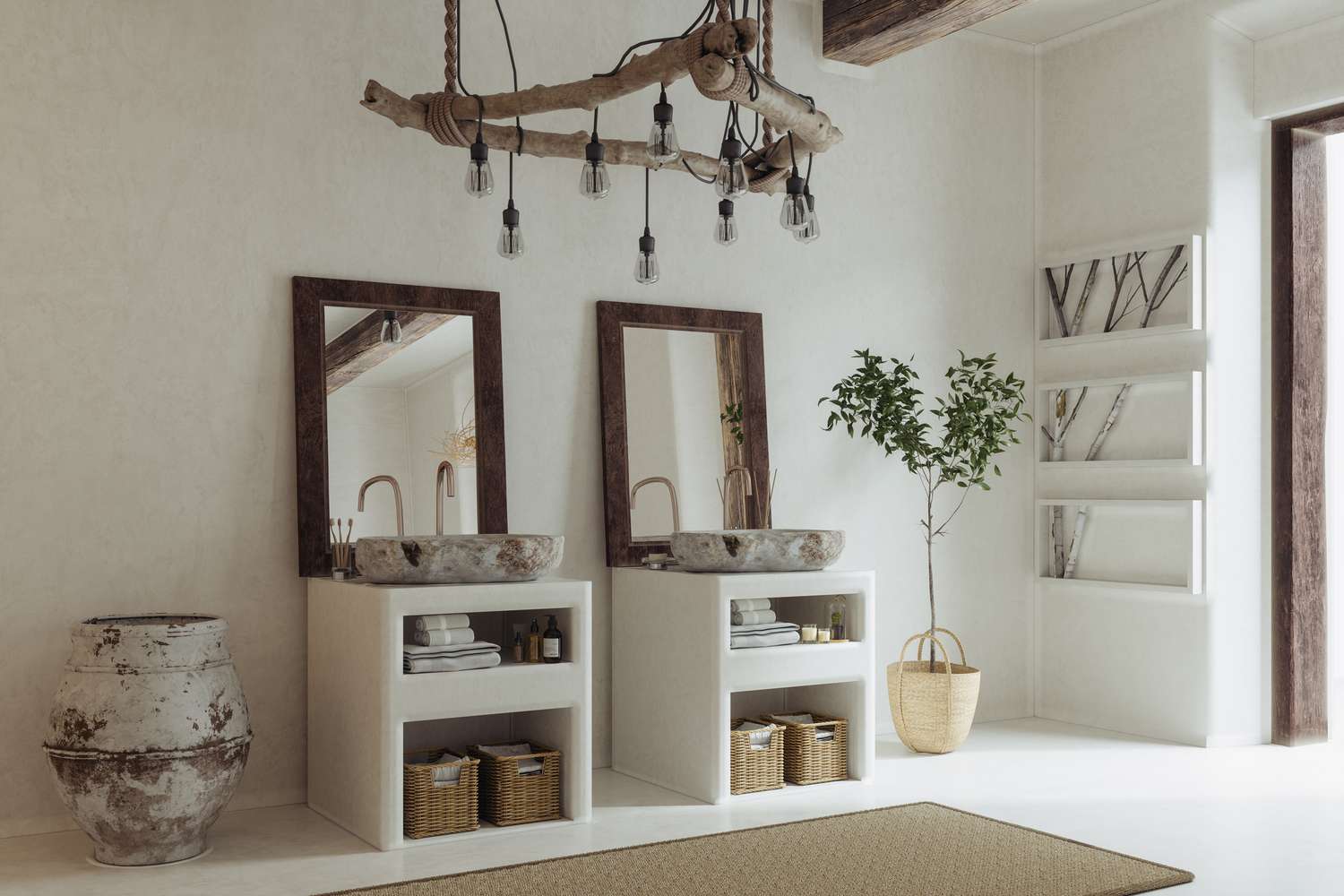
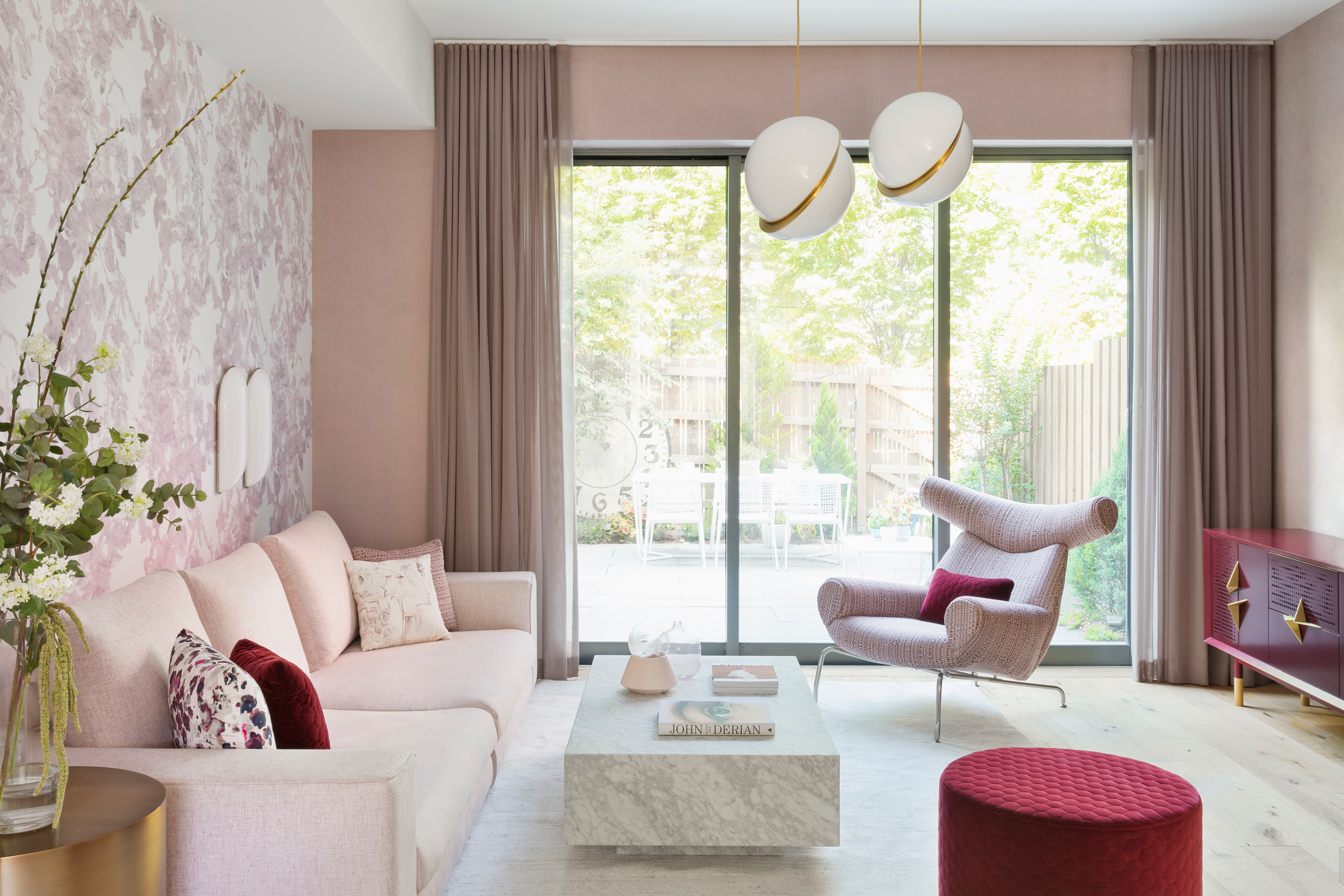
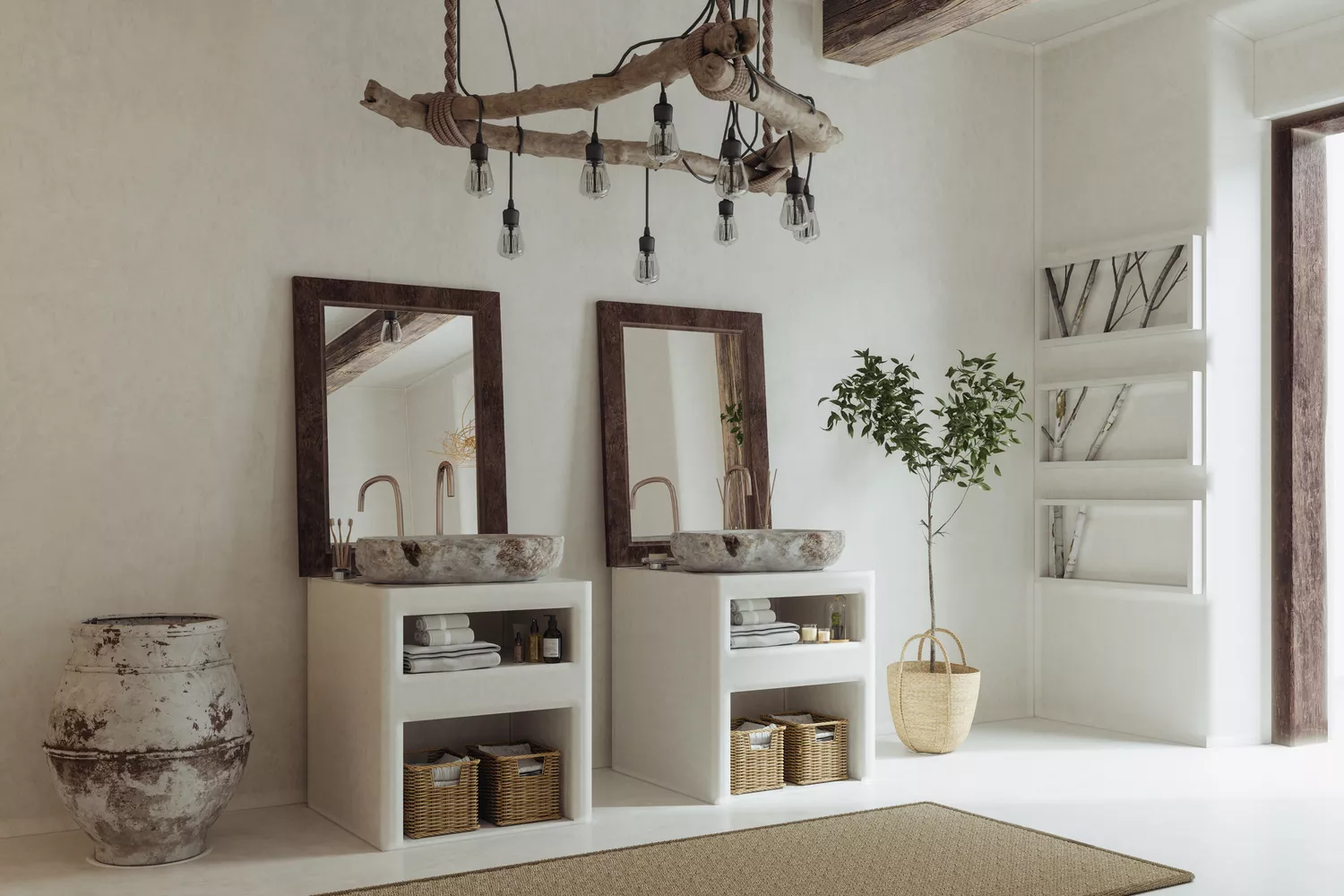
According to designer Morgan Hood, traditional accent walls—defined as a single saturated wall—are becoming obsolete. Hood suggests that these can make a room feel disjointed and uninviting. Instead of a single bold wall, she advocates for alternative design methods that achieve similar goals of adding visual interest and contrast more effectively. One such method is color drenching, which involves enveloping an entire room in a single color or wallpaper. Another approach is to introduce texture through a variety of furniture materials like wicker, antique wood, glass, and metal, combined with textiles such as wool, velvet, and linen, to create depth and warmth without relying on a distinct accent wall.
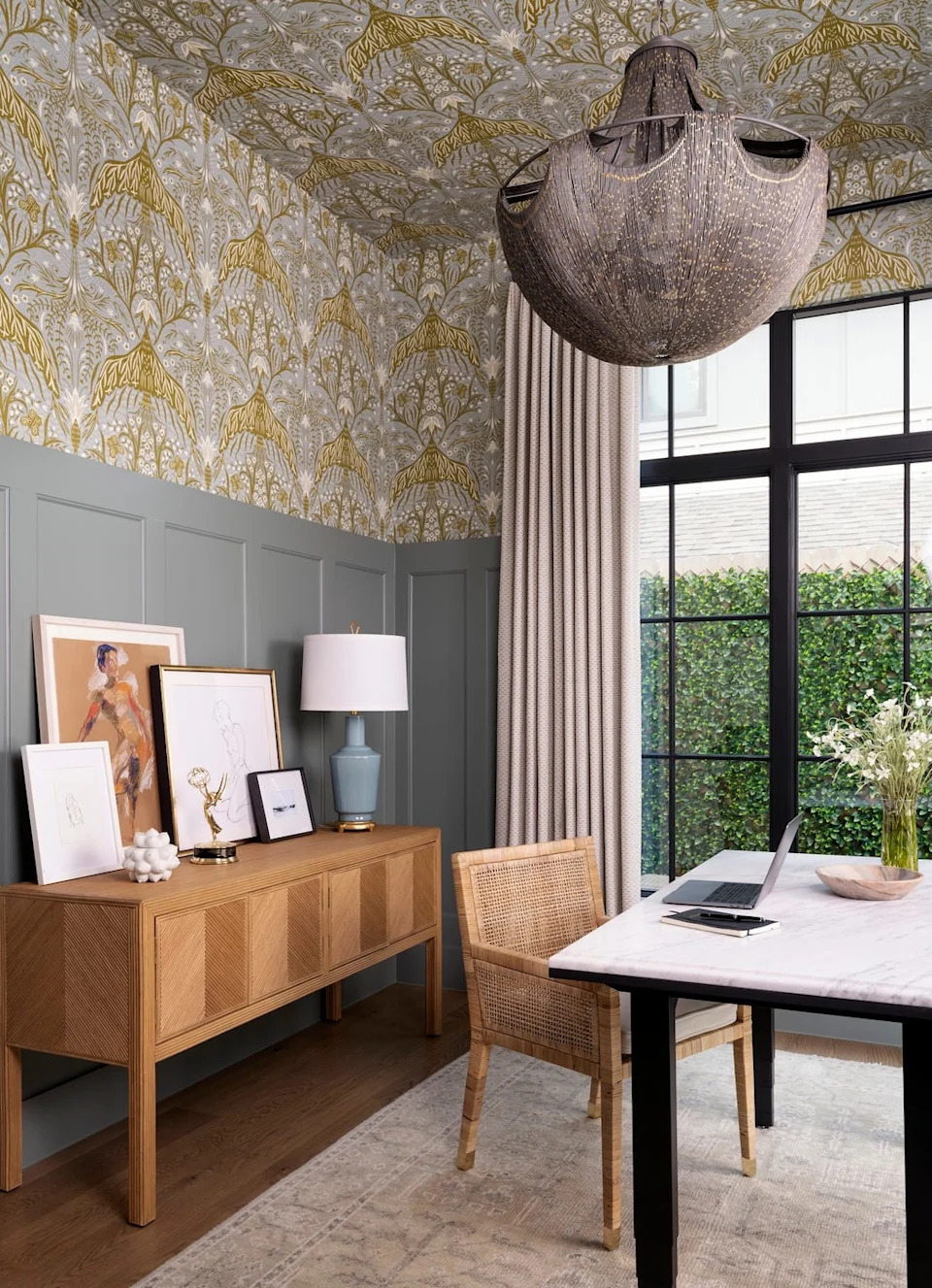
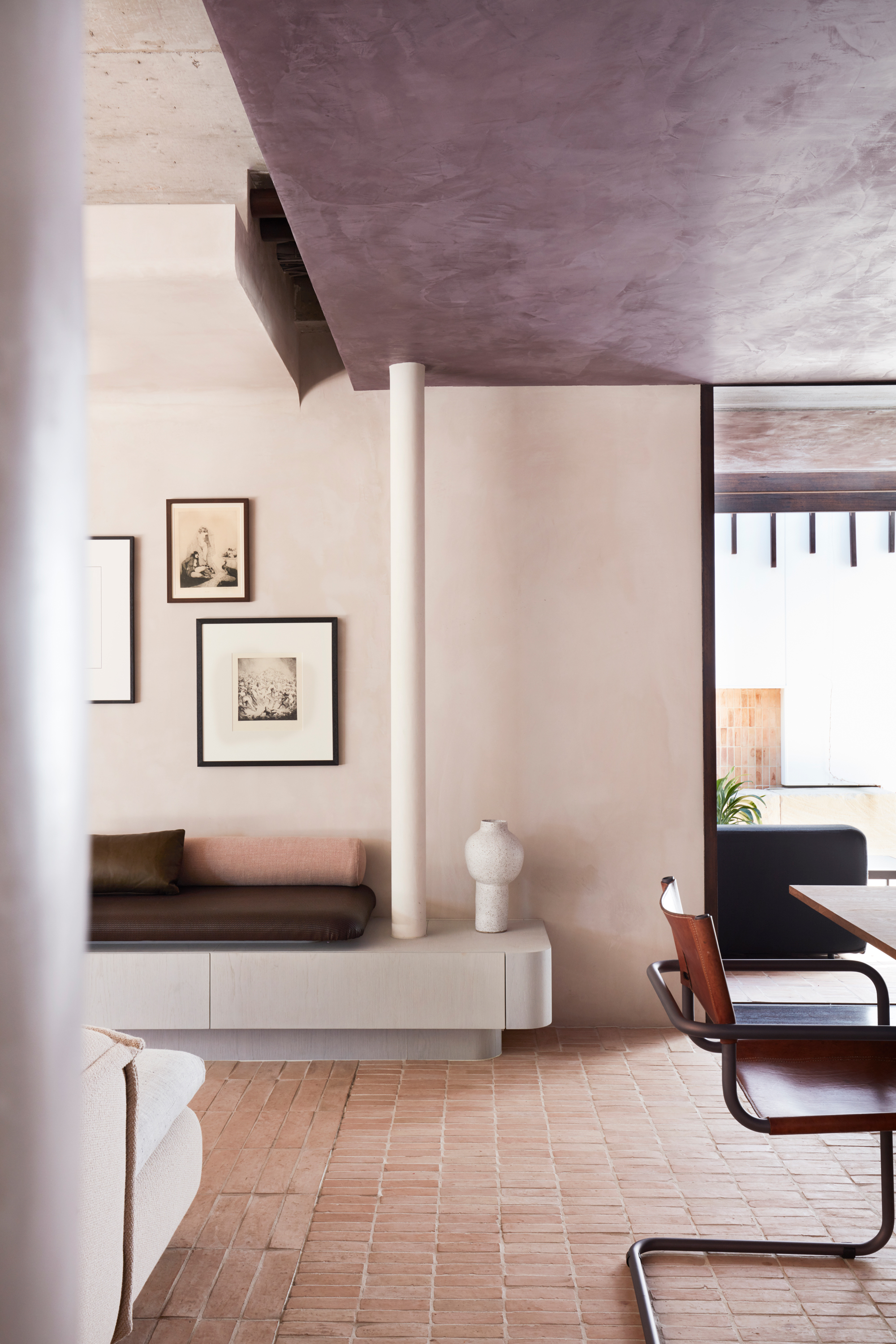
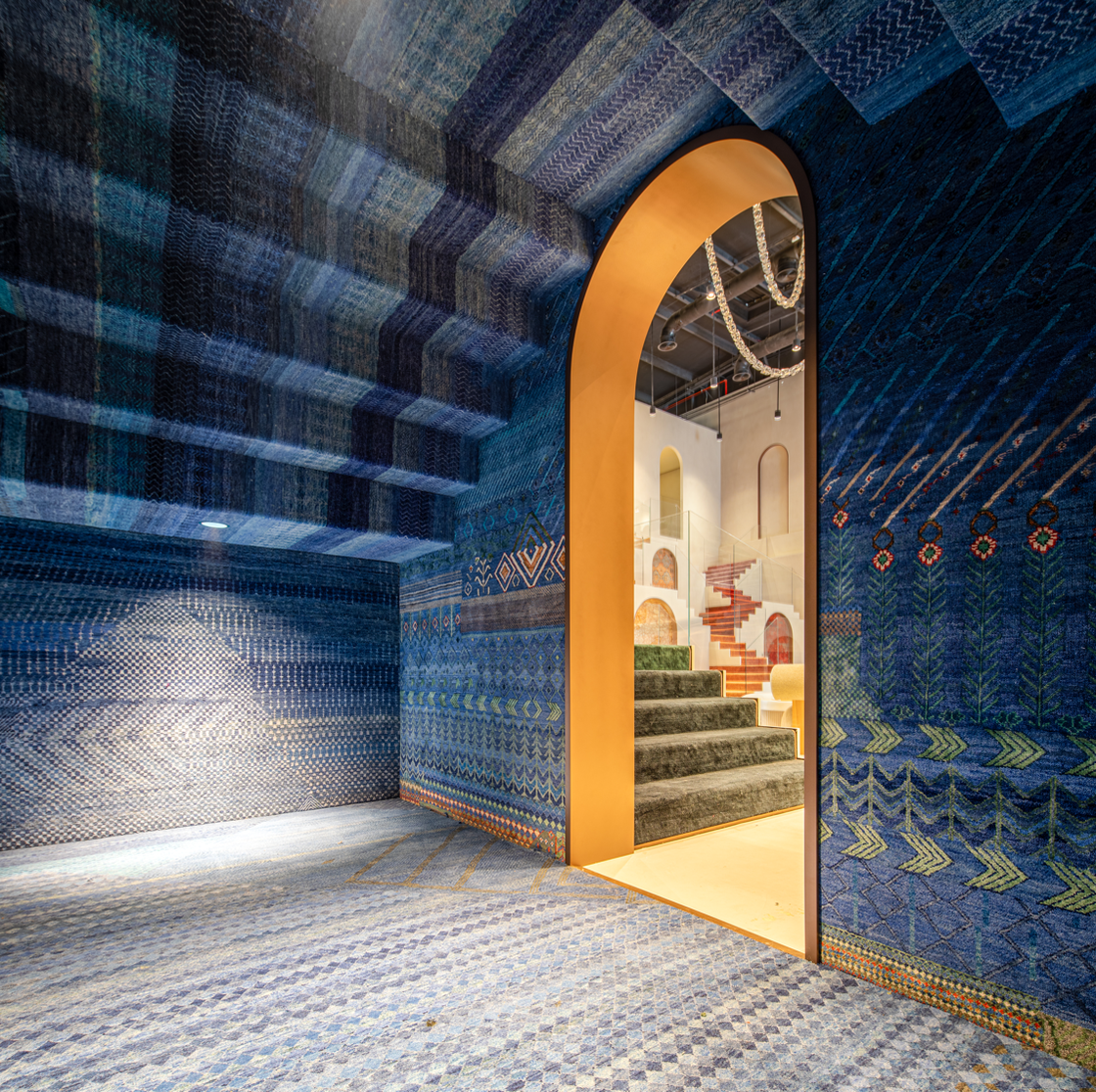
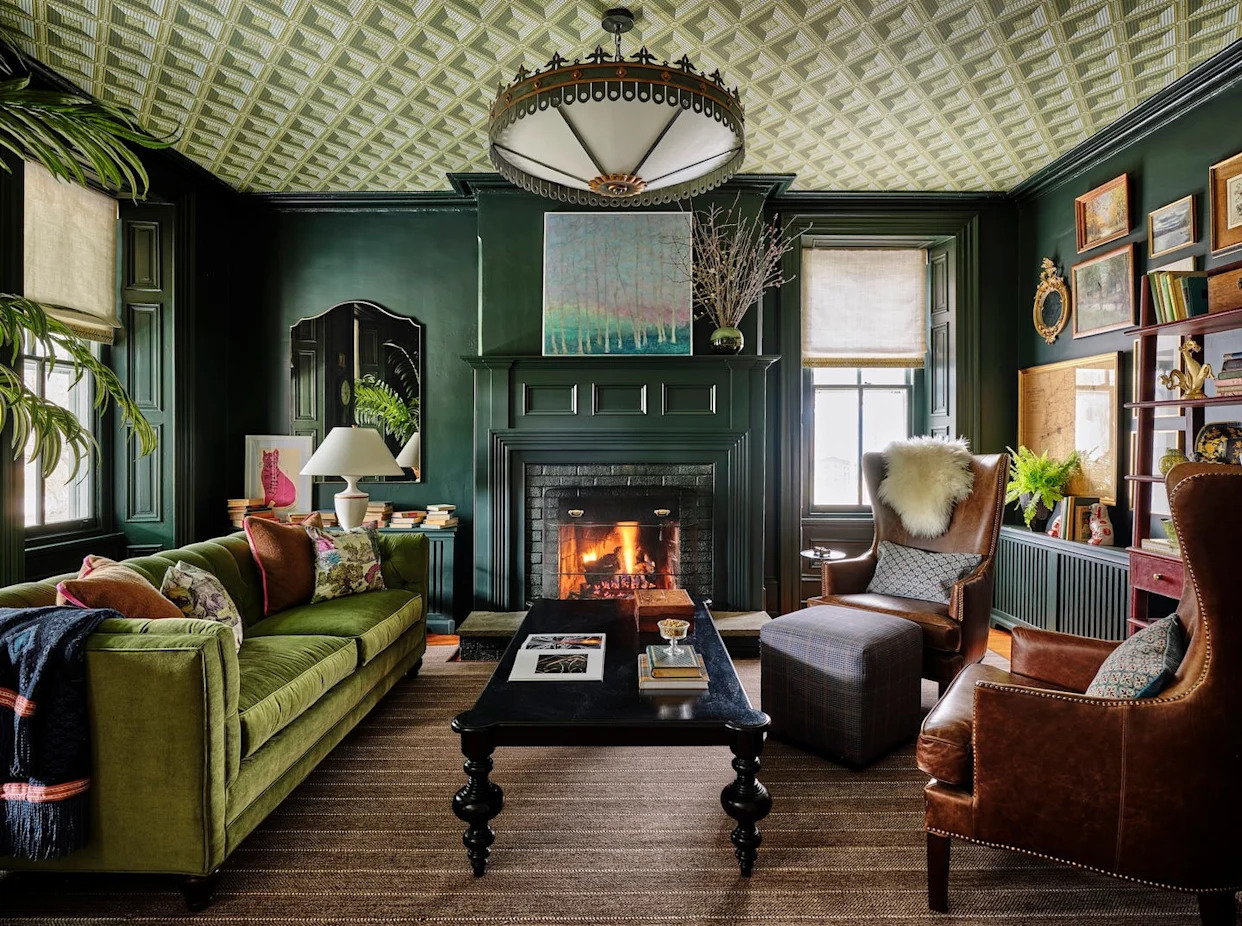
Despite the decline of the traditional accent wall, the underlying concept of a focal point remains relevant. Hood proposes a "fifth wall" approach, encouraging the use of ceilings for dramatic effect, particularly in smaller spaces like powder rooms, laundry rooms, and snugs, to draw the eye upward. However, she still prefers wallpapering an entire room over a single wall when feasible.
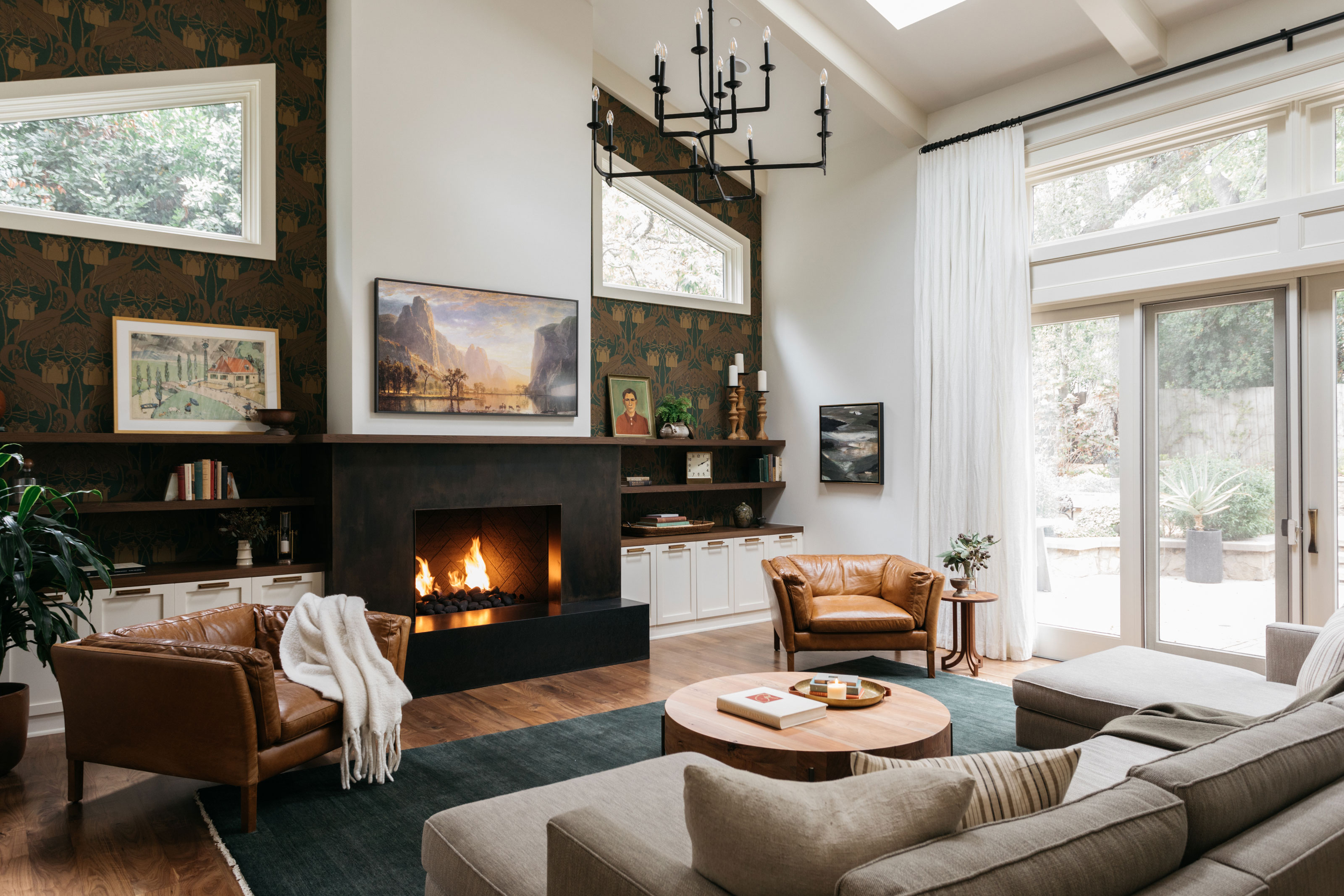
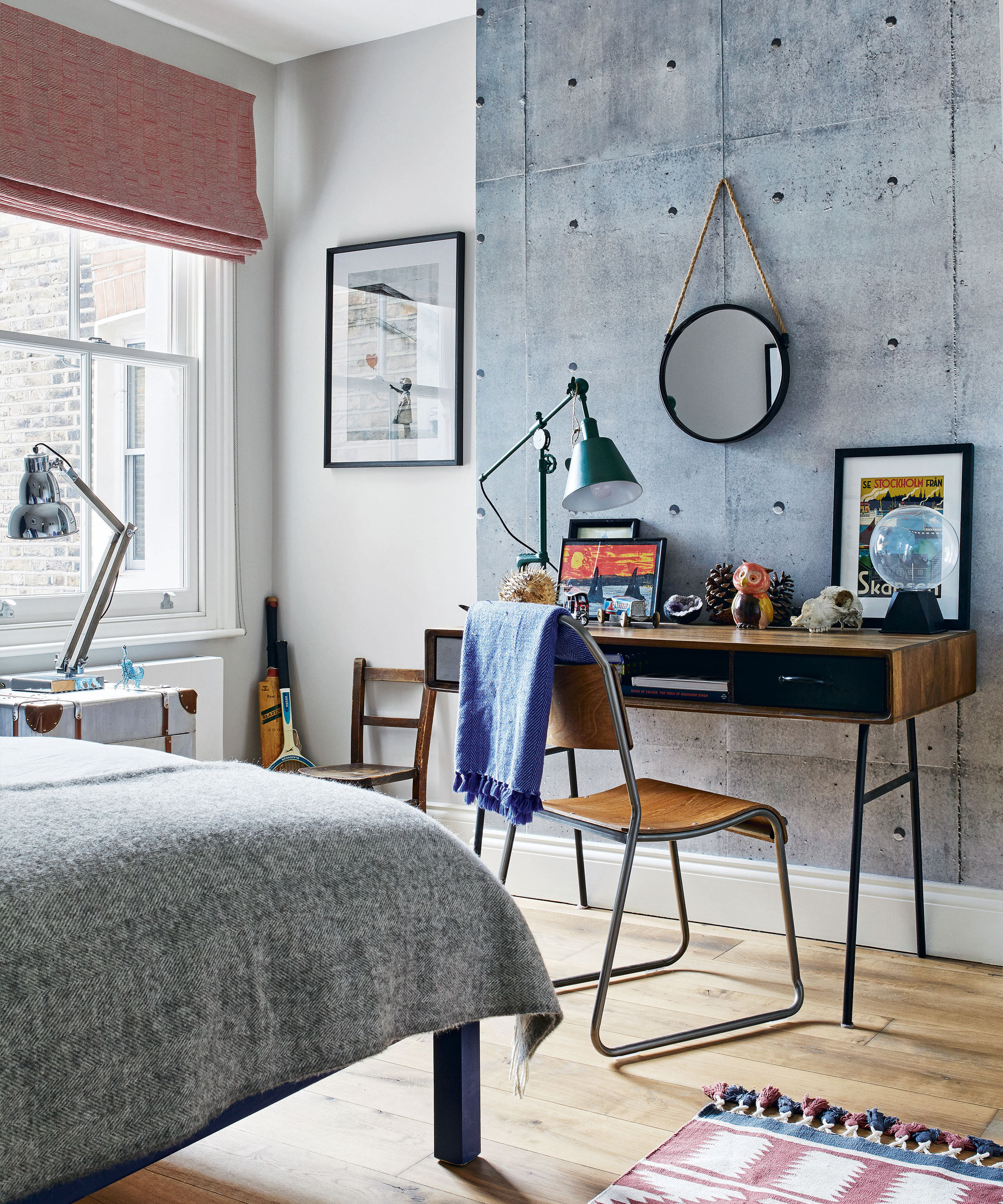
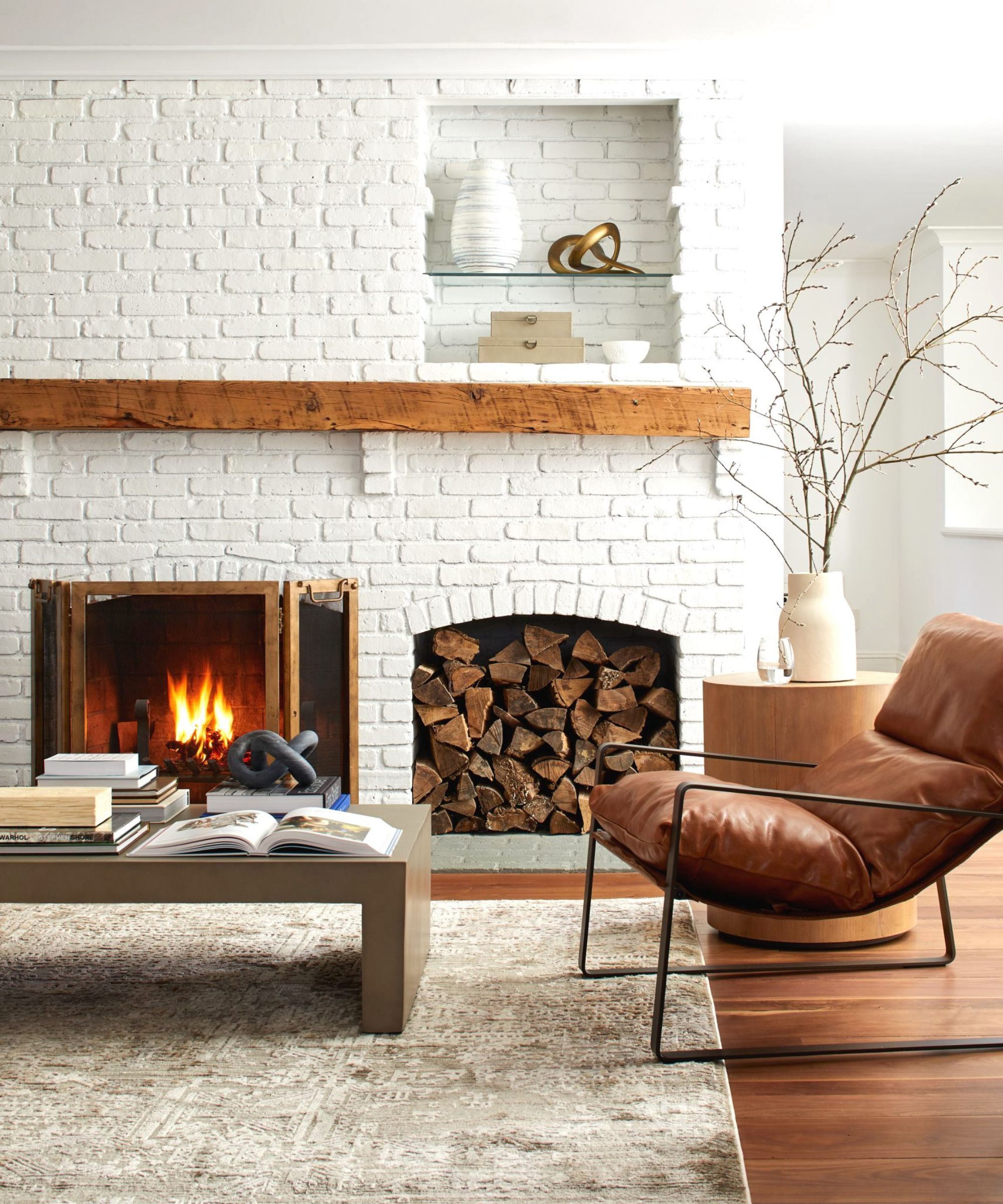
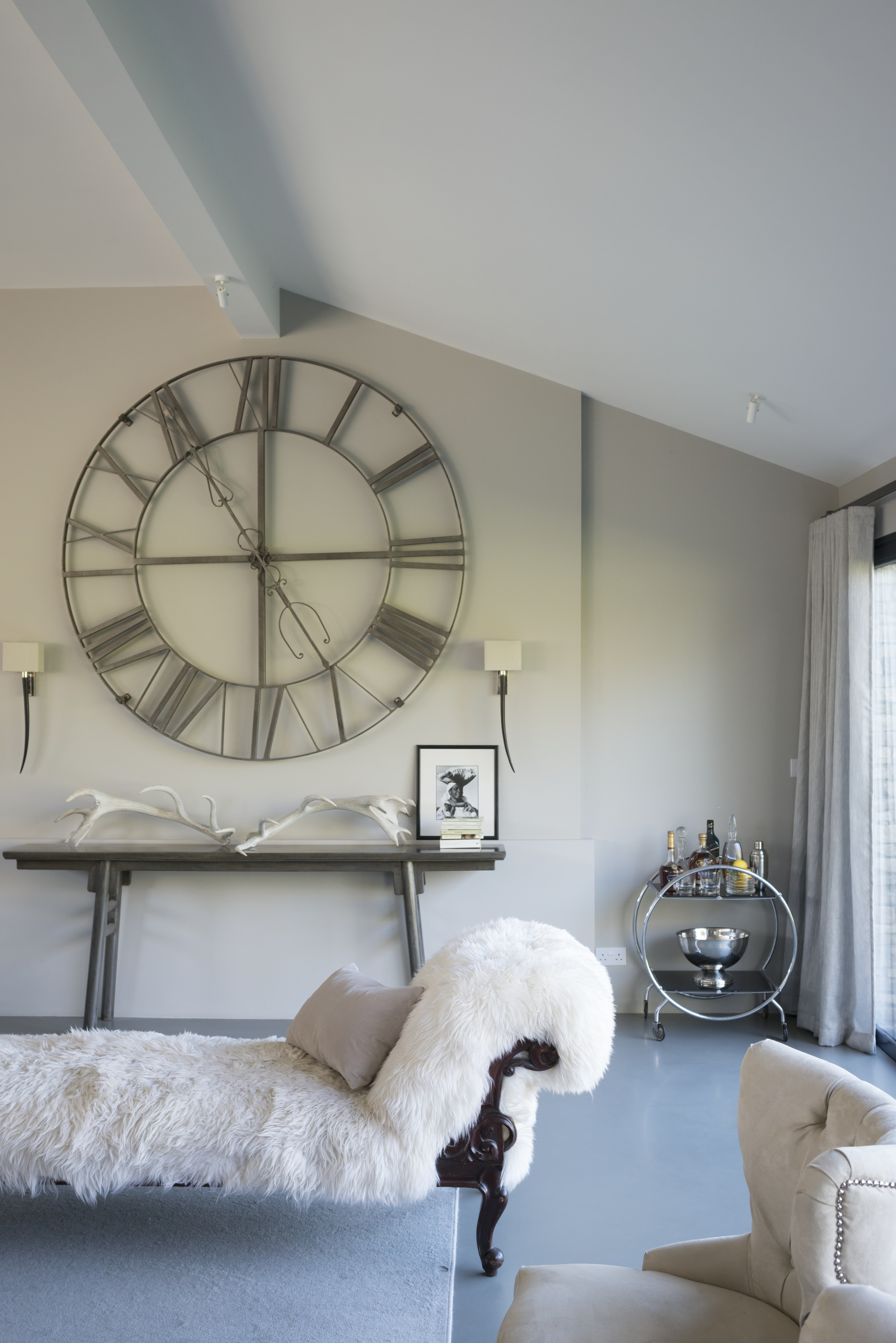
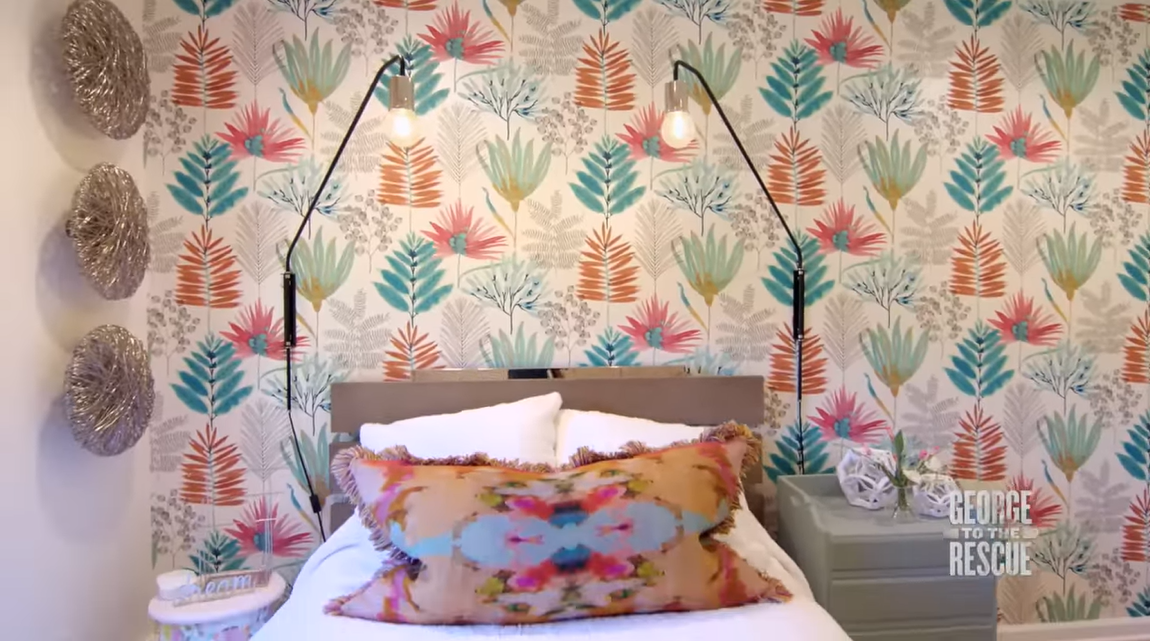
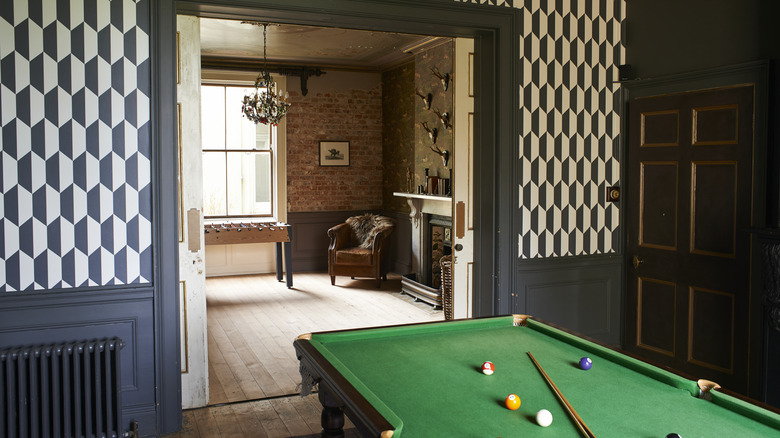
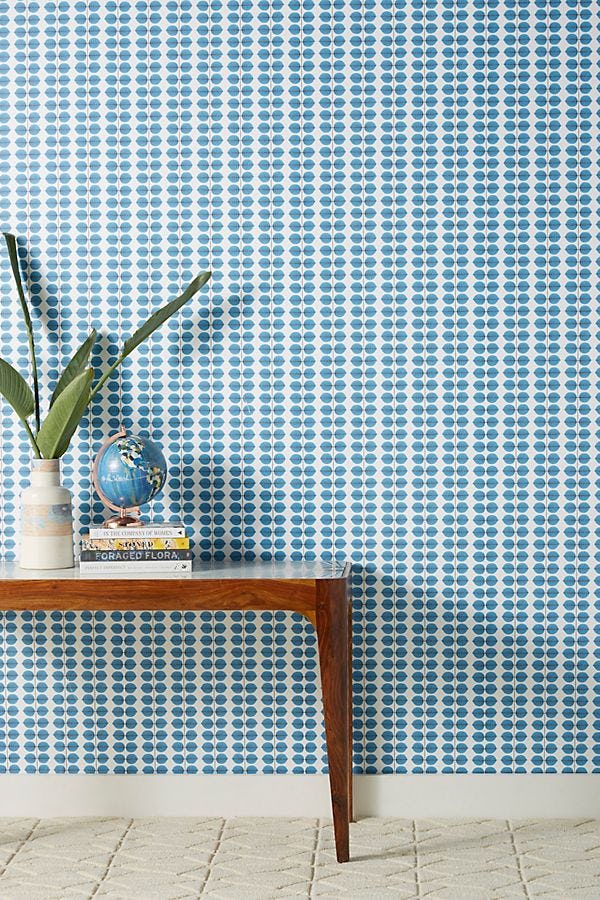
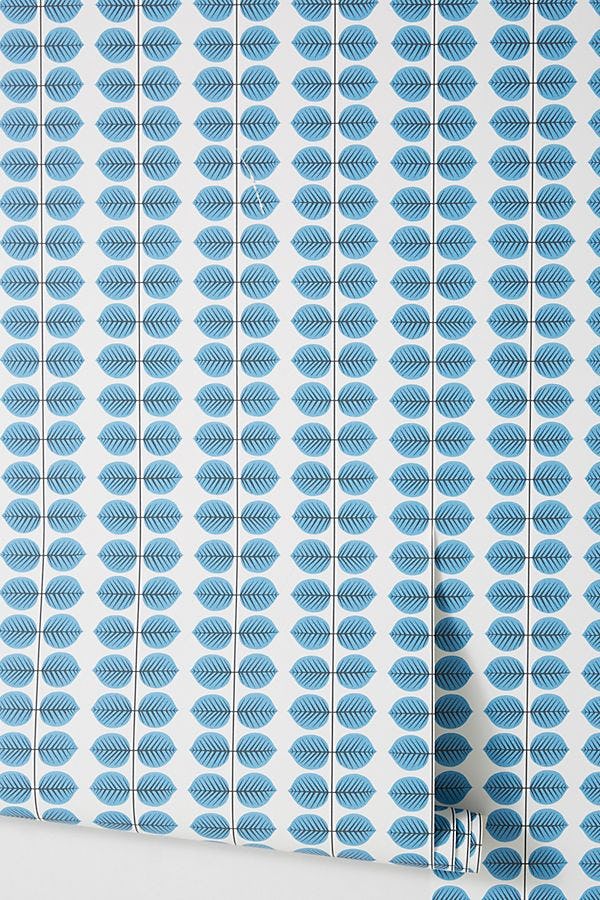
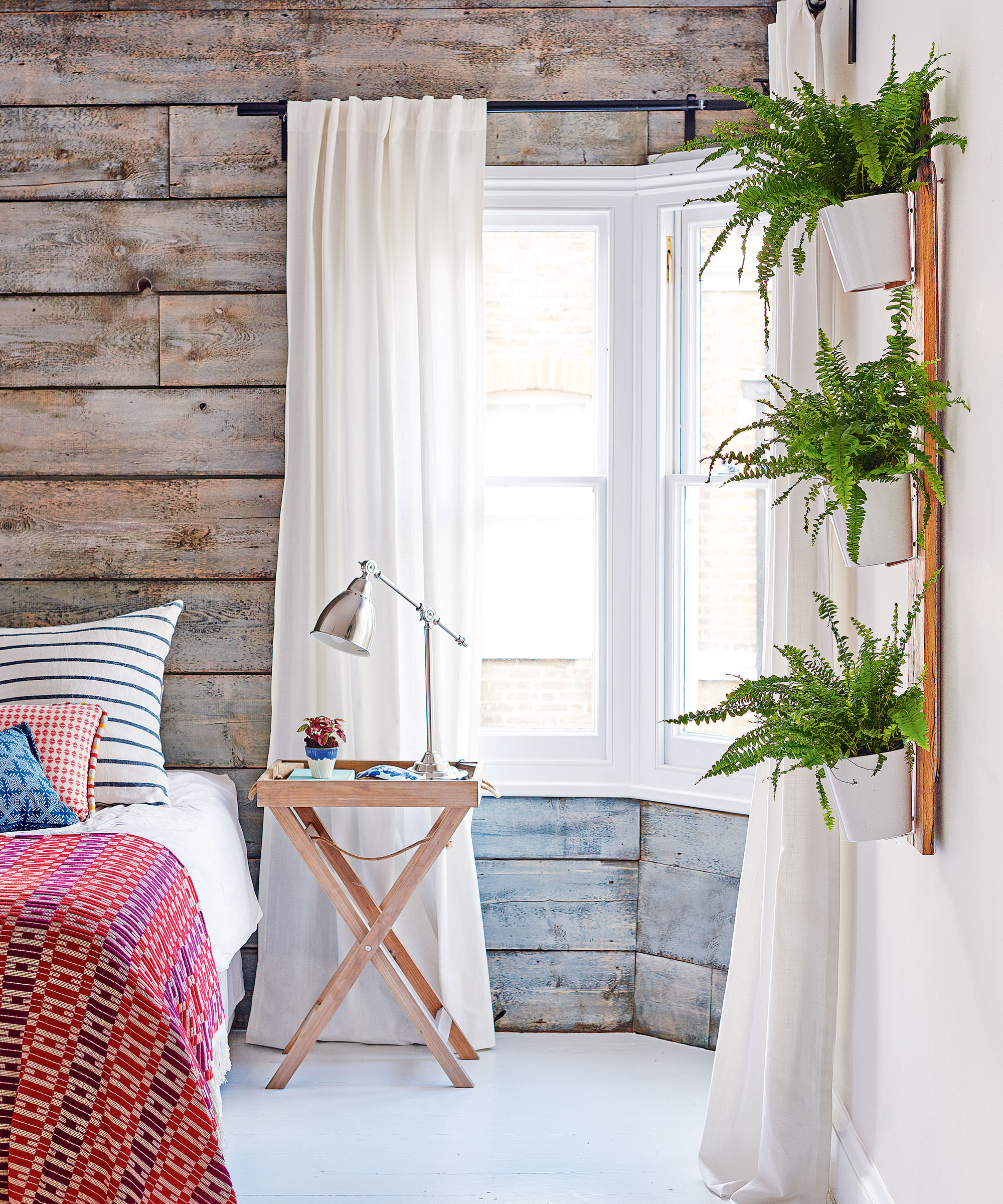
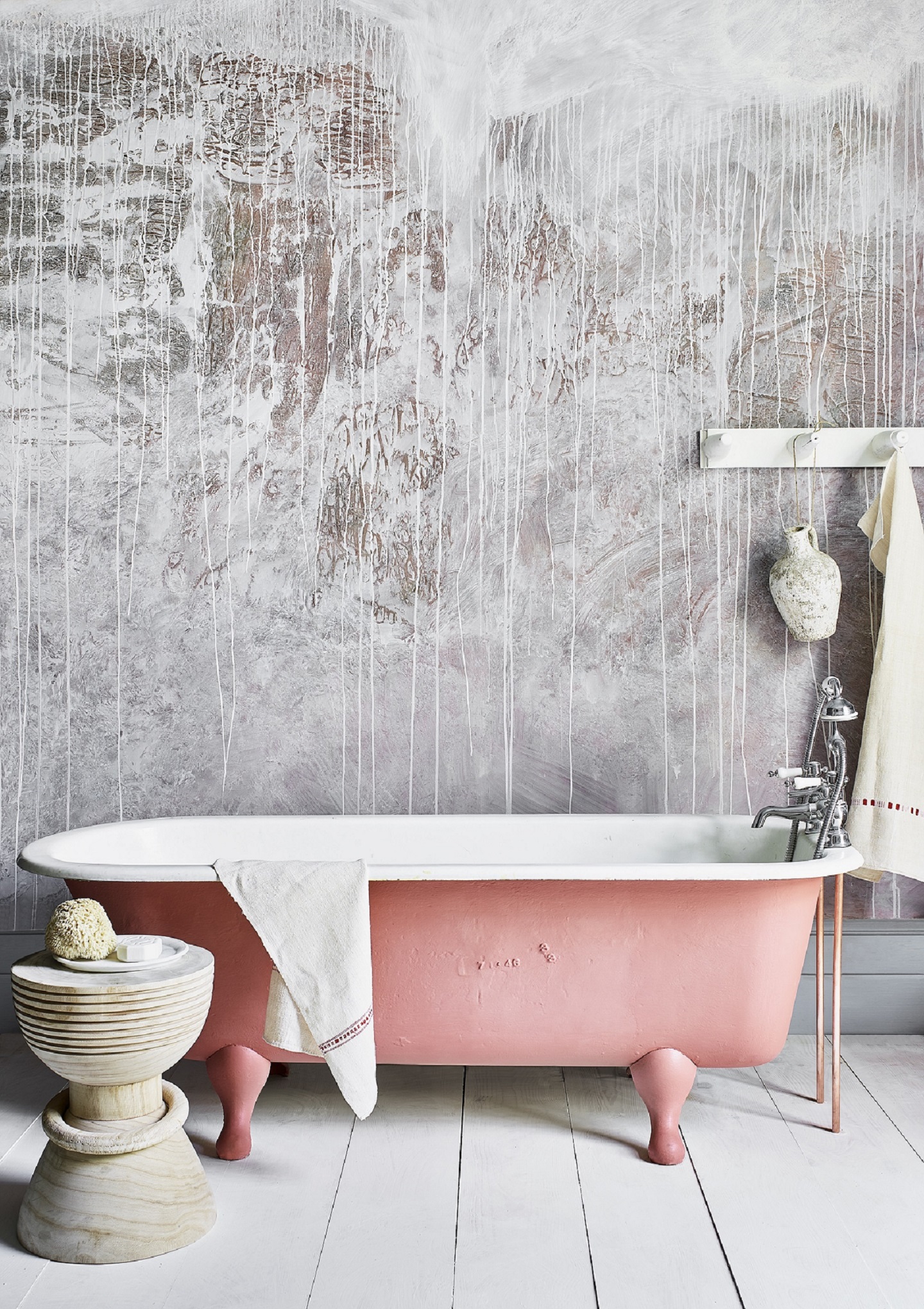
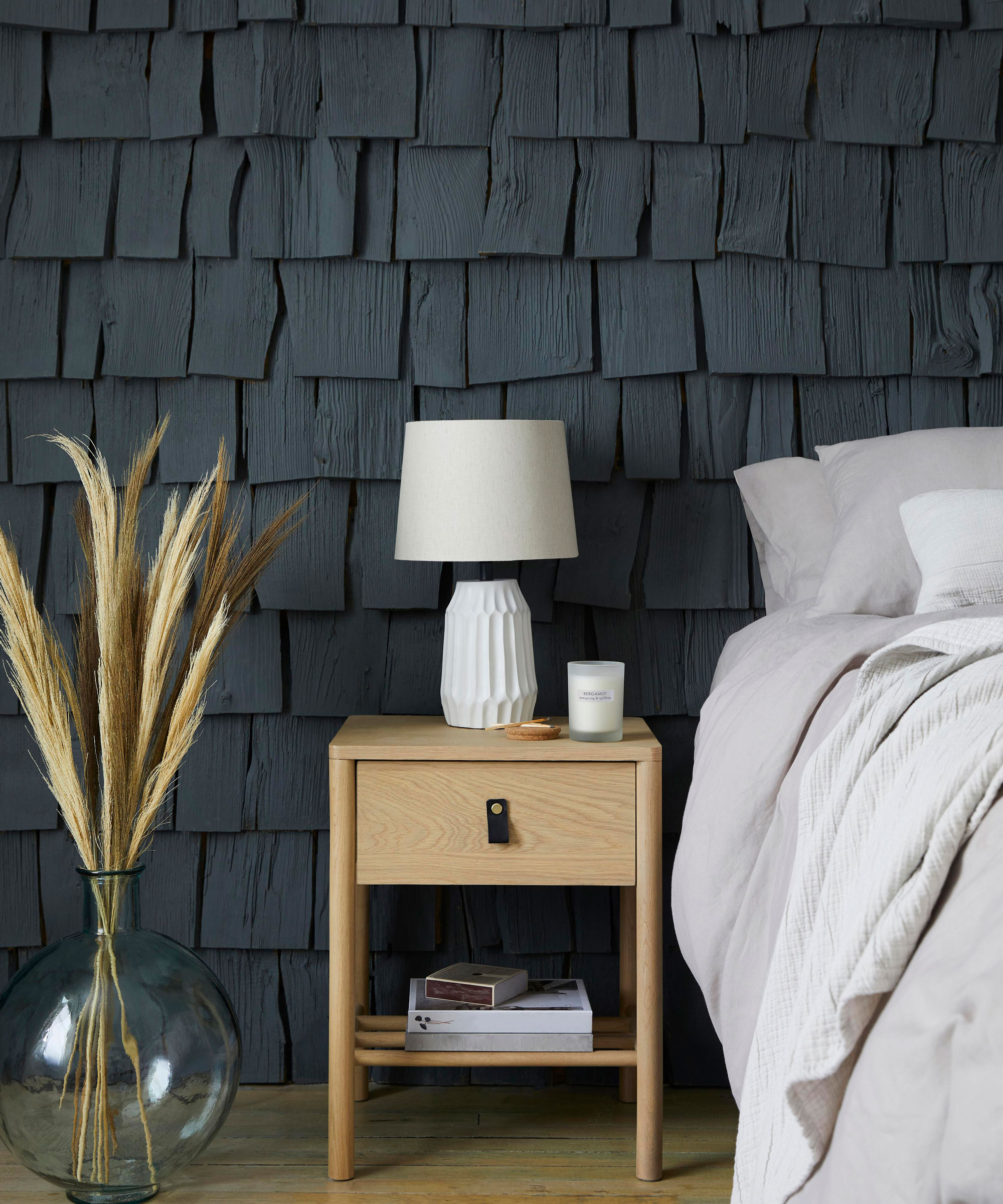
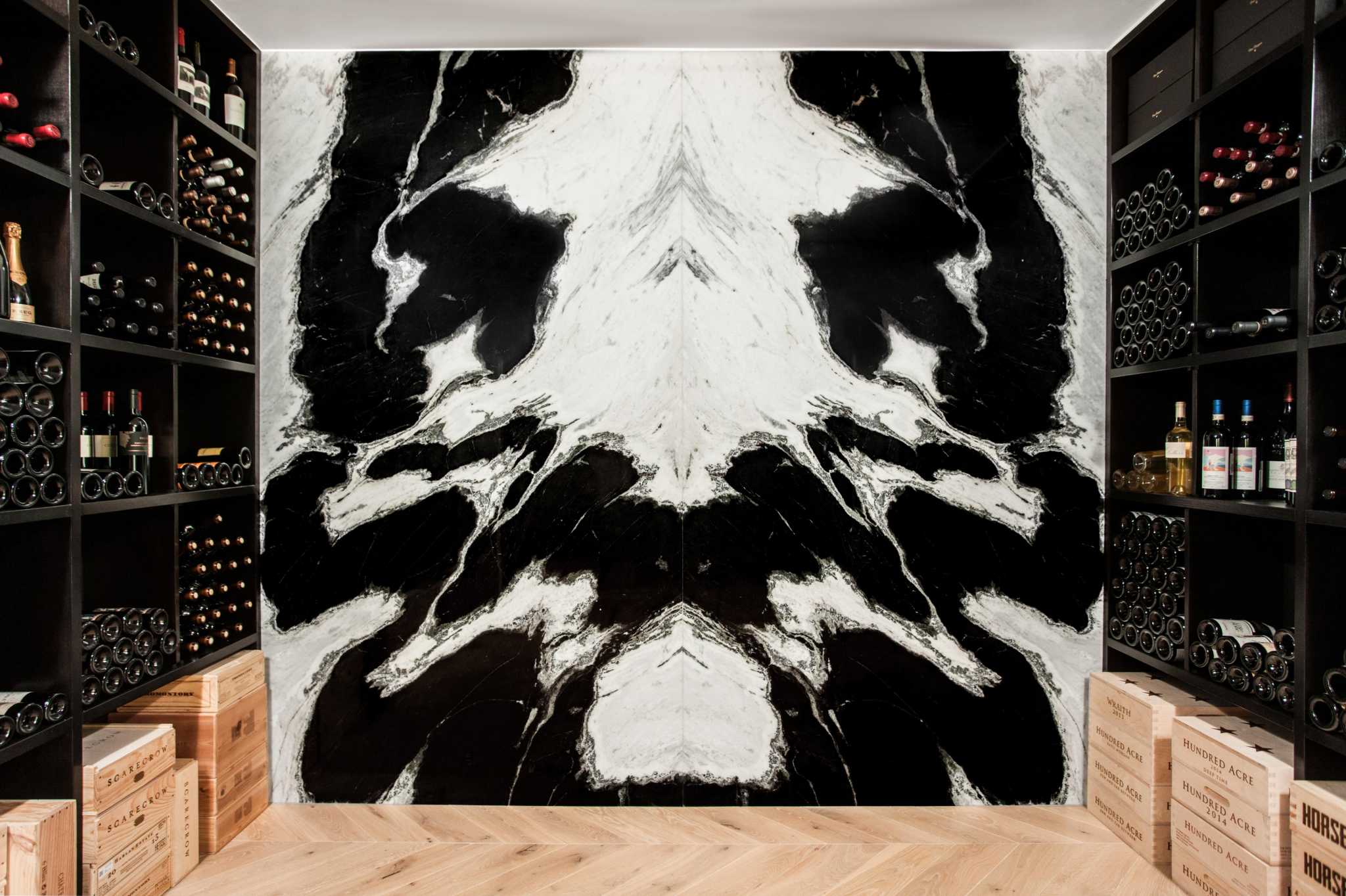
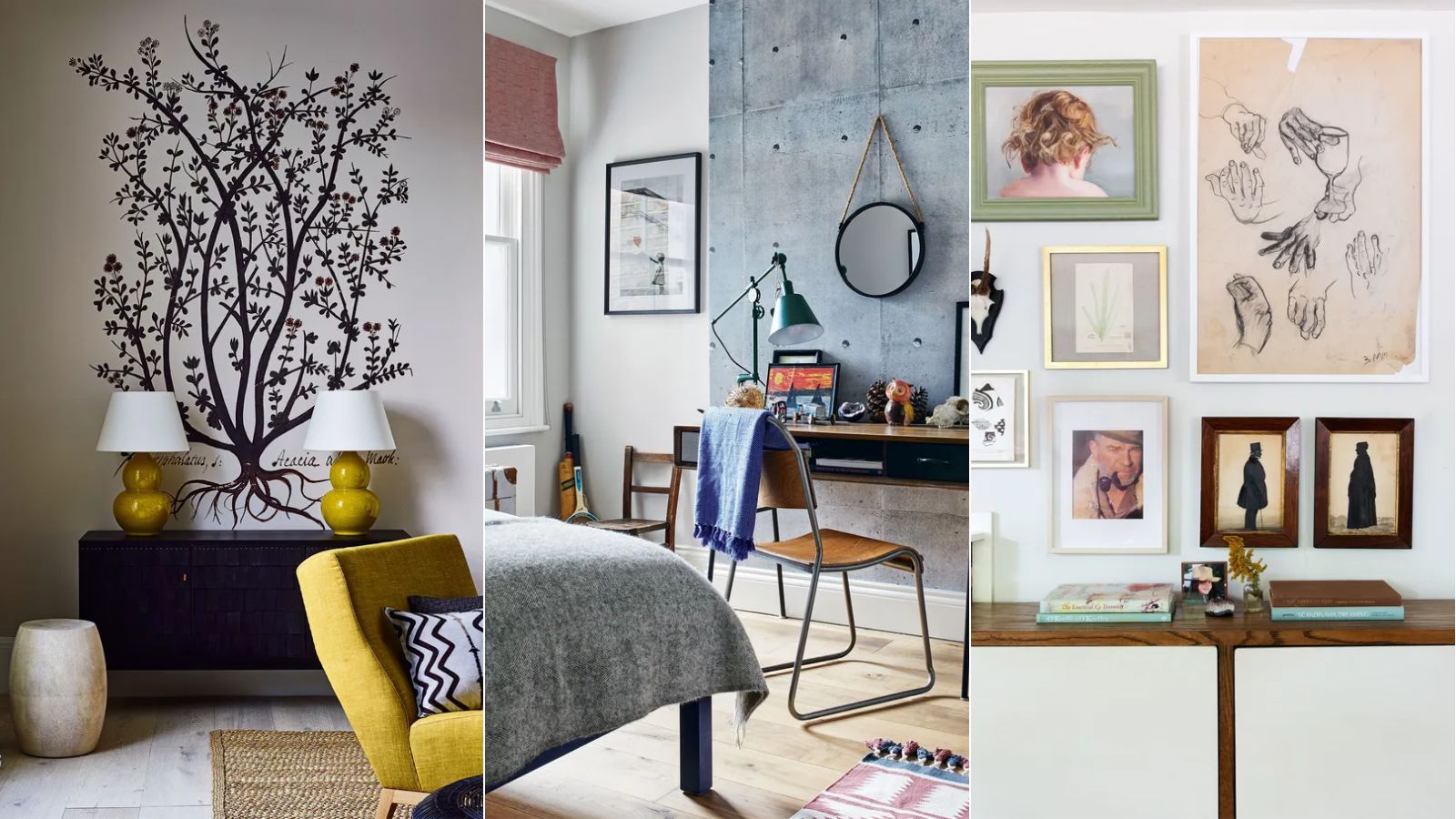
Designer Miranda Cullens agrees that the idea of a focal wall is still valid but has evolved. Modern focal points lean towards subtle contrast, incorporating natural wood paneling, limewash finishes, patterned wallpaper, architectural detailing, or varied materials. This shift emphasizes tactile surfaces that add warmth and dimension, moving away from flat, bold color statements. The objective is to create a more nuanced and sophisticated point of interest.
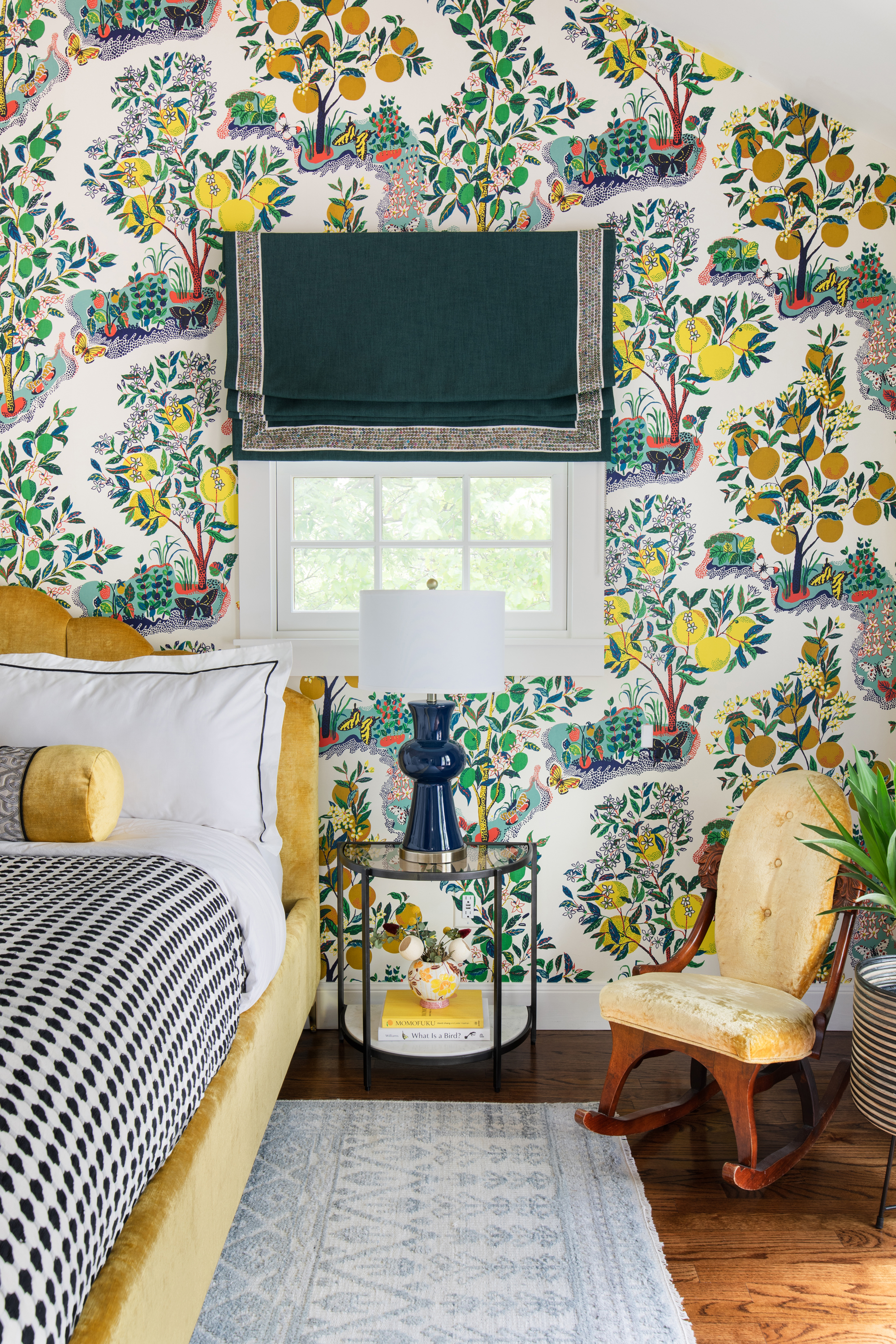
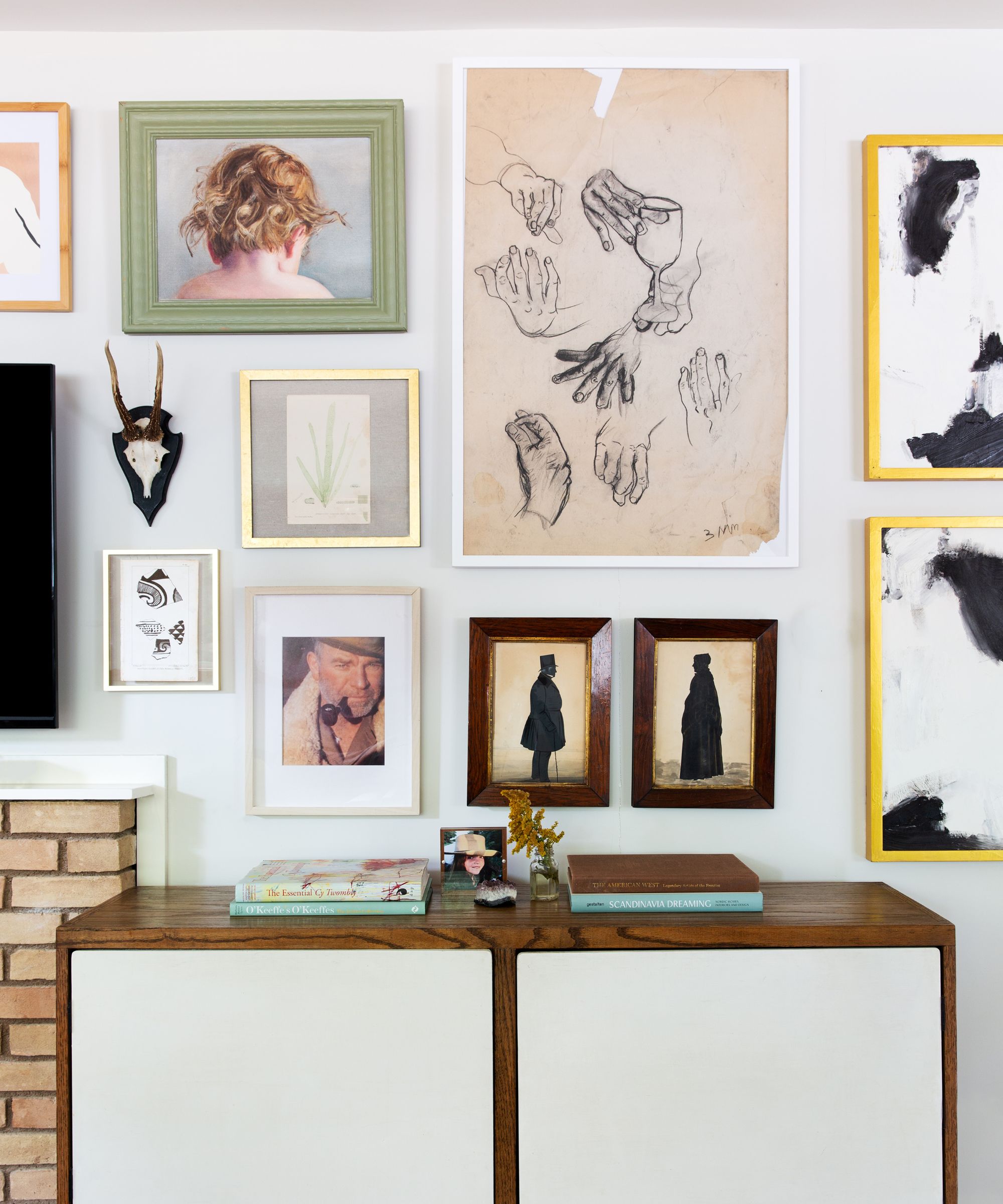
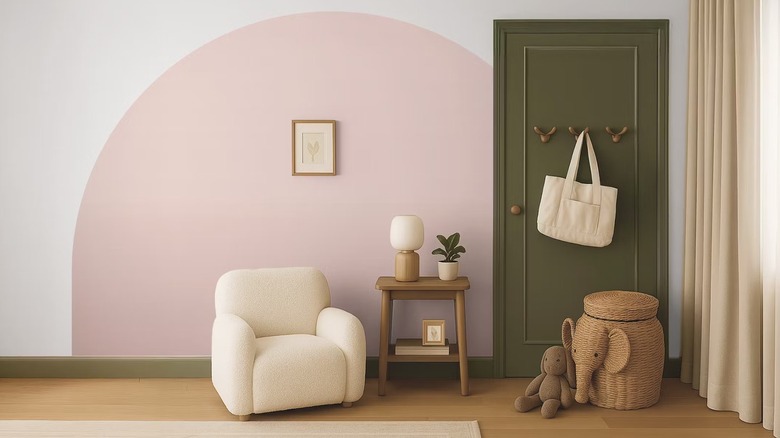
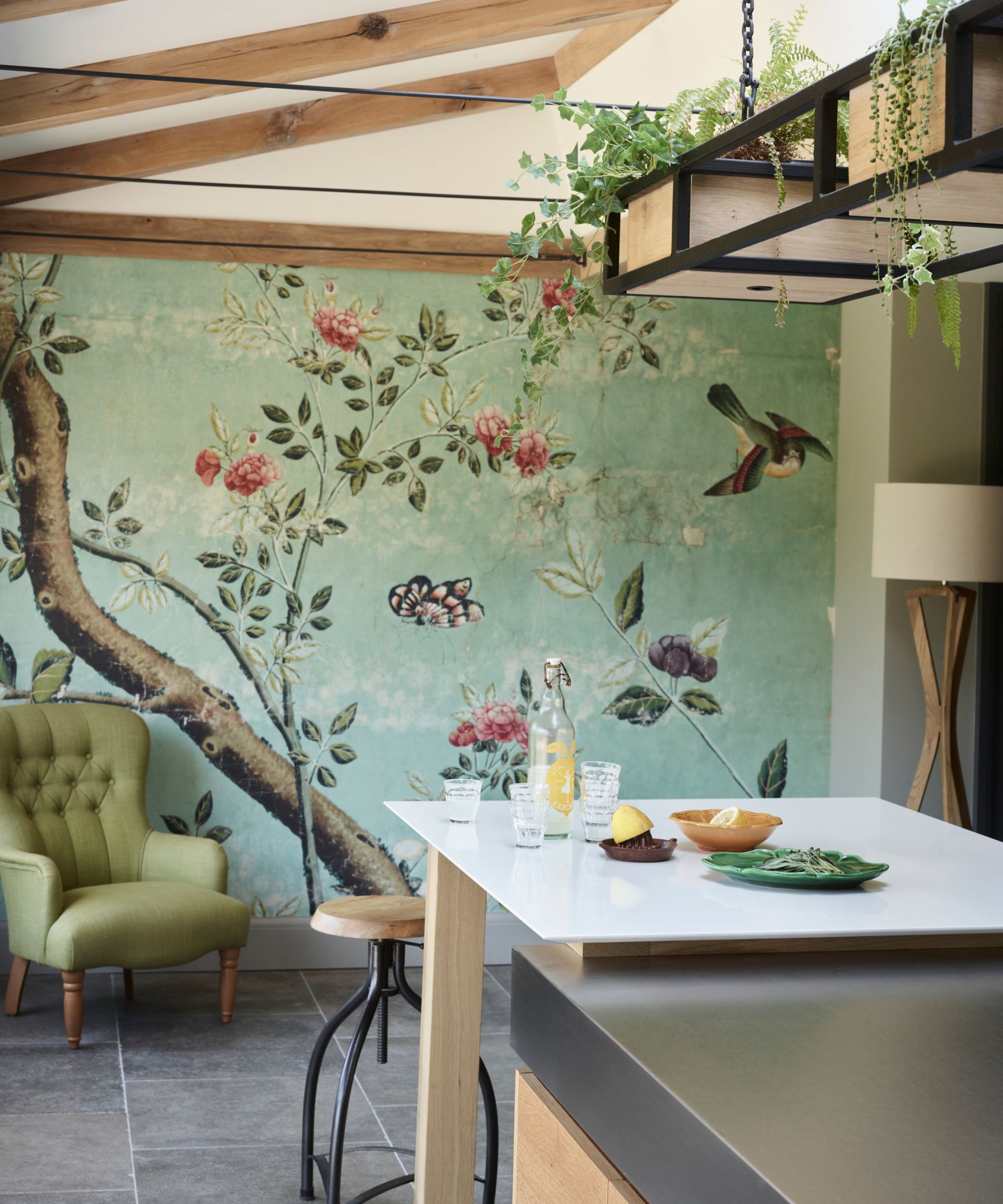
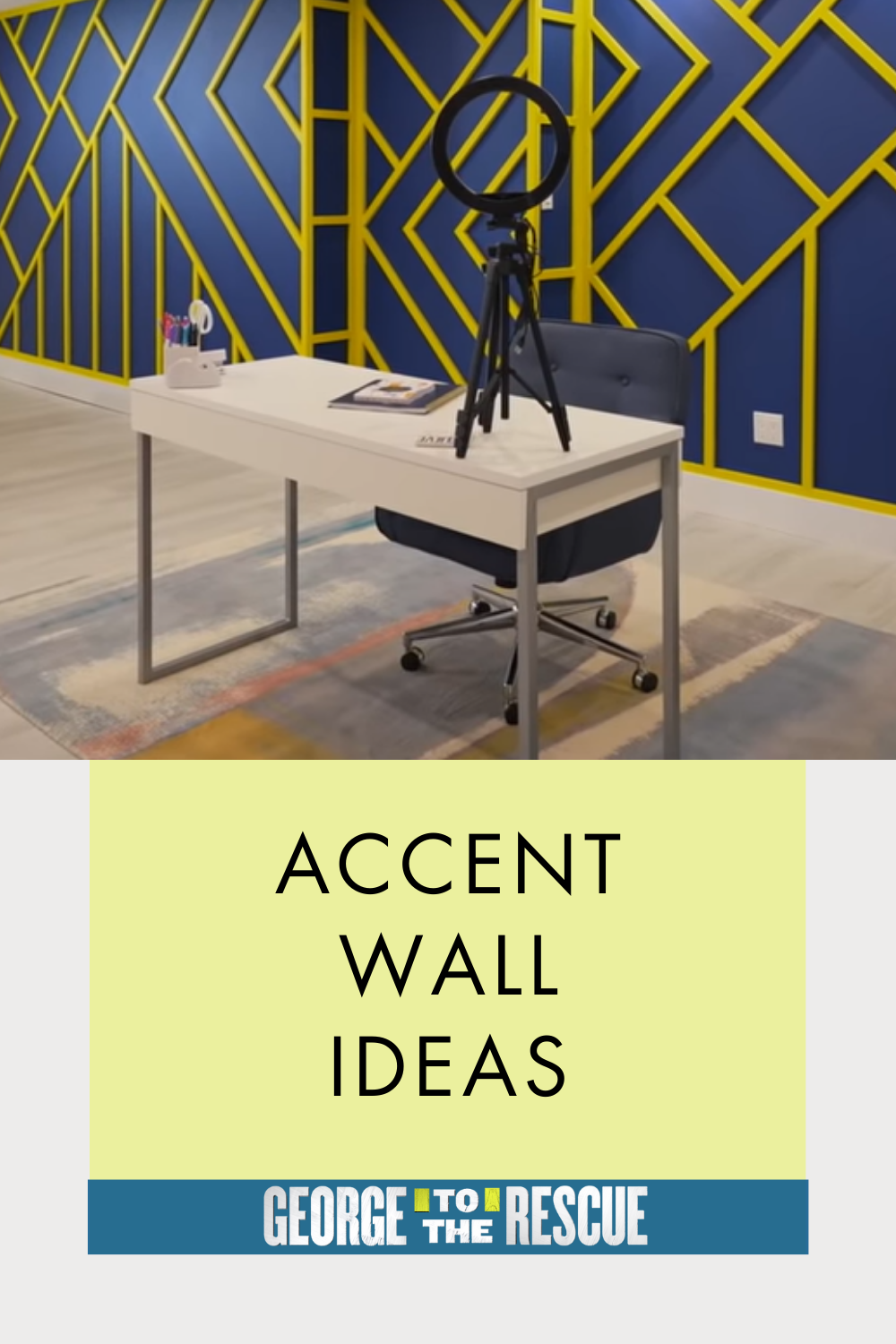
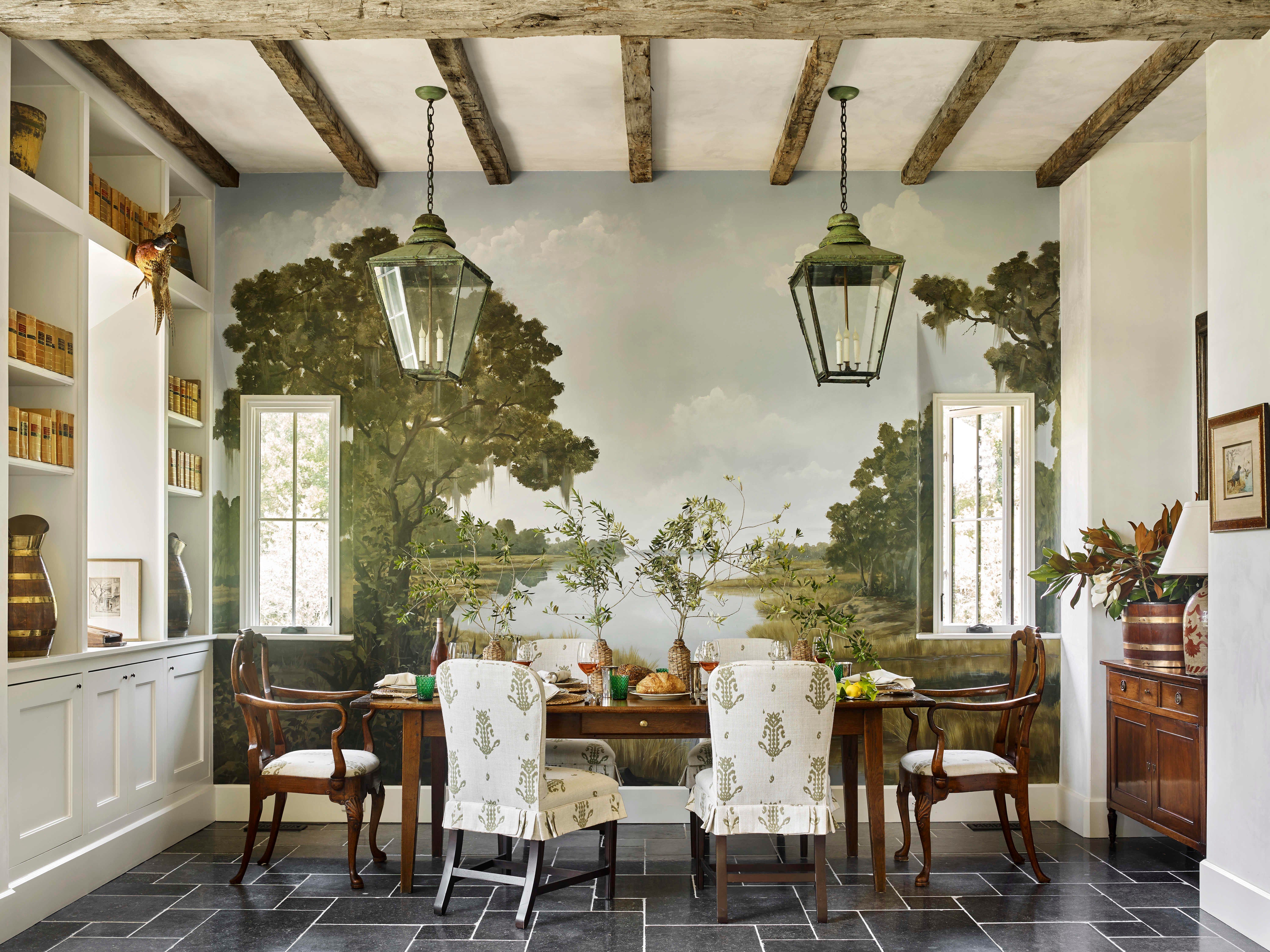
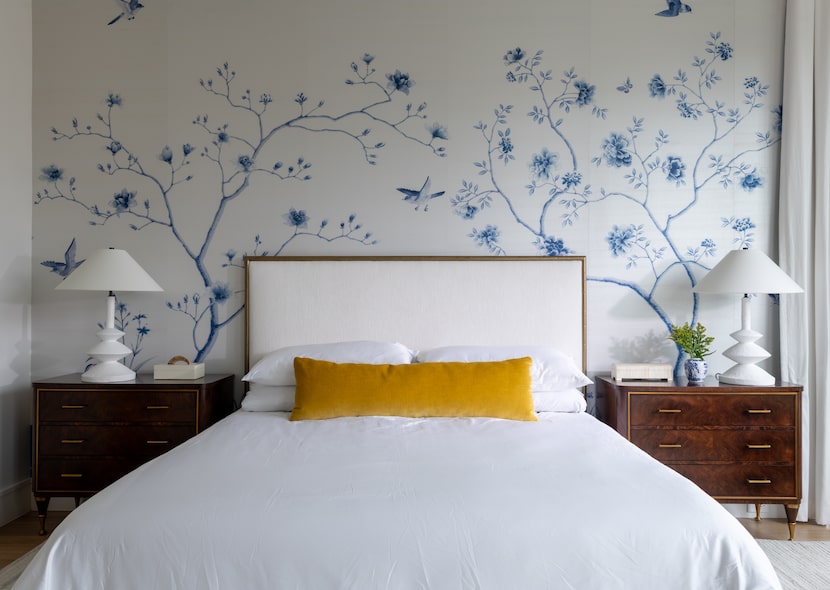
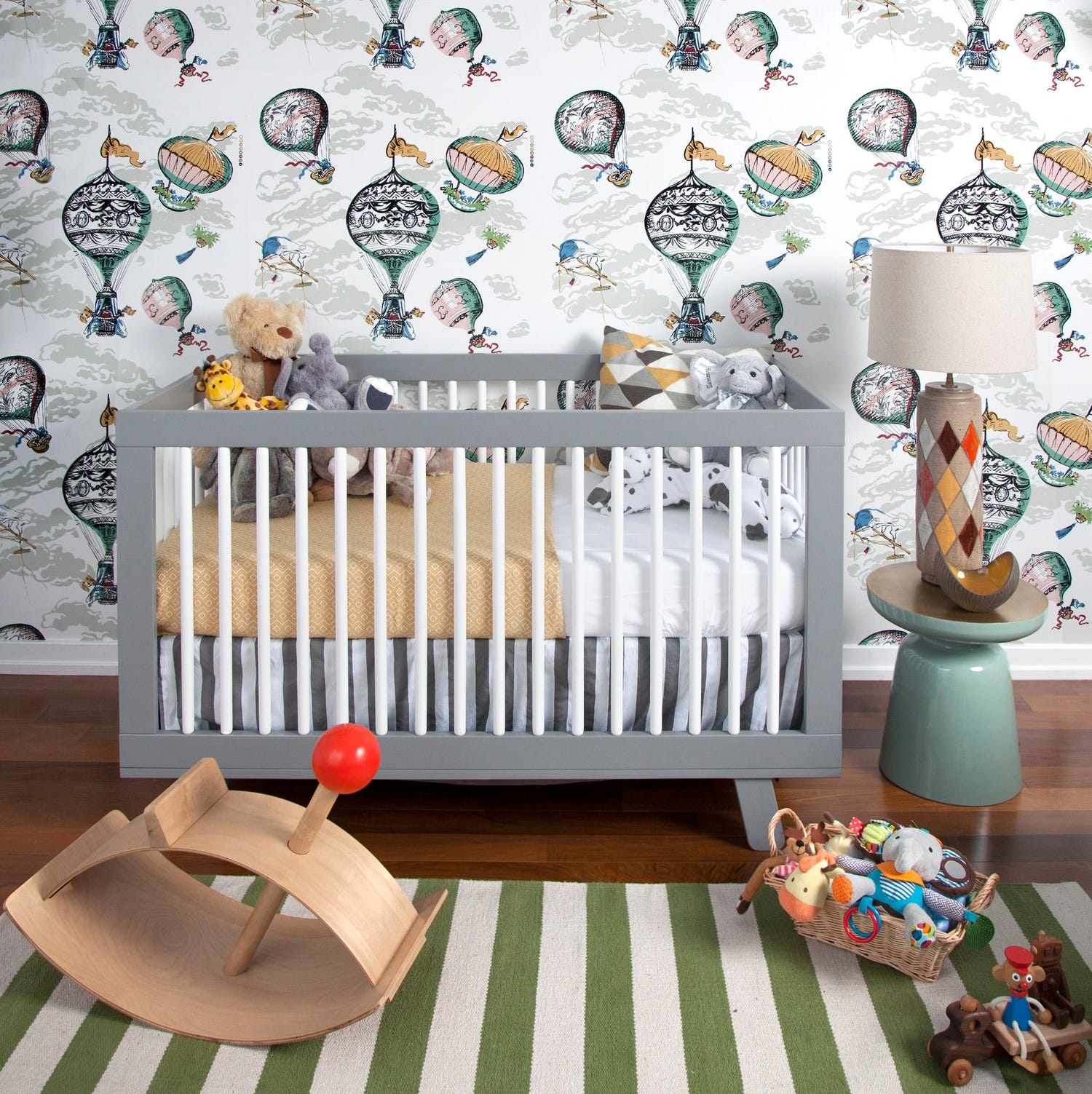
Jen Daltorio and Hannah Reach from York Wallcoverings echo these sentiments, noting that the concept of an accent wall has broadened to include embellished ceilings and elaborate, often wallpapered, built-in shelving. Wall murals, especially when framed with decorative picture molding or wainscoting, are also popular. They also highlight the increasing use of paneling techniques like shiplap, beadboard, or picture frame molding, as well as peel-and-stick murals on various surfaces such as the back of bookshelves, stair risers, arched niches, or even within tray ceilings. These methods offer a subtle design boost and are often budget-friendly, providing significant impact without overwhelming a space or requiring a long-term commitment. Accent walls with architectural elements are particularly useful in multi-use spaces, helping to define zones, such as a work area within a living room, or adding visual interest to otherwise overlooked areas.
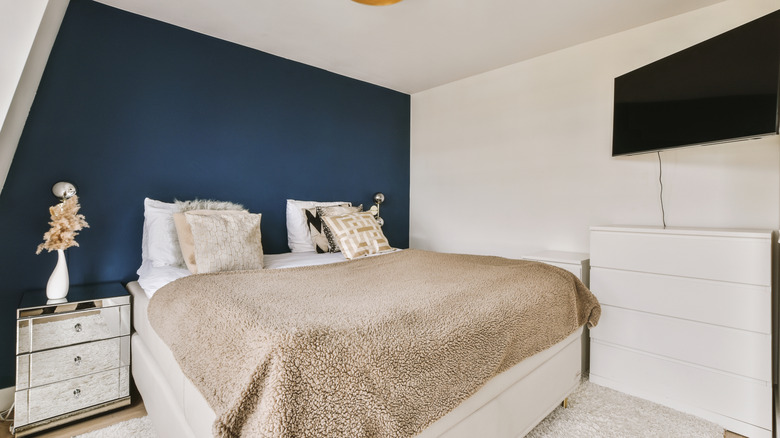
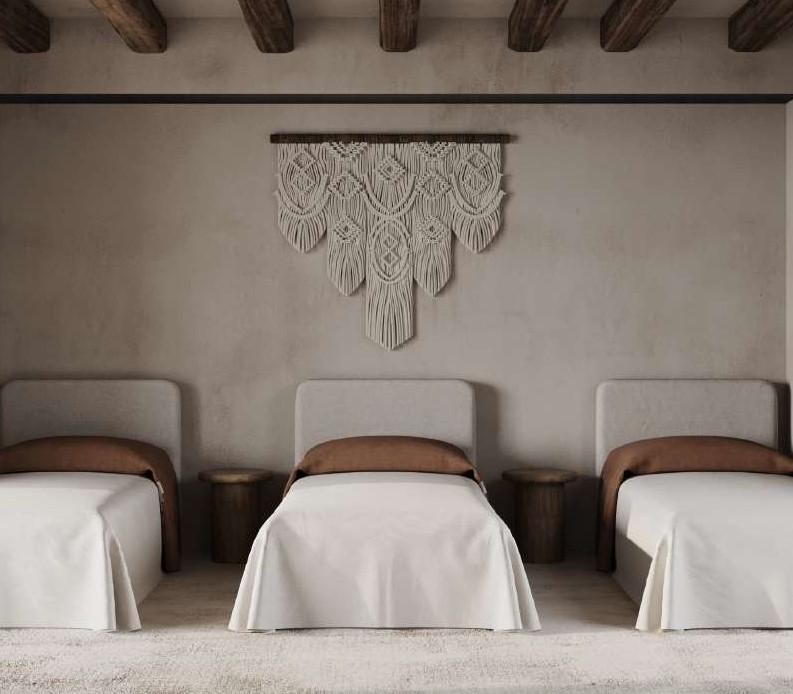
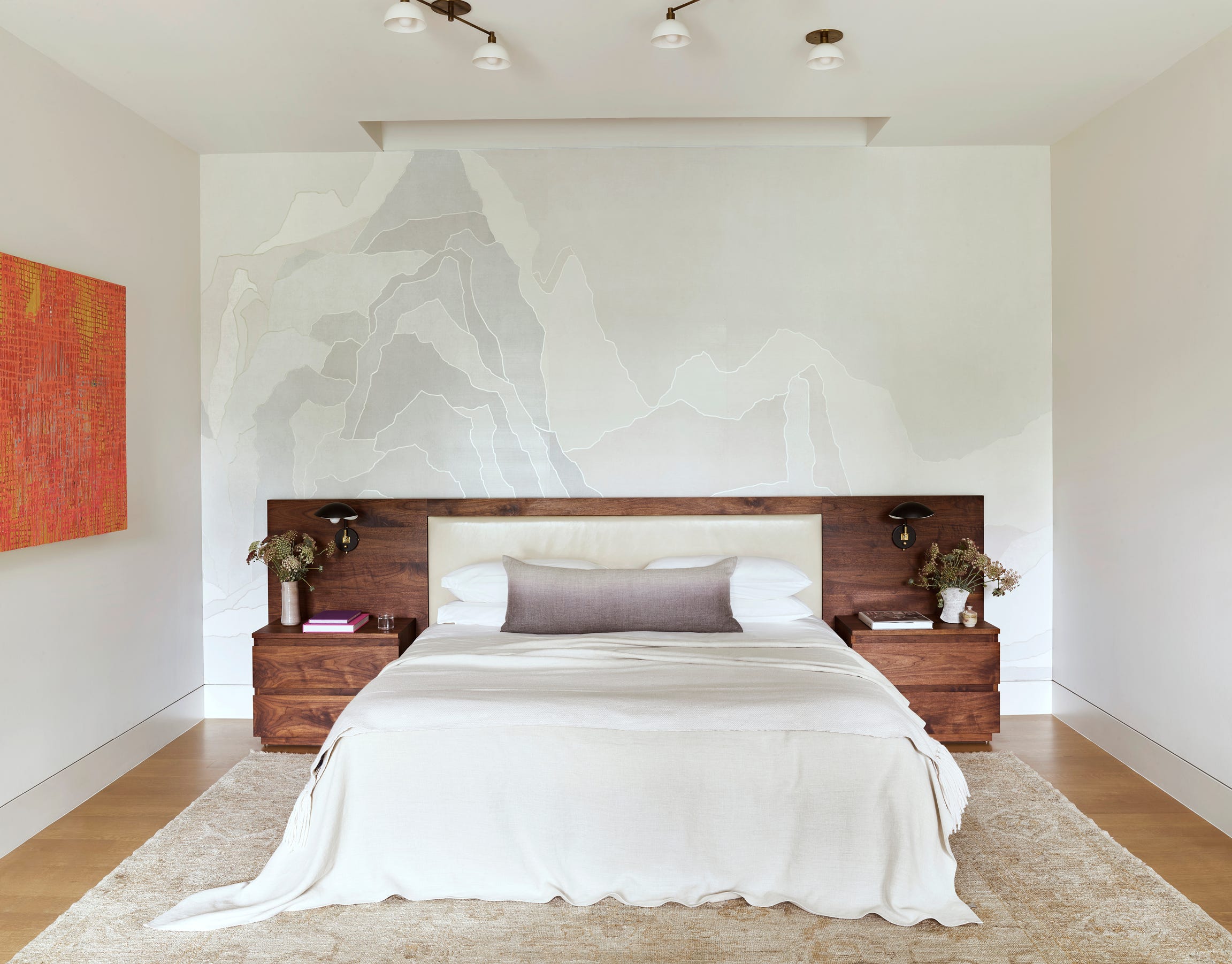
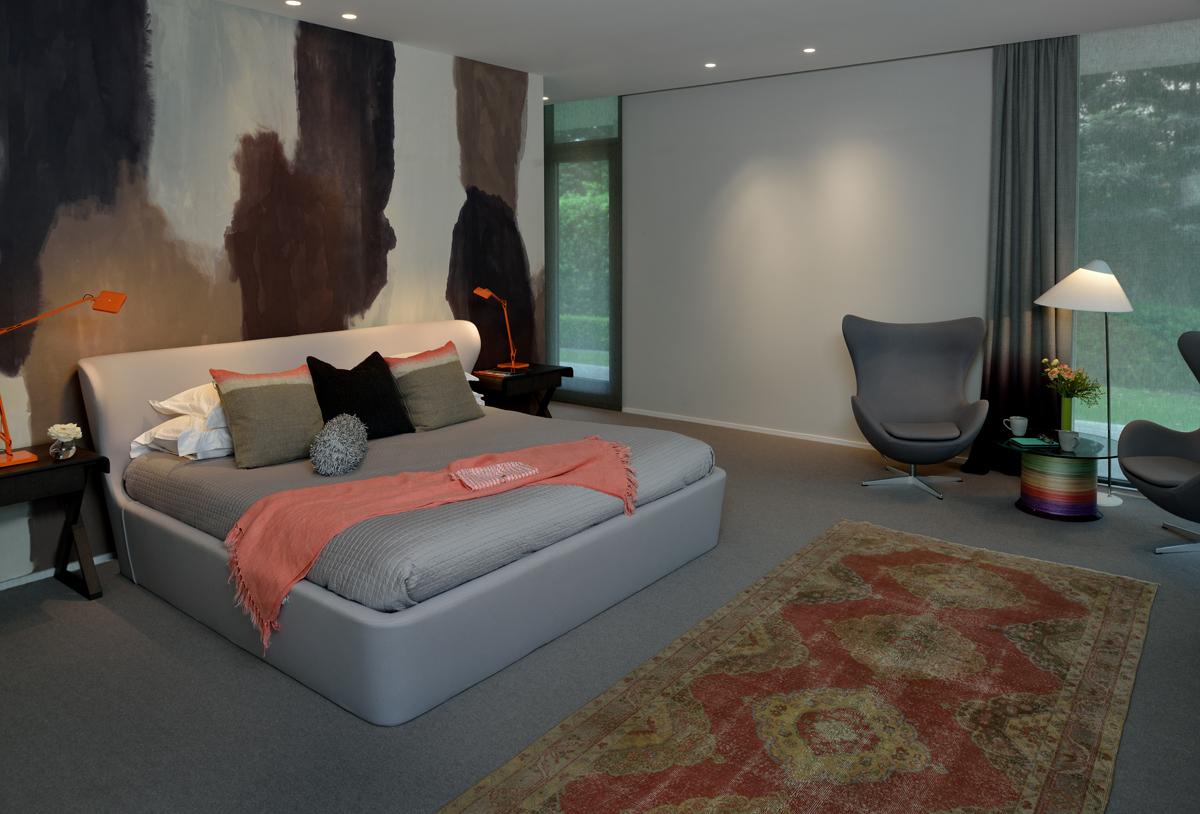
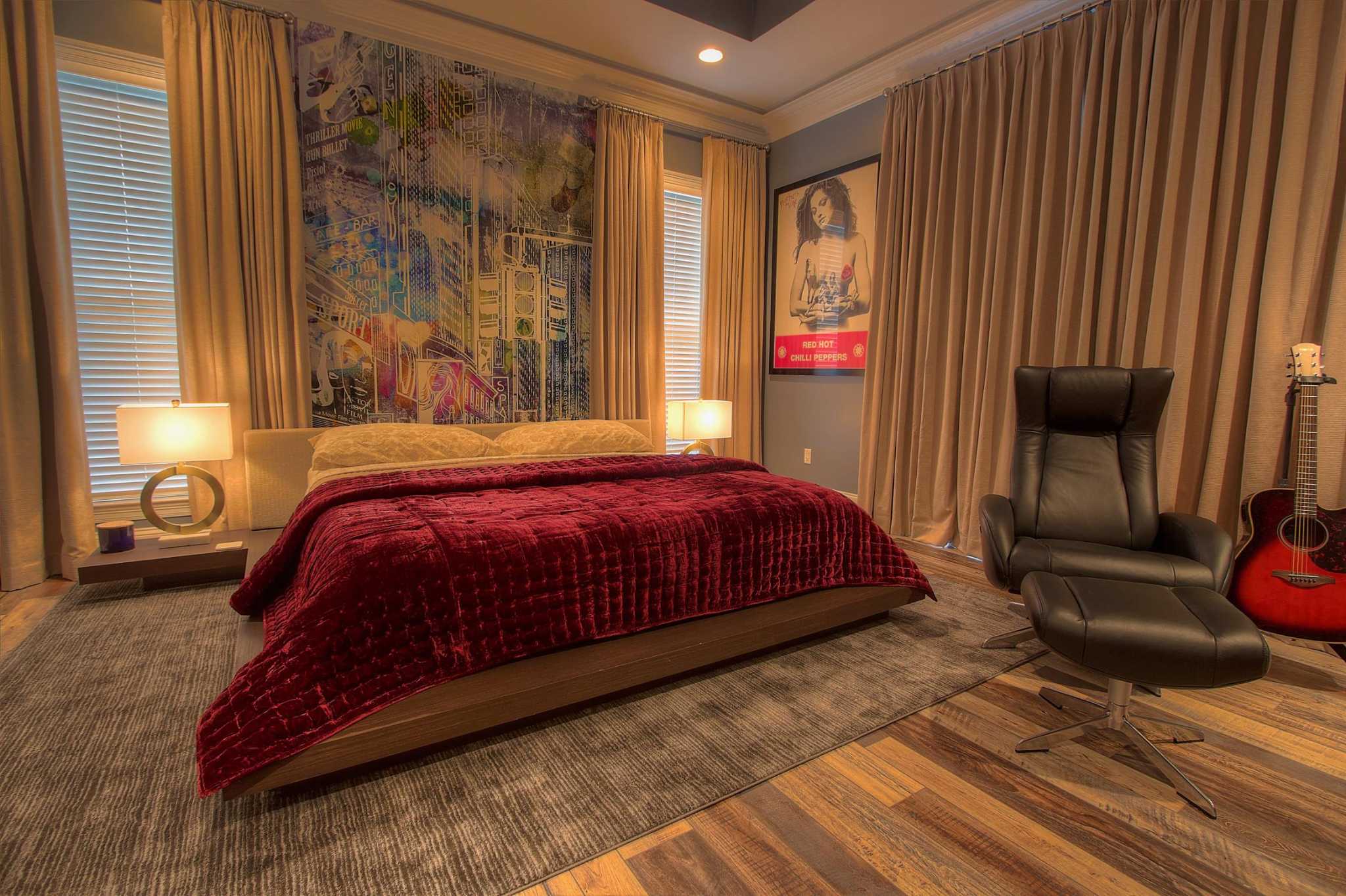
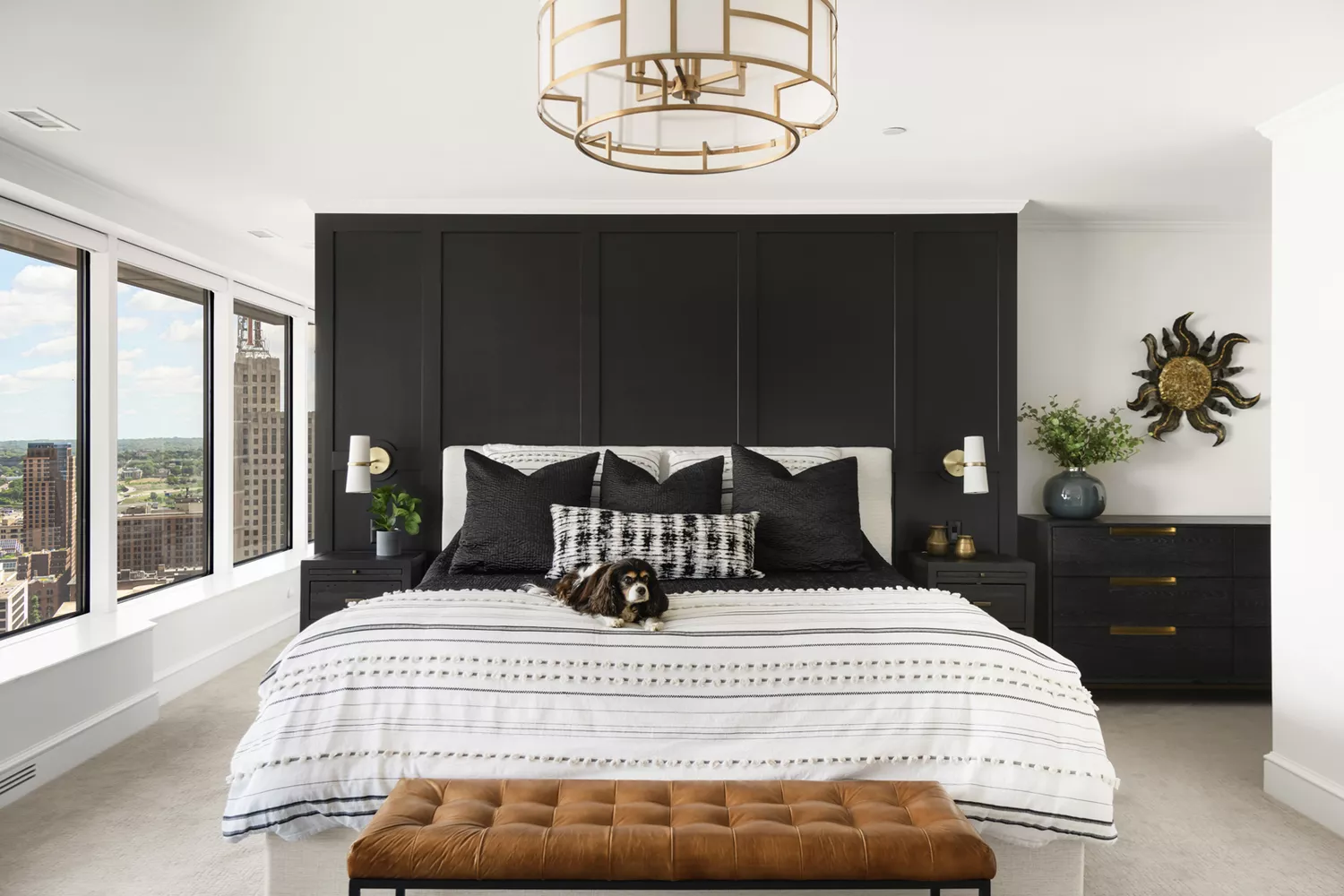
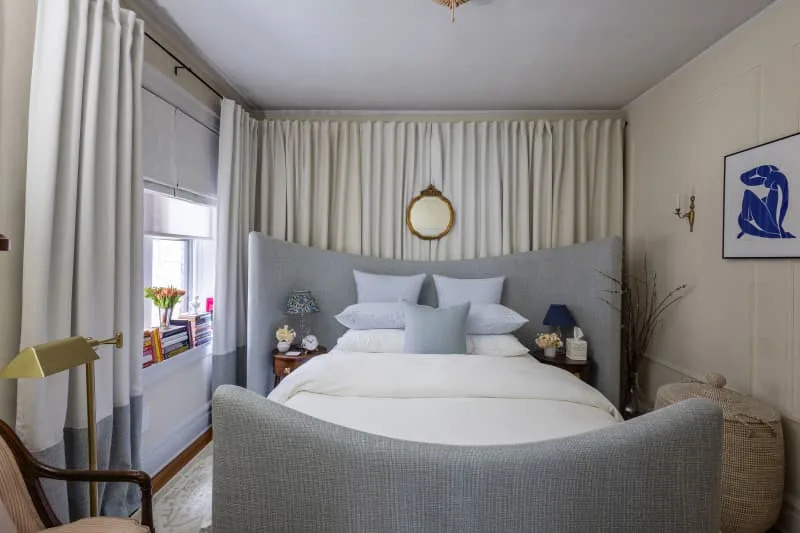
To ensure an accent wall doesn't appear dated, designers advise careful planning of the design scheme and location. It's crucial to avoid overly trend-driven or high-contrast elements that are purely decorative. Recommended locations for intentional and elevated accent walls include bedrooms (behind the bed), dining rooms, home offices, and powder rooms, where they can add a touch of drama or distinction. Ultimately, while the traditional accent wall may be evolving, its modern refresh focuses on intentional, elevated design that integrates seamlessly with the overall space.
#AccentWalls #InteriorDesignTrends #HomeDecor #FocalPoints #WallTreatments #ColorDrenching #ArchitecturalElements #Wallpaper #DesignTips #AccentWalls #InteriorDesignTrends #HomeDecor #FocalPoints #WallTreatments #ColorDrenching #ArchitecturalElements #Wallpaper #DesignTips
共0条评论
 暂无评论
暂无评论你可能还喜欢
Are accent walls out of style? This is how designers are using them now and beyond

This Surprising NEW Trend Is Replacing Accent Walls

16 Accent Wall Ideas That You'll Start Seeing Everywhere In 2025
We Asked Designers If Accent Walls Make Your Home Look Tacky—and They Didn’t Hold Back

Bye-Bye, Accent Walls! Designers Say THIS Is Now the Hottest Decorating Feature

Are accent walls still on trend? Designers decide on what this love-hate style will look like in 2024

Bye-Bye, Accent Walls! Designers Say THIS Is Now the Hottest Decorating Feature

This Accent Wall Tip Will Make You Want To Redecorate
5 outdated wall decor trends designers warn to avoid – plus what we should be doing instead
The Interior Design Trend That’s Replacing Outdated Accent Walls
12 Accent Wall Ideas That Will Never Go Out of Style

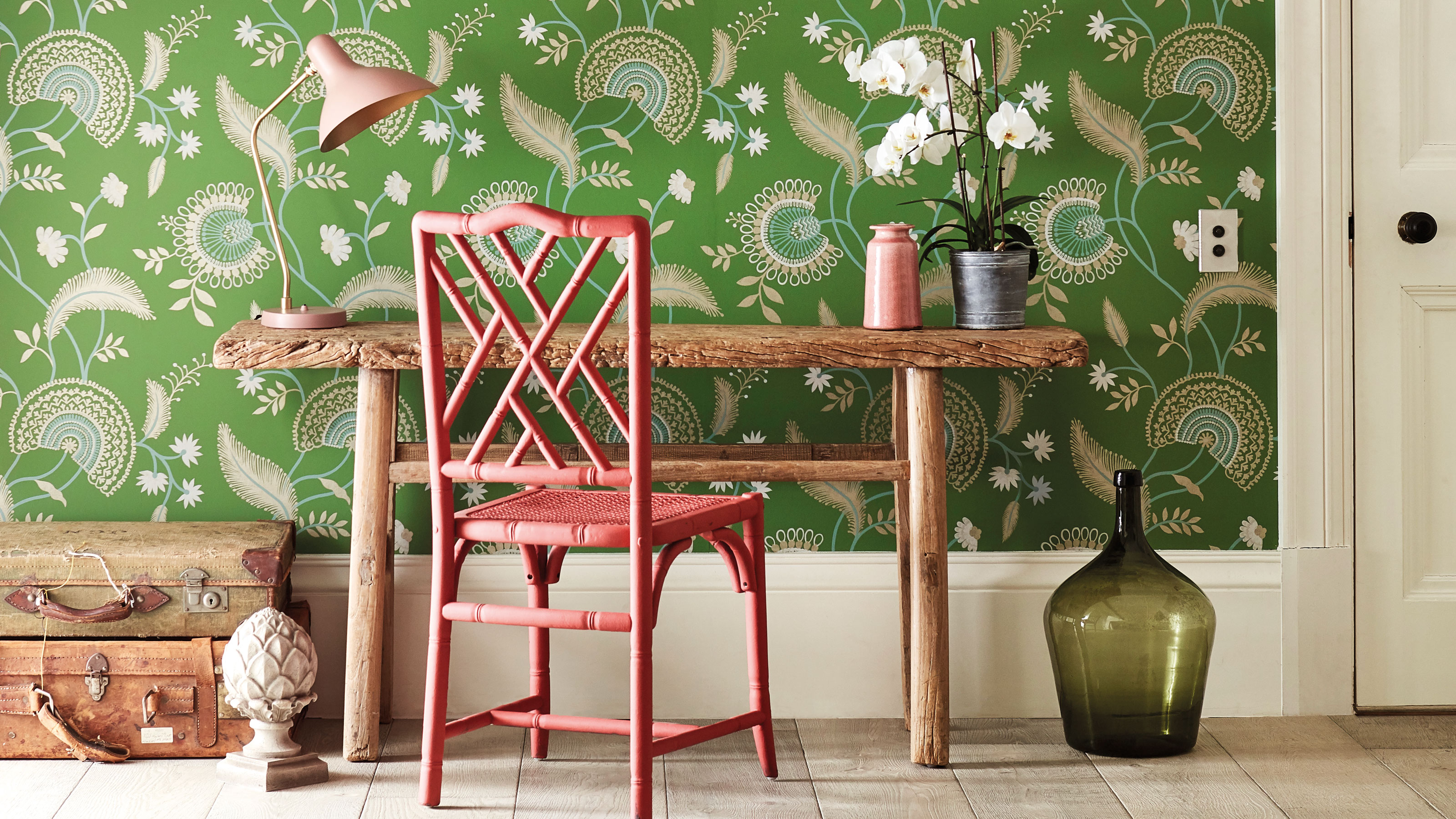
Accent wall ideas – 20 of the latest ways to create a statement feature
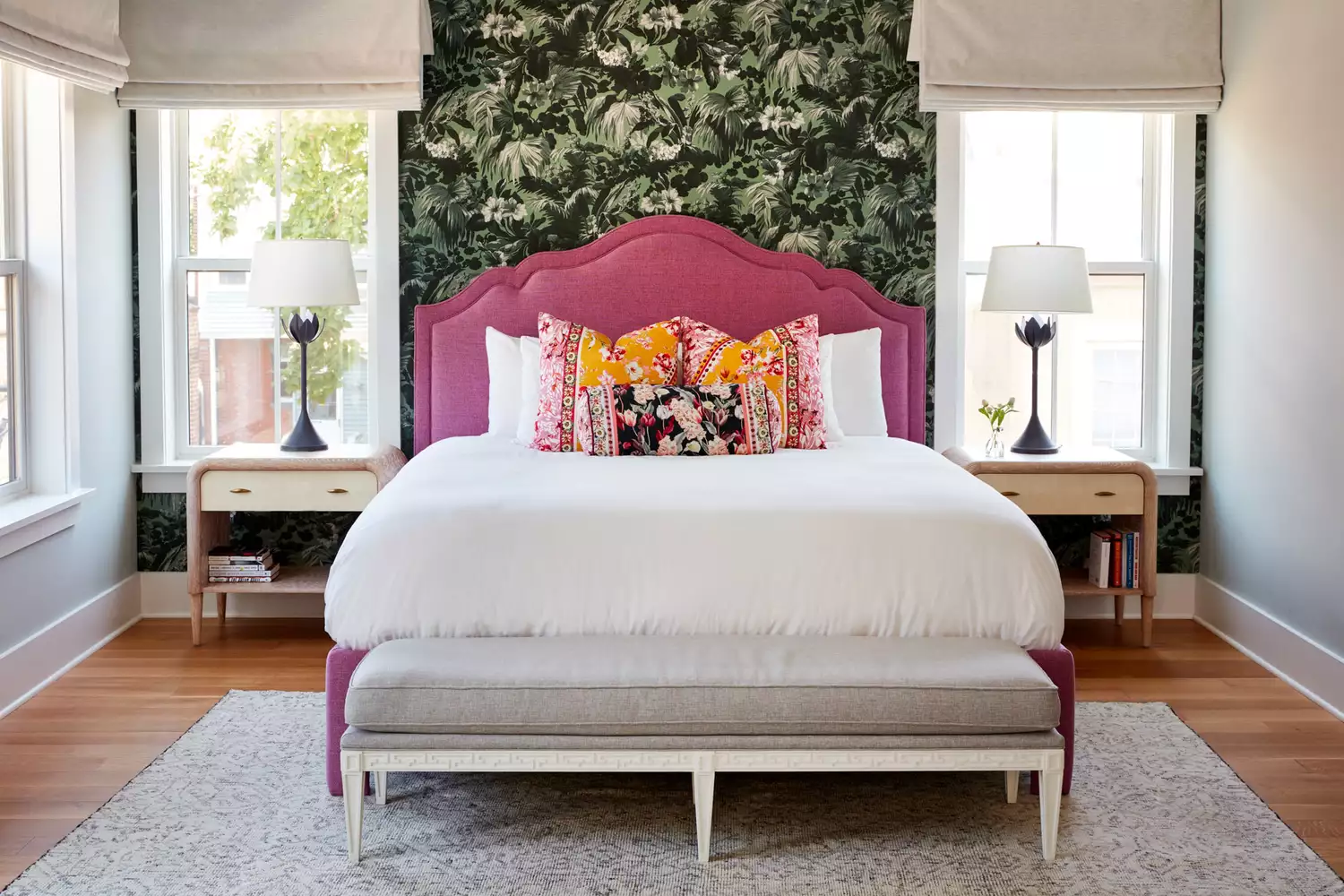
Are Accent Walls Going Out of Style? Here's What Designers Say
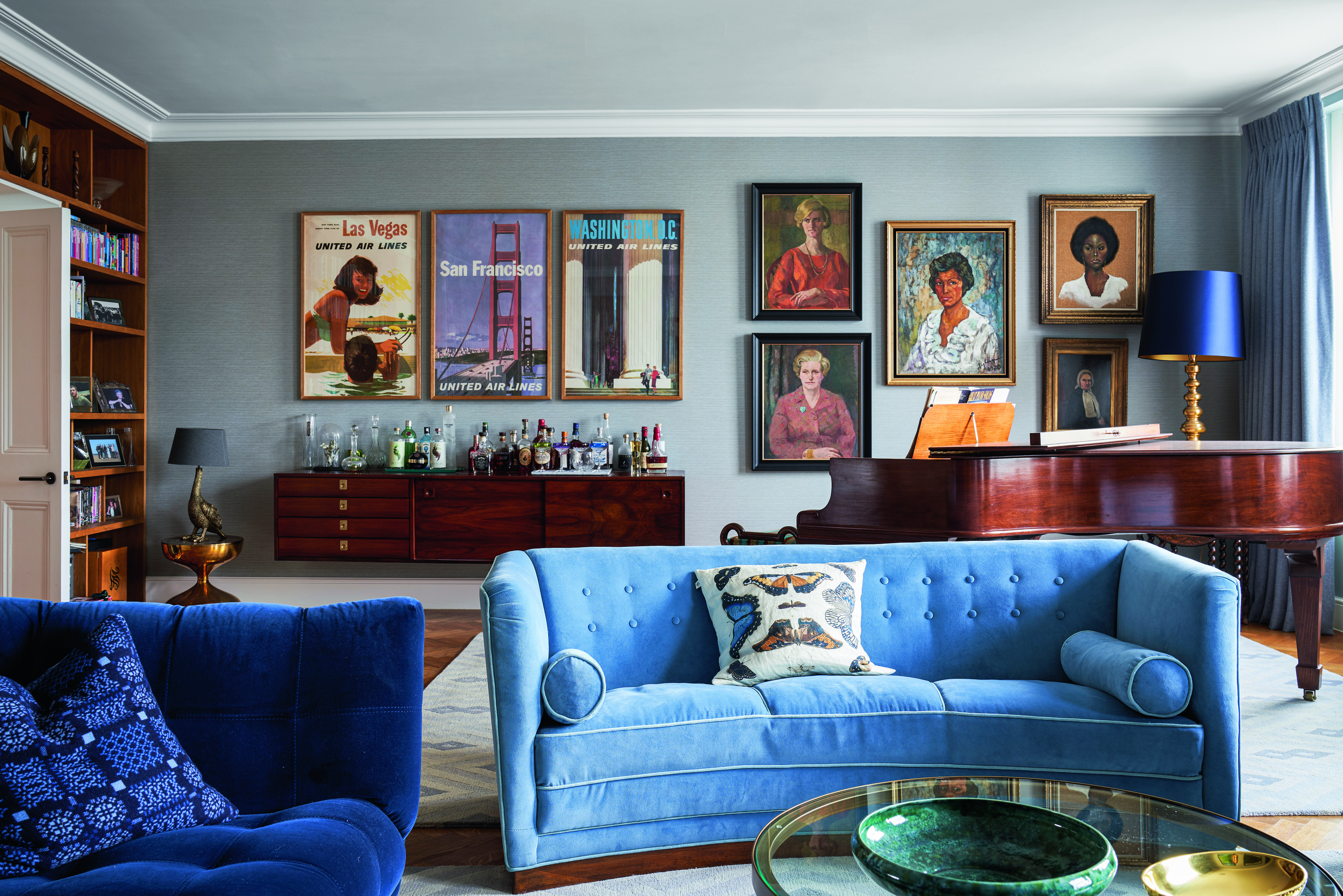
4 outdated wall decor trends designers are leaving behind – and the one that they're choosing instead
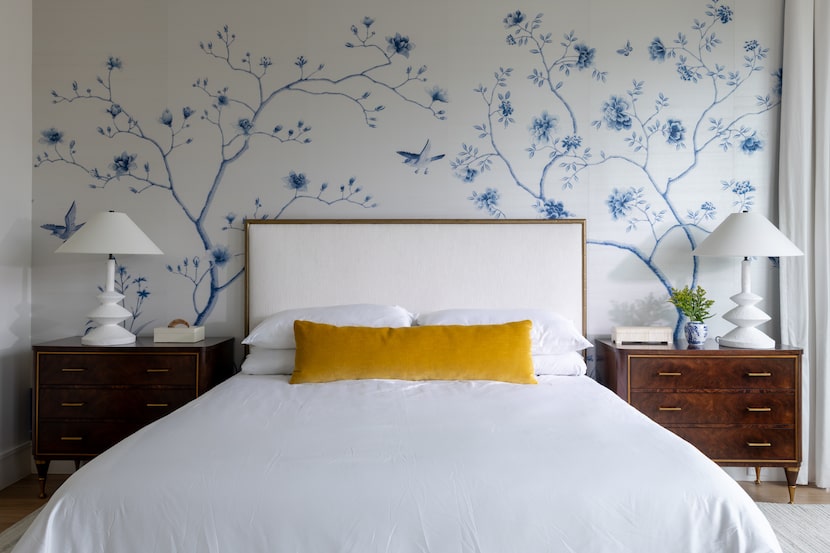
The new accent wall: A bold statement that goes beyond a coat of paint
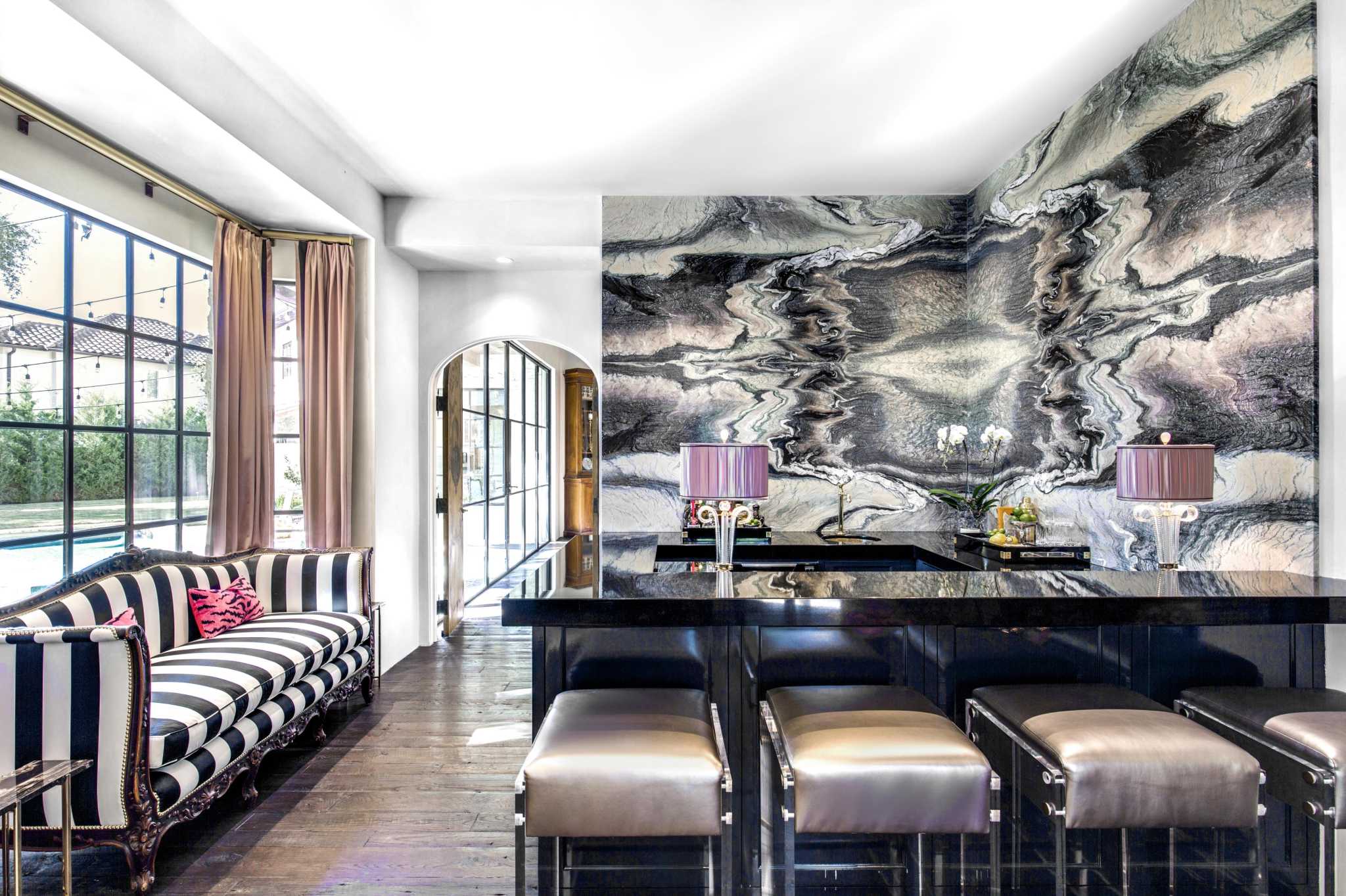
It’s not an accent wall anymore. It’s a ‘statement’ wall.

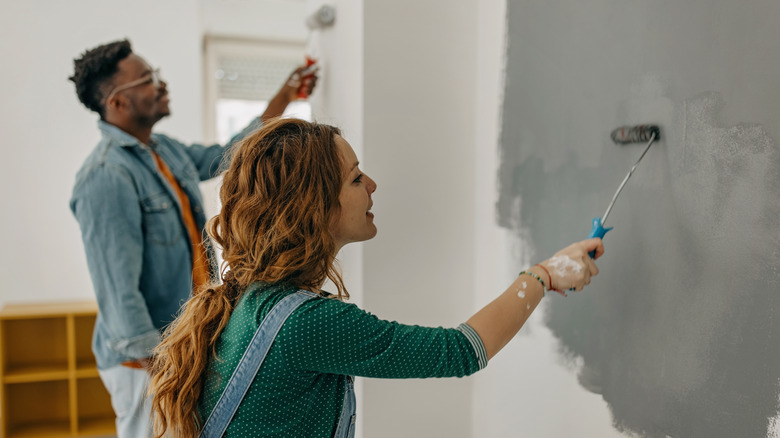
10 Painted Accent Wall Trends That Are On Their Way Out, And What To Do Instead
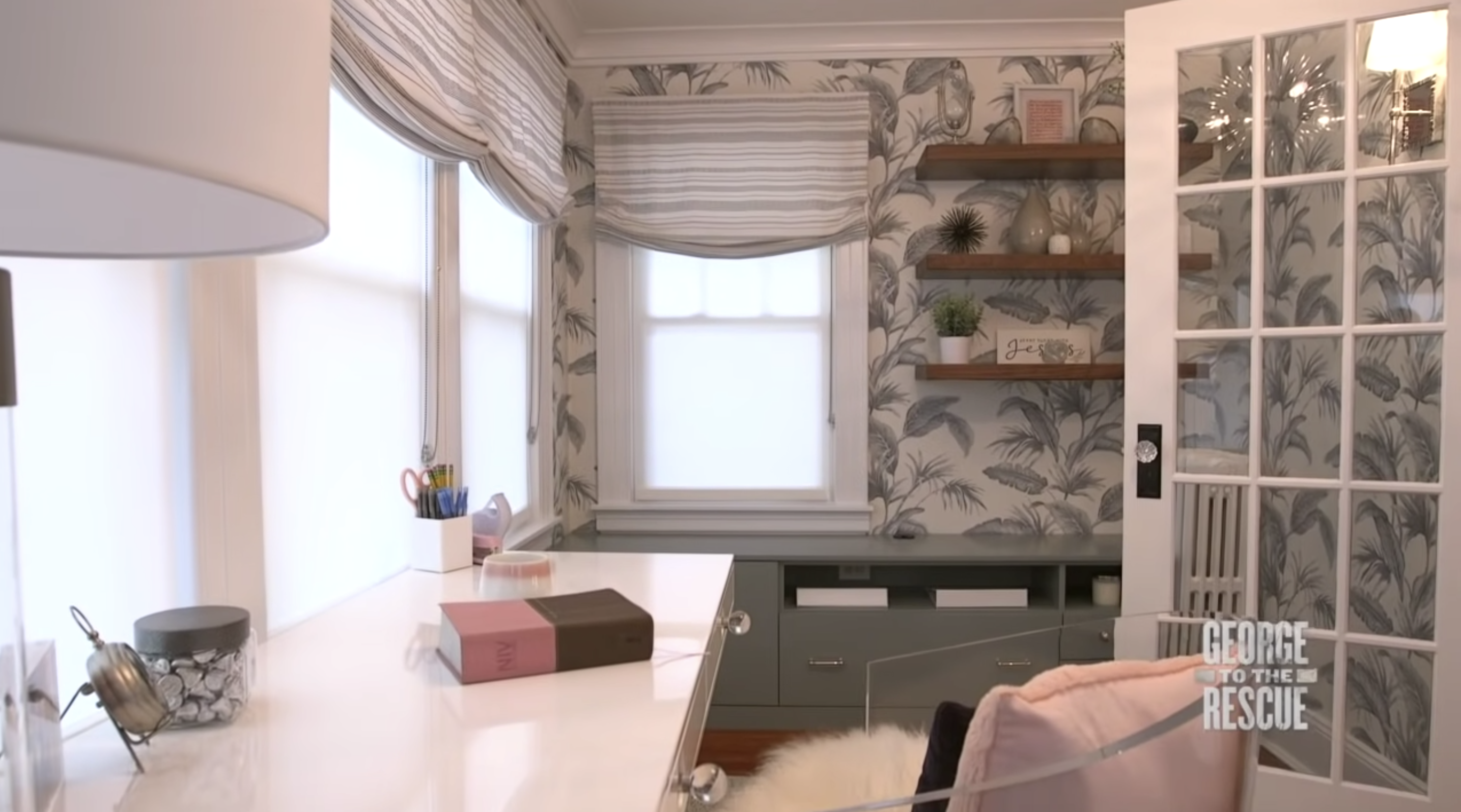
These Accent Wall Ideas Could Be The Modern Touch Your Home is Missing

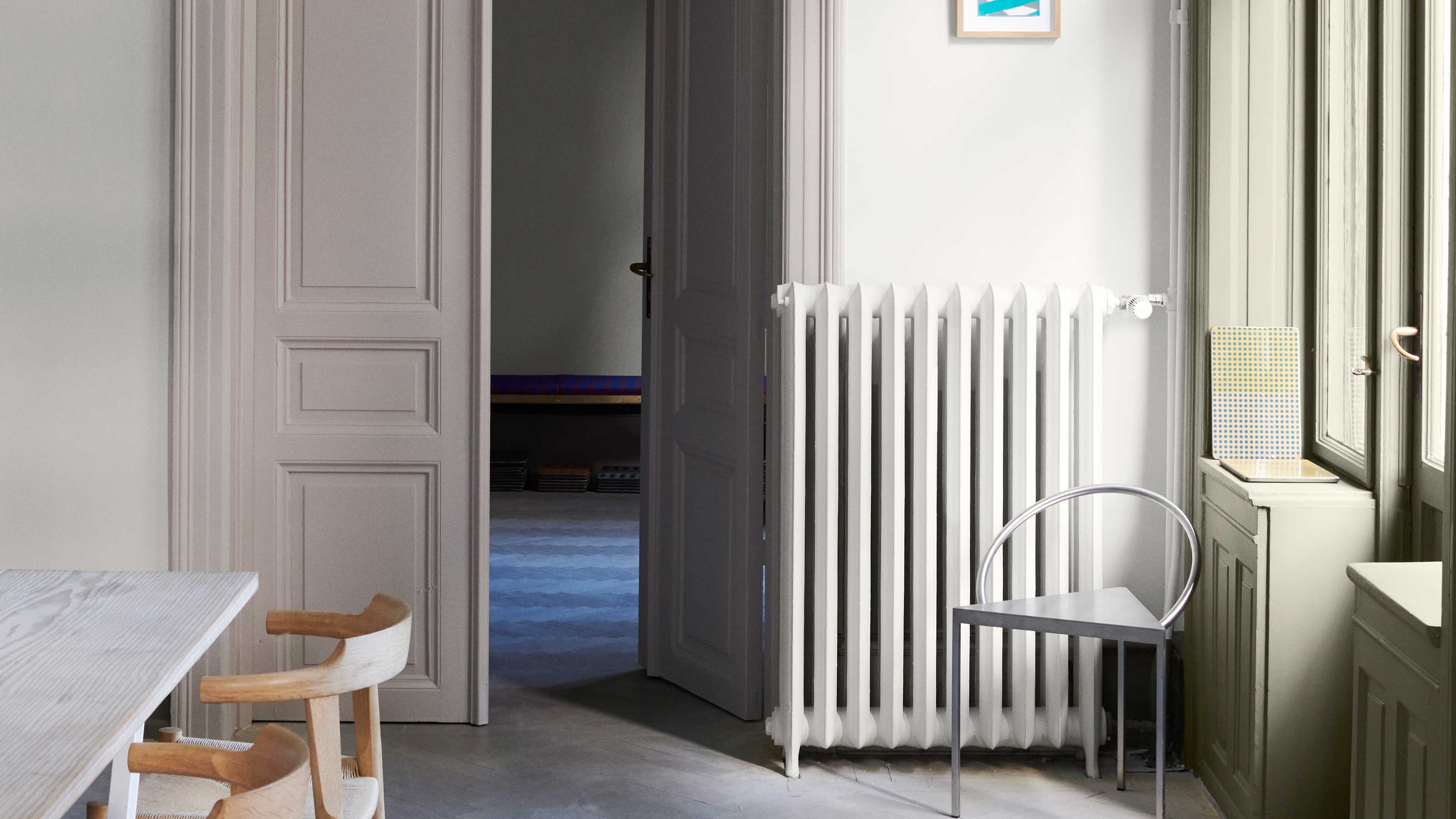
5 outdated paint trends that interior designers are glad to see the back of – and what they're doing instead
These 5 Home Decor Styles Are So Outdated, According to Interior Designers