1/6
"Trough Sinks" Are the Big Bathroom Trend for Elevated Spaces — But Are They Practical? Designers Decide
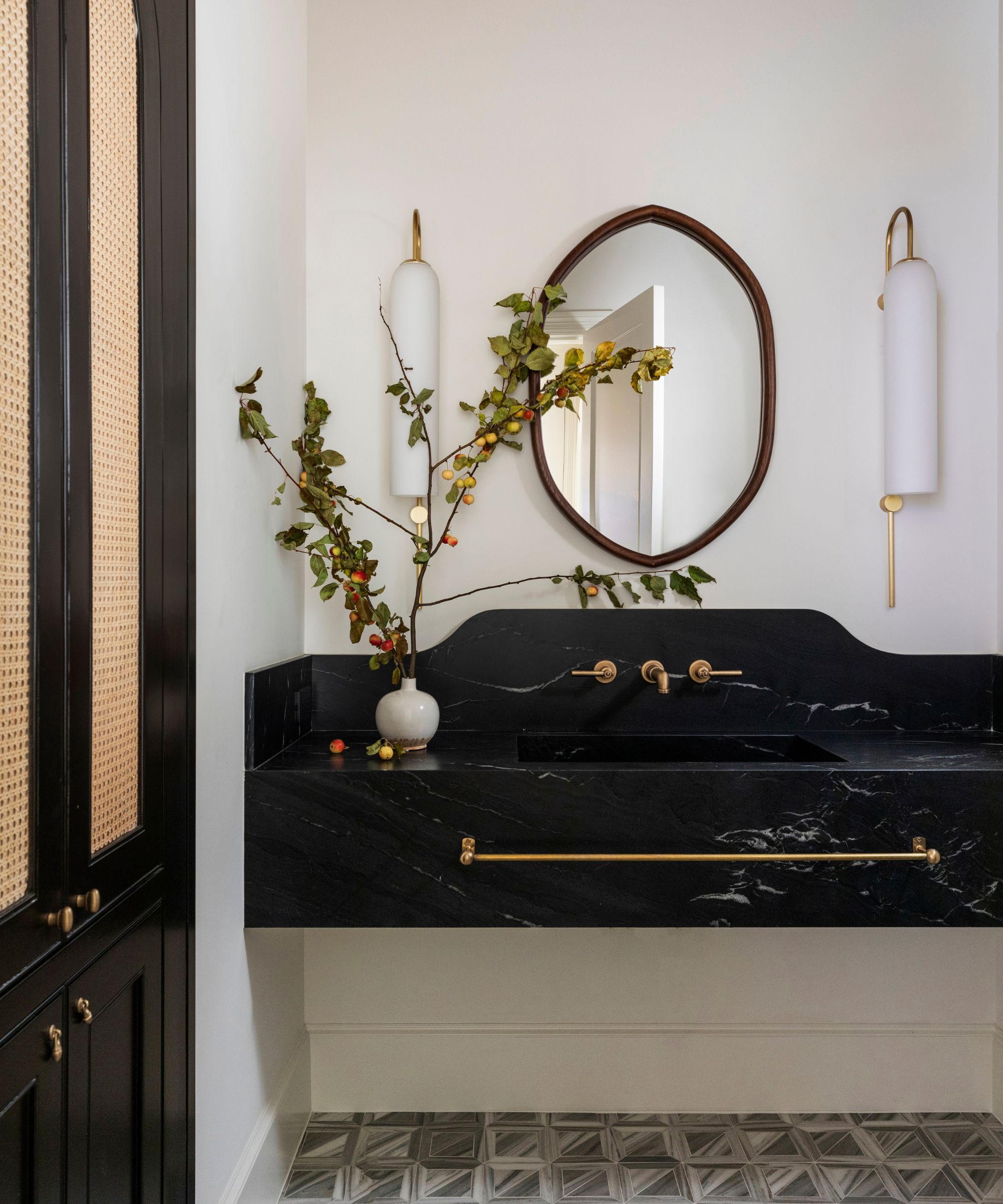
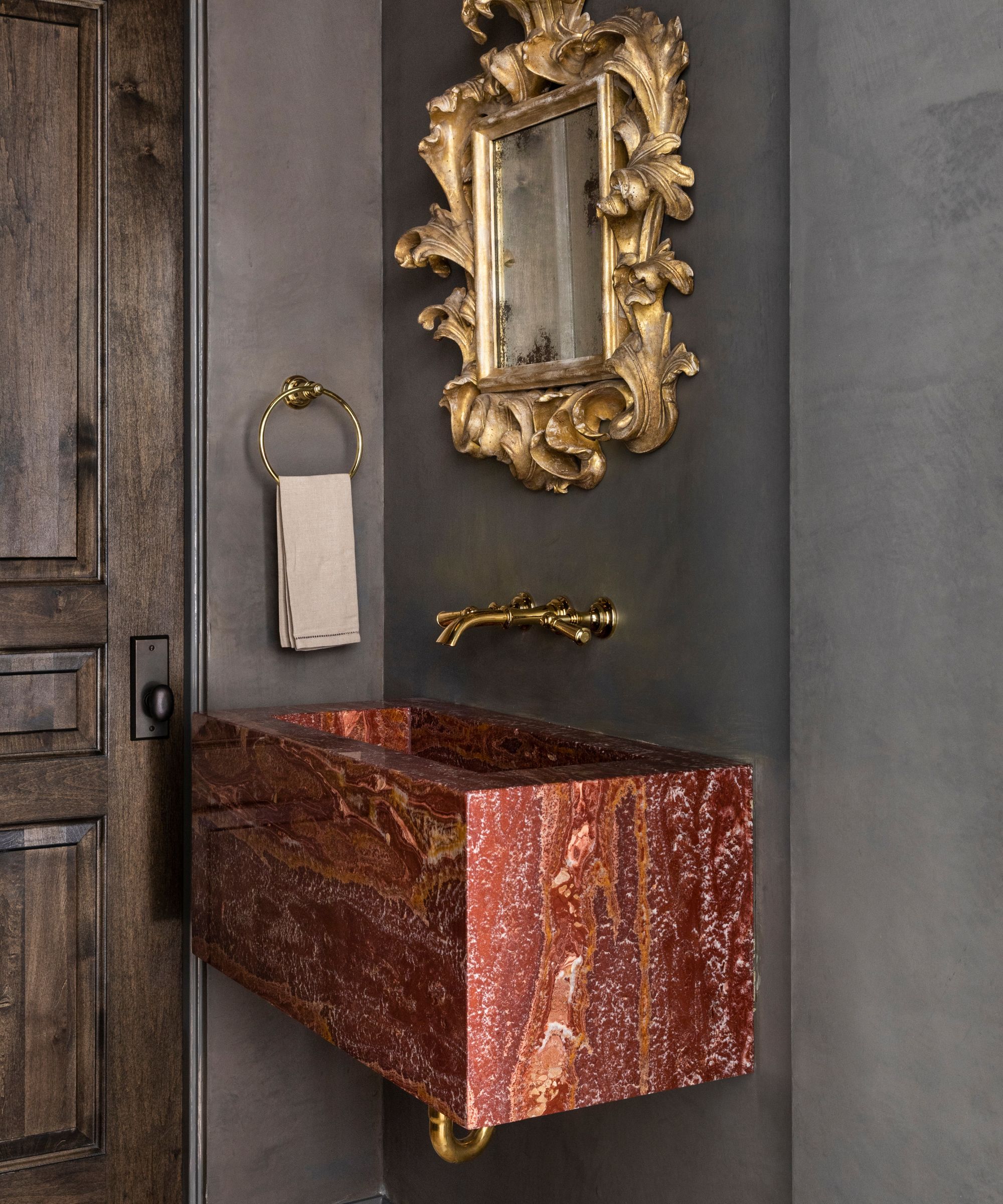
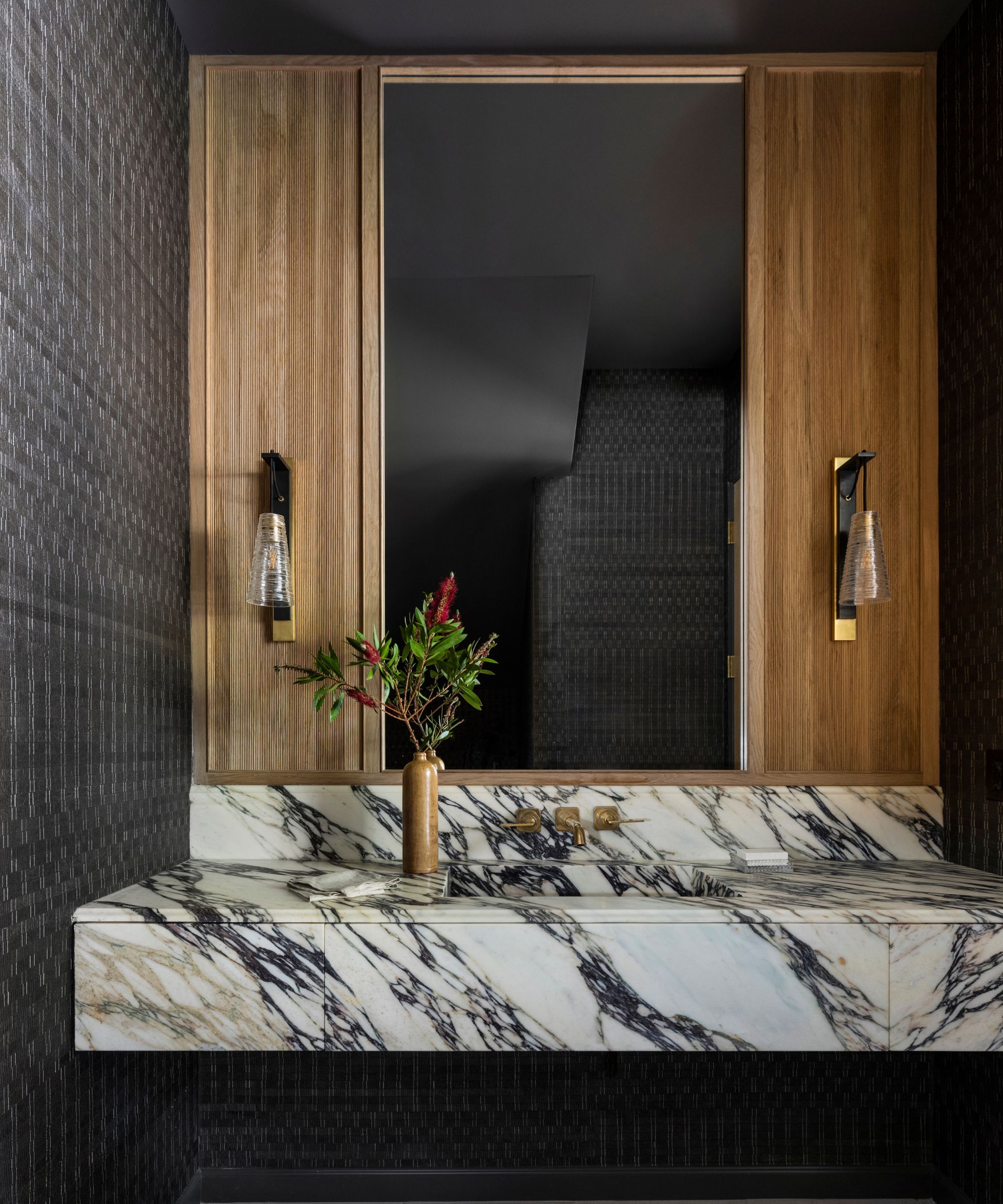
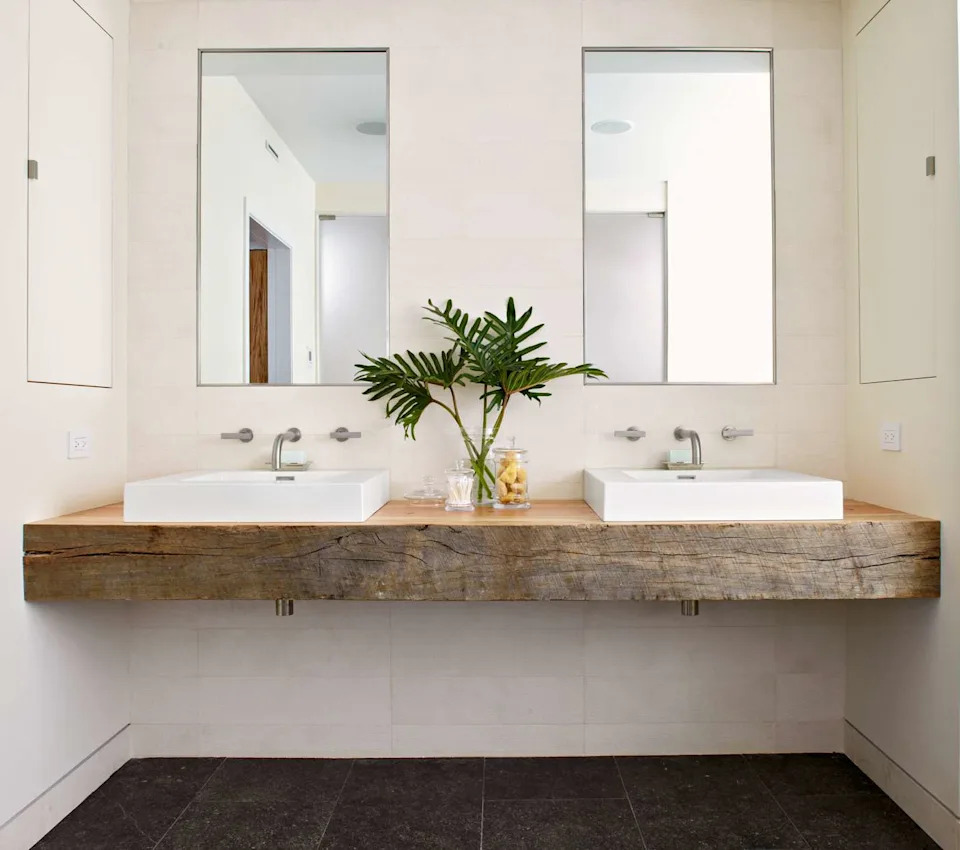
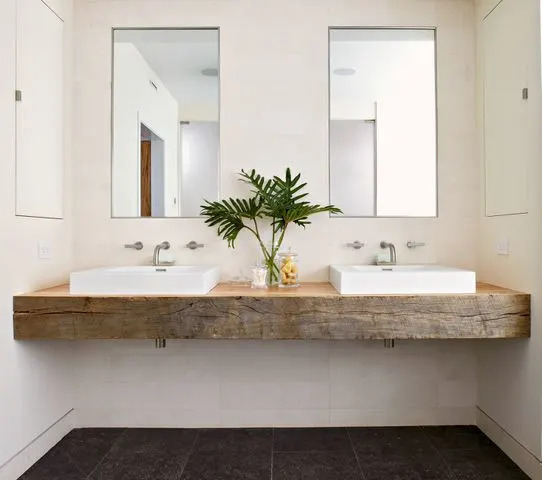
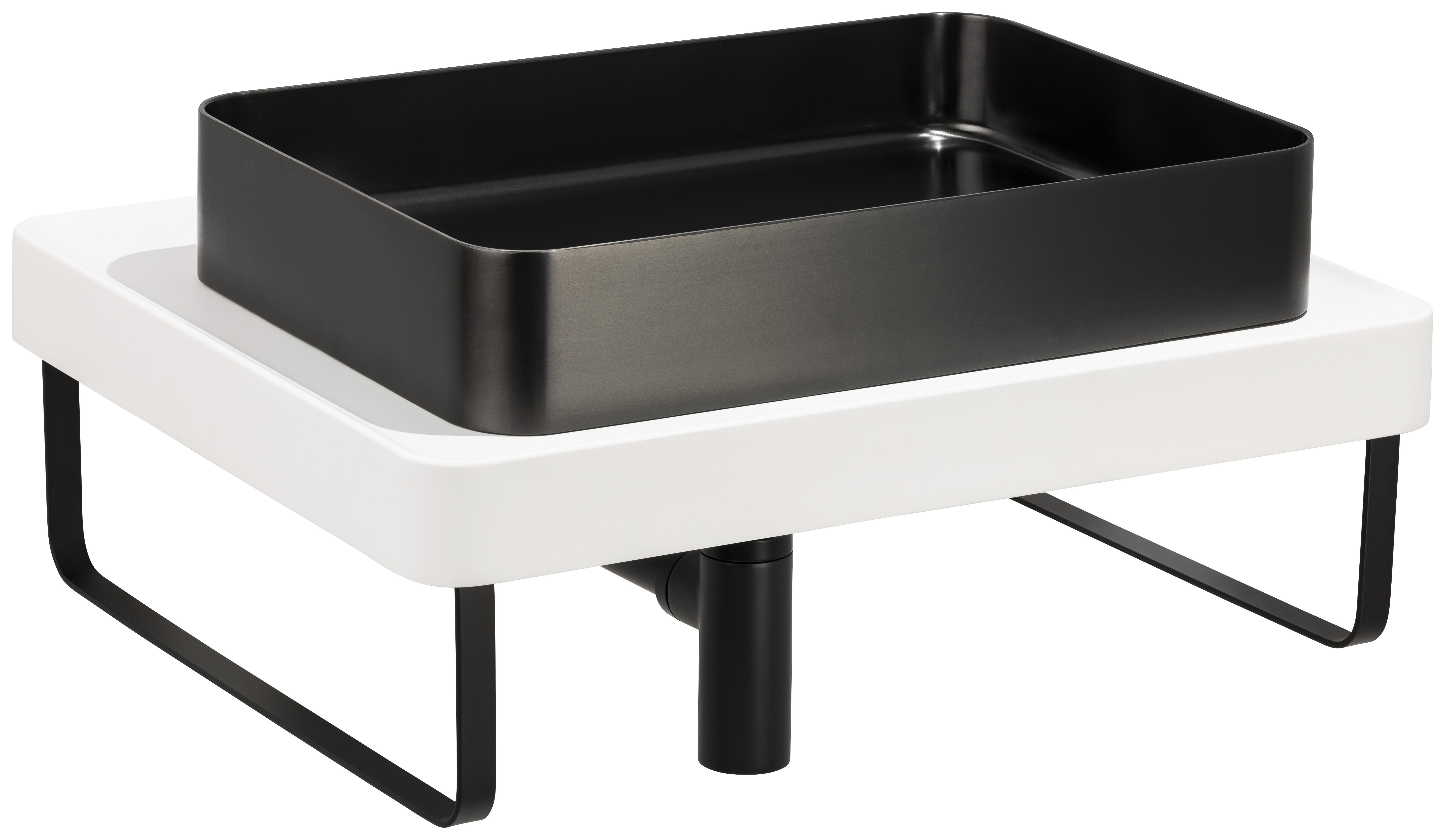
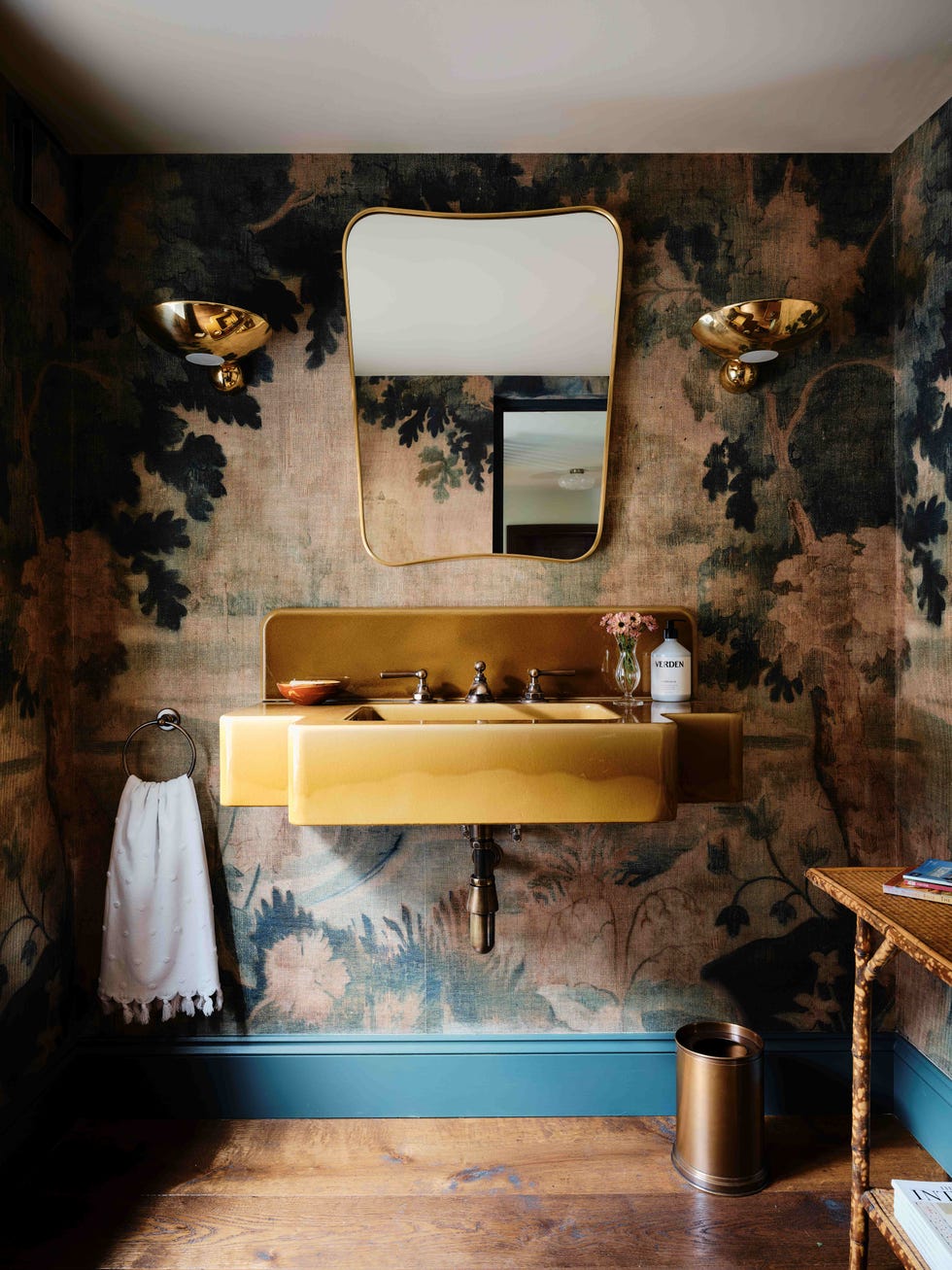
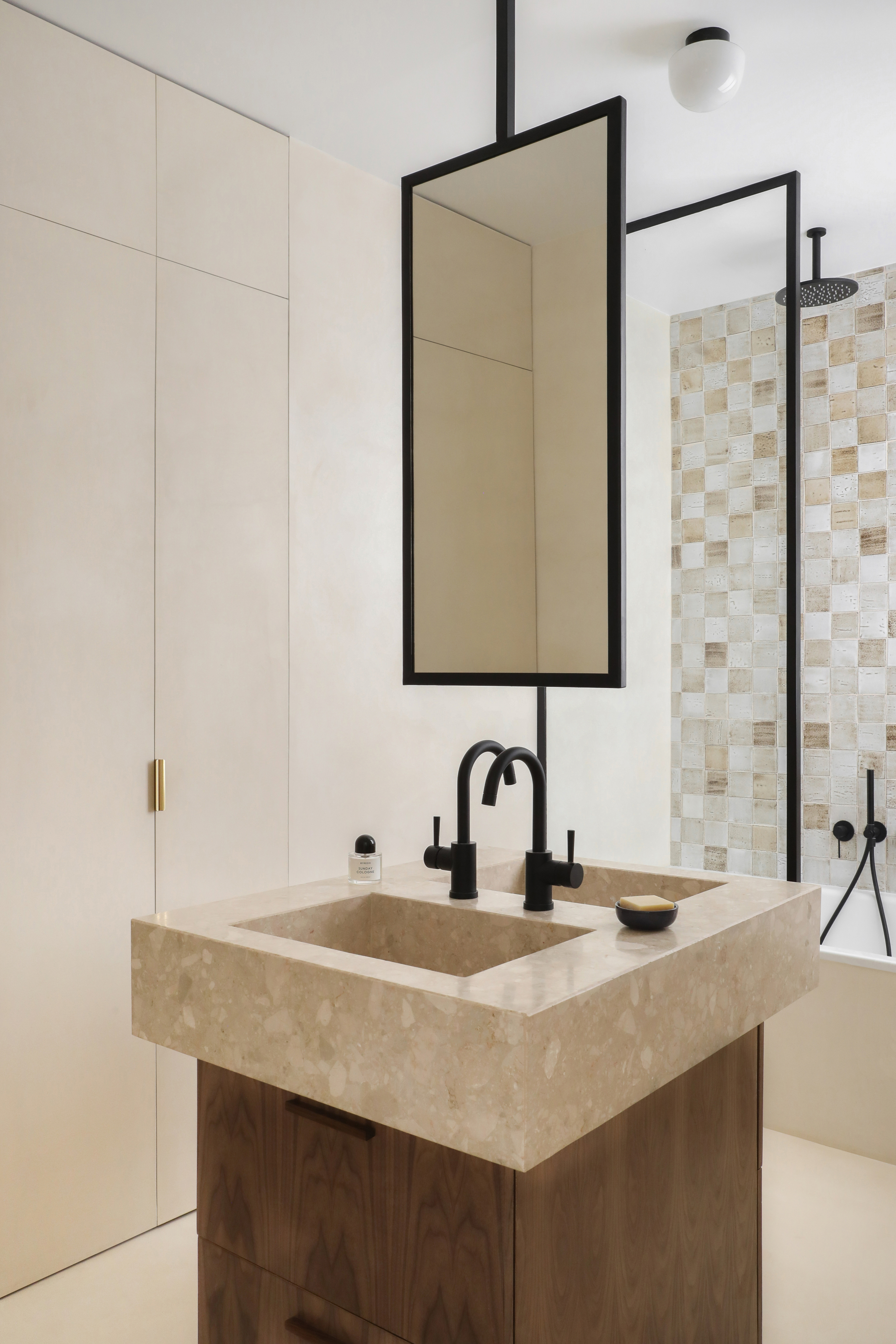

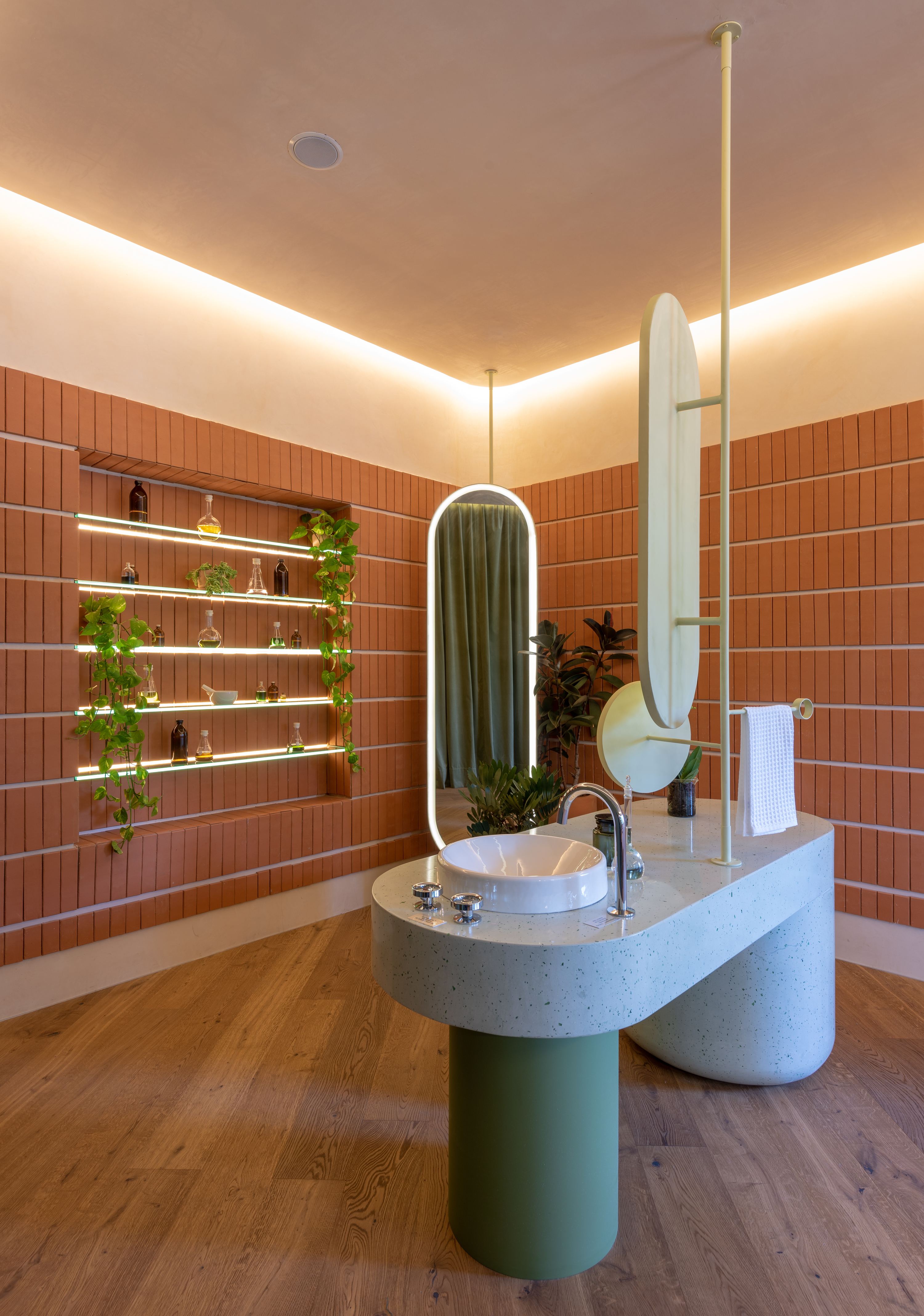
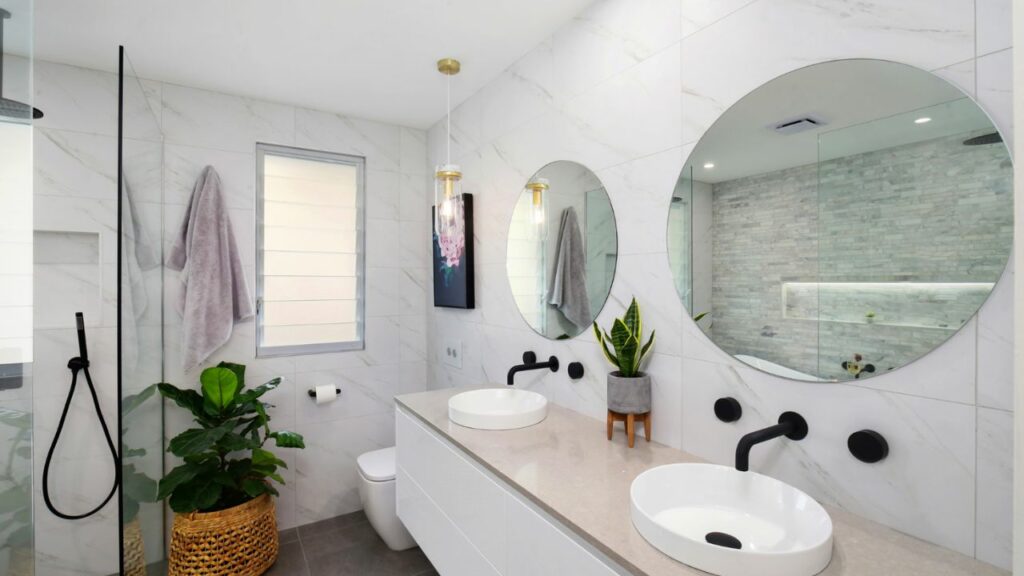
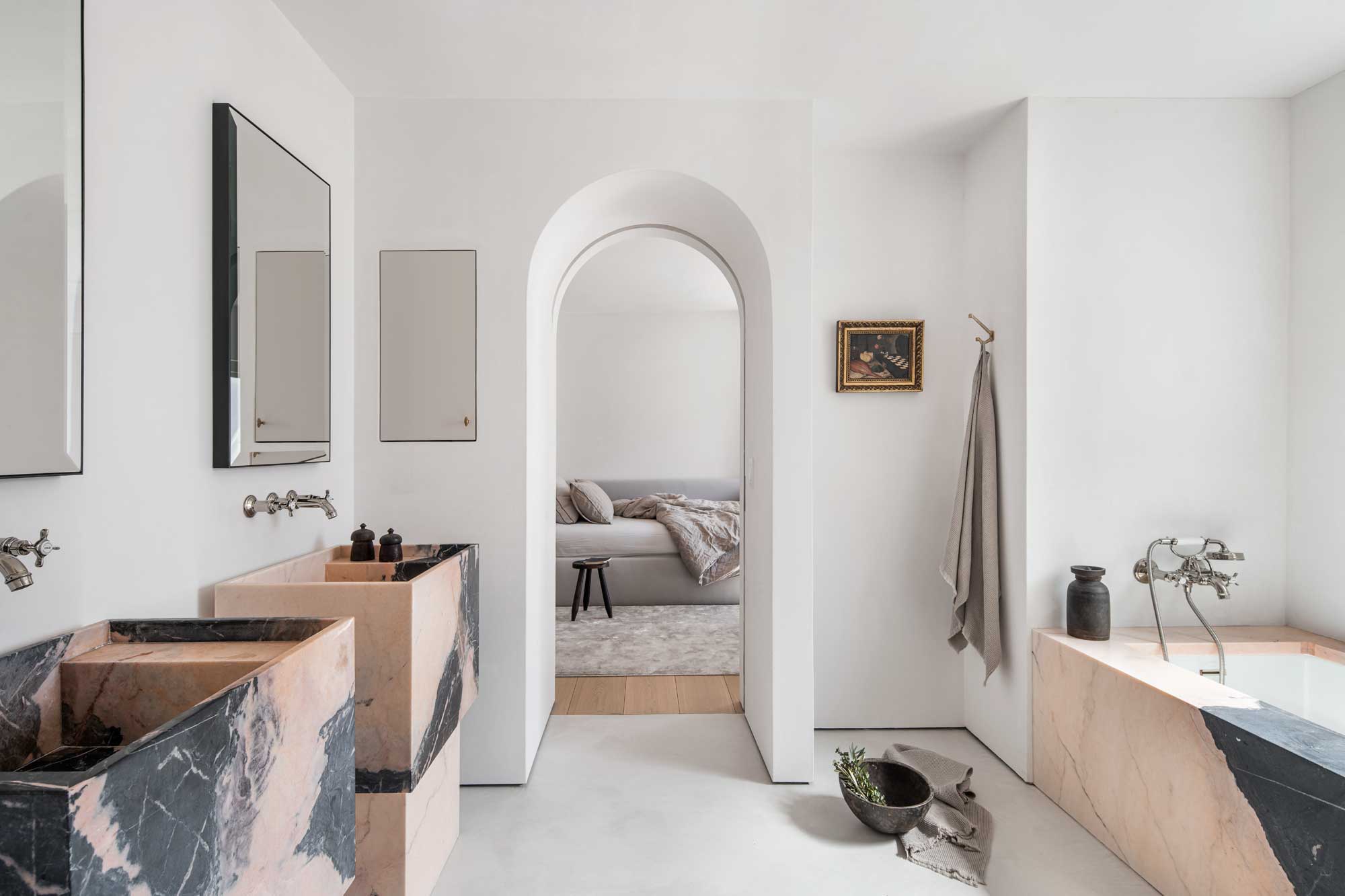
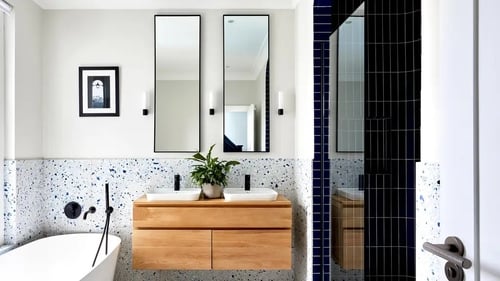
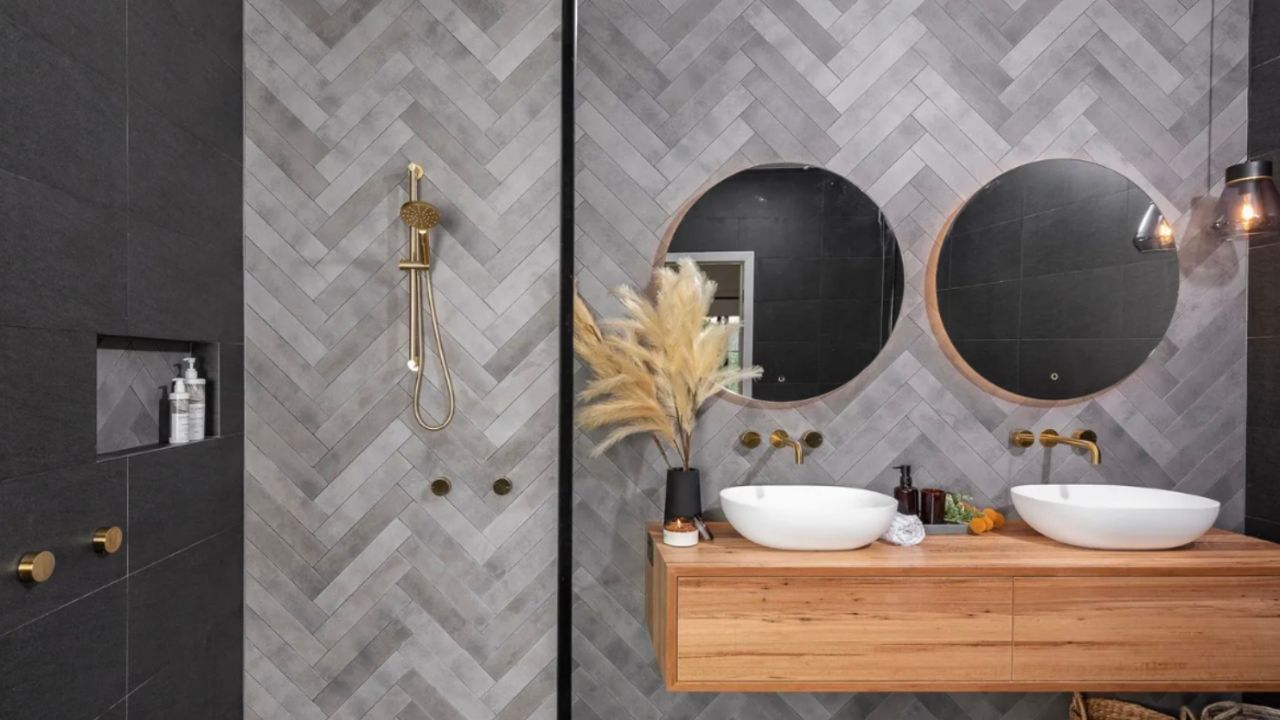
Trough sinks, characterized by their long, often narrow, spa-like basin design, typically feature two faucets to accommodate multiple users simultaneously. These sinks, which frequently occupy most of the bathroom countertop, have seen a surge in popularity due to their unique, minimalist aesthetic and practical functionality. While their sleek design makes them an attractive option for modern bathrooms, potential installers should carefully weigh their advantages and disadvantages regarding practicality, installation, space utilization, and cost.
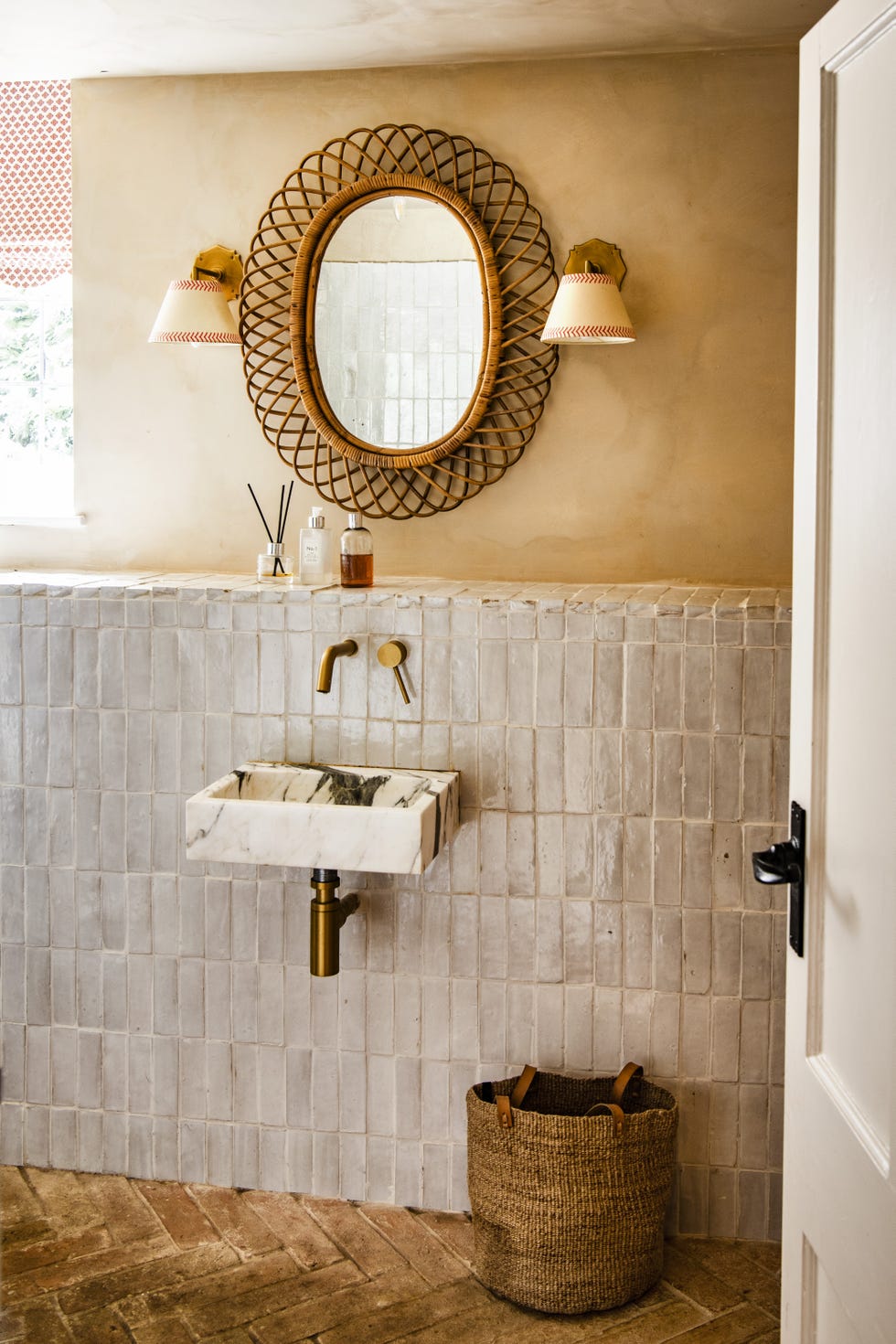
From a practical standpoint, trough sinks offer a generous surface area, making them ideal for shared bathrooms or households where multiple individuals need to use the sink concurrently. This design eliminates the need to wait for others, streamlining morning and evening routines. Interior designers Liz Goldberg and Nina Lichtenstein highlight the appeal of trough sinks in powder rooms and children's bathrooms, noting their ability to elevate the space and make handwashing more enjoyable for kids. Aesthetically, trough sinks contribute to a minimalist look, often aligning seamlessly with the bathroom vanity's outline. Their versatility in materials and finishes—including porcelain, stainless steel, wood, or concrete—allows them to complement various bathroom styles and color schemes, serving as a significant design statement.
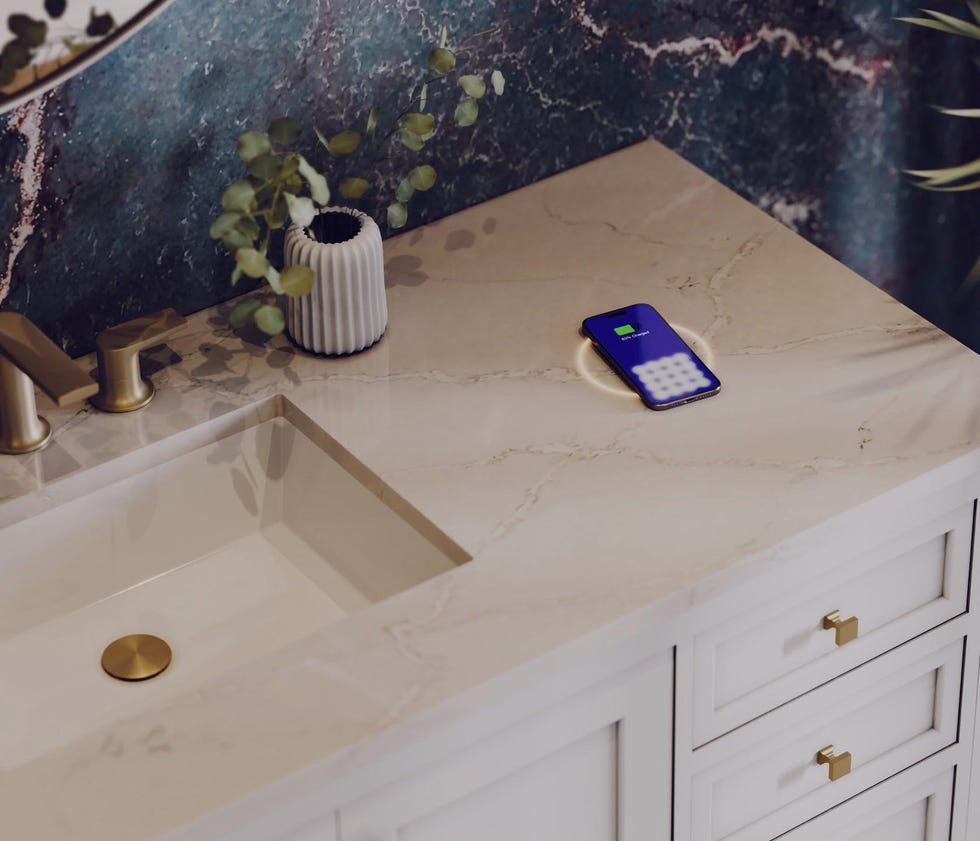
Maintenance is another area where trough sinks offer benefits. Their continuous basin and single drain facilitate efficient water drainage, while the basin's depth helps minimize splashing. The straightforward design, devoid of numerous nooks and crannies, simplifies cleaning, making them suitable for low-maintenance bathrooms. Incorporating a small amount of countertop space around the sink allows for styling elements like vases, enhancing the overall look.
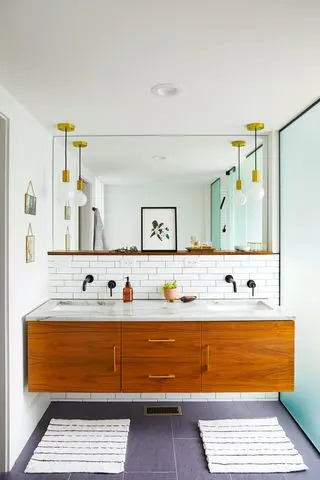
However, trough sinks come with several drawbacks. Installation and plumbing can be more complex than for standard single or double sinks, necessitating careful planning for proper drainage and water supply connections. This increased complexity can translate to higher installation costs, especially if custom cabinetry and adjustments are required. Furthermore, these high-end fixtures might be challenging to source at a lower price point. A significant consideration is the potential for limited space and storage. The extended length of a trough sink can reduce available countertop space for toiletries or decorative items. Unlike traditional vanities, trough sinks typically do not include integrated storage cabinets or drawers beneath, which can be a notable disadvantage in smaller bathrooms where storage is at a premium. Tineke Triggs, an interior designer, also advises selecting durable materials due to the exposed front of the sink being prone to damage from frequent use.
Ultimately, the decision to install a trough sink depends on the overall bathroom layout, personal preferences, and the specific functional needs of the users. While they offer a modern and functional alternative to traditional sinks, a thorough evaluation of their pros and cons is essential to ensure they align with individual requirements. With careful planning and consideration, a trough sink can transform a bathroom into a stylish and efficient space, catering effectively to all users.
#TroughSinks #BathroomDesign #InteriorTrends #HomeRenovation #ModernBathroom #DesignConsiderations #Plumbing #AestheticAppeal #FunctionalDesign #TroughSinks #BathroomDesign #InteriorTrends #HomeRenovation #ModernBathroom #DesignConsiderations #Plumbing #AestheticAppeal #FunctionalDesign
Toplam 0 yorum
 Henüz yorum yok
Bu da beğenebilirsiniz
Bathroom sink trends – the 10 shapes, colors and styles to look for during your bathroom remodel
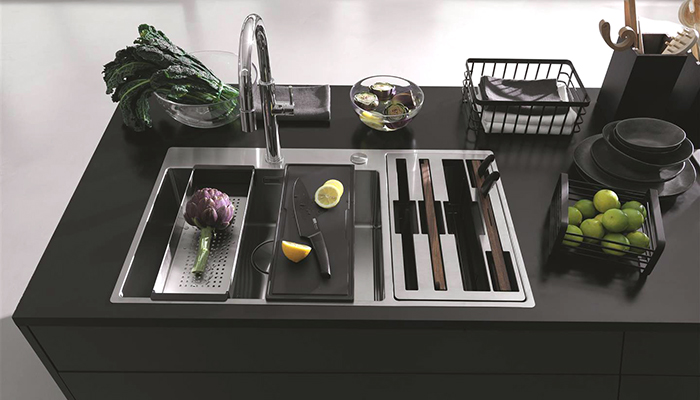
The latest sinks offer designers limitless ways to get in the zone
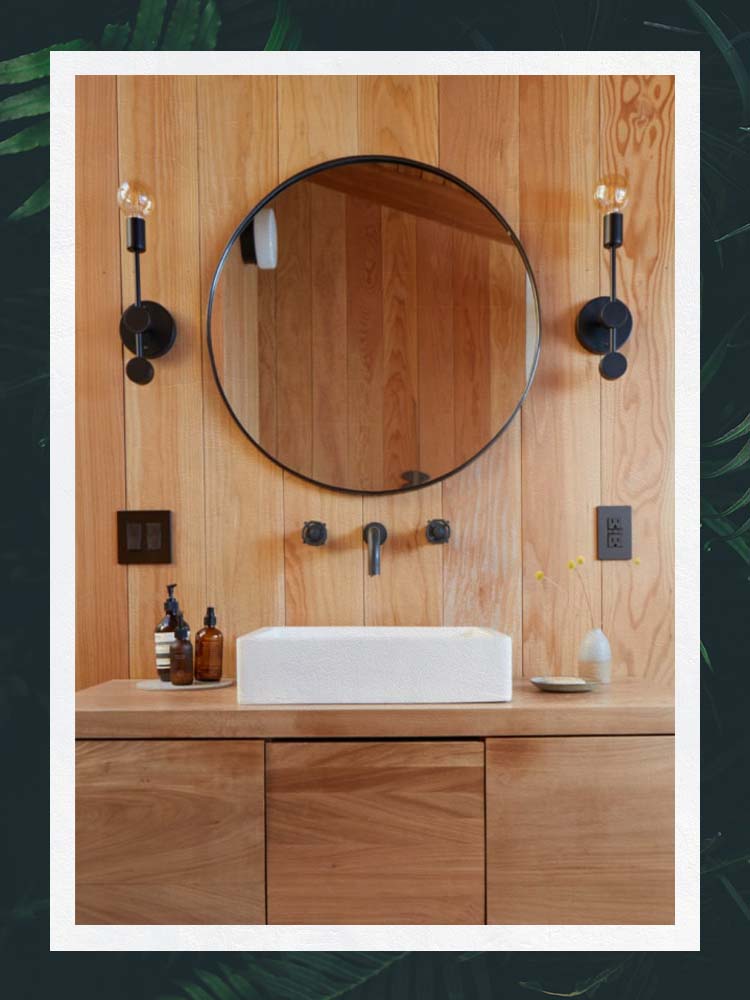
The Best Bathroom Sinks Go Beyond Porcelain to Concrete and Even Quartz

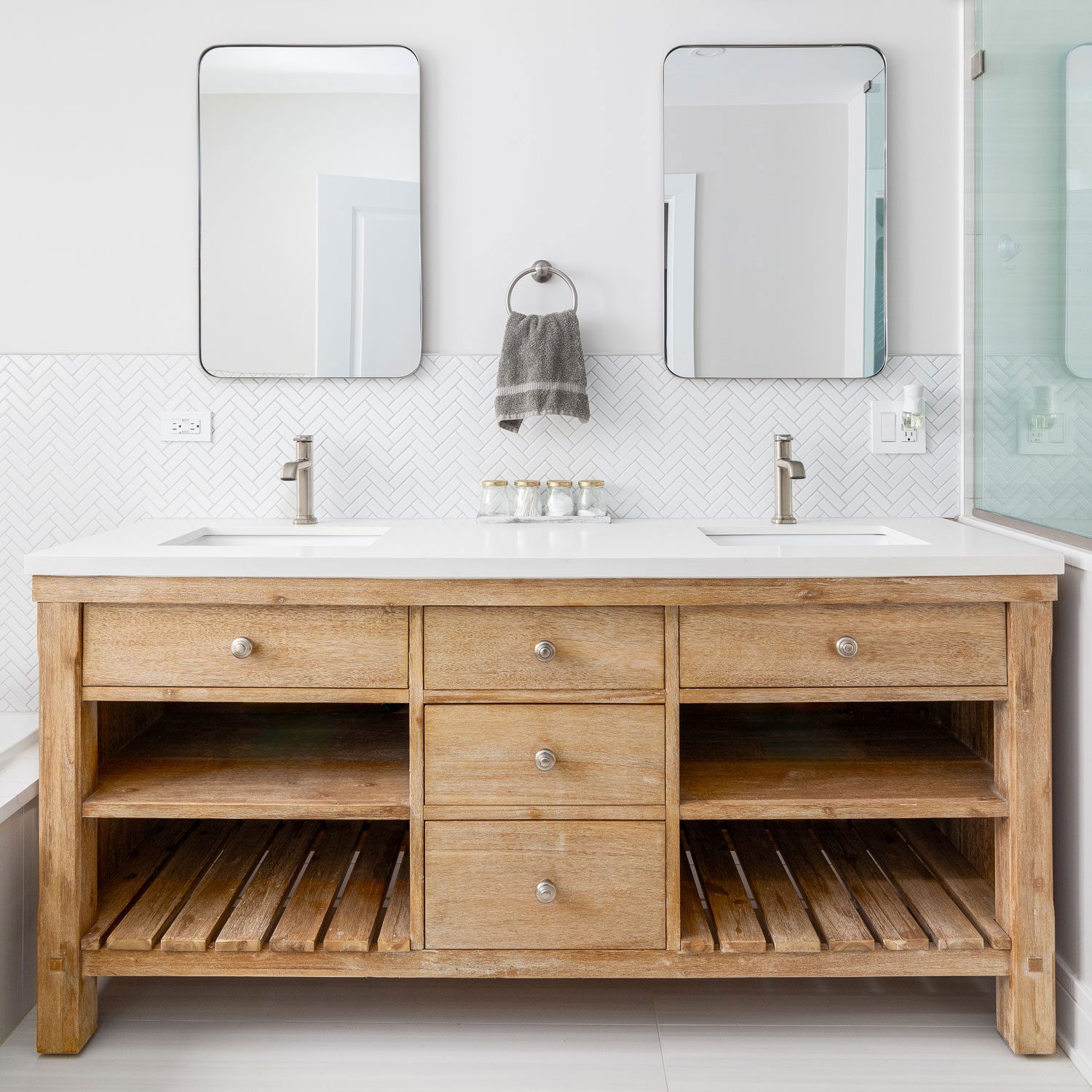
How To Choose the Perfect Bathroom Vanity Height

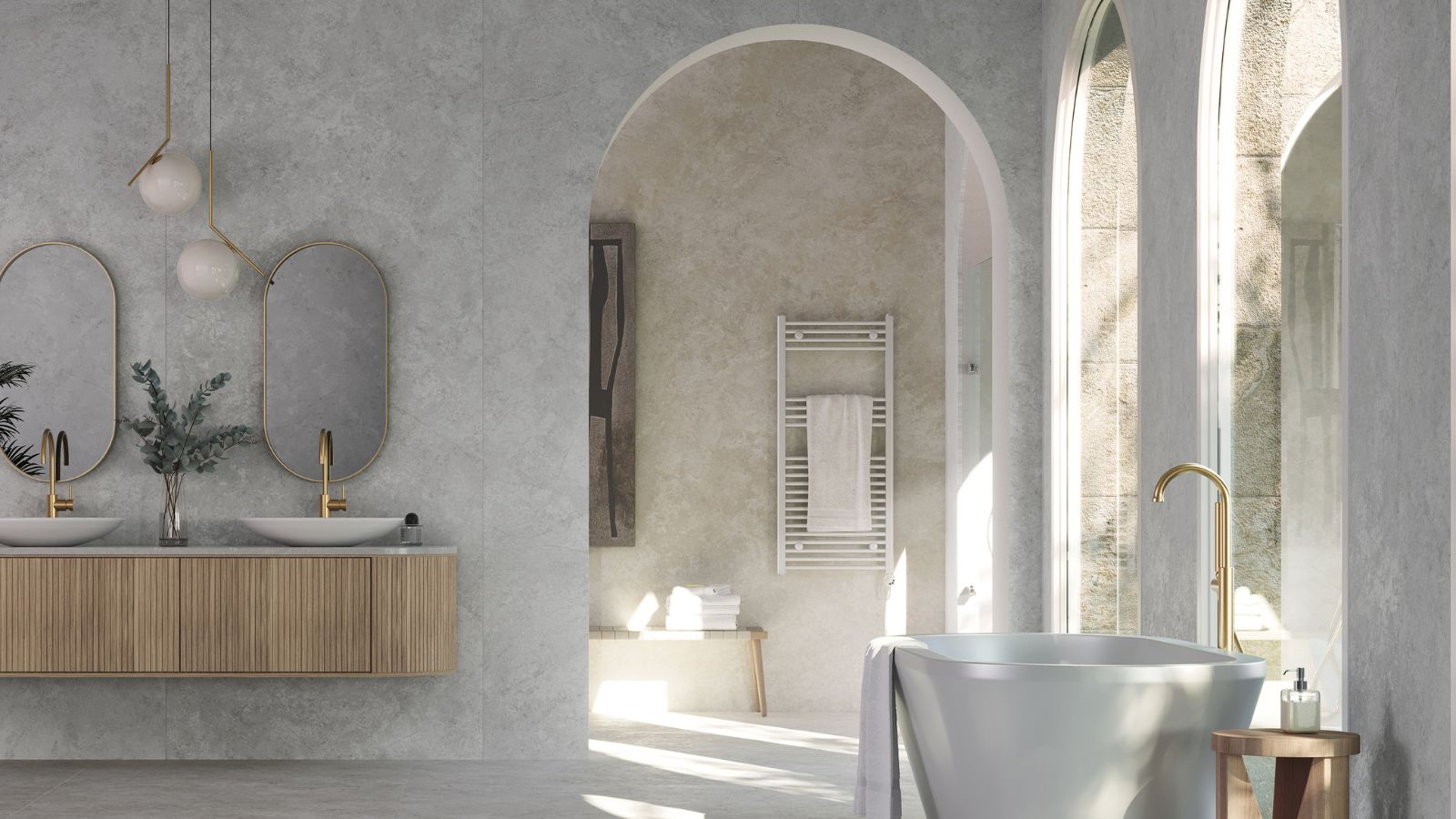
It's out with boring basins and in with statement sinks – the emerging trend that's transforming small bathrooms

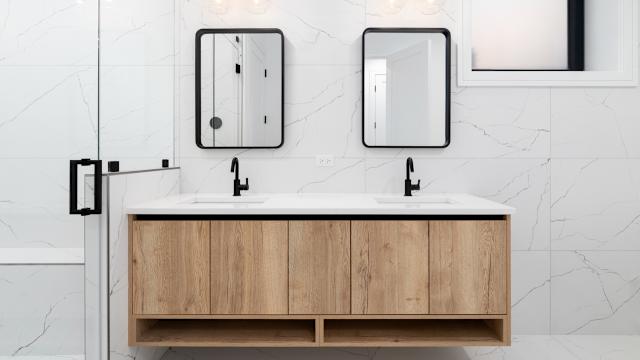
Why a Floating Sink Is the On-Trend Upgrade Your Bathroom Needs
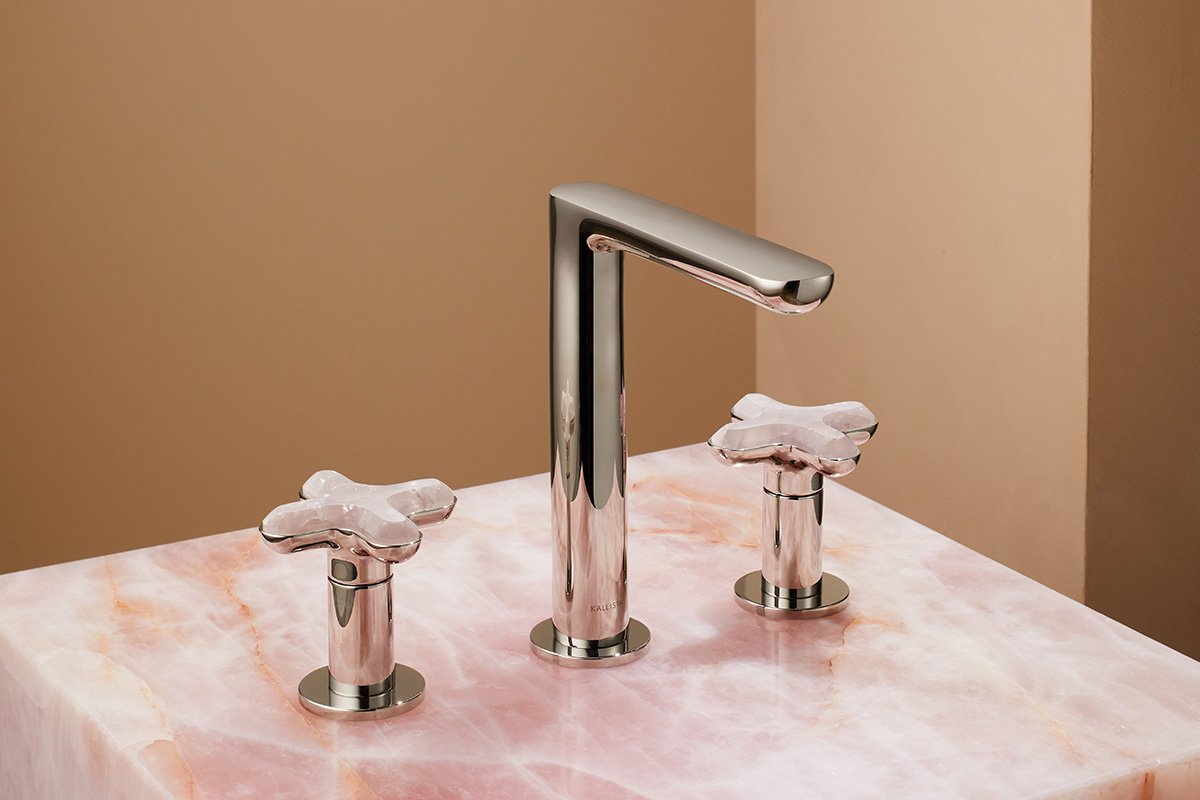
Tangible Touches

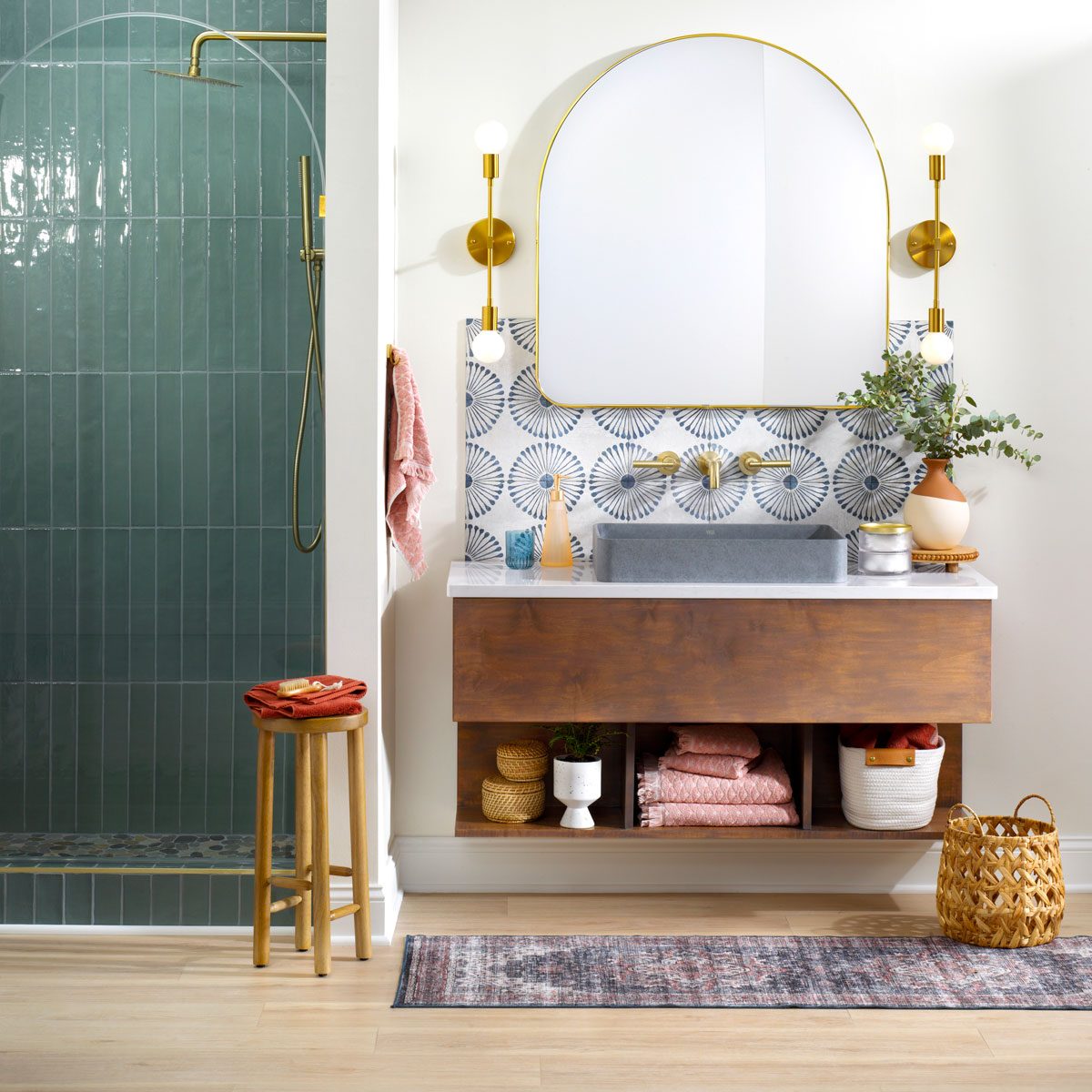
The Top 11 Bathroom Trends of 2024, According to Interior Designers
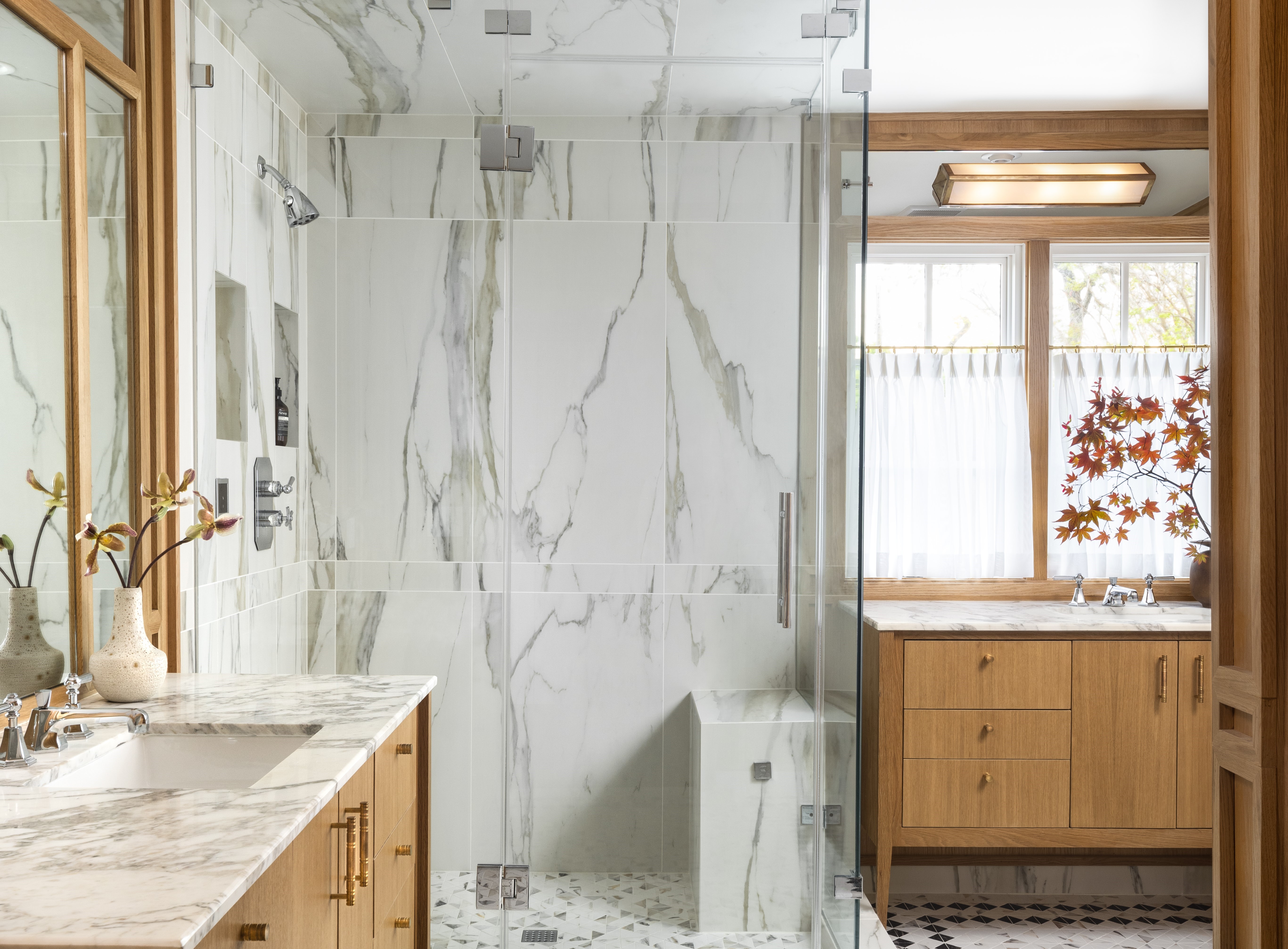
Built-in Shower Benches — The Feature Designers Are Using to Elevate Bathrooms Right Now
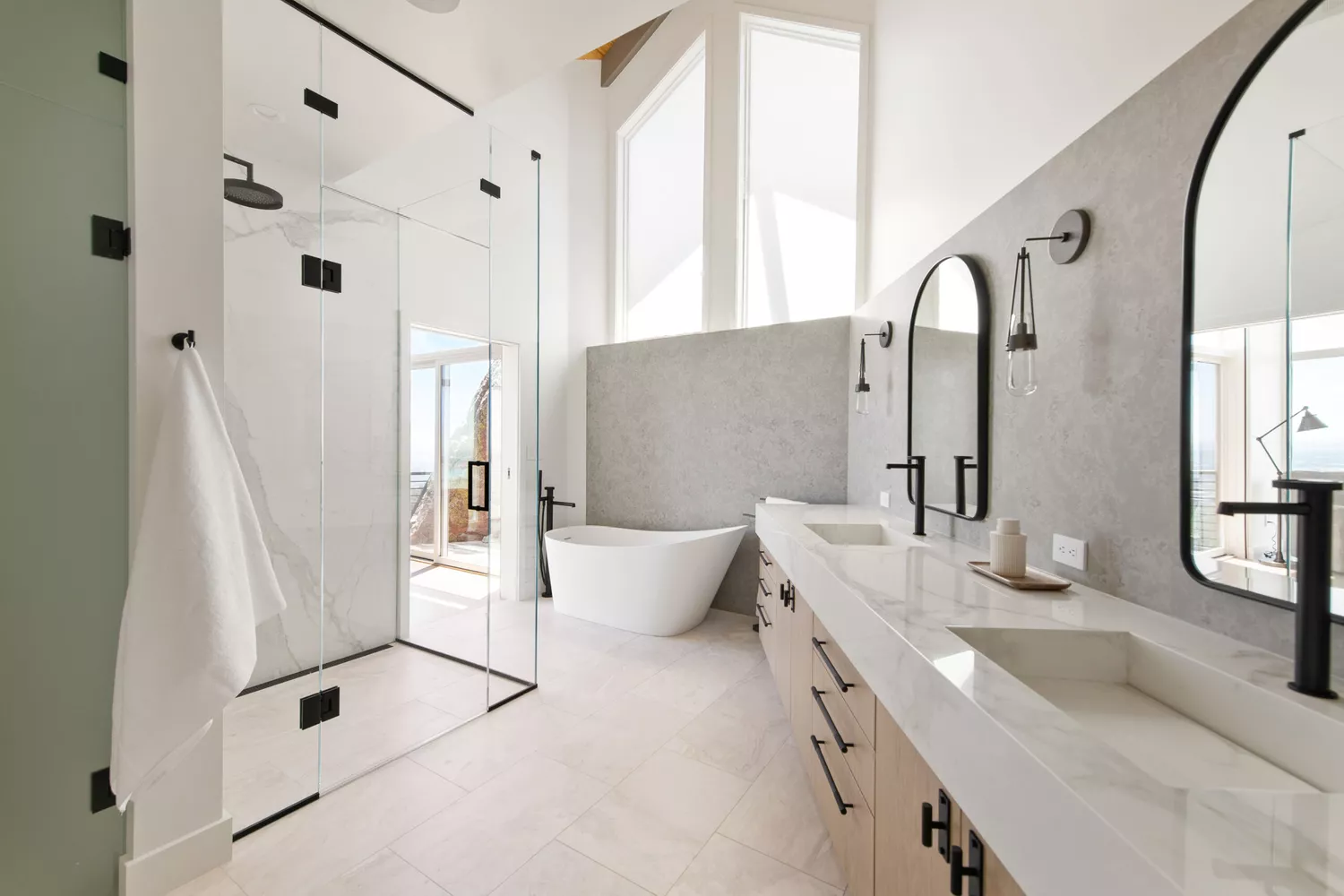
Designers Agree: Double Sinks Are the Essential Bathroom Feature Everyone Needs


Countertop Basins & Sinks

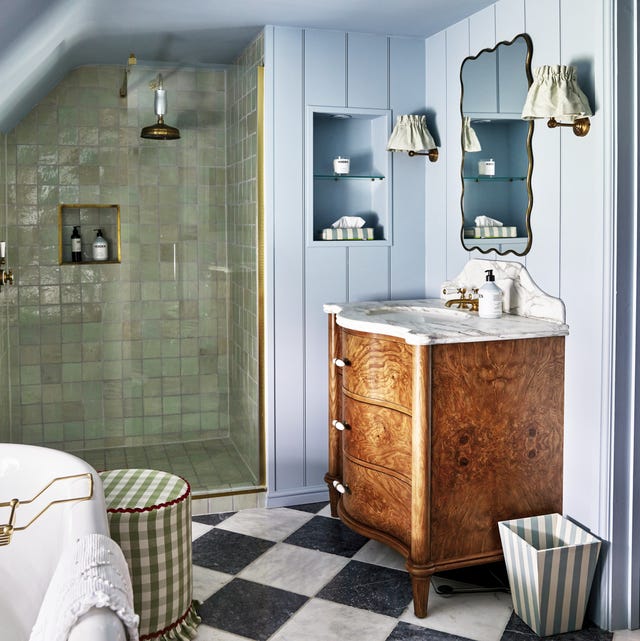
10 bathroom trends that will define 2026 – from floating vanities to pastel tones

Vessel Sinks Are Back in Bathrooms But with a Fresh New Look

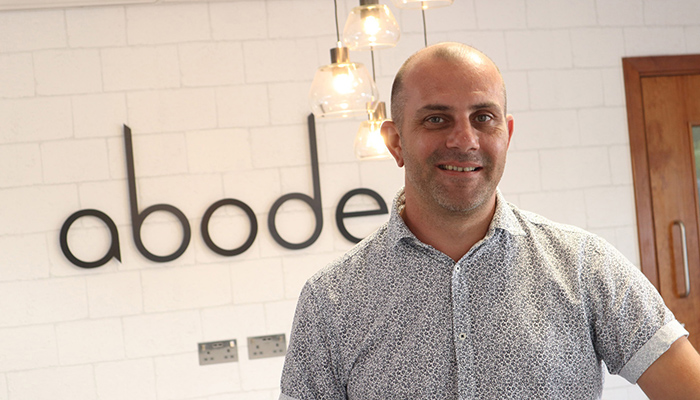
Abode's Paul Illingworth reveals 2025's hottest sink and tap trends
Here Are The Biggest Bathroom Design Trends, According To Experts

Freestanding basins are the big trend that can help you get creative with your bathroom's layout

One Sink or Two? Design Experts Weigh In on the Bathroom Debate

Bathroom Trends
How vanity units are taking the spotlight in bathroom upgrades
Bathroom trends for today and tomorrow