1/5
Why a Floating Sink Is the On-Trend Upgrade Your Bathroom Needs
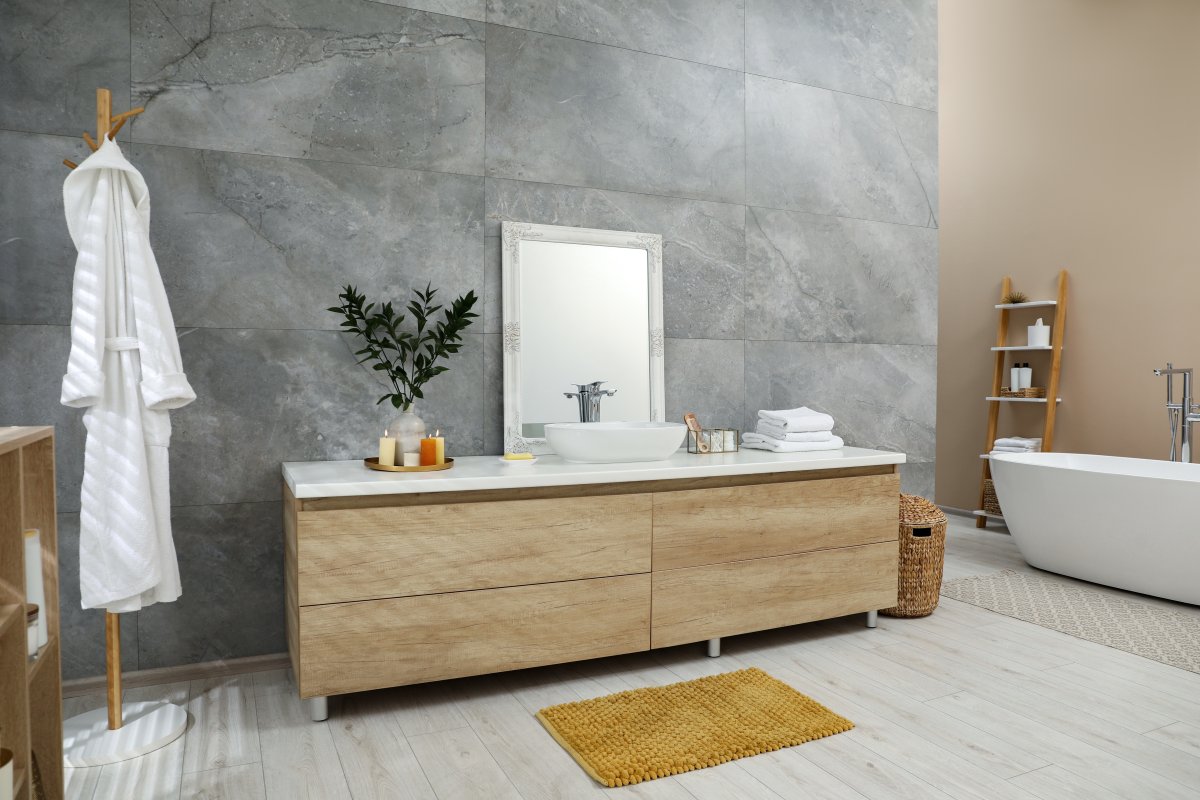
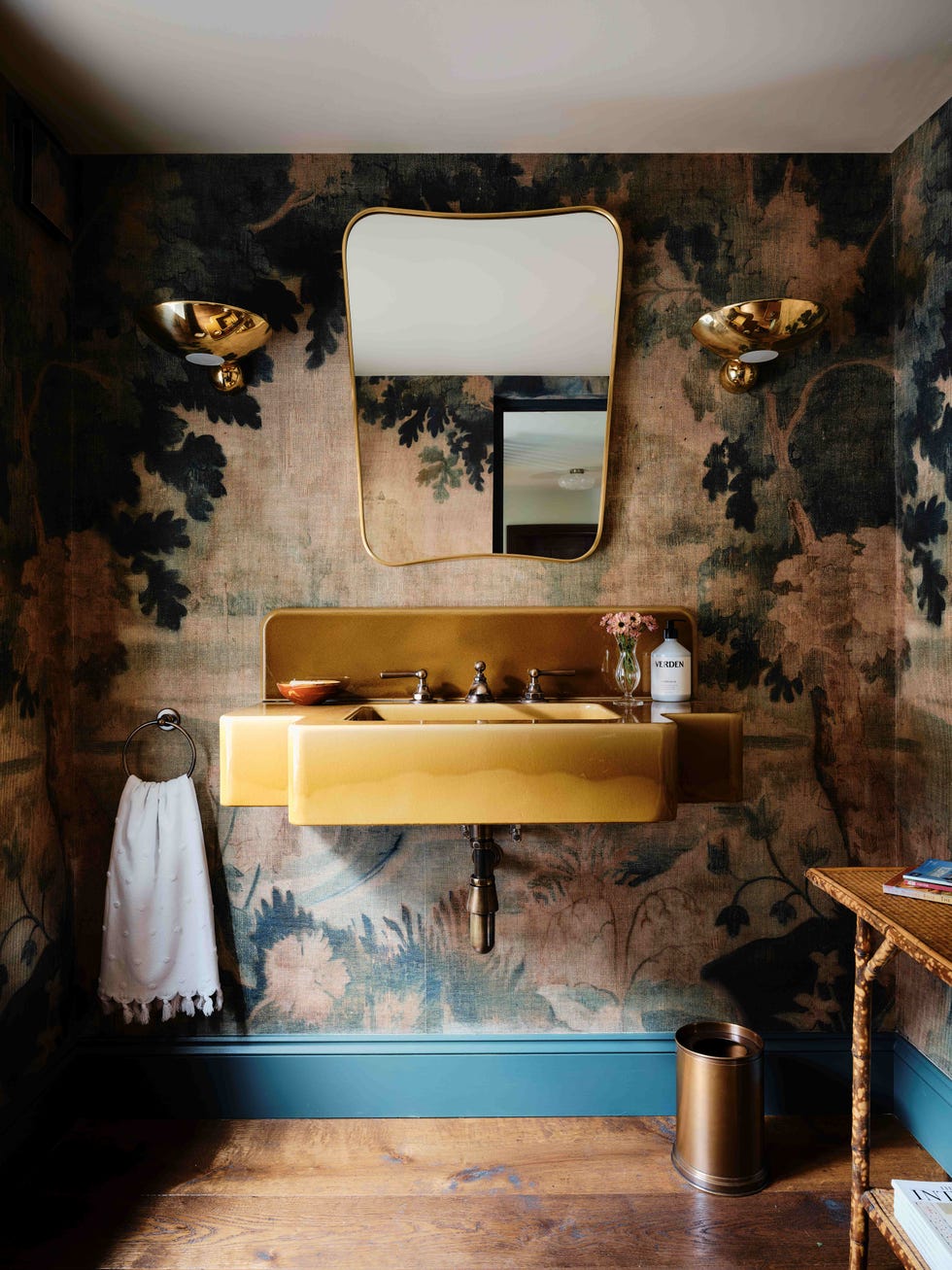
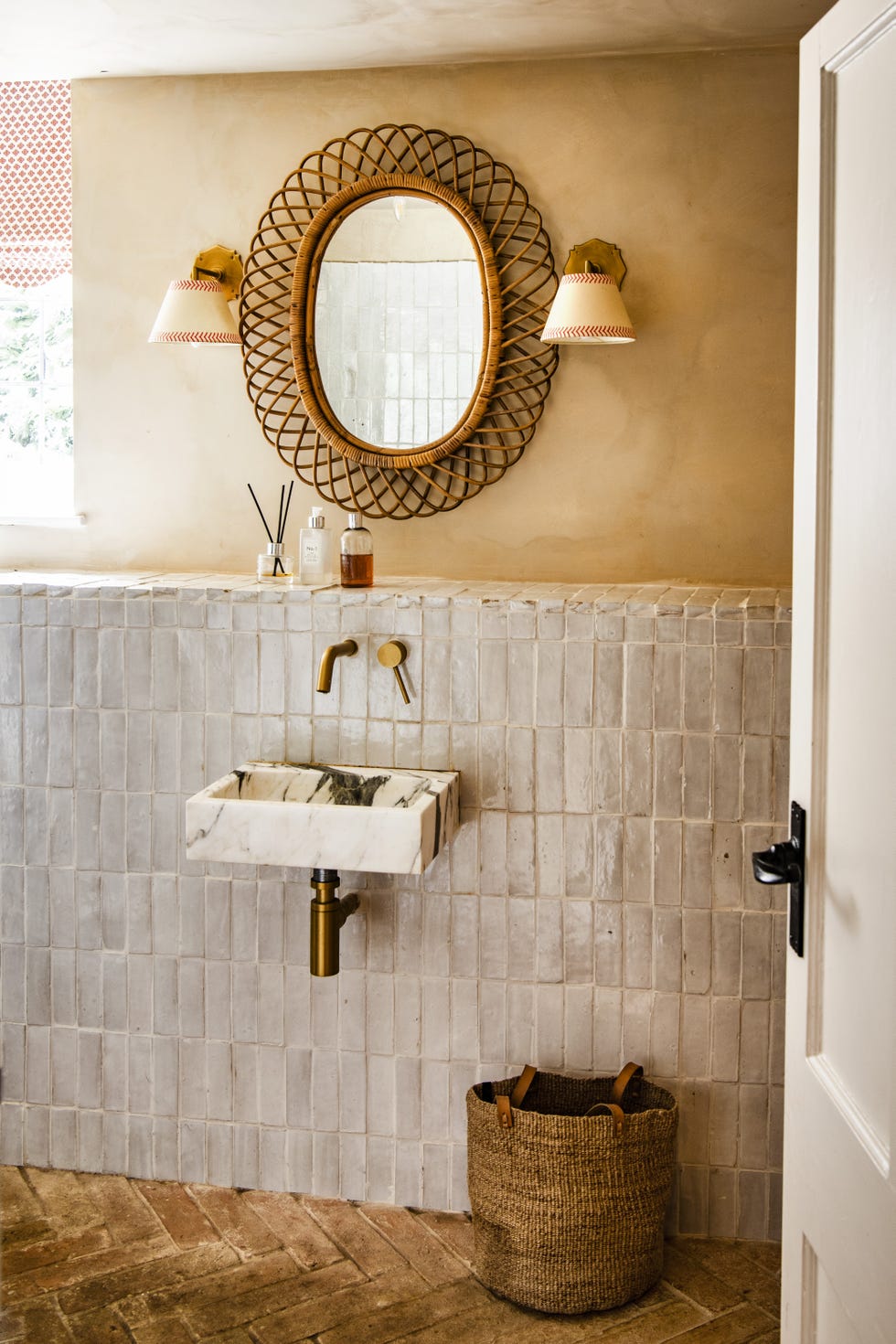
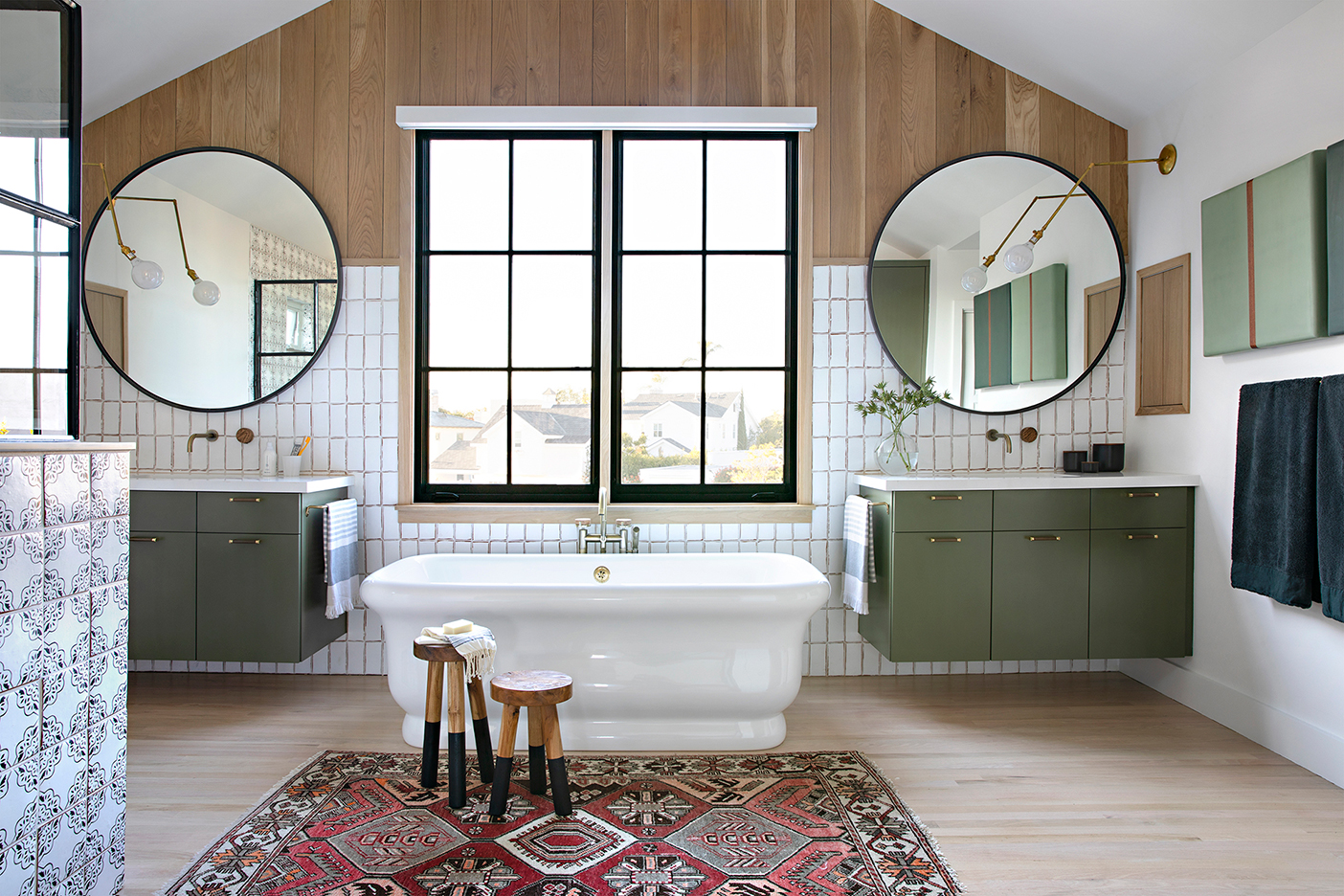
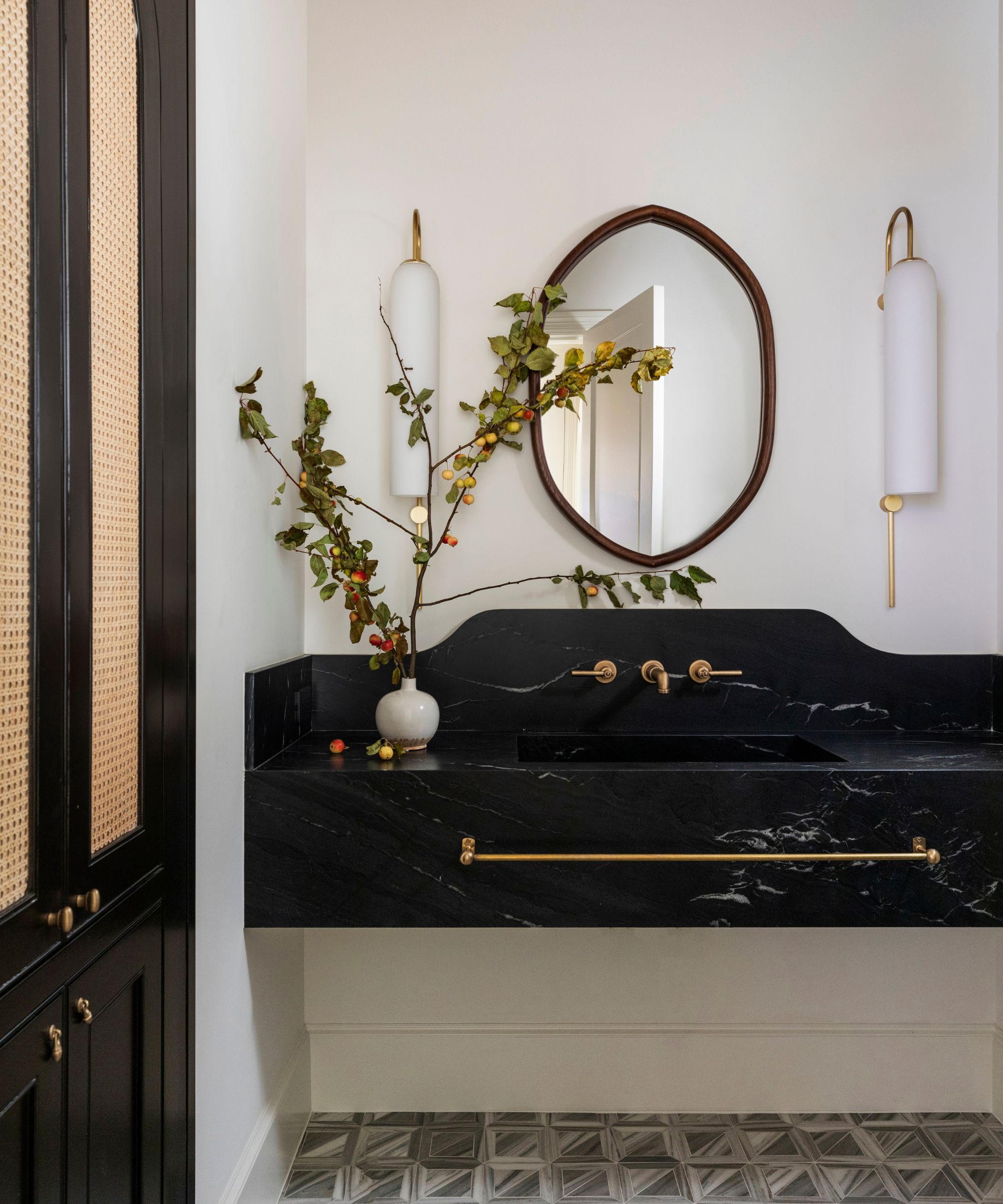
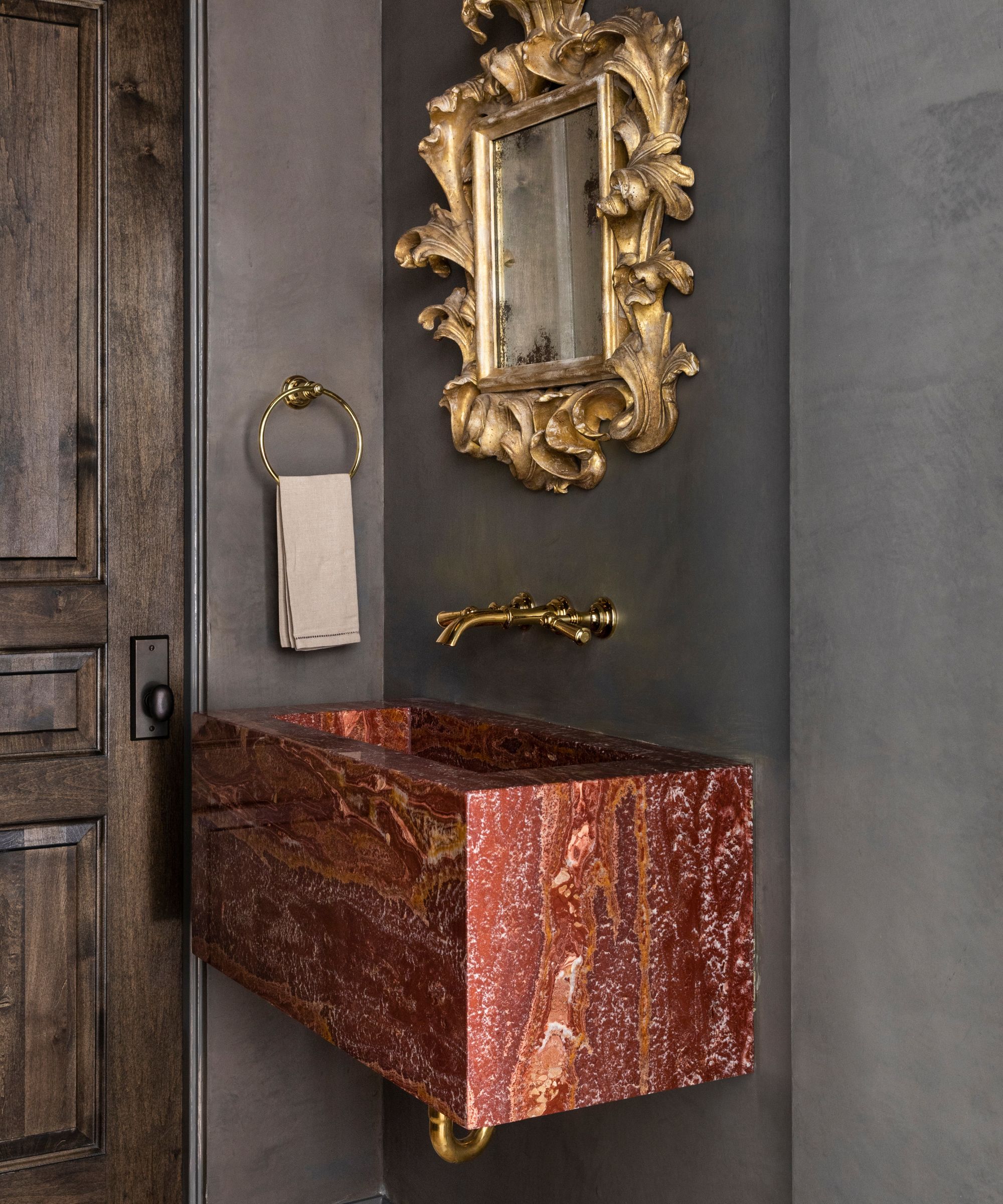
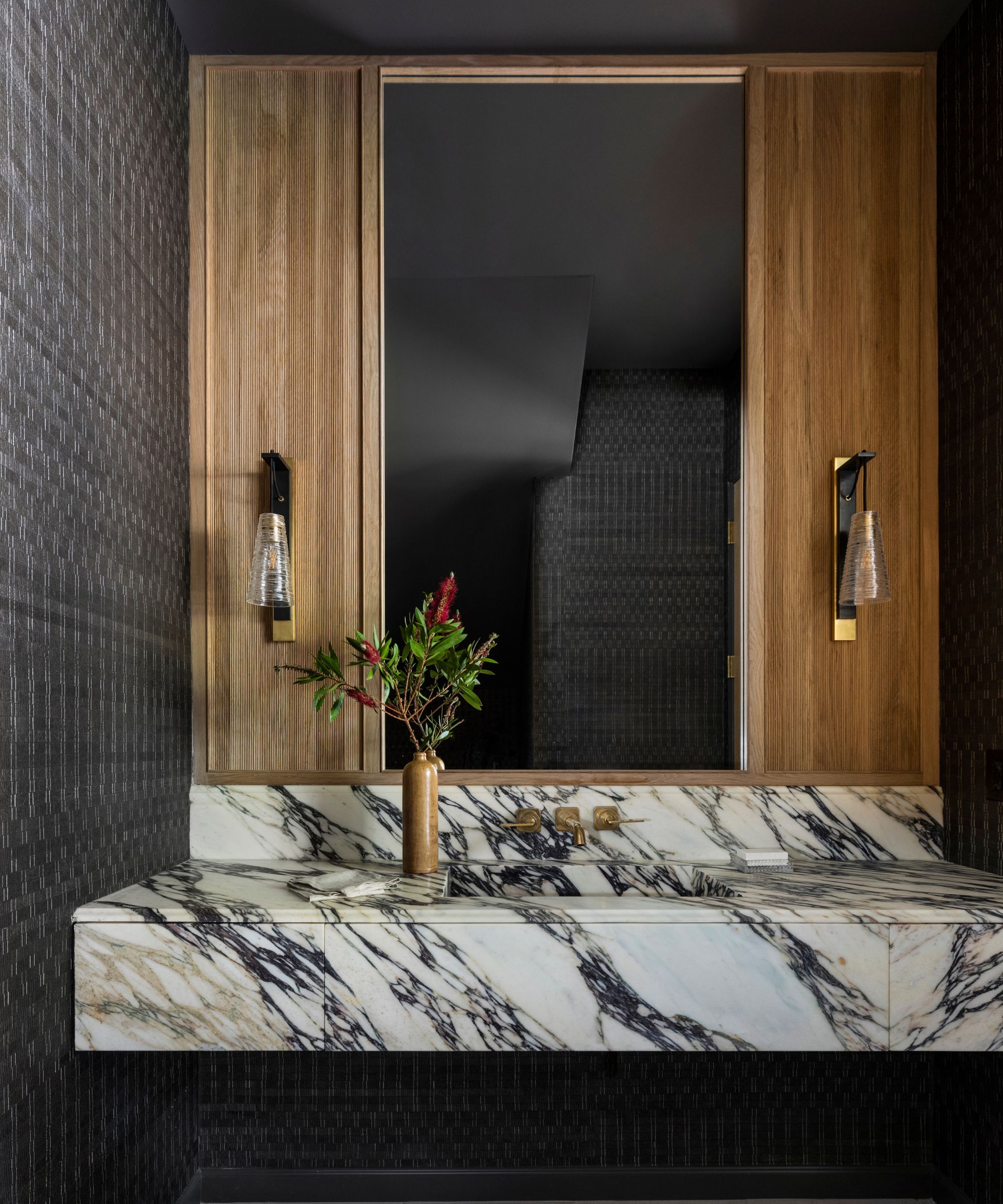
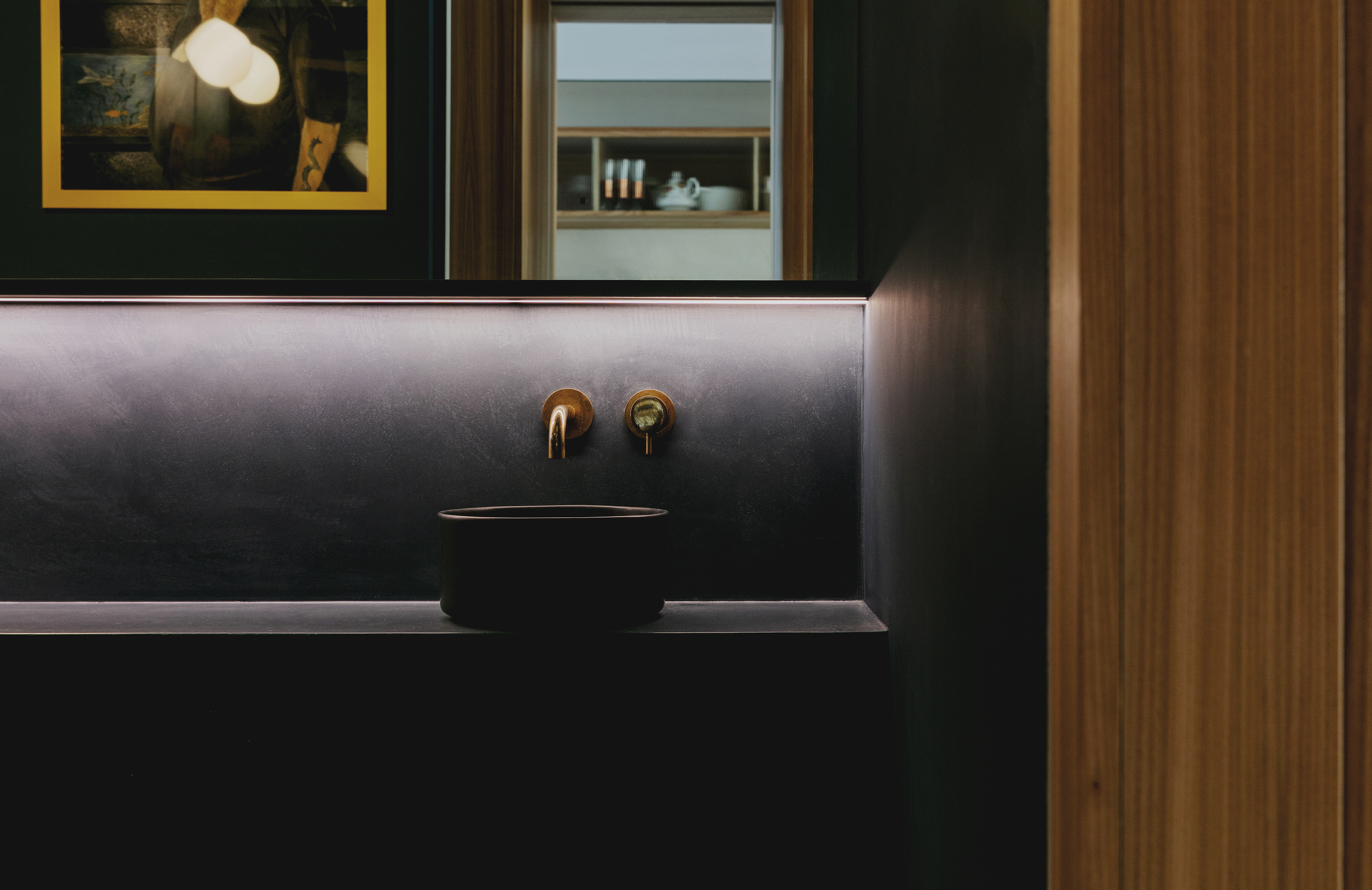
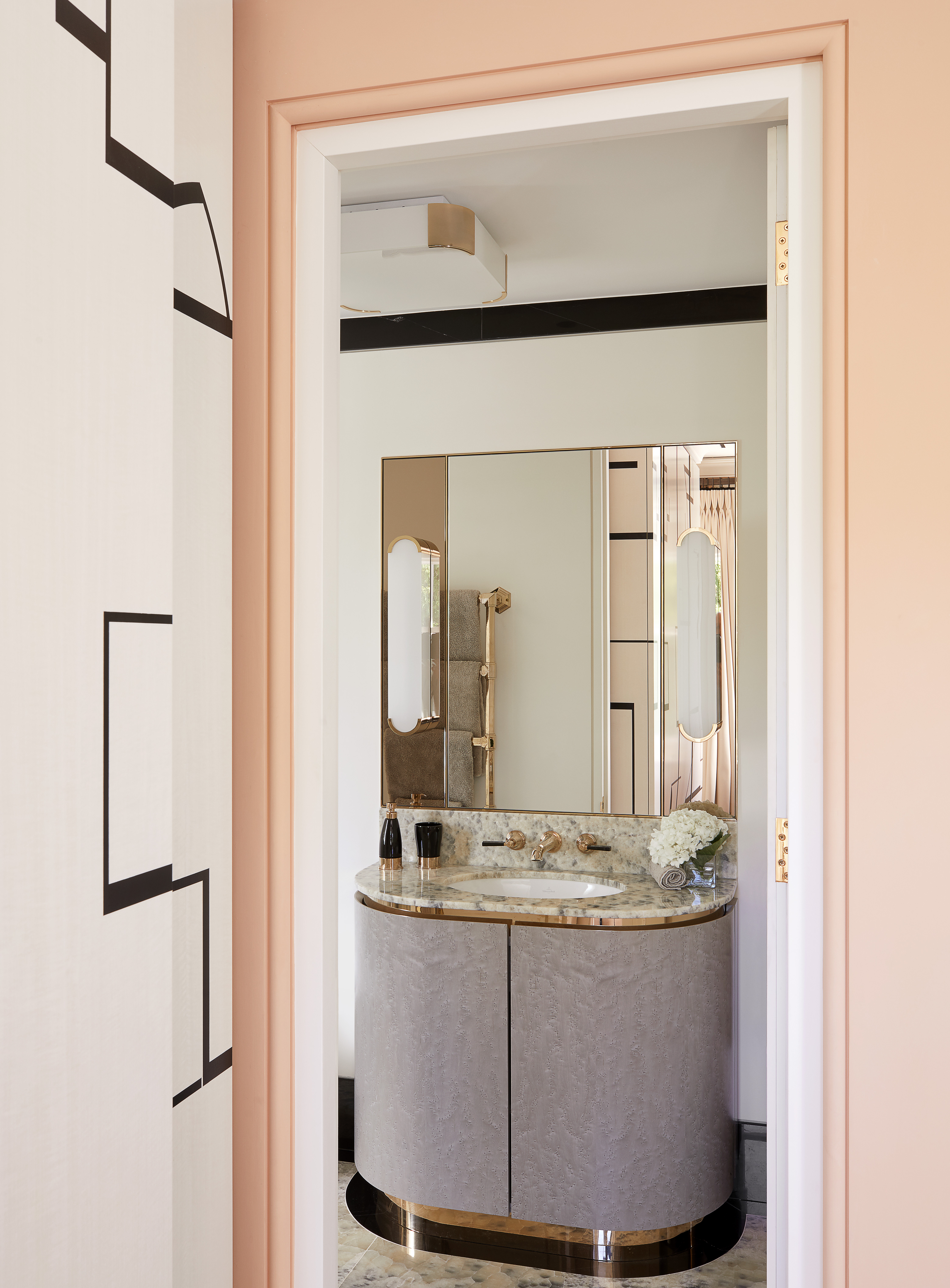
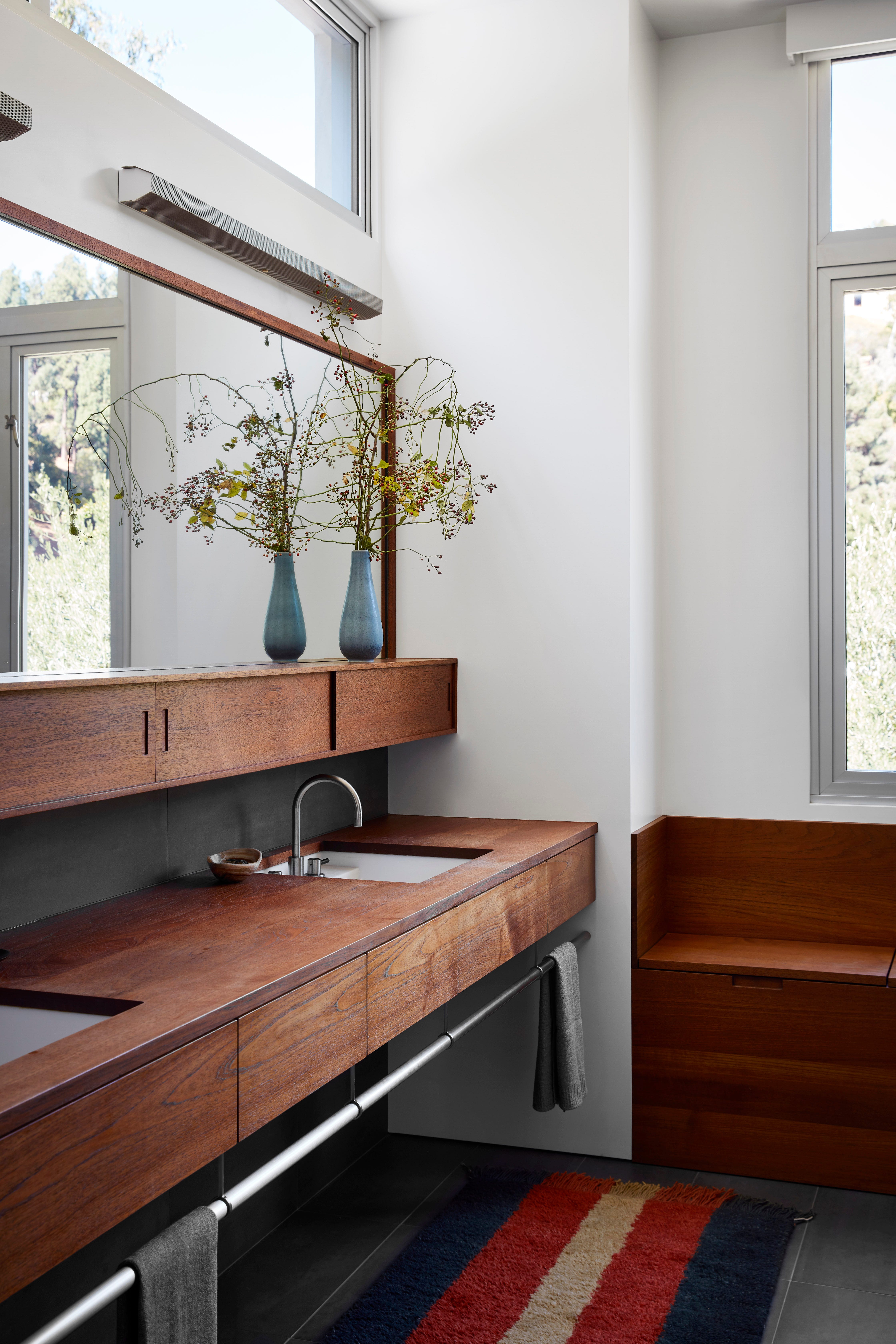
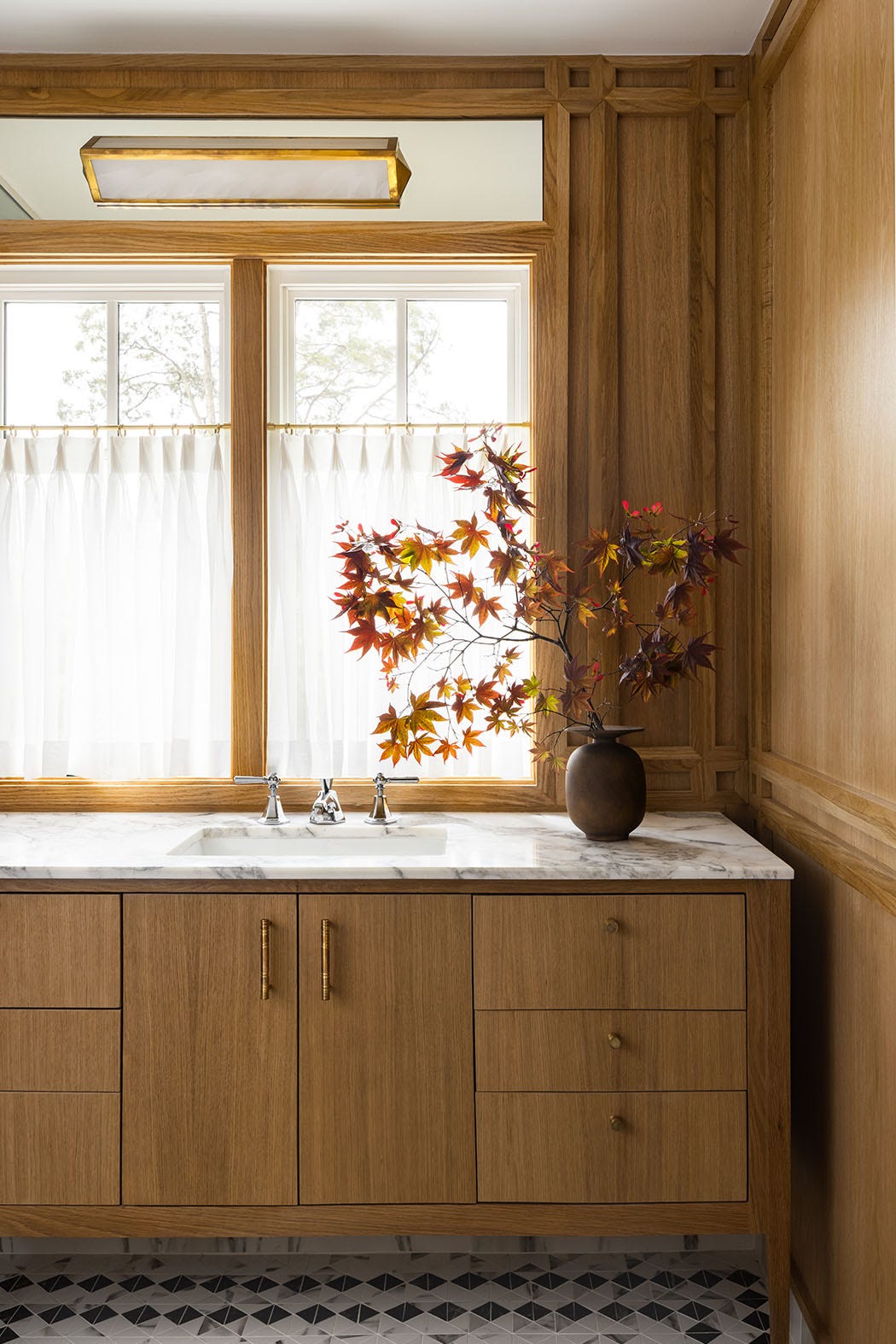
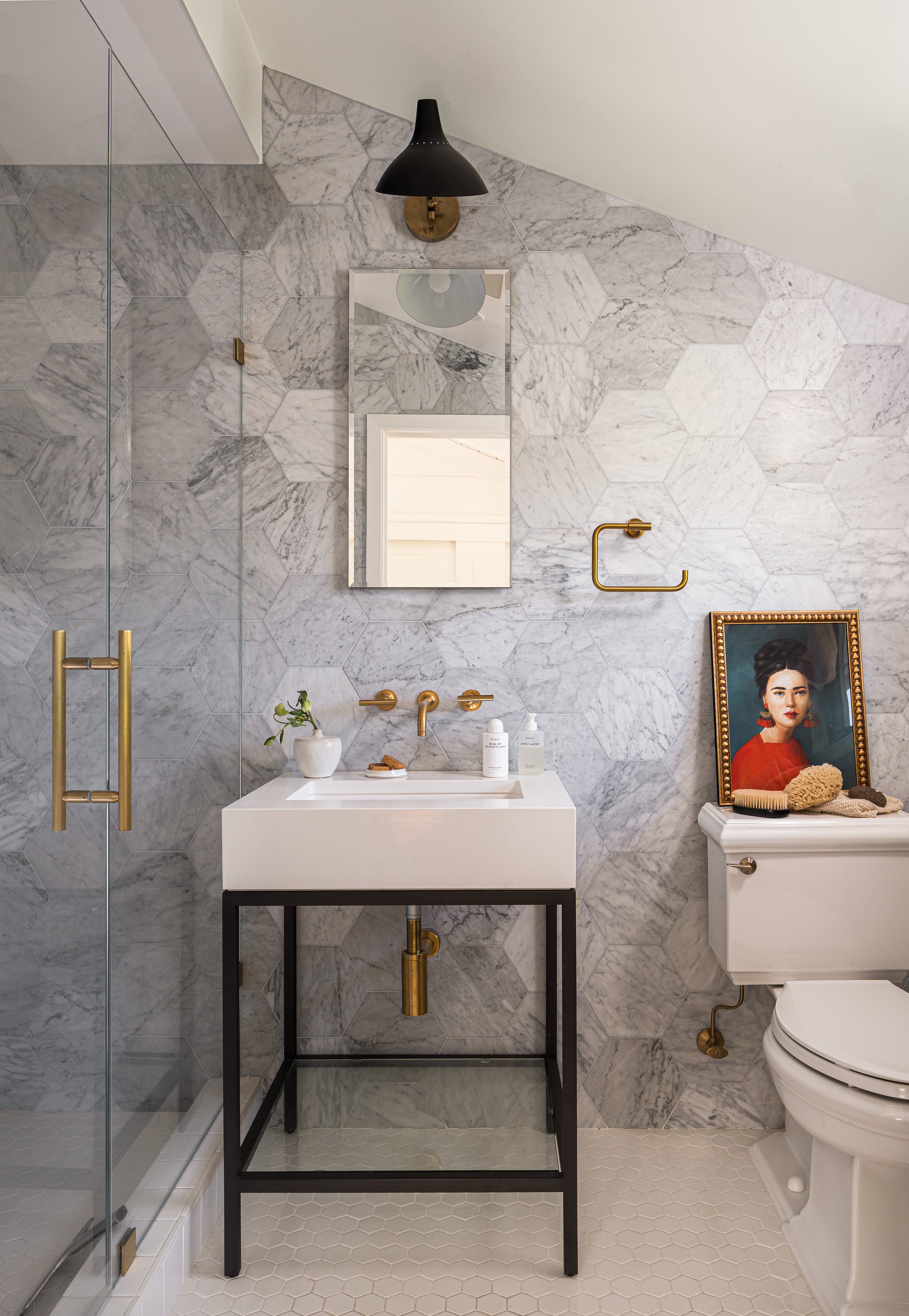
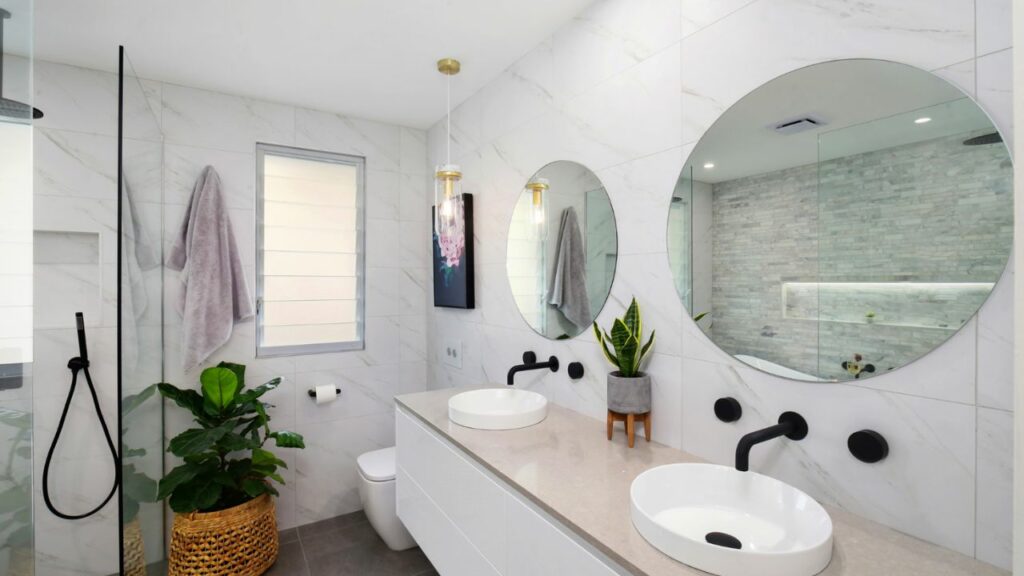
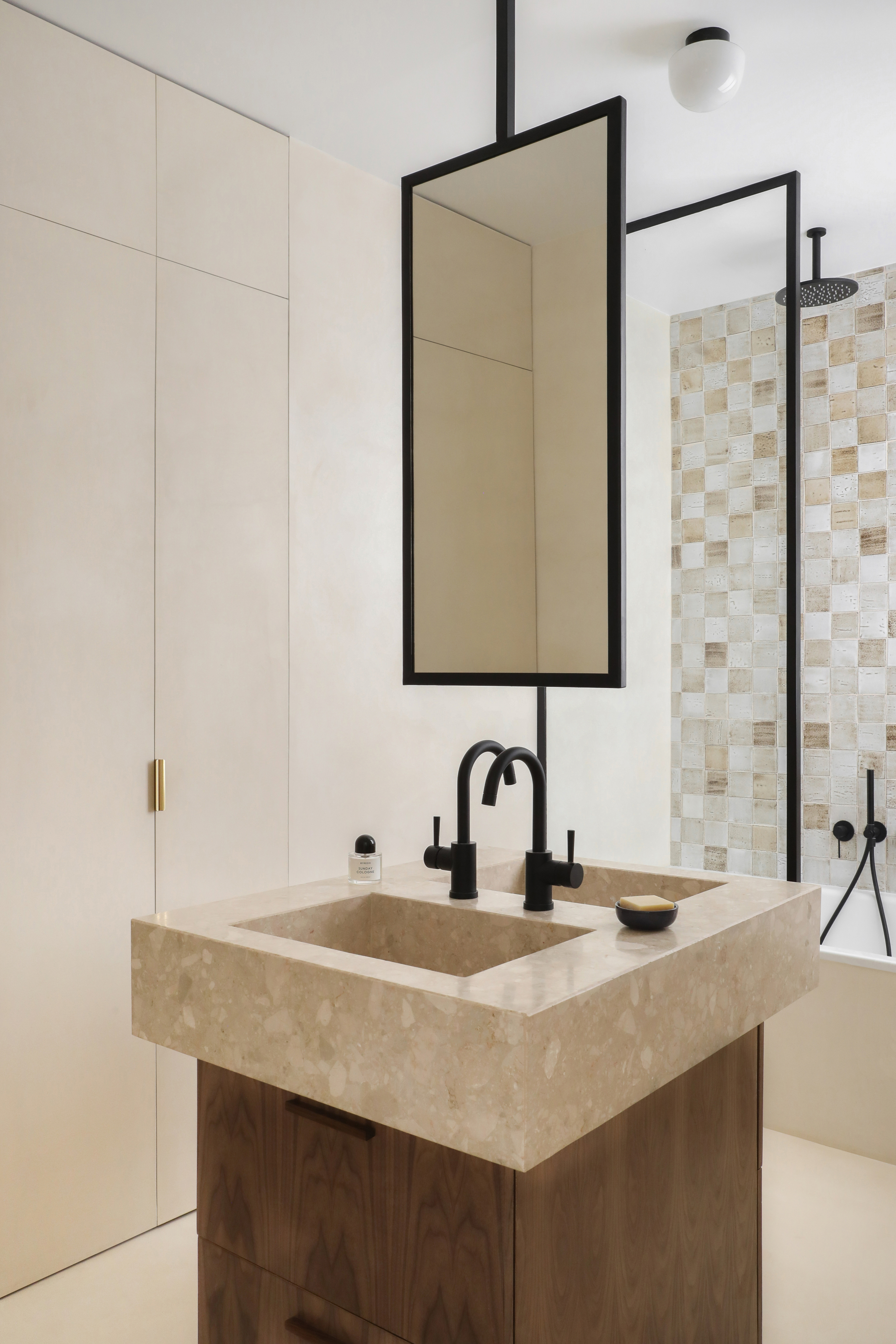

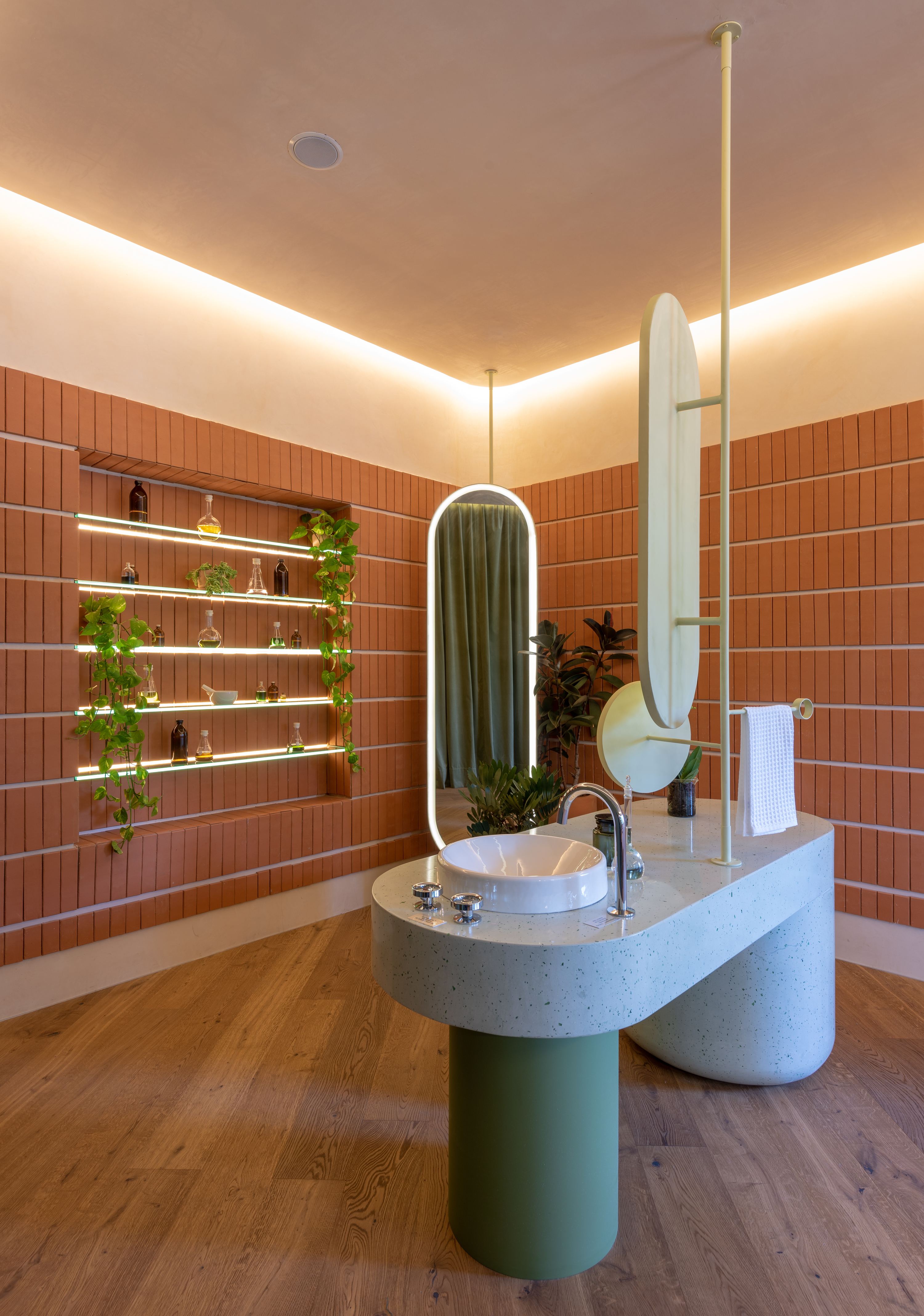
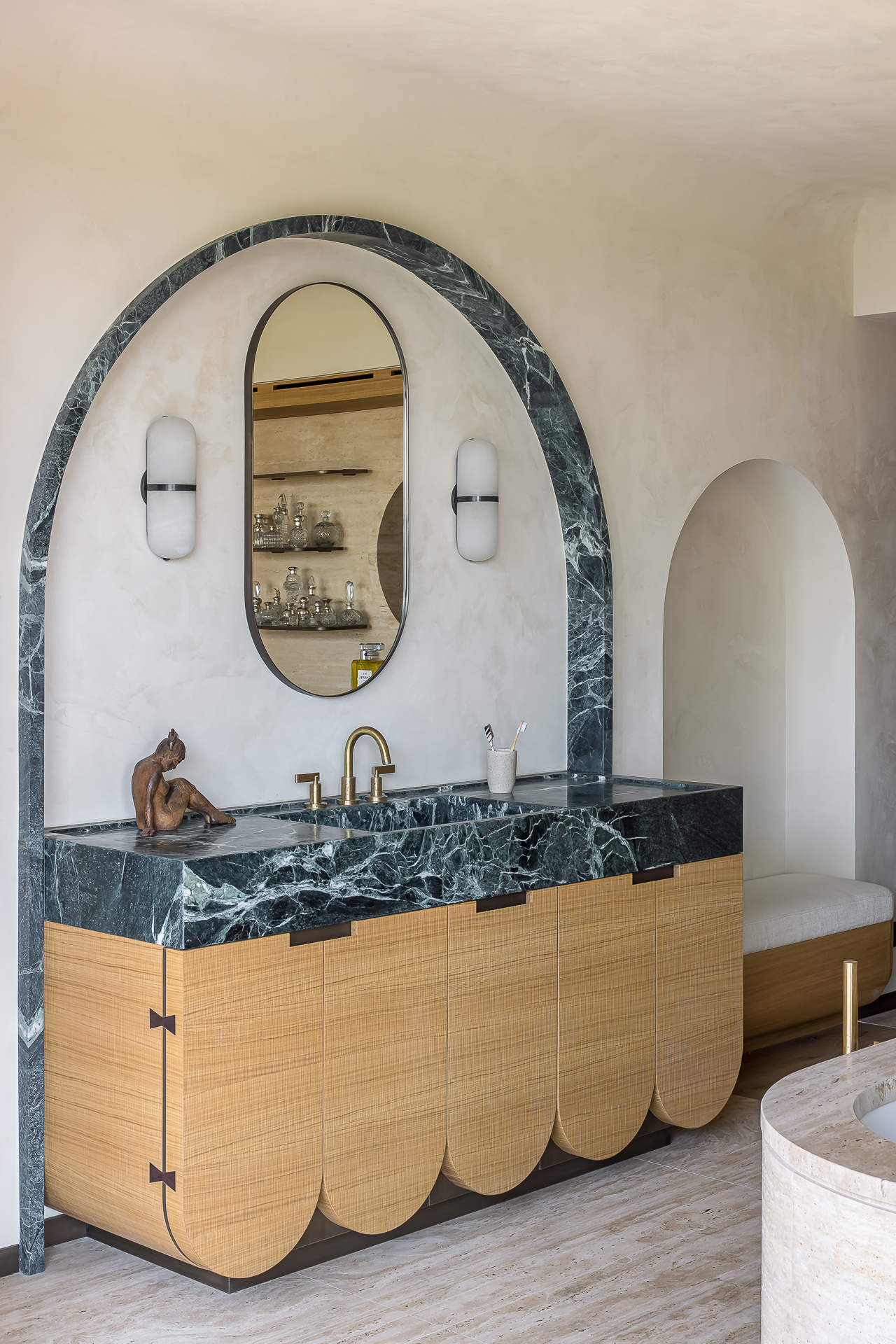
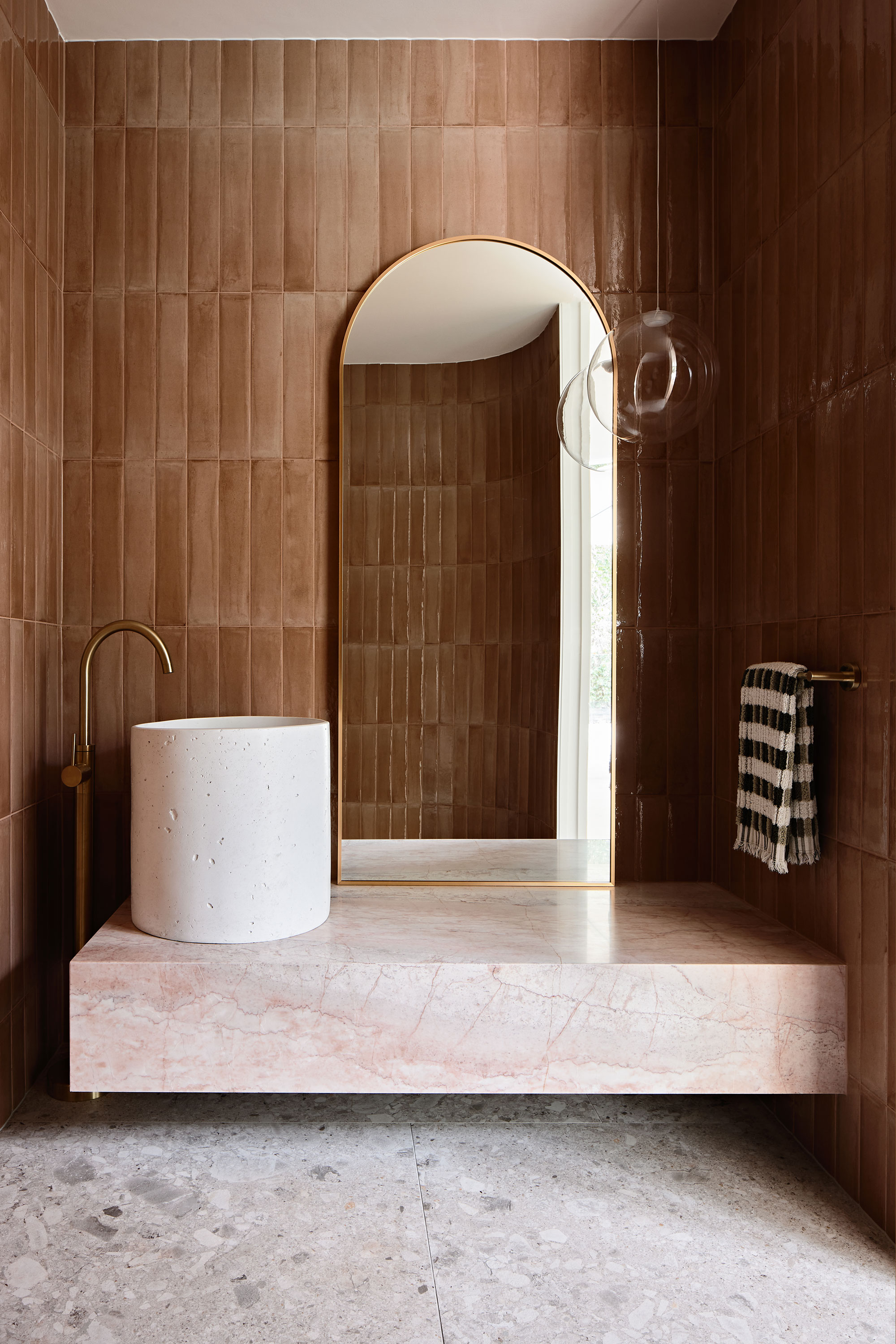
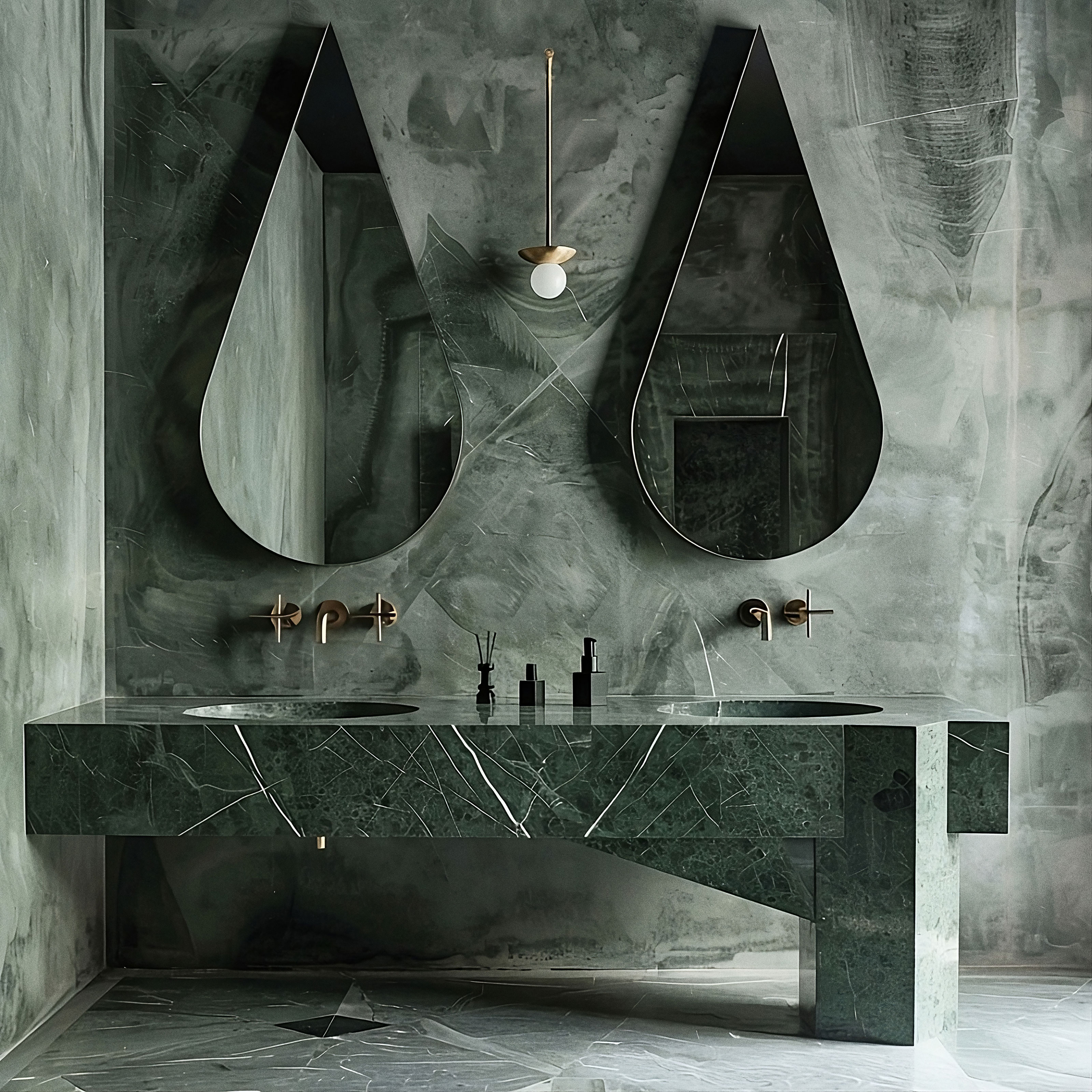
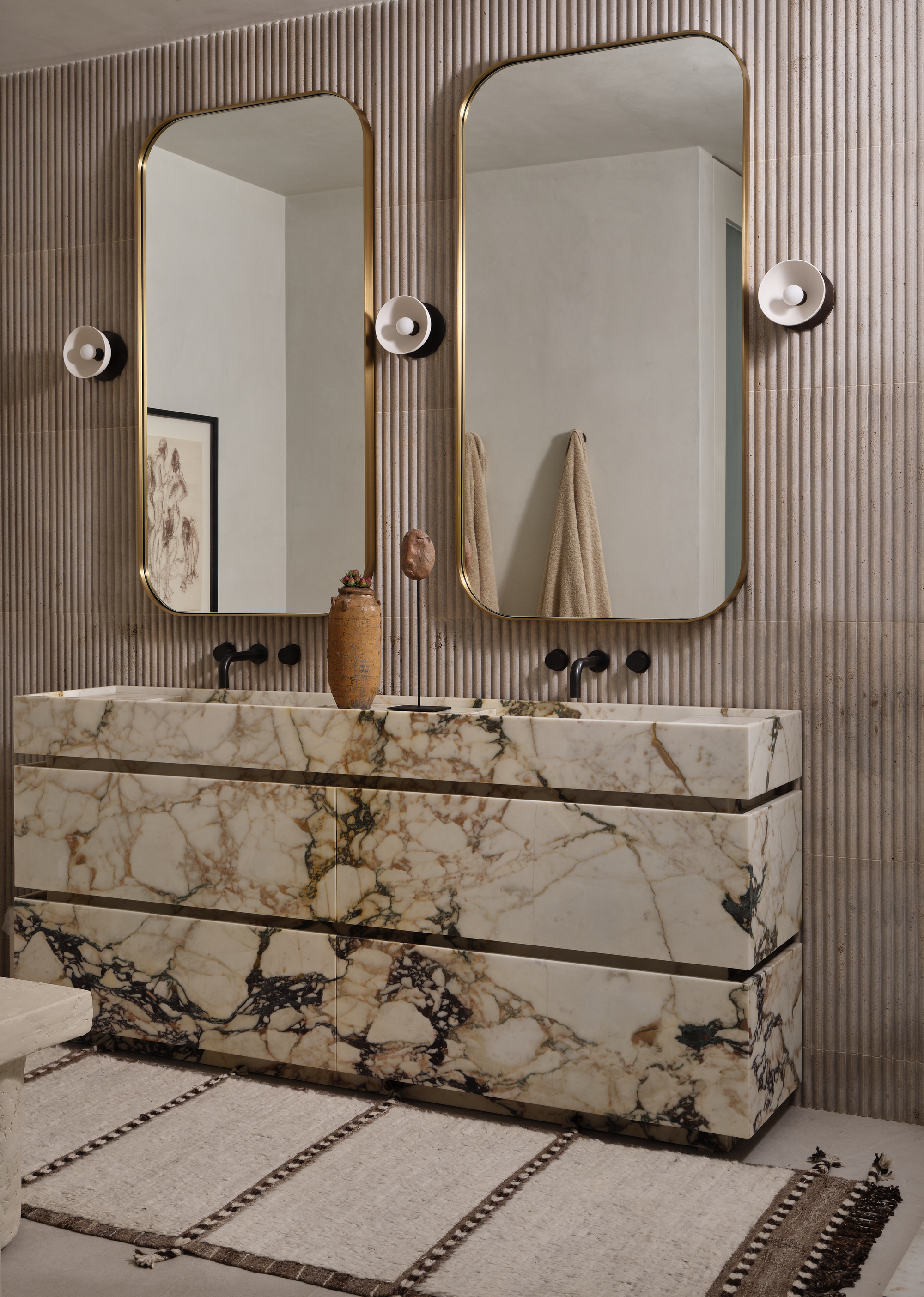
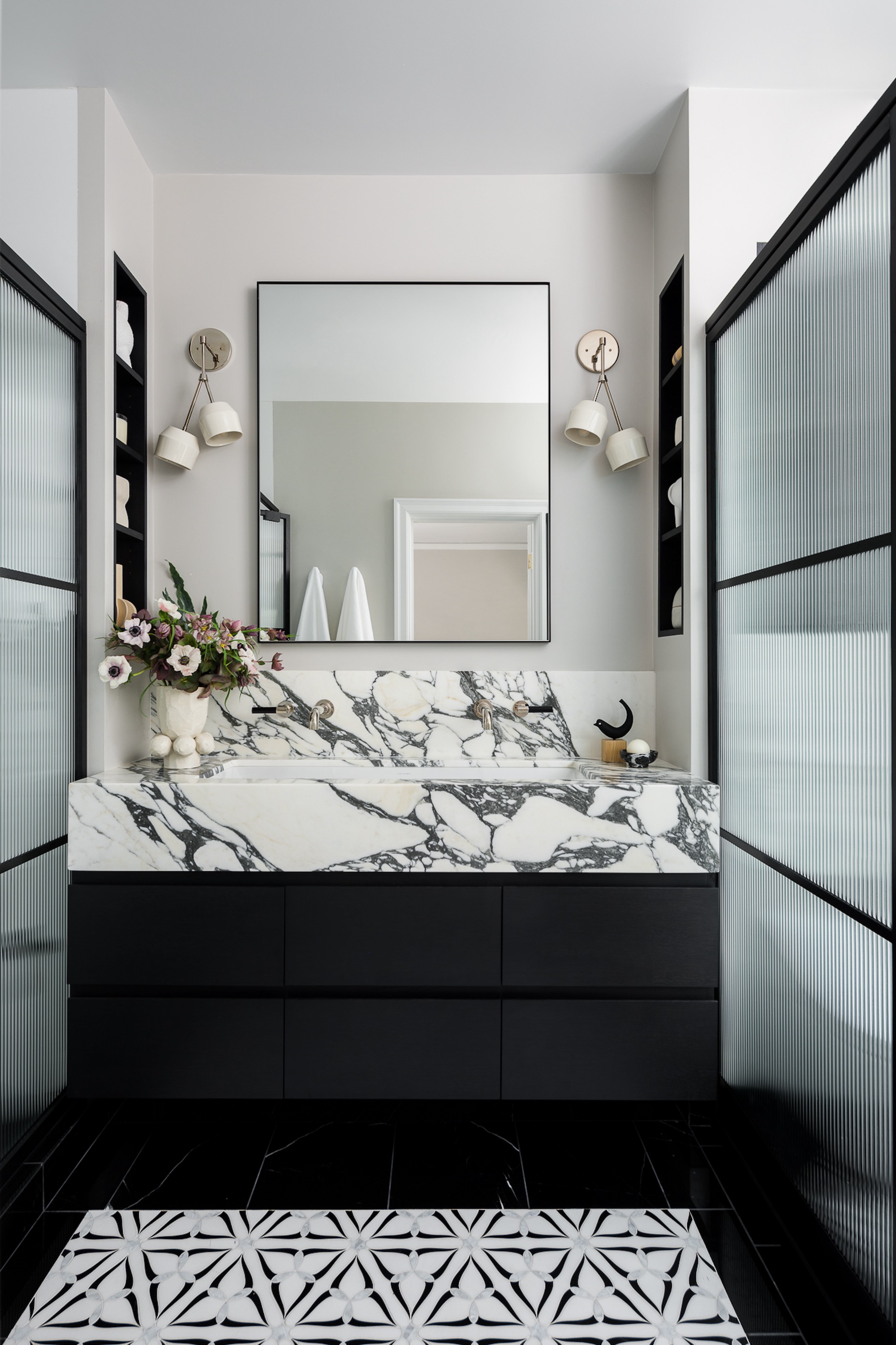
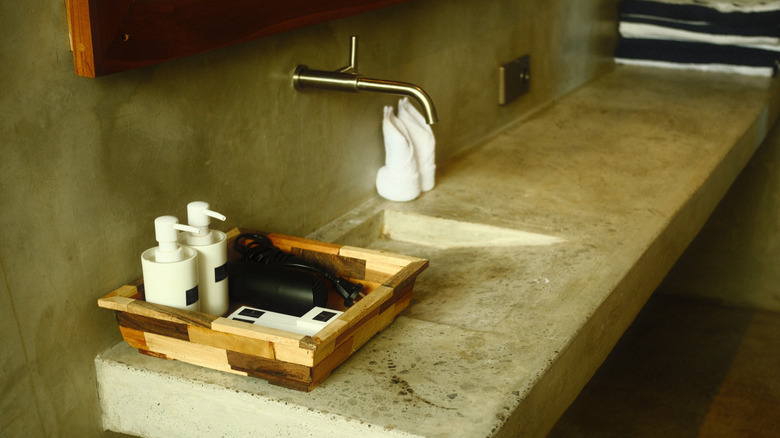
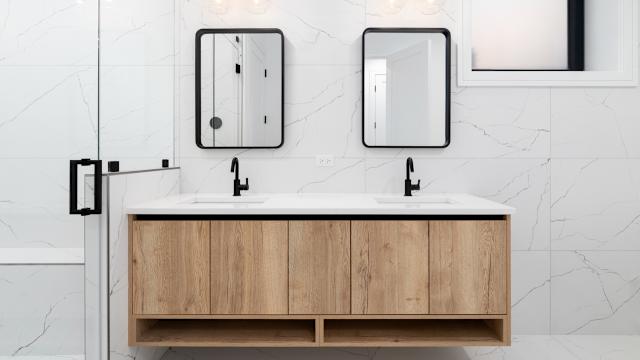
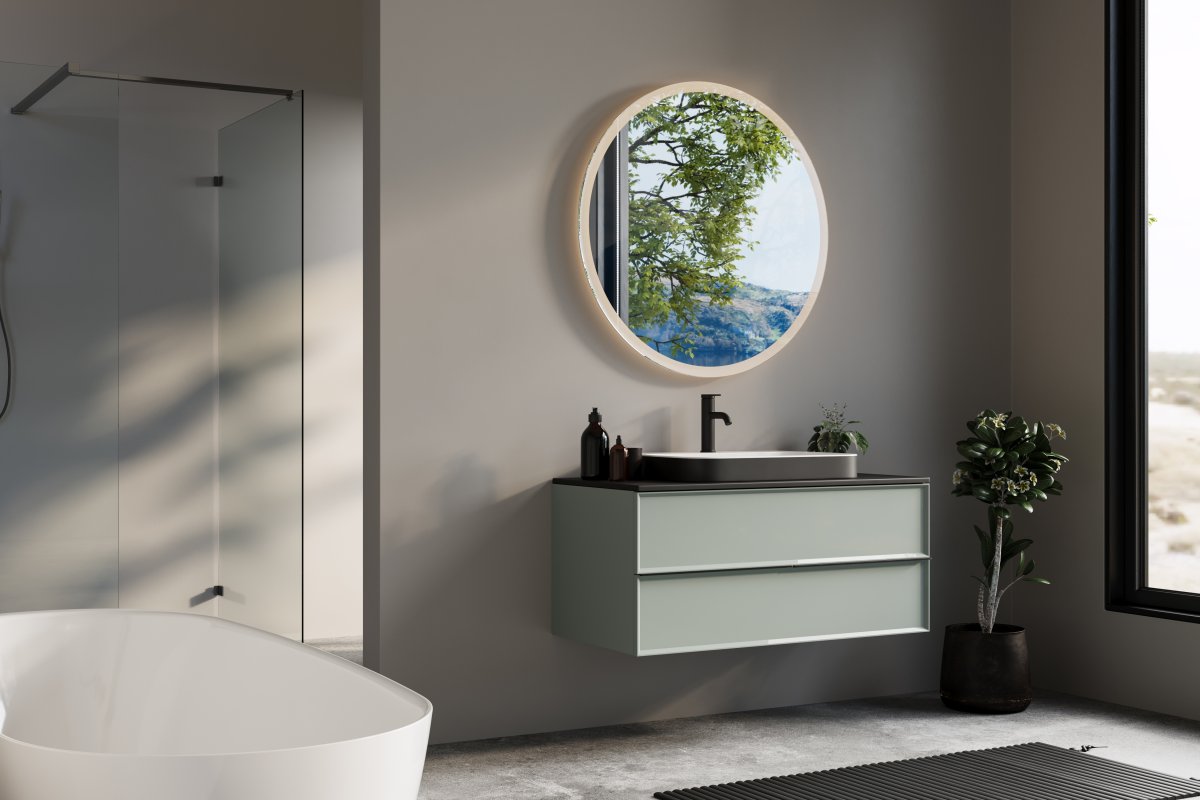
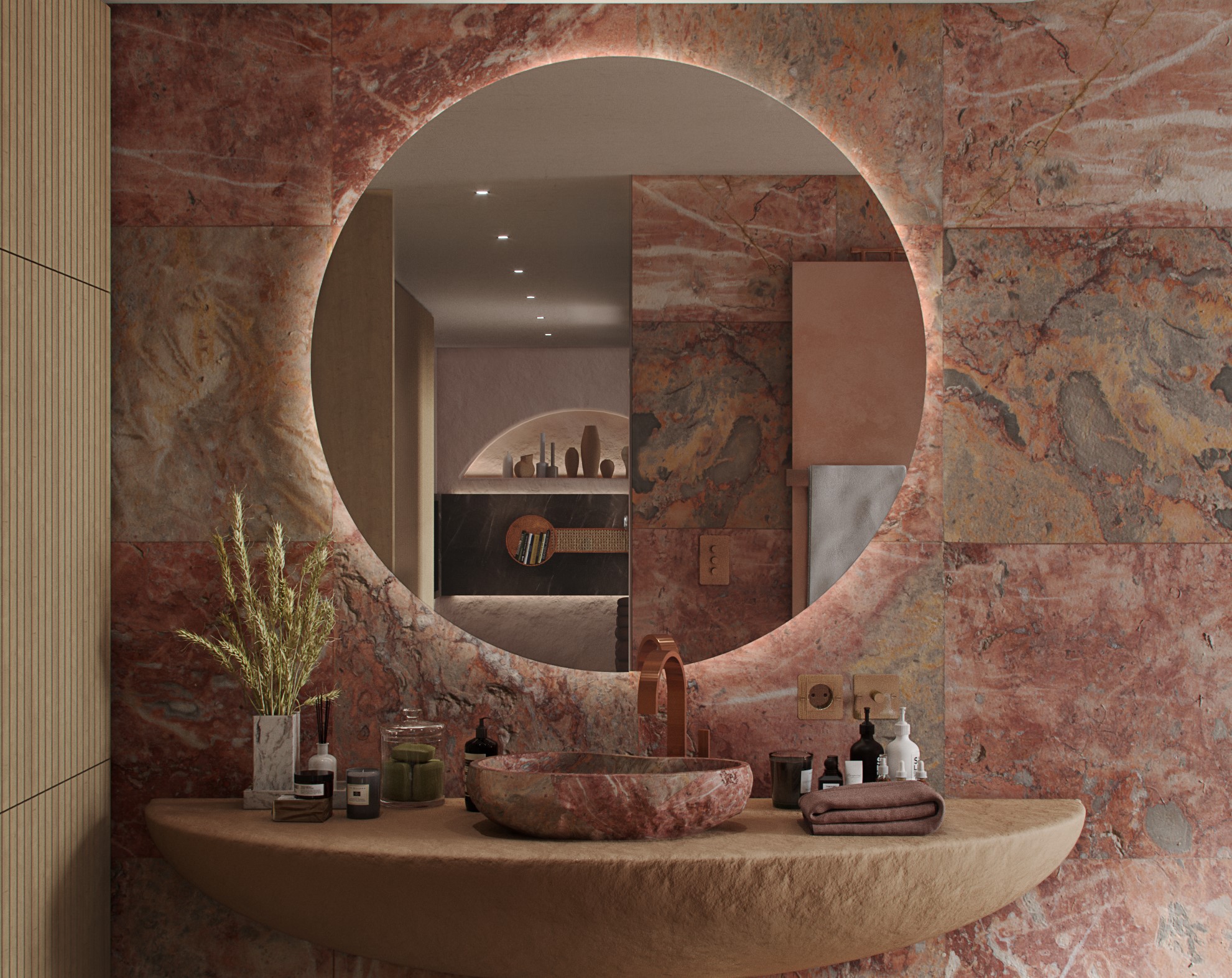
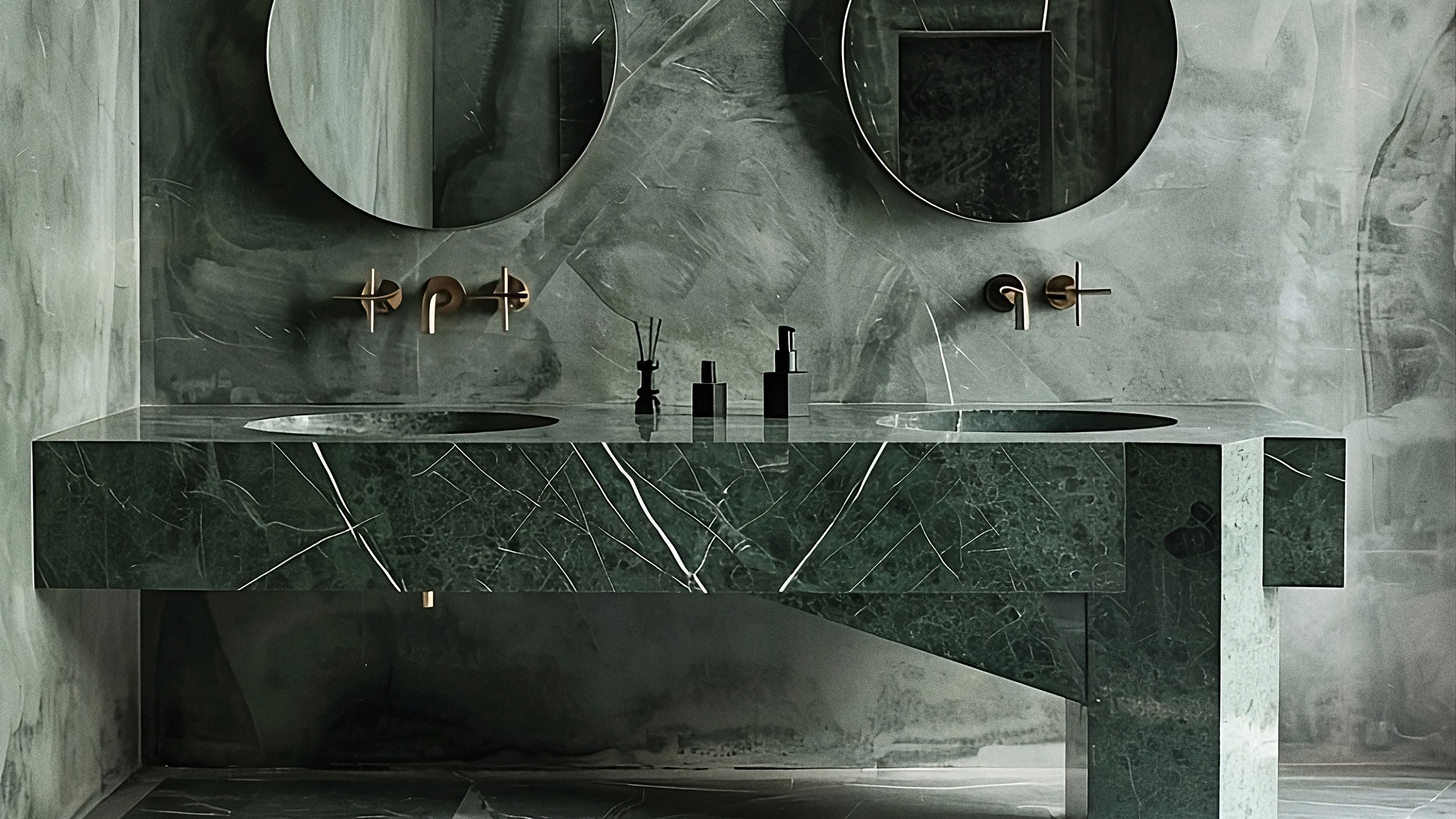
Floating sinks and vanities, bathroom fixtures mounted directly onto the wall without visible support legs or bases, are gaining significant popularity as an on-trend upgrade for bathrooms. This design choice creates the illusion that the sink or vanity is 'floating' in mid-air, offering a contemporary and polished aesthetic. Traditionally, floating vanities were associated with sleek, modern homes, but their recent surge in popularity is attributed to the wider array of styles now available, including options crafted from luxury materials like marble, making them suitable for various decor themes, from traditional to upscale.
The installation of a floating sink is considered a significant project, requiring careful consideration despite not being a full-scale renovation. One primary drawback is the reduced storage space compared to traditional vanities, which typically offer ample under-sink storage. This limitation suggests that floating sinks might be better suited for powder rooms or guest bathrooms rather than main family bathrooms, where storage is often a premium. While standalone storage pieces can compensate for this, they might detract from the minimalist lines that are a hallmark of floating sinks. From a structural perspective, the wall chosen for installation often requires reinforcement, necessitating consultation with a contractor before proceeding.
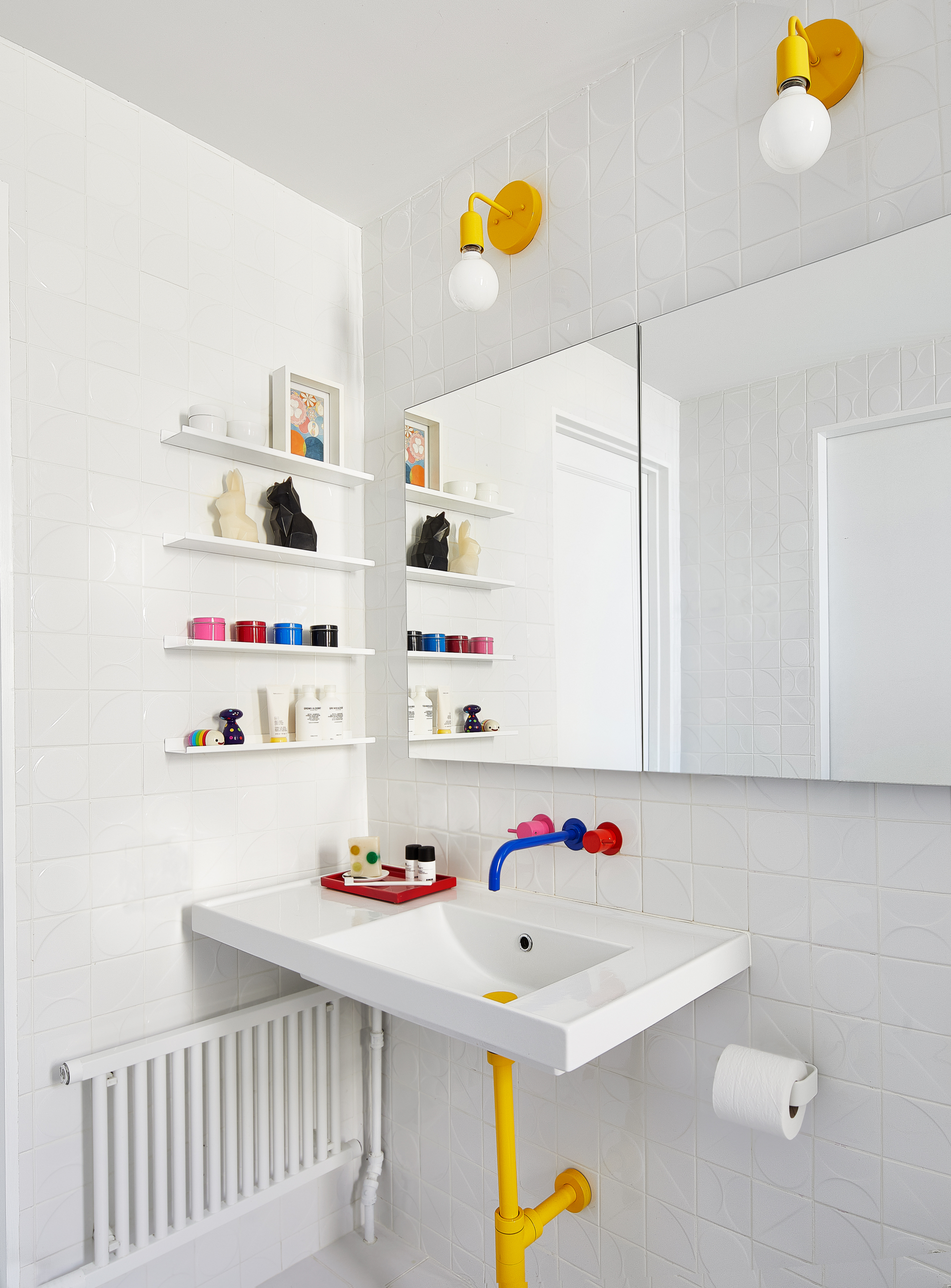
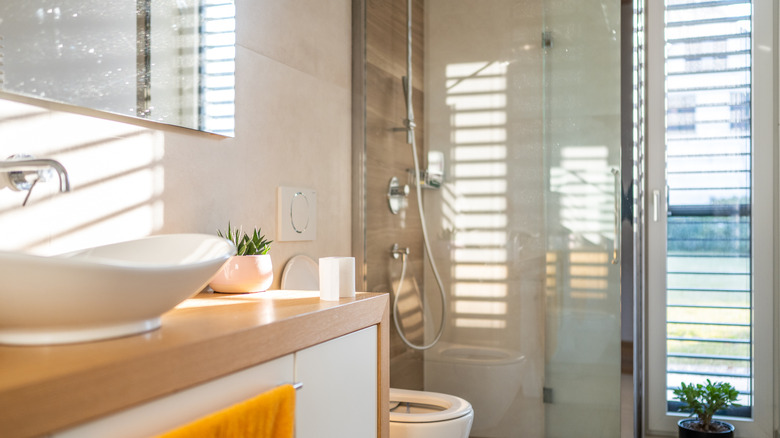
Despite these considerations, floating sinks offer several practical advantages. Their minimalist design eliminates the bulkiness of traditional sink bases and legs, contributing to a cleaner, more streamlined appearance. This visual lightness can also create the illusion of more space, making floating sinks an excellent option for smaller bathrooms or powder rooms. Furthermore, floating sinks can be installed at any desired height, providing flexibility for accessibility needs or customizing a children's bathroom to suit their stature. This adaptability makes them a versatile choice for various users and design requirements.
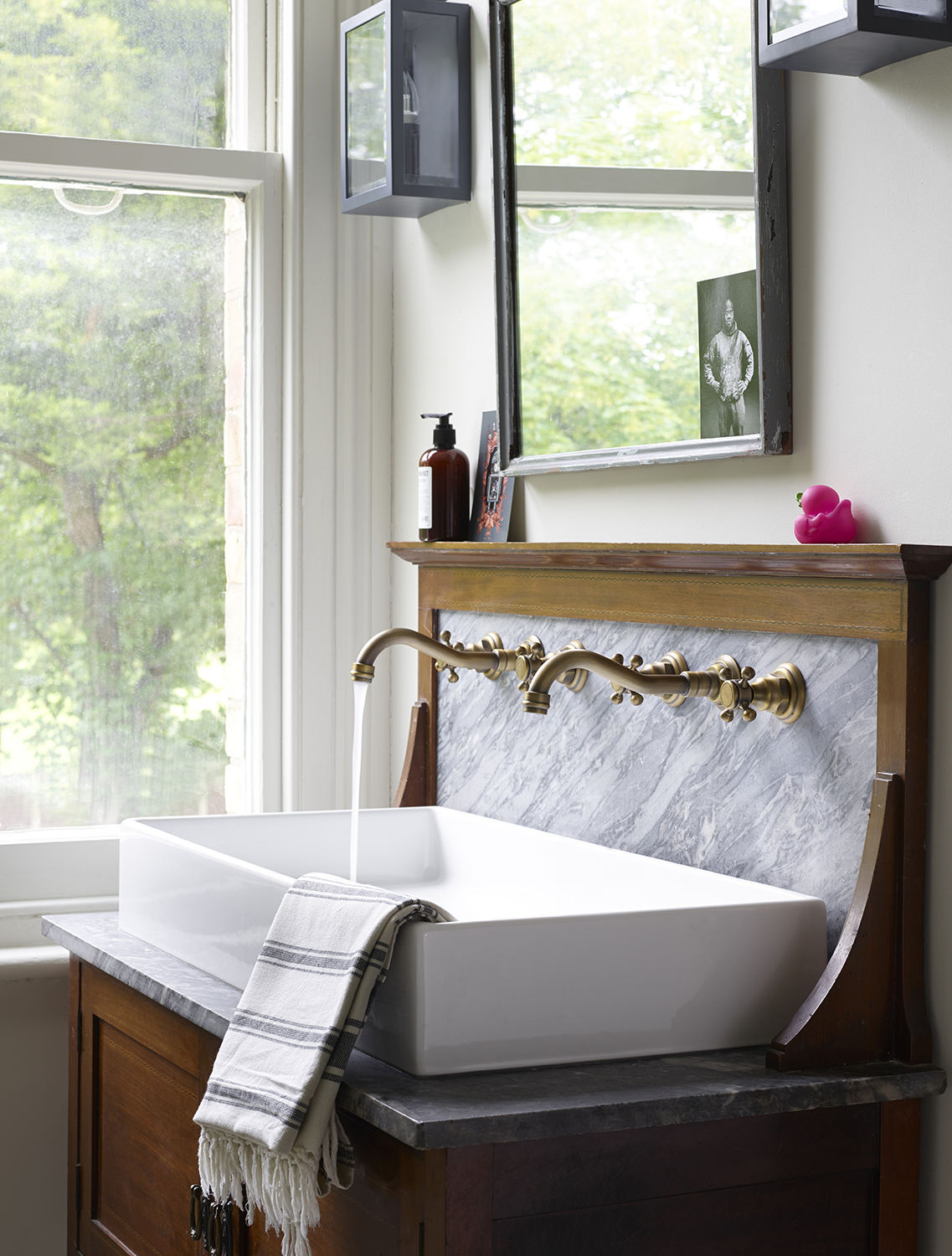
When it comes to design choices, homeowners have considerable freedom. While floating sinks are often linked with modern aesthetics, their versatility allows them to integrate into diverse home styles. For instance, antique Turkish marble sinks can be converted into floating vanities, creating a timeless and charming focal point. The advice from experts like Laura Sotelo, co-founder of Olive Ateliers, emphasizes taking risks and not letting trends solely dictate design decisions, suggesting that elements with a unique or slightly imperfect character tend to remain stylish over time. This philosophy encourages homeowners to embrace designs that resonate with their personal taste rather than strictly adhering to fleeting trends.
#FloatingSink #BathroomRenovation #HomeImprovement #InteriorDesignTrends #BathroomDesign #ContemporaryStyle #VanityUpgrade #SpaceSavingDesign #FloatingSink #BathroomRenovation #HomeImprovement #InteriorDesignTrends #BathroomDesign #ContemporaryStyle #VanityUpgrade #SpaceSavingDesign
0 comment in total
 No comments yet
You may also like
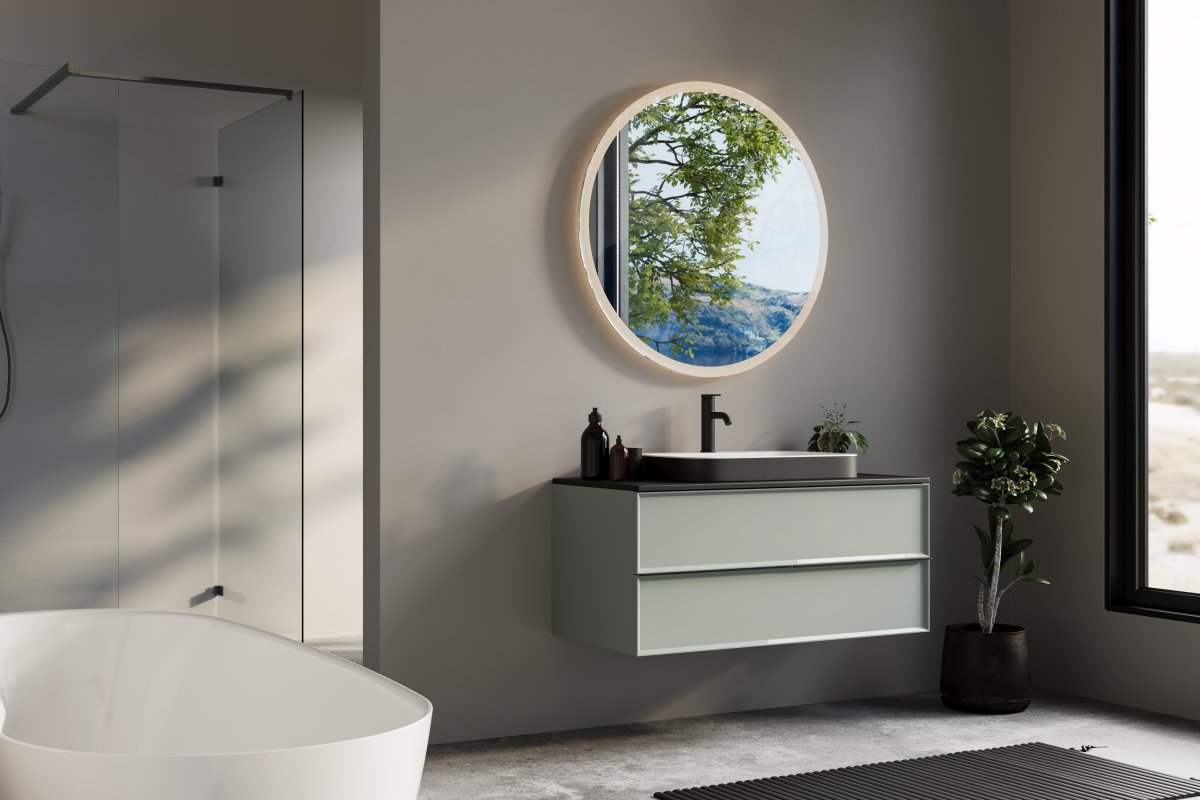
This Once-Popular Bathroom Feature Is Falling Out of Favor (and What’s Replacing It)


Abode's Paul Illingworth reveals 2025's hottest sink and tap trends
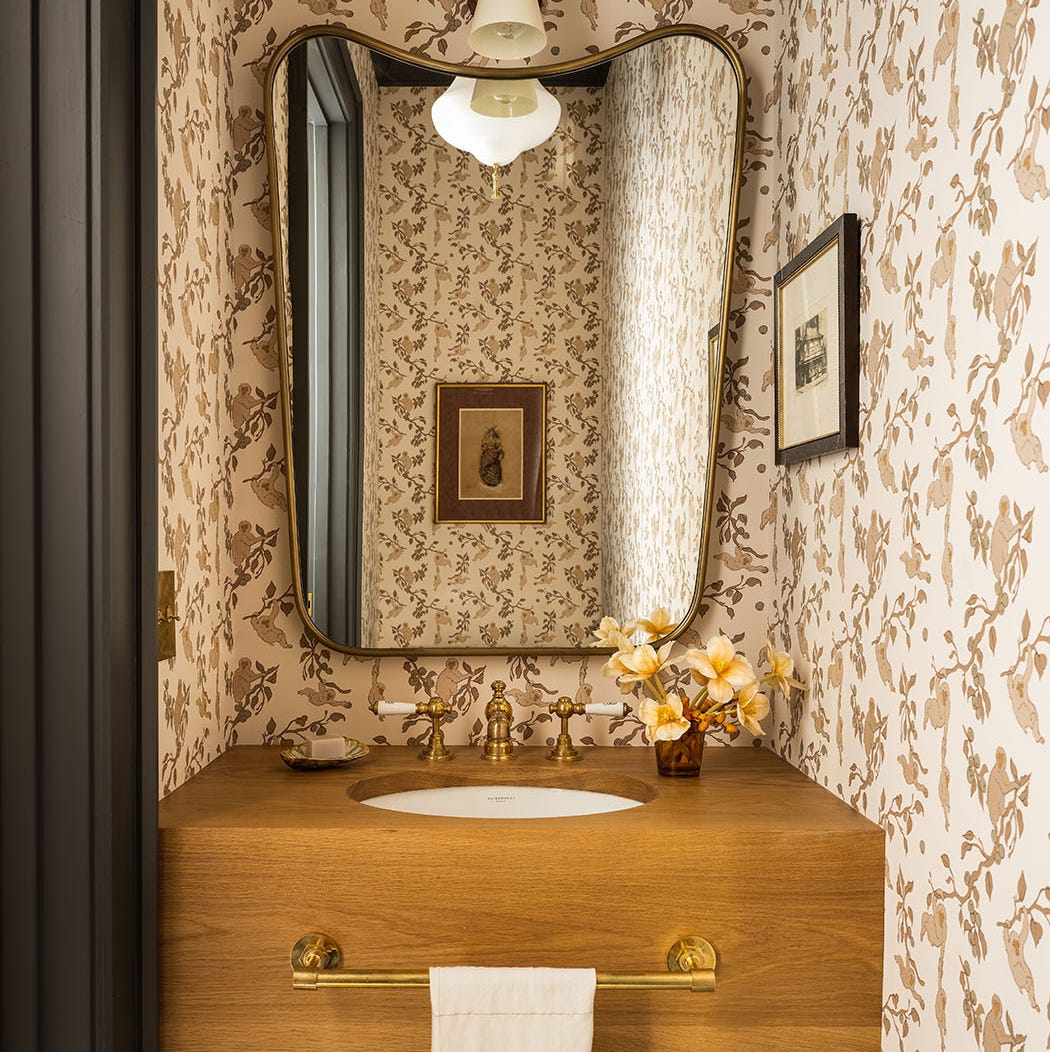
This Bathroom Trend Will Literally Stand the Test of Time

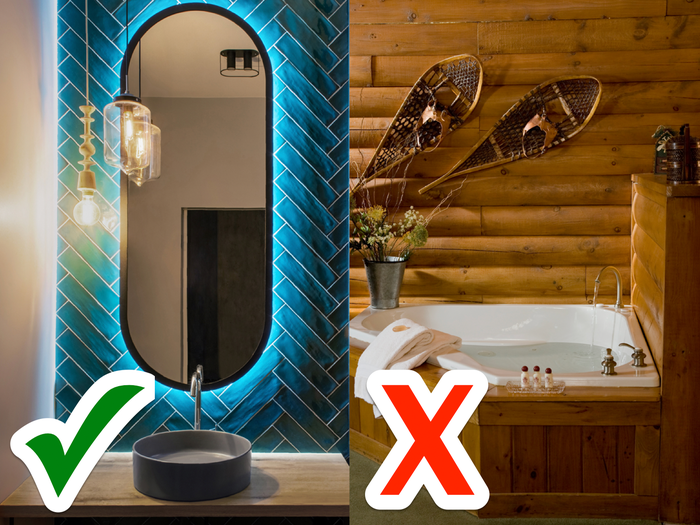
Interior designers share 5 bathroom trends that'll be huge next year and 5 that will be out
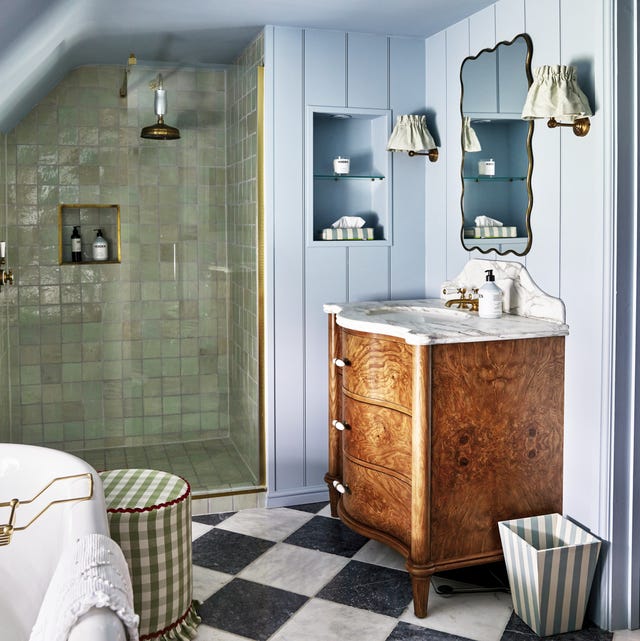
10 bathroom trends that will define 2026 – from floating vanities to pastel tones
This Once-Popular Bathroom Feature Is Falling Out of Favor (and What’s Replacing It)

Bathroom trends for today and tomorrow

The Top 11 Bathroom Trends of 2024, According to Interior Designers

Renovators Are Moving Away From This Shower-Floor Material


Vessel Sinks Are Back in Bathrooms But with a Fresh New Look

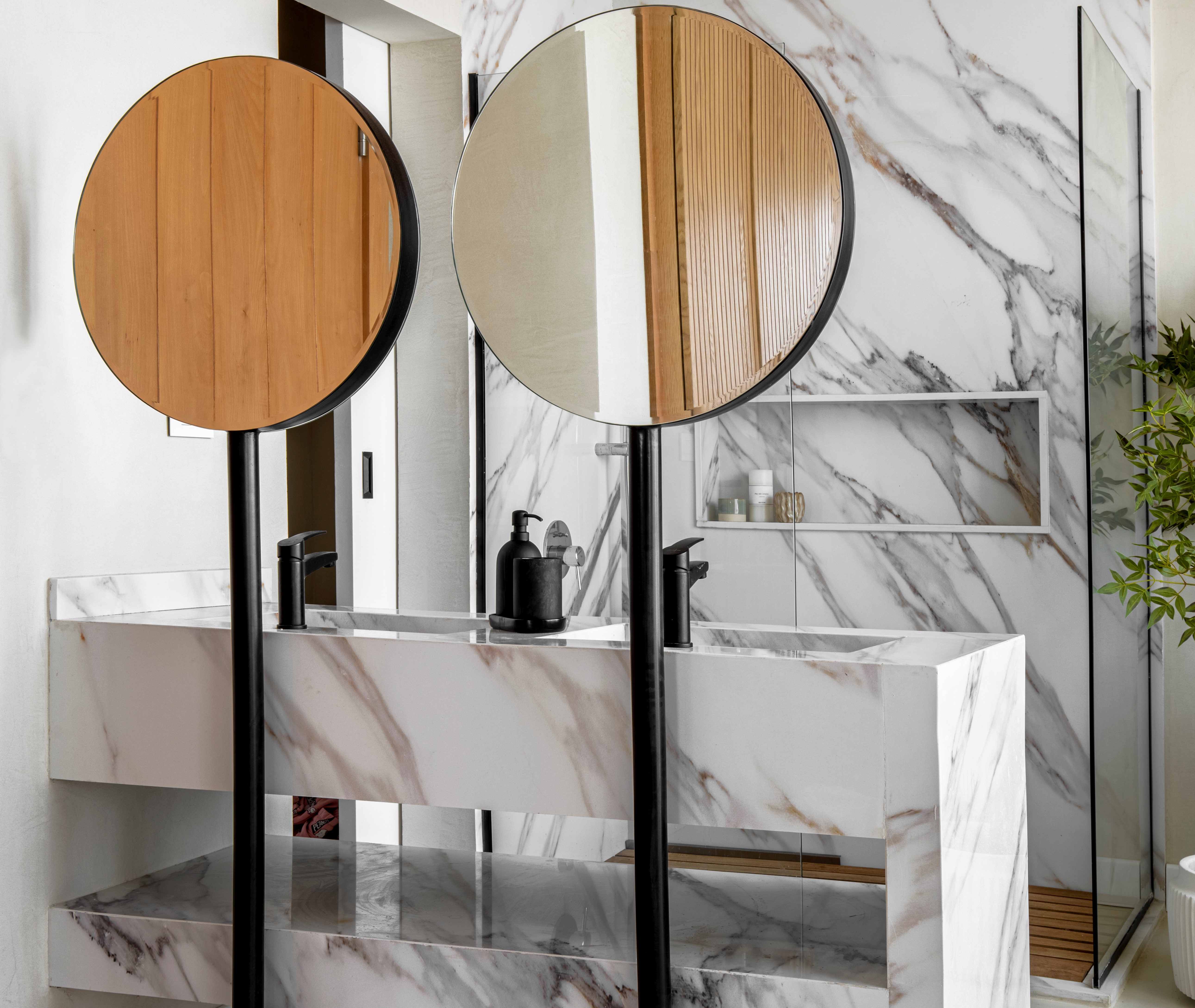
Freestanding basins are the big trend that can help you get creative with your bathroom's layout

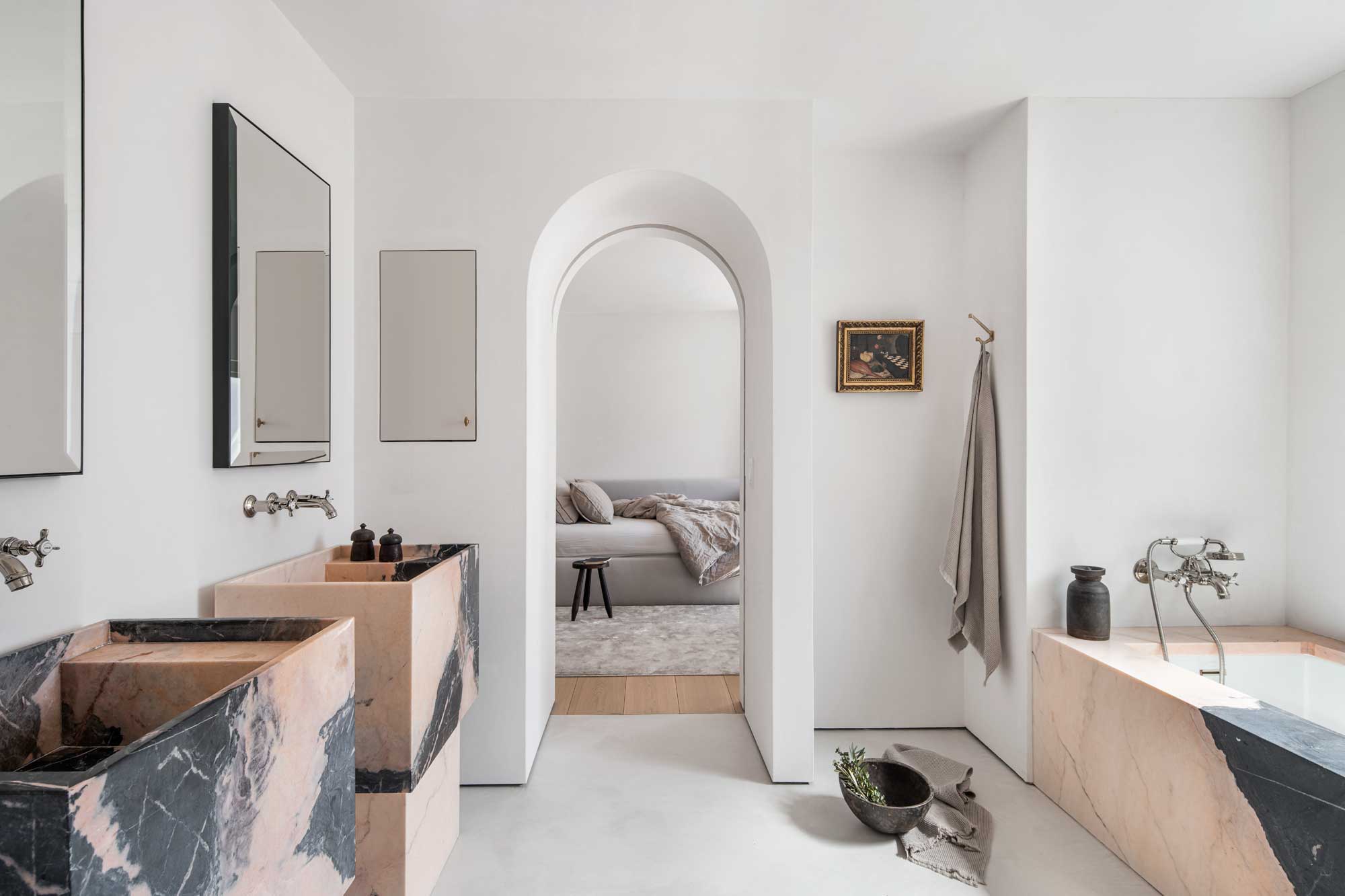
"Trough Sinks" Are the Big Bathroom Trend for Elevated Spaces — But Are They Practical? Designers Decide

Tangible Touches

It's out with boring basins and in with statement sinks – the emerging trend that's transforming small bathrooms

All The Bathroom Trends That Will Be Taking Over In 2026

Built-in Shower Benches — The Feature Designers Are Using to Elevate Bathrooms Right Now
Bathroom Trends
Bathroom sink trends – the 10 shapes, colors and styles to look for during your bathroom remodel
Forget Bathtubs — Designers Say This Feature is the New Focal Point You Should Invest in for a Bathroom
The Bathroom Trend That's Set To Make Waves In 2026