1/8
Not Only Is Purple Passion Plant Gorgeous, It's Easy to Grow
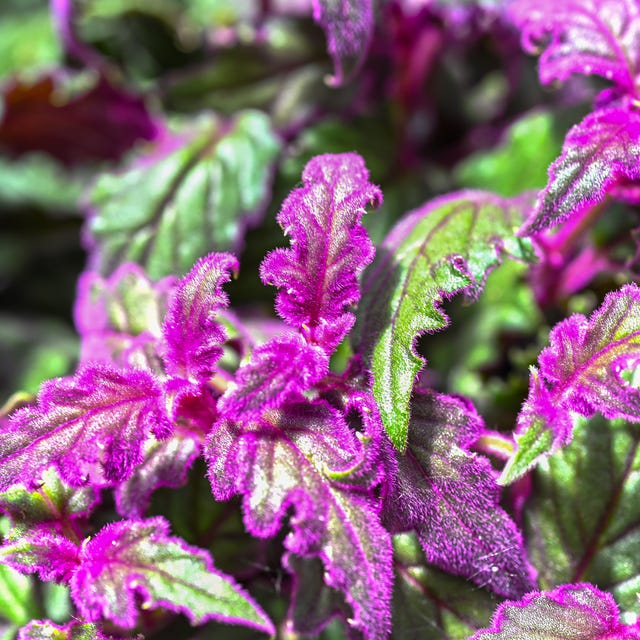
The purple passion plant (_Gynura aurantiaca_), also known as the velvet plant or purple velvet plant, is an eye-catching and relatively low-maintenance houseplant suitable for both novice and experienced plant enthusiasts. This herbaceous perennial features a vining form with dark green foliage that has serrated edges, distinguished by brilliant purple velvety fuzz. This unique coloration creates a beautiful contrast when placed alongside other houseplants. Originating from humid tropical regions globally, including Africa, Malaysia, China, Vietnam, and Thailand, this plant thrives indoors when provided with the right conditions and can also be grown as a ground cover in warmer climates (USDA Hardiness Zones 10 and above).
Caring for a purple passion plant involves providing bright, indirect light. Direct afternoon sun can be too intense, potentially burning the leaves, while insufficient light can lead to a leggy appearance. If placed near a window with strong direct sunlight, a sheer curtain can help diffuse the light. The most critical aspect of its care is avoiding overwatering, as the plant will not tolerate soggy soil and can quickly become mushy and die. It is recommended to water only when the top few inches of soil feel dry to the touch. Additionally, similar to African violets, the purple passion plant's foliage should not get wet, as the hairs on its leaves can trap water, leading to rot. The plant prefers temperatures ranging from 60 to 70°F and appreciates humid conditions. This can be achieved by grouping it with other houseplants on a pebble tray to benefit from mutual transpiration, or by using a humidifier nearby. Misting is not effective for increasing humidity and can be detrimental to the foliage.
The purple passion plant has an irregular growth habit, and pruning is necessary to maintain a full and neat appearance. Leggy stems can be pinched back to a few inches above the soil surface, and these cuttings can be used for propagation. To propagate, leaves are removed from the bottom of the stem, which is then inserted directly into moist potting soil. While rooting hormone can be used to accelerate the process, it is not strictly necessary. The new cuttings should be kept in bright, indirect light with lightly moist soil, and roots typically develop within a few weeks. The plant may produce clusters of orange flowers, which ironically give it its botanical name, _aurantiaca_ (Latin for “orange”). However, these flowers are often described as having a rancid, unpleasant odor and can be snipped off if undesired. The appearance of flowers also signals that the plant has reached its peak and may begin to decline, with older plants potentially losing their vibrant purple coloring. To refresh the plant and maintain its color, taking new cuttings every three to five years is advisable, as this is the typical lifespan for these plants.
Common issues with purple passion plants primarily revolve around improper watering. Overwatering results in wilting or mushy leaves, often beyond recovery, though healthy cuttings might still be salvageable. Conversely, wilting or fading purple color can occur if the soil becomes too dry, which can usually be remedied with a thorough watering. Allowing the plant to flower can also cause it to lose its brilliant color. To preserve the plant's distinctive purple sheen, it is recommended to trim off flower buds as soon as they appear.
#PurplePassionPlant #HouseplantCare #IndoorGardening #PlantPropagation #VelvetPlant #LowMaintenancePlant #GardeningTips #PurplePassionPlant #HouseplantCare #IndoorGardening #PlantPropagation #VelvetPlant #LowMaintenancePlant #GardeningTips
Toplam 0 yorum
 Henüz yorum yok
Bu da beğenebilirsiniz
How to grow passion flowers – for a spectacular and other-worldly flowering climber
16 Best Fast-Growing Purple Plants For A Beautiful Shade Garden In No Time
These Beautiful Flowering Shrubs Will Add Major Color to Your Garden

Blue to Purple Perennial Flowers
15 Best Purple Plants For Your Flower Garden
15 Annuals That Bloom With Bold Purple Flowers
13 Purple Plants to Grow for Bold Color

Purple Flowers That Hummingbirds Find Irresistible
Purple plants – 5 best to choose for the perfect purple border
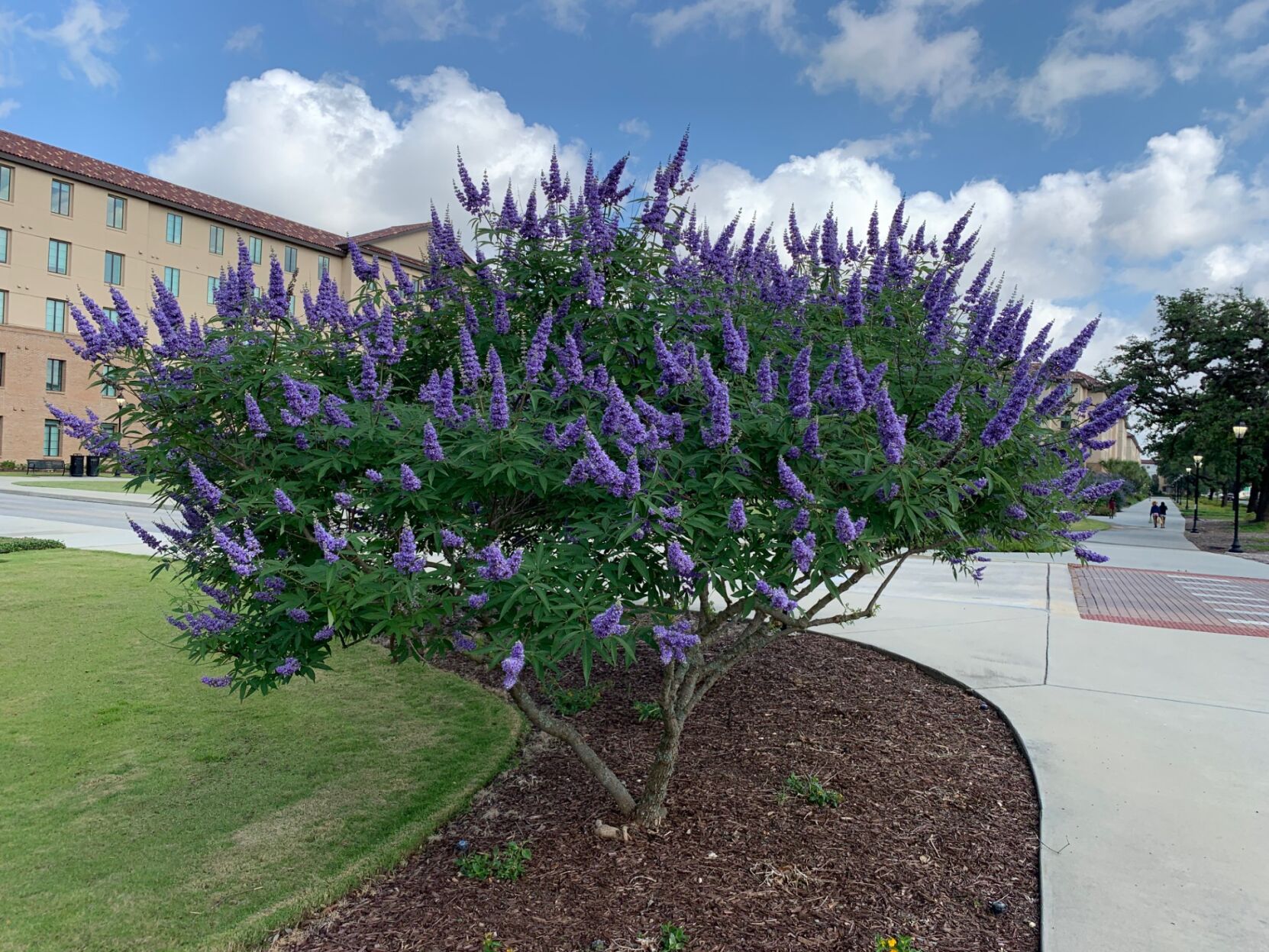
Those purple flowers putting on a stunning show right now are the easy-to-care-for vitex

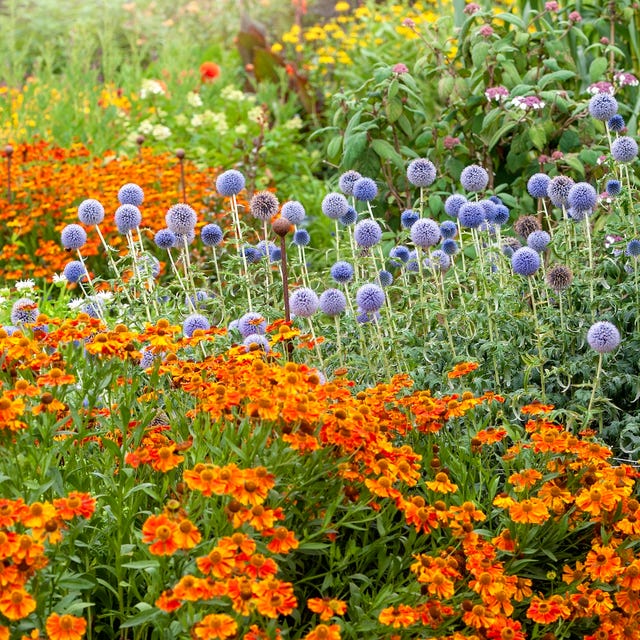
These Low-Maintenance Perennial Flowers Bloom Every Season


Lavender Alternatives — 6 Other Purple Flowers That Are Just as Beautiful (and Smell Just as Good)

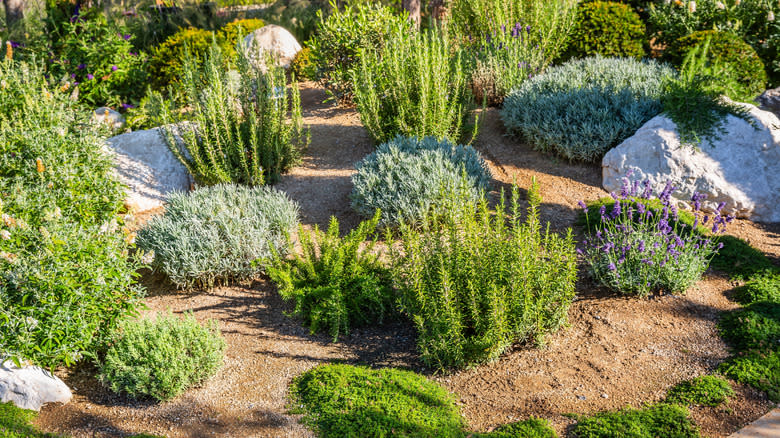
The Drought-Tolerant And Low-Maintenance Perennial That Showcases Lovely Purple Blooms

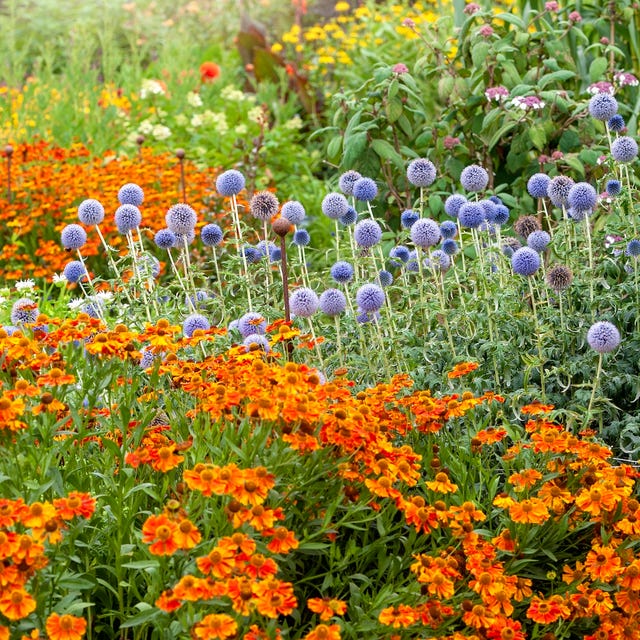
Gardeners, These Low-Maintenance Perennial Flowers Bloom Every Season
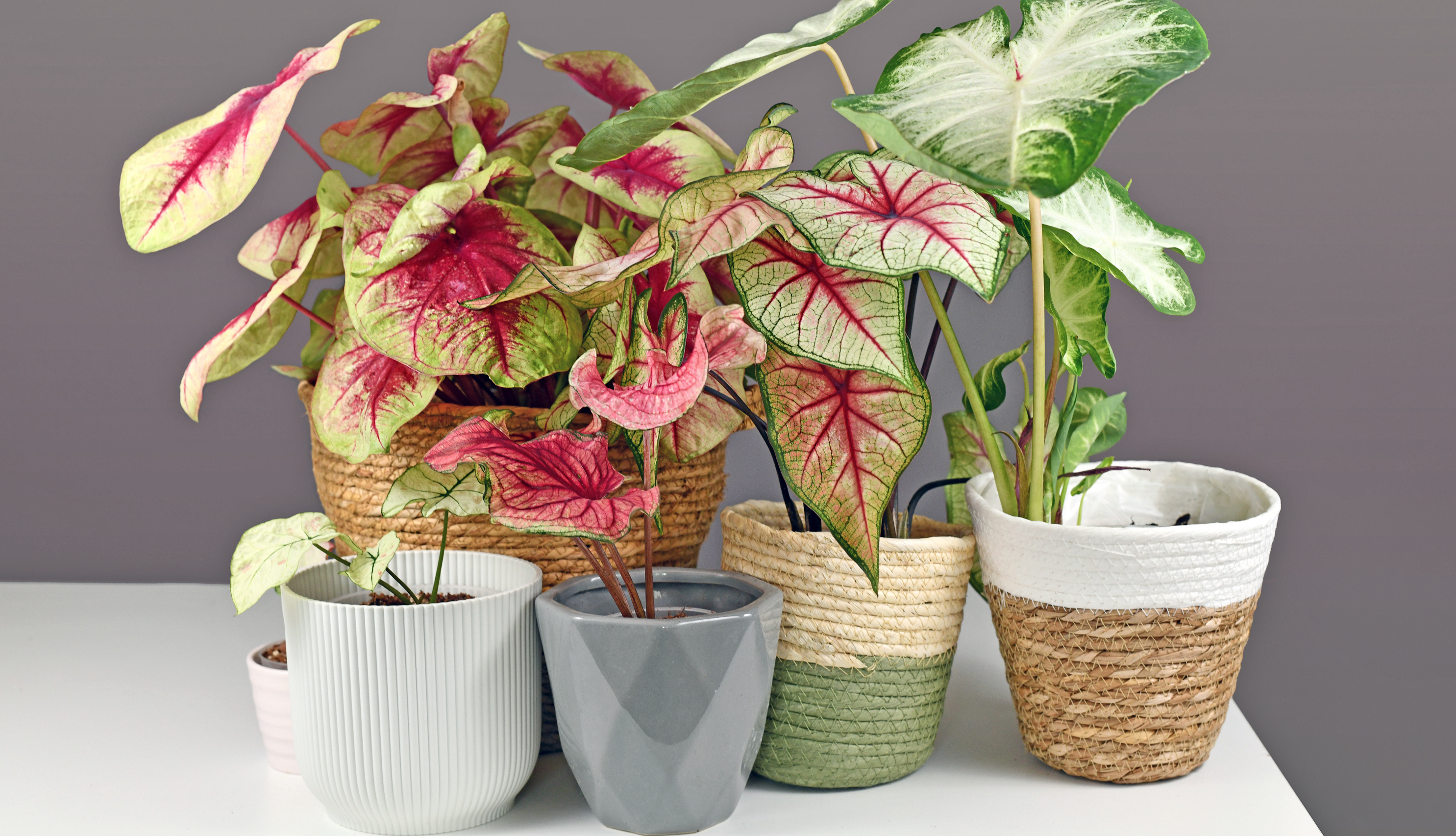
10 colorful indoor plants to give you a beautiful kaleidoscope of joy

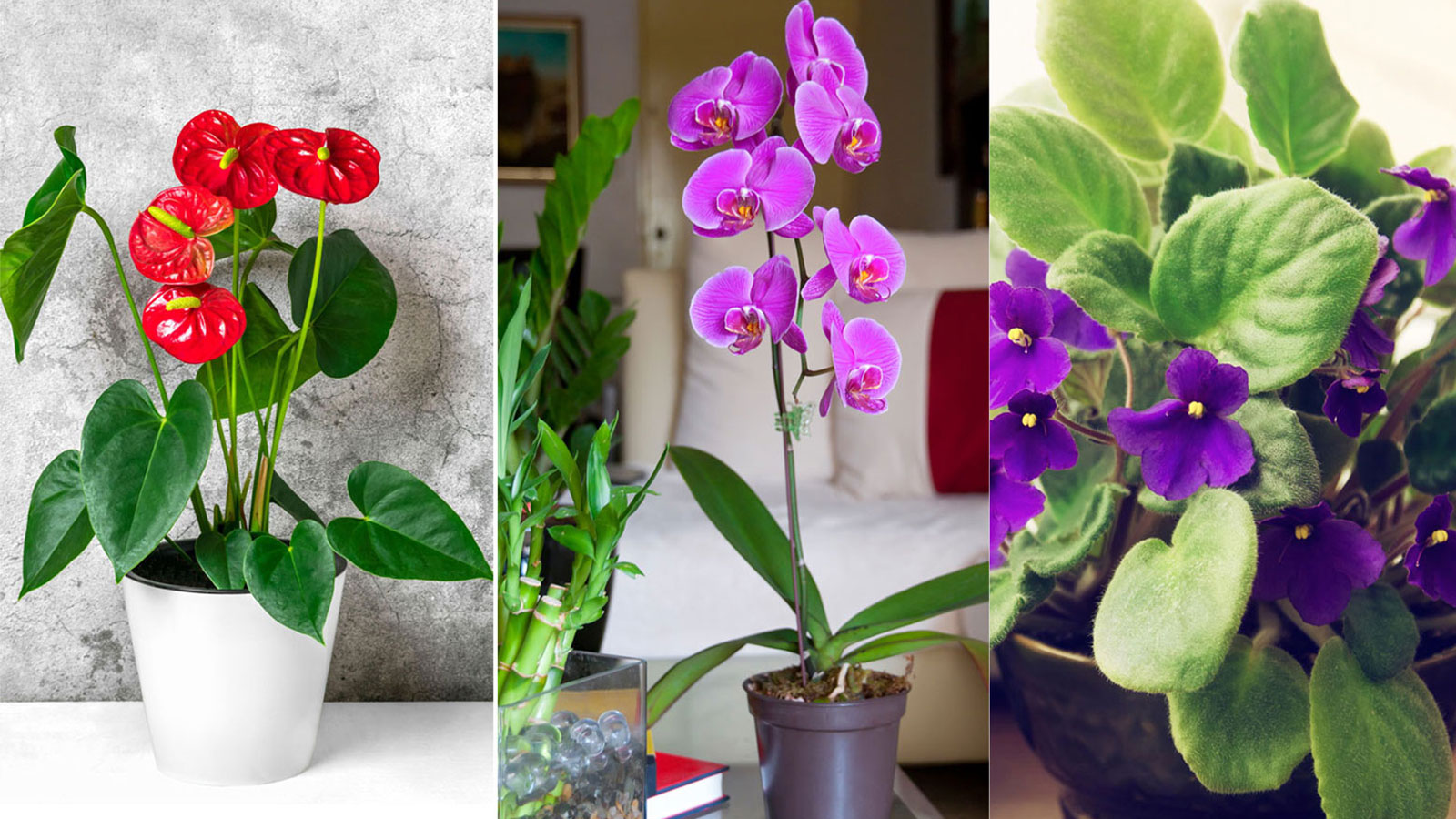
10 indoor plants that flower all year round – choose from our expert recommendations for non-stop blooms

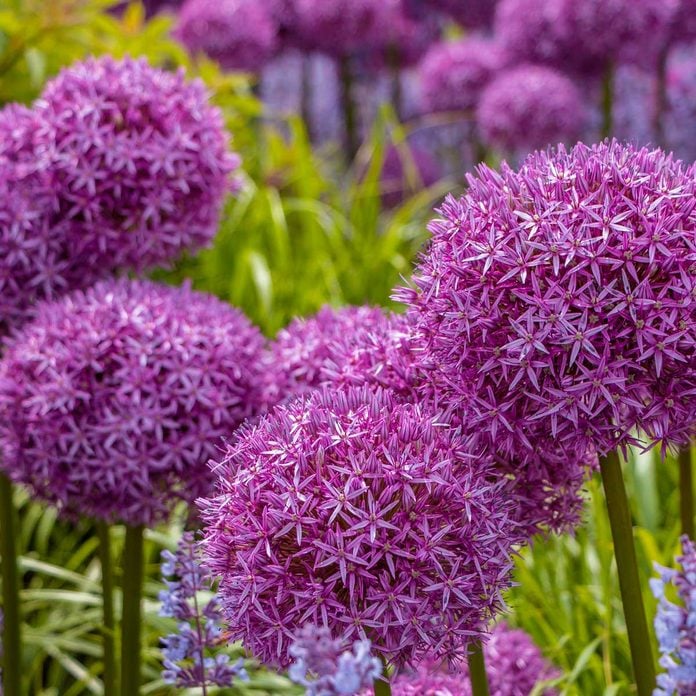
10 Pretty Purple Flowers That’ll Make Your Garden Pop

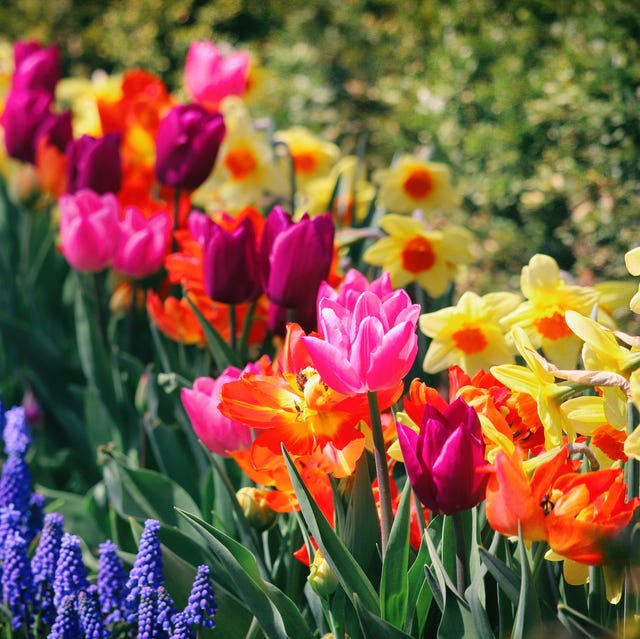
Grow These Stunning Spring Flowers to Welcome in the Season

11 Beautiful Purple Flowers and Plants That Attract Hummingbirds
Grow Purple Heart Plant As A Ground Cover Or In A Hanging Basket