1/21
How Much Should You Spend on a Wall Sconce?
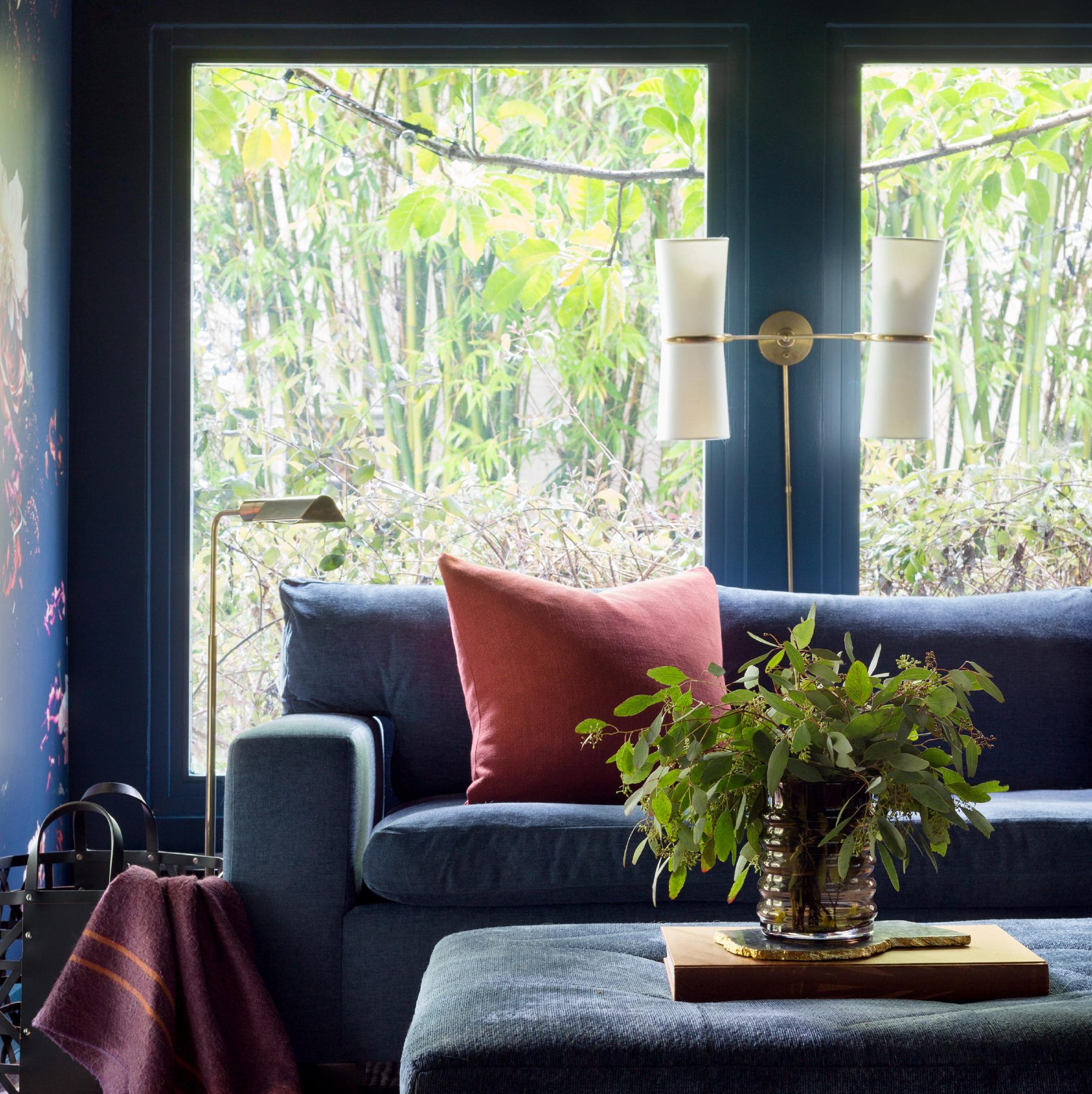
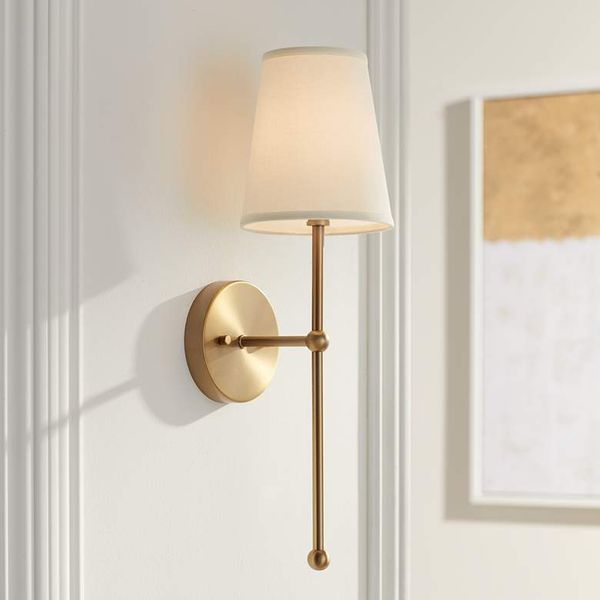
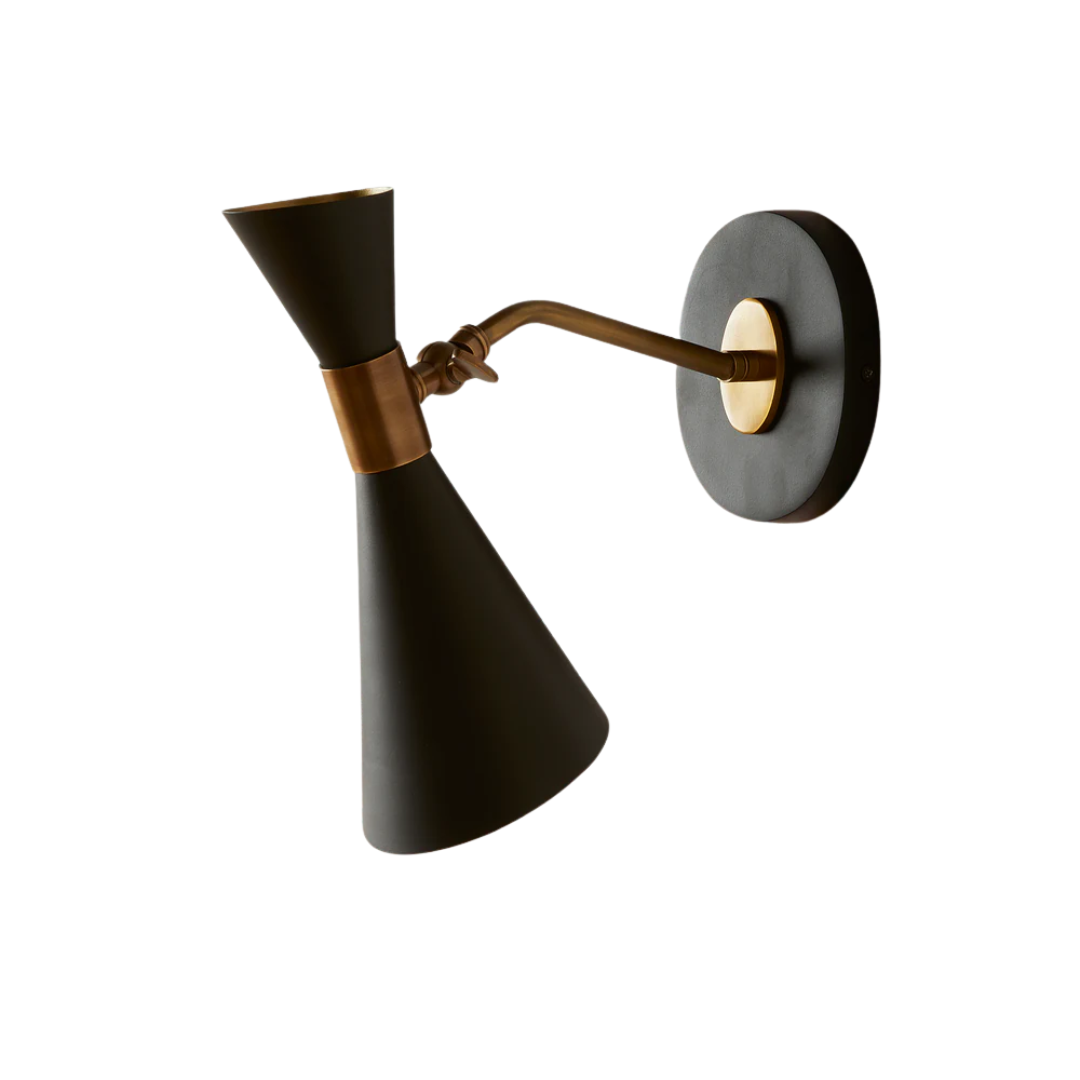
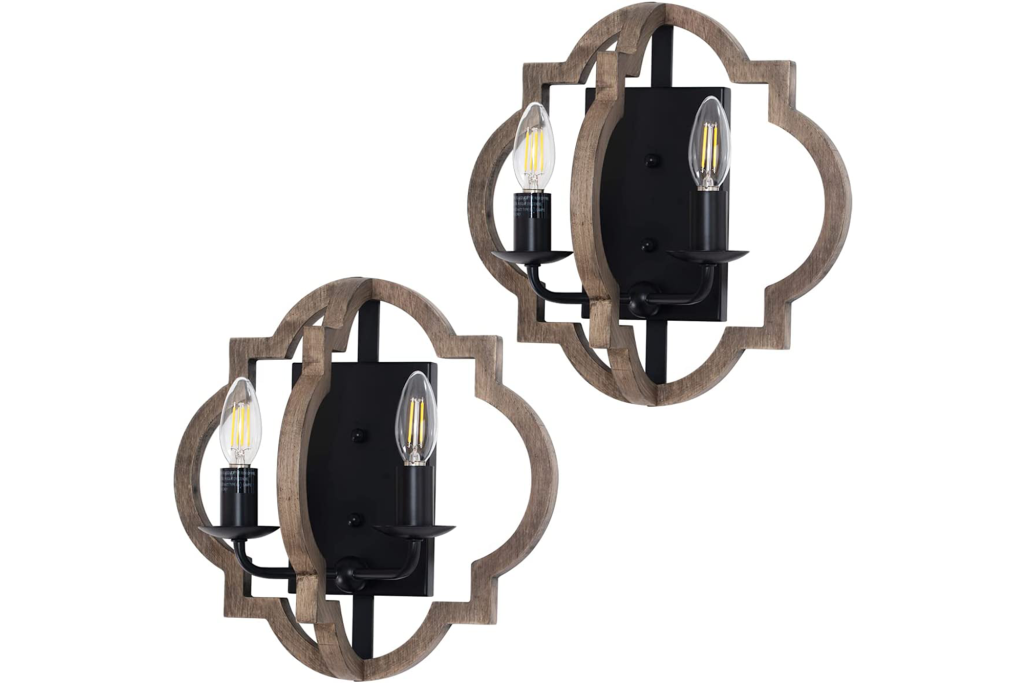
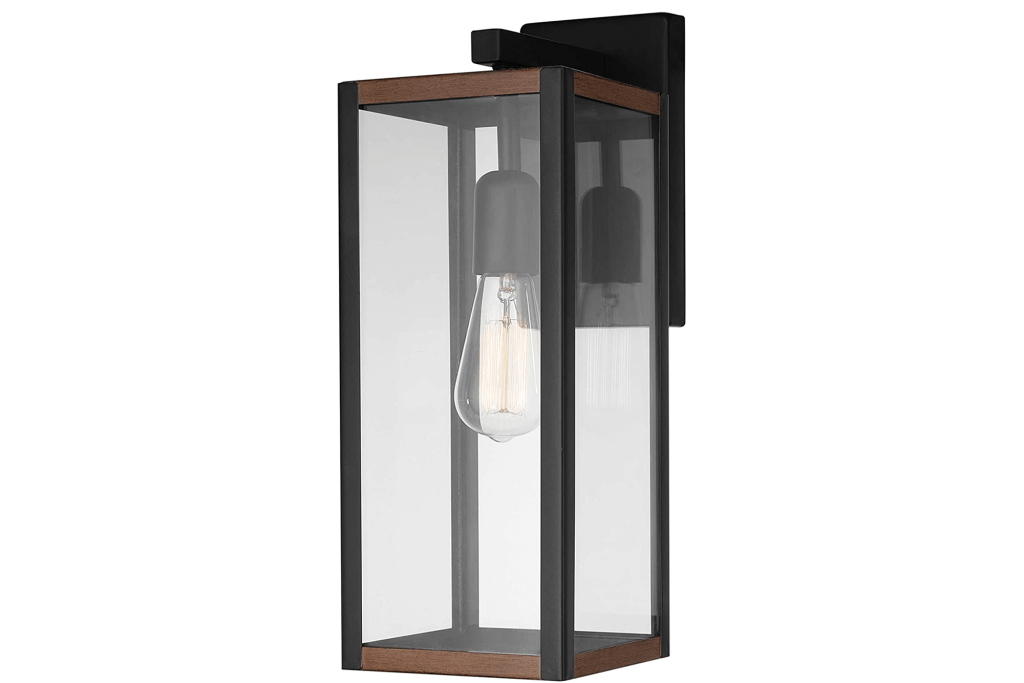
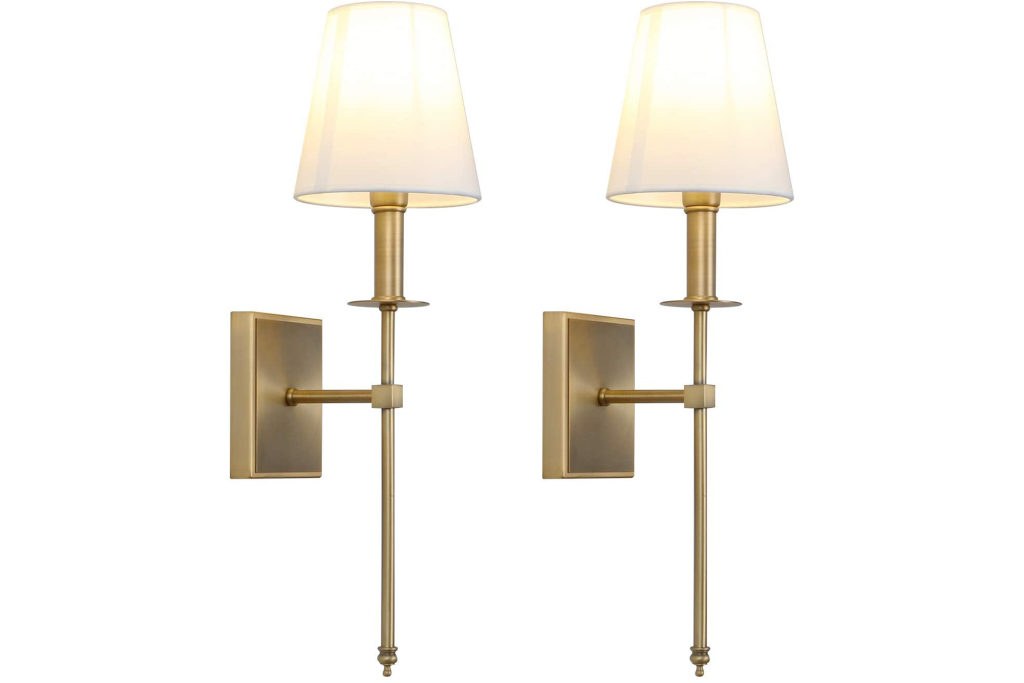
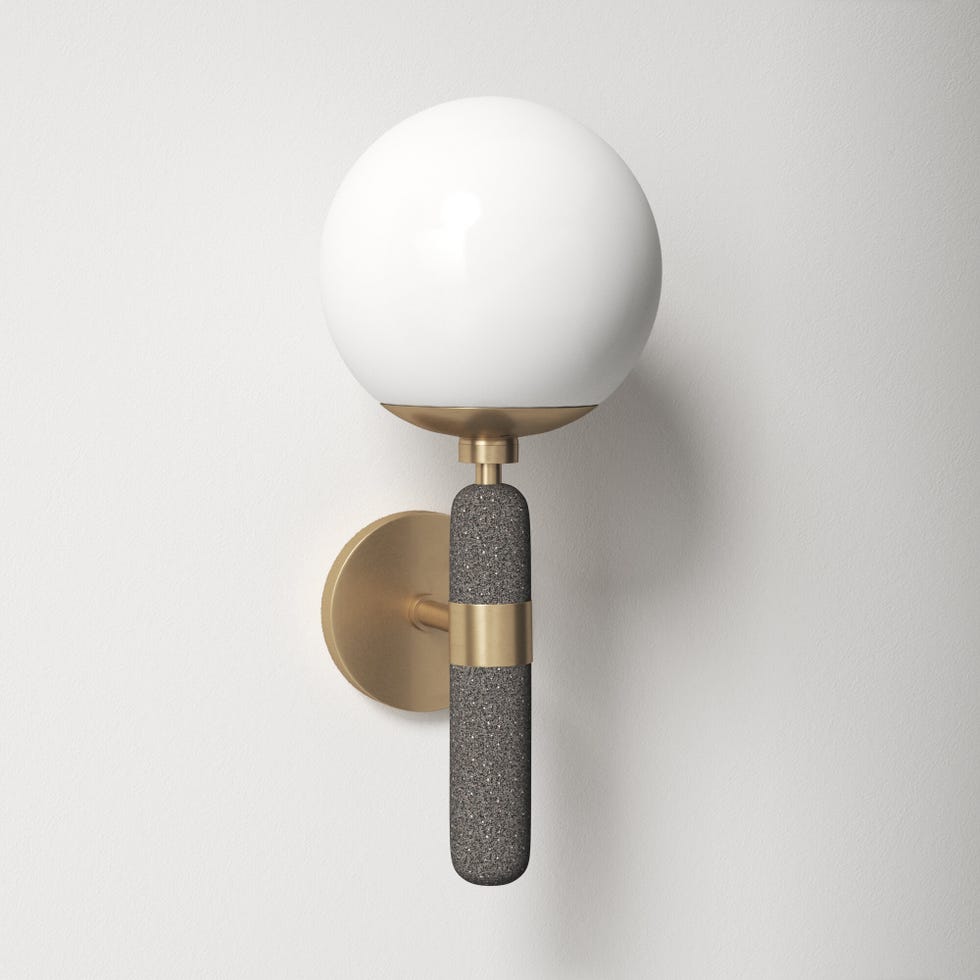
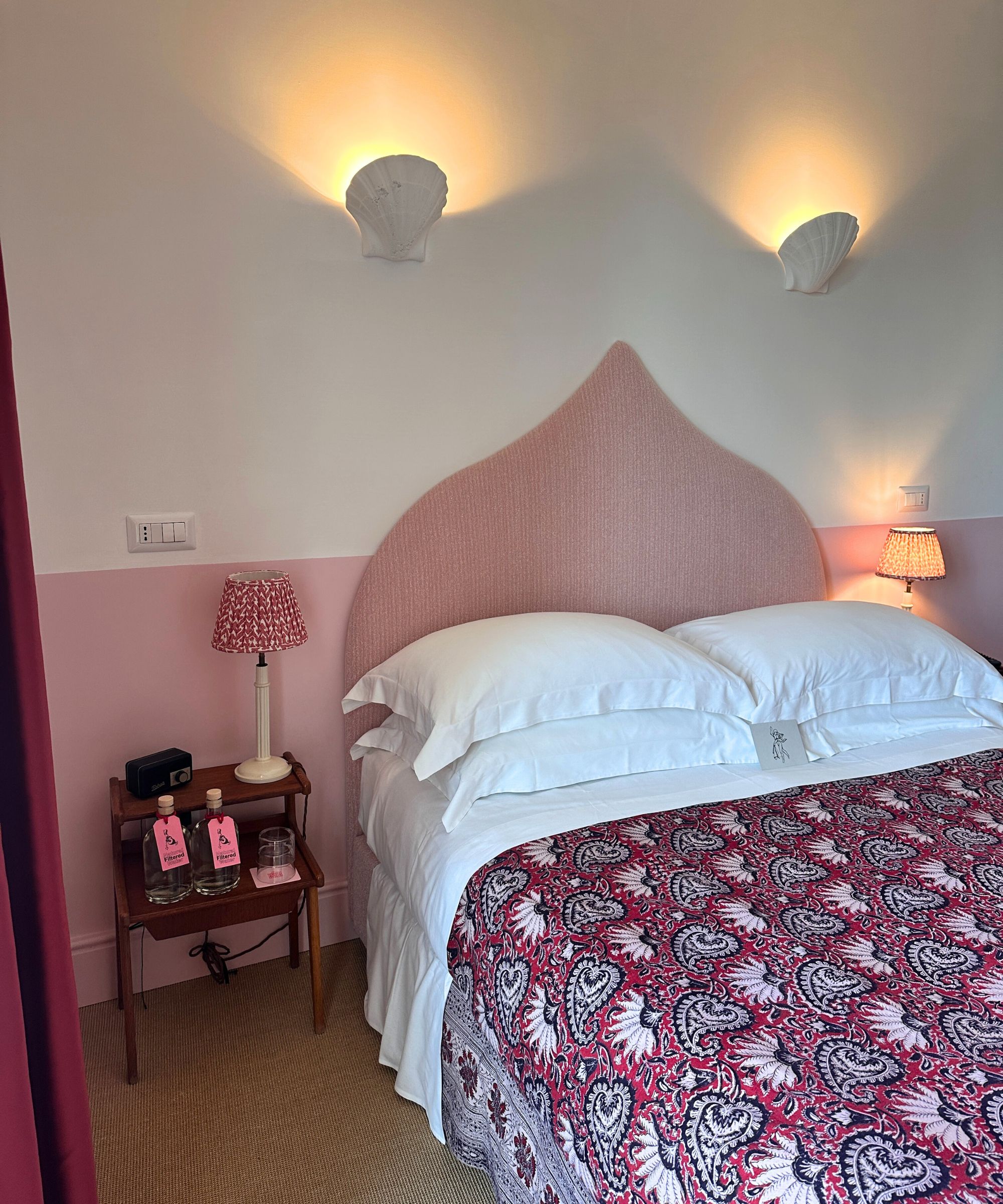
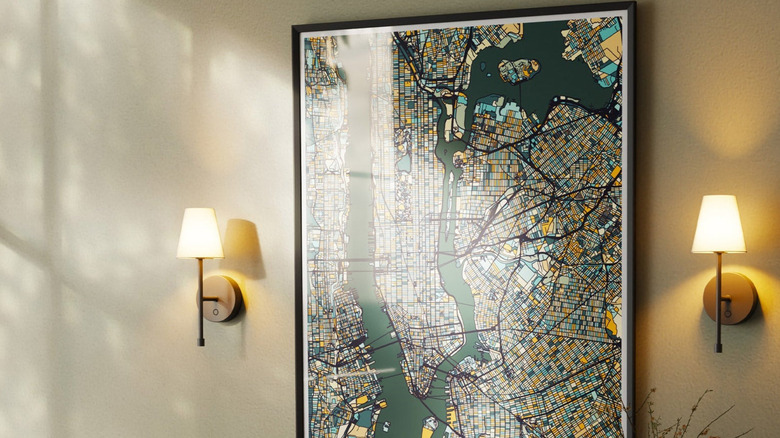
Wall sconces are versatile, space-saving fixtures that can act as functional art in the home. Wall sconces are decorative lights mounted to a wall instead of the ceiling, offering a combination of function and form. They can create a bold, large-scale effect or provide specific task lighting. As semi-permanent fixtures, they can be investment pieces, with prices ranging from $150 to $6,000, depending on material, quality, and whether they are vintage or new.
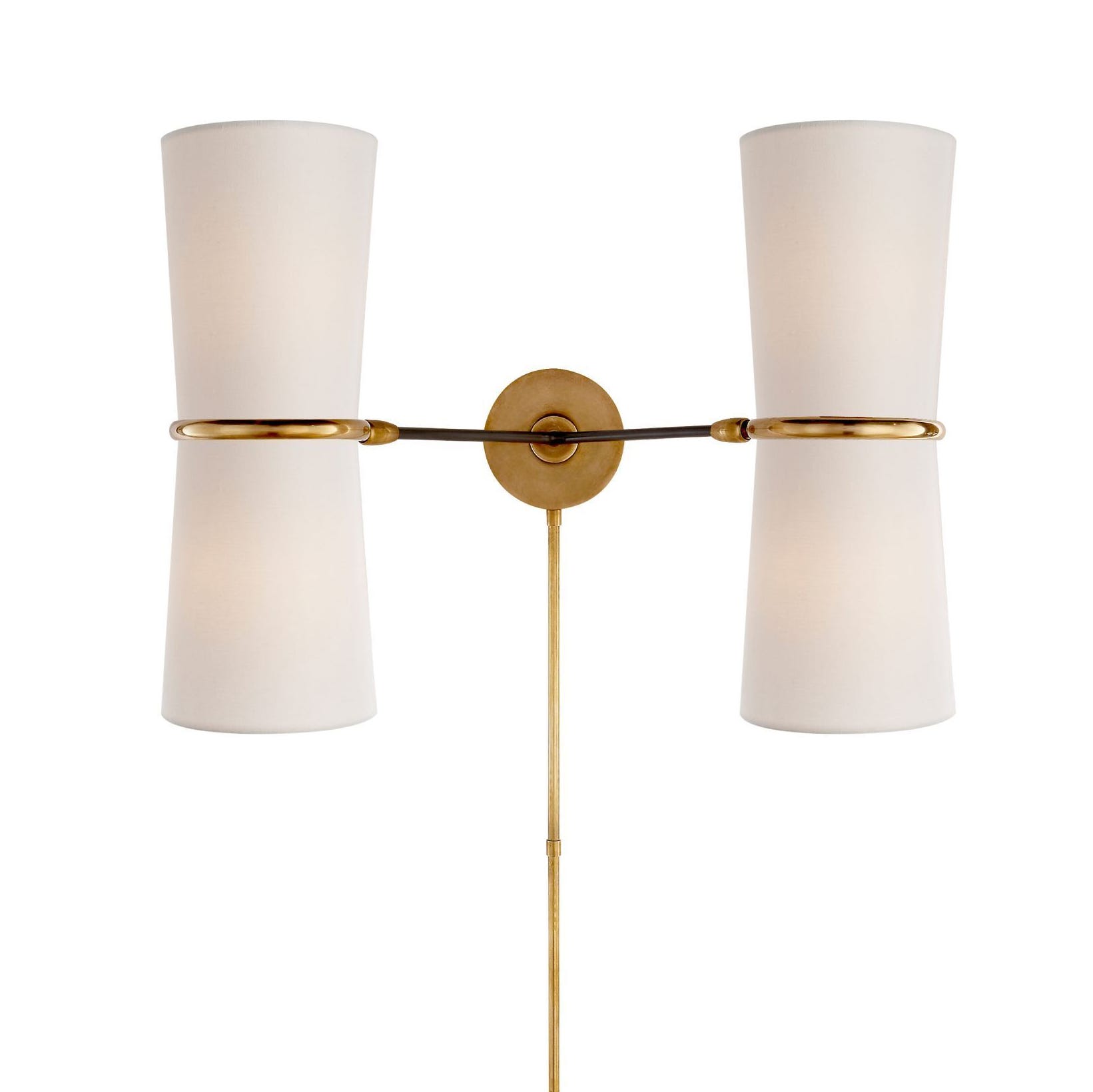
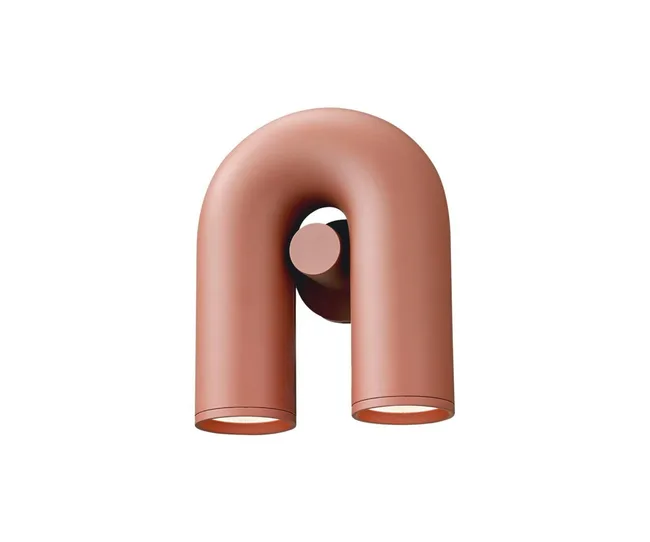
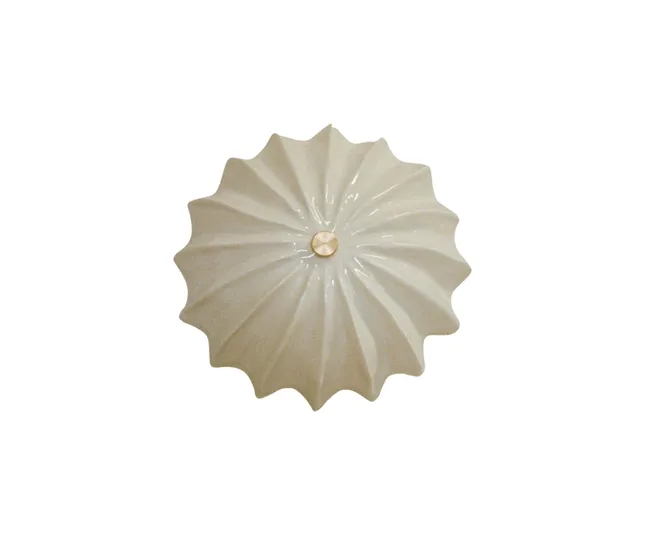
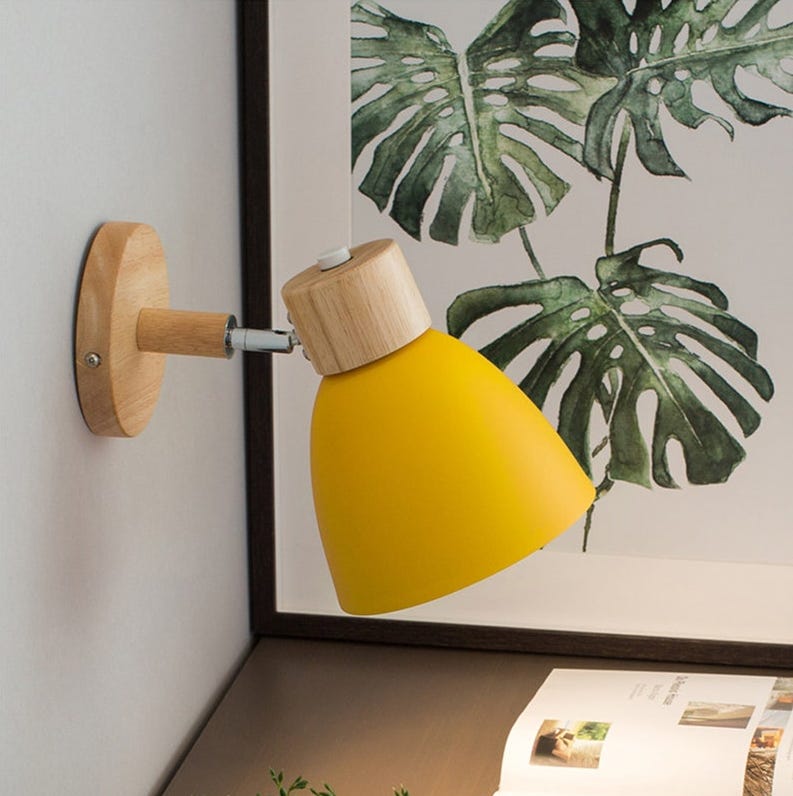
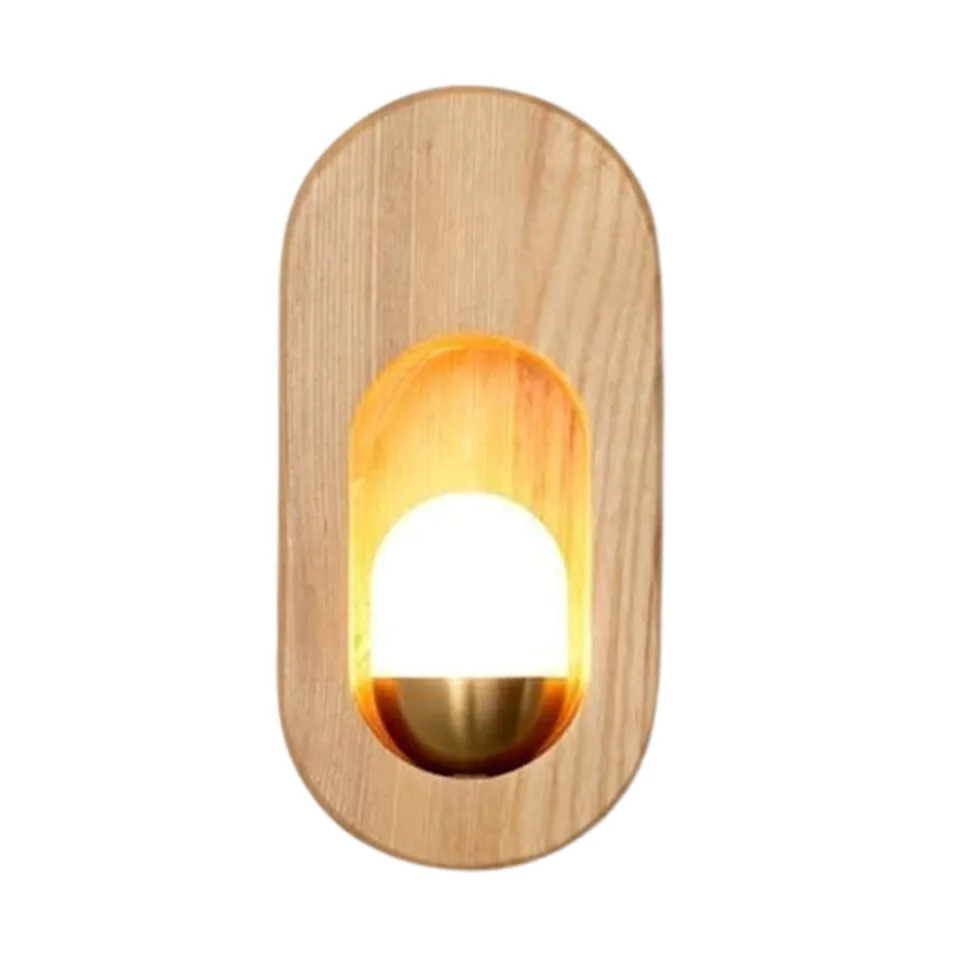
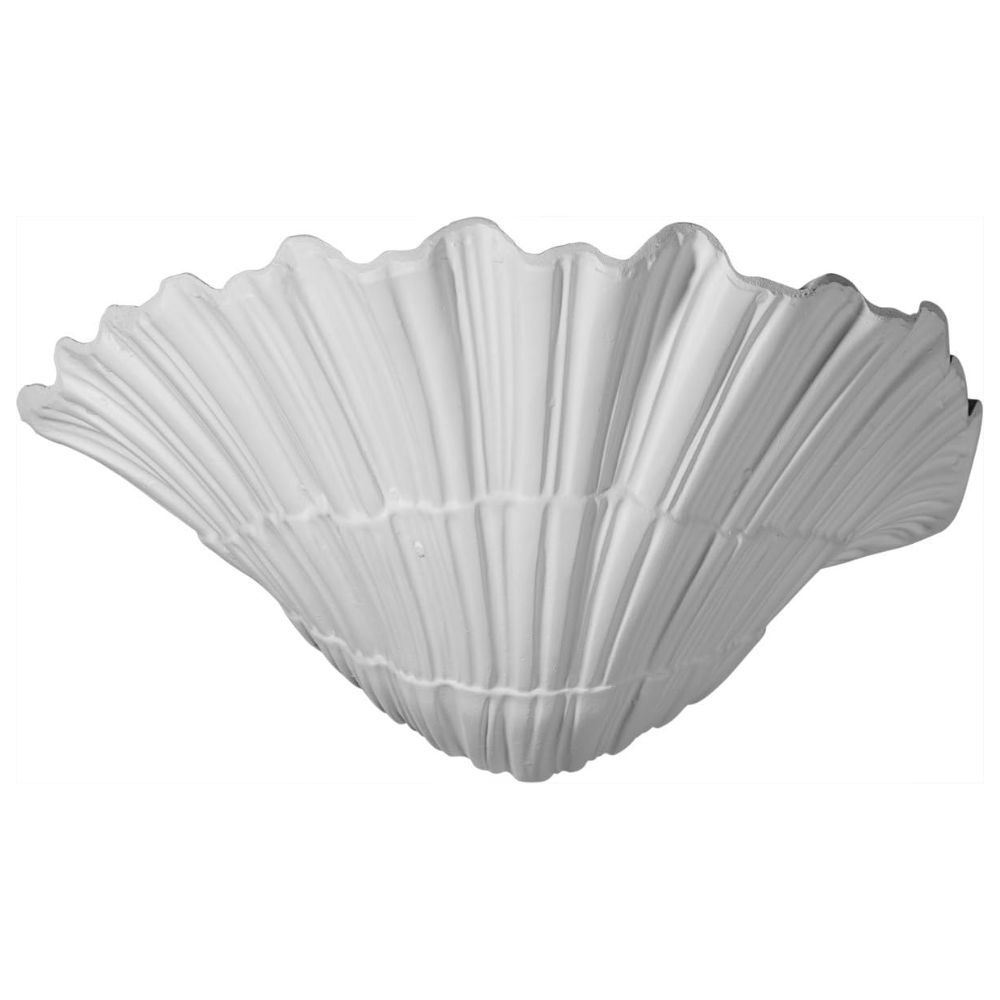
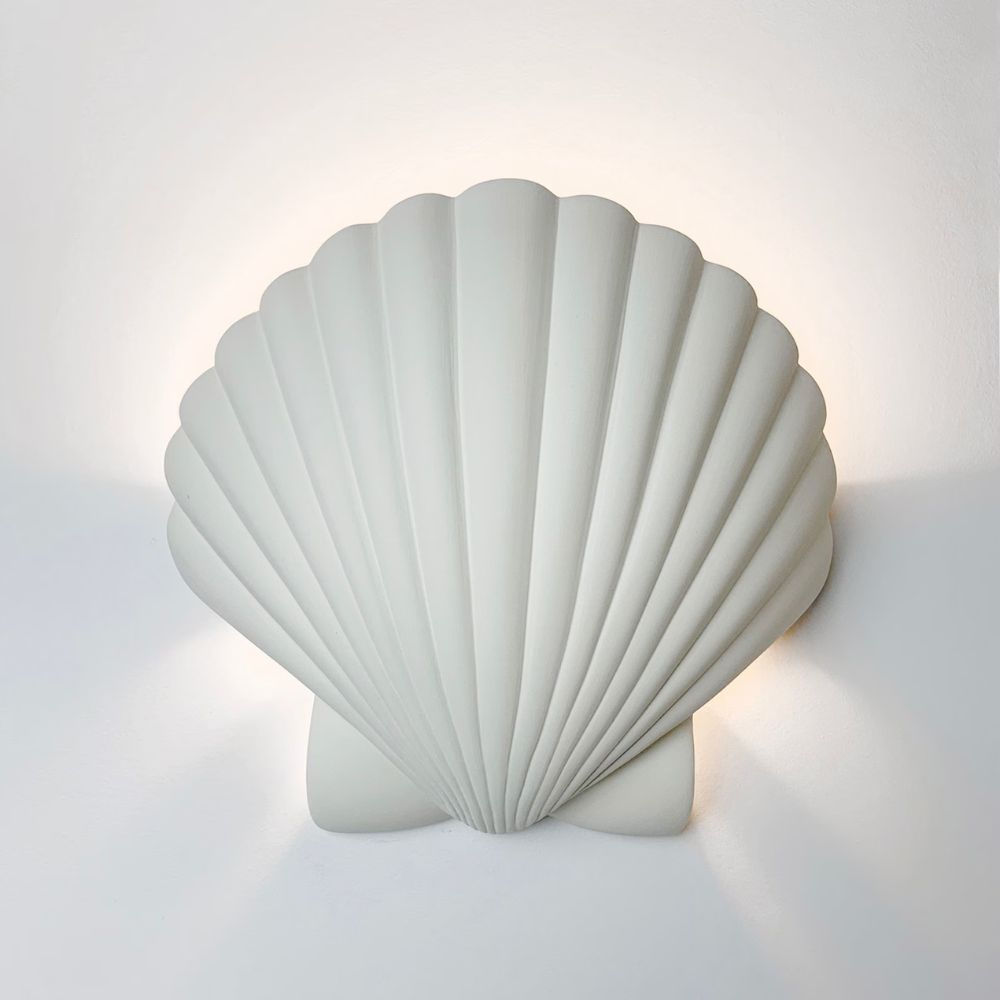
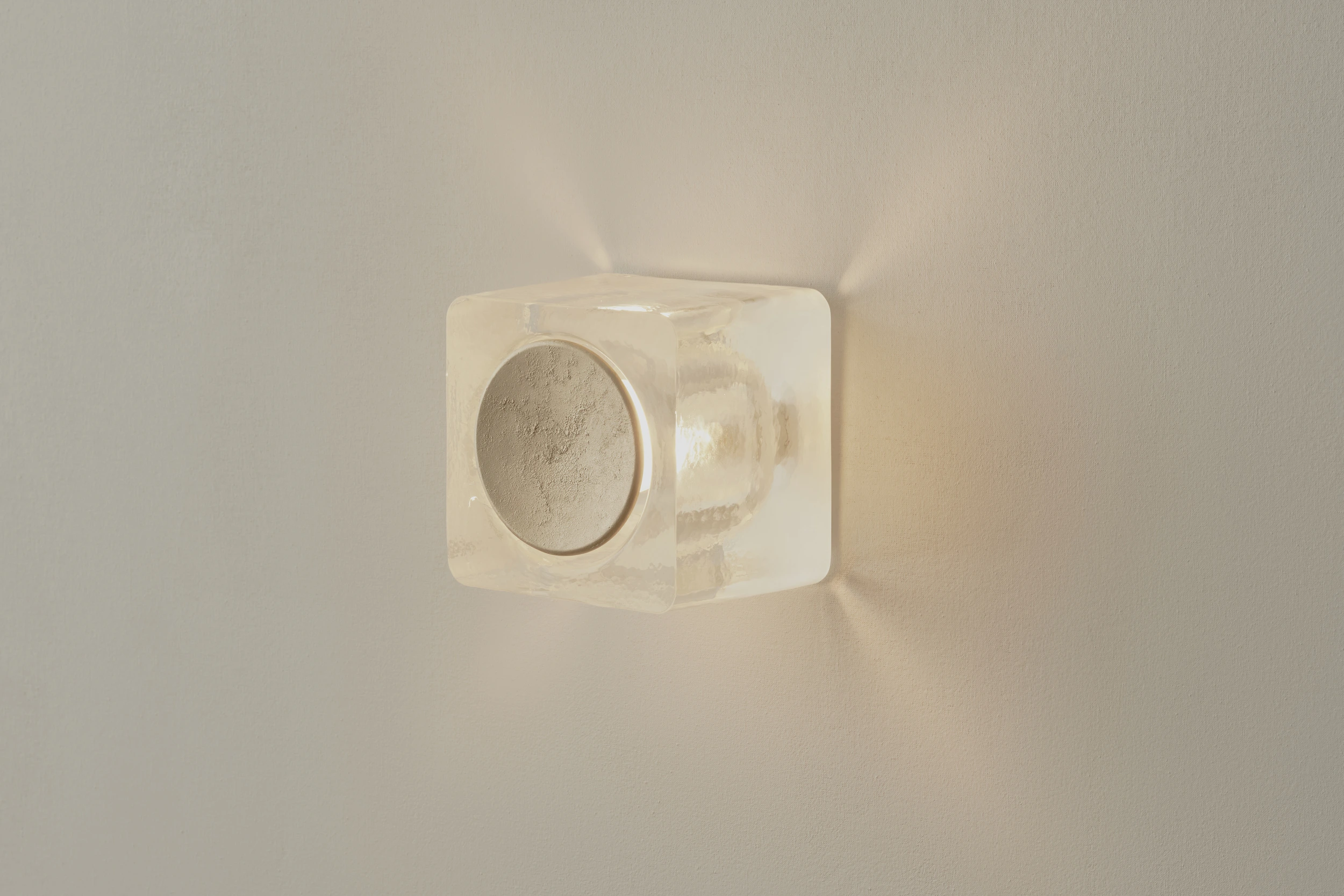
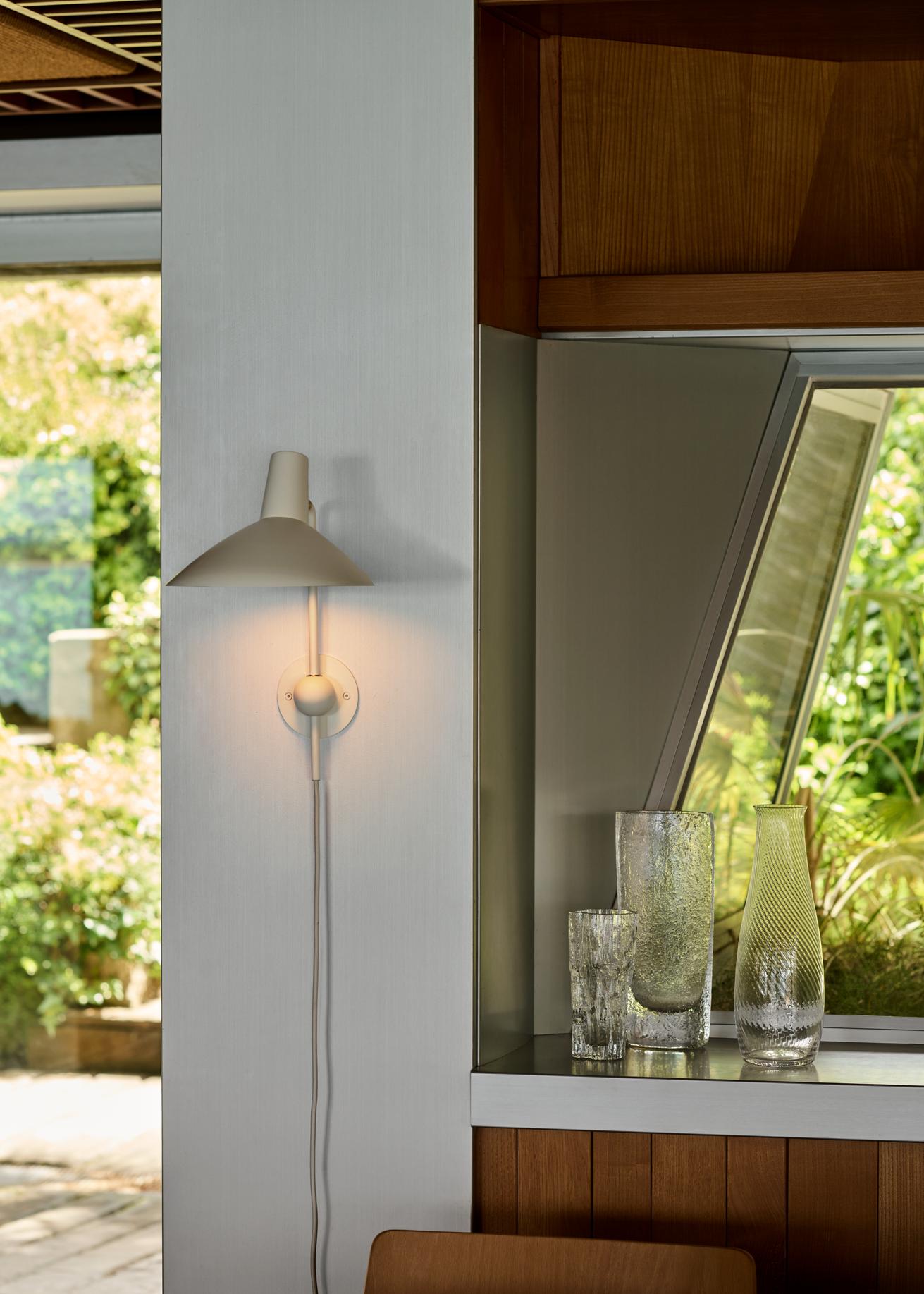
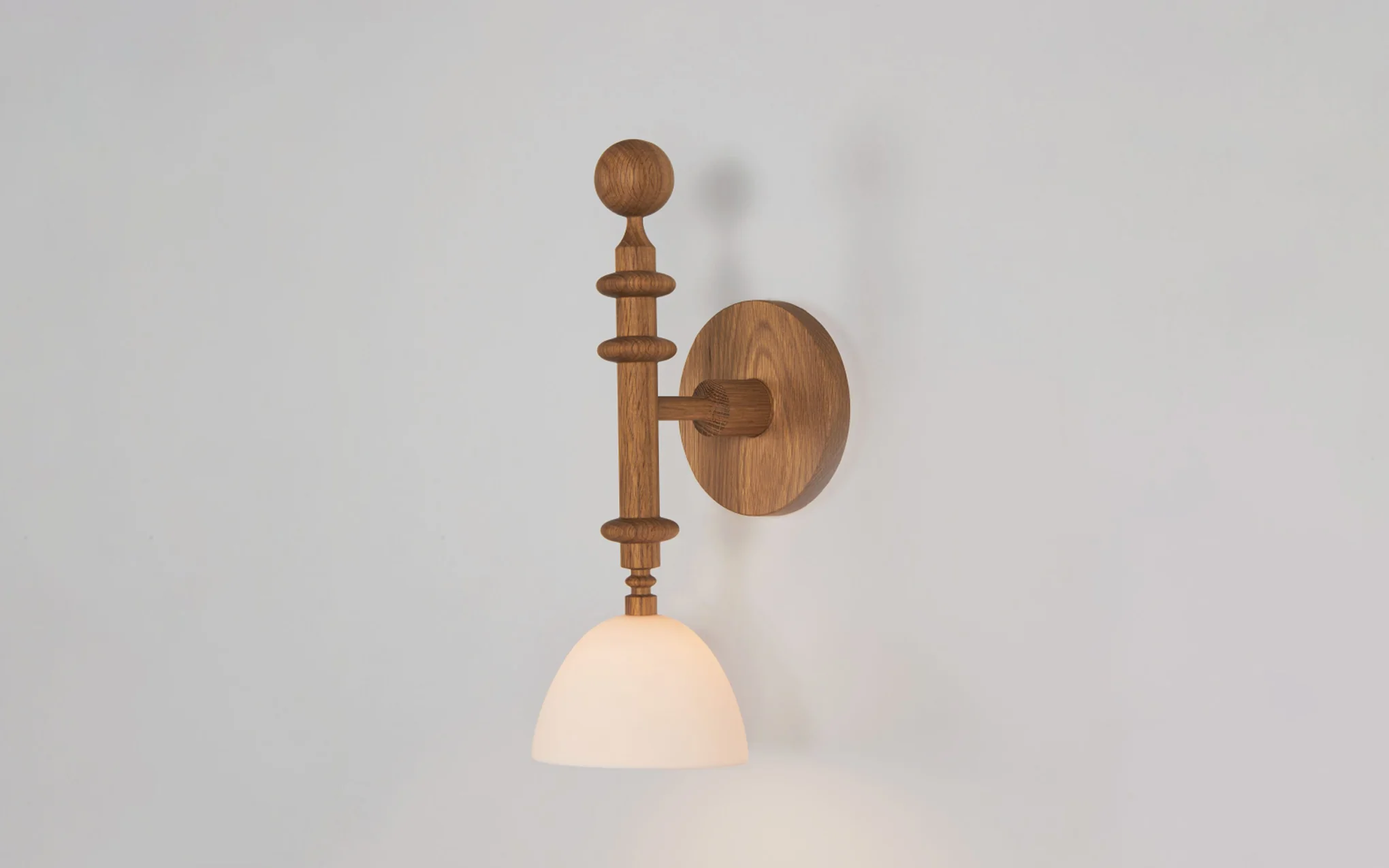
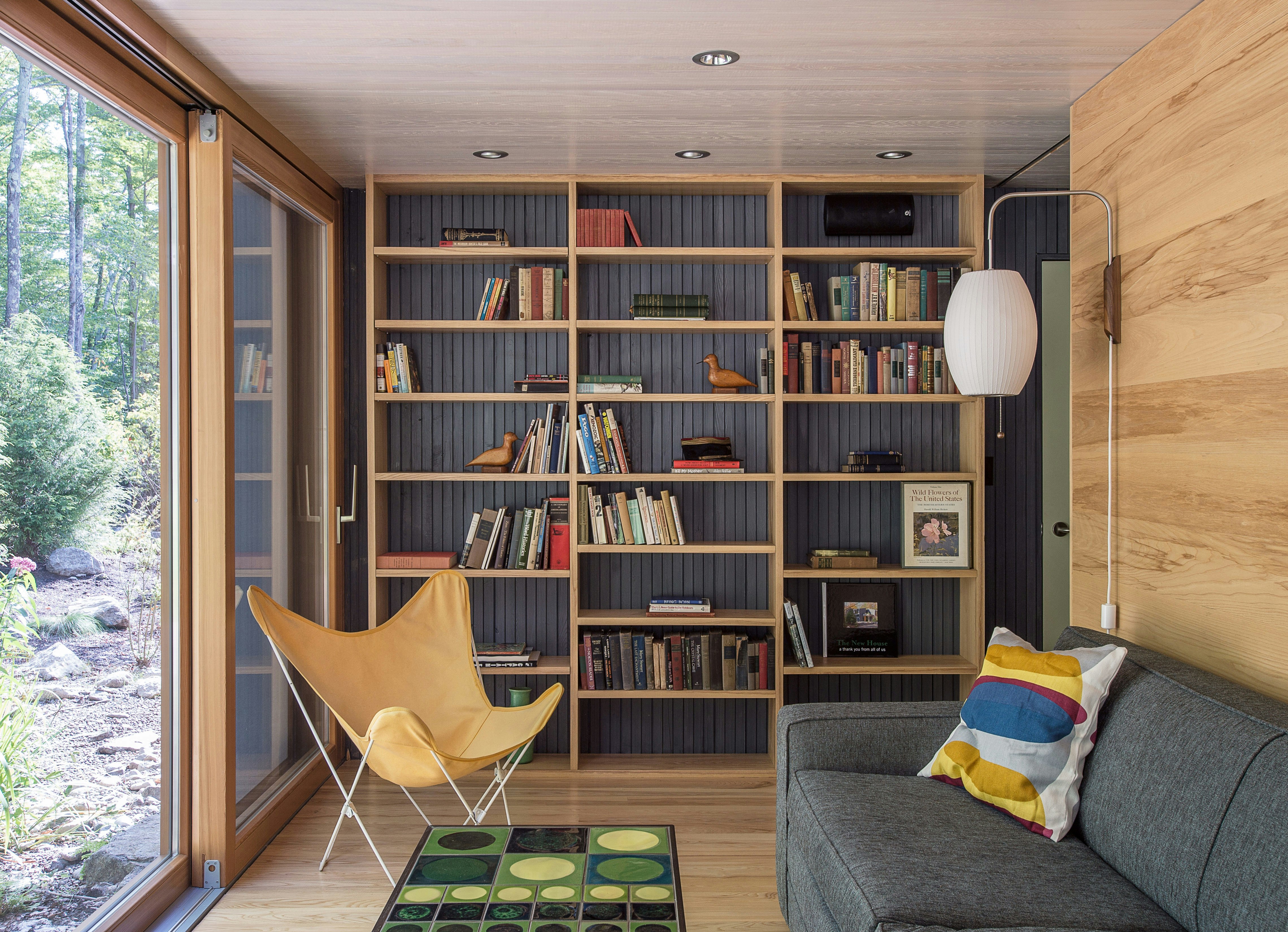
Historically, wall sconces were the primary source of light, evolving from medieval lanterns and colonial candle reflectors. Today, they serve multiple purposes, such as uplighting and downlighting for ambient light, or protruding from the wall on an arm for directional task lighting above a bed or chair. These fixtures come in various materials, including stainless steel, aluminum, iron, brass, and wood, with forms ranging from simple to sculptural. Designers often prefer sconces made from rich and mixed materials like porcelain, alabaster, brass, wood, clay, plaster, and stone, appreciating the tactile quality and artistic craftsmanship. Brass is a common material, but cast iron, steel, and aluminum are also used. Wood, particularly natural oak, offers an unexpected warmth in lighting design. Shade styles and materials are equally diverse, from traditional fabric and glass to more modern and experimental options.
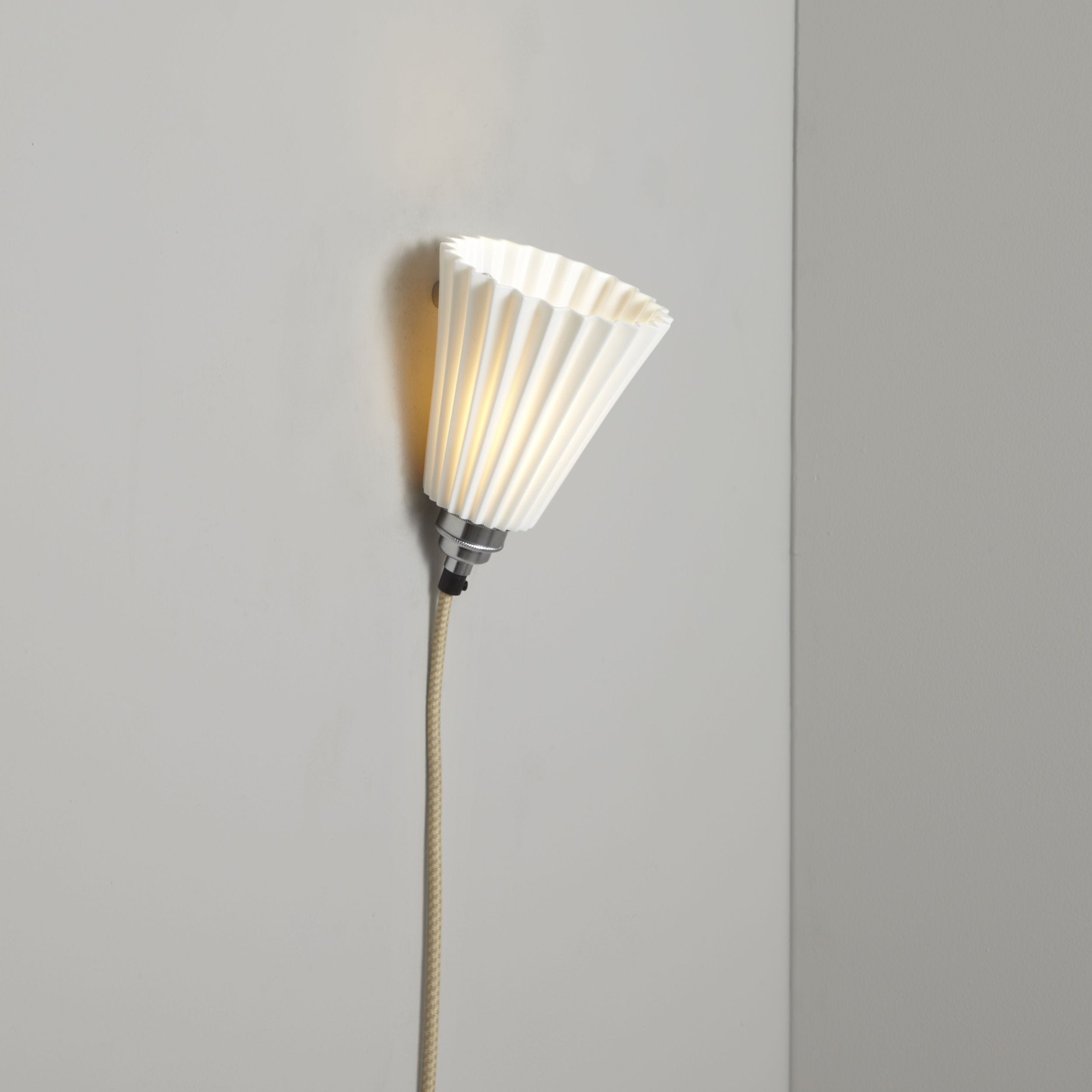
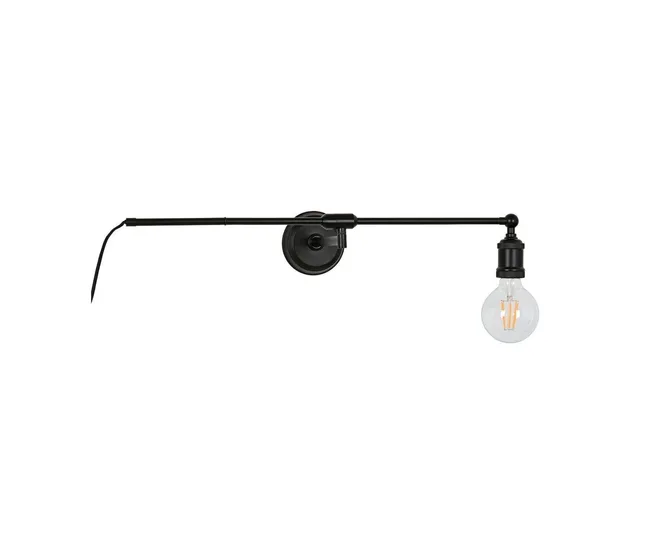
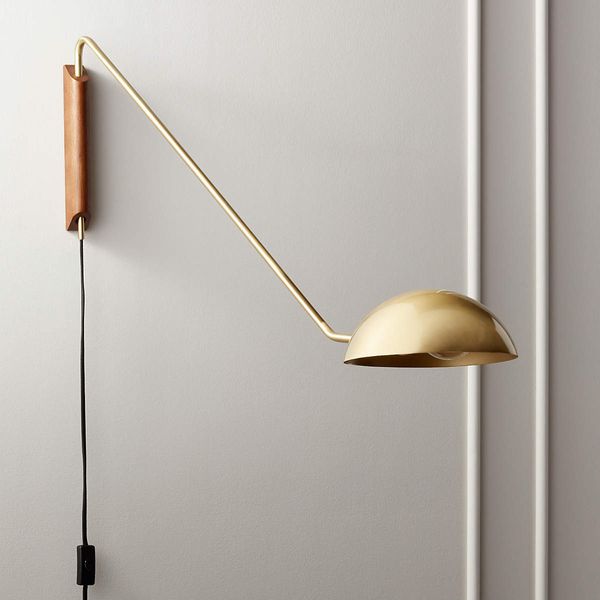
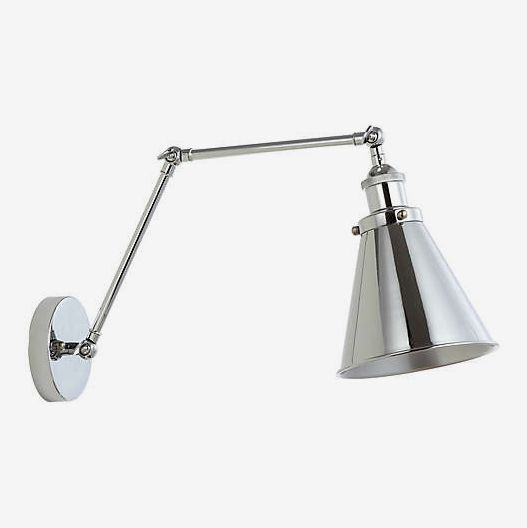
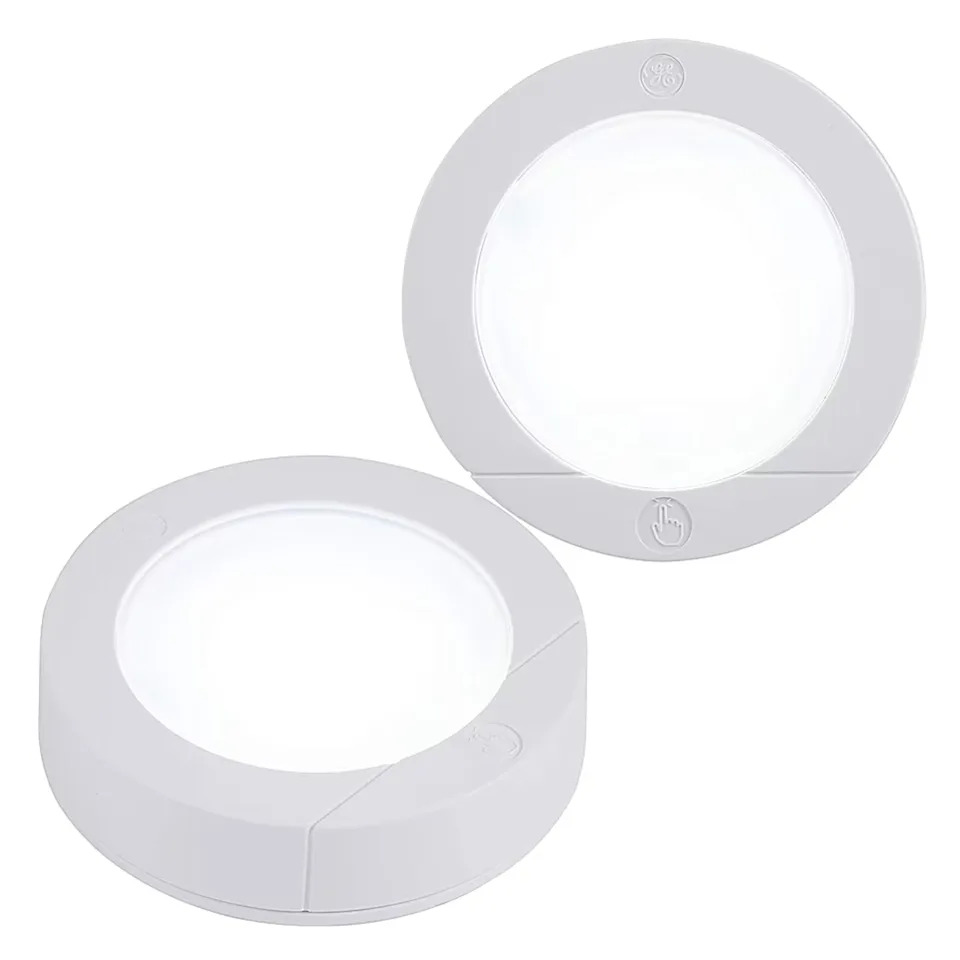
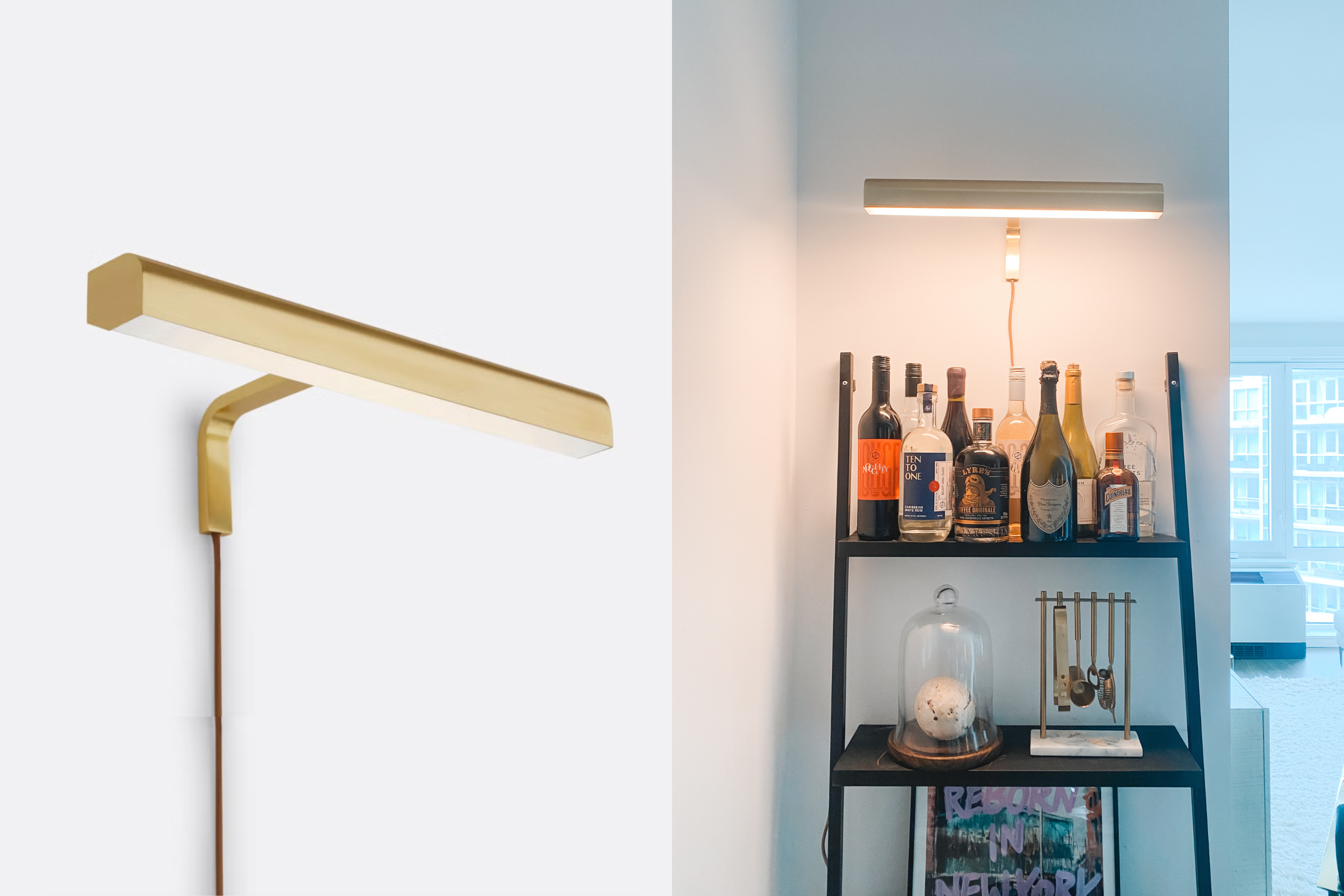
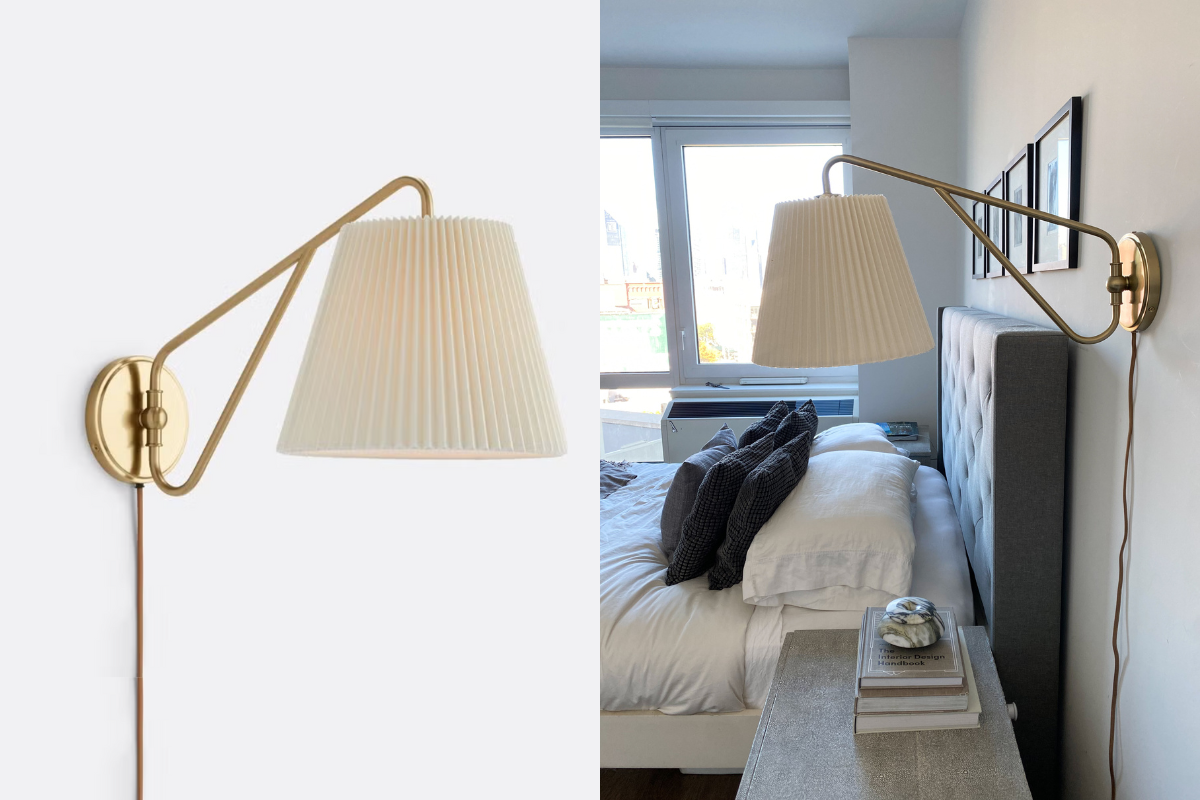
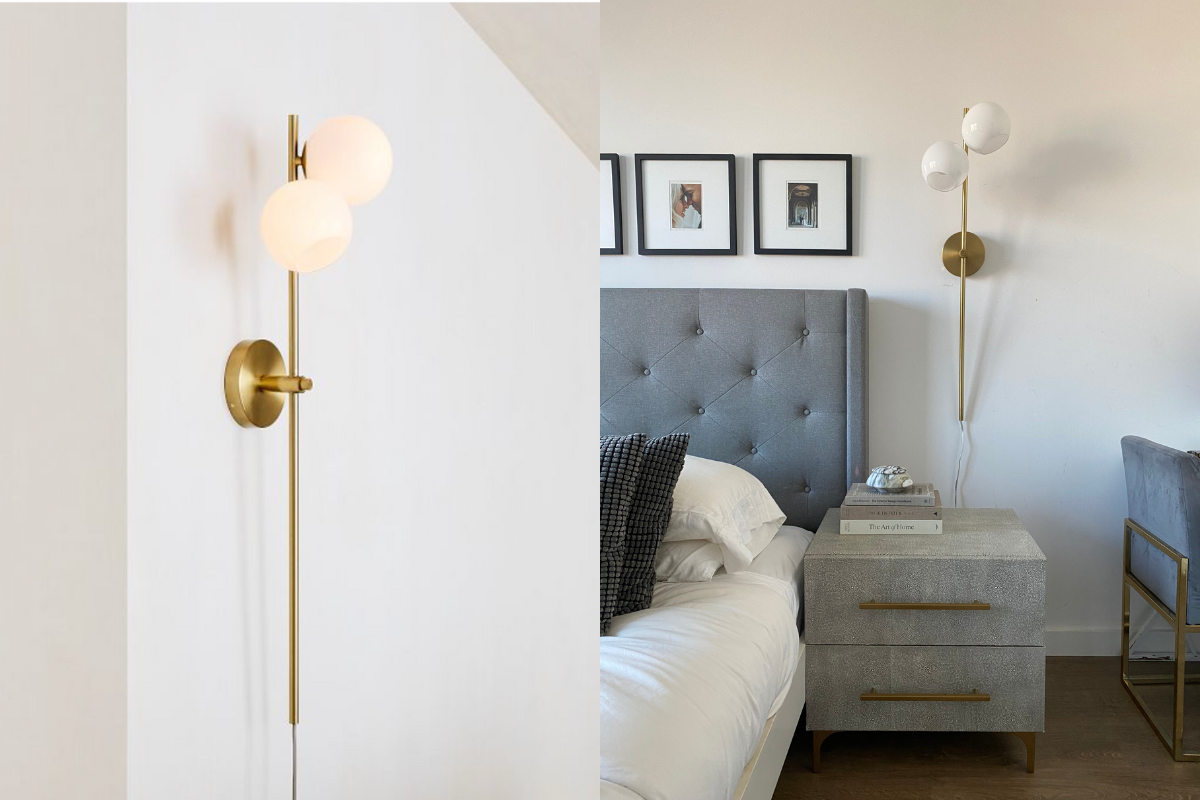
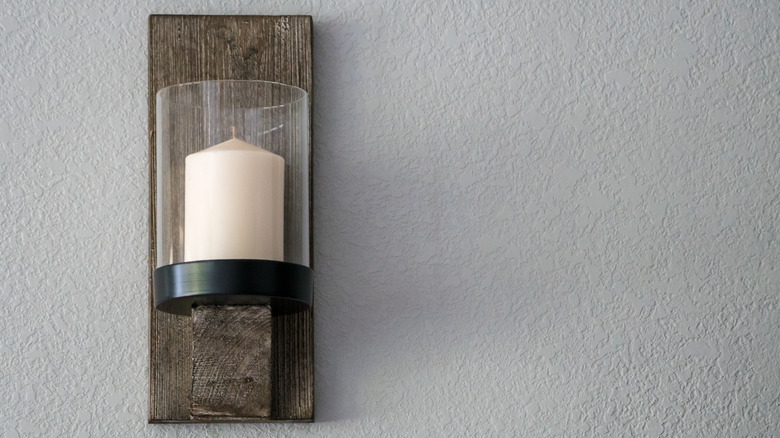
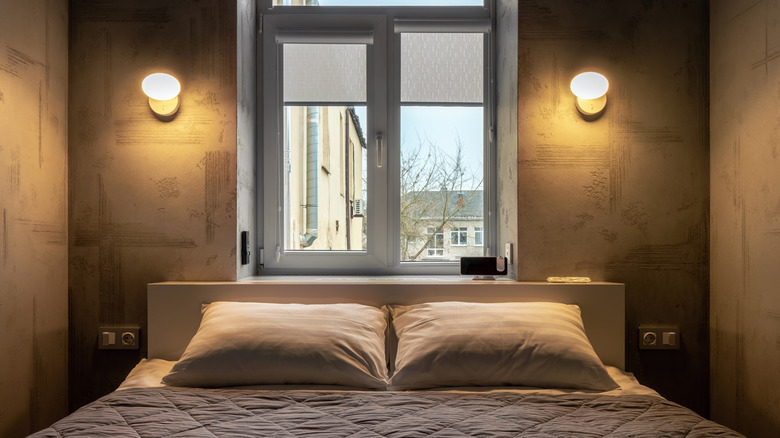
Key considerations when selecting a sconce include its functionality and placement. Candle-style sconces are typically fixed accents, while swing-style sconces are more suitable for task lighting due to their adjustable arms. Power source and control are also important; hardwired sconces require electrical work and planning, while plug-in versions offer flexibility with concealed or exposed cords. Light direction is another crucial factor, determining whether the light faces up, down, or both, and whether it provides diffuse ambient light or directional task illumination. Dimmable LED bulbs are recommended for quality, longevity, and innovative form factors.
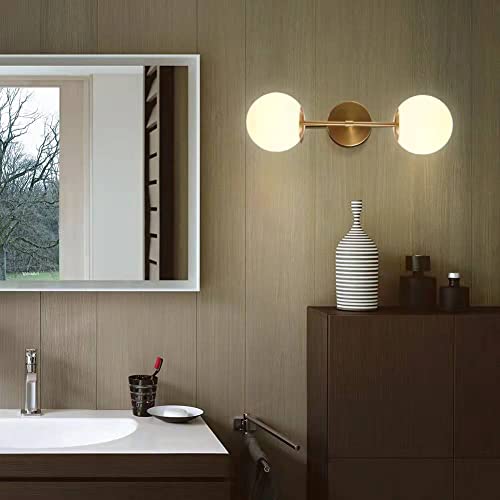
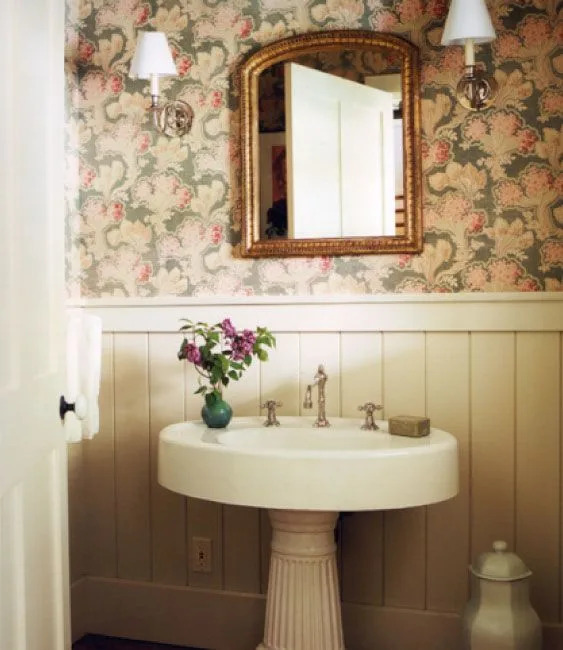
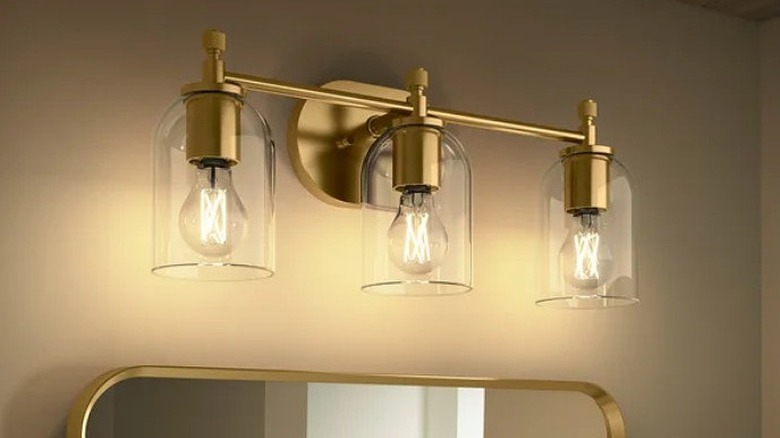
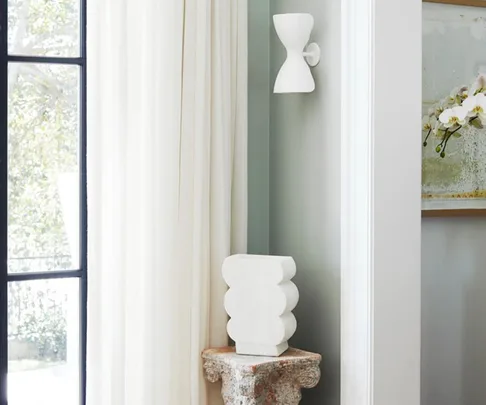
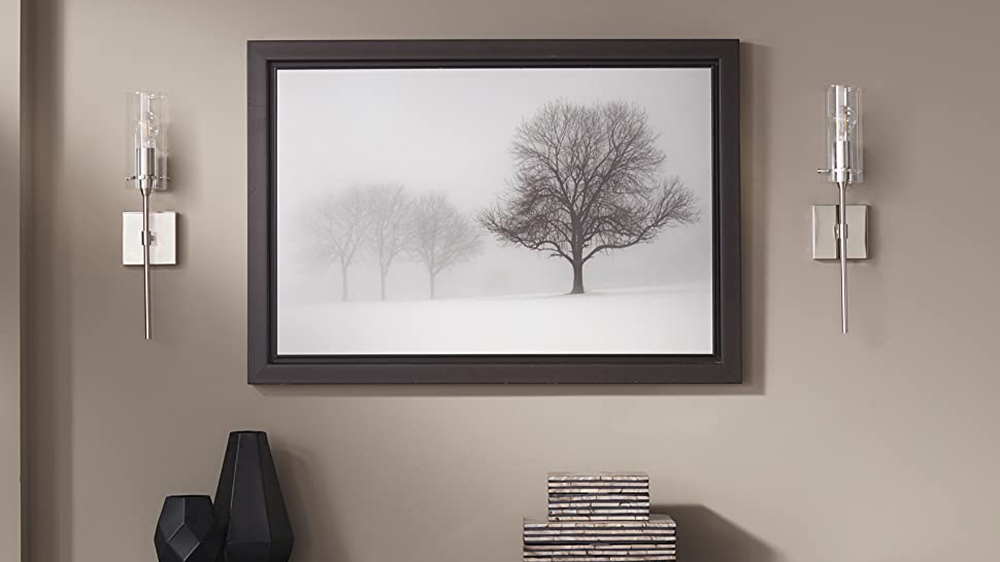
Placement of sconces depends on the space and desired effect. For bedside use, they should be mounted at head height when seated. In bathrooms, sconces on either side of smaller mirrors should be centered 60 inches off the floor and about 28 inches apart, while above larger mirrors, they should be centered about 78 inches off the floor. In larger rooms and hallways, wall lights are typically mounted at eye level, between five and a half to six feet above the finished floor. Beyond traditional locations, sconces can be used innovatively above kitchen sinks for task lighting, above desks to minimize clutter, or over dining buffets. In hallways, a series of sconces can create a more inviting atmosphere than overhead lighting. Sculptural sconces can also serve as statement pieces when offset on a wall above furniture or integrated into a gallery wall to enhance visual impact.
Budget-friendly sconces, ranging from $150 to $500, are suitable for children's bedrooms, mudrooms, playrooms, and guest rooms. Mid-range options, priced between $500 and $1,500, often combine quality craftsmanship with a variety of styles and materials, with American-made products from brands like Allied Maker and Workstead being popular choices. High-end sconces, from $1,500 to $6,000, feature multiple light points, innovative materials, and sculptural designs from companies such as Atelier de Troupe and Apparatus Studio. Vintage pieces above $3,000 are considered art investments, available through platforms like 1stDibs and Chairish.
#WallSconces #HomeLighting #InteriorDesign #LightingFixtures #HomeDecor #Budgeting #DesignTips #TaskLighting #AmbientLighting #WallSconces #HomeLighting #InteriorDesign #LightingFixtures #HomeDecor #Budgeting #DesignTips #TaskLighting #AmbientLighting
Toplam 0 yorum
 Henüz yorum yok
Bu da beğenebilirsiniz
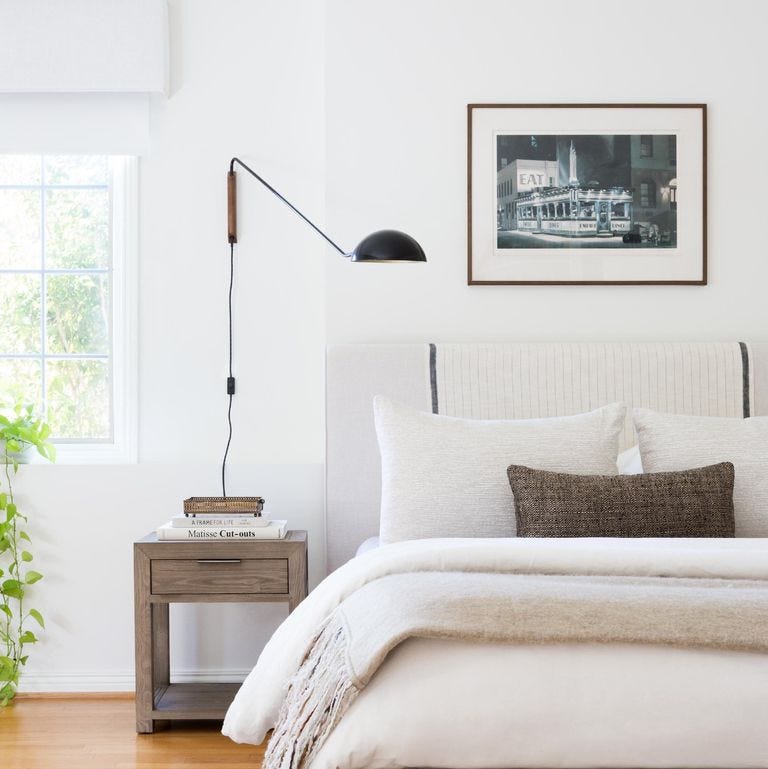
These Renter-Friendly Wall Sconces Look Like a Million Bucks

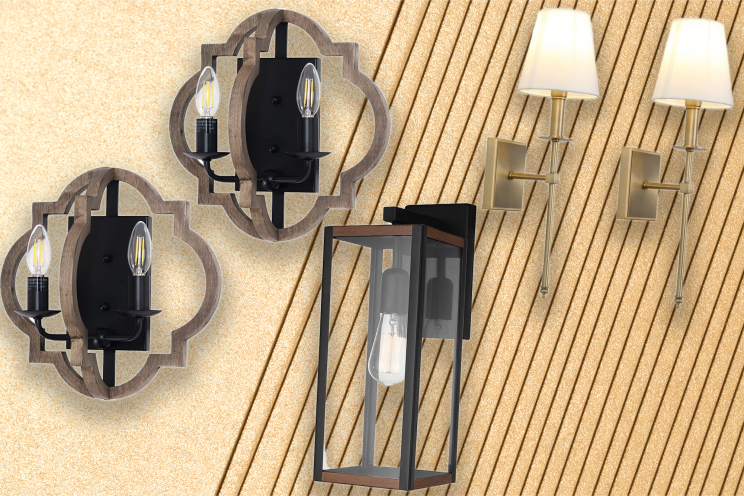
The 15 best wall sconces for lighting your home in 2022
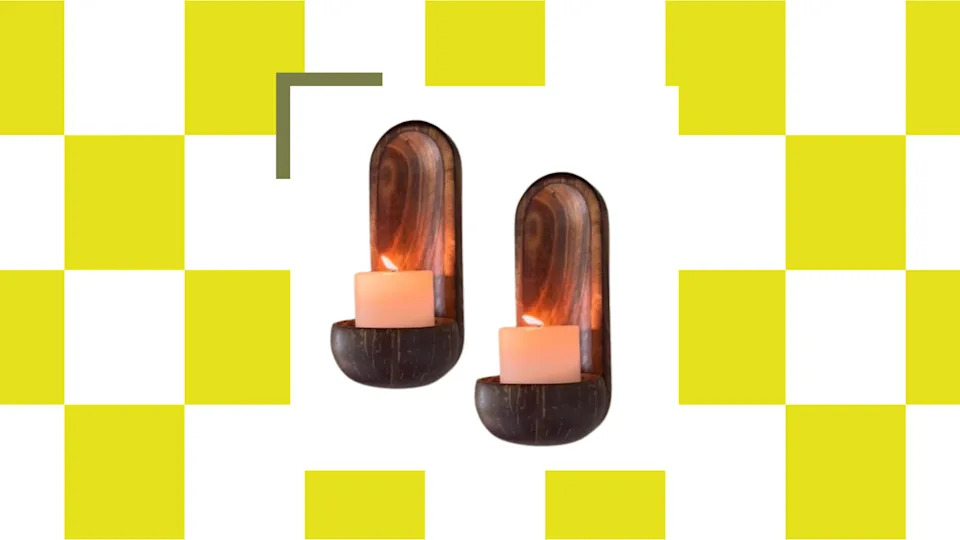
This Stylish DIY Wireless Wall Sconce Is Almost Too Easy to Make — and Will Just As Effortlessly Elevate Your Space

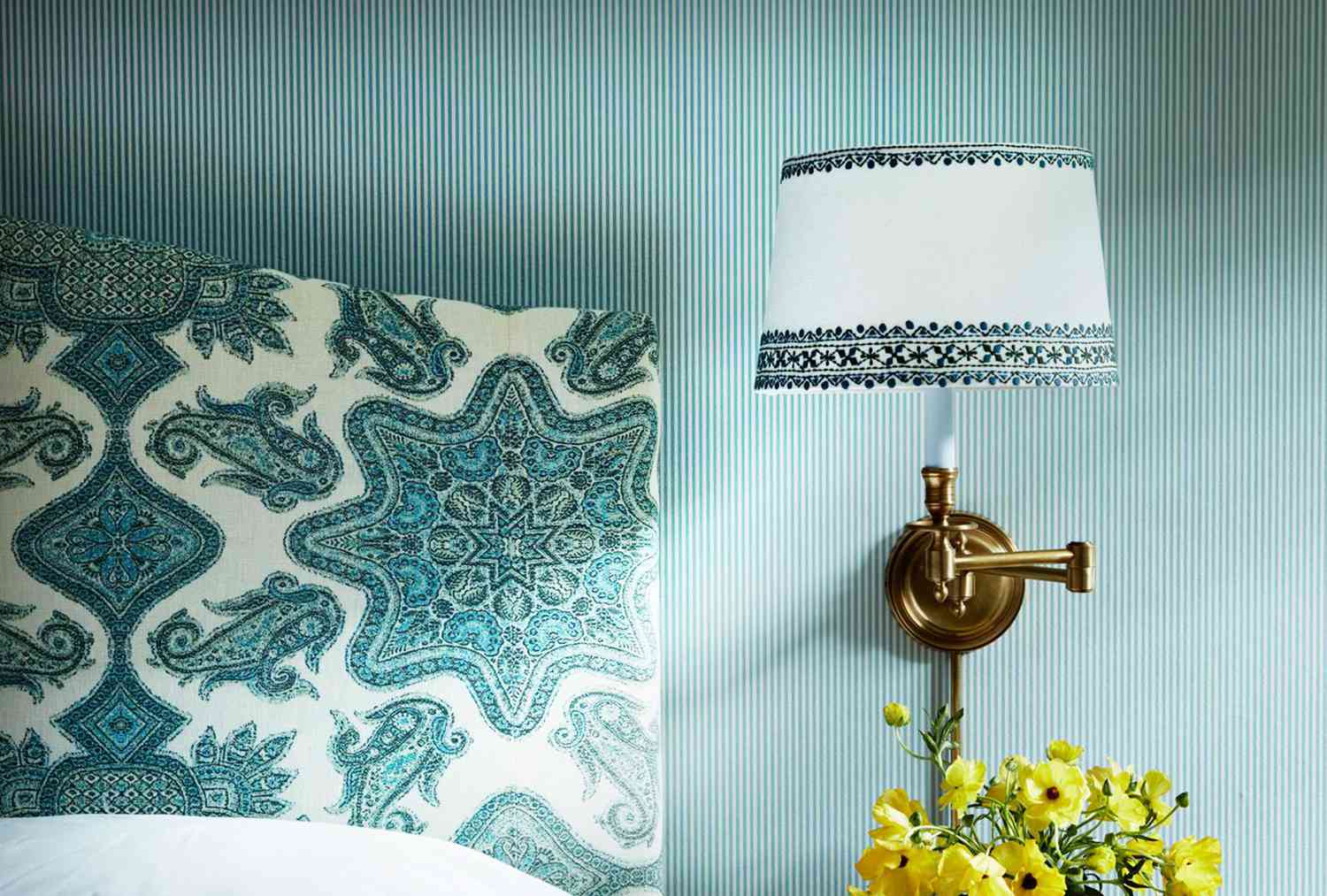
22 Wall Sconce Ideas for the Perfect Glow in Every Room
20 wonderful wall lights and sconces

The Best Wall Sconces for Adding a Soft, Elegant Glow Your Space

24 Indoor Wall Sconces We Love for Less Than $100
5 Underrated Wall Sconces You Can Find At Costco

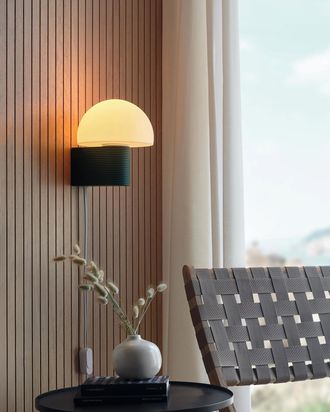
The Best Wall Sconces (Under $500), According to Interior Designers
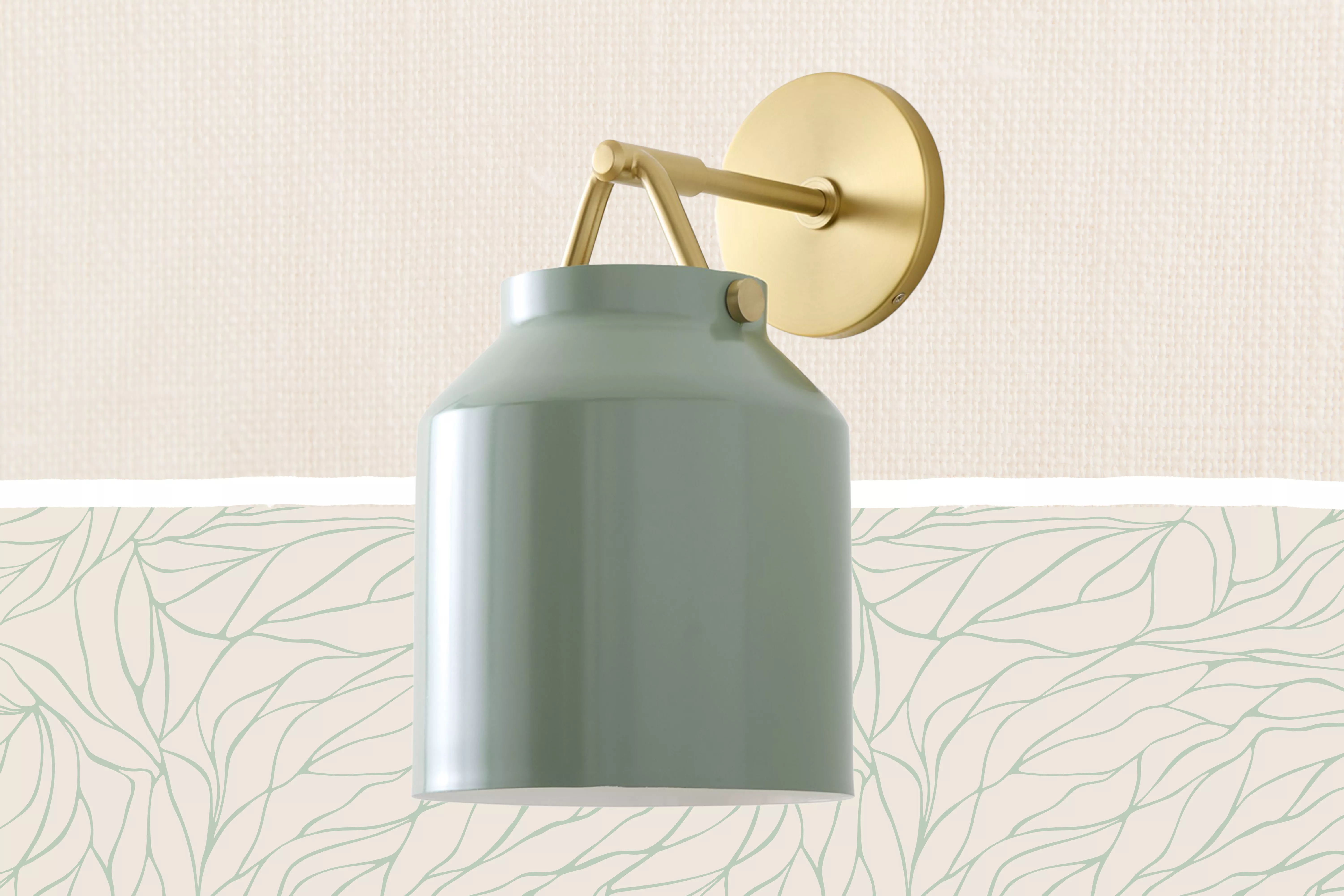
The 23 Best Wall Sconces Our Editors Recommend

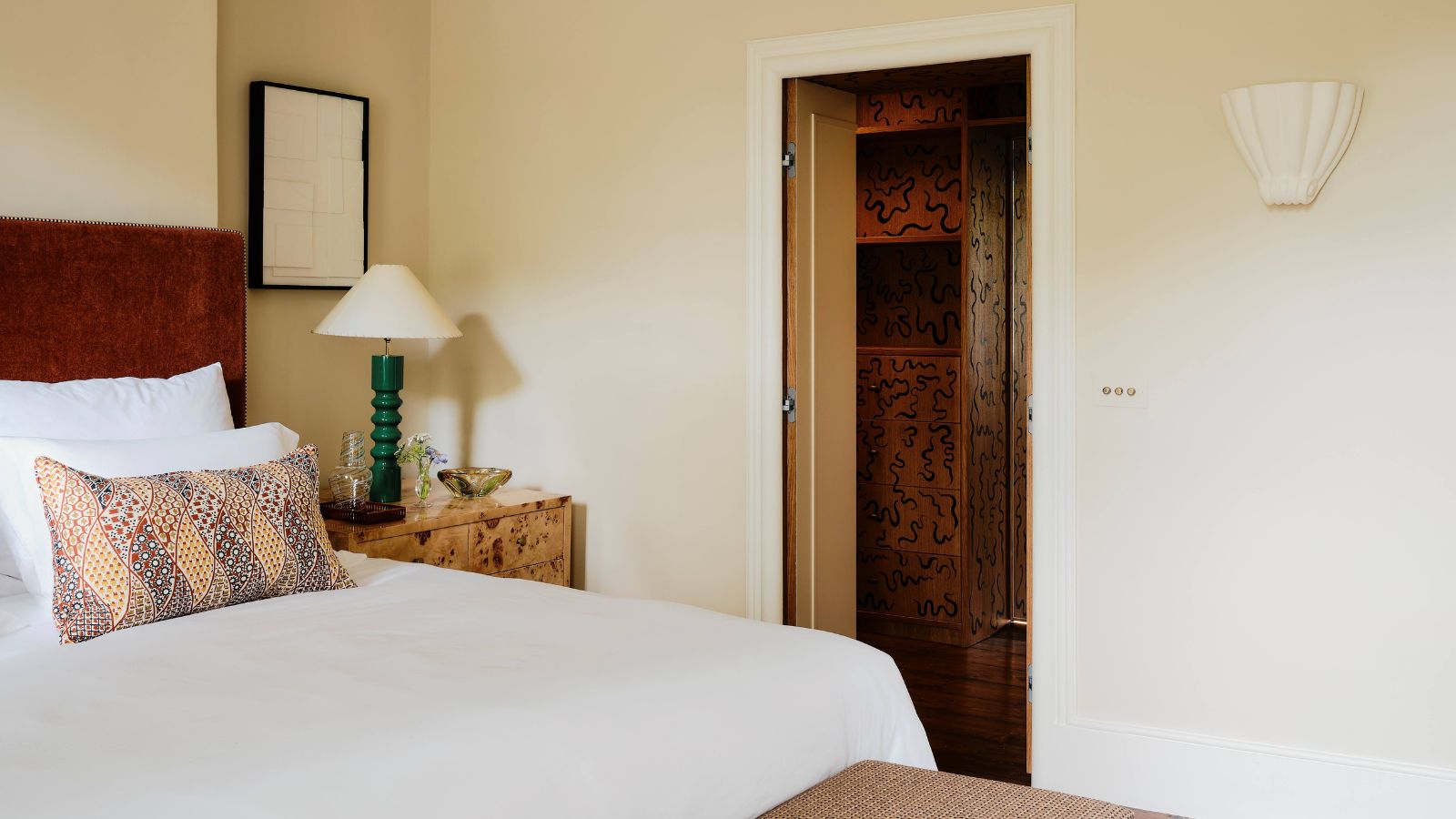
I just found my dream shell wall sconces on Amazon for $25
How Much Should You Spend on Door Hardware?
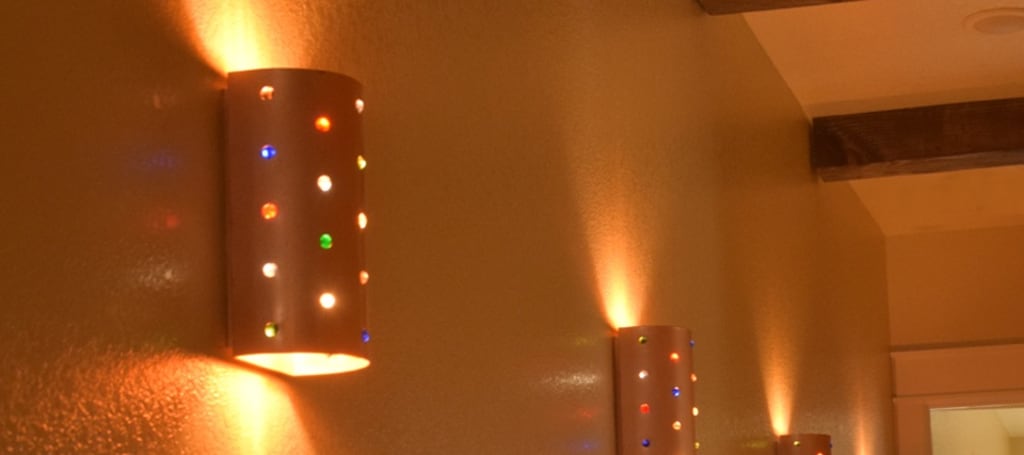
Best wall sconces for staircase
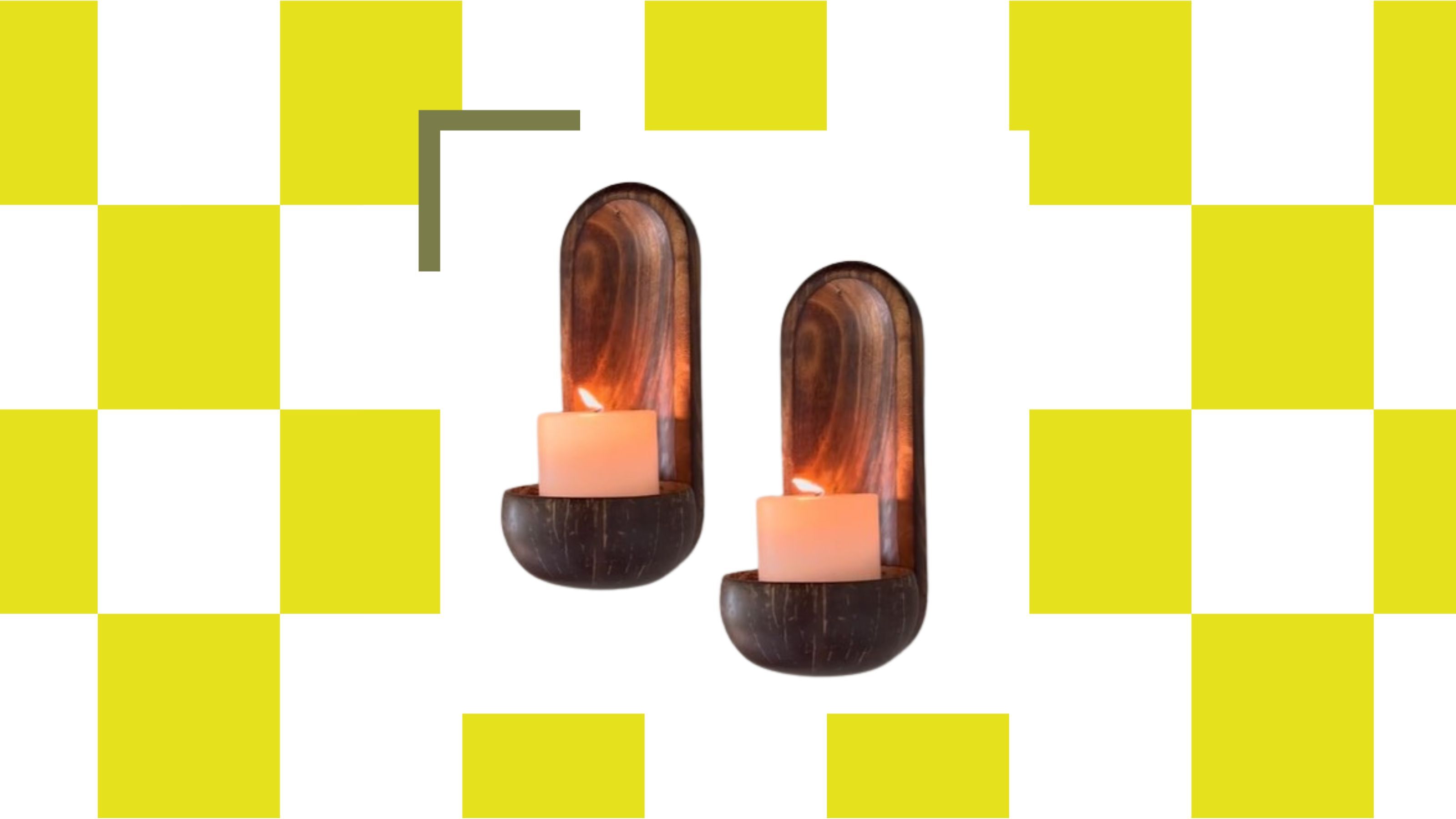
This Stylish DIY Wireless Wall Sconce Is Almost Too Easy to Make — and Will Just As Effortlessly Elevate Your Space

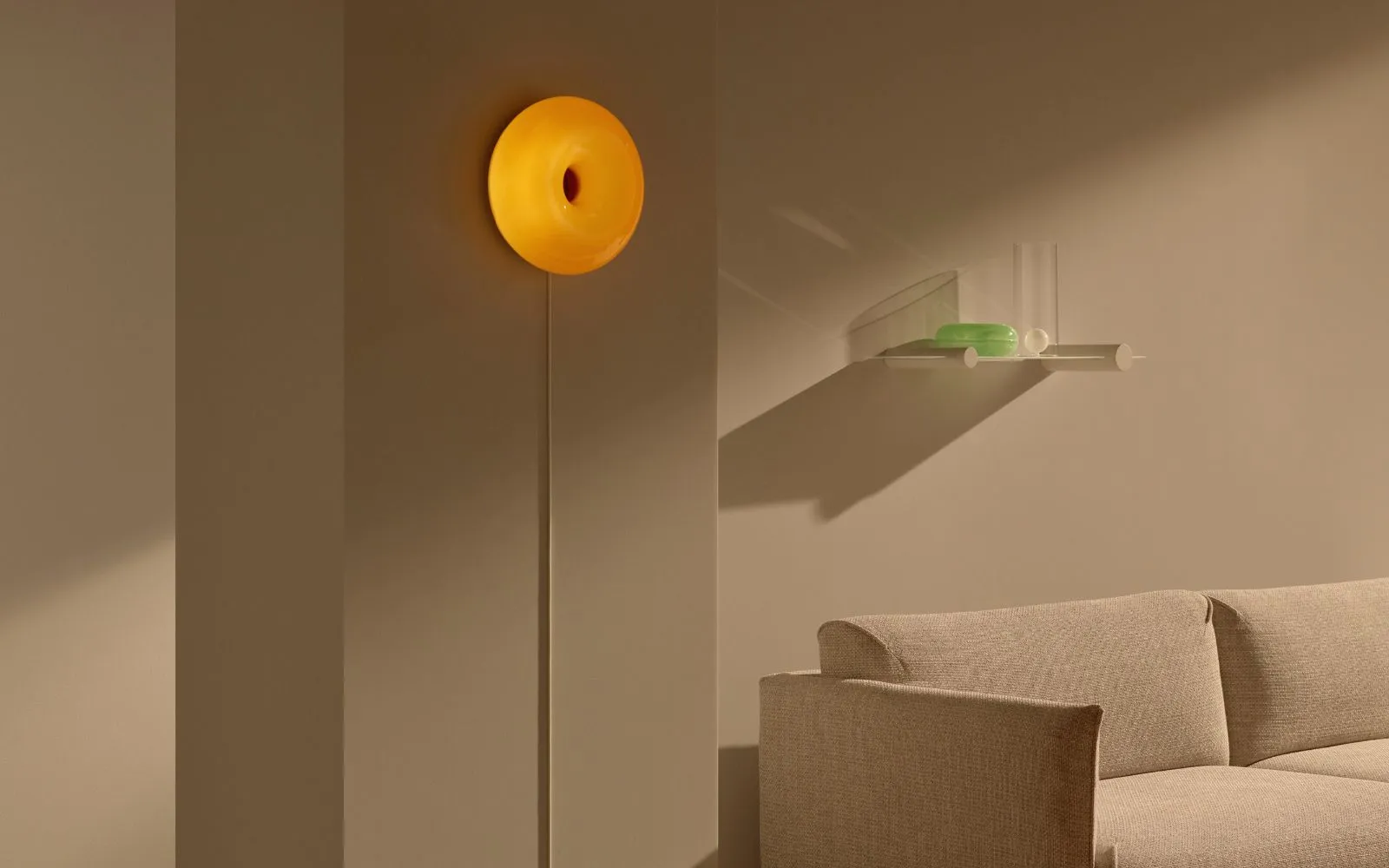
The best wall lamps for every room | Wallpaper*

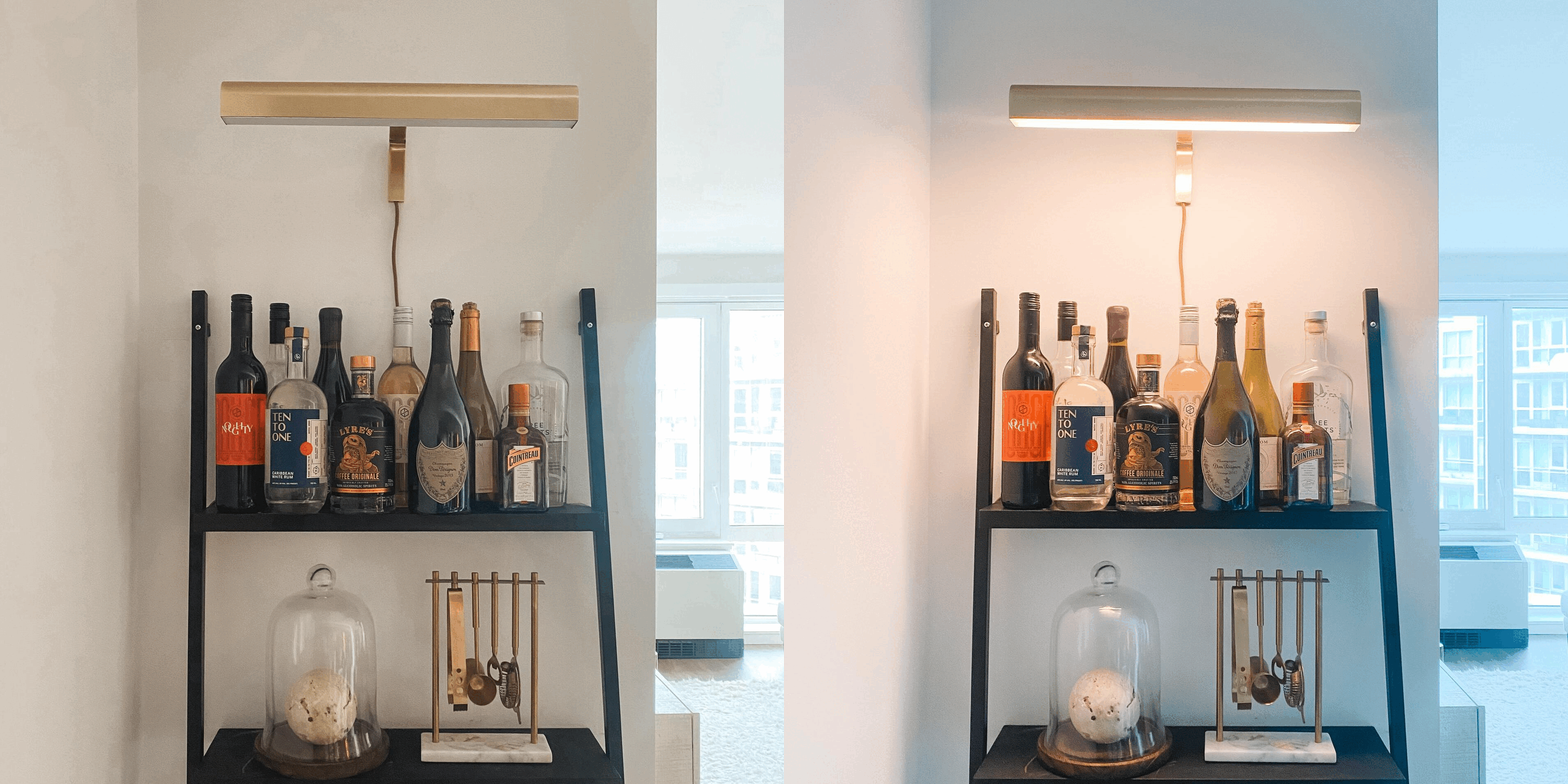
These Stylish Plug-in Wall Sconces Give My Home So. Much. Ambience.
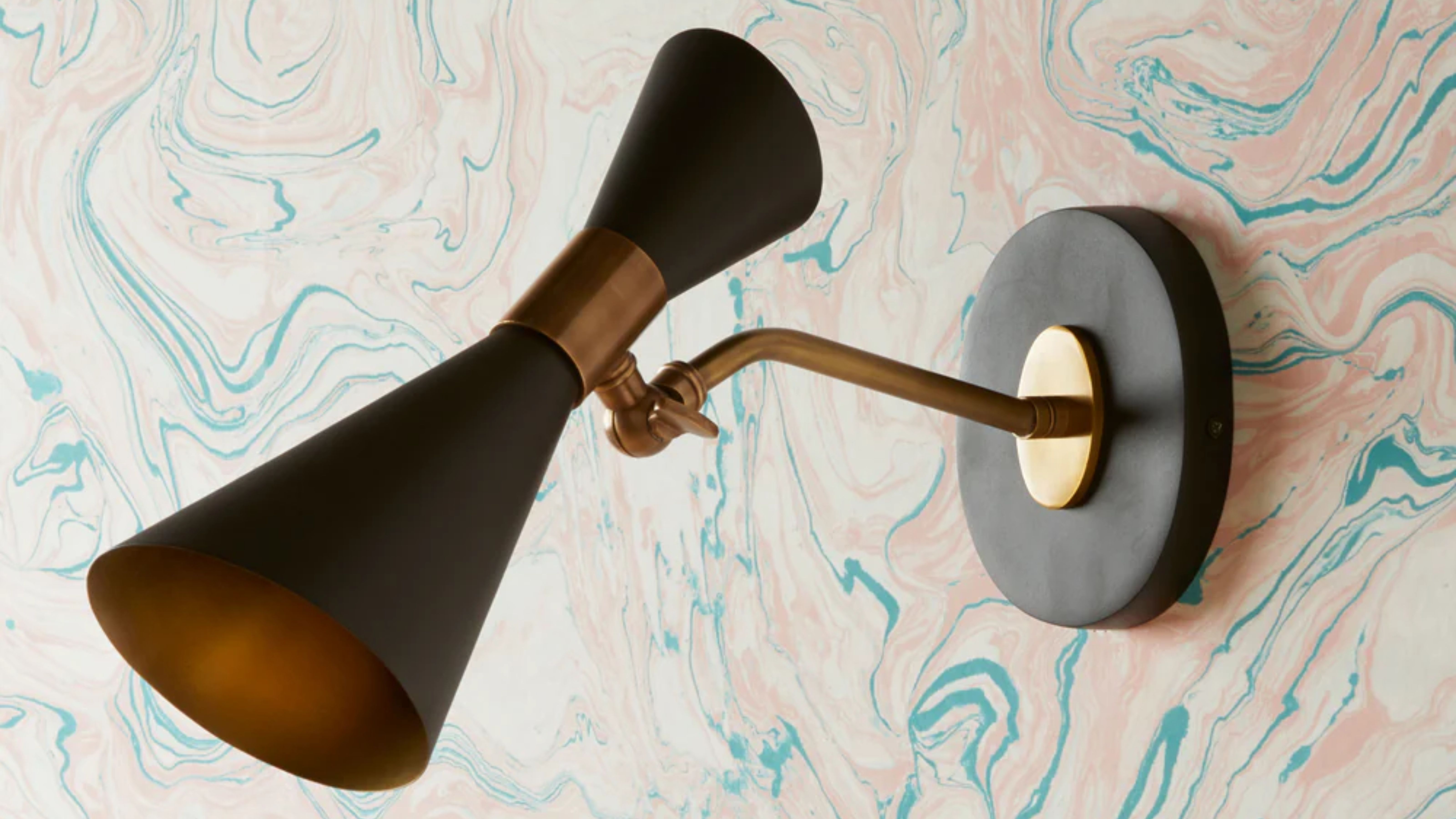
This $20 'bow tie' sonce is formalwear for your walls

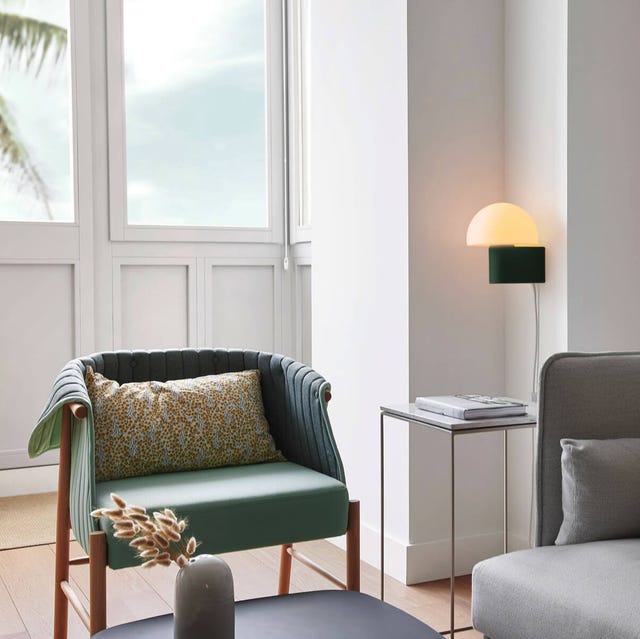
Switch Up Your Lighting With the Best Wall Sconces of 2023

Wainscoting Is Hot Again—Here's What It Costs To Add It to Your Walls

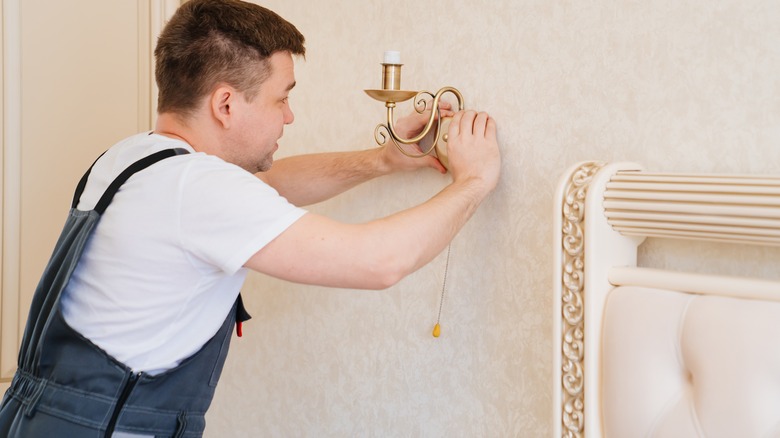
The Designer-Approved Alternative To Wall Art That Adds A Dose Of Glamour