1/5
Fully booked: Tips for organizing your home library
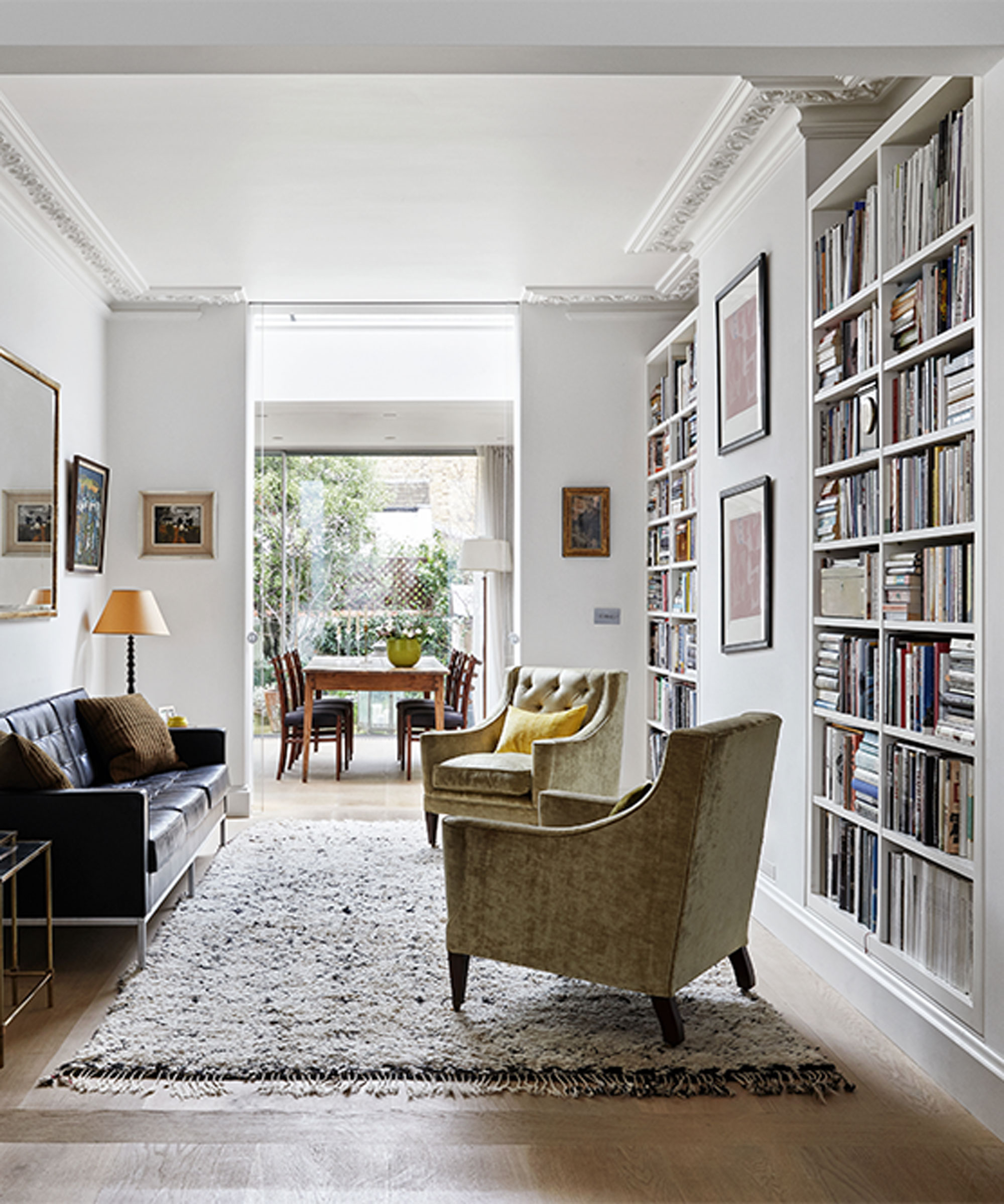
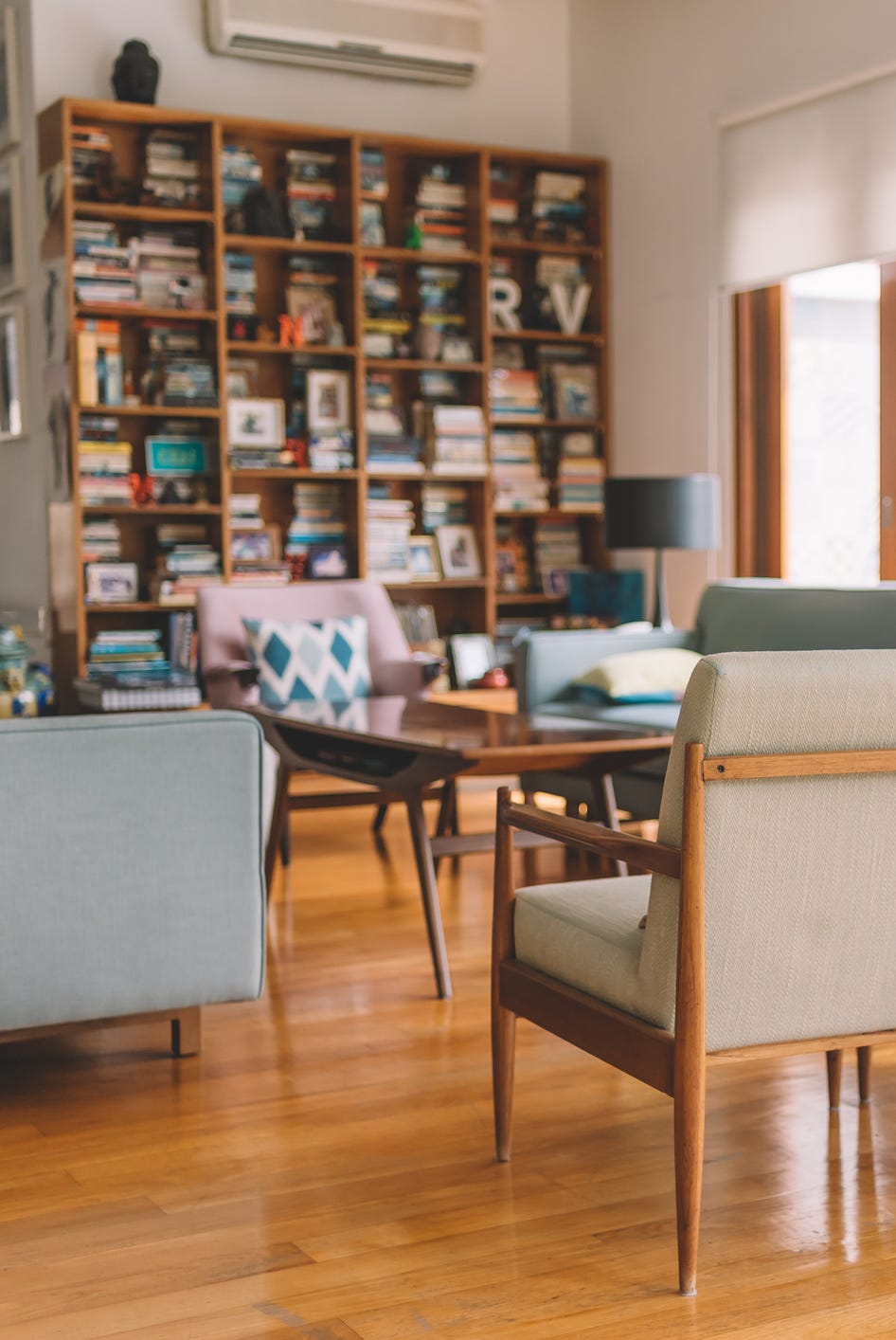
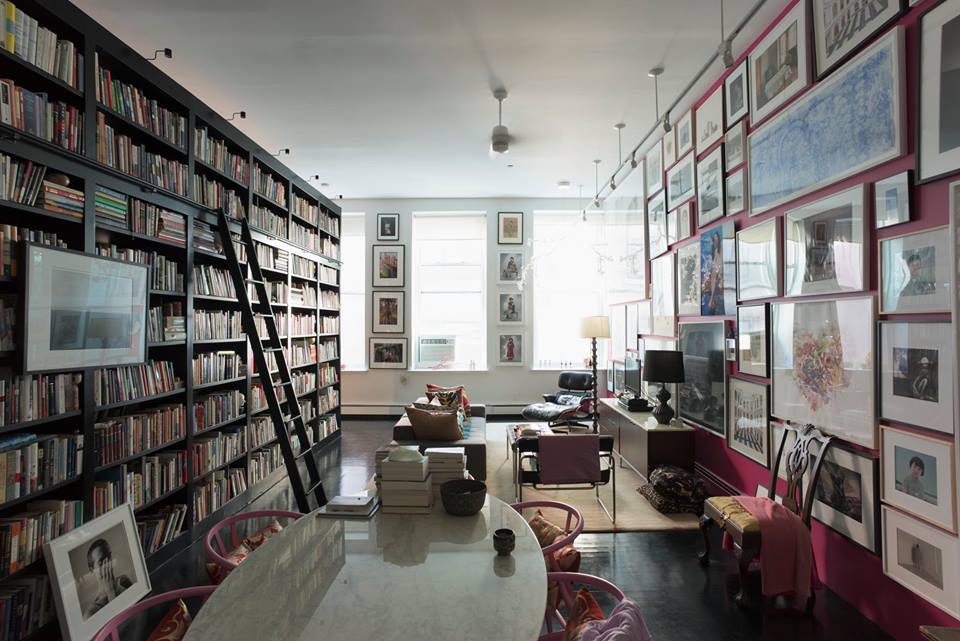
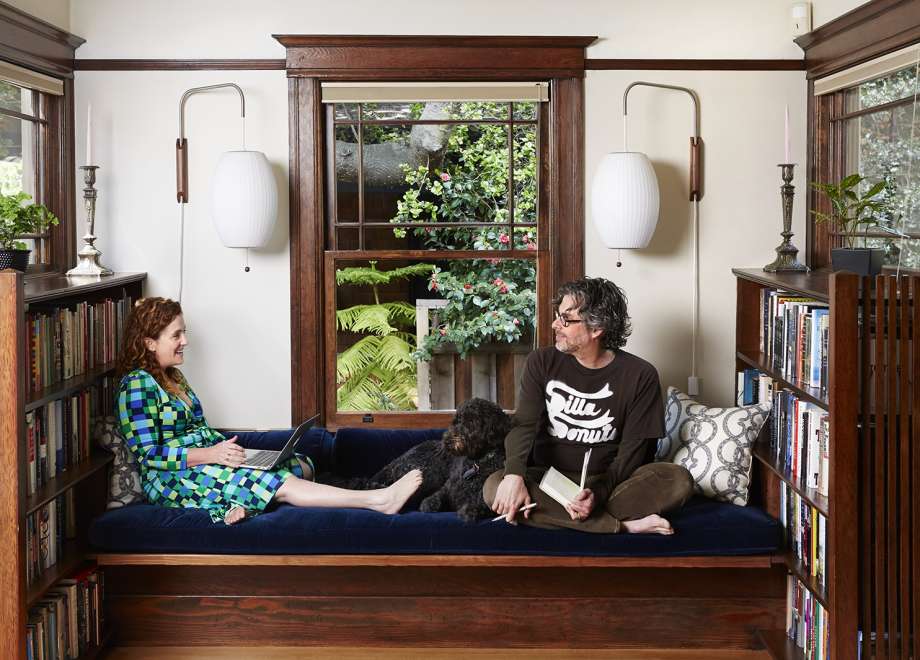
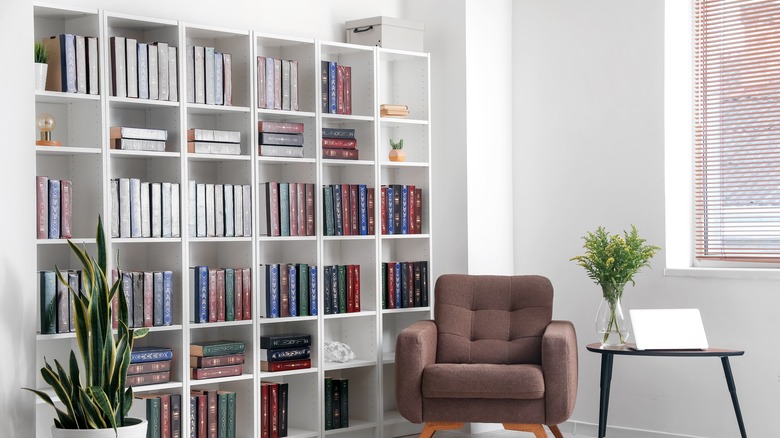
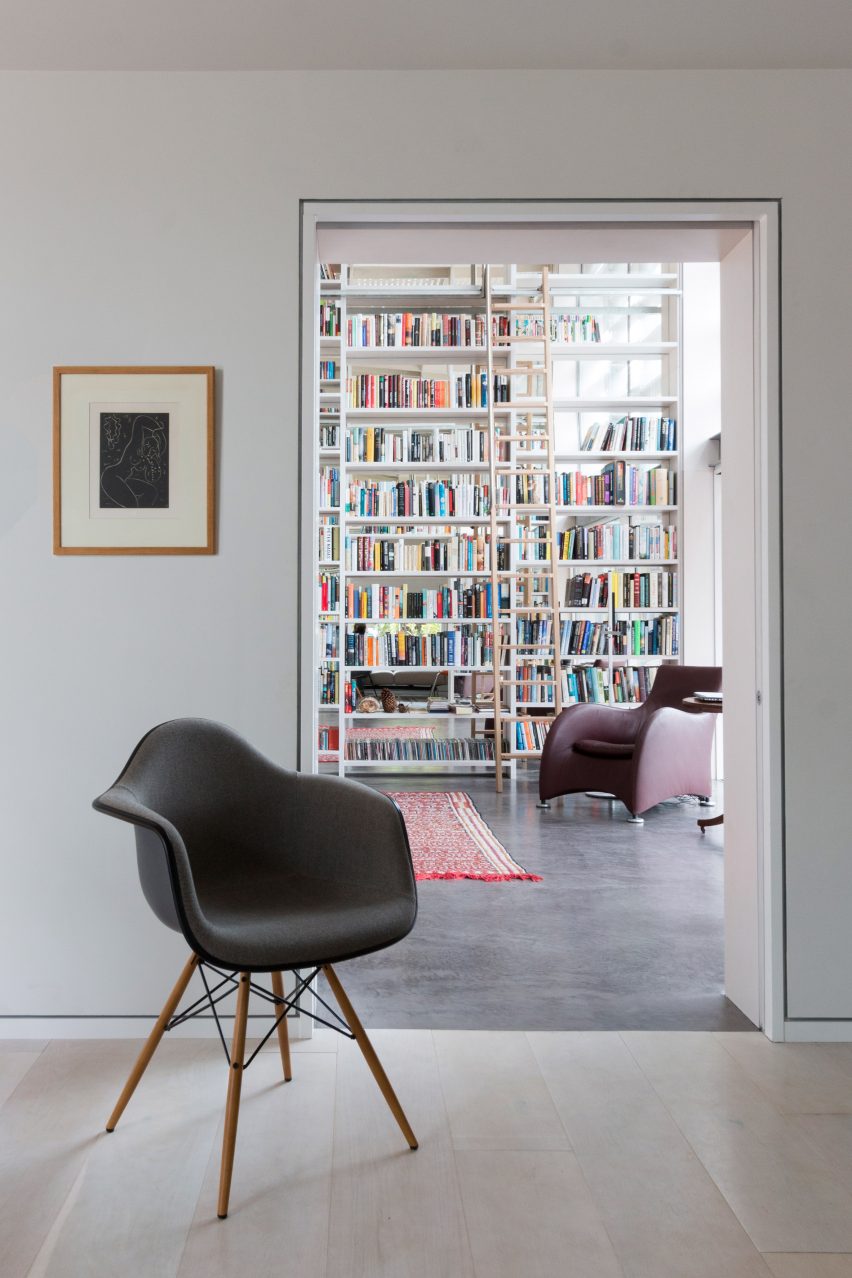
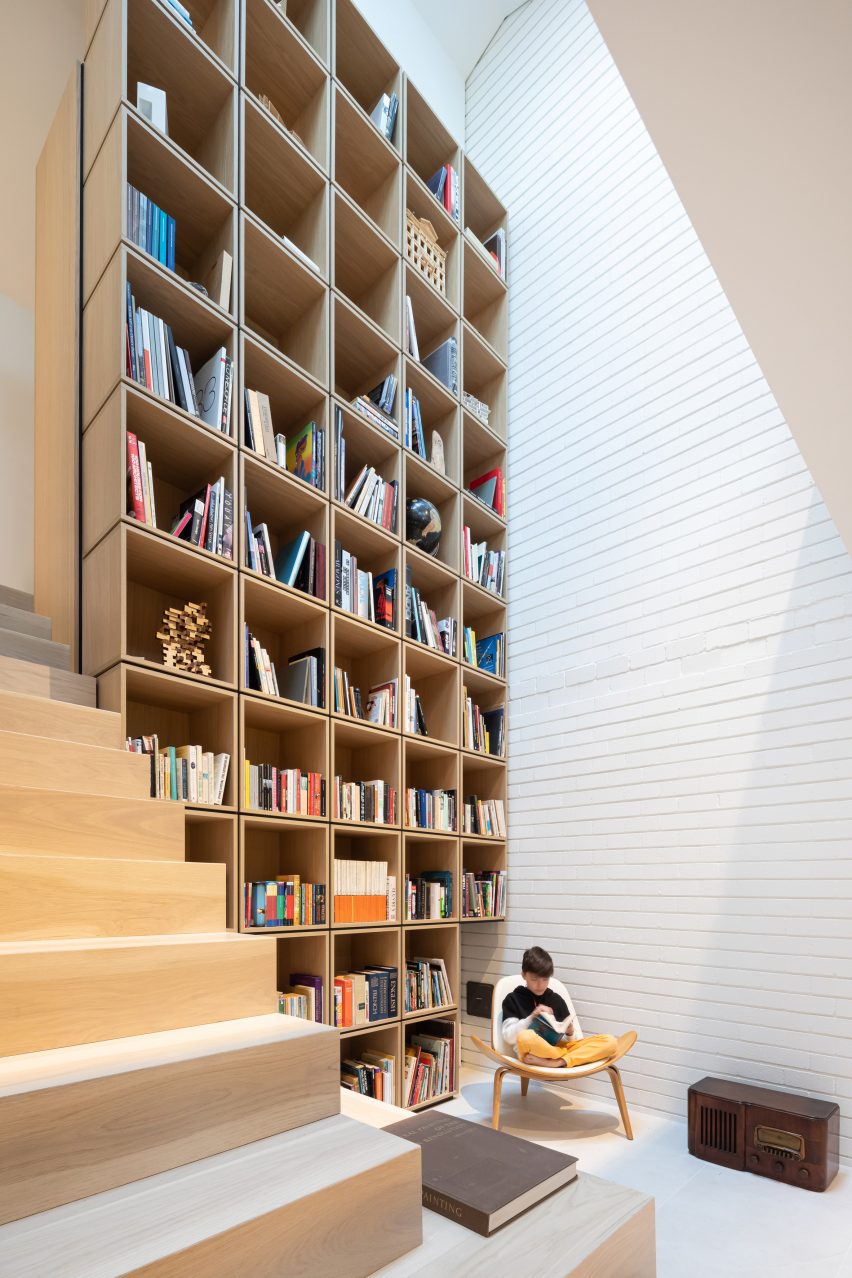
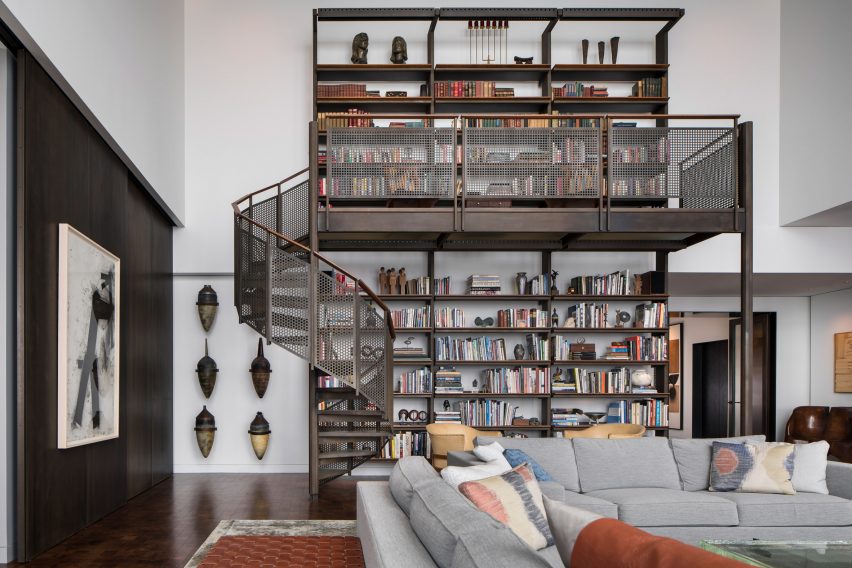
Seattle is renowned for its high literacy rates and residents' appreciation for books. With many people holding onto physical copies, the challenge of storing and organizing these collections effectively arises. This article explores various strategies for organizing home libraries, drawing insights from professional organizers, interior designers, librarians, and avid readers.
The initial step in organizing a home library involves understanding the personal significance of one's book collection. Professional organizer Jean Prominski emphasizes keeping only beloved books, rather than those a person feels obligated to read, to avoid guilt. Public library consultant Penny Hummel views books as integral to a home's character, advocating for an intentional approach to curation, similar to organizing a closet. Hummel suggests evaluating each book by asking questions such as its use, aesthetic value, relationship to other cherished objects, and creative display methods. She also mentions applying Marie Kondo's KonMari method, asking if a book sparks joy.
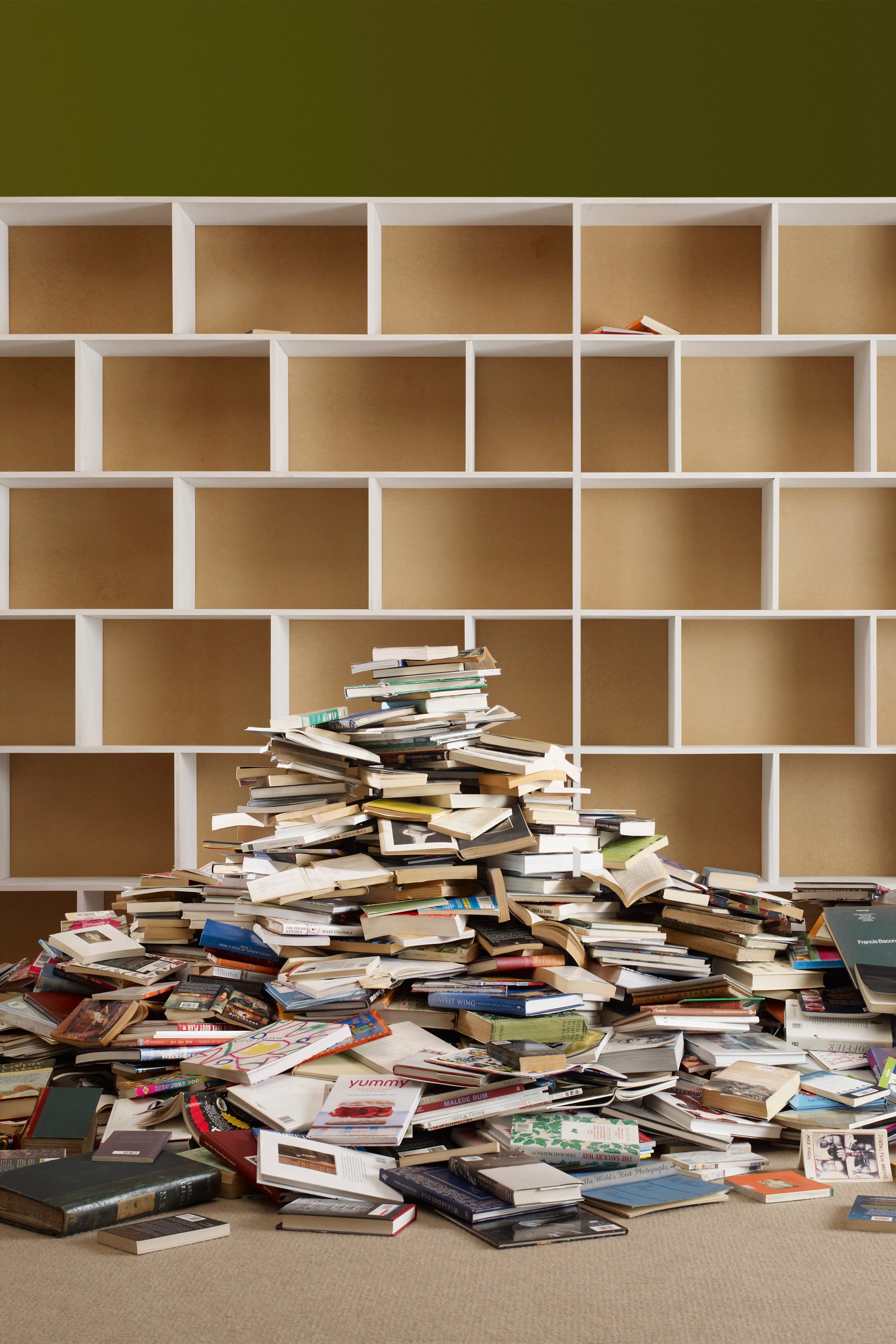
From a practical standpoint, both Prominski and Hummel highlight the importance of not over-cramming shelves, as this makes books difficult to access. Prominski works with clients who either wish to downsize or retain their entire collection, helping them categorize and arrange books for easy retrieval. For writers and researchers, she has assisted in creating databases for their extensive collections, cross-referencing categories with physical locations.
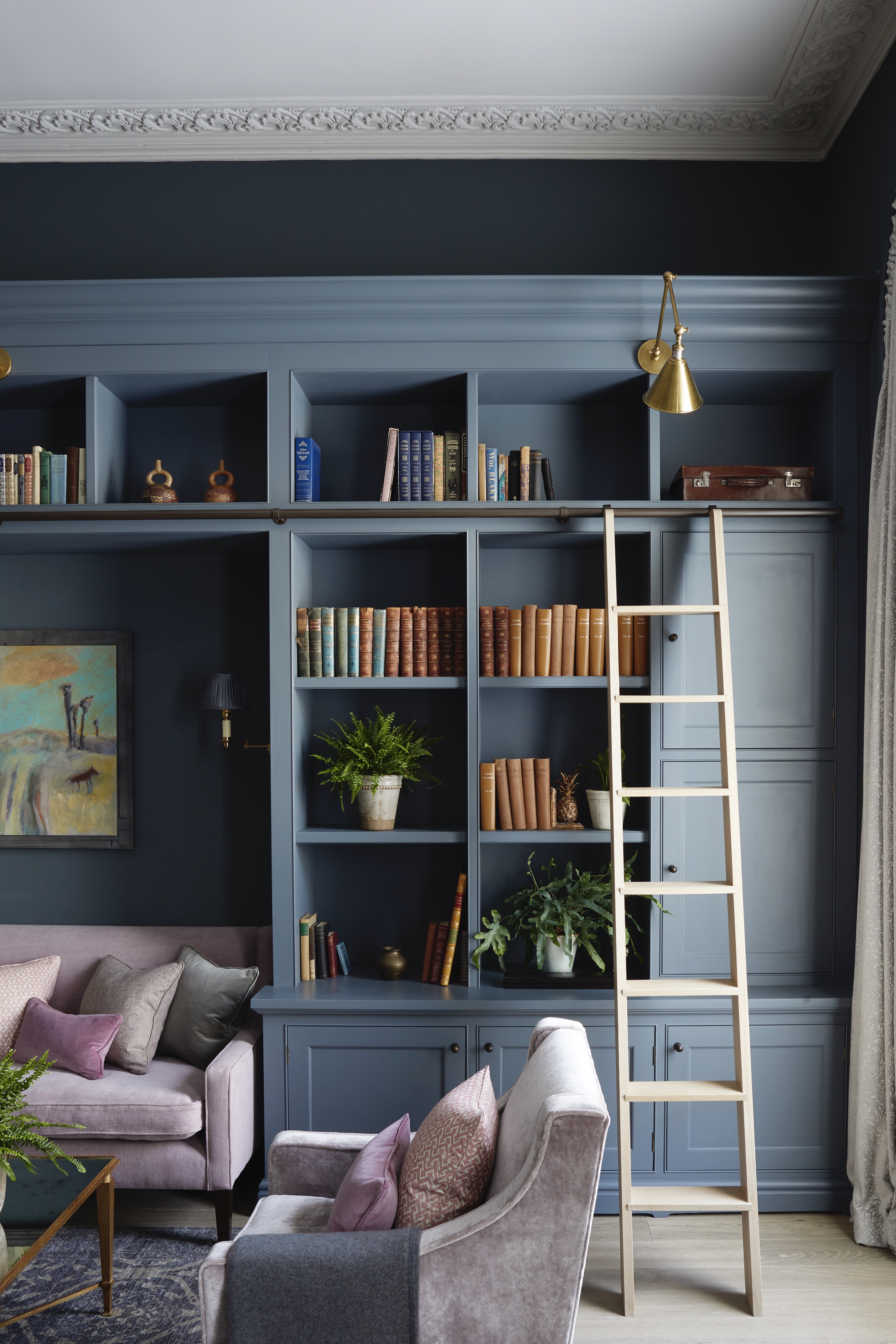
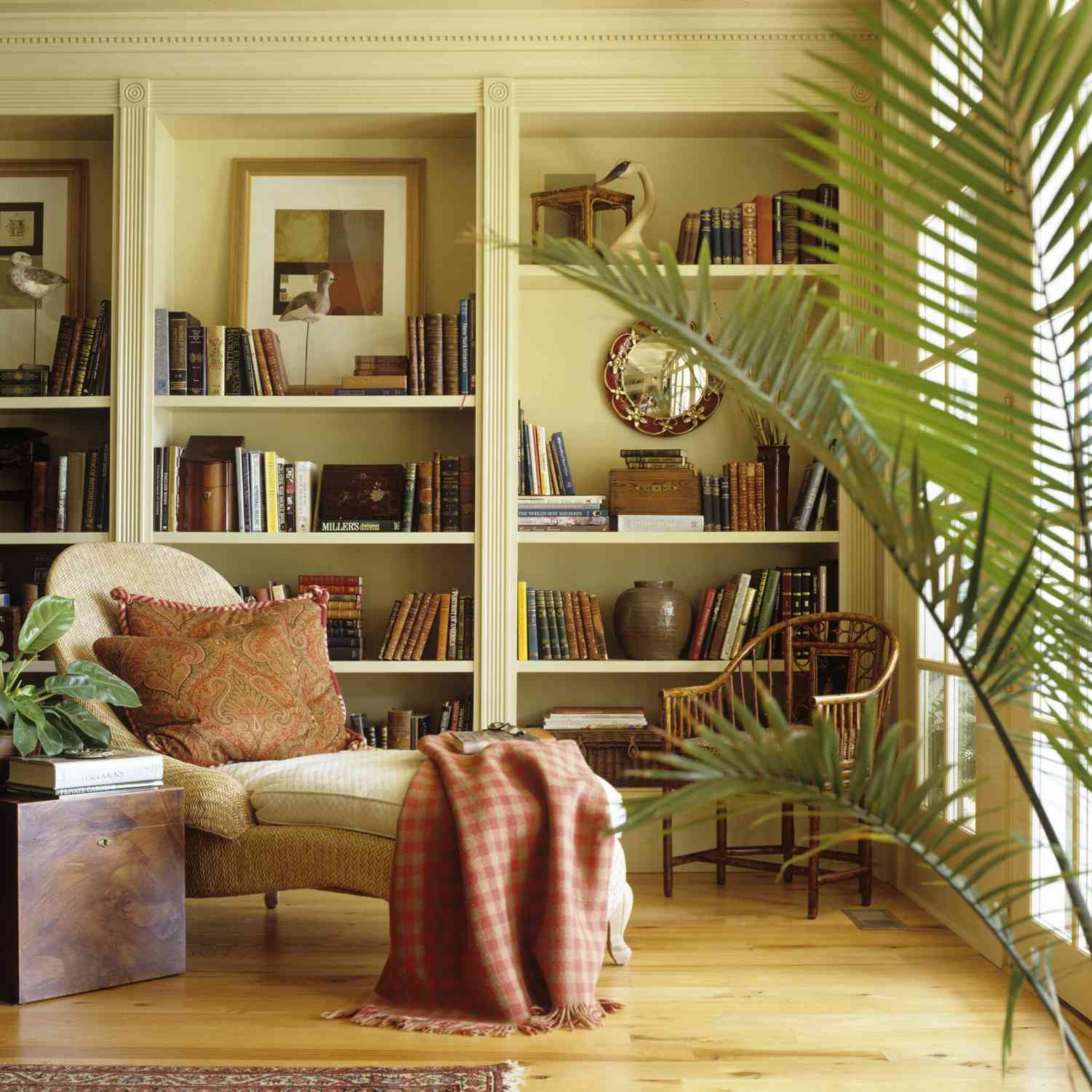
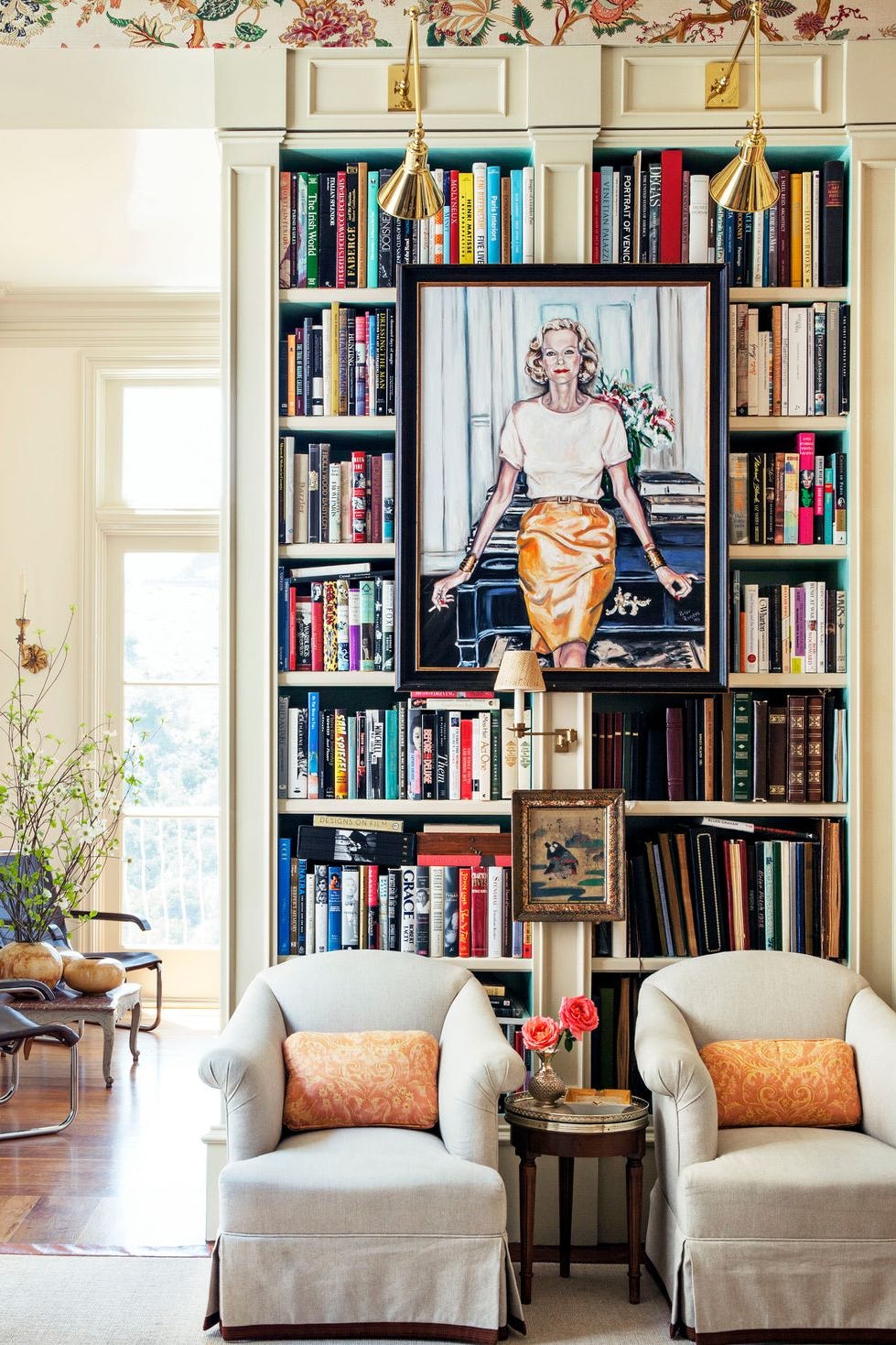
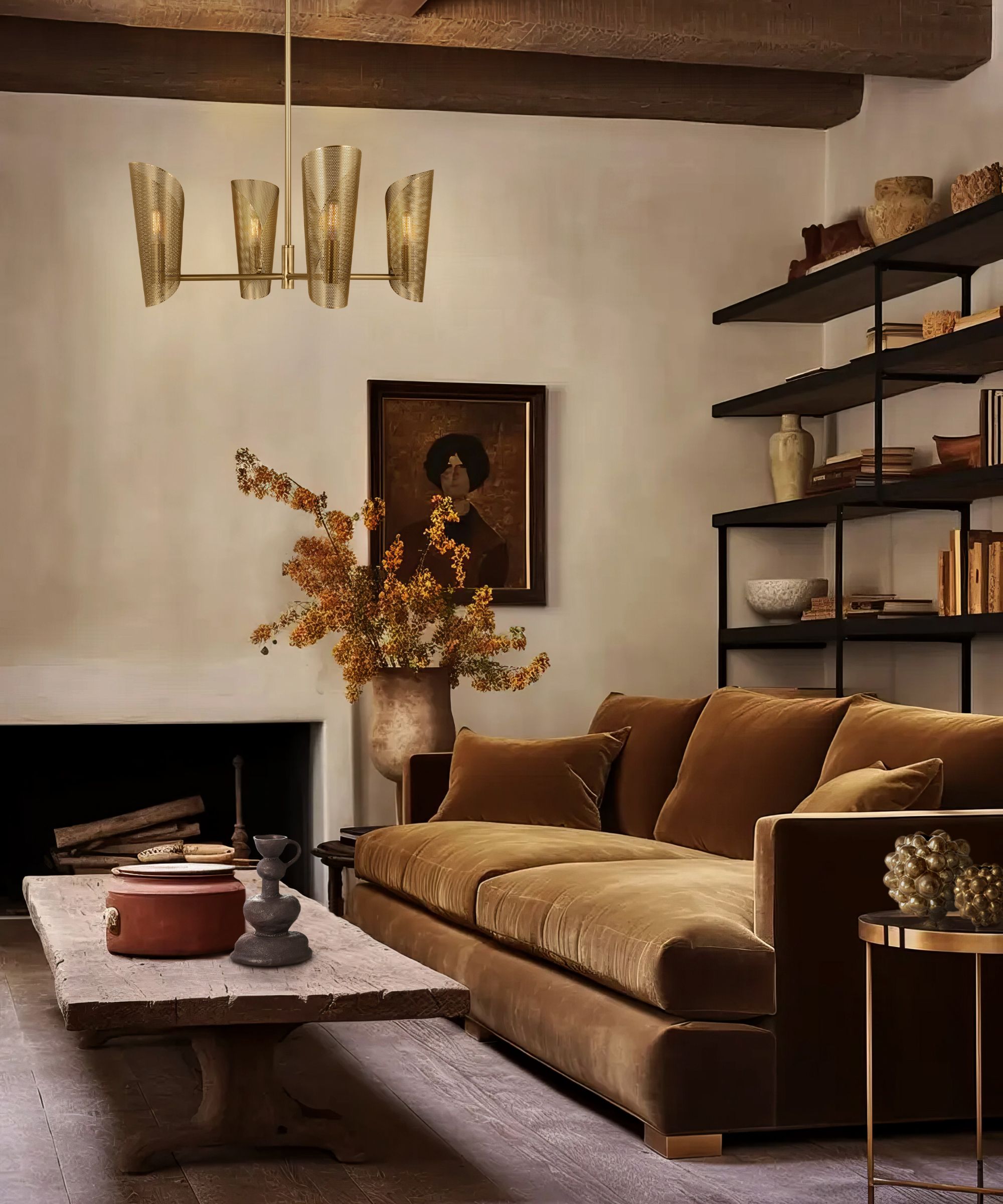
Interior designers also contribute to the discussion by emphasizing the dynamic nature of a home library. Rebecca Rowland, owner of Rebecca Rowland Interiors, designs libraries with future growth in mind, ensuring they can accommodate new additions while maintaining an aesthetically pleasing appearance. Jeff Pelletier of Board & Vellum suggests integrating book storage into relevant areas of the home, such as keeping cookbooks in the kitchen, to enhance their utility.
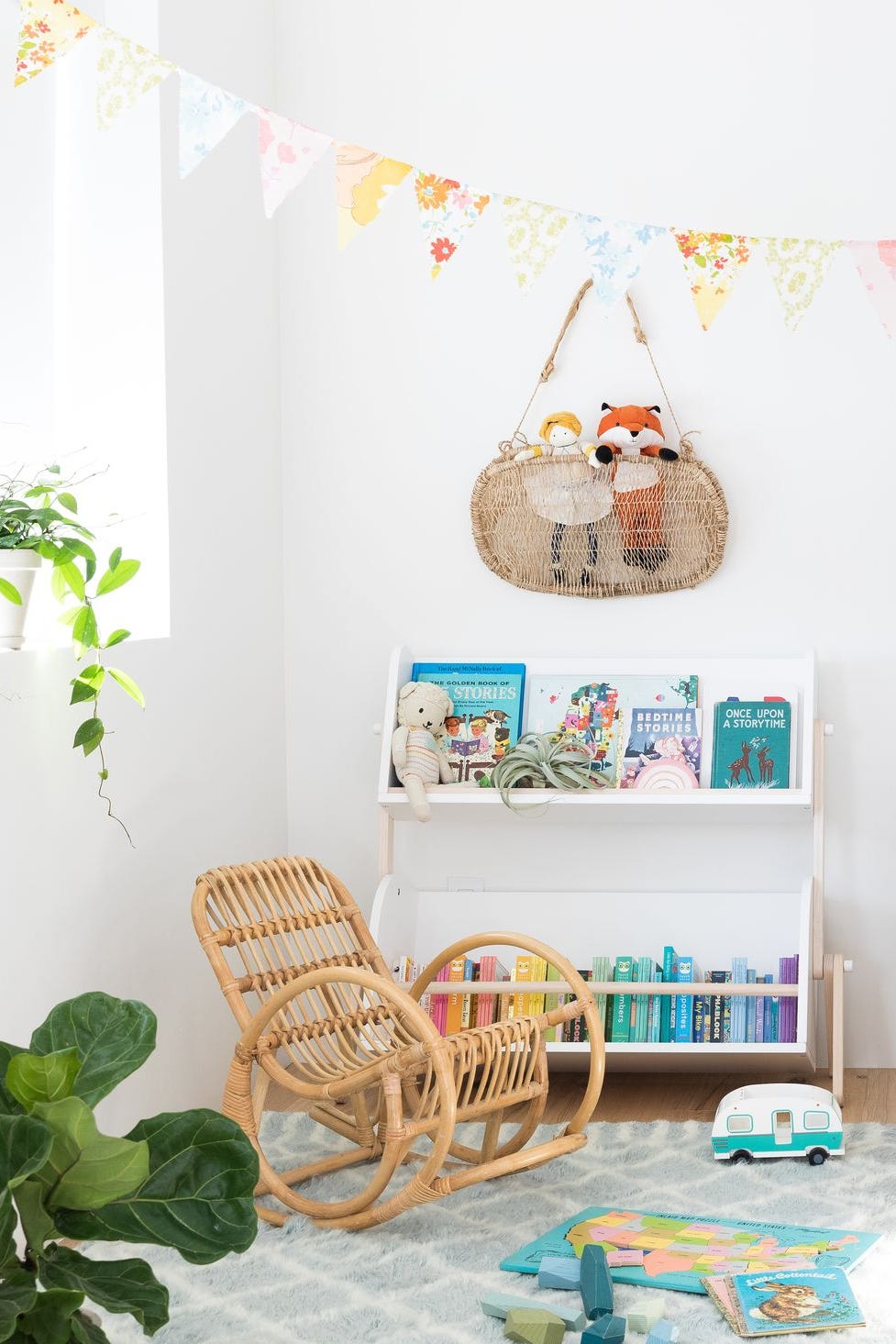
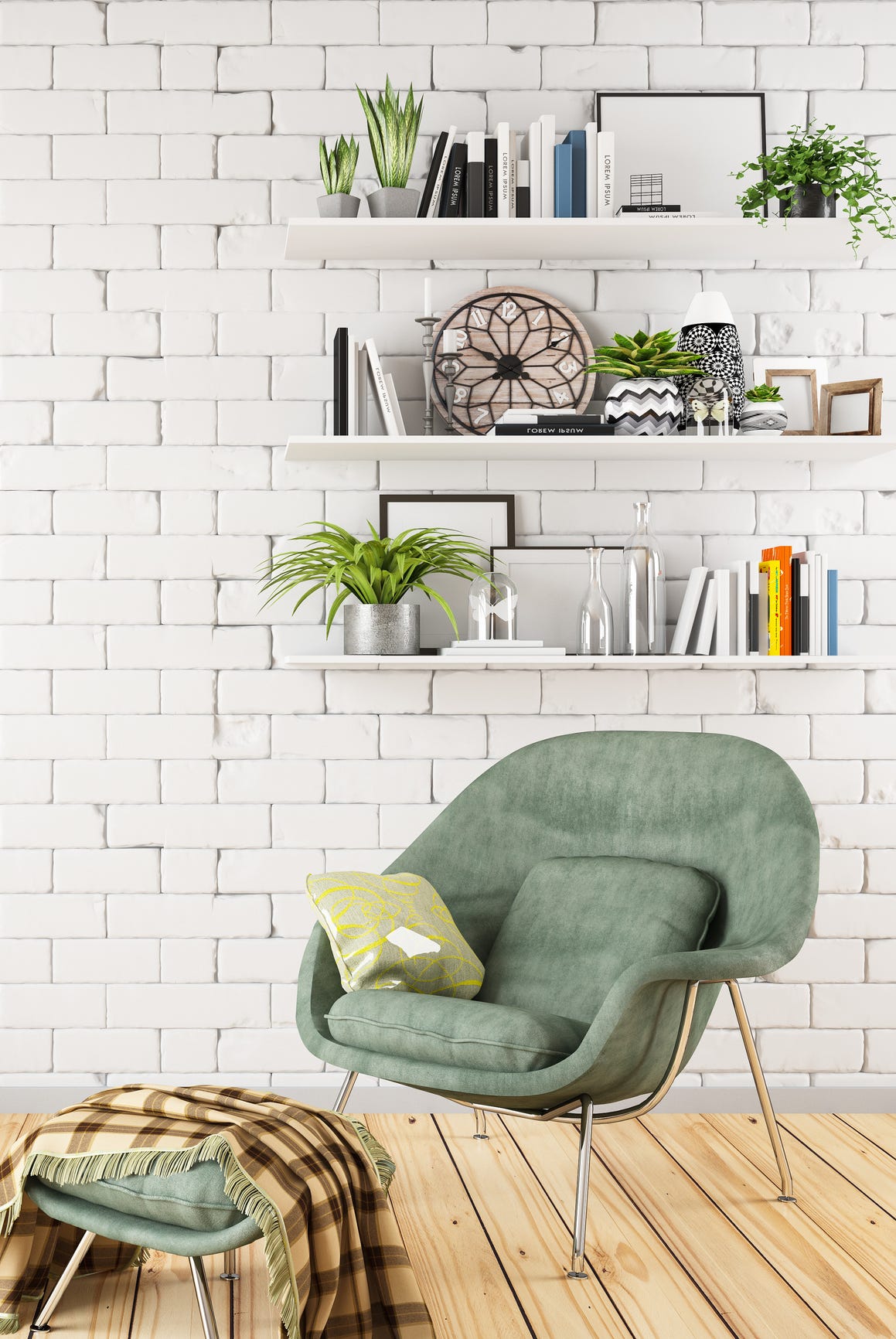
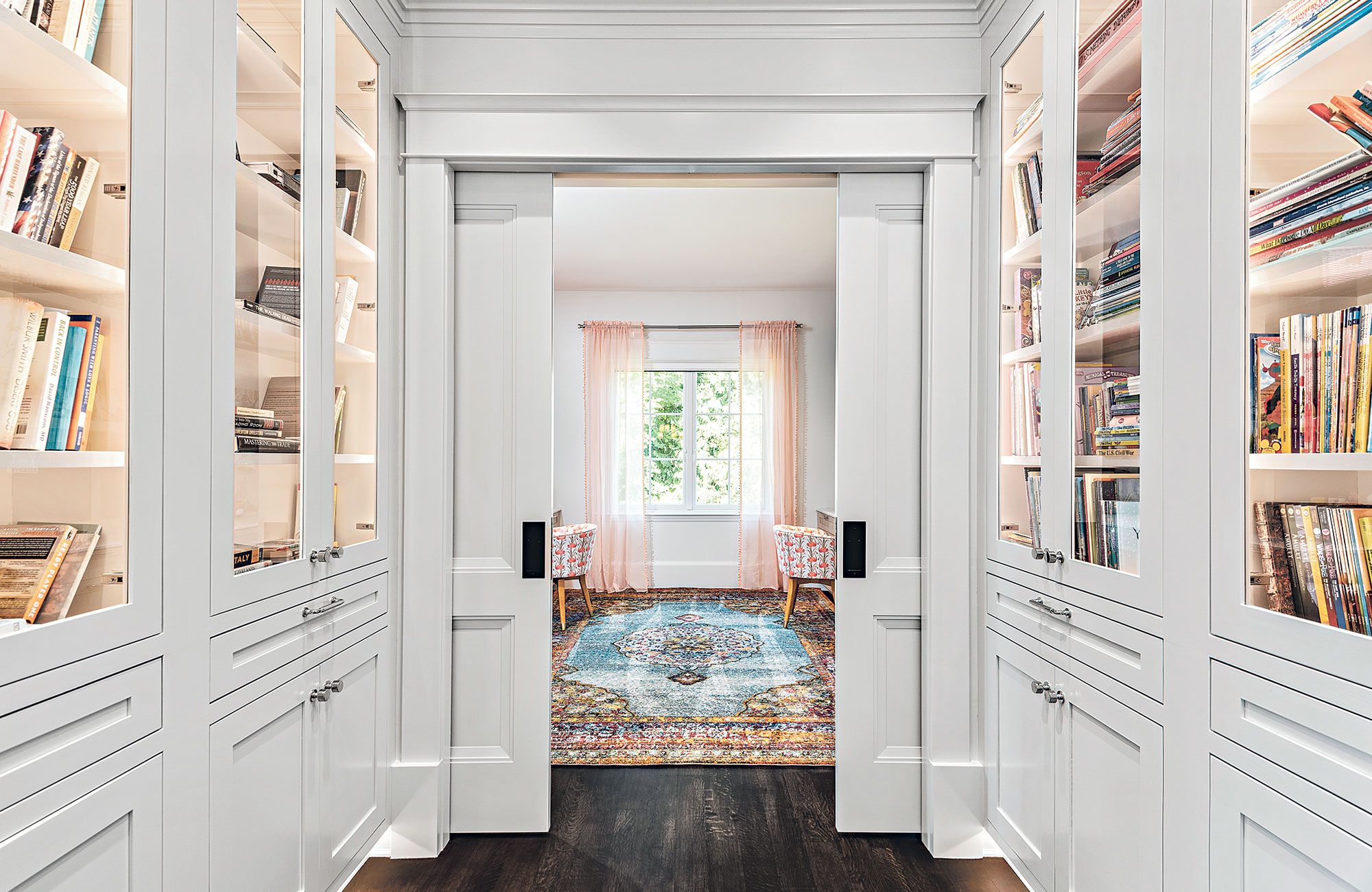
Intentional design can also set a home's tone. An example from Board & Vellum includes a hallway in a Snohomish estate featuring built-in bookshelves with lit cabinets and glass doors, designed to encourage reading among children before bedtime. Rowland notes that books can also serve as decorative elements. She once arranged less aesthetically pleasing books spine-in on lower shelves to create a more uniform look, while more attractive books on upper shelves were displayed spine-out as part of the decor. Resources like Juniper Books offer curated collections for stylistic purposes, providing matching covers or antique sets.
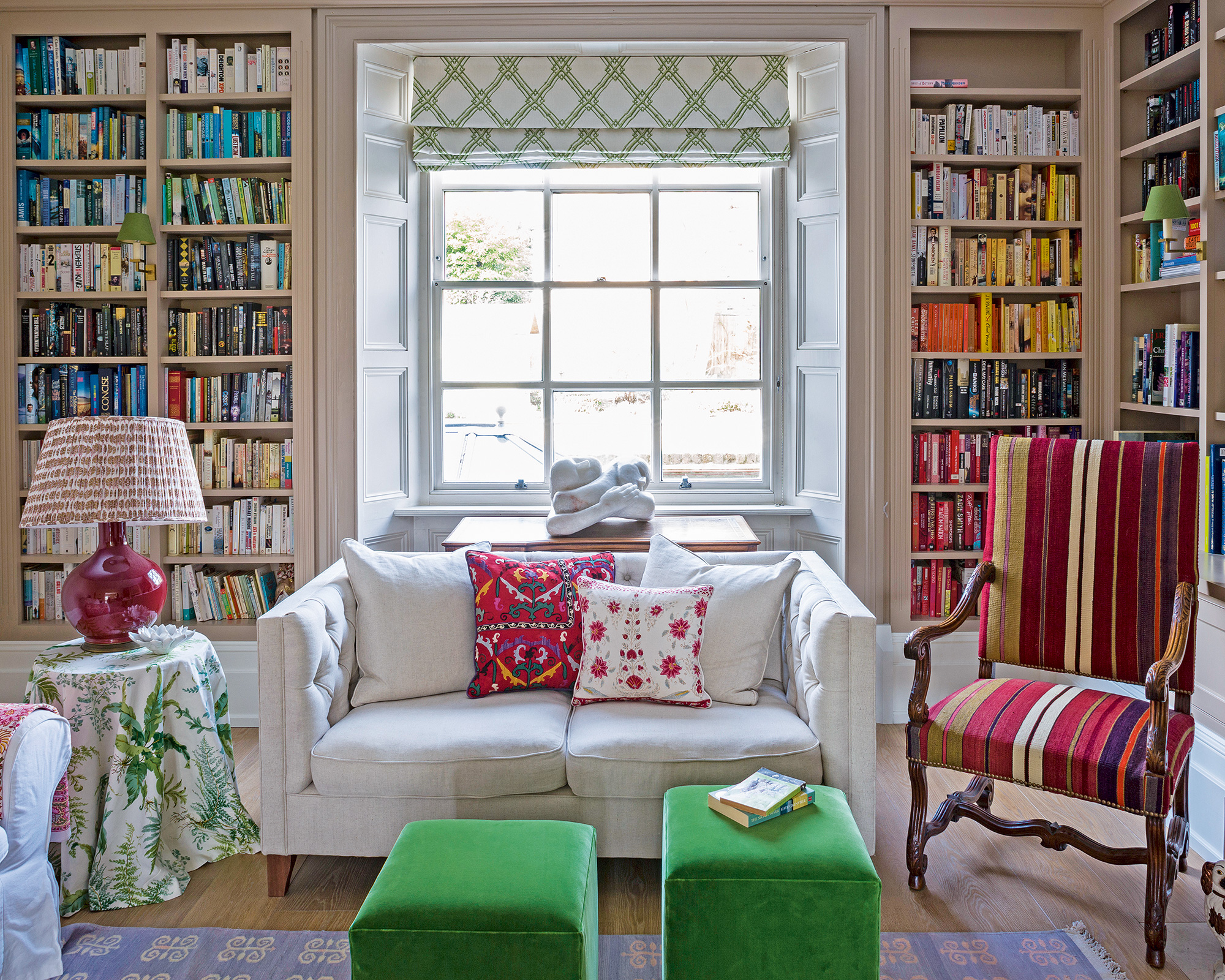
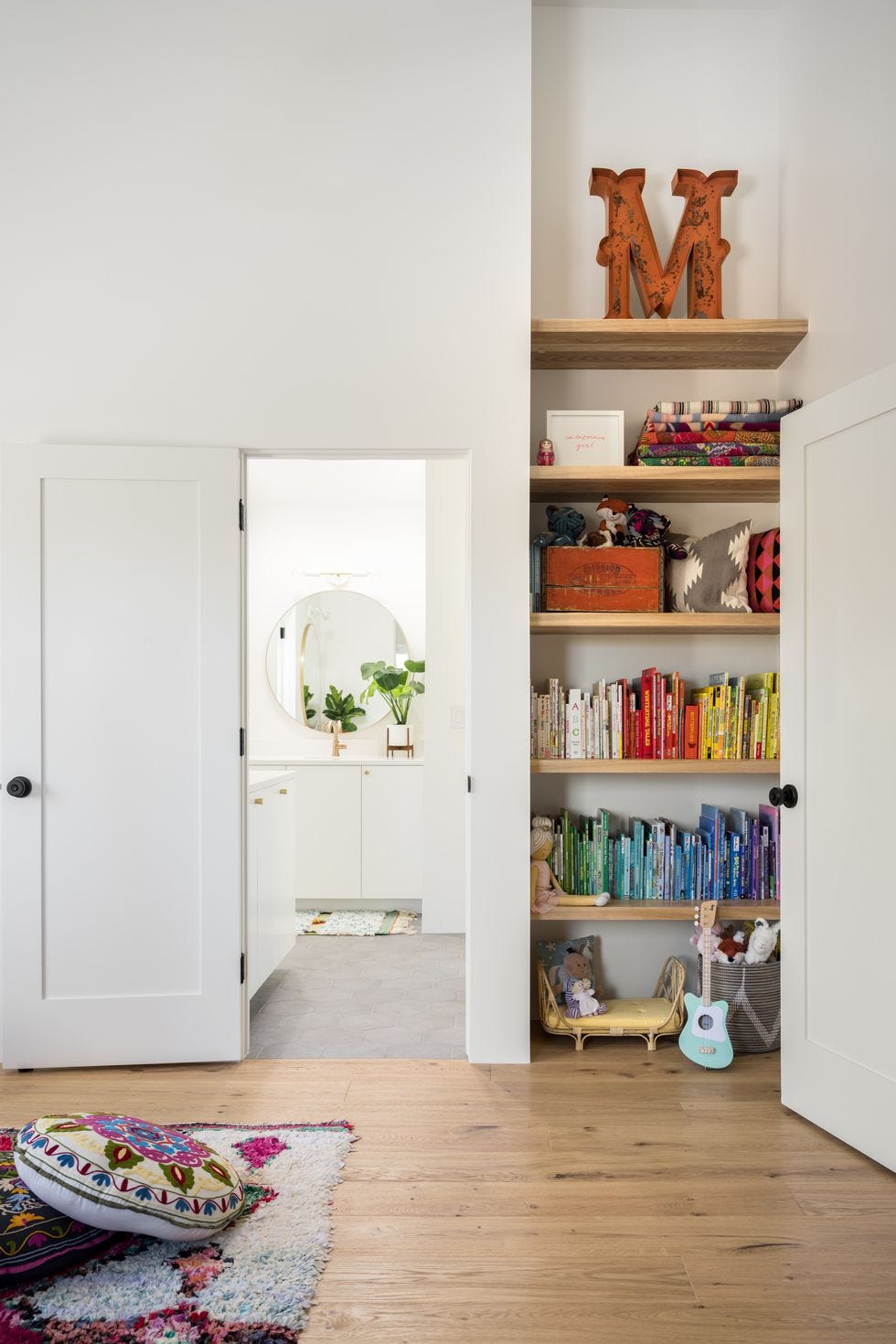
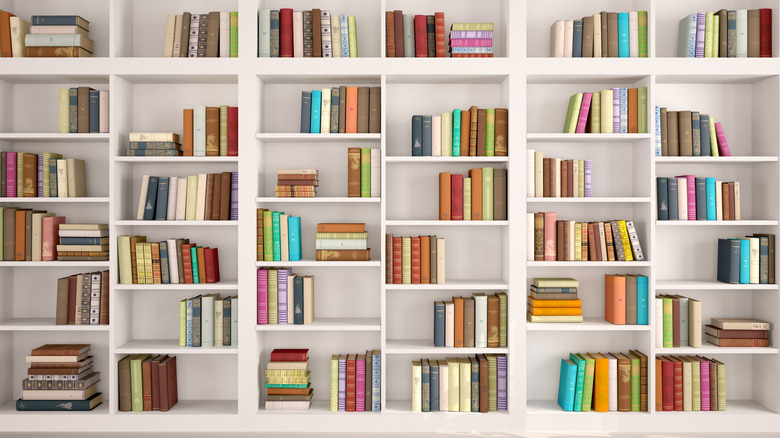
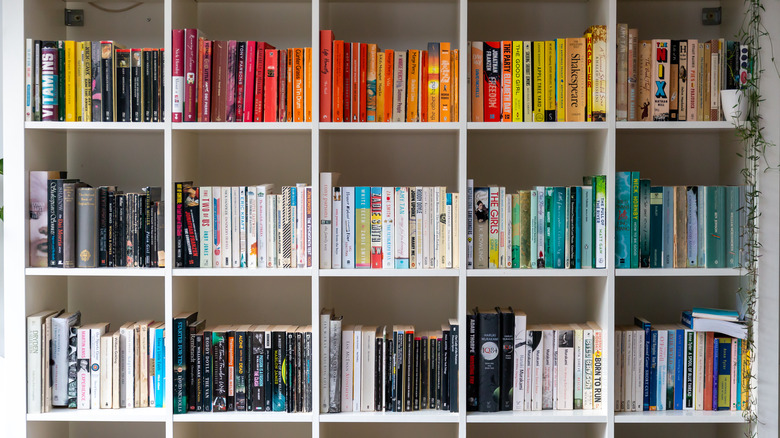
The article outlines several methods for organizing books. One popular approach is by color, which can create a clean, elegant, and timeless aesthetic, particularly when dust jackets are removed. Another common method is organizing by topic for non-fiction and by author for fiction, often arranged by height for visual appeal. Alphabetical order by author is a familiar system, mirroring library and bookstore layouts. Organizing by favorites allows for prominent display of cherished titles, often sparking conversations. Additionally, creative and unconventional methods exist, such as Barnes & Noble's banned book displays for making a statement or the Lesbian Herstory Archives' unique alphabetical arrangement by author's first name, reflecting its historical context. Ultimately, the most effective organization method is highly personal, depending on individual needs and how the books are used.
#HomeOrganization #HomeLibrary #BookStorage #InteriorDesign #Decluttering #BookCollection #ReadingCulture #PersonalizedDesign #HomeOrganization #HomeLibrary #BookStorage #InteriorDesign #Decluttering #BookCollection #ReadingCulture #PersonalizedDesign
Toplam 0 yorum
 Henüz yorum yok
Bu da beğenebilirsiniz
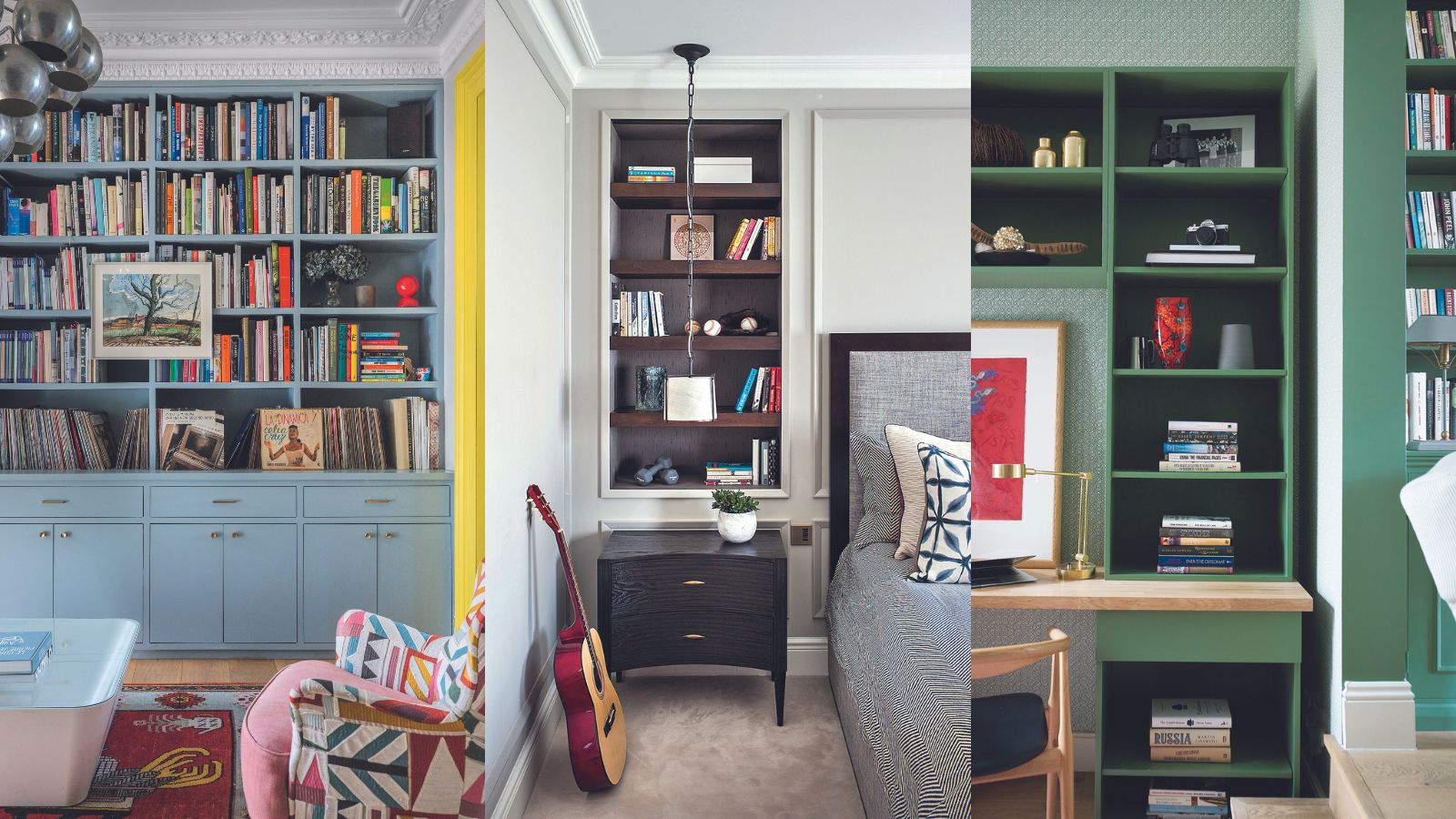
Organizing a bookshelf – 15 ways to keep on top of your tomes

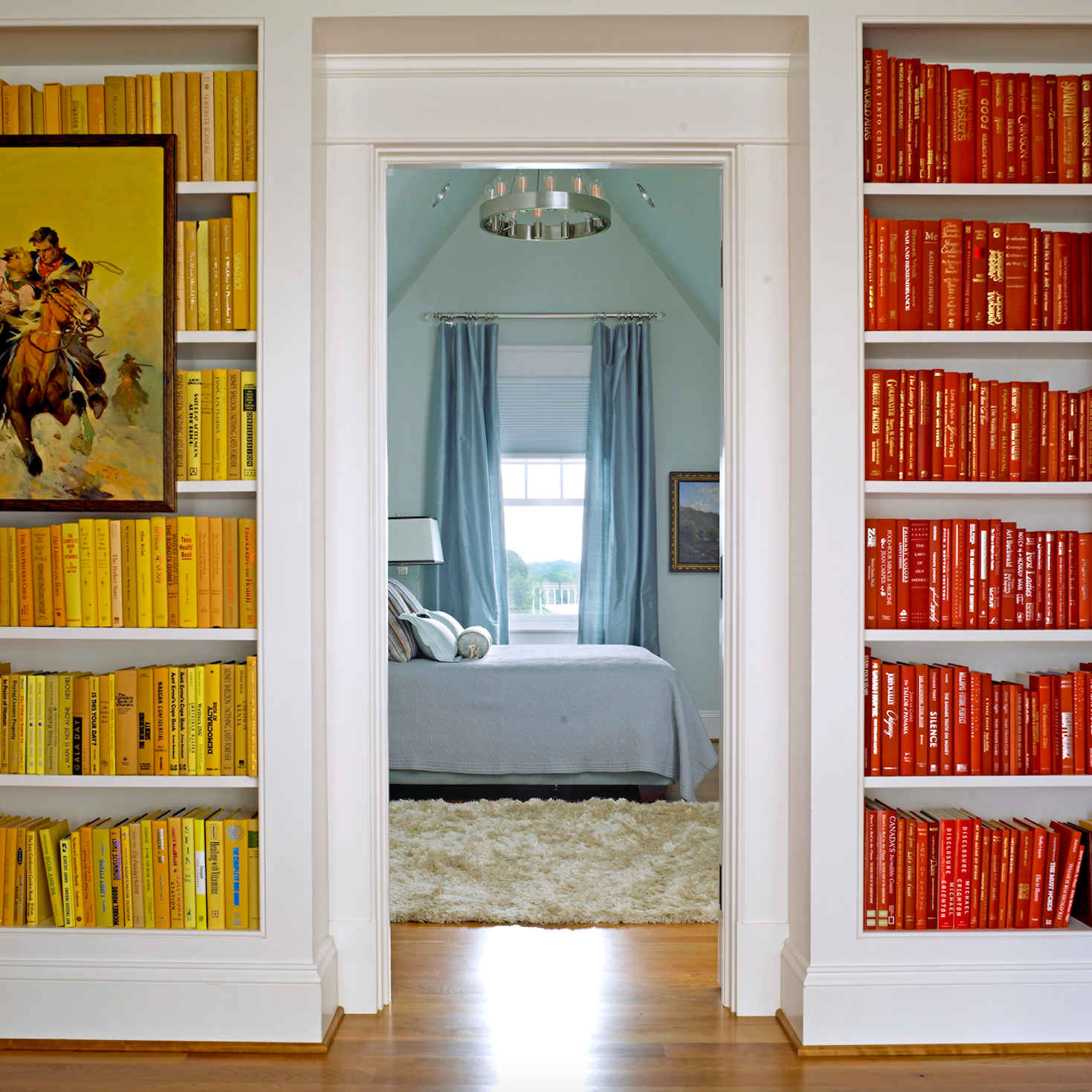
Here's How Designers Really Feel About Those Rainbow Bookshelves

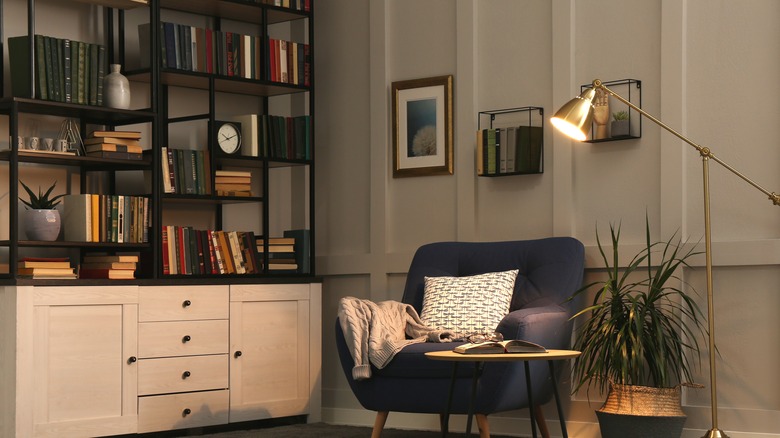
A Design Expert Tells Us How To Create The Perfect Home Library
Organizers Say These 8 Things Don’t Belong in Your Closet — Here’s Why

13 Things EVERY Professional Organizer Does to Keep Their Home Clutter-Free

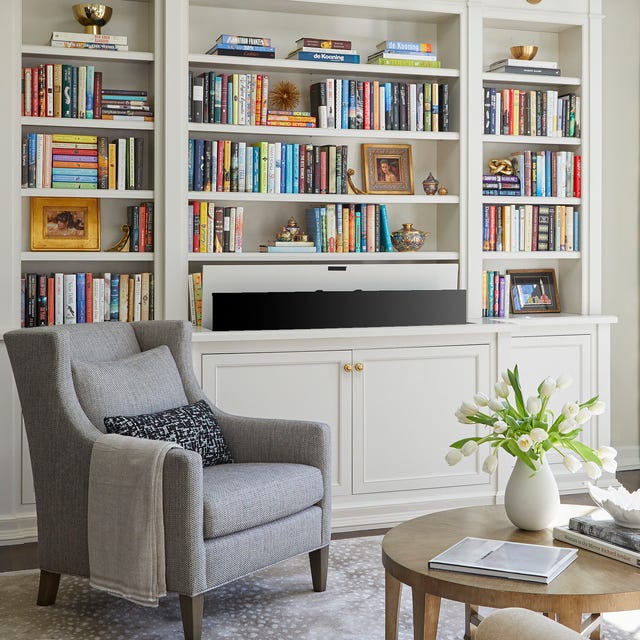
The Most Clever Bookshelf Organizing Tips

Jessica Simpson's bookshelves show us how styling is a fine art – but it's one we can master with these simple tips
The best storage essentials to help maximize your space in 2025


Home library space: a bibliophile’s dream

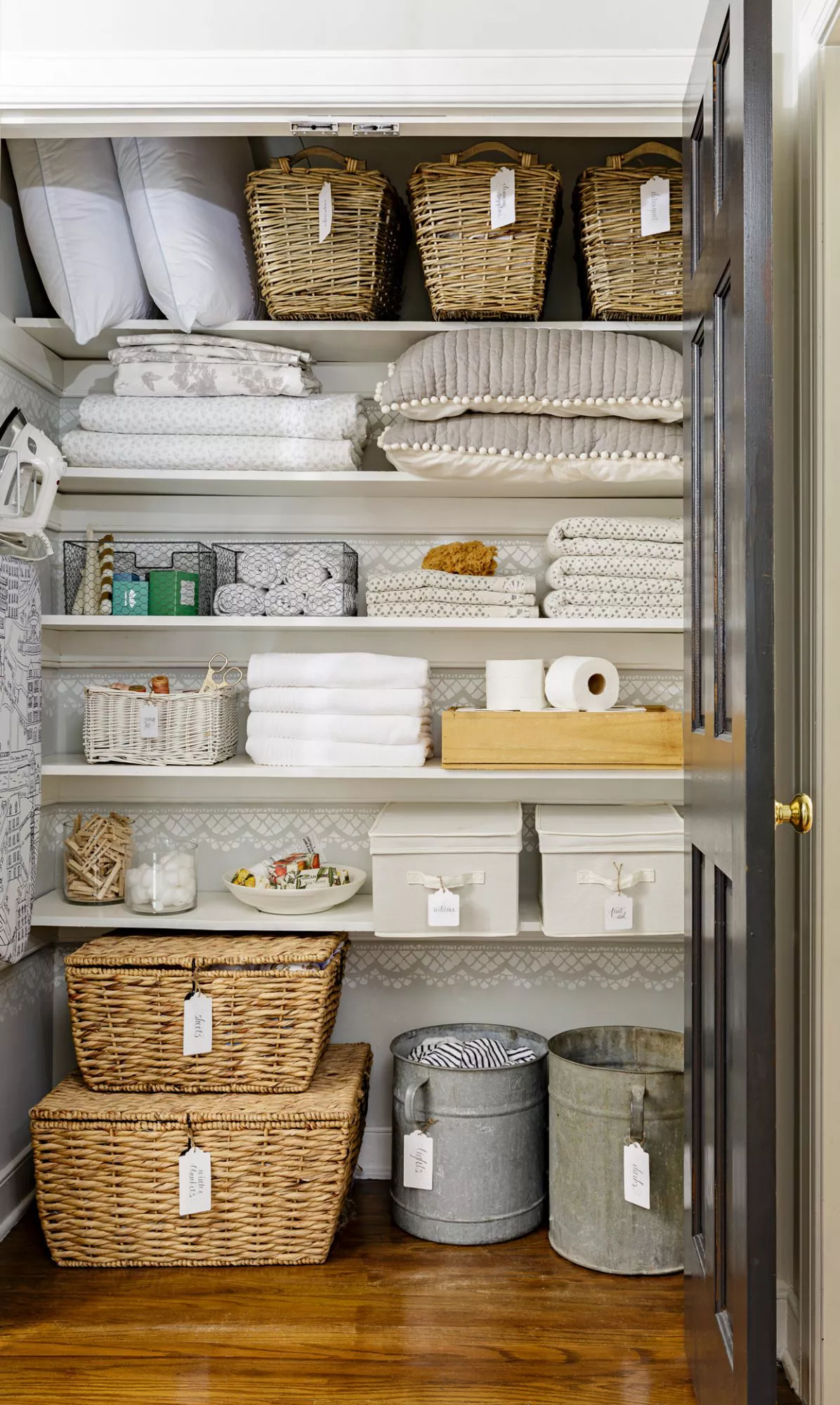
Declutter and Stress Less with These Smart Storage Ideas

Expert tips for organizing a closet and maximizing storage space

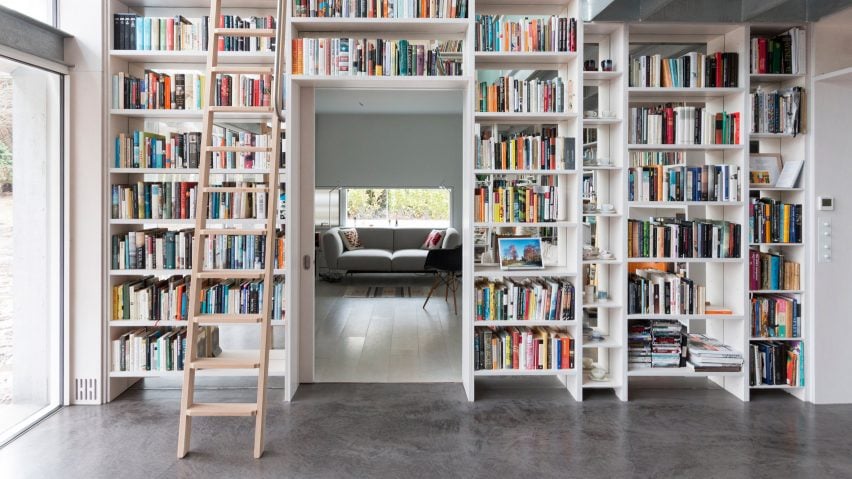
Ten practical home libraries that showcase their owners' book collections
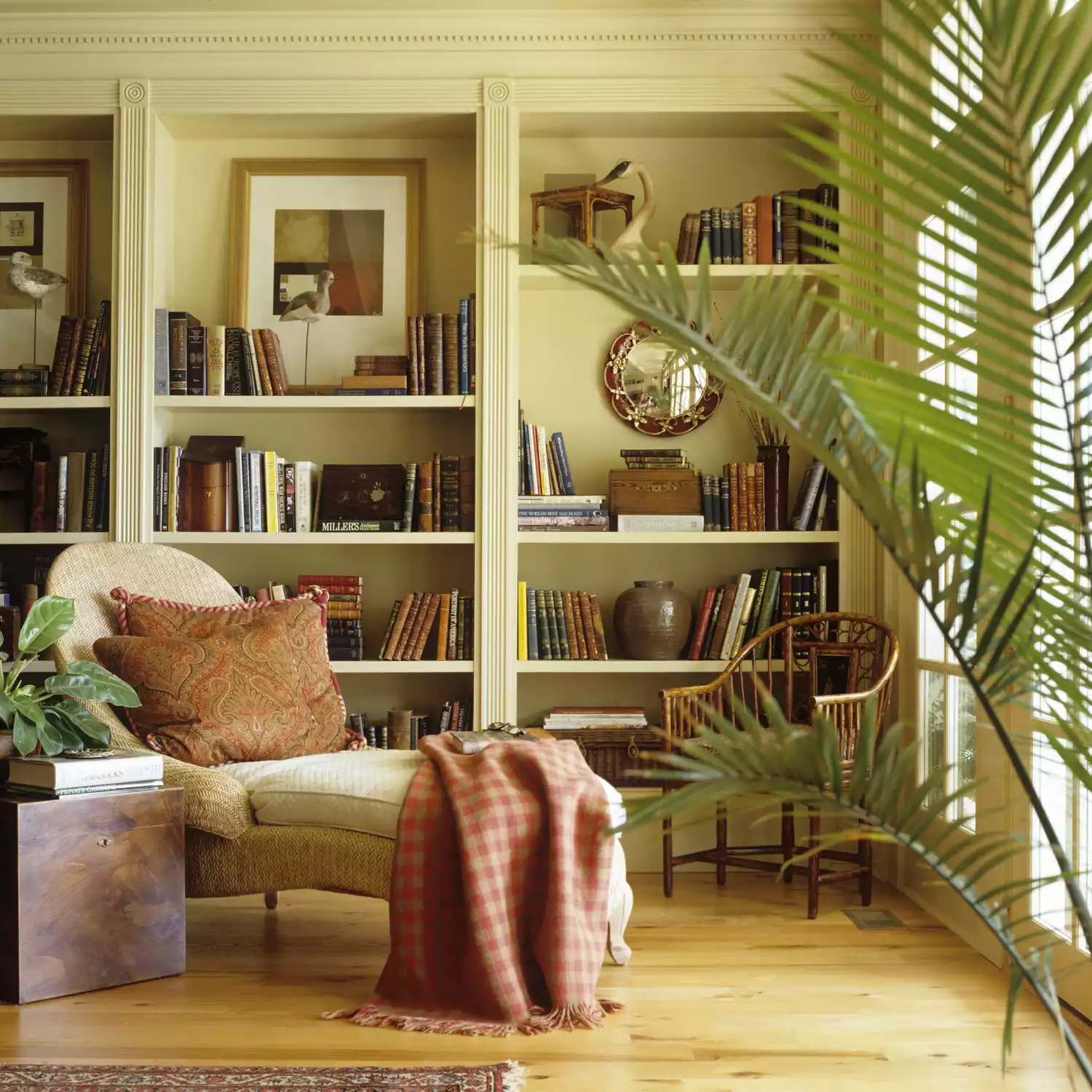
7 Genius Tips to Make Your Bookshelf Less Cluttered, According to Organizing Pros
How 11 Writers Organize Their Personal Libraries
9 ways to use hooks for increased storage where you need it
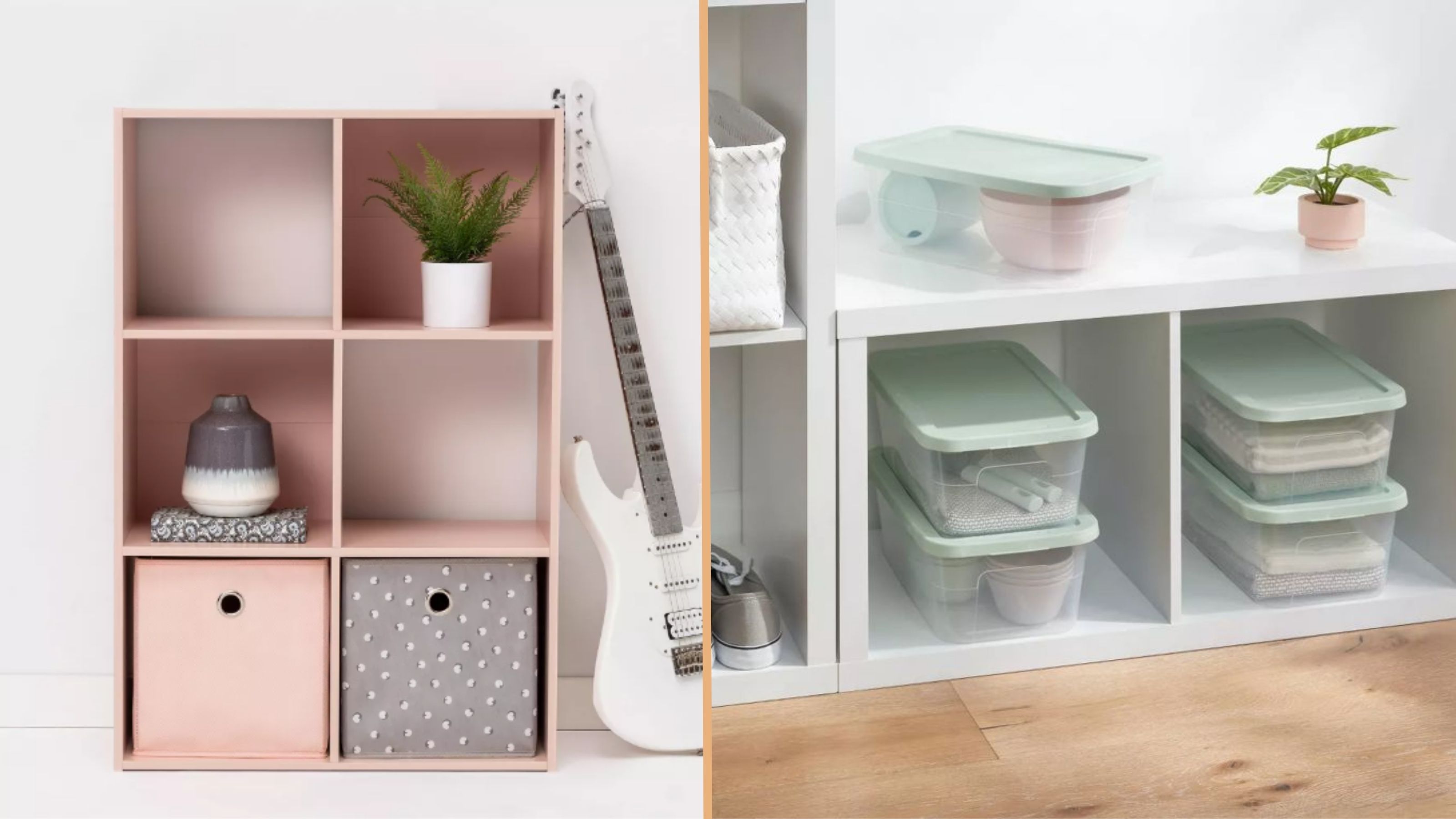
Shoppers love these 13 Target storage bins and cubes — you'll want to stock up, too

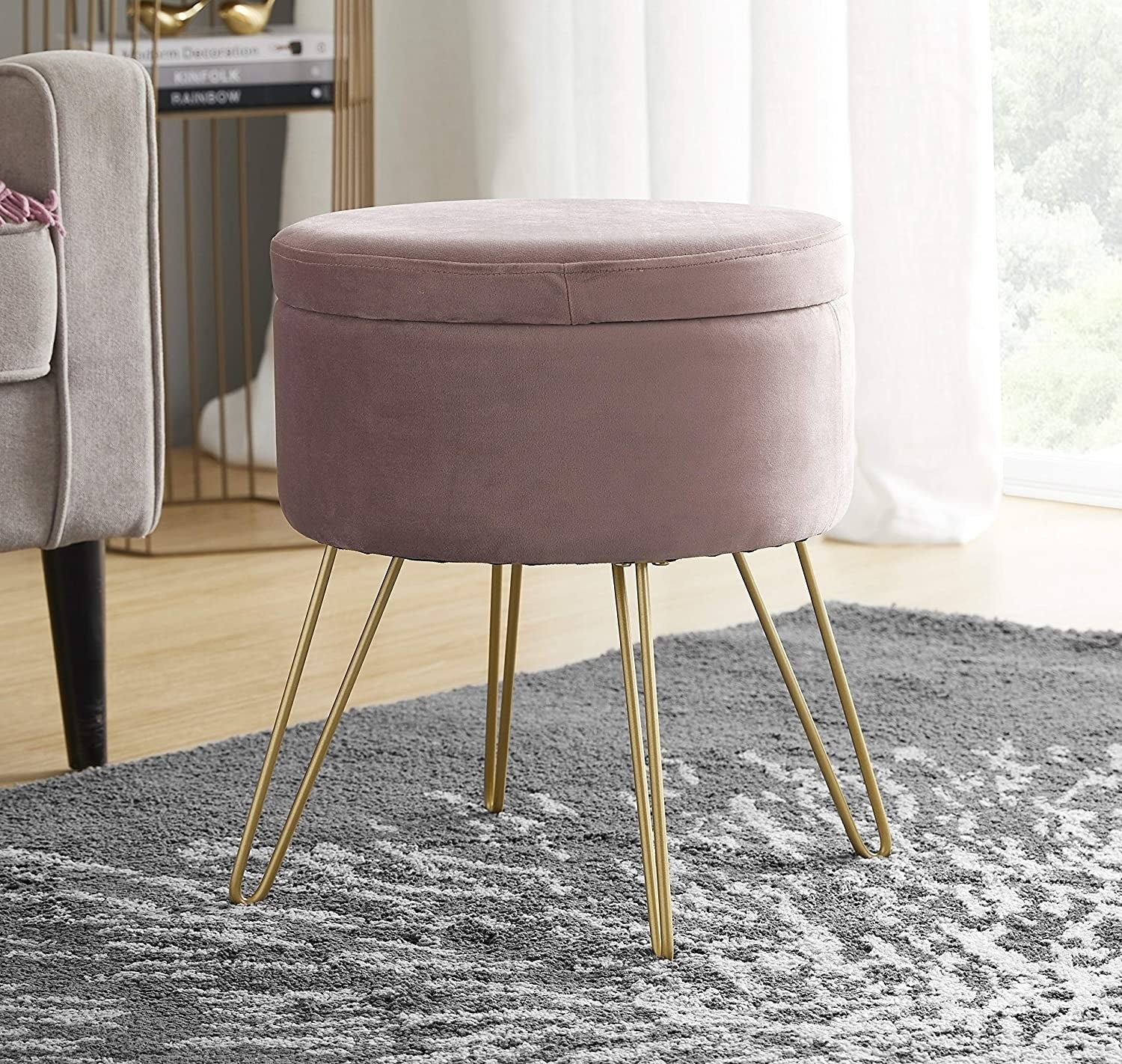
If You're Trying To Hide All Your Junk In Plain Sight, Try These 24 Organization Products
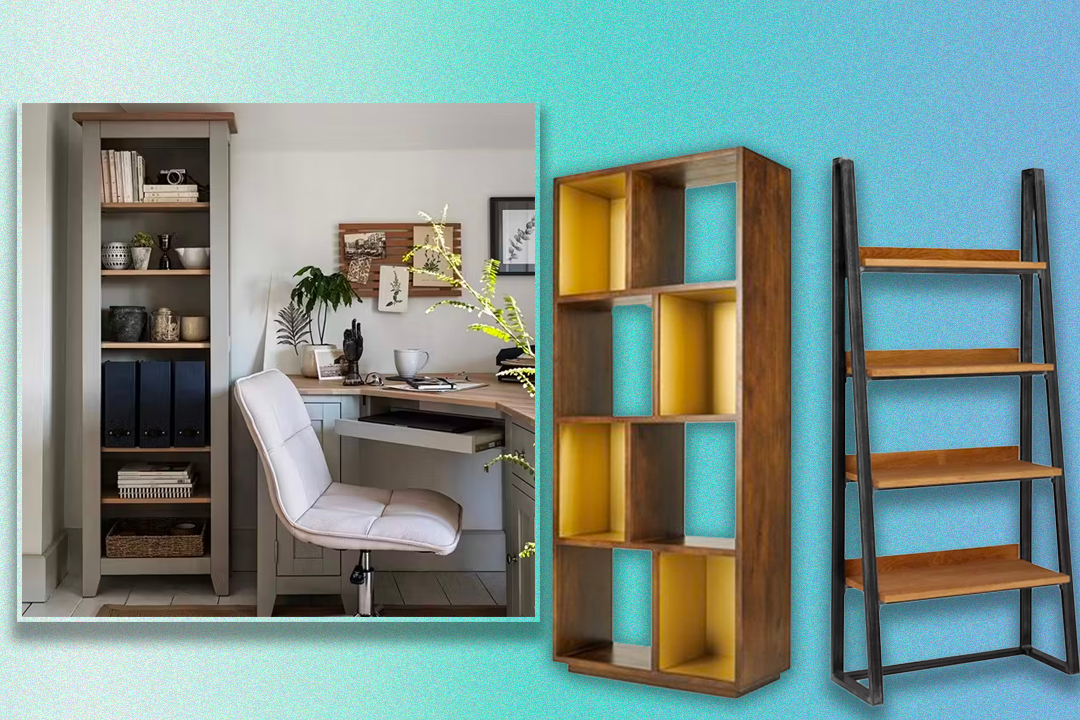
Best bookcases for displaying your home library
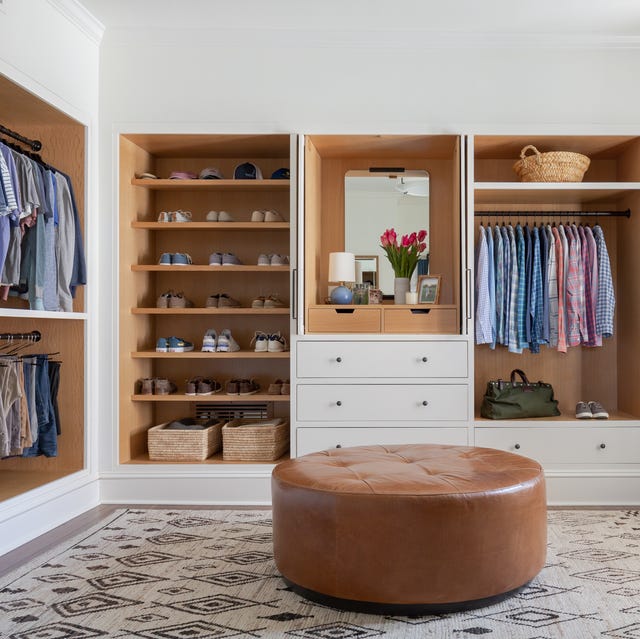
10 Clever Ways to Organize a Small Laundry Room

Storage & Organization