Declutter and Stress Less with These Smart Storage Ideas
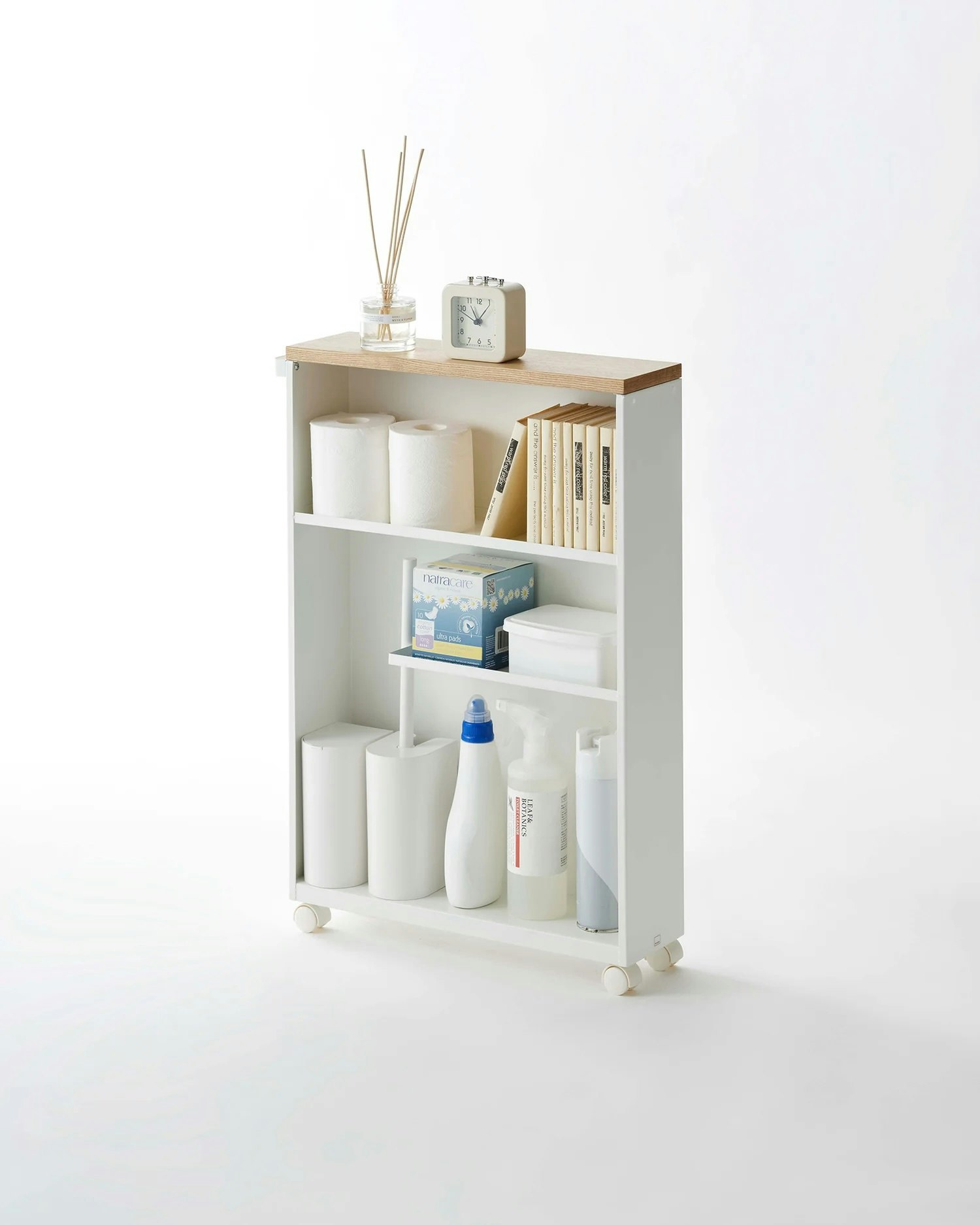
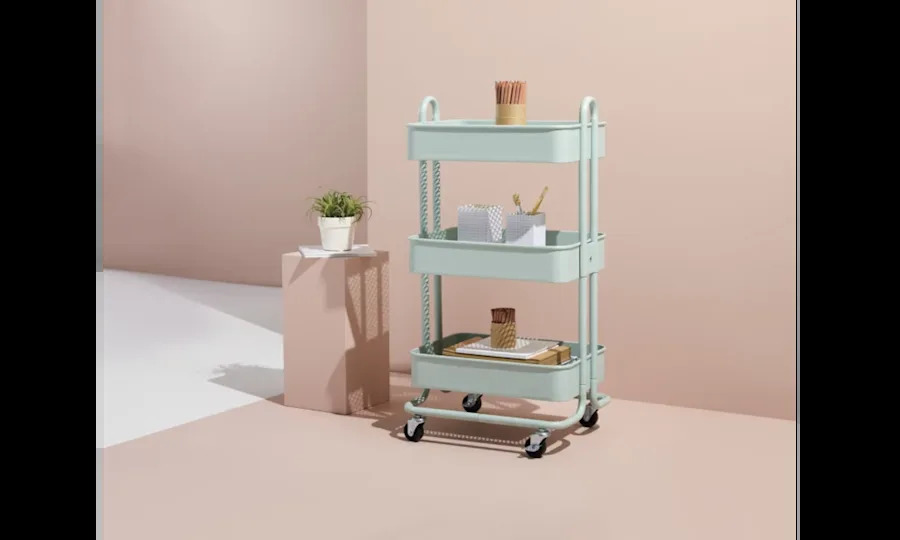
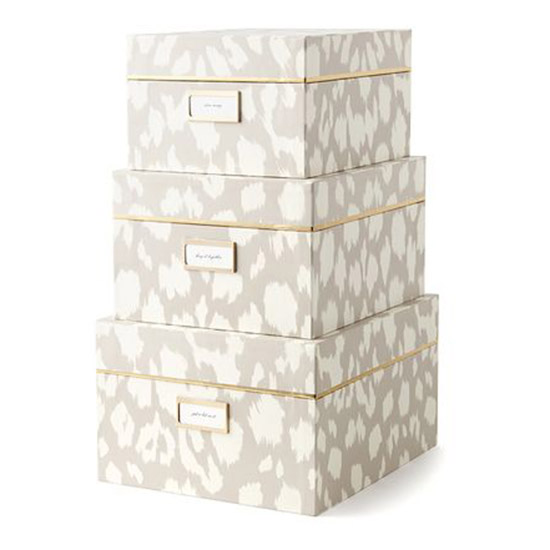
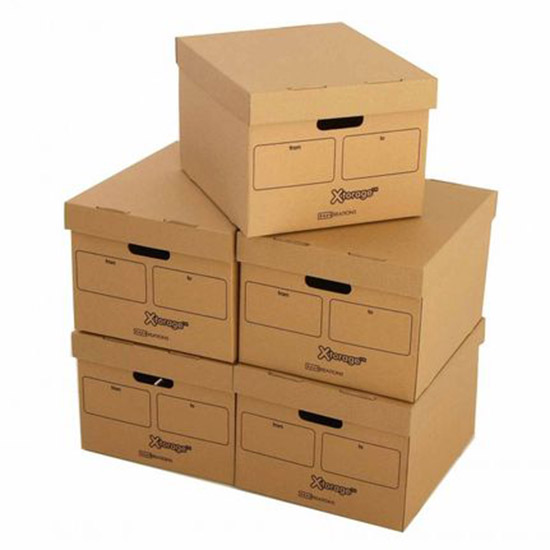
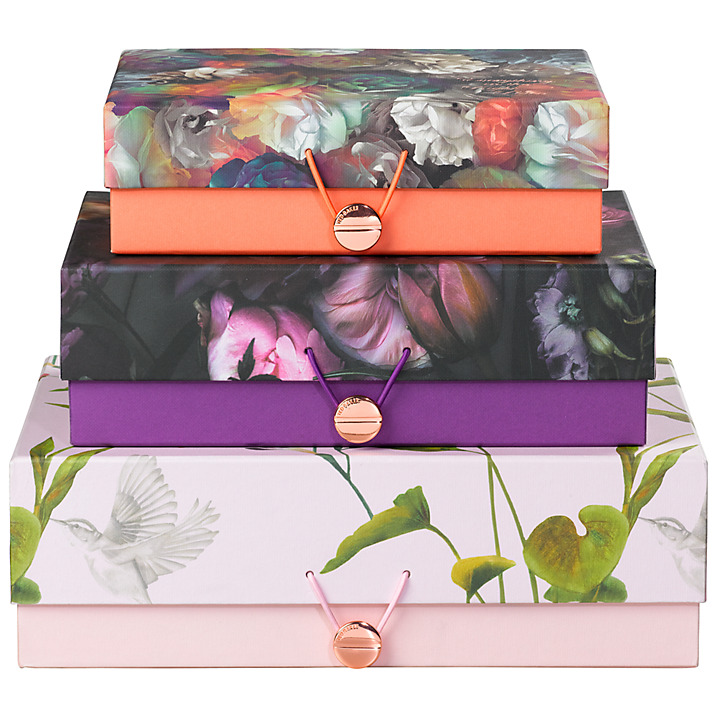
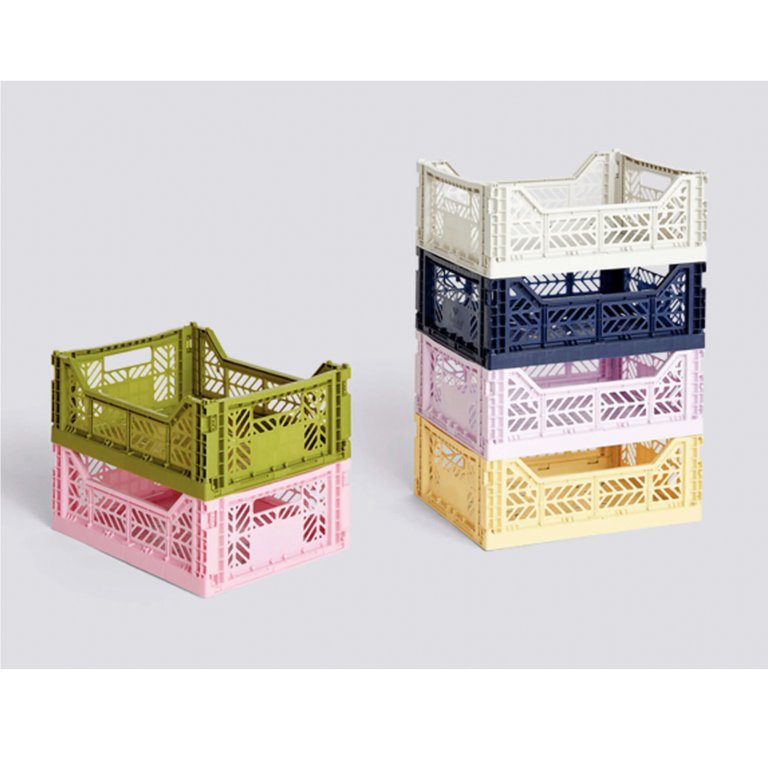
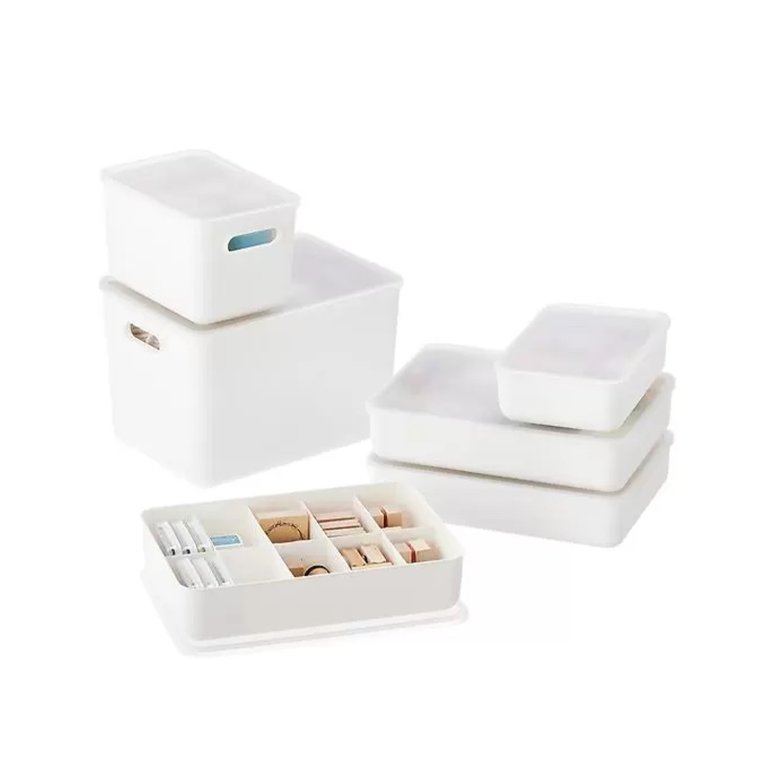
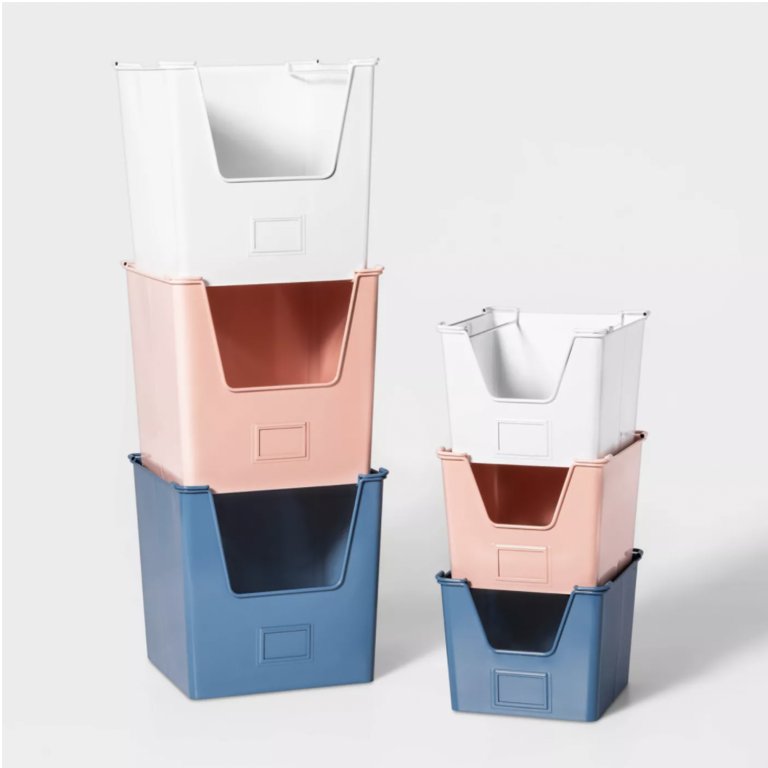
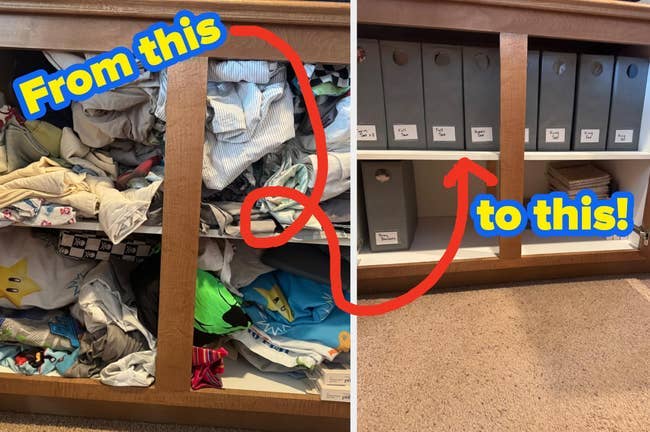
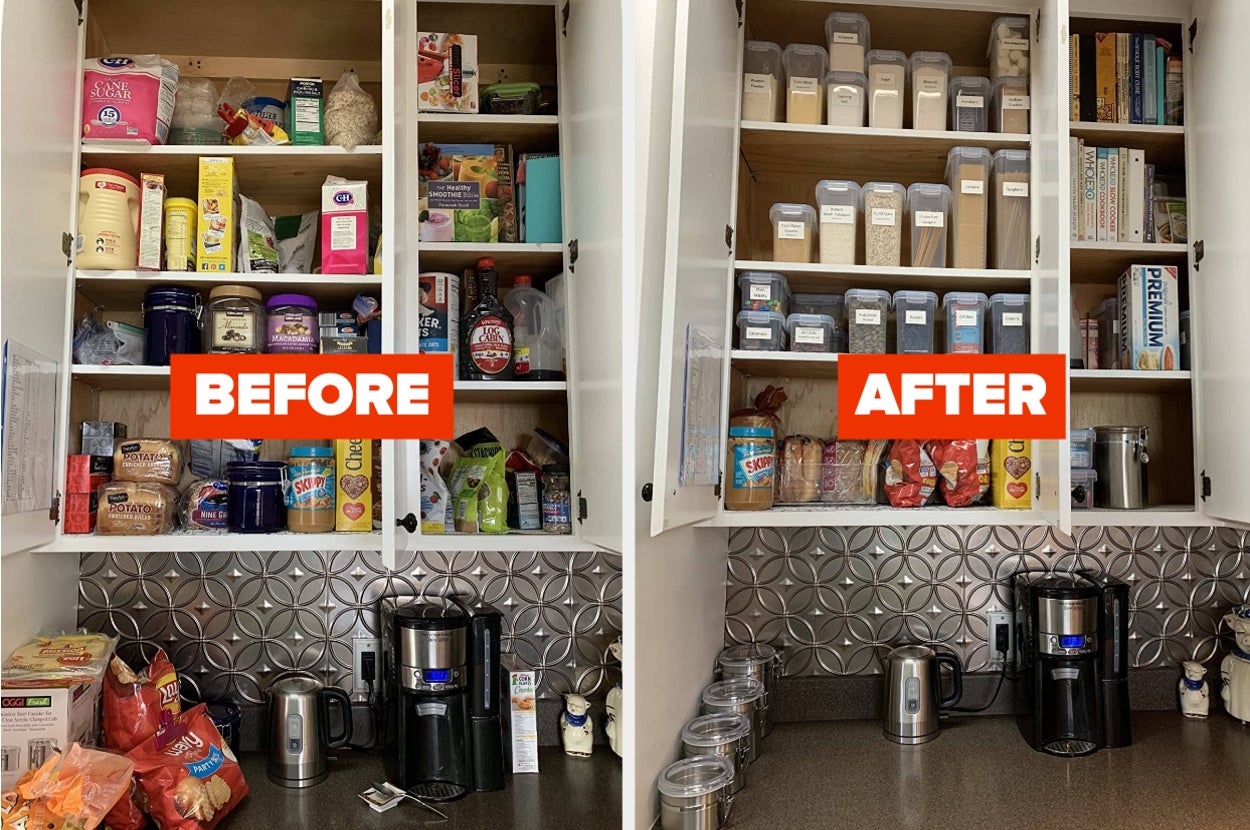
The article offers 25 practical strategies for decluttering and organizing various areas of a home, aiming to streamline storage and reduce stress. It emphasizes a thoughtful approach to organization, starting with assessing what needs to be stored before purchasing containers. Measuring items and the available storage space is crucial to avoid accumulating more clutter through unused bins and baskets. Dollar stores are suggested as a source for inexpensive, monochromatic storage solutions that can create a visually organized look for a variety of items, from toiletries to toys.
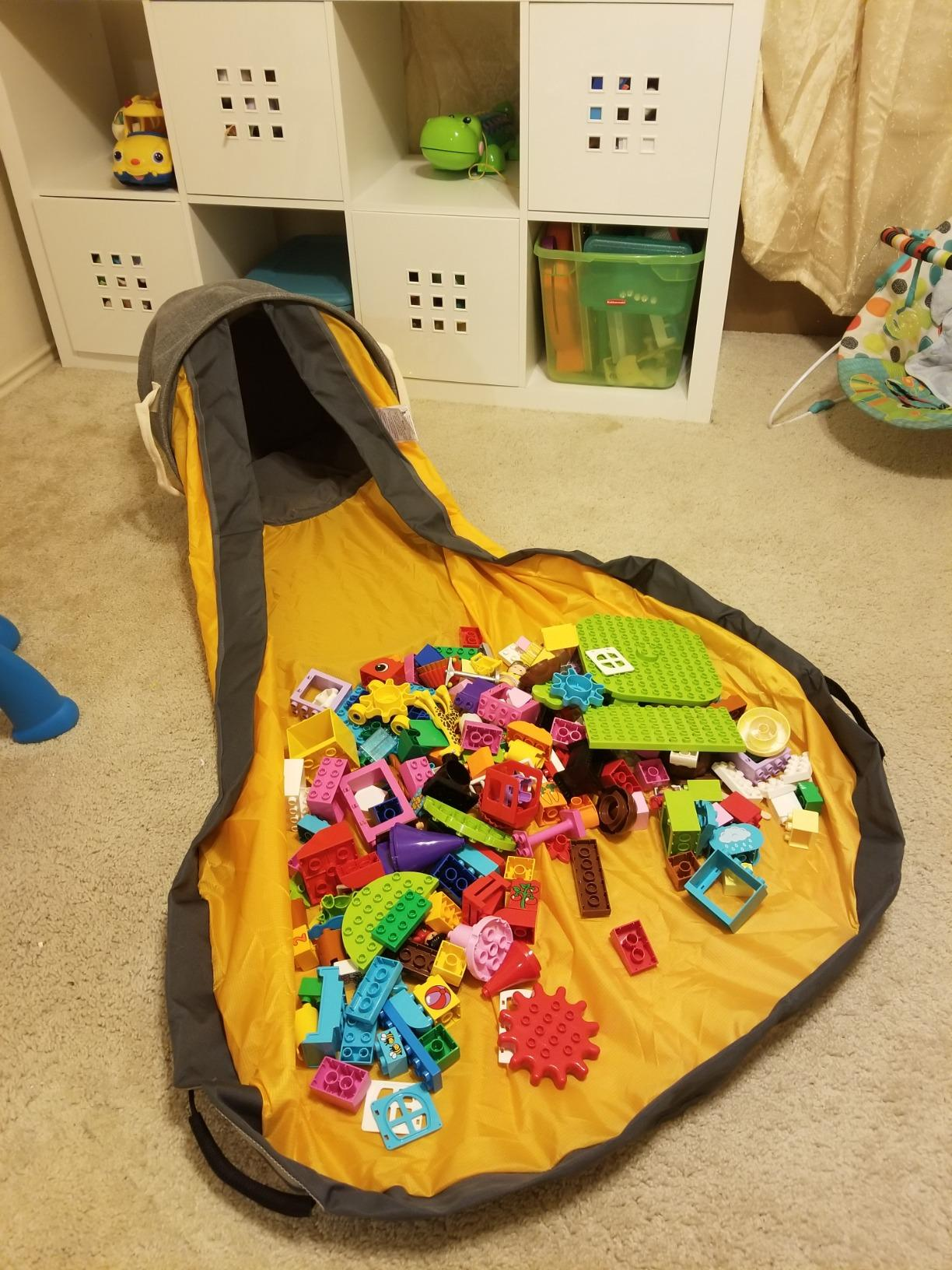
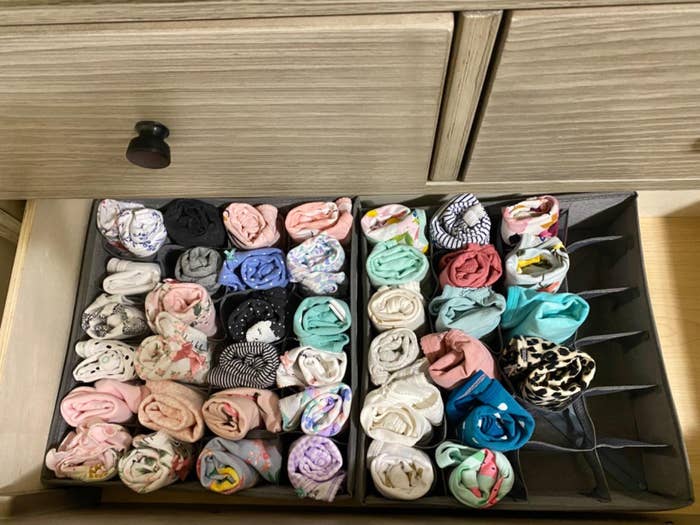
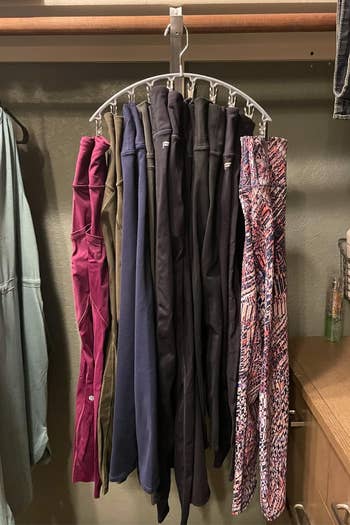
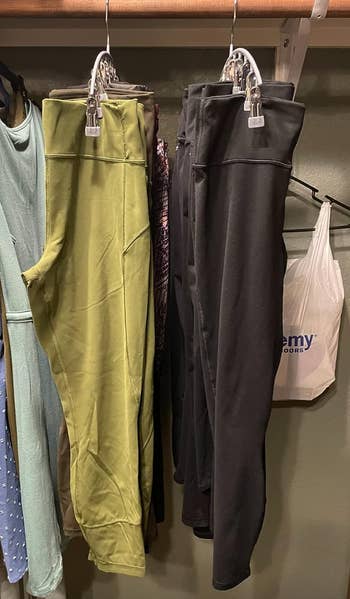
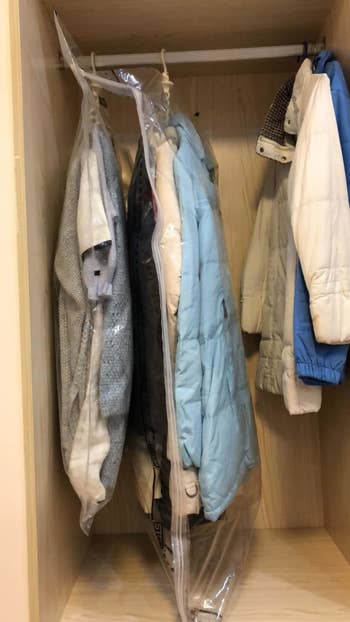
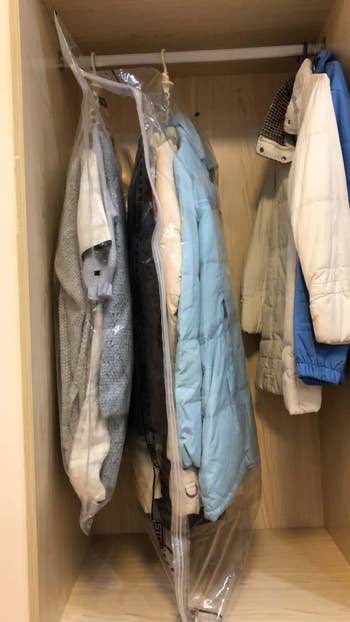
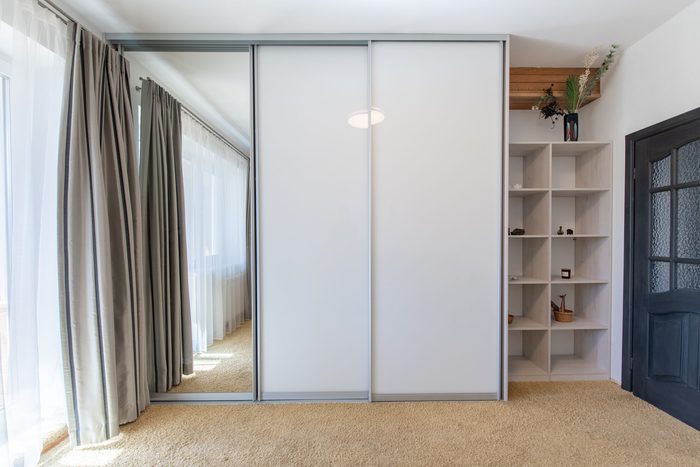
For wardrobes, the article advises a critical evaluation of clothing items, encouraging individuals to donate pieces that are no longer flattering, loved, or representative of their current self. A simple method involves placing a donation bag in the closet and regularly asking three questions about each item. In children's rooms, multiple smaller, designated bins are recommended for different toy types to facilitate easier access and prevent large-scale toy dumps. The concept of a "junk drawer" is acknowledged as useful, provided it is organized, and tips for maintaining order within it are implicitly offered.
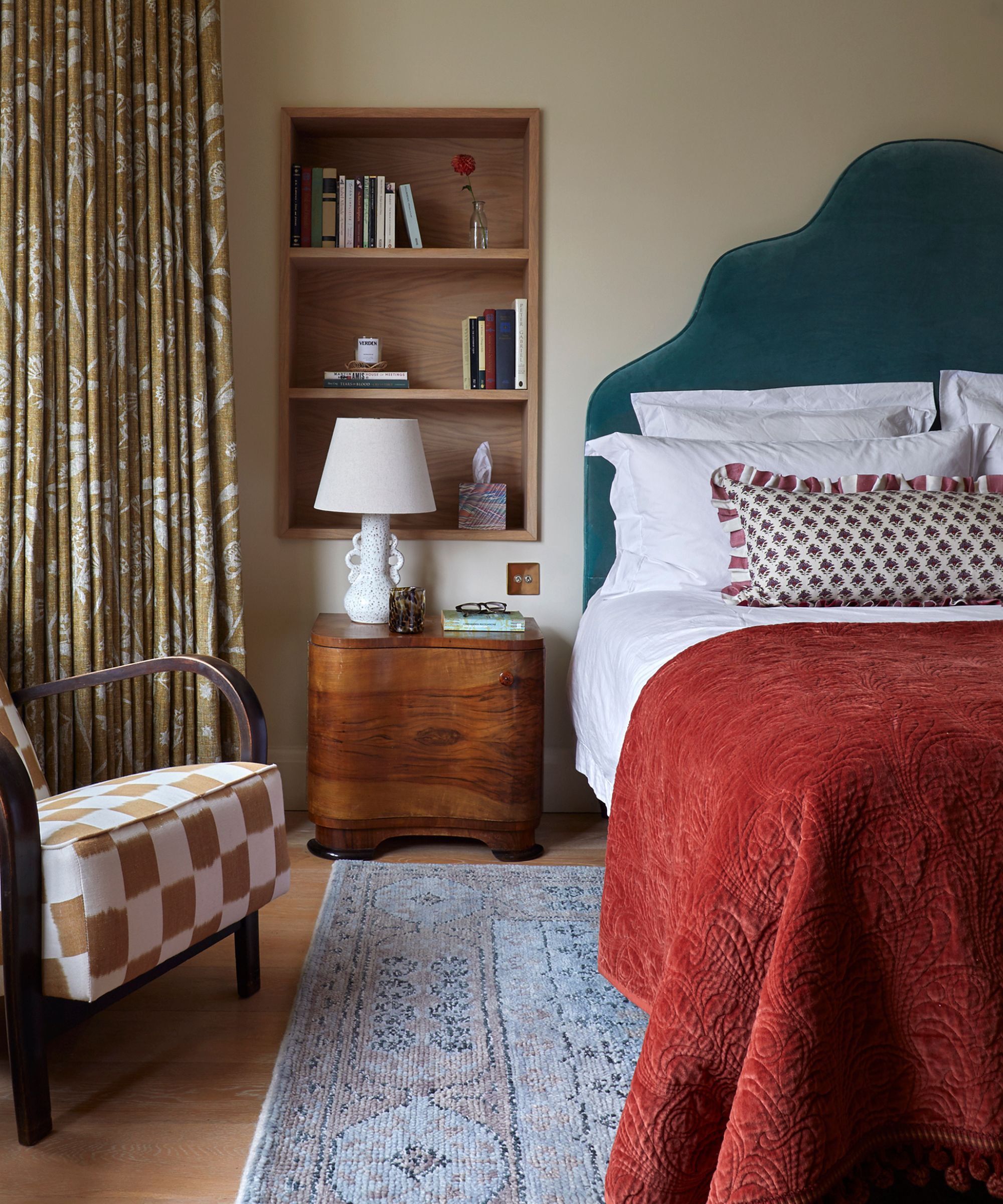
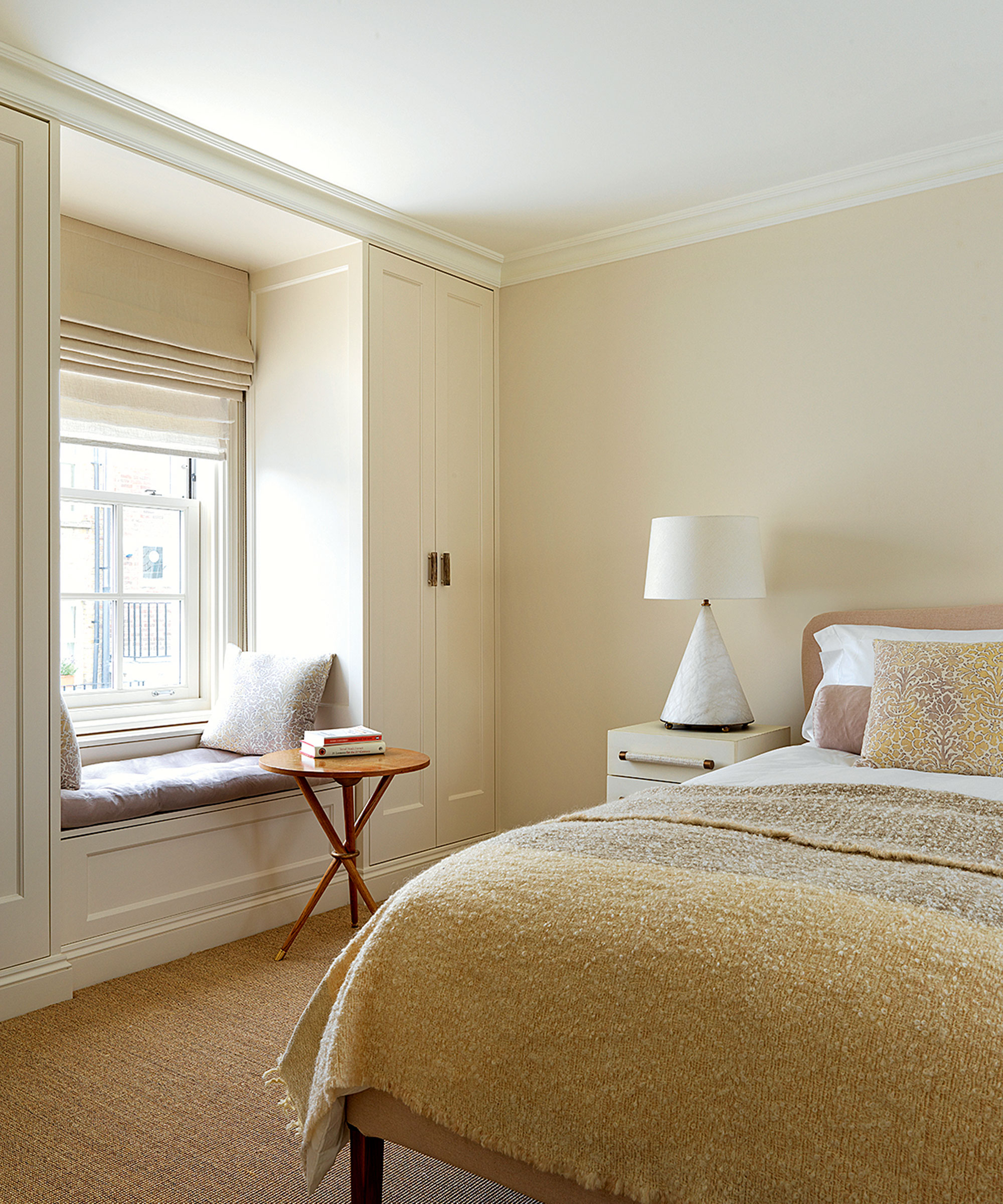
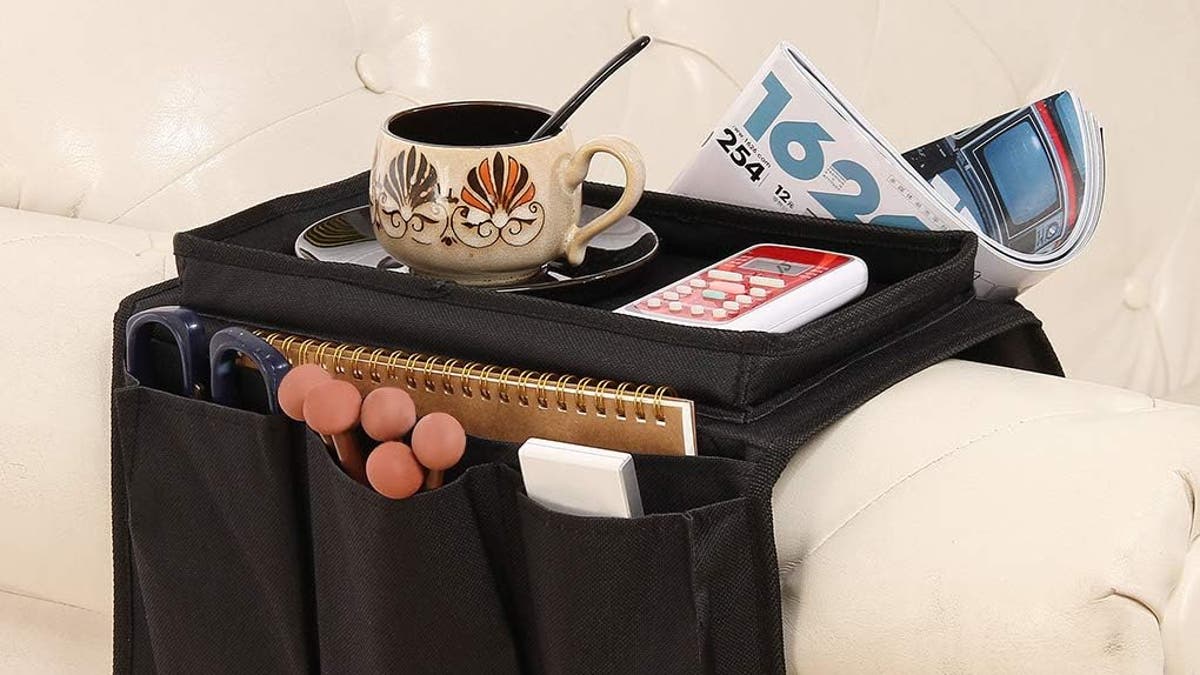
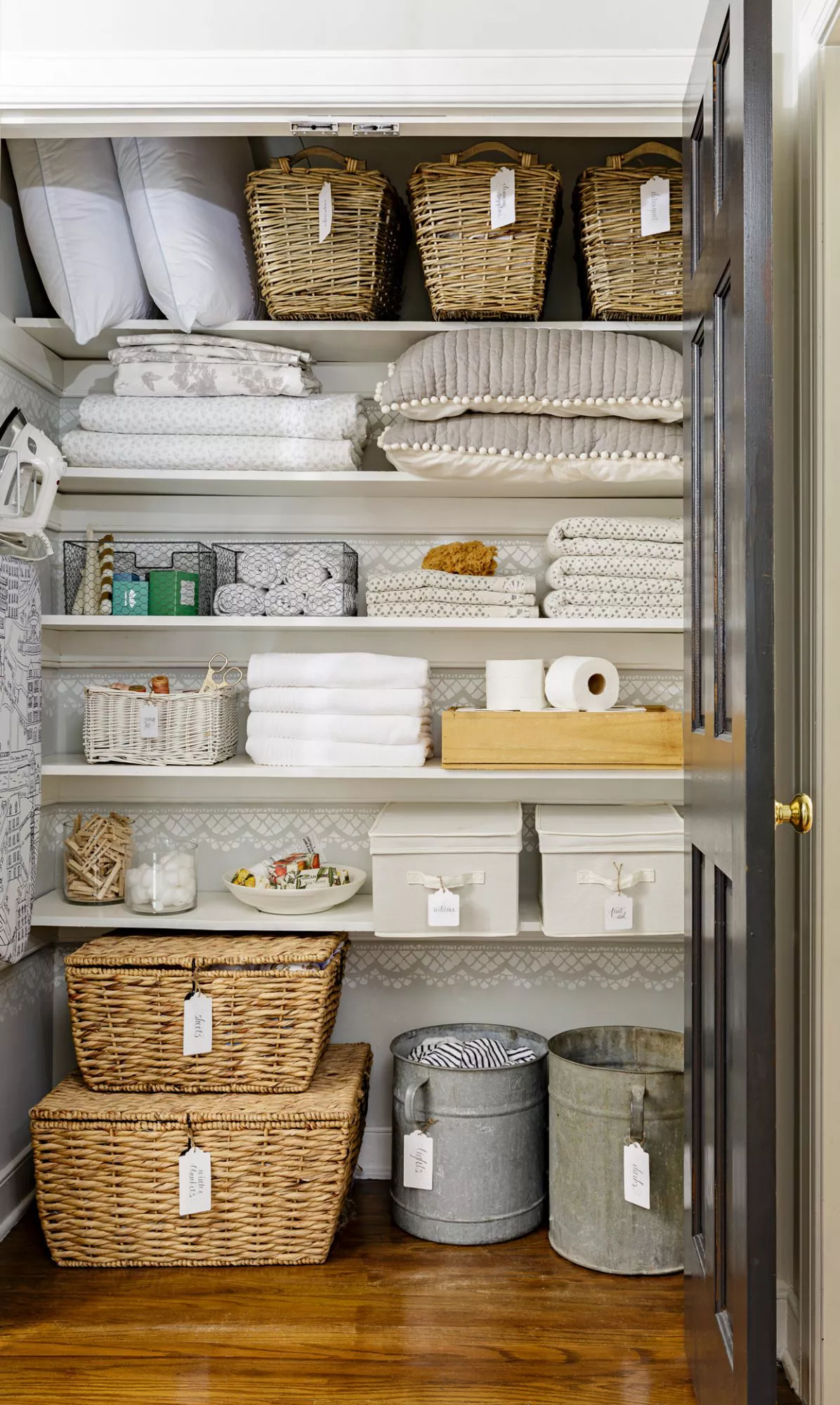
Nightstands should be kept clutter-free by limiting books, using trays for small items, and adding baskets underneath for blankets or magazines. For linen closets, the advice is to pare down to a practical number of towels, washcloths, and sheet sets, using baskets for smaller items like sewing and laundry supplies. Seasonal closet cleanouts, or "CPR" (Categorize, Purge, Rearrange), are recommended twice a year to regularly assess and remove unneeded clothing. The article also addresses the management of instruction manuals, suggesting filing them with their respective items, using magazine holders, or digitizing them.
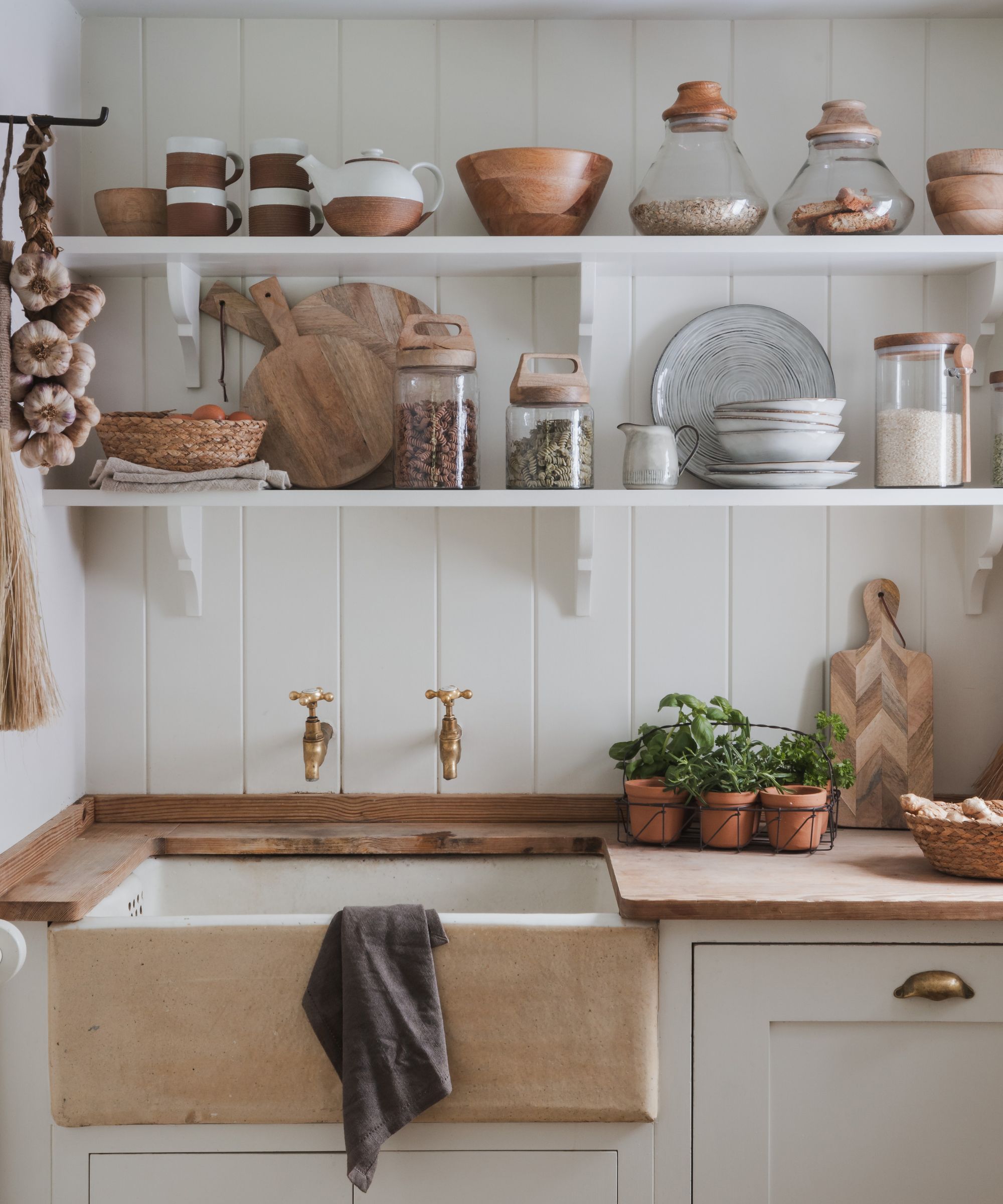
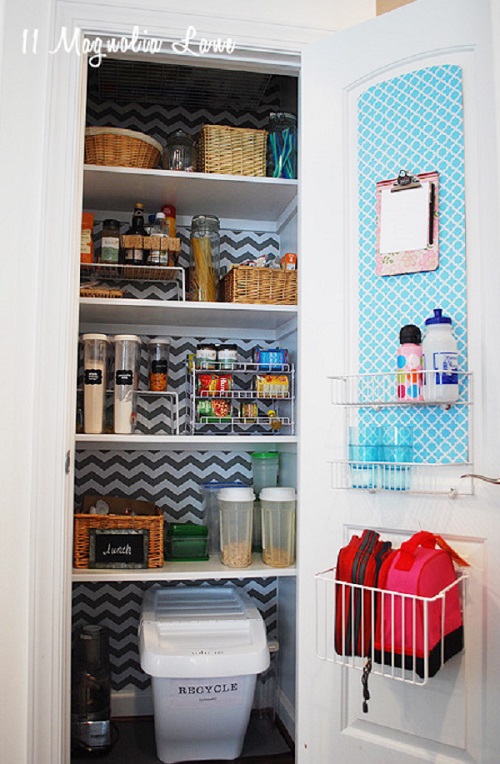
Kitchen organization involves creating specific zones for tasks like baking or lunch preparation, with essential supplies and tools stored within each zone. Recipes can be digitized or consolidated into a binder, reducing the need for numerous cookbooks and magazines. Paper clutter is tackled by designating a specific collection point and regularly moving items to recycling, with a reminder to shred sensitive documents. Cleaning efficiency can be improved by culling cleaning products to a few basics and organizing them in portable caddies.
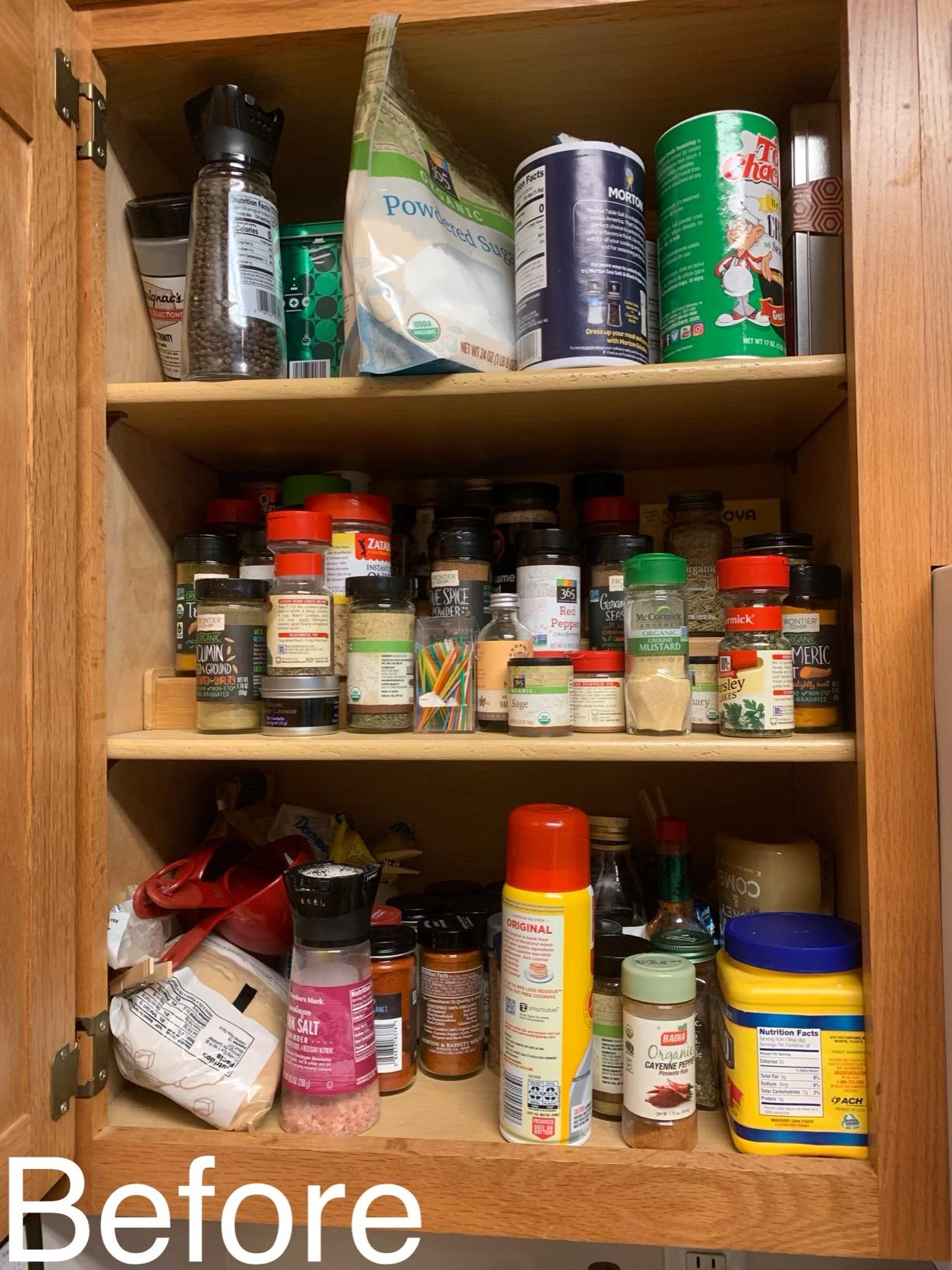
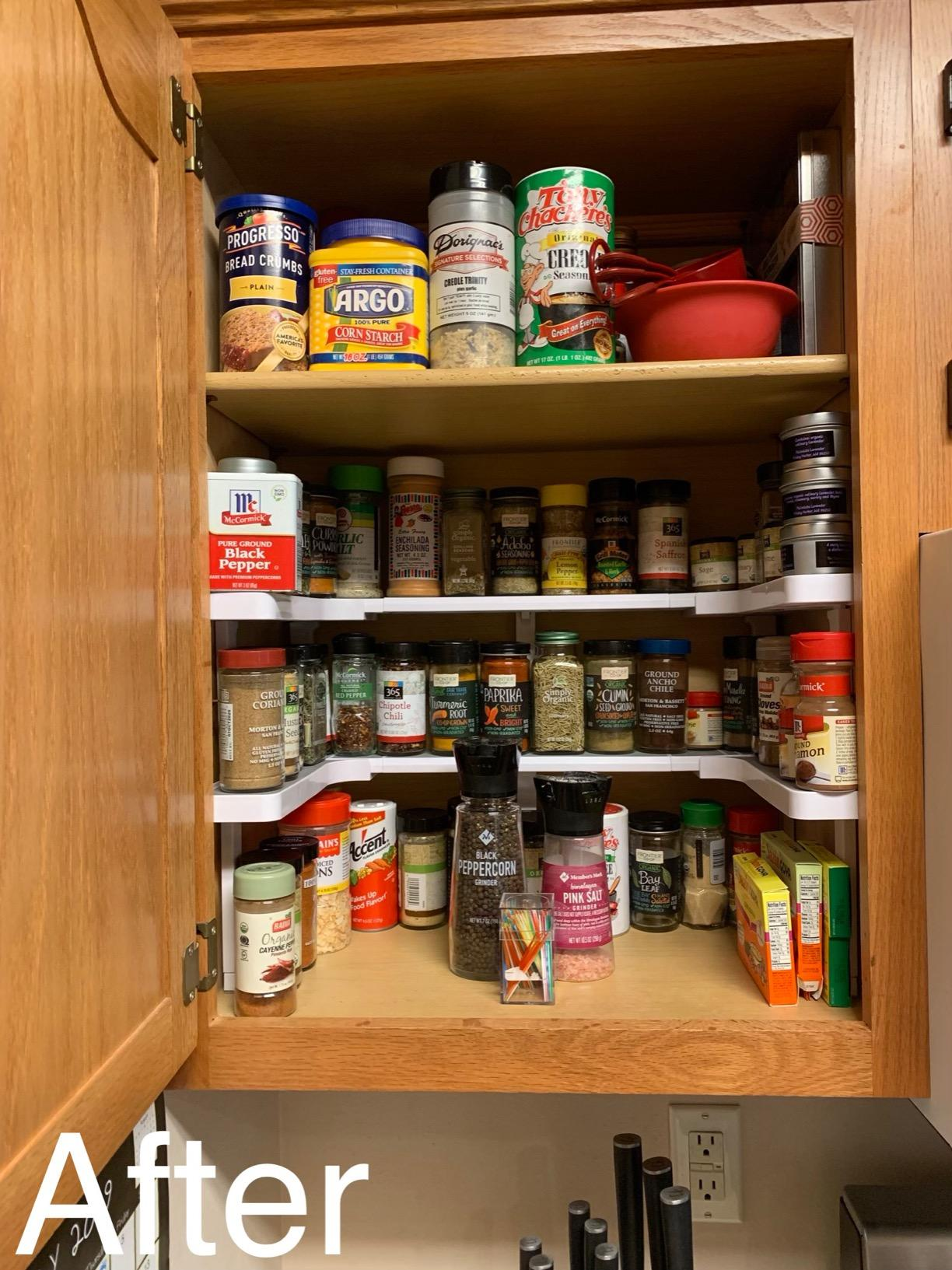
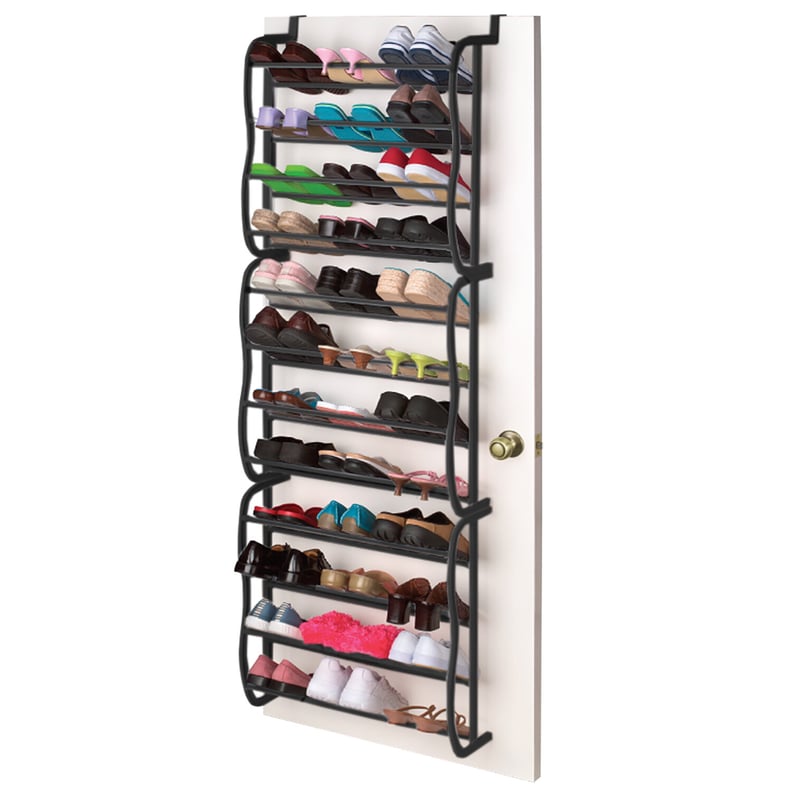
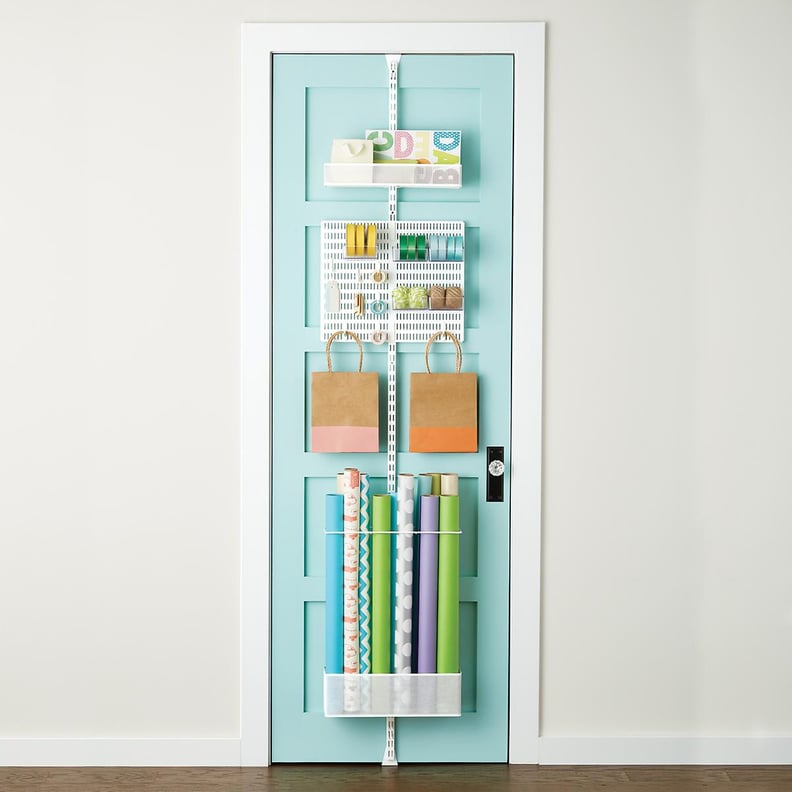
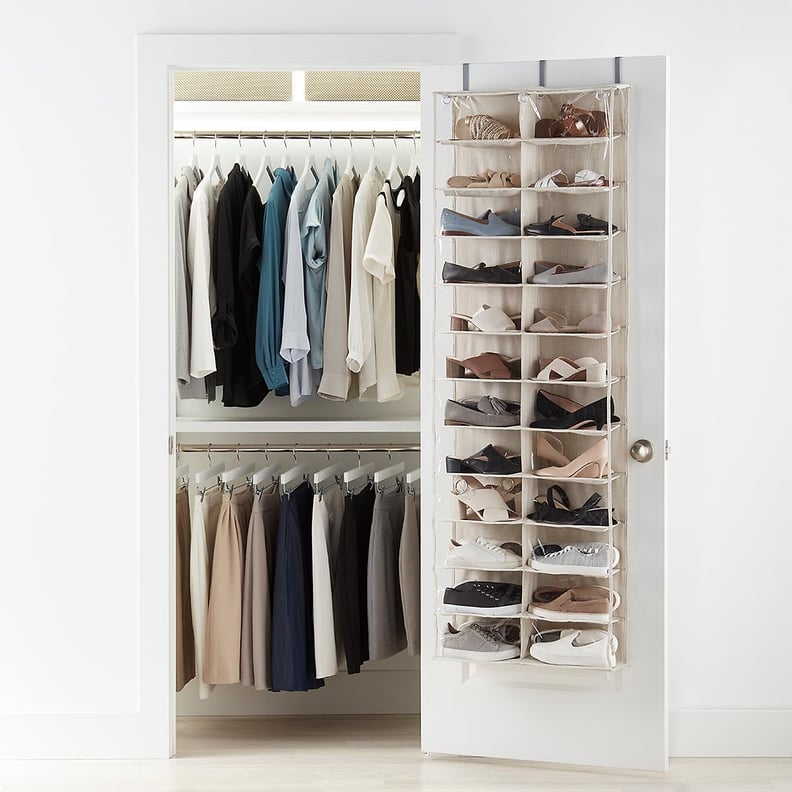
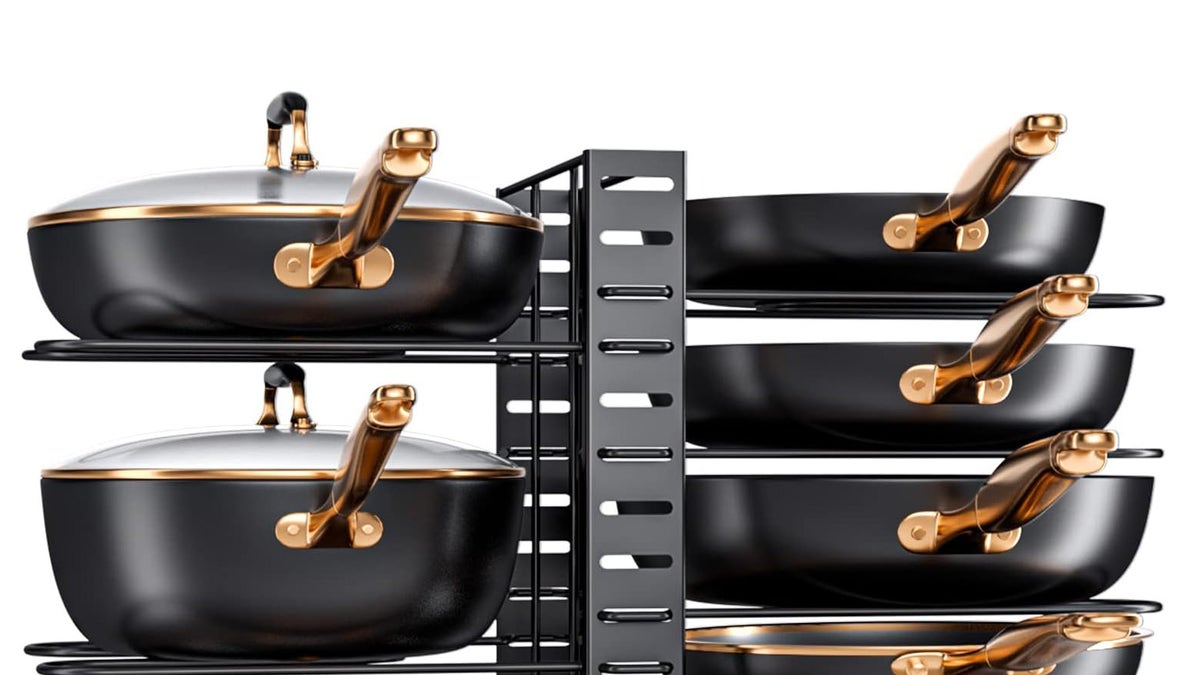
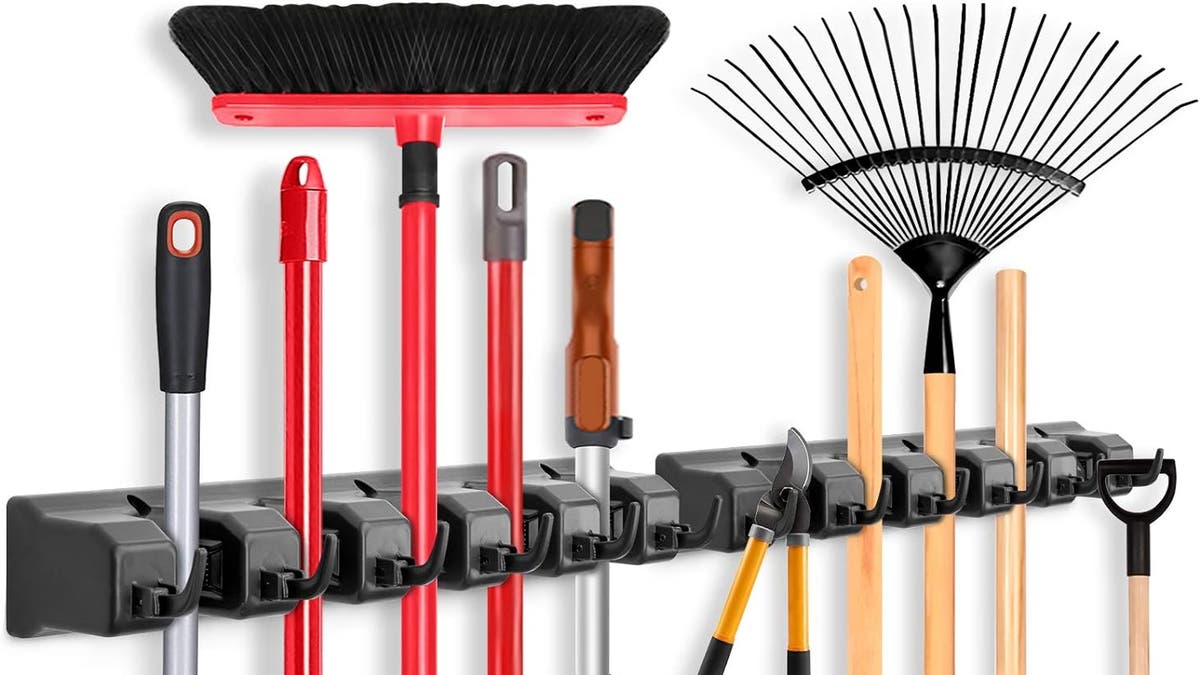
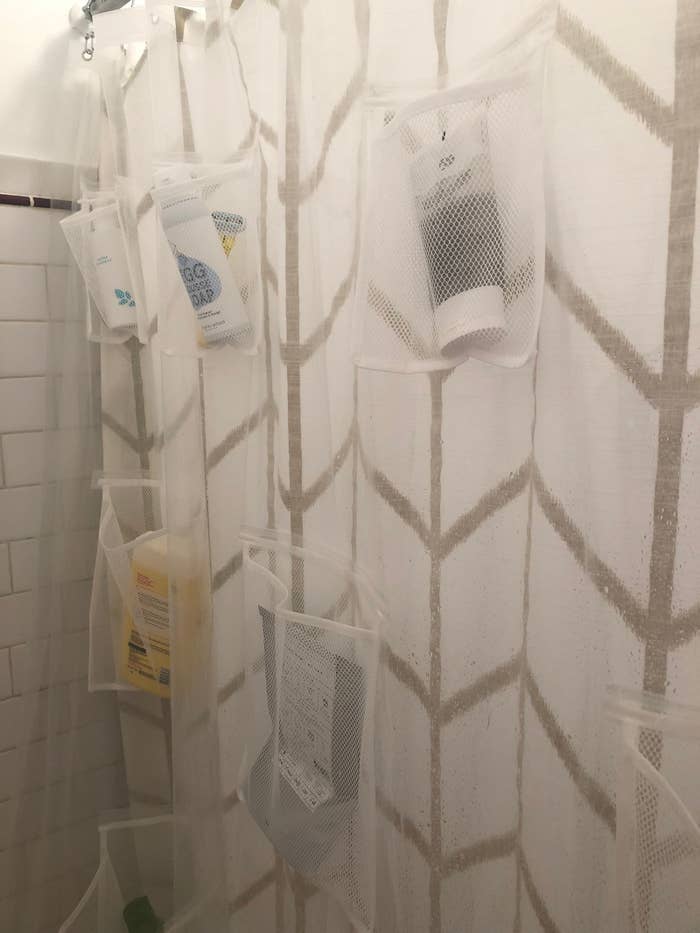
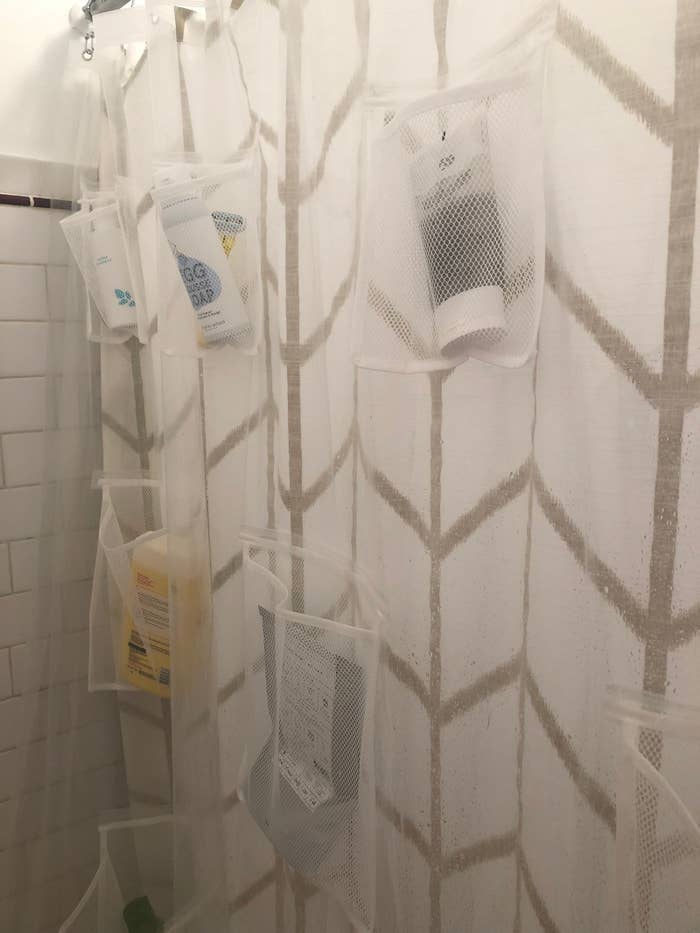
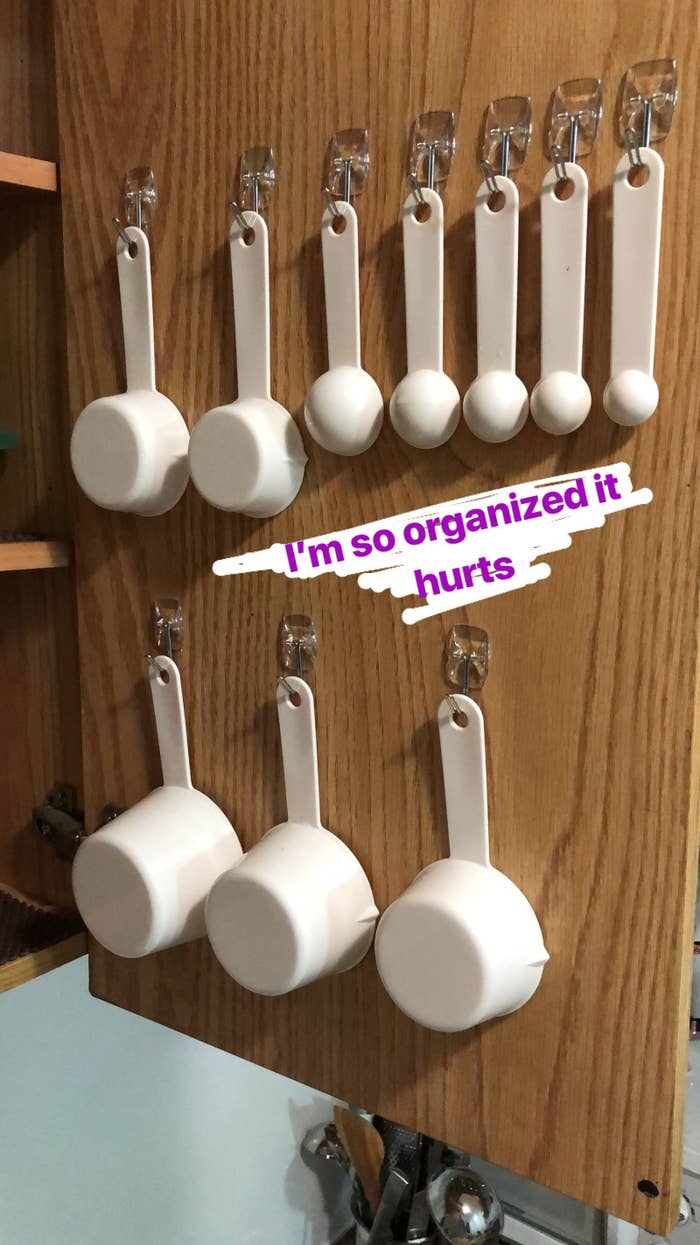
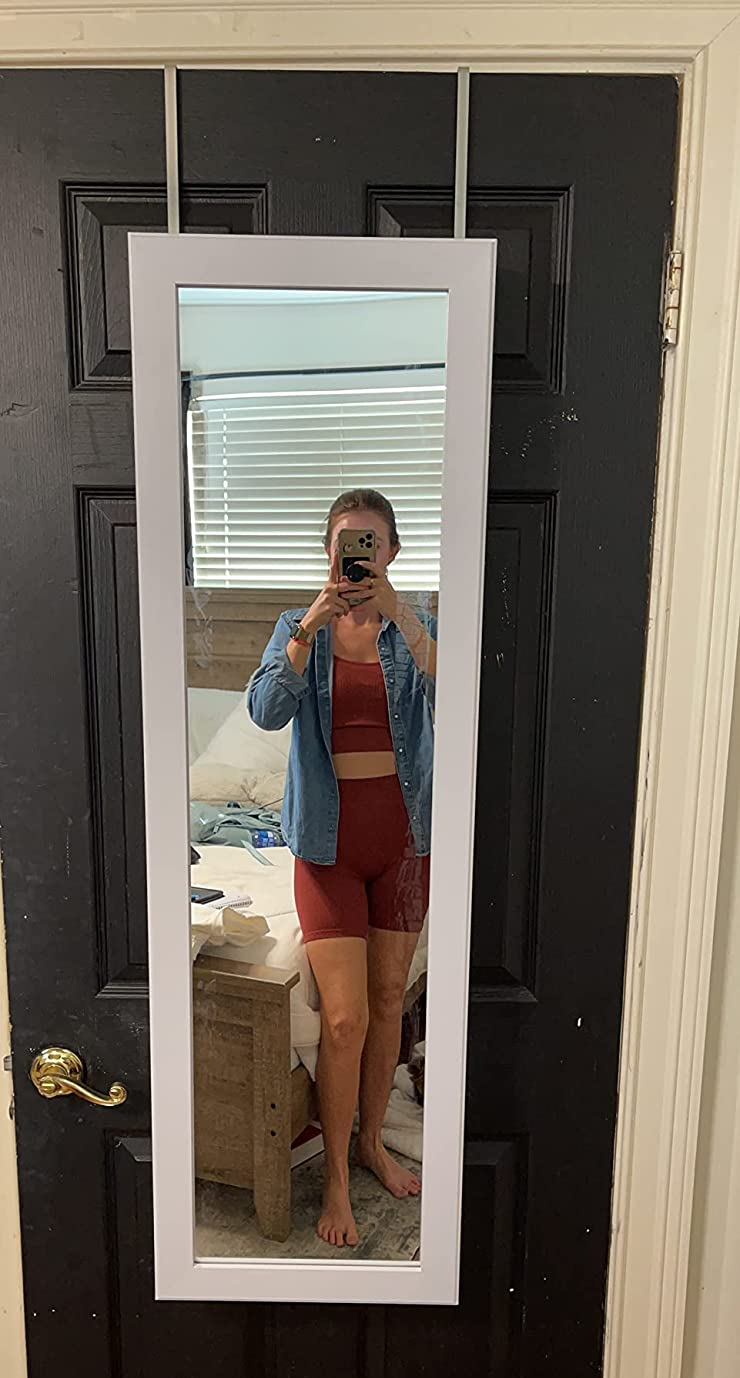
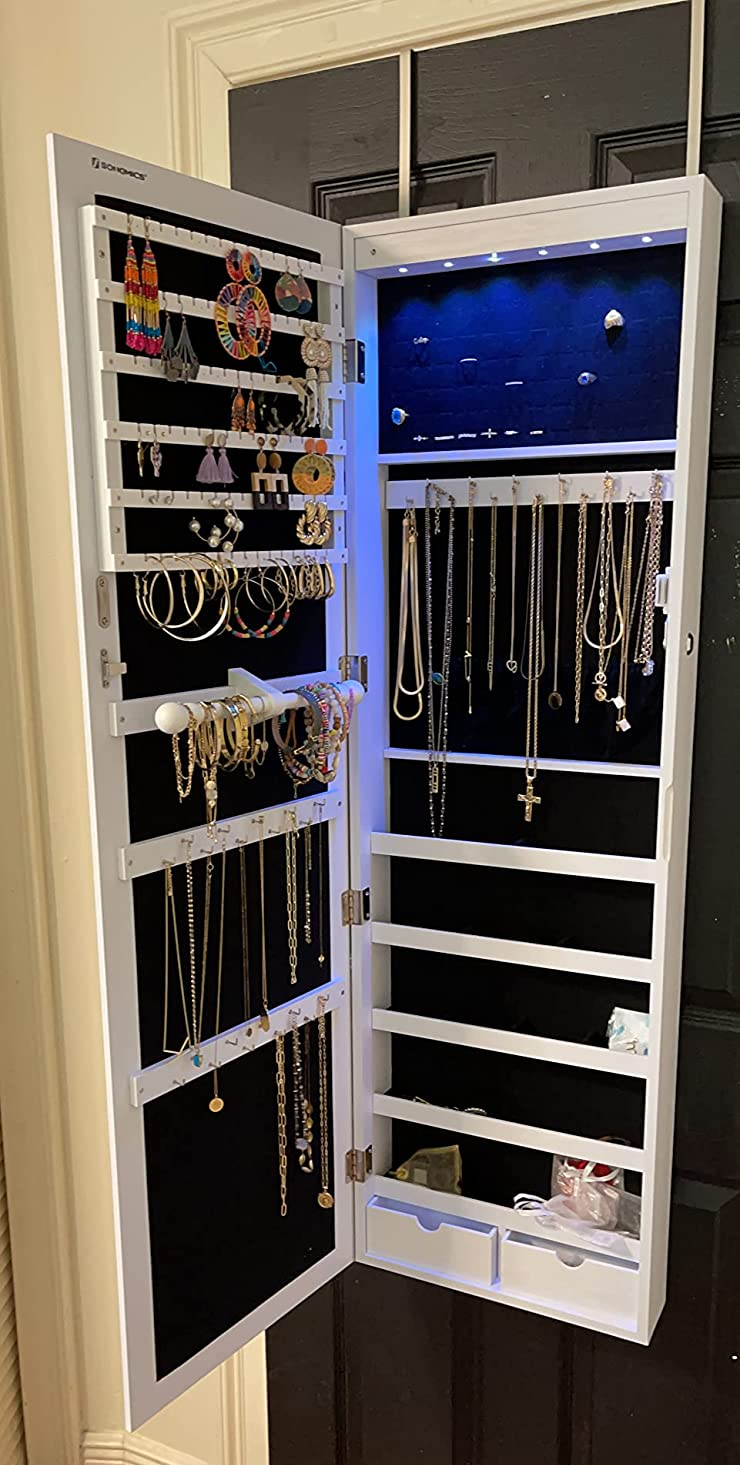
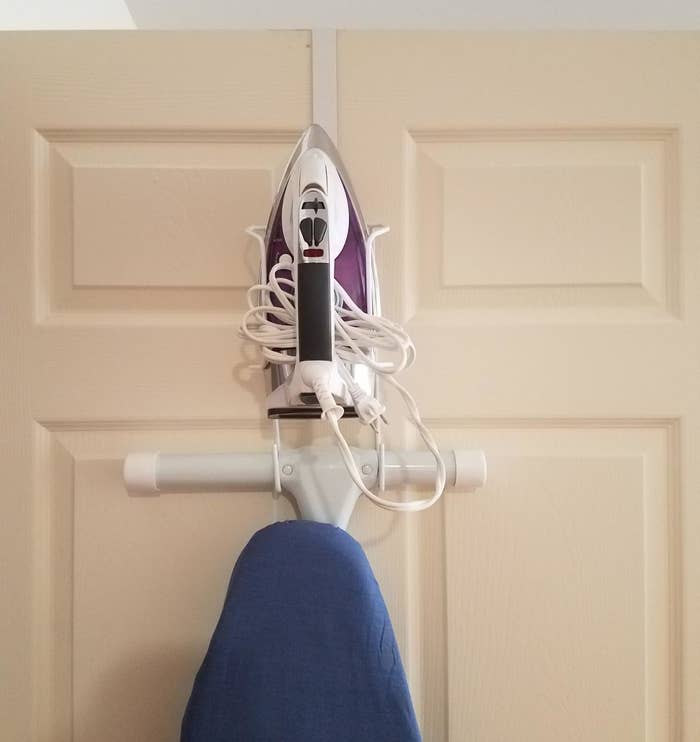
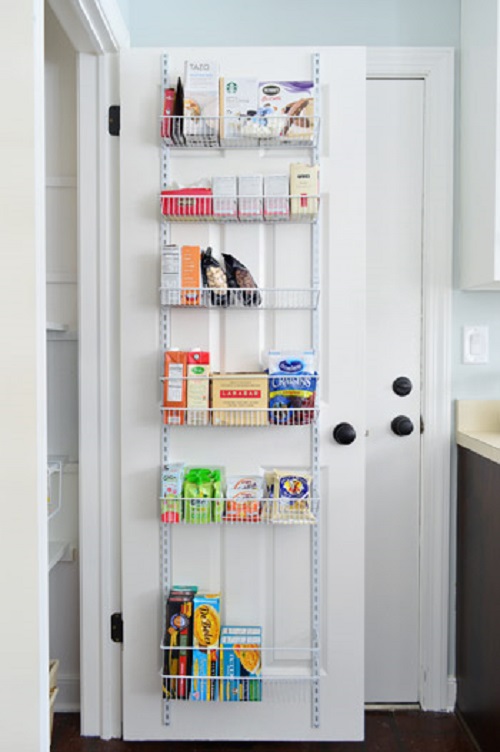
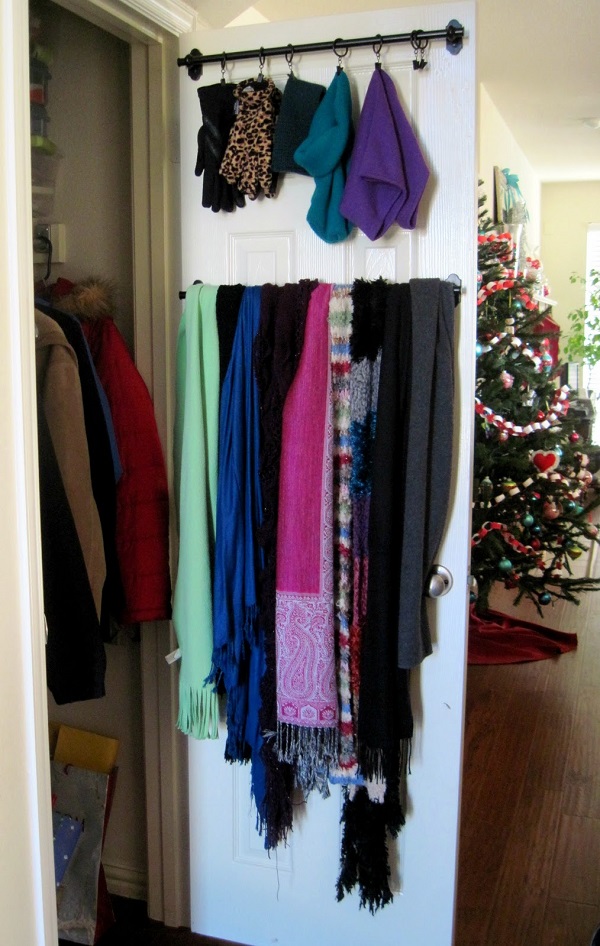
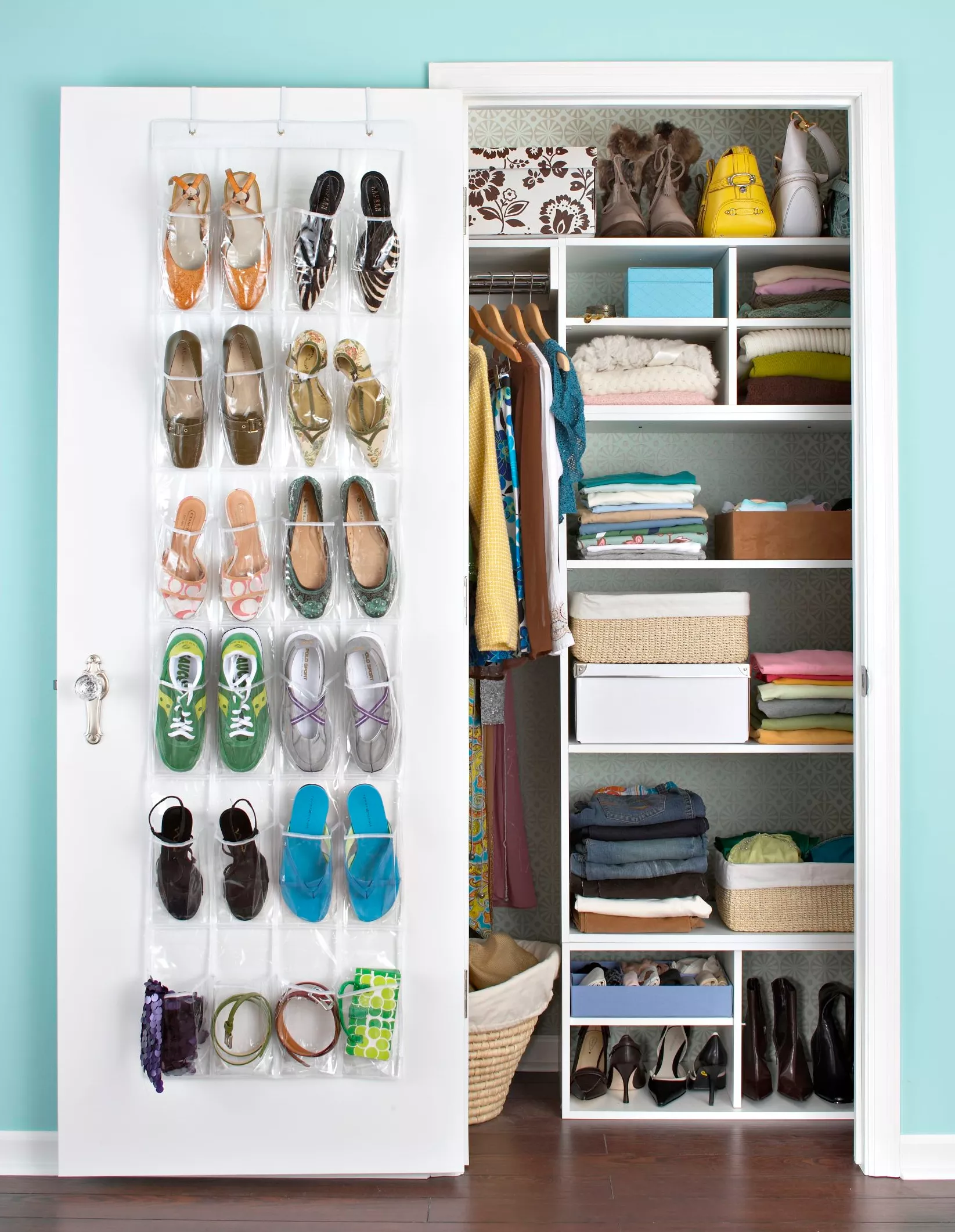
Storage solutions should align with existing habits, targeting common clutter areas such as shoes by the door or small items on a bookshelf. Involving family members in periodic cleanouts is encouraged, making it a timed activity with a reward. Before sorting, clear criteria for keeping or tossing items, such as age or frequency of use, should be established to prevent "analysis paralysis." Overlooked spaces like the backs of doors and cupboards can be utilized with shallow shelves, hooks, or over-the-door organizers for items like pot lids or gift wrap.
A donation hamper in the closet encourages regular removal of unworn clothing. For linens, organizing sets into designated bins with dividers helps streamline bed-making. A central "command center" for mail, bills, and frequently accessed papers helps manage household documents, emphasizing regular sorting and recycling. Reusable grocery bags should be returned to the car or a designated hook immediately after use to ensure they are available for the next shopping trip. The article also suggests turning decluttering into a game for families.
Finally, a "donation box" allows individuals to set aside items they are considering donating for a year; if not needed or missed, the contents are then donated. Honesty about an item's usefulness and emotional value is key, with a three-question rule: "Do I love it?" "Do I use it?" "Could someone else use it?" This helps determine whether an item should be recycled, donated, or discarded. The article concludes with the idea of using a tabbed expanding file folder for coupons and receipts, keeping shopping essentials organized and up-to-date.
#HomeOrganization #DeclutteringTips #StorageSolutions #HomeImprovement #Housekeeping #ClosetOrganization #KitchenOrganization #PaperManagement #FamilyOrganization #HomeOrganization #DeclutteringTips #StorageSolutions #HomeImprovement #Housekeeping #ClosetOrganization #KitchenOrganization #PaperManagement #FamilyOrganization
0 comment in total
 No comments yet
You may also like
47 Storage Solutions That Will Make Clutter *Poof* Disappear
31 Affordable Organization Products That’ll Make You Want To Declutter Your Whole Home
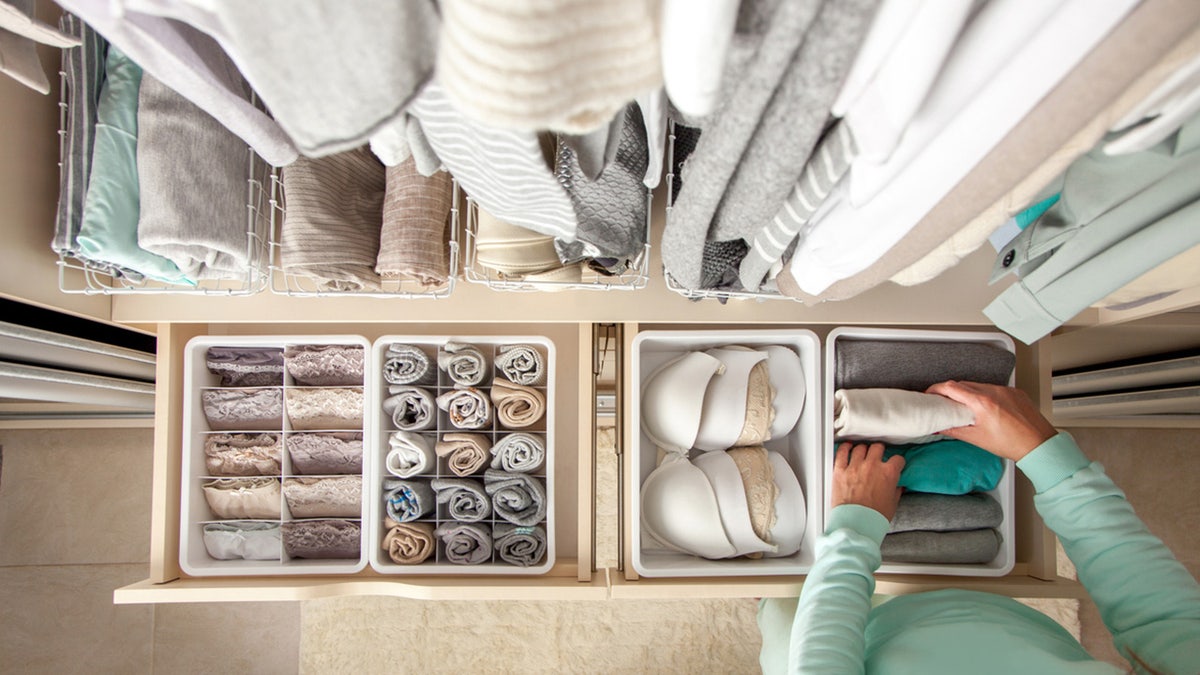
Declutter your home with these 12 organizational items

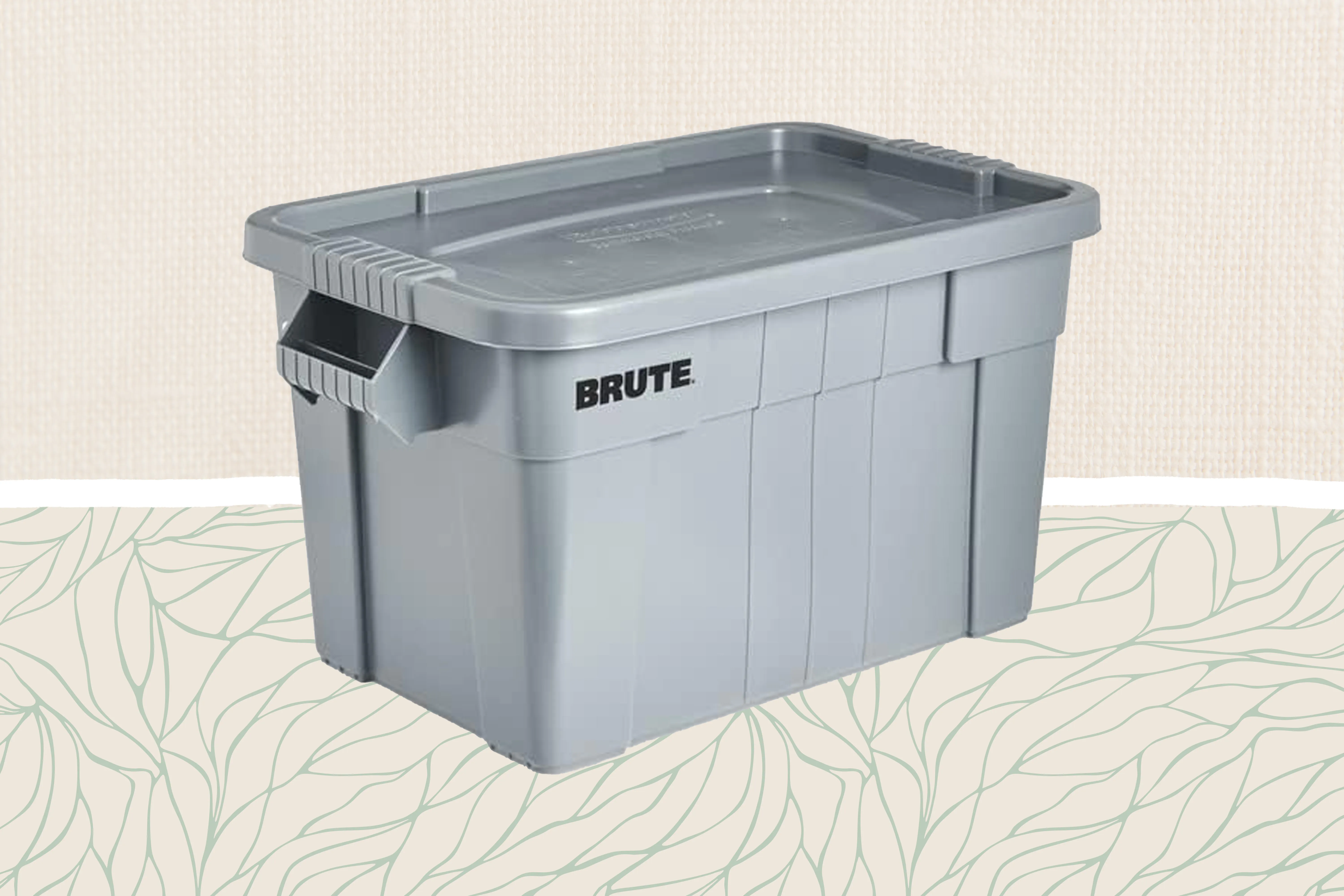
The 9 Best Storage Containers for a Cleaner, Clutter-Free Home
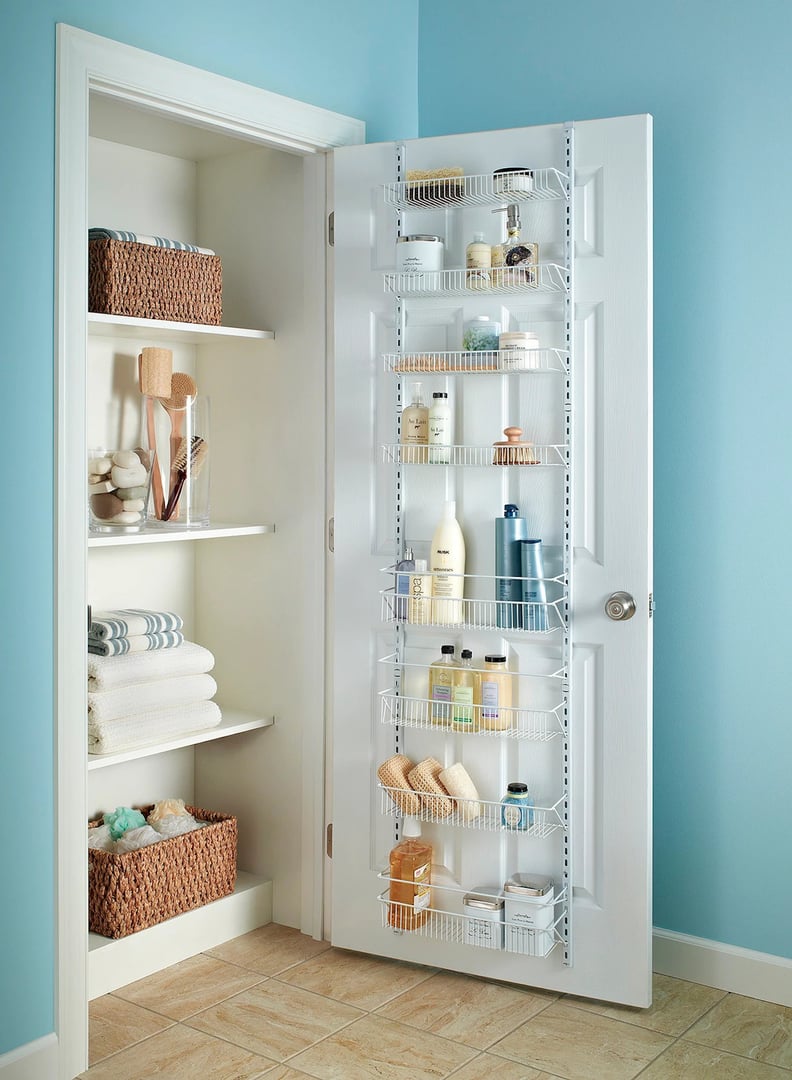
Clean Up Extra Clutter With These 17 Genius Over-the-Door Storage Solutions
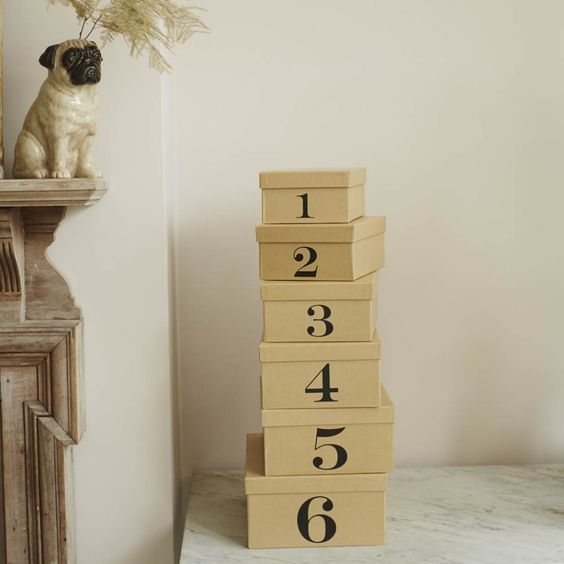
Storage Boxes - Our Pick of the Best
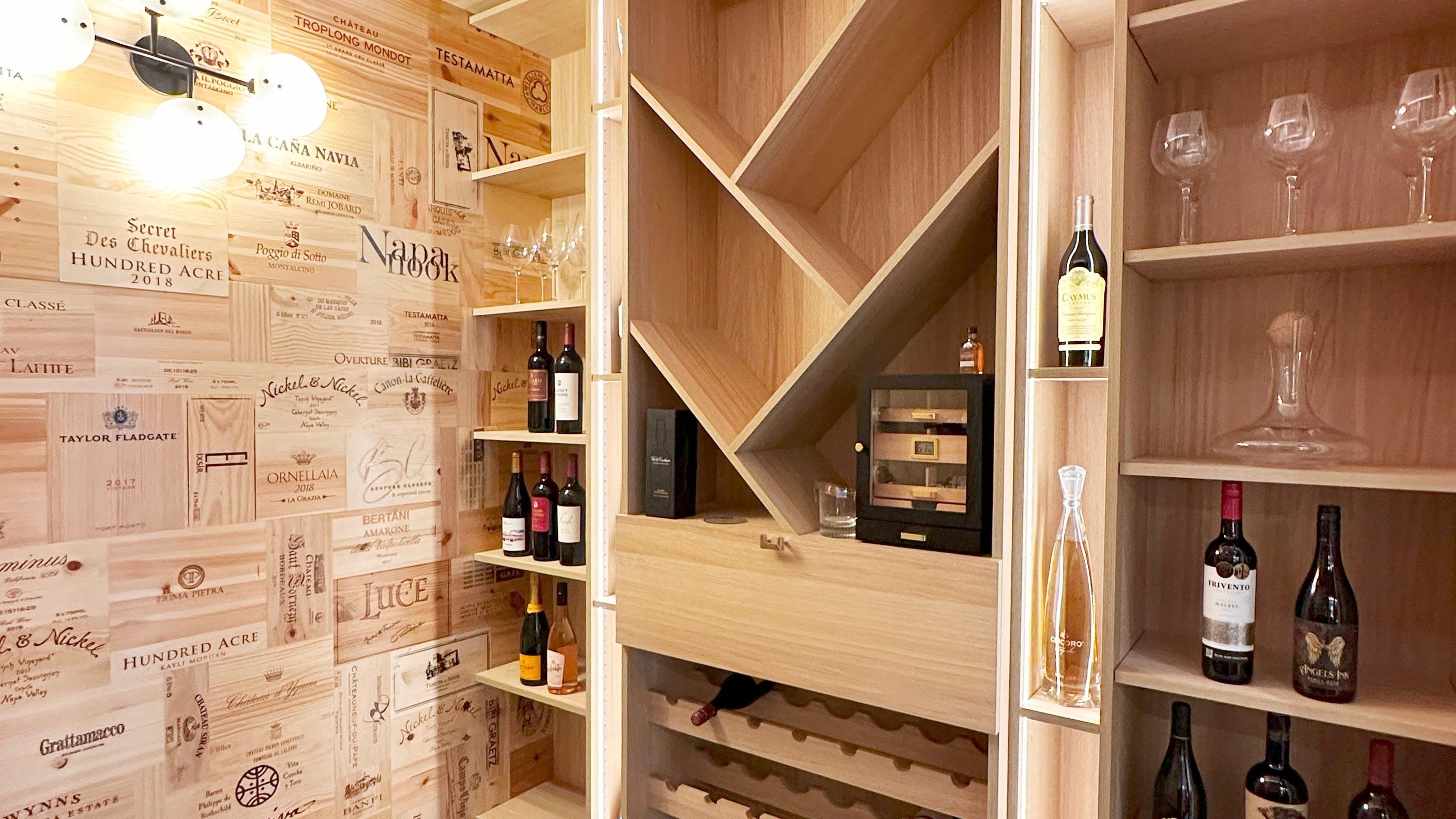
Homestyle: Unique storage ideas
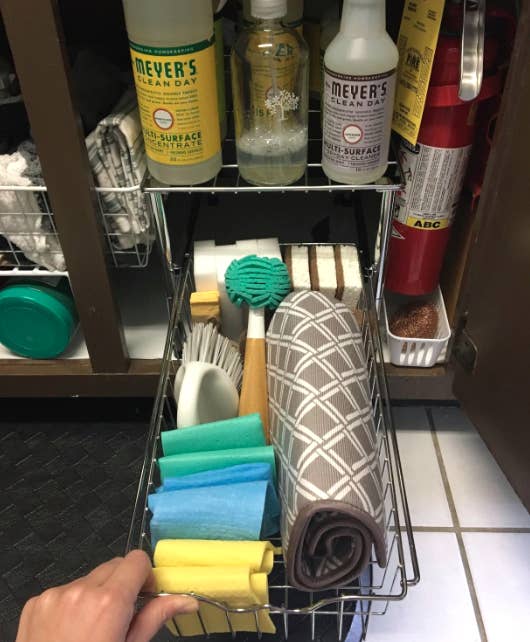
40 Things That'll Help You Put Every Square Inch Of Storage Space To Good Use
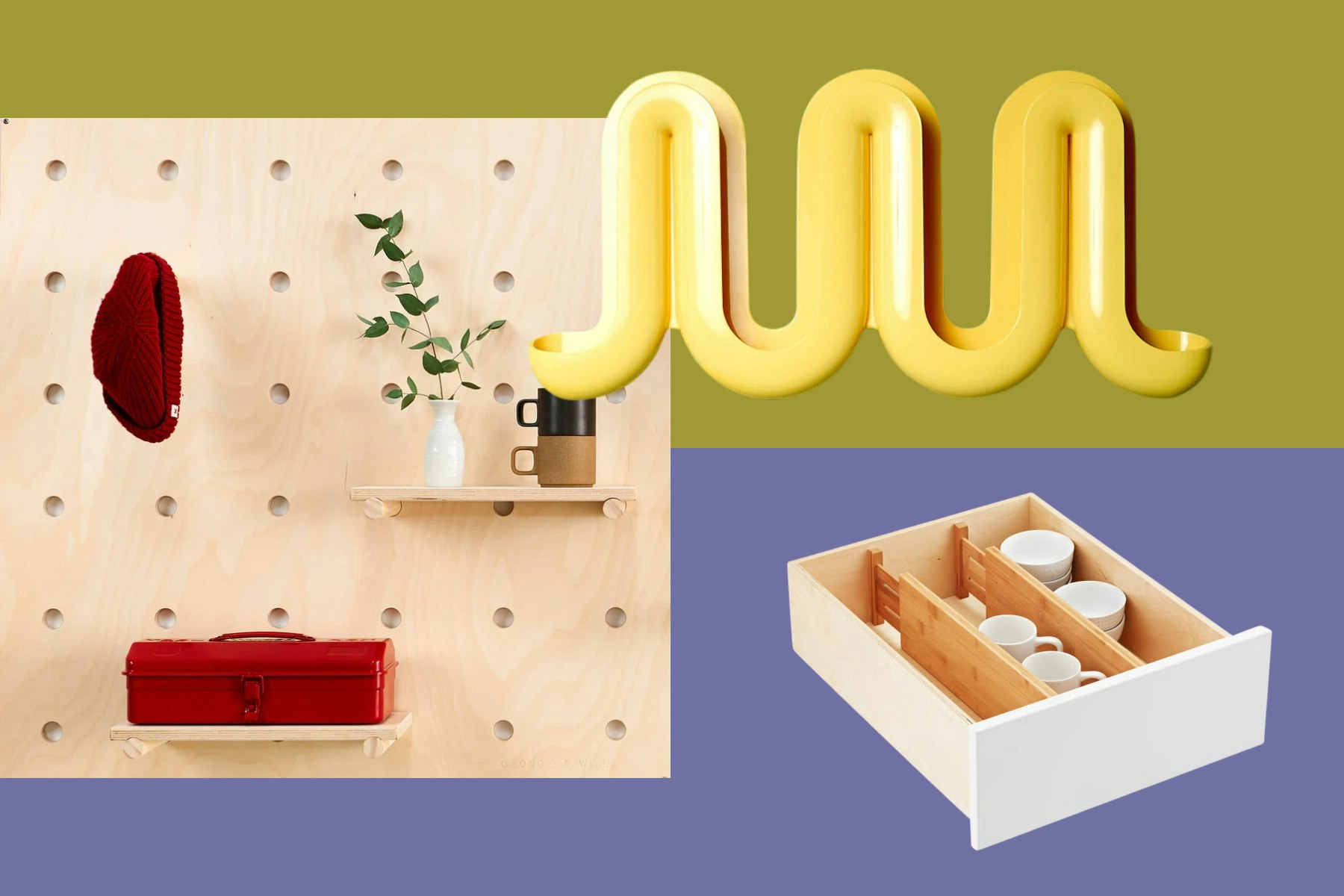
I Found Some Smart Storage Solutions for Those Allergic to Visual Clutter

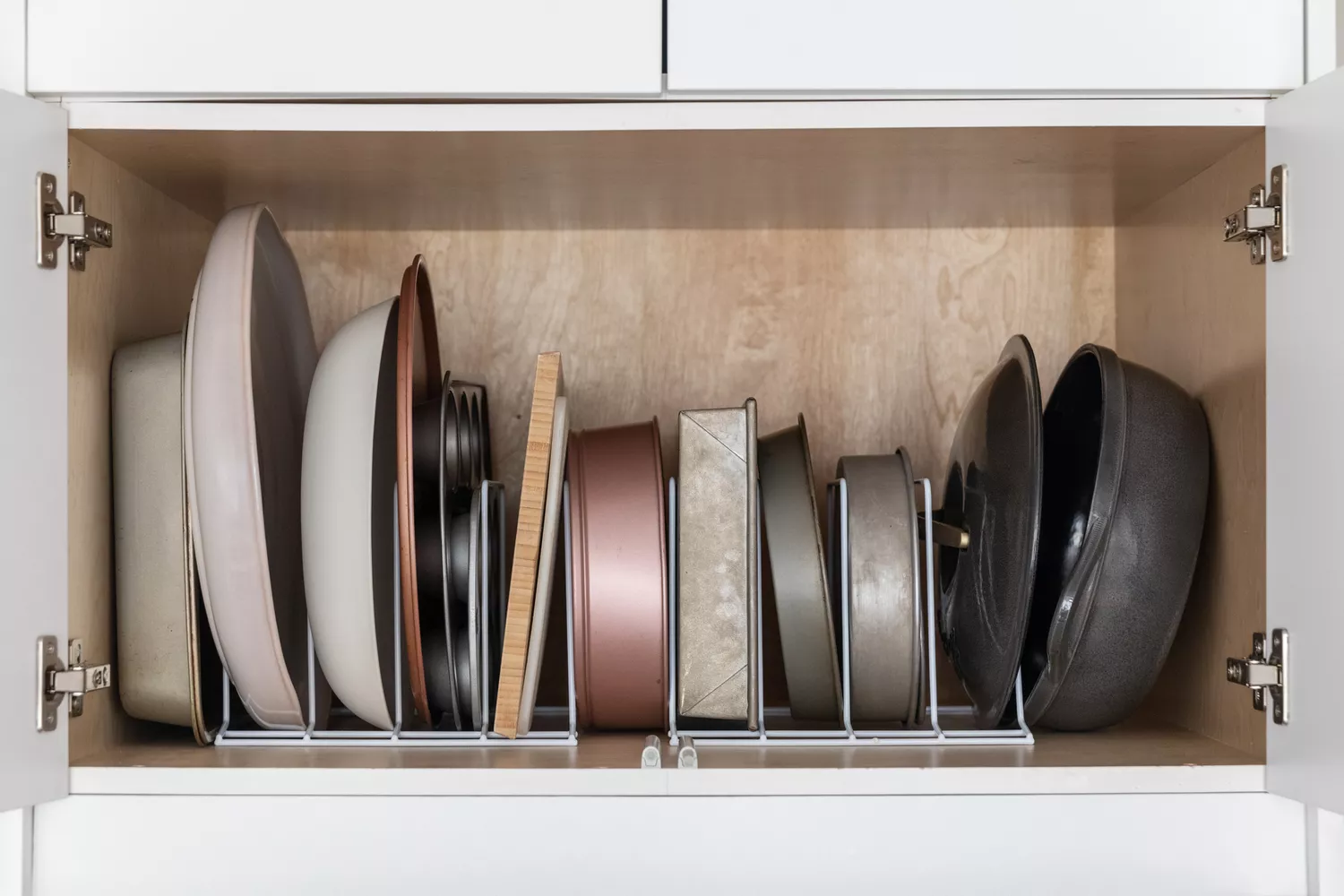
49 of the Best, Most Versatile Storage Ideas to Declutter Every Room of the House

If You Think You're Out Of Space In Your Home, It's Time To Check Out These 25 Storage Ideas
No Closets, No Problem: Storage Solutions for a Home With No Storage

Declutter Your Space With Smarter Storage and Organizing Solutions, Starting at $10

The 11 Best Storage Bins Will Have You Organized in No Time

If You Think You're Out Of Space In Your Home, It's Time To Check Out These 22 Storage Ideas
Doors make perfect spots for all sorts of storage hacks, here are our 14 faves

Clever storage ideas to help organize every room in your home
25 stylish storage ideas to get every room of your home organized in 2025

If You're Trying To Hide All Your Junk In Plain Sight, Try These 24 Organization Products
27 Unexpected Storage Uses for Over-the-Door Shoe Holders