1/5
Designers Share 4 Common "Mistakes" You're Making in Your Living Room—and How to Correct Them
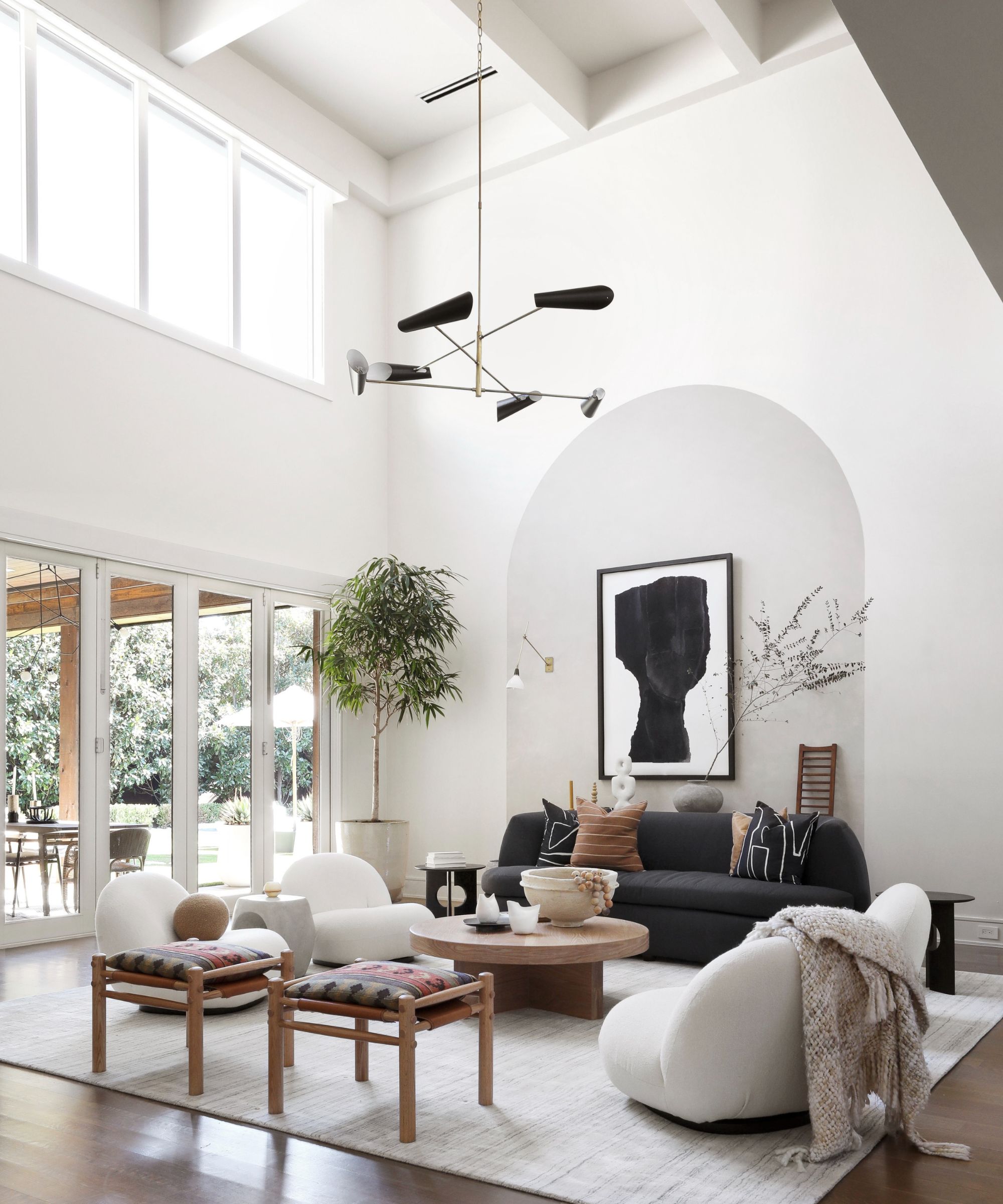
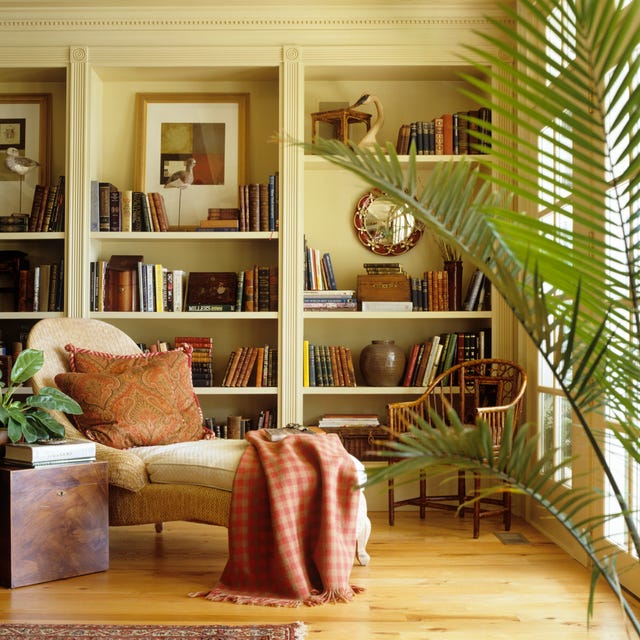
Living rooms are multifaceted spaces that must cater to various activities, from quiet TV viewing and conversation to lounging and reading. This functional complexity often leads to decorating mistakes, making rooms feel less stylish or comfortable. Interior designers frequently address these issues, noting that a non-functional room is essentially useless, regardless of its visual appeal. The goal is to create a space that is easy, comfortable, and beautiful to inhabit.
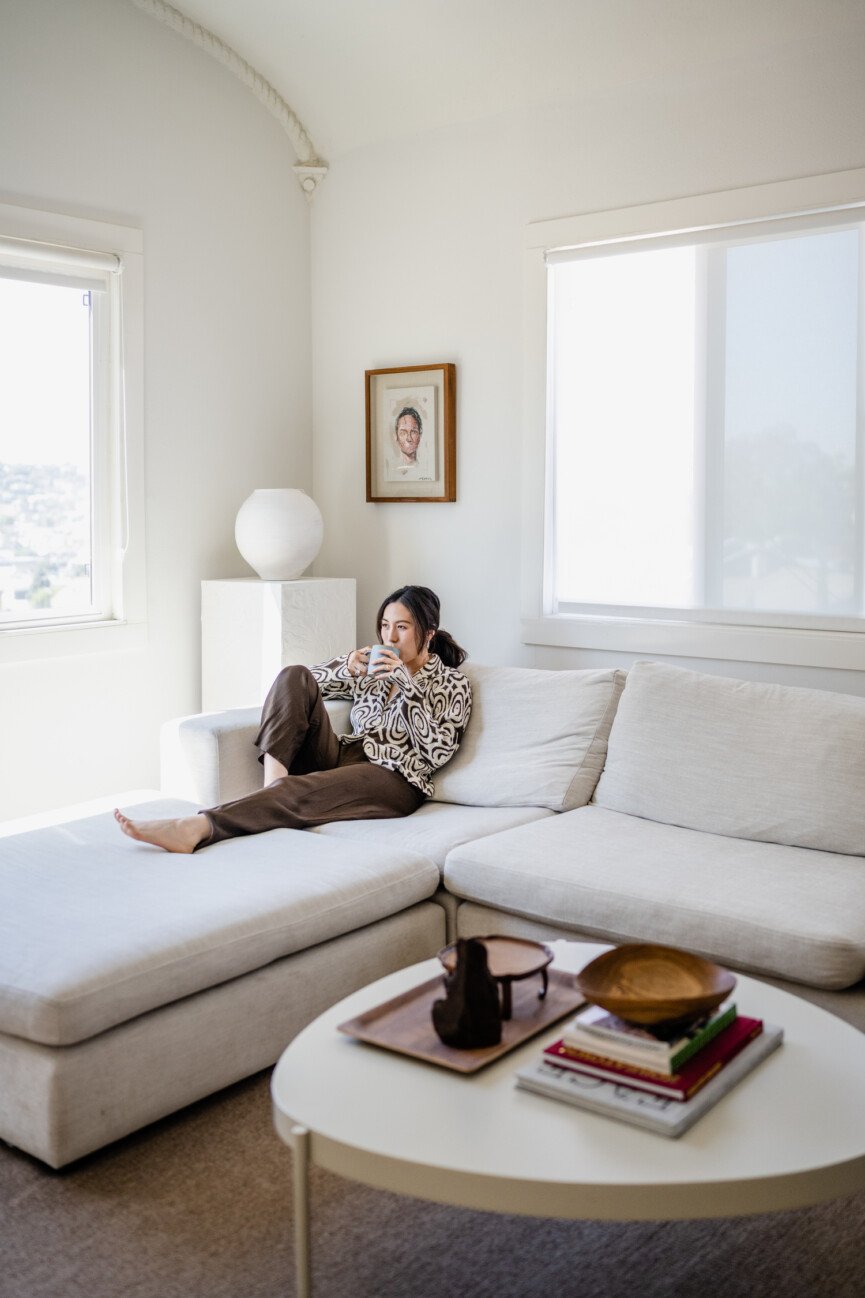
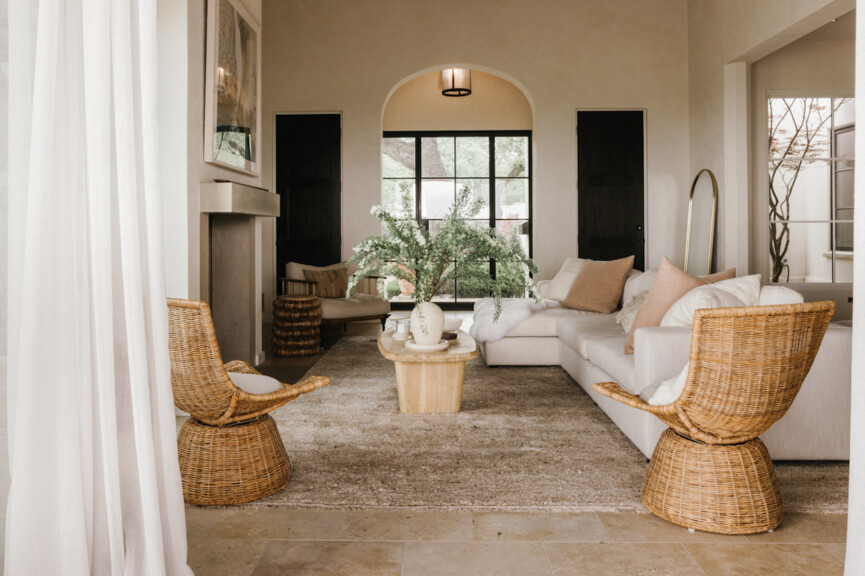
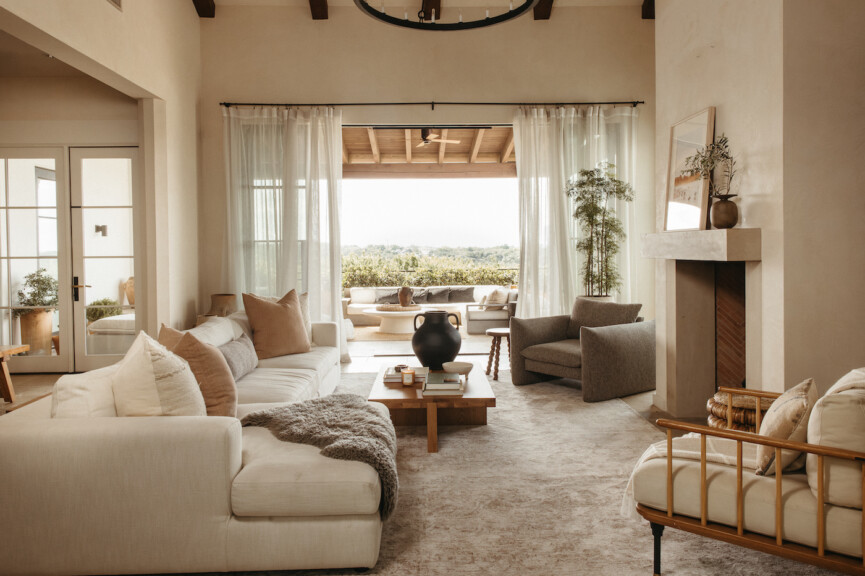
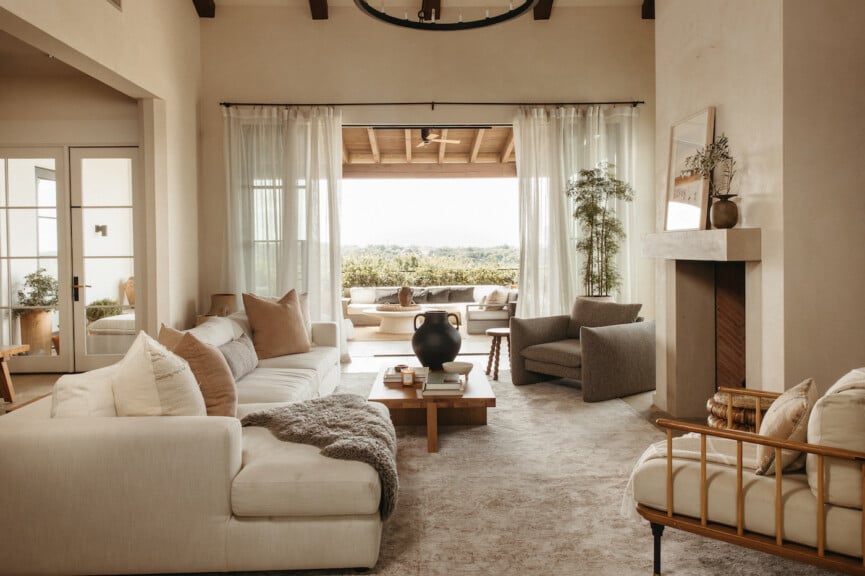
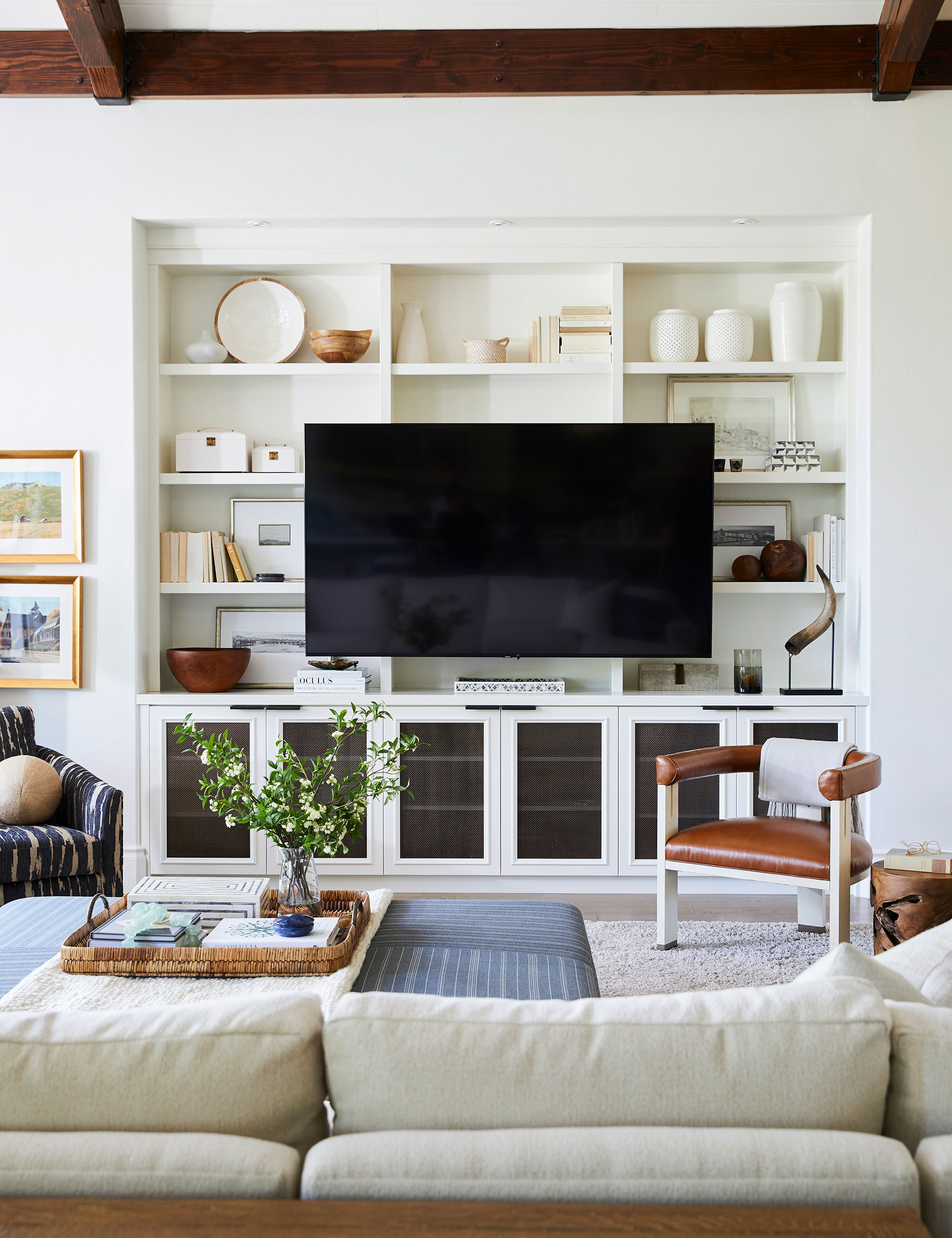
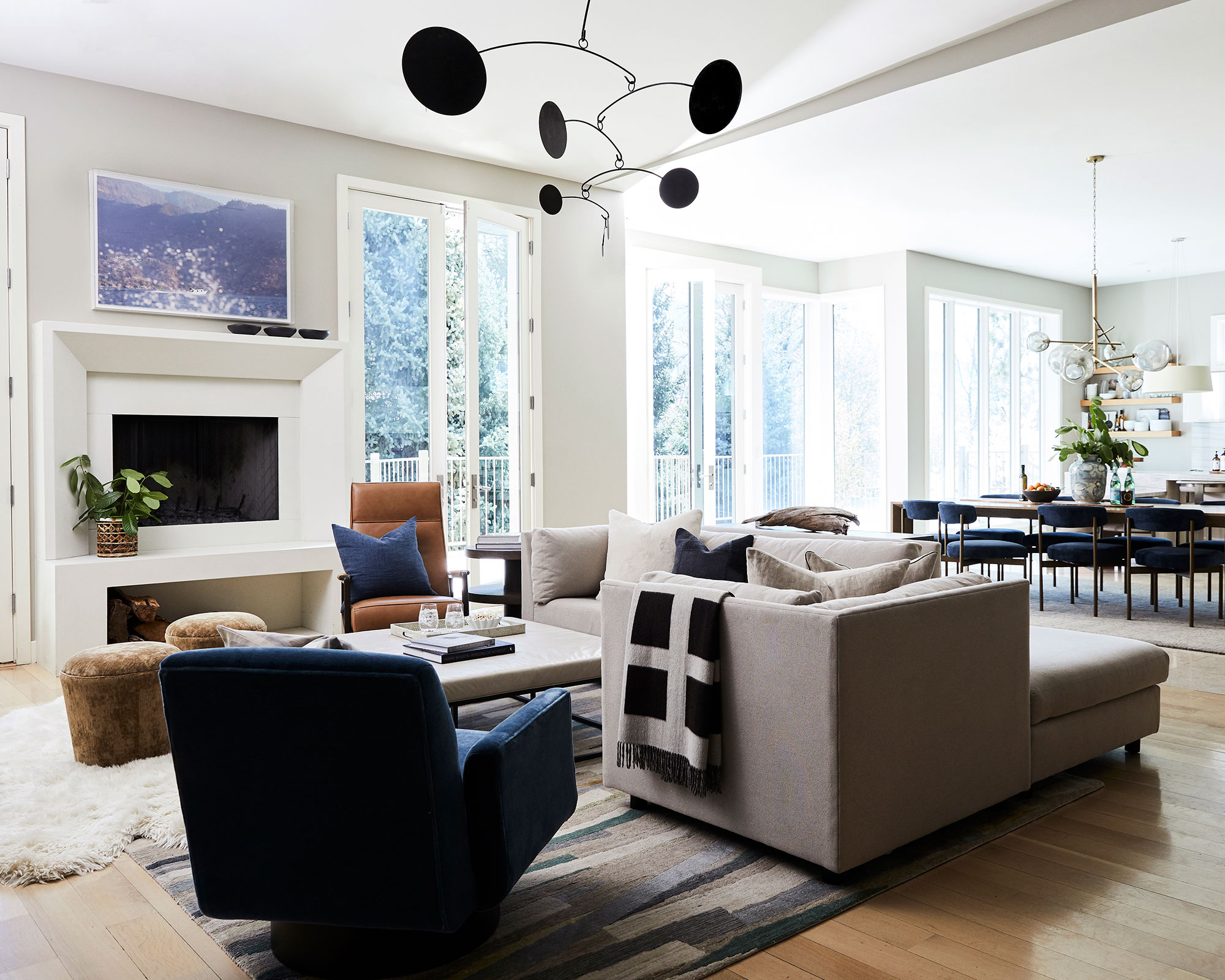
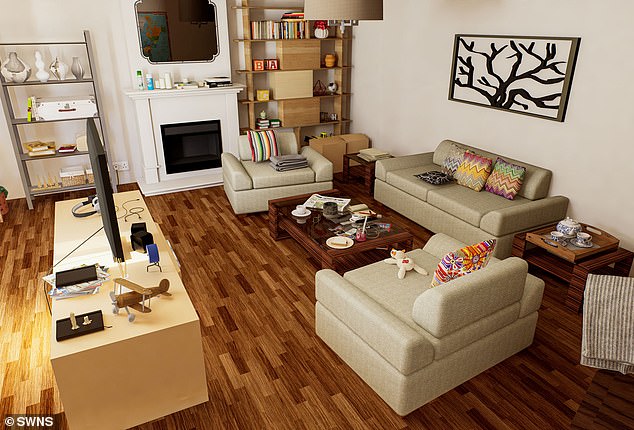
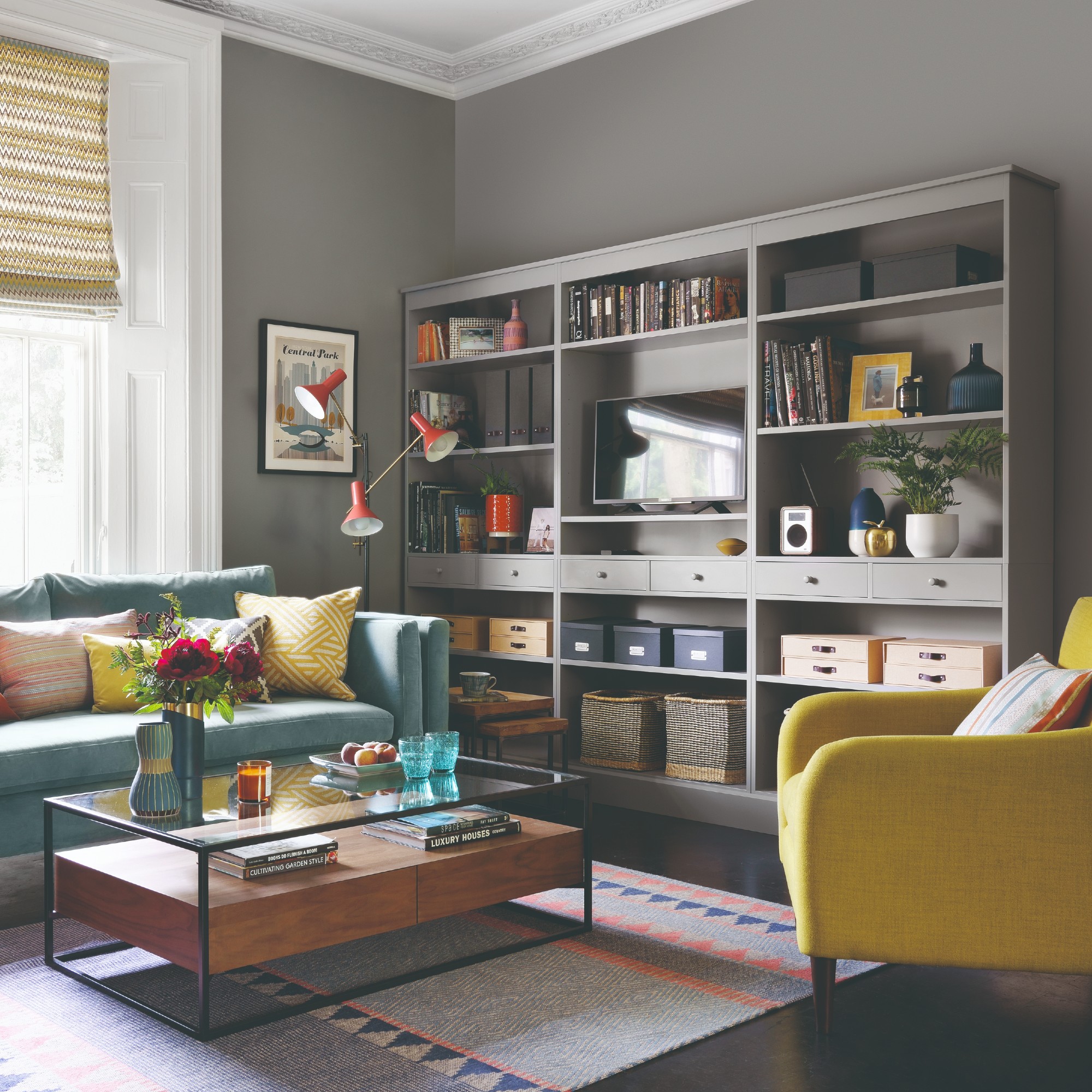
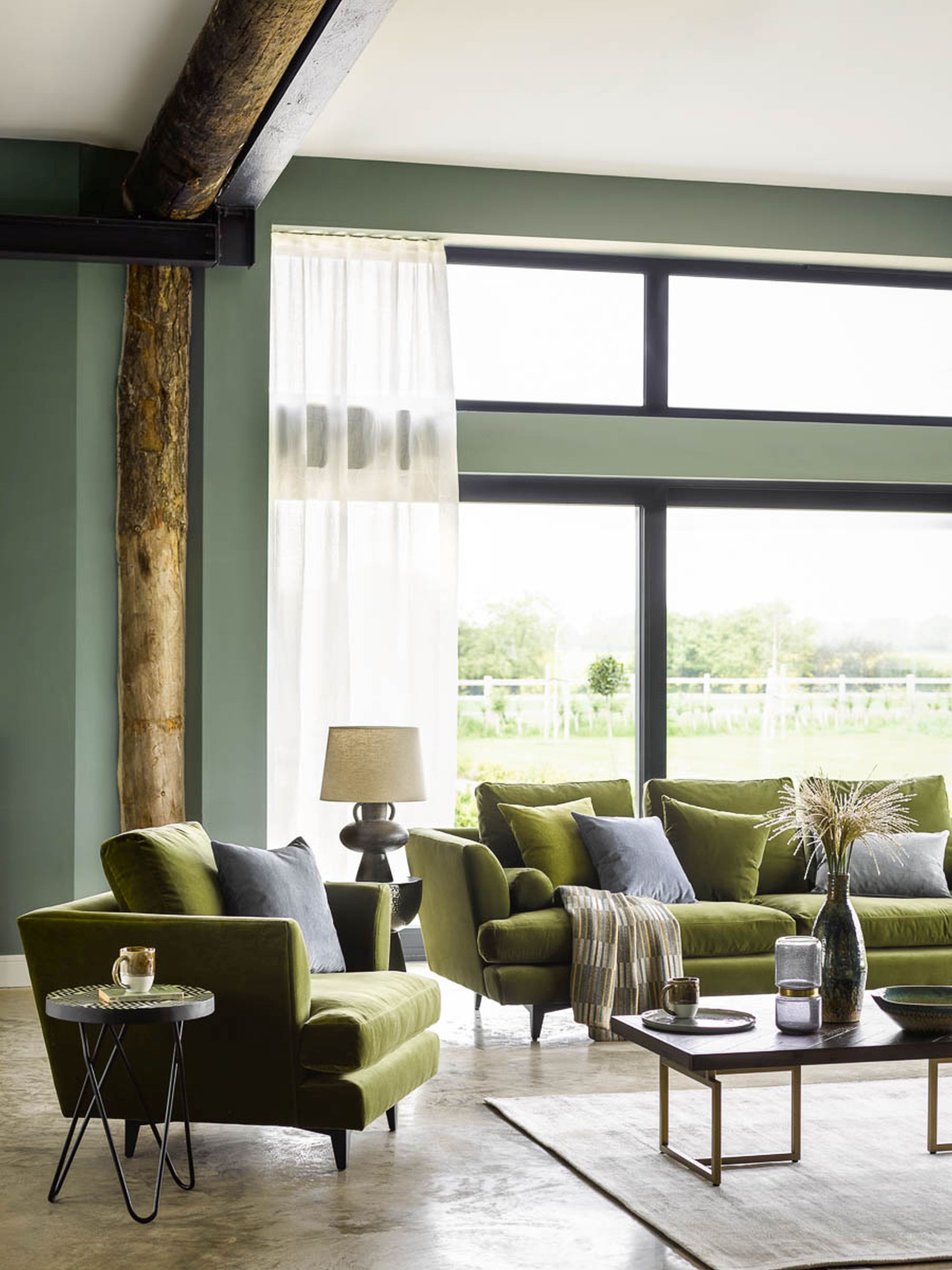
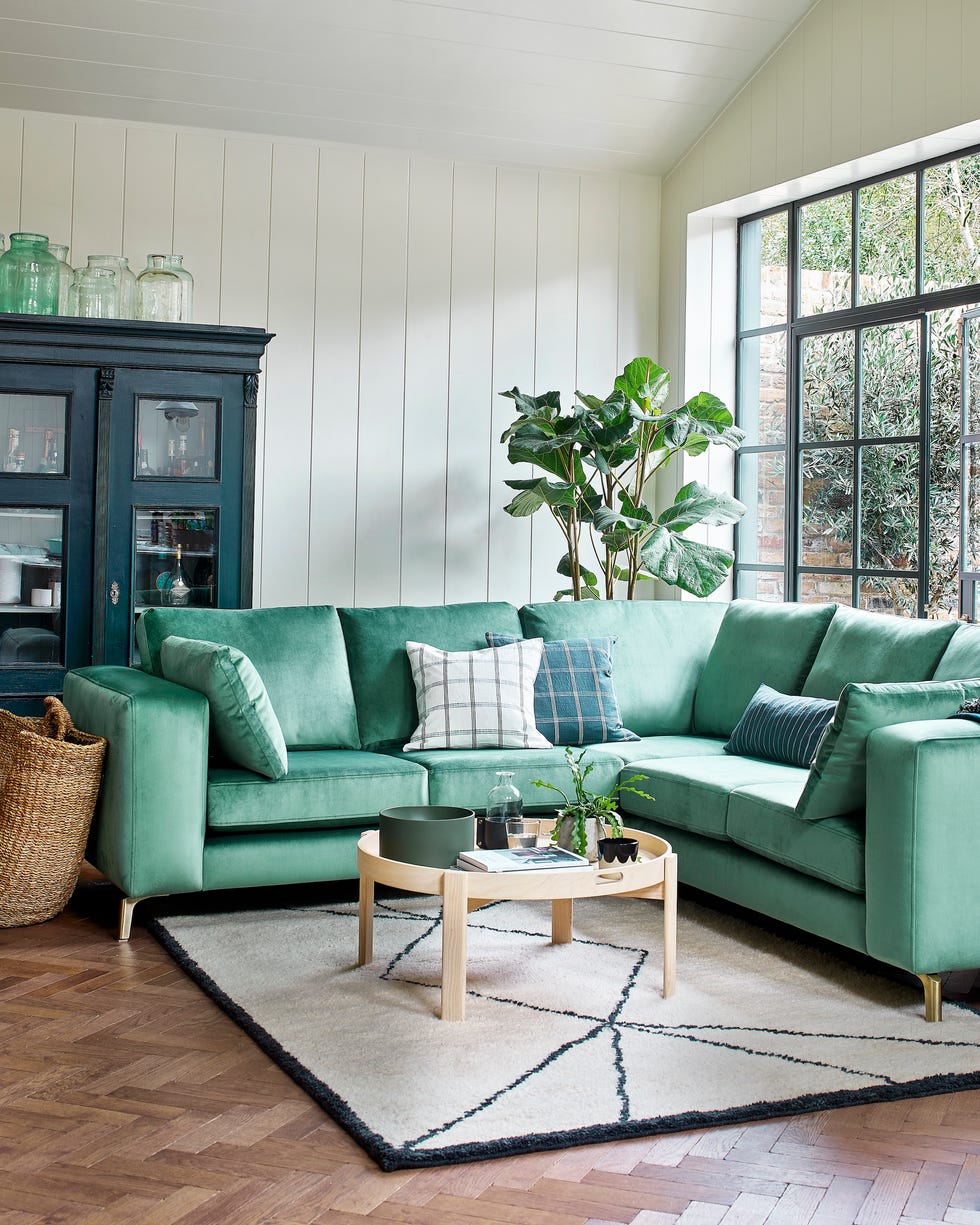
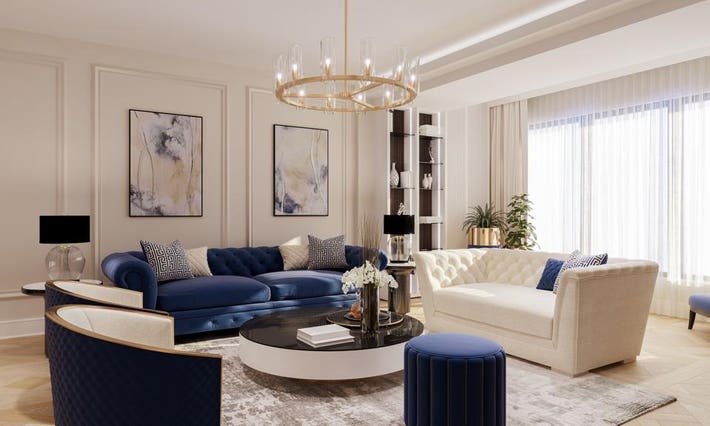
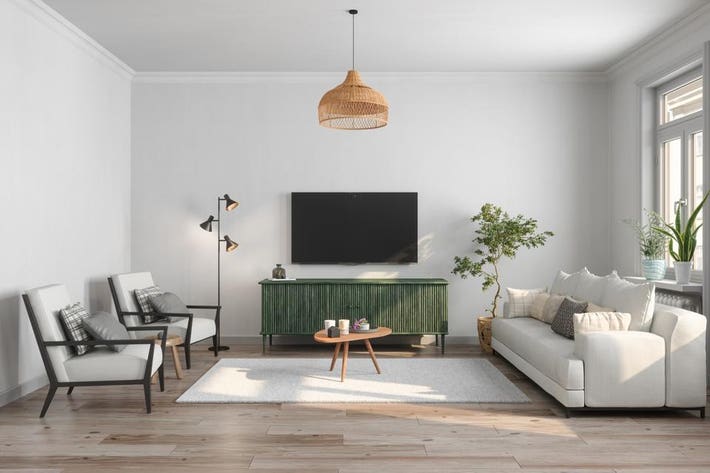
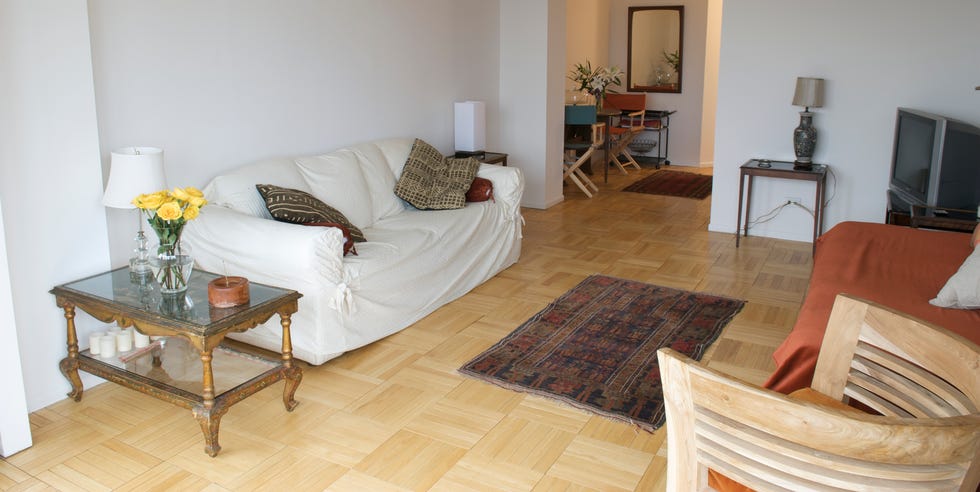
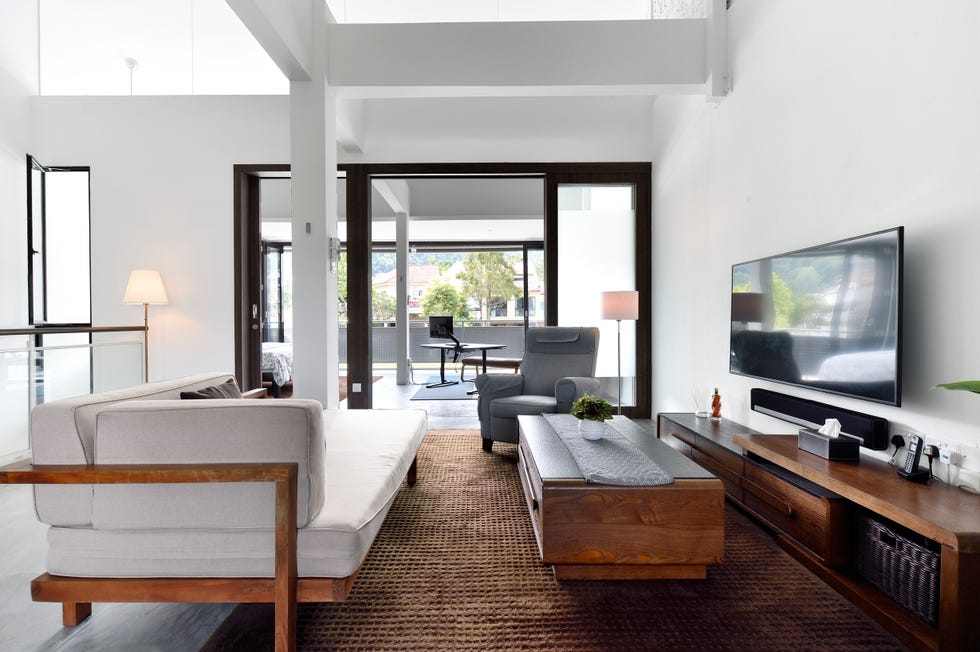
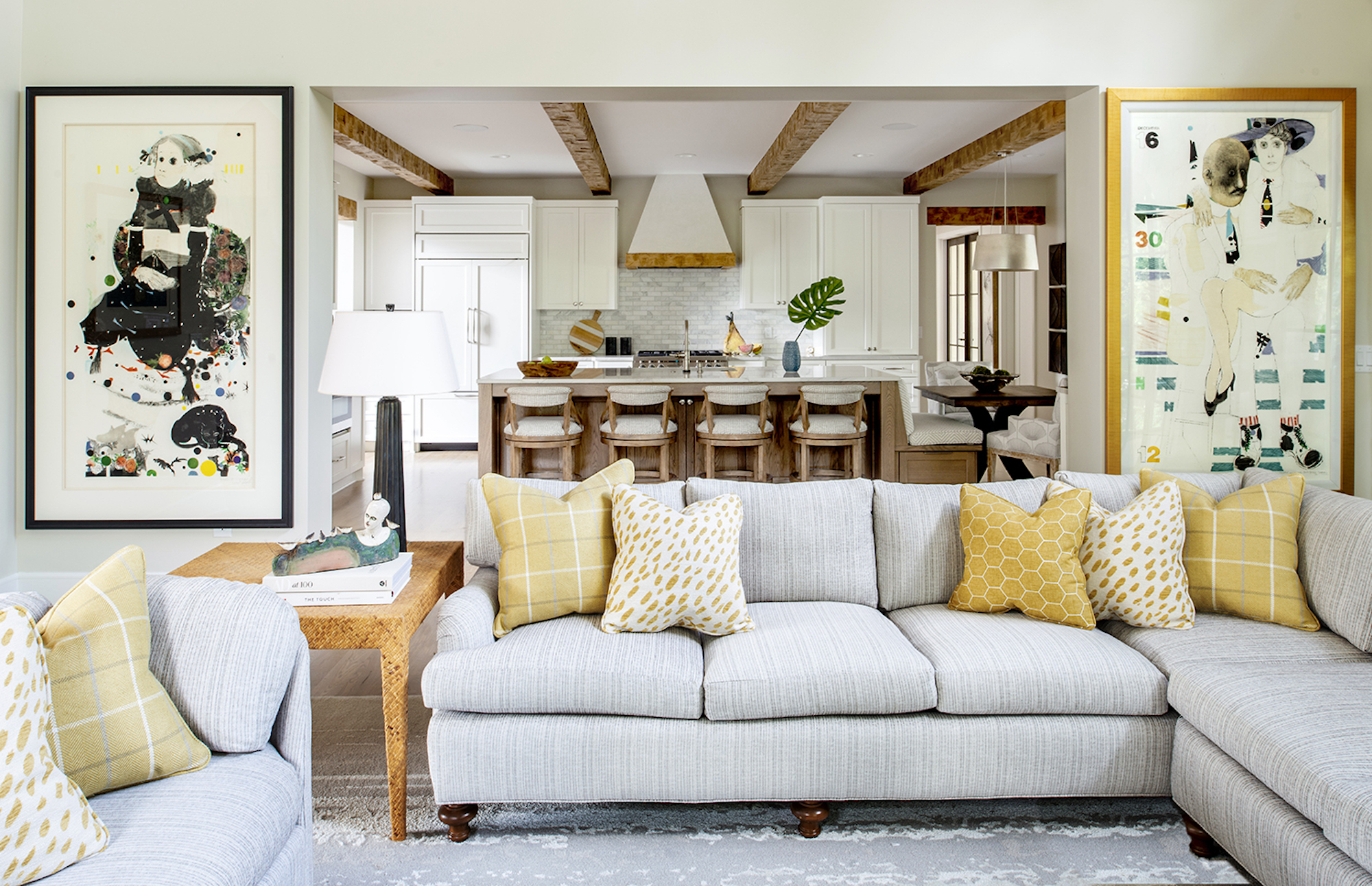
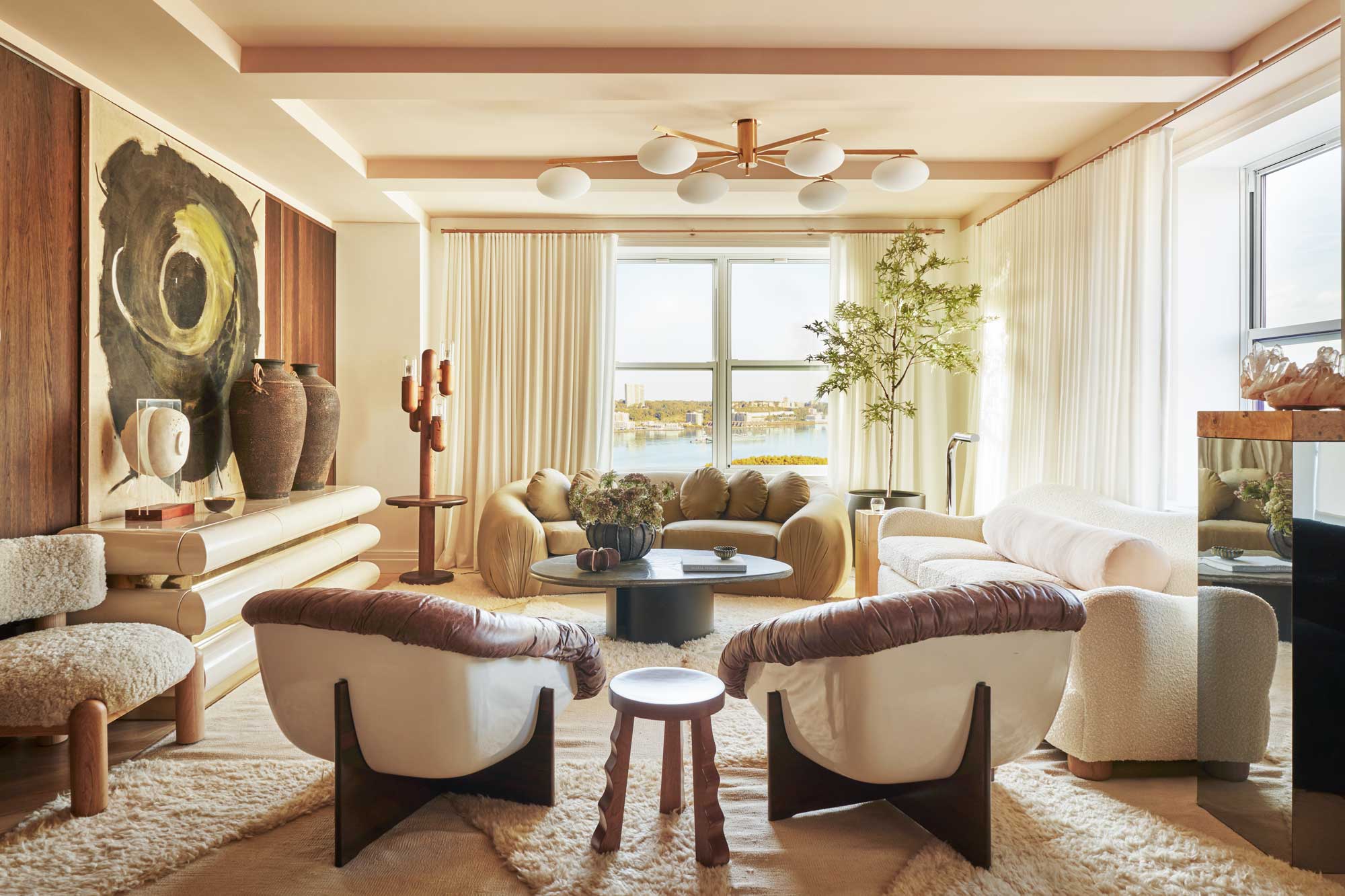
One common mistake is a poorly conceived layout. Many homeowners maintain the initial furniture arrangement without considering optimal flow or conversational groupings. A well-designed layout should facilitate both social interaction and solitude, ensuring that furniture placement encourages conversation and allows for easy movement. Designers emphasize the importance of having accessible surfaces near seating for convenience. For those who entertain frequently, flexible seating solutions, such as movable ottomans or sectionals, are recommended. Avoiding excessive focus on symmetry or anchoring all elements around a single architectural feature is crucial, as true functionality prioritizes ease and relaxed socializing over rigid visual balance.
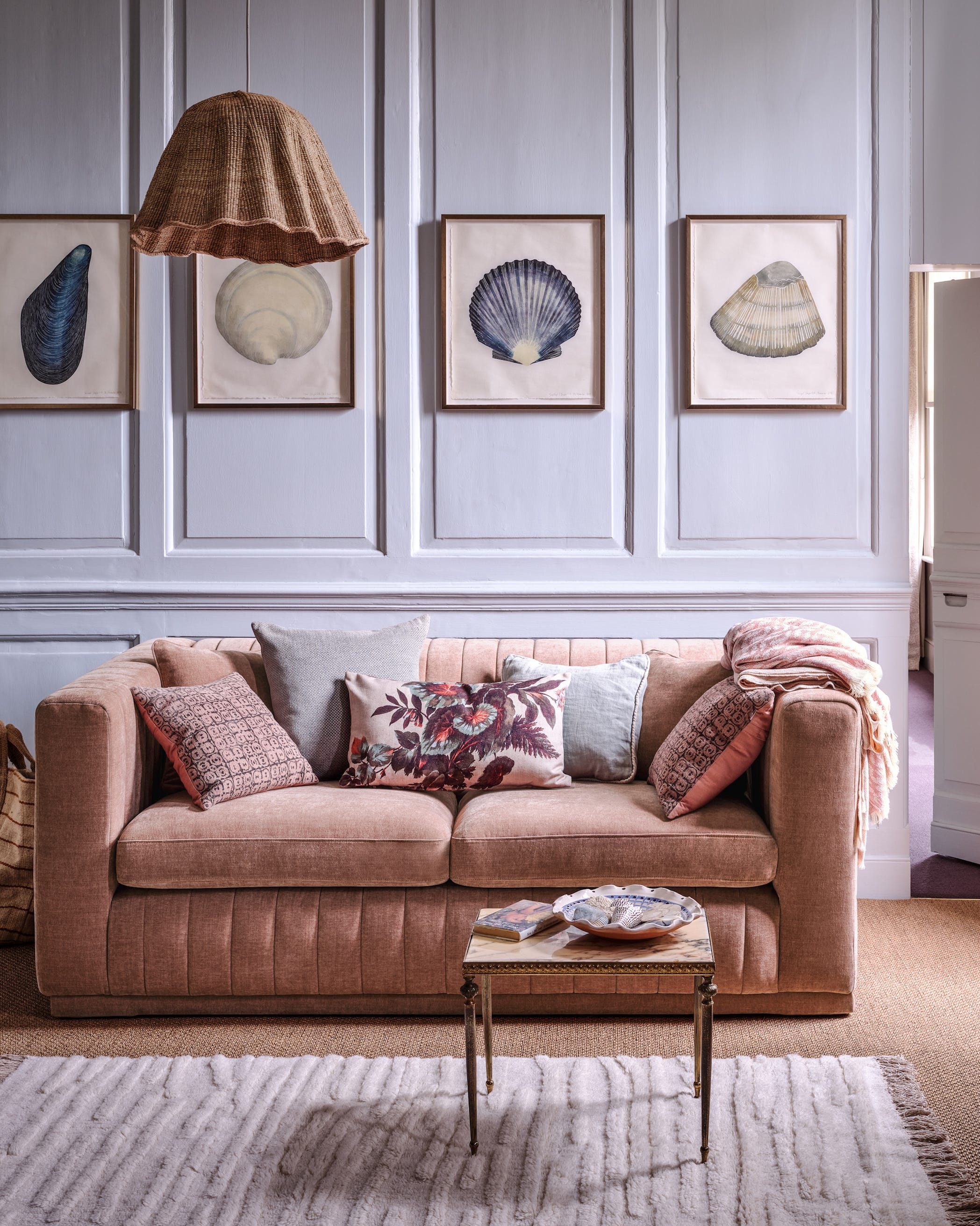
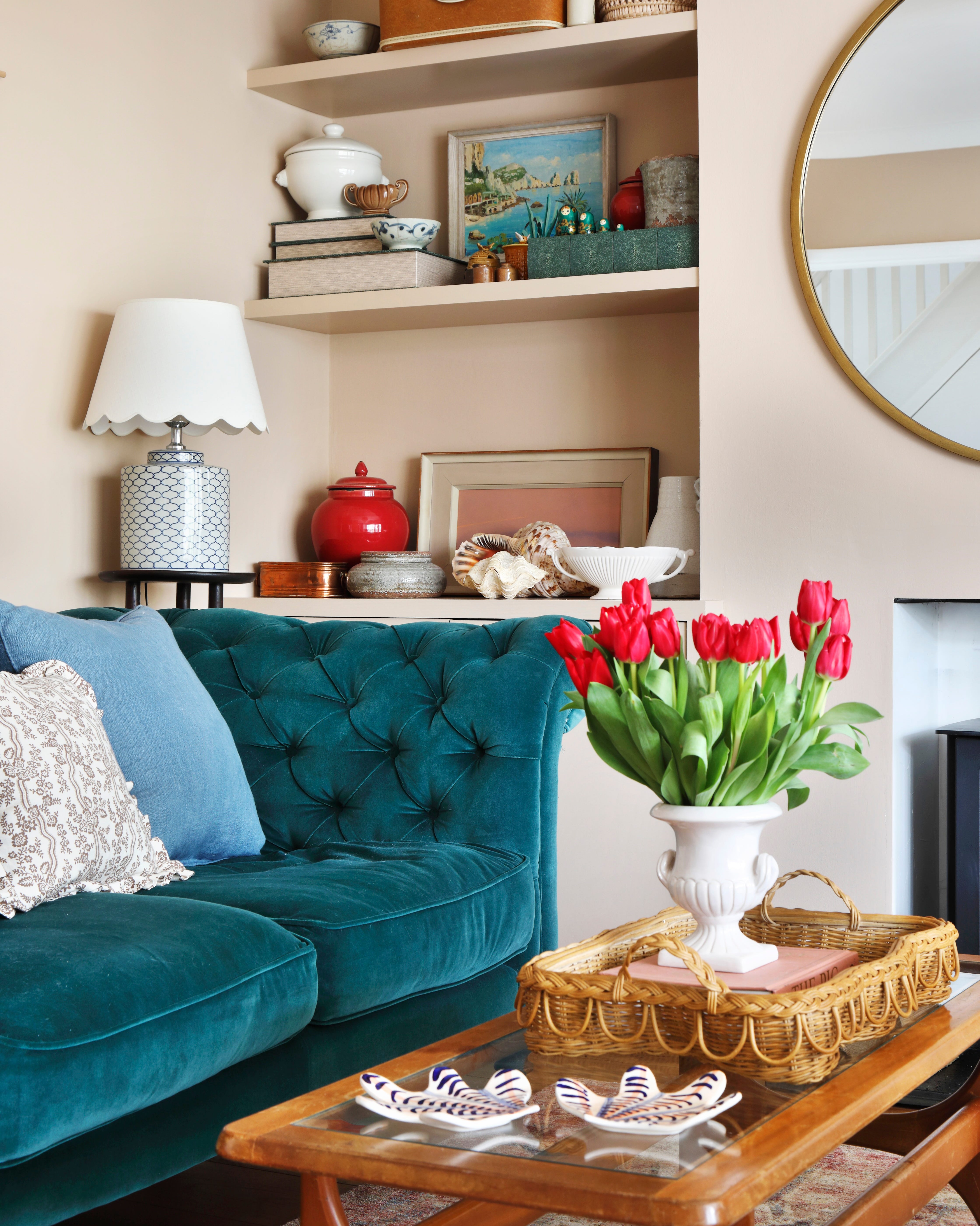
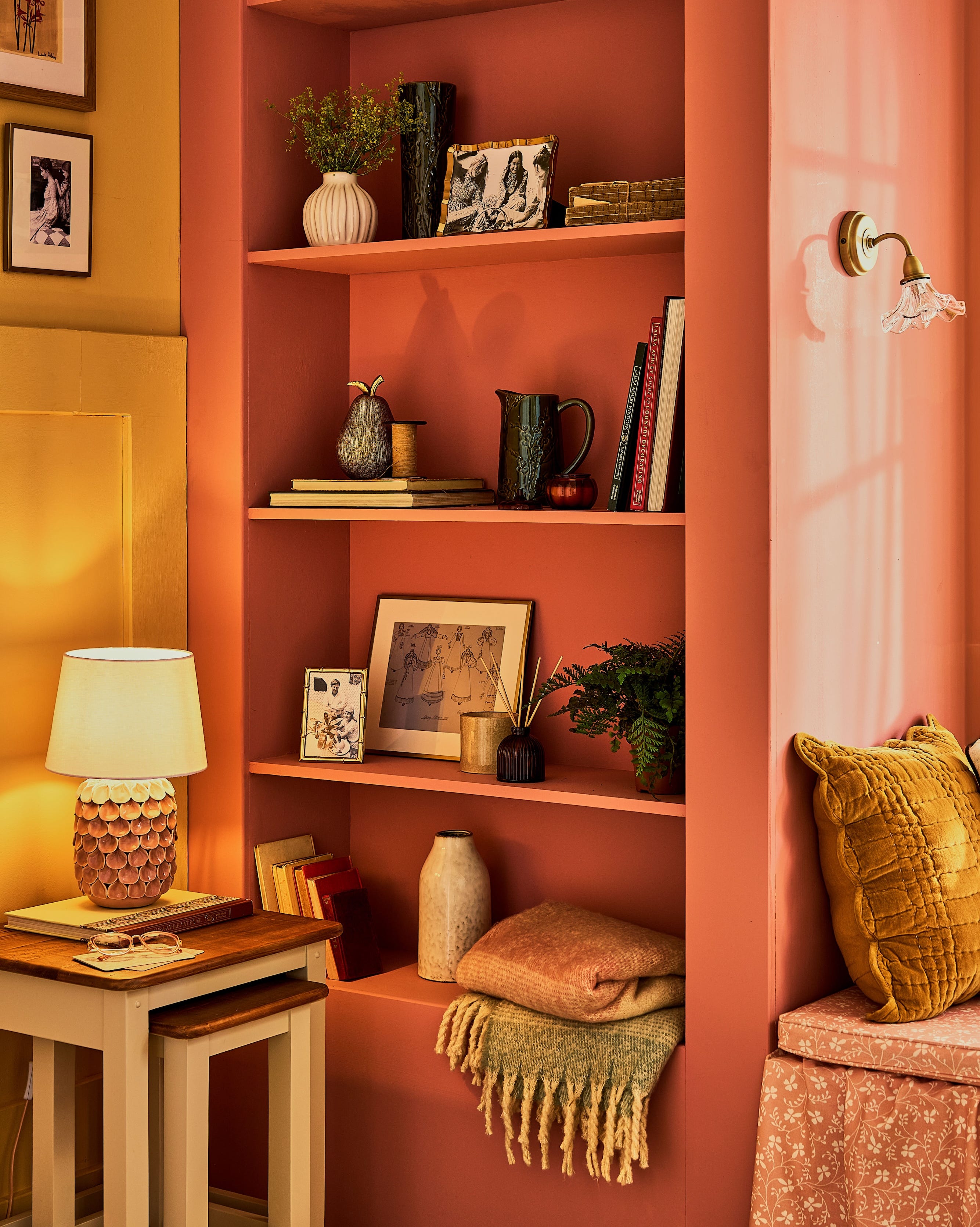
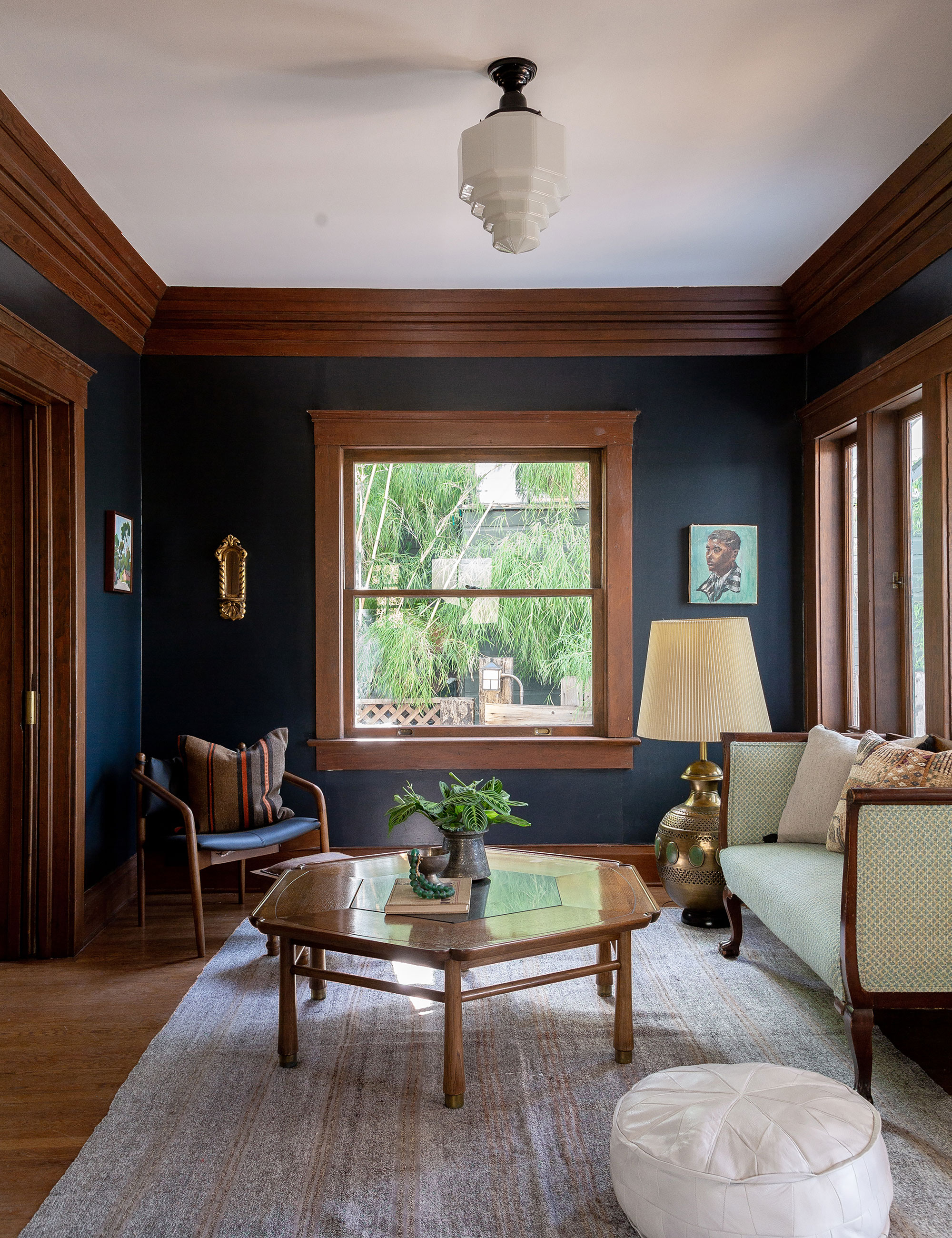
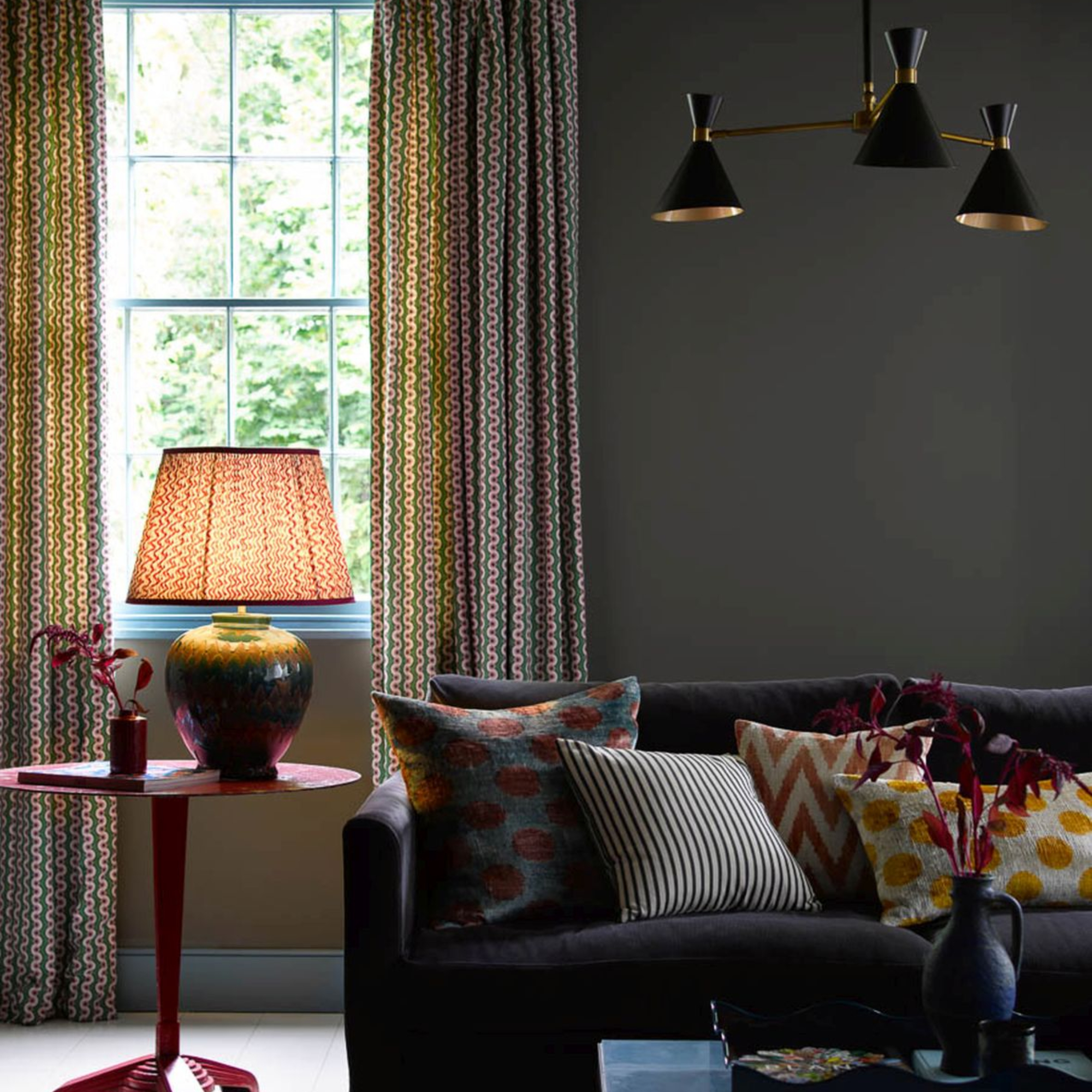
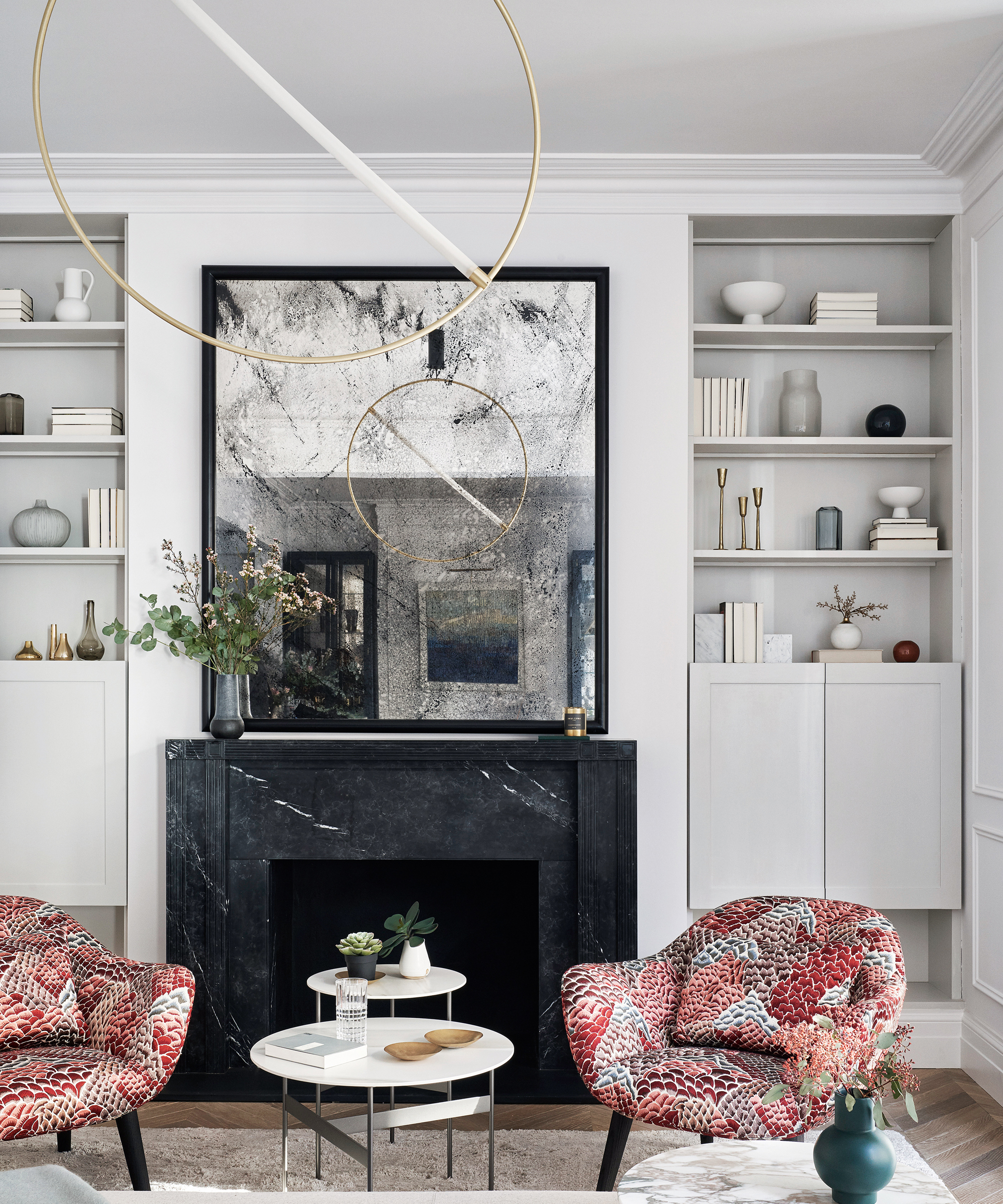
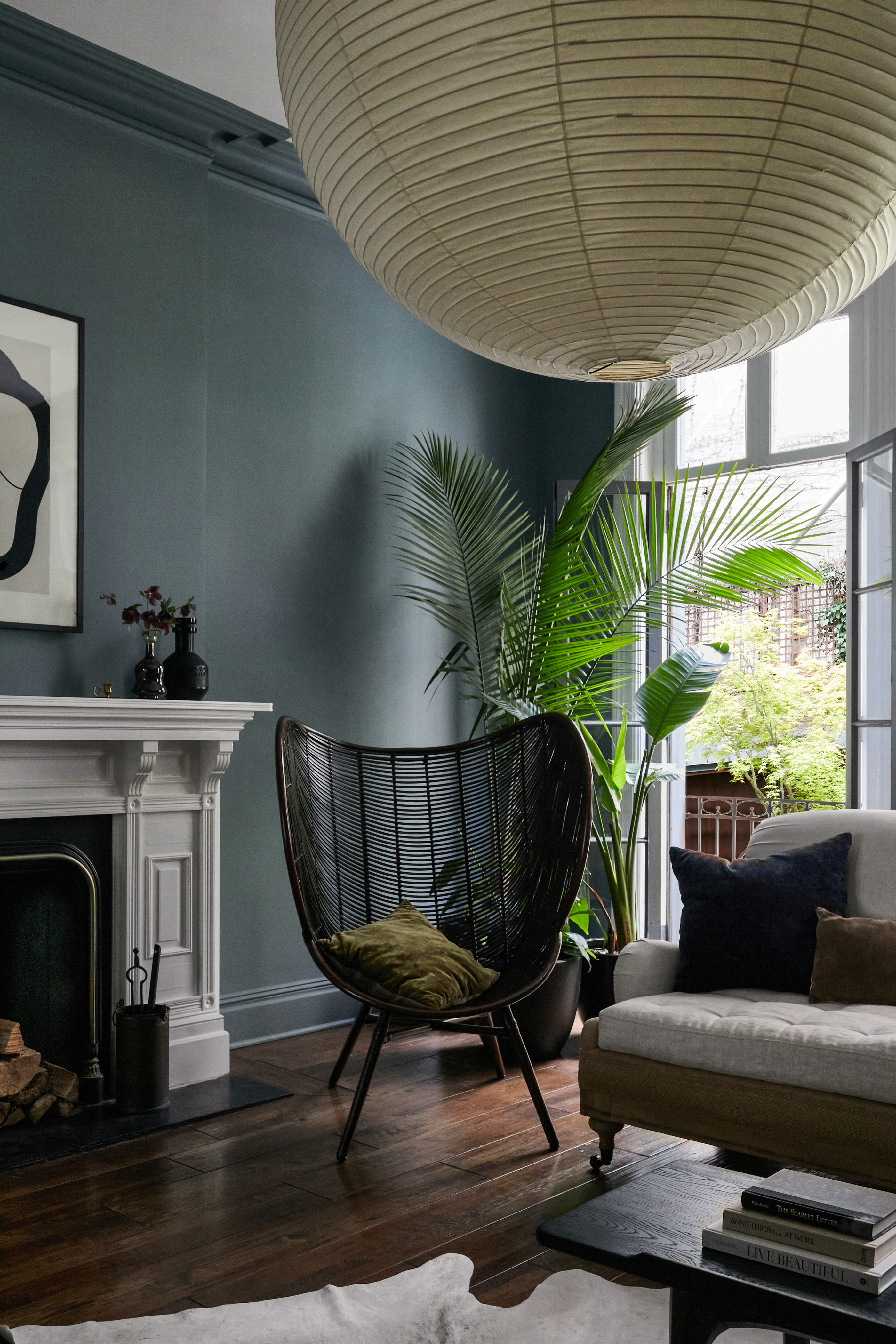
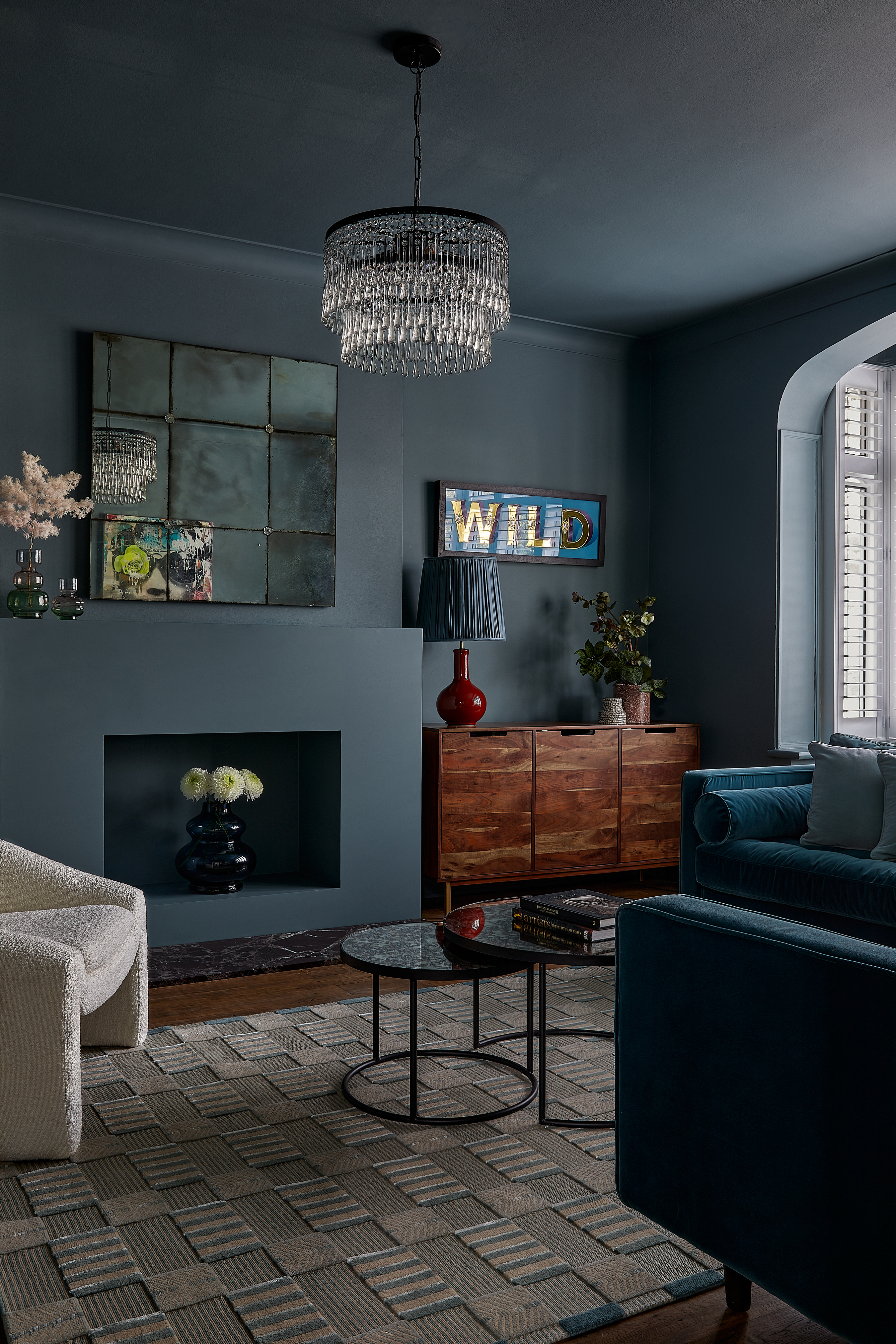
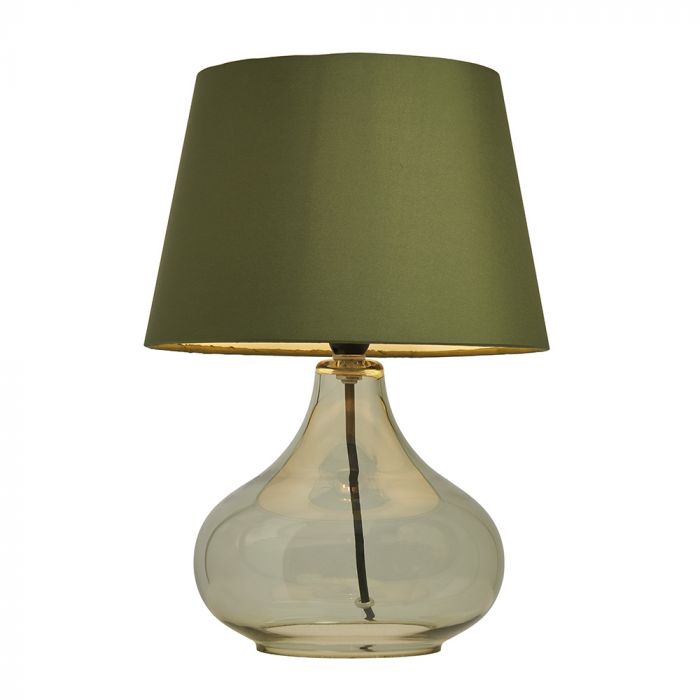
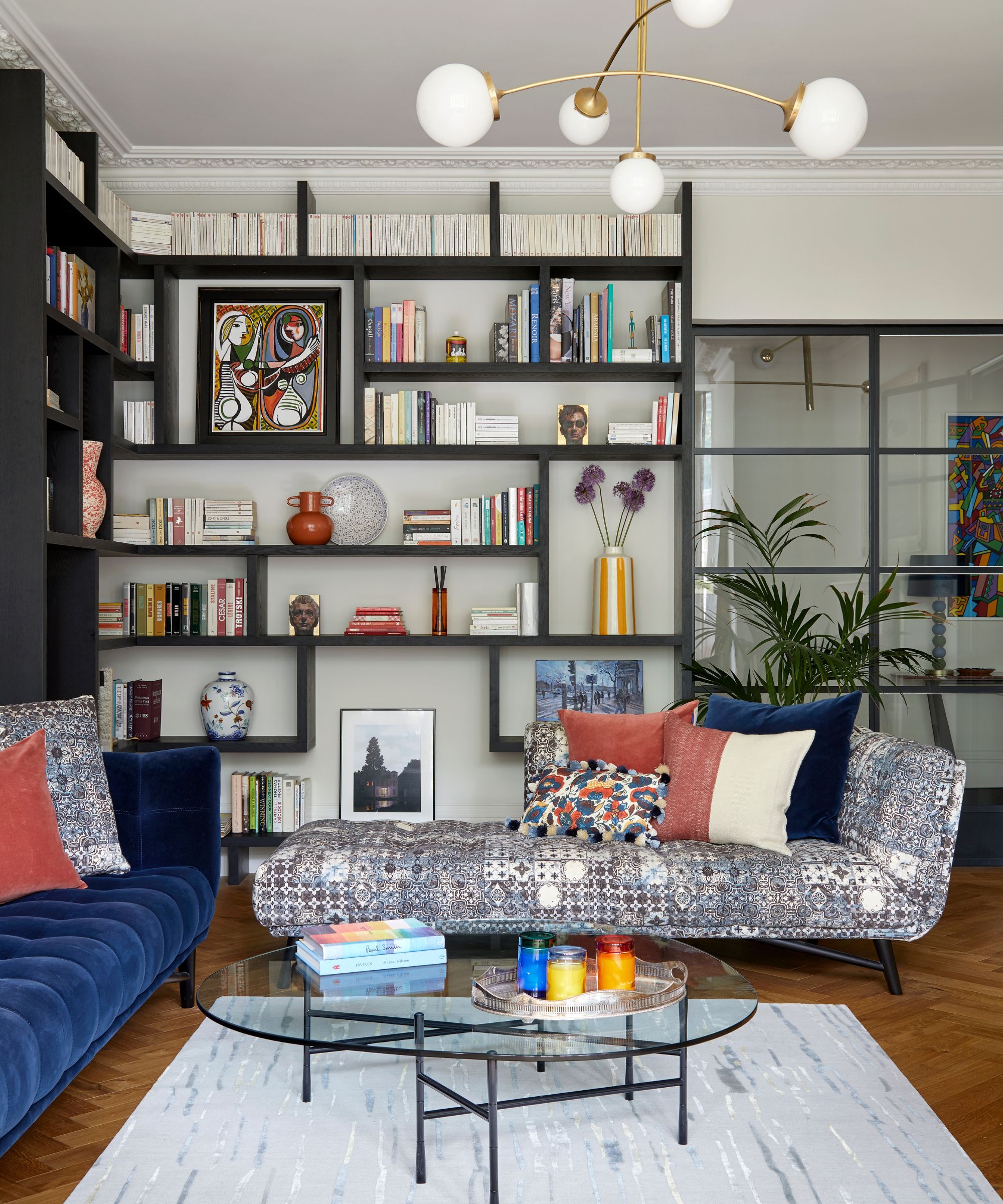
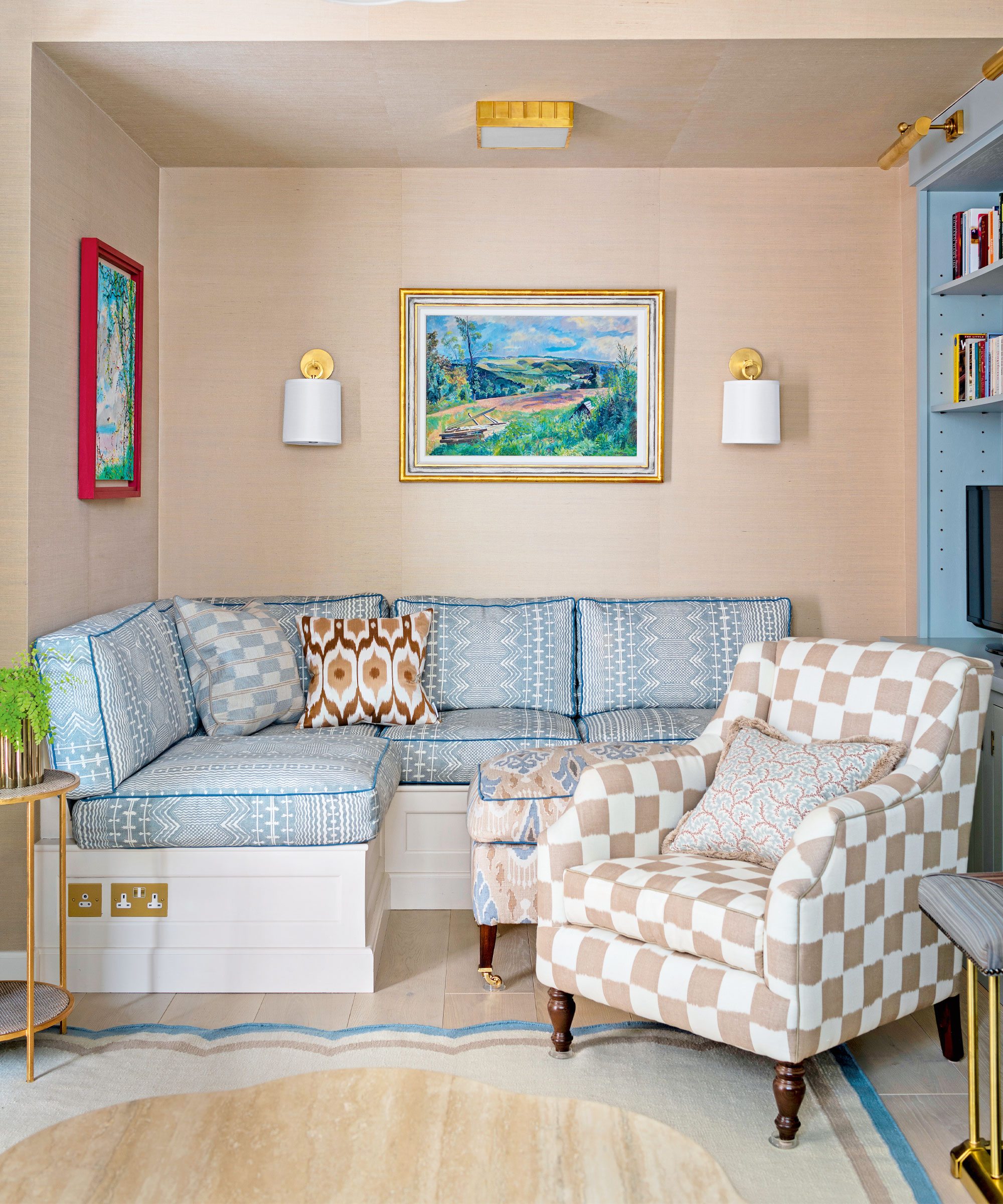
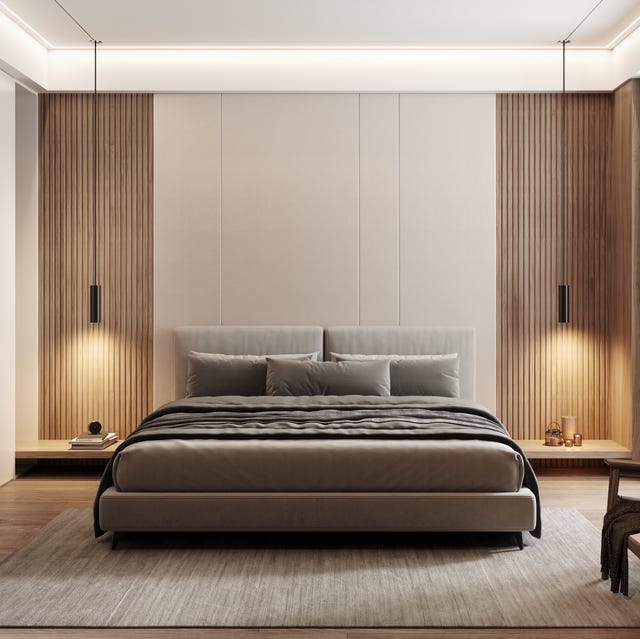
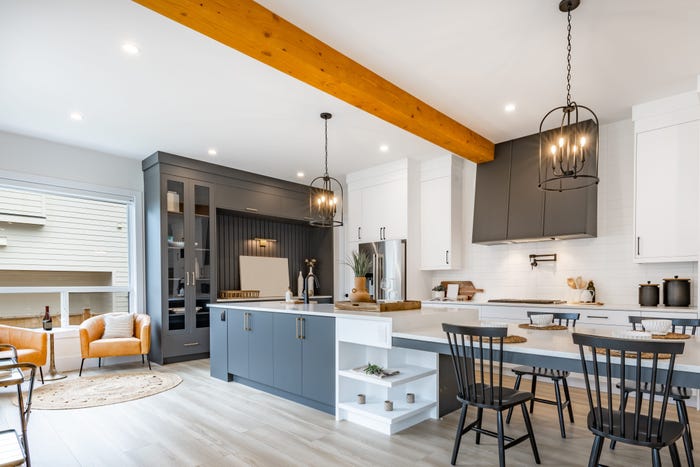
Another significant oversight is relying solely on overhead lighting. While practical for general illumination, overhead lights often create a harsh, institutional atmosphere rather than a warm, cozy one. Layered lighting is essential for flexibility and mood creation. This involves incorporating various light sources, such as central overhead fixtures for lively gatherings, floor lamps for reading, table lamps for ambient light, and sconces to add visual interest and enhance the room's overall warmth and comfort.
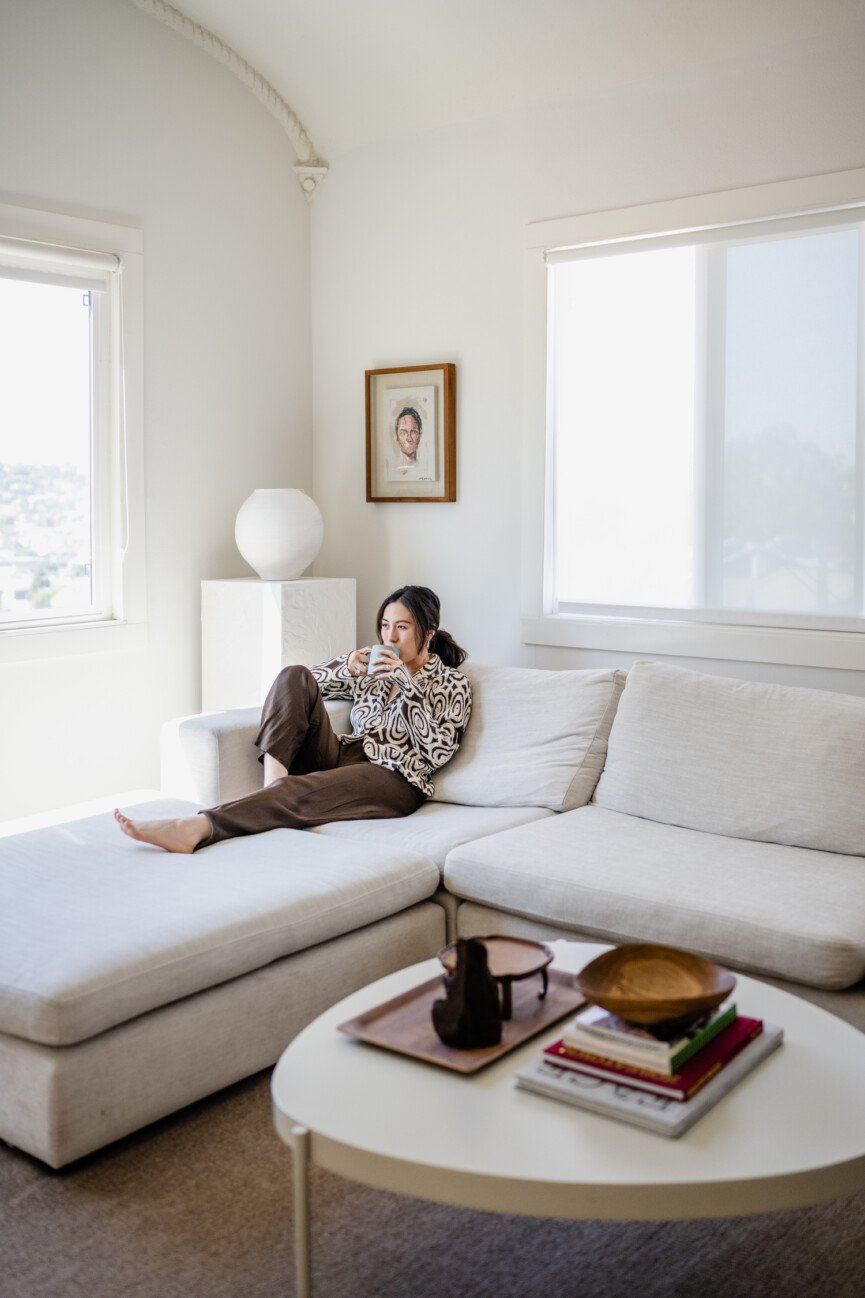
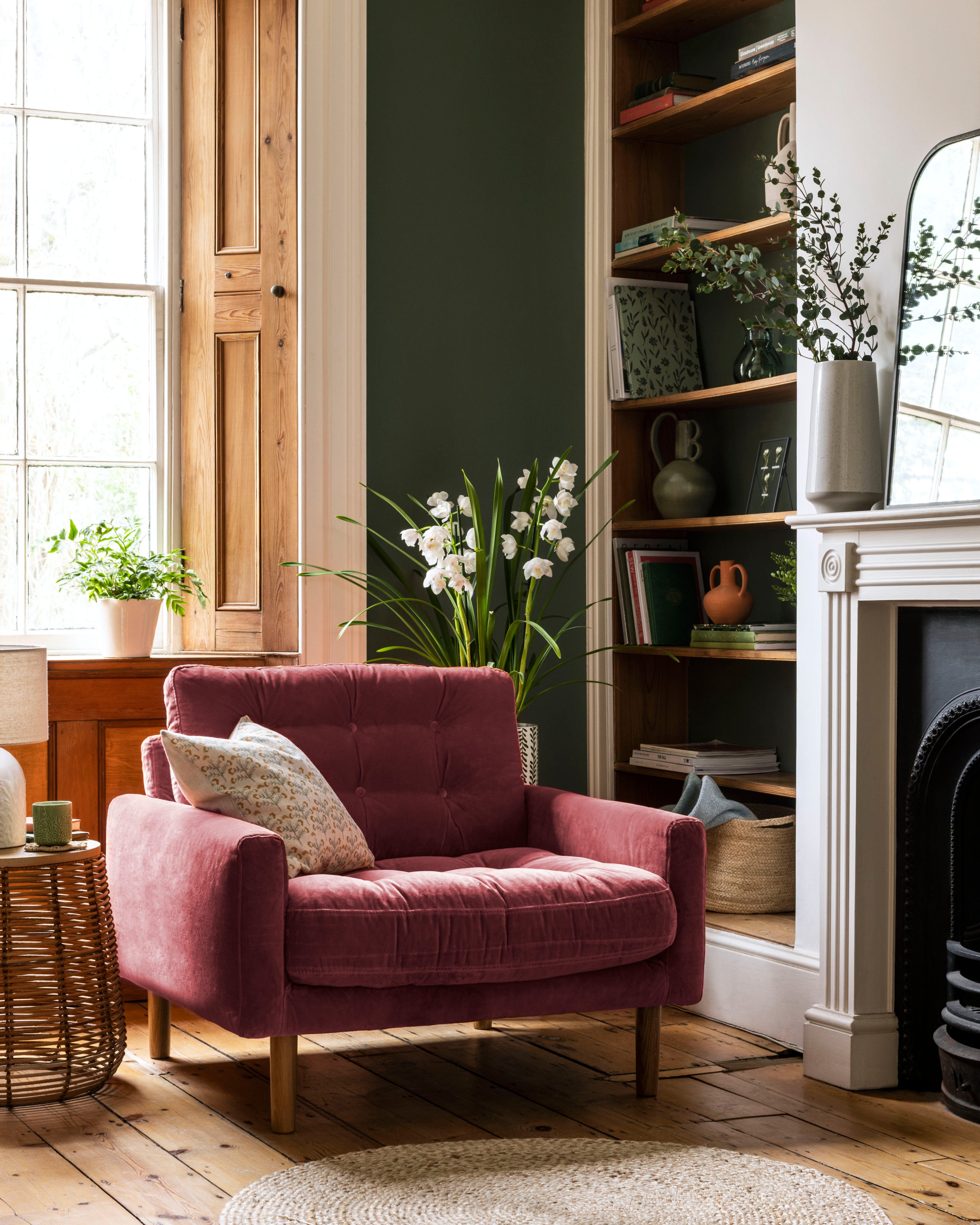
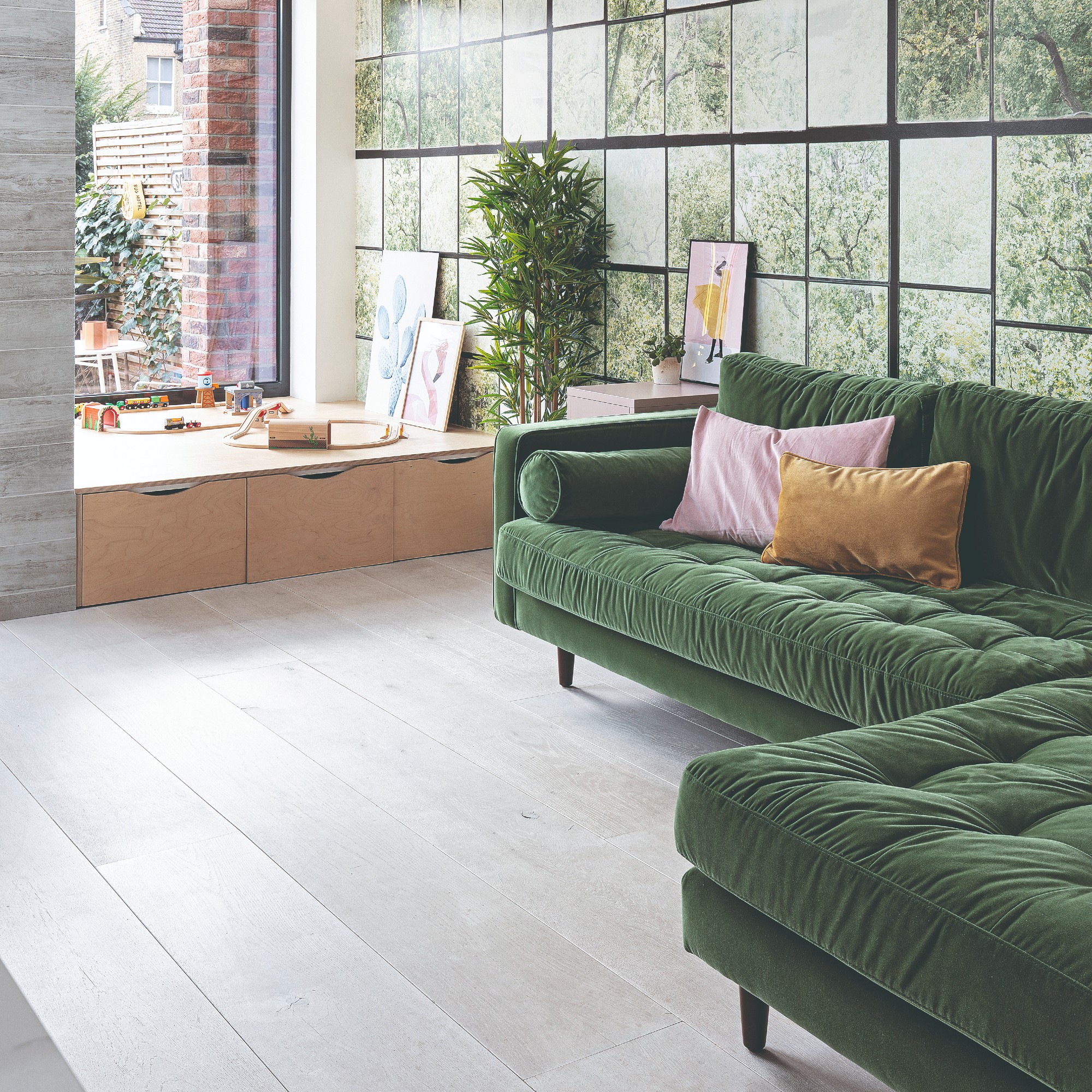
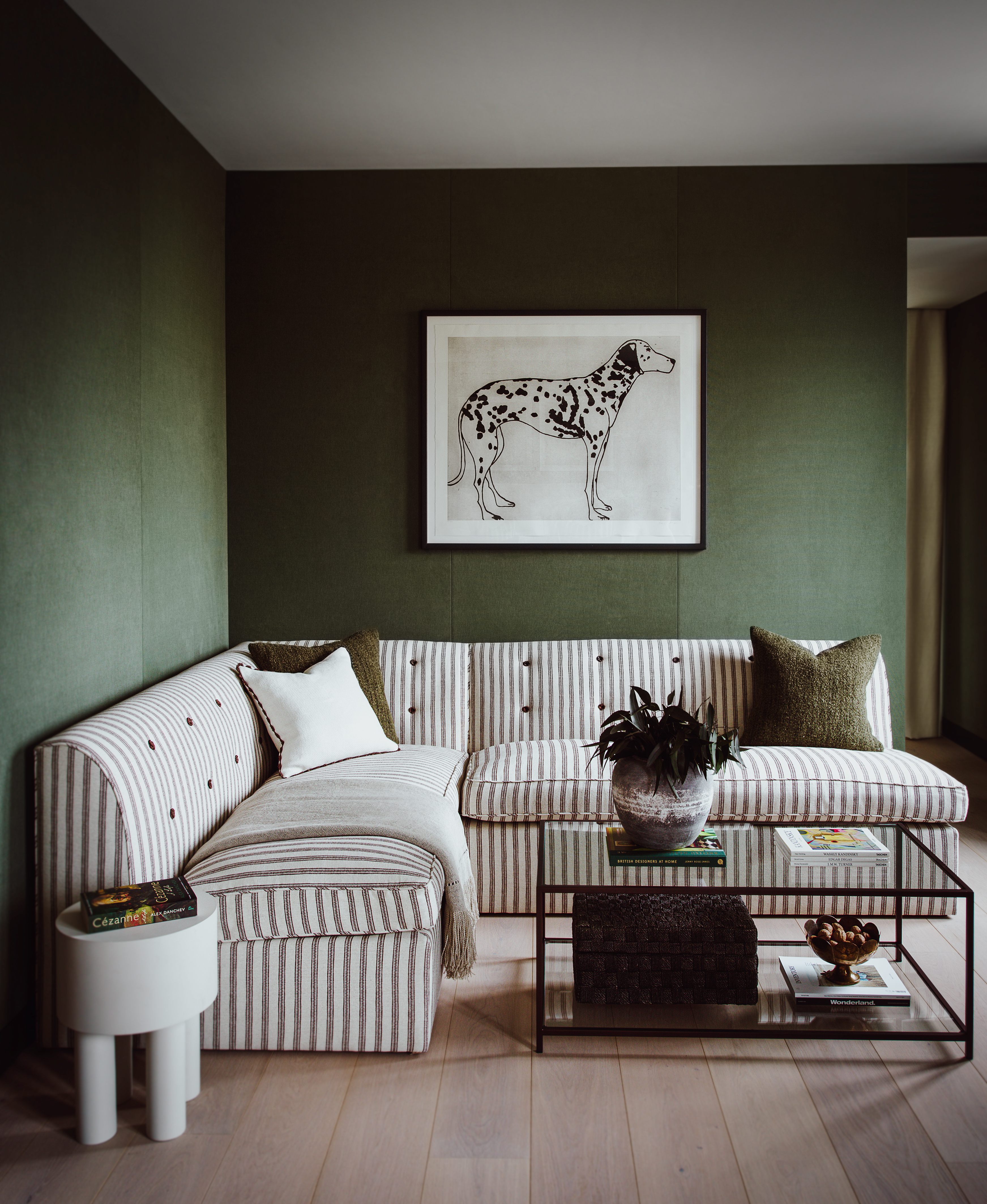
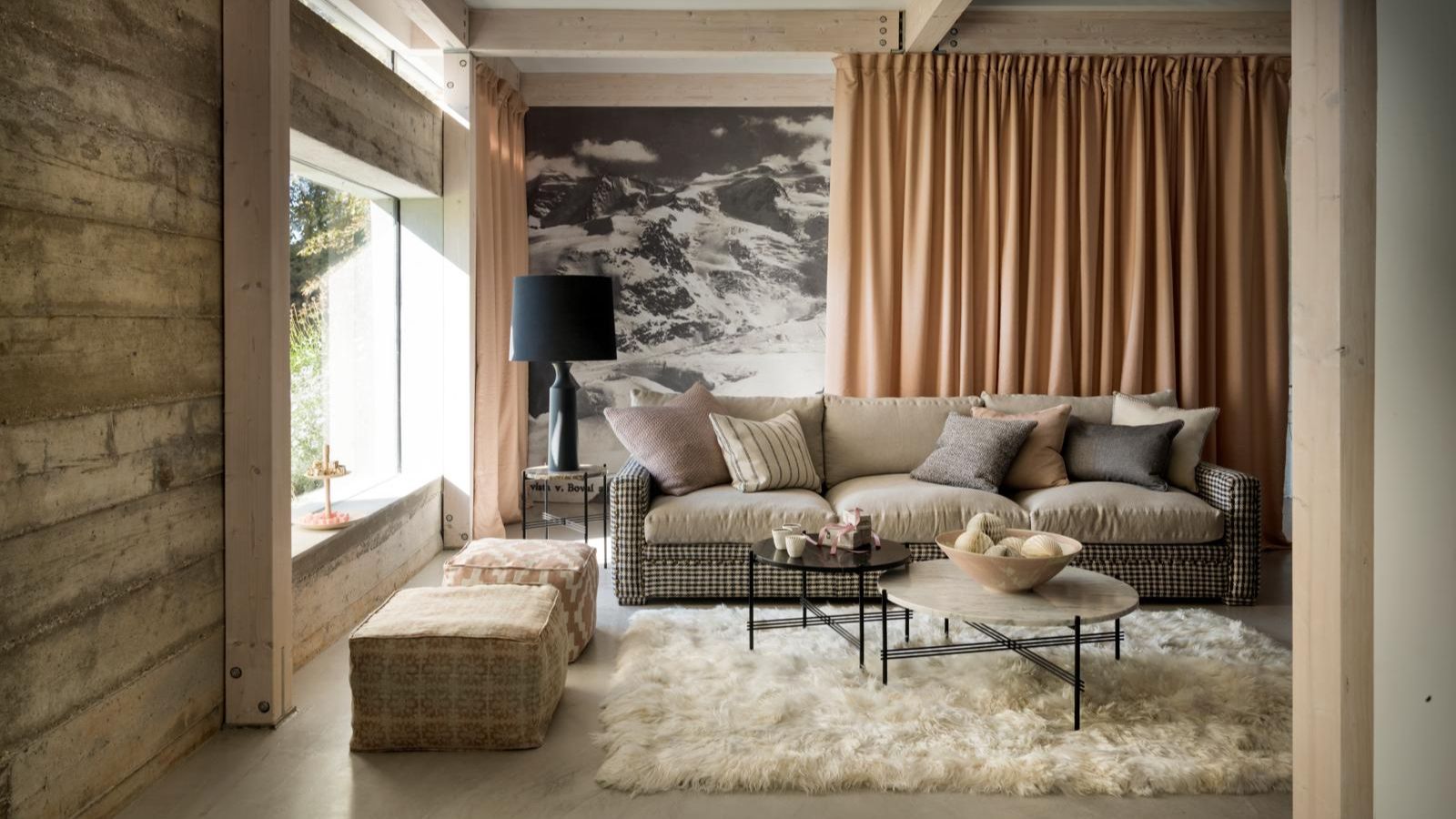
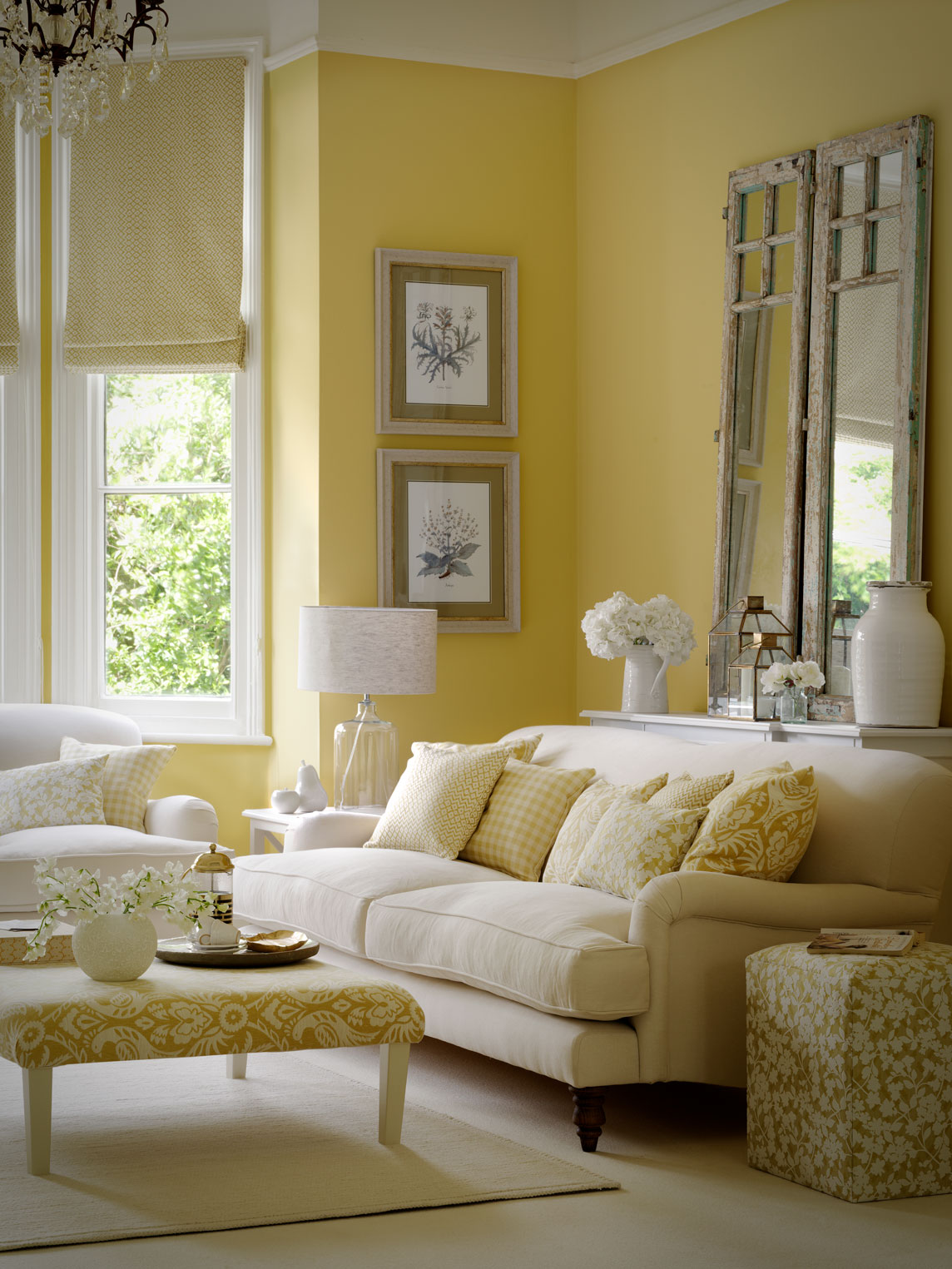
The third mistake involves selecting furniture that is not conducive to actual living. Many fear damaging precious or high-maintenance fabrics, leading to a reluctance to fully enjoy their living spaces. Modern high-performance fabrics offer a solution, providing durability and stain resistance without sacrificing style. Additionally, the comfort level of the sofa is paramount; if it is too rigid, deep, or shallow, it detracts from the room's inviting nature, prompting guests to feel uncomfortable and diminishing the sofa's elegance.
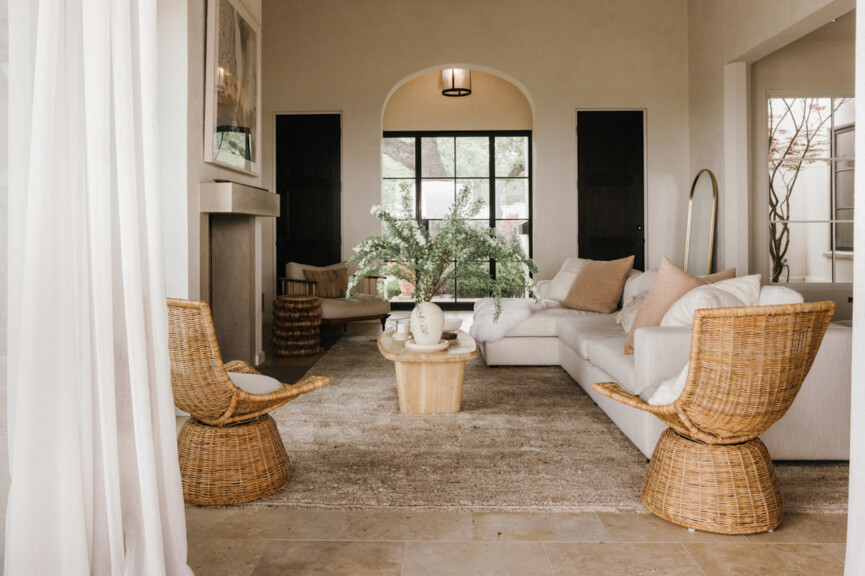
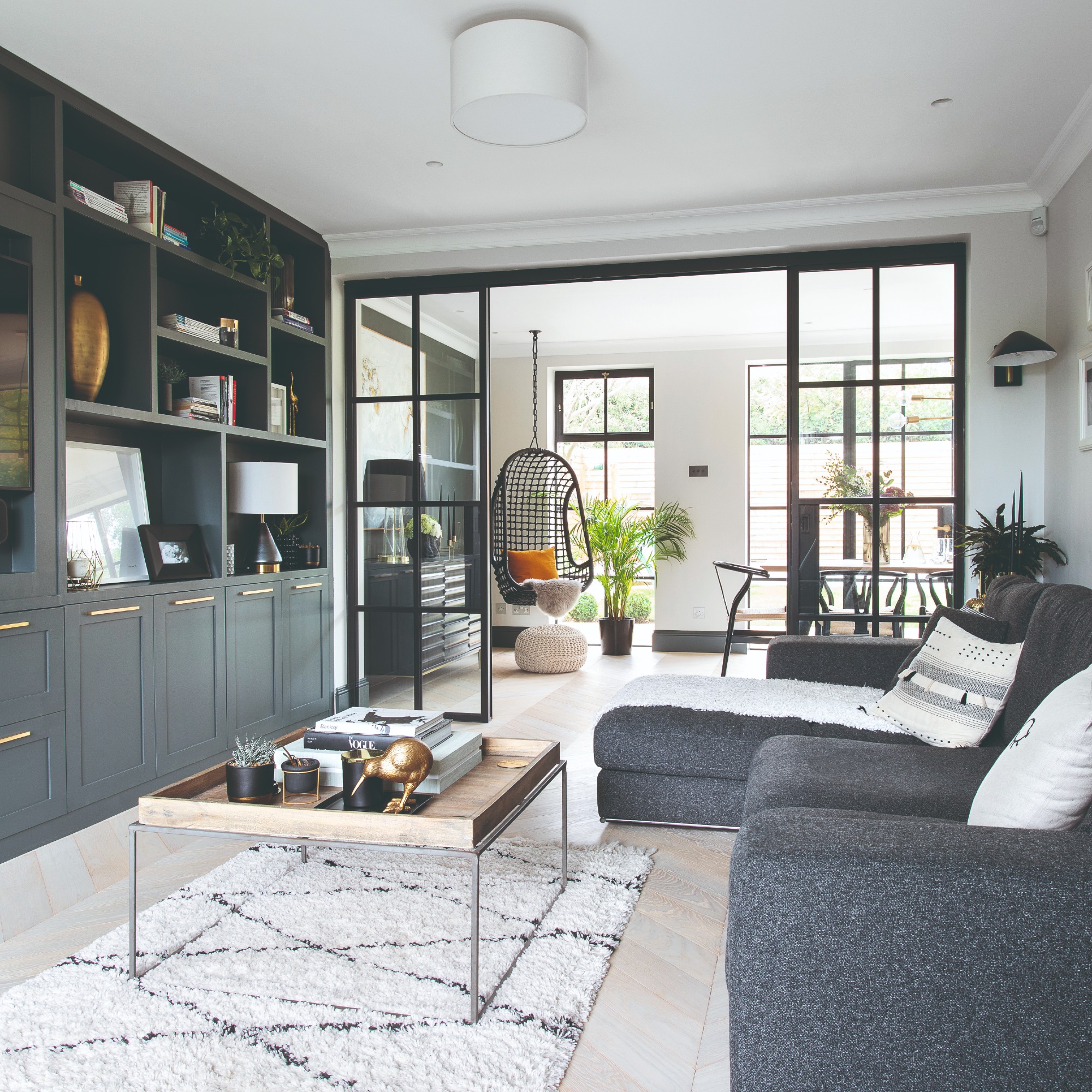
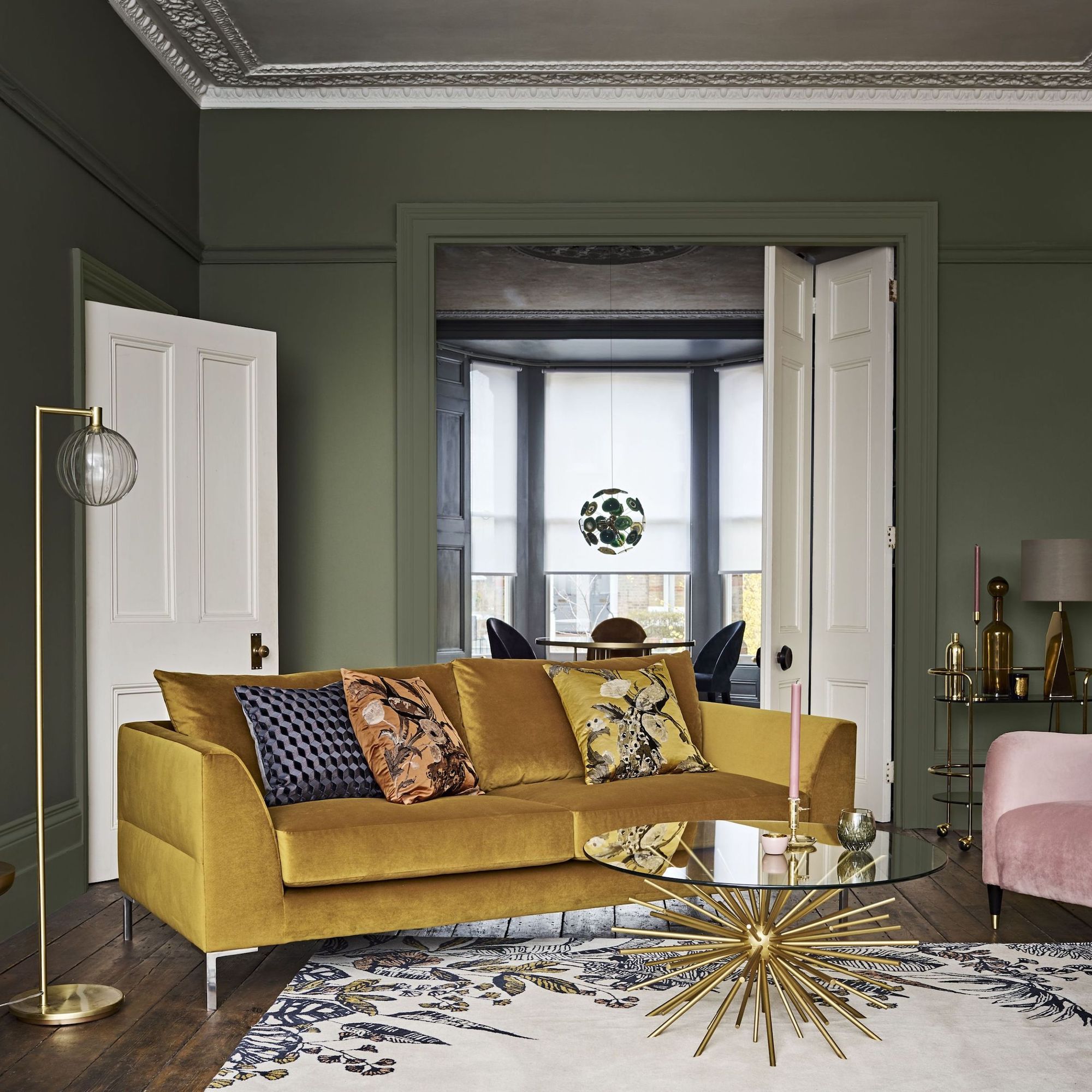
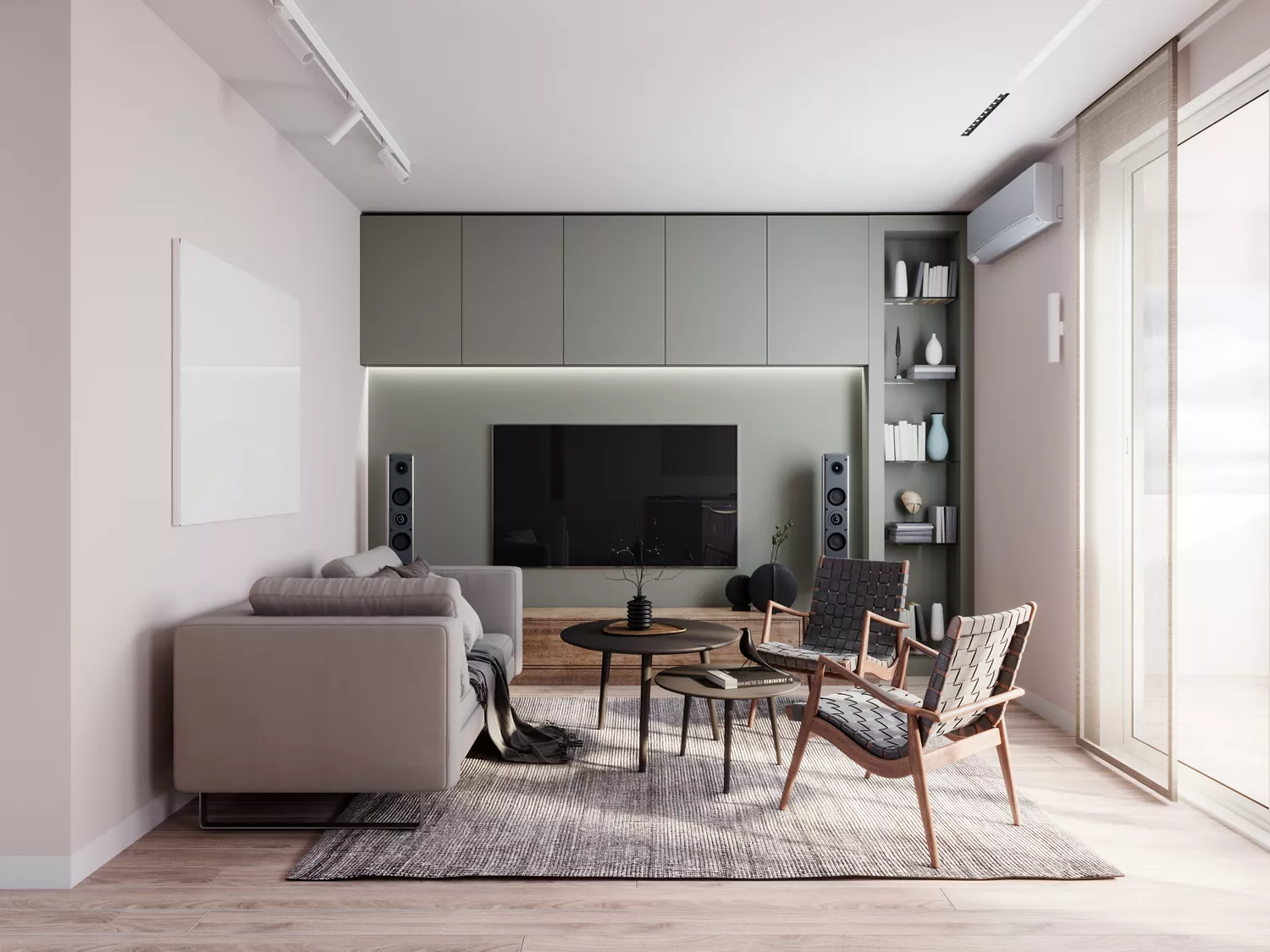
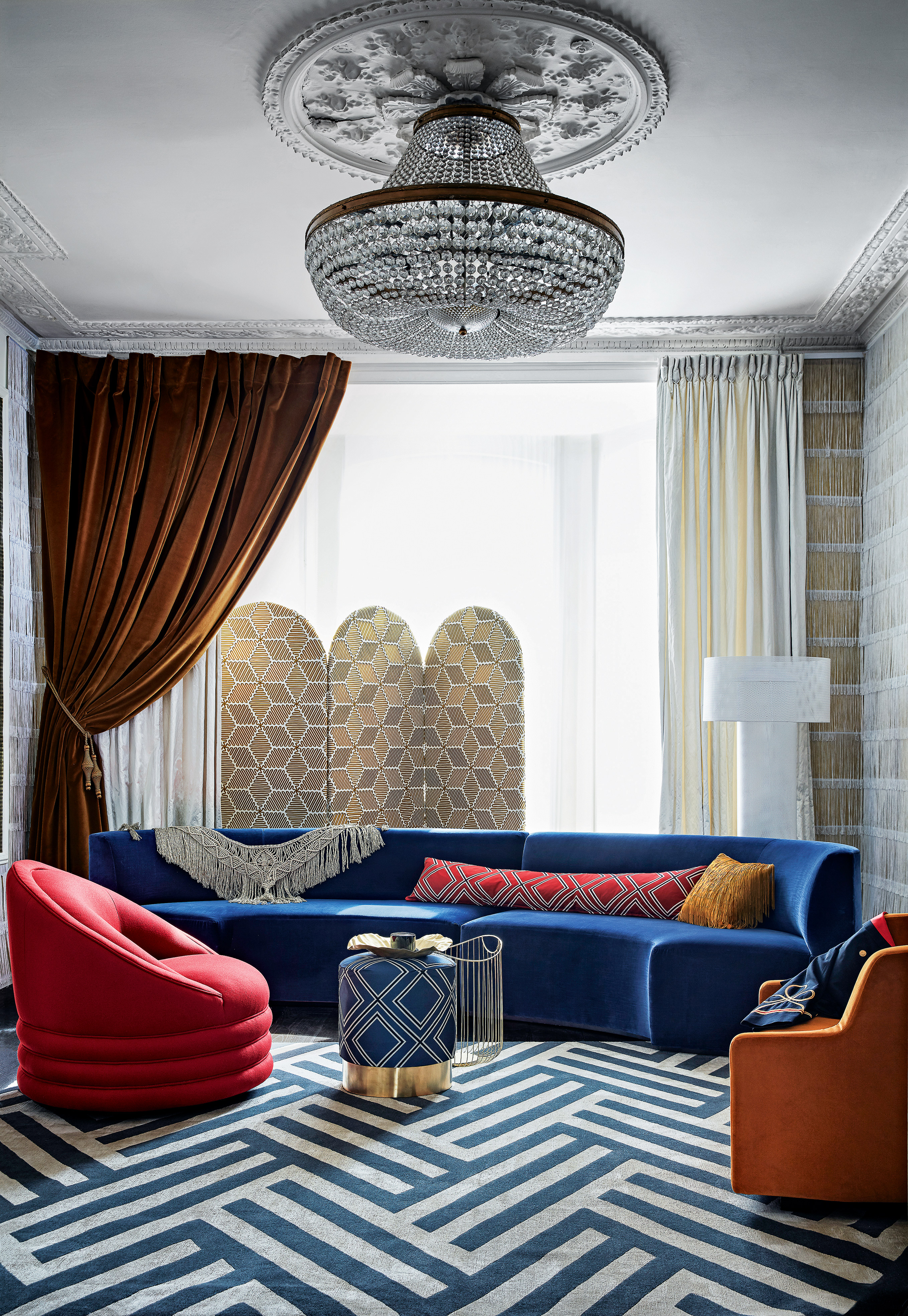
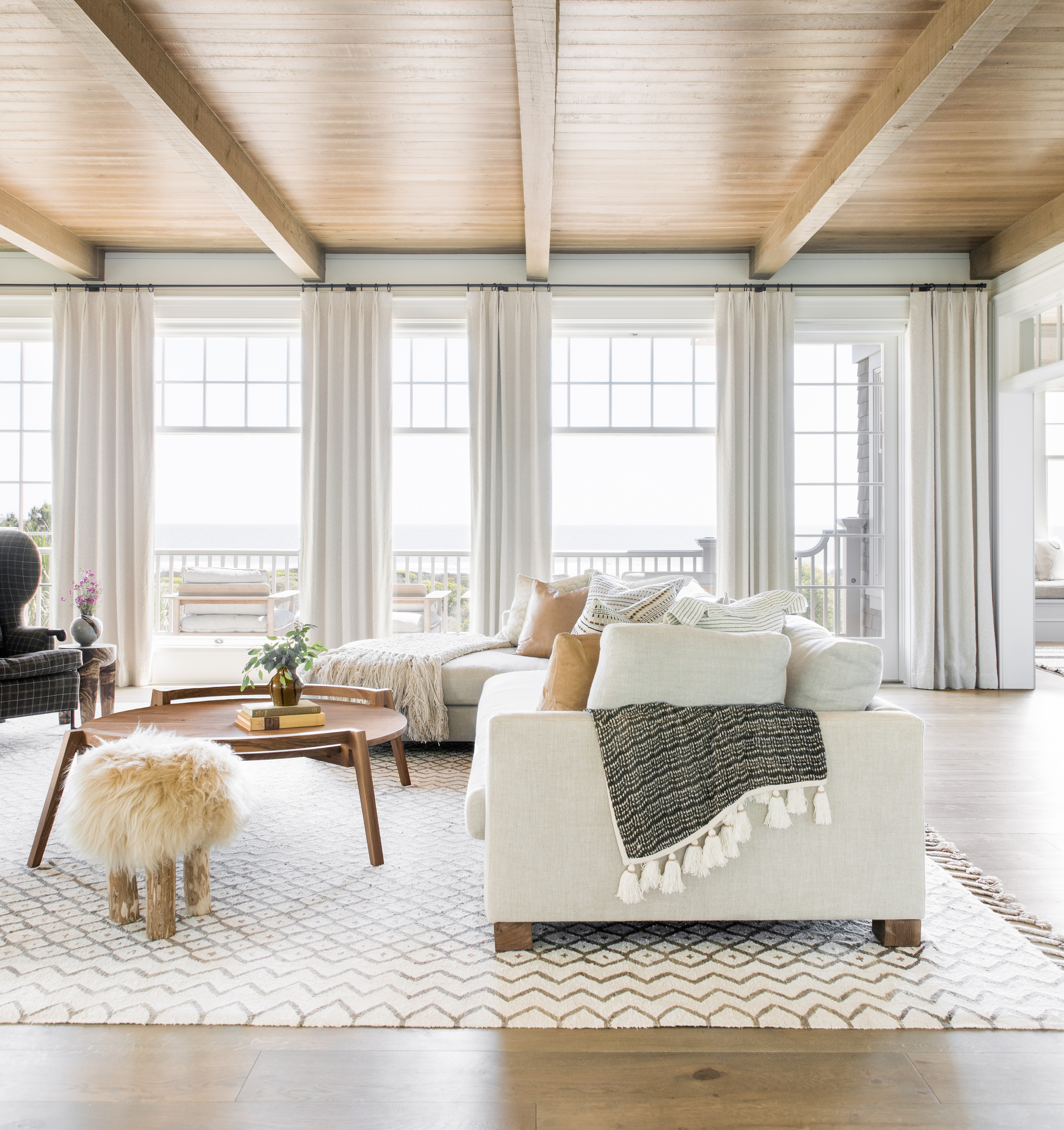
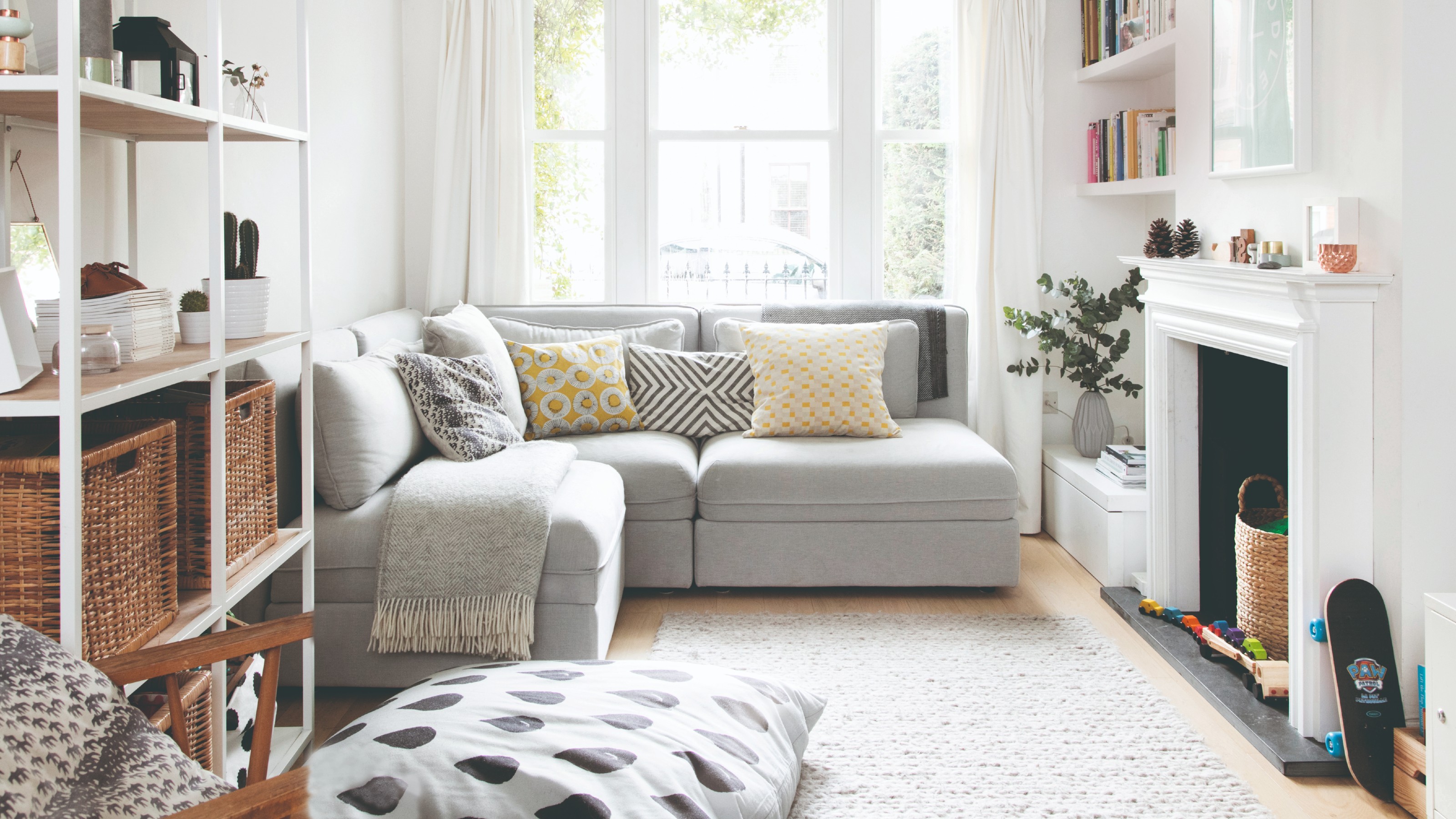
Finally, a poorly sized rug and insufficient use of pillows can detract significantly from a living room's aesthetic and comfort. An undersized rug can make the room appear smaller, causing furniture to seem disjointed and float awkwardly. The ideal rug size allows all main furnishings to sit at least partially on it, providing a cohesive foundation for the room. While wall-adjacent items may not require rug coverage, the central area should be generously covered. Pillows add crucial softness, texture, and layering, completing the room's design. If an impractical fabric is desired, designers suggest incorporating it into smaller, decorative elements like drapery or throw pillows to strike a balance between aesthetics and practicality.
#LivingRoomDesign #InteriorDecor #HomeDecorMistakes #FurnitureLayout #LightingDesign #ComfortableLiving #RugPlacement #HomeStyling #InteriorDesignTips #LivingRoomDesign #InteriorDecor #HomeDecorMistakes #FurnitureLayout #LightingDesign #ComfortableLiving #RugPlacement #HomeStyling #InteriorDesignTips
Toplam 0 yorum
 Henüz yorum yok
Bu da beğenebilirsiniz
5 Living Room Design Mistakes You Didn't Know You Were Making
5 small living room mistakes – designers share the worst decorating disasters that we need to stop doing right now

7 small living room layout mistakes design experts want you to avoid – and what to do instead
6 Home Décor Mistakes Interior Designers Notice Right Away—and How to Fix Them
How to Fix the Most Common Living Room Layout Mistakes

Are YOU guilty of these living room layout mistakes? Decor expert reveals the 8 sins people make
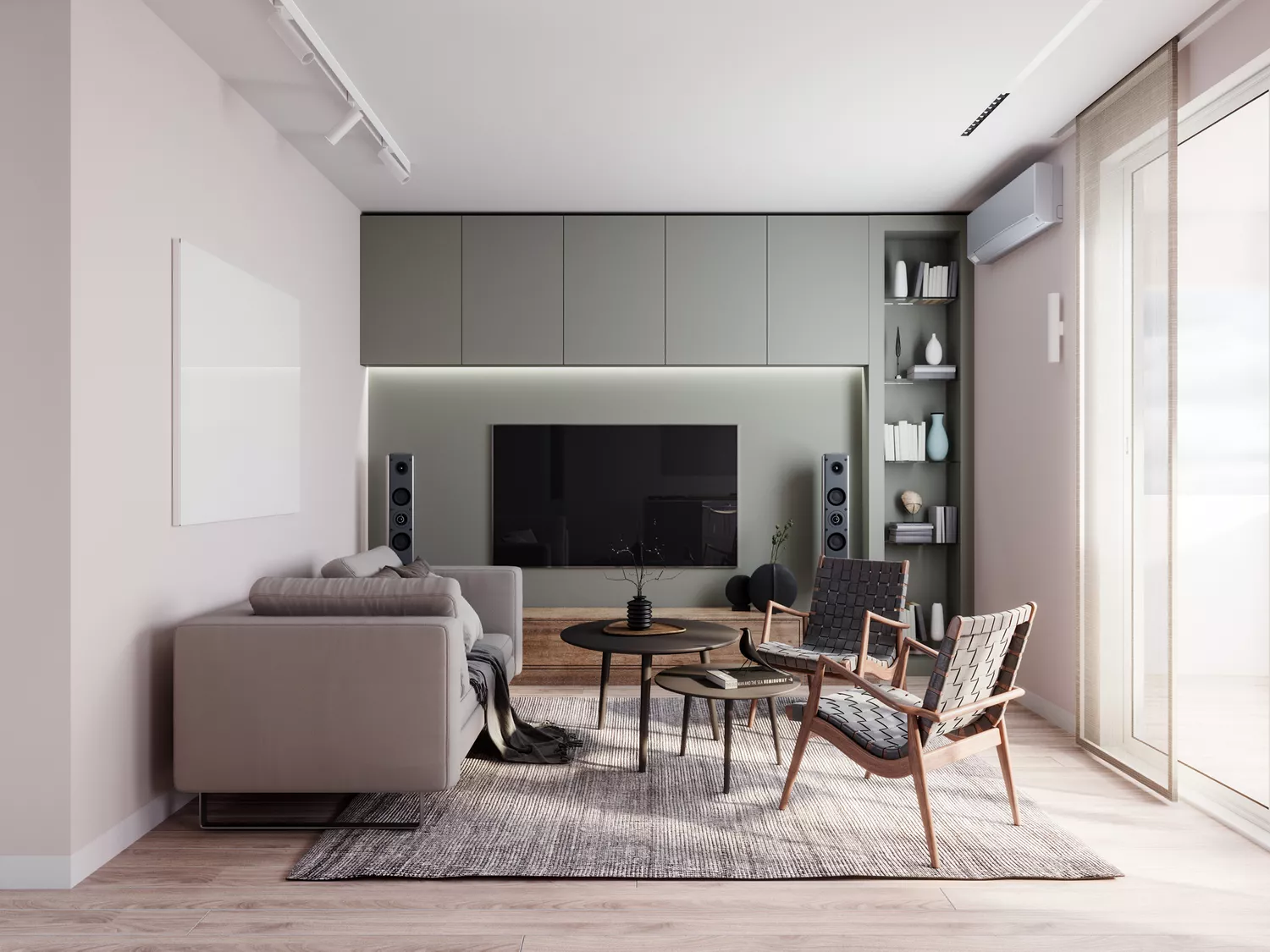
6 Small Living Room Layout Mistakes You Should Never Make, According to Designers

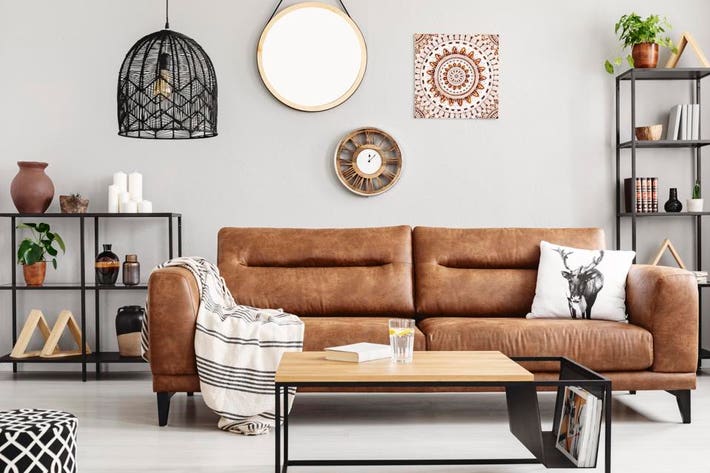
10 Interior Design Mistakes Experts Avoid In Their Own Homes

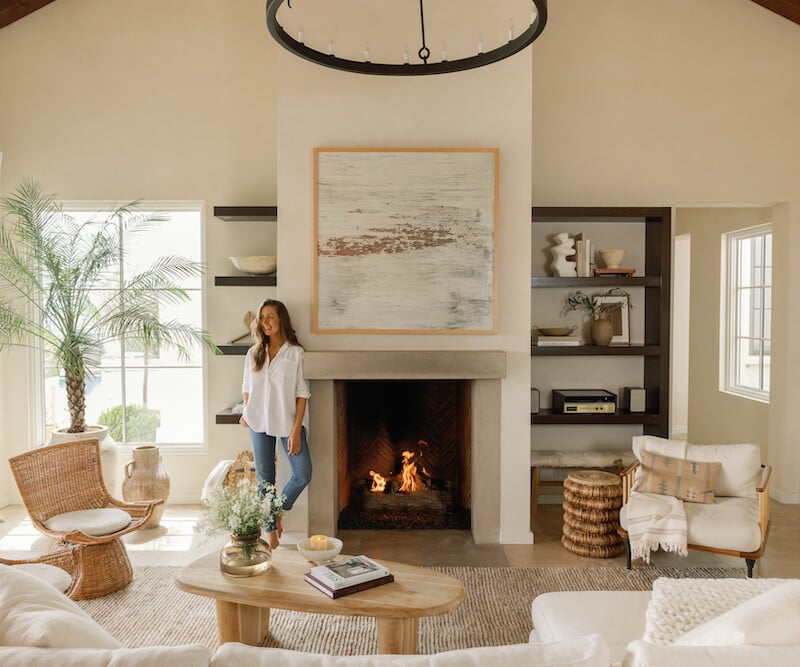
Designers Say This Is the #1 Living Room Mistake Everyone Makes
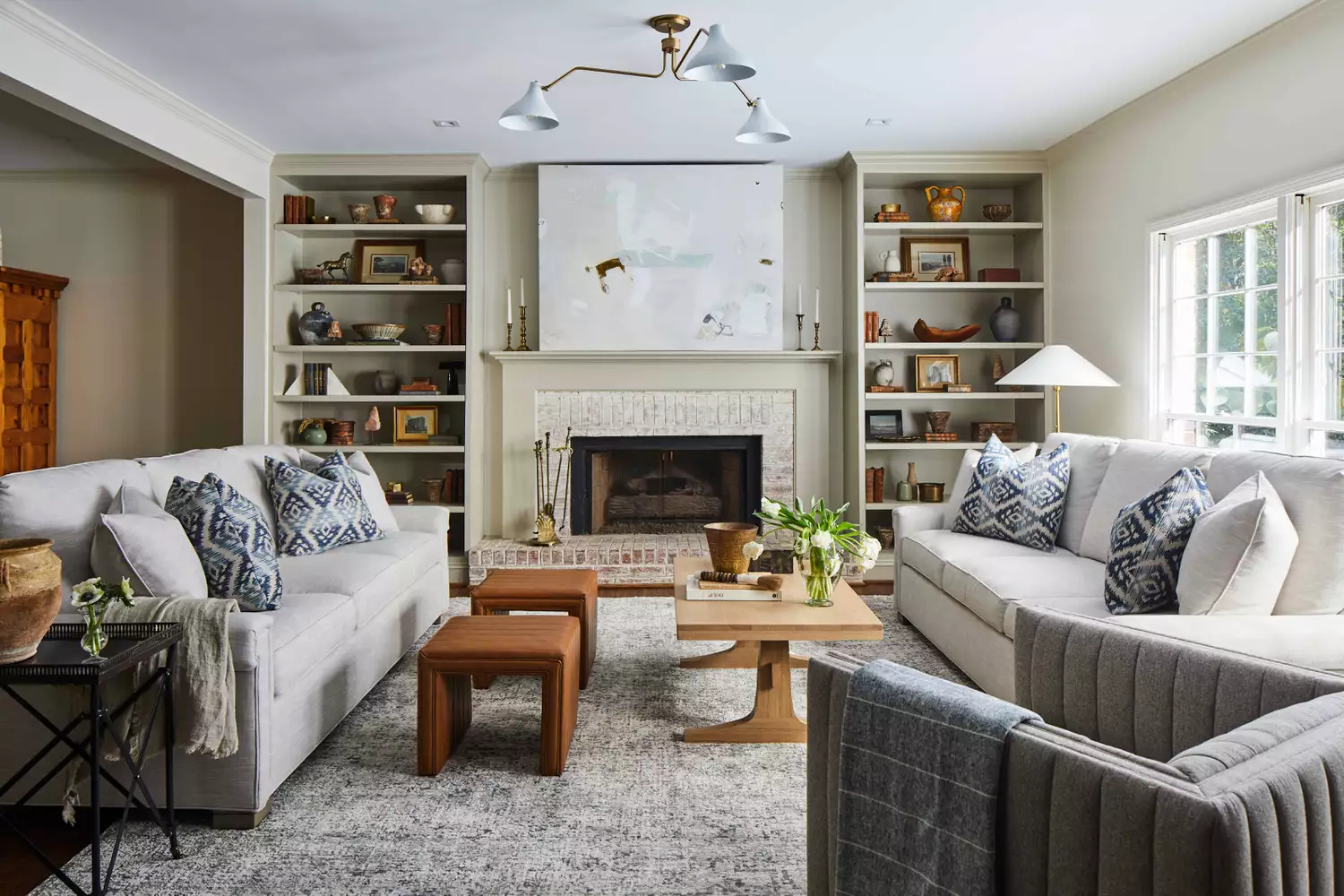
11 Living Room Layout Mistakes Designers Want You To Stop Making
7 Common Living Room Lighting Mistakes to Avoid at all Costs

10 Mistakes Designers IMMEDIATELY Notice When They Walk Into Your Home
Common design mistakes you're making in every room of your house
12 common family living room mistakes that pros warn against
6 mistakes design experts instantly notice in your home – and how to fix them
6 failsafe formulas designers always follow when planning a living room
An interior expert reveals how to achieve the perfect living room – and the biggest mistakes made
10 common living room design disasters experts warn against falling for
5 Feng Shui living room mistakes you're making – and how the experts avoid them
7 Living Room Decorating Mistakes You Should Never Make