1/7
Art Deco jewelry cabinet is veneer tour de force
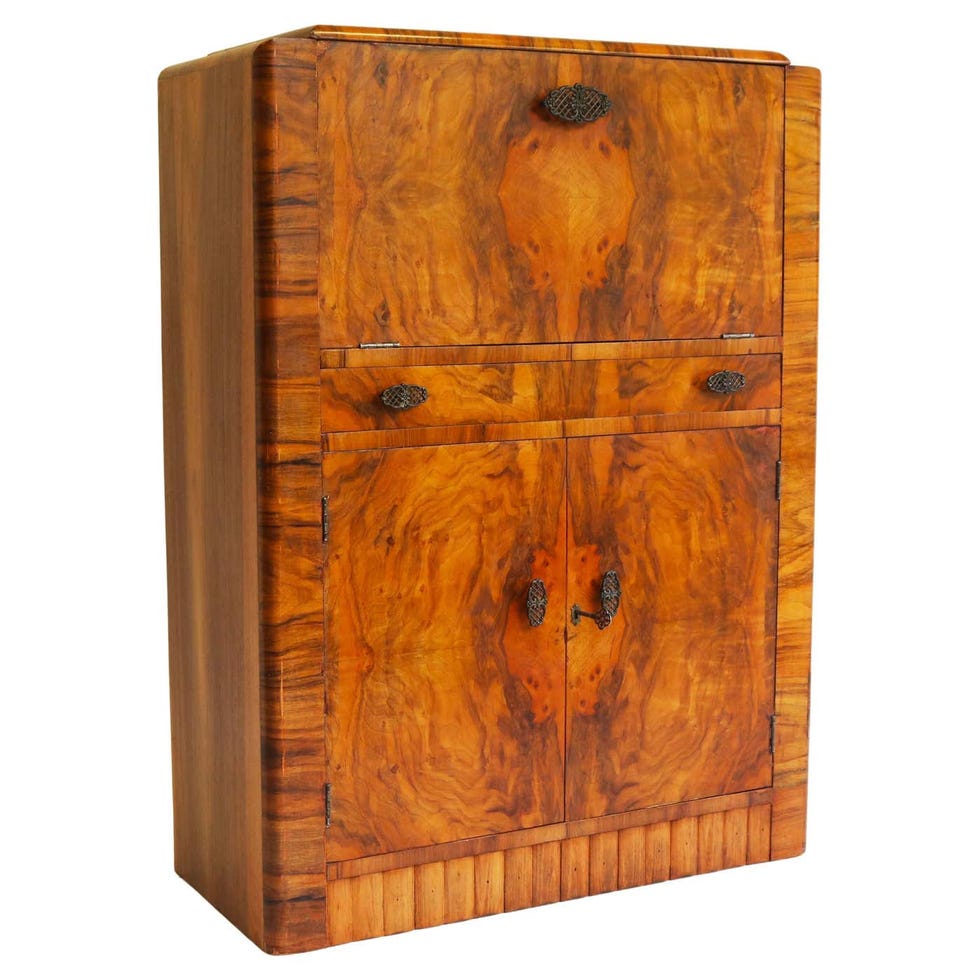
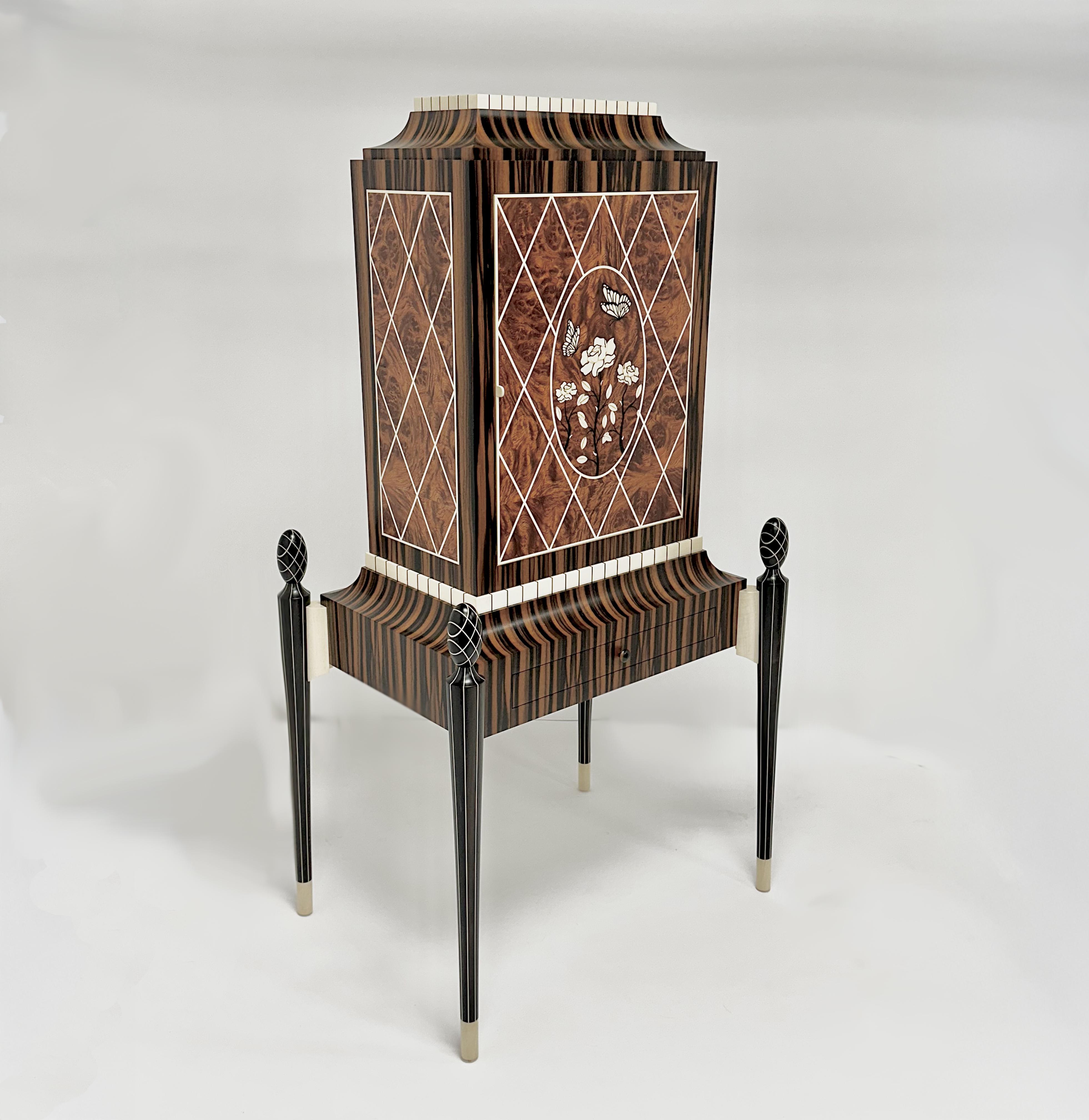
Dennis Zongker, a professional woodworker and owner of Zongkers Custom Woods in Omaha, Nebraska, has created an Art Deco style jewelry cabinet that exemplifies exceptional craftsmanship in veneering, turning, marquetry, and furniture design. The cabinet, which measures 36-1/2 inches wide, 26-1/2 inches deep, and 69 inches tall, is a tribute to the elegant furniture styles popular during the Art Deco movement of the 1920s. Zongker's previous work includes an Art Deco music box that won the grand prize in the 2023 Veneer Tech Craftsman’s Challenge, showcasing his consistent dedication to this style.
The design draws inspiration from renowned designer Jacques-Emile Ruhlmann and the broader Art Deco movement, which spanned from 1919 to 1939 and significantly influenced art and culture across Europe and the United States. The jewelry cabinet is constructed using four distinct species of hardwood and veneers: American holly, Macassar ebony, Gaboon ebony, and bubinga burl, with cherry hardwood serving as the substrate. This piece features a single outside drawer, 24 internal drawers, and a concealed compartment, all meticulously integrated into the overall design.
One of the most notable and challenging aspects of the cabinet's construction was the creation of its delicate tapered legs, which are crowned with elliptical finials. Zongker spent several weeks developing a method to combine diamond shapes with elliptical rings for these finials. He utilized solid Gaboon ebony for the larger segmented components and American holly for the thinner rings. Each finial incorporates eight elliptical rings, with four facing right and four facing left, all precisely cut at 30-degree angles. The process of segmenting and gluing these pieces, particularly the smaller rings, required significant precision to ensure alignment, while turning them on the lathe was described as the more enjoyable part of the process.
For the longer segmented legs, Zongker faced the challenge of working with Gaboon ebony, a costly material. He created a jig for his table saw to cut 22-1/2-degree angles for the 32 isosceles triangle pieces needed. American holly, cut to 1/16-inch thickness, formed the 32 rings for the legs. The assembly involved using large rubber bands and small bar clamps to secure the glued holly and ebony pieces. Following this, a piece of holly was attached for the foot of each leg using a mortise and tenon joint.
In the construction of the main carcase, particular attention was given to the alignment of the Macassar ebony veneer. Zongker acquired a large flitch of veneer to ensure that all grain patterns matched seamlessly, emphasizing the importance of matching grain edge-to-edge and along the length. The lower carcase features a large radius cove, crafted from solid cherry hardwood, chosen for its smooth grain and small pores that prevent telegraphing through the face veneer. This cove was created using a table saw technique involving repeated shallow cuts.
The cabinet's door is adorned with a marquetry motif featuring simplified roses and butterflies, executed in a minimalist style to harmonize with the Art Deco aesthetic. This marquetry employs only three veneers: Gaboon ebony and American holly for the butterflies and roses, set against a bubinga burl background. Inside the cabinet, a simplified design is present, with Gaboon ebony inlays on an American holly background. Both the back of the door and the face of the hidden internal door feature diamond-shaped inlays, mirroring those on the cabinet's exterior. These inlays were precisely routed into dadoes to match the veneer thickness, cut with a specialized jig, and then fitted using a straight chisel before being glued and pressed.
The external lower drawer is crafted from solid Macassar ebony with hand-cut dovetails, while its dividers are made of ebony with lap joints, resting on a solid American holly bottom. The 24 interior drawers are made from soft heavy curly maple and feature lap corner joints, secured with custom-made ebony dowels. These dowels, created using a dowel maker tool, are 3/16-inch wide and 3/4-inch long, specifically designed to complement the Art Deco style of the cabinet.
#ArtDeco #JewelryCabinet #Veneering #FurnitureDesign #Woodworking #Marquetry #CustomFurniture #WoodCraftsmanship #FineWoodworking #ArtDeco #JewelryCabinet #Veneering #FurnitureDesign #Woodworking #Marquetry #CustomFurniture #WoodCraftsmanship #FineWoodworking
Toplam 0 yorum
 Henüz yorum yok
Bu da beğenebilirsiniz
SONGMICS Wall or Door Mounted Jewelry Armoire with Mirror review - A place for everything and everything in its place

Top-Notch Home Goods for a Loved One With Exacting Taste

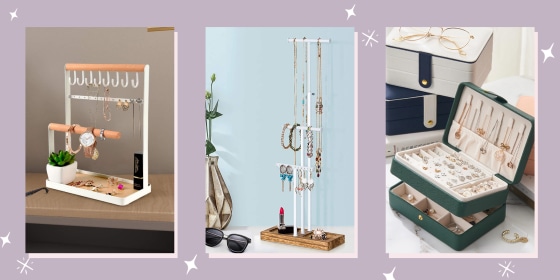
13 best jewelry organizers for necklaces, rings and more

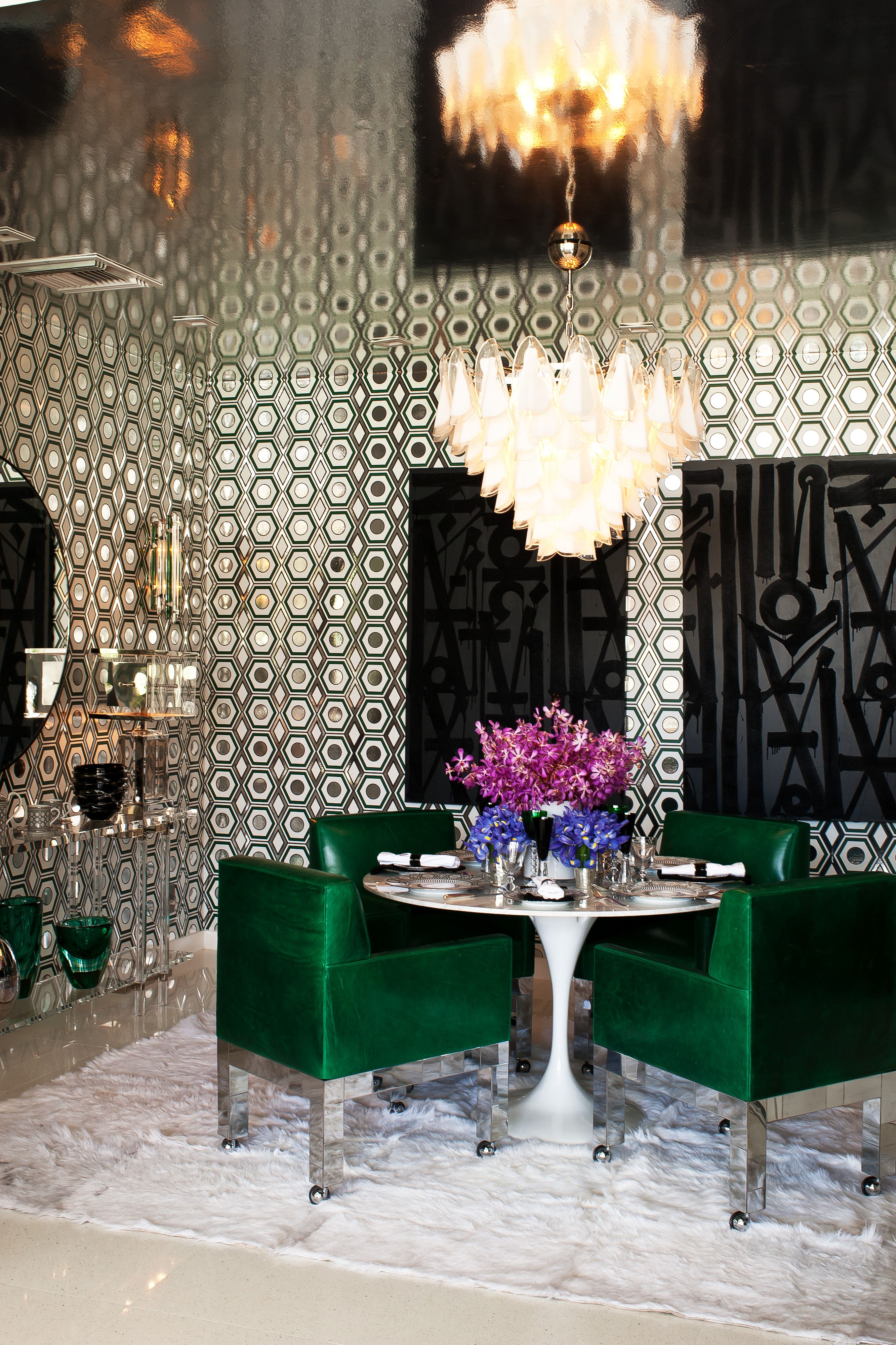
Art Deco Interior Design in 6 Ways—Including Bold Patterns and Jewel Tones

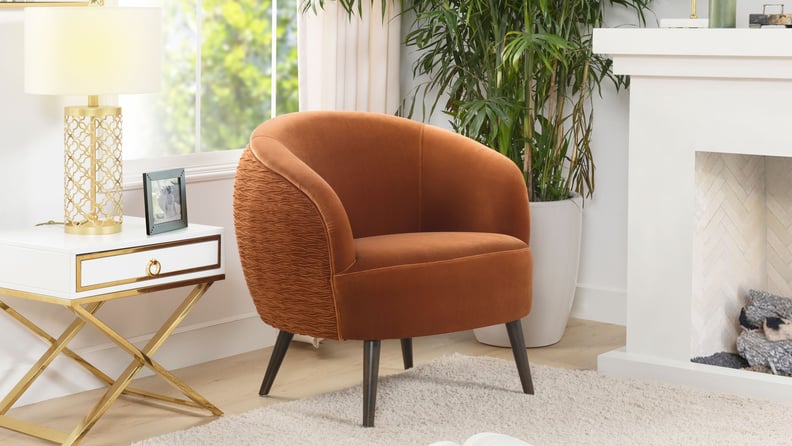
From Bed Frames to Mirrors, These Art Deco Touches Will Elevate Your Home

The 10 Best Jewelry Boxes and Organizers of 2025 | Reviews by Wirecutter
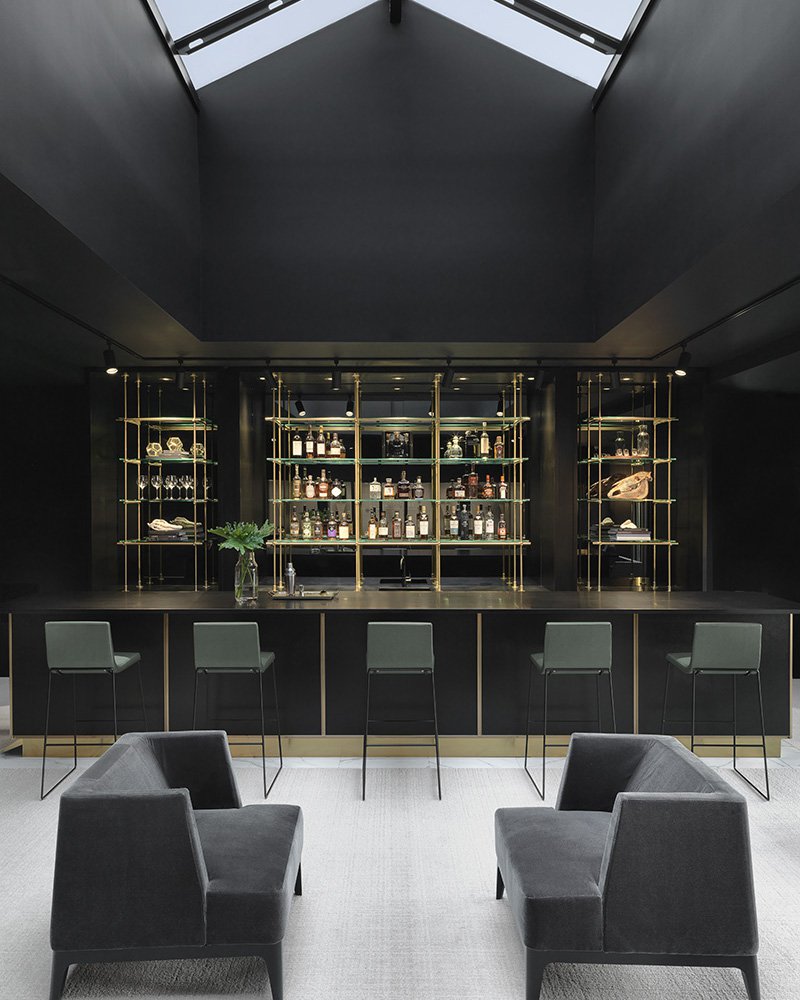
The Adam Foster Fine Jewelry showroom and event space offers an immersive experience

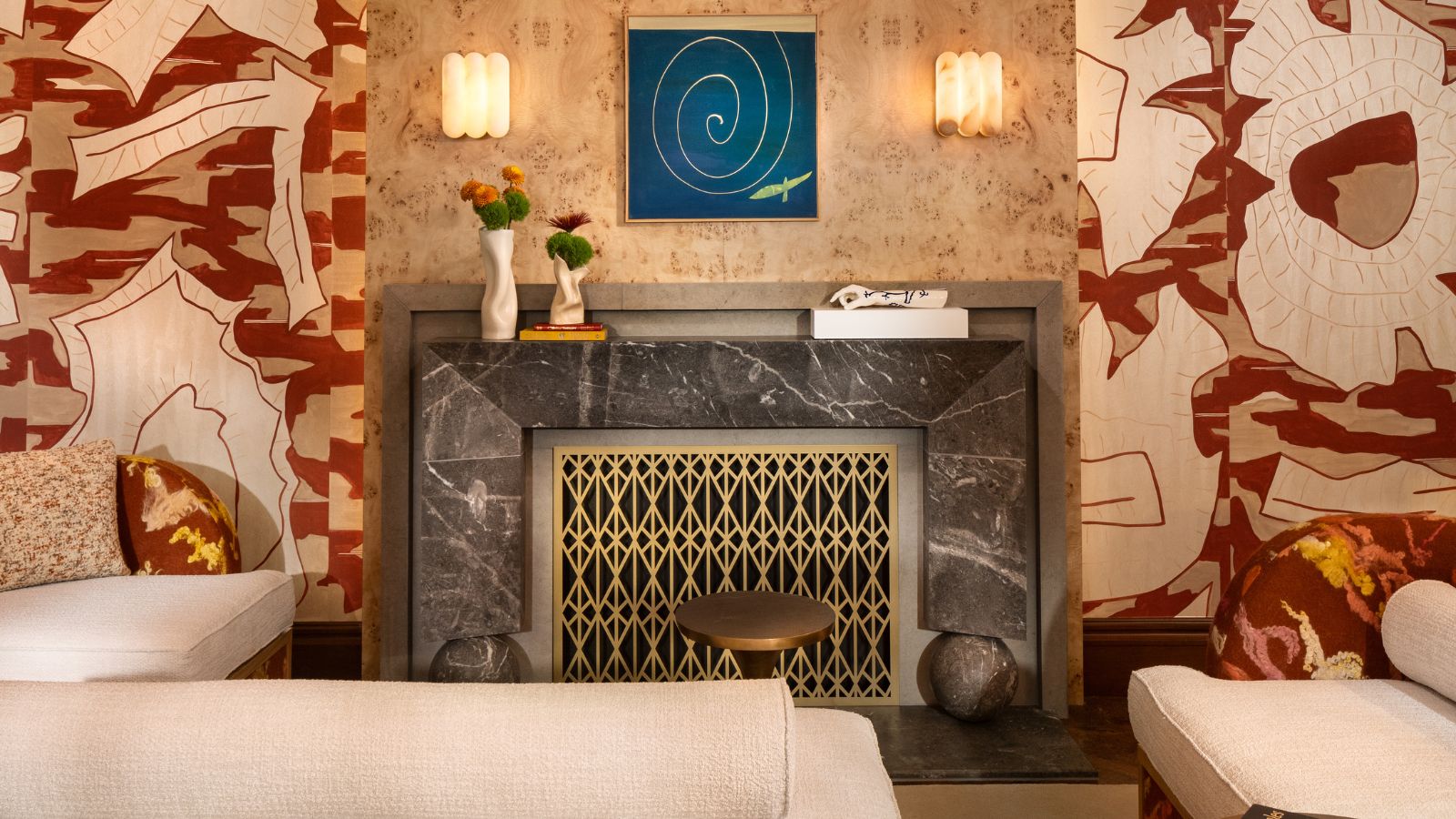
This is how designers are doing Art Deco in 2025, 100 years on from when this iconic style began

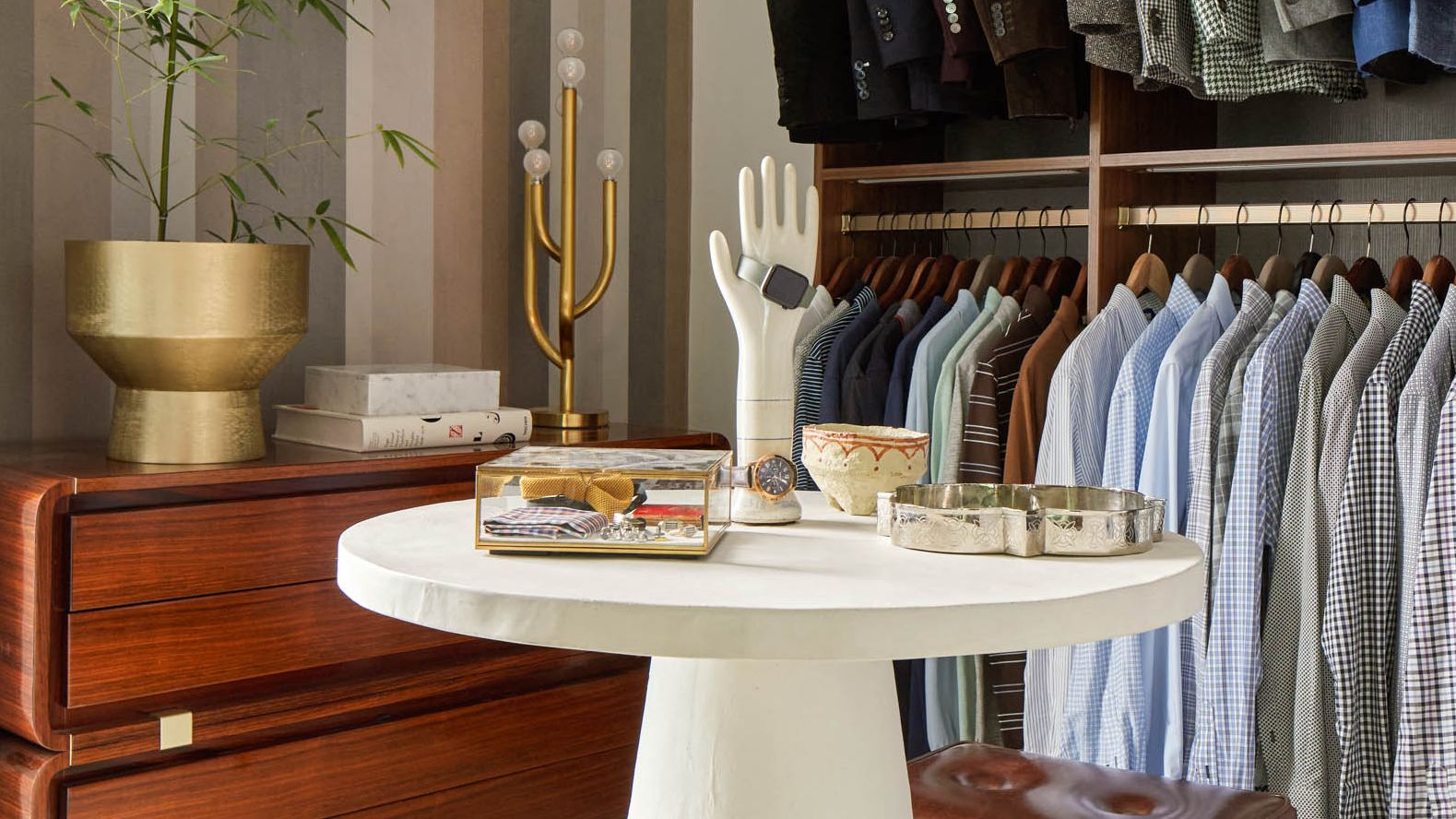
19 Jewelry Organization Ideas for Your Most Delicate Treasures

This Jewelry Display Idea From The Pros Is Genius — & It's Only $10
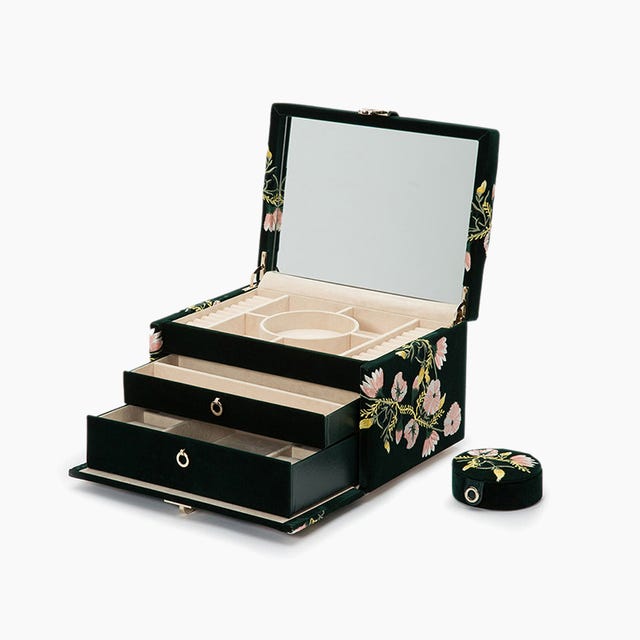
The 13 Best Jewelry Organizers to Keep Your Baubles Tidy


How to Thrift The 1920s Design Trend Gen Z is Making Cool Again
Cabinet Jewelry

Designers Are Ditching Gallery Walls for This Gorgeous Antique Item
10 items to bring 1920s art deco style into your home
12 Jewelry Storage Ideas You'll Wish You Knew Sooner

Discover Eye-catching Kitchen Hardware Inspired by Fine Jewelry

30 Best Luxury Home Decor Items That Are as Unique as You Are
The 12 Dollar Tree Items You Need To Perfectly Organize Your Vanity

Local Event: Fine Art & Mid-Century Modern Design | Online Auctions Dec. 10 & 11