Are Plants in Your Shower a Good Idea? Here's What Experts Say
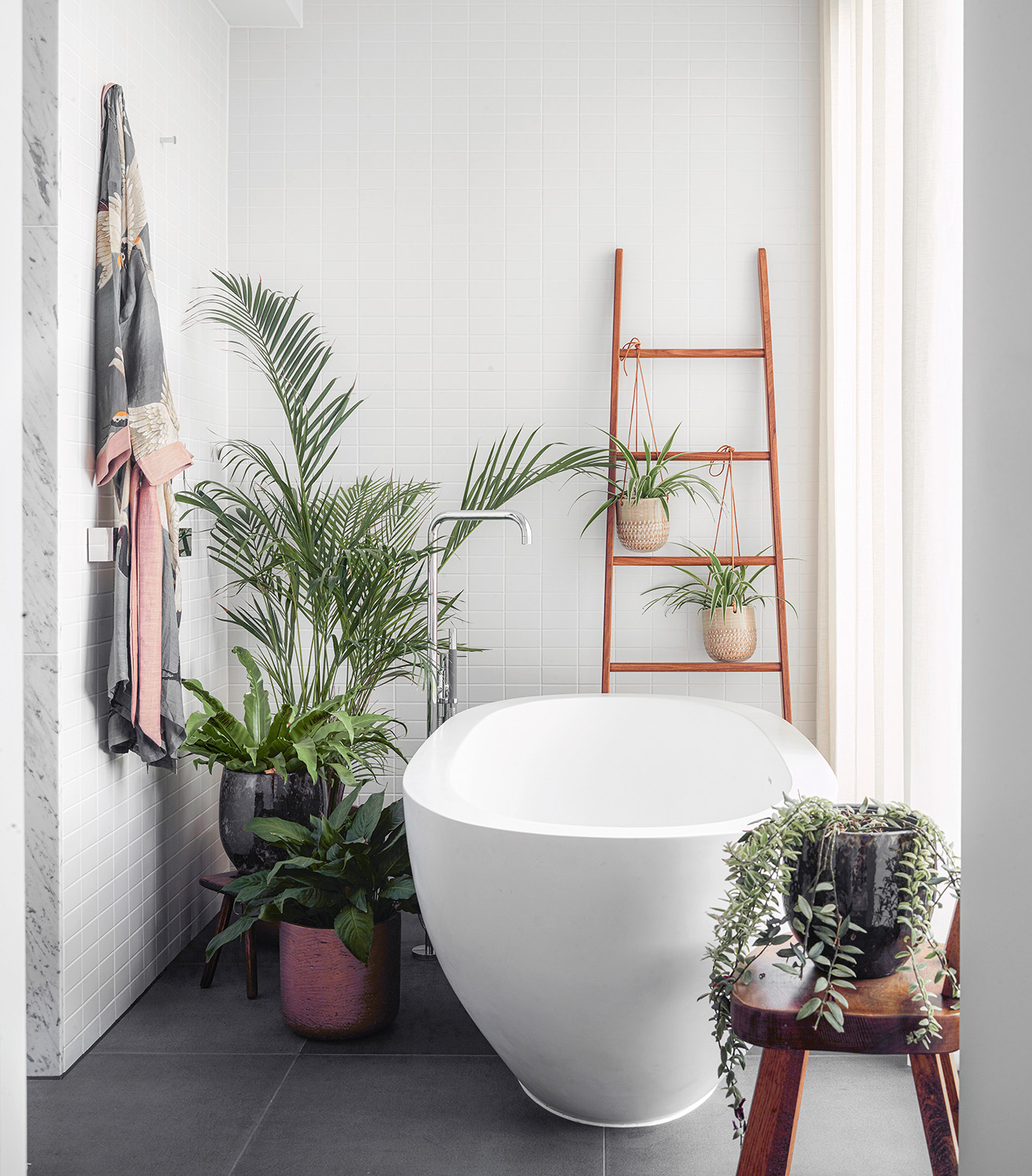
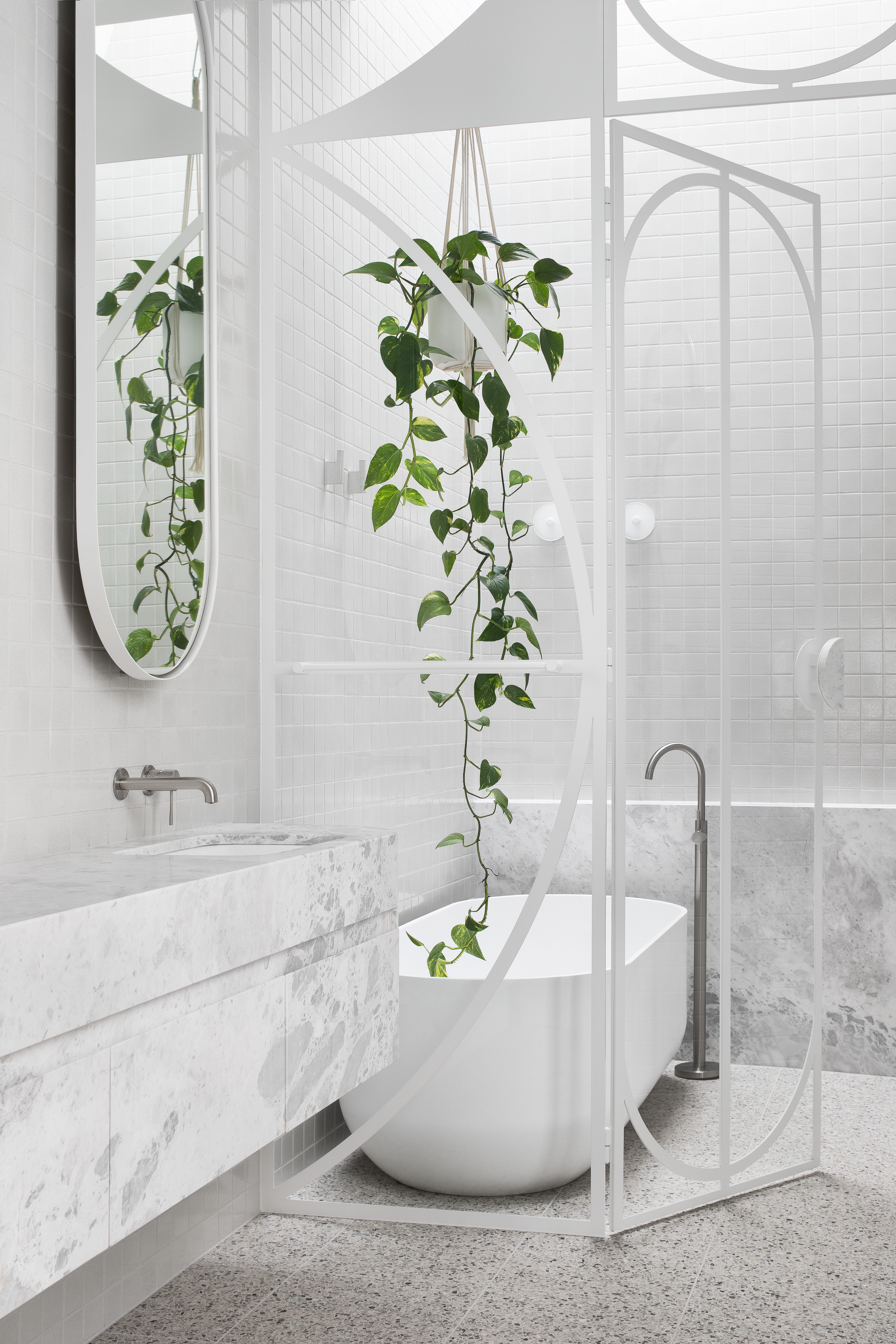
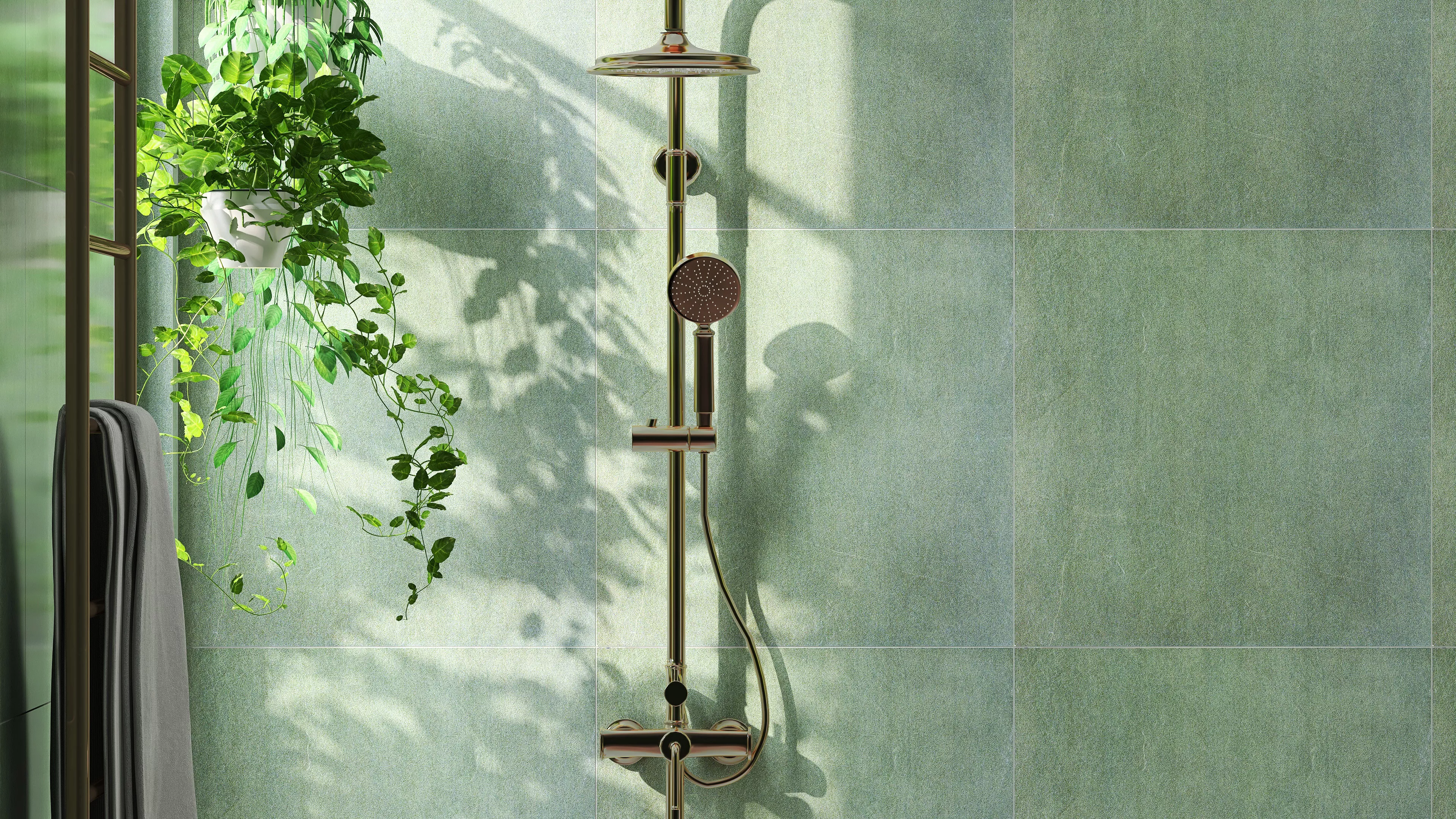
Integrating plants into a shower environment, a trend known as shower plants, is gaining popularity due to its potential to introduce biophilic design and a spa-like ambiance to bathrooms. However, successfully cultivating plants in a shower requires careful consideration of specific environmental factors, as not all plants are suited for this humid and often low-light setting. Plant experts Carlie Paluzzi, co-founder of BWH Plant Co., and Paris Lalicata, plant education and community engagement associate at The Sill, emphasize the importance of light levels and air circulation for plants to thrive in a shower.
Adequate lighting is crucial for any plant. Showers with natural light sources like windows or skylights are ideal. For windowless showers, an external clip-on grow lamp with a flexible neck can provide the necessary illumination through glass doors. Without sufficient light, plants will not survive in the shower environment.
Air circulation is equally vital to prevent excessive humidity from harming plants. While plants in showers benefit from humidity, too much moisture on their foliage for extended periods can lead to fungal growth or water-soaked lesions. Therefore, showers with good ventilation, such as a bathroom fan or a window that can be opened, are preferable. For showers used frequently, especially by multiple people, the constant high humidity might be detrimental even for humidity-loving plants. Larger showers with less frequent use may not require as much ventilation. Plants grown using the kokedama technique, where roots are encased in a moss ball, are particularly well-suited for showers as they moderate their moisture levels effectively and can fit into smaller spaces.
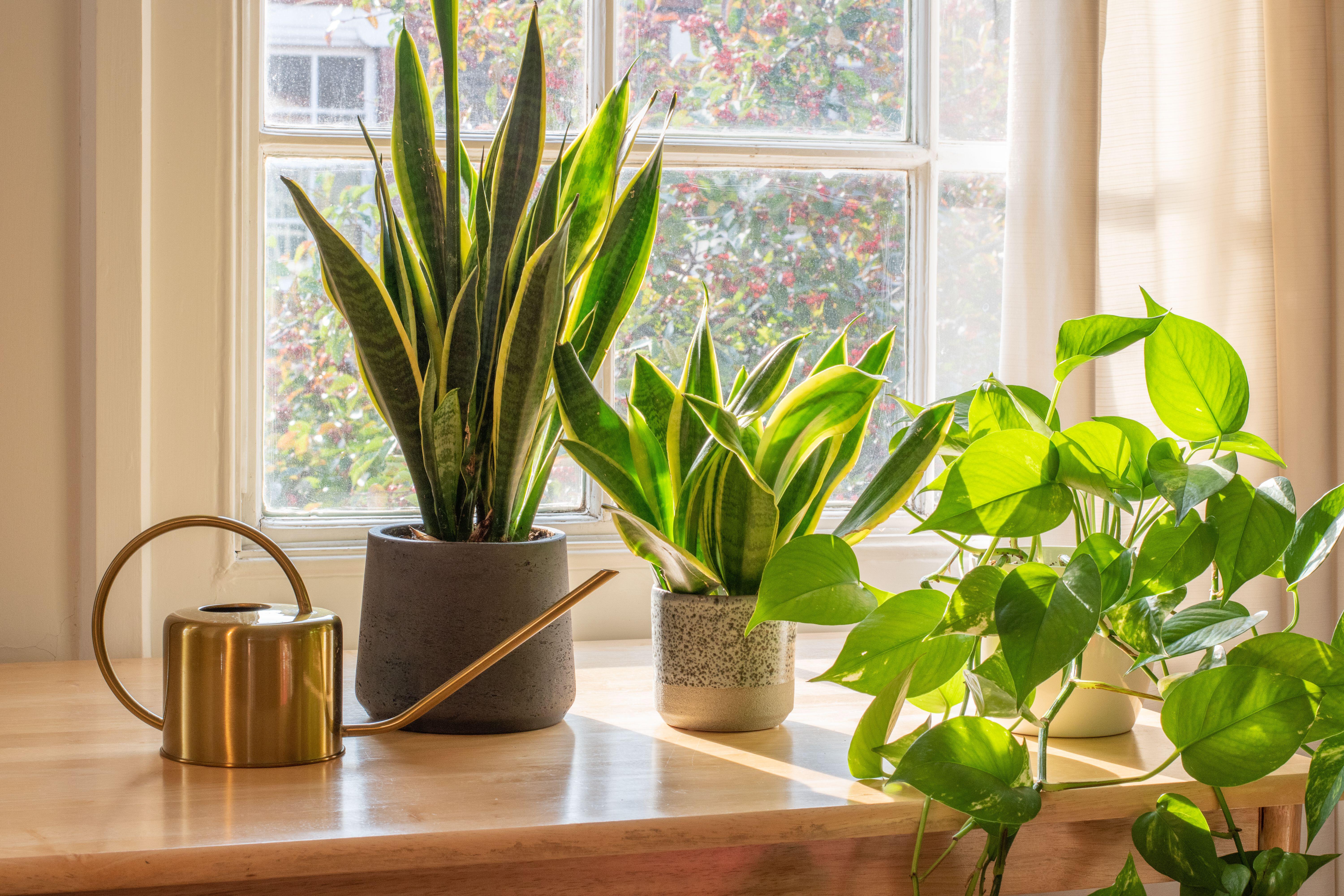
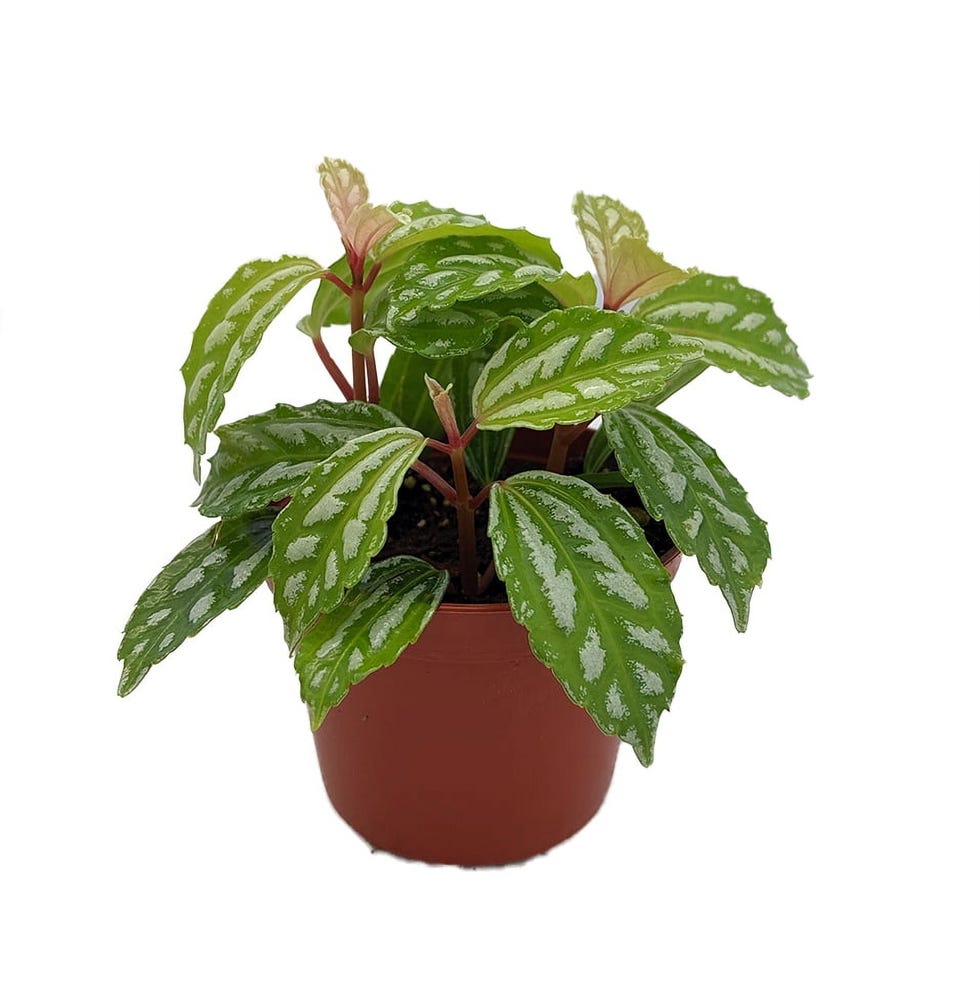
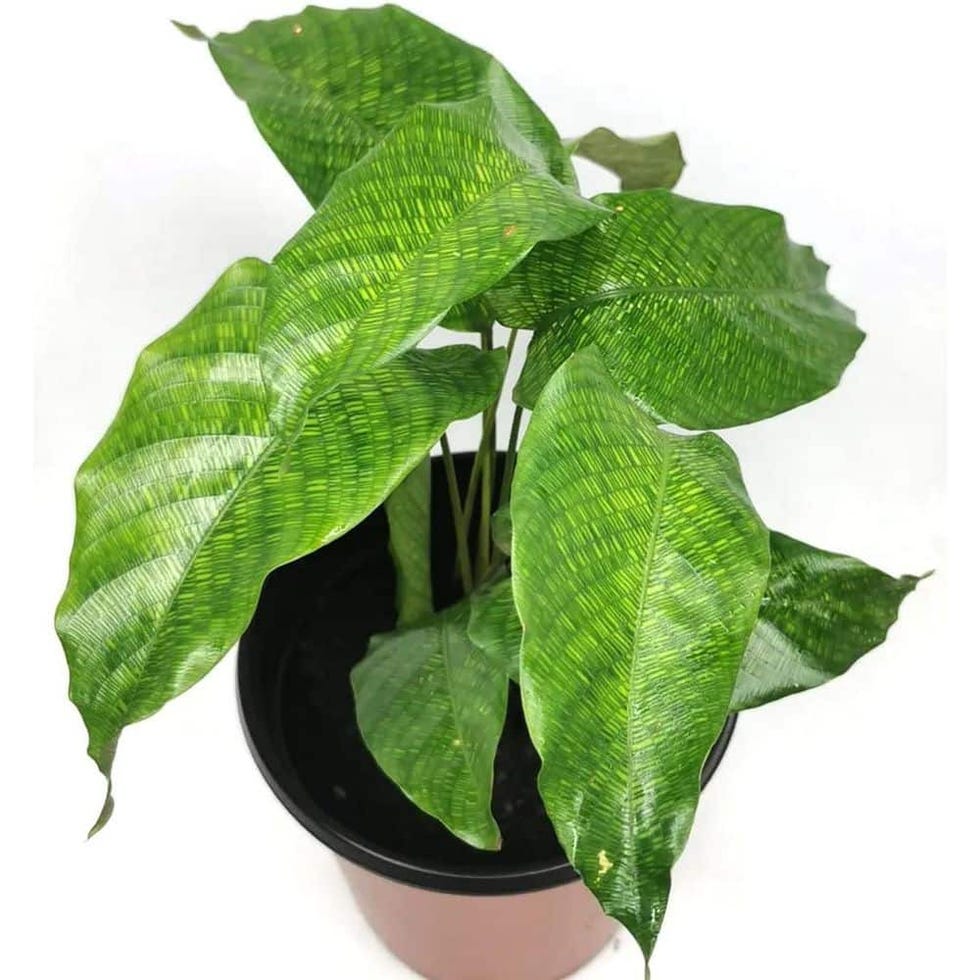
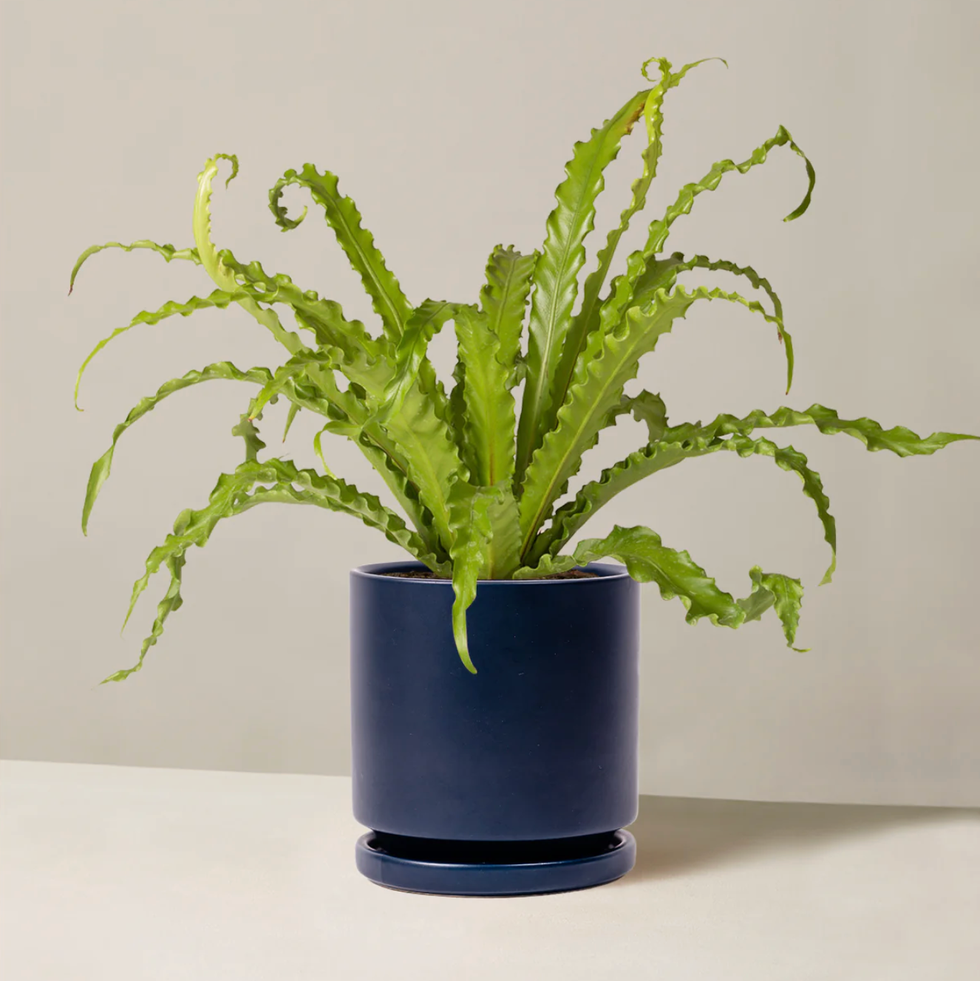
Selecting the right plant species is paramount. Paluzzi suggests choosing plants that naturally thrive in high humidity, low light, and warm, tropical-like conditions. Recommended plants include Calatheas, which prefer medium to bright light and high humidity, making them suitable for sunny showers or those with grow lights. Pitcher plants, naturally adapted to boggy conditions, are excellent at absorbing humidity. Philodendrons and Pothos are easy-to-grow, adaptable, and tolerant of low-light conditions, making them ideal trailing options. Various types of ferns, such as rabbit's foot fern and bird's nest fern, flourish with moisture on their foliage. Air plants, which absorb nutrients from the air, are a natural fit for humid showers, with staghorn ferns mounted on boards being a good choice for brightly lit spaces. Orchids, particularly beginner-friendly moth orchids, also thrive in high humidity and indirect light, adding an elegant touch when mounted on wood or wrapped in moss.
#ShowerPlants #HouseplantCare #BiophilicDesign #BathroomDecor #PlantSelection #HumidityLovingPlants #IndoorGardening #HomeDecor #PlantExpertAdvice #ShowerPlants #HouseplantCare #BiophilicDesign #BathroomDecor #PlantSelection #HumidityLovingPlants #IndoorGardening #HomeDecor #PlantExpertAdvice
Toplam 0 yorum
 Henüz yorum yok
Bu da beğenebilirsiniz
The Best Shower Water Filters, According to Experts
No Lie, This Study Says an Outdoor Shower Can Double the Value of Your Home


Steam Showers: What You Need To Know

8 Types of Showers to Consider for Your Bathroom
Showers


Remodel Your Bathroom And We'll Tell You Which Shower Routine You *Should* Have
Plant Style: Elevate Your Decor with Indoor Plants

The Best Shower Tile To Use In Your Bathroom, According To A Design Expert
"The Shower" Routine Aesthetic—How This Luxe Self-Care Trend Is Making Us Rethink Our Bathing Rituals
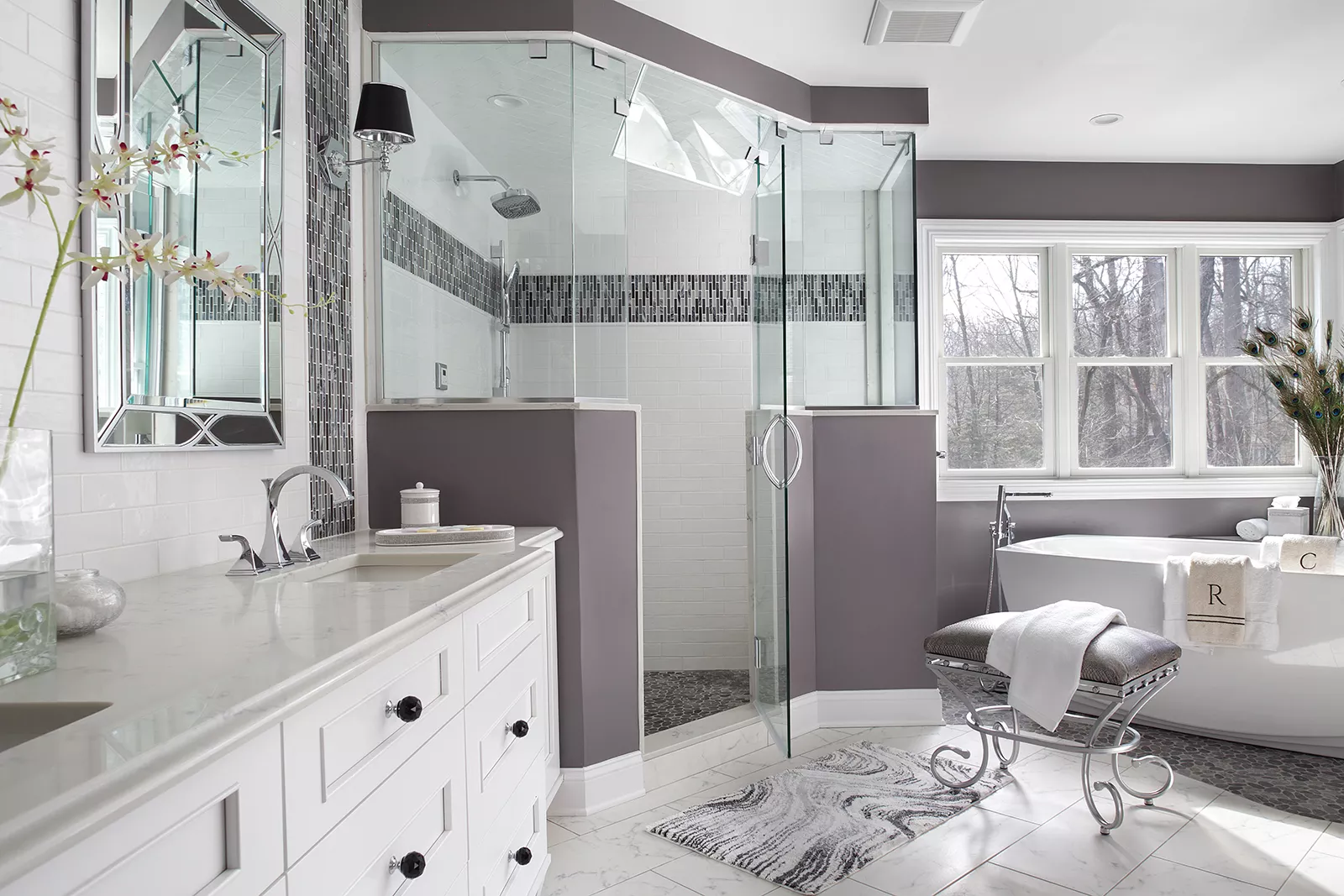
What Is a Steam Shower? A Guide to the Popular Bathroom Upgrade
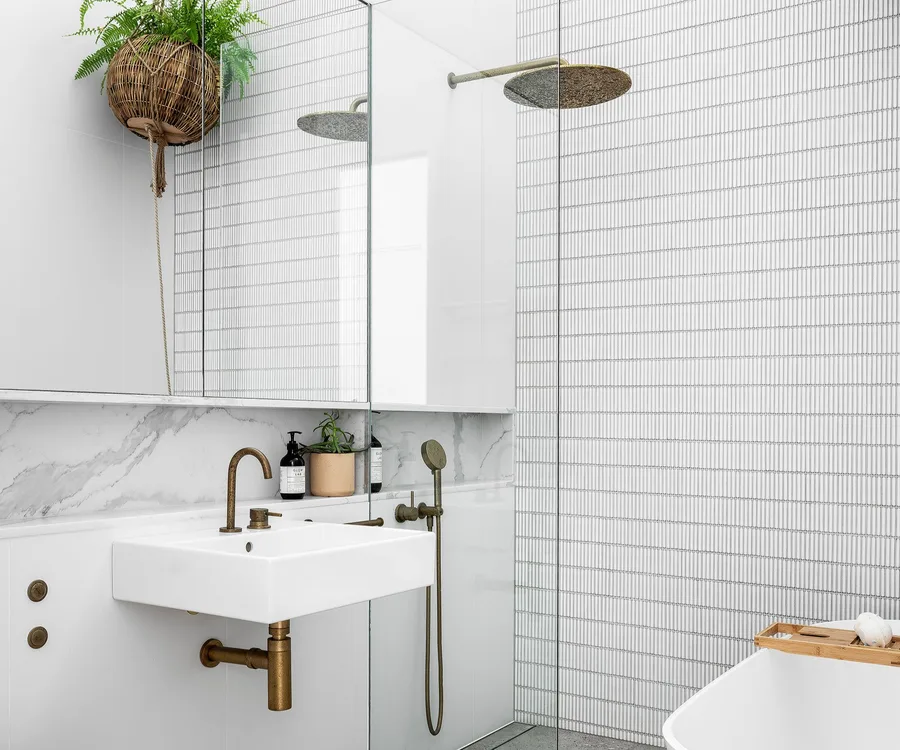
7 ways to clean your shower (and keep it that way) using natural products

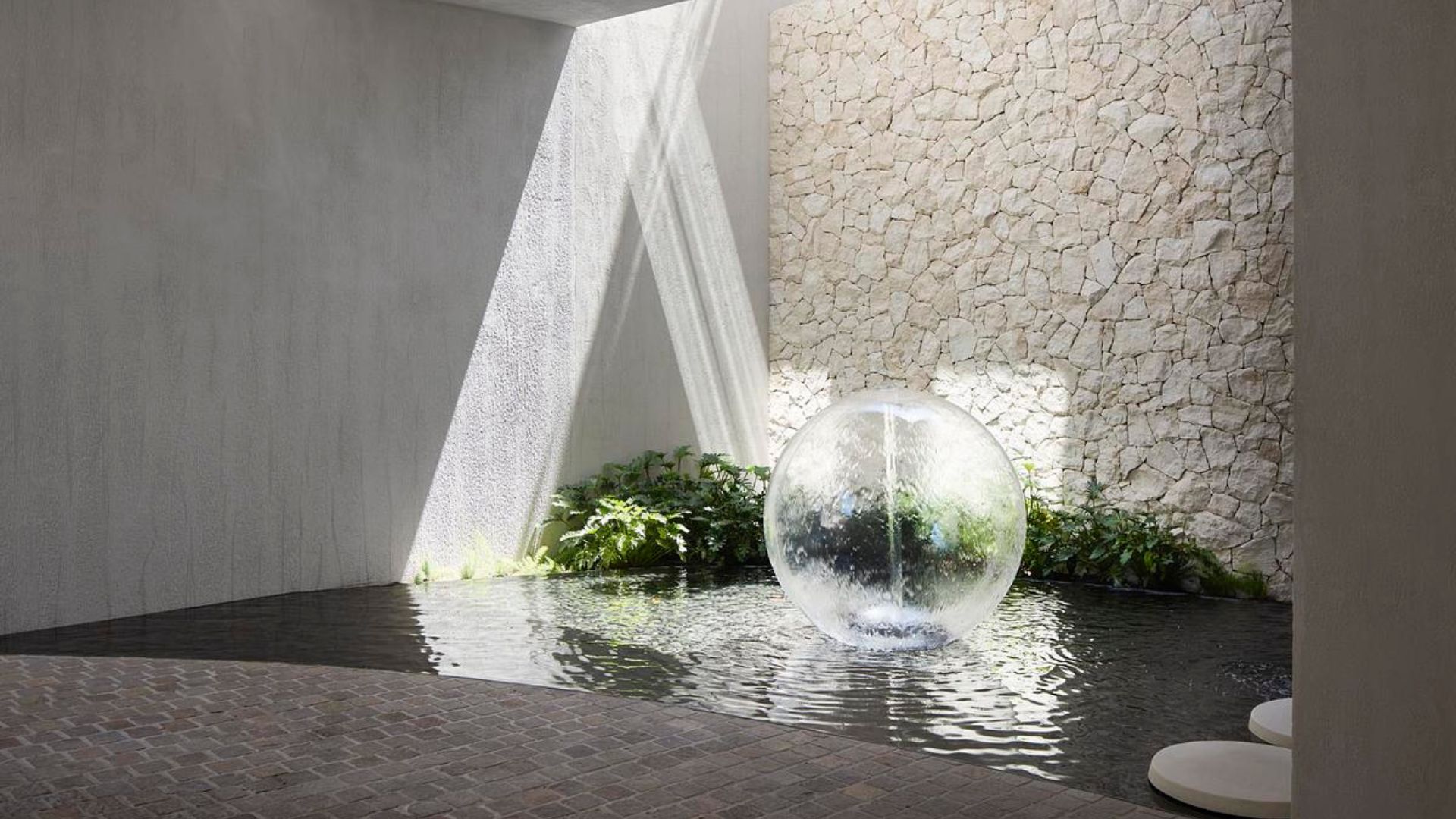
5 Aquatic Plants to Brighten Up Your Water Feature

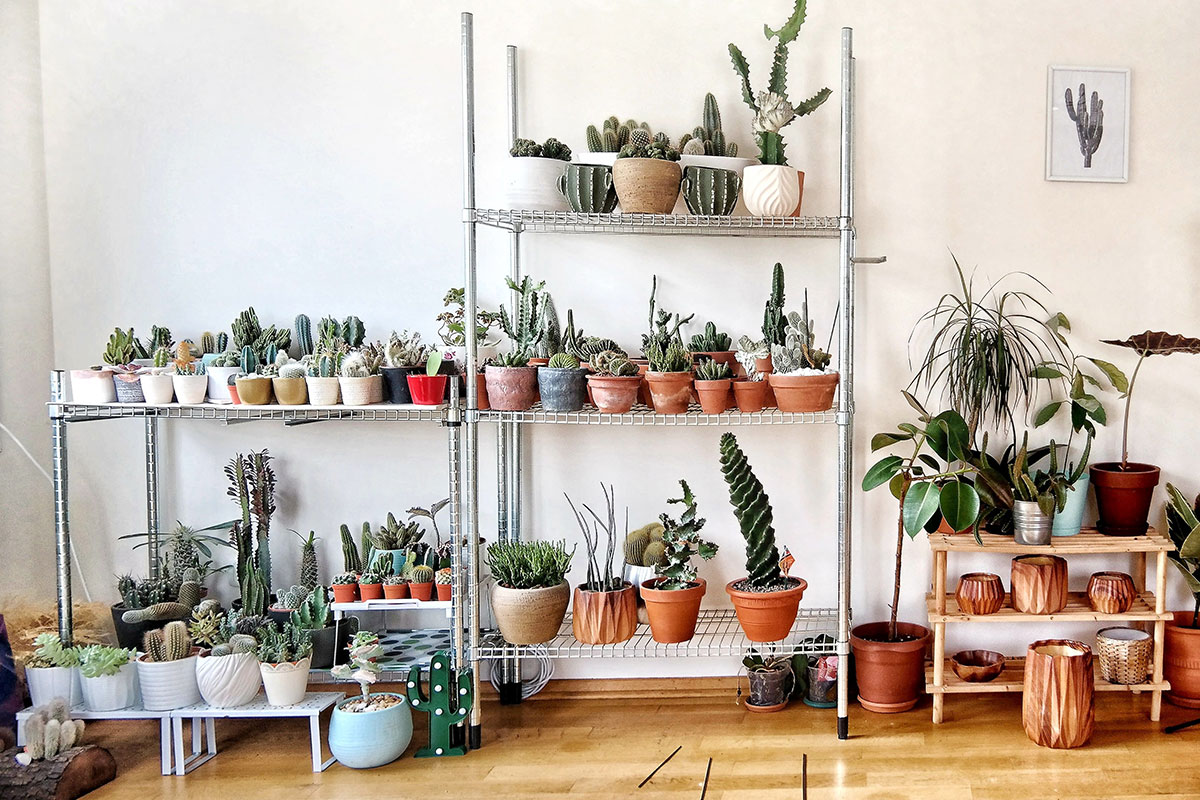
House plants aren’t just beautiful decor—they’re healthy for you too
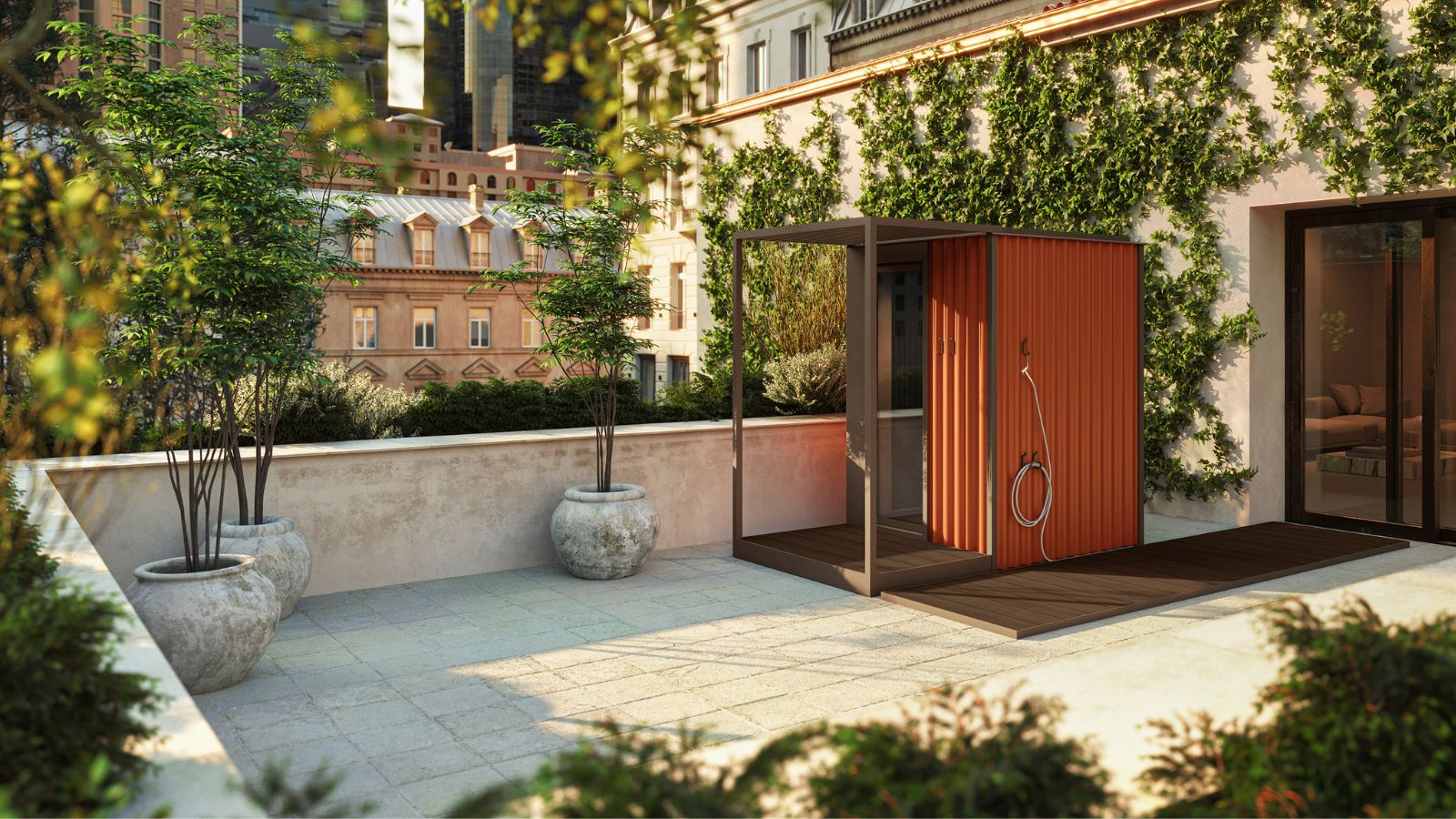
15 outdoor shower ideas to elevate your backyard design

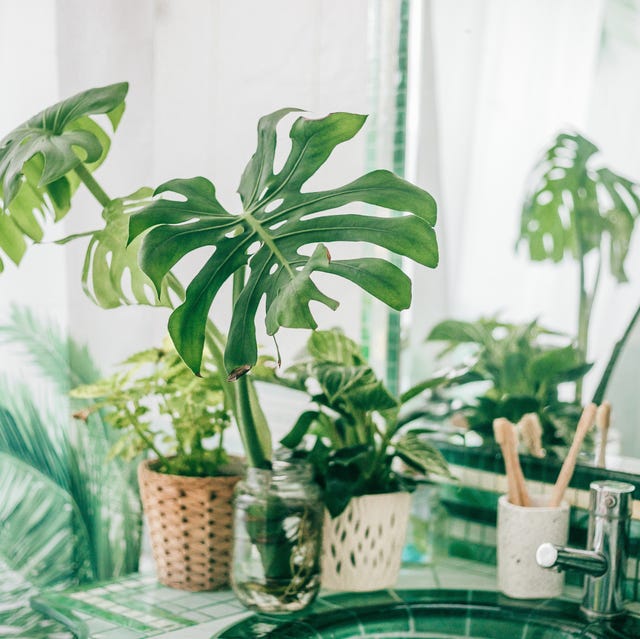
The Designer-Approved Way to INSTANTLY Bring Spa Vibes Into Your Bathroom
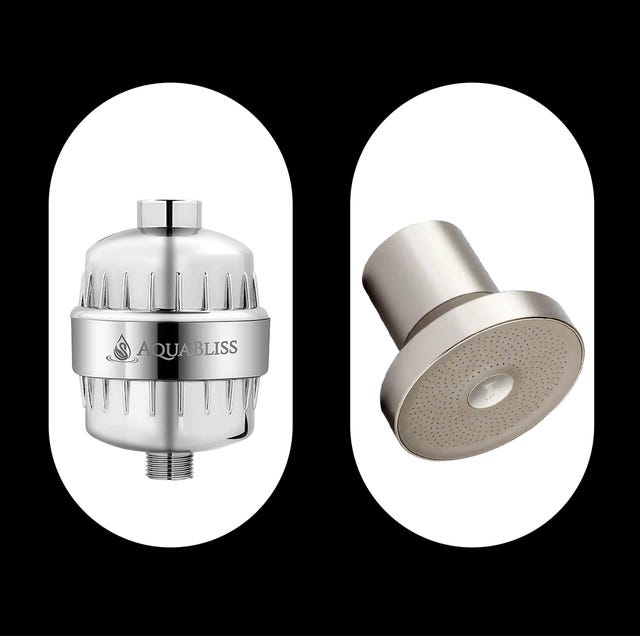
FYI, These Shower Filters Will Transform Your Skin and Hair
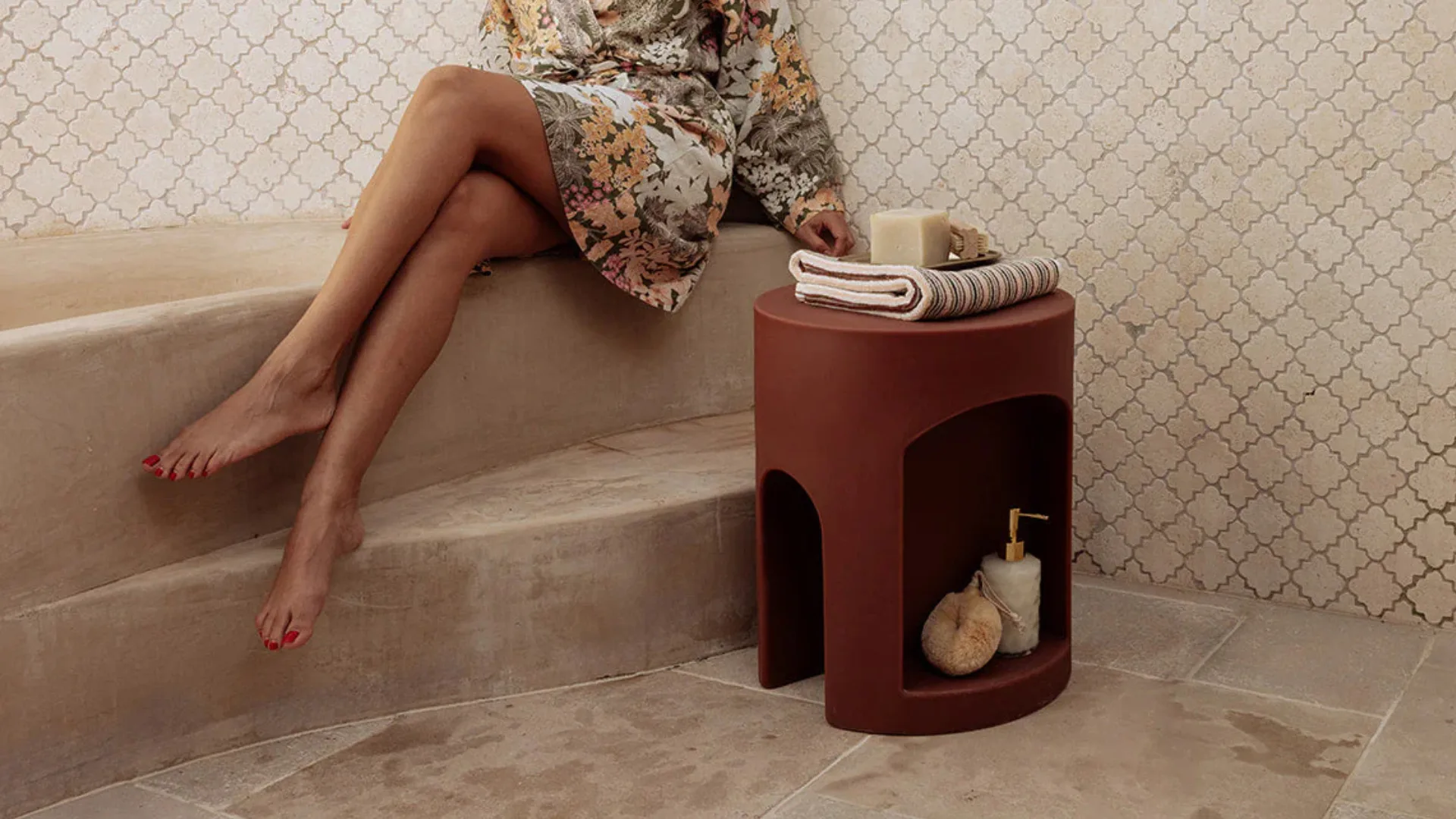
If Your Shower Is Your Sanctuary, This Chic Addition Will Level Up Your Self-Care
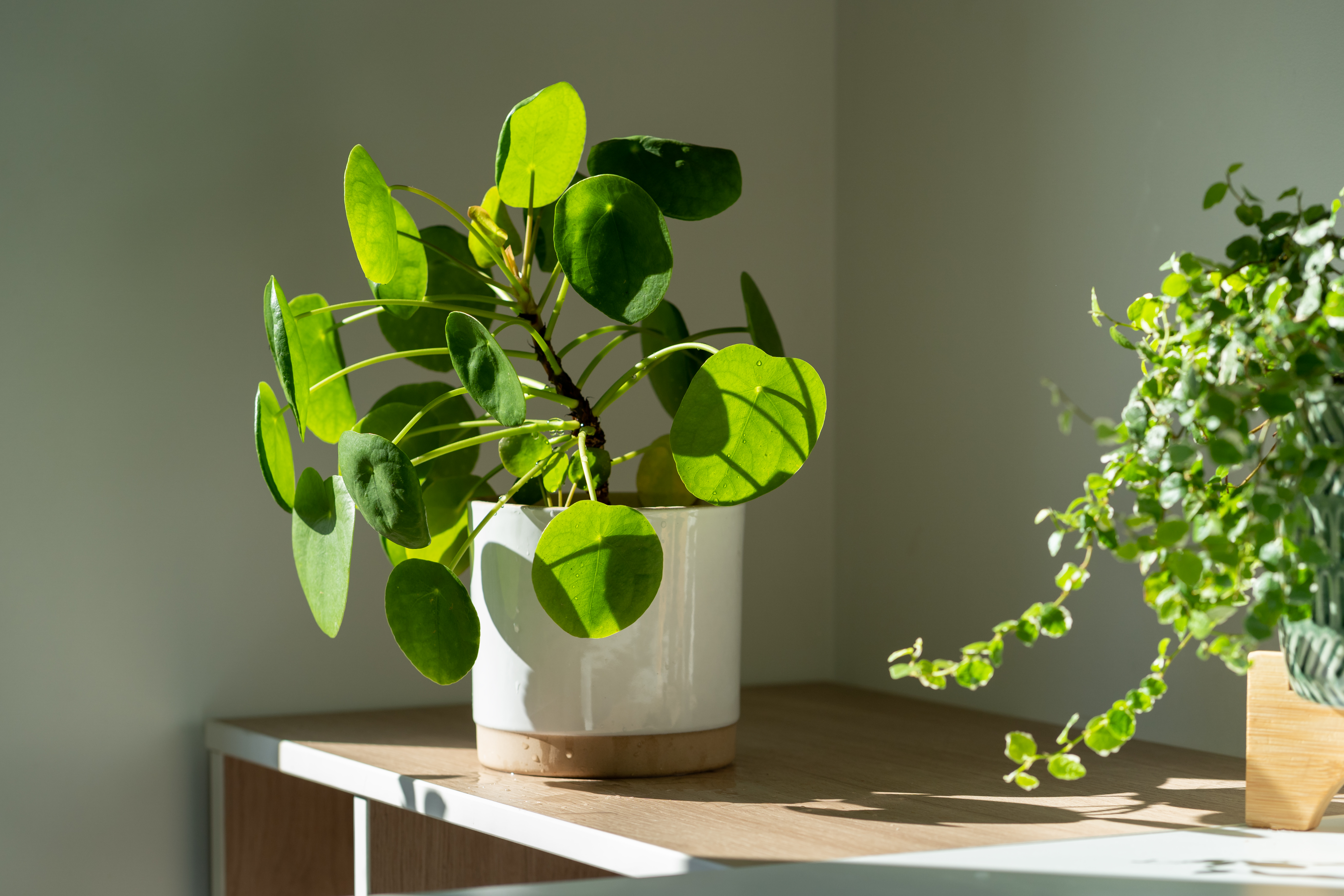
'Too hot or cold and you risk damaging the plant' – this is the ideal watering temperature for healthy houseplants

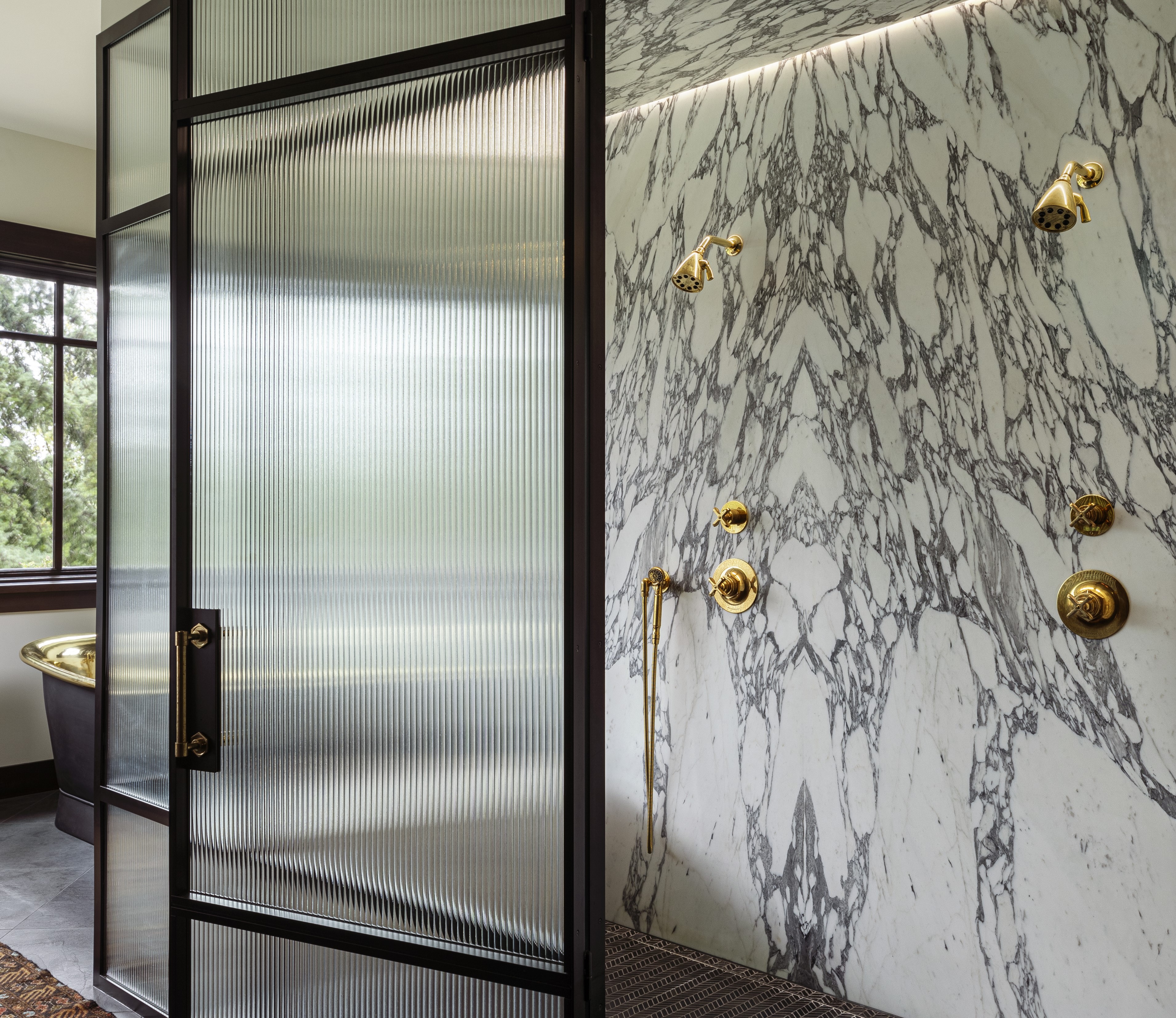
Can Shower Enclosures be Glam?! 'Yes! They Create a Charming Jewel-Box Feel,' Say Experts
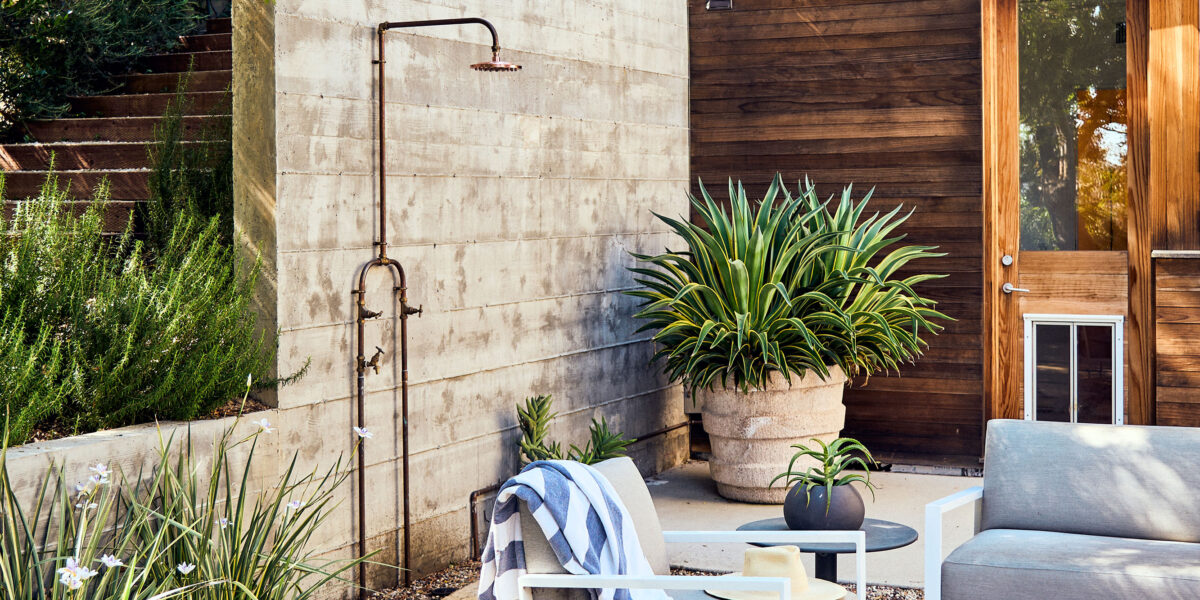
This Is the Coolest Design Feature You Could Have This Summer