A Primer on Chalk Paint: Everything You Need to Know About the Versatile Paint, According to Pros
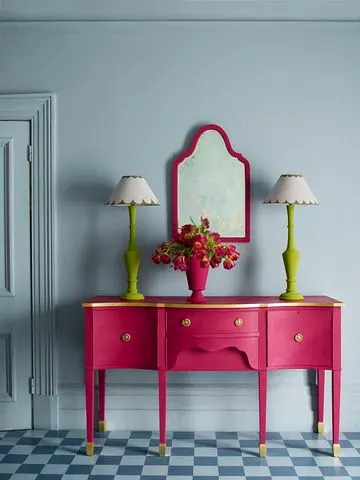
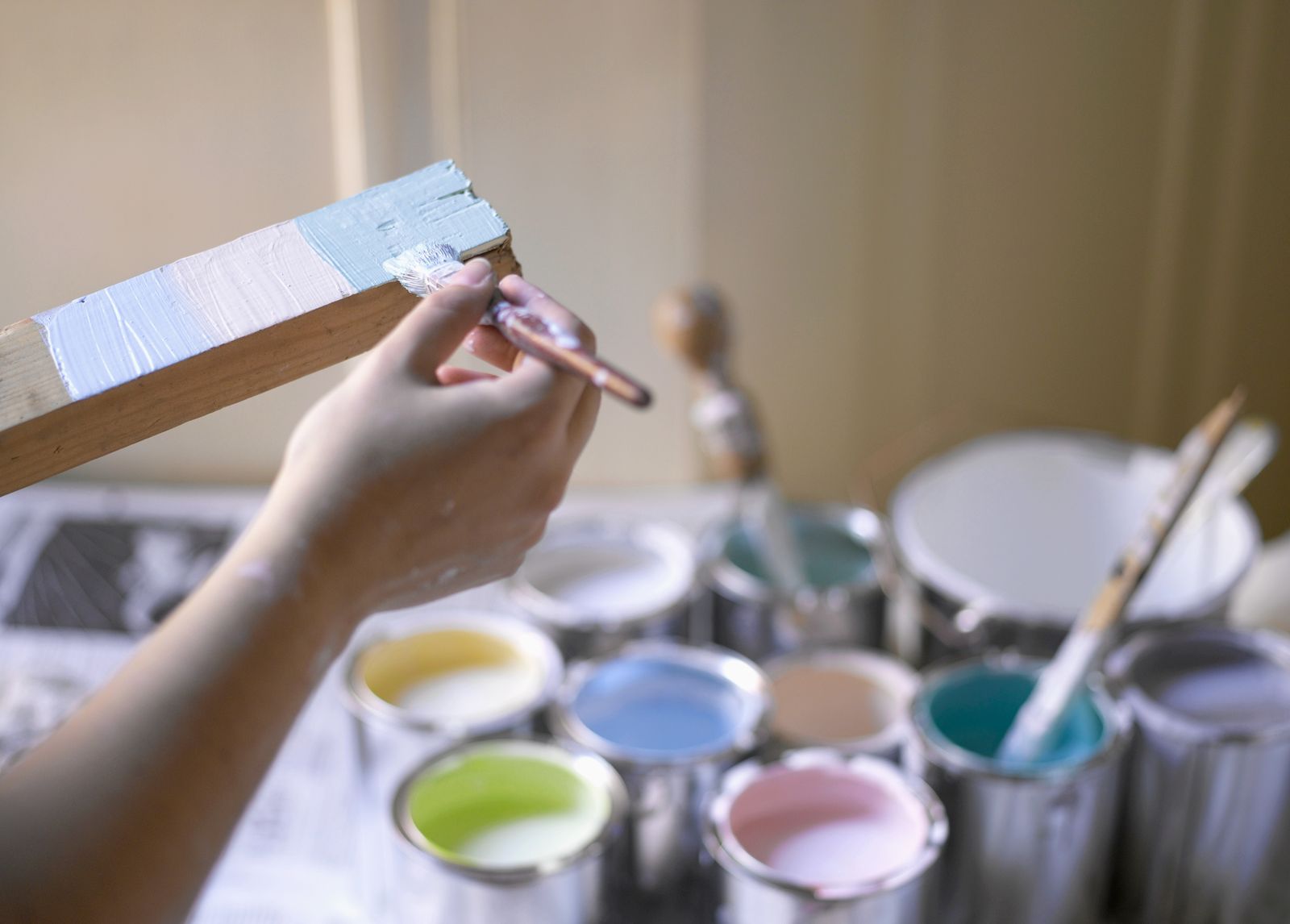
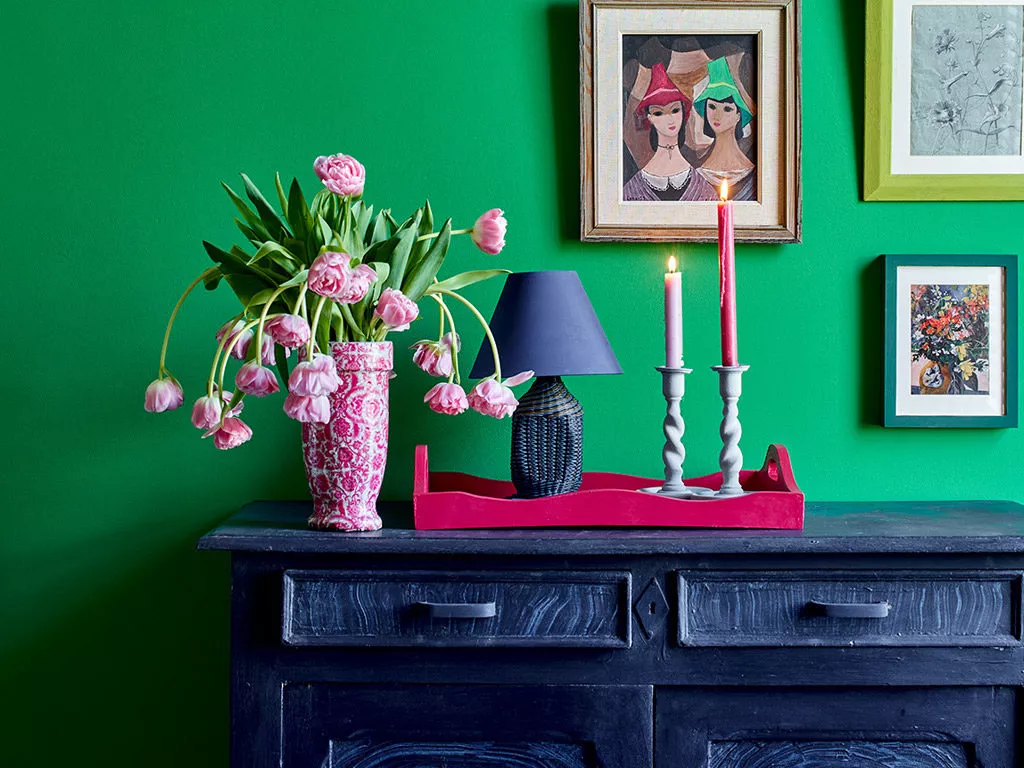
Chalk paint, a decorative paint known for its matte, chalky appearance, has become a popular choice for DIY enthusiasts looking to give furniture and home decor a rustic, vintage, or shabby-chic style. This specialized paint is not to be confused with chalkboard paint, which creates a writable surface. Instead, chalk paint is valued for its ability to create a vintage-inspired feel, often sealed with waxes and finishes to achieve a patina. Its versatility allows it to work with various home decor styles, from minimalist to bohemian to farmhouse, and it can be used for solid colors or distressed finishes.
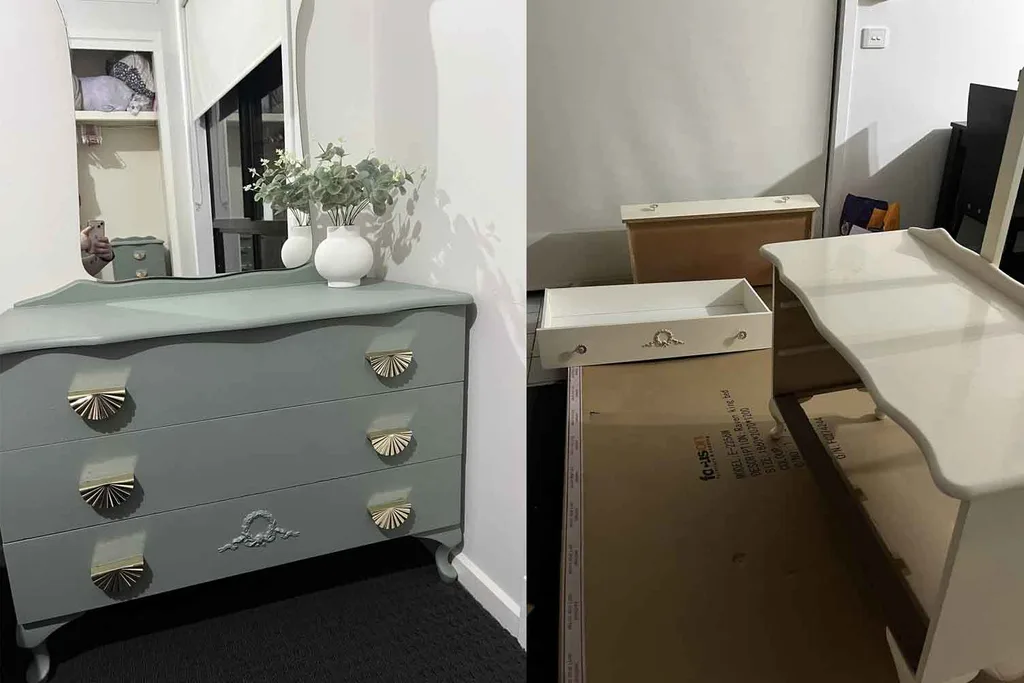
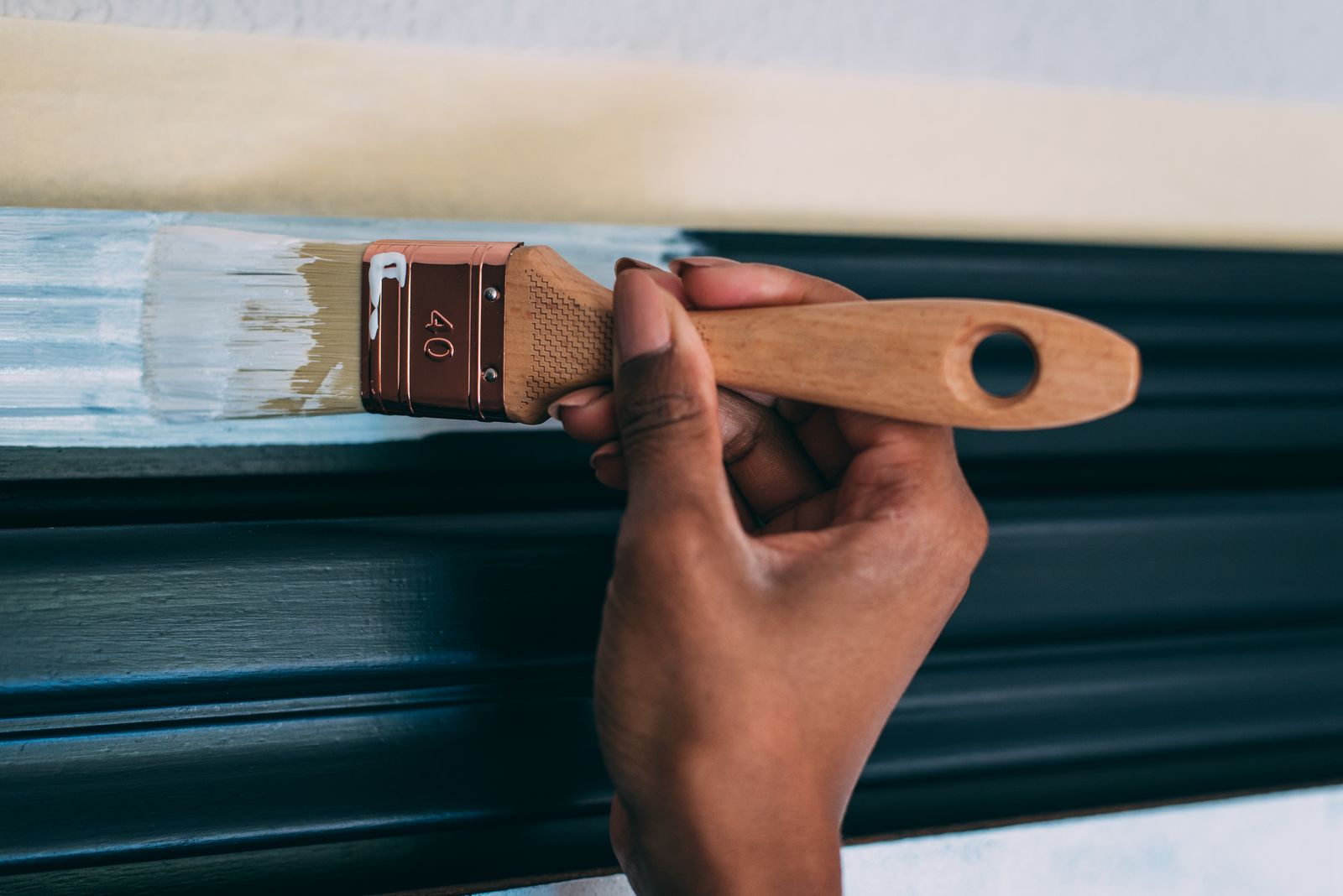
One of the key distinctions of chalk paint from traditional paints is its minimal preparation requirements. It can be applied directly over most clean, dry surfaces, including previously painted items, with exceptions for metal or shiny laminate. This characteristic makes it particularly appealing for refreshing vintage pieces that might have cracks or intricate details, as the paint applies smoothly over existing layers. Furthermore, its consistency reduces the likelihood of drips compared to regular paints, and being water-based, brushes can be easily cleaned with soap and water.
While often used to give furniture a matte look, chalk paint can also be applied to entire walls for a cohesive effect. When painting furniture, there's no need to strip previous paint layers. However, for a very smooth finish, a light sanding and wipe-down with a damp cloth beforehand are recommended. Chalk paint is known for its thickness and opacity, sometimes requiring only a single coat, though two coats usually suffice for complete coverage.
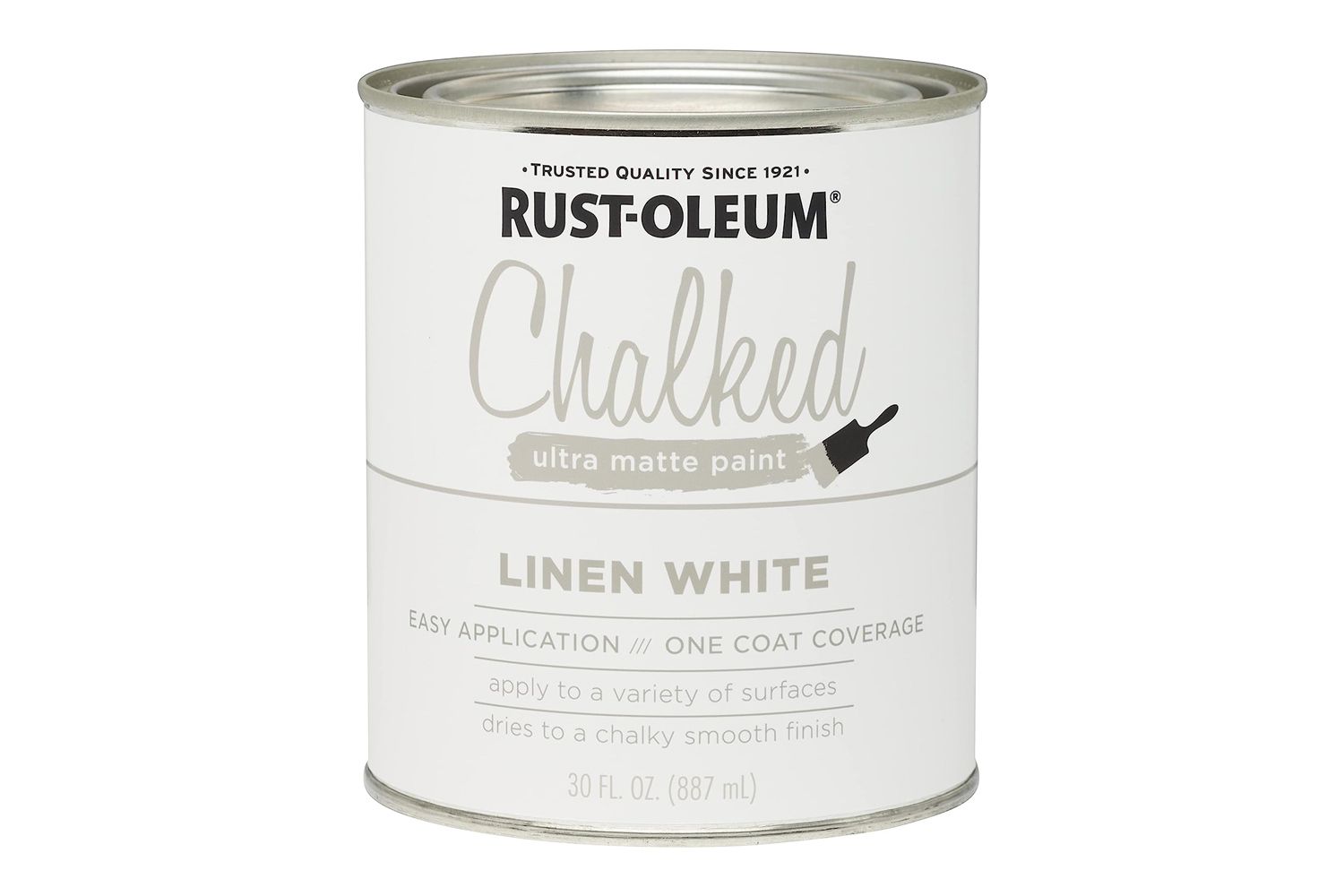
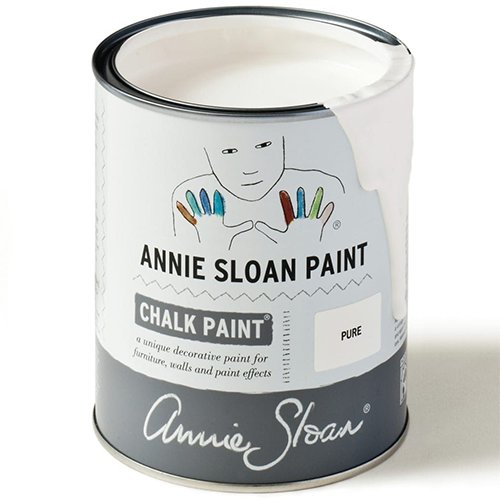
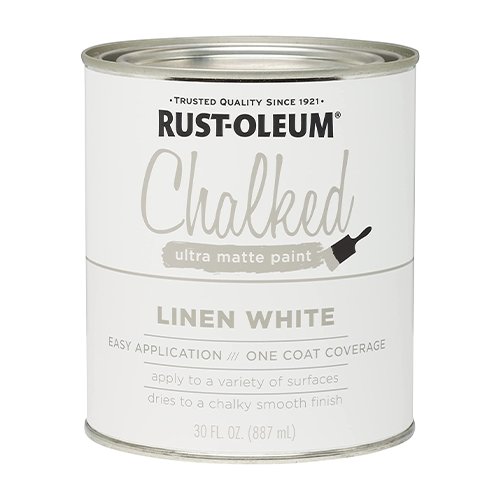
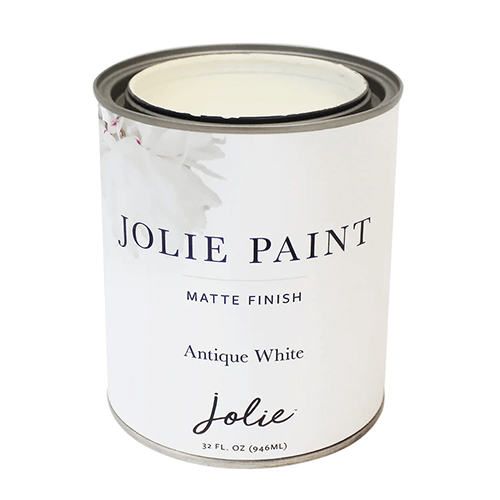
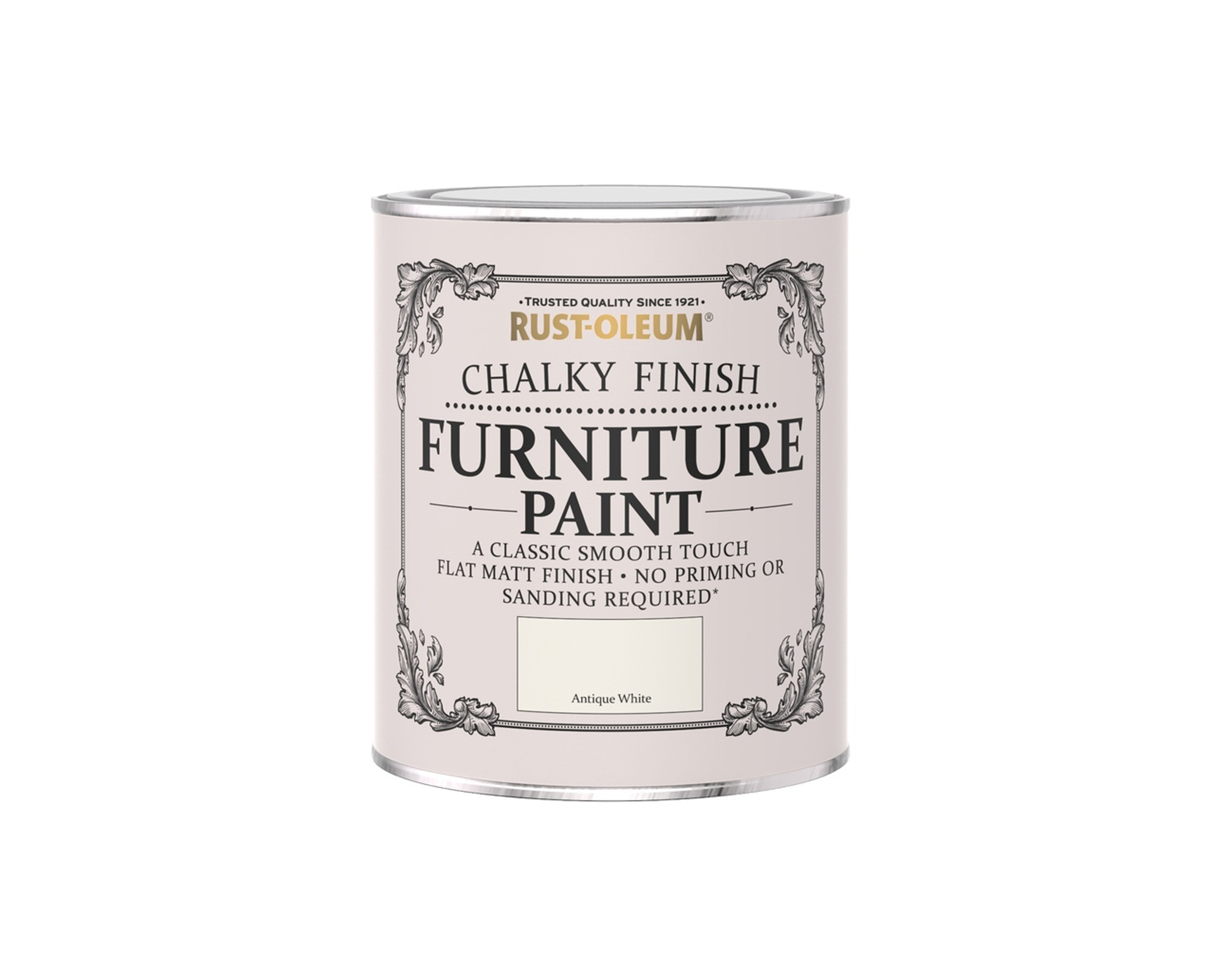
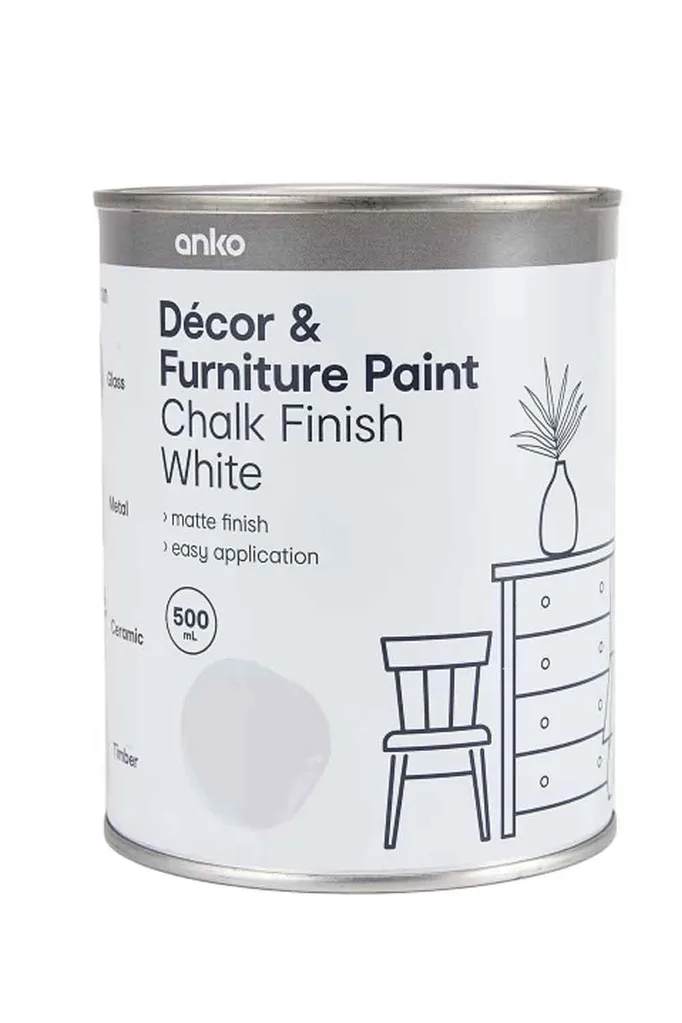
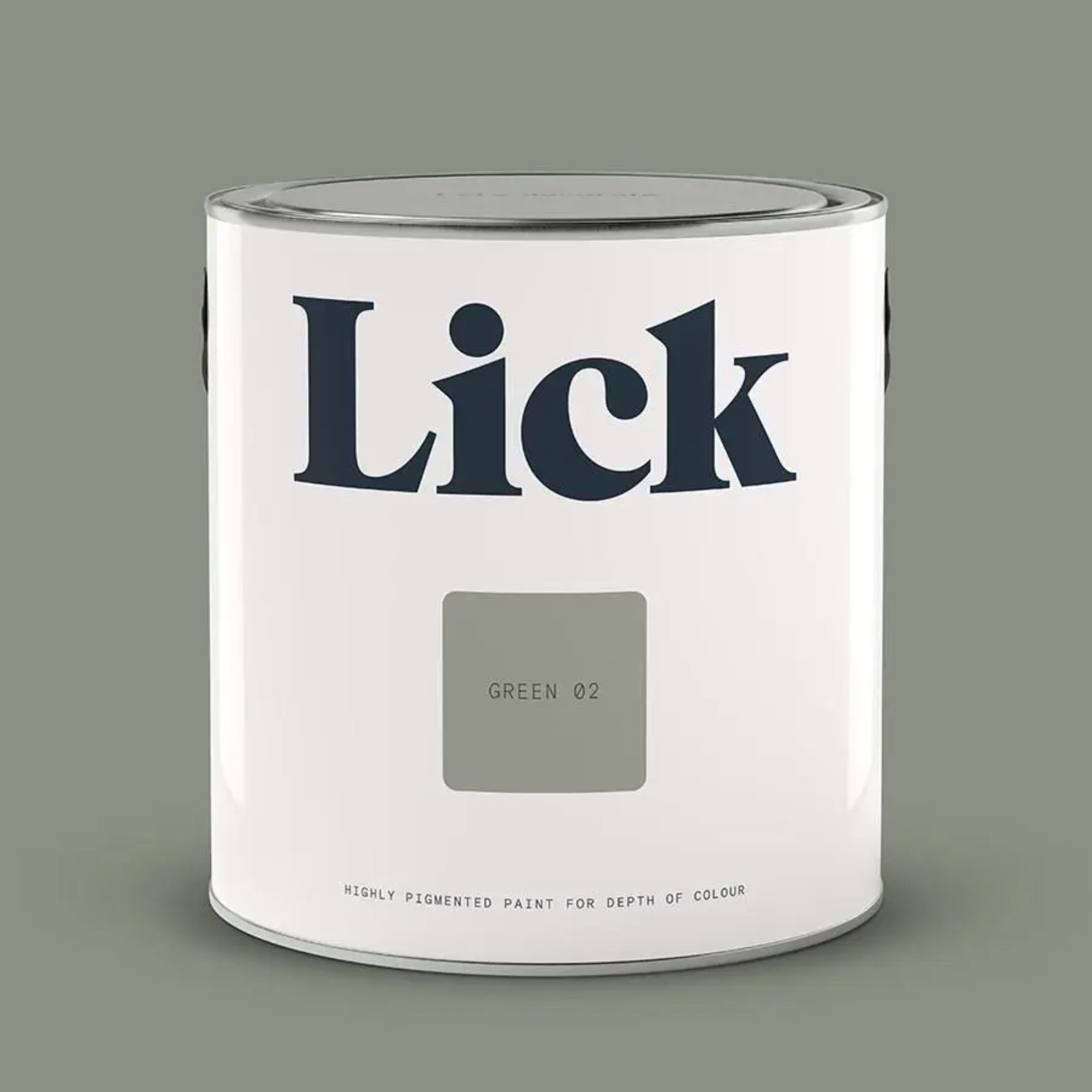
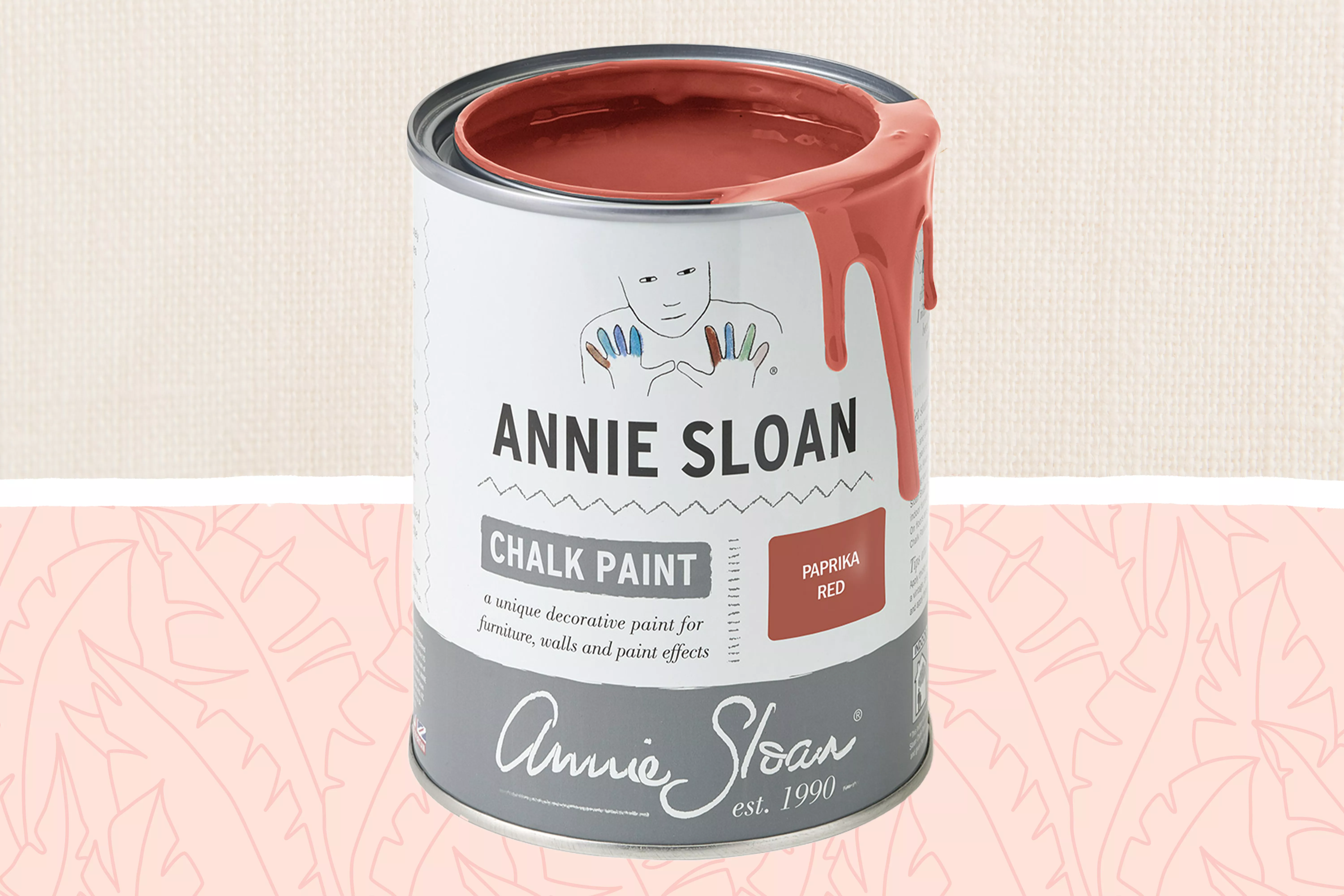
The term "chalk paint" is a registered trademark of Annie Sloan, the original creator. However, many brands now offer similar "chalky paint" or "chalked paint" products. Consumers can purchase the official Annie Sloan Chalk Paint from her brand's outlets or find alternative versions at retailers like Home Depot (Rust-Oleum's Chalked line, Behr's Chalk collection), Magnolia Home, and Lowe's (Valspar's tintable chalk paint). These alternatives provide a similar finish and a wide range of color options.
Annie Sloan highlights versatility as the primary advantage of chalk paint, citing its suitability for various techniques, from soft washes to thick, chippy looks, and smooth modern finishes. It can be used to refresh kitchen cabinets, transform floors, breathe new life into old furniture, and enhance indoor and outdoor spaces. The paint's adaptability makes it a comprehensive solution for numerous home improvement projects. On the other hand, Sloan notes that the creative process can be "all-consuming." She also advises careful application due to the paint's thick nature, recommending thorough stirring and applying sparingly in coats, painting in different directions to avoid brush marks. Typically, two coats are sufficient, and once dry (around two hours), it should be protected with a lacquer or wax for durability and a desired finish. Lacquer offers a varnish-like quality, while wax provides a lovely finish.
Regarding maintenance, chalk paint, once sealed with wax or lacquer, is washable and wipeable. Sealing is crucial because chalk paint is a water-based product and could transfer if not protected. Clear Chalk Paint Wax or Chalk Paint Lacquer (available in matte or gloss) should be applied over the entire painted surface. Chalk paint is available in a wide array of colors, offering numerous choices for customization and design.
#ChalkPaint #DIYHomeDecor #FurnitureRefinishing #MatteFinish #VintageStyle #HomeImprovement #AnnieSloan #PaintTips #ShabbyChic #ChalkPaint #DIYHomeDecor #FurnitureRefinishing #MatteFinish #VintageStyle #HomeImprovement #AnnieSloan #PaintTips #ShabbyChic
Toplam 0 yorum
 Henüz yorum yok
Bu da beğenebilirsiniz
We Found the 10 Best Chalk Paints for All Your Furniture Flipping and DIYs

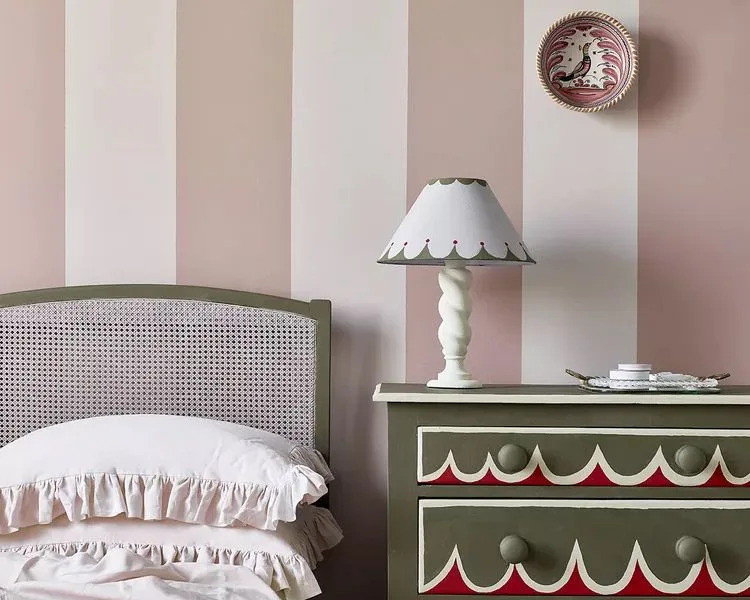
12 Chalk Paint Colors That Will Transform Your Furniture, Walls, and More

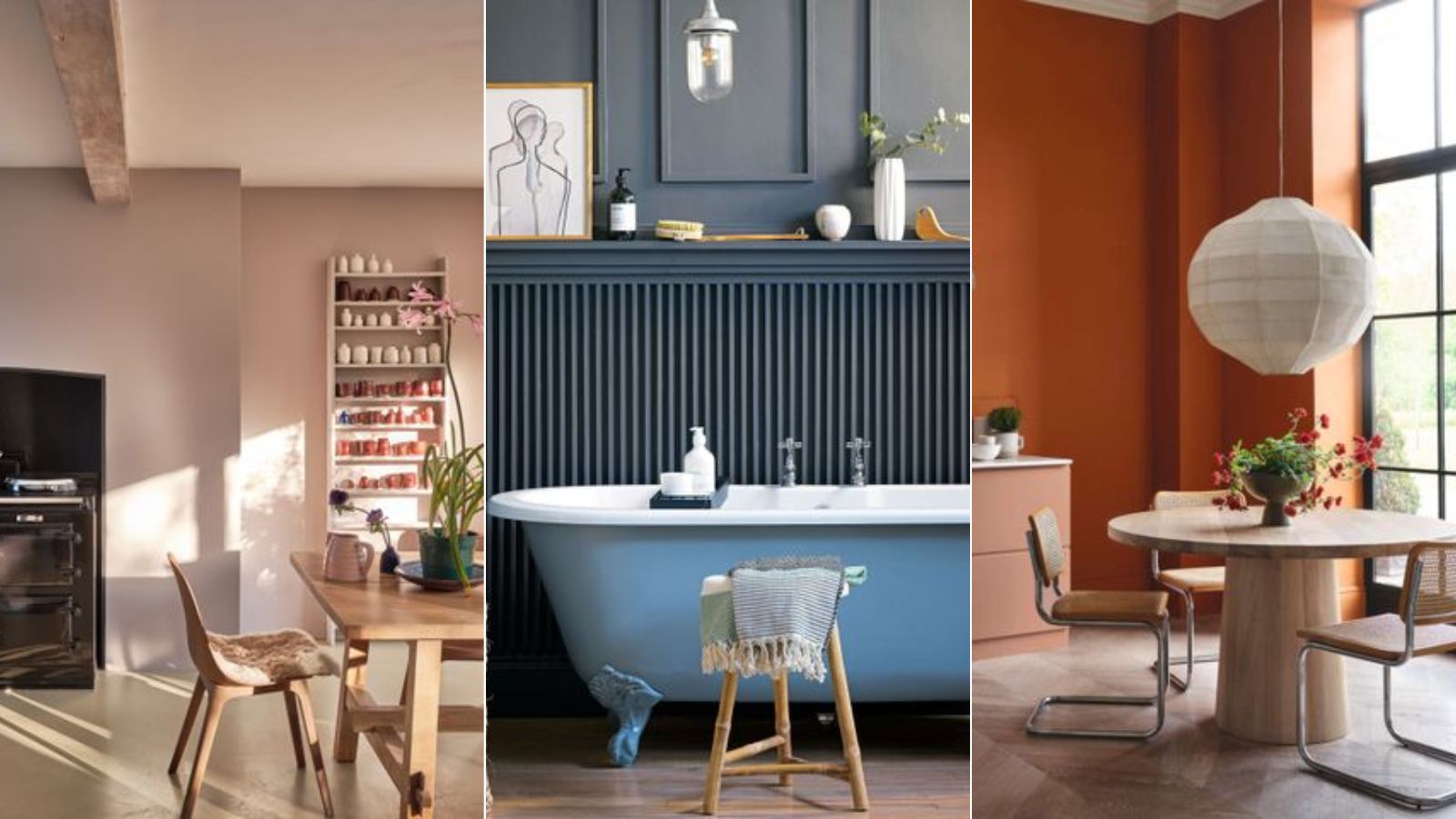
How to prolong the life of your paint job, according to painters and decorators

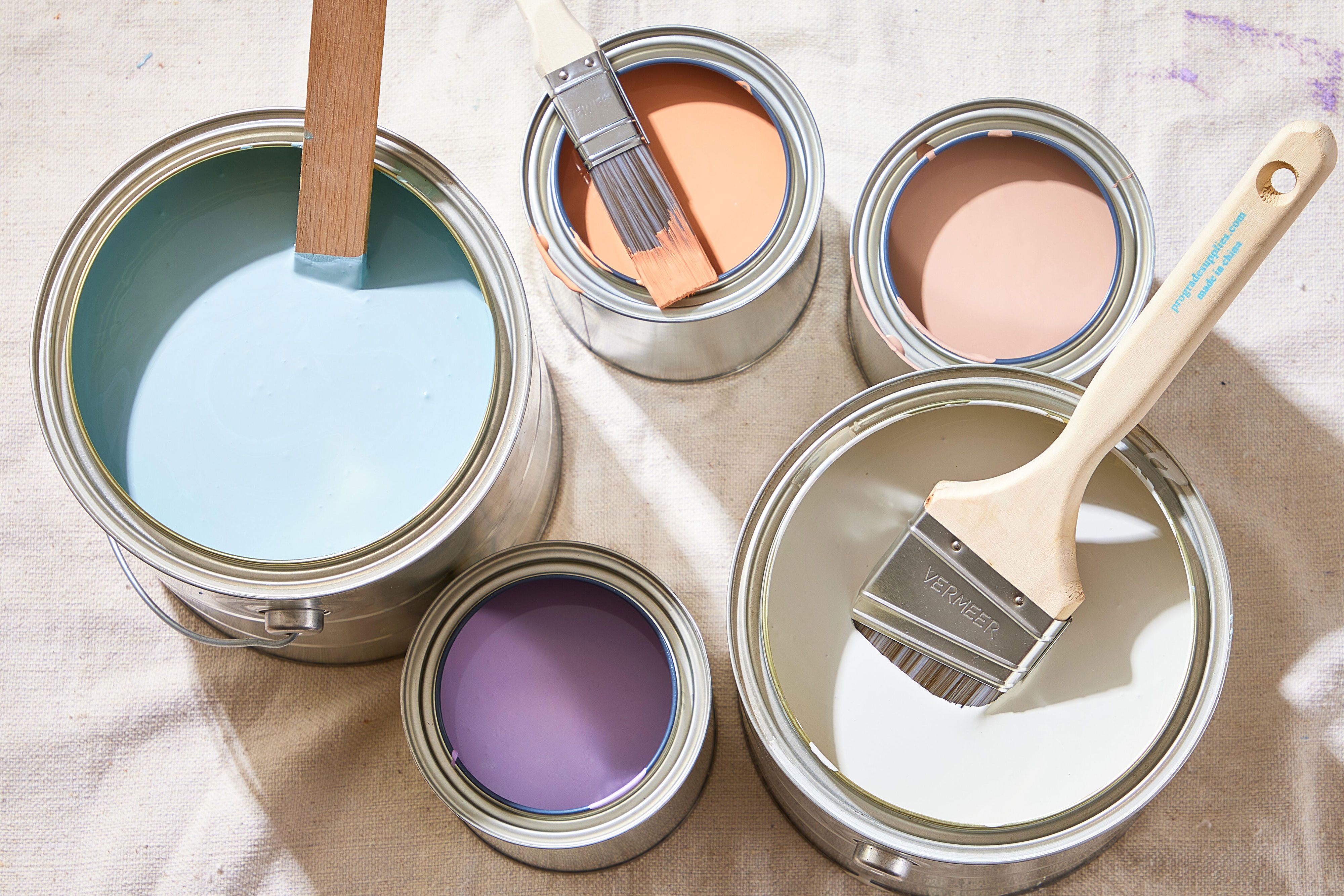
Types of Paint: A Guide to Paint Finishes and Surfaces

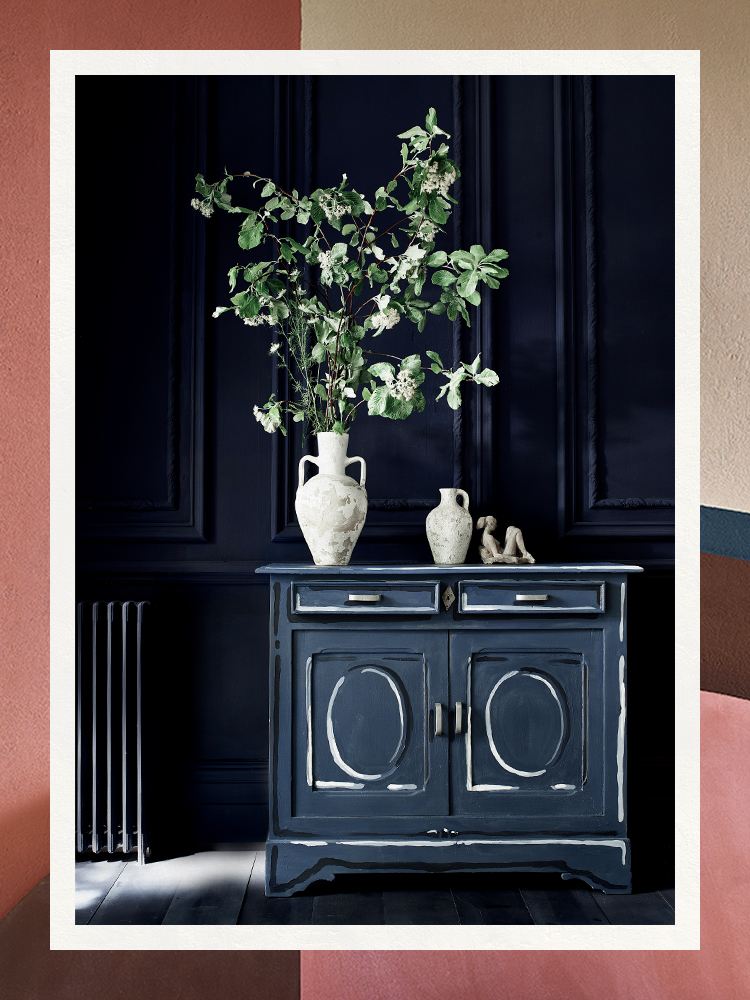
For the Perfect Distressed Furniture and Floors, You Need the Best Chalk Paint
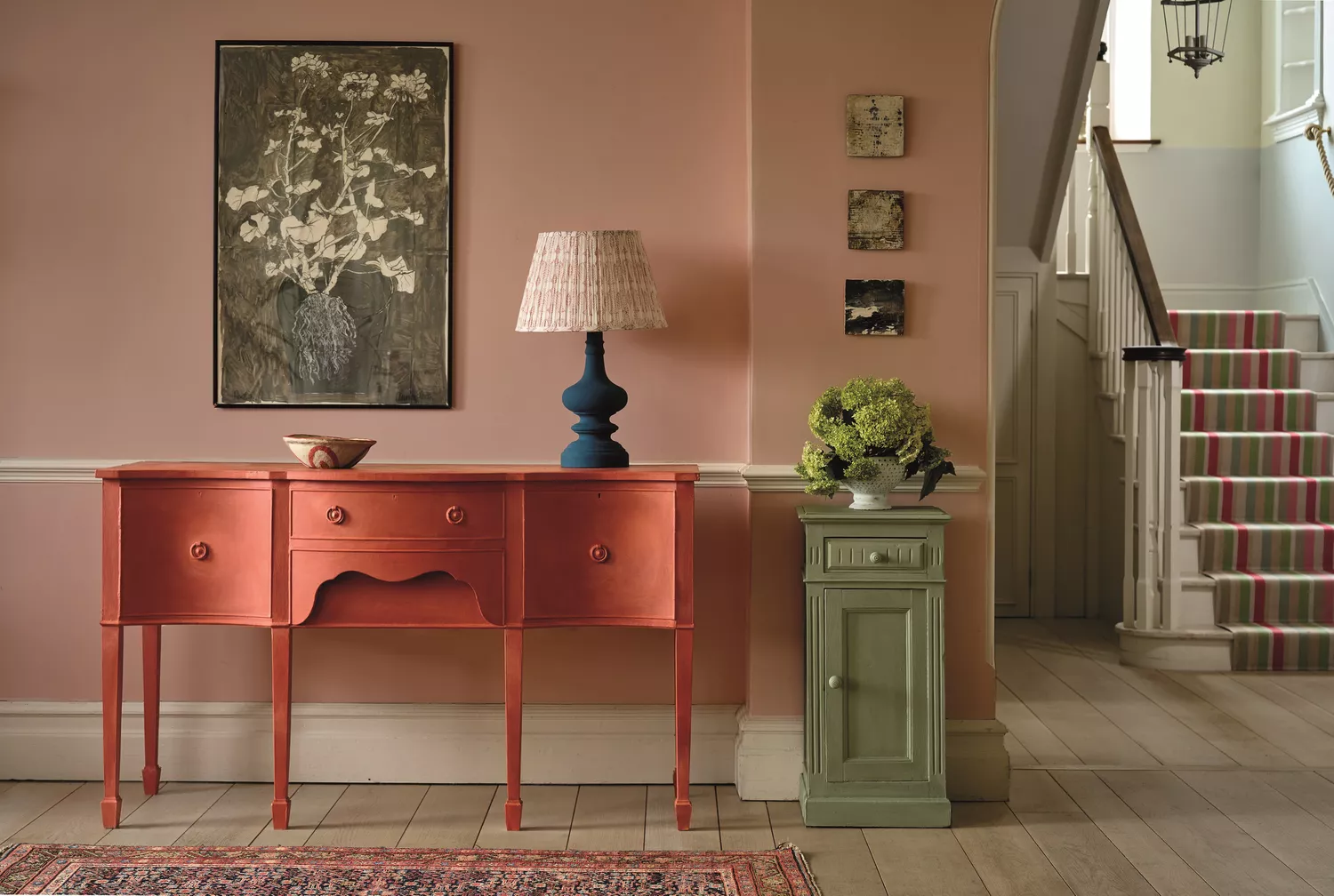
Understanding paint finishes

Chalk Paint Requires No Priming or Sanding—Here's How to Use It

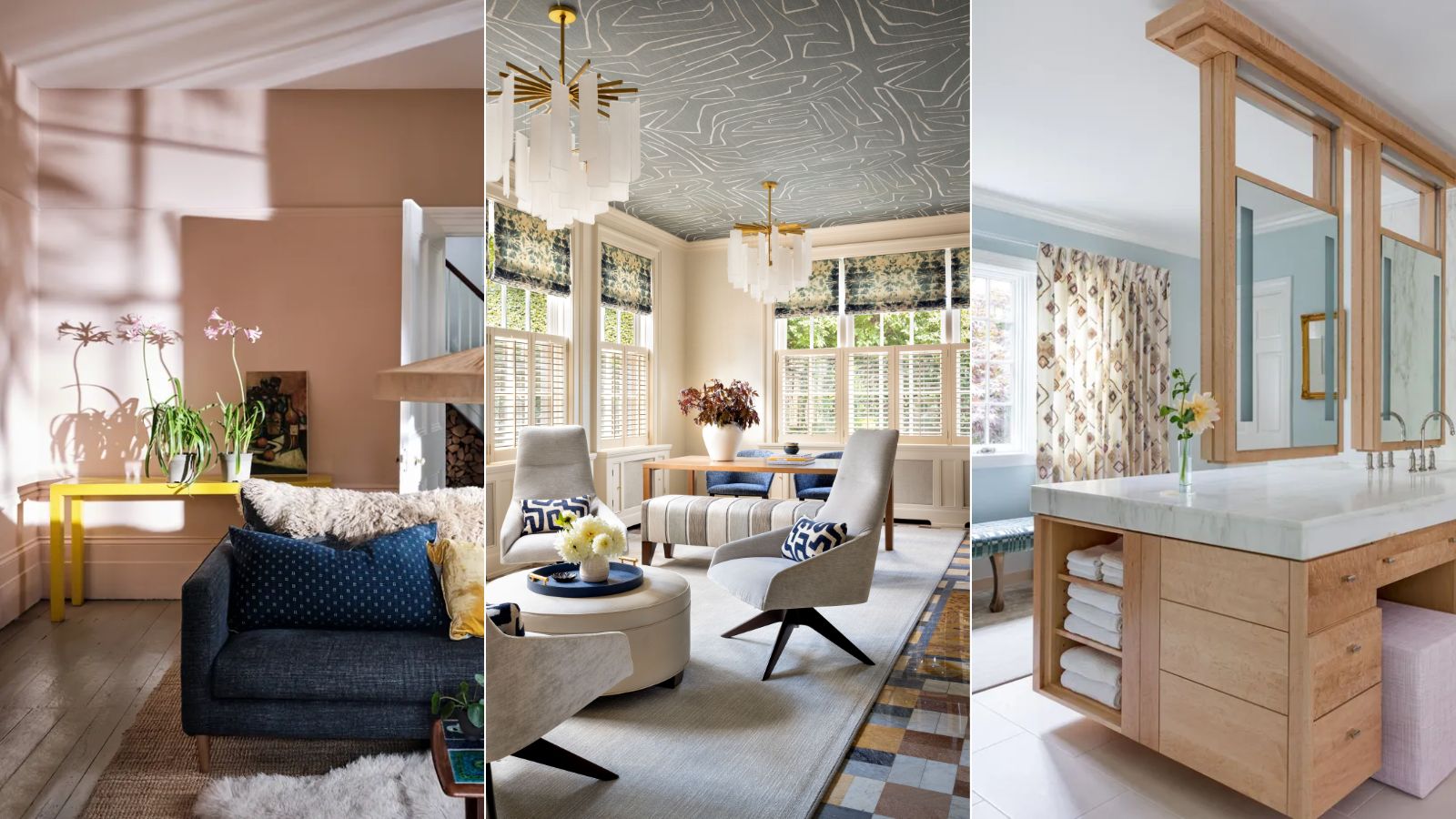
What makes a paint color flattering? Experts share their go-to shades for a universally complementary scheme
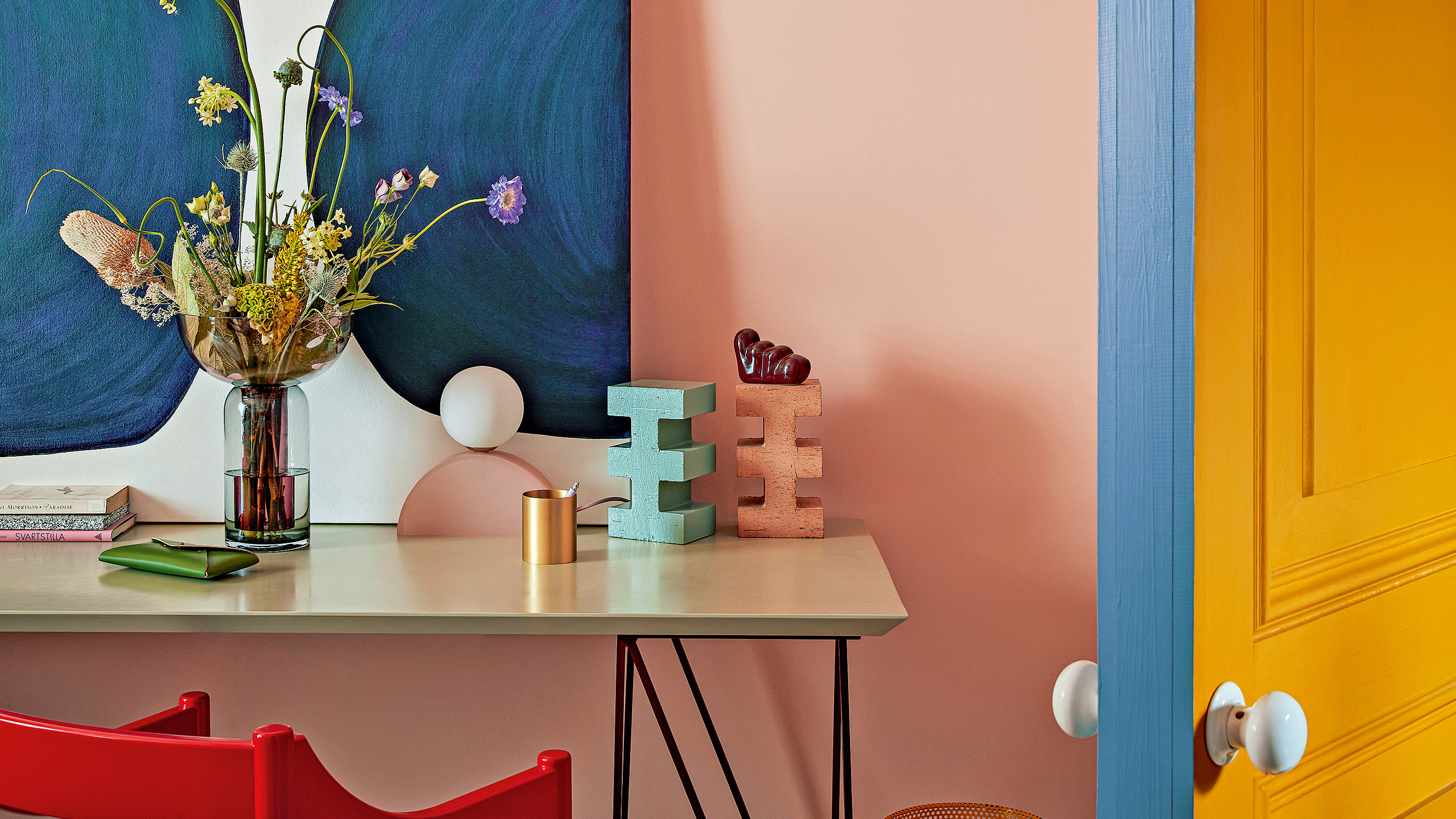
Paint finishes explained – an expert guide to choosing the perfect type of paint for your projects

How to choose the right type of paint when decorating a room

Before and after: 7 best Kmart chalk paint hacks from Facebook

Interior Paint: A Guide to Buying the Best Paints for Your Home

The 4 Best Chalk Paints for Your Next DIY Project
Paint finishes – a guide for every room
Color drenching has never been simpler with this color expert's one-paint-finish approach for the whole room
These Master Tips Will Help You Avoid Choosing The Wrong Type Of Paint
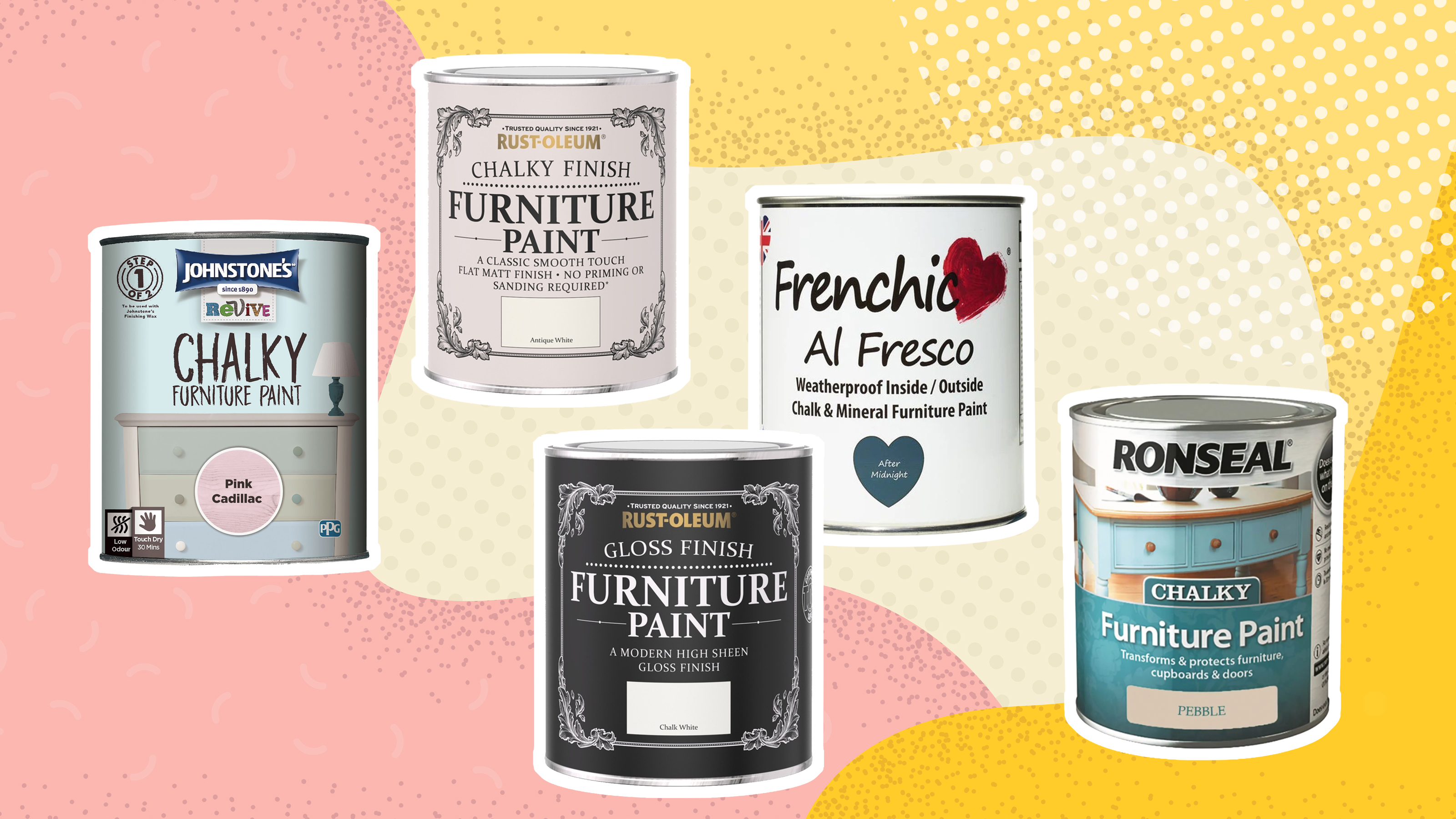
Best paint for furniture: 8 best furniture paints

Undercoat & Primer Paints
Can you paint over wallpaper? Experts explain how to make this time-saving hack work
A Q&A on paint with artist Annie Sloan