1/4
Everything You Need to Know About Venetian Plaster
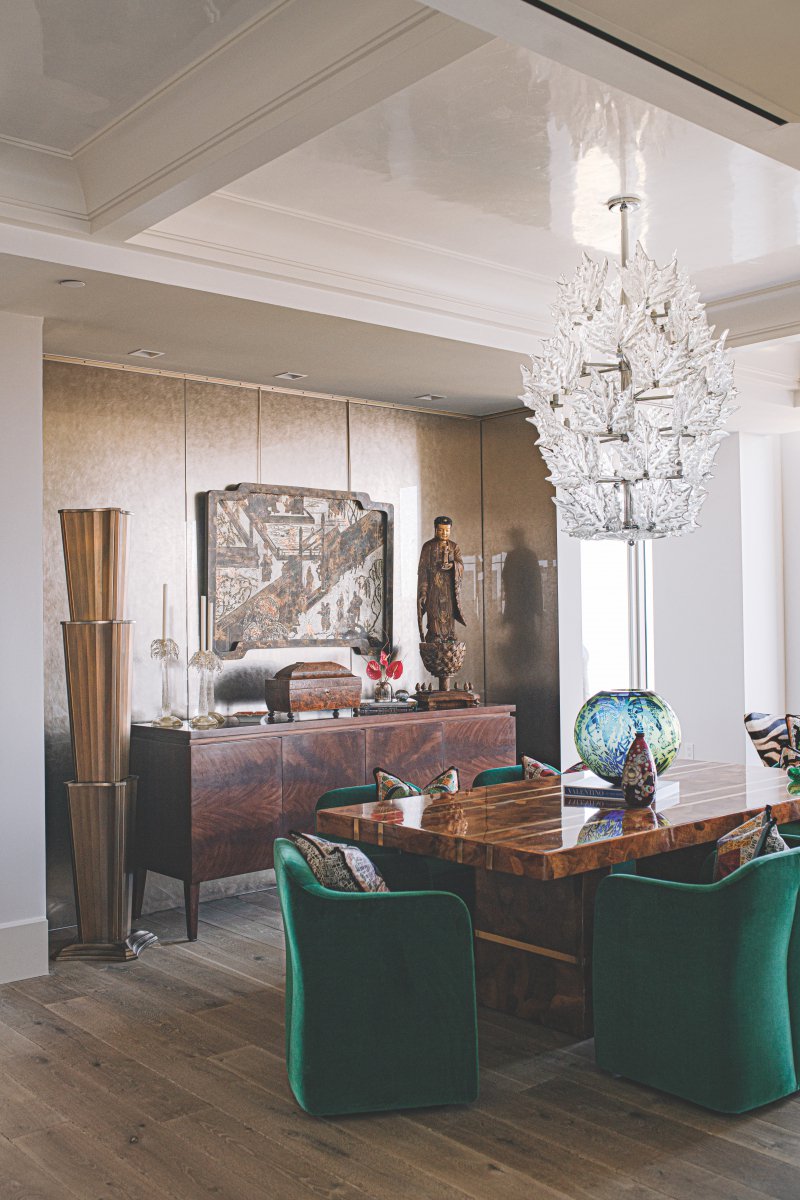
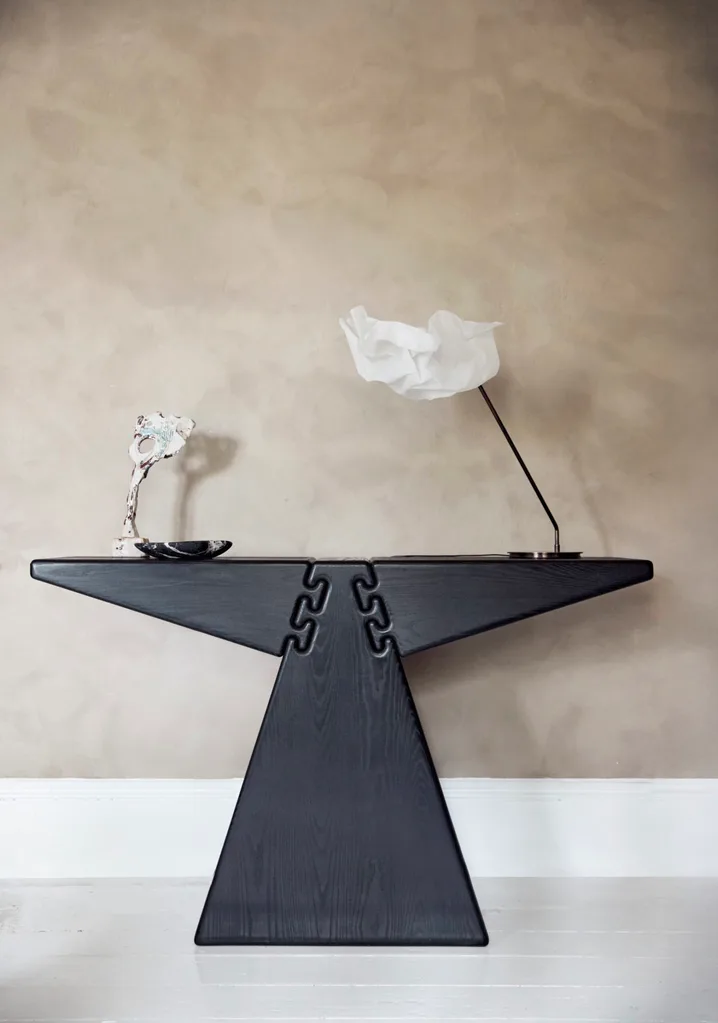
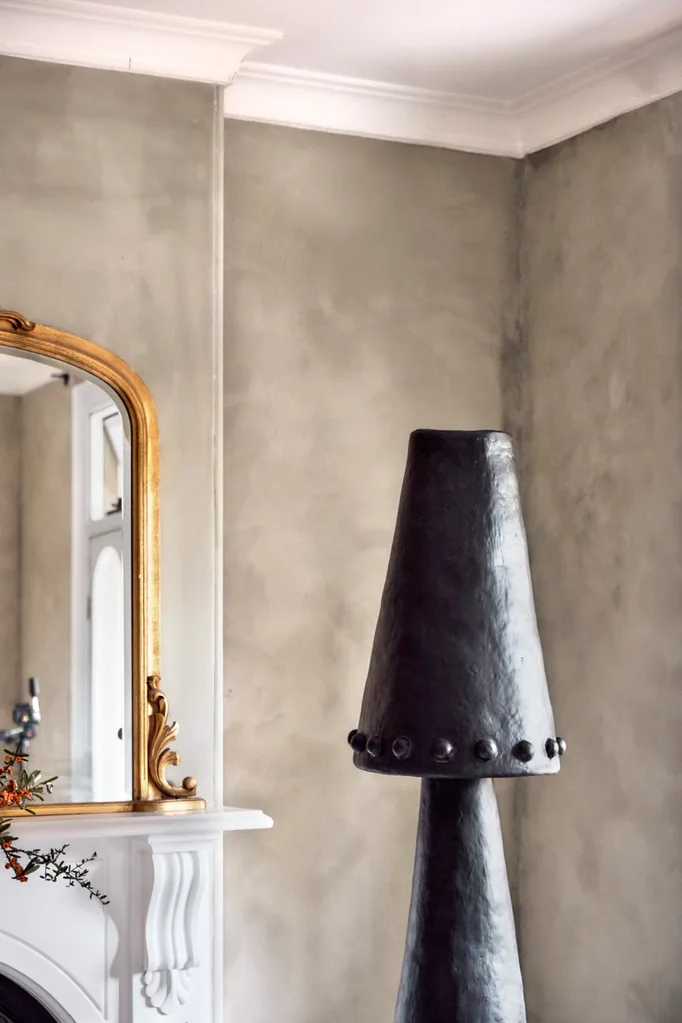
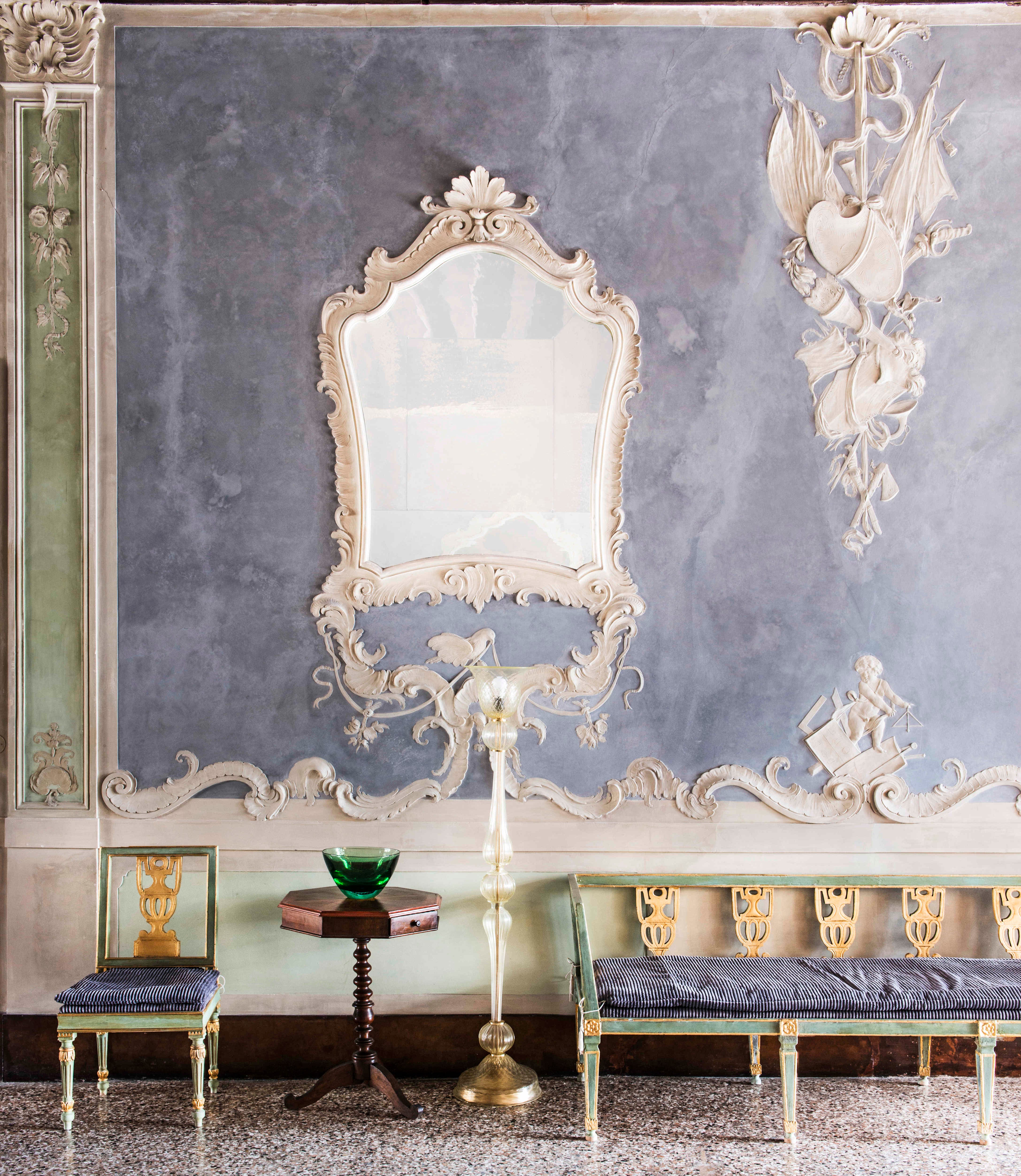
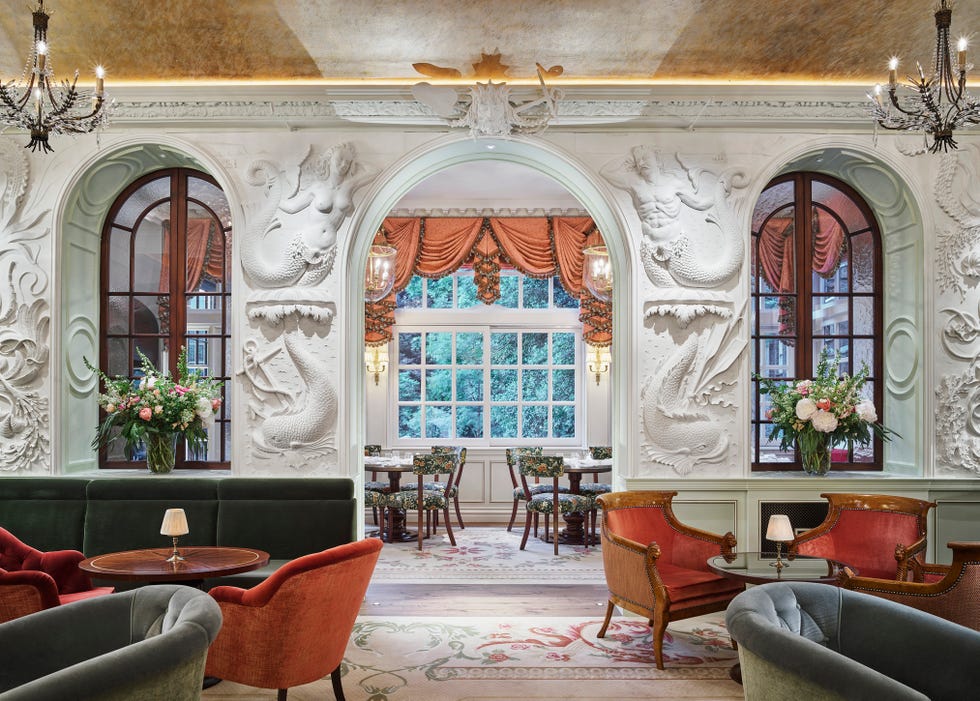
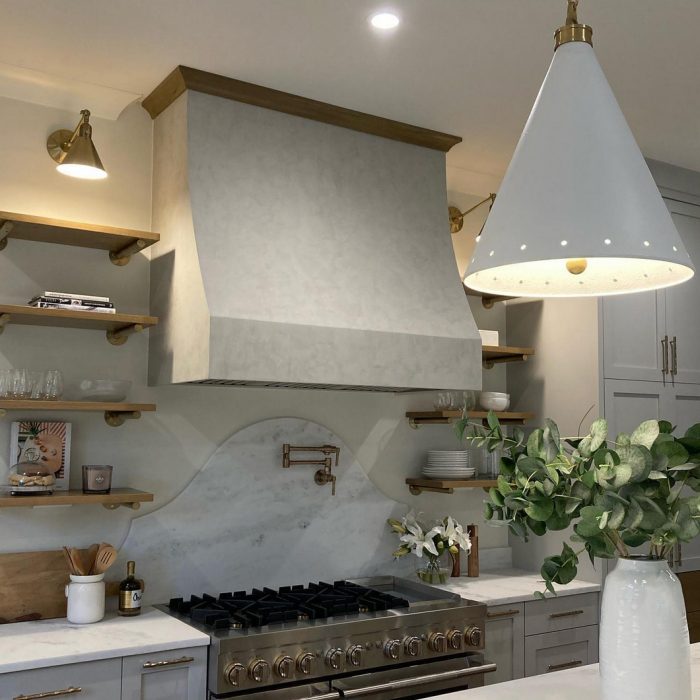
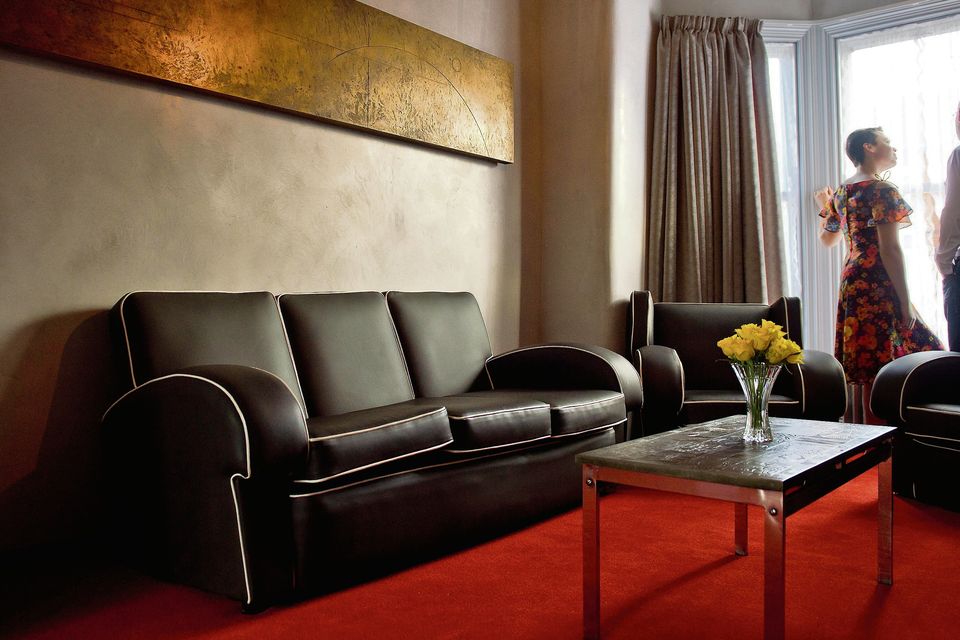
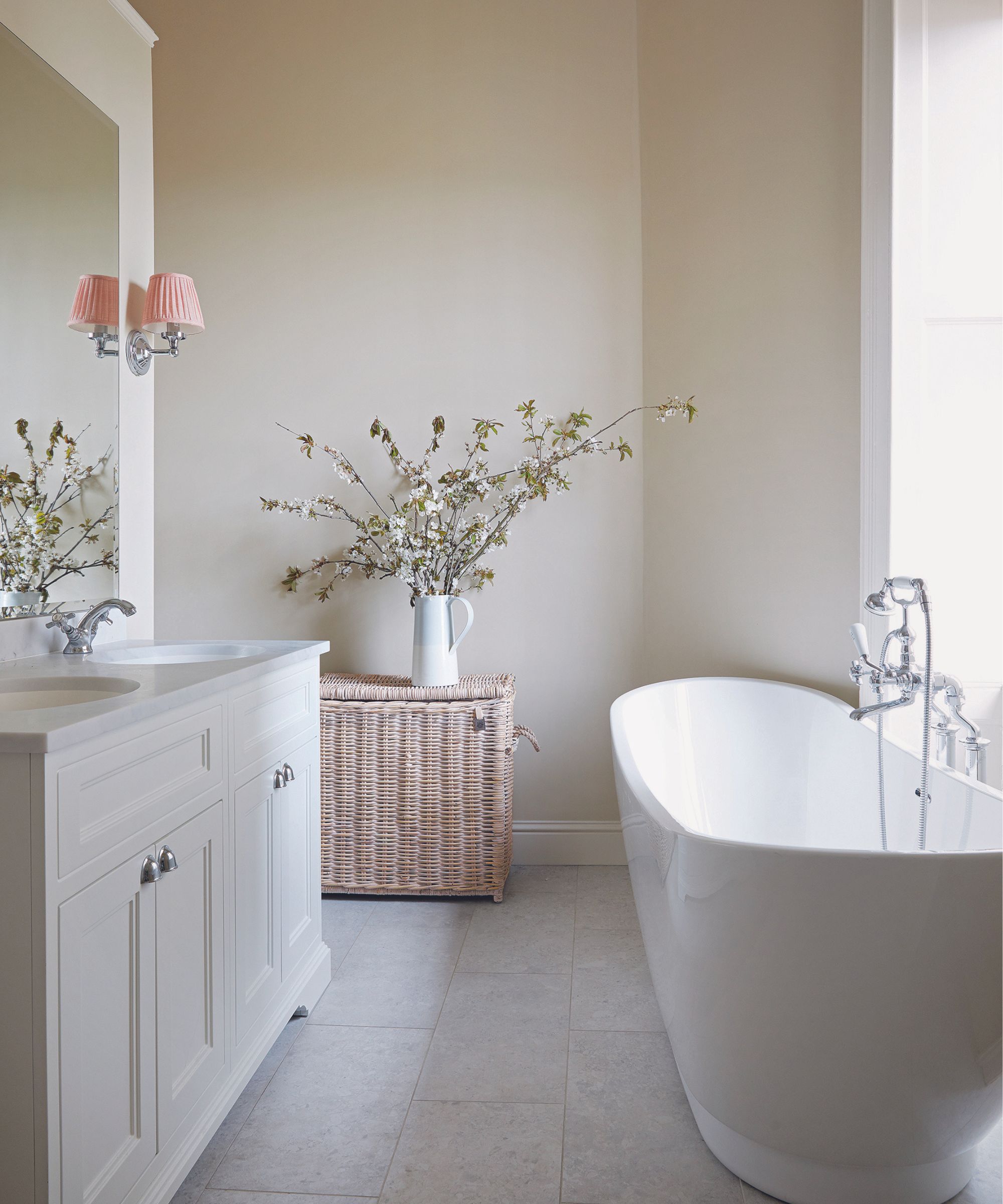
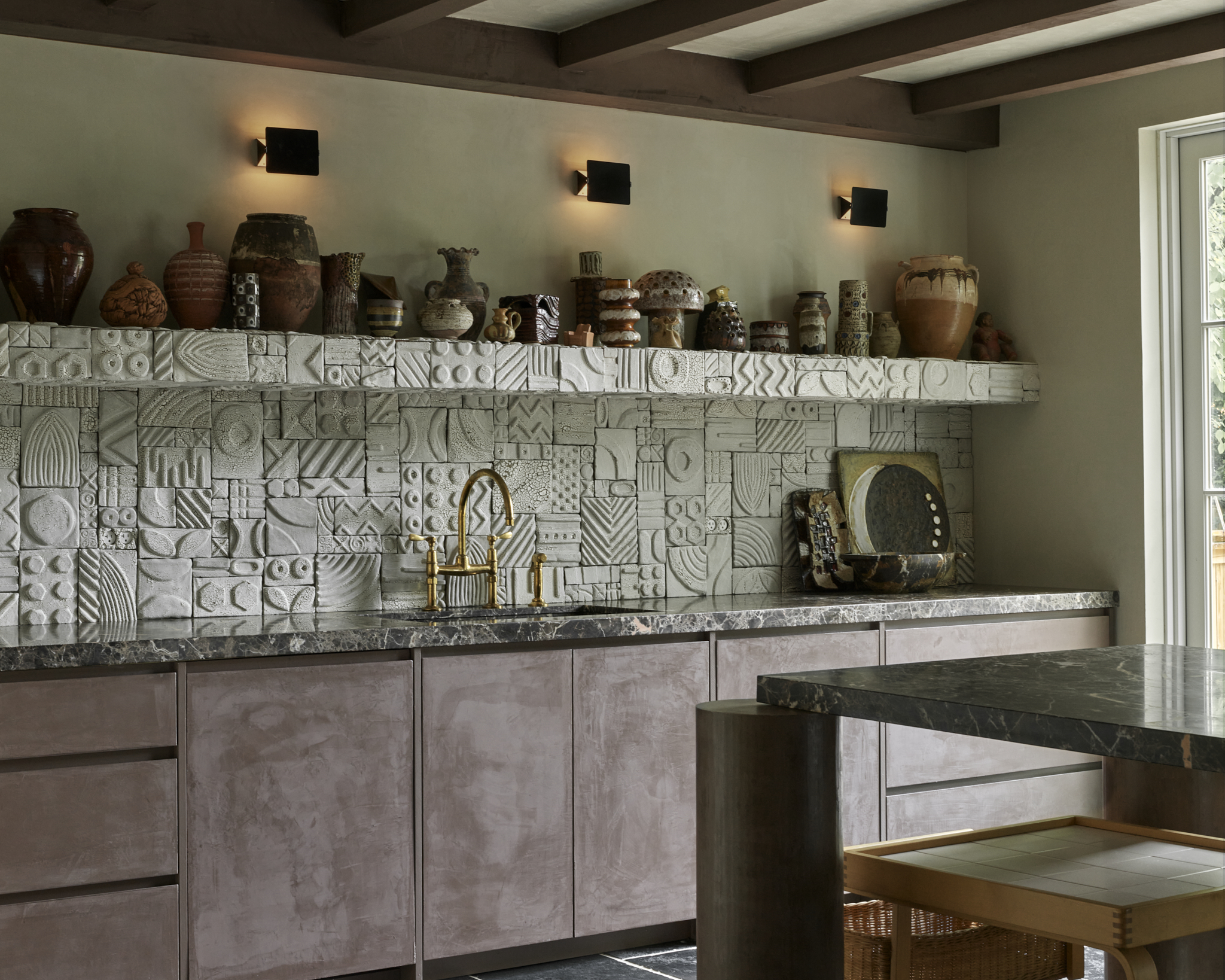
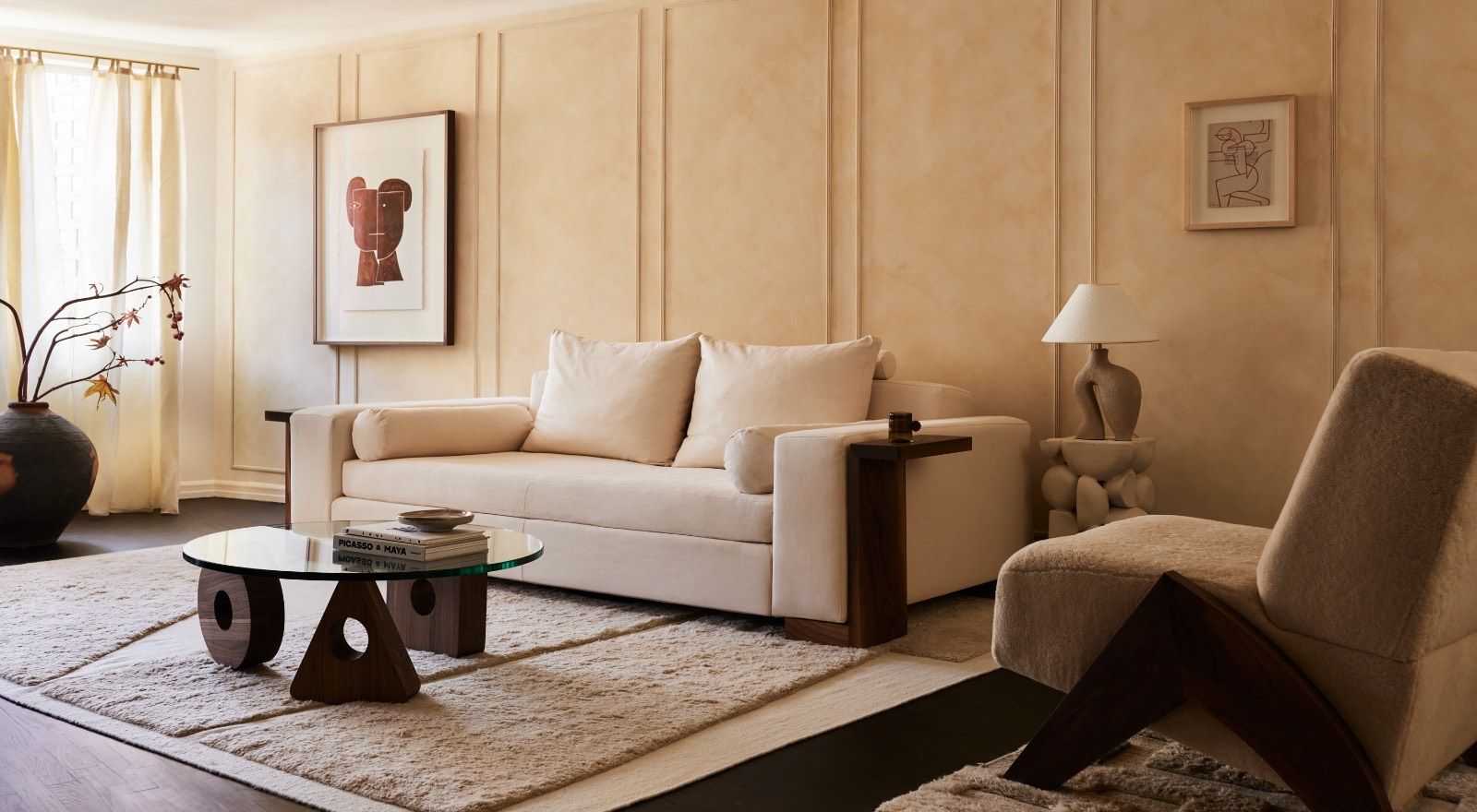
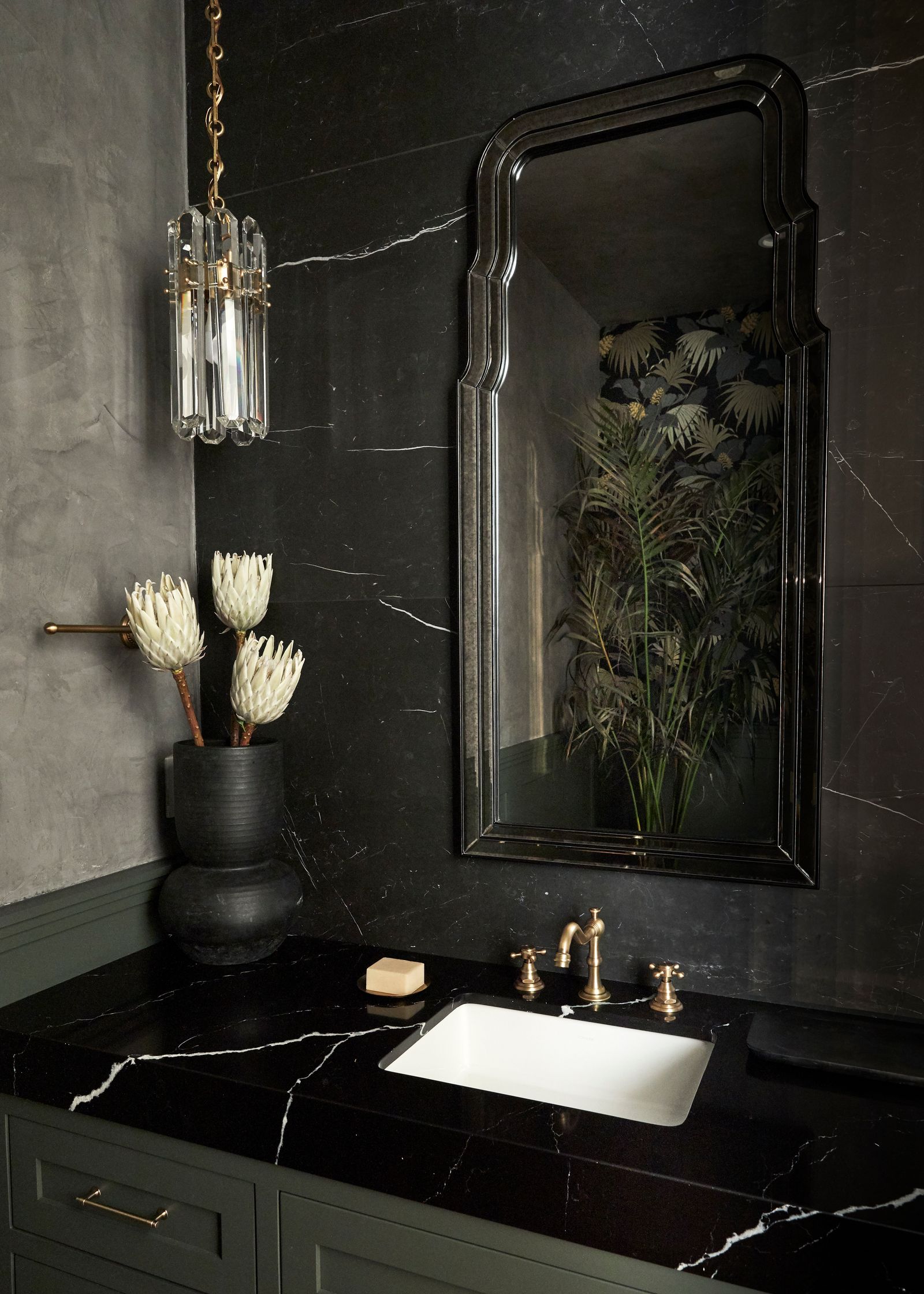
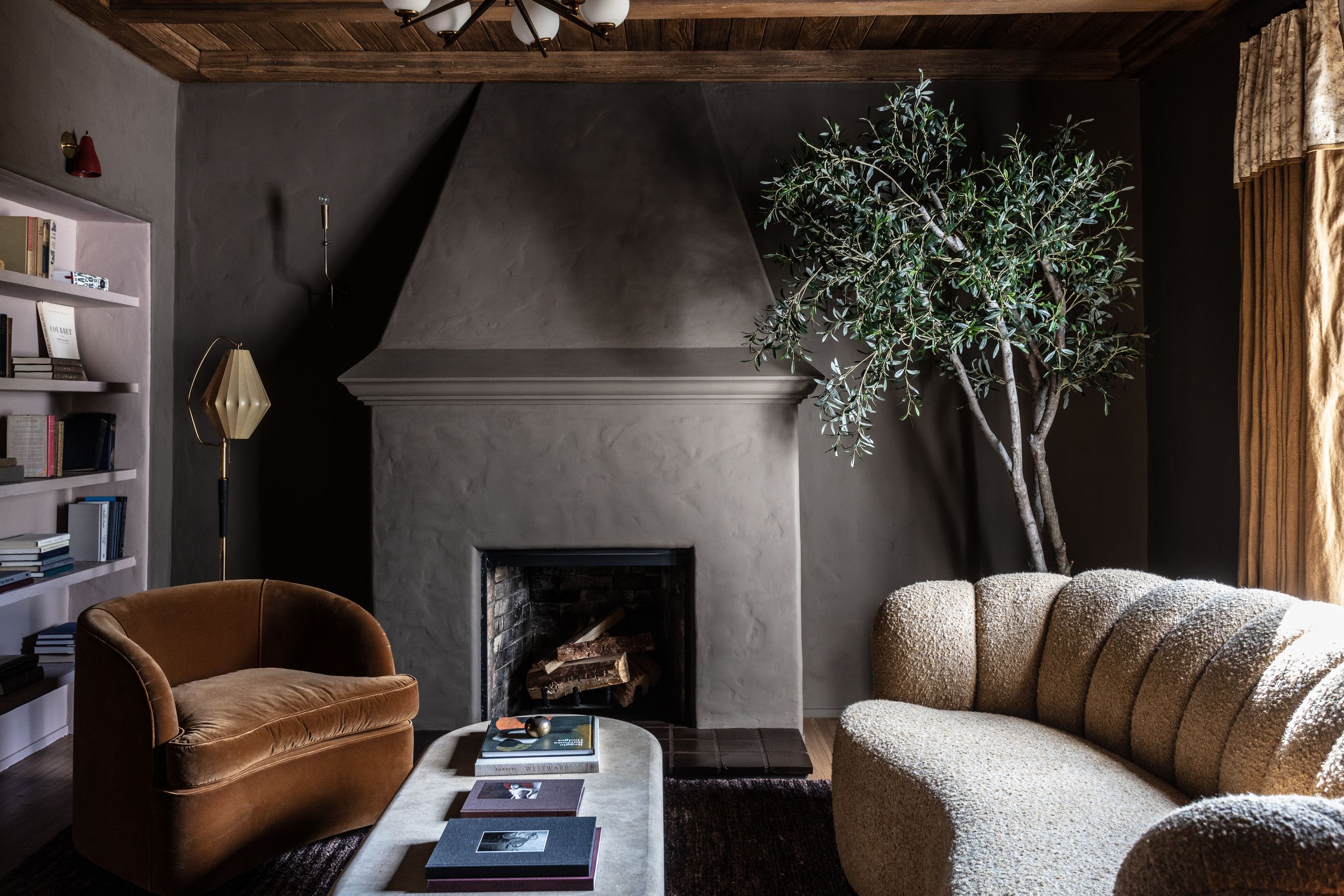
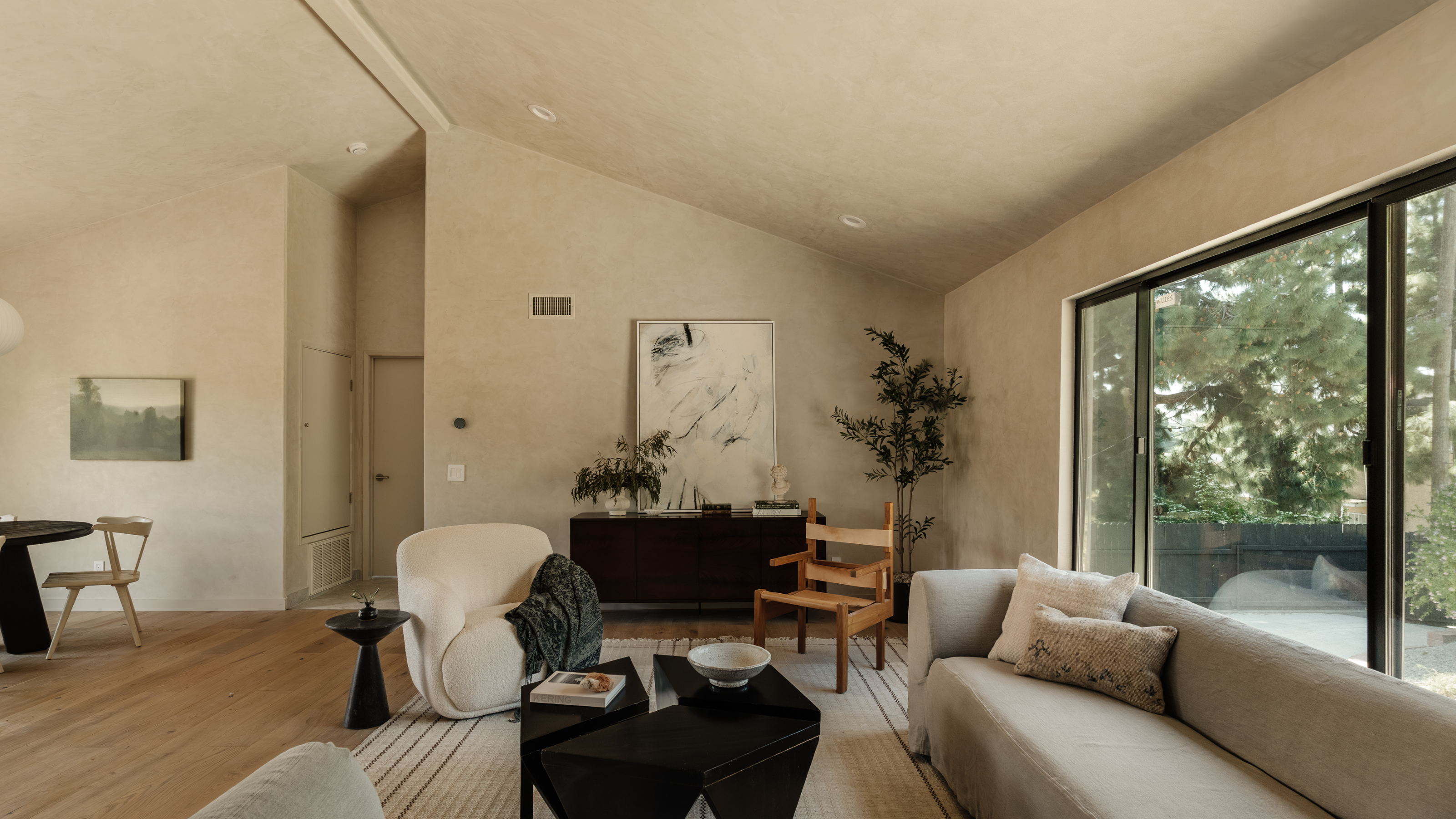
Venetian plaster, a material with ancient origins, is experiencing a resurgence in contemporary home design, as highlighted by interior designer Leigh Herzig. Once associated with the 1990s 'Tuscan' trend, modern applications of Venetian plaster are embraced by designers like Axel Vervoordt and Vincent Van Duysen, contributing to its renewed popularity in stylish homes. The comeback is attributed to technological advancements in lime plaster composition, making it easier to use and more accessible. There is also a growing appreciation for natural materials and a desire to blur the lines between indoor and outdoor aesthetics, with lime plaster literally bringing the earth onto walls.
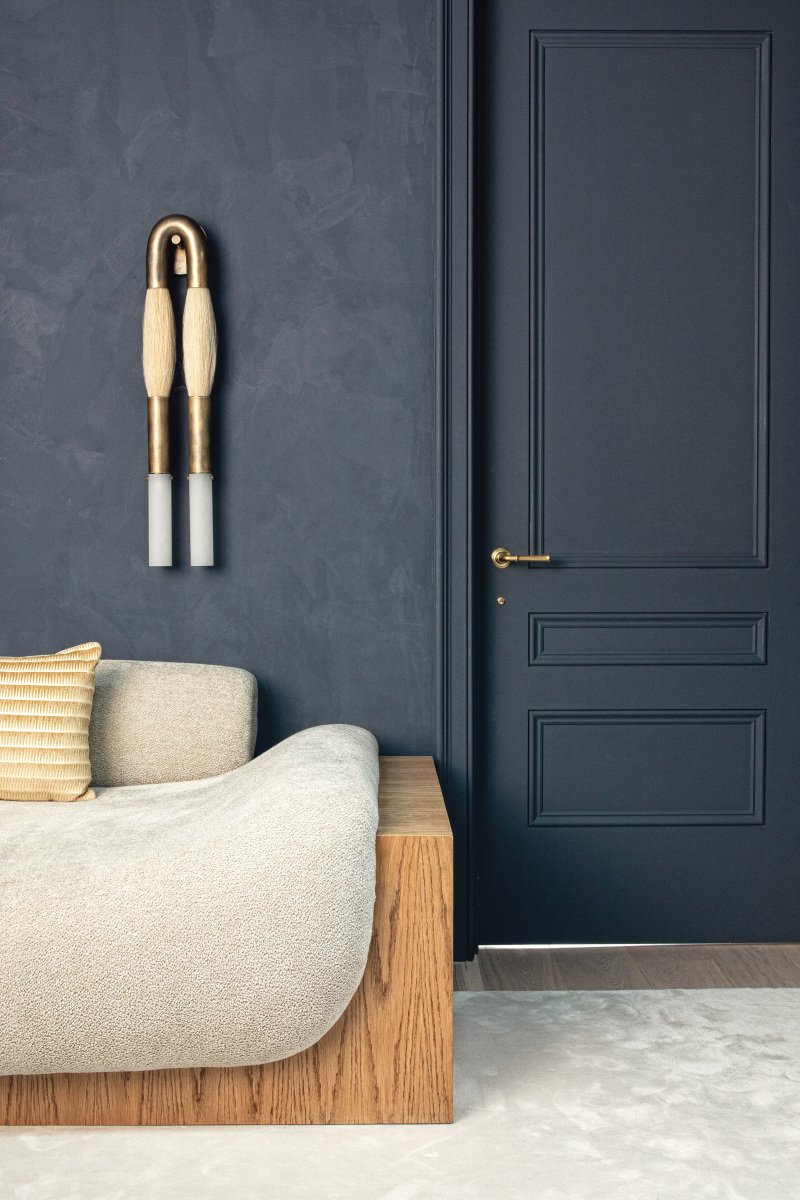
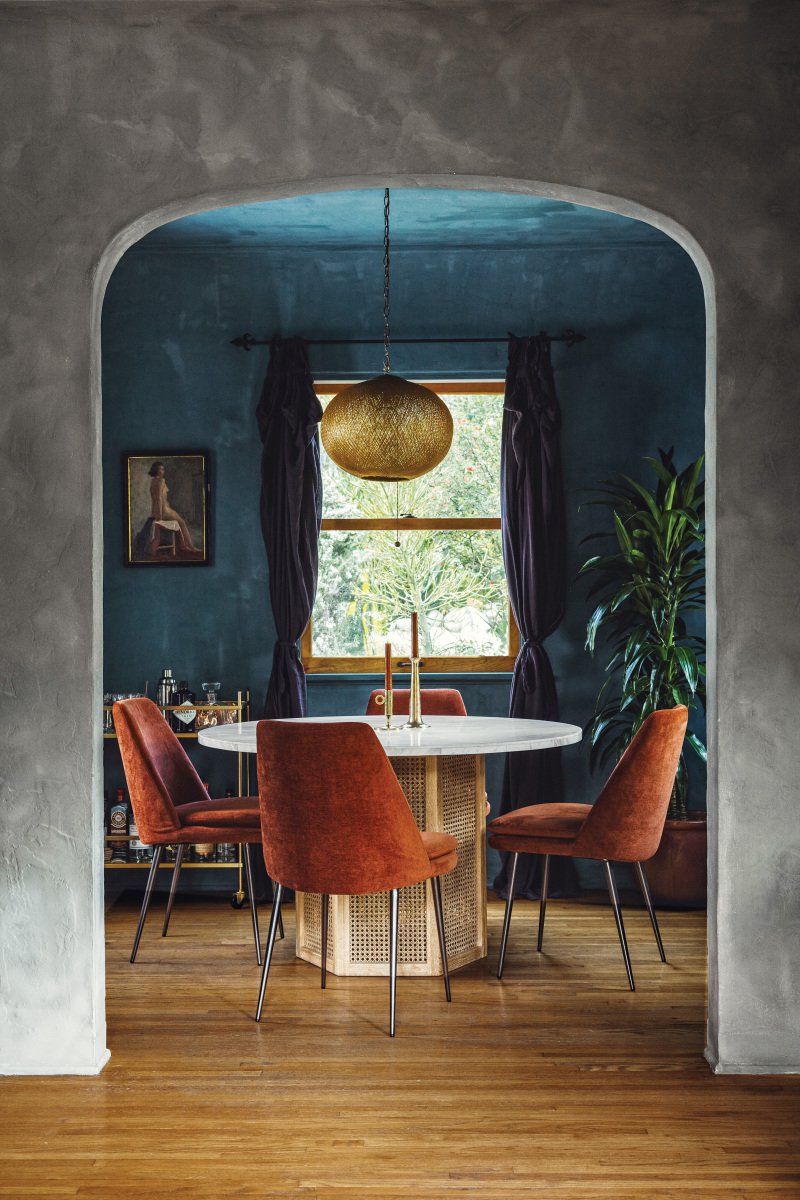
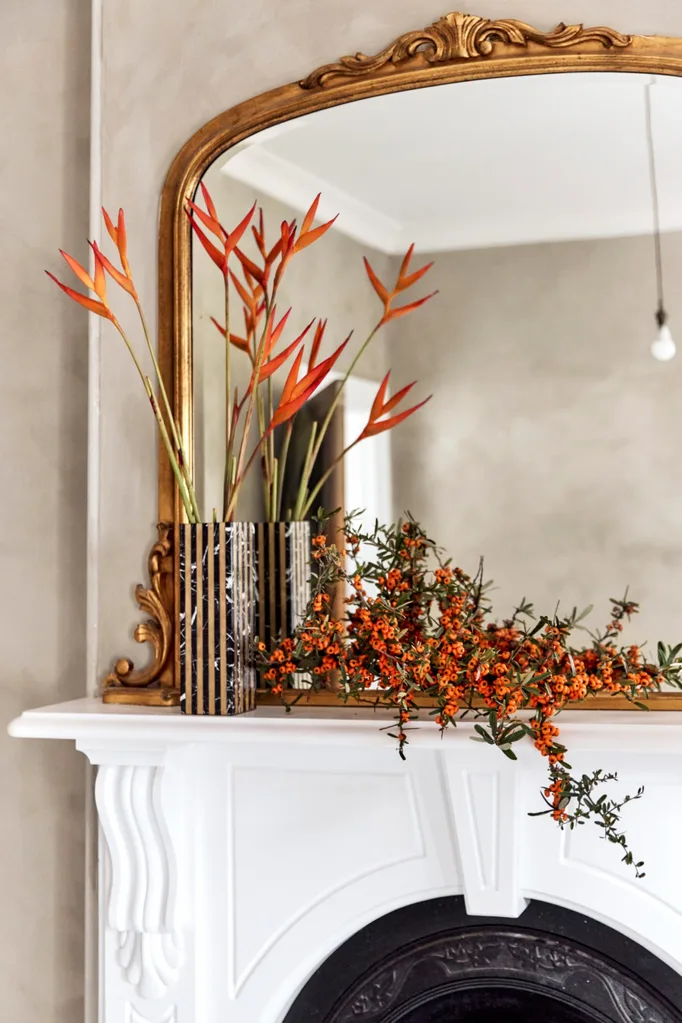
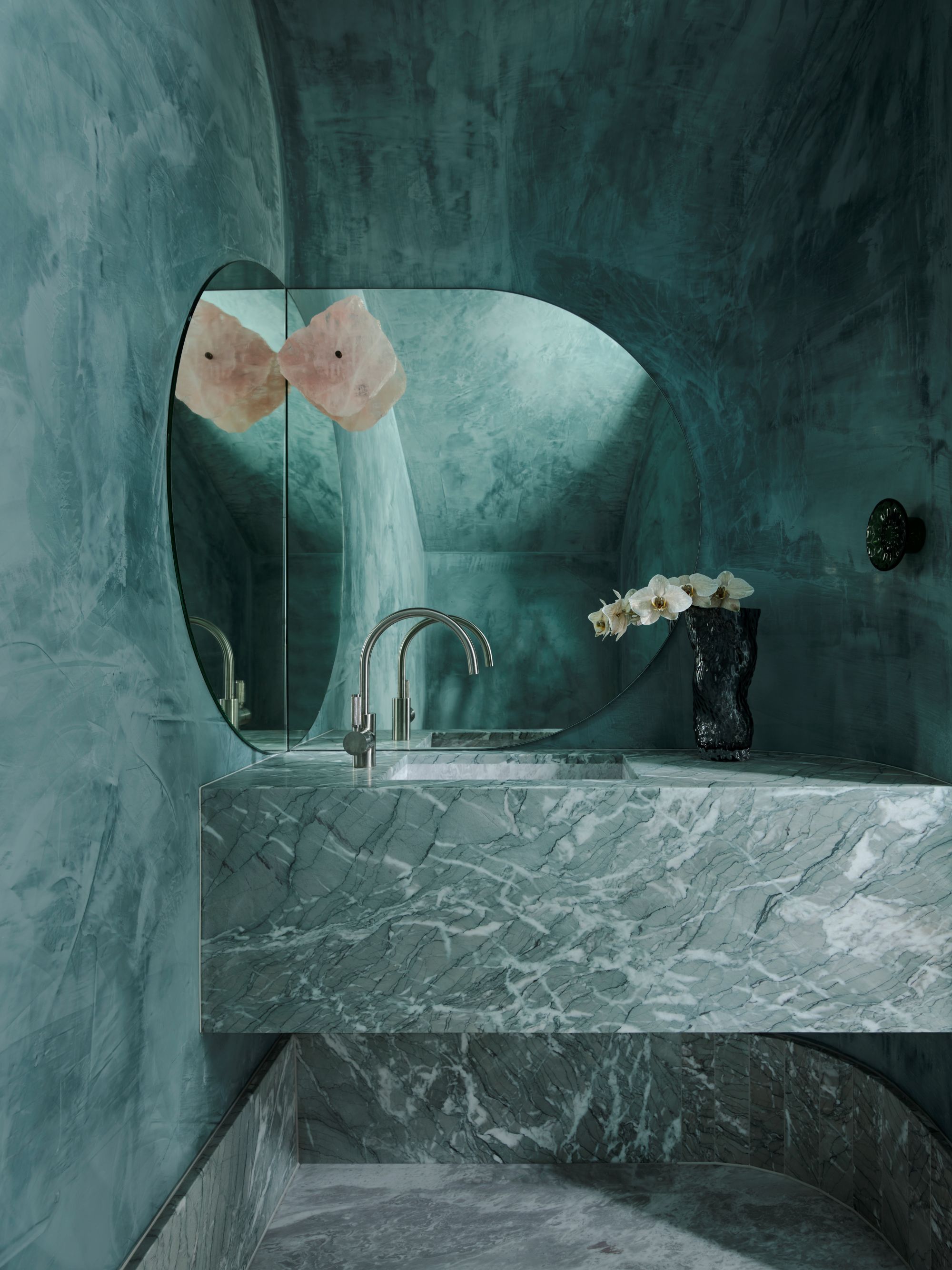
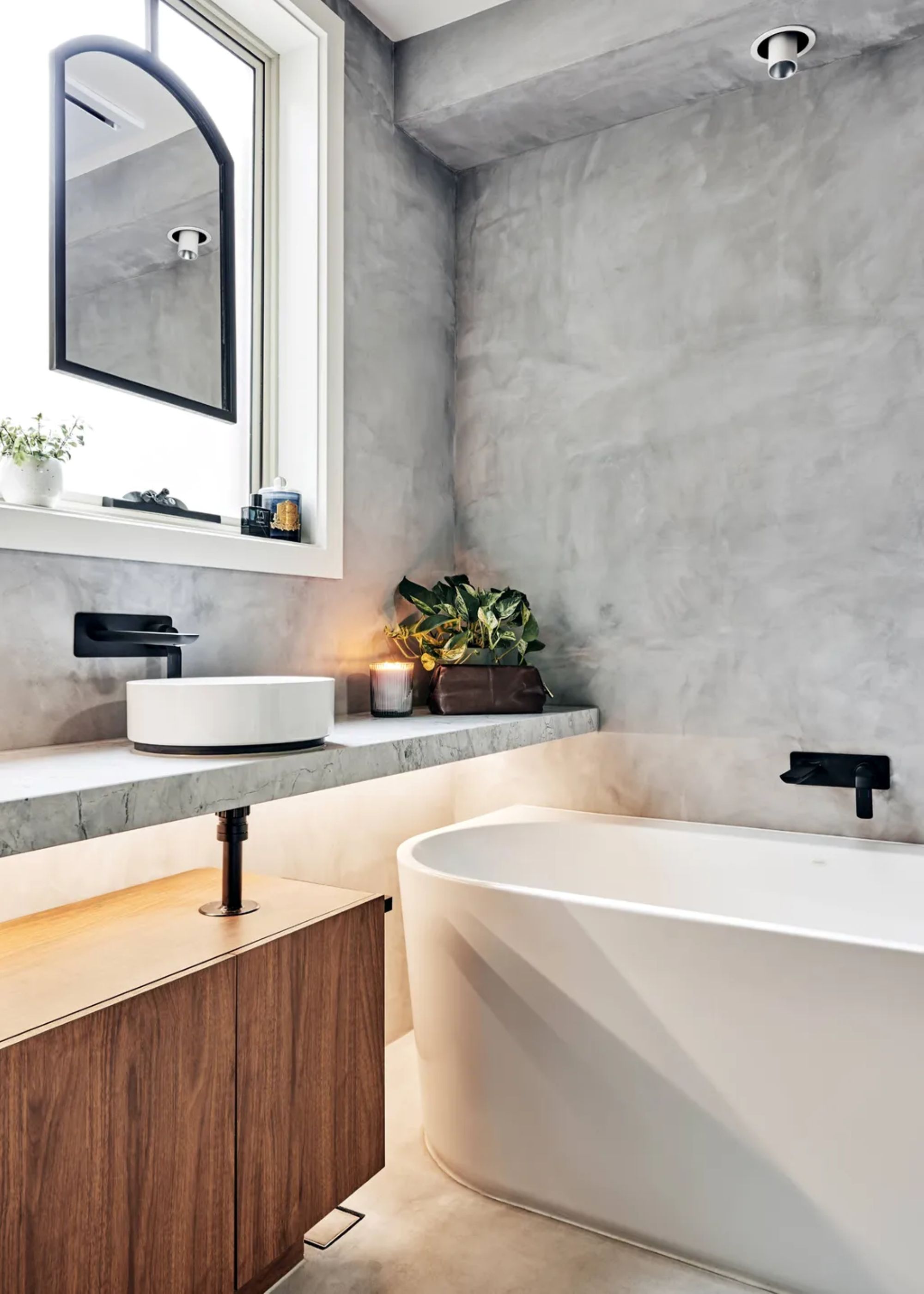
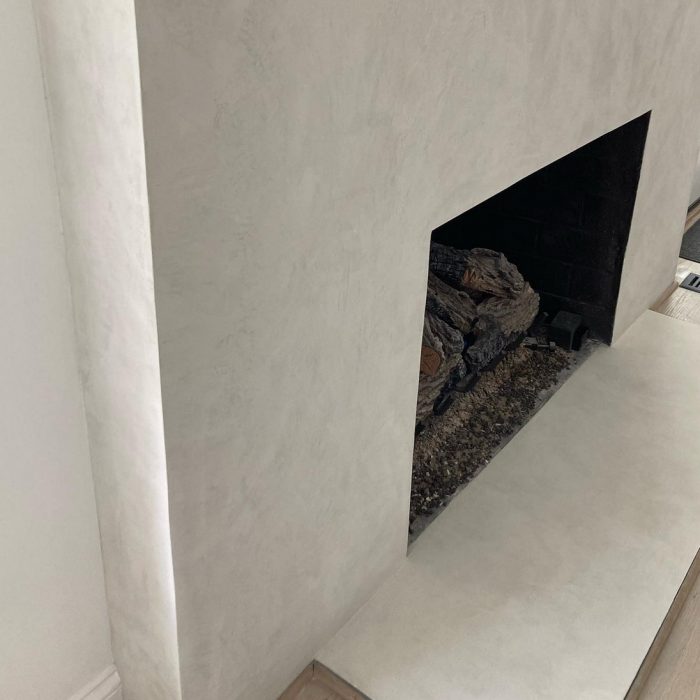
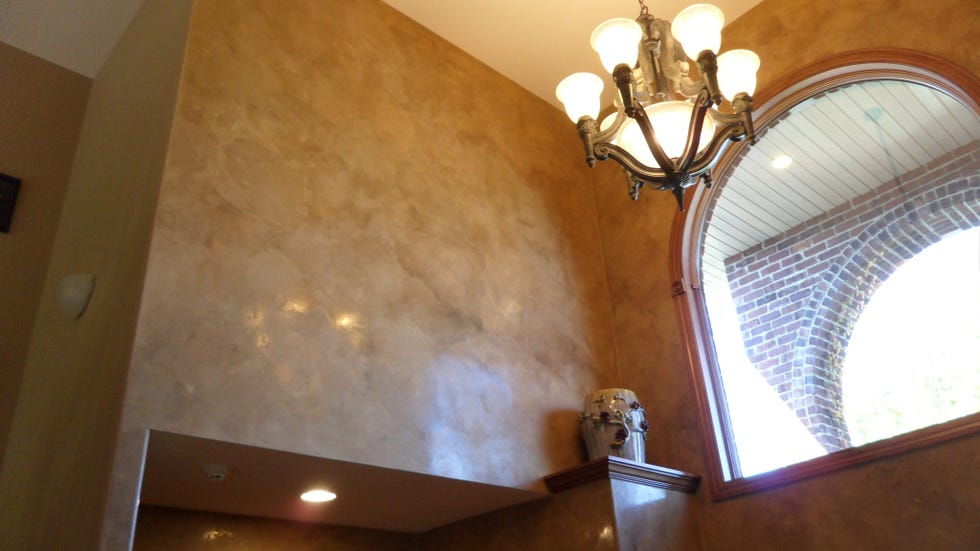
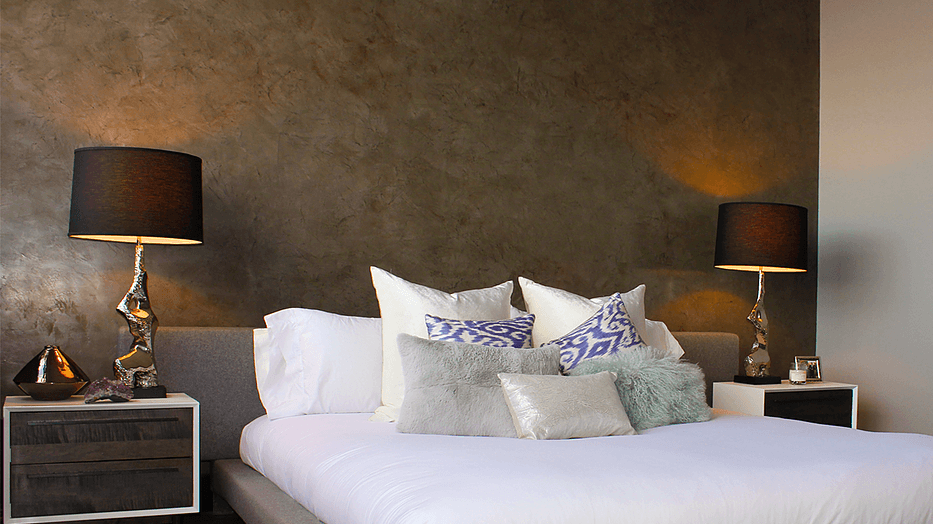
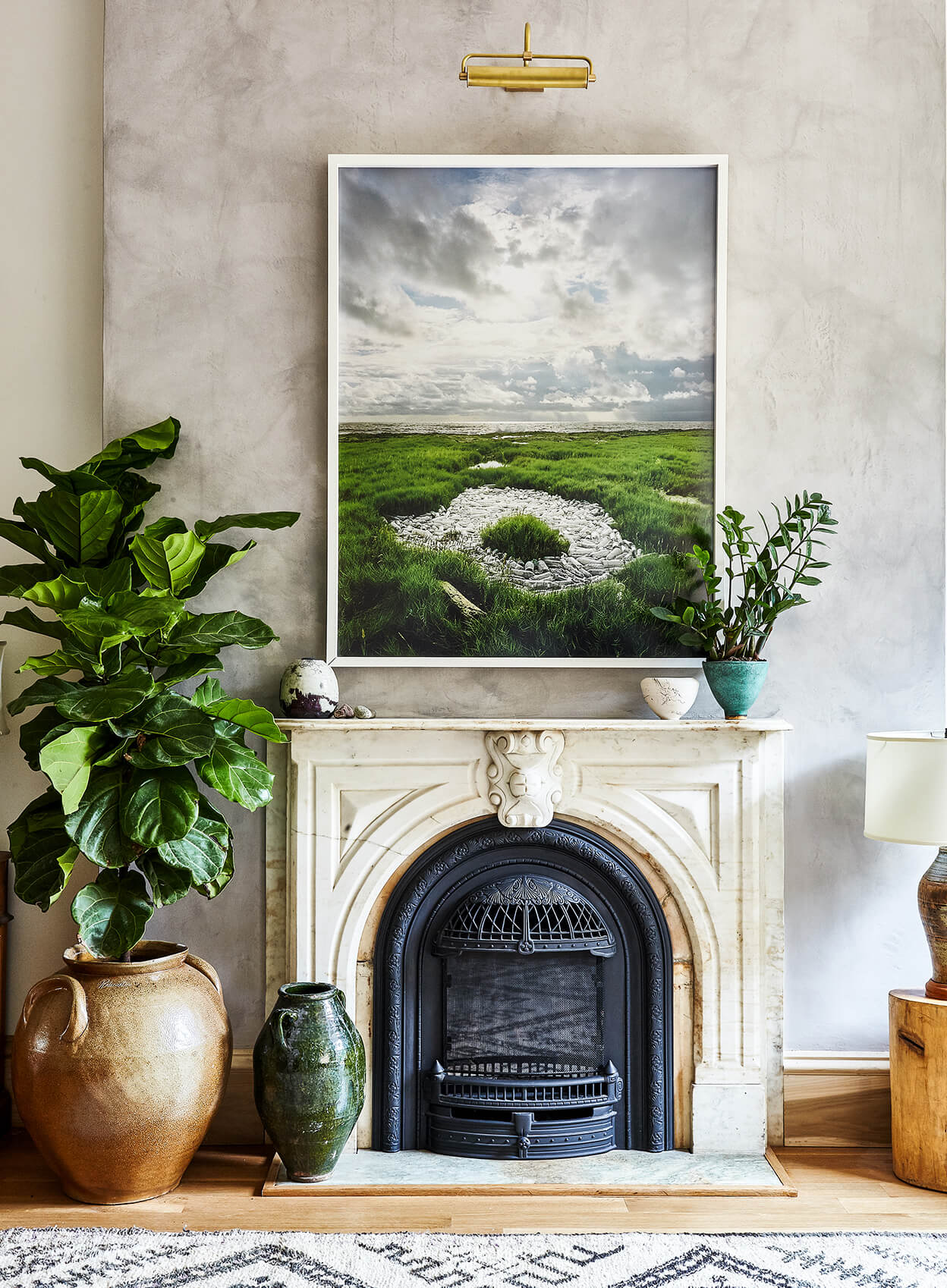
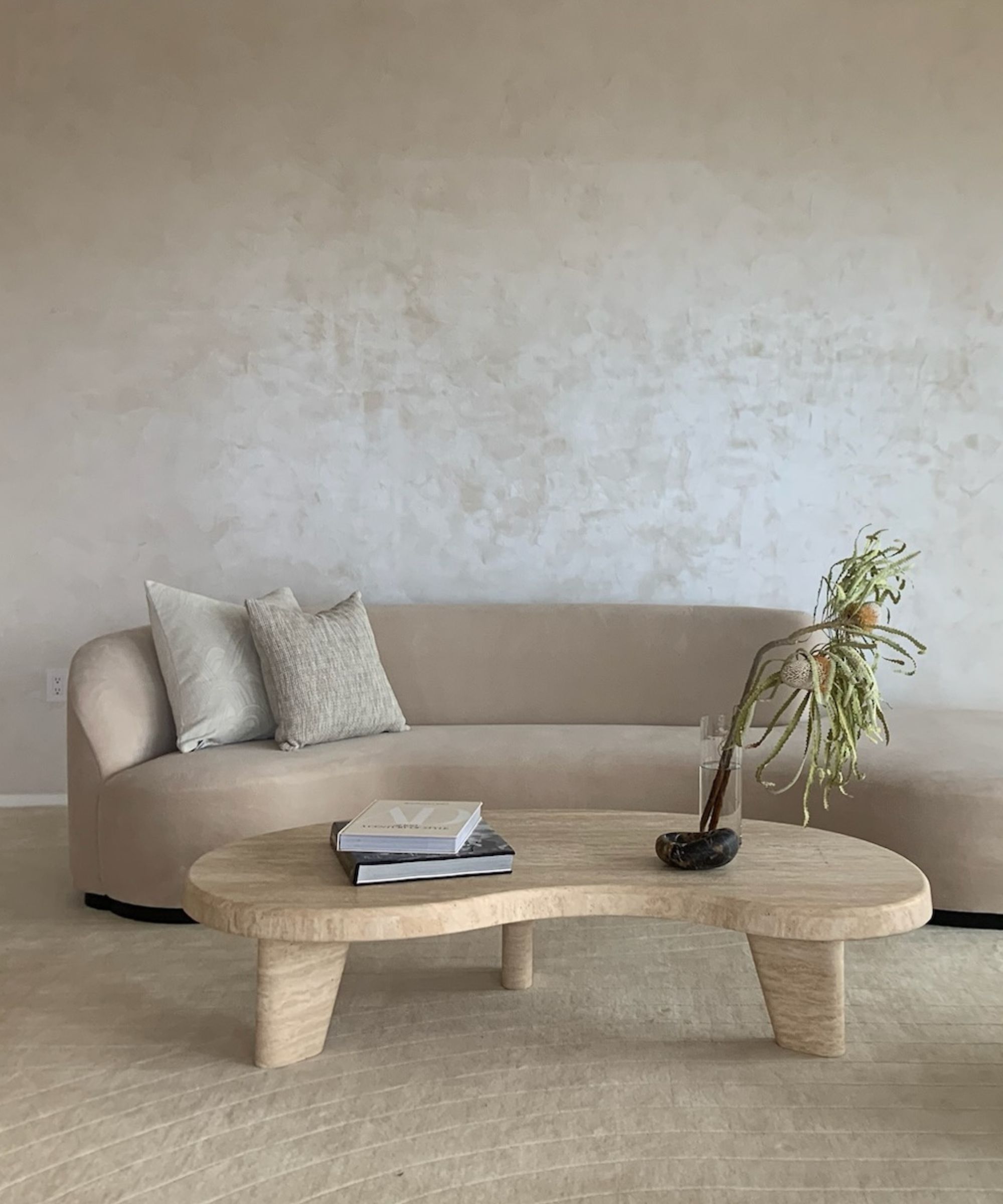
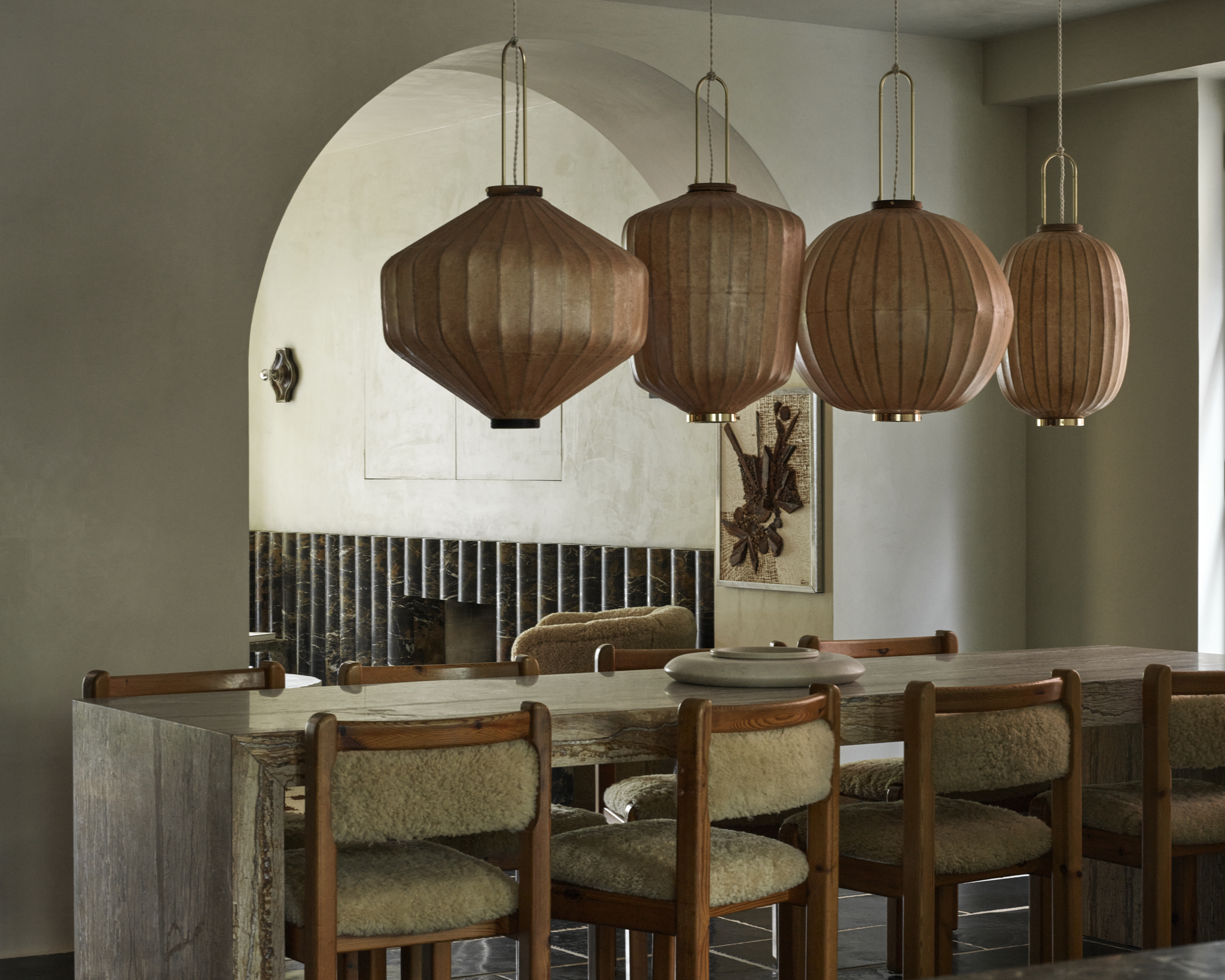
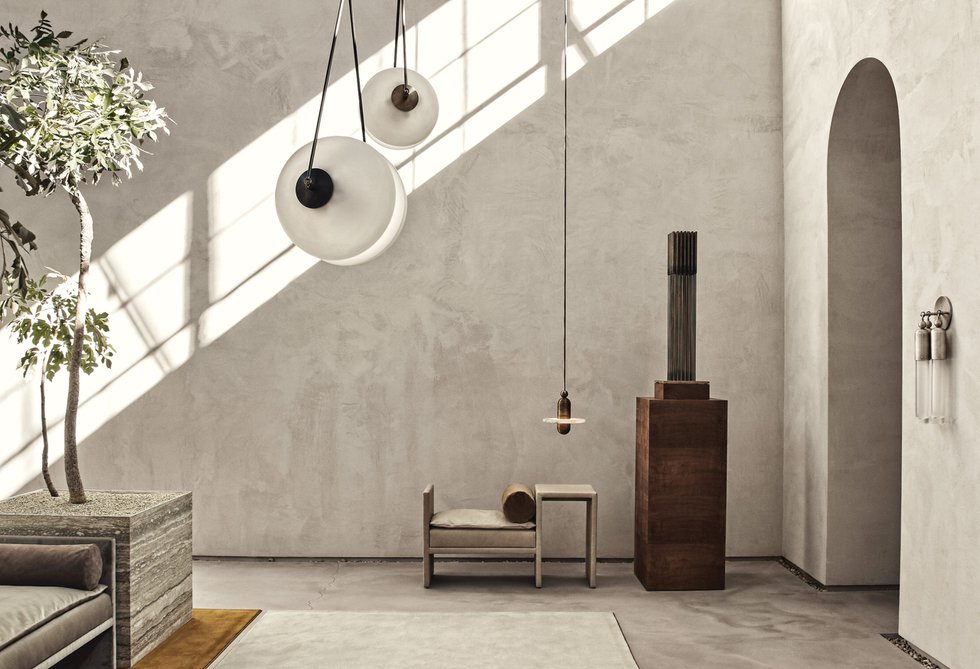
Venetian plaster, also known as lime plaster, is a putty derived from fired limestone and water. When applied to walls, it reacts with carbon dioxide in the air to revert to limestone, a process described as 'magical' and indicative of its enduring physical and aesthetic qualities, mirroring its use in ancient Greece and Egypt. A key distinction of Venetian plaster from other plasters like Tadelakt and Marmorino is the absence of aggregates such as marble, granite, or glass, which would otherwise impart a thicker texture. The visual and tactile qualities of Venetian plaster are characterized by an earthy, soft appearance. The application in thin, translucent layers creates an iridescent finish, offering an illusion of depth and movement. Herzig prefers earthy tones, including white, beige, gray, brown, and black, with white being her favorite.
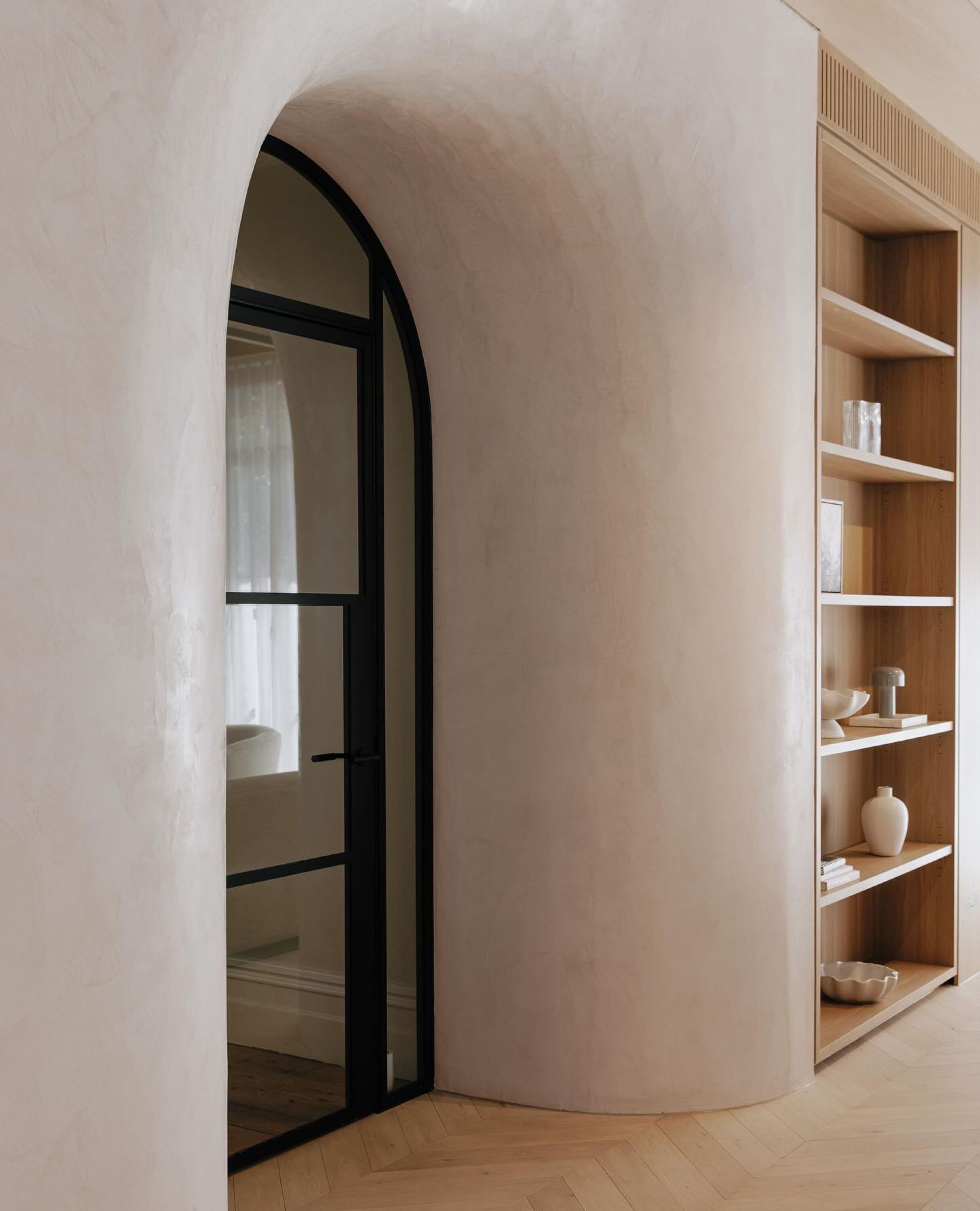
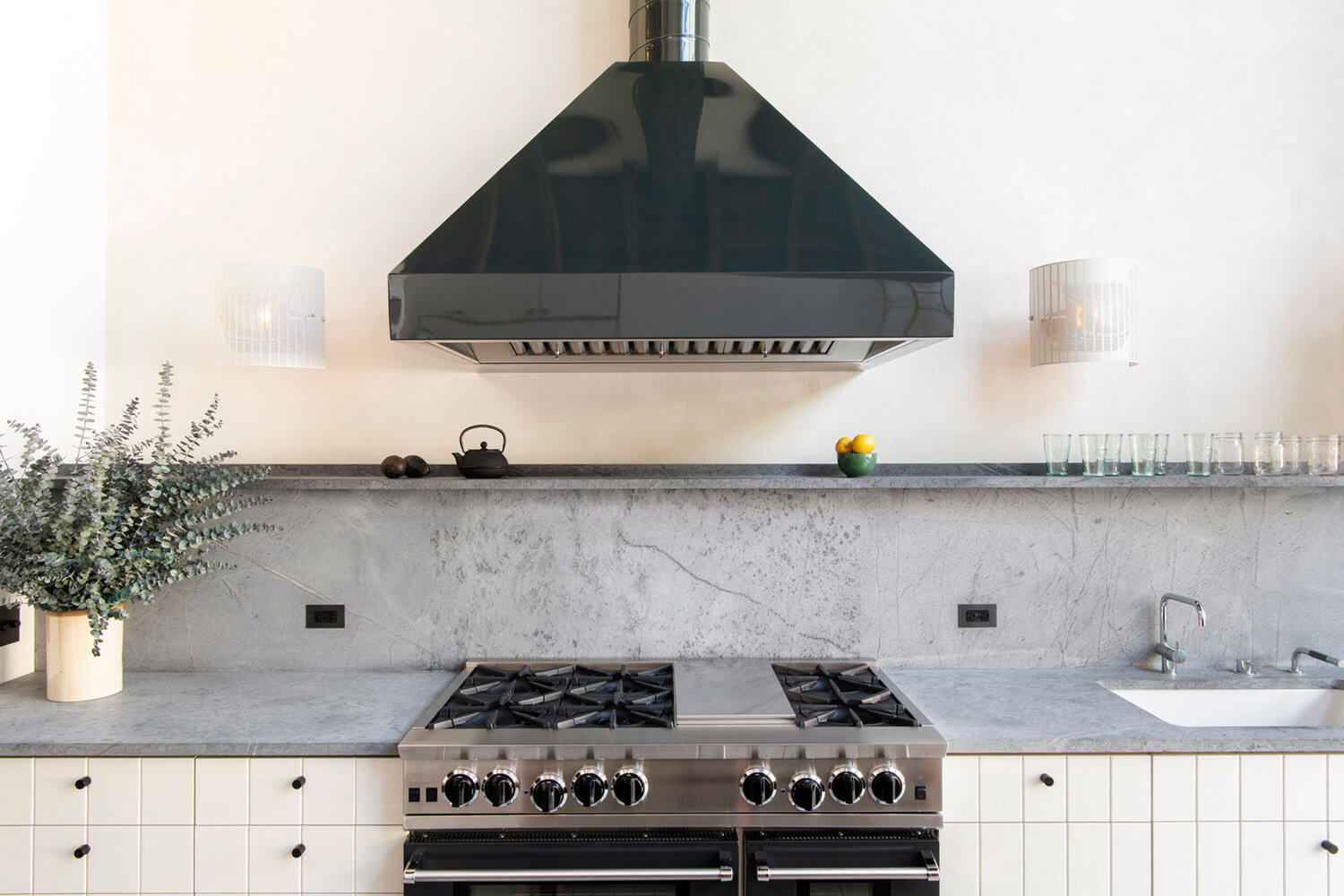
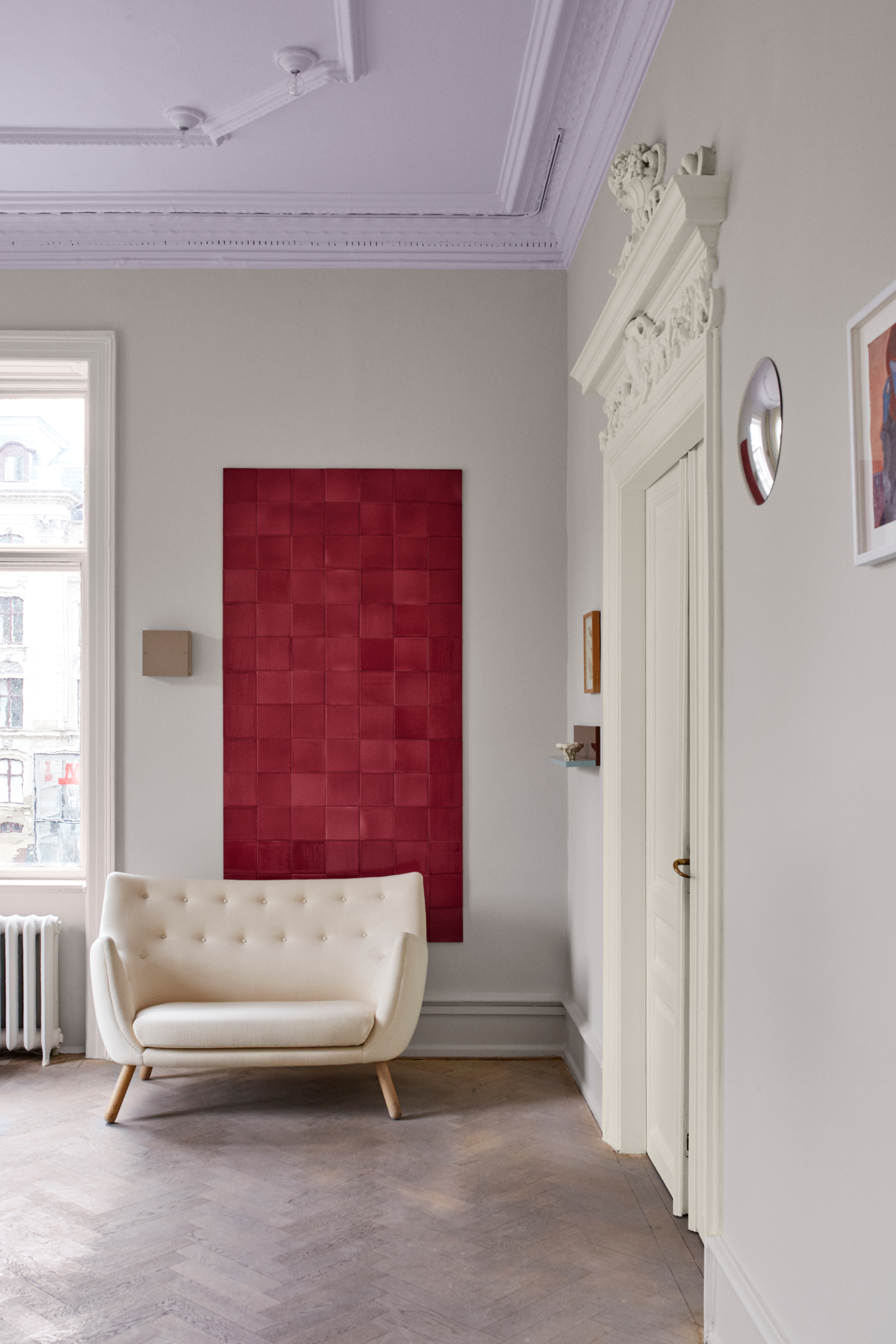
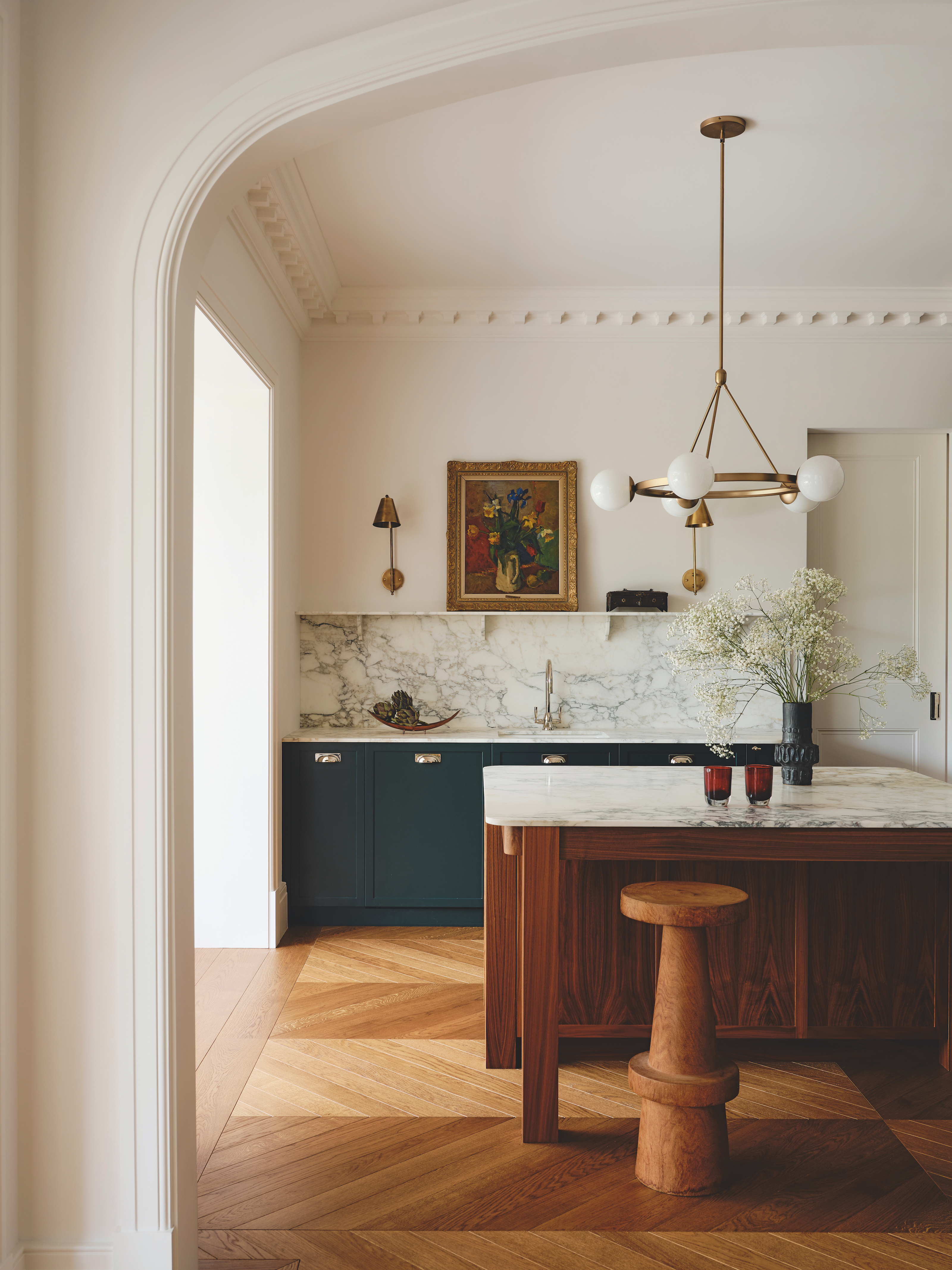
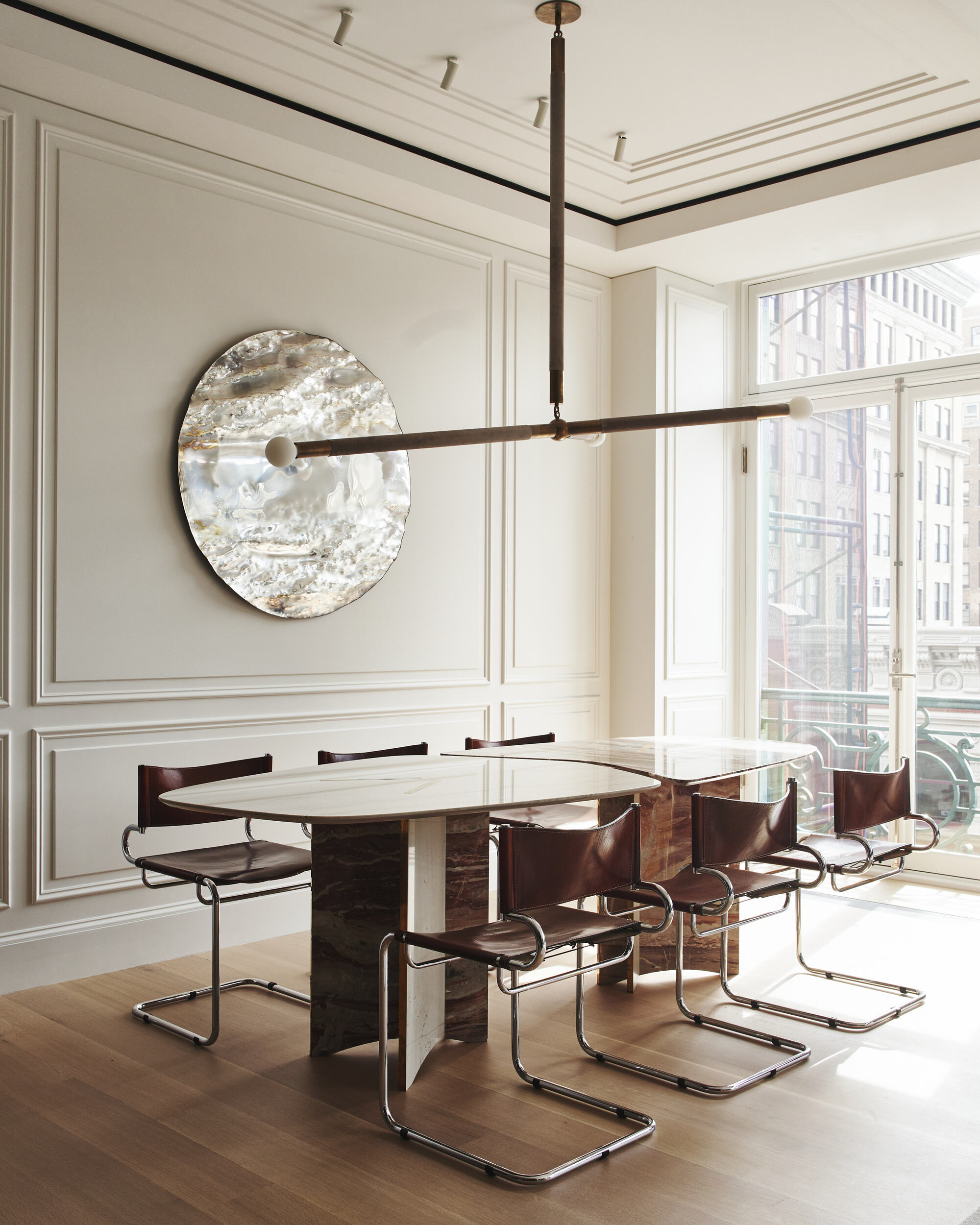
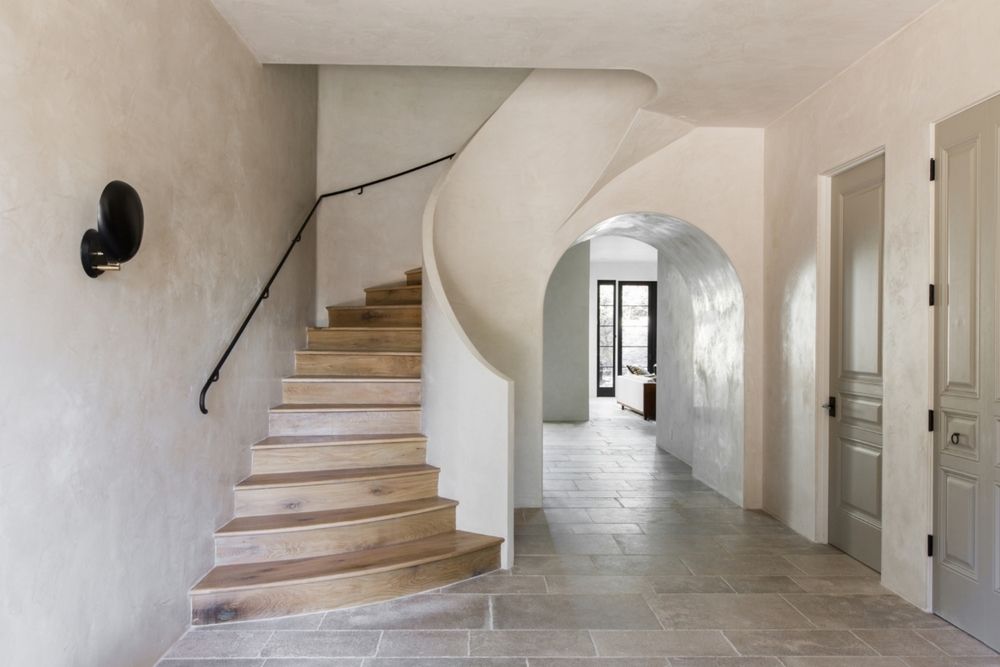
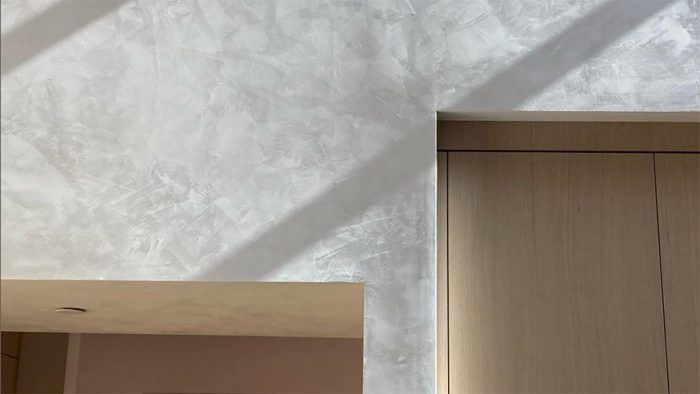
The interplay of natural light with lime plaster creates a unique effect, where light appears to emanate from within the plaster while also vibrating above its surface. This results in a feeling of lightness and stillness, making it highly complementary to a minimalist aesthetic. The plaster enhances focus on essential elements and warms up pared-down spaces. Herzig illustrates this by applying a single off-white plaster color throughout an entire house, including interior doors, to achieve visual silence, a look perfected by Vincent Van Duysen. This requires installing doors with kerf jambs instead of traditional jambs to ensure seamless integration.
From a homeowner's perspective, modern Venetian plaster products offer low maintenance and high durability. Unlike older formulations that required re-plastering an entire wall for minor blemishes, current products allow for patch repairs that can be blended seamlessly. Minor scuffs can often be removed with a damp cloth and mild detergent or light sanding. Plasters containing aggregates, however, are more high-maintenance, often necessitating re-plastering of an entire wall to conceal imperfections and requiring a full wall application in one go for consistency. Technically, lime plaster is non-toxic, emits zero VOCs, and is breathable, preventing mold and mildew growth. The primary drawback is its cost, ranging from $8 to $15 per square foot, making it more expensive than paint. Herzig recommends Texstōn Architectural Surfaces as a supplier, praising their innovative products, knowledgeable staff, and national network of experienced installers.
#VenetianPlaster #LimePlaster #InteriorDesign #WallFinishes #HomeDecor #NaturalMaterials #MinimalistAesthetic #ArchitecturalSurfaces #HomeRenovation #VenetianPlaster #LimePlaster #InteriorDesign #WallFinishes #HomeDecor #NaturalMaterials #MinimalistAesthetic #ArchitecturalSurfaces #HomeRenovation
Toplam 0 yorum
 Henüz yorum yok
Bu da beğenebilirsiniz
These Waterproof, Decorative Panels Are Essential for Stylish Southwest Florida Home Decor

Polly Doolittle, Specialty Plaster Painter

5 Questions on Decorative Plasterwork You Need to Ask Before Specifying It in 2025 — Answered by Interior Designers

Why Plaster Finishes Are Trending Right Now (Plus 5 Types to Know)


The family craft transforming walls into timeless works of art

Molded perfection: What it takes to restore antique plaster
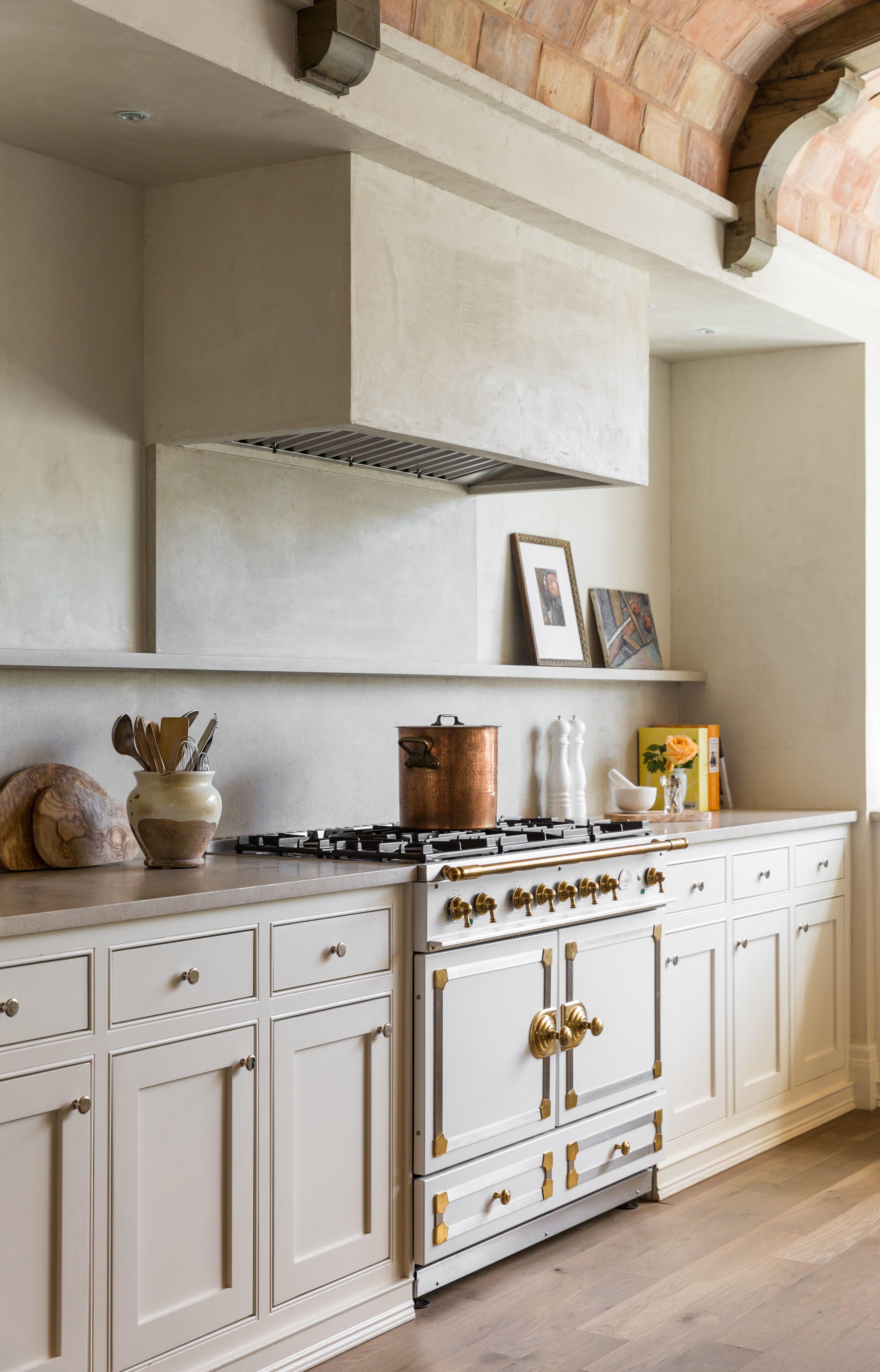
Why Plaster Walls Are So Popular, Plus 3 Ways to Get the Look
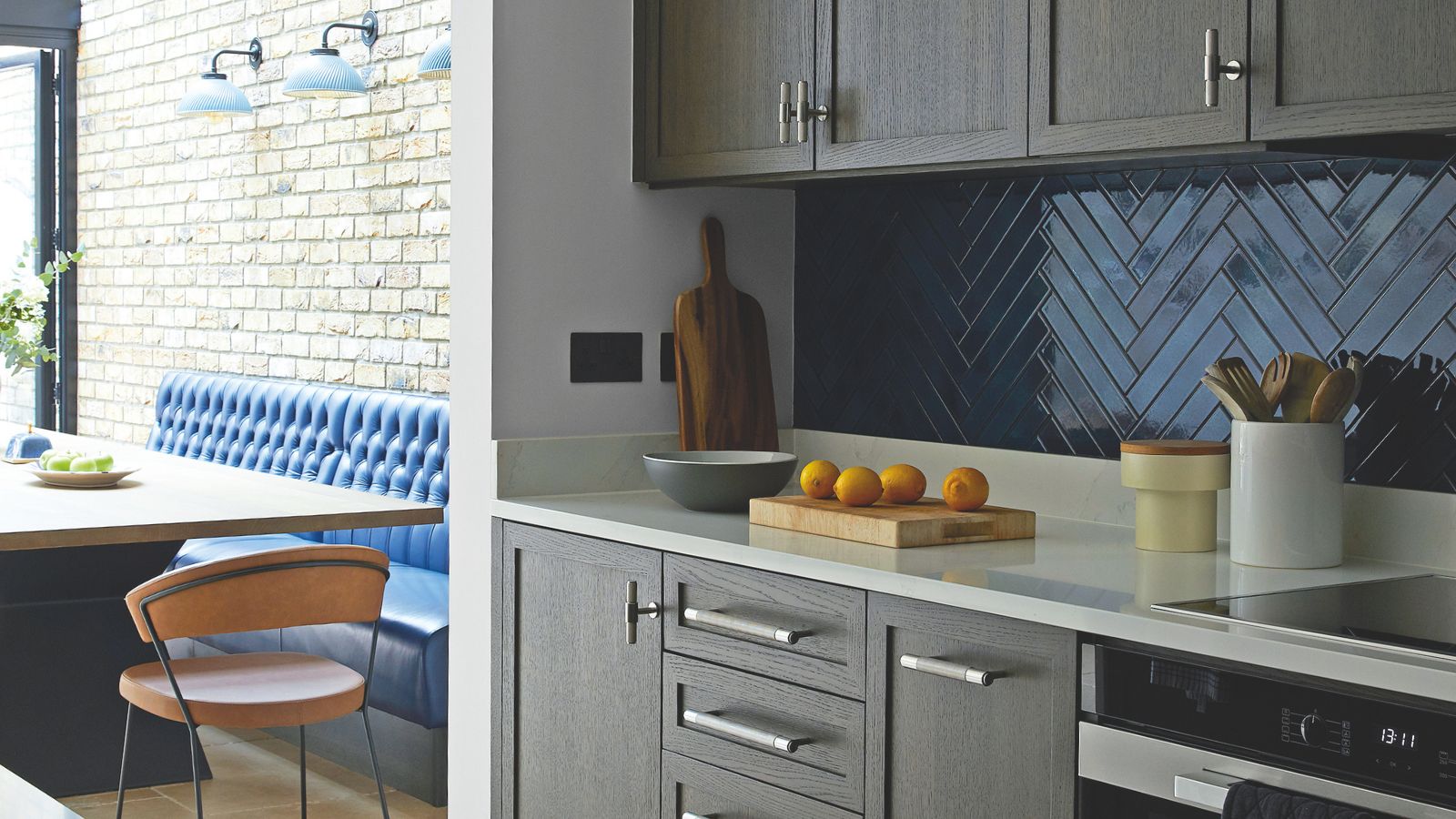
We've spoken to the experts – this is everything you need to know before trying peel and stick tiles

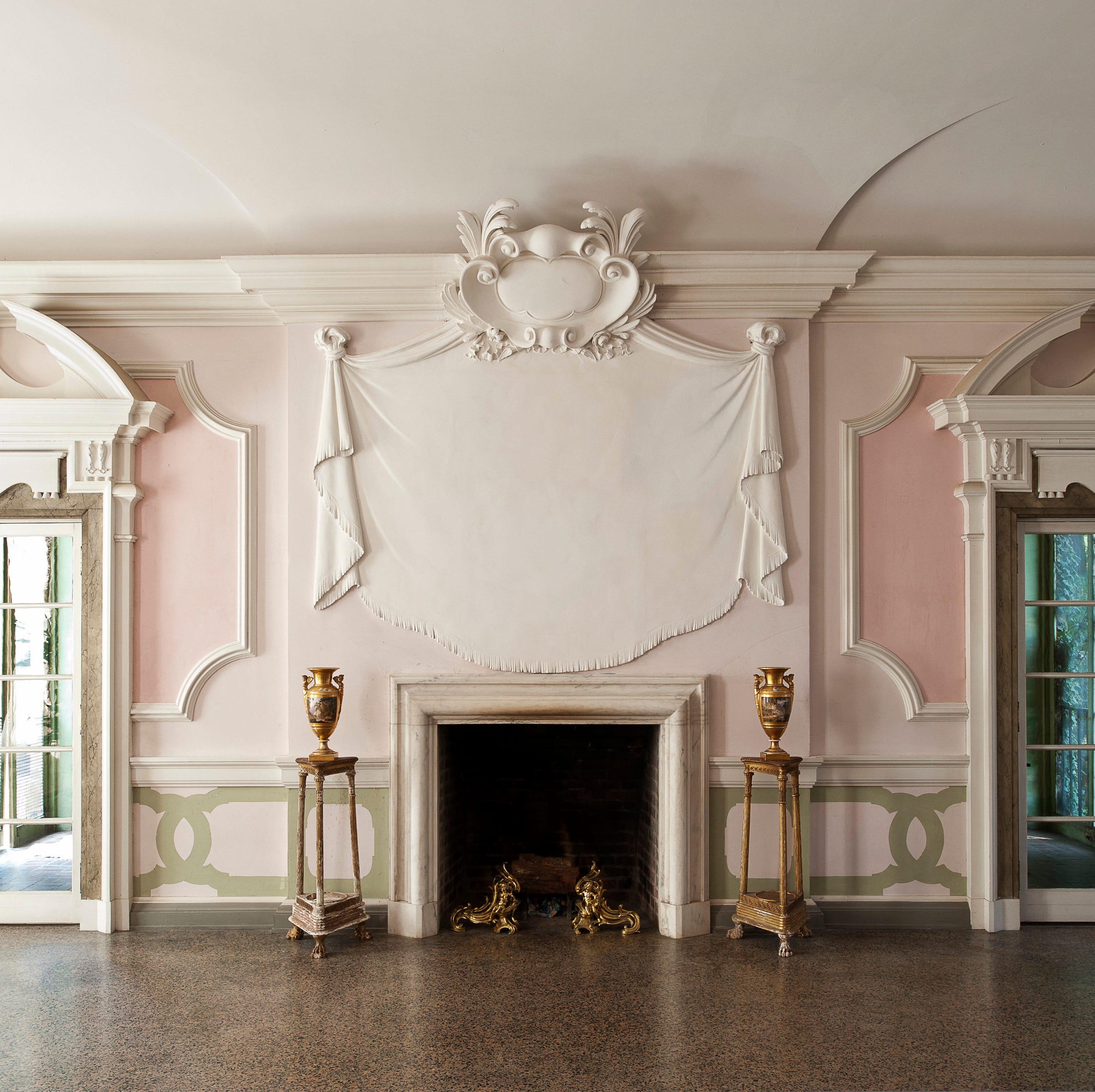
A Look at Plasterwork, One of the Industry's Most Timeless and Long-Standing Design Trends

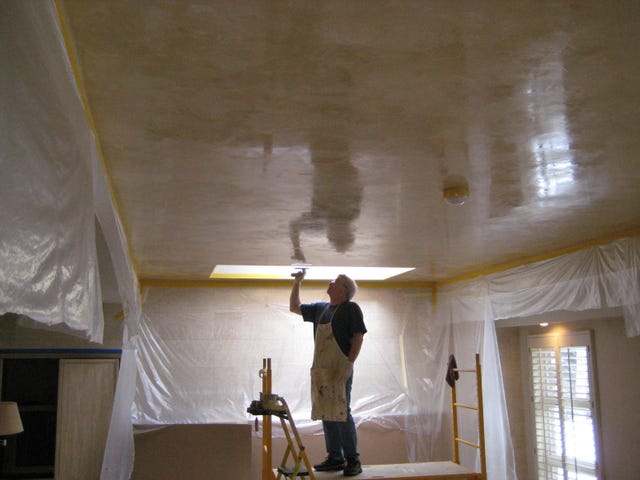
Use Venetian Plaster to Get That Old-World Look


Plasterboard

Venetian Plaster—the 15th Century Technique—Is Suddenly Hotter Than Ever
The Art of Plaster

From Tints to Tadelakt, Special Plaster Finishes Polish Brownstone Renovations
How to use plaster to add character to any style of home – 7 designers share their favorite looks
What is brick veneer?

Venetian Plaster vs Microcement — A Definitive Answer On Which Stylish Finish Would Work Best in Your Space

Plastered In Style
This designer's kitchen has a backsplash I've never seen before
Here's the Truth About Wood Veneers