1/10
10 Pretty Purple Flowers That’ll Make Your Garden Pop
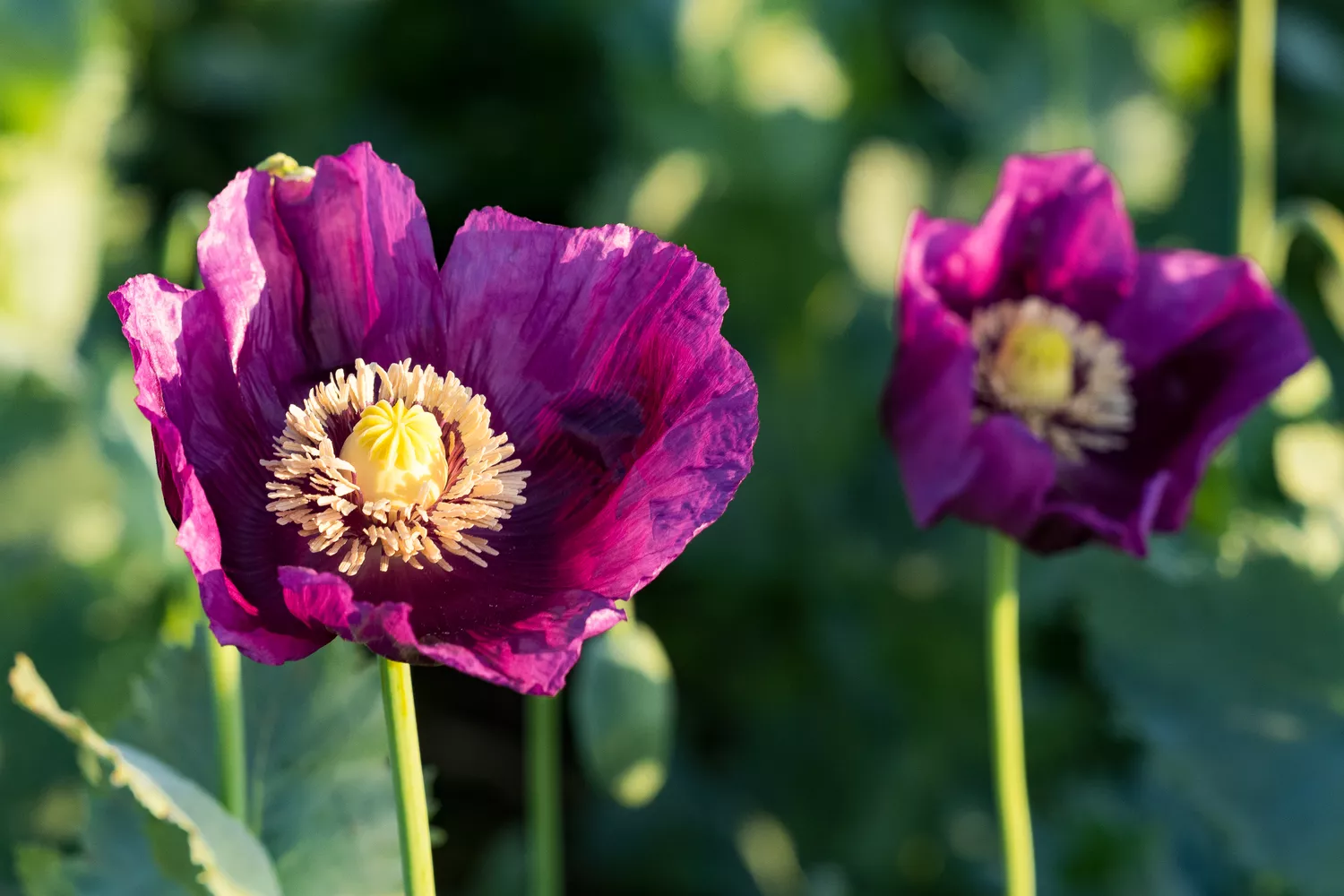
This article explores a selection of ten distinct purple flowers, providing detailed descriptions, growing conditions, and unique characteristics for each, suitable for enhancing any garden landscape. Steven Engel, a seed and flower expert from PanAmerican Seed, offers insights on selecting and caring for these blooms, catering to gardeners of all experience levels.
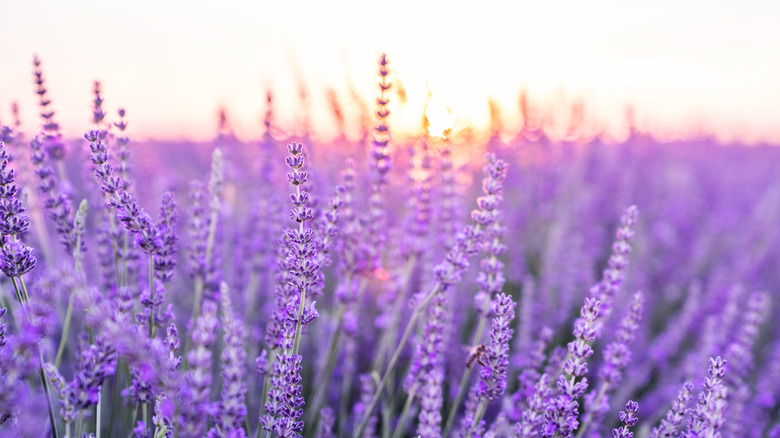
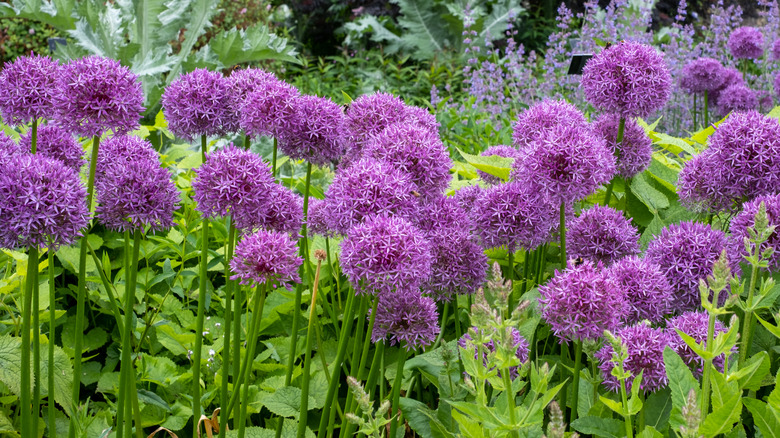
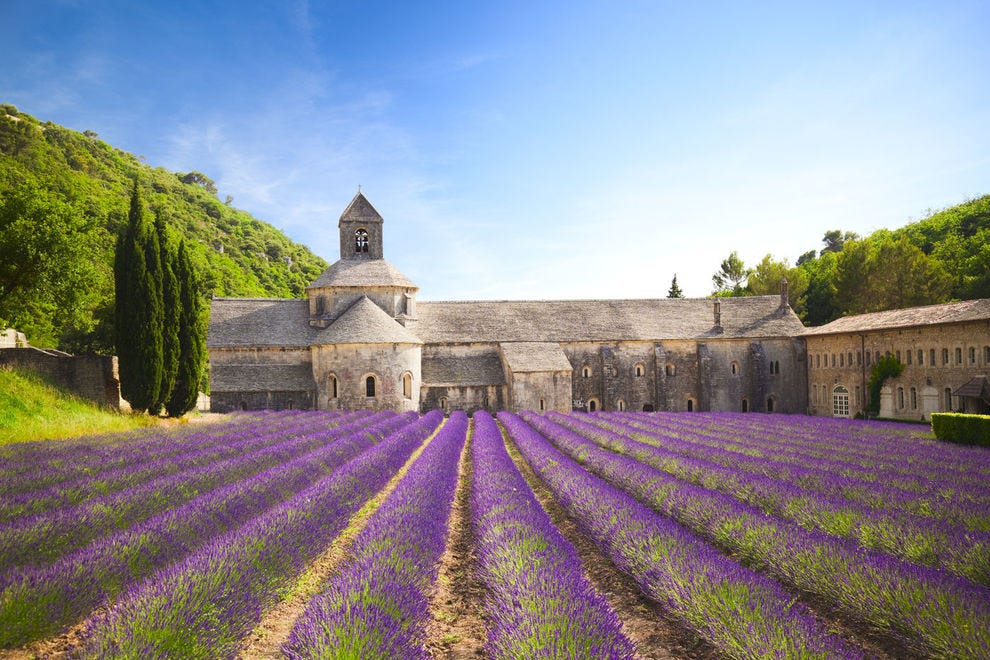
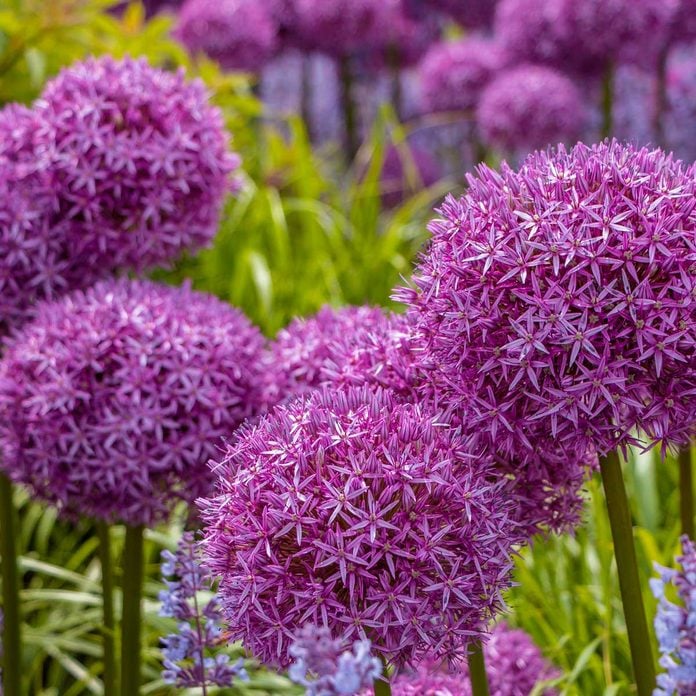
First on the list is Allium, also known as flowering onion, characterized by its long stems and large, spherical purple petals. These are ideal for fresh-cut arrangements and thrive in full sun with well-drained soil. Next is Lavender, a fragrant perennial that attracts bees and butterflies. It is hardy in USDA zones 5 to 10, depending on the variety, and requires full sun and well-drained soil, with plants spaced 1 to 3 feet apart. Purple Coneflower follows, a favorite among native-plant gardeners due to its ease of growth and adaptability to various soil types. These can reach up to 36 inches in height, serve as a nectar source for butterflies, and their seeds attract songbirds, performing best in full sun but tolerating some shade.
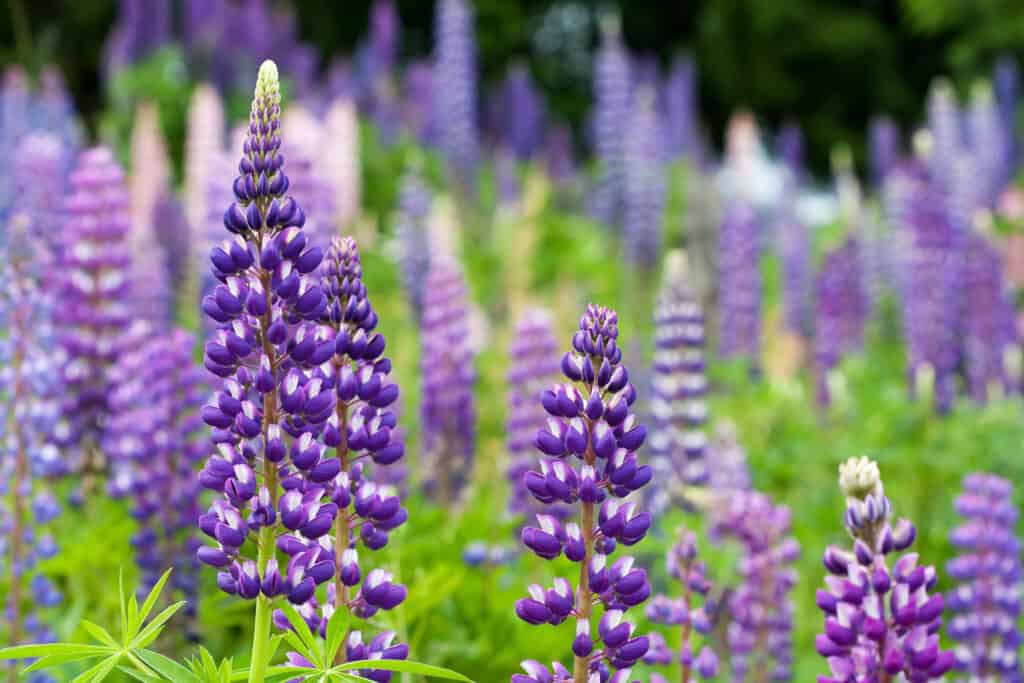
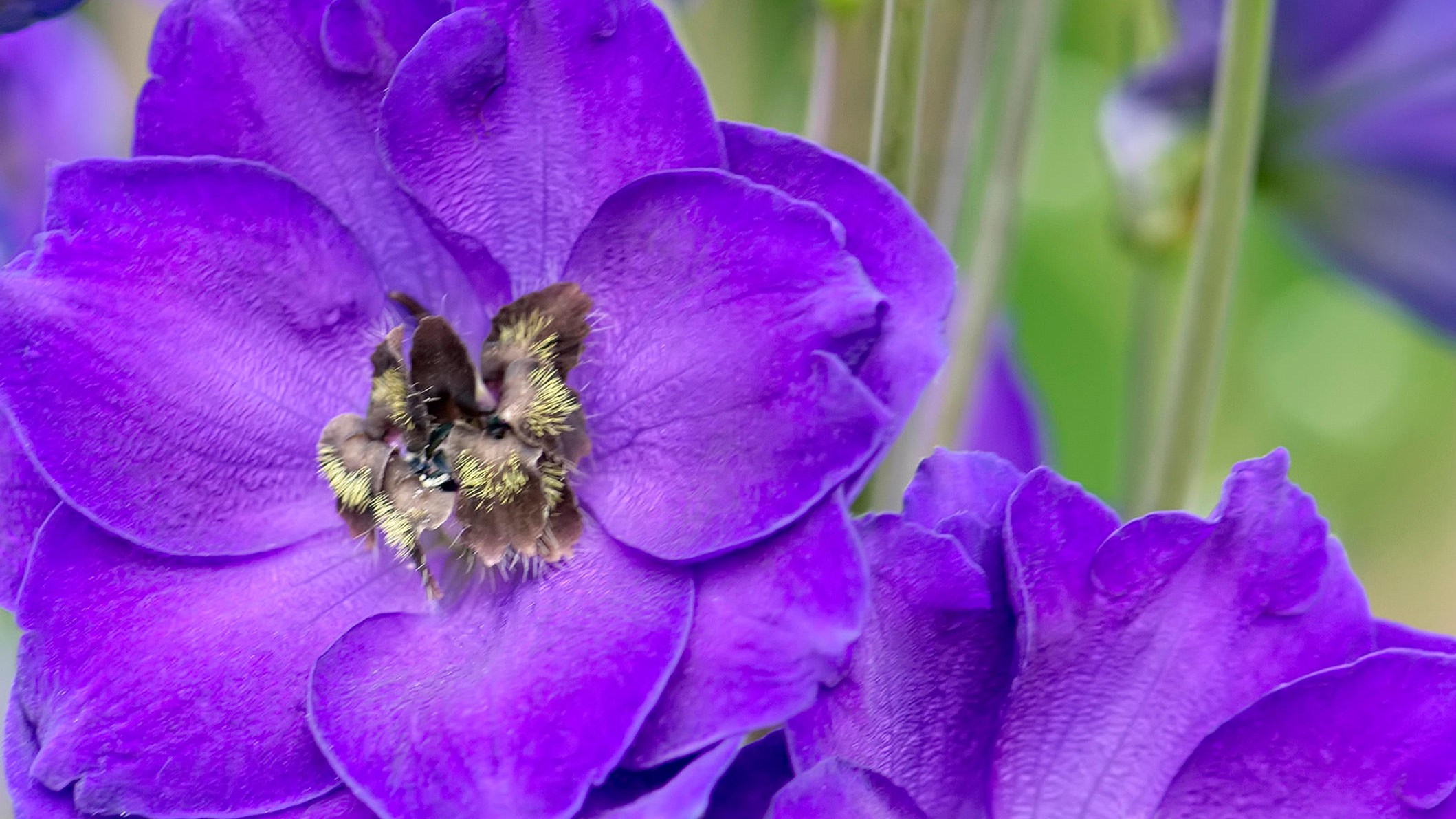
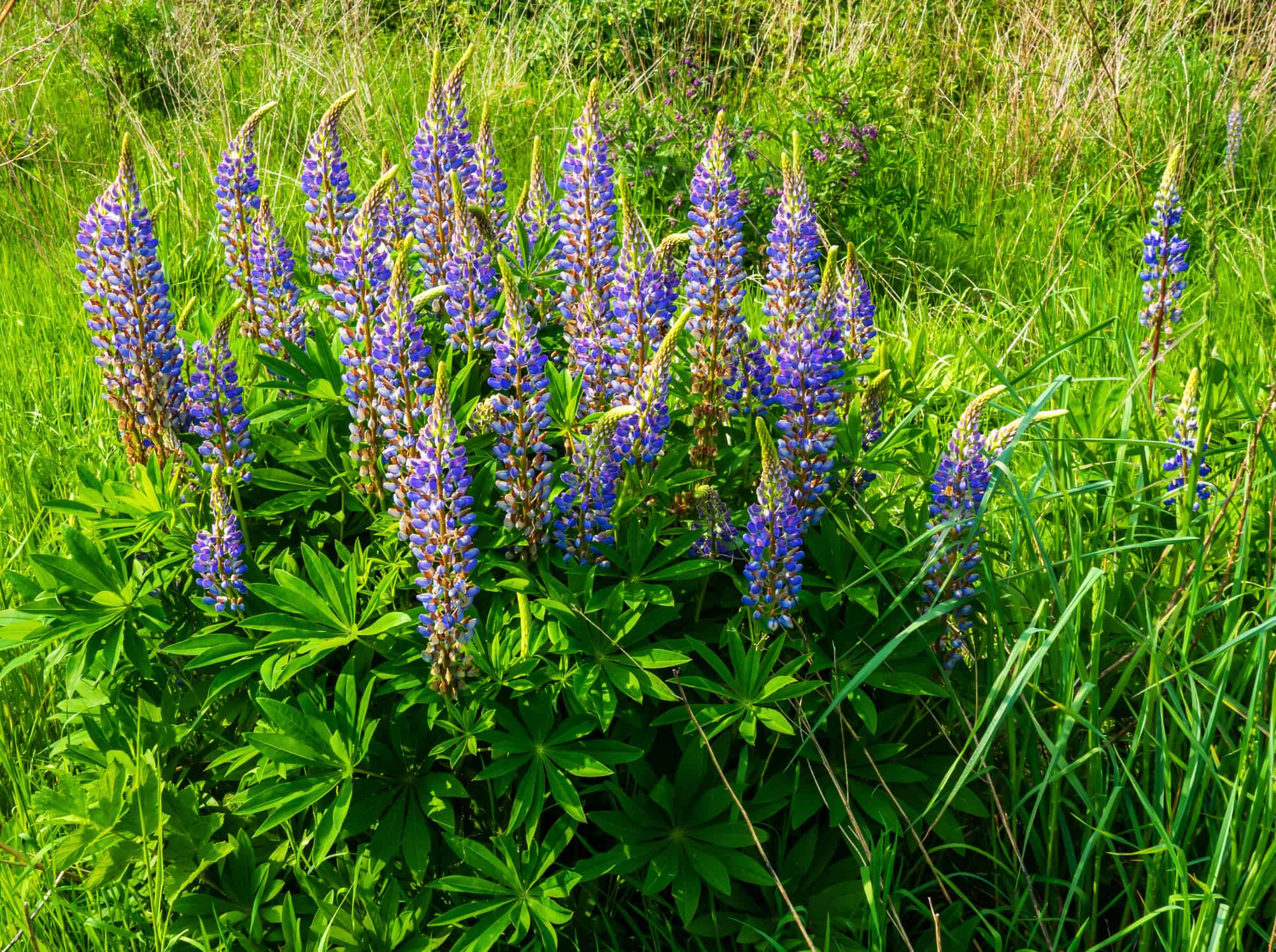
Lupine offers a bold purple display, attracting pollinators and capable of being grown as an annual or perennial. It prefers full sun but can manage partial shade, flourishing in well-drained soil. Clematis Jackmanii is presented as an excellent choice for a vining purple flower, best suited for USDA Zones 4 to 8. It requires the flowering parts to be in sun to part shade while its roots remain shaded, growing up to 10 feet tall with various flower shapes. Mini Iris provides an early spring burst of purple, being one of the earliest bloomers at 4 to 6 inches tall. These deer-resistant bulbs offer nectar for early pollinators and prefer well-drained soil in sunny to partly shaded spots.
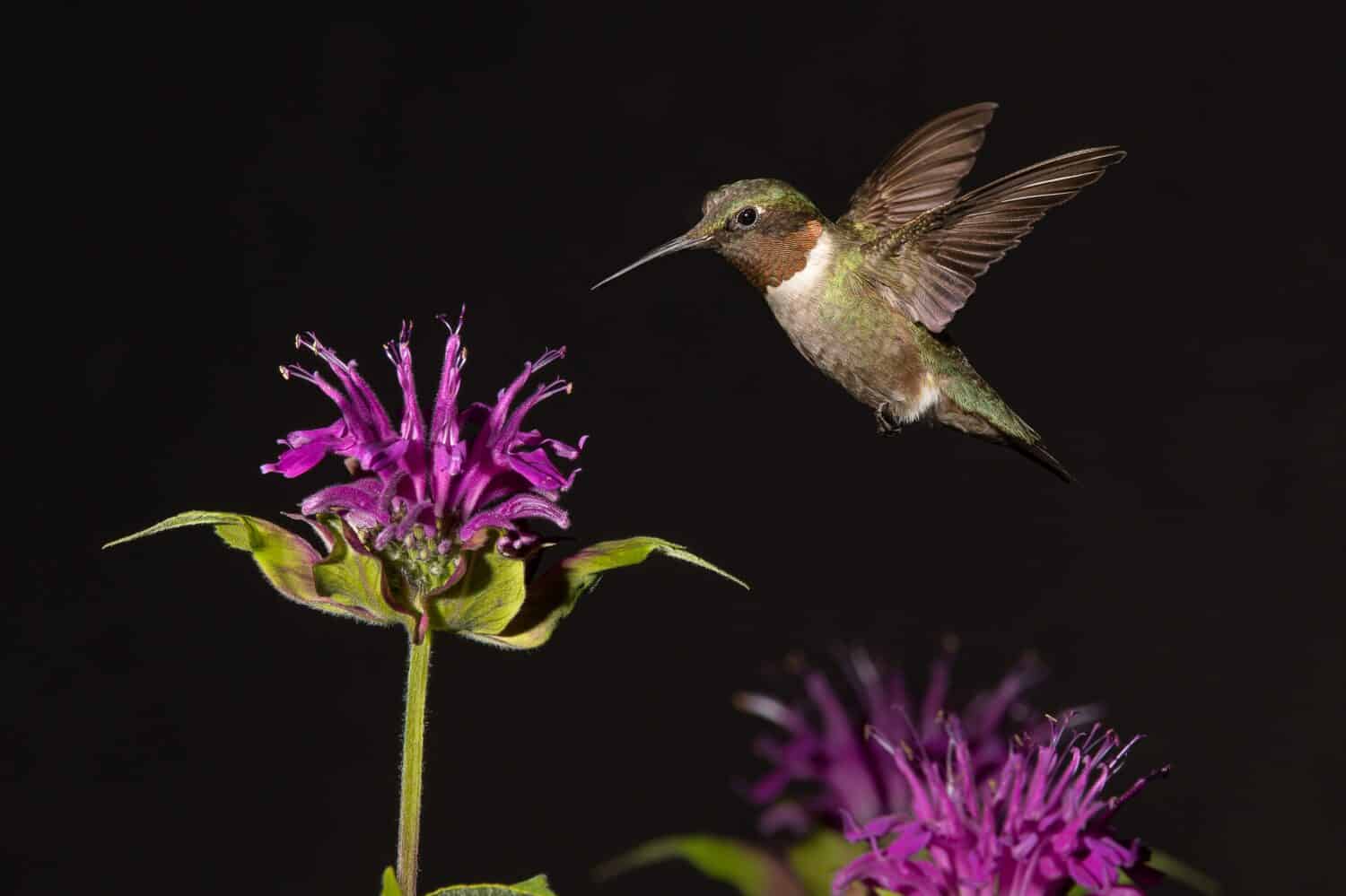
Wisteria is a vigorous vine known for its blanket of purple blooms in spring. It demands full sun and well-drained soil but requires careful management due to its rapid growth, potentially climbing 30 to 40 feet. Anise Hyssop is highlighted for its aromatic qualities and ability to attract numerous bees. These purple flowers can grow up to 36 inches, preferring sandy, moist, well-drained soil. Its leaves are also edible, adding flavor to various dishes. Purple Bee Balm, a variant of the popular red bee balm, provides a showy mid-summer display. It thrives in full sun, can grow up to 48 inches, and attracts bees, butterflies, and hummingbirds.
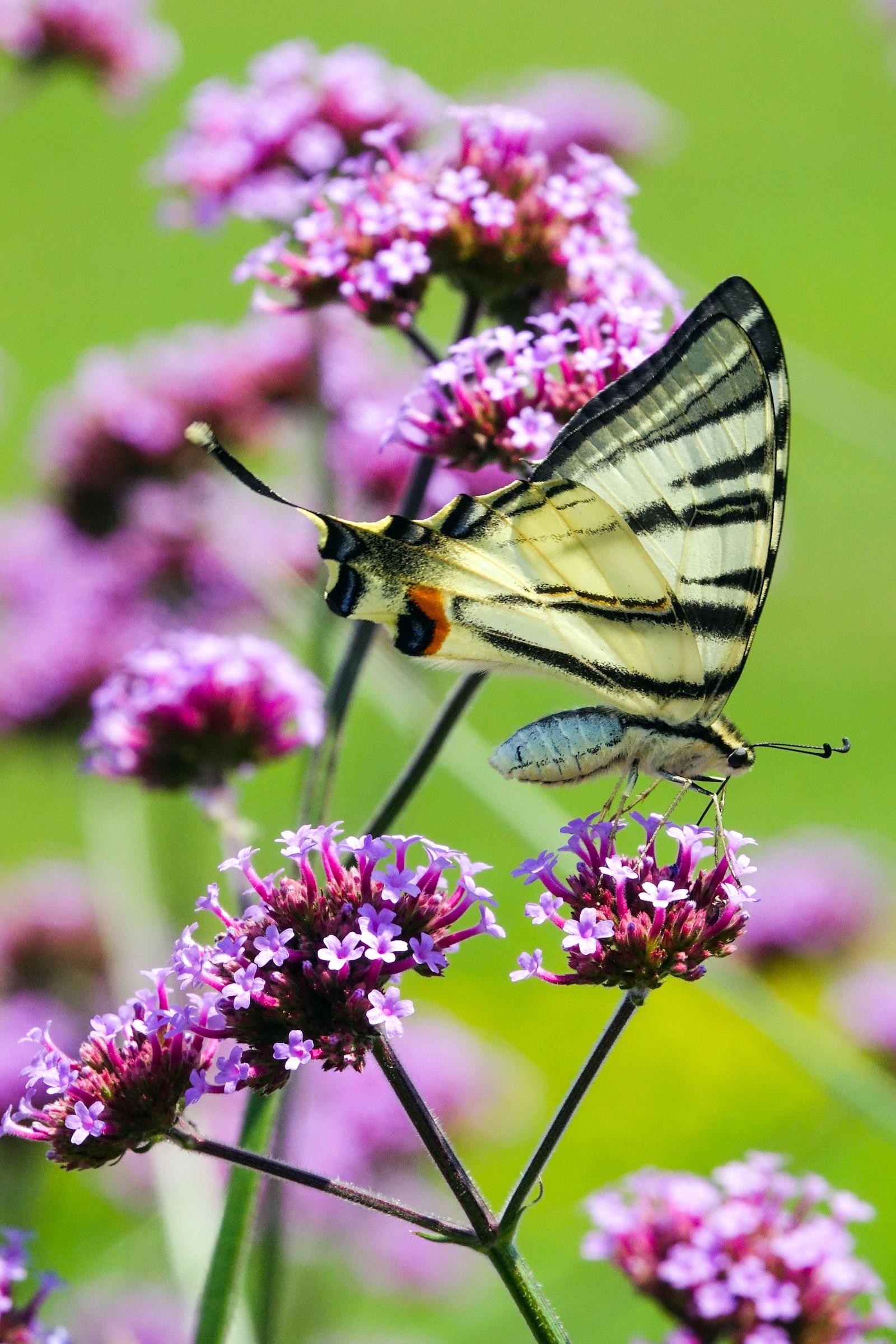
Finally, Verbena is recommended for its vibrant, abundant, and long-blooming purple flowers, which are resilient to intense heat. It can be cultivated as a perennial or an annual, flowering continuously from late spring into fall. Verbena is versatile for edging or container planting, needing full sun and average garden soil. The article also includes a FAQ section where Steven Engel suggests 'Gomphrena Fireworks' as an excellent purple cut flower due to its tall stems and heat tolerance, and 'Zinnia Zesty' or snapdragons for beginner gardeners, emphasizing their ease of growth from seed and suitability for different seasons, respectively.
#PurpleFlowers #GardenDesign #Perennials #Annuals #GardeningTips #PollinatorFriendly #FlowerCare #StevenEngel #PlantVarieties #PurpleFlowers #GardenDesign #Perennials #Annuals #GardeningTips #PollinatorFriendly #FlowerCare #StevenEngel #PlantVarieties
Toplam 0 yorum
 Henüz yorum yok
Bu da beğenebilirsiniz
15 Best Purple Plants For Your Flower Garden
15 Annuals That Bloom With Bold Purple Flowers
Purple Flowers That Hummingbirds Find Irresistible
13 Purple Plants to Grow for Bold Color

11 Beautiful Purple Flowers and Plants That Attract Hummingbirds
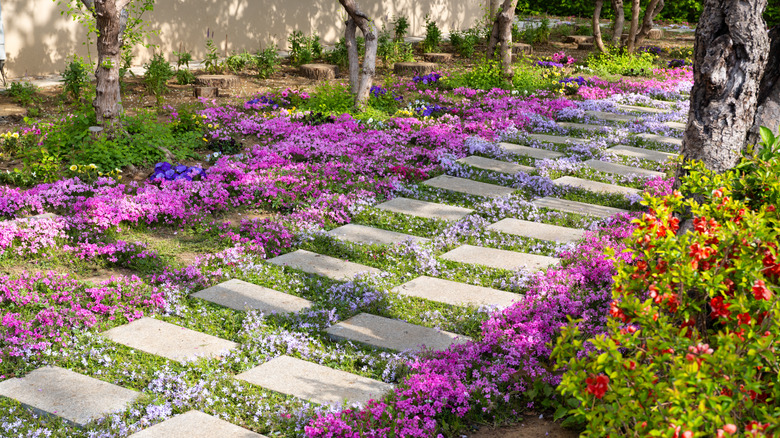
16 Best Fast-Growing Purple Plants For A Beautiful Shade Garden In No Time
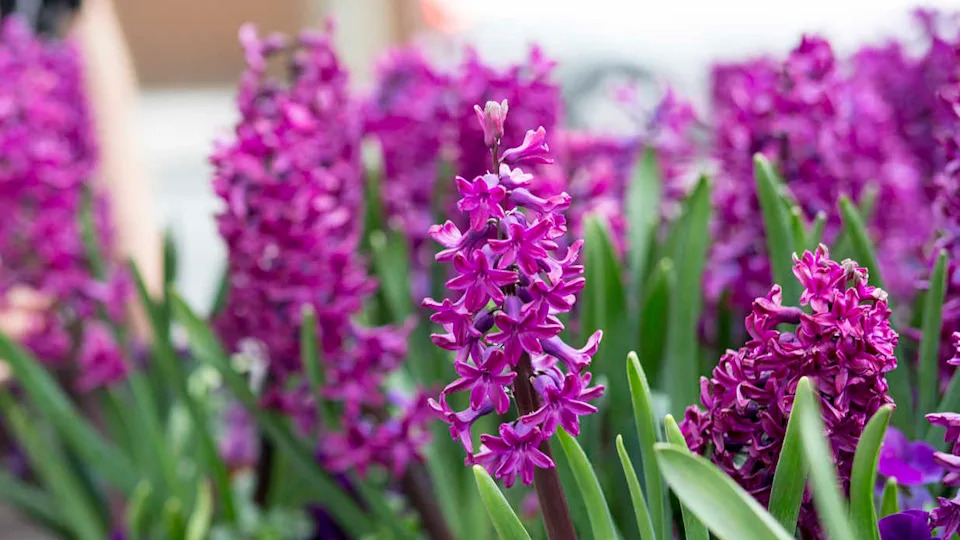
11 Pretty Purple Flowers to Plant in Your Garden
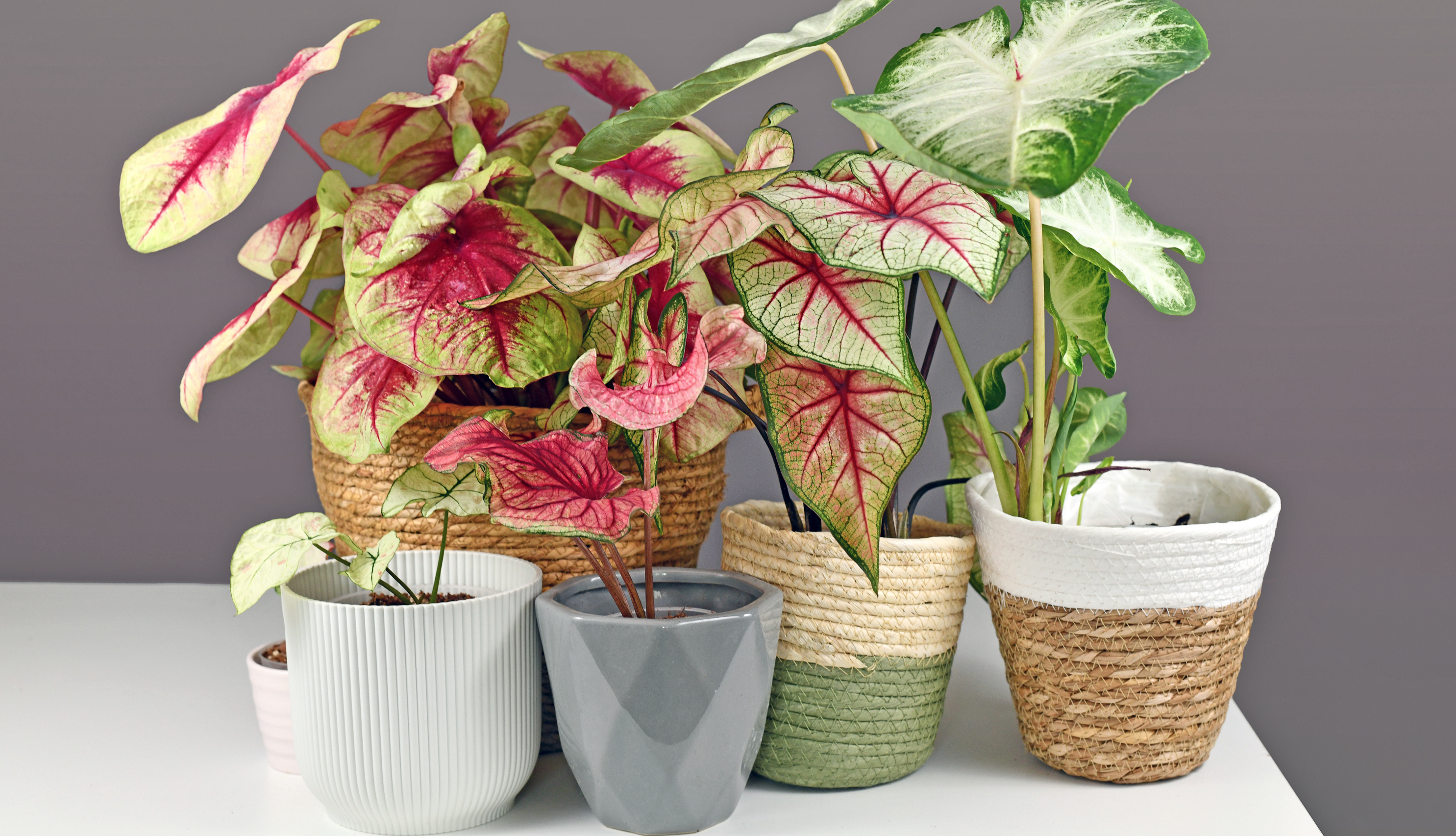
10 colorful indoor plants to give you a beautiful kaleidoscope of joy

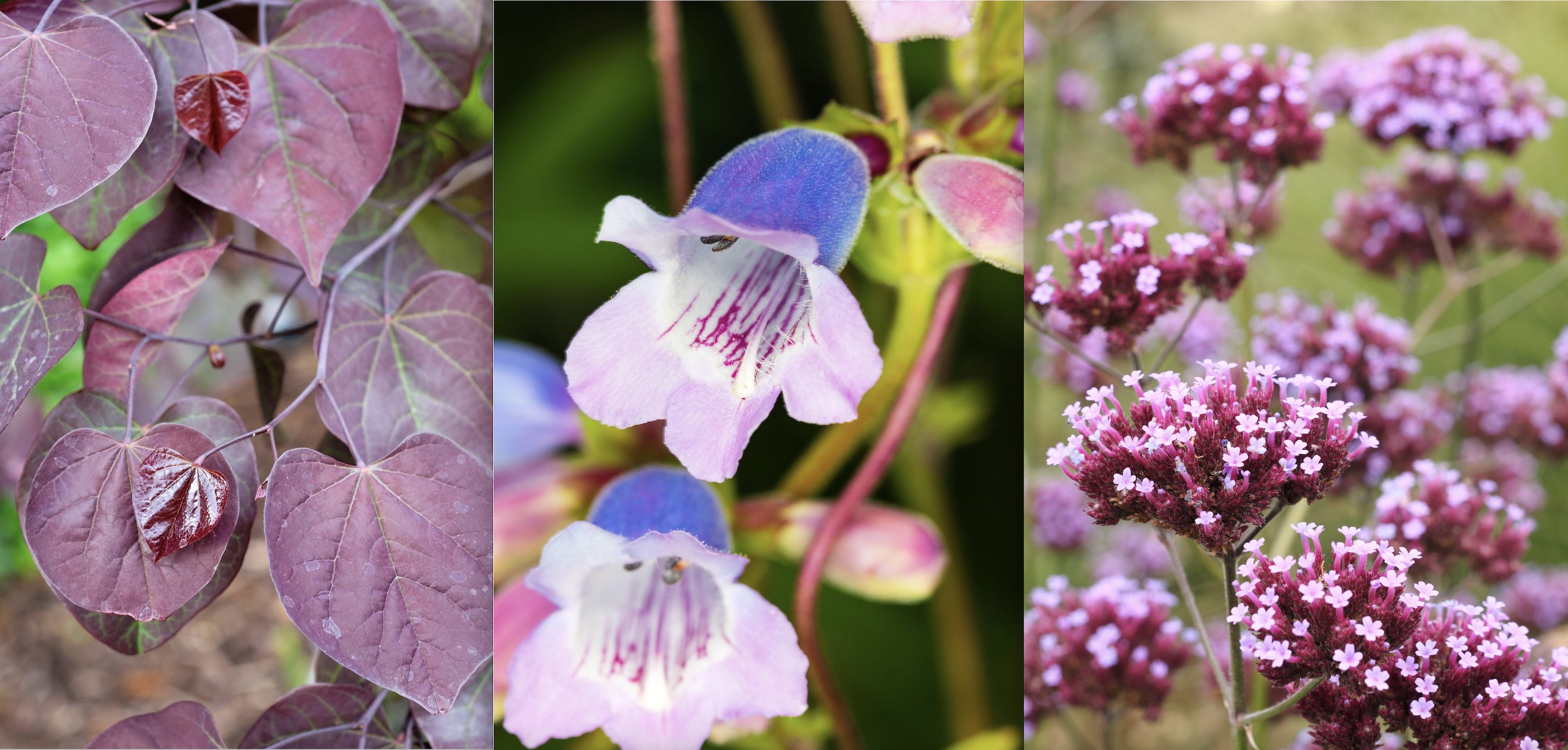
Purple plants – 5 best to choose for the perfect purple border
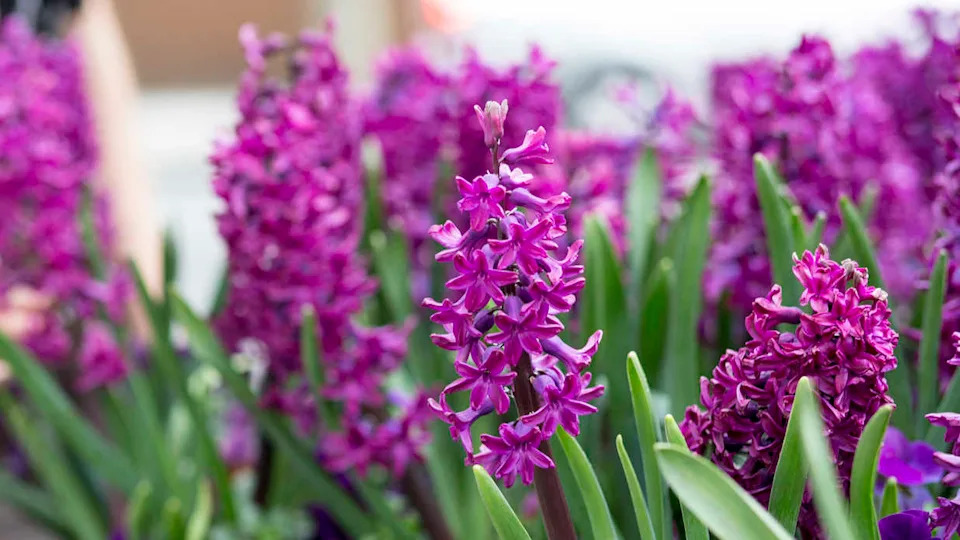
11 Pretty Purple Flowers to Plant in Your Garden

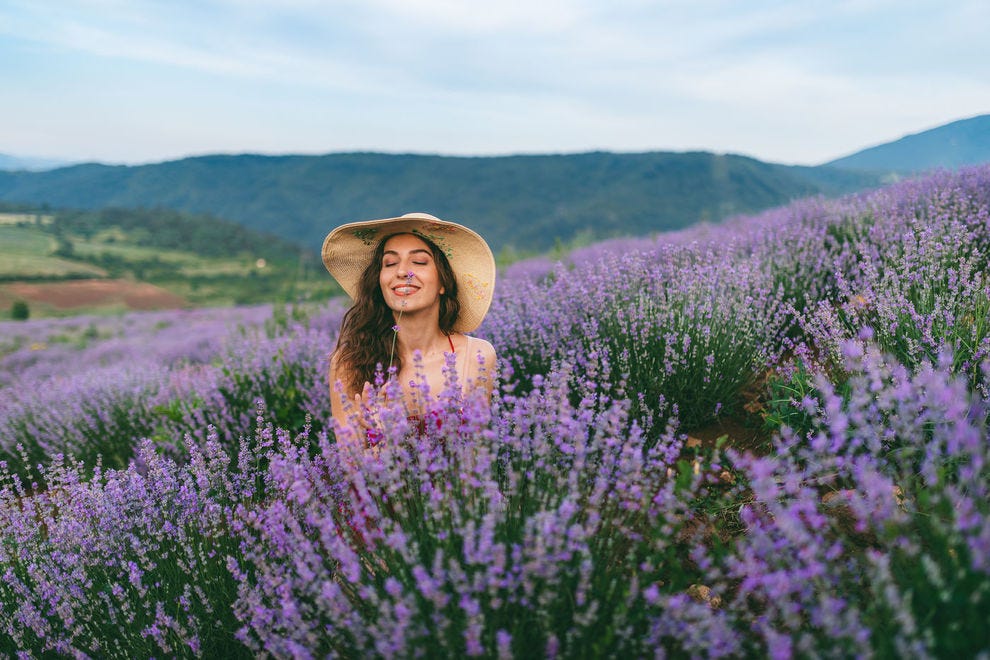
10 of the prettiest flower fields in the world

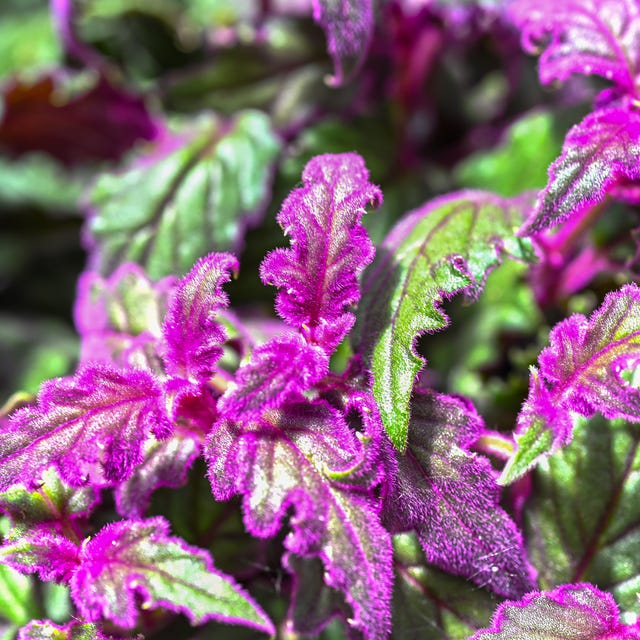
Not Only Is Purple Passion Plant Gorgeous, It's Easy to Grow
11 Pretty Purple Flowers to Plant in Your Garden
The 11 Best Purple Flowering Trees in Florida
10 Indoor Climbing Plants That Will Take Your Blooms to New Heights — And Make Your Home Look Lush
10 Typical Autumn Flowers That You Can Try Out

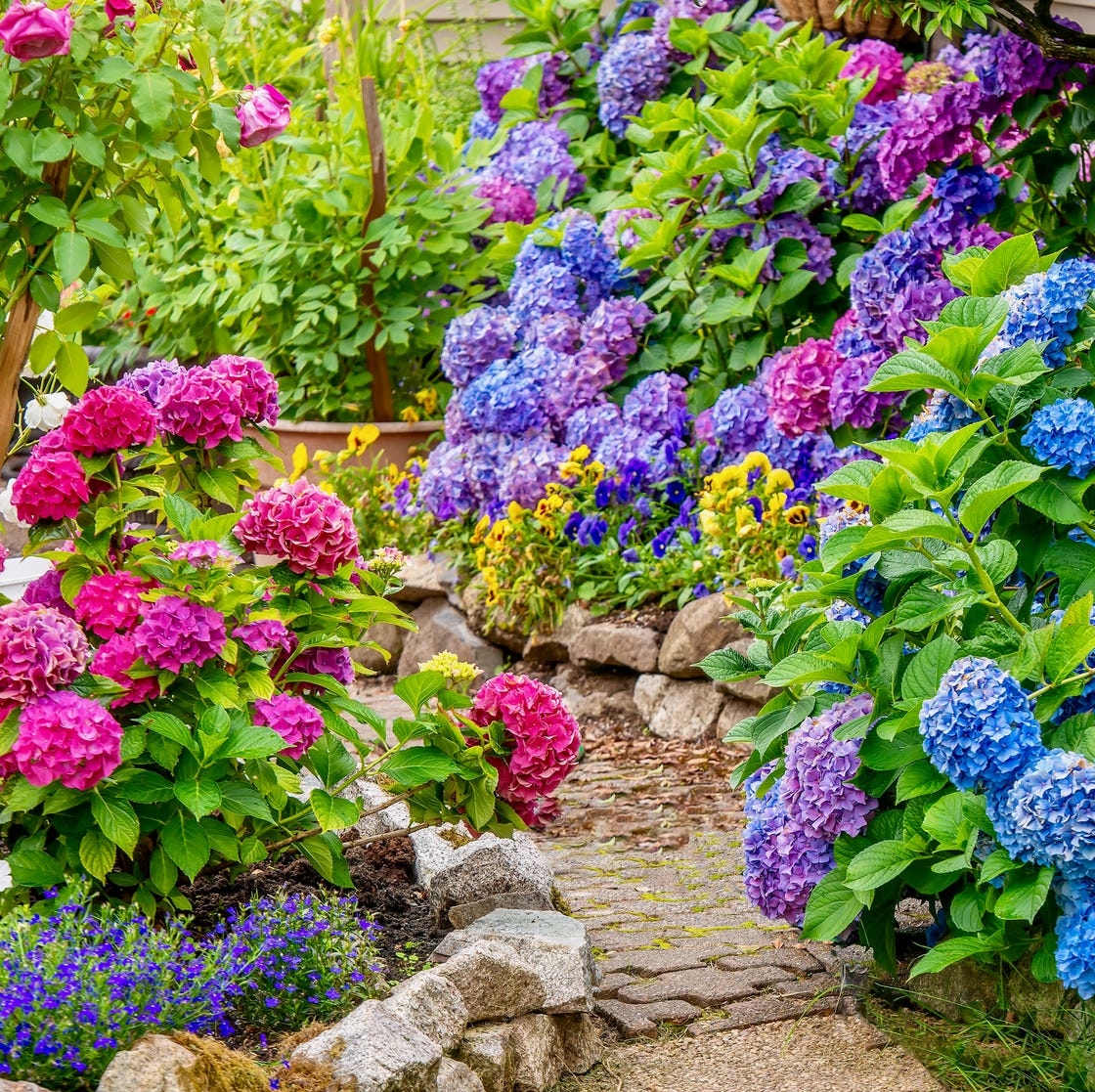
These Beautiful Flowering Shrubs Will Add Major Color to Your Garden

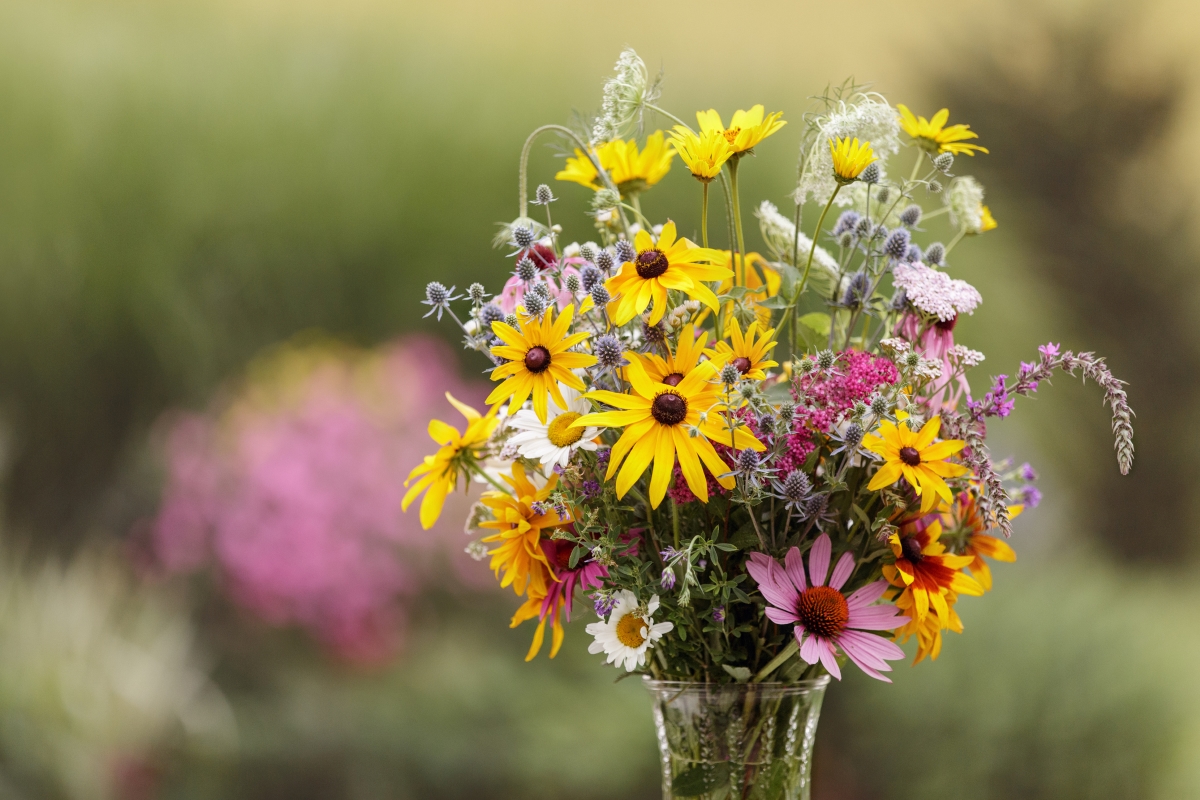
15 Cut Flowers to Grow for Stunning Homemade Bouquets

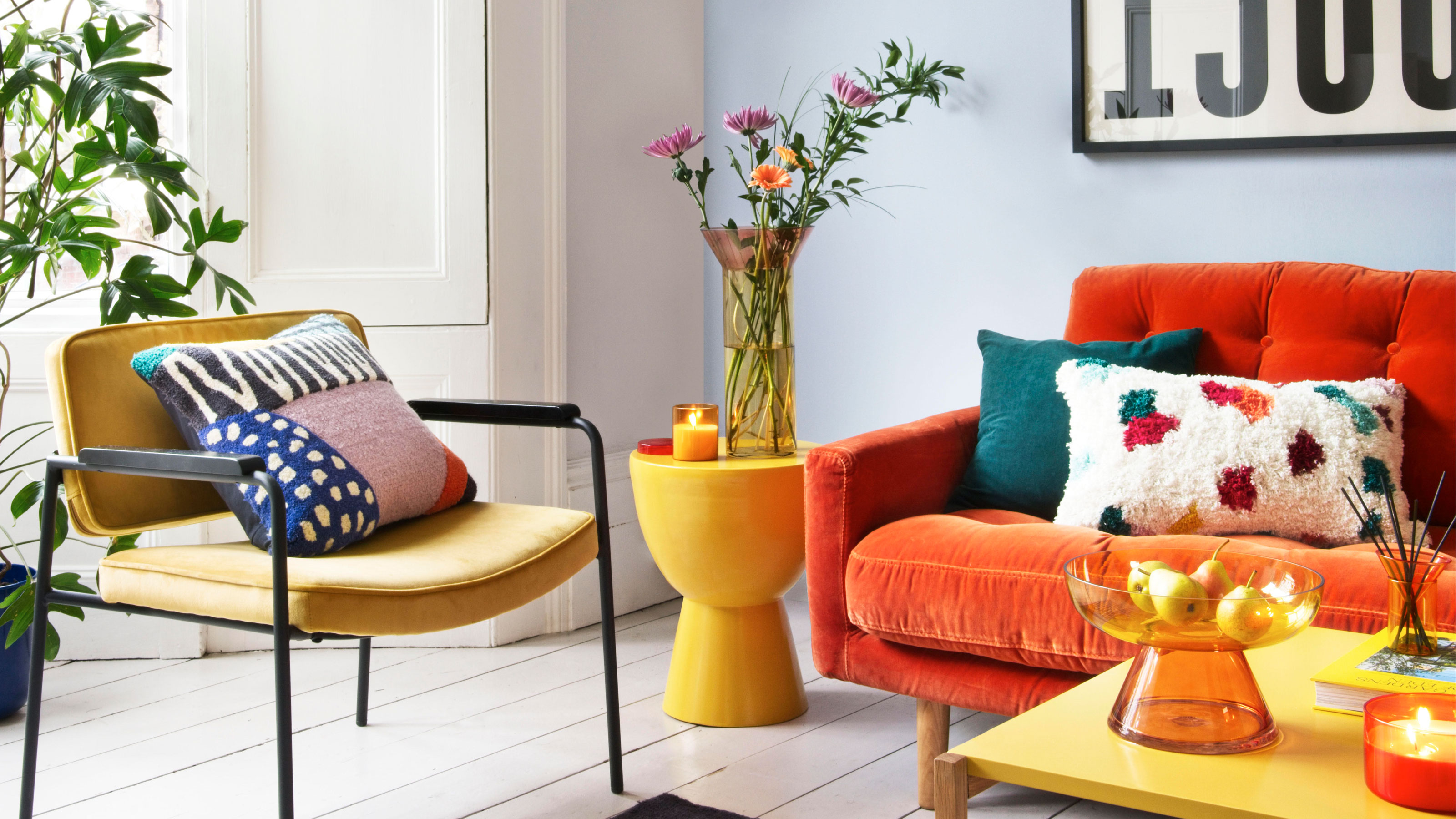
Flower home decor ideas – 12 blooming looks that'll add instant cheer to your home

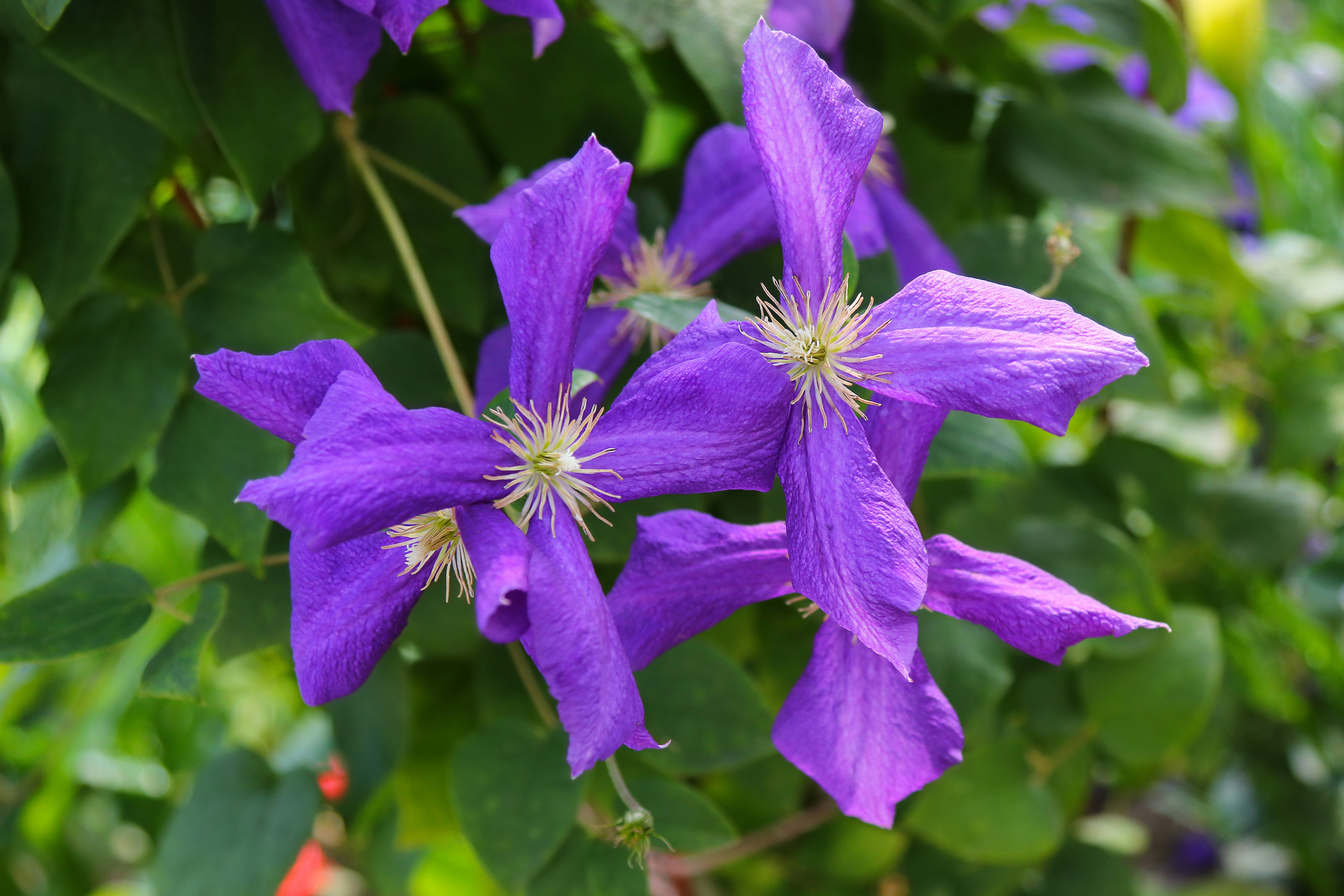
Rachel de Thame’s guide to plants with purple flowers