1/15
What is maximalism? Interior designers who love the style talk us through the unique look
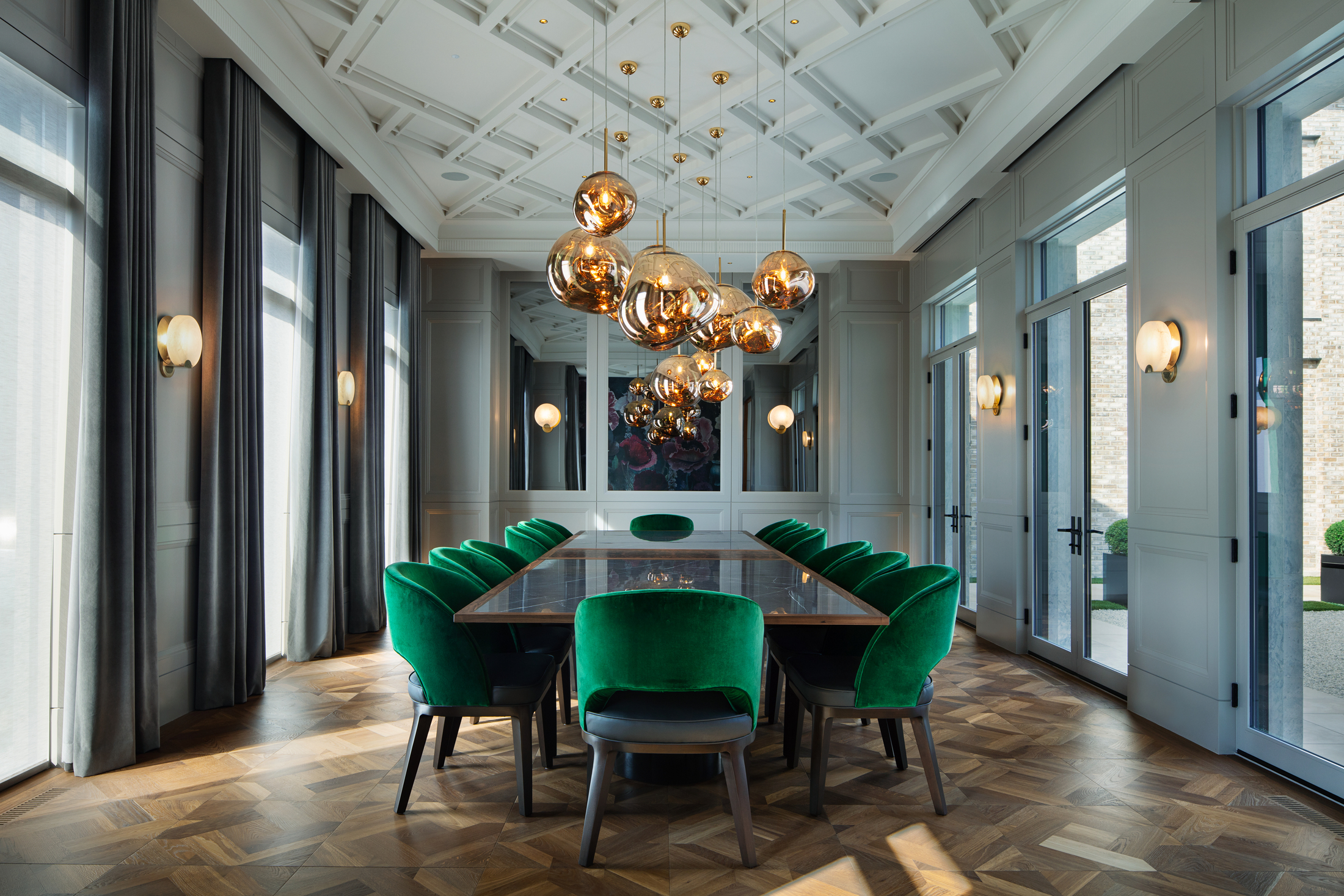
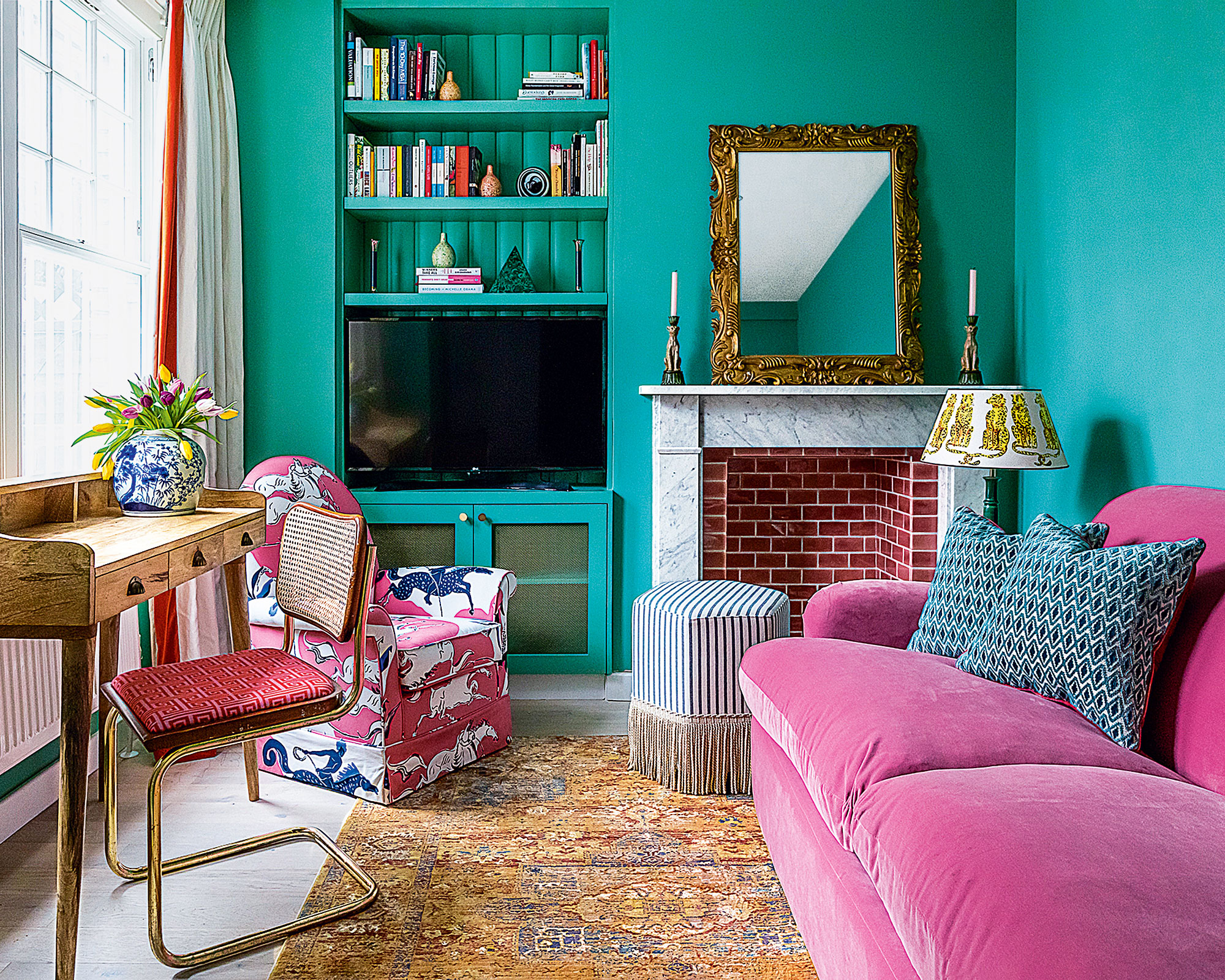
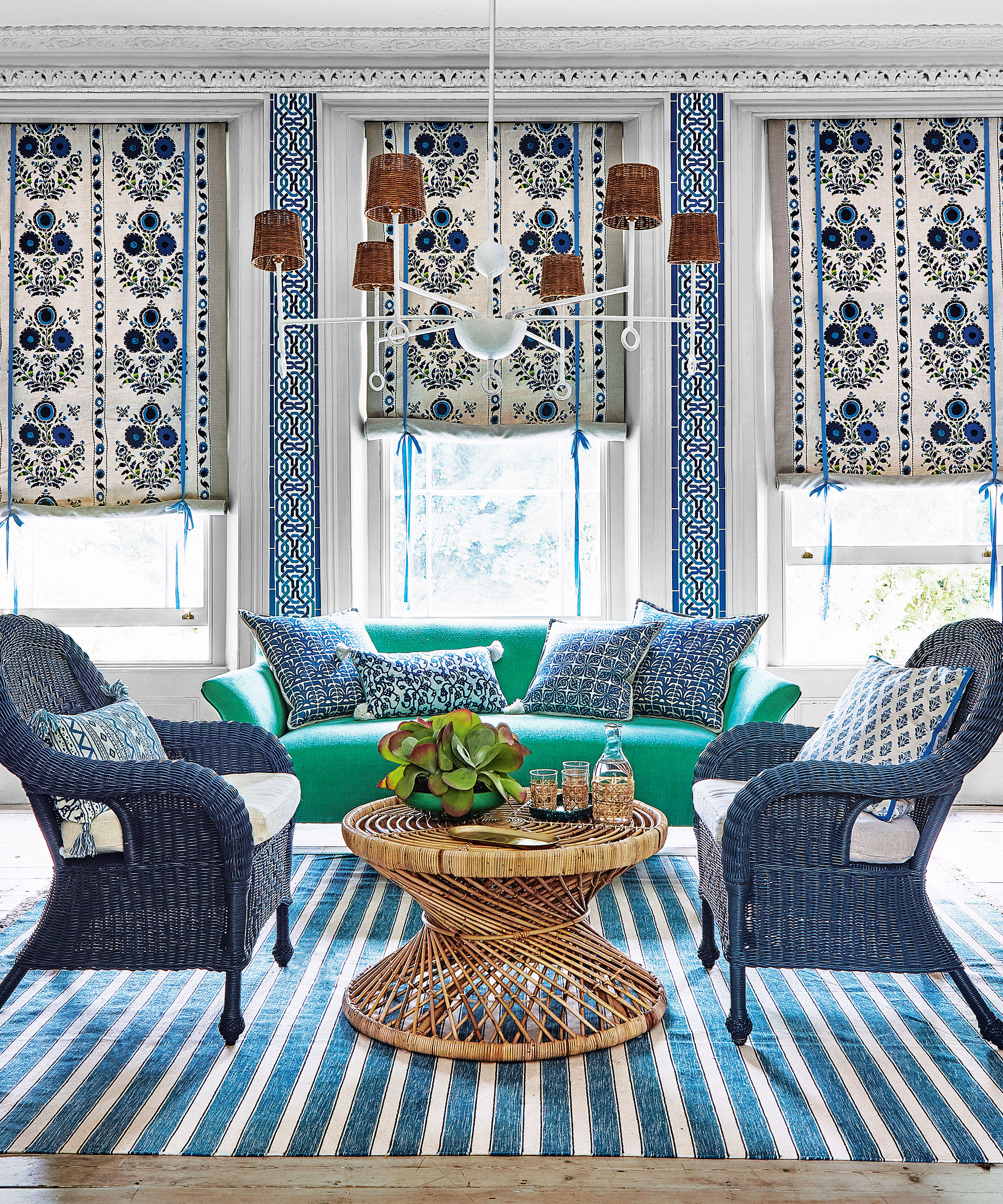
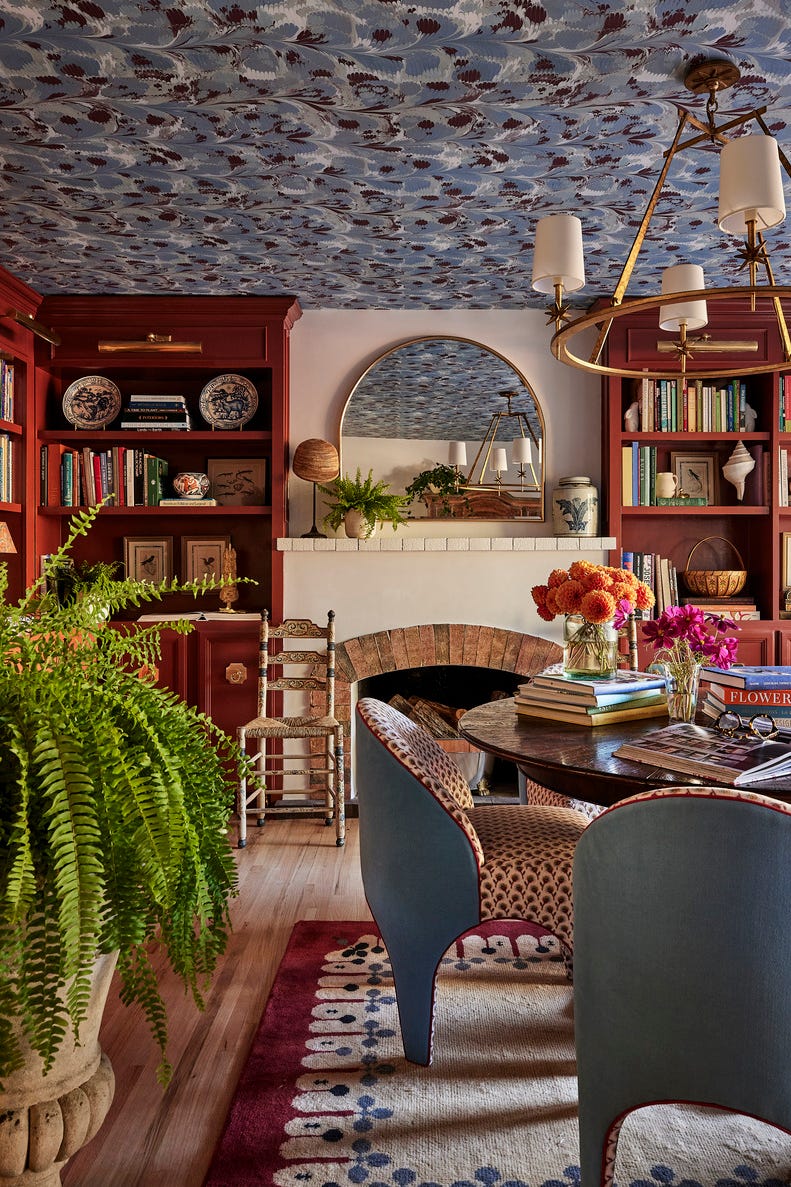
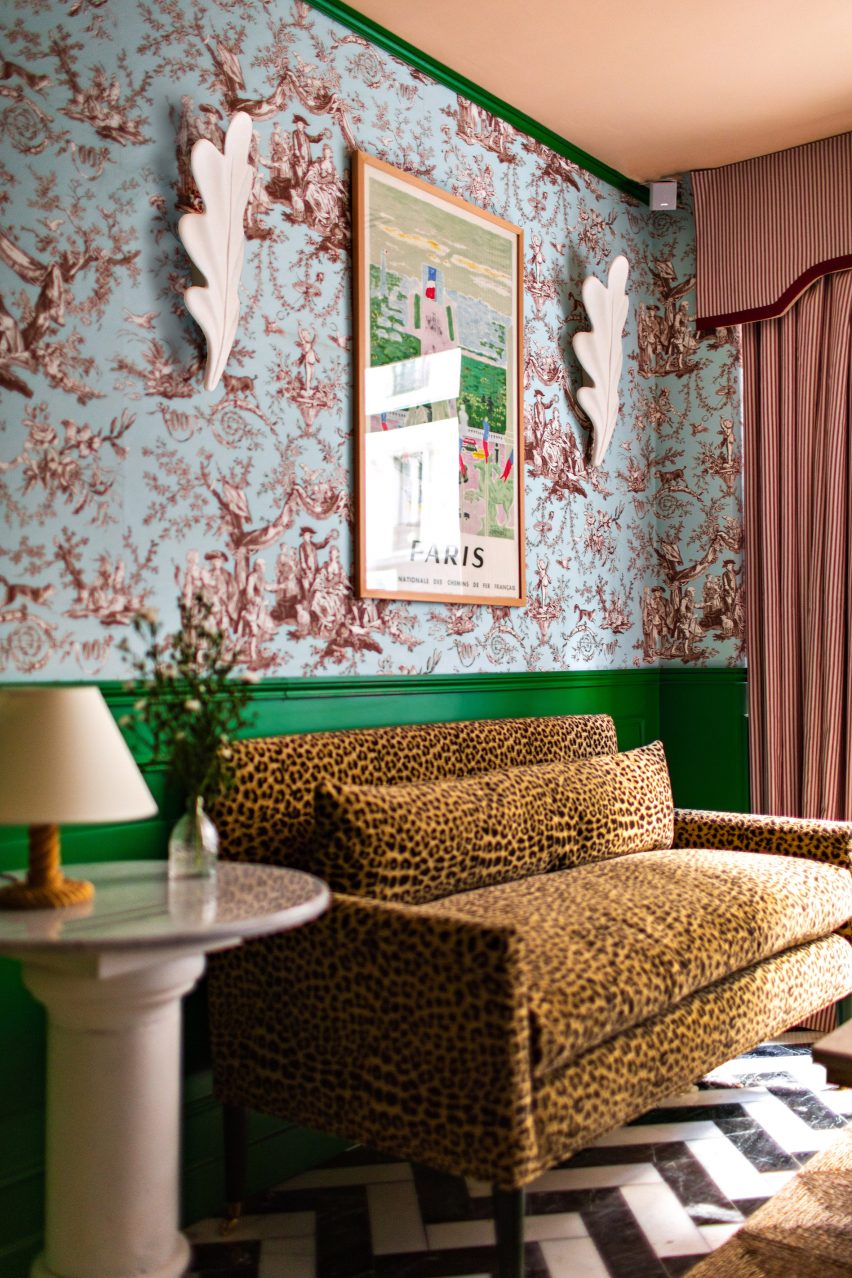
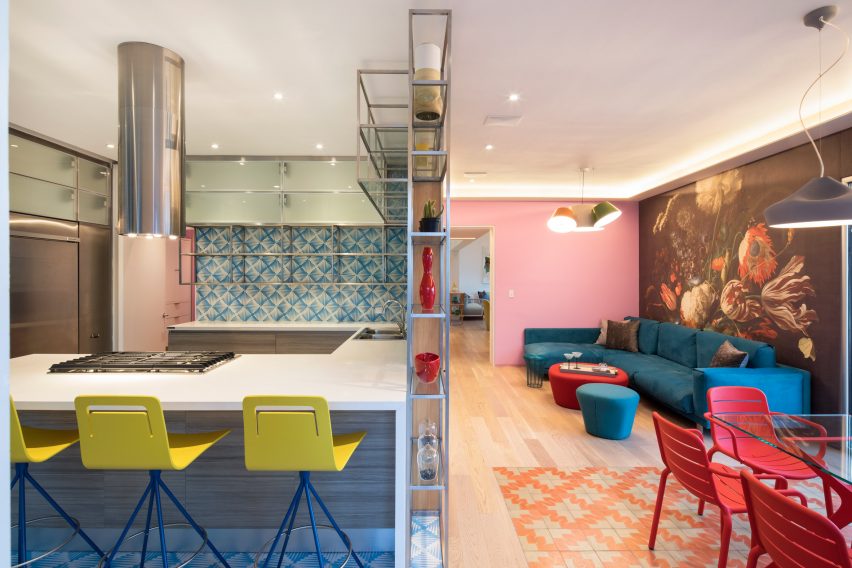
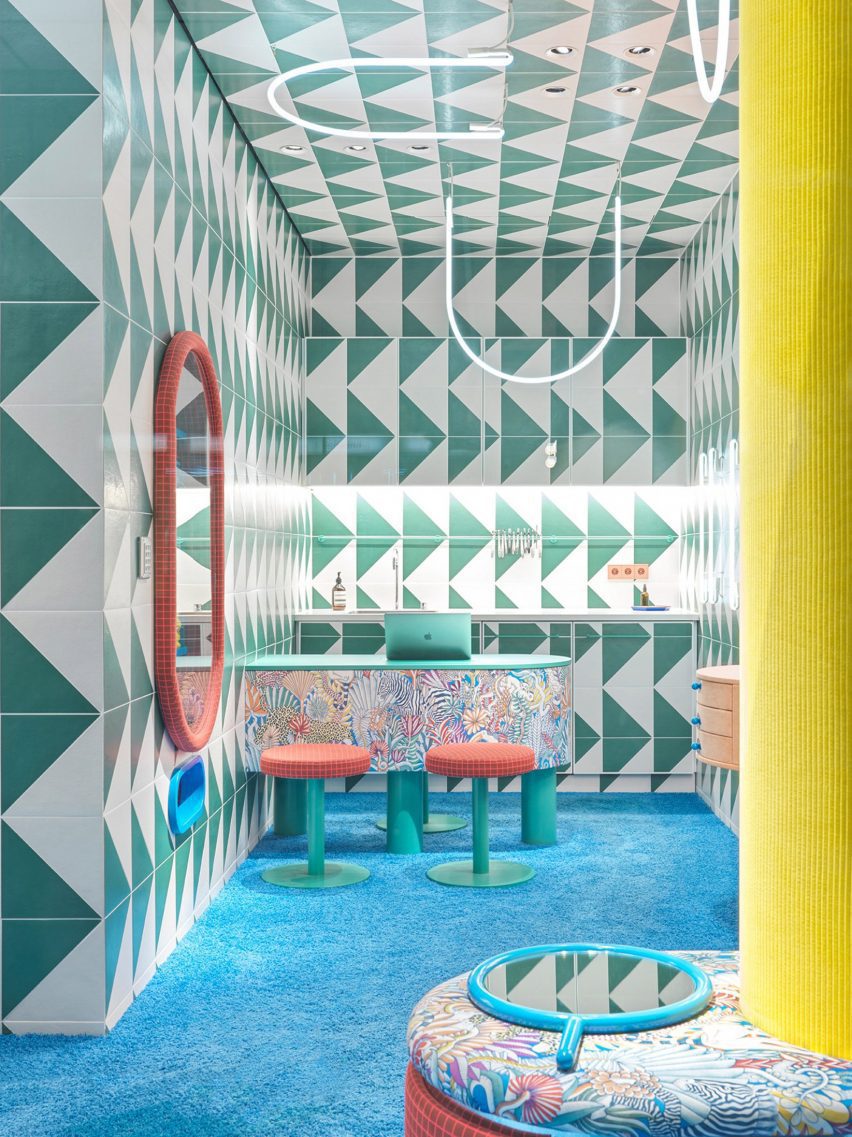
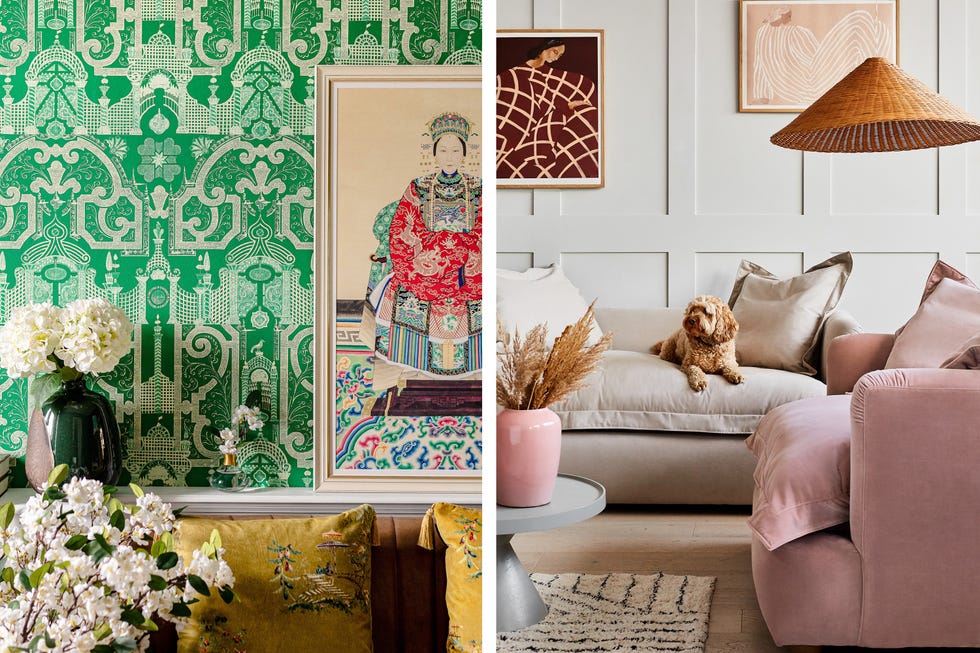
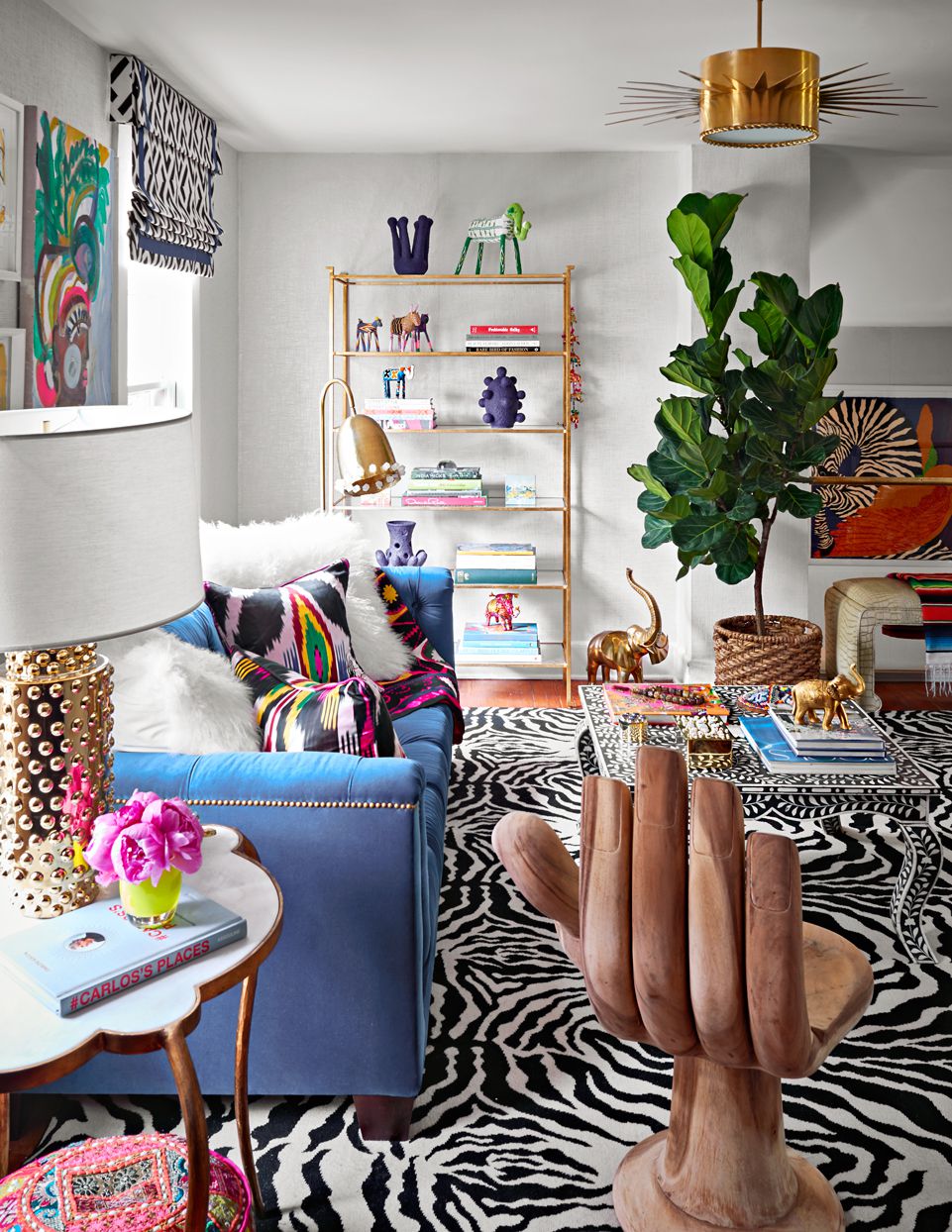
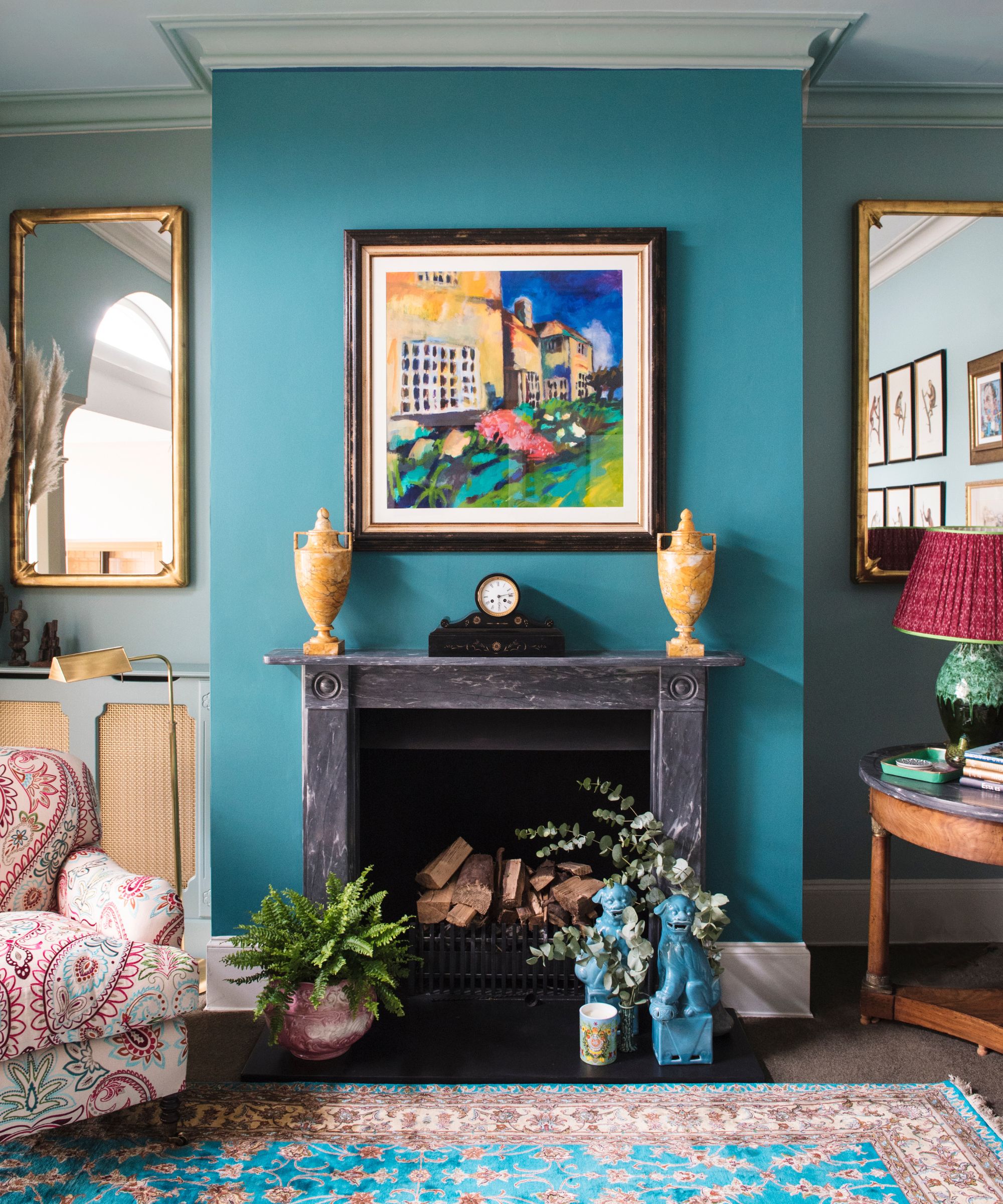
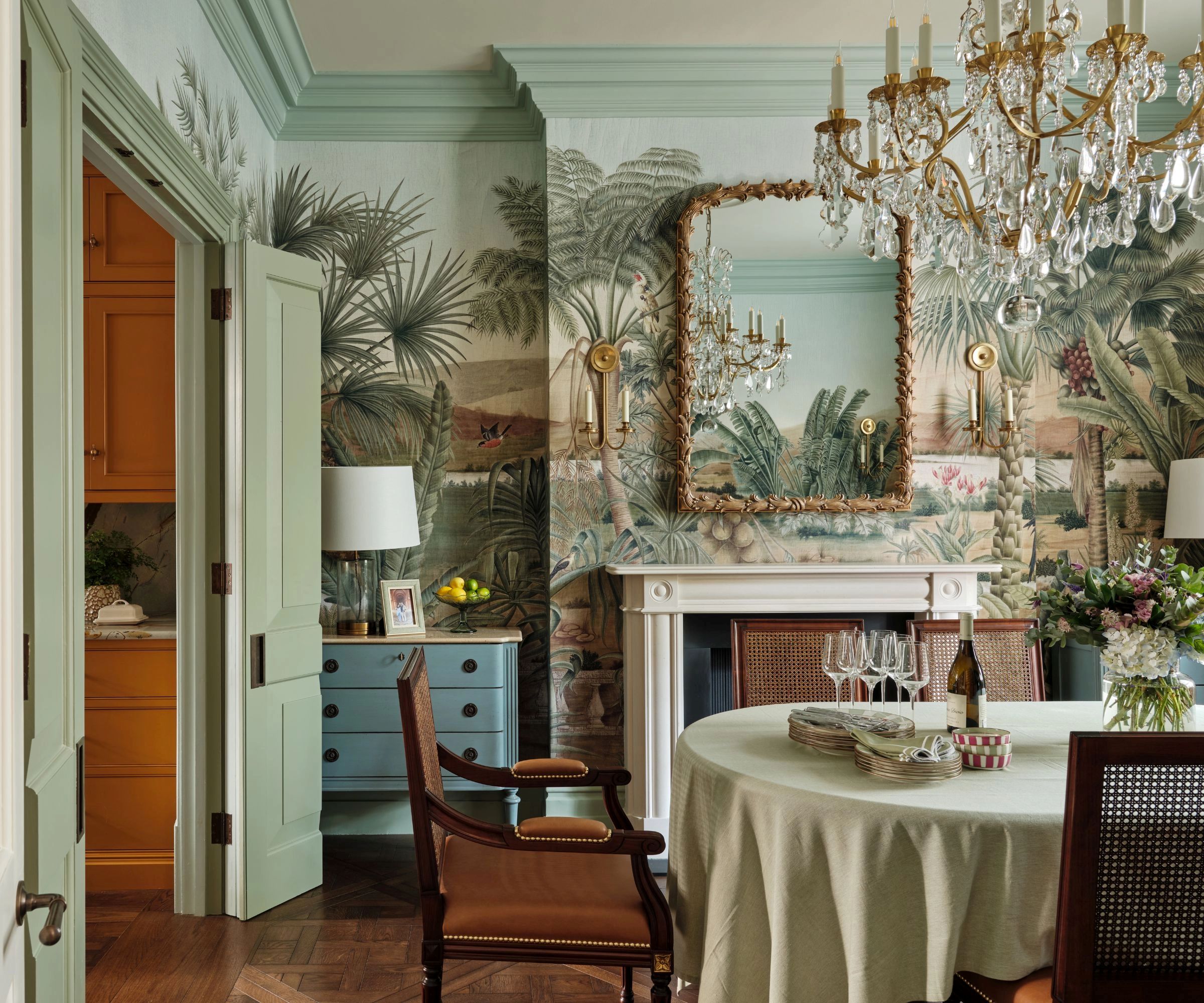
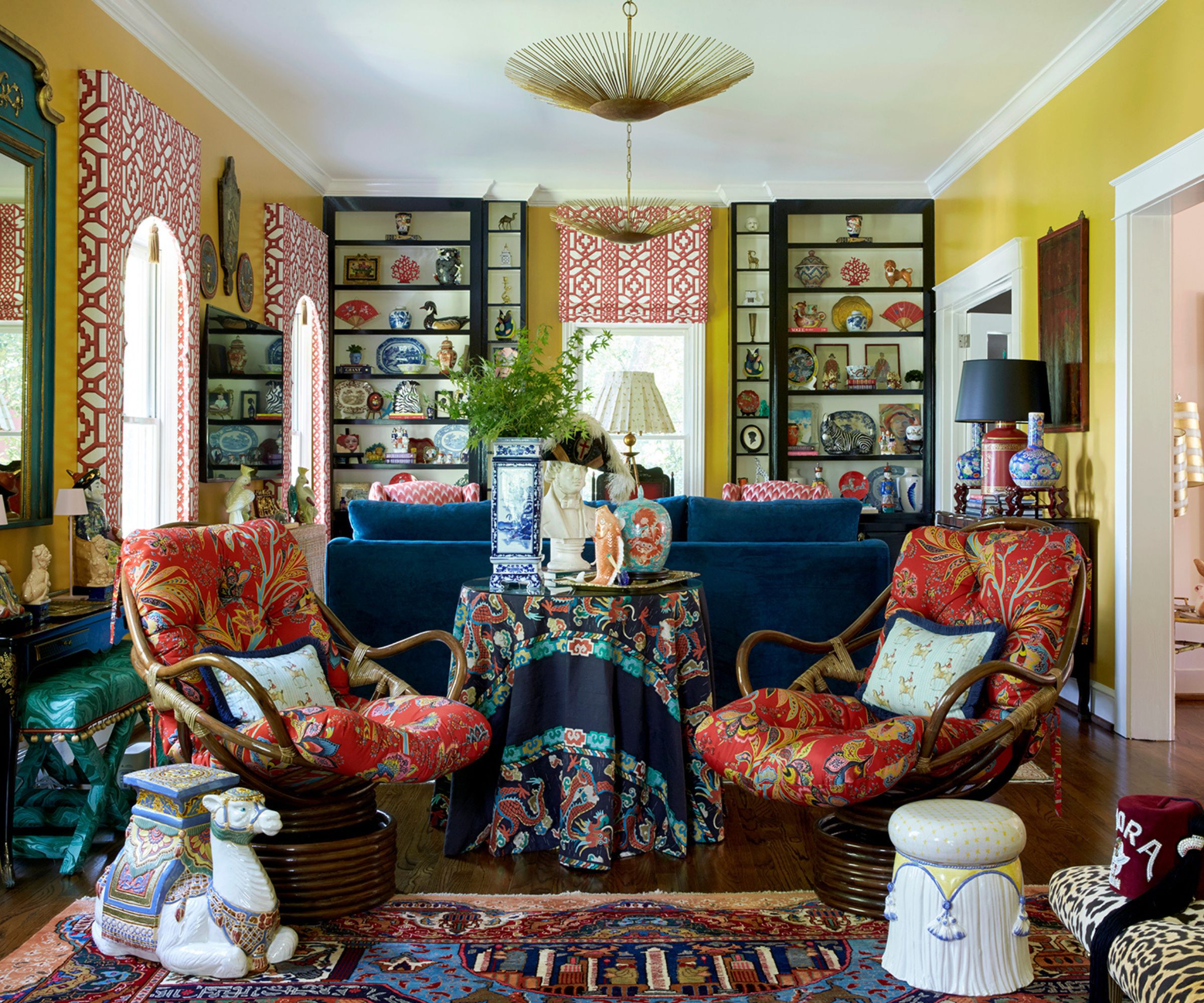
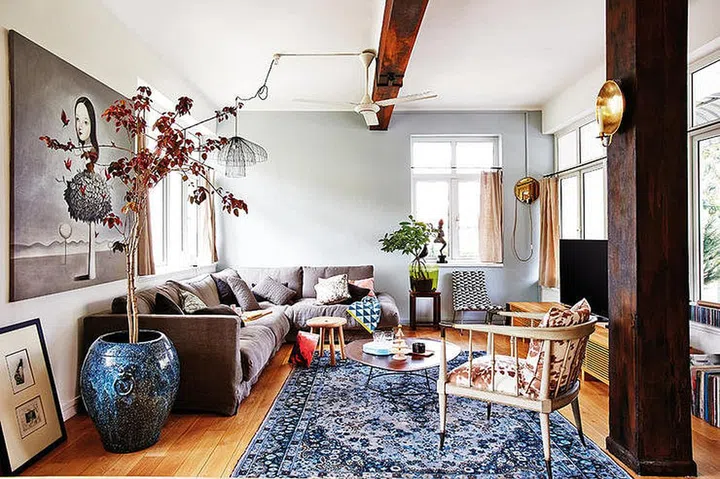
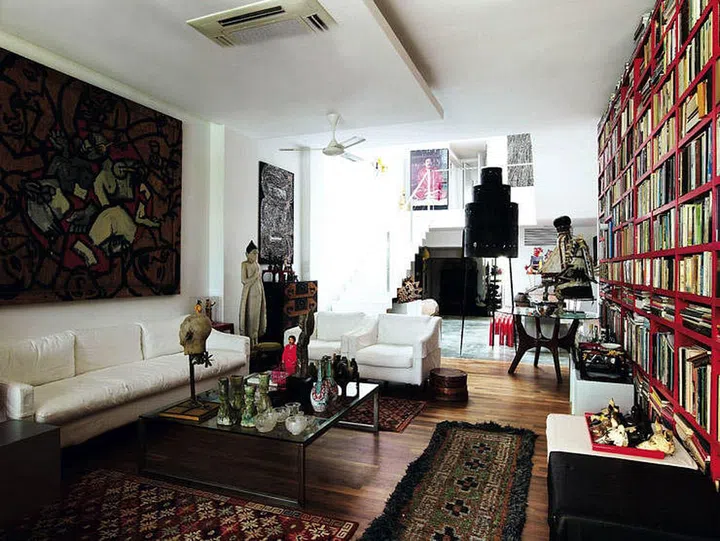
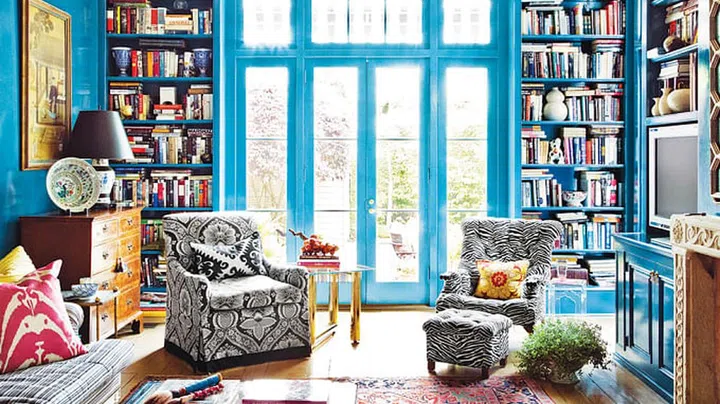
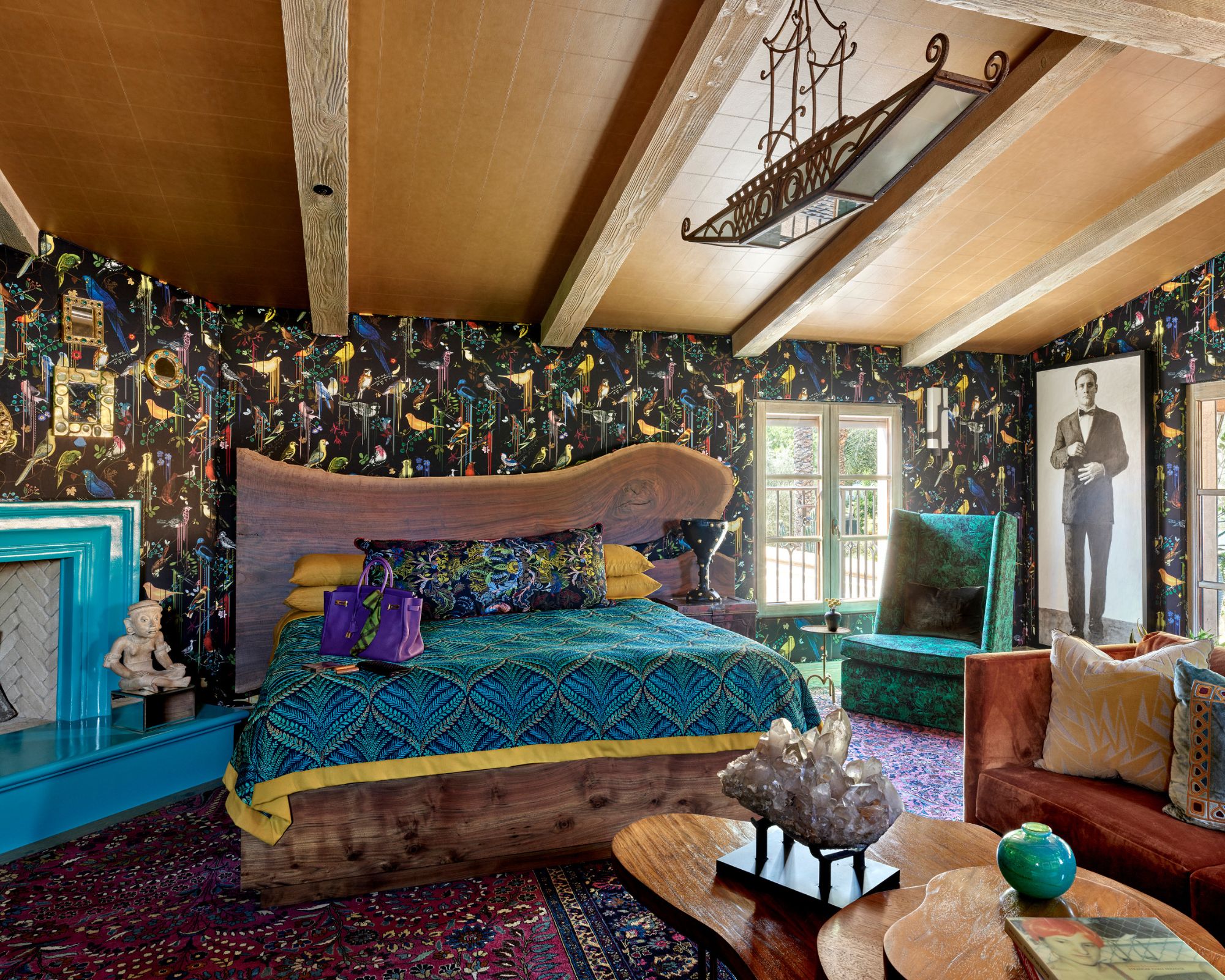
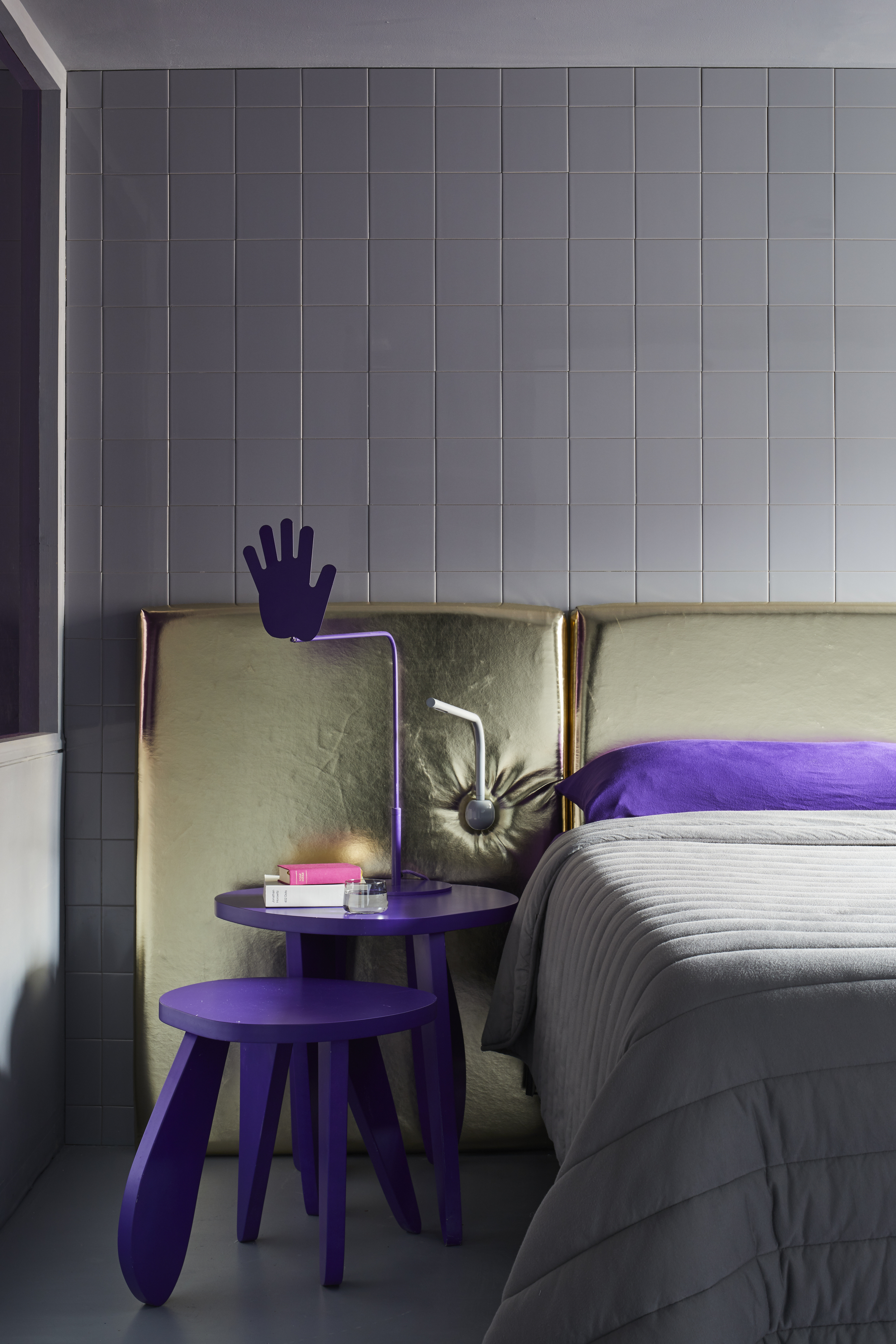
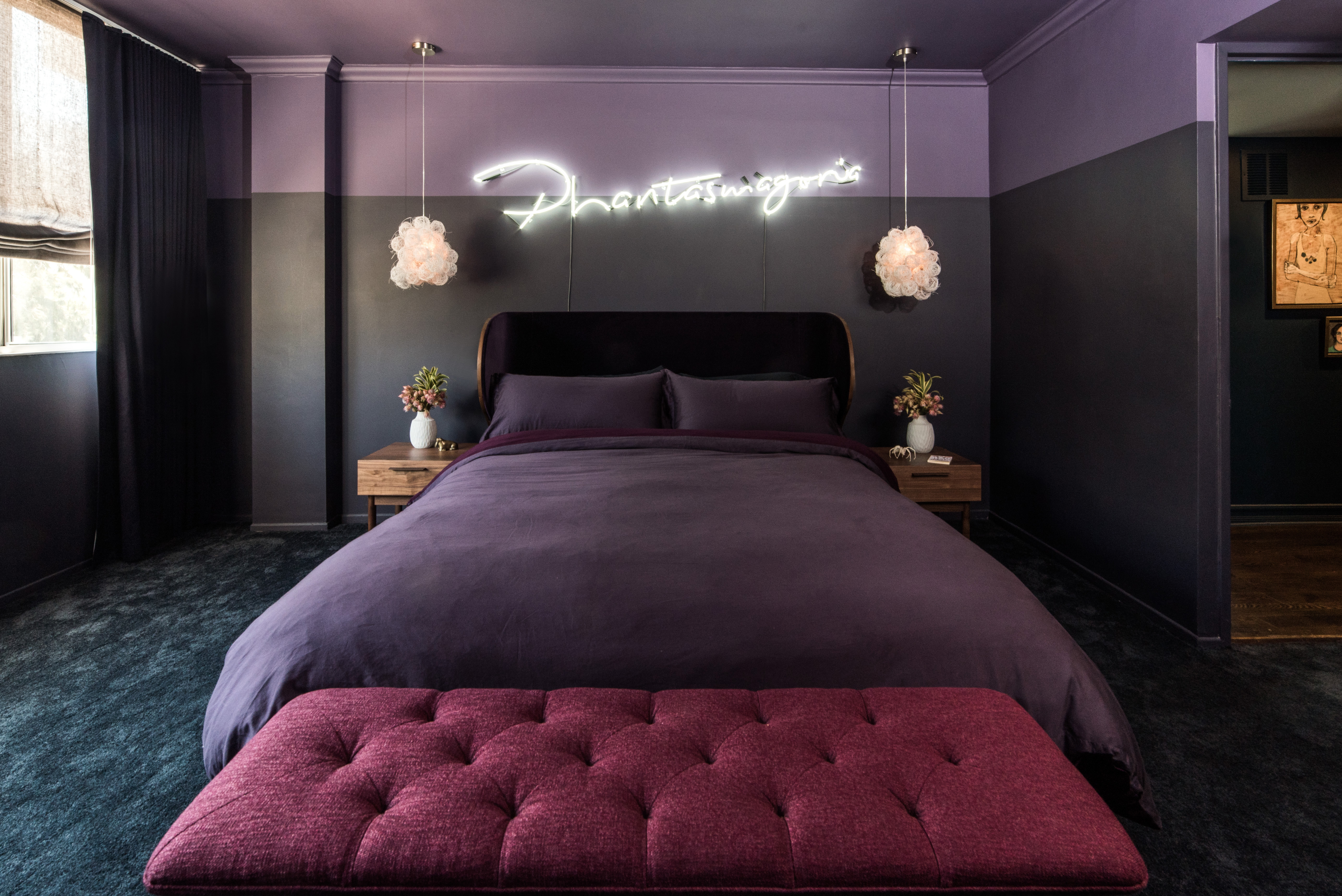
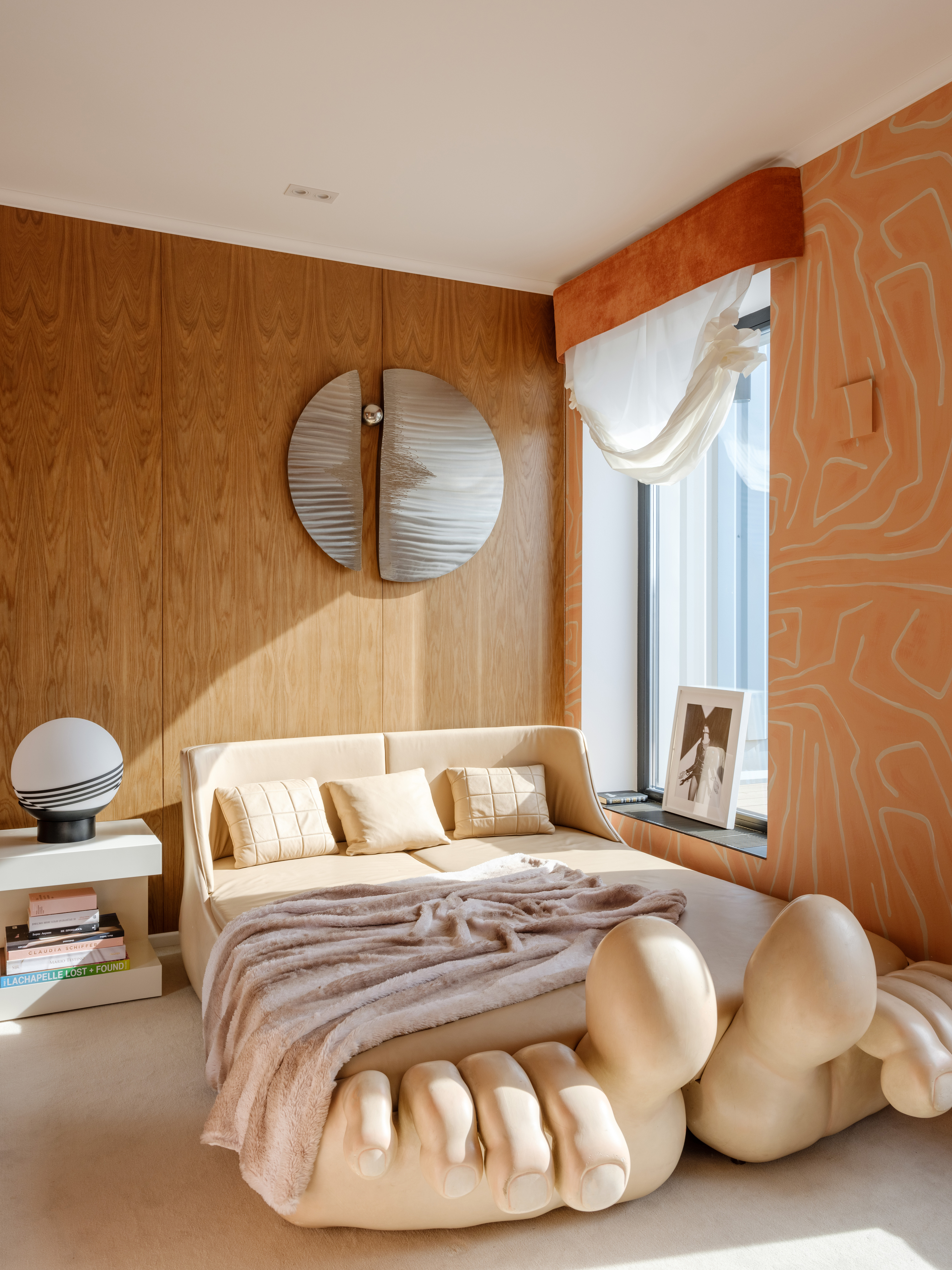
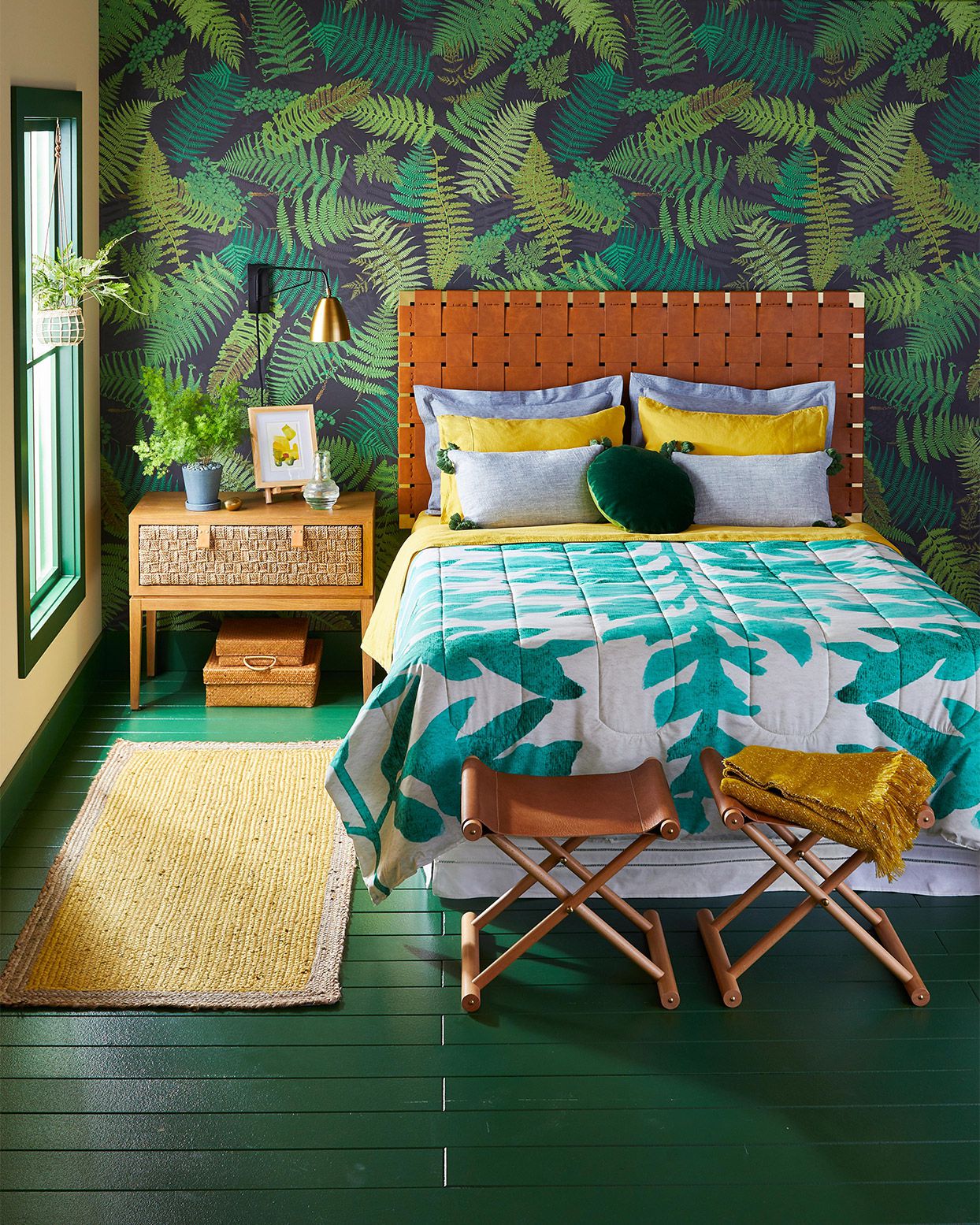
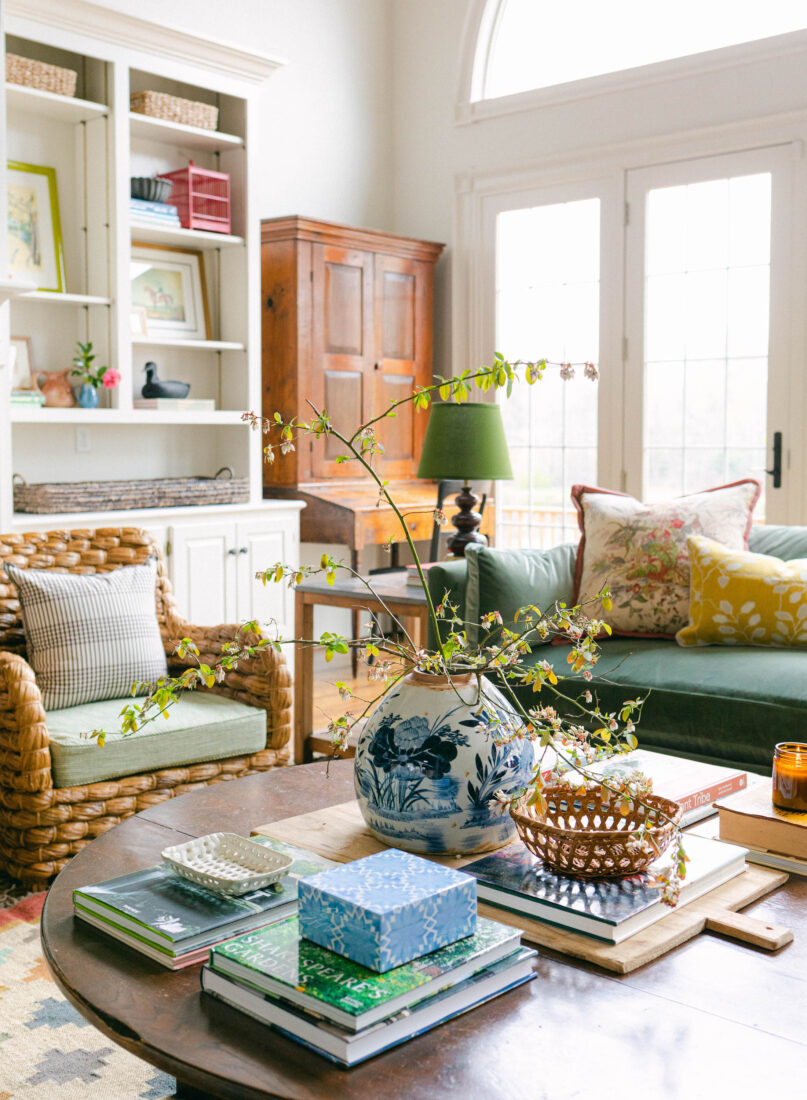
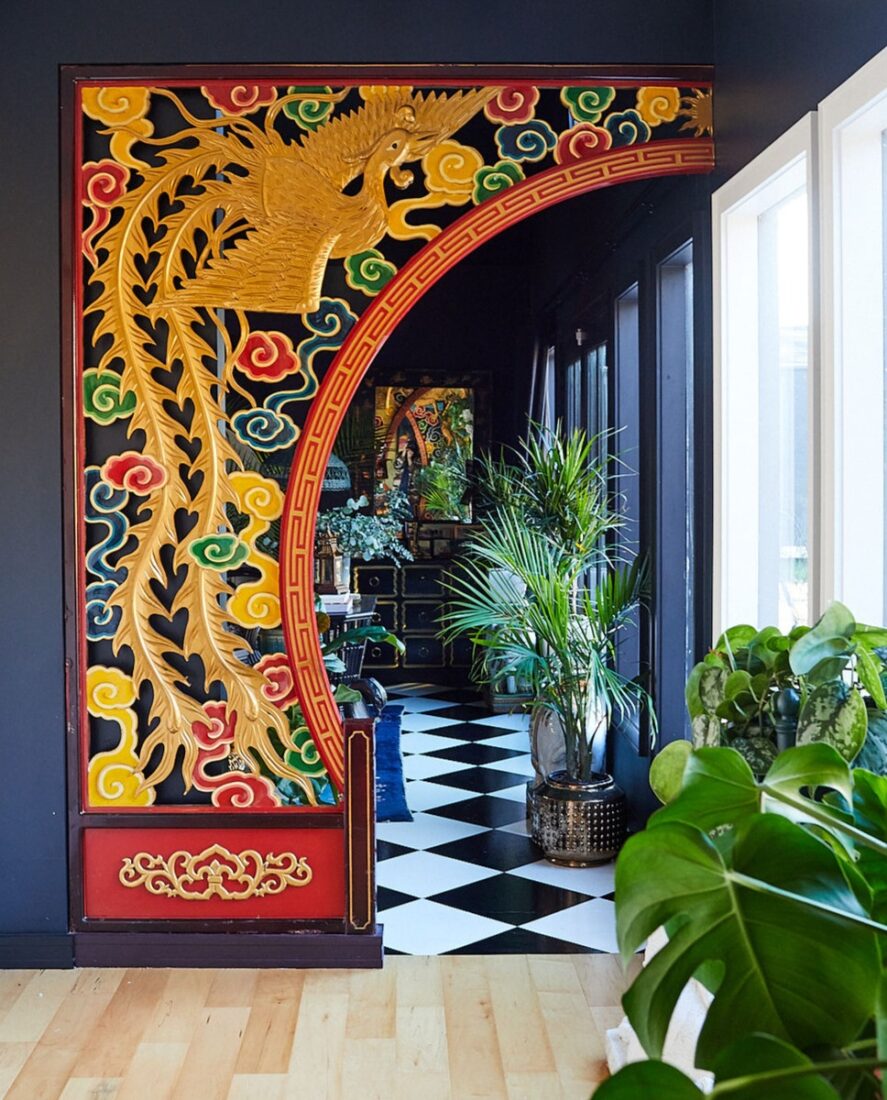
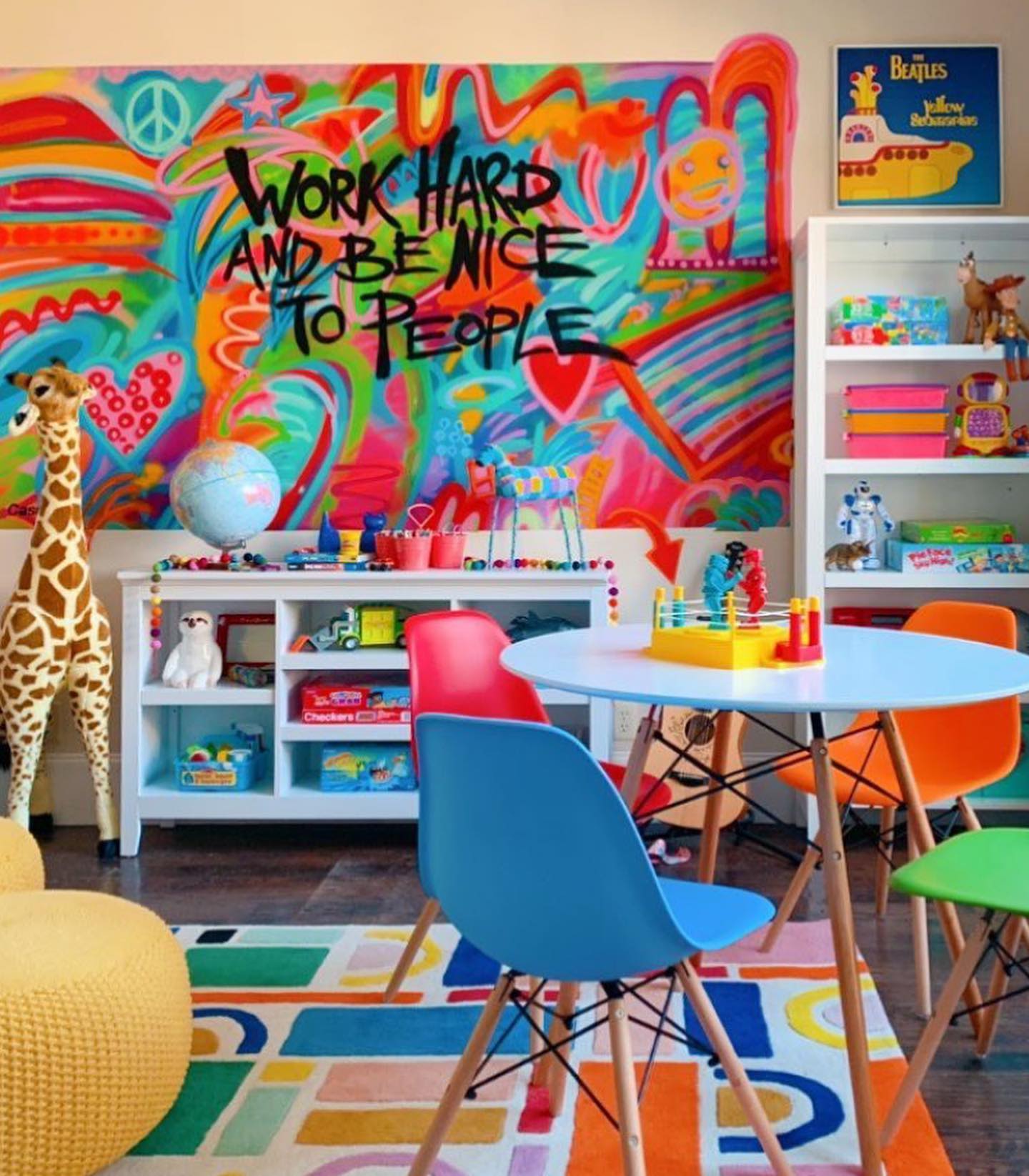
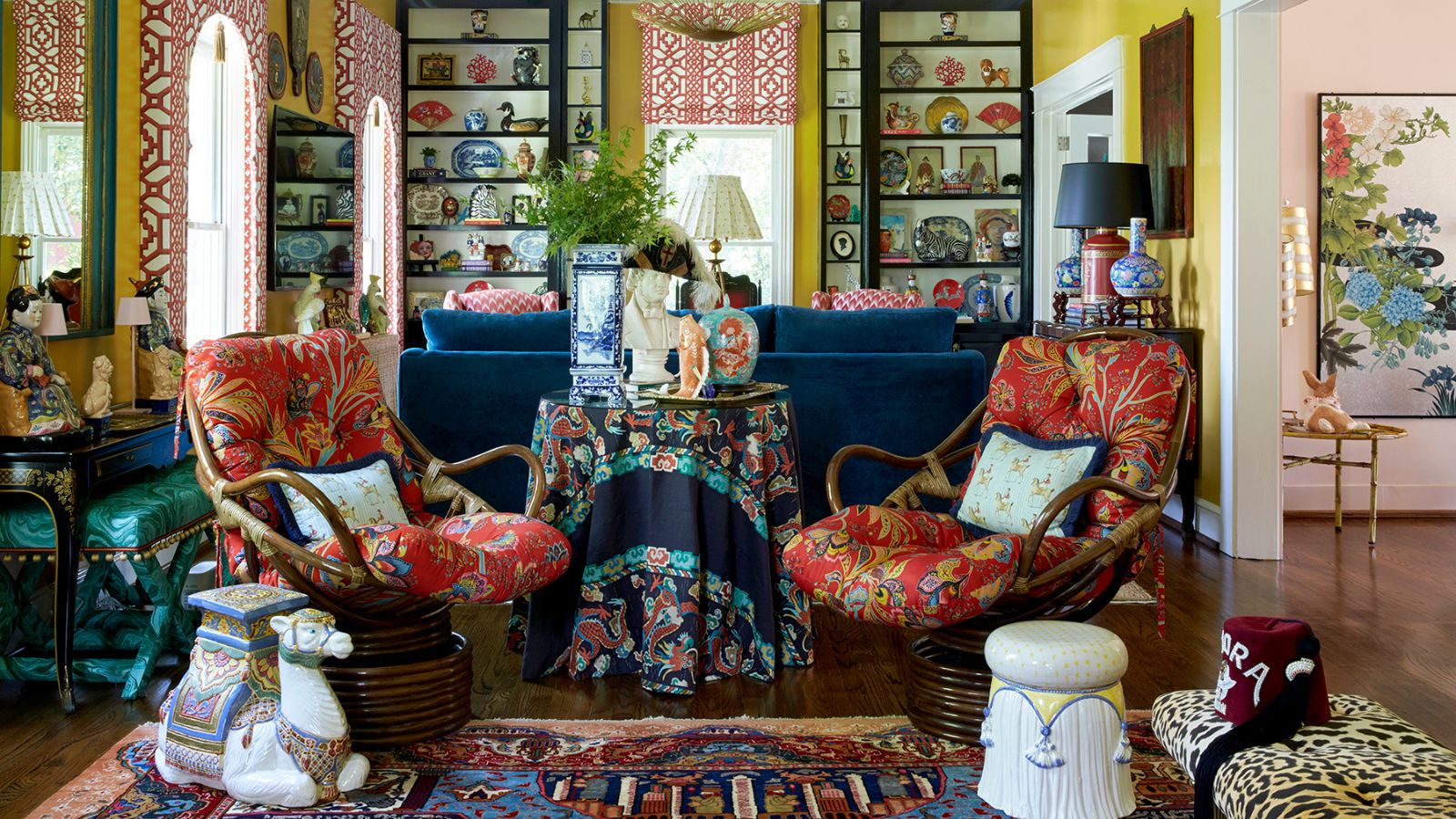
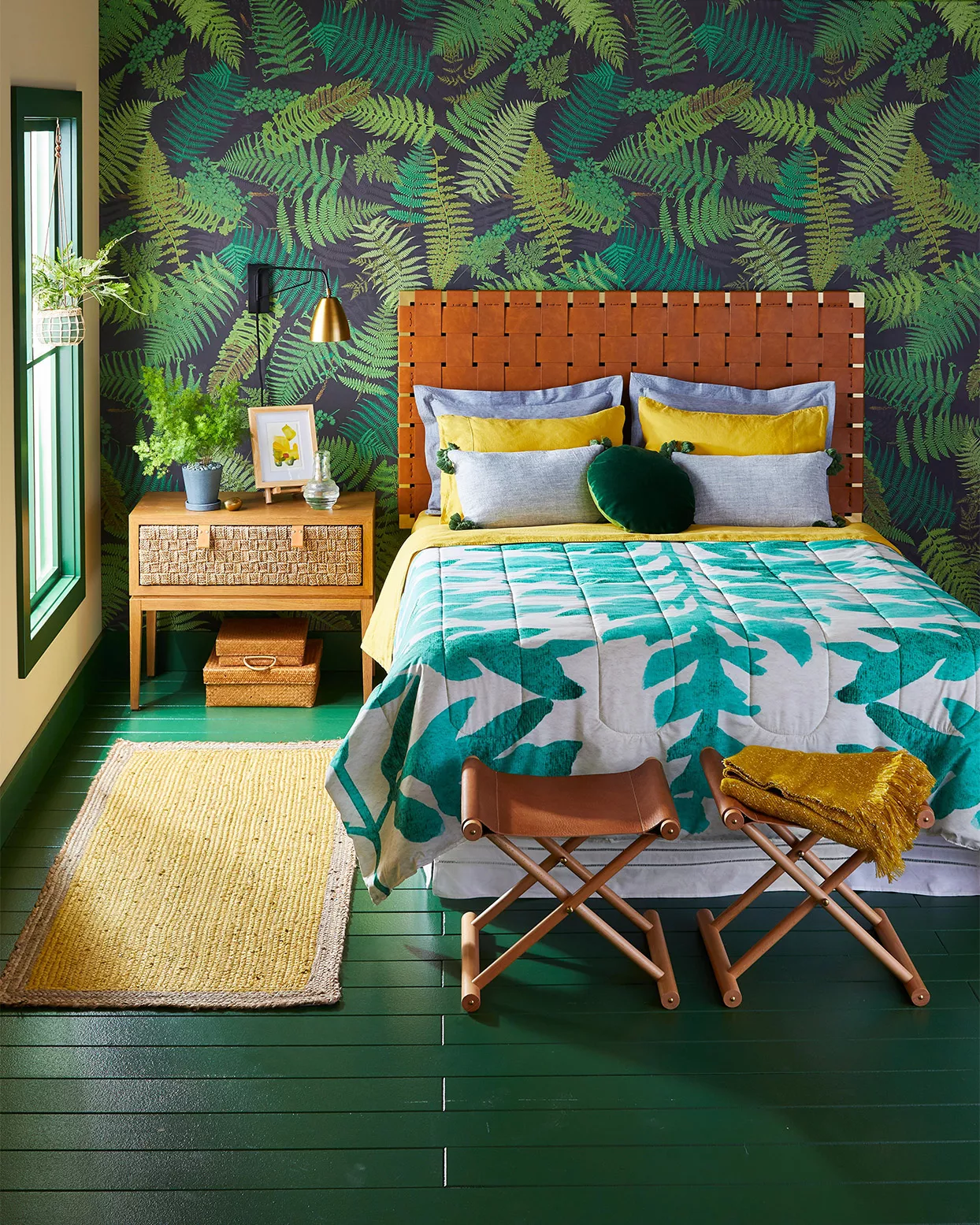
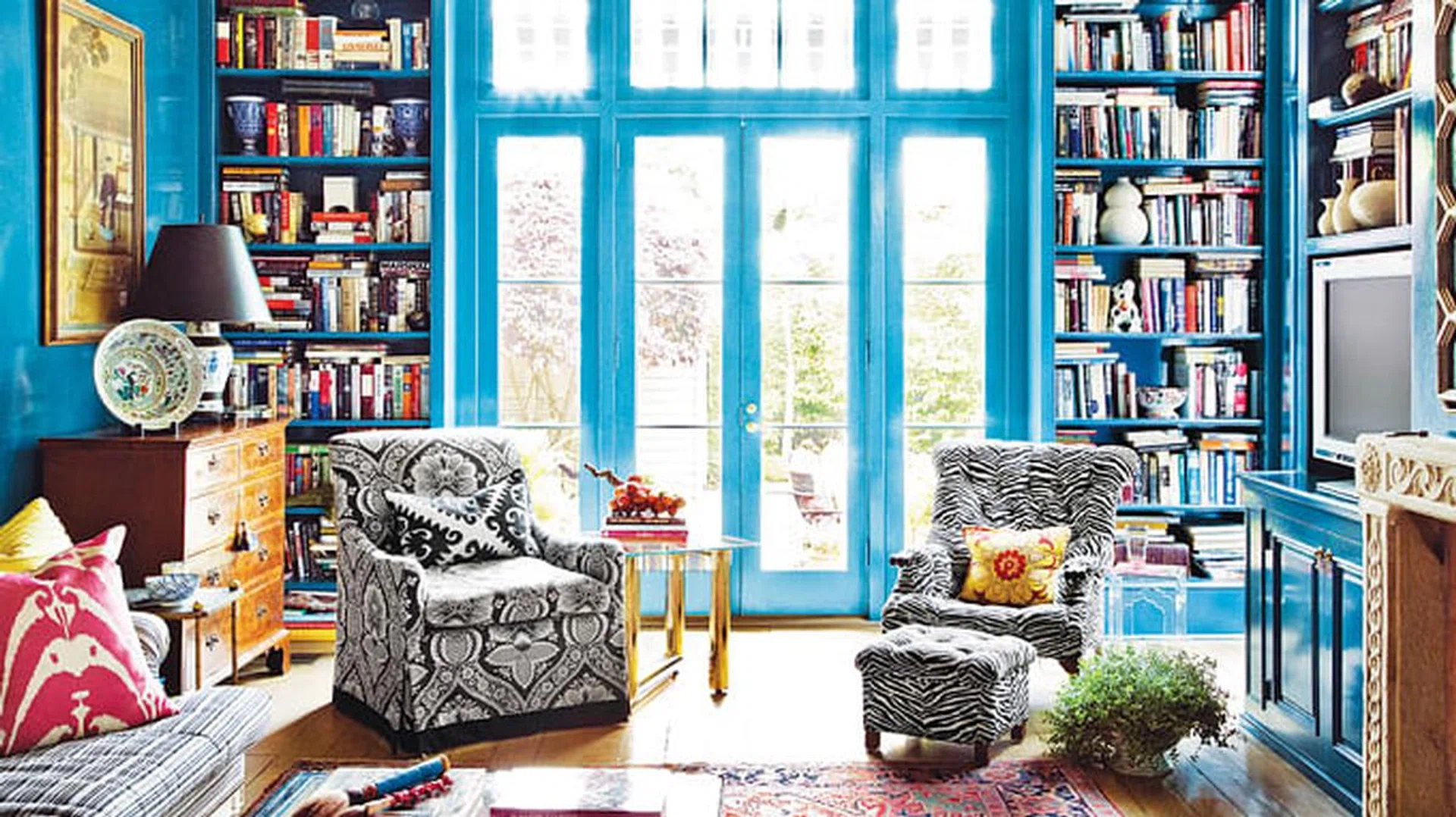
Maximalism, a classic interior design style, is experiencing a resurgence in 2024 as homeowners and designers move away from pared-back, neutral spaces towards bold, characterful designs that express personality. This style, while widely known by name, has nuanced principles and features, leading to unique interpretations among designers. The essence of maximalism lies in creating a space that embraces items bringing joy, characterized by a fearlessness in decor choices, prioritizing atmosphere and 'vibes' over strict rules.
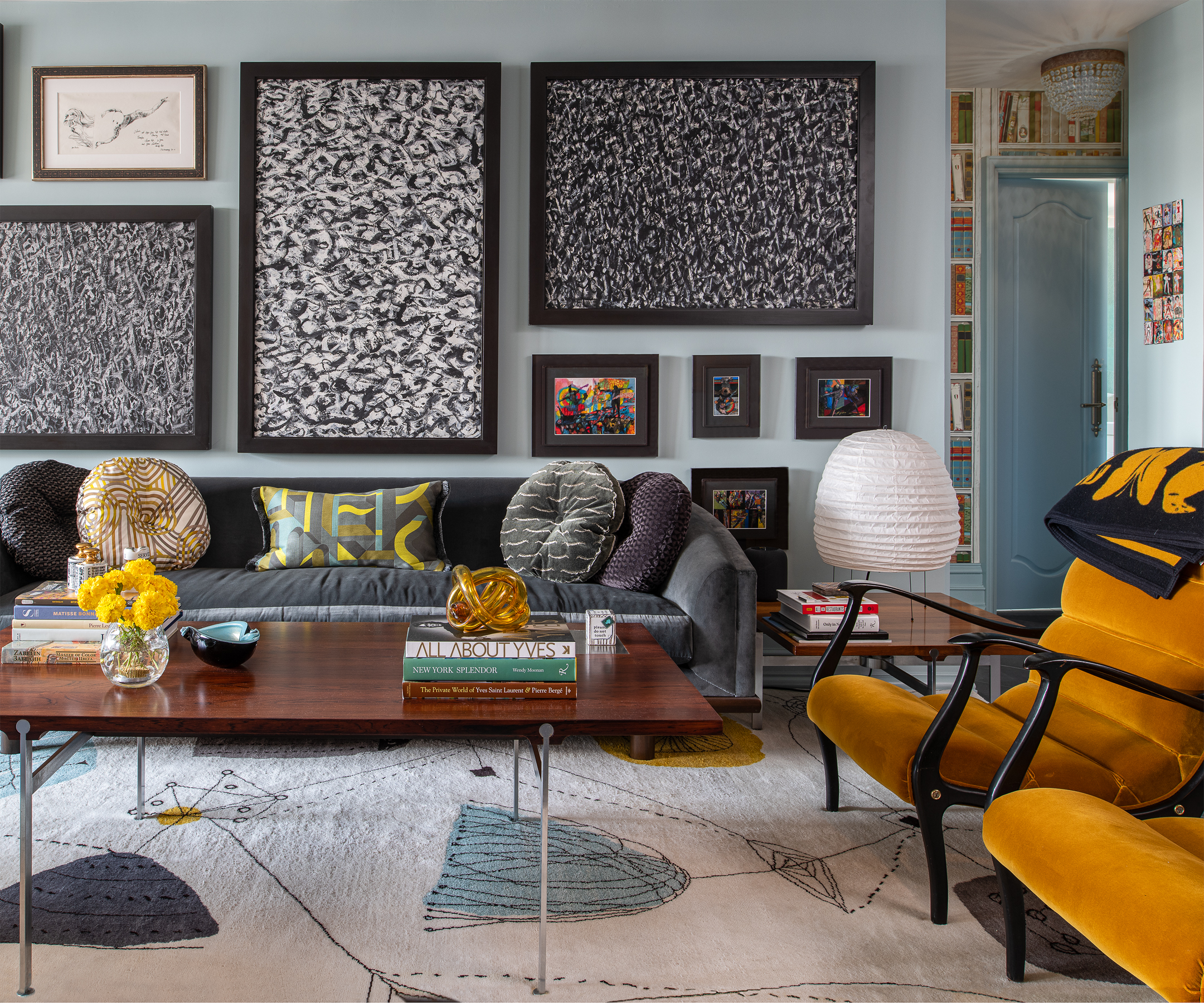
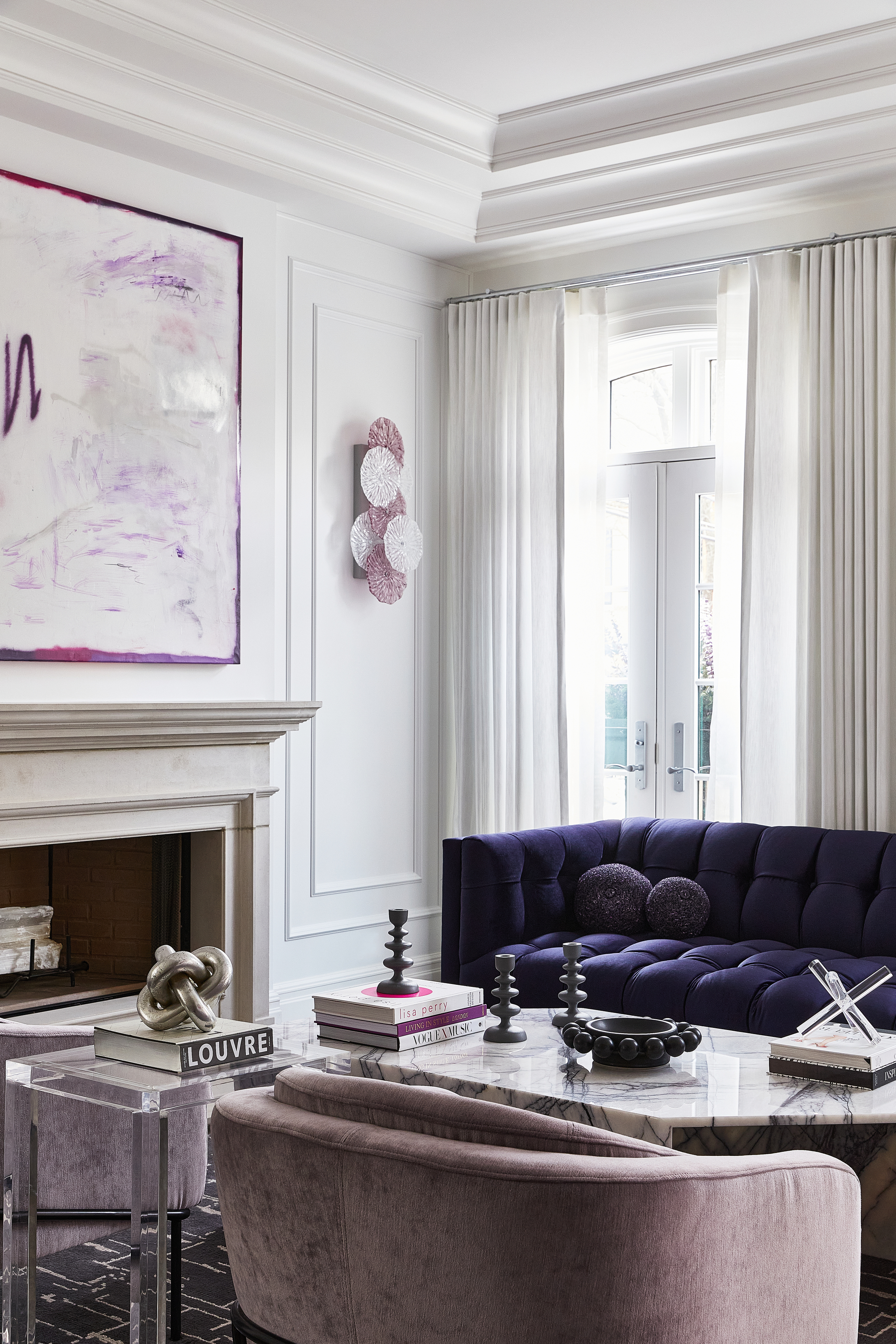
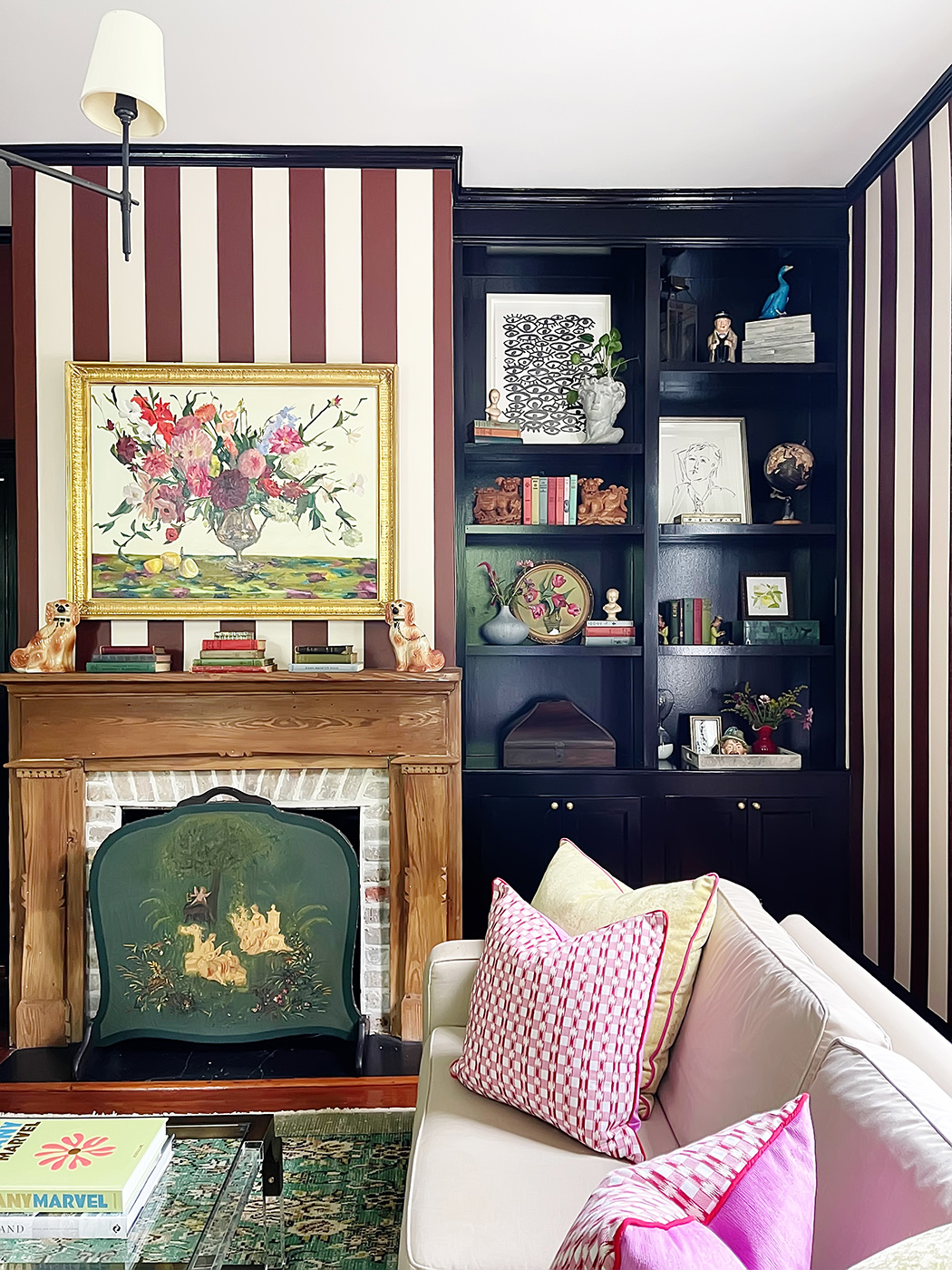
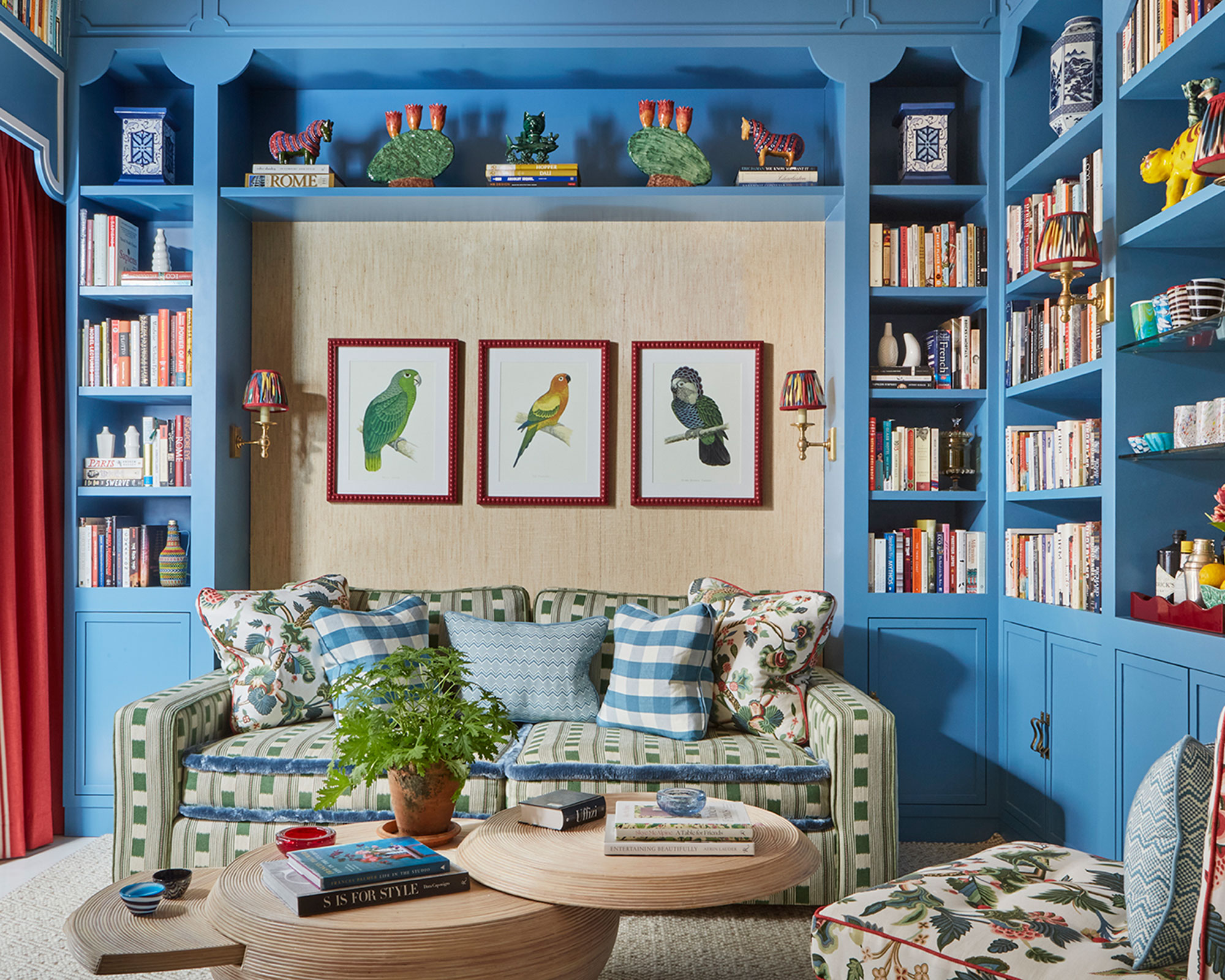
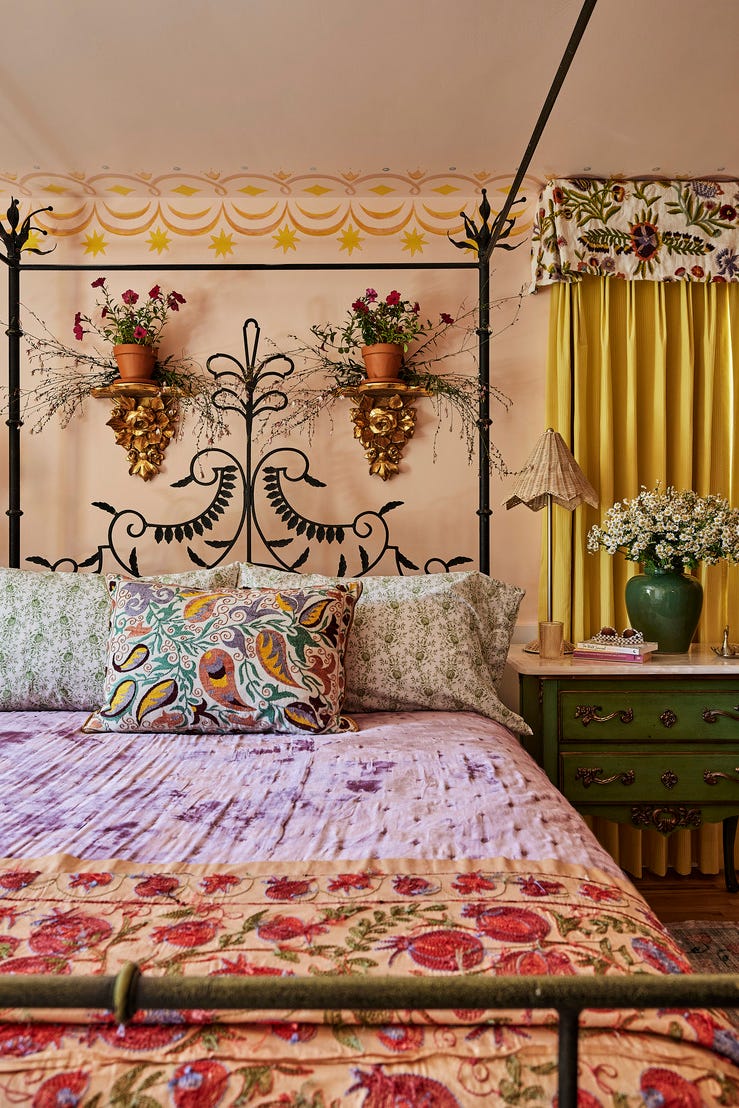
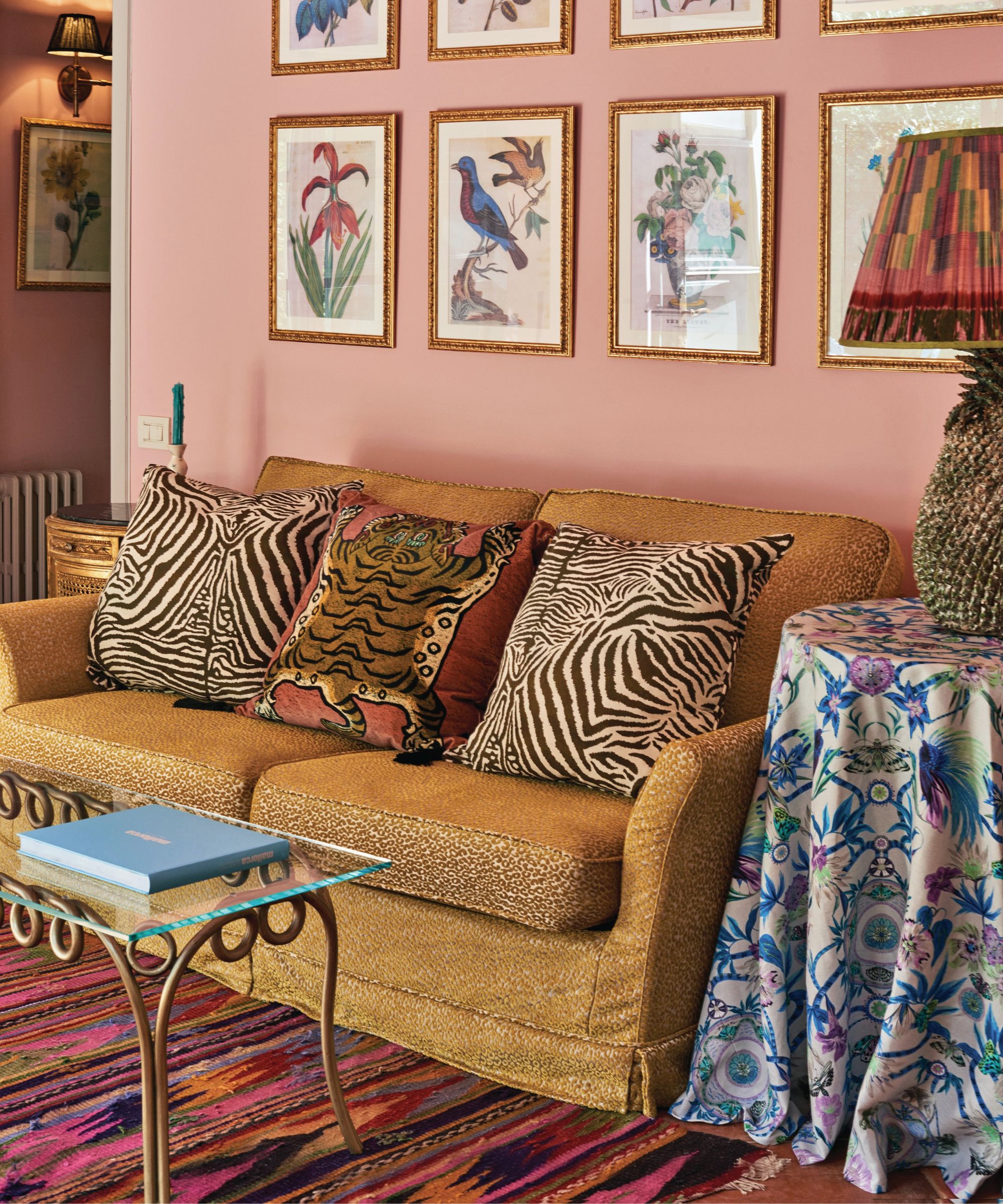
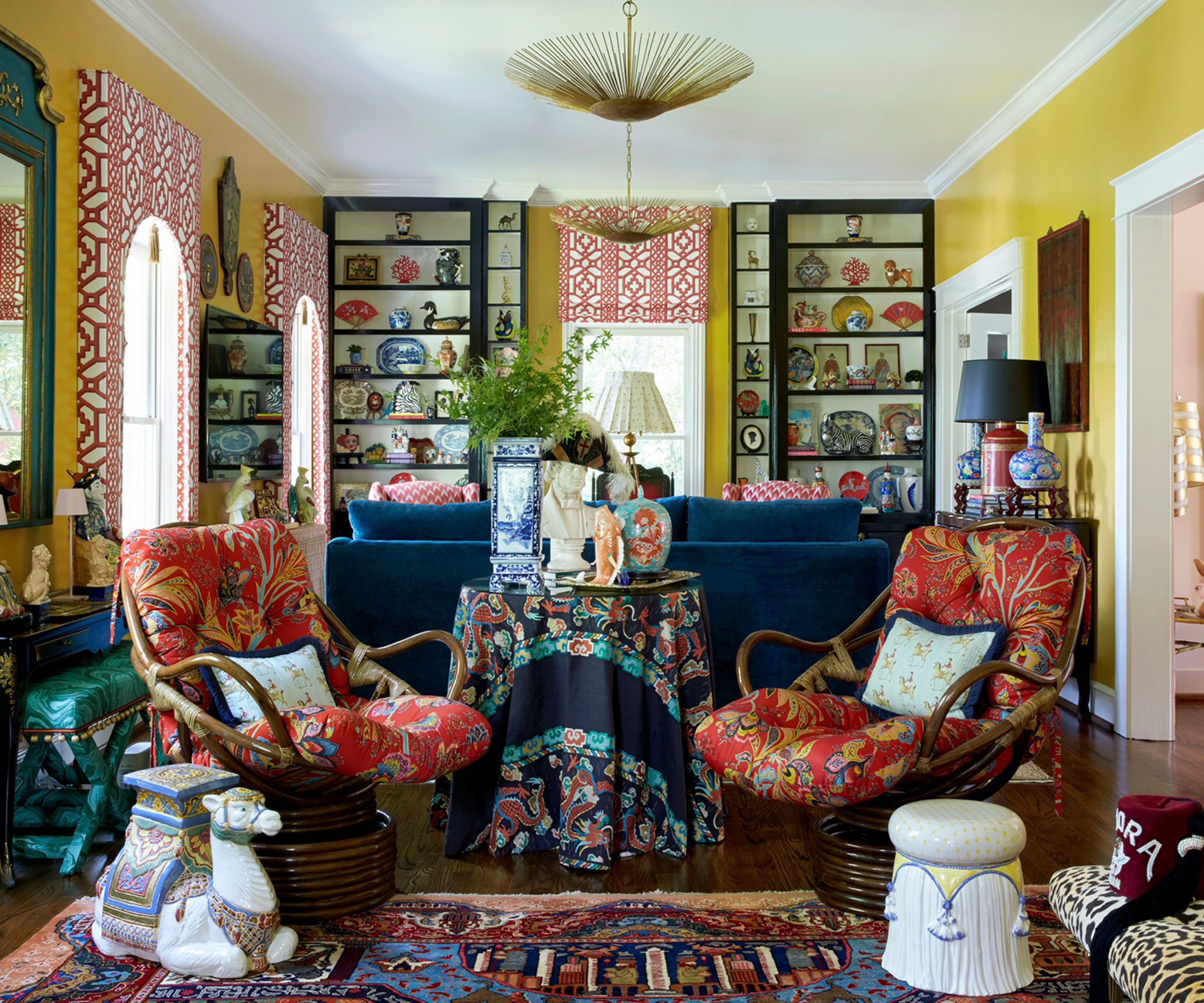
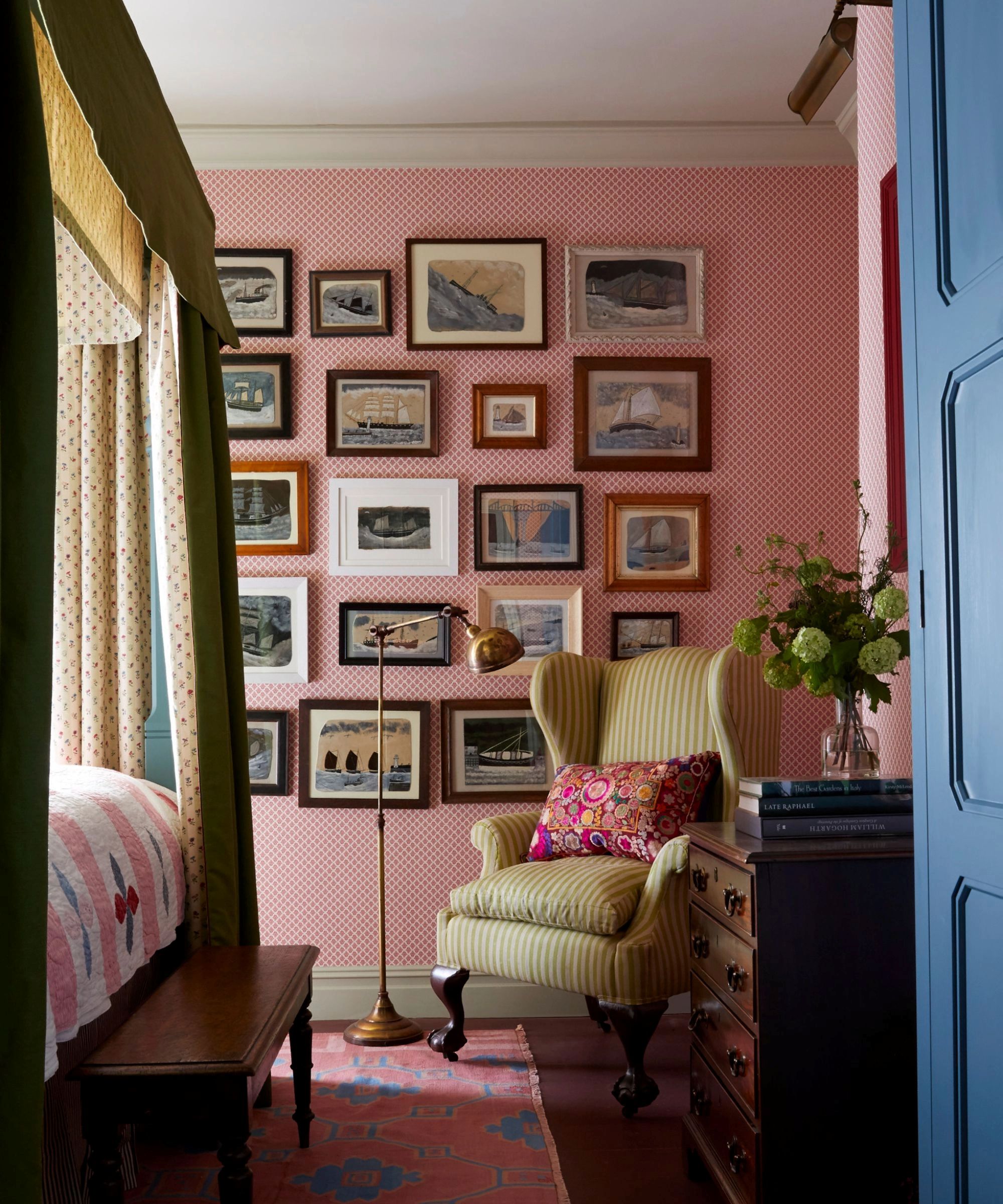
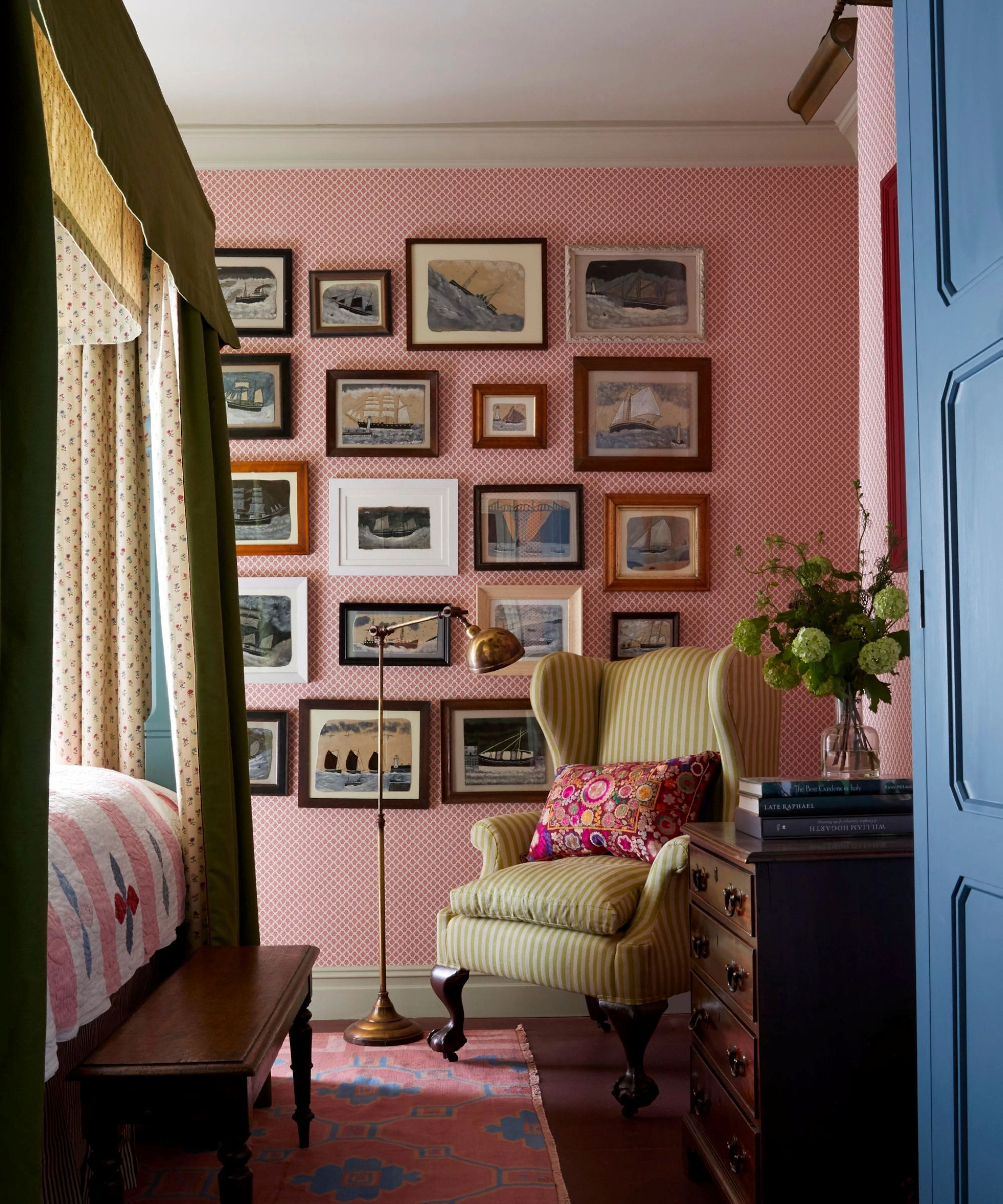
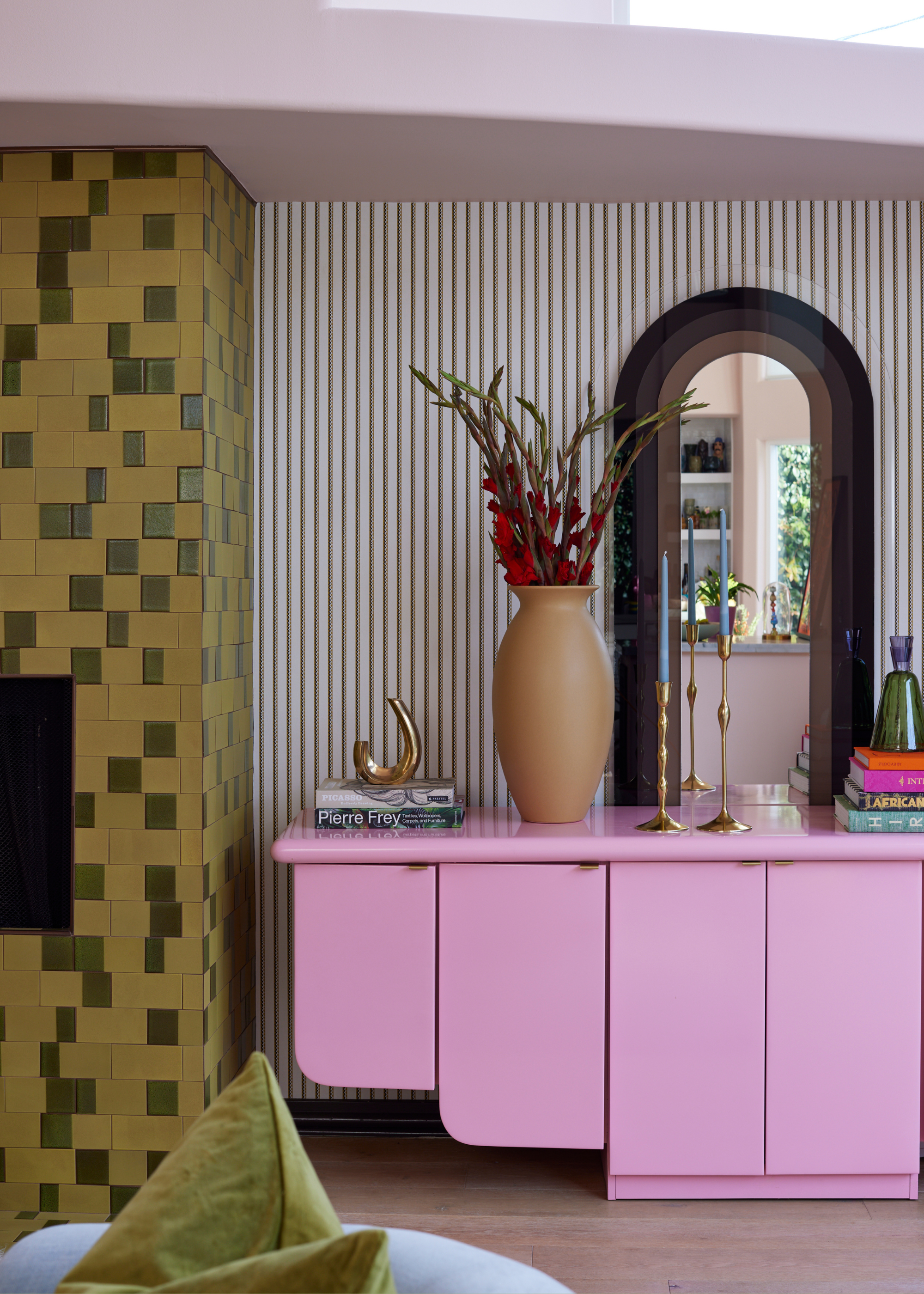
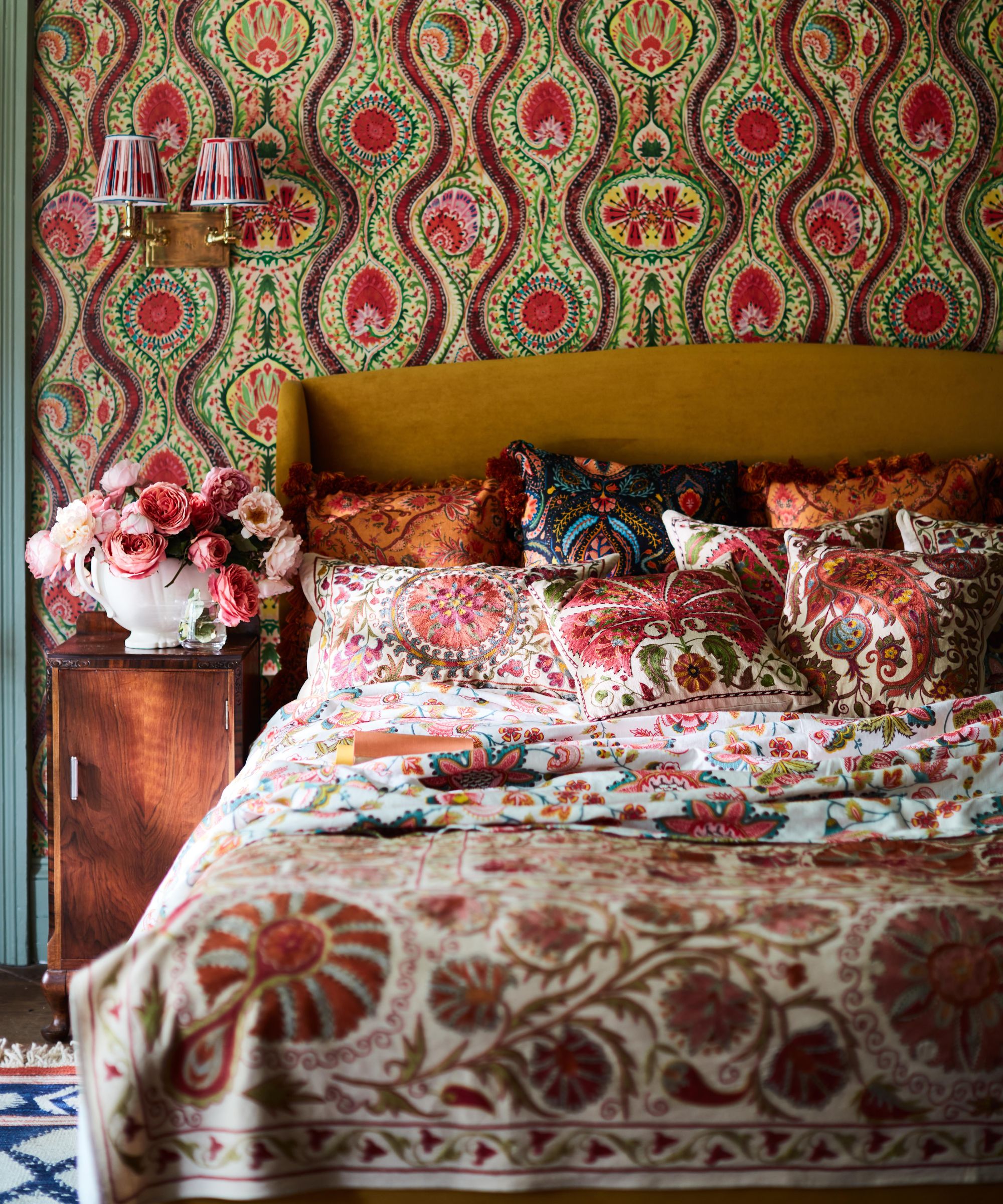
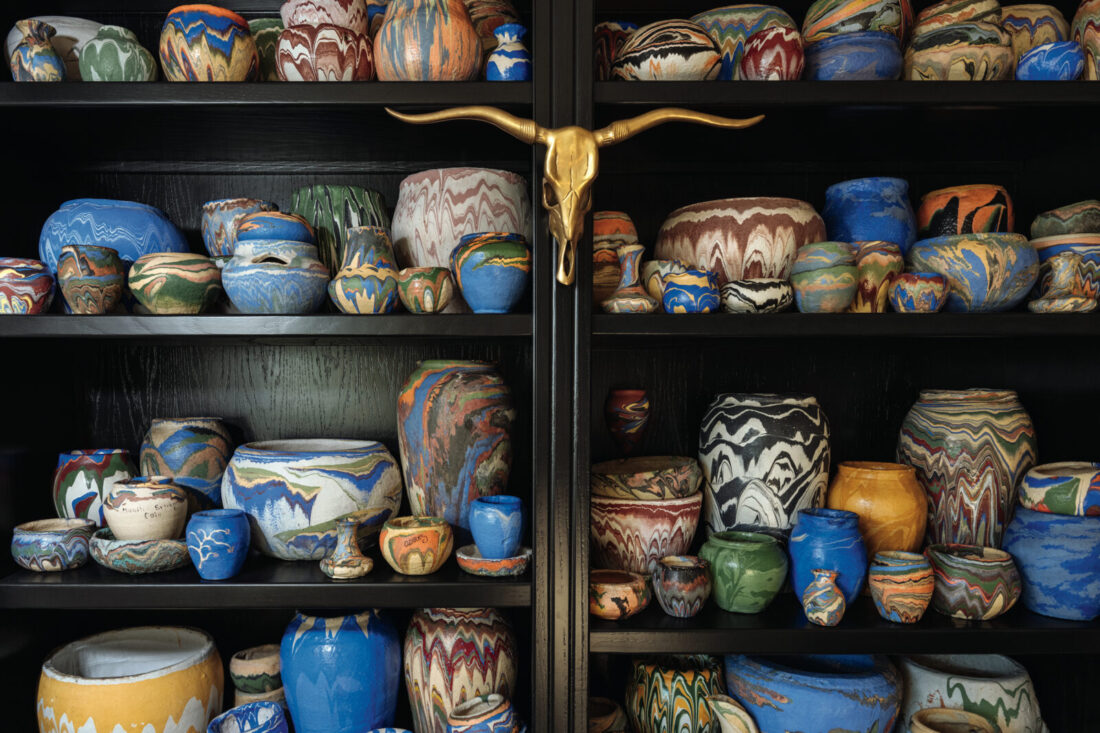
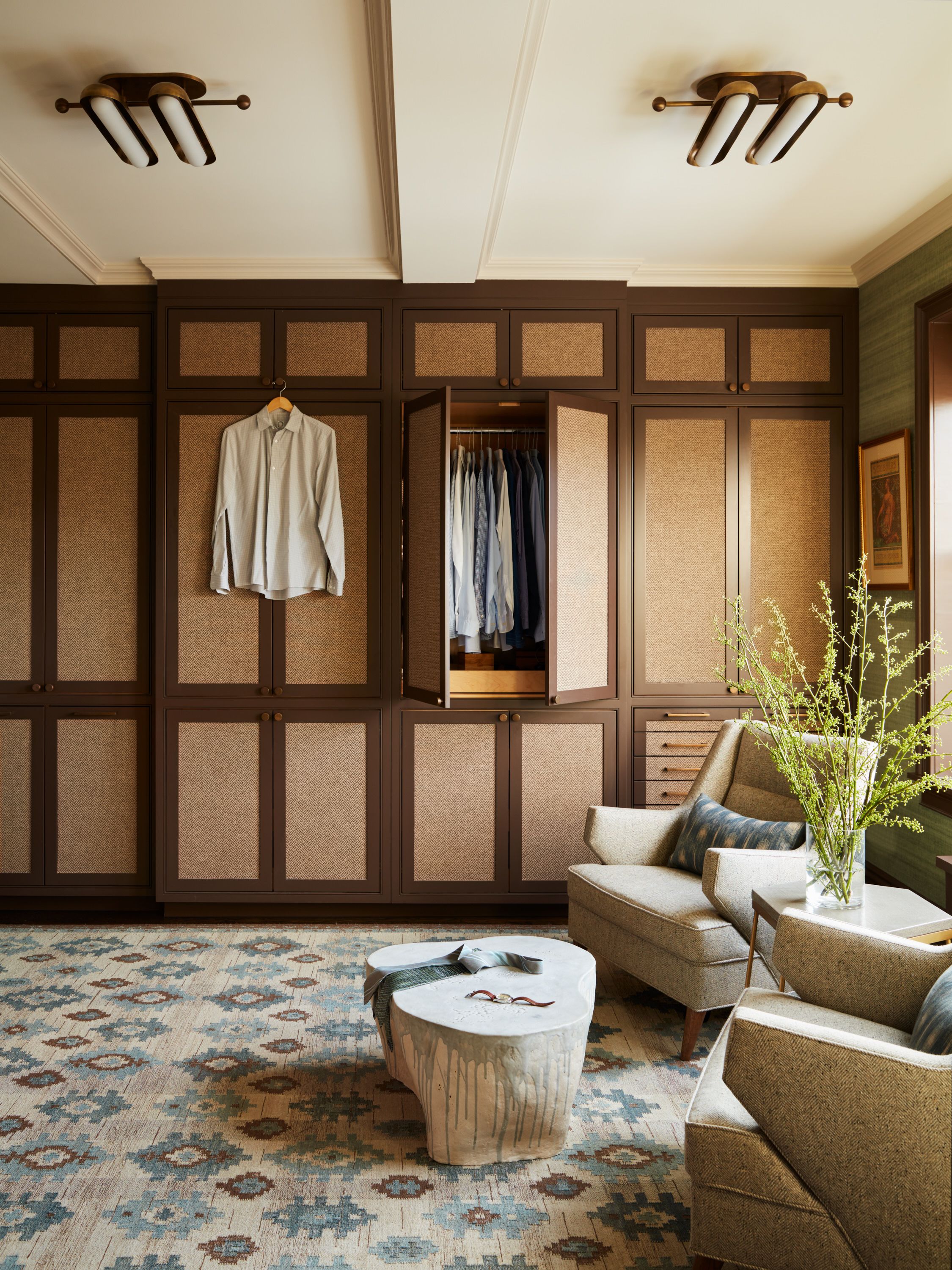
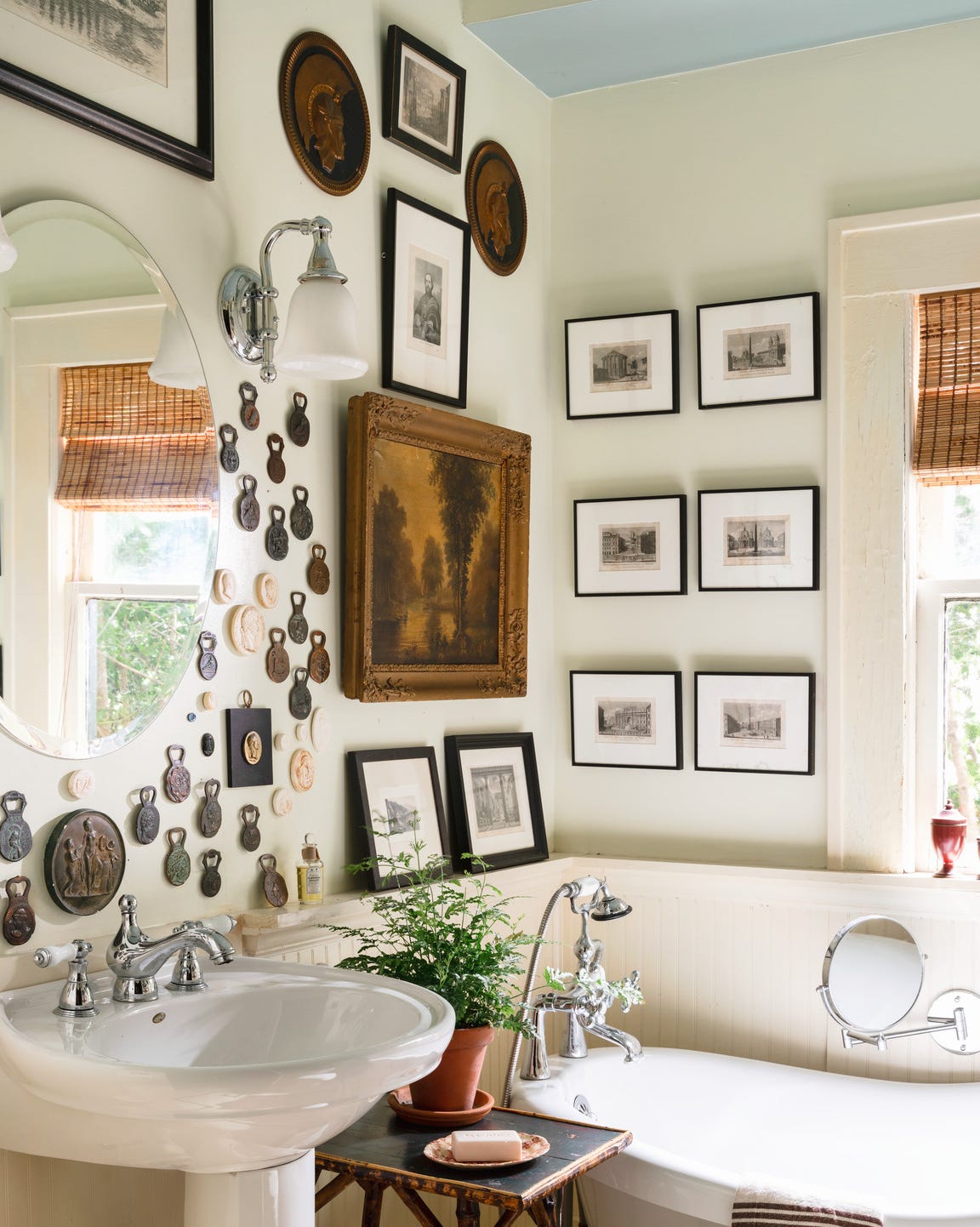
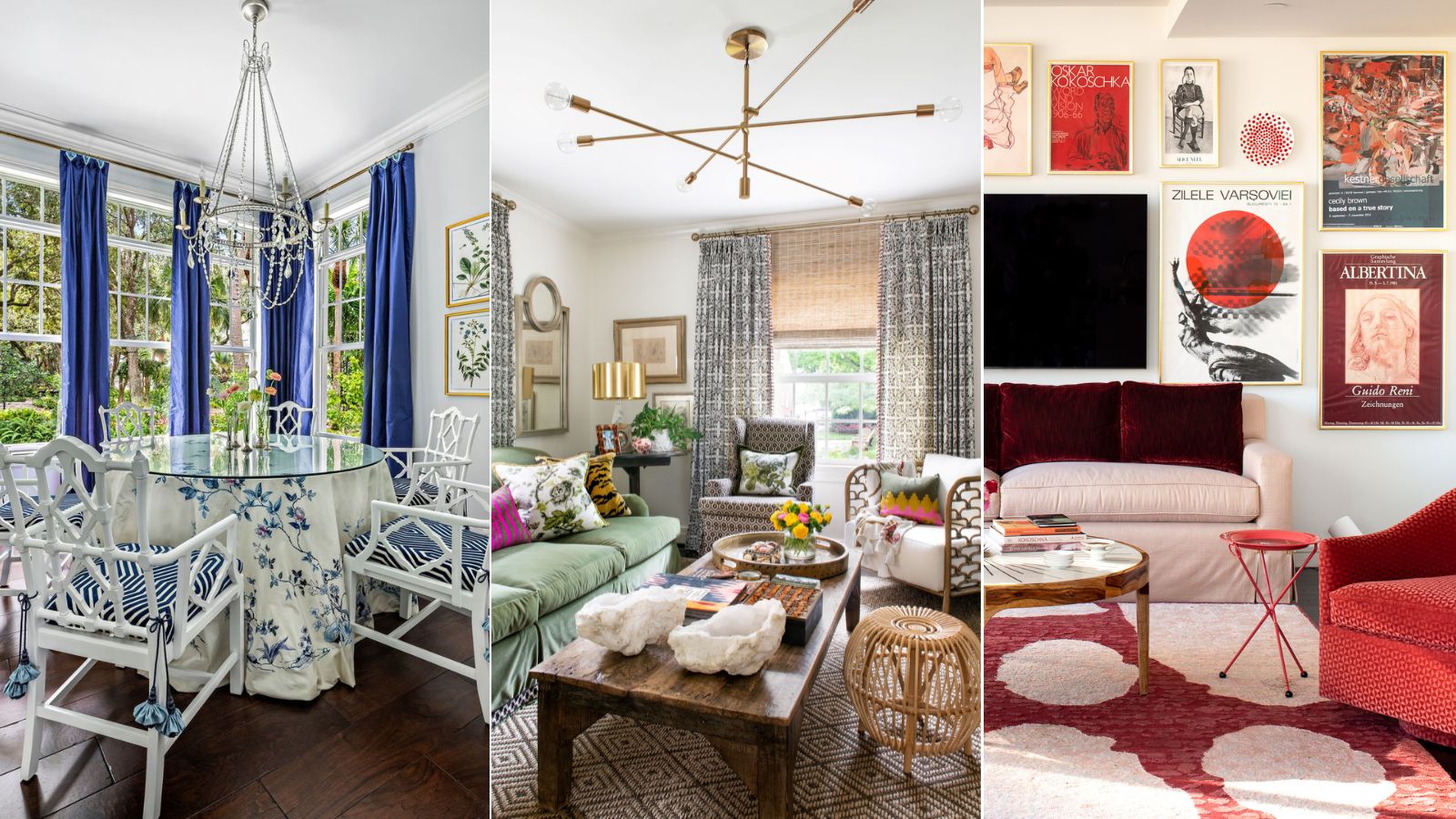
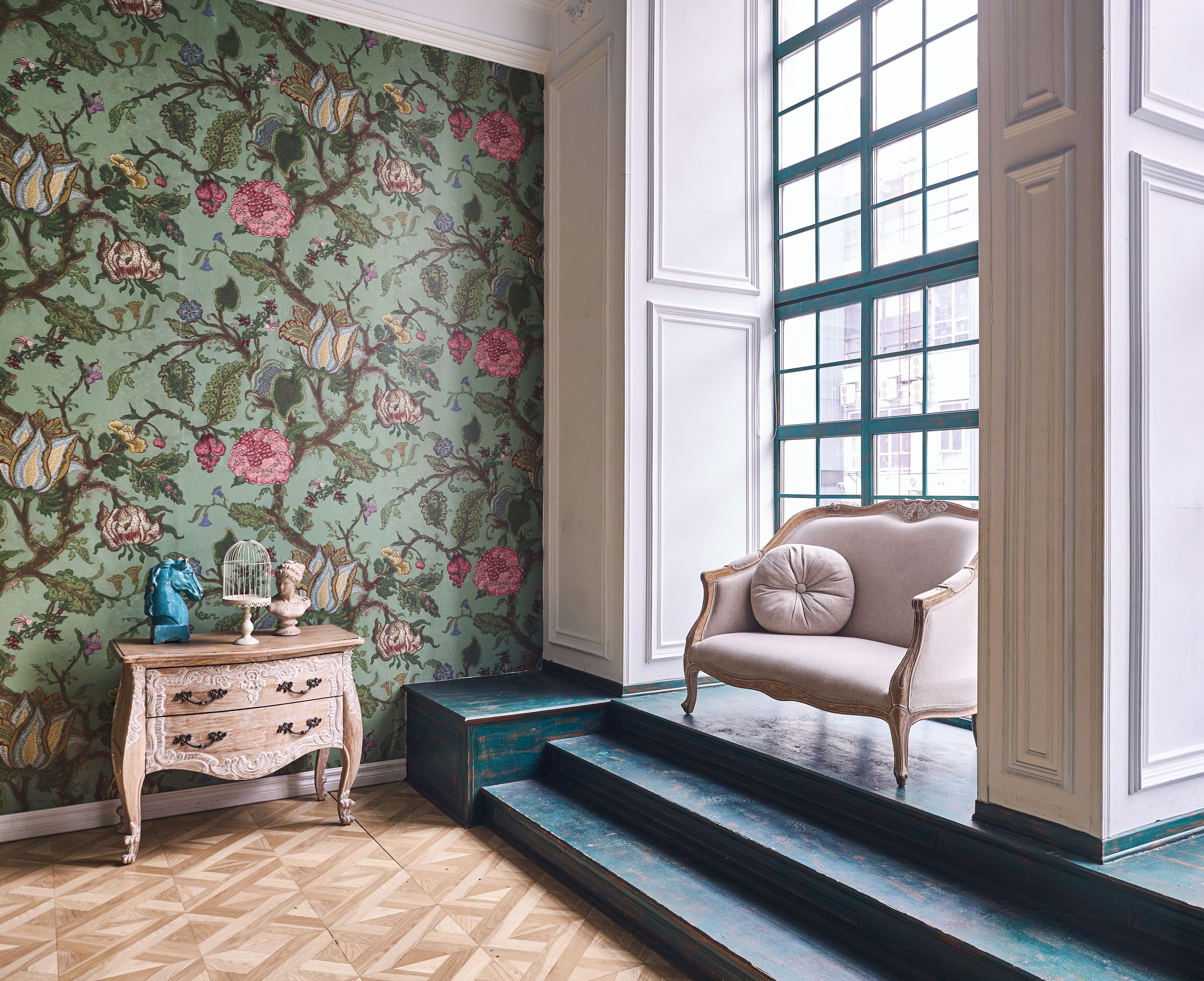
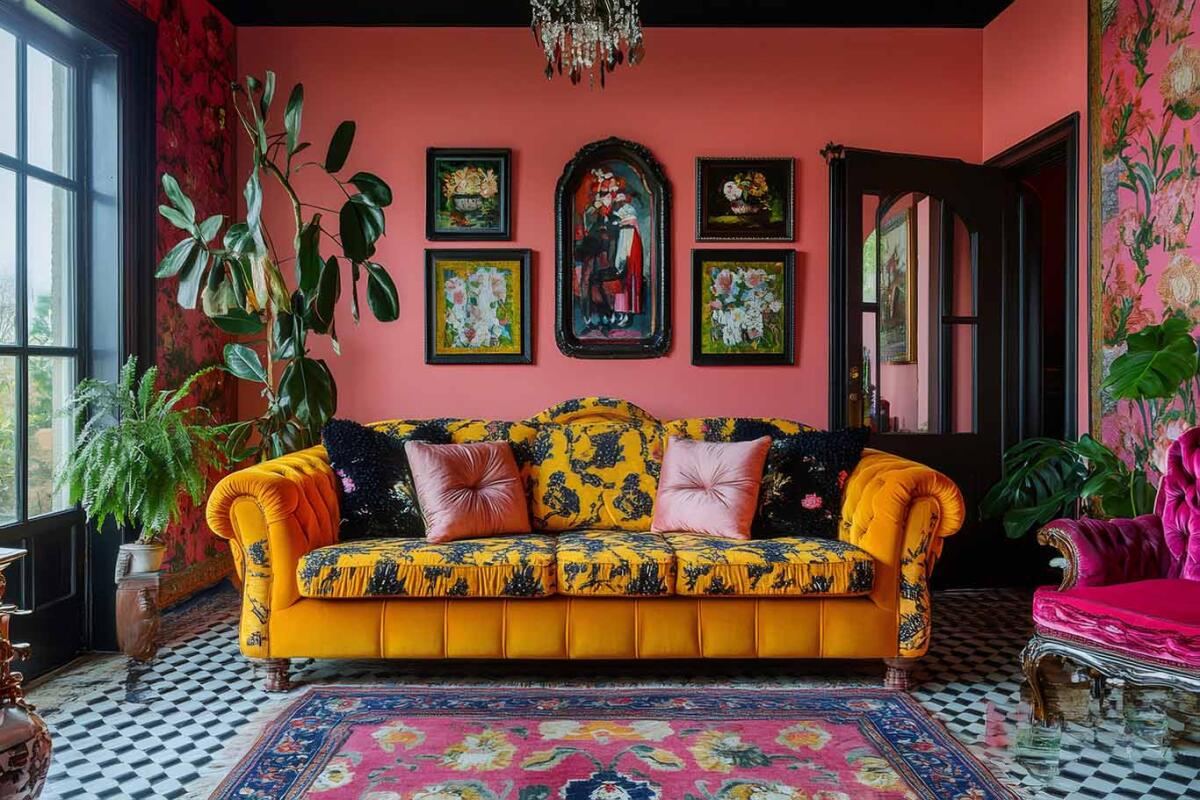
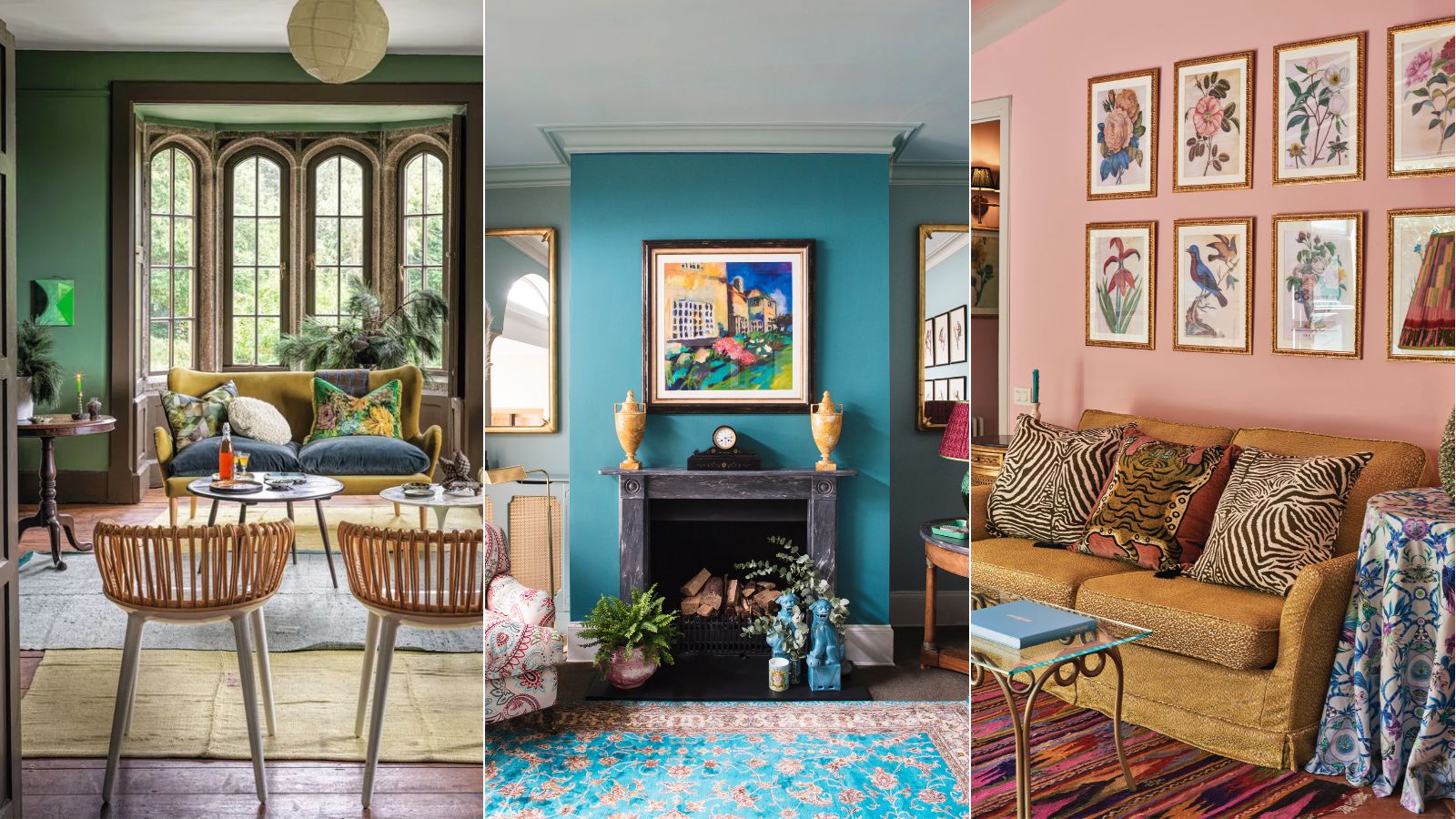
Designers approach maximalism with individuality. Some, like Danielle McKim, define it as a commitment to joy-inducing items, while Ryan Austin Hagood interprets it as controlled boundary-pushing through patterned wallpapers, curated artwork in diverse frames, and strategic pops of color, emphasizing a blend of modern and traditional elements and layered accessories. Isabel Ladd champions the 'more is more, less is a bore' philosophy, creating vivid and saturated spaces with intentional, methodical curation, focusing on unexpected combinations of colors, patterns, and materials. Shani Risinger Core, while also embracing abundance, stresses the importance of a 'heavy dose of editing' to prevent clutter, elevating personal collections of art, texture, and books into central elements. James Yarosh, a 'curated maximalist,' sees the style as a celebration of beauty and a well-lived life, prioritizing quality and selected restraint to avoid chaos. Ultimately, maximalism is deeply personal, aiming to surround individuals with cherished items, creating happy, joyful, and highly creative interiors that reflect a lifetime of collected treasures.
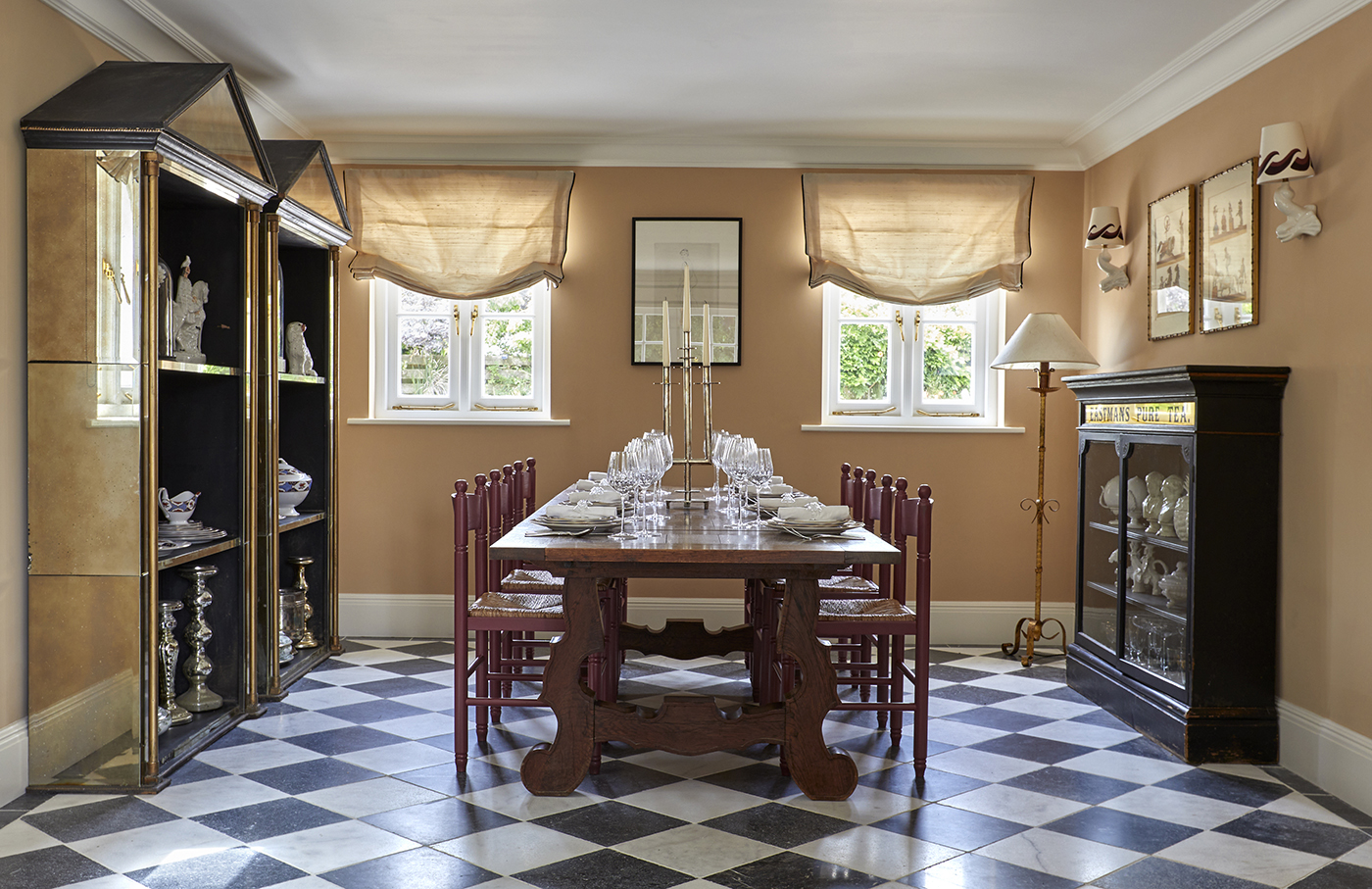
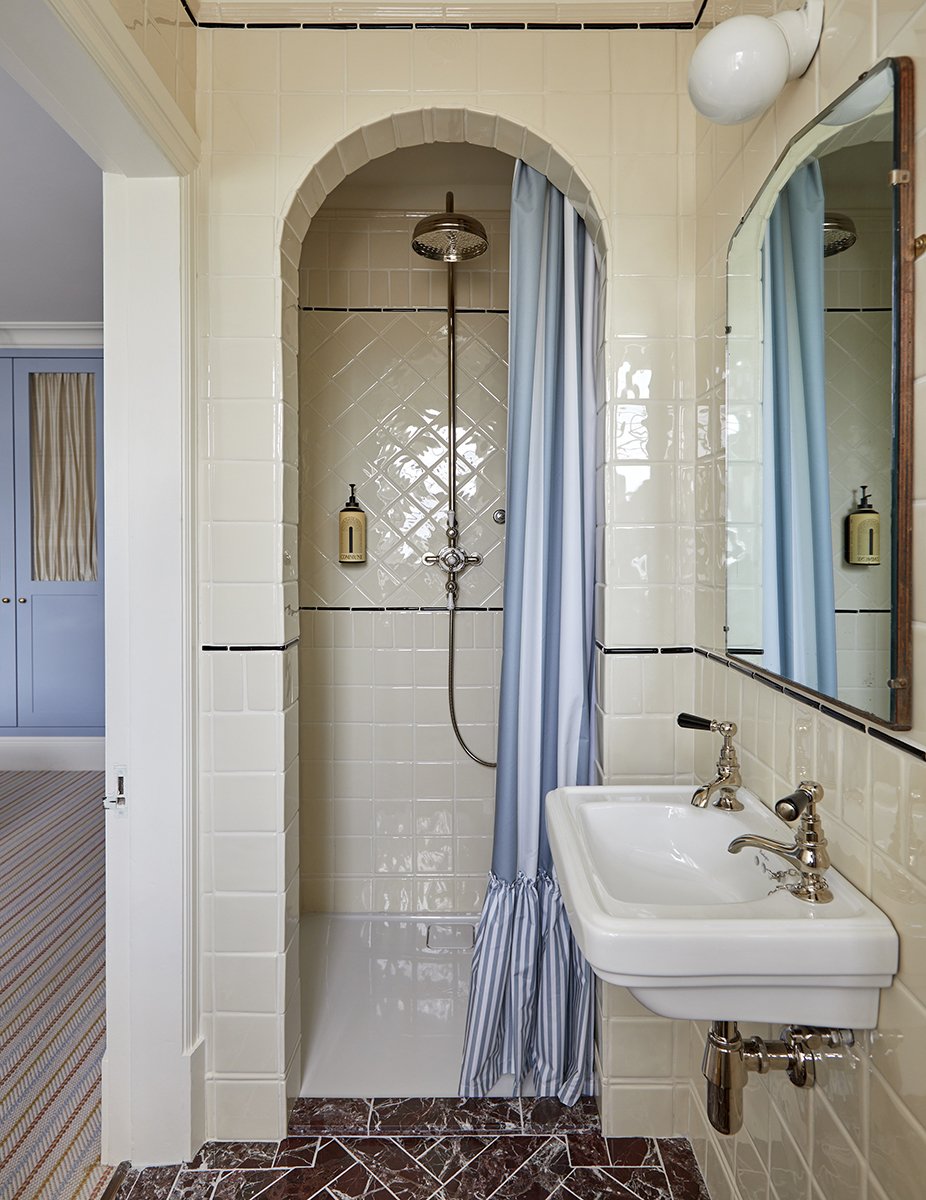
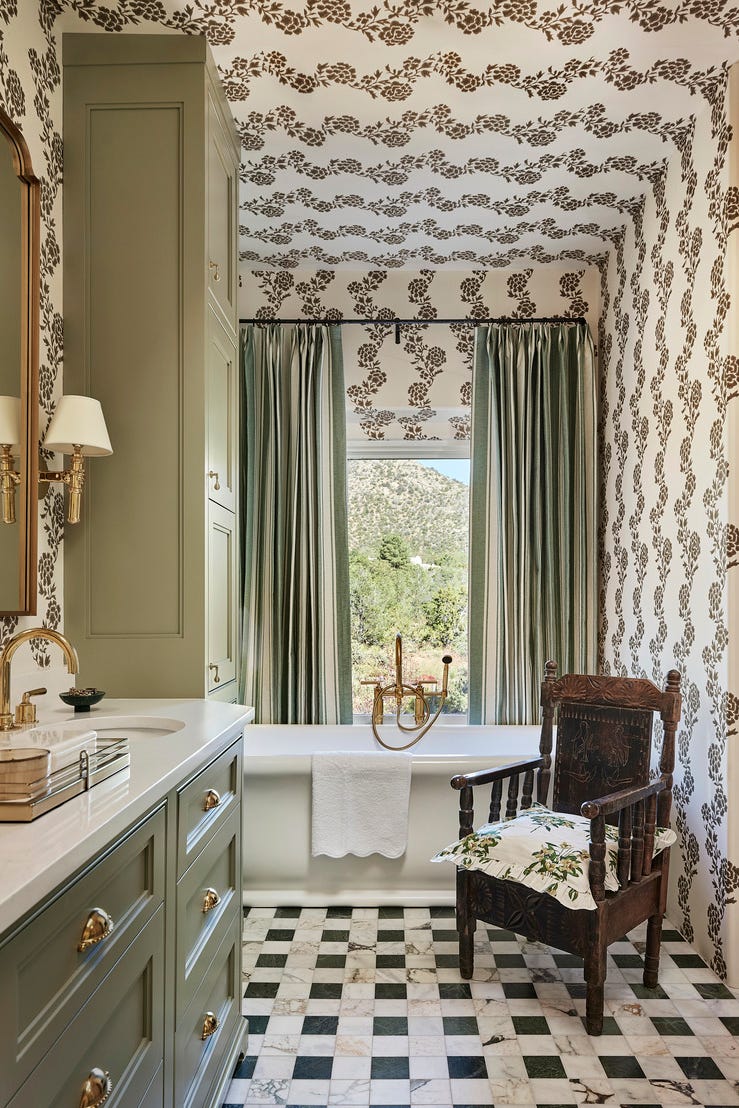
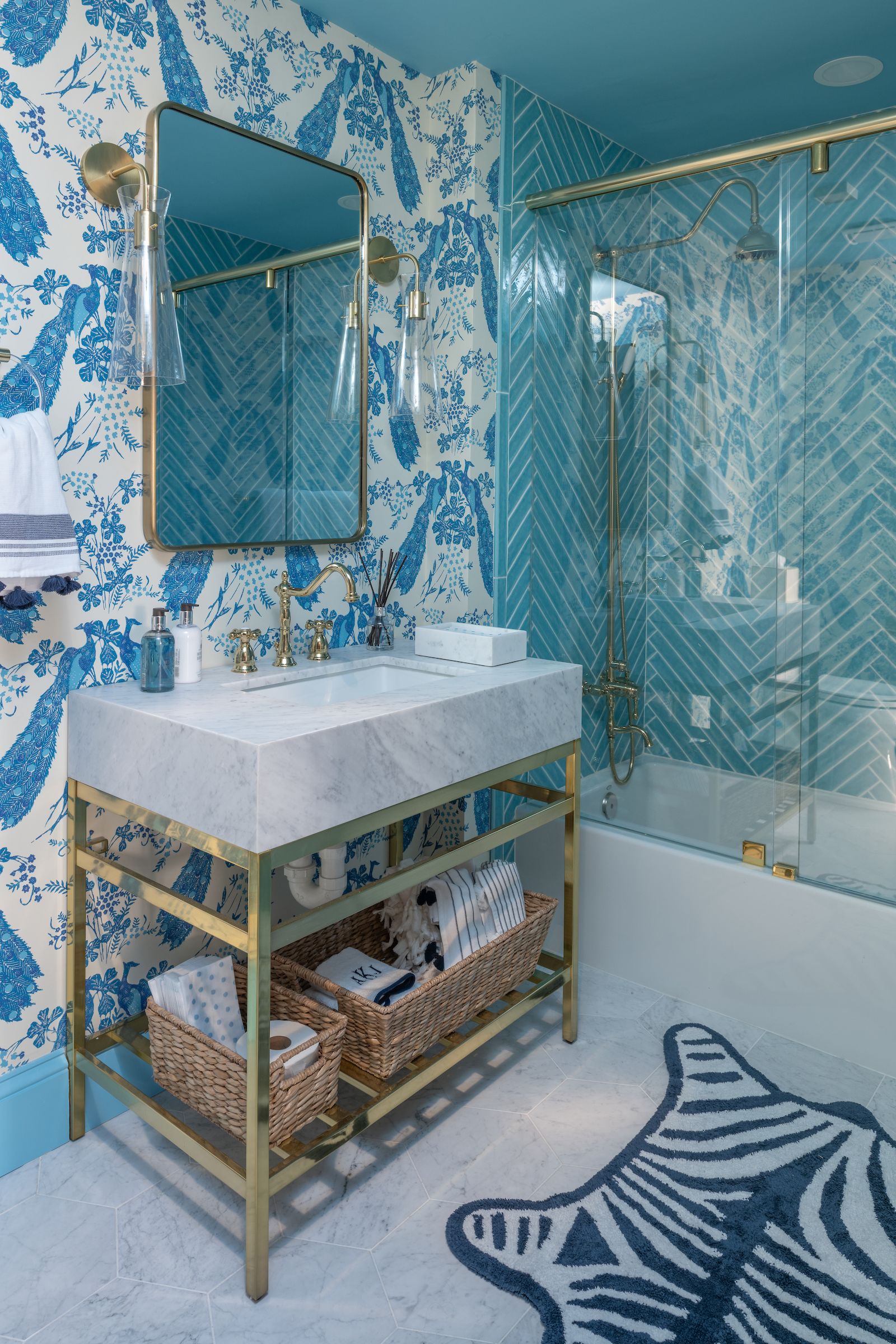
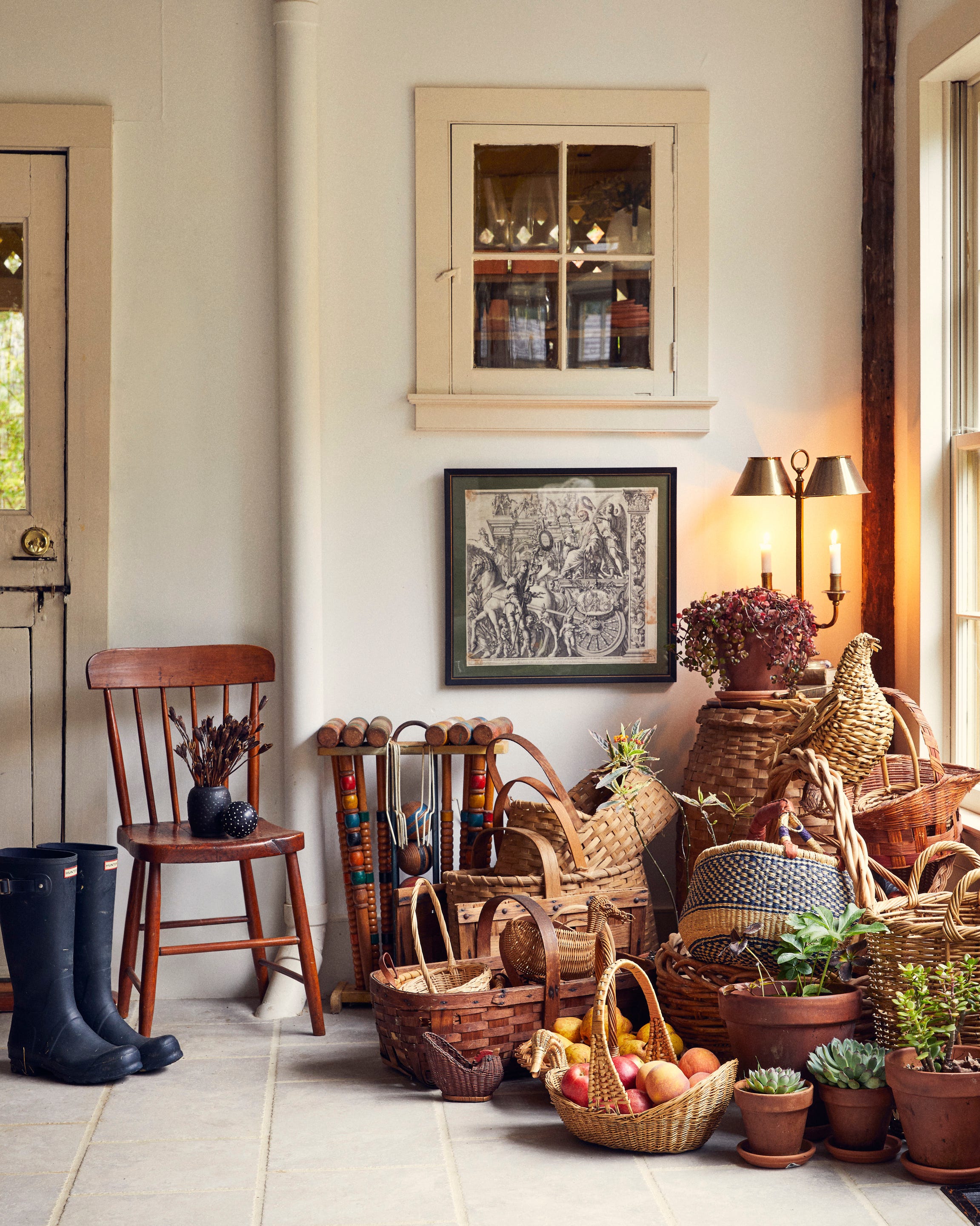
Implementing maximalism involves strategic planning. Isabel Ladd begins by understanding client desires for feeling, color preferences, room function, and important items, then draws inspiration from extensive archives. Shani Core allows textiles, color stories, and client collections to guide her, often creating unique art installations from vintage items, porcelain figurines, mirrors, or personal memorabilia, emphasizing the inclusion of at least one antique per room to add history and depth. For those hesitant about maximalism's boldness, Gideon Mendelson suggests starting small in less-frequented areas like powder rooms or dining rooms to introduce whimsicality, allowing bedrooms and living rooms to remain calmer if preferred. Avalana Simpson echoes this, recommending starting with a bathroom or study to experiment with dark floors, color drenching, or ceiling designs before layering textures, patterns, and meaningful, inexpensive items.
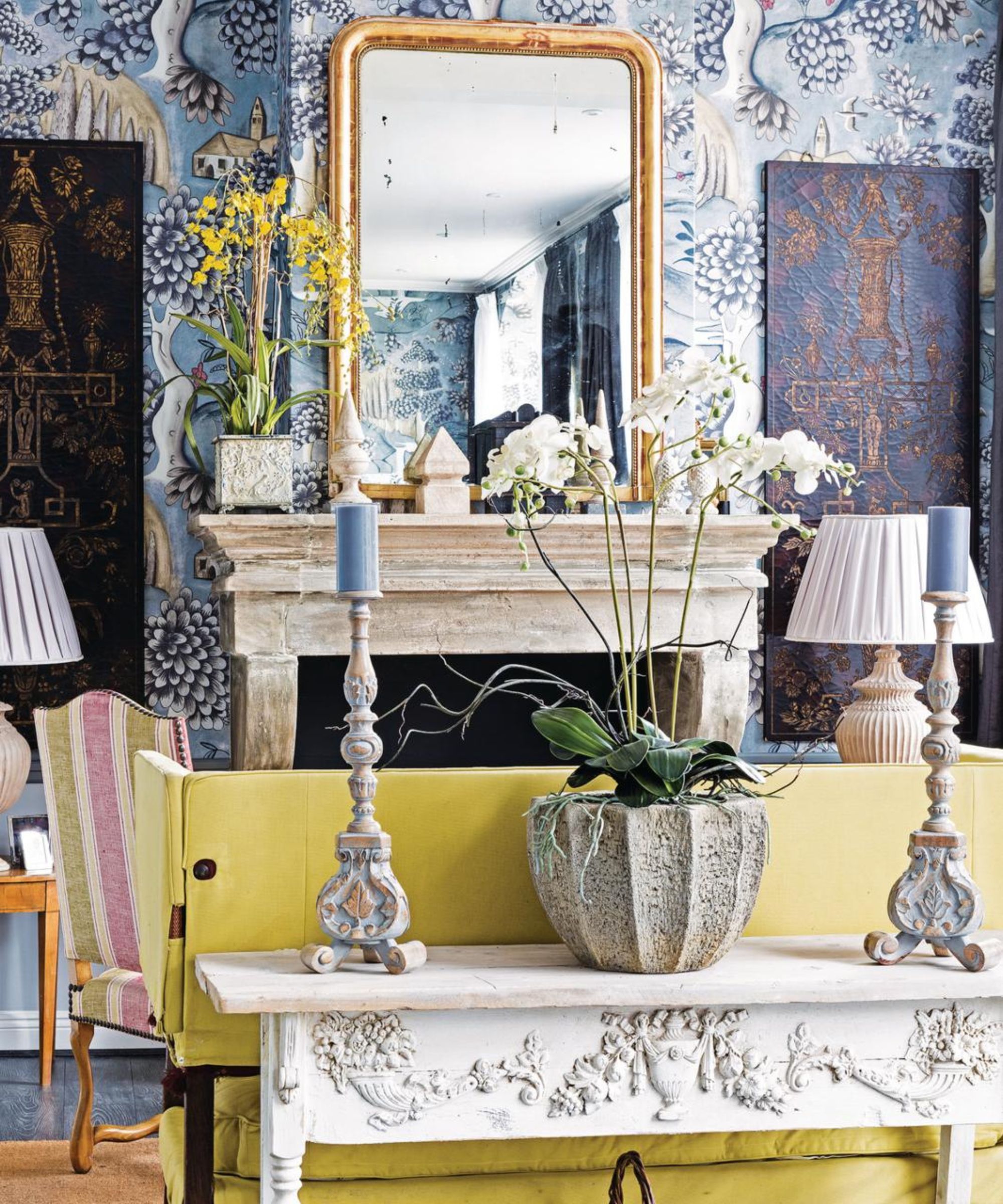
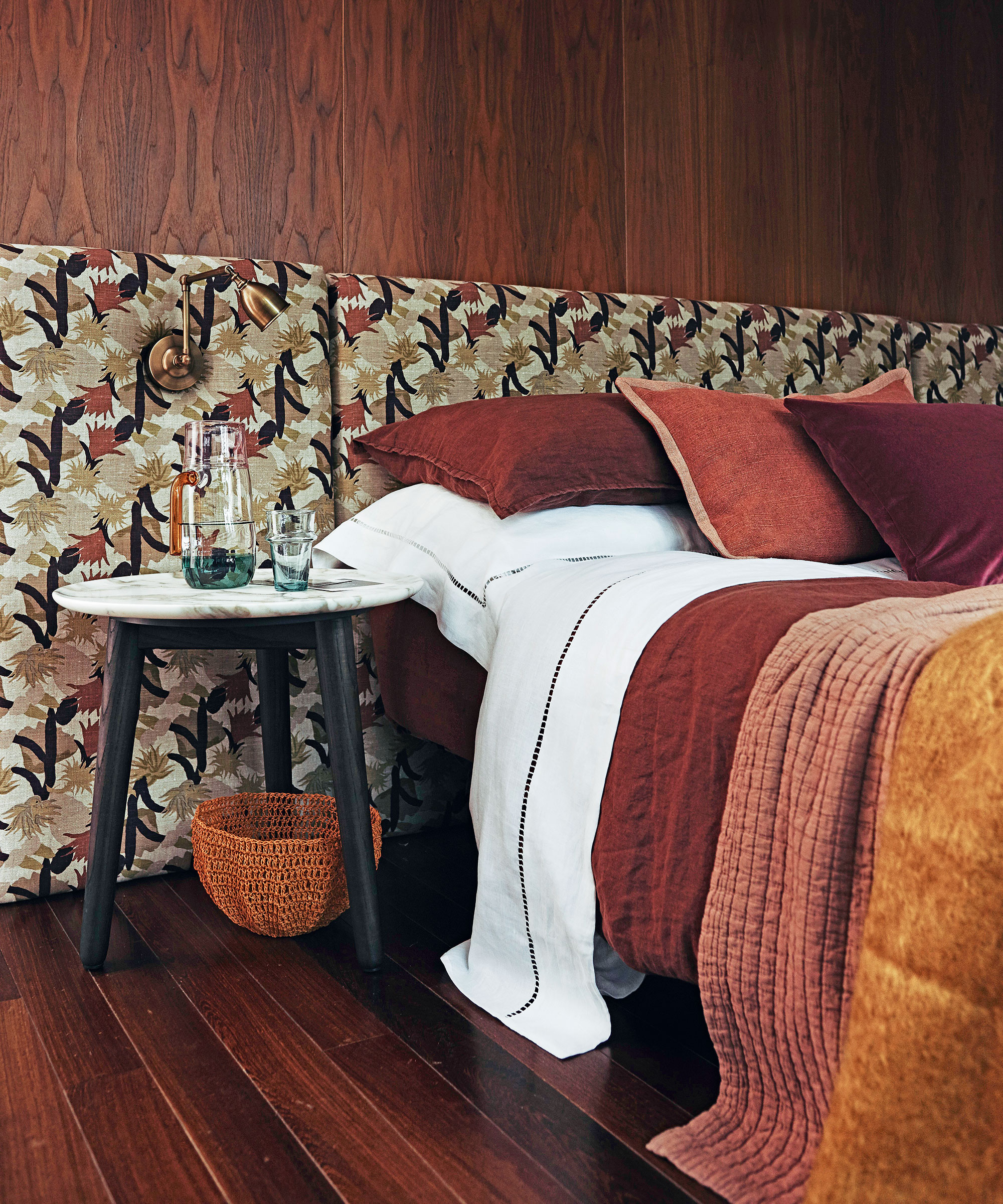
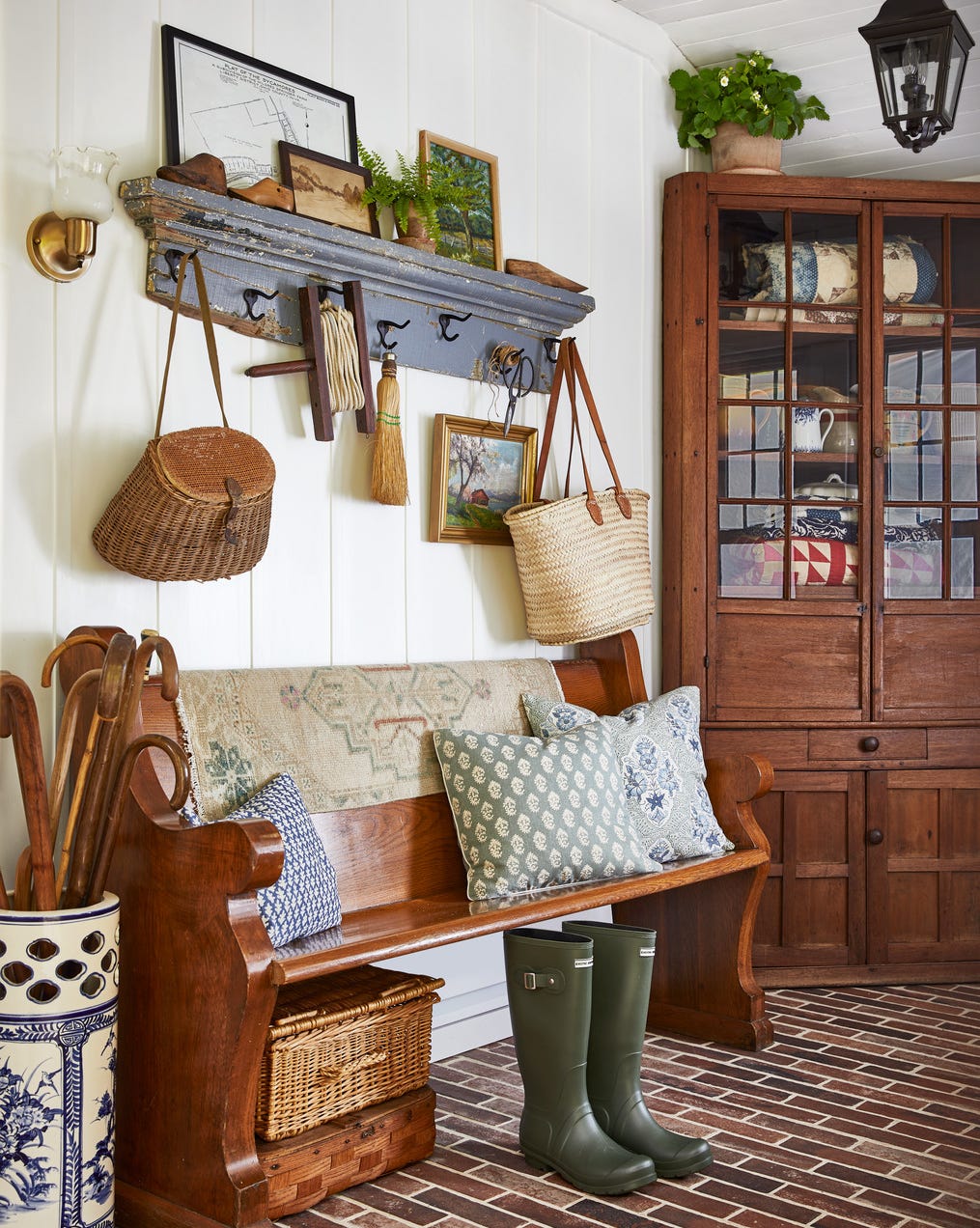
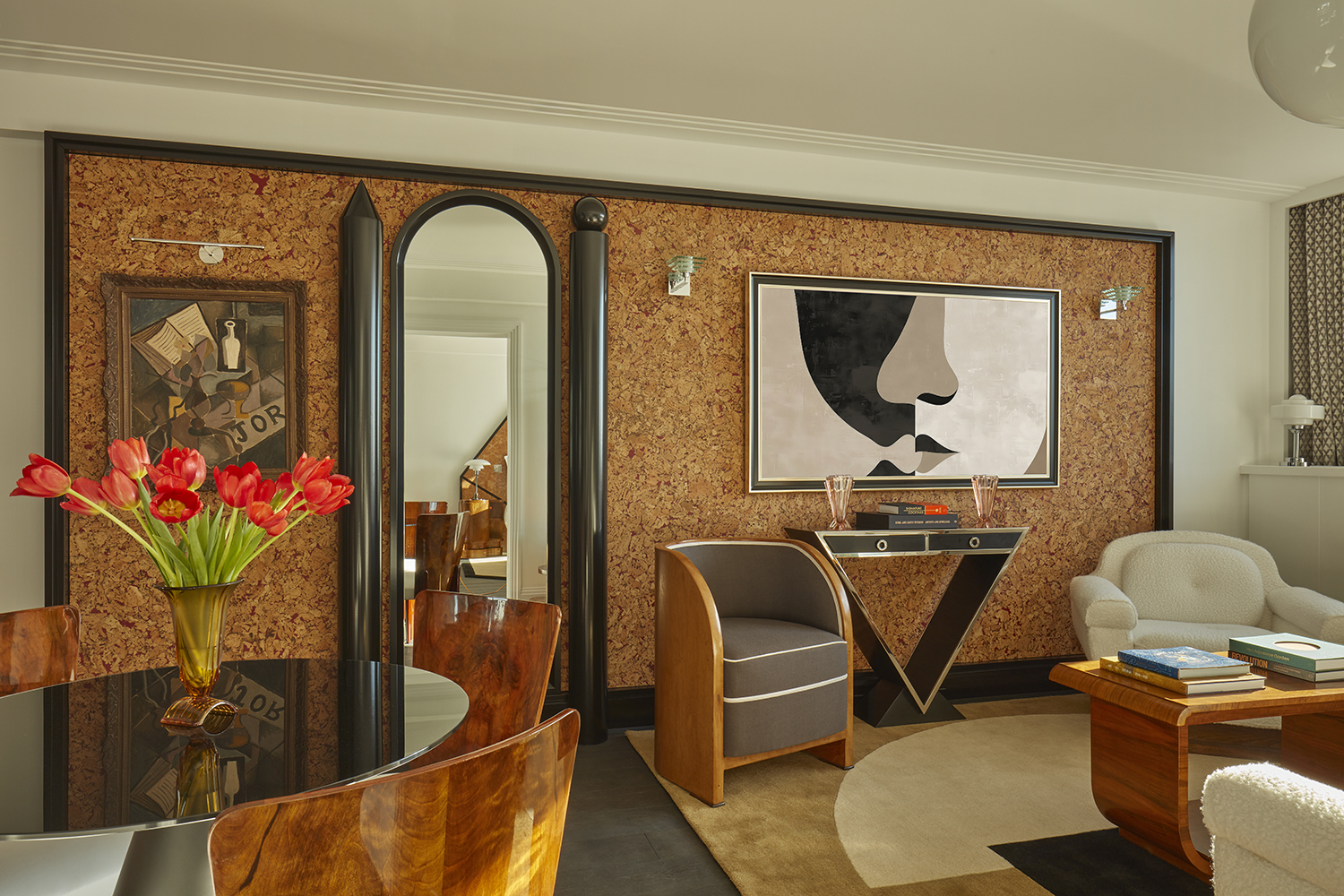
Layering is a critical component, involving a thoughtful blend of styles, periods, colors, patterns, and textures. Rudy Saunders advises identifying a focal point, such as an heirloom mirror or artwork, from which the rest of the design can evolve, viewing maximalism as a form of storytelling. Danielle McKim suggests incorporating existing sentimental collections to personalize the space, creating a 'puzzle' where each item finds its spotlight. Balancing maximalist principles to avoid overwhelming clutter requires a skilled eye. Ryan Austin Hagood advocates for a layered approach, starting with subtle dramatic lighting and unique hardware before introducing bolder patterns and colors, stressing the balance of tones and textures. James Yarosh points out that maximalism can be explored with a 'minimalist approach,' such as through monochromatic schemes or by highlighting a few star objects or fabrics. Designers are drawn to maximalism for its deeply personal nature, allowing self-expression, storytelling, and the creation of joyful, whimsical environments. Many believe it offers a refreshing alternative to sterile minimalist spaces, encouraging creative freedom and the development of unique design vocabularies. However, successful maximalism requires an understanding of scale, color theory, and careful editing to ensure cohesion and avoid chaos, transforming spaces into dynamic, conversation-starting reflections of their inhabitants' lives.
#MaximalistInteriorDesign #HomeDecorTrends #PersonalizedSpaces #InteriorDesignStyles #DecoratingTips #ColorAndPattern #HomeStyling #CreativeInteriors #DesignPhilosophy #MaximalistInteriorDesign #HomeDecorTrends #PersonalizedSpaces #InteriorDesignStyles #DecoratingTips #ColorAndPattern #HomeStyling #CreativeInteriors #DesignPhilosophy
0 ความคิดเห็นรวม
 ยังไม่มีความคิดเห็น
คุณอาจจะชอบอีกด้วย
Is Maximalism Still In Style? This Is How Designers Are Doing Bold Spaces Now

Ten maximalist interiors that are saturated with colours and patterns
Heritage maximalism – the interior trend to know now
Maximalist Bedrooms Are the Bold Look Your Sleep Space Has Been Waiting For

Maximalism by design: how to do ‘more’ better
Go big: how to carry off maximalist interior design

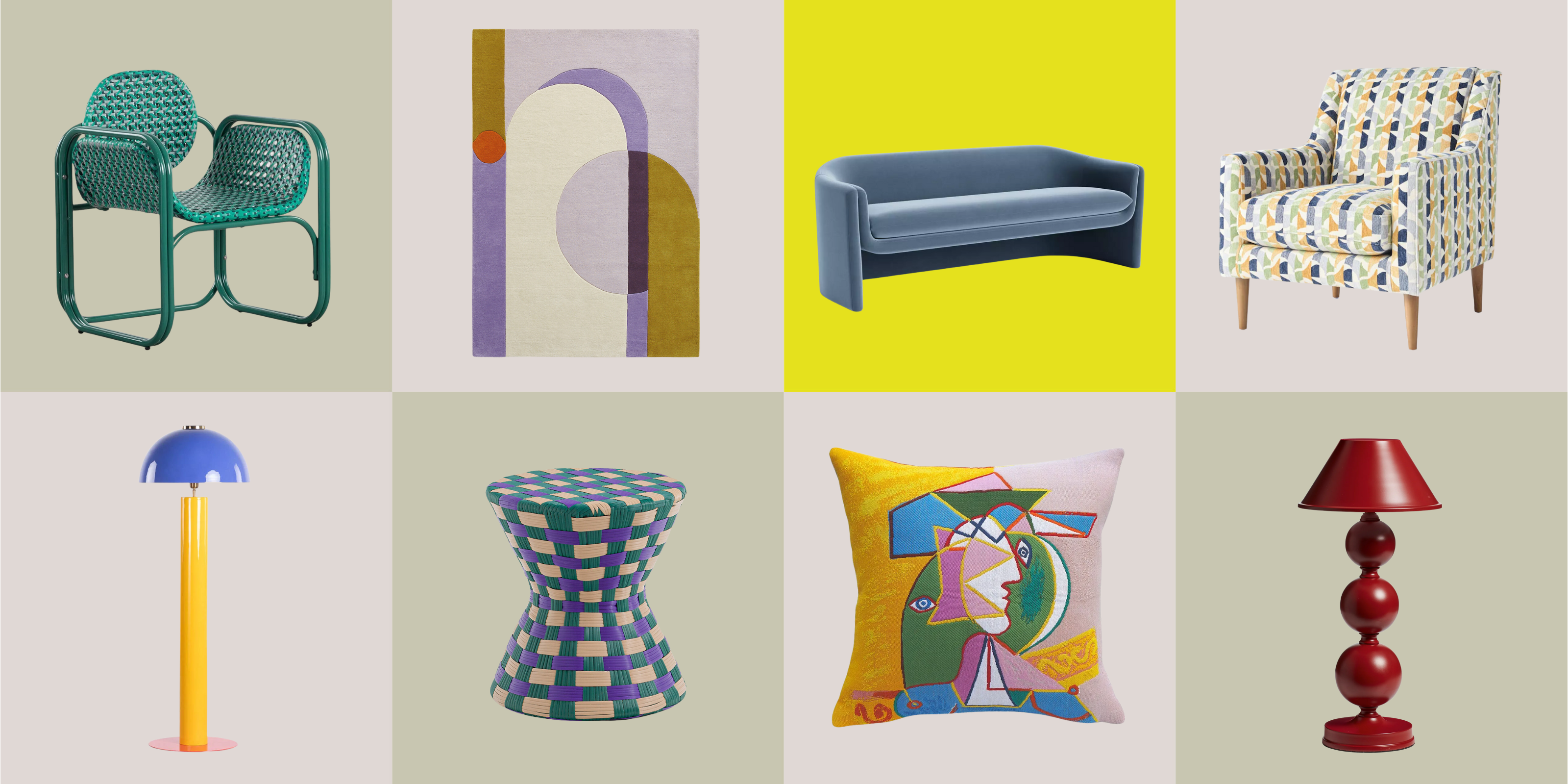
Maximalist Living Room Decor — 24 Pieces That Prove More Really Is More |

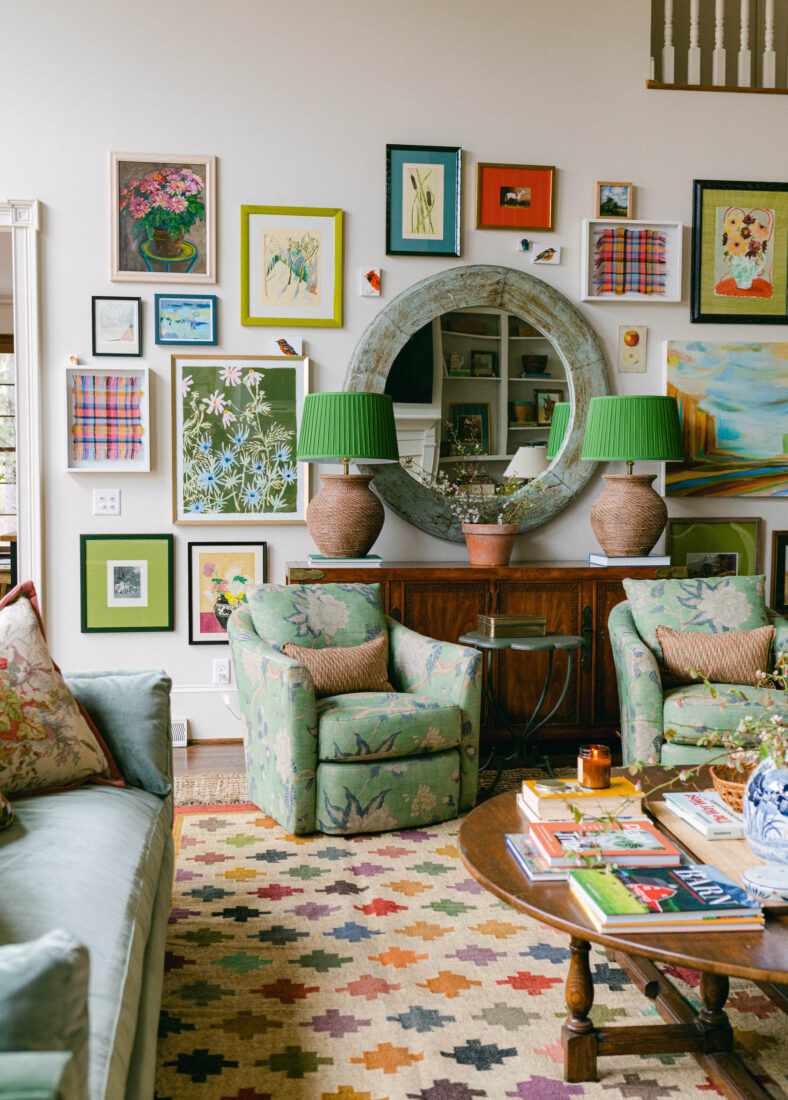
Beautiful, Layered Maximalism: Why the Trend Is a Southern Tradition
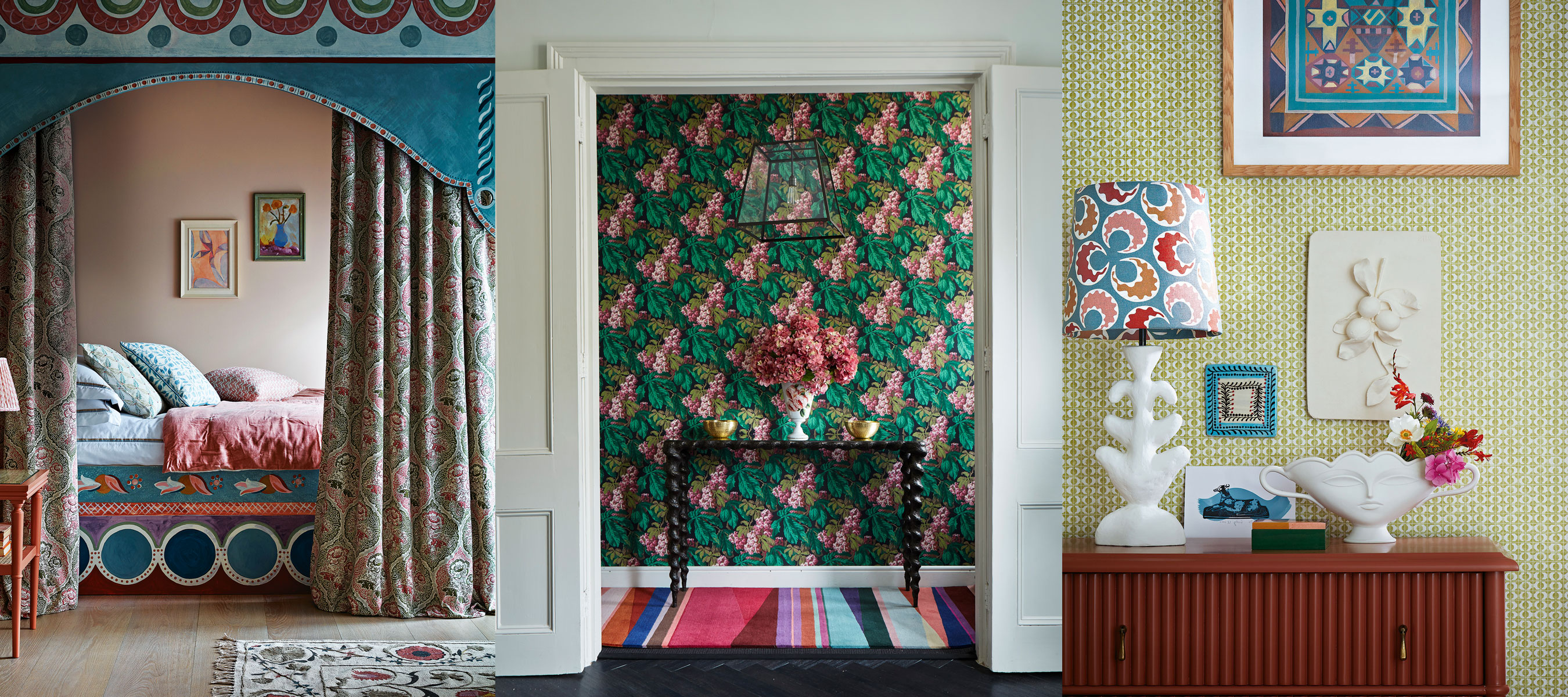
Maximalist decor ideas – 10 bold ways to embrace this joyous trend
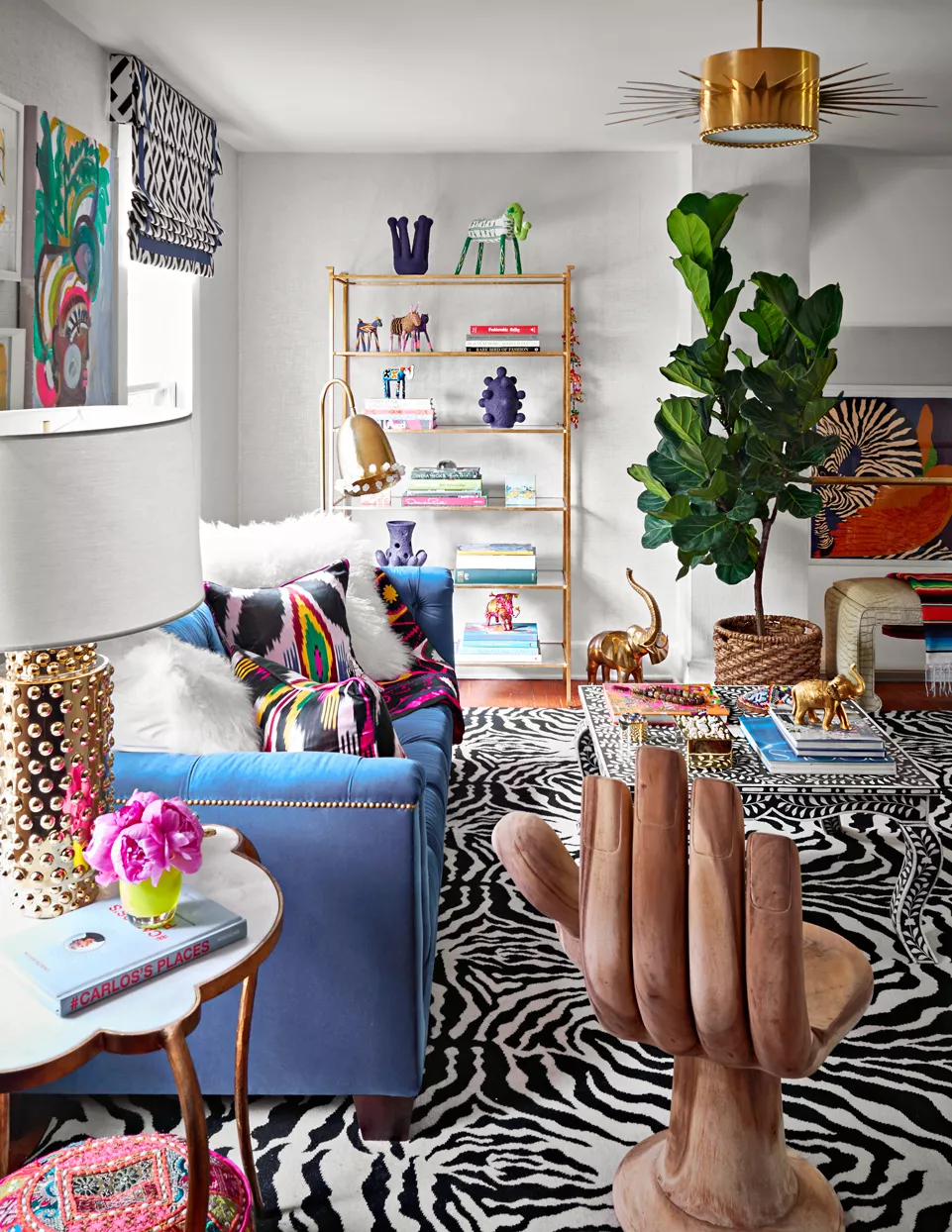
21 Spaces with Maximalist Decor that Nail the Over-the-Top Style
6 homes that showcase maximalism at its best
Interior Design Trends of 2025 Include a Refresh on Maximalism
Bring on the Bold: Maximalist Decor and Layering with Confidence
How do you design a maximalist living room that feels playful but still chic? 6 simple tips from interior designers
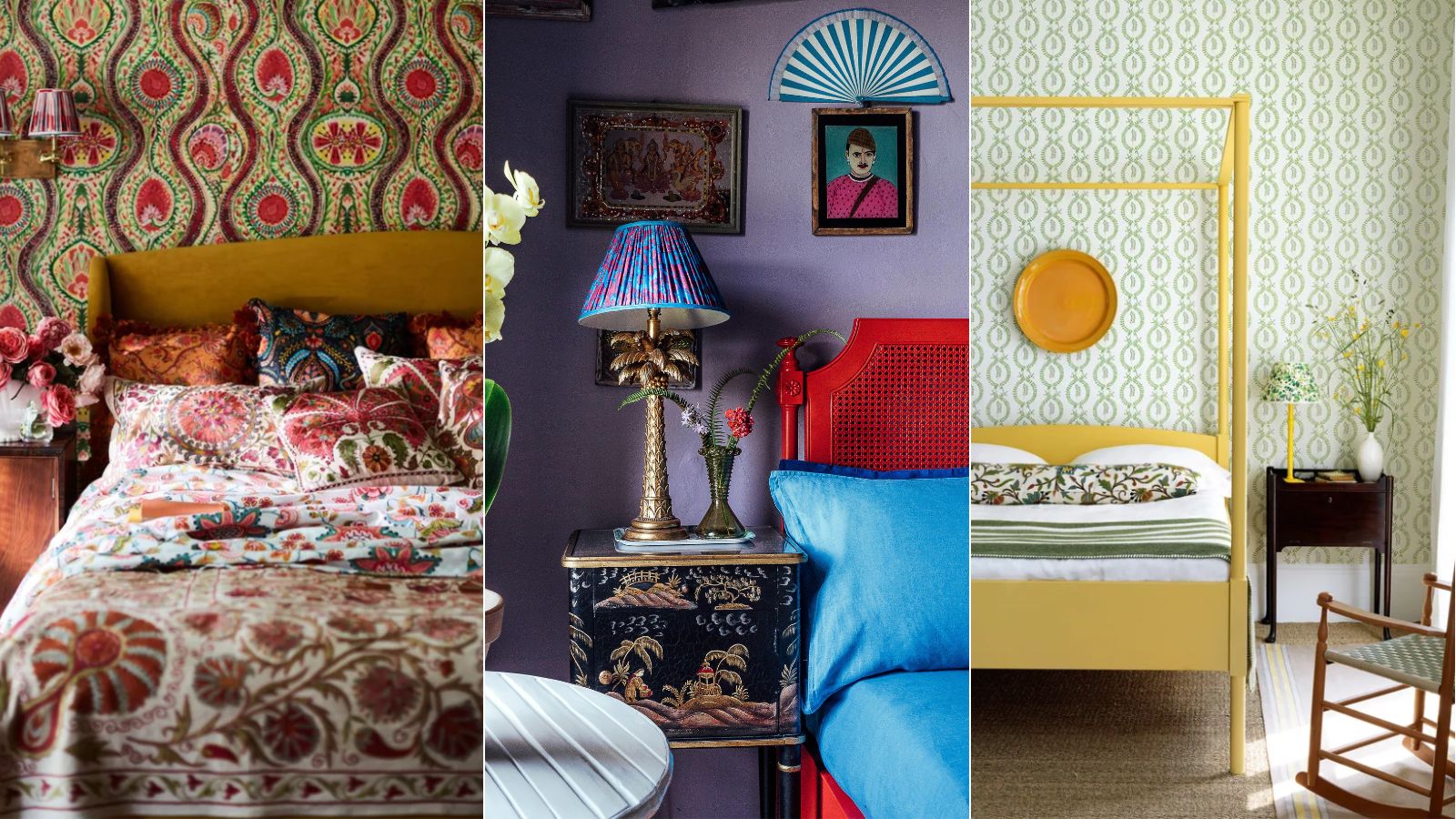
Maximalist bedroom ideas – 5 ways to create a vibrant and personalized decor scheme
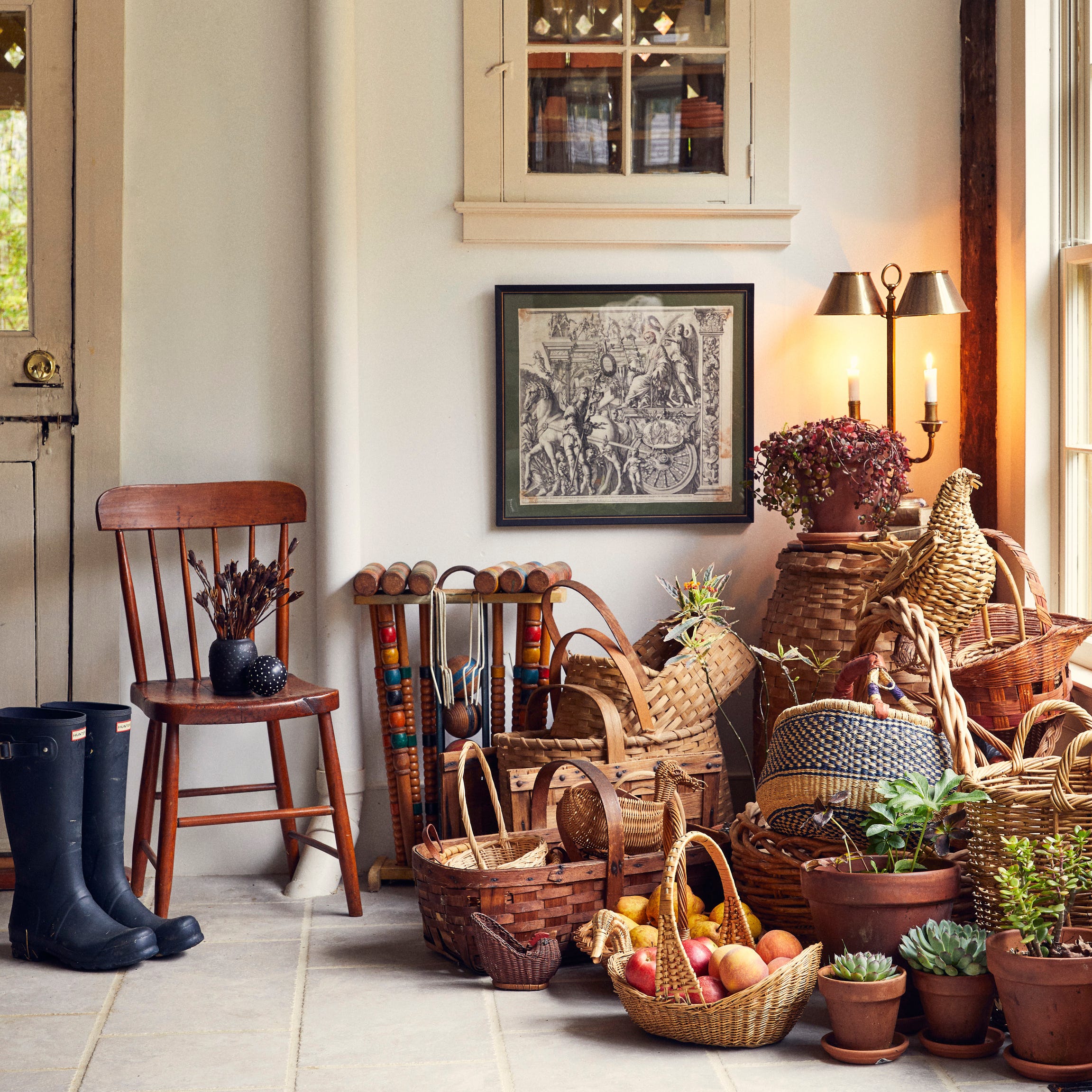
6 Interiors That Prove Cluttercore Can Be Ultra Stylish, When Done Right
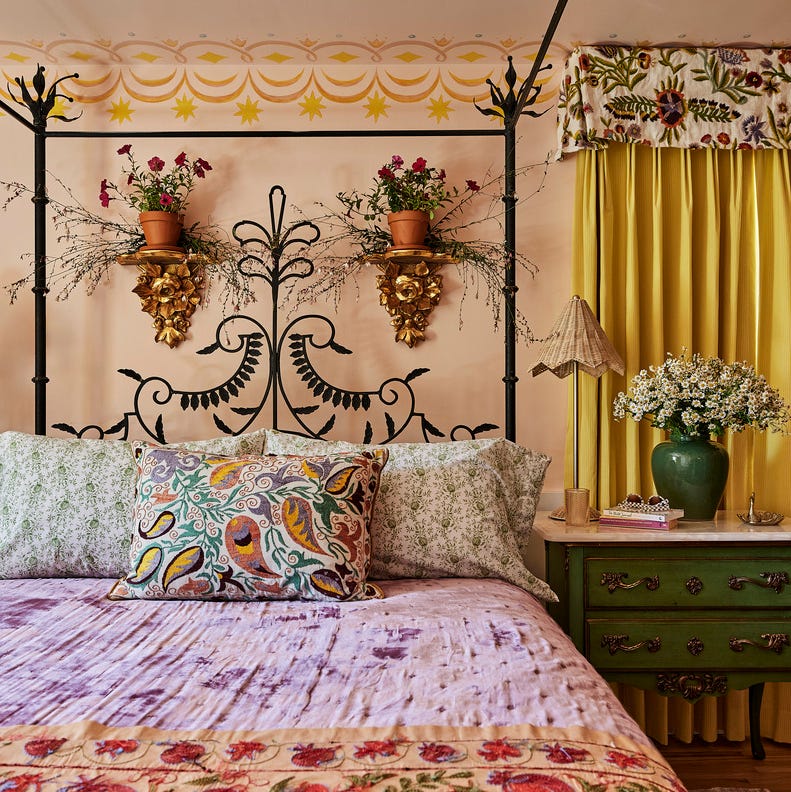
23 Maximalism Decor Ideas That Embody a "More Is More" Sensibility

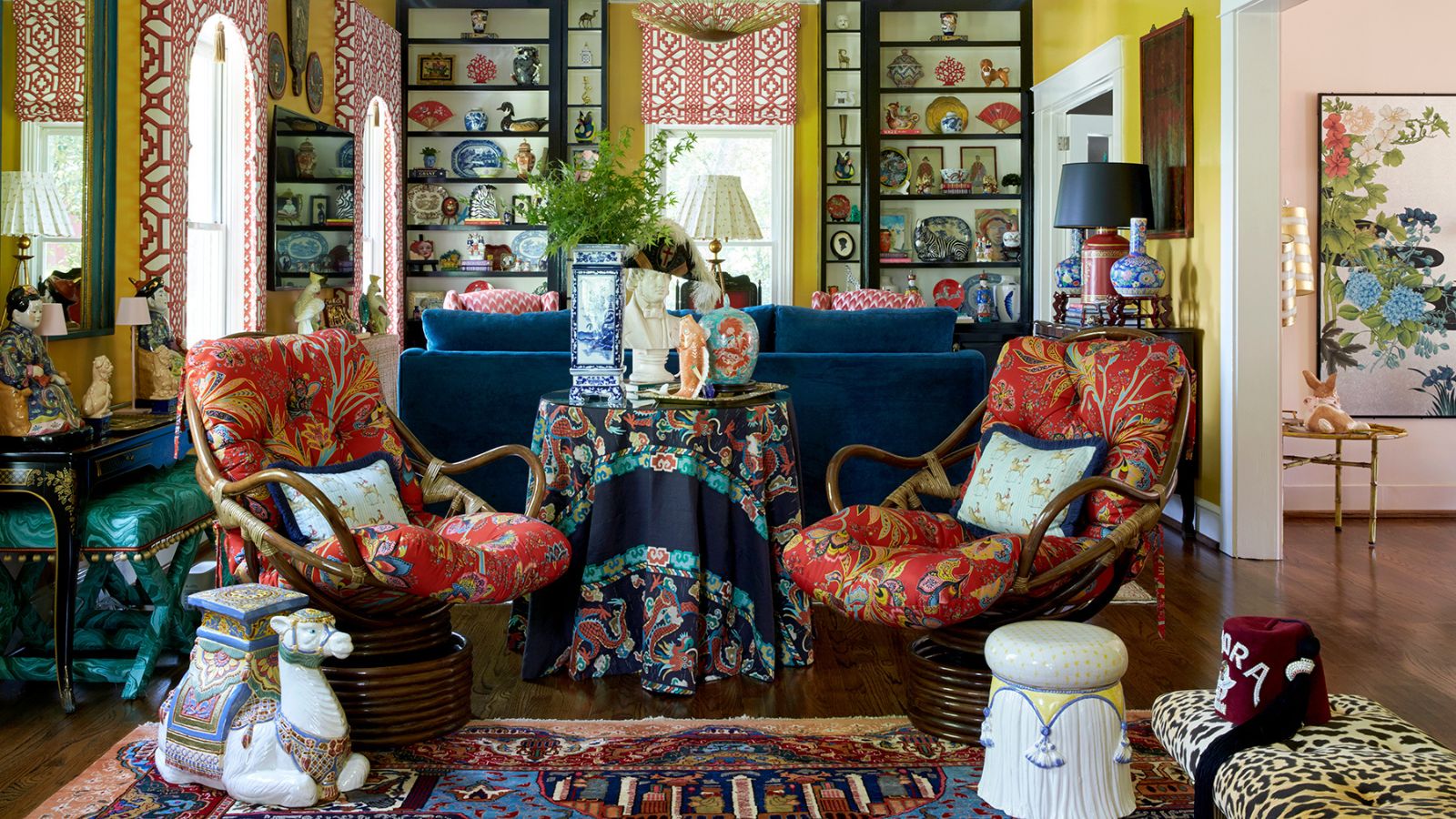
This time last year, everyone was obsessed with quiet luxury – but the new trend for heritage maximalism is just as classic but far more exciting
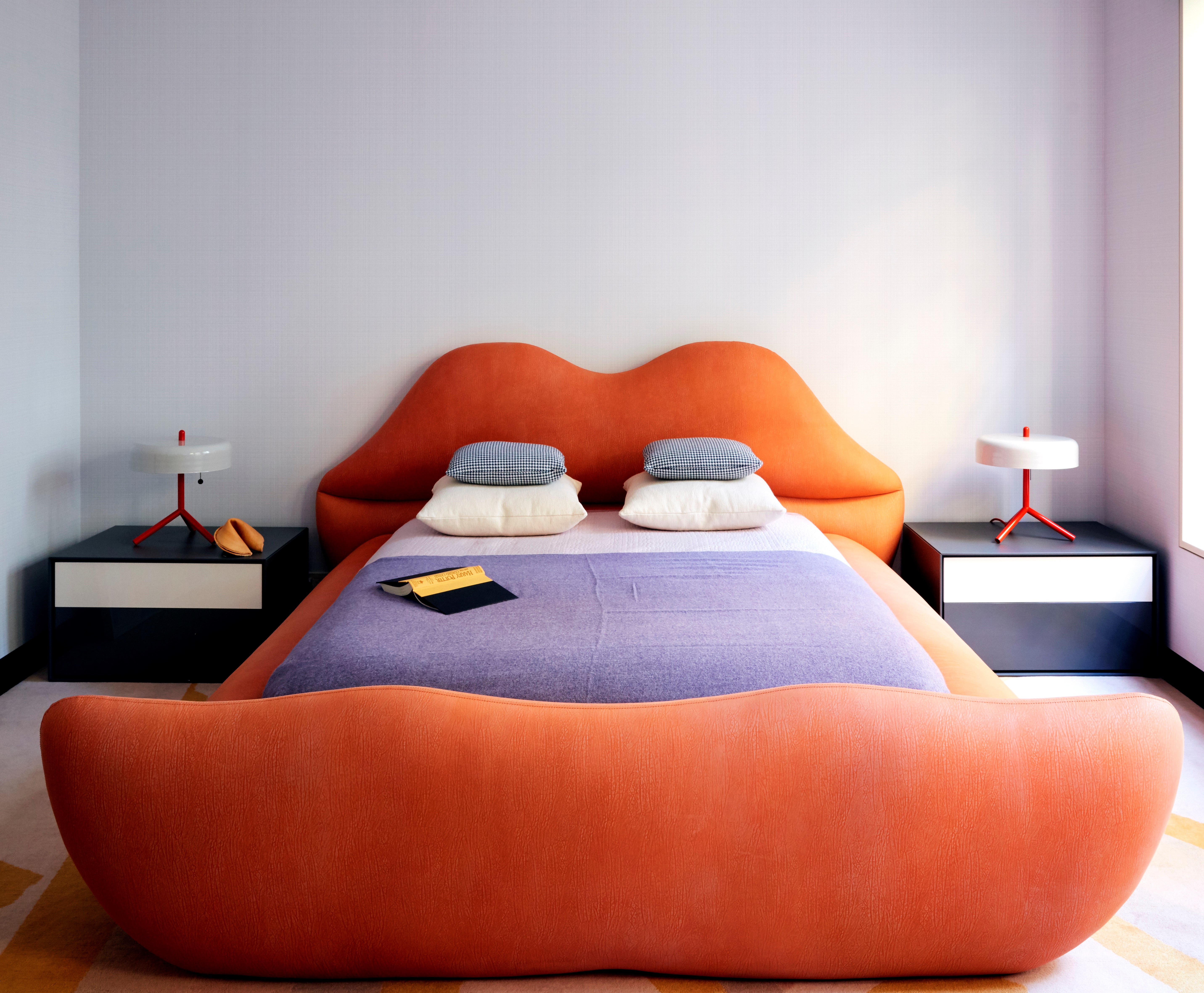
10 maximalist bedrooms that are brave and interesting, but that you can still get a good night's sleep in
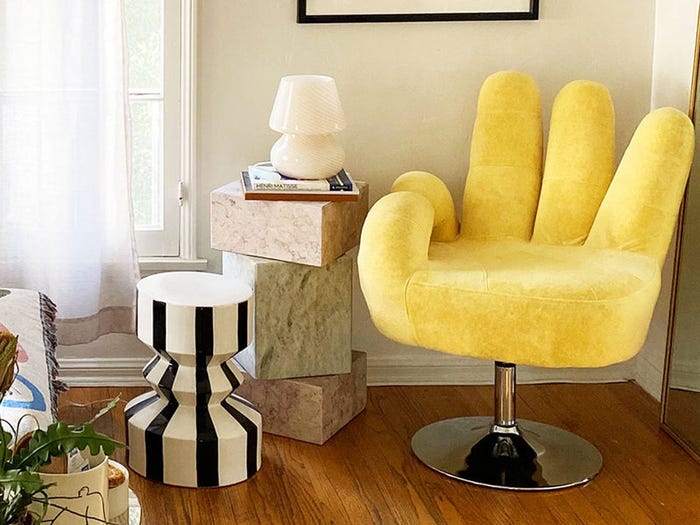
17 maximalist decor ideas to liven up your space — from printed upholstery to sculptural lamps