1/8
What are the most low-maintenance kitchen cabinets? Experts say these styles will look better for longer
The article discusses strategies for selecting low-maintenance kitchen cabinets, drawing on insights from kitchen design experts. It emphasizes that choices regarding cabinet style, material, and color significantly influence the amount of cleaning and upkeep required in a kitchen. The primary goal is to help individuals create a kitchen space that is both aesthetically pleasing and easy to maintain, without compromising on modern design.
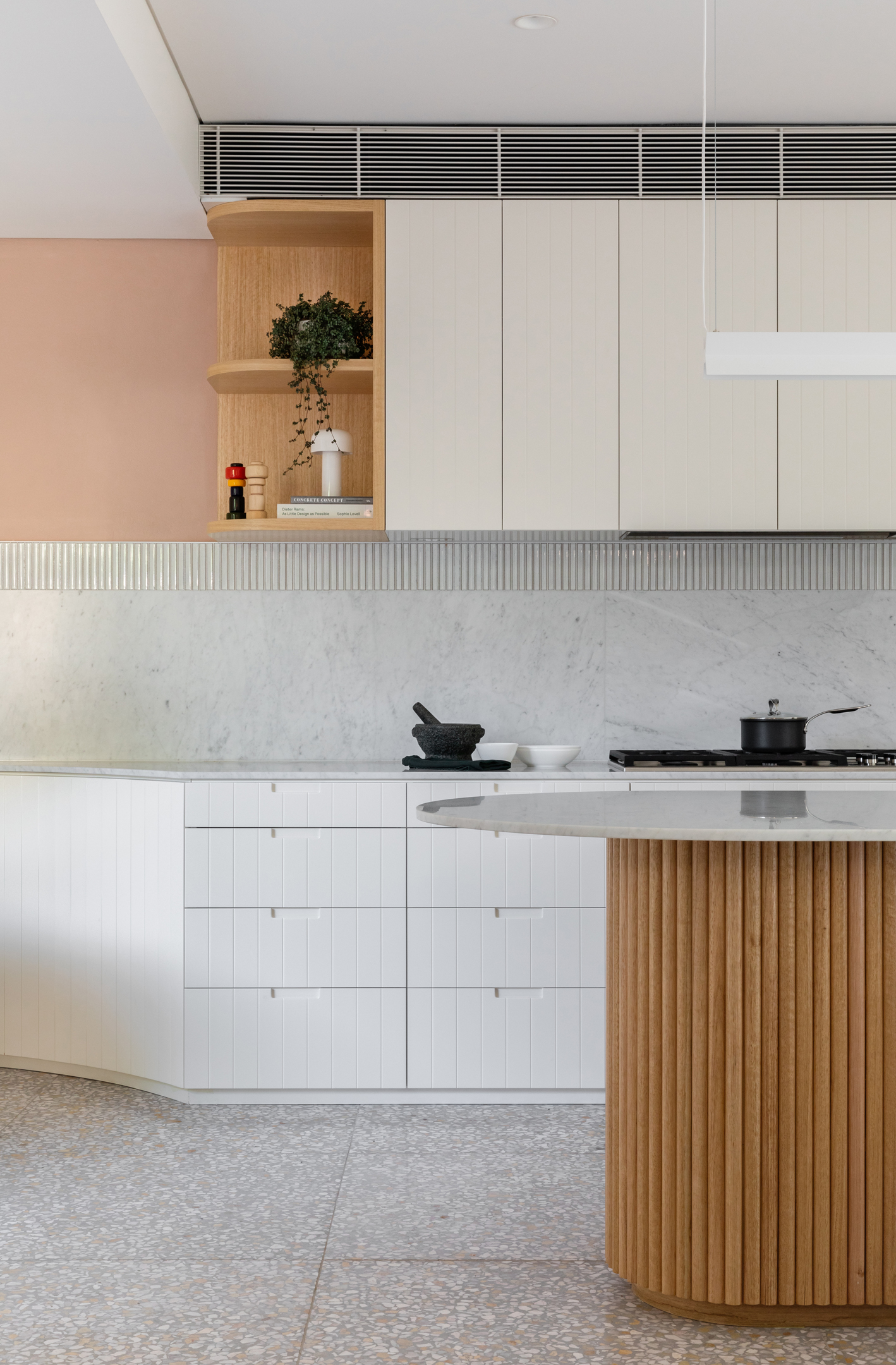
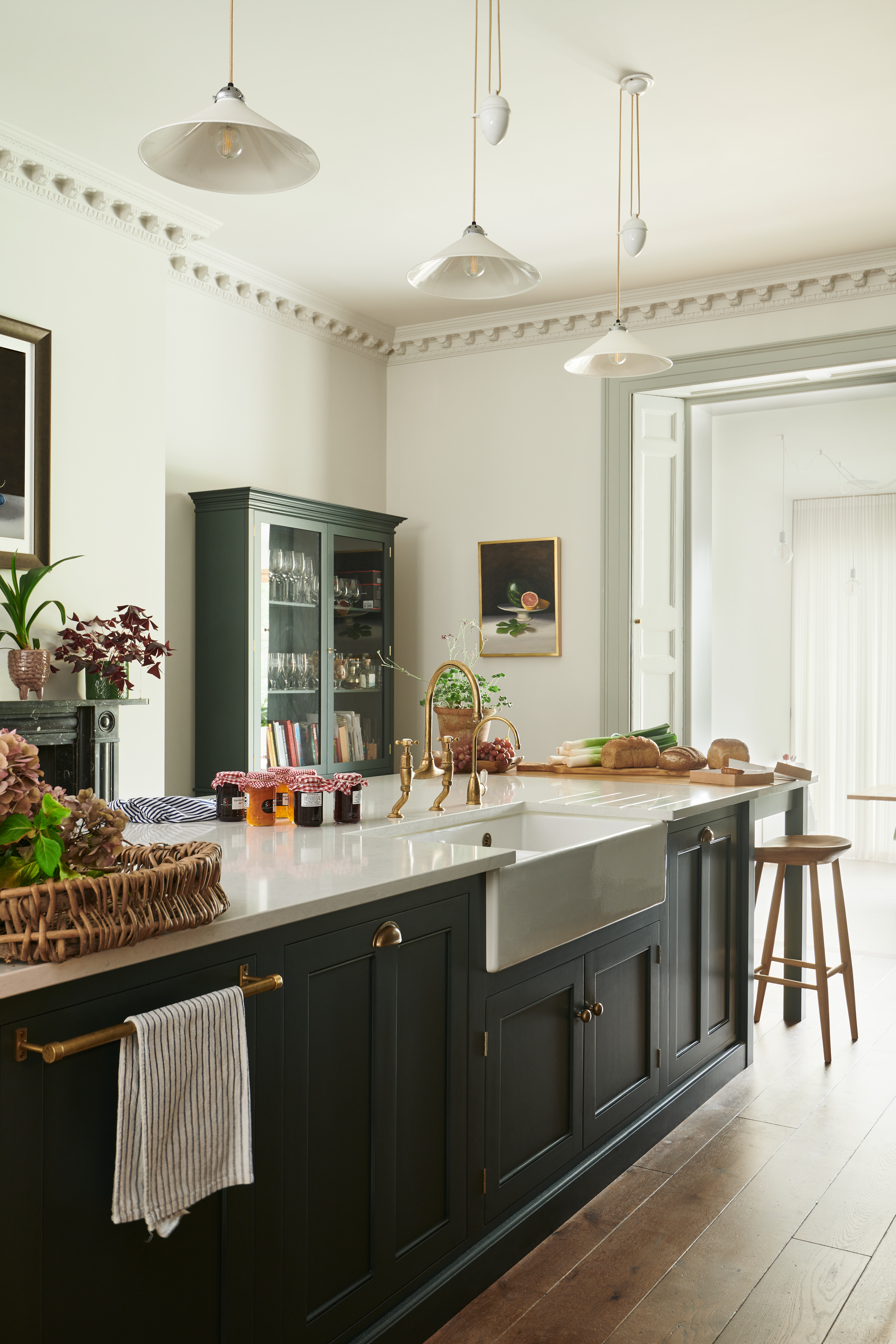
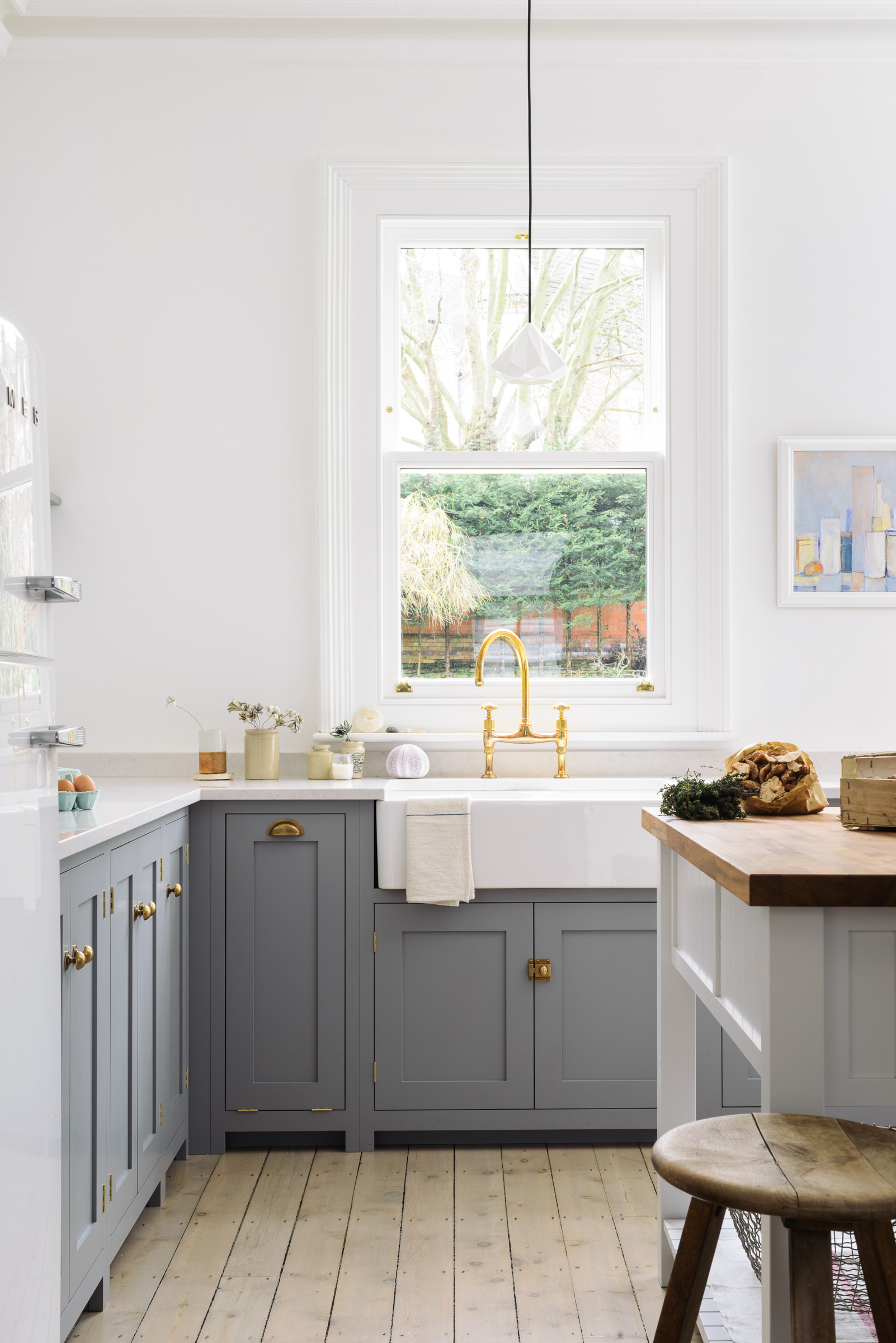
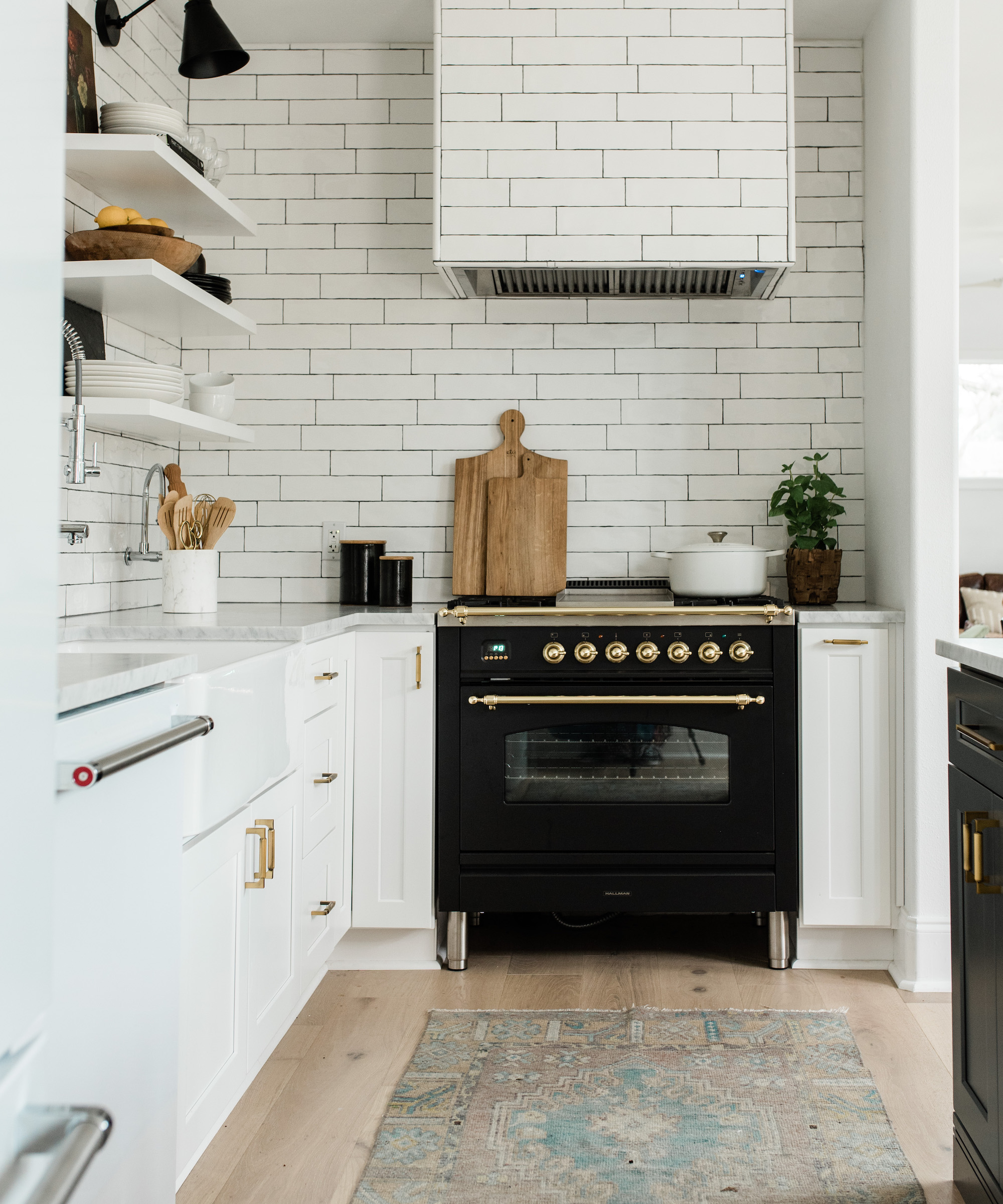
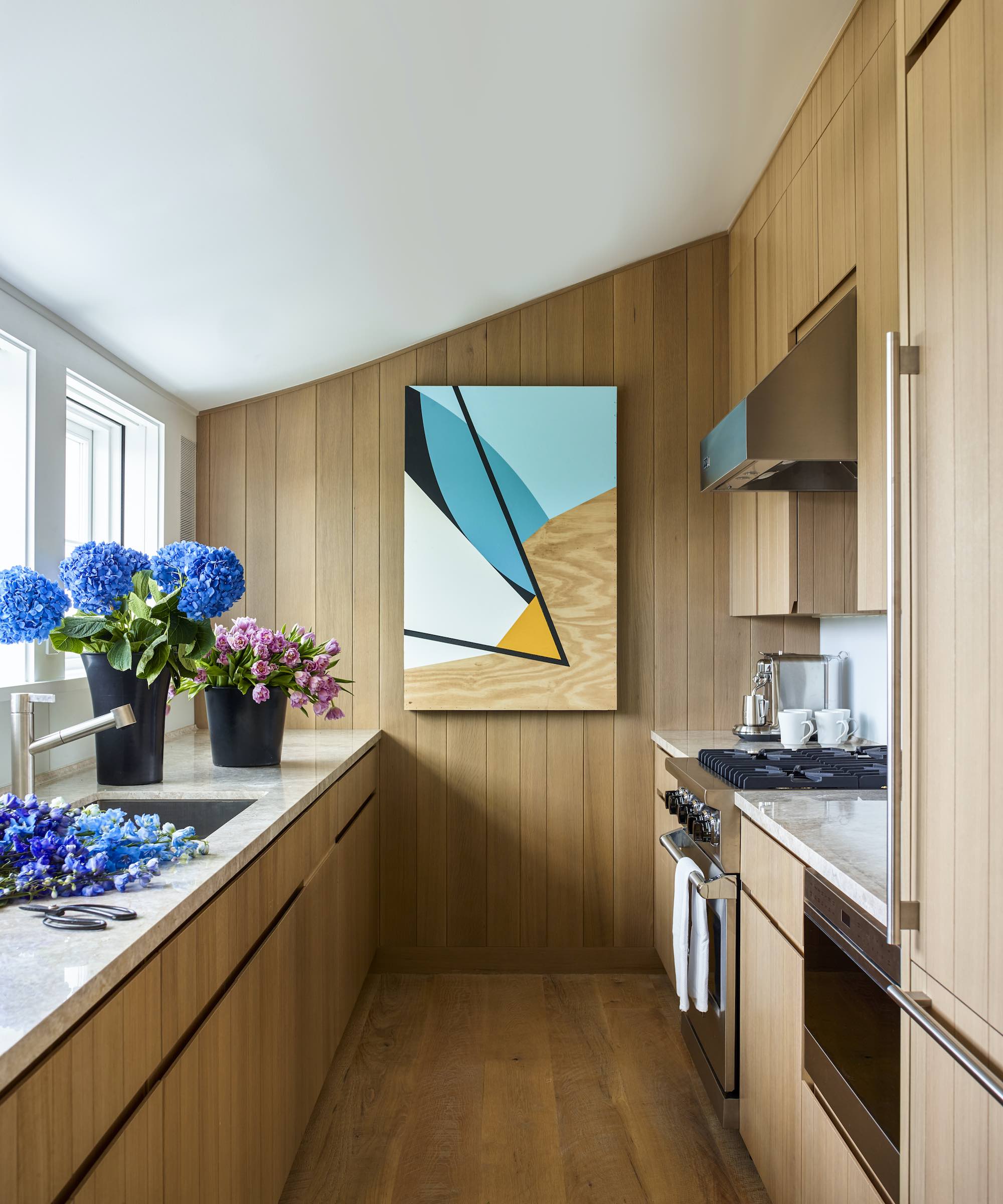
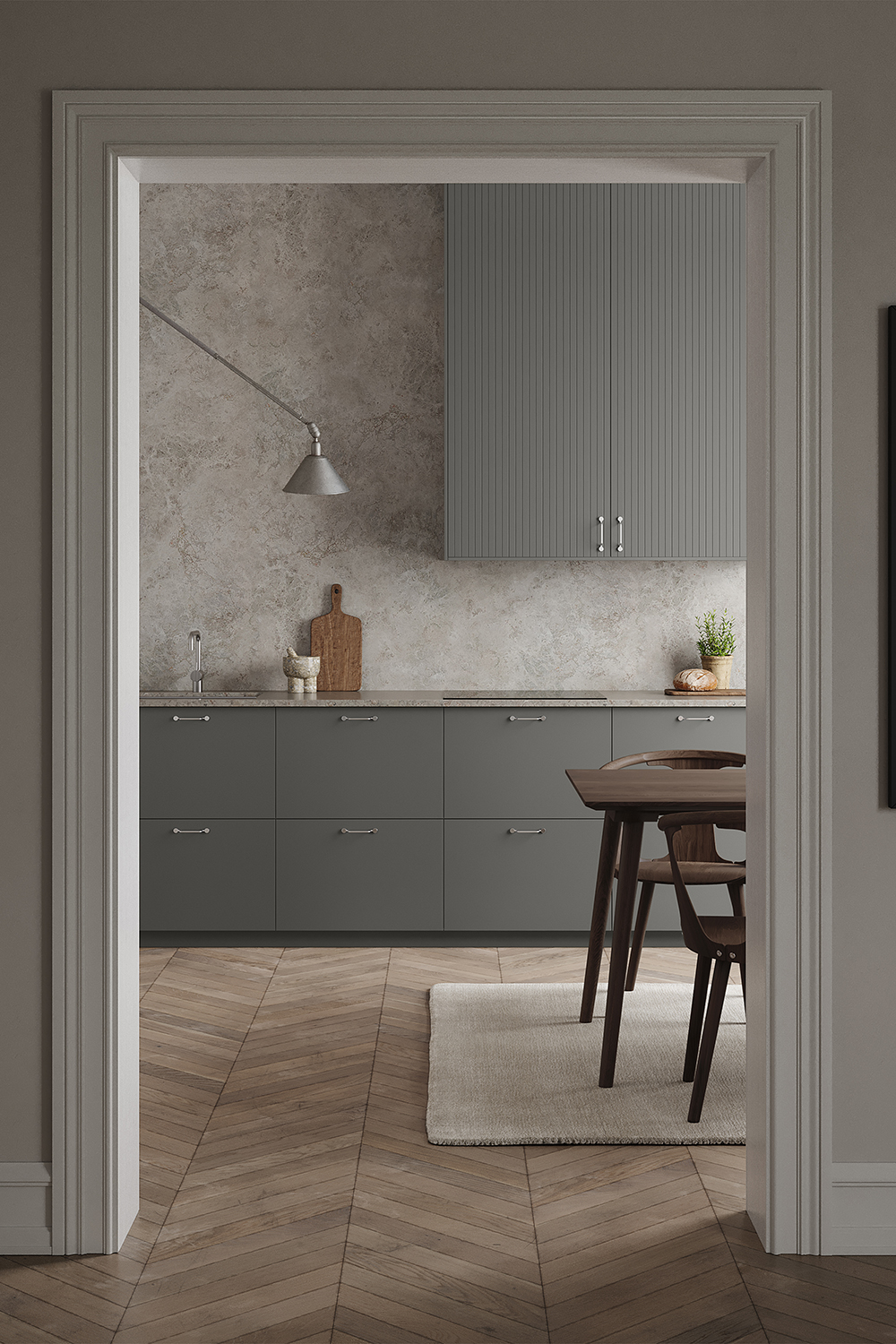
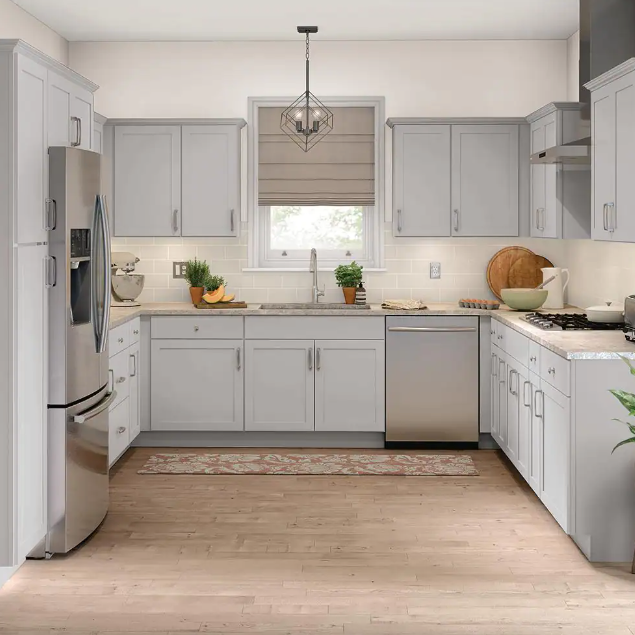
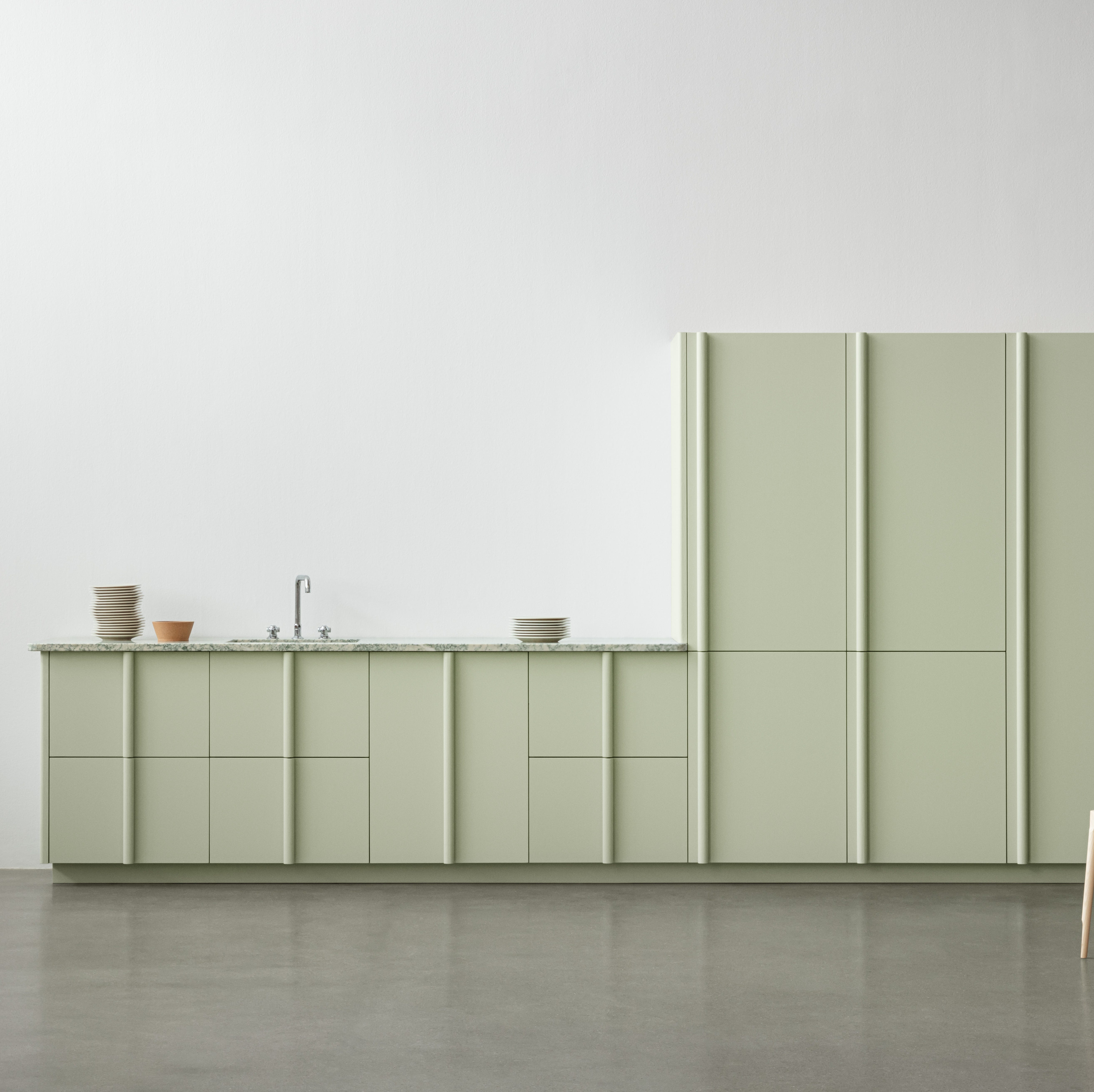
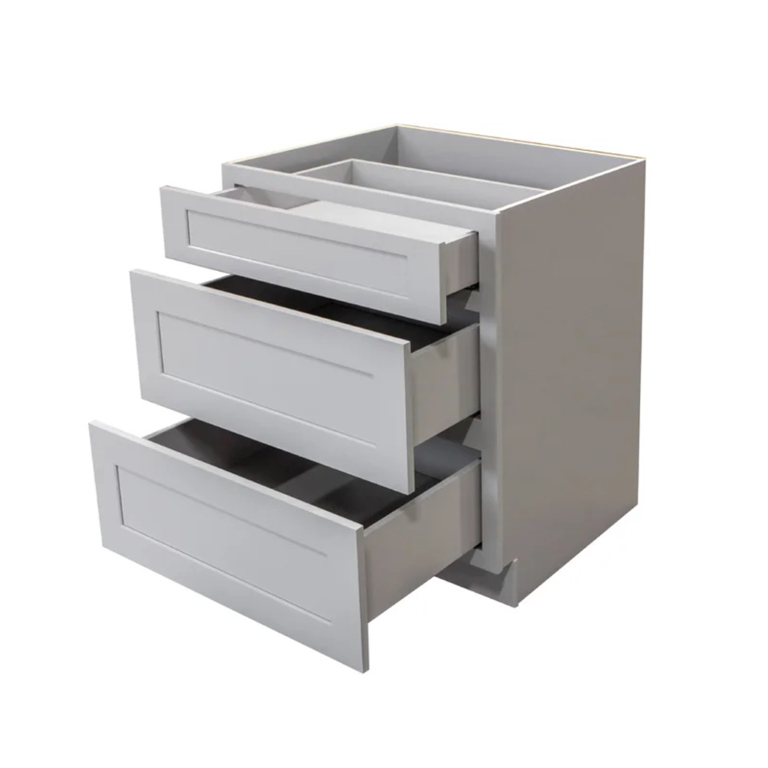
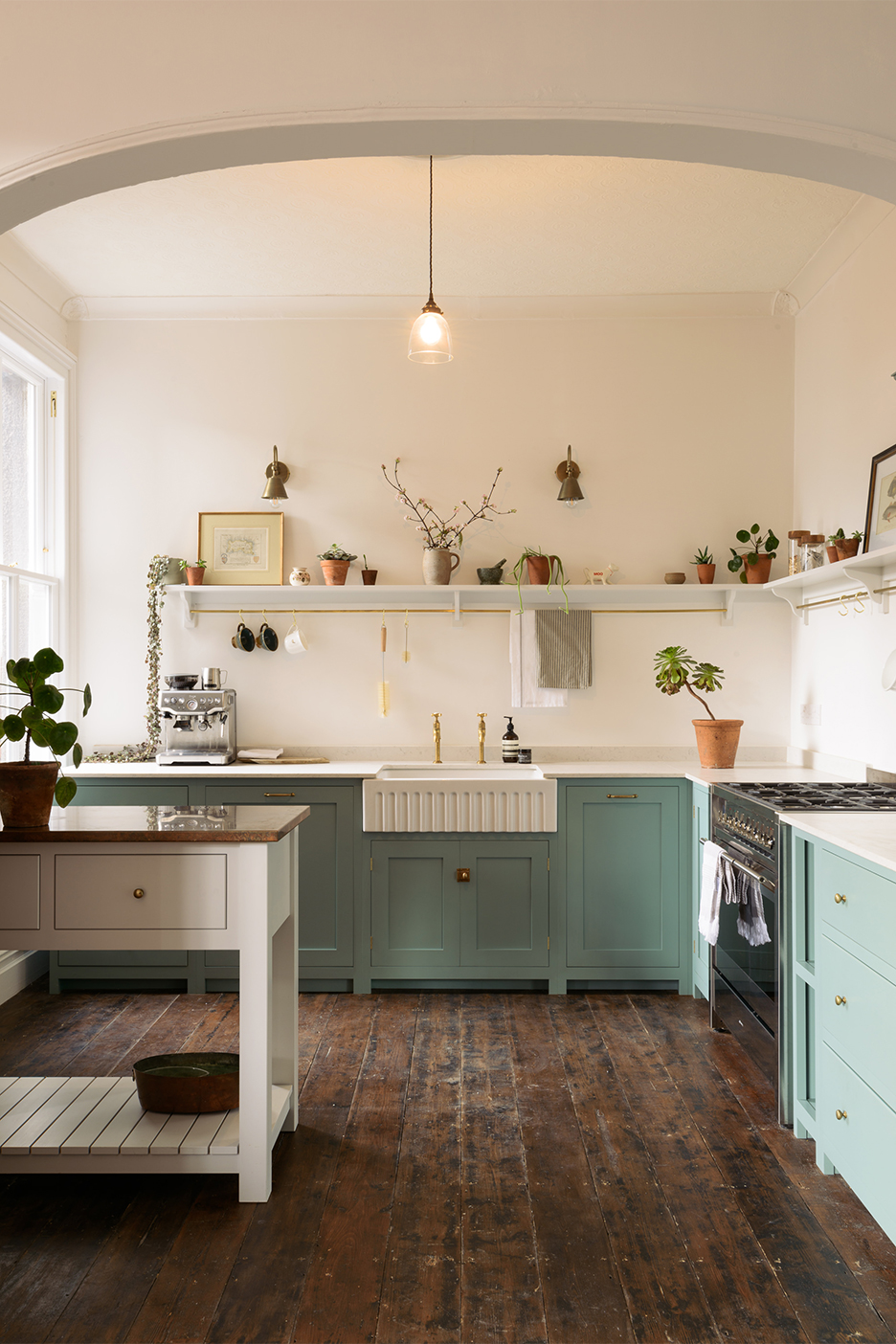
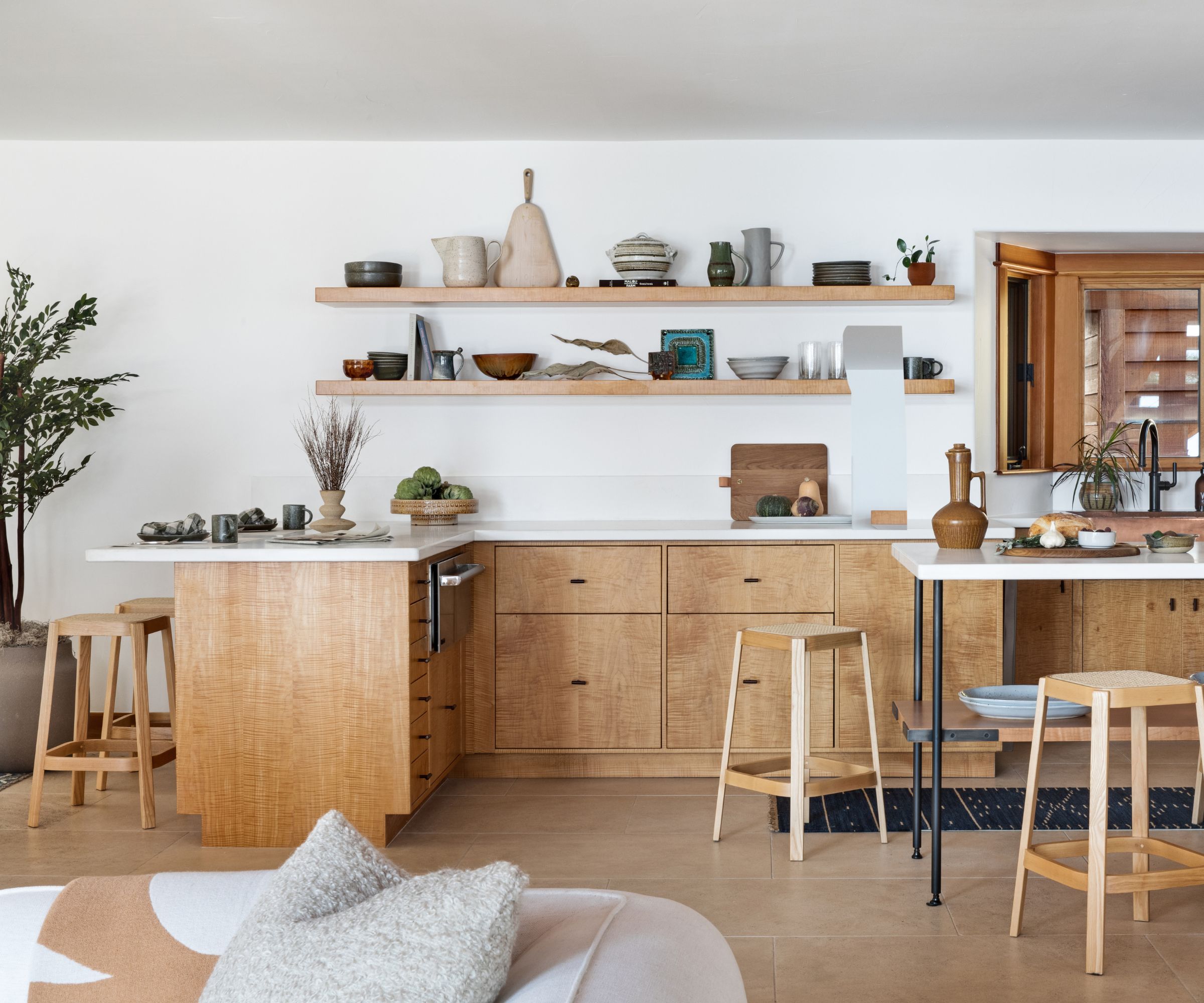
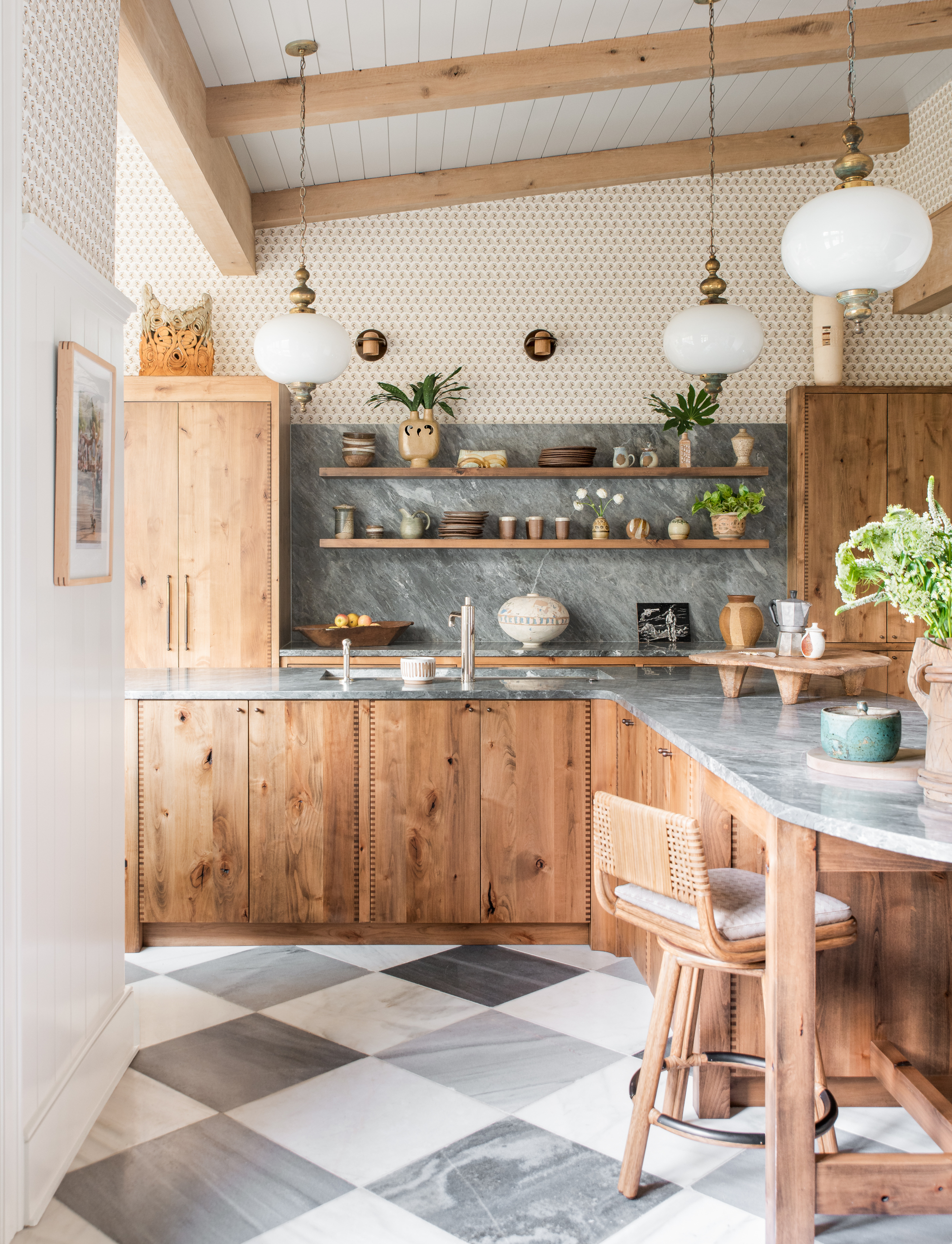
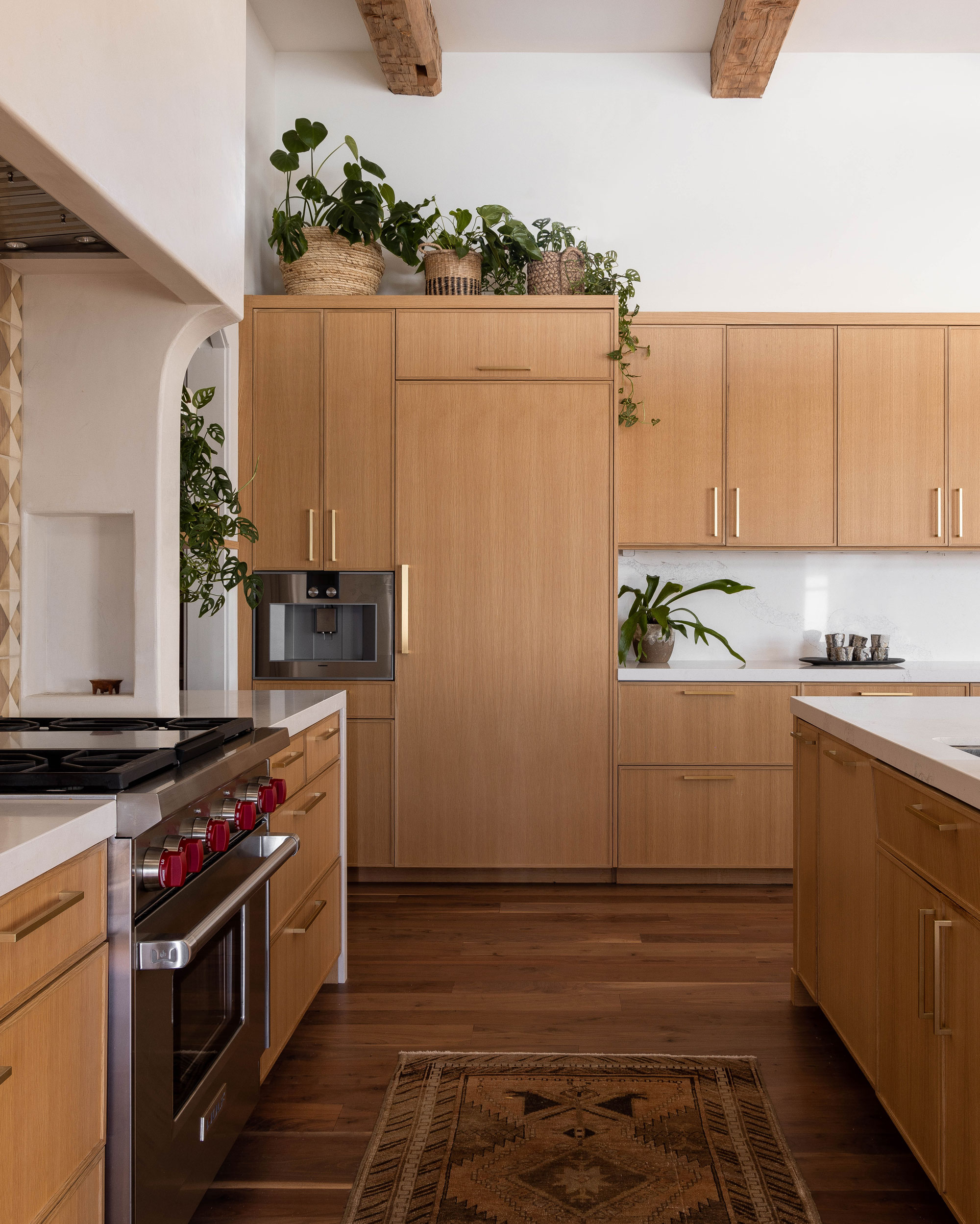
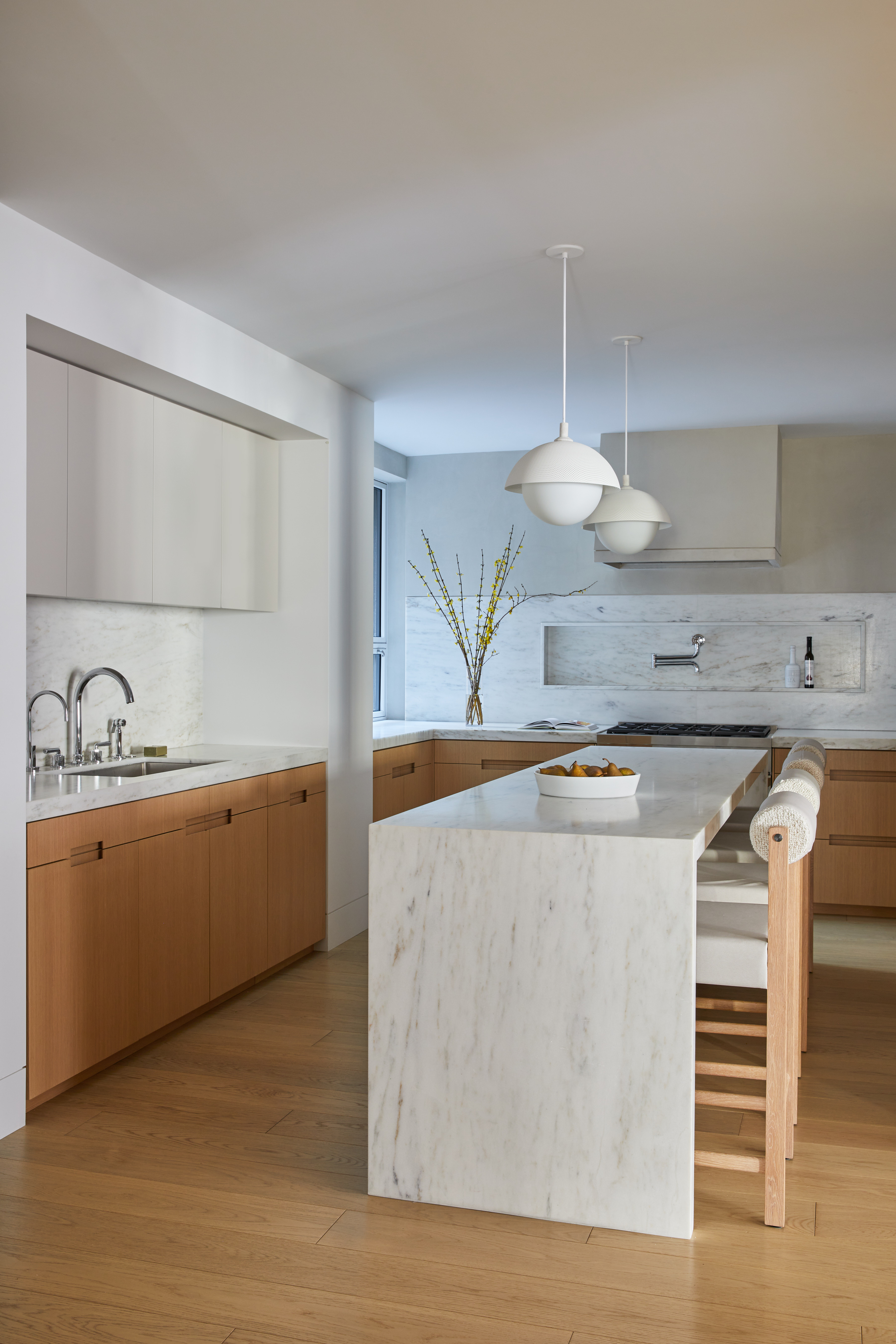
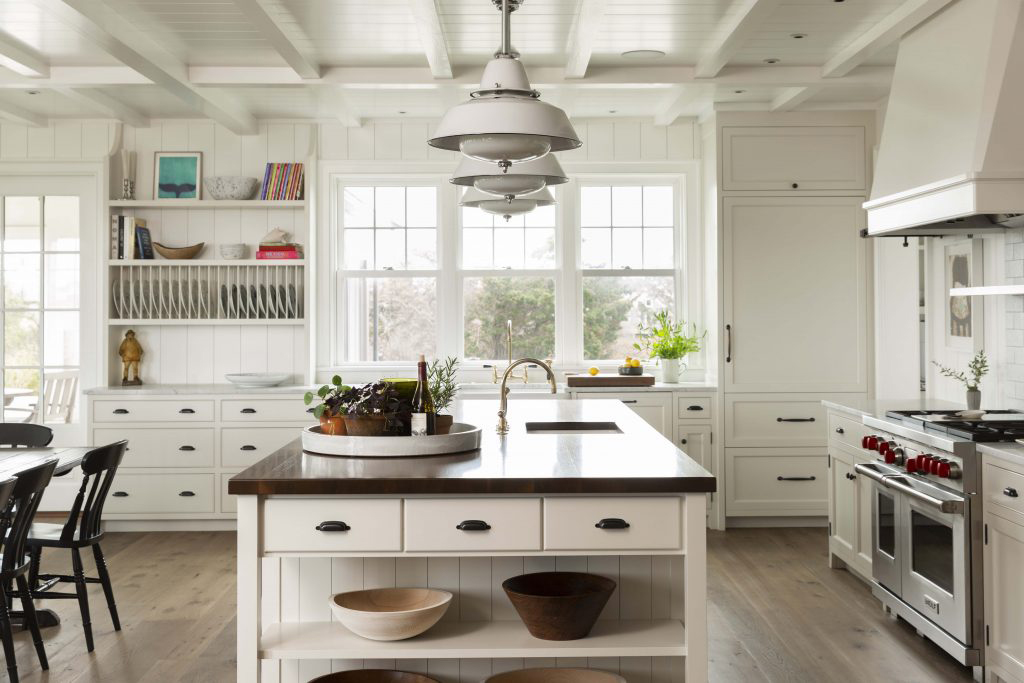
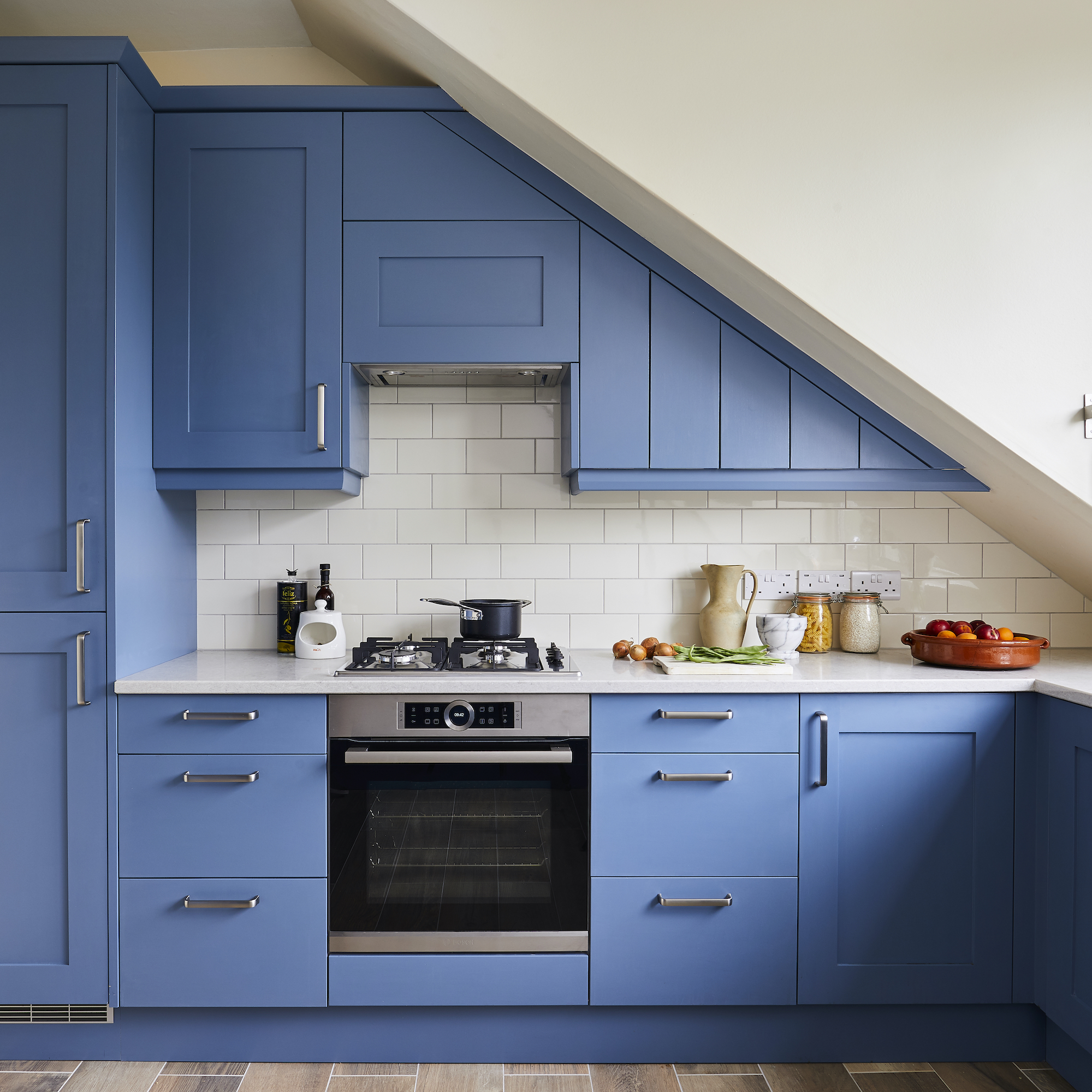
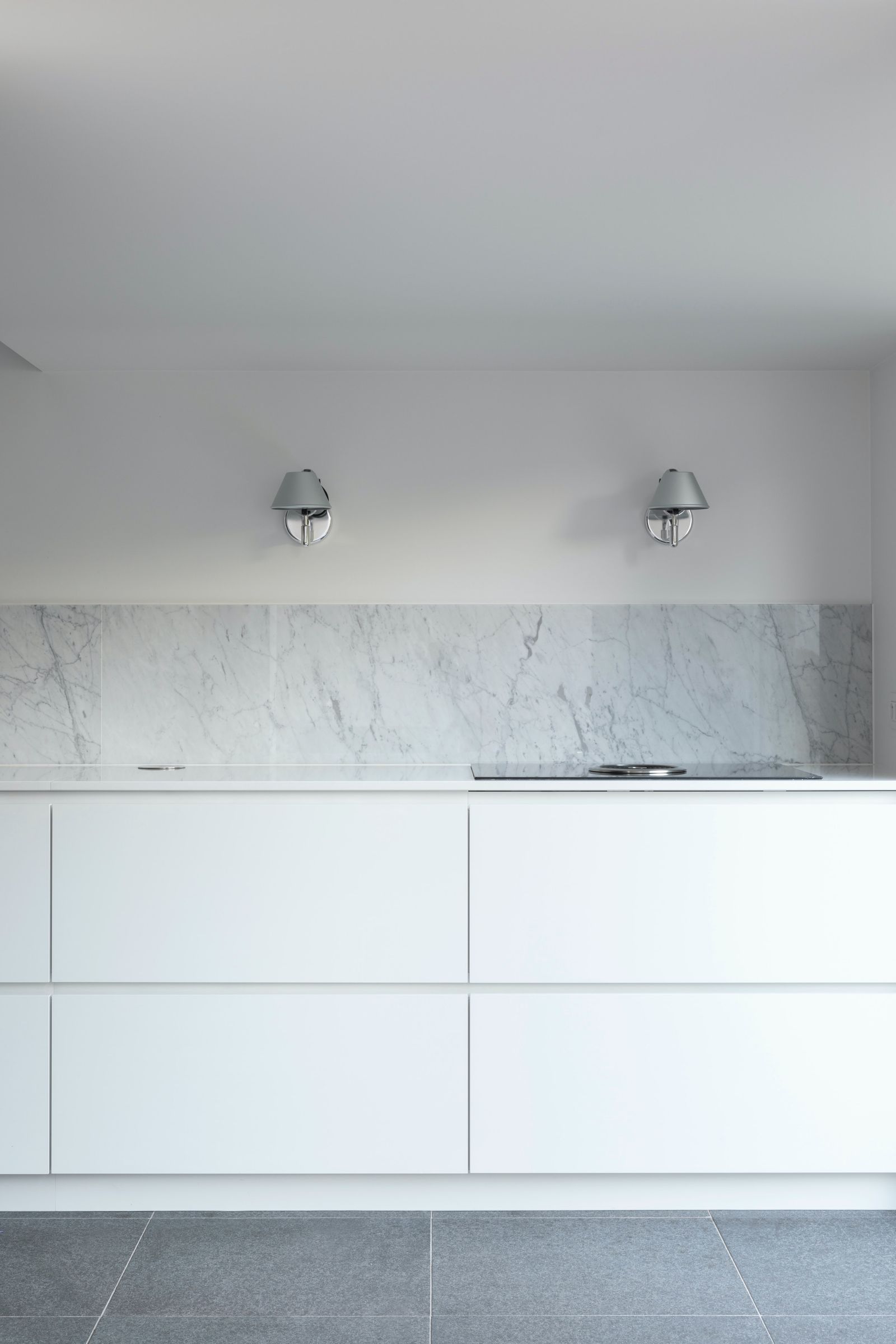
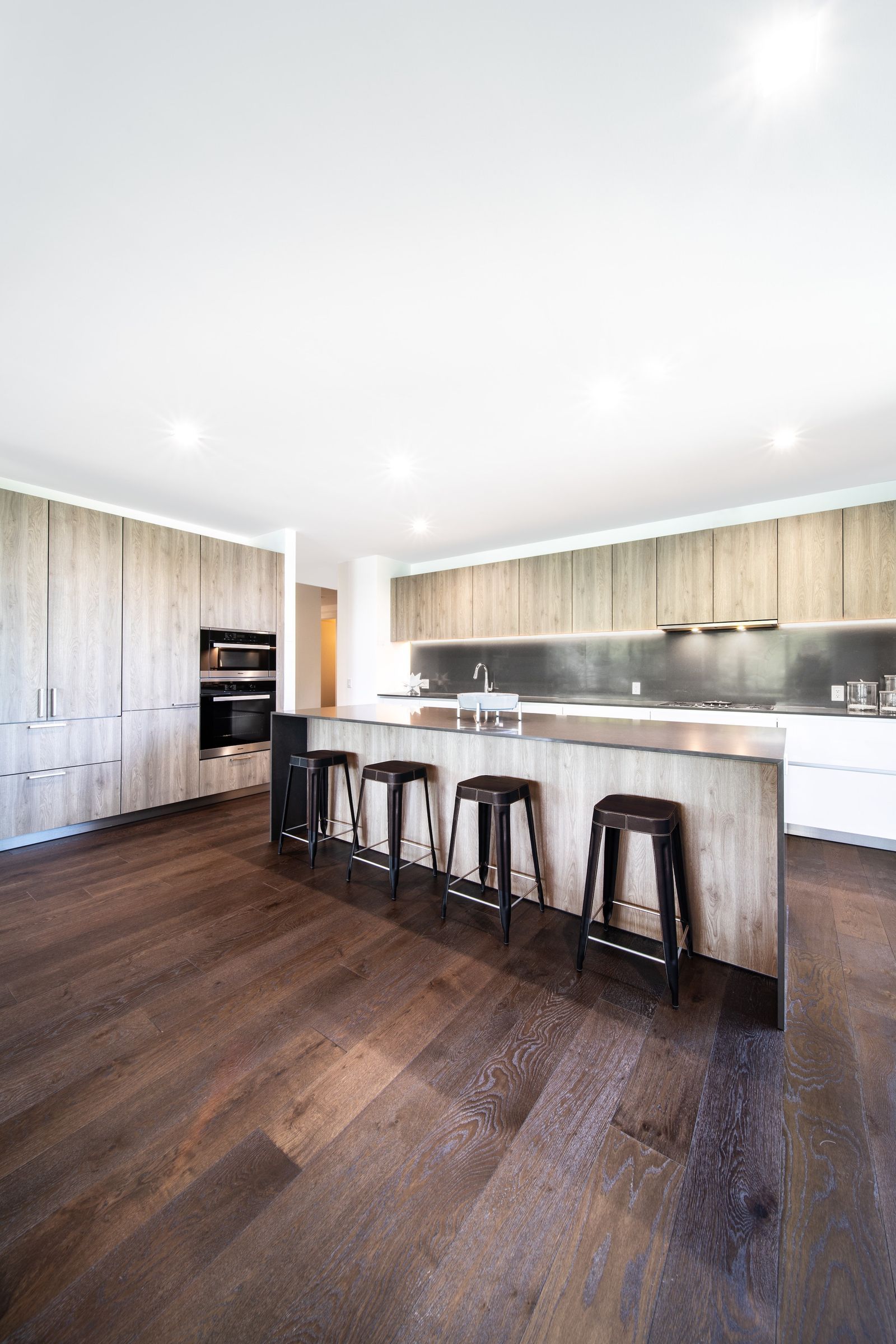
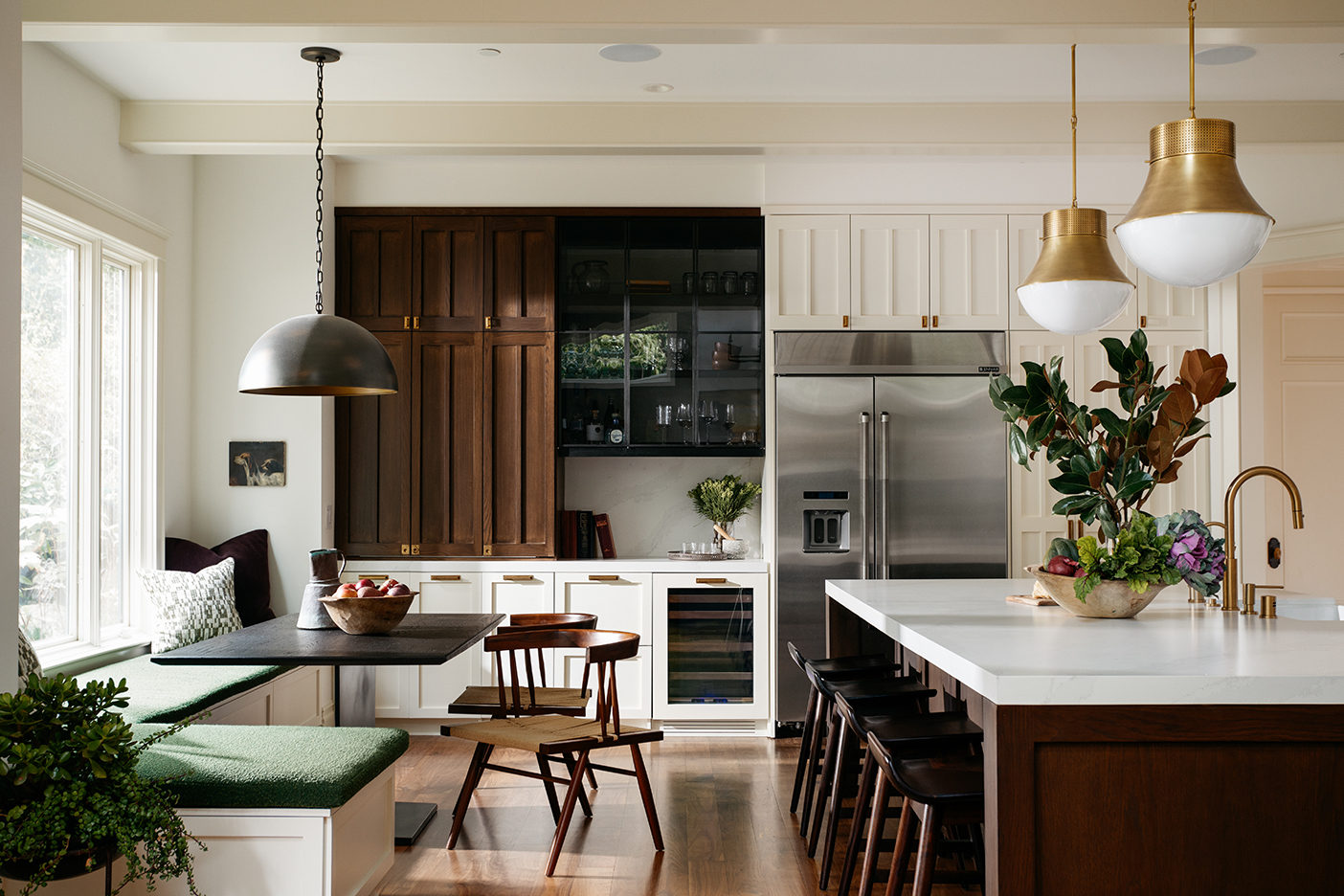
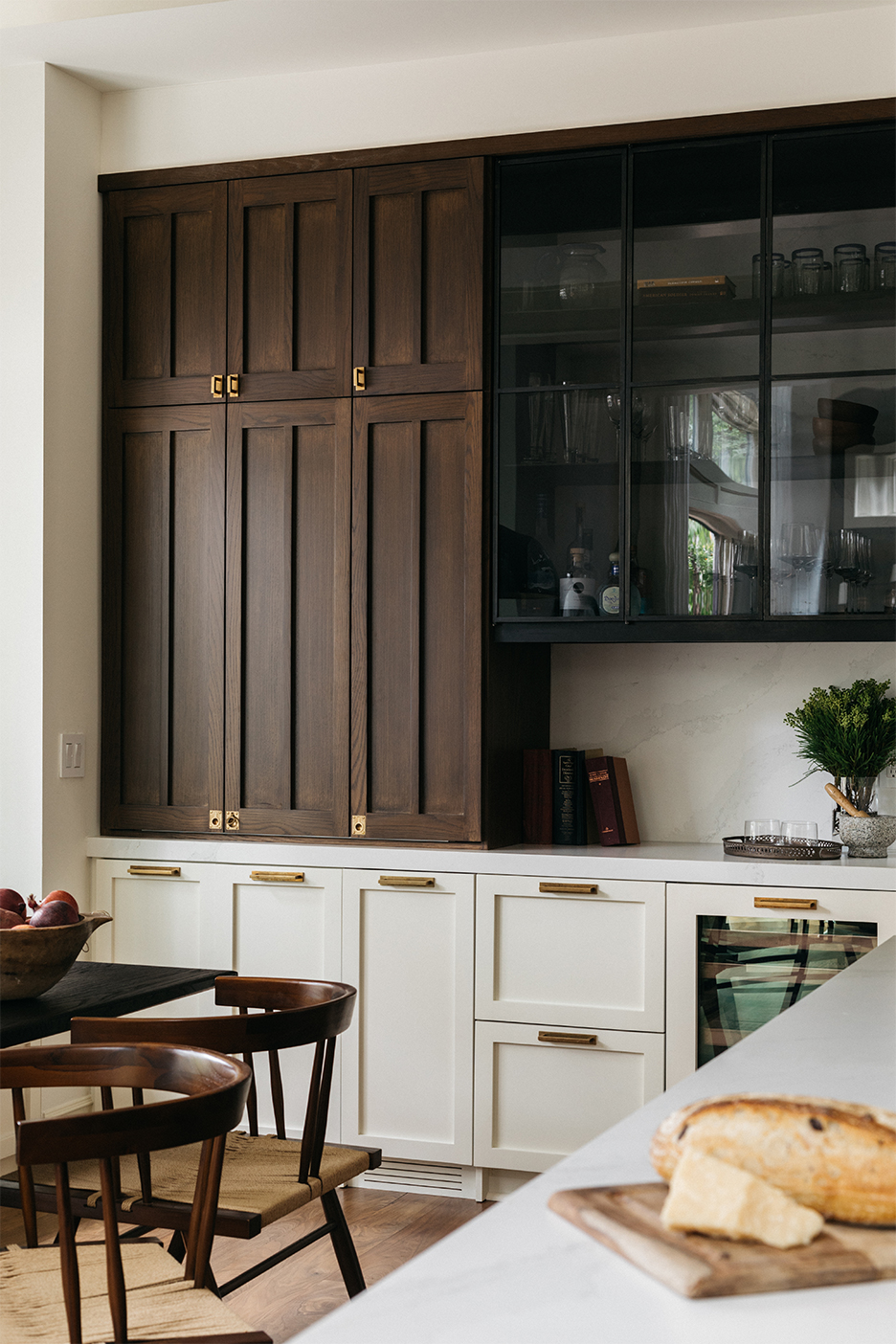
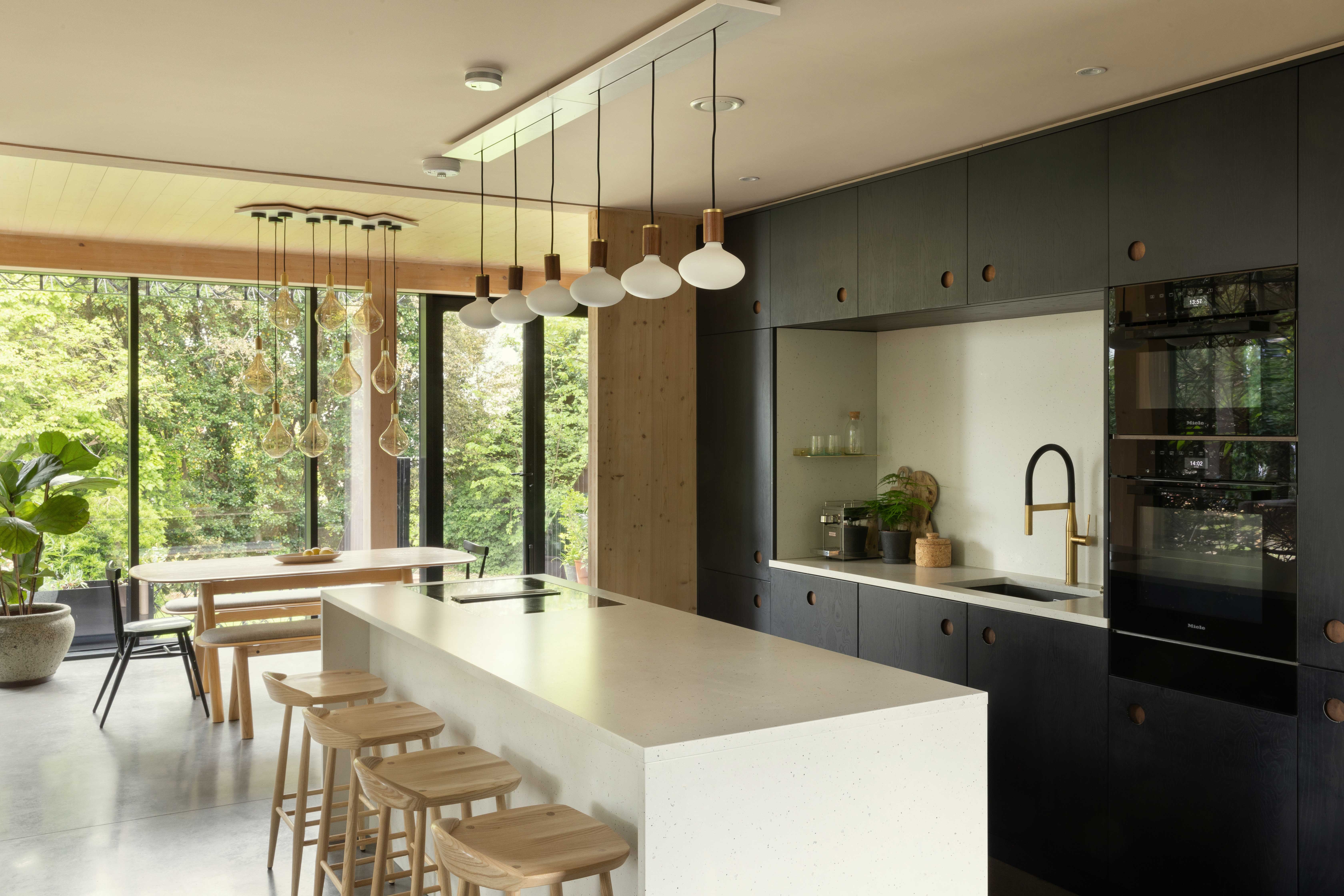
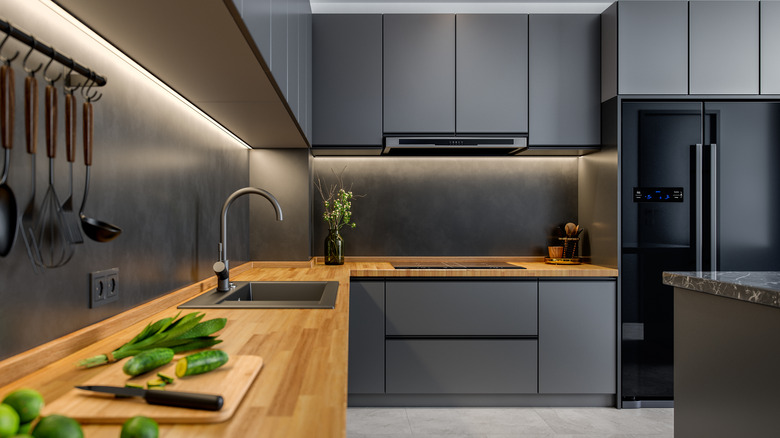
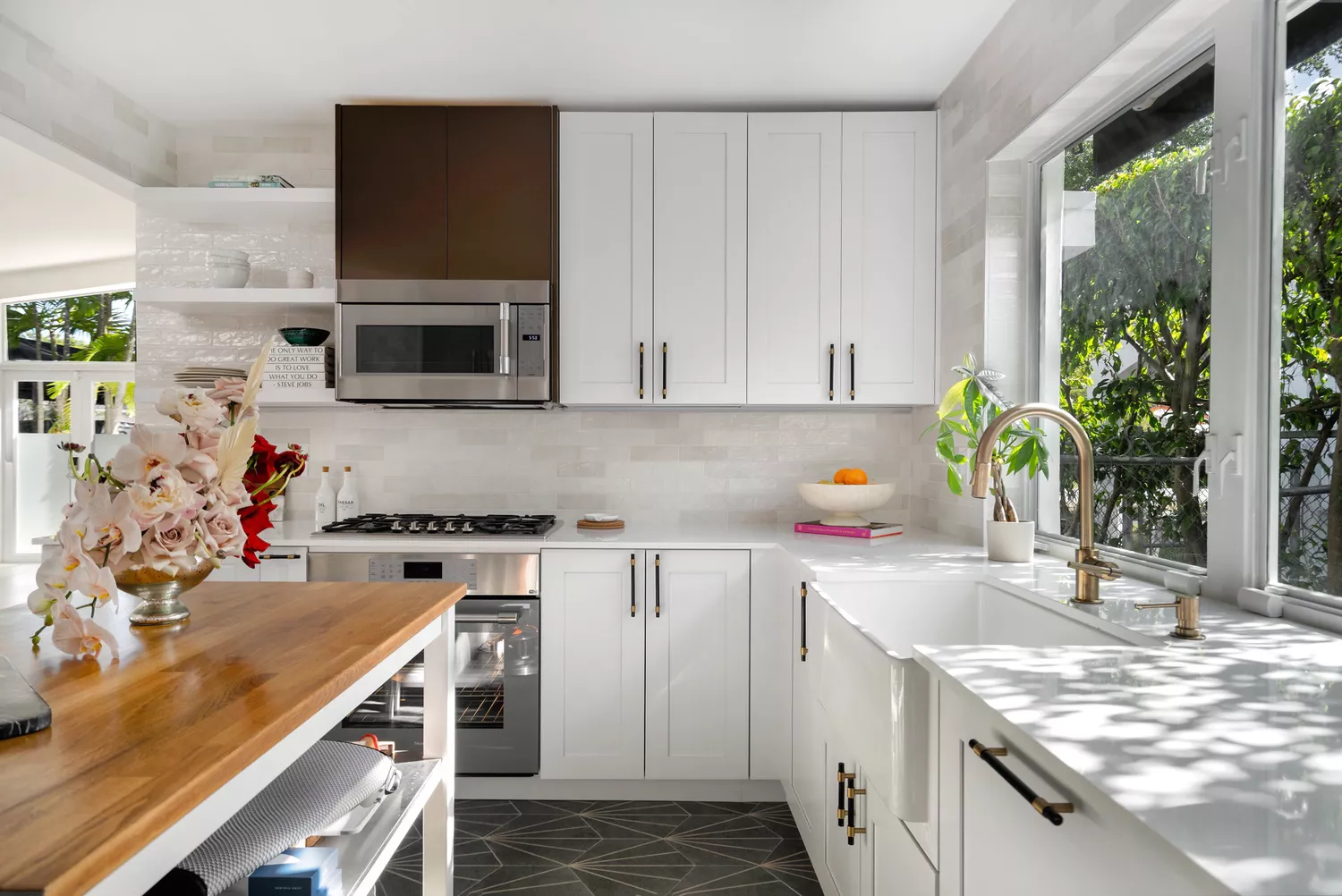
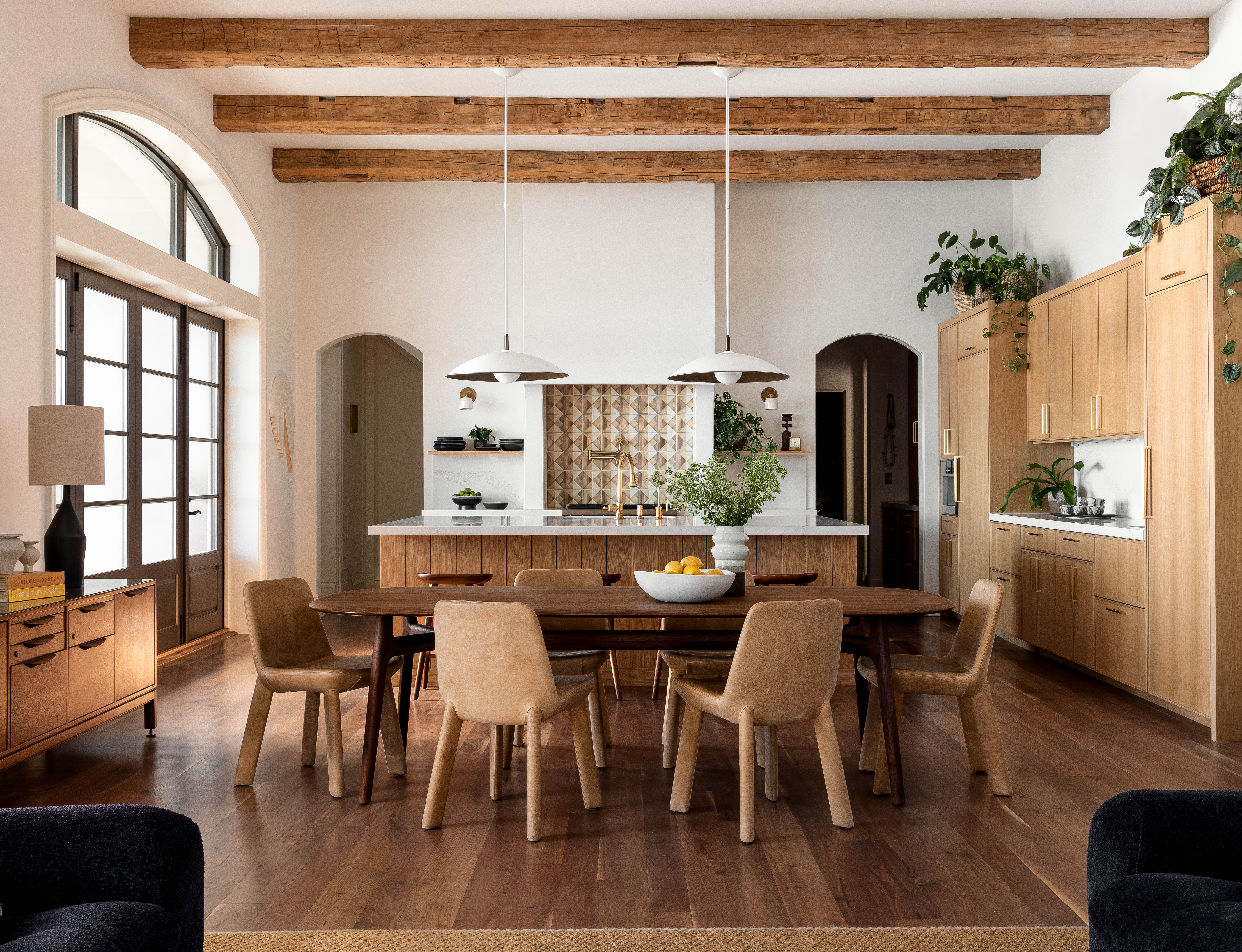
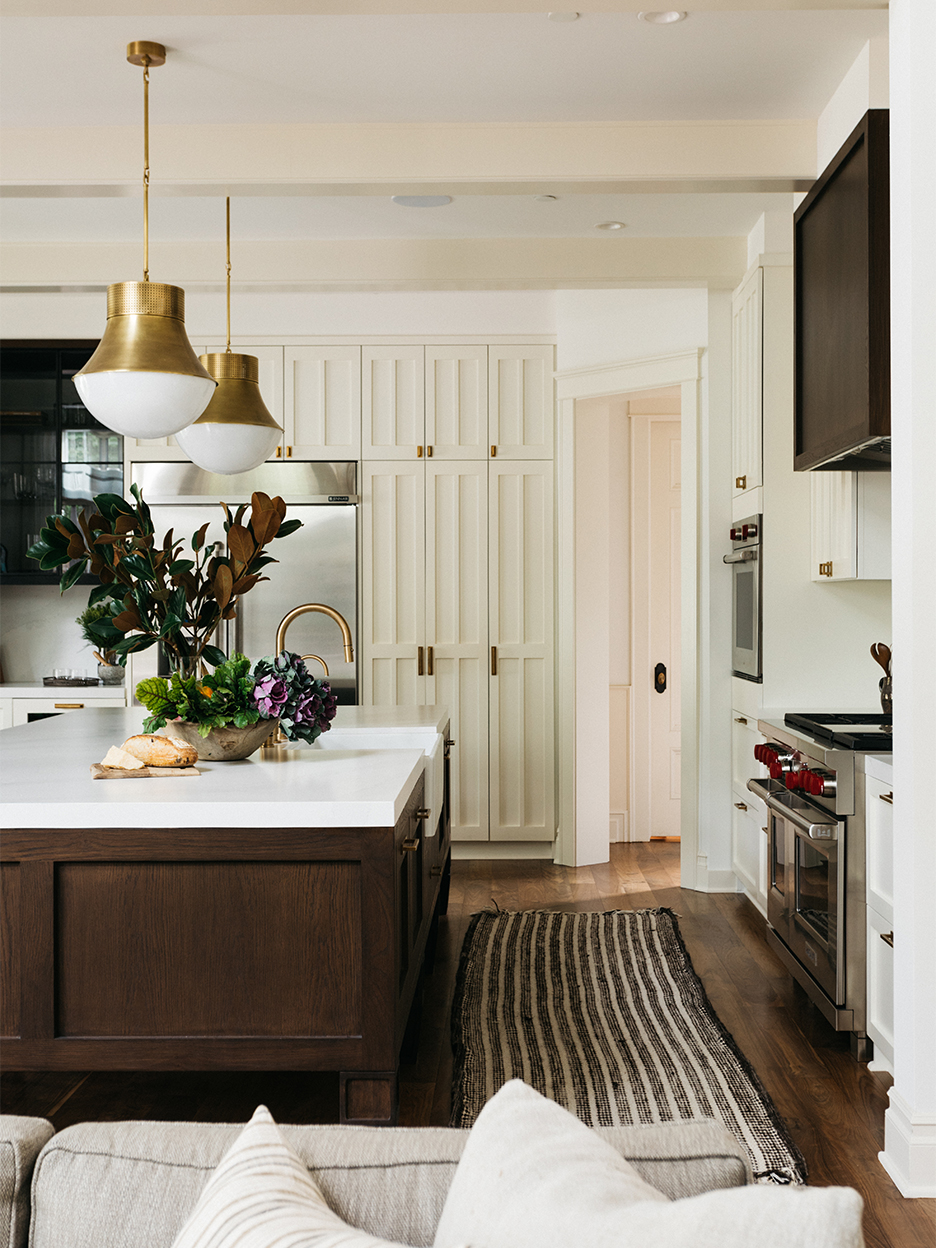
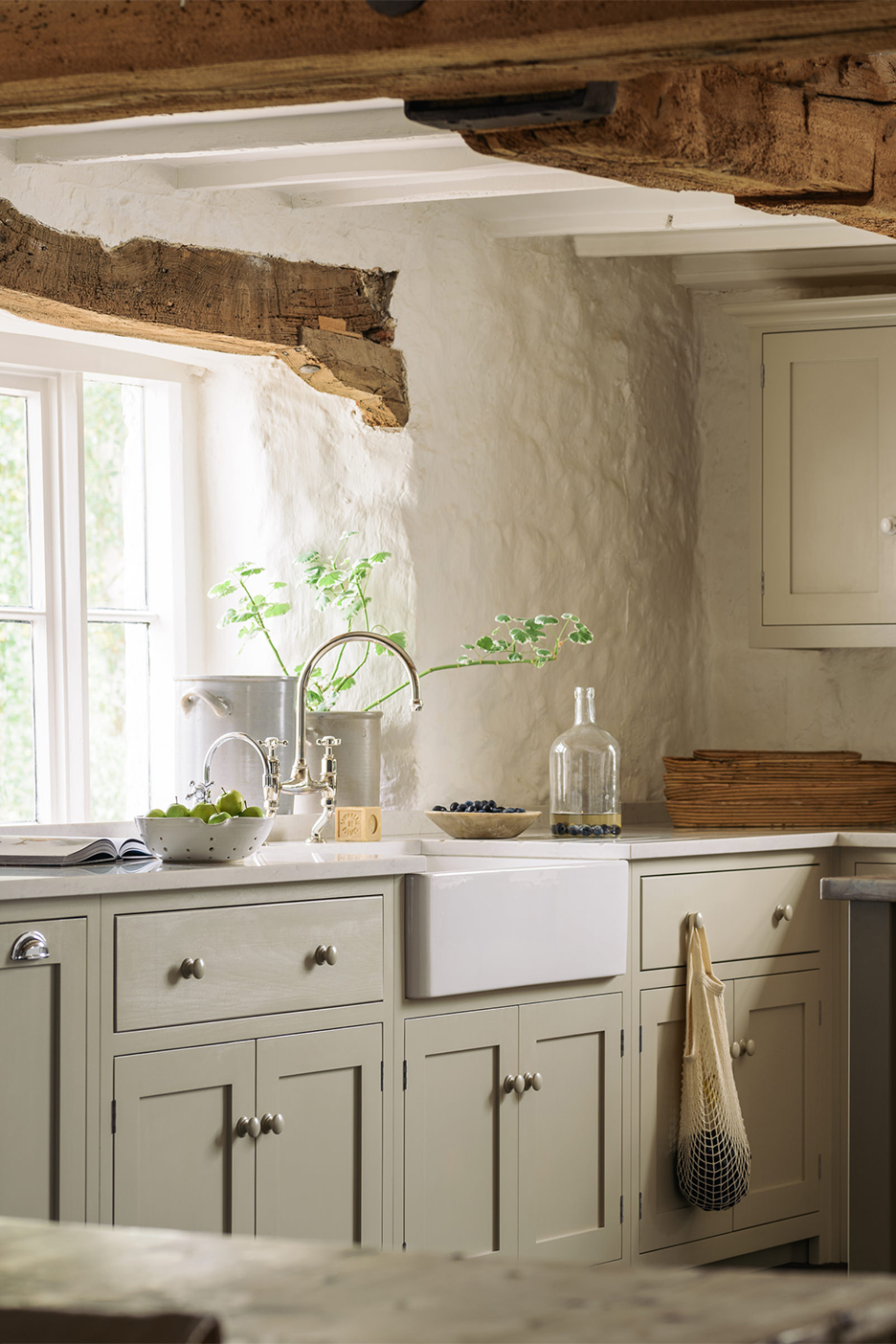
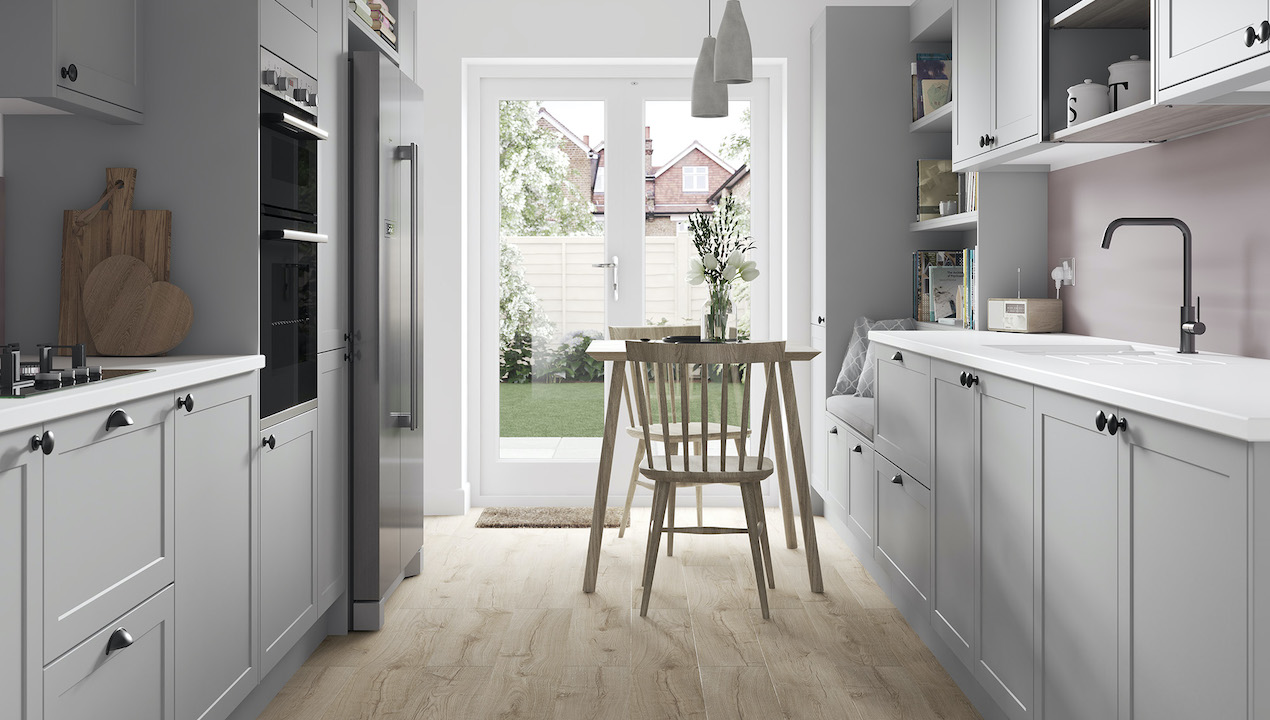
The first key recommendation involves choosing a low-maintenance cabinet style. Richard Davonport, Managing Director at luxury kitchen brand Davonport, highlights shaker and slab styles as particularly easy to maintain due to their smooth, solid surfaces. These styles lack the intricate details, such as raised panels, carved trim, or beadboard inserts, found in other designs. Such elaborate features tend to collect dust and grime, making them more challenging to clean. Andra DelMonico, Lead Interior Designer at Trendey, advises against decorative elements like crown molding, corbels, and decorative legs if low maintenance is a priority, aligning with the current trend towards minimalist kitchen aesthetics.
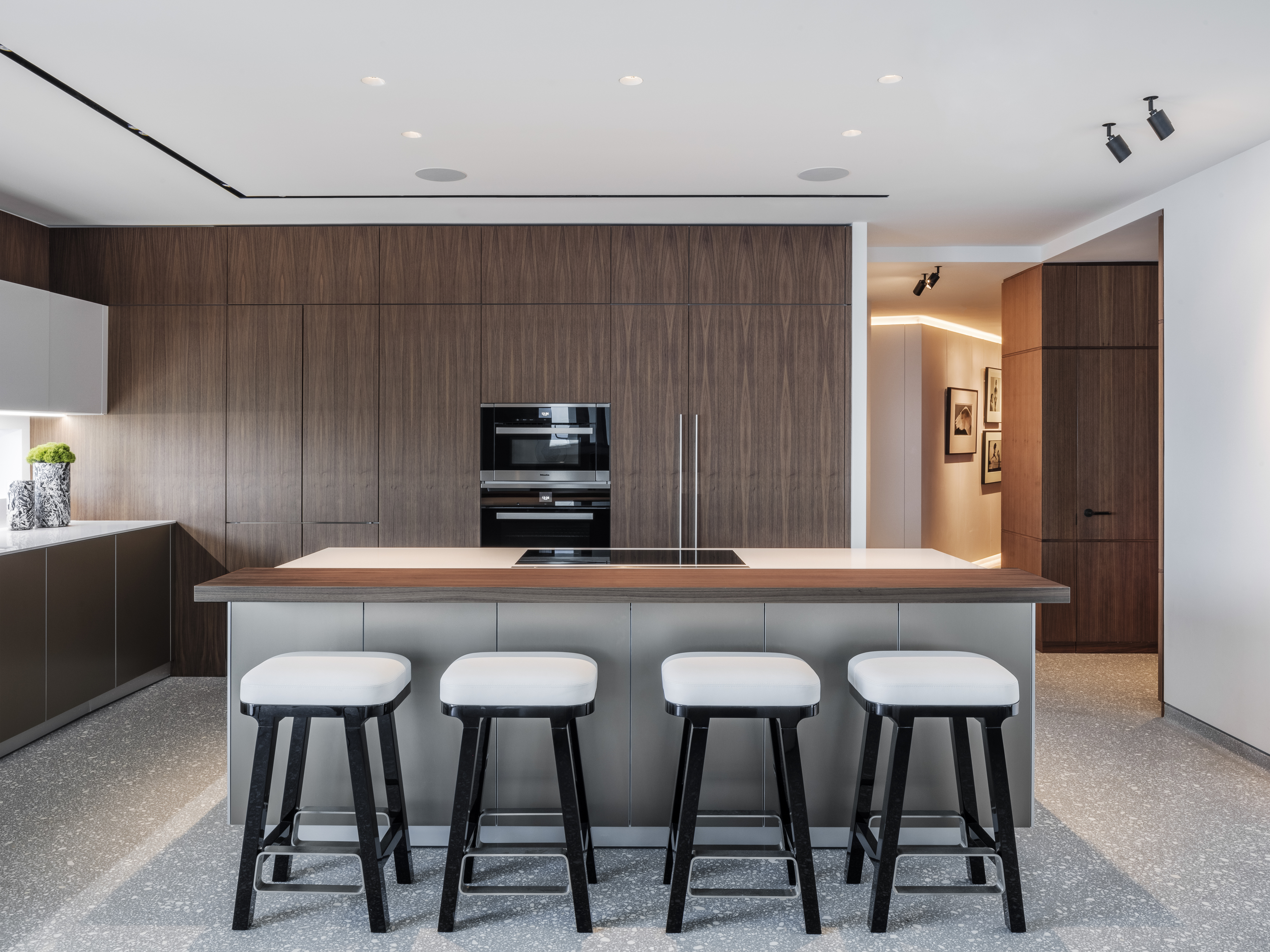
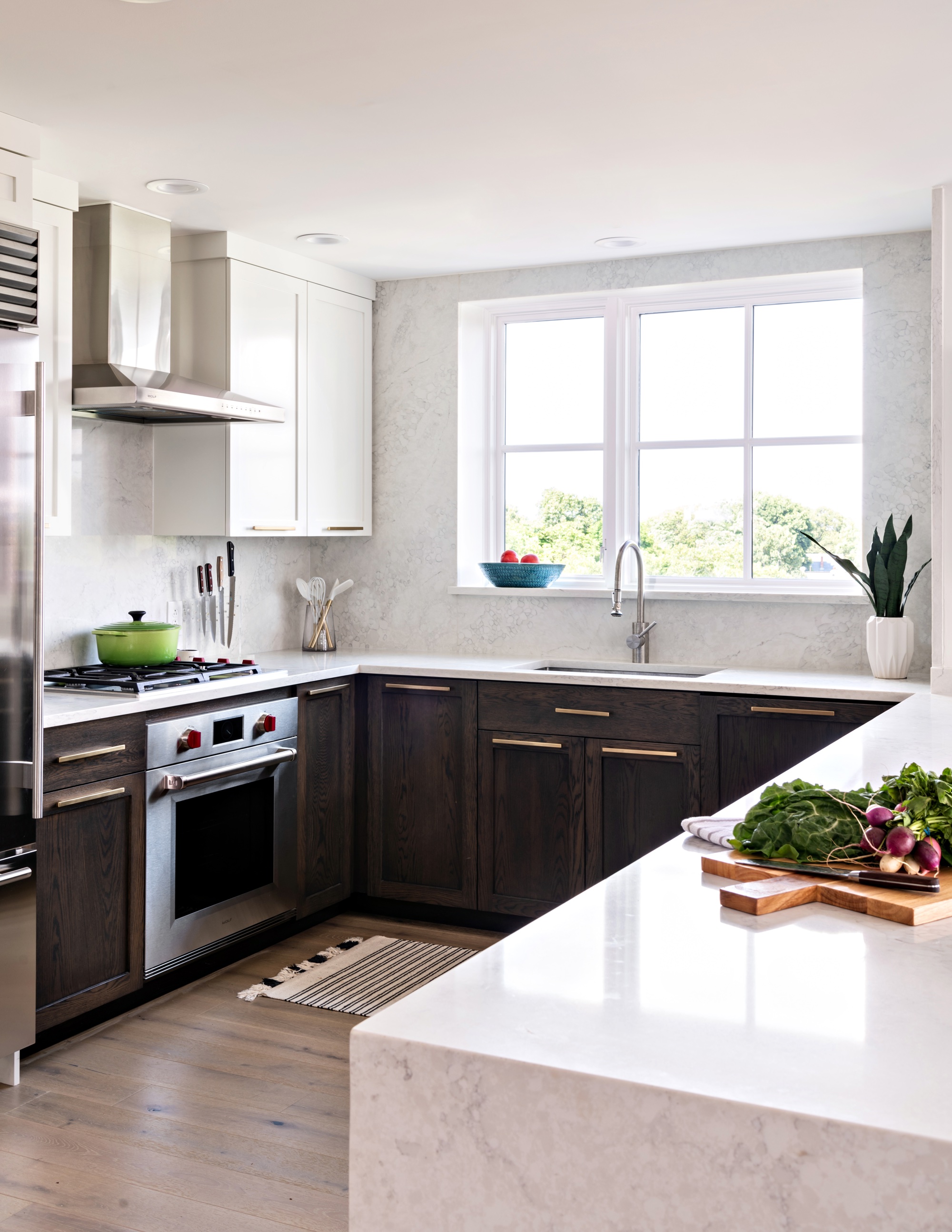
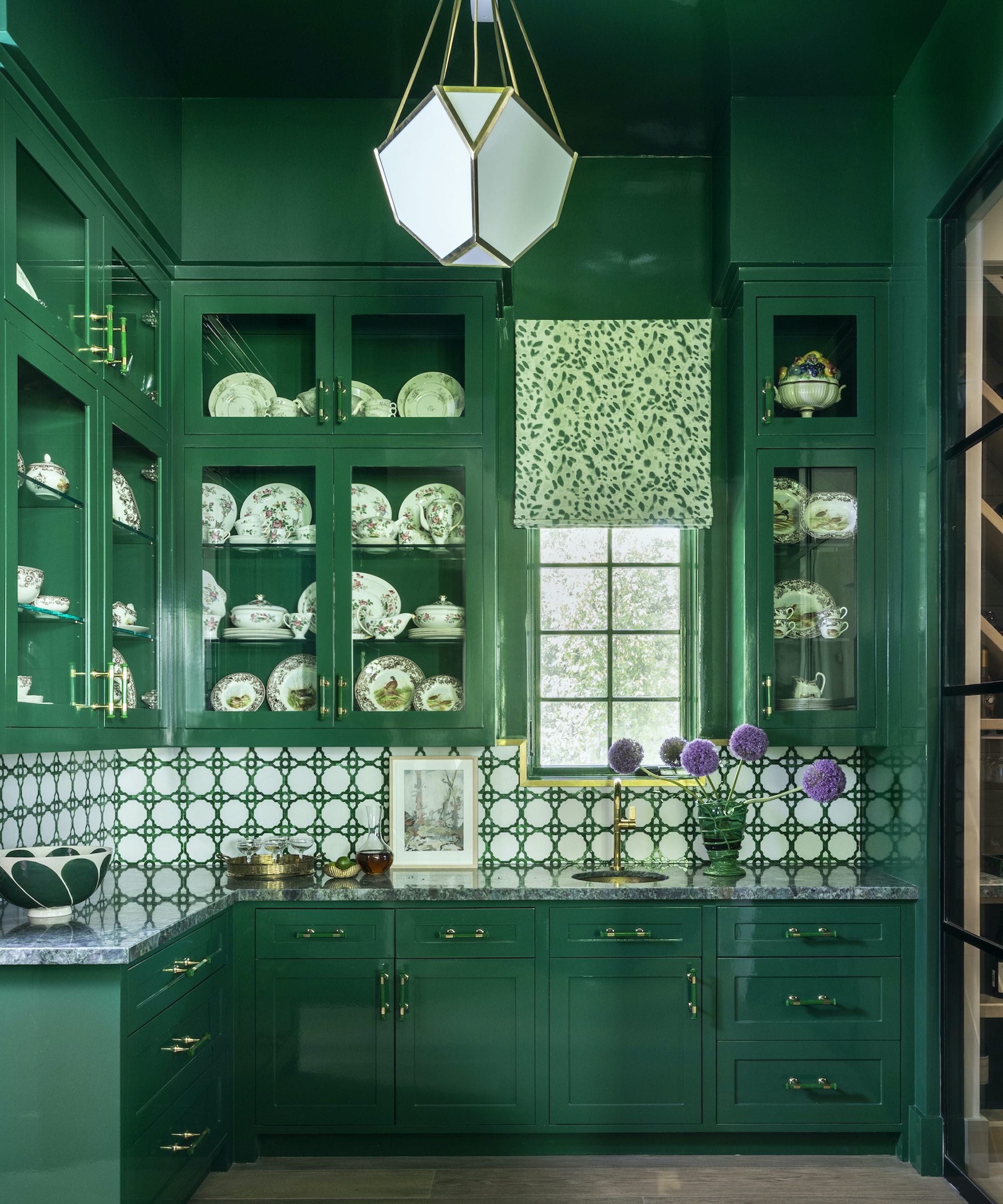
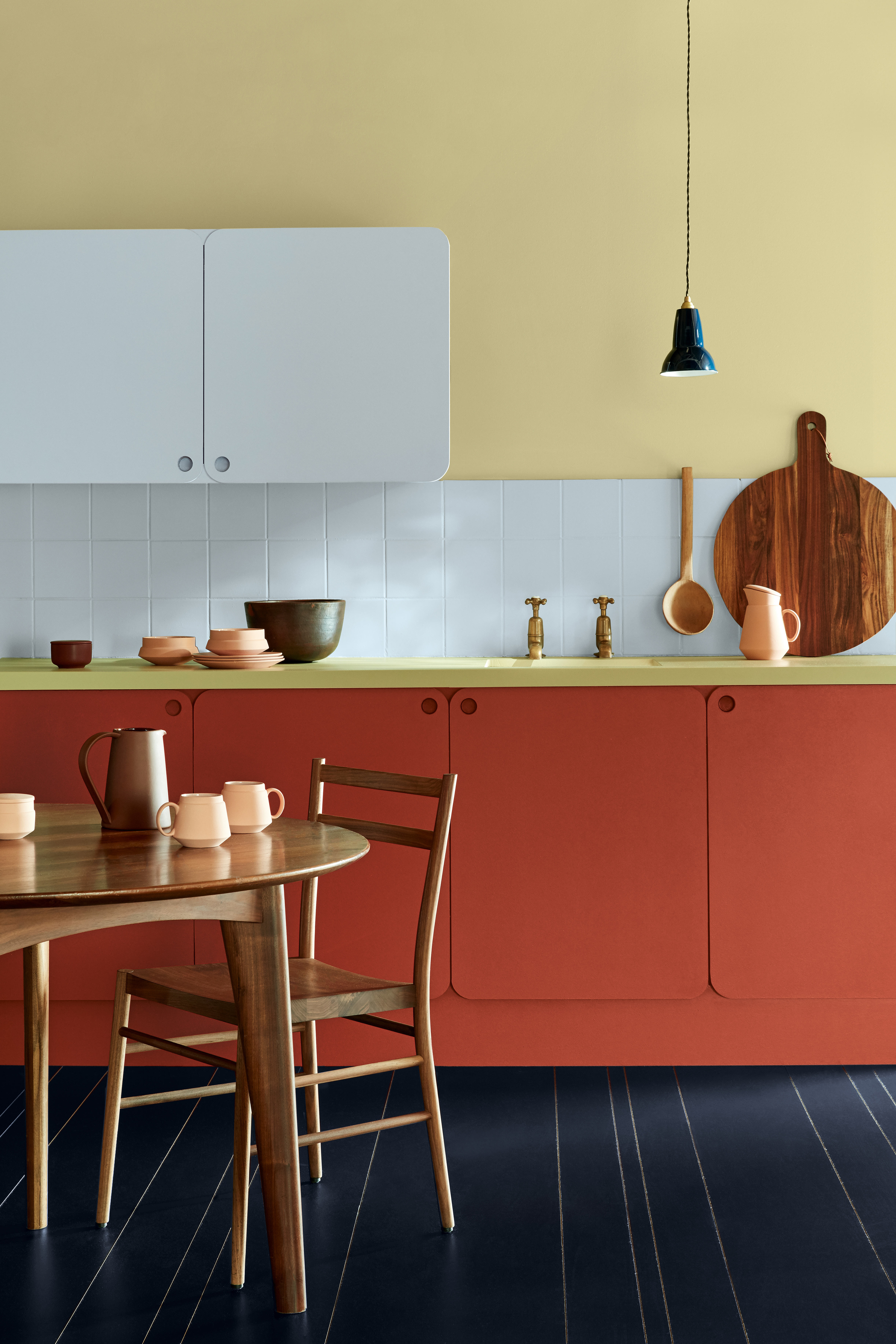
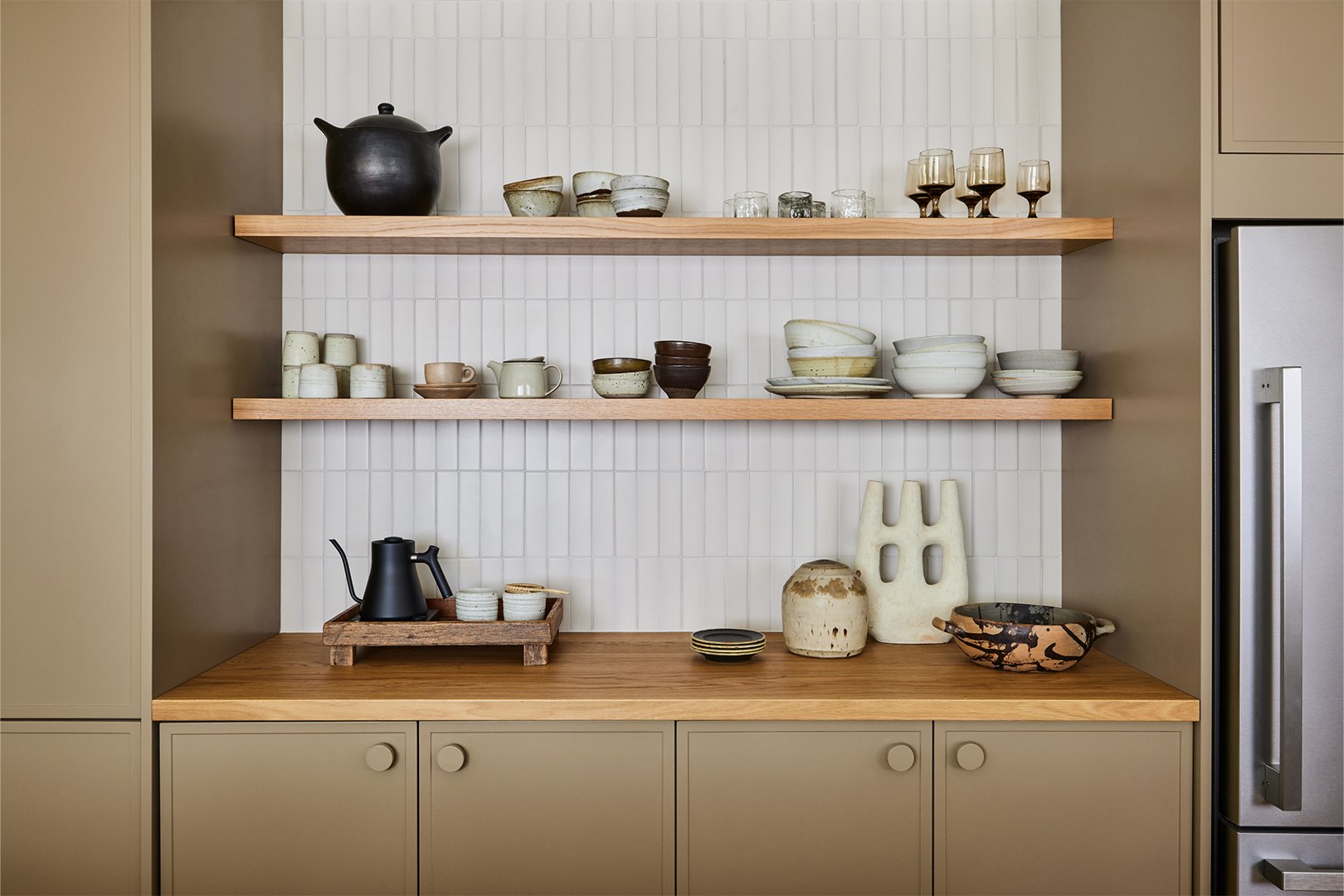
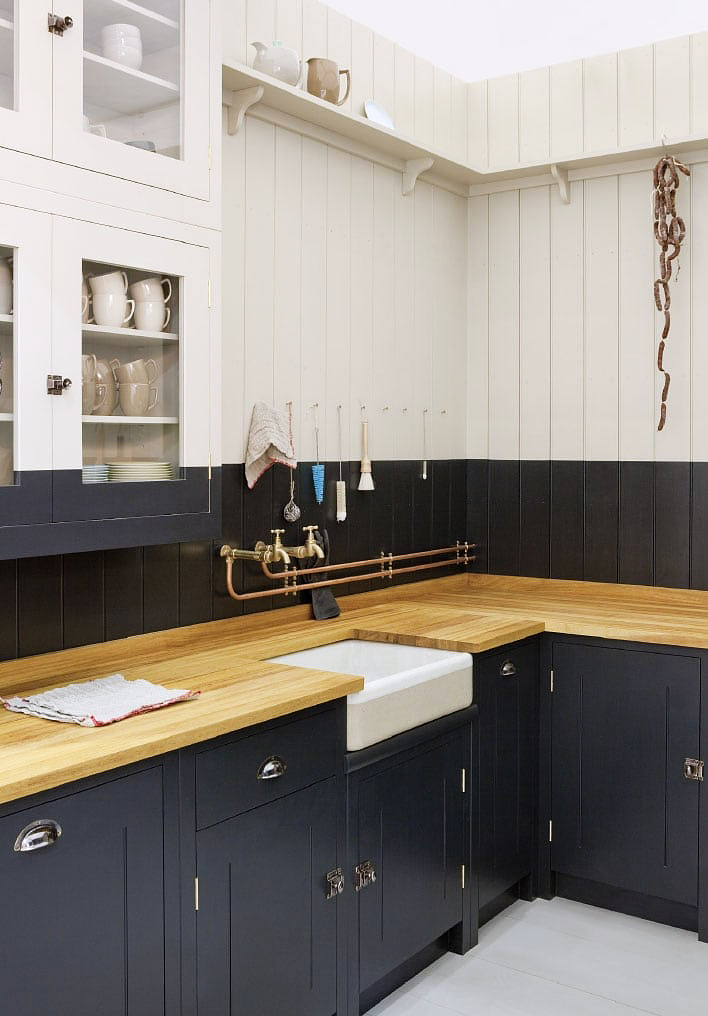
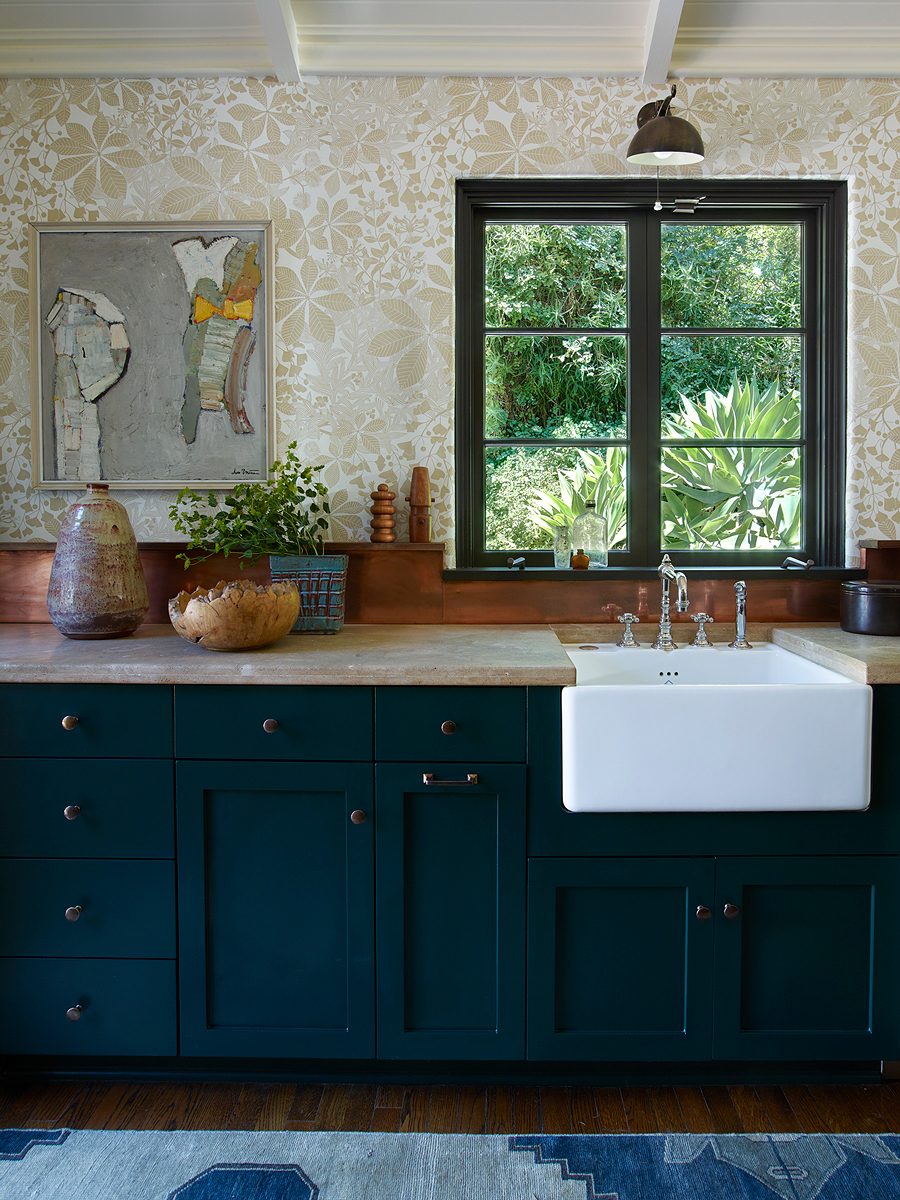
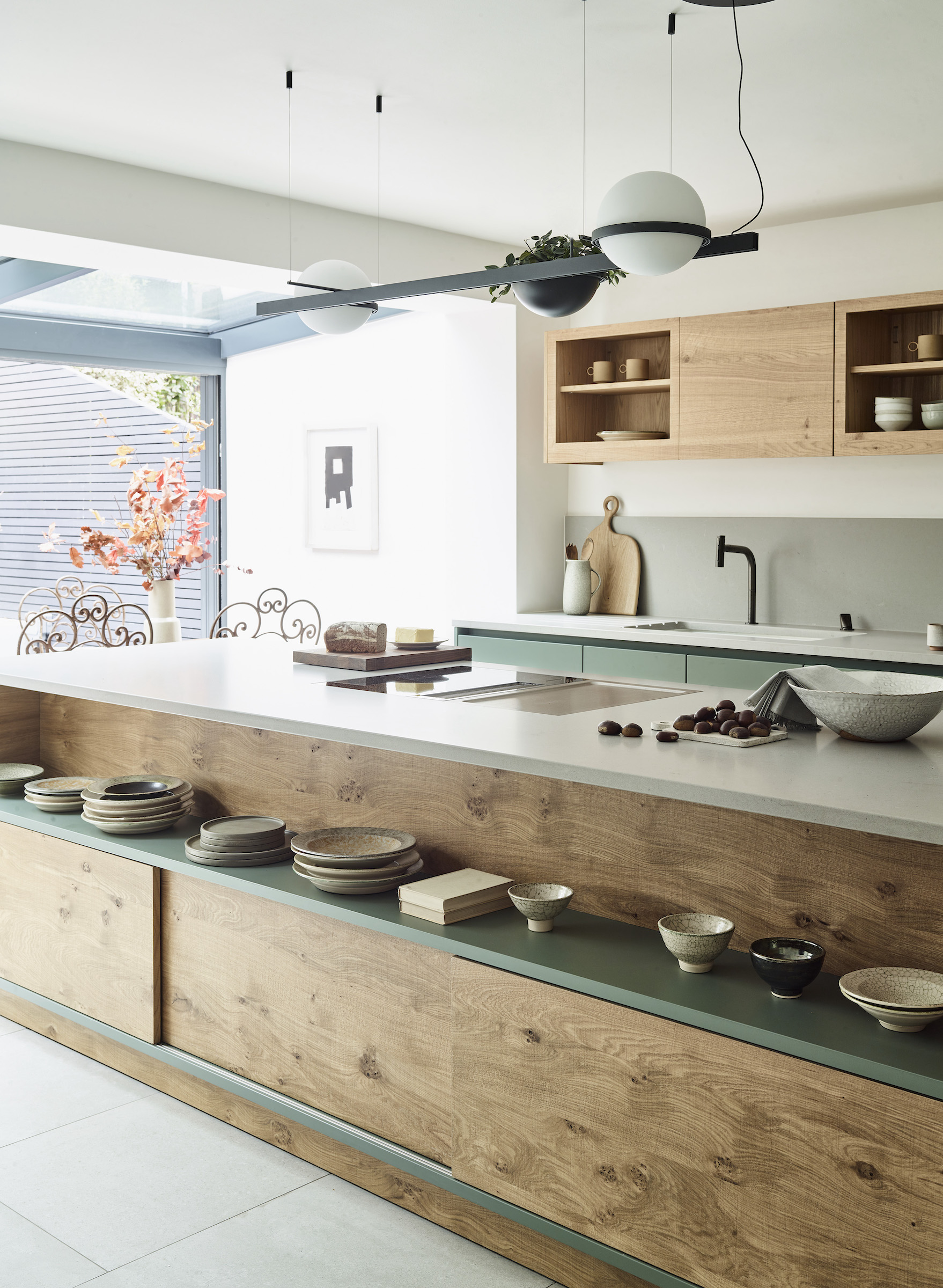
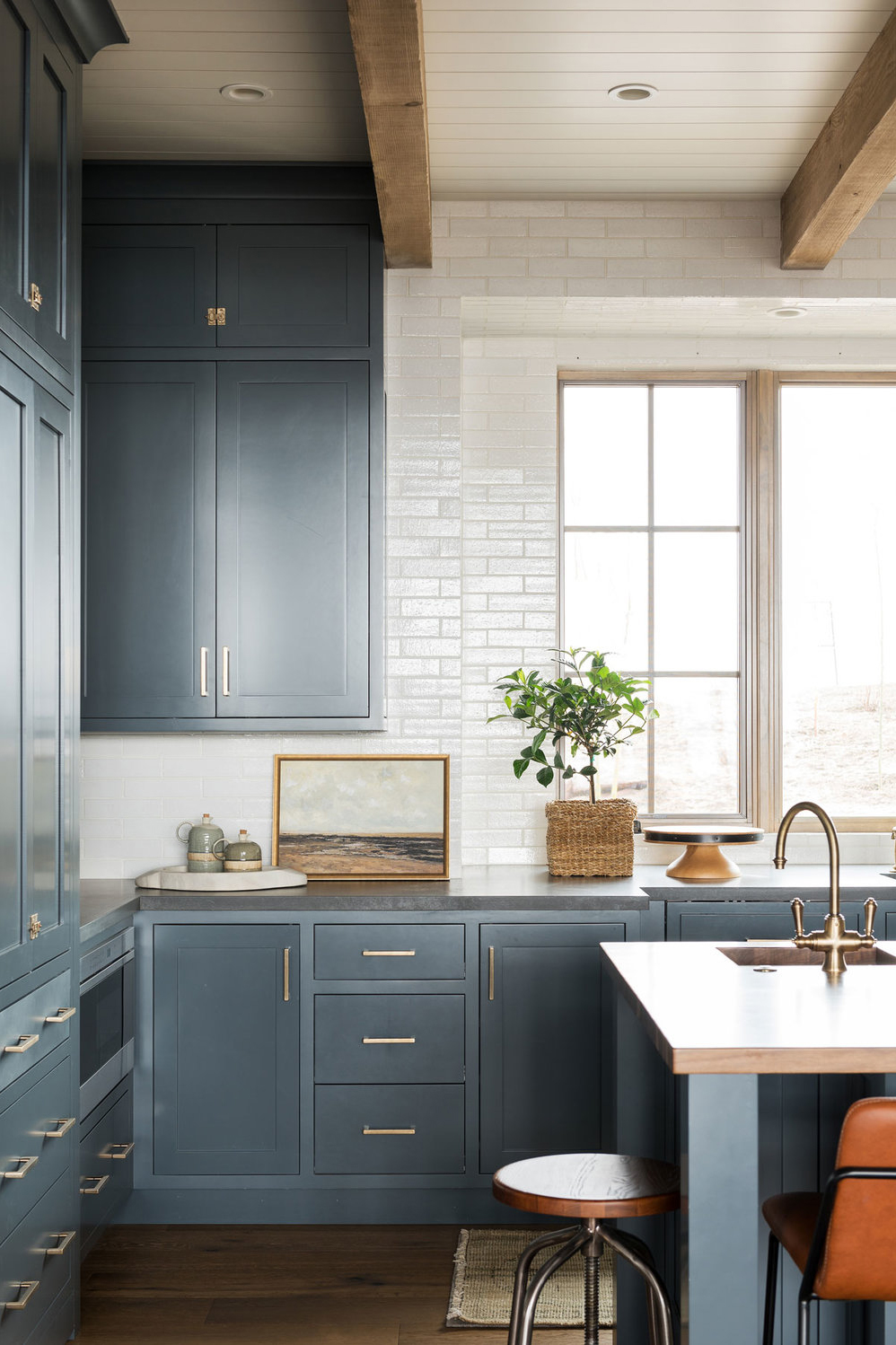
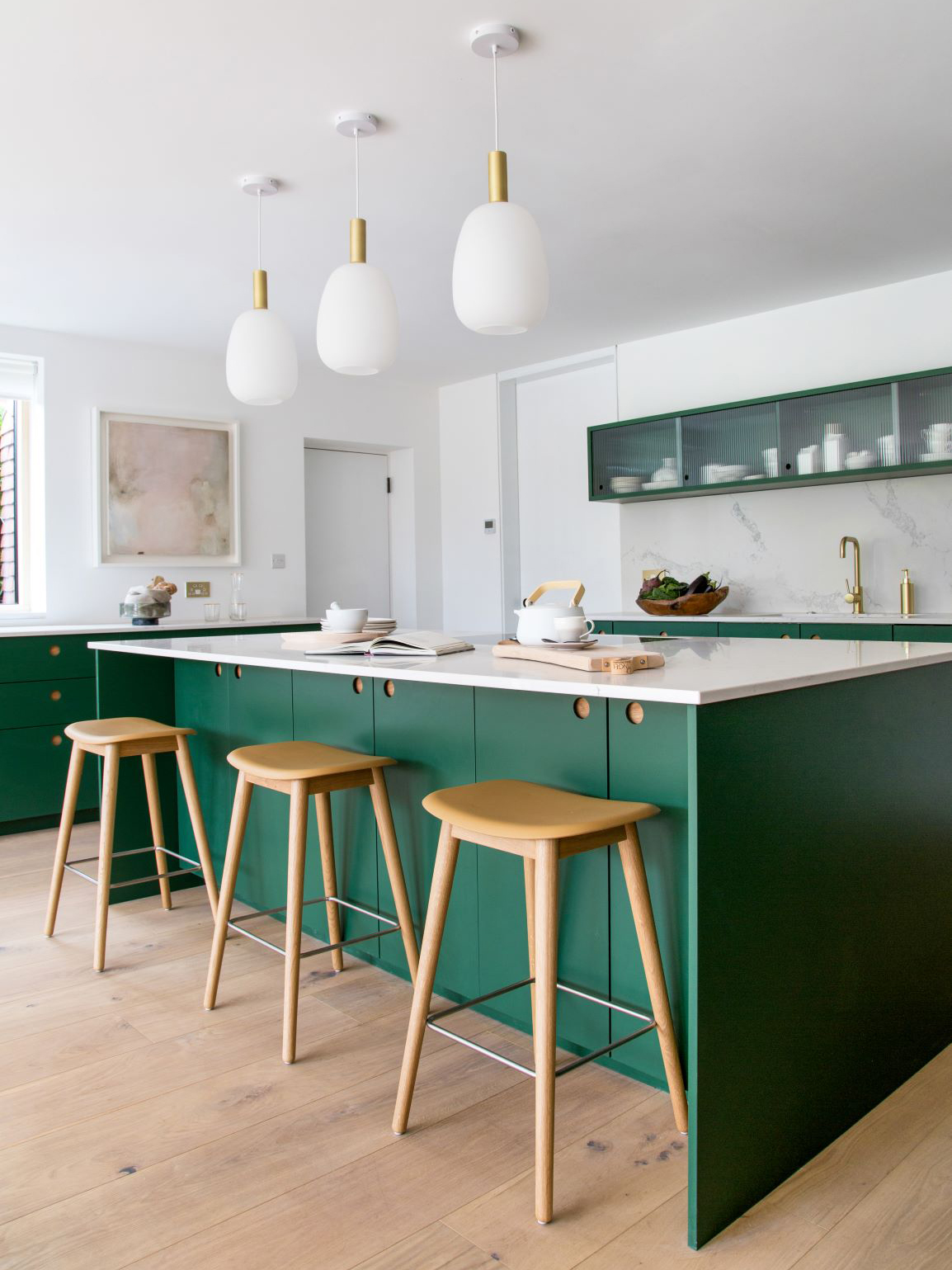
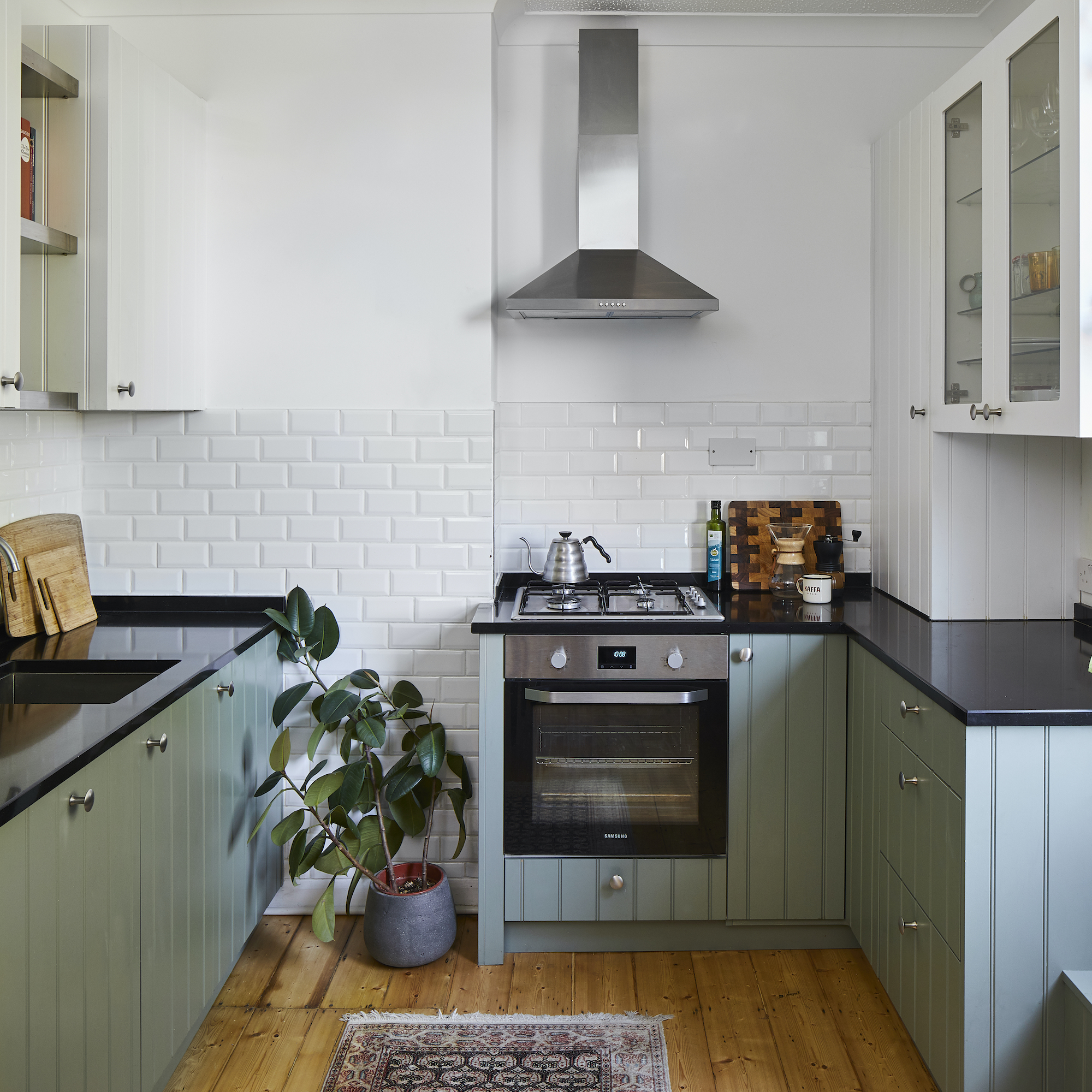
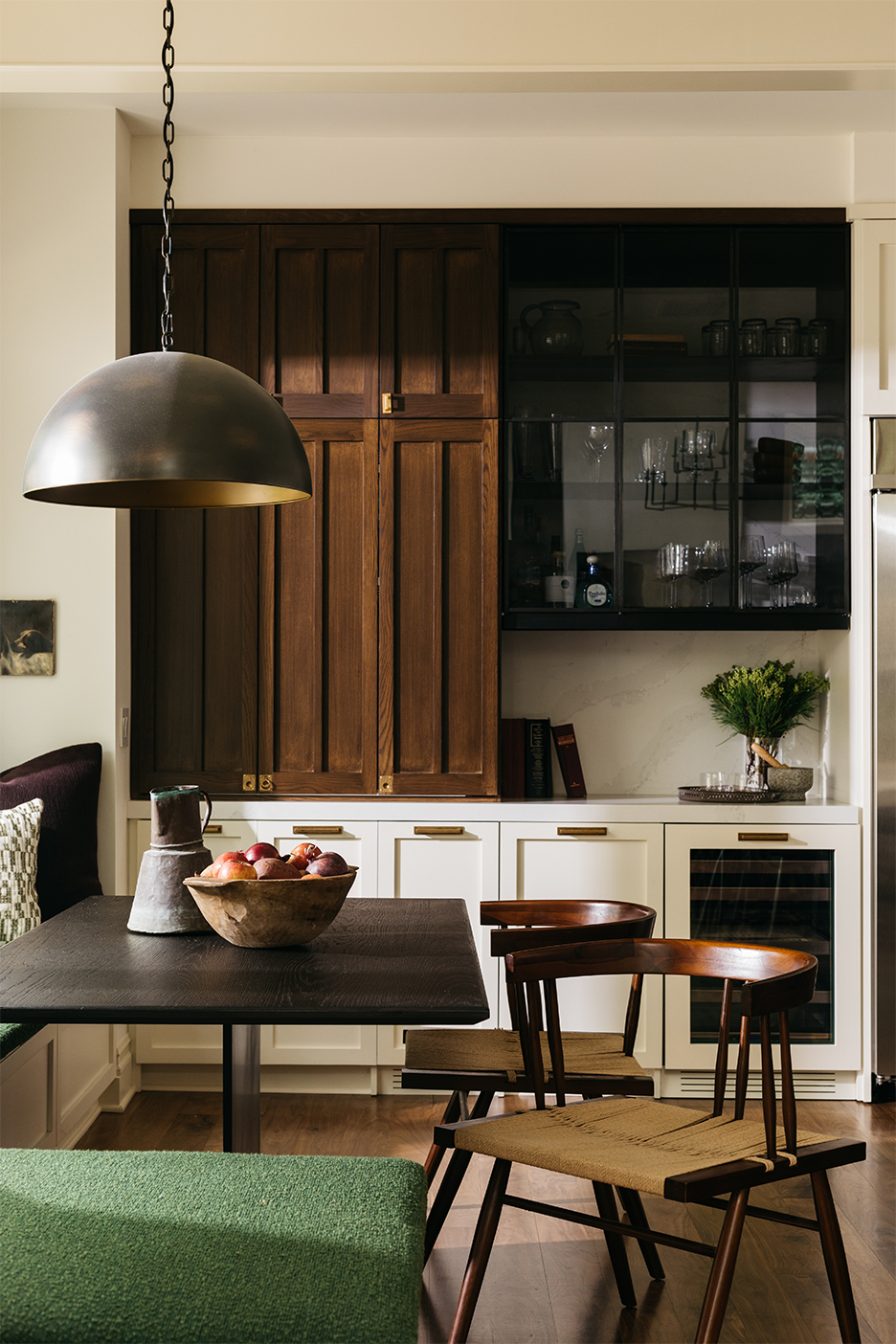
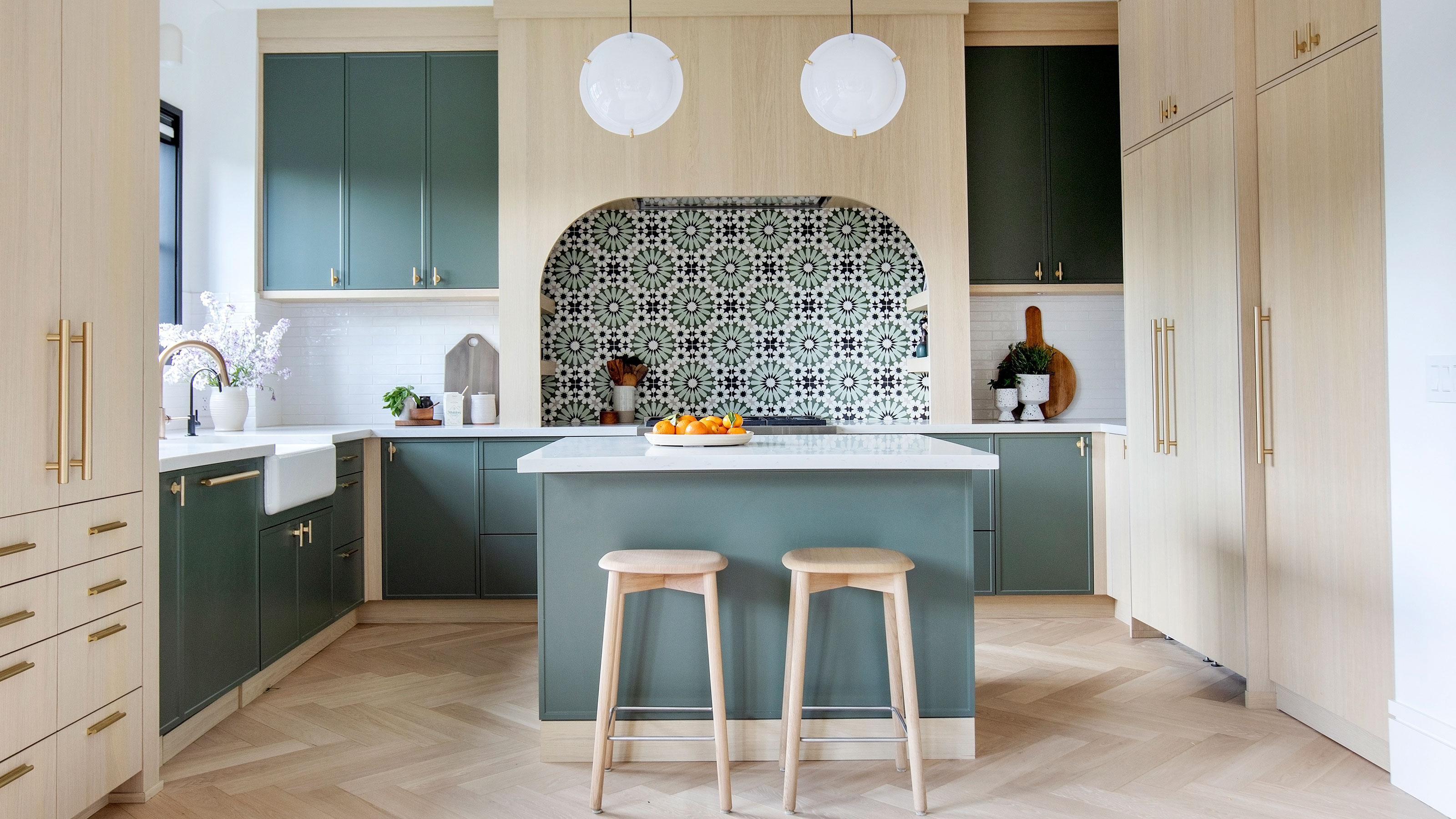
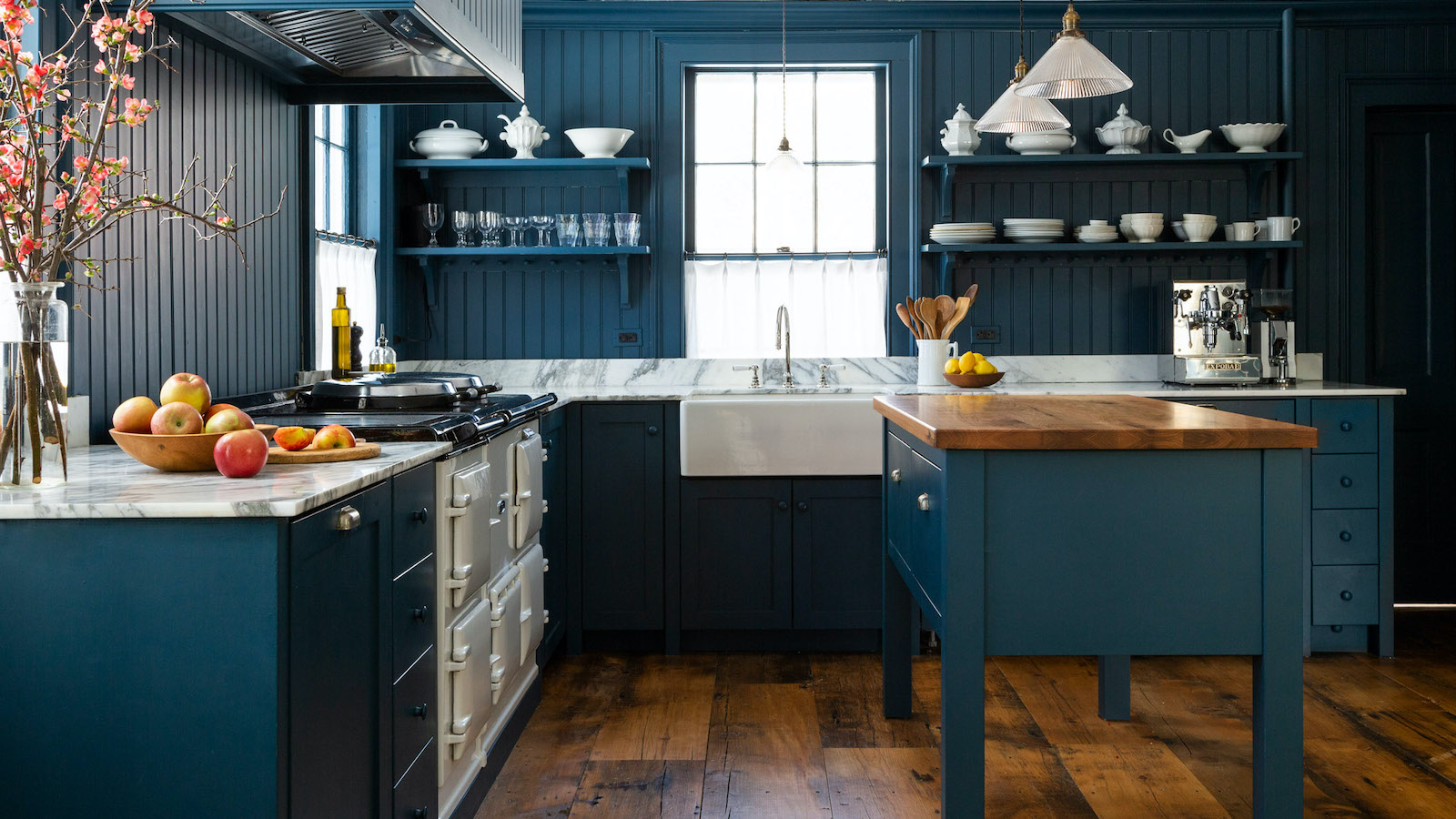
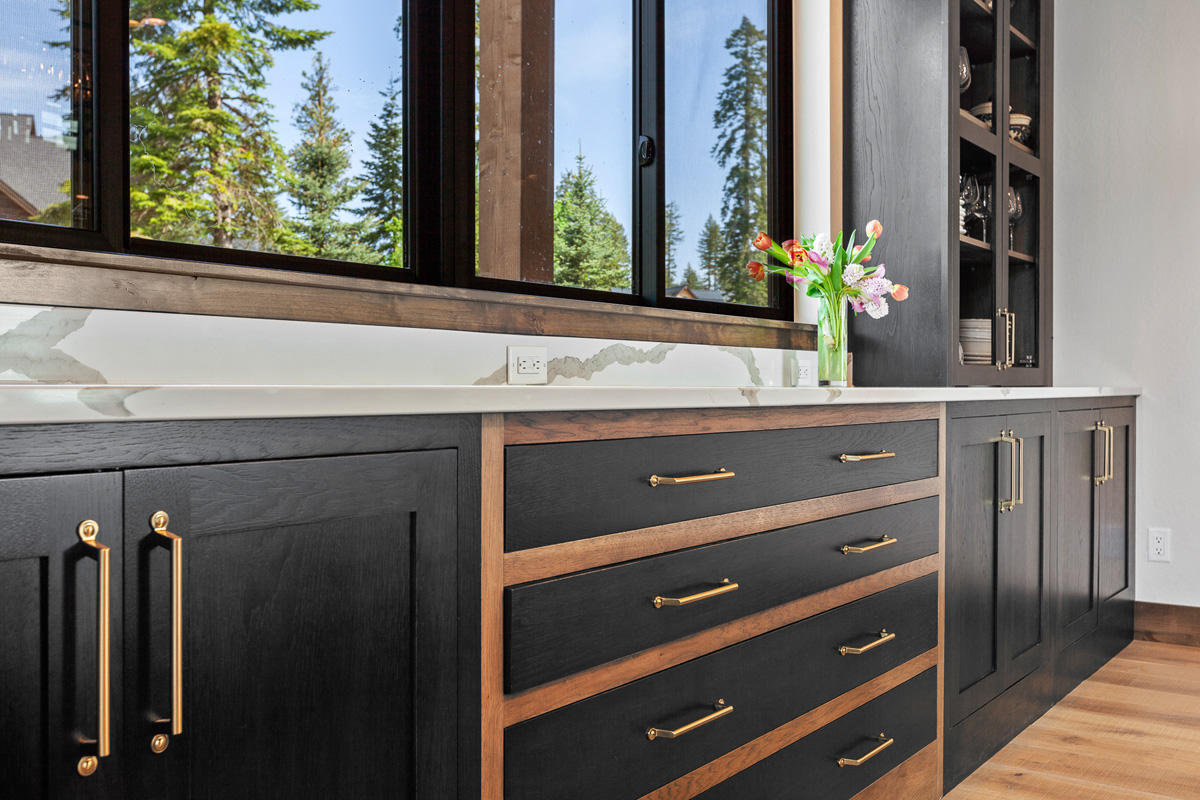
The second crucial aspect is selecting a cabinet color that effectively conceals dirt and marks. Dark colors, such as greens and blues, are recommended by Richard Davonport as they are more forgiving of smudges and grime, thereby reducing the frequency of cleaning. Beyond their practical benefits, dark shades also contribute to a luxurious and expensive appearance in a kitchen. This offers a dual advantage of both practicality and elevated design.
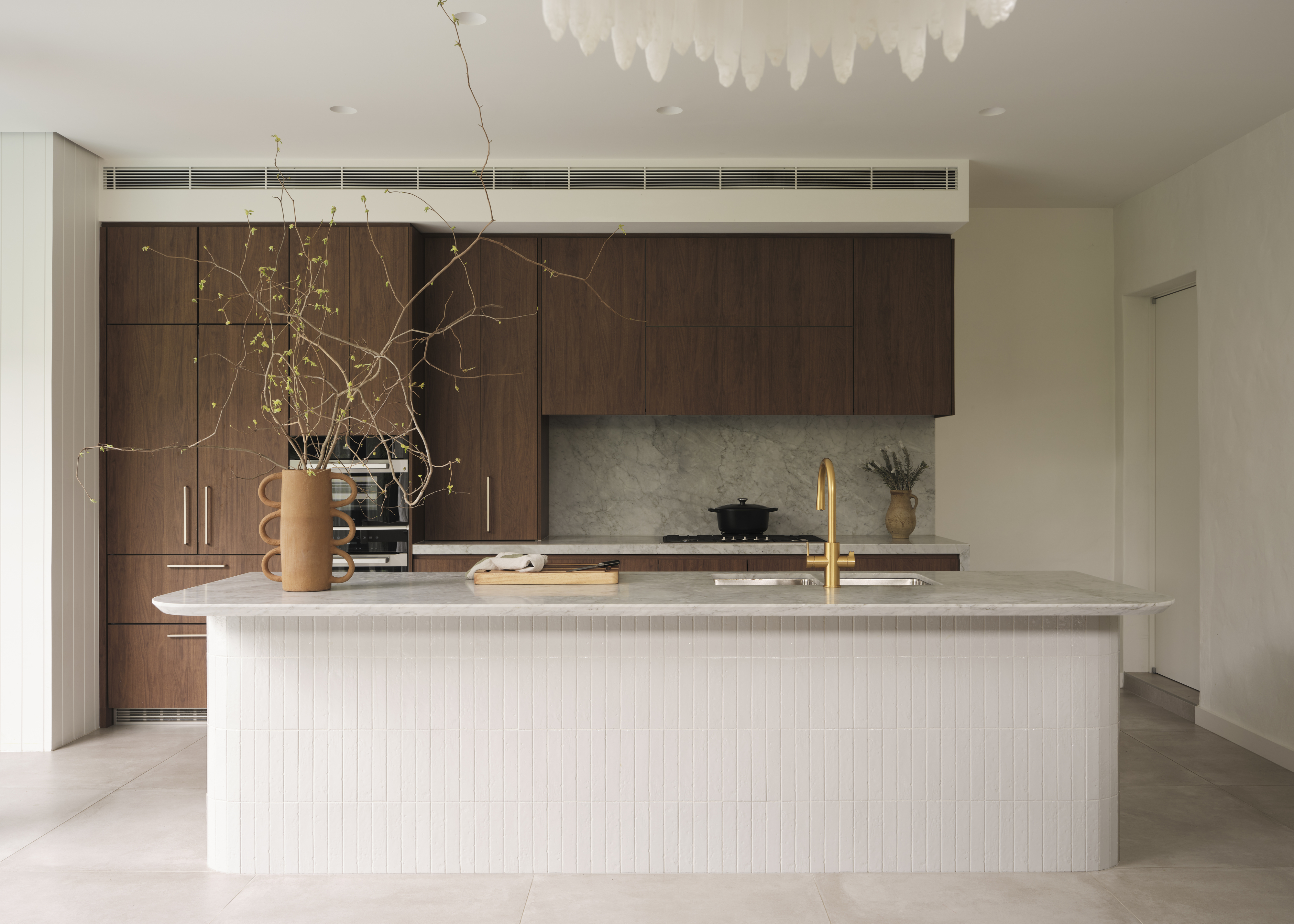
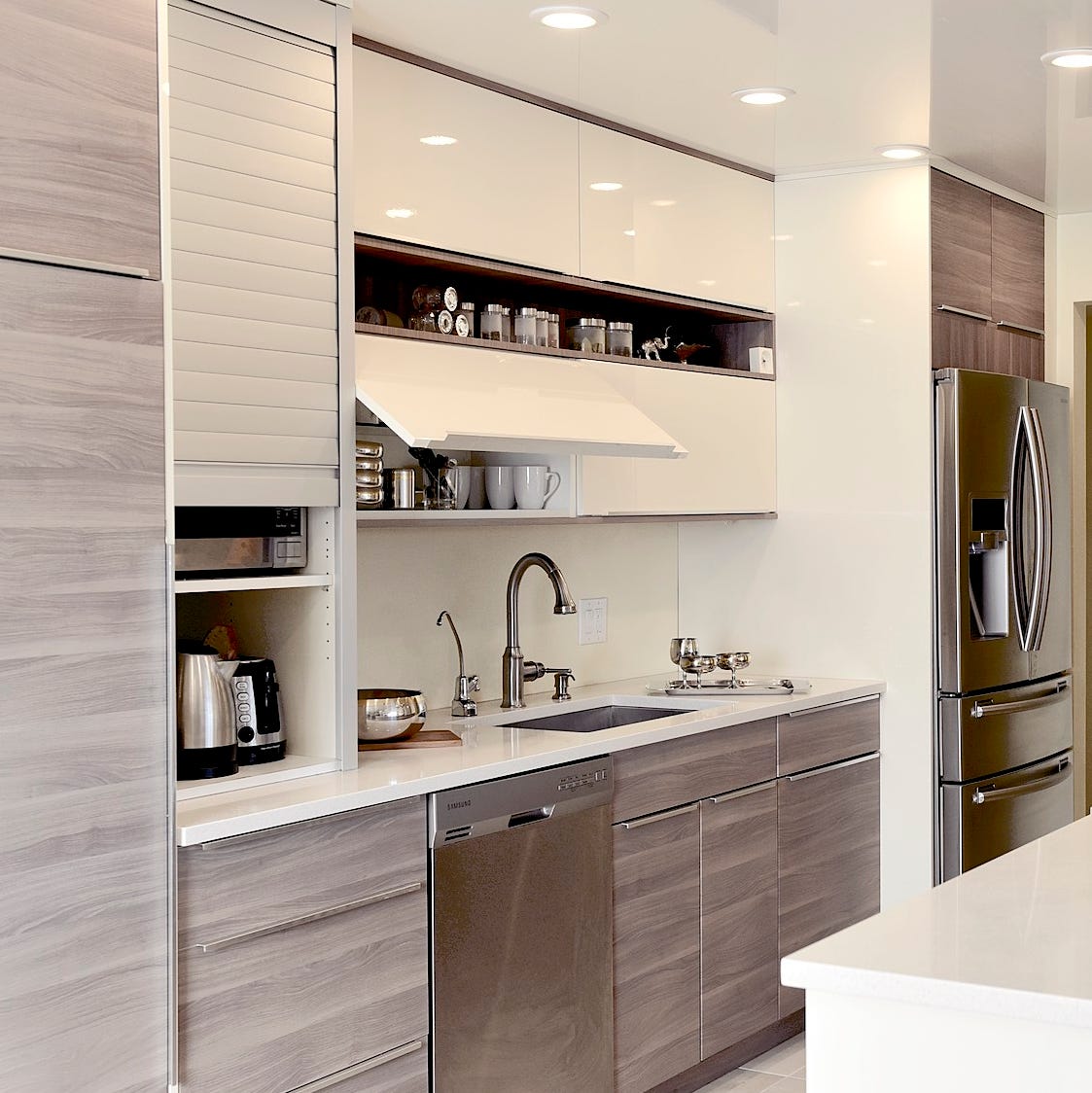
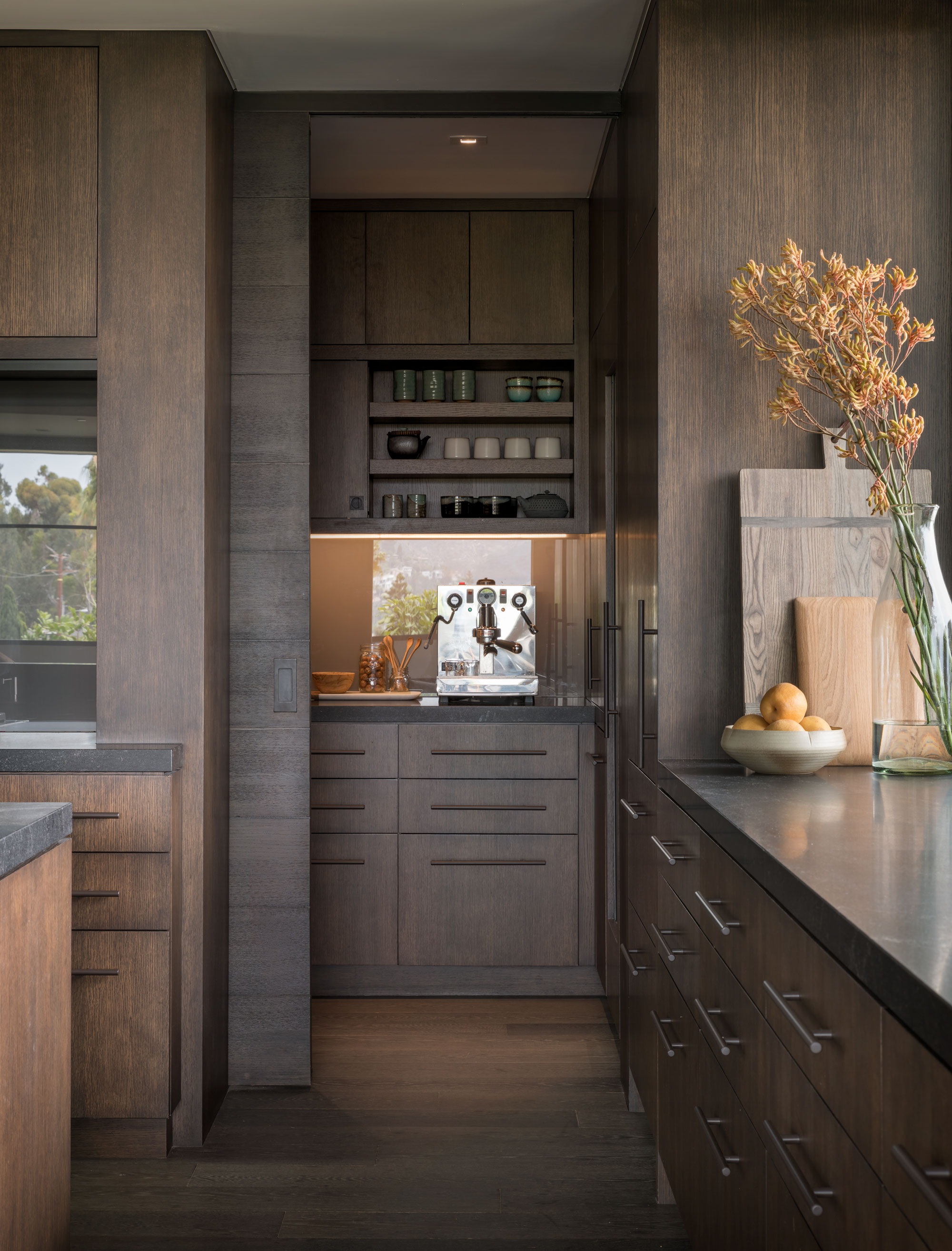
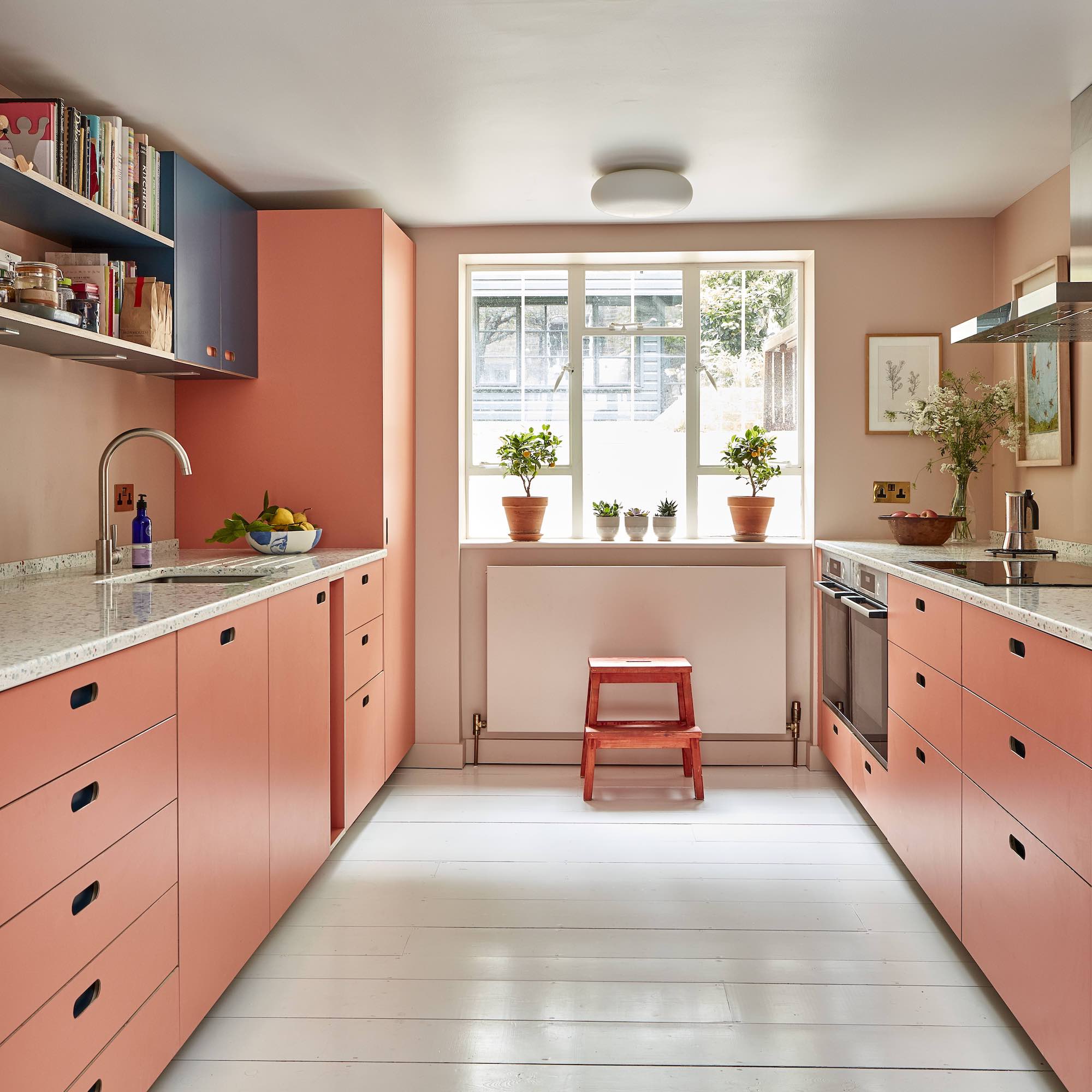
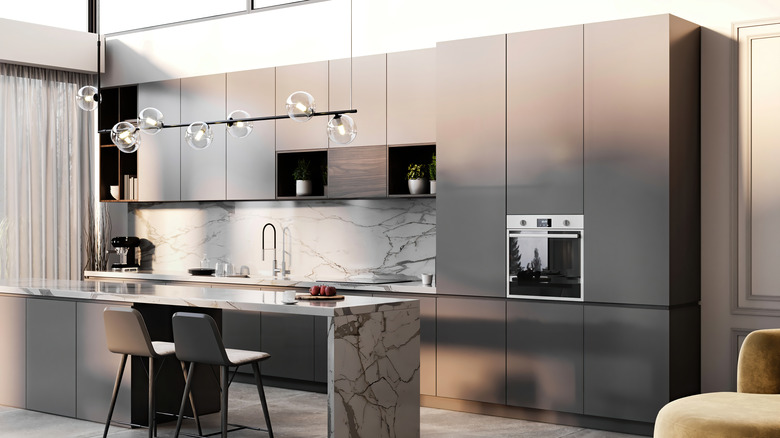
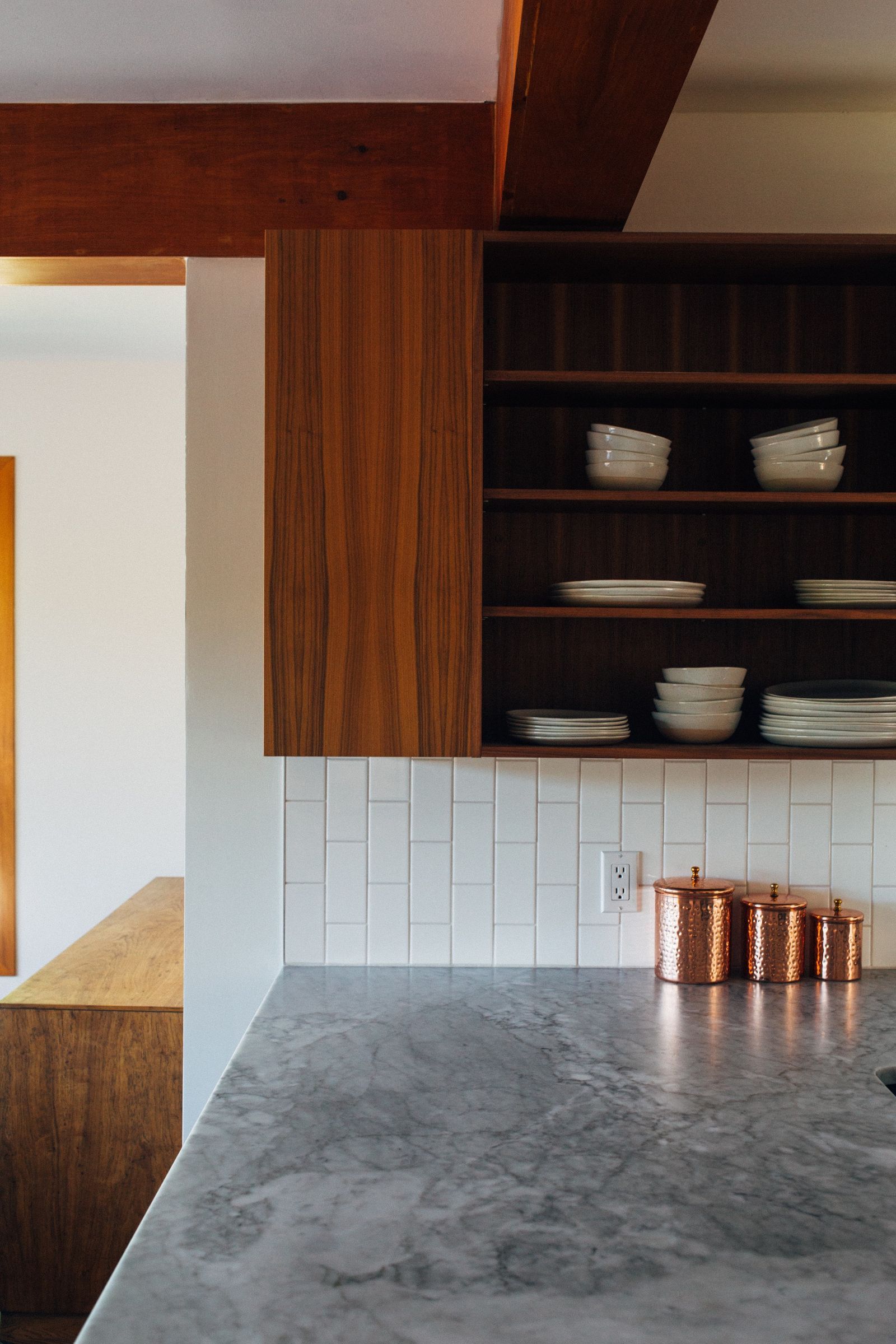
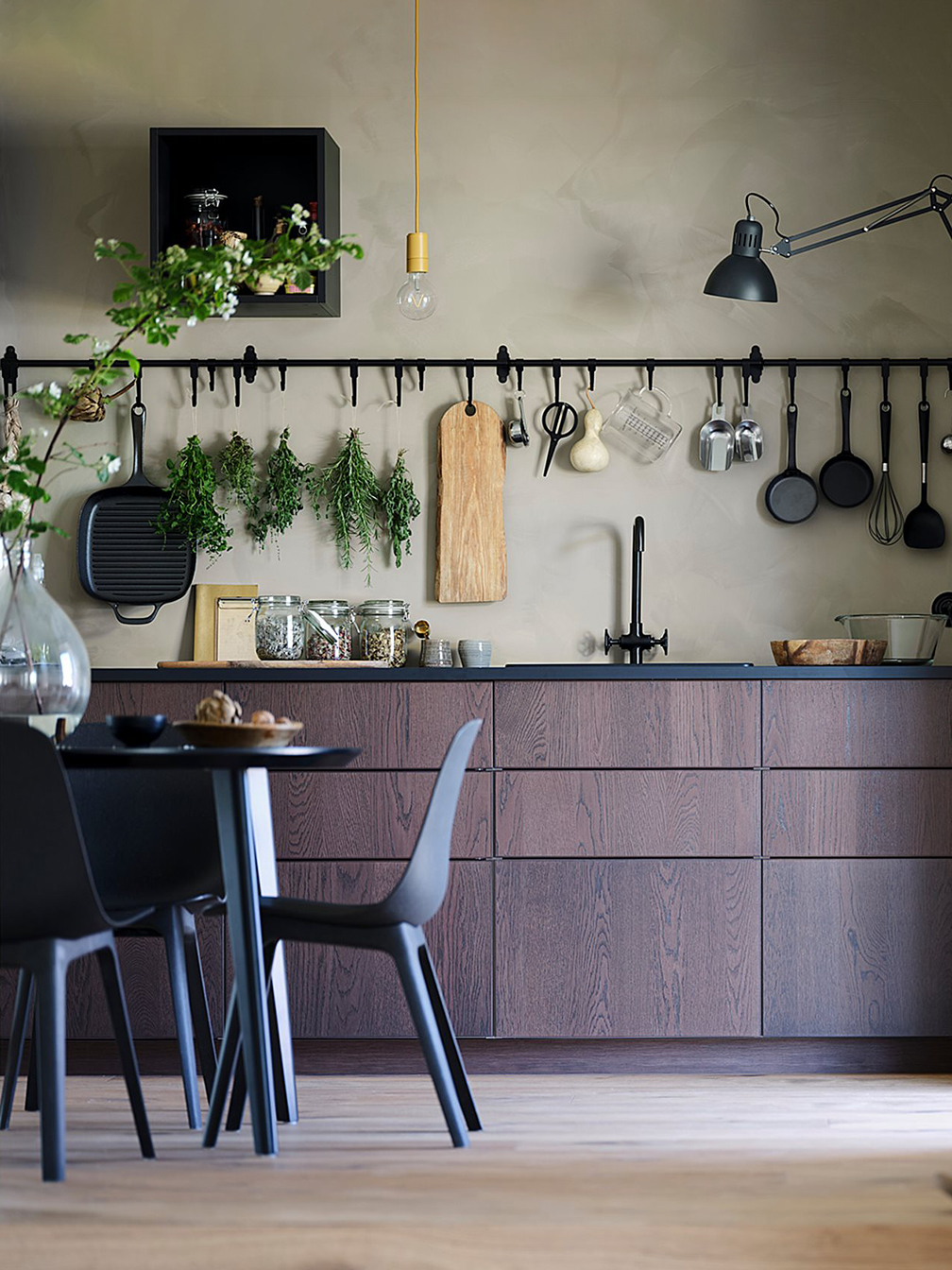
The third consideration is the choice of finish, with a focus on ease of upkeep. Painted cabinetry, particularly with a semi-gloss finish, is generally more durable and easier to maintain than stained cabinetry. Kitchen designer Thomas Borcherding explains that stained wood grains can make imperfections more noticeable and difficult to repair. Painted surfaces, conversely, are easily wiped down and amenable to touch-ups. When evaluating sheen levels, the article suggests avoiding very matte finishes due to their susceptibility to chipping and scratches, as well as high-gloss finishes which prominently display fingerprints, especially on handleless cabinets. A satin or eggshell finish is presented as a middle ground, offering durability without the constant need for cleaning associated with high-gloss options.
Finally, the article advises caution when considering glass-fronted cabinets. While popular for their ability to visually enlarge a small kitchen, Richard Davonport points out their tendency to show fingerprints easily, necessitating frequent cleaning. For those determined to incorporate glass, fluted glass is suggested as a practical alternative. Its ribbed texture helps to obscure fingerprints and smudges, allowing for the desired aesthetic without the high maintenance. This approach enables homeowners to stay on-trend while maintaining a pristine appearance. The article concludes by listing three recommended low-maintenance paint colors: Irish Green, Liquorice, and Courtyard Green, further supporting the practical advice offered.
#KitchenCabinets #LowMaintenance #KitchenDesign #InteriorDesign #CabinetStyles #ColorSelection #FinishSelection #HomeImprovement #CleaningTips #KitchenCabinets #LowMaintenance #KitchenDesign #InteriorDesign #CabinetStyles #ColorSelection #FinishSelection #HomeImprovement #CleaningTips
0 ความคิดเห็นรวม
 ยังไม่มีความคิดเห็น
คุณอาจจะชอบอีกด้วย
6 ways to have a low-maintenance kitchen that looks good for years to come
The Best Kitchen Cabinet Brands, According to Home Renovation Pros

Designers weigh in on the best wooden kitchen cabinets for every style of kitchen

The Sleek Cabinet Trend That Has Been Quietly Sneaking Into Modern Kitchens

What is the most low maintenance kitchen countertop? Design experts unanimously agree
The Best Kitchen Cabinet Brands, According to Designers and DIYers
5 Kitchen Cabinet Details to Avoid If You Don't Want Your Space to Look Old-Fashioned

Kitchen Guidebook: 7 best kitchen laminates for the cabinets

What are the best cabinet styles for small kitchens? Kitchen designers offer the top picks
Kitchen Cabinets Looking Dated? Try One of These 6 Budget-Friendly Updates

What's the Most "Modern" Kitchen Cabinet? This is the Style Replacing Outdated High Gloss Units, say Designers
3 Kitchen Cabinet Styles Are Better Than 1—Give This Craftsman-Inspired Trio a Try

Kitchen Cabinets: Storage with Style

If “Less Is More” Is Your Motto, These 9 Shaker-Style Cabinets Are for You
6 Kitchen Cabinet Options That Stack a Lot of Style
6 Best Wooden Kitchen Cabinets for Modern and Classic Homes (2025)
Professional organizers use low kitchen cabinets to store these items – it'll make your storage so much more convenient
Cabinet Hardware Trends To Give Your Kitchen An Upgrade On A Budget
The 6 best cabinet styles for small kitchens – the stylish options that will create the illusion of a bigger space
This Budget-Friendly Kitchen Cabinet Trend Will Transform Your Space, According to Designers