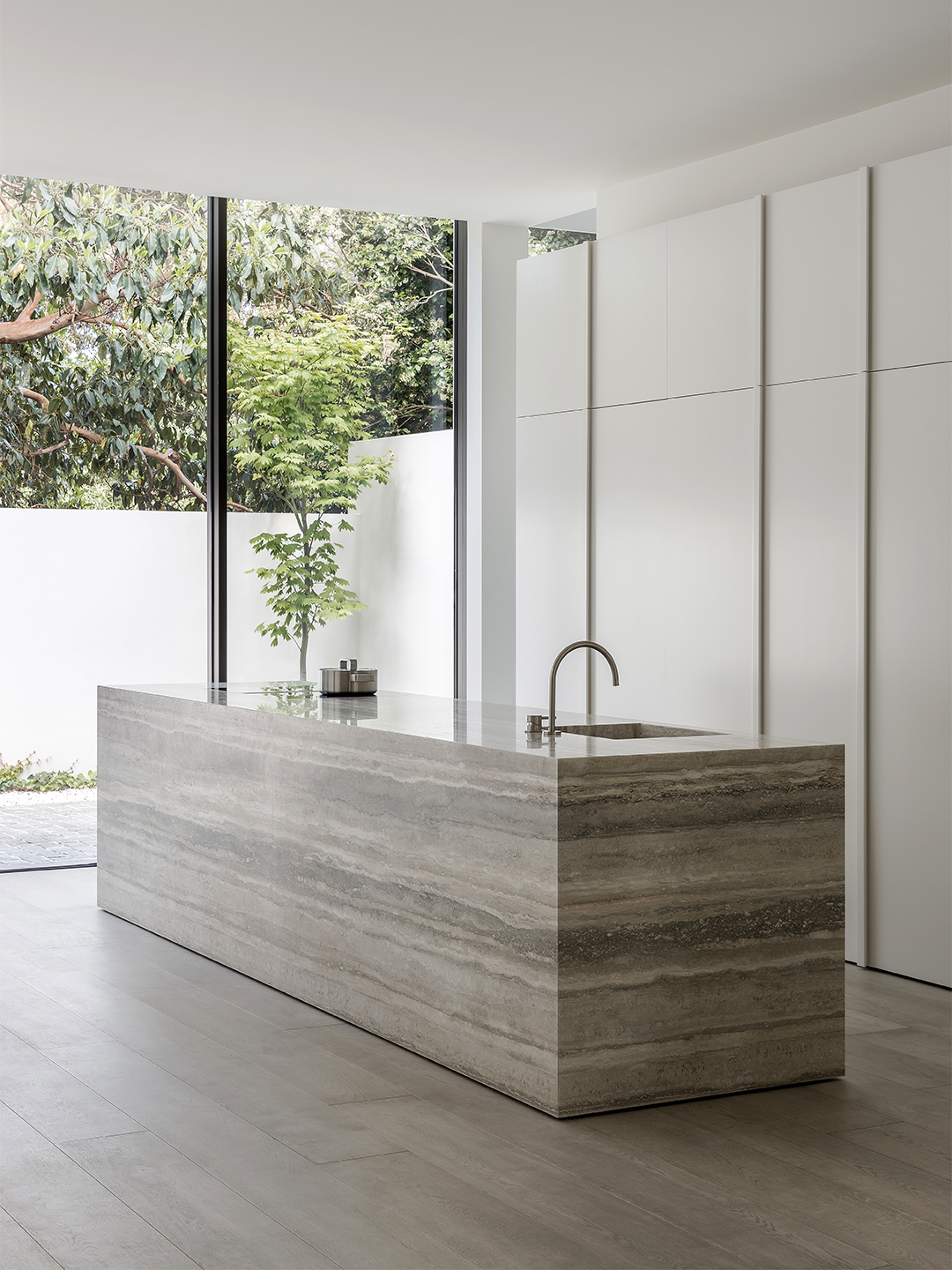

1/4
The new rules of marble
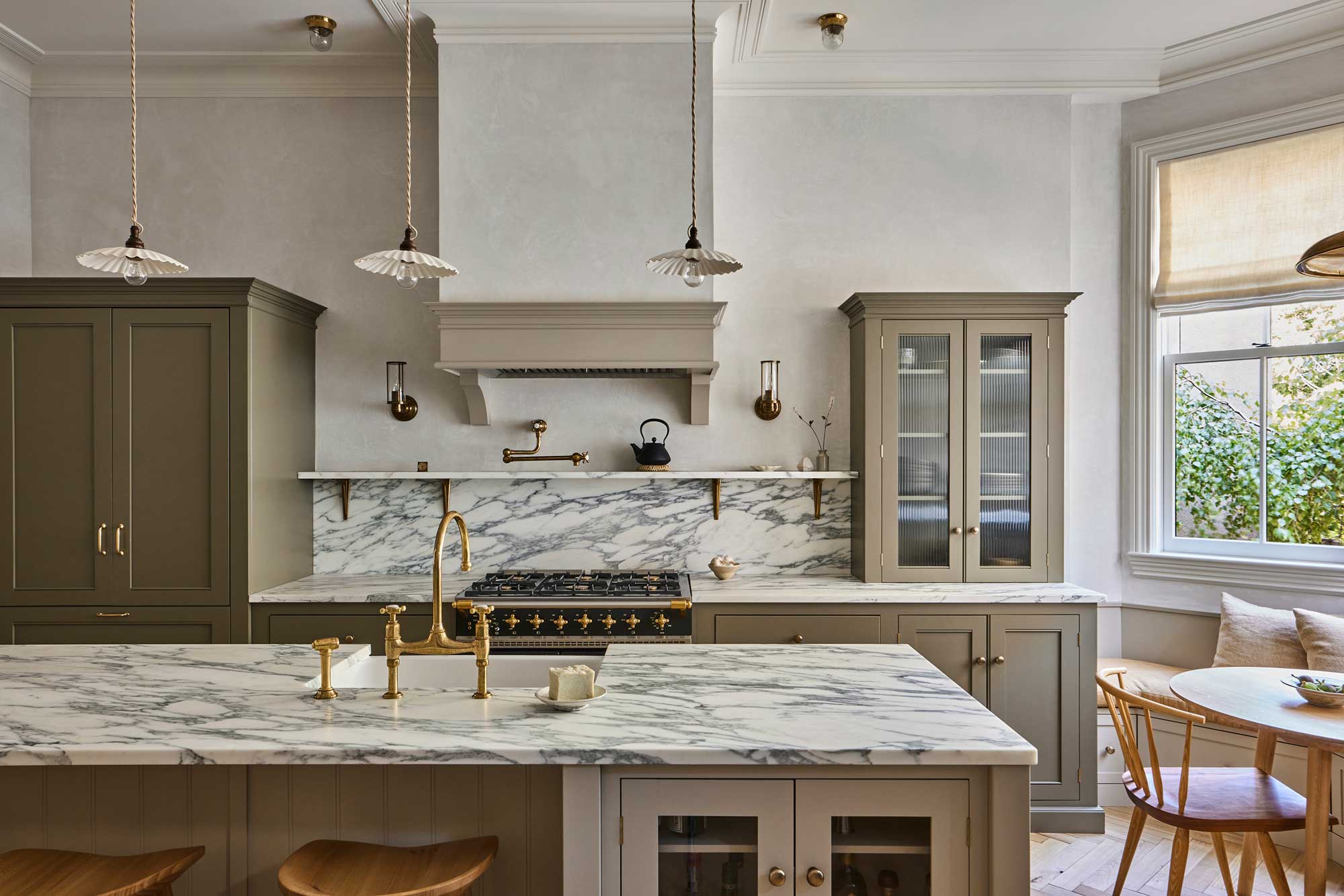

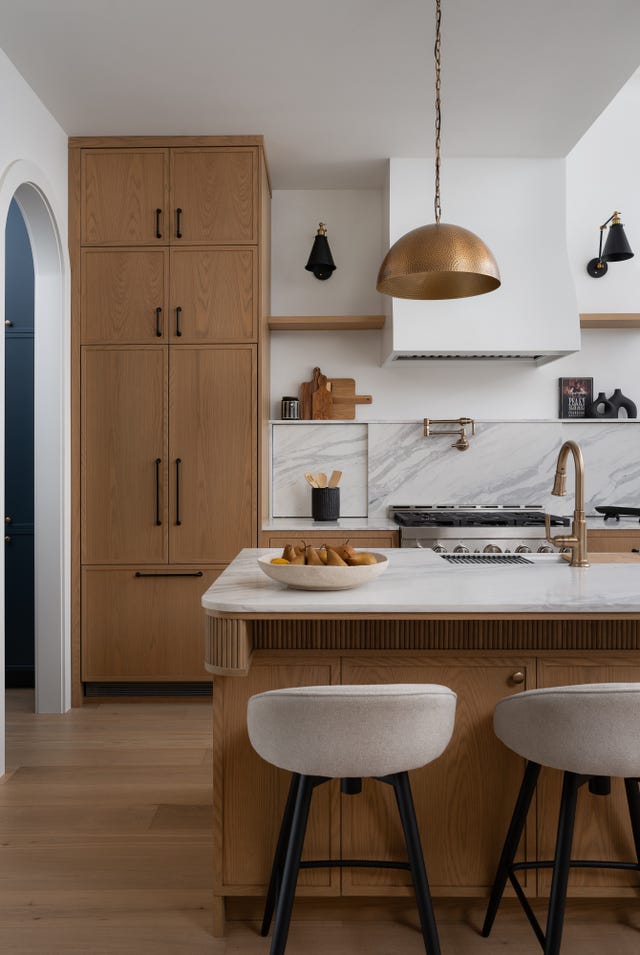
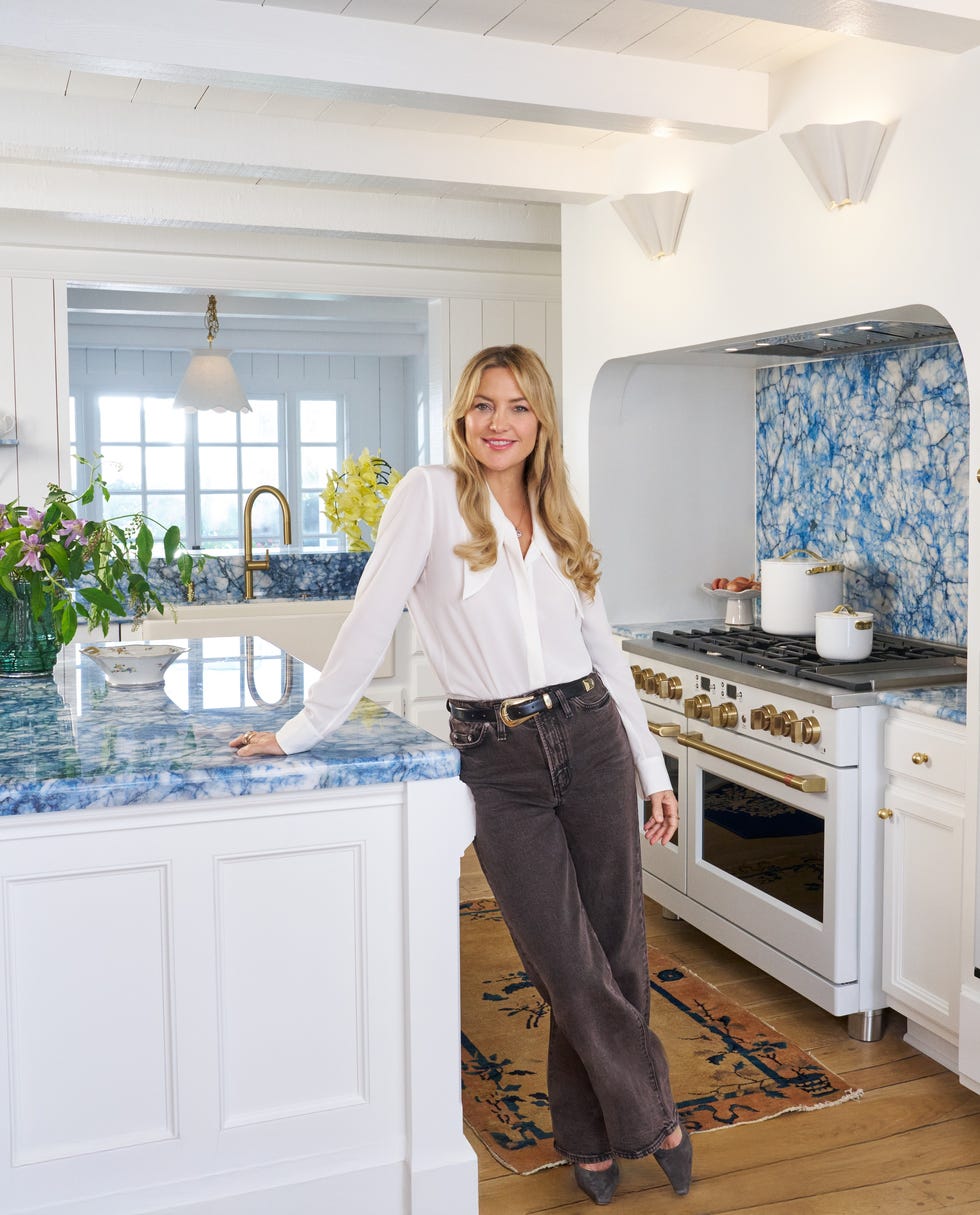
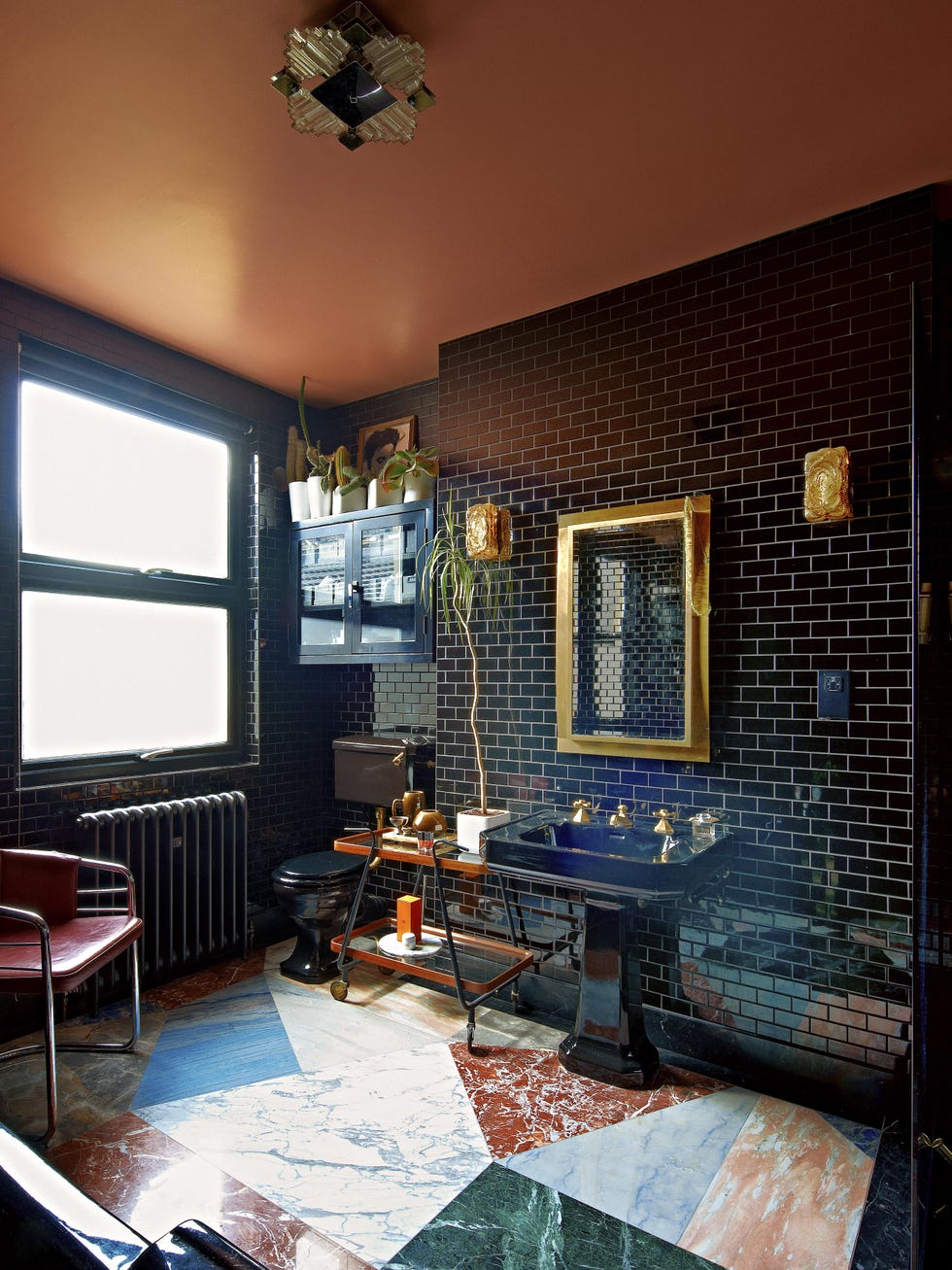
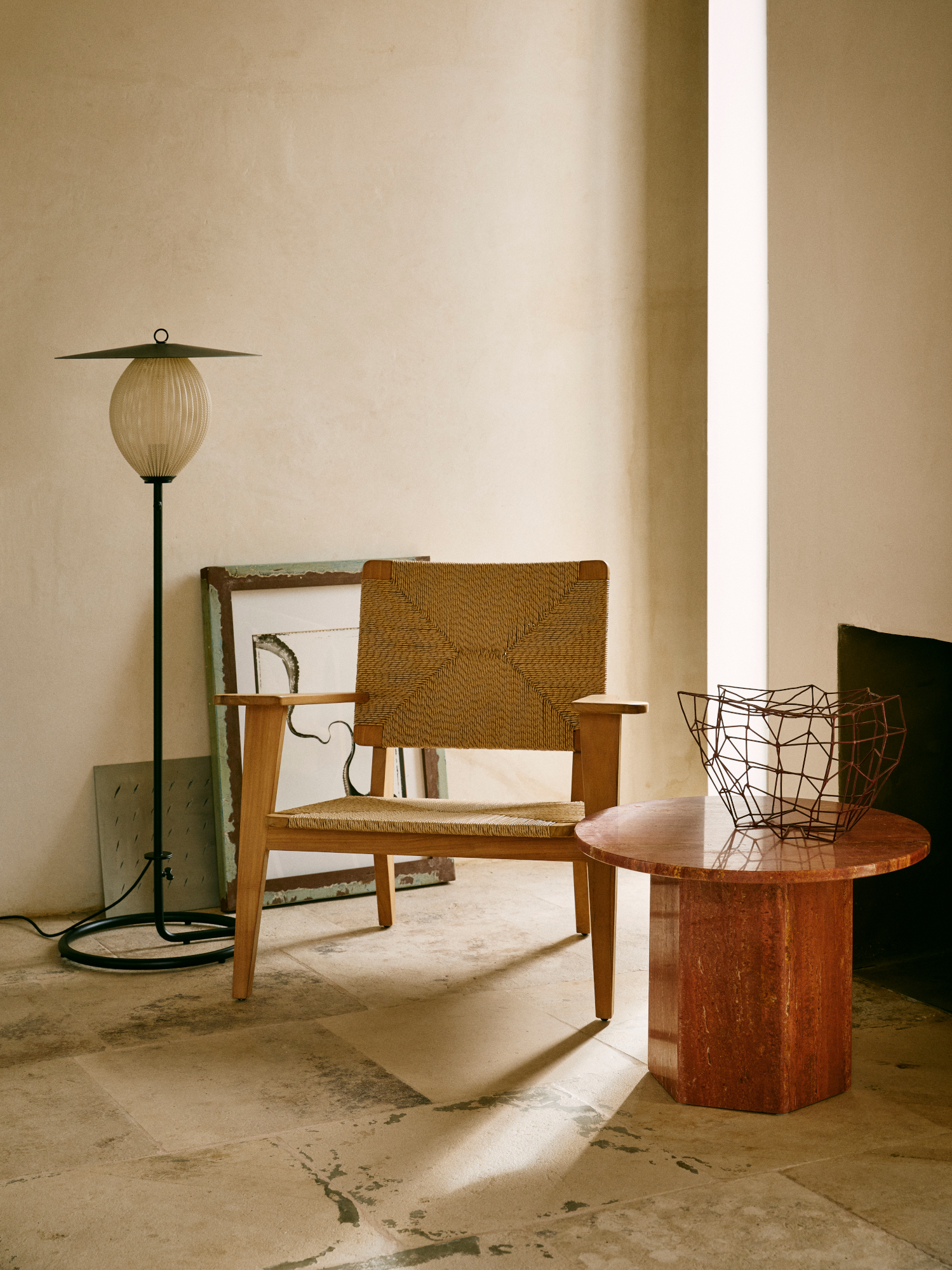
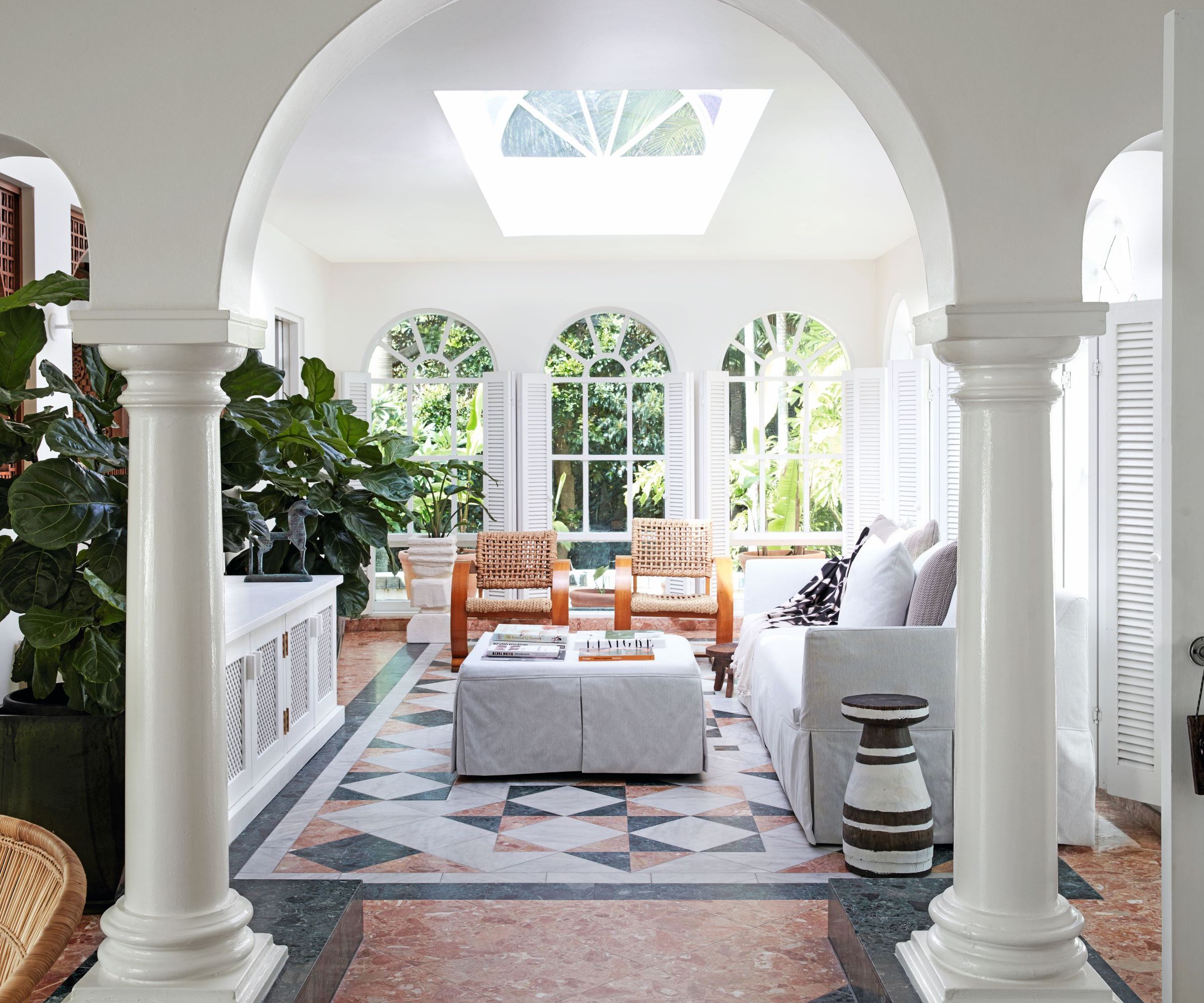
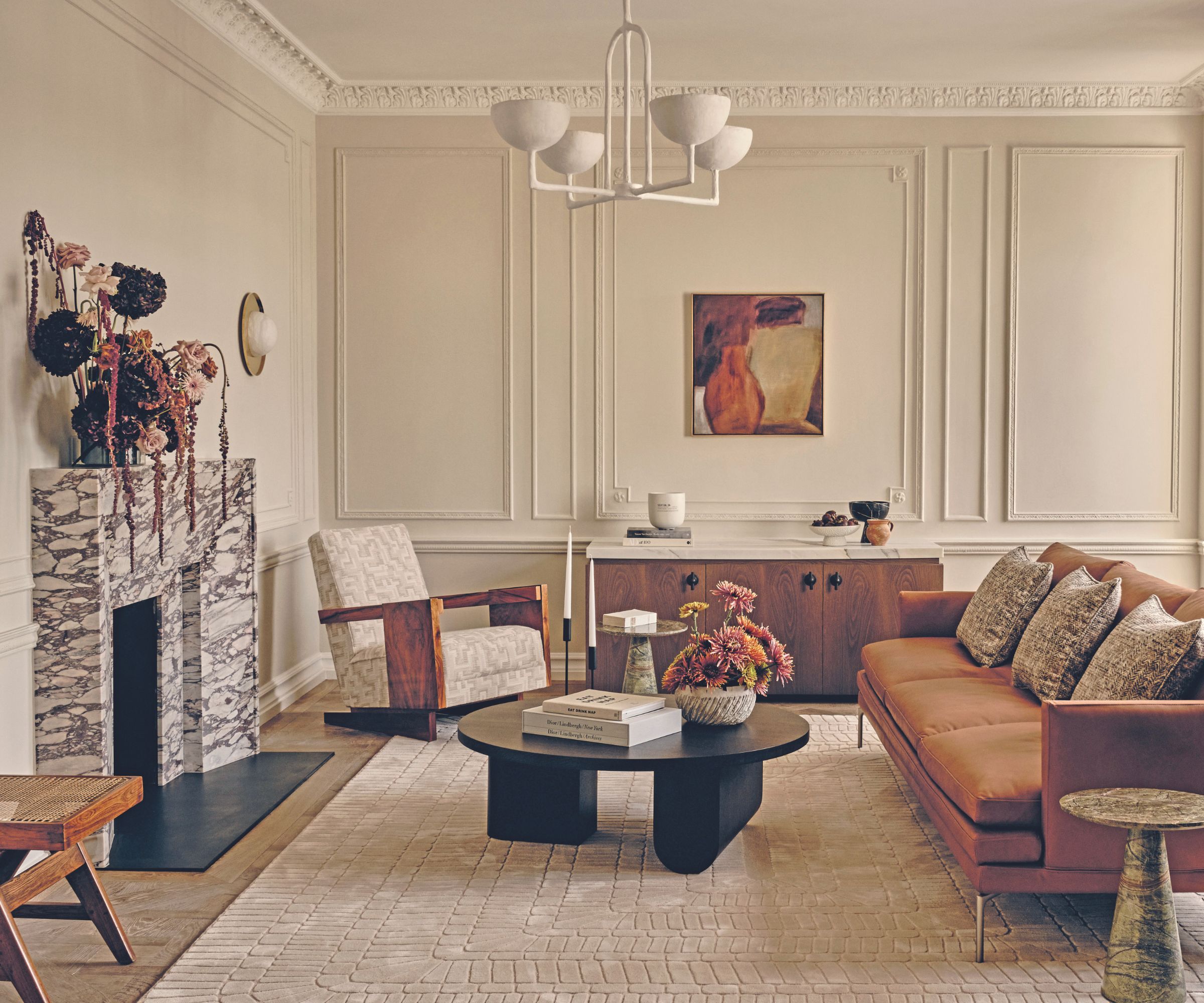
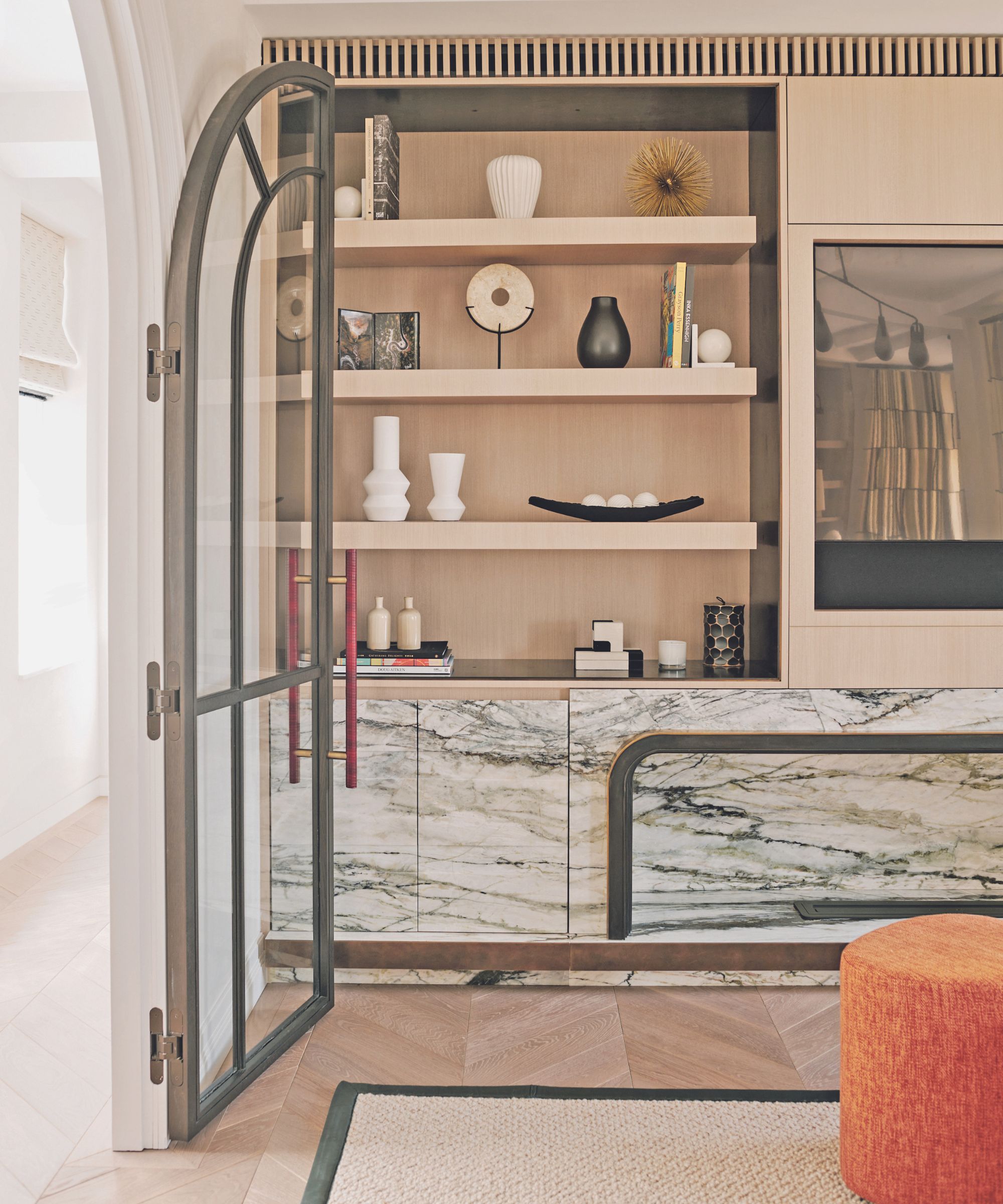
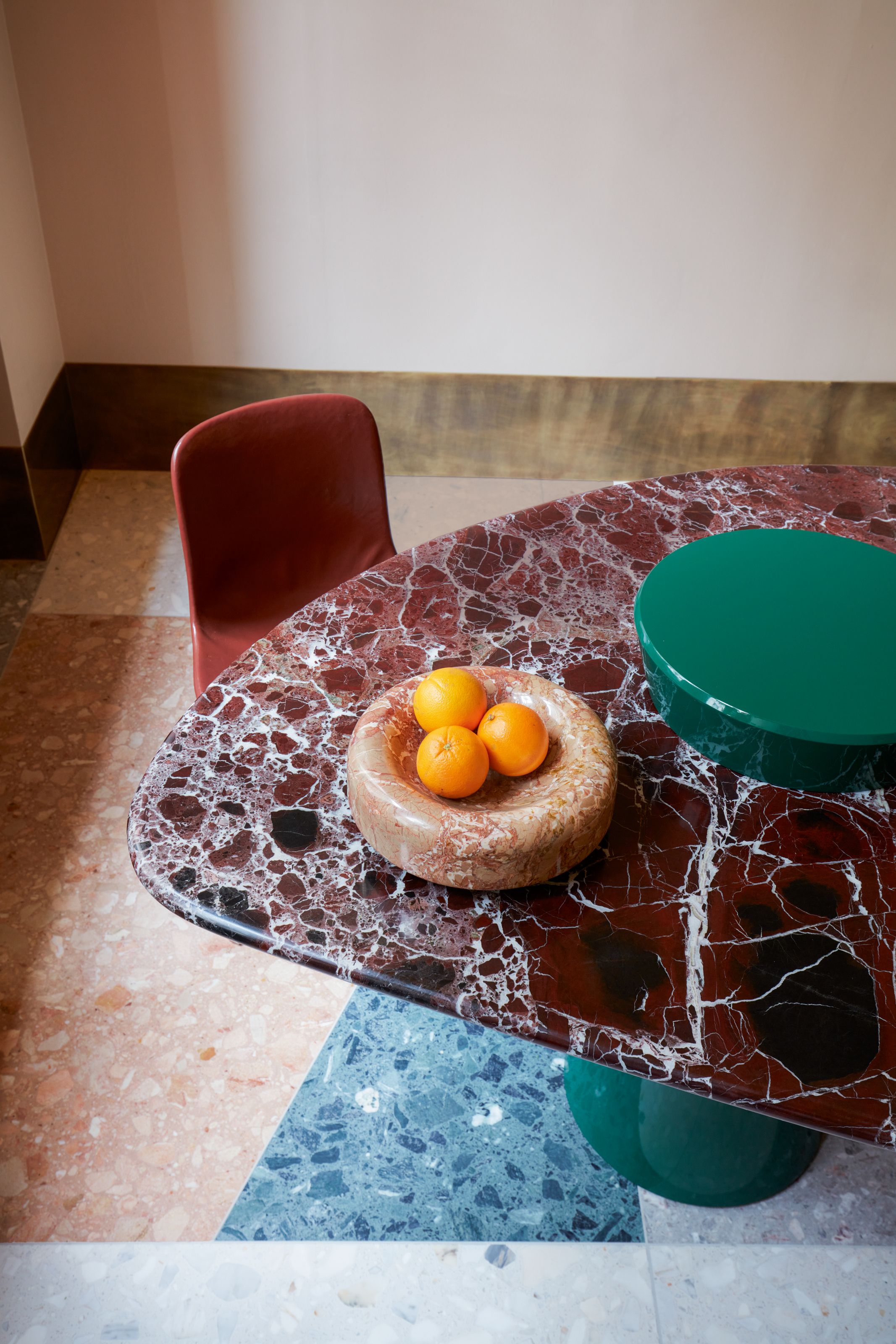
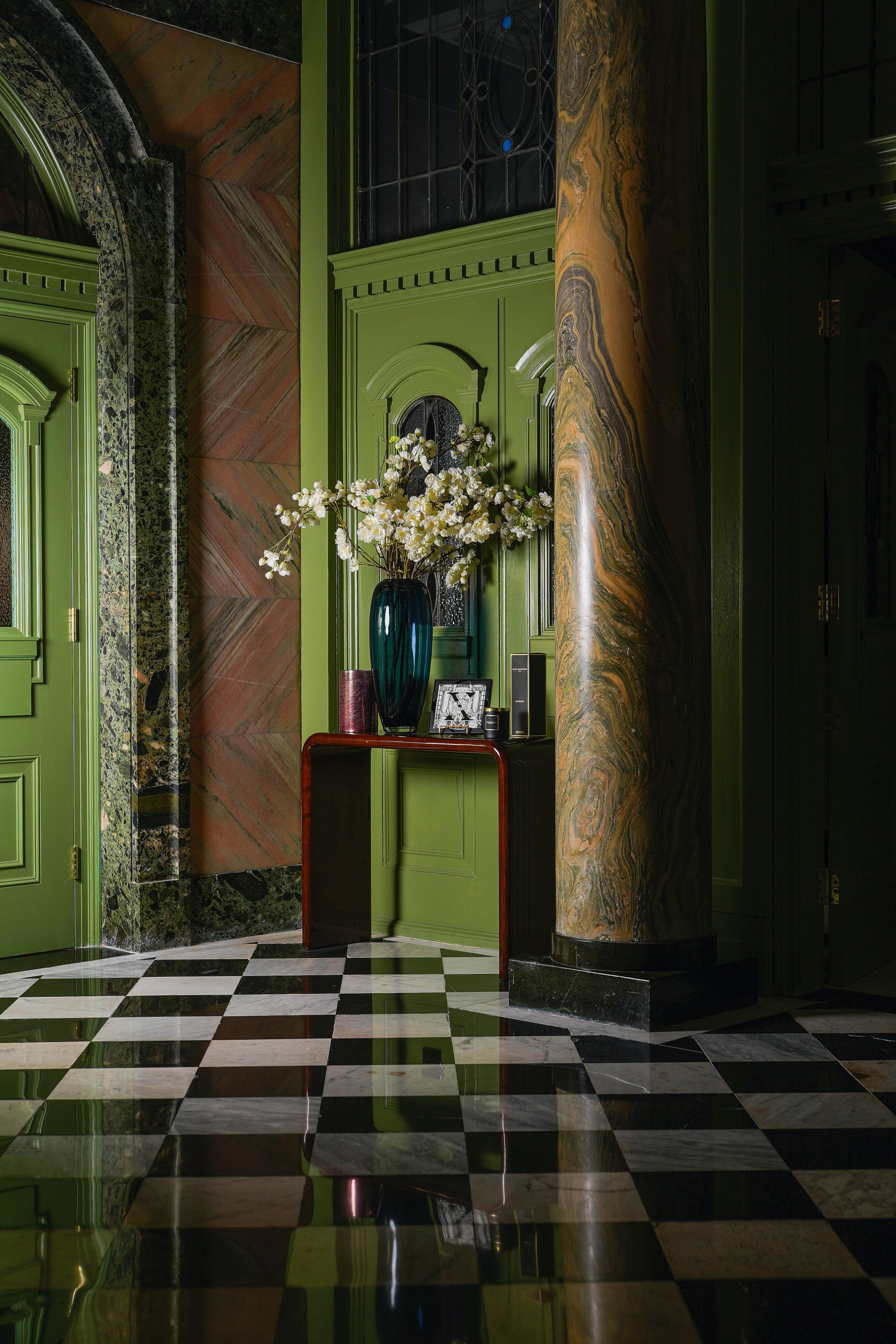
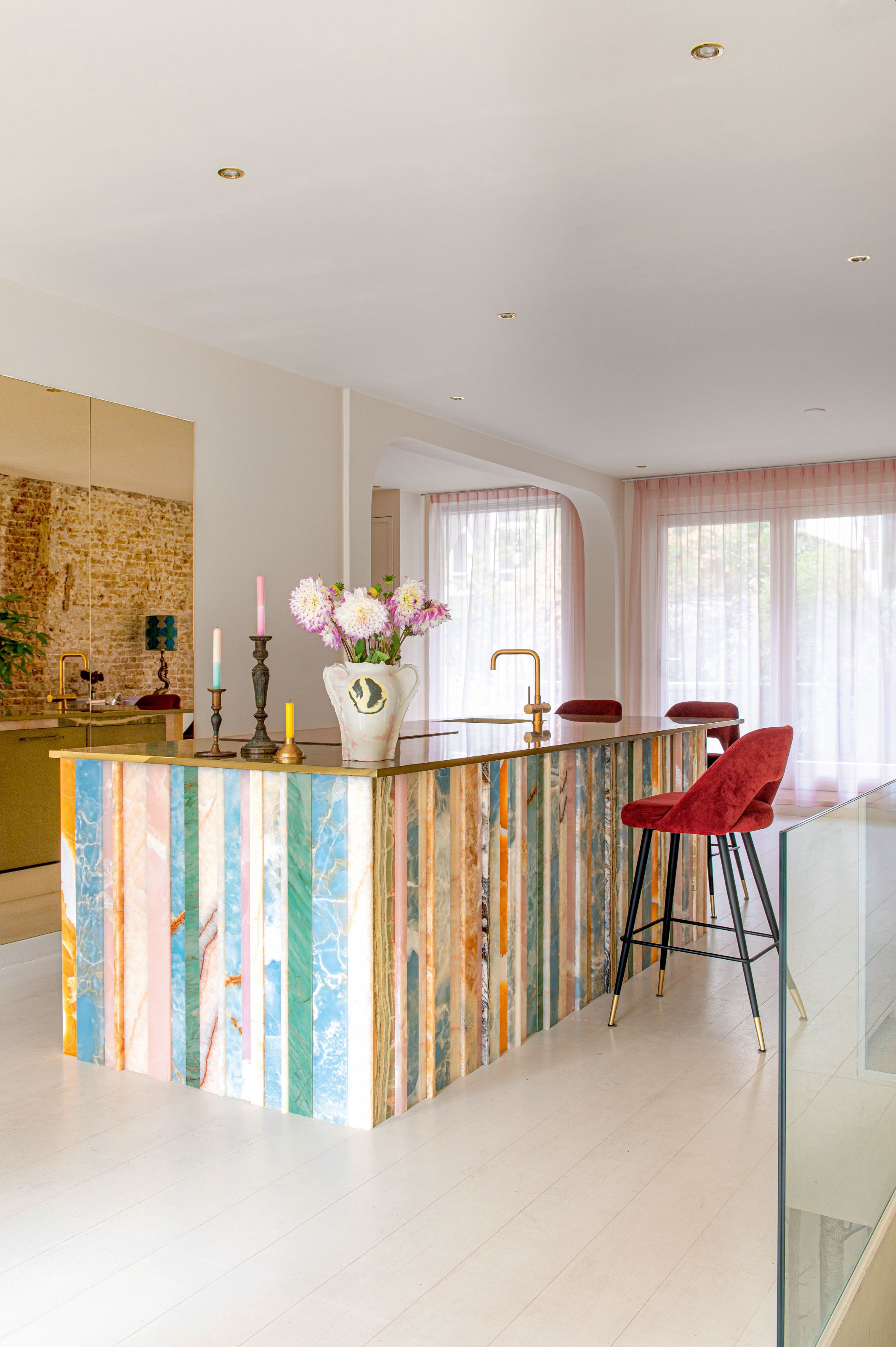
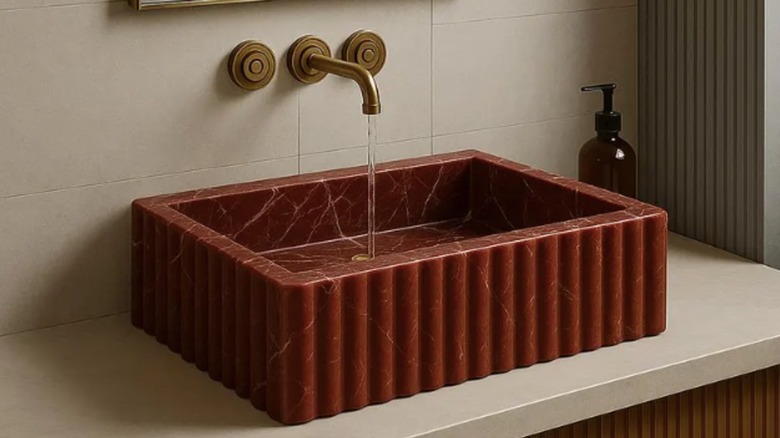
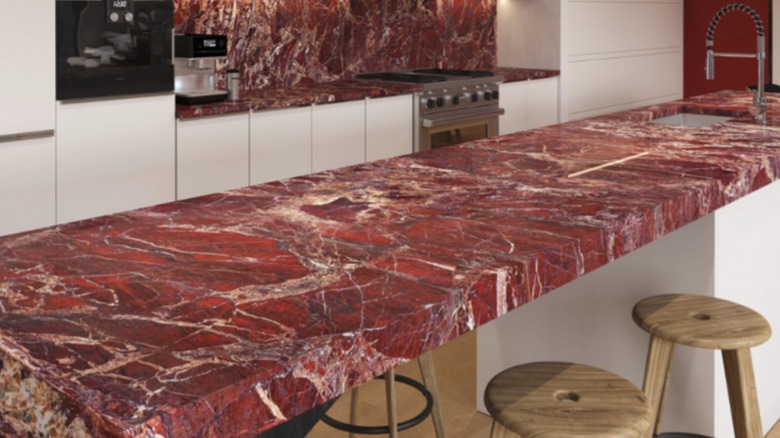
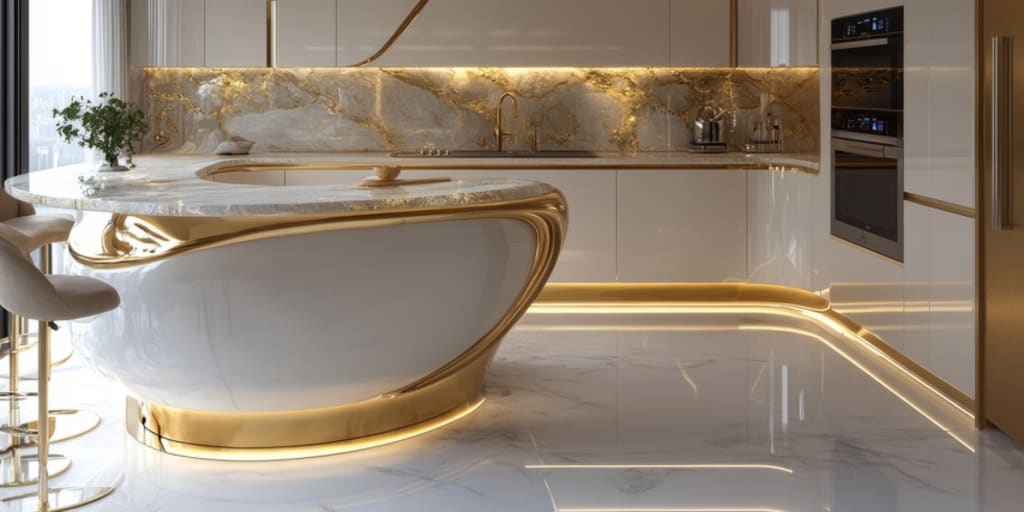
Marble, once a less common choice in American homes, has seen a significant resurgence in popularity, especially over the last two decades. While historically requiring extensive persuasion from designers to convince clients of its appeal, advancements in fabrication technology and a more robust global supply chain have made natural stone more accessible and affordable. However, the market for surface materials is currently experiencing shifts due to the rise of engineered quartz-based options and evolving client expectations. This has led to a dynamic environment where natural stone purveyors and designers are adapting to new challenges and opportunities.
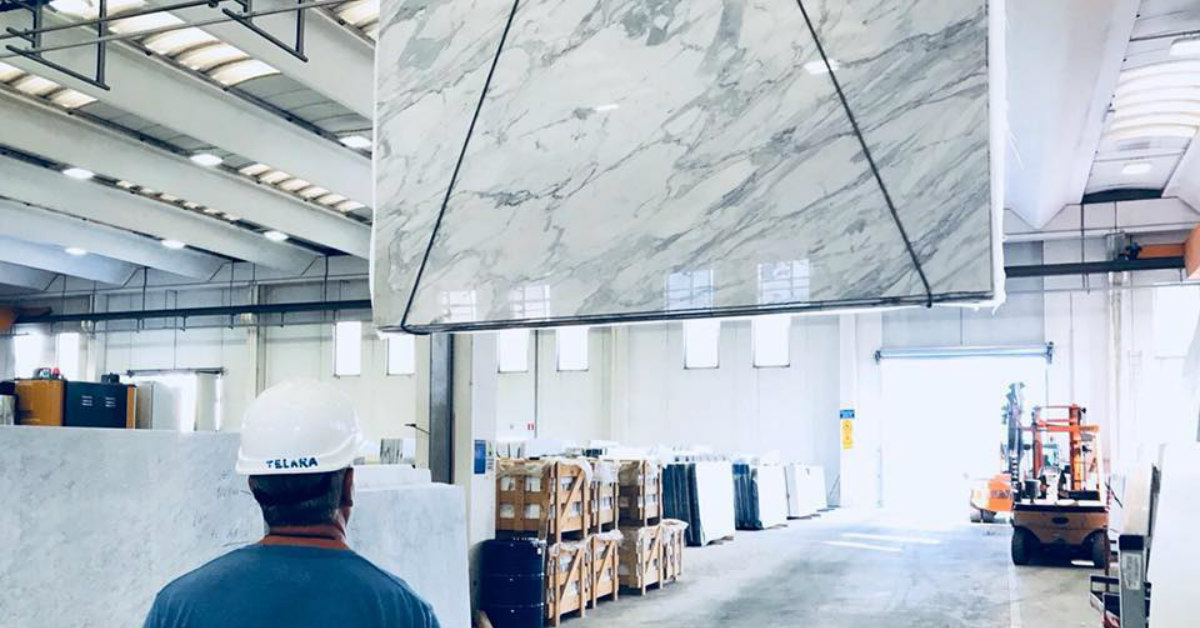
The natural stone industry, particularly marble, remains largely traditional, characterized by numerous family-owned quarries operating independently rather than being consolidated under large corporations. This structure emphasizes the importance of personal relationships between distributors and quarries, which can significantly impact the quality and quantity of stone available. For instance, obtaining a sufficient number of matching slabs for large-scale projects can be challenging, requiring designers to select stone earlier in the design process and sometimes even travel directly to source materials from regions like Italy.
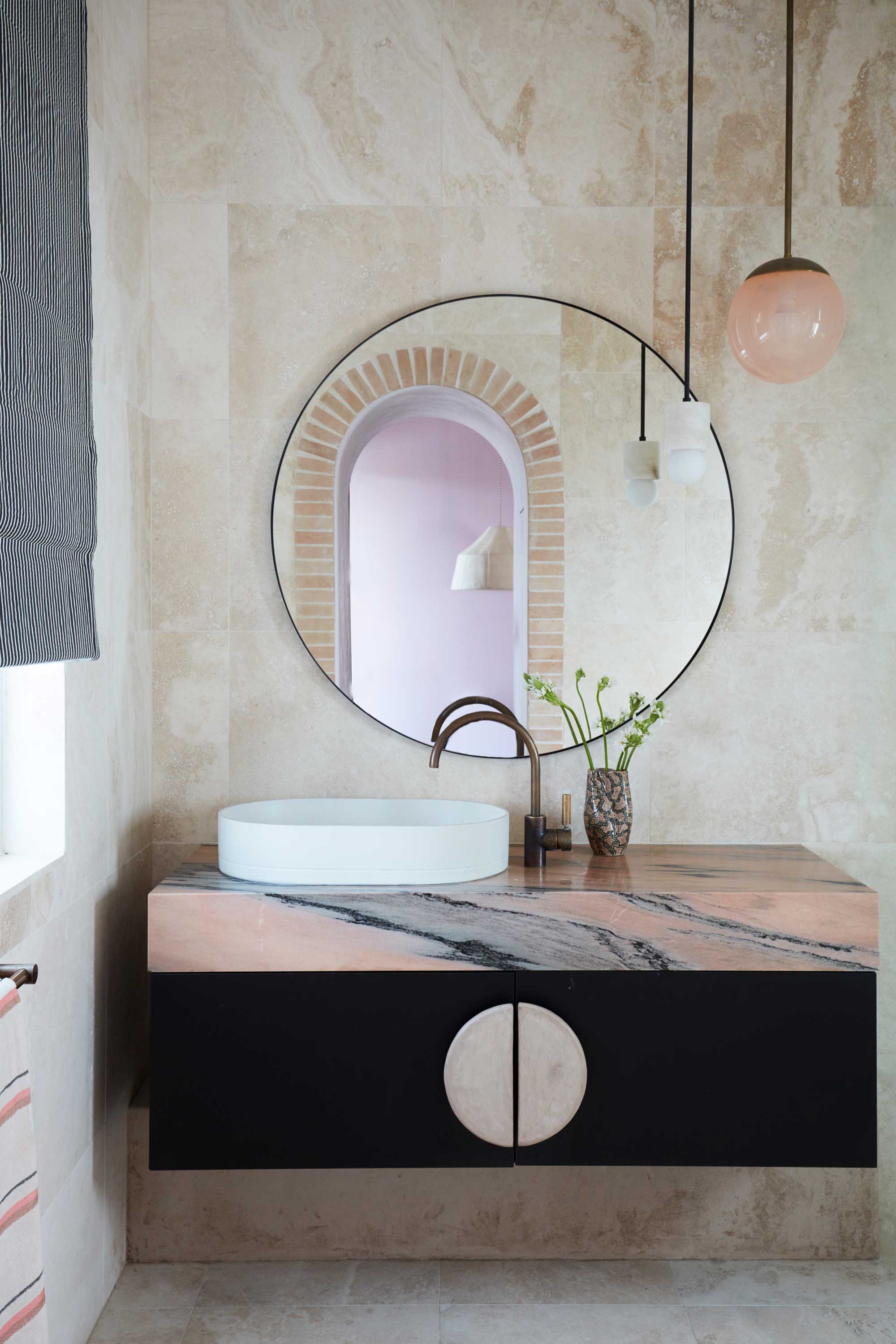
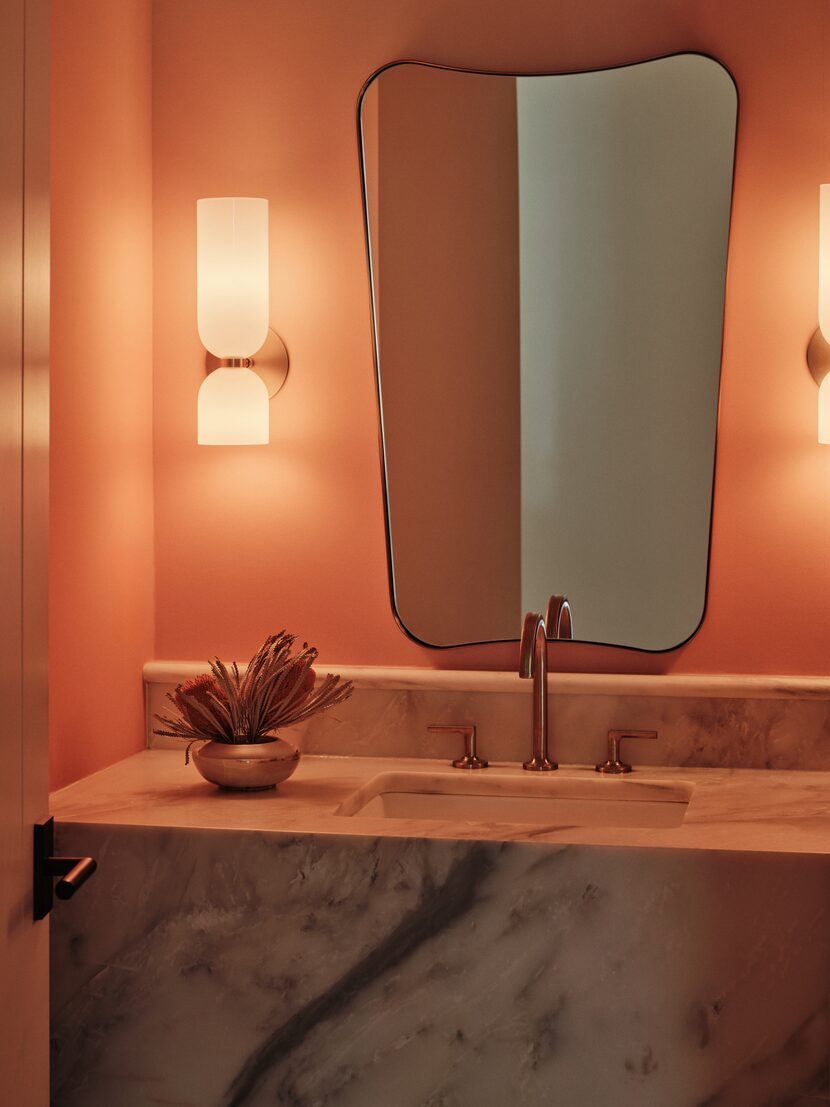
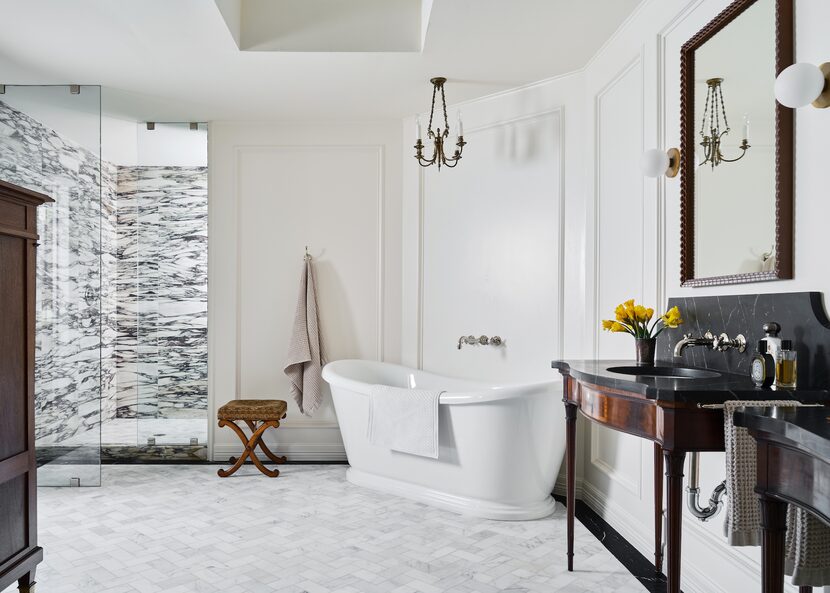
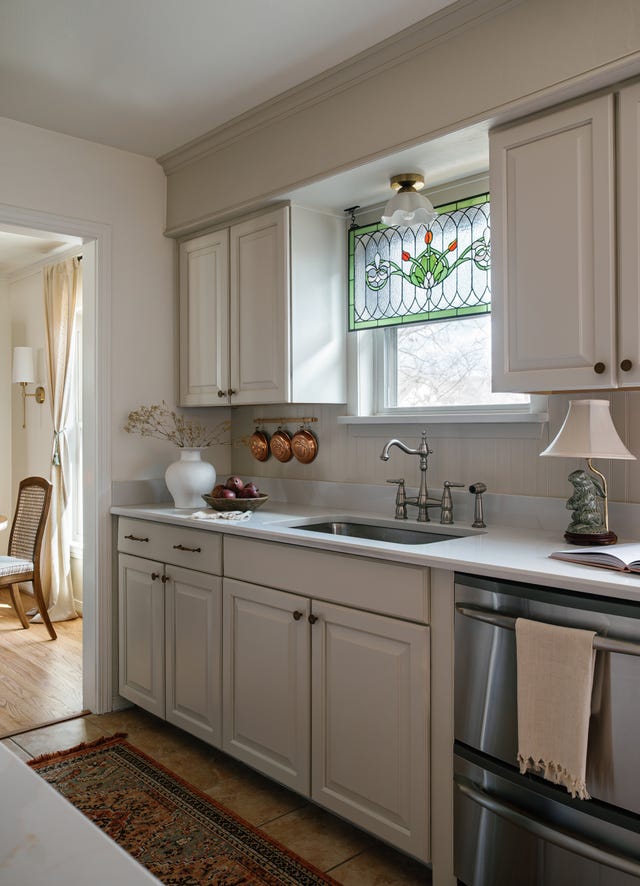
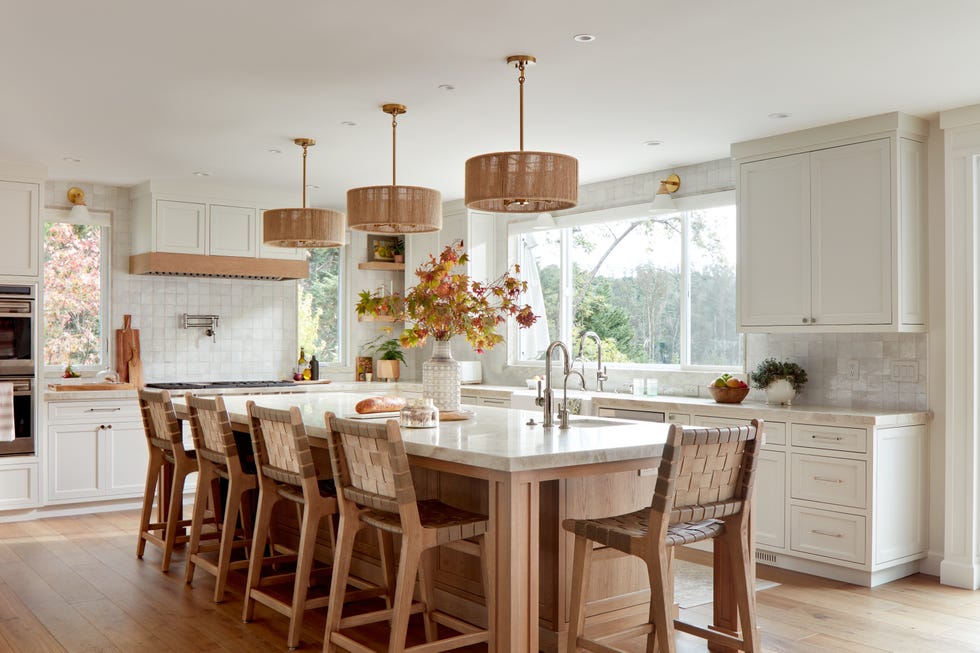
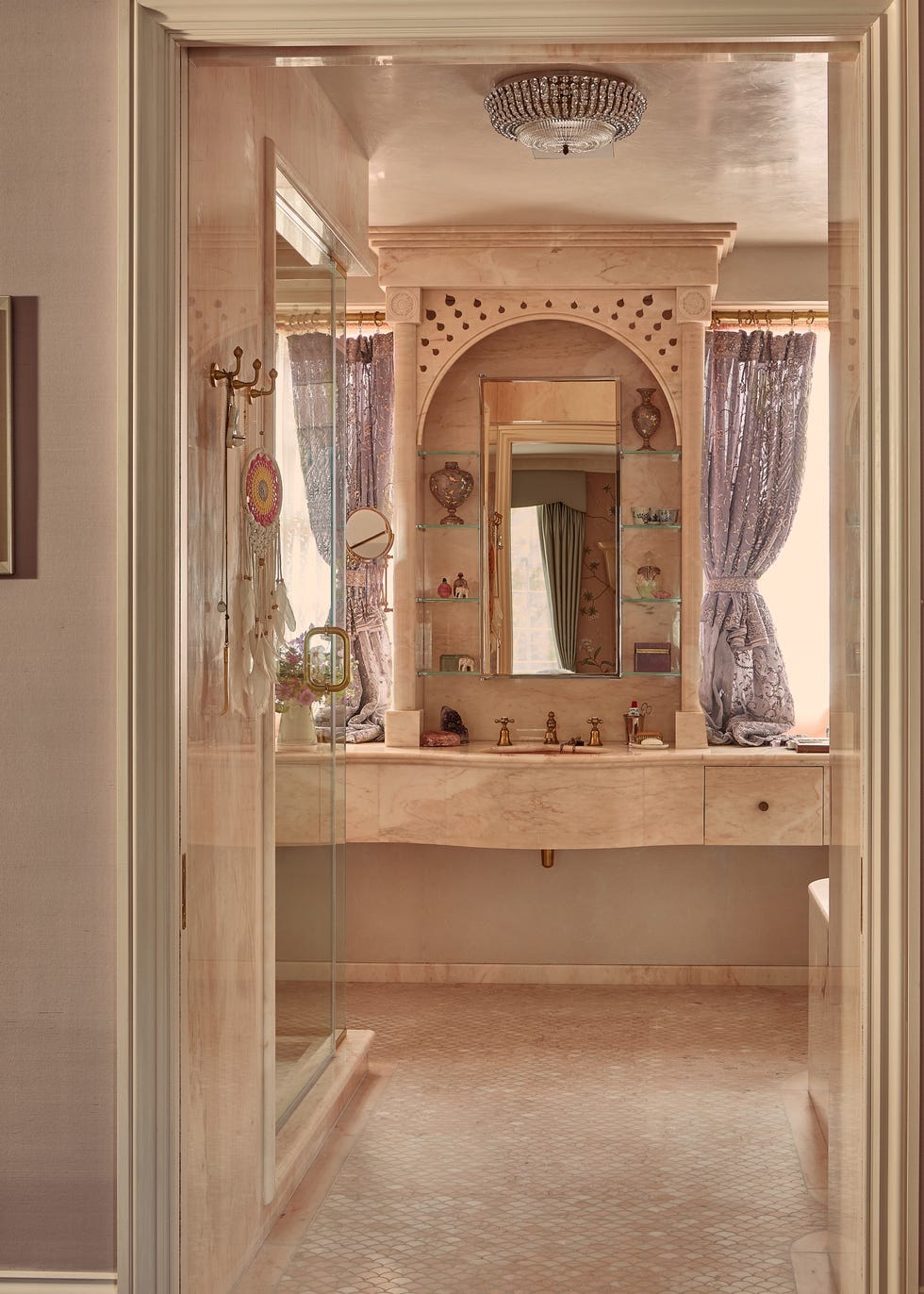
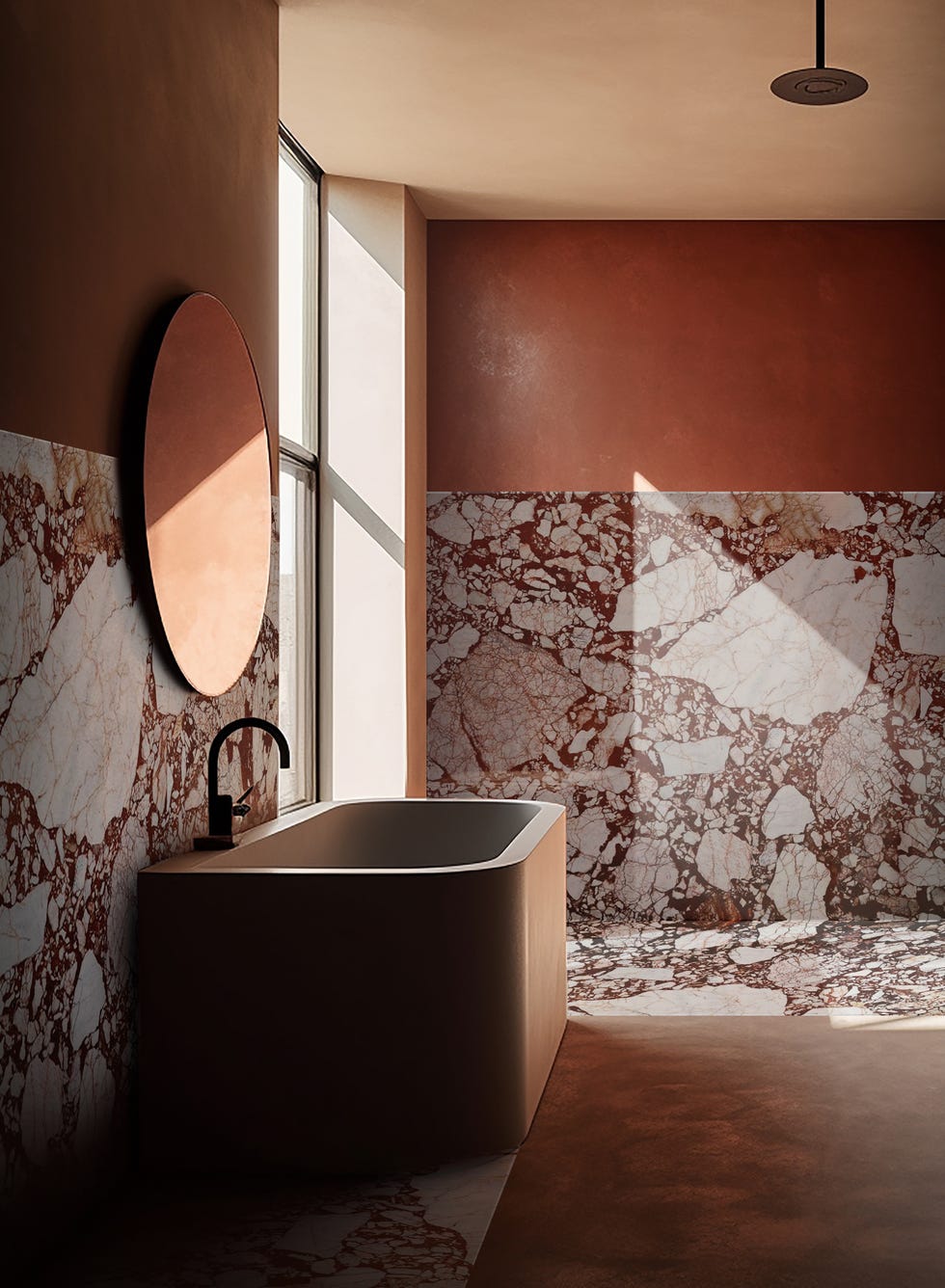
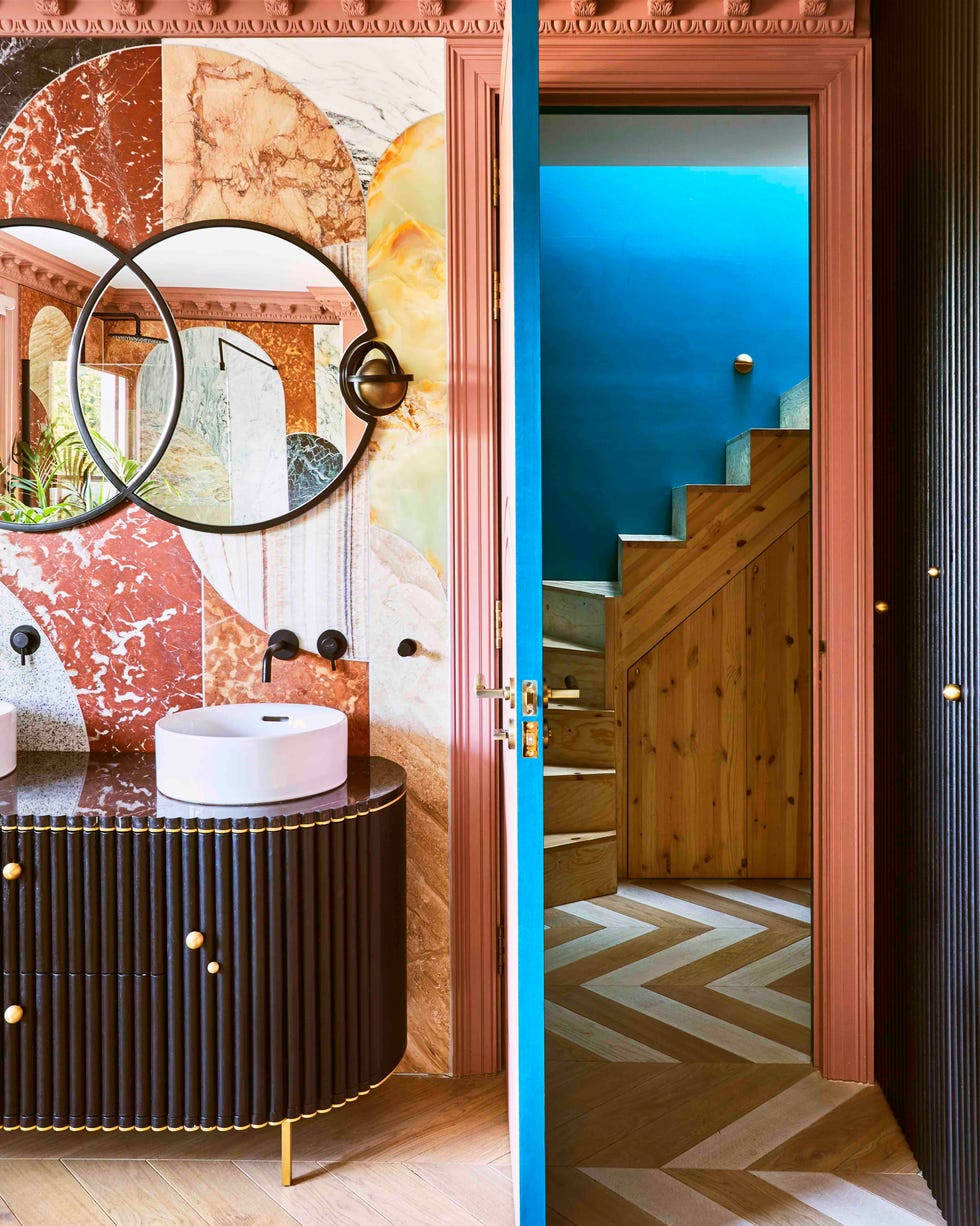
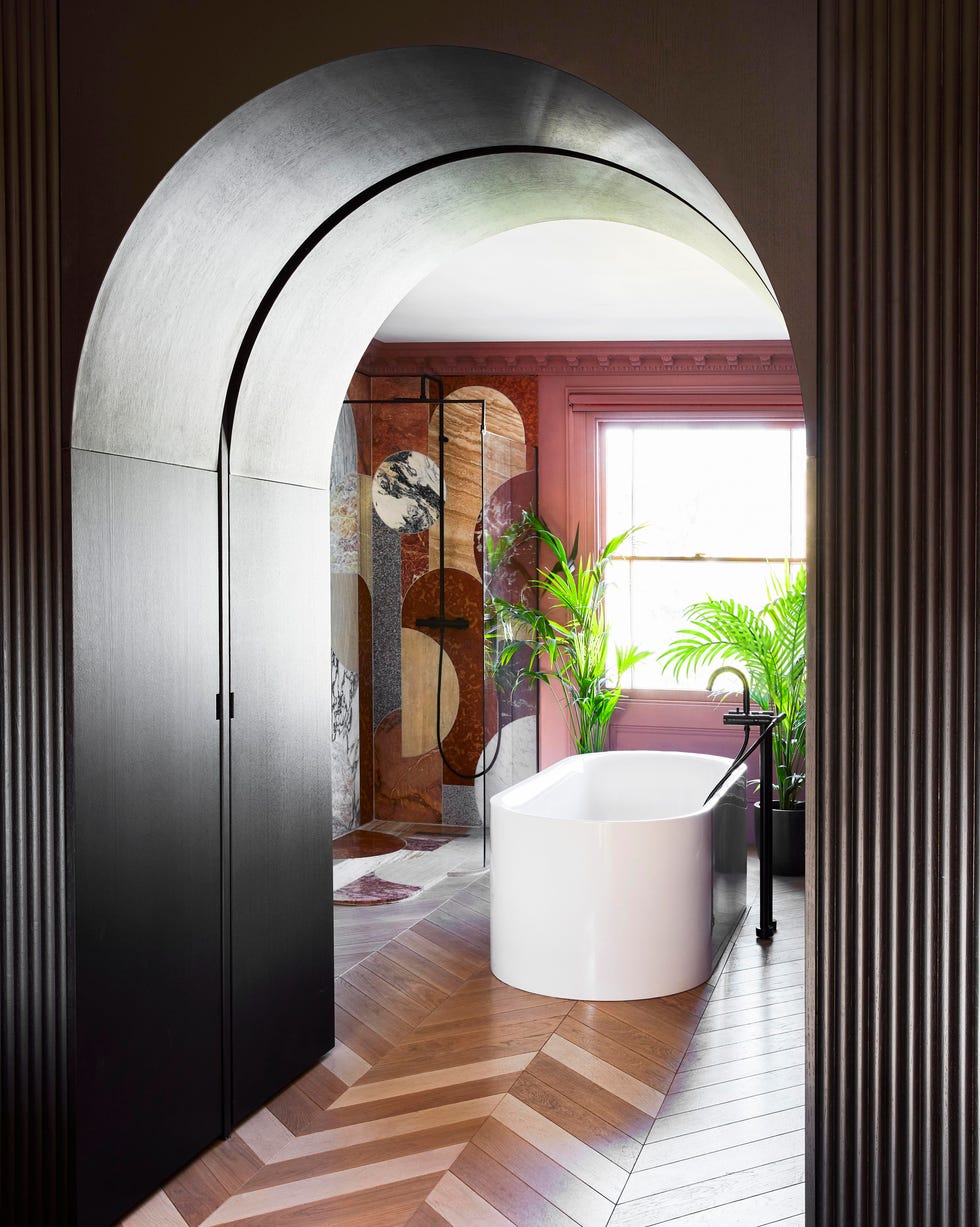
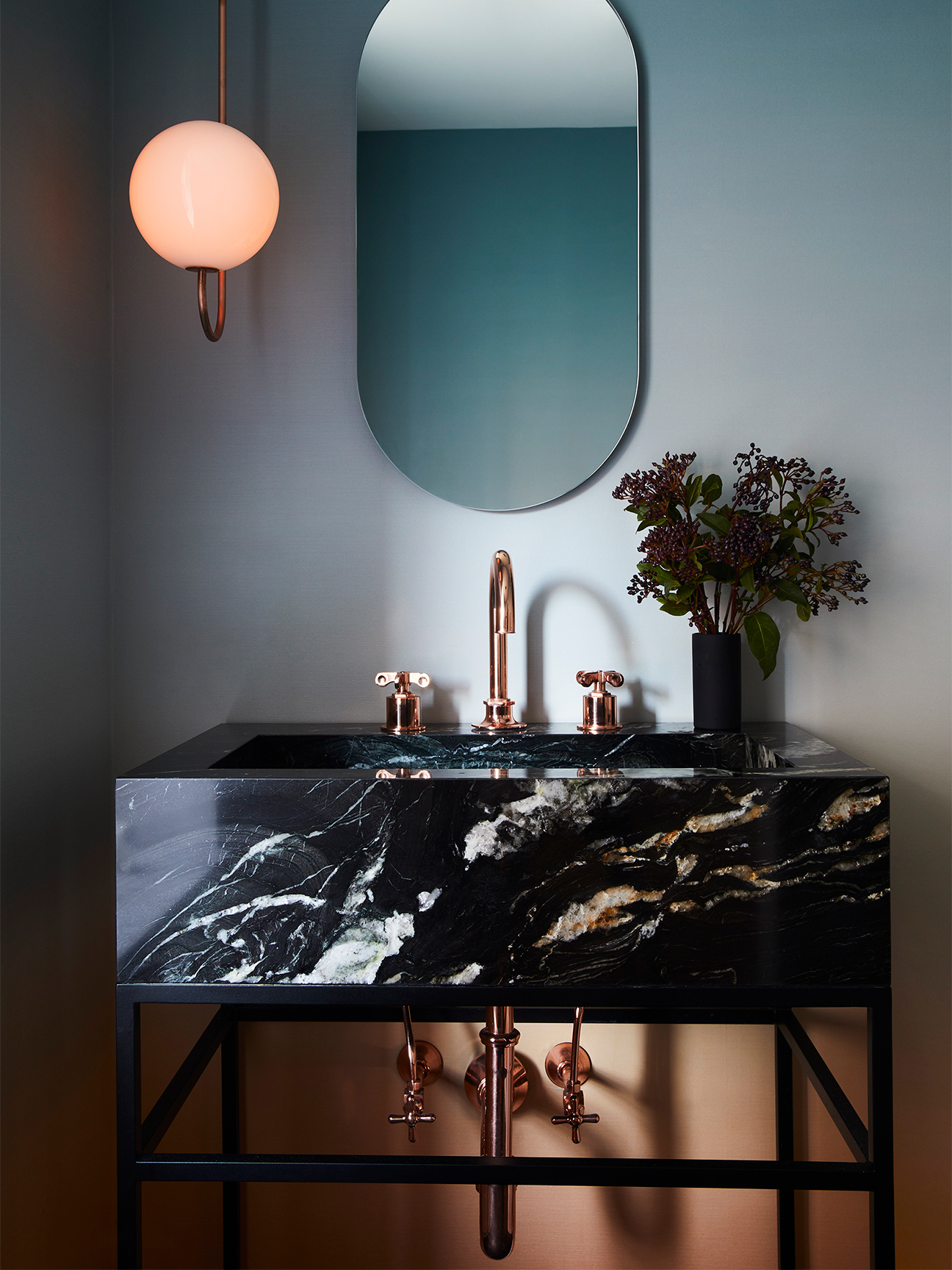
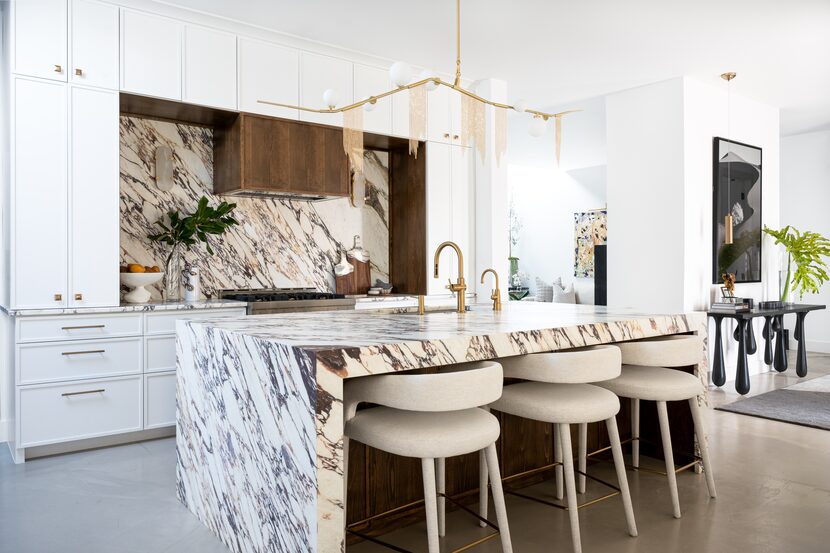
The increased demand for marble is evident, with designers incorporating it into nearly all projects, especially in bathrooms where clients seek unique aesthetics. While granite's popularity has waned, marble continues to be highly sought after. However, the kitchen countertop market has seen significant inroads by engineered quartz. Brands like Cambria, Caesarstone, and Cosentino have improved their products, making them competitive with natural stone not only in terms of functionality but also often in price, as high-end quartz can sometimes be more expensive than natural stone. Clients are increasingly drawn to the durability of synthetic options, despite ongoing debates about the practical differences between the two materials.
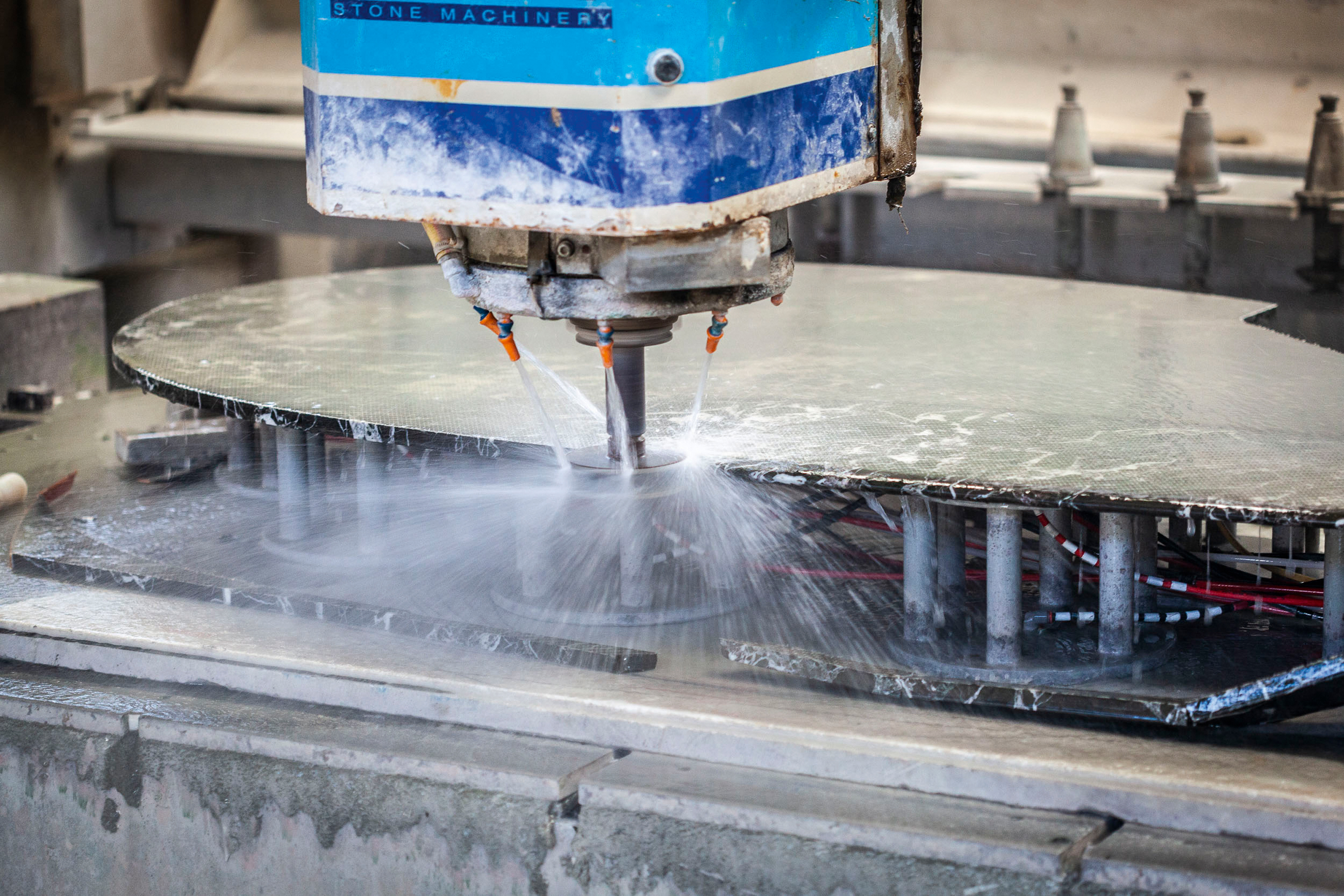
Technological advancements have also benefited natural stone, with improved sealants and honing techniques addressing previous concerns about scratches and etching. Better high-resolution imaging and faster sample delivery have further streamlined the selection process for clients. Despite these improvements, quartz has captured a considerable share of the middle and lower-tier market segments, particularly in kitchens. This has prompted natural stone suppliers to focus on the high-end residential sector, cultivating relationships with architects and designers to cater to exclusive projects. Companies like Marmi emphasize a high-touch service model, offering dedicated project managers, proprietary templating software, and in-house fabrication for complex designs. They also actively monitor design trends to curate relevant stone selections.
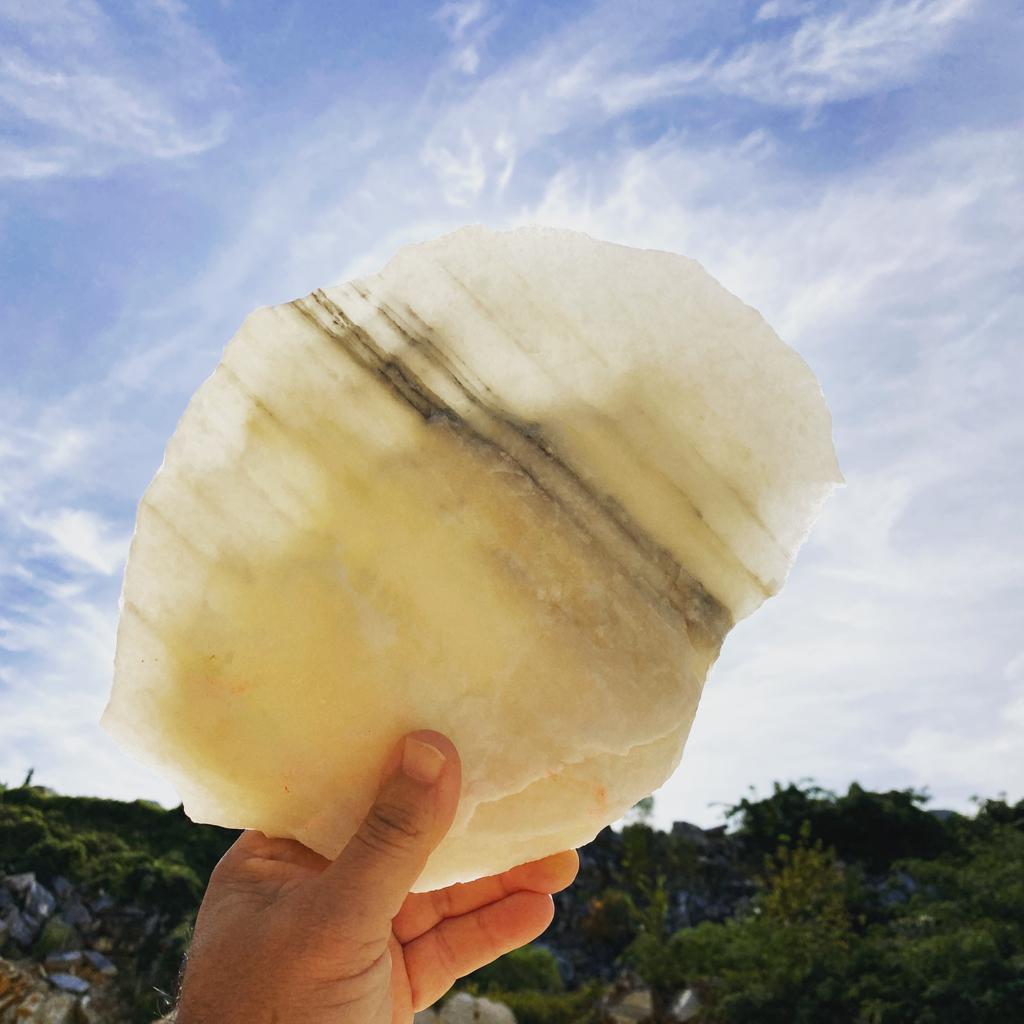
Selecting natural stone has evolved from a perceived chore into a luxurious experience. Designers are increasingly involving clients in the selection process, sometimes even organizing trips to quarries in places like Carrera, Italy, to choose specific blocks of marble. These experiences are seen as a competitive advantage and align with a broader shift in luxury consumerism towards experiences rather than just objects. For those unable to travel to quarries, distributors like Artistic Tile have created showroom experiences that mimic art galleries, offering bright lighting, ample browsing space, and personalized assistance. They also organize tours to significant quarries, enhancing the educational and experiential aspect for designers. This immersive approach leverages social media's influence in generating interest in raw materials, attracting clients who may visit these galleries even without a designer.
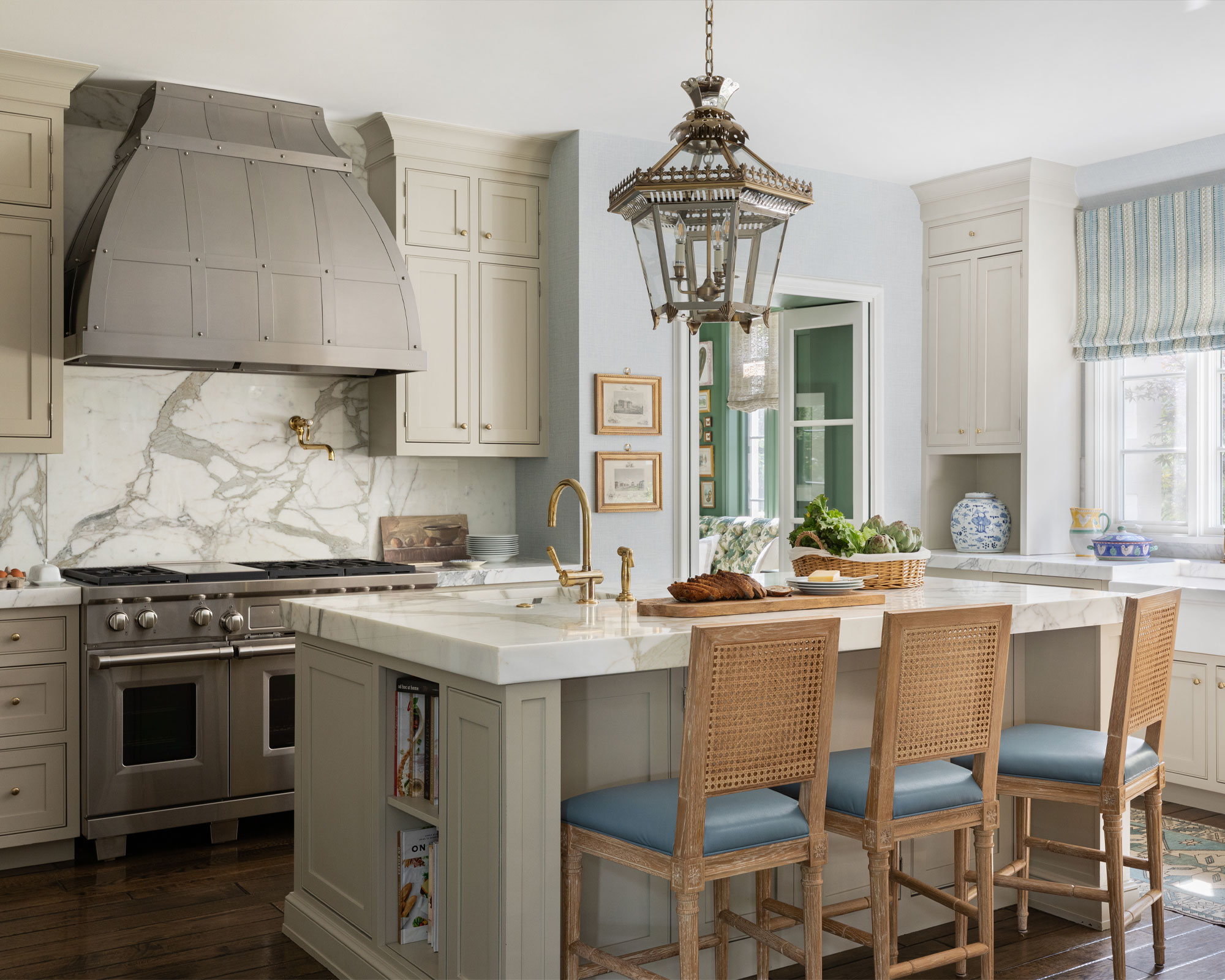
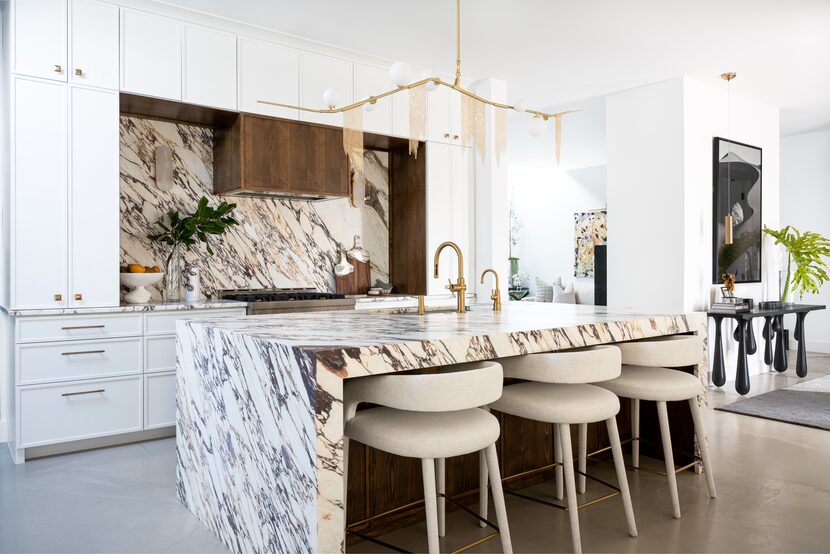
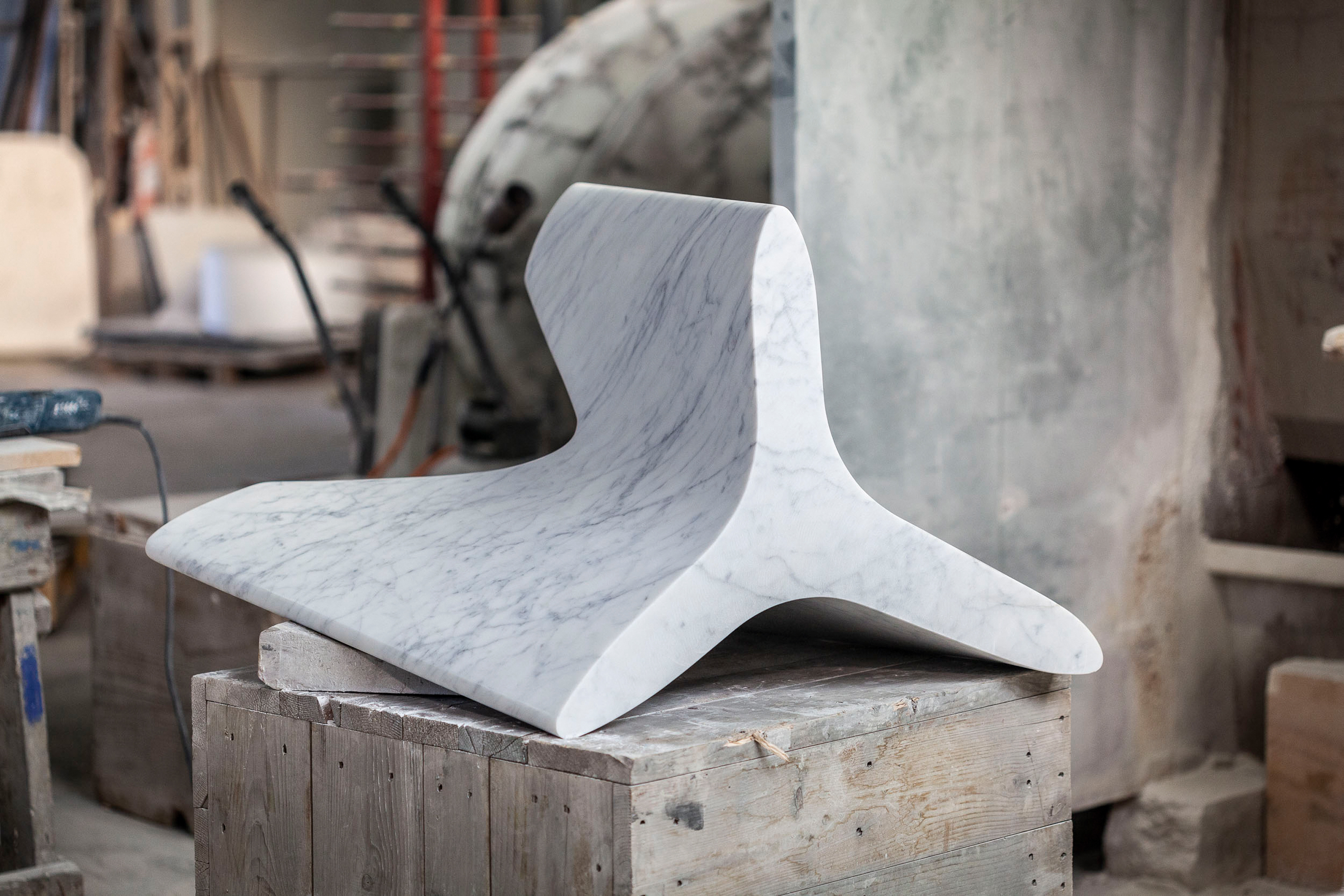
The future of natural stone appears stable, with industry experts agreeing that while the market is evolving, it is not in decline. White marble kitchens, in particular, are considered timeless. The unique and artistic qualities of natural stone cater to a growing desire for personalization and self-expression in home design. Despite the strong competition from quartz, proponents of natural stone highlight its inherent beauty and, for some clients, its natural properties, which address concerns about off-gassing associated with synthetic materials. Ultimately, the choice often comes down to individual preference, with purists continuing to favor the authenticity and unique character of natural marble.
#MarbleDesign #NaturalStone #KitchenDesign #BathroomDesign #InteriorDesignTrends #QuartzCountertops #LuxuryMaterials #MaterialSourcing #DesignProcess #MarbleDesign #NaturalStone #KitchenDesign #BathroomDesign #InteriorDesignTrends #QuartzCountertops #LuxuryMaterials #MaterialSourcing #DesignProcess
0 ความคิดเห็นรวม
 ยังไม่มีความคิดเห็น
คุณอาจจะชอบอีกด้วย
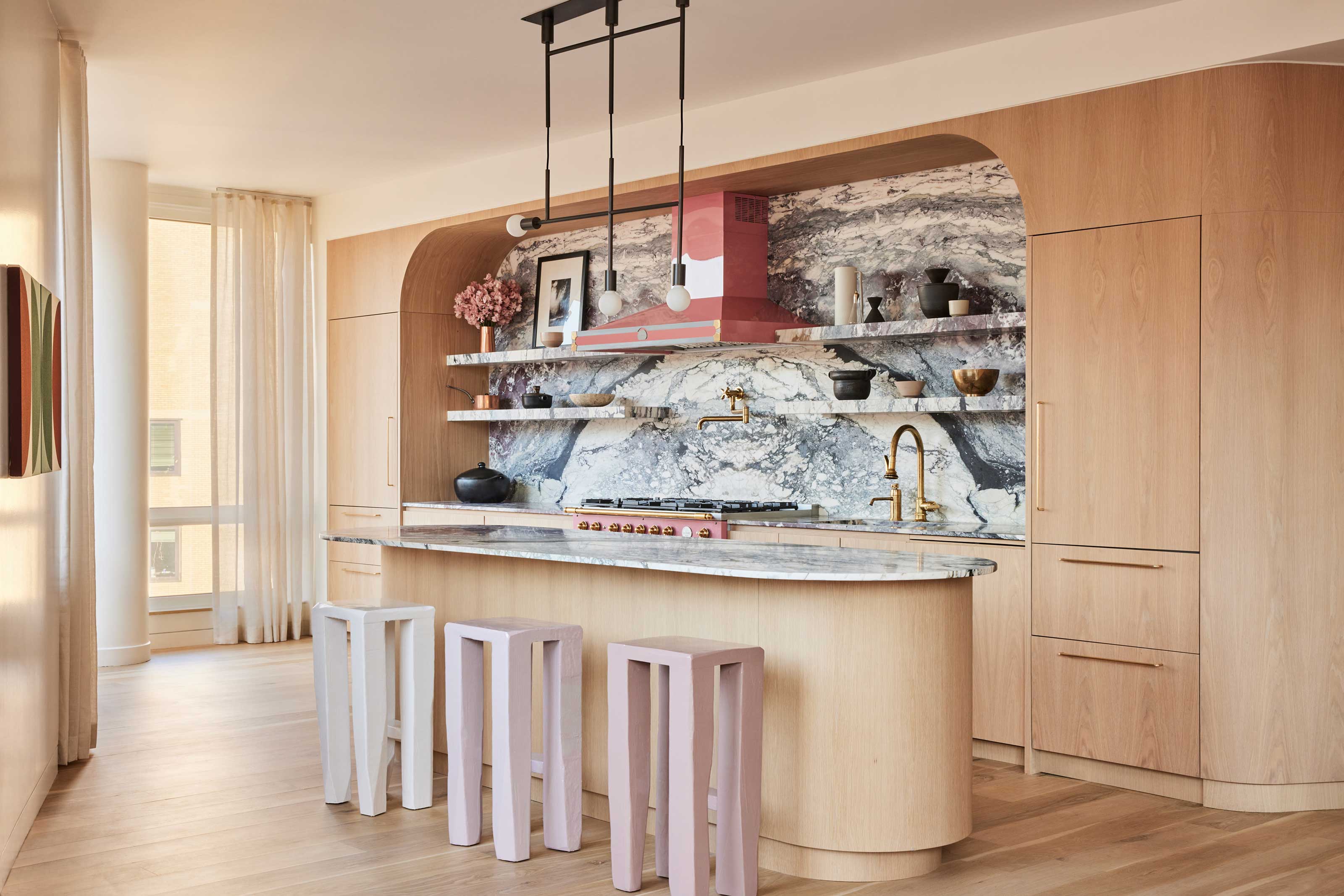
Forget Carrara – these incredible types of marble are what the world's best designers are using instead

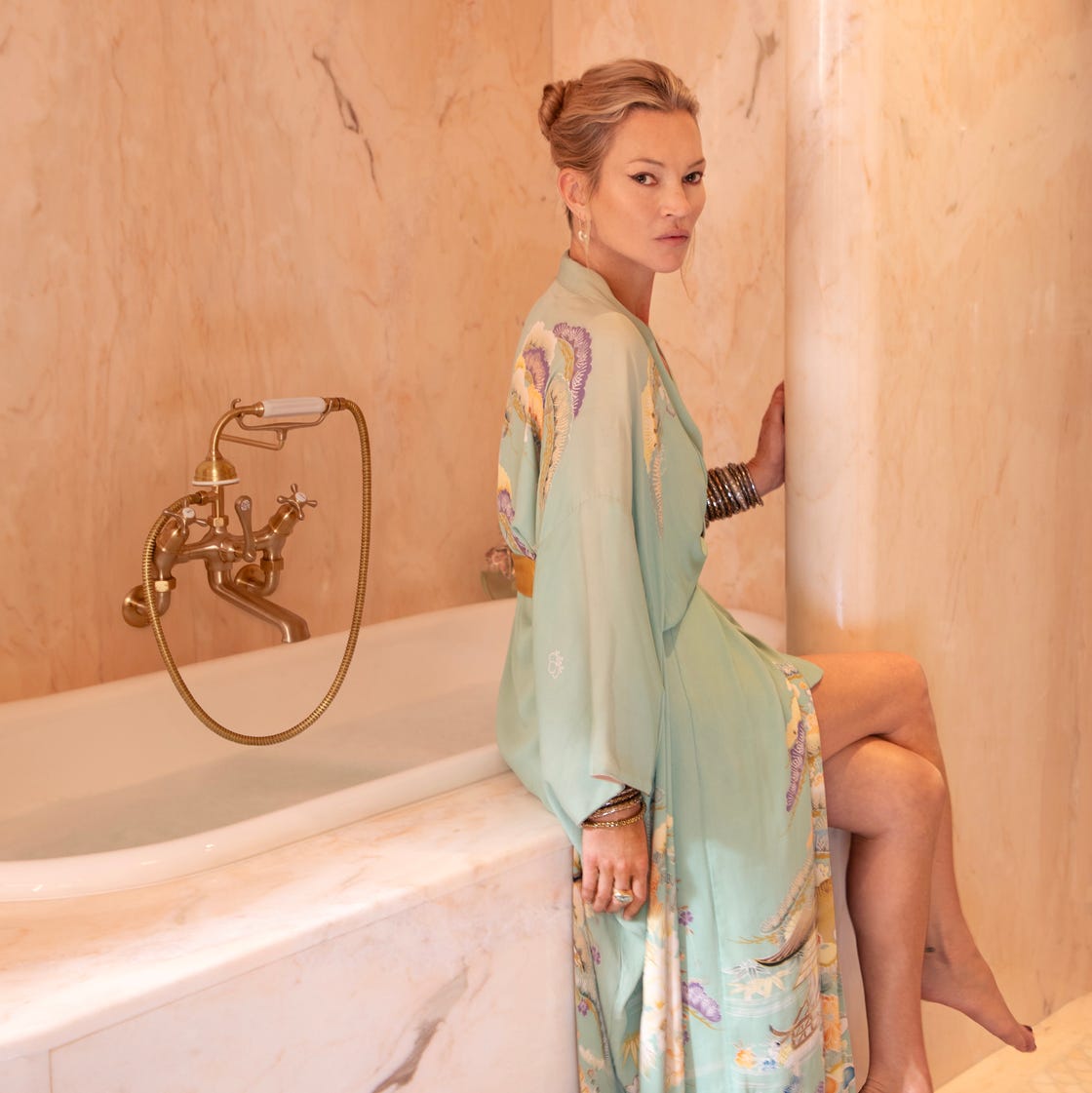
Inside The Coloured Marble Craze Celebrities Love — And How To Get The Look At Home

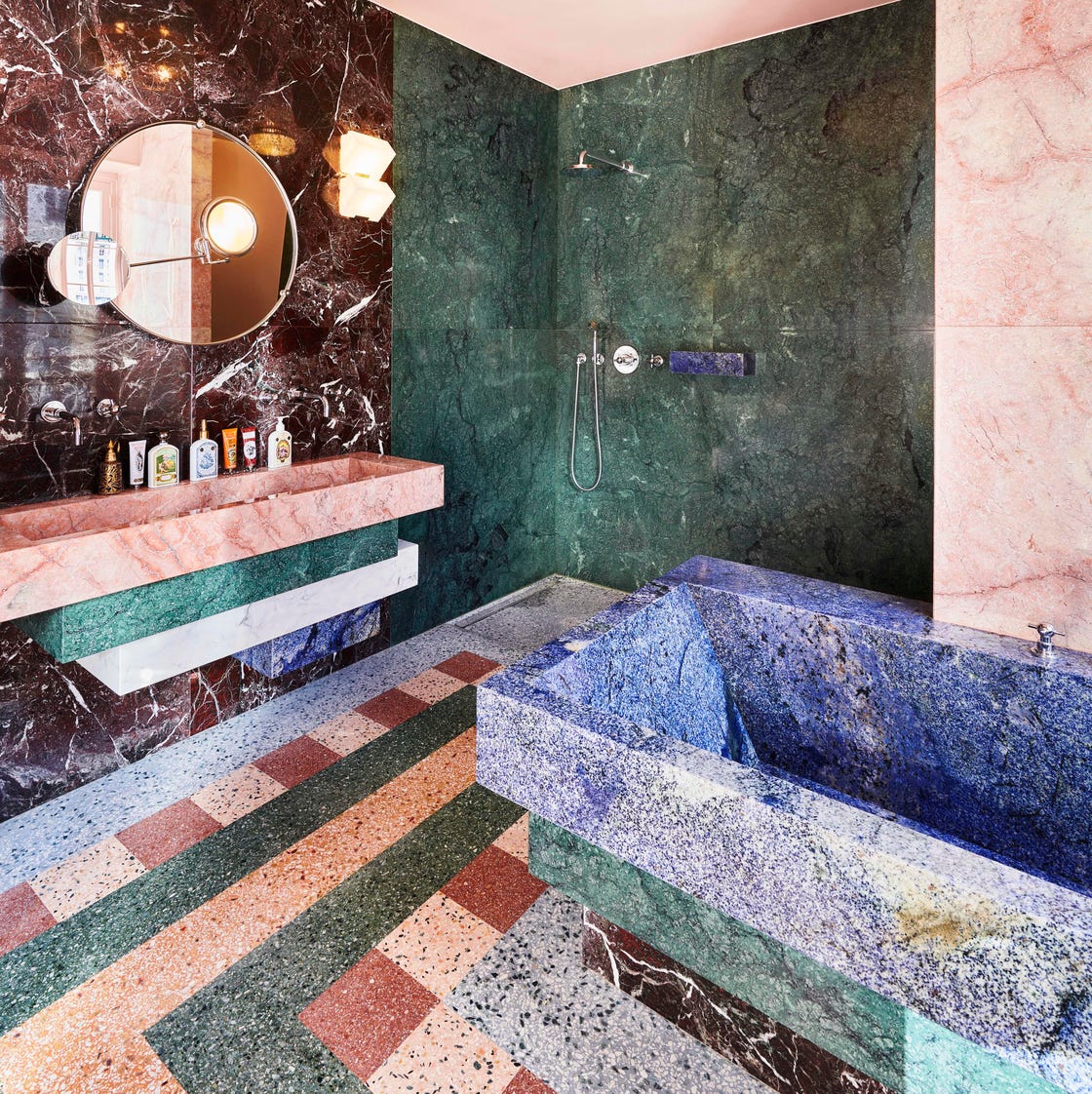
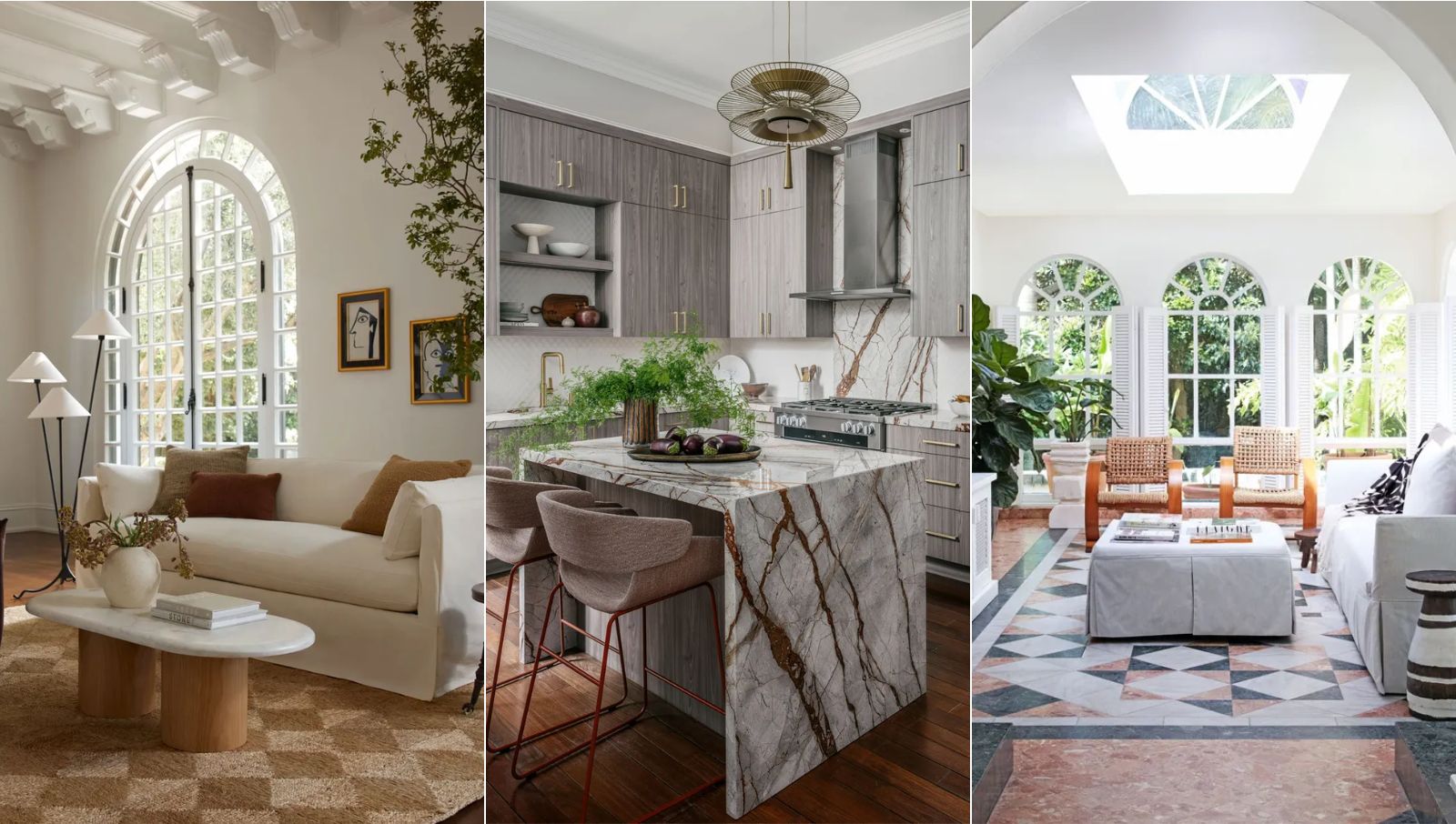
From patchwork to parquet: 8 homes that do marble differently

Stone Secrets: 2025 Trends and the Marble vs Quartzite Truth

Is marble still on trend? Interior designers have their say

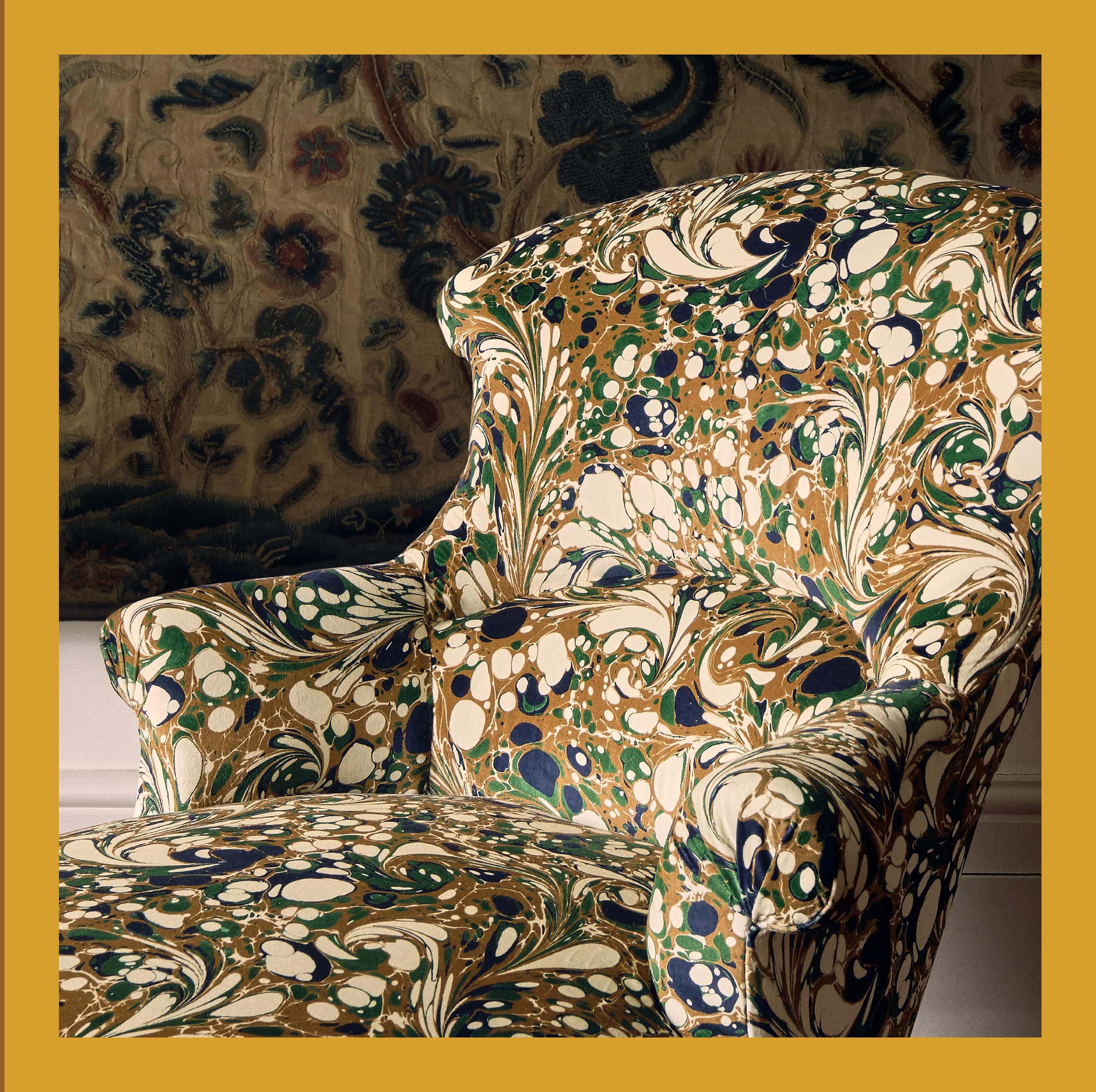
Meet Marbling, Design’s Prettiest Trend
What Comes After Carrara Marble?

Wall tile trends – from daring colour choices to creative combinations for walls
D-FW designers hone in on bold, colorful marbles for a modern take on a traditional look

What Comes After Carrara Marble?

What's replacing marble? Designers agree on the next big design trend we'll all be using instead
All The Places To Incorporate Trendy Red Marble Around Your Home

Goodbye, Marble—This Moody Counter Trend Is Taking Over

With 7 generations in the biz, here’s why this Italian man says Alabama marble is unique

Decorating with marble – 16 luxe looks created with precious stone
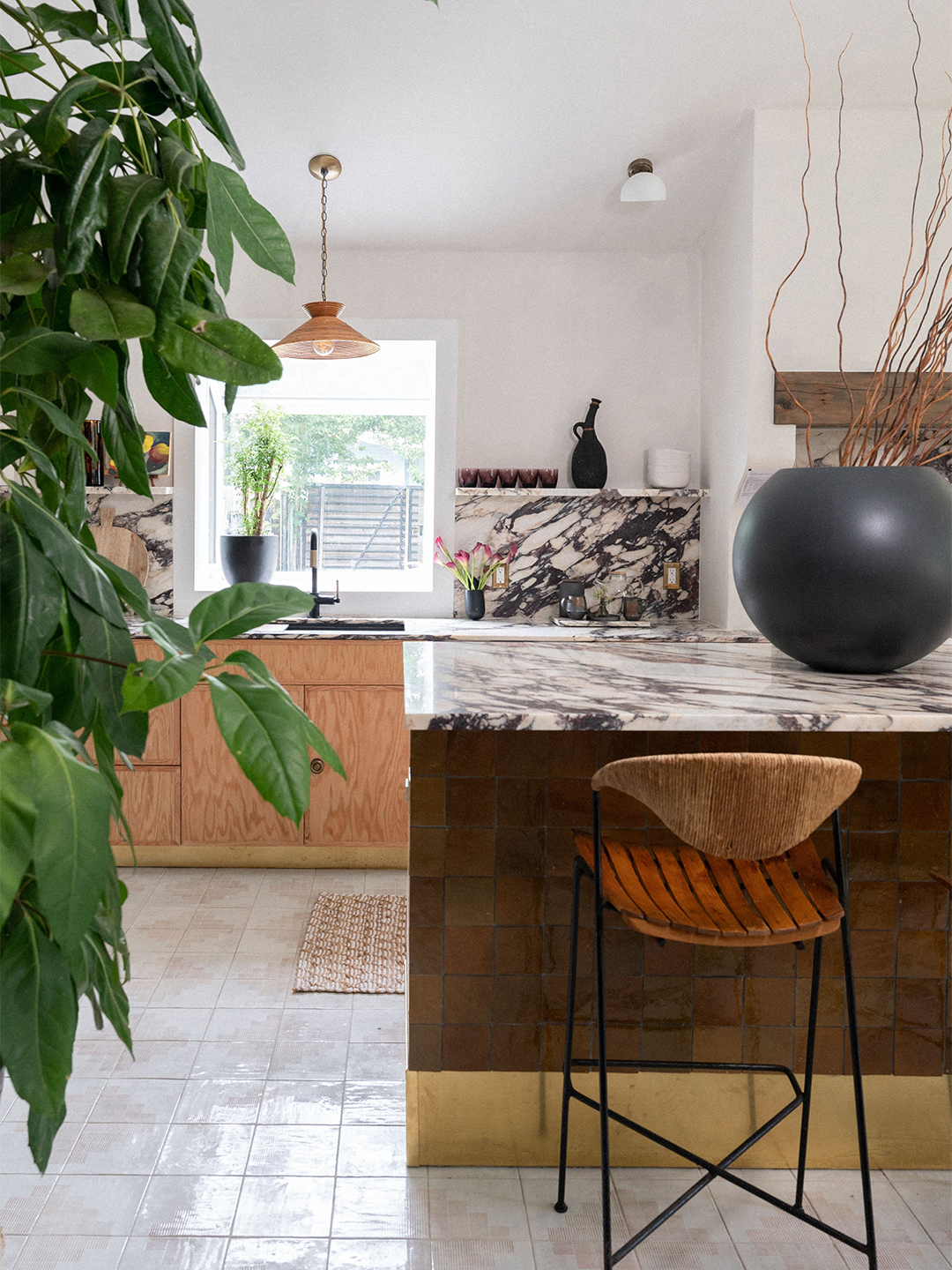
Burgundy Marble Counters Are In, But Designers Also Love These 4 Stones

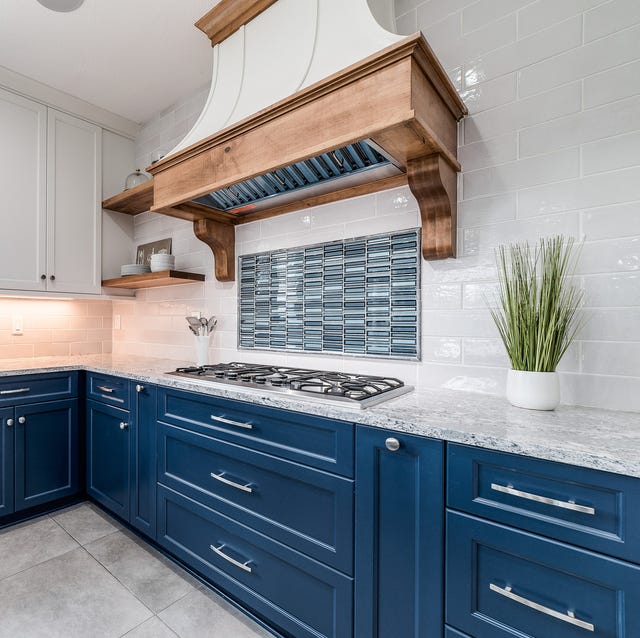
This Stone Is About to Be More Popular Than Marble, According to Designers

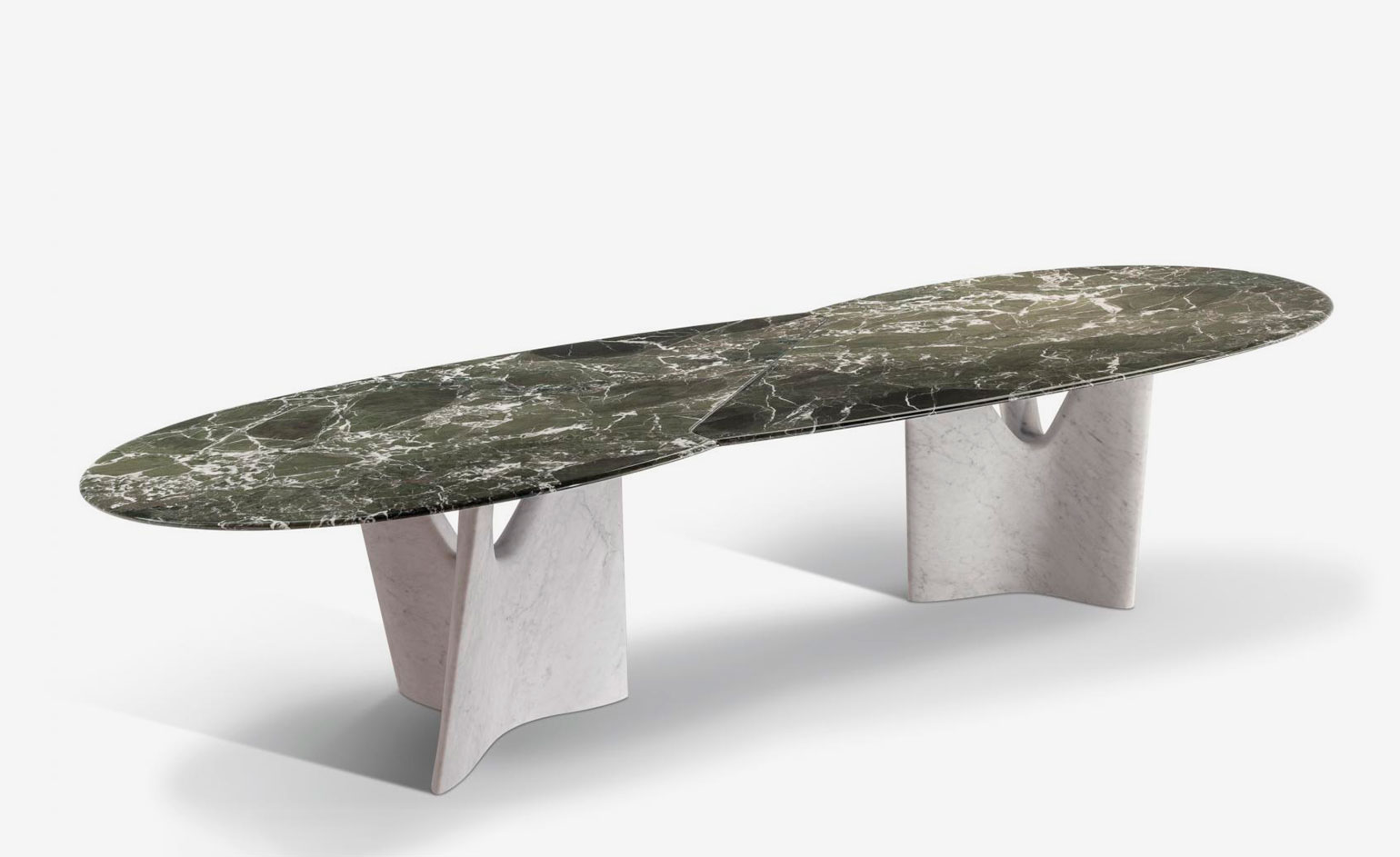
Marble table pushes the boundaries of furniture manufacturing

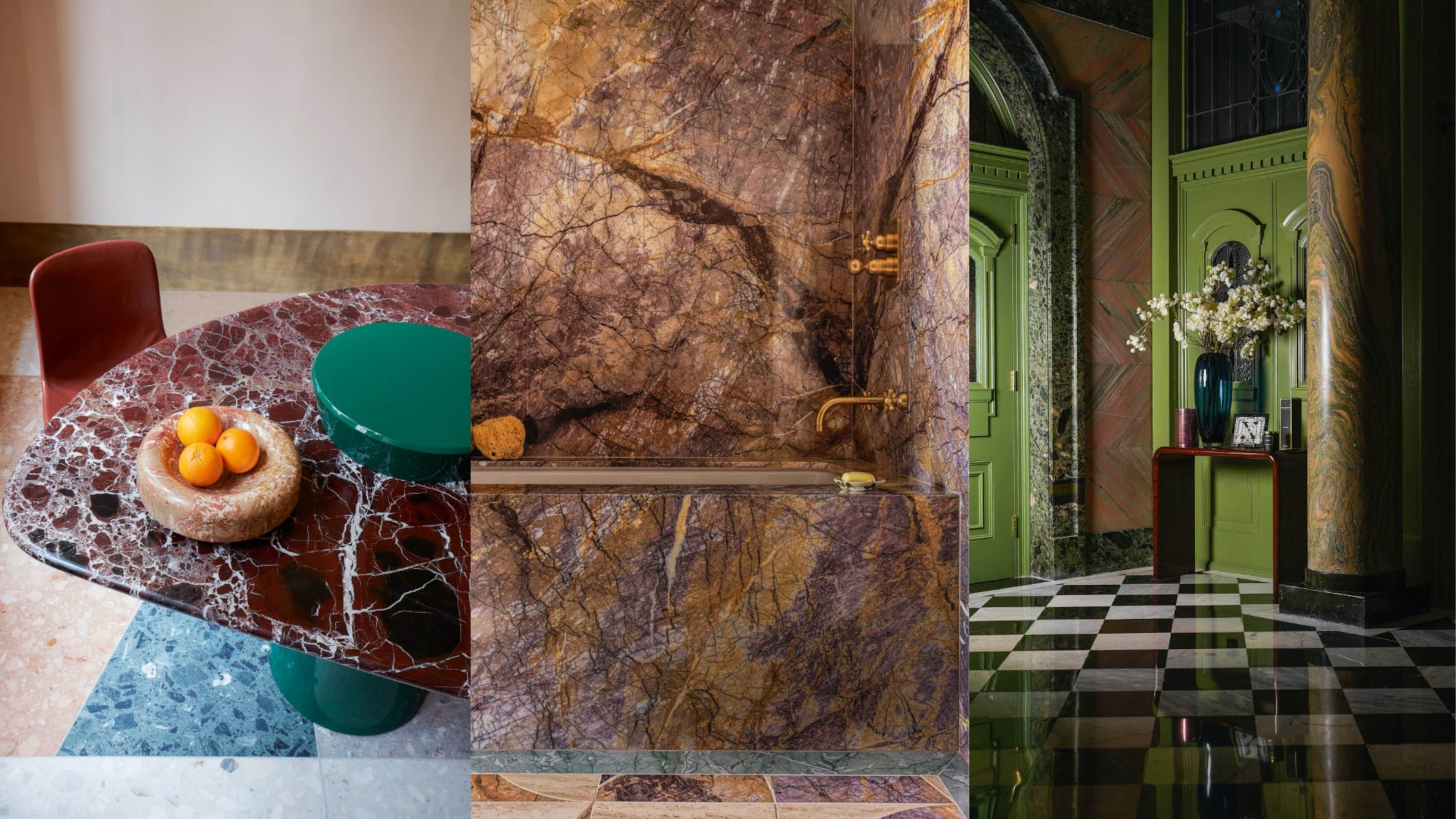
Total Interiors Eye Candy — These 6 Rooms Make Mixed Marble the Hero, and I Want to Copy Them All for My Home
Top marble trends in interior design for 2024: From dramatic veining patterns to nautical-inspired hues | Hindustan Times