The Best Ways to Remove Red Wine Stains, According to Experts
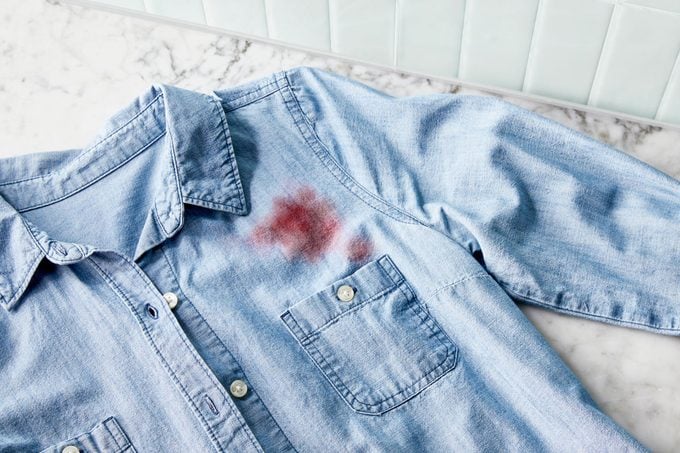
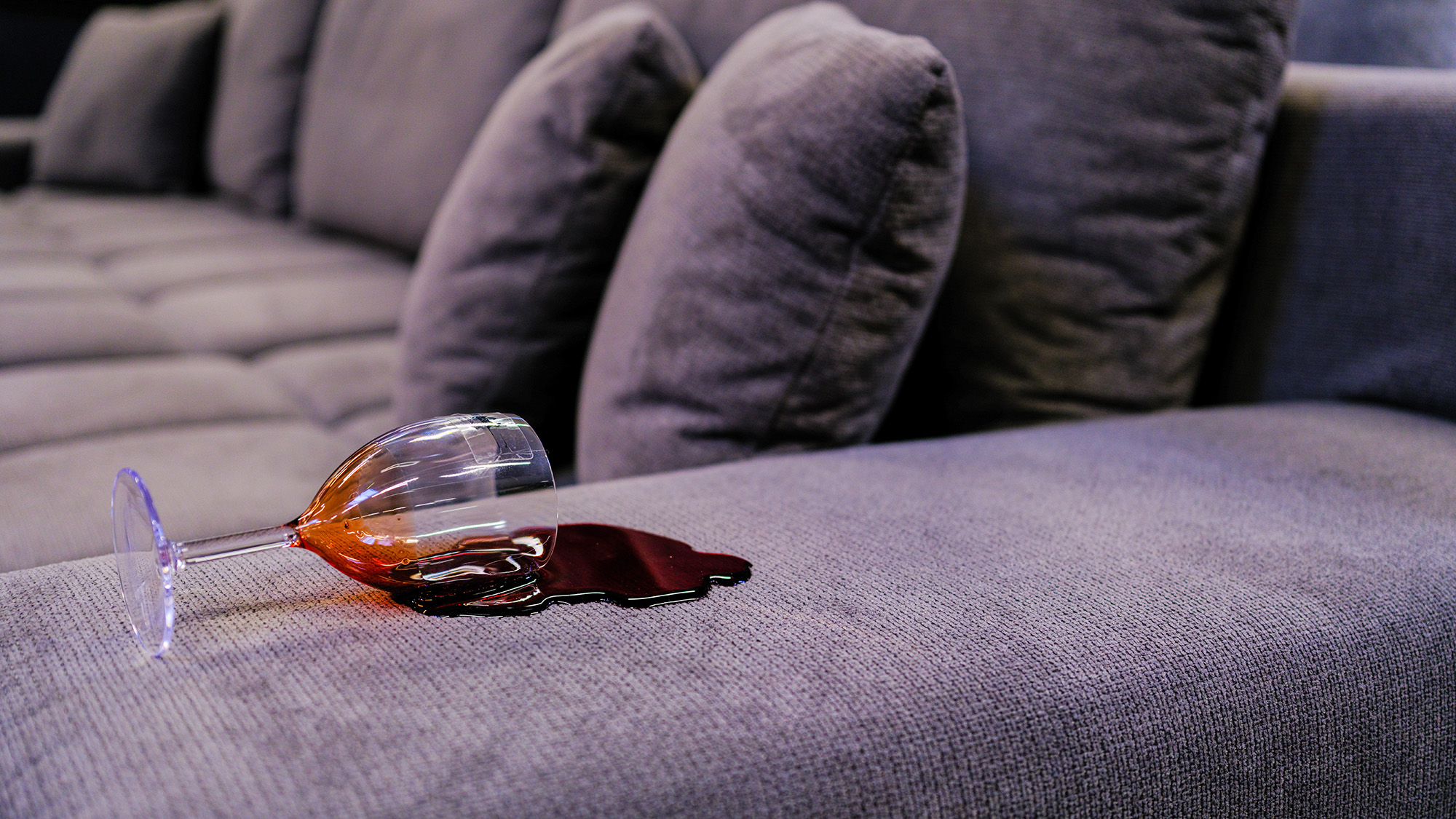
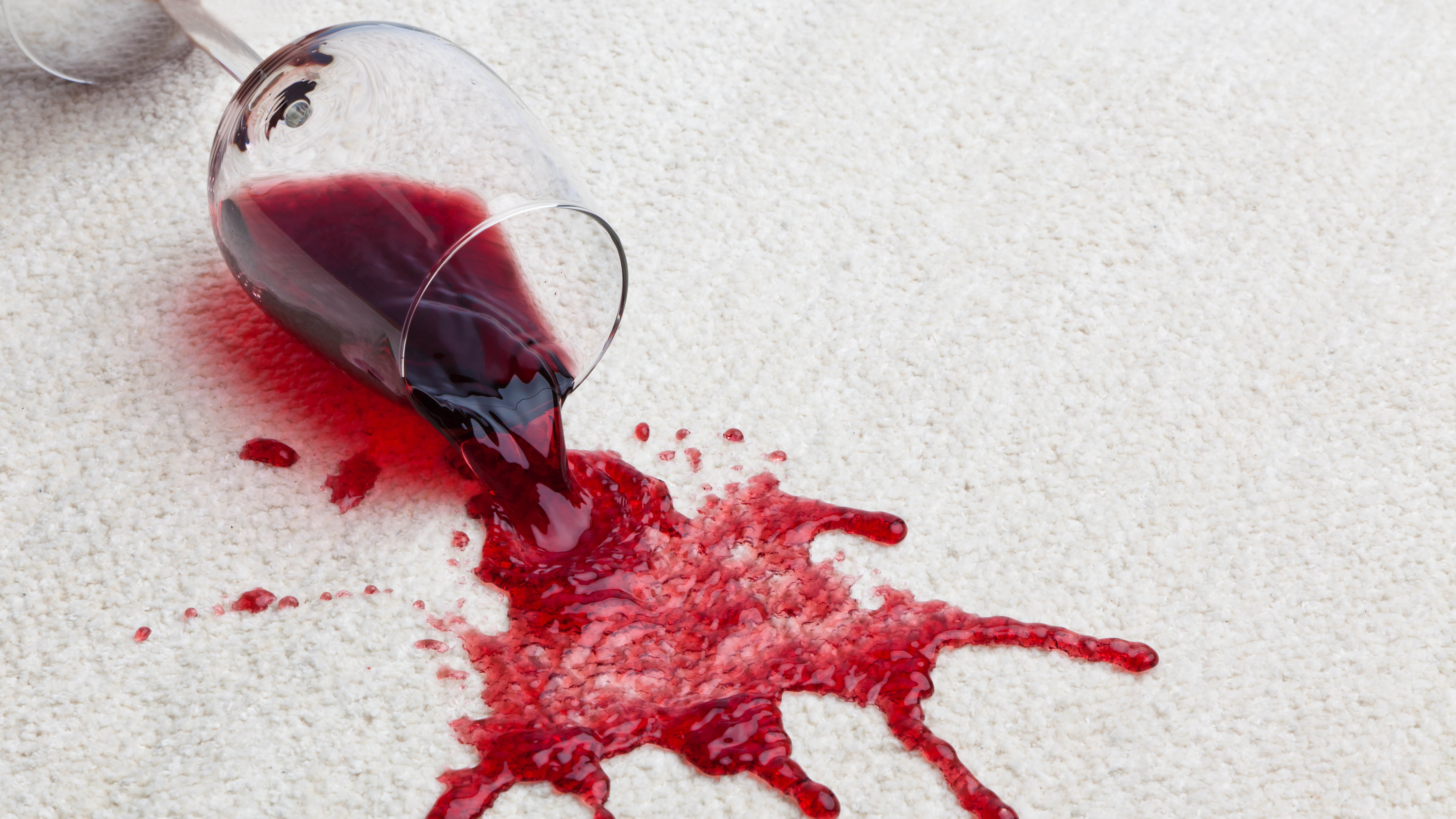
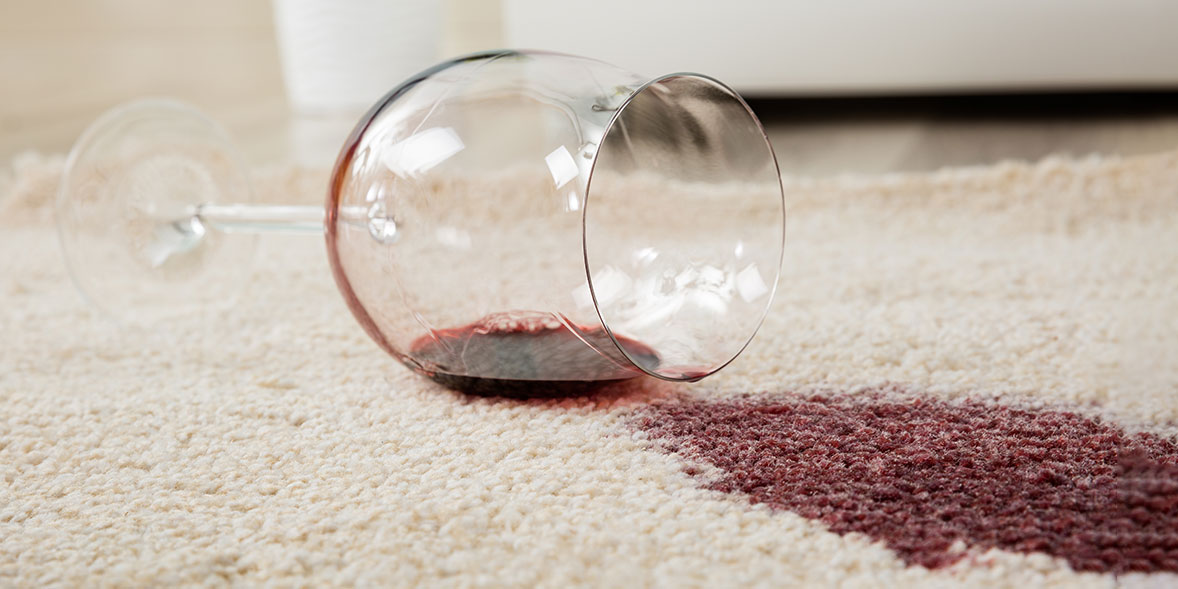
Red wine spills are common household accidents, and while they can be frustrating, several effective methods exist for removing these stubborn stains from various surfaces. Red wine's vibrant color is due to water-soluble pigments called anthocyanins, which act as chromogens, readily dyeing fabrics, stoneware, and enamelware. These anthocyanins are particularly problematic because they change color based on pH levels. Red wine is acidic, making the anthocyanins appear red. However, when they come into contact with alkaline substances like laundry detergent, their chemical structure changes, often converting them to a blue hue, which explains why some old wine stains appear blue after washing.
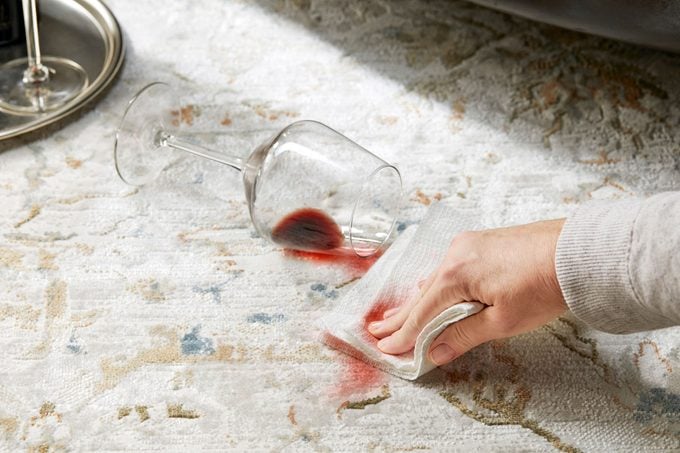
The immediate response to a red wine spill is crucial. Experts advise blotting the stain promptly with an absorbent cloth or paper towel to soak up as much liquid as possible, preventing the pigments from setting deeper into the fibers. Rubbing or scrubbing should be avoided as this can spread the stain and push it further into the material. Even if a stain has dried, it is often possible to remove it, sometimes requiring rehydration with a little dish soap or soaking in cold water or club soda overnight before treatment.
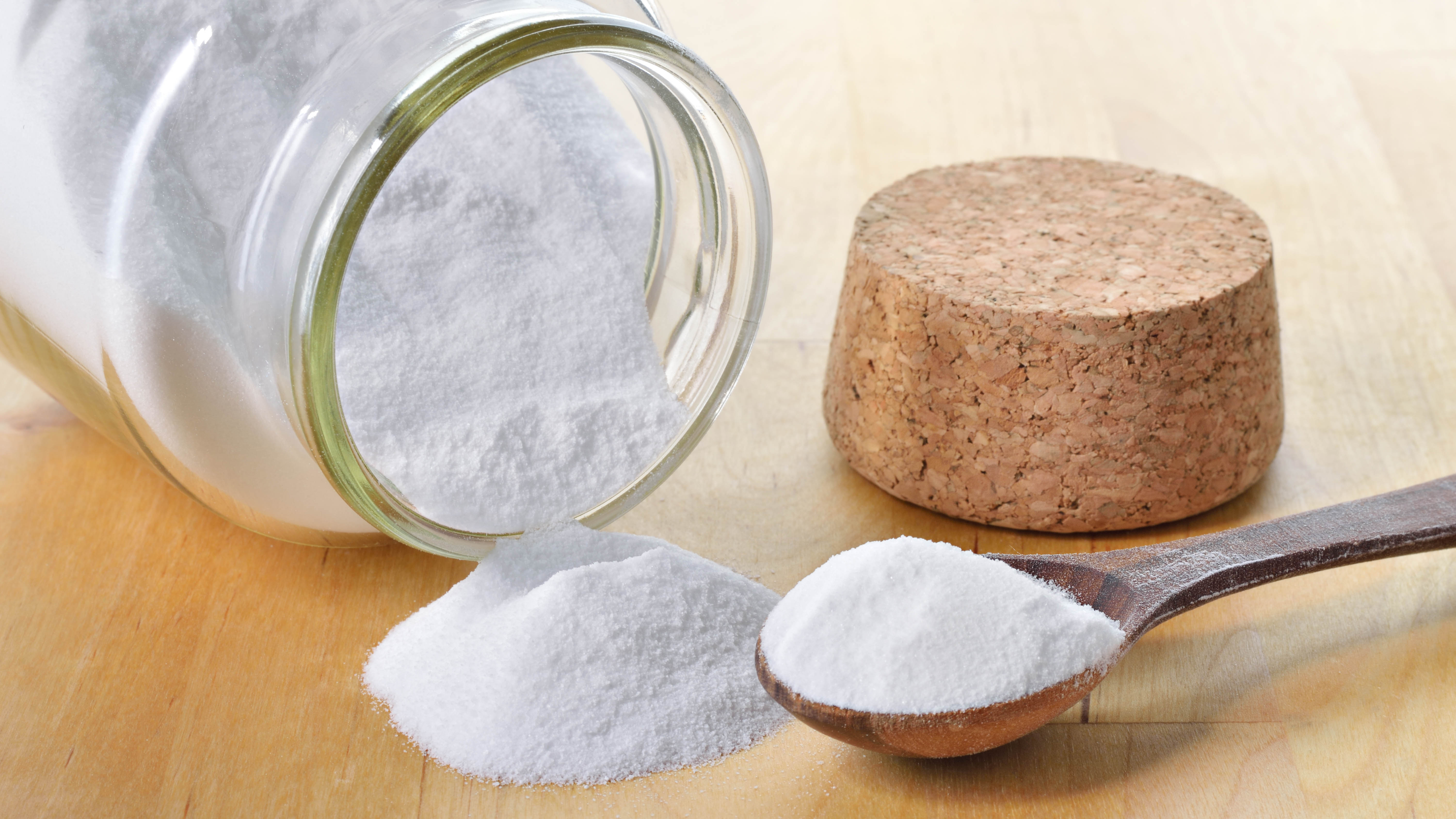
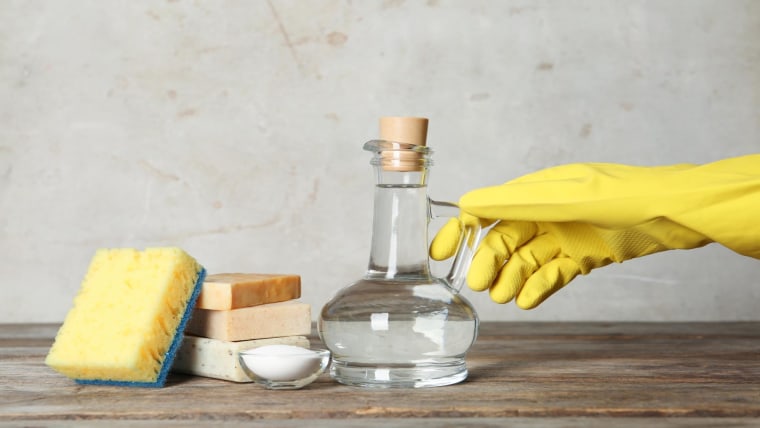
Several household products can effectively combat red wine stains. Baking soda, when mixed with water to form a paste, can absorb and break down the stain. This paste is applied generously to the stain, left to dry completely, and then removed—either by vacuuming from carpets and surfaces or rinsing with hot water for fabrics. Club soda is another useful solution for fabrics like cotton. Its carbonic acid helps break down pigment compounds. By pouring it over the stain, letting it sit, and then blotting, the stain can be gradually lifted. It is important to use clear club soda to avoid adding new colors or stains.
White vinegar is effective for neutralizing colors and stains, particularly on linen and wood. For fabrics, a mixture of white vinegar and a few drops of dish soap can be applied, allowed to soak, and then blotted. If the stain persists, liquid laundry detergent can be massaged into the area before rinsing with hot water. For wood surfaces, a vinegar and water solution soaked into an absorbent towel can be laid over the stain, checking periodically until the stain lifts, followed by applying polish if necessary.
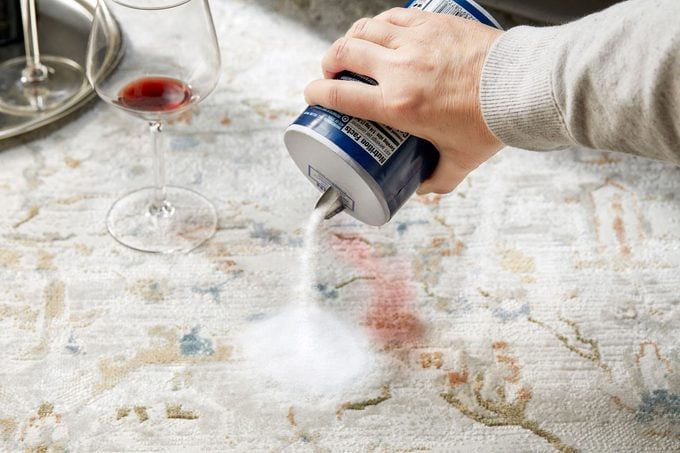
Hydrogen peroxide is a powerful oxidizing agent that converts anthocyanins into more water-soluble compounds, making it ideal for white fabrics and surfaces. A mixture of one part dish soap to three parts hydrogen peroxide is applied to the stain, allowed to sit for up to 30 minutes, and then blotted with a damp cloth. The dish soap aids by acting as a surfactant, helping the larger chemical structures of the stain dissolve in water. Finally, fresh red wine stains can be treated with salt. By blotting the area and then covering it with salt, the salt can absorb the wine and lift the color from the fabric. This process can be repeated and, for stubborn stains, the salt can be left on for several hours or overnight before rinsing with cold water.
It is critical to avoid using heat on red wine stains. Applying heat, whether from a blow dryer or a clothes dryer, can cause the stain to set permanently into the fabric, making removal much more difficult. While hot water may be used in the final rinsing stages of some cleaning methods, direct heat application during the initial treatment should always be avoided.
#RedWineStains #StainRemoval #HouseholdTips #CleaningHacks #FabricCare #WoodSurfaceCare #BakingSoda #WhiteVinegar #HydrogenPeroxide #RedWineStains #StainRemoval #HouseholdTips #CleaningHacks #FabricCare #WoodSurfaceCare #BakingSoda #WhiteVinegar #HydrogenPeroxide
0 ความคิดเห็นรวม
 ยังไม่มีความคิดเห็น
คุณอาจจะชอบอีกด้วย
Red Wine Stain Removal: Step-by-Step Instructions for Any Surface

13 Top Reviewed Products That Will Help Remove Stains

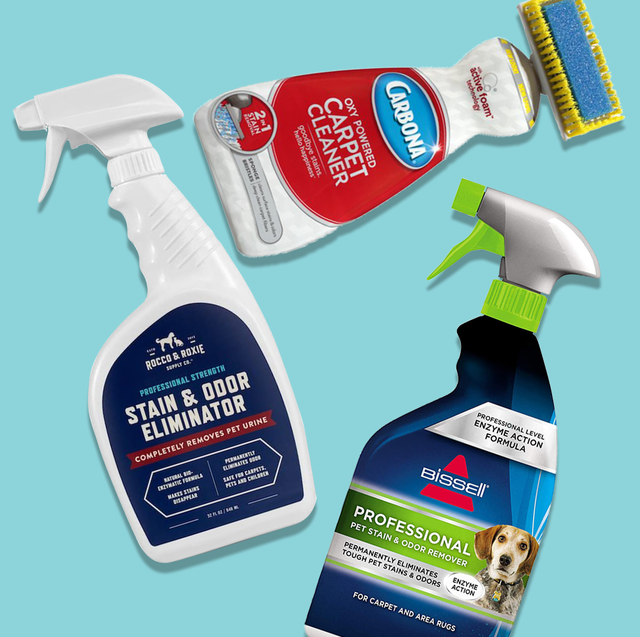
The Best Carpet Stain Removers to Tackle Fresh and Set Stains


The Christmas Stain Removal Guide
How to clean red wine stains off upholstery and save your couch

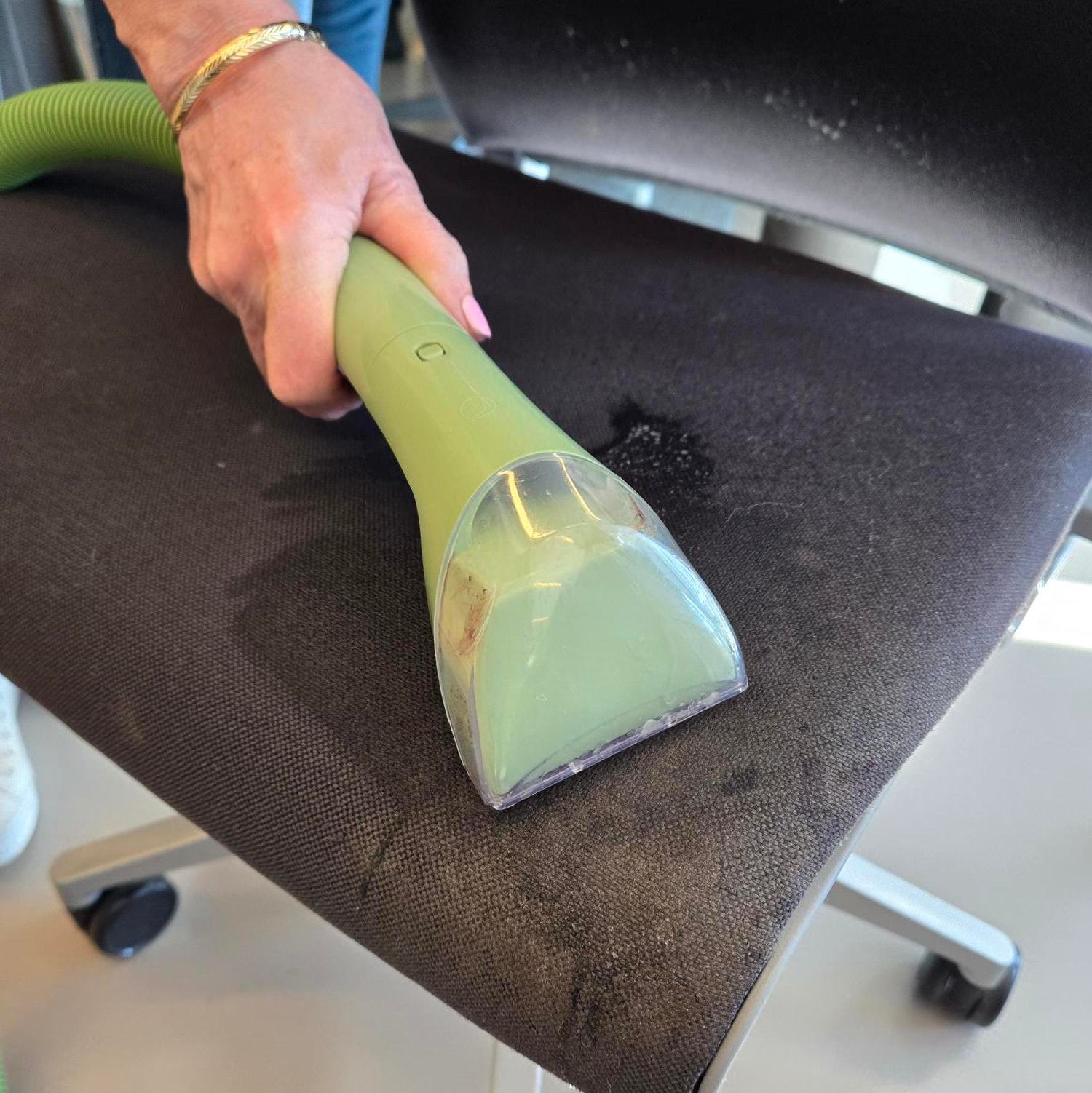
The Best Upholstery Cleaners to Make Stubborn Stains Disappear

How to Remove Every Type of Stain in a Few Simple Charts

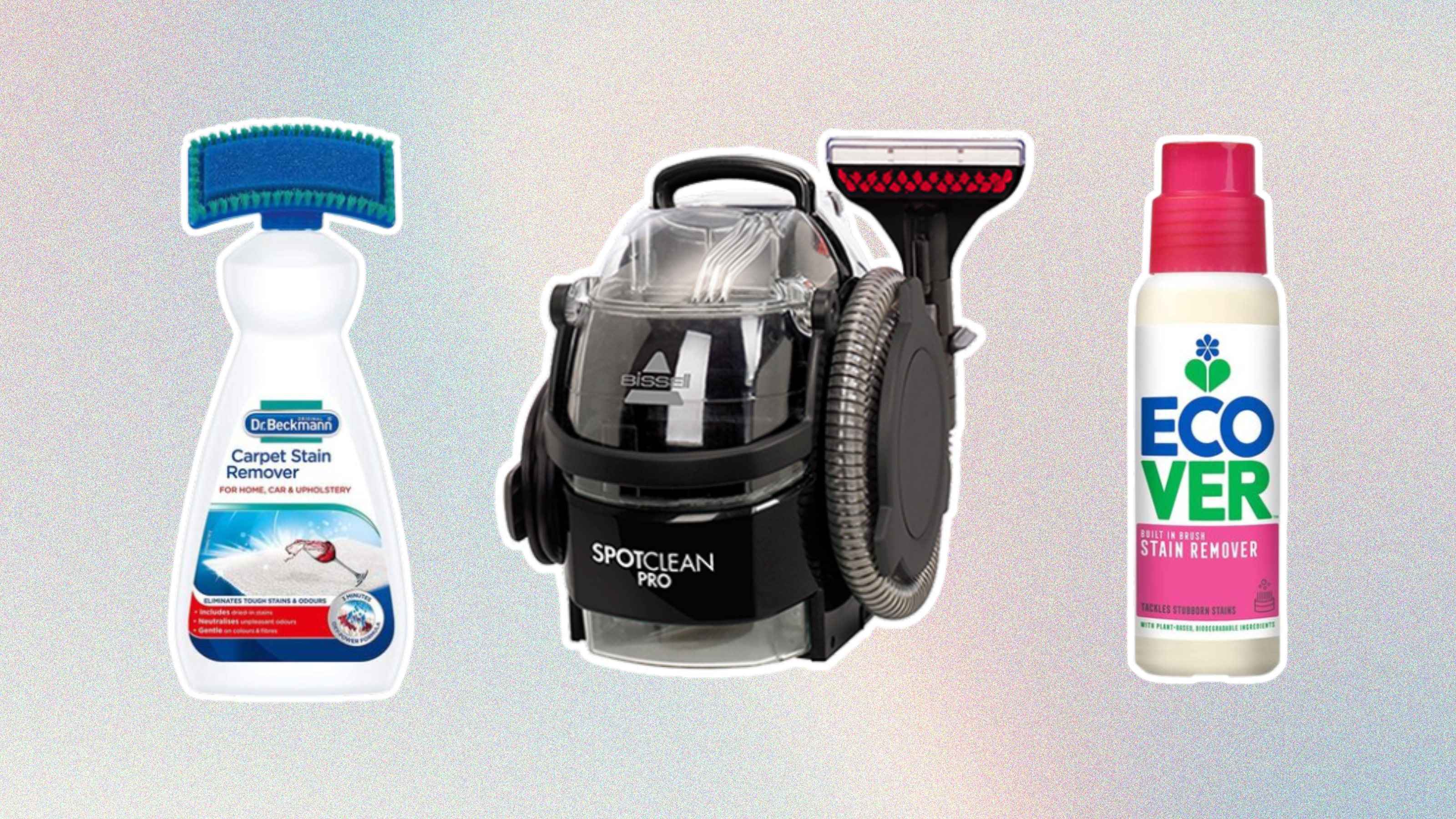
6 of the best upholstery cleaners — stain-removing solutions and machines that work


How to Get Red Wine Stains Out of White Marble Countertops

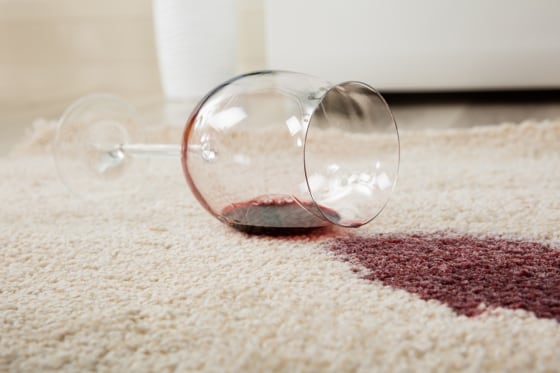
How to get stains out of almost anything

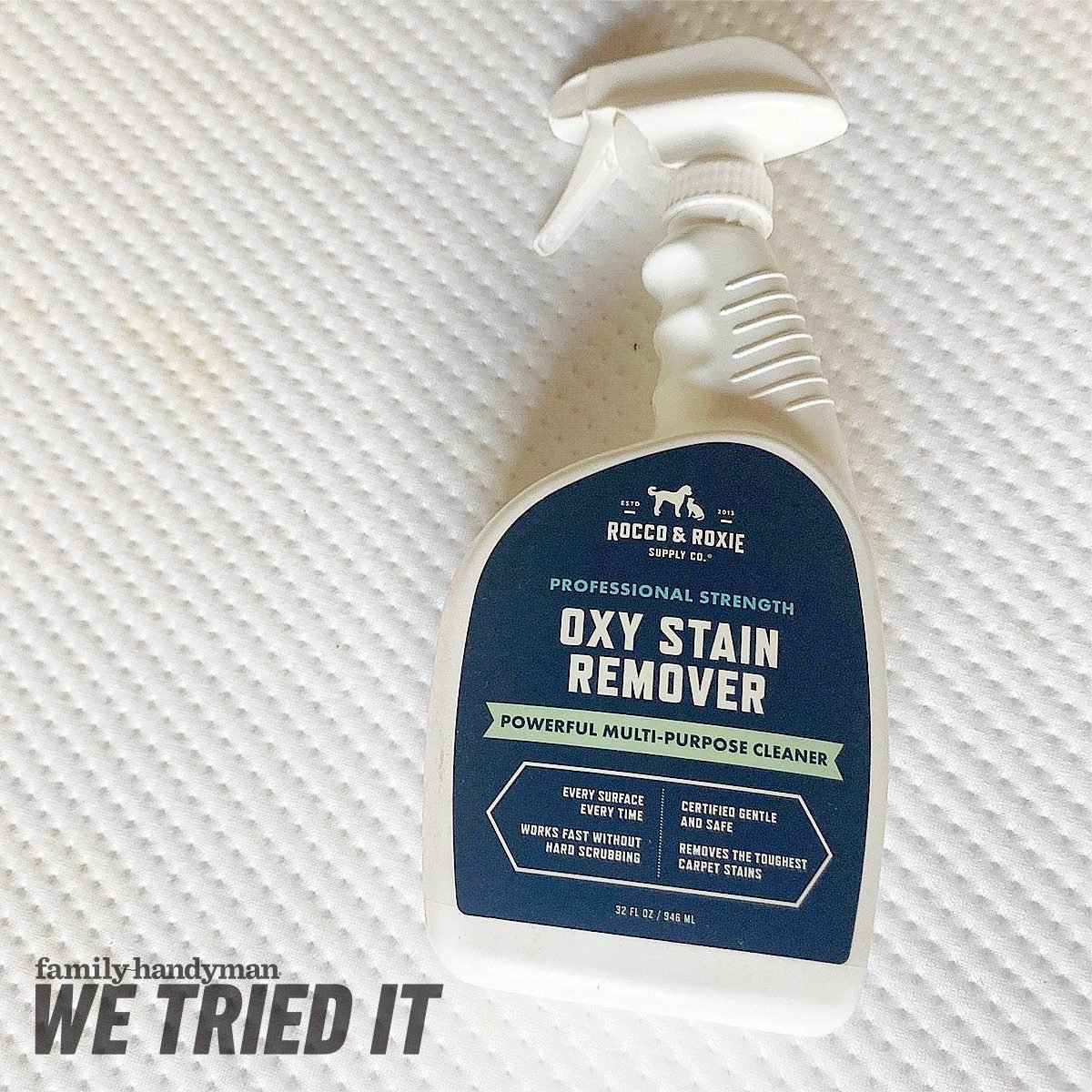
Rocco & Roxie Stain and Odor Eliminator: Amazon’s #1 Dog Stain Remover

How to remove oil stains from a fabric sofa – experts reveal their tried and tested secret
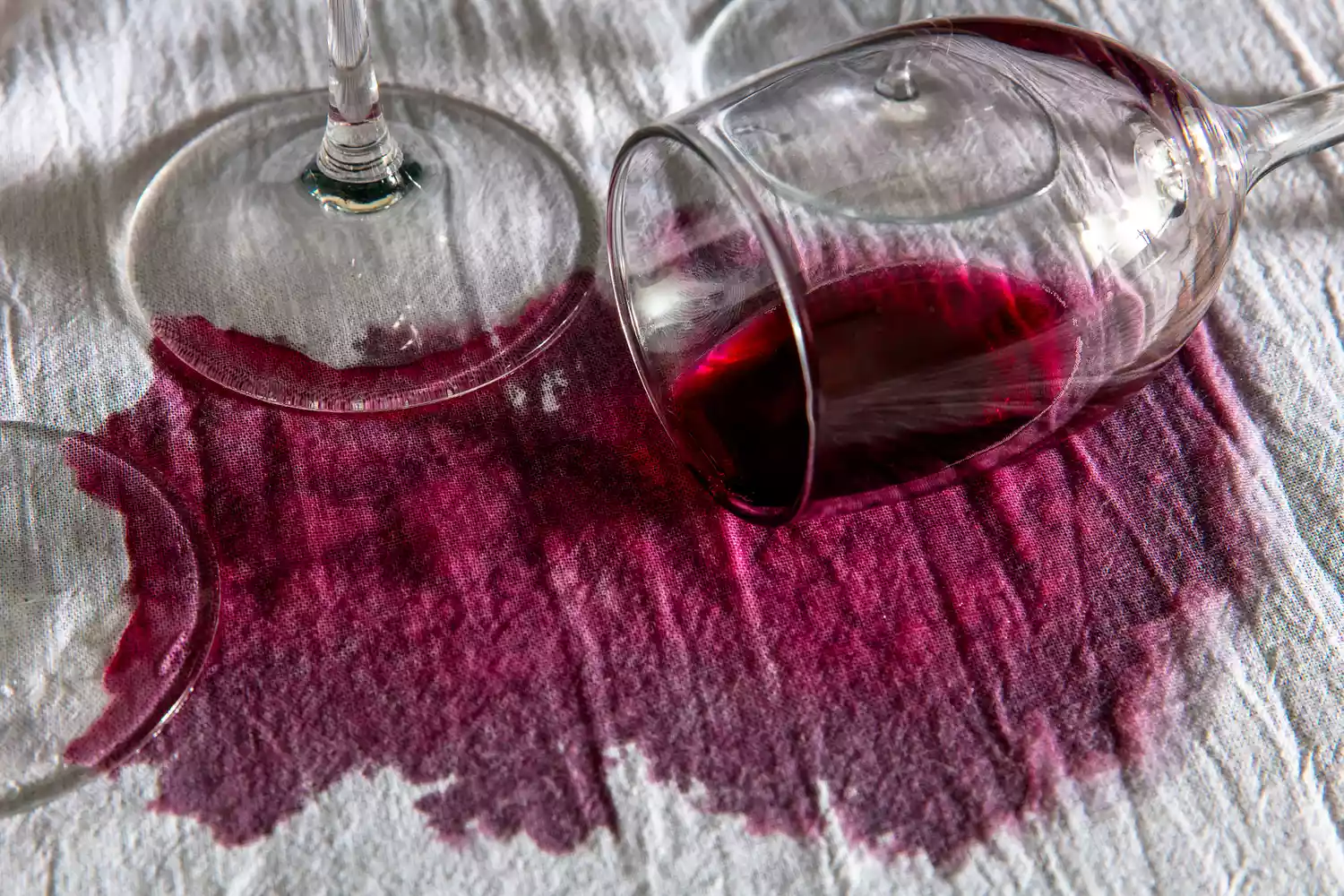
5 Easy Ways to Get Rid of Red Wine Stains

Best carpet stain removers, tested and reviewed
10 best stain removers for clothes, tried and tested on heavy stains

The 6 Best Stain Removers of 2026 | Reviews by Wirecutter

The Ultimate Stain-Removal Guide
The best washable rugs for the red wine spillers in your life
Best carpet cleaners to remove stains, tried and tested in a real home
4 Ways to Remove Water Stains From Wood, According to Cleaning Experts