1/8
Study of materials and techniques in painted ceiling panels from a palace in Cremona (Italy, 15
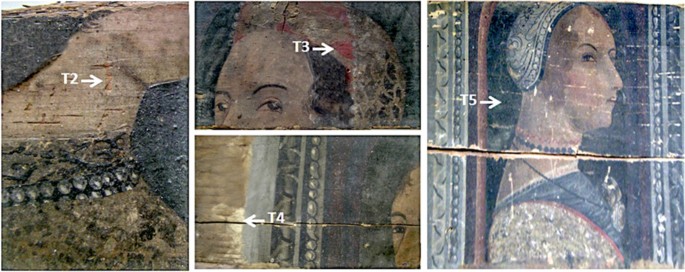
This study investigates the materials and artistic techniques used in four painted wooden ceiling panels from a 15th-century palace in Cremona, Northern Italy. These panels, which typically decorated aristocratic palaces and depicted ancestors or important figures, are historically significant as they provide insights into Renaissance fashion and artistic practices. The panels, now part of the “Musei Civici” in Cremona, were heavily damaged and required restoration, which facilitated a detailed examination of their composition. The research involved analyzing micro-samples from various points of the panels using optical microscopy, SEM-EDX (Scanning Electron Microscopy-Energy Dispersive X-ray spectroscopy), and μFT-IR (micro Fourier Transform-Infrared spectroscopy) to characterize ground layers, organic binders, and pigments.
The analysis of the ground layer, a foundational layer beneath the paint, revealed a surprising composition. Unlike the common Italian practice of using gypsum, these panels featured a clay-based ground layer, predominantly composed of K-feldspar minerals and iron hydroxide/oxide, suggesting the presence of natural clay. Traces of calcium sulphates (gypsum) were also found. μFT-IR analysis indicated the presence of proteinaceous binders, likely animal glue, in the ground layer. This clay-based ground layer, combined with a protein binder, is unusual for Italian traditions but is characteristic of 15th-century Flemish techniques, suggesting a strong Flemish influence on Northern Italian art during this period, possibly due to increased trade and the movement of skilled artists. The consistent composition of the ground layers across different panels suggests a common origin or a single artistic workshop.
Over the ground layer, a primer layer was identified in some samples. This thin white layer was found to contain lead white pigment ((PbCO3)2·Pb(OH)2), a common and historically significant white pigment. The use of a lead white primer served to create a more homogeneous and shiny white base for the paint layers, effectively covering the yellowish hue of the clay ground. This practice further supports the hypothesis of Flemish artistic influence. The study then proceeded to analyze the paint layers. For red colors, a two-layer system was observed: an orange under-layer containing red hematite, K-feldspar, and possibly red lead and realgar crystals, followed by an upper red layer composed of cinnabar (HgS). Cinnabar, an expensive pigment, was often mixed with cheaper alternatives, and its use here highlights the importance attributed to these artworks.
For green and blue colors, a mixture of green and blue color grains was identified, with EDX analysis showing characteristic peaks of copper and carbon, suggesting copper carbonate. μFT-IR analysis confirmed the presence of azurite as the main blue pigment. The observed green color in some areas could indicate a partial alteration of azurite into malachite. Azurite was a widely used blue pigment from the Middle Ages onwards. Finally, the complexion tones in one portrait sample showed no distinct stratigraphic layers but contained widespread inorganic grains of aluminum silicate crystals with traces of calcium sulphates. The pink color of the complexion suggested the use of an organic chromogenic material, likely red lake pigments, which were widely used for portraits and bonded onto metal salts. The μFT-IR analysis of the soluble fraction of this sample confirmed the inorganic components of the lake pigment, indicating the use of this sophisticated technique to achieve transparent effects. The comprehensive analyses provide valuable insights into the specific materials and advanced painting techniques employed in these Renaissance ceiling panels, affirming their cultural and artistic significance and revealing cross-cultural artistic influences.
#RenaissanceArt #ItalianArt #FlemishInfluence #CeilingPanels #PigmentAnalysis #MaterialScience #HeritageScience #ArtRestoration #CremonaPalace #RenaissanceArt #ItalianArt #FlemishInfluence #CeilingPanels #PigmentAnalysis #MaterialScience #HeritageScience #ArtRestoration #CremonaPalace
0 ความคิดเห็นรวม
 ยังไม่มีความคิดเห็น
คุณอาจจะชอบอีกด้วย
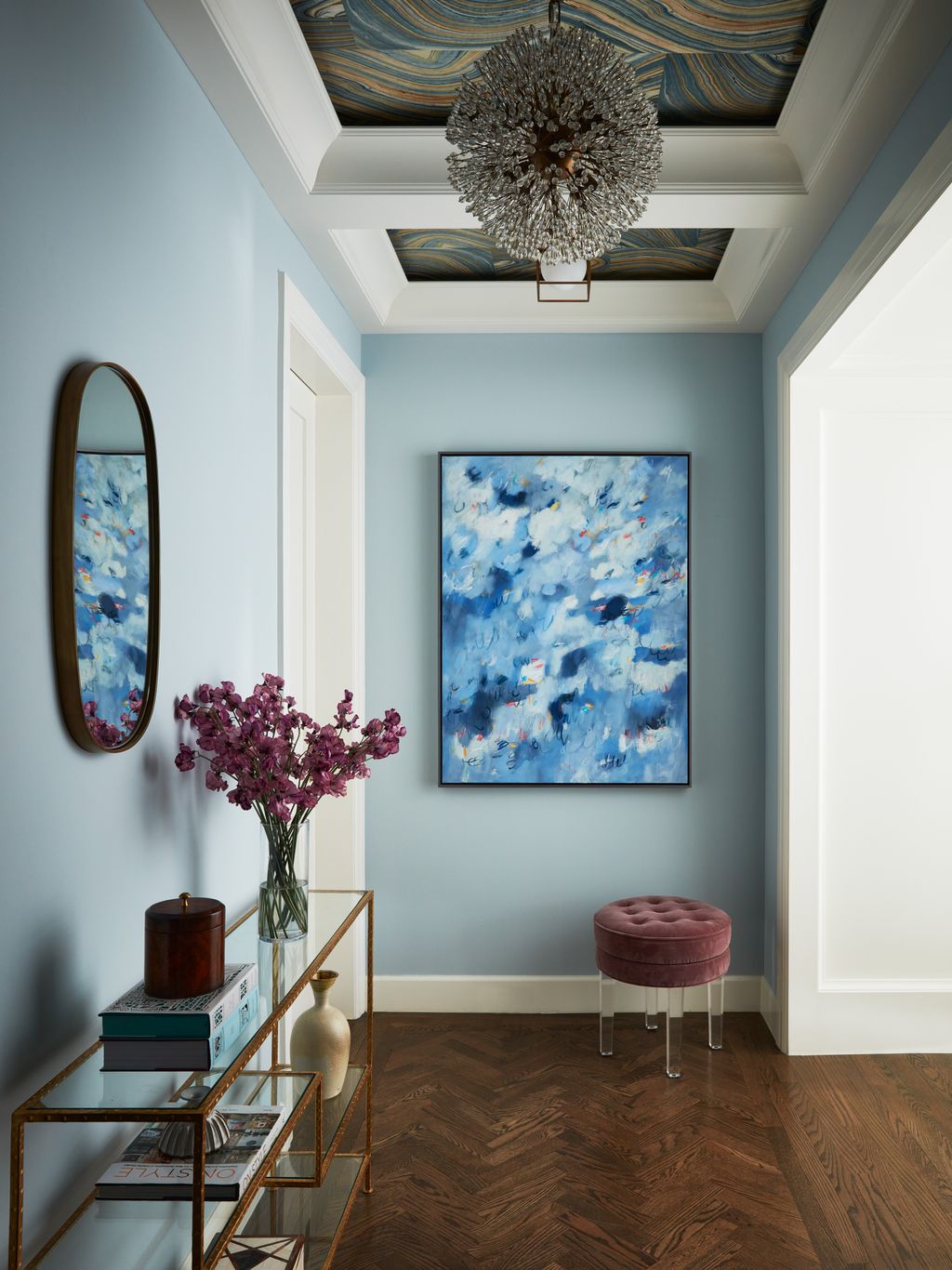
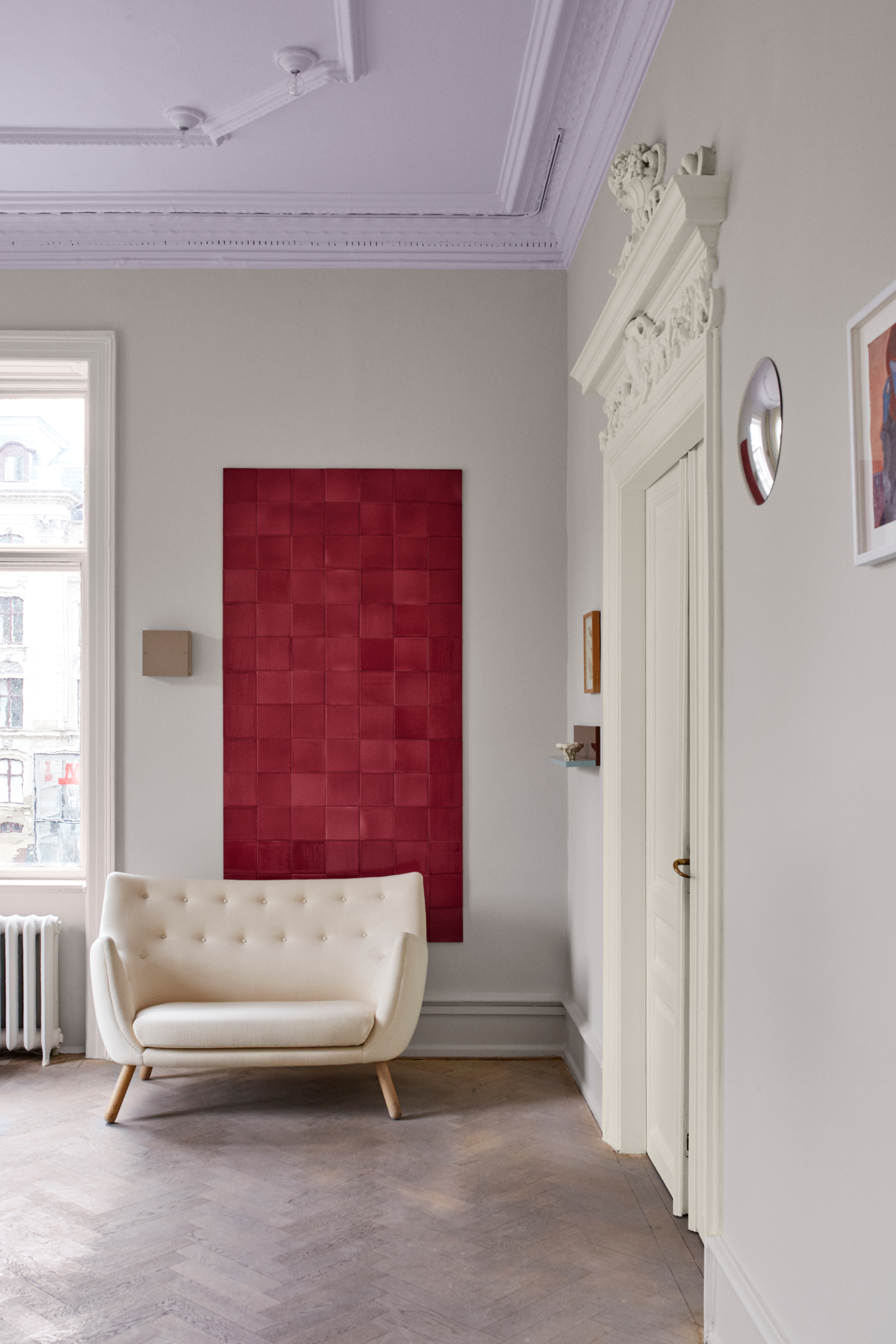
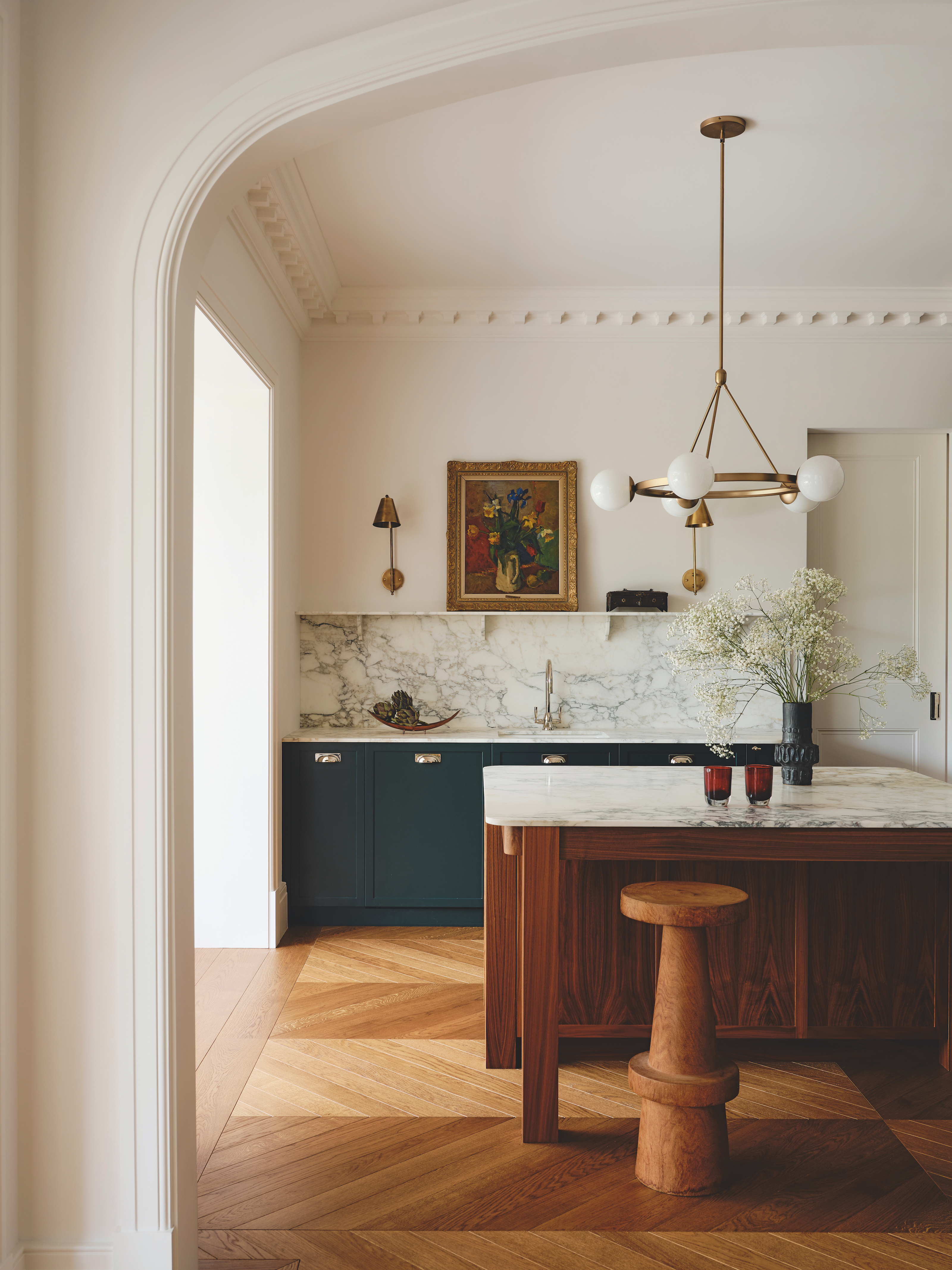
Ten homes that feature decorative ceilings and ornate plasterwork
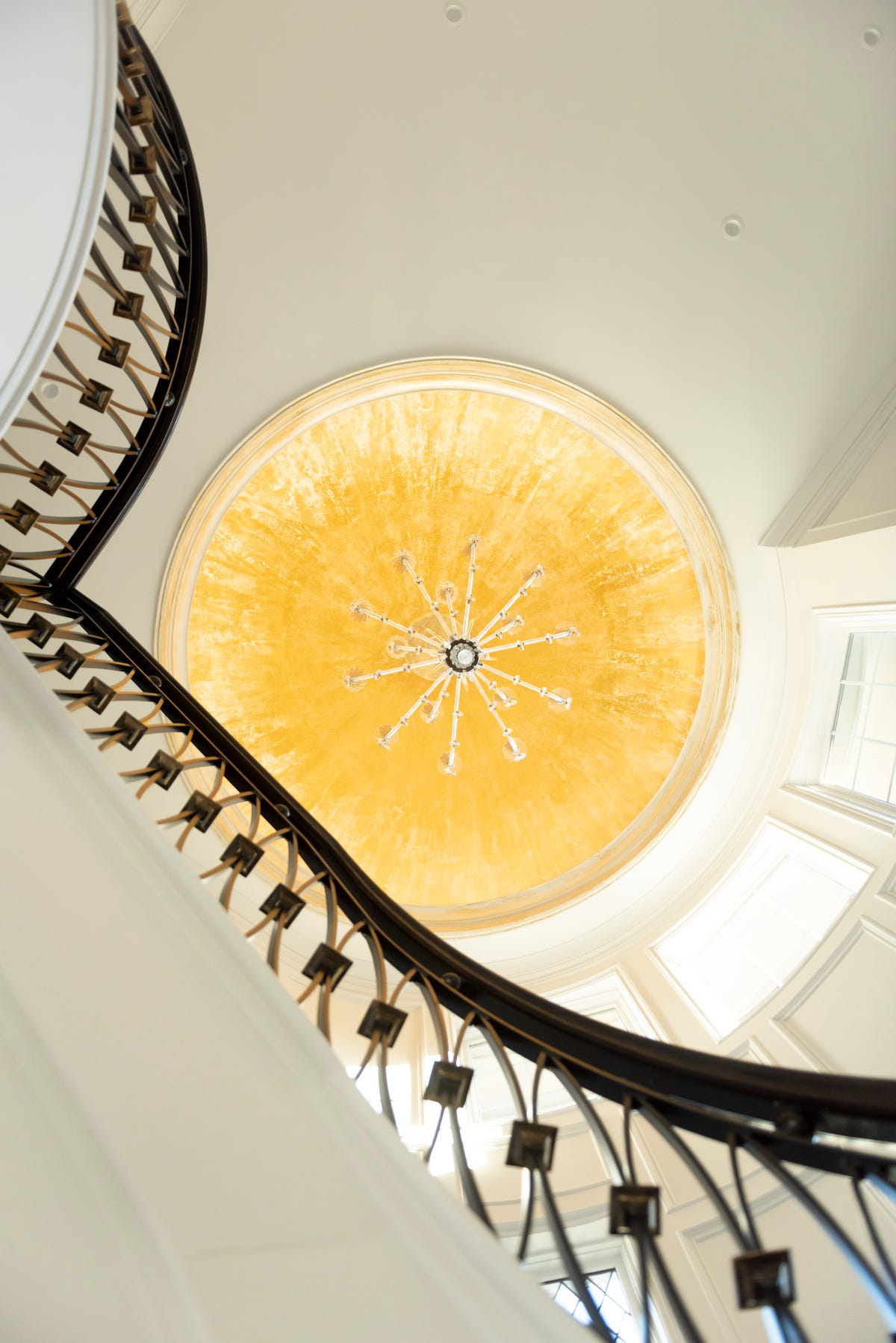
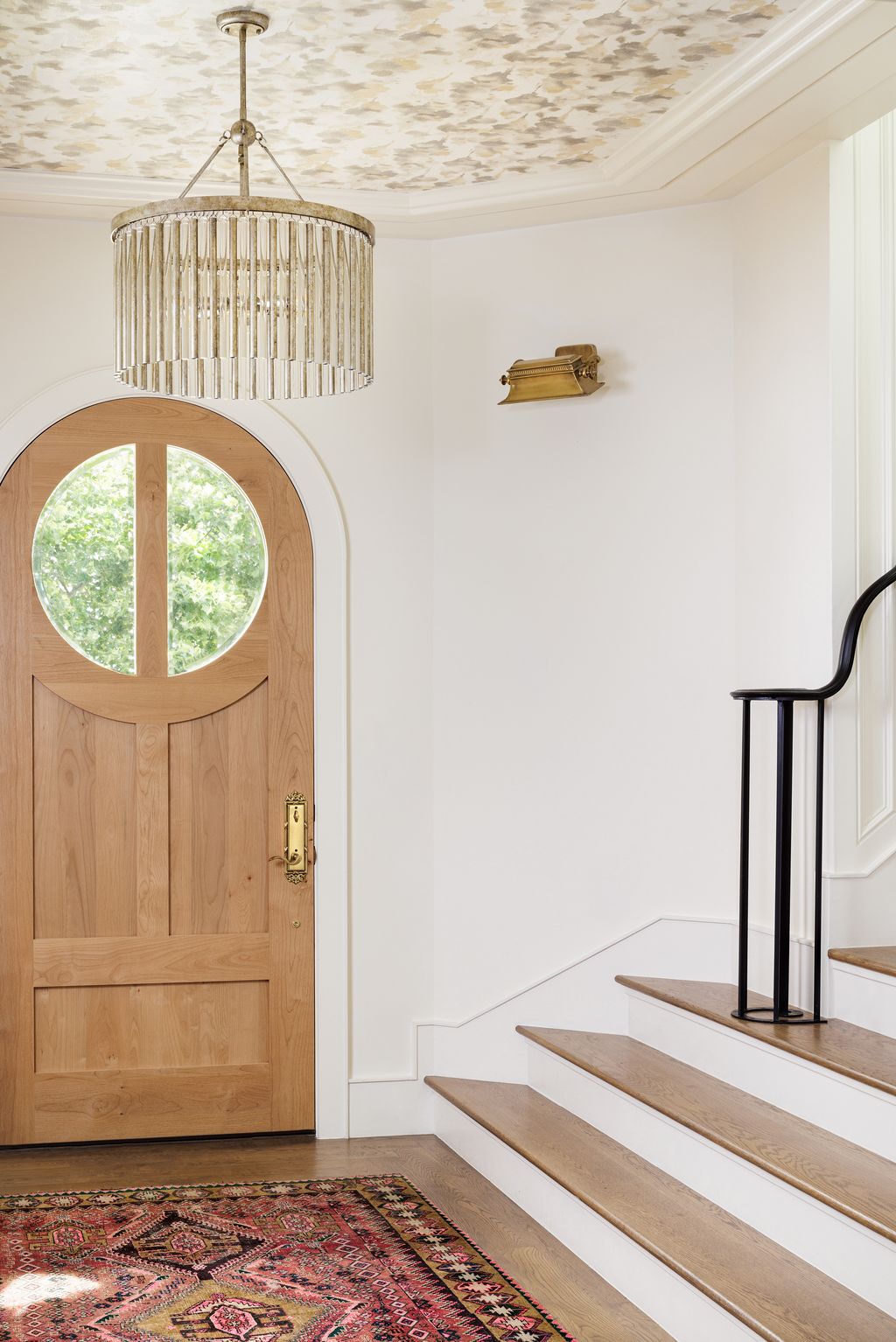
Statement ceilings: Pay attention to the fifth wall to create a finessed space
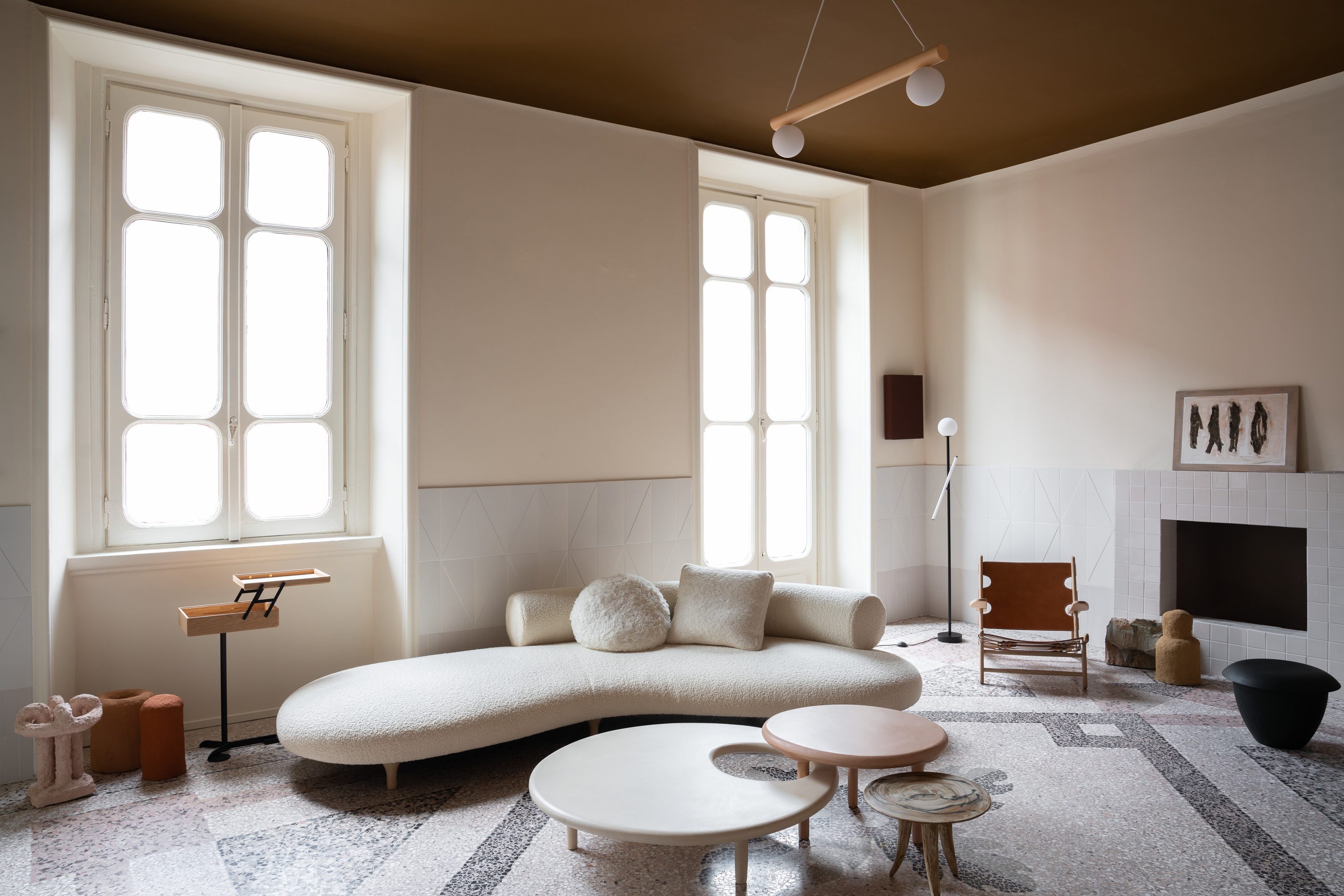
Painted ceiling ideas – 10 of the best ways to give this decorating trend an unexpected twist

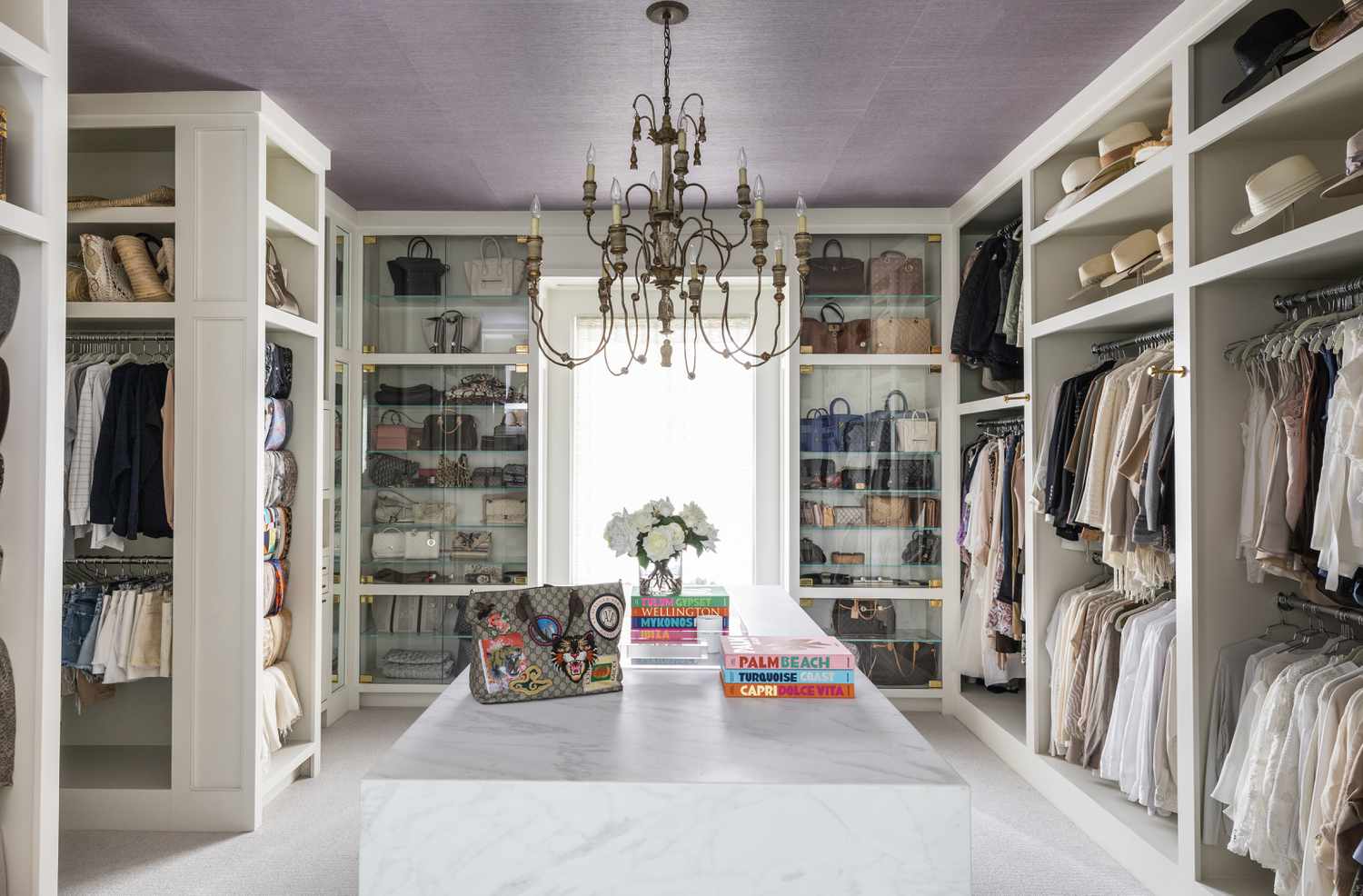
6 Ceiling Trends You'll See Everywhere in 2025, According to Designers

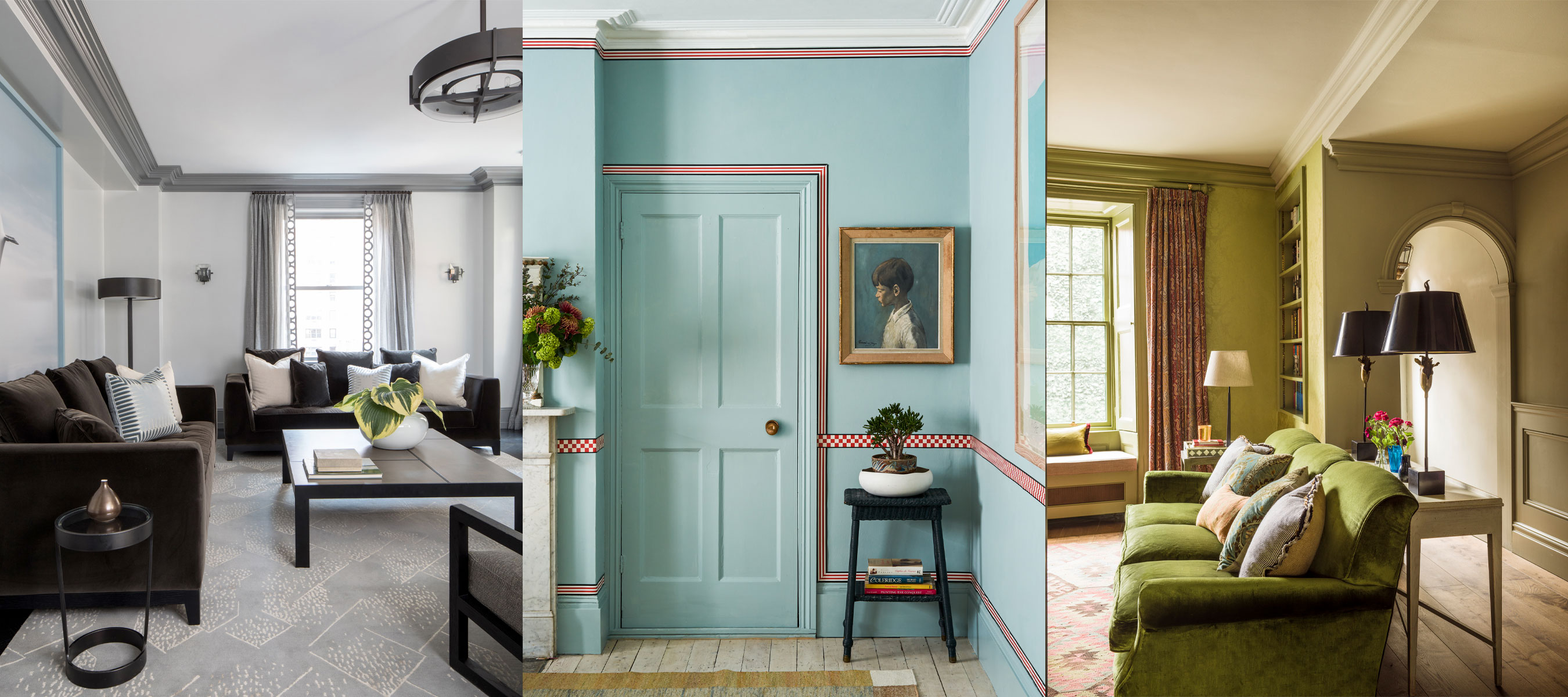
Ceiling trim ideas – 12 ways to enhance this architectural feature

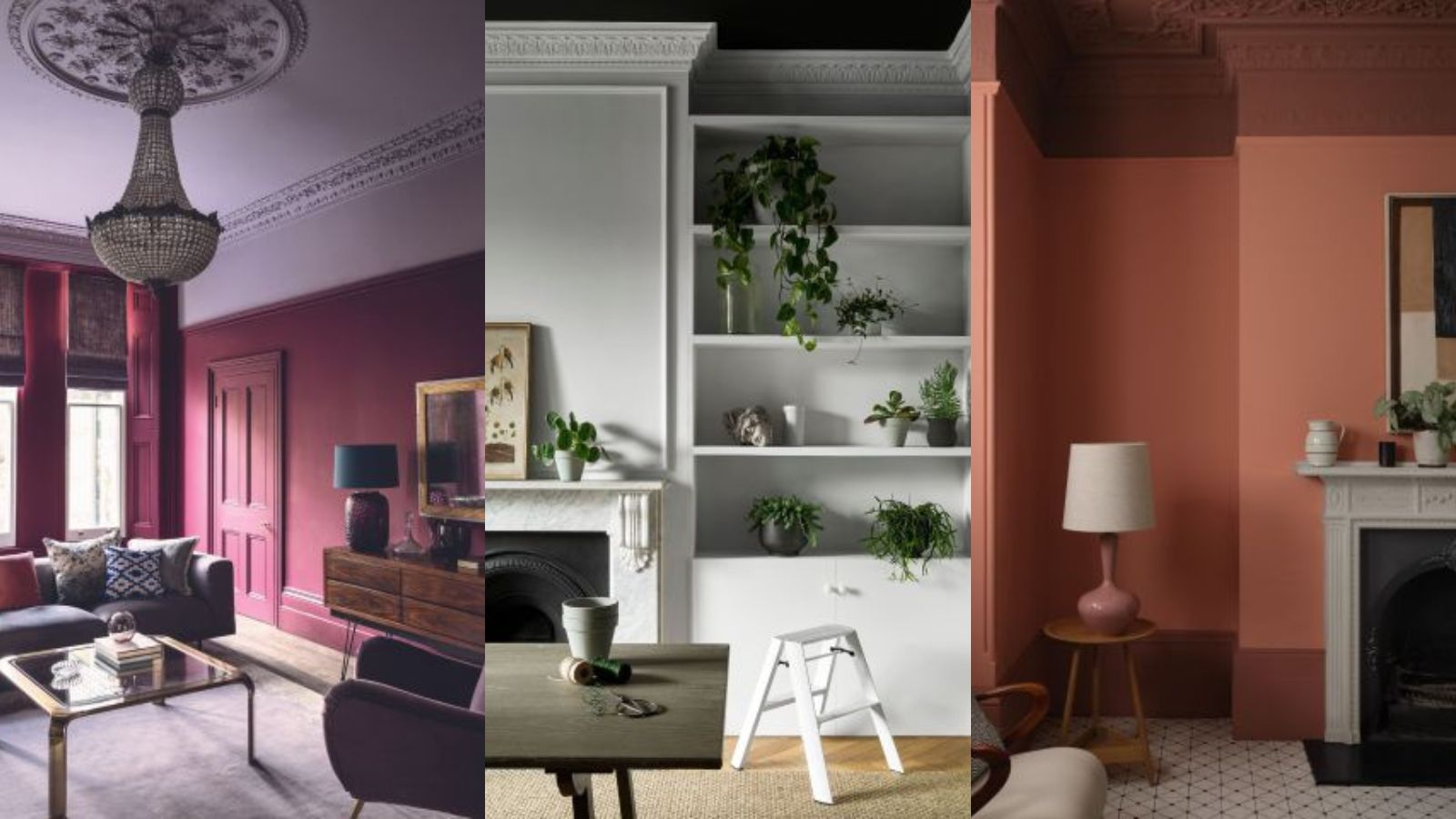
5 reasons why you should never paint a ceiling white, reveals a leading paint and color expert
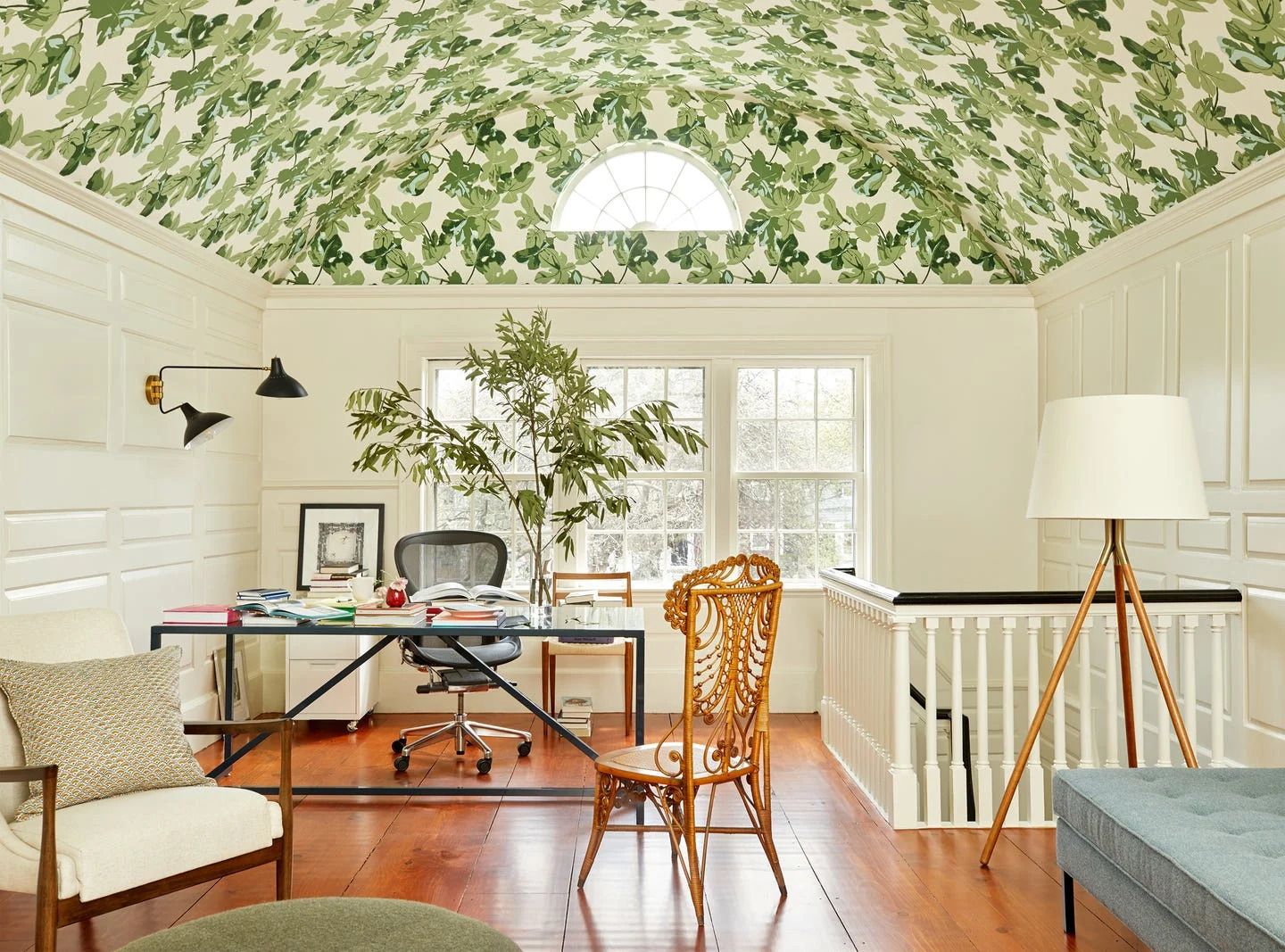
Why Ignoring the Ceiling Could Ruin Your Room, According to Interior Designers

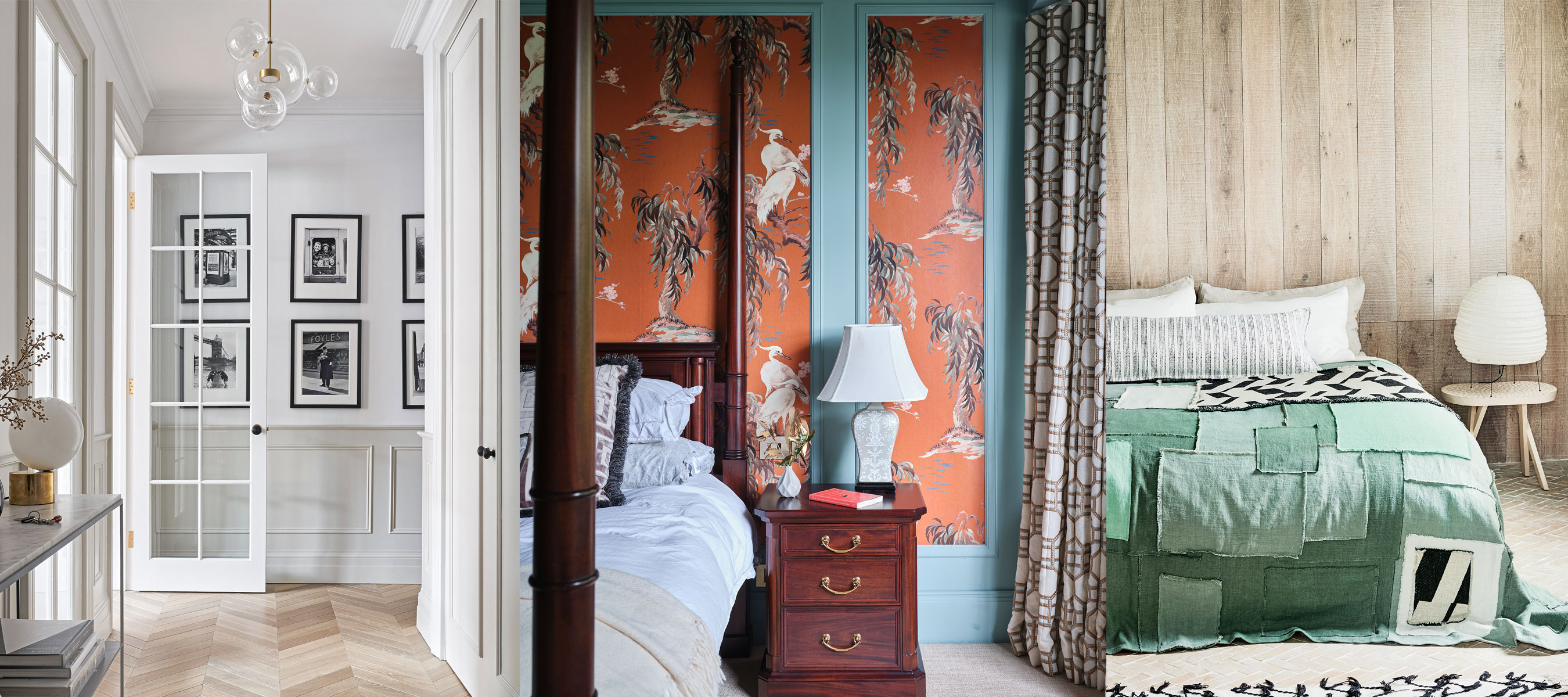
Wall paneling ideas – 18 ways to add decorative cladding and moulding
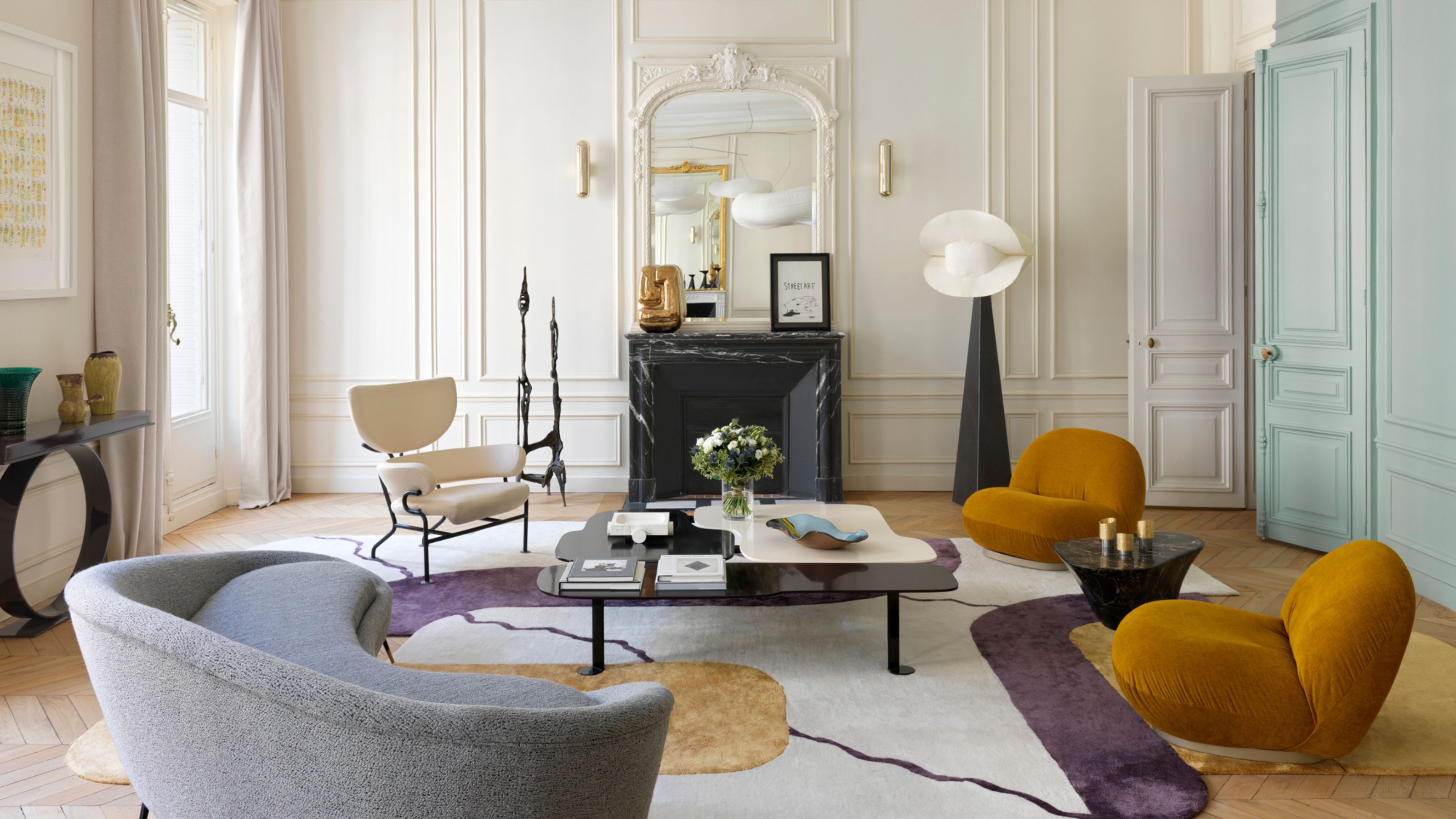
10 Ways to Use Architectural Moldings in a Contemporary Home

Decorative and architectural ceiling solutions
12 Stunning Ceiling Design Ideas That Will Have You Looking Up All Day Long

How to paint a ceiling - the expert guide to giving the fifth wall a fresh look
Put this ceiling to work: Special treatments are the finishing touches that supercharge a room's ambiance
Crown Molding Ideas — 8 Ways to Make This Traditional Flourish Feel Modern
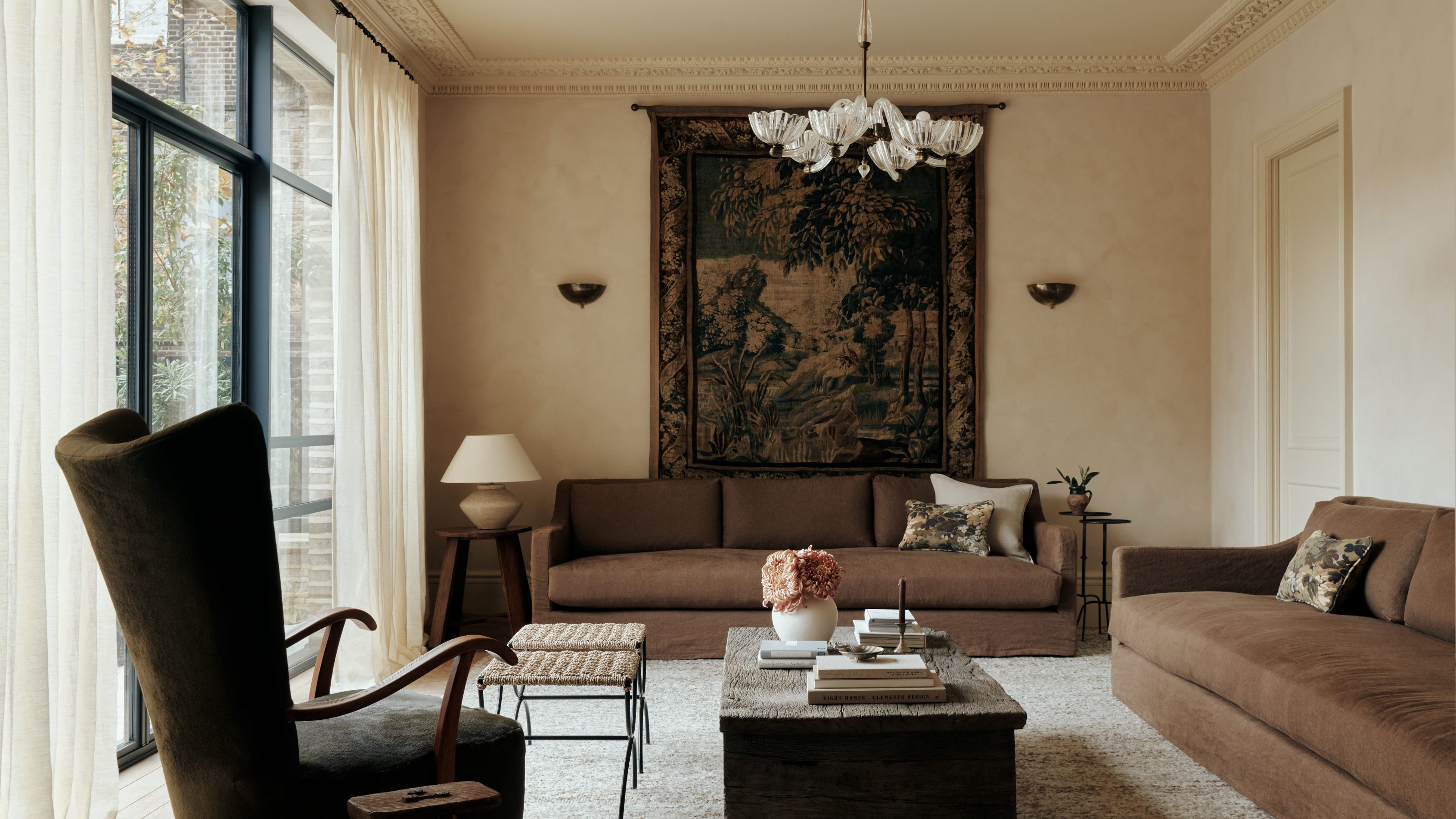
5 Questions on Decorative Plasterwork You Need to Ask Before Specifying It in 2025 — Answered by Interior Designers
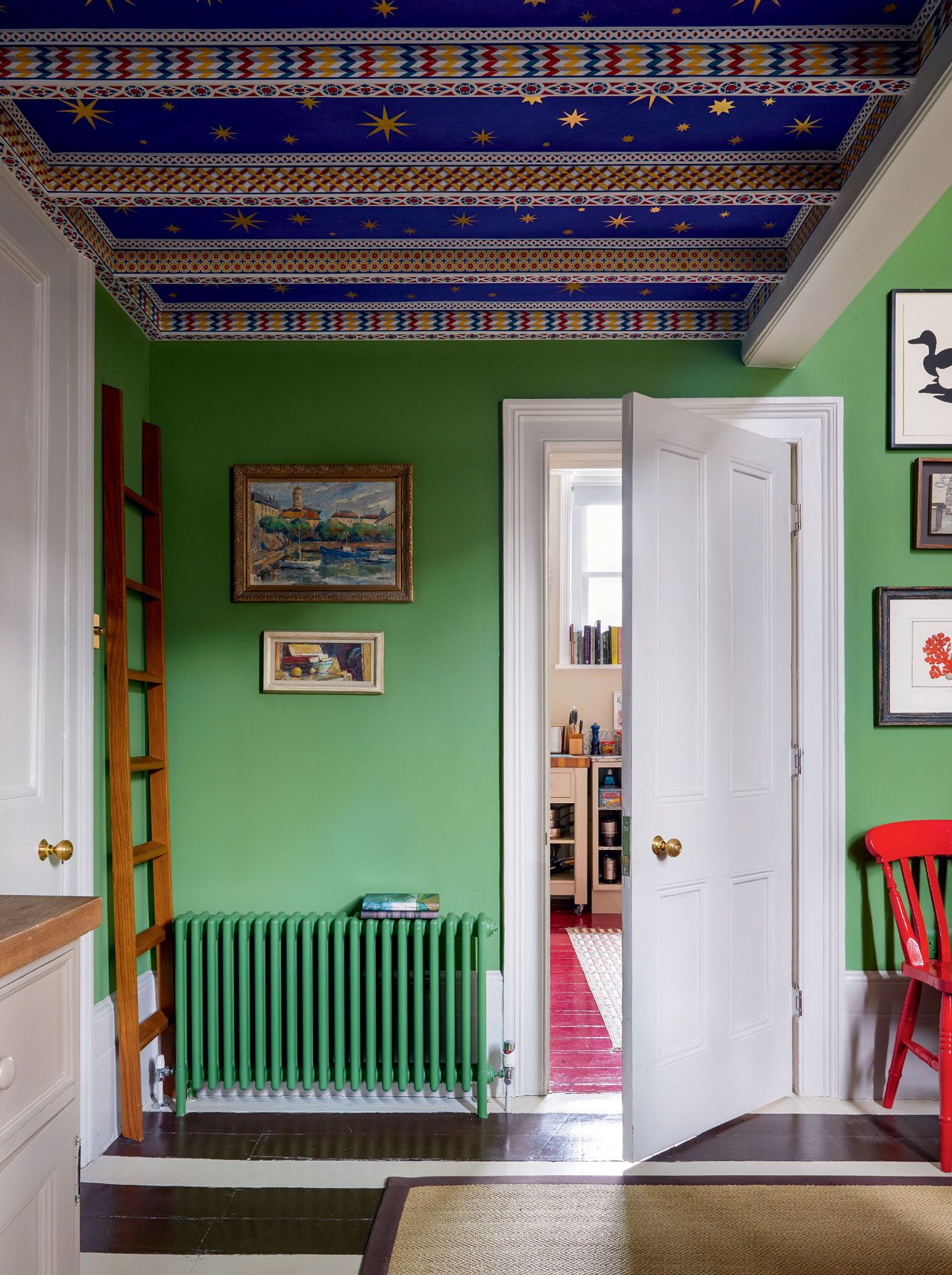
30 ways to decorate a ceiling (with no boring white in sight)

7 Glamorous Hacks to Transform a Boring White Ceiling

When designing a room, don’t overlook your ceiling

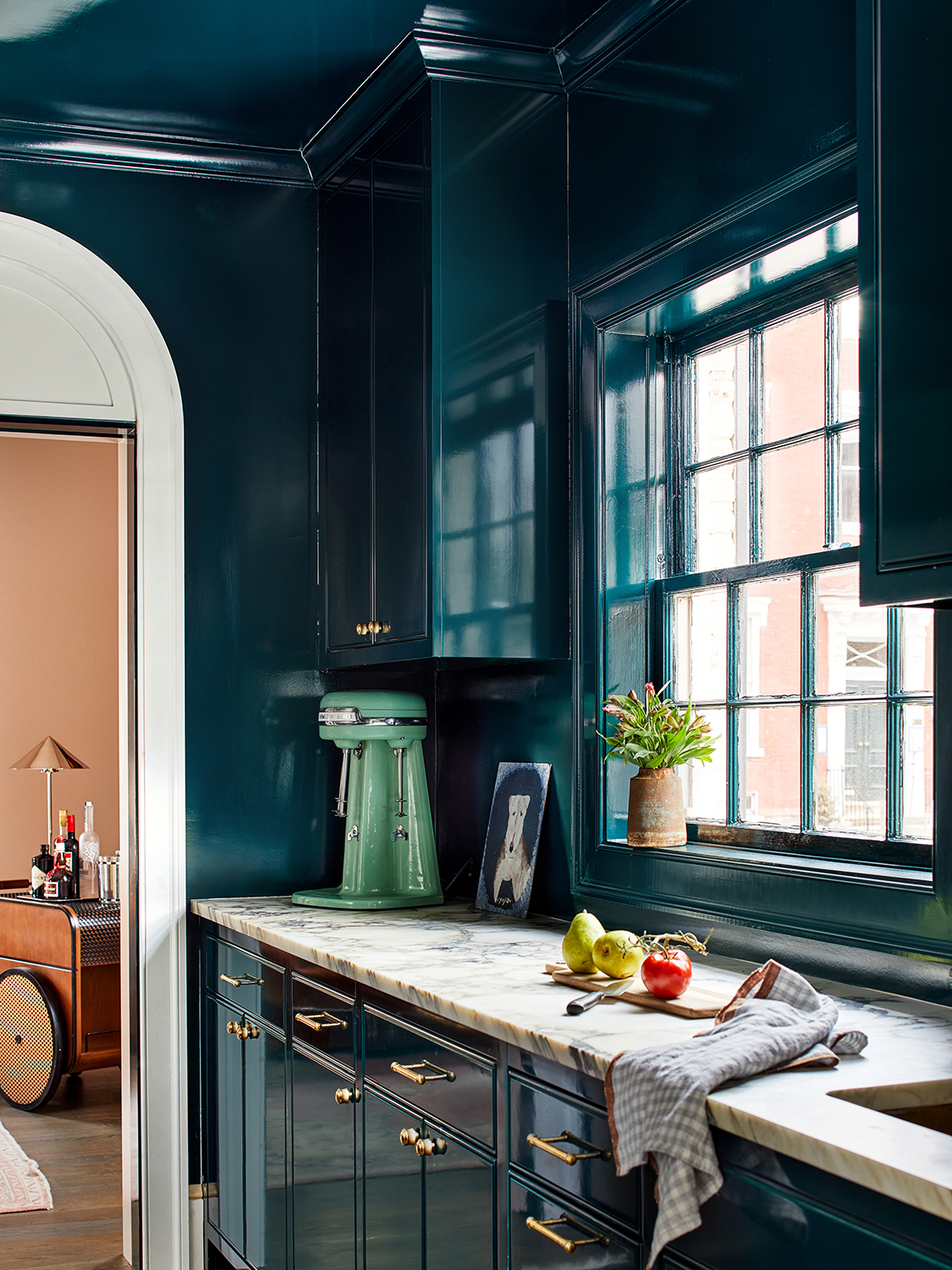
Searches For This Ceiling Paint Trend Have Grown By 816%

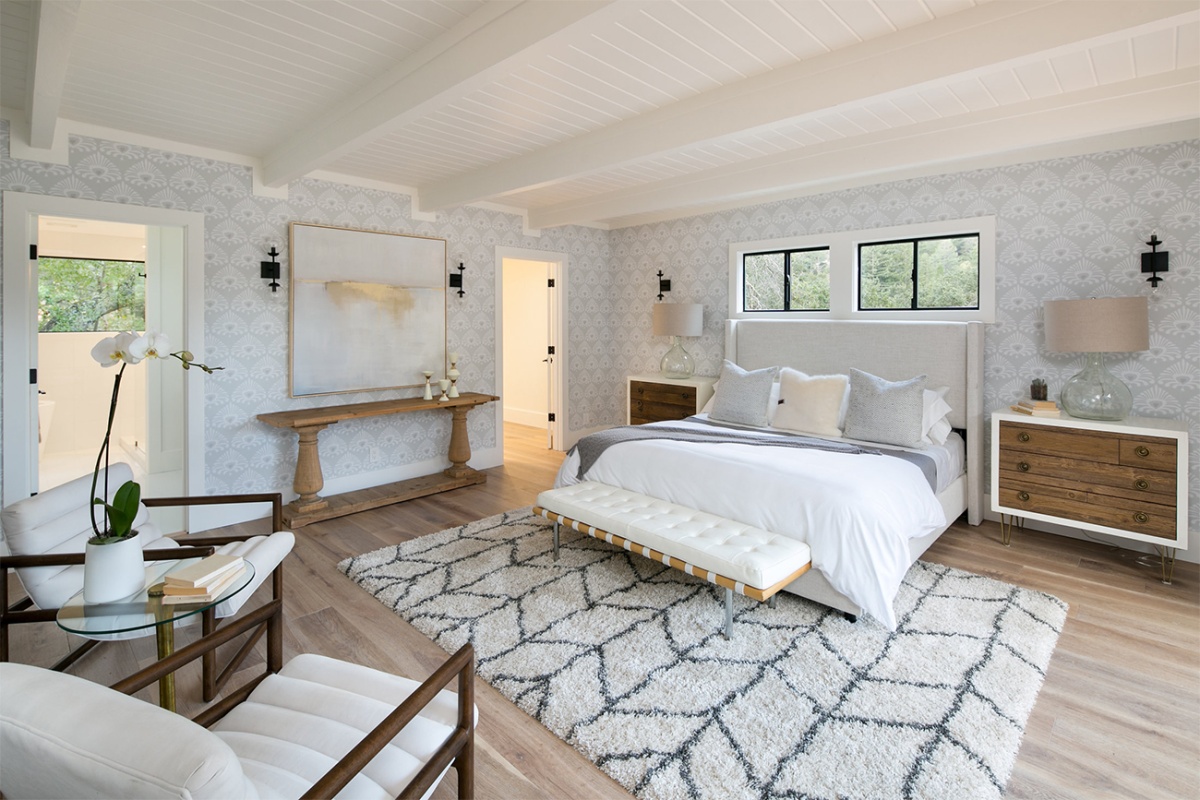
Hot Home Trend: Painted Ceilings