1/7
Rug Trends — 5 Styles You Should Be Buying for Cooler, More Imaginative Floor Coverings in 2025
Rugs are integral design elements that can transform a space, offering an opportunity for creativity beyond mere floor covering. As significant investment pieces, especially in larger sizes, rugs should blend timelessness with current trends to maintain their relevance and aesthetic appeal. Architect Alexandra Barker emphasizes the rug as a "giant canvas" capable of making a substantial impact without compromising comfort or incurring excessive costs, highlighting the potential for creative choices that elevate an interior scheme.
This article outlines five rug trends expected to gain prominence in 2025, observed by an interiors writer through extensive exposure to home designs and new product launches. These trends are identified as potential new design classics.
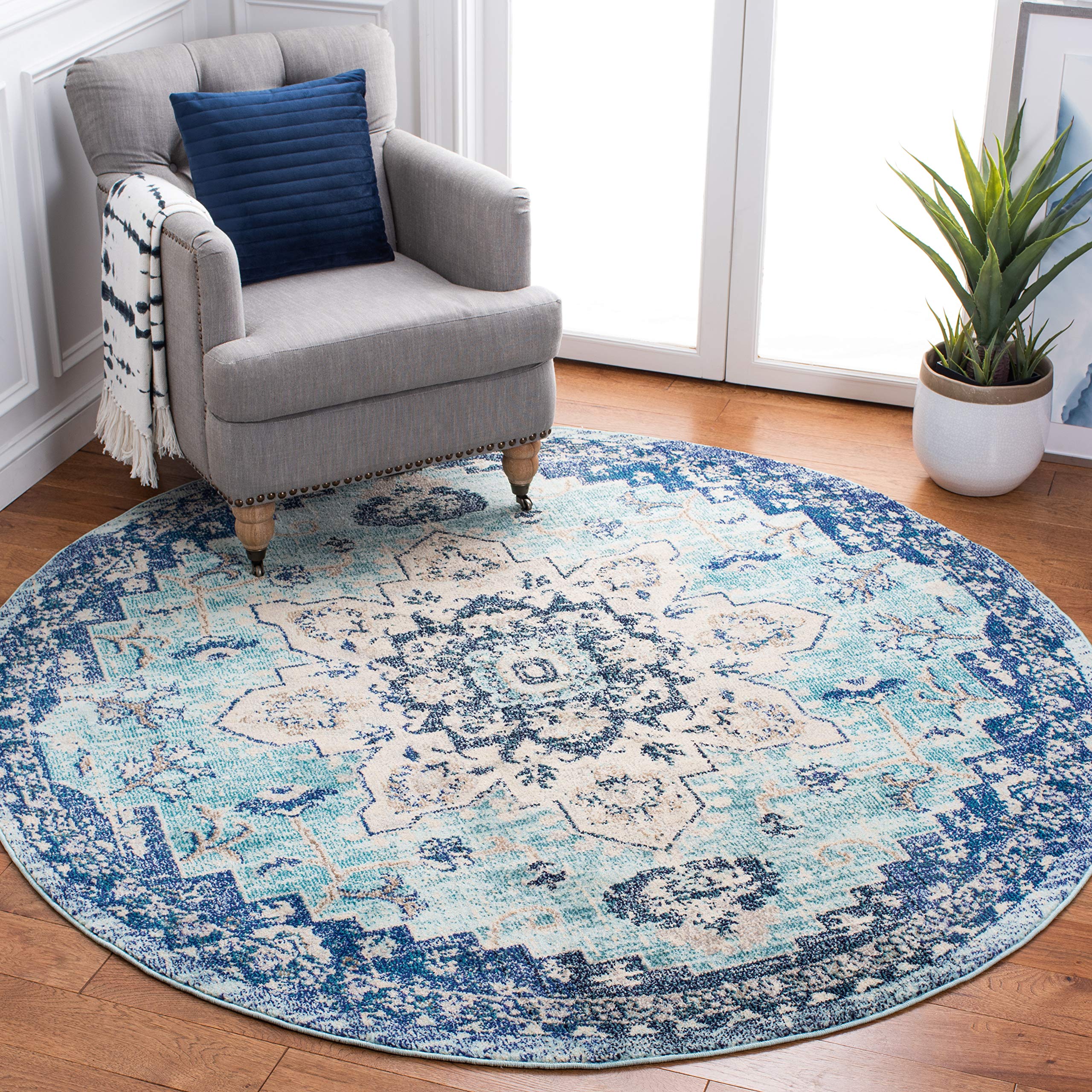
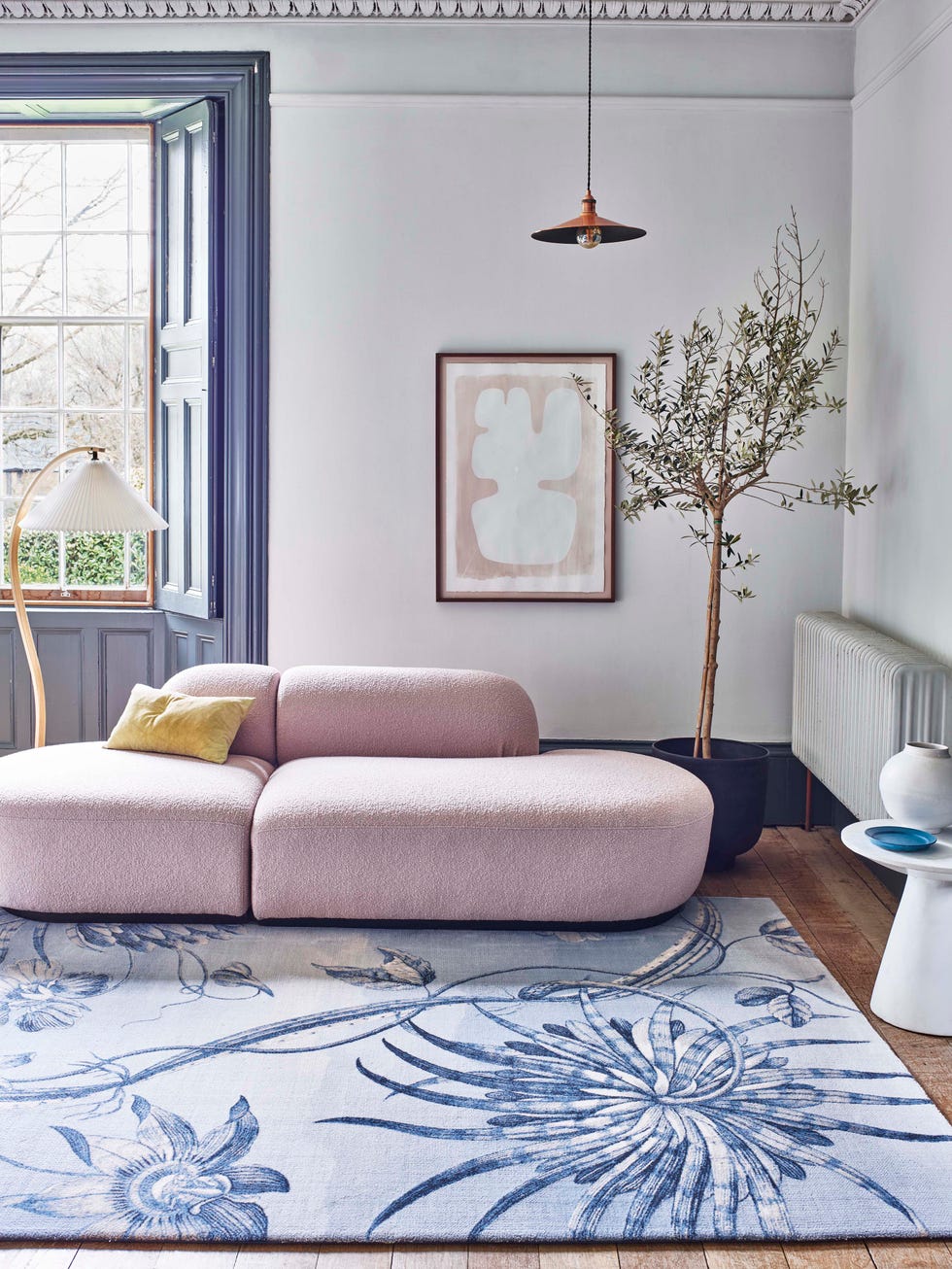
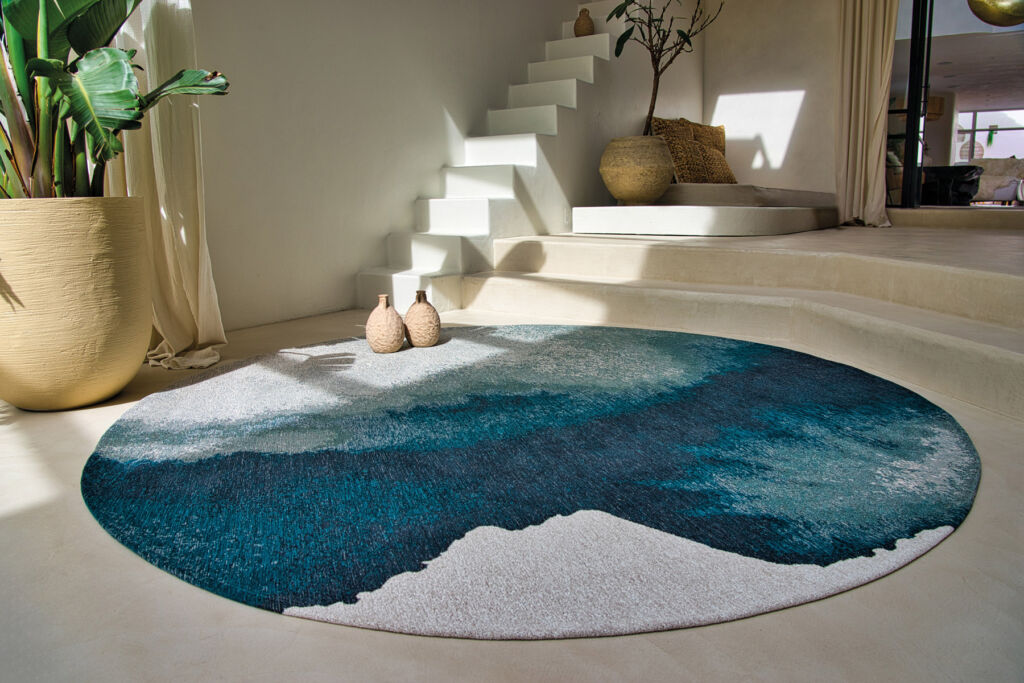
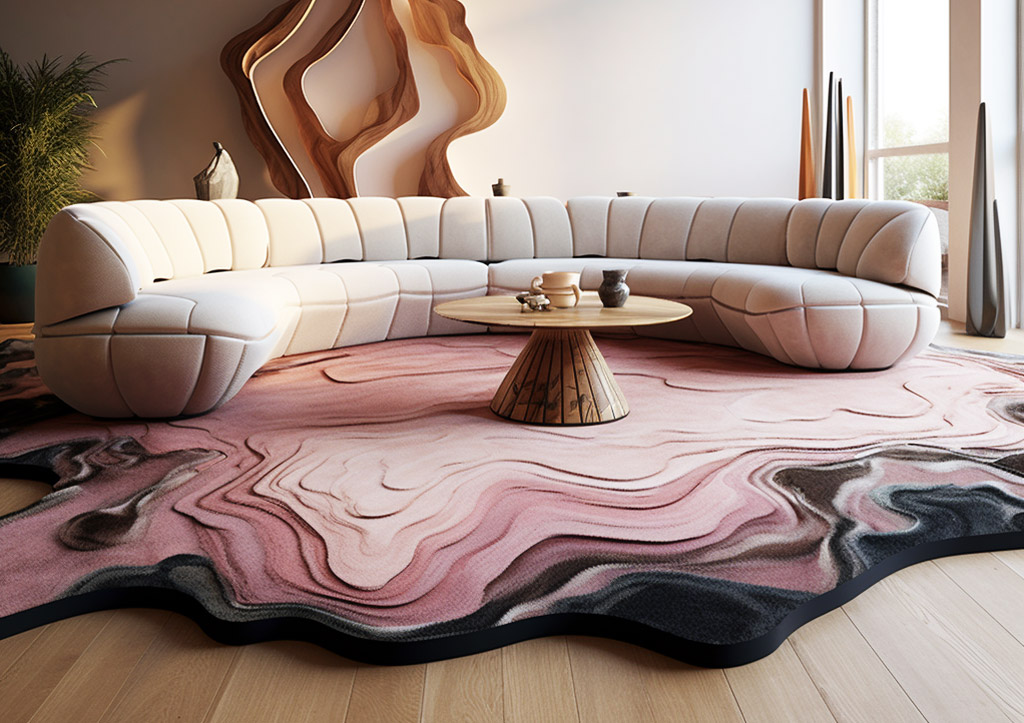
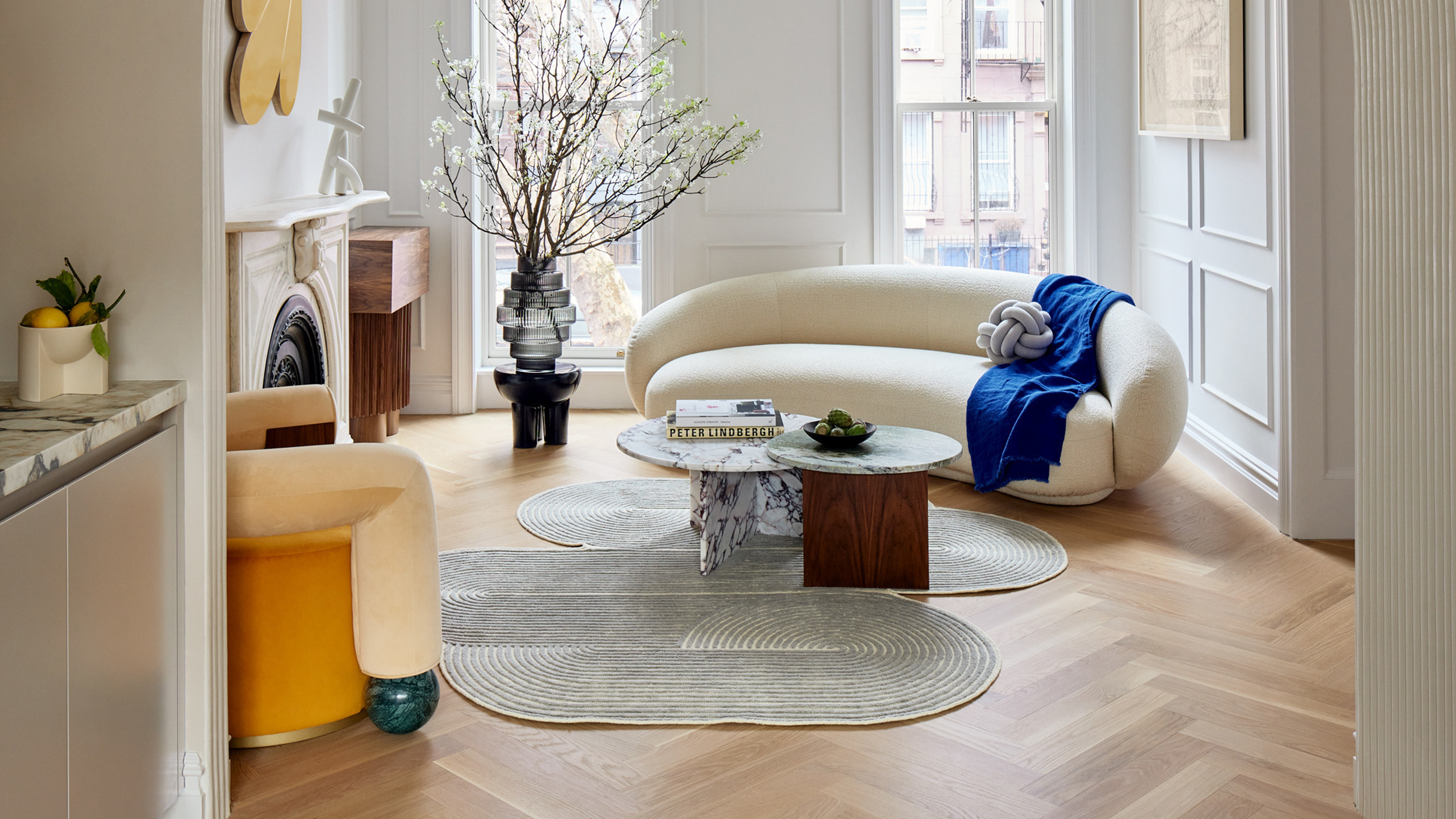
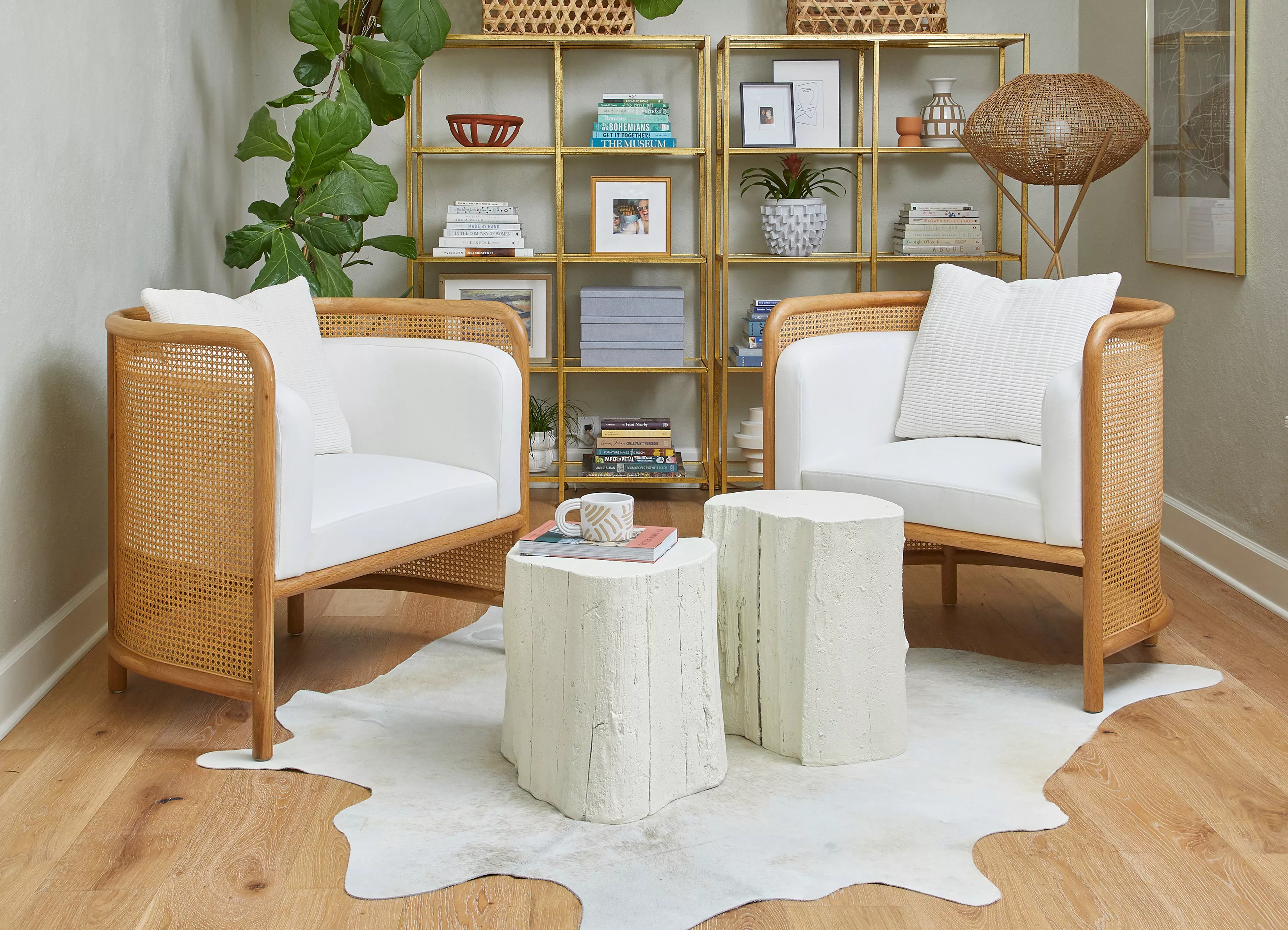
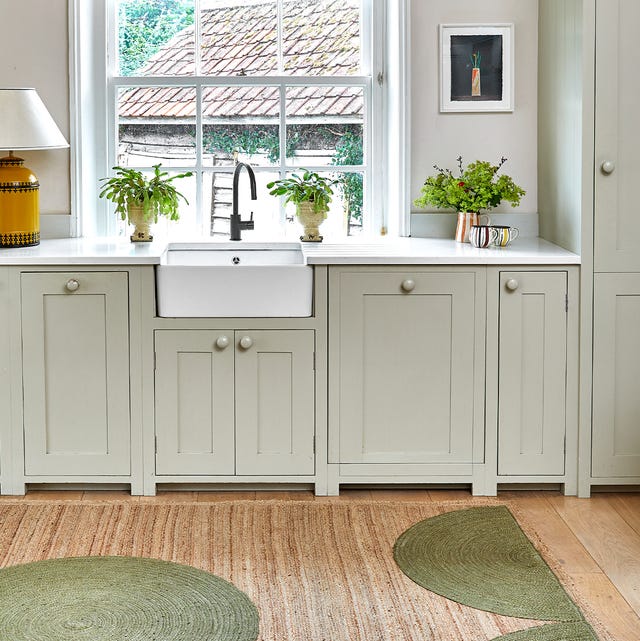
First, irregular shapes are emerging as a fresh approach to floor coverings, bringing rugs to the forefront of a design rather than relegating them to a background role. These unconventional shapes add an artistic quality and influence how a space is navigated and zoned. They define specific areas, such as seating arrangements, distinct from walkways, thereby making the relationship between different parts of a room more pronounced. This style also plays with concepts like negative space, offering a dynamic alternative to traditional large rectangular rugs. Brands like Hatsu and Okej are noted for their innovative designs in this category.
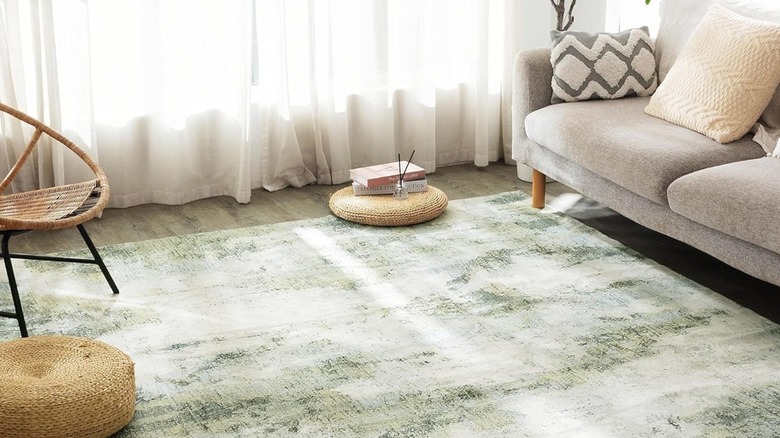
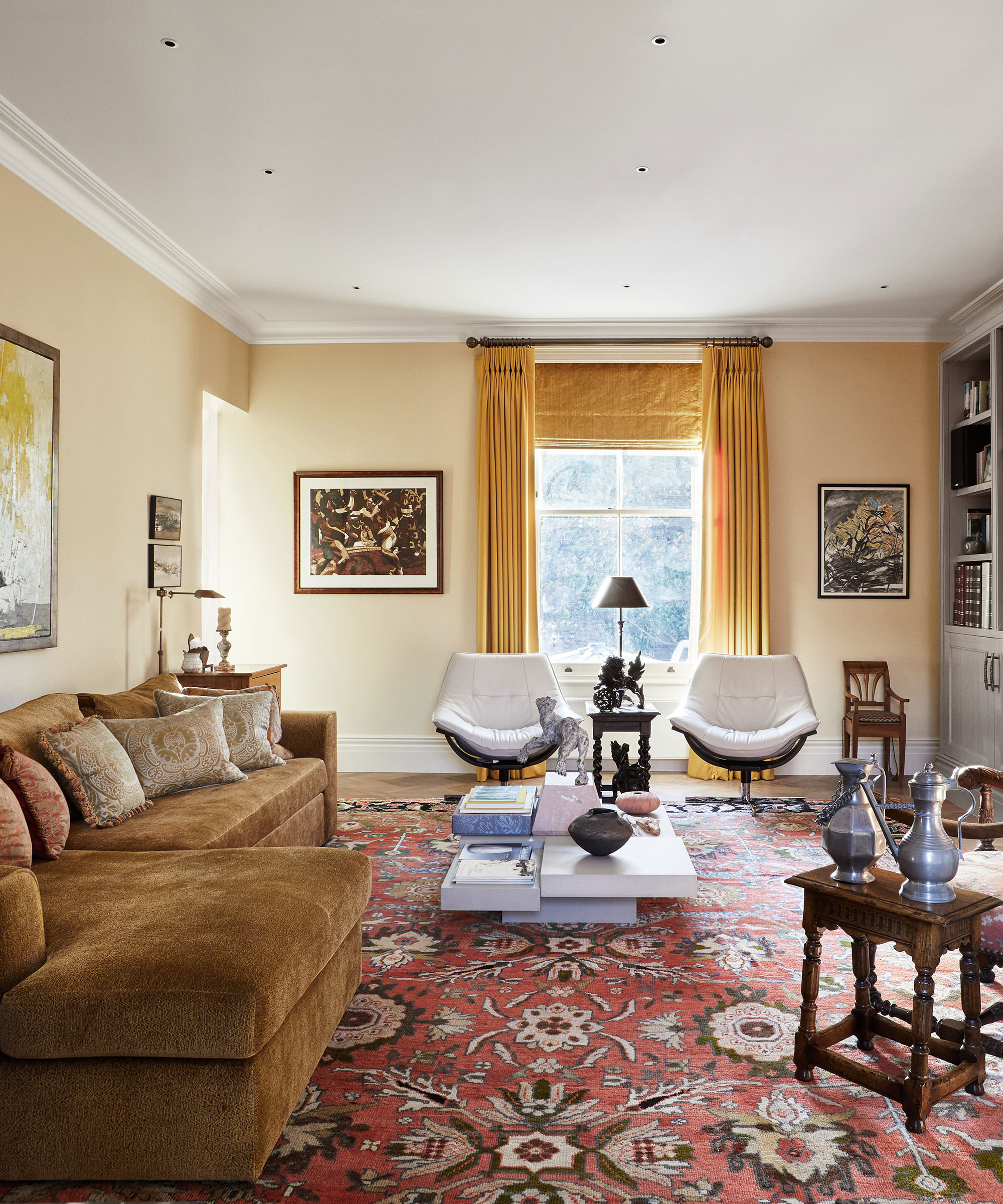
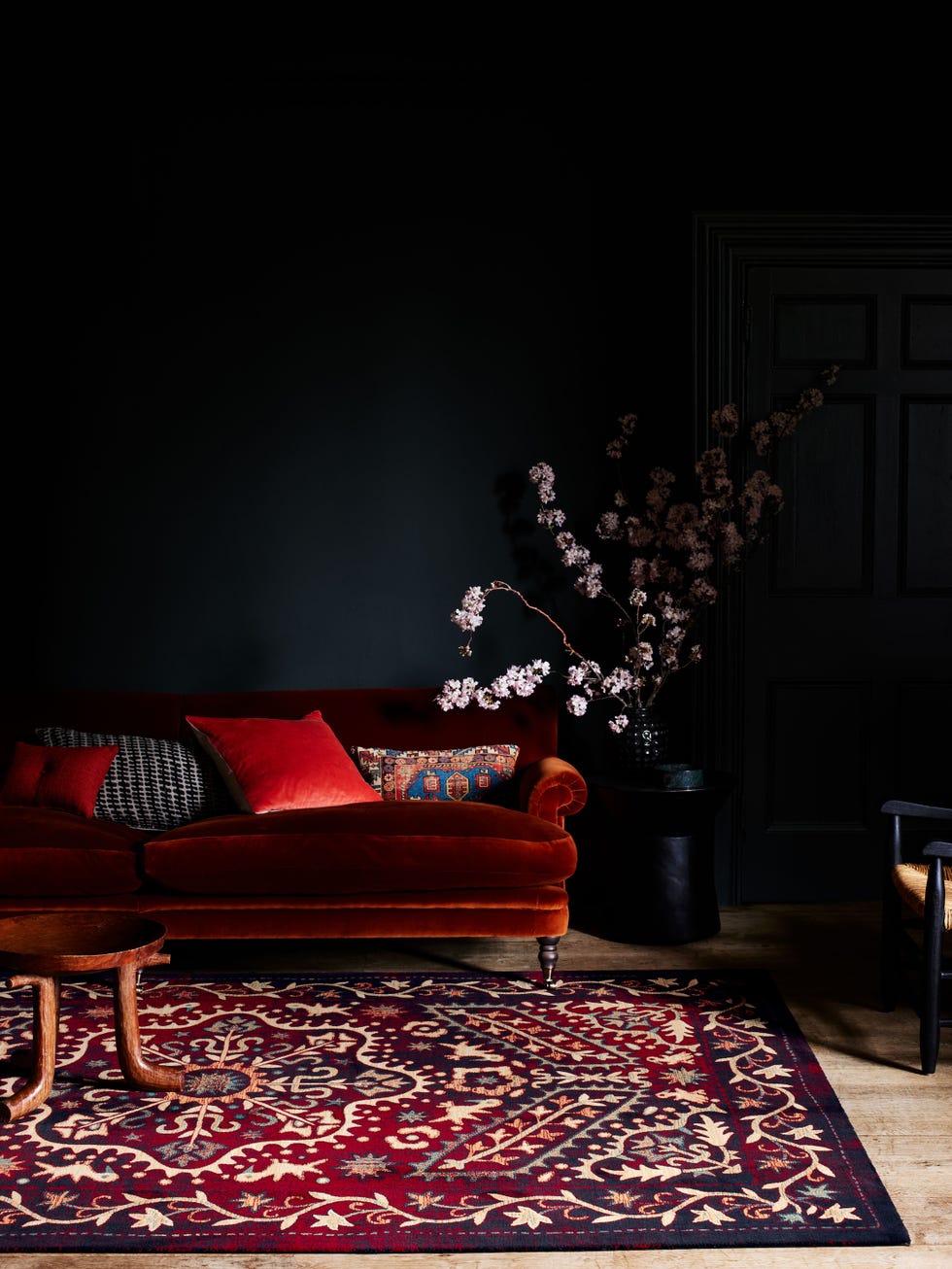
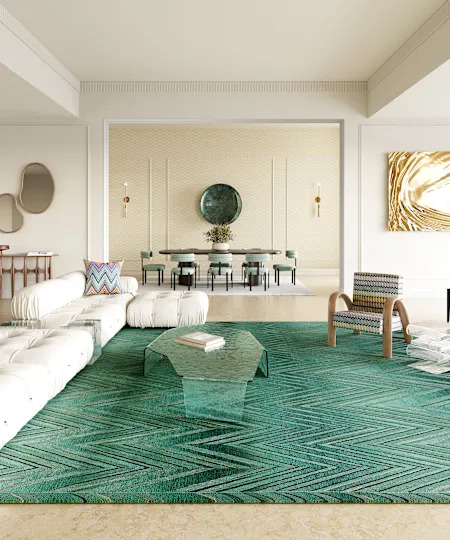
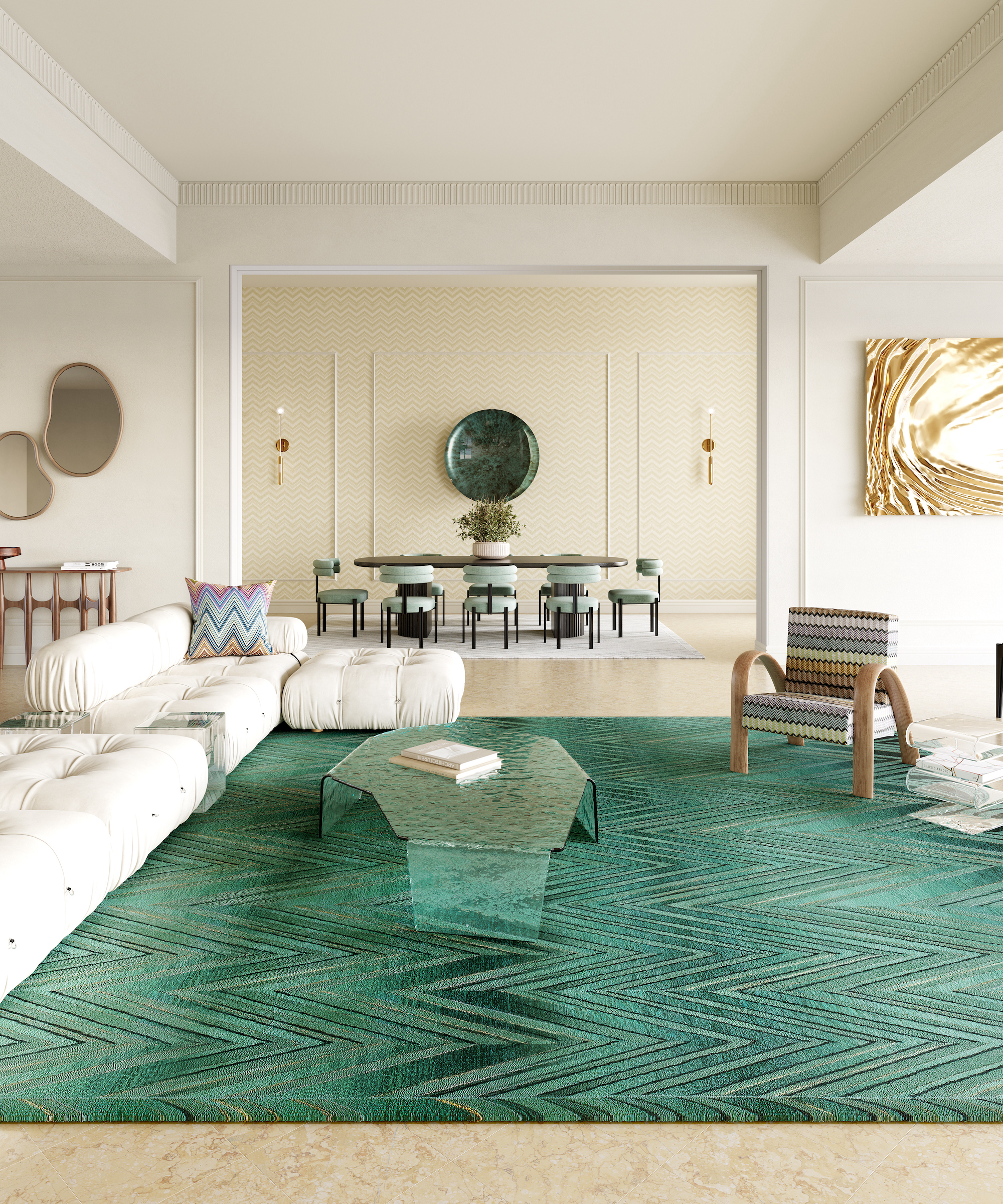
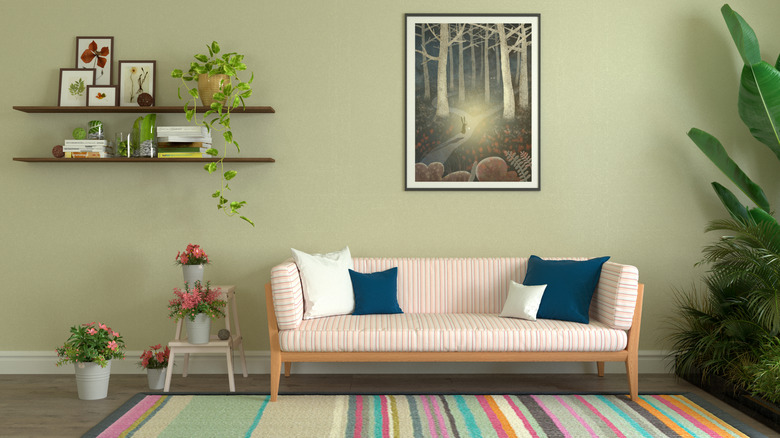
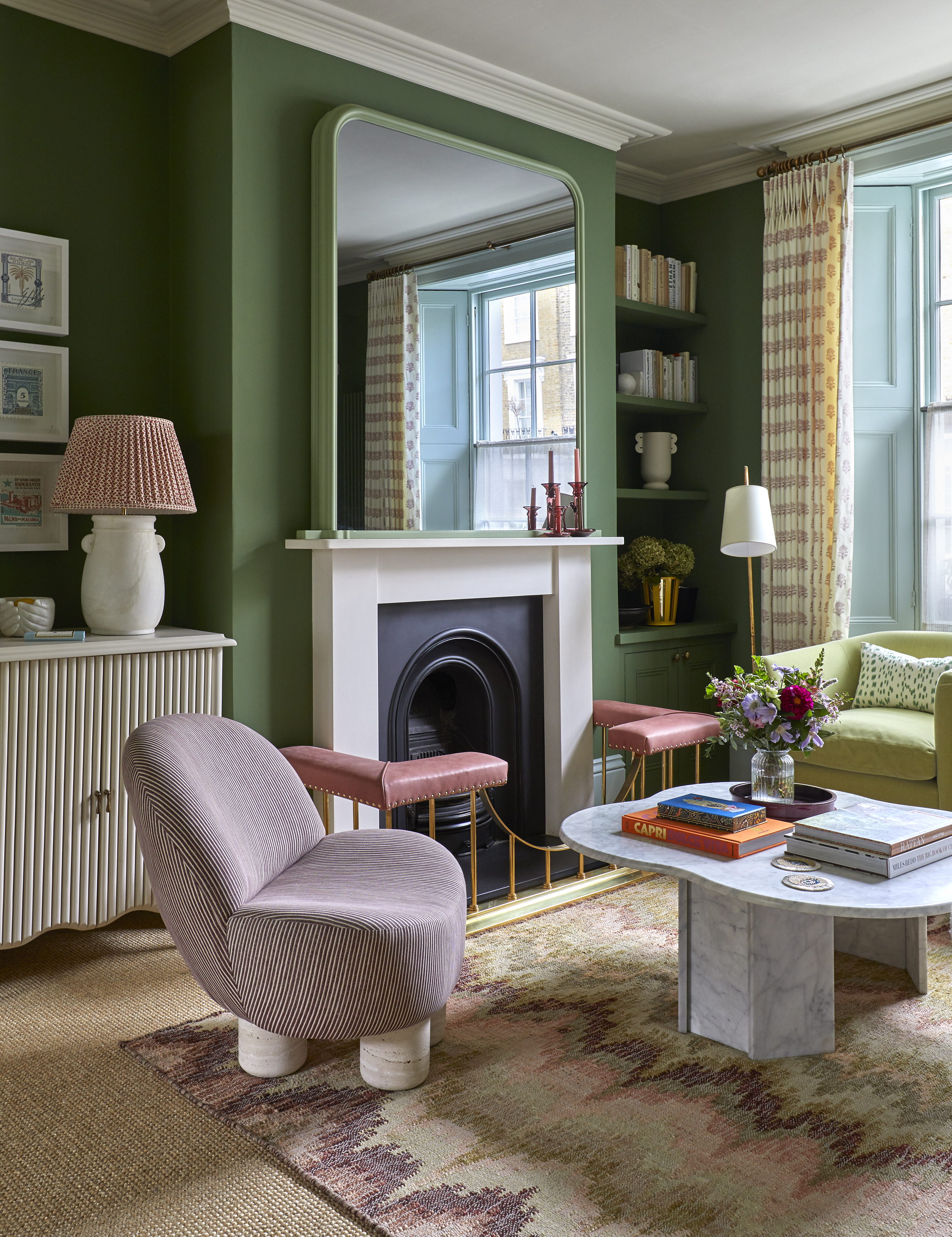
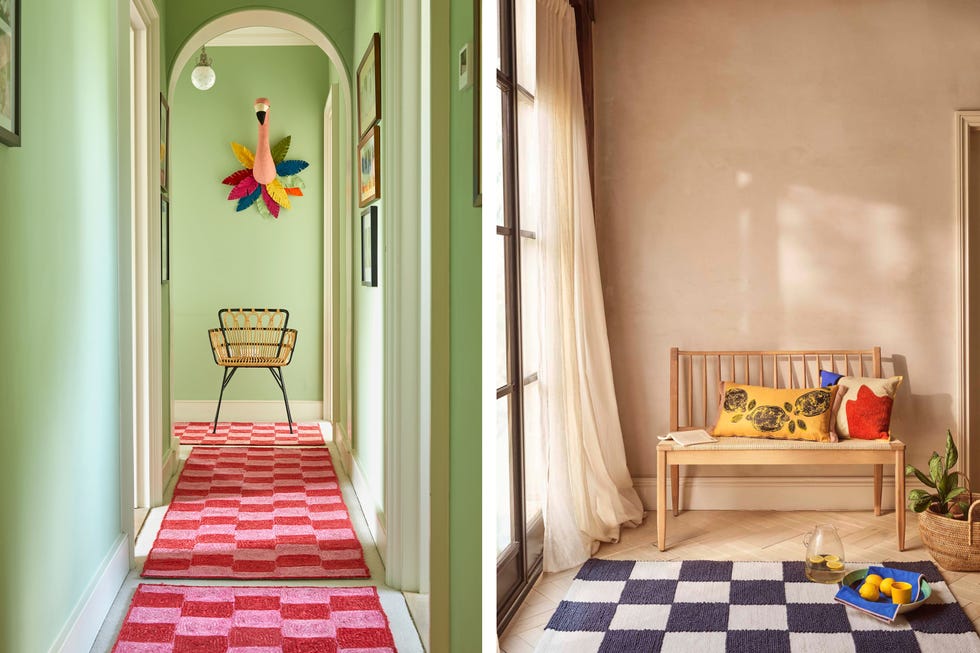
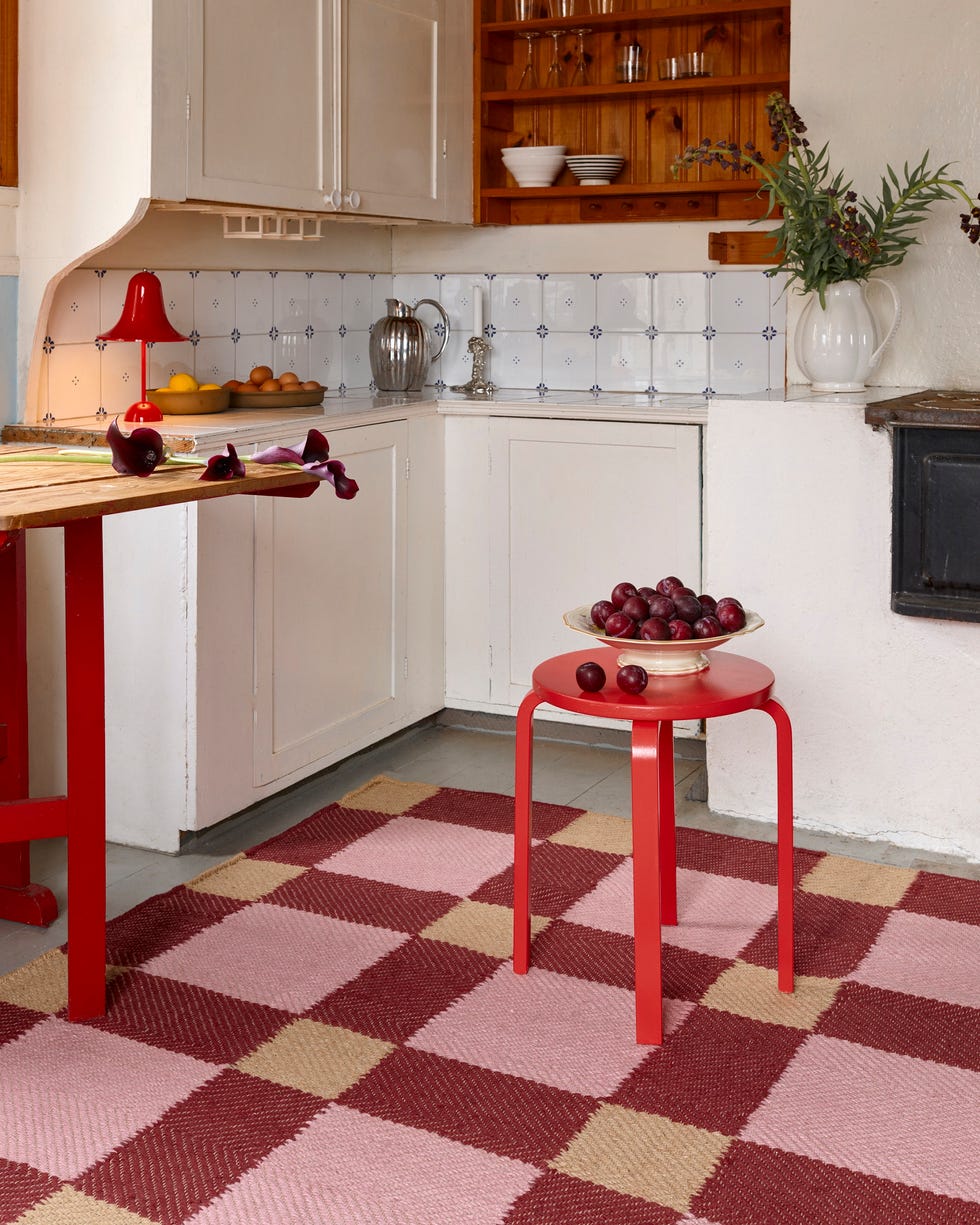
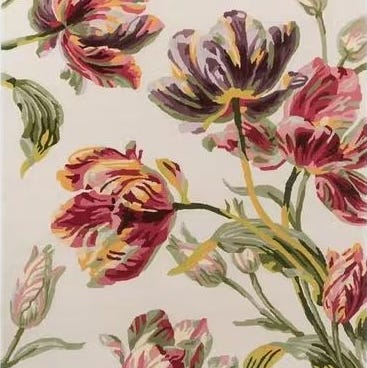
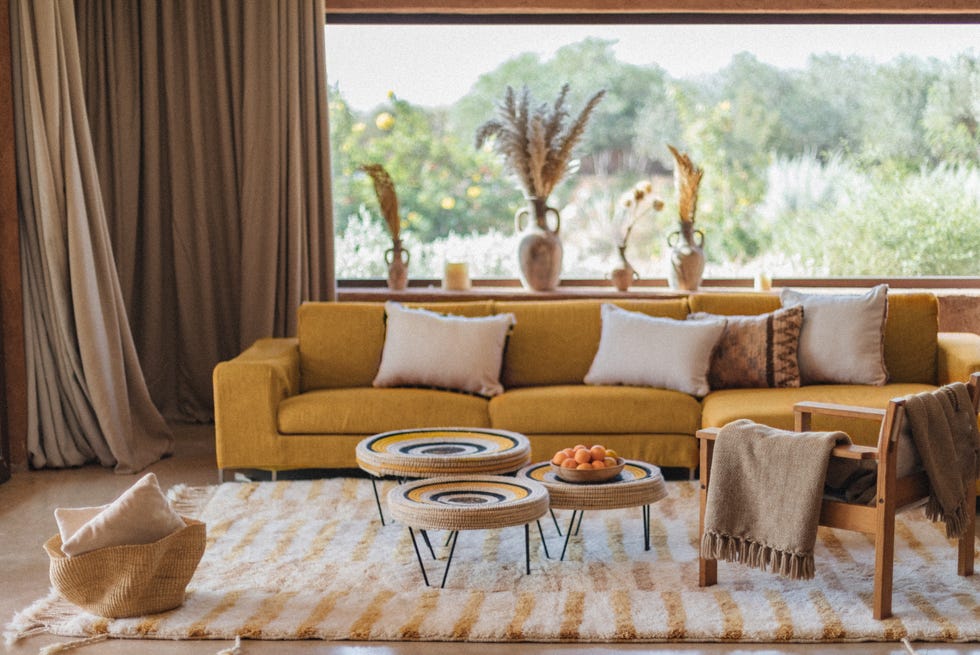
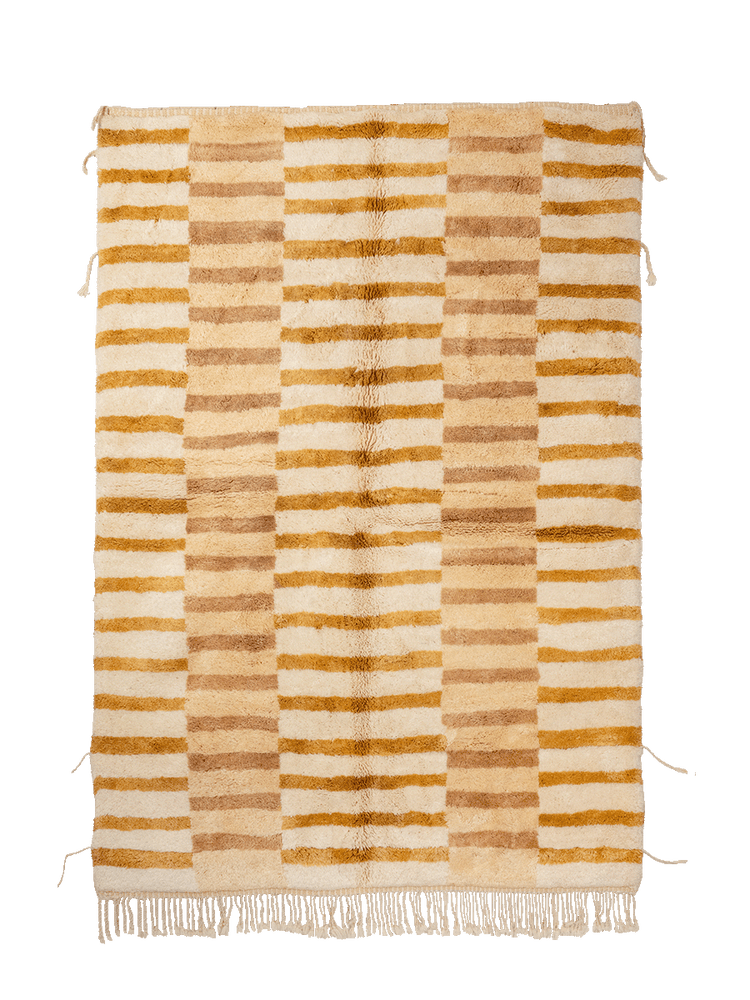
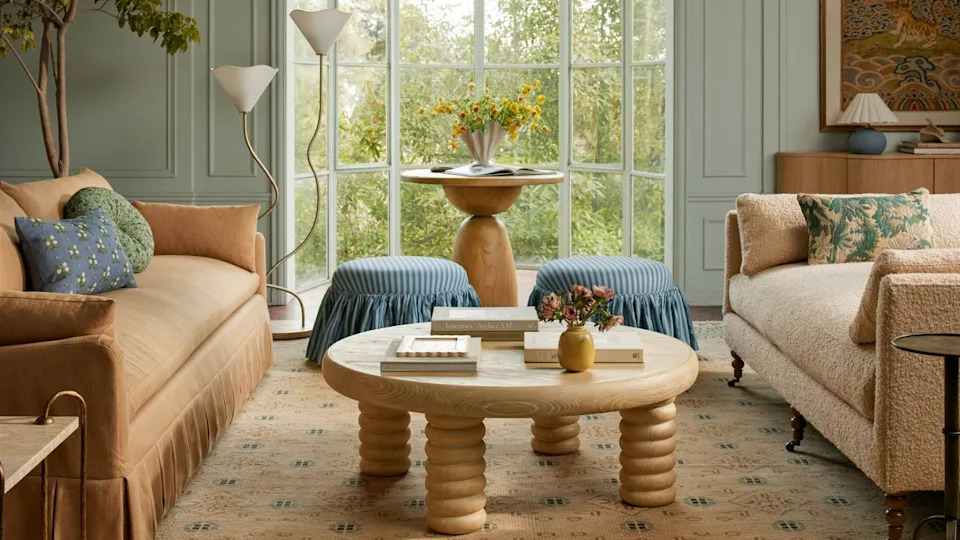
Second, the concept of "palette builders" in rugs is gaining traction. While specific color trends are evident across home decor, certain rug designs now serve as instant palette builders, effectively outlining a room's color scheme and its balance. For individuals less confident in their color-coordinating abilities, such rugs provide a pre-designed microcosm of a color palette. Designers like Katelyn Rempel and Lisa Lev utilize these rugs to unify diverse elements within a room, making them feel cohesive. These rugs integrate modern aesthetics while providing grounding and spatial definition.
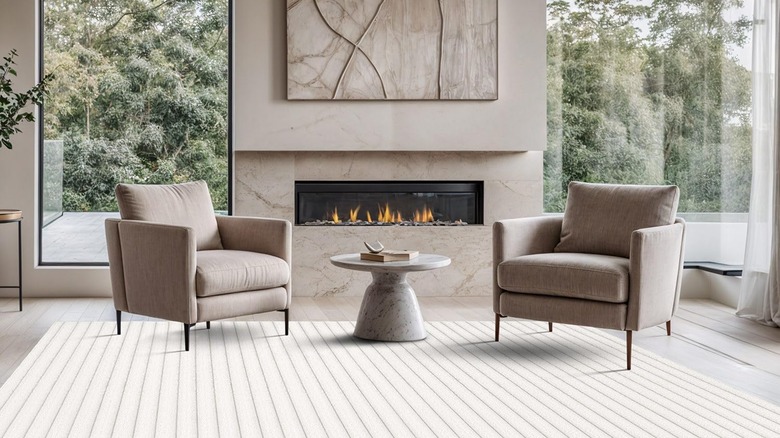
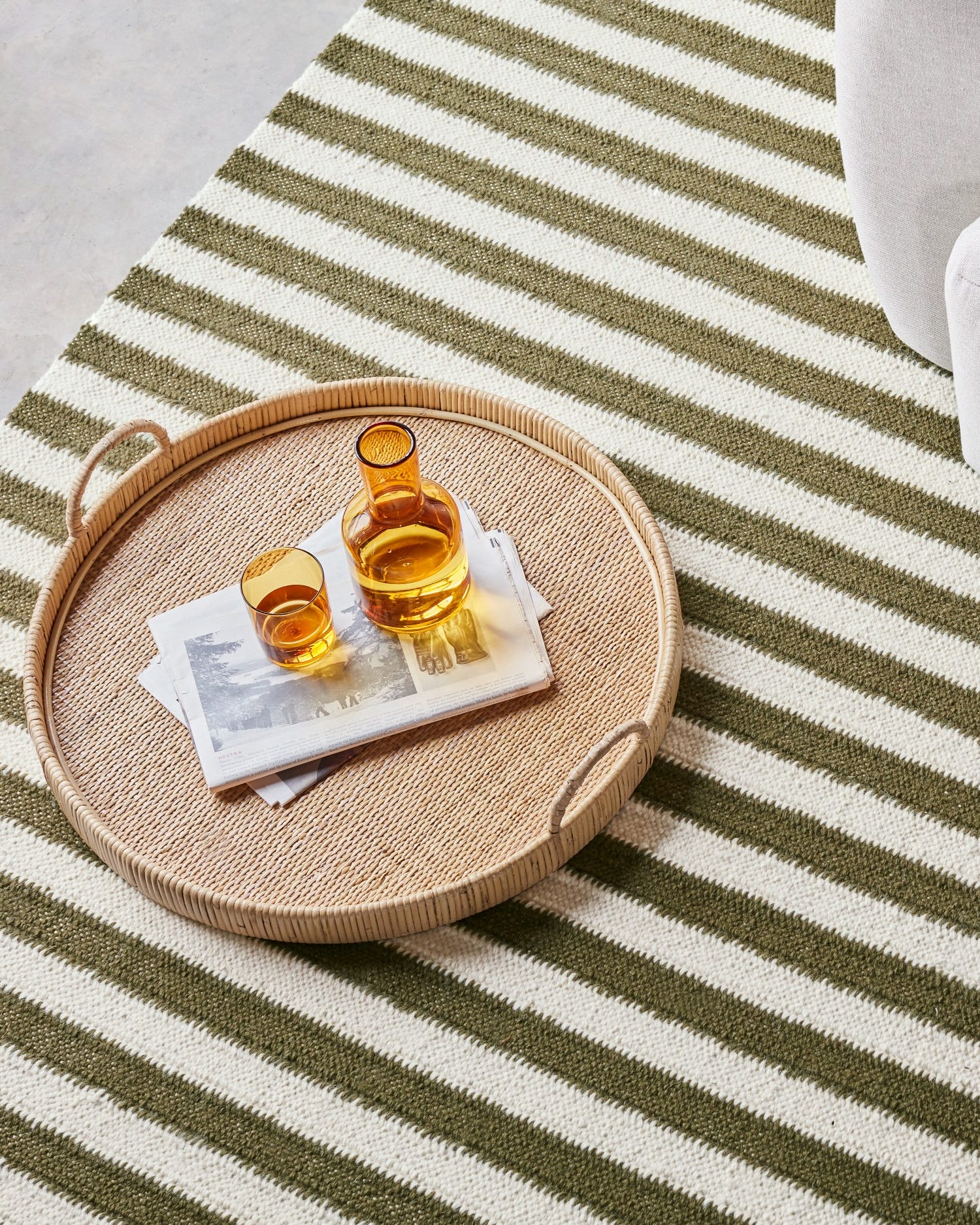
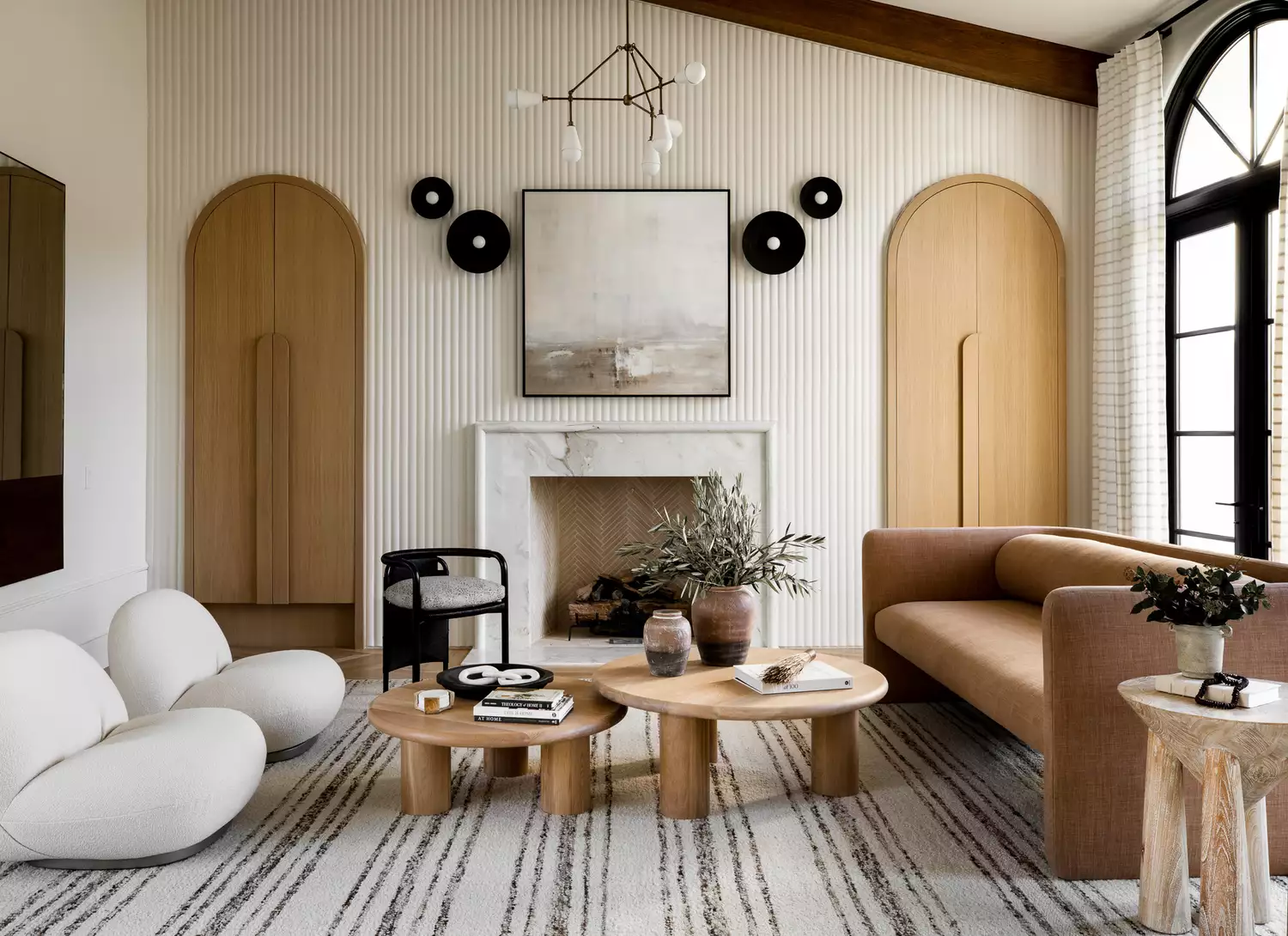
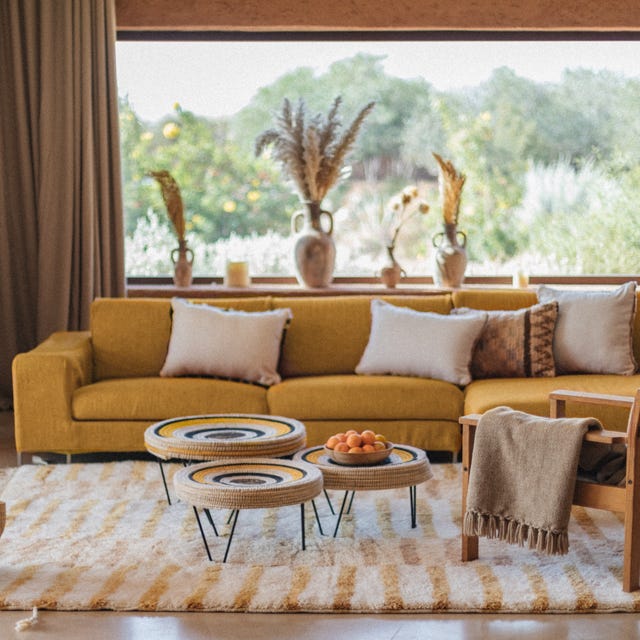
Third, grooved rugs introduce a sense of calm through repeating lines, demonstrating how patterns can play a softer role in home decor. These designs often mimic natural patterns, such as concentric circles or ripples, offering a raw and organic feel, or a more graphic, modern interpretation. They impart movement to a room without overwhelming it with excessive pattern, drawing the eye on a visual journey. Hatsu is again mentioned for this style, with Muuto's Relevo rug suggested as a similar alternative.
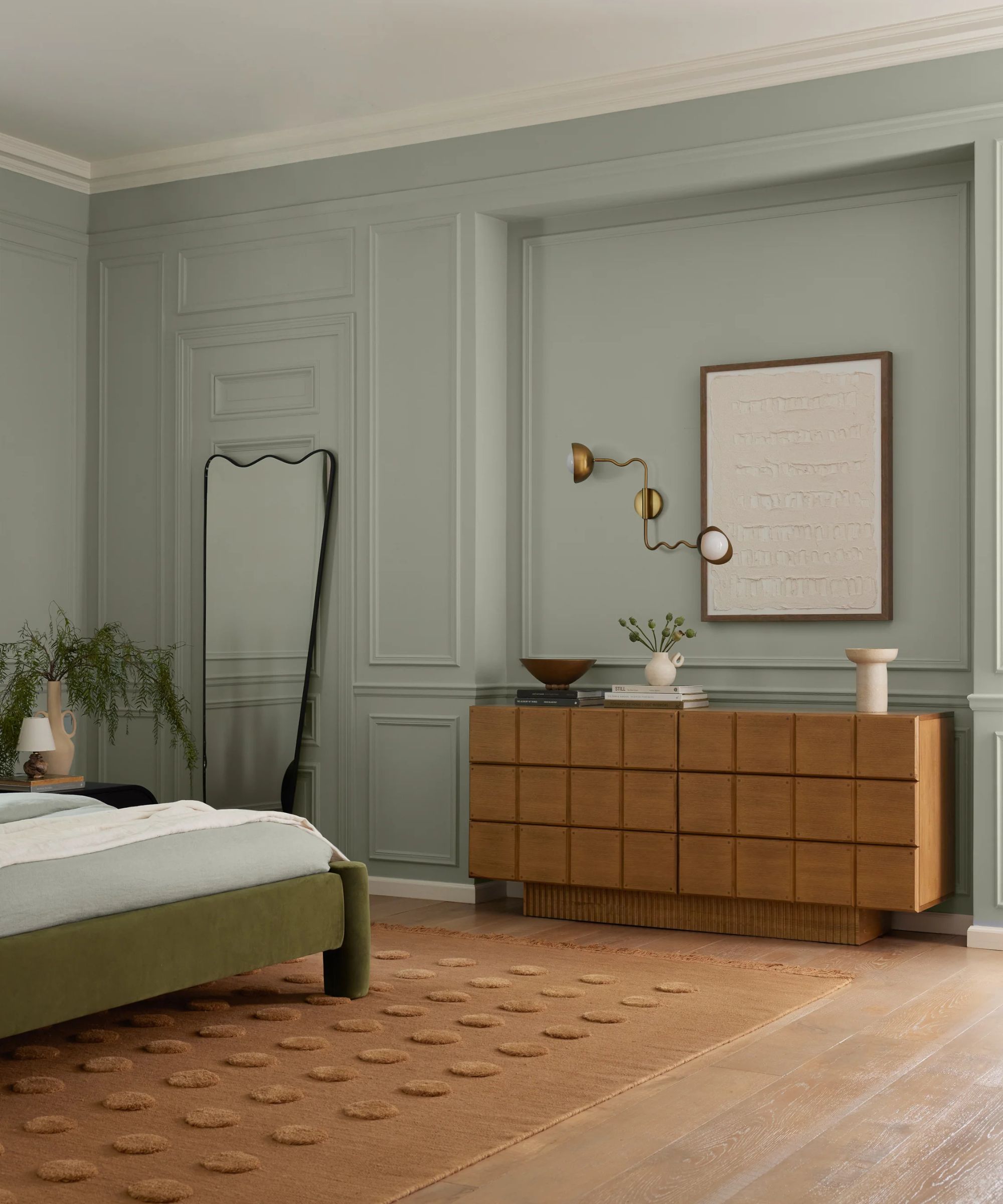
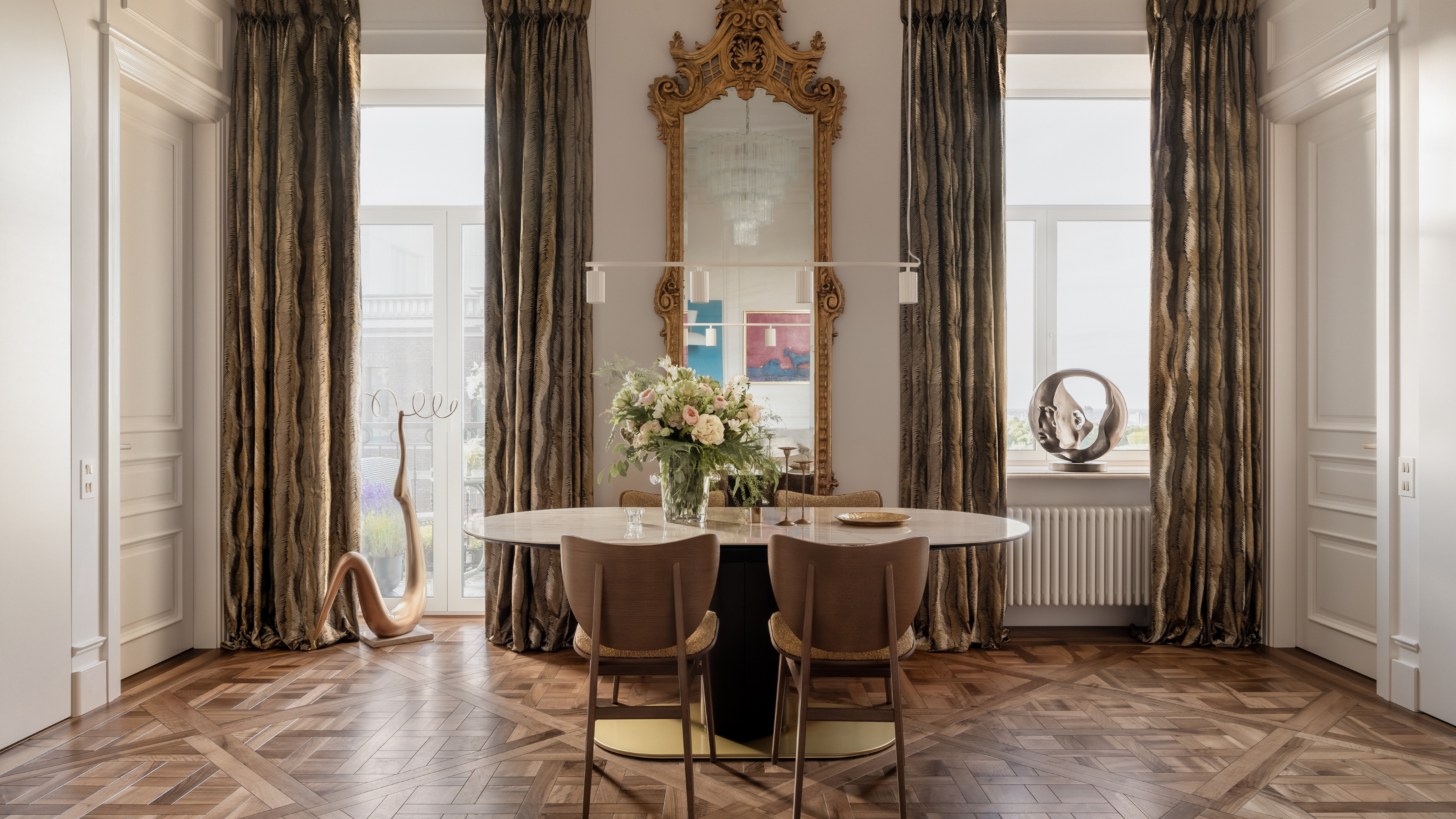
Fourth, a distinctive 3D style, combining high shaggy piles with low- or flat-weave areas, is prevalent in luxury rug brands. This "thick and thin" technique creates abstract and intricate patterns, often in neutral tones like white or cream, and is particularly effective in large formats. This approach adds textural depth to minimal spaces without becoming the sole focal point. The carved surface of these rugs provides shape and definition to a room, especially where a plain, single-textured rug might feel too expansive. The Rug Company's 'carving' technique is cited as an example.
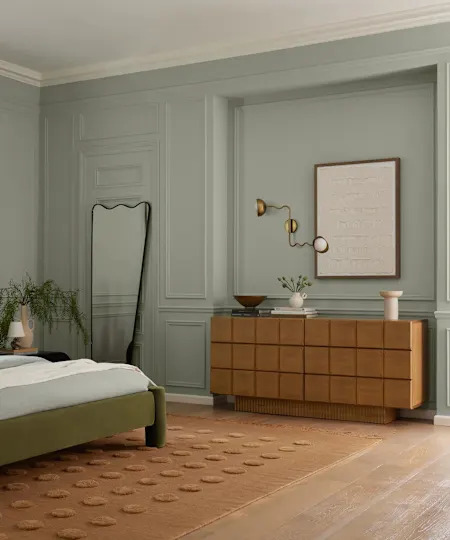
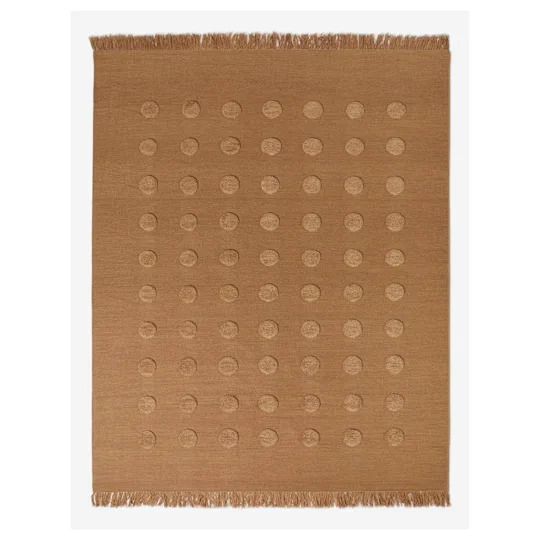
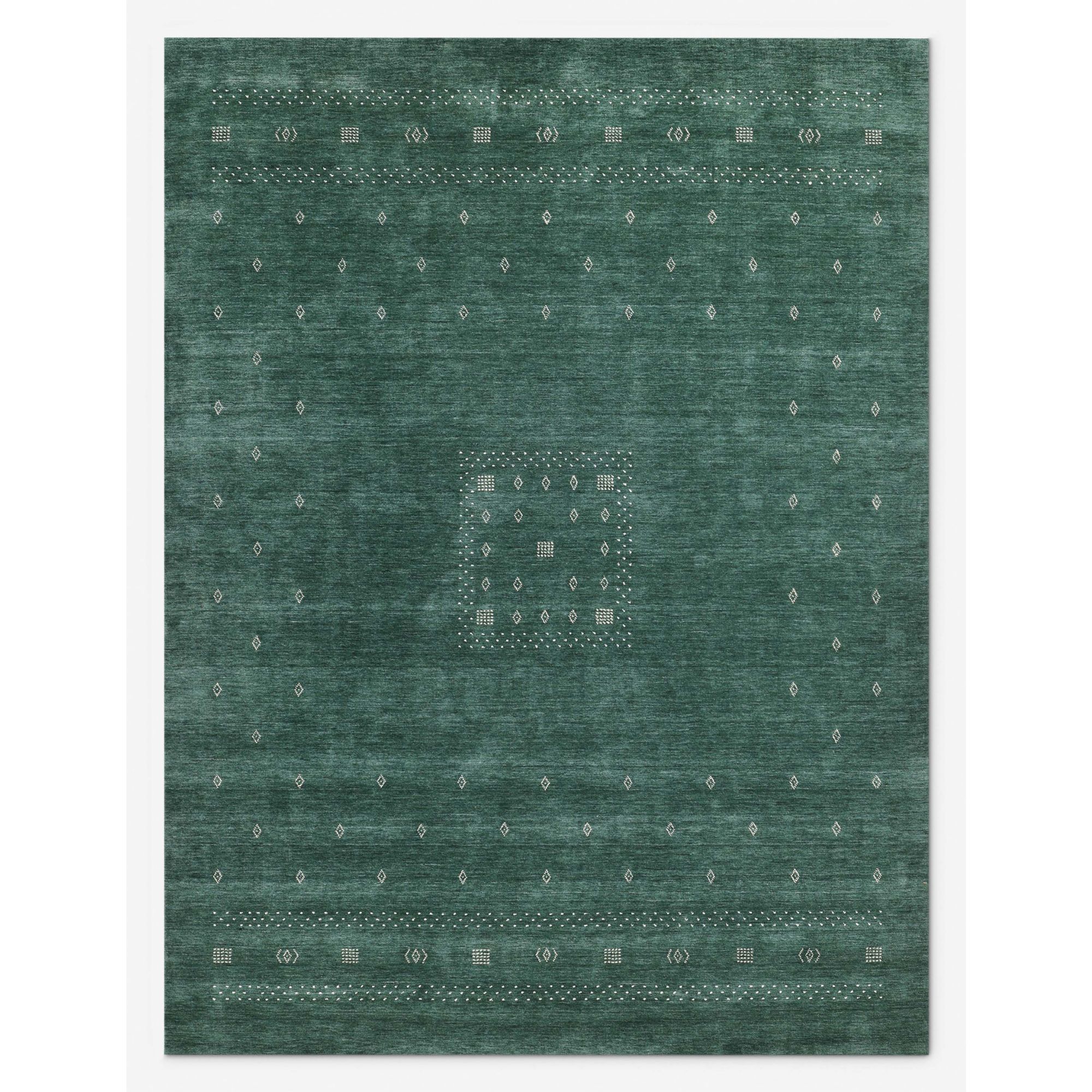
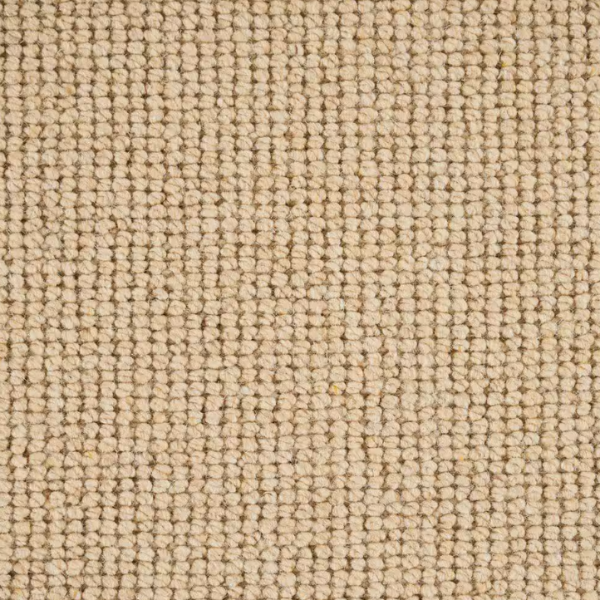
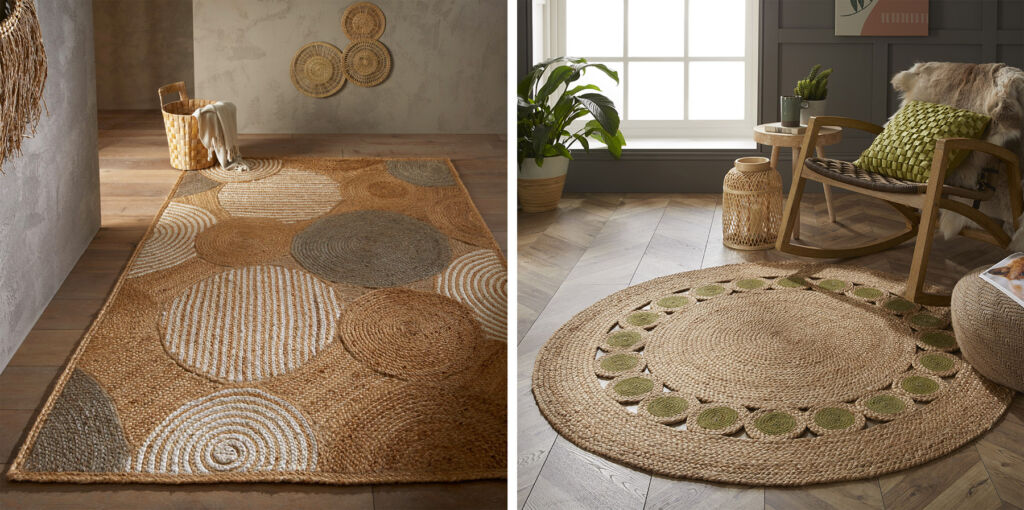
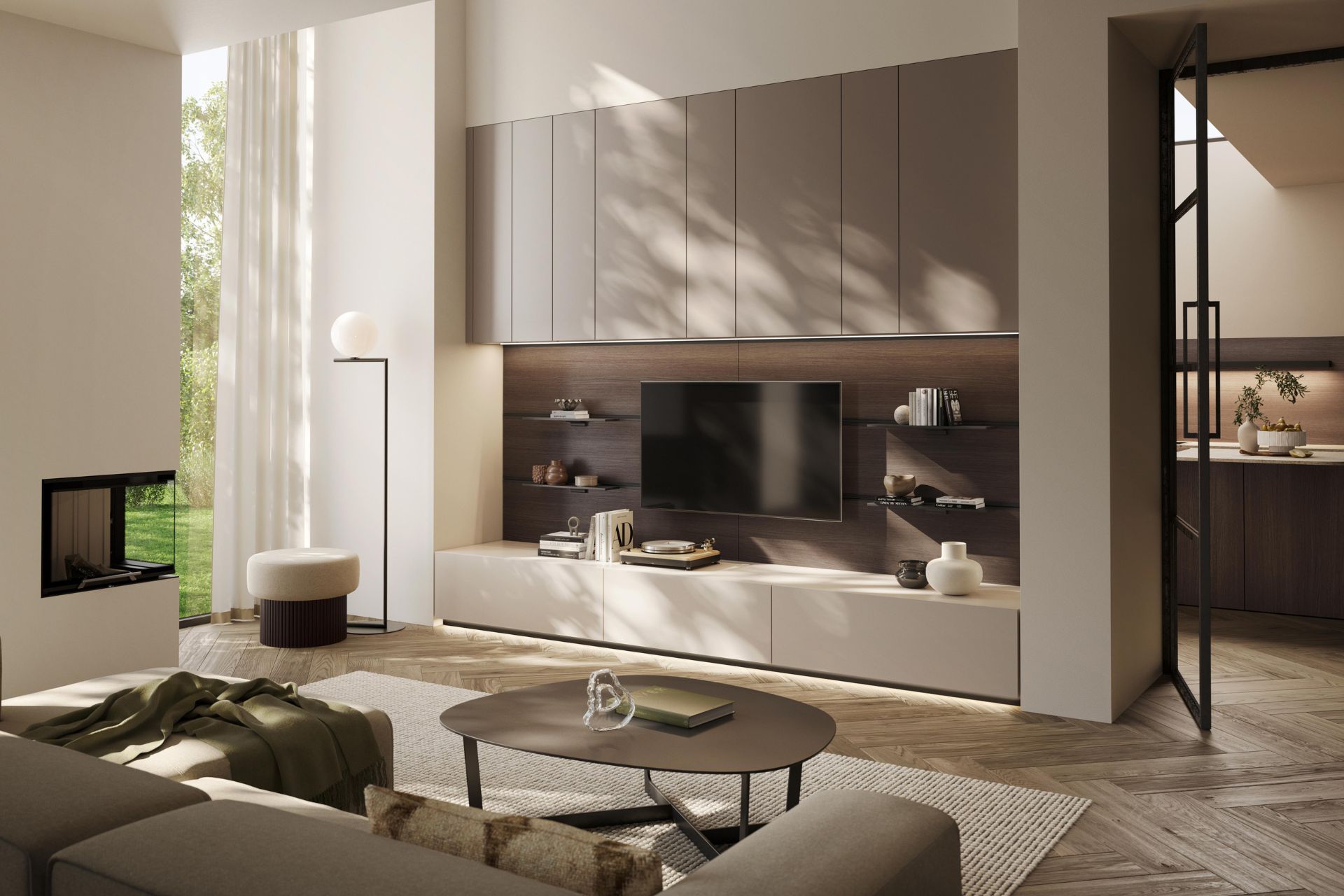
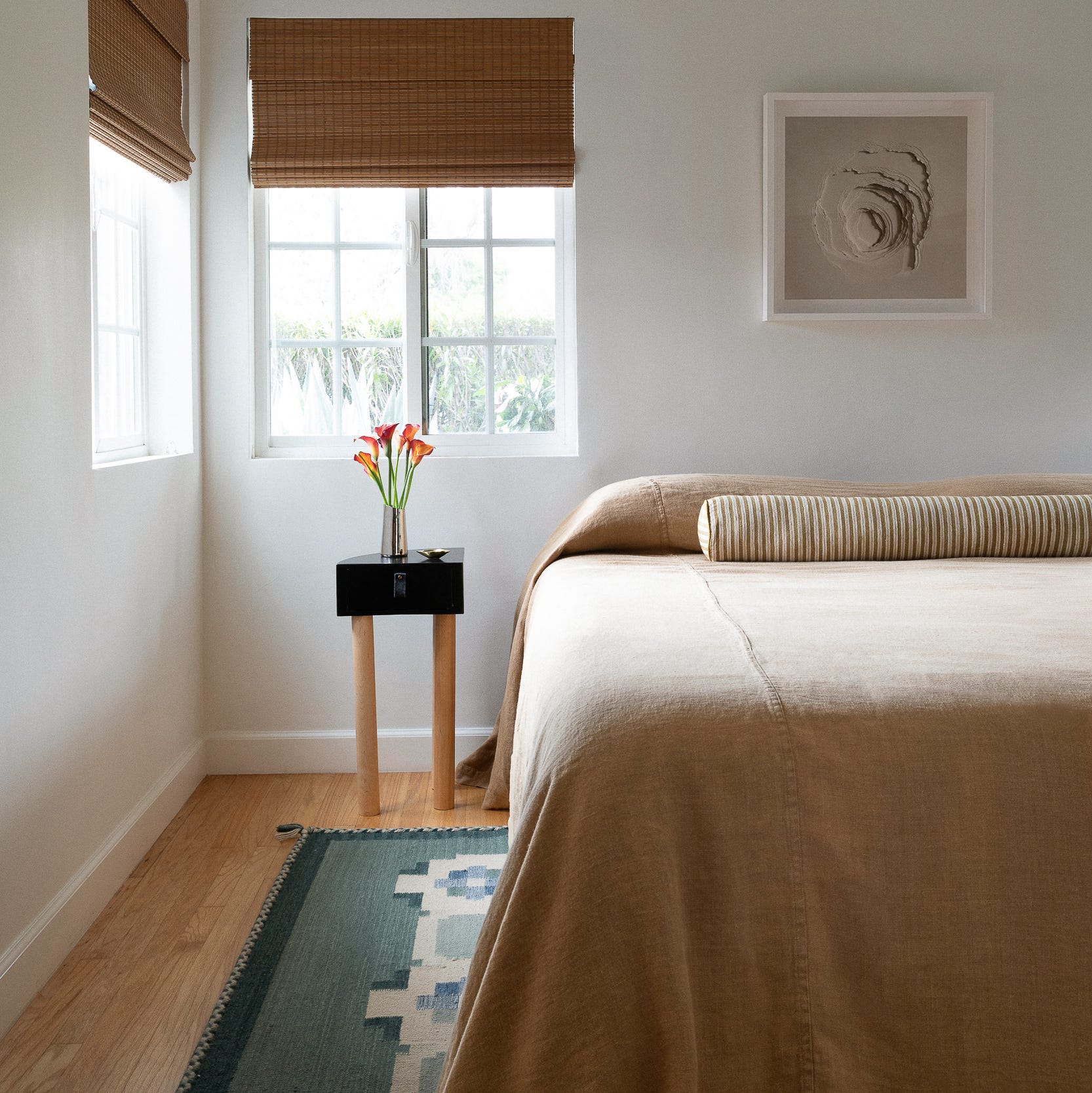
Fifth, "quiet patterns" leverage texture to replicate prints, aligning with the ongoing preference for earthy and natural styles in interior design. Interior designer Reena Sotropa highlights the trend toward earth tones with bold textures, utilizing natural materials like sisal, wool, and jute. Tightly woven low-pile rugs with tone-on-tone patterns, created through varying textures or pile heights, offer a clean, simple base with added detail. An example is the jute checkerboard rug, where fibers are oriented differently to create a subtle textural pattern that appears distinct from various viewpoints, offering a softer way to introduce pattern.
Regarding rugs that are no longer considered fashionable, the article notes that plain, middle-of-the-road rugs in terms of pile length can appear dated. The current trend favors either deep, shaggy rugs or flatweaves. Additionally, large-scale abstract patterns confined to rectangular rugs are outmoded, having evolved into designs where rug shapes echo the patterns themselves, rather than being restricted to linear forms.
#RugTrends #InteriorDesign #HomeDecor #FloorCoverings #IrregularRugShapes #PaletteBuilderRugs #GroovedRugs #ThickAndThinRugs #QuietPatternRugs #RugTrends #InteriorDesign #HomeDecor #FloorCoverings #IrregularRugShapes #PaletteBuilderRugs #GroovedRugs #ThickAndThinRugs #QuietPatternRugs
0 ความคิดเห็นรวม
 ยังไม่มีความคิดเห็น
คุณอาจจะชอบอีกด้วย
8 Carpet Floor Trends That Are Having A Moment In 2025
These 5 rug colors are going out of style for 2025, according to interior designers

Outdated Flooring Trends in 2025 That I Want You to Leave in the Past
6 Carpet Trends for 2025 That Will Transform Every Room in Your Home

Designers Have Spoken: Here Are the Top Rug Trends of 2025

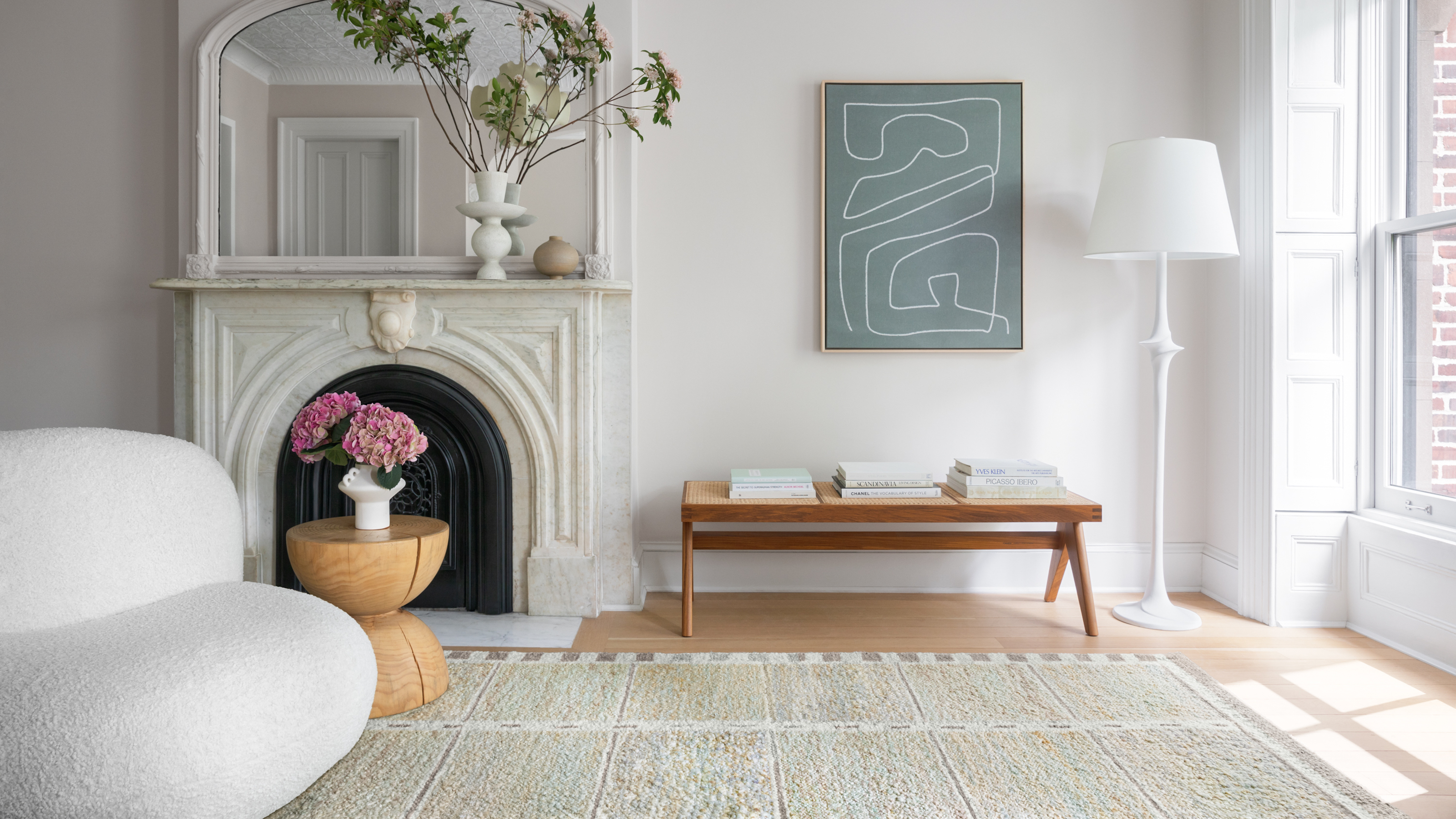
These 5 rug colors are going out of style for 2025, according to interior designers
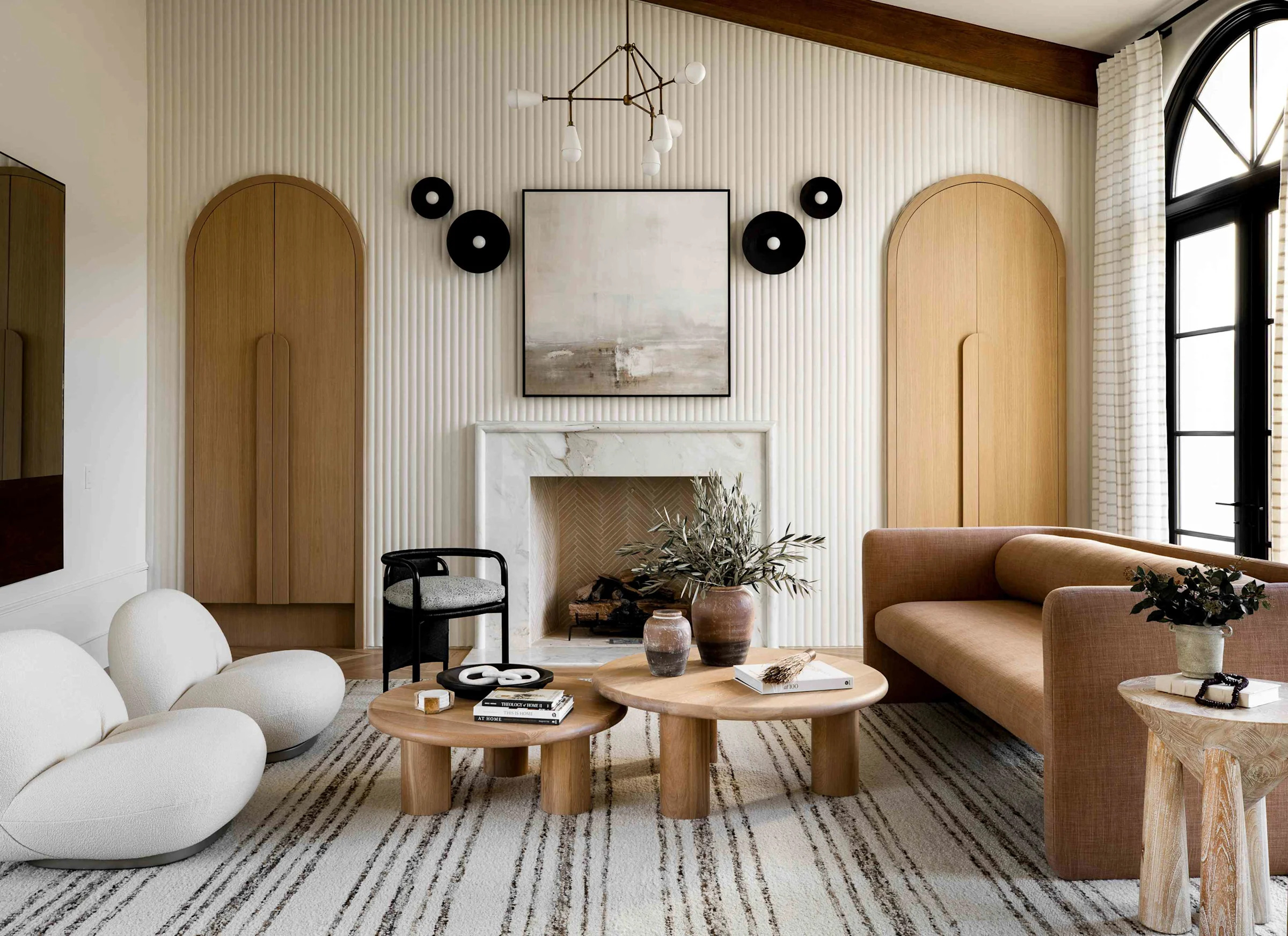
6 Carpet Trends for 2025 That Will Transform Every Room in Your Home
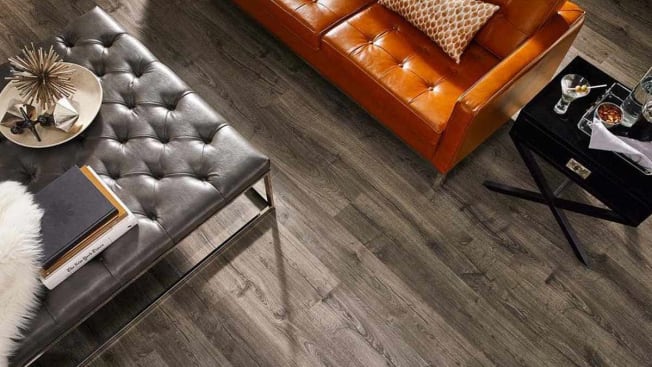
Best Flooring of 2025
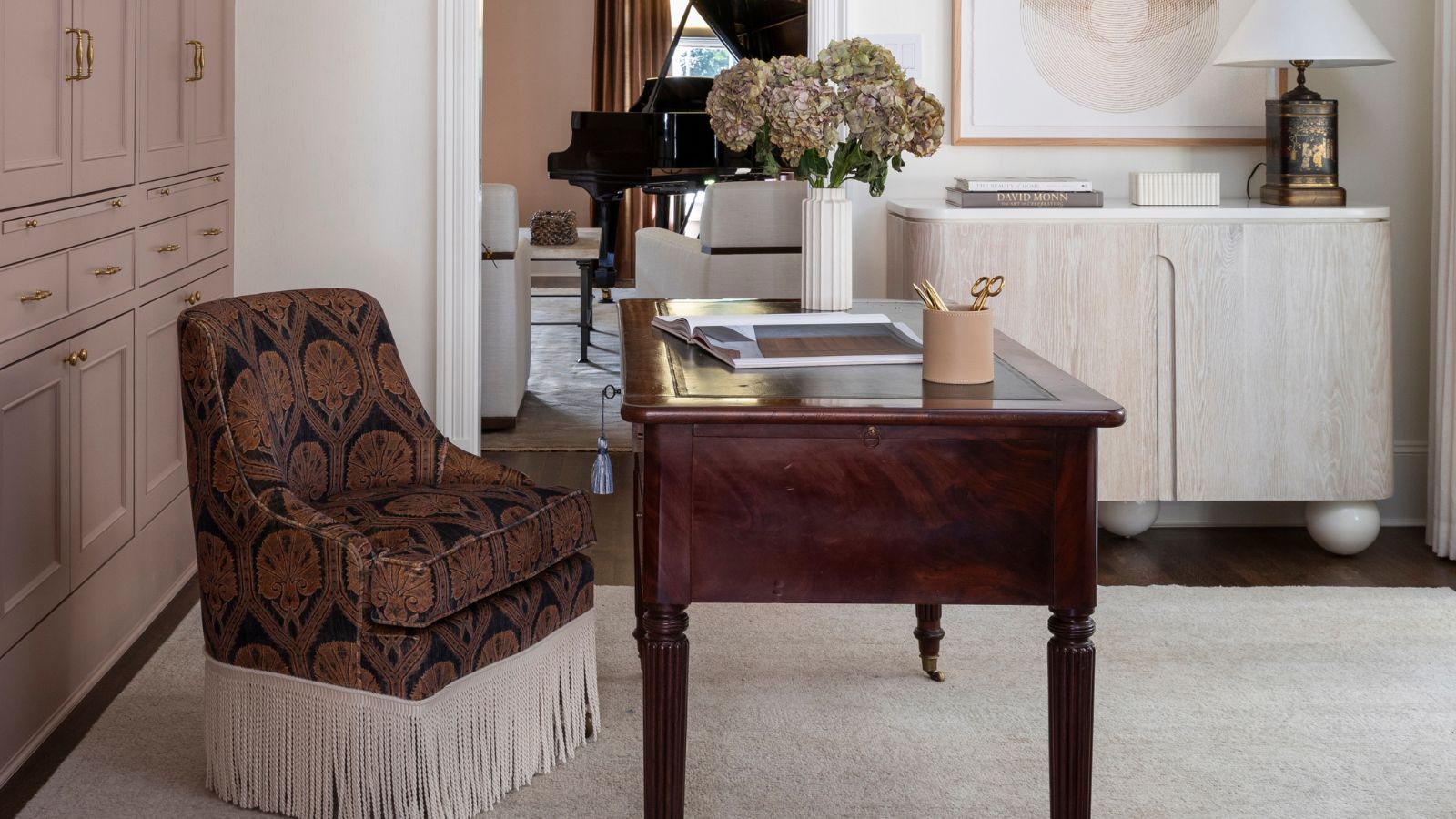
10 carpet trends interior designers are embracing in 2025

Patterned Carpet Trends You'll Be Seeing More Of In 2025
7 flooring trends you're about to see everywhere

The Rug Seller's Daniel Prendergast Shares His 2024 Interior Design Predictions
5 Rug Trends Designers Want You to Start Using in 2025

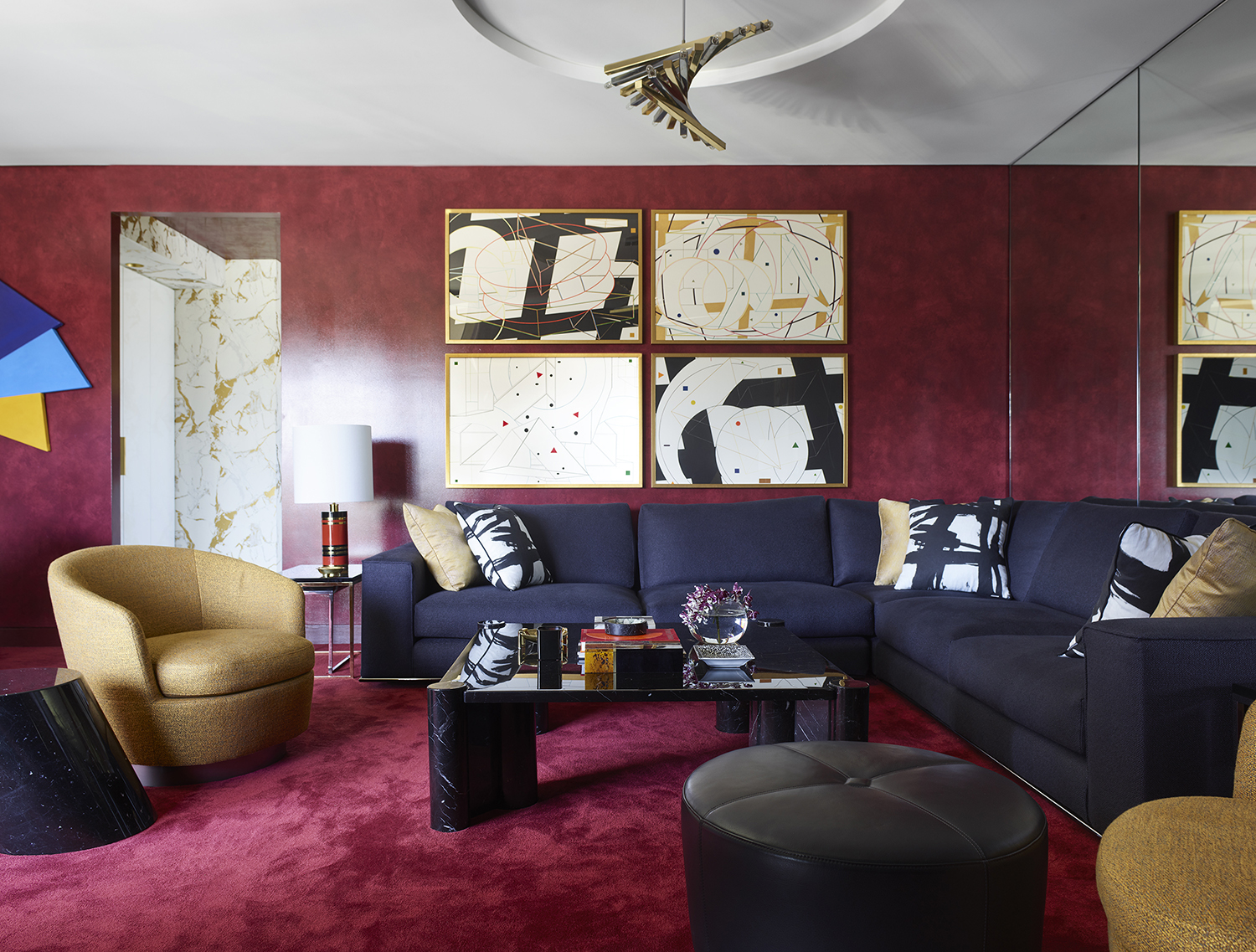
Carpet Trends — 17 Styles, Prints, and Designs Taking Over 2025
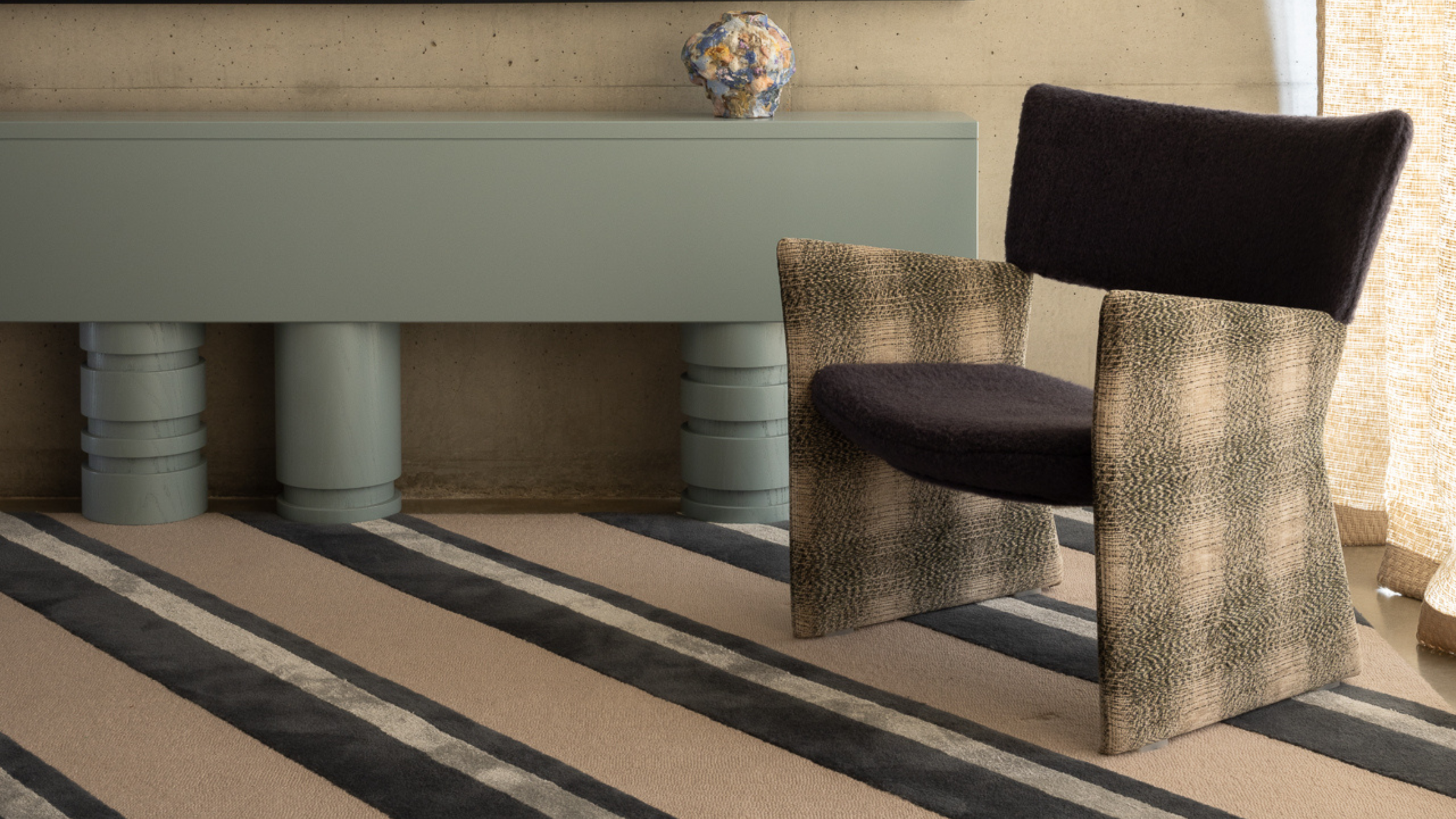
The 10 Big Flooring Trends Emerging in Homes in 2025
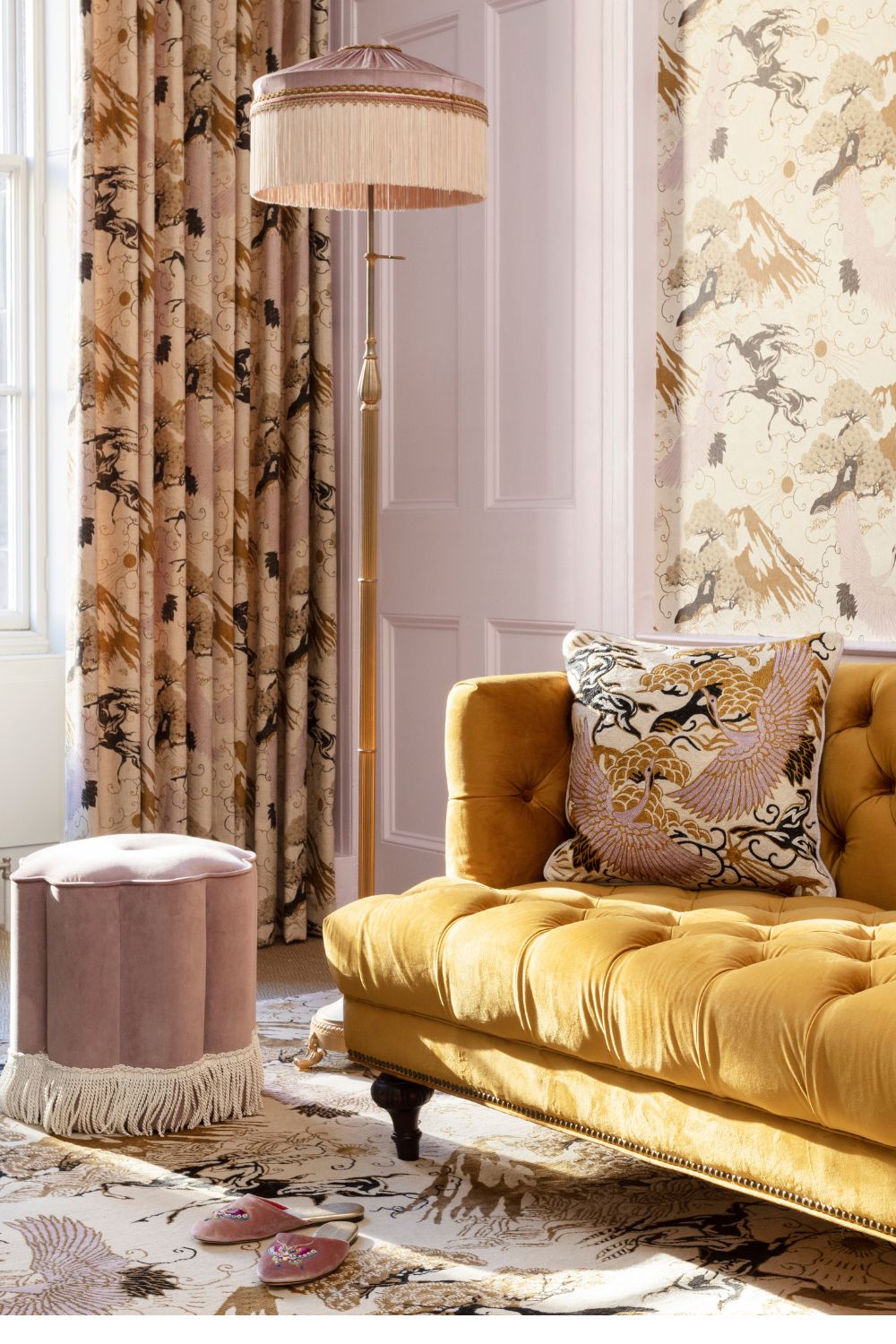
All The Living Room Trends To Look Out For In 2025
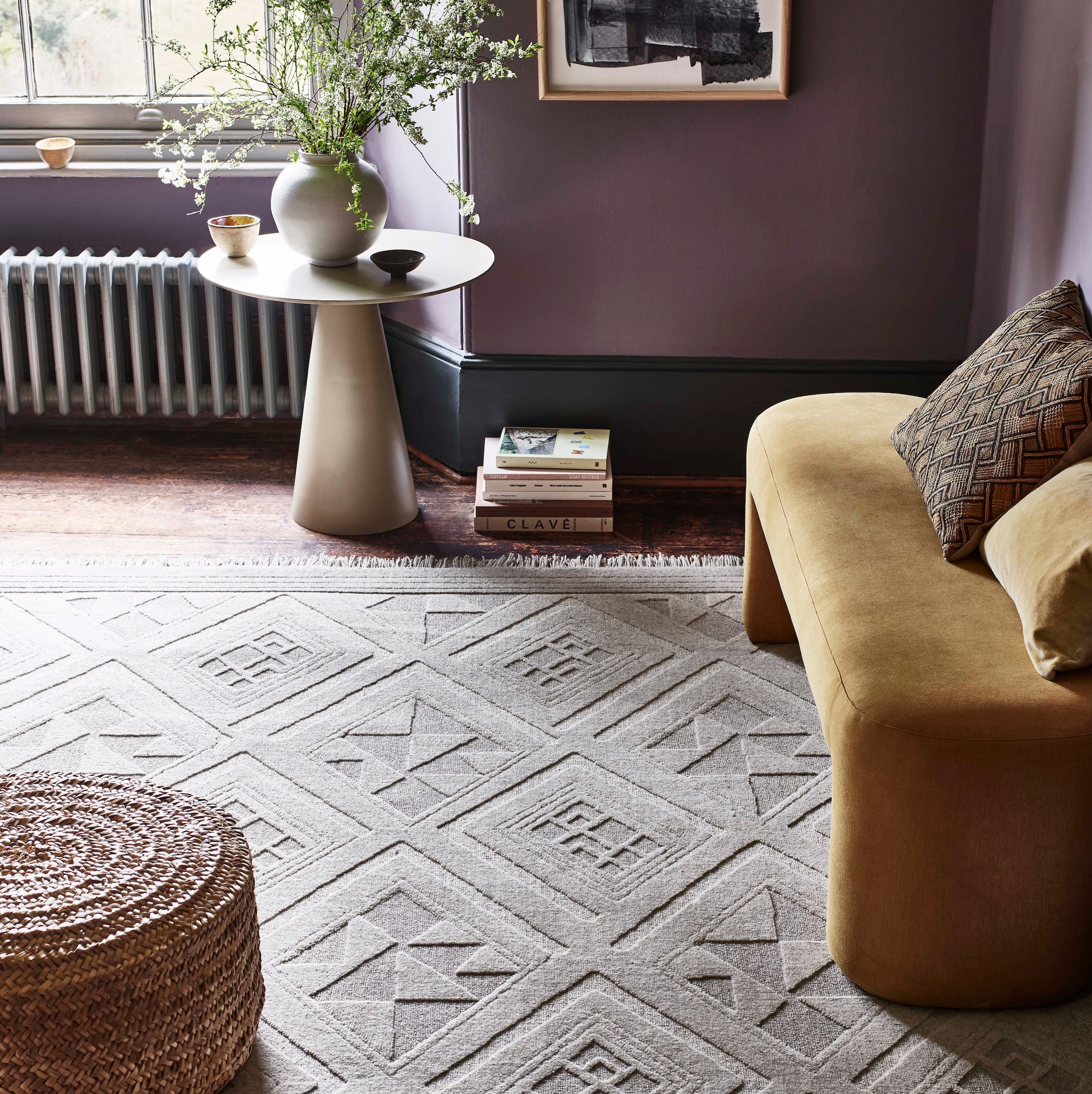
Top 7 Rug Trends Dominating 2025, As Predicted By Design Experts

The biggest rug trends of 2024
6 Rug Styles That Are Everywhere Right Now, According to Designers
5 Flooring Trends You're About to See Everywhere in 2025, According to Designers