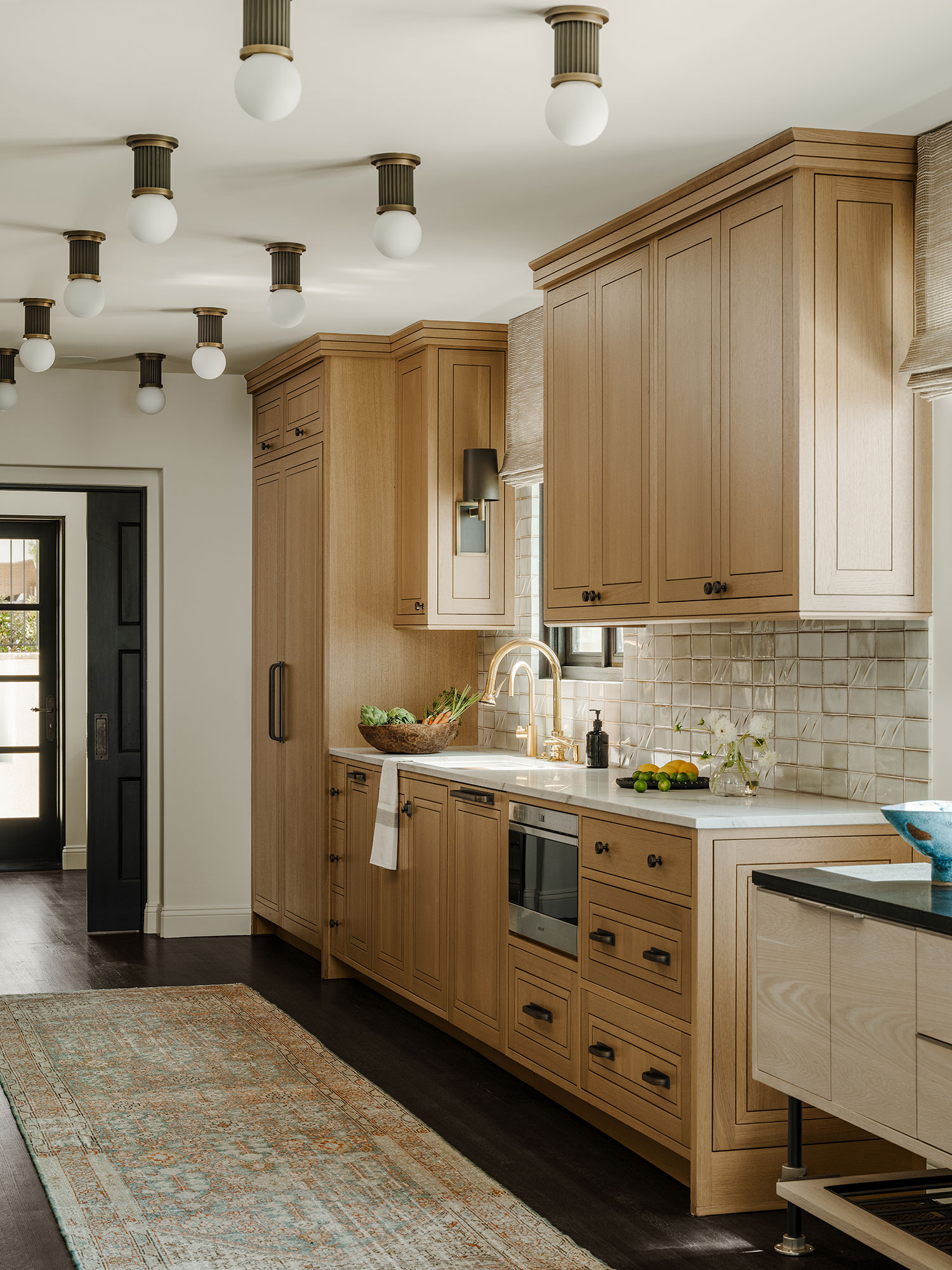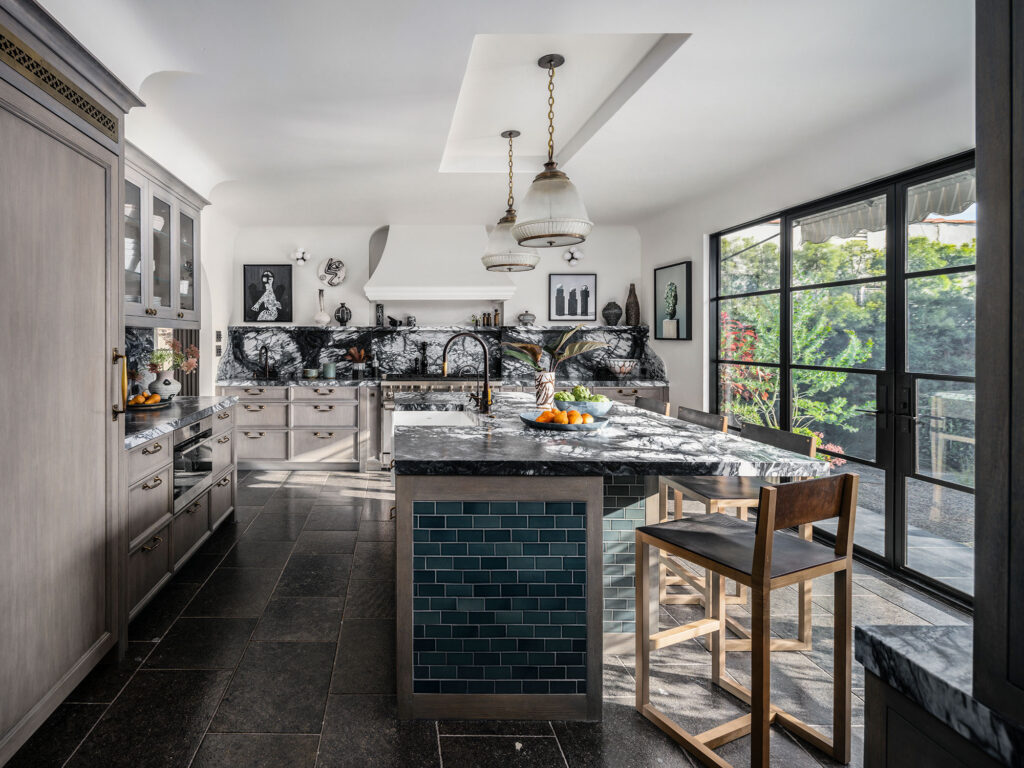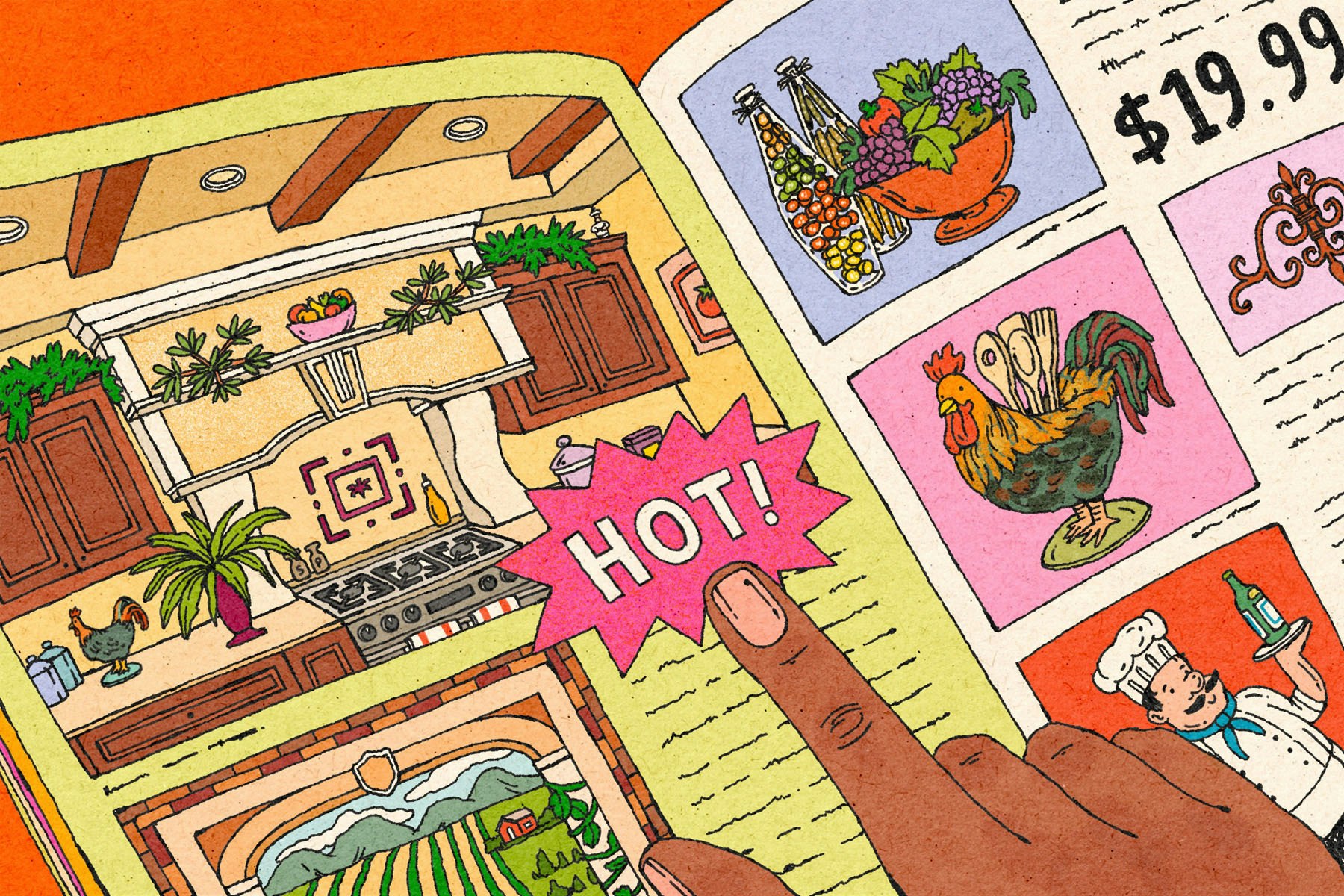
Remember the Tuscan Kitchen? Millennials Want It Back
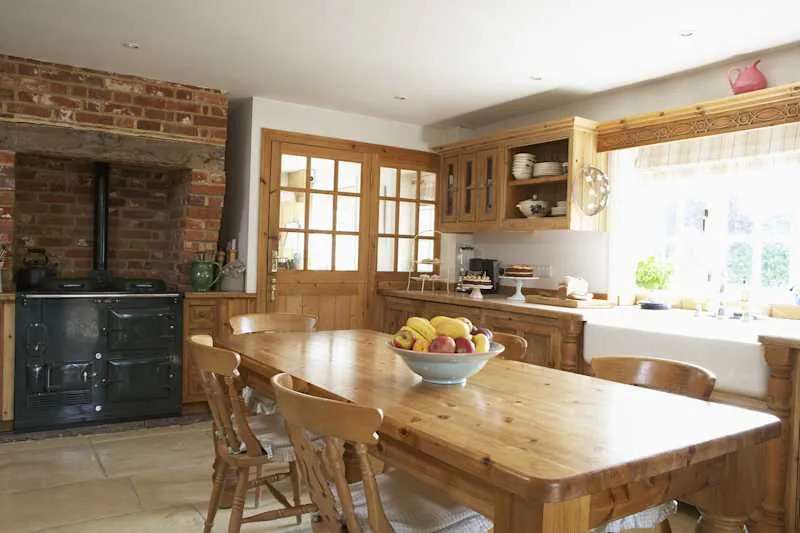
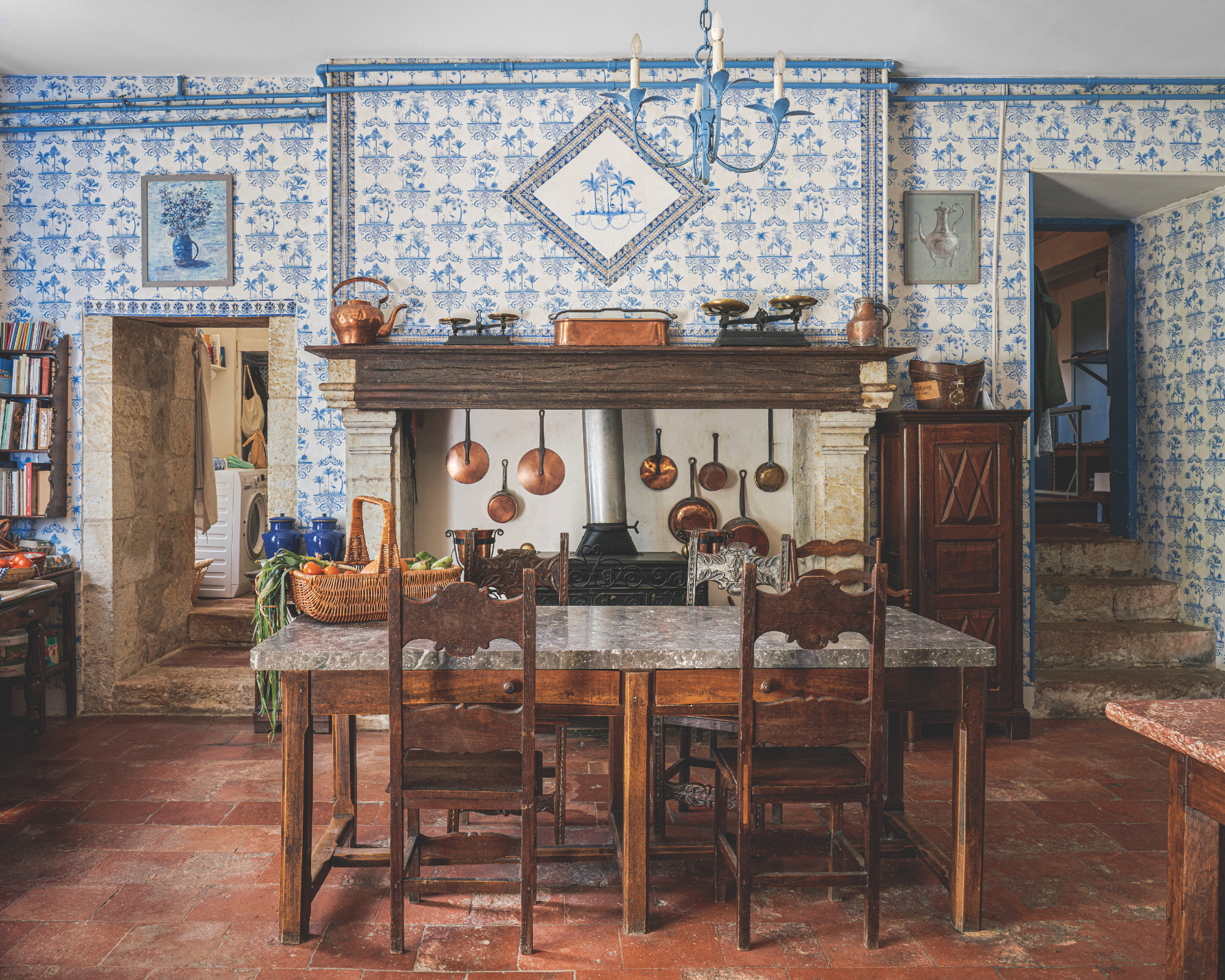
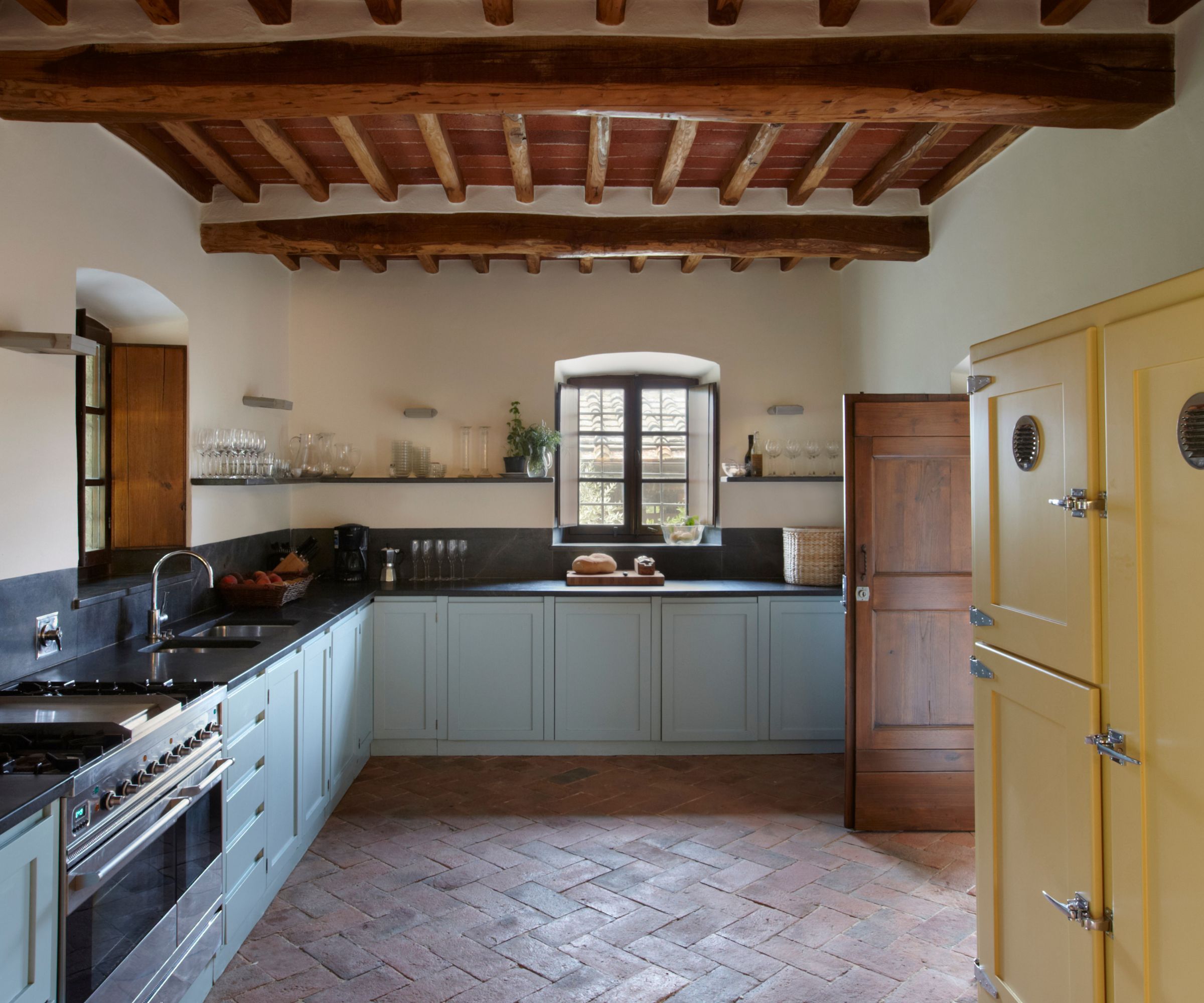
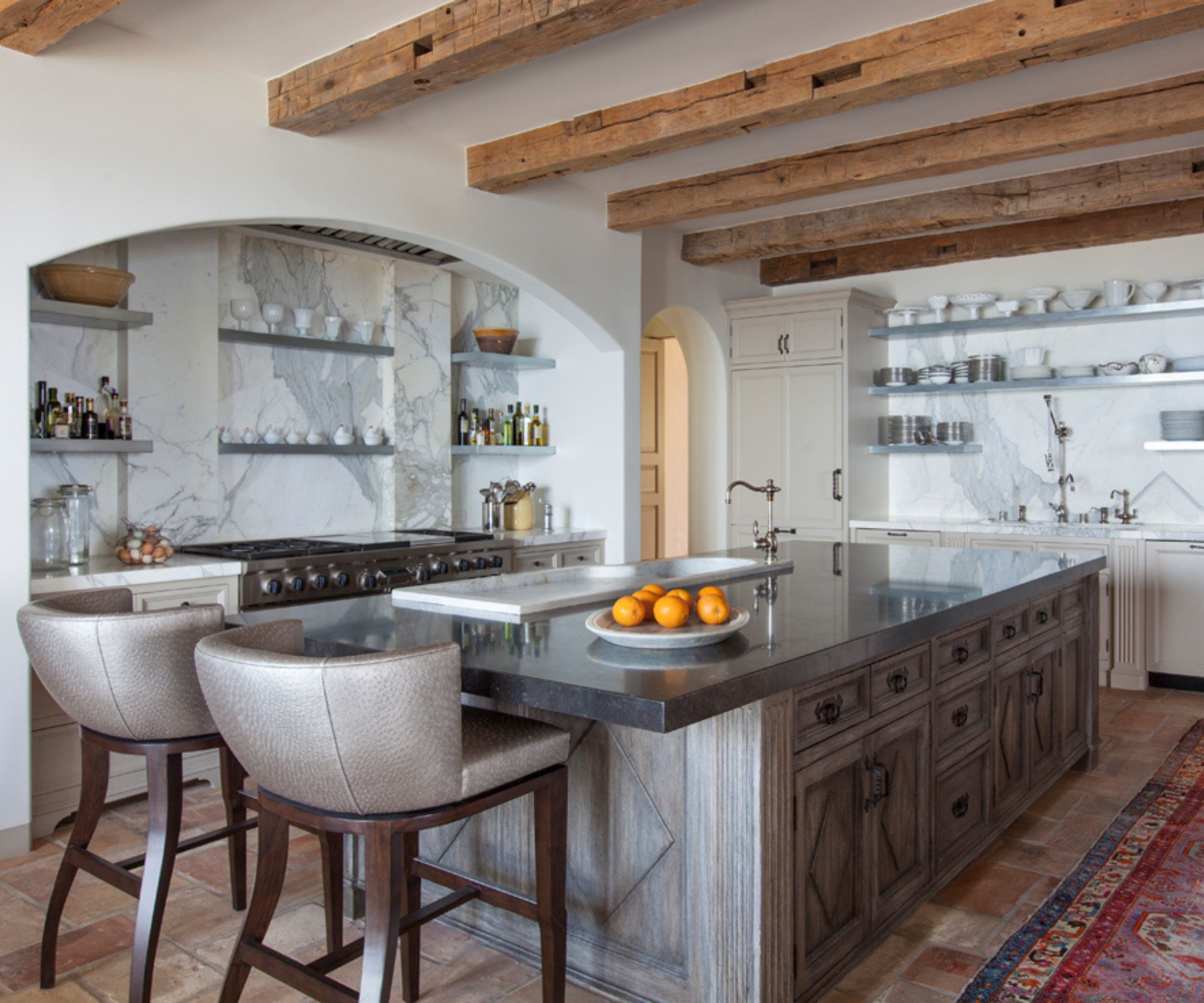
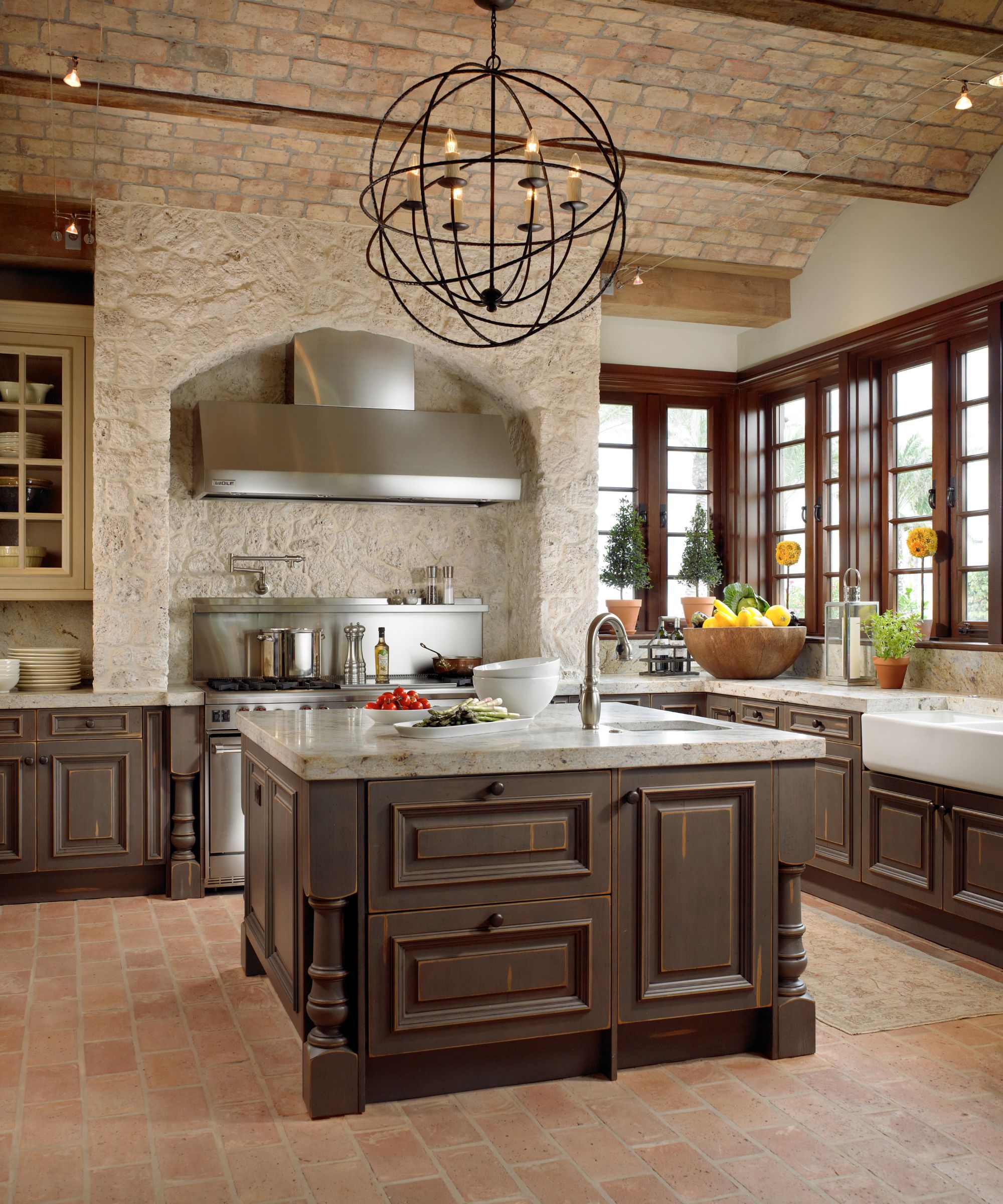
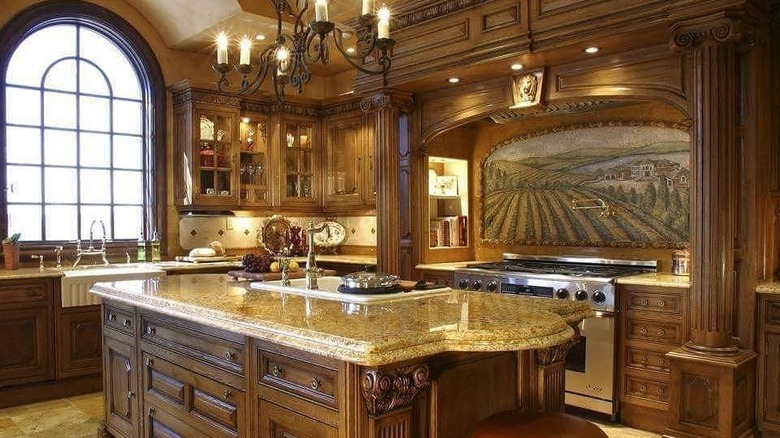
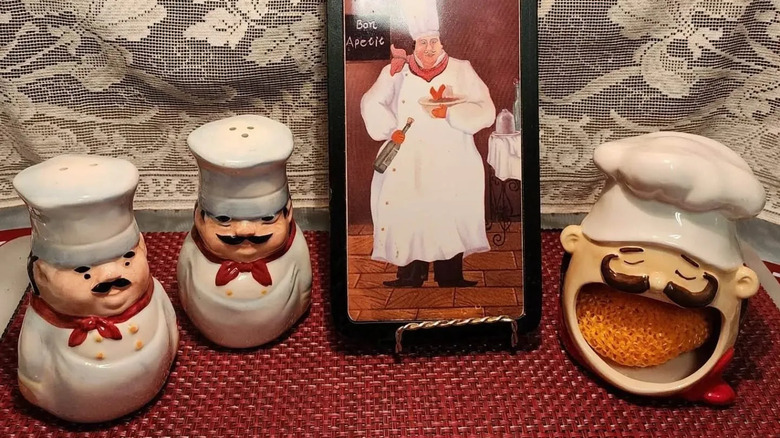
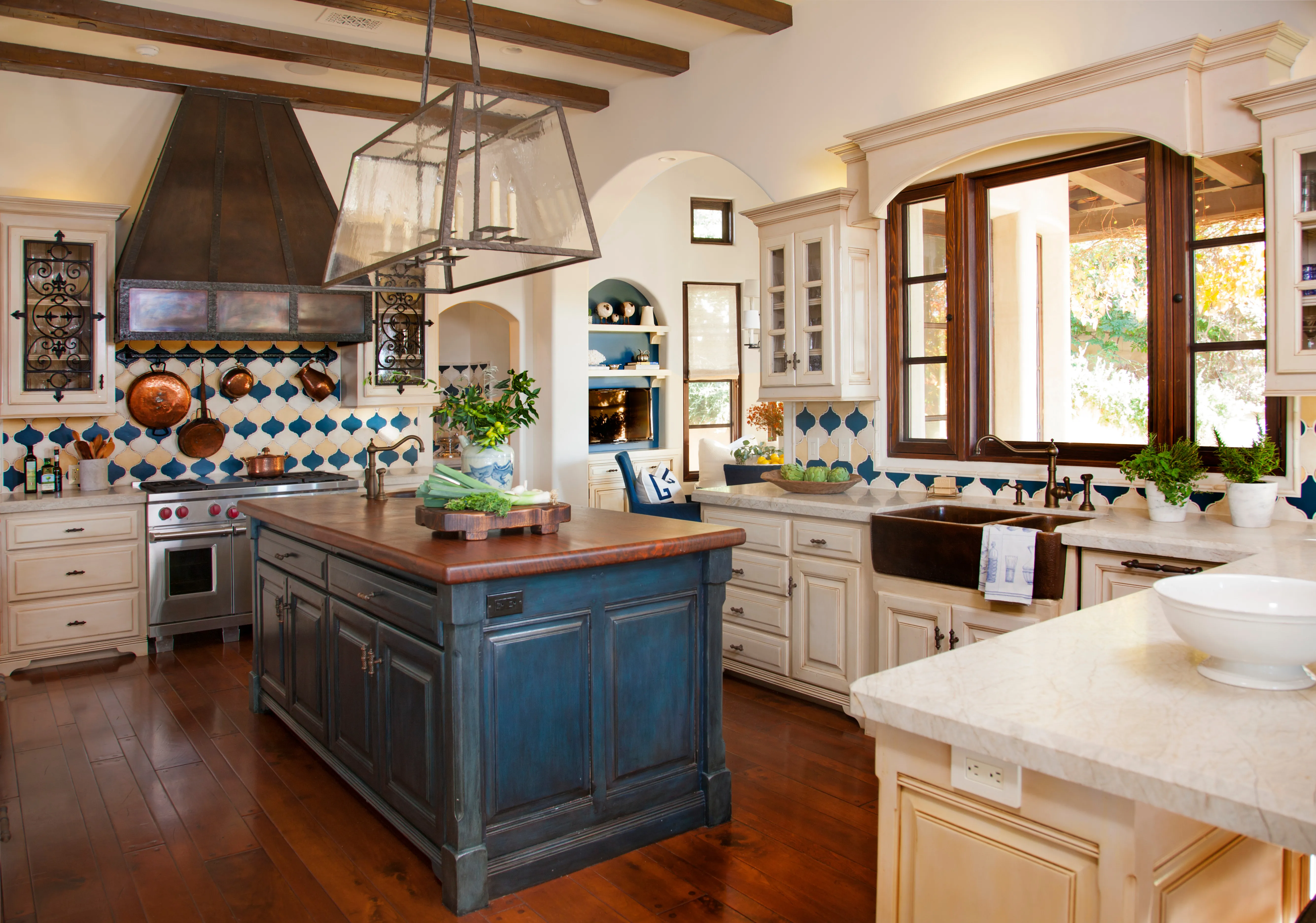
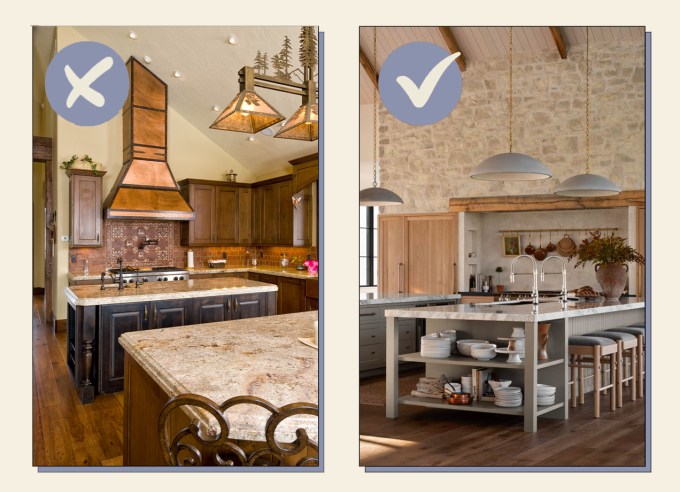
The article explores the unexpected resurgence of the early 2000s Tuscan kitchen aesthetic among millennials, analyzing it as a design trend driven by nostalgia. Historically, the kitchen has been a focal point in home design, often signaling wealth and taste. The Tuscan kitchen, characterized by earth tones, ornate details, faux marble, and specific features like cherry cabinets and vineyard murals, was prevalent during the 2000s housing boom. This style, dubbed 'McEclectic' by architectural designer Evan Collins, blended various European inspirations and was closely associated with McMansions.
The article highlights that these kitchens were once considered outdated, an immediate deterrent for homebuyers. However, alongside a broader return of early aughts aesthetics in fashion and interiors, the Tuscan kitchen is now generating online interest, particularly on platforms like Twitter and TikTok. This renewed interest is attributed to millennials' nostalgic yearning for a perceived era of abundance and stability prior to the 2007 housing crisis and subsequent recession. For many, these kitchens evoke memories of their childhood homes and a time when upward mobility through homeownership seemed more attainable.
The connection between Tuscan kitchens and the 2007 housing bubble crash is also discussed. The style became emblematic of the 'nouveau riche boomer' taking on unaffordable mortgages, which ultimately led to financial turmoil for many. Kate Wagner's work on McMansion Hell is referenced to explain that McMansions, and by extension their interior styles, occupy a complex space between high and vernacular architecture, owned by both the upper-middle class and the wealthy. The Tuscan kitchen, existing in this gray area, reminds millennials of early awareness of class and their family's economic standing.
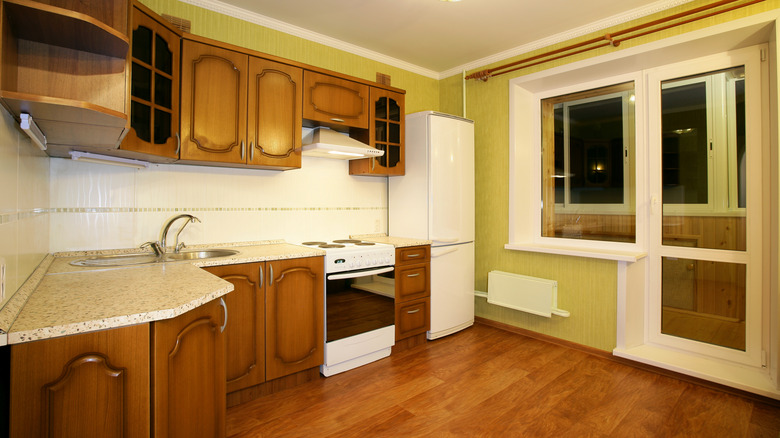
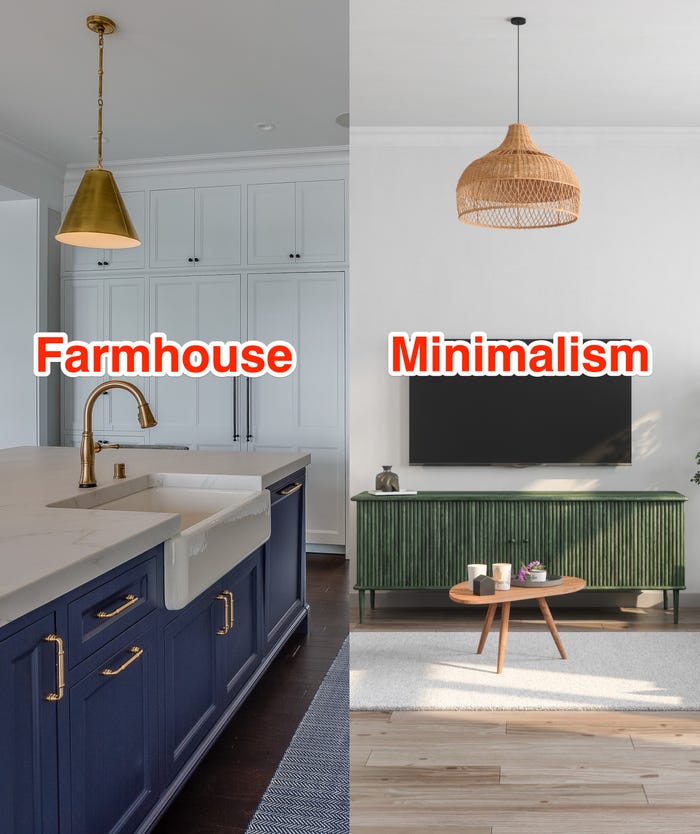
The article contrasts this maximalist aesthetic with the minimalist open-floor plans and modern farmhouse styles that dominated the 2010s, noting the cyclical nature of design trends where 'bad taste' often becomes a form of rebellion. With current economic anxieties, including warnings of a recession and rising prices for what are described as 'shoddily made modernist boxes,' some individuals are drawn to the 'soul' and maximalism of the Tuscan kitchen, even if it requires a reevaluation of historical perceptions.
While online discourse suggests a potential comeback, experts offer nuanced perspectives. Residential interior designer Rock Herzog believes certain elements of the Tuscan kitchen, such as its warmth, terra-cotta colors, blonde wood, and wrought iron, could be alluded to in contemporary design. However, Evan Collins is skeptical of a full-scale resurgence, citing the high cost of implementation and the current perception of the style as still largely 'tacky/kitschy.' The article concludes that a complete return to the Tuscan kitchen aesthetic would require significant financial investment, suggesting its appeal might remain largely within the realm of nostalgic online engagement rather than widespread practical adoption.
#TuscanKitchen #MillennialNostalgia #DesignTrends #McMansion #HousingMarket #InteriorDesign #ArchitecturalHistory #Early2000sAesthetics #KitchenDesign #TuscanKitchen #MillennialNostalgia #DesignTrends #McMansion #HousingMarket #InteriorDesign #ArchitecturalHistory #Early2000sAesthetics #KitchenDesign
0 ความคิดเห็นรวม
 ยังไม่มีความคิดเห็น
คุณอาจจะชอบอีกด้วย
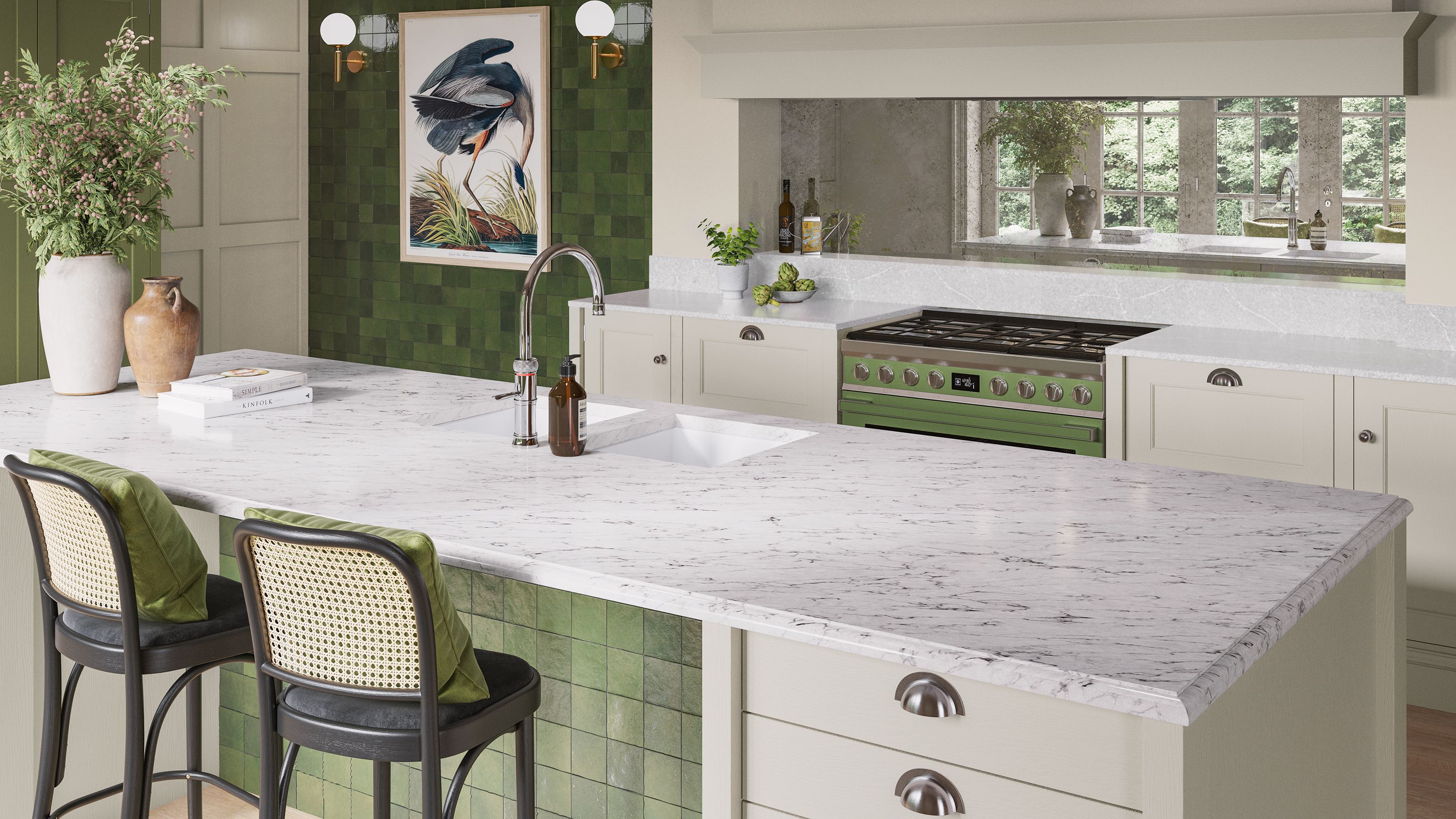
This nostalgic kitchen trend is back and here to stay, according to experts
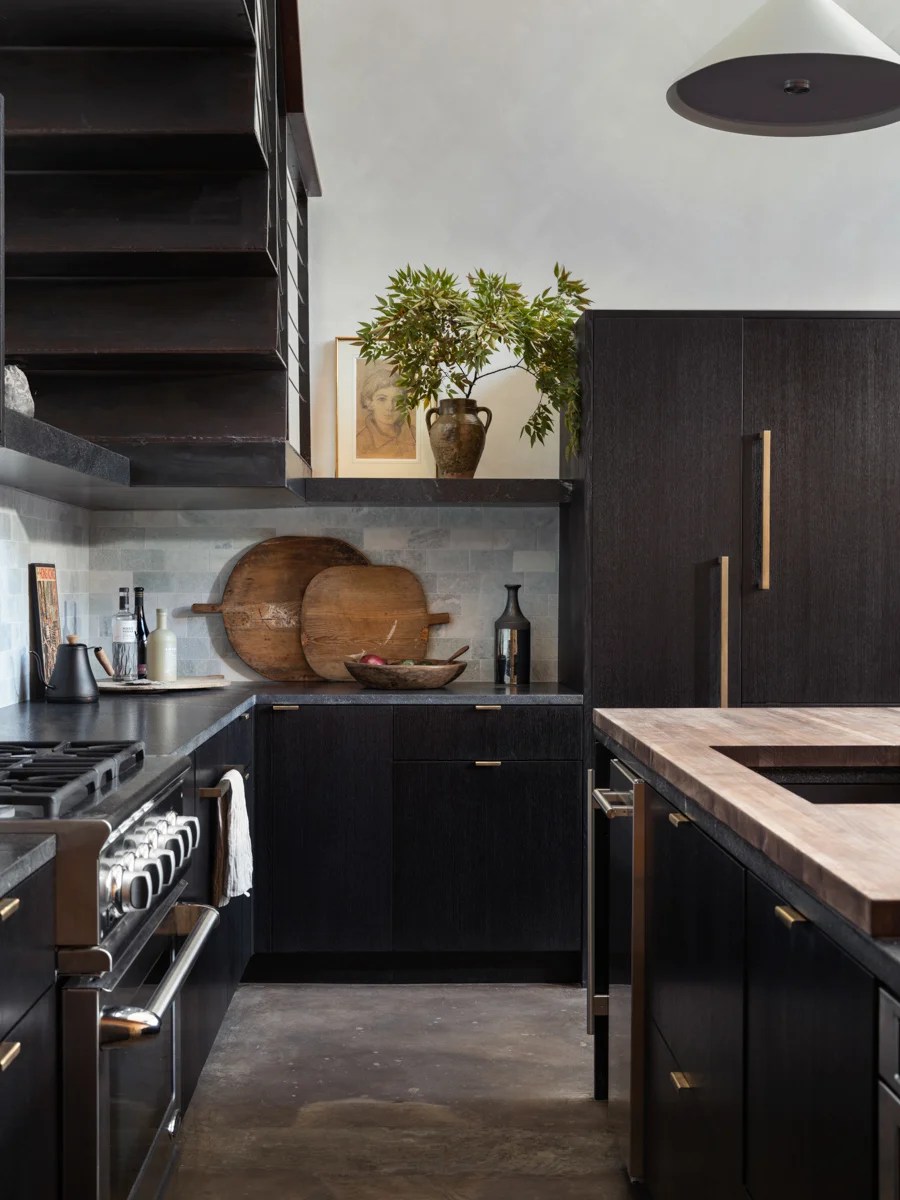
The Countertop Material That We Loved 25 Years Ago Is Coming Back

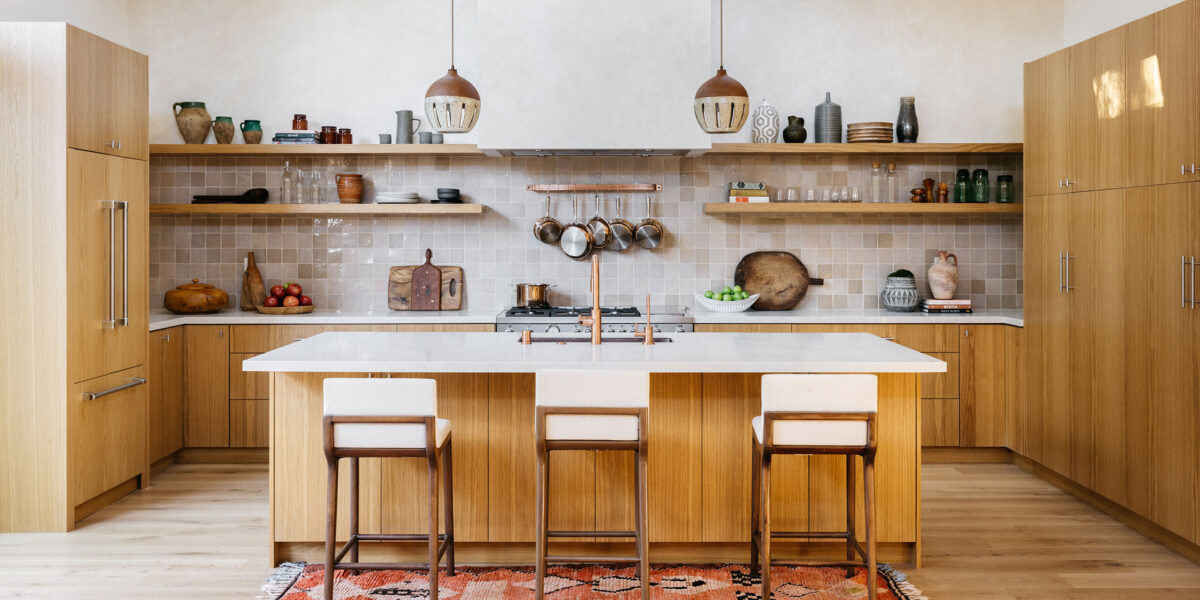
This Outdated Kitchen Design Style Is Coming Back (and That’s a Good Thing)
Is the Cozy 2000s Tuscan Style Making a Comeback? Here’s How to Pull It Off Today

This “Dated” Kitchen Trend Is Back (and We’re Into It)
This Traditional Kitchen Detail is Making an Unexpected Comeback This Year

I'm a millennial who grew up on HGTV and Pinterest boards. Here are 3 interior design trends that haunt me to this day.
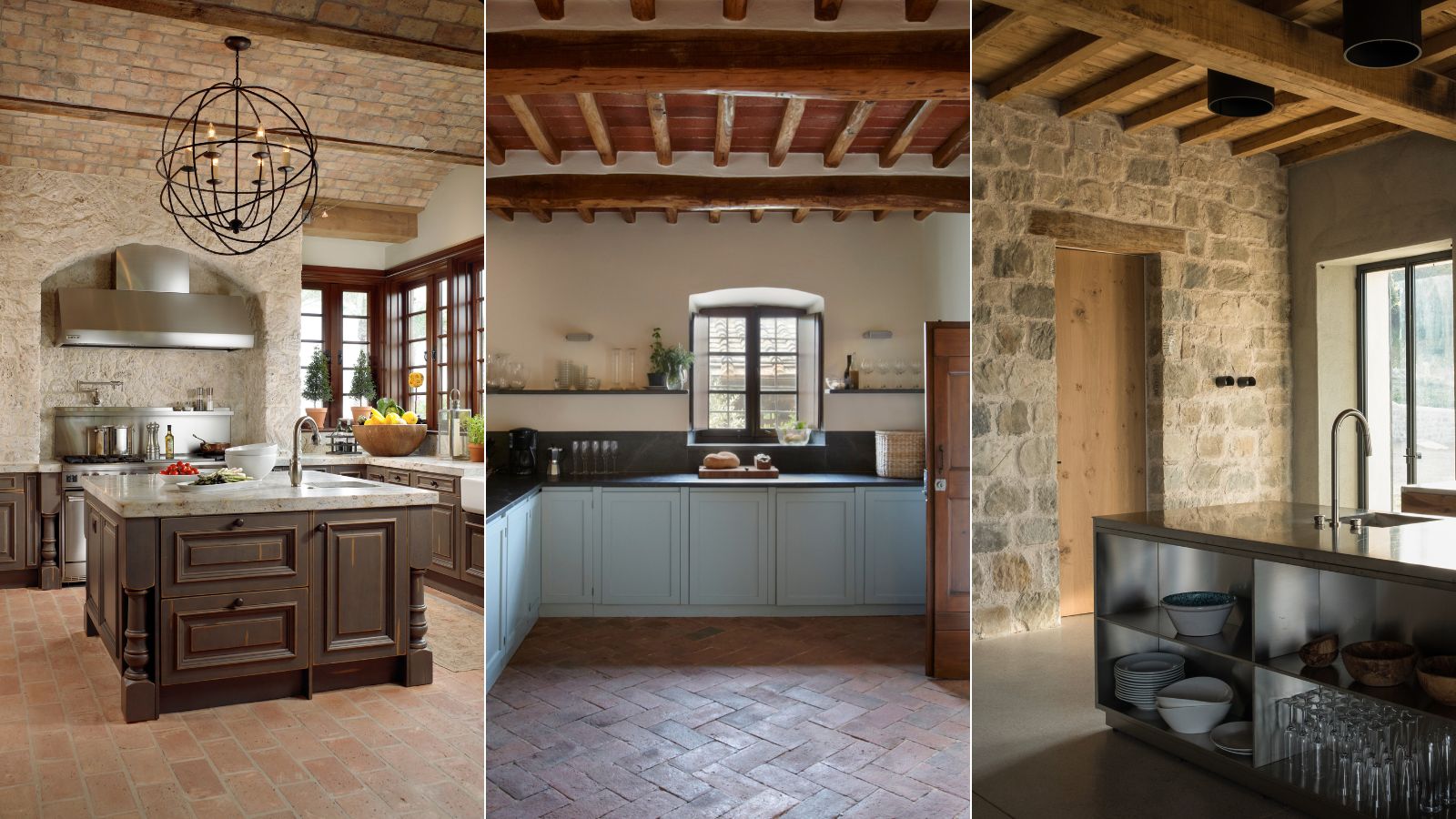
7 Tuscan kitchens that showcase an effortless Italian country style – plus designer tips on how to recreate the look
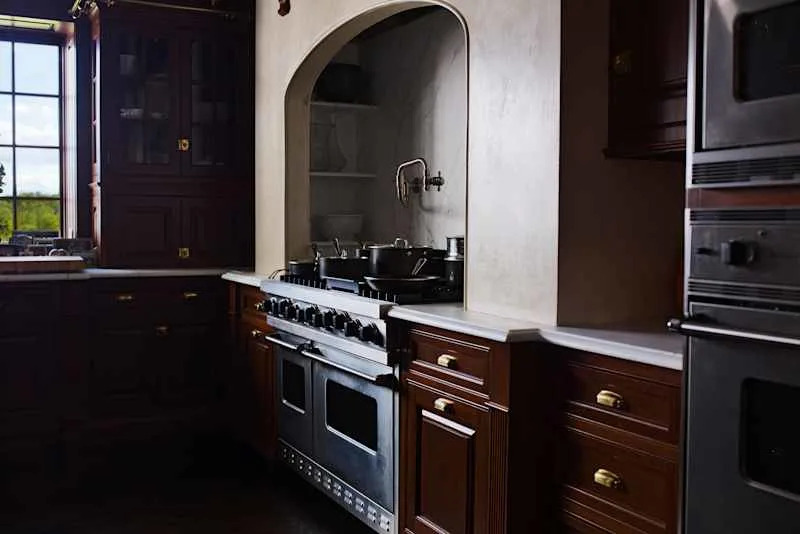
This Is the Old-World Interior Design Trend Taking Over Kitchens Again
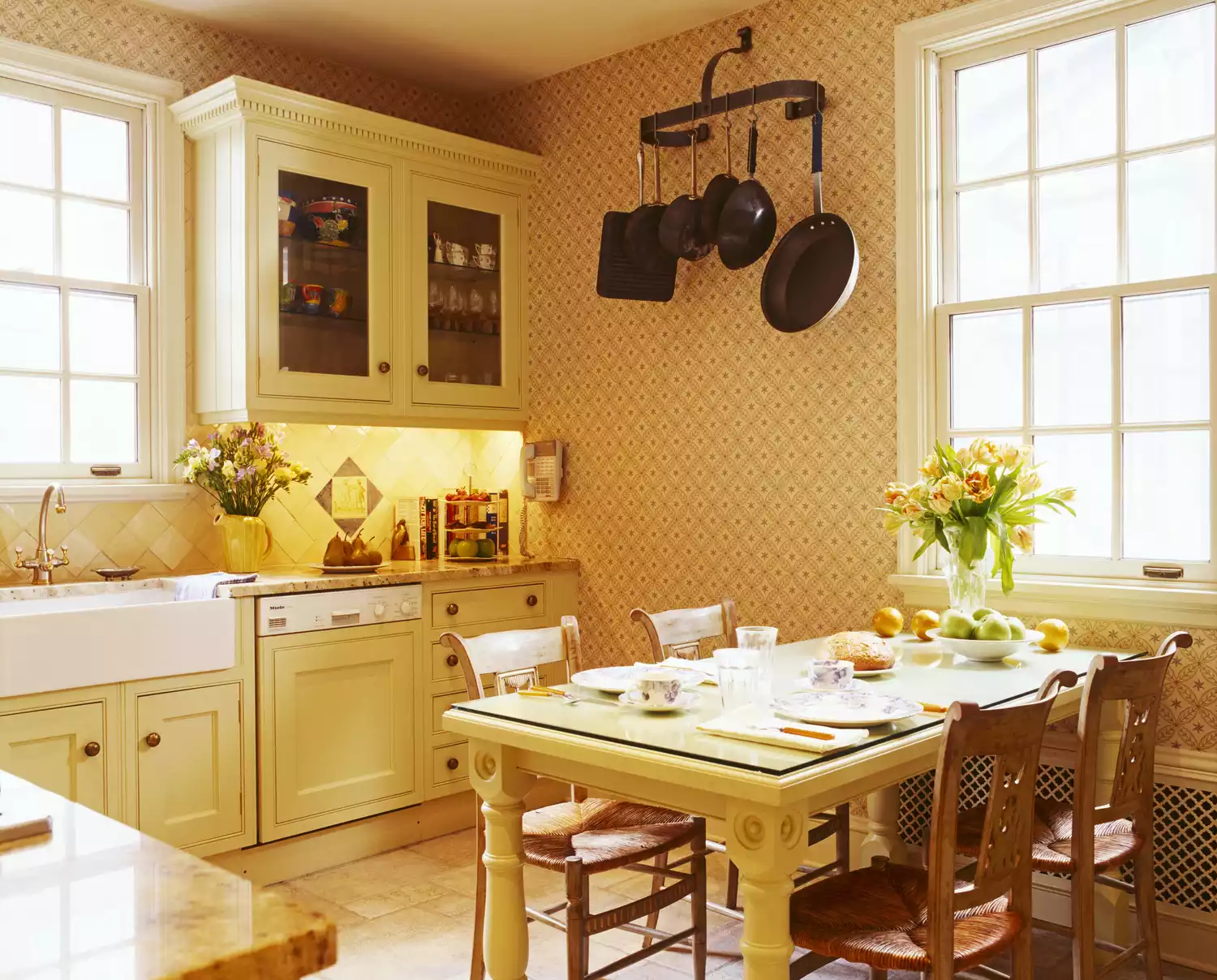
1990s Kitchen Trends We’re Falling In Love With All Over Again
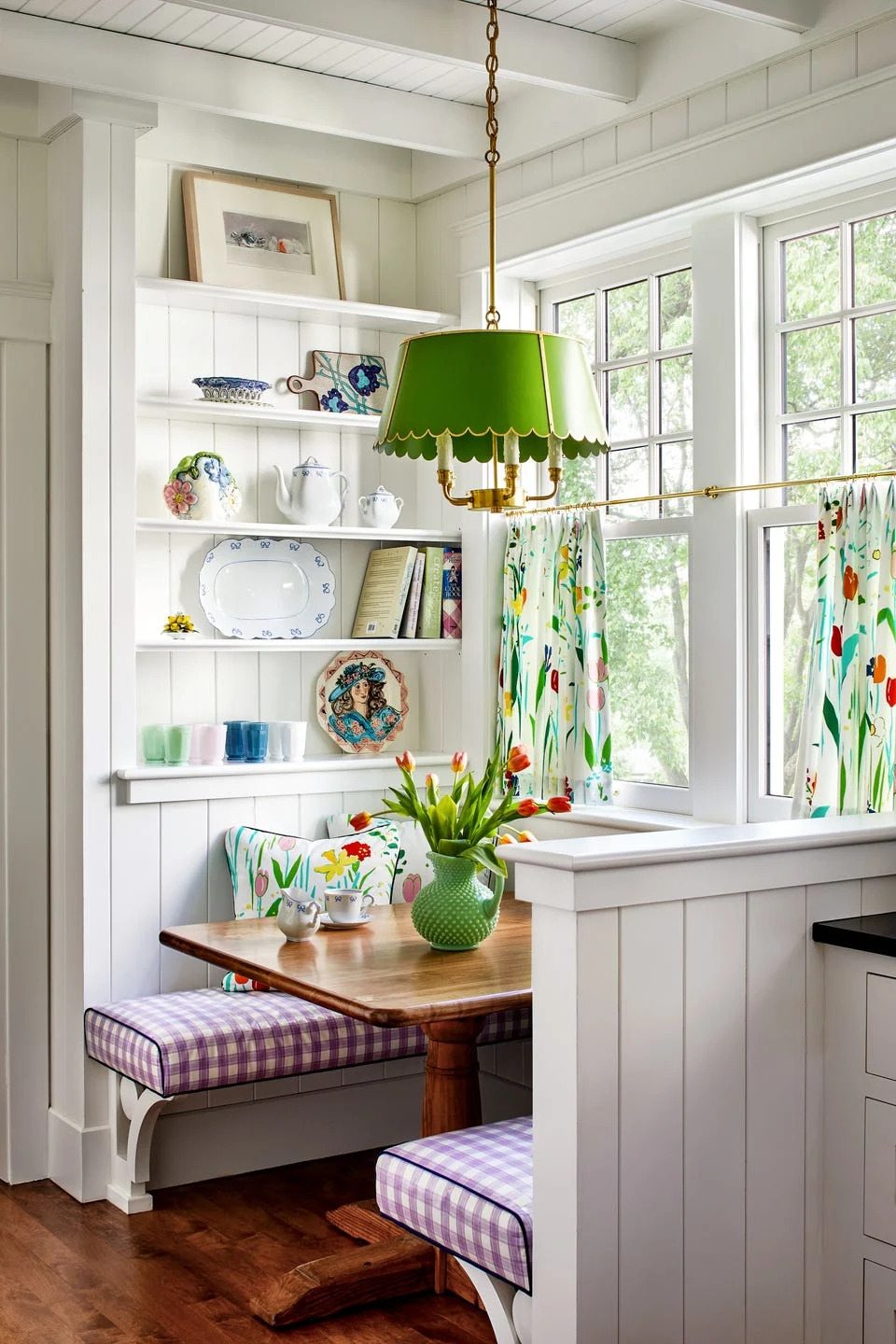
The 1950s Kitchen Trend That Feels Surprisingly Fresh in 2025 — And Not Just in the Kitchen

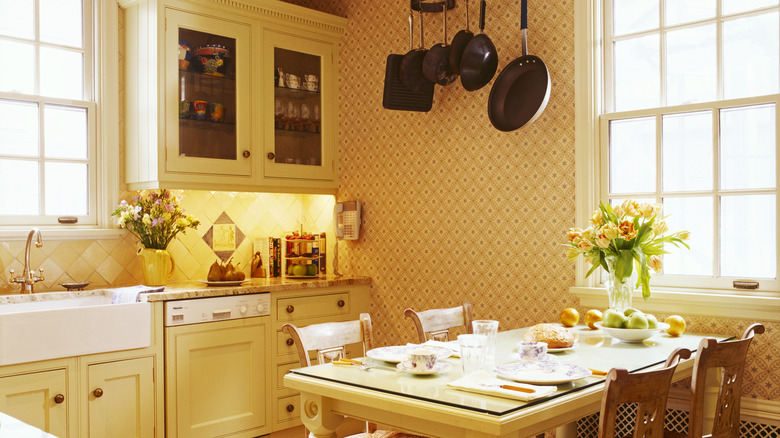
7 Kitchen Styles That Dominated The Early 2000s

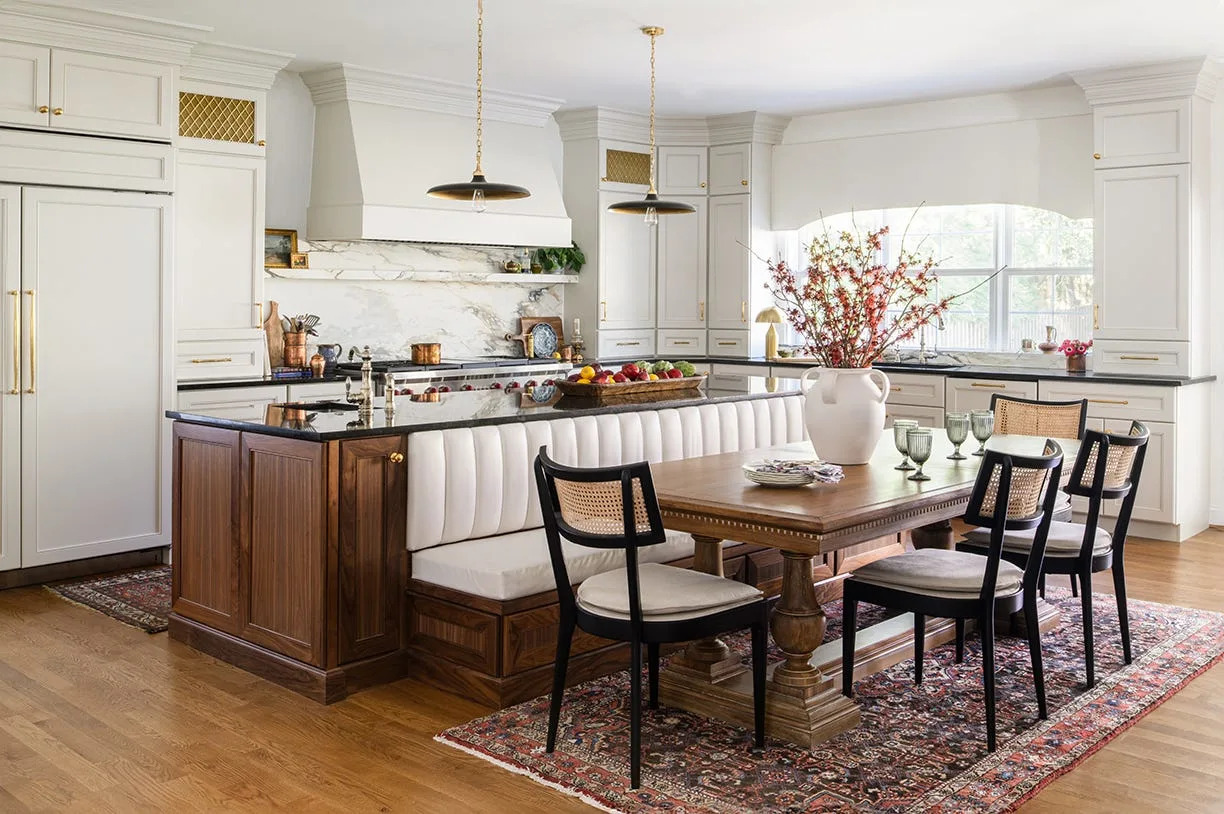
Design Experts Agree: This Kitchen Style Is Making a Major Comeback
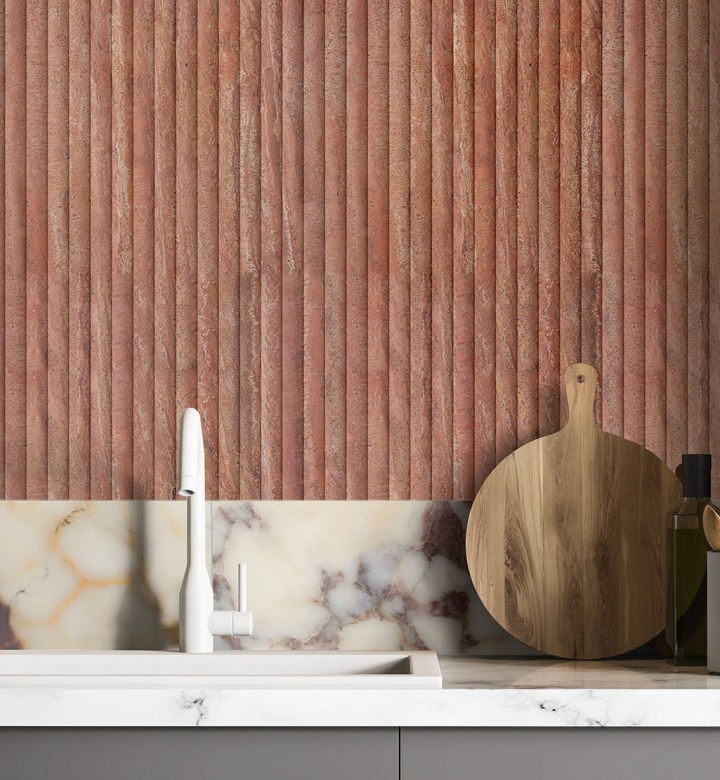
The Kitchen Trend We Called in 2021 Is Finally Going Mainstream, So Prepare to See It Everywhere
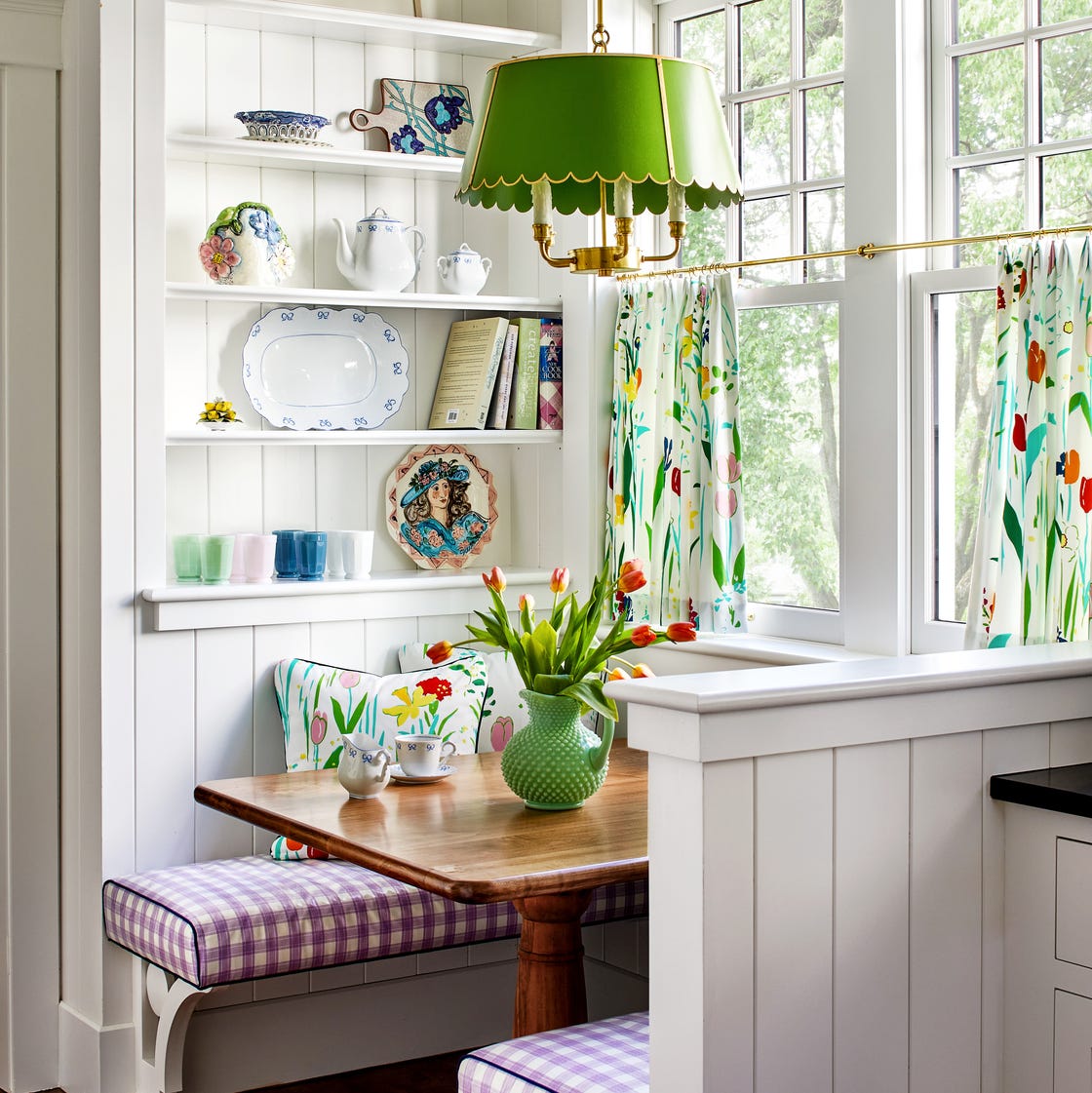
The 1950s Kitchen Trend That Feels Surprisingly Fresh in 2025 — And Not Just in the Kitchen
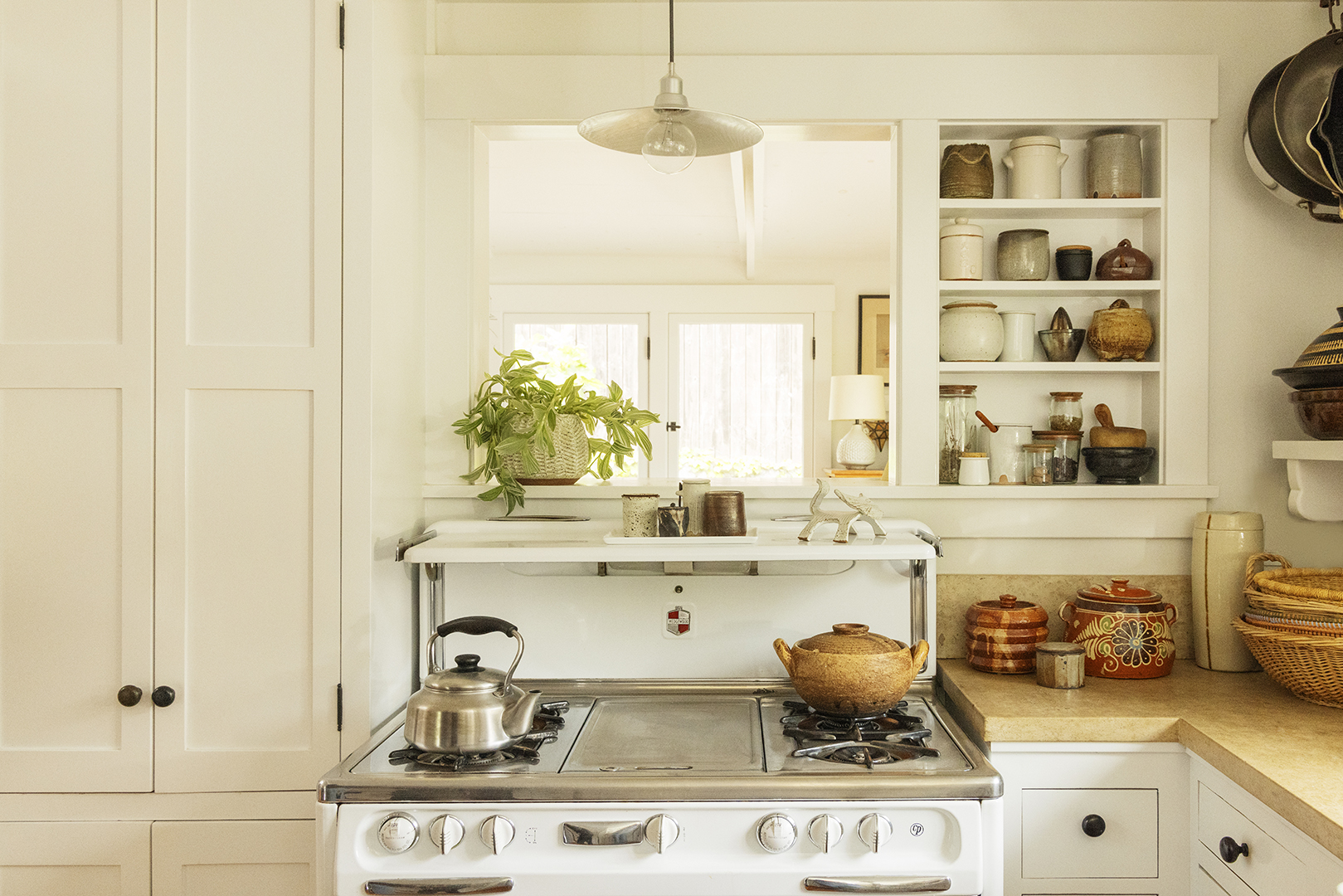
This Forgotten Kitchen Feature Is Popping Up More and More

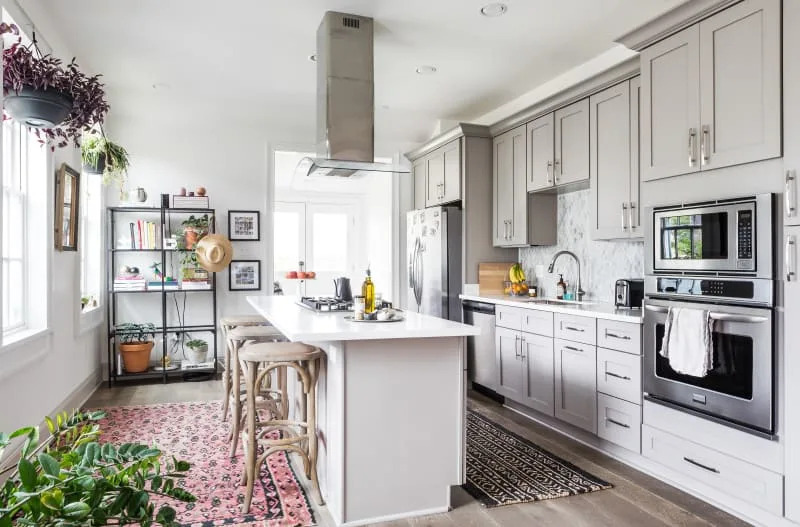
Why a 111-Year-Old Kitchen Countertop Material Is Suddenly Popular with Gen Z
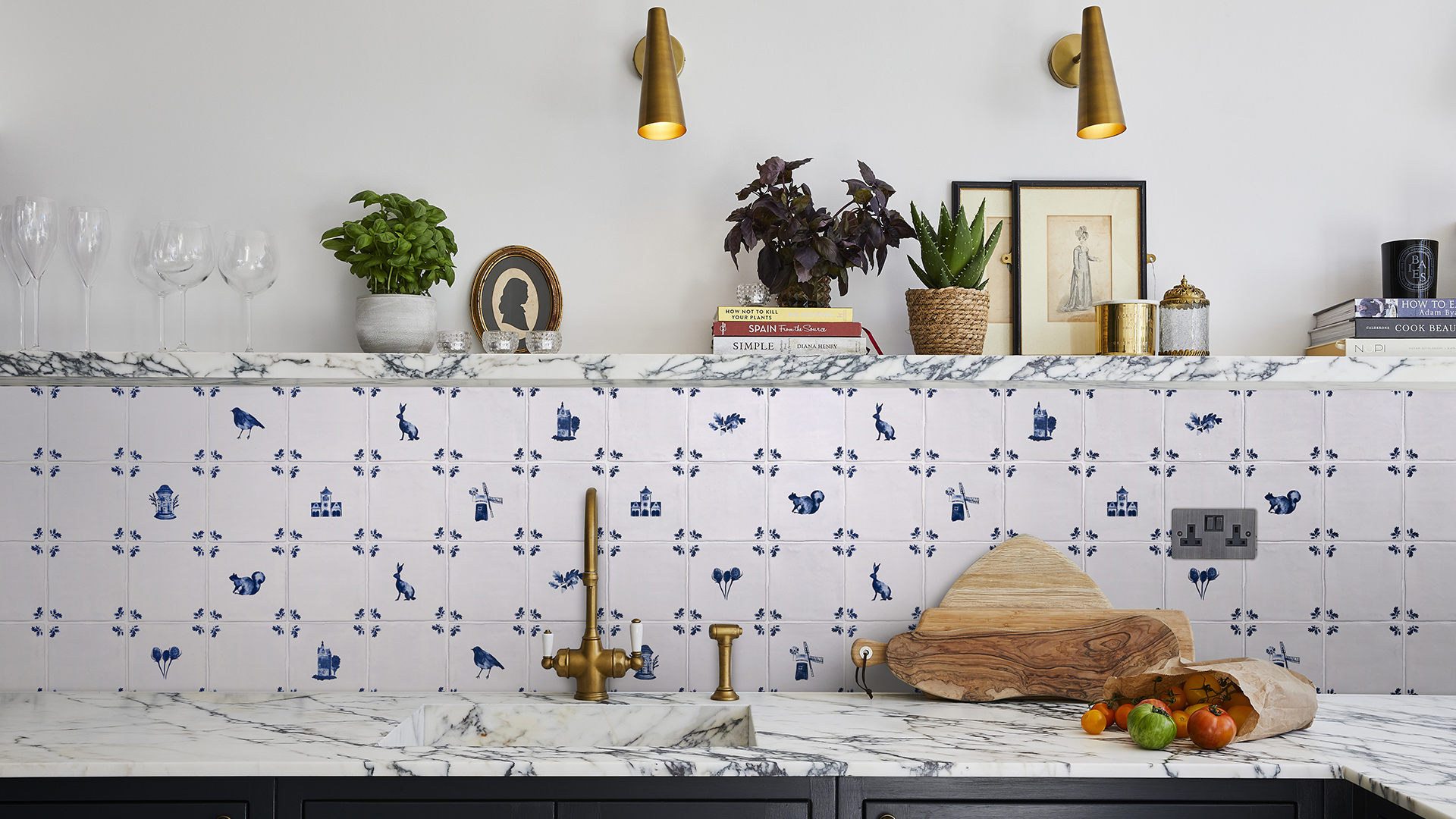
This vintage tile trend is back for 2024 and it's the easiest way to give a kitchen a modern rustic feel
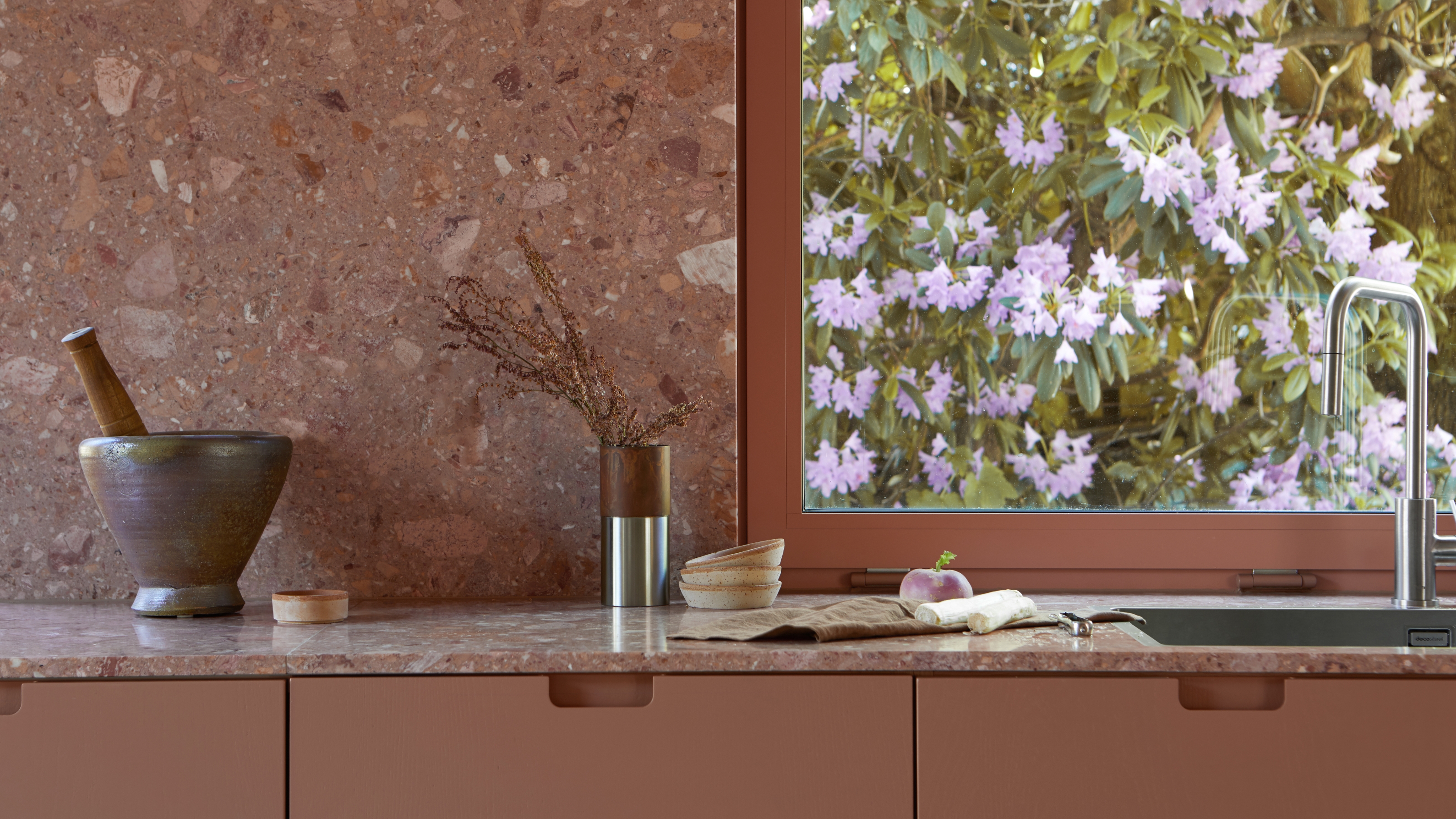
Kitchens With Terrazzo Countertops Are Making (Another) Comeback — Here's What You Need to Know About Them

The Boomer Kitchen Trend That’s Officially Out (And What to Do Instead)