1/19
Log storage ideas – stylish ways to display fire wood indoors
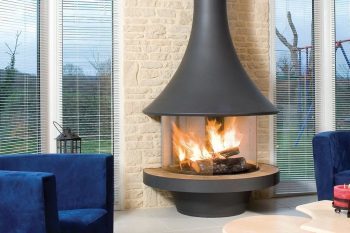
The increasing popularity of wood-burning stoves and fireplaces has brought the practical and aesthetic challenge of log storage into focus. While crucial for functionality, storing logs can also become a significant design element within a home, much like the Norwegian tradition of 'holz hausen' where wood piles are proudly displayed. However, improper log storage poses hazards, from logs toppling to issues caused by incorrect placement.
Logs must be kept dry for efficient burning, making indoor storage a practical consideration that also offers a dramatic design feature. Heather Emery, co-founder of Love Logs, emphasizes the importance of burning properly dried firewood, with a moisture content under 20%. Wetter wood is difficult to light, produces smoke and pollutants, and yields minimal heat. She advises considering dry storage with ample space within the home.
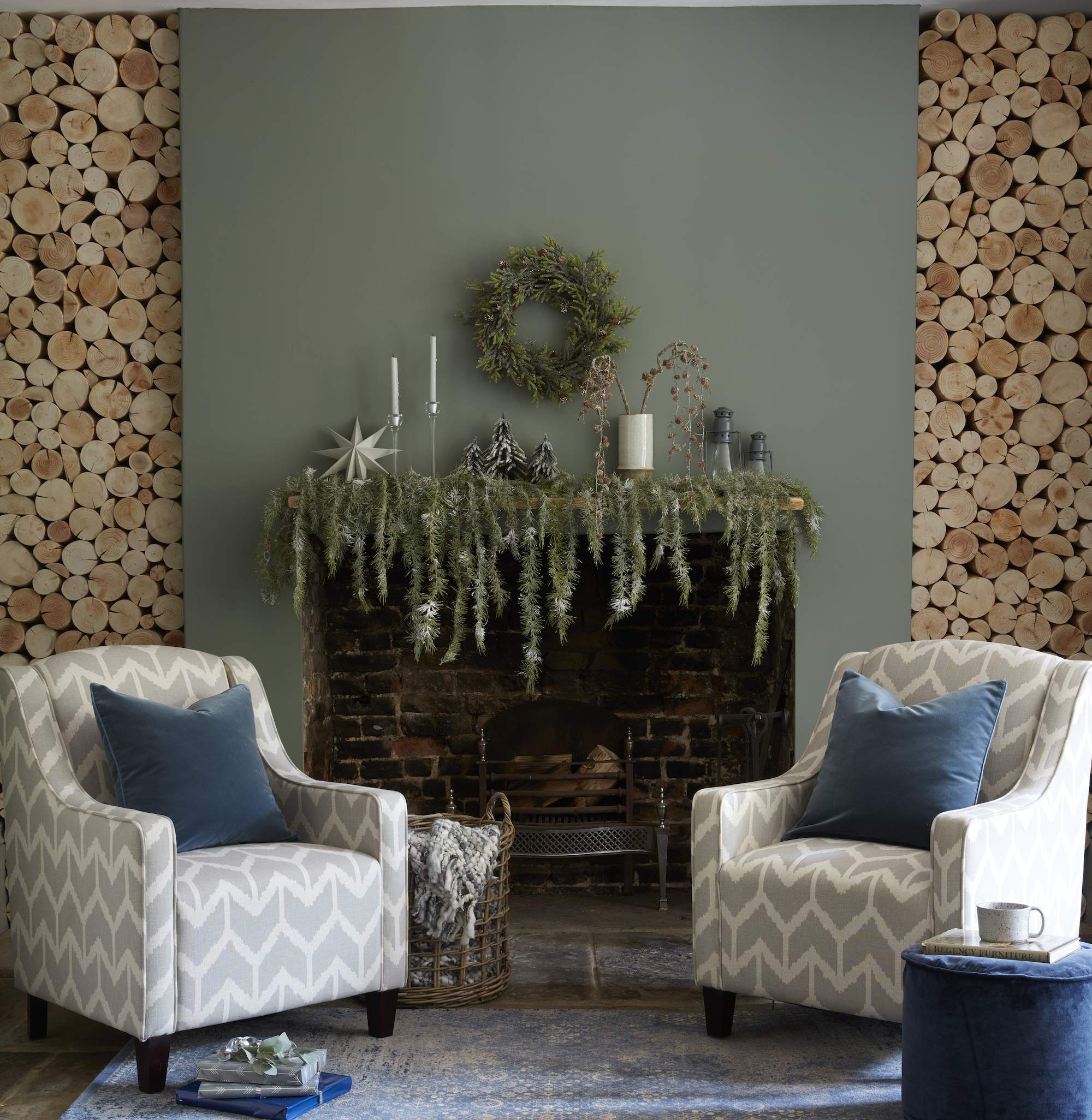
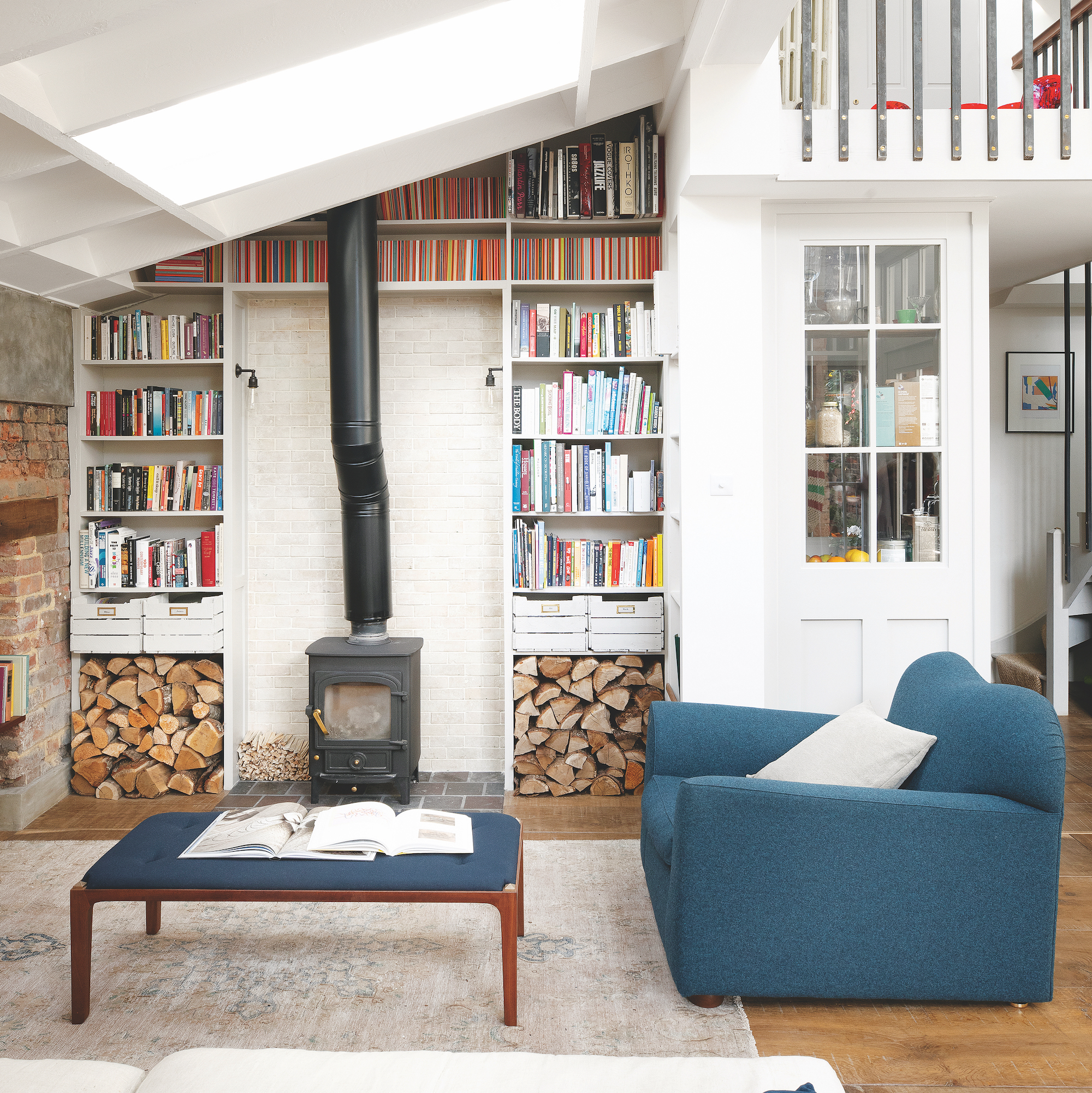
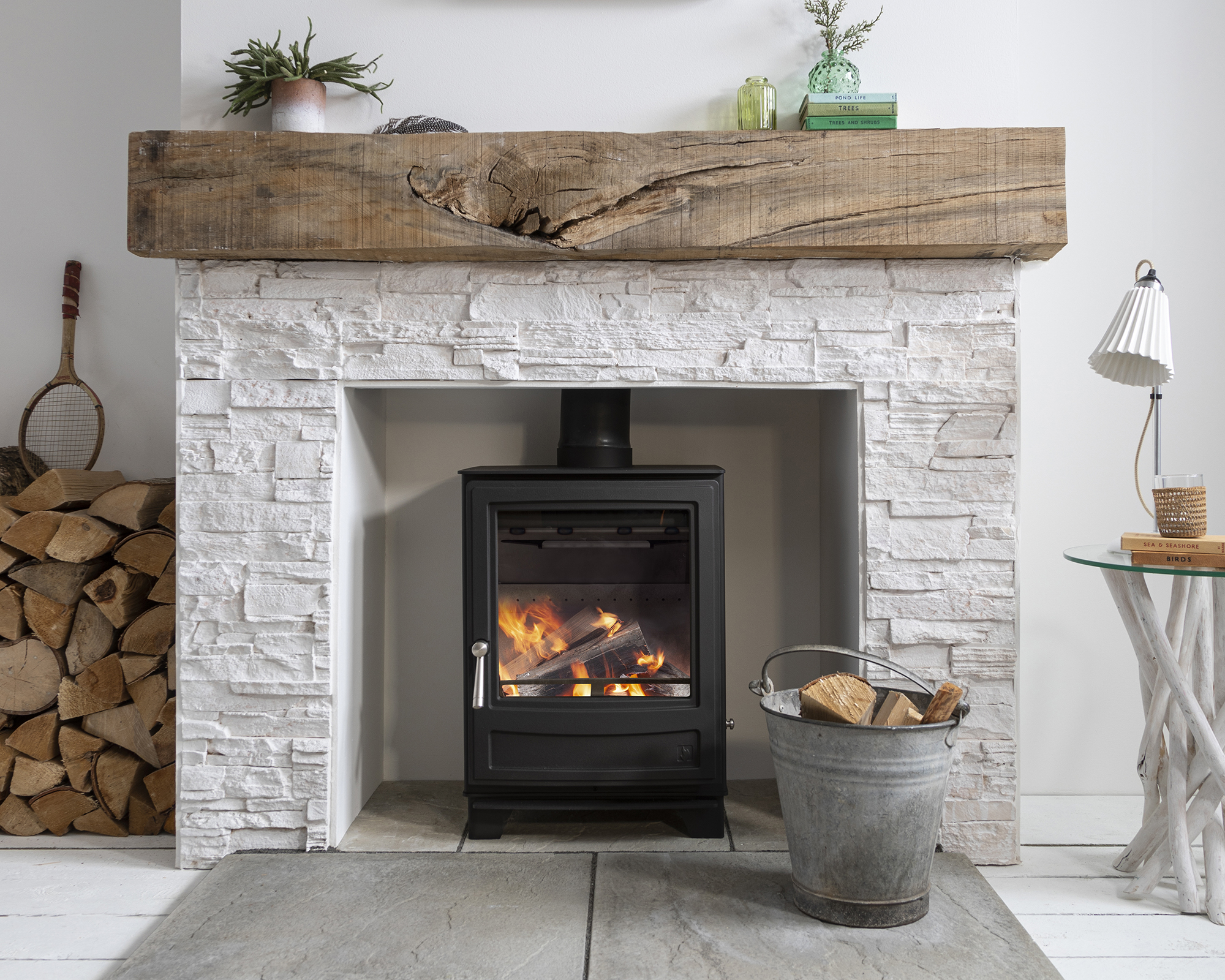
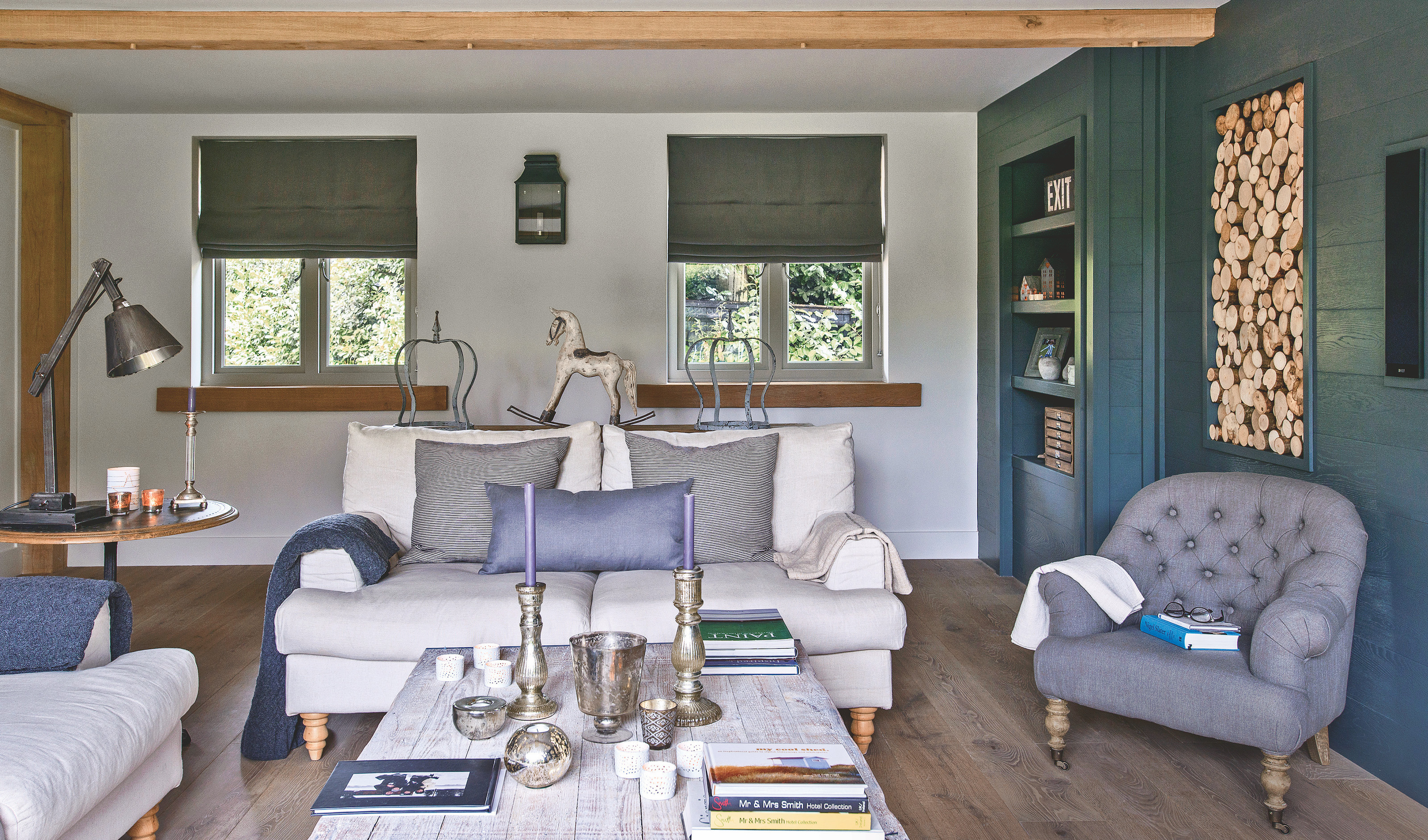
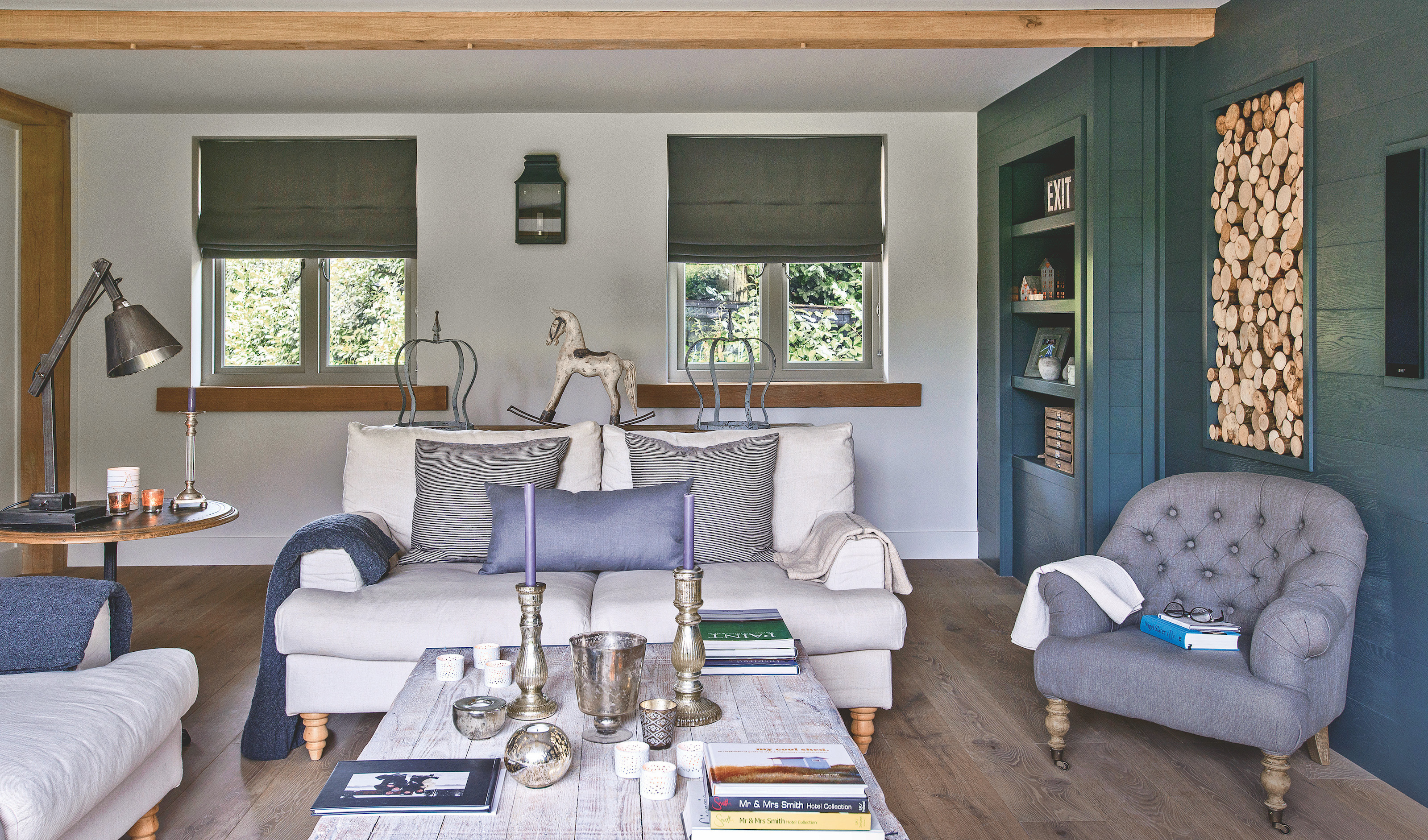
One approach is to stack logs high, creating a multi-tasking feature wall, especially when placed floor-to-ceiling beside a fireplace. For safety and convenience, a step ladder is recommended for accessing higher logs, with a smaller, more accessible supply for daily use. Custom shelving built around a wood burner can also incorporate log and kindling storage, creating a cozy reading nook. For modern interiors, tall, narrow alcoves next to stoves or fireplaces can house logs in a contemporary manner.
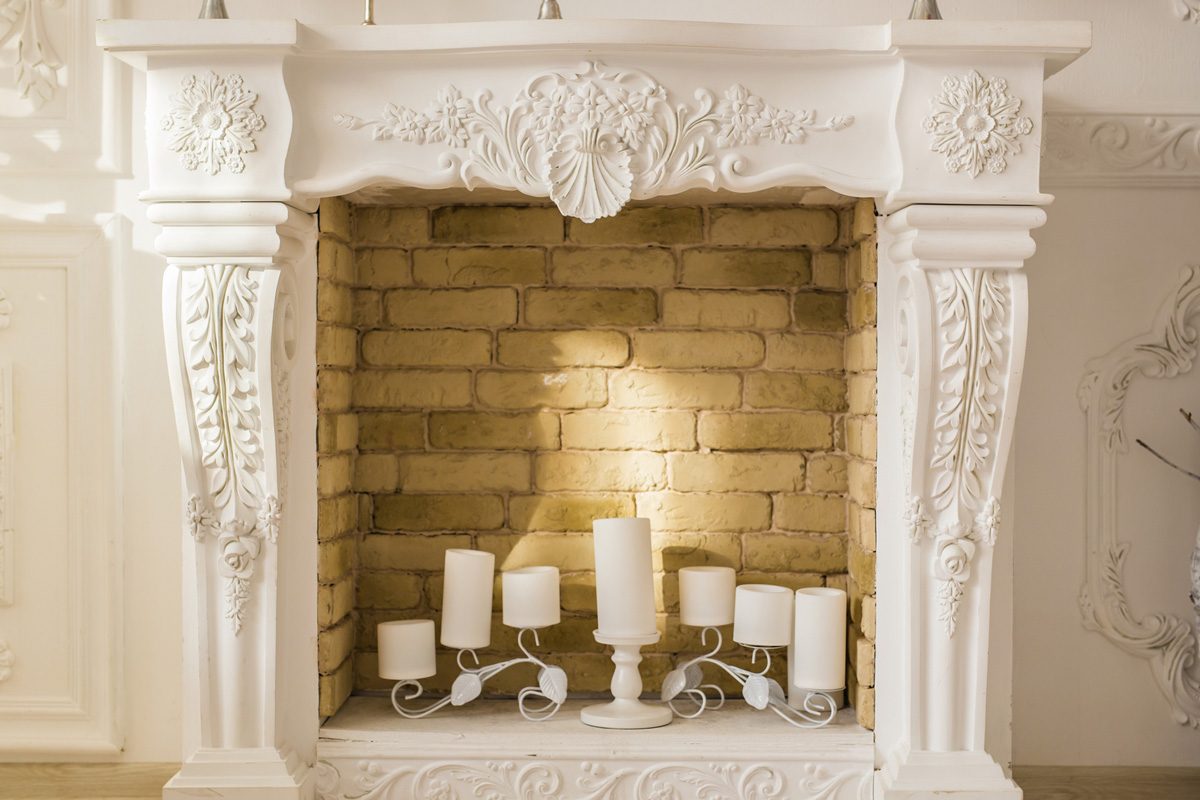
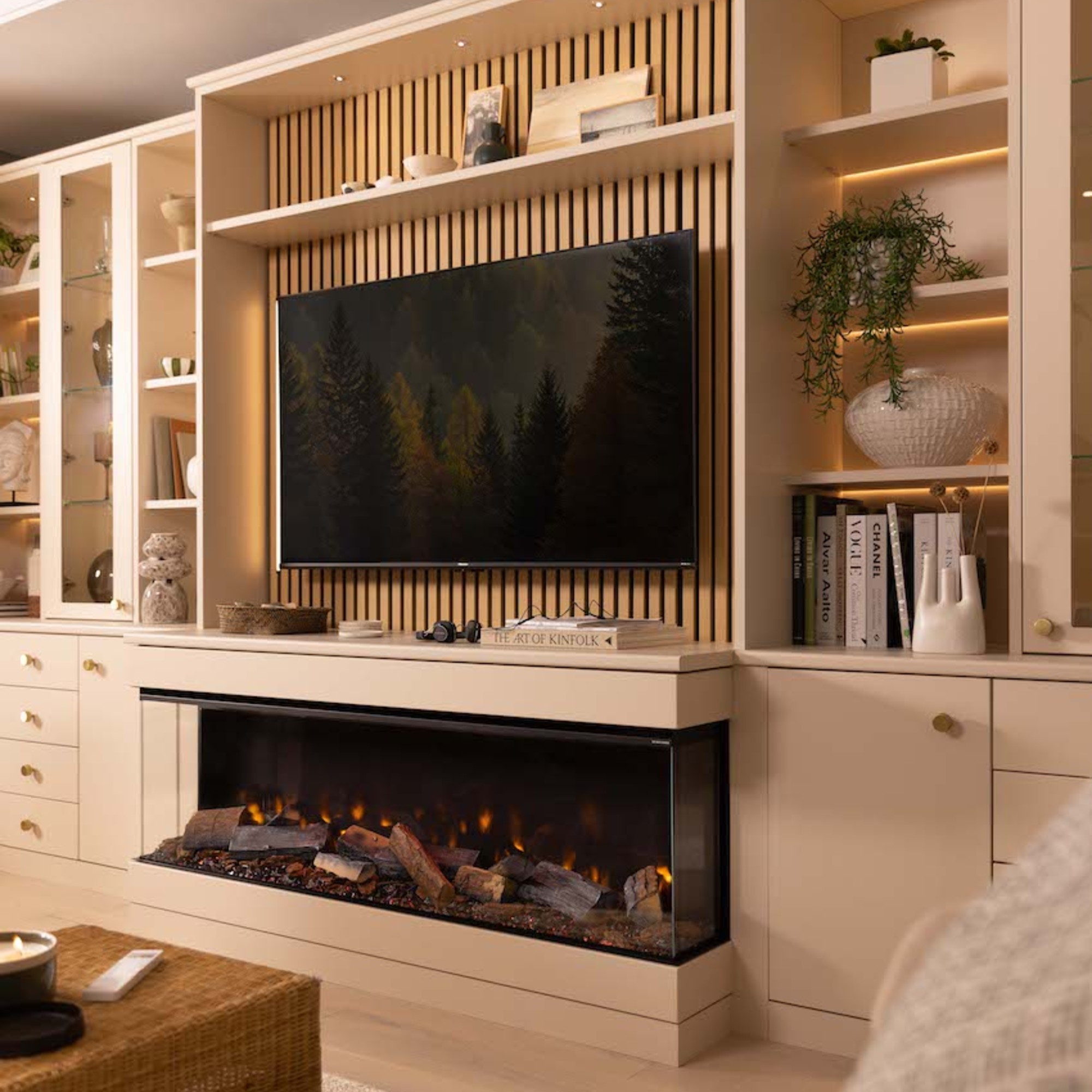
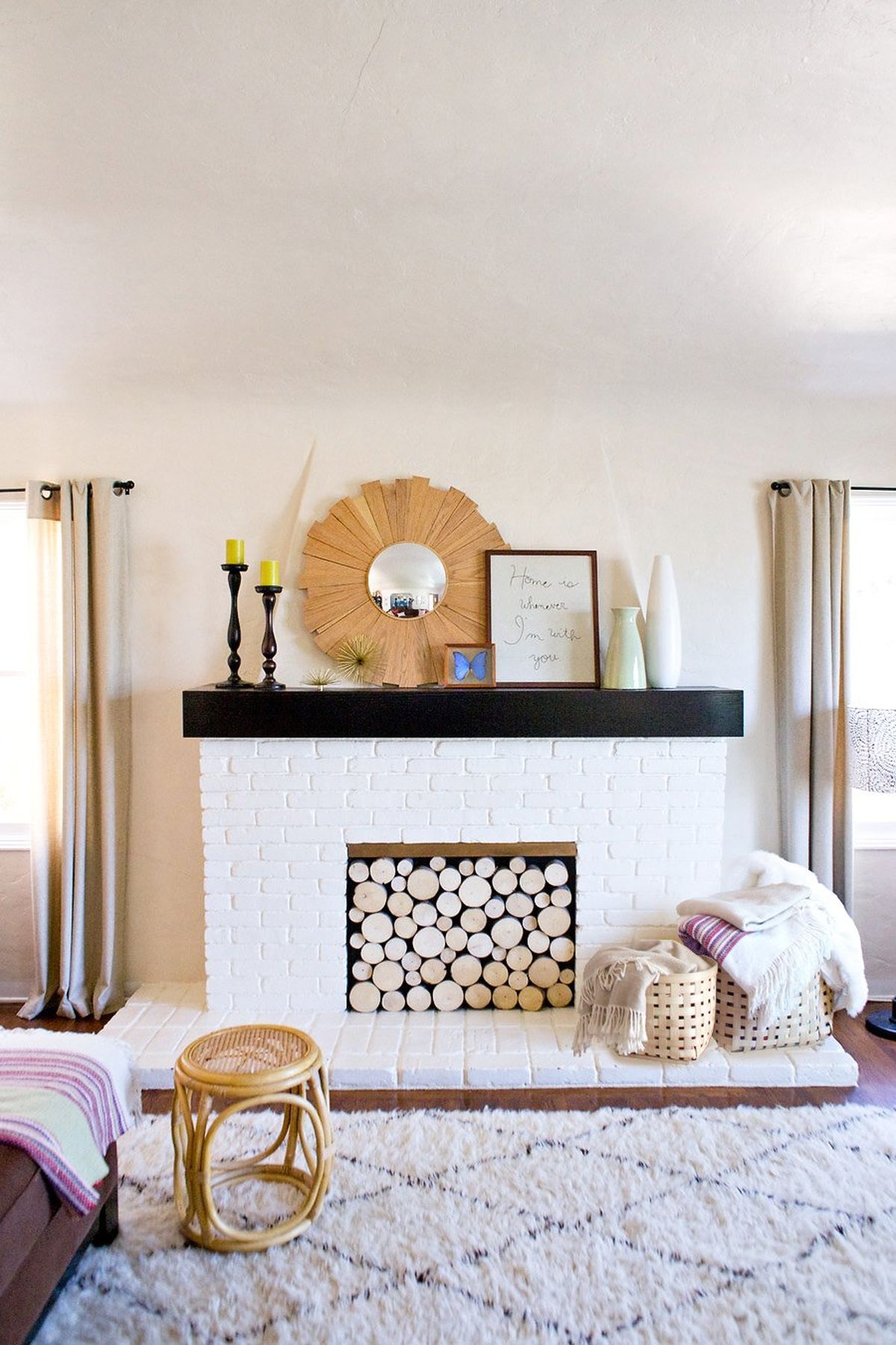
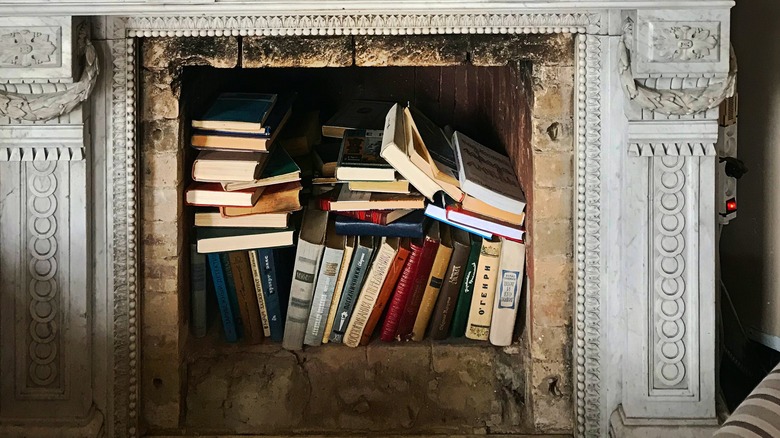
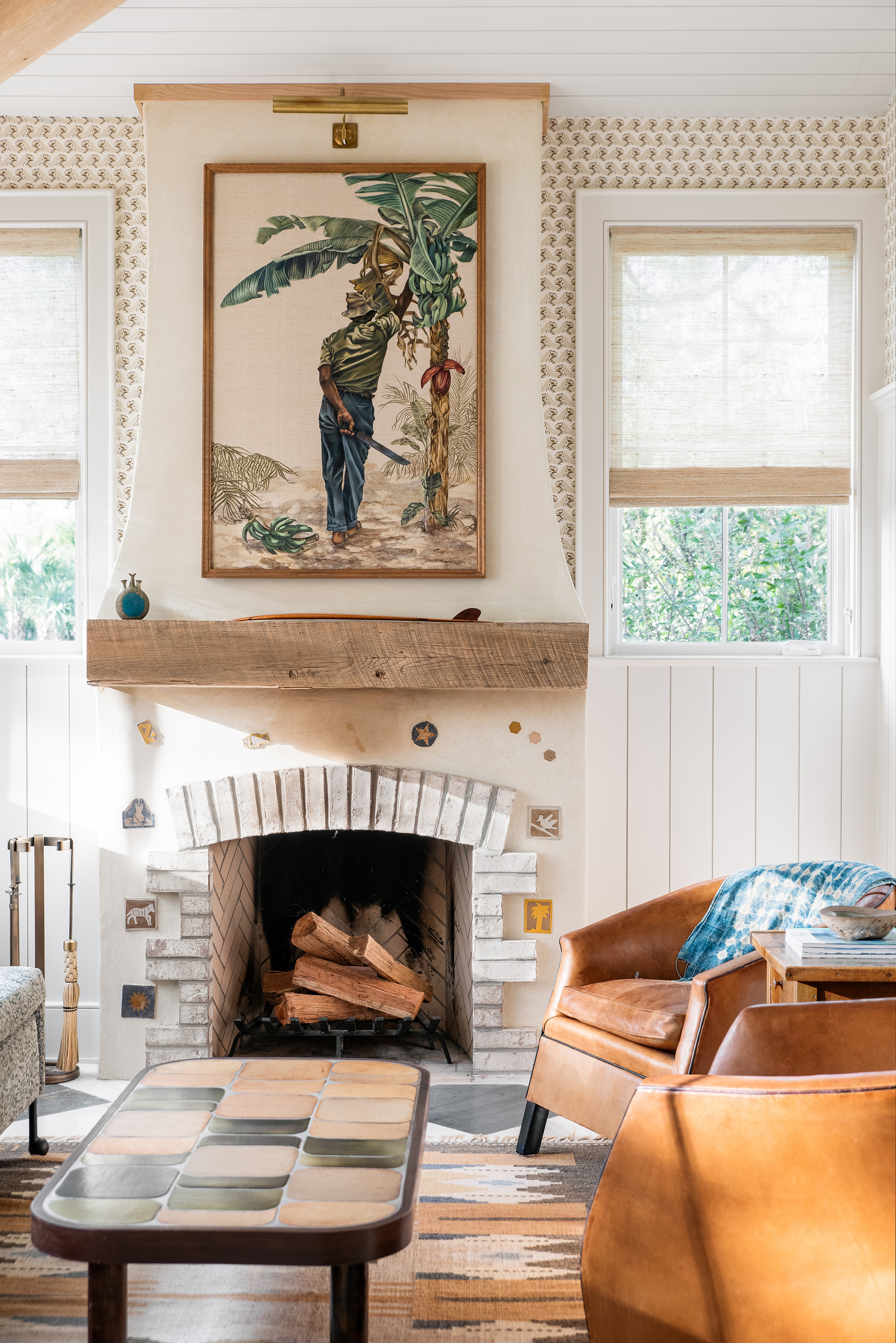
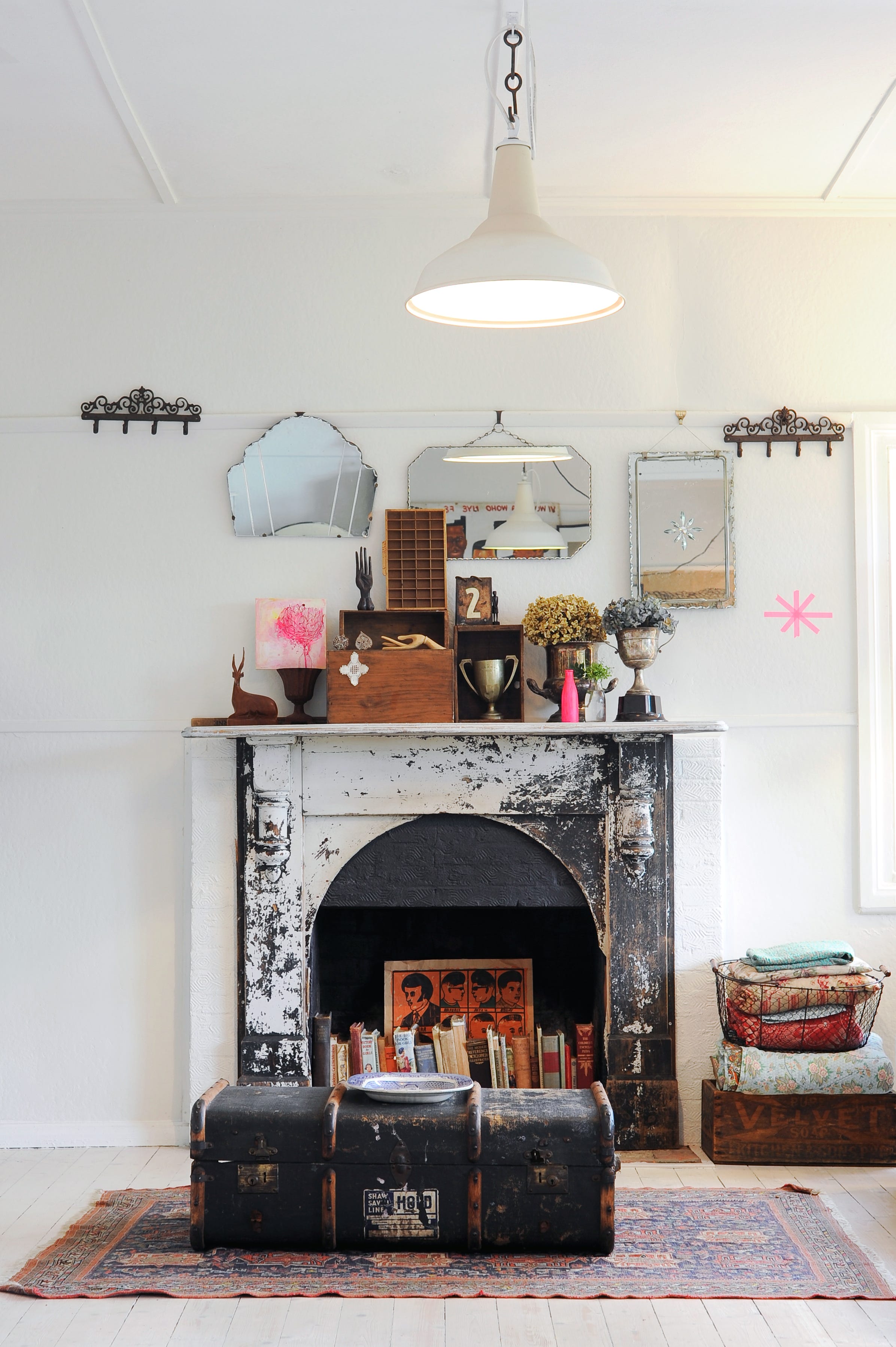
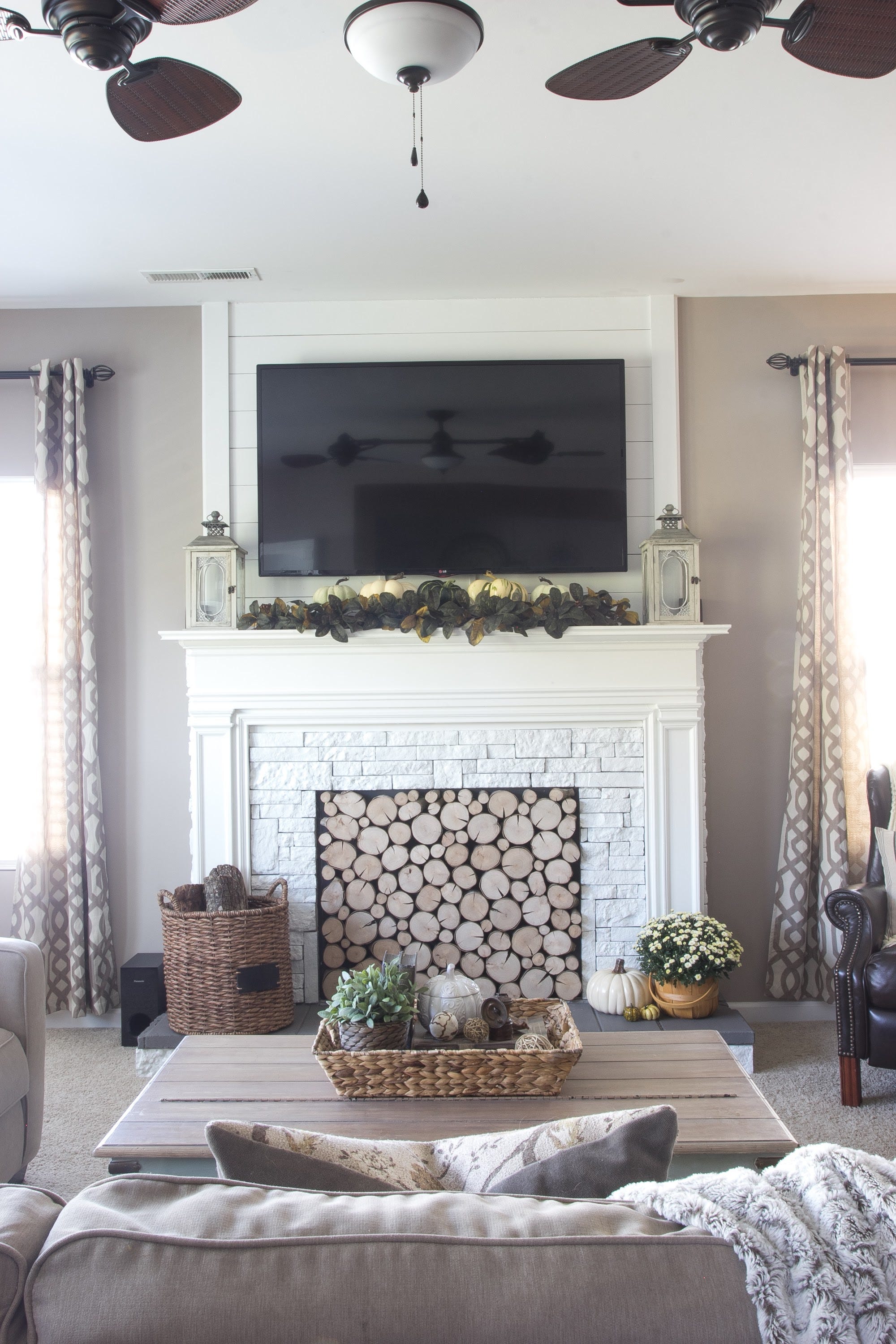
Empty fireplace alcoves, not used for a stove, offer a dry and convenient spot for log storage, adding texture to the room. Freestanding, attractive shelf units provide an alternative for rooms lacking built-in alcoves, but require careful weight distribution and securing. Inset stoves can be complemented by integrated storage below, ensuring the space accommodates the timber size. Incorporating log storage into partial dividing walls, after consulting a builder about structural integrity, can utilize hollow spaces.
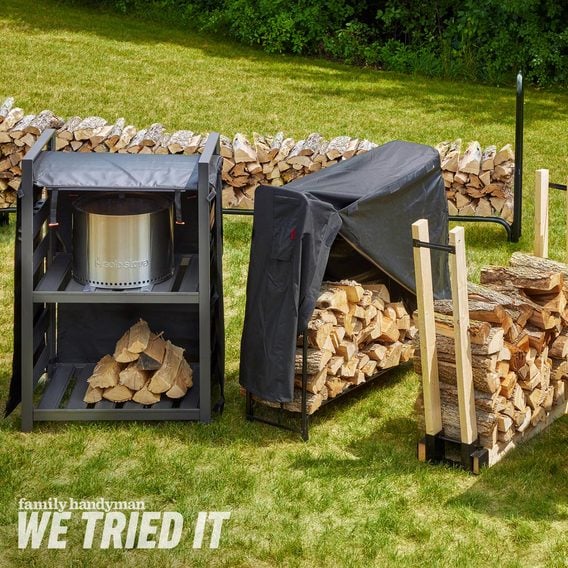
Elevated, boxed-in spaces, framed with carefully arranged logs, can become a work of art, with carpenters capable of creating similar designs from MDF. For safety, a non-combustible material or minimum distance, as recommended by the stove manufacturer, must be maintained between logs and the stove. Vintage furniture like log crates can add character and save money, but only a day's worth of logs should be kept indoors, with the rest stored dry and well-ventilated outside.
Sebastian Cox, a furniture designer, suggests buying a moisture meter to check log dryness and opting for split rather than sawn logs, which absorb less moisture and burn better. Dry logs crackle, while wet ones hiss and steam up the burner window. Symmetrical low shelving alongside compact wood burners provides storage and a surface for display, blending into the room when painted in similar tones to the walls. Wicker baskets, crates, and buckets offer flexible, freestanding options for a rustic touch. Shelves can also be used to back up logs, ensuring fresh pieces are added to the bottom for proper rotation. Architectural gaps, not directly adjacent to the stove, can be creatively utilized for log storage. Small, built-in storage above sideboards or under stairs can hold about 12 logs for an evening's use. Decorative log displays with fairy lights and pine cones can also serve as low-cost Christmas decor, but caution is necessary if these logs are intended for burning. Large, piled alcoves offer a rustic aesthetic but may pose risks, especially with children, and can be made safer with integrated shelves. Finally, high-end stoves often include built-in storage, eliminating safety concerns associated with stacking logs directly beside the appliance. For those without logs or a fire, realistic log-print wallpaper can create a similar rustic charm without the need for actual storage or wood chopping.
Selecting the right type of wood is critical. Seasoned oak, cherry, beech, ash, and hawthorn are good choices, burning evenly. Softwoods like pine, birch, lime, and fir should be avoided due to excessive sparking or fast burning, which can also lead to dangerous chimney deposits. Logs should have a maximum moisture content of 15-20%. Poor quality, wet logs are inefficient, polluting, and produce significantly less heat.
#LogStorage #WoodBurningStoves #FireplaceIdeas #HomeDecor #InteriorDesign #SustainableLiving #WinterWarmth #StorageSolutions #HomeSafety #LogStorage #WoodBurningStoves #FireplaceIdeas #HomeDecor #InteriorDesign #SustainableLiving #WinterWarmth #StorageSolutions #HomeSafety
0 ความคิดเห็นรวม
 ยังไม่มีความคิดเห็น
คุณอาจจะชอบอีกด้วย
Log storage ideas – stylish ways to display your winter fire wood indoors
Wood burner ideas: 16 hot designs that will warm your heart and your home

Mantel decor ideas – 10 tips for year-round fireplace and mantelpiece decoration

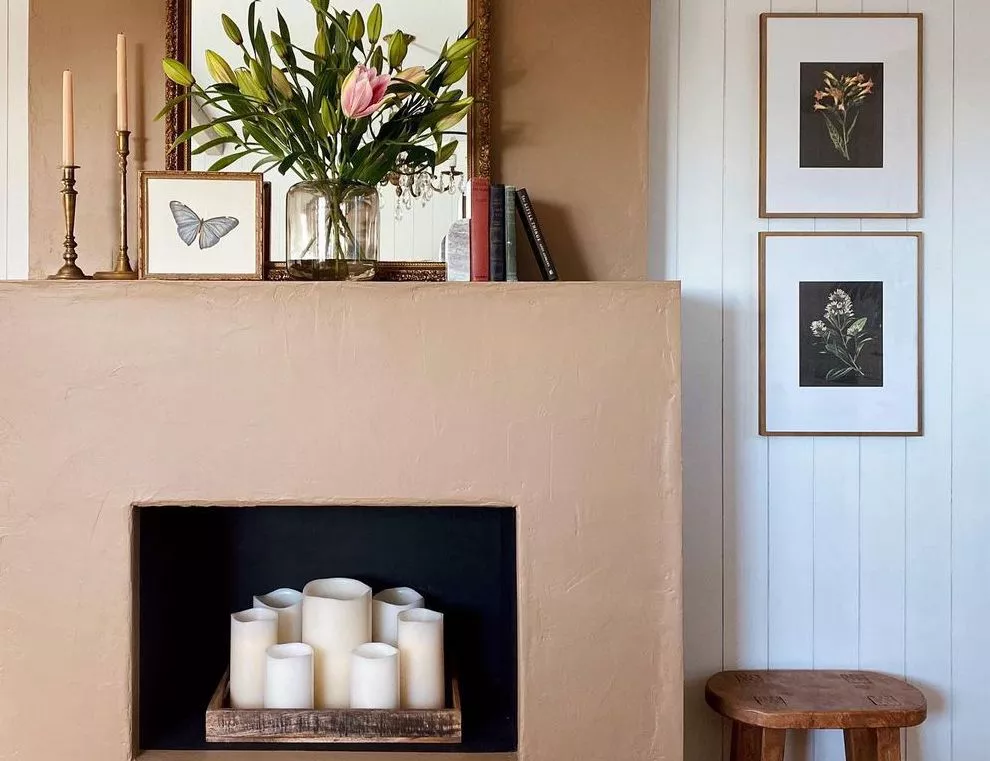
24 Ideas for Displaying Candles in Your Fireplace

Keep Your Home Toastie With These Indoor Fireplace Ideas | W&H


The Best Fire Logs for Long-Lasting Ambience, Tested


Homestyle: Unique storage ideas

10 Designer Tips for Decorating the Space Above Your Fireplace
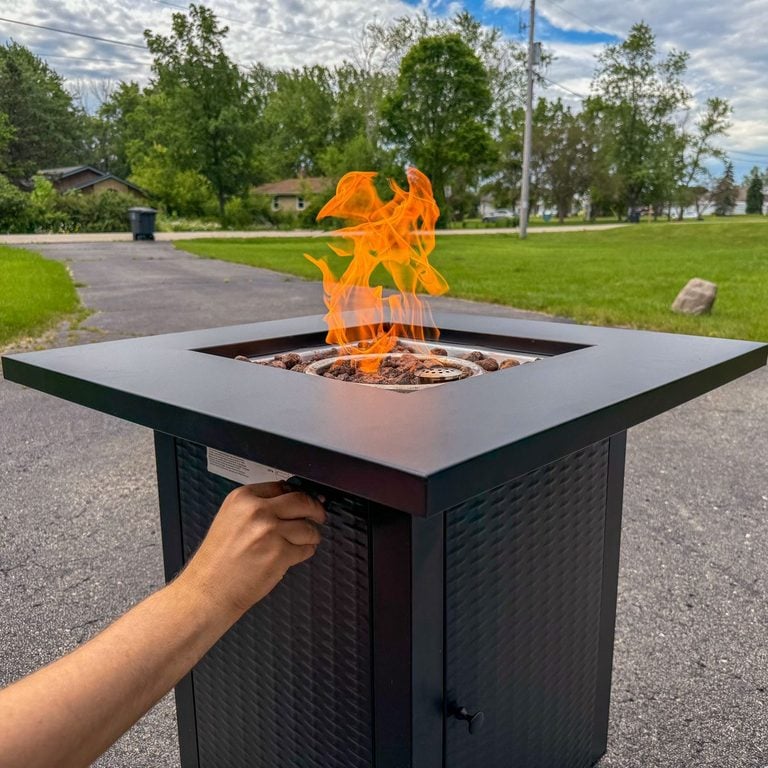
Fireplace Ideas and Installation

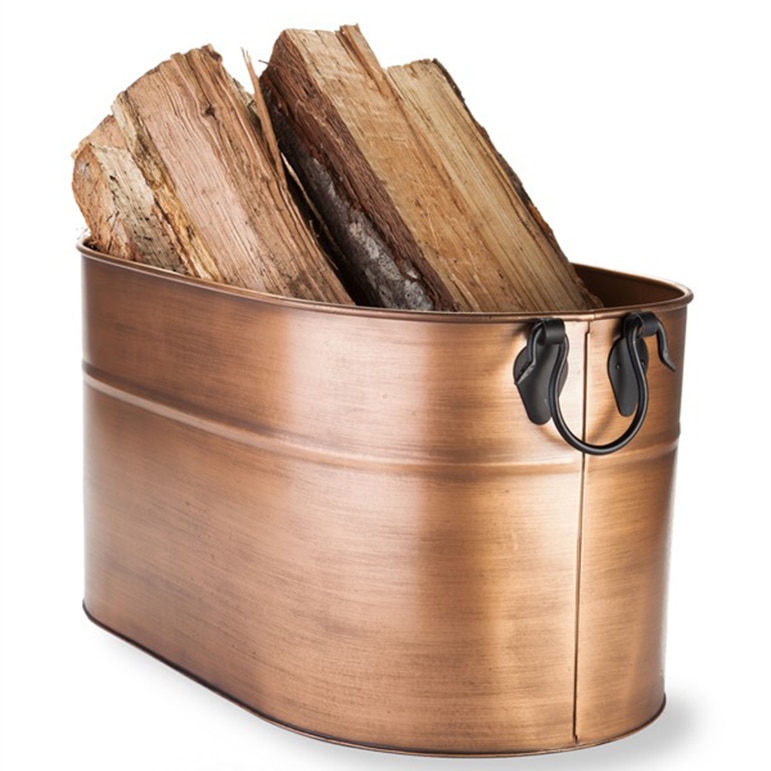
Turn Up the Heat on Your Fireside Chats with These Luxe Accessories

No fireplace living room ideas – 10 ways to find a fireless focal point
7 fireplace ideas for the home this winter
Skip the Fire: Four Alternative Ways to Style a Fireplace
Small living room fireplace ideas – 18 ways to make a stylish statement without overwhelming your petite living space
How To Decorate A Fireplace Hearth
12 Ideas For Decorating A Nonworking Fireplace

12 Ways to Make Built-Ins Around a Fireplace Feel Beautiful, Bespoke, and Balanced

Turn your nonworking fireplace into something beautiful

Fireplace ideas – 18 fabulous ways with fireplace design
Open fires v wood-burning stoves: The grate debate