1/2
Is Heath Tile Worth The Cost?
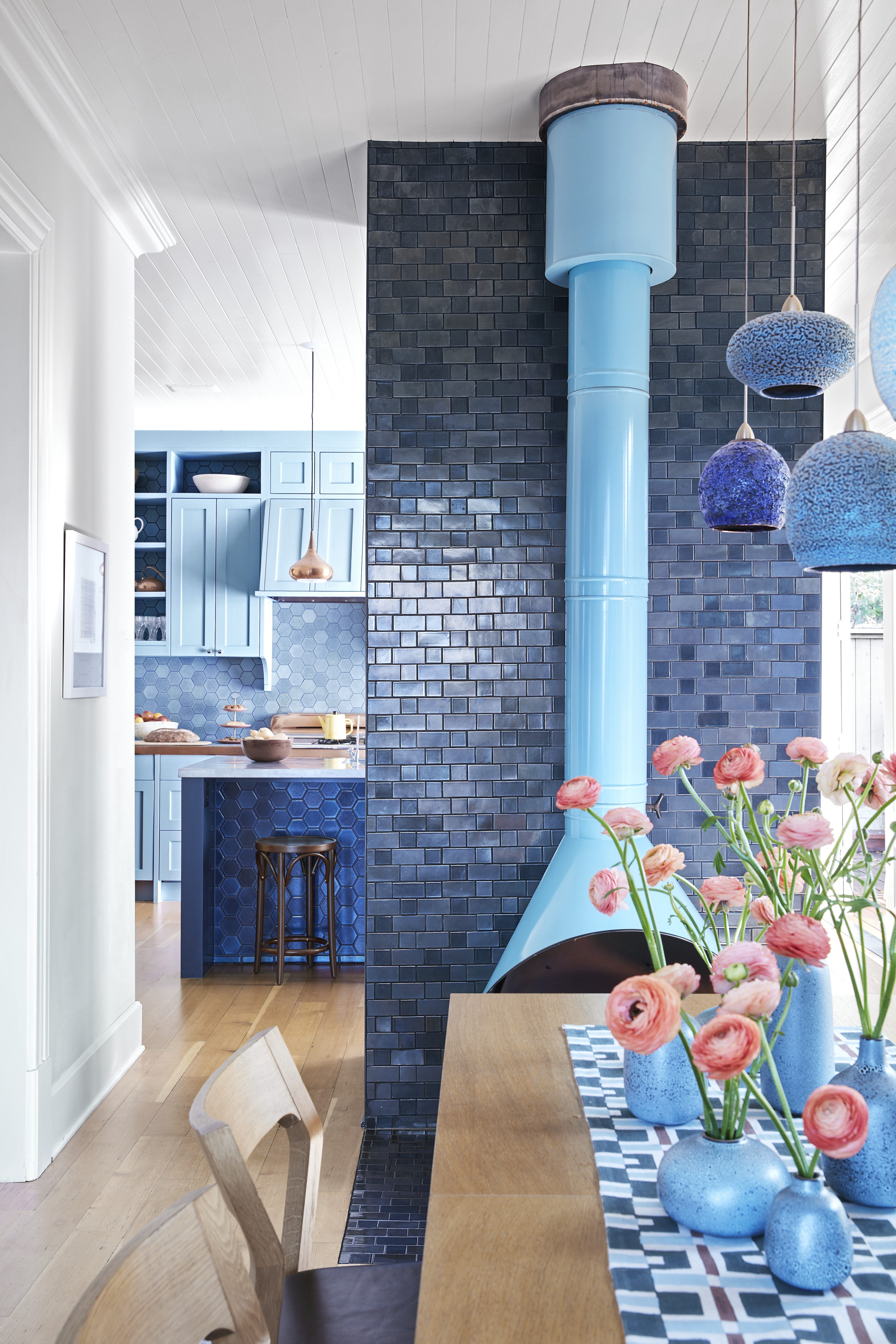
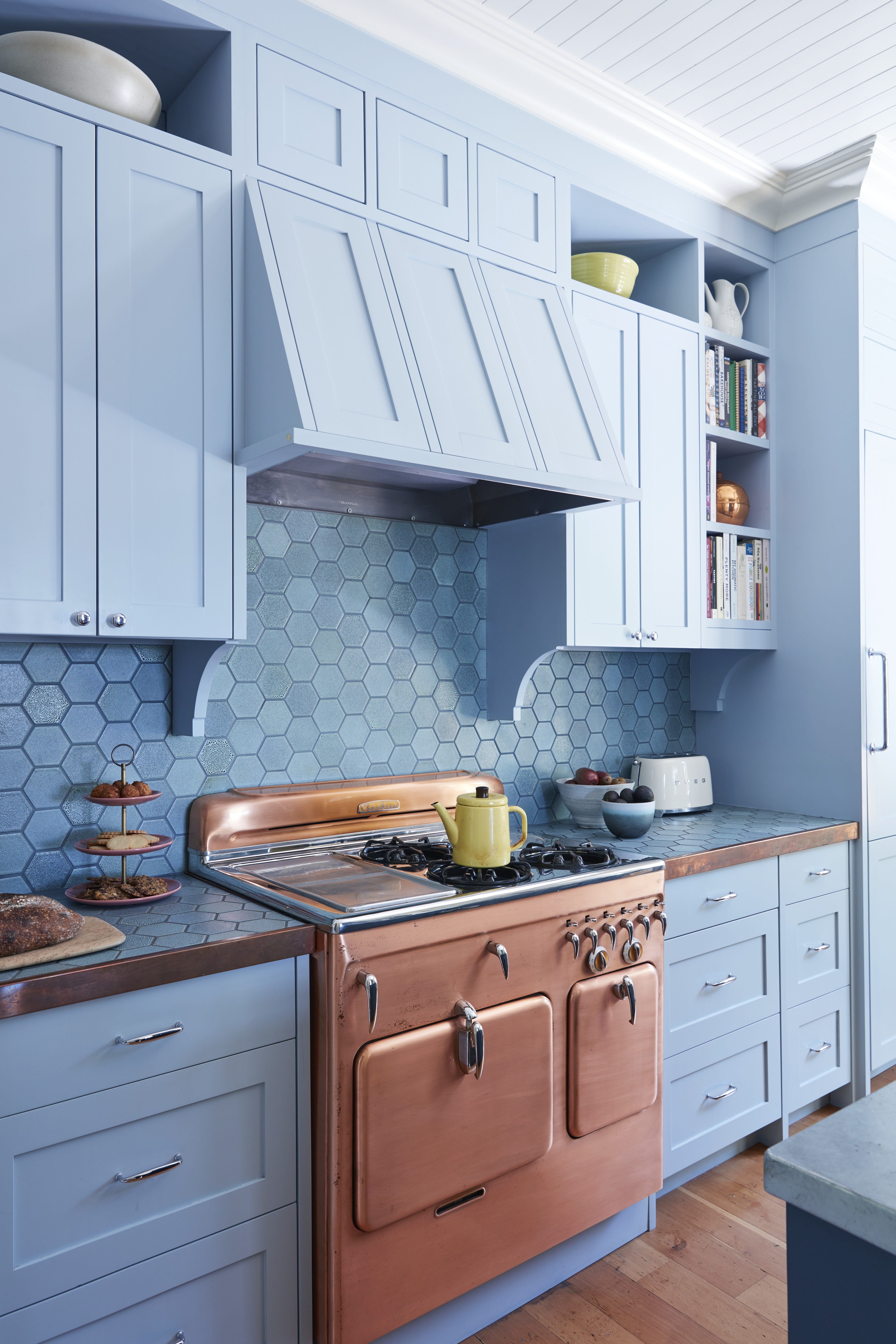
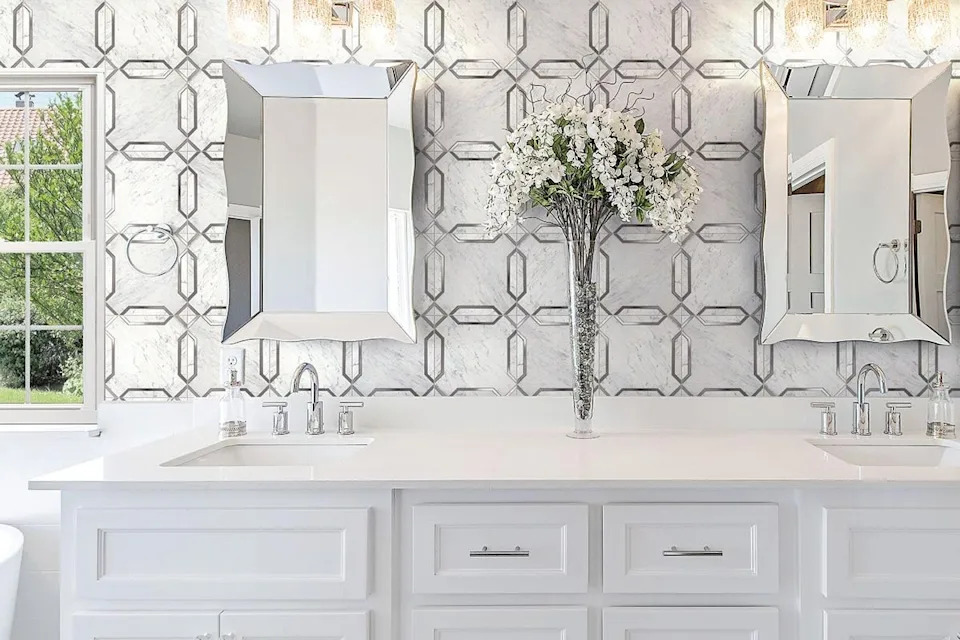
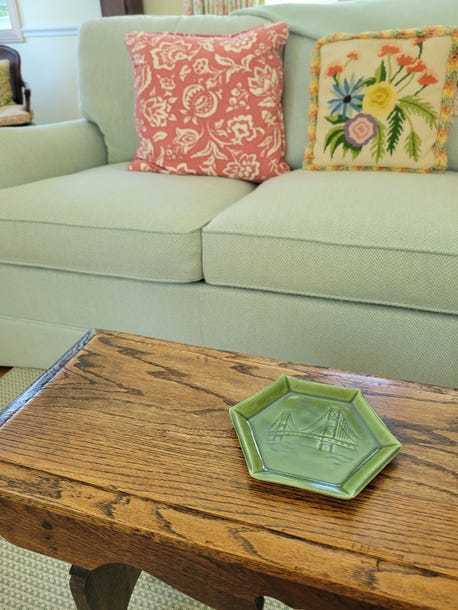
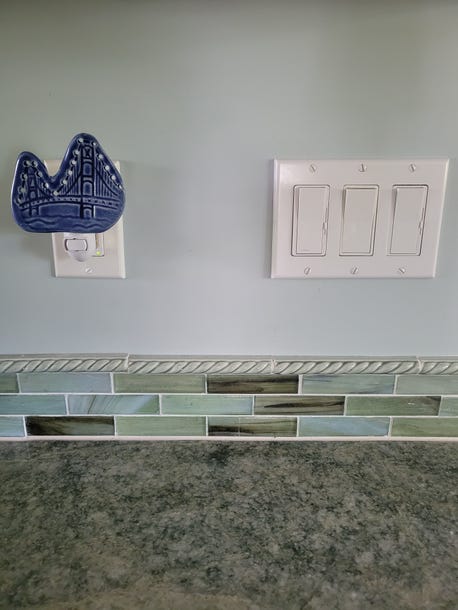
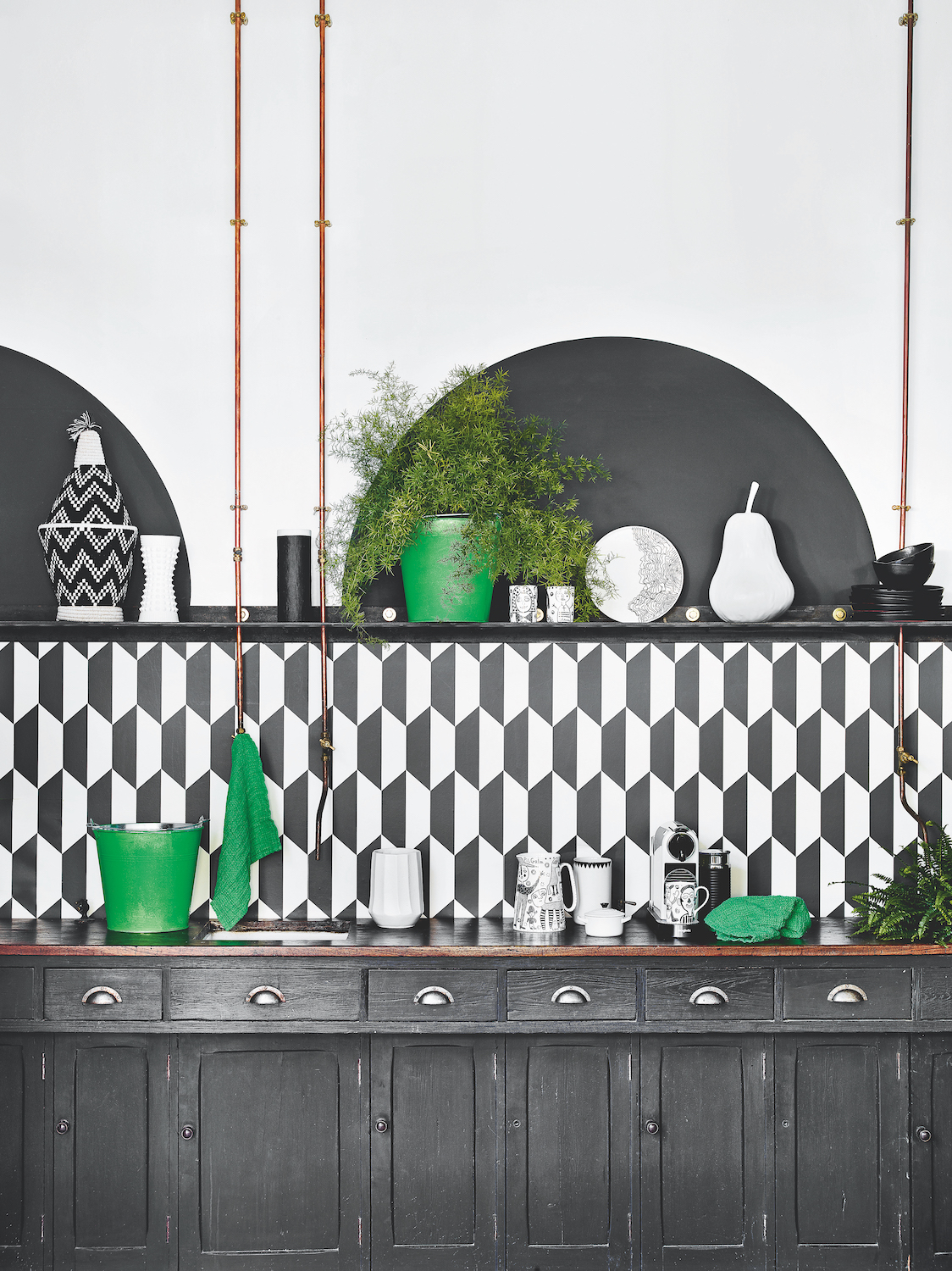
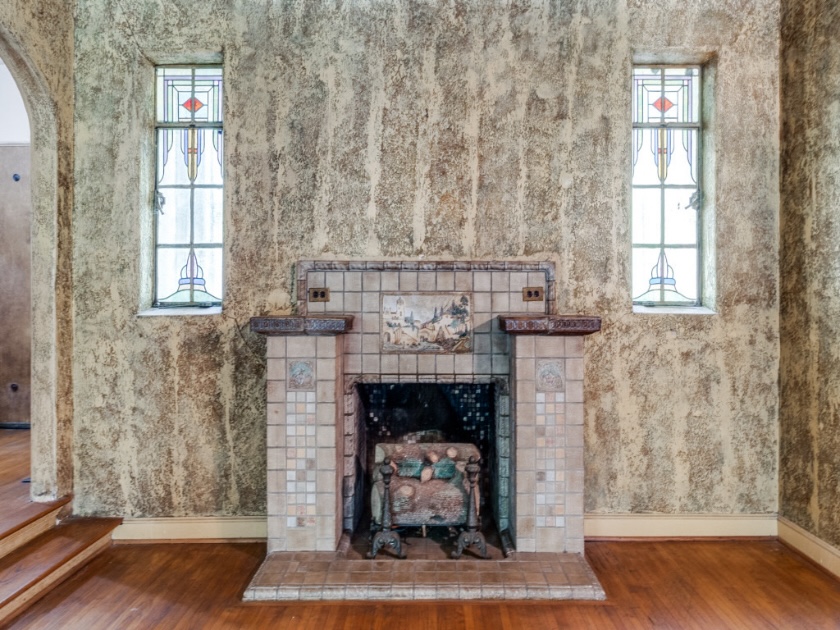
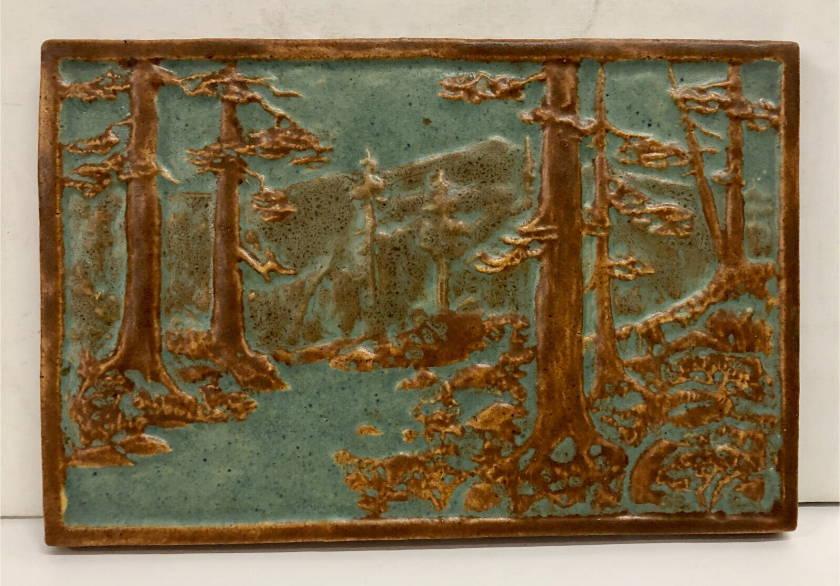
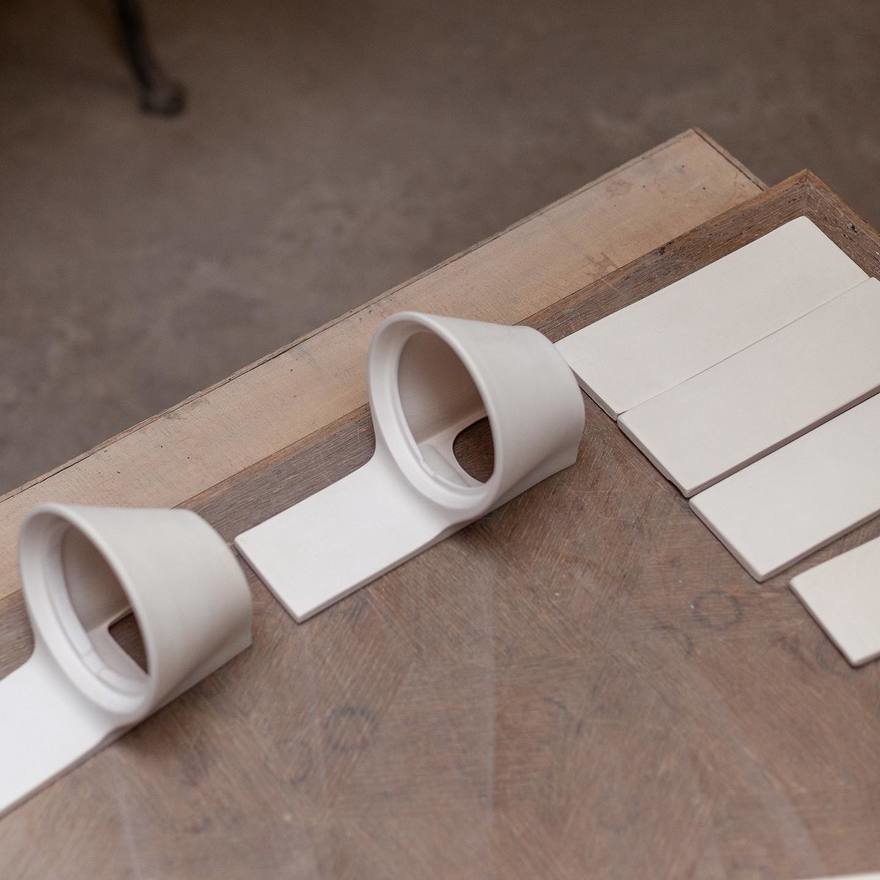
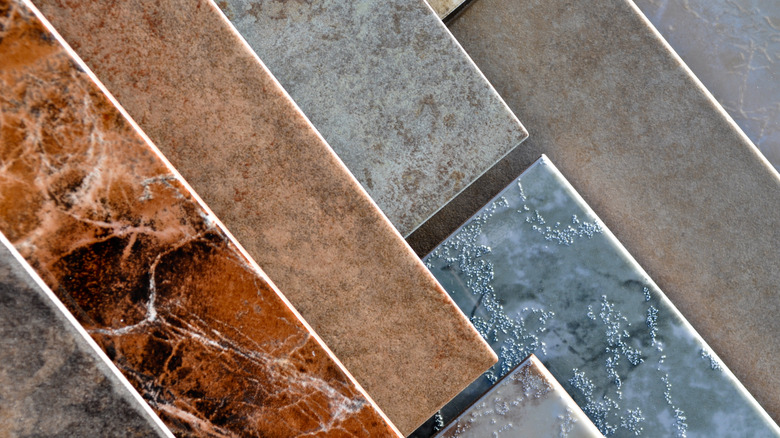
Heath Ceramics, a California-based company founded in 1948 by Edith and Brian Heath, is recognized for its handcrafted tiles, dinnerware, and decor. The company distinguishes itself through a commitment to sustainability, powering its factories with renewable energy and obtaining Declare certification for chemical transparency in its tiles. A key differentiator for Heath is its meticulous hand-making process for each tile, which contrasts with mass-produced alternatives. This artisanal approach contributes to longer-lasting products with enhanced attention to detail, and each tile possesses a unique character, adding a distinct aesthetic to a home. This uniqueness is frequently cited by customers, who describe Heath tiles as "simple, exquisite, and timeless," and a "sensory, tactile visual treat."
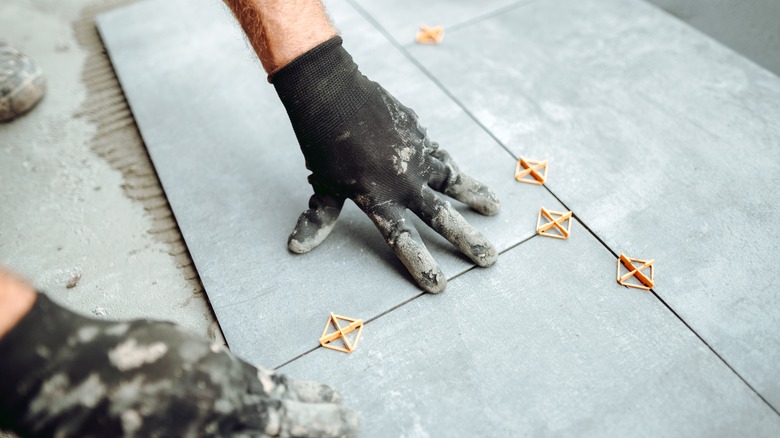
Despite their lauded beauty and quality, Heath tiles come with a higher price point compared to standard ceramic tiles. While typical ceramic tiles range from $12 to $45 per square foot, Heath's budget-friendly options, such as ready-to-ship products, start at $28 per square foot. More affordable options are available at their California overstock shed, where tiles can be purchased for $14 or $22 per square foot, depending on quality. An additional cost factor is the recommendation to order 20% more tile than estimated. This practice accounts for the natural variations in size and shape common with handmade tiles, which necessitate cutting during installation, leading to unusable remnants. The installation process itself can be more time-consuming due to these natural variations, requiring careful layout, the use of tile spacers, and precise measurements, which often means pausing and adjusting pieces as the work progresses.
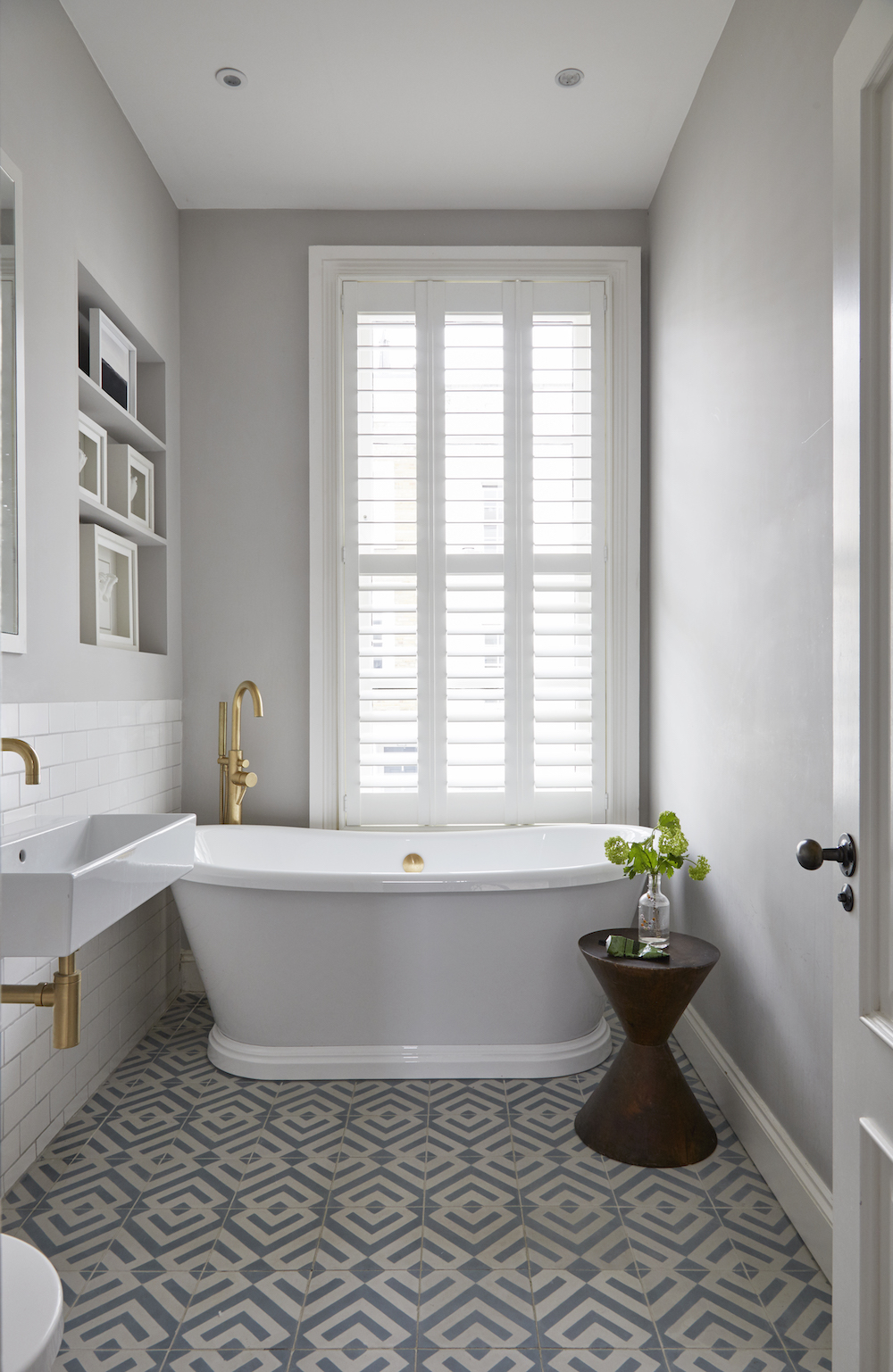
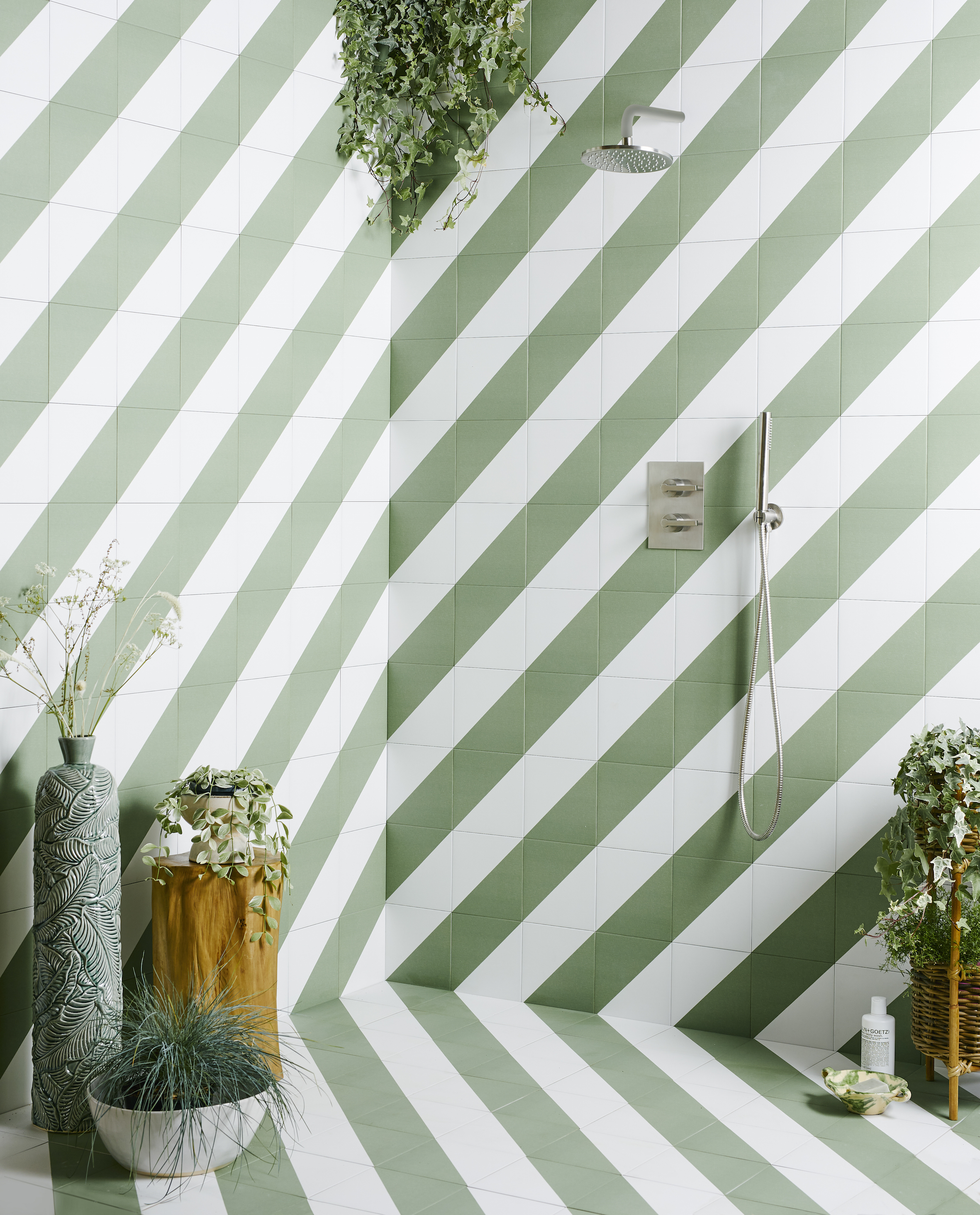
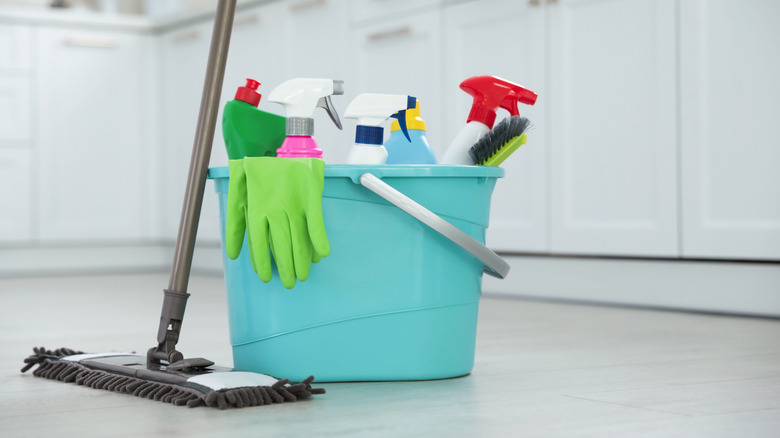
Given the investment, proper maintenance is crucial for Heath tiles. Ceramic tiles generally have a lifespan of 75 to 100 years, and correct care can prevent issues like breakage or significant staining. Glazed ceramic tiles are particularly easy to maintain due to their non-porous and stain-resistant surface, which also makes them water-resistant and suitable for bathrooms. Cleaning can be done with a broom, mop, or vacuum, but abrasive tools like steel wool or scouring pads should be avoided to prevent surface scratches. When cleaning Heath tiles, any tile-safe product is acceptable, though for tiles with non-acid-resistant glazes, cleaners containing acids like vinegar or lemon juice should be avoided. To further extend the lifespan of the tiles and prevent grout haze—a dull film that can appear after grouting—Heath Ceramics recommends using a grout sealer. Applying sealant is a straightforward DIY task, provided the appropriate sealant is chosen and manufacturer instructions are followed.
#HeathCeramics #HandmadeTiles #SustainableDesign #CeramicTileInstallation #HomeImprovement #InteriorDesign #TileMaintenance #ArtisanProducts #HeathCeramics #HandmadeTiles #SustainableDesign #CeramicTileInstallation #HomeImprovement #InteriorDesign #TileMaintenance #ArtisanProducts
0 ความคิดเห็นรวม
 ยังไม่มีความคิดเห็น
คุณอาจจะชอบอีกด้วย
The Best Shower Tile To Use In Your Bathroom, According To A Design Expert

Homestyle: Terrific tiles

Bathroom Tiles

How Do ARTO Tiles Compare To Some More Budget-Friendly Options?
This House Has The Most Mesmerizing Tile - Heath Ceramics House

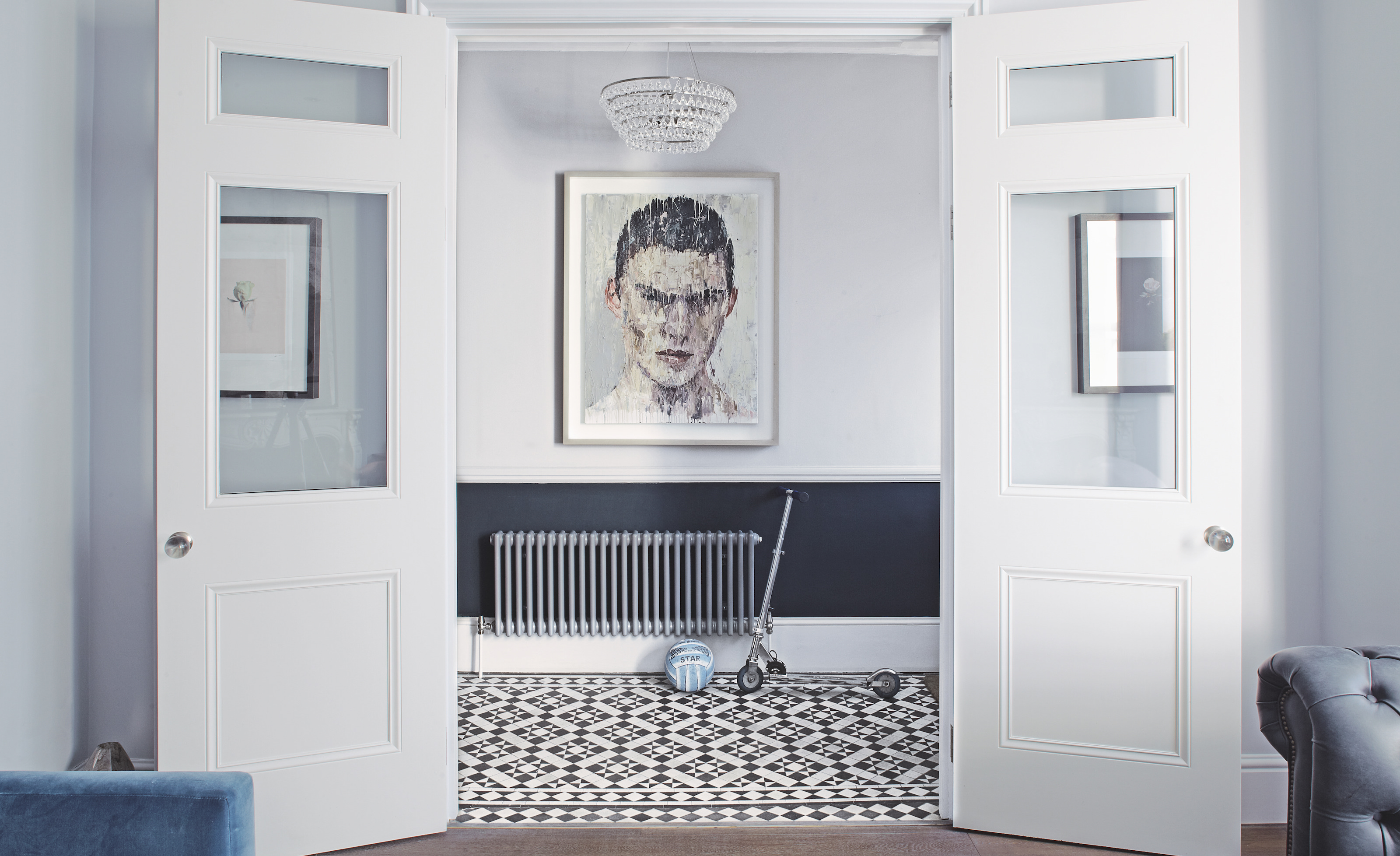
6 expert tips for buying tiles online - designers on how to avoid expensive mistakes

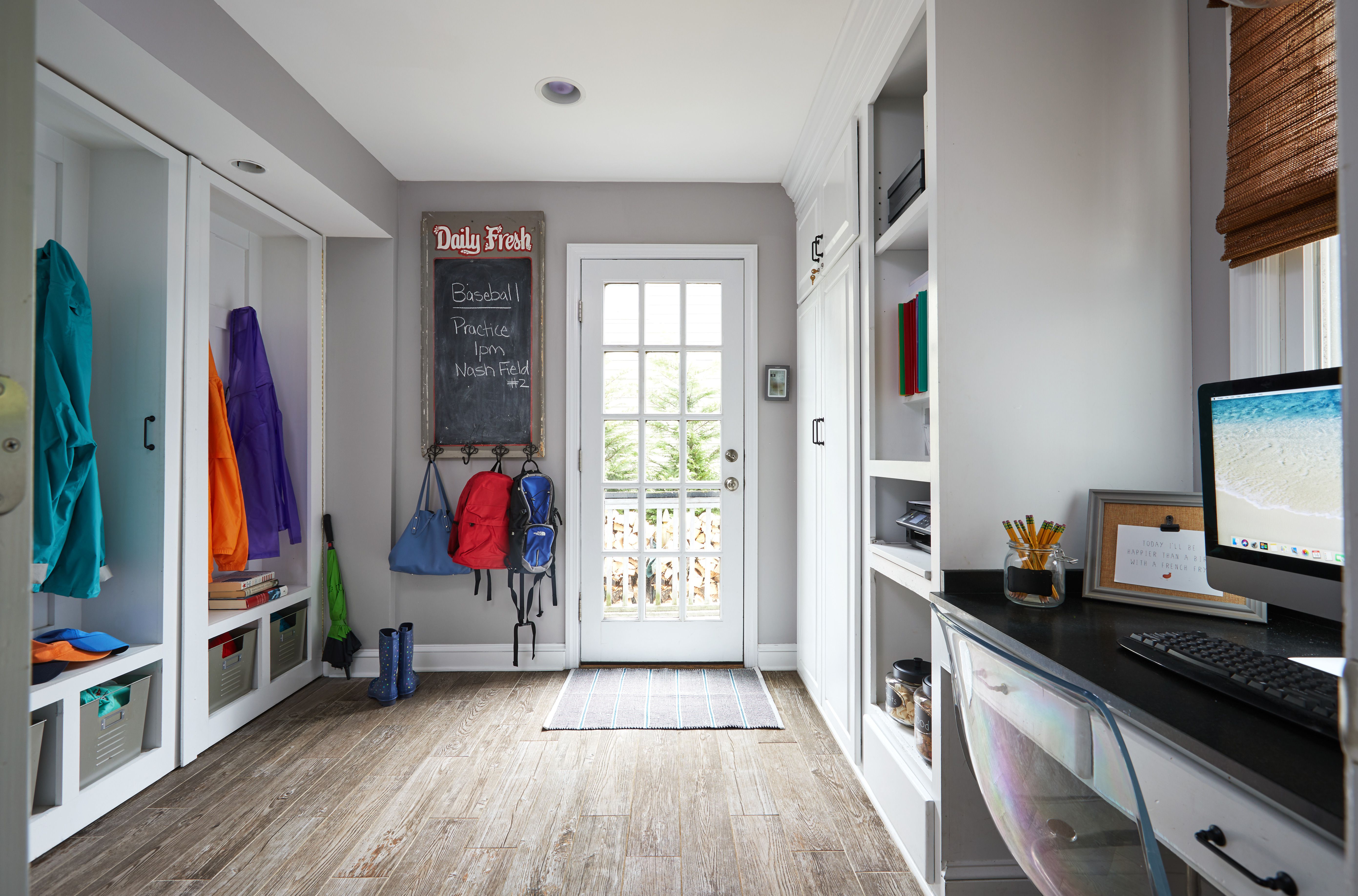
Tile That Looks Like Wood—Pros and Cons Explained

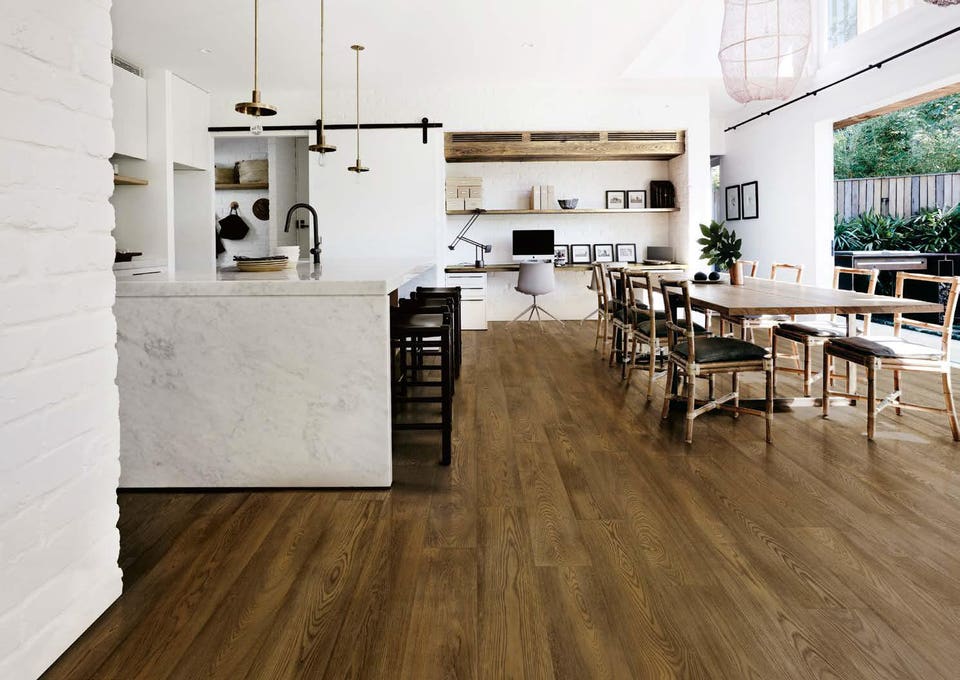
Why Homeowners Should Install High Definition Porcelain Tiles In Their Home


6 Flooring Upgrades That Are Worth The Extra Cost (And 3 To Skip)
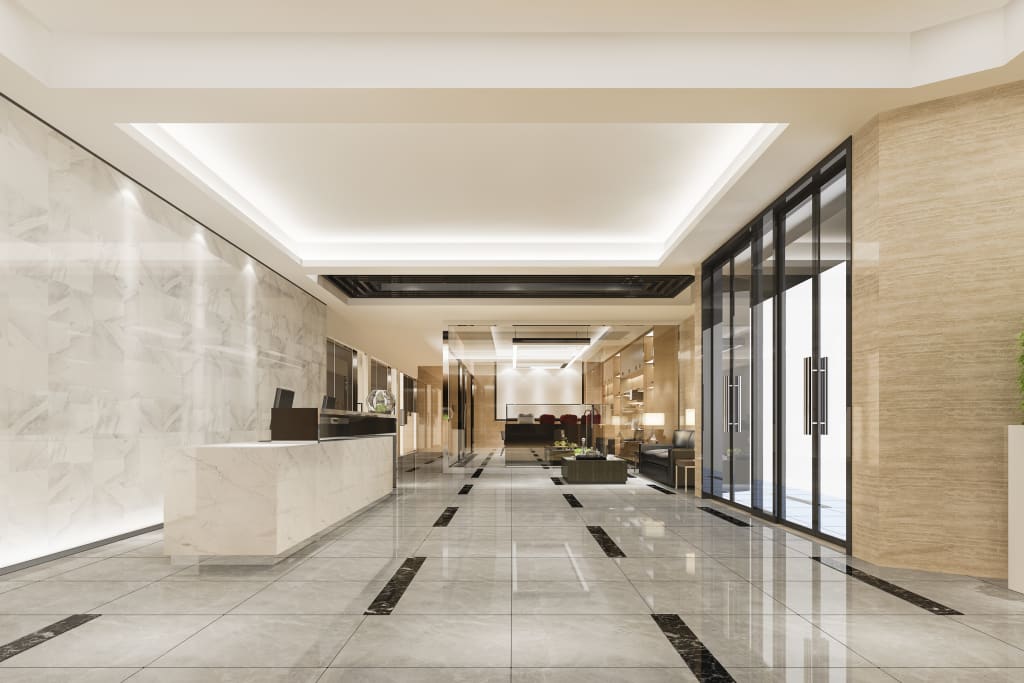
Tiles in Harrogate: Top 10 Tile Trends and Shops for Your Next Home Project

Tile Adhesives

Fit to be tiled

Tile Countertops Have An Impact On Your Home's Value And It's Not What You'd Think
Your Historic Tile Fireplace Could Be Worth Thousands!

Tile-Based Lamps, Yea or Nay?

6 of the best wall and floor tiles

The 9 Best Tile Brands of 2023



Tiles & Flooring Offers

Tasteful tile style for the home