1/9
In Depth: Trim & Moulding
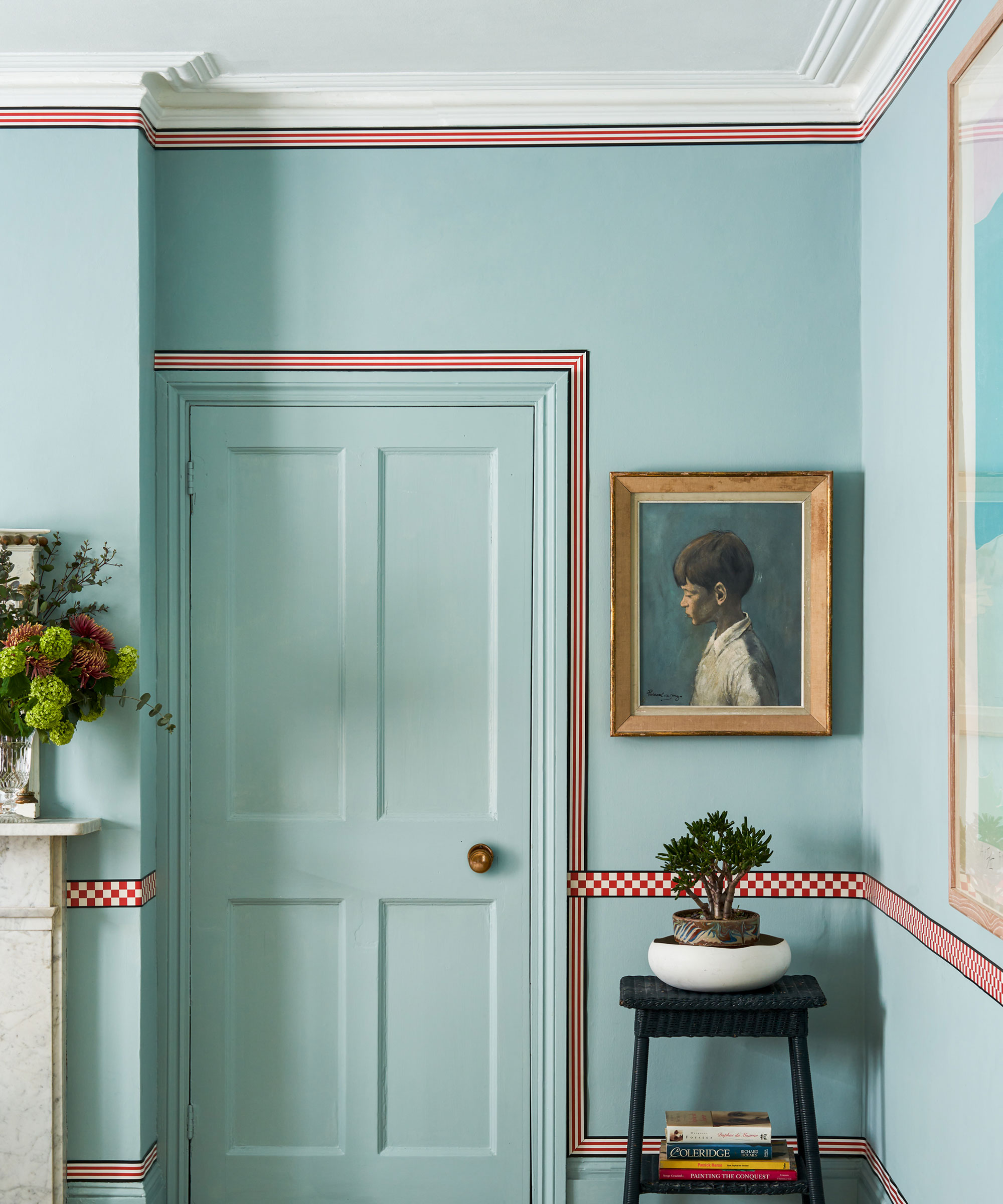
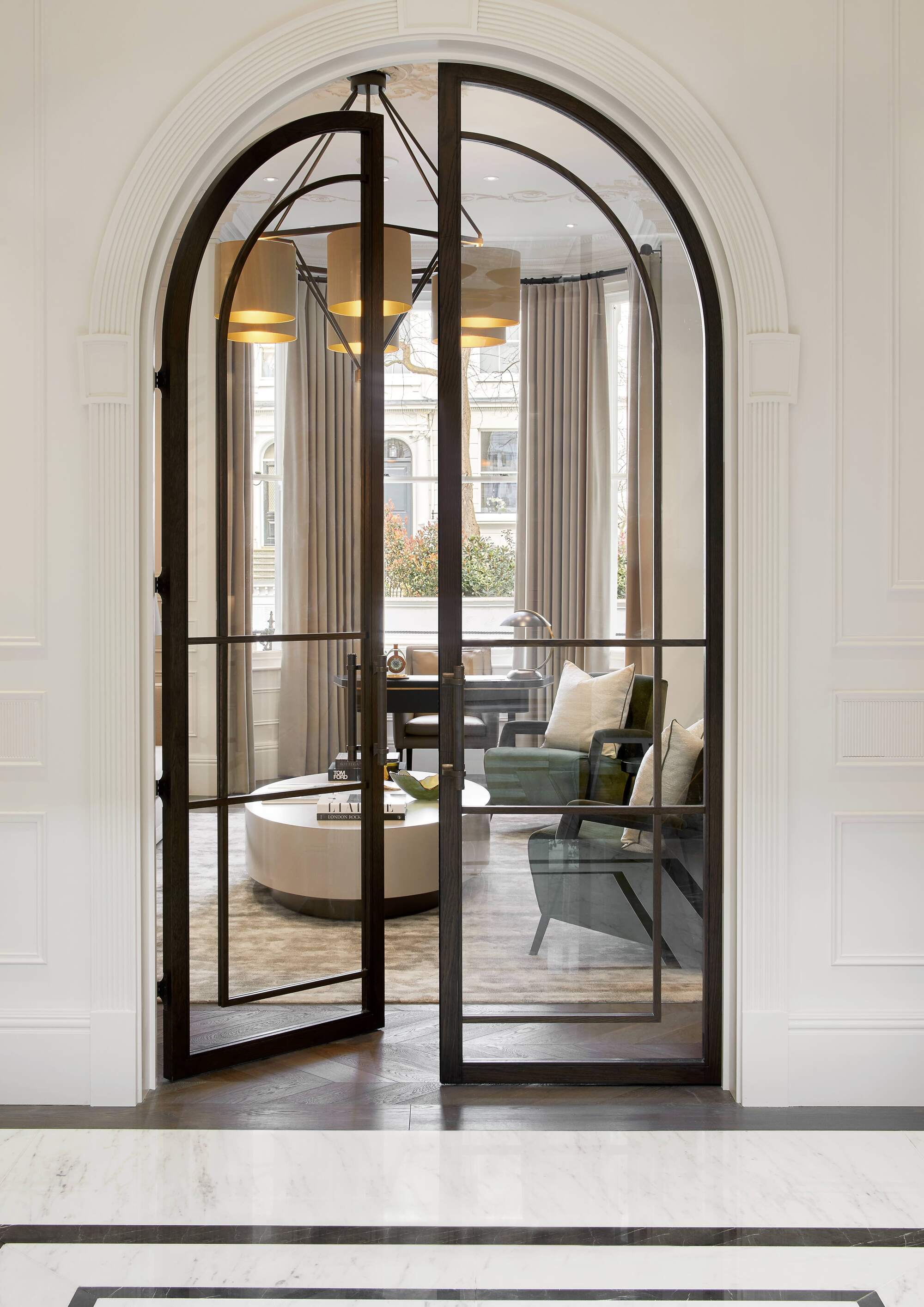
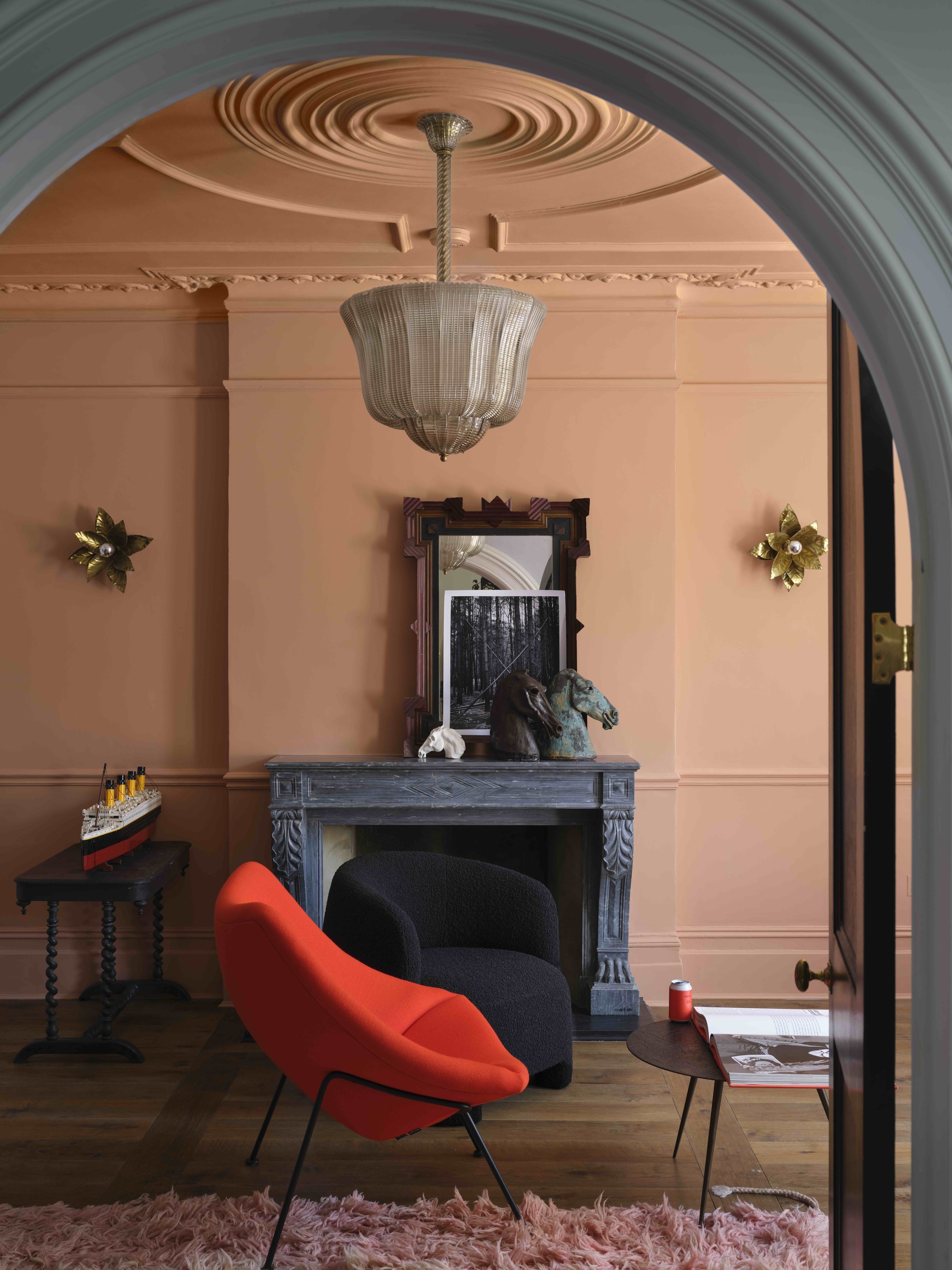
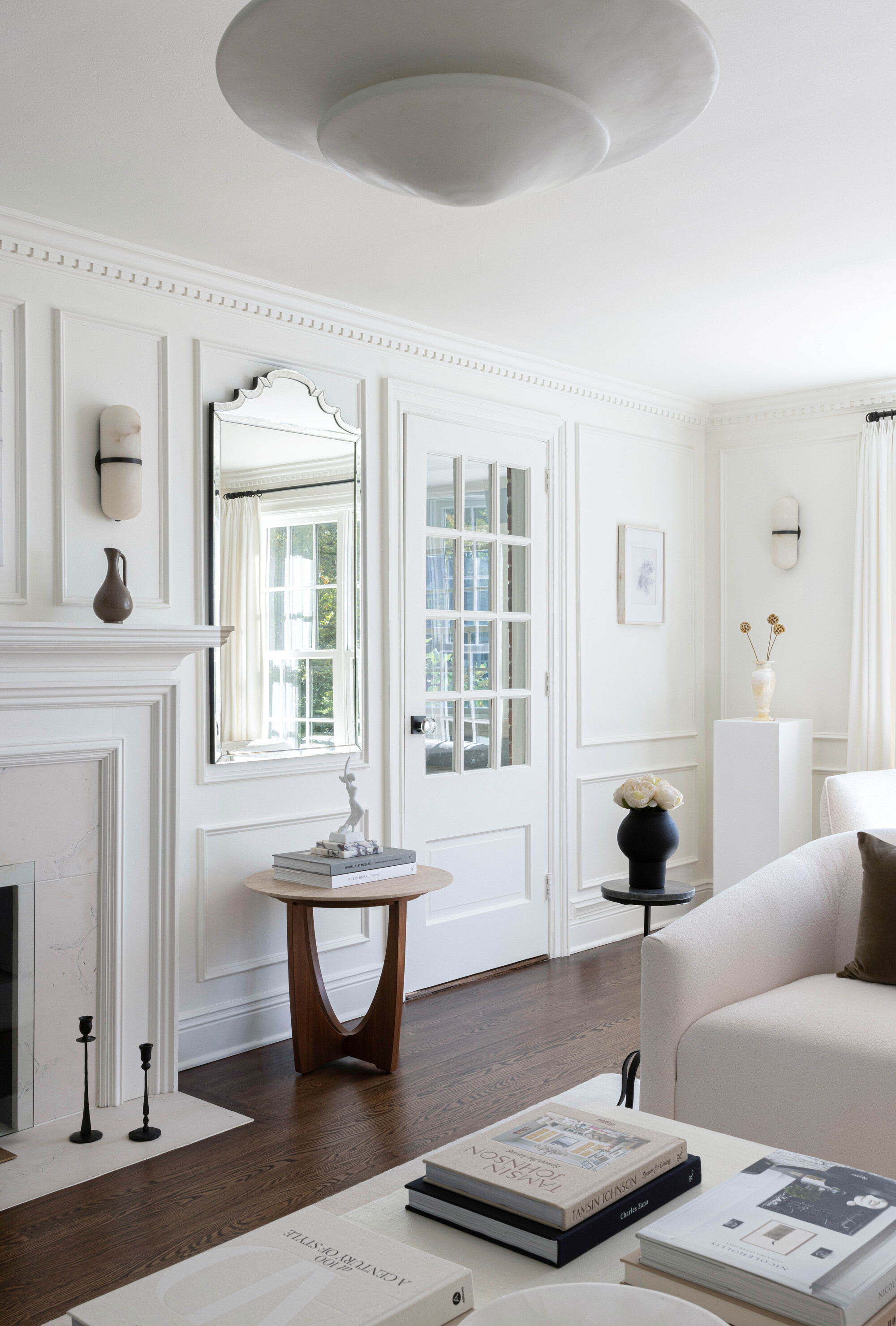
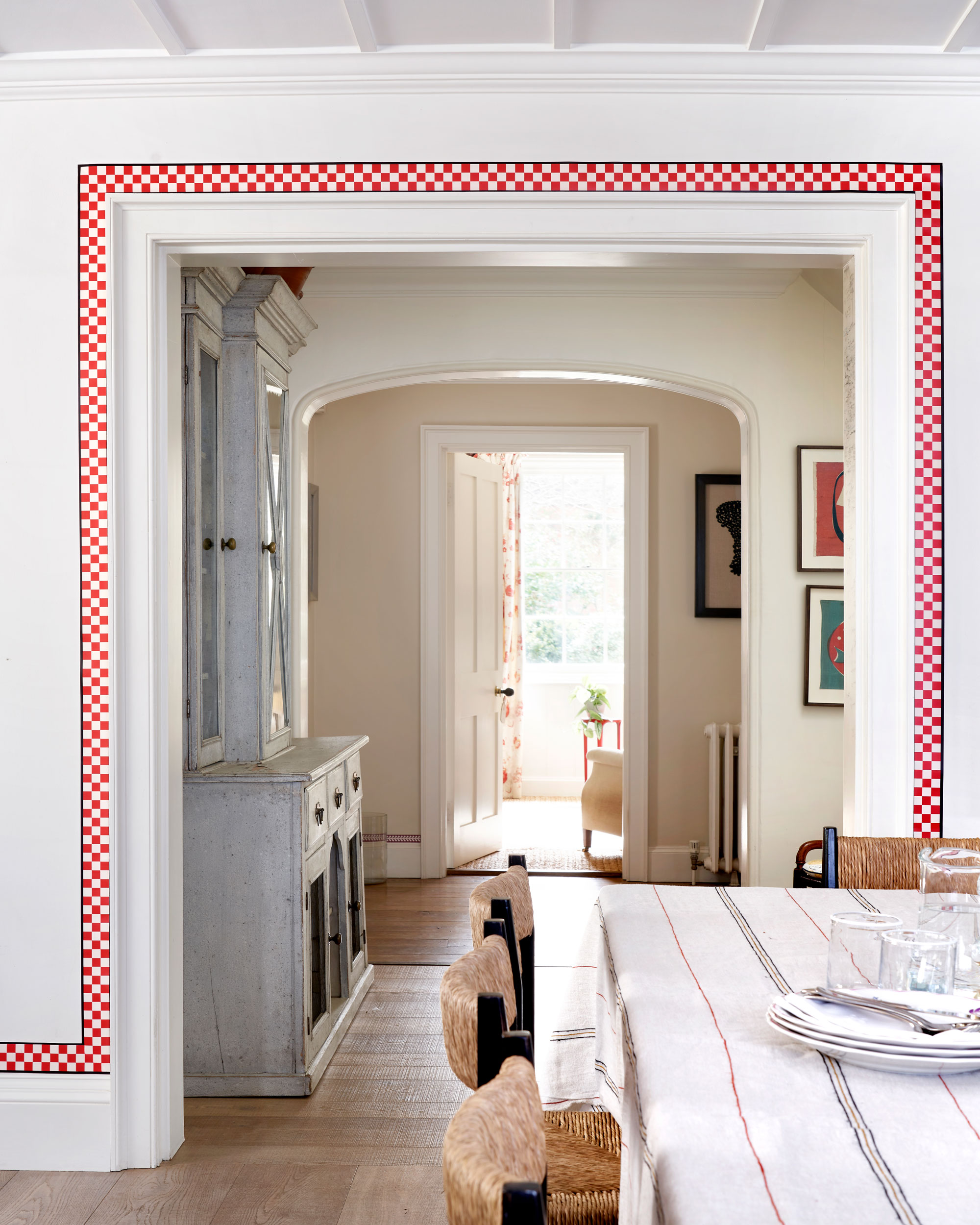
The article explores the continued relevance and growing demand for trim and molding in home design, drawing parallels to John Ruskin's 1849 essay "The Seven Lamps of Architecture." Ruskin's assertion that ornamentation is a principal part of architecture remains valid, as trim and molding define a structure's nature and aesthetic. The COVID-19 pandemic has significantly increased homeowners' awareness of their home's appearance, leading to a desire for personal statements without undertaking complete remodels. Trim and molding offer a cost-effective solution, providing significant curb appeal by simply adding or changing elements, as noted by Trinh Le of LP Building Solutions.
Despite the positive outlook for decorative trim, the industry faces substantial challenges, including supply-chain disruptions, labor shortages, and rising raw material costs. Industry experts, who had anticipated a return to normalcy, now find conditions more challenging than in 2020. Steve Booz, Vice President of Marketing for Westlake Royal Building Products, highlights that continuous raw material shortages and a nationwide labor deficit have hampered production and supply, even as demand remains strong. Peter Cobucci of Palram Construction Products and Brett Collins of Universal Forest Products' Edge premium primed trim echo these concerns, citing dramatically rising prices for resins and additives, ongoing labor shortages, and logistics issues, with little expectation for these conditions to stabilize in the near future.
Despite these hurdles, manufacturers maintain cautious optimism regarding future growth, particularly within the repair and remodel segment. Rick Kapres, Vice President of Sales and Marketing for Versatex, notes the rapid growth in demand for trim in both remodeling and new construction, driven by the desire for enhanced curb appeal and differentiation through mixed materials, colors, and styles. Cobucci forecasts a robust market for 2022, with repair and remodel continuing to be strong, and new residential construction showing optimism despite rising costs and labor difficulties. Ian Daniels, Director of Technical Support for Tamlyn, also anticipates strong demand for the next 12 months, contingent on material availability, especially metal.
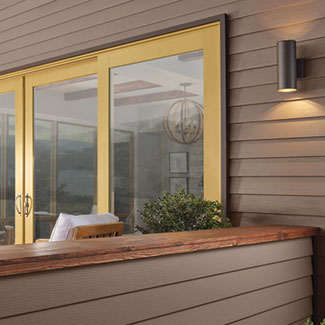
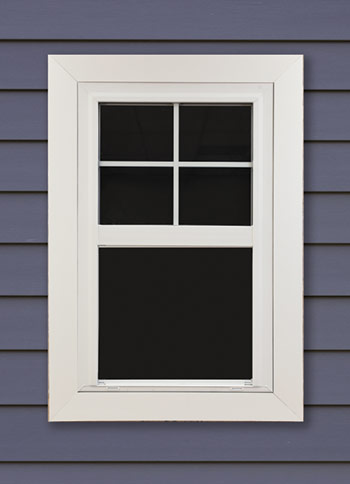
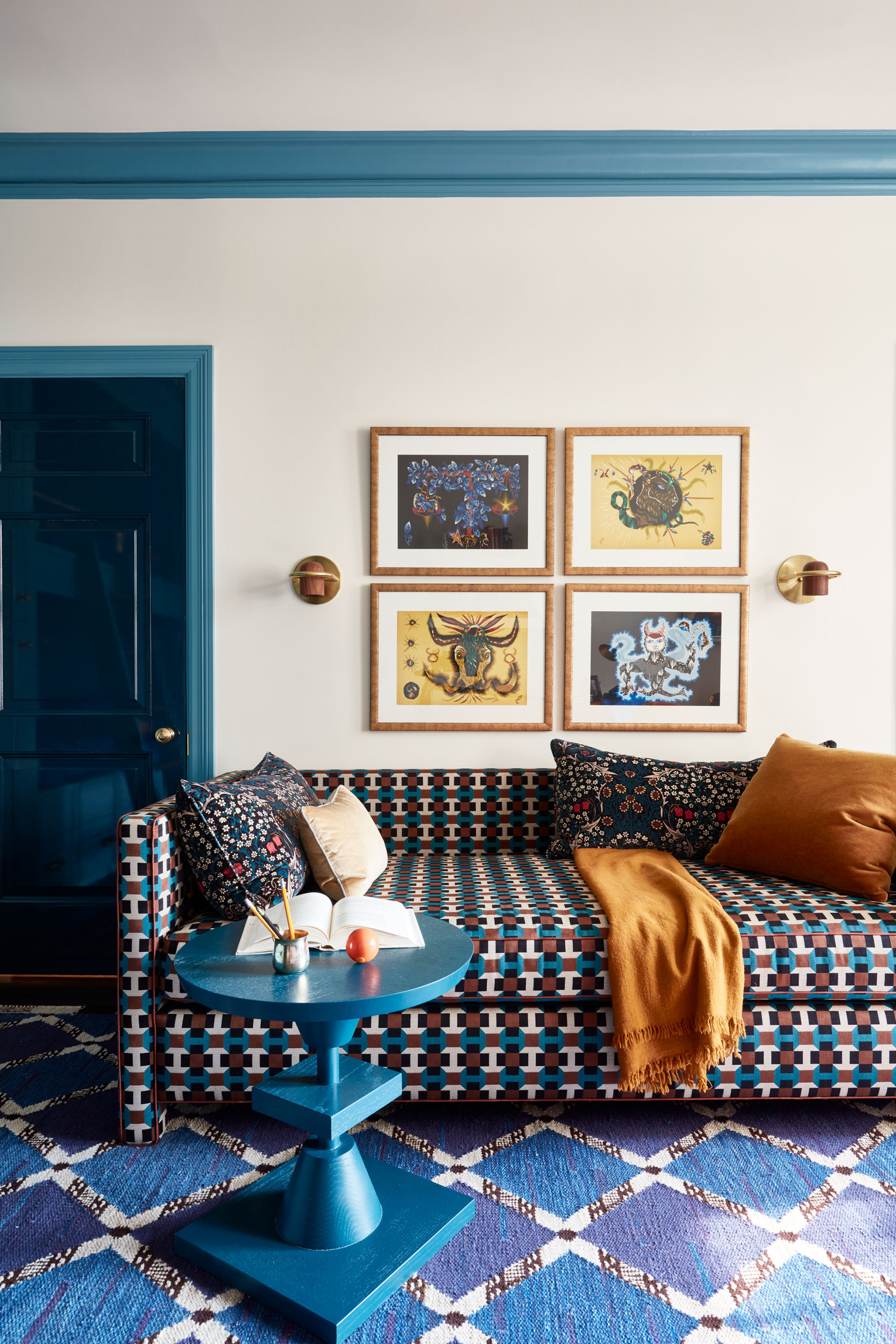
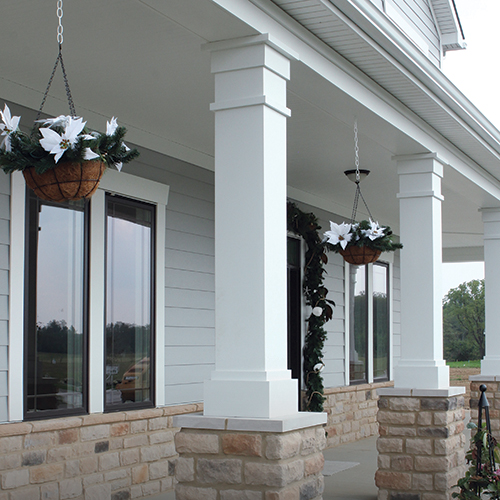
Manufacturers are actively seeking innovative solutions to mitigate these challenges. Kapres explains that Versatex built inventories and sourced more PVC scrap to meet demand exceeding 30% growth, maintaining 2-3 week lead times. Current trends in trim and molding include high-contrast color options, such as white and black exteriors paired with darker siding colors like navy and dark blue-gray, as well as alabaster and milky white trims, and nearly black options. Booz emphasizes that both light and dark trim options can create a Modern Farmhouse look, making trim a focal point. Additionally, warm neutrals, such as dark browns, tans, and off-whites, are emerging as popular choices.
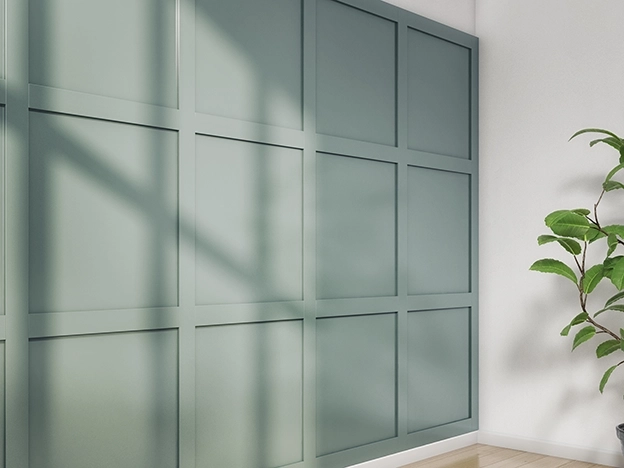
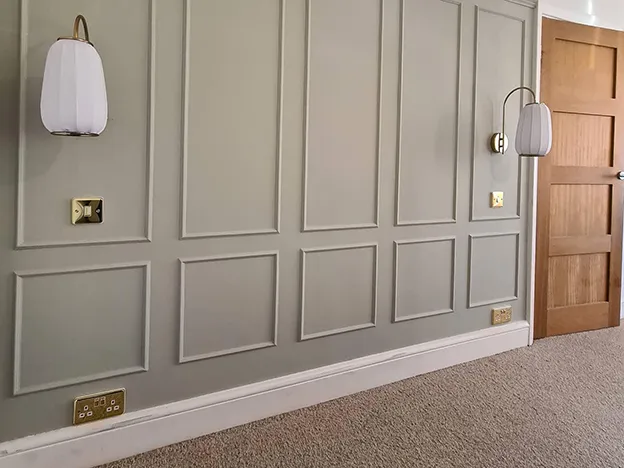
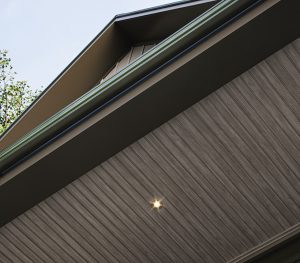
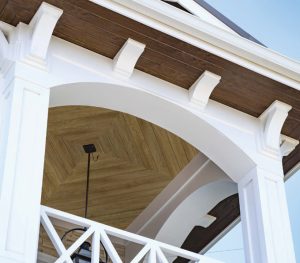
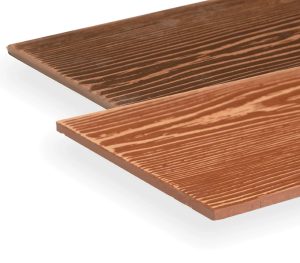
In terms of style, the clean lines of Modern Farmhouse and the classic appeal of Craftsman design continue to dominate. Le points to board and batten style siding and trim, sleek accessories, and contrasting trim colors as popular choices. Booz highlights the demand for bolder, blockier trim, such as wider window trim or raised panels. There's also an increasing interest in modern details, with panelized façades seen in multifamily constructions now being adopted for light commercial and single-family homes. The demand for low-maintenance trim and molding options remains high, with manufacturers like Versatex, Celect, Spec Series, TruExterior, and Kleer offering alternatives that provide the authentic look of wood without the upkeep. These products are particularly attractive to homeowners who wish to avoid constant painting or staining.
To navigate the current market complexities, LBM dealers are advised to remain flexible in inventory management and serve as knowledgeable resources for customers. Le stresses the importance of communication with building professionals and manufacturers to understand supply challenges, needs, and trends. Kapres suggests researching companies' lead times and prioritizing domestic manufacturers who invest in their facilities to increase capacity. Booz emphasizes thoughtful ordering and early communication with customers to avoid delays from incorrect orders. Effective planning and forecasting are crucial, with Collins recommending ordering well in advance and exploring alternative products. Cobucci highlights programs like Palram's Winter Buy program, which offers competitive pricing and timely delivery. Dealers must also stay informed about their product lines to offer suitable substitutions when specific items are unavailable, a strategy supported by manufacturers like Westlake Royal Building Products, who offer diverse trim lines to enhance flexibility.
#TrimAndMoulding #HomeDesignTrends #ConstructionIndustry #SupplyChainChallenges #BuildingMaterials #LBMDealers #ProductInnovation #ModernFarmhouse #LowMaintenanceMaterials #TrimAndMoulding #HomeDesignTrends #ConstructionIndustry #SupplyChainChallenges #BuildingMaterials #LBMDealers #ProductInnovation #ModernFarmhouse #LowMaintenanceMaterials
0 ความคิดเห็นรวม
 ยังไม่มีความคิดเห็น
คุณอาจจะชอบอีกด้วย
In Depth: Moulding, millwork & trim
Manufacturers see a bright future driven by the repair and remodel categories
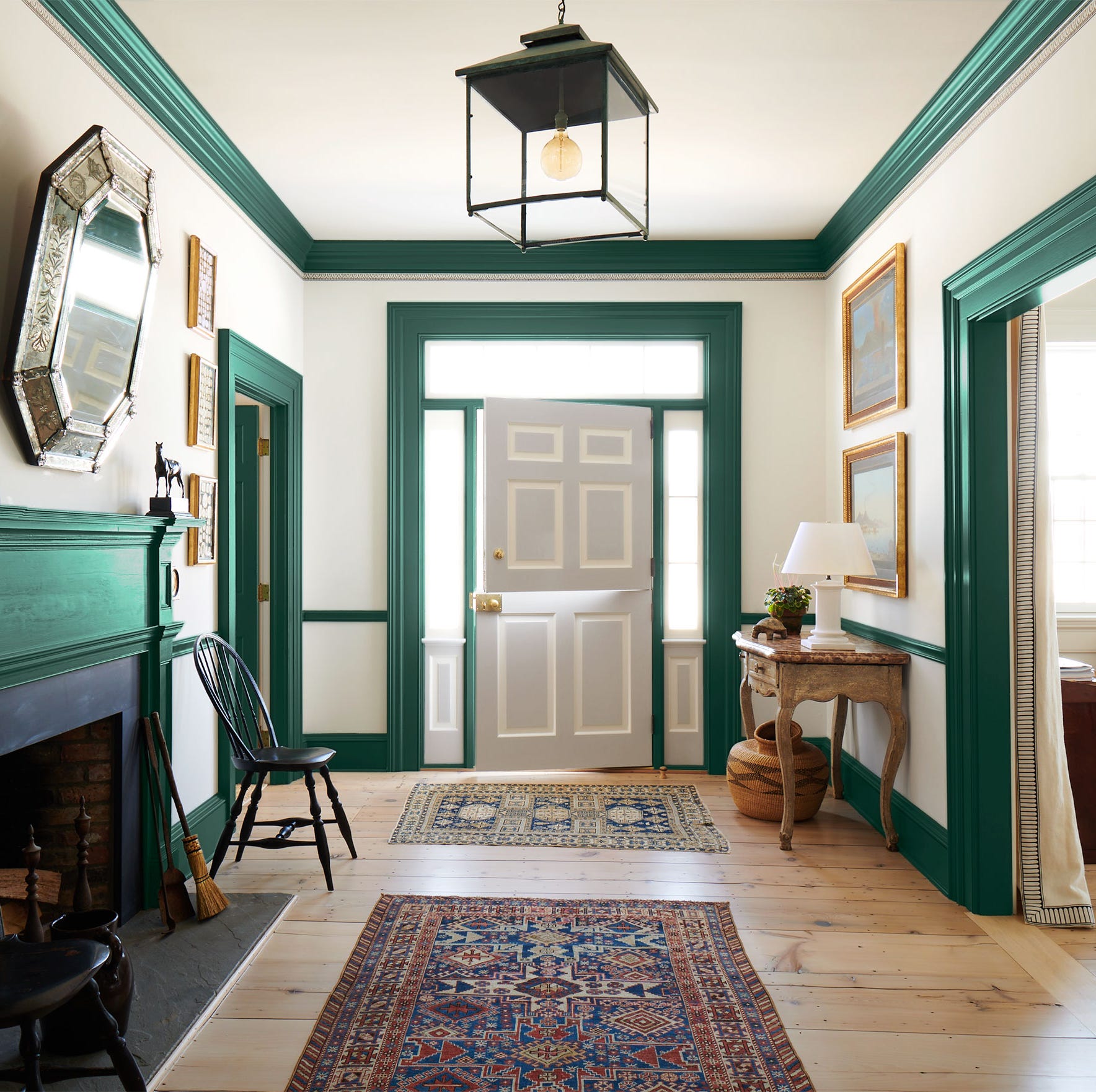
Why the Correct Trim Color Can Totally Transform Your Home
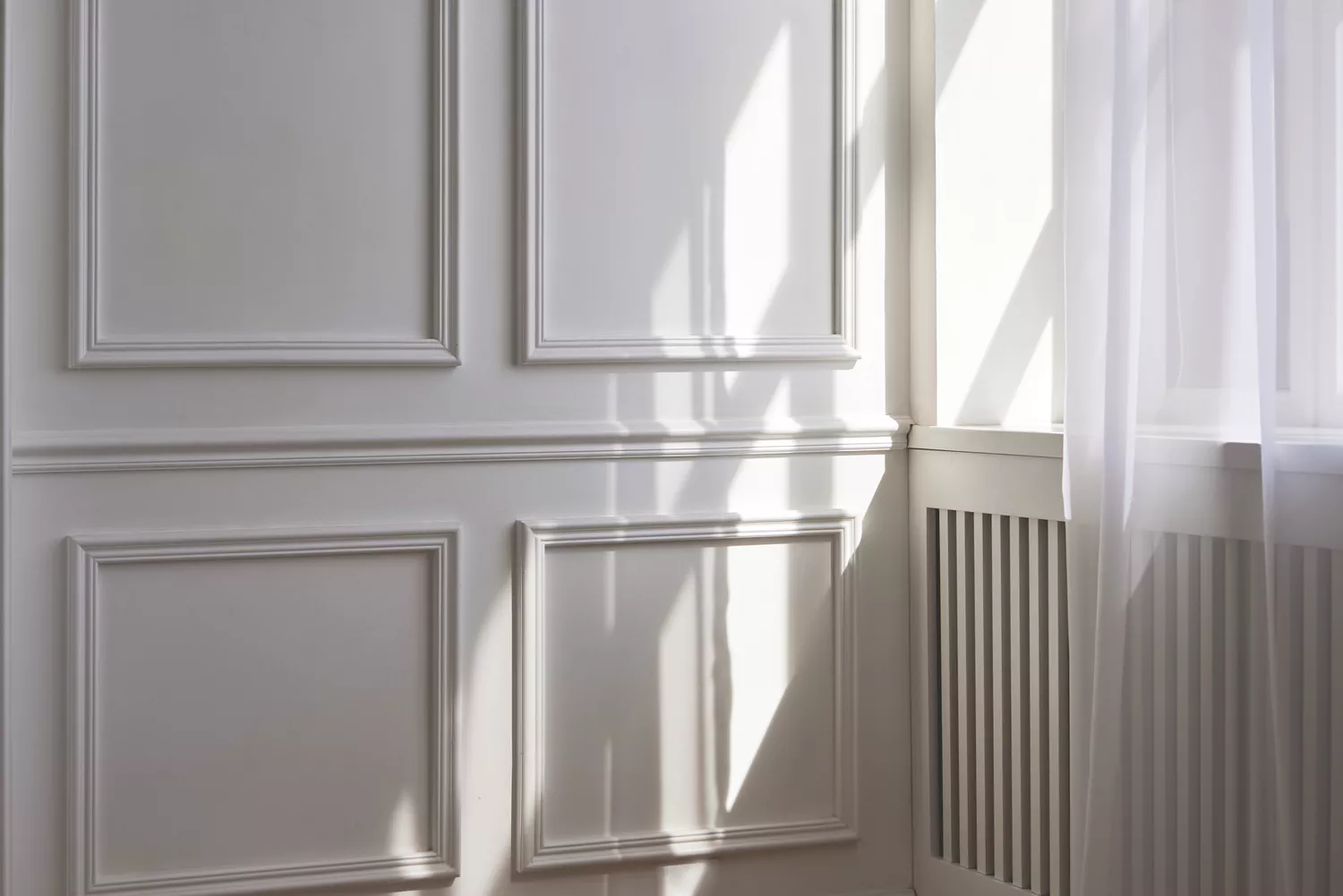
6 Reasons Your Home's Molding Looks Weird, According to Interior Designers

Mouldings | Decorative Moulding

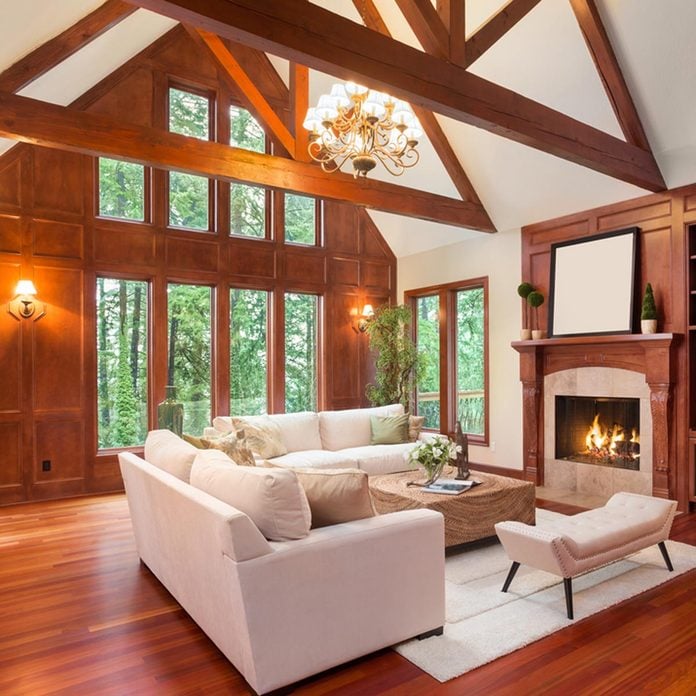
10 New Trends in Wood Trim for 2018


Cutting Crown Molding Upside Down and Backward

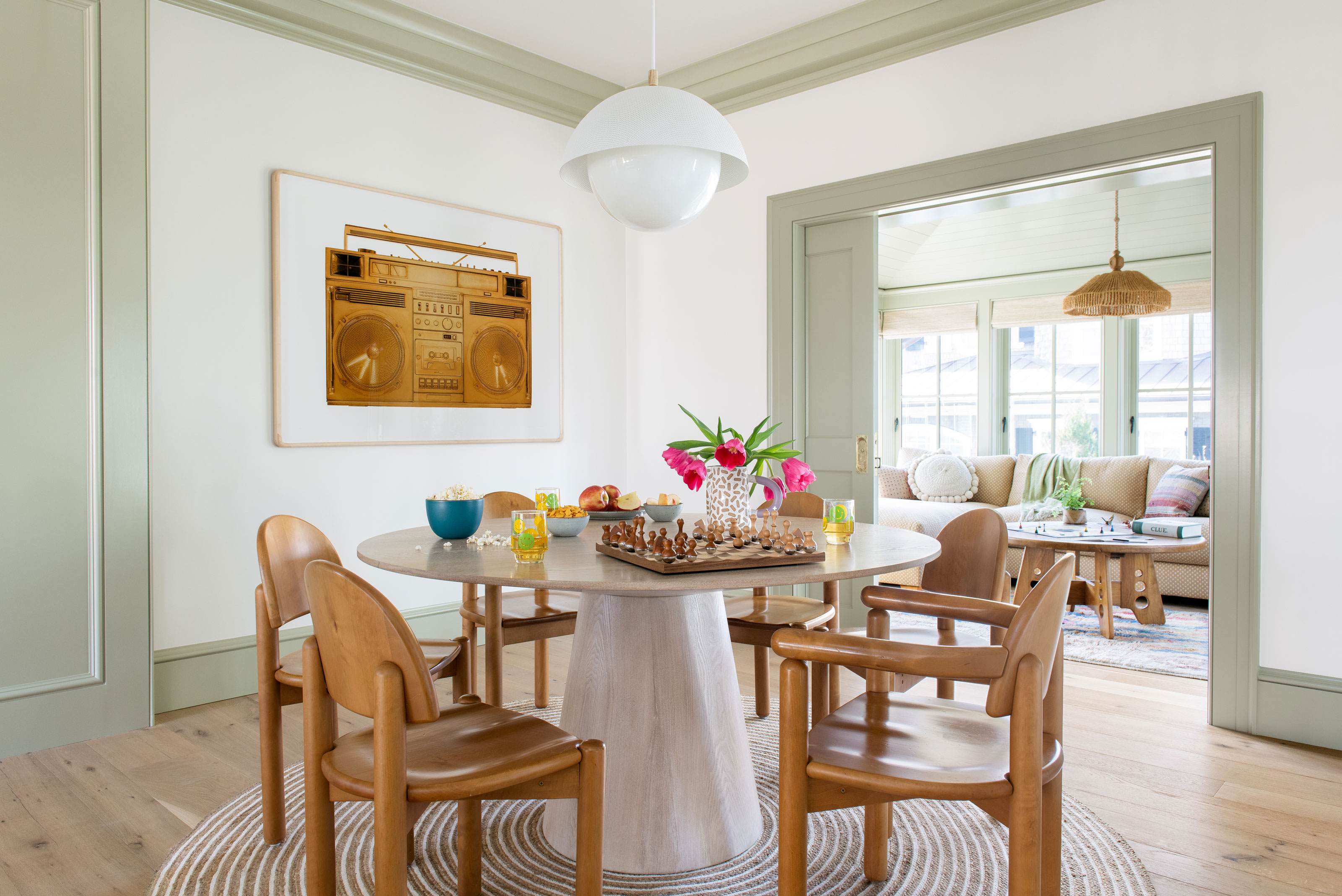
Door trim ideas – 8 ways to upgrade your home's door frames that prove attention to detail pays off


11 Pro Tips for How To Paint Trim

Designing Built-up Crown Molding

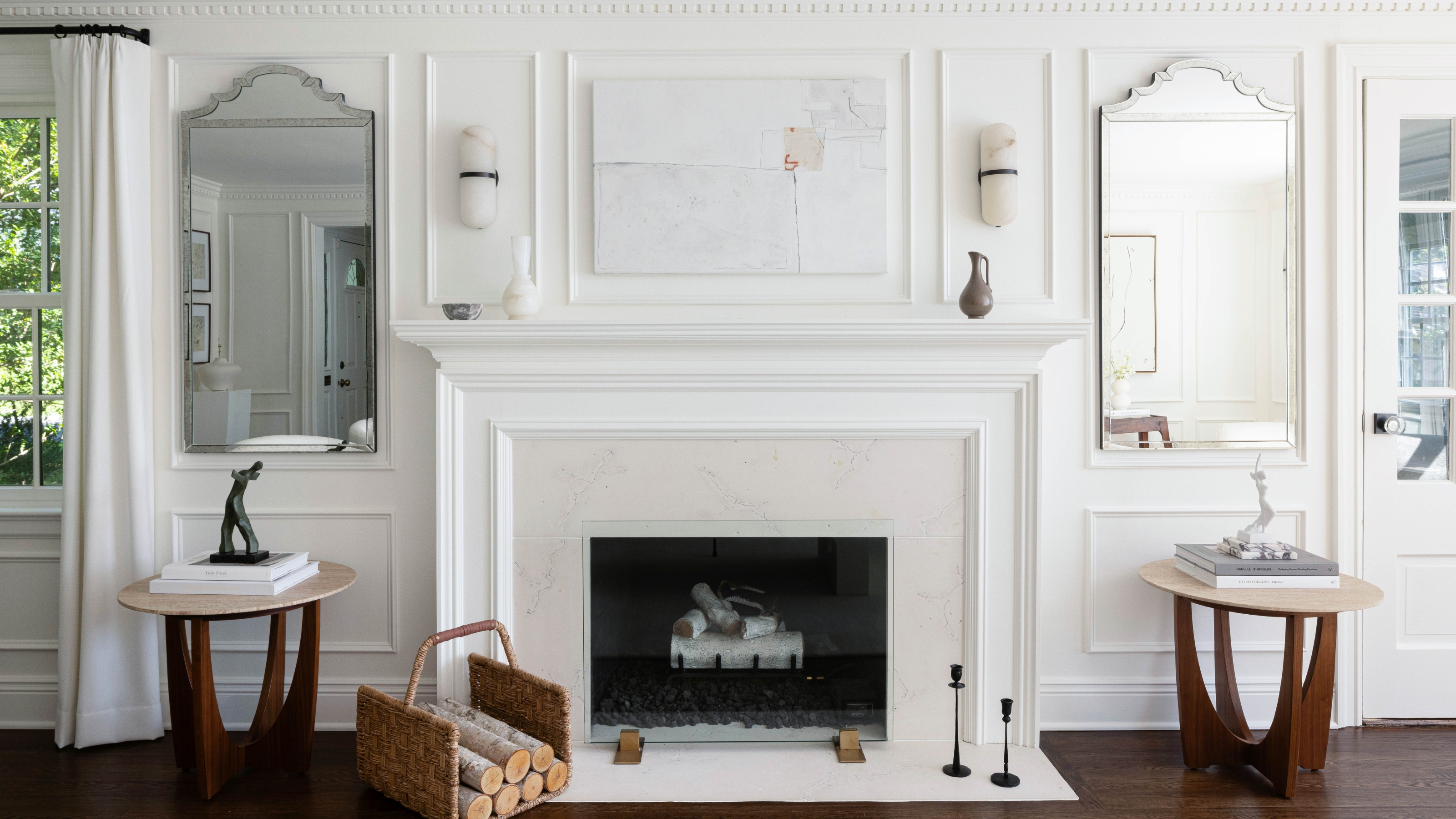
I Can't Help But Wonder If Crown Molding Is Out of Style These Days — Here's What Designers Say
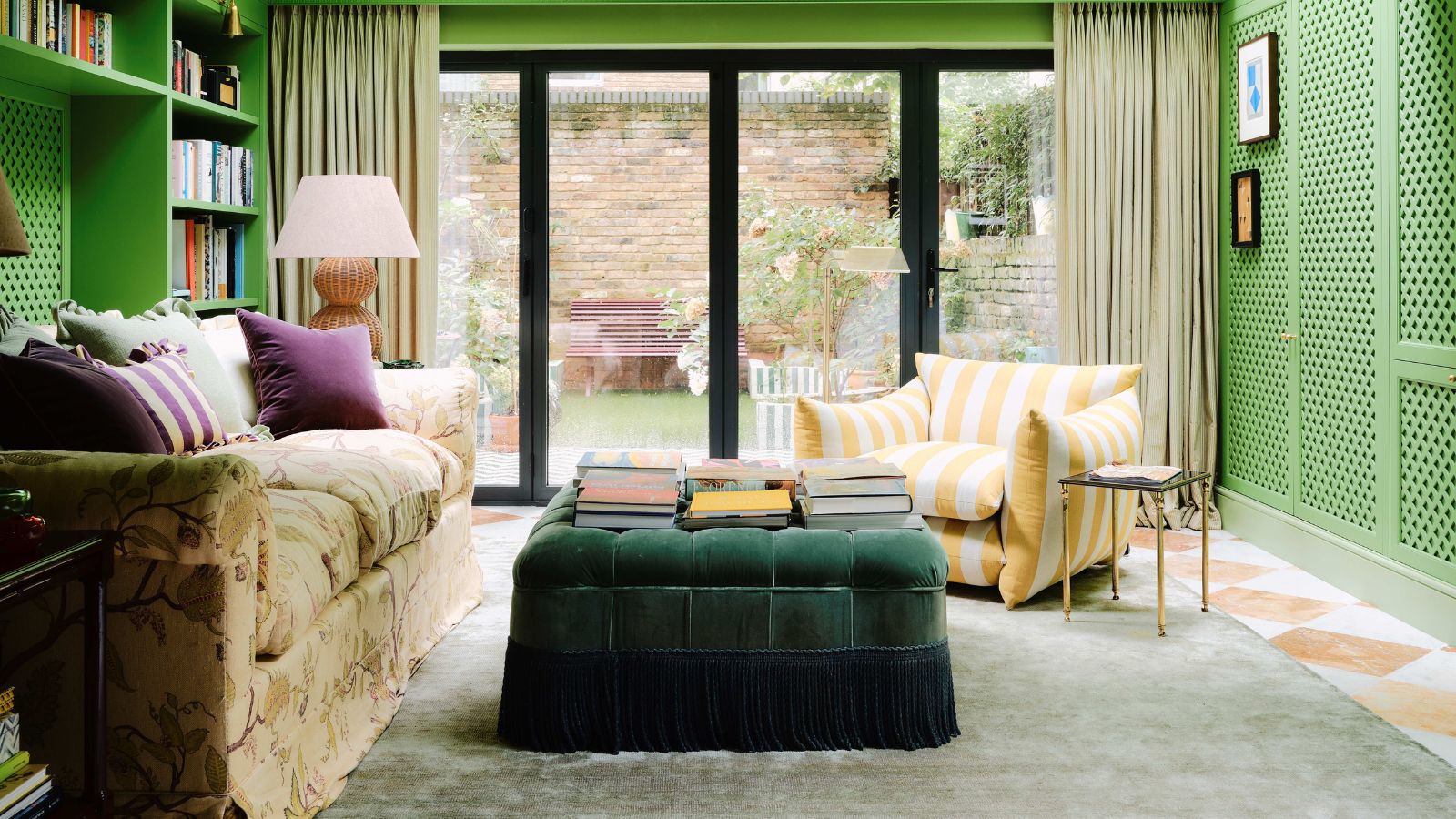
Are Statement Details Replacing Bold Prints? Why Designers Say You Need to Try Fringe, Piping, and Contrast Edges in 2026


How to Achieve a Professional Finish on Trim and Built-Ins
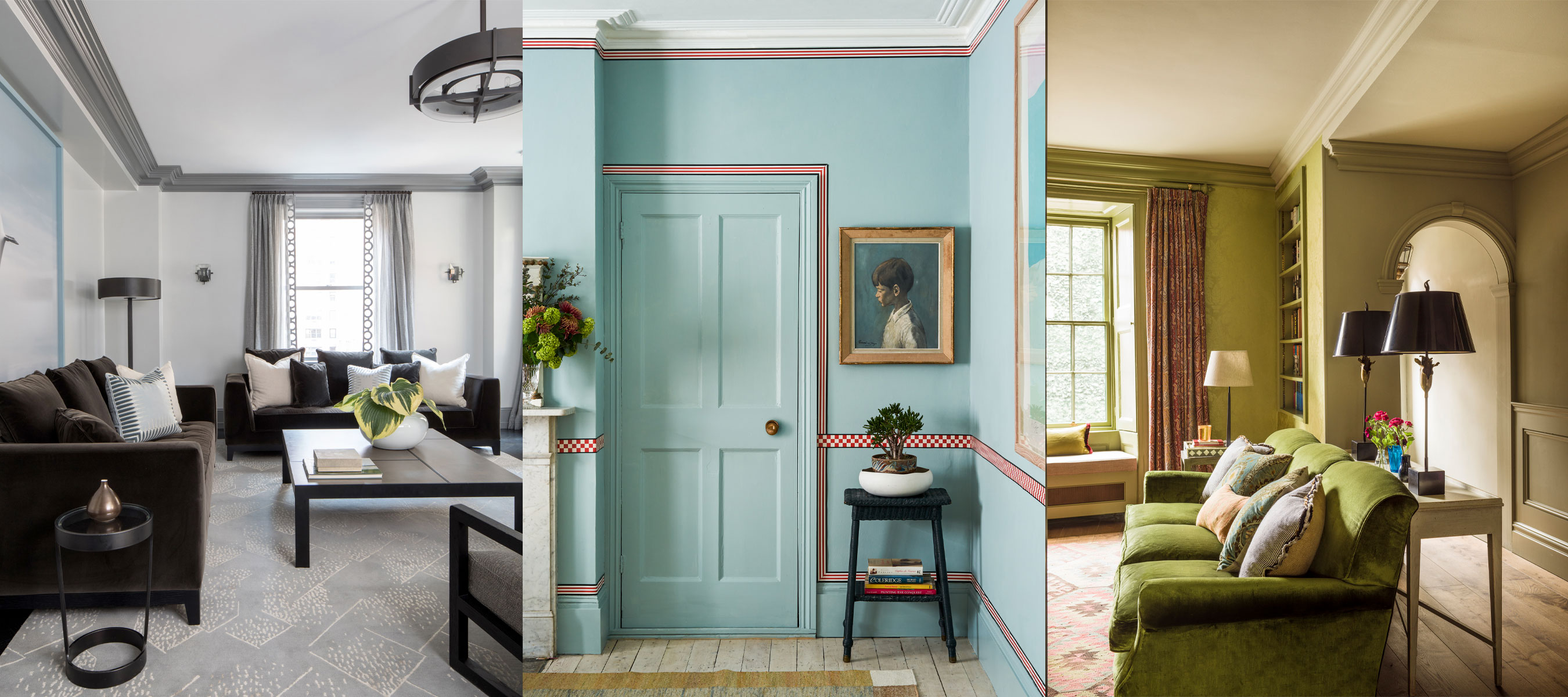
Ceiling trim ideas – 12 ways to enhance this architectural feature
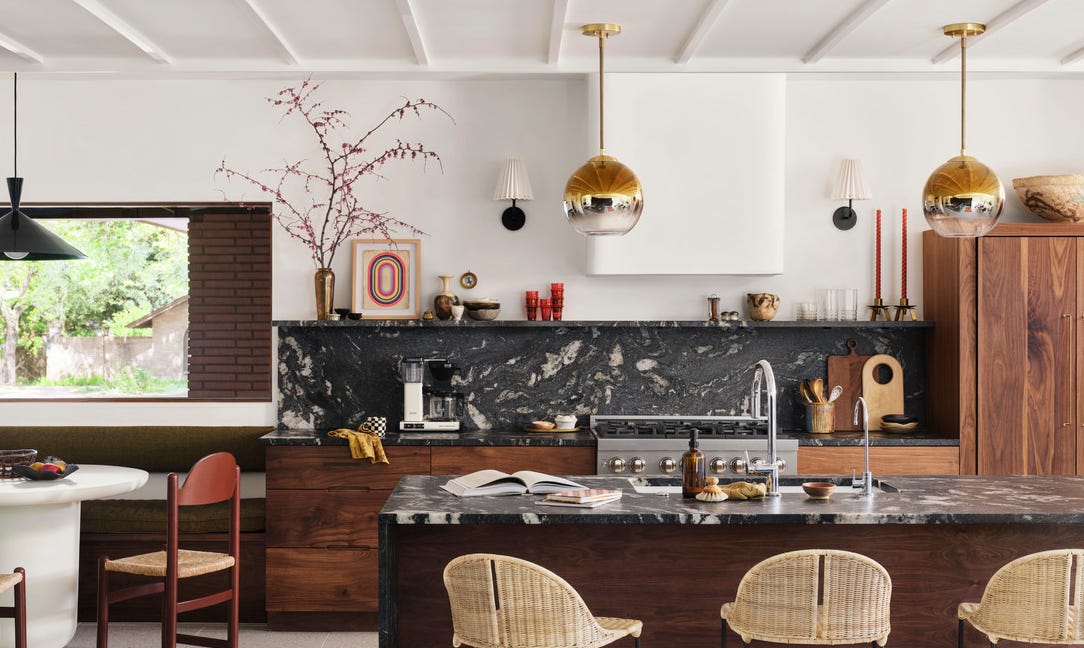
16 Modern Crown Molding Ideas That Add SO Much Character

These Are the Best Coping Saws for Detailed Trim and Molding
This wall panelling method is going viral on TikTok – how to get the look, according to DIY experts


10 Ways to Use Architectural Moldings in a Contemporary Home
The Power of Texture in Interior Design – 6 Ways Designers Use It to Shape the Look (and Feel) of Every Room
Add Style to Any Room of Your Home With These Wall Molding Ideas