1/6
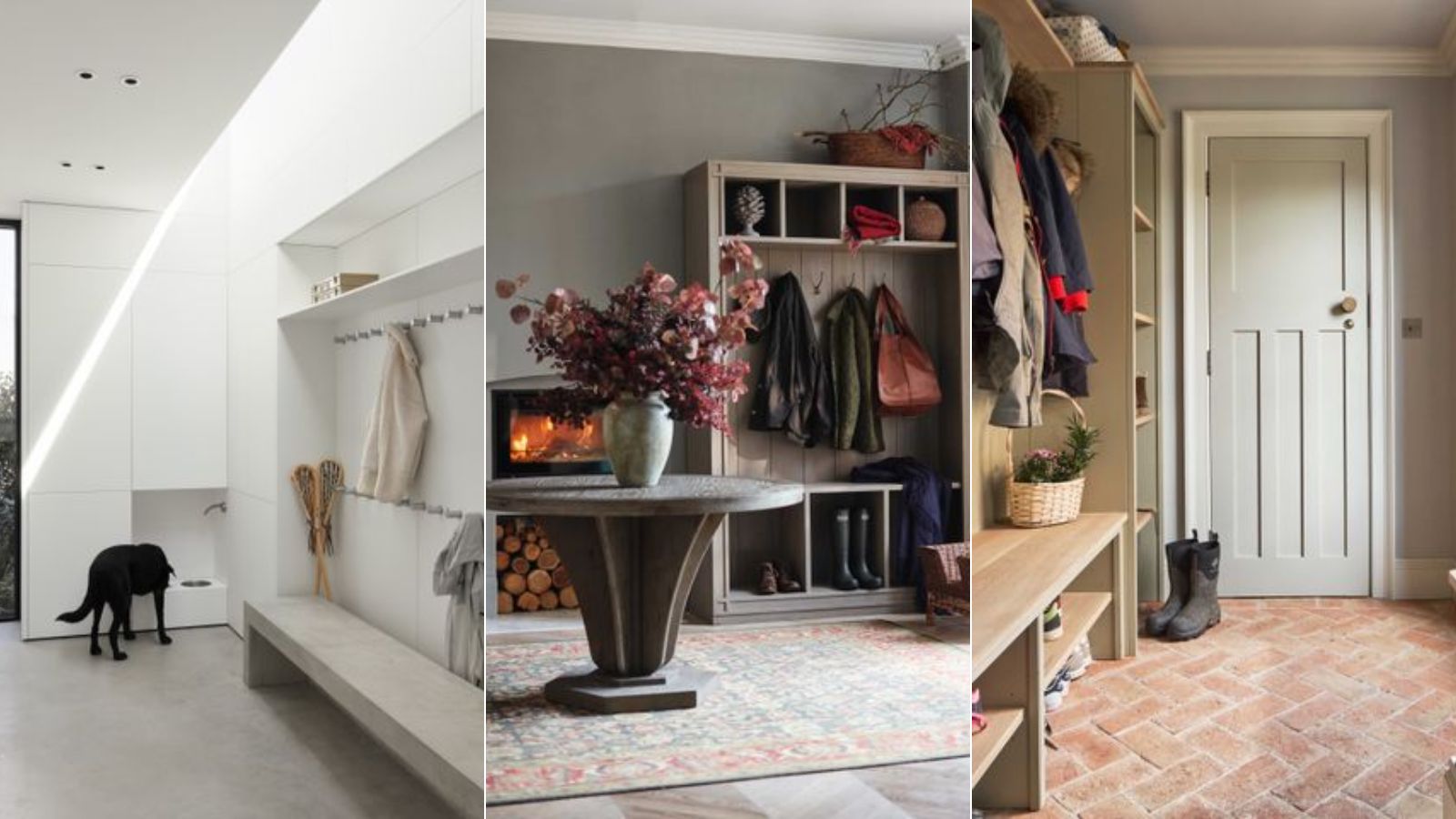
How to keep your mudroom warm – 5 expert-recommended tips
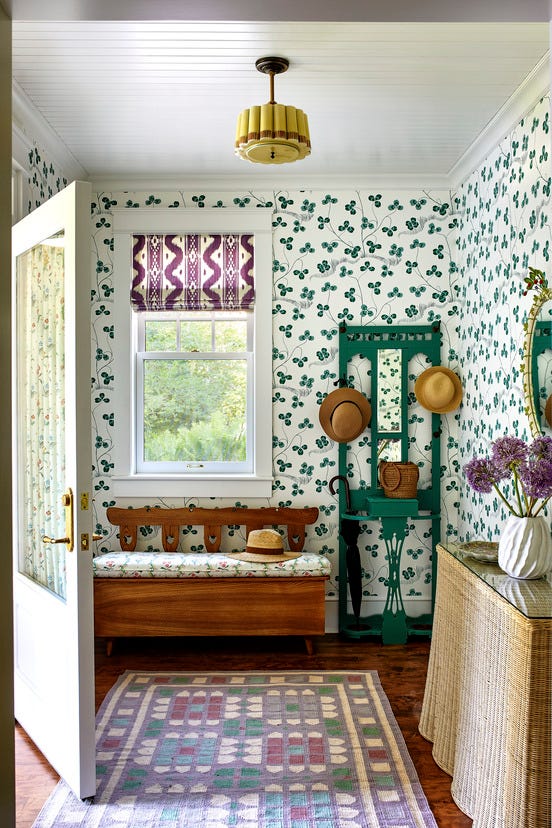
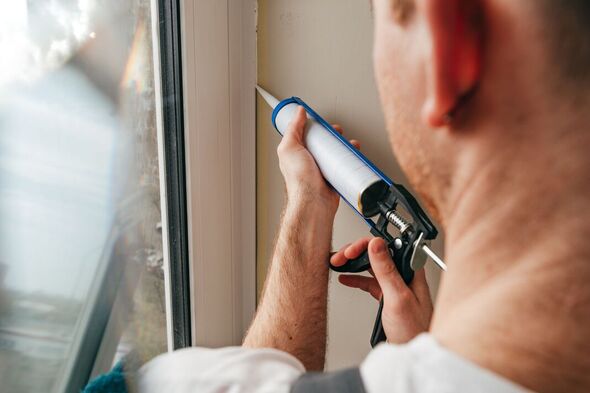
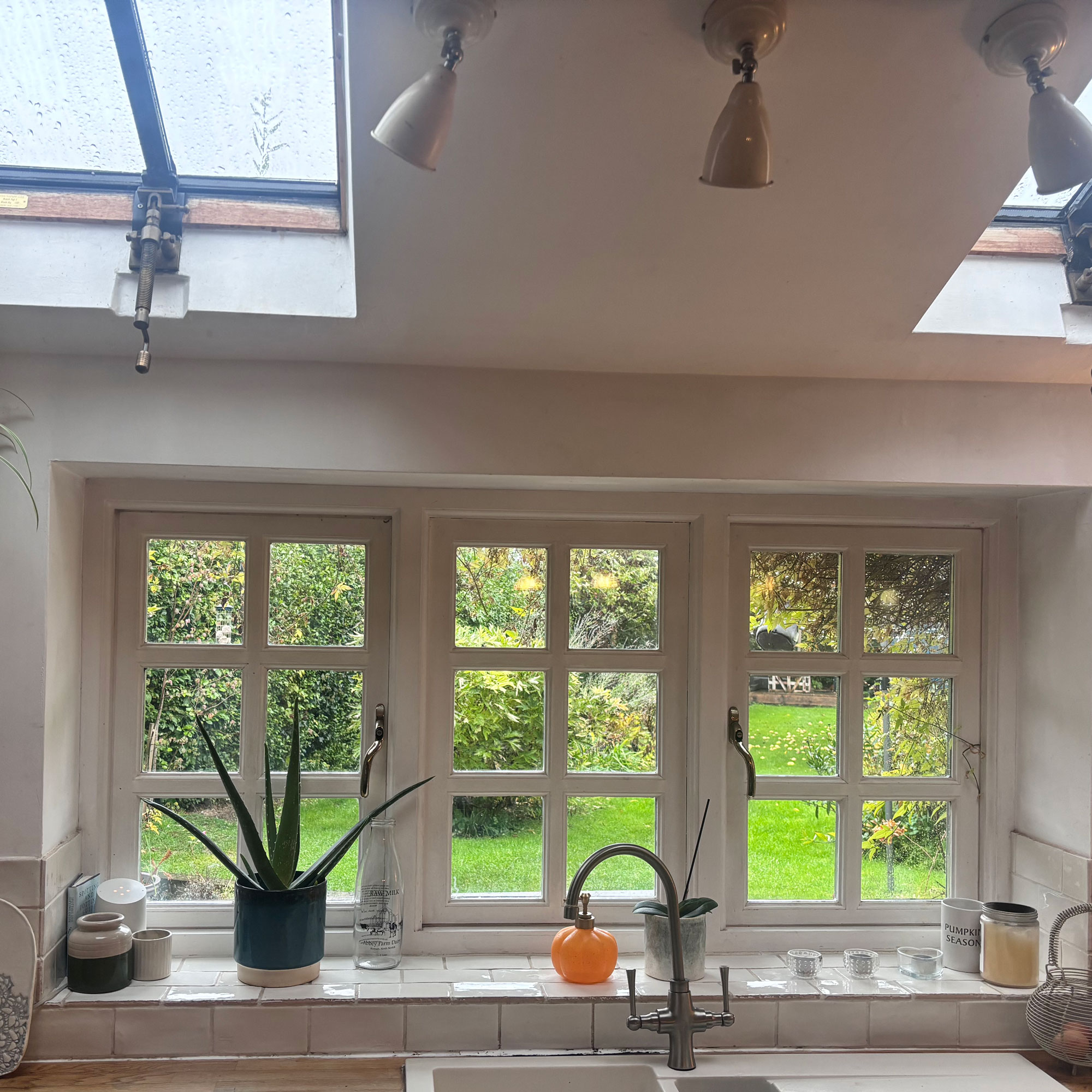
Mudrooms, often serving as a transitional space, can become cold and unwelcoming during winter, impacting the comfort and energy efficiency of the entire home. This article provides expert-recommended tips to ensure mudrooms remain warm and inviting. The primary recommendation is to ensure adequate insulation. Danny Pen, president of New Era Plumbing and HVAC, emphasizes that without proper insulation, heat will easily escape, making it difficult to maintain a comfortable temperature. He advises assessing insulation by checking for drafts around windows, doors, and other openings using a tissue or candle flame. Any detected leaks should be sealed with weather stripping or caulking. Karina Newman, a home expert and owner of iBuyers, suggests prioritizing high-quality weatherstripping materials like V-strip or adhesive-backed foam and regularly checking and replacing them. She also recommends adjustable door thresholds made from durable materials and regular inspection and lubrication of moving parts. For pet owners, insulated pet doors with double or triple flap systems or electronically controlled models are crucial to prevent drafts. Preventing cold air infiltration is vital for maintaining a consistent mudroom temperature and reducing energy bills.
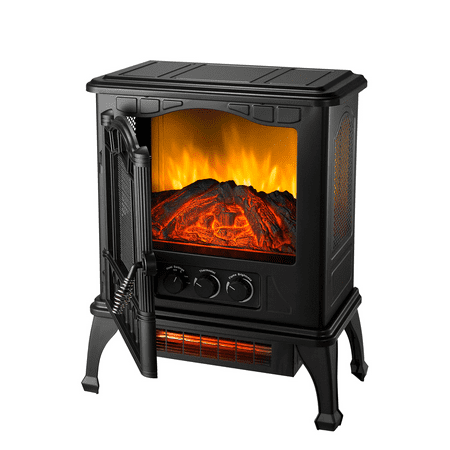
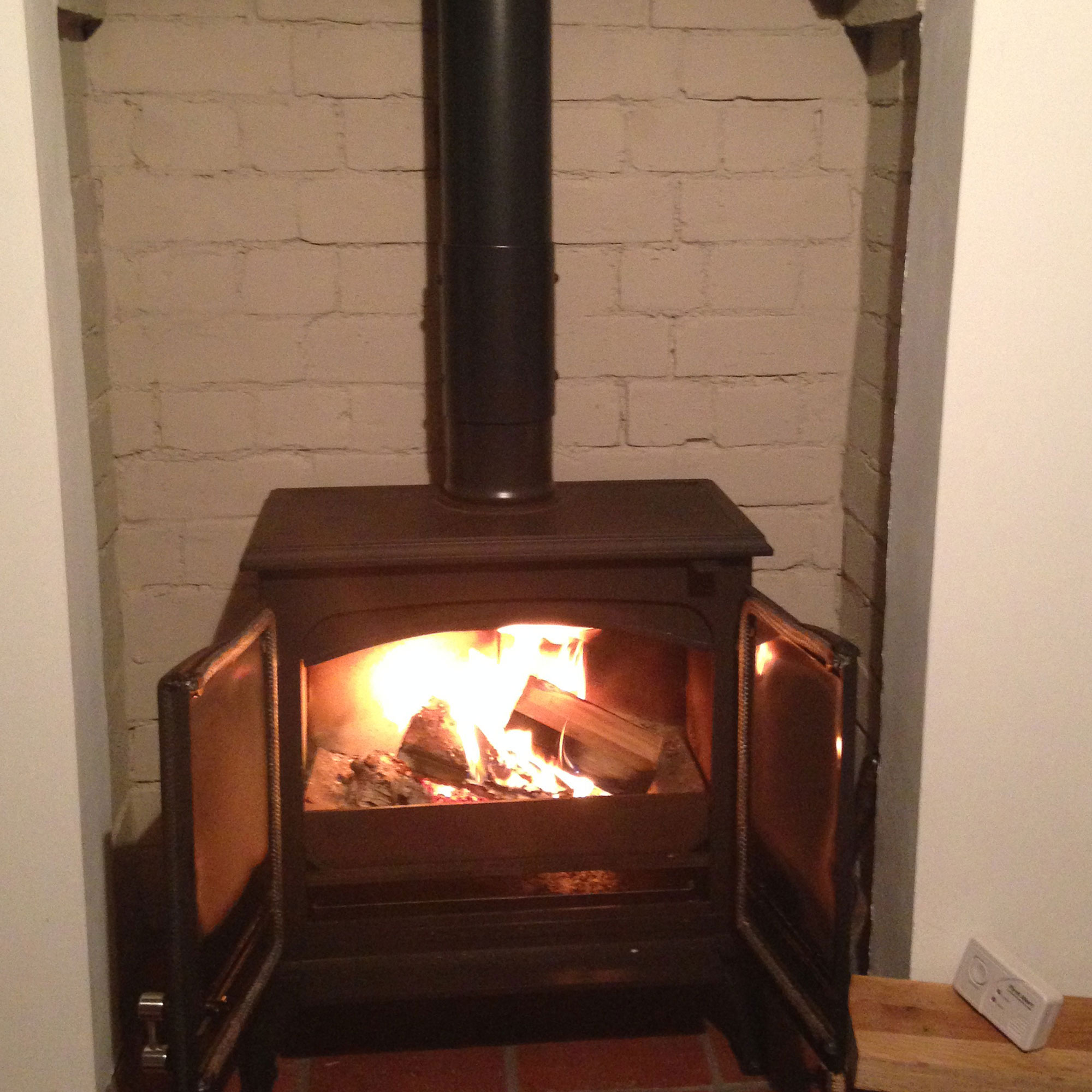
The second tip focuses on localized heating solutions. Portable space heaters, such as small wall-mounted units, baseboard heaters, or heated floor mats, are practical for mudrooms as they provide warmth only when needed, avoiding unnecessary heating of the entire house. Newman advises selecting heaters with advanced features like programmable thermostats, multiple heat settings, and safety features like tip-over switches. Strategic placement is important for even heat distribution, and for larger mudrooms, multiple space heaters can be more energy-efficient than a single unit working excessively hard. It is crucial to never leave space heaters unattended and to clean and inspect them regularly for optimal performance.
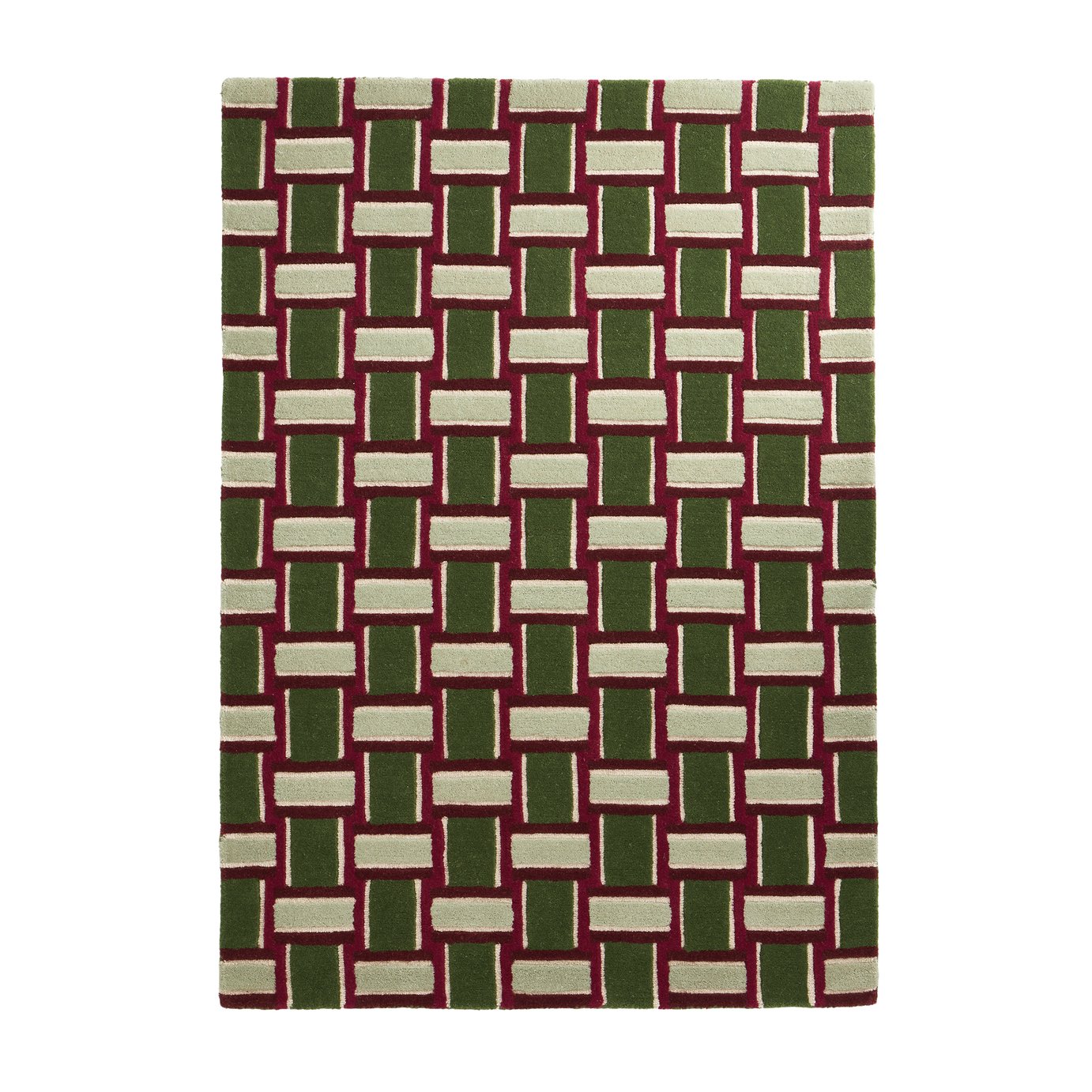
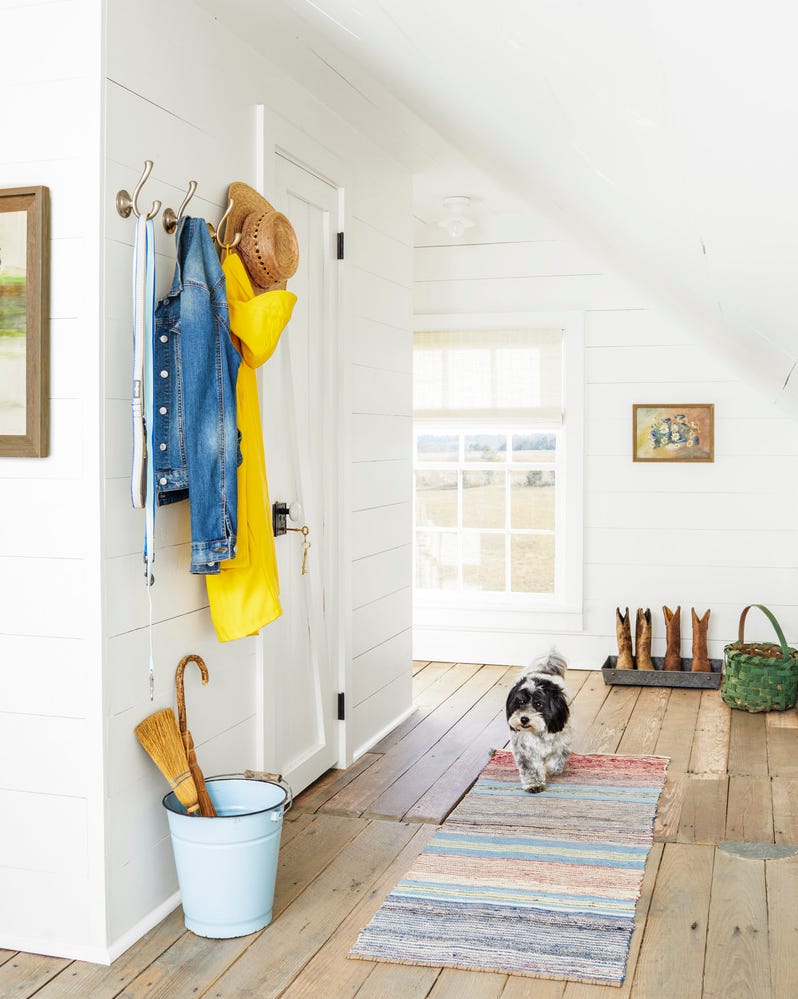
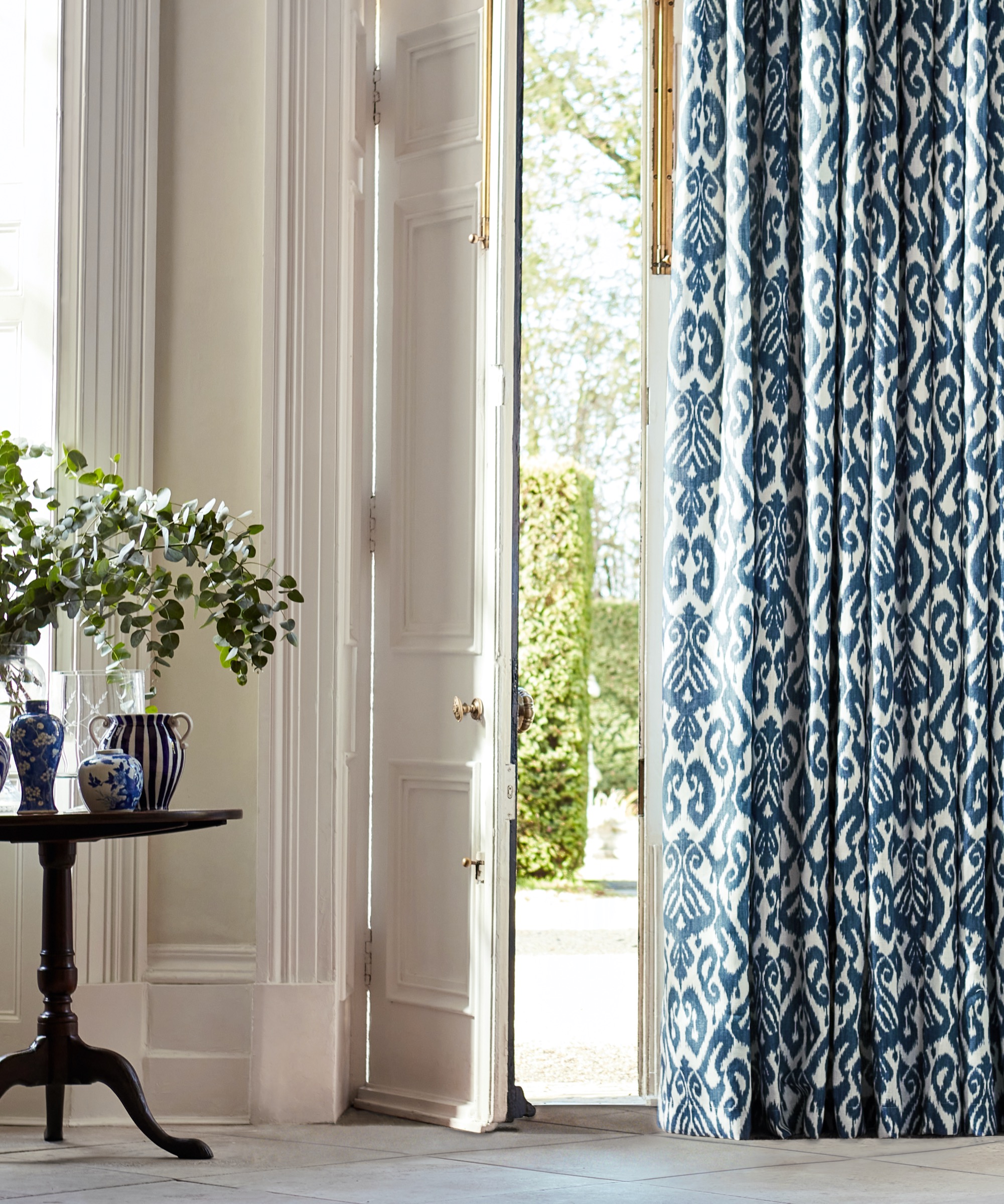
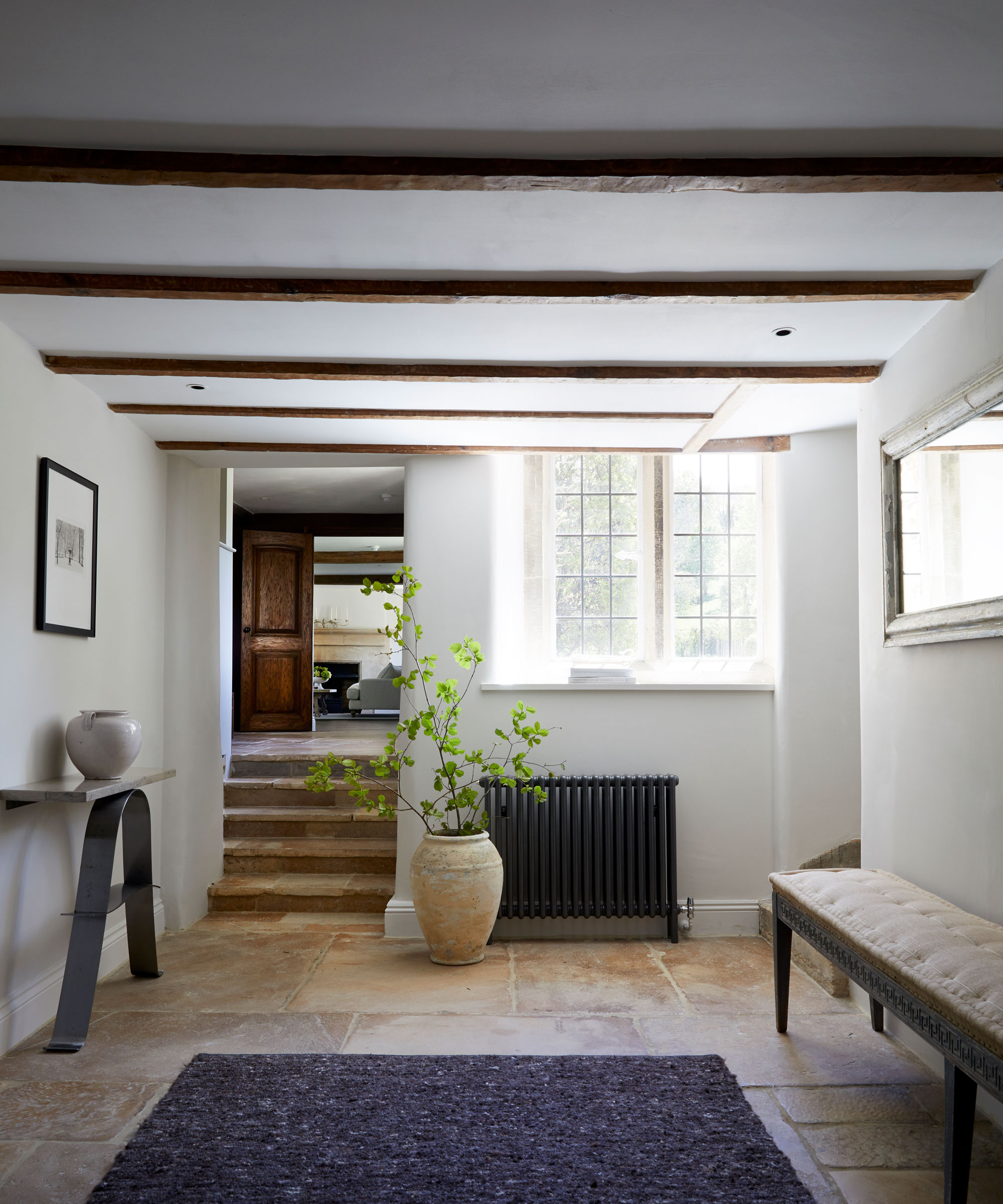
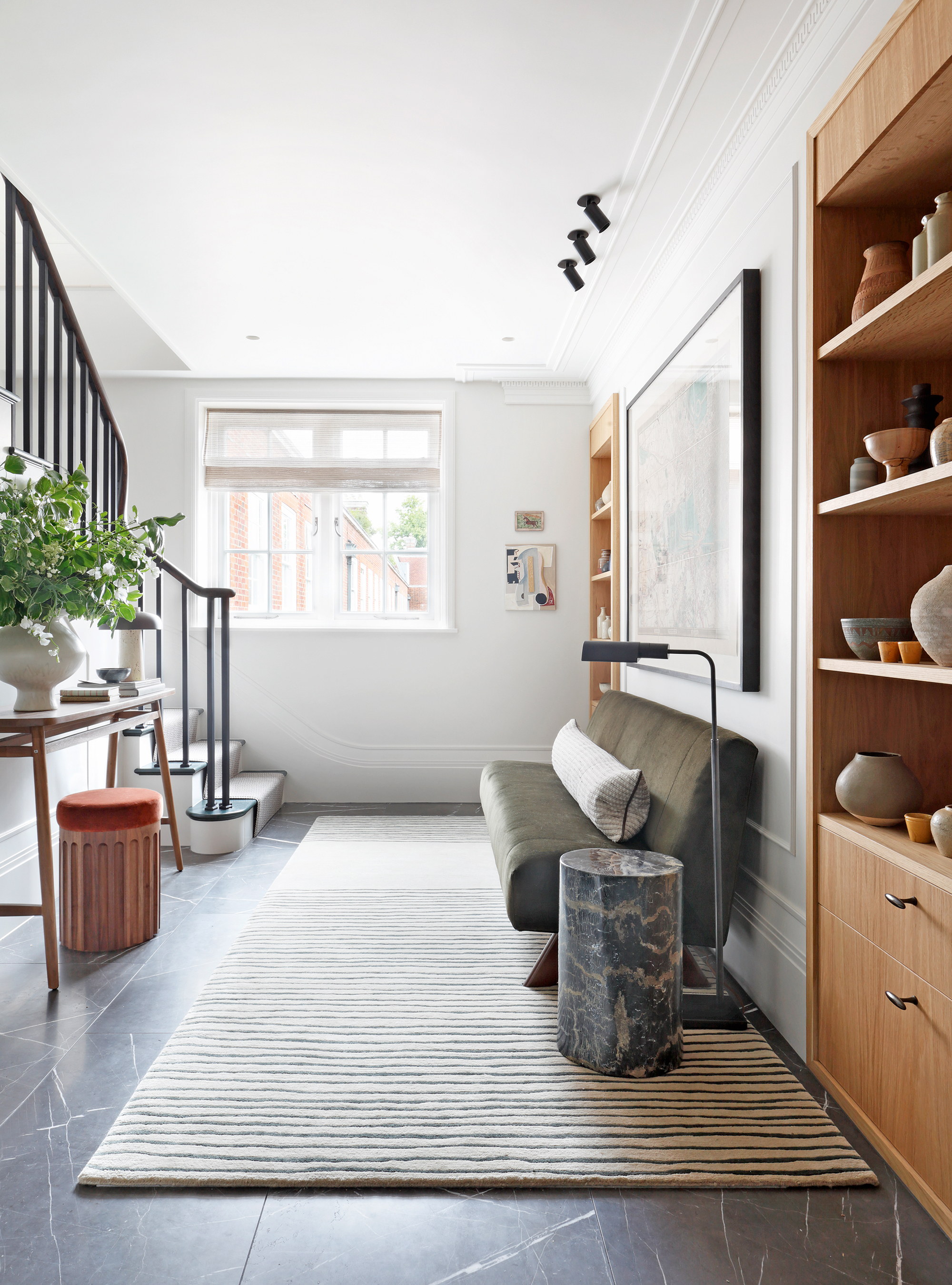
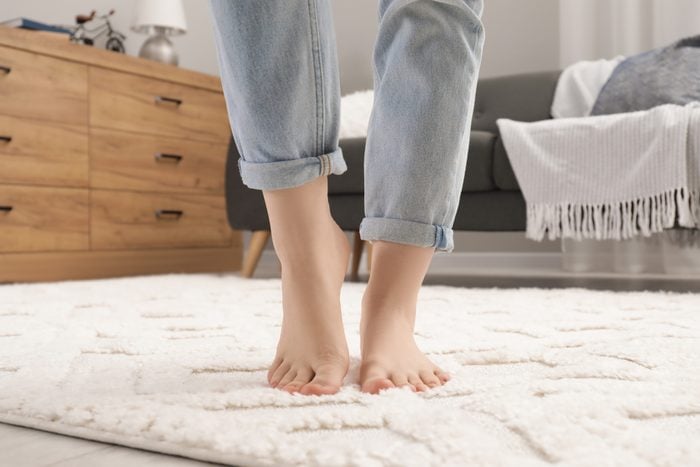
Thirdly, incorporating interior elements can significantly enhance warmth. Adding rugs or carpets provides extra insulation, especially beneficial for cold tile, concrete, or drafty wooden floors. Newman suggests choosing durable, stain-resistant rugs suitable for high-traffic areas and using high-quality padding for added insulation and comfort. Custom-sized rugs can maximize coverage. Insulating curtains or blinds can prevent heat loss through windows, and custom-made options ensure a perfect fit. Additionally, mudroom storage solutions like cubbies or cabinets installed on walls can act as effective insulators.
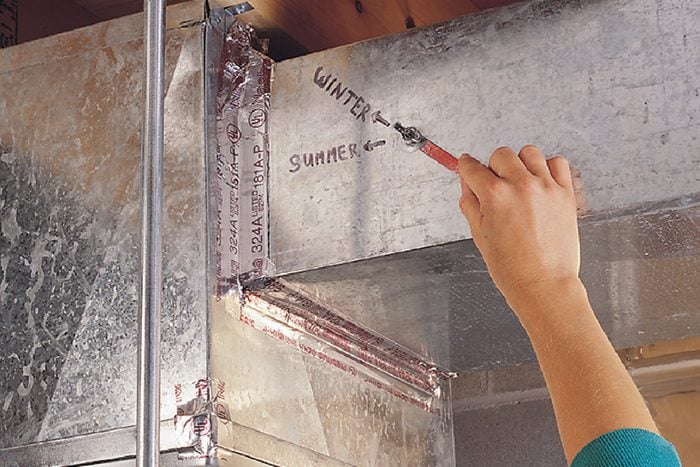
Adequate ventilation is the fourth tip. Proper ventilation prevents moisture buildup, which can make the space feel colder. This can be achieved through exhaust fans or by periodically cracking open a window. If the mudroom is connected to the central heating system, installing a vent can direct warm air from the main system into the mudroom. Danny Pen stresses ensuring that heating vents or radiators are unblocked and functioning correctly, and adjusting dampers can help redirect more warm air. The fifth and final recommendation is regular maintenance. Karina Newman advises establishing a comprehensive maintenance schedule for heating systems, including regular inspections, cleaning, and necessary repairs. Seasonal checks of insulation integrity are also important. Maintaining the surrounding gardening can prevent overgrown vegetation from affecting insulation and airflow. These measures ensure heating system efficiency and even heat distribution throughout the home.
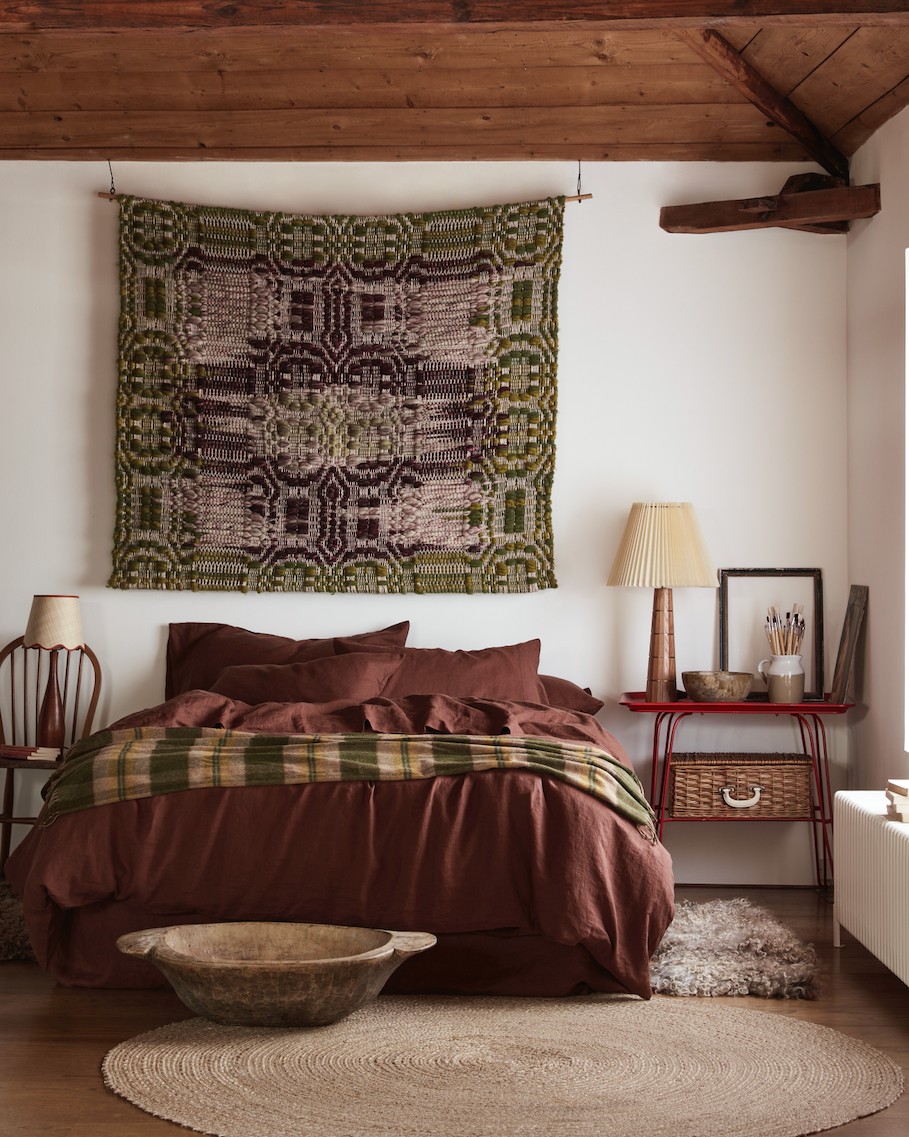
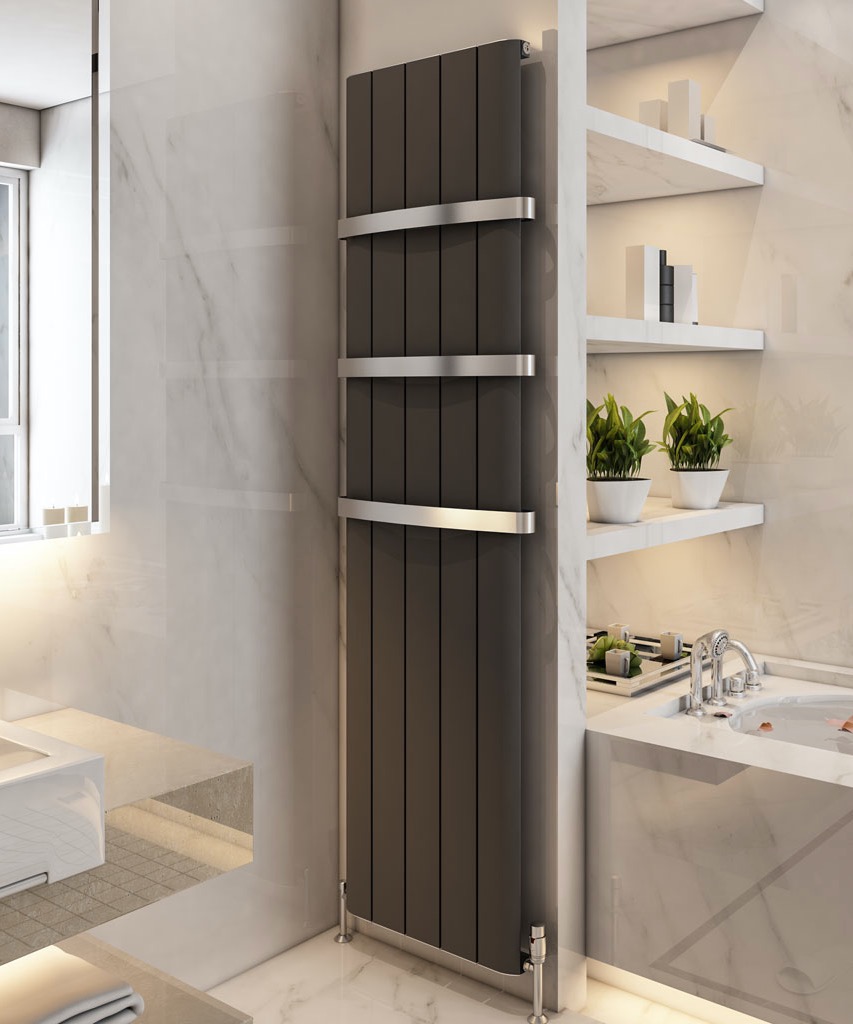
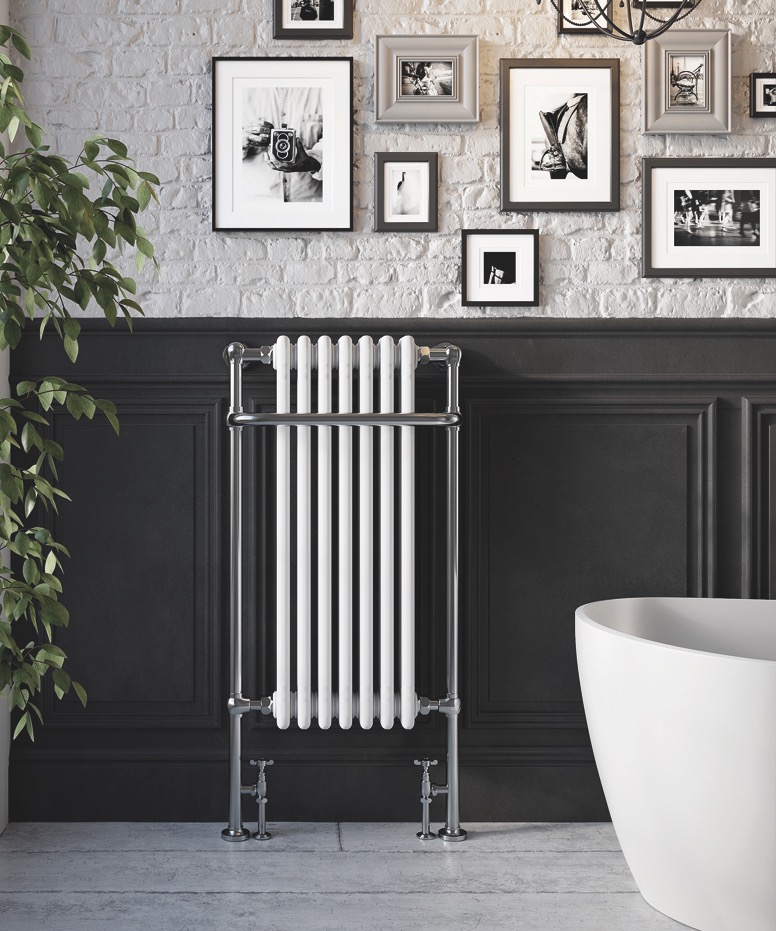
For additional considerations, underfloor heating is presented as an effective solution, offering even heat distribution and improved energy efficiency. Justin Cornforth, owner of Ace Plumbing, Electric, Heating & Air, highlights its ability to quickly dry wet shoes and evaporate puddles, contributing to a tidy and comfortable environment. A more affordable alternative is heated rugs, which contain heat-resistant wires to prevent heat loss through floors and supplement existing heating systems, thus reducing energy costs. Lastly, incorporating warm-toned paints, wood finishes, and textiles can psychologically make the mudroom feel warmer. Reflector foil placed behind radiators can also enhance heating efficiency by reflecting heat back into the room, especially for external walls. Installing a smart thermostat for mudrooms connected to the central heating system allows for programmable heating schedules, further optimizing energy use.
#MudroomWarmth #HomeInsulation #LocalizedHeating #EnergyEfficiency #DraftProofing #InteriorDesign #HomeMaintenance #UnderfloorHeating #HeatedRugs #MudroomWarmth #HomeInsulation #LocalizedHeating #EnergyEfficiency #DraftProofing #InteriorDesign #HomeMaintenance #UnderfloorHeating #HeatedRugs
0 ความคิดเห็นรวม
 ยังไม่มีความคิดเห็น
คุณอาจจะชอบอีกด้วย
How to make an entryway feel cozy – 5 tips to warm up your space

Designers’ Favorite Tips for a Stylish and Functional Mudroom
5 Cozy Paint Colors Interior Designers Use to Warm Up Cool Rooms and Create "Snug" Spaces


Heat your home efficiently this winter

How do I Make a Cold Room Feel Warmer? 5 Ways to Cozy up Your Home Without Cranking up the Heat
How to 'warm up' cold walls and 'protect' your home from condensation and mould growth

The Ultimate Guide To Warmth: How To Choose The Best Room Heater For Your Home?
I used to struggle to keep my open plan layout warm in winter — but these 4 methods now keep it cosy all day long
5 expert tips for adding a touch of hygge to your bedroom

11 Easy Ways to Make Your Bedroom Extra Cozy

Fed Up with Chilly Nights? HVAC Pros Reveal One Quick and Free Bedroom Tweak to Keep You Warmer Without Raising Bills
17 Tips and Hacks to Help Keep Your House Warm This Winter

These 5 Space Heaters Will Keep You Extra Toasty This Winter


Hot Sleepers: We Found the Best Way to Make Your Bed Cooler and Comfier

10 tips for using underfloor heating in a bathroom
5 bathroom heating options, and our expert advice on which is best for you
How to warm up your first floor – 7 expert tricks to hold heat downstairs for a cozy winter
How to keep a bathroom warm in winter – to stay toasty even after hot showers
How to keep an entryway warm and cozy in winter – without heating

Mudroom ideas and inspiration — the essential room in a family home