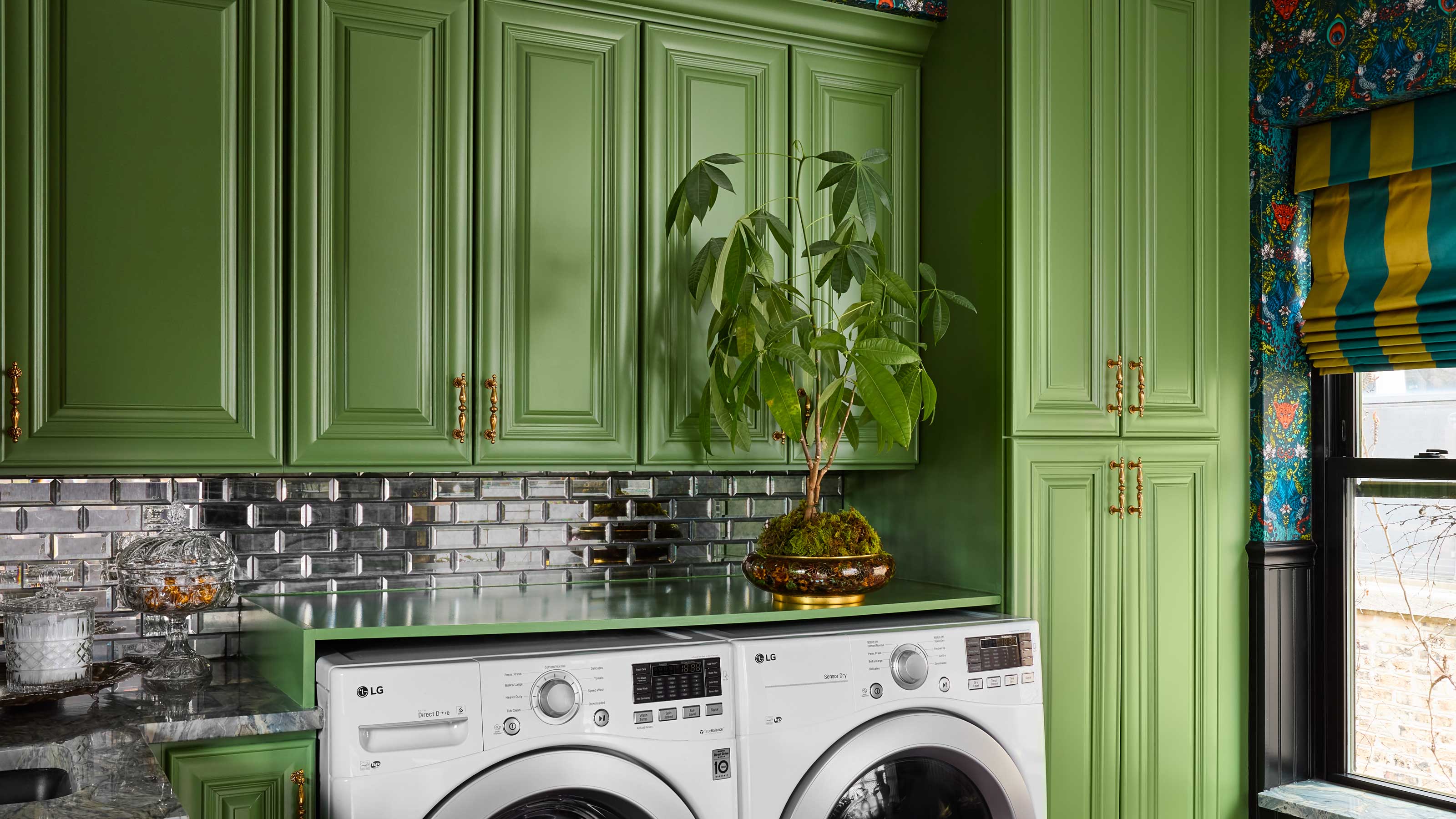
1/10
How to Dry Laundry Quickly Indoors — 9 Things You Can Do If You Don't Have a Dryer
This article offers nine effective strategies for drying laundry indoors without a dryer, a common challenge in homes with limited space or for those seeking to reduce electricity consumption. The insights are gathered from cleaning experts Muffetta Krueger and Vanessa Terra Bossart, who emphasize efficiency and care for garments.
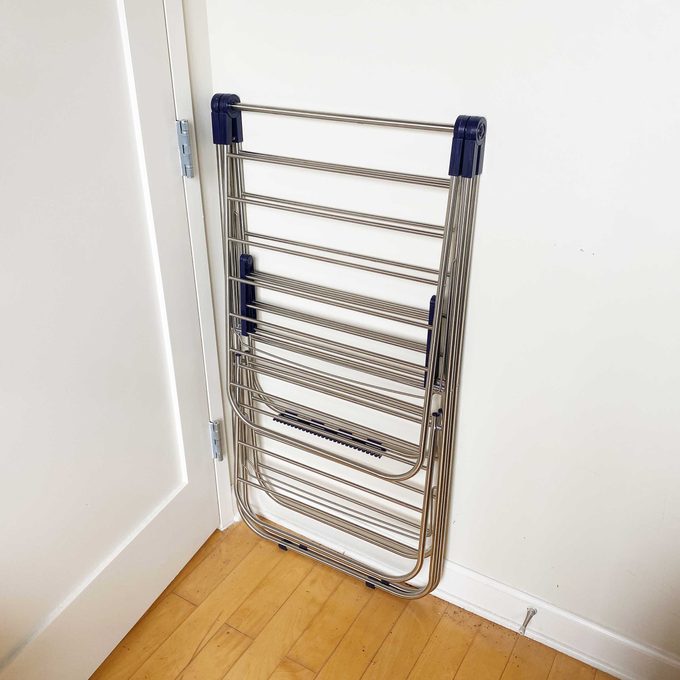
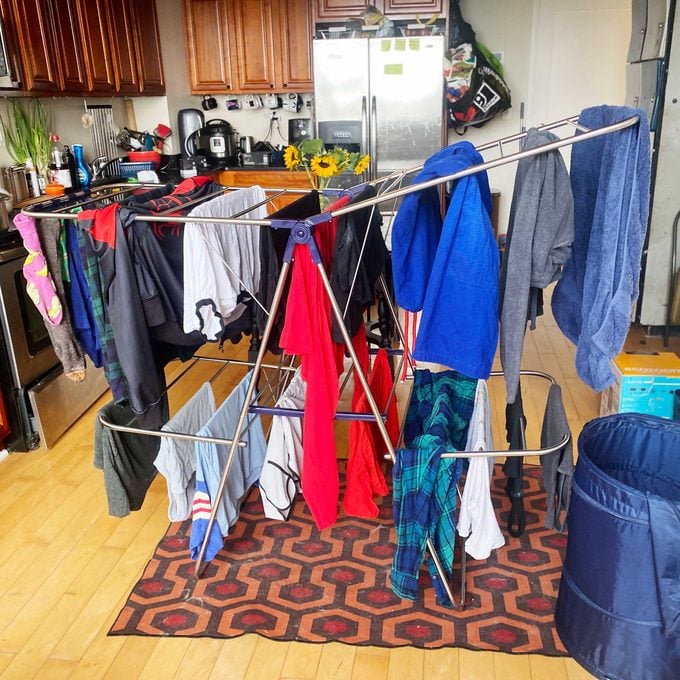
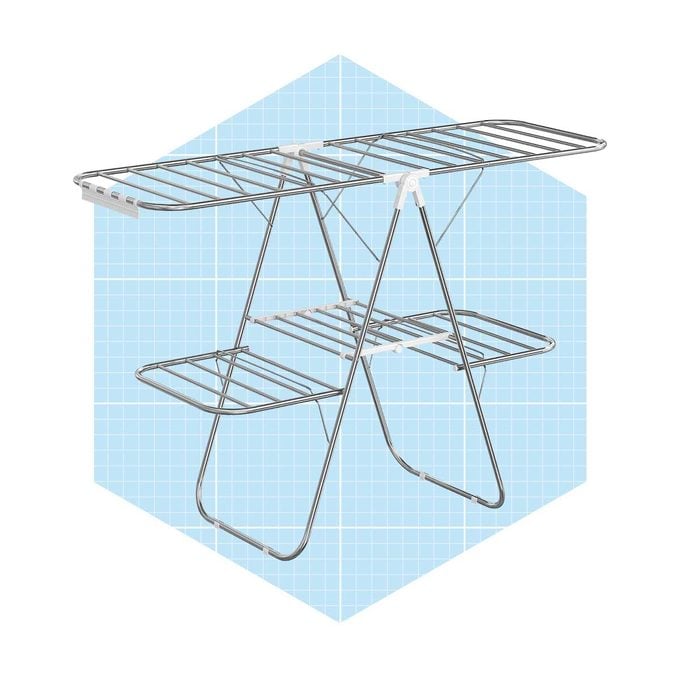
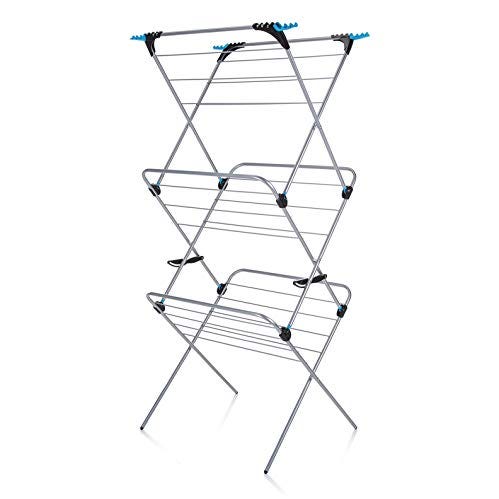
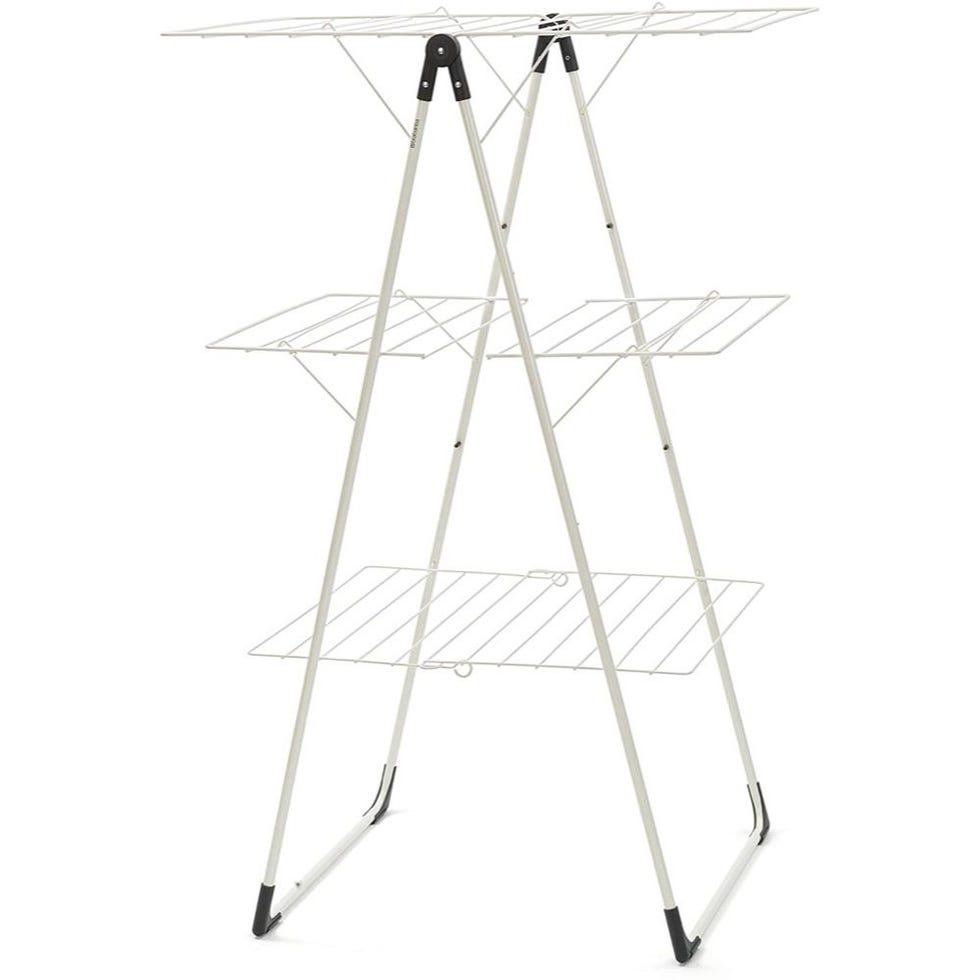
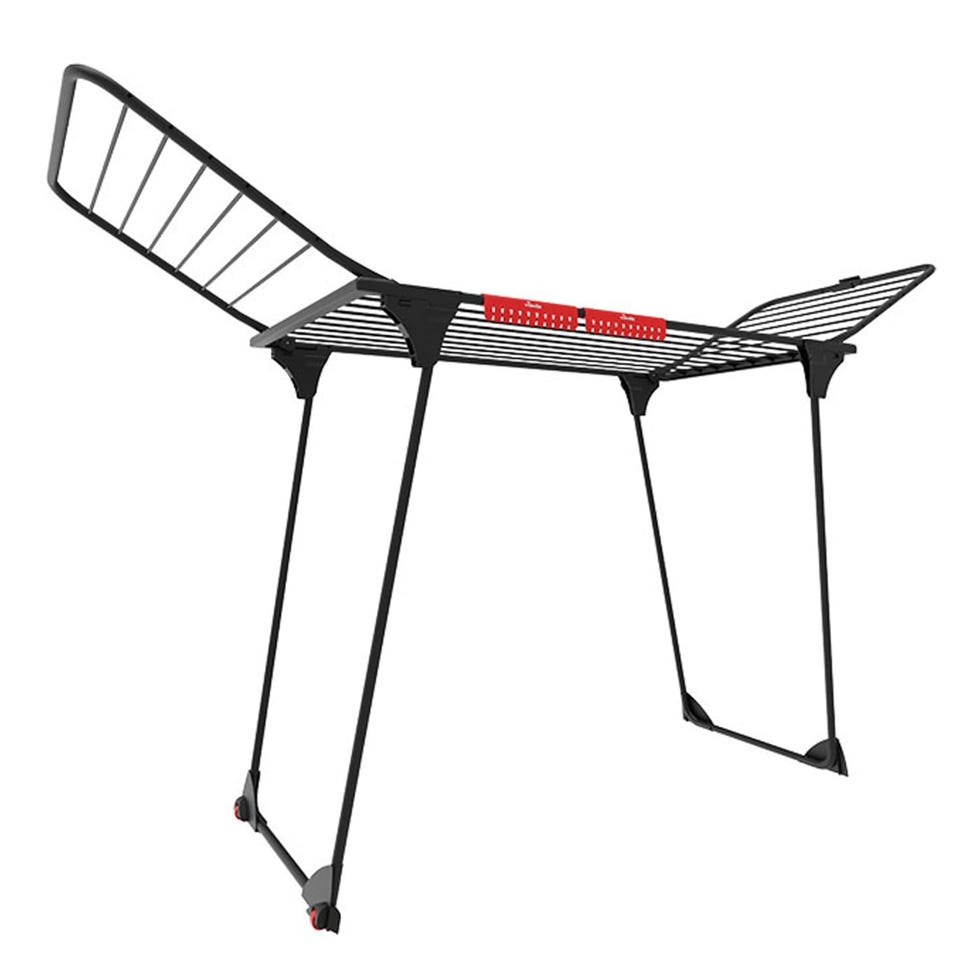
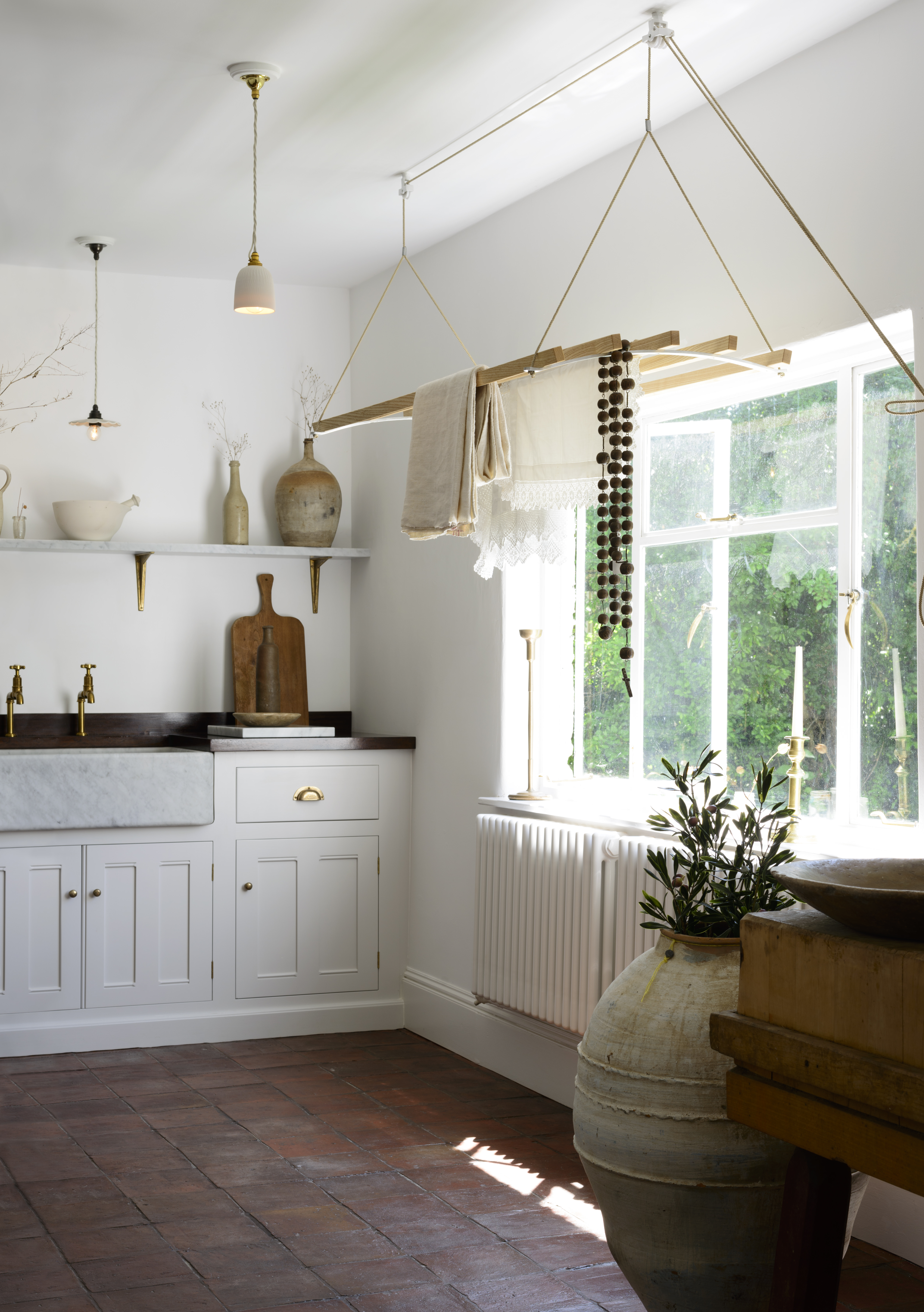
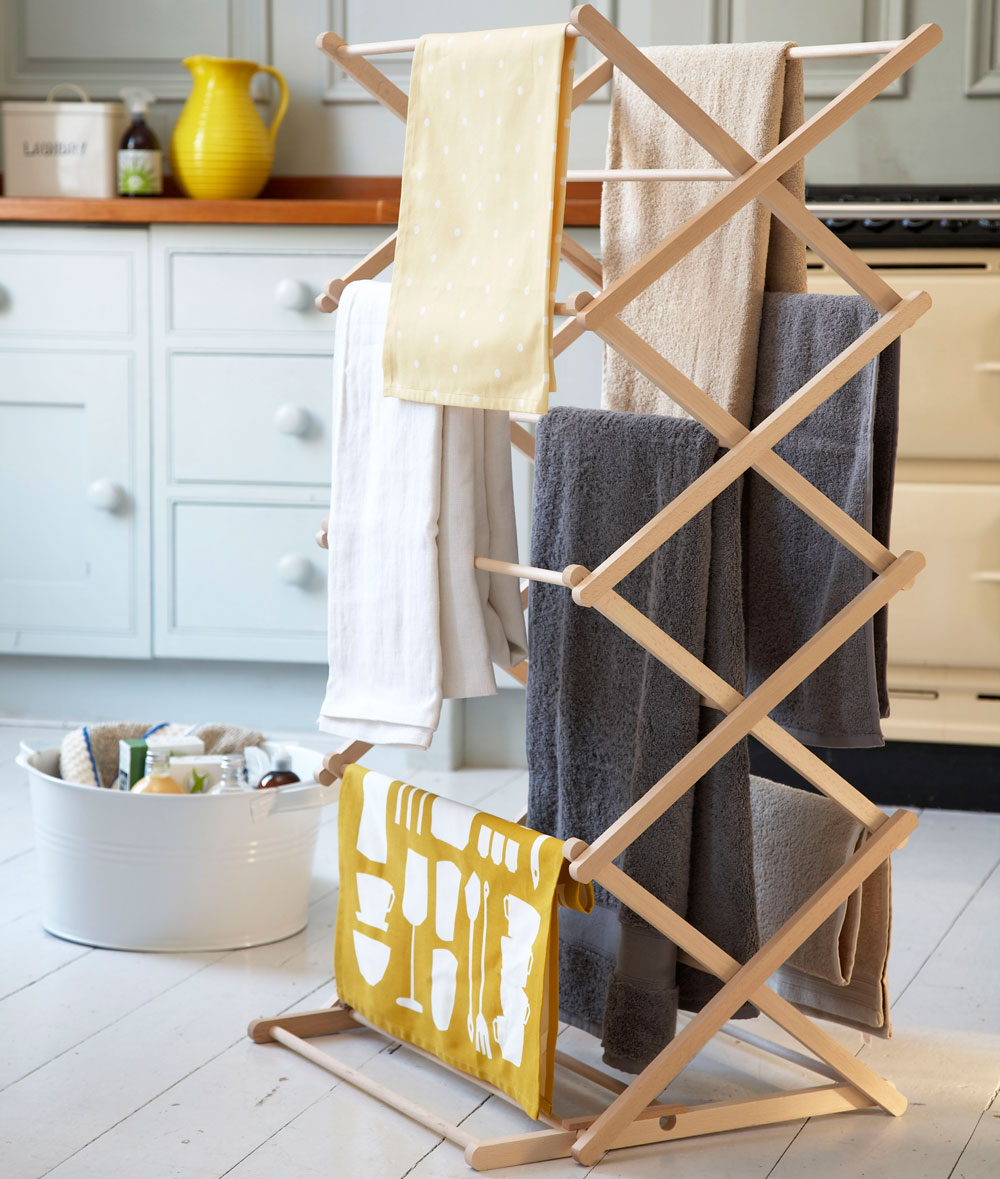
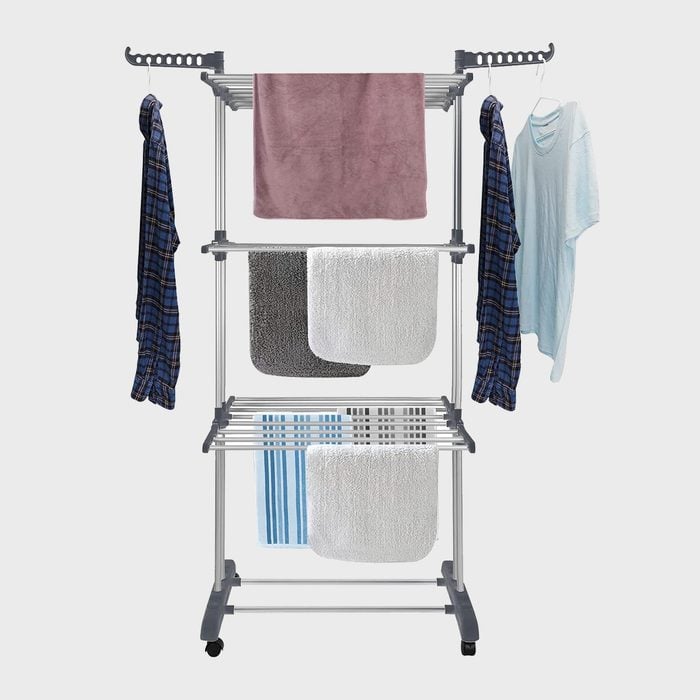
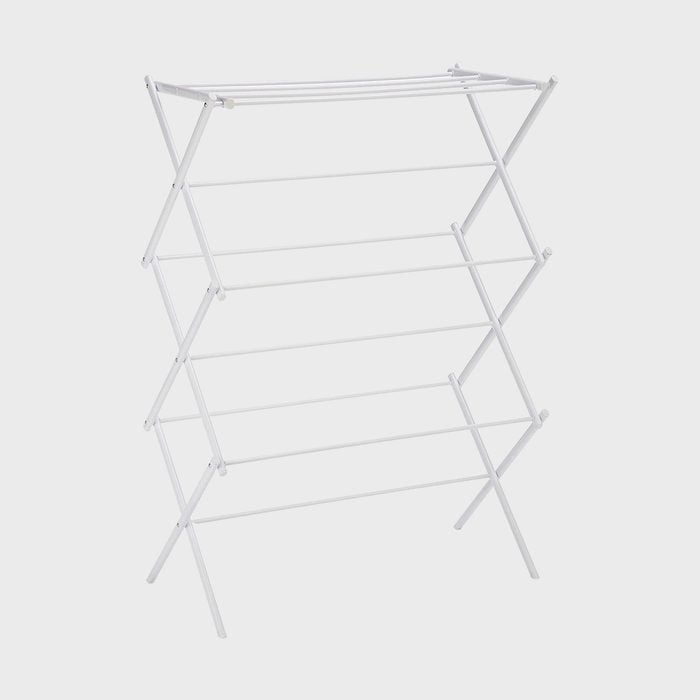
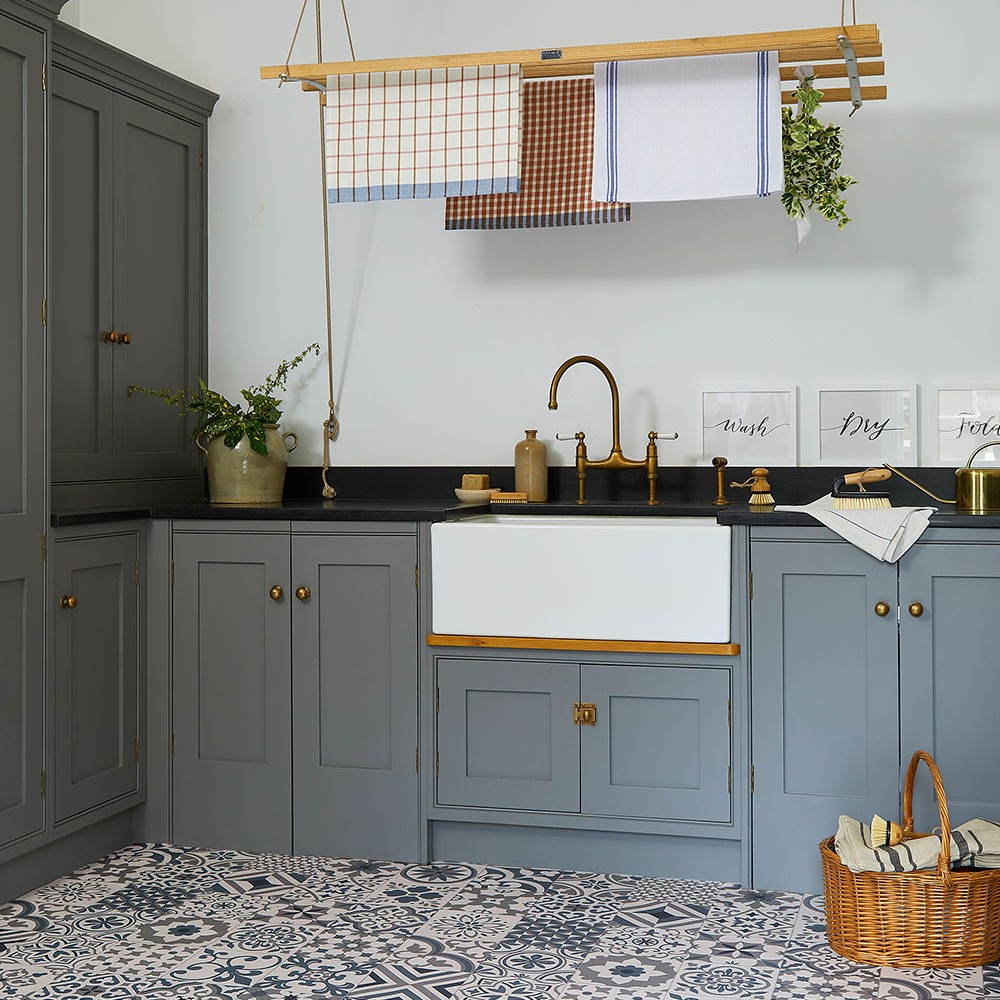
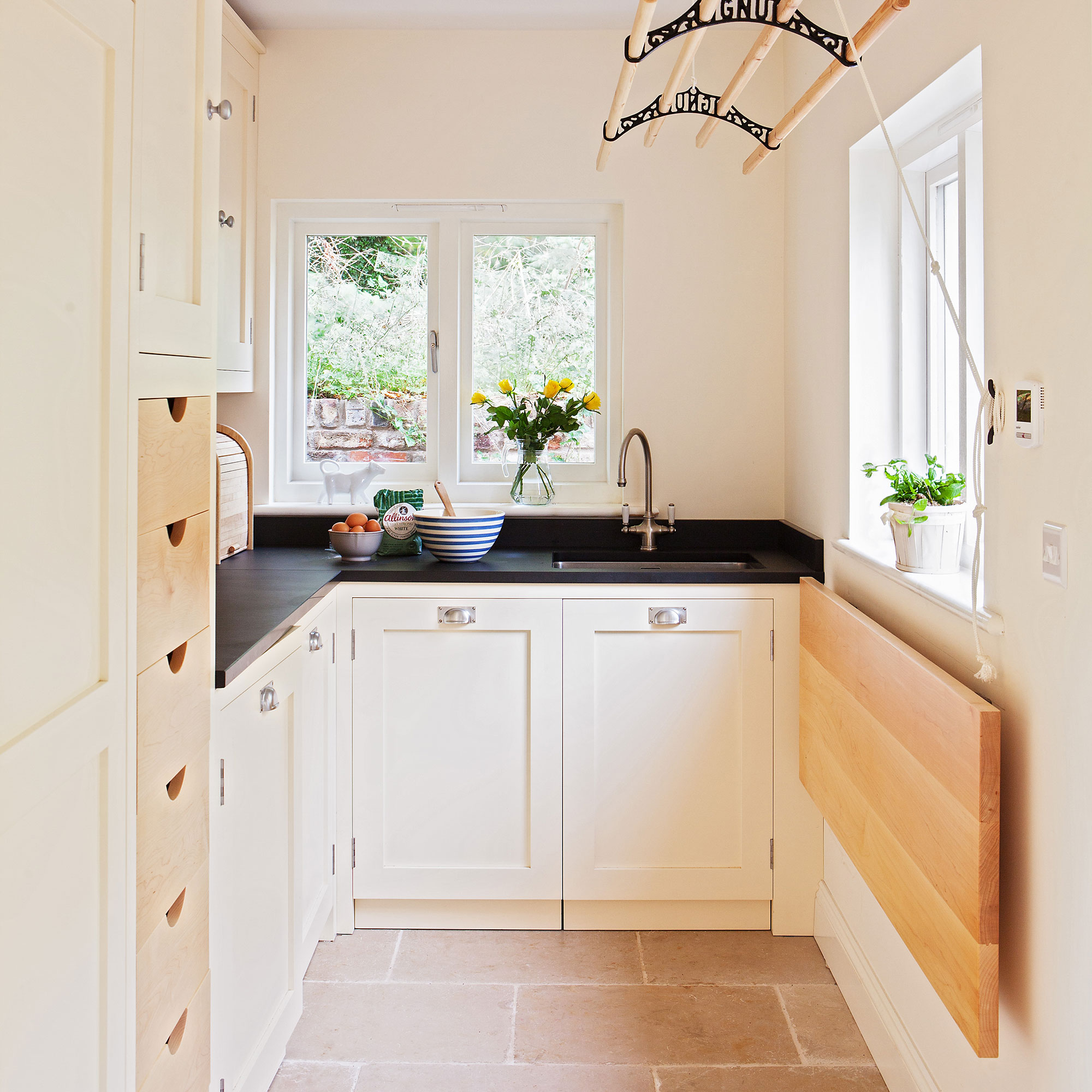
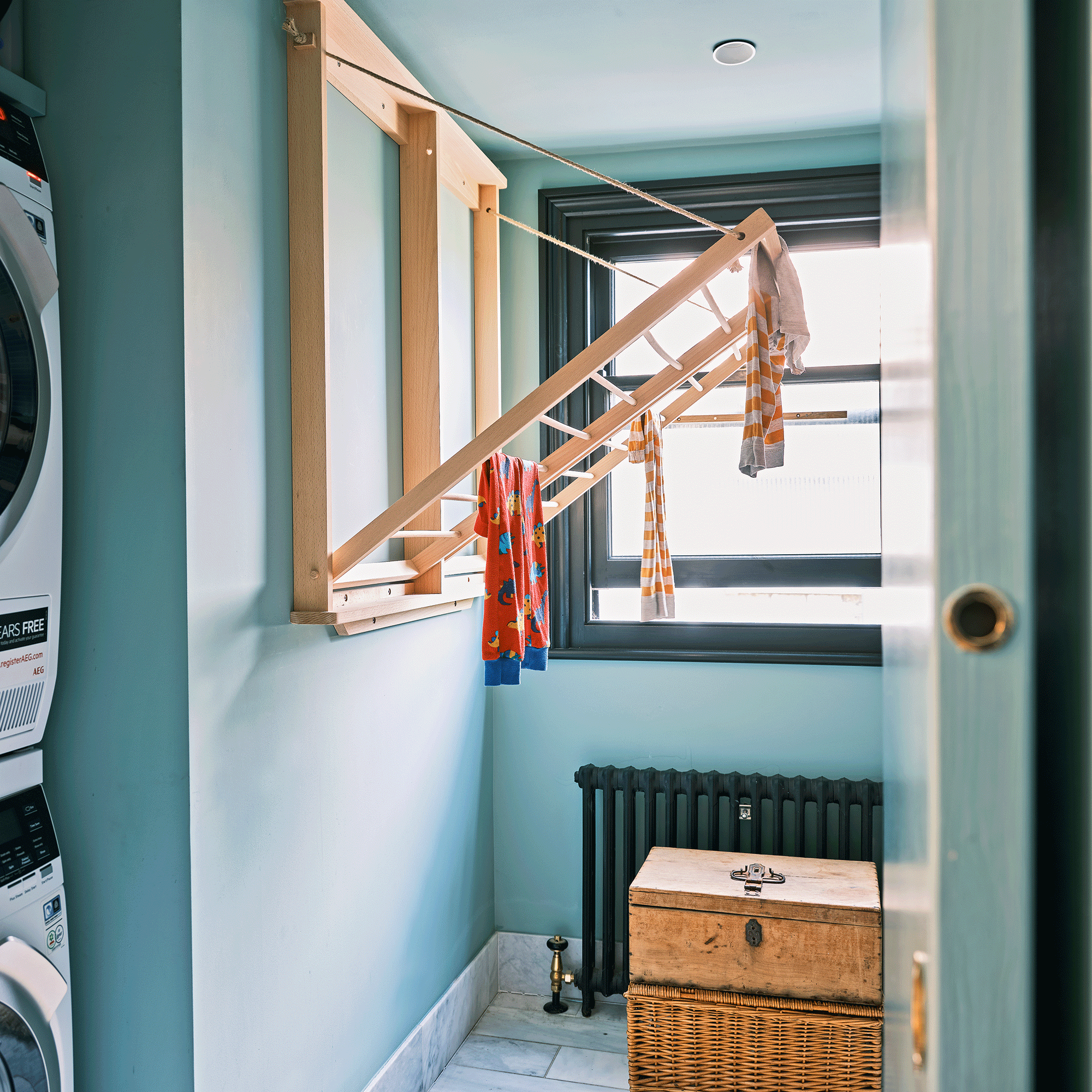
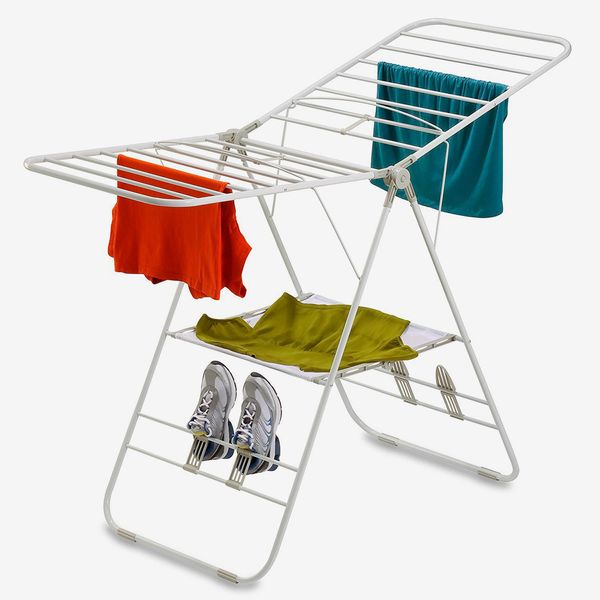
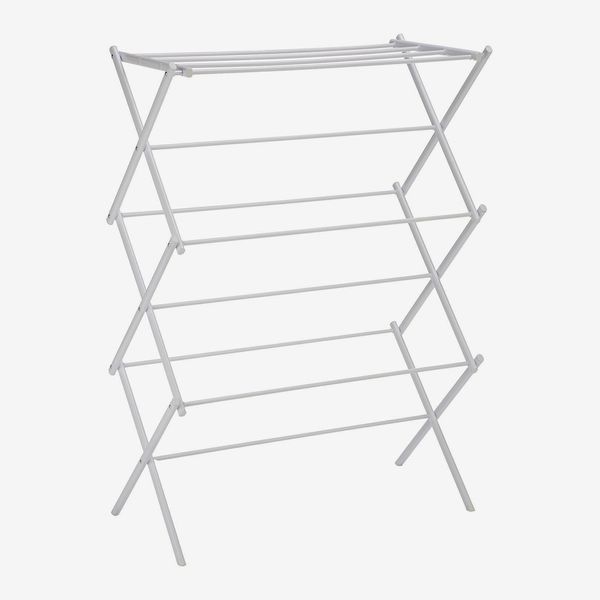
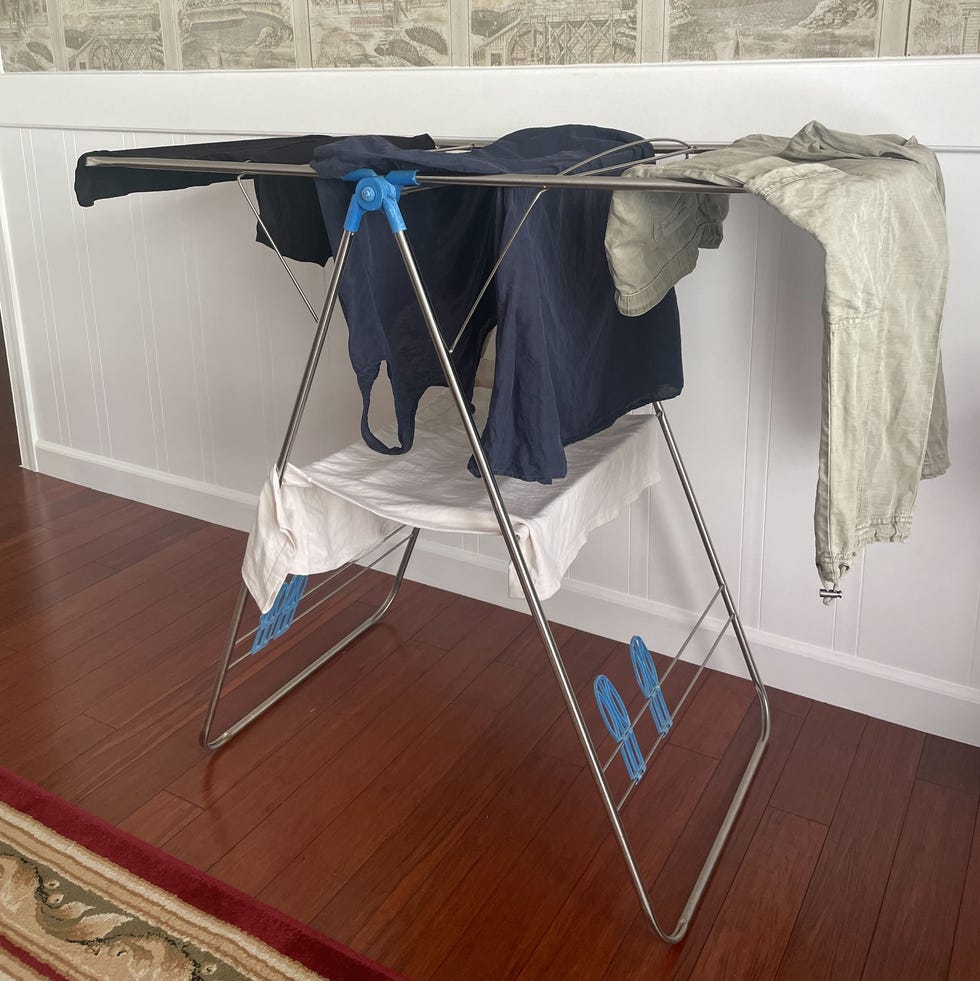
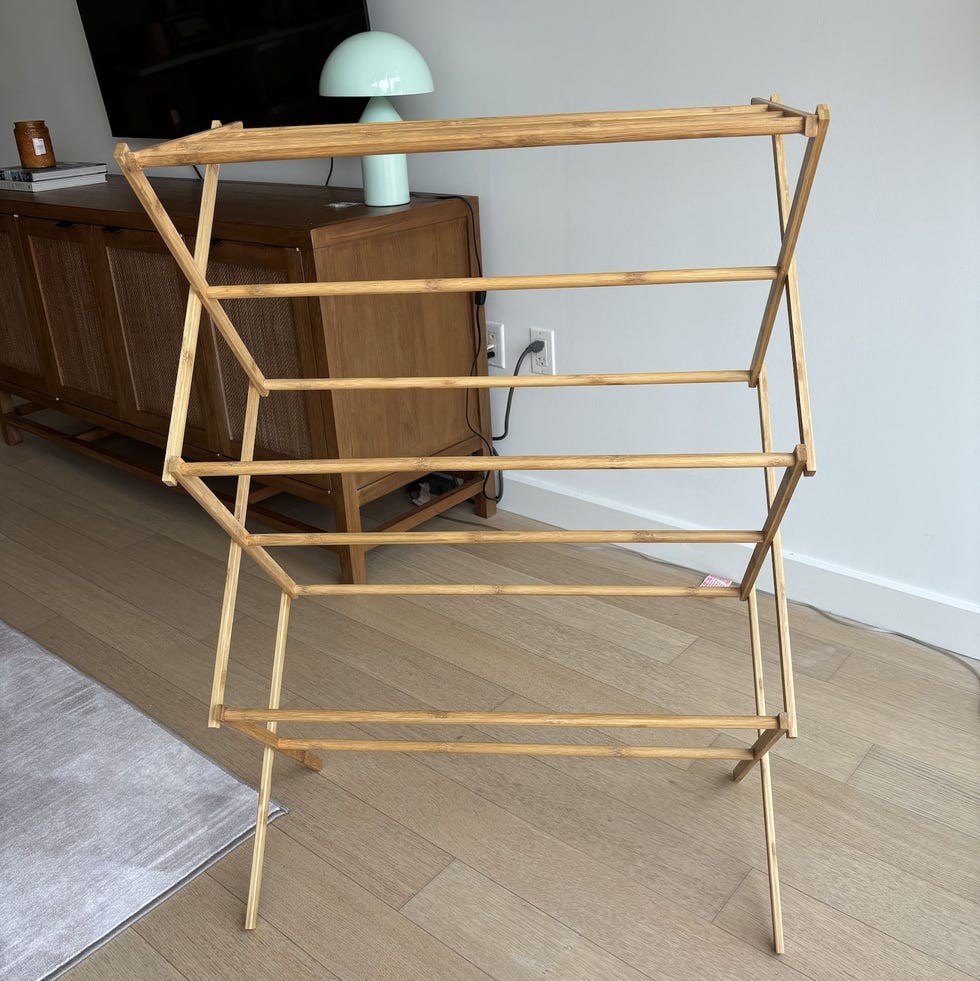
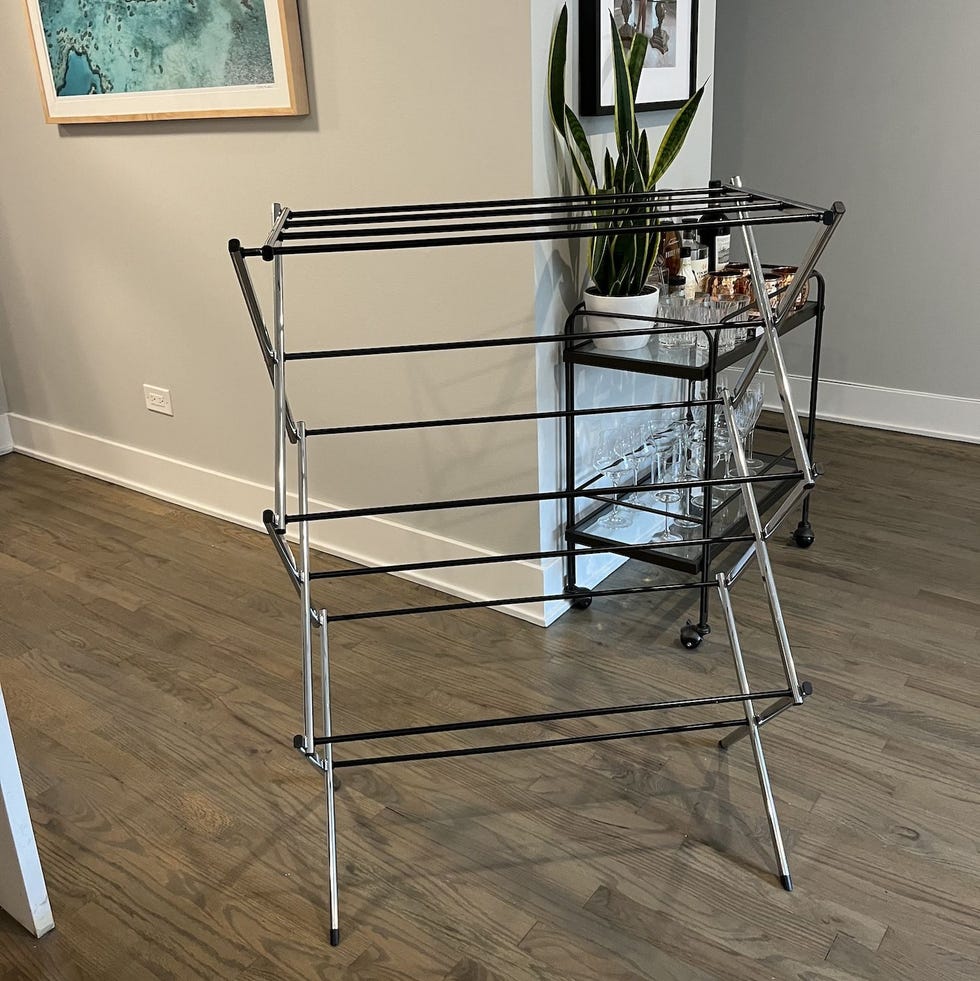
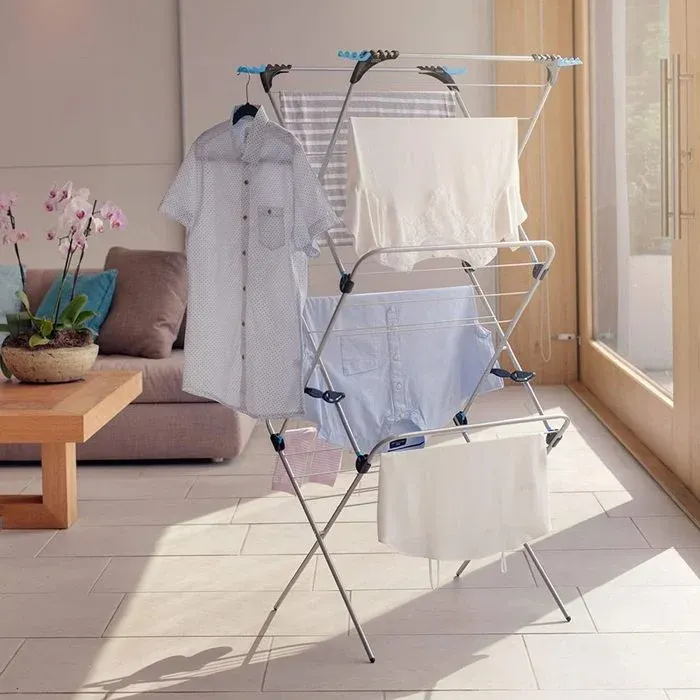
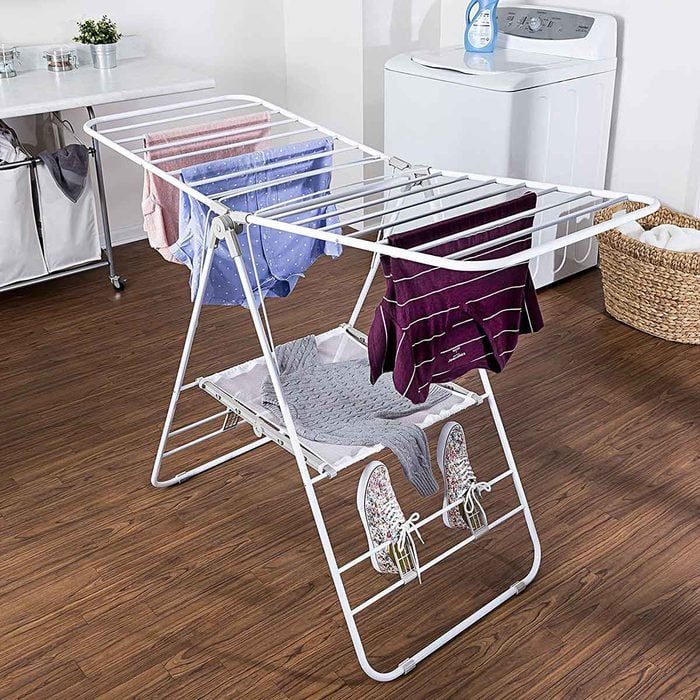
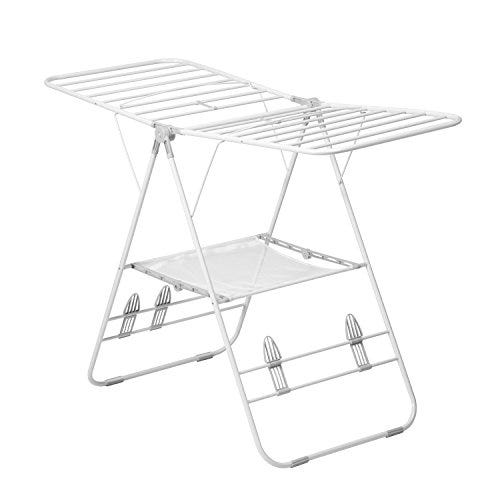
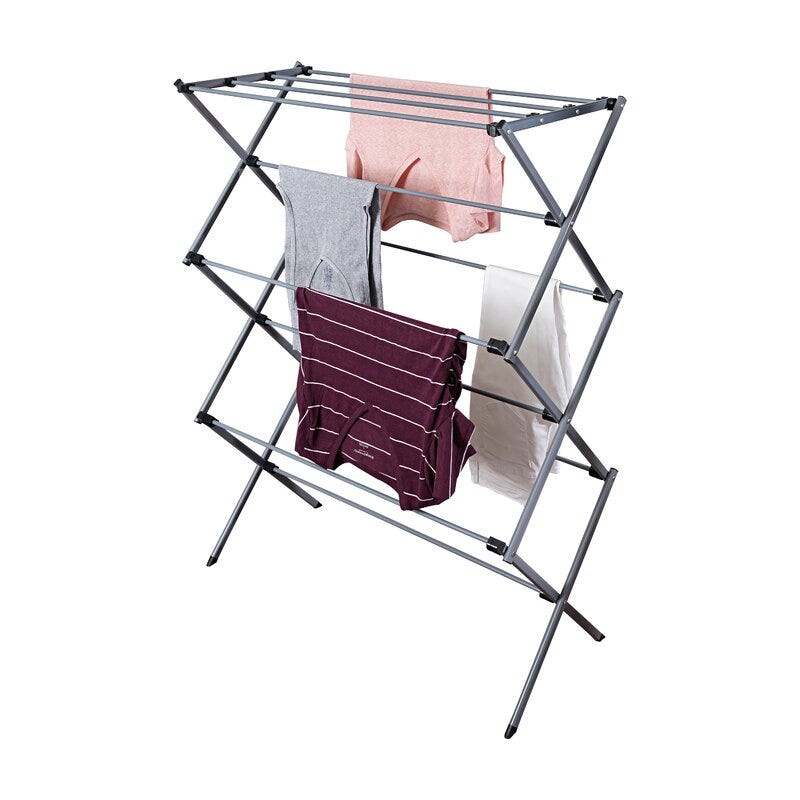
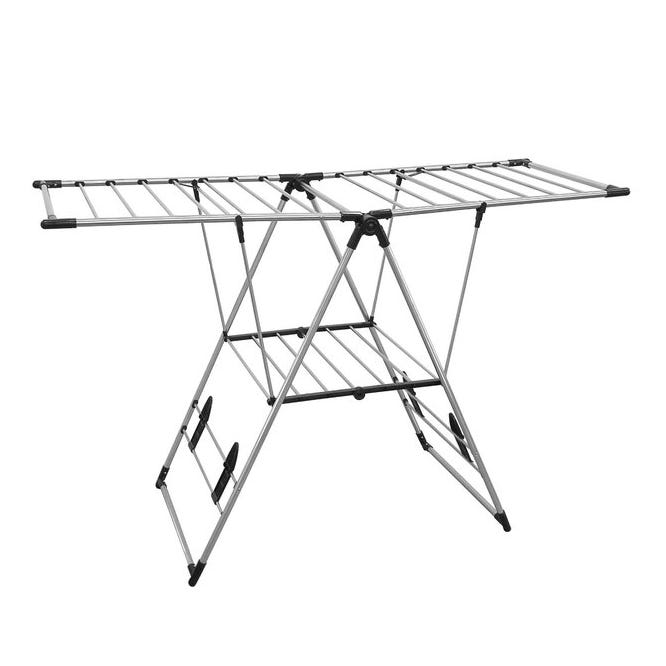
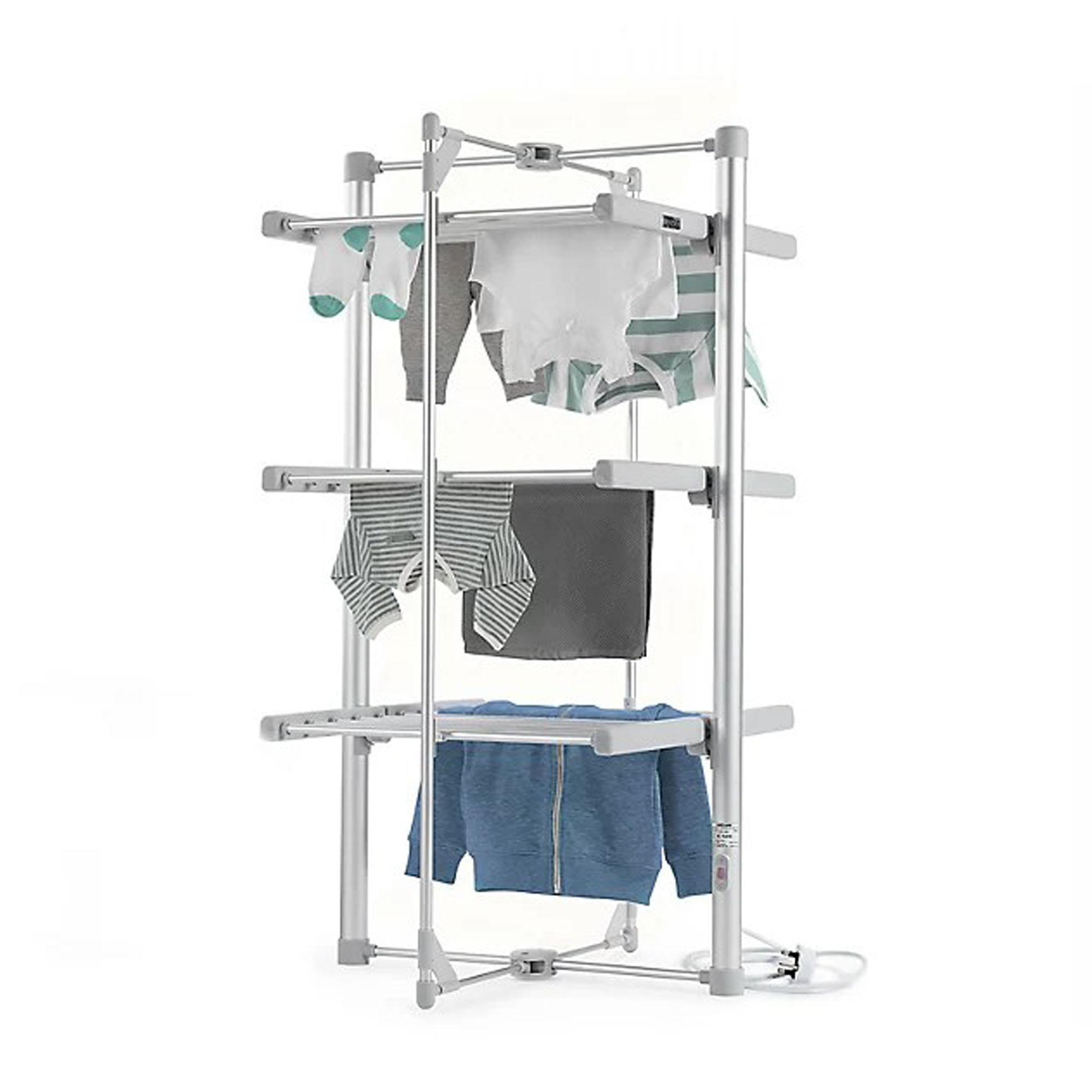
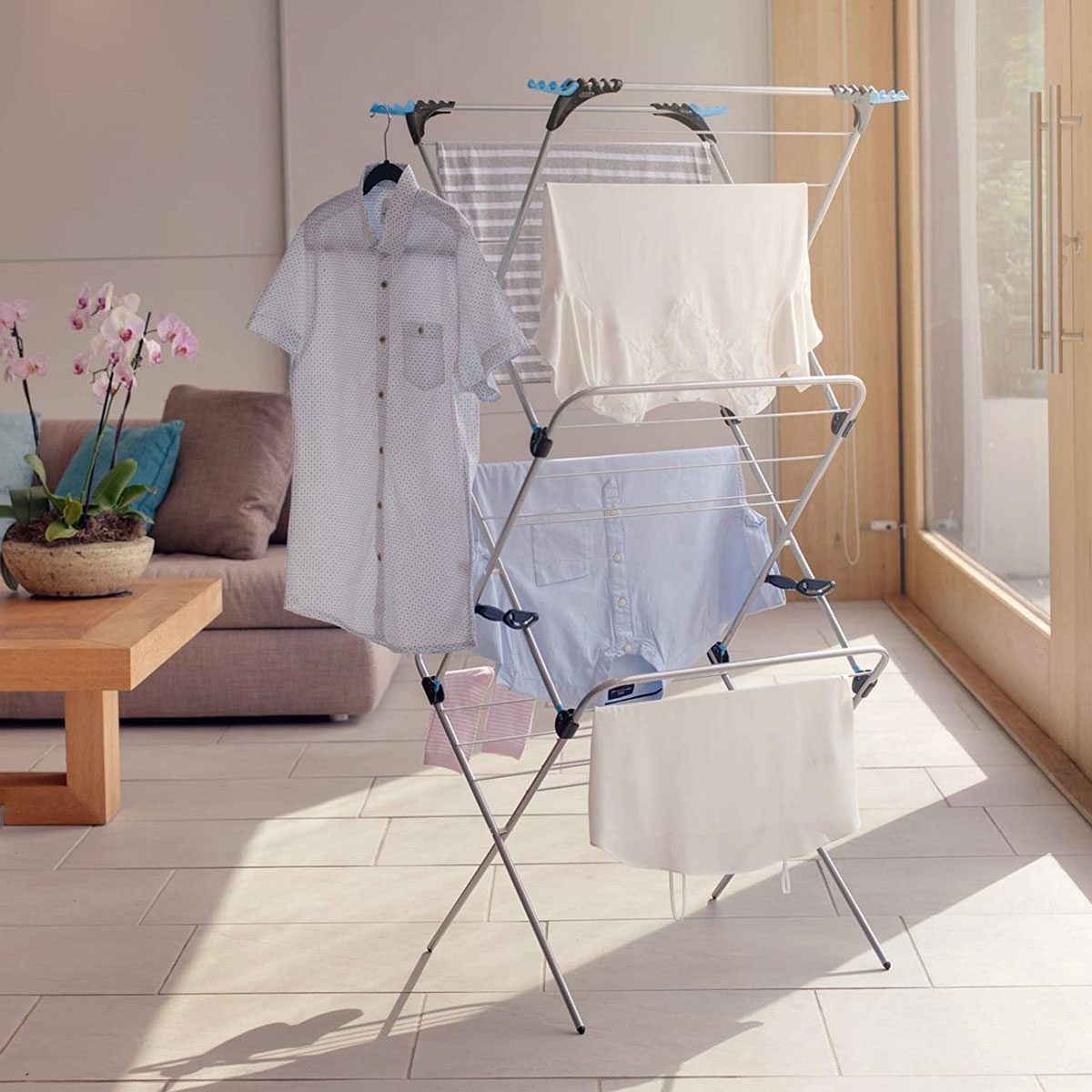
The first recommendation is to use a high-quality, collapsible drying rack. These racks provide ample space for multiple items and promote good airflow, which is crucial for quick and even drying. Examples include sleek multi-tier options that maximize vertical space without compromising aesthetics. Following this, prioritizing smaller items like socks, underwear, and lightweight shirts is advised, as they dry faster. This approach not only speeds up the overall drying process but also prevents larger garments from developing a musty smell while waiting for space.
Enhancing airflow within the drying area is another key strategy. Opening windows and doors allows fresh air to circulate, facilitating faster moisture evaporation. When outdoor conditions are unfavorable, using a fan to create air movement serves a similar purpose. Before hanging clothes, wringing out excess water, or running items through an extra spin cycle, significantly reduces drying time and controls indoor humidity. This step is particularly beneficial for heavy fabrics like towels and jeans.
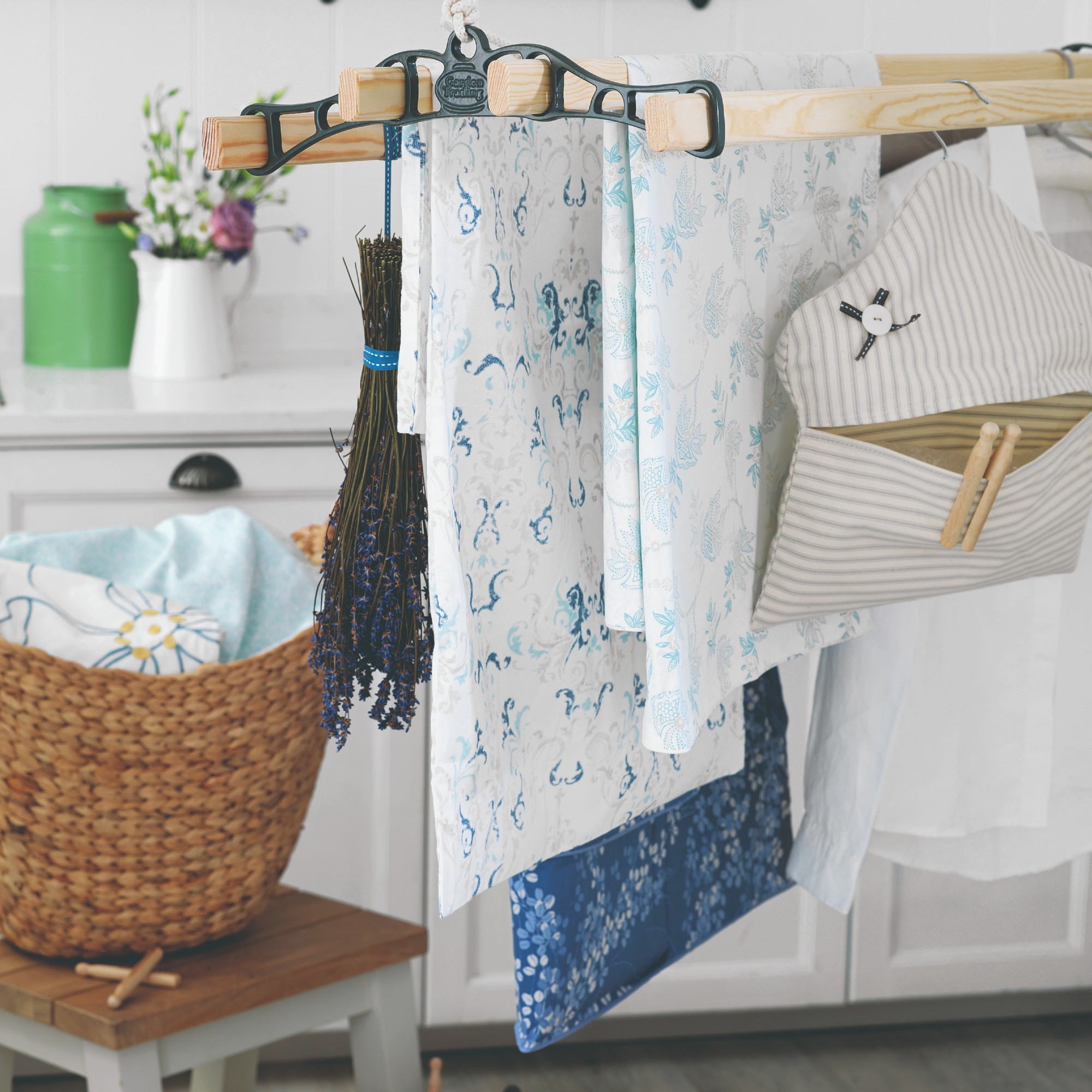
Draping clothes on hangers is suggested as a space-saving method that also encourages airflow around garments, ensuring even and rapid drying. It is important to space items adequately to avoid moisture trapping. Turning garments inside out is another effective trick, especially for heavier fabrics, as it improves air circulation and accelerates drying from the core of the fabric outwards. Integrating this into the laundry routine by having a designated sorting area can streamline the process.
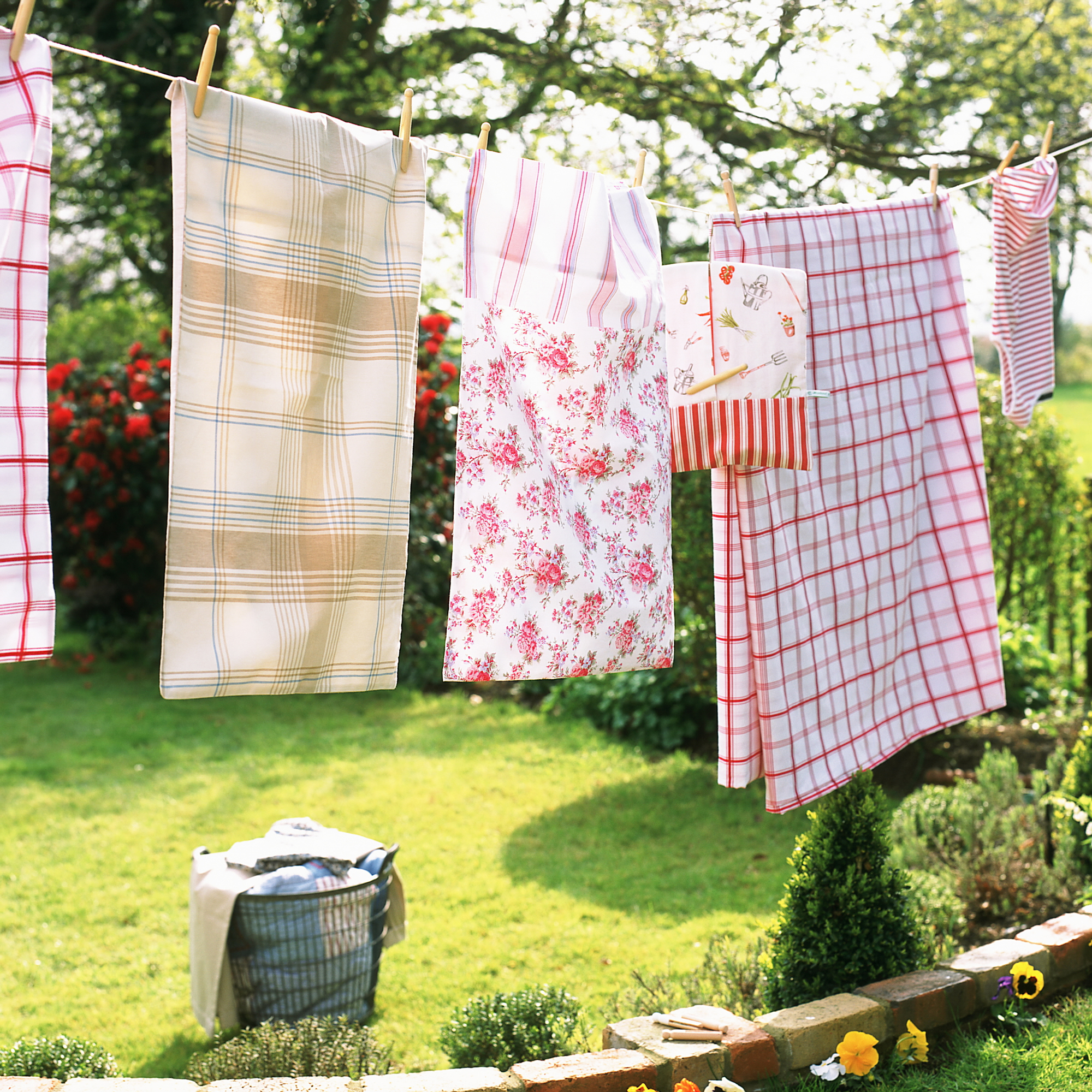
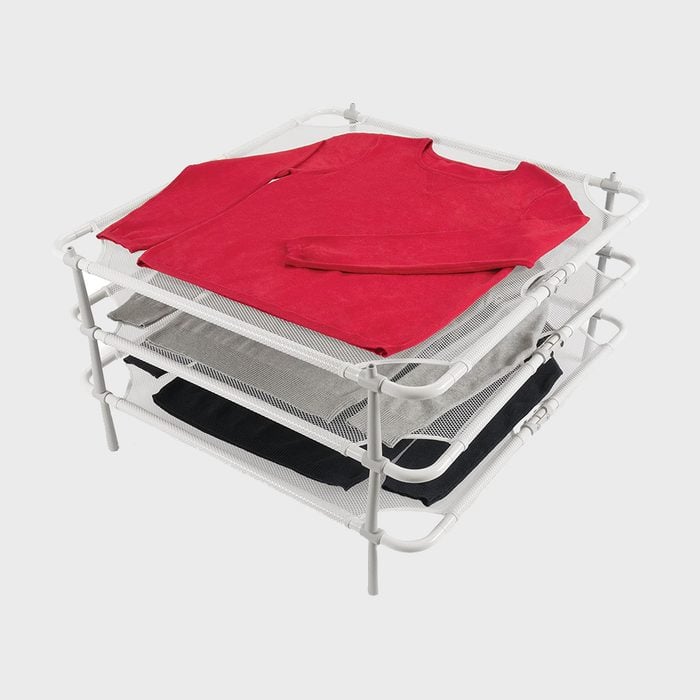
For delicate items, the towel roll method is highly recommended. This involves rolling wet clothes in a clean, dry towel and pressing to absorb excess moisture, followed by laying them flat to complete drying. This technique is a gentle alternative to wringing. Additionally, setting up a portable clothesline, either retractable or temporary, provides significant extra space for air-drying, especially in bathrooms or balconies. Many portable clotheslines feature loops or holes that accommodate hangers, combining two drying techniques.
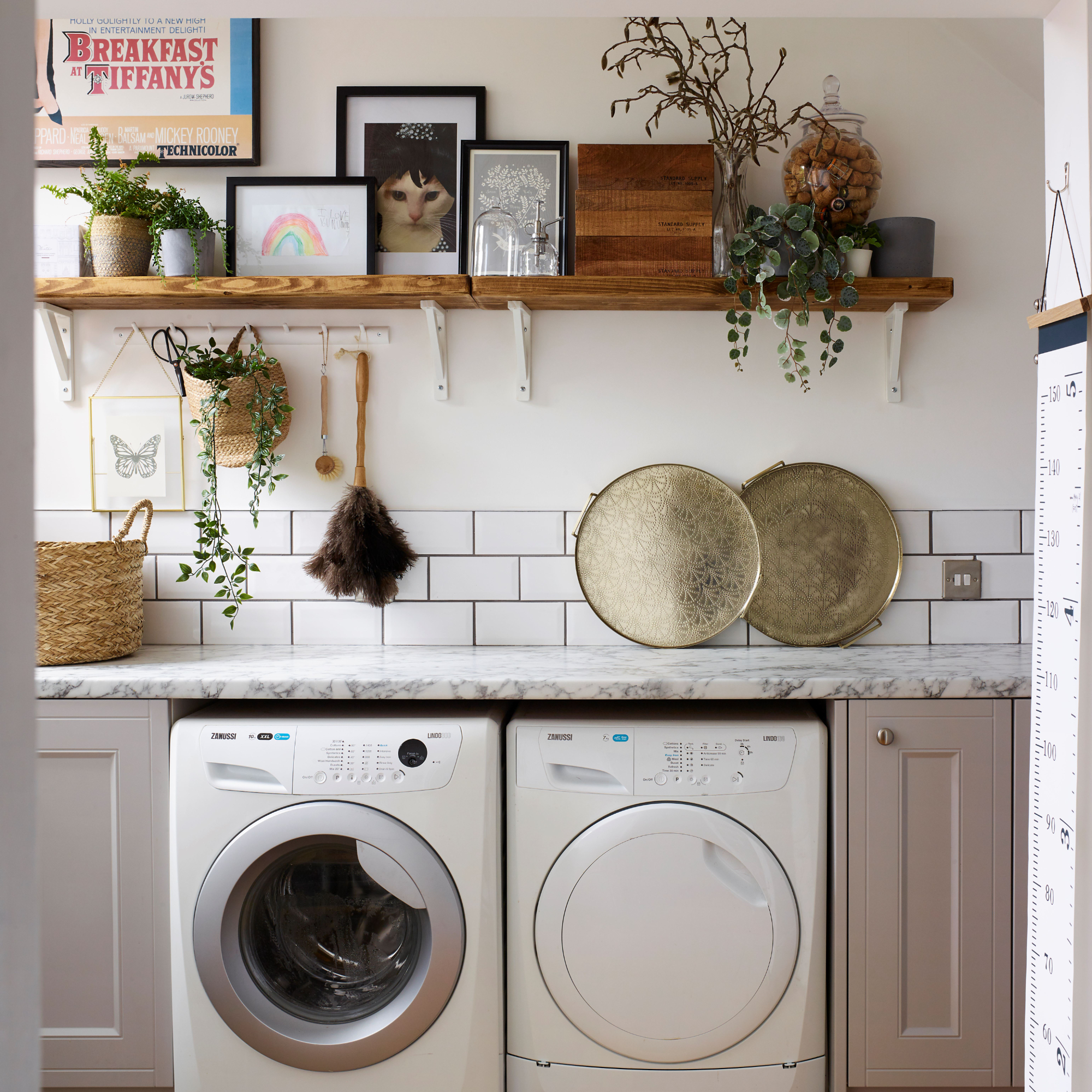
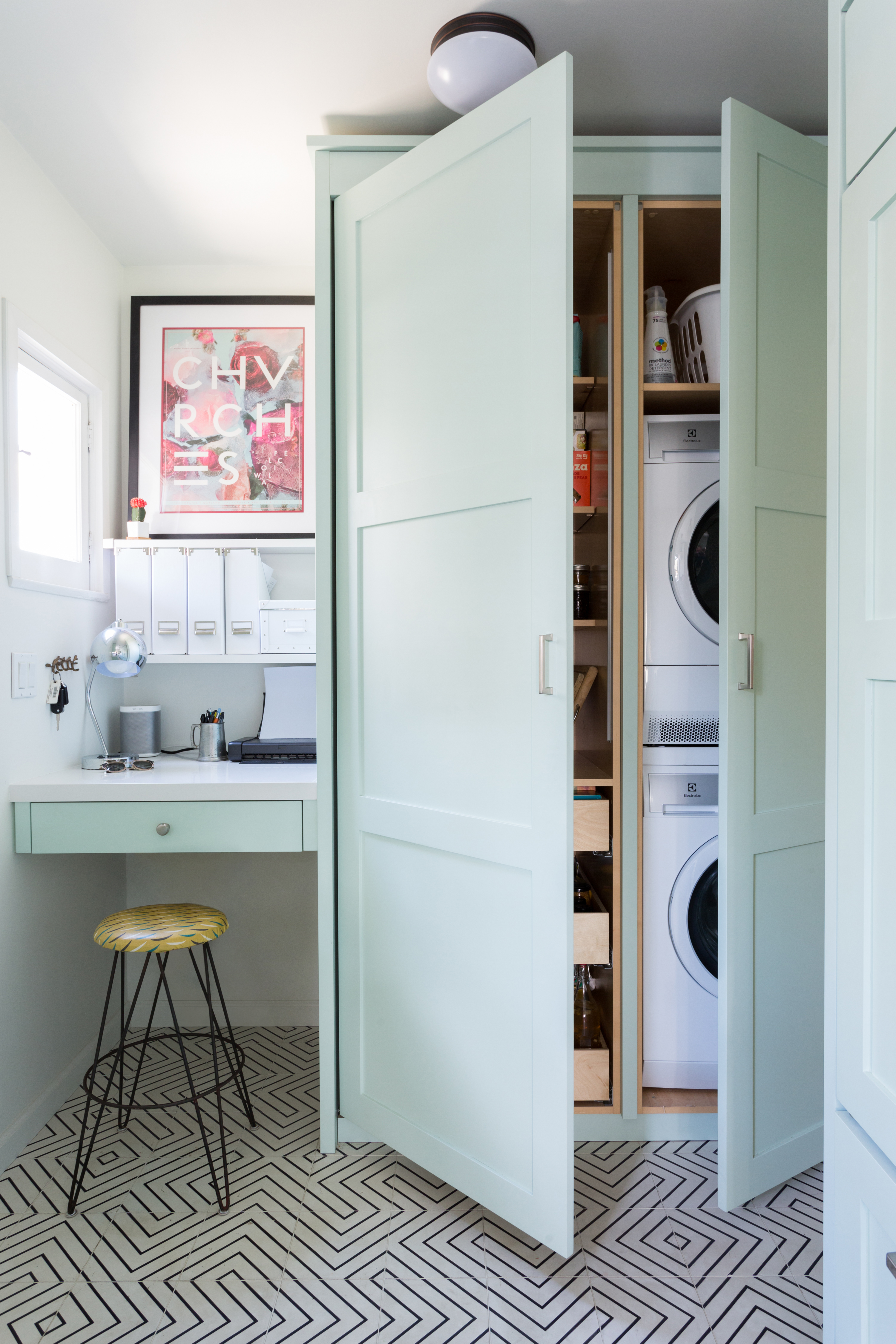
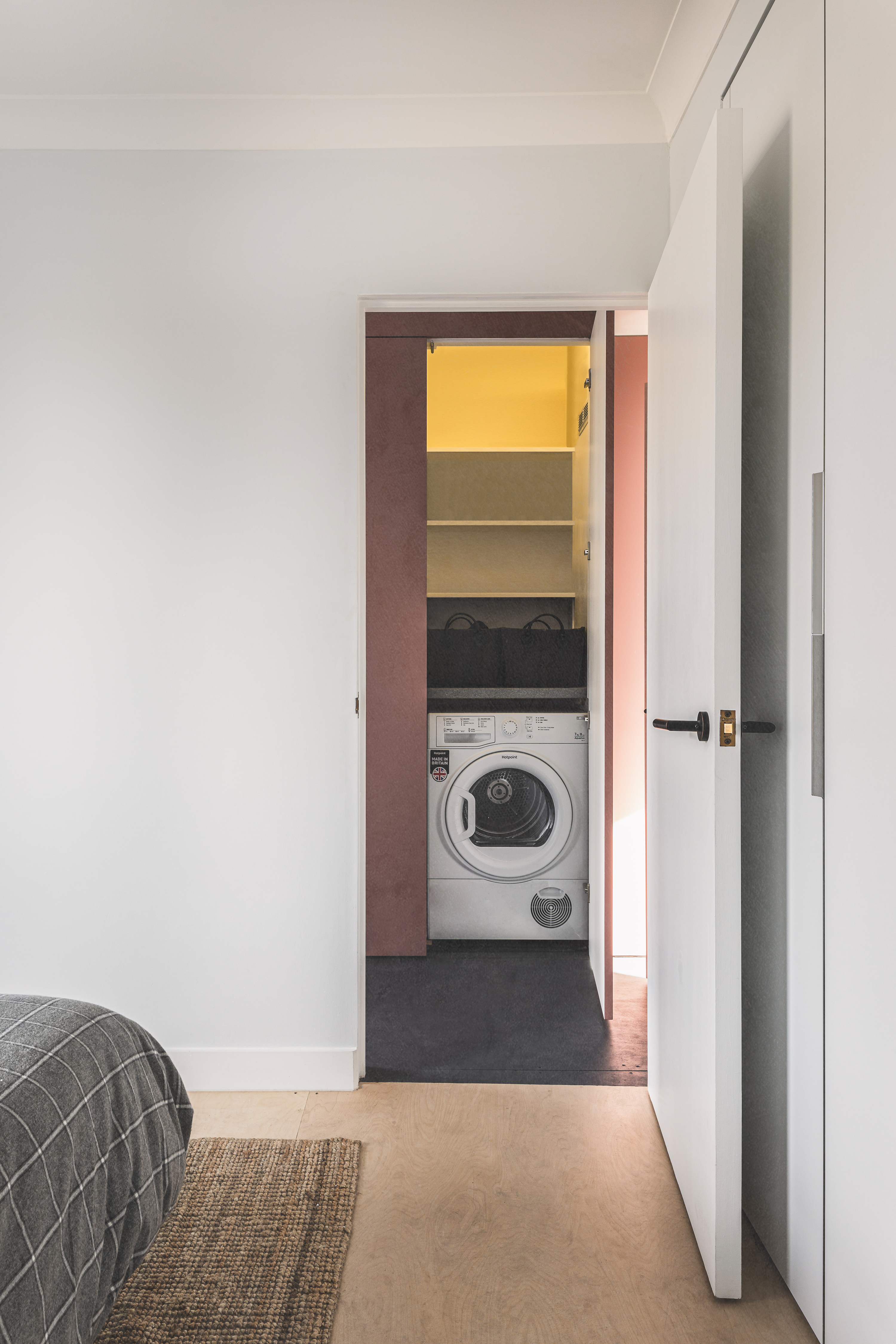
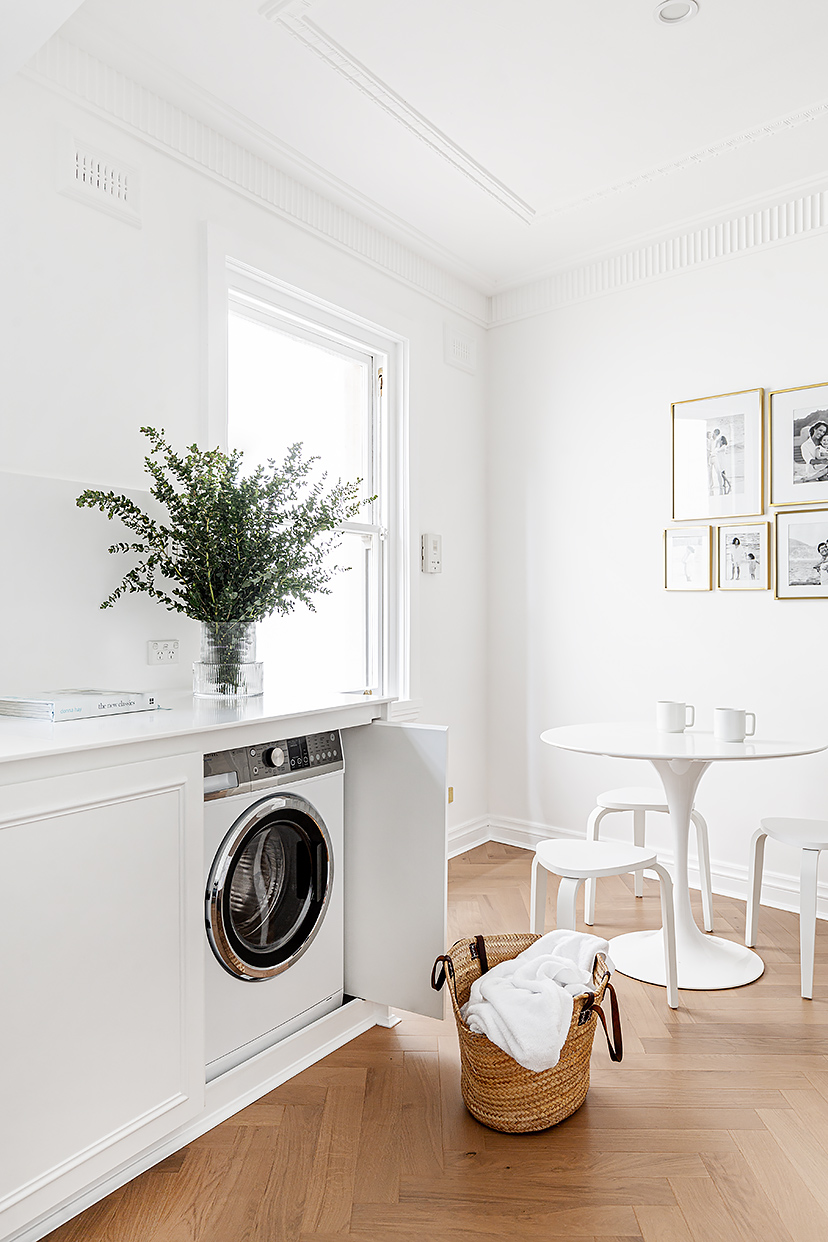
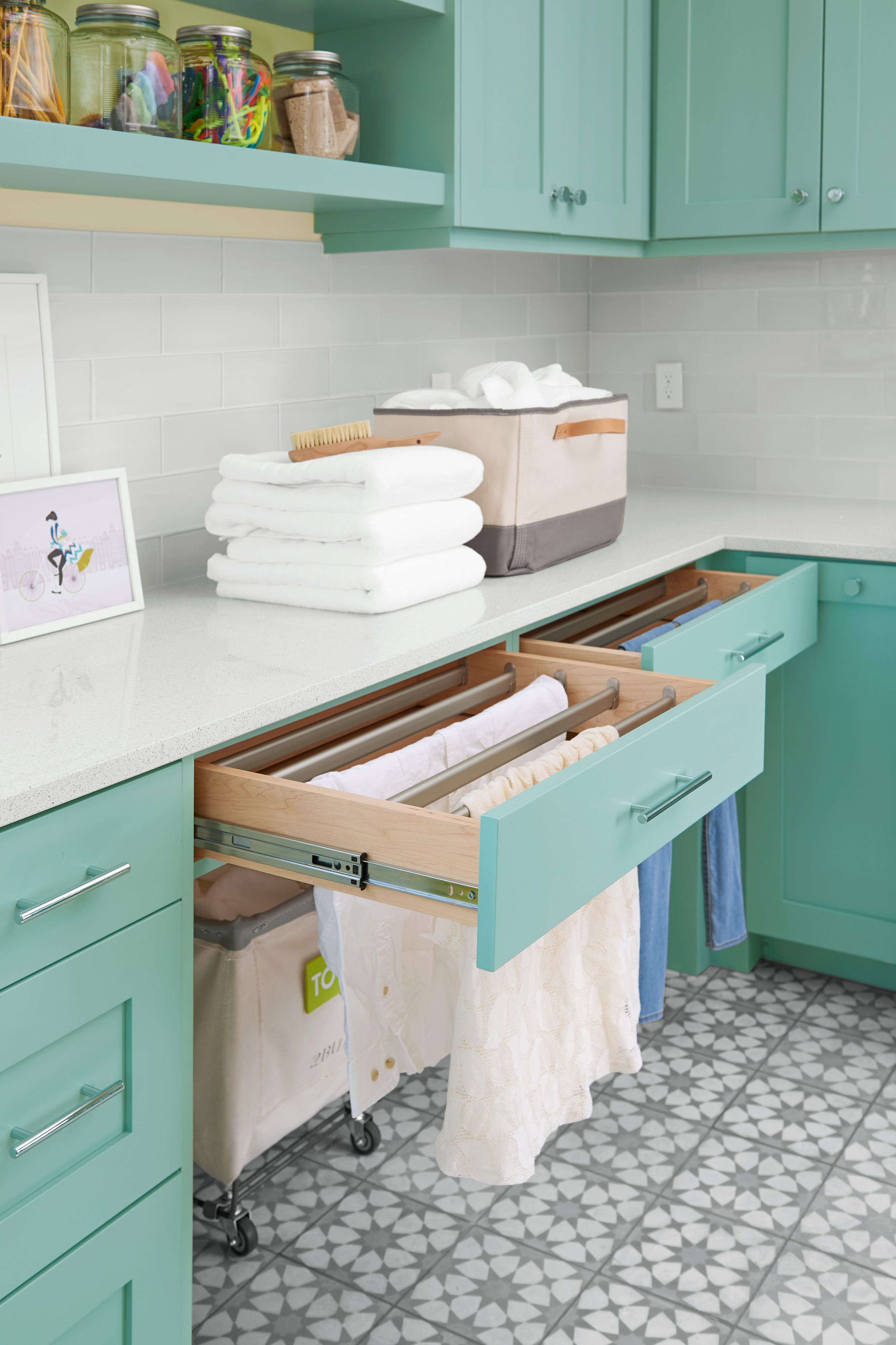
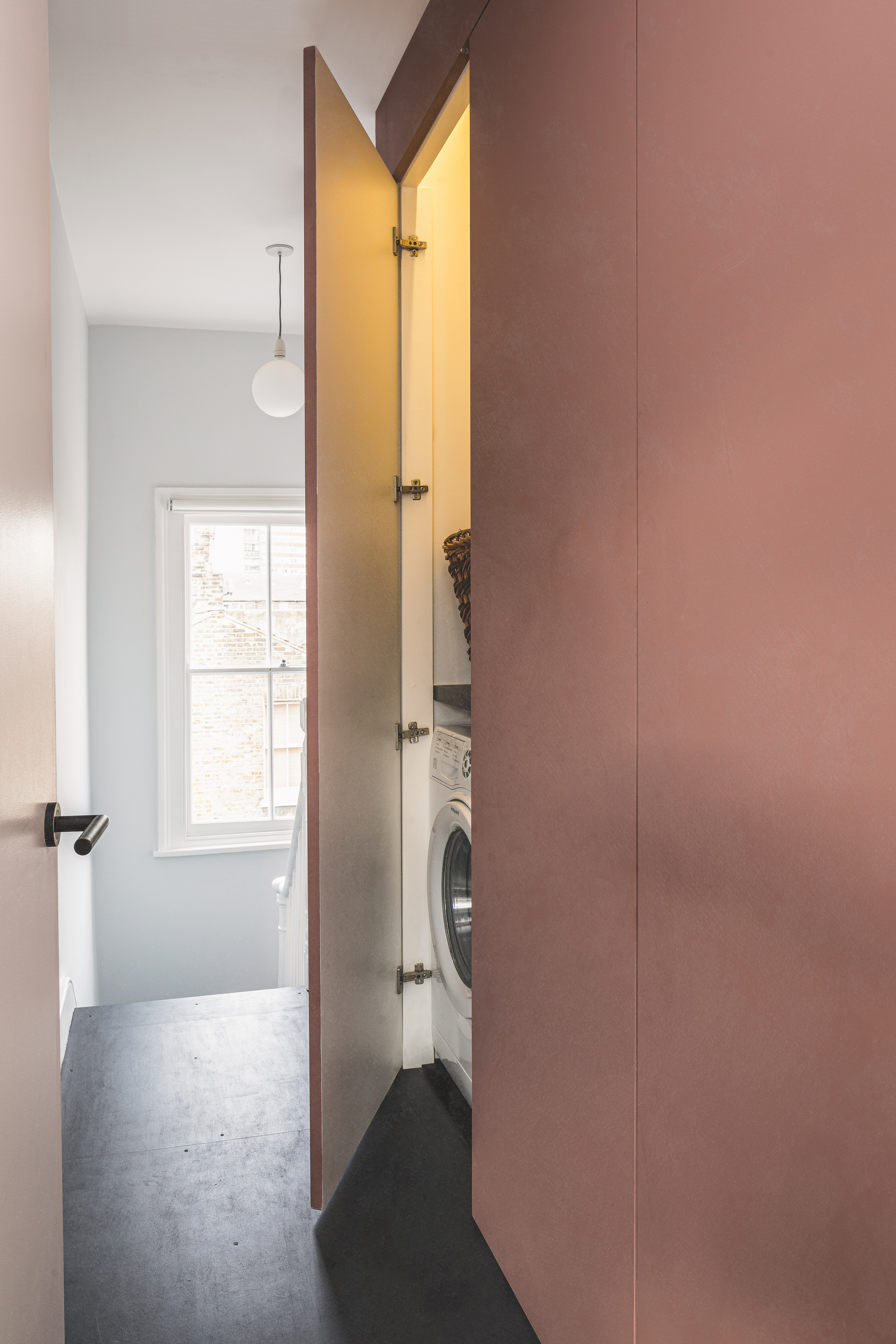
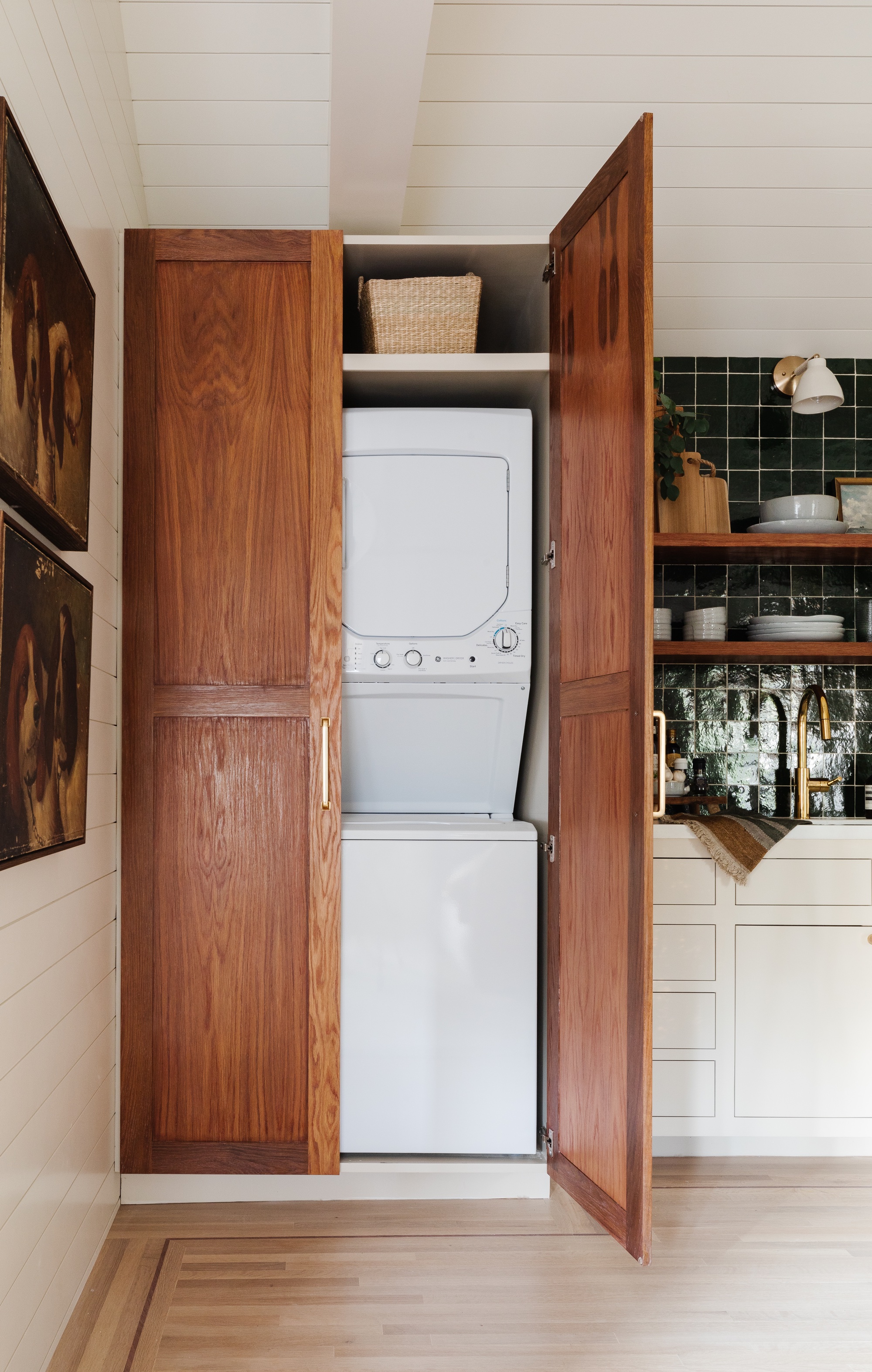
Finally, shaking and smoothing out wrinkles from clothes before hanging them helps reduce drying time by preventing deep creases that trap water. This also minimizes the effort required for ironing later. The article also addresses a common but unsafe practice: drying clothes on radiators or space heaters. Experts strongly advise against this due to risks of discoloration, garment damage, heater malfunction, rust, mold growth, and fire hazards. The presented methods offer safer and more effective alternatives for indoor laundry drying, ultimately contributing to garment longevity and reduced utility costs. These strategies also open up possibilities for utilizing laundry room space for other functions, such as hidden cabinets or ironing nooks, by eliminating the need for a bulky dryer.
#LaundryDrying #IndoorDrying #HomeHacks #SmallSpaceLiving #EcoFriendlyLaundry #LaundryRoomIdeas #HomeMaintenance #ExpertAdvice #Organization #LaundryDrying #IndoorDrying #HomeHacks #SmallSpaceLiving #EcoFriendlyLaundry #LaundryRoomIdeas #HomeMaintenance #ExpertAdvice #Organization
0 ความคิดเห็นรวม
 ยังไม่มีความคิดเห็น
คุณอาจจะชอบอีกด้วย
How to dry clothes fast without a tumble dryer – 14 ways to save time, energy, and money
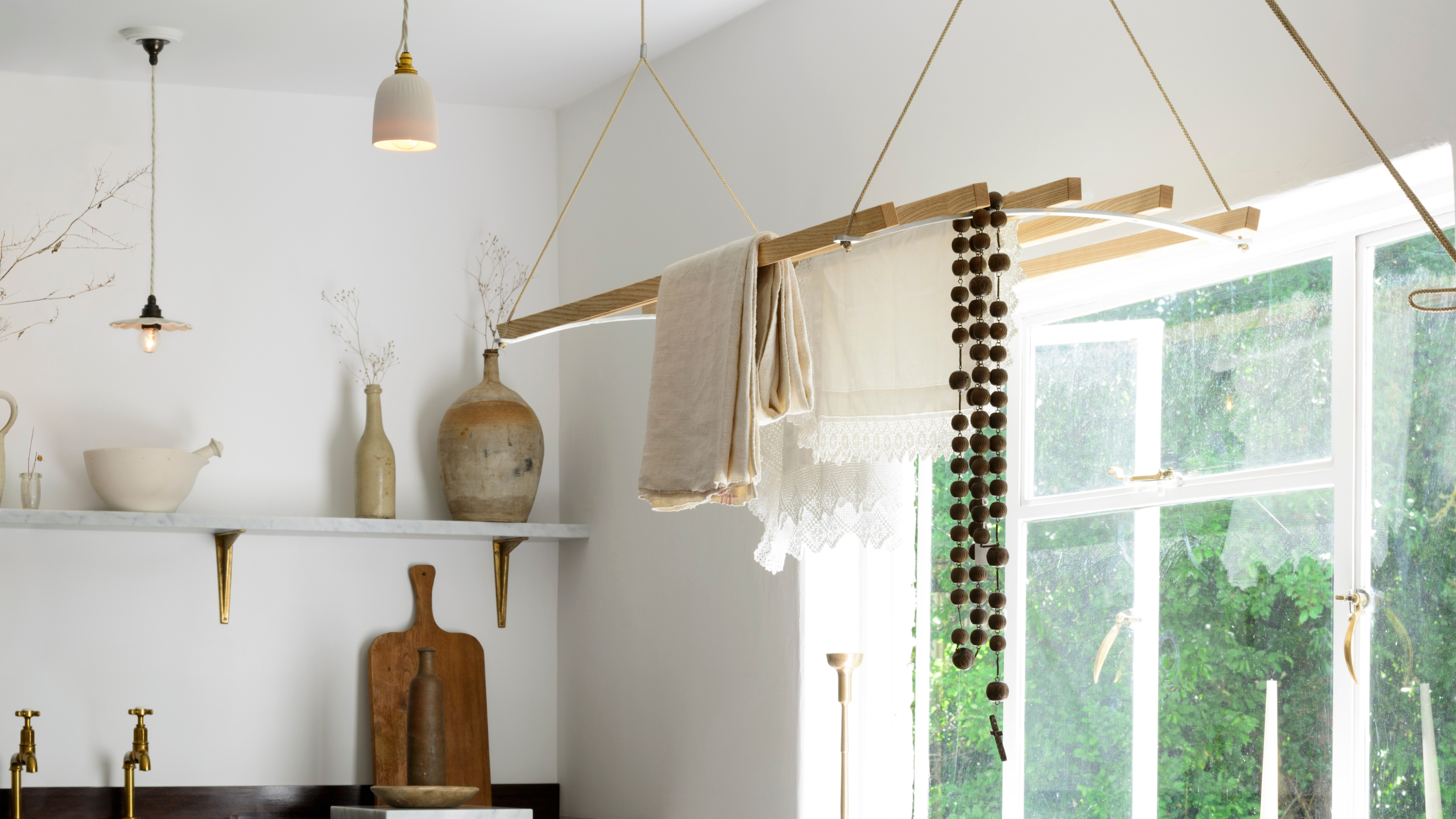
6 Genius Ways to Design a Drying Rack Into Your Utility Room — So You're Not Always Tripping Over Wet Laundry
4 ways to make the most of a small laundry space – even if you don't have a dedicated room in your home

Foggy bathroom mirror? Plug in your hair dryer!

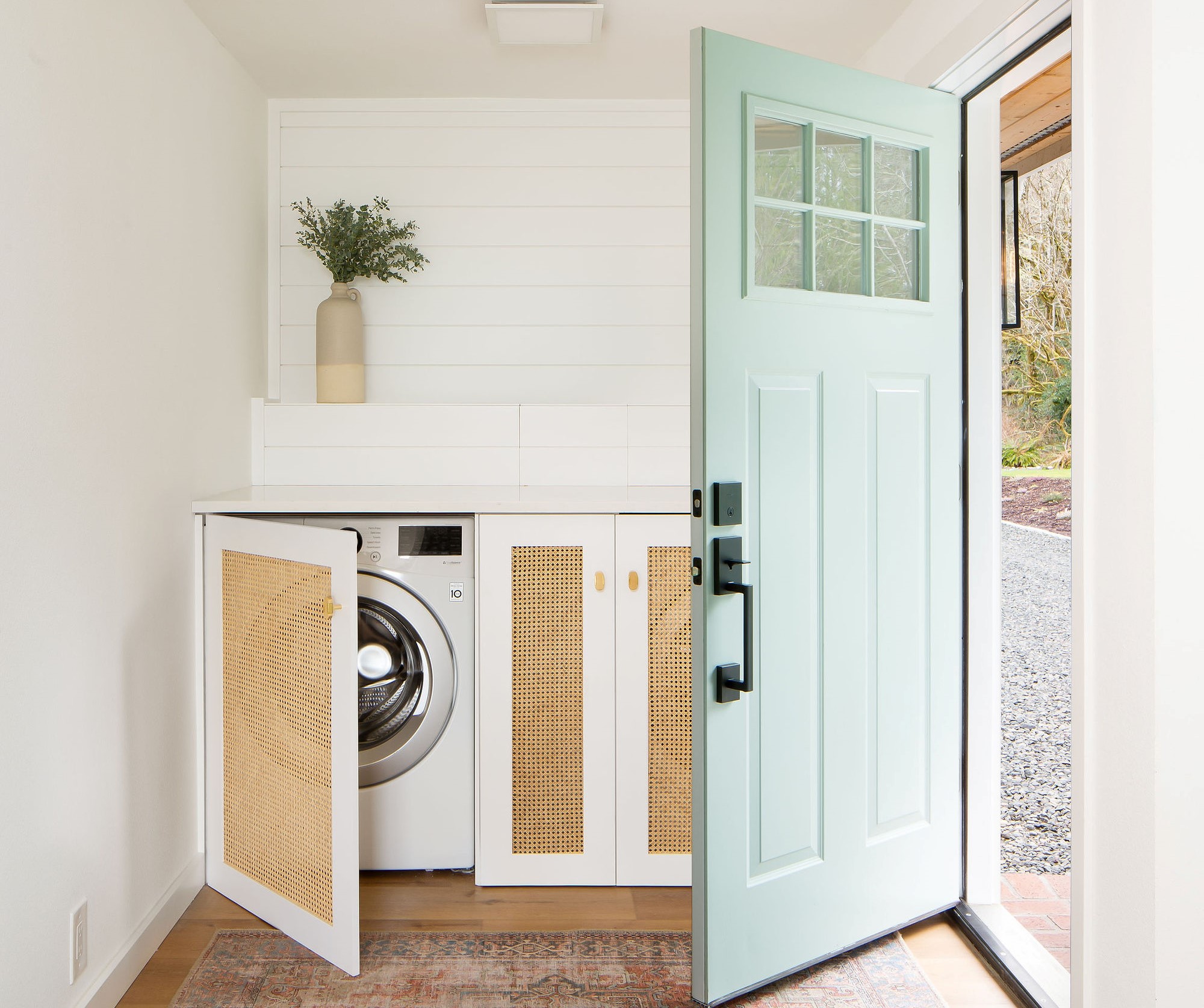
6 genius ways to sneak a washer dryer into a small home – even if you don't have space for a laundry room
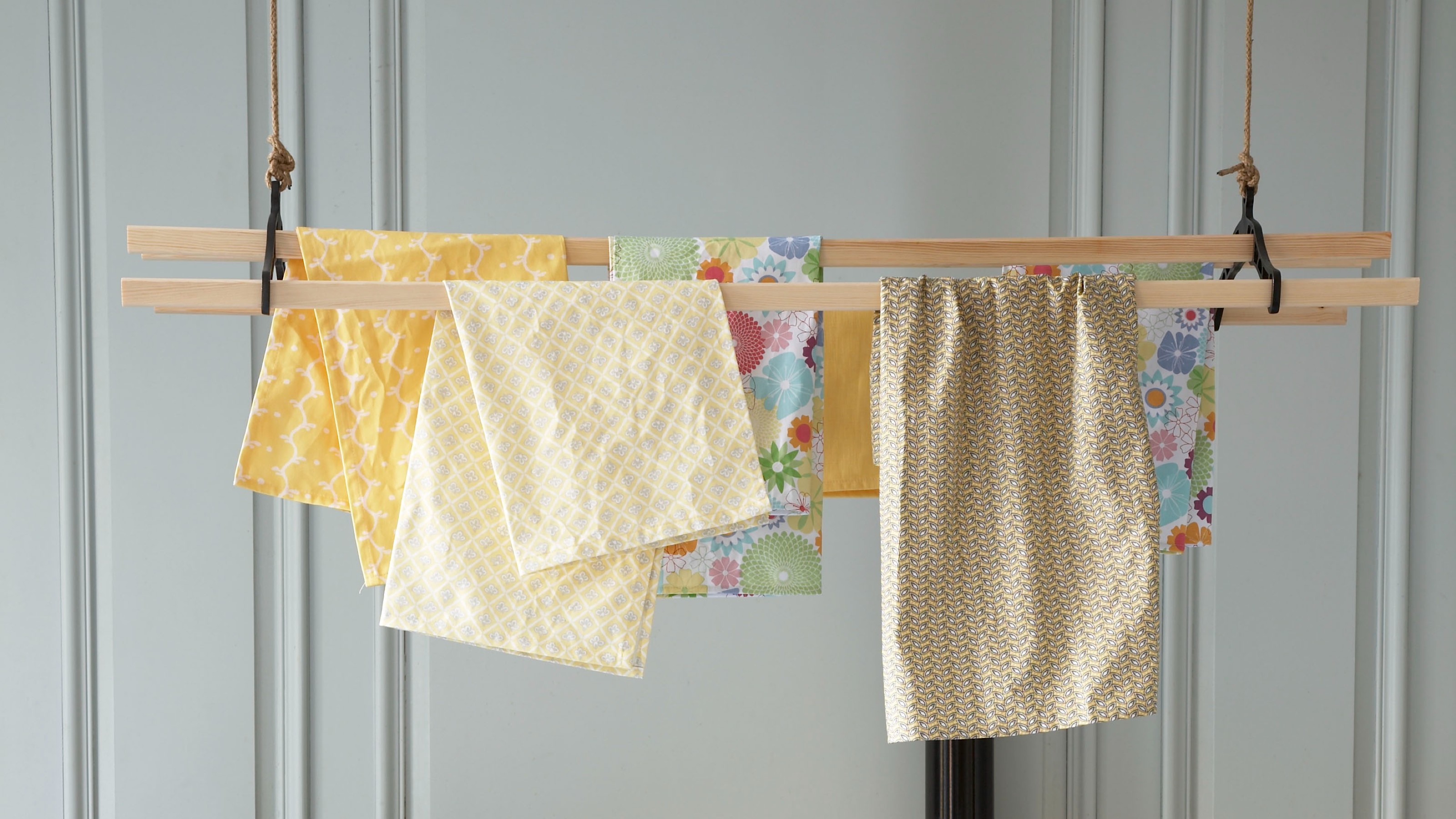
Experts warn not to hang washing to dry on your bannisters or doors – it can create a 'serious issue'

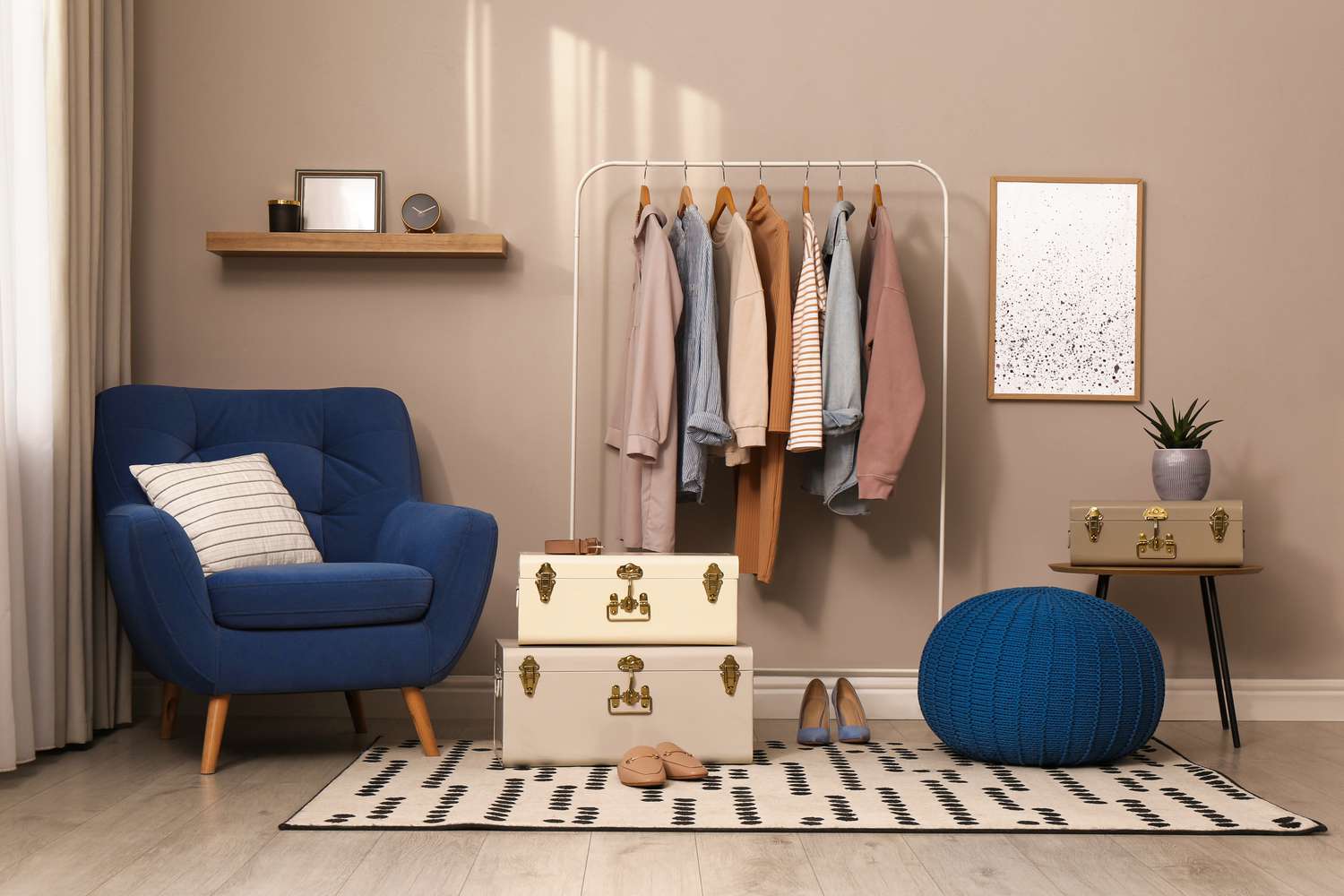
How to Store Your Clothes If You Don't Have a Closet
8 Best Hanging Racks for the Laundry Room

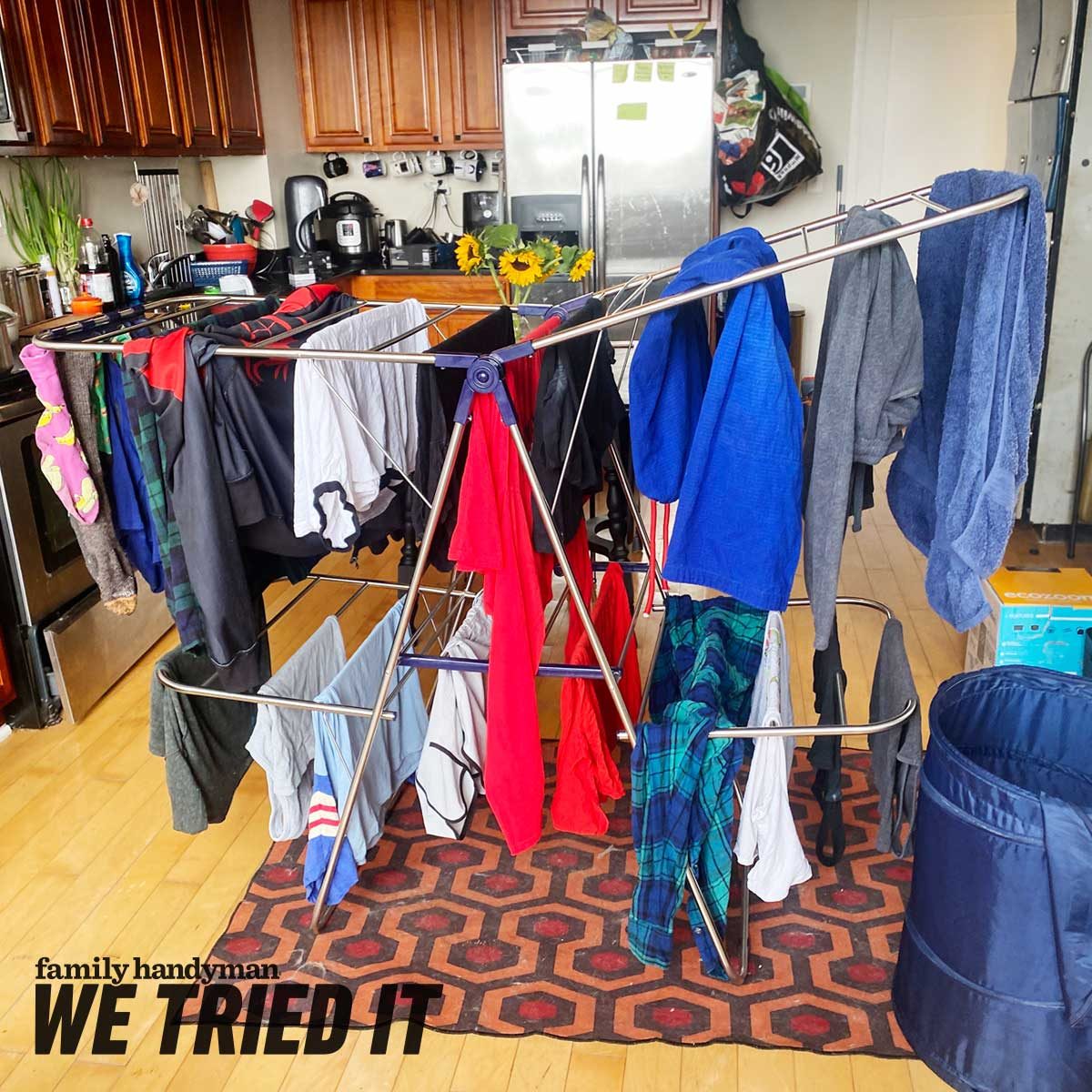
We Tried the Songmics Clothes-Drying Rack, and It Fits More Than One Load at a Time
No dresser? No problem – here's 8 ways to organize clothes without one

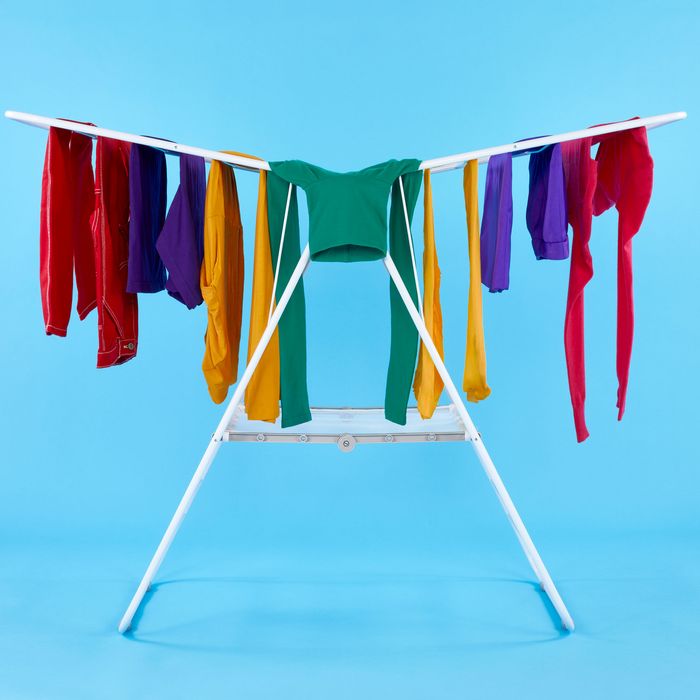
The 13 Very Best Clothes-Drying Racks
The Best Clothes-Drying Racks to Buy Right Now
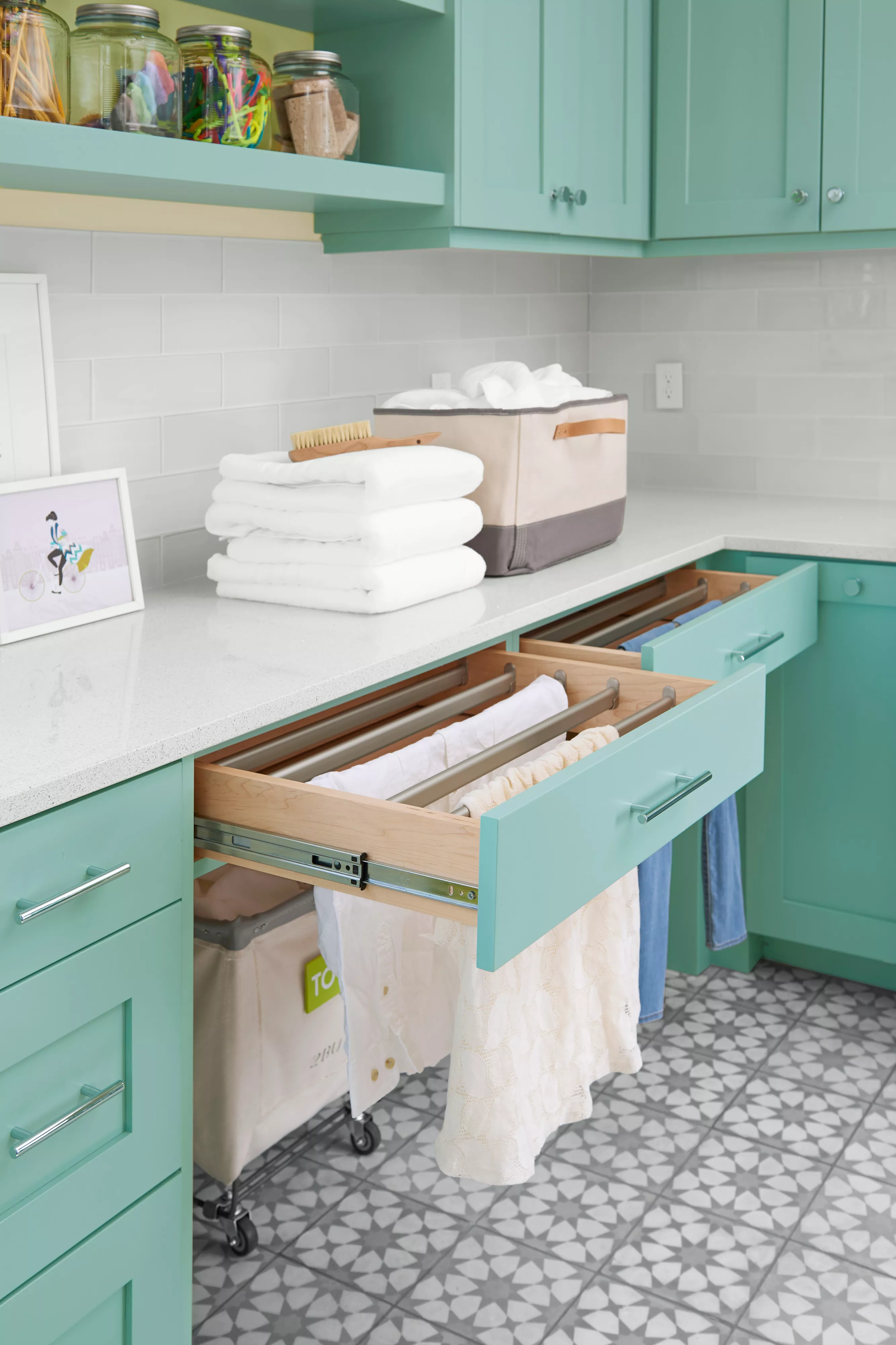
8 Laundry Room Drying Rack Ideas to Make Life Easier

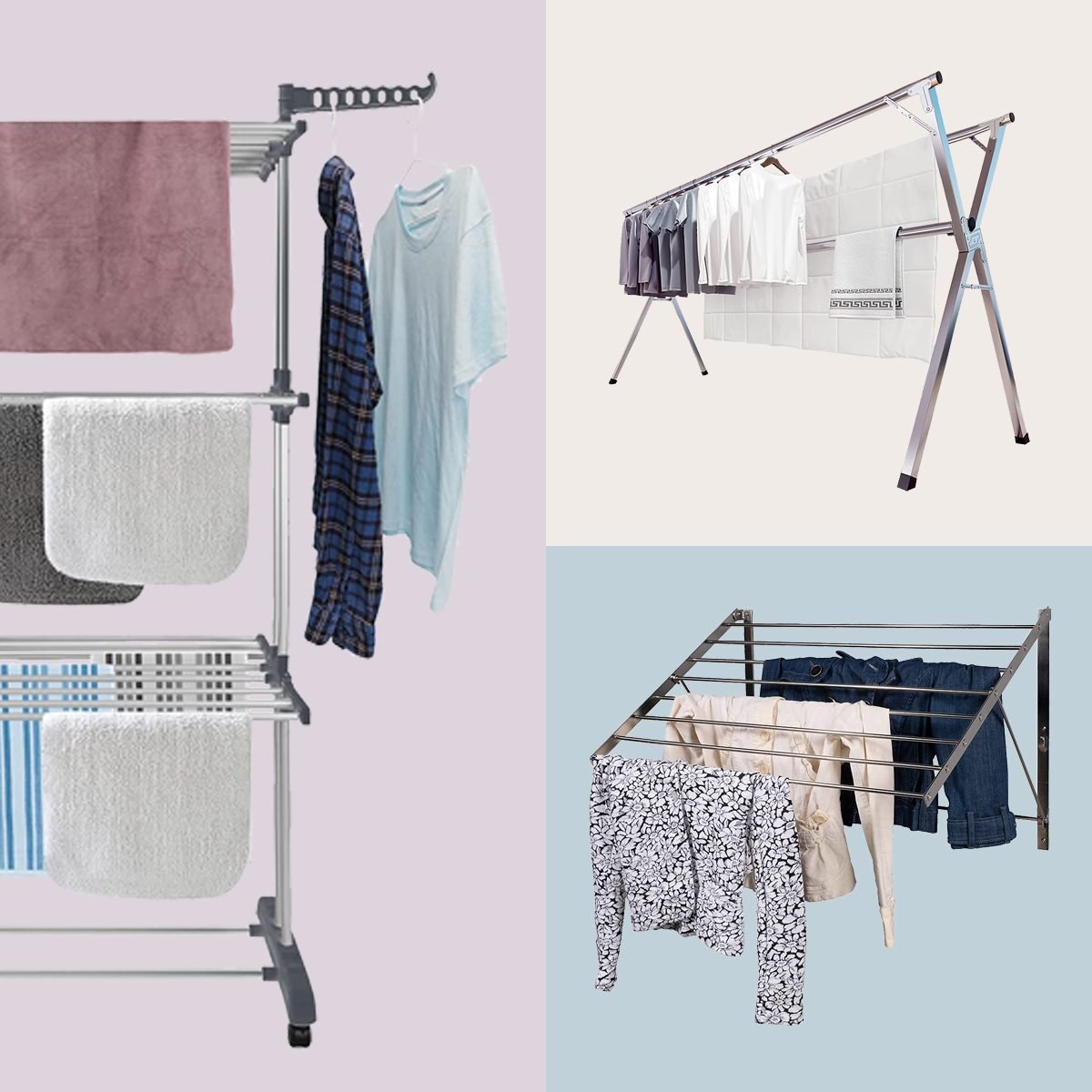
The 12 Best Clothes Drying Racks for Eco-Friendly Drying


How to Clean a Dryer Vent in 7 Simple Steps


How to prevent mould in wardrobes - expert-approved tips to protect your furniture and your clothes

The 7 best best clothes horses, drying racks and airers that will suit all spaces

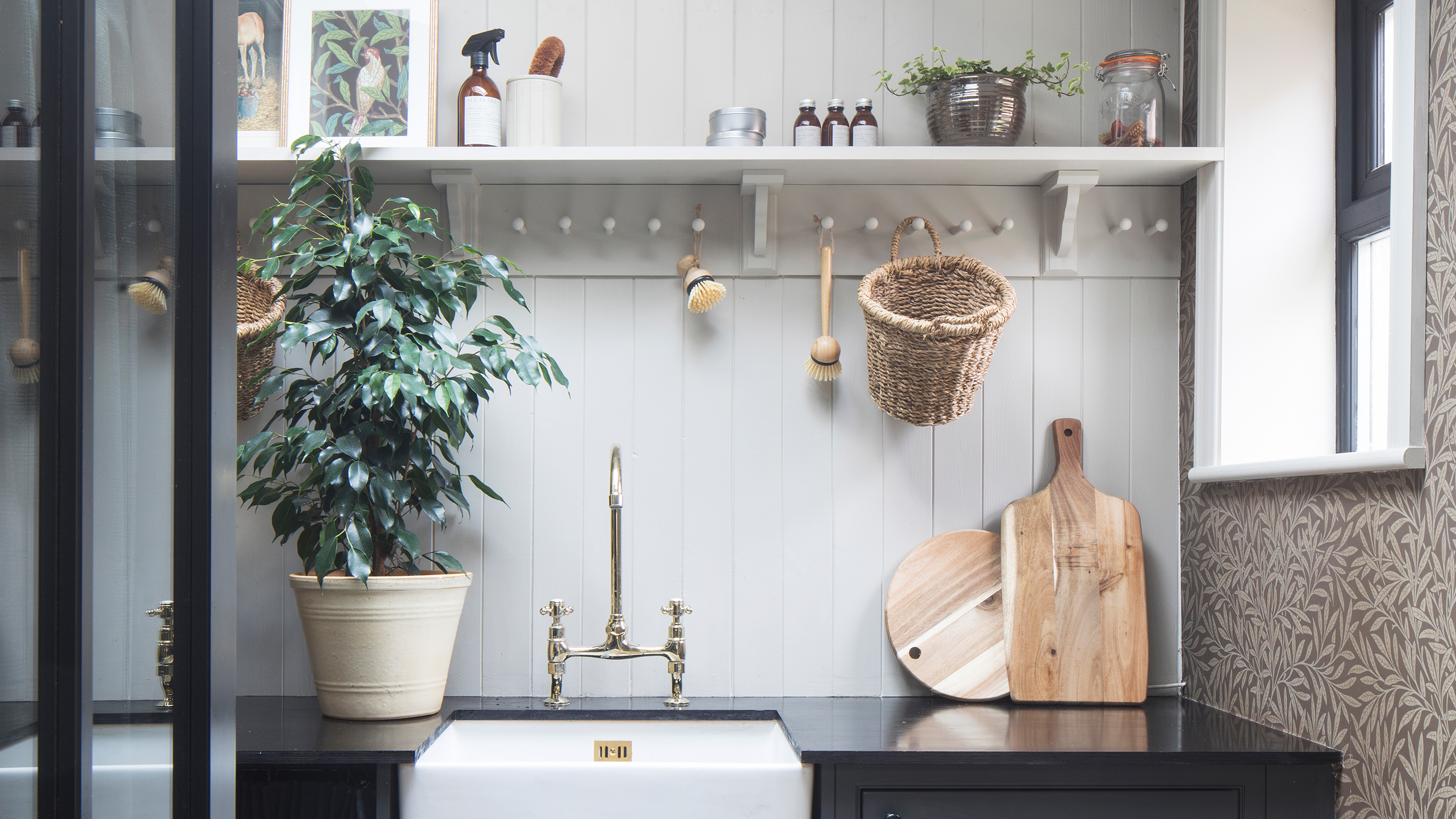
I think this traditional clothes airer is the secret to drying clothes this autumn – the classic look is stylish too
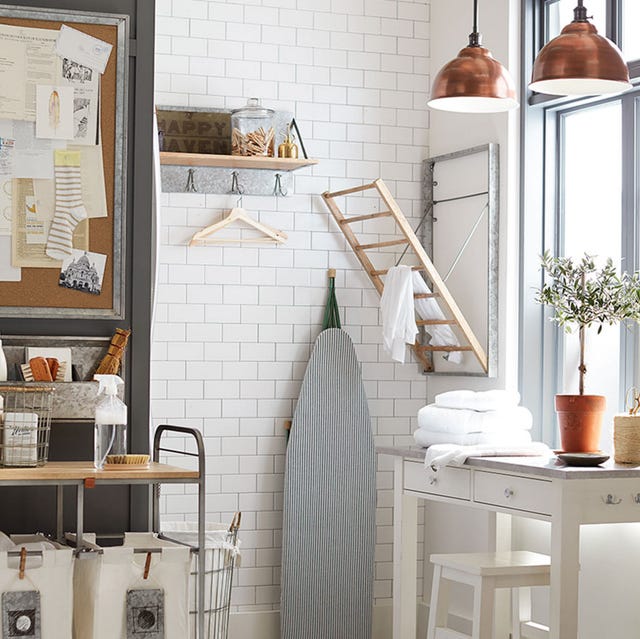
The $45 Drying Rack That Keeps All My Tees From Wrinkling


No-Drill Telescopic Clothes Drying Rod Spring-Loaded Anti-Slip Design | Multi-Purpose for Bathroom Balcony Bedroom