1/14
Cottage hallway ideas – style inspiration to create a welcoming space
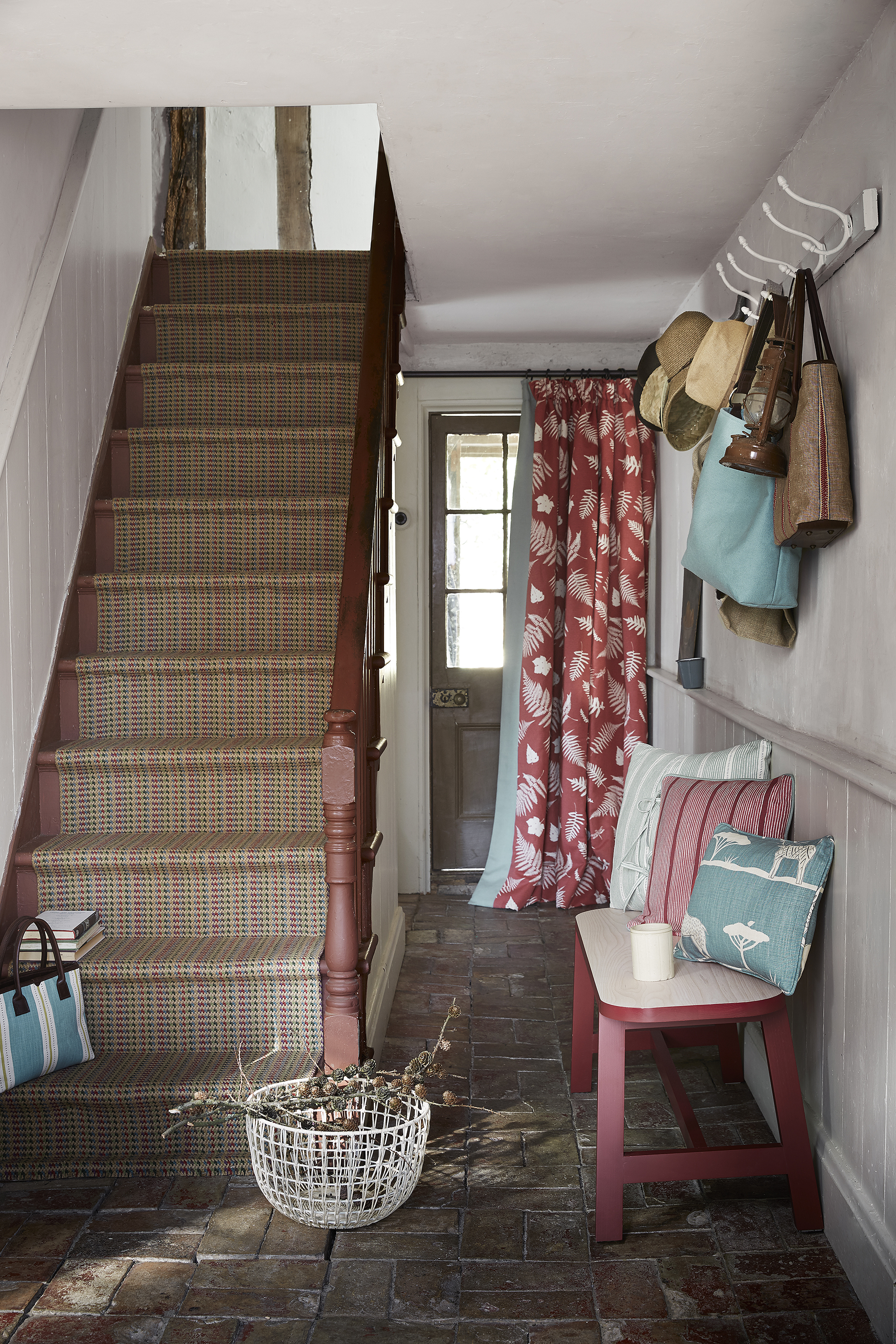
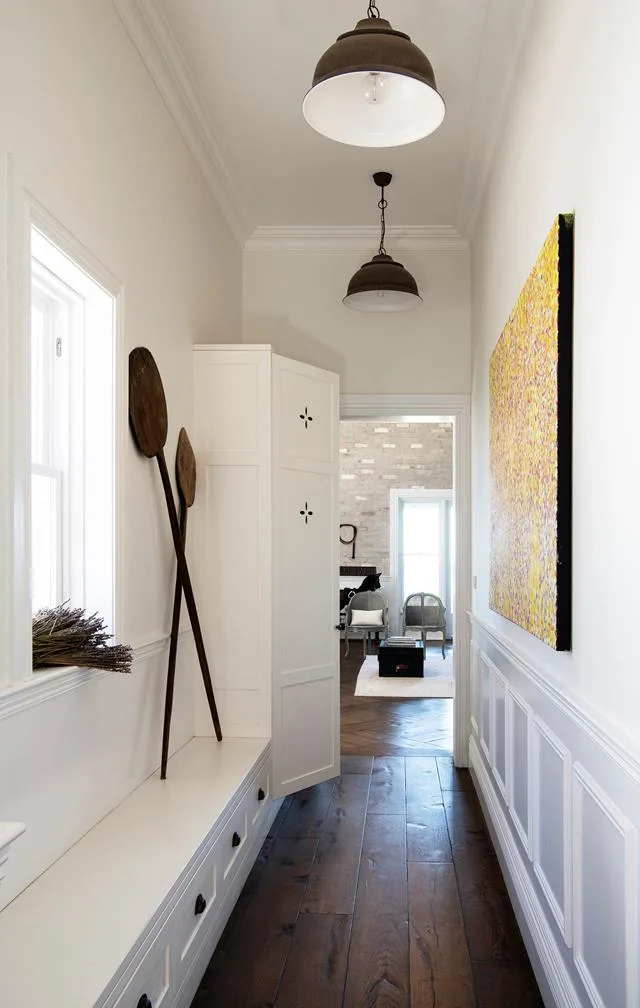
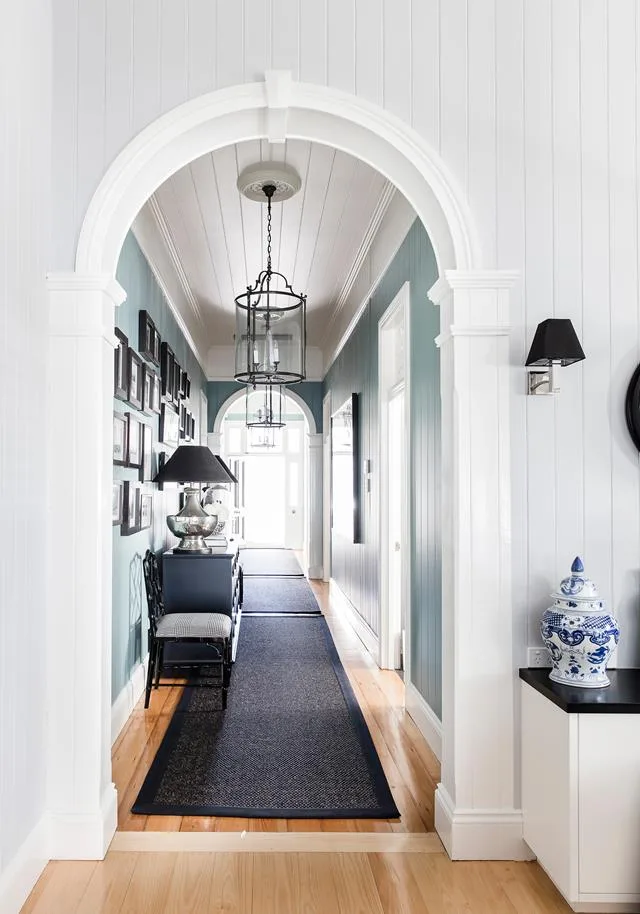
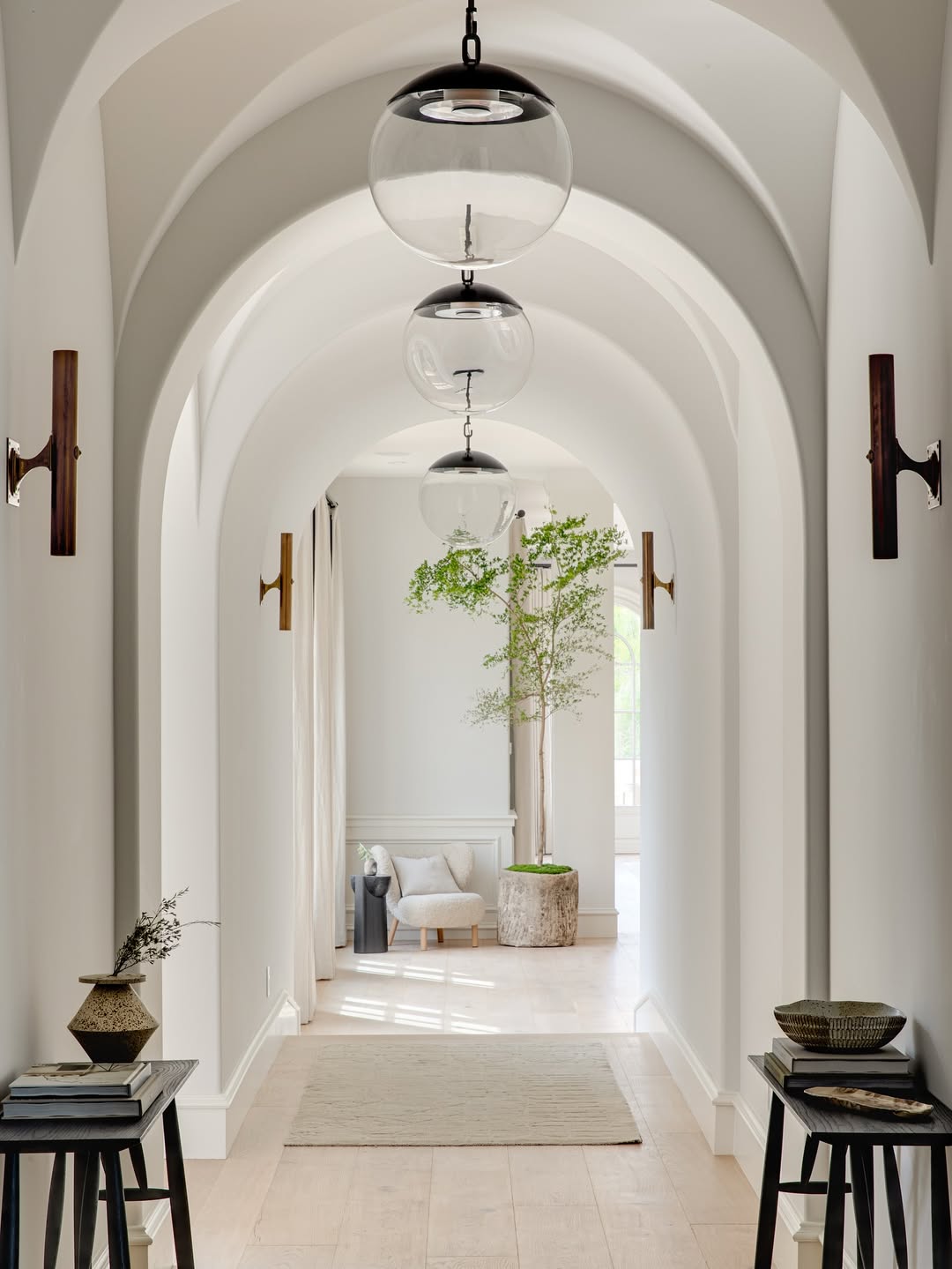
The hallway in a cottage home serves as the initial introduction to the property, making it crucial to establish a welcoming and characteristic tone from the outset. Often overlooked, this space, when thoughtfully designed, can seamlessly connect the exterior charm with the interior aesthetic. Practical considerations are paramount, such as selecting appropriate flooring, ensuring adequate lighting, and implementing draft solutions, all while aiming for an authentic cottage feel. Experts recommend durable materials like flagstones or brick for flooring, complemented by a substantial curtain over the front door or an inner porch to mitigate drafts.
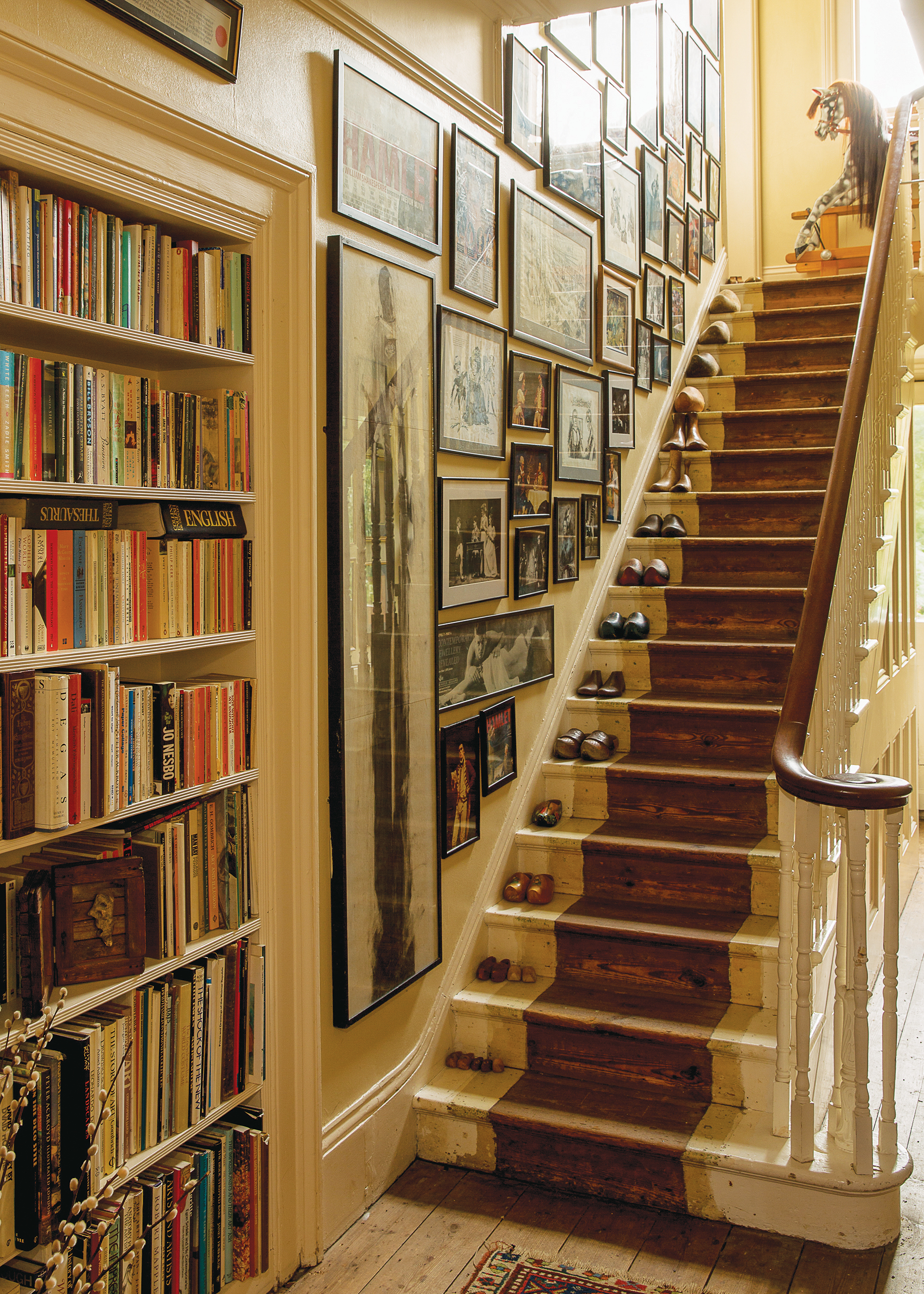
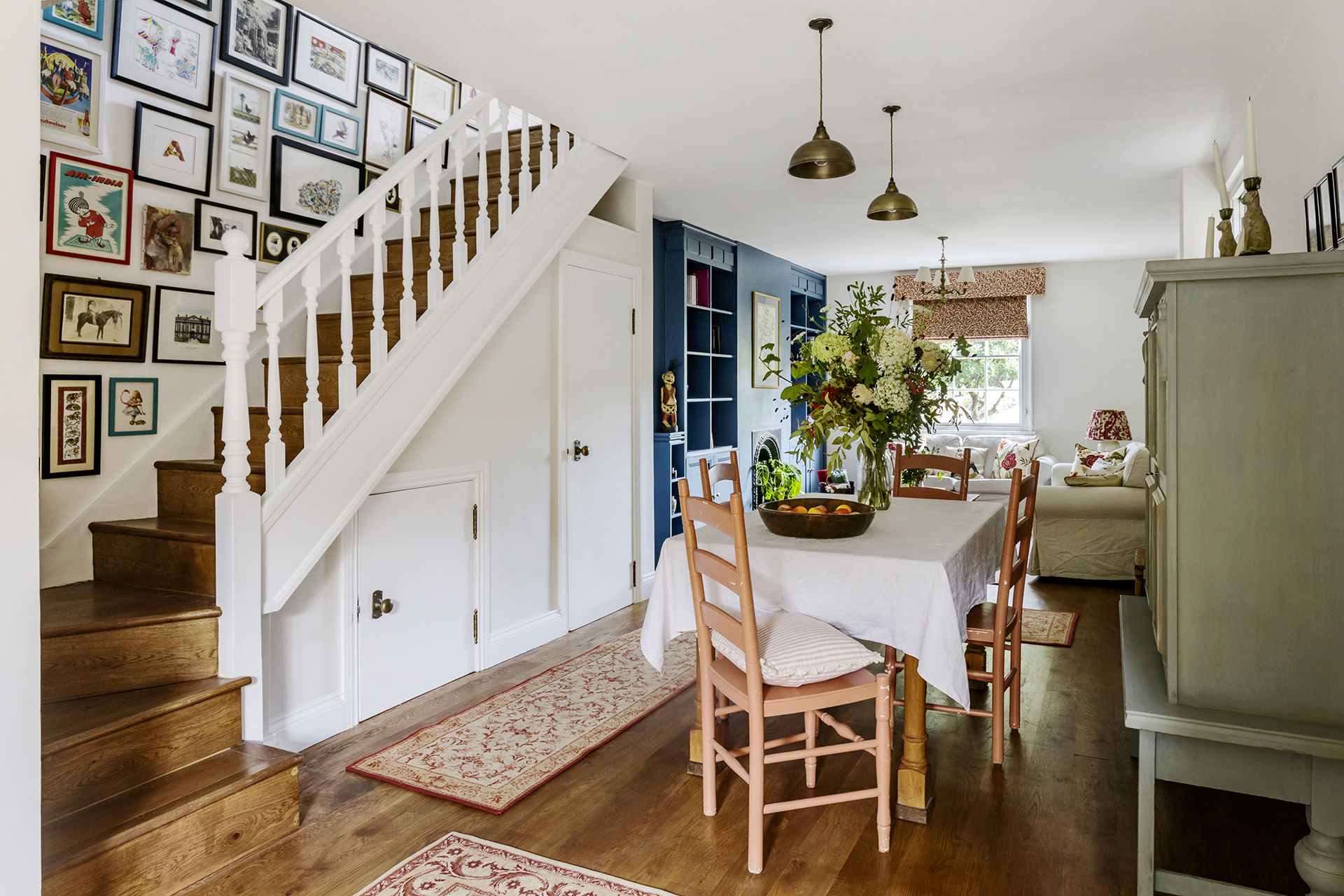
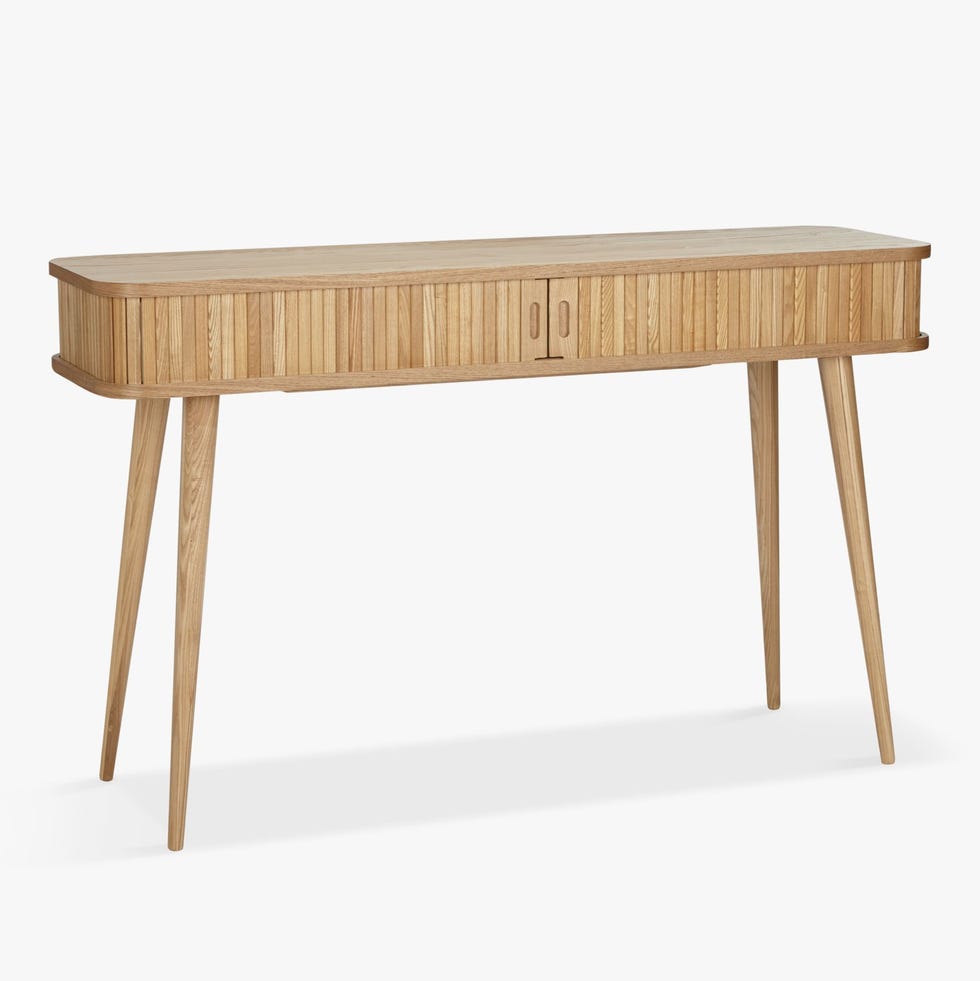
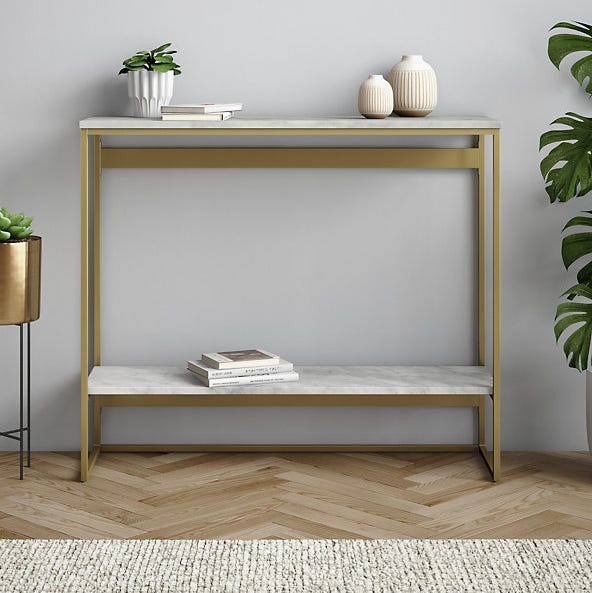
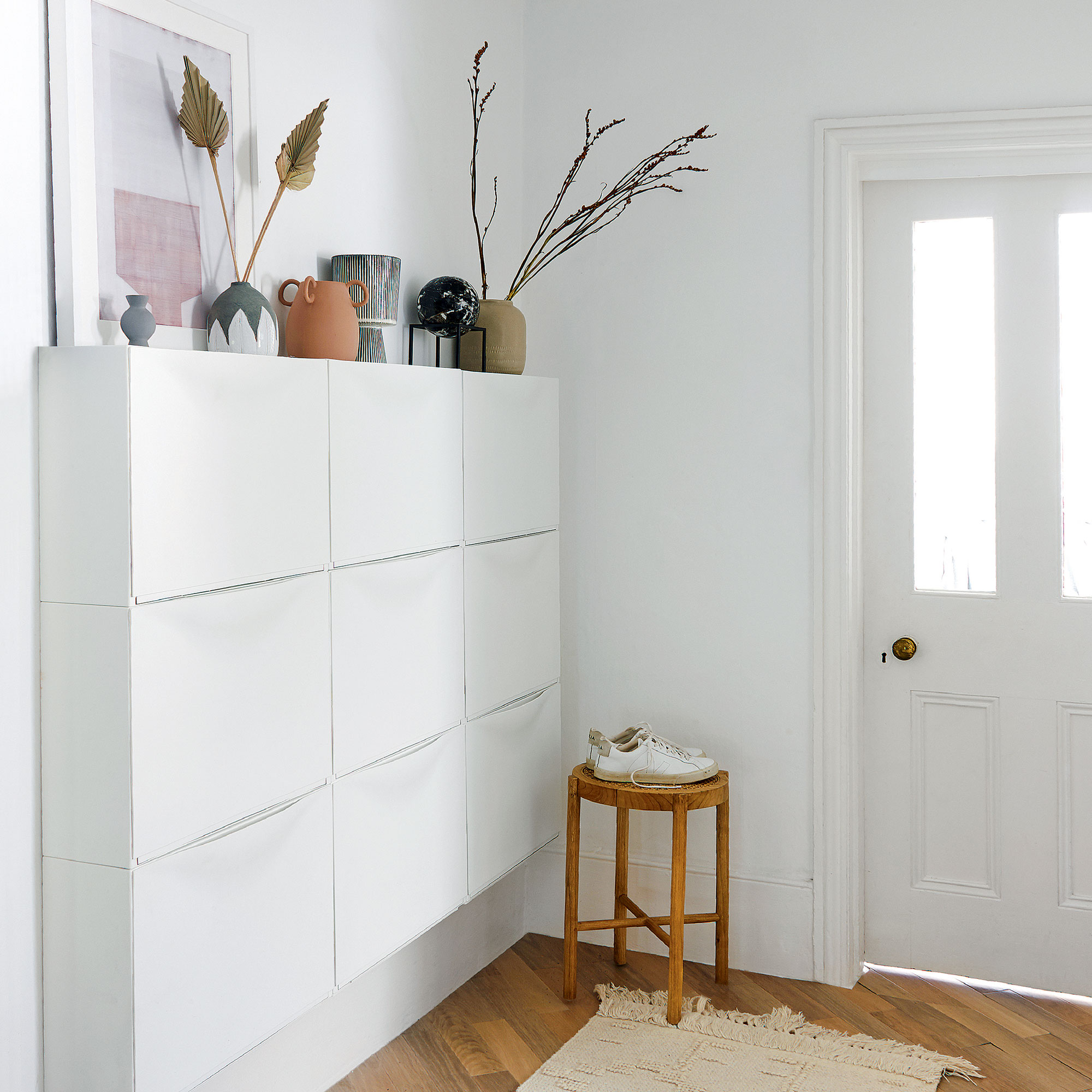
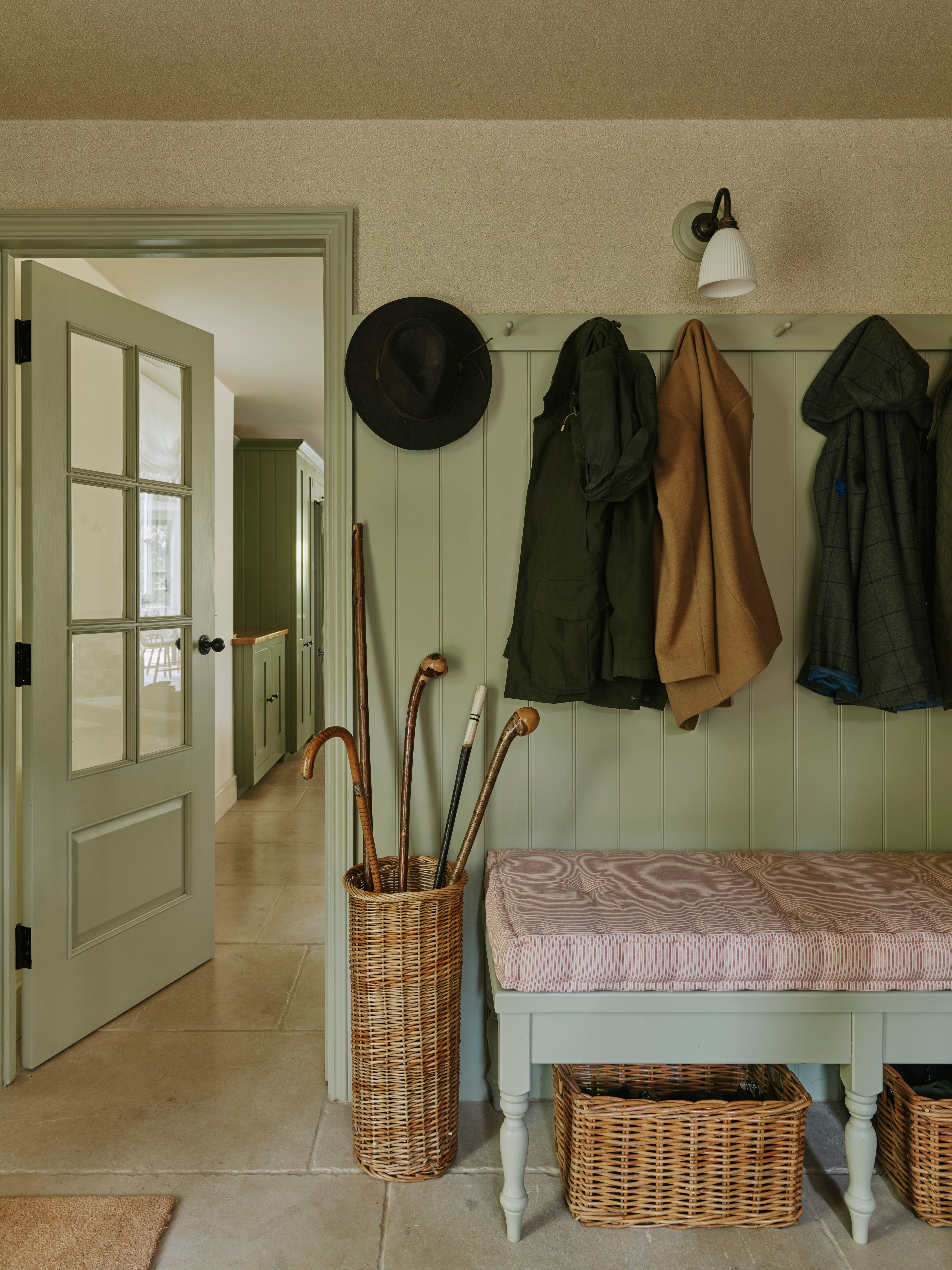
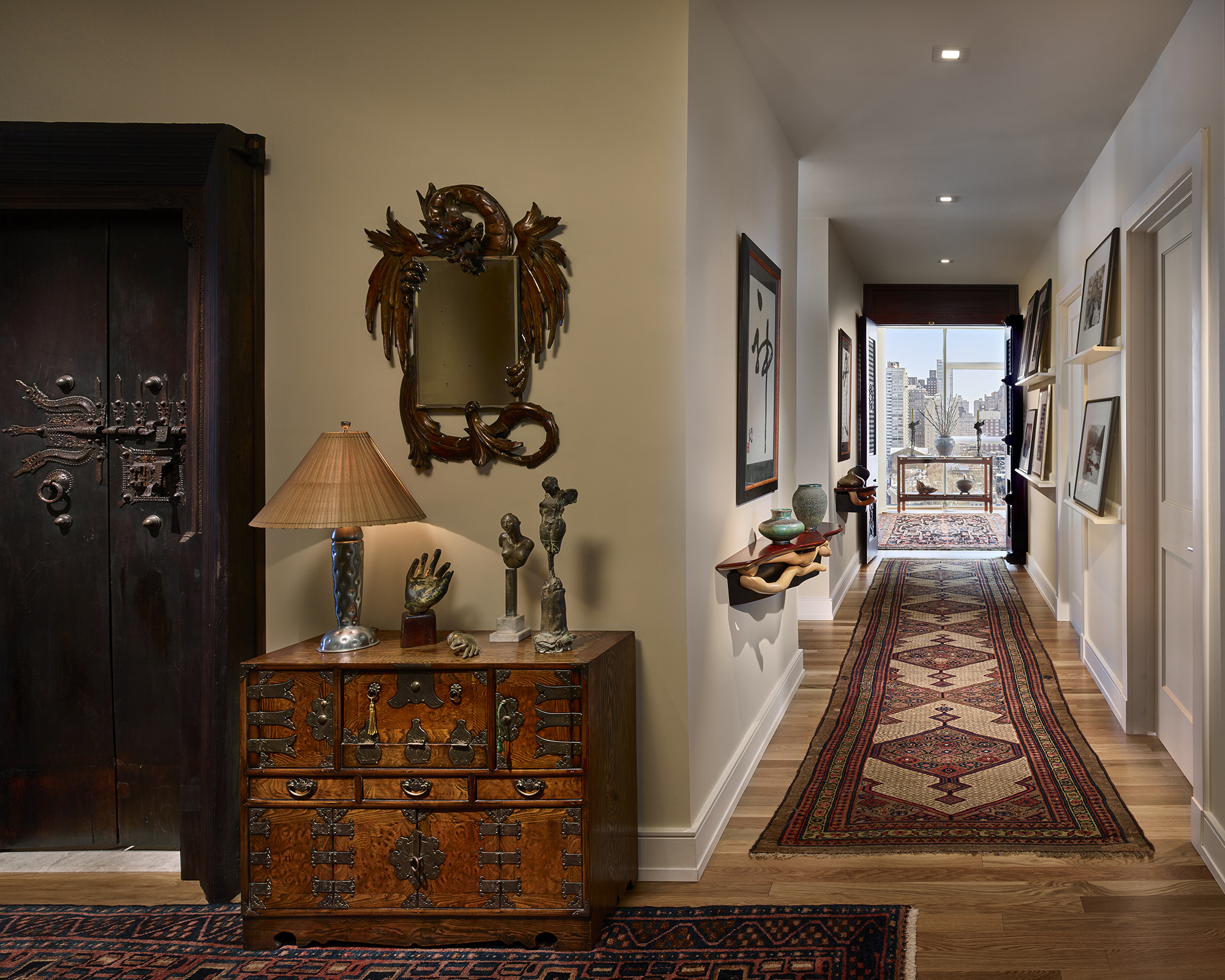
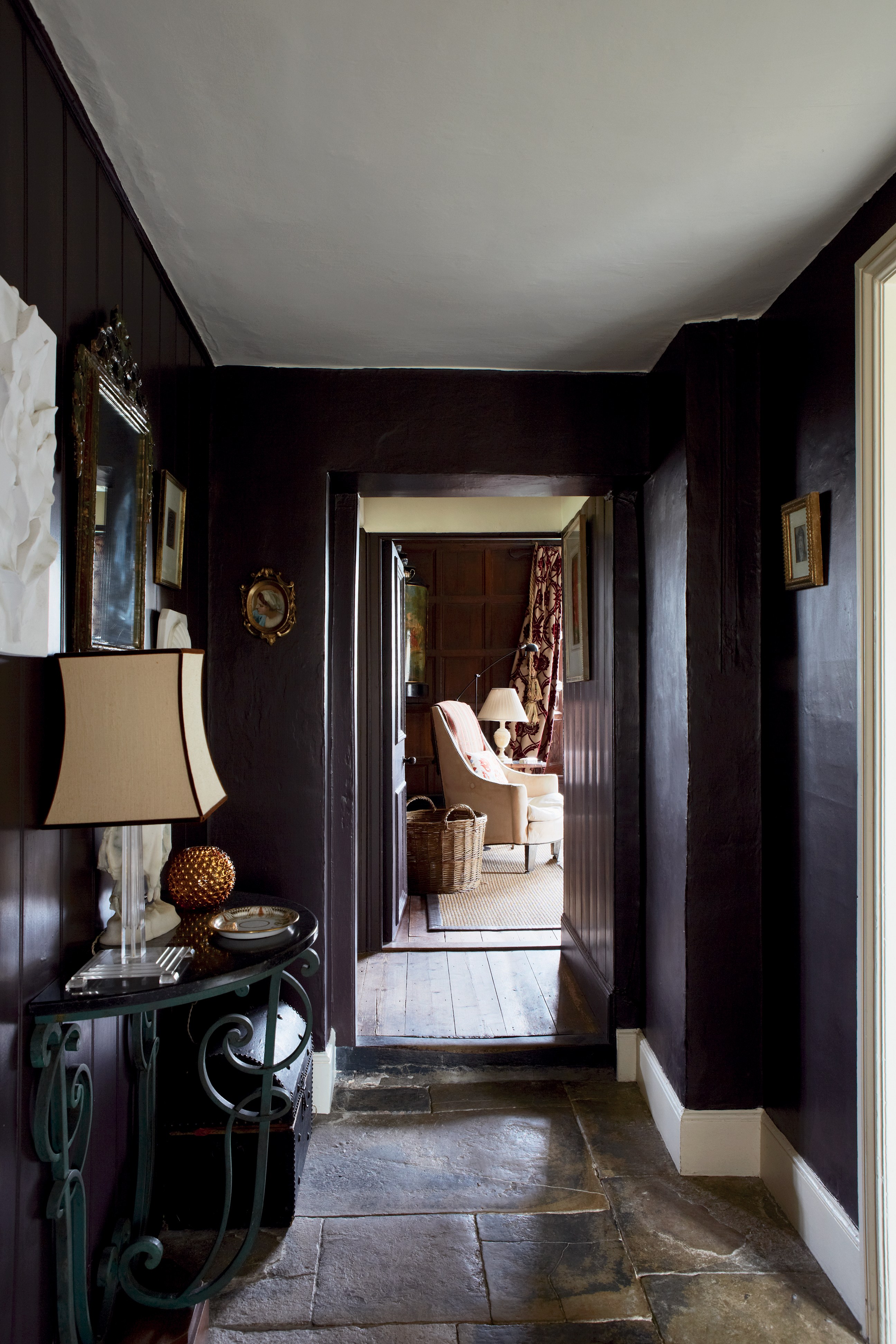
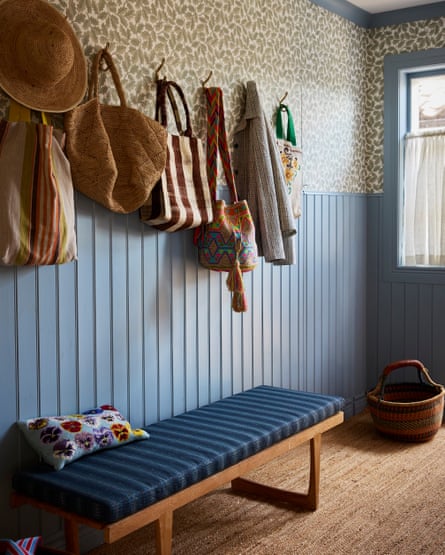
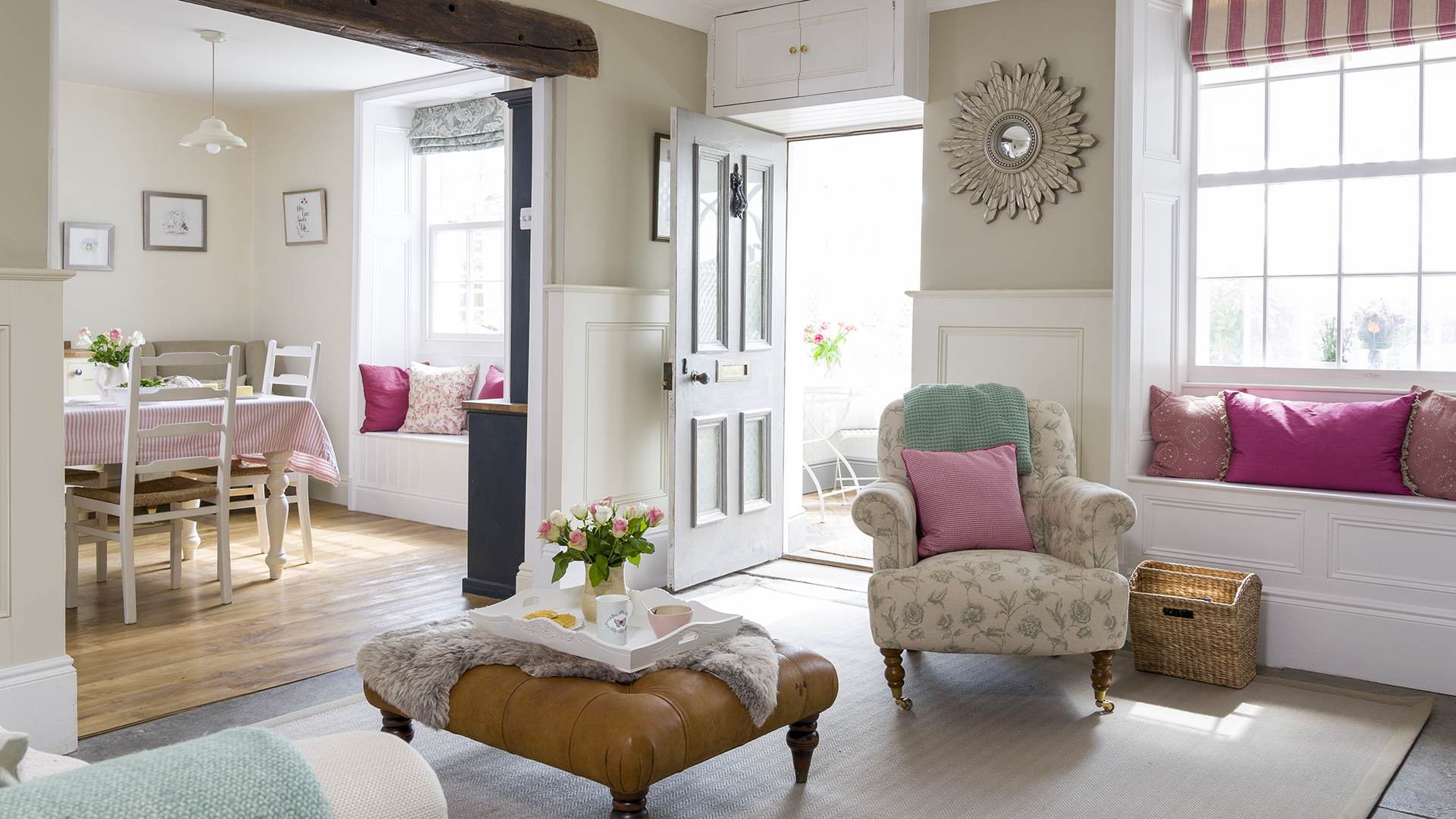
Functionality is key, as cottage hallways typically handle items like coats, hats, and wellington boots. Incorporating a side table for keys upon entry adds to the practicality and authenticity of the space. When a hallway integrates with adjacent rooms, it can be treated as a distinct zone while still contributing to an expanded sense of space. For instance, in an Elizabethan home, an open-ended passageway might retain its original flagstones to define the hallway from dining areas, with an oriental rug echoing interior warmth.
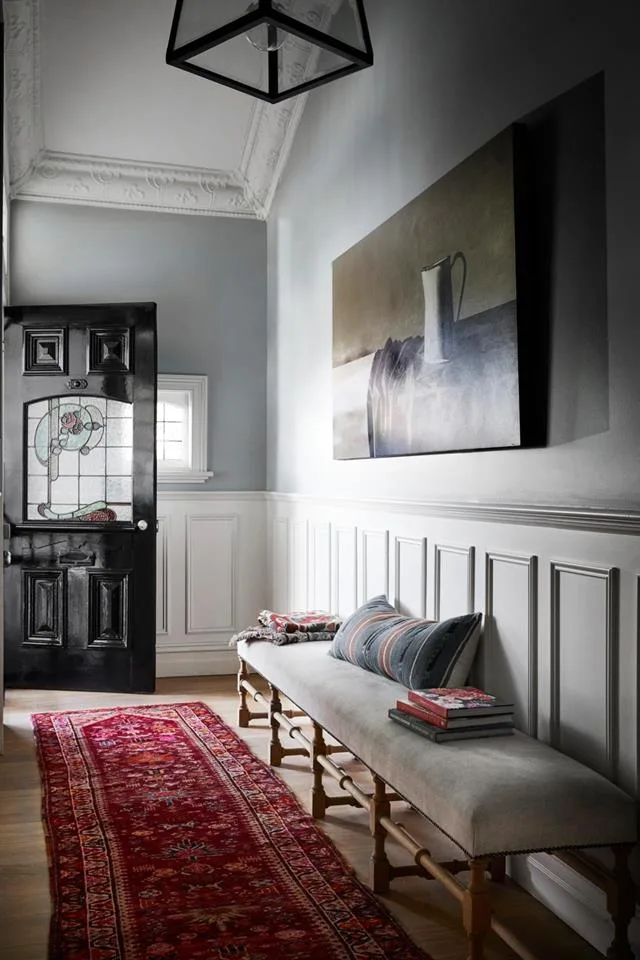
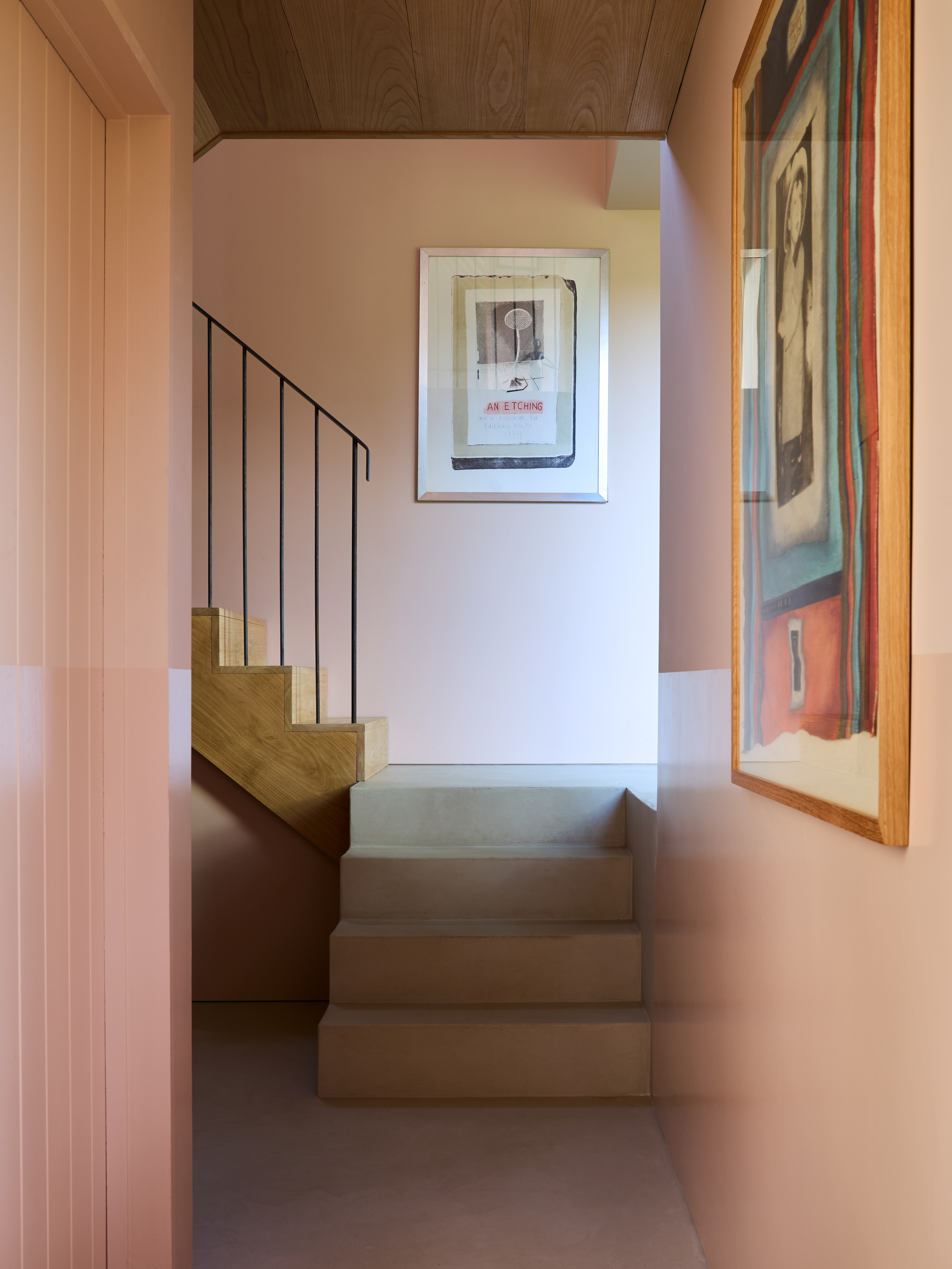
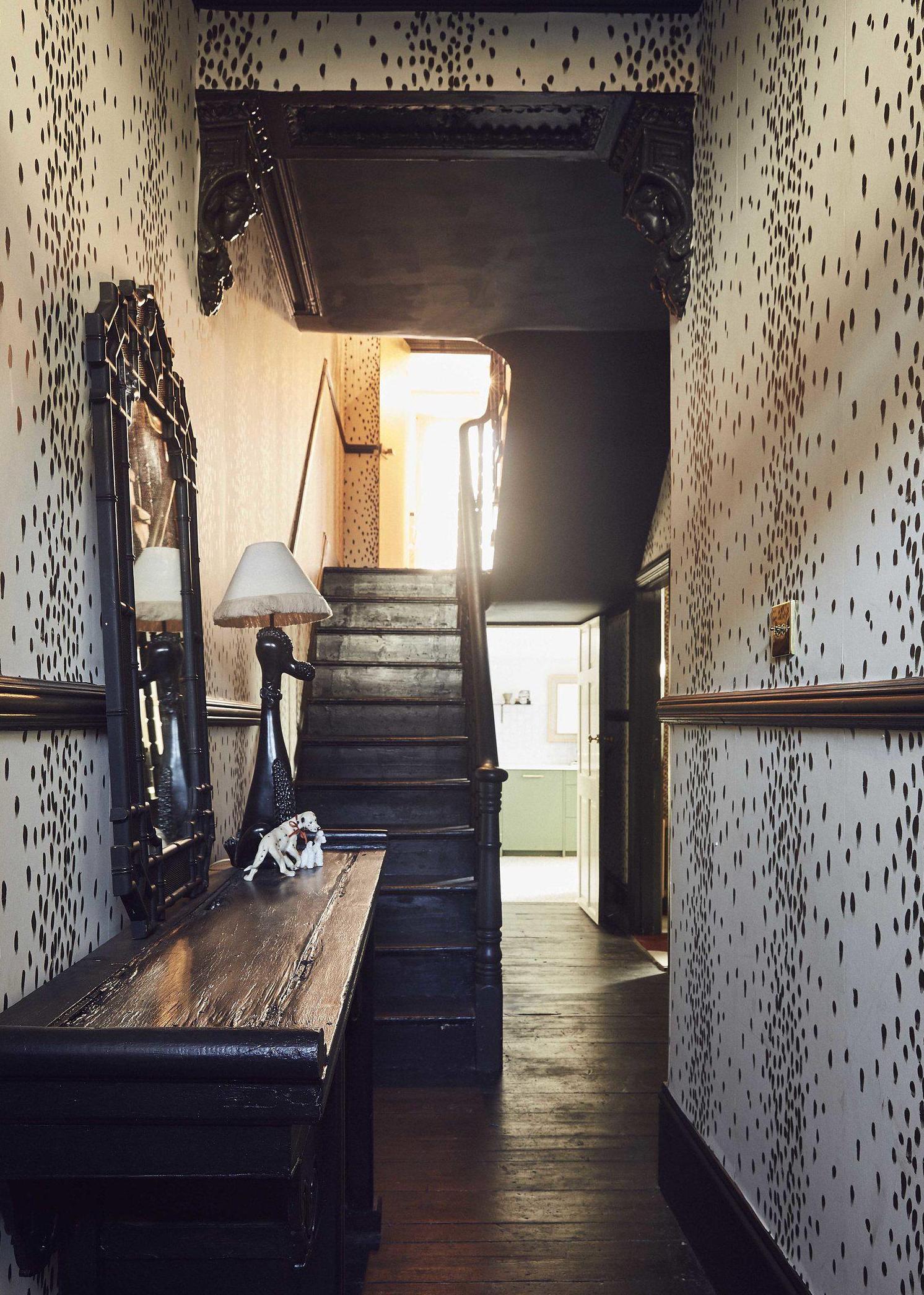
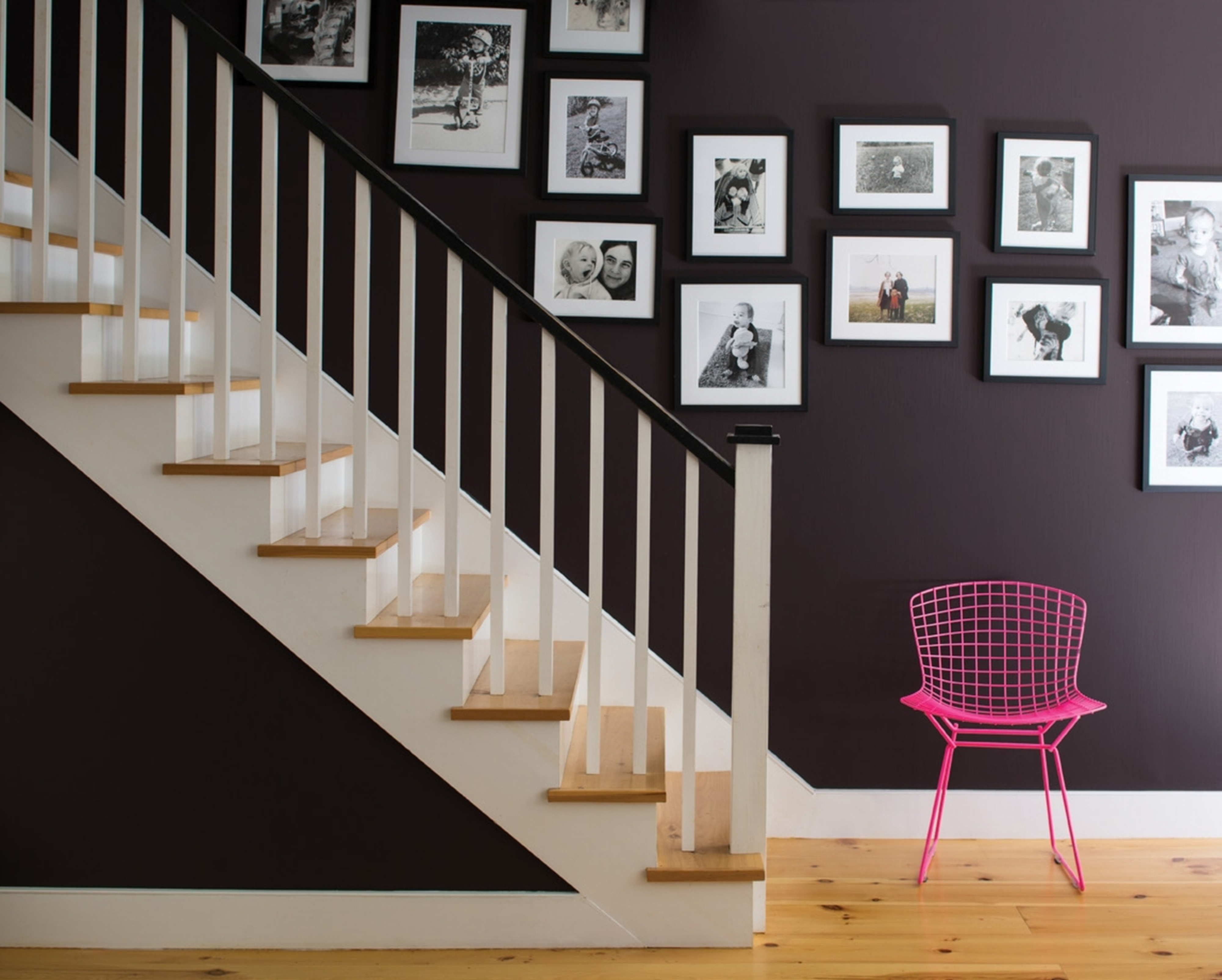
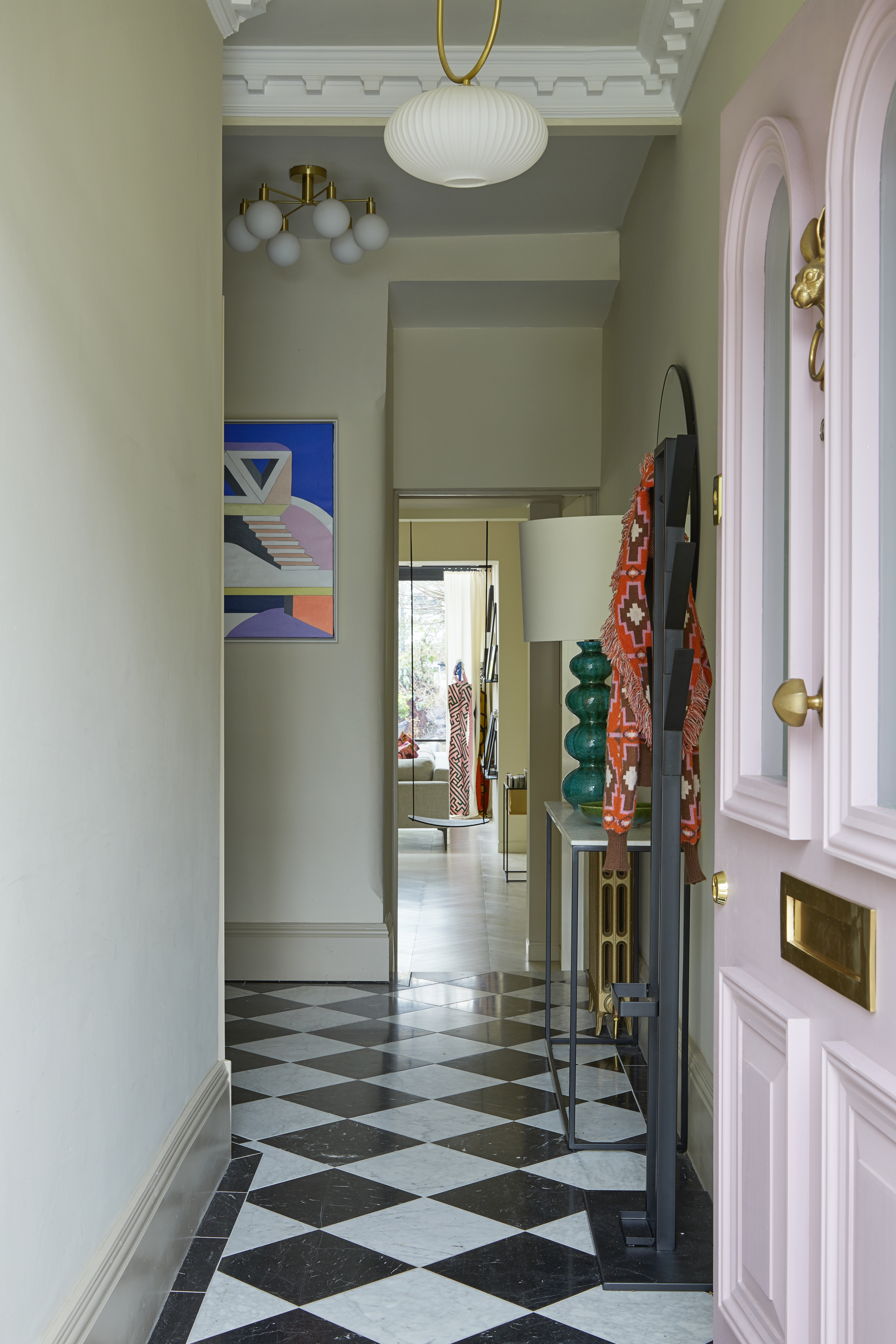
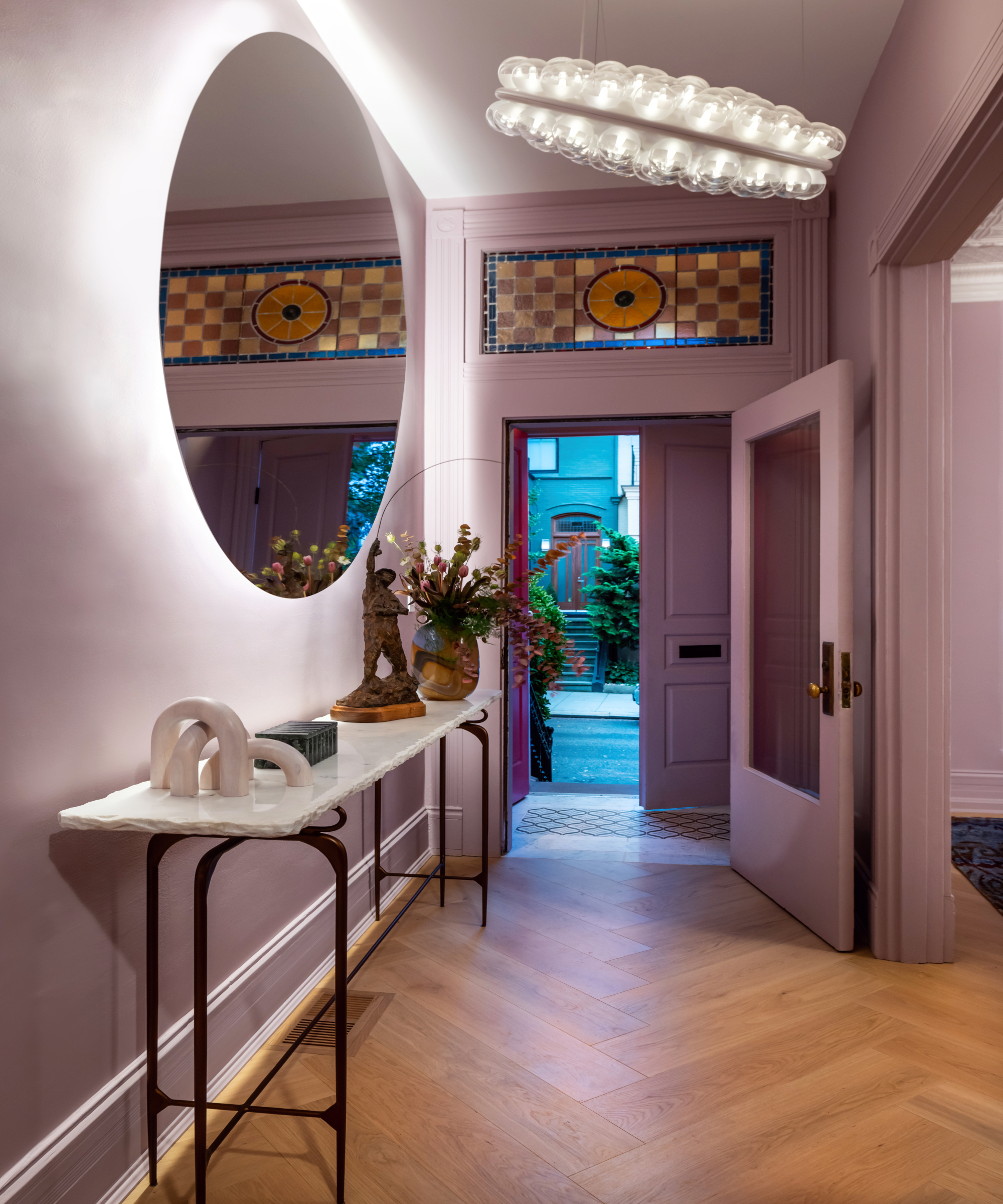
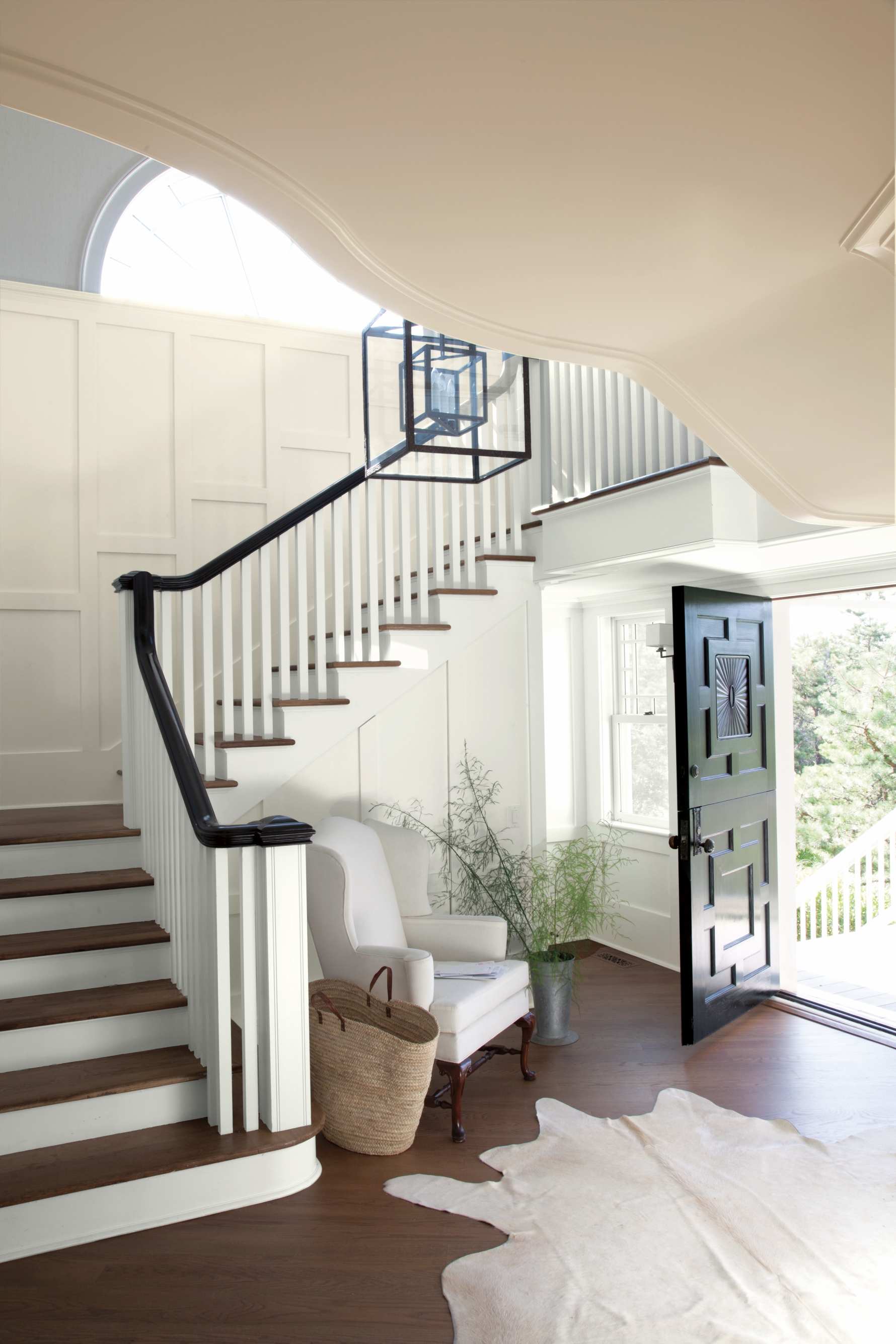
Designing a cottage hallway involves several stylistic considerations. While some may consider small spaces unsuitable for dark colors, light, fresh paint hues can enlarge the area and accentuate furniture. The front door's color can significantly impact the hallway's visual appeal, especially when open, acting as a focal point. Daniel Slowik of Sibyl Colefax & John Fowler advises against under-furnishing or under-decorating, suggesting a comprehensive color and pattern scheme with properly proportioned furniture, contrary to the belief that small-scale items make a cottage appear larger.
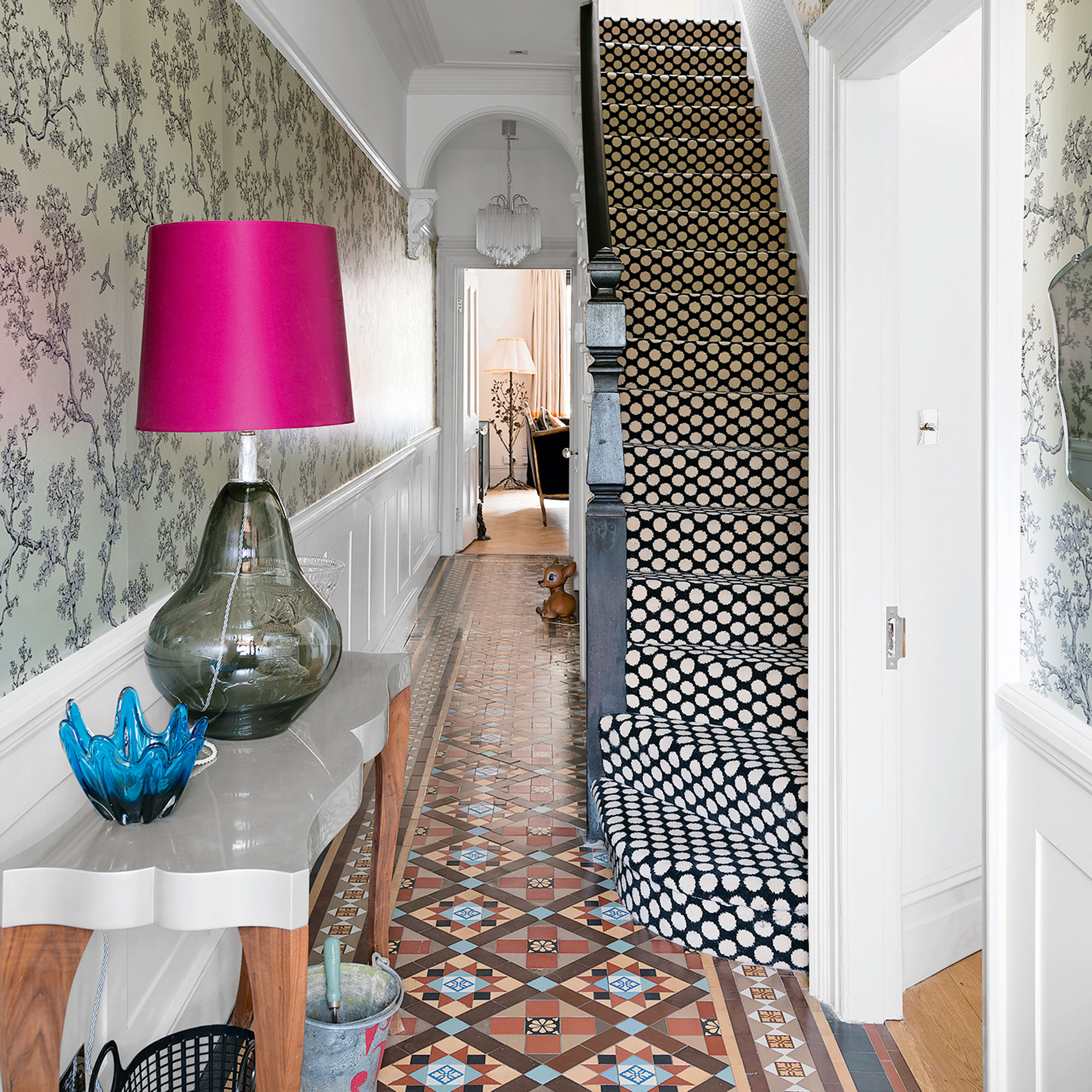
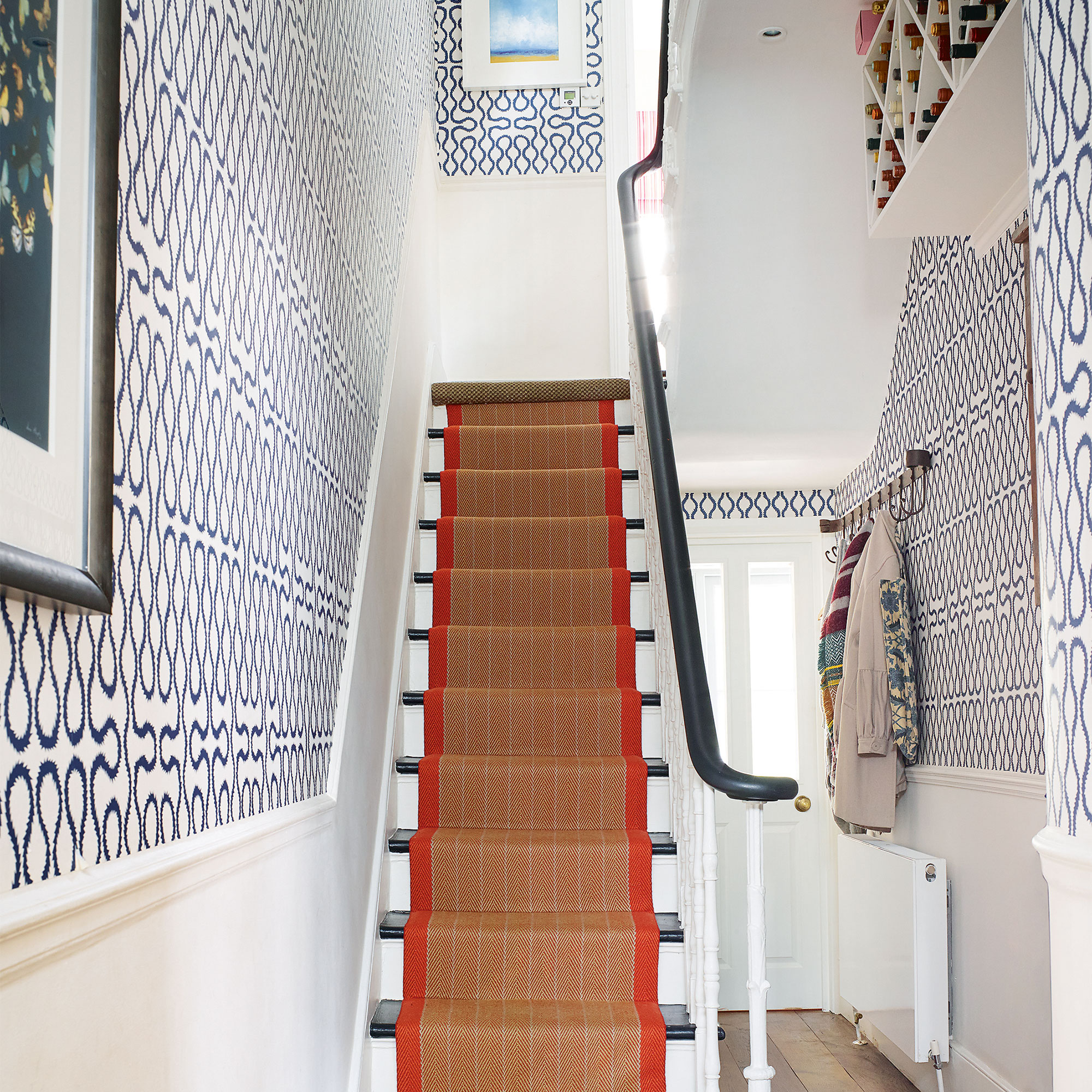
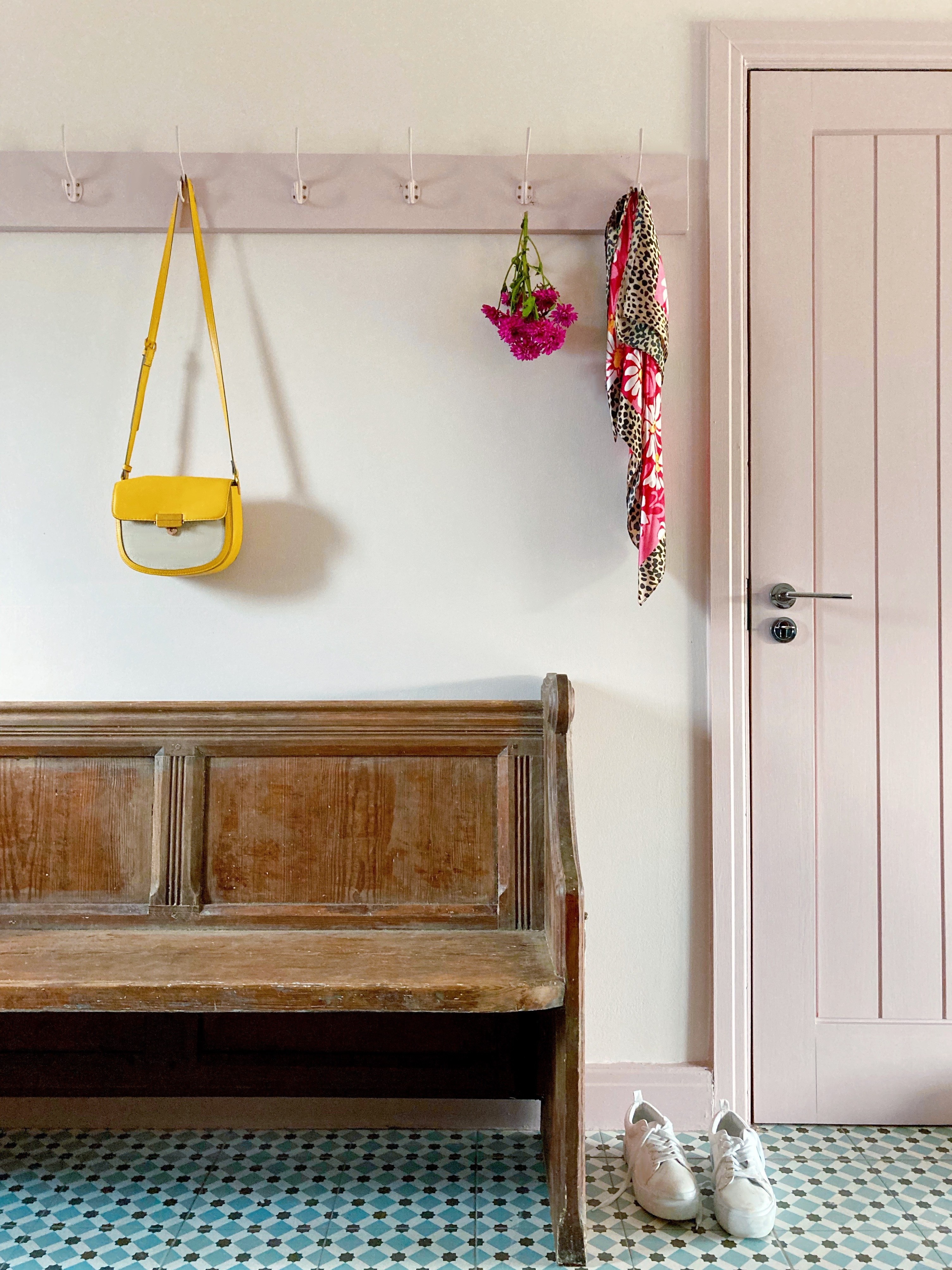
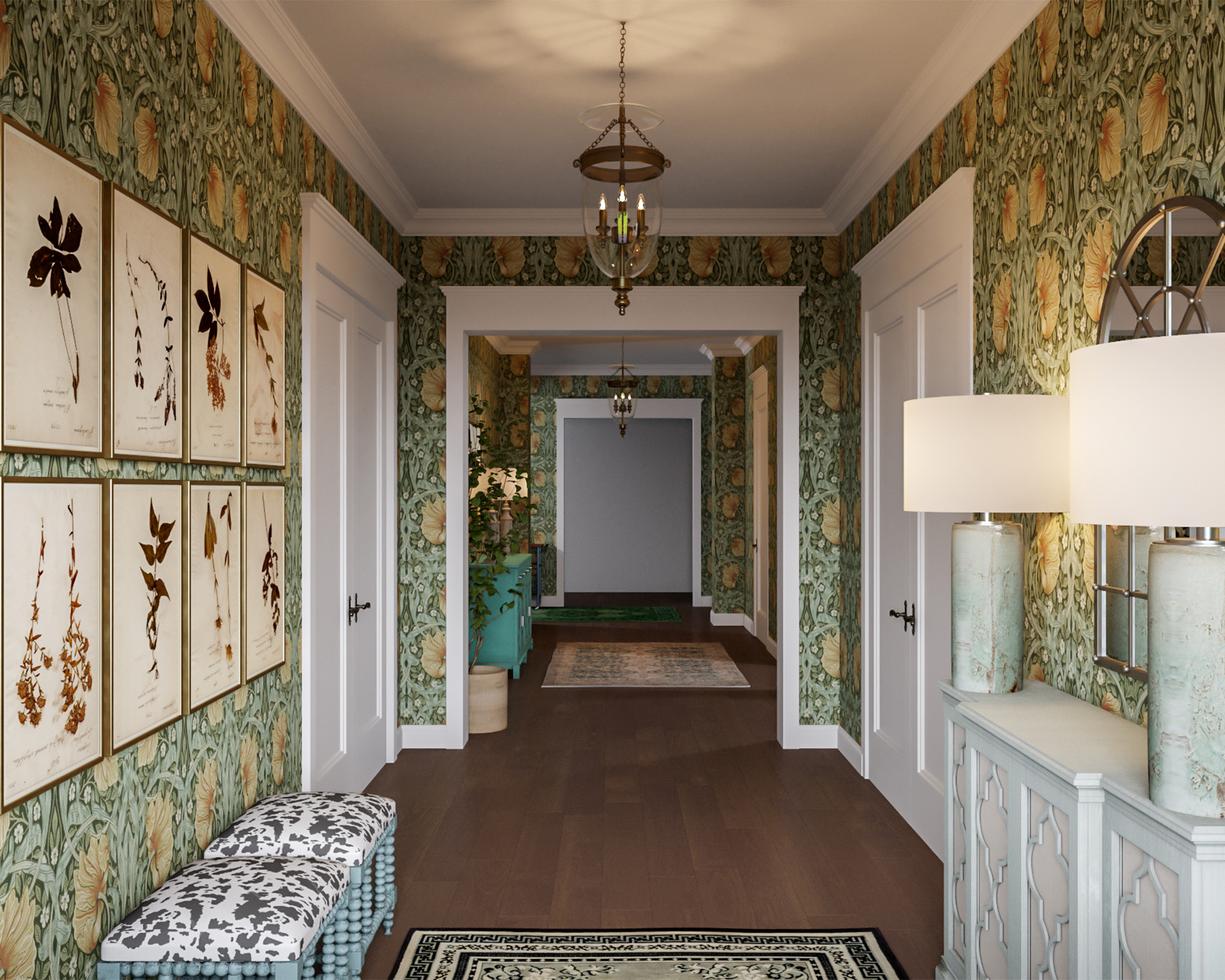
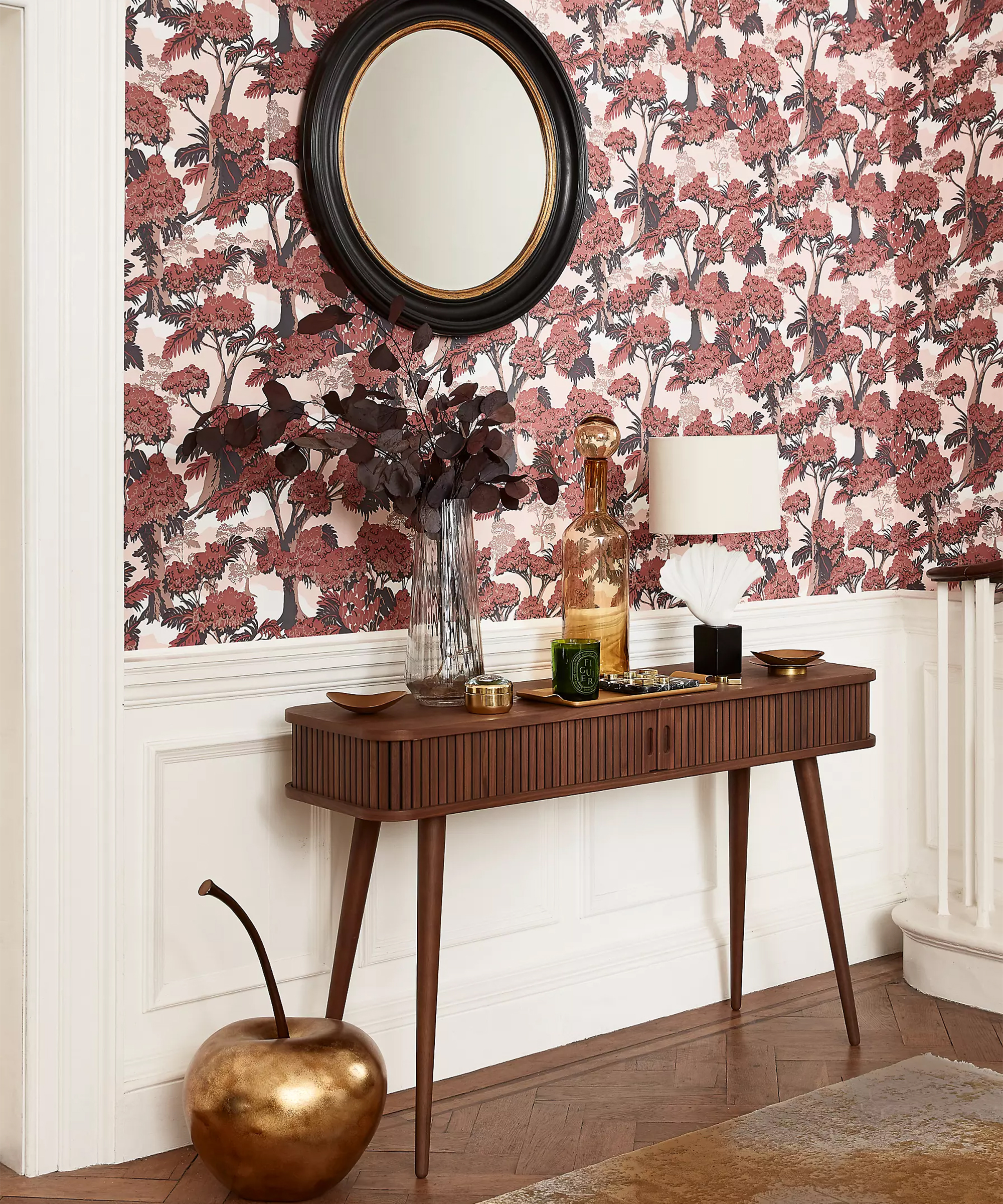
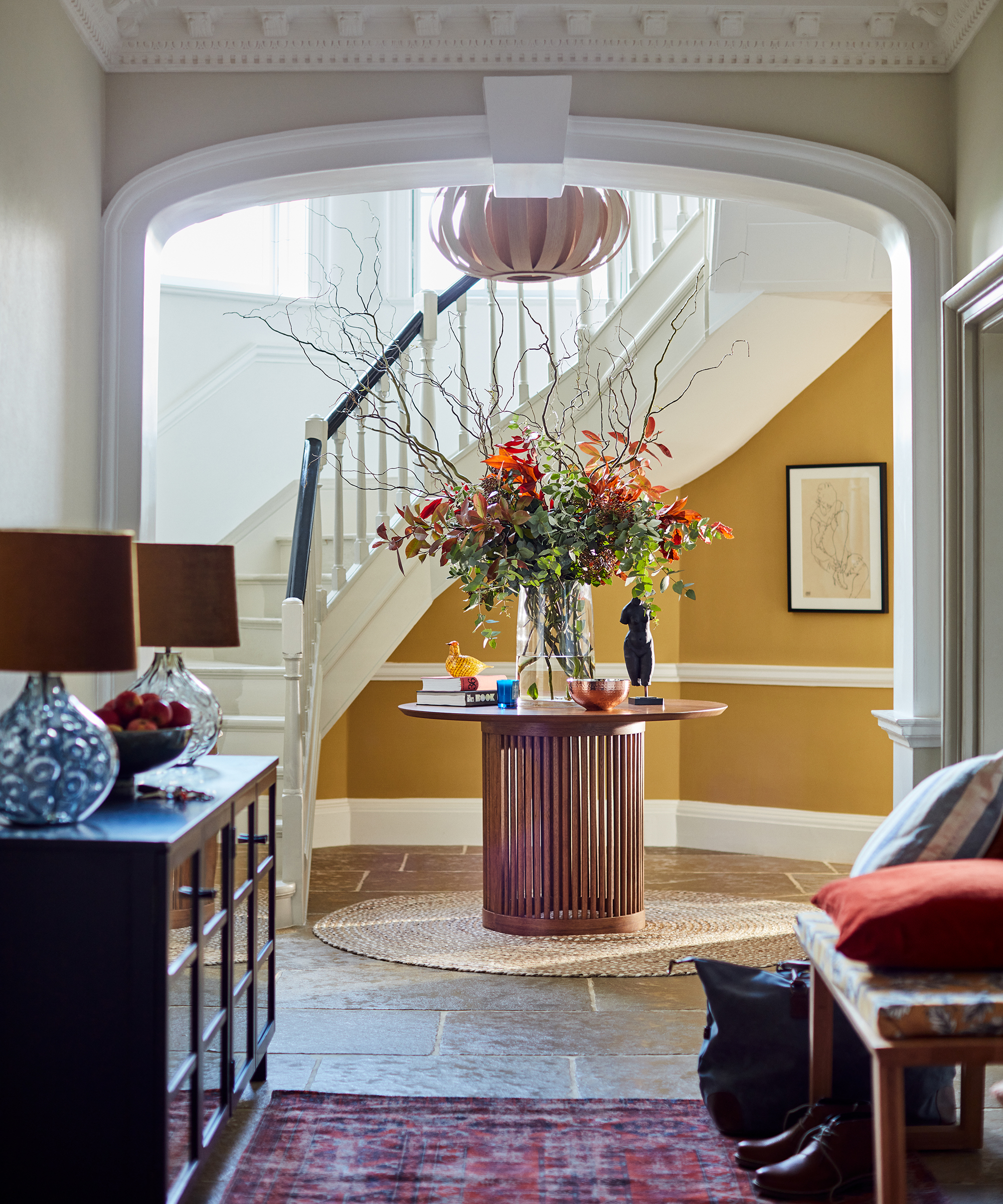
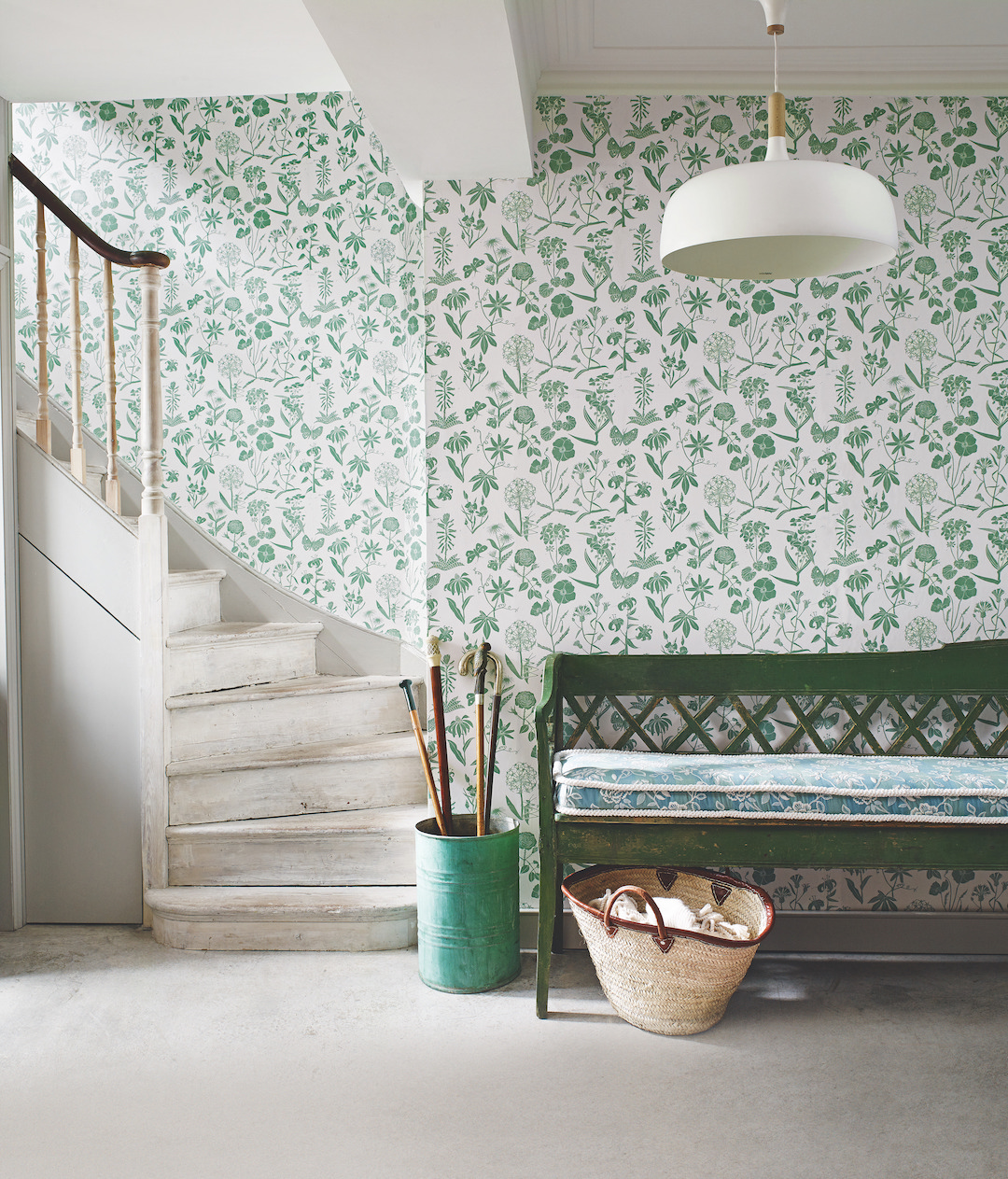
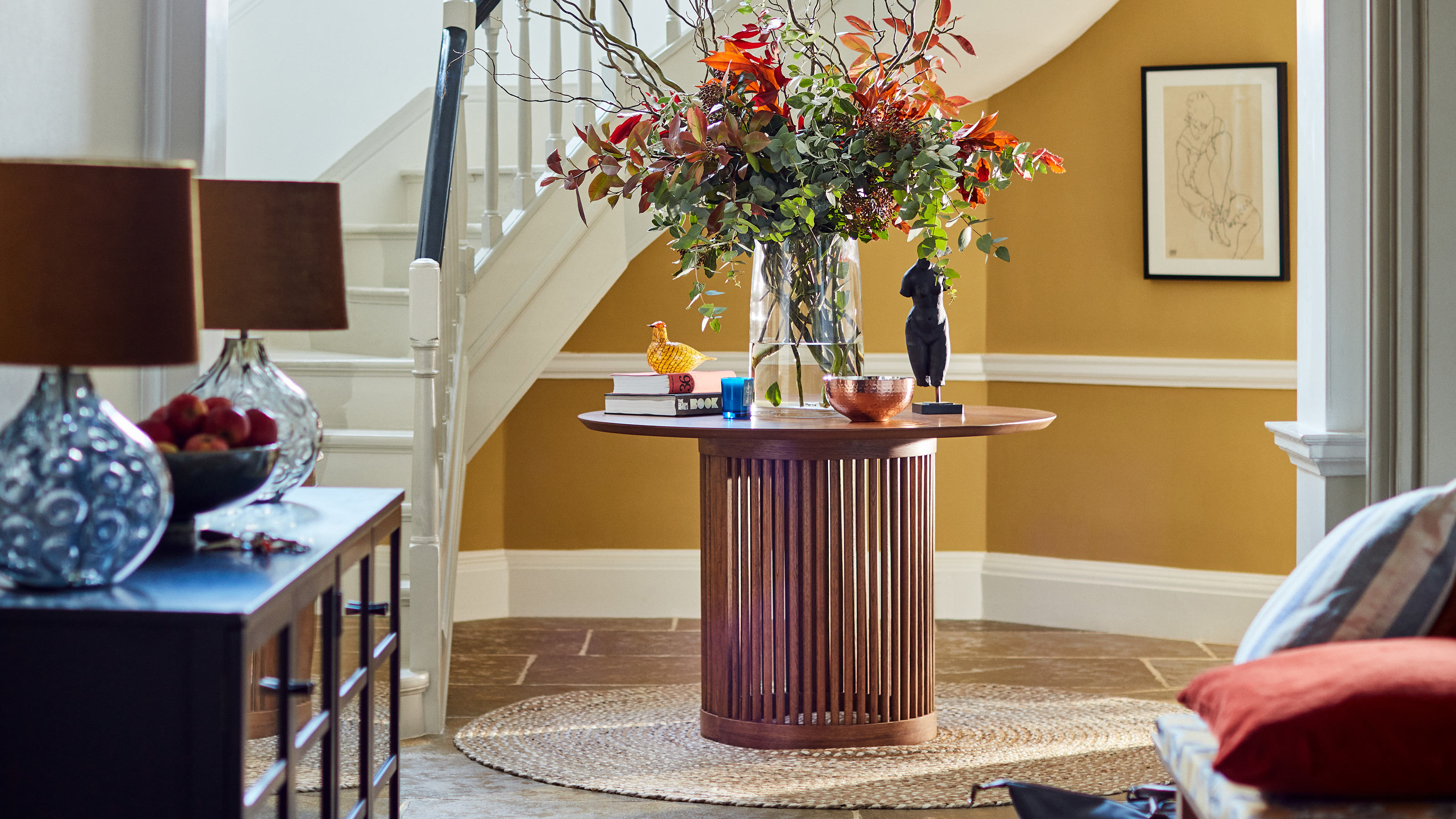
Color schemes play a vital role in creating the desired ambiance. Exquisite use of color and pattern, such as raspberry red and duck egg blue textiles, can enhance classic period features. Practical elements like hat and coat hooks, along with comfortable seating for shoe changes, should be integrated. A narrow table for flowers or greenery can welcome visitors, and in larger halls, a central table can serve multiple decorative and functional purposes. Simple tiled or stone floors with a substantial doormat are recommended for ease of cleaning, while a cheerful, warm-colored rug can add texture and warmth.
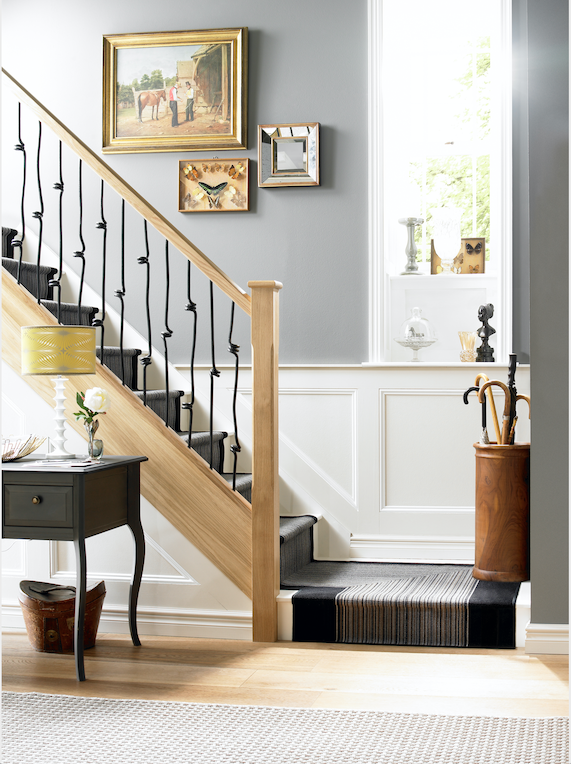
For cottages with new extensions, a glass link can provide a seamless transition, offering natural daylight and garden views. This approach allows for a blend of antique and contemporary decor. Personalizing the hallway with unique pieces is encouraged; for example, upcycling a hall table with creative paint designs can express the homeowner's personality. Natural materials and finishes, such as rustic wooden tables, vintage rugs, and original flooring like wood, brick, or terracotta, contribute to an organic feel. Warm shades of gray can soften the space and minimize the coldness often associated with neutral palettes. Finally, the hallway can establish a thematic continuity for the entire home, such as a coastal theme with blues and neutrals, or by repeating fabrics from the hallway into living areas to enhance cohesion. Even in homes without a distinct hallway, opening up the entrance to main rooms can create an inviting, light-filled, and stylistically continuous space.
#CottageHallway #InteriorDesign #HomeDecor #HallwayIdeas #RusticStyle #ColorSchemes #SmallSpaceDesign #WelcomingHome #TraditionalDesign #CottageHallway #InteriorDesign #HomeDecor #HallwayIdeas #RusticStyle #ColorSchemes #SmallSpaceDesign #WelcomingHome #TraditionalDesign
0 ความคิดเห็นรวม
 ยังไม่มีความคิดเห็น
คุณอาจจะชอบอีกด้วย
Cottage staircase ideas – style inspiration for a warm and homely look
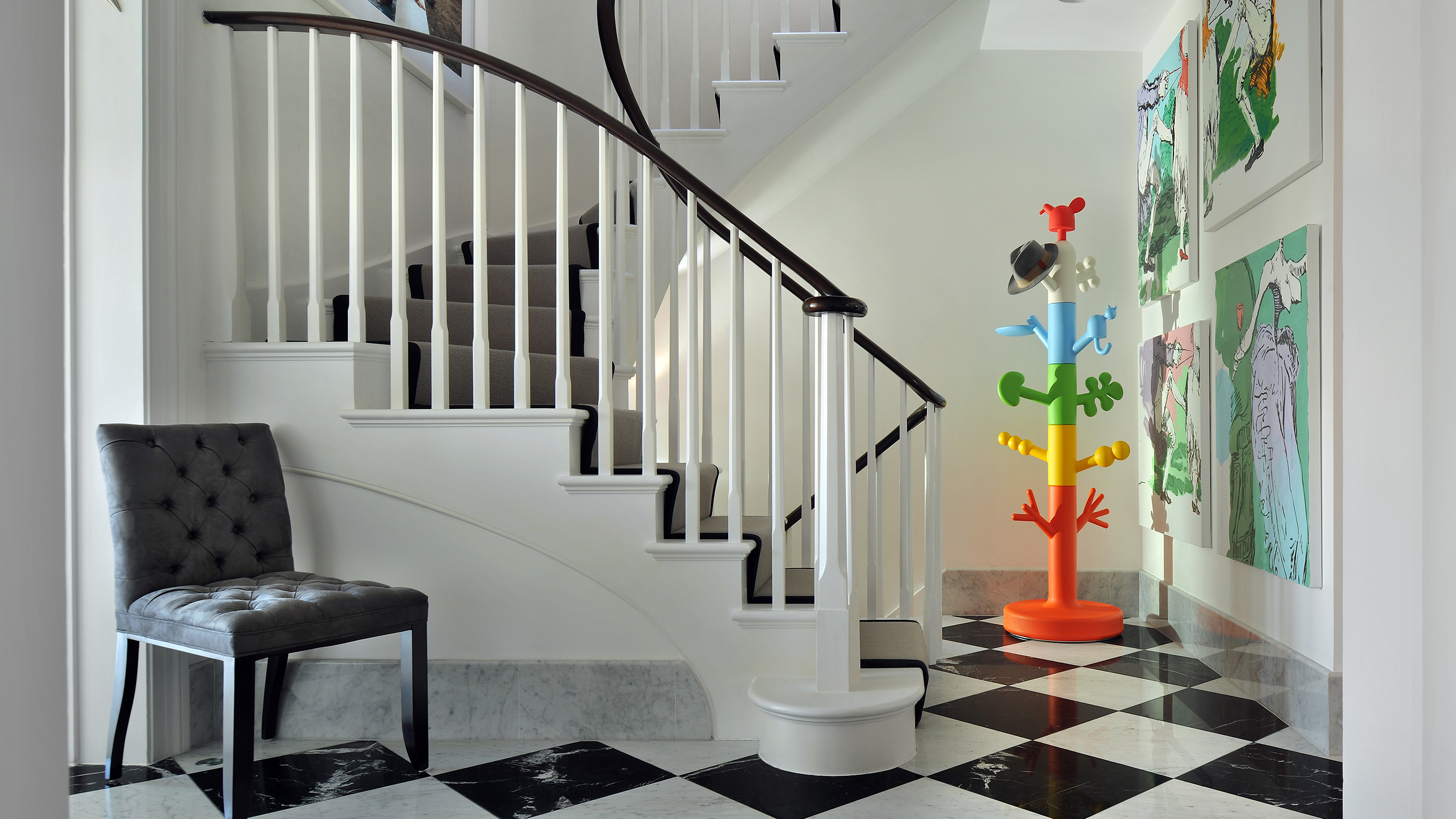
15 Modern Hall Decoration Ideas For Home In 2023
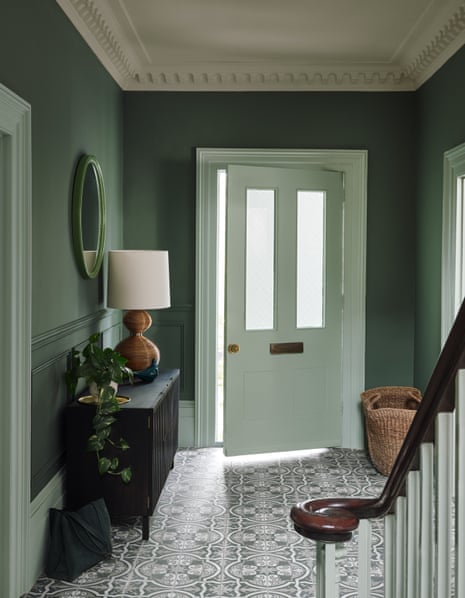
How to give your hallway a stylish makeover
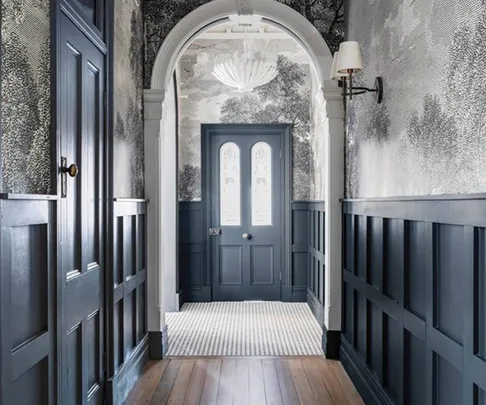
Making an entrance: the experts share design ideas for your hallway

14 stylish hallway designs we’d love to come home to

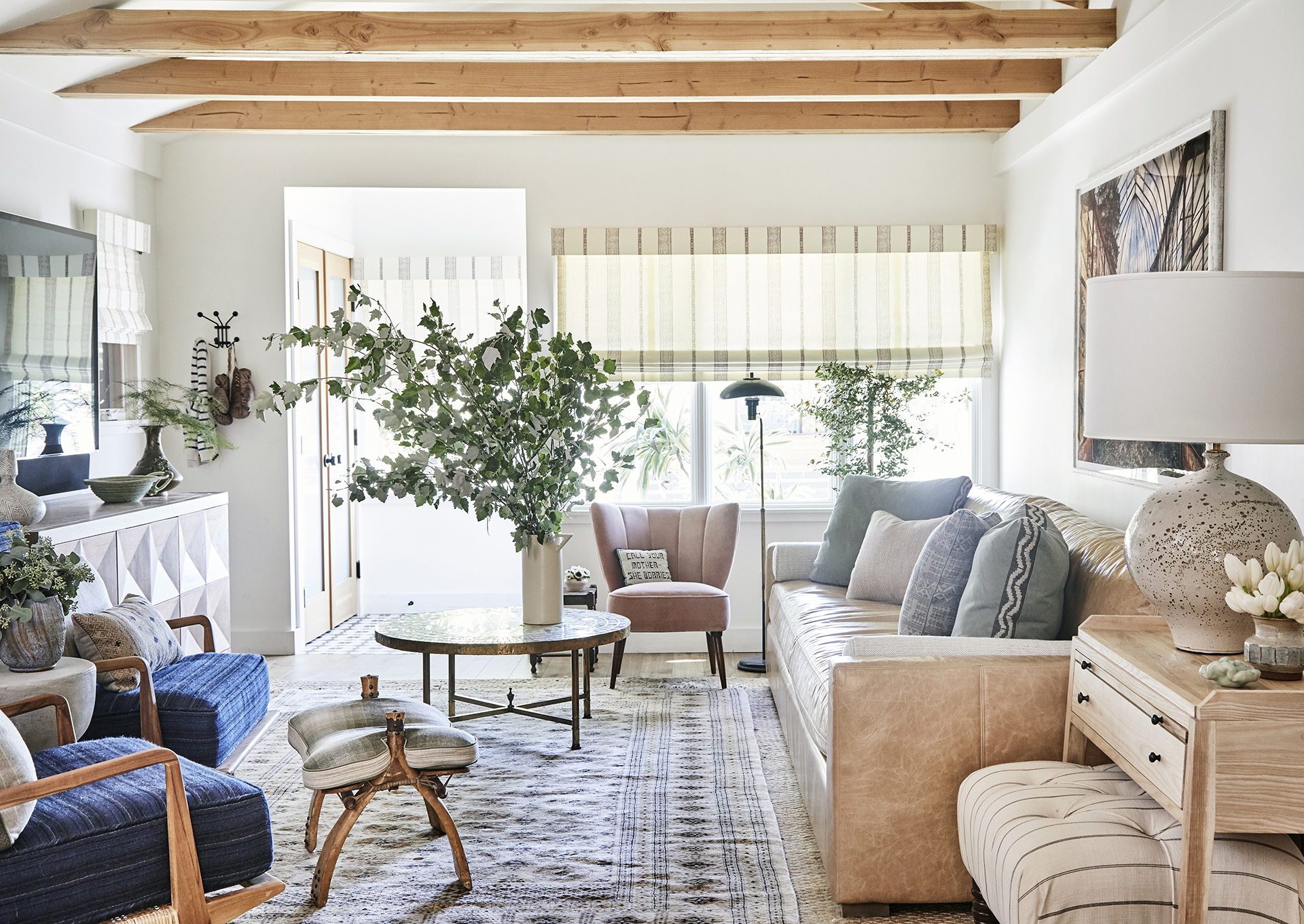
Cottage living room ideas – 13 inspirational ways to add comfort and style
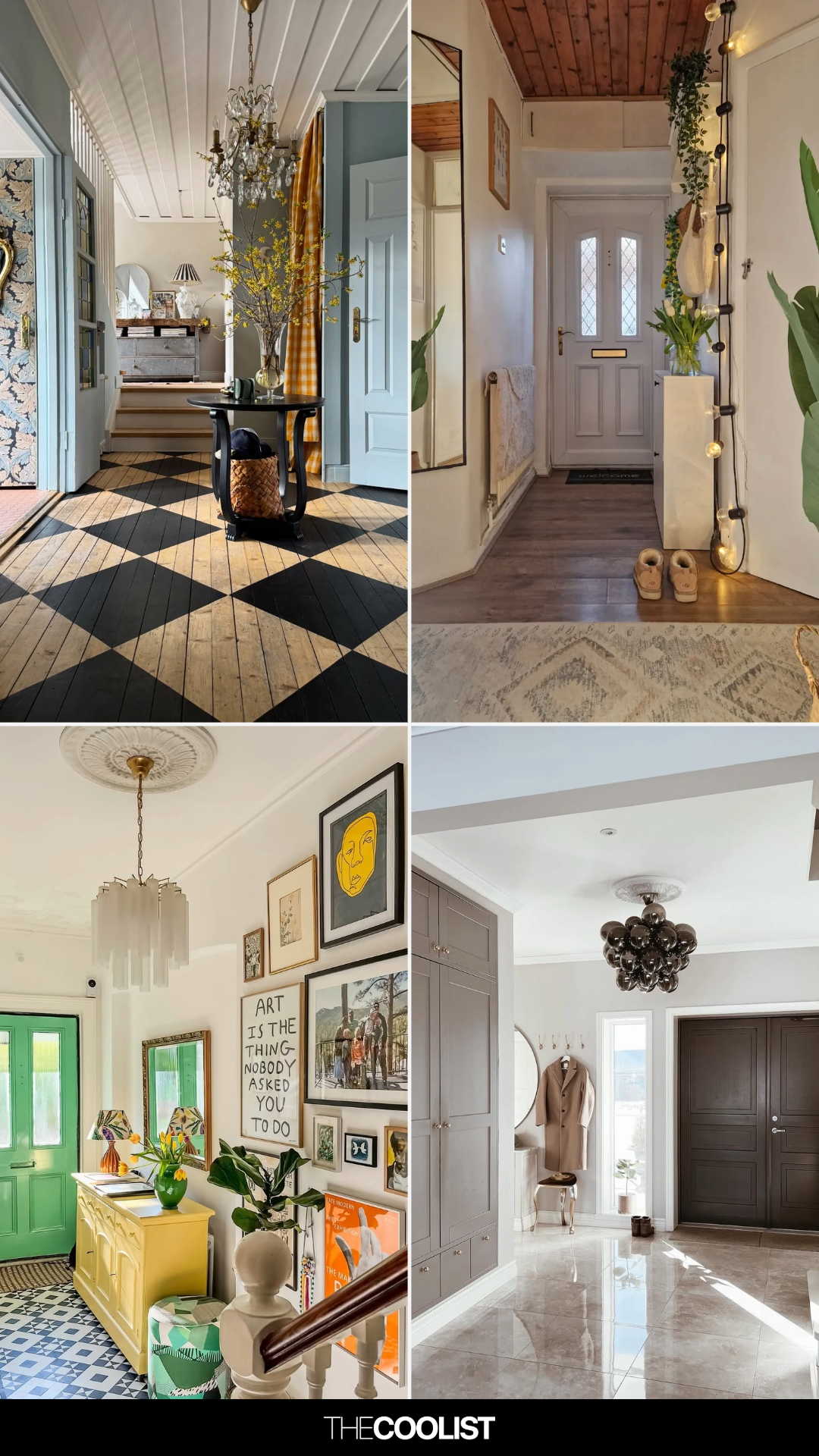
30 Hallway Decor Ideas That Make Even the Smallest Hall Feel Styled, Bright, and Welcoming

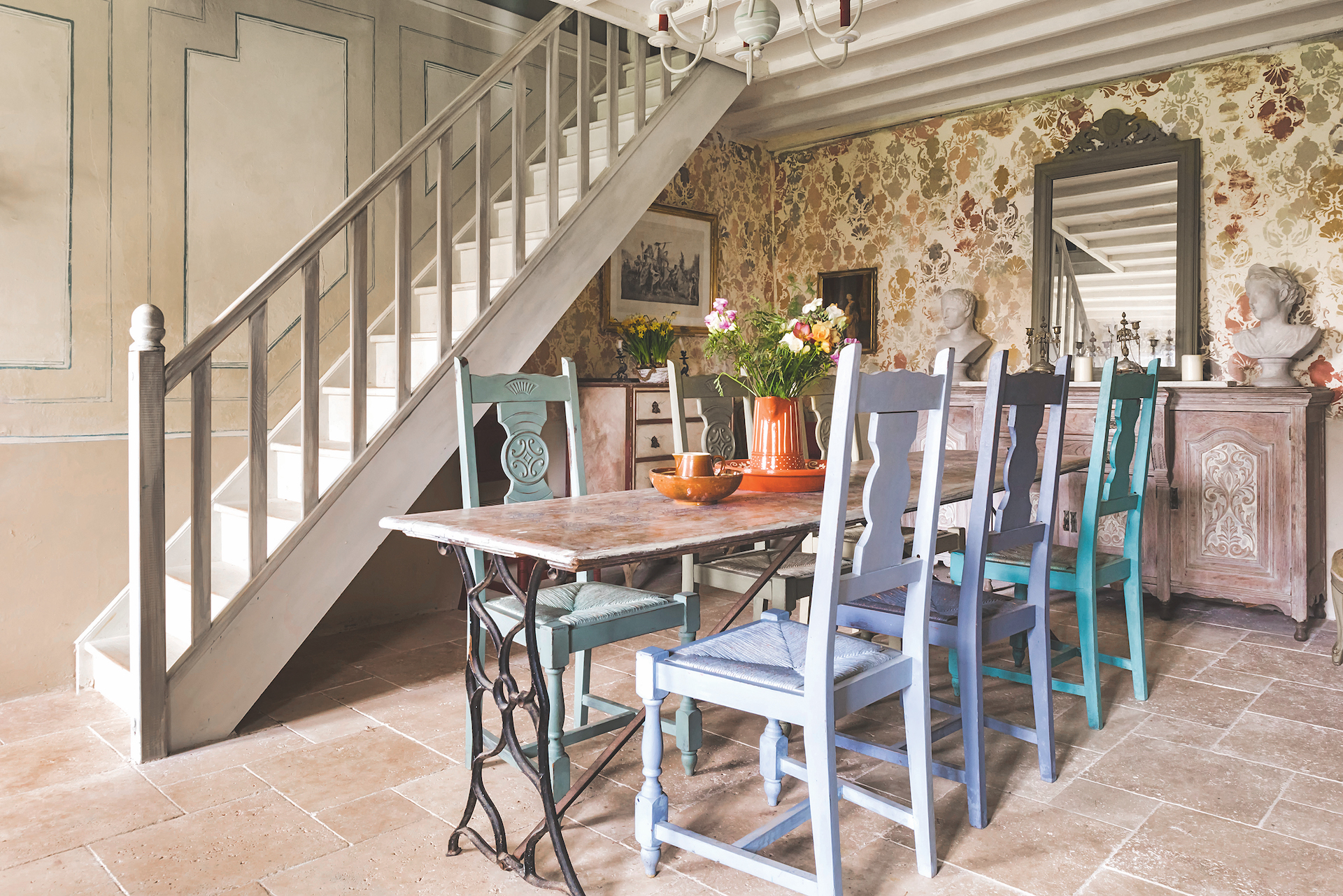
Staircase ideas – 25 inspirational features for treads, rails, materials and more
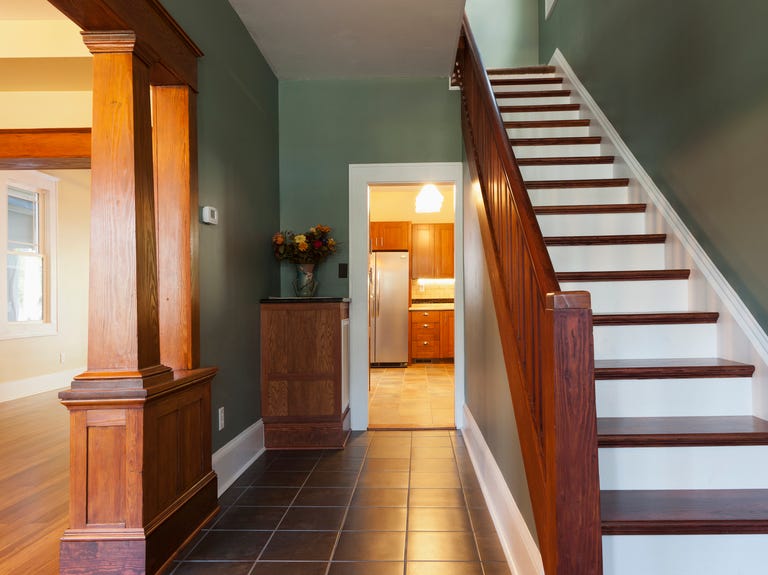
Hallway decor ideas to make your space look amazing

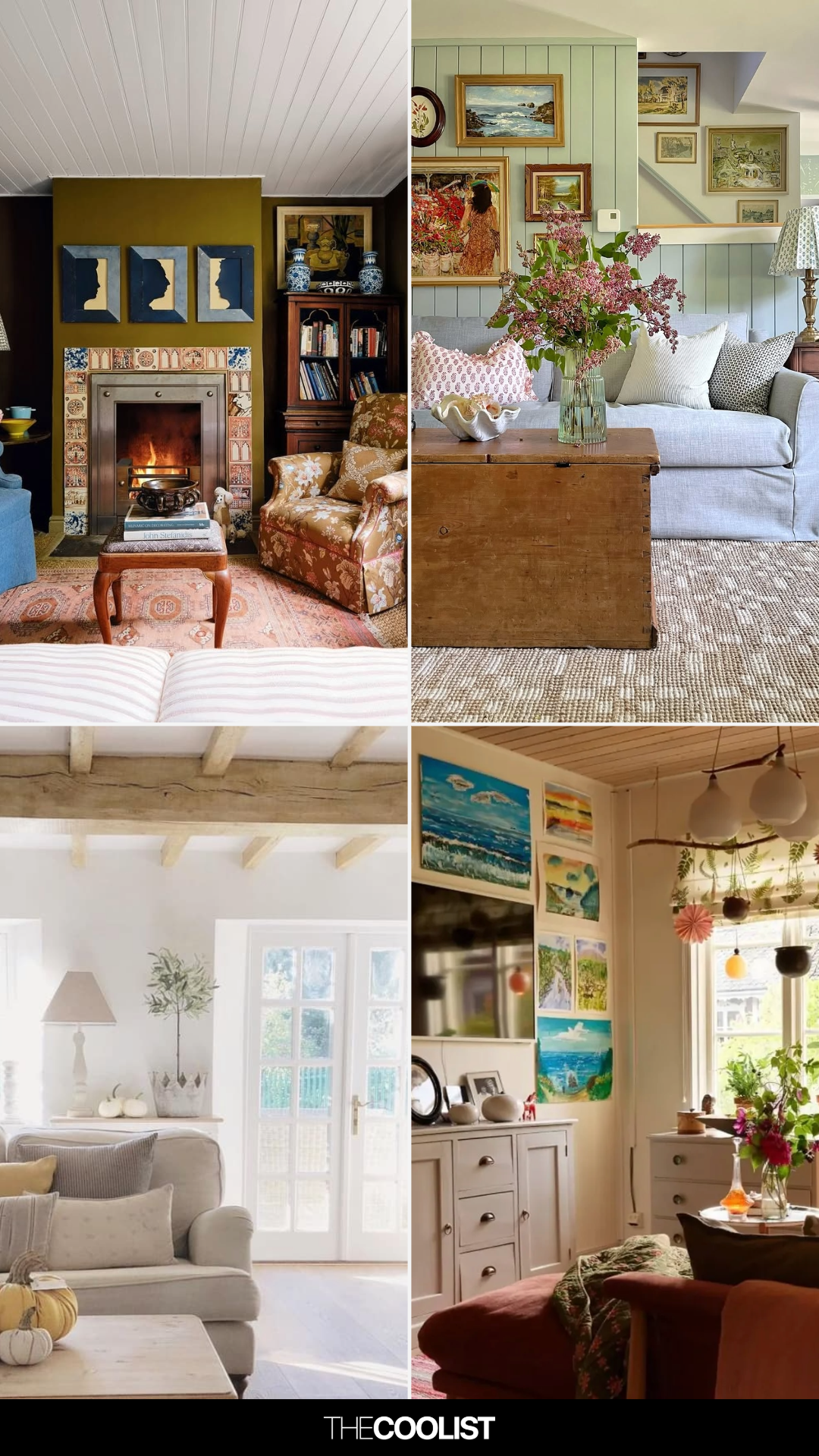
25 Cottage Living Room Ideas You’ll Regret Skipping When You See How Others Use Them
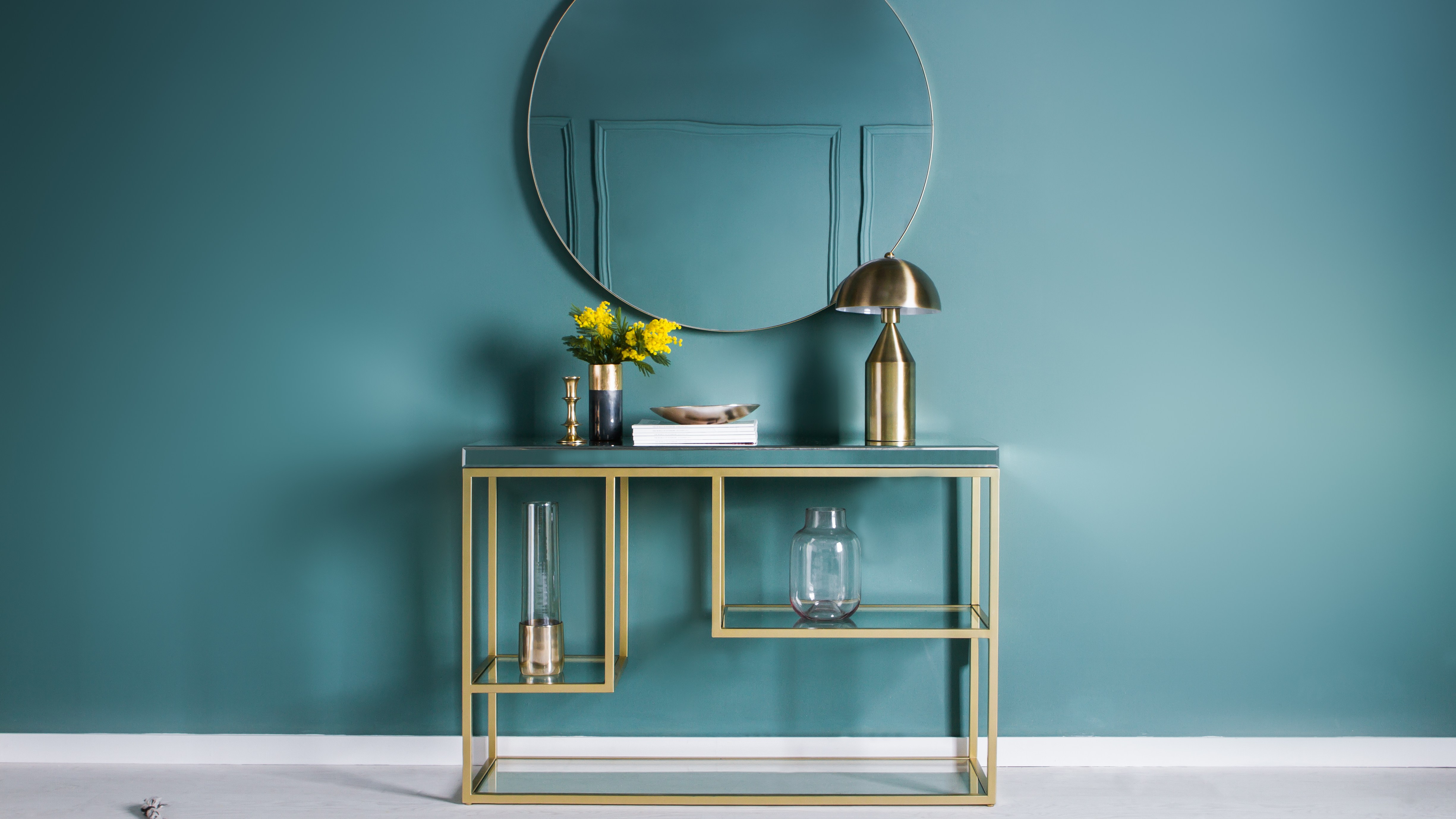
How a hall can be star of the show
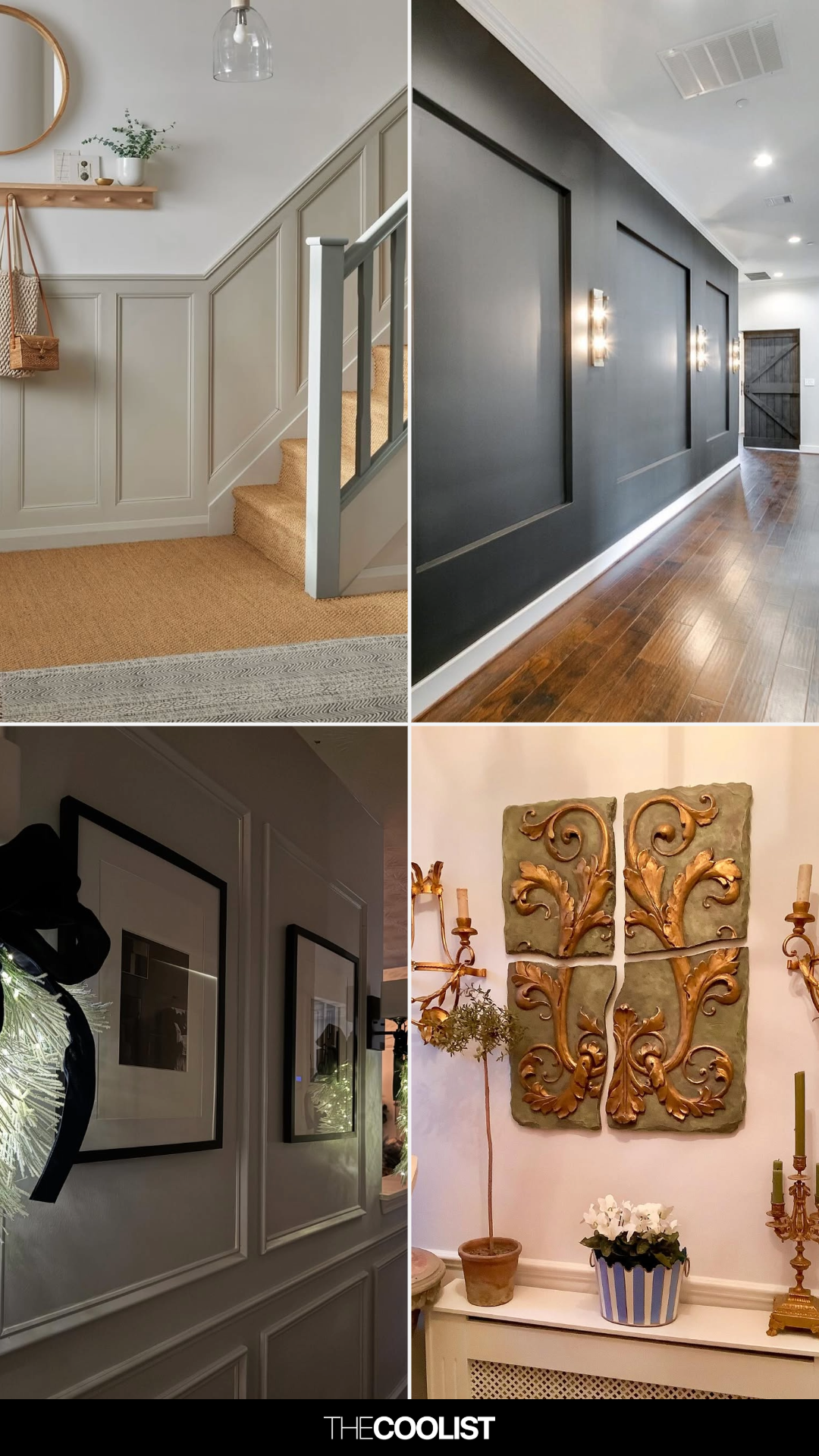
33 Hallway Wall Decor Ideas Guests Will Compliment Before Seeing the Living Room
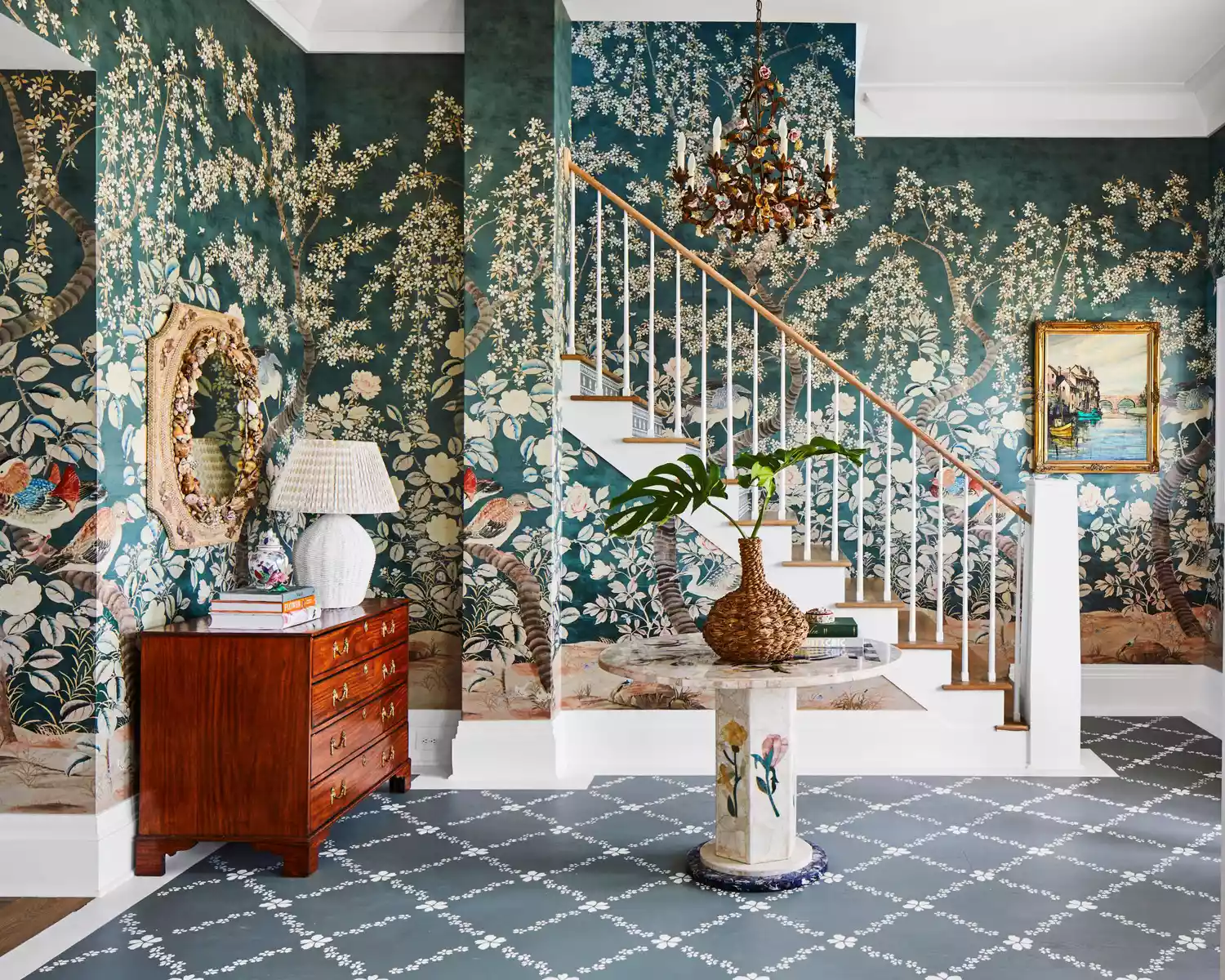
14 Hallway Decor Ideas To Add Style To Every Part Of Your Home

13 reasons everyone hates your hallway — and ideas to fix it
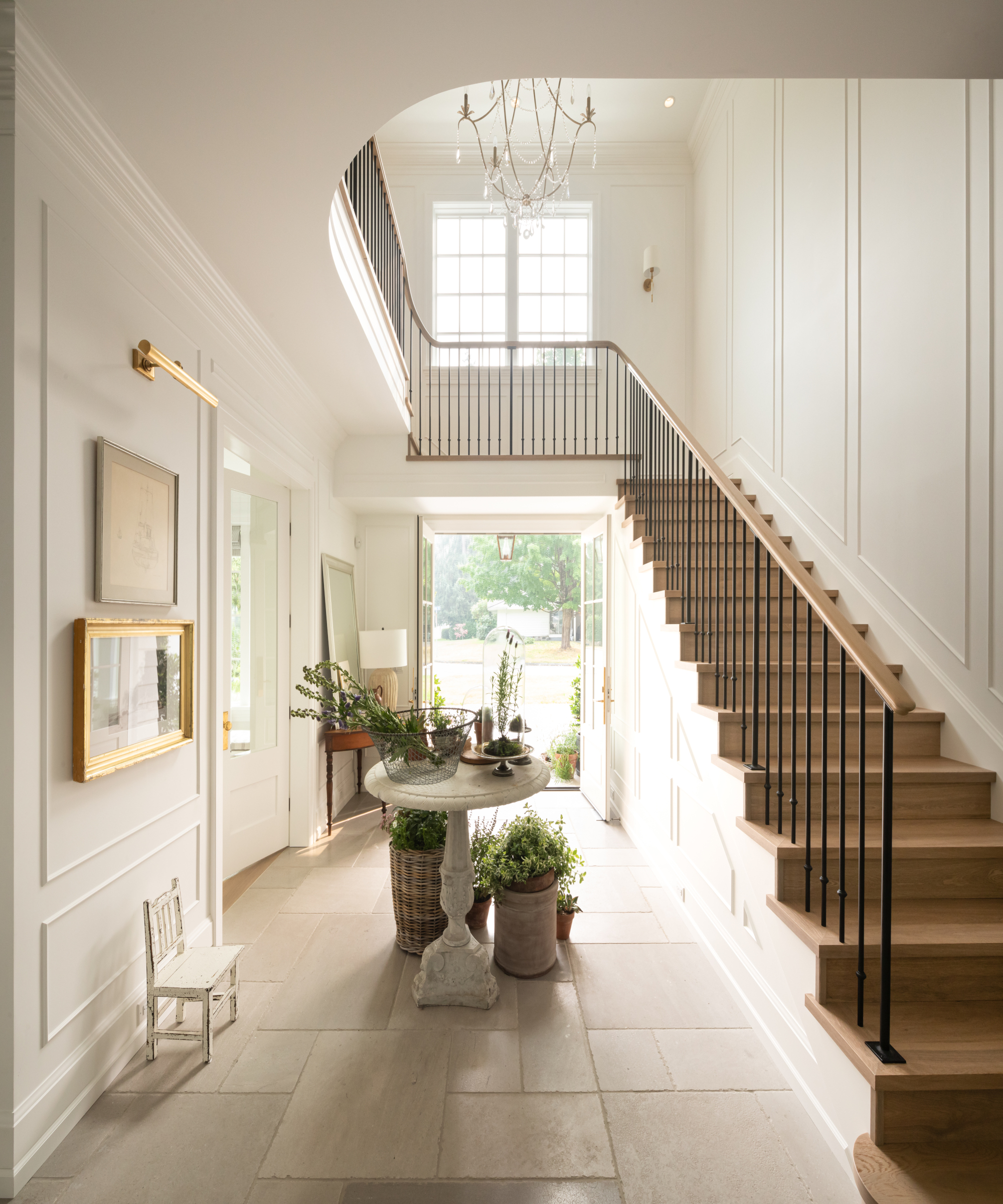
Hallway ideas – 25 clever design tricks and color schemes for a fresh and modern style

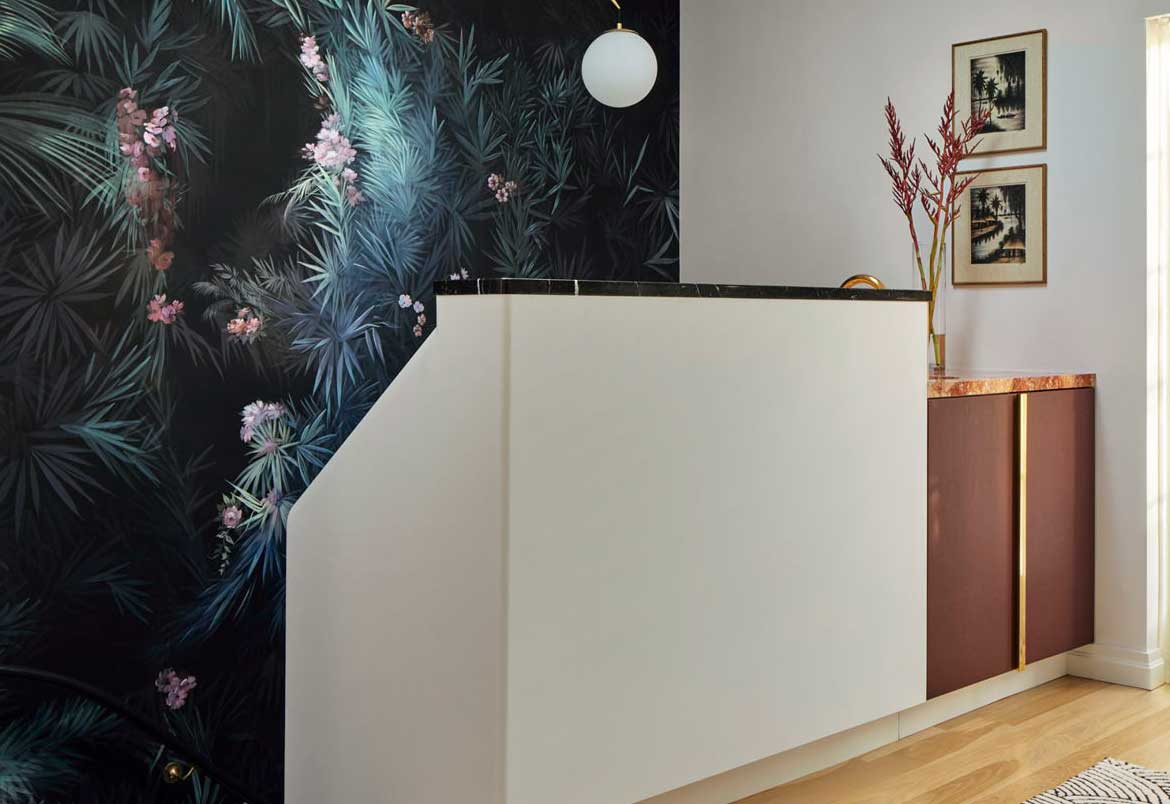
‘You’re missing a trick' – 5 ways experts make that empty space in your upstairs hallway look beautiful
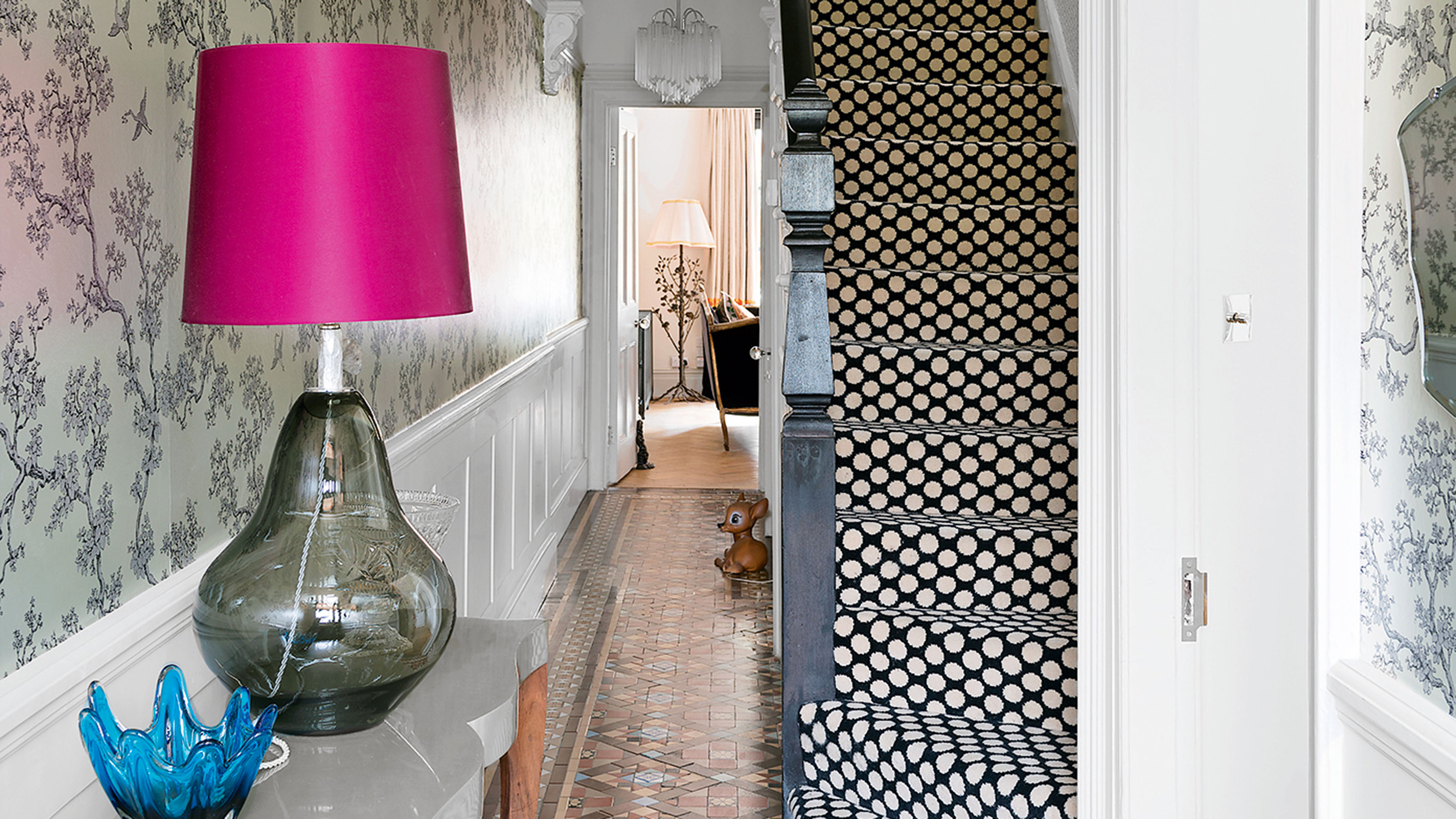
Long hallway ideas – 10 ways to make the most of your space
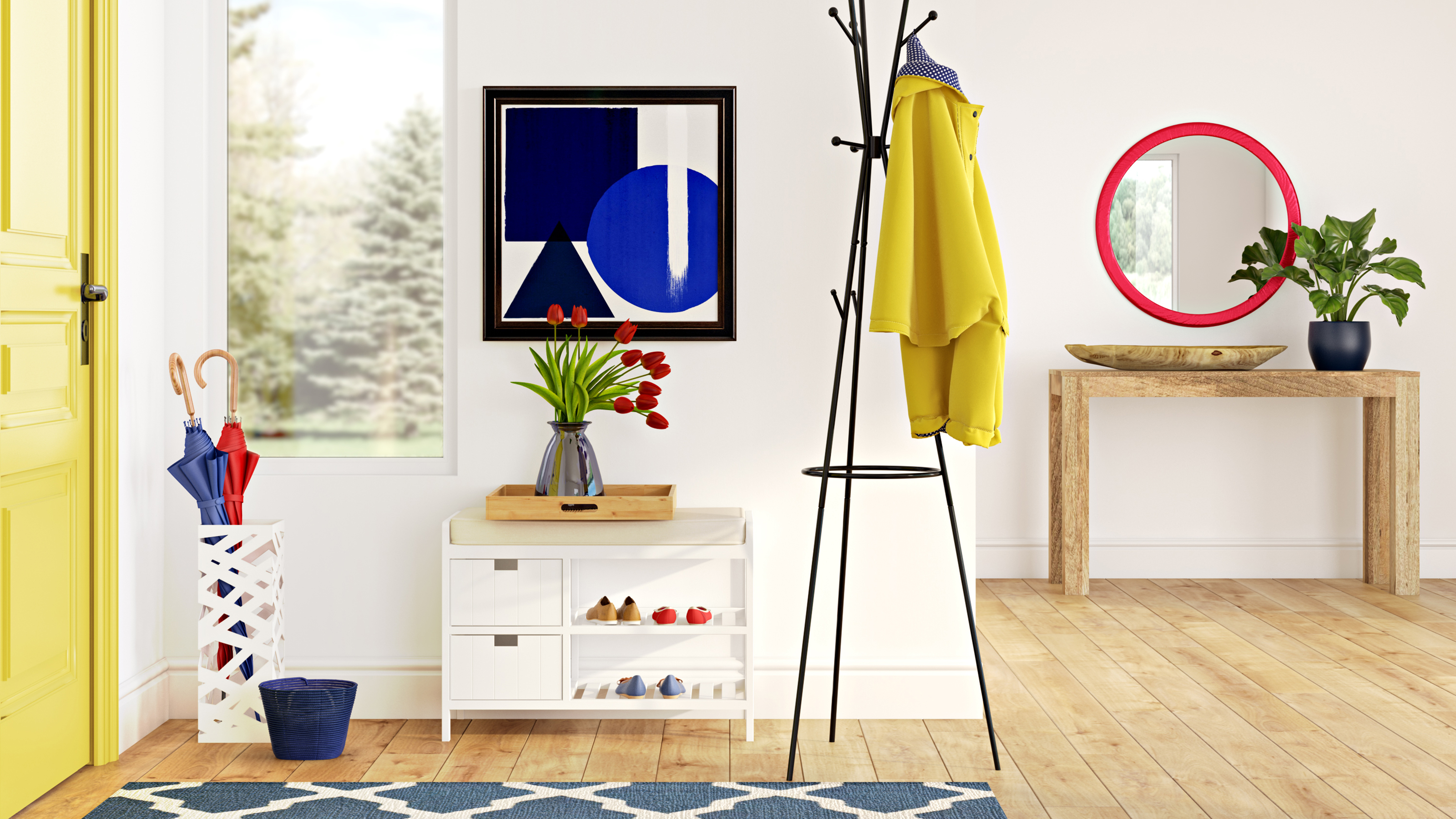
16 modern hallway ideas – contemporary designs for spaces big and small

Traditional hallway ideas – 30 designs that are fashionable, yet familiar


Home help: My hallway feels like wasted space. What can I do to make it more useful and welcoming?